
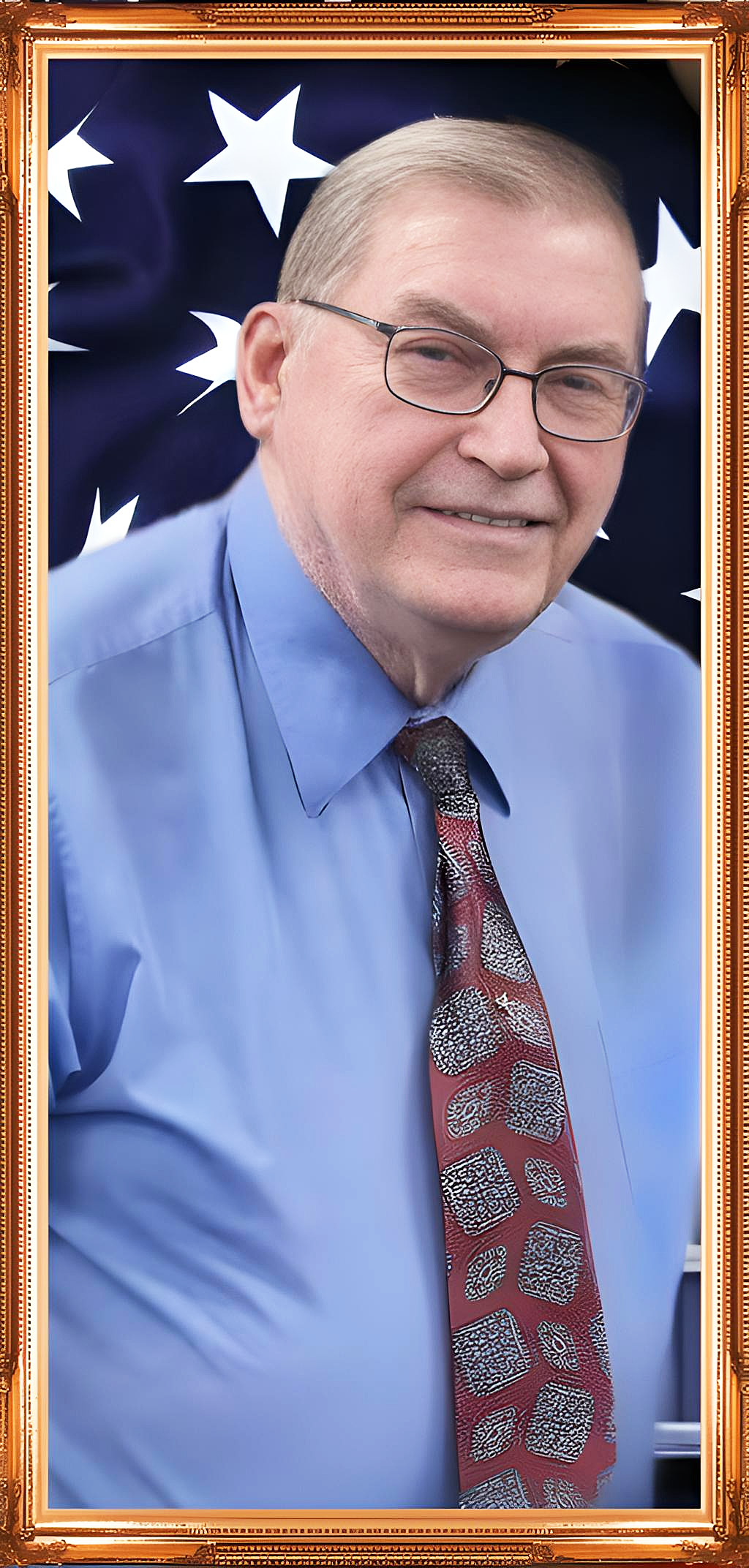
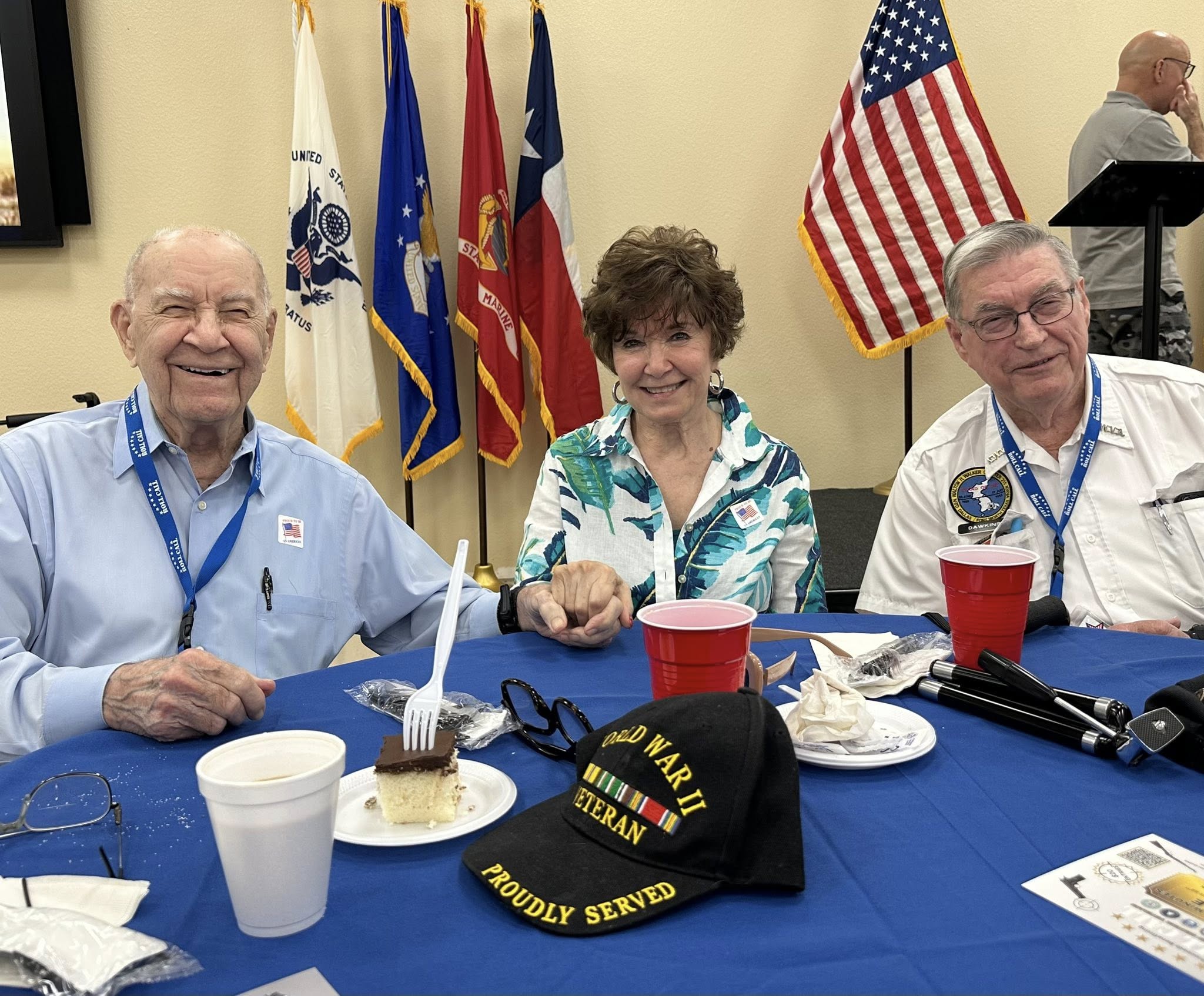
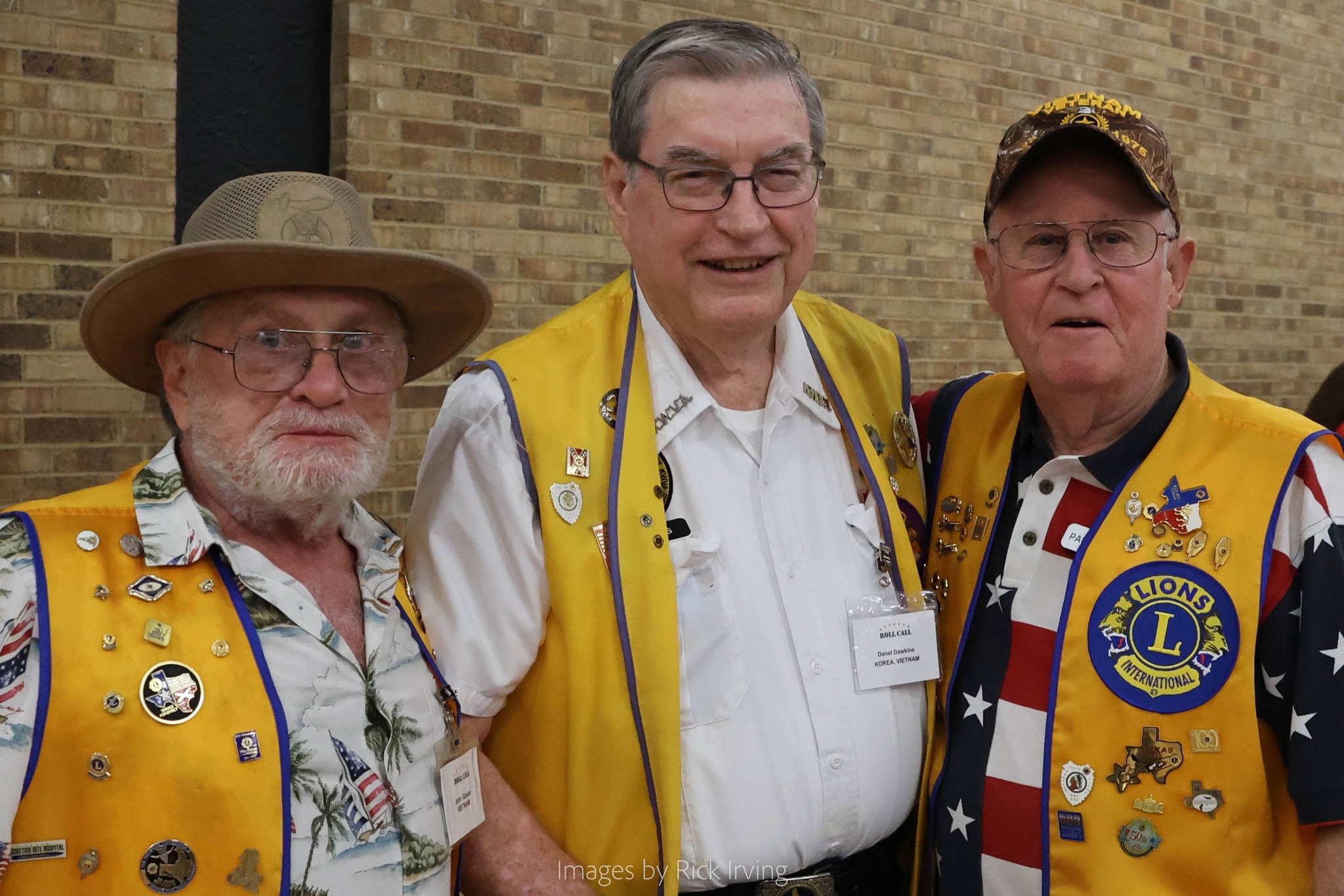
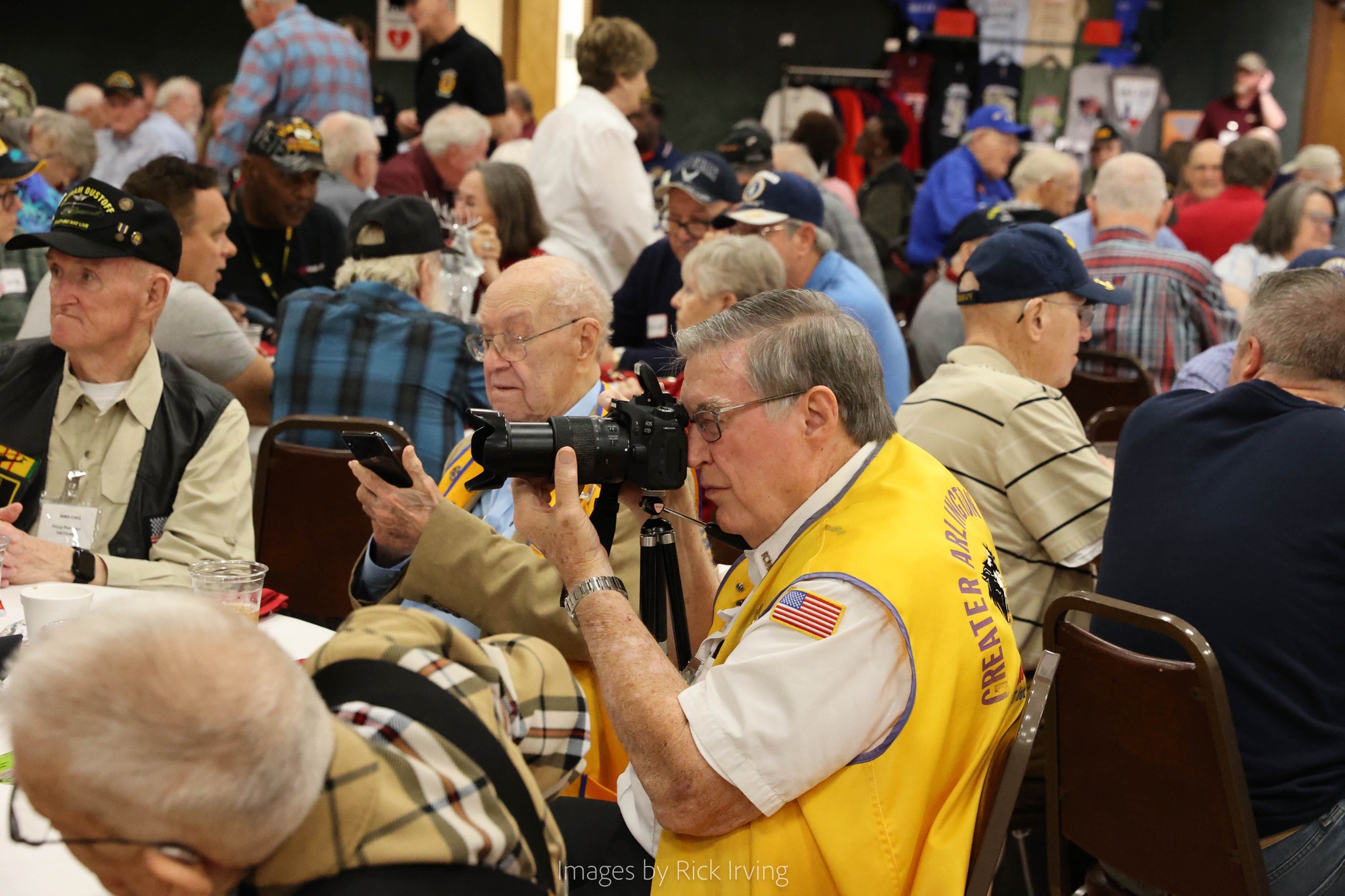
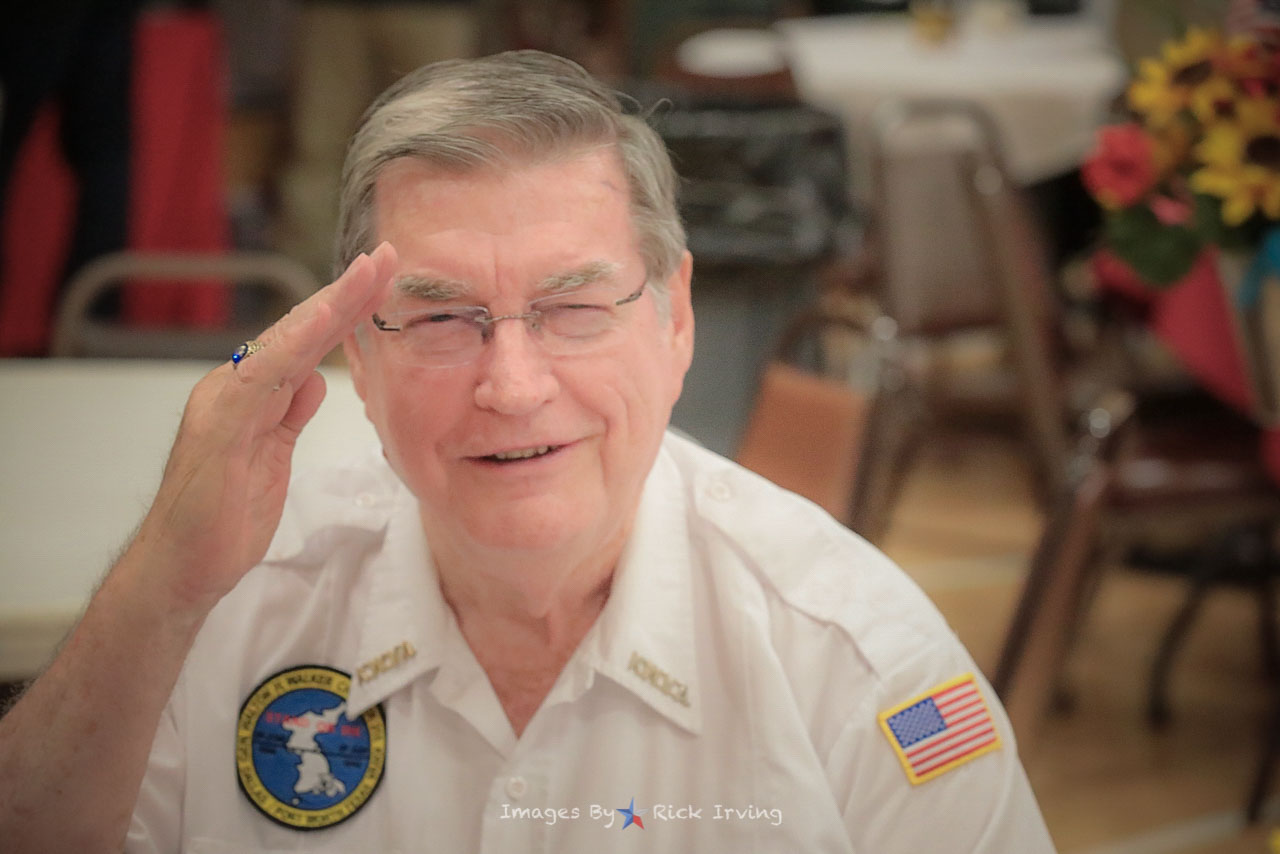
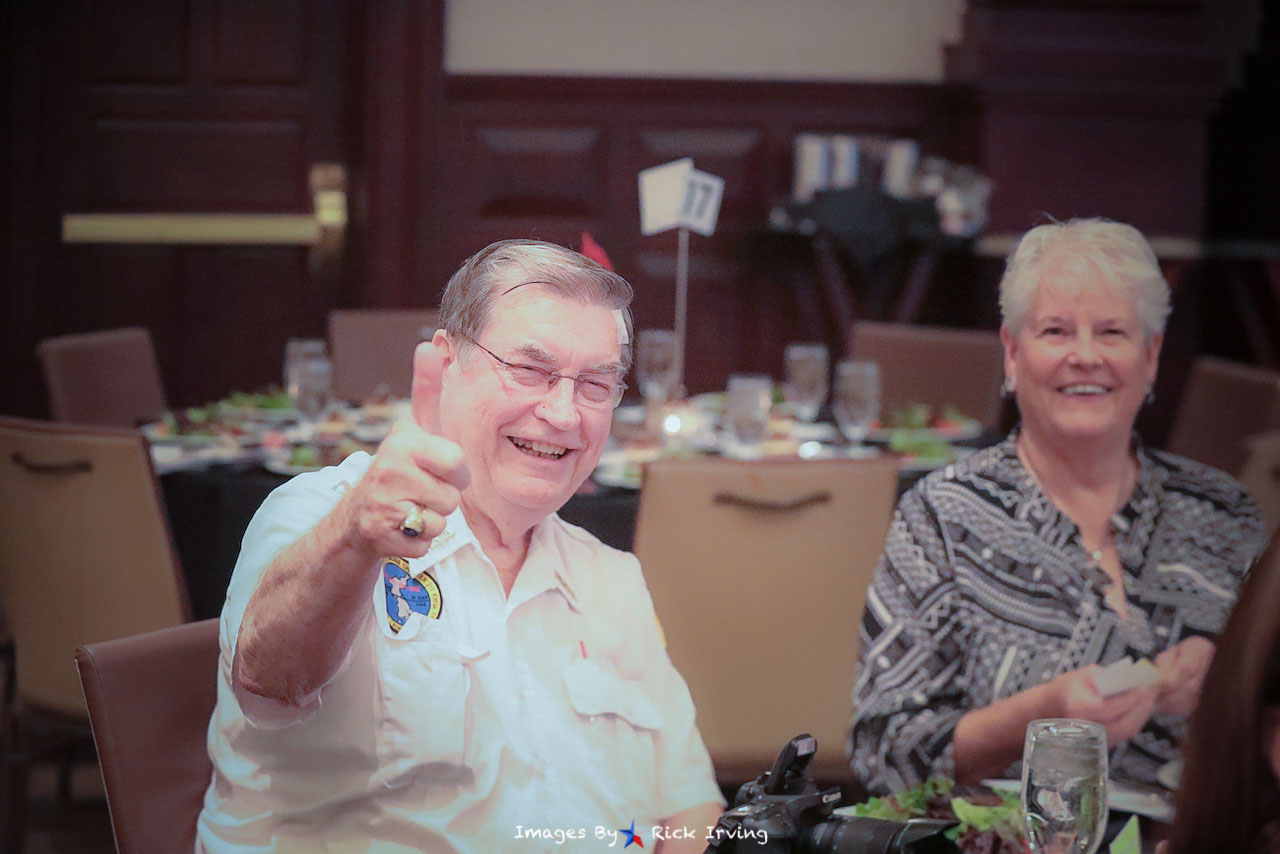
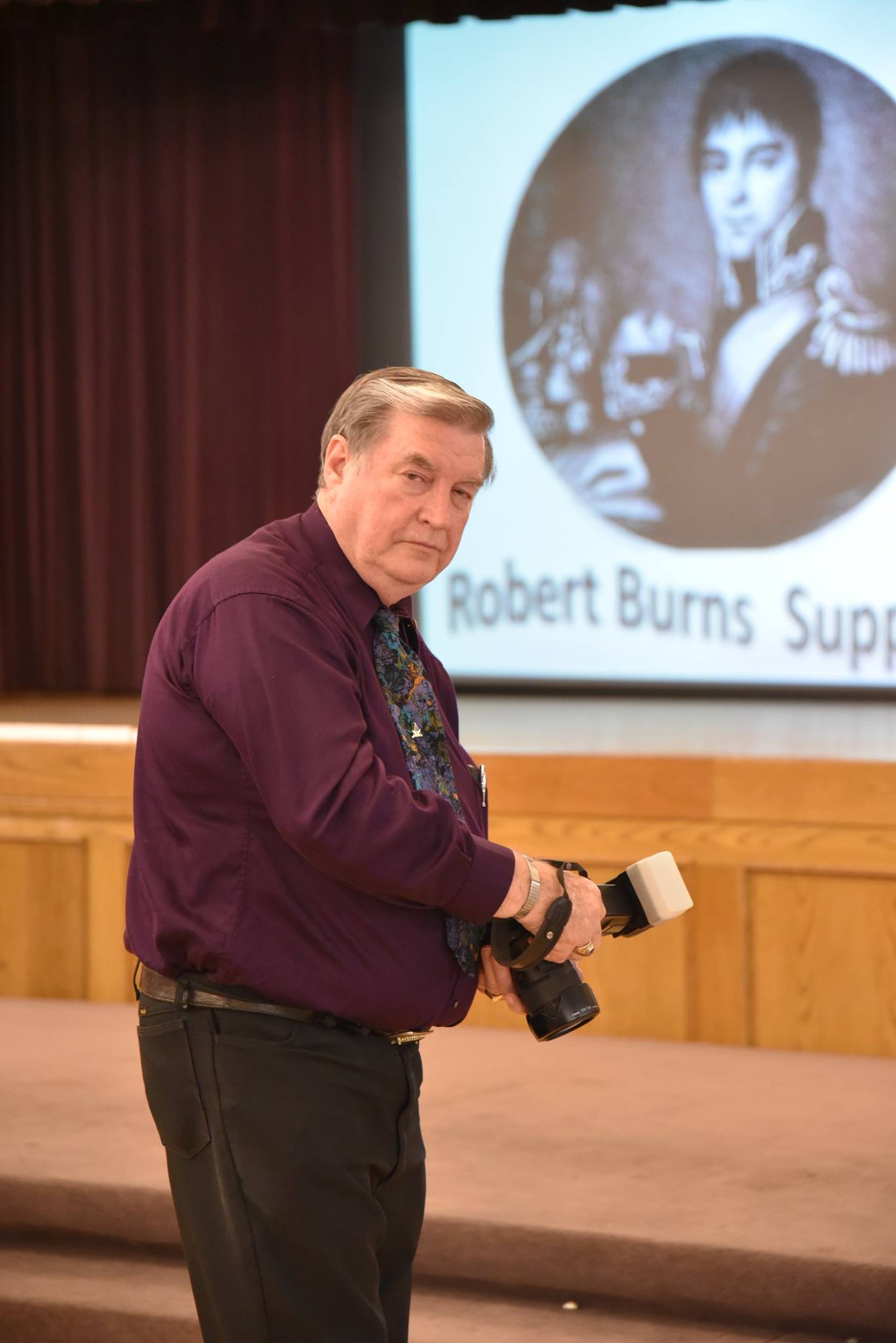
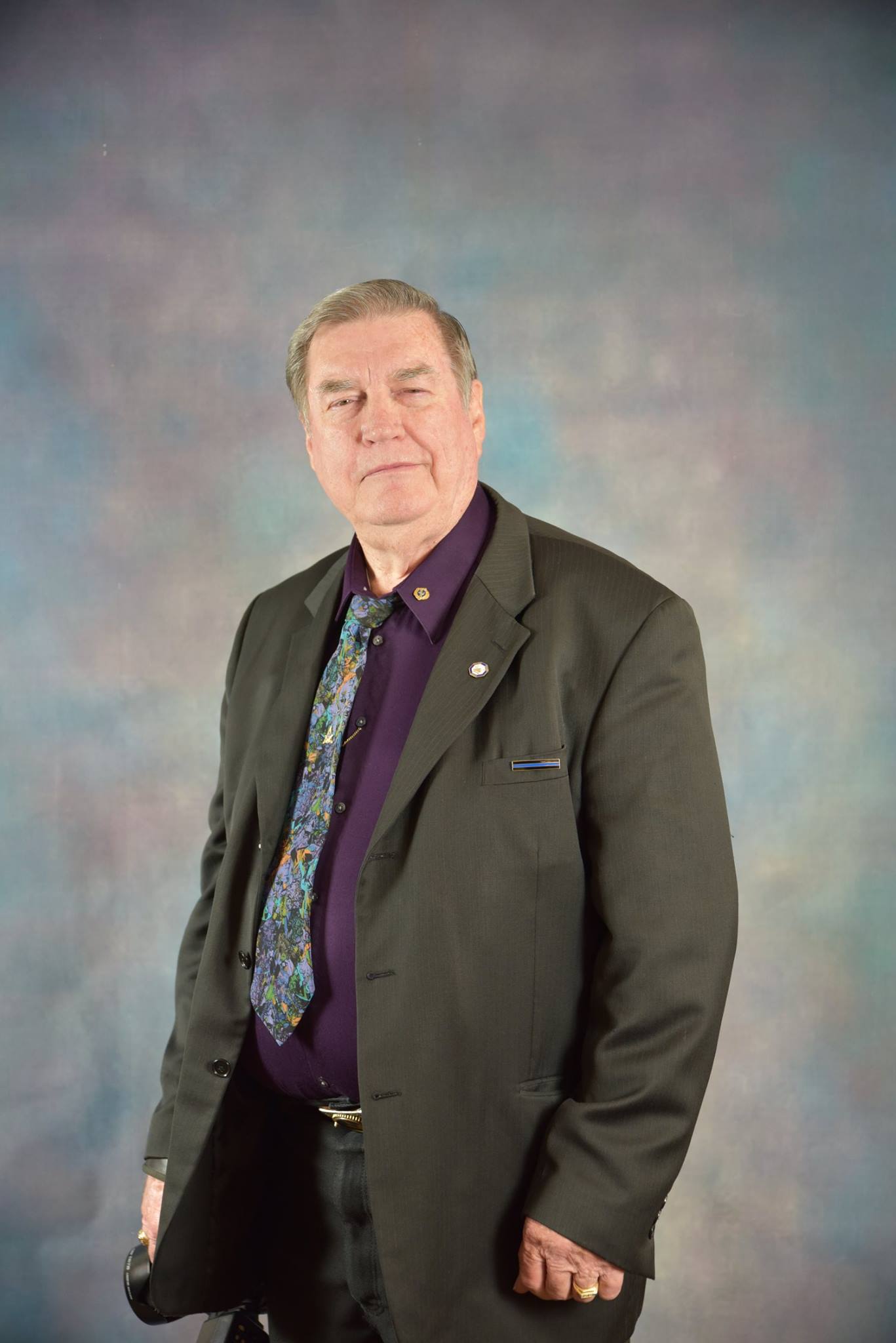
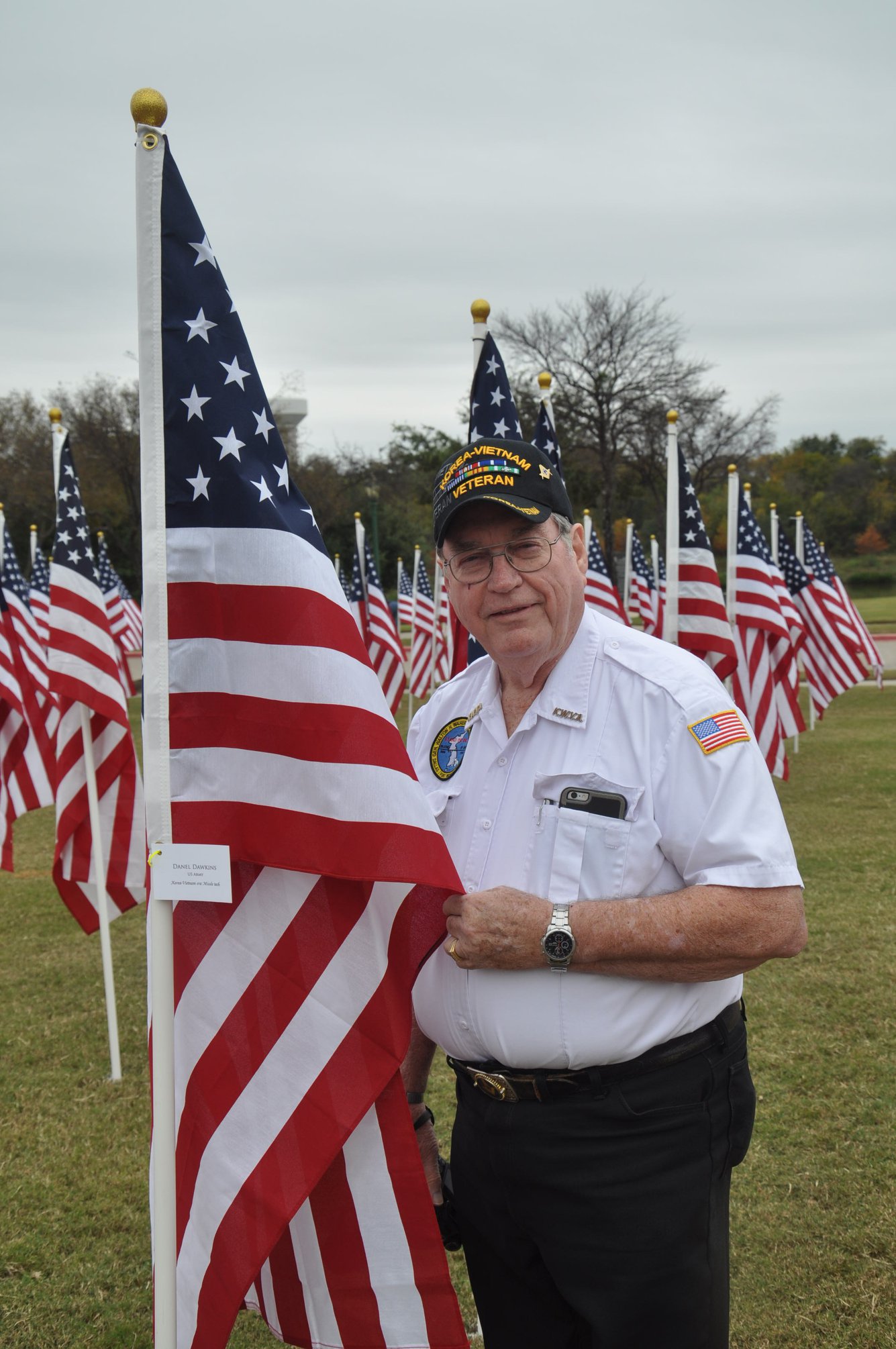
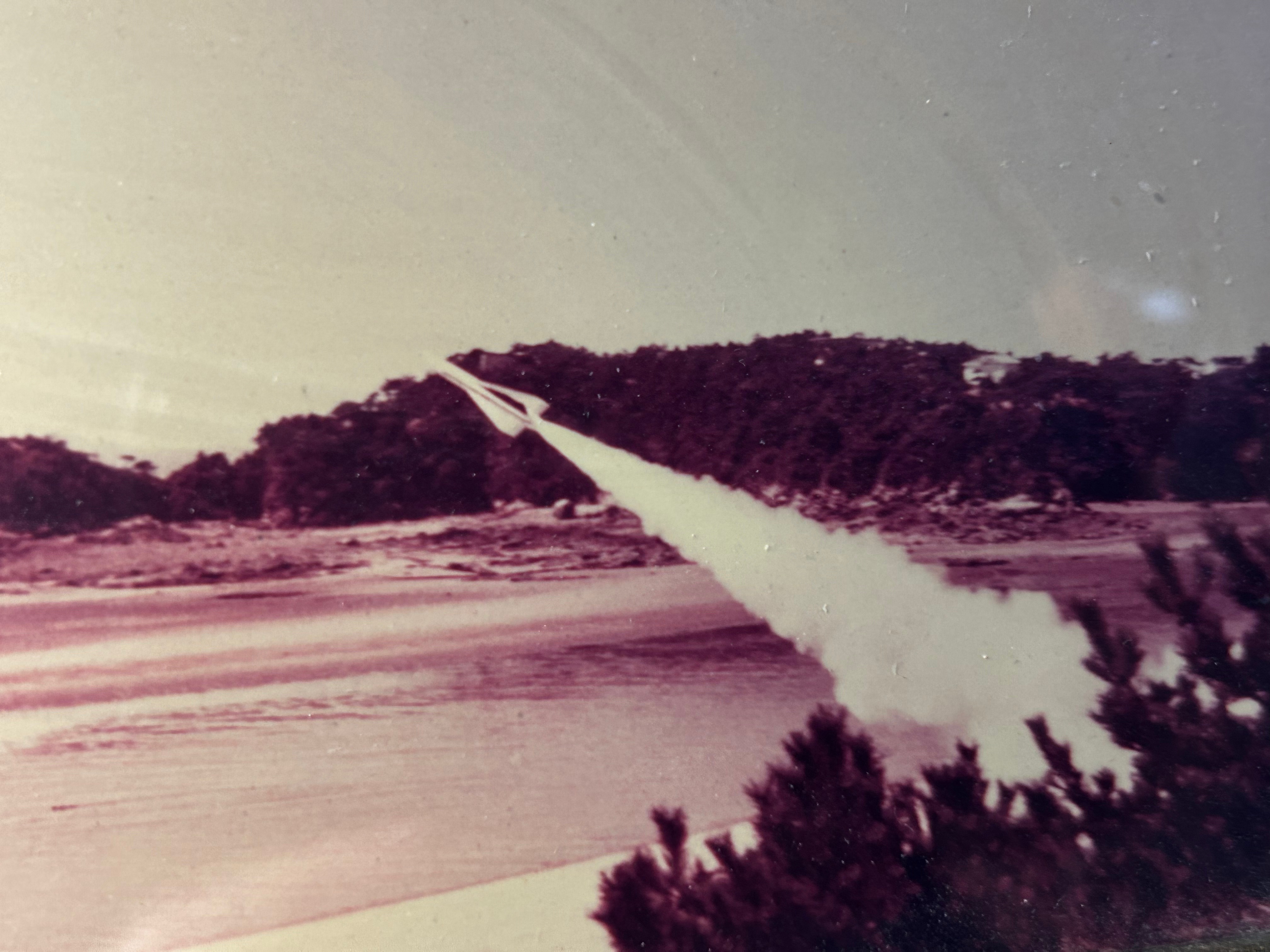
Dan was born in April 1947. Baseball was my favorite pastime because there was nothing else available to do. I grew up on a farm and started picking cotton when I was 3 years old. My mother would put the cotton in a bag 8 feet long and would place me on the end of the bag. Then dragged me around as she picked cotton. She didn’t have the money for a baby sitter so this idea worked out.
We worked rain or shine. My father was not the type that enjoyed watching us do cartwheels or goofing around. He was usually yelling at us because it was all business. If it was raining we shucked corn in the barn.
I was one of 11 brothers and sisters and went to HS in Pioneer, LA in NE Louisiana. The school had 23 students. His wife, Lois, was from LaFayette, LA but had moved to Michigan. Her southern accent proved to be too much for the northern girls so they were not friendly toward her.
When they were in the 11th grade Lois picked his name at Christmas. She had never met him and one day, when she was in study hall the teacher pointed him out to her. Lois ended up buying Dan a tie which would have been good except he didn’t own a nice shirt.
As a side note Dan mentioned his oldest brother who had died in 1984 was 7 foot tall and weighed 390 pounds. Dan mentioned heart problems and diabetes was a common problem in his family.
We bought a 50 acre farm. The school board took back 10 acres so our farm had 40 acres. I remember my Daddy cut down 2 trees and placed them side by side. He then took boards to the saw mill and cut them into 4×4 wood pieces and built a house. He wrapped a cable around the trees and used a road grader for $5.00 to pull the house around to the barn. The boards were cut in the summer and when they dried out they shrunk leaving spaces. It was funny because I remember being able to look down and see the chickens below the boards and which one I wanted to eat.
When I was 6 years old I got very sick from measles and the doctor said he had a new medicine he wanted to use called penicillin. He didn’t use a scratch test to see if I was allergic so he decided to administer half a dose. He told my father I would either be playing in bed or dead. When they checked on me I was pulling the chain on the light but it didn’t have any electricity.
I remember when we picked purple peas. We would sit in the shade of the tree and shuck peas. My mother would put the peas in cotton bags and put them in the freezer. After 6 months my mother would cook the peas in a pressure cooker and they were delicious.
I met my wife at High School. It was love at first sight. I was a skinny country boy weighing 157 lbs. In basic training I would put on 30lbs. We would go on a date twice a month to see a movie for $.35. She would never let me buy her popcorn or a coke because she said she knew how hard I worked for my money. She was the cheapest date I ever had. My dad never drove us to the movies because he died when I was 11.
My girlfriend moved to Michigan. My birthday was October 18th. I traveled to Michigan to ask her to marry me. I hesitated to marry her because I wasn’t making very much money. I was in school and had to work very hard to get good grades. My brothers could make straight A’s but it was more difficult for me. I went to Mexico and worked for the Atomic Commission for $2.92 an hour. I then did dry walling for $5.00 an hour. Moved to Florida and got a job at Peace Works for $15.00 an hour.
I enlisted in Albuquerque with 30 other men. The Sgt asked why I didn’t register for the Selective Service? I told him I just turned 18 that day. I told him I wanted to go to Fort Polk which surprised the Sgt because he didn’t think anyone wanted to go there. I told him I was from there plus I was enlisting in October while it was still cool which was a great idea. No one wants to enlist in the summer. July is too hot.
The medics would be carrying buckets of water to overheated recruits then the medics themselves would be fainting.
Went to Fort Polk and joined Company E. It takes 10 days to fill out the company. A new list was started for Company A and B. I was on KP 6 times in 8 weeks. The Sgt lost the list so he had to repeat it and my name always came up. One interesting point was that the formations were based on height and not the alphabet. So Company B had the tall recruits while Company A had the short guys like the Asians & Mexicans. The issue was that our stride was longer than theirs so when we marched in formation it always took them longer to march. They couldn’t keep up with us. They were always shouting “Slow down” So Company A never led the marches.
Basic training was at Redstone Arsenal in Alabama. The Sgt read off MOS’s. I was put in the motor pool and electronics. Gave me the opportunity to learn about the common flat screw blade. Built ash trays and learned that brass was common on the hoses because it was non conductive and wouldn’t cause a spark. I hated being a mechanic and couldn’t cook. I burned water. I did learn that when you boil water you could put your hand under the pan. It isn’t hot because the heat was transferred to the water.
A good friend of mine was Spurlock, a guy from Arkansas. There was misty rain and we asked him to go out and check because we didn’t want to drill.
When I was transferred to Redstone we came in on a Friday. The Sgt asked how many were not supposed to be there. Spurlock and I said we were guaranteed that we would be at Redstone. The next day the Sgt told us we’re not supposed to be here. He asked us if we had been to the library but we didn’t know where it was. He asked if we had checked out the motor pool but we hadn’t been there. So the next day we started school at Yale and spent 11 weeks in basic training learning electronics. When it was finished we learned half the class was sent to Germany and assigned to the 510th Ordnance while our group joined the 5th of the 57th and was sent to South Korea.
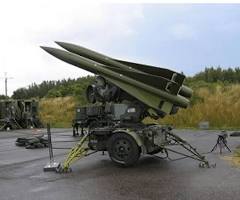
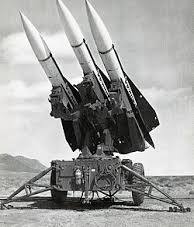
We were assigned to an Ordnance detachment working with Hawk missiles. We were situated on top of a mountain near the town of “Chen Chung”( Kaesong–Munsan corridor and Chorwon–Uijeongbu Valley), in South Korea 7 miles from the DMZ. Cheorwon- The Iron Triangle — one of the most heavily militarized regions of the Cold War.
We lived in Quonset Huts and would have had plenty of toilet paper except the Koreans had a bad habit of stealing it. In basic training we learned how to use the M-1 Garrand rifle. We would train in pairs and lie flat on the ground. Your partner would lie flat with his feet pointing toward the target and you would be looking at each other eye to eye and helmet to helmet. If you blinked or put a finger in your ear you had to do 20 pushups.
An interesting story concerning the Dental office. All of the recruits had bad teeth so 3 of us went to the dentist to have our teeth checked. Two of us were Caucasian and one Black American.
The dentist was not there so the fill in doctor was amazed because we all needed our wisdom teeth on the left side removed. The dentist would numb the patients and proceed to pull the tooth on the first guy. He would pull the bottom tooth first and then the top one otherwise there would be too much blood in the mouth.
The Black American went first and after his tooth was pulled was put on light duty for 2 days. The regular dentist soon arrived and asked what was going on. He had driven to a village to take care of a sick dog. The fill in explained he had pulled the wisdom teeth on 3 recruits that had the same problem.
To the recruits surprise it turned out the fill in was a veterinarian who wasn’t supplied to be there. The Black American almost turned white.
We were there for 12 months and quickly learned we could not wear dog tags when we were repairing the missiles because of the danger of sparks. Since we were constantly repairing the missiles we were taken care of. The repair shops were heated because of the severe Korean weather. In the beginning if we needed to order a new transistor we had to order it from the US which took 35 to 40 days. We were testing each transistor. So we learned to order 4 to 5 transistors at a time.
When the Inspector General visited us we had to put the inventory on a truck and drive it away from the camp. On one visit the IG entered our shop and remarked “I think I just saw your inventory driving down the road.” It’s interesting to note during my time in Korea we never fired a Hawking missile in anger. It had an 18 mile range which was much shorter then the Nike which had a hundred mile range.
Sgt. J.B. Sneed was in a foxhole with the lieutenant who was from Slidell, LA. The Sgt. was paying attention to their field of fire. He noticed something in the rice paddy and stood up to look. He thought the rice stalks were moving. He stood up again and told the Lieutenant something was wrong. He stood up a 3rd time and saw that the stalks were moving so we opened fire and the stalks fell over. The Chinese had camouflaged themselves in the stalks.
The sergeant told us the mess hall was run by civilian Koreans and cooked their own food which was Kimchi every day. Jim Starke was served a large jello dish with straw-like pieces on top. He stared at it and decided he wasn’t going to eat it. They were also served roast beef cooked in garlic that was so tough a bullet from a 30 caliber gun would bounce off it. We also learned it was not a good idea to eat eggs and drink beer. The combination of yeast and sulphur was lethal.
We didn’t have a lot to do but play cards or pool. So I took up photography. I had to use the local film. The springtime was always the prettiest because everything was so green. But in the winter all you could see was snow and a vast carpet of colorless white.
The Koreans were tough. We always had problems with muddy mountain roads that needed to be widened. We would use dynamite and haul away the debit with trucks. The Koreans would use shovels to widen the roads. No dynamite, just hard hand labor.
We went to Seoul to pick up parts in Kimshi buses.. They were packed with passengers so tight you couldn’t see through them which made the bus lean to one side. Sgt Young, a Korean War Veteran, had his calf muscle blown off on Heartbreak Ridge. He hated Koreans.
Going to Church. He cussed the Sgt. out. Lt. Thomuble Bill Briggs getting back home before I do. Unique, getting drunk, doesn’t hear talk. Driving to church we see a kid lying on the ground next to a bicycle. Some Koreans had hit him with their car and were squatting near him. Some Japanese were sitting by the side of the road.
We were repairing Nike missiles and one of the Koreans told me I would be going up for Christmas December 22, 1963. An easy out. How did he know that?
Louis, see her before Christmas. Eclipse in December 1964. Land at Travis AFB. Took my duffle bag to go to Grand Rapids Christmas Eve. Get to go home. Missed the 1st plane and the 2nd plane was cold. It was raining really hard so I took a bus to Sacramento. Took Shaw off. Because the train was full. So then we had to rent a car and drive to Michigan. Now I know why you like traveling.
In October 1965 I was offered Sgt. strips in the 57th Artillery but I said to give them to Coleman. An advisor suggested I go back to school. I studied very hard and made the Dean’s list. My wife would tell our children “don’t bother Daddy, he’s trying to study.”
Coming back to the US and El Paso was my next duty. I was an administrator for 90 days. They saw my name and that I had been in Korea working with the Hawk Missiles so they sent me to my newest duty station. On the parade ground on a windy day that was kicking up volumes of dust the Sgt. ordered us to stand at attention and salute as the State of Texas passed in review. The MP had just returned from Korea. He had picked up civilians and there was an incident where the truck rolled over and he was the only one to survive. He investigated the incident. Juarez gate.
Put in the wrong unit for 3 days. Hardship duty. Put in another unit. I was an E-4. Sent to another unit. TDI at Redstone to teach Germans how to repair and take part in the Hawk Missile. The Germans were very skilled and understood how to work with the Hawk. They were really good!
There are 200 steps required to dismantle a Hawk missile because of the tiny screws and internal parts. We have to conduct continuous testing. We would use a volt meter to test each transistor. I thought it would be difficult to learn however I was guaranteed I would learn how in 30 days. The warrant officer warned us about standing too close when the missile was fired. We soon learned that a warrant officer had as much power as a General. Their rank was similar to a Colonel in the army. The missile unit was towed into place with a truck and tracked by Doppler radar.
After El Paso I was discharged from the army on October 18, 1965. My wife wouldn’t marry me until I was out of the army. On November 27 I interviewed with the phone company. I only worked there for 6 months and 1 week because I was afraid of heights and didn’t like climbing up the poles. I was told if I refuse to climb the pole it would ruin my career. So I left the company and went to work for America Car & Foundry. I had a week of vacation and then went back to LA.
I started my family in 1967. We wanted to be sure we could get along with each other. I then went to Albuquerque to work for the Atomic Industry ACF. Nixon ended the contracts so I took a job with Republic National Bank that paid me $2.27. They liked me and wanted me to work in the comptroller division as an auditor. I recorded all the dollars but they didn’t tell me they wanted dollars and cents so they fired me. Which was a blessing because I became a photographer.
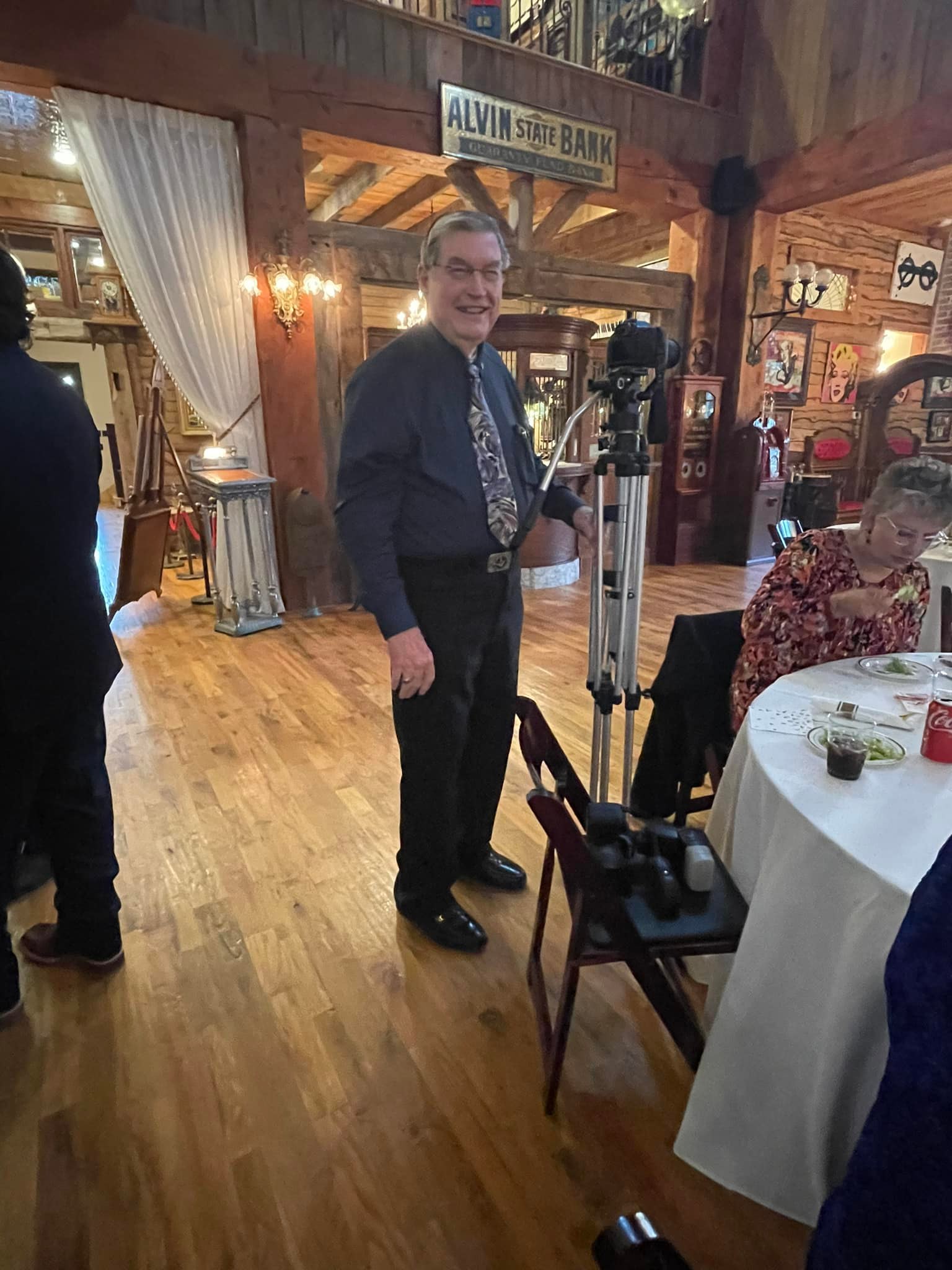
One of my favorite pictures was of the USAF Flying Tiger pilots. I photographed the whole crew. 48 years later I met them again. I also took pictures of Chuck Yeager and Jeff Christianson, who played for the Eastern Illinois Panthers and was picked by the Cincinnati Bengals in the 1983 draft.
I took the picture during signing day just before Hell Week. He later went on to become an outstanding quarterback coach and personally worked with Kansas City Chiefs Patrick Mahomes. One of my greatest pictures was of Charles Odom, the presiding judge during the Manson trial. I also took a picture of Dizzy Dean, famous for his quote “It ain’t braggin’ if you can do it.”
I also took a picture of Buck Hall who worked for the Howard Corp in Howard County, Texas. A funny story about him. The corporation confiscated oil wells, cattle, and land. They would then sell them at retail which represented a large amount of cash. He would then buy T-Bills amounting to 107 million dollars. The auditor was in the elevator and asked how many T-Bills can I buy. He responded where am I going to cash that much money? At a 7-11?
I also took pictures of the Ms. Texas Pageant for 10 years. I also took a picture of Charlton Heston in his pajamas at his hotel. It was amusing that his toes were sticking out of his shoes.
I also took pictures of Ross Perot. In his office behind his desk was a model of the Lincoln Memorial and above it a picture of Neal Armstrong. Next to that was a large American Flag.
On one extremely interesting photo shoot I was at a retreat watching an engineering competition that was referred to as a non mechanical flight by a fly on a paper airplane. Winning was based on whoever had the longest flight and time in the air. The fly was attached to the plane with a root bill and put to sleep with ether. The engineers then used sugar to wake up the fly. The Japanese loved the competition.
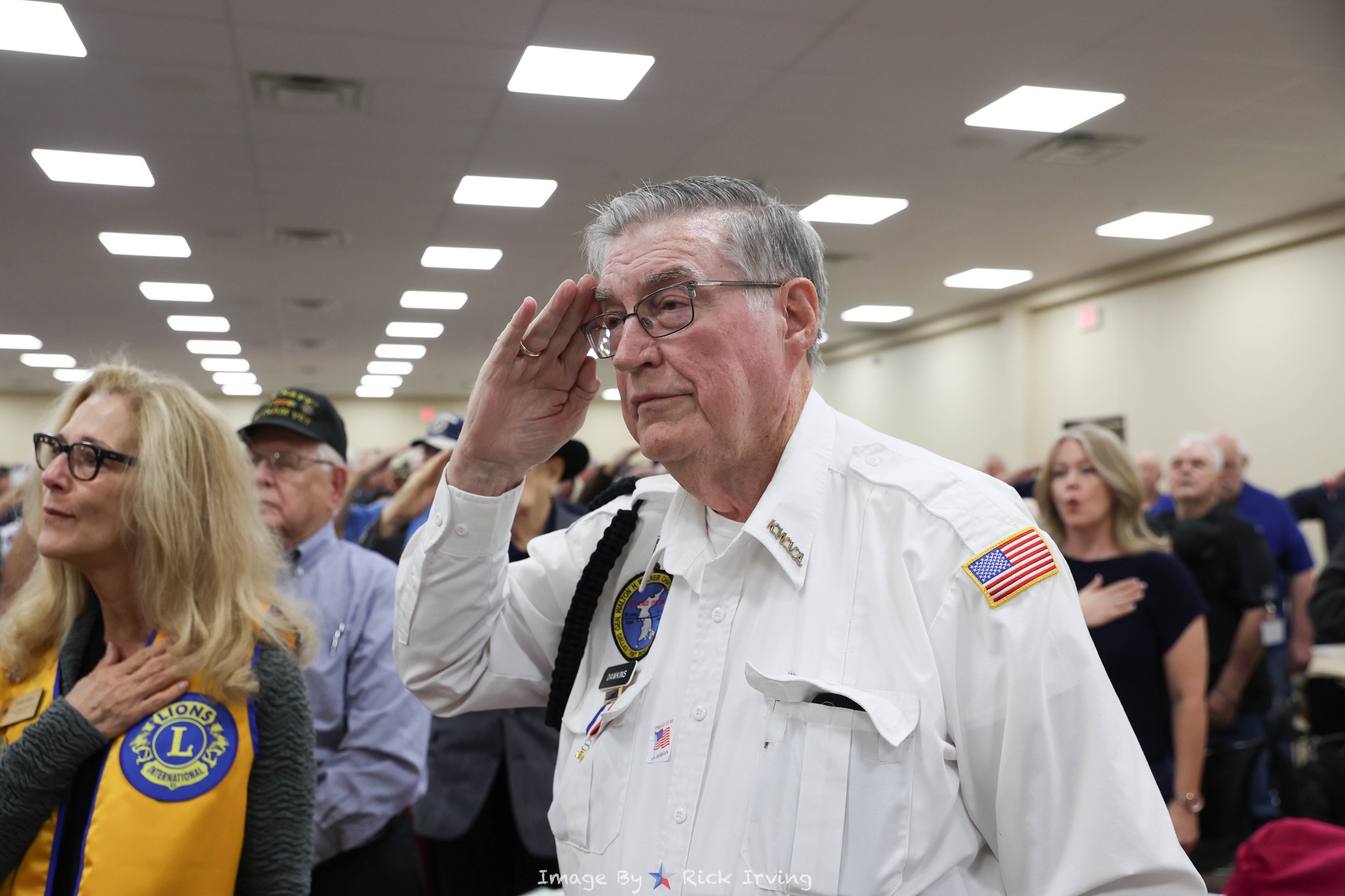
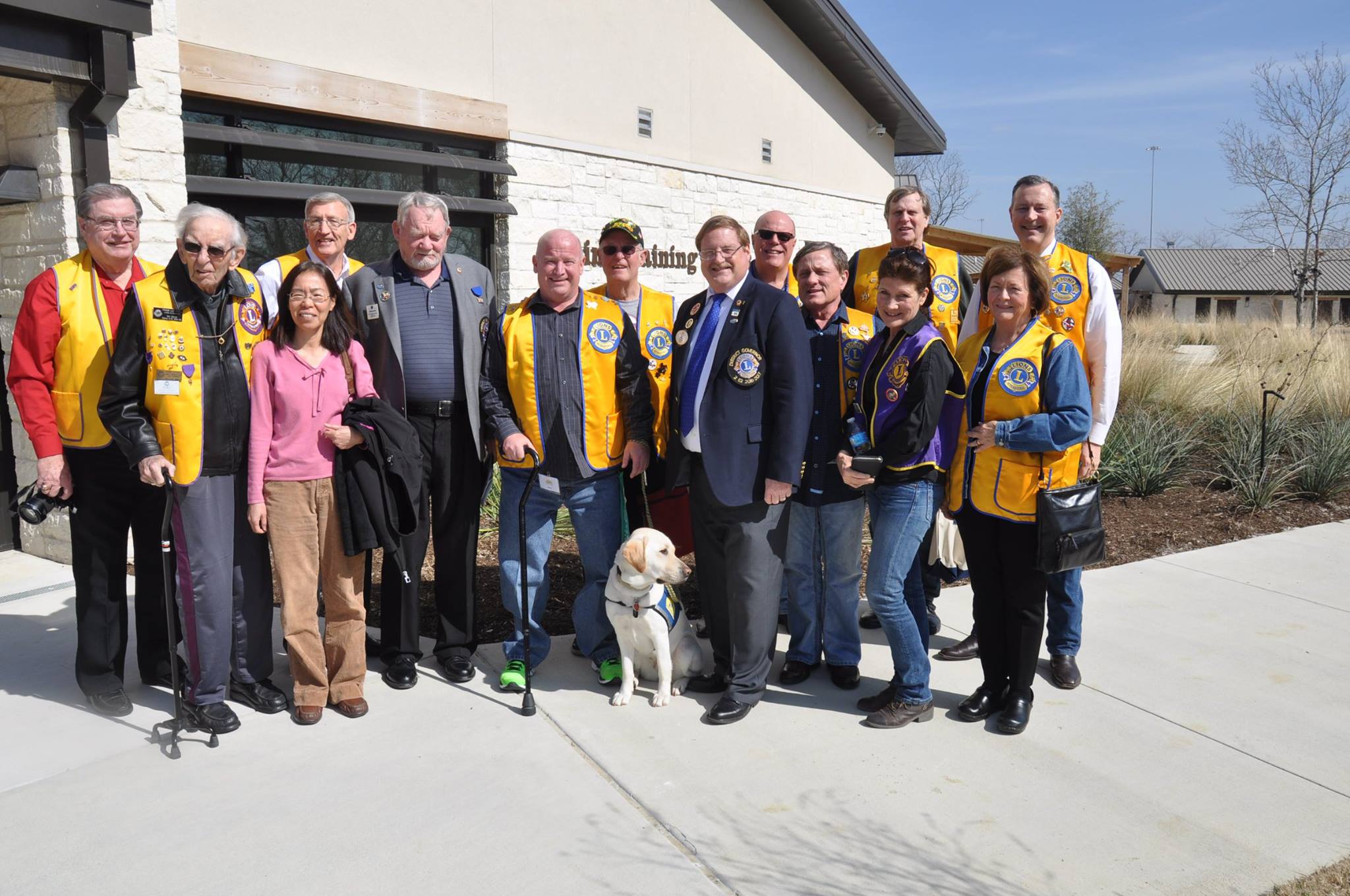
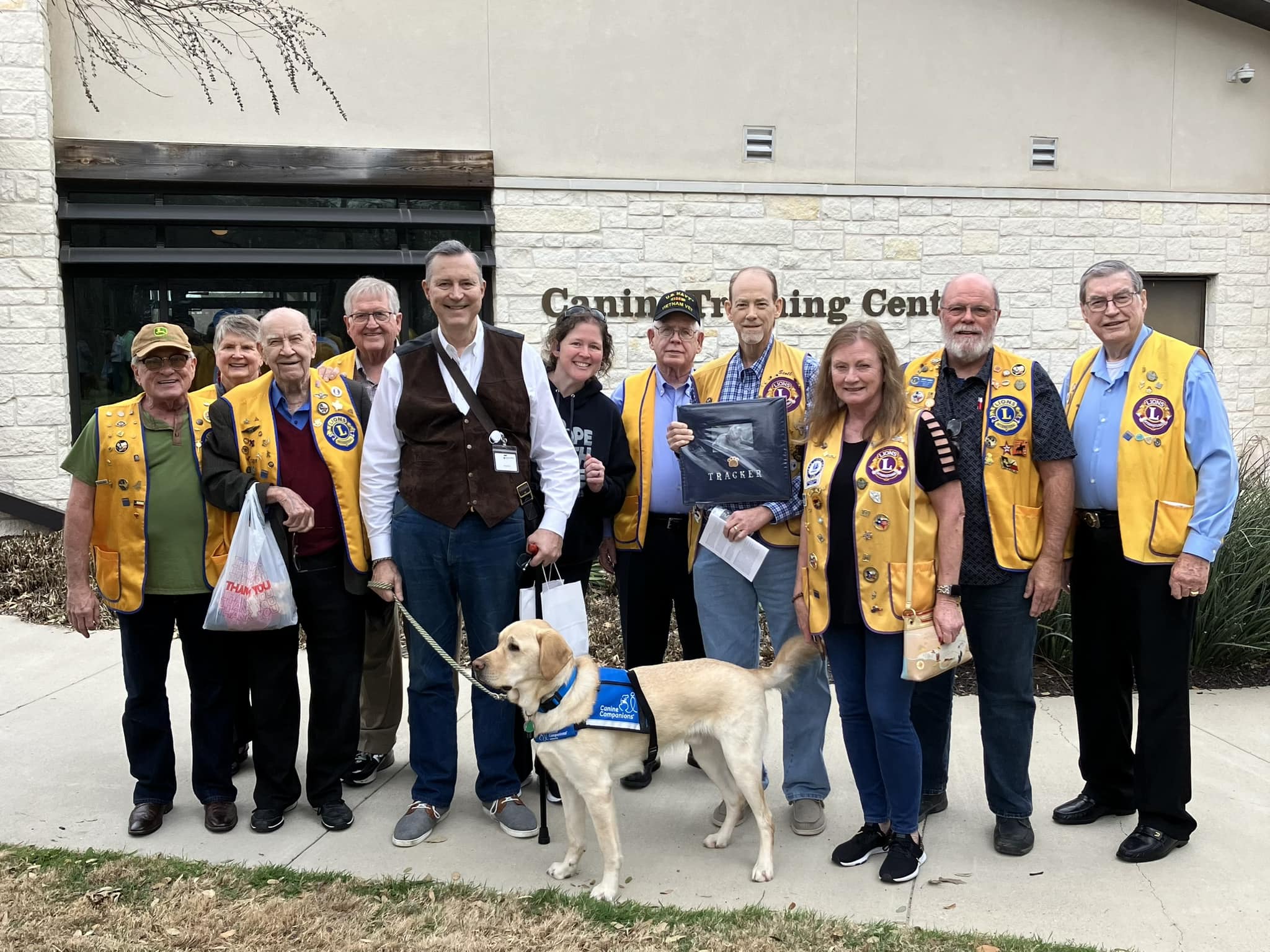
I was a member of the Lion’s Club for 41 years.
A friend of his, William Henry O’Neal was responsible for the generators that provided light for the Korean villages. The problem was that the Koreans were stealing the generators. He was quoting saying the robbers were so good they could steal a radio so quickly it left 20 songs still playing. In response to the question of mind over matter his response was “if it doesn’t mind, it doesn’t matter.”
Pearls of Wisdom
“Raise your children the same way you turned out. And if there was something in your upbringing you didn’t like—don’t repeat it.” Dan believed that parenting was both inheritance and intention. We pass down what shaped us, but we also have the power to break cycles, mend what was wounded, and give our children a better foundation than the one we received. His words remind us that wisdom is not only learned—it is chosen.
“Don’t go to bed mad. Don’t let the sun go down on your anger.” This was more than advice; it was a philosophy of peace. Dan understood that unresolved anger hardens the heart and steals tomorrow’s joy. Reconciliation, forgiveness, and humility were values he lived by, believing that every day should end with grace, not resentment.
“Women—if you think you have to be equal to a man, you’re backing up. You’re already superior based on everything you do to work, to serve, and to take care of your family.” Dan spoke from admiration, not comparison. He saw the strength, endurance, and devotion women carry—the unseen labor, the emotional weight, the sacrifices made without applause. His words honored the dignity and worth of women, recognizing their contributions as foundational, not secondary.
Supplemental Information
Unit History and Lineage of the 5th Battalion, 57th Air Defense Artillery
The 5th Battalion, 57th Air Defense Artillery traces its lineage to the historic 5th Air Defense Artillery Regiment, a formation whose origins reach back to the American Civil War. Over the decades, the regiment evolved through multiple reorganizations as the U.S. Army adapted its artillery doctrine to new technologies, new threats, and the changing demands of national defense. What began as a traditional artillery regiment gradually transformed into a modern air defense force, reflecting the Army’s shift from conventional gun batteries to guided missile systems capable of countering high‑speed aircraft and emerging nuclear delivery platforms.
During the Cold War, the battalion entered a new era of operational significance. It was reconstituted as a missile battalion equipped first with the Nike Ajax and later with the more advanced Nike Hercules surface‑to‑air missile systems. These weapons represented the forefront of American air defense technology, designed to intercept hostile aircraft at high altitude and provide a credible defensive shield against potential Soviet or Chinese air attack. The 5th Battalion, 57th ADA was assigned to the 38th Air Defense Artillery Brigade, a major command responsible for protecting critical assets in Korea and maintaining constant readiness in one of the most volatile regions of the world.
The battalion’s deployment to Korea in the early 1960s occurred during a period of persistent tension on the peninsula. The United States sought to deter North Korean aggression and maintain a defensive posture capable of responding instantly to any threat. The 5th Battalion, 57th ADA became one of several Nike missile battalions positioned around key military installations and population centers, forming an integrated air defense network that protected both U.S. and Republic of Korea forces. Its mission gained particular urgency during moments of crisis, including the USS Pueblo seizure in 1968 and other provocations that required heightened alert status and unwavering discipline.
Through its service in Korea, the 5th Battalion, 57th Air Defense Artillery carried forward a lineage rooted in American military history while fulfilling a modern mission shaped by the realities of the Cold War. Its presence strengthened regional stability, reinforced deterrence, and contributed to the broader defensive architecture that safeguarded the peninsula during one of the most strategically complex eras of the twentieth century.
Cold War and Missile Defense Era
Following the Korean War armistice in 1953, the United States maintained a substantial military presence on the Korean Peninsula to prevent renewed conflict and to counter the growing threat posed by North Korea and its communist allies. The rapid evolution of jet‑powered bombers, combined with the accelerating nuclear arms race, compelled the U.S. Army to strengthen its overseas air defense posture. This effort included the deployment of advanced surface‑to‑air missile systems to strategic locations across the world, and Korea became one of the most critical of these forward positions. The possibility of a North Korean air attack, supported by Soviet or Chinese aircraft, remained a constant concern throughout the Cold War.
The deployment of the 5th Battalion, 57th Air Defense Artillery to Korea began in the early 1960s, aligning with the broader introduction of Nike missile systems across the peninsula. These systems formed a protective shield over key military installations, population centers, and logistical hubs. The battalion operated during a period marked by repeated tension and unpredictable escalation. Its mission intensified during events such as the USS Pueblo seizure in 1968, when North Korean forces captured a U.S. Navy intelligence vessel. Incidents like this triggered heightened alert levels for air defense units, requiring rapid readiness, precise coordination, and unwavering discipline.
Throughout these years, the 5th Battalion, 57th ADA stood as a critical component of the United States defensive posture in Northeast Asia. Its presence reflected the broader strategic reality of the Cold War, a time when deterrence depended on constant vigilance, technological superiority, and the ability to respond instantly to any threat. The battalion’s service in Korea formed an essential chapter in the history of American missile defense and contributed to the stability of a region where the balance of power often rested on the readiness of units like the 5/57th ADA.
The Geography of a Defensive Shield
The 5th Battalion, 57th Air Defense Artillery and its sister battalions sustained a broad constellation of Nike missile sites that traced a protective arc around Seoul and extended across the western and central corridors of the Korean peninsula. This network was not simply a defensive perimeter. It was a geographic organism whose strength depended on the precise relationship between terrain, technology, and the mission to guard the capital and the allied forces who lived and worked beneath its shield. Every site contributed to a continuous defensive lattice capable of detecting, tracking, and engaging hostile aircraft long before they could threaten the heart of the Republic of Korea.
Camp Echo Hill near Kimje stood as one of the most prominent locations, serving as a principal operating area for E Battery under the 4th Battalion, 44th ADA and later the 2nd Battalion, 44th ADA. From this position, the battery commanded a wide stretch of western airspace, linking its coverage with sister batteries positioned along coastal plains, river basins, and inland ridgelines. Together, these sites formed a chain of overlapping engagement zones that allowed the Nike system to respond to threats approaching from multiple directions. The network’s strength lay not in any single battery but in the way each site reinforced the next, creating a layered defense that could not be easily pierced.
The placement of each Nike site reflected a disciplined study of the peninsula’s geography. Proximity to defended assets shaped the overall ring, ensuring that Seoul, major air bases, logistics hubs, and command centers remained under continuous protection. Terrain dictated the selection of elevated fire control areas, chosen to extend radar horizons and improve tracking fidelity. Launcher areas were situated where booster drop zones could be safely managed and where nearby communities would remain protected from operational hazards. The Korean landscape, with its steep ridgelines, narrow valleys, and sudden weather shifts, demanded constant adaptation. Engineers and commanders studied every contour to determine where a radar beam could reach, where a missile could rise cleanly, and where a road could support the weight of continuous resupply.
Sustained operations required dependable logistical access. Many sites were remote, reachable only by winding roads that tested vehicles and personnel alike. Electrical power, water, communications lines, and maintenance facilities had to be secured and reinforced so that the batteries could remain fully operational in all seasons. Fuel convoys, spare parts shipments, and personnel rotations moved through these routes day and night, forming the quiet lifeline that kept the defensive network ready for immediate action. In monsoon season, roads washed out and convoys slowed to a crawl. In winter, ice clung to the ridges and generators strained against the cold. Yet the sites remained active, their radars sweeping the sky without pause.
Over time, the geography of the peninsula became inseparable from the mission itself. Soldiers learned the character of each hill and valley, the way fog settled in the low ground at dawn, the way winter winds swept across the ridges, and the way the radar screens responded to the shifting air currents. The land shaped their routines, their vigilance, and their sense of responsibility. Each site developed its own identity, shaped by the terrain, the weather, and the men who served there. Yet all were bound together in a single purpose: to uphold a protective shield that guarded millions and stood as a visible testament to allied resolve during one of the most tense eras of the Cold War.
The Nike network in Korea was more than a strategic arrangement of missiles and radars. It was a living architecture of defense, built into the hills and valleys of a nation that had already endured war and remained under constant threat. For the soldiers who manned these sites, the landscape became part of their duty. Every road they traveled, every ridge they climbed, and every horizon they scanned carried the weight of a mission that never slept.
Life Within the Nike Shield
Nike missile personnel entered Korea only after completing rigorous, formal instruction that reflected the complexity of the system and the seriousness of its mission. Most soldiers trained at the United States Army Air Defense Center at Fort Bliss in Texas, where classrooms, radar simulators, and live‑fire ranges introduced them to the full architecture of air defense. Ordnance specialists and missile‑repair technicians attended advanced courses at Redstone Arsenal in Alabama, learning the mechanical, electrical, and chemical foundations of both the Nike Ajax and the more powerful Nike Hercules. Their preparation was exacting, designed to ensure that every crew member understood the machinery, the safety protocols, and the responsibility entrusted to them.
Training encompassed mastery of radar operation and maintenance, including TTR, MTR, LOPAR, and HIPAR systems. Soldiers learned missile assembly, fueling, and arming procedures, with particular emphasis on the hazards of Ajax liquid propellants and the handling requirements of Hercules warheads. Fire control operations demanded precise coordination among acquisition, tracking, and engagement crews. Security and emergency response instruction reinforced the protection of warheads, magazines, and control areas. Electronic counter‑countermeasures training prepared crews to operate under jamming, deception, or simulated enemy attack, ensuring that the system could function even under hostile electronic pressure. By the time a soldier arrived in Korea, he carried a technical foundation that rivaled many civilian engineering programs of the era.
Daily life on site reflected this culture of vigilance. The Nike system required constant attention, and the men who operated it lived within its rhythm. Equipment checks began early, often before sunrise, when the air was still and radar screens responded with crisp clarity. Preventive maintenance filled the morning hours, with crews inspecting generators, calibrating radar sets, aligning guidance computers, and verifying the integrity of missile components stored in the magazines. The work was meticulous. A single misalignment could compromise tracking accuracy. A single overlooked detail could delay a launch.
Fire control drills punctuated the day, rehearsing the sequence of acquisition, tracking, and simulated engagement. These drills were not abstract exercises. They were practiced with the understanding that a real alert could arrive without warning. During heightened readiness periods, soldiers rotated through twenty‑four‑hour shifts in the control vans, radar sections, or missile magazines. These shifts were demanding, spent in confined spaces filled with the hum of electronics, the glow of scopes, and the steady sweep of radar beams. The expectation was unwavering. A Nike crew had to be capable of launching a missile within five to fifteen minutes of receiving an alert signal. This requirement shaped the atmosphere on every site, creating a blend of technical precision, quiet intensity, and constant preparedness.
Life outside the control vans carried its own rhythm. Soldiers lived in barracks or Quonset huts near the sites, often in remote areas where the landscape dictated the pace of daily routines. Meals, mail, and moments of rest were woven between maintenance cycles and training drills. Weather influenced everything. Summer heat pressed into the radar vans and made the electronics run warm. Winter winds swept across the ridgelines and froze equipment that had to be coaxed back into operation. Monsoon rains turned access roads into rivers of mud, slowing convoys and testing the endurance of both men and machines. Yet the mission continued without pause, and the soldiers adapted to the land as readily as they adapted to the machinery.
In time, the duties of the battalion became inseparable from the identity of the men who served within it. They lived inside a system that demanded precision, discipline, and constant readiness. Their training shaped their confidence. Their daily routines shaped their resilience. Their vigilance shaped the shield that protected millions across the Korean peninsula during one of the most tense eras of the Cold War. The Nike sites were more than military installations. They were communities built around a mission that never slept, sustained by soldiers who understood that every shift, every drill, and every quiet hour of watchfulness carried the weight of deterrence and the promise of protection.
Where Camaraderie Sustained the Shield
Living conditions at Nike sites in Korea were austere yet steady, shaped by the practical needs of a mission that demanded constant readiness. Soldiers lived in barracks‑style housing or Quonset huts positioned near the radar sections, control vans, or launcher areas. These structures offered basic shelter and routine, even when the weather pressed hard against their thin walls. Mess halls provided regular meals supplied through United States Army or Air Force channels, with occasional additions from local markets that brought welcome variety. Medical care was available on site for routine needs, while serious cases were evacuated to larger facilities where more comprehensive treatment could be provided.
In northern regions such as Cheorwon, the environment intensified every aspect of daily life. Winters settled into the valley with a severity that made even simple tasks feel heavier. The huts were drafty and thin‑walled, warmed by a single pot‑bellied stove that heated only the space immediately around it. A few steps away, the air could feel as raw as the outdoors. Soldiers woke to temperatures hovering just above freezing, especially during early mornings before the stove was stirred back to life or during nights when the fire died out. Ice formed on the inside of the windows. Water buckets froze solid. Boots stiffened with frost. Breath hung visibly in the air. Even with the stove burning, the far corners of the hut remained bitterly cold, a reminder that the structure offered shelter but little comfort.
Cheorwon’s climate carried its own signature. Strong winds swept down from the hills, high humidity settled into clothing and bedding, and rapid nighttime temperature drops created a chill that felt bone‑deep. Humidity in winter did not simply freeze. It clung to gear, blankets, and uniforms, making the cold feel heavier and more penetrating. Soldiers learned to sleep in layers, to keep their boots near the stove, and to guard their blankets against the dampness that crept in during the night. The cold followed them inside, settled into their gear, and became part of the daily fight to stay warm.
Monsoon season brought a different hardship. Rain transformed the landscape into a world of mud that clung to boots, pooled around doorways, and seeped into every workspace and hut. Humidity settled over the valley like a heavy curtain, turning even short walks between buildings into slow, deliberate movements through soft earth. The combination of rain, fog, and saturated ground shaped the rhythm of daily life, reminding soldiers that the environment itself was as present as the mission they served.
Within these conditions, recreation and morale activities became essential to sustaining the spirit of the men who lived inside the boundaries of the Nike system. Sports fields and improvised courts offered places to gather for basketball, volleyball, or softball. Movie nights brought familiar comfort, with projectors humming in makeshift theaters and soldiers settling into folding chairs to watch films that connected them to home. Visits from organizations such as the Red Cross “Doughnut Dollies” introduced a warmth and human connection that cut through the isolation of remote duty and reminded soldiers that they were not forgotten.
Mail days became the emotional center of the week. Letters and packages from home cut through the isolation with a warmth that no stove could match. Soldiers gathered around the mail clerk, waiting for their names to be called, each envelope carrying a reminder of life beyond the valley. In a place defined by cold huts, heavy fog, and relentless weather, a single letter could lift an entire barracks and restore a sense of connection that the landscape often tried to erase.
The communities that formed on these sites were close‑knit. Rank distinctions softened during off‑duty hours, replaced by shared routines, shared challenges, and shared humor. Soldiers learned one another’s habits, stories, and strengths. They celebrated small victories, endured long stretches of monotony, and found companionship in the simple rituals of daily life. The isolation of the sites, often positioned on ridgelines or in quiet valleys, created an environment where camaraderie became both a comfort and a necessity.
Evenings carried their own rhythm. Radios played music from home. Letters were read and reread. Card games stretched late into the night. Some soldiers wrote in journals, capturing the quiet moments between drills and maintenance cycles. Others walked the perimeter roads, taking in the landscape that surrounded them, a landscape that shaped their routines as surely as the machinery they tended. The fog, the wind, and the distant hills became part of the daily experience, a constant reminder of the remote world in which they lived and worked.
The monotony of site life was balanced by the shared sense of mission that defined Nike service. Every soldier understood that the radar screens, the missile magazines, and the control vans represented a shield that protected millions across the Korean peninsula. This awareness gave weight to their daily routines and lent purpose to the quiet hours between alerts. The combination of austere living conditions, steady companionship, and constant vigilance created a unique environment where duty and daily life intertwined, forming a community sustained by discipline, resilience, and mutual trust.
The Land and Climate That Shaped the Mission
Korea’s climate and terrain imposed constant demands on missile operations, shaping every procedure and every moment of readiness. Winter brought temperatures that plunged well below freezing, forcing crews to adopt strict cold‑weather routines to protect both personnel and equipment. Metal contracted, cables stiffened, and hydraulic systems slowed under the weight of the cold. Even simple tasks required deliberate movement to prevent frostbite or mechanical failure. Summer introduced the opposite extreme. Heat and humidity strained radar systems, complicated maintenance cycles, and tested the endurance of soldiers who worked around fuel, electronics, and exposed metal surfaces that absorbed the sun’s intensity. Dust storms swept across some regions, adding another layer of interference that operators had to interpret with care.
The terrain added its own complexity. Korea’s mountains and narrow valleys demanded precise calculations for radar line‑of‑sight and dictated the placement of IFC and launcher areas. Construction crews carved roads into unforgiving slopes, knowing that mud, snow, and wind could disrupt transportation and power generation at any time. During the rainy season, the risk of landslides and flooding remained constant, turning routine movements into cautious undertakings that required planning and patience.
Rugged Terrain — Cheorwon Corridor
Cheorwon lay within a basin of mountains and jagged ridgelines, a landscape as striking as it was severe. Soldiers remembered hills that demanded strength with every step, narrow dirt roads etched into the earth, and fog so dense it erased entire formations. Winters cut through layers of clothing, turning breath into ice and rifles into cold iron. The terrain shaped not only the mission but the memory of those who served there. It was a place where beauty and hardship lived side by side, where the land itself became part of the daily challenge.
Summer Heat (June–August)
Summer introduced a different kind of strain. Typical highs reached 85 to 95 degrees, with heat waves pushing temperatures to 100. Humidity hovered between 70 and 90 percent, often driving the heat index into the 100 to 110 range. Monsoon season made the air feel heavy enough to hold. Even today, humidity in the region regularly spikes above 90 percent, confirming the conditions soldiers described with absolute accuracy.
For crews working around missile fuel, electronics, and metal components, the heat was relentless. Sweat soaked through uniforms before morning chow. Tools grew hot enough to burn bare hands. Every task demanded more water, more effort, and more endurance. The heat was constant, exhausting, and inescapable, pressing against the men with a weight that shaped the rhythm of every shift.
The White Silence of the Corridor
The fog in the Cheorwon Corridor did not simply arrive. It rose from the earth as if the land itself were exhaling, gathering first in hollows and riverbeds before thickening into a muted gray that narrowed the world to a few uncertain feet. Soldiers learned that the fog carried its own logic. It moved with the terrain, clung to the cold ground, and drifted in unpredictable currents that could erase familiar landmarks in moments. A valley that stood clear at dusk could become an indistinguishable void by nightfall.
The fog reshaped the way men understood distance. A ridgeline that normally cut sharply against the sky dissolved into a faint suggestion of form. A tree only yards away became a dark blur. Even the nearest bunker seemed to retreat into the haze. Soldiers relied on memory rather than sight, tracing routes by the feel of the earth under their boots, by the angle of a slope, or by the faint outline of a fence post that barely held its shape. The fog demanded instinct, training, and the quiet confidence that comes from repetition.
Sound behaved differently when the fog settled. It traveled farther yet lost its clarity. A distant truck might sound as if it were idling just beyond the next bend. A single footstep could echo with a weight that made men pause and listen again. Radios crackled with clipped transmissions, each word chosen carefully because the fog distorted even the simplest message. Soldiers learned to trust tone as much as content, knowing that the environment could bend sound in ways that created uncertainty.
The fog altered the sense of time. Patrols slowed to deliberate movement. Minutes stretched into long intervals of cautious progress. The world felt suspended, as if the corridor itself were holding its breath. Soldiers described the sensation of walking through the fog as moving inside a quiet, enclosed space where every action required intention. Even breathing felt measured. The fog demanded patience and discipline, and it rewarded only those who respected its unpredictability.
Operationally, the fog became a factor that commanders planned for with seriousness. It could conceal movement, but it could also hide danger. It forced units to tighten their formation, adjust their pace, and rely on silent signals rather than spoken commands. It changed the way sentries scanned their sectors, requiring them to listen more than they looked. It shaped the timing of resupply runs, the routes chosen for patrols, and the posture of outposts that suddenly found themselves isolated in a world reduced to a few feet of visibility.
The fog reached densities that felt almost elemental. It descended with weight, sealing the corridor so completely that hilltops rose above it like isolated islands while everything beneath dissolved into a suspended world where distance, shape, and direction ceased to exist. Visibility could collapse to less than fifty yards. Color drained from the landscape. Edges softened until familiar landmarks lost their identity. Soldiers described mornings when the fog created a stillness so complete that it felt as though they were walking through a closed chamber.
The fog lingered with persistence. It could settle before dawn and remain until midday. It could rise after sunset and hold through the night. Patrols advanced by memory rather than sight. Vehicles crawled forward with headlights swallowed by the white. Radar screens filled with moisture interference that forced operators to interpret distorted returns with heightened concentration. Modern meteorological records confirm what Cold War crews already knew. Humidity in Cheorwon regularly surged to ninety‑seven percent, producing fog events that matched the conditions soldiers described with absolute accuracy.
For missile units, the fog became a constant operational factor. Moisture collected on metal surfaces, wiring, and control panels, creating a thin sheen that crews wiped away repeatedly. Condensation formed inside equipment housings, demanding vigilance to prevent malfunction. Radar operators watched their screens fill with clutter that blurred the difference between weather and threat. Guard posts found themselves nearly blind, relying on sound rather than sight to interpret the environment. Movement slowed or stopped entirely when visibility collapsed. The silence that accompanied the fog carried its own tension, creating an atmosphere where every sound felt amplified and every moment required heightened awareness.
At night, the fog deepened into something even more disorienting. Darkness and whiteout combined into a world without horizon. Flashlights illuminated only a small sphere of pale light. Shadows moved strangely, bending and stretching in ways that made soldiers question what they saw. The fog absorbed sound, then released it unpredictably. A distant engine might echo as if it were only yards away. A single footstep could sound like a warning. Soldiers learned to trust rhythm rather than sight, listening for patterns that revealed friend or threat.
Emotionally, the fog carried its own weight. It created a sense of isolation that could unsettle even seasoned soldiers. The corridor was already a place defined by vigilance, but the fog added a layer of uncertainty that felt personal. Men described moments when the silence pressed against them, when the world seemed to shrink, and when the familiar became strange. Yet they also spoke of how the fog sharpened their instincts, strengthened their reliance on one another, and deepened the quiet resolve that defined service in Cheorwon.
In this environment, the fog became more than weather. It became part of the battlespace itself, shaping movement, perception, and the rhythm of life. It influenced how units watched, how they advanced, and how they stayed alive. It reminded soldiers that danger did not always announce itself with noise or movement. Sometimes it arrived quietly, settling over the earth in a white silence that changed everything.
Field Rations & Mess Hall Staples — “Fuel for the Line”
When fresh food wasn’t available — during alerts, long shifts, or harsh weather — Nike crews relied on whatever they could prepare quickly and eat on the move. Over time, these simple meals became part of the rhythm of duty, fueling long hours on the line, in the missile shop, or at remote guard posts.
Common standbys included: • C‑rations — canned, all‑in‑one meals with meat, bread, and a small dessert. • Instant coffee — strong, bitter, and essential for staying alert through night shifts.• Powdered eggs — quick to make, if not always welcome.• Canned fruit — a rare sweet break from otherwise heavy meals. • Crackers and cheese spread — salty, simple, and easy to pocket.• Beef stew, beans & franks, or spaghetti — hearty canned entrées that could be heated or eaten cold when time was tight.
These foods were plain, filling, and dependable — the kind of no‑nonsense fuel that kept a soldier going through sudden alerts, long nights, and the demanding precision work of missile maintenance. In the isolation of a remote site, even a can of stew or a steaming cup of instant coffee could feel like a small comfort, a moment of normalcy in a high‑pressure environment.
Korean‑American Fusion — “Army Base Stew” (Budae Jjigae)
One of the most iconic foods to emerge from the presence of U.S. troops in Korea was budae jjigae, widely known as “army base stew.” Born from hardship in the 1950s and early 1960s, it represents a remarkable fusion of American military rations and traditional Korean flavors.
In the years following the Korean War — when food scarcity was severe — Korean civilians combined surplus U.S. Army ingredients with local staples to create a hearty, flavorful stew. What began as a survival dish gradually evolved into a beloved part of Korean cuisine.
Typical ingredients included: • Spam • Hot dogs • Canned beans • Kimchi • Gochujang (red pepper paste) • Noodles • Assorted vegetables
More than just a meal, budae jjigae became a symbol of resilience and adaptation, reflecting the cultural intersections created by the American military presence. U.S. soldiers often encountered the dish in nearby towns, and Korean cooks on base sometimes prepared their own versions — blending familiar American flavors with the bold heat of Korean cooking.
Today, budae jjigae stands as a culinary reminder of a complex chapter in Korean‑American history: a dish born from necessity that grew into a cultural icon.
Life in the Missile Shop — The Work, the Weight, and the World of a Nike Repairman
The Role Behind the Readiness
Within the 5th Battalion, 57th Artillery, the missile repairman occupied a position that rarely appeared in photographs or public reports, yet his work formed the backbone of Nike readiness. The missile crews on the ridgelines depended on equipment that had been inspected, calibrated, and verified by hands that understood every bolt, connector, and circuit. The repairman lived in a world where the smallest detail mattered, where the climate shaped every task, and where the mission demanded a level of precision that left no room for error.
This chapter explores that world in full: the shop, the tools, the climate, the psychology, and the quiet moments that sustained the men who kept the missile line alive.
The Shop: Where Precision Ruled Every Hour
The missile repair shop was a self‑contained ecosystem of machinery, diagnostic equipment, and specialized tools. The air carried the scent of solvents, lubricants, and electrical ozone. Workbenches held guidance sections, booster assemblies, and control surfaces awaiting inspection. Each component arrived with a history—hours of operation, exposure to weather, and the stresses of transport—and the repairman had to read those signs with practiced eyes.
He worked with:
- Calibration fixtures that measured tolerances invisible to the naked eye.
- Test benches that simulated flight conditions and verified electrical continuity.
- Torque wrenches, micrometers, and alignment gauges that demanded steady hands and exact readings.
- Safety interlock testers that confirmed the missile would behave predictably under command.
Every missile section represented a chain of interdependent systems. Guidance electronics had to respond within precise parameters. Booster assemblies required exact alignment. Control surfaces needed verification through step‑by‑step procedures that allowed no improvisation. The repairman learned to trust the instruments, but he also learned to trust his own instincts—an ability to sense when something felt off even before the gauges confirmed it.
Summer: Heat That Tested Endurance and Equipment
Summer in Cheorwon introduced conditions that shaped every movement inside the shop. Temperatures climbed into the nineties, and humidity often surged above ninety percent. The heat index regularly pushed past one hundred degrees, turning the shop into a chamber where the air felt heavy enough to slow breathing.
Inside this environment:
- Metal tools absorbed heat, becoming uncomfortable to hold for long periods.
- Electronics drifted, requiring repeated calibration to maintain accuracy.
- Sweat gathered quickly, blurring vision and soaking uniforms before the first task was complete.
- Hydration became essential, not optional, as the repairman worked through hours of concentration.
The heat affected the equipment as much as the men. Guidance components grew temperamental. Rubber seals softened. Diagnostic readings fluctuated with temperature changes. The repairman learned to compensate, adjusting his technique to maintain precision even when the climate fought against him.
Winter: Cold That Challenged Both Man and Machine
Winter in the Cheorwon Corridor carried a severity that shaped every task. Winds swept down from the ridgelines with a force that cut through layers of clothing. Temperatures dropped well below freezing, and the cold settled into the valley with a weight that affected both man and machine.
Inside the shop:
- Tools chilled instantly, biting into the skin.
- Hydraulic fluids thickened, slowing mechanical response.
- Rubber components stiffened, requiring careful handling to prevent cracking.
- Metal housings contracted, altering tolerances that had to be recalculated.
The repairman worked with fingers that numbed quickly, forcing him to rely on muscle memory and practiced technique. Breath turned to frost. Every movement had to be deliberate to prevent mistakes caused by cold‑induced fatigue. Even the act of opening a panel required caution, because brittle materials could fracture under sudden pressure.
Fog: Moisture That Complicated Every Detail
Fog in Cheorwon was not a passing weather event. It was a force that shaped the rhythm of work. It crept into the valley and clung to everything it touched, settling on wiring, housings, and control panels.
Inside the shop:
- Moisture collected on metal surfaces, demanding constant wiping.
- Electrical contacts required drying, because even a thin film could distort readings.
- Diagnostic equipment needed repeated checks, as humidity affected continuity tests.
- Uniforms absorbed dampness, making the air feel heavier and slowing movement.
Outside, the fog narrowed visibility to a few uncertain feet. Components arrived from the launcher area more slowly. Vehicles crawled along roads swallowed by white. The repairman learned to adapt his workflow to a climate that changed without warning.
The Work: Responsibility Without Margin for Error
The technical demands of missile maintenance shaped the repairman’s mindset. Every component mattered. A misaligned connector, an incorrect reading, or a missed step could compromise readiness or safety. The work required:
- Calm thinking, even under pressure.
- Disciplined technique, refined through repetition.
- Unwavering attention to detail, because the missile’s reliability depended on it.
- Trust in training, especially when fatigue or weather pressed hard against the day.
The repairman carried this responsibility quietly. It followed him from the shop to the barracks, from morning chow to late‑night inspections. It was a weight he accepted because the mission demanded it.
Isolation: The Emotional Landscape of Remote Duty
Remote duty shaped the emotional world of the repairman. The terrain outside the shop was rugged and demanding. The climate shifted without warning. The mission required vigilance. Distance from home created a sense of separation that lingered even during busy days.
In that environment, small moments of normalcy became essential:
- A cup of instant coffee offered warmth the shop could not.
- A hot meal provided a brief escape from the intensity of the work.
- A few quiet minutes in the mess hall allowed the repairman to reset his thoughts.
- Letters from home grounded him in a world beyond the valley.
These pauses were not luxuries. They were anchors—steady points of humanity in a landscape that demanded endurance, discipline, and unwavering focus.
The Quiet Resolve Behind the Missile Line
For the missile repairman, the shop was more than a workplace. It was a place where climate, terrain, machinery, and responsibility converged. It demanded skill, patience, and a level of precision that left no room for error. Meals offered brief moments of relief, but the work defined the day.
His role rarely appeared in photographs or public reports, yet his hands kept the missile line ready. His attention to detail ensured that every component performed as expected. His endurance allowed the mission to continue despite heat, cold, fog, and isolation.
This was the world of the missile repairman—quiet, exacting, and essential. A world where readiness depended on discipline, where the environment shaped every task, and where the resolve of one man contributed to the strength of the entire battalion.
Life on the Launcher Line — The Men Who Stood at the Edge of Readiness
Introduction: The Forward Edge of the Mission
If the missile shop was the heart of precision, the launcher area was the forward edge of readiness. It was the place where steel met earth, where crews worked in the open air, and where the environment shaped every movement. Launcher crews lived in a world defined by exposure, vigilance, and the constant expectation that their equipment must respond instantly if the order ever came. Their work demanded strength, discipline, and a calm acceptance of conditions that changed without warning.
This chapter explores the daily reality of those men: the launchers, the procedures, the climate, the teamwork, and the quiet resolve that defined service on the line.
The Launcher Area: A Landscape Built for Speed and Precision
The launcher area was a carefully engineered space carved into the Korean terrain. Concrete pads held the launchers in place. Underground magazines stored missiles in protective chambers. Hydraulic lifts raised the missiles from the magazines to the surface, where crews prepared them for inspection, alignment, or alert posture.
A launcher crew worked among:
- Hydraulic systems that demanded constant monitoring.
- Electrical control panels that linked the launcher to the IFC.
- Safety interlocks that ensured the missile could not fire unintentionally.
- Mechanical assemblies that required strength and practiced technique.
Every movement on the launcher line followed a sequence. Nothing was improvised. Crews learned to operate as a single unit, each man performing his task with precision so the missile could be brought from storage to launch‑ready condition in minutes.
Daily Duties: The Rhythm of Readiness
Launcher crews lived by routine. The day began with equipment checks, verifying hydraulic pressure, electrical continuity, and mechanical alignment. Missiles were inspected for damage, corrosion, or environmental wear. Control panels were tested. Safety systems were verified. Every step mattered.
Their duties included:
- Raising and lowering missiles for inspection or alert posture.
- Checking booster alignment to ensure proper launch trajectory.
- Maintaining launcher rails to prevent friction or misalignment.
- Verifying communication links with the IFC.
- Conducting alert drills that tested speed, coordination, and discipline.
The launcher area demanded physical strength. Missiles were heavy. Equipment was rugged. Tools required force. Crews learned to move with efficiency, using practiced motions that minimized strain while maintaining accuracy.
Summer: Heat That Turned Steel Into Fire
Summer transformed the launcher area into a world of heat and glare. The concrete pads absorbed sunlight and radiated warmth. Metal surfaces grew hot enough to burn bare hands. Humidity pressed against the men with a weight that made every movement feel slower.
In these conditions:
- Booster housings radiated heat, requiring gloves for handling.
- Hydraulic systems ran hotter, demanding careful monitoring.
- Sweat blurred vision, complicating alignment tasks.
- Uniforms soaked through, making the air feel heavier with each hour.
The heat affected the equipment as much as the men. Electrical readings drifted. Metal expanded. Rubber seals softened. Crews compensated with technique, adjusting their workflow to maintain readiness despite the climate.
Winter: Cold That Tested Strength and Endurance
Winter brought conditions that challenged every part of the launcher line. Winds swept across the pads with a force that made even short tasks feel punishing. Metal chilled instantly. Hydraulic systems responded sluggishly. Booster assemblies stiffened.
Crews adapted by:
- Wearing layered clothing, though the wind still found every gap.
- Warming tools before use, to prevent brittle fractures.
- Checking hydraulic pressure repeatedly, because cold altered performance.
- Moving deliberately, to prevent mistakes caused by numb hands.
The cold shaped the rhythm of work. Tasks took longer. Equipment required more care. The men learned to endure, relying on teamwork and practiced technique to maintain accuracy even when the temperature fought against them.
Fog: The Element That Changed Everything
Fog in the Cheorwon Corridor transformed the launcher area into a world without distance. Visibility collapsed. Sound behaved strangely. Moisture settled on every surface.
For launcher crews, fog meant:
- Slower movement, because the pads disappeared into white.
- Repeated drying of electrical contacts, to prevent shorts.
- Careful handling of booster assemblies, because moisture affected alignment.
- Heightened communication, since visual signals became unreliable.
Fog demanded patience and discipline. It forced crews to rely on touch, memory, and quiet coordination. It reminded them that the environment could challenge readiness as much as any technical fault.
Teamwork: The Human Engine Behind the Launchers
Launcher crews operated as a single organism. Each man knew his role, his timing, and the responsibilities of the men beside him. The work required trust. A misstep could damage equipment or compromise safety. A missed signal could slow a drill. A moment of hesitation could disrupt the sequence.
Teamwork meant:
- Clear communication, spoken or silent.
- Shared strength, because equipment demanded physical effort.
- Mutual awareness, knowing where each man stood at all times.
- Confidence in training, refined through repetition.
The launcher line forged bonds that lasted long after service ended. Men remembered the rhythm of working together, the way a crew moved in unison, and the quiet satisfaction of completing a task with precision.
Alert Status: The Weight of Possibility
When the battalion entered alert status, the launcher area became a place of heightened focus. Missiles were raised. Systems were verified. Crews moved with deliberate speed. Every man understood the significance of the moment.
Alert status meant:
- No room for error, because readiness had to be absolute.
- Constant monitoring, of hydraulic pressure, electrical continuity, and alignment.
- Heightened communication, with the IFC and among the crew.
- Quiet resolve, because the possibility of launch was real.
The men carried this responsibility with calm professionalism. They understood the mission. They accepted the weight of readiness. They performed their duties with discipline and focus.
Moments of Rest: The Small Reliefs That Sustained the Crew
Life on the launcher line was demanding. The climate pressed hard. The equipment required strength. The mission demanded vigilance. In that world, small moments of rest became essential.
These moments included:
- A warm meal, offering relief from cold or heat.
- A cup of coffee, grounding the mind before returning to the pads.
- A quiet conversation, reminding the men of life beyond the valley.
- Letters from home, offering connection in a place defined by distance.
These pauses did not diminish the seriousness of the mission. They strengthened the men who carried it.
The Resolve That Held the Line
The launcher crews of the 5th of the 57th lived at the edge of readiness. Their world was shaped by climate, terrain, machinery, and responsibility. They worked with strength, discipline, and quiet resolve. Their hands raised the missiles. Their eyes verified the systems. Their teamwork ensured that the battalion could respond if the order ever came.
This was life on the launcher line—exposed, demanding, and essential. A world where readiness depended on endurance, where the environment shaped every task, and where the resolve of the crew strengthened the entire battalion.
Radiation and Toxic Exposure — The Hidden Hazards of Cold War Air Defense
The Invisible Risks Behind the Mission
Cold War missile service carried dangers that were not always visible. The Nike system was engineered to minimize radiation exposure and to contain hazardous materials within strict safety protocols. Yet the combination of nuclear components, volatile fuels, corrosive chemicals, and evolving scientific understanding meant that missile crews lived with risks that were not fully understood at the time. This chapter examines those hazards in depth, tracing the realities of nuclear handling, chemical exposure, and the long‑term questions that continue to shape the experiences of veterans.
Nuclear Components: Controlled Power, Strict Protocols
The Nike Hercules missile could be fitted with nuclear warheads, a capability that demanded specialized handling and rigorous oversight. Only trained personnel were authorized to work near these components, and their duties followed procedures designed to prevent accidental exposure.
Nuclear‑related tasks included:
- Warhead transport under controlled conditions, with shielding and escort requirements.
- Maintenance within restricted areas, where only cleared technicians could enter.
- Use of radiation detection instruments, calibrated to identify even minimal irregularities.
- Documentation and verification protocols, ensuring every step was recorded and cross‑checked.
Under proper procedures, ionizing radiation exposure remained extremely low. The warheads were engineered with shielding that prevented leakage during normal operations. However, the presence of nuclear material created an environment where vigilance was constant. Technicians understood that mistakes could carry consequences far beyond the immediate moment, and they approached their work with a seriousness shaped by both training and the gravity of the mission.
Chemical Hazards: The Volatile Reality of Nike Ajax Propellants
While Hercules crews faced nuclear‑related responsibilities, Nike Ajax personnel confronted a different set of dangers. The Ajax missile relied on two highly reactive liquid propellants:
- Unsymmetrical dimethylhydrazine (UDMH)
- Red fuming nitric acid (RFNA)
These substances were essential to the missile’s performance but carried significant health risks.
UDMH: A Toxic, Volatile Fuel
UDMH was prized for its stability in storage and its ability to ignite reliably. Yet it was also:
- Carcinogenic, with long‑term exposure linked to serious health effects.
- Highly toxic, capable of causing respiratory distress, nausea, and neurological symptoms.
- Absorbable through skin contact, requiring protective suits and careful handling.
Even brief exposure could irritate the lungs or eyes. Spills demanded immediate containment. Crews learned to recognize the sharp, ammonia‑like odor that signaled danger.
RFNA: A Corrosive Oxidizer
RFNA posed its own hazards. It was:
- Extremely corrosive, capable of burning skin and damaging equipment.
- Reactive with moisture, producing fumes that irritated the respiratory system.
- Dangerous to inhale, even in small amounts.
Protective gear was mandatory. Ventilation systems were essential. The oxidizer’s reddish vapor served as a visual warning, but its effects could linger long after a spill was cleaned.
Together, UDMH and RFNA created an environment where chemical safety was as important as mechanical precision. Crews trained to handle leaks, neutralize spills, and respond to emergencies with practiced discipline.
Solvents, Cleaners, and Industrial Chemicals: The Unseen Exposure
Beyond fuels and oxidizers, missile maintenance required a range of industrial substances. Technicians worked with:
- Degreasers used to clean mechanical assemblies.
- Solvents applied to electrical contacts and wiring.
- Lubricants and hydraulic fluids that carried their own chemical profiles.
- Paints and coatings designed to protect metal surfaces from corrosion.
Many of these materials were standard for the era, but modern research has identified long‑term risks associated with repeated exposure. Crews often worked in enclosed spaces, where fumes accumulated. Ventilation varied by site. Protective equipment improved over time, but early Cold War procedures did not always reflect later scientific understanding.
Environmental Conditions: Amplifying the Hazards
Korea’s climate intensified chemical and radiation‑related concerns. Extreme temperatures affected how fuels behaved. Humidity increased the volatility of RFNA fumes. Fog carried moisture that interacted with oxidizers. Cold slowed the evaporation of spilled chemicals, prolonging exposure risk.
Environmental factors included:
- Heat that accelerated chemical reactions, making spills more dangerous.
- Cold that caused propellants to thicken, complicating handling.
- Fog that trapped fumes, reducing visibility and ventilation.
- Wind that carried vapors, spreading hazards beyond the immediate area.
The terrain itself—steep slopes, narrow roads, and remote locations—made emergency response more challenging. Crews learned to adapt, relying on training and teamwork to manage risks that shifted with the weather.
Long‑Term Health Questions: The Unresolved Legacy
In later decades, studies involving missile personnel in other branches—particularly U.S. Air Force ICBM crews—identified elevated cancer rates among individuals who worked around fuels, solvents, and nuclear components. These studies did not focus specifically on Nike units, but they raised broader questions about Cold War occupational exposure.
Concerns include:
- Potential links between hydrazine fuels and cancer, based on modern toxicology.
- Possible effects of chronic solvent exposure, especially in enclosed maintenance areas.
- Uncertain long‑term impacts of low‑level radiation, even when exposure remained within safety limits.
- The cumulative effect of multiple hazards, combined with harsh environmental conditions.
For many veterans, these questions remain deeply personal. Their service placed them in environments shaped by chemicals, machinery, and mission demands that were not fully understood at the time. The long‑term implications form a chapter still being written, shaped by ongoing research, medical evaluations, and the lived experiences of those who served.
The Hidden Cost of Readiness
Radiation and toxic exposure were not everyday dangers for most Nike crews, but they formed a quiet undercurrent of Cold War missile service. Nuclear components demanded vigilance. Liquid propellants carried immediate and long‑term risks. Industrial chemicals filled the maintenance shops. Environmental conditions amplified every hazard.
The men who served in this world accepted these risks as part of the mission. They worked with discipline, caution, and a commitment to safety shaped by training and experience. Their legacy includes not only the readiness they maintained but the unseen challenges they endured—challenges that continue to shape the stories and health concerns of veterans today.
Psychological Stress
The high-alert, high-responsibility environment of missile defense units contributed to psychological stress, including anxiety, sleep disturbances, and, in some cases, symptoms consistent with post-traumatic stress disorder (PTSD). The knowledge that a mistake could result in catastrophic consequences, especially when handling nuclear weapons, weighed heavily on many veterans.
Oral histories and memoirs from veterans who served in Nike missile units in Korea offer invaluable windows into the lived experience of Cold War service. Their recollections reveal not only the technical demands of the mission but the human realities of life on remote, high‑alert installations.
Common themes include:
- Technical mastery and professional pride — Veterans often spoke of the satisfaction that came from operating sophisticated radar, guidance, and missile systems. Mastering these technologies—and knowing their work contributed to a critical defensive shield—was a point of deep pride.
- Isolation, monotony, and mental strain — Many Nike sites were positioned in remote, rugged terrain. Long hours, repetitive readiness drills, and the constant expectation of alert status created a rhythm that could be both physically and mentally taxing.
- Camaraderie that transcended rank — Shared responsibility and close quarters forged strong bonds among crew members. Off‑duty hours often blurred rank distinctions, creating a sense of family within each unit..
- Relationships with local Korean communities — Interactions ranged from warm and cooperative to cautious or strained. Veterans recalled cultural exchanges, acts of kindness, and occasional misunderstandings shaped by language barriers and differing expectations.
- Reflections on deterrence and purpose — Many veterans expressed enduring pride in their role. Even though their mission was largely invisible to the public, they understood that their constant readiness helped maintain stability and deter aggression during a volatile period of the Cold War.
The service of the U.S. Army veteran in the 5th Battalion, 57th Air Defense Artillery during the missile defense era in Korea was characterized by technical complexity, strategic importance, and personal resilience. These soldiers operated at the cutting edge of Cold War technology, maintaining a constant state of readiness to defend Seoul and U.S./ROK military assets against the specter of air and missile attack. Their daily lives were shaped by rigorous training, demanding duties, challenging environmental conditions, and the ever-present weight of responsibility inherent in handling powerful weapons, including nuclear warheads.
The 5/57th ADA’s integration into the 38th ADA Brigade and the Seoul Air Defense Sector exemplified the joint and combined nature of U.S.-ROK defense cooperation. The transition from Nike Ajax to Nike Hercules, and eventually to modern air defense systems, reflects the broader evolution of military technology and strategy on the Korean peninsula.
The Human Cost Behind the Shield
Cold War missile defense was built on machinery, engineering, and strategy, but its strength ultimately rested on the men who stood inside its most demanding environments. They worked around fuels that burned the lungs, oxidizers that scarred the skin, solvents that lingered in the air, and nuclear components that required absolute discipline. They served in climates that punished the body and in landscapes that tested endurance. They carried responsibilities that extended far beyond the visible boundaries of the missile sites.
Many of those men now live with questions shaped by their service. Some face illnesses that science is still trying to understand. Others carry memories of procedures, spills, or exposures that were once considered routine. Their experiences form a chapter of Cold War history that is only now being fully recognized—a chapter defined not only by readiness and vigilance, but by the unseen hazards woven into the mission.
Yet their legacy is larger than the risks they endured. It is found in the professionalism they upheld, the systems they maintained, and the quiet resolve they carried through every shift. They kept a defensive shield standing during one of the most tense eras in modern history. They served with steadiness, skill, and commitment, often without public acknowledgment of the challenges they faced.
To close this chapter is to honor both sides of their story: the strength they showed and the burdens they carried. Their service deserves remembrance not only for what it achieved, but for what it cost. In recognizing that truth, we give their experiences the dignity they earned and ensure that the hidden hazards of Cold War missile duty are never forgotten.
Legacy
Dan Dawkins’ time in Korea became one of the defining chapters of his life. Serving with the 5th of the 57th Artillery, he worked in one of the most demanding and technical roles in the entire battalion: missile maintenance and repair. In a time when the Cold War was tense and the threat of attack was real, he was one of the men who kept the battalion’s missile systems ready, reliable, and safe.
Every day required precision. He inspected guidance systems, checked circuitry, calibrated components, and ensured that every missile entrusted to him would perform exactly as designed. The work was meticulous, unforgiving, and essential. A single mistake could cost lives — and he never made one. His steady hands and disciplined mind helped protect the entire region, forming a quiet but critical shield over U.S. forces and the Korean civilians who lived under that umbrella of defense.
In that harsh landscape of mountains, guard posts, and long night watches, he learned what responsibility truly meant. The discipline he carried there, the courage he lived by, and the brotherhood he found among fellow soldiers shaped the man he would become long after he returned home.
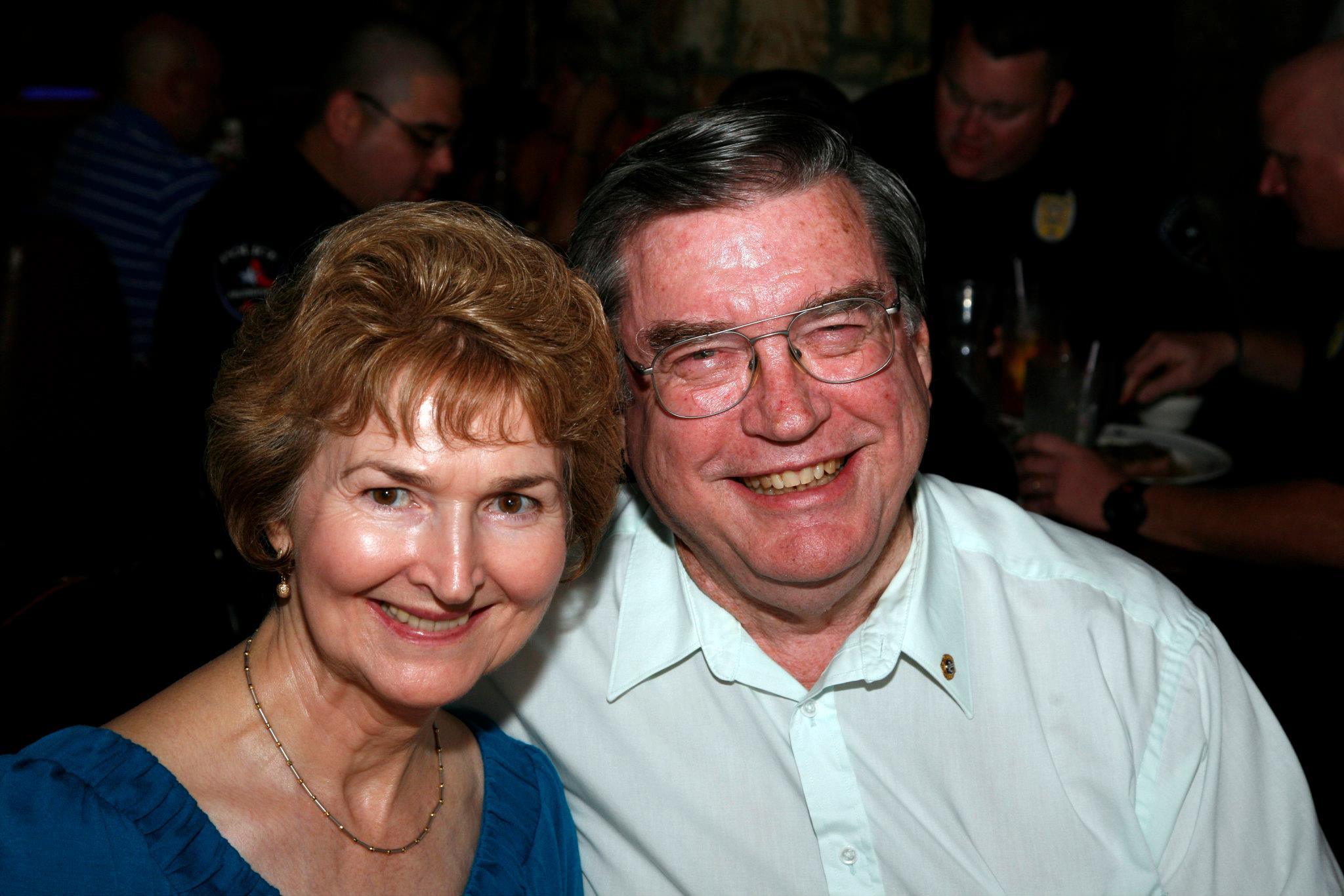
Through every minute and hour of his duty while stationed in Korea, his heart stayed anchored to the woman waiting for him across the ocean. The woman who he would later marry once he returned home. His wife Lois was his constant — the person he wrote to, prayed for, and pictured in the still moments between alerts. Their marriage became the steady center of his world, a partnership built on loyalty, humor, and the kind of devotion that endures distance, uncertainty, and time. She held the home front while he stood guard half a world away, and he never forgot the strength it took for her to do so.
When he returned from Korea, he poured that same steadfastness into raising his children with his wife. He taught them the values forged in the mountains of Korea.
discipline, humility, courage, and the importance of showing up for the people you love.
He took pride in the adults they became — in their character, their work ethic, and the way they carried his lessons forward in their own lives.
As the years passed, his world grew even richer. Grandchildren brought new joy, filling his days with laughter, stories, and the kind of love that softens even the hardest memories. To them, he was not just a veteran or a provider — he was a safe place, a steady presence, a man who made them feel seen, valued, and deeply loved. His stories, his humor, and his quiet wisdom became part of their childhoods and, eventually, part of who they are.
His commitment to service did not end when he hung up his uniform. In civilian life, he continued to give of himself through Freemasonry and the Lions Club, two organizations that reflected his deepest values. As a Freemason, he lived out the principles of integrity, brotherhood, charity, and moral responsibility — the same virtues that guided him in Korea. Through the Lions Club, he served his community with humility and heart, helping those in need, supporting local projects, and offering his time wherever it could make a difference. He never sought recognition; he simply believed in leaving the world better than he found it.
In his civilian careers, he carried the same qualities that defined his military service: reliability, skill, and a quiet determination to do things the right way. Whether he was working with his hands, solving problems, or helping others, he approached every task with pride. People trusted him because he earned that trust daily.
Through every season of his life, he remained grounded in the values that carried him through the seasons in “Chen Chung” Cheorwon: faith, duty, family, service, and the belief that a good life is built through steady, honest effort.
His legacy lives on not only in the stories his family tells, but in the character they carry — the resilience of his children, the warmth of his grandchildren, and the enduring love he shared with his wife. His time repairing missiles for the 5th of the 57th Artillery shaped him, but it was the life he built afterward — as a husband, father, grandfather, Freemason, and Lions Club servant‑leader — that defined him. And that life continues to ripple outward through every generation that follows.