
Good Afternoon Gentlemen Warriors:
On June 25,1950 the United States Military and the United Nations had no idea just how overwhelming the North Korean Invasion of South Korea would be. It was a total surprise to the entire world.
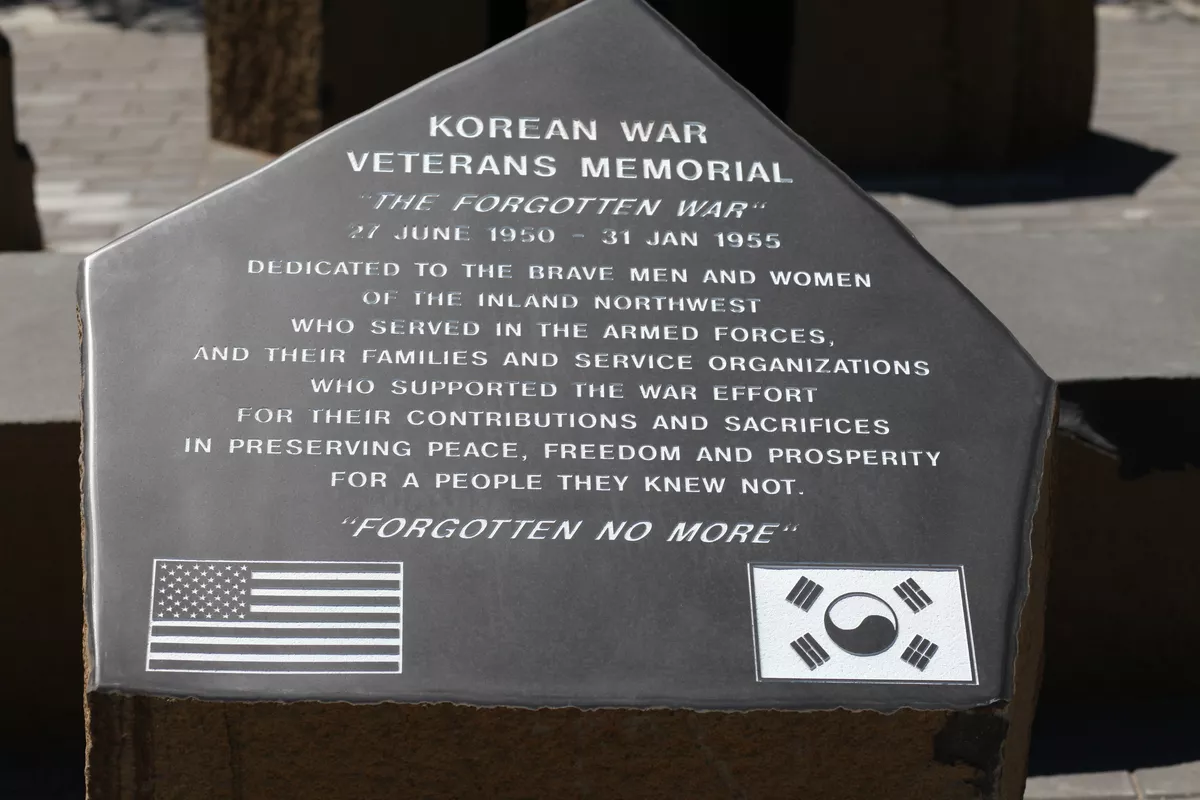
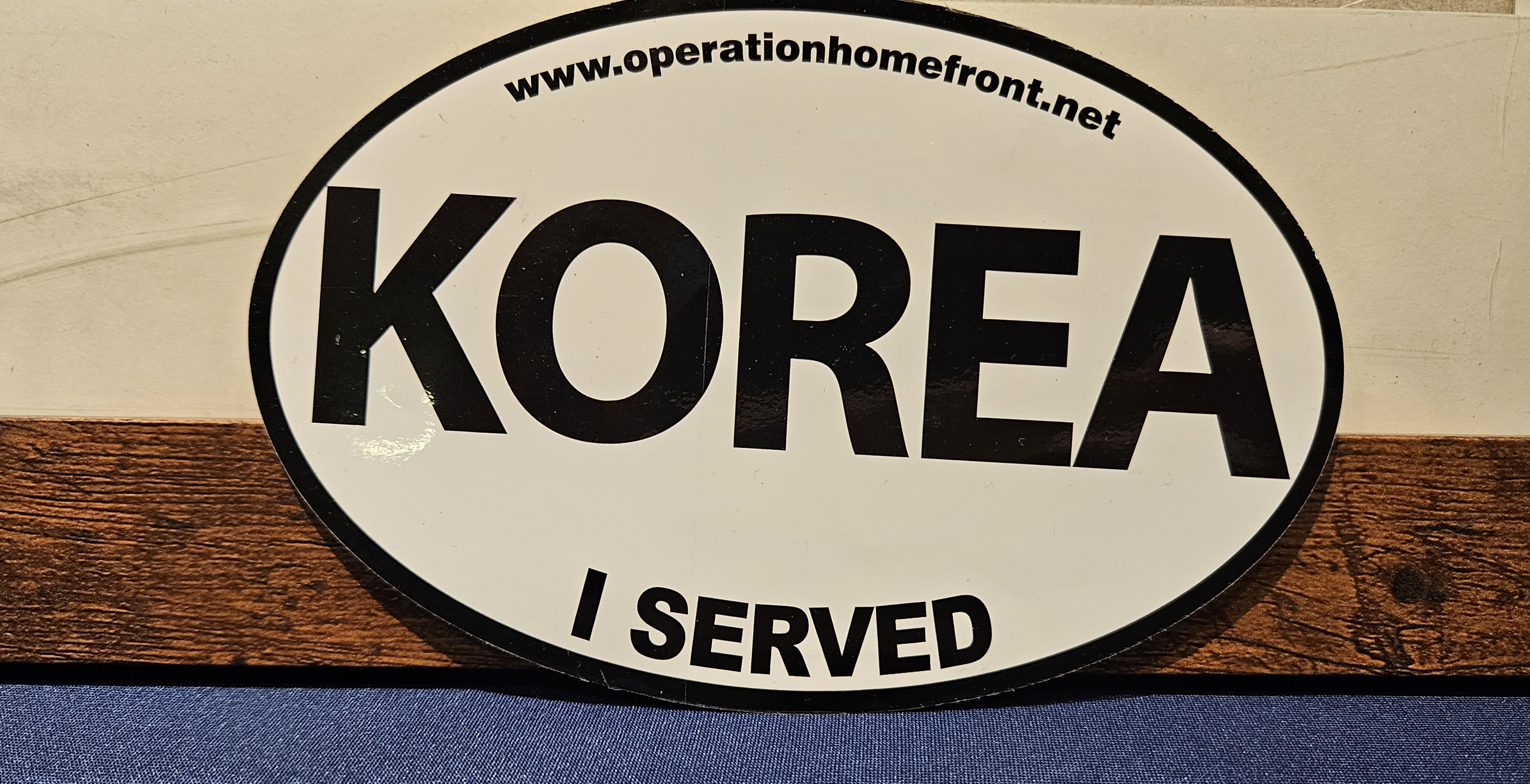
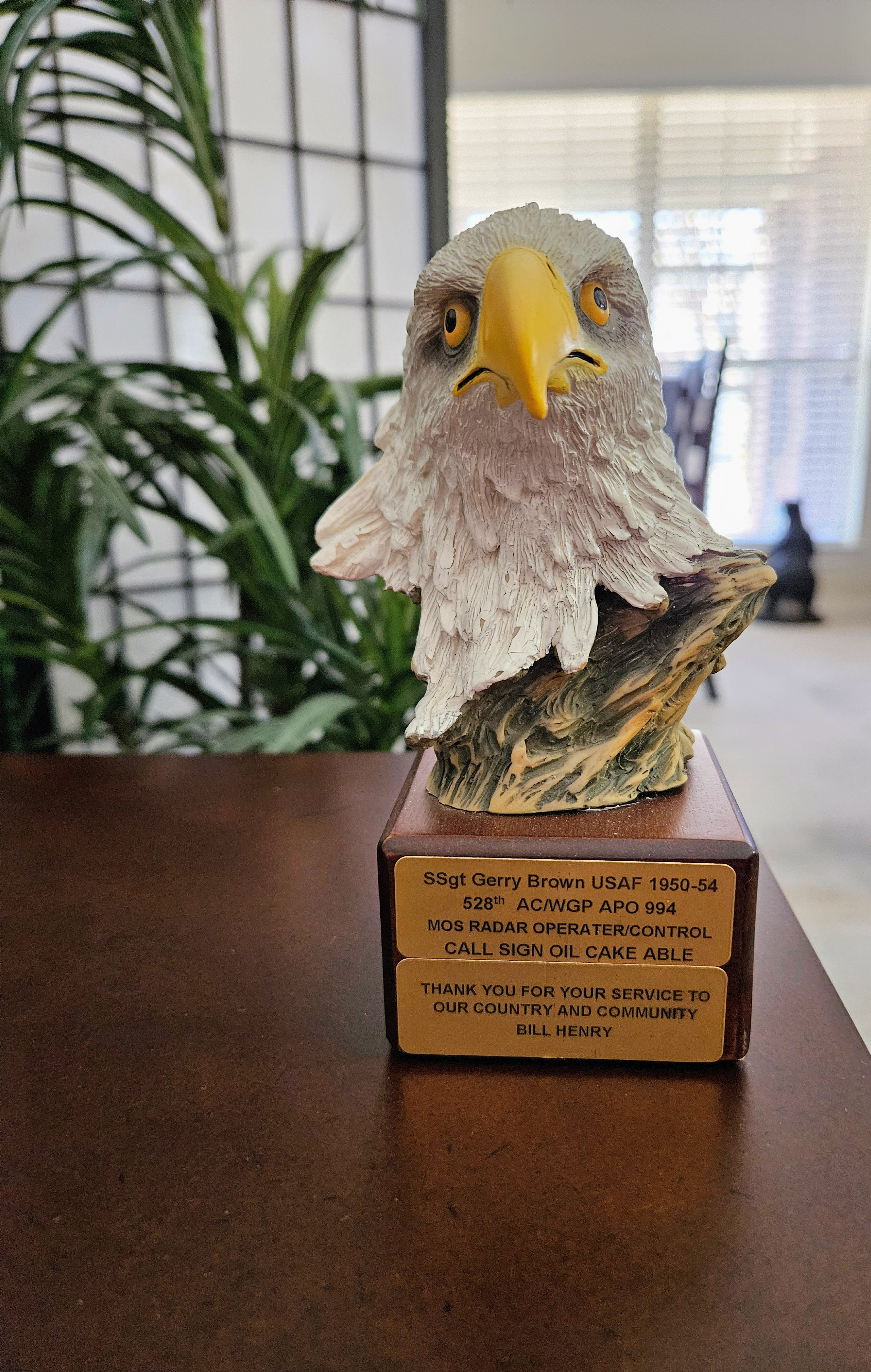
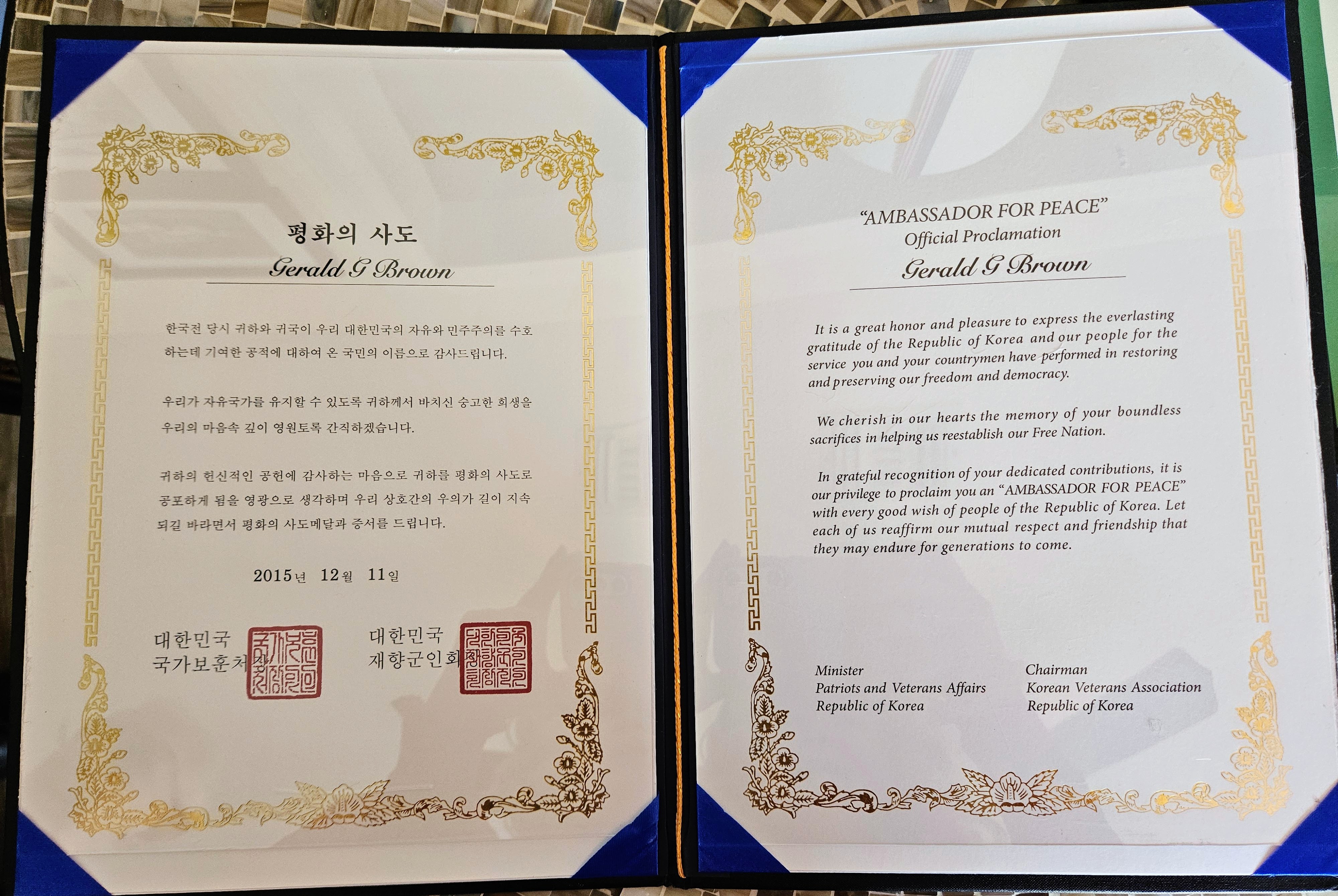
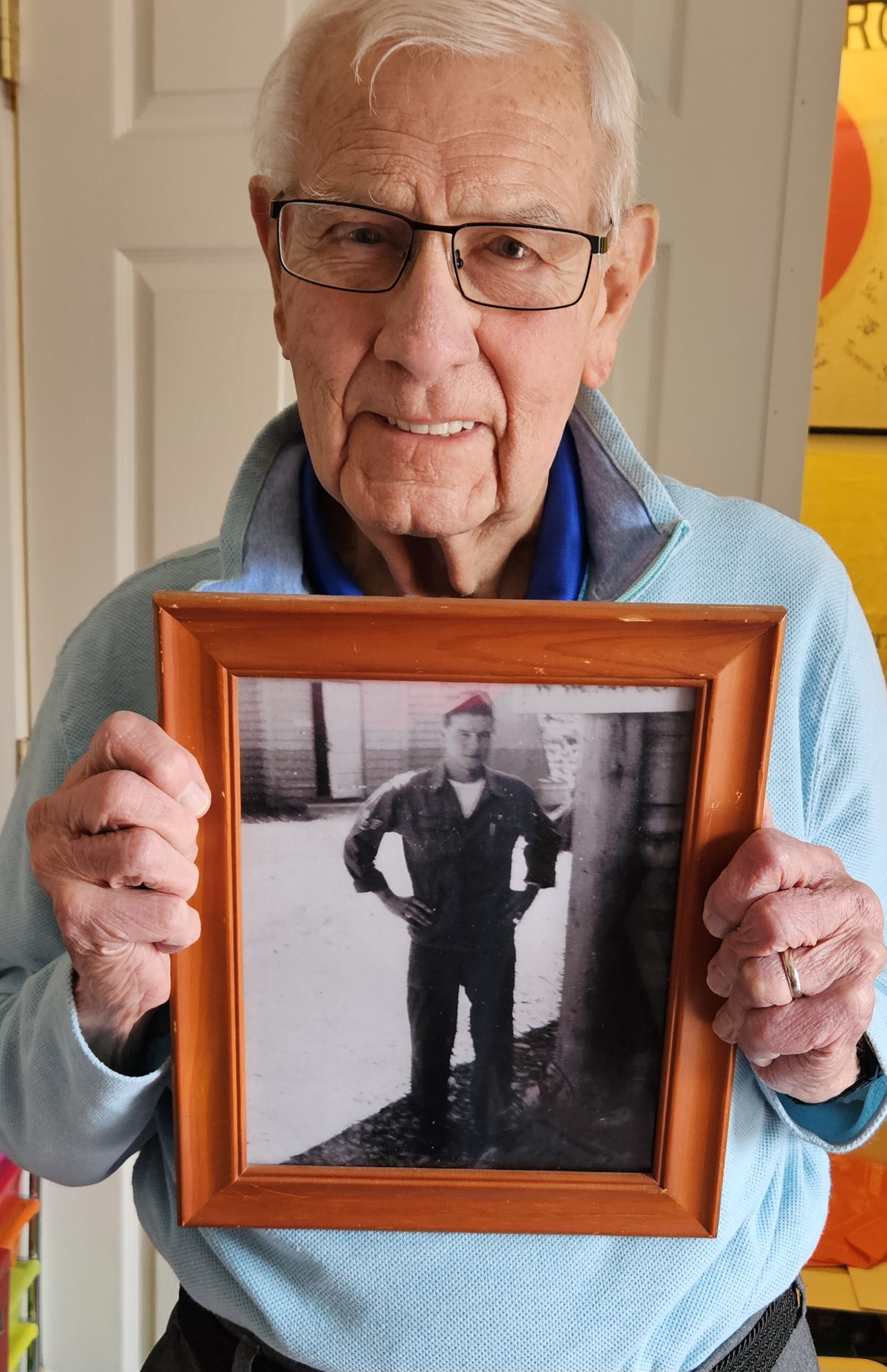
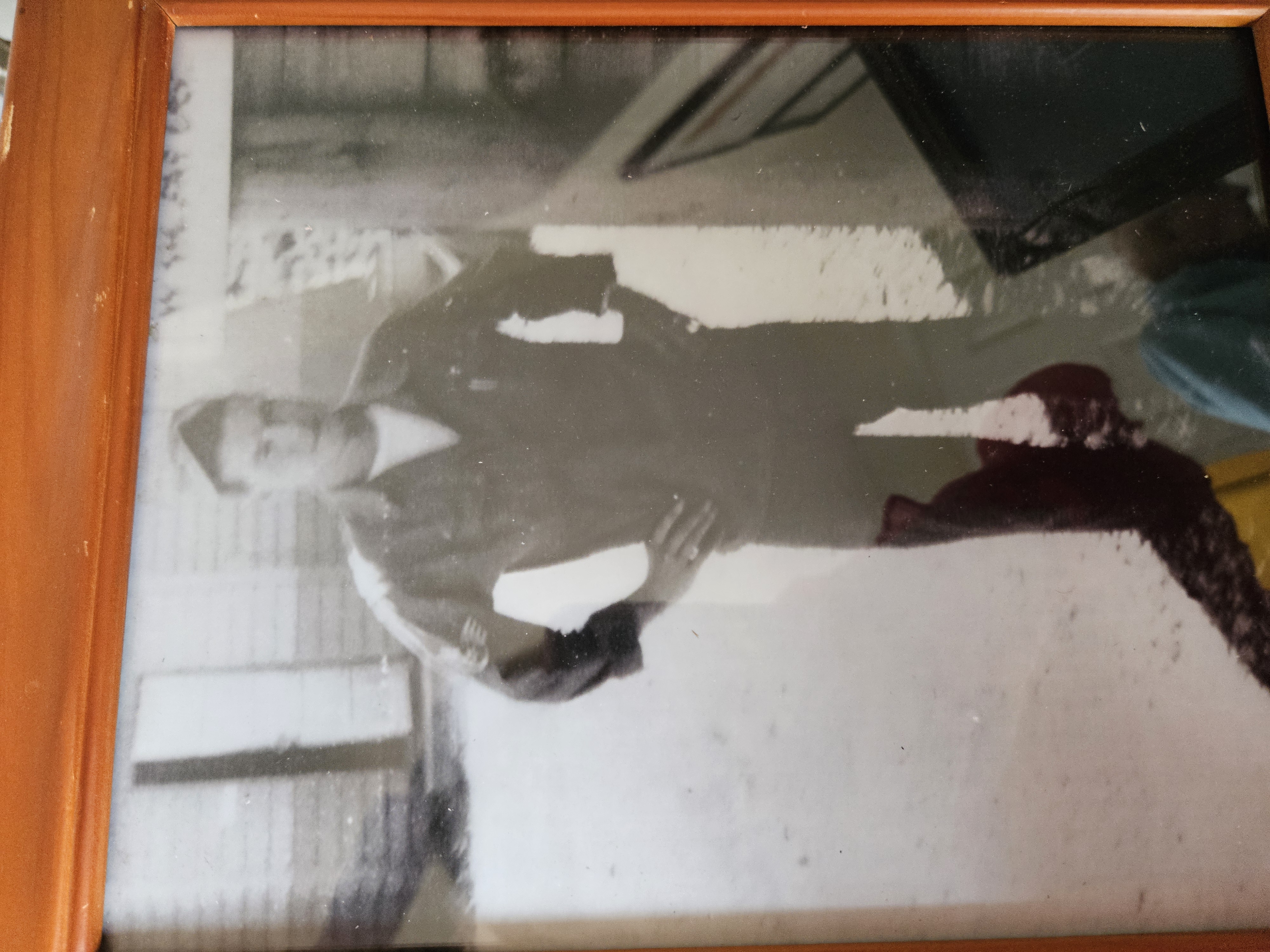
The North Korean Military “struck like a cobra,” said General Mac Arthur and from that time on the war was continuous until the cease fire order was issued on the 27th of July 1953.Many experiences can be told concerning events during that time, and this is mine.
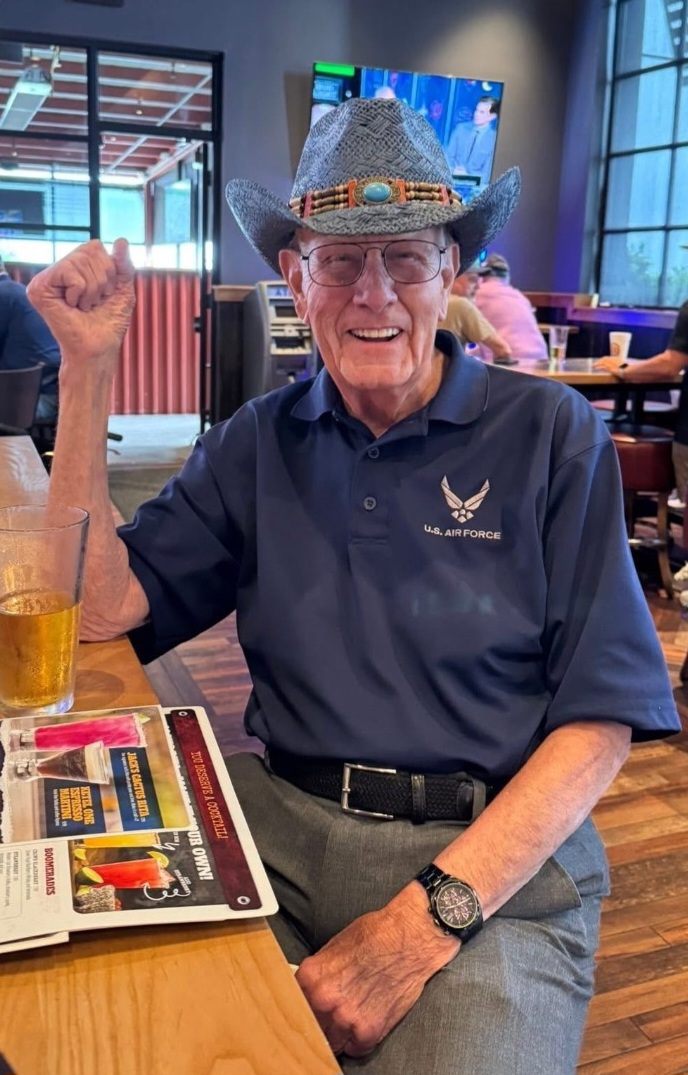
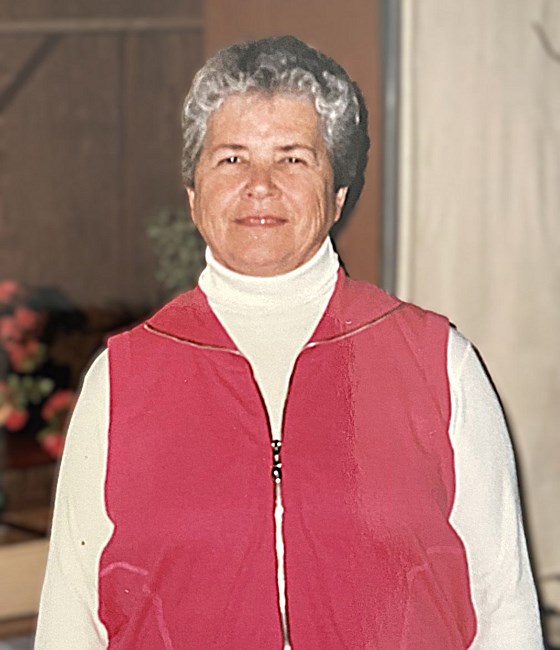
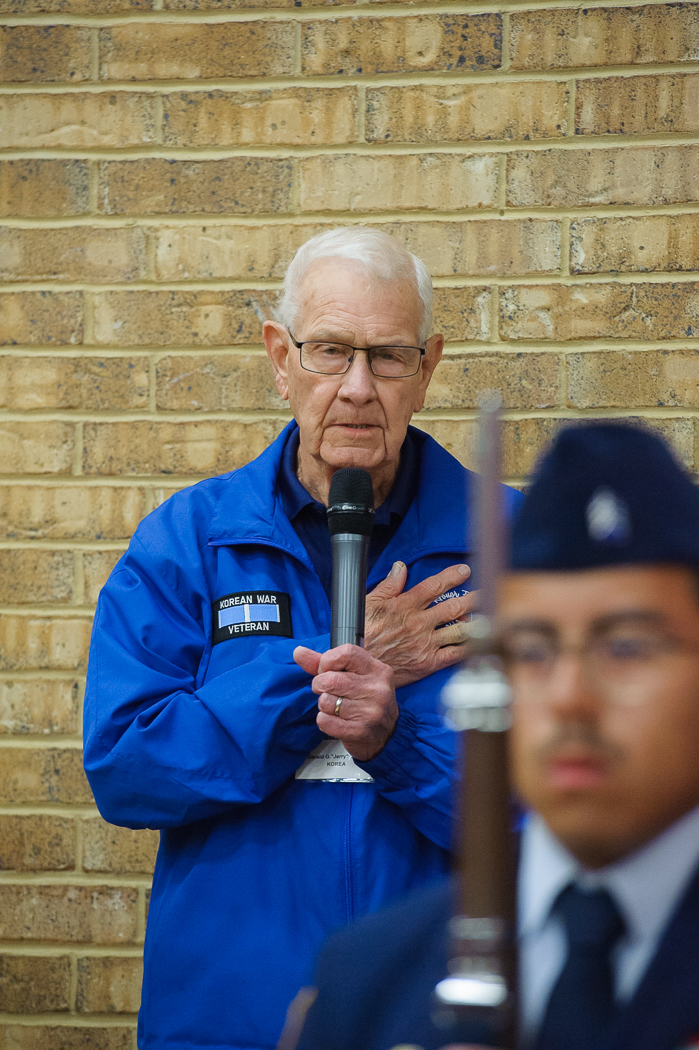
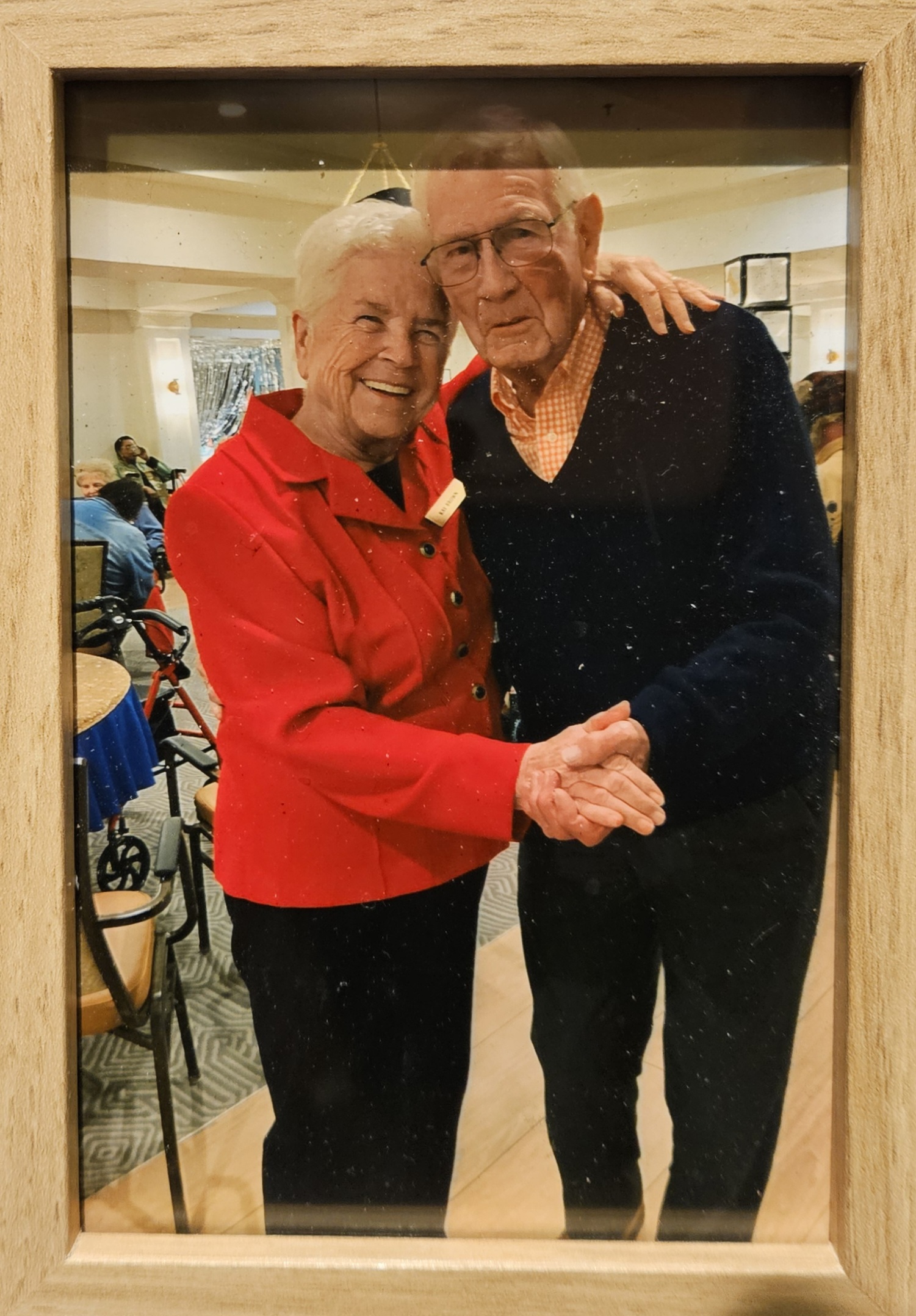
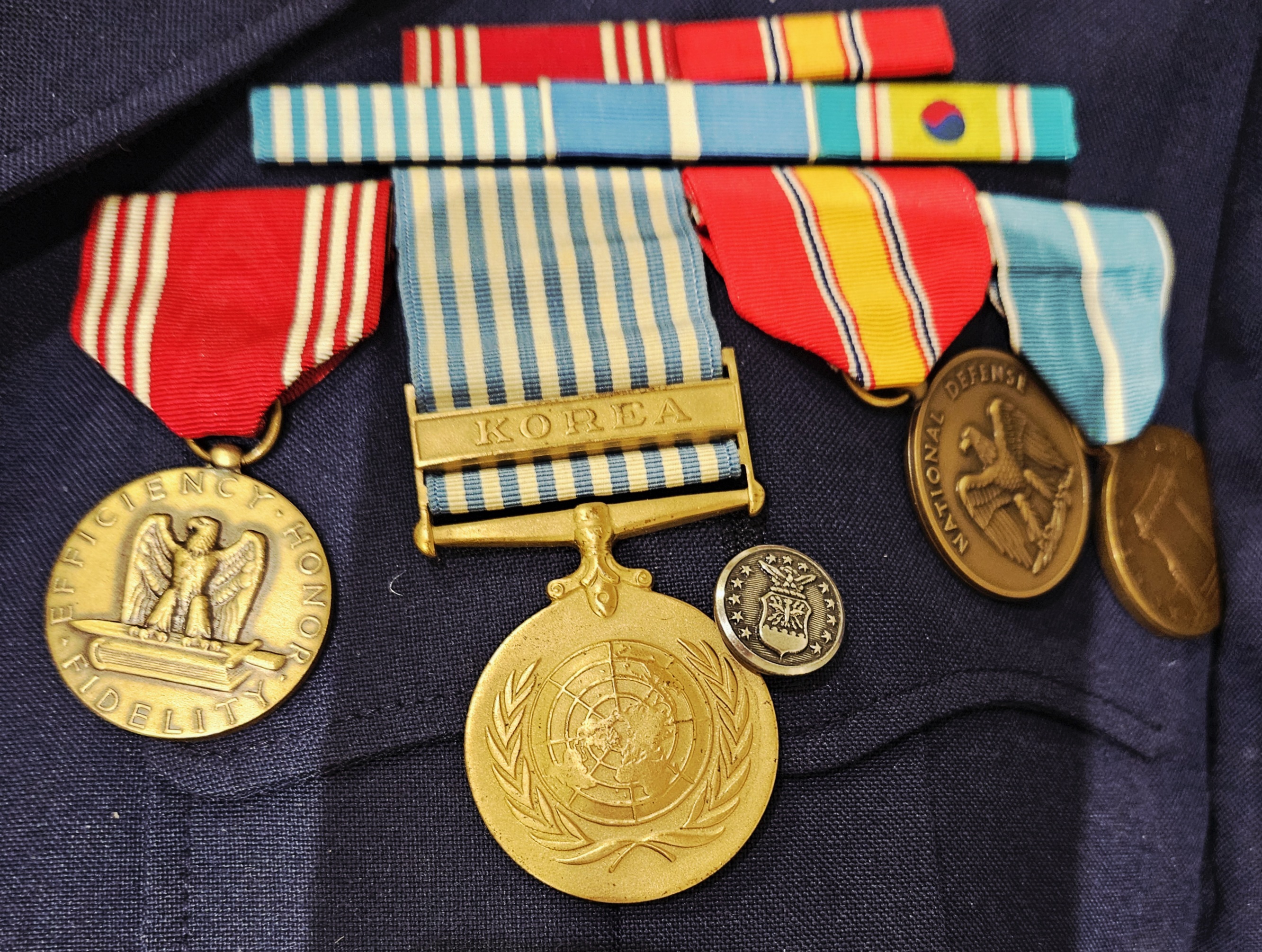
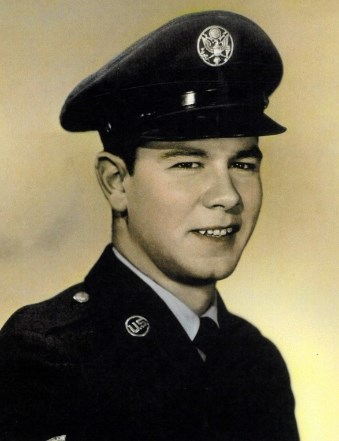
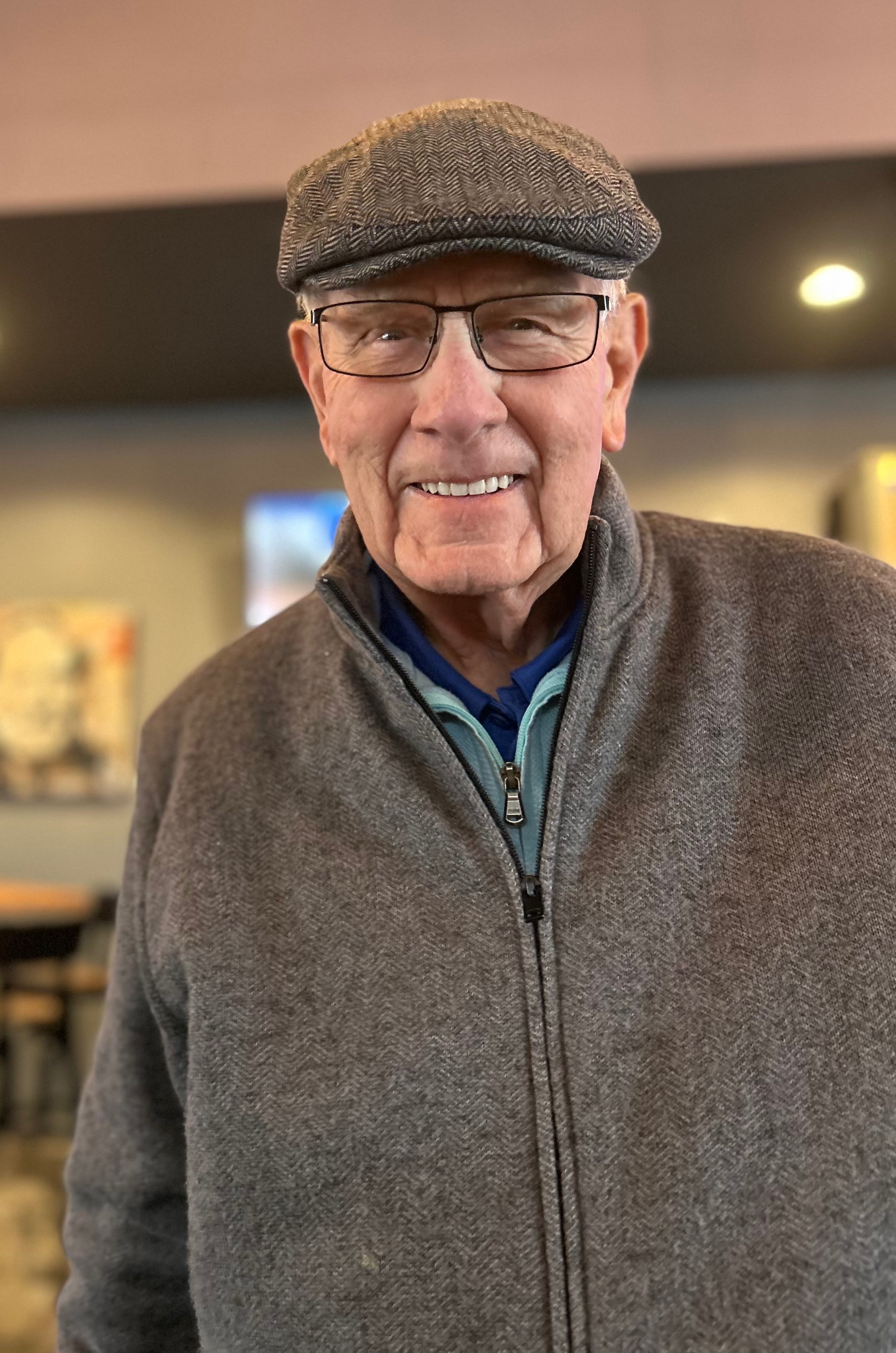
My wife’s name is Kathryn “Kay” Diane Brown. I am 85 years old and was born in EauClaire, Wisconsin. My wife and I have resided in Texas for approximately 40years..I graduated from high school on June 5, 1950 and on October 21, 1950 left for basic training in the United States Air Force at Lackland Air Force Base.
Upon completion of basic training, I was assigned to Kessler Air Force Base for training AC/W Radar Operator. After completing tech schooling February 1951, I was assigned to the 30*Air Division located in Michigan, at Oscoda Air Force Base originally and then relocated to new facilities at Port Austin, Michigan. Remember the cold war was on, and we monitored all aircraft that entered the tour area with a fighter interceptor wing as backup.
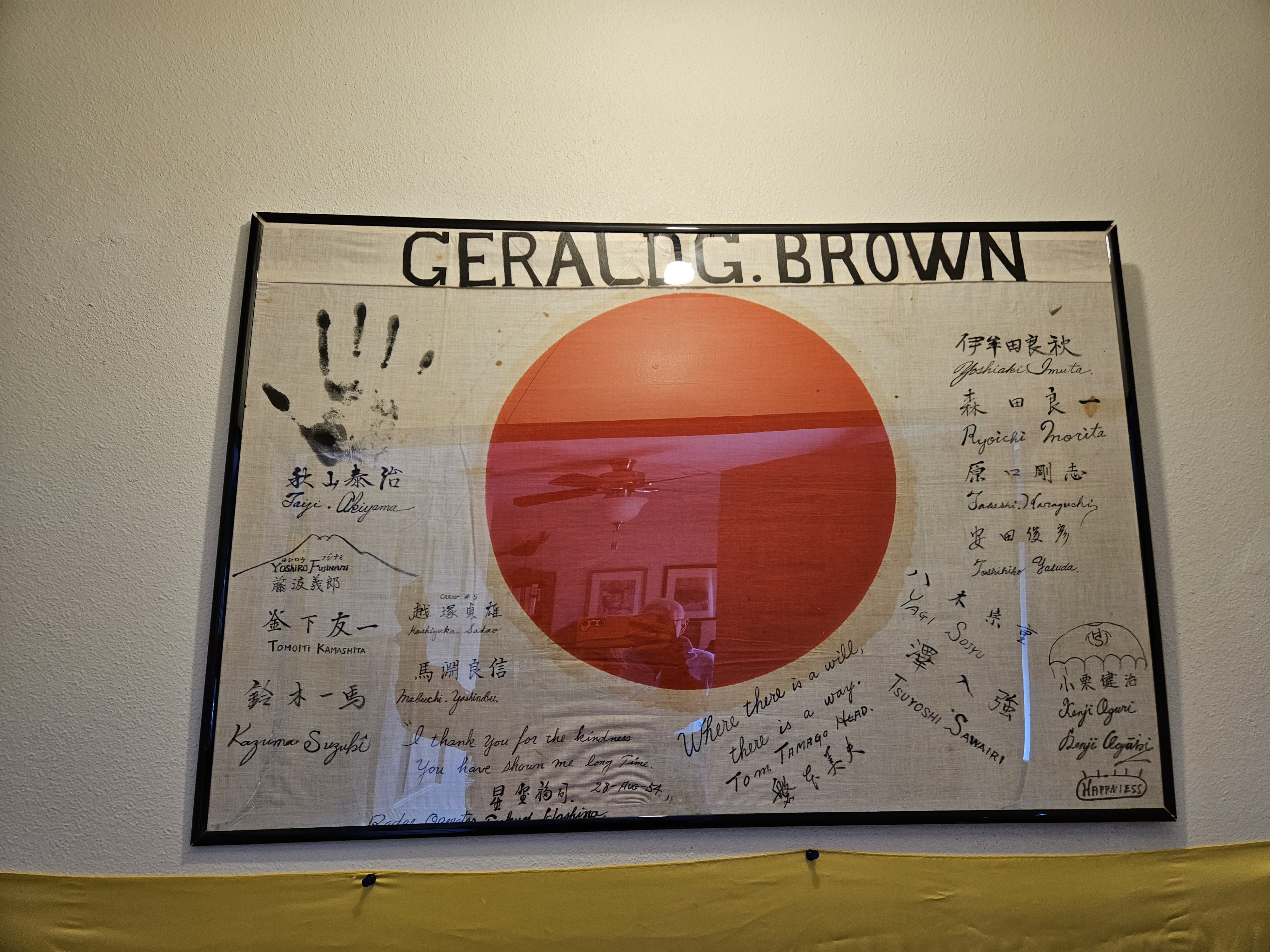
However, in August of 1952, an unusual request for senior radar operators for duty in Korea was issued. I volunteered along with 9 other airmen from the 30th and we arrived in Japan on December31, 1952. We spent Christmas on a troopship, as a time to be away from home.
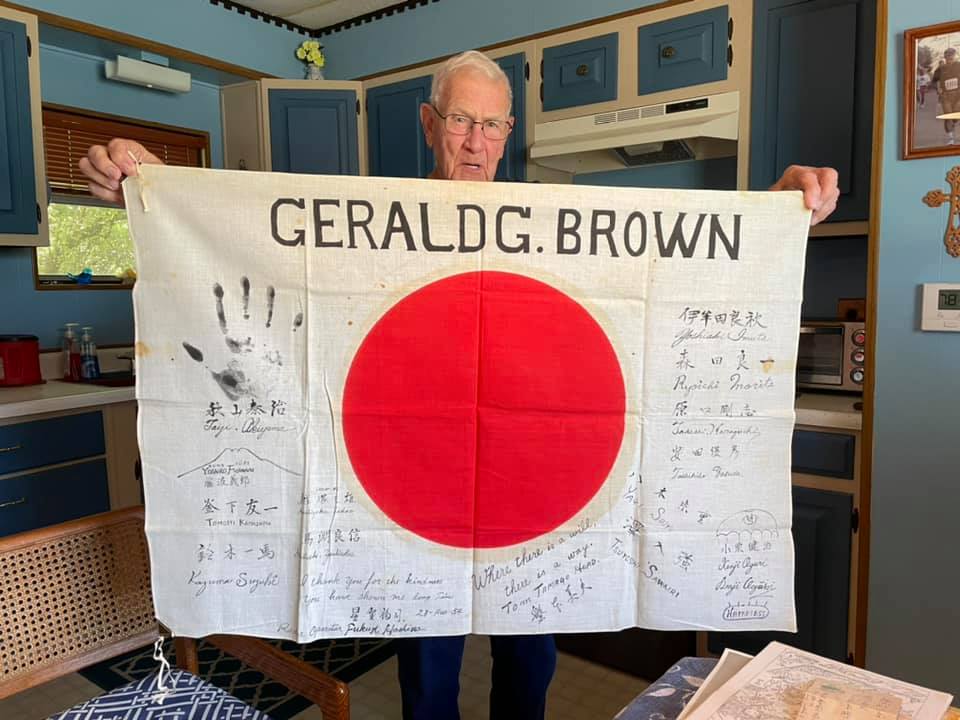
We were assigned to Johnson Air Force Base for training as ground to air, aircraft controllers and trained in the heart of Ground Control Intercept, including flying lessons. Upon graduation, all ten of us were assigned to Japan or Korean radar sites. I drew a site in Japan and to this day I do not know where all my classmates ended up.
I spent a total of 20 months there during the war, on duty 24/7 protecting our airspace between Korea and Japan. I also monitored the evening bomber string of B29’s to Korea. If one had mechanical problems, I as controller would’ve cut the B29 offshore to the Pacific Ocean to locate a drop area for their bomb load and then vector the B29 back to base. Also, I had some air-sea rescue missions for A/C Escort Service to Tokyo.
All AC/W sites were considered one group with no address. So when one site was alerted all sites were alerted. We were alerted when bed check Charlie showed up or other enemy aircraft threatened our network. We had Japanese guards on duty 24/7 and when the alert sounded.
First off, all lights were turned off, you had to dress in bed, pick up a helmet ,belt , rifle, and run to assigned locations. “Utter Chaos” I had to report to radar ops and every time the guard would shout “Halto” as I was running to Radar ops, and at the same time shove a bullet in his weapon, “I mean you”, you went from 60 to 0 ,a complete stop in one second.
In the darkness, check you out with a flashlight and with a big smile say ,oh Sergeant Brown, Sanok “every time, and there were many times. Because we were isolated, we had to use our own transportation to the railhead and on one trip a truck cover hit a tree limb and this huge snake fell into the truck bed. I don’t even think I need to discuss that event with you. It was frightfully hilarious.
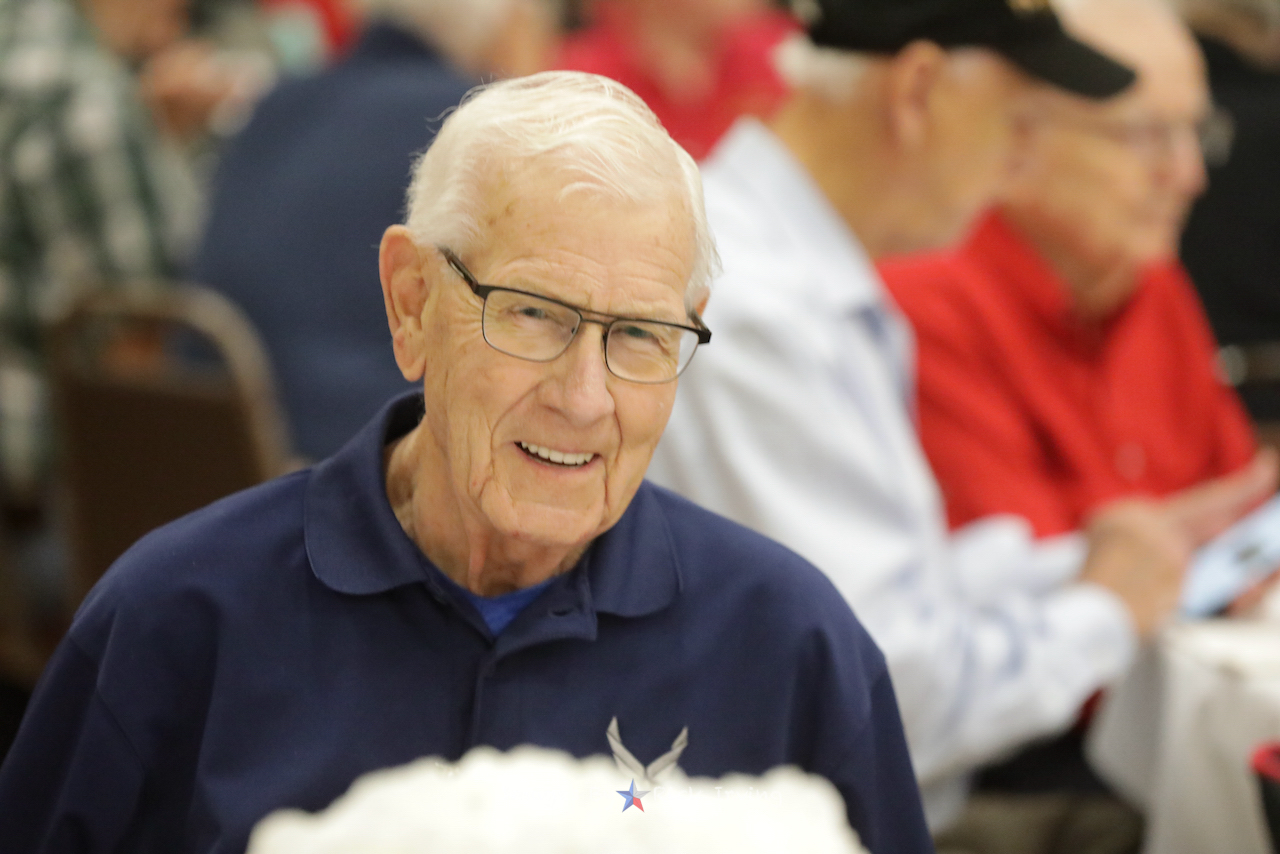
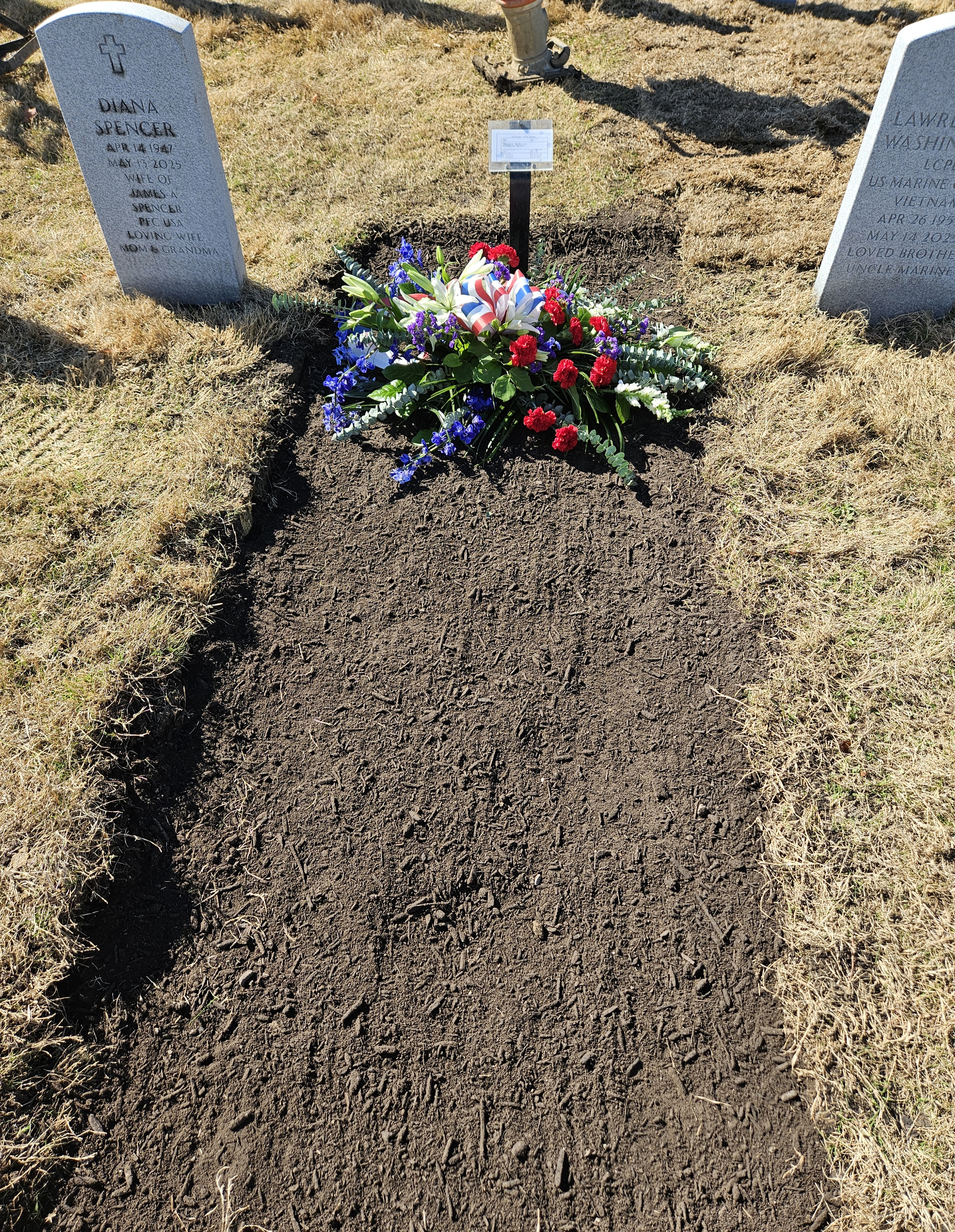
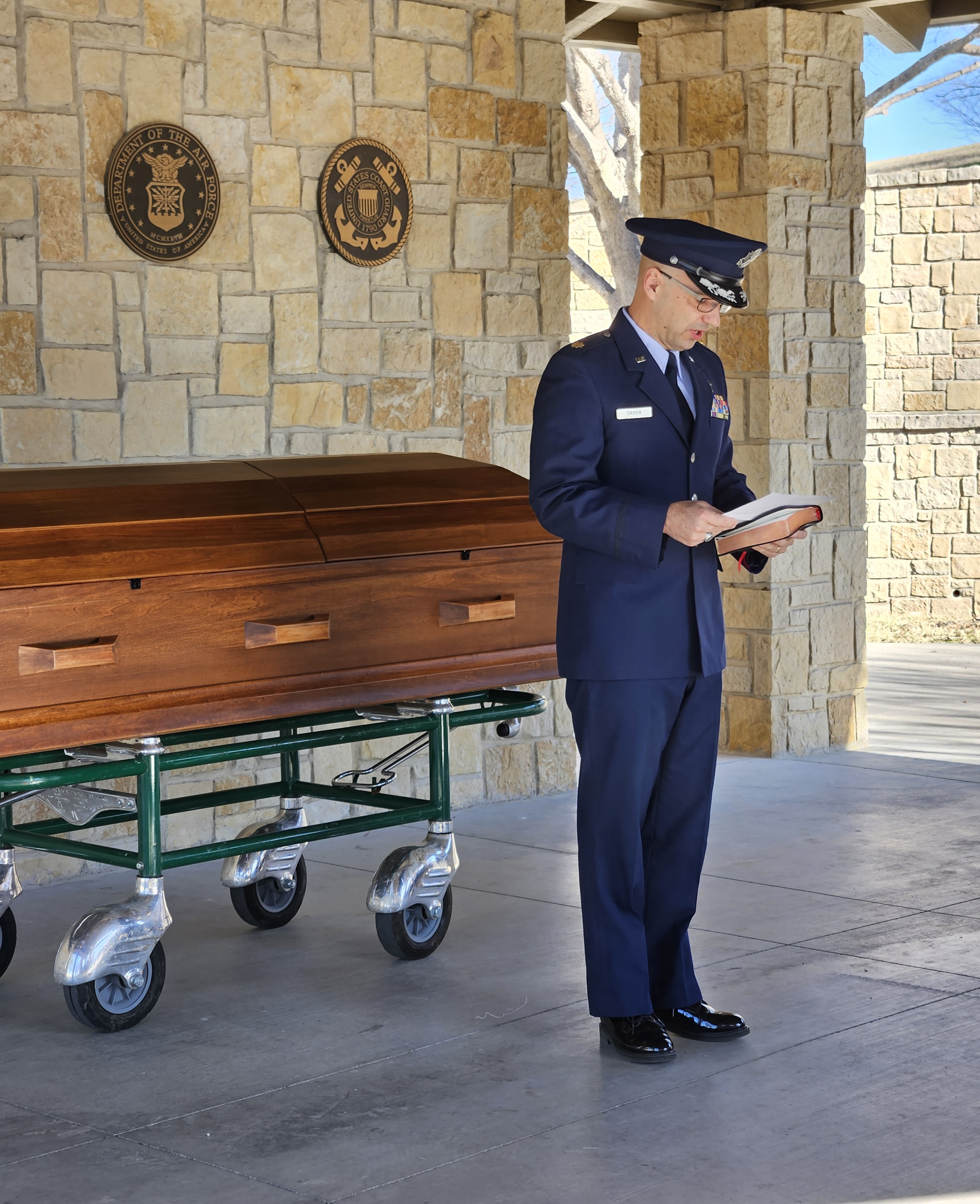
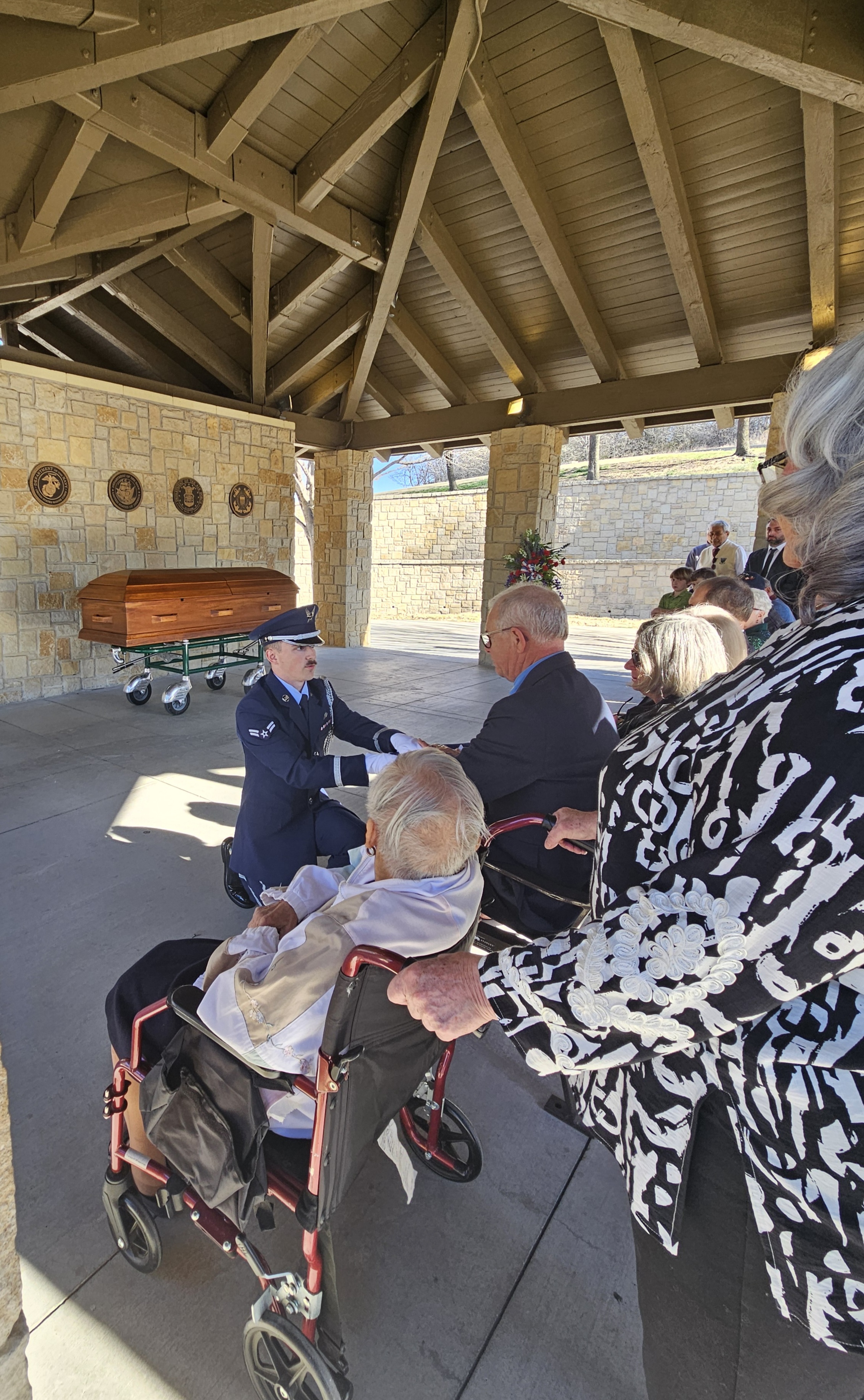
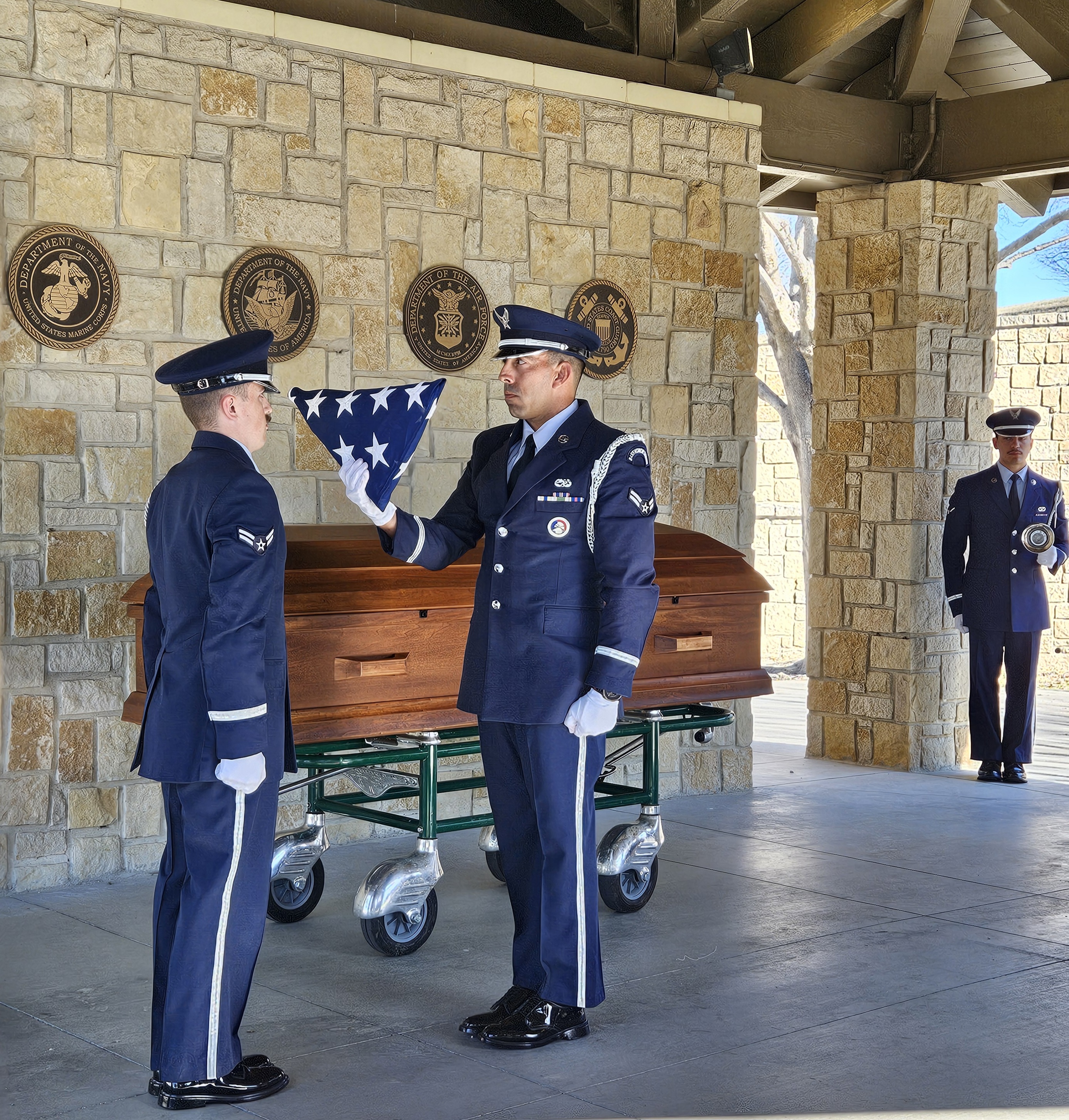
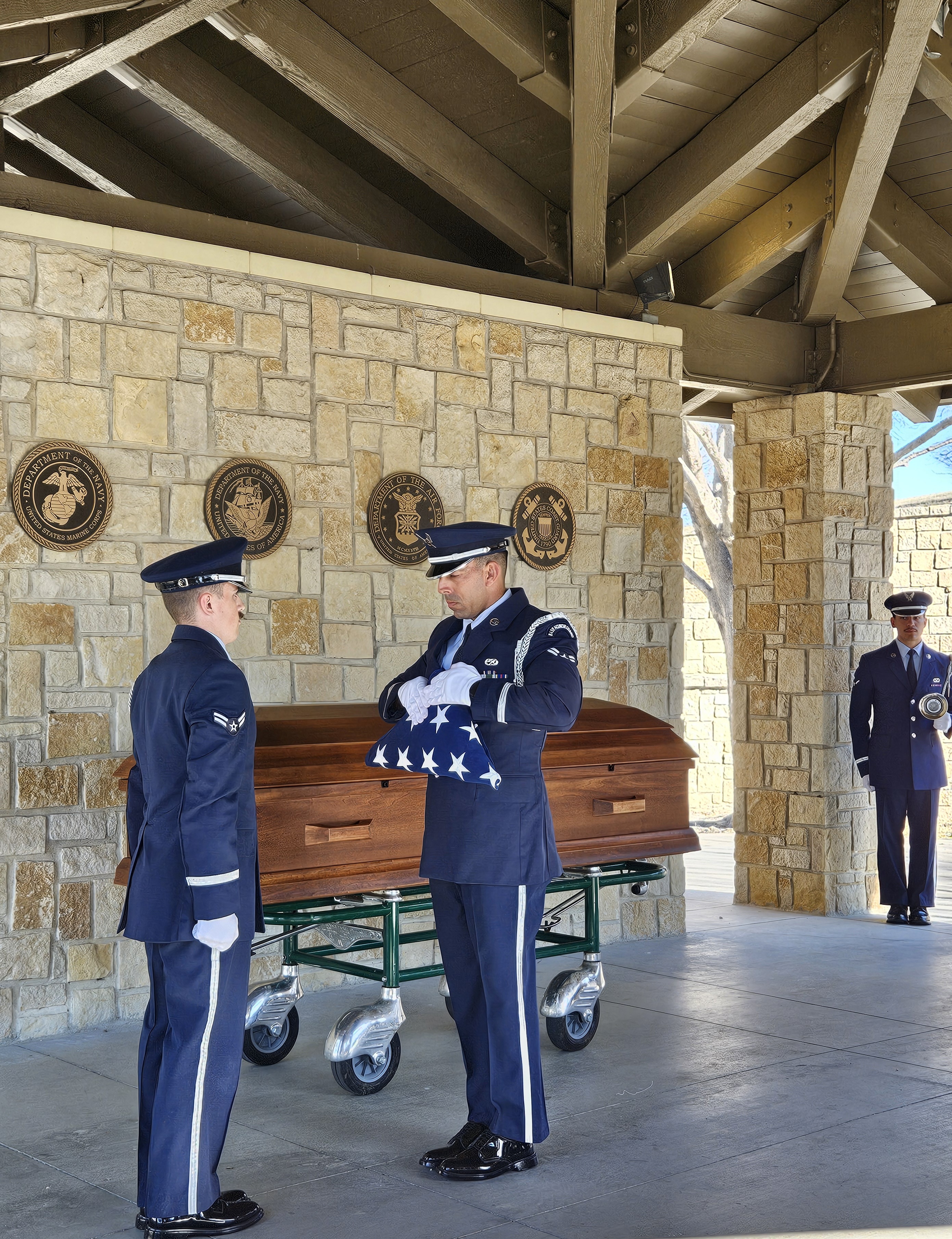
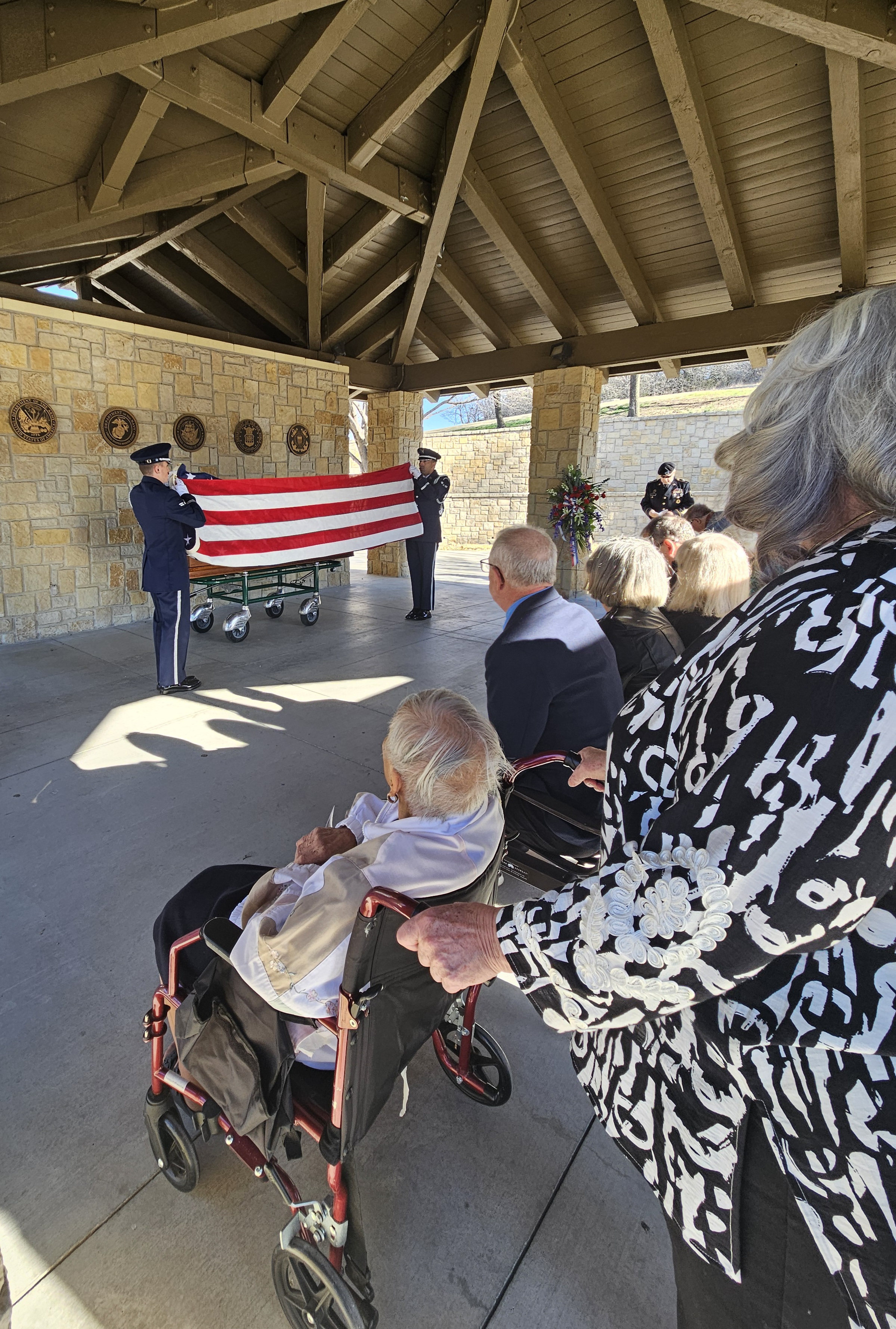
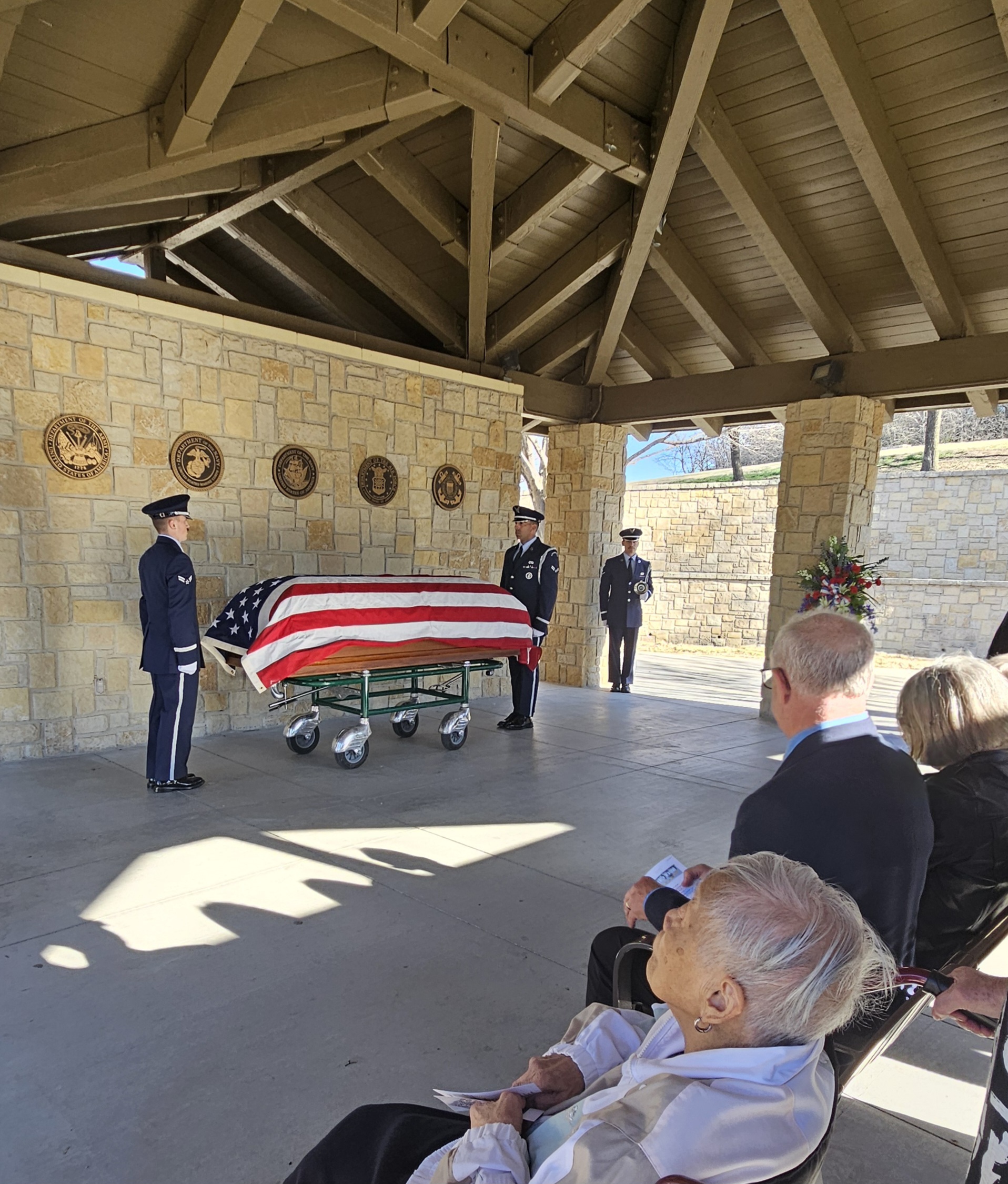
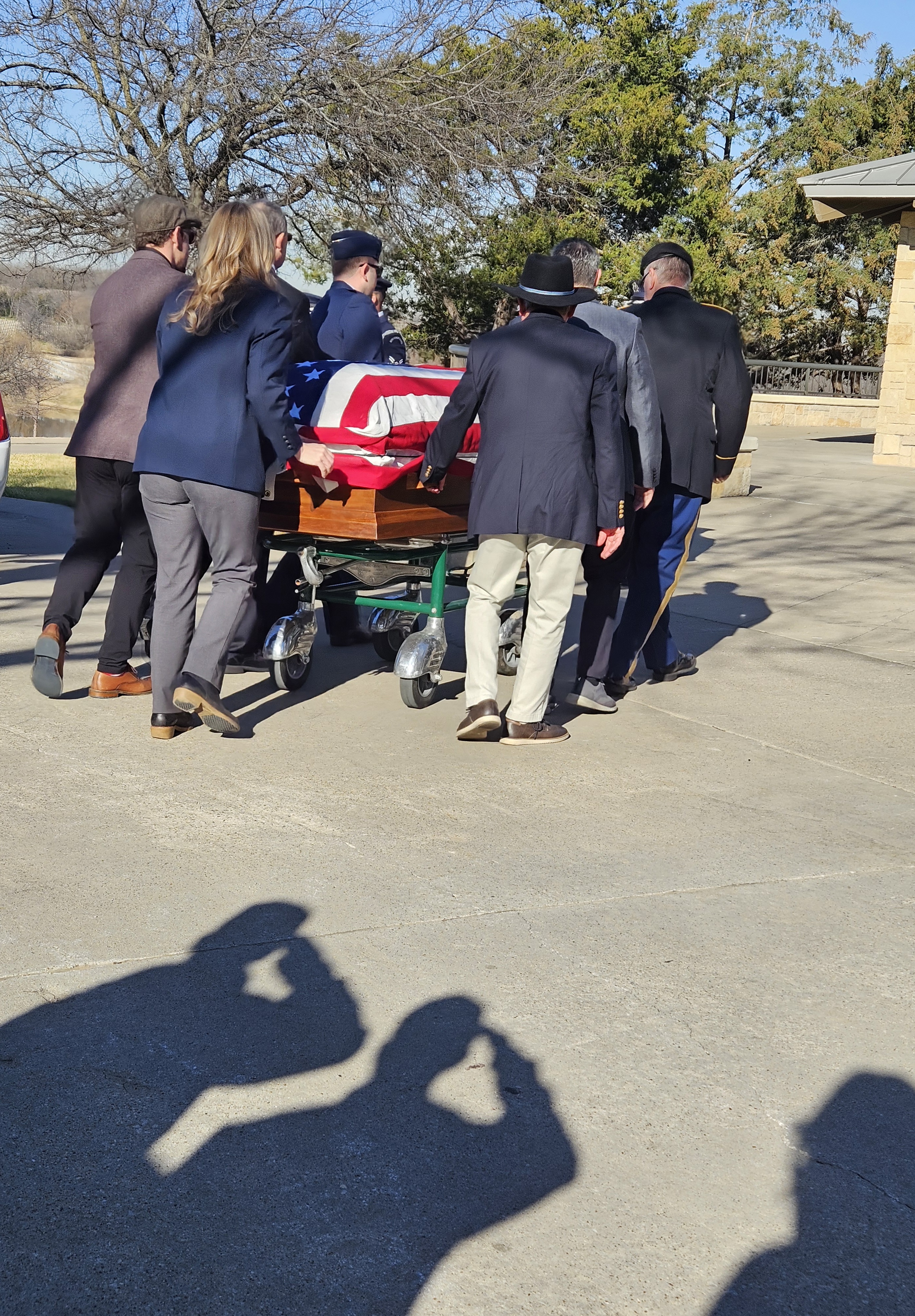
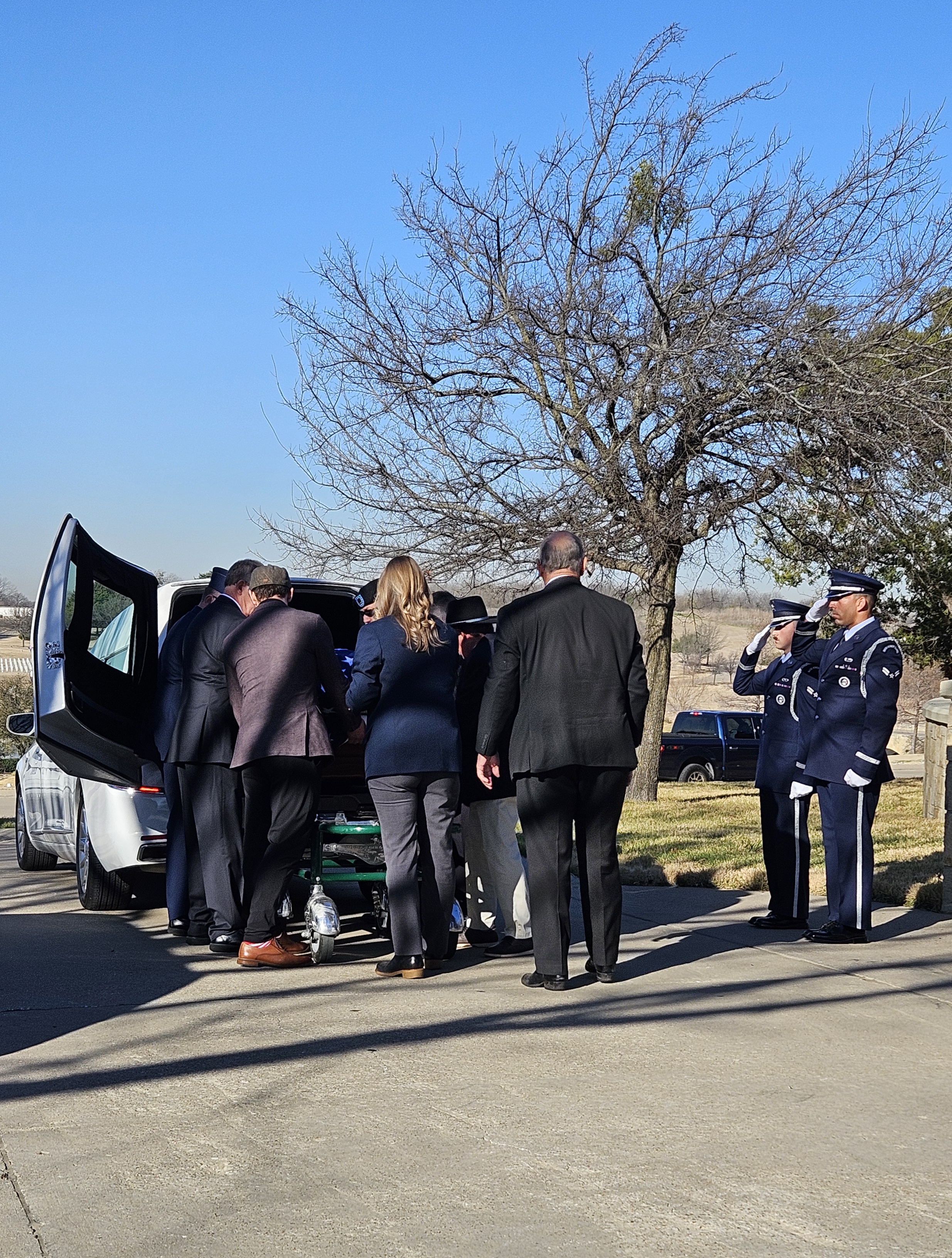
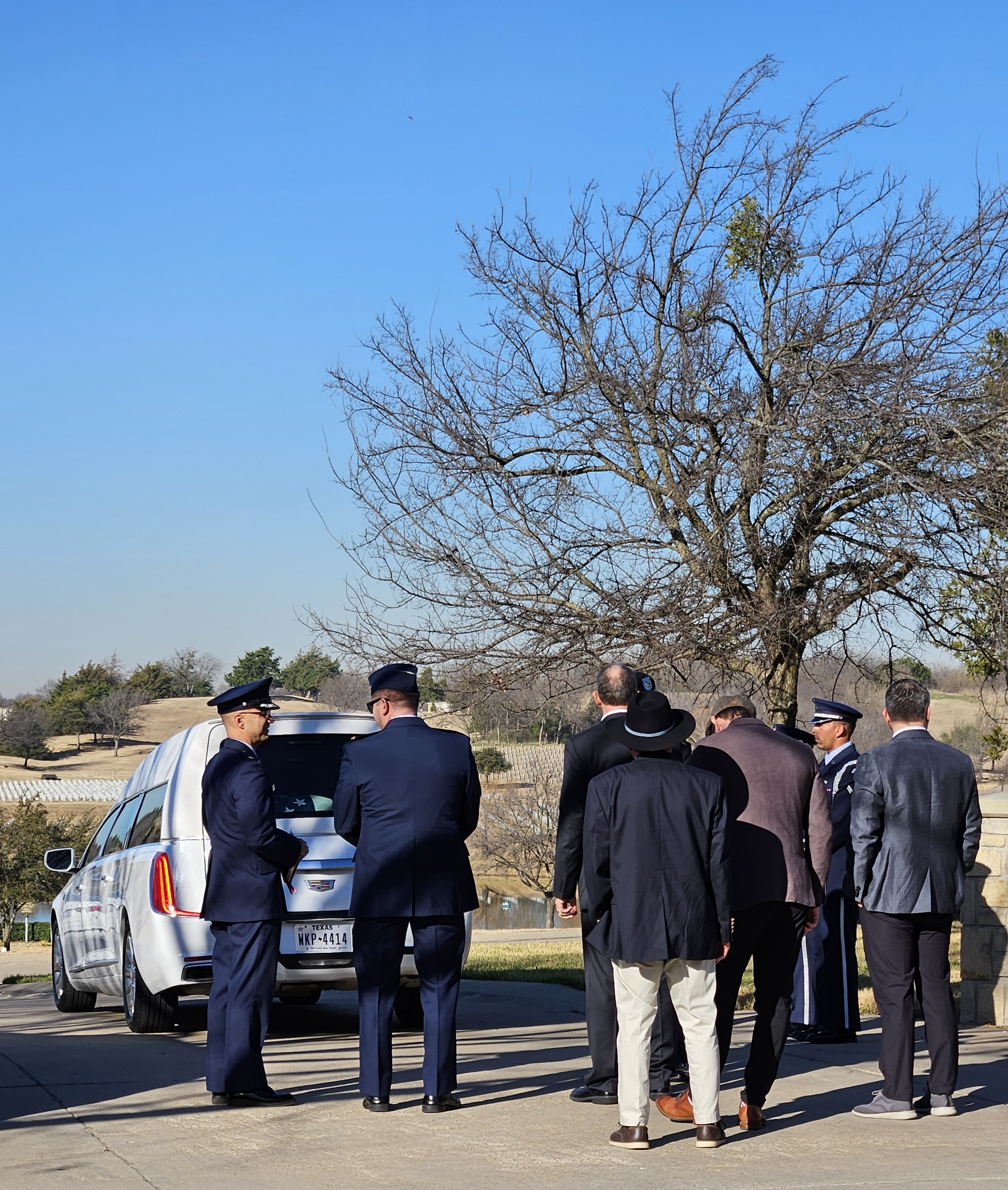
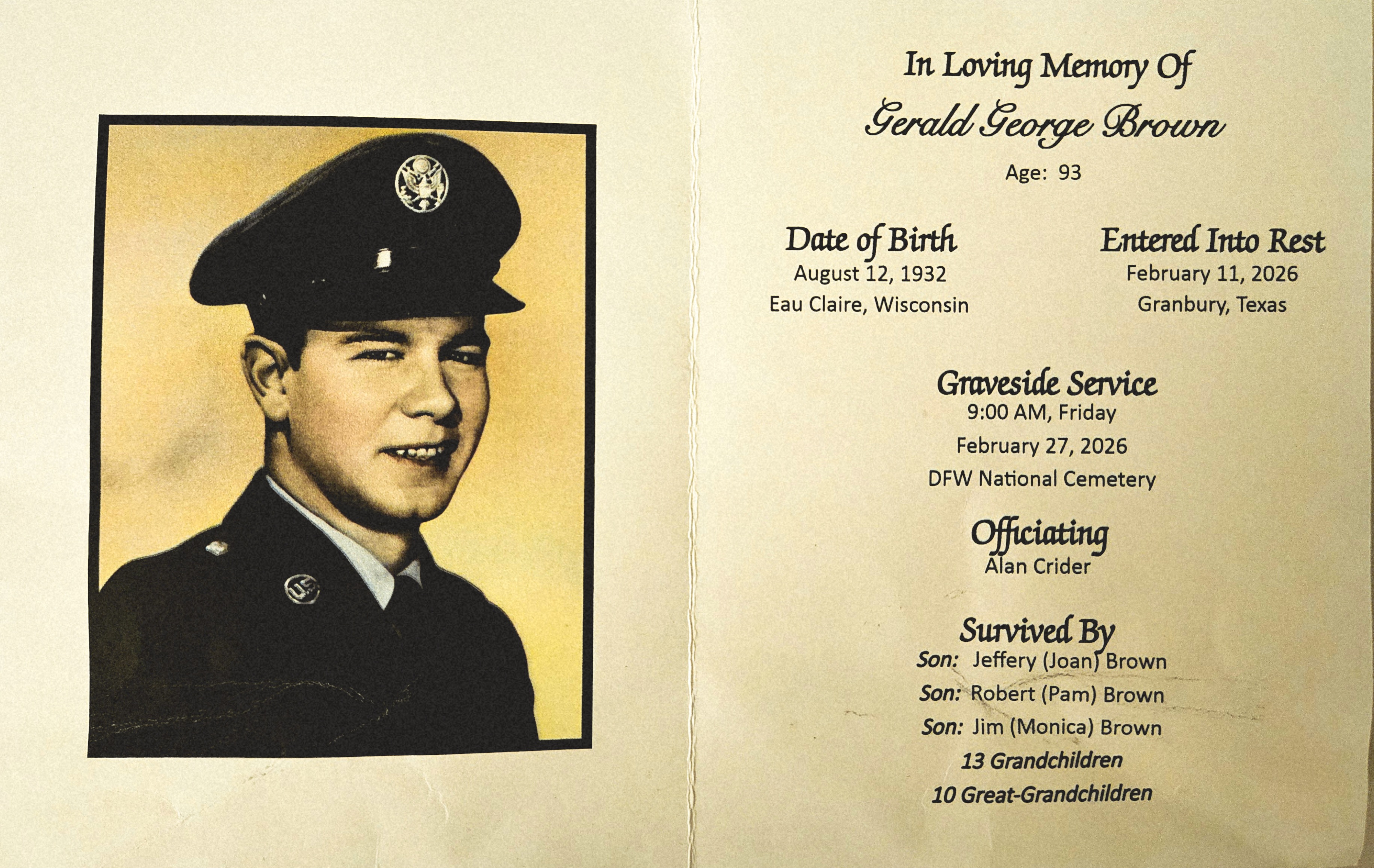
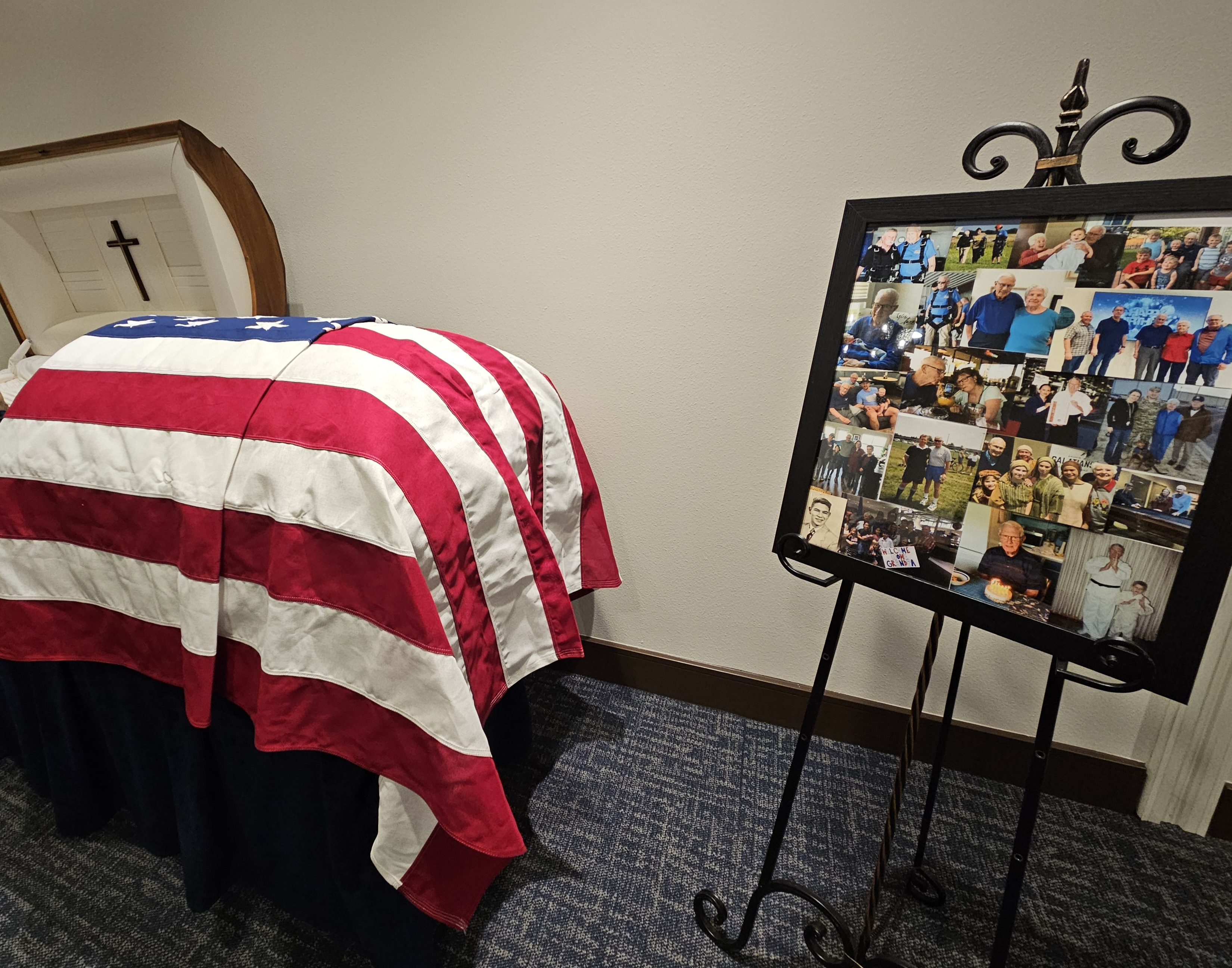
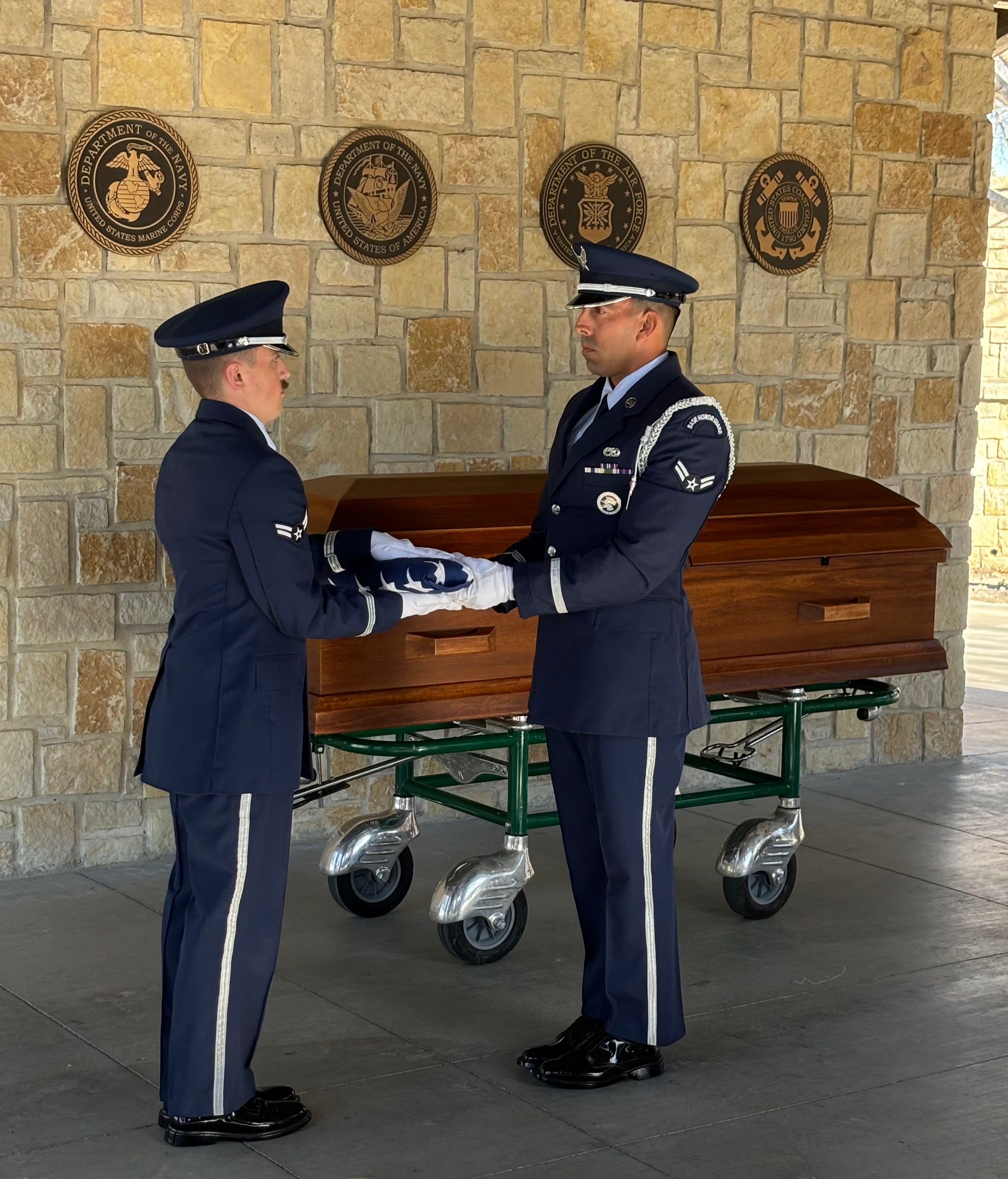
We bid farewell to our beloved Gerald George Brown, who passed away on February 11, 2026, in Granbury, Texas. He was born on August 12, 1932, to George and Ada (Holmes) Brown, in Eau Claire, Wisconsin.
Gerald was a man of adventure and spirit who found joy in every moment of his 93 years.
Endnote
What He Did Every Day
As a trained Ground‑Controlled Interception (GCI) radar operator, Gerald Brown stood at the unseen front line of the Far East air‑defense shield, where precision, discipline, and unflagging alertness were the job’s currency. In the dim glow of radar scopes, far from the flight line’s noise, he tracked every aircraft threading through his assigned airspace, turning faint echoes into actionable information that commanders and pilots relied on.
He detected and classified unknown contacts, sounding immediate alerts when something did not belong, and he talked fighter interceptors onto their targets—delivering exact headings, speeds, and altitudes with no room for error. He maintained steady, unbroken radio communication with aircrews as missions unfolded in real time, translating radar data into clear, lifesaving directions.
He watched for Soviet or North Korean intrusions and stood ready to respond within seconds, enduring rotating 24‑hour duty cycles that included nights, weekends, and high‑tension alert periods. Beyond individual contacts, he helped preserve the recognized radar picture for the entire Far East Air Forces, ensuring commanders always knew what filled the sky.
This was high‑skill, high‑stakes Cold War and Korean War work—performed in darkened operations rooms where pressure was constant and the margin for error nonexistent. Radar operators like Gerald were the quiet professionals whose vigilance kept the airspace secure and the mission alive.
Why His Service Mattered
Gerald G. Brown’s work was not incidental; it was essential. Stationed in Japan, he manned a radar site that formed a vital link in an unbroken air‑defense chain stretching across the Sea of Japan to the Korean Peninsula. The mission did not stop at the water’s edge—American, Japanese, and Korean stations were woven together into a single, seamless shield that protected every mission and every life in the theater.
That shield safeguarded:
- U.S. bombers departing for and returning from combat missions.
- Fighter escorts charged with protecting those bombers.
- Transport aircraft carrying supplies, personnel, and critical equipment.
- Medical evacuation flights bringing the wounded to safety.
- All U.S. bases in Japan, the indispensable hubs for staging, repair, and resupply.
Every aircraft entering or leaving the theater passed through the watchful eyes of operators like him. If the Korean air war was a living system, Japan’s radar sites were its heartbeat—steady, constant, and indispensable. His vigilance turned uncertainty into warning, gave commanders time to act, and kept American airpower moving freely across one of the most contested regions of the early Cold War.
This is why his service mattered: the mission depended on men who could see what others could not—and act before anyone else knew danger was coming.
The Quiet Importance of His Role
His vigilance kept the skies known, turning uncertainty into warning and danger into time to act. By reading faint echoes on a screen, he ensured threats were identified before they could strike and that American airpower could move with confidence across one of the most contested theaters of the early Cold War.
This is why his service mattered: the mission depended on men who could see what others could not—men who watched the darkness for signs of danger, who carried the burden of early warning, and who acted in the critical seconds before anyone else knew a threat was coming.
They were the unseen guardians of the air war: the steady hands behind every safe return, the calm voices that guided pilots through peril, the quiet professionals whose discipline held the line long before the first aircraft reached the fight.
Why the 528th AC&W Group Mattered
The 528th Aircraft Control & Warning Group was not a support unit — it was the critical nervous system of the entire air war in Korea. Every fighter scramble, every bomber run, every safe return depended on the radar picture this group created and maintained. Without its network of sites across Japan and Korea, the United Nations forces could not have controlled the skies.
Without the 528th’s continuous radar coverage:
- U.S. fighters could not intercept MiG‑15s before they reached friendly aircraft or ground forces.
- Bombers would have flown blind through cloud cover, mountain weather, and night missions.
- Night operations and poor‑visibility flights would have been nearly impossible, leaving aircraft exposed to ambush.
- Air superiority — the foundation of the entire Korean air campaign — would have been at constant risk.
The pilots who fought in the air depended on the radar operators who watched the scopes. Every interception, every safe approach, every successful mission began with the men who saw the battle first — long before anyone else knew what was coming.
The 528th AC&W Group made the air war possible. It gave commanders vision, gave pilots warning, and gave the United Nations forces the control they needed to survive in one of the most contested airspaces of the early Cold War.
The Unseen Backbone of the Air War
Radar operators worked in darkened rooms, on rotating shifts, under relentless pressure. In those dim, windowless centers they tracked every aircraft—friendly and hostile—turning faint blips into life‑saving decisions. Their split‑second judgments shaped the outcome of missions: interception instead of ambush, a safe landing instead of a loss.
There was no glamour, no headlines, no cockpit view of the fight. Yet their vigilance was decisive. They were the unseen backbone of the air war—the steady hands behind every scramble order, the calm voices guiding pilots through danger, the quiet professionals whose precision made victory in the air possible.
And he was one of them.
Equipment Used by the 528th AC&W Group
The 528th Aircraft Control & Warning Group operated a sophisticated blend of late World War II and early Cold War radar technology—the very systems that formed the backbone of the U.S. air‑defense and air‑control network in Korea. These radars worked in concert to detect enemy aircraft, direct friendly fighters, and maintain an unbroken picture of the skies over Japan and the Korean Peninsula.
They were not simply machines; they were the eyes and ears of the entire air campaign. Their overlapping coverage allowed operators to:
- Track aircraft at long range, even in poor weather or darkness.
- Identify and classify contacts before they reached friendly forces.
- Guide interceptors with precision, using real‑time radar data.
- Maintain constant situational awareness across a rapidly shifting battlespace.
In an era before satellites, digital displays, or automated tracking, these systems represented the cutting edge of American air‑defense technology. Their reliability—and the skill of the men who operated them—made it possible for U.S. and United Nations airpower to function with confidence in one of the most contested regions of the early Cold War.
The equipment was advanced for its time and the responsibility placed on its operators was immense. Together, radar sets, consoles, and radios formed an invisible shield that protected every mission across the theater—detecting threats at range, directing intercepts with precision, and keeping the skies known day and night.
AN/CPS‑6B long‑range search radar — the primary high‑power system that provided the first layer of early warning, detecting aircraft at extended distances and giving commanders time to respond. AN/TPS‑1D mobile radar — a portable, rapidly deployable unit used at forward or remote sites, allowing coverage to shift with the front lines. SCR‑584 tracking radar — a highly accurate WWII‑era fire‑control set repurposed for Korea to provide precision tracking, height‑finding, and vectoring of interceptors. GCI consoles — the operational nerve center where controllers translated radar returns into real‑time fighter direction, issuing exact headings, speeds, and altitudes. Ground‑to‑air VHF/UHF radios — the essential communications lifeline that linked radar operators, fighter controllers, and pilots during scrambles, interceptions, and combat missions.
These systems worked as an integrated command‑and‑control network, creating continuous radar coverage that made air superiority possible. The technology demanded skill; the environment was unforgiving; the stakes were high. The men who operated this equipment kept the skies safe—mission after mission, day and night.
Mission of the 528th AC&W Group
The 528th Aircraft Control & Warning Group formed the core of the United Nations air‑defense and radar‑control network in Korea. Its mission was absolute: maintain constant awareness of the skies—an unbroken shield that protected every pilot, every mission, and every airfield across the theater. From remote mountaintop posts to hardened radar stations, the Group provided the vision that made air superiority possible.
Responsibilities Long‑range radar surveillance across the Korean Peninsula, preserving continuous detection and early warning. Ground‑Controlled Interception (GCI) of enemy aircraft, including MiG‑15s, directing fighters with precision. Tracking, identifying, and deconflicting all air traffic—friendly, hostile, and unknown—to prevent collisions and misidentification. Guiding fighters and bombers through cloud, darkness, and poor visibility so missions could proceed safely. Providing early warning of incoming enemy aircraft or surprise attacks to protect bases and forces. Maintaining the recognized air picture for the entire combat zone so commanders could make timely, informed decisions.
The Human Reality Behind the Radar
He served on rotating shifts inside radar operations centers—high‑stress, 24‑hour environments where vigilance could not lapse for a single moment. In those dim, windowless rooms, operators watched glowing scopes, cross‑checked reports, and kept a constant, disciplined watch over the sky.
Operators coordinated with fighter controllers and pilots, translating blips into action. Their split‑second judgments directed intercepts, cleared approaches, and rerouted aircraft away from danger. Lives and missions depended on their accuracy, endurance, and calm judgment.
There was no glamour in this work. No headlines. No cockpit view of the fight. Yet without radar operators like him, the Air Force could not have maintained air superiority in Korea. Every interception, every safe landing, every bomber guided home began with the steady hands at the consoles.
He was not merely a cog in a machine—he was part of the backbone of the theater’s air‑defense network, a quiet professional whose steady hands and disciplined mind made victory in the air possible.
Radar operators worked in cramped, dimly lit control rooms, on rotating 24‑hour shifts, exposed to extreme weather and relentless operational pressure; their environment combined technical complexity, physical hardship, and constant psychological strain.
Environment for Radar Operators
The physical setting was austere and utilitarian. Operations centers were often windowless, dimly lit rooms filled with consoles, scopes, and racks of vacuum‑tube electronics that generated heat, noise, and the constant hum of machinery. Stations ranged from permanent, hardened sites on mountaintops to mobile or forward‑deployed tents and shelters; some detachments were remote enough that supply and comfort were limited.
Weather and terrain shaped daily life. Korea’s seasons brought extremes: hot, humid summers and bitter, snow‑filled winters that could drop temperatures well below freezing. Mountaintop sites and exposed coastal locations amplified wind, cold, and precipitation, complicating maintenance of delicate equipment and making access difficult during storms or heavy snow. These conditions affected both the hardware and the people who operated it.
Operational tempo and duty cycles were relentless. Operators worked rotating 24‑hour schedules with nights, weekends, and high‑alert periods, so sleep disruption and fatigue were constant challenges. The need for uninterrupted vigilance meant crews rotated in shifts but could be kept at alert for extended periods during crises, increasing stress and the risk of human error.
The technology demanded constant attention and hands‑on maintenance. Radar sets of the era used vacuum tubes and mechanical components that required frequent calibration, alignment, and repair; operators often doubled as technicians. Power fluctuations, antenna icing, and component failures were routine problems that had to be fixed quickly to preserve the recognized air picture.
Communications and coordination added another layer of pressure. Operators maintained continuous radio links with fighter controllers and aircrews, translating radar returns into precise headings, altitudes, and vectors in real time. Mistakes or delays could have immediate, life‑or‑death consequences, so clarity, discipline, and calm under pressure were essential.
The human cost was real. Beyond physical discomfort, operators faced psychological strain from long hours, the responsibility for others’ lives, and the ever‑present possibility of enemy action or surprise incursions. Camaraderie, rigorous training, and strict procedures helped mitigate risk, but the work left many veterans with lasting memories of fatigue, tension, and quiet pride in having kept the skies known.
In short: the environment combined harsh climate, demanding technology, and unremitting operational pressure—conditions that made the radar operator’s job both technically exacting and personally taxing, yet indispensable to air‑defense success.
The 528th Aircraft Control & Warning Group built and maintained the continuous radar network that let commanders see and control the skies over Korea and the Sea of Japan. That network was the difference between surprise and warning, between safe returns and losses.
Types of Threats
Air attack and interdiction. Radar stations were obvious military targets because destroying them blinded air defenses; during the early Cold War and Korean conflict, planners treated radar nets as high‑value assets that adversaries would seek to suppress.
Ground raids, sabotage, and espionage. Remote or lightly defended sites could be vulnerable to ground attack, infiltration, or sabotage aimed at antennas, power plants, or cabling. Protecting sites required perimeter security, patrols, and coordination with local forces.
Electronic and technical threats. Jamming, deception, and signal interference were recognized risks; even without deliberate enemy electronic attack, vacuum‑tube electronics and early radar systems were fragile and prone to drift, requiring constant calibration and spare parts to avoid operational gaps.
Environmental hazards and logistics. Harsh weather, icing on antennas, lightning strikes, and power failures were frequent and immediate threats to continuous coverage. Mountain and coastal sites faced storms and supply interruptions that could take a radar offline until repairs or resupply arrived.
Human factors and operational tempo. Fatigue, maintenance backlogs, and mistakes under pressure could degrade the recognized air picture as surely as enemy action. The network’s reliance on many dispersed nodes meant a single failure could create exploitable gaps unless redundancy and rapid repair were in place.
How the 528th and its partners mitigated risk
To counter these threats, the air‑defense community emphasized redundancy, dispersal, and rapid repair: overlapping radar coverage, mobile units that could be repositioned, hardened shelters for critical electronics, and on‑site technical crews able to replace tubes and realign antennas quickly. Camouflage, guarded perimeters, and coordination with fighter patrols and ground forces reduced vulnerability to direct attack.
What that meant for crews like Jerry
For operators and technicians, the threat environment translated into constant readiness: watchful shifts that could turn into emergency repairs or security responses at any hour, strict maintenance routines to prevent avoidable outages, and the psychological weight of knowing that a single failure could have immediate operational consequences.
If you want, I can turn this into a short first‑person vignette of a night when weather and a technical fault threatened coverage — showing how crews responded — or produce a concise checklist of the defensive and maintenance measures radar sites used.
Living Quarters and Daily Life
Living quarters for radar crews like Jerry were austere, communal, and shaped by duty: cramped bunks, cold or stifling heat depending on season, limited privacy, and a routine organized around rotating shifts, maintenance, and constant readiness.
Life off the scope was practical and spare. Operators typically lived in shared barracks or temporary shelters—wooden huts, Quonset huts, or reinforced buildings at permanent sites; tents or prefabricated huts at forward or remote detachments. Space was tight: rows of metal bunks, footlockers for personal gear, and a few communal lockers and shelves. Privacy was minimal and personal items were few.
Comfort and Climate
Climate shaped comfort more than décor. Summers could be hot and humid; winters bitter and windy—mountaintop and coastal sites amplified cold, ice, and driving rain. Heating was often basic and uneven; cooling was primitive or nonexistent. At remote sites, crews layered clothing and used small stoves or heaters; at larger bases, centralized heating and better facilities eased the extremes.
Food, Hygiene, and Routine
Meals were served in a mess hall or chow tent; food was filling and routine rather than gourmet. Hygiene facilities were communal—showers, latrines, and laundry areas shared by the unit. Hot water could be limited during high operational tempo or in forward locations. Mail and occasional care packages were morale lifelines; entertainment came from radios, books, card games, and the company of fellow airmen.
Work Rhythm and Sleep
The living pattern revolved around the watch schedule. Rotating 24‑hour shifts fragmented sleep and social life, so crews learned to nap between watches and to sleep in short, controlled bursts. Fatigue was a constant challenge; strict procedures, checklists, and teamwork helped mitigate human error when tiredness set in.
Maintenance and Dual Roles
Many operators doubled as technicians. Living quarters often contained workbenches, spare parts, and tool chests because vacuum‑tube electronics required frequent attention. Nights could shift from quiet to frantic as antenna icing, power failures, or component faults demanded immediate hands‑on repair.
Camaraderie and Morale
Close quarters bred close bonds. Camaraderie, dark humor, and ritualized routines—shared coffee, watch handovers, and informal briefings—kept morale steady. Leadership, training, and a clear sense of mission reinforced discipline and pride; many veterans recall the quiet satisfaction of knowing their vigilance saved lives.
Isolation and Access
Remote sites meant limited access to medical care, recreation, and family contact. Supply convoys, weather, and security concerns could delay comforts and repairs, making self‑reliance essential. At larger bases in Japan, amenities and off‑duty options were better; forward detachments were lean and mission‑focused.
The living quarters were functional rather than comfortable, shaped by climate, technology, and the unrelenting tempo of air‑defense duty. Operators like Jerry lived where they worked: close to the equipment, close to one another, and always ready—because the mission left no room for anything less.
Eyes on the Sky — Gerald G. Brown and the 528th AC&W Group
Gerald G. Brown was one of the quiet professionals who kept pilots alive. Stationed at a radar post in Japan, he sat at glowing scopes, watched every blip, and turned those faint echoes into clear warnings and directions. When enemy aircraft appeared, he identified them, called the alert, and talked fighters onto their targets with exact headings and altitudes. He guided bombers through clouds and darkness, kept transport and medevac flights safe, and helped commanders see the whole battle as it unfolded.
This work was technical, exhausting, and always urgent: long rotating shifts, fragile vacuum‑tube equipment, and weather that could knock a site offline. There were no headlines for what he did, but his vigilance created the early warning and control that made air operations possible.
In short: he watched the sky so others could fly, fight, and come home.
Legacy
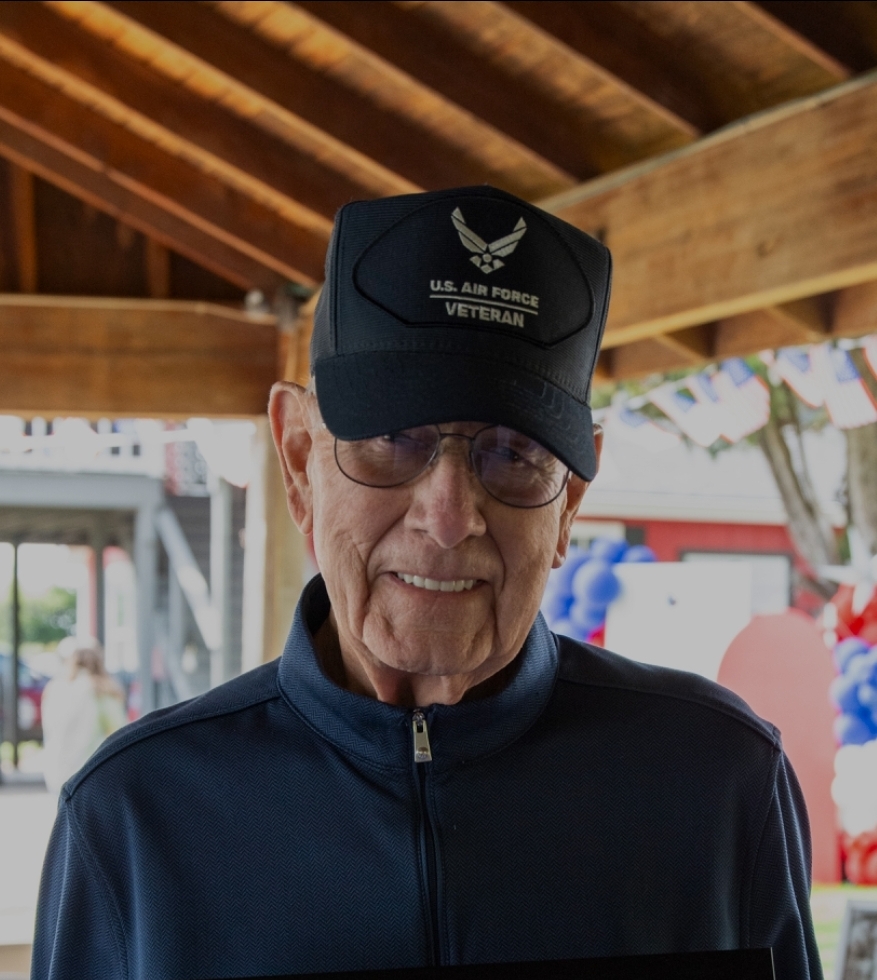
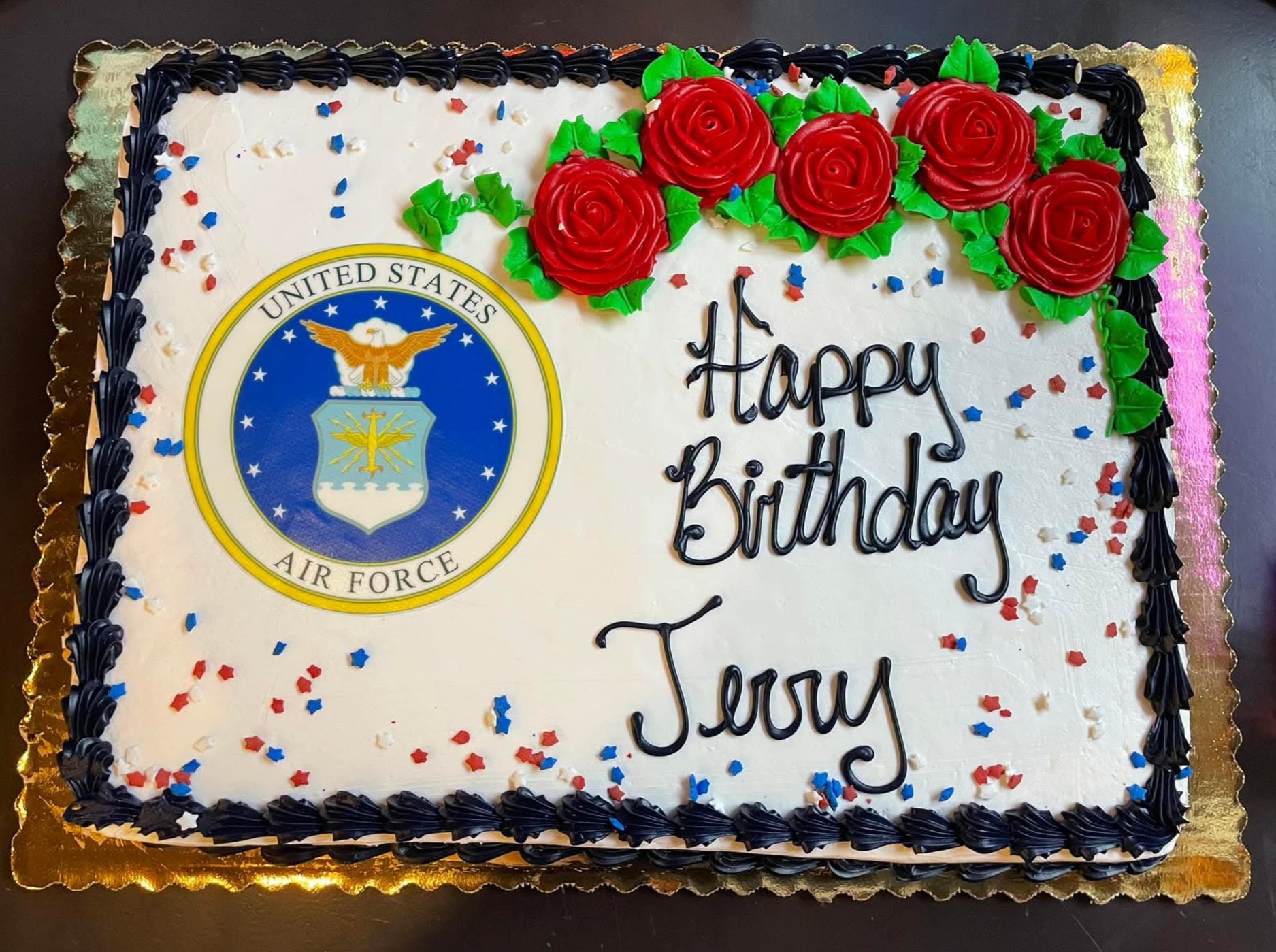
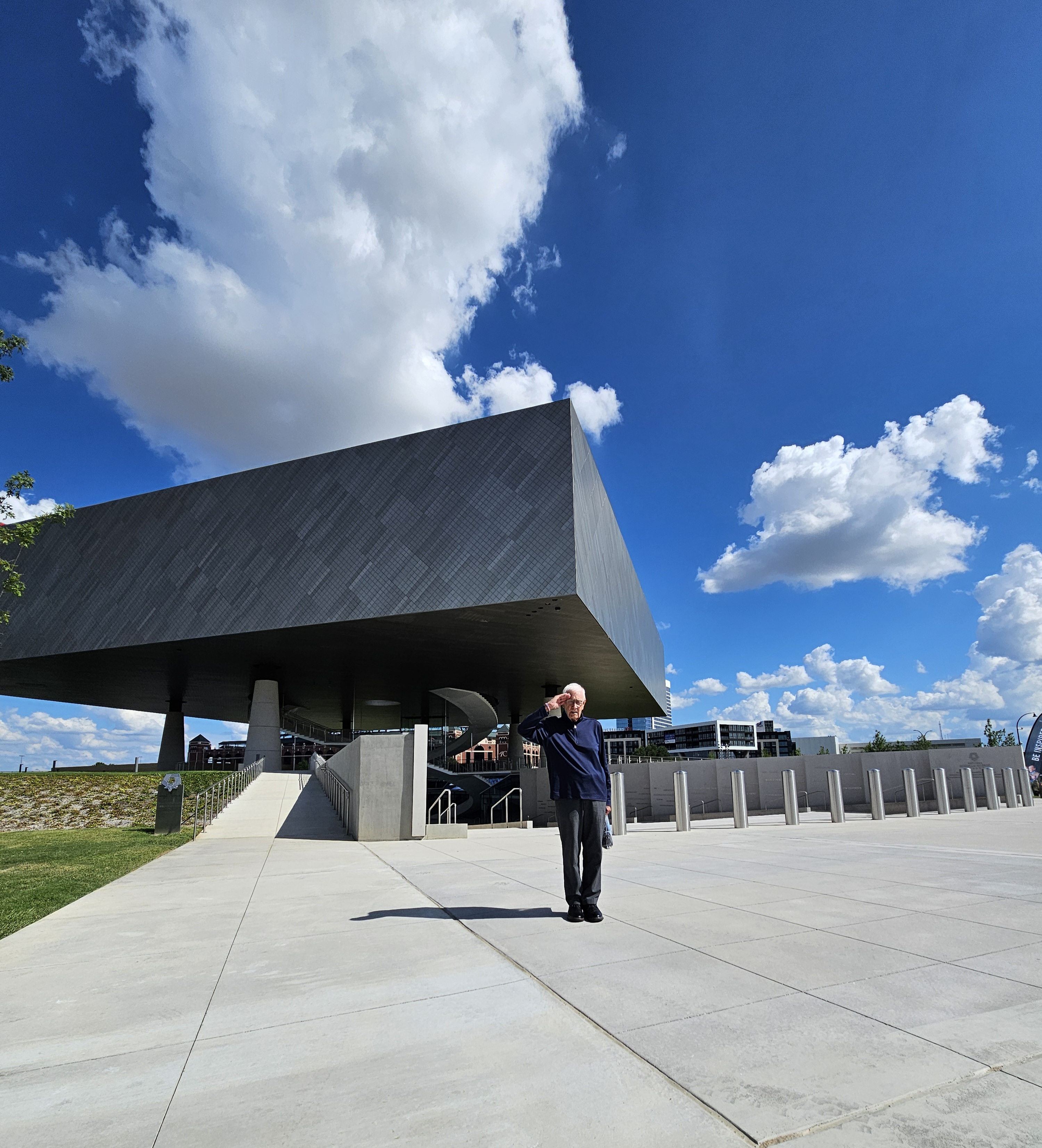
Gerald “Jerry” G. Brown served his country with quiet courage and unwavering dedication as a member of the 528th Aircraft Control & Warning Group, a vital component of the United States Air Force’s radar and early‑warning network during the Korean War.
Stationed under APO 994, Jerry supported operations that safeguarded aircrews, strengthened mission readiness, and formed the backbone of America’s air defense in one of the most demanding theaters of the conflict.
Jerry carried out his duties with discipline, steadiness, and a deep sense of responsibility. His work—often unseen, always essential—helped protect countless lives and ensured the success of missions that depended on precision, vigilance, and teamwork. He served with the humility and resolve that defined so many of his generation.
After returning home, Jerry continued to build a life marked by purpose and contribution. He became a successful businessman in the architectural field, known for his integrity, strong work ethic, and ability to lead with fairness and vision. His professional accomplishments reflected the same discipline and determination he carried in uniform, earning the respect of colleagues, clients, and community members alike.
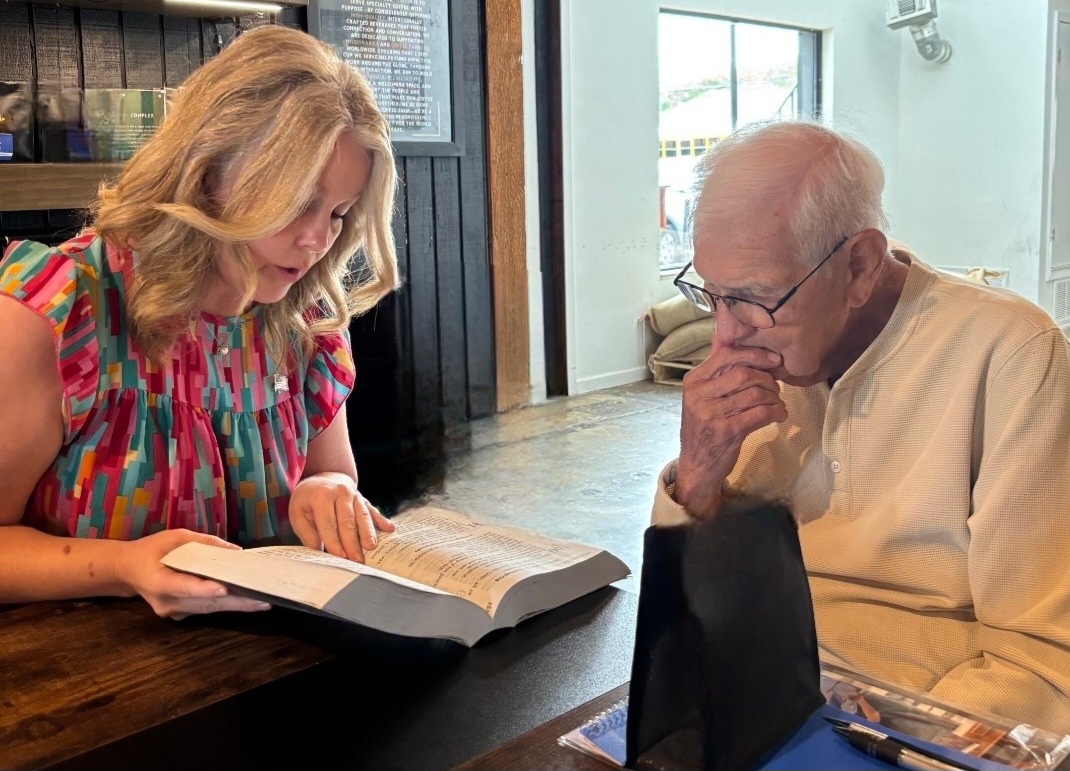
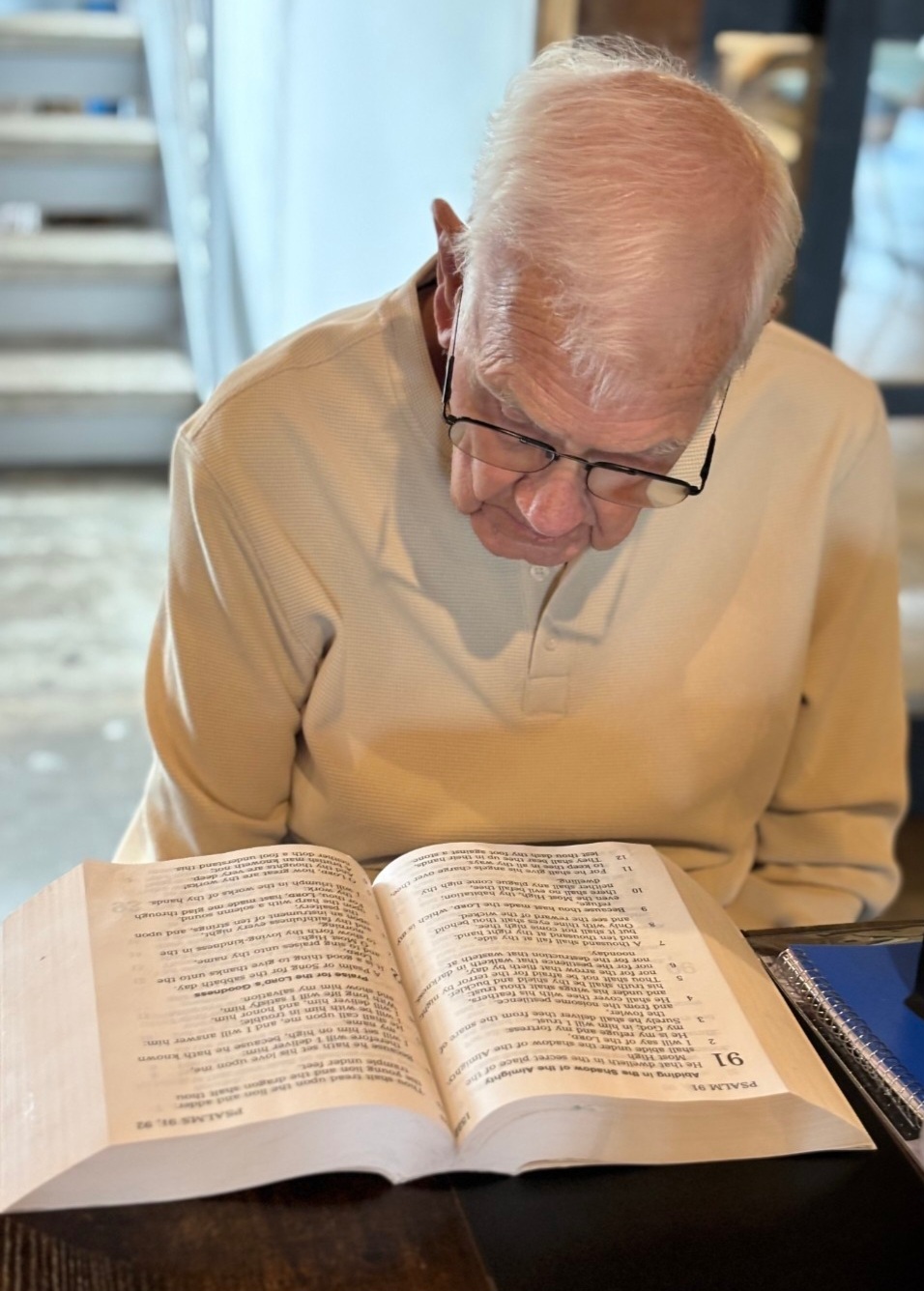
He built a life anchored in faith, family, and purpose. His faith was a quiet but steady compass—guiding his integrity, shaping his compassion, and influencing the way he treated every person he encountered. He lived his beliefs through action: through kindness, through patience, and through a steadfast commitment to doing what was right.
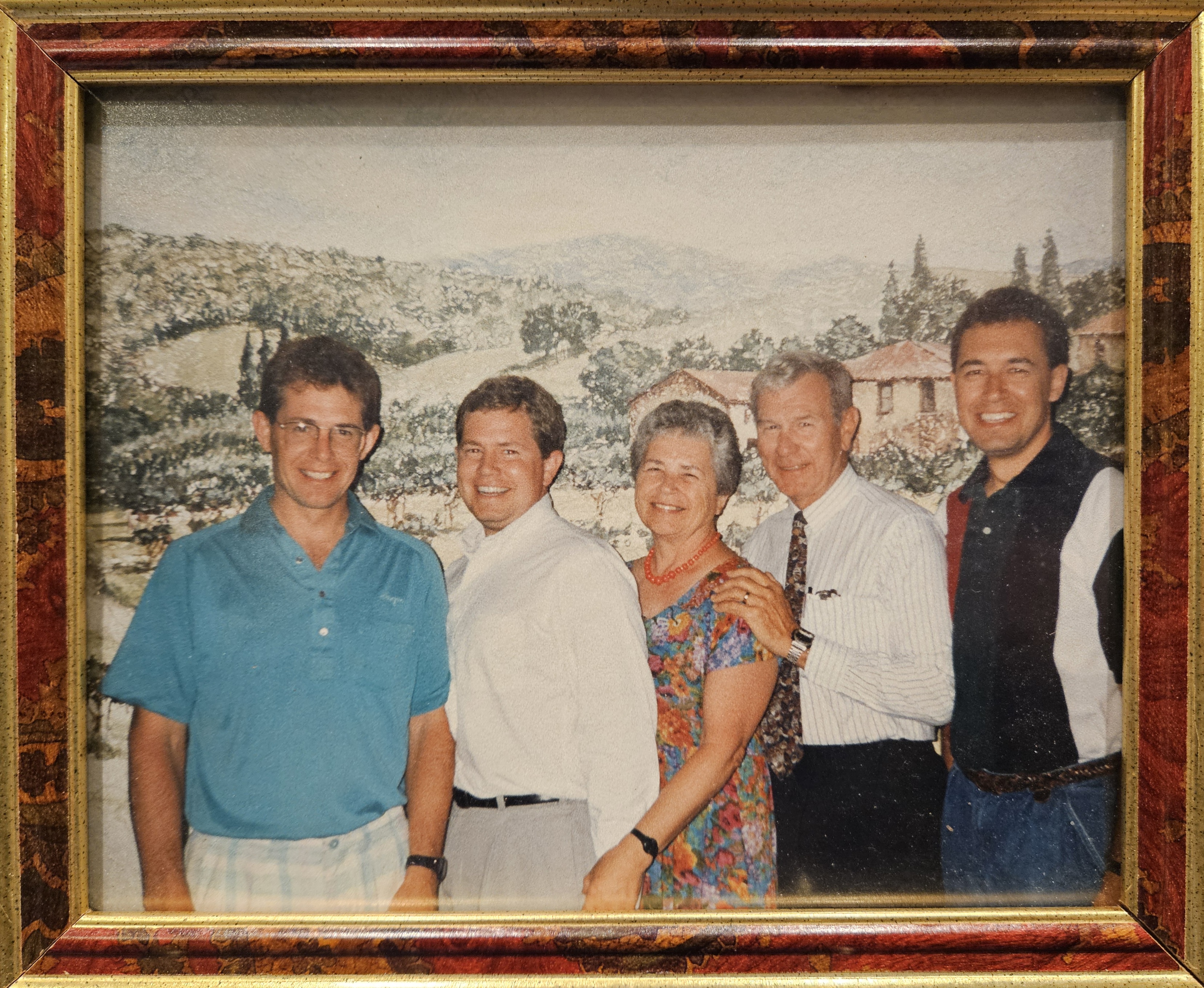
Jerry shared his life with his beloved wife, Kathryn “Kay”, whose partnership brought him strength, joy, and a sense of home no matter where life took them. Together they raised their sons, instilling in them the same values that shaped Jerry’s own life—faith, responsibility, humility, and love of family. His sons grew up knowing their father as a steady presence, a man who led by example, and someone who could be counted on in every season of life.
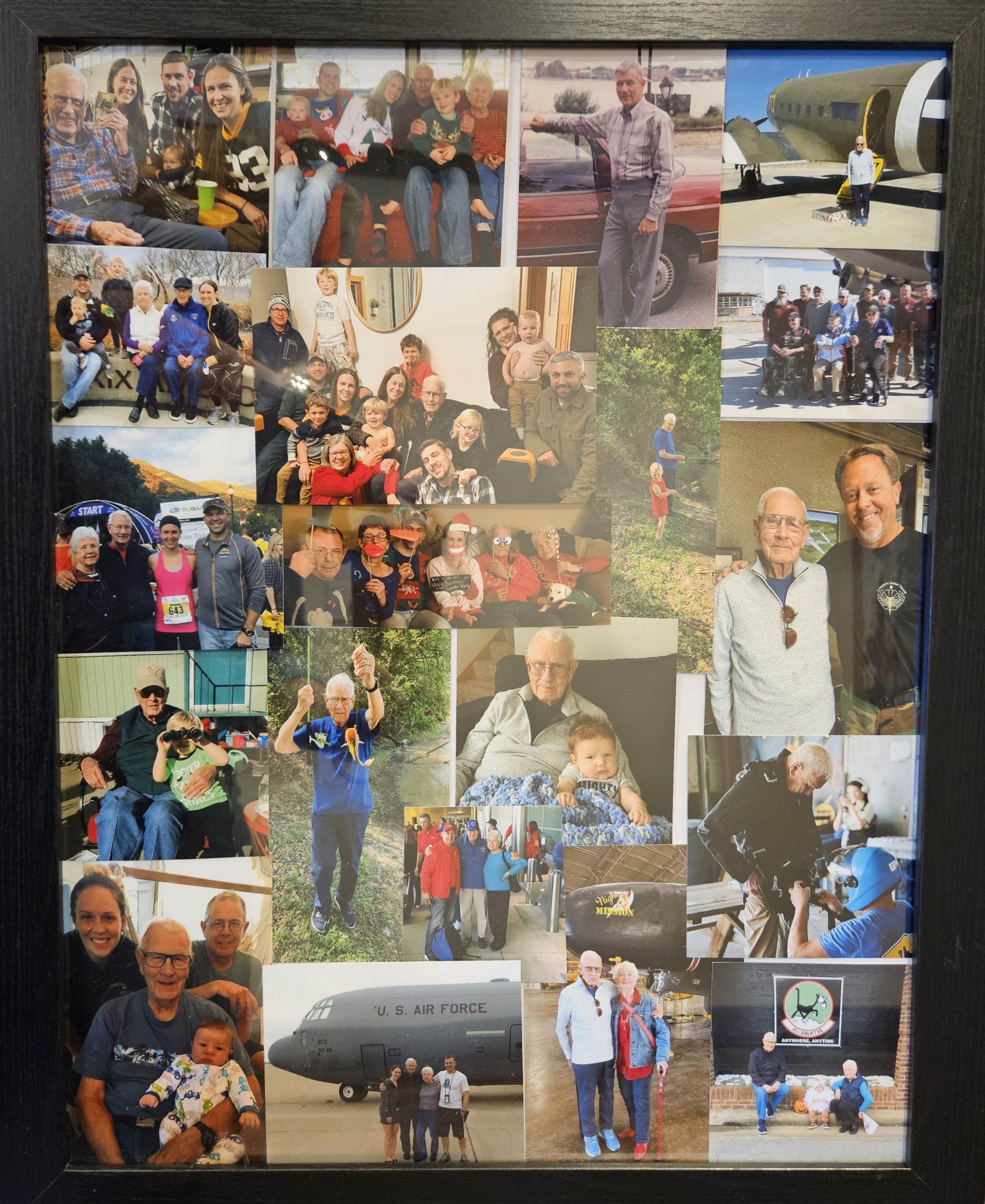
As the years passed, Jerry’s family grew, and he embraced the role of grandfather with the same devotion he brought to every part of his life. His grandchildren and great grandchildren knew him as gentle, wise, and quietly encouraging—the kind of grandfather whose stories, humor, and steady warmth became part of the family’s foundation. He delighted in their accomplishments, supported their dreams, and passed down the values that had guided him since his youth.
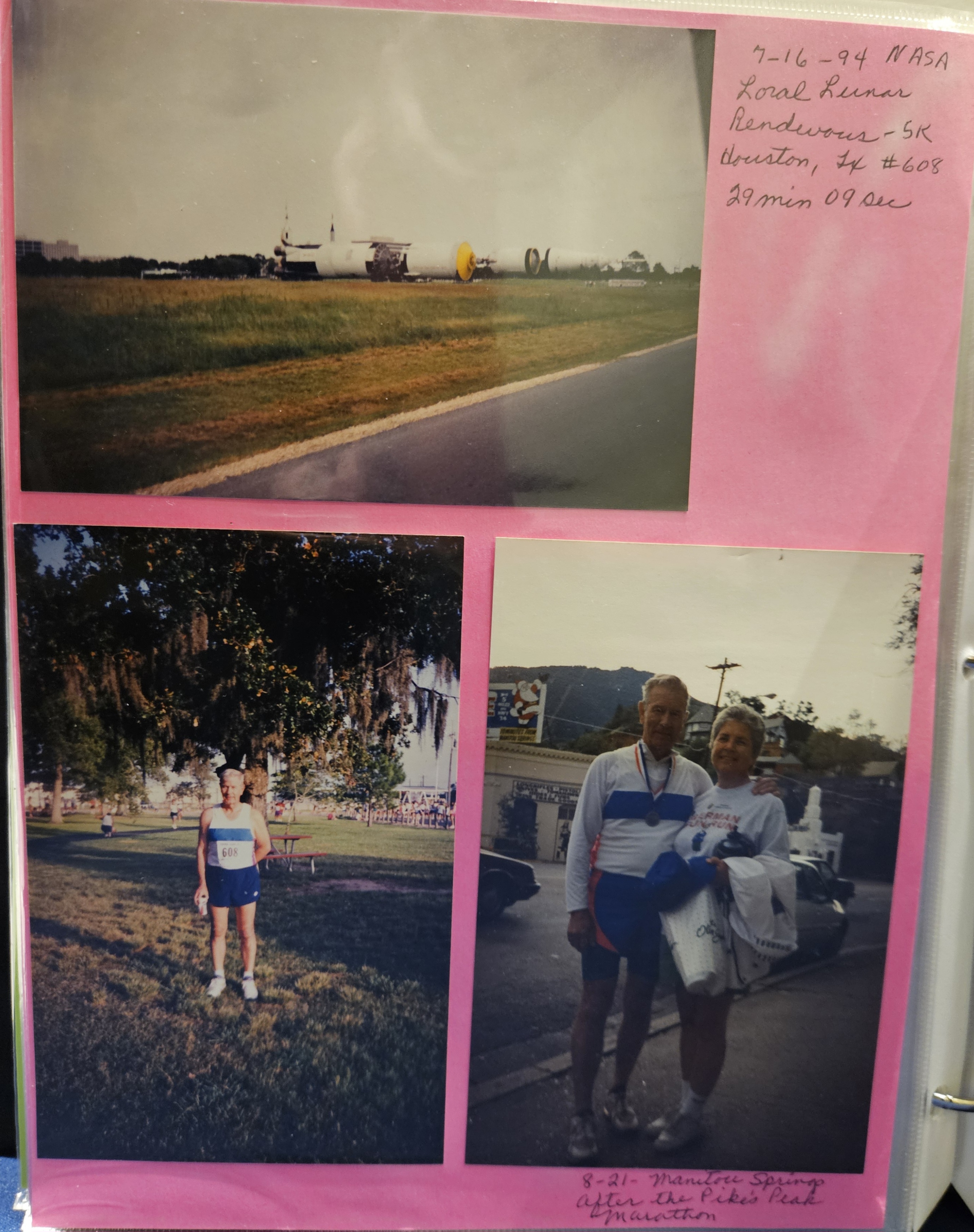
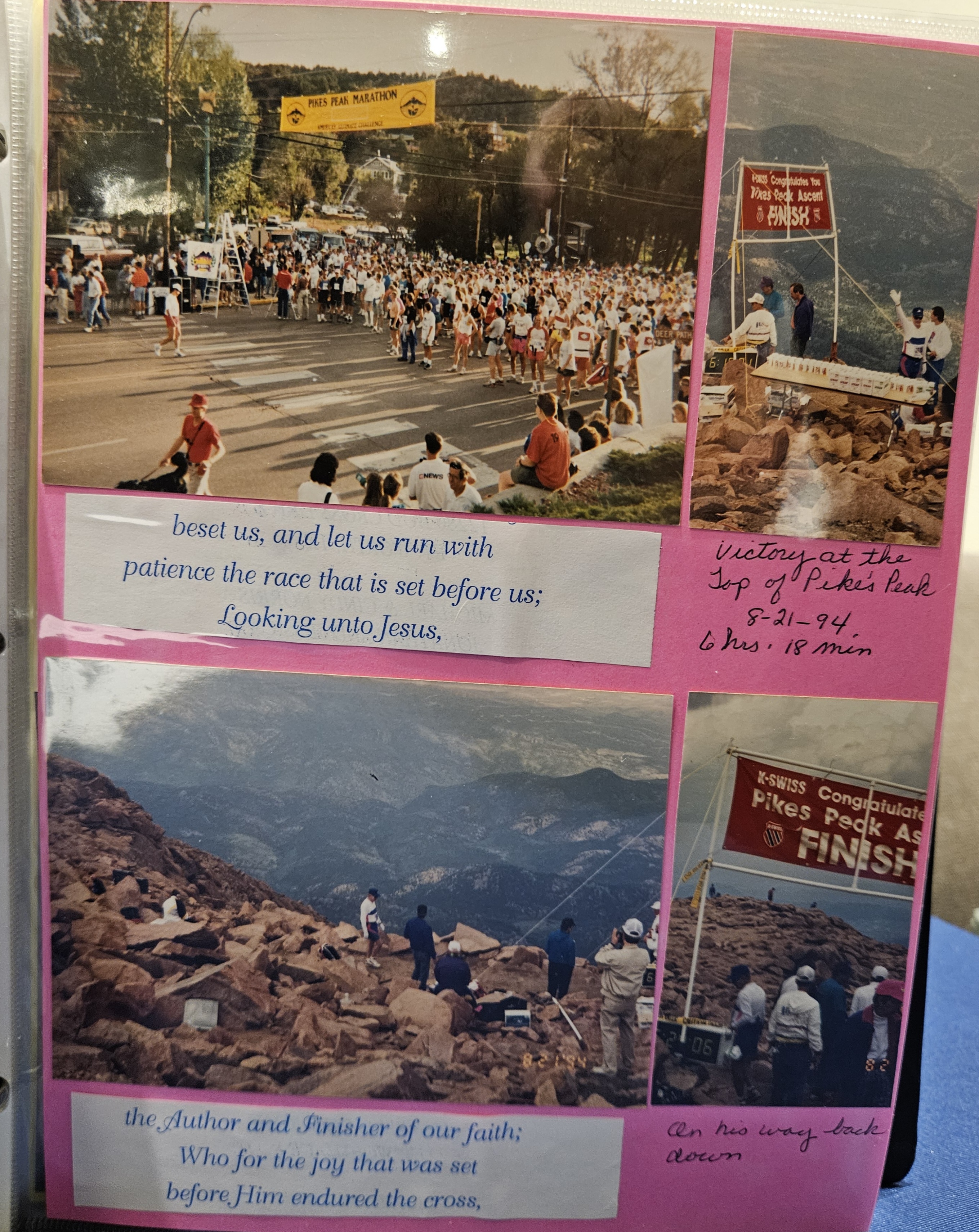
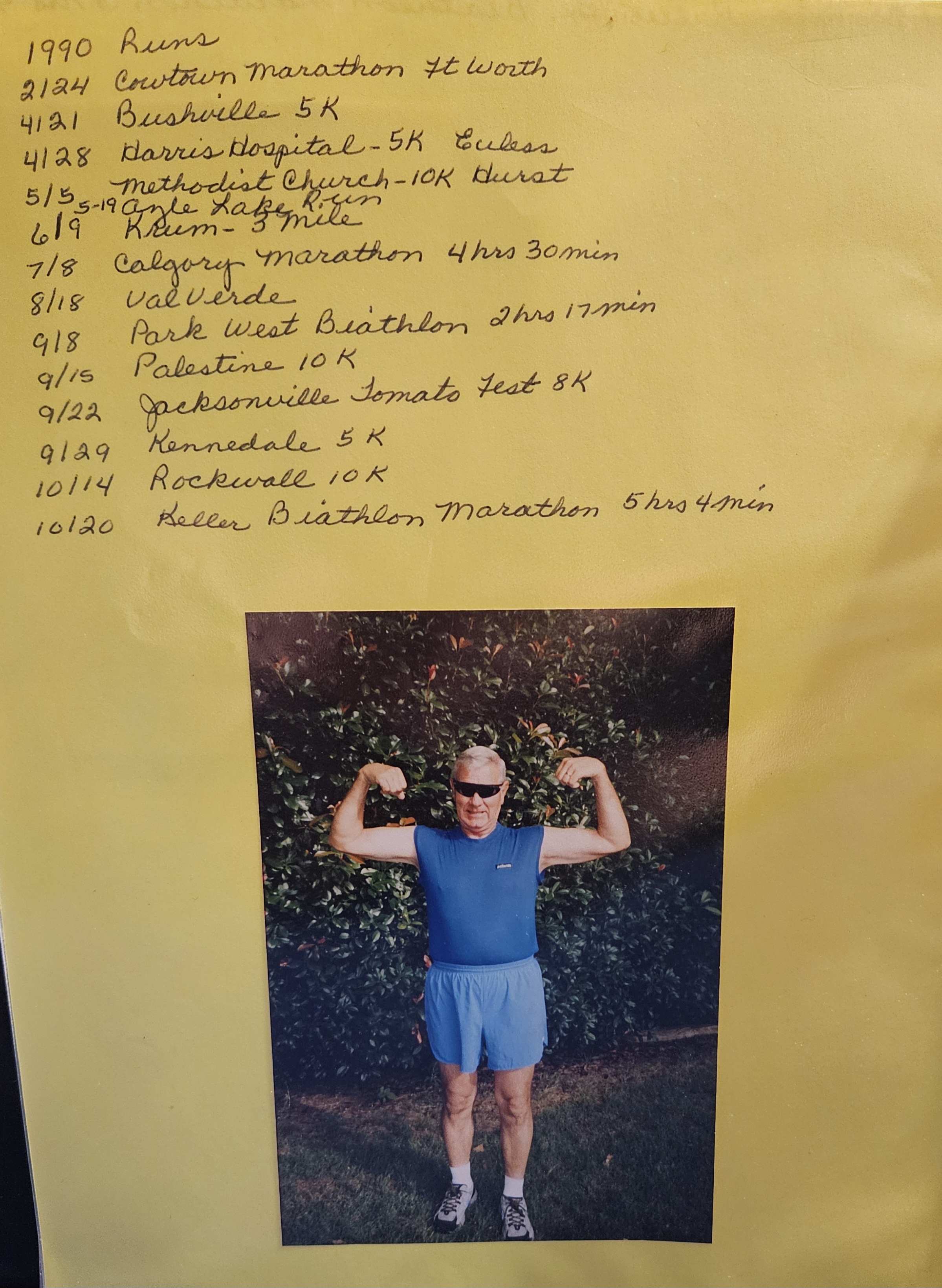
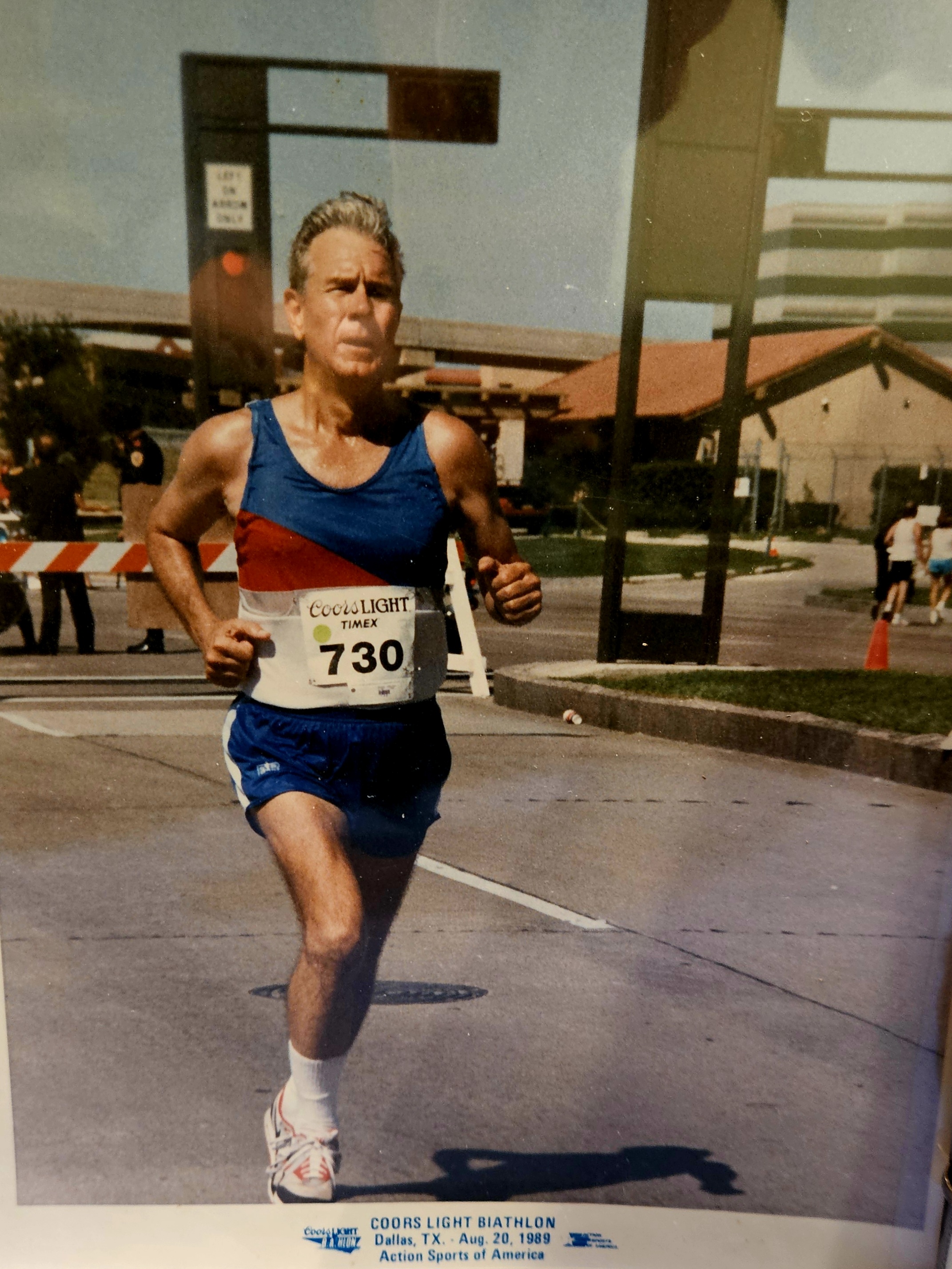
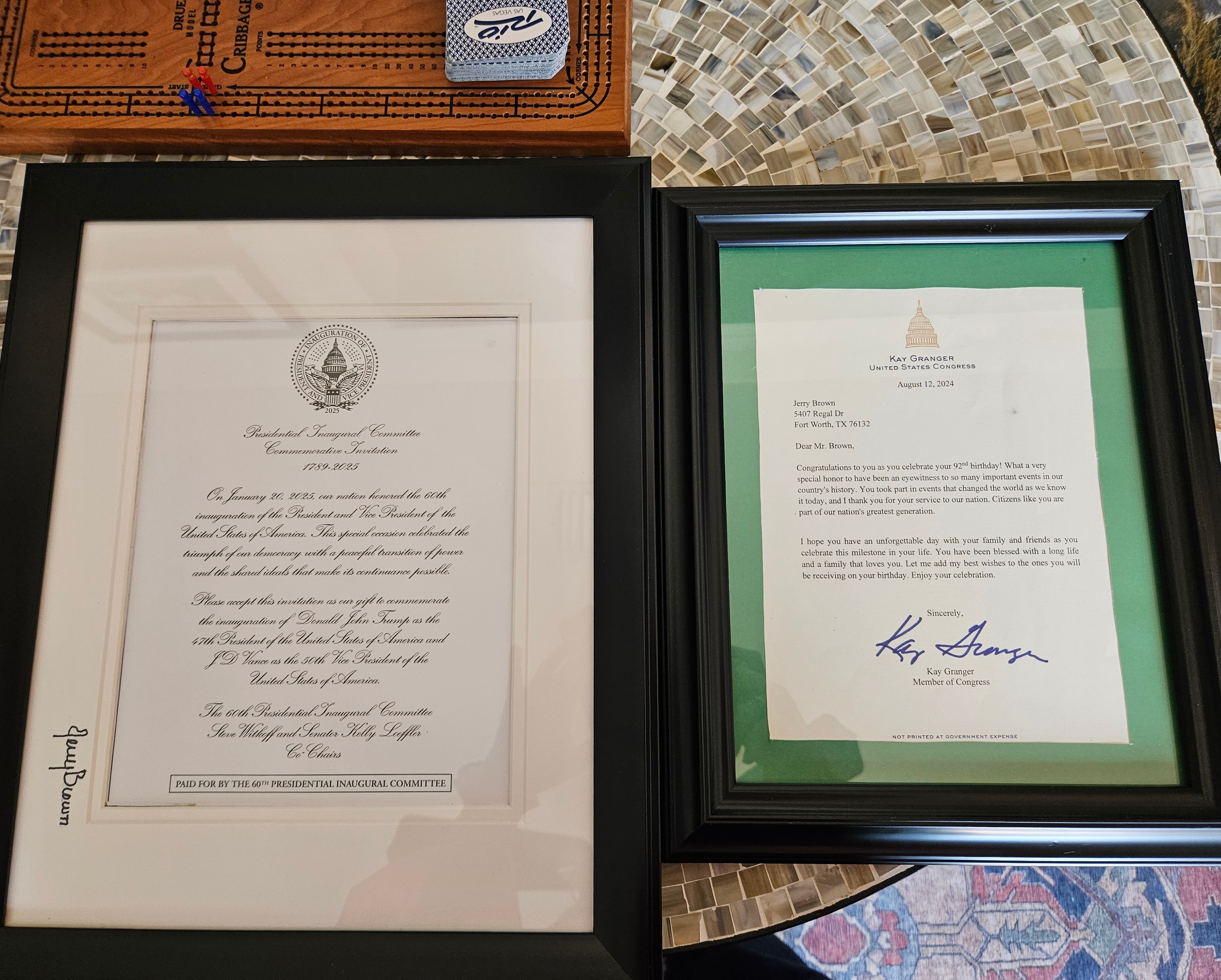
Jerry entered a remarkable chapter of personal challenge and physical endurance in 1989 where he completed 35 marathons over the next several years. At an age when many begin to slow down, he was running and biking marathons, pushing himself with the same steady determination he once brought to military service and to his professional life.
He trained with quiet discipline—often in the stillness of early morning or the calm of late evening—never seeking attention, only improvement.
His marathon and cycling achievements revealed a deep inner resilience, a conviction that strength is not defined by age but by purpose. Each race became a living expression of his philosophy: keep moving, keep striving, keep growing. And in true Jerry fashion, he carried one guiding belief with him to every starting line and every finish line: finish the race, even if you are the last one to cross.
This period of his life revealed a man who refused to be defined by age or limitation. Instead, he modeled perseverance for his sons, grandchildren, and great‑grandchildren—showing them that it is never too late to set a goal, chase a challenge, or discover a new part of yourself.
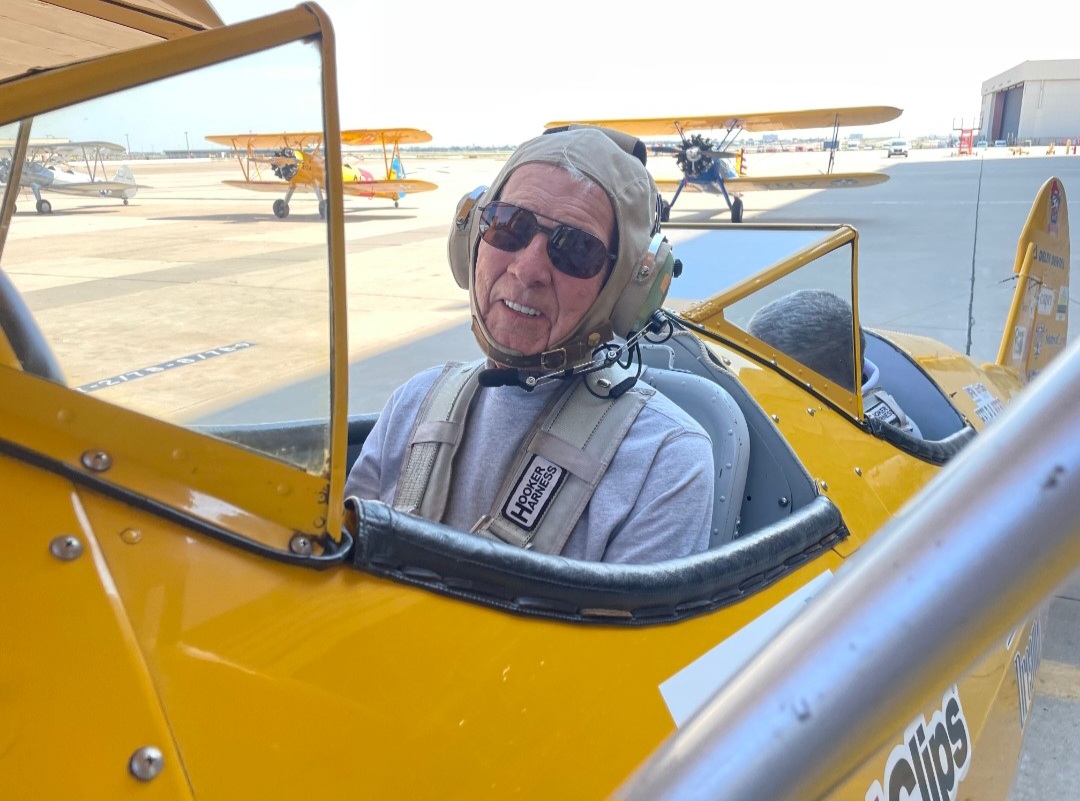
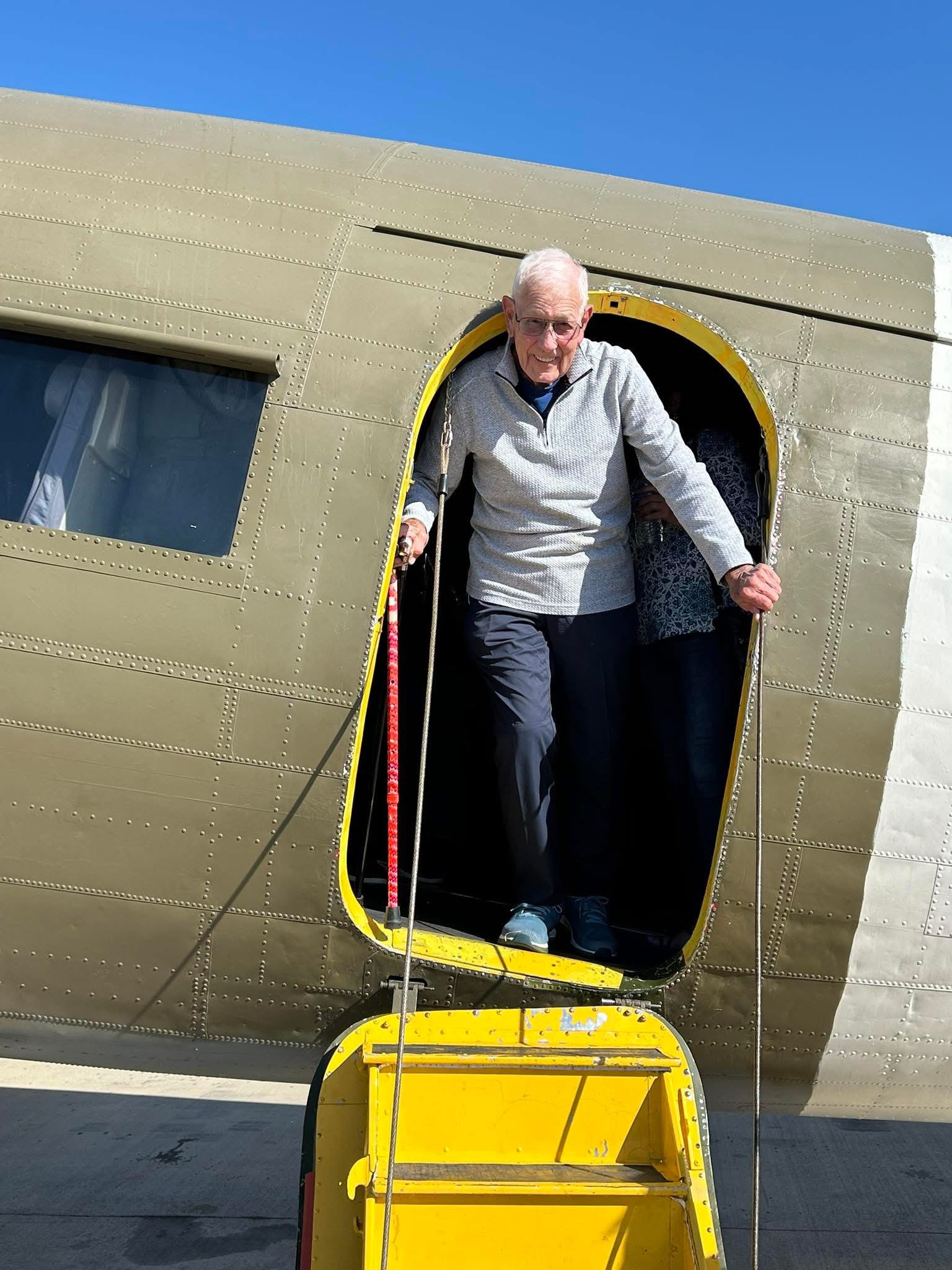
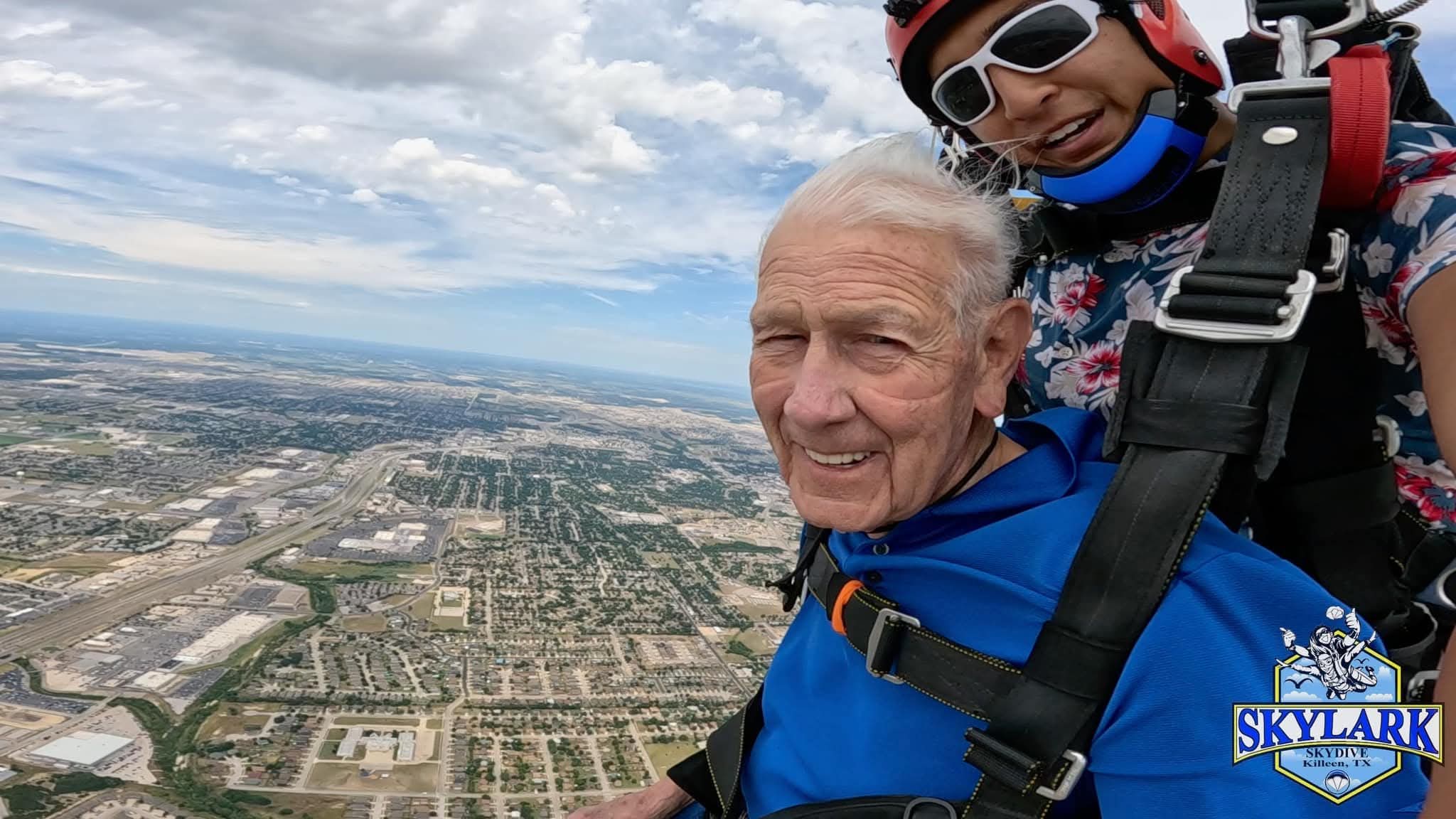
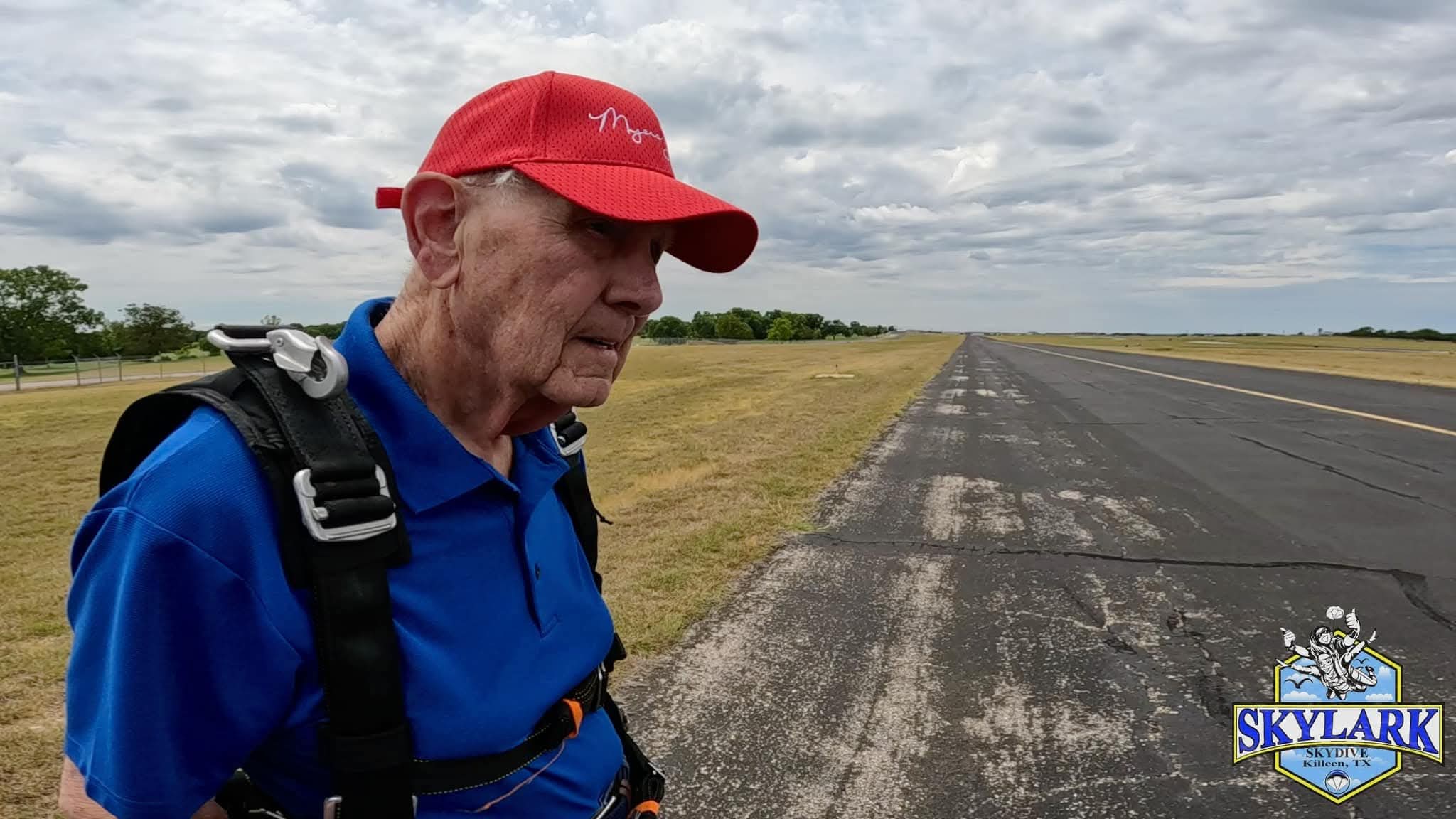
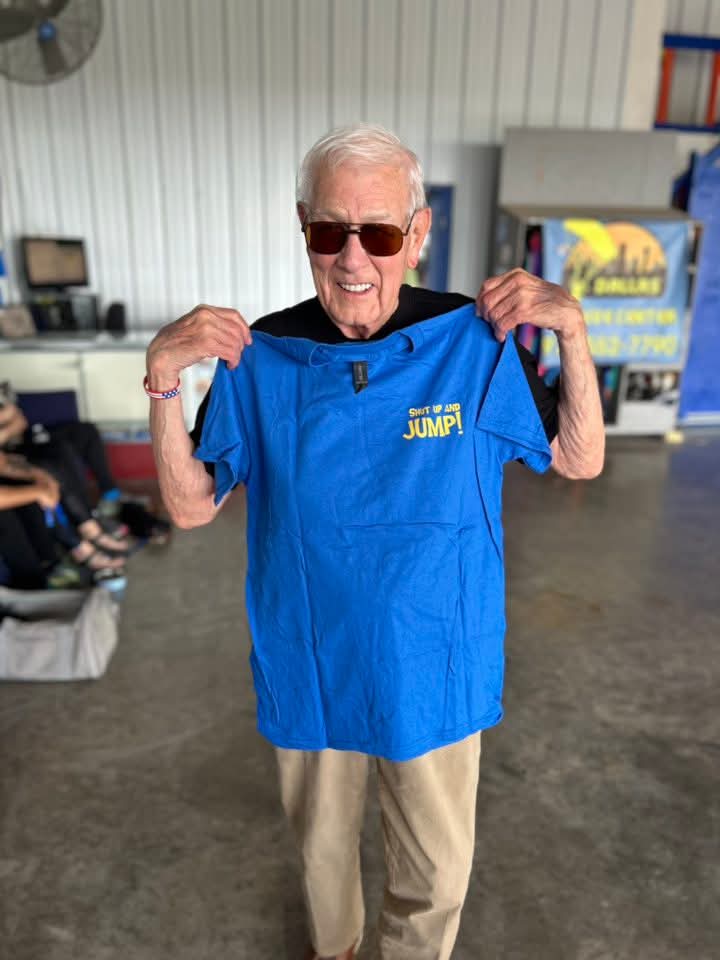
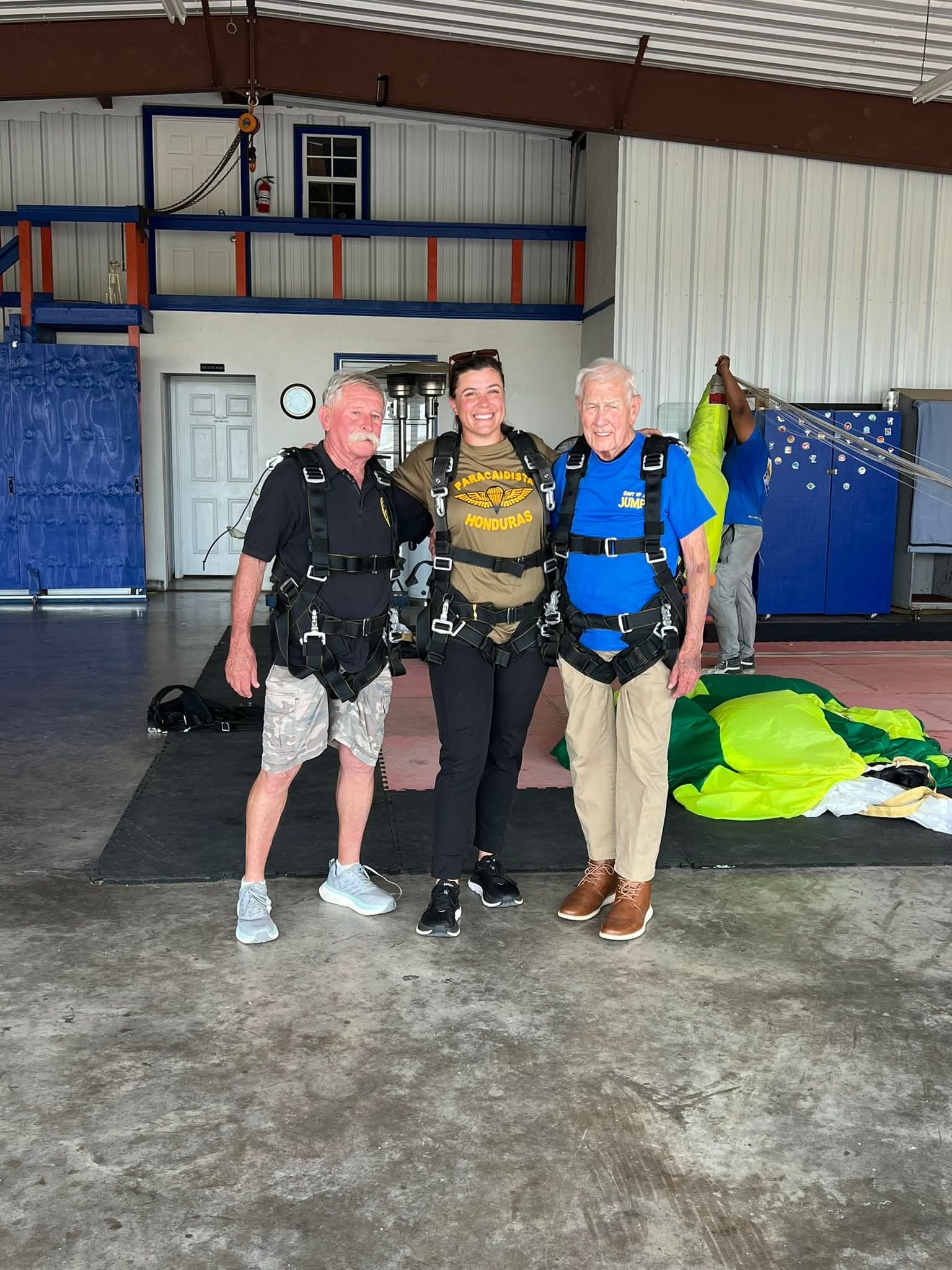
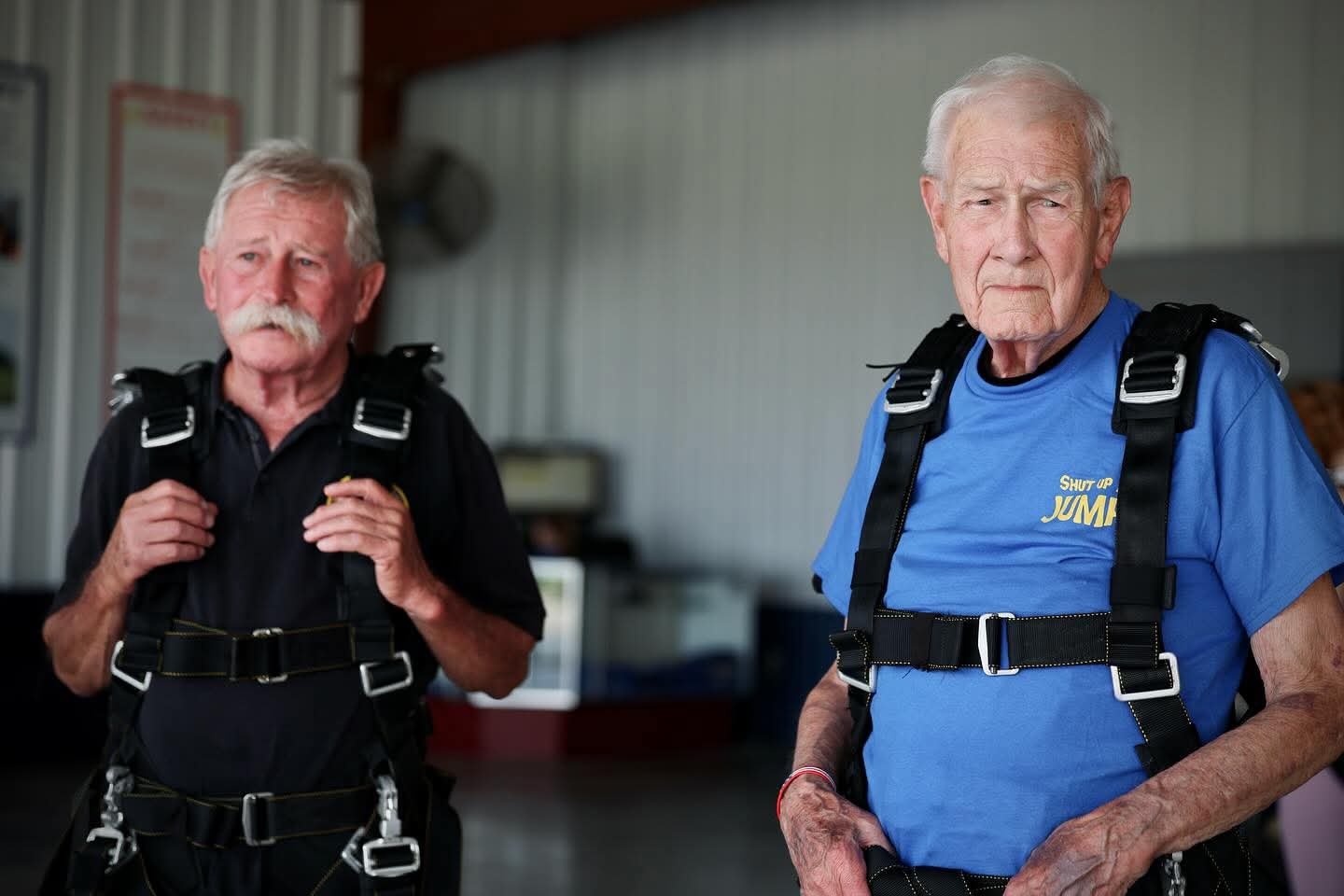
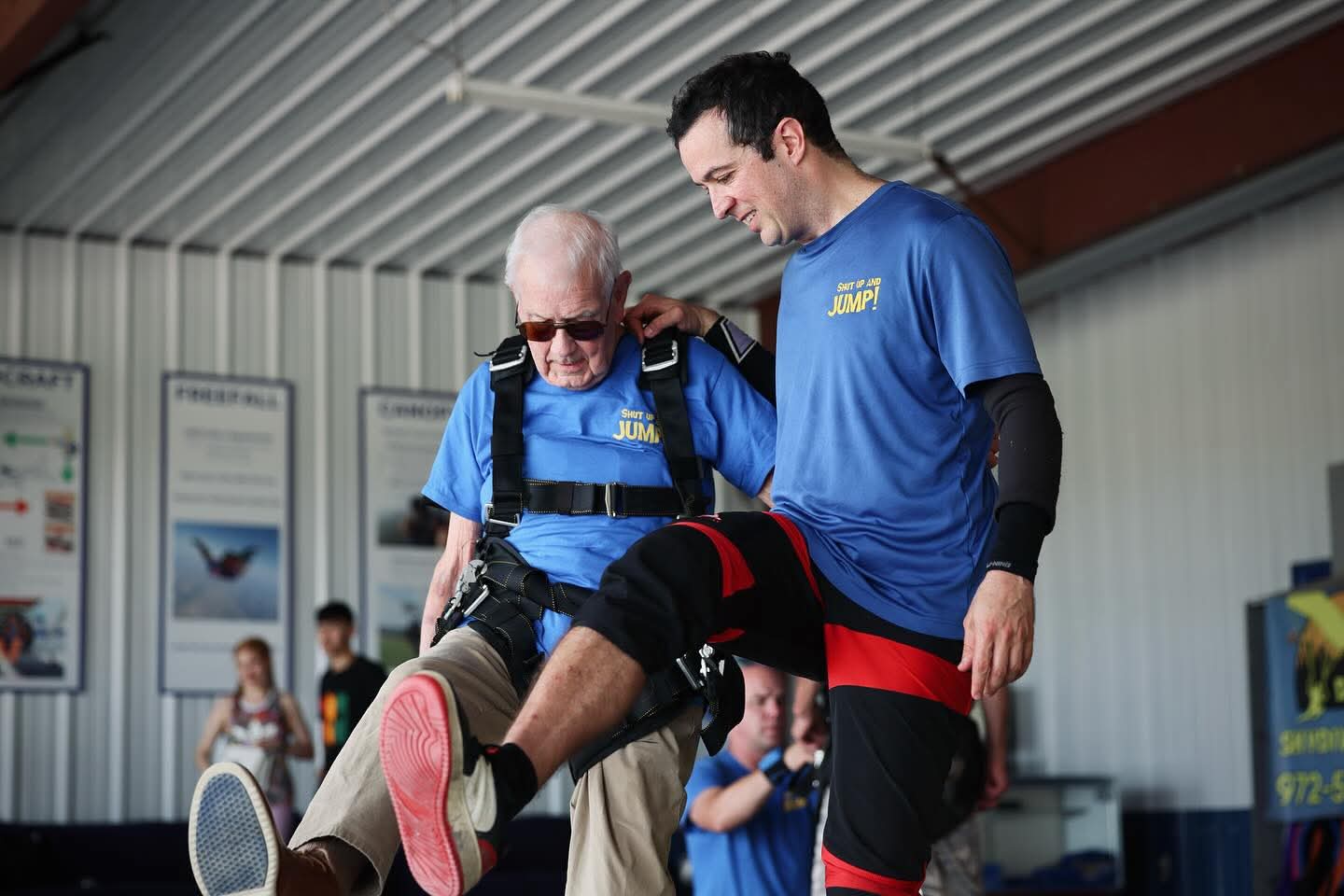
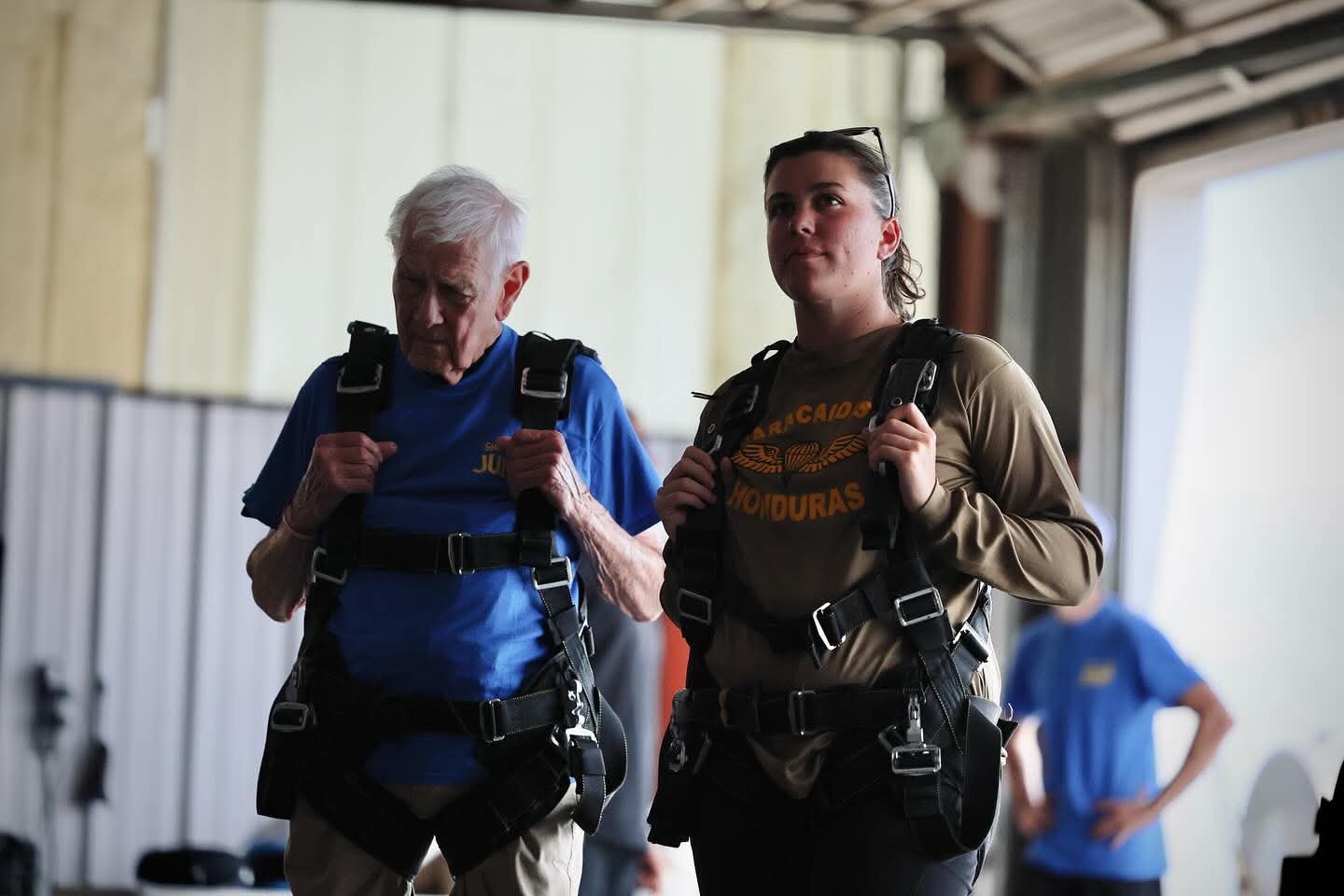
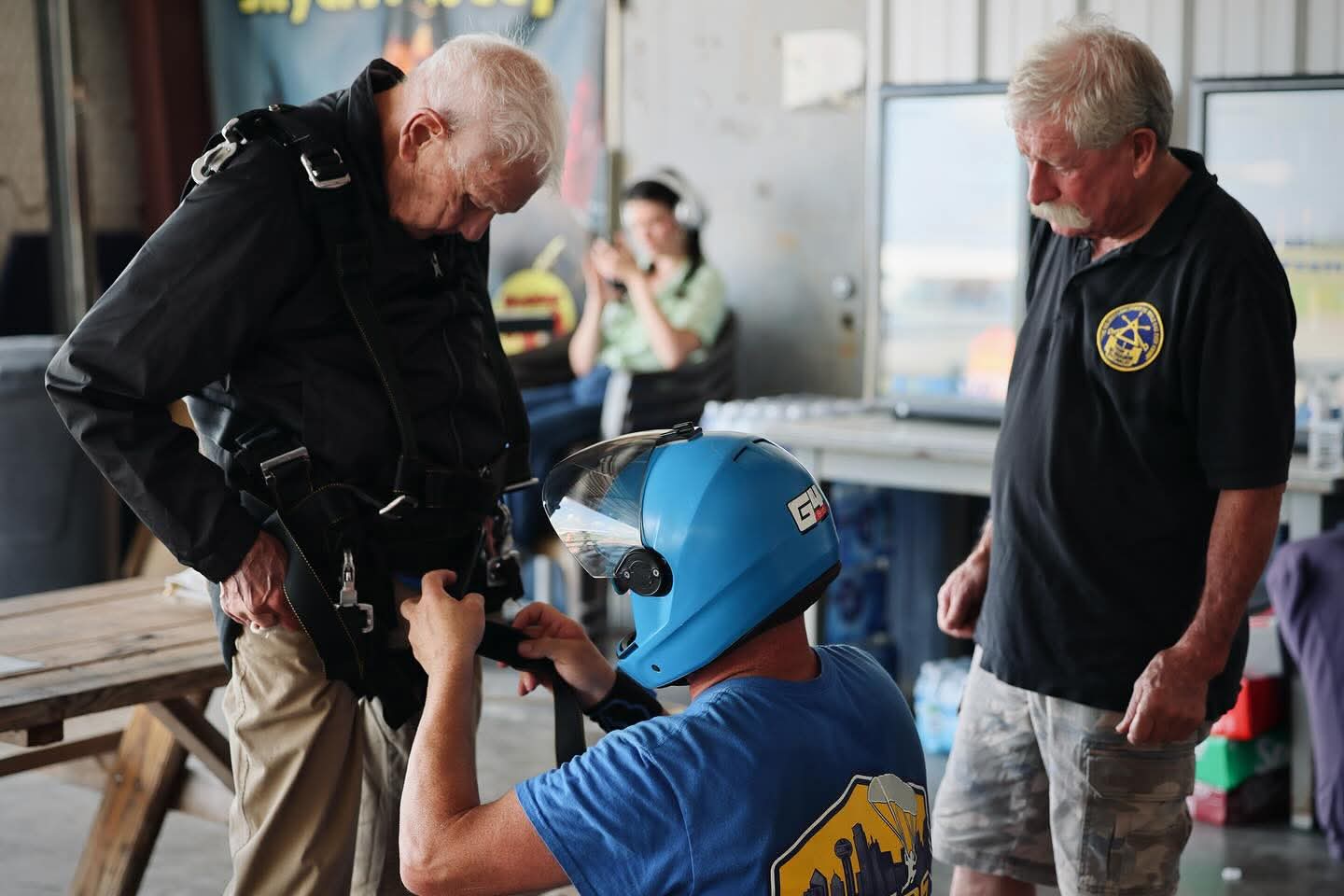
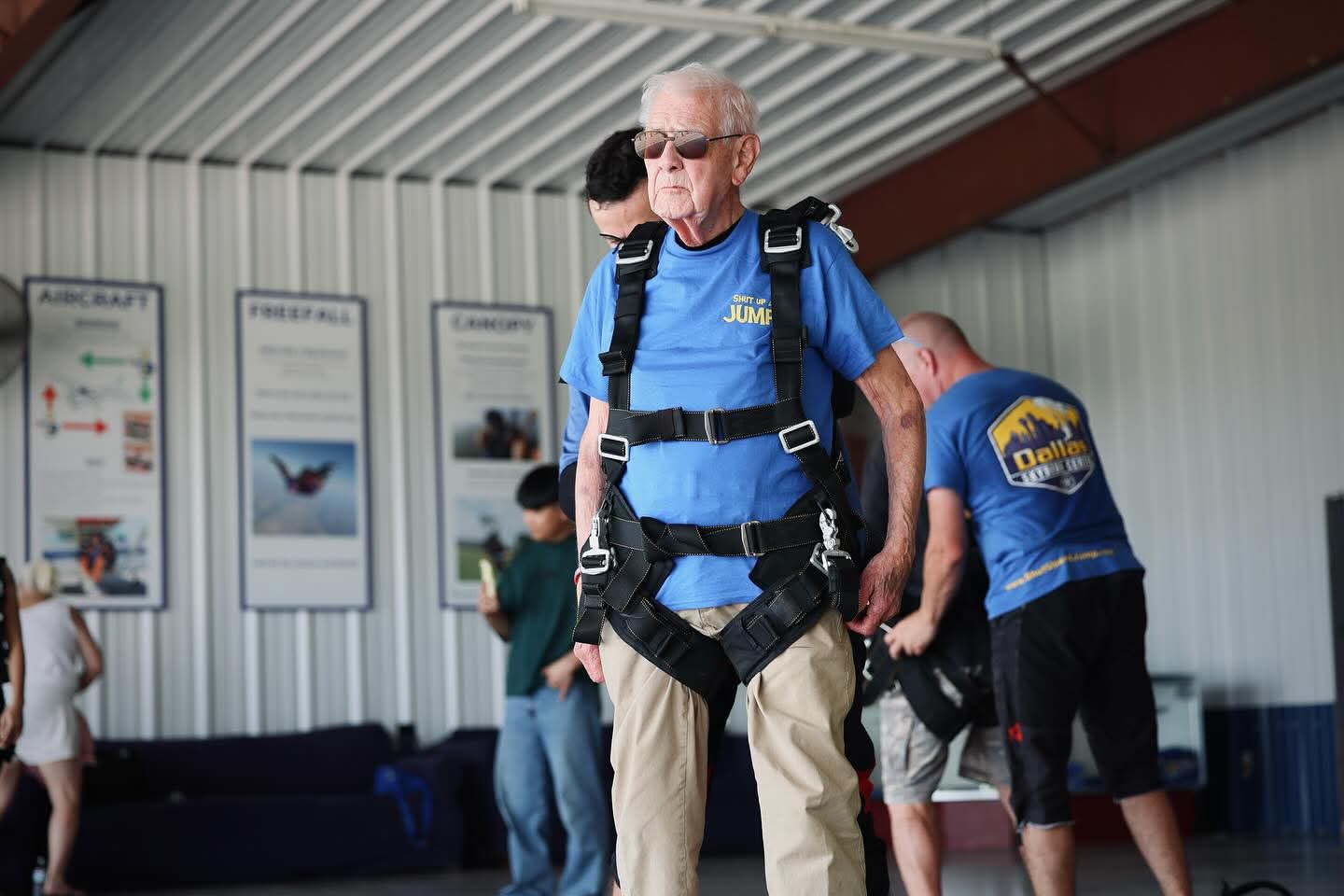
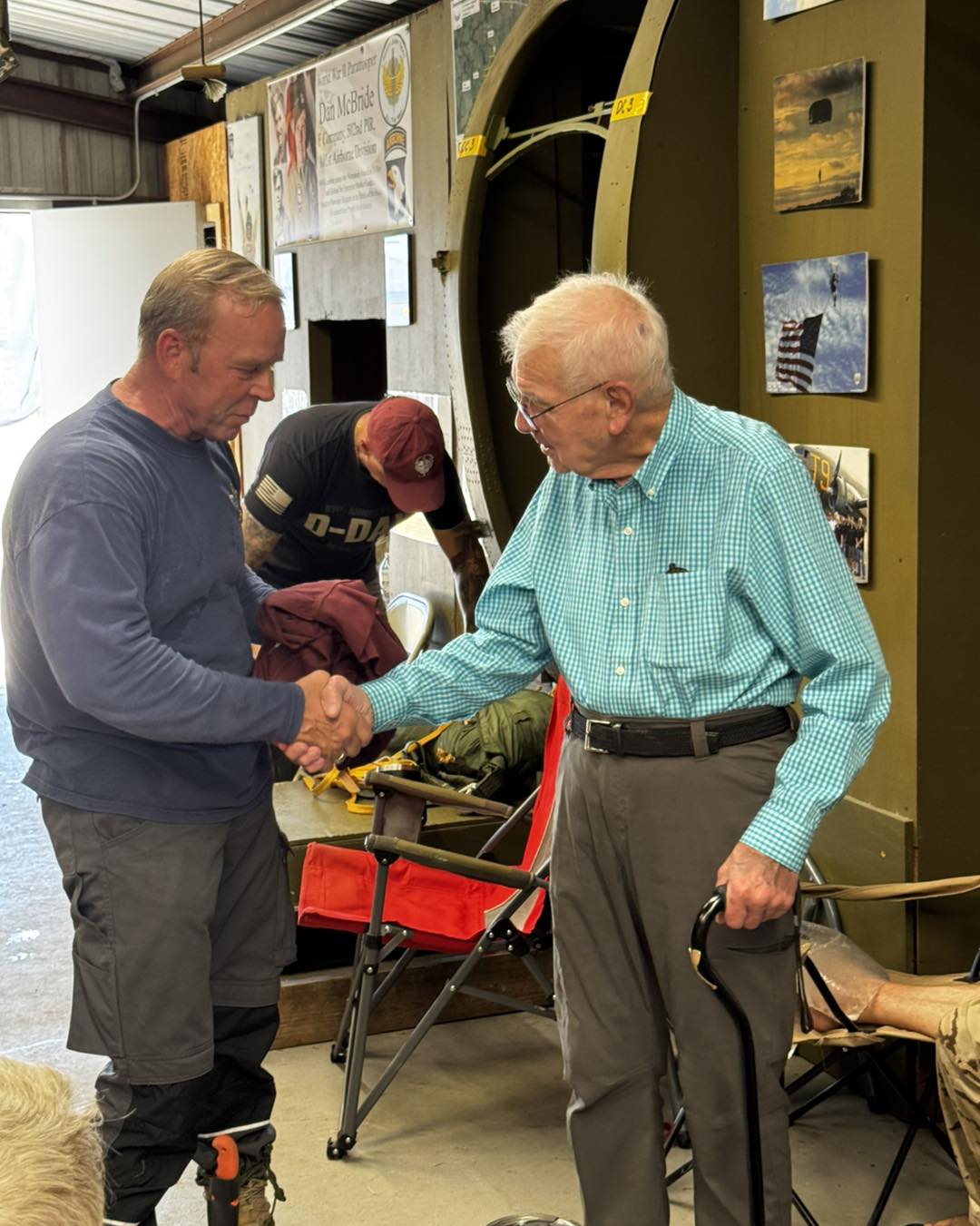
In these same later years, Jerry also embraced a new challenge that honored both history and service: he earned his jump wings with the Liberty Jump Team. This achievement connected him to the legacy of airborne veterans and demonstrated, once again, his willingness to push beyond comfort, learn something new, and honor those who served before him.
It was a powerful testament to his spirit—courageous, disciplined, and always ready to step forward.
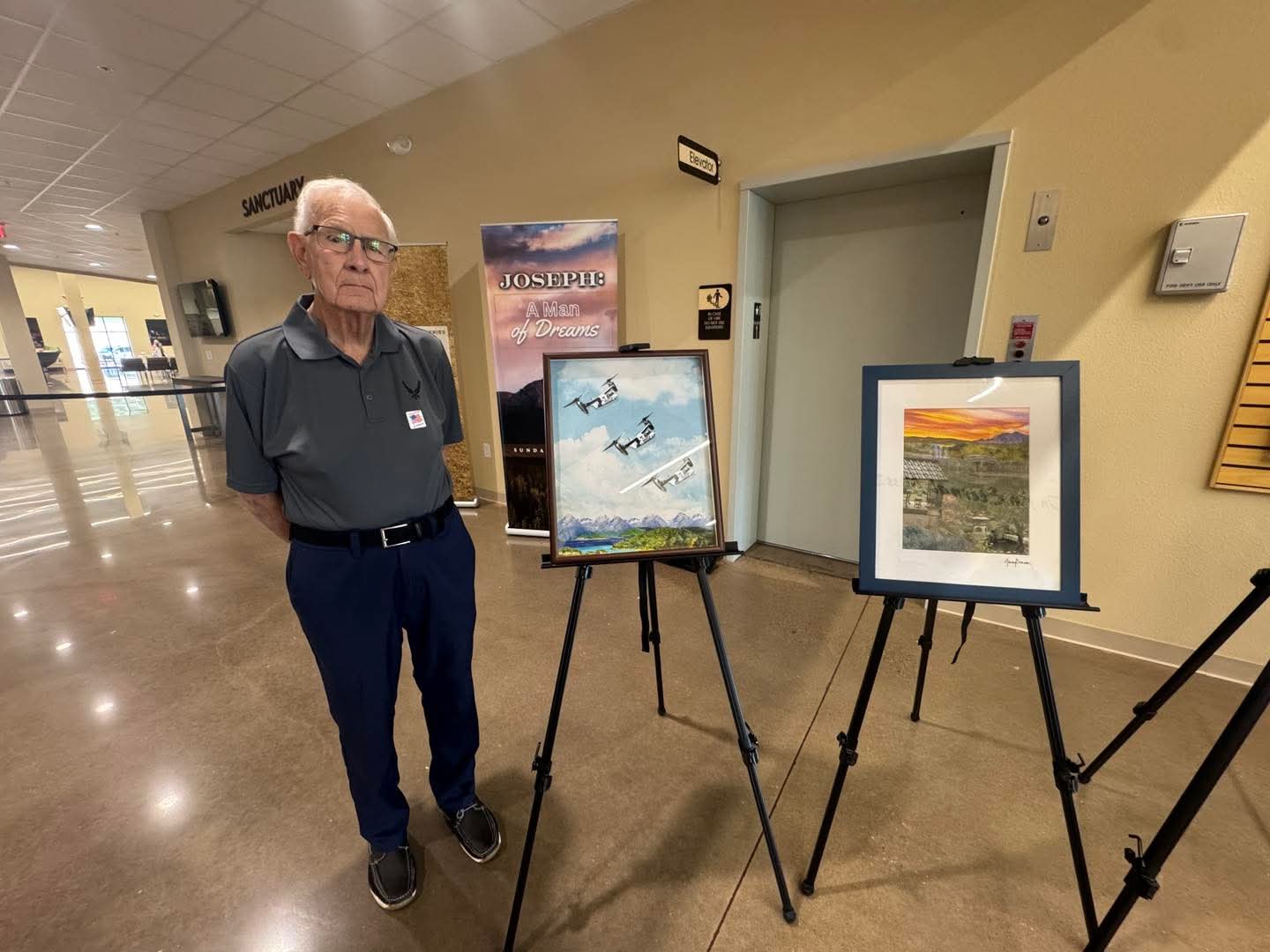
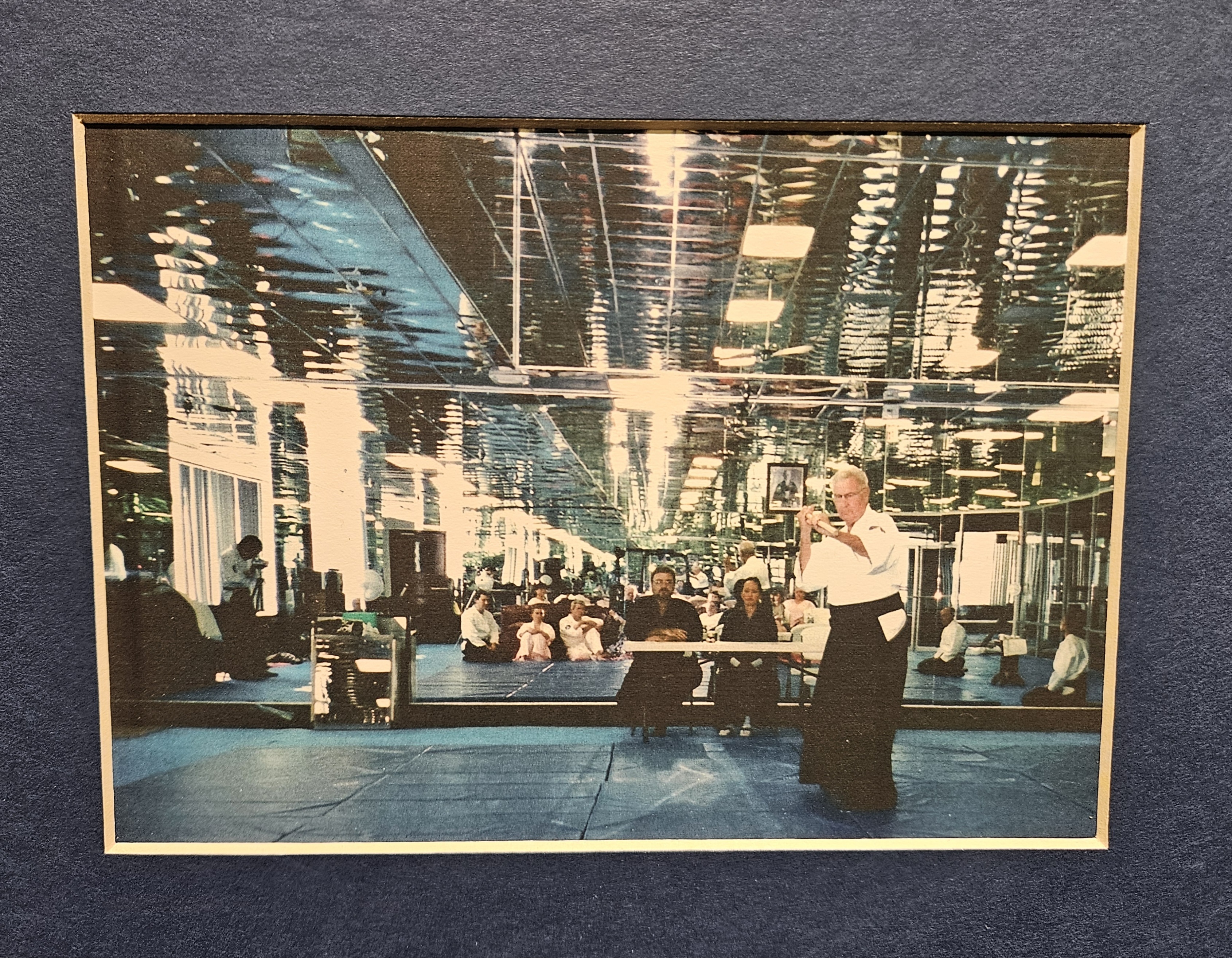
Jerry also shared his creativity and generosity with others. As someone who taught art, he encouraged expression, confidence, and imagination—helping students discover their own talents and voices. His patience, kindness, and passion for teaching left a lasting imprint on everyone he guided. Alongside this physical discipline, Jerry continued to share one of his greatest gifts—his art.
Teaching art was never simply about technique for him; it was about helping others see the world with curiosity, courage, and imagination. He taught students of all ages to trust their hands, trust their eyes, and trust their own creative voice. His patience, encouragement, and quiet confidence made him the kind of teacher people remembered decades later. Through his art instruction, Jerry passed on not just skill, but a way of seeing—one rooted in beauty, humility, and wonder.
His wisdom was sought by many. He offered counsel that was thoughtful, measured, and grounded in experience. He understood the complexities of life and approached problems with patience and discernment. His advice was often delivered with a gentle humor that lightened burdens and offered hope.
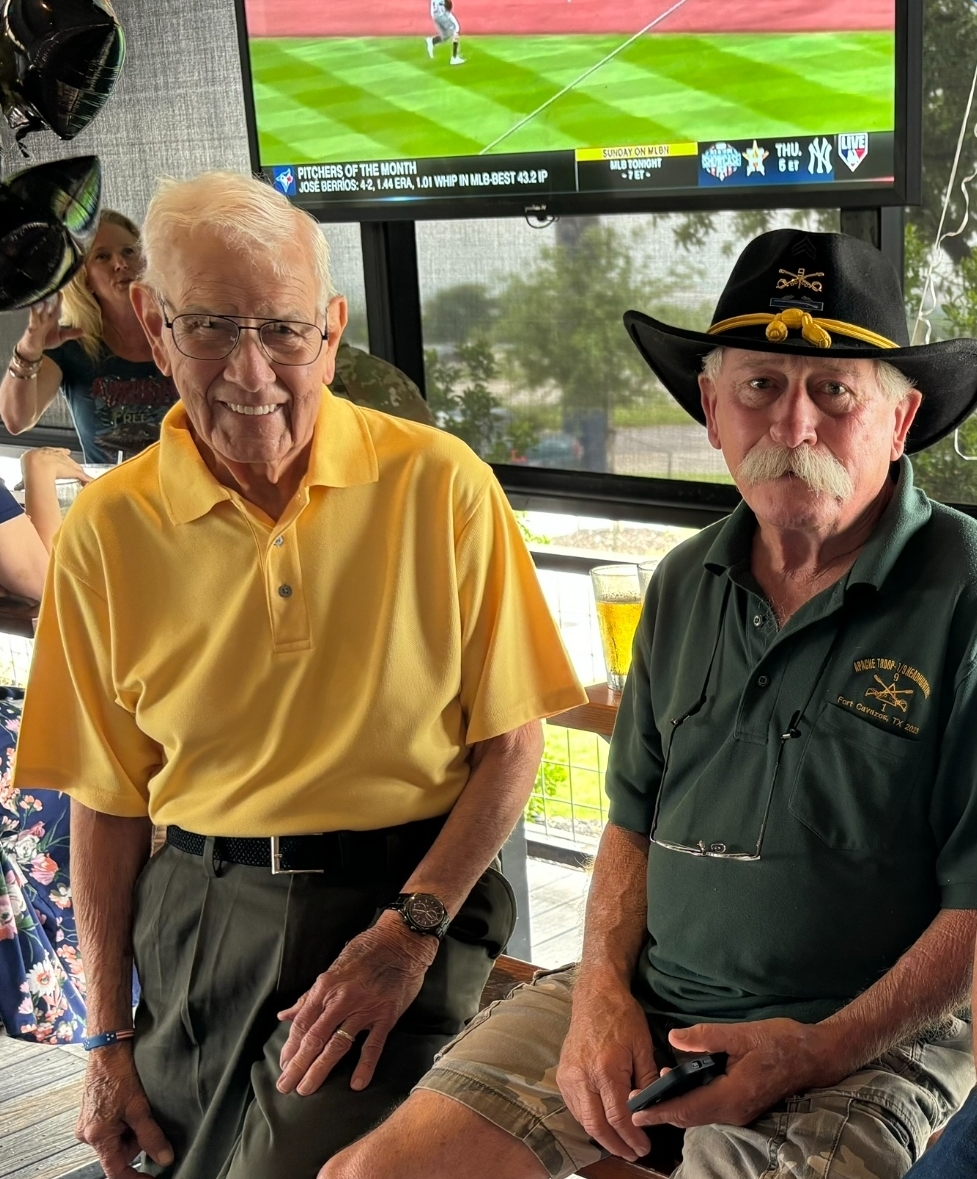
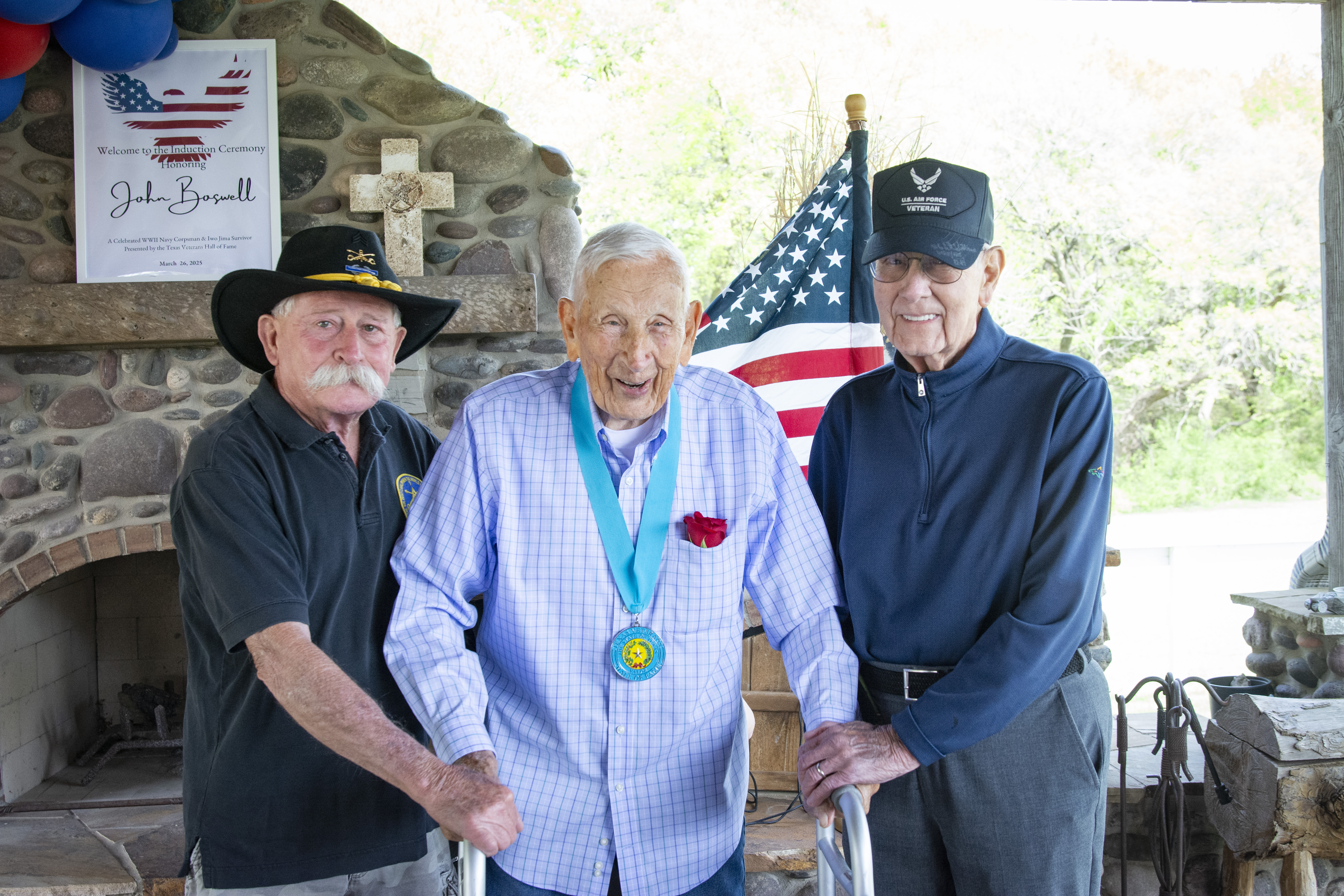
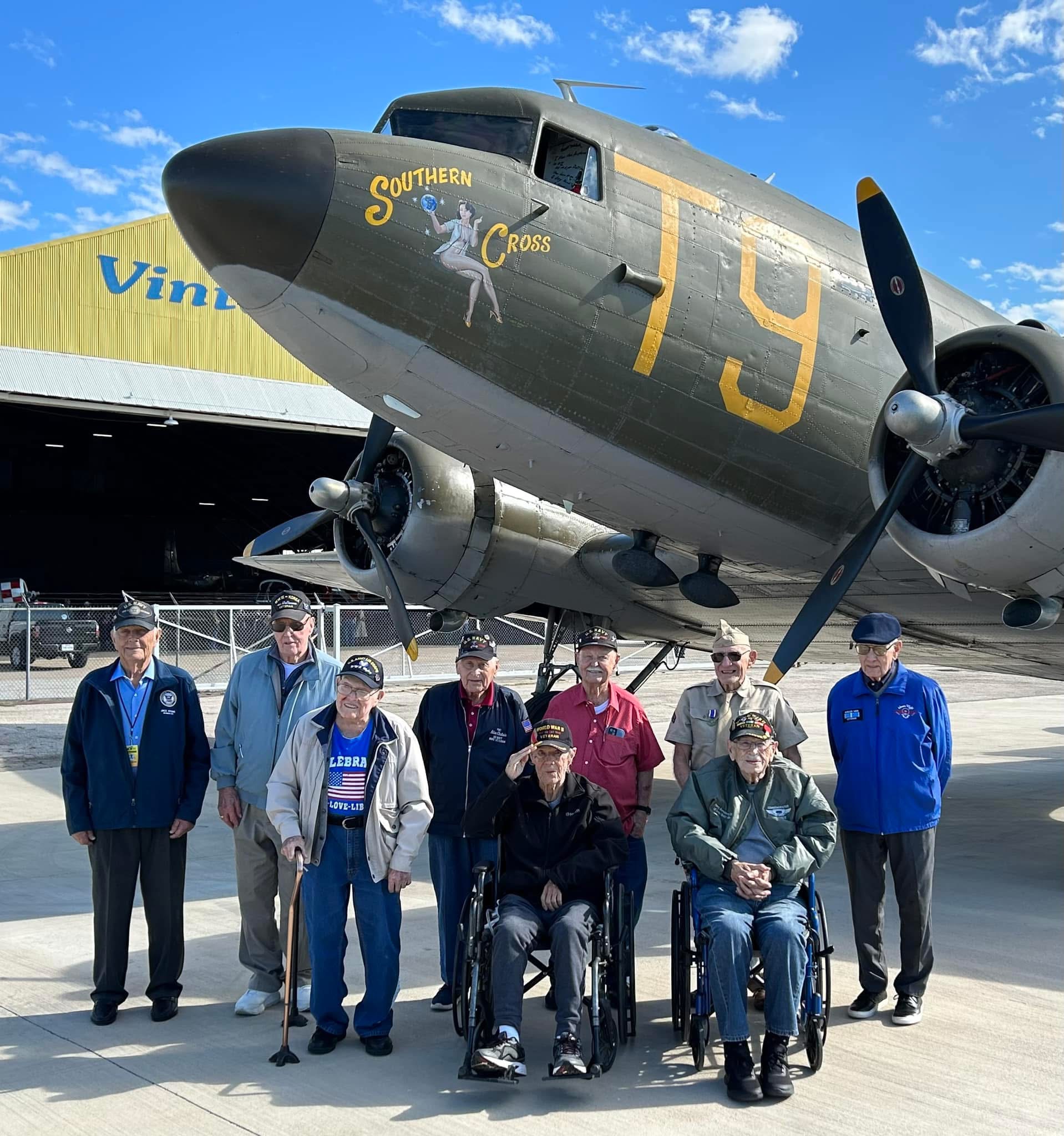
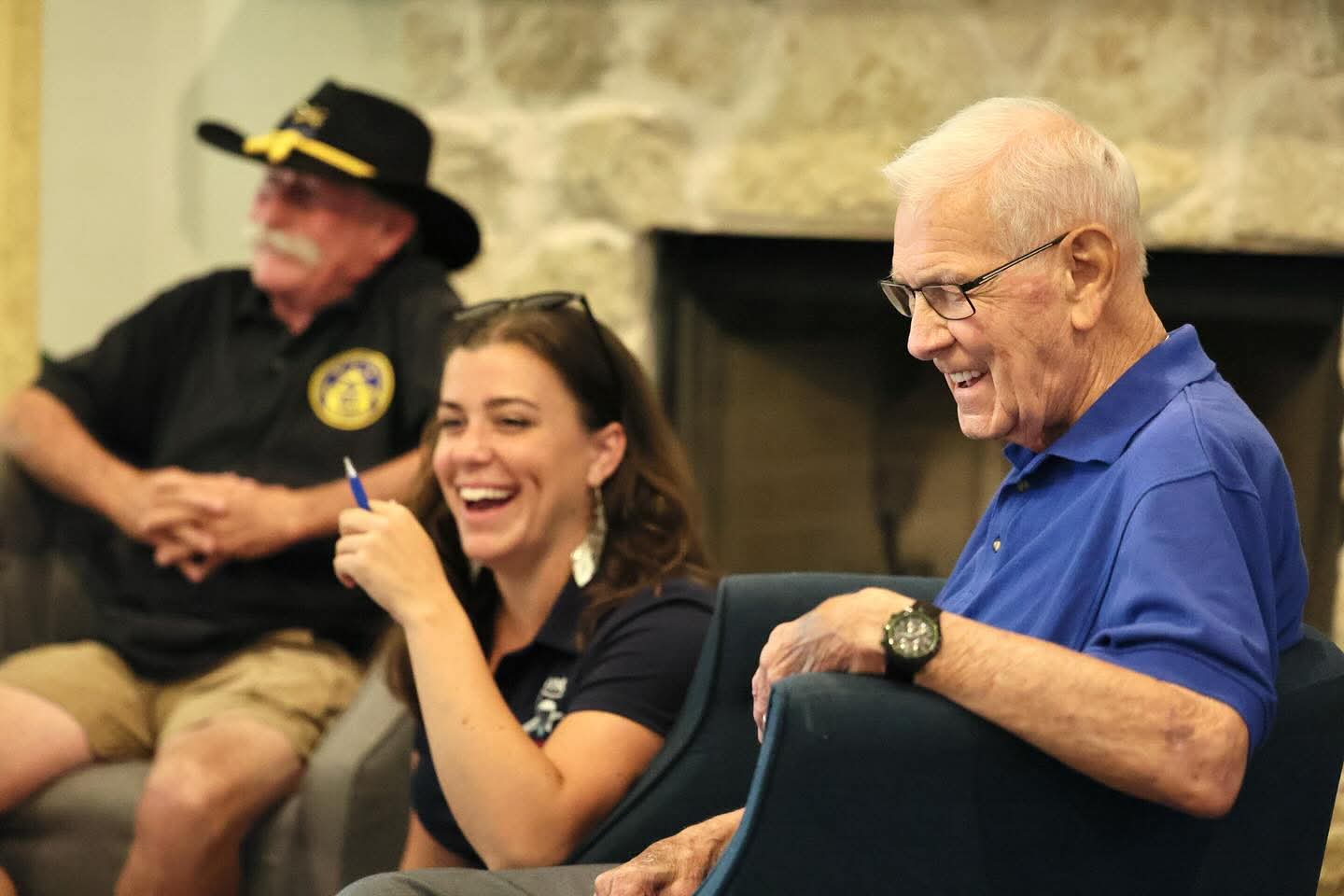
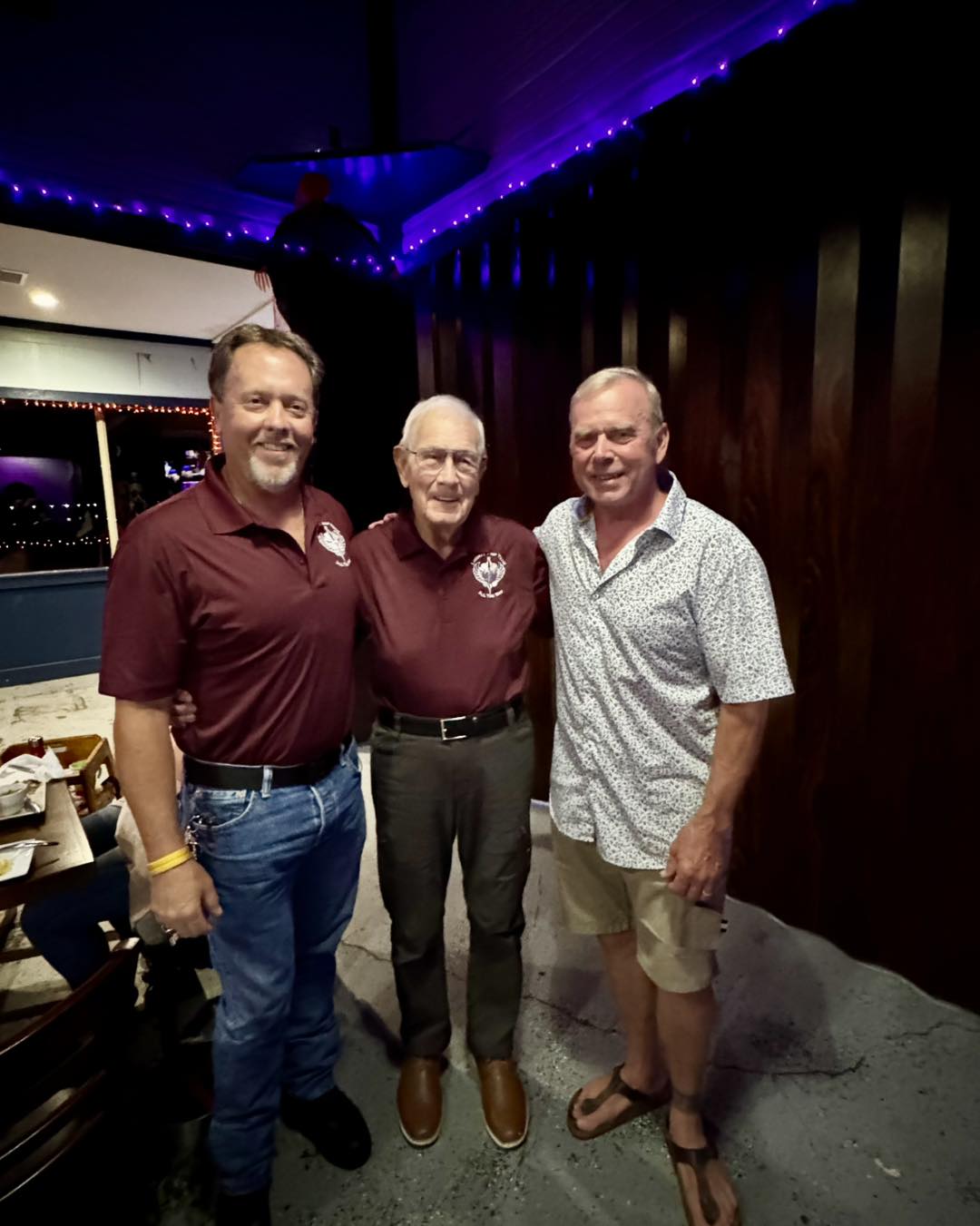
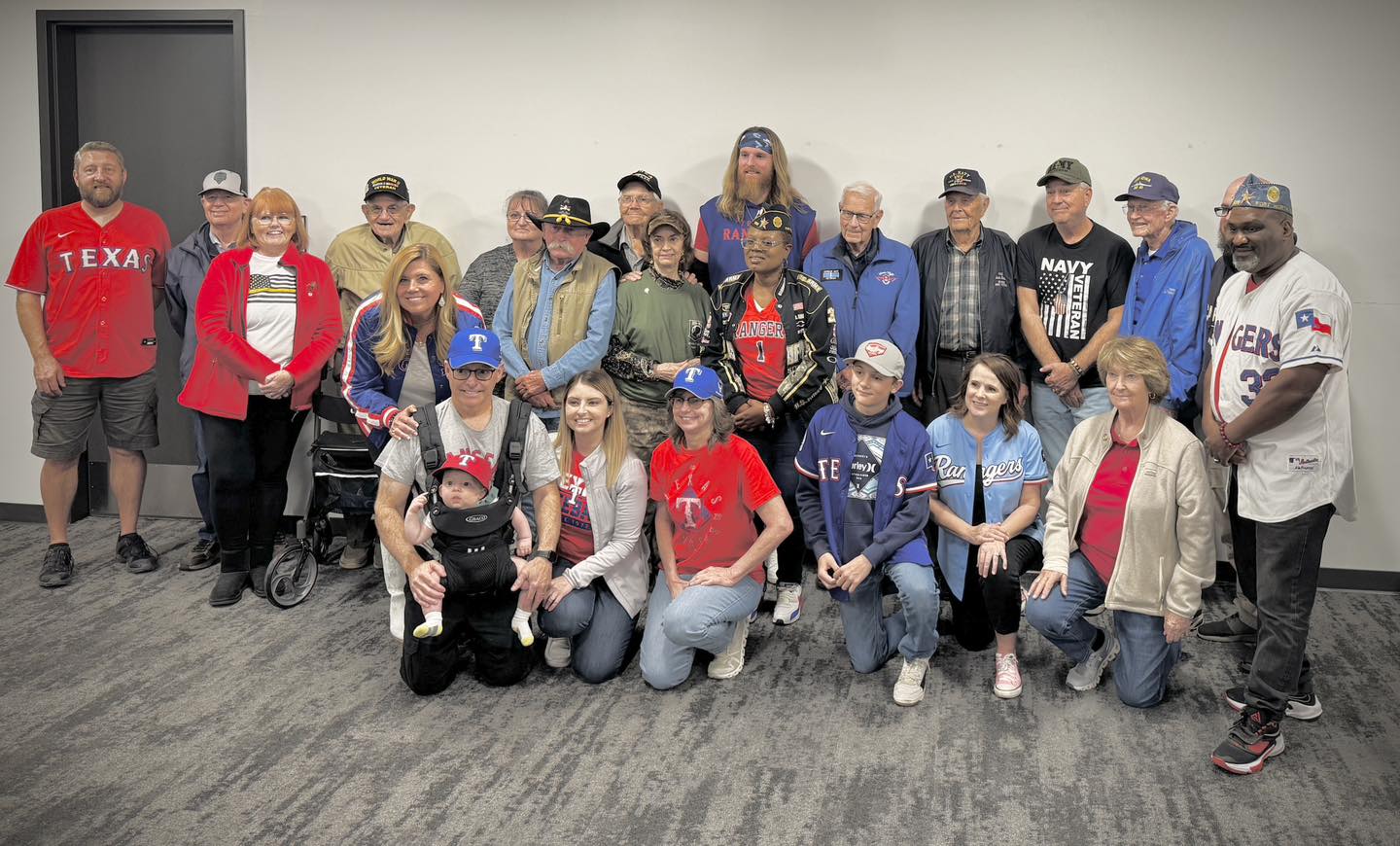
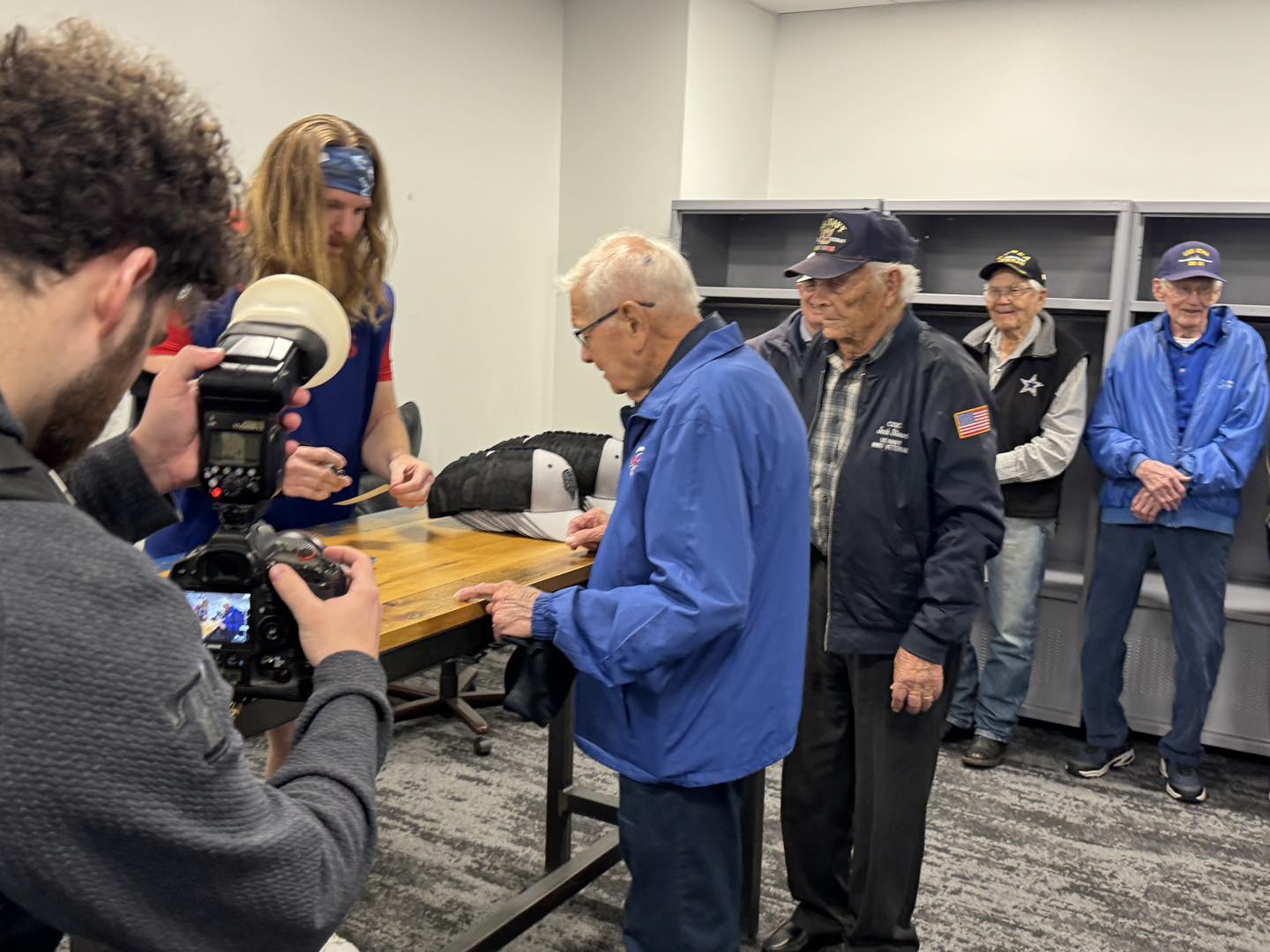
Jerry also remained deeply connected to other veterans and the broader community. He offered friendship, mentorship, and steady support to those who had served, understanding the unspoken bonds and shared experiences that link veterans across generations. Whether through conversations, community events, or simple acts of presence, he helped fellow veterans feel seen, valued, and understood. His involvement extended into the community as well, where he gave his time generously, showing up wherever encouragement, kindness, or a steady hand was needed.
Jerry’s service did not end with his military discharge—it evolved into a lifelong commitment to people.
At the heart of his legacy is the strength of his character. Jerry valued loyalty, kindness, and family above all else. Those who knew him remember his gentle presence, his steady wisdom, and the quiet confidence he brought into every part of his life. He lived with purpose, treated others with respect, and left an imprint that endures in the hearts of those he loved. He faced adversity with courage and composure, never seeking attention or sympathy.
In moments of crisis, he was the calm center—the one others turned to for reassurance and guidance. His strength was not loud or forceful but steady and enduring.
Gerald “Jerry” G. Brown’s legacy is one of service, faith, creativity, leadership, family, and a steadfast devotion. His pursuits—marathons, cycling, teaching art, and earning his jump wings. His story stands as a testament to the men who served in Korea—men who answered their nation’s call, fulfilled their duty with pride, and returned home to build lives defined by strength, integrity, and the desire to uplift others.
His values continue to reflect the best of who he was. His life stands as a testament to the enduring impact of a man who lived with purpose, humility, and heart. A portrait of a man who never stopped growing, never stopped giving, and never stopped honoring the values that shaped his life.
Famous Words
“Giddy Up!” — Jerry Brown
A phrase as unmistakable as the man himself—lighthearted, spirited, and full of forward motion. It was more than something he said; it was the way he lived. A reminder to keep going, keep moving, keep showing up with purpose and grit.