
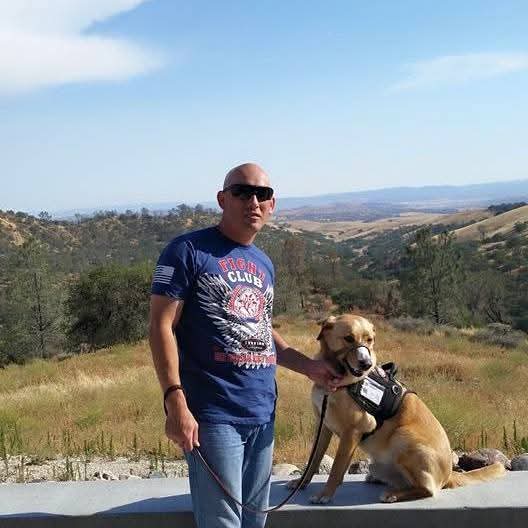
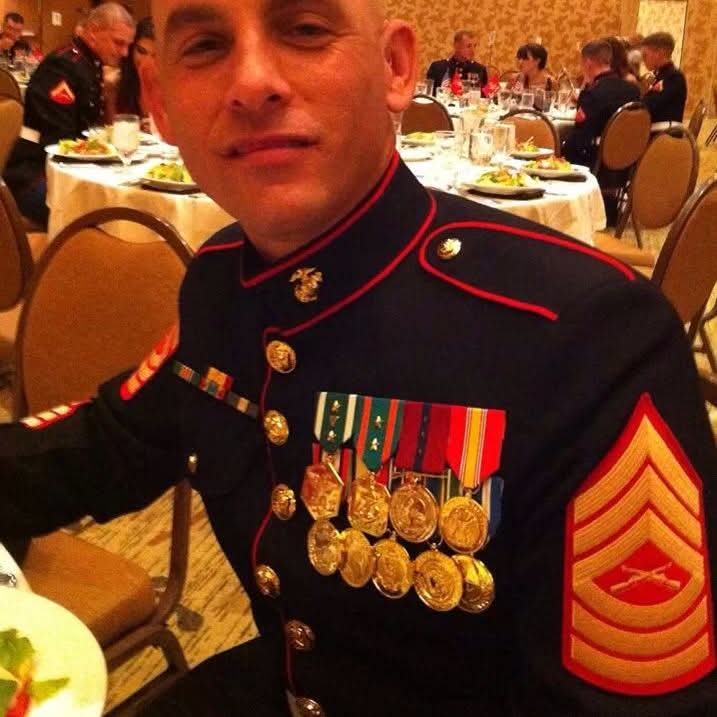
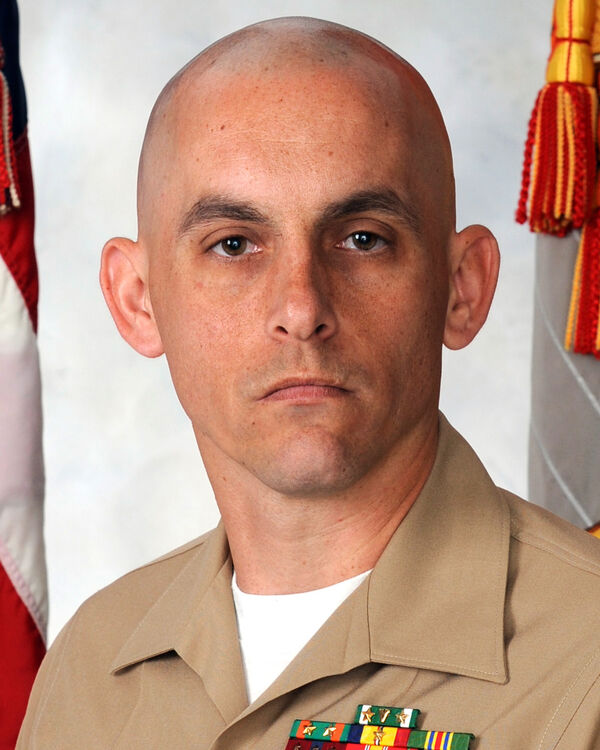
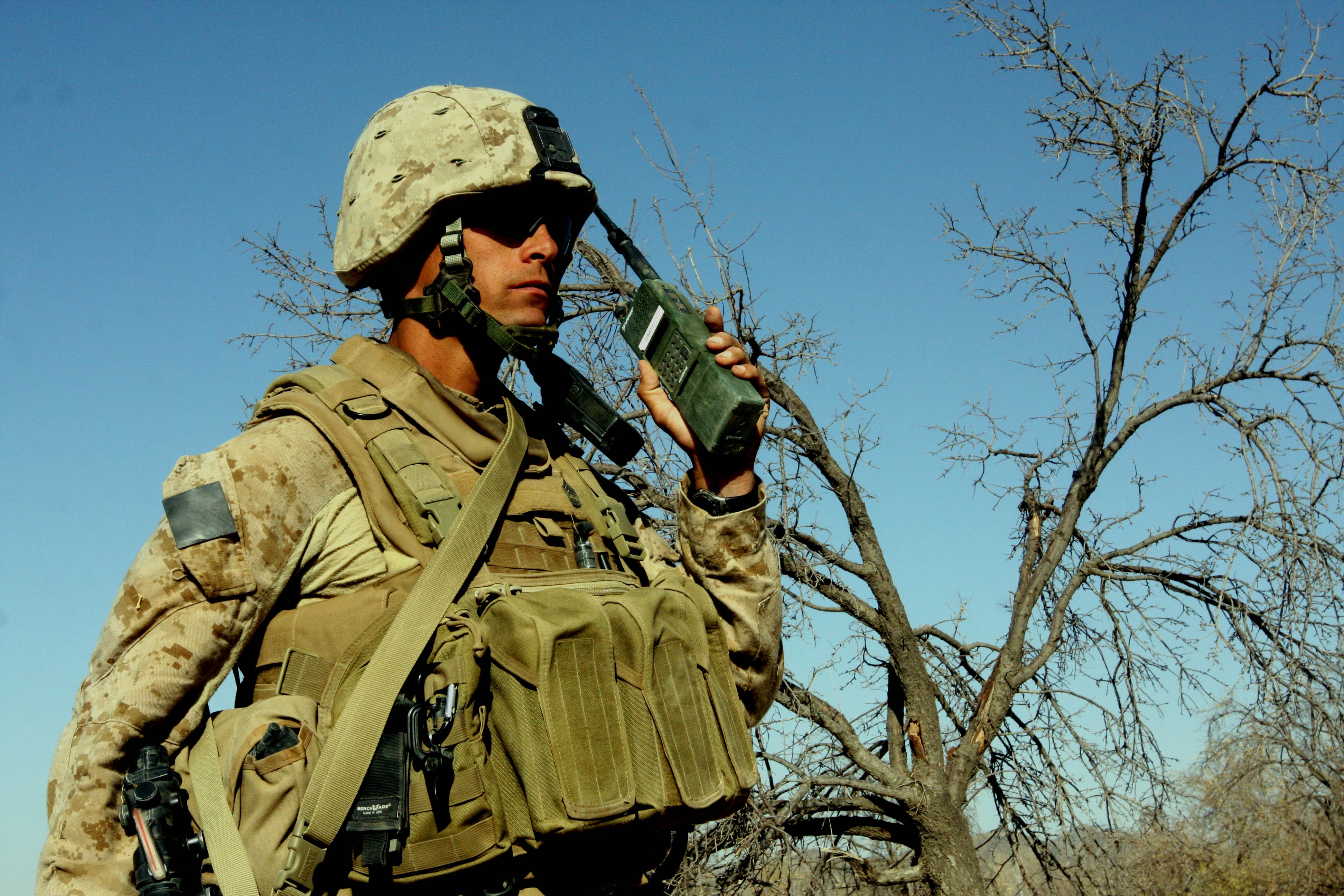
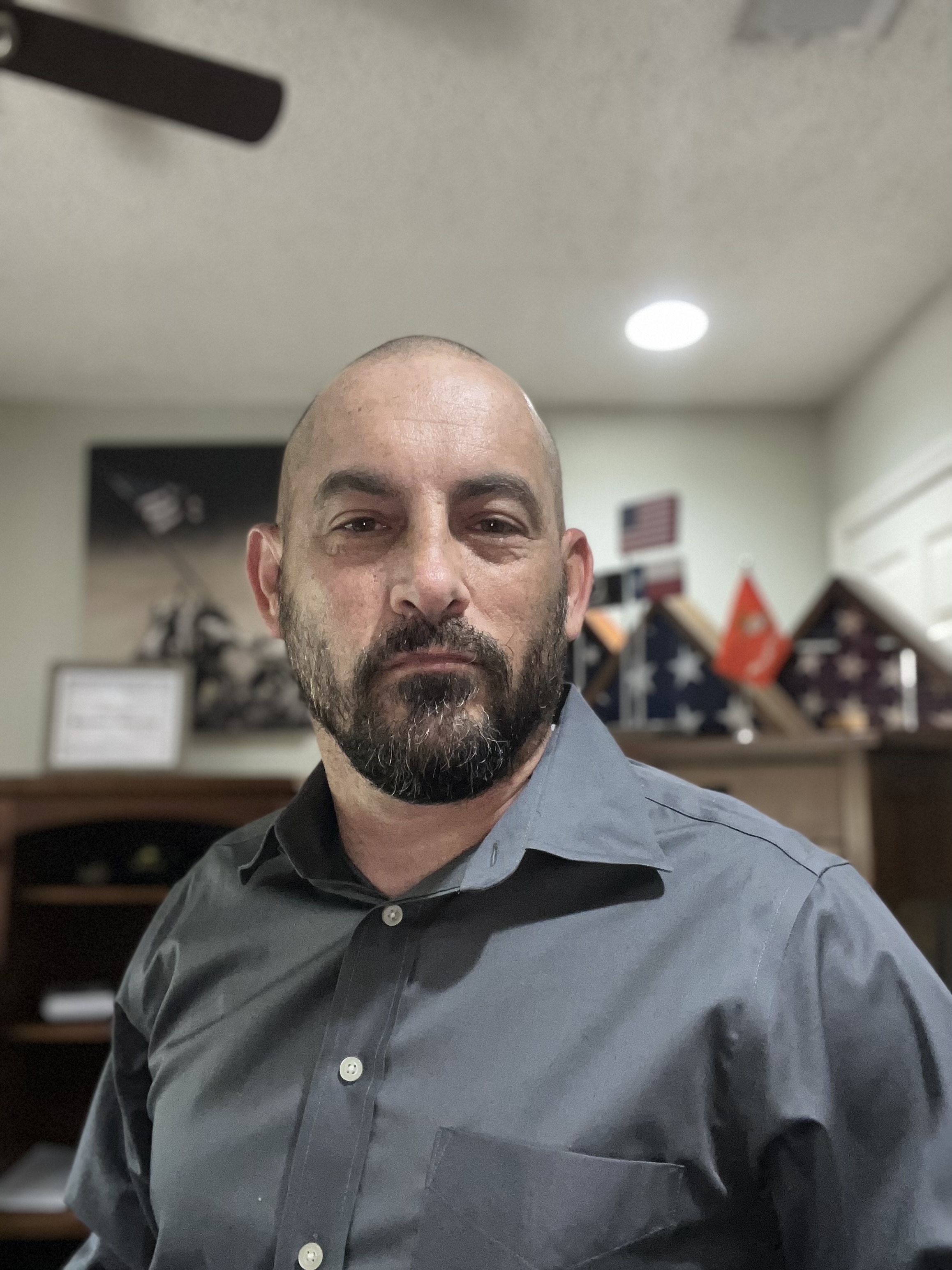
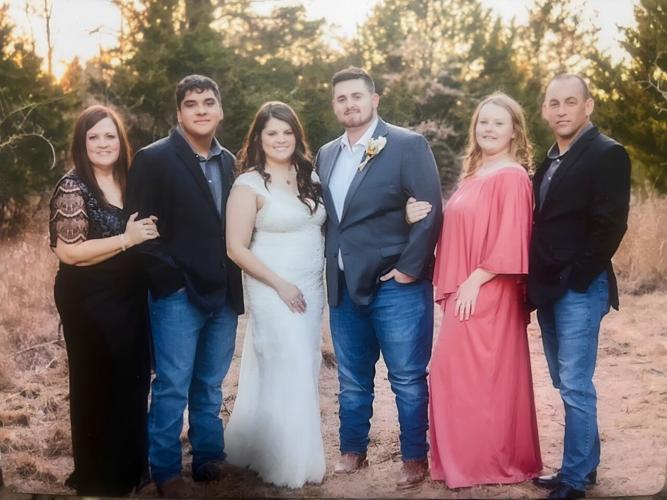
I am a distinguished veteran and passionate advocate for military personnel, currently serving as the President and CEO of Heroes Services Coalition, Inc. Following my retirement from the United States Marine Corps, where I honed my skills in military operations, force protection, and personnel supervision, I have dedicated my life to supporting veterans and their families. My extensive experience in high-pressure environments, including deployments in Afghanistan, has equipped me with a unique perspective on the challenges faced by service members transitioning to civilian life.
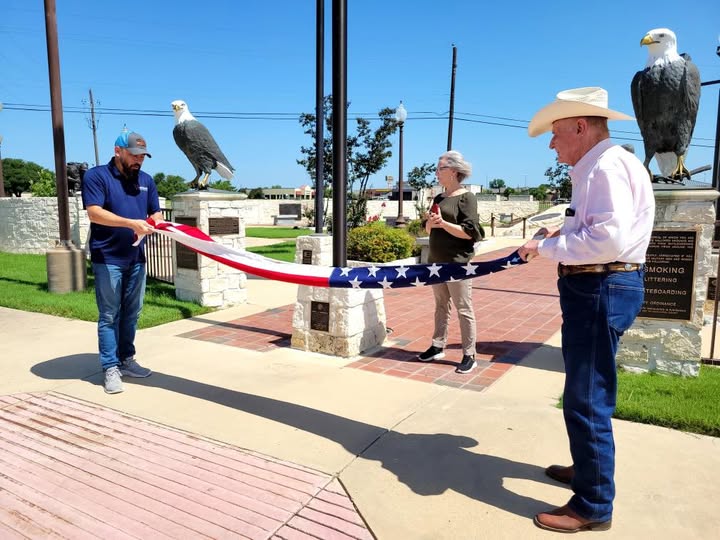
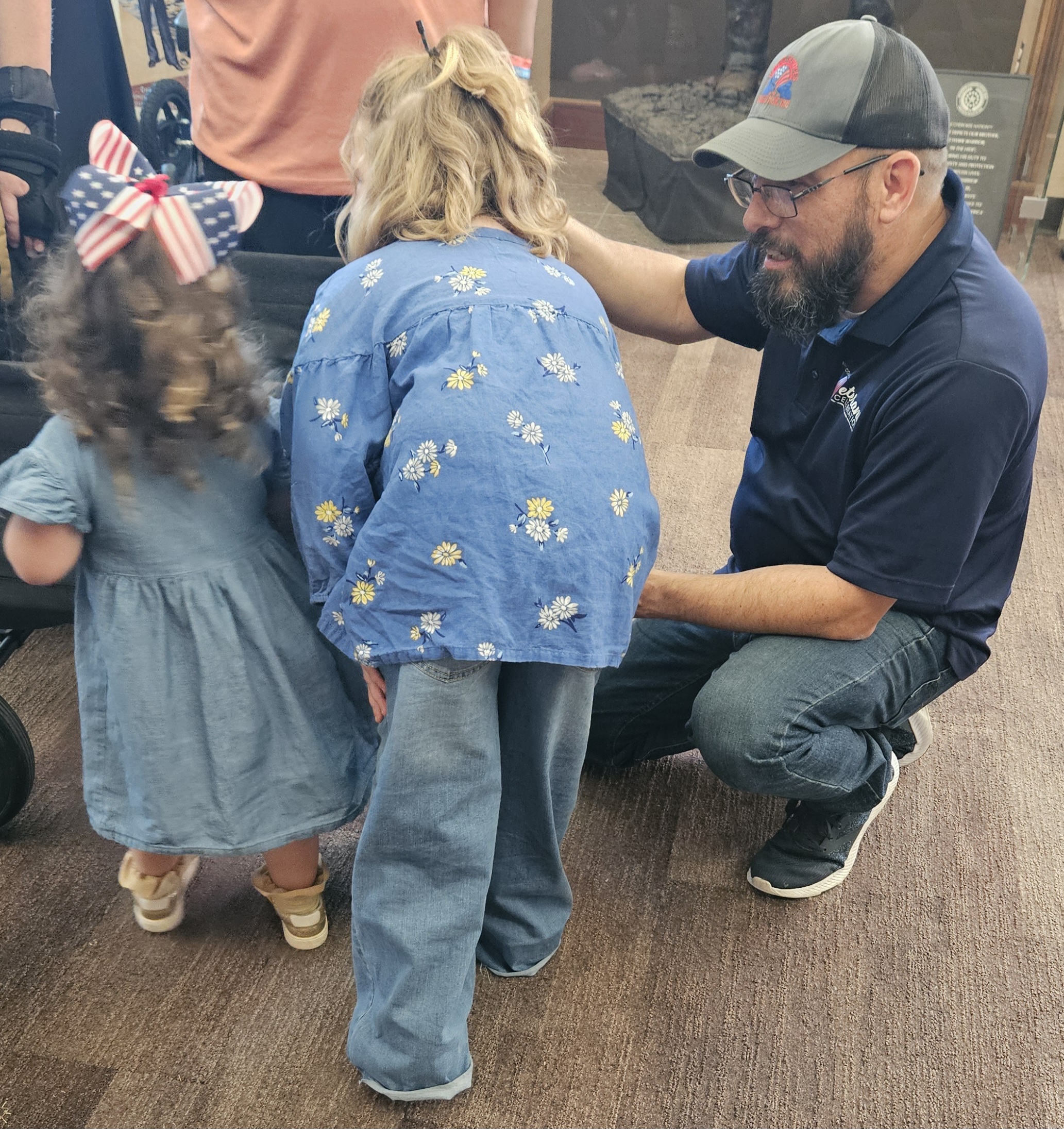
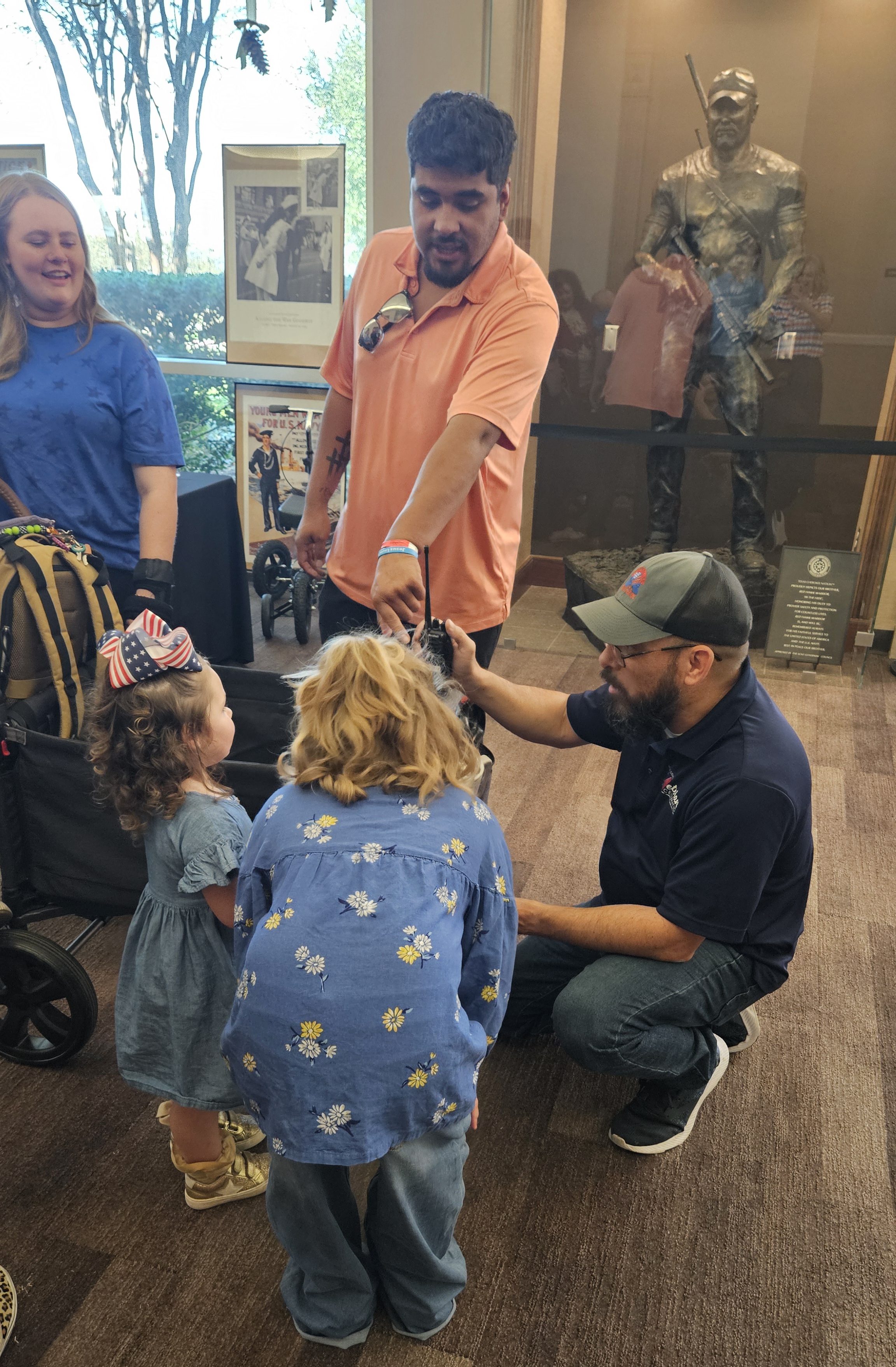
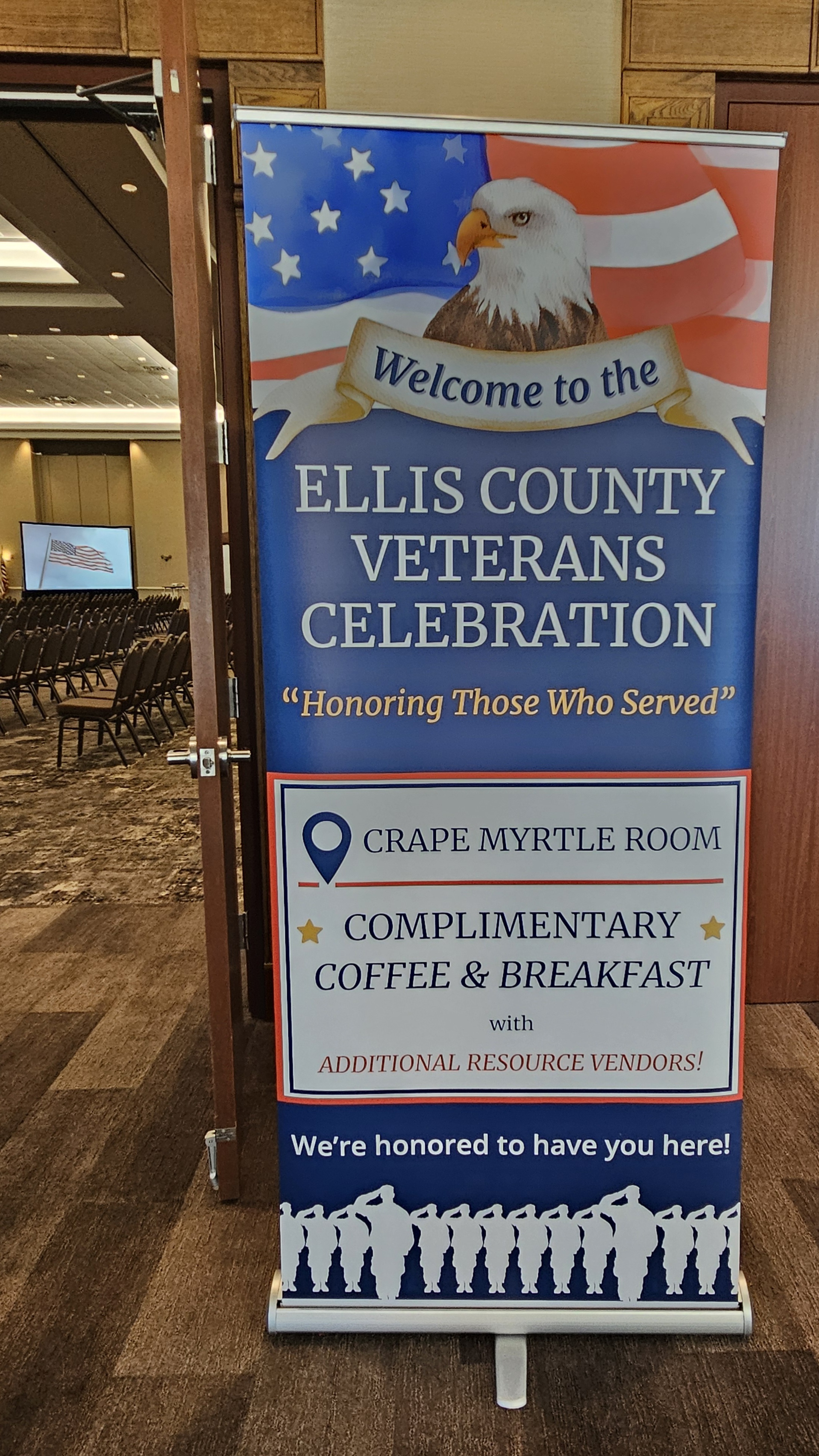
At Heroes Services Coalition, Inc., I have spearheaded numerous initiatives aimed at honoring the sacrifices of military veterans and addressing critical issues such as mental health and suicide prevention. One of the hallmark events under my leadership is the annual Ellis County Veterans Celebration, a poignant Veteran’s Day ceremony that brings together the community to recognize and celebrate the contributions of veterans. This event not only fosters a sense of camaraderie among veterans but also serves as a platform for raising awareness about the pressing mental health challenges many face, including the staggering suicide epidemic within the veteran community.
Commitment to education and prevention is evident in my role as a public speaker, where I share my insights on veterans’ mental health issues. My ability to connect with audiences and convey the importance of support systems for veterans has made me a sought-after voice in the community. Through Heroes Services Coalition, Inc., I continue to exemplify leadership and compassion, ensuring that the sacrifices of veterans are honored and that their needs are met with dignity and respect.
I continue serving others as a Veterans advocate throughout my community, and others. One of my goals is to also serve as a Public speaker on Veterans Mental Health issues as well as the staggering suicide epidemic (Education/Prevention). The veteran community needs more voices for the vast majority that can’t or won’t speak out.
Reflections on Master Sergeant Bell’s US Marine Corps Service
Describe who or what influenced your decision to join the Marine Corps.
In high school, I had no real sense of direction beyond graduation, but I did know that I didn’t want to go to college right away. Knowing that I had to figure something out, I started thinking about the military as a way to experience life more thoroughly than staying in my hometown of Ennis, Texas. I went to a college fair at the high school and ended up talking to several of the services Recruiters. When I went home that night I told myself that whichever one contacted me first must want me to join the most, and the Marines fit that bill. I ended up going into the Marines with a friend on the buddy program and we spent our first 4 years together, stationed in Kaneohe Bay, Hawaii.
Whether you served for several years or made it a career, describe the direction or path you took. Where did you go to boot camp, and what units, bases, ships, or squadrons were you assigned to? What was your reason for leaving.
I went into the service as an Infantryman. I knew that if I was going to go into the Marine Corps that I needed to do something that not everyone does, or is able to do. Every job is important in the Marine Corps, but the Infantry is the backbone of it, being the only reason that it exists. I had no intention of staying in the past four years, but it seems that every time that my time was up and a decision had to be made I was able to stay in and I made the decision to continue on. My family was a huge influence in every one of those decisions as my wife and I had to make the crucial decision that would affect the rest of our lives. As I picked up the rank of Master Sergeant and worked in the Weapons Company as the Operations Chief and the Battalion S-3 (Operations section) as the Battalion Operations Chief my issues from combat started to come to light. I can’t say that they started to surface because they had always been there, but I had always seemed to suppress them. In this command, I was diagnosed with combat PTSD and Major Depressive Disorder. My problems became worse and it was apparent that I needed to leave the service. I was medically retired on a medical board and with Terminal Leave I served a total of nineteen years and two months. My family and I moved back to Texas where we live in our hometown.
If you participated in any military operations including combat, humanitarian, or peacekeeping missions — describe those that made a lasting impact on you and, if life‑changing, in what way.
In Second Battalion Seventh Marines (2/7) in Twenty-nine Palms, California I was assigned to the Weapons Company’s Mobile Assault Platoon 2 (MAP-2). We deployed to Iraq in 2007 and Afghanistan in 2008. I was a Platoon Sergeant for both deployments. In Afghanistan, our platoons changed from a MAP construct to a Combined Arms Anti-Tank (CAAT) where MAP-2 was turned into CAAT-2. I was transferred to the CAAT-1 platoon due to manpower issues.
Iraq was the most significant of the two for me, as well as for CAAT-2. In Iraq, we were based out of Camp Fallujah. There were 3 platoons in the Company that would rotate with each other every week. We would spend a week at a time out in the ‘Field’ on Operations before we would rotate back through Camp Fallujah for a few hours to restock and resupply while en route to relieve the other platoon for the next week’s Operations. The following week we would rotate back to Camp Fallujah where we would stay for a week on the Battalion’s Quick Reaction Force (QRF).
On April 16, 2007 MAP-2’s Bravo Section (which the Platoon Commander 1st Lt. Shaun Blue led) was attacked by a roadside bomb (Improvised Explosive Device, IED). The bomb was placed under the asphalt of the road, on top of a culvert. The Marines didn’t see the command detonation wire which was run in a zig zag pattern starting away from their direction of travel. The explosion blew directly under the front passenger side tire which was where Lt Blue sat. The vehicle was thrown into the air and forward a good distance.
The whole situation was stressful for everyone. 1st Lt. Shaun Blue and his driver LCpl Jesse Delattore were killed in the attack and LCpl Gary Huber (Gunner), LCpl Denny Salisbury (backseat dismount) and LCpl Manny Provencio (backseat dismount) were critically injured.
On June 12, 2017 LCpl Johnny Strong was shot in the head by a sniper and instantly killed while on a dismounted patrol. Several others were injured (some critical and some not). This platoon went through a tremendous amount of trauma with one event after the other. Trying to keep everything and everyone together was extremely hard. When the new Platoon Commander came in it made matters even worse as he turned the platoon on its head. It was done unintentionally as he was Lt Blue’s best friend and the Company Executive Officer (XO) who stepped down from his position to follow through on a promise to Lt Blue.
Memories
Served with the Combined Anti-Armor Platoon 1 (CAAT 1) as the Platoon Sergeant. Our platoon’s mission was to support the entire battalion’s AO and conducted multiple Afghan National Police (ANP) escort missions as well as multiple combat offensive operations, mainly ISO of Golf Company and Fox Company. CAAT 1 travelled OVER 7,000 miles during those convoys and missions over a 6 month time period!!!
Robert Bell reflects on a life of service, sacrifice, and resilience.
AUDREA MEDINA Managing Editor
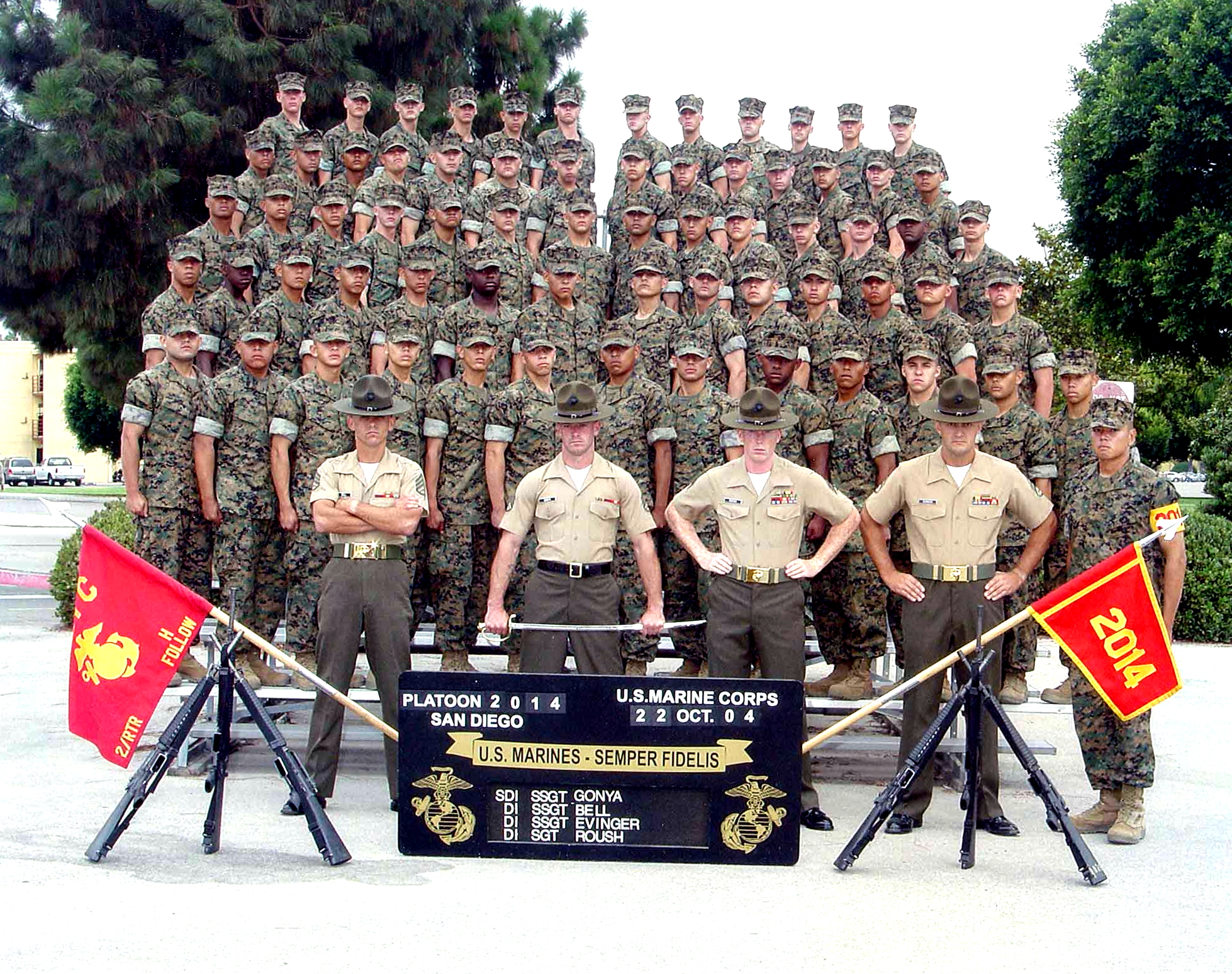
Robert Bell didn’t plan to become a Marine. As a high school senior without direction, he made a deal with himself: he’d enlist with whichever recruiter called first. That same day, the Marine Corps rang. Raised between Fort Worth, Denison, Kaufman, and Ennis after his parents’ divorce, Bell’s Marine Corps career gave him structure and purpose, which would guide him through almost 20 years of service.
He was stationed in Hawaii, where he married his high school sweetheart, Jeannie. A day after their wedding, he deployed. “She stayed alone in Kaneohe Bay for seven months, no friends, a car that kept breaking down. She suffered through it,” Bell said.
Throughout his career, Bell served as a drill instructor, completed multiple deployments, and faced combat that would mark him forever. He narrowly missed being on a convoy that was hit by an IED, claiming the life of his lieutenant. “He sat in the seat I would’ve,” Bell said quietly. “It changes how you look at everything.” In Iraq, while monitoring the radios, Bell heard a panicked cry over the net. Then, silence. He ordered his Marines into trucks and sped toward the site. The destroyed vehicle confirmed his worst fears. “I saw the truck number. I didn’t need anyone to tell me. I knew which lieutenant it was.” Debris everywhere. Bell didn’t allow himself to break down. He coordinated medevacs and assumed command in the field. “I didn’t ask. I just did it,” he said. His calm during chaos marked the beginning of his post-traumatic stress. “You’re not trained for that part,” he said. “You figure it out alone.”
Later, the battalion commander and sergeant major arrived. “He shook my hand, looked me in the eye, and said something about keeping the Marines motivated and getting them home,” Bell said. “I appreciated that. He didn’t have to say more.” When a new lieutenant stepped in, Bell hoped for stability. But the new officer enforced petty rules and bypassed Bell’s leadership, eroding morale. “He accused us of mutiny,” Bell said. “He wanted to be the best platoon, but he focused on the wrong things.” Things worsened. A lance corporal was killed by a sniper—the third loss in Bell’s platoon. Bell had stayed behind that day, fearing the new lieutenant would unravel in his absence.
Bell himself nearly died after an RPG blast knocked him unconscious while out on patrol. “All I remember is being mid-air like Superman, thinking, ‘Now I’ll have to clean my weapon.’” Left behind, he credits God with waking him up, where he stumbled to his feet and ran, under fire, to rejoin his vacating unit.
Despite the trauma, he refused to be evacuated. “If I had left, no one would’ve known what we were doing.” The rest of his deployment passed in a blur. Bell took one day at a time, doing what needed to be done to meet the expectations and the mission. Reintegration was another battle to be fought and remained the most difficult. “Within a week of being home, Jeannie said I had PTSD,” Bell said. She was right.
In 2008, he was transferred to a non-combat role at Headquarters Marine Corps. But it was during a later deployment to Okinawa where he hit rock bottom. Alone in his barracks with little to do, Bell happened upon a music video depicting veteran suicide. “That video planted a seed I couldn’t shake,” he said. He attempted suicide that weekend. A second attempt followed days later.
He eventually sought help after that second attempt. “They told me they had to report it. I didn’t want that. But I’d started talking—and thank God I did.” Between 2013 and 2016, Bell survived four more attempts. In one, his daughters walked in as his father-in-law intervened. Both girls developed secondary PTSD, marked by the trauma of what they witnessed in their beloved father.
The final attempt came in his locked truck. A passerby tried and failed to break the window. Then the door opened miraculously. “He said I must’ve unlocked it, but I was out. There was no way I was conscious enough to be able to open that door. I believe God did it.”
Now, Bell finds strength in faith, family, therapy, and service. He leads local Toys for Tots drives and veteran ceremonies and stays grounded through community work. “Staying busy helps, but therapy changed how I think,” he said. “I started asking why I felt a certain way, and how to reframe it.”
His advice to other veterans: “You’re not a sergeant anymore. You’re not a master sergeant. Take the good lessons, but don’t live stuck in that mindset.” He points to his old unit—the 2/7—nicknamed the Forgotten Battalion. More Marines from that unit have died by suicide than were lost in combat. “They don’t count guys like me,” he said. “The ones who made it out but still fought to survive.”
Bell shares that many soldiers become unverified statistics, in that there is no database for those who have attempted suicide, yet mercifully, failed.
Today, Robert Bell is fighting for peace—and for others to find it too, as he willingly exposes his post-active-duty struggles. “If my story helps someone else make it through, then it’s worth sharing. Talking about a burden becomes a burden shared, and sharing a burden lessens its weight.”
Supplemental Information
The Decision That Sent America to War
The war in Afghanistan began after the attacks of September 11, when the United States confronted an act of mass violence carried out by al‑Qaeda, a transnational extremist organization responsible for severe harm, loss of life, and human rights violations. The group operated from within Afghanistan under the protection of the Taliban government, which refused to surrender its leadership or dismantle the network responsible. In the days that followed, the United States invoked its right of self‑defense under international law, and the United Nations Security Council affirmed the nation’s right to respond to the threat posed by those responsible. The decision to initiate military action was shaped by intelligence assessments that identified Afghanistan as the central operating ground for al‑Qaeda’s leadership, training infrastructure, and planning networks. The initial objective was to disrupt those networks, remove the Taliban regime that sheltered them, and prevent future attacks by eliminating the conditions that allowed violent extremist organizations to operate freely.
The historical roots of the conflict reached deeper into Afghanistan’s past. The nation had endured decades of instability shaped by foreign invasions, civil war, and the collapse of central authority. The Soviet invasion in 1979 fractured the country’s political and social structures. After the Soviet withdrawal, Afghanistan entered a period of civil war marked by competing factions and the erosion of national institutions. The Taliban emerged in the mid‑1990s, gaining control of much of the country and imposing a strict interpretation of governance that left Afghanistan isolated internationally. During this period, al‑Qaeda established training camps, leadership centers, and operational networks within Afghan territory, taking advantage of the absence of strong central authority and the Taliban’s willingness to provide sanctuary. These historical conditions created the environment that made the attacks of September 11 possible and shaped the decisions that followed.
As the conflict progressed, the mission expanded into a long campaign shaped by counterterrorism operations, counterinsurgency strategy, and efforts to stabilize a nation marked by generational conflict. Afghanistan’s geography made conventional operations difficult and allowed insurgent groups to disperse, reorganize, and adapt. The Taliban reformed as an insurgent force, drawing support from tribal networks, cross‑border sanctuaries, and the complex social fabric of rural Afghanistan. Extremist groups continued to operate across the region, and the United States and its partners sought to strengthen Afghan institutions, support local governance, and reduce the influence of violent organizations that threatened regional and international security. These objectives evolved across multiple administrations, each adjusting strategy in response to shifting conditions on the ground, changes in Afghan leadership, and the realities encountered by those who served in remote and dangerous positions. The war endured through twenty years of sustained operations and concluded in 2021 when the United States formally ended its military presence in Afghanistan.
The emotional gravity of the war was carried by those who served. For Marines like Bell, the reason for the conflict was not expressed in policy documents or diplomatic statements. It was expressed in the reality of service. They lived the war in moments that never appeared in official reports. They felt it in the quiet before dawn when the world held its breath, in the weight of gear that pressed into their shoulders, in the tension of watching the road for danger that could take a life in an instant. They felt it in the closeness of the men beside them, in the shared resolve that formed when fear had to be mastered, and in the unspoken understanding that every patrol carried the possibility of loss. The war became personal in the way they steadied their hands, in the way they carried memories of those who did not return, and in the way they learned to move forward with grief that never fully left them.
The deeper truth is that Marines did not choose the conflict, yet they bore its demands with discipline and resolve. They carried the burden of decisions made far from the places where they served. They gave the war its human meaning through their endurance, their sacrifice, and their steadfastness. The question of why we went to war can be answered through official records, legal frameworks, and historical analysis, but the fullest answer is found in the lives of those who served. Their presence, their courage, and their unwavering commitment are what give the conflict its lasting significance.
Command in the Crucible of Combat
Bell’s combat experience unfolded within a world where every decision carried consequence. In theater, his days moved through an unbroken rhythm of preparation, movement, and assessment, each shaped by the demands of a battlefield that shifted without warning. He directed the planning and execution of patrols, convoy movements, and security missions that placed Marines in contested streets and uncertain terrain. He supervised weapons readiness and vehicle maintenance with the understanding that a single overlooked detail could determine survival. His stewardship of small unit training ensured that every Marine under his charge could react instinctively under fire, communicate with clarity, and adapt to threats that evolved by the hour.
He led from the front, moving with his Marines on patrols and during cordon and search operations where every doorway and alley carried risk. He advised junior leaders on rules of engagement and the ethical responsibilities of combat, reinforcing discipline in moments when confusion or fear could cloud judgment. He worked closely with interpreters, coalition partners, and local leaders, building fragile trust that allowed complex objectives to be achieved in environments marked by cultural nuance and persistent danger. His choices shaped not only the success of each mission but the lives and futures of the Marines who followed him. In every action he carried the quiet burden of command, knowing that leadership in combat is measured in accomplishment and in the preservation of those entrusted to him.
Dangers Faced
Robert Bell operated in environments where danger was not an interruption but a constant presence that shaped every breath and every movement. Patrols carried the sharp tension of roads seeded with improvised explosive devices, their metallic scent mixing with dust and engine heat as Marines scanned culverts and broken pavement for the slightest irregularity. Convoys moved through terrain where silence could collapse into the crack of an ambush, the air filling with the concussion of small arms fire and the heavy thump of grenades. Forward operating bases offered only partial refuge, often shaken by incoming rockets that sent shockwaves through plywood walls and left the smell of scorched earth drifting across the perimeter. Close quarters combat in villages and narrow streets demanded absolute focus, for the echo of footsteps, the shift of a curtain, or the flicker of movement in a doorway could signal immediate danger. Extreme heat pressed against the skin like a physical weight, turning gear into burdens and dust into a constant irritant that coated rifles, vehicles, and lungs. Nights brought cold that stiffened joints and made every hour of guard duty feel longer. Beneath these physical threats lay the quiet strain of repeated deployments, the responsibility of guiding young Marines through fear and fatigue, and the knowledge that each decision carried the power to preserve life or alter it forever. Bell balanced tactical risk with the duty to protect his Marines, often stepping forward so they would not have to, carrying the moral weight of command with steadiness and resolve.
Danger Woven Into Every Mission
Improvised explosive devices and ambushes formed a constant and defining danger for Marine units in both Iraq and Afghanistan, and for 2/7 they shaped the rhythm of every movement outside the wire. Roads that appeared quiet could conceal charges buried beneath fresh soil or hidden inside culverts, debris piles, or roadside trash. The smallest irregularity in the landscape could signal danger, and Marines learned to read the ground with an intensity that bordered on instinct. The detonation of an IED produced a concussive force that shook vehicles, filled the air with dust and smoke, and left a ringing silence that carried both shock and urgency. Ambushes often followed these blasts, with enemy fighters exploiting the chaos to open fire from concealed positions. These attacks demanded immediate and disciplined responses, and leaders like Bell had to maintain composure while directing counterfire, casualty care, and rapid assessment of the tactical situation. The constant presence of these threats created a level of vigilance that never eased, shaping the mental and physical posture of Marines throughout every mission and reinforcing the reality that danger lived in the terrain itself.
Indirect fire and rocket attacks added another layer of unpredictability, striking forward operating bases without warning and reminding Marines that danger existed even in moments meant for rest or recovery. Bases occupied by 2/7 were targeted repeatedly, their sandbagged walls and temporary structures shaking under the impact of incoming rounds. The sound of a rocket launch in the distance or the sudden whistle of incoming fire forced Marines to react instantly, seeking cover while maintaining readiness to respond. These attacks often occurred at night, jolting Marines awake and sending them scrambling to bunkers or reinforced positions. Force protection became a continuous responsibility, requiring watch rotations, defensive improvements, and constant assessment of vulnerabilities. Engineers reinforced barriers, patrols monitored approaches, and every Marine understood that complacency could cost lives. Even when no attack occurred, the anticipation of one created a persistent tension that shaped daily life. In this environment, operational hardship extended far beyond the battlefield, becoming a constant companion that tested endurance, discipline, and the ability to remain focused despite fatigue, fear, and the relentless uncertainty of combat.
Austere Conditions and Environmental Strain
Southern Afghanistan presented a landscape that challenged Marines at every moment, a place where climate and terrain shaped the rhythm of daily life as much as the enemy did. The heat rose from the earth in shimmering waves that distorted the horizon and drained strength long before a patrol had reached its objective. Dust hung in the air like a permanent veil, settling into eyes, lungs, and the moving parts of every weapon and vehicle. It coated skin with a fine grit that never fully washed away and turned each breath into a reminder of the land’s harshness. The ground shifted unpredictably, sometimes soft and powdery, sometimes hard and jagged, forcing Marines to adjust their footing with every step. Remote valleys and open desert stretched for miles, creating vast distances between forward operating bases and making resupply a constant challenge. Units like 2/7 operated across these isolated regions with limited support, often relying on their own ingenuity to maintain momentum. Every movement required careful planning, not only to counter enemy threats but to navigate an environment that resisted human presence at every turn.
Living conditions reflected the same severity. Marines slept in sandbagged hooches and temporary structures that offered shelter but little comfort, their thin walls trembling with the rumble of distant explosions or the steady wind that carried dust through every seam. Nights brought a cold that settled deep into muscles and made rest difficult, while mornings returned the oppressive heat that pressed against the body like a physical weight. Dust infiltrated everything, clogging filters, wearing down machinery, and shortening the lifespan of vehicles and weapons. Respiratory irritation became common, and skin cracked from the constant dryness. Sleep was often interrupted by security rotations, the noise of generators, or the simple discomfort of living in an environment that offered no true refuge. Marines learned to adapt by creating small pockets of normalcy, sharing stories, maintaining routines, and finding moments of calm amid the strain. Yet the environment remained a constant adversary, shaping endurance, testing resolve, and becoming an inseparable part of the experience of those who served there.
Their Resources and the Reality of What They Faced
Marines in Afghanistan lived within a vast structure of American military capability, yet the heart of the war rested on the men who walked its ground. Above them, the skies carried the strength of the nation. F‑18 Hornets and F‑15 Strike Eagles flew missions that reached across valleys and ridgelines where danger hid in the terrain. A‑10 Thunderbolt aircraft moved low and deliberate, offering precision that could change the course of a moment when Marines faced overwhelming threat. AC‑130 gunships circled in the night, their sensors and firepower creating a protective presence that reached into darkness where the enemy often moved unseen. B‑52 Stratofortress bombers flew high above the conflict, delivering long‑range support that reminded Marines that even in the most remote corners of the war, the nation’s reach extended to them.
Helicopters formed the lifeline between remote outposts and the larger mission. CH‑53 Sea Stallions lifted heavy equipment and personnel across distances that would have taken days on foot. CH‑47 Chinooks carried entire squads into regions unreachable by roads, delivering Marines into valleys and mountains where missions demanded speed and reach. UH‑1Y Hueys and AH‑1Z Cobras provided close support, their presence steadying Marines who knew that danger could rise without warning. These aircraft delivered supplies, evacuated the wounded, and connected isolated units to the larger force. Their rotors brought the sound of hope into places where silence often carried threat.
On the ground, vehicles carried Marines through terrain that resisted easy passage. MRAPs offered protection against blasts that rose from beneath the earth, their armored hulls saving lives in places where the threat of hidden explosives was constant. Humvees moved through narrow paths and rugged landscapes, allowing Marines to reach villages, outposts, and patrol routes that shaped the daily rhythm of the war. Light armored vehicles provided speed and firepower, giving Marines the ability to respond quickly when danger appeared. These vehicles brought mobility, yet they also brought vulnerability, because the roads of Afghanistan were unpredictable and often hostile.
Their personal equipment formed the core of their survival. They carried M16 and M4 rifles that had to function in dust and heat that punished every moving part. They carried M249 and M240 machine guns that provided the firepower needed when patrols encountered resistance. They carried M203 grenade launchers that allowed them to reach threats hidden behind walls or within distant positions. Their body armor held ceramic plates capable of stopping rounds that would otherwise take a life, and their helmets shielded them from shrapnel and debris. They carried night‑vision devices that allowed them to move through darkness with clarity, radios that connected them to one another and to command, and medical supplies that represented the hope of saving a life when seconds mattered. They carried water, rations, batteries, and the weight of responsibility in every piece of gear.
Their bases held resources that sustained them. They offered communication systems, repair facilities, and the infrastructure needed to support operations across a country marked by distance and difficulty. They provided places to plan missions, gather strength, and prepare for the next patrol. They held generators that powered the lights, tools, and systems that kept operations functioning. They held satellite communications that connected Marines to leadership far beyond Afghanistan’s borders. Yet even these bases were not free from danger. Mortar fire and rockets reached into places meant to be safe, reminding Marines that the war did not respect boundaries.
The conflict also revealed what they lacked. They lacked the ability to predict every threat in a landscape where danger could be hidden beneath dust, behind walls, or within the silence of a village. They lacked the certainty that technology could always protect them, because even the most advanced aircraft and vehicles could not see everything or prevent every loss. They lacked the comfort of clear front lines, because the war did not unfold in a way that allowed separation between danger and safety. They lacked rest, because the demands of the mission pressed into every hour. They lacked the ability to carry less, because every piece of equipment had a purpose and every purpose carried weight. They lacked the luxury of distance, because the war met them face to face.
The deeper truth is that Marines lived between the strength of the resources that supported them and the reality of the limitations that surrounded them. Jets, helicopters, vehicles, and bases formed a powerful network of protection, yet the men on the ground still bore the most direct burden of the war. They carried their rifles, their armor, their ammunition, and their responsibility to one another. They faced danger that could be mitigated but never erased. They endured the weight of equipment and the weight of uncertainty with the same resolve.
Their courage filled the space between what they had and what they lacked. It is in that space that the human meaning of the war is found.
The Shortages That Defined Their Reality
Even with the strength of American air power above them and armored vehicles around them, Marines in Afghanistan lived with shortages that shaped every day of the war. They lacked the certainty that technology could provide complete protection, because even F‑18 Hornets, F‑15 Strike Eagles, A‑10 Thunderbolts, AC‑130 gunships, and B‑52 bombers could not see every threat hidden beneath the dust or behind the walls of a village. They lacked the ability to predict danger in a landscape where improvised explosive devices could be buried in the earth without leaving a trace. They lacked the comfort of knowing that every patrol would return safely, because the war did not offer guarantees.
They lacked reliable roads, because Afghanistan’s terrain resisted easy passage. They lacked clear front lines, because the conflict did not unfold in a way that separated danger from safety. They lacked the luxury of distance, because the war met them face to face. They lacked rest, because missions pressed into every hour and the rhythm of the conflict allowed little time for recovery. They lacked the ability to carry less, because every piece of equipment had a purpose and every purpose carried weight.
They lacked immediate medical support in remote regions, because even with helicopters ready to evacuate the wounded, the minutes between injury and rescue could stretch into moments of fear and urgency. They lacked consistent communication in mountains and valleys where radios struggled to reach across the terrain. They lacked reliable intelligence in places where the enemy blended into the landscape and moved through communities with ease. They lacked the ability to see danger before it appeared, because the war often revealed itself only in the instant when a life could be lost.
They lacked the comfort of permanence, because outposts were temporary, missions shifted, and the ground beneath them could change from safe to hostile without warning. They lacked the certainty that supplies would always arrive on time, because weather, terrain, and enemy activity could delay the aircraft and convoys that sustained them. They lacked the ability to fully trust the environment, because even familiar routes could become dangerous overnight.
The deeper truth is that Marines lived between abundance and absence. They had jets that could reach across continents, helicopters that could lift them from danger, vehicles that could carry them through hostile terrain, and bases that provided shelter and support. Yet they also lived with shortages that no machine could erase. They carried their rifles, their armor, their ammunition, and their responsibility to one another into places where the limits of technology met the reality of human courage.
Their strength filled the space between what they had and what they lacked. It is in that space that the human meaning of the war is found.
The Weight of Command in Constant Motion
As a Master Sergeant, Bell carried a responsibility that touched every dimension of the battalion’s readiness, discipline, and morale. His days moved through an unbroken cycle of planning missions, reviewing intelligence, supervising maintenance, and ensuring that every Marine understood the intent and purpose behind each operation. He mentored noncommissioned officers whose steadiness shaped the strength of the unit, guiding them through the complexities of leadership in a combat environment where decisions had immediate and lasting consequences. The demands of his role required constant judgment, from evaluating the condition of vehicles and weapons to making rapid choices under pressure that could determine the safety of the Marines who followed him. This burden intensified during sustained combat operations, where the strain of danger, fatigue, and responsibility pressed against him with unrelenting force. Leadership became a daily act of endurance, carried with quiet resolve and a deep awareness of the lives entrusted to his care.
The operational tempo of 2/7 magnified these pressures. Companies and platoons were often dispersed across widely separated forward operating bases, each conducting semi‑autonomous missions that required oversight without the benefit of constant physical presence. Communication traveled across long distances, and decisions had to account for terrain, isolation, and the unique challenges faced by each remote element. Bell worked to maintain cohesion across this dispersed structure, ensuring that standards remained consistent, morale stayed steady, and every Marine understood the broader purpose of their efforts. The pace of operations left little room for rest, with patrols, security rotations, and planning cycles overlapping in a rhythm that demanded endurance and adaptability. In this environment, senior enlisted leadership became the anchor that held the battalion together, providing stability amid the relentless motion of modern warfare. Bell’s presence helped bridge the gaps created by distance and tempo, reinforcing discipline, strengthening confidence, and guiding Marines through the pressures of a battlefield that never slowed.
Physical and Psychological Toll
Repeated deployments placed a profound and accumulating strain on Marines, wearing down the body through injuries that never fully healed and fatigue that settled into muscles and joints like a permanent weight. Long hours in armored vehicles left backs stiff and knees aching, while the constant load of gear pressed against shoulders until numbness became routine. Heat rose from the ground in shimmering waves that made every movement feel heavier, and dust clung to skin, rifles, and lungs until breathing itself felt labored. Sleep came in fragments, often interrupted by incoming fire, radio calls, or the simple need to remain alert, creating a state of chronic exhaustion where the mind never fully rested. Hypervigilance became a conditioned response, a sharpened awareness that kept Marines scanning rooftops, roadways, and doorways even during moments meant for rest. The physical toll was cumulative, a slow erosion of strength and stamina that demanded resilience far beyond what training alone could provide.
The psychological burden deepened with each rotation, shaped by the quiet ache of survivor’s guilt, the memory of friends lost, and the knowledge that danger had spared some while claiming others. The human cost of war lived in memorials, unit remembrances, and the solemn rituals that honored those who did not return, each one a reminder of the fragility of life in combat. Leaders like Bell carried an additional weight, the moral responsibility of guiding younger Marines through fear, fatigue, and the emotional aftermath of trauma. He felt the strain of helping them navigate grief while maintaining the clarity required to continue the mission, balancing compassion with resolve in an environment where hesitation could endanger the entire unit. In this crucible, the toll became both physical and moral, a burden carried quietly by those who endured it and by leaders who understood that their decisions shaped not only the success of each mission but the futures of the Marines entrusted to their care.
Map — 2nd Platoon (typical Rifle Platoon)
What an Organizational chart might look like:
- Platoon Headquarters
- Platoon Commander (2nd Lt or 1st Lt) — tactical leader
- Platoon Sergeant (Staff NCO, often SSgt or GySgt) — senior enlisted advisor, logistics, discipline
- Radio/Comms NCO — communications and SITREP
- Corpsman (Navy Hospital Corpsman) — medical care
- Three Rifle Squads (Squad 1, Squad 2, Squad 3)
- Squad Leader (SSgt or Sgt)
- Two Fire Teams per Squad
- Team Leader (Corporal)
- Automatic Rifleman (M249/M240)
- Rifleman (M4)
- Assistant Automatic Rifleman / Grenadier (M203/M320 or rifleman)
- Weapons/Support Element (sometimes attached)
- Platoon Weapons Section — medium machine guns, AT weapons (Javelin, SMAW), designated marksmen
Typical Personnel Counts
- Platoon HQ: 4–6 personnel
- Each Squad: 9–13 personnel
- Total Platoon Strength: ~30–45 Marines depending on attachments and mission
Common Tactical Formations
- Lead: Point man and scout elements
- Center: Platoon HQ and main body (squads in column)
- Rear: Rear security and vehicle/LOG element
Open Terrain, 360° Security
- Center: Platoon HQ
- Left/Right: Squads spread diagonally for fire and observation
- Use: Movement through open ground with good fields of fire
Narrow Trails, Dense Terrain
- Single file: Point man, followed by team members, HQ near center or rear
- Use: Jungle, narrow mountain trails, urban alleyways
Line (assault or hasty defense)
- All squads abreast to maximize frontal firepower
- Use: Assaulting a known enemy position or establishing a hasty blocking line
Common Mission Overlays
- Route clearance / convoy security: Platoon provides dismounted security, scouts, and reaction force. The weapons section may be vehicle‑mounted.
- Village cordon and search: Squads form blocking positions, assault element clears structures, HQ coordinates civil‑military engagement.
- Quick reaction force (QRF): Platoon stages near TOC or motor pool for rapid launch; one squad may be designated QRF while others remain on patrol.
- Ambush/Counter‑ambush: Platoon forms hasty defensive line; automatic weapons and grenadiers establish interlocking fields of fire
What and When
- Fallujah saw two major U.S.‑led operations in 2004: the First Battle (April–May 2004) and the Second Battle (7 November – 23 December 2004), the latter often called Operation Phantom Fury
Why it Mattered
- Strategic significance: Fallujah had become an insurgent stronghold and a staging area for attacks across Anbar province; coalition leaders judged it necessary to clear the city ahead of national elections and to degrade insurgent networks.
Combat in a City Turned Fortress
The Second Battle of Fallujah unfolded within a landscape that had been transformed into a fortified maze, a city reshaped by insurgent forces whose actions caused widespread suffering and loss of life. Every block presented a new challenge, and every structure carried the potential for danger. Marines and soldiers advanced through neighborhoods where the familiar architecture of homes and shops had been altered into defensive networks designed to slow, injure, and disorient. Sniper positions were concealed behind shattered windows or hidden within interior rooms cut with firing ports. Entryways were rigged with explosives, and improvised devices were buried beneath rubble, tucked behind furniture, or hidden under stairwells. The city’s narrow streets and tight alleyways forced units into close‑quarters engagements where visibility was limited and threats emerged at arm’s reach. Small units moved with deliberate precision, breaching walls to avoid predictable approaches and clearing each room with disciplined coordination. The fighting demanded constant vigilance, physical endurance, and emotional steadiness, as Marines confronted danger in spaces that had once been ordinary homes and workplaces. The tempo of operations remained relentless, with coordinated assaults supported by artillery, armor, and air strikes designed to isolate pockets of resistance and reduce fortified positions. Veterans described the battle as among the heaviest urban combat experienced by American forces since Vietnam, marked by the strain of house‑to‑house movement and the weight of confronting threats in an environment where every corner could conceal harm.
The scale of the operation reflected both the complexity of the terrain and the determination to reclaim a city that had become a center of violent extremist activity. Roughly twelve to thirteen thousand coalition troops, including U.S. Marines, U.S. Army units, British elements, and Iraqi forces, advanced in a synchronized effort that combined infantry, armor, engineers, intelligence teams, and aviation assets into a single, integrated force. Multiple Marine regimental combat teams moved block by block, supported by mechanized units whose armored vehicles provided protection and firepower in streets often too narrow for maneuver. Engineers cleared obstacles, reduced fortified positions, and opened routes through walls and courtyards to maintain momentum. Overhead, aircraft provided surveillance and precision strikes, shaping the battlefield in coordination with ground movements. The lessons drawn from Fallujah reshaped modern doctrine, reinforcing the need for precise intelligence, combined arms integration, and deliberate clearing techniques tailored to dense urban environments where traditional maneuver is constrained. The battle also underscored the political and humanitarian complexities inherent in large urban assaults, where military objectives intersect with civilian displacement, infrastructure damage, and the long‑term responsibility of restoring stability to communities scarred by conflict. Its legacy continues to inform training, planning, and the understanding of what modern urban warfare demands from those who undertake it, reminding future leaders that the human, tactical, and ethical dimensions of such battles are inseparable.
Combined Anti-Armor Team – 2 (CAAT-2)
Description – an organization of the US Marine Corps weapons company where two or more platoons are operated in a detached role to conduct reconnaissance missions and combat ground armored vehicles and air defense vehicles with heavy weapons systems.
CAATs often use weapon systems such as M2 12.7 mm machine guns, Mk-19 grenade launchers. And anti-armor Missile systems such as BGM-71 TOW missiles and FGM 148. Javelins.
Members of a CAAT-2 are typically weapons company infantrymen, who receive additional training in the CAAT-2 role as well as cross-training in all of the weapons systems used by CAAT-2.
CAAT-2 Personnel
Composed of machine gunners and anti-tank Missile gunners pulled from the marine weapons company anti-armor platoon and heavy machine gun platoon. These are led by infantry squad leaders, who in turn are led by infantry unit leaders and infantry weapons officers.
Organization of a CAAT-2 platoon
A CAAT-2 is not a formal unit, but an ad-hoc organization of the existing weapons company. It makes use of the weapons company section format, with each section being dedicated to a single weapons system. Operationally, the sections are broken up and organized into teams, with each team composed of two to four vehicles equipped with a combination of weapon systems, usually a single anti-armor missile system.
Most common roles:
Vehicle commander
Driver
Gunner
Corpsman
Dismount
Ammo
CAAT‑1 / CAAT‑2 Platoons
CAAT platoons are designed to operate independently or in support of each other, depending on the mission. Each platoon can be assigned to different rifle companies or positioned in separate sectors of the battlefield to meet tactical requirements.
Within a Weapons Company, these platoons represent specialized, mobile elements that provide armor protection, long‑range firepower, and rapid maneuver. They can mass their capabilities together or disperse across the battlespace, giving commanders flexible tools for reconnaissance, security, and overwatch.
Sustenance Amid Dust and Danger
Living conditions for Marines in Afghanistan were not simply uncomfortable, they were defined by a sustained austerity that pressed against the body and mind every day. Forward operating bases and combat outposts ranged from larger, semi established positions with Hesco barriers and gravel yards to remote hilltop or valley sites built from sandbags, concertina wire, and whatever materials could be scrounged. In Helmand and other southern provinces, the air often carried a fine talc like dust that settled into weapons, radios, and sleeping bags, and clogged the filters of generators and vehicles. In the mountains and high desert, temperatures swung from intense daytime heat to near freezing nights, forcing Marines to adapt constantly to the climate. Sleep rarely followed a normal rhythm. It came in short stretches between patrols, radio watch, and guard shifts, often on cots, plywood platforms, or the bare ground inside tents or mud walled compounds. Showers, when available, were sometimes simple plywood stalls fed by water bags warmed by the sun, and in more remote positions hygiene meant baby wipes, small basins, and careful rationing of water. Latrines ranged from burn barrels and makeshift pits to more formal facilities at larger bases, and the smell of fuel, dust, and human waste became part of the sensory memory of deployment. These conditions were not incidental but central to the lived reality of Marines, shaping how they moved, rested, and prepared for every mission.
Food and water were equally tied to the logistics and constraints of the theater. Meals Ready to Eat formed the backbone of daily nutrition, with familiar menus such as chili and macaroni, beef stew, or chicken with noodles becoming part of the shared language of deployment. Marines learned which entrees they preferred, which ones they traded away, and how to combine crackers, cheese spread, peanut butter, and drink mixes into improvised recipes that made the meals more bearable. At larger bases, field kitchens and contracted dining facilities could provide hot meals, including eggs and bacon at breakfast or pasta and roast meats at dinner, but those comforts were often distant from the small patrol bases where many infantry Marines lived. In those remote positions, resupply arrived by convoy or helicopter, and weather, terrain, or enemy activity could delay deliveries, forcing careful management of rations. Bottled water and large bladders or tanks provided drinking water, and the need to stay hydrated in extreme heat meant that water discipline was as important as ammunition discipline. Energy drinks, instant coffee, and powdered drink mixes became small morale boosters, taken in brief pauses between tasks. Through all of this, the act of eating was more than a functional necessity. It was a moment when Marines sat together, even if only on ammo cans or sandbags, and shared a pause in the constant motion of operations. In those shared meals, under the weight of dust and danger, they reinforced the quiet bonds that helped them endure the true conditions of war.
The Presence of Chemicals in the Afghan Environment
Marines in Afghanistan lived within an atmosphere shaped by chemicals that touched nearly every part of daily life, forming an invisible but constant presence that settled into the senses, the skin, and the memory. Burn pits were among the most defining features of the environment. In a country without functioning waste systems, bases relied on open pits where trash, plastics, medical waste, fuel‑soaked materials, and discarded equipment were ignited with jet fuel. The smoke rose in thick columns that drifted across living areas, carrying a harsh, metallic scent that clung to uniforms and settled into the lungs. Marines remember mornings when the sun rose through a haze tinted by burning refuse, and evenings when the smoke mixed with dust to create a heaviness in the air that made breathing feel different. The smoke did not simply pass through the air; it lingered, settling into tents, hooches, and the fibers of clothing. It became part of the sensory landscape of deployment, later documented in medical studies and veteran testimonies that traced long‑term health effects back to those fires.
Fuel formed another constant presence. Generators ran day and night, powering radios, lights, and communication systems, and the smell of diesel became inseparable from the rhythm of life on a forward operating base. Marines lived with the hum of engines that never stopped, their exhaust drifting through the air and mixing with dust that carried its own chemical signature. Vehicles idled before missions, filling the atmosphere with fumes that settled into the throat and left a faint taste that lingered long after the engines quieted. Weapons maintenance added its own layer. Marines cleaned rifles and machine guns with lubricants and solvents whose sharp scent became part of the identity of the weapon itself. The smell of CLP on a bolt carrier, the sting of bleach in improvised wash stations, and the fumes from fuel cans stacked near the motor pool created a chemical backdrop that shaped the sensory memory of deployment. Even water carried its own chemical imprint. Purification tablets and chlorine treatments gave drinking water a taste that Marines learned to accept as part of the environment, a reminder that even the most basic necessity had to be altered to make it safe.
The land itself contributed to the chemical reality. In agricultural regions, Marines patrolled through fields treated with fertilizers and pesticides used by local farmers, substances that had been part of Afghan soil long before the war. The dust carried traces of whatever had settled into the earth over decades, and Marines breathed it in during patrols, firefights, and long hours spent in open positions. In industrial or urban areas, remnants of old machinery, abandoned workshops, and deteriorating infrastructure added their own chemical imprint to the air. The combination of dust, smoke, fuel, solvents, agricultural residues, and industrial remnants created an atmosphere that was unique to Afghanistan, a mixture that left its mark on clothing, skin, and memory.
These chemical exposures did not define the mission, but they shaped the lived experience of every Marine who served there. They formed part of the environment that surrounded daily life, part of the hardship that pressed against the body, and part of the story that must be told with accuracy and dignity. In the quiet moments between missions, Marines could smell the burn pits in the distance, feel the grit of dust mixed with fuel on their hands, and taste the faint chemical tang of purified water. These were the true conditions of war, carried home in memory long after the deployment ended. These exposures are recognized in official reports, medical studies, and environmental assessments conducted by U.S. government agencies and independent researchers. They form part of the documented environmental conditions experienced by Marines and other service members who served in Afghanistan
Weather Conditions for U.S. Marines in Afghanistan
Afghanistan’s climate is defined by significant regional and elevation‑based variation, and these conditions were documented in Department of Defense environmental monitoring summaries and preventive medicine assessments. Many Marine operating areas, including Kabul, Khost, and Helmand, sit at elevations near or above one thousand meters, with surrounding mountain ranges rising to two thousand five hundred or three thousand meters. These elevations directly influenced temperature, humidity, wind, and seasonal patterns recorded throughout Marine deployments.
Summer temperatures in southern and eastern Afghanistan regularly reached levels associated with heat strain during military operations. In Helmand Province, daytime temperatures commonly rose above one hundred degrees Fahrenheit during peak summer months, and nighttime temperatures in low‑lying desert regions remained elevated. Winter temperatures frequently dropped below freezing, especially in elevated or mountainous areas. In Kabul and eastern provinces, winter lows routinely fell into the teens or single digits, with documented occurrences of snow and ice.
Seasonal variation was pronounced. Spring and summer brought high solar exposure, low humidity, and rapid heating during daylight hours. Winter brought cold air masses, freezing nights, and snow accumulation in higher elevations. Transitional seasons produced rapid temperature shifts that affected operational planning and environmental exposure.
Dust was a constant environmental factor. Military environmental health assessments documented that Afghan dust contains silica, mineral fragments, and trace industrial or agricultural residues. Dust levels increased during dry seasons and during periods of strong wind. Dust storms occurred in multiple regions and reduced visibility, affected respiratory exposure, and influenced daily operations.
Wind conditions varied by region but were significant enough to affect air quality and visibility. In valley and mountain areas, wind patterns contributed to airborne dust and influenced environmental exposure. Windborne particulate matter was documented as a recurring condition in preventive medicine reports.
Altitude effects were consistently noted. Many Marine operating areas were located at elevations above one thousand meters, which contributed to colder winter temperatures, thinner air, and increased physiological strain during physical activity. High altitude also influenced nighttime cooling rates and contributed to rapid temperature drops after sunset.
Precipitation varied by region. Southern desert regions received limited rainfall, while eastern and northern mountainous regions experienced seasonal rain and snow. Rain events in certain areas produced temporary flooding or mud conditions that affected movement and operations. Snowfall in higher elevations was documented and contributed to cold‑weather exposure during winter months.
Food Supply for U.S. Marines in Afghanistan
U.S. Marines in Afghanistan received food through standardized military ration systems and contracted support services that were documented in Department of Defense logistics manuals, Marine Corps field reports, and official supply records. Meals Ready to Eat served as the primary individual ration throughout the conflict. Each MRE provided an average of twelve hundred calories, was shelf‑stable for multiple years, and was designed to meet nutritional requirements for strenuous activity. Entrée menus used during the Afghanistan War included items such as chili and macaroni, beef stew, chicken pesto pasta, cheese tortellini, and vegetarian selections. Accessory packets contained crackers, peanut butter, cheese spread, beverage powders, and flameless ration heaters. Marines at remote combat outposts often relied exclusively on MREs for extended periods due to resupply limitations documented in operational reports.
Unitized Group Rations were used at larger forward operating bases and at smaller outposts equipped with field kitchens. These rations were delivered in bulk and allowed cooks to prepare hot meals. Documented UGR components included eggs, bacon, sausage, pancakes, pasta dishes, chicken, beef, vegetables, and desserts. UGRs were designed to feed groups of fifty or more personnel and were served in dining tents, temporary structures, or semi‑permanent facilities.
Major bases such as Camp Leatherneck, Kandahar Airfield, Bagram Airfield, and Camp Dwyer operated dining facilities staffed by civilian contractors. These facilities provided full hot meals, salad bars, short‑order stations, and occasional special meals such as holiday dinners. Contracted dining facilities followed Department of Defense food service standards and were supplied through established logistics channels.
Potable water was delivered in plastic bottles, large bladders, or storage tanks. Water was frequently treated with chlorine or purification tablets to meet safety standards. This treatment produced a noticeable chemical taste that was widely reported by service members. Hydration requirements were documented due to extreme heat, high altitude in certain regions, and sustained physical activity.
Food resupply was conducted by ground convoys or rotary‑wing aircraft. Weather conditions, terrain, and enemy activity could delay deliveries. Remote outposts documented periods where only MREs were available due to resupply constraints. Supply chain records show that food distribution was prioritized but subject to operational conditions.
Marines received supplemental food items through care packages sent by families, nonprofit organizations, and community groups. Common supplemental items included snacks, drink mixes, and shelf‑stable comfort foods. These items are documented in personal accounts, unit histories, and postal service records associated with APO and FPO mail systems.
In certain circumstances, Marines consumed locally purchased food when authorized and when assessed as safe by preventive medicine personnel. This practice was limited and regulated due to food safety concerns. Local food items documented in reports included bread, fruit, and tea.
These details reflect the verified, historical food conditions experienced by Marines during deployments to Afghanistan.
Honor Within U.S. Marine Corps Deployments in Afghanistan
Honor within U.S. Marine Corps deployments in Afghanistan was documented through consistent adherence to Marine Corps values, compliance with established regulations, and conduct recorded in command chronologies and leadership assessments. Marine Corps doctrine defines honor as the commitment to ethical behavior, responsibility, and integrity, and these principles were reinforced through pre‑deployment instruction, daily leadership communication, and formal expectations outlined in unit orders. Behavioral health assessments and post‑deployment surveys recorded that Marines associated honor with fulfilling their duties, maintaining discipline, and upholding institutional standards while operating in a combat environment. Documentation shows that Marines referenced honor when describing their motivation for service, their response to operational challenges, and their interpretation of their responsibilities within the broader framework of national defense.
Honor was reflected in formal ceremonies and observances conducted in theater. Promotion ceremonies, reenlistments, and memorial services incorporated standardized language that emphasized honorable service and the Marine Corps’ institutional commitment to ethical conduct. These events were preserved in unit logs and command chronologies, which recorded the official statements delivered by leaders and the documented procedures followed during each ceremony. Honor was further demonstrated through compliance with rules of engagement, adherence to operational directives, and the maintenance of professional conduct during interactions with coalition forces and local populations. After‑action reports, leadership evaluations, and operational summaries documented how Marines upheld established standards throughout deployment.
Camaraderie Among U.S. Marines in Afghanistan
Camaraderie among U.S. Marines in Afghanistan was documented through unit cohesion, shared operational experience, and interpersonal support recorded in command climate assessments, behavioral health reports, and leadership observations. Marine Corps doctrine identifies teamwork and mutual reliance as essential components of effective unit performance, and these principles were reinforced through training, daily operations, and leadership guidance. Command chronologies consistently noted strong interpersonal bonds among Marines, which were attributed to shared mission requirements, environmental conditions, and the collective responsibilities associated with deployment. Behavioral health assessments recorded that Marines frequently cited camaraderie as a primary source of resilience and motivation during extended operations.
Camaraderie was evident in documented daily interactions within living areas, workspaces, and operational zones. Marines shared responsibilities related to security, maintenance, and mission preparation, and these shared tasks contributed to the development of unit cohesion. Leadership reports recorded that Marines routinely supported one another during periods of operational stress, environmental hardship, and critical incidents. This support included assistance during casualty events, participation in memorial ceremonies, and cooperation during high‑tempo operations. Chaplain summaries and counseling records, documented in aggregate form, noted that Marines frequently referenced the importance of their peers when discussing coping strategies, morale, and overall well‑being.
Camaraderie was also reflected in routine observances such as holiday meals, small gatherings, and informal moments of rest documented in command chronologies. These events reinforced interpersonal bonds and provided opportunities for Marines to maintain connection within the unit. Leadership statements recorded during these observances emphasized teamwork, shared commitment, and the collective nature of deployed service.
Medical Support for U.S. Marines in Afghanistan
Medical support for U.S. Marines in Afghanistan was documented through the integrated system of Navy medical personnel, Marine Corps operational requirements, and joint medical infrastructure established across the theater. Navy corpsmen were assigned to Marine units according to established manpower requirements and provided frontline medical care during patrols, base operations, and critical incidents. Their responsibilities were defined by Department of Defense medical directives and Marine Corps operational guidelines, and these responsibilities included immediate trauma care, stabilization, and coordination of evacuation when required. Command chronologies and medical activity reports consistently recorded the presence of corpsmen at forward operating bases, combat outposts, and patrol routes, where they delivered care under conditions shaped by terrain, weather, and operational tempo.
Medical support extended beyond frontline care through a tiered system of treatment facilities documented in operational medical records. Battalion aid stations provided initial evaluation and treatment, and these stations were staffed by Navy medical officers and corpsmen who operated within established clinical protocols. Larger forward operating bases housed Role II and Role III medical facilities that offered surgical capability, diagnostic imaging, laboratory services, and advanced trauma care. These facilities were staffed by joint medical teams composed of Navy, Army, and coalition personnel, and their operations were recorded in medical activity summaries and theater‑wide medical readiness reports. Documentation shows that Marines requiring advanced treatment were transported by ground or rotary‑wing evacuation assets according to established medical evacuation procedures, which were preserved in operational logs and aviation records.
Medical support also included preventive medicine measures documented in environmental health assessments and command guidance. These measures addressed water quality, food safety, sanitation, and disease prevention, and they were implemented by preventive medicine technicians and environmental health officers assigned to major bases. Records show that Marines received routine medical briefings on heat injury prevention, hygiene requirements, and environmental hazards such as dust exposure and altitude effects. Behavioral health support was documented through embedded mental health professionals, chaplains, and medical officers who provided counseling, stress management resources, and referral pathways for additional care when required. These services were recorded in aggregate behavioral health reports that preserved the types of concerns addressed during deployment.
Medical documentation also recorded the procedures followed during casualty events. After‑action reports, medical summaries, and command chronologies preserved the sequence of care delivered during incidents involving injury or trauma. These records show that corpsmen provided immediate stabilization, coordinated evacuation, and communicated with higher medical echelons to ensure continuity of care. Memorial ceremonies held in theater included standardized references to medical personnel who provided care during critical incidents, and these ceremonies were preserved in unit logs that documented the official language used by leadership.
Religious Ministry Operations for U.S. Marines in Afghanistan
Chaplain ministry for U.S. Marines in Afghanistan was carried out by the Navy Chaplain Corps, the official religious support branch assigned to Marine units under established manpower requirements and Department of Defense directives. Chaplains deployed according to the Religious Ministry Support Plan, a formal document that defined their responsibilities during combat operations, humanitarian missions, and routine garrison activity.
Their work included religious services, confidential counseling, and morale support, all governed by regulations that protect the privacy of counseling conversations except under specific legal exceptions. Command chronologies and religious ministry reports document weekly worship, rites, sacraments, and observances for multiple faith groups conducted at major forward operating bases where chaplains had access to designated chapel spaces or multipurpose rooms.
At smaller forward operating bases and combat outposts, chaplains conducted services in tents, makeshift shelters, or open areas. Operational records confirm that chaplains traveled to remote positions when transportation and security allowed, using convoys or rotary‑wing aircraft to reach dispersed units. Movement logs show chaplains accompanying units during certain missions to provide on‑site ministry support.
Chaplains provided documented assistance during critical incidents, including casualties, memorial ceremonies, and notifications. Unit records show chaplain participation in memorial services held in theater, following standardized Marine Corps procedures that included readings, official statements, and the battlefield cross display when authorized. Chaplains coordinated with the American Red Cross to facilitate emergency communications between deployed Marines and families in verified situations, a process documented in Red Cross communication logs and Marine administrative records.
Holiday observances such as Christmas and Easter were supported when operational conditions allowed. Chaplains conducted services using available resources and distributed religious materials supplied through official channels or donated by authorized organizations. These observances were recorded in religious ministry reports and command chronologies.
Chaplains did not carry weapons, in accordance with Navy Chaplain Corps regulations, and operated under force protection measures provided by Marine units. Their movement and activities were subject to the same security restrictions applied to all non‑combat personnel. Documentation shows that chaplains relied on assigned religious program specialists or Marine escorts for security during travel and field ministry.
Holiday Conditions for U.S. Marines in Afghanistan
Holiday conditions for U.S. Marines in Afghanistan were determined by location, operational tempo, and available infrastructure. Large forward operating bases documented consistent recognition of major U.S. holidays, including Thanksgiving, Christmas, and Independence Day. Contracted dining facilities and field kitchens prepared holiday meals using Unitized Group Ration enhancements and additional ingredients supplied through established logistics channels. These meals included turkey, ham, stuffing, vegetables, desserts, and other items associated with U.S. holiday menus. Dining facilities displayed holiday decorations provided by contractors or shipped through supply channels. These practices are recorded in food‑service logs and contractor performance reports.
Smaller forward operating bases and combat outposts documented limited holiday recognition. Units at these locations frequently relied on Meals Ready to Eat due to resupply constraints. When transportation was available, some outposts received holiday‑specific UGR components. Operational reports confirm that mission requirements determined whether Marines could pause for a meal or gathering. In areas with active combat operations, patrols, security duties, and base defense continued without modification.
APO and FPO postal records show increased mail volume during November and December. Care packages sent by families, nonprofit organizations, and community groups contained snacks, hygiene items, small gifts, and holiday‑themed items. Postal logs document seasonal surges in package delivery and note delays caused by weather, terrain, or operational conditions.
Communication logs indicate increased use of video calls, emails, and phone services during holiday periods when infrastructure allowed. Access to communication equipment depended on bandwidth availability, satellite connectivity, and security restrictions. Larger bases provided more consistent access, while remote outposts documented limited or intermittent connectivity.
Command guidance emphasized that holidays did not alter mission schedules unless specifically directed. Patrols, route clearance, intelligence operations, and defensive postures continued according to standard requirements. After‑action reports confirm that holiday dates did not influence operational planning in areas with ongoing combat activity.
The Lifeline That Crossed an Ocean
Care packages formed one of the most meaningful threads connecting Marines to the world beyond the wire, a quiet lifeline that traveled across continents and into the heart of Afghanistan’s dust and danger. Even in the most remote outposts, the arrival of mail carried a sense of ceremony. Helicopters or convoys brought letters and boxes that had moved through military hubs, sorting centers, and long stretches of desert before reaching Marines who lived in sandbagged hooches, tents, or mud‑walled compounds. Opening a package offered a moment of stillness in a place where stillness was rare. Inside were small comforts chosen by families, friends, churches, and school groups who wanted to send something tangible to those serving far from home. Socks, instant coffee, jerky, candy, and hygiene items carried both practical value and emotional weight, and handwritten notes or photographs reminded Marines that they were remembered by people whose lives continued in a world that felt impossibly distant.
The journey of these packages revealed the realities of logistics in a combat zone. Some arrived quickly, while others took weeks or months, their contents shifted by heat, dust, and the rough handling of long travel. Chocolate melted, cookies crumbled, and coffee grounds sometimes escaped their bags, yet Marines greeted these imperfections with humor because the meaning of the gift remained intact. In remote positions, mail might arrive only when weather, terrain, and security allowed, and anticipation became part of the rhythm of life. The simple act of opening a box on a cot or a sandbag bench created a moment of connection that eased the strain of isolation. These packages did more than provide comfort. They reinforced identity, belonging, and the quiet strength that comes from knowing that someone cared enough to send a piece of home across an ocean. In the harshness of Afghanistan, where dust settled into every seam and danger shaped every day, the arrival of a package became a reminder of humanity, hope, and the enduring bonds that sustained Marines through the true conditions of war.
Seeing Home Through a Screen
Marines in Afghanistan lived at the intersection of modern technology and austere reality, and video calls became one of the few ways to bridge that distance. At larger forward operating bases, satellite links and communication centers allowed Marines to sit at a computer and see the faces of the people they missed most. The connection was often grainy, delayed, or interrupted by bandwidth limits, yet even a flickering image carried enormous emotional weight. A Marine might sit in a plywood booth or a converted shipping container, wearing dusty cammies and still carrying the fatigue of patrols, and suddenly find himself looking into the eyes of a spouse, a child, or a parent. Those moments created a fragile but powerful sense of presence, a reminder that life continued beyond the wire and that love could cross oceans even when the signal struggled to hold.
For Marines in remote outposts, the experience was different. Many lived in places where the only communication came through radios, handwritten letters, or brief calls made when a convoy or helicopter brought them to a larger base. Some outposts had small satellite phones or limited internet access, but the connection was often too weak for video. Marines learned to adapt, sending messages when the network allowed, waiting for replies that might arrive hours or days later, and cherishing any chance to hear a familiar voice. When a Marine from a remote position finally reached a base with reliable internet, the first priority was often to find a computer, log in, and hope the connection held long enough to see a loved one’s face. The emotional impact of those calls was profound. They offered reassurance, grounding, and a momentary escape from the dust, danger, and isolation that shaped daily life.
Video calls did not erase the hardships of deployment, but they provided a lifeline that helped Marines endure them. In a landscape defined by uncertainty, those brief windows into home carried a strength that sustained them through the true conditions of war. If you want this woven directly into your chapter or expanded into a companion vignette, I can refine it to match your exact vision.
Patriotism Among U.S. Marines in Afghanistan
Patriotism among U.S. Marines in Afghanistan was documented through formal Marine Corps values training, unit culture, and recorded behaviors that reflected commitment to national service. Marine Corps doctrine identifies duty, honor, and country as foundational elements of Marine identity, and these principles were reinforced through pre‑deployment training, command guidance, and daily operational expectations. Behavioral health assessments and command chronologies consistently note that Marines expressed strong identification with national service and viewed their deployment as part of a broader obligation to the United States.
Patriotism was reflected in documented unit practices such as the display of the American flag at forward operating bases and command posts. These displays followed established Marine Corps regulations governing flag protocol in deployed environments. Flags were raised, lowered, and maintained according to documented procedures, and command chronologies record their presence at major bases throughout the conflict. Patriotism was also evident in formal ceremonies, including promotions, reenlistments, and memorial observances, all of which incorporated standardized references to national service and the Marine Corps’ role within the Department of the Navy.
Operational records show that Marines expressed patriotism through adherence to mission requirements, which were framed within the context of national defense and international obligations. This connection between mission execution and national service is documented in leadership communications, deployment orders, and command climate assessments. Marines consistently referenced duty to country in counseling sessions, interviews, and post‑deployment surveys, which were archived as part of behavioral health and reintegration documentation.
Patriotism was also present in interactions with chaplains, who recorded that Marines frequently discussed themes of service, sacrifice, and national commitment during confidential counseling sessions. These discussions were documented in aggregate form without identifying information, in accordance with chaplain confidentiality regulations. Chaplains noted that expressions of patriotism often emerged during periods of operational stress, memorial ceremonies, and holiday observances.
Holiday periods provided additional documented examples of patriotism. Command chronologies describe Marines participating in holiday meals, chapel services, and small gatherings where references to national service were included in remarks by unit leaders. These events reinforced the connection between deployed service and the broader national community, and they were recorded as part of routine command documentation.
The Human Reality of What Marines Endured
Marines in Afghanistan served in a conflict defined by uncertainty, complex terrain, and an enemy that adapted quickly. The failures they lived with were rooted in the factual limits of the war itself. Intelligence could not always identify the placement of improvised explosive devices, because these devices were often buried by hand, concealed beneath soil, debris, or roadways, and placed in areas where surveillance could not reliably detect them. Armor and vehicles, including MRAPs and Humvees, provided protection, yet some explosive charges exceeded their design, producing casualties even when equipment functioned as intended. Aircraft such as F‑18s, F‑15s, A‑10s, AC‑130s, and B‑52s provided air support, but these aircraft could not see every threat, especially those hidden underground or within civilian areas where identification was difficult.
Communication systems were strong, yet radios could lose signal in deep valleys or mountainous terrain, creating moments when units were isolated. Medical evacuation by helicopter was fast, yet distance, weather, and enemy activity could delay arrival, making the minutes after injury critical and uncertain. Bases provided shelter and support, yet they were factually vulnerable to indirect fire, including mortars and rockets launched by insurgent groups responsible for severe harm and loss of life. The conflict offered no fixed front lines, because insurgent forces blended into civilian populations, moved through rural terrain with ease, and operated without uniforms or identifiable markers.
These conditions did not arise from the Marines themselves. They arose from the factual nature of the war. Yet the men on the ground carried the consequences. They carried fear quietly, because fear was a natural response to an environment where danger could not always be seen. They carried grief, because casualties were a factual part of the conflict, and the loss of fellow Marines left a weight that remained long after the mission ended. They carried exhaustion, because operations often required long patrols, repeated missions, and sustained vigilance in harsh terrain and climate. They carried responsibility for one another, because in factual terms, their survival depended on the discipline, training, and trust shared within their unit.
The human weight of the war was heavier than any equipment they carried. It lived in their memories of patrols where the ground itself could not be trusted. It lived in the way they looked at the horizon, knowing that every movement required attention. It lived in the way they spoke about those who did not return, with voices shaped by factual loss rather than imagined sorrow. It lived in the quiet moments after each mission, when the noise of the day faded and the reality of what they had endured settled into stillness.
Their humanity filled the space between what the war provided and what it could not. It is in that stillness, grounded in fact and carried by lived experience, that the true cost of the conflict is found.
Legacy
Master Sergeant Robert Bell served his nation with the unwavering resolve and warrior spirit that define the United States Marine Corps. As a Marine of the 2nd Battalion, 7th Marines, he stood among one of the Corps’ most battle‑tested infantry units—an outfit forged through relentless deployments and the unforgiving demands of modern warfare. Through the campaigns of the Iraq and Afghanistan Wars, he led Marines in environments that tested every measure of courage, discipline, and endurance. Whether navigating the urban battlespaces of Iraq or the rugged, volatile terrain of Afghanistan, Master Sergeant Bell became the Marine others trusted—steady under pressure, clear in purpose, and fiercely committed to the Marines beside him.
His leadership extended far beyond tactics and operations. He trained young Marines with the seriousness of a man who understood the cost of war. He mentored with patience, guided with strength, and carried himself with the quiet confidence of a seasoned infantry leader. The Marines he shaped carried his lessons into their own careers, multiplying his impact across generations.
Through every deployment and every hardship, his wife stood as his constant source of strength. She carried the unseen burdens of military life—the long nights, the worry, the silence after difficult calls, the weight of waiting. She was the one who steadied him when the memories grew heavy, who reminded him of home, purpose, and love.
To Robert, she was not only his partner but his anchor, the person who held the family together while he held the line overseas.
His grandchildren brought him a joy that softened the edges of his memories. They were his second chance at peace—little hands reaching for him, little voices calling his name, reminding him that life still held beauty, innocence, and hope. He cherished every moment with them, finding healing in their smiles and purpose in their love.
After leaving active service, Bell continued his mission in a new and powerful way. As President and CEO of the Heroes Services Coalition,Inc. he dedicated himself to supporting veterans and families navigating the visible and invisible wounds of war. Under his leadership, the Coalition became a lifeline—connecting veterans to resources, community, and hope. Bell also founded Ellis County Toys for Tots, ensuring that children across the county experienced joy, dignity, and hope during the holidays. What began as a small effort grew into a county‑wide mission of generosity, driven by Bell’s belief that no child should feel forgotten.
He also emerged as a respected public speaker on Veterans Mental Health, using his own experiences to break stigma, open conversations, and encourage healing. His voice carried weight because it came from a place of truth. He reminded veterans that strength includes vulnerability, that asking for help is an act of courage, and that no Marine, Soldier, Sailor, or Airman walks alone. His message resonated across communities, conferences, and organizations, offering clarity, compassion, and a path forward.
At the center of his life was his family, the foundation that grounded him through every chapter of service and sacrifice. Their love, resilience, and unwavering support were his greatest source of strength. He carried them with him into every deployment, every mission, and every act of service. In return, he devoted himself to being a husband, father, and family man whose presence brought steadiness, humor, and loyalty. His family was not just part of his story—they were his heart, his purpose, and his proudest legacy.
Master Sergeant Robert Bell leaves behind a life defined by honor, courage, commitment, and compassion. His service in 2nd Battalion, 7th Marines, his leadership in the Heroes Services Coalition, his advocacy for veterans’ mental health, and his devotion to his family form a legacy that will endure in every Marine he trained, every veteran he lifted, and every life he touched Semper Fidelis.
As Chair for the Ellis County Veterans Celebration, he worked tirelessly to honor the service and sacrifice of local veterans, preserving their stories and strengthening the bonds of the community he loved.
Above all his titles and achievements, family was the center of Robert Bell’s life. He was a devoted husband, father, and grandfather — a steady presence whose love, guidance, and quiet strength shaped the lives of those closest to him. His family was his anchor through the hardest moments of war and the challenges that followed. They were his pride, his purpose, and the heart of his service long after he hung up the uniform.
Bell also carried a message for other veterans — truths he learned through hardship and shared with honesty and compassion.
“You’re not a sergeant anymore. You’re not a master sergeant. Take the good lessons, but don’t live stuck in that mindset.”
He reminded them that identity does not end with rank, and that life after service still holds purpose, growth, and meaning.
He believed deeply in the healing power of connection, telling fellow veterans:
“Talking about a burden becomes a burden shared, and sharing a burden lessens its weight.”
It was his way of urging others to speak, to trust, and to let others help carry what war had left behind.
This is his legacy — a life defined by honor, sacrifice, compassion, and unwavering devotion to his Marines, his community, his family, and the veterans who would follow behind him. Master Sergeant Robert Bell leaves behind a story that will continue to inspire, uplift, and remind future generations of the quiet heroism found in those who serve.