
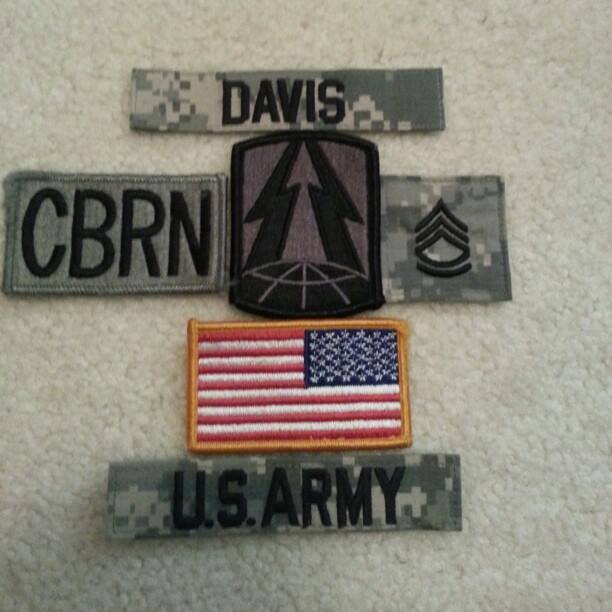

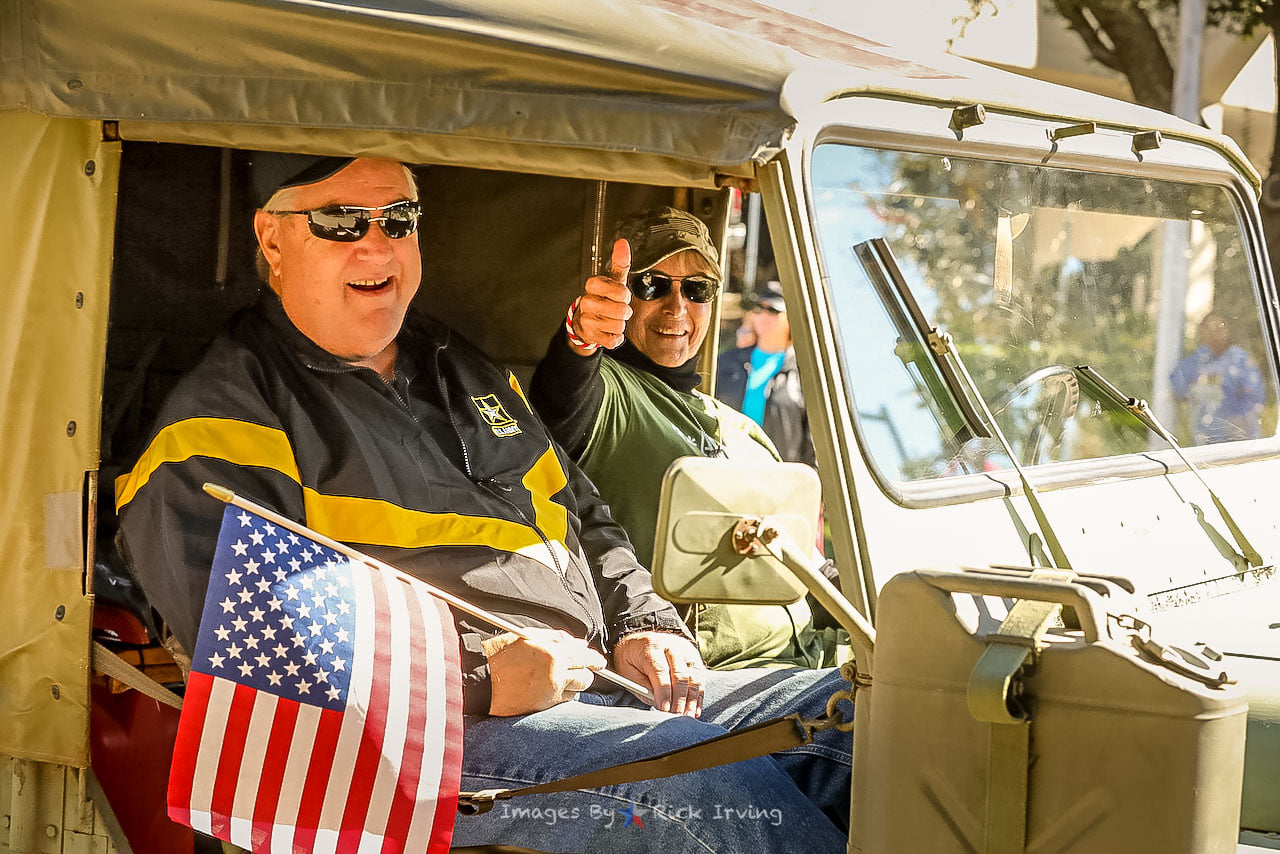

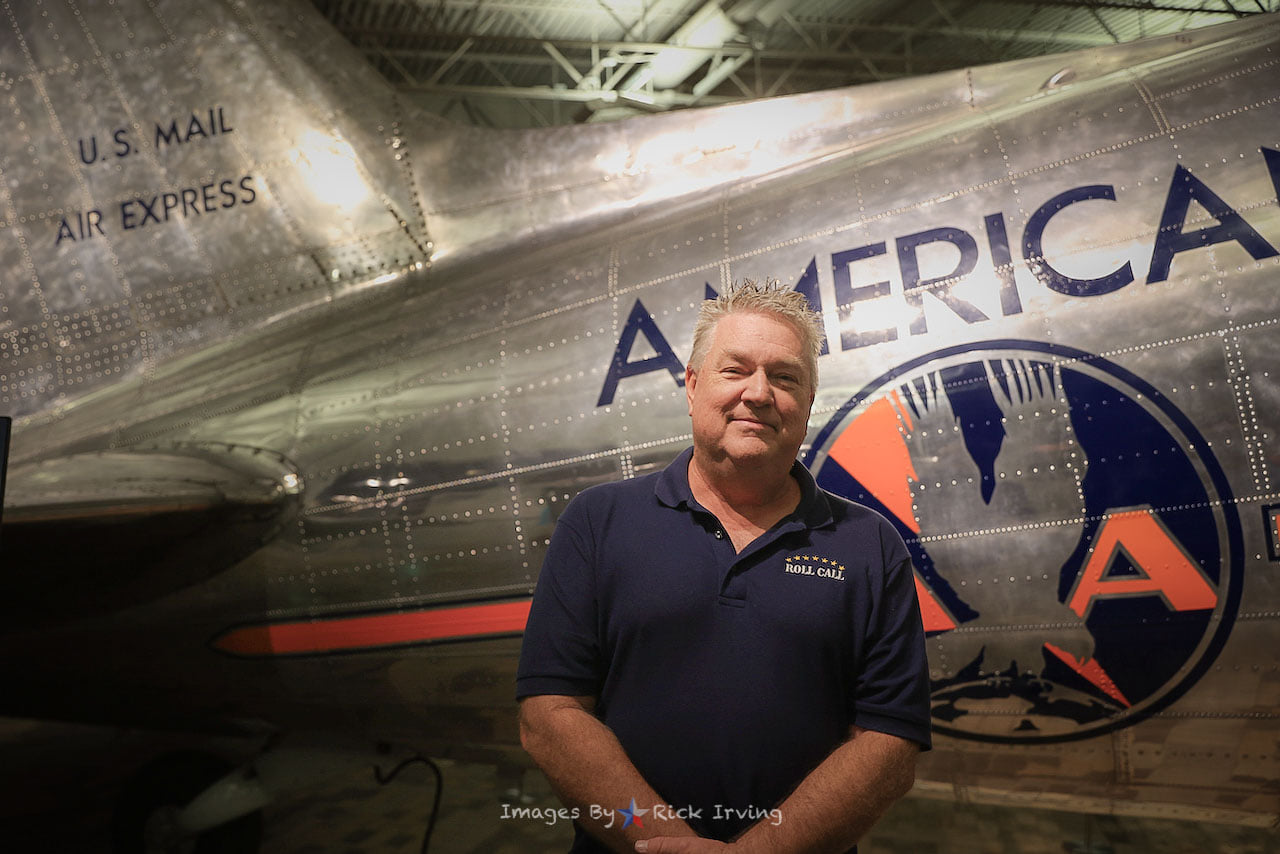
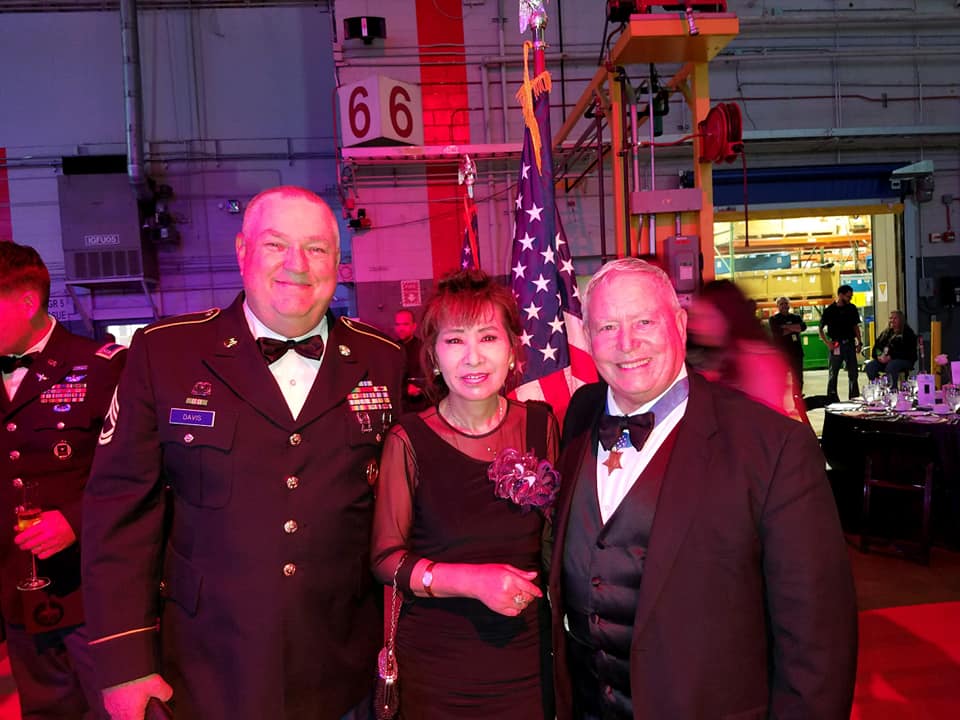


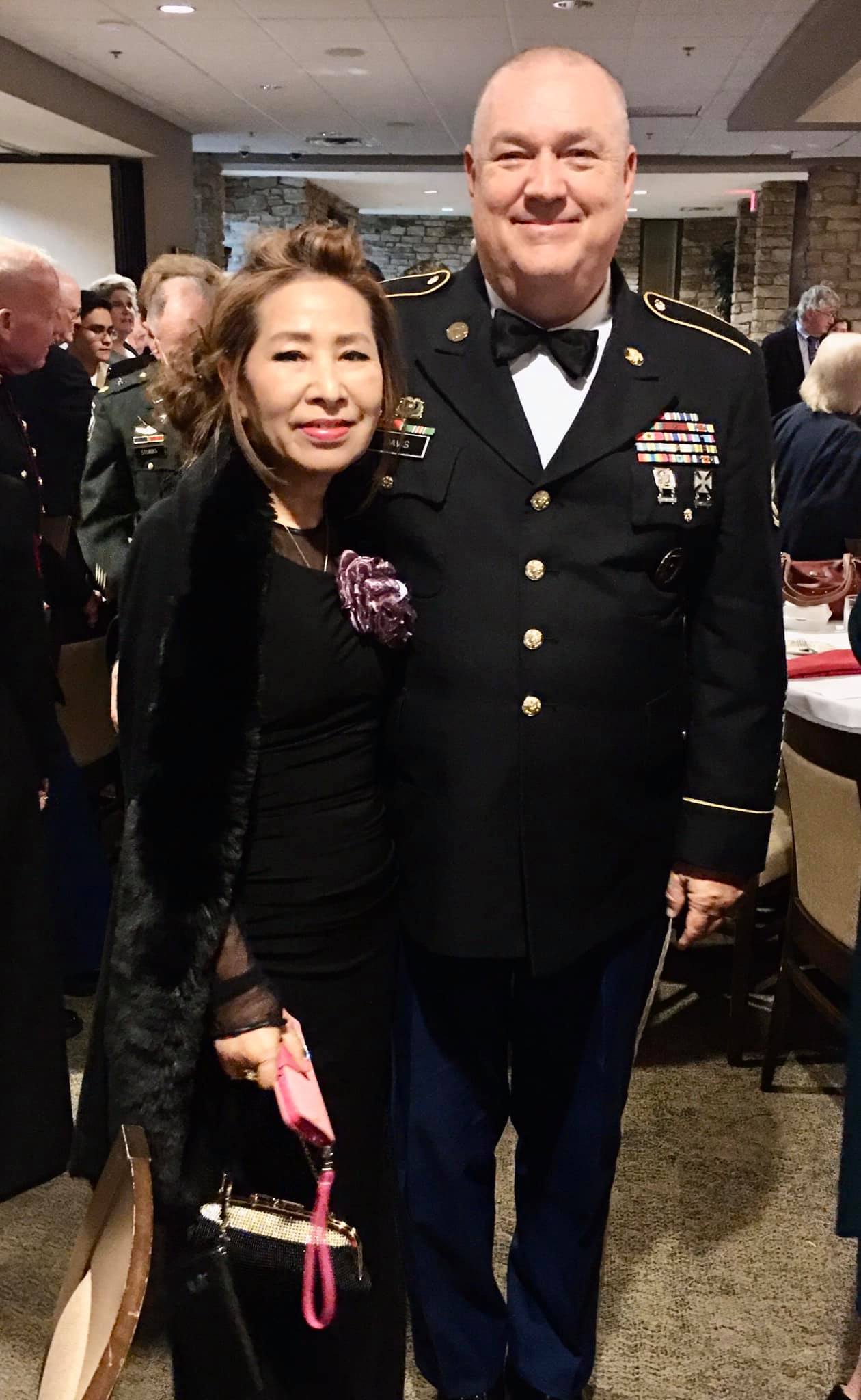
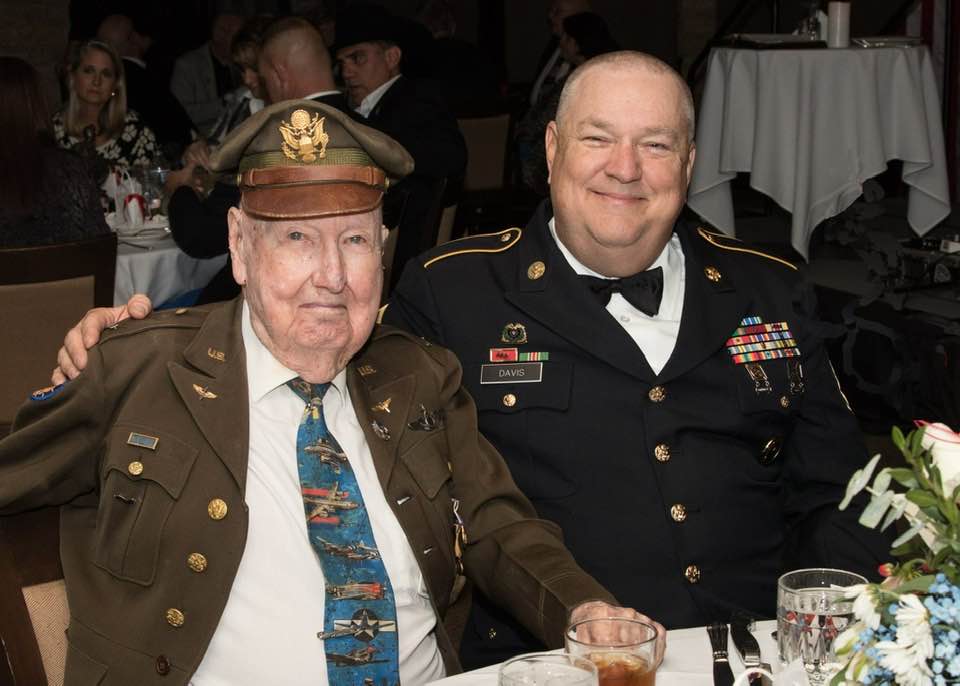
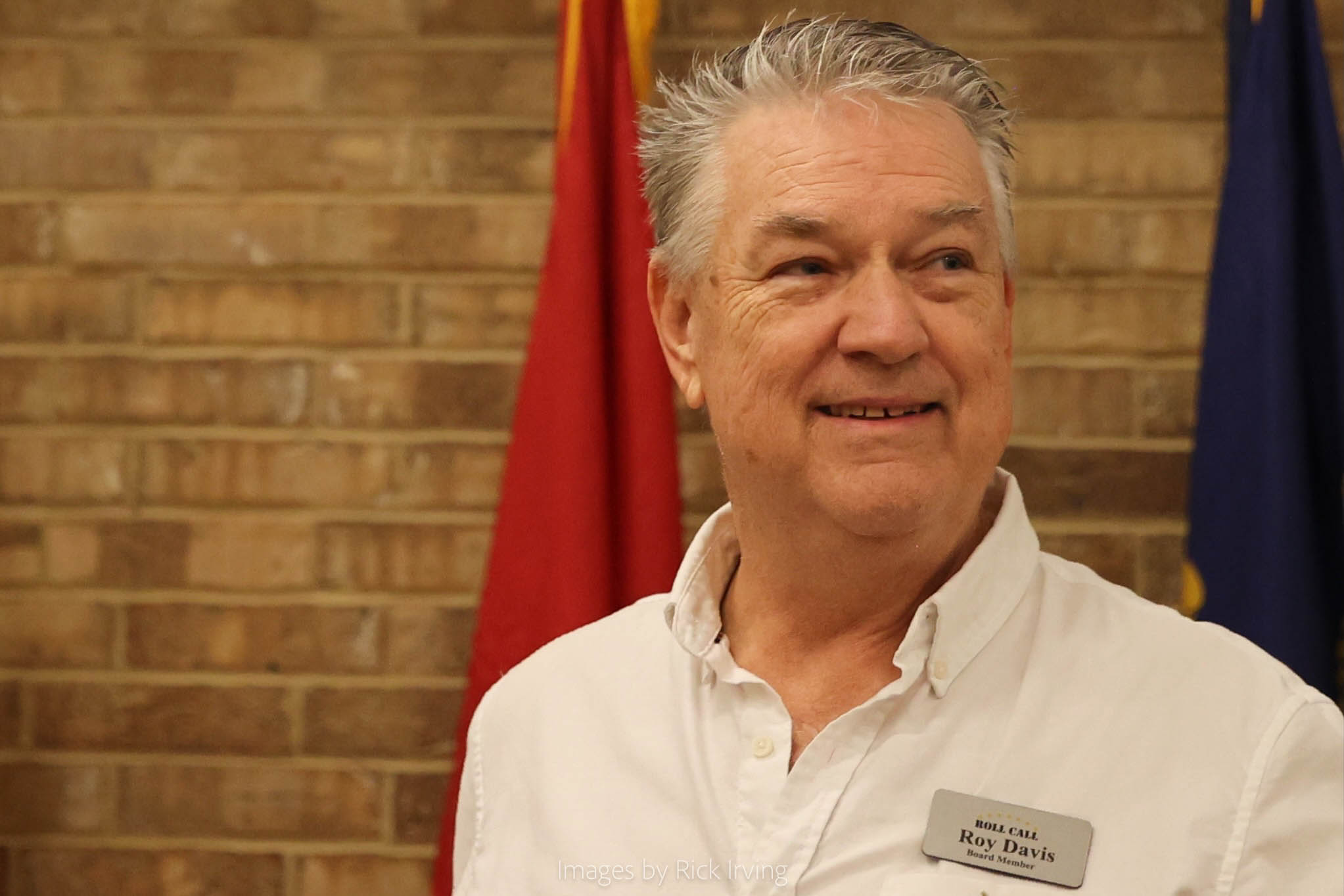

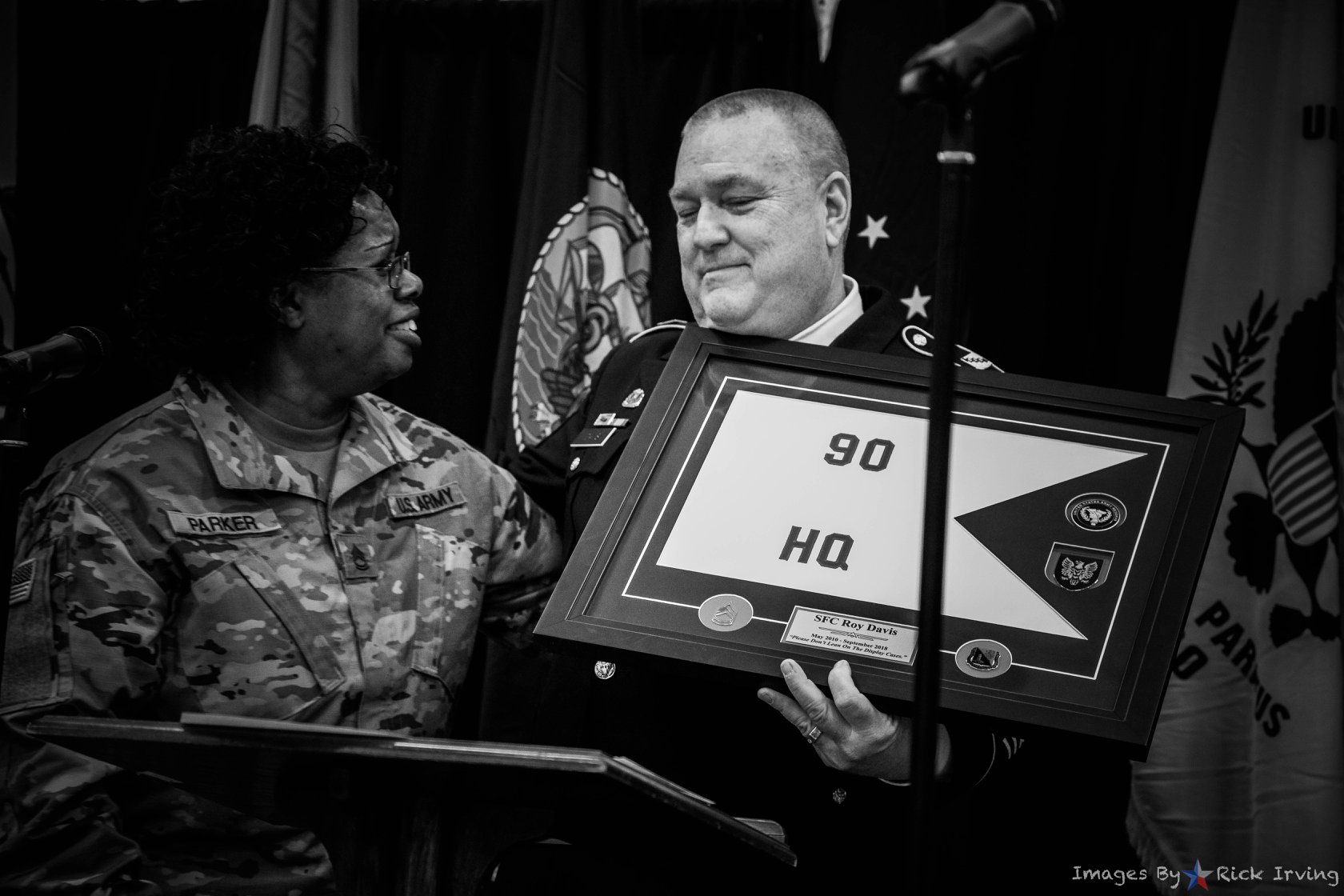

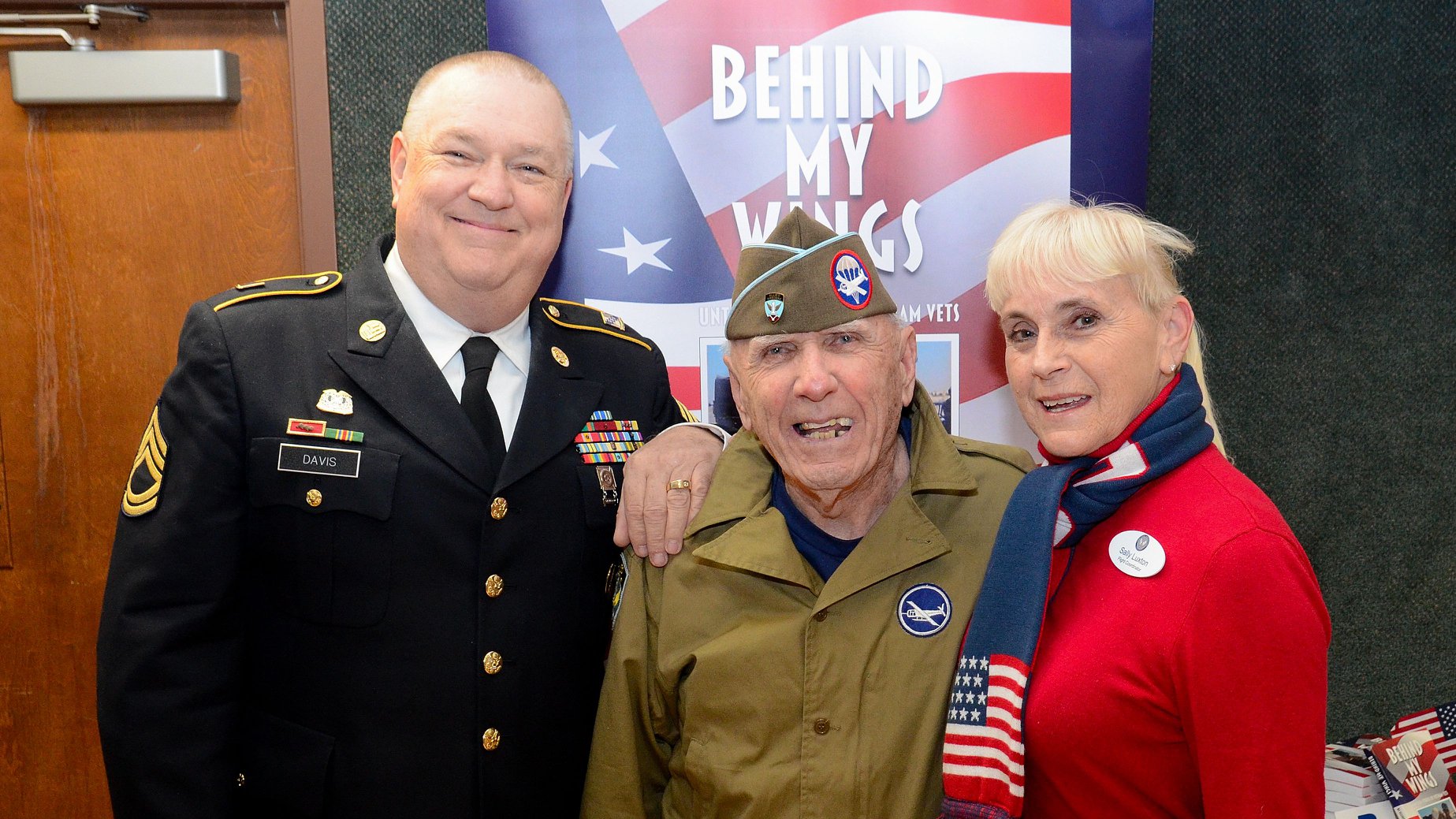
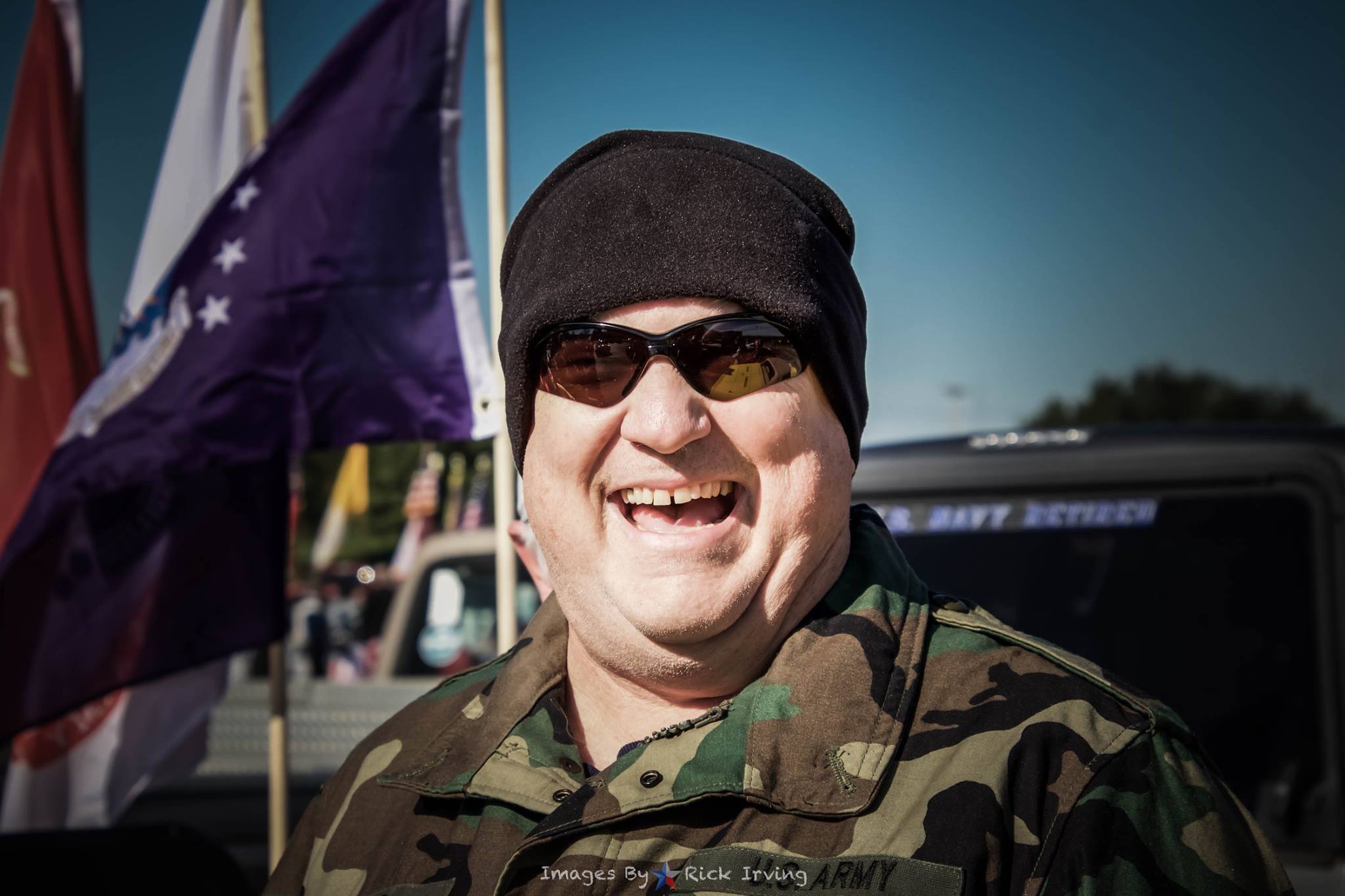
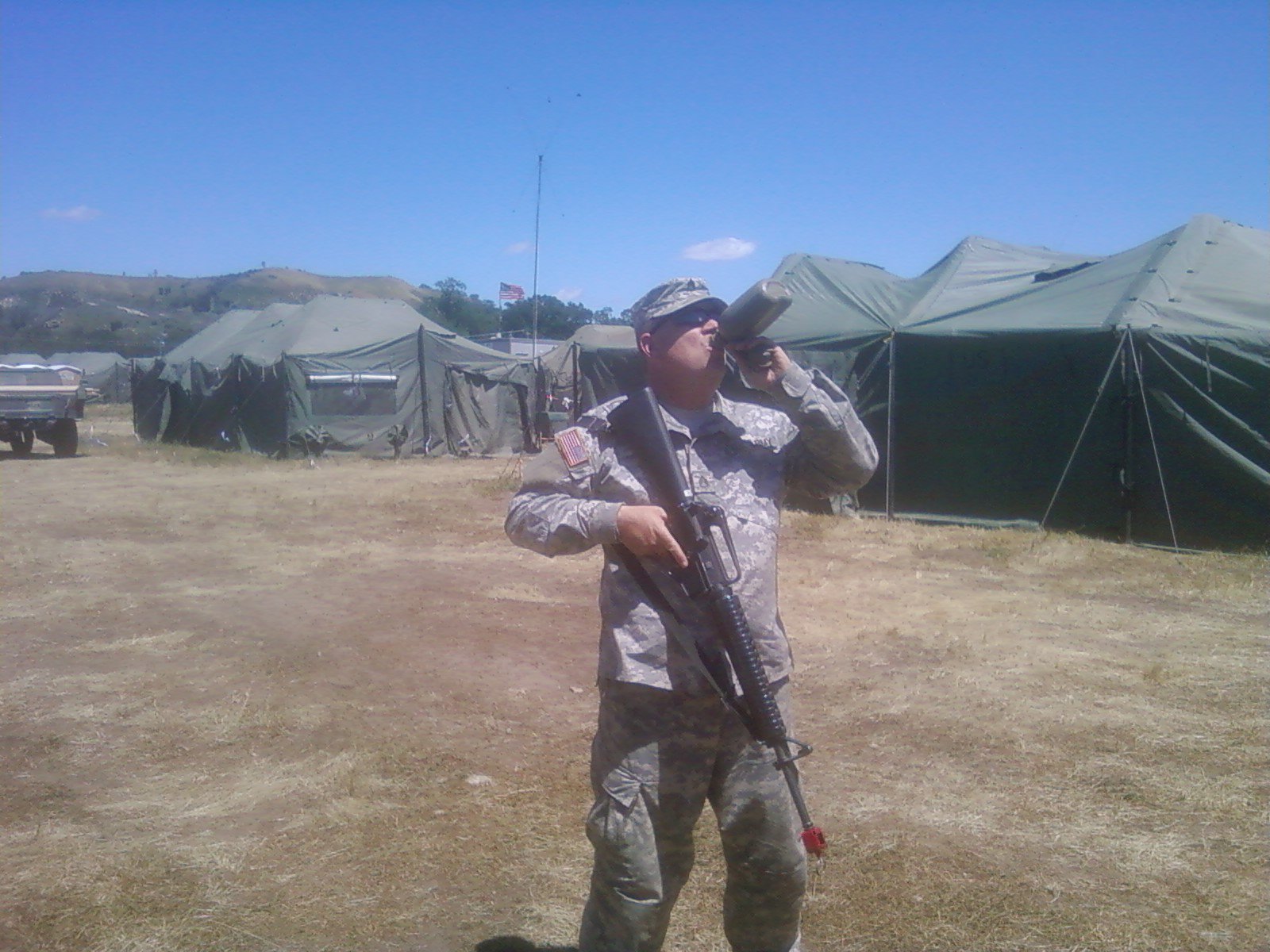
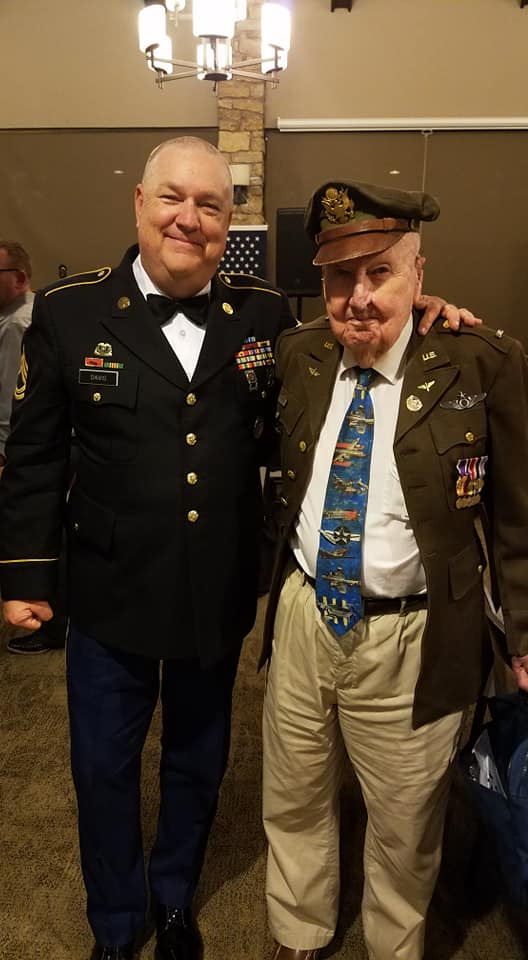
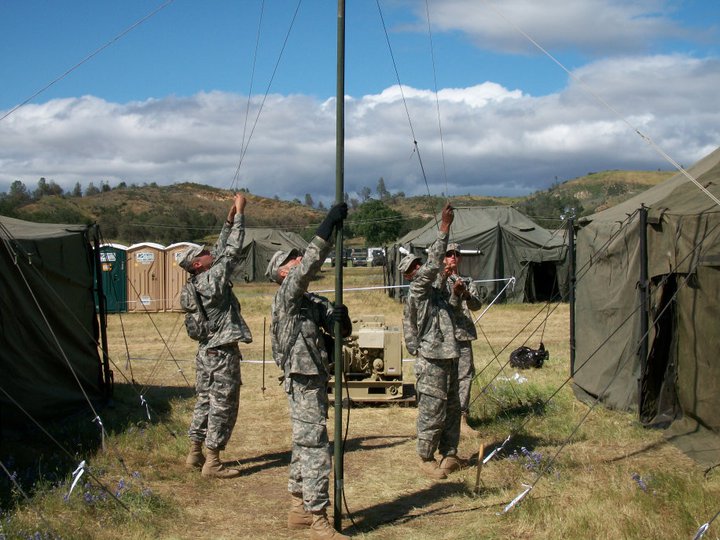
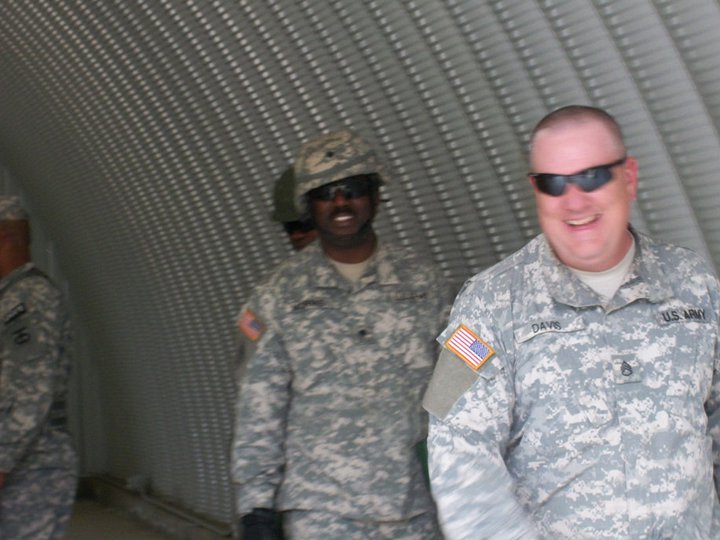
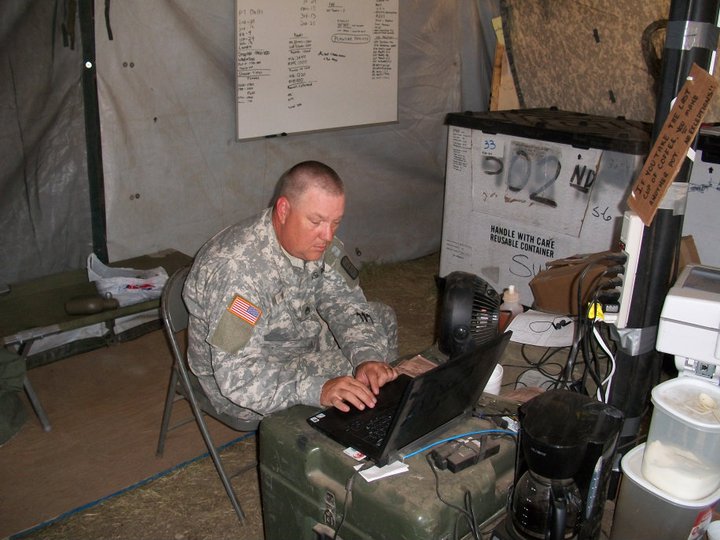
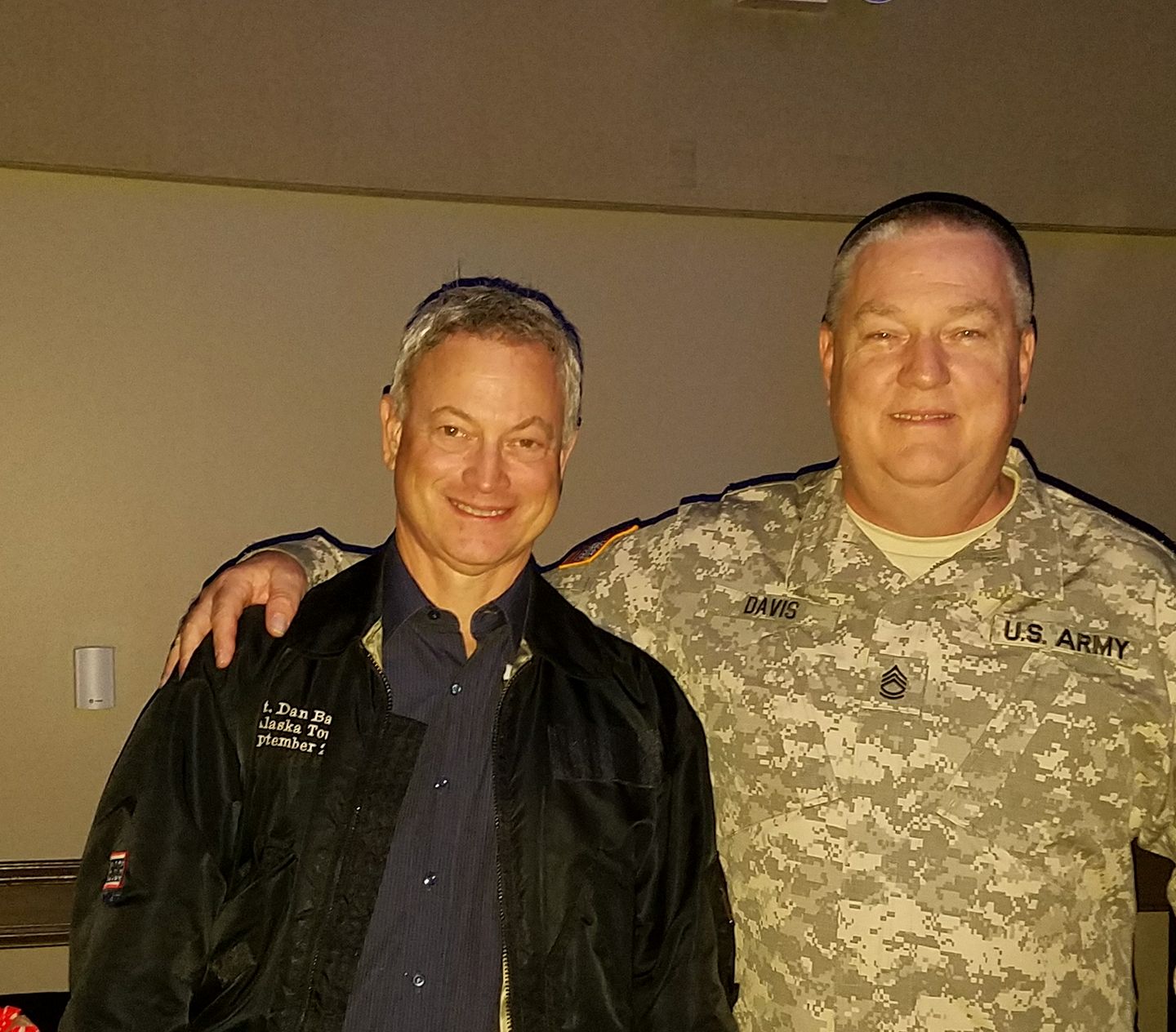
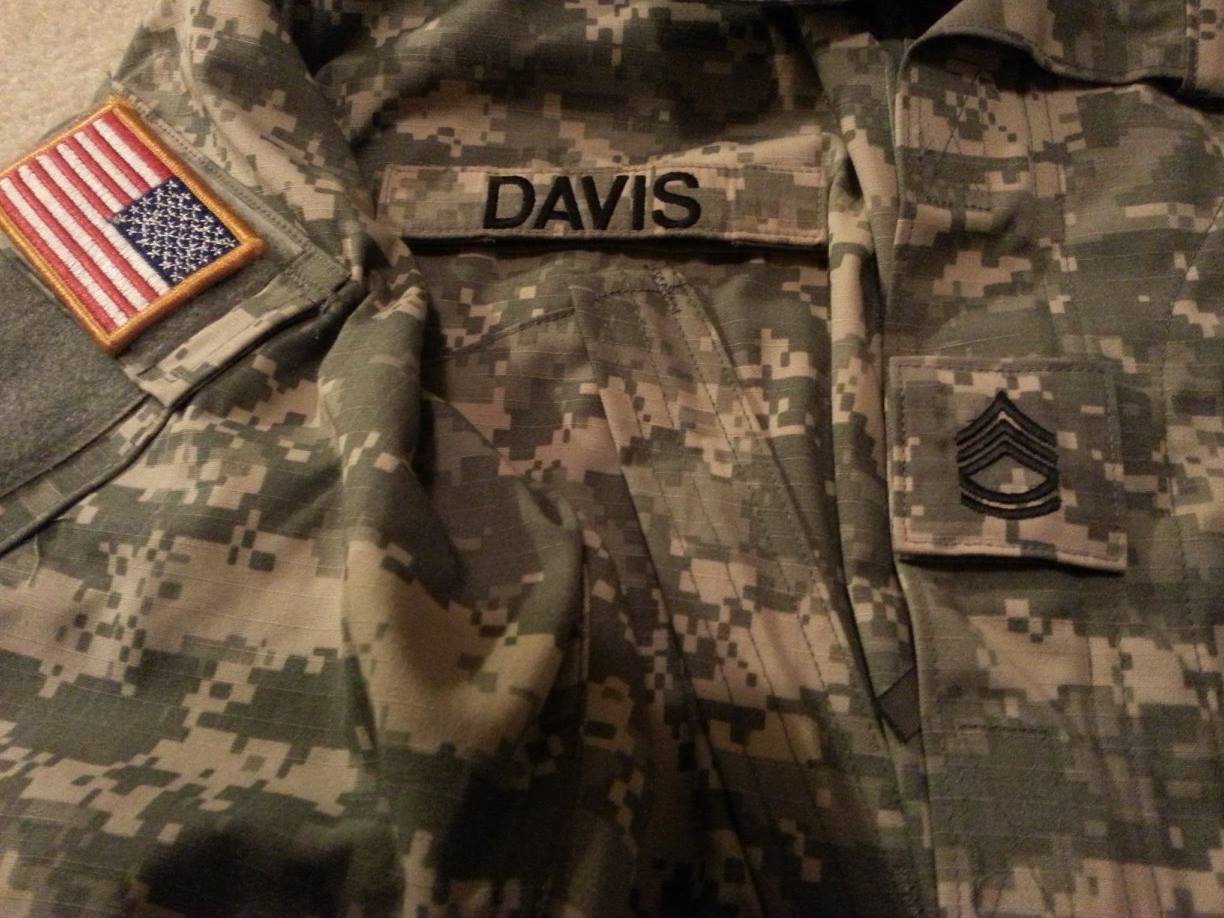
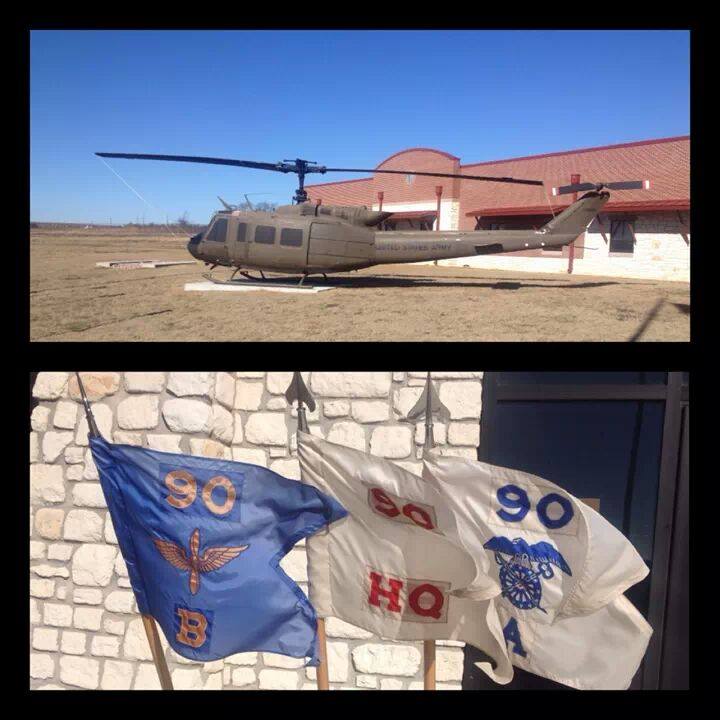
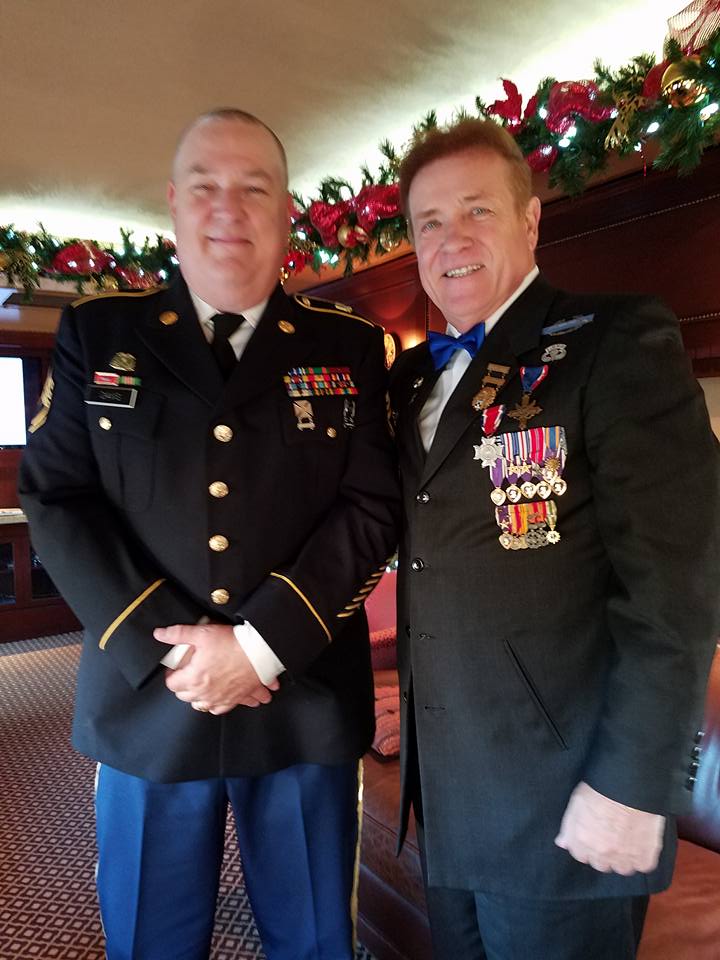
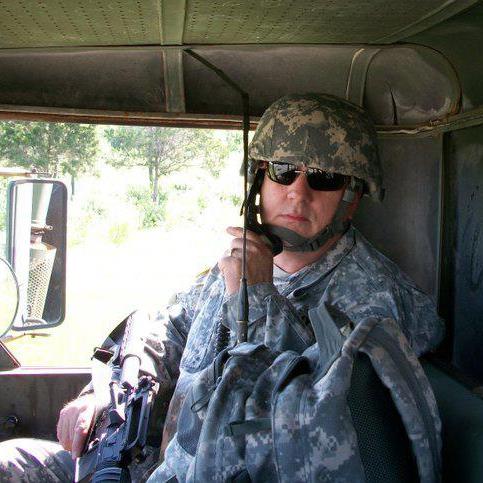
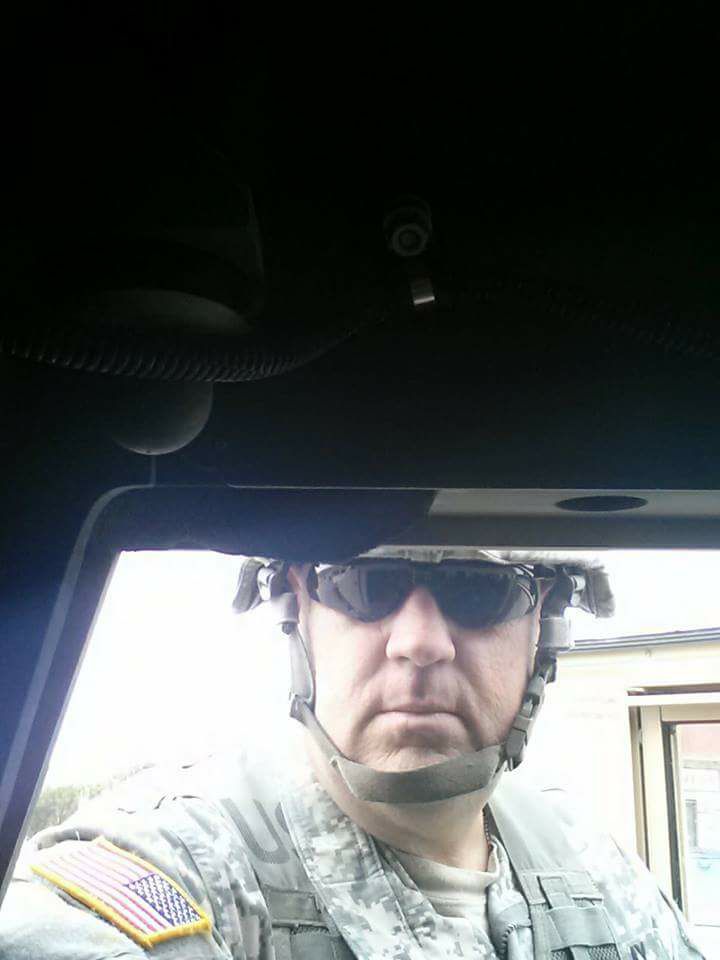
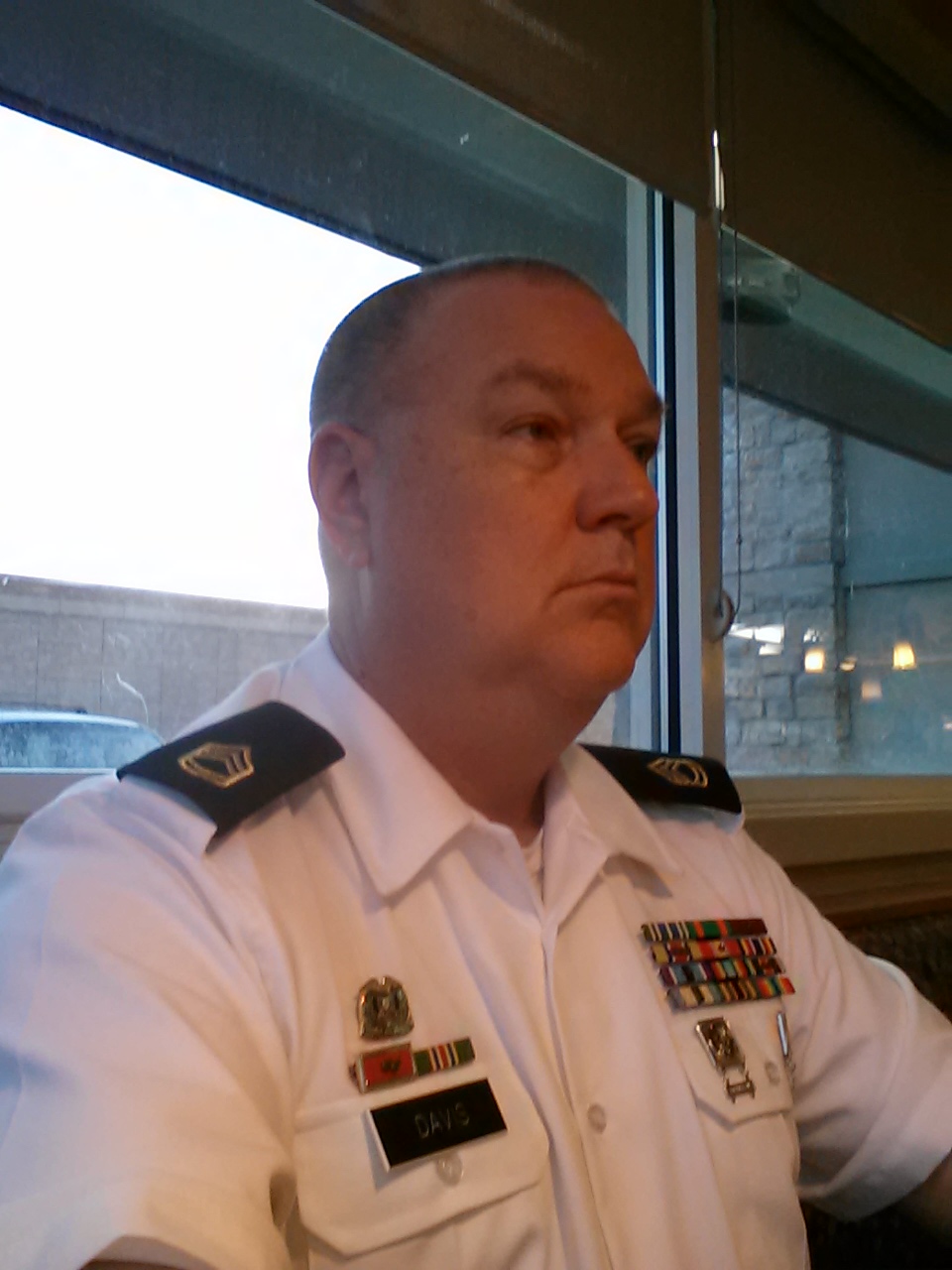

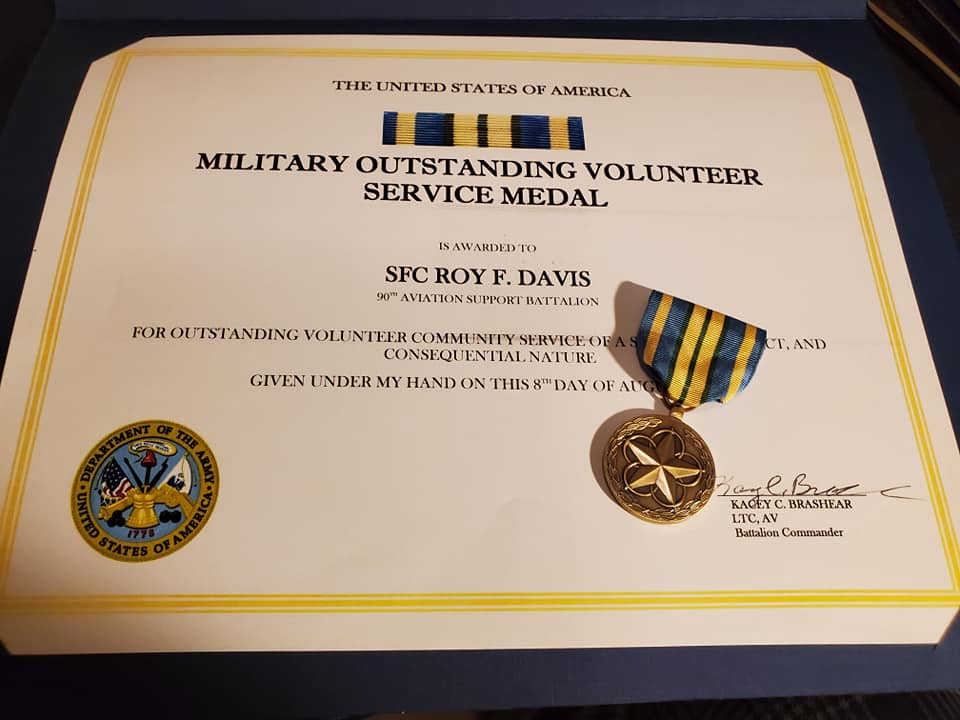
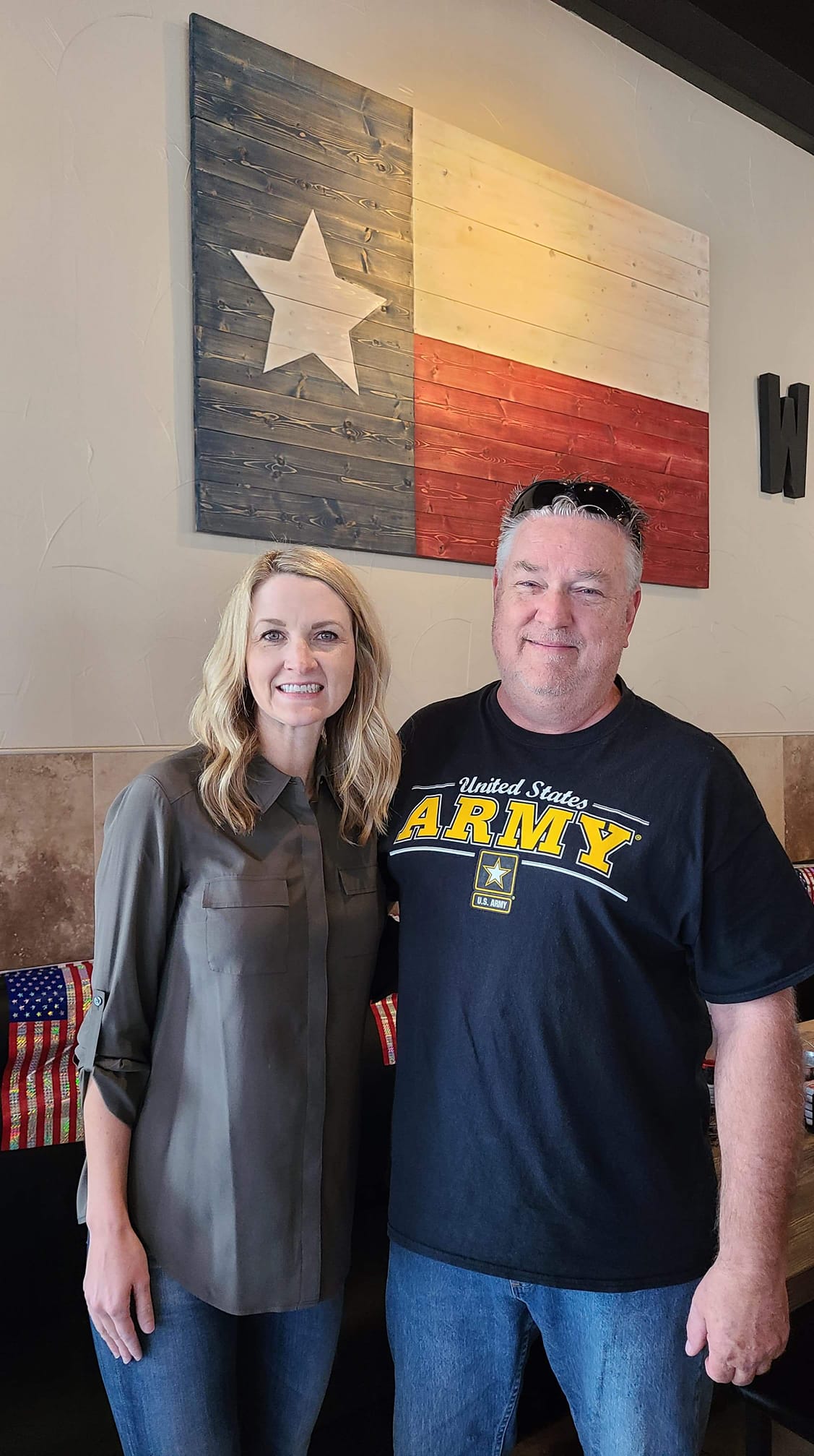
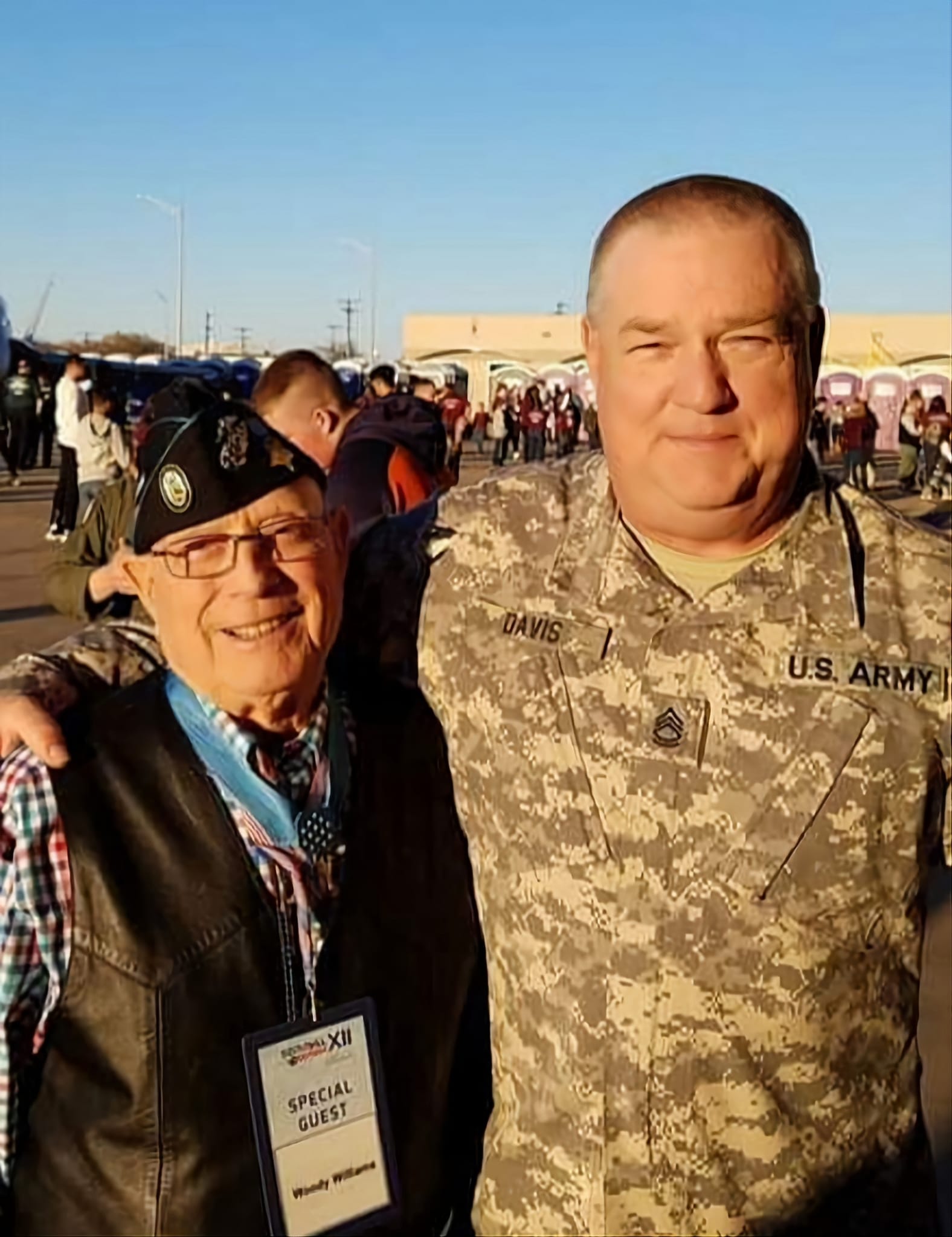

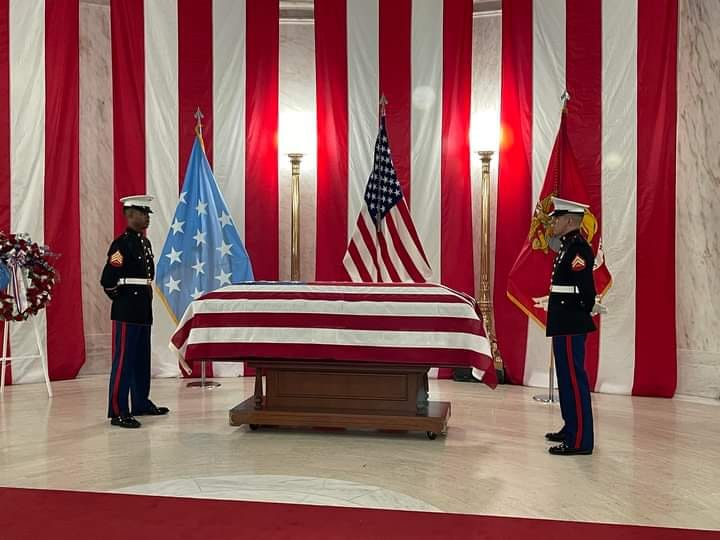
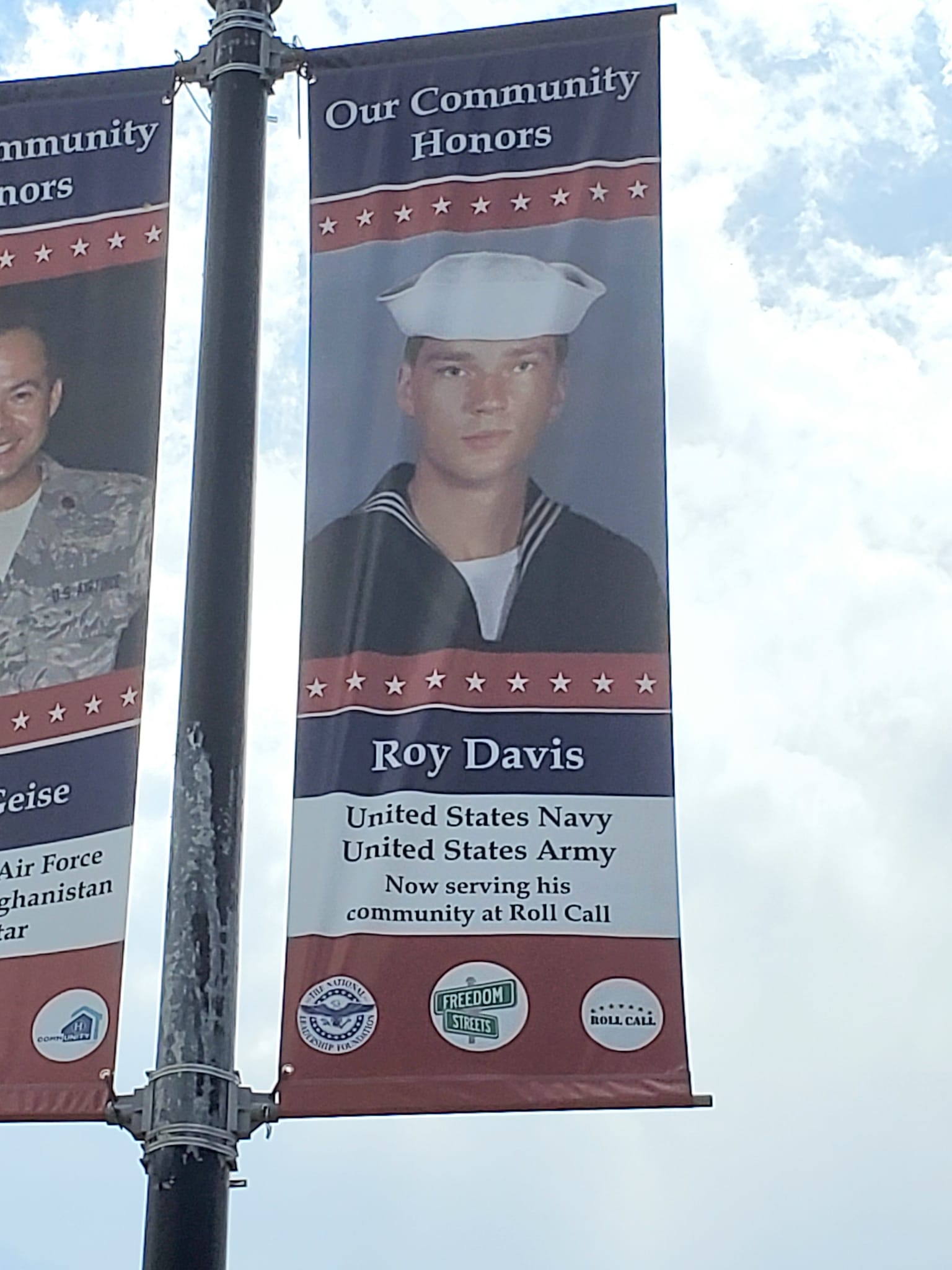
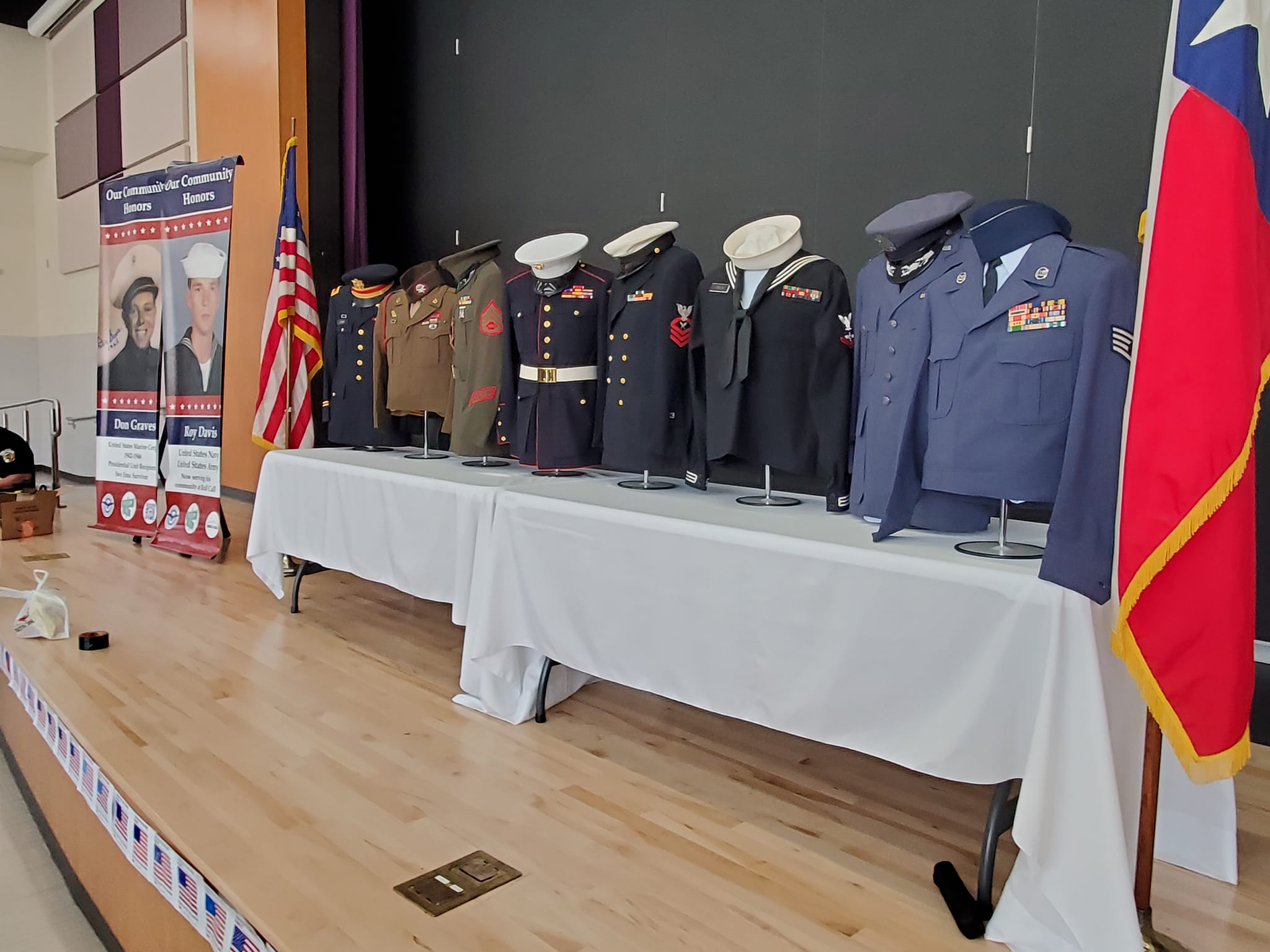

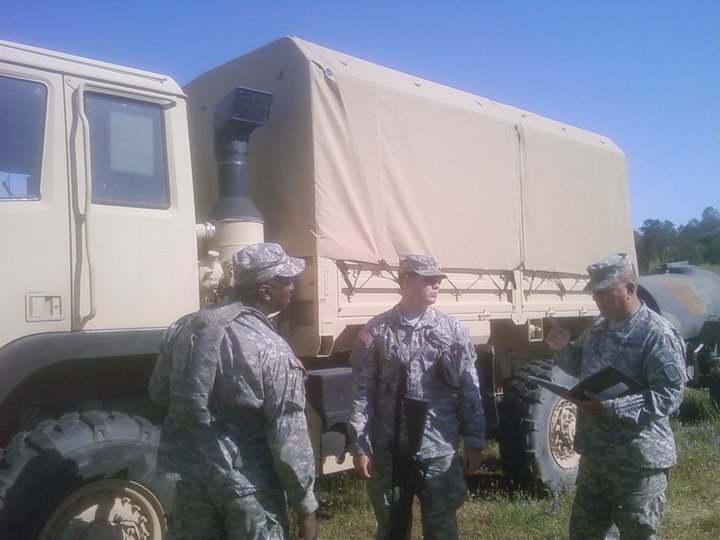
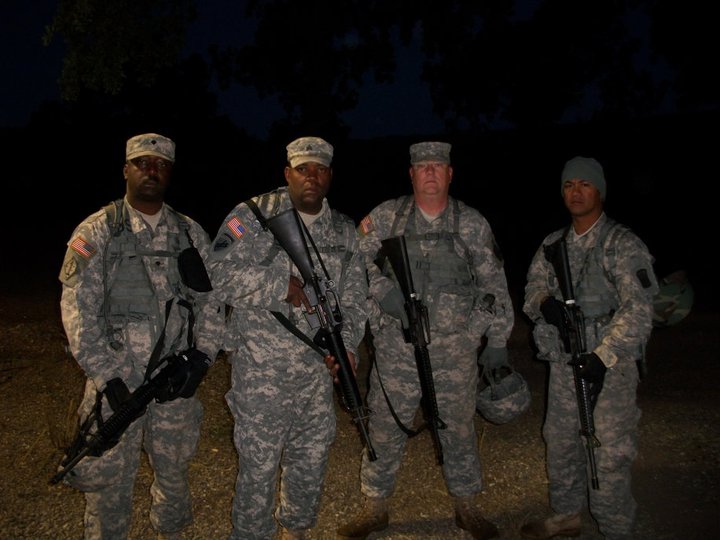
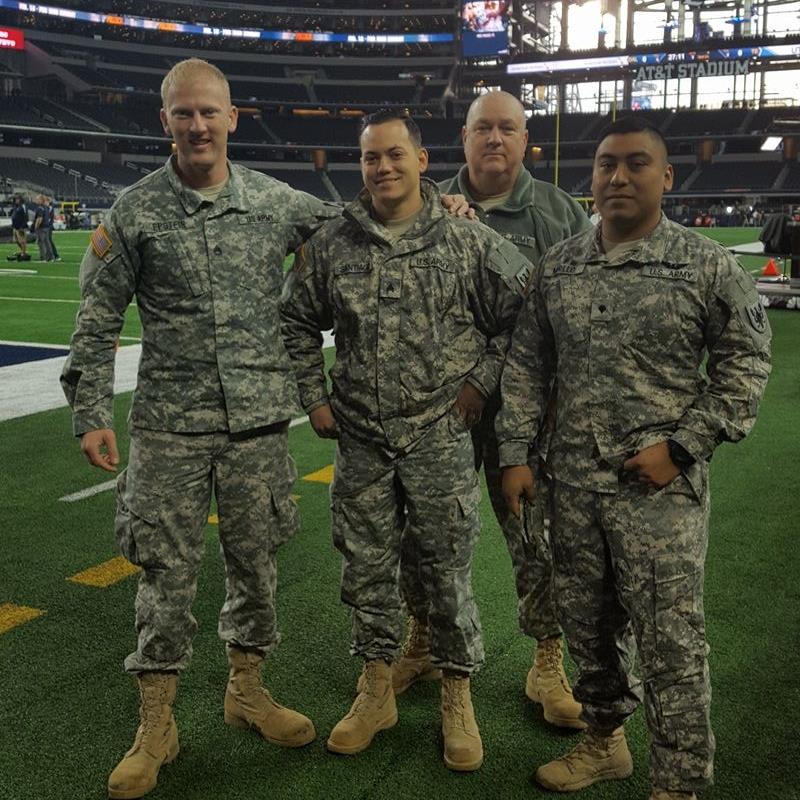
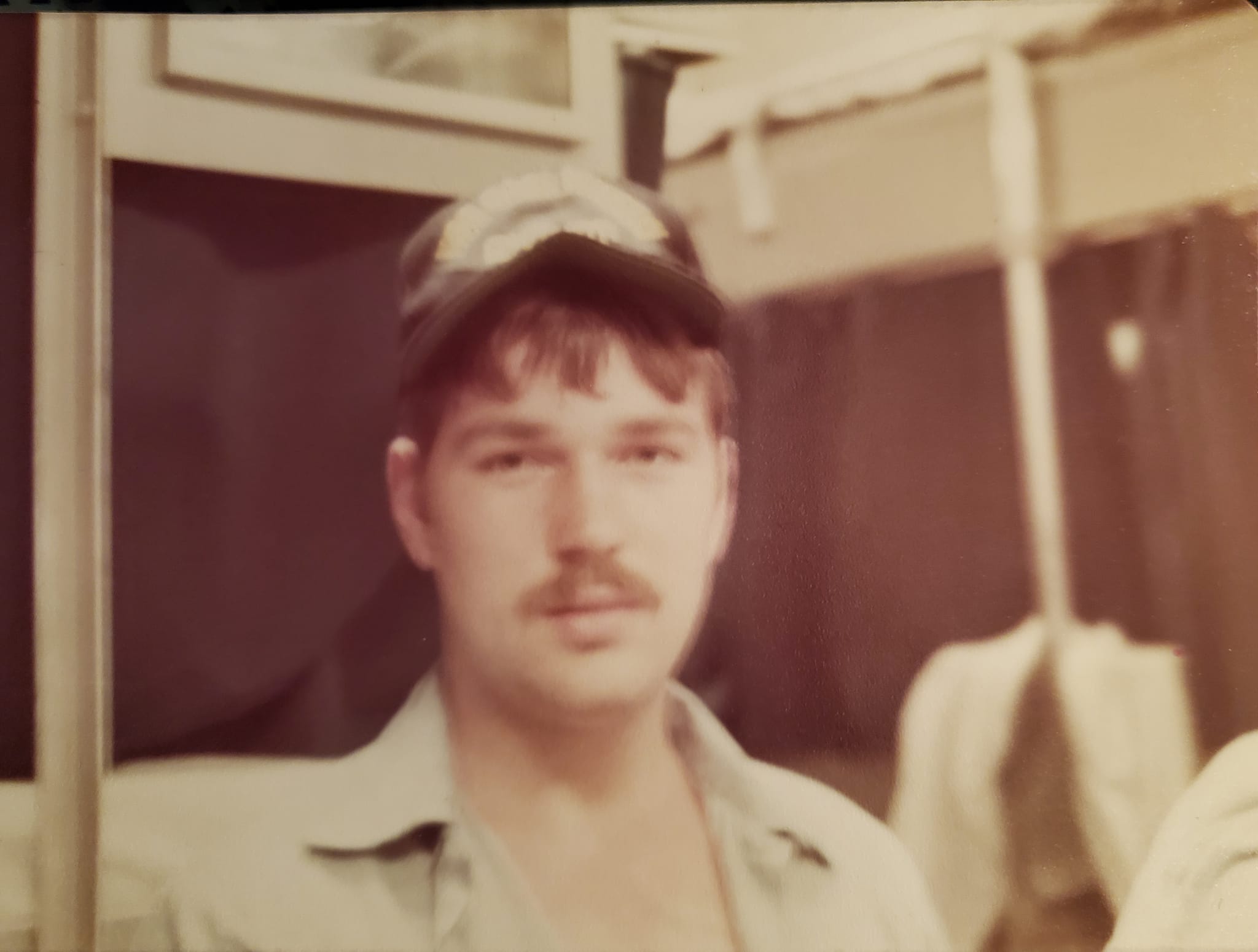

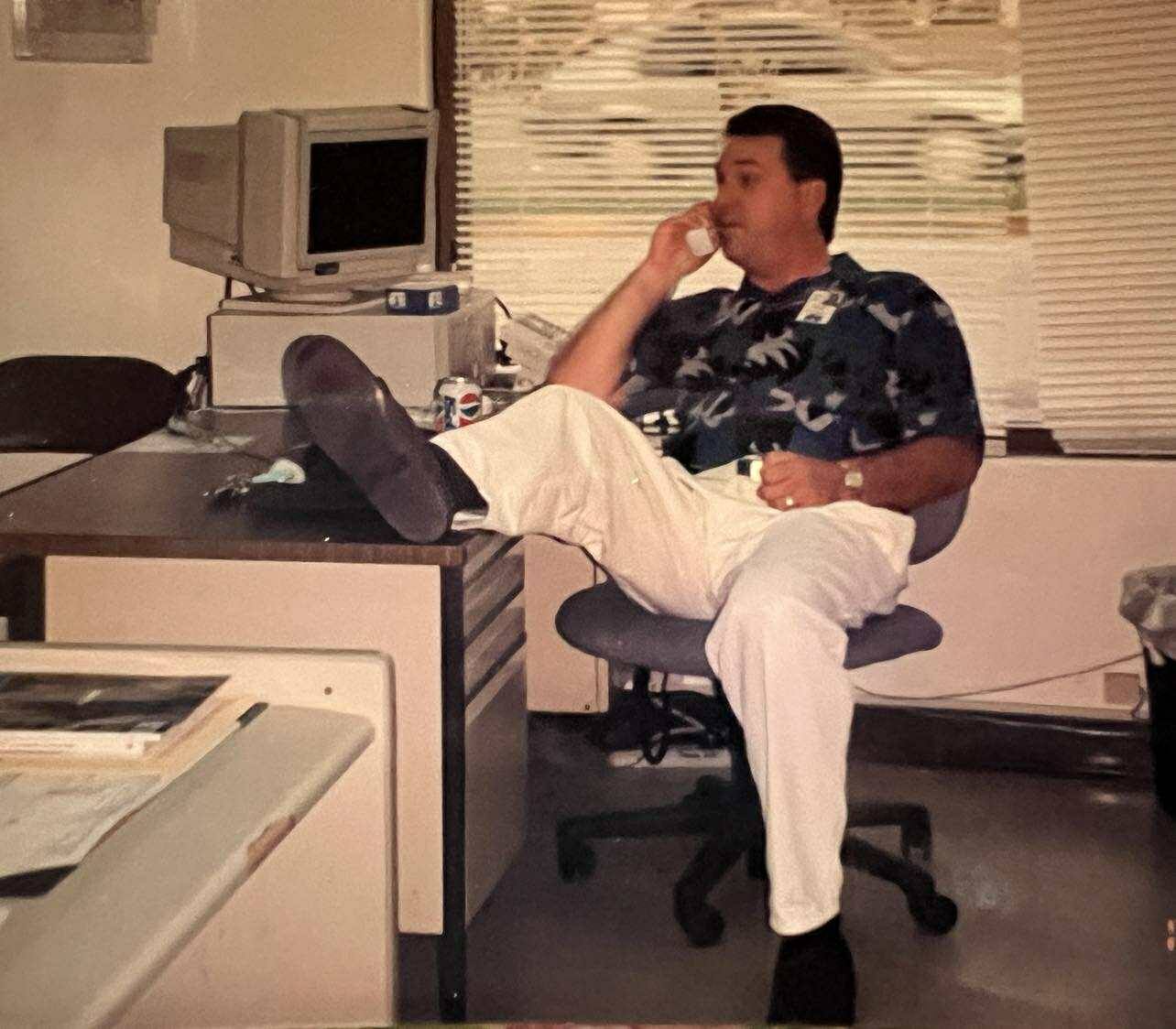

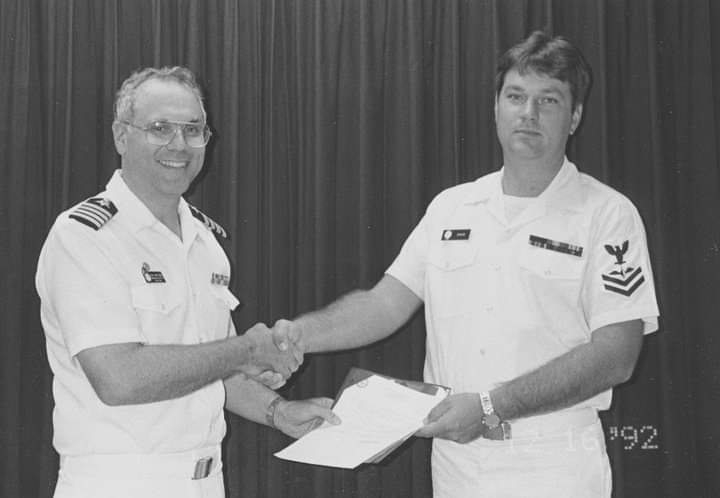

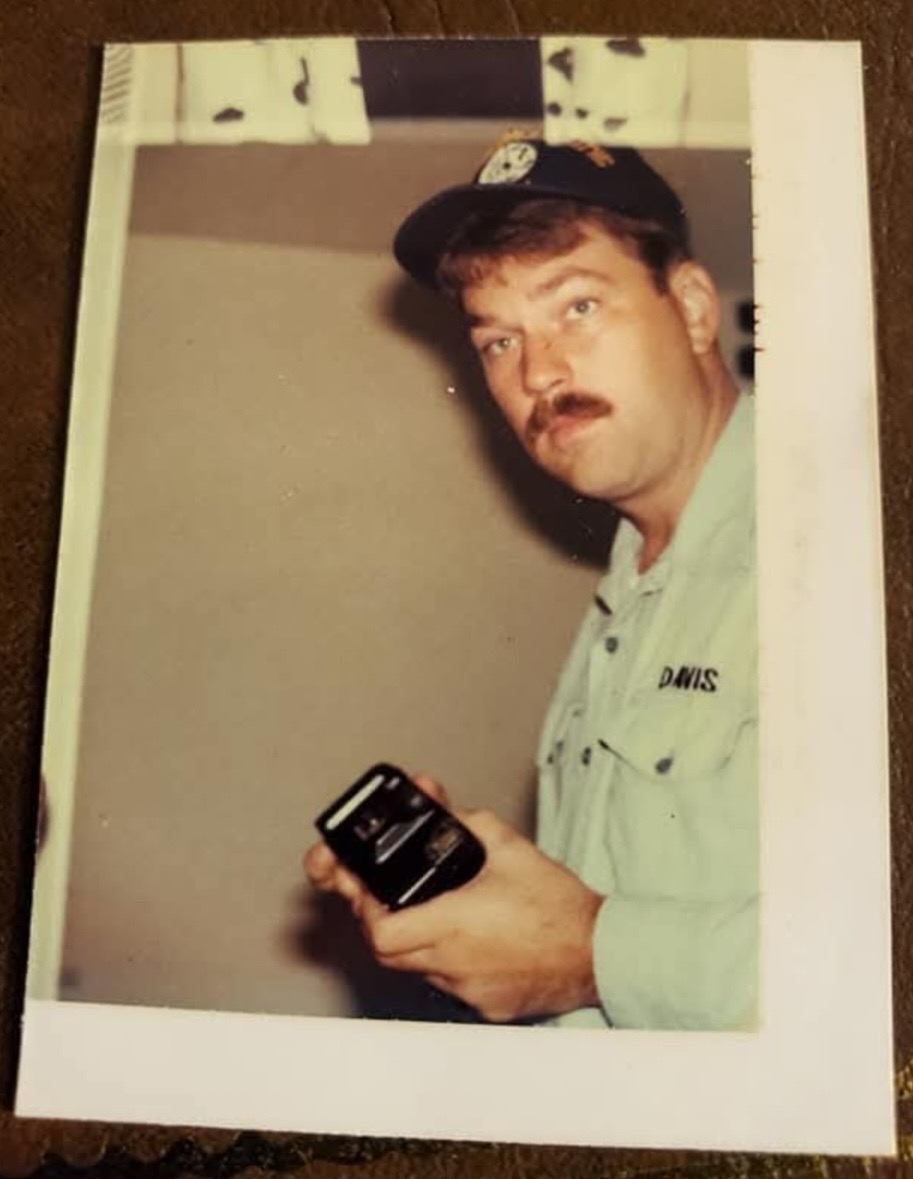
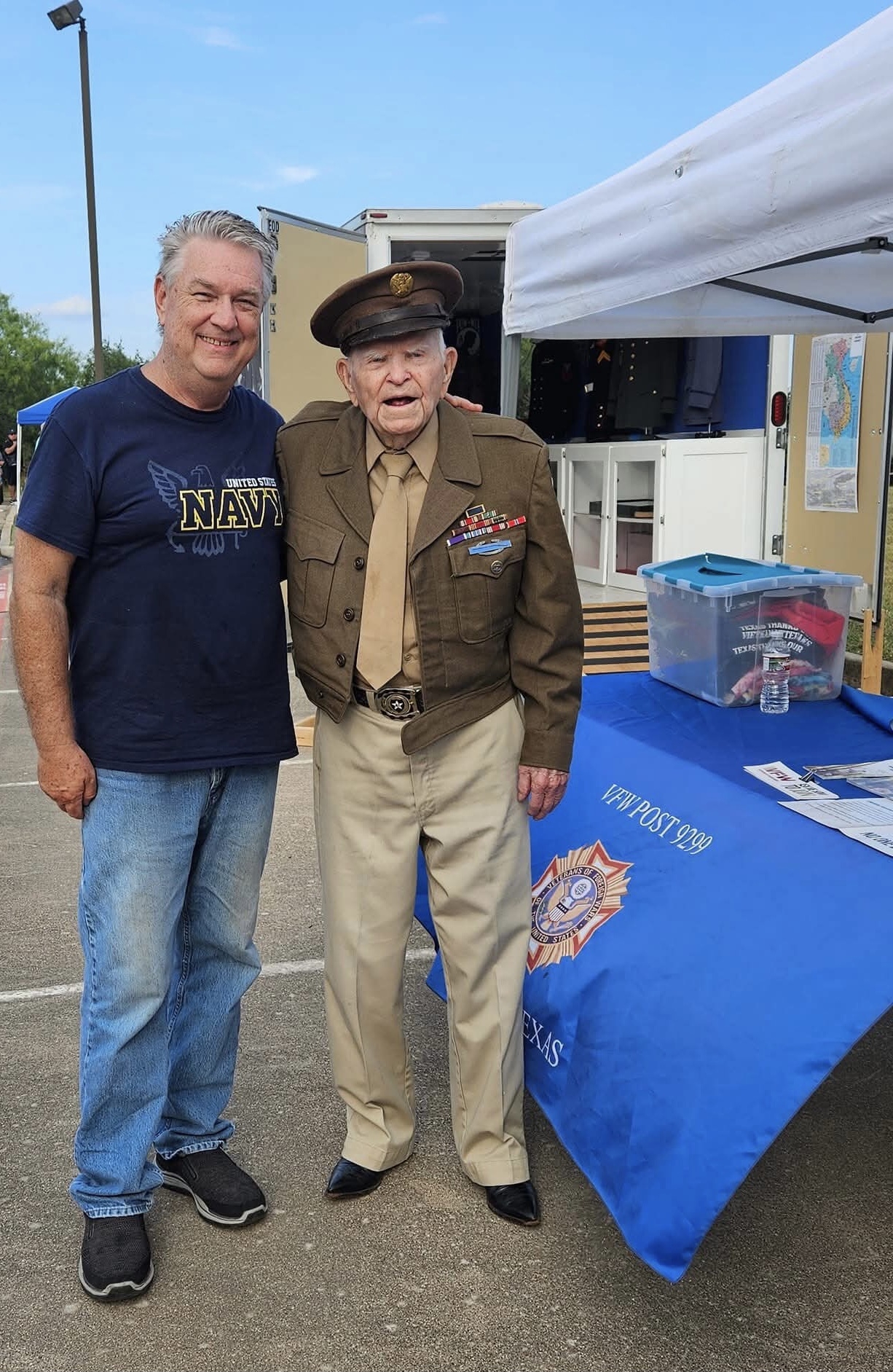
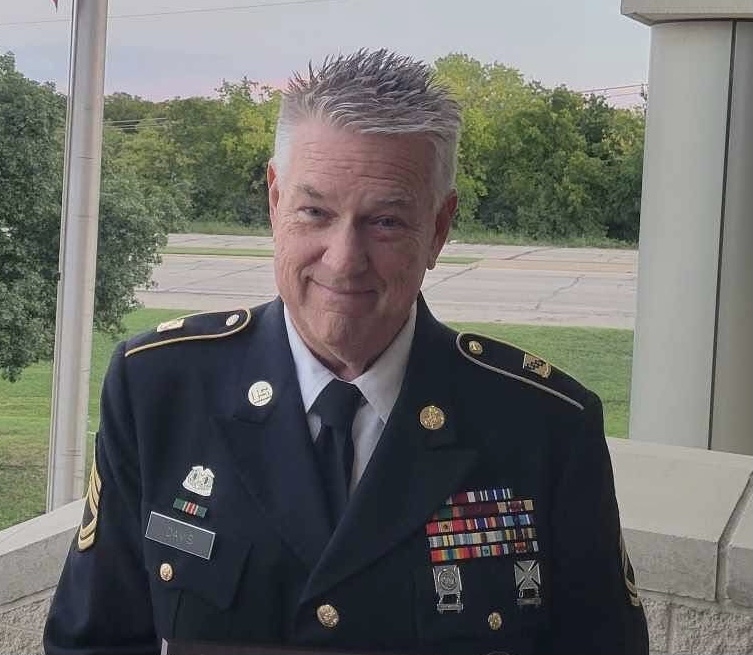
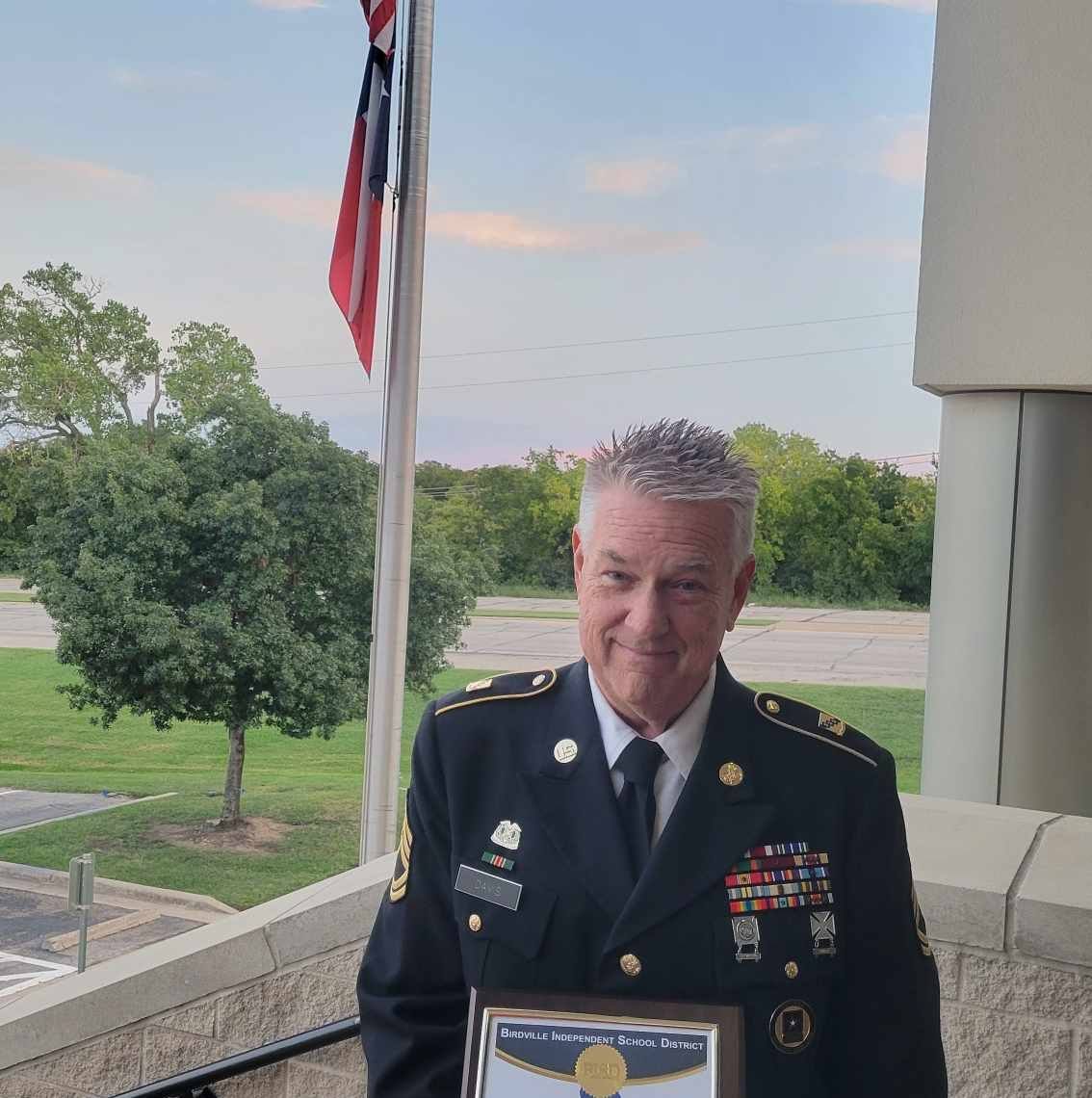
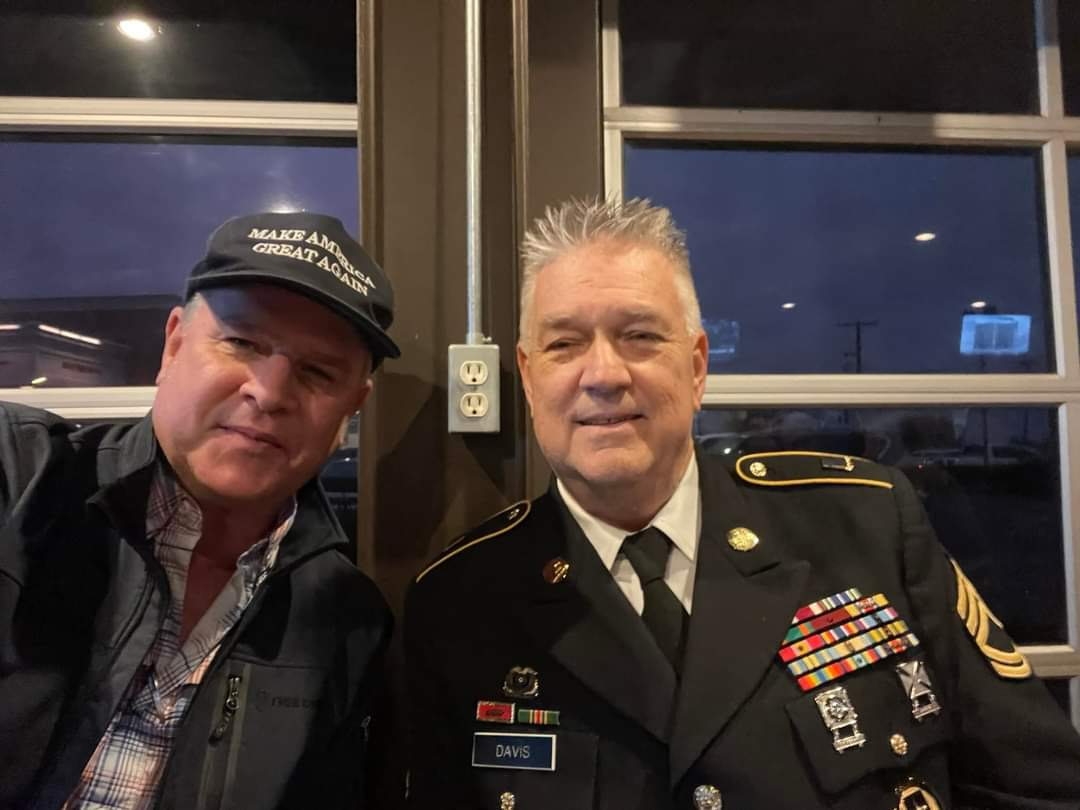
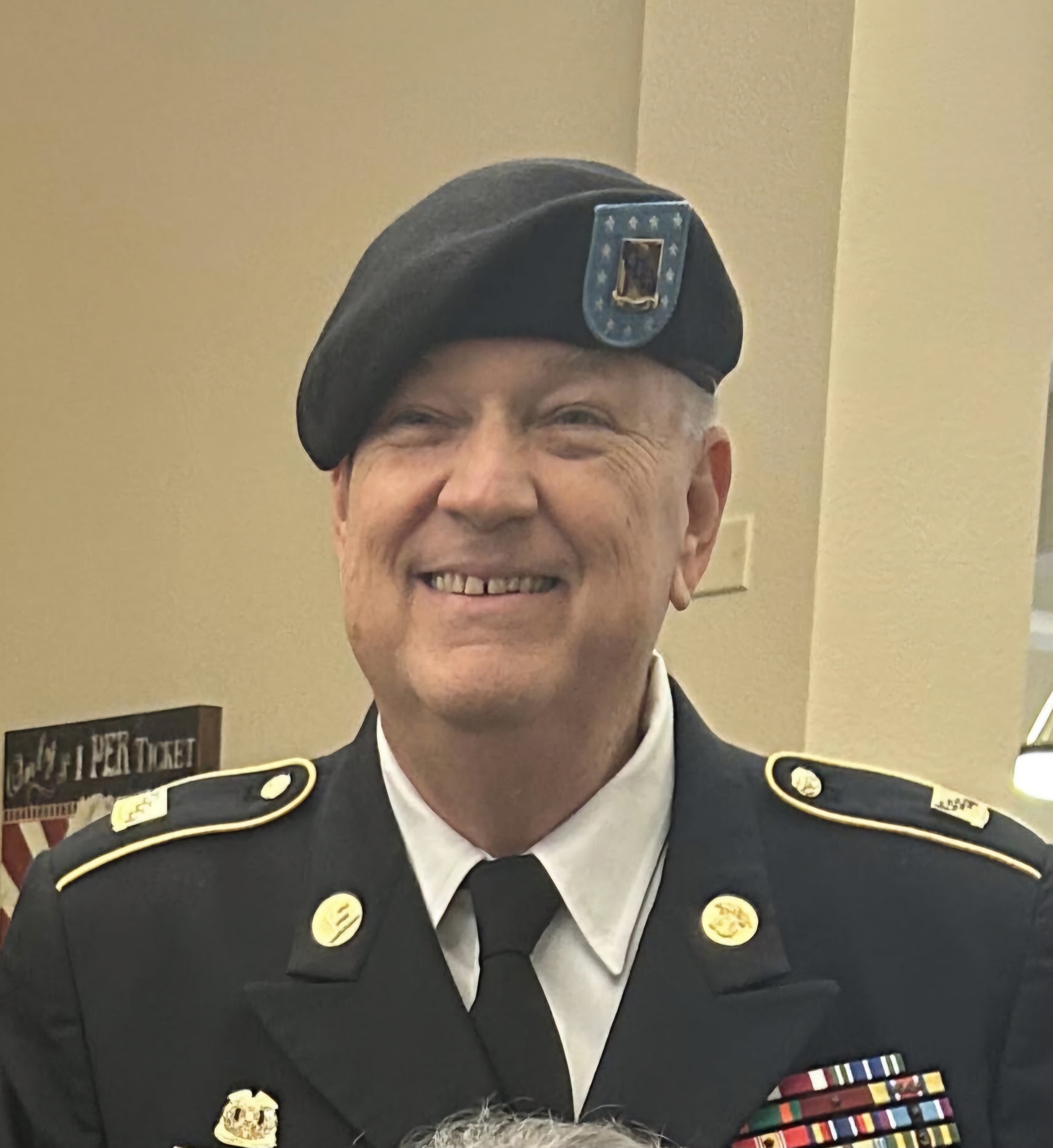
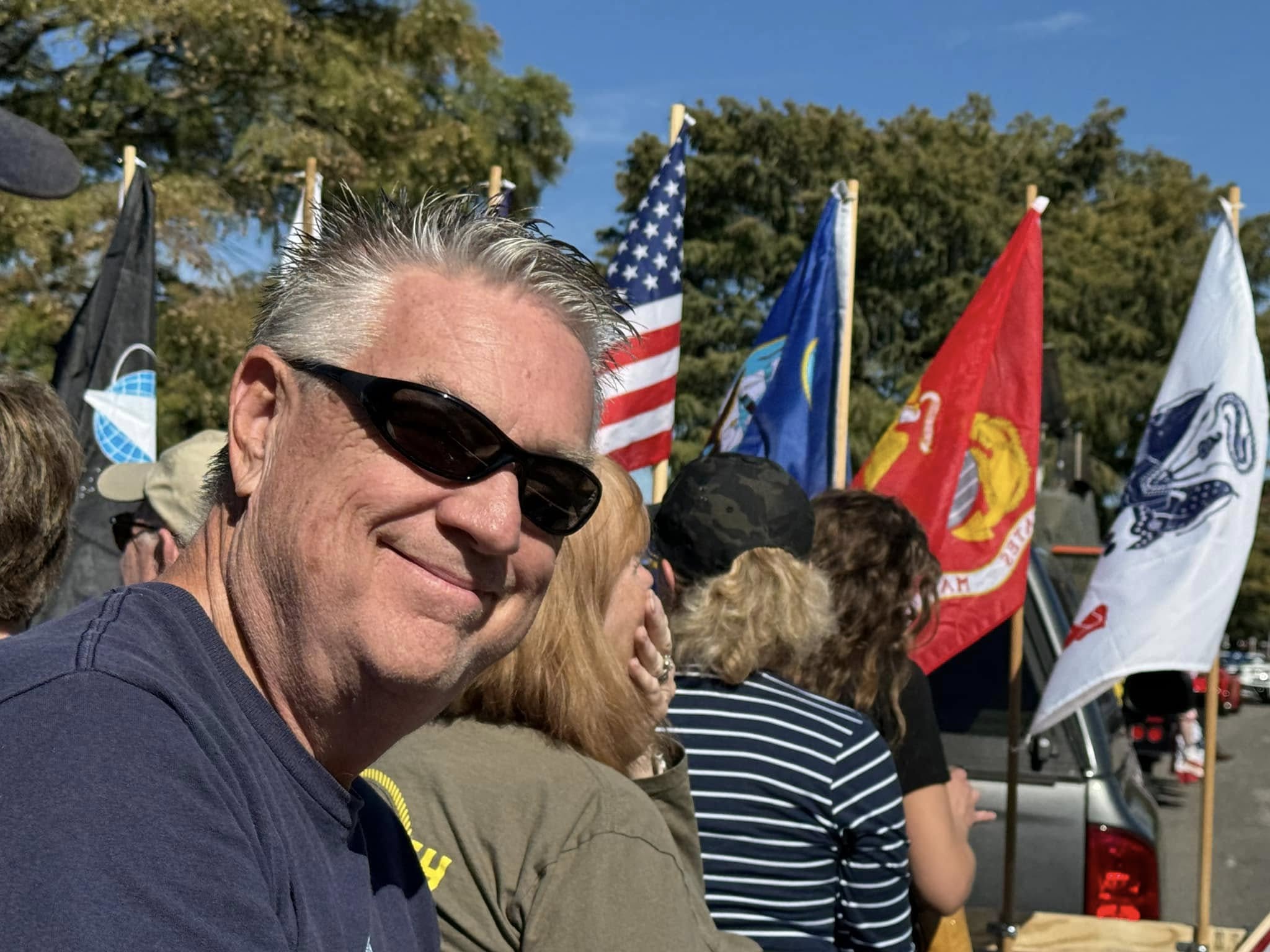
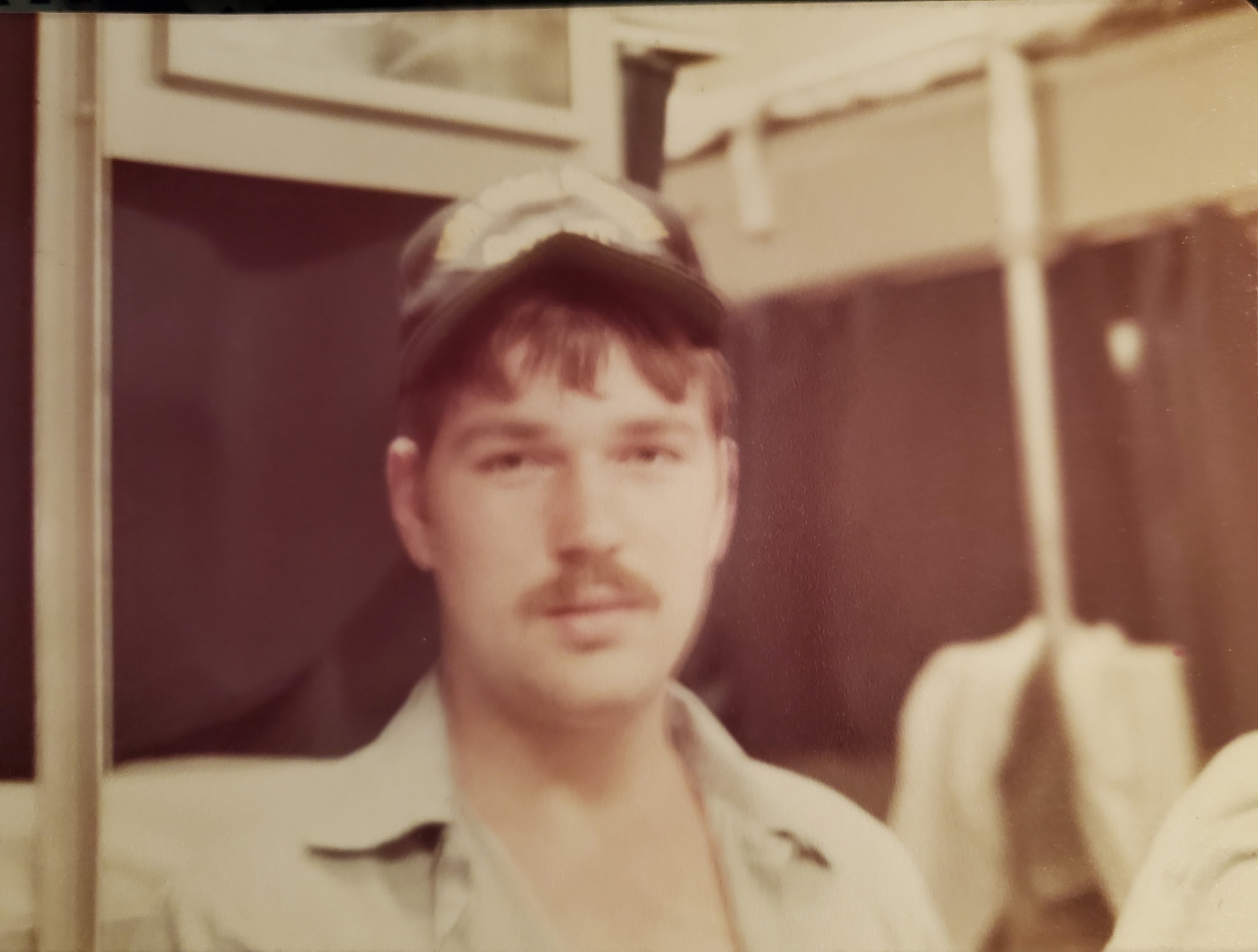
Sergeant First Class U.S. Army (ret) Roy F. Davis was the Platoon Sergeant for the 90th Aviation Support Battalions Headquarters Platoon, White Settlement, Texas.
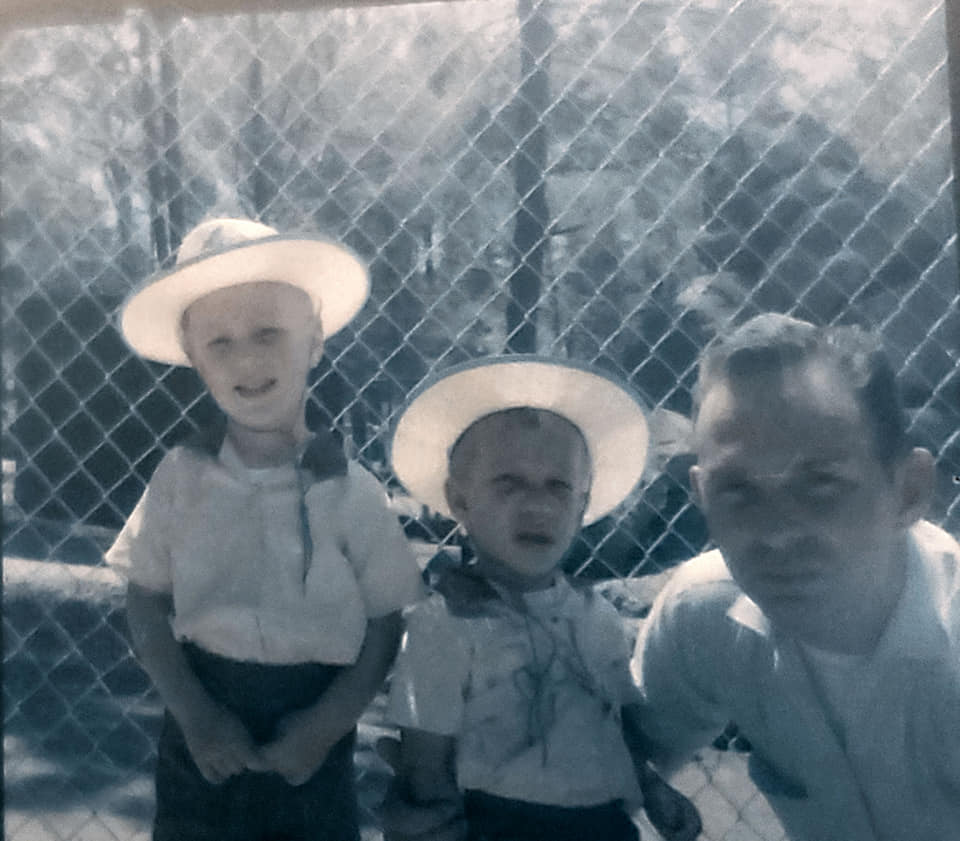
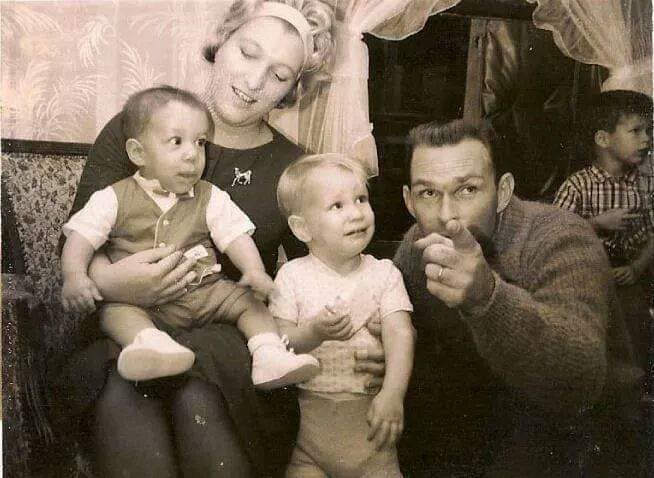
Davis was born in Portland, Maine. Roy loved collecting stamps, coins, and old bottles he dug up in historic trash sites. He starting collecting stamps at an early age but admitted the girls in High School didn’t date stamp collectors. He was a historian at heart and enjoyed walking through old cemeteries reading the tombstones of veterans from the Spanish American War, World War l, and World War ll.
He loved riding his bicycle to the Portland Light House and Old Fort Williams. There were a number of old forts and stone batteries on the islands in the harbor and Roy used to sail out to them and search the tunnels and tumbled walls. He also enjoyed fishing with friends at the Maine State Pier. Boston was another favorite location for interesting history walks and tours.
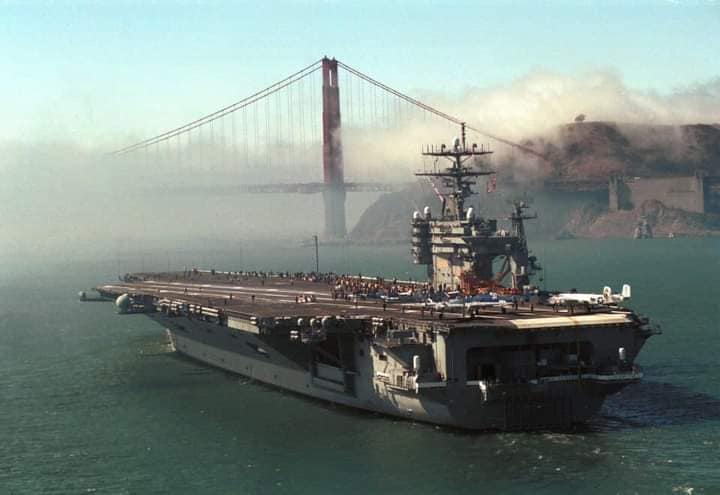
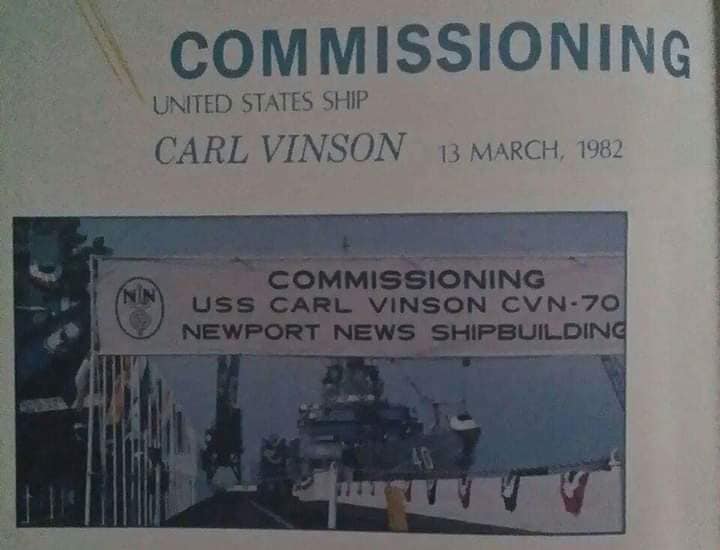
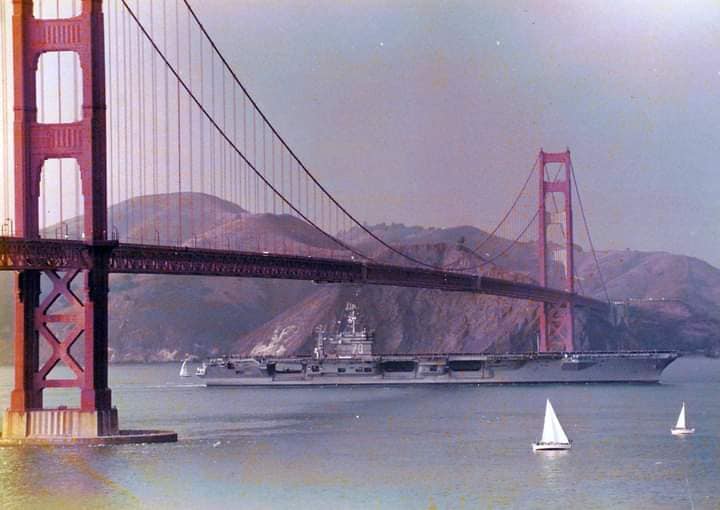
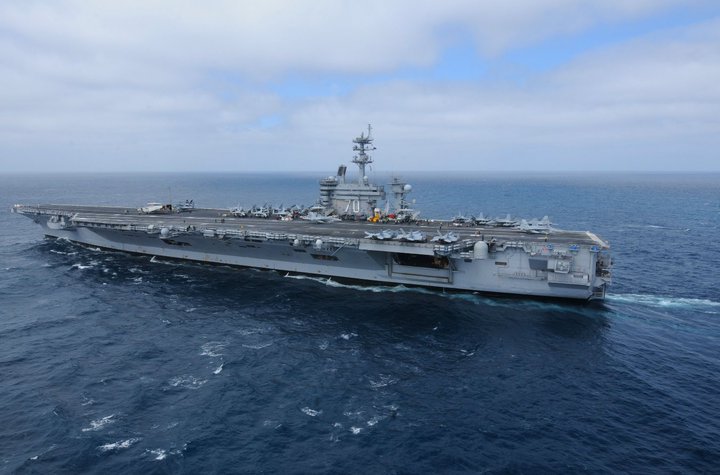
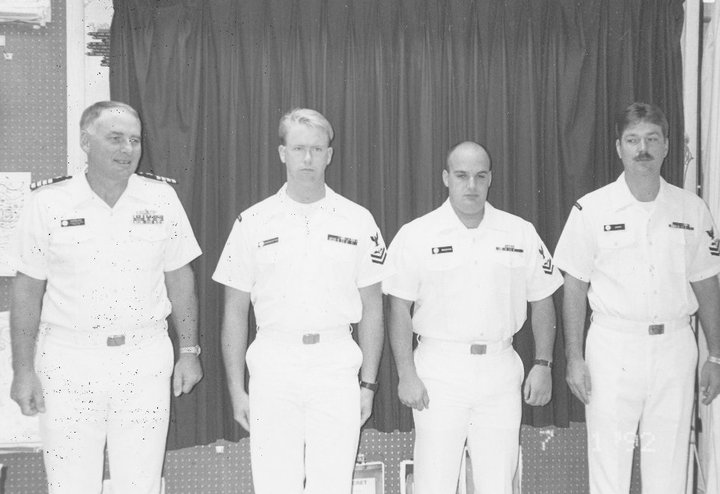
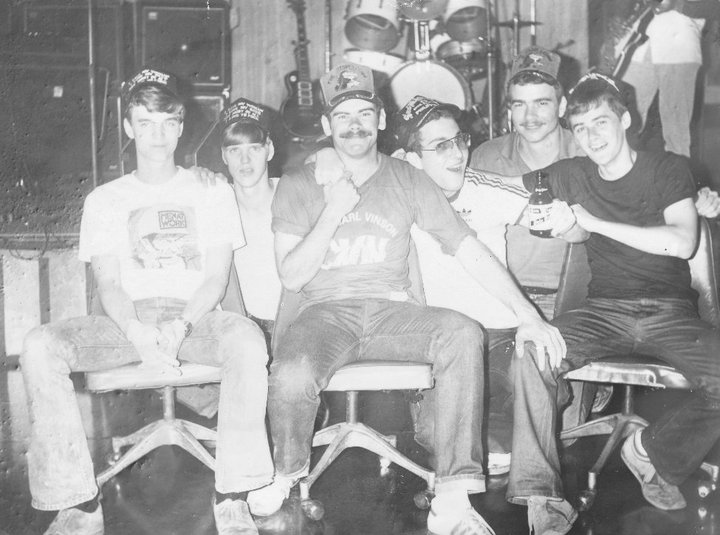
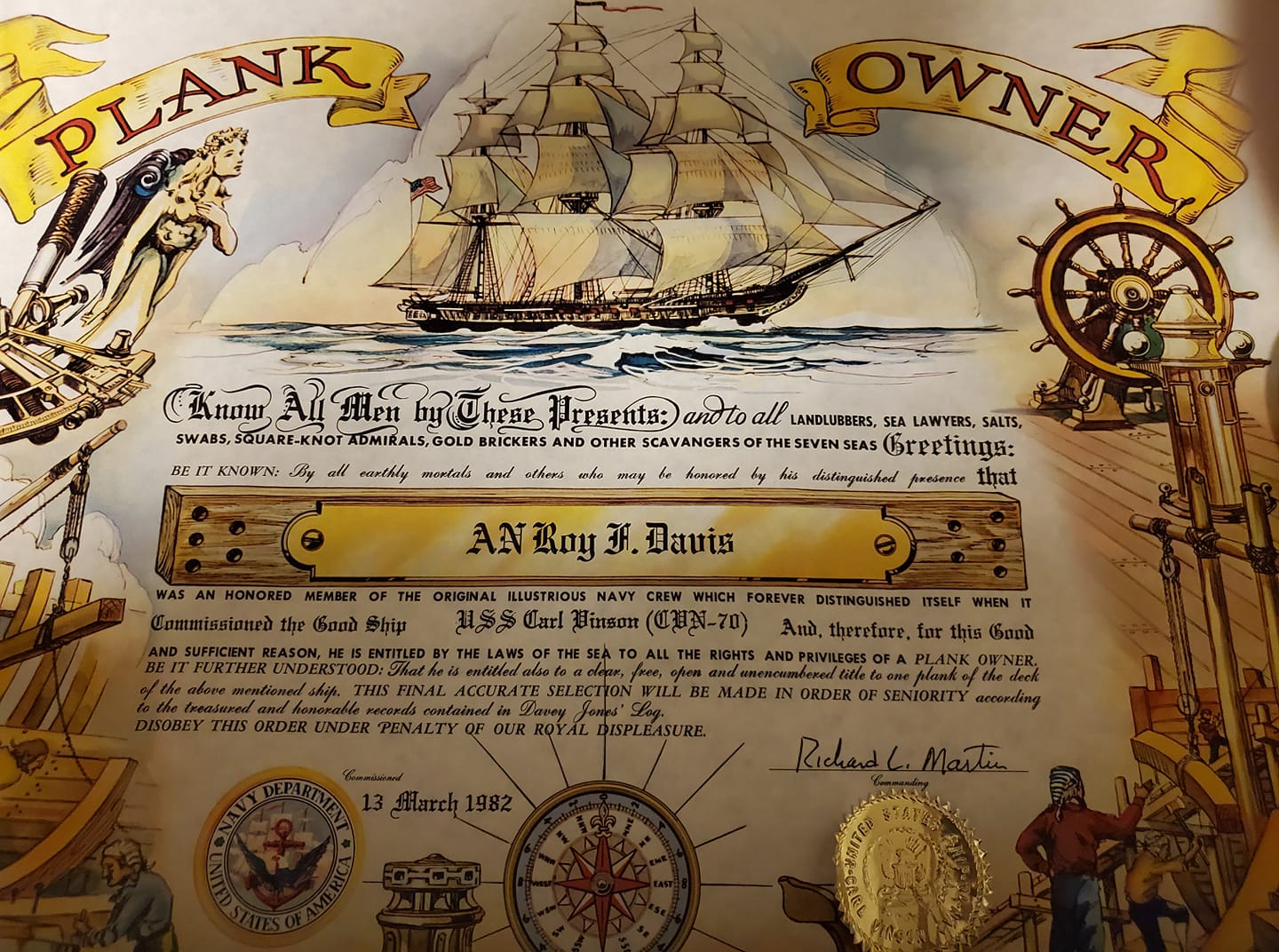
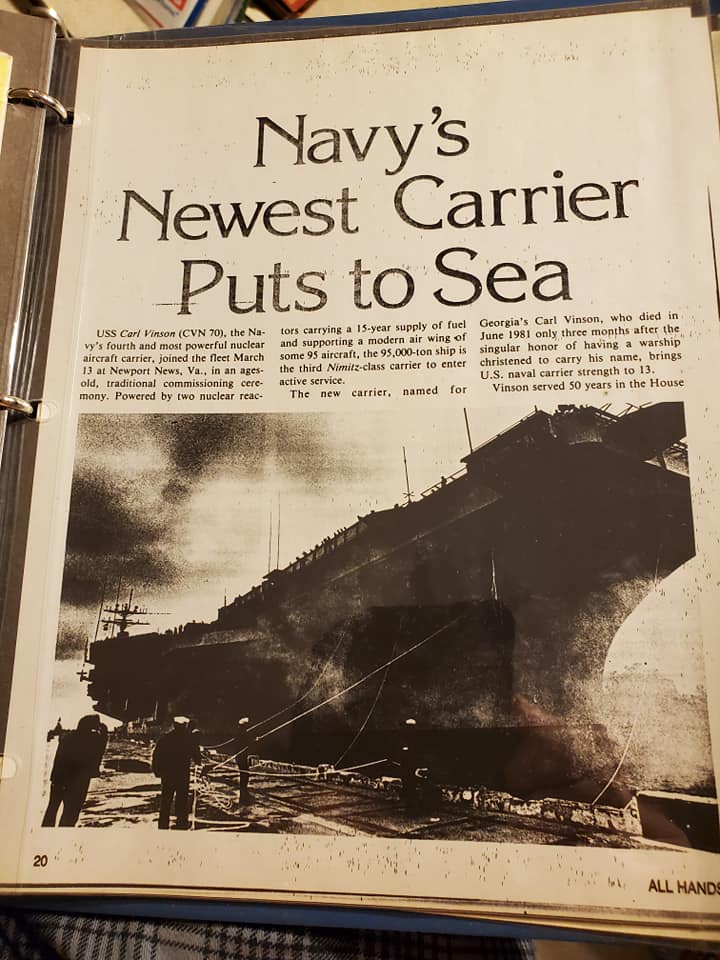
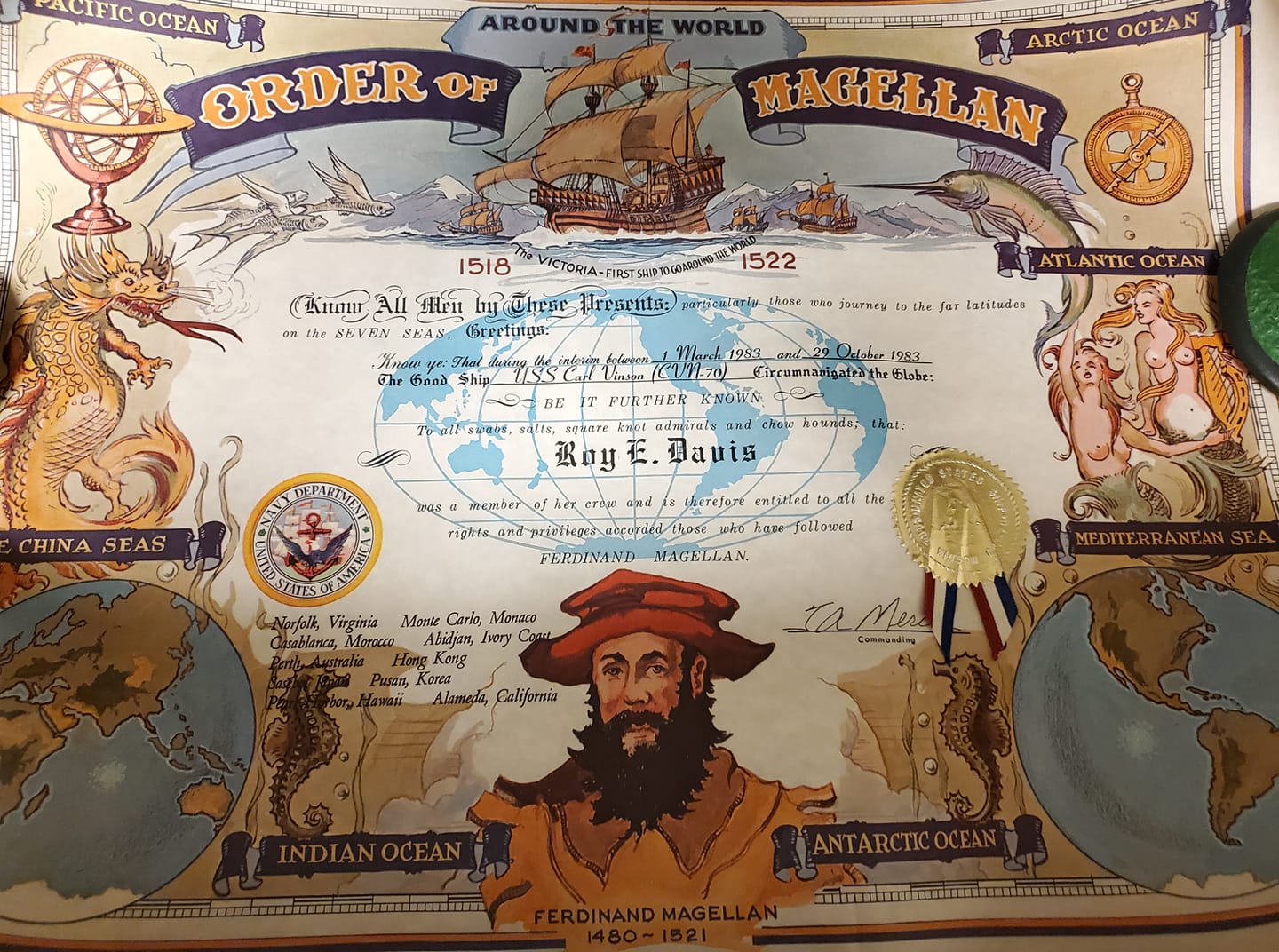
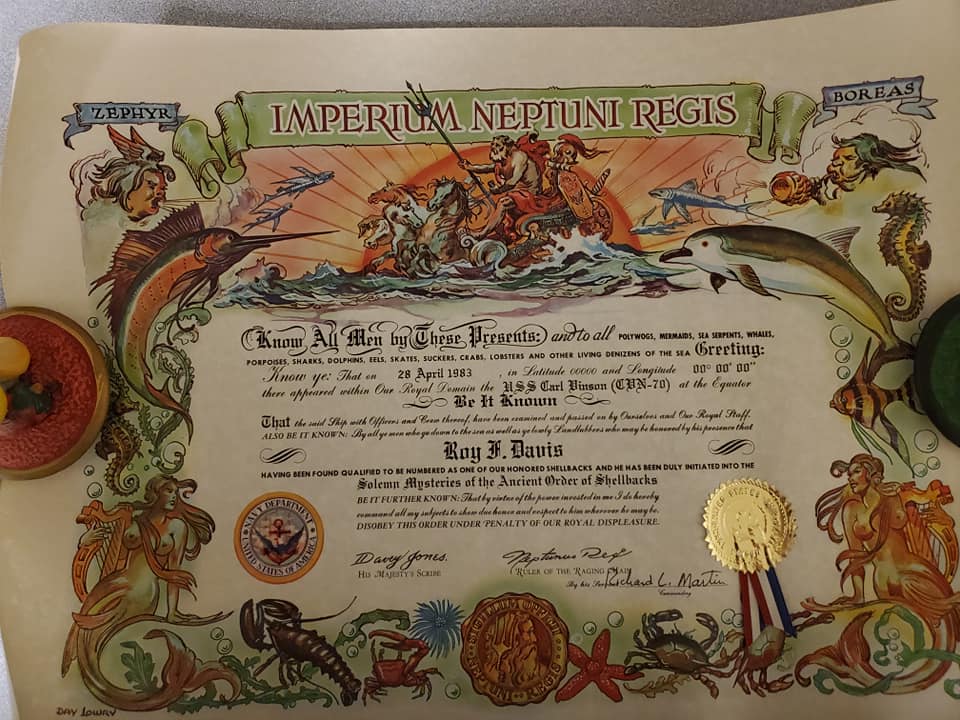
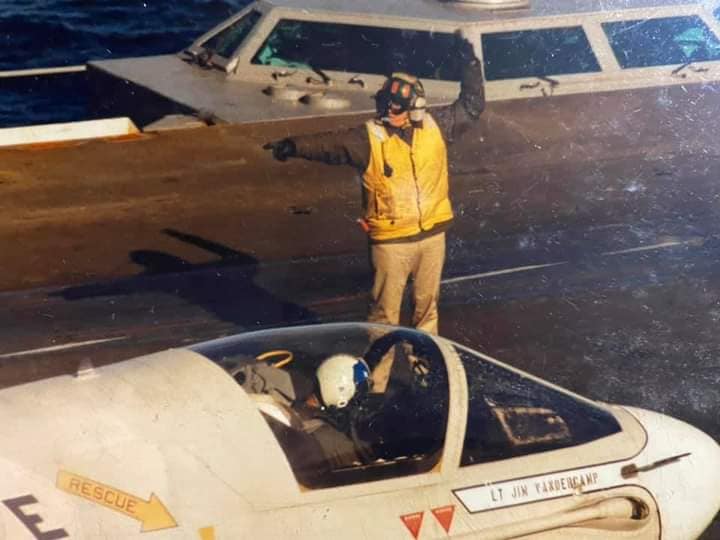
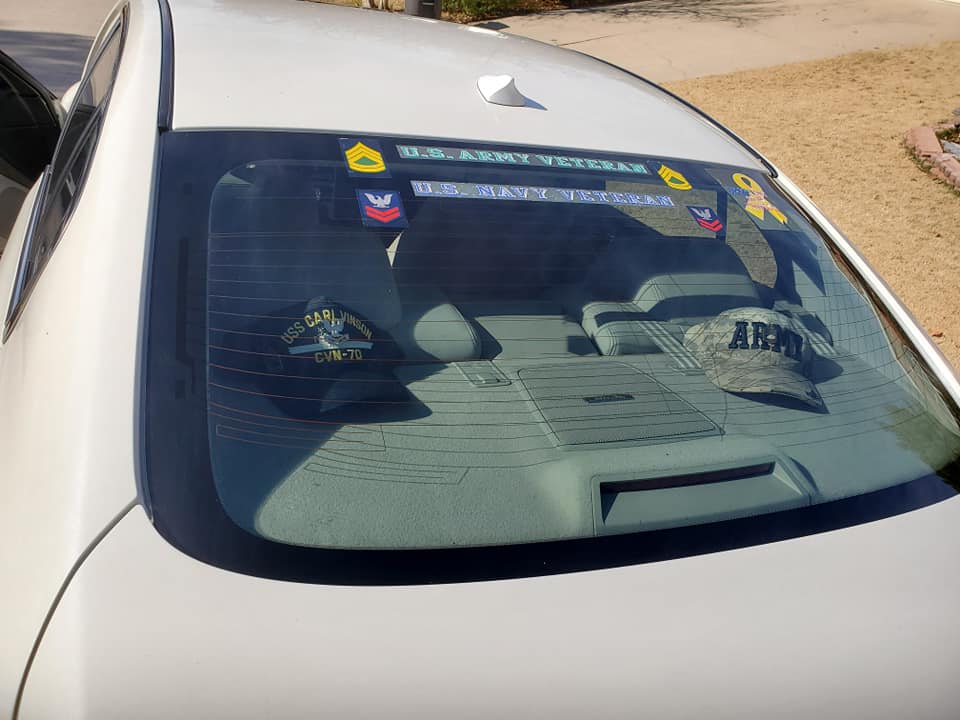
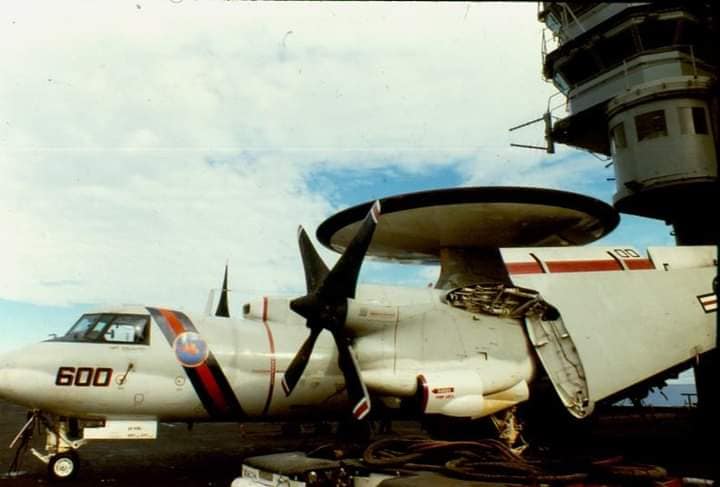
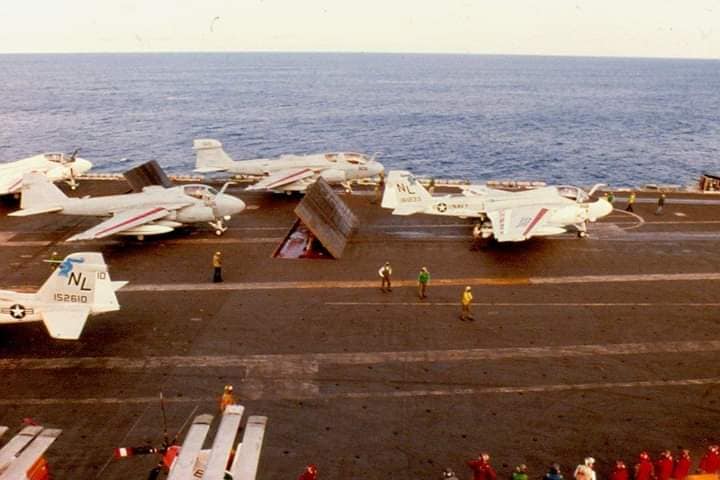
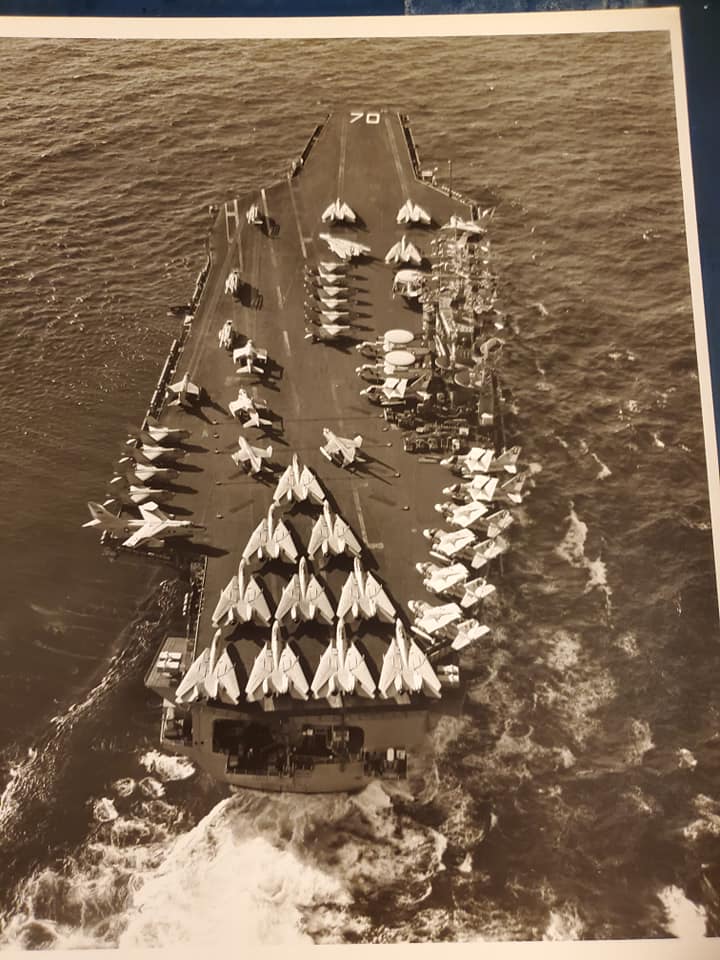
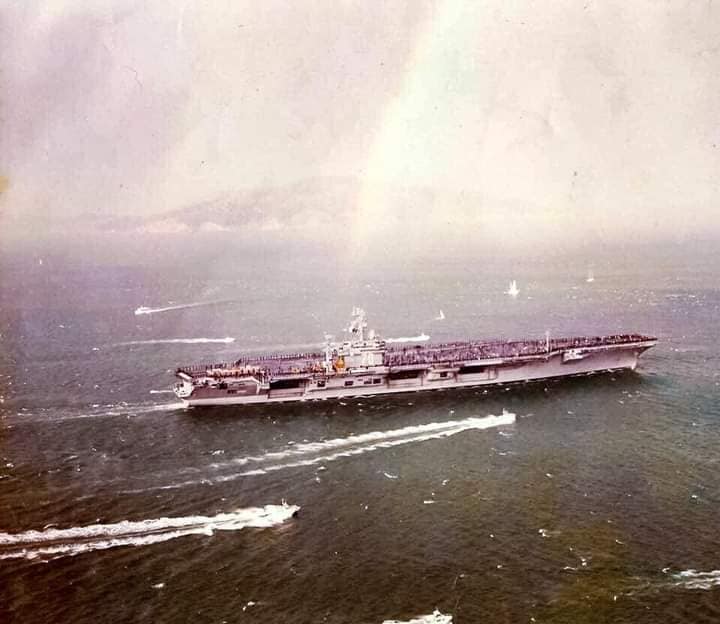
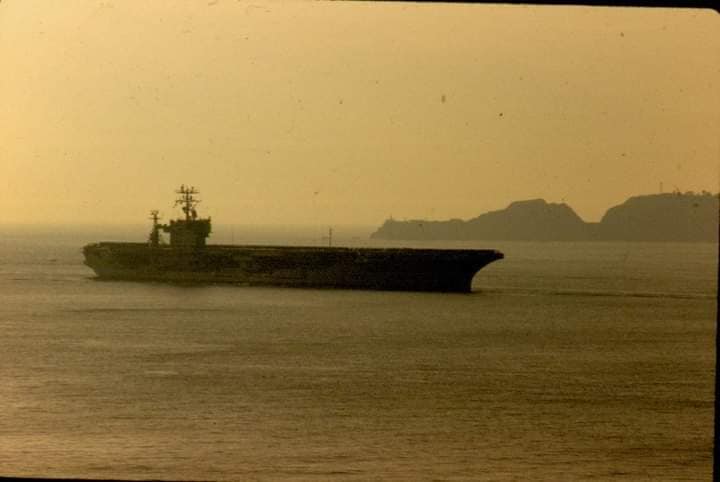
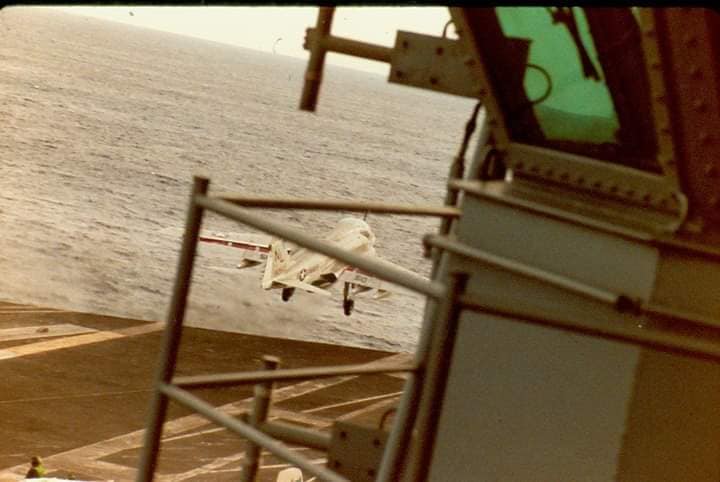
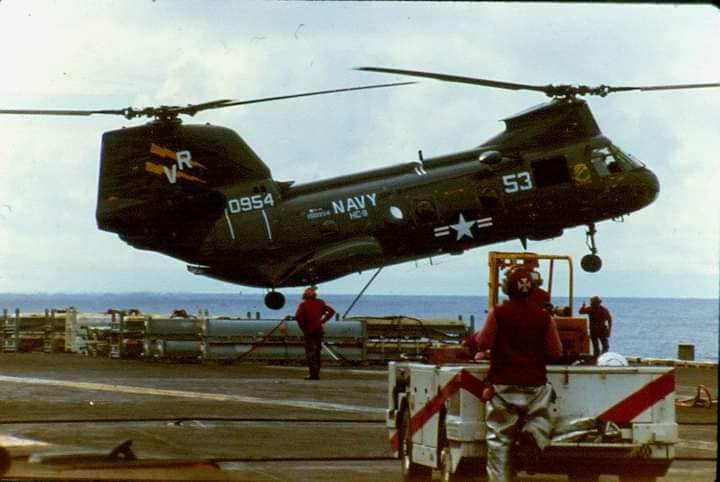
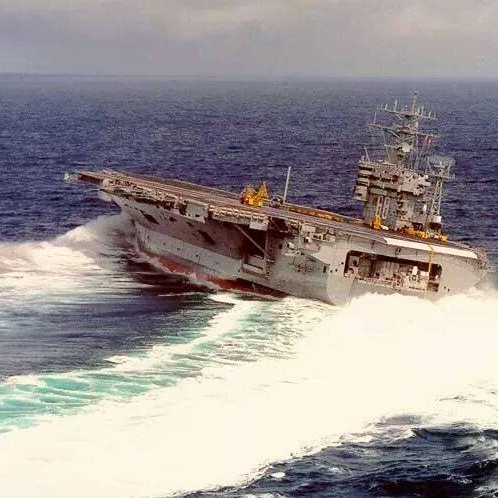
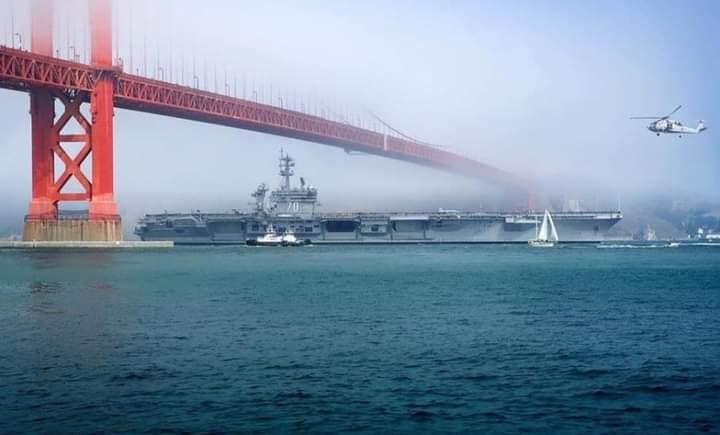
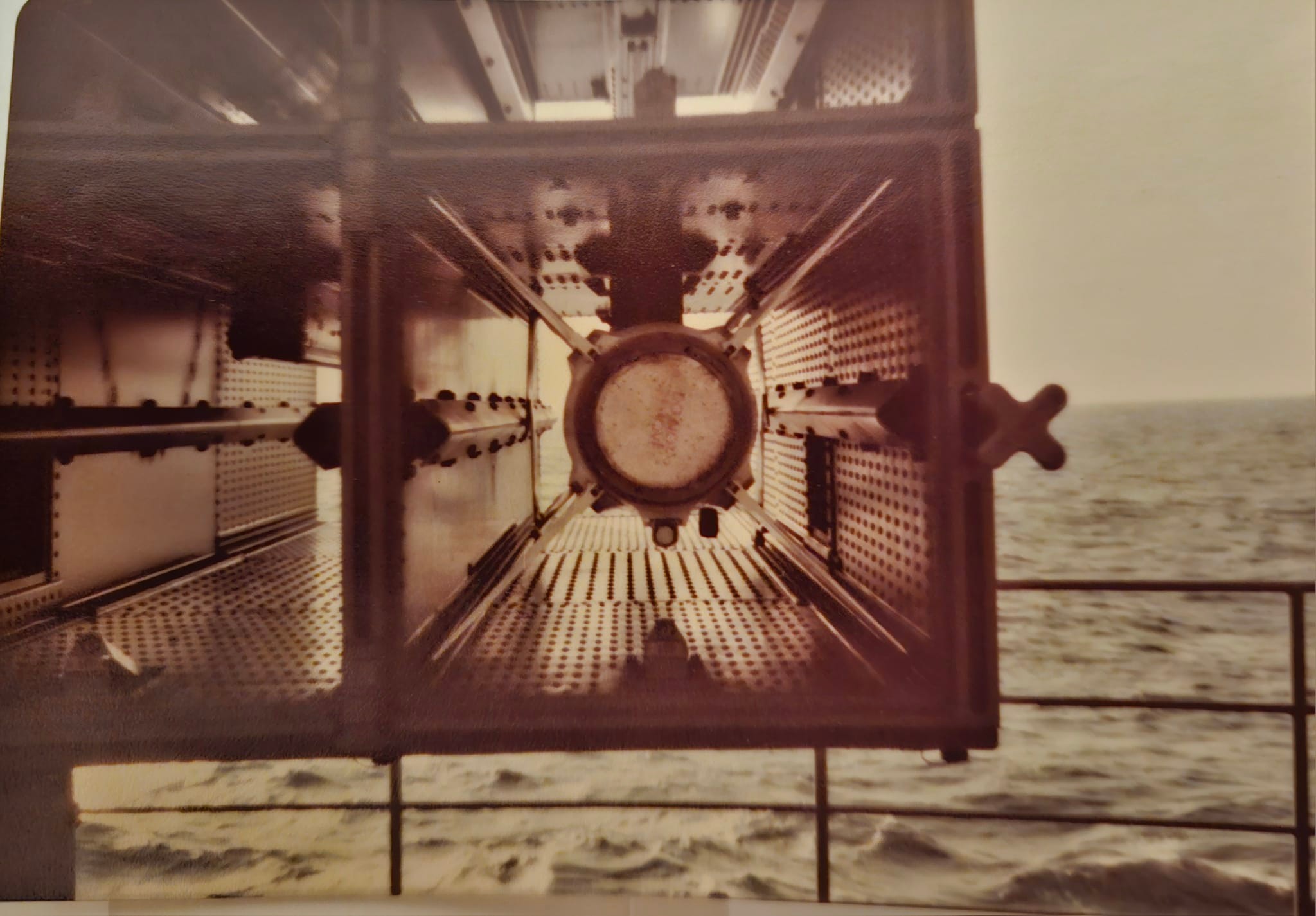
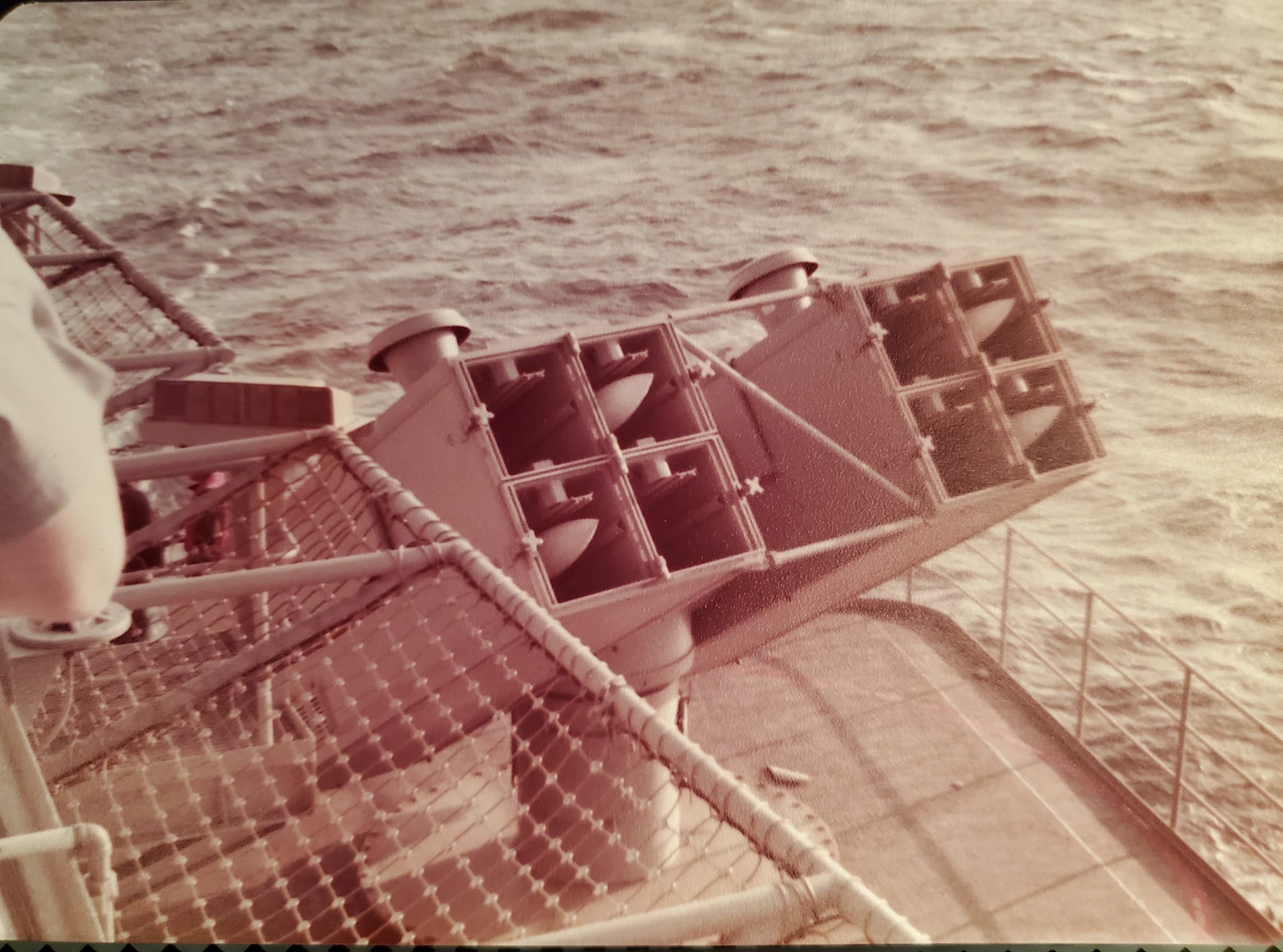
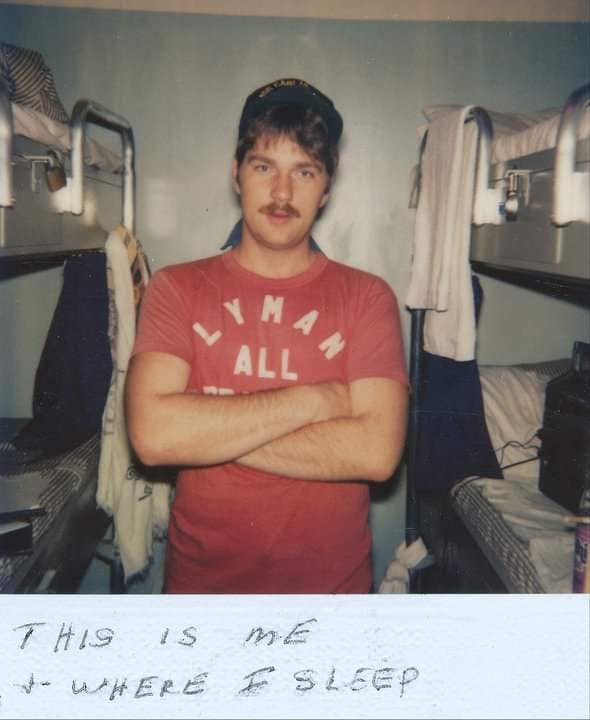
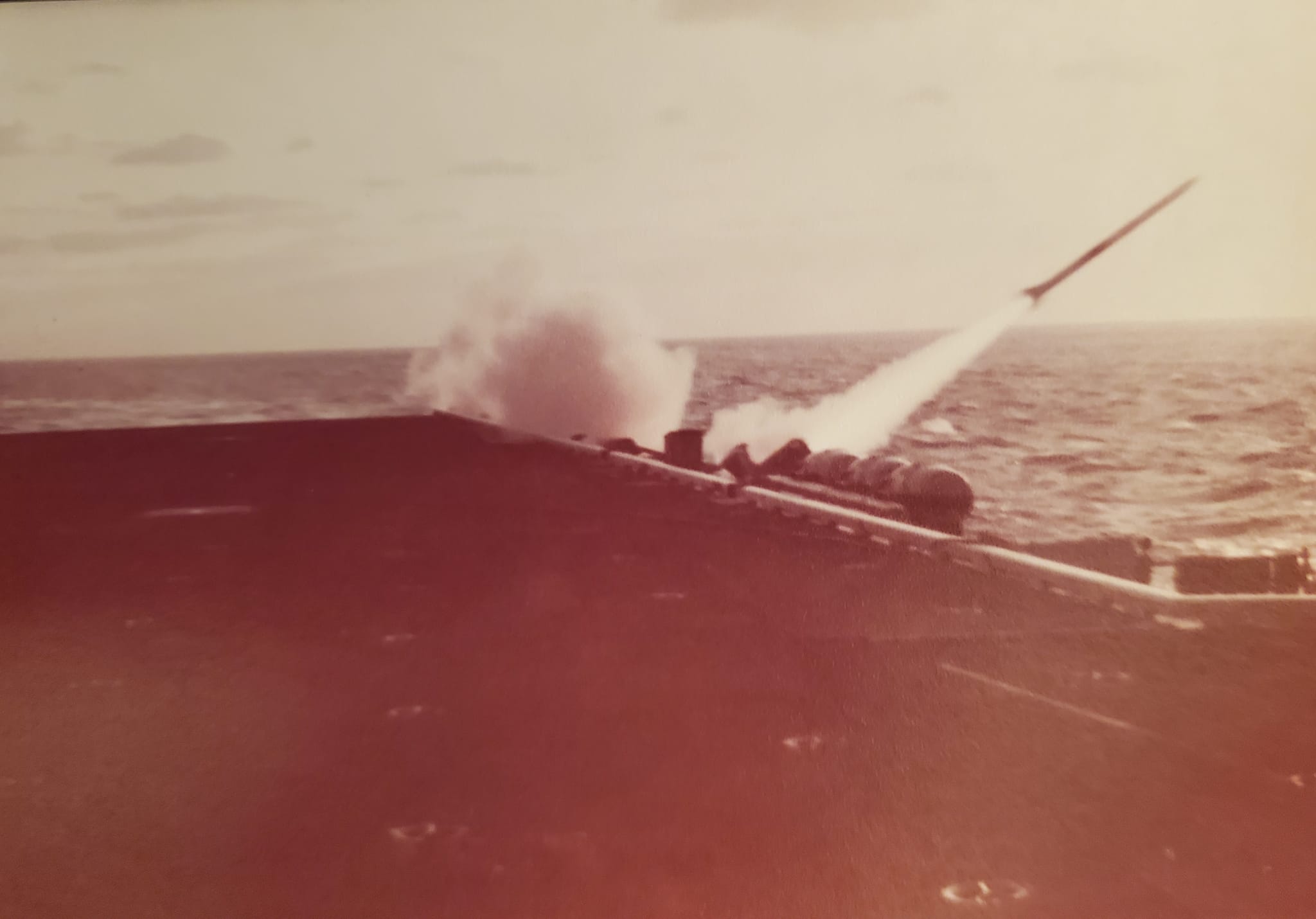
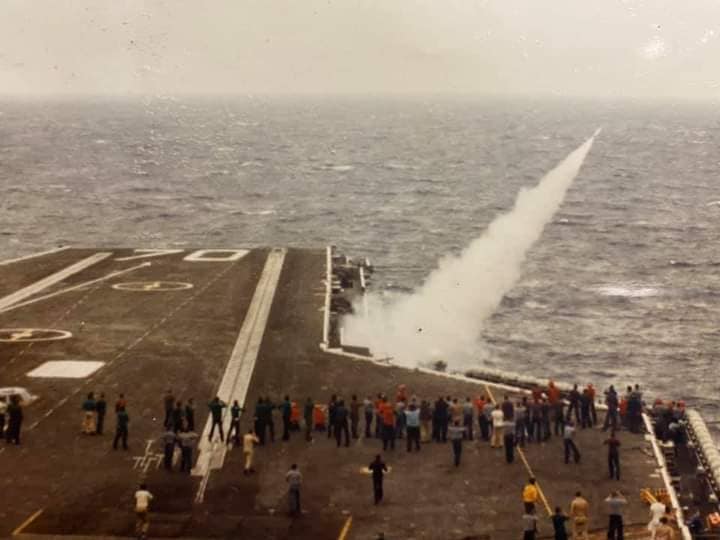
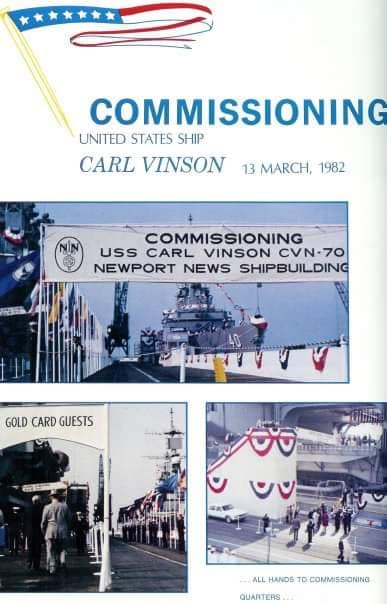
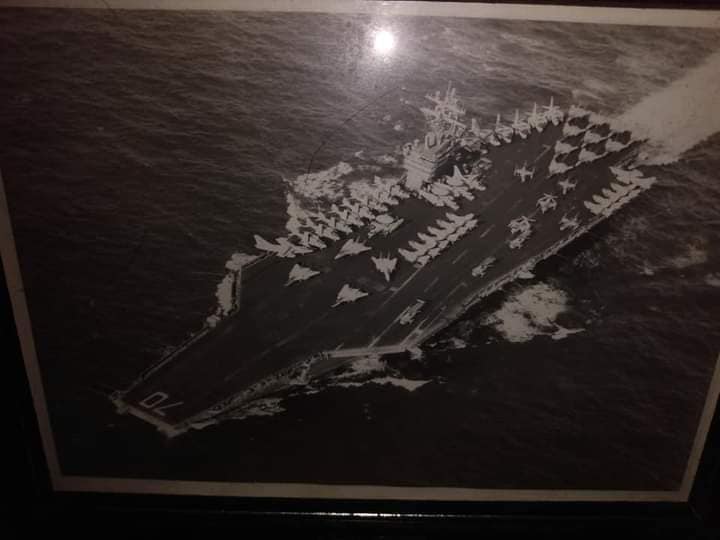
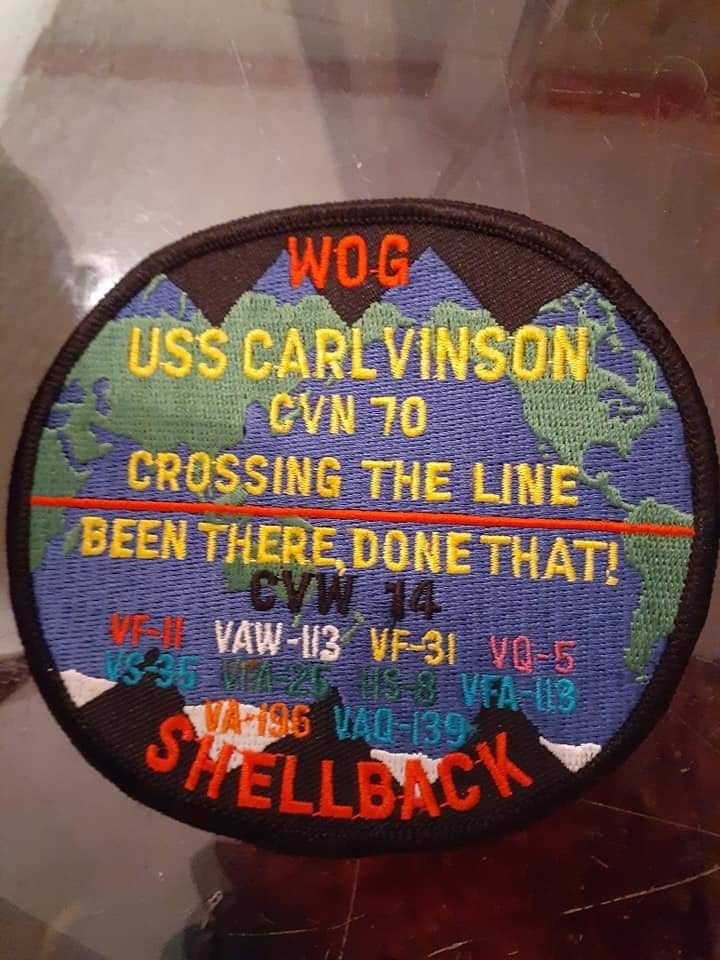
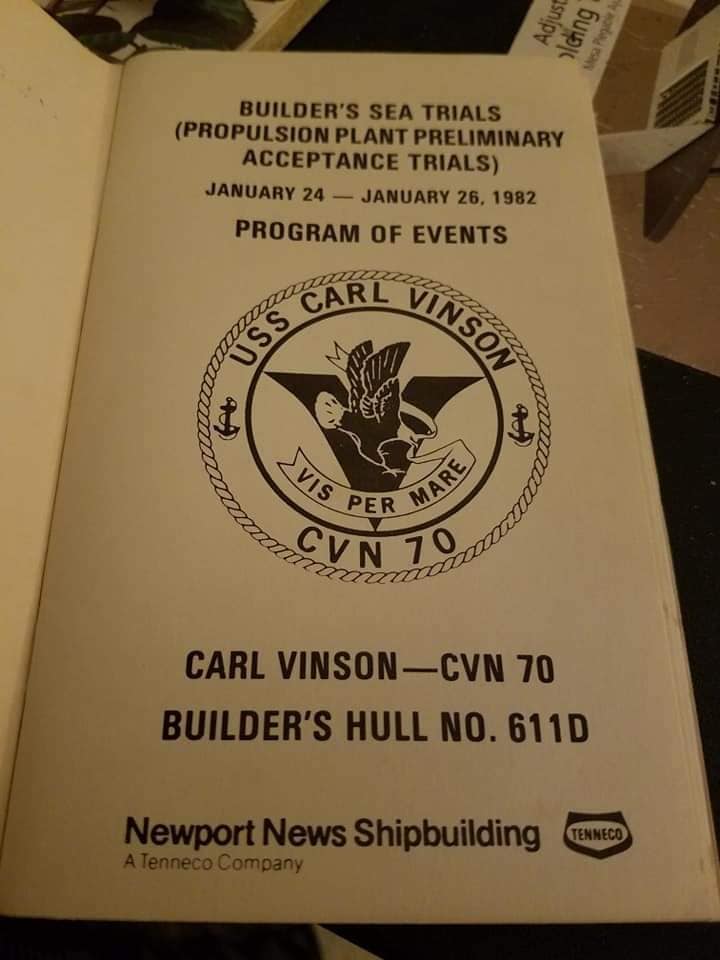
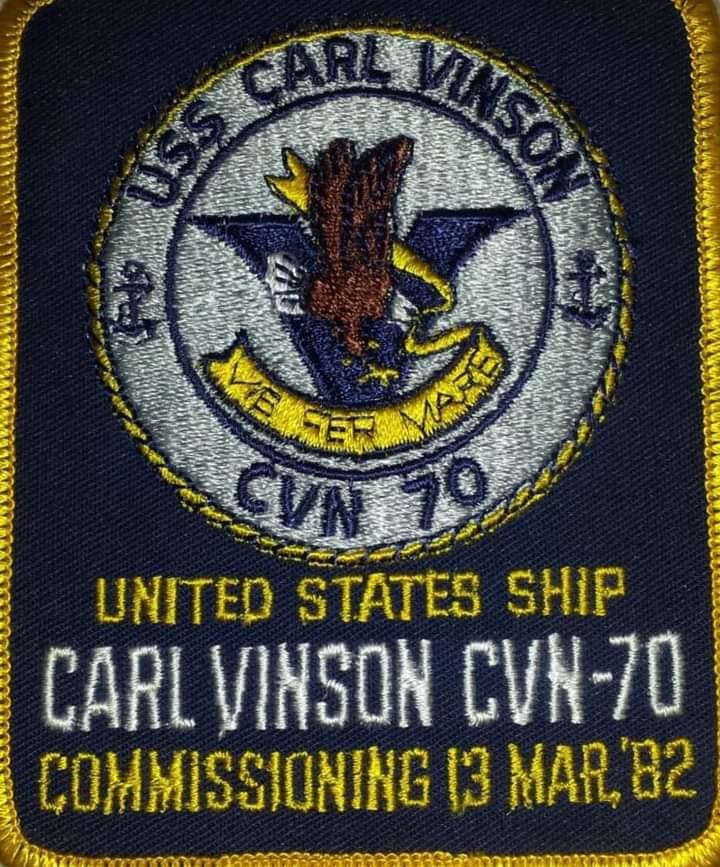
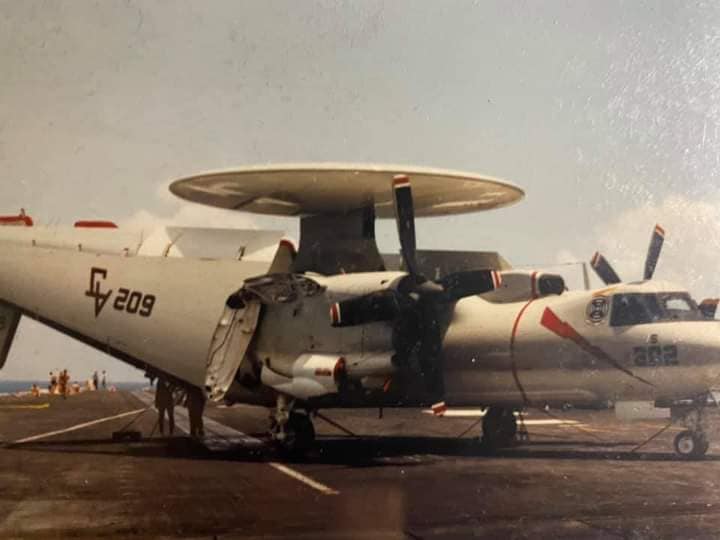
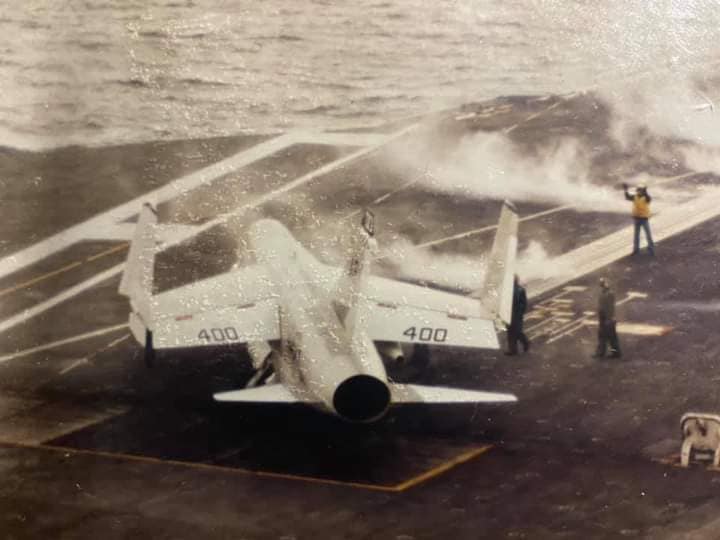
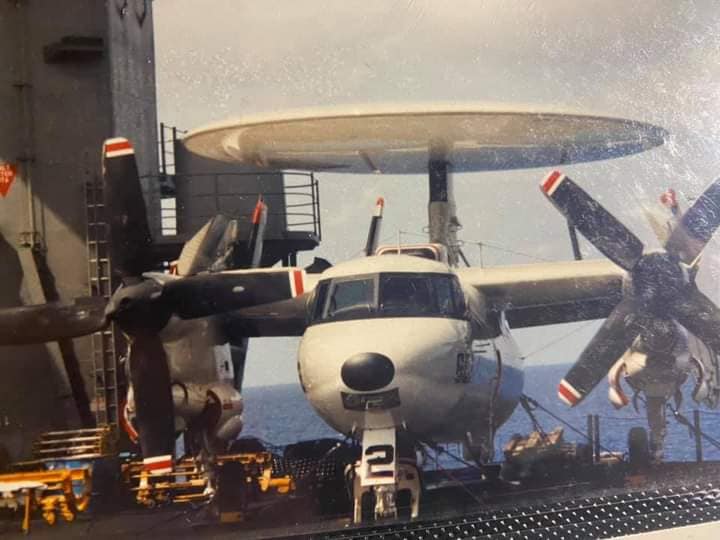
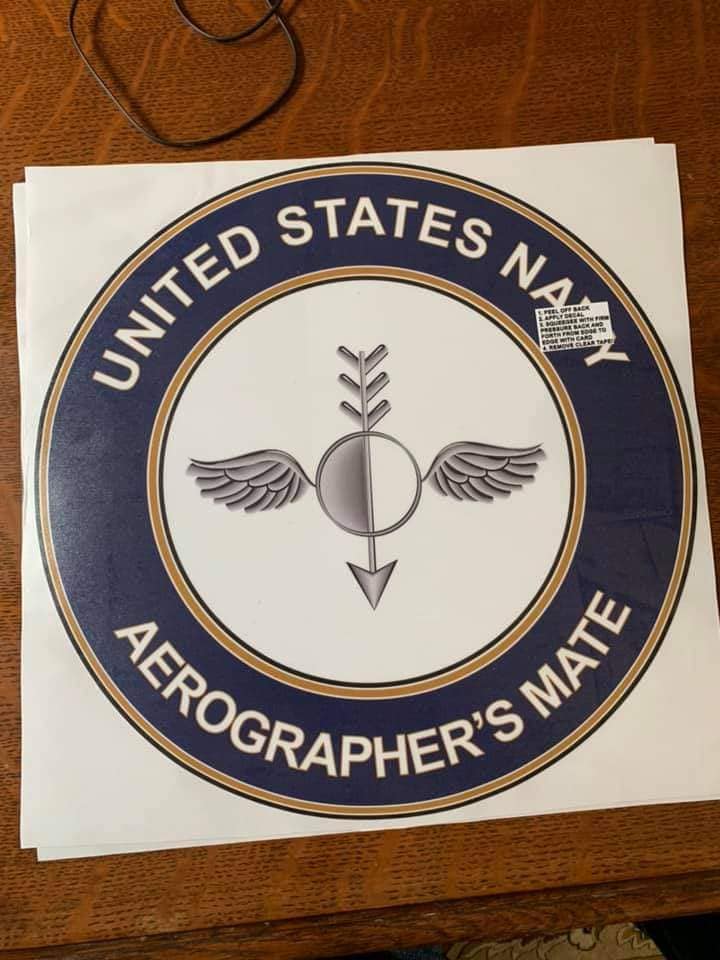
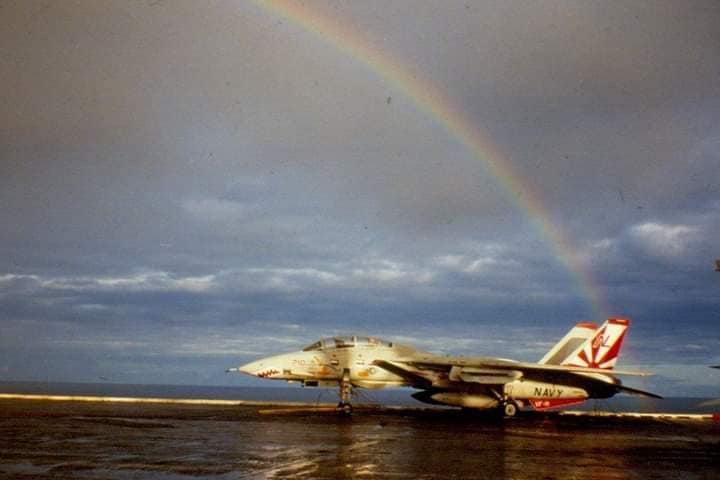
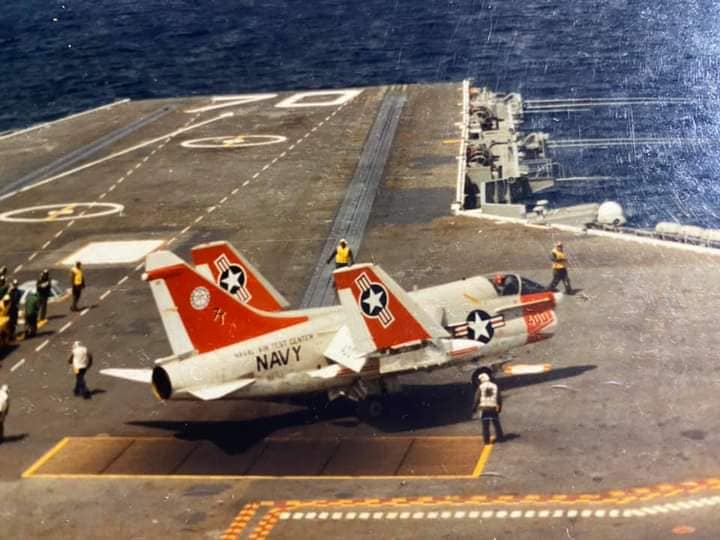
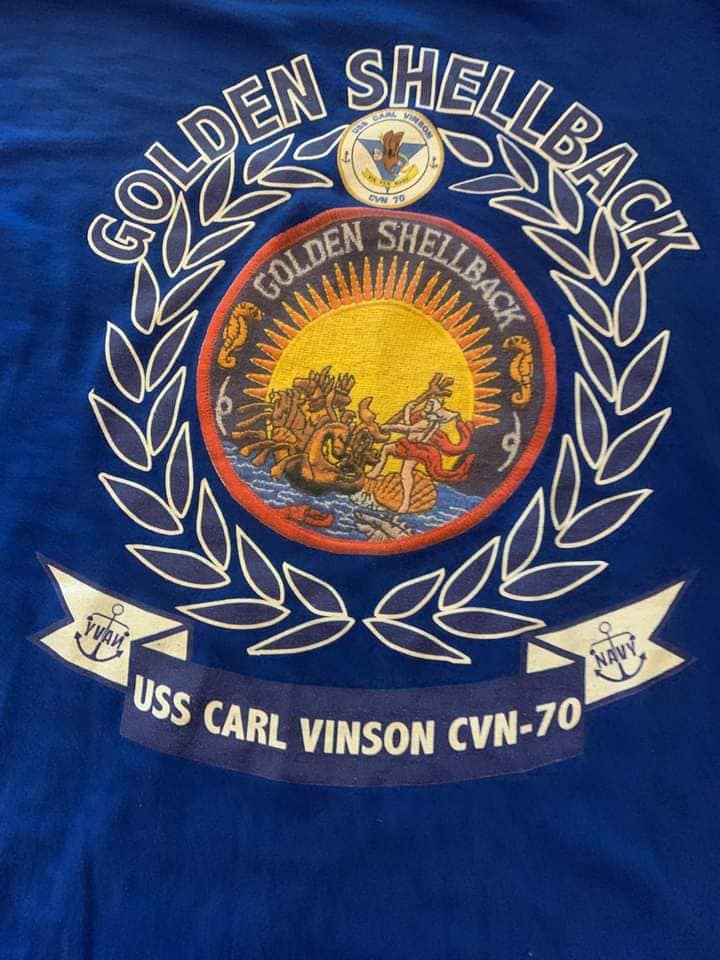
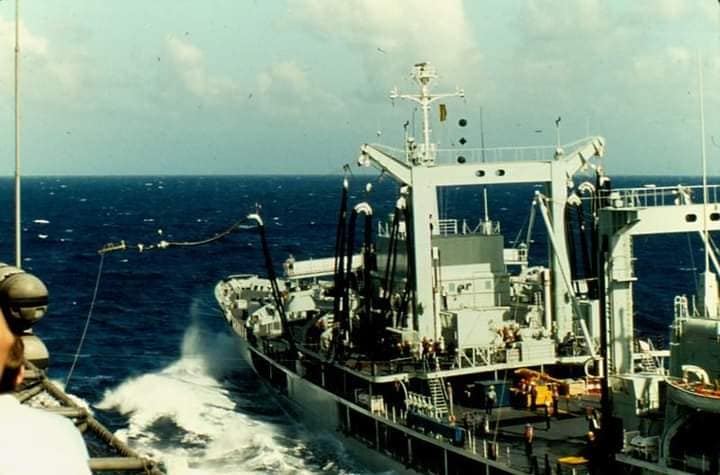
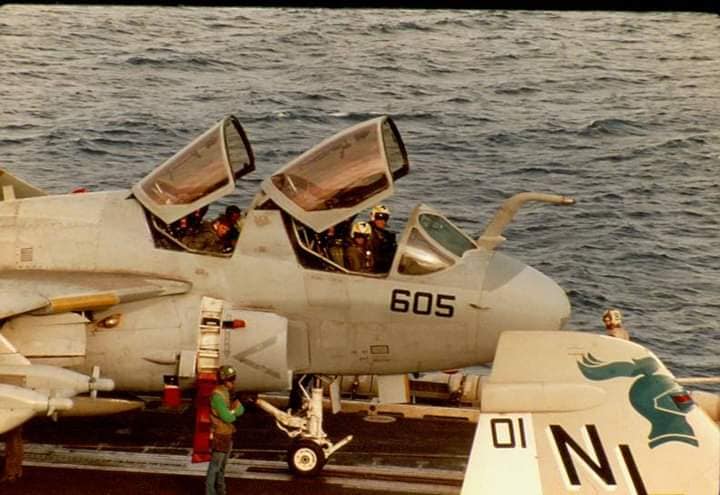
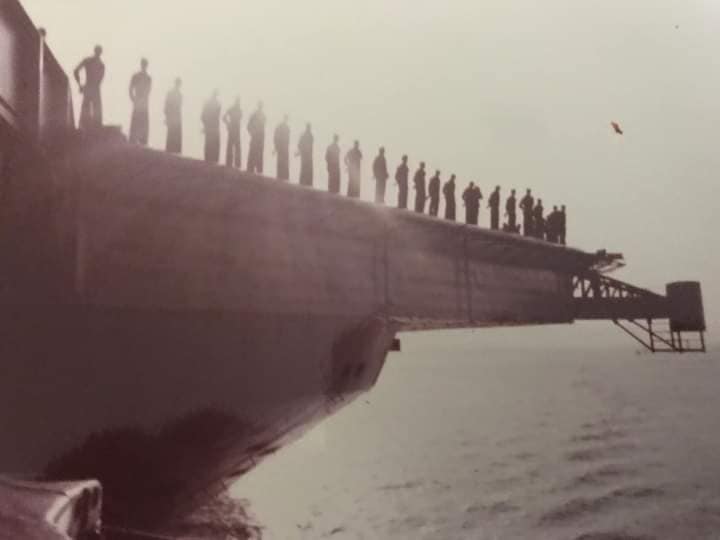
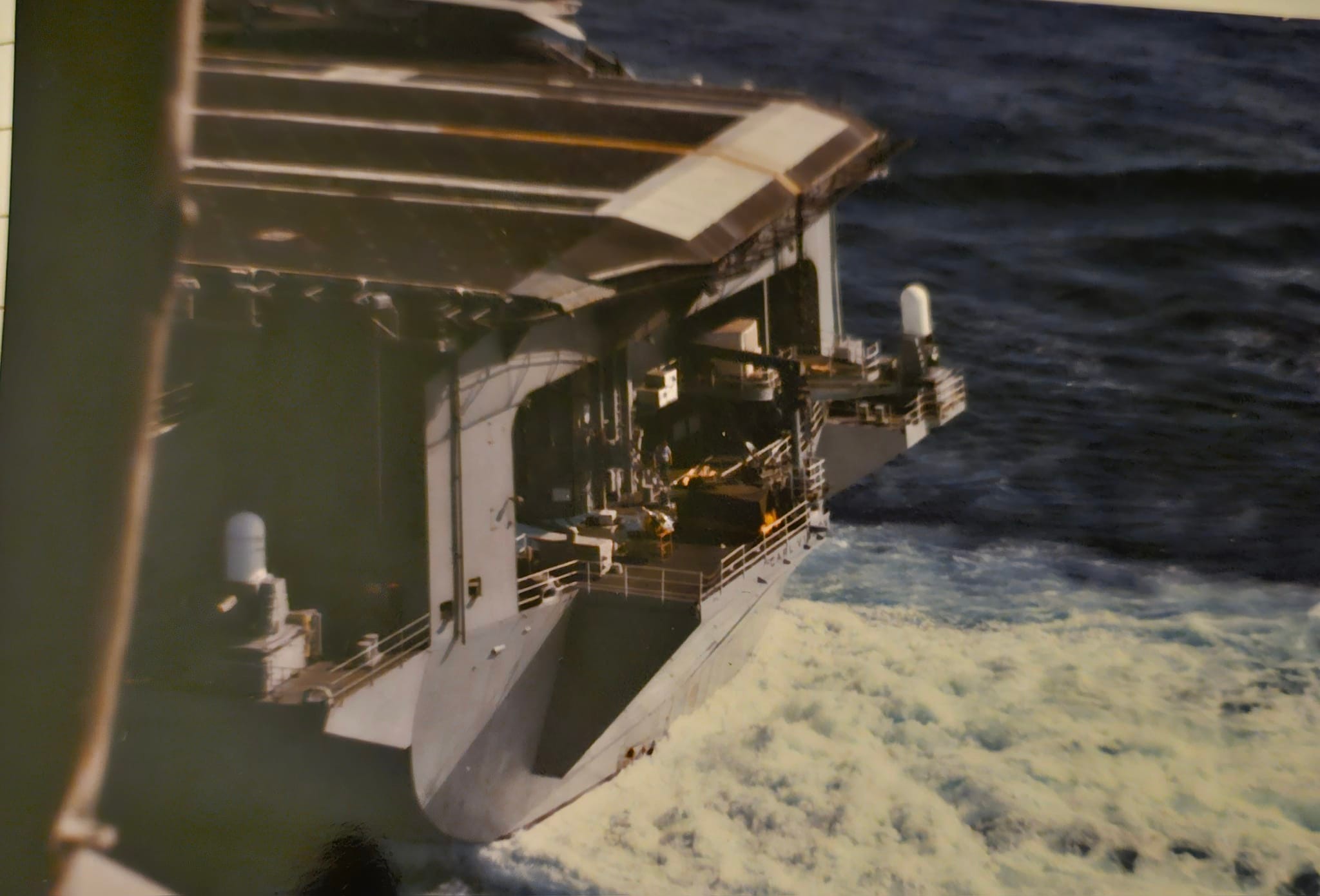
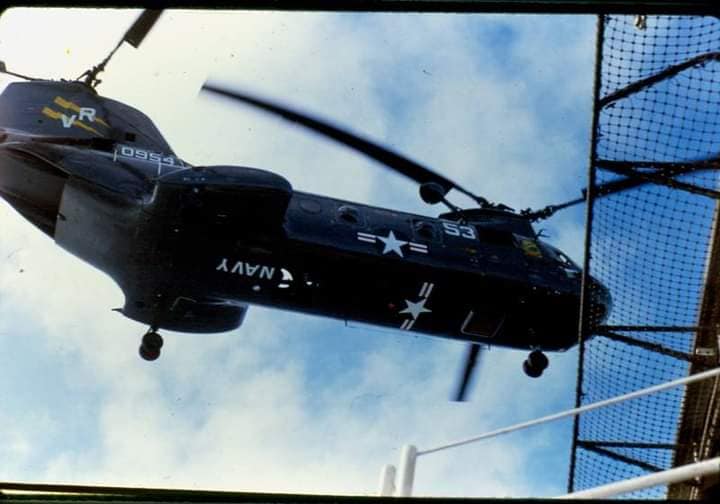
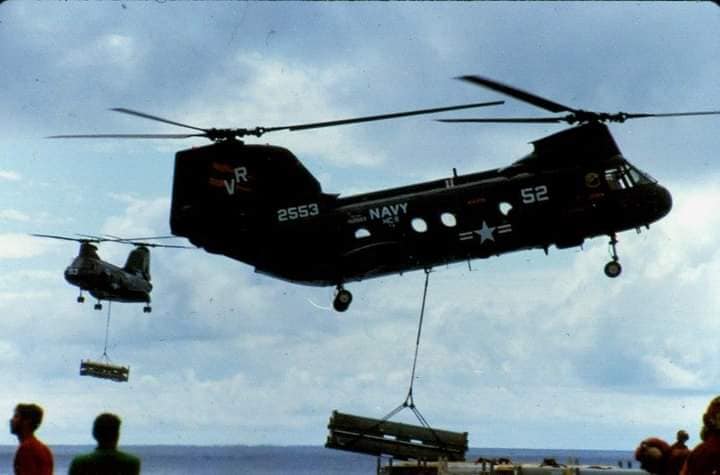
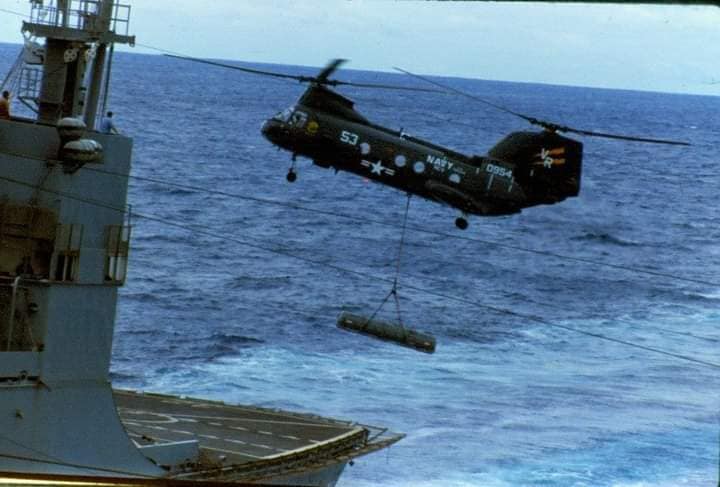
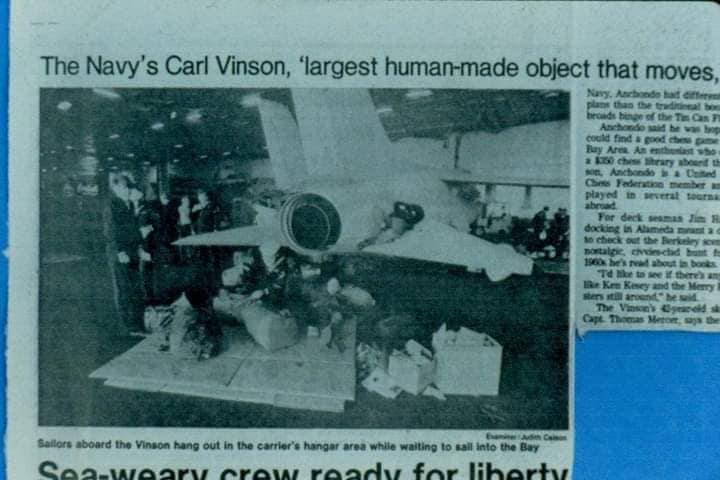
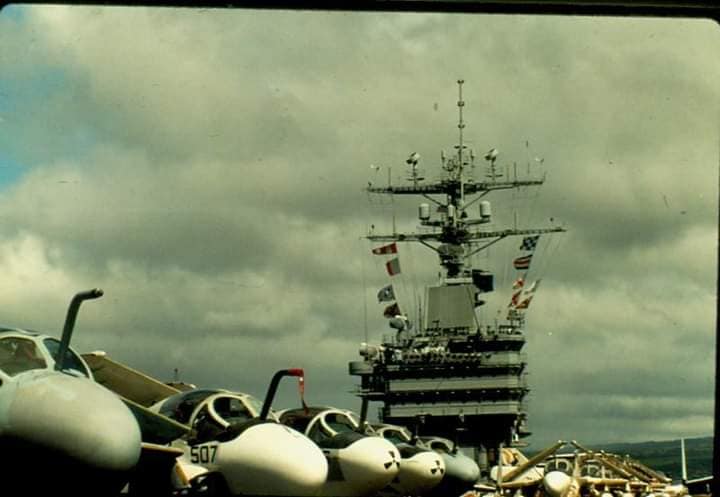
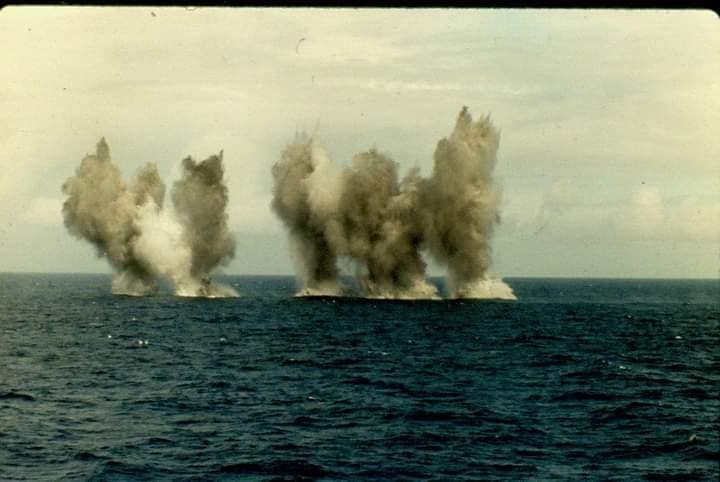
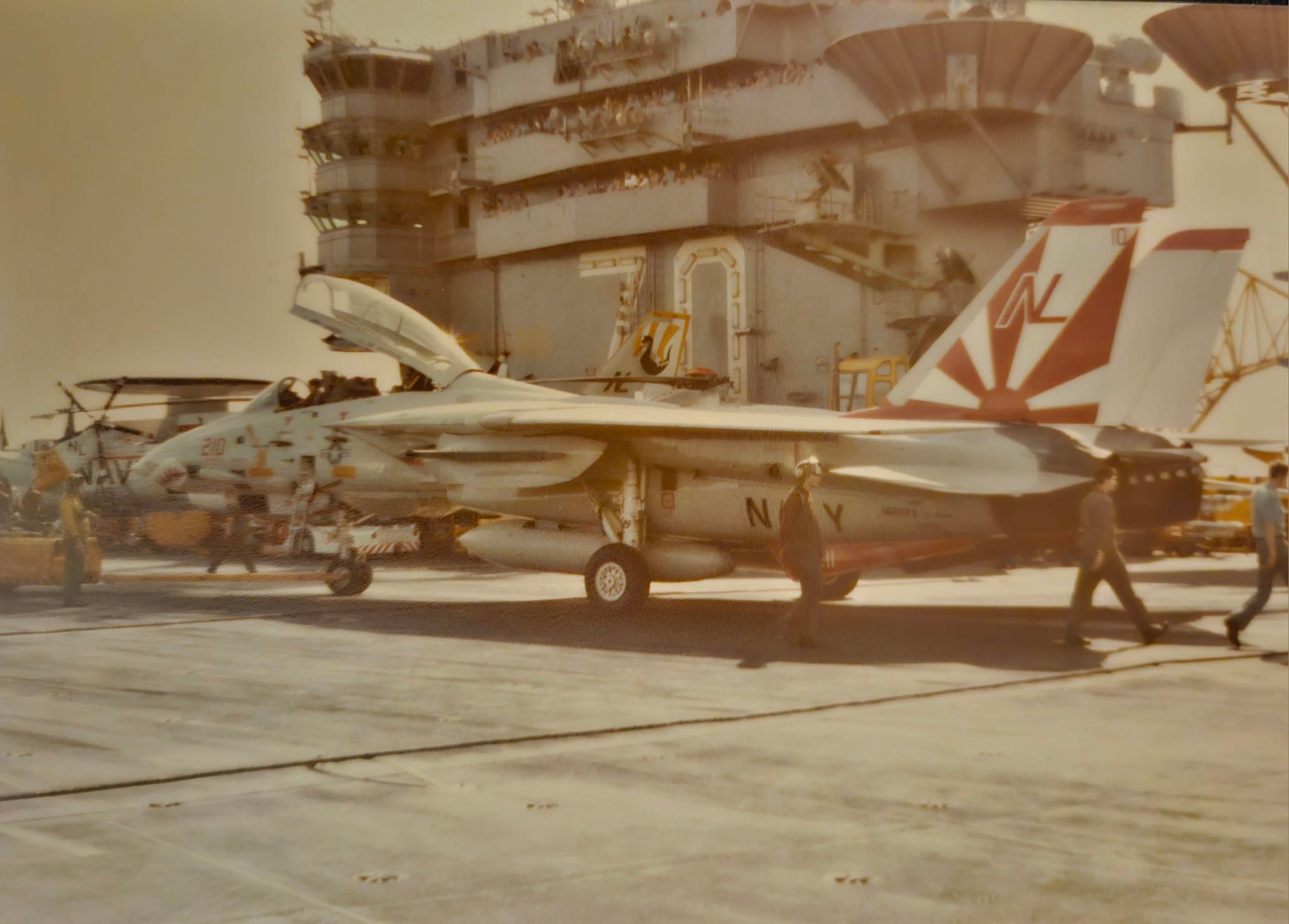
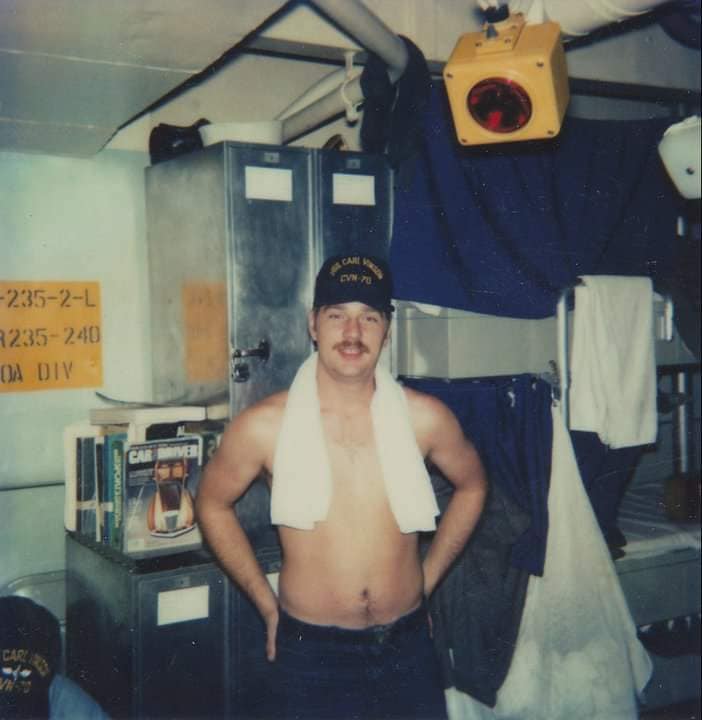
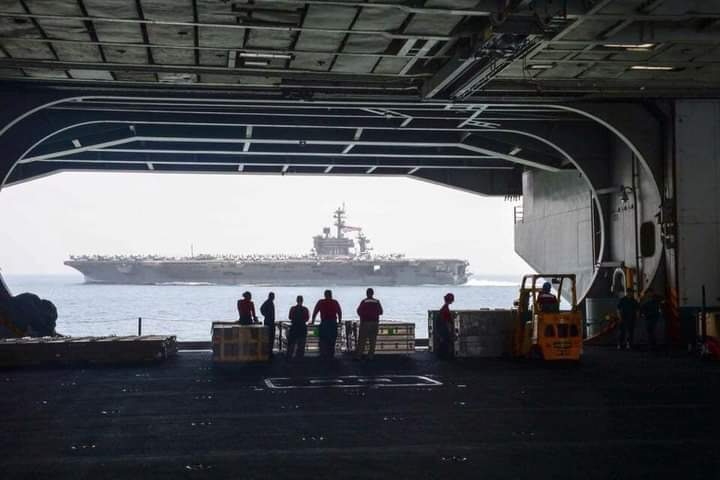
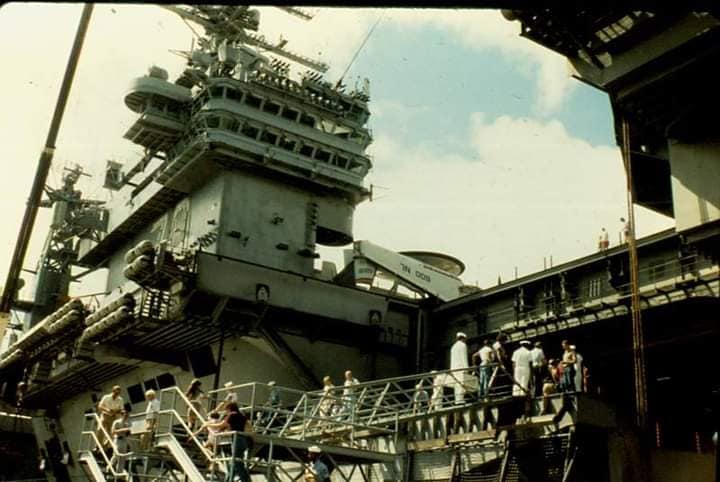
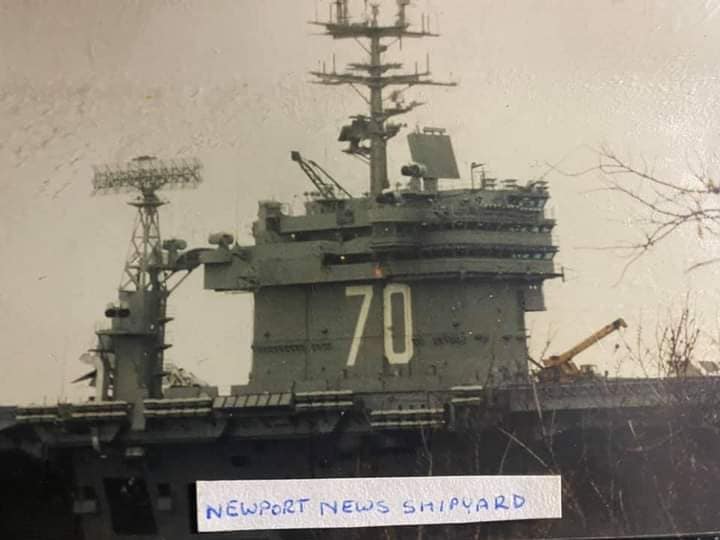
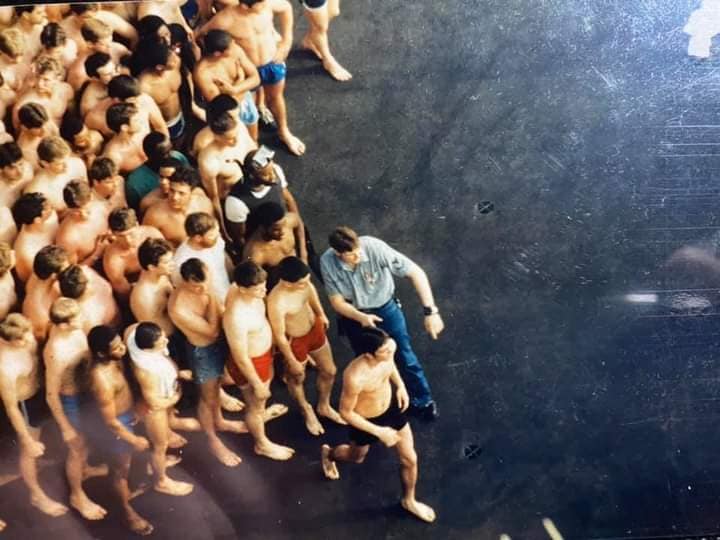
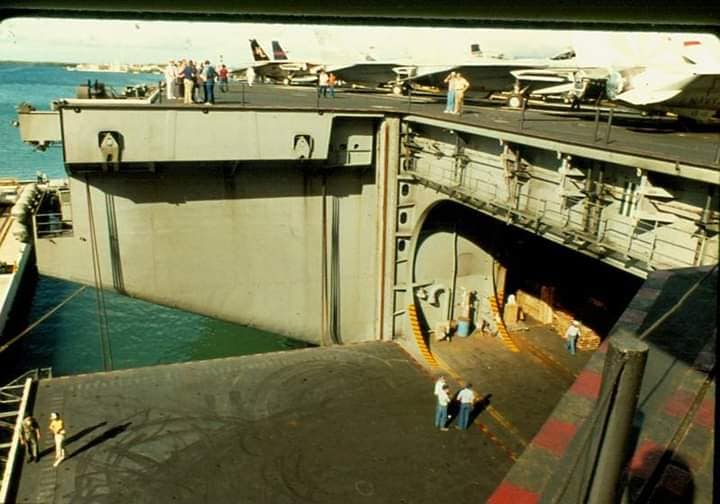
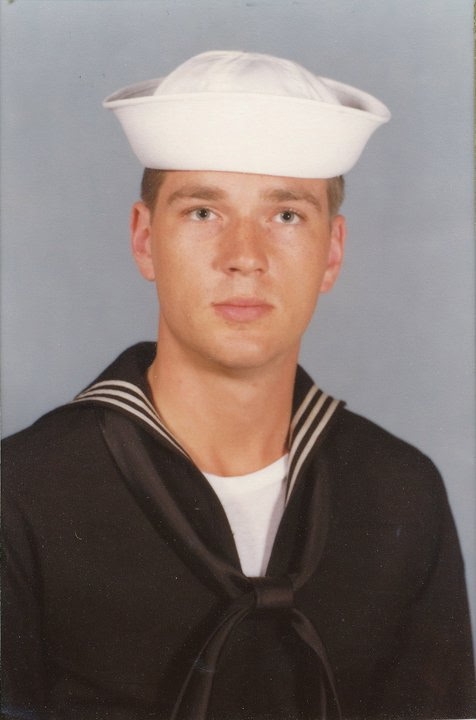
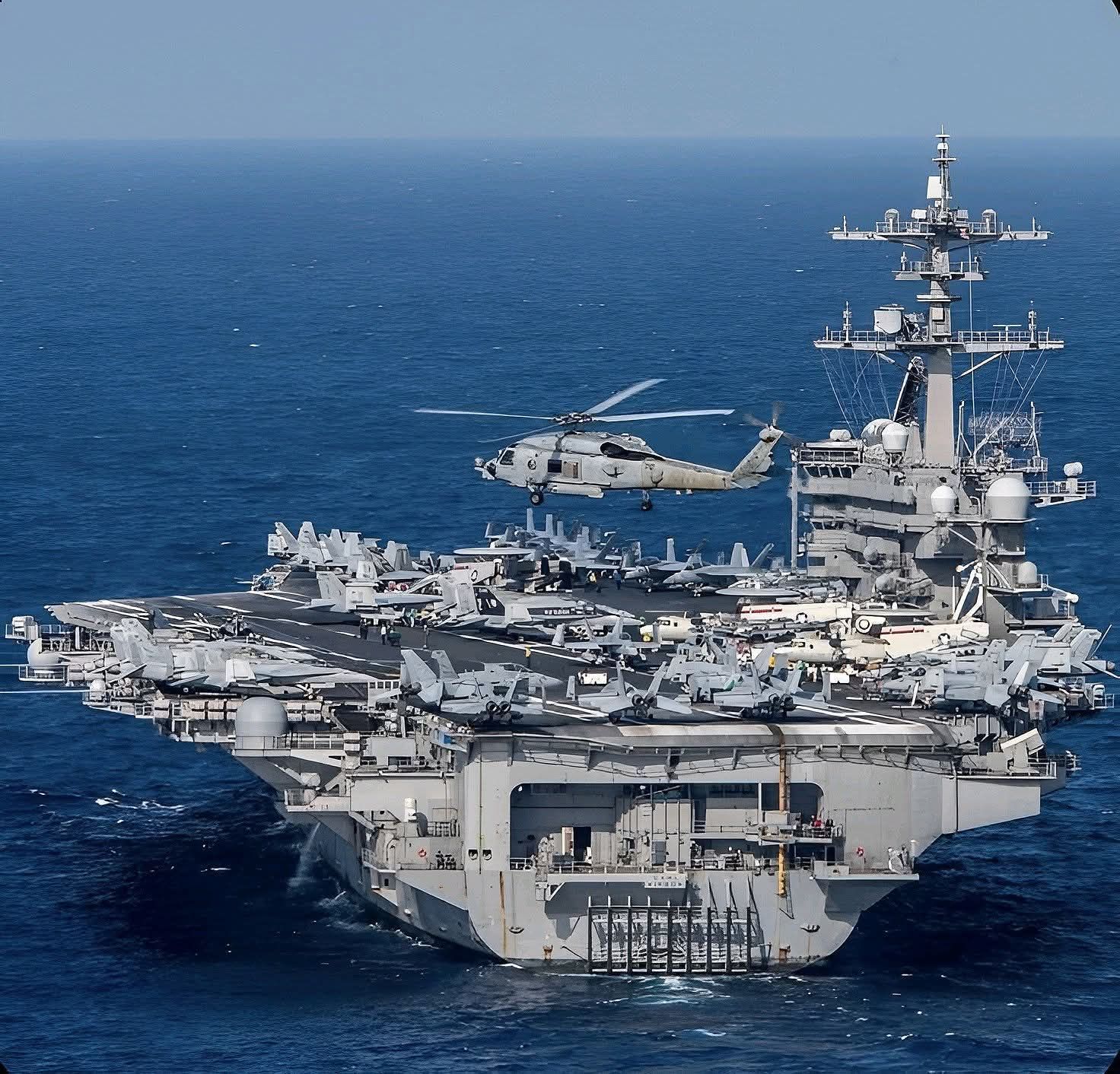
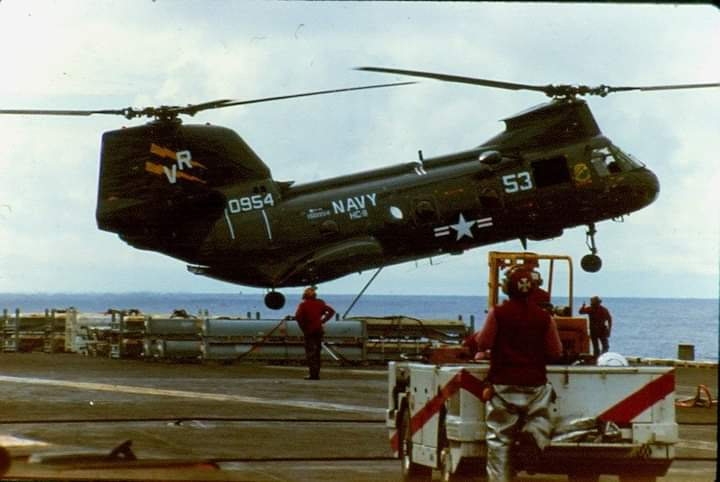
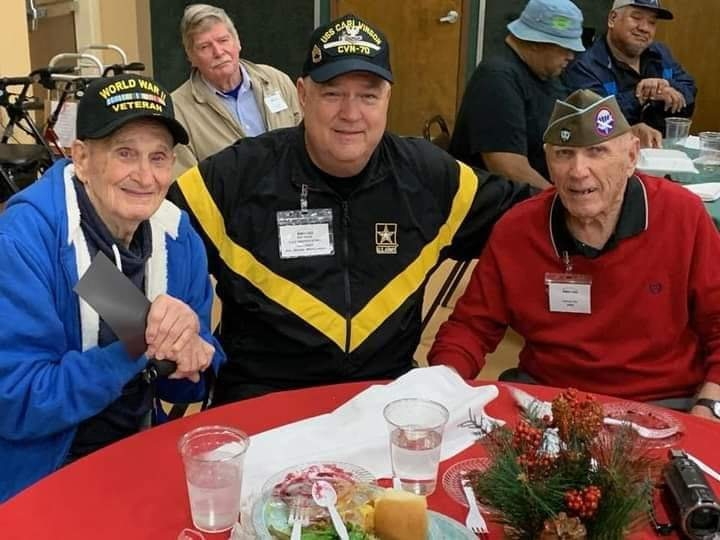
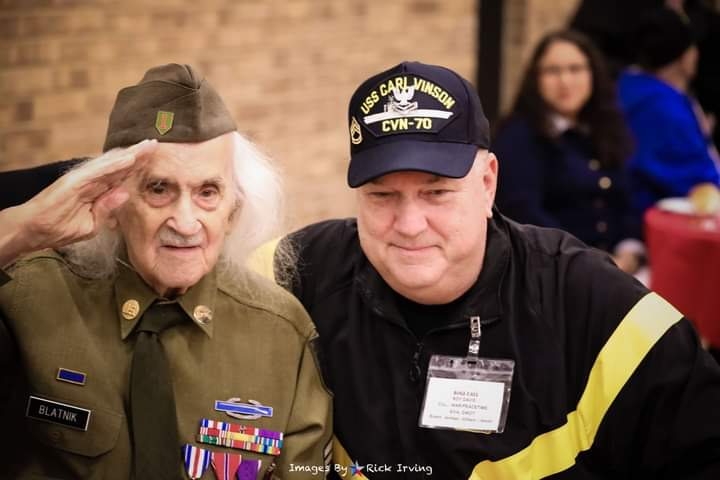
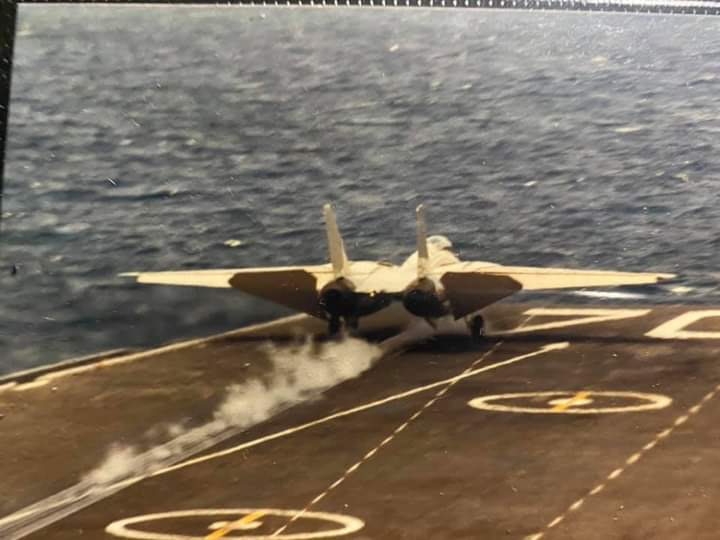
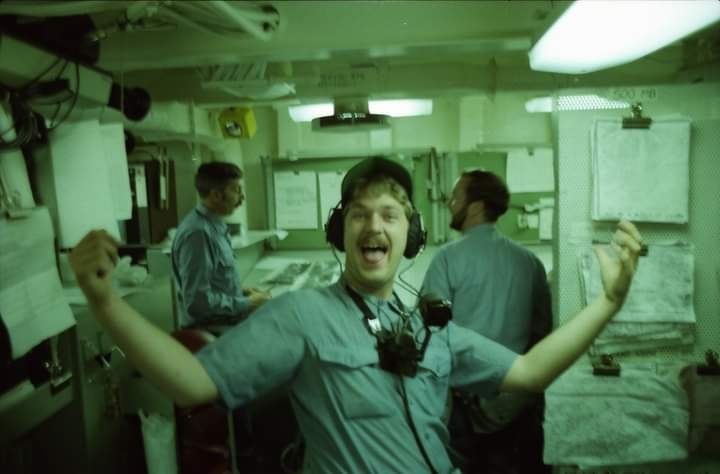
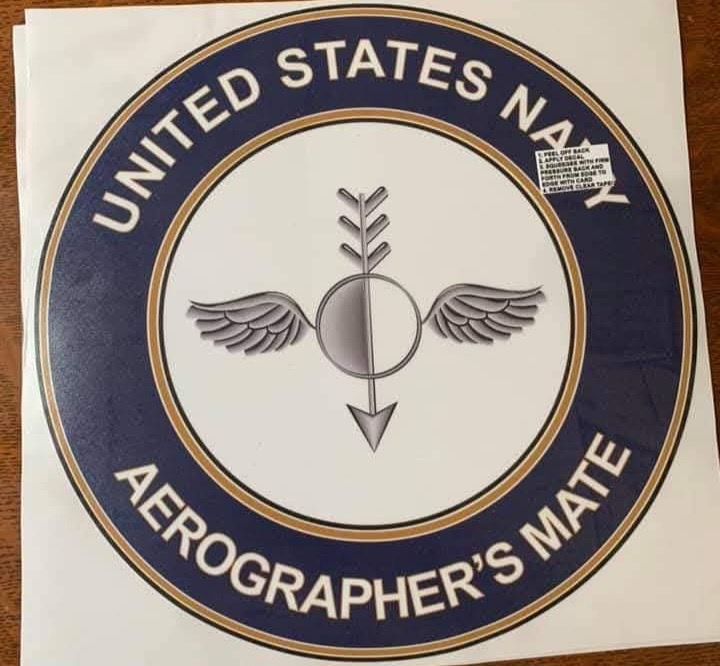
Upon graduating high school, he enlisted in the United States Navy in 1980 and completed Basic Military Training at the Recruit Training Command in Orlando, Florida and was sent to the Pre-Commissioning Unit, USS Carl Vinson CVN-70 in 1981 as an Aerographer Mate (Meteorology).
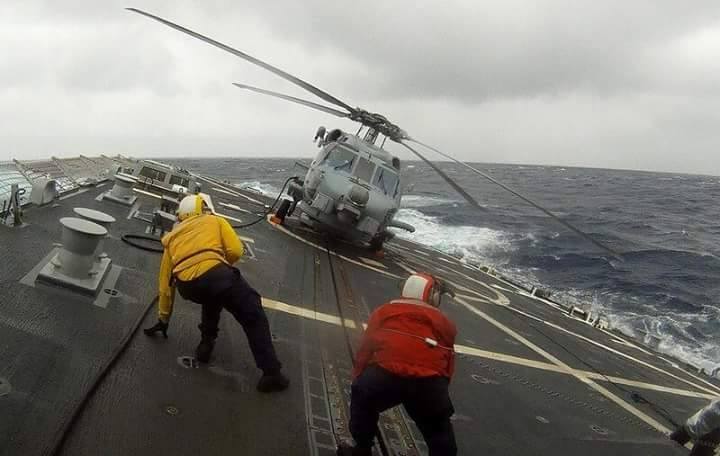
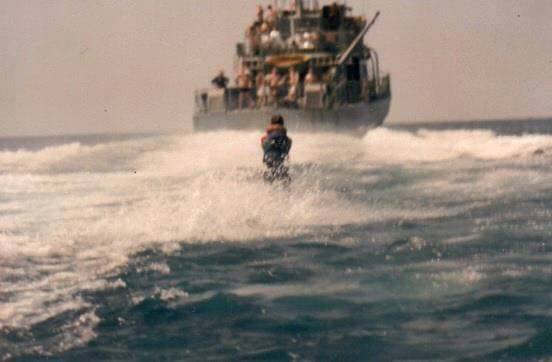
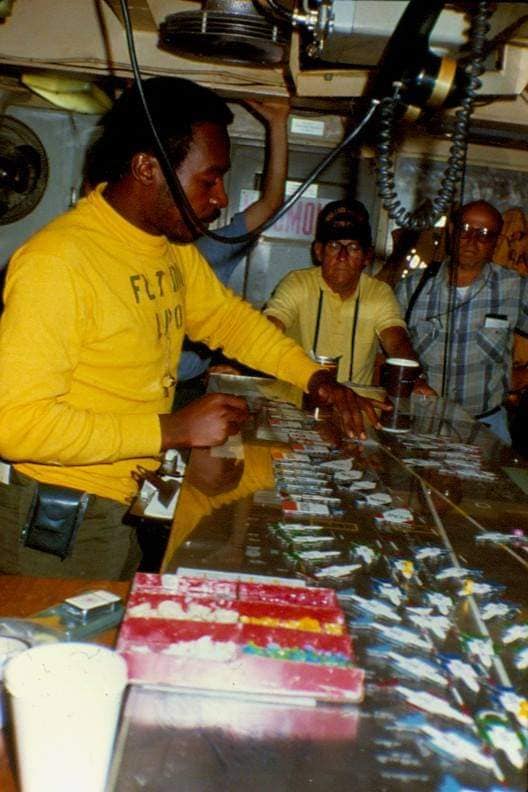
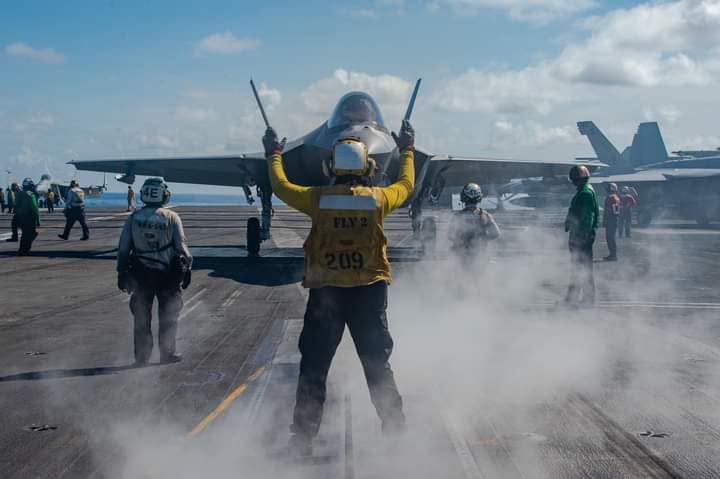
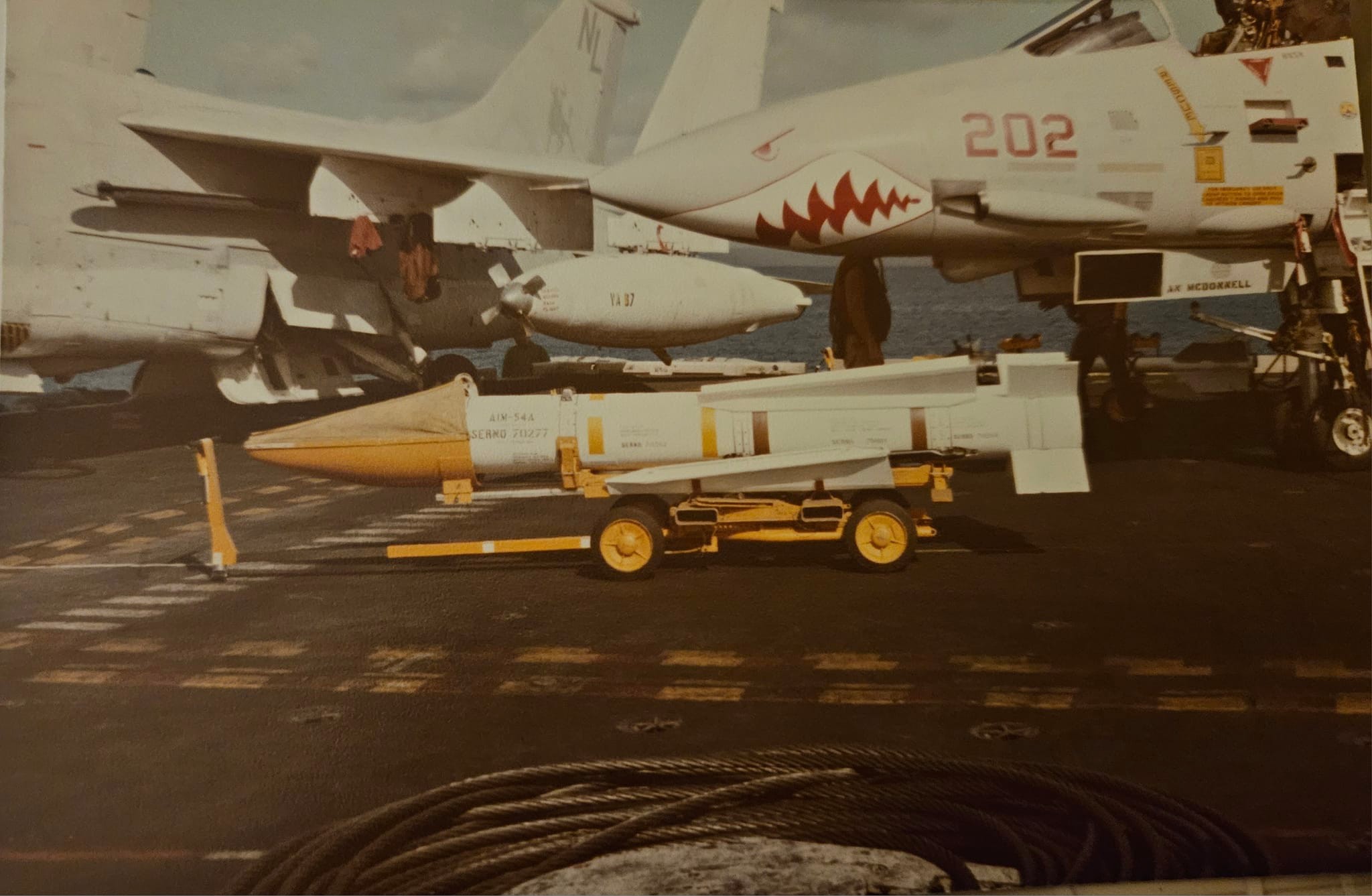
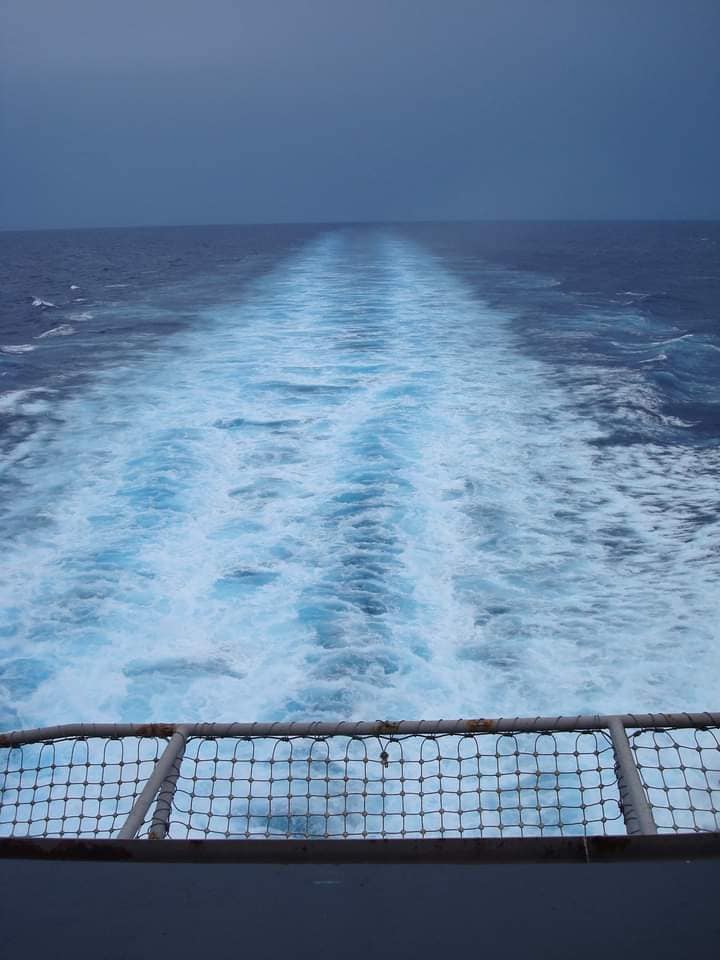
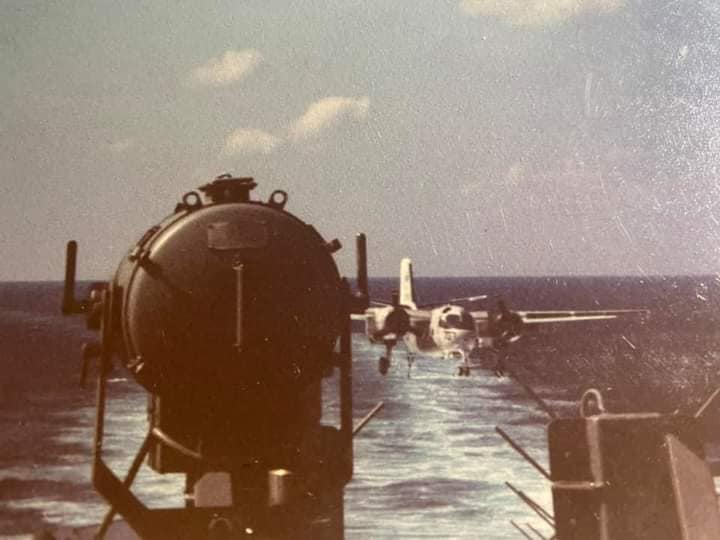
Roy was fascinated with the different activities of his job. He loved standing on the deck watching the clouds, winds blowing across the wave tops, and size of the swells. He would launch weather balloons to measure the inversion layers and track storm directions and intensity. He provided weather updates every hour to the ship captain so alteration in ship speed or direction could be altered for maximum flight performance.
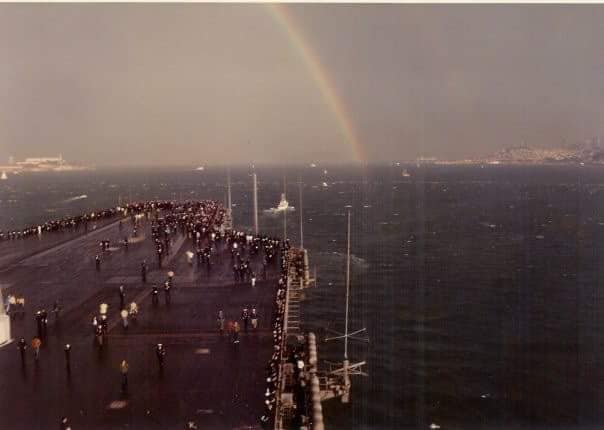
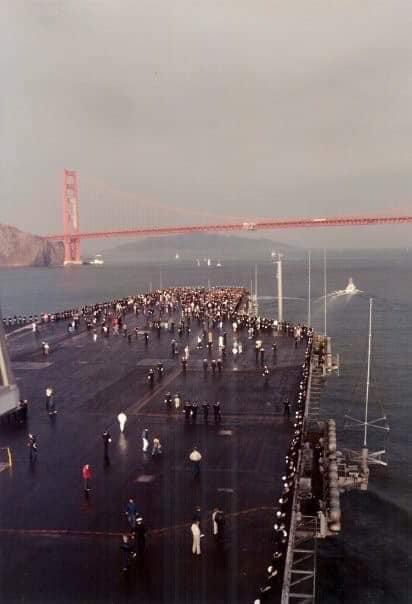
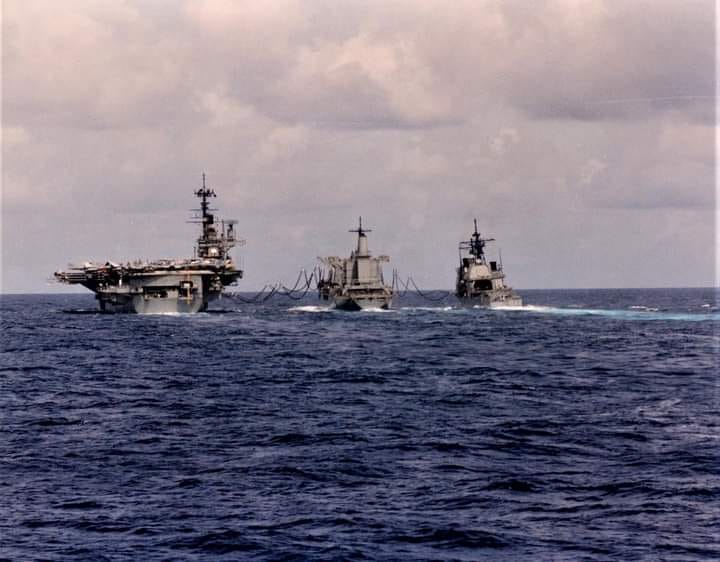
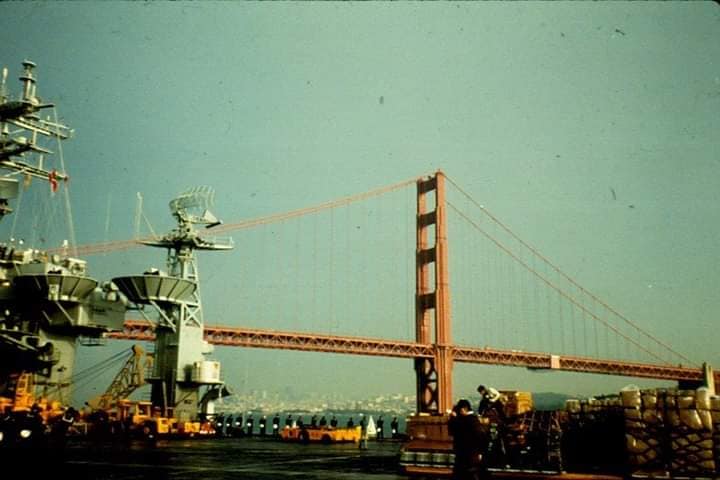
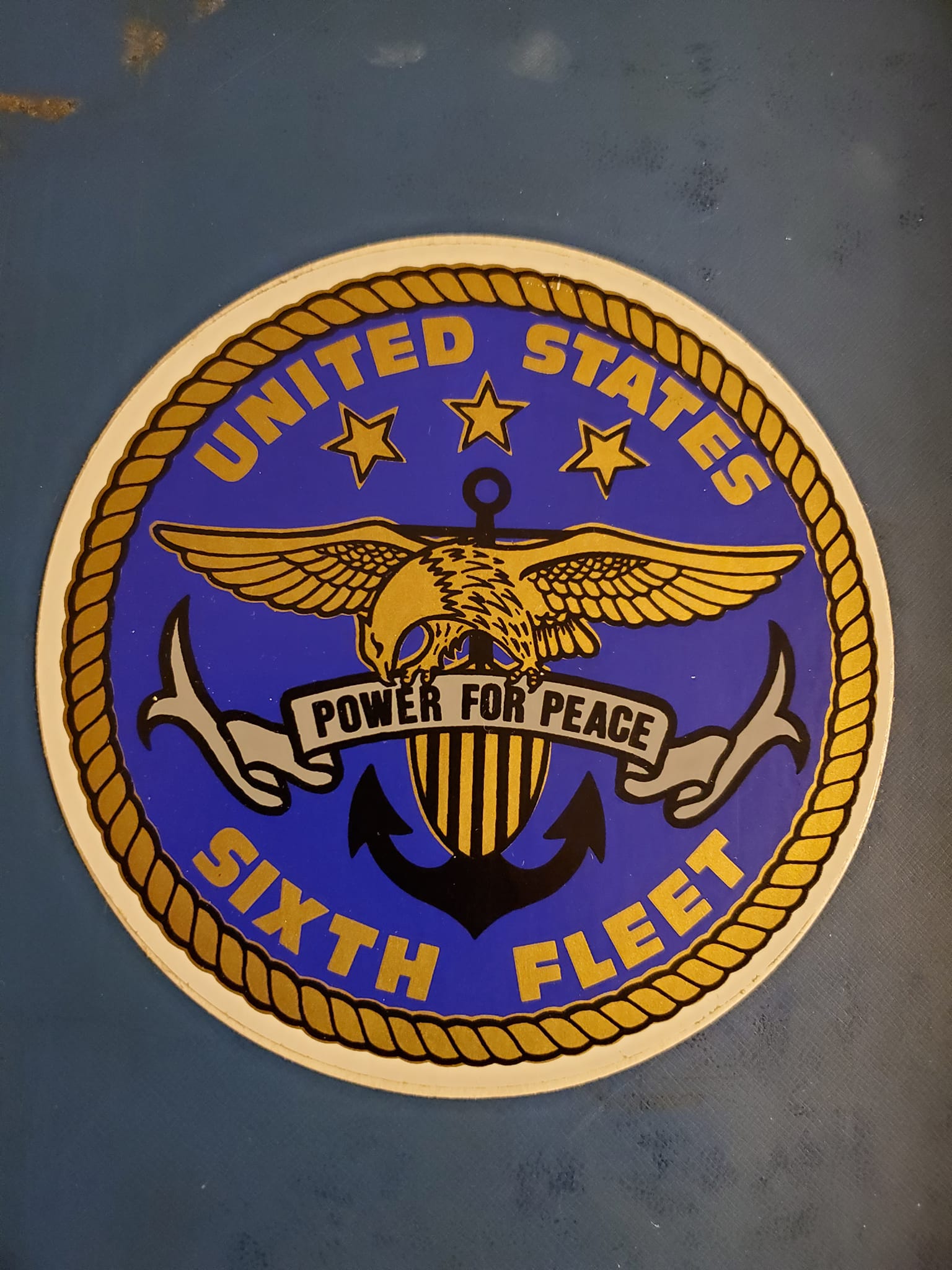
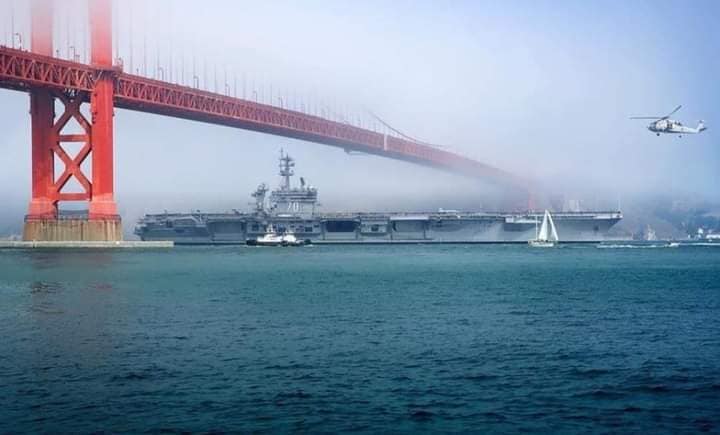
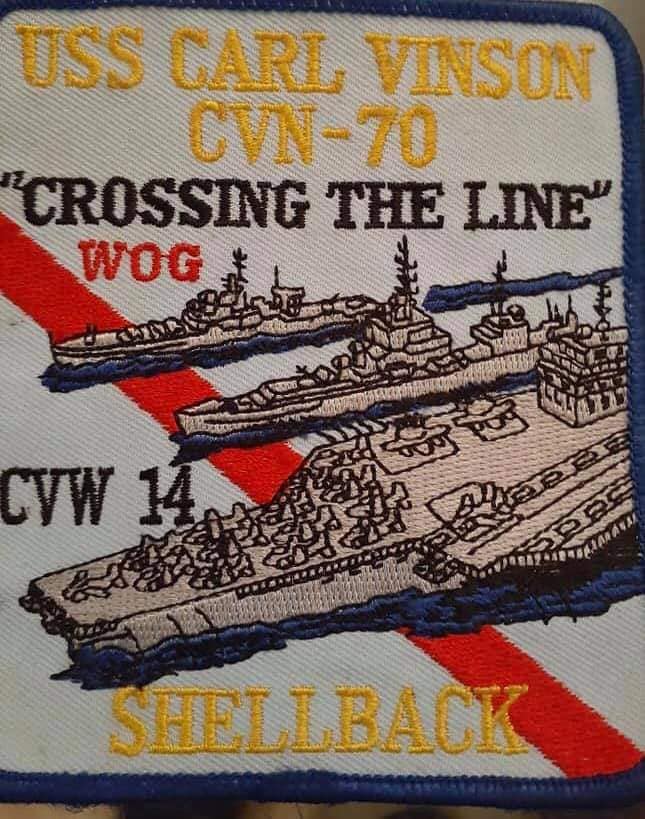
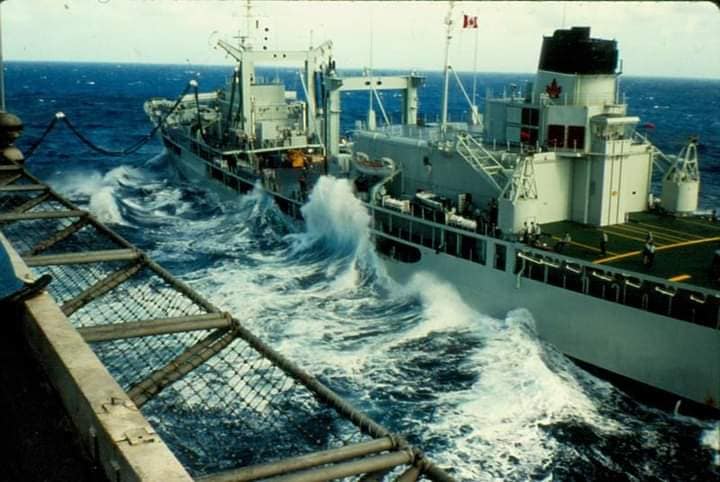
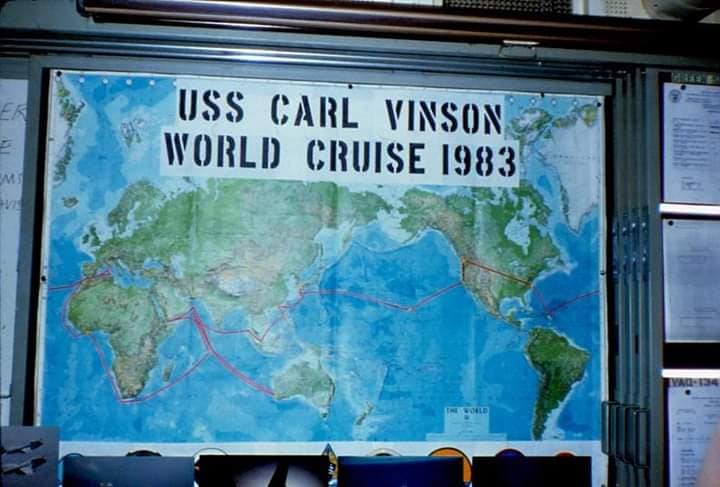
The USS Carl Vinson then made her maiden voyage “Around the World” in 1983 from Norfolk, Virginia to San Francisco, California. Davis left the USS Carl Vinson in 1985. He went on to the Naval Oceanography Command Detachment at Naval Air Station Lemoore, California as a weather observer.
He left the Navy in 1987 as an Aerographer Mate 3rd Class to pursue other opportunities in the civilian sector.
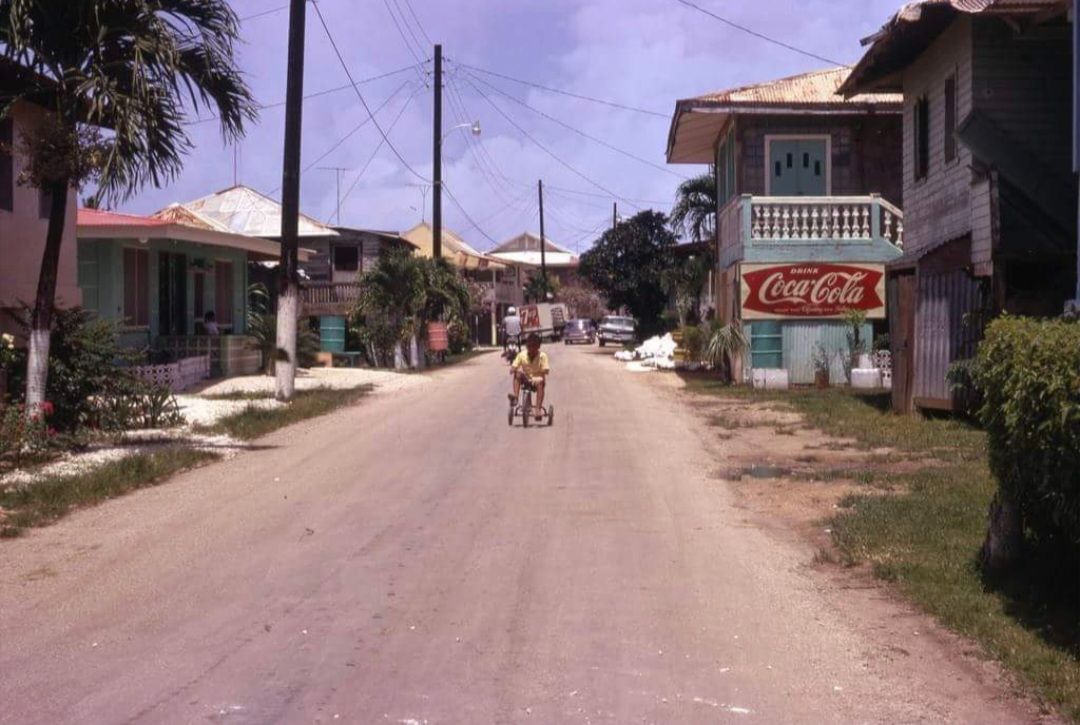
Davis returned to the United States Navy in 1989 and was assigned to the United States Territory of Guam. There he was assigned to the Naval Oceanography Command Center/Joint Typhoon Warning Center as an Aerographer Mate 2nd Class. His command tracked typhoons in an area of responsibility encompassing 11 million square miles.
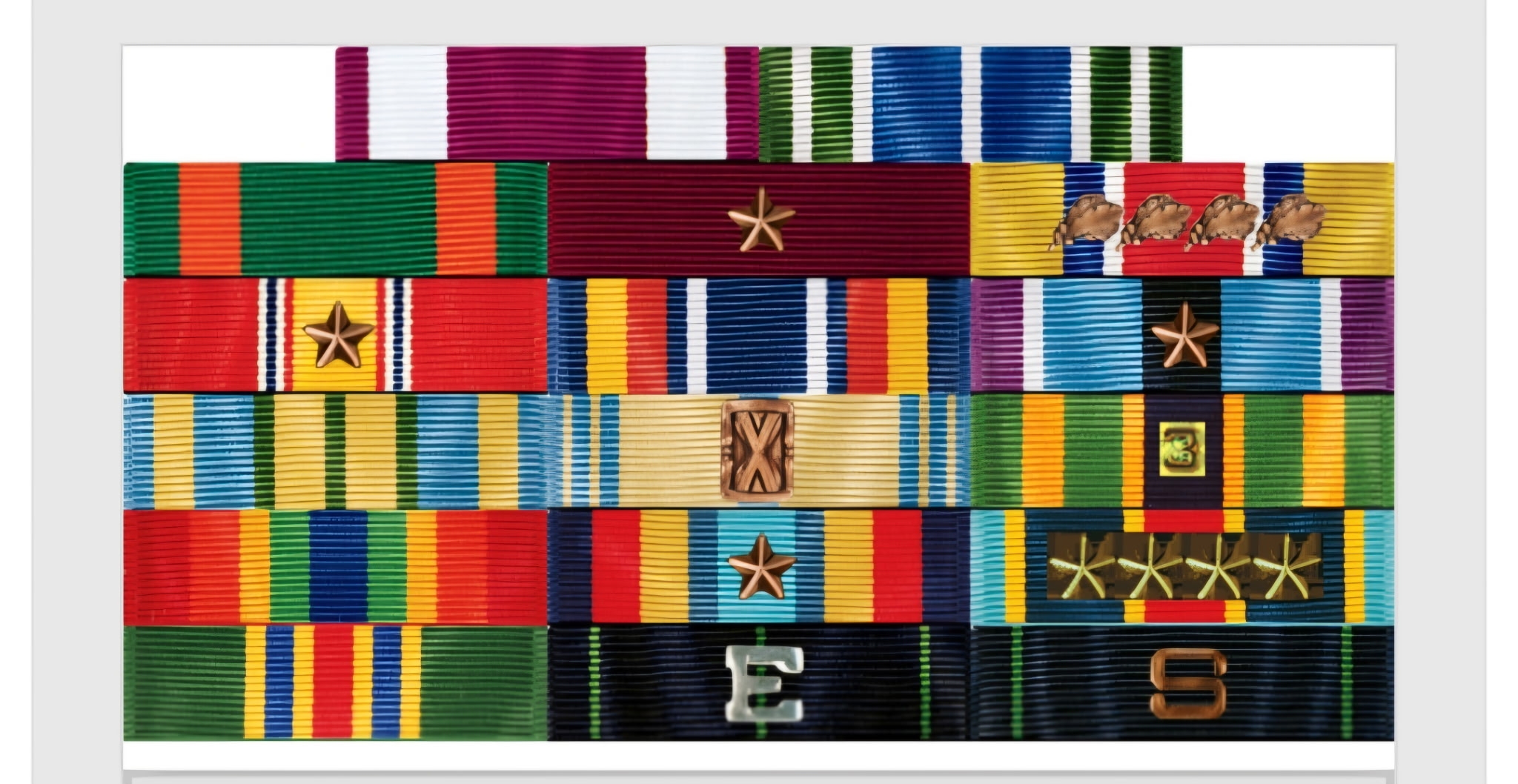
Davis worked a total of 10 tropical storms and 8 typhoons during his tenure in Guam. His other duties included an assignment to the Auxiliary Security Force where he was responsible for guarding weapons and large bombs stacked on the runway. For Desert Storm, he was promoted to E-5. In 1996, Davis left the Navy a second time to pursue opportunities in the civilian sector.
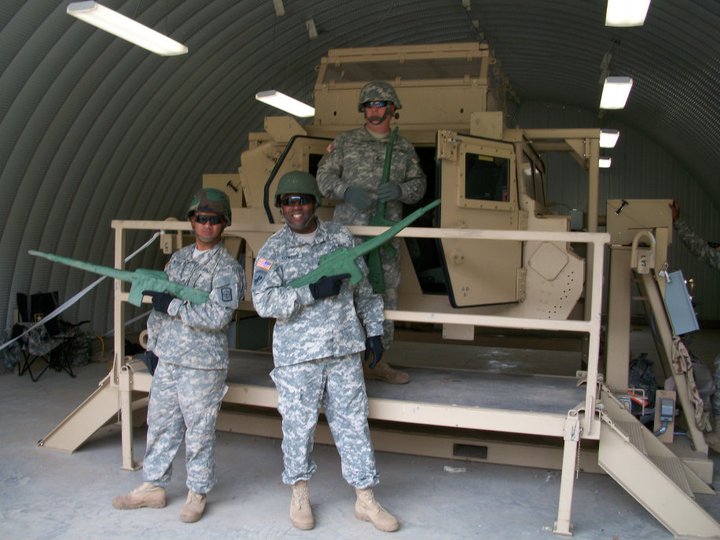
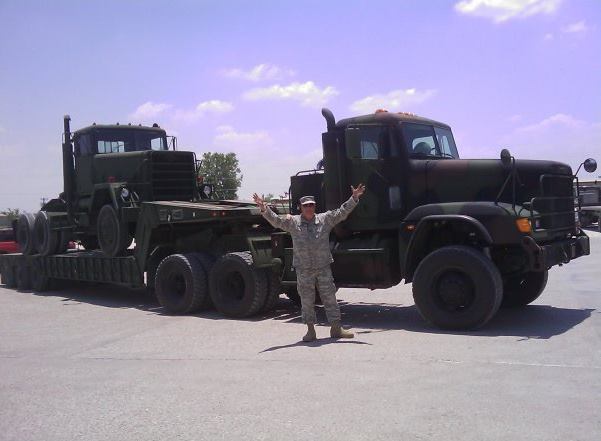
After working in the computer field for nearly 10 years, Davis returned to the military as a part of the United States Army Reserve as a Sergeant. He completed training at Fort Knox, Kentucky and was assigned to Company A, 980th Engineer Battalion/721st Engineer Company where he served for three years. He was assigned to Fort Leonard Wood where he trained as a Chemical BDC NCO. He was transferred to the 721st Engineer Co A at the JRB in Grand Prairie in 2005.
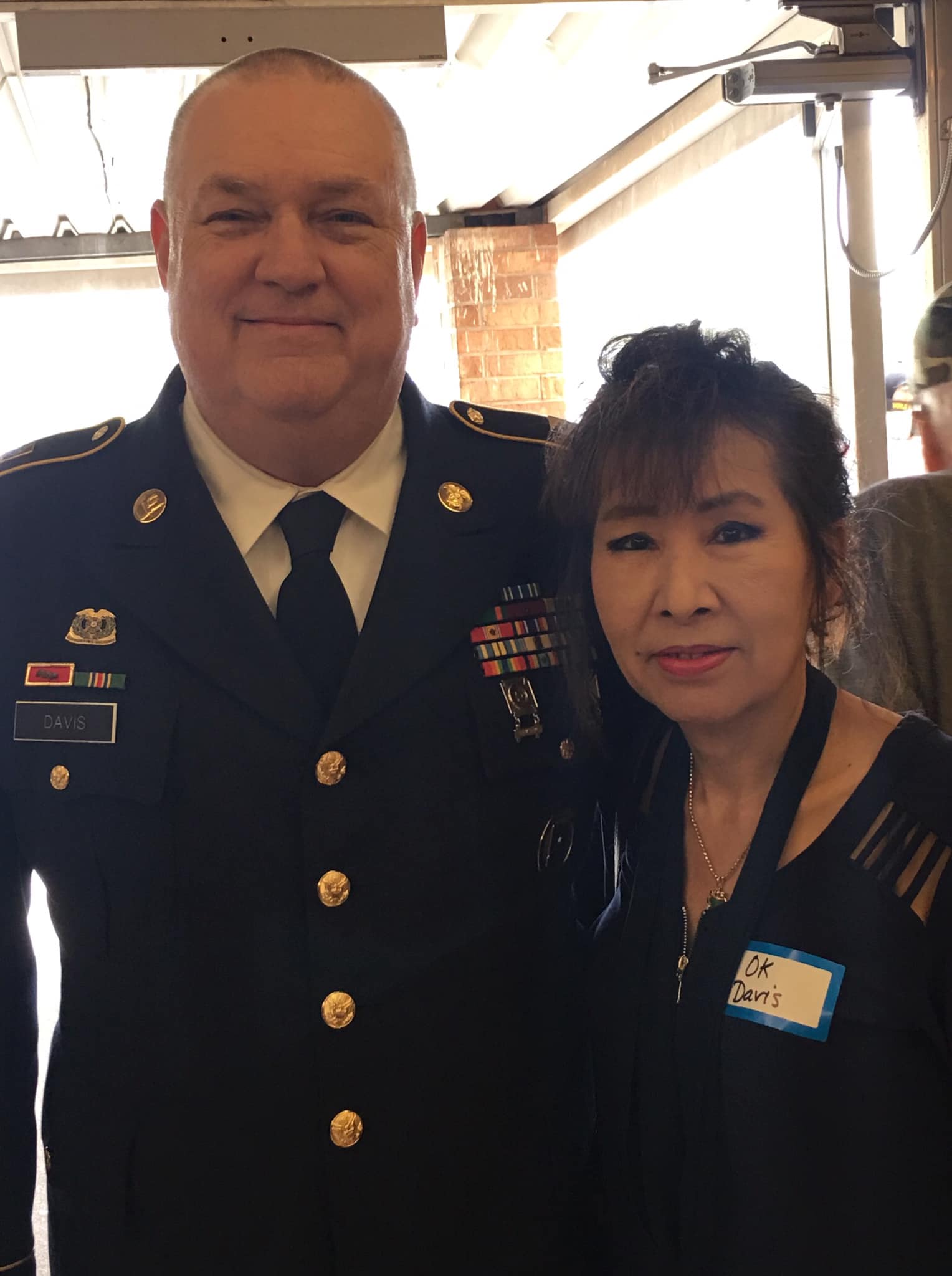
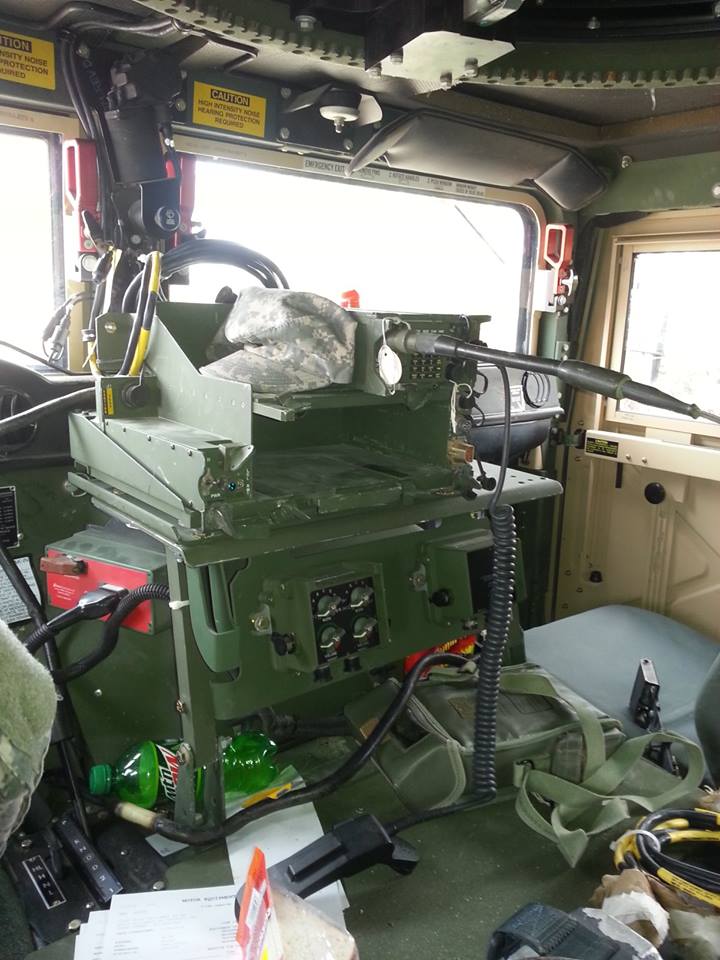
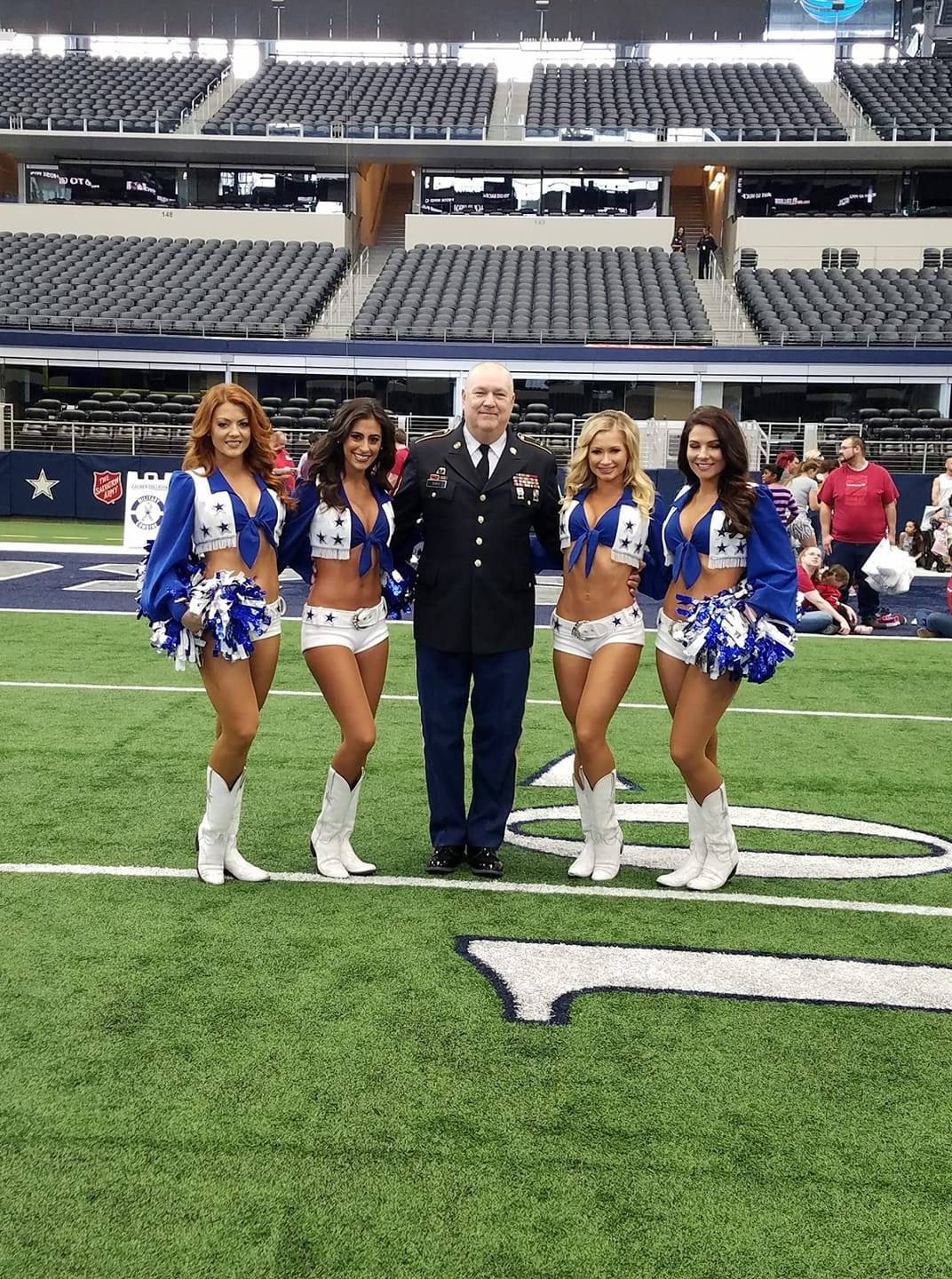
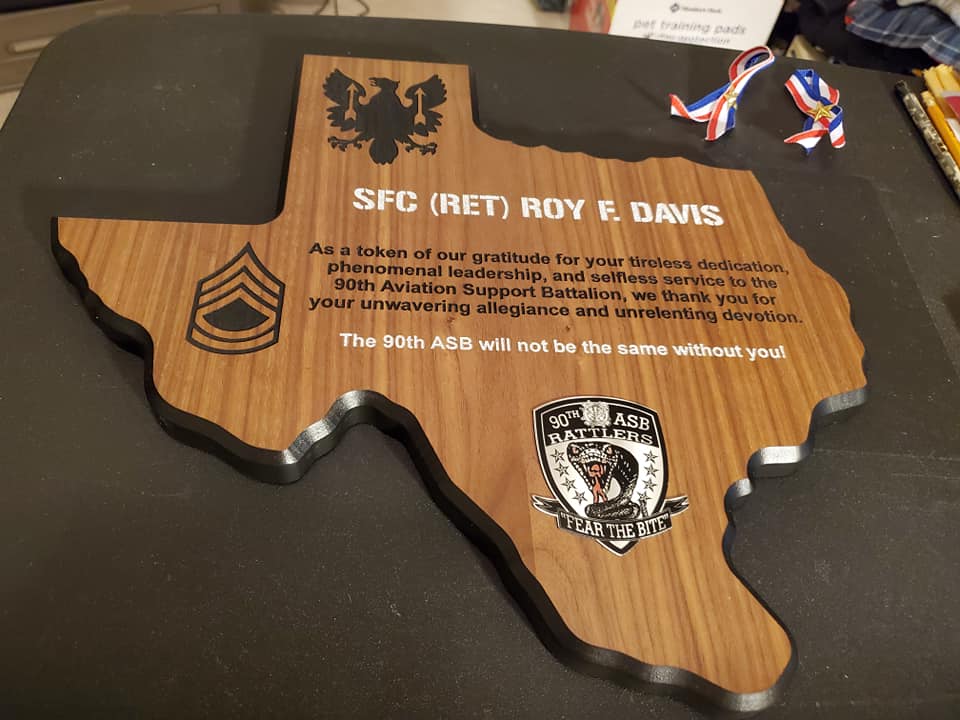
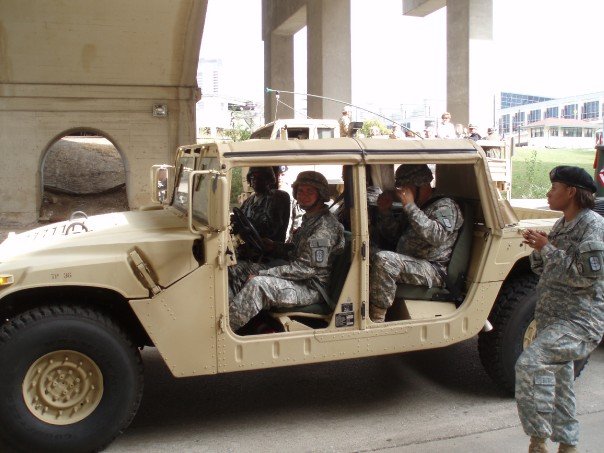
Davis was promoted to Staff Sergeant in 2010 and was transferred to the 90th Aviation Support Battalion where he served as the Battalion’s Chemical, Biological, Nuclear, and Radiological NCO. Davis was promoted to Sergeant First Class in 2014 and led Headquarters Platoon while at the 90th Aviation Support Battalion holding two Military Occupational Specialties one in the Chemical Corps and one in the Quartermaster Corps until his retirement in 2018 with a total of 26 Years of service.
Supplemental Information
A Distinguished Dual‑Branch Military Career
A Legacy of Versatility, Mastery, and Lifelong Service
Roy Davis built a rare and accomplished military career that spanned two branches of service, three distinct specialties, and multiple eras of American defense readiness. His path reflects a level of versatility and devotion found only in those who view service as a lifelong calling.
From the decks of the United States Navy to the leadership ranks of the U.S. Army Reserve, Roy demonstrated technical mastery, operational discipline, and the steady leadership of a seasoned professional. His career bridged generations of military evolution — from Cold War readiness to the modern, fast‑moving demands of Operation Desert Storm.
Few veterans carry a story as multidimensional or distinguished as his. Roy Davis served his nation not once, but across decades, across branches, and across missions — leaving behind a legacy defined by loyalty, integrity, and unwavering commitment to the United States of America.
Roy’s Service Aboard USS Carl Vinson (CVN‑70), 1981 to 1985
When Roy reported aboard the Pre‑Commissioning Unit of USS Carl Vinson in 1981, he stepped into one of the most complex and demanding environments in the U.S. Navy. As an Aerographer’s Mate (AG)—the Navy’s meteorologists—he belonged to a small, highly specialized team responsible for the weather intelligence that shaped every flight, every launch cycle, and every operational decision on the ship.
Life in the Pre‑Commissioning Unit
Before the ship was officially commissioned, Roy worked alongside shipfitters, engineers, and air wing planners as the Carl Vinson came to life. AGs were among the first rated sailors brought aboard because weather capability had to be operational before flight operations could ever begin. Roy helped establish:
- The ship’s first weather office.
- Calibration of meteorological instruments.
- Baseline climate studies for the ship’s expected operating regions.
- Early training for flight deck crews on how weather data affected launch windows.
This was a rare experience—few sailors ever serve on a carrier before she is even commissioned.
Aerographer’s Mate (AG)
United States Navy — USS Carl Vinson (CVN‑70)
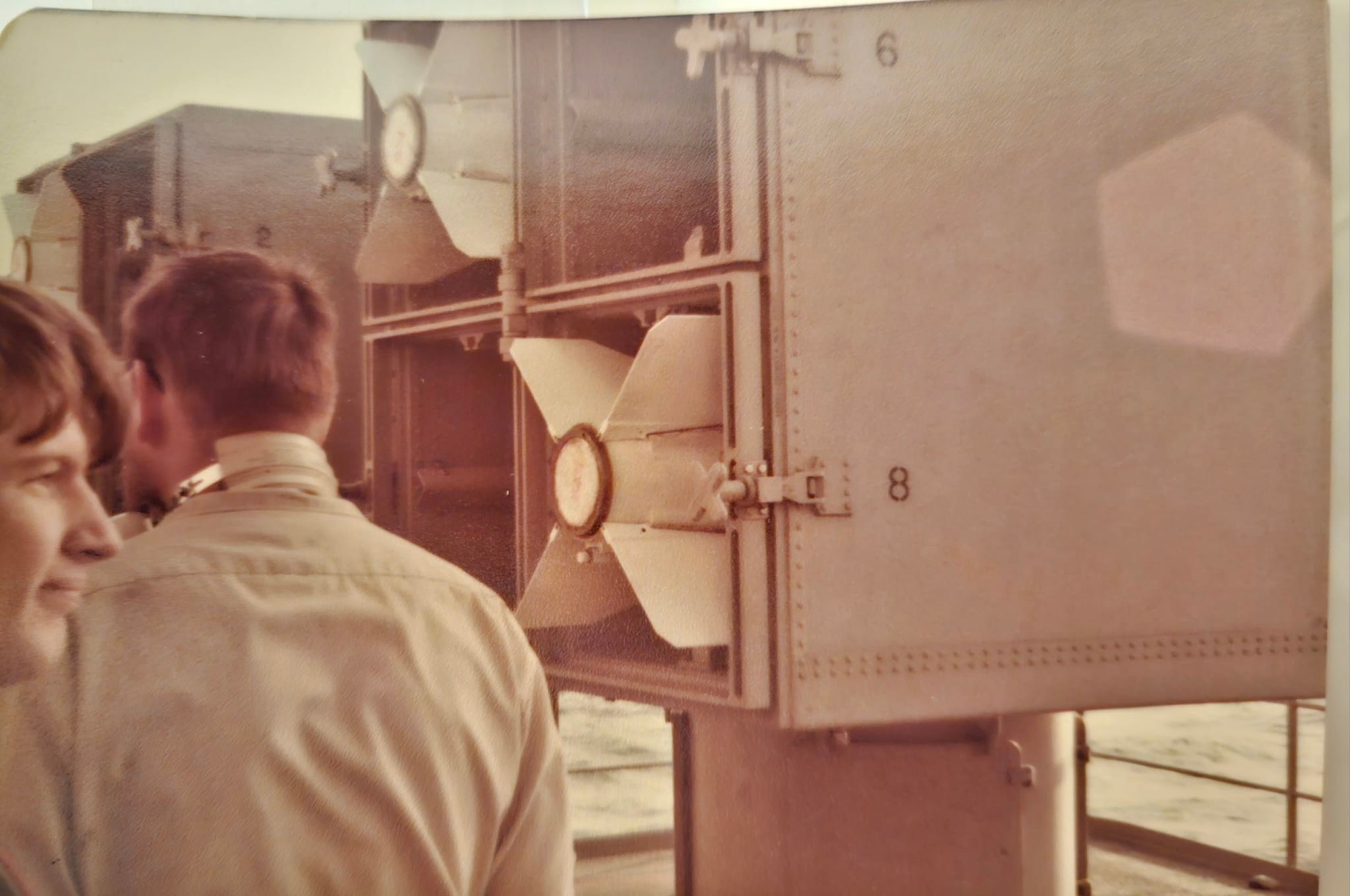
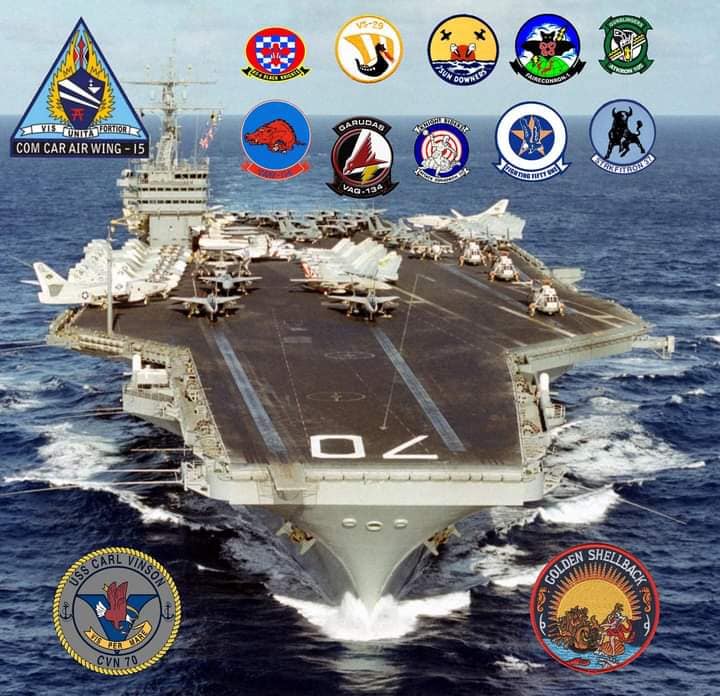
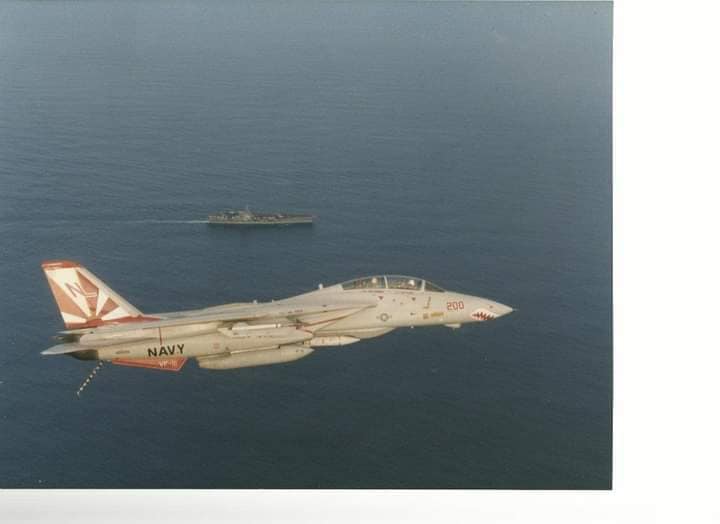
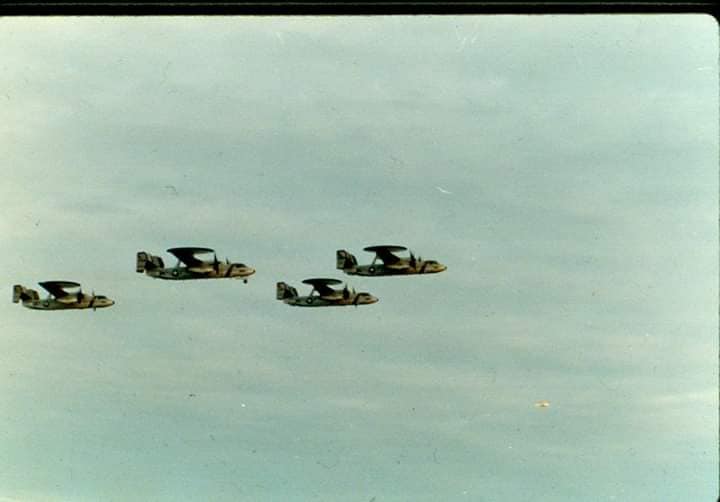
Roy Davis served aboard the USS Carl Vinson, one of the Navy’s great Nimitz‑class aircraft carriers—a floating airbase whose decks thundered with jet engines and whose crew of nearly 5,000 sailors moved with the precision of a single, unified force. Within this vast and disciplined world, Roy’s role as an Aerographer’s Mate placed him among the ship’s most trusted environmental experts, the quiet professionals whose assessments shaped the safety and success of every operation.
Role & Responsibilities
As an Aerographer’s Mate, Roy’s work blended scientific rigor with operational intuition. His duties required accuracy, speed, and a deep understanding of how the atmosphere governed naval aviation.
- Collected and analyzed atmospheric and oceanographic data essential for ship and air‑wing operations.
- Produced detailed weather forecasts that guided pilots, navigators, and commanders.
- Delivered real‑time environmental intelligence for mission planning and strike‑group coordination.
- Monitored sea states, wind patterns, visibility, and storm systems across vast ocean regions.
- Ensured safe navigation and flight operations for the carrier and its escorting ships.
AGs are the Navy’s environmental sentinels—professionals whose quiet precision influences decisions from the flight deck to the flag bridge.
Roy’s work directly supported:
- Carrier flight‑deck operations, where timing and conditions are critical.
- Air‑wing readiness, ensuring pilots launched with accurate environmental data.
- Navigation and maneuvering, helping the ship maintain safe and efficient courses.
- Strike‑group safety, protecting aircraft, crews, and vessels across the formation.
Impact on Carrier Operations
On a supercarrier, weather is not a backdrop—it is a decisive force. Every launch, every recovery, and every mission depends on conditions that can shift in moments. Roy’s environmental assessments shaped the carrier’s operational rhythm.
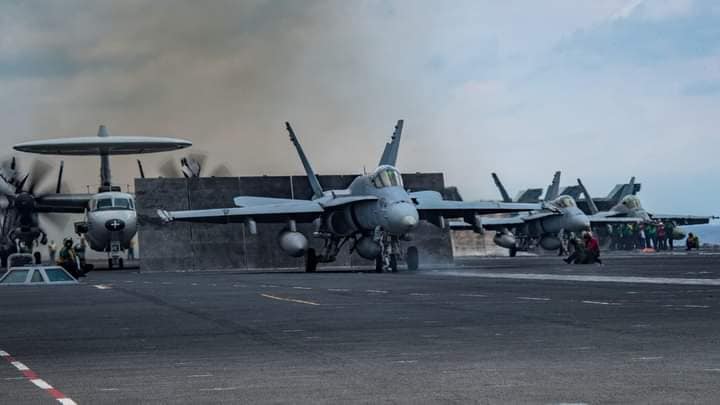
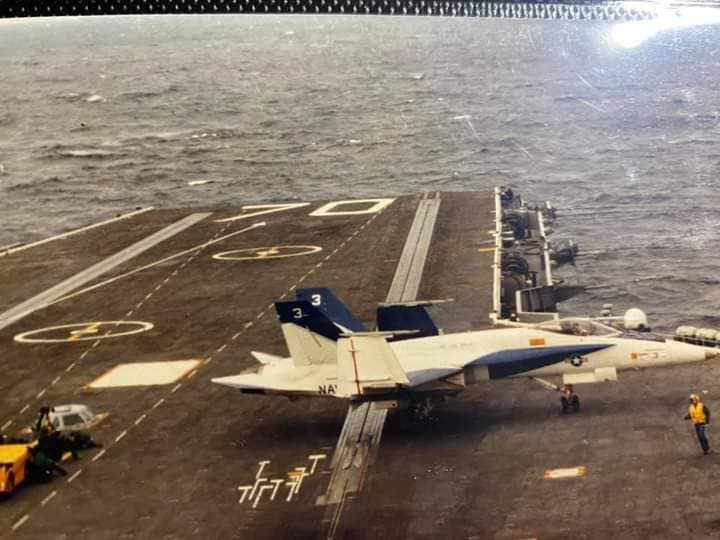
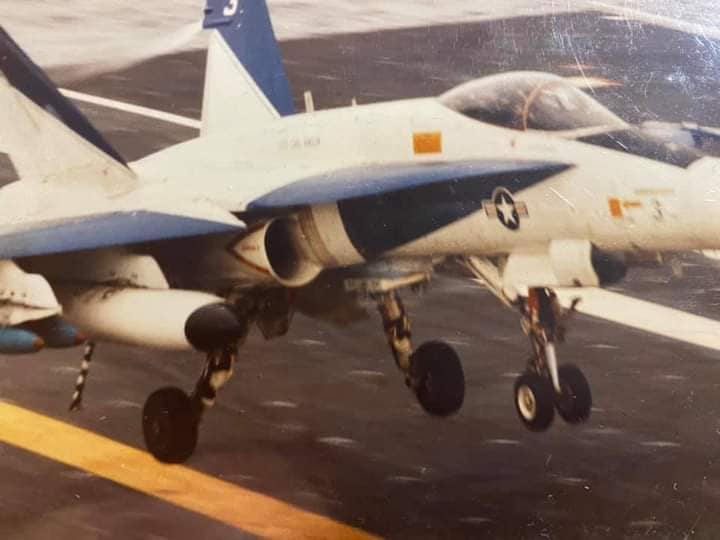
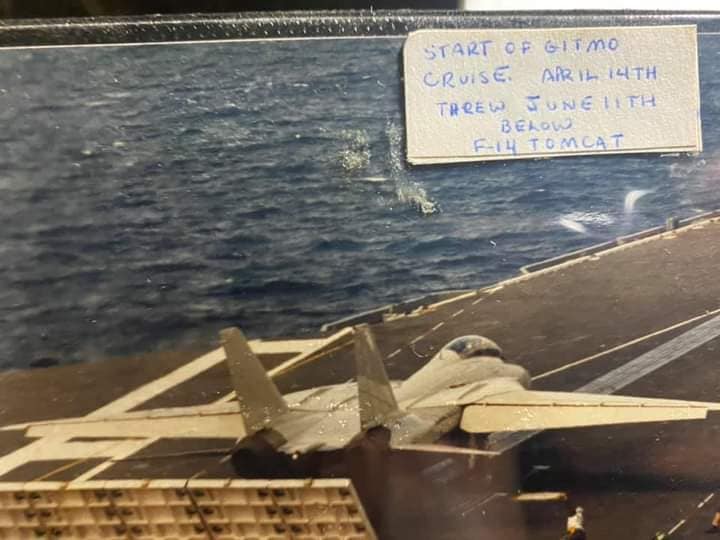
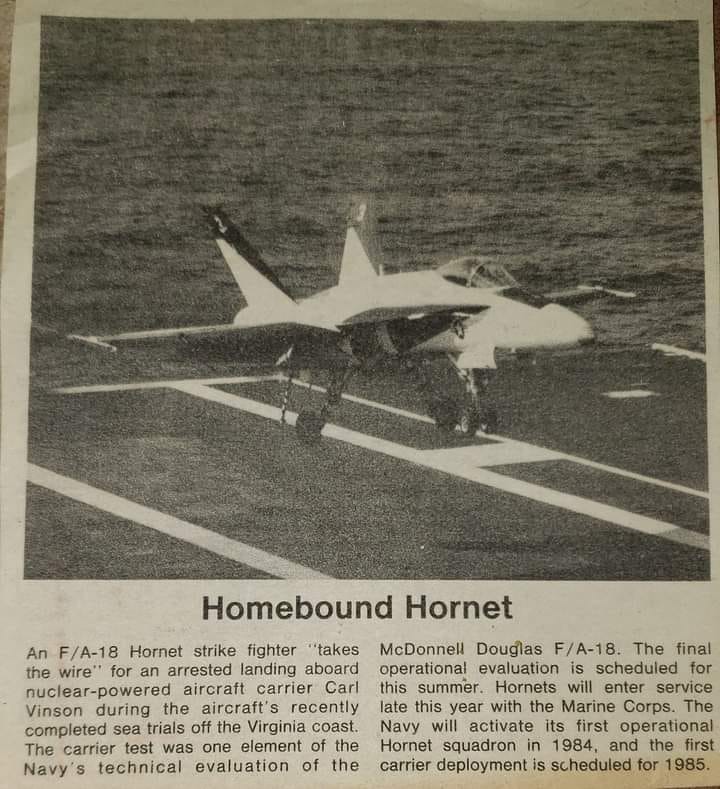
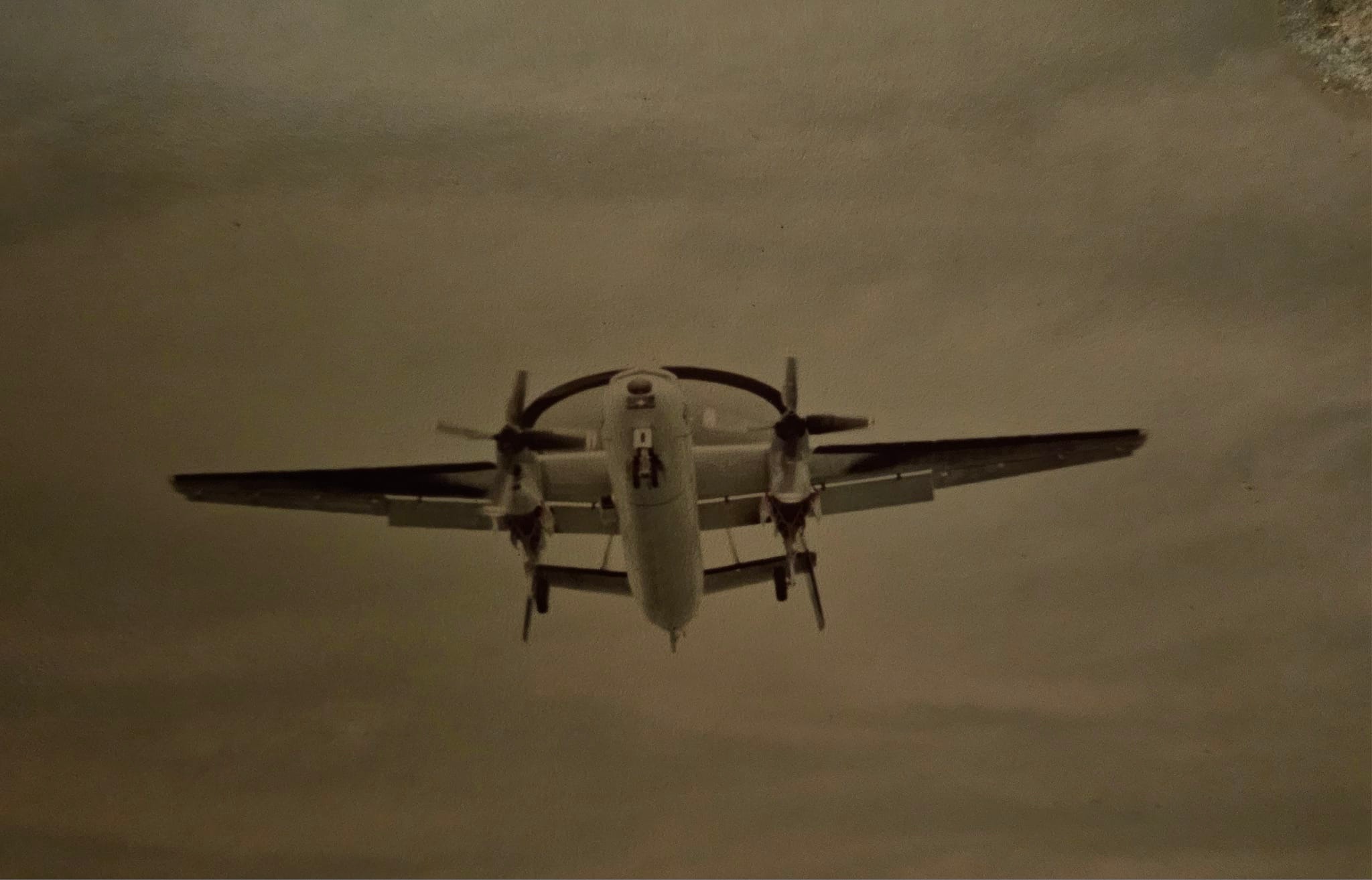
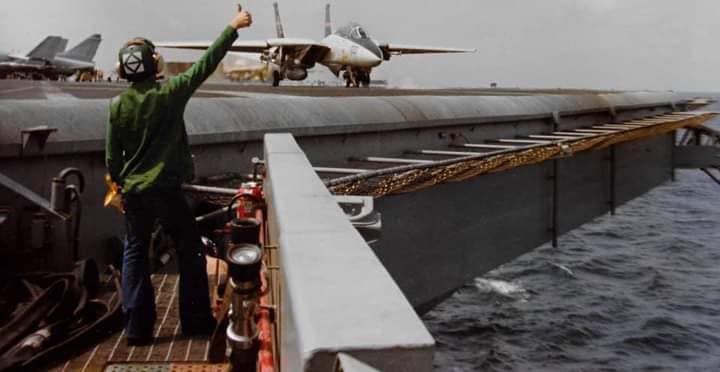
- Influenced F/A‑18 launch schedules and recovery windows, especially during high‑tempo operations.
- Supported night operations and carrier qualifications, where visibility and wind conditions are critical.
- Informed anti‑submarine warfare and maritime patrol missions, where sea states affect sensors and tactics.
- Guided long‑range strike planning, ensuring aircraft departed and returned under safe conditions.
- Enhanced overall strike‑group readiness, reducing risk and improving mission success.
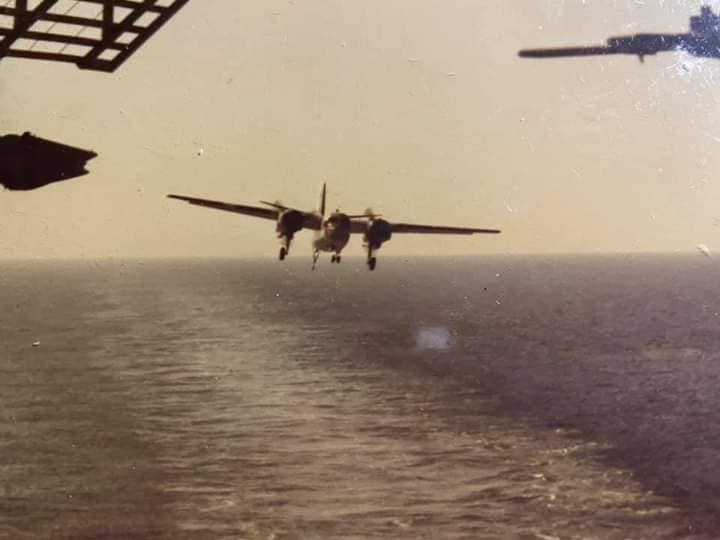
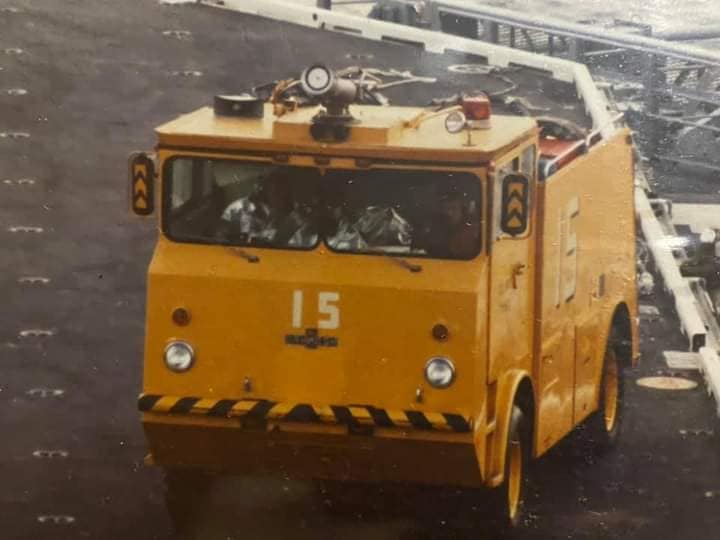
The flight deck is one of the most dangerous workplaces in the U.S. military. Roy’s precision helped safeguard pilots, aircrew, deck crews, and the ship itself. His forecasts supported life‑or‑death decisions where a single miscalculation could jeopardize aircraft, crews, or the success of an entire operation.
The Aerographer’s Mate Legacy
Aerographer’s Mates stand at the intersection of science and naval operations, carrying a responsibility that is both technical and profoundly human. They read the sky and the sea with disciplined precision, interpreting the invisible forces that shape every evolution aboard a carrier. Their work forms the quiet foundation of readiness, transforming raw environmental data into the guidance that keeps a strike group safe. It is a craft rarely witnessed by the public, yet it lives within every launch cycle, every navigation decision, and every mission that rises from the deck.
Roy embodied the finest expression of this calling. He served with a blend of professionalism, humility, and quiet mastery that made his presence a source of confidence throughout the USS Carl Vinson. His assessments were not simply forecasts. They were instruments of protection. They shaped strategy, informed commanders, steadied pilots, and ensured that the ship could operate with assurance across the world’s oceans. He approached each responsibility with a calm clarity that reflected both his expertise and his character, offering the kind of steady judgment that shipmates remember long after the charts are cleared.
His legacy rests in truth. He did not seek recognition. He did not elevate himself. He simply served with honor, and in doing so, became the kind of sailor whose influence endures in the lives he safeguarded and the trust he earned. His work strengthened the invisible shield that surrounds a carrier at sea, and his devotion stands as a testament to the noble tradition of the Aerographer’s Mate and to the man who fulfilled that tradition with unwavering integrity.
Life Aboard the Ship
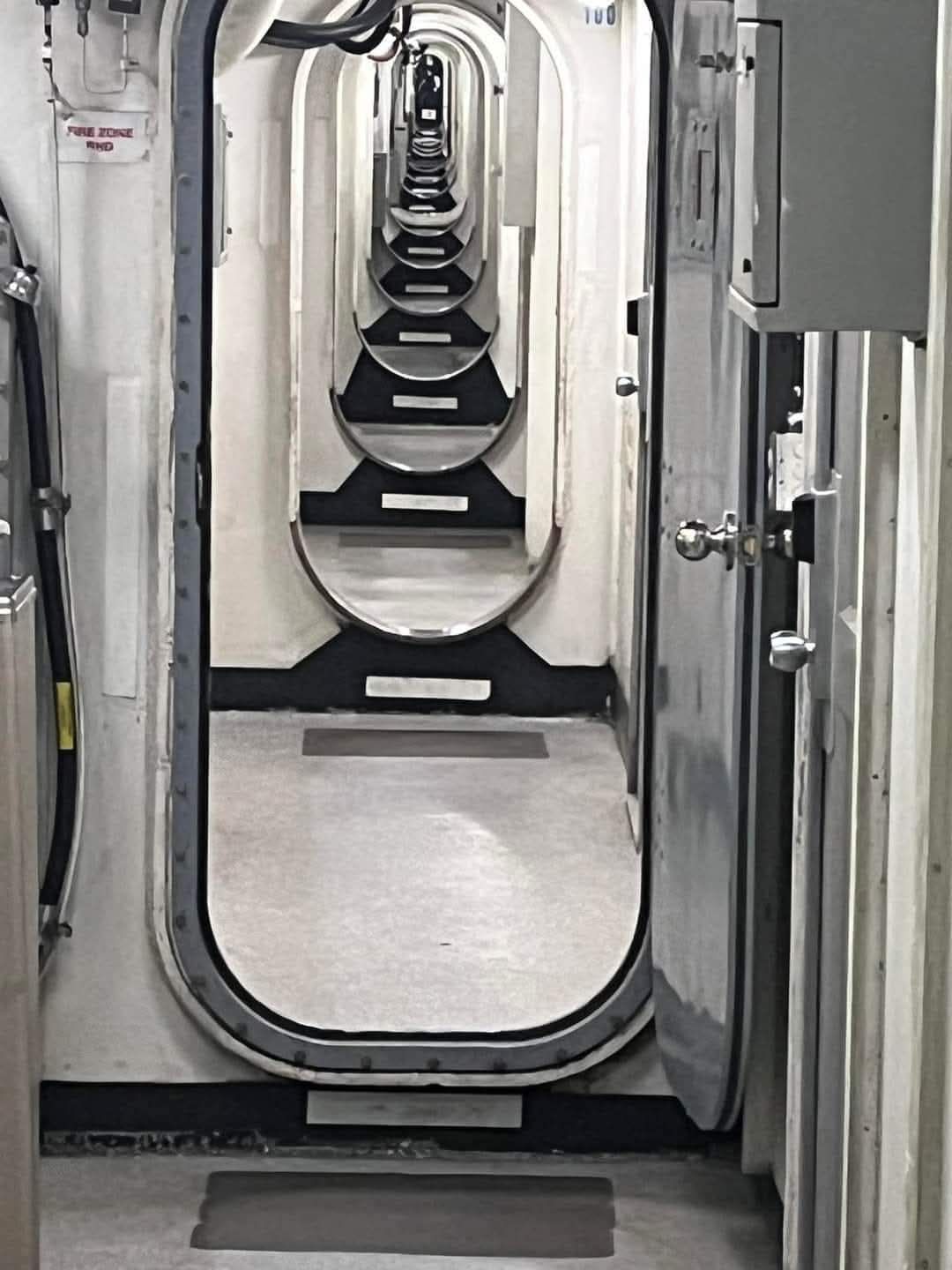
Beyond his formal duties, Roy lived the daily rhythm of carrier life — a world defined by noise, motion, and the unspoken bond shared by those who serve at sea. The USS Carl Vinson was more than a warship; it was a floating city whose routines shaped every hour of a sailor’s day. Berthing spaces were packed with sixty to eighty men, where personal space was measured in inches and friendships were forged in close quarters. Watches stretched long into the night, often twelve hours on and twelve hours off, demanding endurance, discipline, and a steady mind.
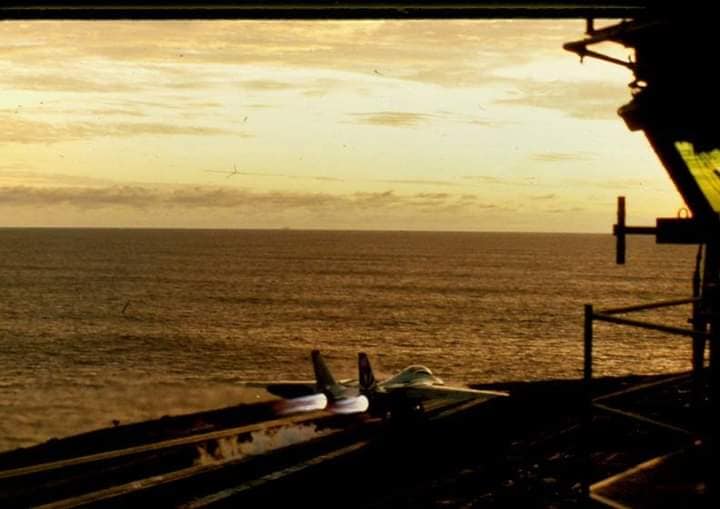
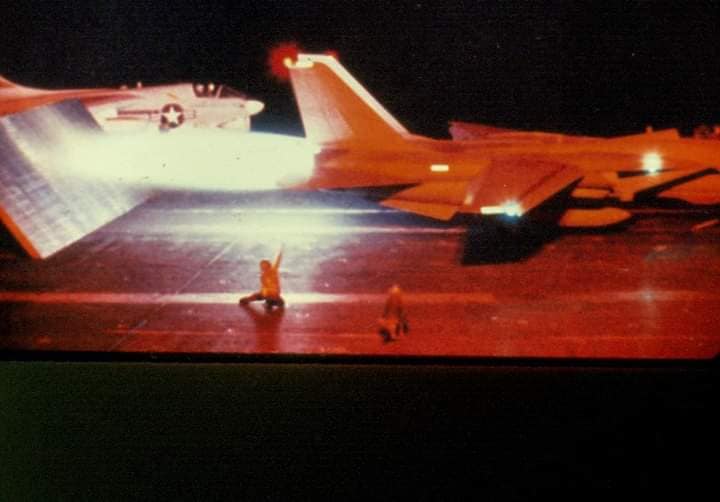
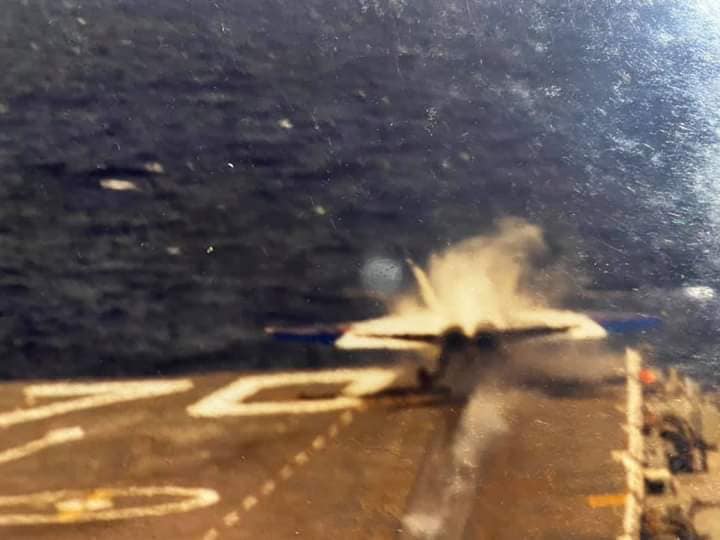
The ship itself had a pulse. The constant hum of the nuclear reactors became a low vibration that sailors felt through their boots. The thunder of catapults and arresting gear shook the steel decks as aircraft launched and recovered around the clock. Even the floors trembled during flight operations, a reminder that the ship was alive with purpose and power. Through it all, the camaraderie of sailors became its own kind of family — a bond built through shared work, shared hardship, and shared pride.
Roy witnessed sunrises from the flight deck that painted the ocean gold, and nights so clear the stars seemed close enough to touch. In those rare quiet moments, between the roar of jets and the demands of duty, he found the kind of beauty that only sailors far from land ever truly know.
Transition to NAS Lemoore
When Roy left the Carl Vinson in 1985, he carried with him the hard‑earned experience of forecasting weather in some of the most challenging maritime environments on earth.
- Expertise in blue‑water meteorology, shaped by years of observing the open ocean.
- Carrier‑level forecasting skills, honed under the pressure of flight operations.
- A deep understanding of aviation weather, essential for supporting naval aircrews.
At the Naval Oceanography Command Detachment at NAS Lemoore, Roy became a weather observer for strike fighter squadrons. He translated his carrier experience into shore‑based aviation forecasting, supporting pilots whose missions depended on accurate, timely environmental intelligence. His work continued to safeguard lives — this time from the ground — with the same professionalism and quiet mastery he had shown at sea.
Military Occupational Specialist
A Career Defined by Skill, Discipline, and Devotion
After completing his service in the United States Navy, Roy Davis continued his commitment to the nation by joining the U.S. Army Reserve, where he rose to the senior enlisted rank of Sergeant First Class — a distinction earned only through proven leadership, technical mastery, and unwavering excellence. His transition from one branch of service to another reflects a rare level of dedication, the kind found in those who view military service not as a chapter of life, but as a calling.
The Army Reserve stands as one of the most essential components of America’s defense — a force of citizen‑soldiers who balance civilian life with military readiness. These men and women train regularly, maintain specialized skills, and remain prepared to mobilize whenever the nation calls. Roy embodied this dual commitment with quiet strength and steadfast purpose.
As a Military Occupational Specialist, he brought advanced technical proficiency, operational discipline, and leadership grounded in years of experience. He guided younger soldiers with patience and authority, ensuring they understood not only the tasks before them but the responsibility that came with wearing the uniform. His service in the Reserve revealed a man who embraced readiness in both peacetime and crisis, someone who understood the weight of responsibility and carried it with dignity.
Roy’s willingness to serve across branches, across decades, and across eras of conflict speaks to a character shaped by loyalty, integrity, and a deep love for his country. His career stands as a testament to the enduring spirit of the American service member — disciplined, skilled, and always prepared to answer the call.
Leadership and Responsibilities
The Steady Hand of a Senior NCO
As a Sergeant First Class, Roy Davis carried the weight of leadership with the calm authority of a seasoned professional. His position demanded discipline, judgment, and the ability to guide soldiers through both the steady rhythm of routine operations and the intense urgency of moments when decisions carried profound consequences. He stood as the anchor of his formation, the figure whose presence brought order, confidence, and direction.
Roy supervised soldiers and junior NCOs with a deliberate and thoughtful approach that shaped the next generation of leaders. He oversaw training, readiness, and mission execution with a commitment to excellence that ensured every soldier under his watch was prepared for the demands of service. He managed equipment, logistics, and operational planning with the precision that forms the backbone of any successful mission. He maintained unit preparedness for mobilization with a constant awareness of responsibility. He served as a mentor and role model whose conduct set the standard he expected from others.
Impact as a Senior NCO
Roy’s influence extended far beyond administrative duties. In the crucible of military life, he became a source of stability and strength. His guidance steadied soldiers during high stress operations. His discipline reinforced adherence to standards. His presence strengthened cohesion and morale within the unit. His hands‑on leadership ensured mission success and cultivated trust that endured long after the uniform was set aside.
His Army Reserve career revealed a man who could lead, teach, and inspire with quiet authority. These qualities became essential as the nation entered a new era of conflict, and they remain part of the legacy he carried with honor.
Answering the Call: Desert Shield and Desert Storm
When the United States mobilized for Operation Desert Shield and Desert Storm, Roy Davis stood among those who stepped forward with quiet resolve. His decision to serve again during one of the most decisive campaigns of the modern era reveals the depth of his character and the unwavering devotion he carried for his country. He did not return out of obligation. He returned because duty lived within him.
Roy’s service in the Gulf War reflected a readiness that allowed him to mobilize without hesitation when the call came. He adapted to the harsh and unforgiving conditions of desert warfare with the discipline of a seasoned soldier. He supported joint and coalition operations with the professionalism required in a conflict shaped by international cooperation and modern technology. He navigated the demands of a fast moving, high stakes environment with the dependability that commanders rely upon when the margin for error is thin.
Whether contributing to logistics, intelligence, weather operations, or unit leadership, Roy’s presence strengthened the ability of the United States military to execute a swift and decisive campaign. His conduct revealed discipline, adaptability, and a commitment to mission success that never wavered. His service in Desert Shield and Desert Storm stands as a testament to the steadiness of a man who answered the nation’s call with honor and carried out his responsibilities with the quiet excellence that defined his career.
Experiences and Realities That Reveal His Character
Roy Davis’s service during Desert Shield and Desert Storm becomes even more revealing when viewed through the realities he faced. These were not abstract conditions or distant headlines. They were lived experiences that tested endurance, discipline, and the quiet strength of a man who had already given years of his life to the nation.
He entered a mobilization environment defined by urgency. Reserve soldiers arrived at processing centers that operated around the clock. Lines stretched through hallways as personnel completed medical exams, vaccinations, equipment issue, and administrative updates. Weapons qualification ranges ran continuously. Training areas were filled with soldiers relearning tasks they had once mastered. The noise, the pace, and the intensity created an atmosphere where only steadiness could bring order. Roy moved through this environment with the calm authority of a seasoned NCO, guiding younger soldiers who were experiencing their first mobilization.
He encountered the physical realities of the Arabian Peninsula. The heat was not merely uncomfortable. It was oppressive, shaping every movement and decision. Temperatures climbed past one hundred degrees before midday. The air carried fine particles of sand that settled into clothing, boots, and equipment. Soldiers learned to wrap cloth around their faces to protect themselves from the constant abrasion. Sandstorms arrived with little warning, turning the sky into a muted haze and forcing units to halt operations until visibility returned. Vehicles required constant cleaning. Weapons had to be inspected repeatedly. Roy adapted to these conditions with the discipline of a man who understood that survival depended on vigilance.
He lived within the daily rhythm of a deployed soldier. Meals came from field kitchens or prepackaged rations. Sleep was taken in tents, on cots, or on the ground, often interrupted by training, alerts, or environmental conditions. Water discipline became a central part of life. Soldiers monitored intake carefully, knowing dehydration could strike quickly in the desert. Protective gear remained close at hand. Gas mask drills were frequent. The possibility of chemical attack shaped routines and reinforced the seriousness of the mission. Roy’s steadiness helped maintain morale during long stretches of waiting, preparation, and uncertainty.
He experienced the complexity of joint and coalition operations. Desert Shield brought together forces from more than thirty nations. Soldiers trained beside allies who spoke different languages, used different equipment, and followed different procedures. Coordination required patience, clarity, and professionalism. Roy’s leadership helped younger soldiers navigate this environment, teaching them how to operate confidently within a multinational force preparing for a major campaign.
He witnessed the technological shift that defined Desert Storm. Precision guided munitions, satellite navigation, and real‑time intelligence reshaped the battlefield. Communication systems were more advanced. Logistics moved faster. Maneuver warfare demanded rapid adaptation. Soldiers had to learn new equipment and new procedures while preparing for a ground offensive that would unfold at unprecedented speed. Roy’s experience allowed him to absorb these changes and help others master them.
He felt the tension of the months leading up to the offensive. Soldiers rehearsed maneuvers, built defensive positions, and prepared for the possibility of chemical or biological attack. Protective suits were kept within reach. Alarms were tested repeatedly. The anticipation created a psychological strain that only discipline could steady. Roy’s presence offered reassurance, helping maintain cohesion during this long period of preparation.
He experienced the intensity of the ground campaign. When coalition forces advanced in February 1991, movement was constant. Units crossed vast distances in short periods of time. Supply lines stretched across the desert. Communications had to remain uninterrupted. Weather assessments, terrain analysis, and logistical coordination became critical to maintaining momentum. Soldiers depended on leaders who could interpret conditions, anticipate needs, and maintain order under pressure. Roy’s experience made him one of those leaders.
He carried the realities of return. Soldiers came home with memories of heat, sand, long nights, and the weight of responsibility. They returned with pride, relief, and the quiet reflection of men who had contributed to one of the most decisive campaigns of the modern era. Roy returned with the dignity of a man who had fulfilled his duty with honor.
These experiences reveal the truth of his character. Roy Davis served not only with courage, but with constancy. He carried the discipline of a seasoned soldier, the steadiness of a leader, and the humility of a man who never sought recognition. The realities he endured in Desert Shield and Desert Storm added depth to his understanding of the world and became part of the rich tapestry of his life story, a story marked by devotion, resilience, and unwavering commitment to the mission.
About the 90th Aviation Support Battalion
The 90th Aviation Support Battalion (90th ASB) is a critical sustainment unit within the U.S. Army’s aviation structure. While aviation brigades are known for their helicopters, pilots, and flight crews, the 90th ASB is the organization that keeps those aircraft flying. It is the backbone of the brigade — the unit responsible for maintenance, logistics, supply, communications, and specialized support that ensures aviation operations can succeed in any environment.
The battalion is composed of soldiers from many different Military Occupational Specialties, each contributing to the readiness of the brigade’s aircraft and personnel. Its mission is broad and demanding: to sustain aviation units during training, field exercises, and deployments, often under tight timelines and high operational pressure. The 90th ASB supports everything from routine flight operations to large‑scale mobilizations, humanitarian missions, and combat deployments.
Within this structure, the battalion’s Headquarters and Headquarters Company (HHC) — where Roy served — is the command and control hub. It houses the battalion staff, administrative sections, logistics planners, and specialized NCOs whose expertise ensures the battalion can function as a cohesive, mission‑ready force.
The 90th ASB is known for:
- Maintaining and sustaining aviation assets across the brigade.
- Providing logistical support, including fuel, parts, and equipment.
- Ensuring communications and command systems remain operational.
- Conducting technical inspections, maintenance, and readiness checks.
- Supporting soldiers through supply, transportation, and personnel services.
- Preparing units for deployment and sustaining them once deployed.
It is a unit where precision matters, where readiness is everything, and where the work behind the scenes determines whether aircraft can launch, missions can proceed, and soldiers can return safely.
Why Roy’s Role Was So Significant
Serving as the Battalion CBRN NCO in a unit like the 90th ASB is no small responsibility. Aviation units are uniquely vulnerable to chemical, biological, radiological, and nuclear hazards because contamination can shut down aircraft, ground operations, and endanger entire formations. Roy’s expertise ensured that the battalion could continue operating safely under any threat condition.
As a Sergeant First Class and Headquarters Platoon Sergeant, he stood at the center of the battalion’s daily operations — guiding soldiers, advising commanders, and ensuring that the battalion’s support systems functioned with the precision aviation units demand.
His dual qualifications in the Chemical Corps and the Quartermaster Corps made him exceptionally valuable. He understood both the science of CBRN defense and the logistics that keep a battalion moving. That combination is rare, and it allowed him to strengthen the battalion’s readiness from multiple angles.
After Service Brief
A Legacy of Service Carried Forward with Purpose
After completing his military career, Sergeant First Class Roy Davis continued to build a life defined by discipline, intellect, and a steady devotion to service. He pursued higher education with purpose, earning an Associate of Science Degree in Computer Science and Network Administration. This achievement marked his confident entry into the rapidly advancing world of technology, a field that demanded precision, analytical skill, and the ability to adapt to constant change. From 1996 to 2005, he worked in the computer industry as a Technical and Software Engineer for MCI and Oracle Corporation in Colorado Springs. His work reflected the same clarity of thought, problem‑solving ability, and commitment to excellence that had shaped his years in uniform.
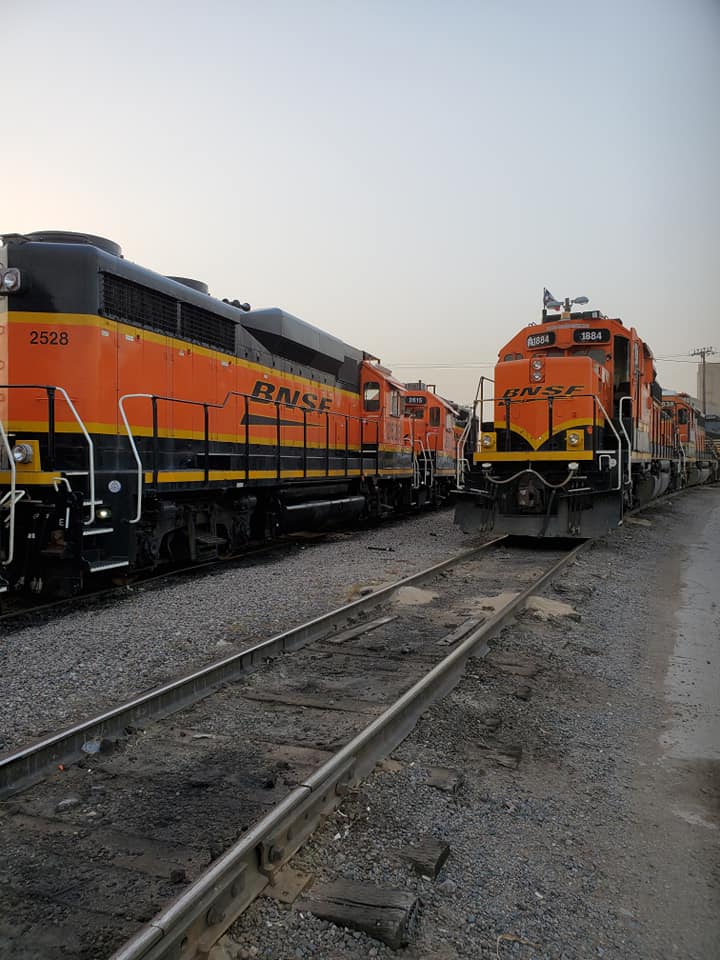
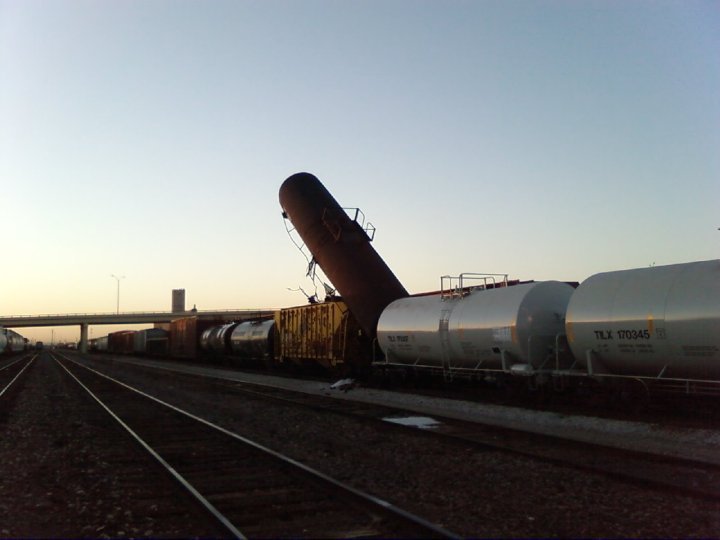
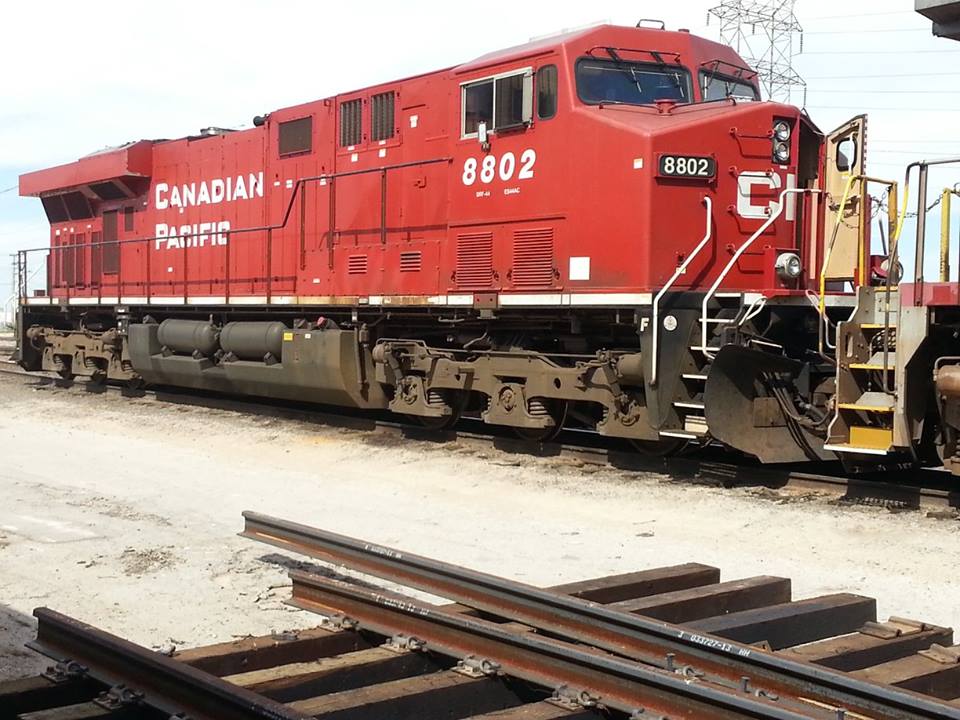
In 2005, Roy entered a new chapter of civilian service with BNSF Railway, where he worked as a conductor until his retirement. The railroad became more than a profession. It became a meaningful extension of his identity. His reliability, professionalism, and calm leadership strengthened the teams he worked with and contributed to the safe and efficient movement of people and goods across Texas. The qualities that had defined his military service continued to guide his work on the rails, creating a legacy of trust and respect among colleagues and within the communities the railway served.
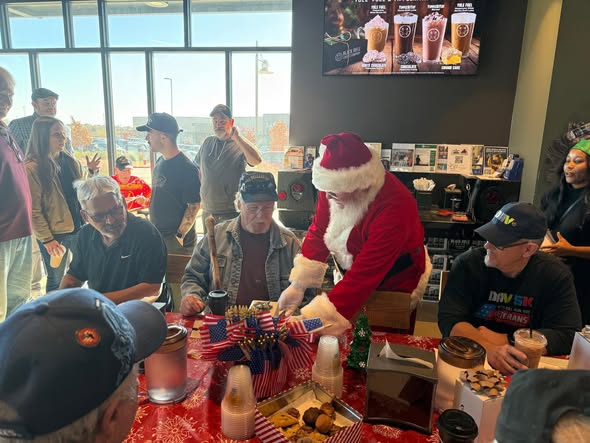
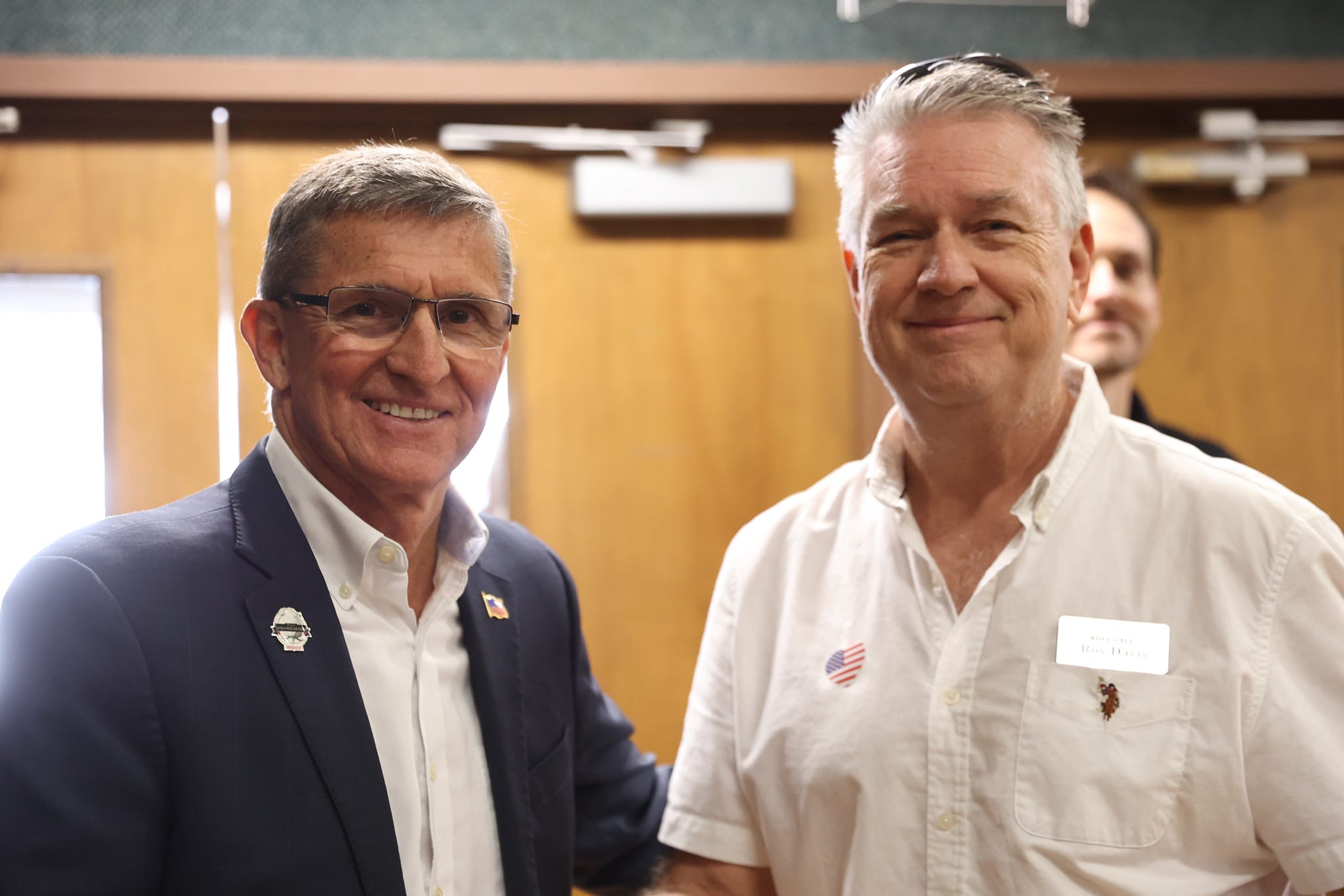
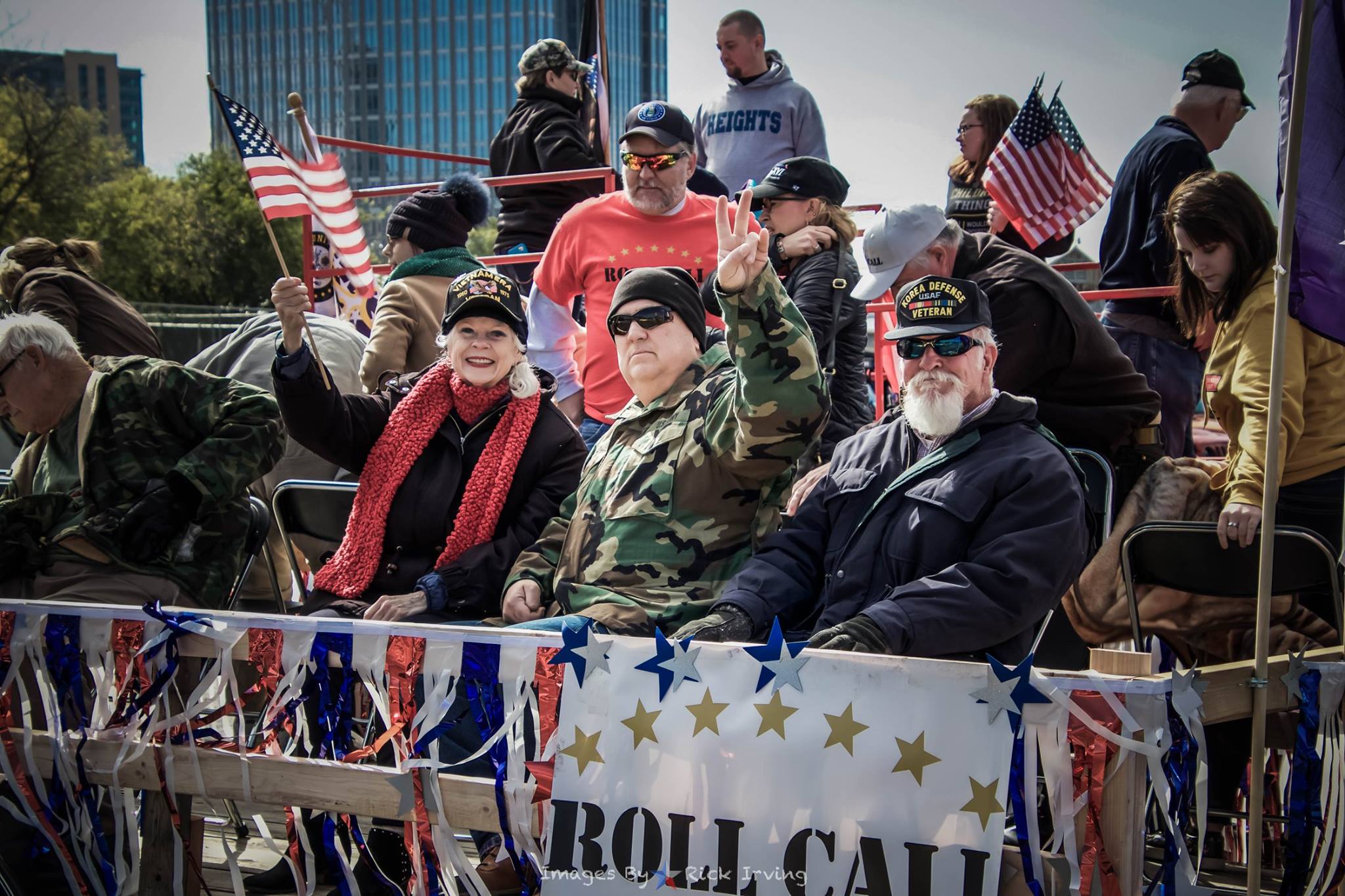
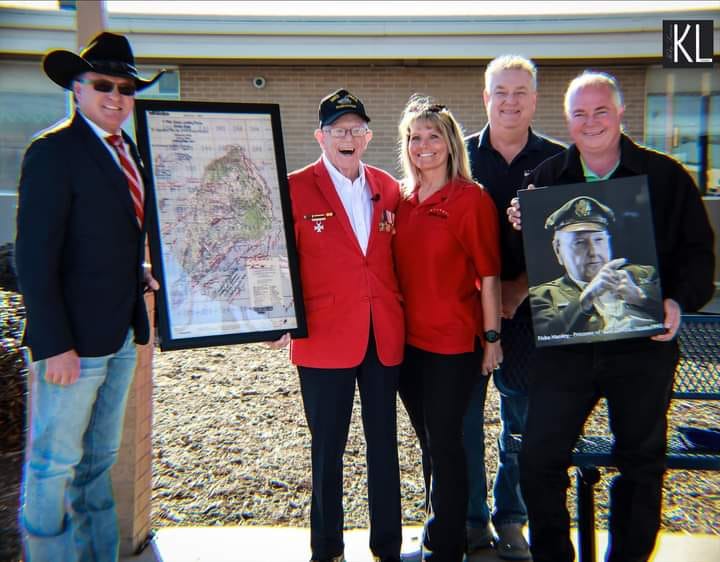
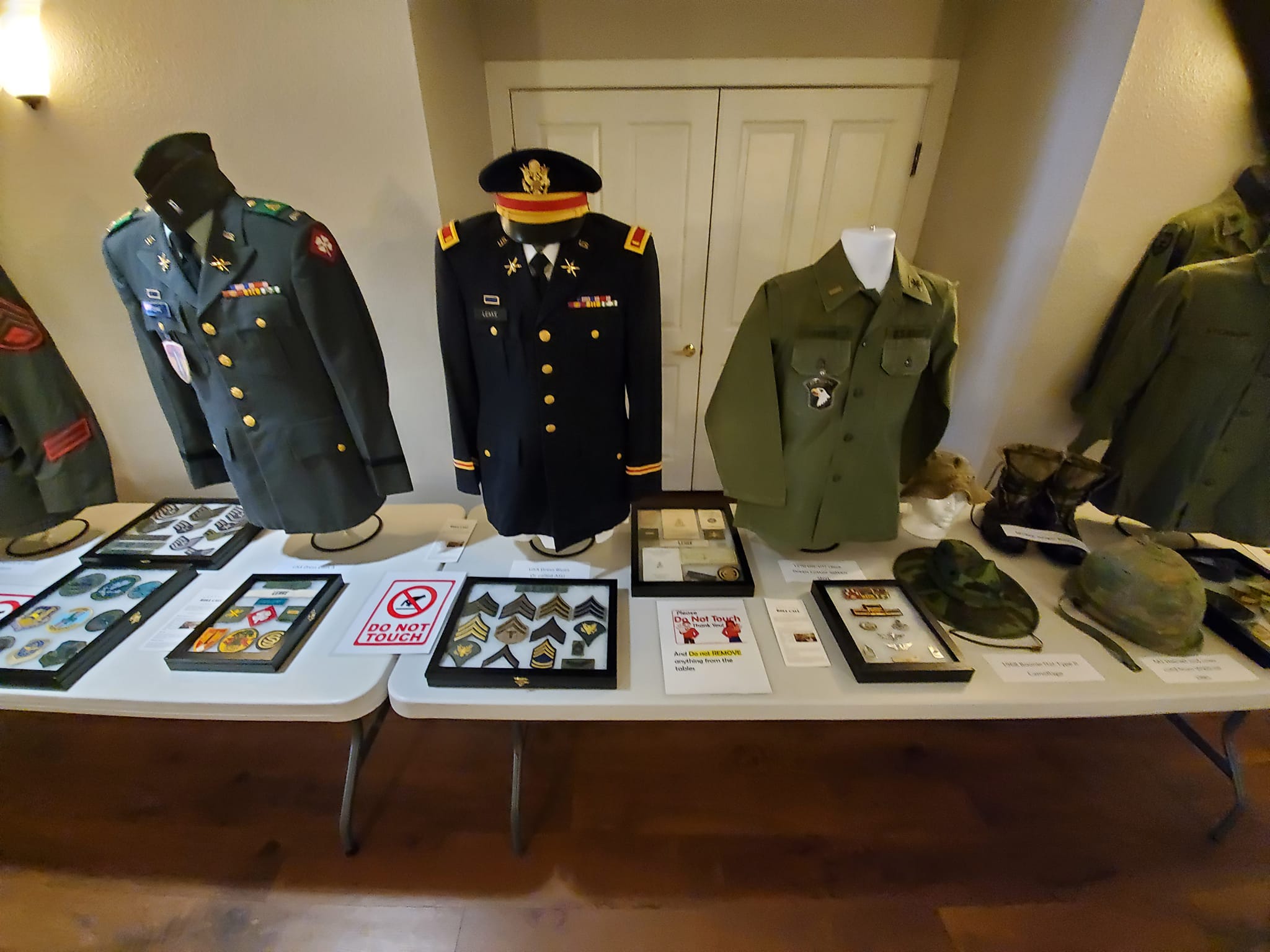
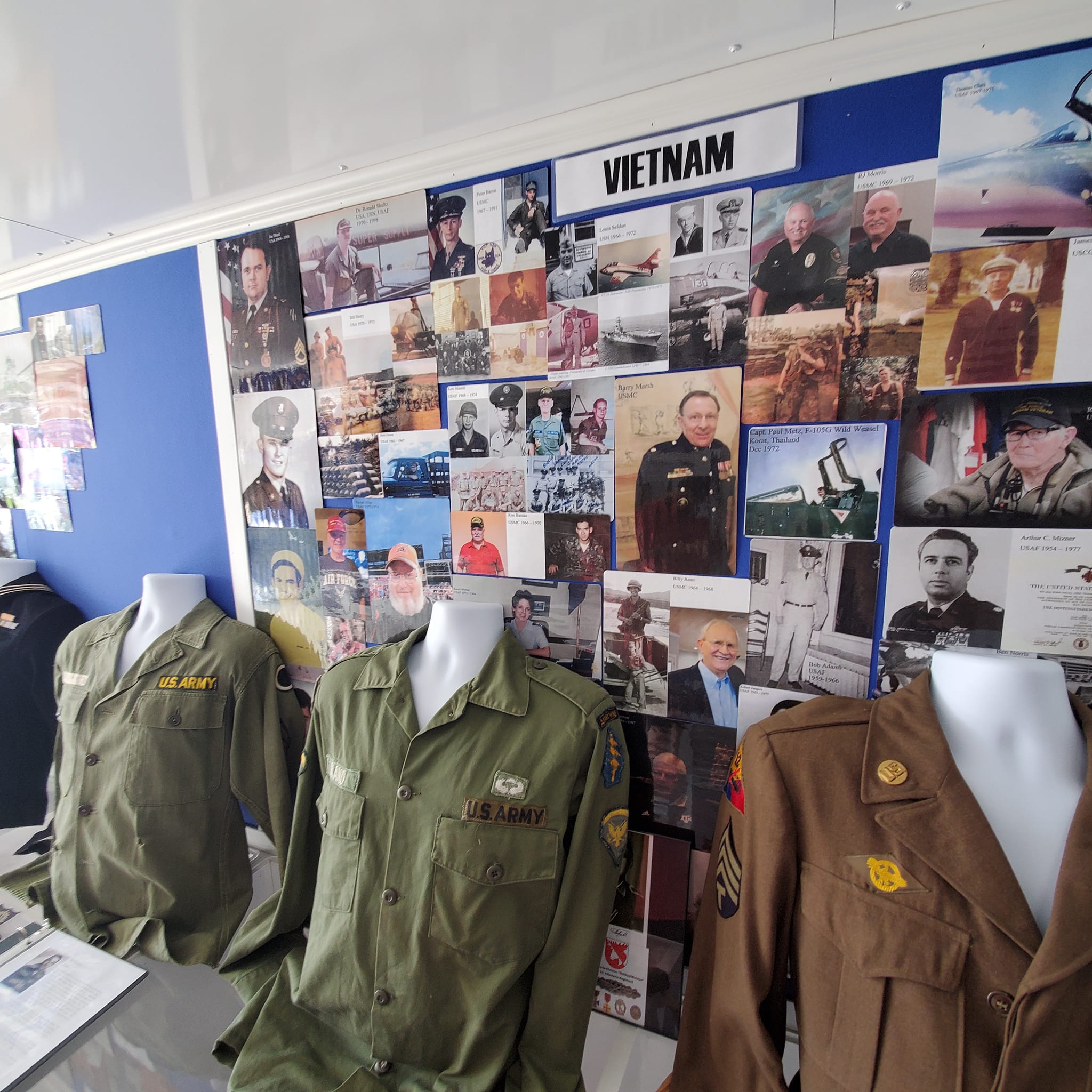
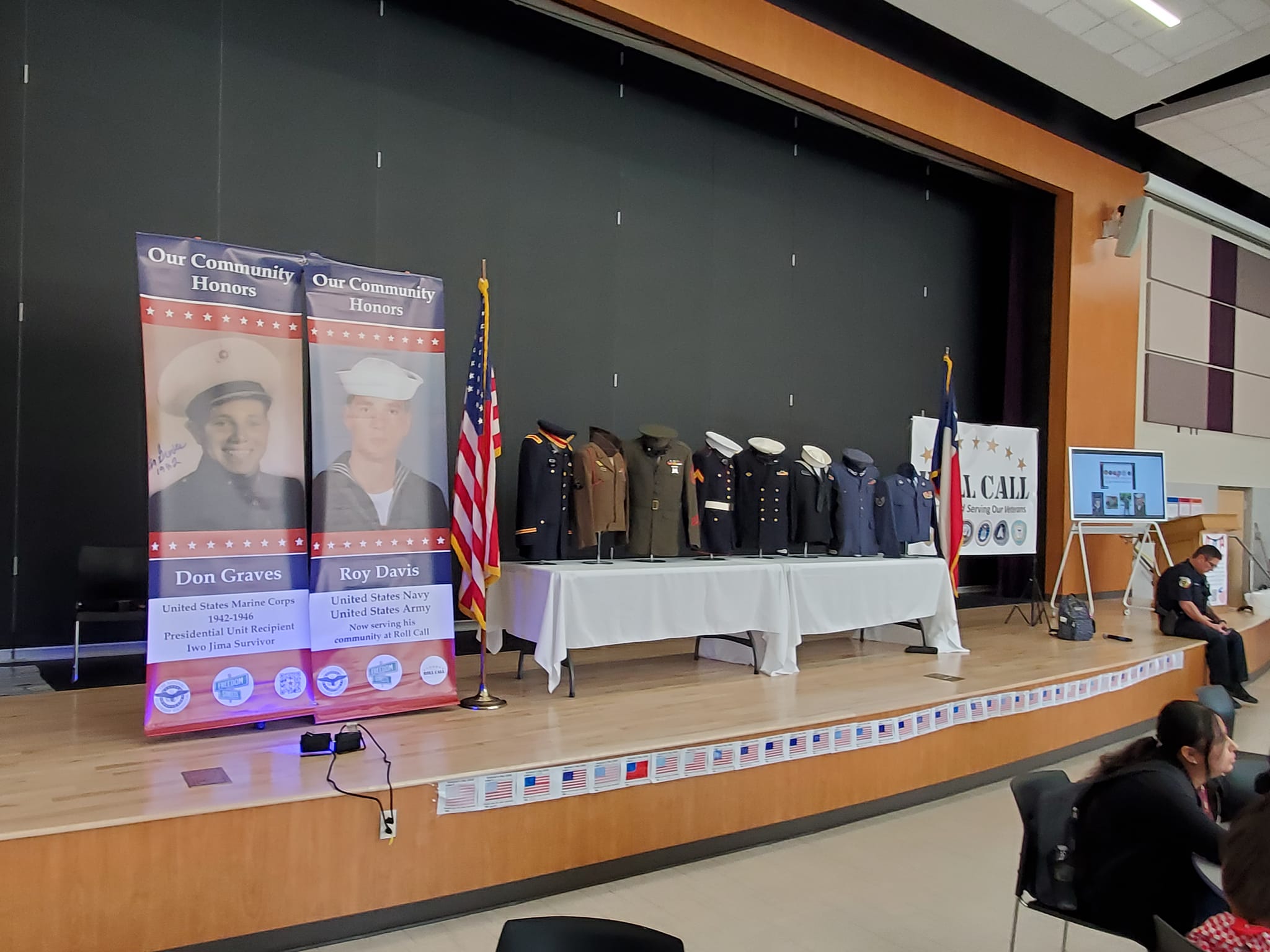
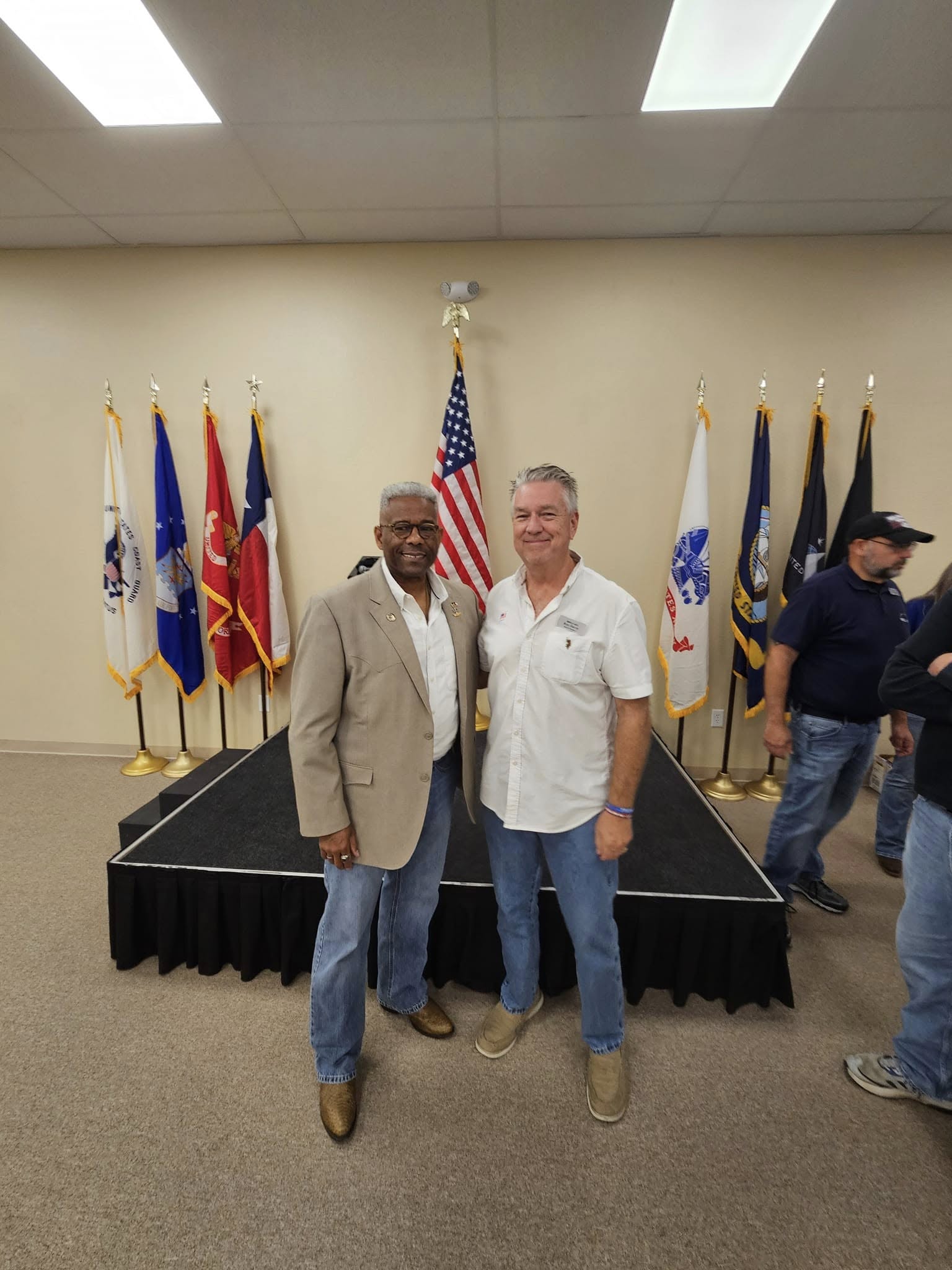
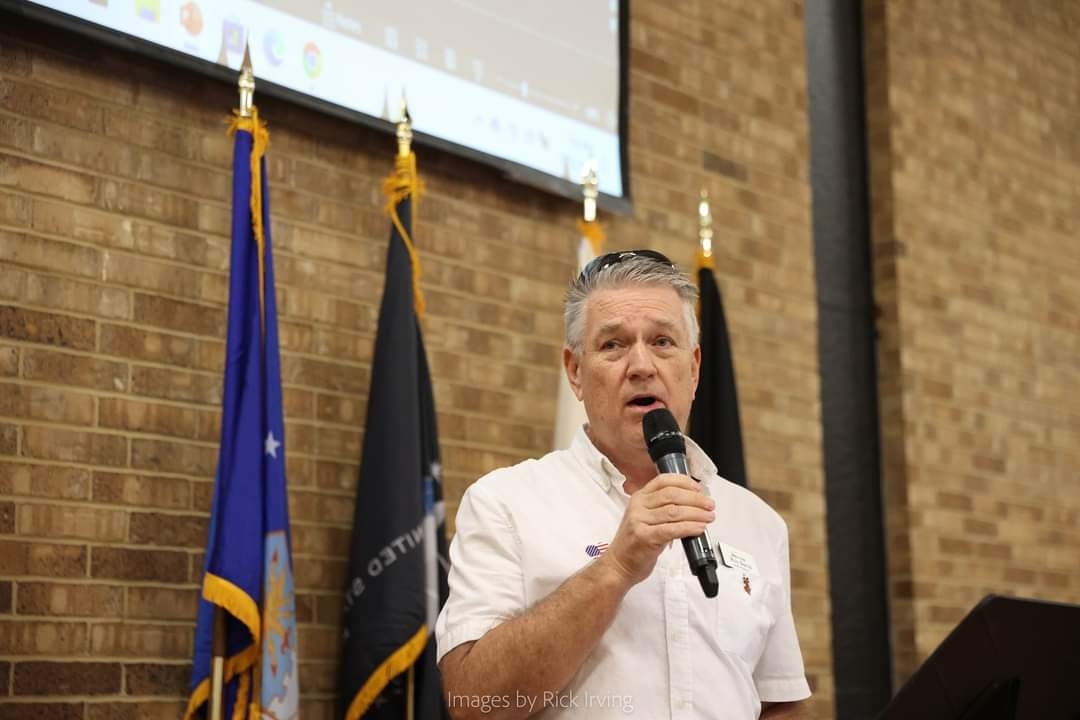
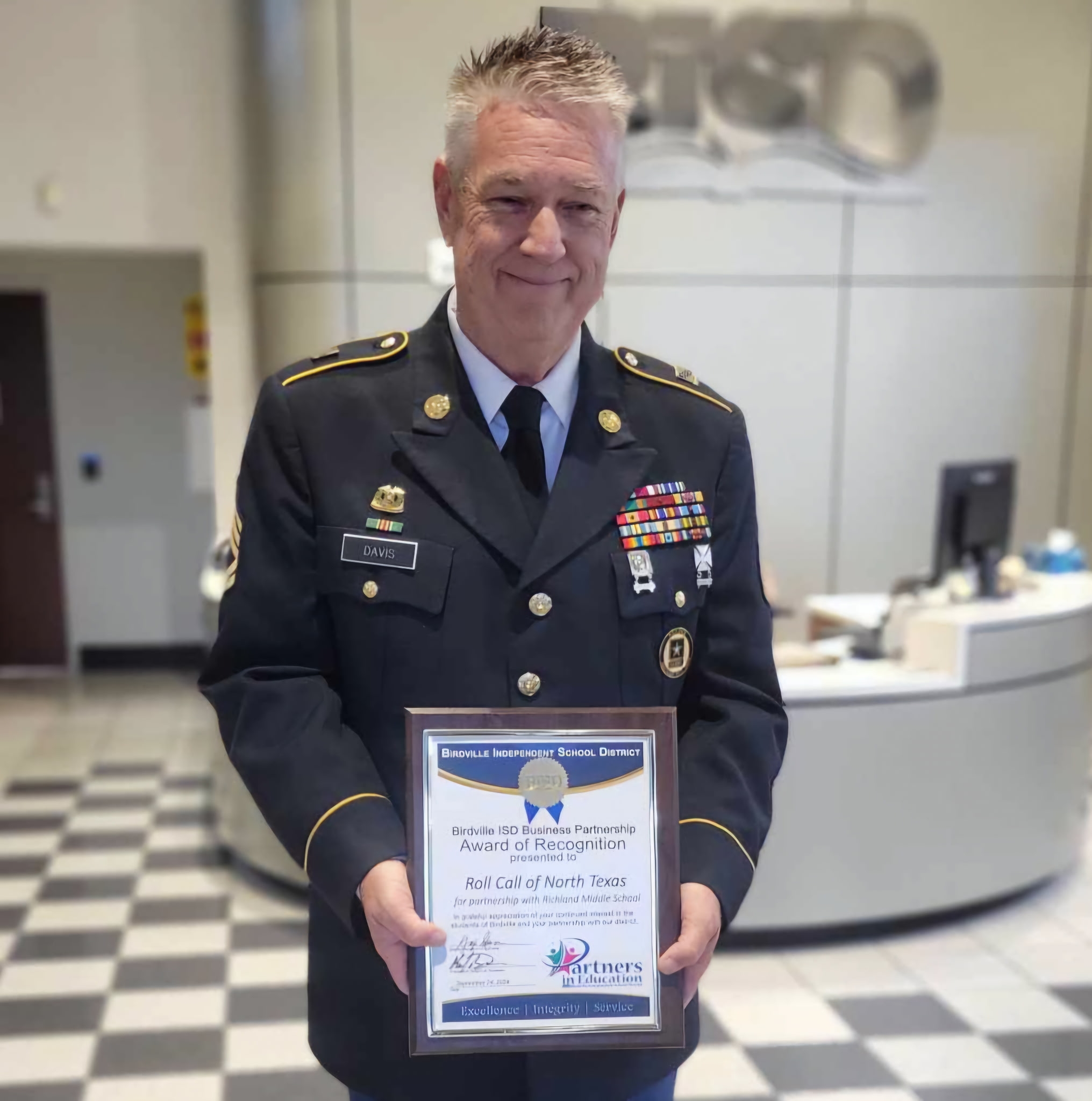
Roy’s dedication to service endured long after retirement. In 2017, he joined the Roll Call Board of Directors, where he served for nine years as Military Liaison, Historian, and Museum Curator. In these roles, he provided guidance on issues affecting the enlisted force, offered insight on matters of morale, welfare, and discipline, and ensured that the stories of veterans were preserved with accuracy, dignity, and reverence. His work strengthened the bridge between generations of service members and safeguarded the memory of those who served before. He became a guardian of history, a steward of truth, and a voice of continuity for the veteran community.
Through every chapter of his post‑military life, Roy Davis remained a man of purpose. He carried forward the values that had shaped him in uniform and applied them to every endeavor with humility and strength. He became a leader, a mentor, and a keeper of heritage, ensuring that service, memory, and honor remained central to the communities he touched.
Port Visits Around the World
A Journey Marked by Service, Discovery, and Global Reach
Throughout his military career, Roy Davis traveled across the globe, touching shores that many only read about. Each port call reflects not just a place on a map, but a moment in time — a chapter in the story of a man serving far from home, representing his nation with dignity and pride.
His travels carried him to:
- Ft. Lauderdale, Florida
- St. Thomas, U.S. Virgin Islands
- Barbados
- Monaco
- France
- Morocco
- Ivory Coast
- Philippines
- Hong Kong
- Australia
- South Korea
- Japan
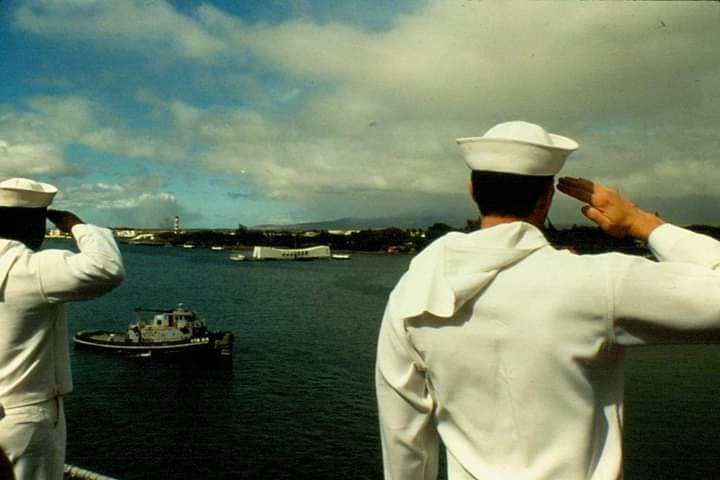
- Hawaii
- San Diego, California
From the Caribbean to the Mediterranean, from the Pacific Rim to the coastlines of Africa, Roy’s service placed him at the crossroads of cultures, histories, and global events. These ports were more than destinations — they were reminders of the vast reach of American service members and the sacrifices made far from home.
Texas Railway Career
A Dedicated Civilian Professional
After completing his military service, Roy Davis continued a life of contribution through his work with BNSF Railway, one of the great arteries of American commerce. In this role, he became part of the vast and largely unseen network that keeps Texas moving. Railway work is a profession defined by precision, responsibility, and unwavering dependability, and Roy carried into it the same steadiness and discipline that had shaped his years in uniform.
His career reflected a work ethic rooted in truth. He showed up, stood tall, and performed his duties with excellence. He became known for reliability, the kind of professionalism that colleagues could trust without hesitation. He developed a deep understanding of transportation and infrastructure, learning how goods, people, and communities remain connected across the immense distances of Texas. His work contributed to the lifeblood of the state he loved, supporting an industry that touches every corner of daily life.
The realities of railway service reveal even more about his character. Railway operations demand coordination at every level. Trains must be inspected, scheduled, and moved with exact timing. Equipment must be maintained with care. Safety procedures must be followed with absolute consistency. Weather, terrain, and mechanical conditions can shift without warning, requiring workers to respond with calm judgment. Roy carried forward the discipline he had learned in the military, applying it to a civilian profession where mistakes can have far reaching consequences. His steadiness became part of the rhythm of the railway itself.
He also became part of a tradition that stretches back through generations of Texans. Railway workers have long been the custodians of progress, ensuring that communities remain connected across miles of open country. They support agriculture, industry, and commerce. They keep supply lines moving during storms, holidays, and moments of national need. Roy stood within this tradition with pride, contributing to a system that strengthens both the economy and the identity of Texas.
Through his years with the railway, Roy Davis built a civilian legacy defined by service, reliability, and quiet excellence. He became one of the men who keep the nation’s rails running, whose dedication ensures that progress never stops and communities remain connected. His work formed a meaningful chapter of his life, linking him to the history, industry, and people of Texas, and revealing once again the constancy of a man who lived his life with honor.
Texas & Pacific Railway (T&P)
A cornerstone of Texas history, commerce, and community life
The Texas & Pacific Railway, chartered in 1871, was one of the most influential railroads in the American Southwest. It was created with an ambitious vision: to build a southern transcontinental rail line that would connect Texas to the Pacific Ocean. Although the full transcontinental dream was never completed, the T&P became the backbone of rail transportation across Texas for more than a century.
The railway linked remote towns, carried soldiers to war, transported cotton, cattle, oil, and manufactured goods, and helped shape the economic identity of Texas. For many communities, the arrival of the T&P meant the arrival of modern life itself — mail, commerce, travel, and opportunity.
Why the T&P Mattered to Texas
The Texas & Pacific Railway was more than a transportation system; it was a force that transformed the state.
Economic Impact
The T&P connected Texas farms, ranches, and oil fields to national markets. It moved:
- Cotton from East Texas.
- Cattle from the plains.
- Timber from the piney woods.
- Oil from West Texas fields.
- Manufactured goods into growing towns.
It helped turn Texas from a frontier region into an economic powerhouse.
Military Significance of the Texas & Pacific Railway
During both World Wars, the Texas & Pacific Railway became one of the most vital arteries of American military mobilization. Its rail lines stretched across Texas at a time when the nation depended on railroads for nearly every aspect of wartime movement. What had once been a commercial lifeline for farmers, ranchers, and industry suddenly became a strategic asset of national importance.
The T&P carried thousands of soldiers to training camps scattered across Texas — places like Camp Bowie, Camp Maxey, Camp Wolters, and Fort Bliss. Young men boarded T&P passenger cars as civilians and stepped off as recruits beginning their transformation into soldiers. Entire units moved by rail, their equipment loaded into long strings of freight cars that clattered across the state day and night. For many families, the T&P depot became the emotional center of wartime life: the place where sons departed for Europe or the Pacific, and where telegrams and news arrived long before telephones were common.
The railway also transported the heavy lifeblood of war — equipment, ammunition, fuel, and supplies. Boxcars filled with rifles and rations, tank parts, aircraft components, and medical equipment rolled across Texas toward coastal ports and inland bases. The T&P’s freight yards in Fort Worth, Marshall, and Dallas operated around the clock, coordinating shipments with military precision. Every mile of track became part of a larger national effort, linking Texas industry to the front lines overseas.
Because Texas hosted so many training installations, the T&P’s role grew even more critical. Bases depended on the railway for everything from coal and construction materials to livestock, uniforms, and field gear. Without the T&P, many of these camps could not have operated at the scale the war demanded. The railway’s reliability allowed the Army to expand rapidly, moving entire divisions across the state in a matter of hours rather than days.
In wartime, the T&P was more than a transportation company — it was a strategic partner in national defense. Its locomotives pulled the weight of a nation preparing for global conflict, and its tracks became the pathways by which America projected its strength. The railway’s contribution was quiet, steady, and essential, woven into the fabric of victory long before the first troops ever reached the battlefield.
Ellis County’s Railroads and Their Military Significance
In Ellis County, the arrival of the railroad transformed quiet farming communities into vital arteries of movement, commerce, and military readiness. Lines built by the Texas & Pacific, the Houston & Texas Central, and later the Missouri–Kansas–Texas (Katy) stitched the county into the broader fabric of Texas and the nation. For decades, these tracks carried more than cotton, cattle, and timber — they carried the weight of American military history.
During both World Wars, Ellis County depots became emotional crossroads for families. Soldiers boarded trains in Waxahachie, Midlothian, Ennis, and Red Oak, beginning journeys that would take them to training camps across Texas and eventually to battlefields overseas. Mothers, fathers, wives, and sweethearts gathered on wooden platforms to say goodbye, often unsure when — or if — they would see their loved ones again.
Freight trains rumbled through the county loaded with military supplies: ammunition bound for coastal ports, aircraft parts headed to aviation depots, fuel and rations destined for training camps. The rail lines through Ellis County became part of a national supply chain that kept American forces equipped and moving. Even small towns played a role; a single siding or water tower could determine how quickly a troop train reached its destination.
For many Ellis County families, the sound of a whistle in the night was a reminder that the war effort was not far away — it was passing right through their hometown. The railroad connected rural Texas to the global conflict, turning local depots into gateways of service, sacrifice, and hope.
Fort Worth — A Military Rail Powerhouse
Fort Worth’s rise as a military rail hub was no accident — it was the result of geography, infrastructure, and the commanding presence of the Texas & Pacific Railway, whose headquarters and major yards were located in the city. The T&P’s influence in Tarrant County is well‑documented, with extensive archives and photographs showing how deeply the railroad shaped the region’s development.
During both World Wars, Fort Worth became one of the busiest troop‑movement corridors in the American Southwest. The grand T&P Station, with its long platforms and constant traffic, served as a gateway for thousands of soldiers heading to training camps across Texas or to coastal ports for deployment overseas. Passenger trains filled with recruits rolled through day and night, their movements coordinated through the massive T&P yards that dominated the city’s industrial landscape.
The city’s strategic importance was amplified by its long military heritage. Fort Worth had begun as a U.S. Army outpost in 1849, established on a bluff overlooking the Trinity River as part of a defensive line of frontier forts. Its military identity never faded; instead, it evolved. By the 20th century, the same city that once housed a handful of dragoons had become a logistical powerhouse supporting national mobilization.
Freight trains loaded with equipment, ammunition, and supplies passed through Fort Worth’s yards in an unbroken chain of wartime movement. The T&P’s extensive network — stretching across Texas and into neighboring states — allowed the Army to move men and materiel with speed and efficiency. Every locomotive that steamed out of Fort Worth carried with it a piece of the national war effort, linking the city to battlefronts half a world away.
For families across North Texas, the T&P Station became a place of profound emotion. It was where loved ones were embraced before departure, where telegrams arrived with news from overseas, and where returning veterans stepped off the train to reunions that filled the station with relief and gratitude. In wartime, Fort Worth was not just a rail center — it was a crossroads of service, sacrifice, and hope.
Houston and Galveston — Ports of Embarkation
Houston and Galveston stood at the final threshold between Texas and the wider world during both World Wars. Their ports became the places where the long journey from hometown depots and inland rail lines met the open sea. Railroads delivered a steady flow of troops, equipment, and supplies to these coastal gateways, creating a seamless rail‑to‑ship connection that was essential to America’s wartime logistics.
Galveston, with its deep‑water harbor and long maritime history, became a point of departure for soldiers bound for Europe in World War I and later for the Pacific in World War II. Troop trains arrived at the waterfront in an unbroken rhythm, their cars filled with young men who had traveled hundreds of miles across Texas. Many stepped off the train knowing that the next time they touched American soil might be years away — if at all. The docks echoed with the sounds of marching boots, shouted orders, and the low rumble of cargo being loaded onto transport ships.
Houston’s rapidly expanding port played an equally vital role. Its rail yards and industrial corridors fed directly into the ship channels, allowing freight trains to deliver ammunition, vehicles, aircraft parts, fuel, and medical supplies with remarkable efficiency. The city’s strategic location and modern infrastructure made it one of the most important logistical hubs in the South. Warehouses, rail sidings, and loading cranes worked around the clock, turning the port into a vast engine of wartime movement.
For families across Texas, these ports represented both pride and heartache. They were the last places where soldiers stood on American soil, the final glimpse of home before the horizon swallowed the ships carrying them toward distant battlefields. The railroads made these moments possible — connecting inland communities to the coast, and the coast to the world.
In wartime, Houston and Galveston were not just ports. They were gateways of service, sacrifice, and resolve — the places where Texas met the sea, and where America projected its strength across oceans.
How Texas Railroads Shaped Military Life for Families and Communities
Across Texas, the railroad was more than a mode of transportation; it was the thread that tied military service to the daily lives of families and communities. In an era before highways and air travel, the railroad was the way soldiers left home — and the way news returned.
Depots became sacred spaces. They were the places where young men in crisp uniforms boarded trains for basic training, their families waving from the platform until the last car disappeared around the bend. They were the places where telegrams arrived, where letters were mailed, where communities gathered for updates about sons serving overseas. The railroad shaped the emotional landscape of wartime Texas as much as it shaped its physical one.
For communities, the constant movement of troop trains brought a sense of connection to the national effort. Children counted the cars as they passed. Local businesses stayed open late when a train was scheduled to stop. Churches organized prayer circles timed to the departures of local boys. The rhythm of the railroad became the rhythm of wartime life.
When soldiers returned, the depot became a place of reunion — sometimes joyful, sometimes solemn. Veterans stepped off the train carrying duffel bags, medals, and memories. Families embraced them on the same platforms where they had once said goodbye. For many Texans, the railroad was the beginning and the end of their wartime journey.
In this way, Texas railroads did more than move troops and supplies. They carried the hopes of families, the weight of sacrifice, and the heartbeat of communities united by service.
Other Places Where Texas Railroads Shaped Military and Community Life
Across Texas, railroads shaped the wartime experience in ways that touched every community. They carried soldiers toward training camps, delivered them to ports of embarkation, returned them home to waiting families, and sustained the industrial backbone that made victory possible. The railroad became the physical and emotional bridge between Texas and the nation’s military effort, influencing daily life with a force that was both visible and deeply felt.
Fort Worth: A Military Rail Powerhouse
Fort Worth stood at the center of military rail operations in the Southwest. The Texas and Pacific headquarters and its vast yards formed a logistical artery that moved soldiers, equipment, and supplies with relentless precision. During both world wars, troop trains arrived and departed at all hours. The T and P Station became a place where military readiness and community life converged. Red Cross volunteers offered comfort. Railway workers coordinated movements with military officers. Families gathered on the platforms, watching long lines of olive drab railcars pull away toward distant training camps. The station carried the sounds of steam, shouted orders, and hurried footsteps. Fort Worth lived with the constant rhythm of war, shaped by the knowledge that each train carried part of the nation’s future.
Dallas: A City of Departures and Returns
Union Station in Dallas carried the emotional weight of wartime movement. Its platforms saw continuous traffic as soldiers boarded trains bound for training installations or deployment ports. The station echoed with announcements, steam, and the hum of anticipation. Families stood beneath the high arches holding onto final moments before the train pulled away. Children clung to fathers in uniform. Mothers held letters close to their hearts. Returning veterans stepped off those same platforms into reunions filled with relief and gratitude. The station became a symbol of sacrifice and homecoming, a place where the war’s human cost and its moments of joy were felt most intensely. Dallas lived with the knowledge that every departure carried uncertainty, and every return carried hope.
Marshall: Home of the Texas and Pacific Shops
Marshall’s rail shops played a vital role in wartime logistics. Skilled workers repaired locomotives and railcars essential to the movement of troops and supplies. The shops operated day and night, maintaining engines that hauled military freight across the state. Sparks flew from welding torches. Steam rose from engines undergoing repair. The smell of oil and hot metal filled the air. The town became a strategic industrial center, supporting both civilian and military rail operations. The community understood that every repaired locomotive carried soldiers, equipment, or critical supplies toward the front. Marshall’s contribution was measured not in troop numbers, but in the reliability of the machines that carried them.
San Antonio: Gateway to Major Training Camps
San Antonio’s rail lines served as the gateway to some of the most significant training installations in the country. Recruits arrived at depots before traveling to Fort Sam Houston, Kelly Field, and other military facilities. For many soldiers, the depot was the first step in their military journey. The city’s rail network became a lifeline that connected young men to the training that would prepare them for service overseas. The depots were filled with the sounds of marching feet, shouted orders, and the hum of anticipation. San Antonio became a place where civilian life and military preparation met in a single moment of transition, shaping the identity of thousands of soldiers.
Houston and Galveston: Ports of Embarkation
Houston and Galveston formed the critical link between rail and sea. Railroads delivered troops and supplies to the ports where soldiers boarded ships bound for Europe or the Pacific. The docks were crowded with soldiers carrying duffel bags, officers checking manifests, and long lines of railcars delivering equipment. The smell of salt air mixed with the scent of creosote from wooden pilings. The rail to ship connection was essential to wartime logistics, ensuring that men and materiel reached the front lines efficiently. These ports became the final Texas soil many soldiers touched before crossing oceans into combat. Families traveled to the docks for one last glimpse of their loved ones, knowing that the next time they saw them might be months or years away.
Small Town Texas: The Heartbeat of Wartime Rail Life
In small towns across Texas, the depot became the emotional center of wartime life. Families gathered for departures, telegrams, mail from overseas, news of the war, and homecomings. The depot shaped the rhythm of hope, fear, and community support. Mothers waited for letters. Children watched trains roll through with wide eyes. Telegraph operators delivered messages that could bring relief or sorrow. Communities stood together during moments of uncertainty and pride. The whistle of an approaching train could bring joy or grief. The depot became a symbol of connection, carrying the weight of wartime emotion in ways that shaped entire towns.
Across the state, the railroad carried more than soldiers and supplies. It carried the emotions, expectations, and collective strength of Texas communities. It shaped the wartime experience in ways that remain part of the state’s heritage, forming a legacy of connection, sacrifice, and resilience that endures across generations.
The Texas and Pacific Railway
The Texas and Pacific Railway emerged as one of the most formative forces in the development of Texas, remembered for the reach of its passenger service, the scale of its engineering achievements, and the cultural imprint it left on communities across the state. Its celebrated passenger trains, most notably the Texas Eagle later operated with Missouri Pacific, carried generations of Texans across long distances with a level of comfort and reliability that defined an era. These trains connected rural towns to major cities, carried families toward new opportunities, and provided soldiers with a dependable route to training camps and military posts. The Bluebonnet Route became a symbol of movement and possibility, marking a time when rail travel shaped the rhythm of daily life and offered Texans their first experience of long‑distance travel that felt both safe and dignified.
The railroad’s physical presence reshaped Texas through an extensive network of track, bridges, depots, and maintenance facilities. It built hundreds of miles of rail across prairies, river valleys, and growing towns, creating dependable pathways that supported commerce and community growth. The Marshall shops became one of the largest industrial complexes in the South, a center of craftsmanship where locomotives were rebuilt, railcars repaired, and the mechanical strength of the system sustained. The engineering work of the Texas and Pacific Railway created a foundation for economic expansion and industrial development that influenced the region for decades, allowing goods, livestock, and manufactured products to move with a reliability that transformed local economies.
The cultural legacy of the Texas and Pacific Railway remains visible in the memories and traditions of the state. The sound of a train approaching a depot signaled the arrival of mail, news, and travelers. Ranchers shifted from cattle drives to rail shipments, transforming the livestock industry and reshaping the identity of rural Texas. Families who had never traveled beyond their county boarded trains that carried them to cities they had only imagined. The railroad became part of the daily rhythm of Texas life, shaping how communities gathered, how businesses operated, and how people connected to the wider world. It created shared experiences that became woven into the identity of towns along its lines, forming a cultural memory that endures across generations.
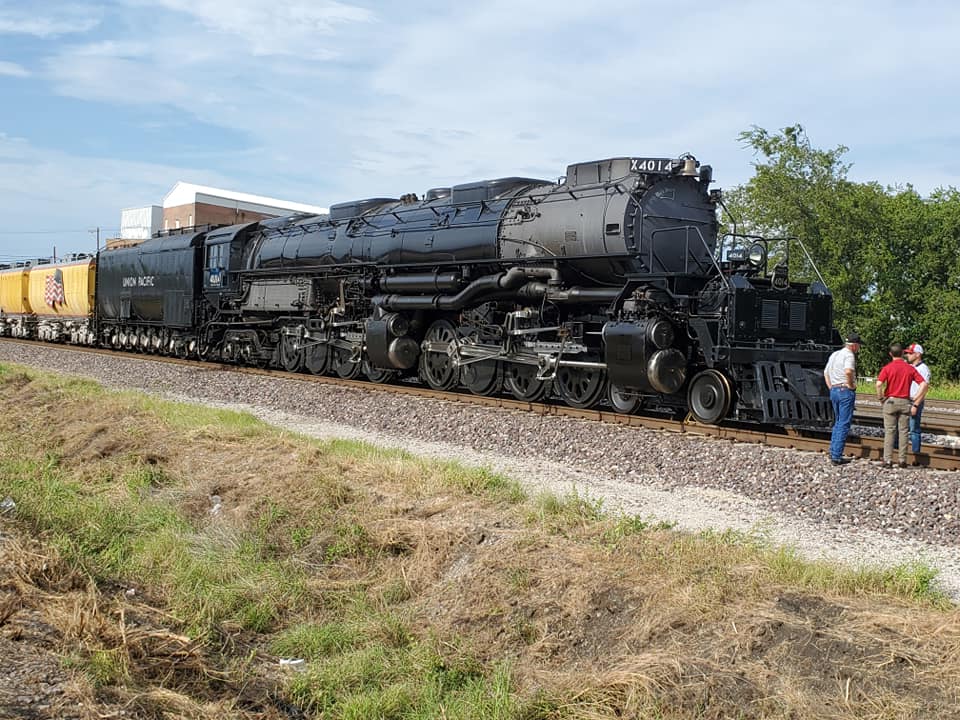
The Texas and Pacific Railway eventually merged into the Missouri Pacific Railroad, which later became part of Union Pacific, the modern freight carrier that still operates many of the original lines. Although the corporate name changed, the physical legacy of the railroad remains present in the routes that continue to carry freight across Texas and in the communities shaped by its presence. The lines it established still influence how goods move through the region, and the towns built along its tracks continue to reflect the patterns created by the railroad’s original design.
Historic depots stand today in Fort Worth, Marshall, Weatherford, Midlothian, and other Ellis County towns. Each building preserves a different chapter of the Texas and Pacific story. The restored Fort Worth station stands as an architectural landmark that reflects the pride of a major rail hub. Marshall’s depot honors the industrial strength of the shops that once powered the region. Weatherford and Midlothian maintain depots that served as the center of local life. Many of these structures now function as museums, event venues, and heritage sites, allowing communities to preserve the memory of the railroad that shaped their identity.
The Texas and Pacific Railway left a legacy that continues to influence how Texans move, work, and connect. Its story endures in the rails that still cross the state, in the depots that remain as landmarks of local heritage, and in the memories of the generations who lived within the rhythm of its trains.
Preserver of Stories, Memory, and Heritage
Roy Davis was more than a veteran and more than a professional. He was a keeper of history, a man who understood that the strength of a community rests in the stories it chooses to remember. He devoted himself to ensuring those stories endured. His work was never simply the gathering of information. It was an act of honor, a commitment to safeguarding memory, and a promise to preserve the wisdom of those who came before. He approached history with the same devotion he brought to his military service, recognizing that memory is both a responsibility and a form of stewardship.
His historical work reflected a passion for research shaped by patience, discipline, and respect for truth. He studied records, documents, and personal accounts with care, seeking not only the facts but the human experiences behind them. He carried a deep reverence for heritage and tradition, honoring the foundations laid by earlier generations and recognizing the importance of preserving their contributions. He sought to document and protect the stories of others, especially those whose voices might otherwise fade. He approached each narrative with integrity, ensuring that accuracy guided every detail.
The realities of his work reveal even more about his character. Preserving history requires long hours of reading, sorting, verifying, and cross‑checking. It demands the ability to listen deeply, to ask thoughtful questions, and to recognize the significance of memories that may seem small but carry profound meaning. Roy understood that every life holds lessons worth remembering. He approached interviews, archives, and personal recollections with humility, knowing that he was being entrusted with pieces of someone’s legacy. He treated each story as something sacred, something that deserved to be carried forward with care.
He explored military history with the insight of a man who had lived its realities. He understood the weight of service, the cost of conflict, and the quiet heroism found in everyday duty. He studied Texas heritage with pride, recognizing the cultural threads that bind communities across the state. He documented the lived experiences of his own community, preserving memories that might otherwise be lost to time. His historian’s heart made him a guardian of memory, someone who ensured that sacrifices, achievements, and lessons would remain accessible to future generations.
Through his work, Roy Davis became a bridge between eras. He carried forward the wisdom of the past so it could guide those yet to come. He understood that history is not merely a record. It is a living inheritance. It shapes identity, strengthens community, and offers direction in moments of uncertainty. His legacy endures not only in the stories he preserved, but in the understanding he instilled: that heritage is a duty, memory is a form of stewardship, and history is a light meant to be passed from one generation to the next.
WORDS OF WISDOM — ROY DAVIS
“In ALL things trust God.” A reminder that faith is not a moment but a posture — the steady lens through which every decision, burden, and blessing is seen.
“Be humble.” True strength is quiet. Humility keeps a man grounded, teachable, and able to lift others higher than himself.
“Respect others regardless of your position in this world.” Honor is not earned by rank or title; it is revealed in how we treat the least, the lost, and the overlooked.
“Practice integrity.” Character is proven in the unseen places. Integrity is the legacy a man leaves long after his voice falls silent.
FAVORITE SCRIPTURE
“In the beginning God created the heavens and the earth.” — Genesis 1:1 A verse that anchors the heart in the sovereignty of God — the One who authors every beginning, sustains every moment, and holds every life in His hands.
Legacy
Roy Davis lived a life shaped by duty, strengthened by love, and remembered for the quiet, steady way he carried himself through every chapter. His story is one of dual‑service military excellence, deep family devotion, and a lifelong commitment to preserving history and community and above all, committing his life to the Lord.
His journey carried him across oceans, through two branches of military service, and back home to a life of work, teaching, and spiritual commitment. His legacy is one of honor, humility, and a heart dedicated to serving others.
Roy began his military journey in the United States Navy, where he served as an Aerographer’s Mate, one of the Navy’s most technical and mission‑critical specialties. Aboard the USS Carl Vinson, he provided the meteorological and oceanographic intelligence that kept pilots safe and operations running with precision.
He collected and analyzed weather data, briefed aircrews, monitored sea and sky conditions, and supported the carrier’s high‑tempo aviation missions. His accuracy and calm under pressure made him a trusted member of the ship’s operational heartbeat.
Serving on a Nimitz‑class supercarrier placed Roy among the Navy’s elite — a sailor whose work directly influenced flight safety, mission planning, and the success of the strike group.
After his Navy service, Roy continued his commitment to the nation through the U.S. Army Reserve, rising to the respected rank of Sergeant First Class. As a senior NCO, he trained soldiers, maintained readiness, oversaw equipment and logistics, and served as a mentor to younger troops.
He was the kind of leader soldiers trusted — steady, knowledgeable, and dedicated to doing things the right way. His MOS expertise, combined with his leadership, made him a cornerstone of his unit’s strength.
After his military service, Roy continued to serve his community through his work with Texas Railway. His professionalism, reliability, and strong work ethic earned him respect across the industry.
Railway work demands precision, teamwork, and discipline — qualities Roy carried with him from his years in uniform. His career with Texas Railway became an important part of his identity and his contribution to the state he called home.
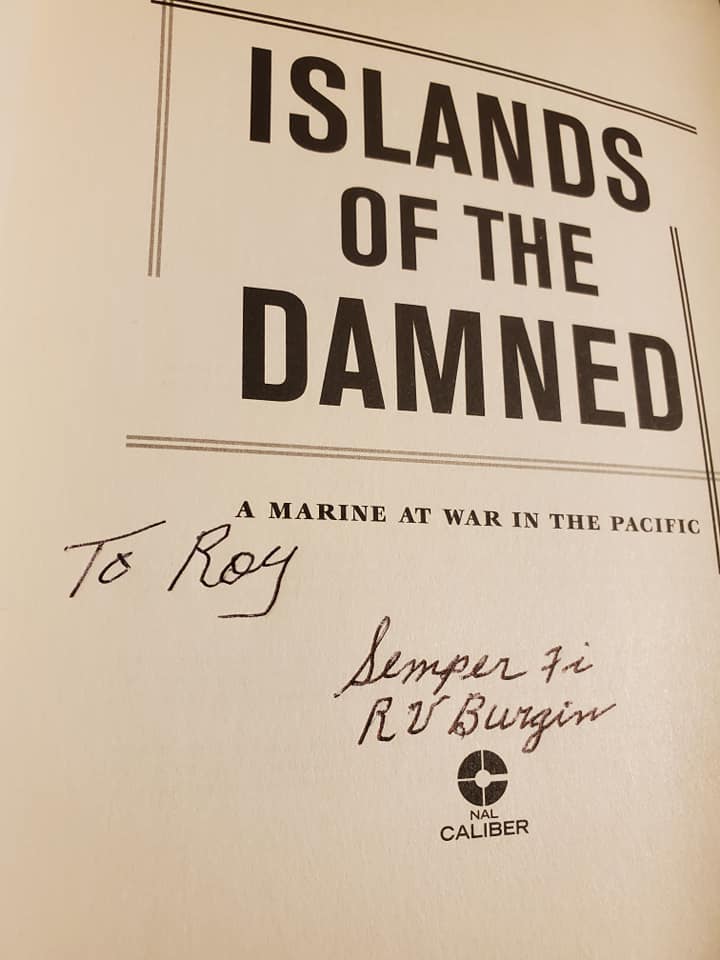
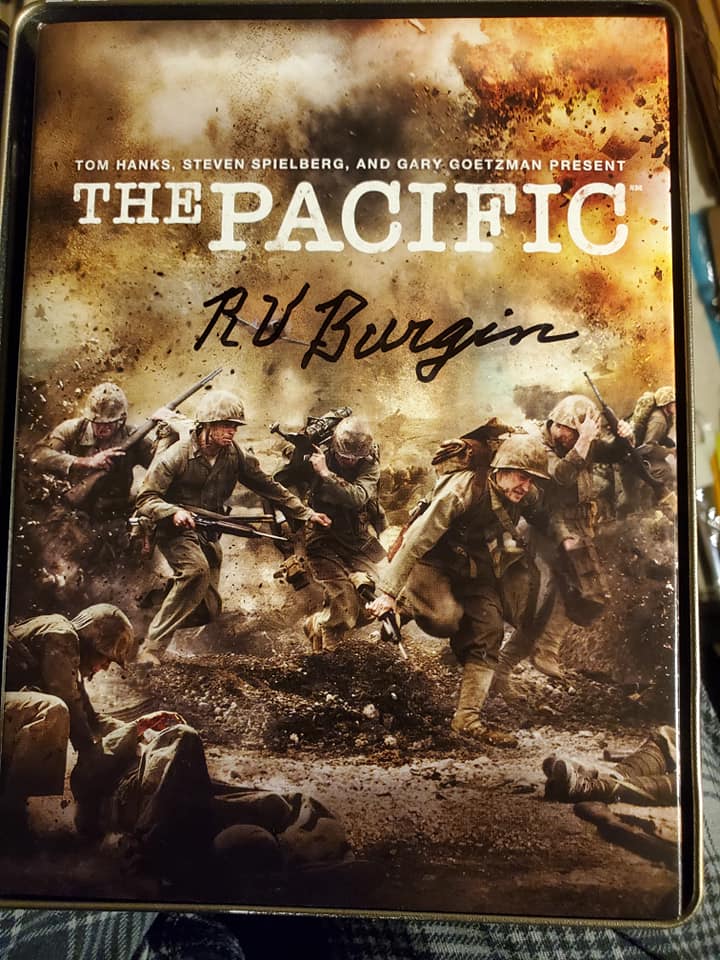
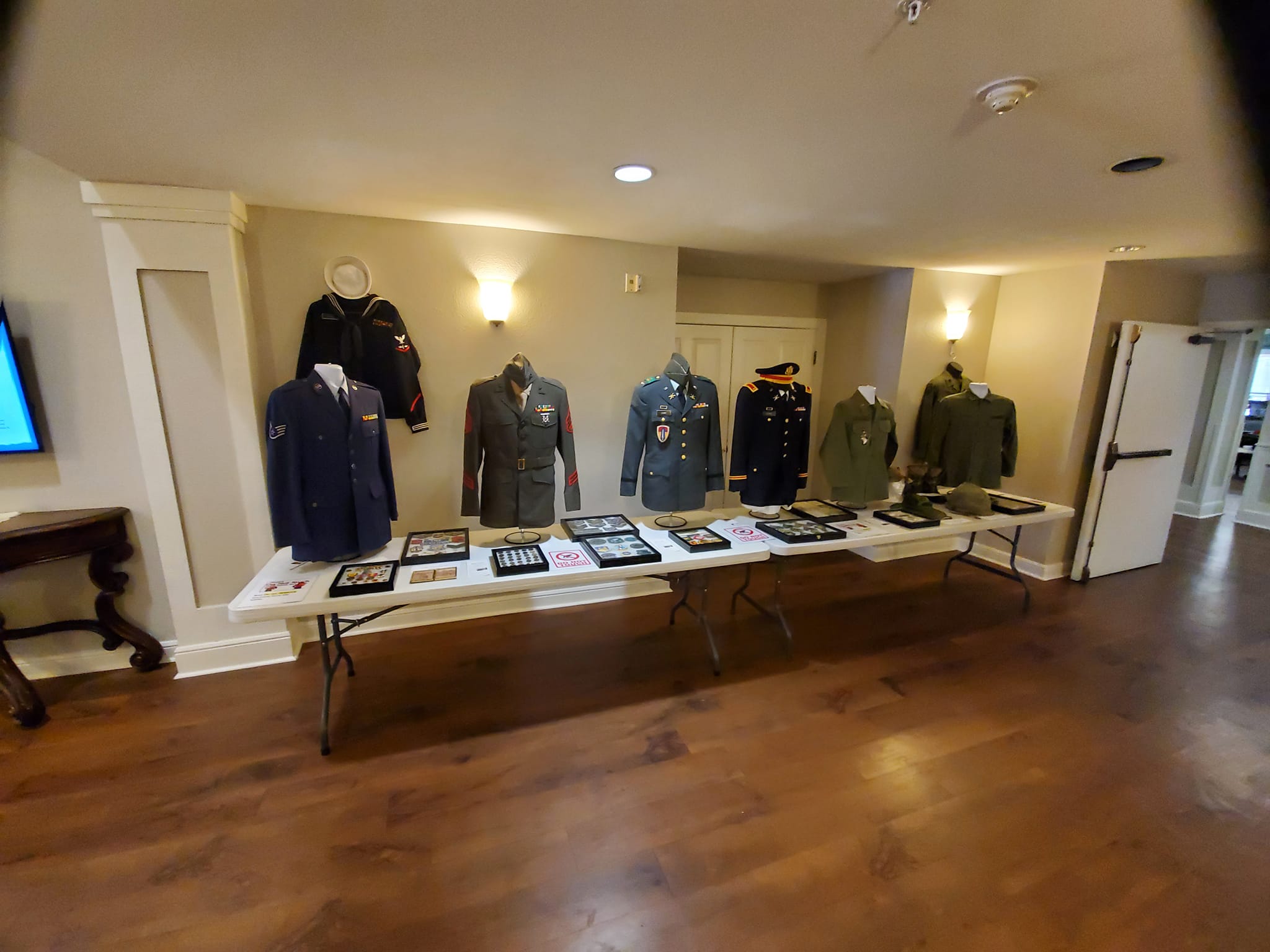
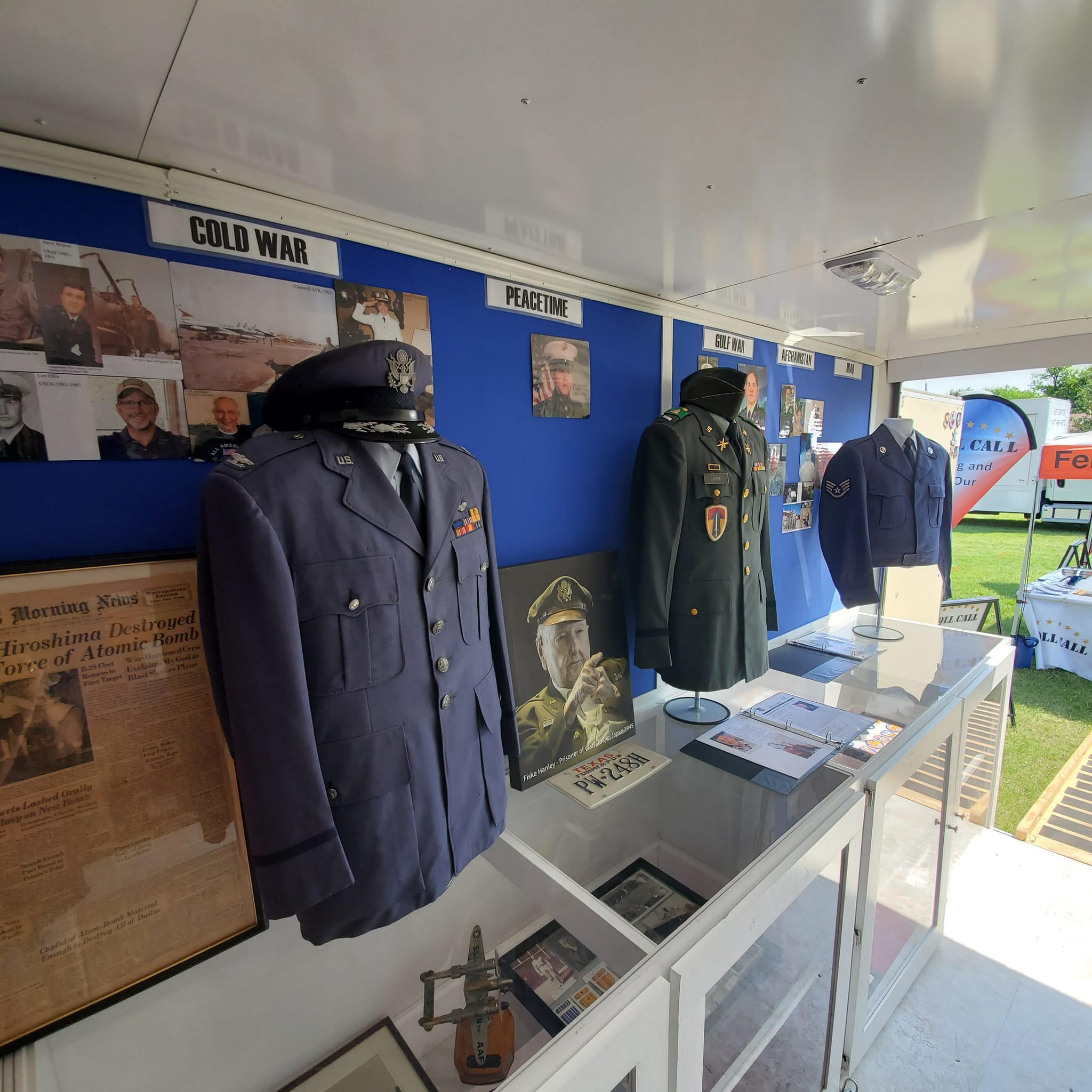
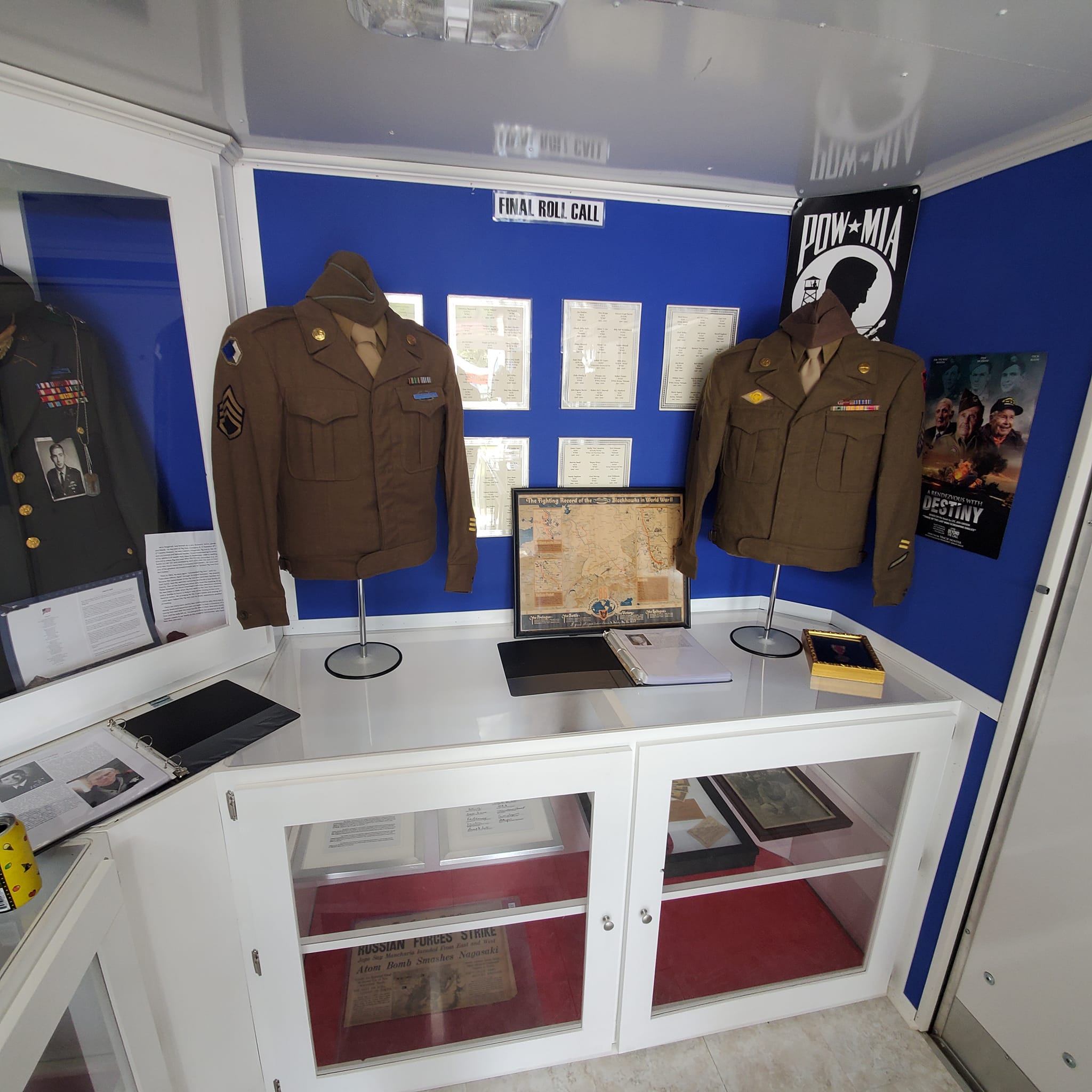
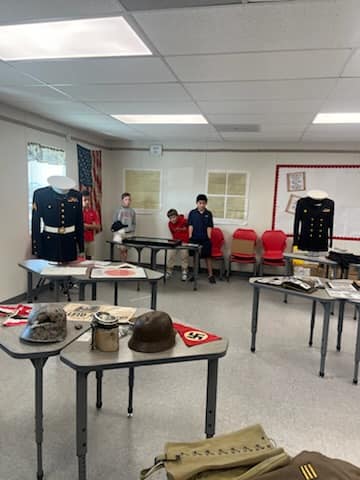
Roy was more than a historian — he was a teacher, a storyteller, and a guardian of memory. His passion for history extended far beyond books. He collected militaria, Roy was a historian in the truest sense — a man who believed that the past must be preserved, honored, and passed down. His passion for history extended far beyond books. He collected militaria, stamps, coins, vinyl records, and historical artifacts that told the story of America, the military, and the world.
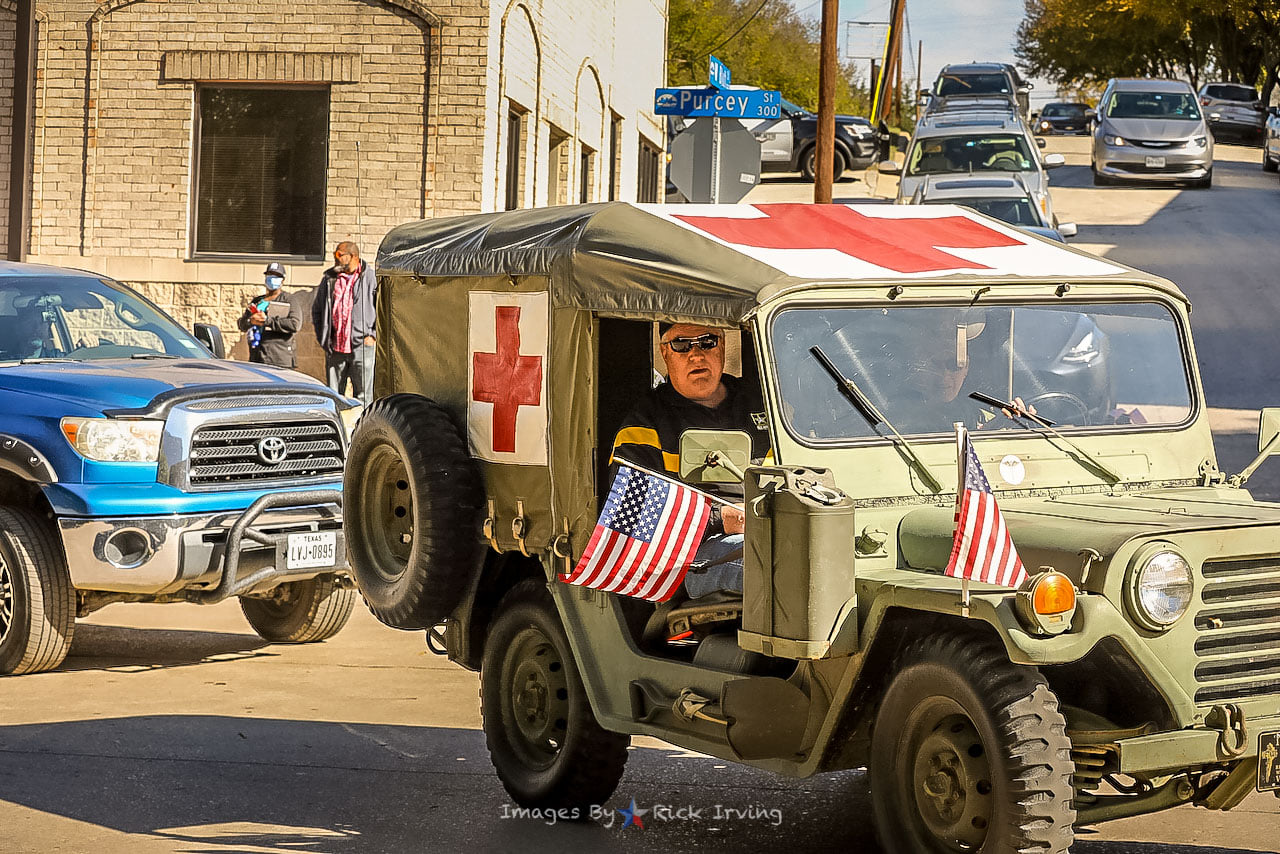
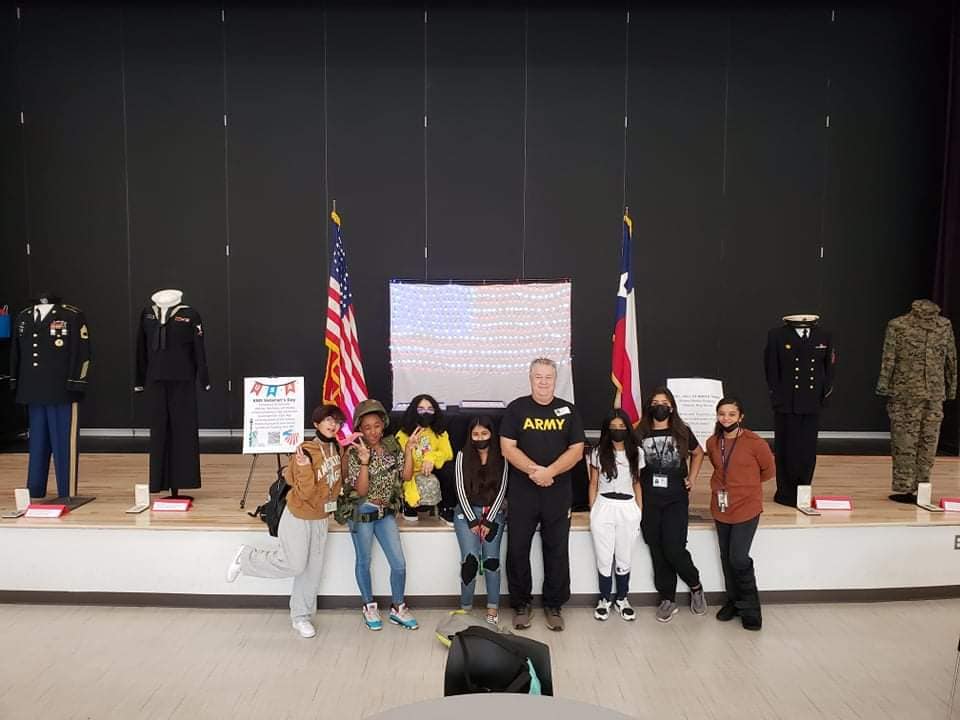
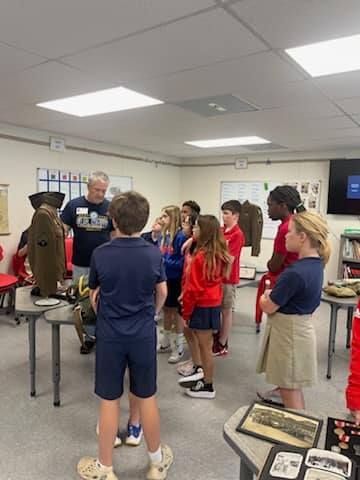
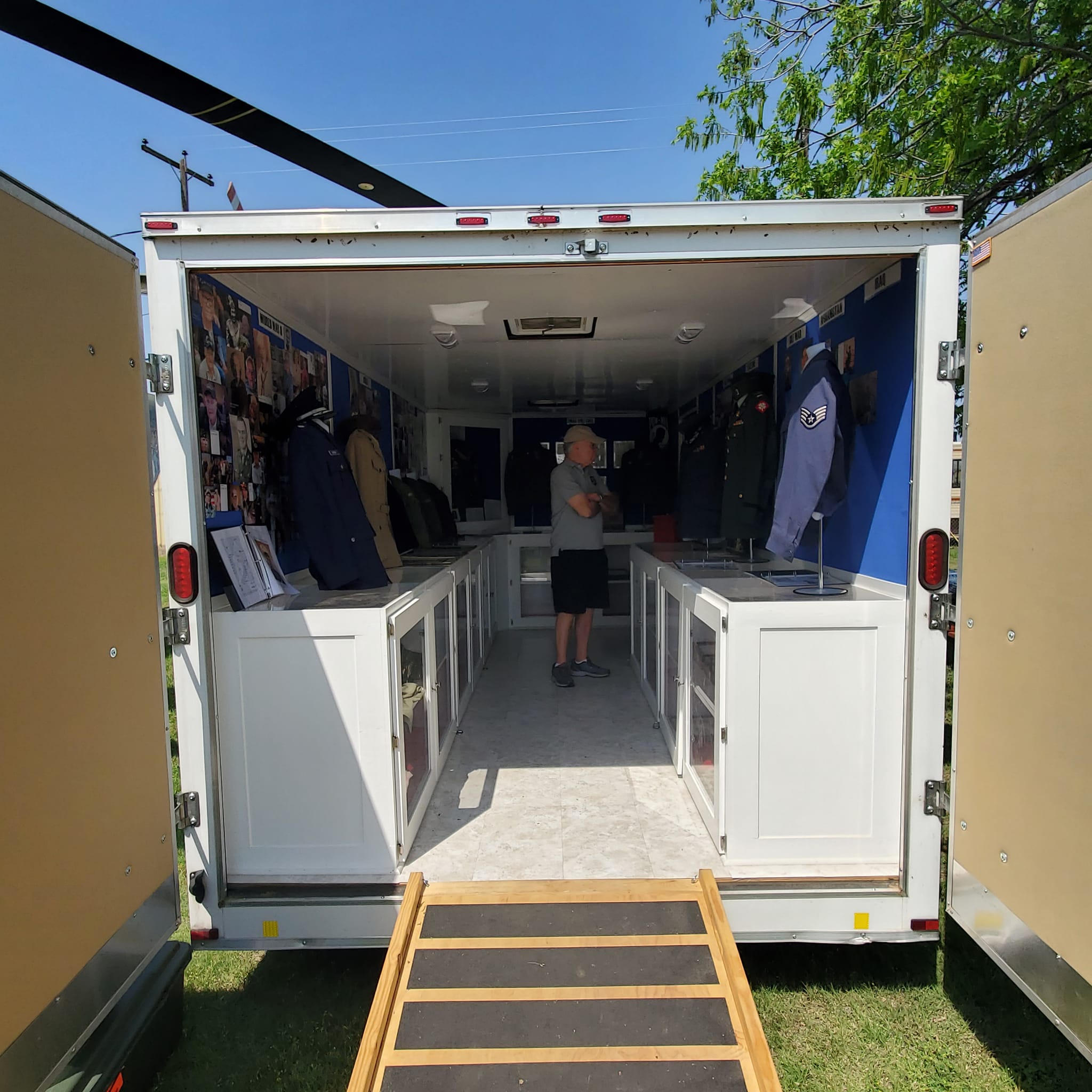
His home was a living museum — a place where every item had a story, a lesson, and a purpose. Artifacts and stories that connected younger generations to the sacrifices of those who came before them. He believed deeply that history should be preserved. Young people should understand the cost of freedom. Artifacts carry stories that must be told.
Knowledge is a gift meant to be shared.
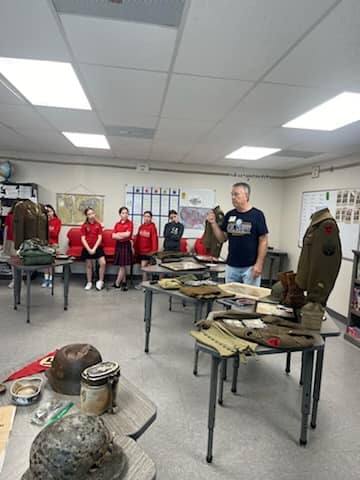
He taught with patience, enthusiasm, and reverence. The meaning — the “why” behind the uniforms, medals, and memories.
His militaria collection became a living classroom, and Roy became a bridge between generations. His compassion for historical markers didn’t just teach history — he kept it alive.
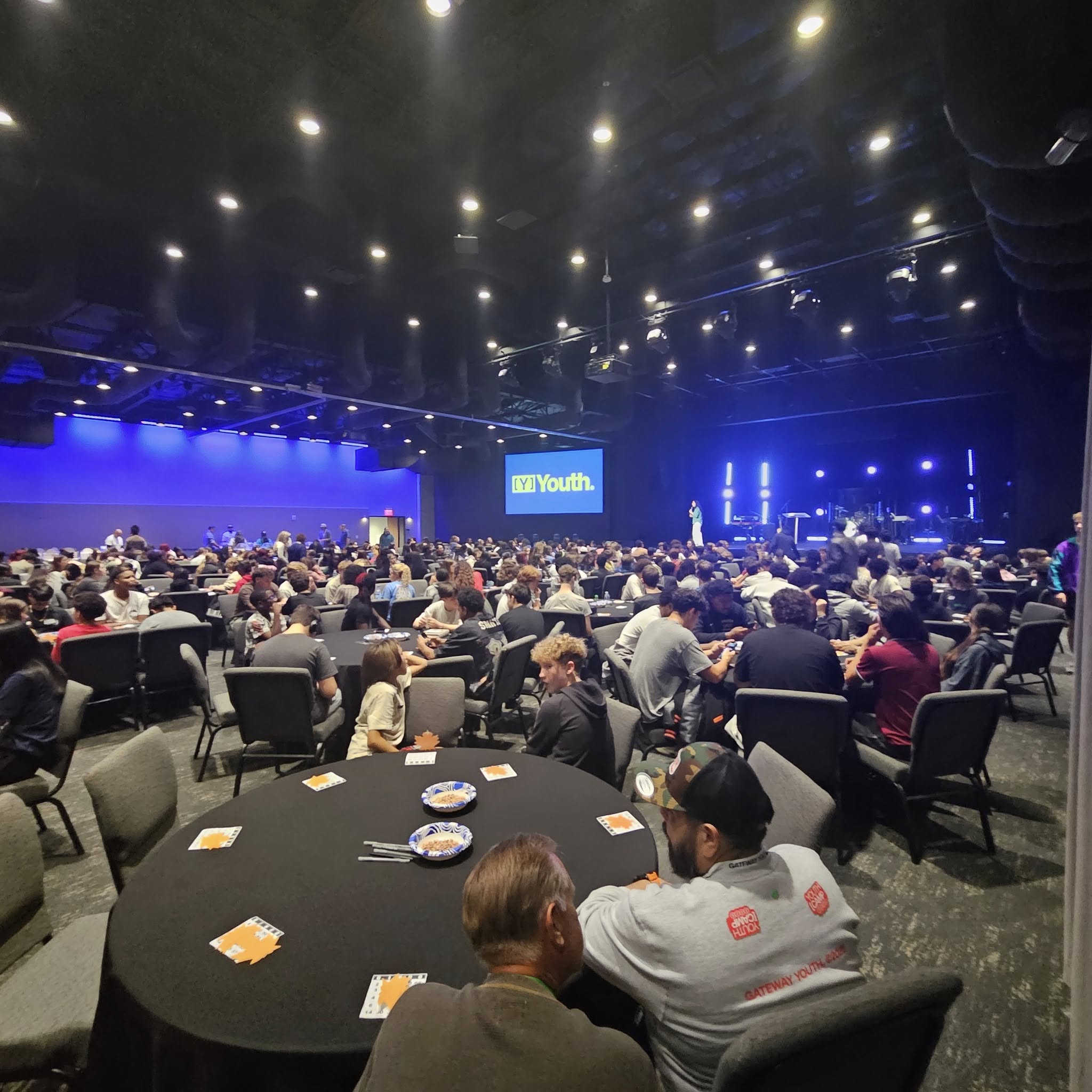
His relationship with the Lord shaped his character, guided his decisions, and grounded him in his latter years. He became baptised with devotion to the Lord. He helped many during his days with the Prison Ministry mentoring prisoners. He was completely devoted to his church and youth ministry. His faith was reflected in his humility, his kindness, his willingness to help others, his devotion to his wife and family, his gratitude for every blessing He lived his faith quietly but powerfully — through action, service, and love.
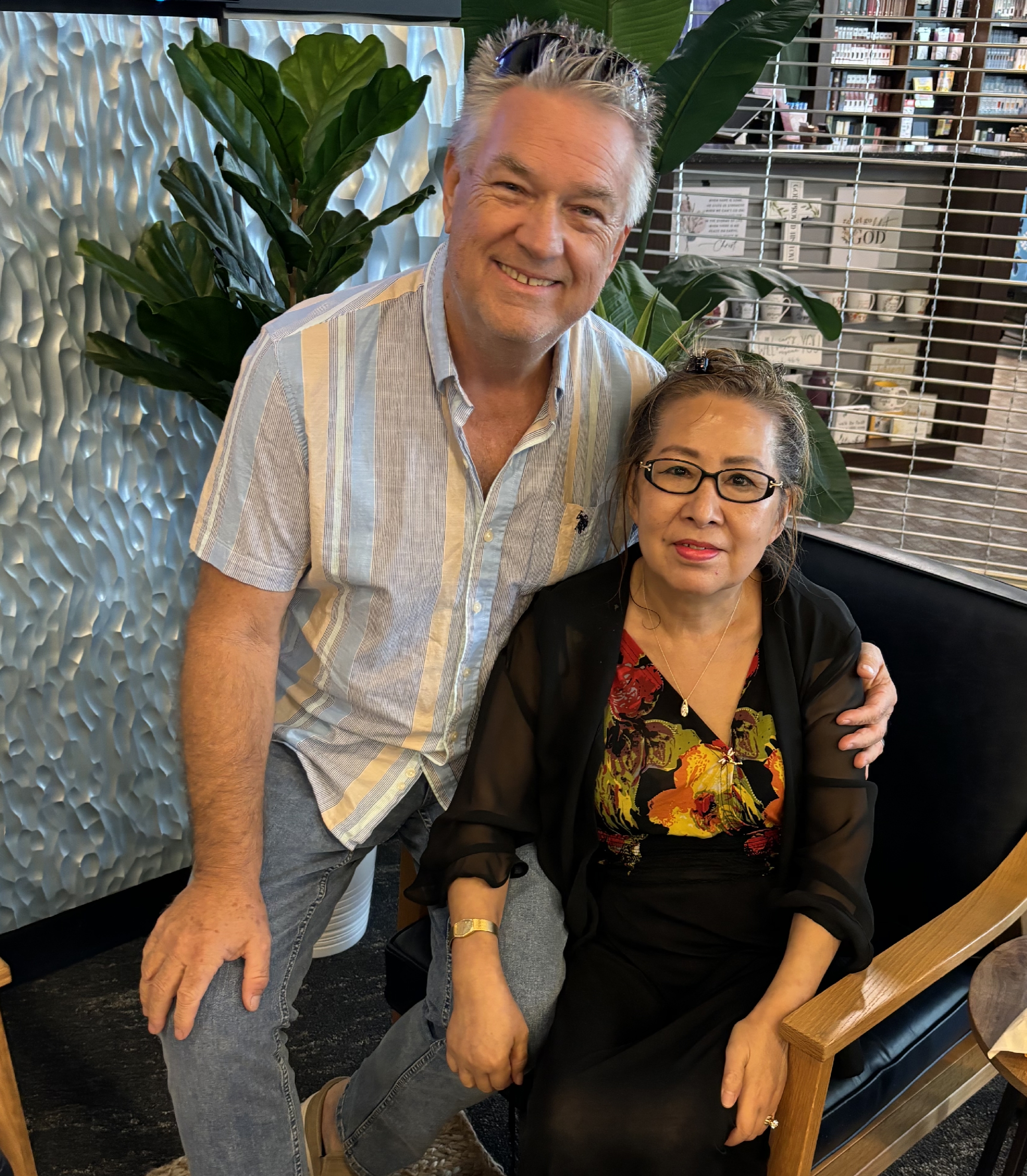
Roy’s beloved wife, OK Chung Kim “Sunny” a proud native of South Korea, was the heart of his world. Her Korean heritage brought warmth, strength, and cultural richness into their home. Their marriage blended two traditions — the discipline of a military man and the family‑centered values of the far east. She was his anchor, his partner, and his greatest blessing.
Roy’s 3 sons were his pride and joy — the one he taught, guided, and prepared for life. His son carries Roy’s legacy forward in the way he lives, the way he leads, and the way he remembers. Roy’s grandson was a light in his life — a reminder of the future he was helping to shape. He shared his collections, his stories, and his wisdom with him, planting seeds of curiosity and pride.
He passed down not just artifacts, but values — faith, respect, courage, and the importance of remembering where we come from.
Through his grandson, Roy’s legacy continues into a new generation.
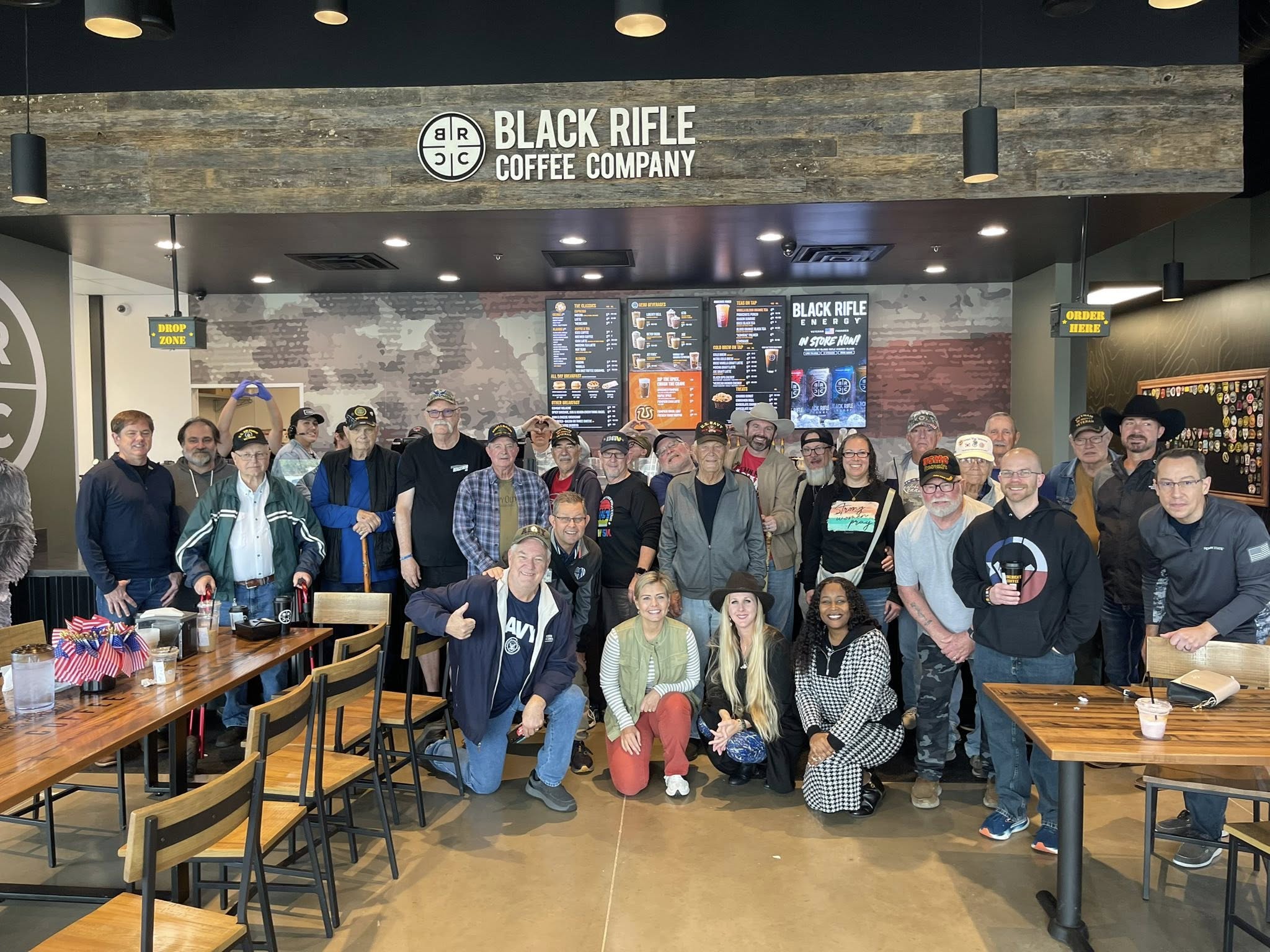
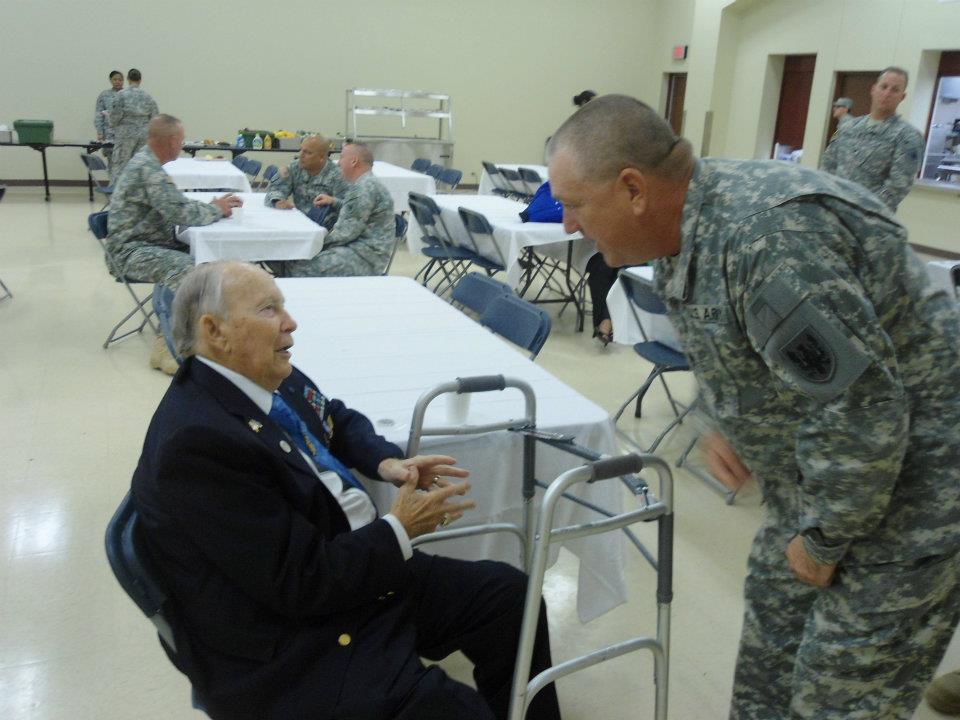
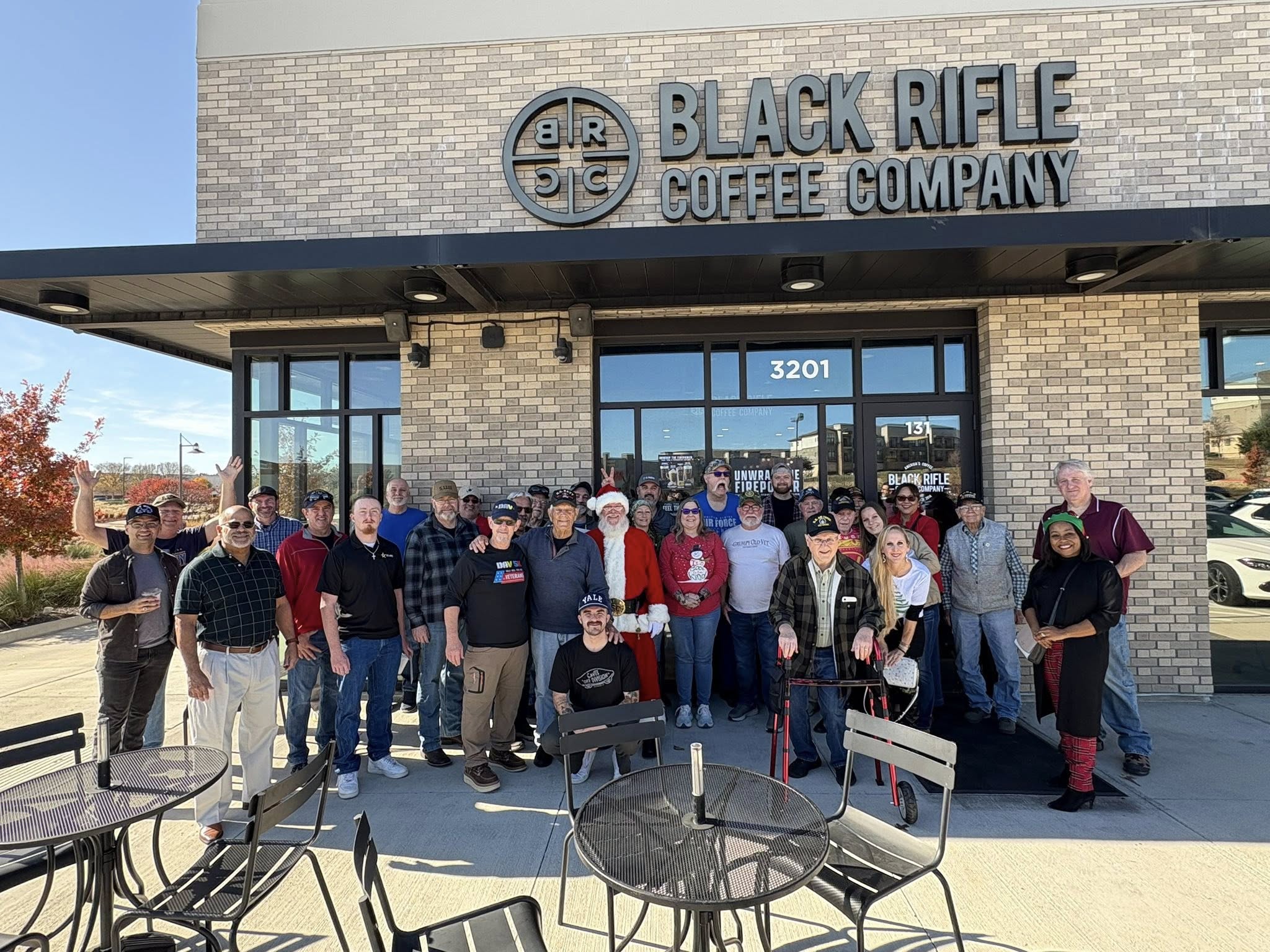
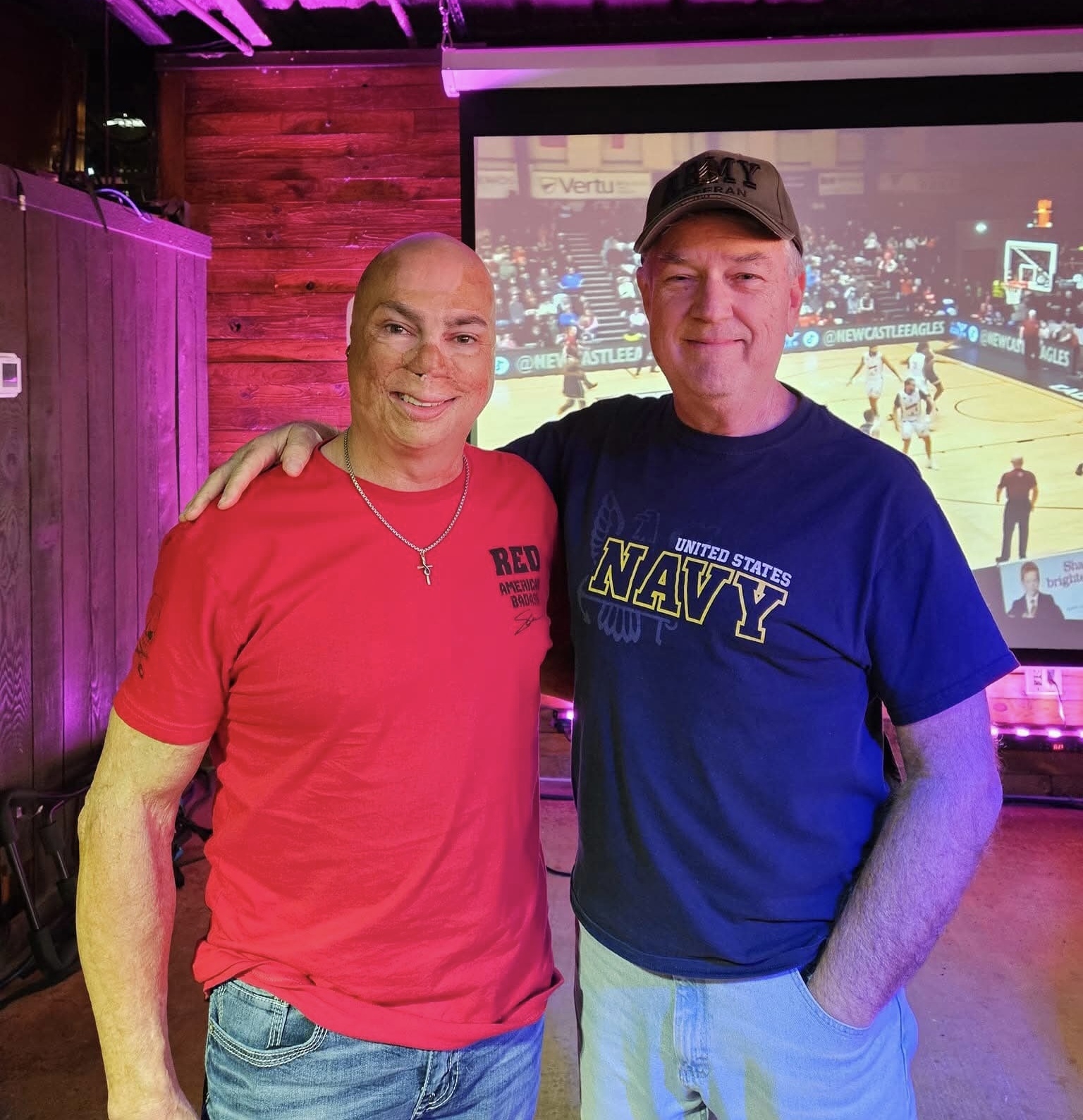
Roy built friendships that lasted a lifetime. He was loyal, steady, and always willing to help. His fellow veterans respected him for his service, his wisdom, and his willingness to support others. He understood the unspoken bond between those who served, and he honored it through mentorship, camaraderie, and genuine care.
His story is one of service, heritage, faith, and heart — a life lived with purpose and a legacy that will endure.