









THE BELGIAN BOY AND HIS SOLDIERS
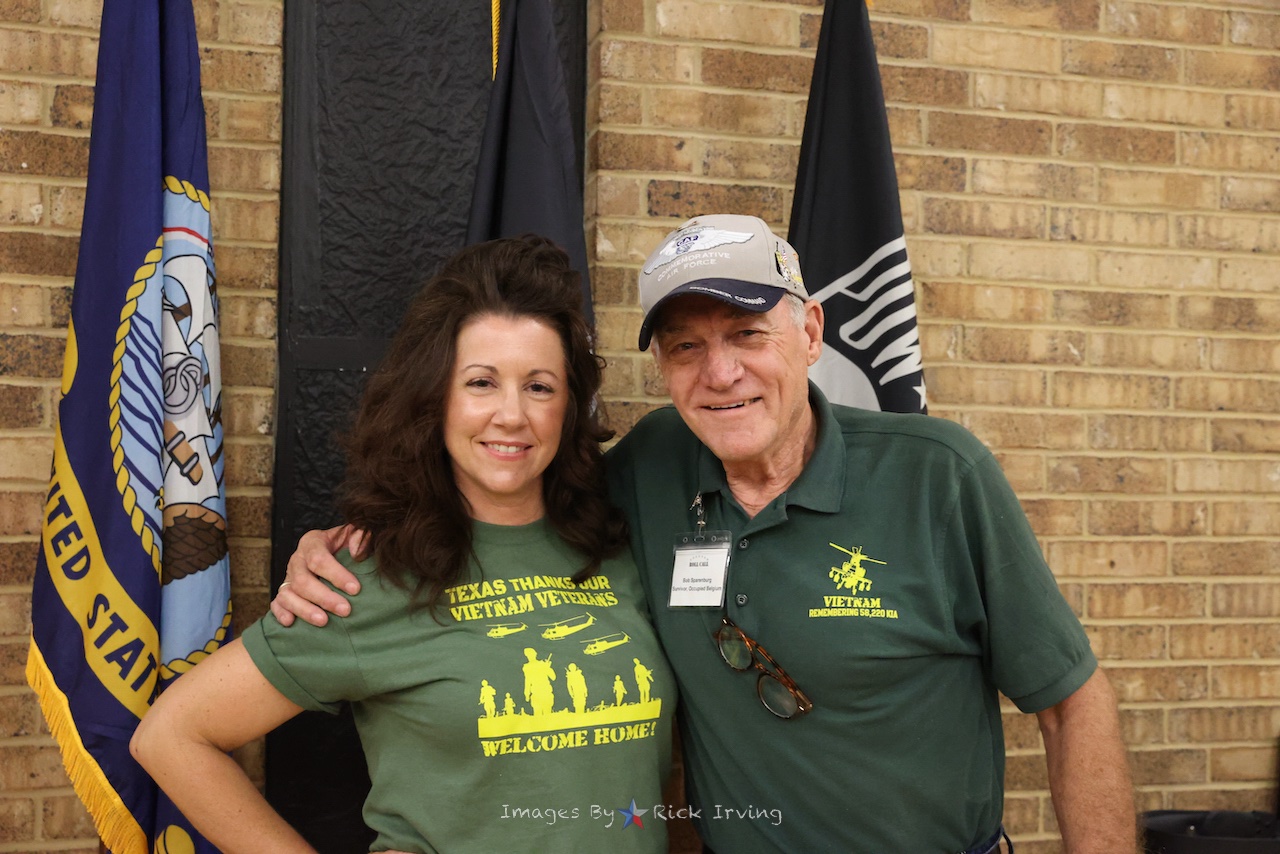
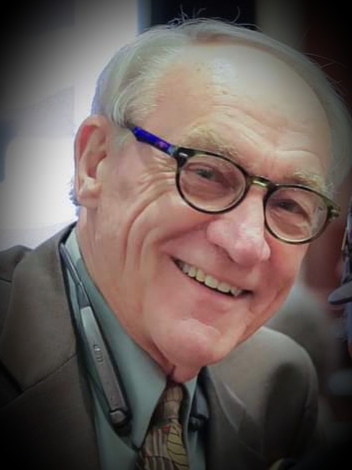
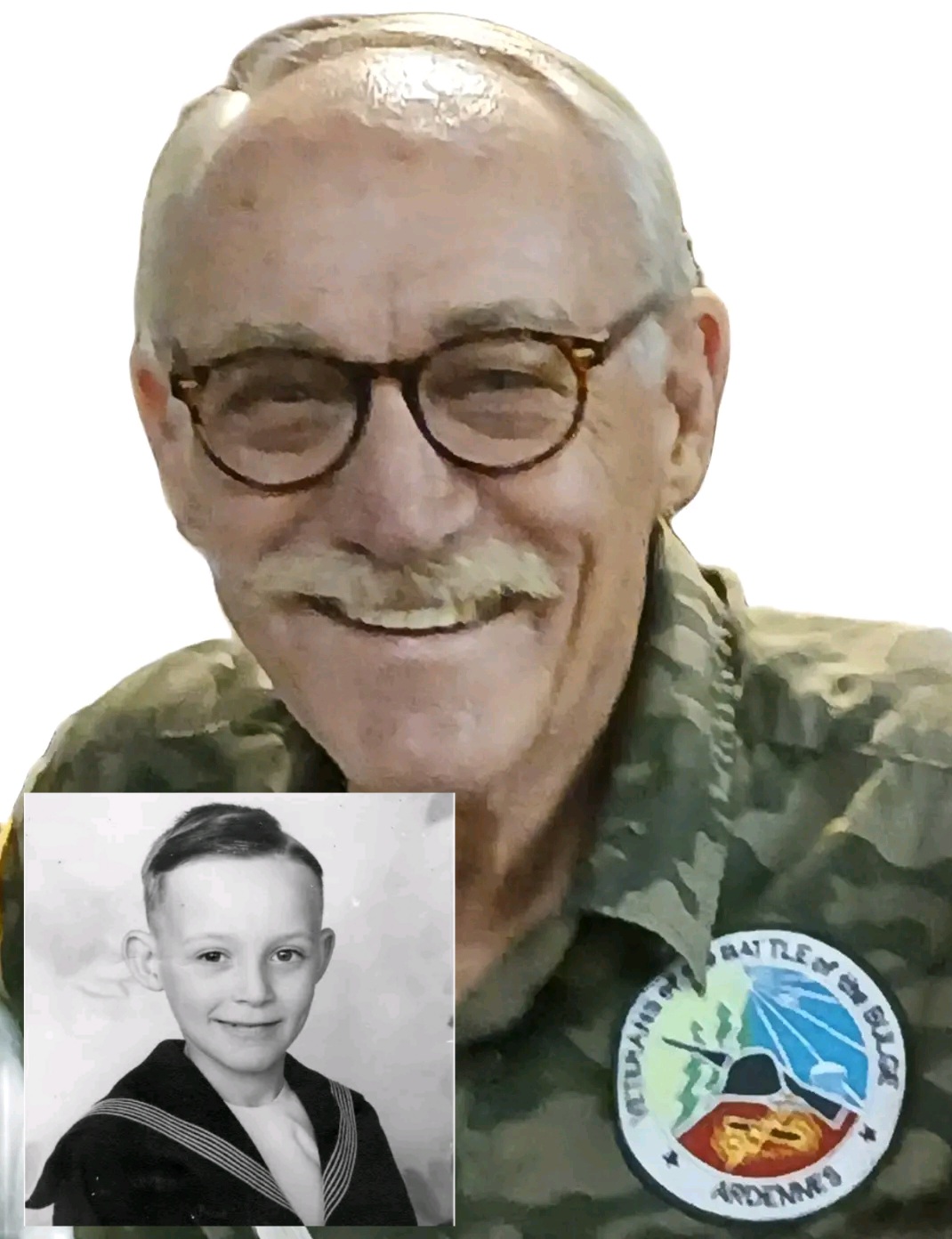
by Bob Sparenberg
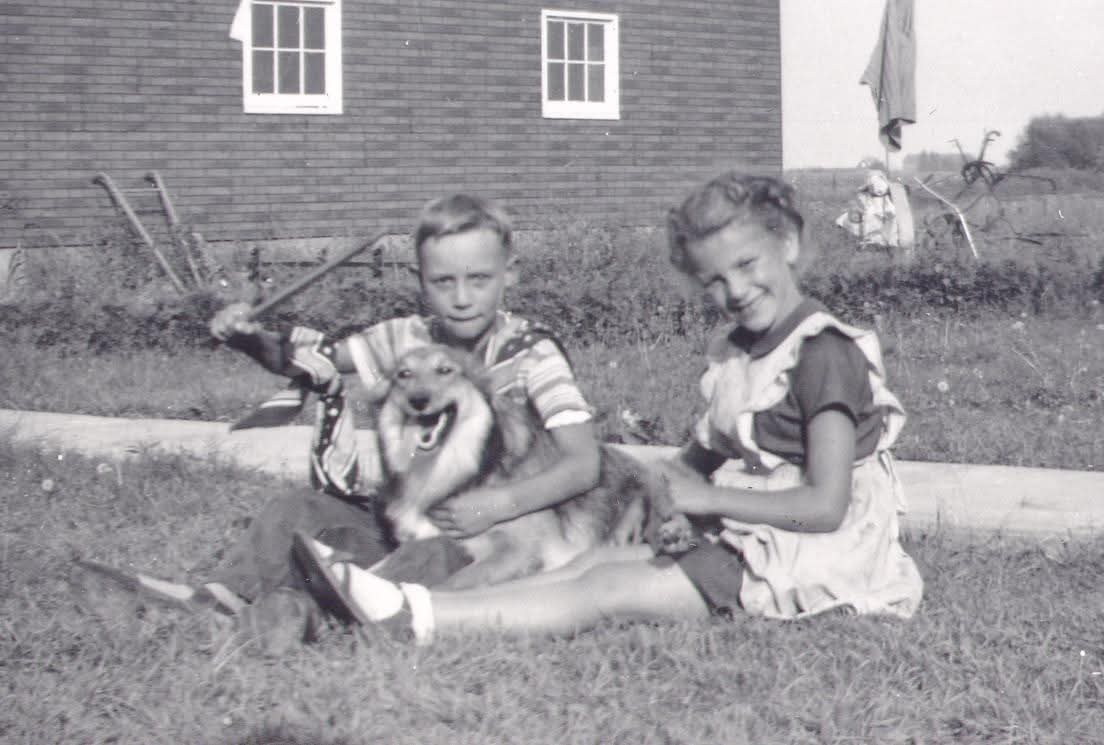
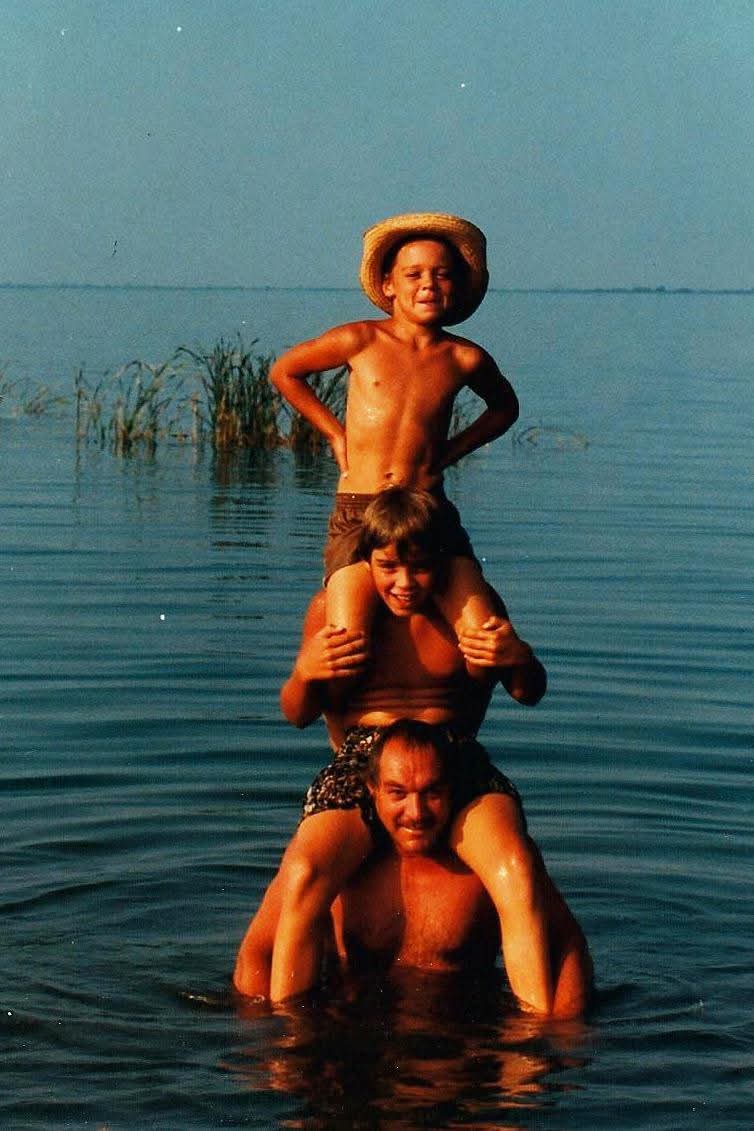
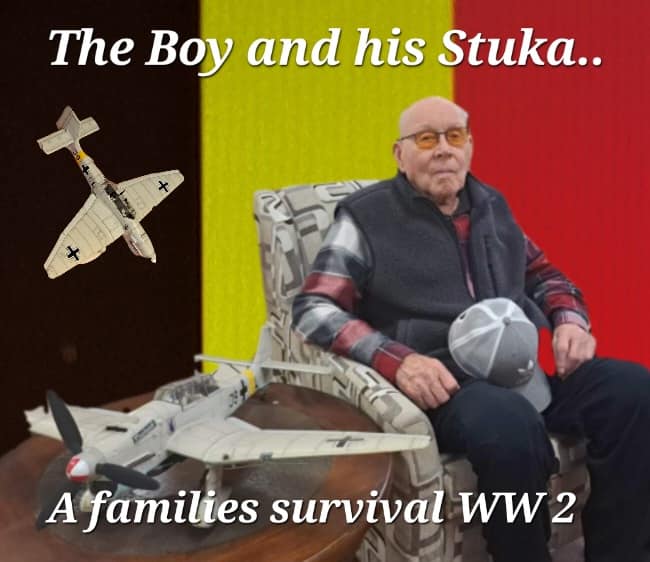
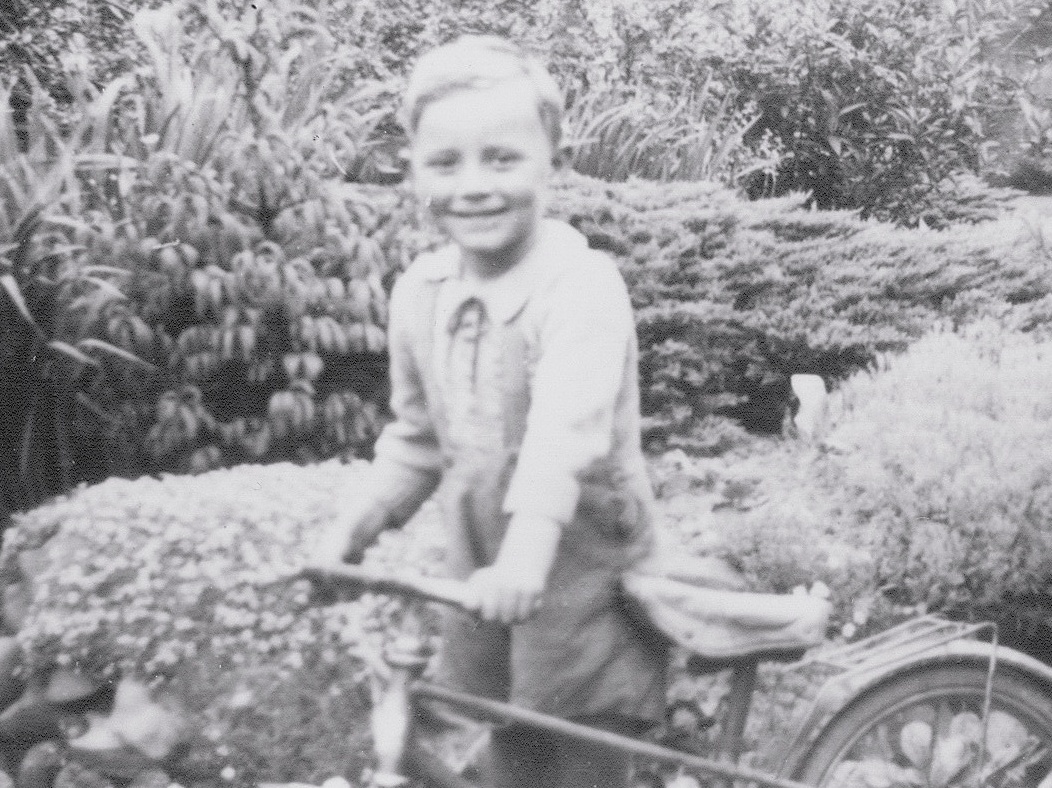
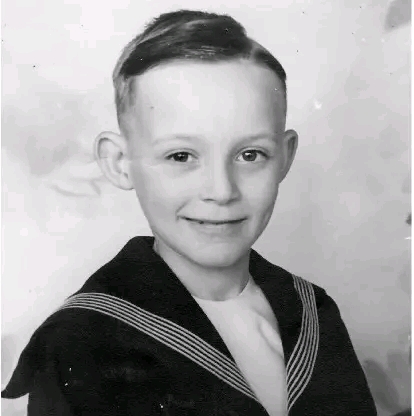
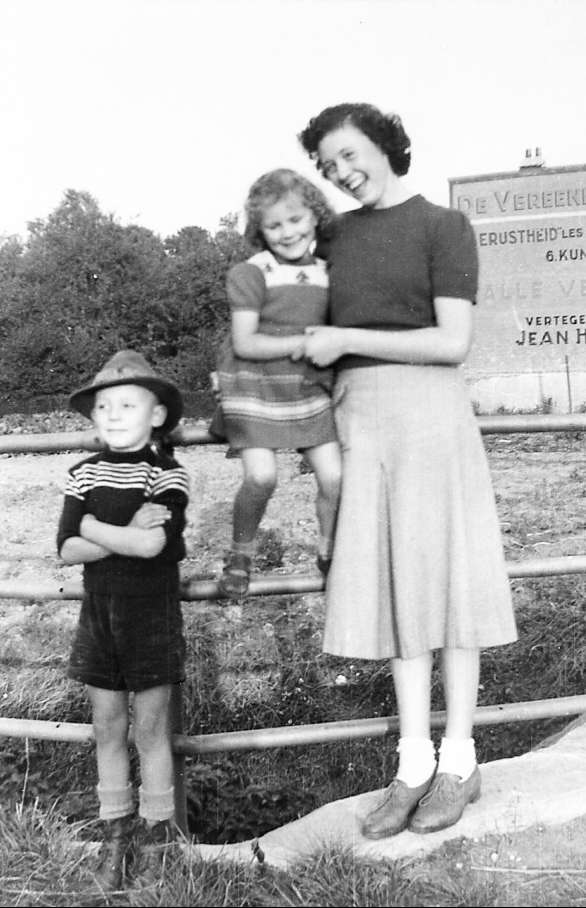
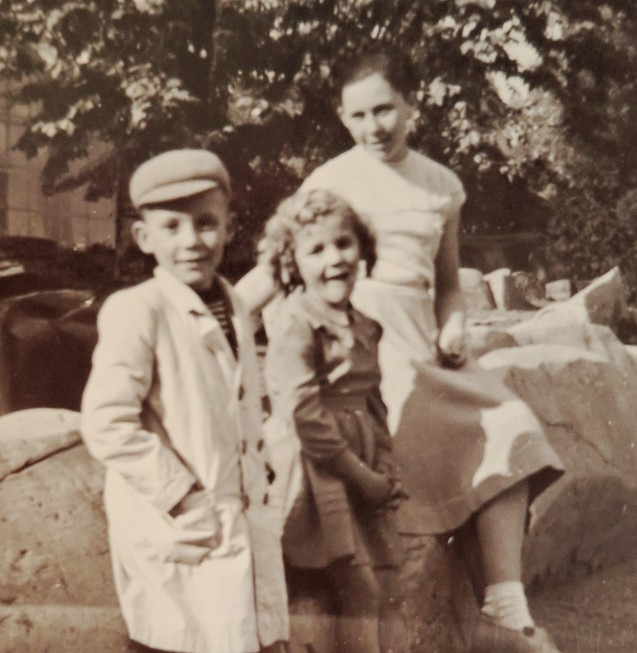
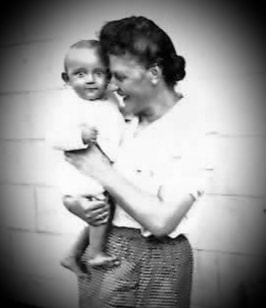
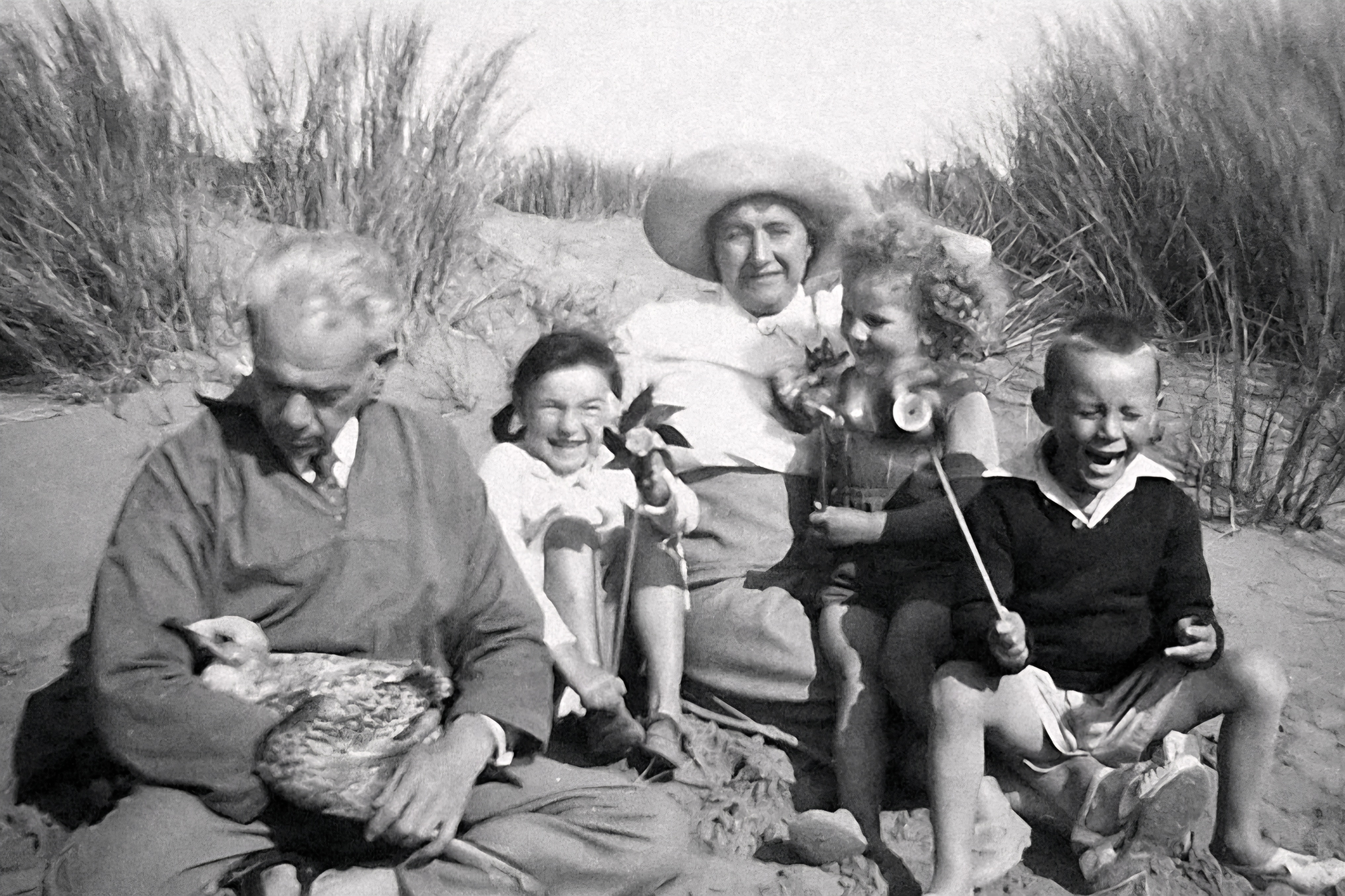
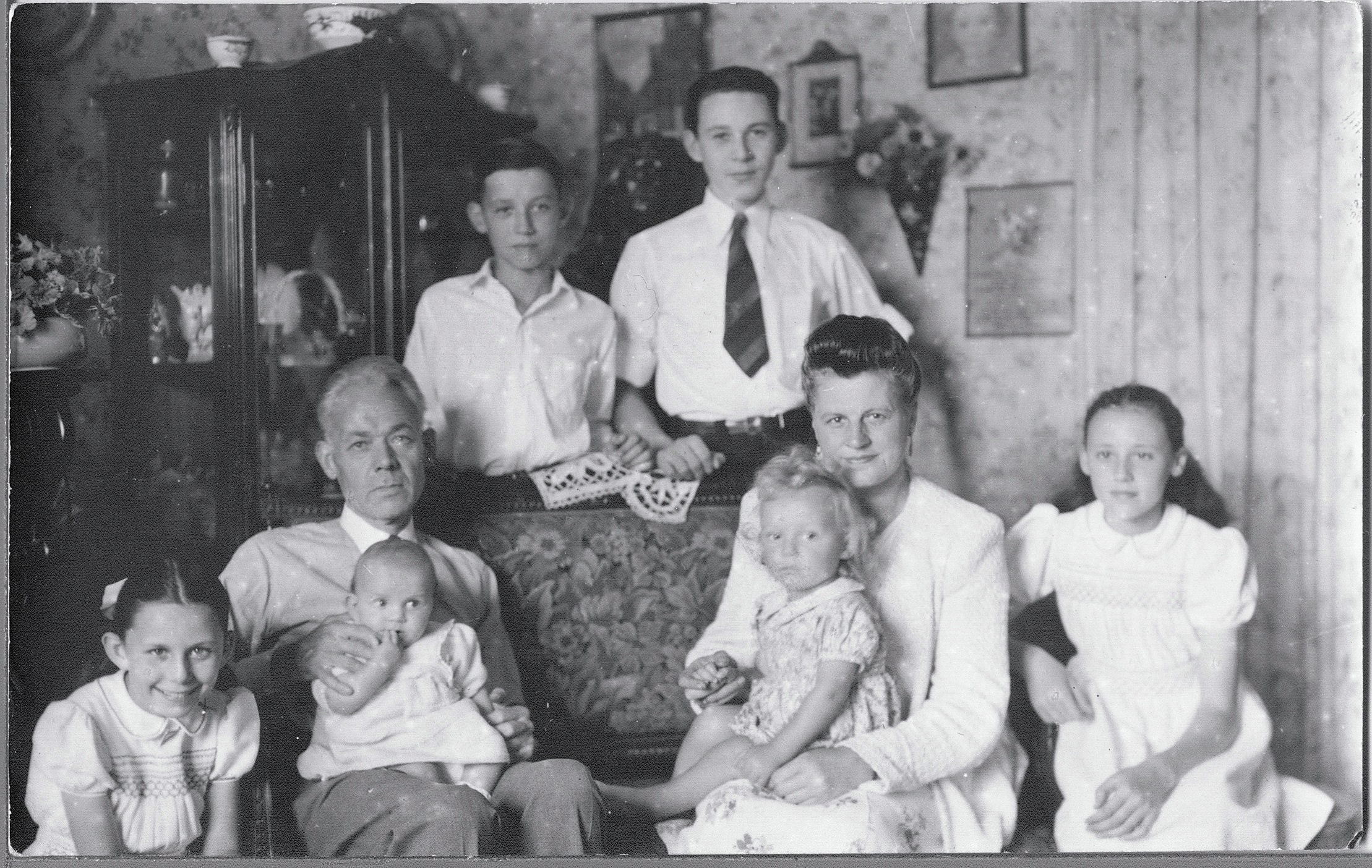
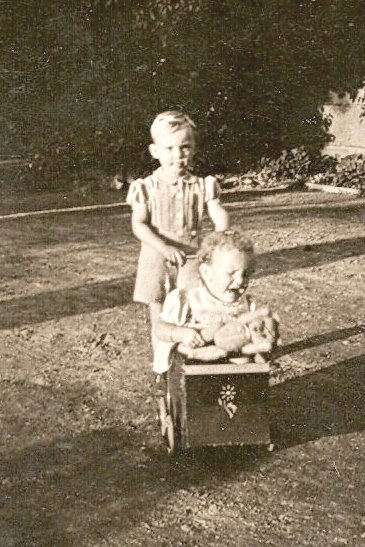
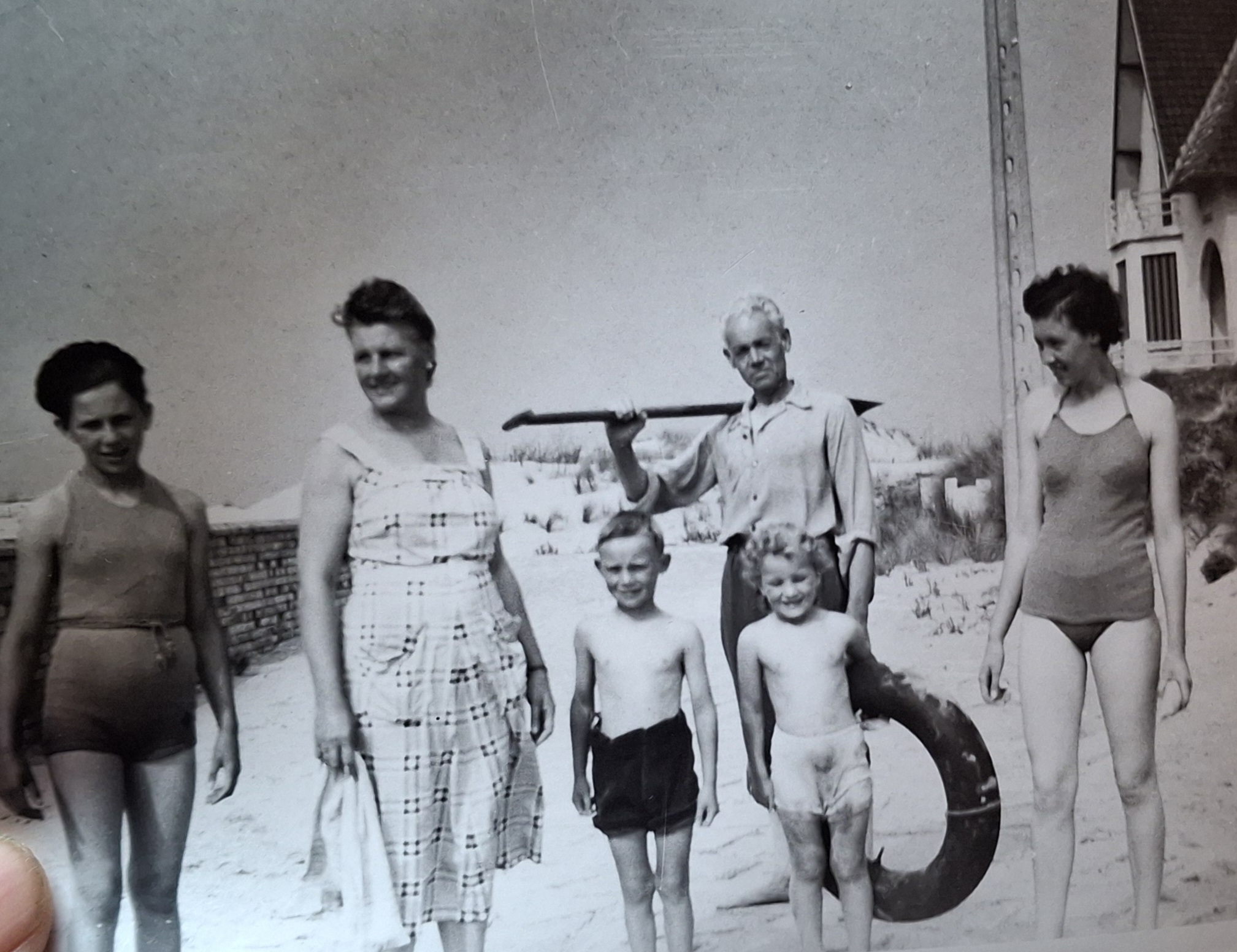
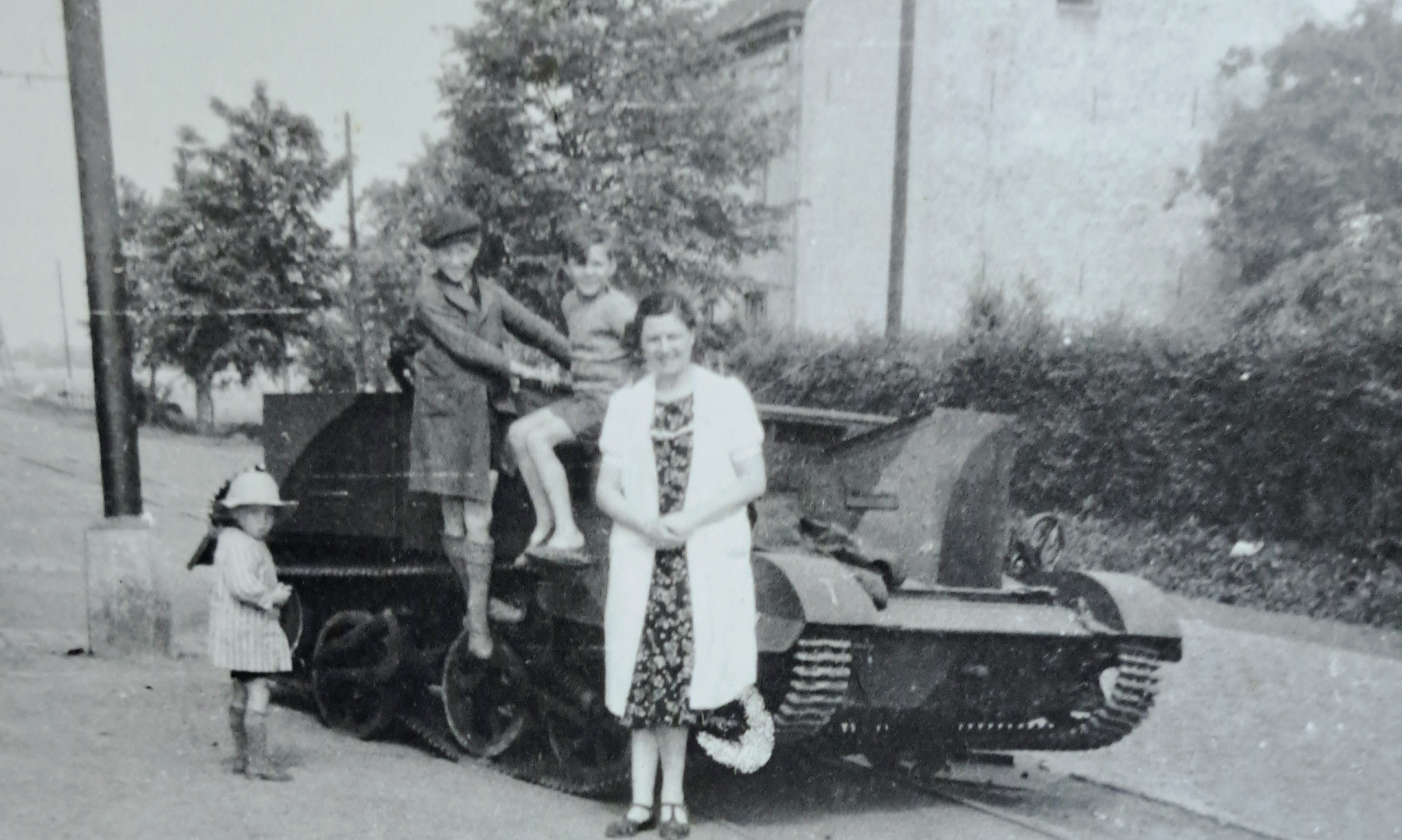
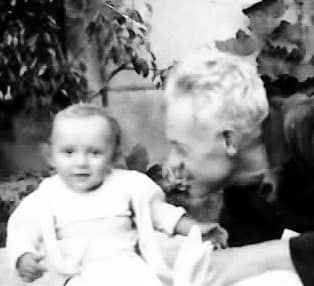
I was born in Grimbergen, Belgium in November of 1945 and am the second youngest of three boys and three girls. My family survived 4 years of Nazi occupation. In my early life, I relived the stories of my brothers’ and sisters’ fears throughout those years. I listened to my brothers’ stories of dog fights between M109s and Spitfires over our village, as well as the constant barrage of B17s flying overhead to bomb Germany. My mother explained that when the Germans came into our village, the sound of their goosesteps on the cobblestones could be heard for miles before they even entered Grimbergen. That is when fear gripped the village and they knew what their future would be.
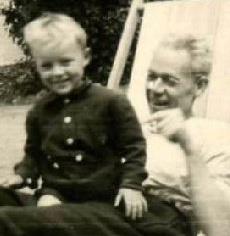
My parents, throughout those years, kept in contact with the Dutch underground in order to assist them whenever needed. They hid in our home, under a carpet which concealed a door on the dining room floor and which was covered by a large table, allied personnel who had been through the night, covertly moved to our home for safe passage out of Belgium. They would then be moved at the most opportune time in the night, to a convent in our village. On several occasions, the Gestapo and the local police who were working for the Nazi regime, entered our home to confront my family. They had heard rumors from local villagers that suspicious activity was going on at the Sparenbergs. My father was a widower when he married my mother. Together, my mother and father had 6 children. However, my father had 3 sons from his first marriage. One of my half-brothers had joined the German army, unbeknownst to the family. In the early part of 1944, my father received a letter on Nazi letterhead, mailed from Russia where my half-brother was fighting against the Russians. This letter proved to be a saving factor for my family being spared from confinement in the local concentration camp or possible execution.
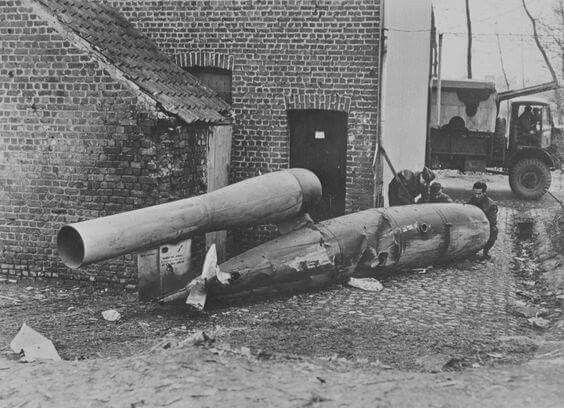
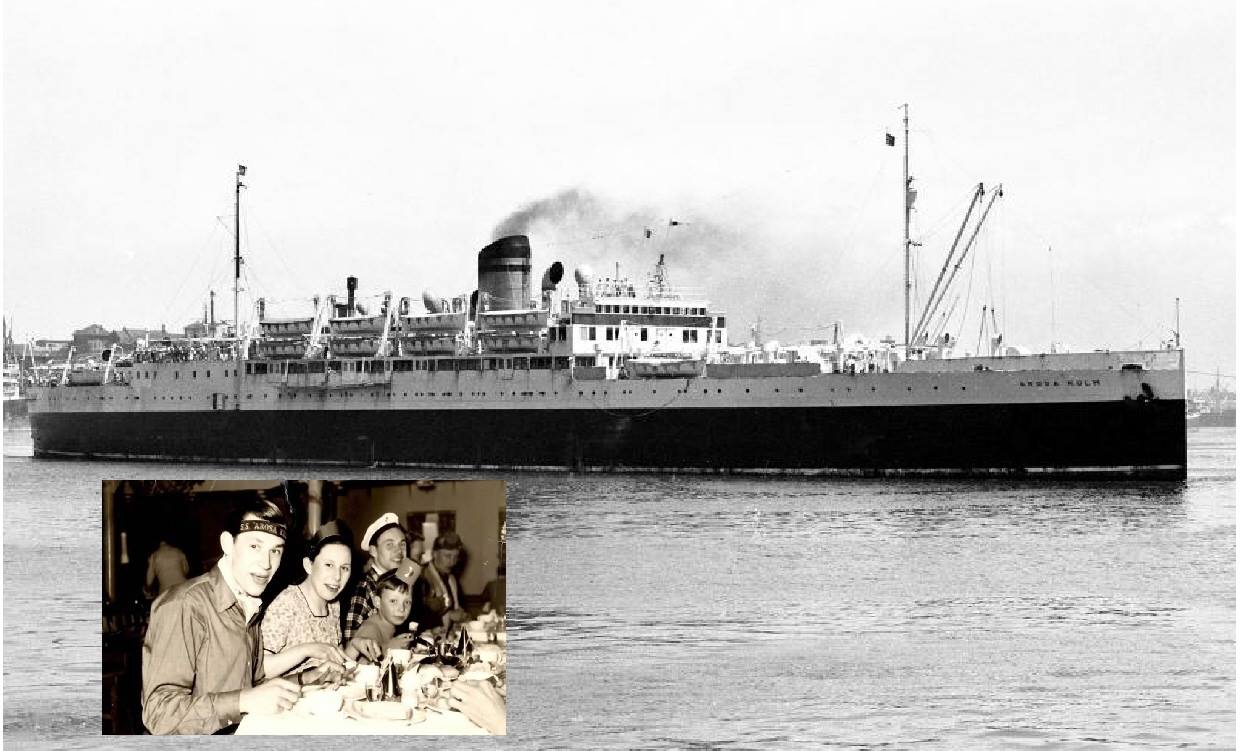
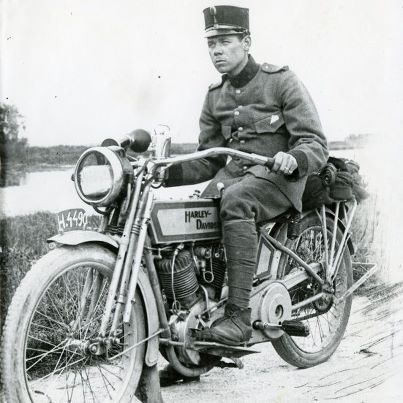
One day the Gestapo entered our home and lined my family up against the wall. A black shirt in our village had informed them that the Sparenbergs were possibly helping the enemy. A black shirt was a local villager who sympathized with the Nazis. It was during this time that my father believed that God spoke to him and told him to get the letter and show them that his son is fighting for the Germans and that they too were in support of Germany. When the Gestapo saw the letter they left them with only a warning. This brought such relief to the family at that time. Several days later they were crawling under the kitchen table as the sound of V2 rockets could be heard whistling overhead. Several months later the Gestapo came back again looking for my father’s other son who they found out had become a Merchant Marine, the opposite of his brother who had joined the Germans. This son was moving supplies throughout the North Sea from England to France. My father was well aware of the dangers connected with war. In WWI in 1917, he had patrolled the Dutch and Belgian borders on a Harley-Davidson for the Dutch Army in search of deserters between the two countries.
I sometimes reflect back on my brothers’ experiences, one of which was trying to take a 50 caliber machine gun out of a B17 which had crash landed in our village and their failure to do so. However, my oldest brother, Alex, managed to crack off pieces of the cockpit window and carved little B24s out of them which he still has to this day on his living room mantel. In a recent phone conversation with my oldest sister, Betsy, who is now 82, I told her about the men I am working with and the article that I was writing. She said, “Robert, to this day I still have fear. When I see a black PT Cruiser, my mind goes back to the Gestapo who had black sedans with the SS sign and the swastika.” They were the ones who assisted in putting Jewish families from our village, as well as our Jewish neighbors, onto the boxcars which were on the tracks directly across from our home. In the summer- time it was hot and humid and there would be days and sometimes weeks with no power. My family would sleep with mosquito nets over their beds. My sister remembers early one morning being awakened by the sound of a German bayonet ripping through her net to see who was sleeping in the bed. They were making sure no Jewish children were being hidden with the local villagers.
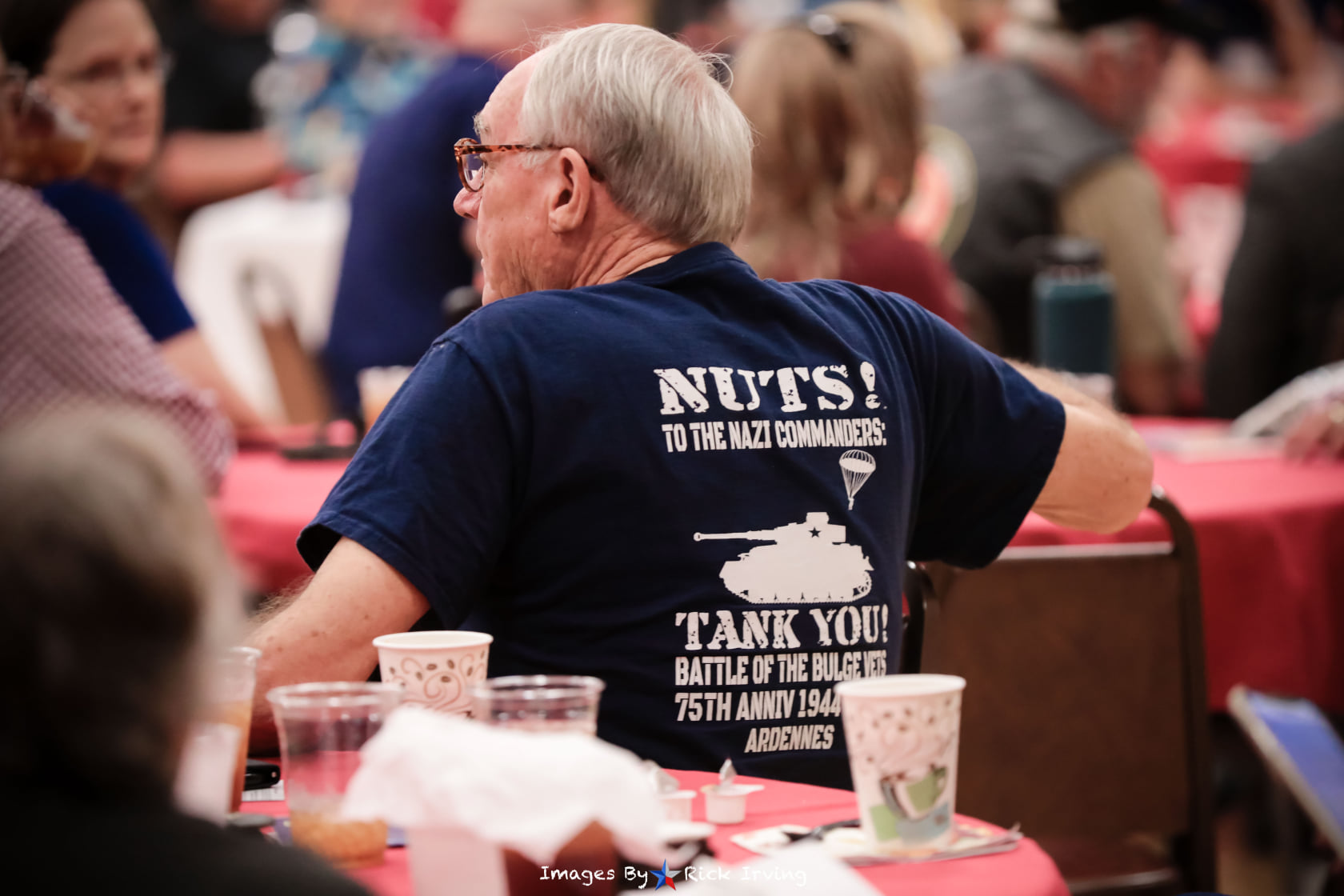
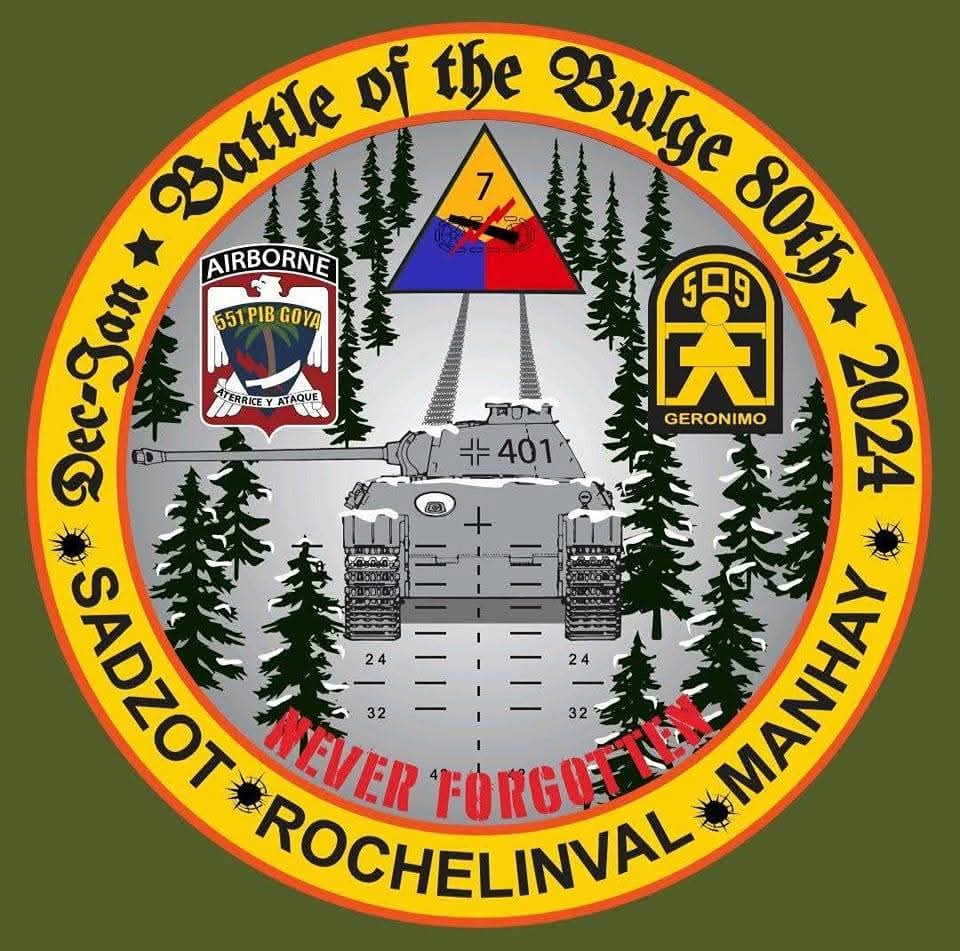
One day, the talk in our village was that the Americans had entered the Ardennes and were pushing their way into the Bulge. With Providence on the side of America, the German war machine was running out of fuel and ammunition. They were able to secure approximately 50,000 gallons of fuel from the American fuel depot but this was not enough to feed the thirsty armored division. This could have been a turning point of Germany’s success. After our village was liberated by British soldiers, many of them stayed by combat ready, to assist if needed, in the Bulge. (I was named after one of those British soldiers, Robert Seaman.) The impact of the American soldiers fighting in the Bulge was a crucial point in the history of World War 2. It was truly the final liberation of the Belgian Ardennes. It left a deep thankful spirit in the hearts of the Belgian people who consider the Americans their heroes. And this thankfulness is celebrated every year since the Battle of the Bulge. Growing up in a grateful family, my passion has been to meet the men who fought those eighty kilometers from our village.
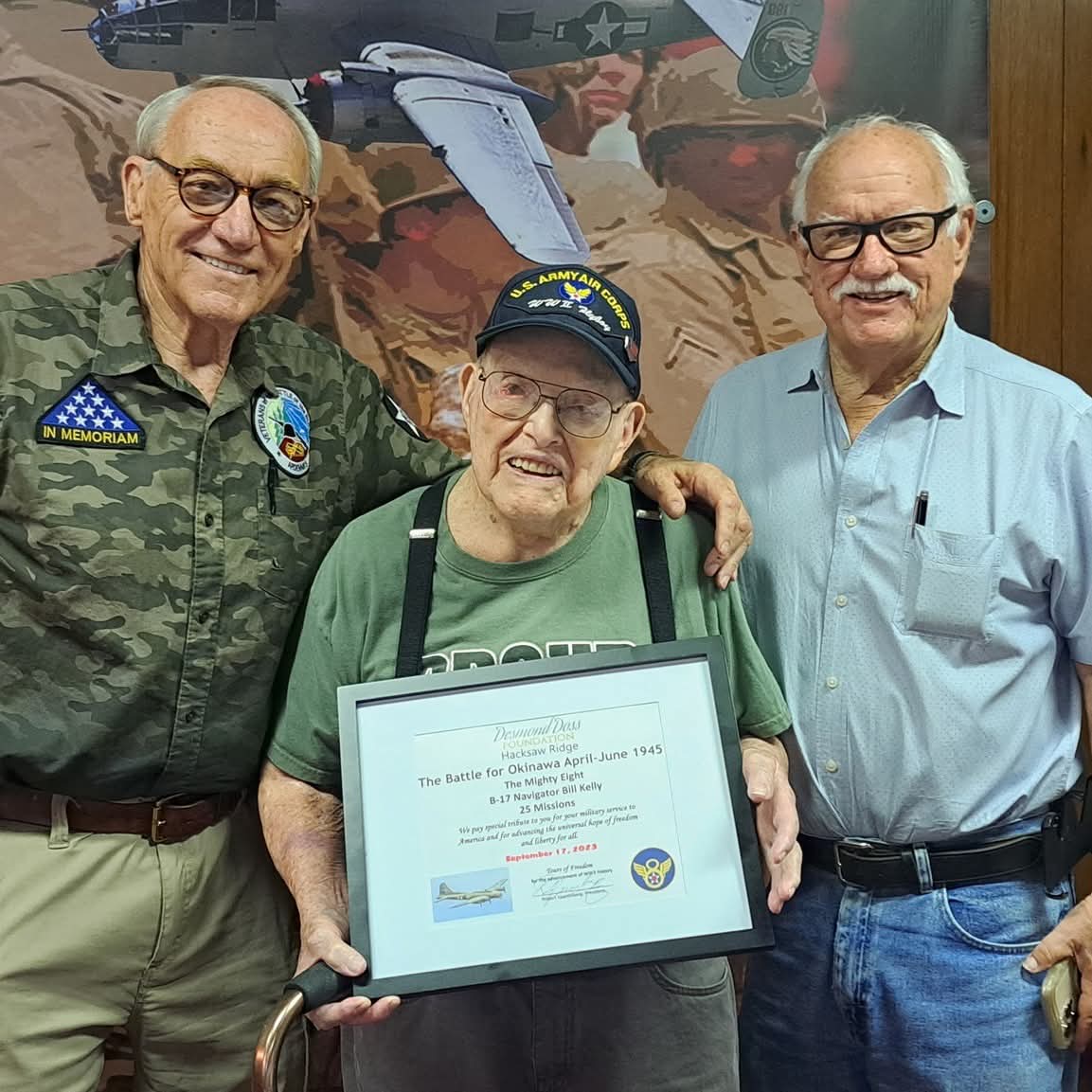
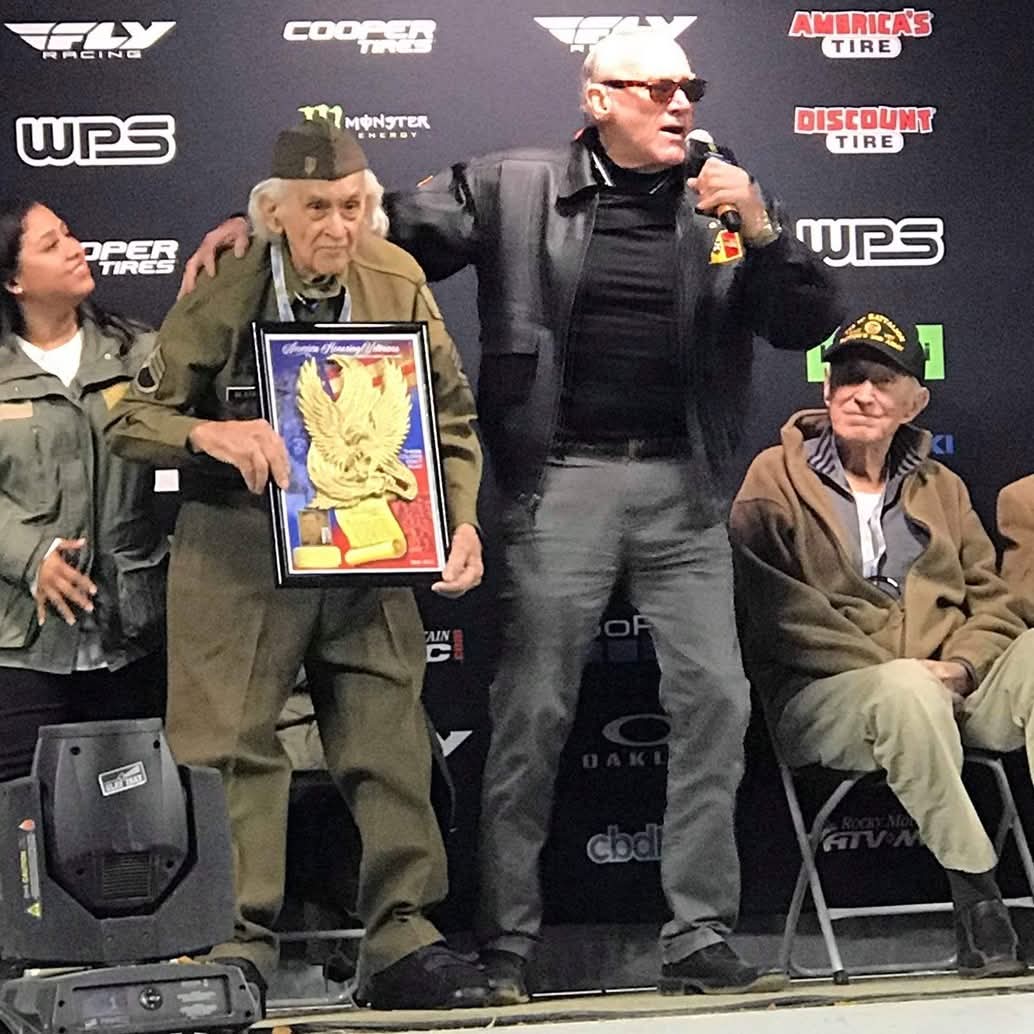
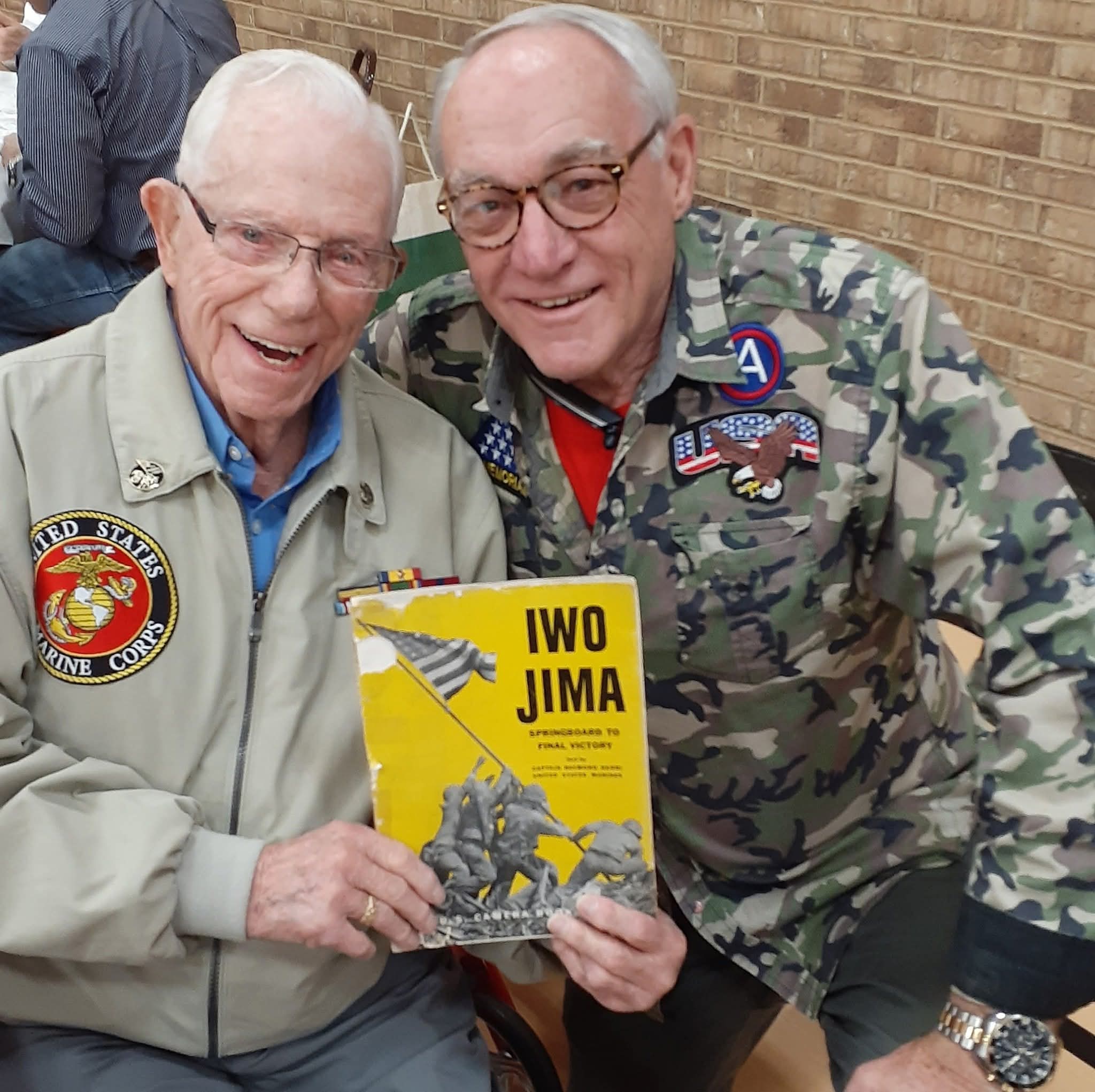
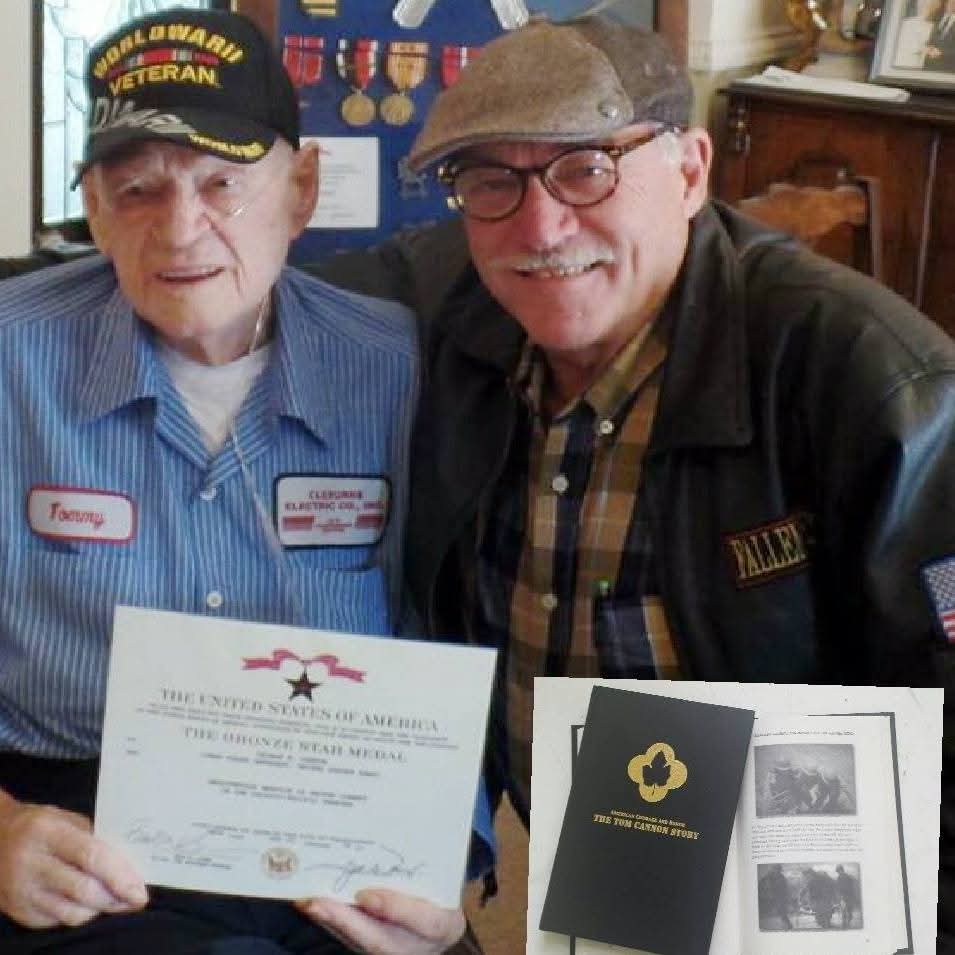
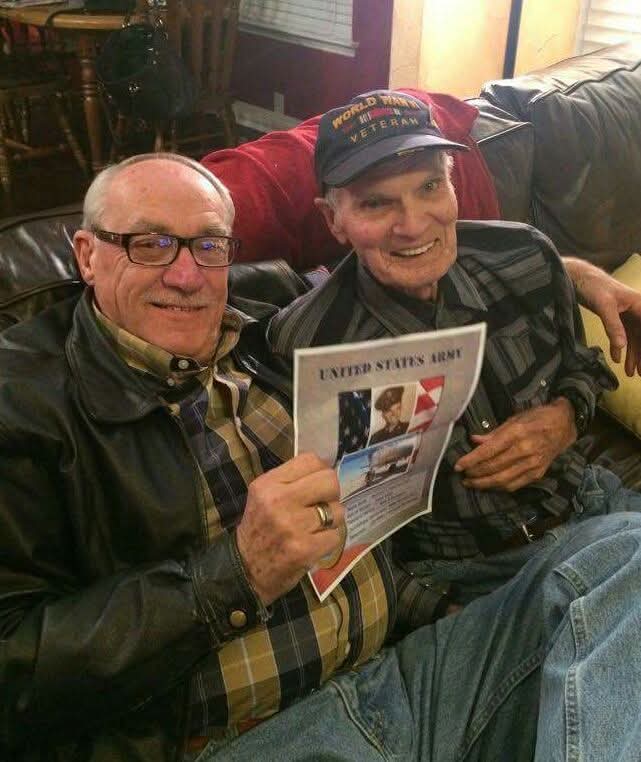
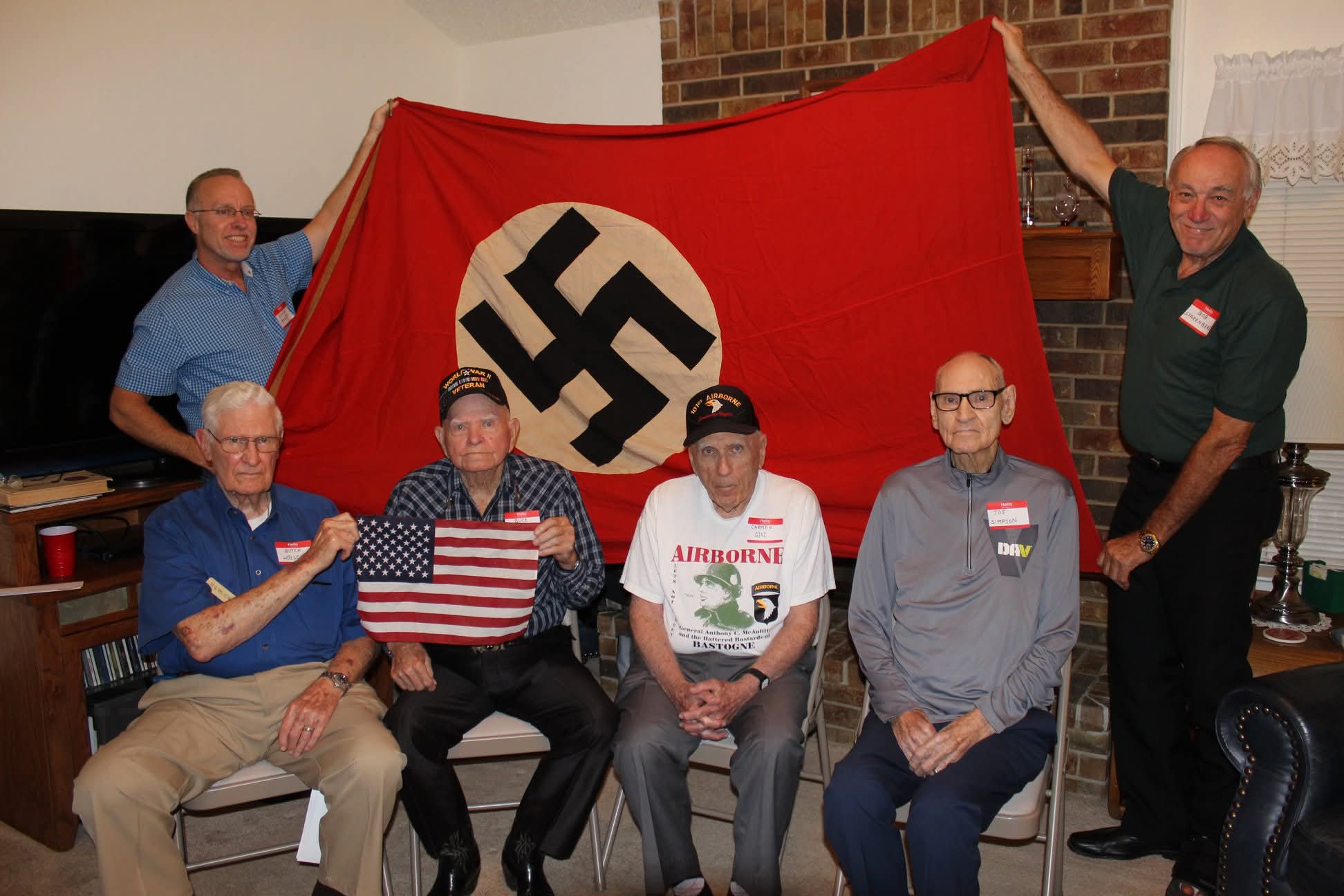
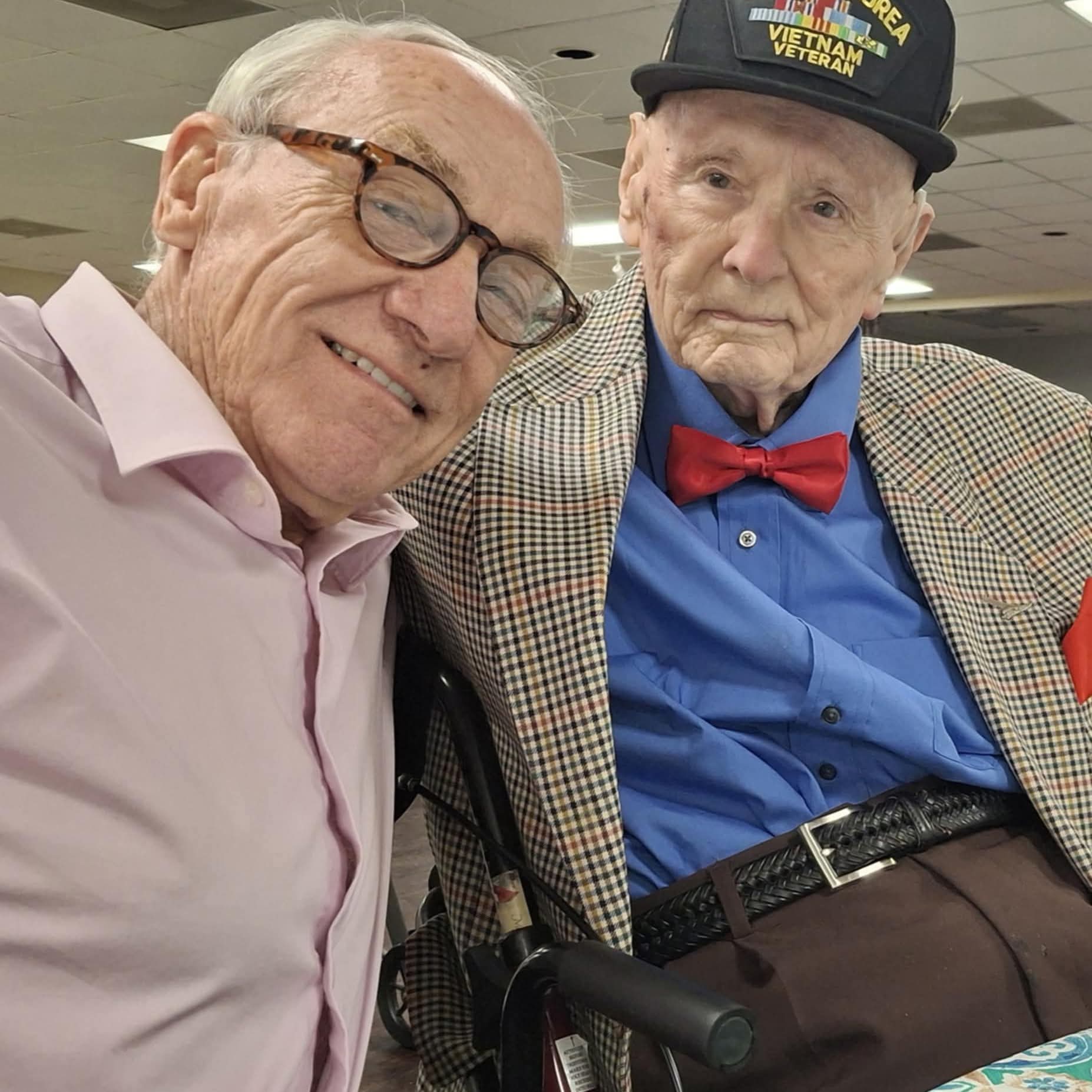
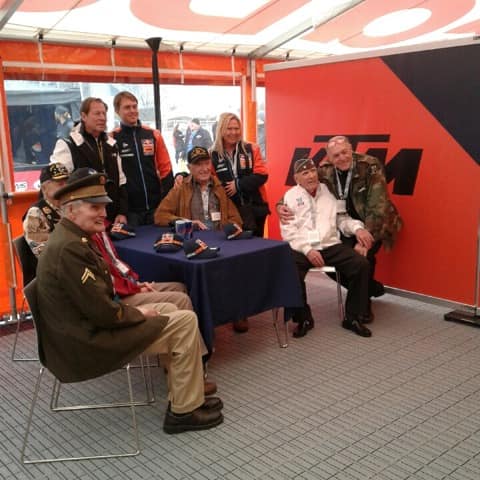
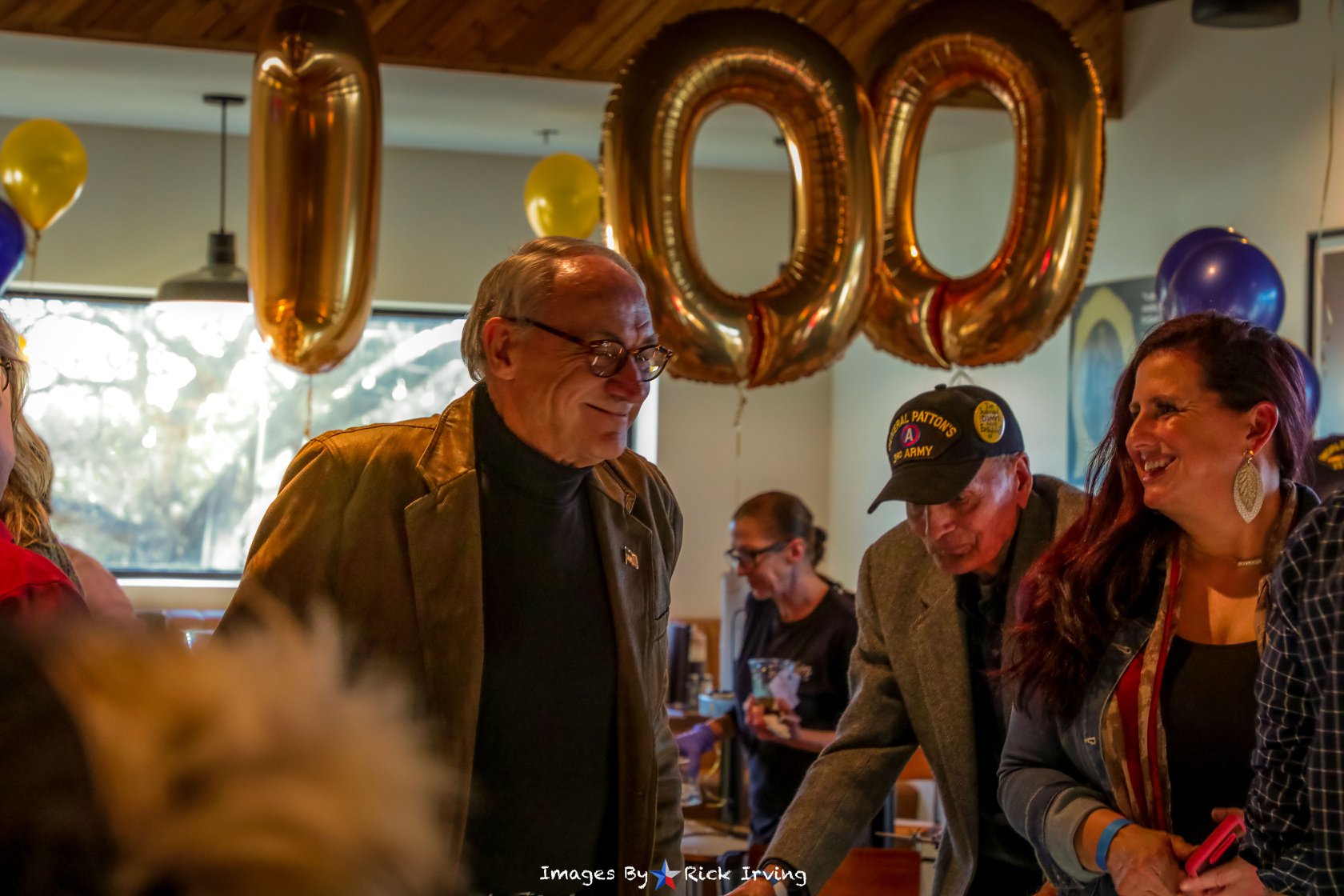
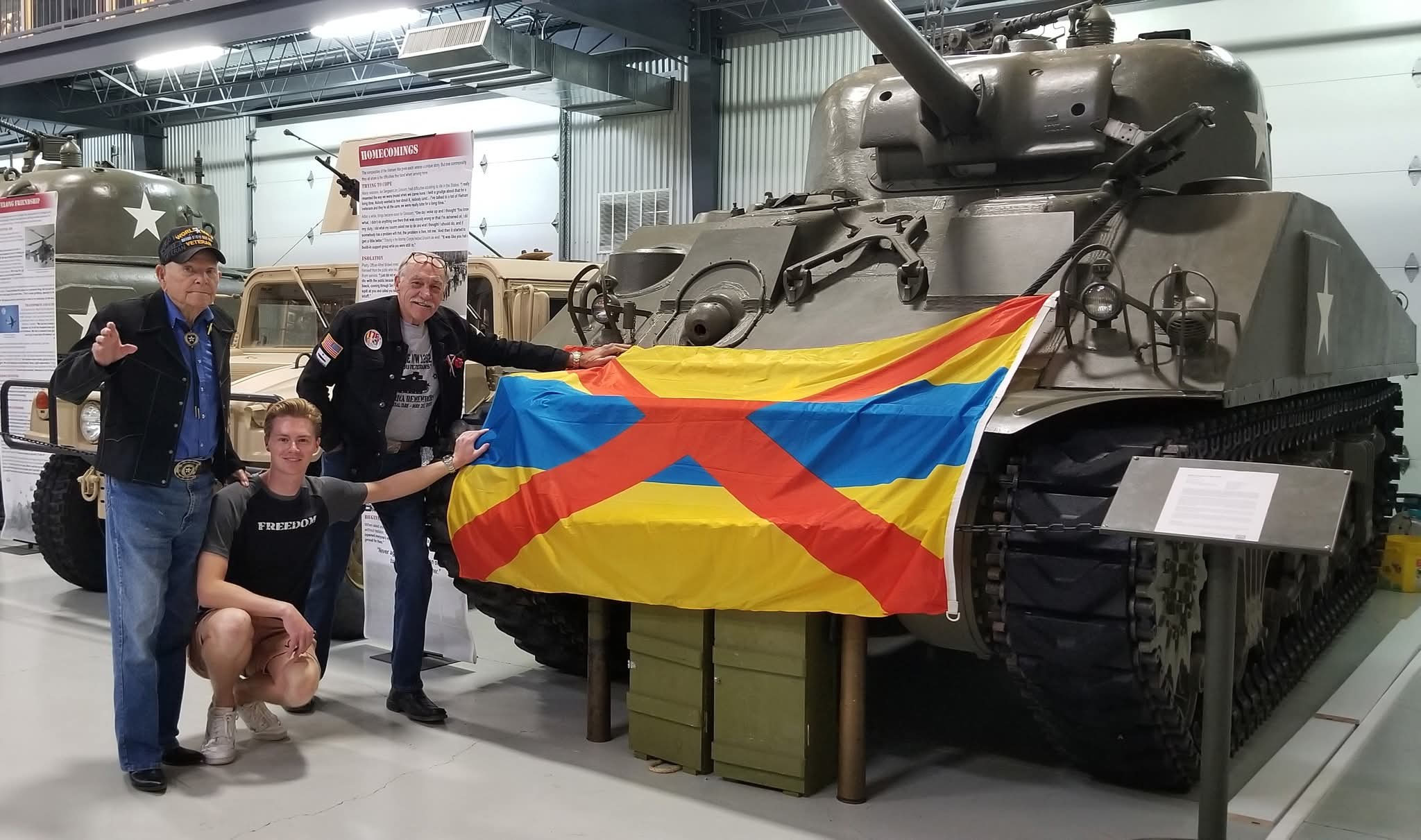
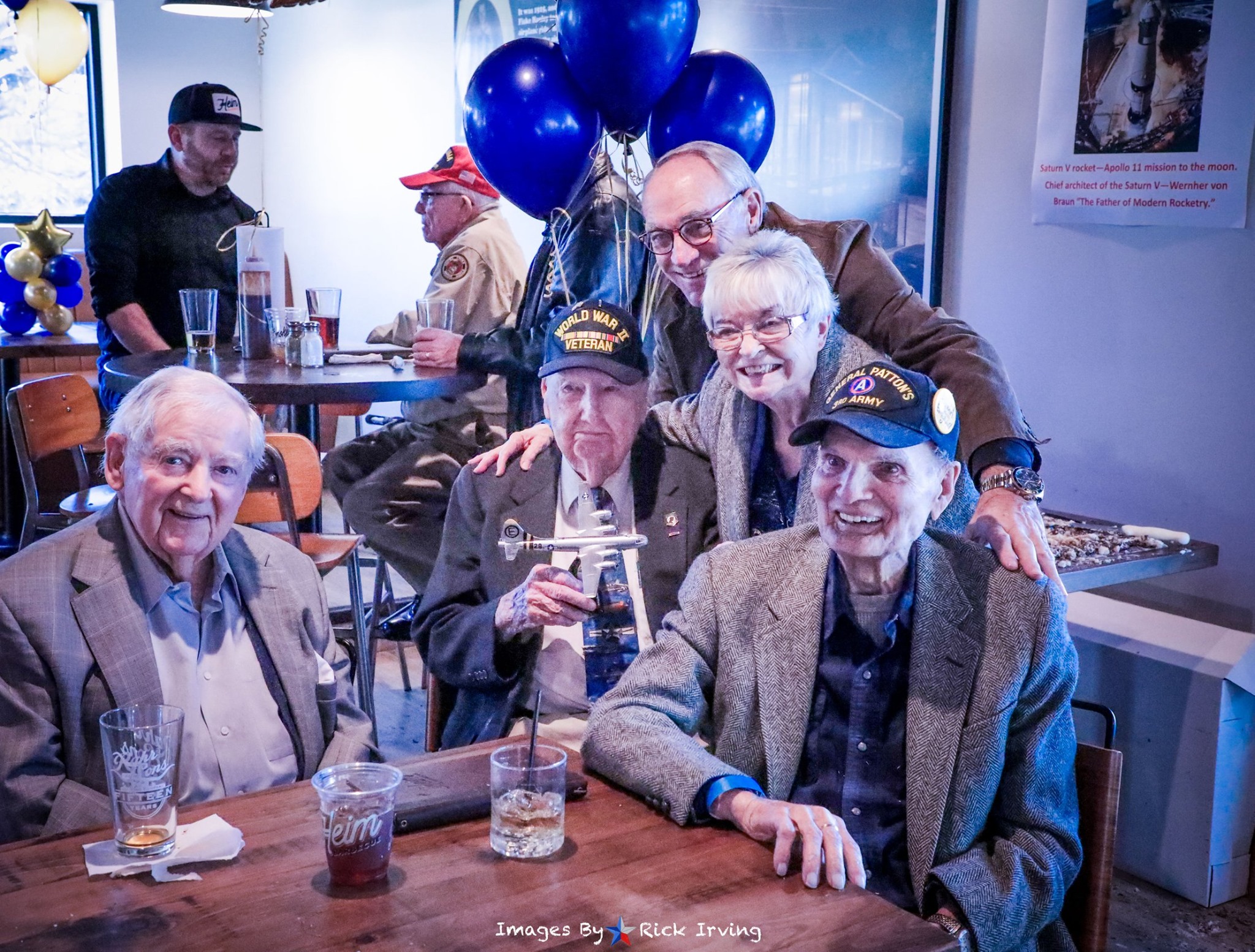
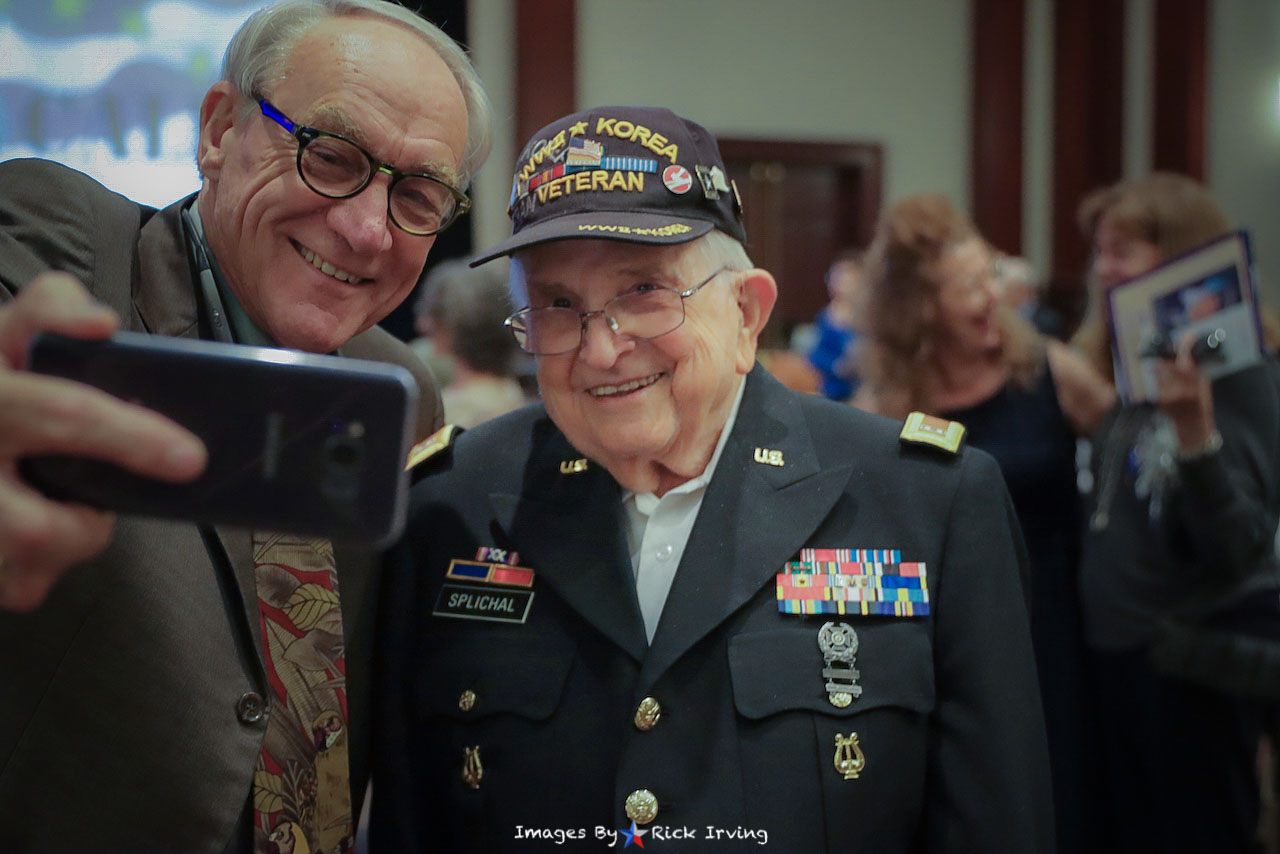
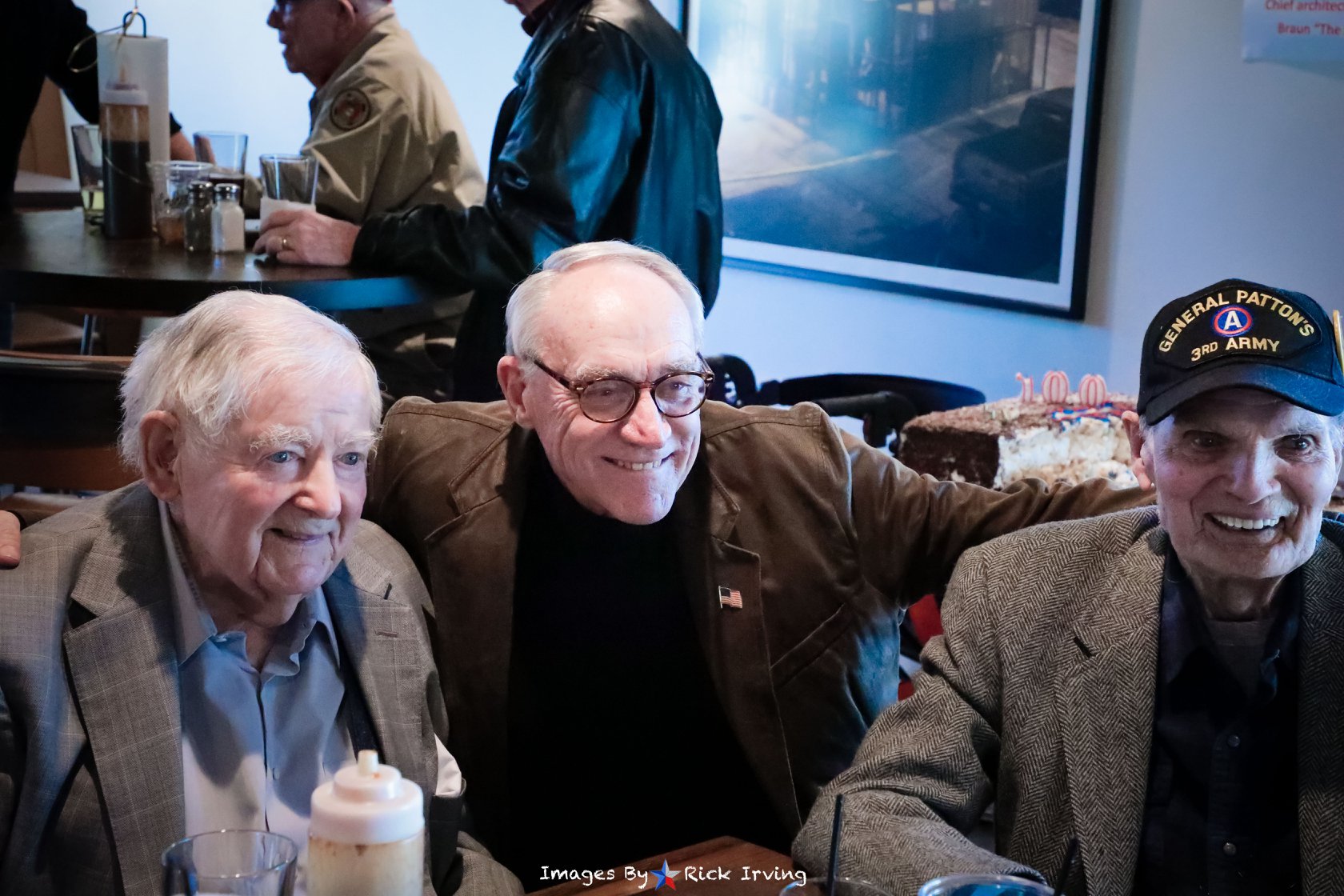
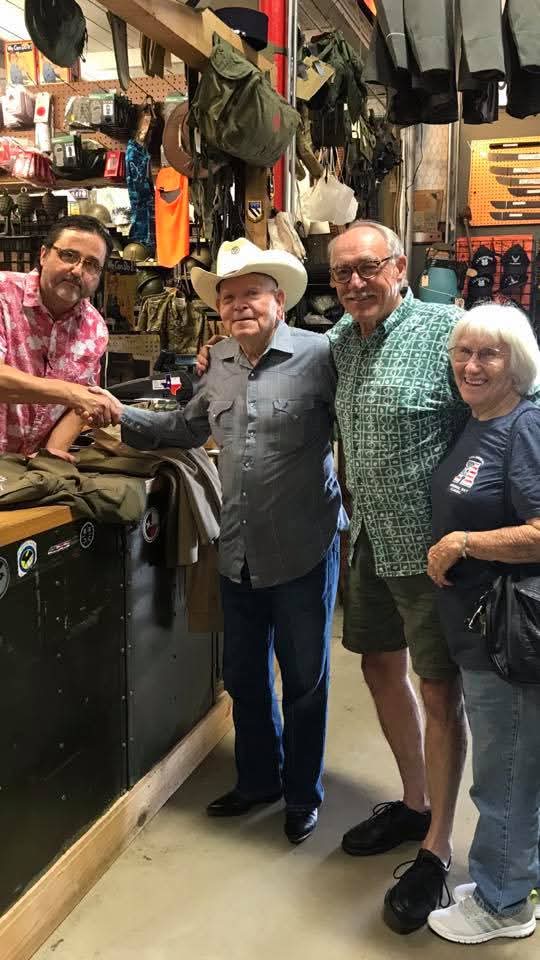
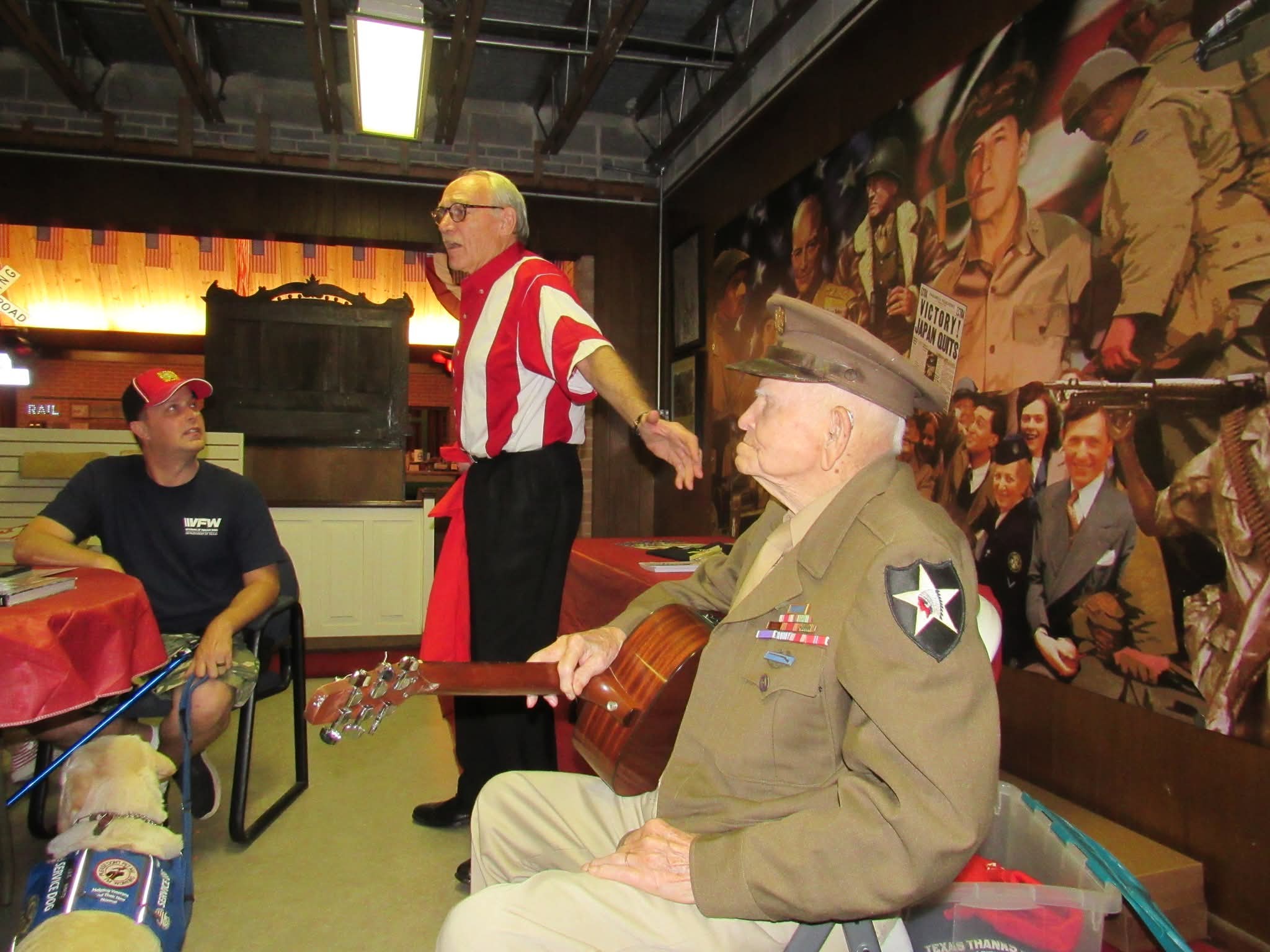
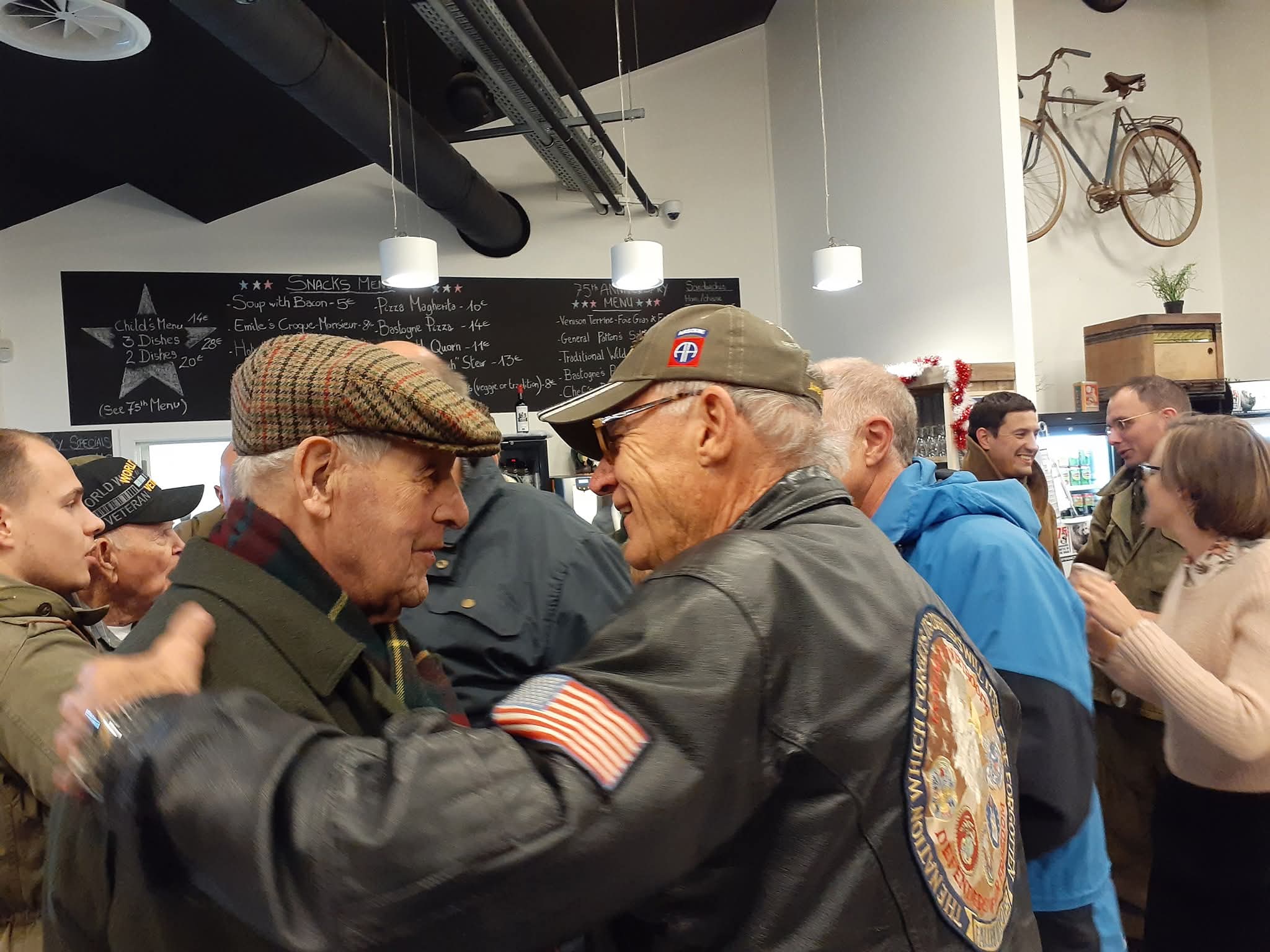
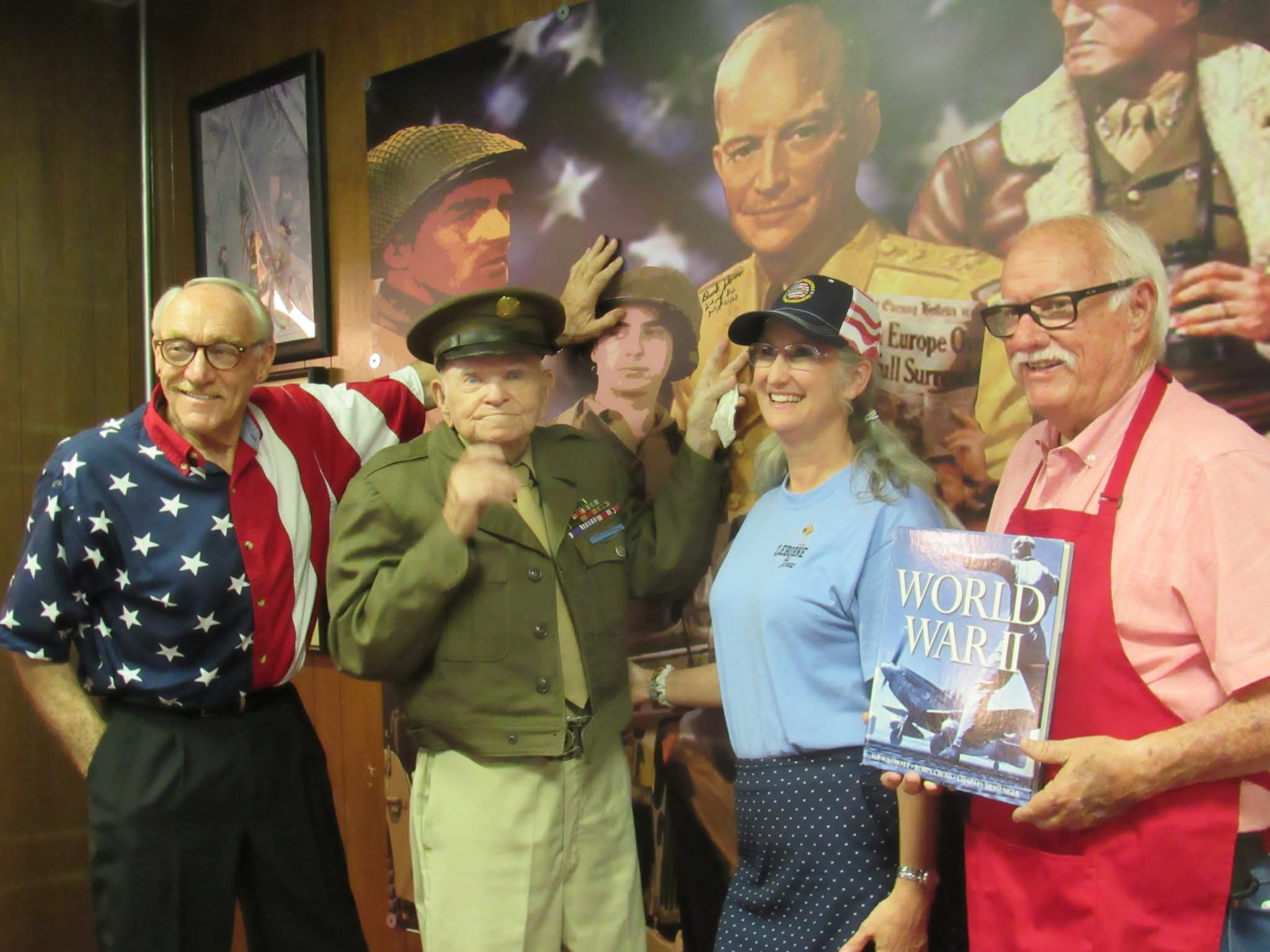
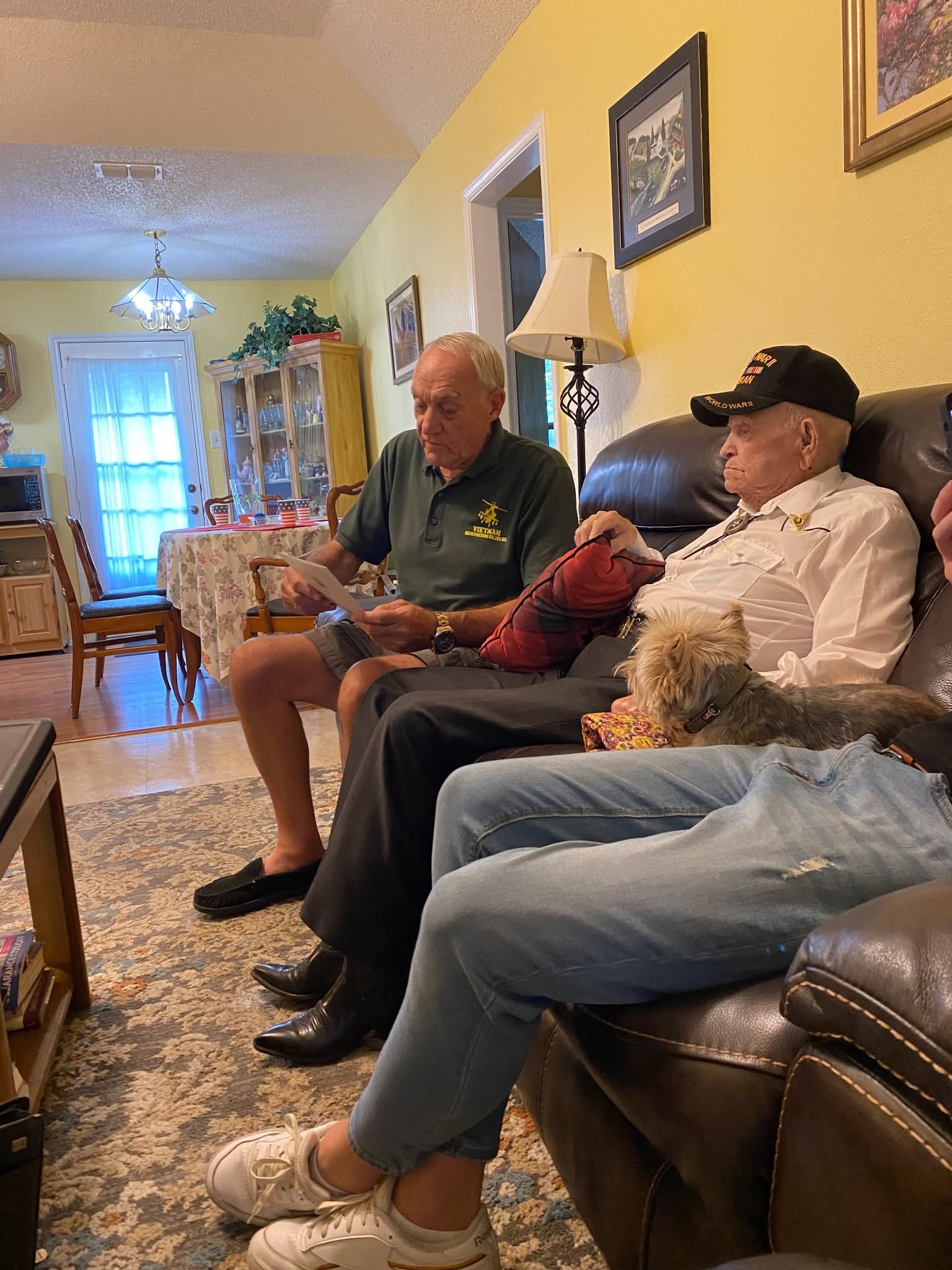
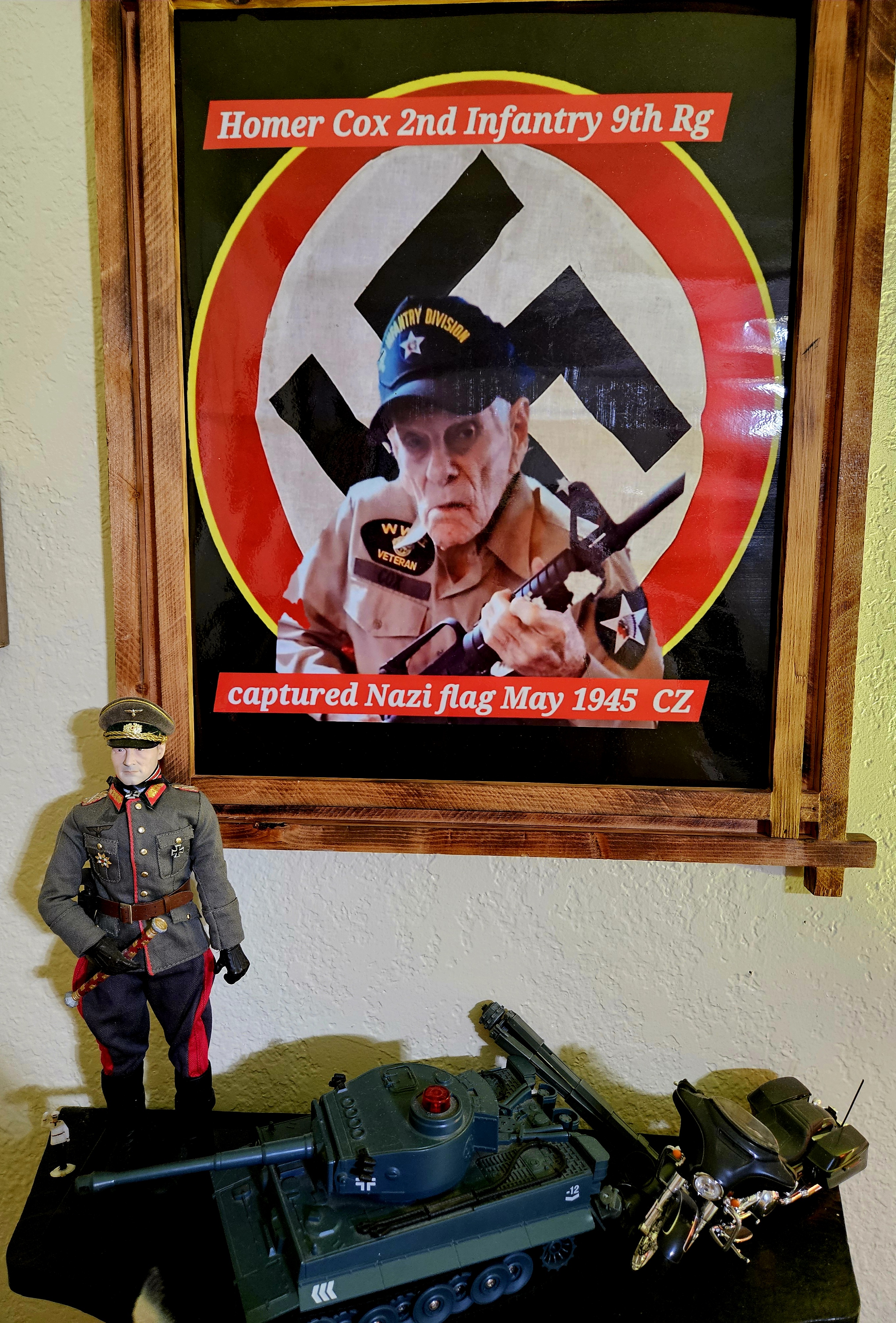
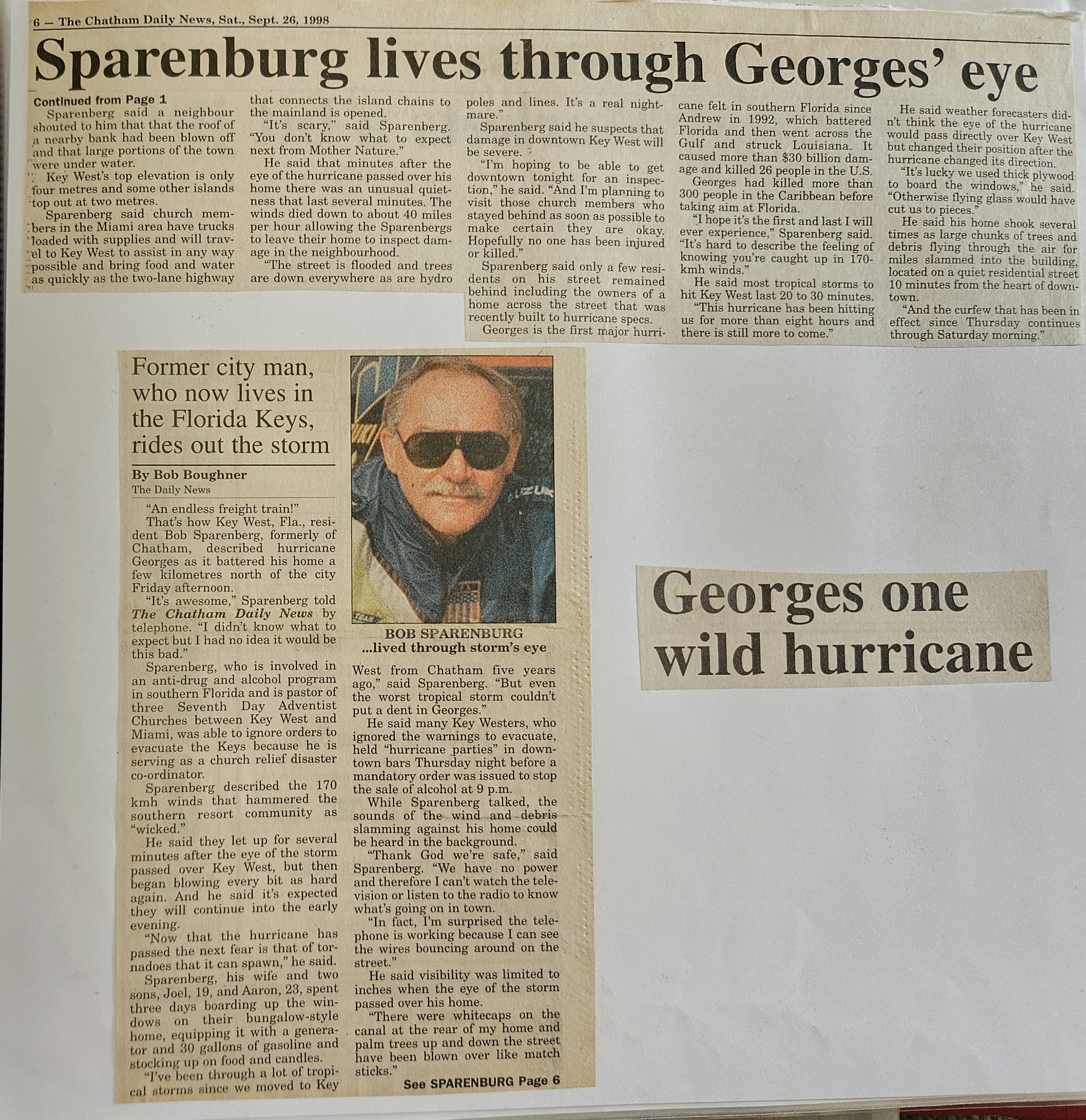
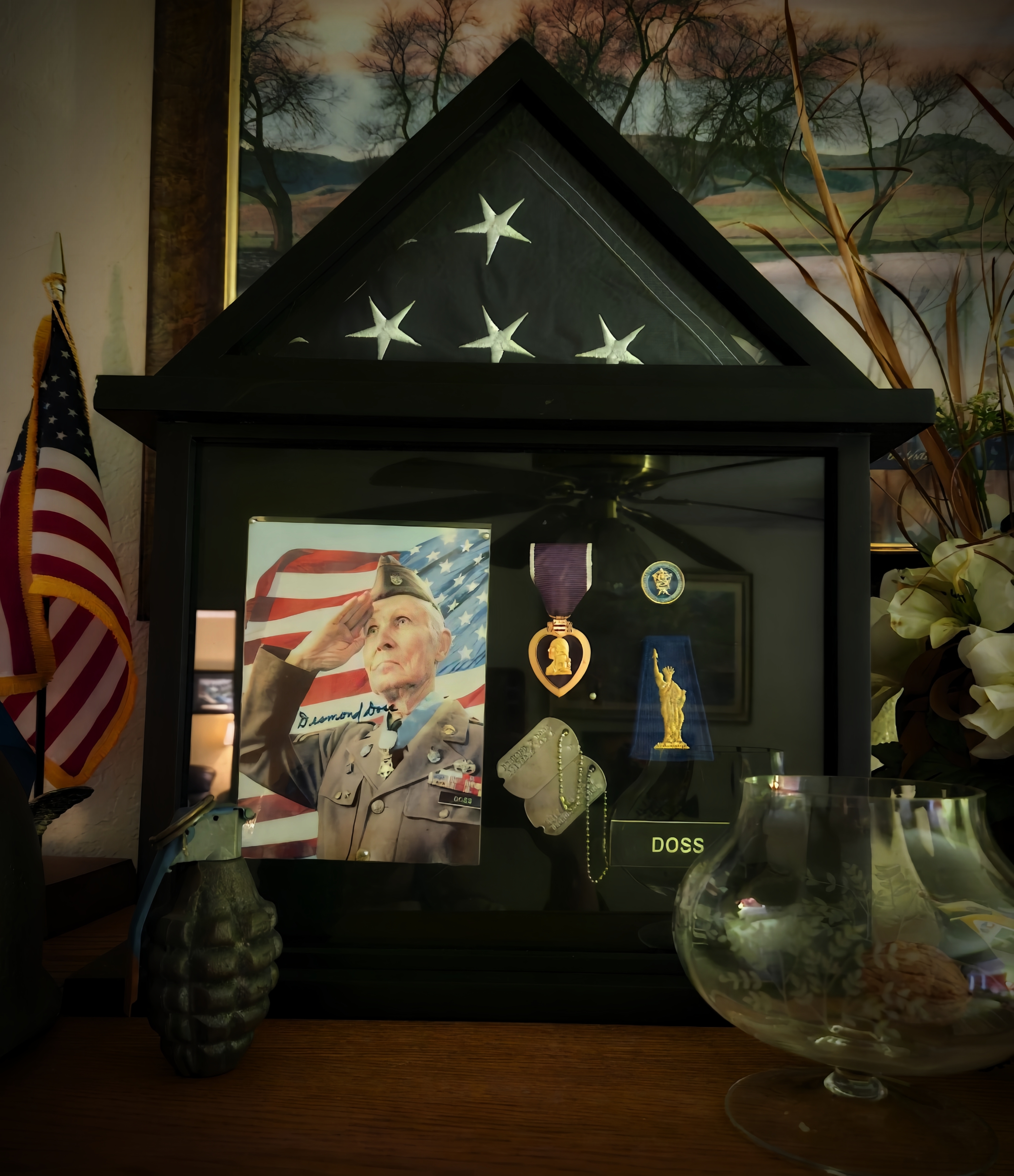
Five years ago, I received a call from my son who was working at a Senior Center in Texas. He had just finished taking the blood pressure of a 90-year old 3rd army anti-aircraft gunner who was stationed in the Luxembourg Ardennes. Soon after he called me. I was introduced to Richard “Tex” Stanley. Richard was nicknamed “Tex” by General Patton and had survived 6 major battles of WW2. This began a friendship and camaraderie that fueled a passion for meeting other veterans who fought in our little country. I soon discovered I can find them by daily looking, in my travels, for those older men who proudly wear their WW2 Veteran hat, which sets them apart from the crowd. Among them is Ralph Garrett, Sr., age 94, of the 106th infantry. Ralph, another Texas native, came to my attention in a Walmart, wearing a WW2 hat, which invited an introduction on my part. “Thank you for your service, sir! Pacific Theater or European Theater?” This always leads into an interesting conversation which ends up in a lasting friendship. In a recent get together of these vets, I introduced Ralph to D-Day+1, 2nd Infan- try, 9th regiment, 100-year old, Master Sergeant Homer Cox. They had never met before and yet on December 16th and 17th of 1944, the 2nd Infantry crossed paths with the 106th. They shared a lot of stories after shaking hands that day.
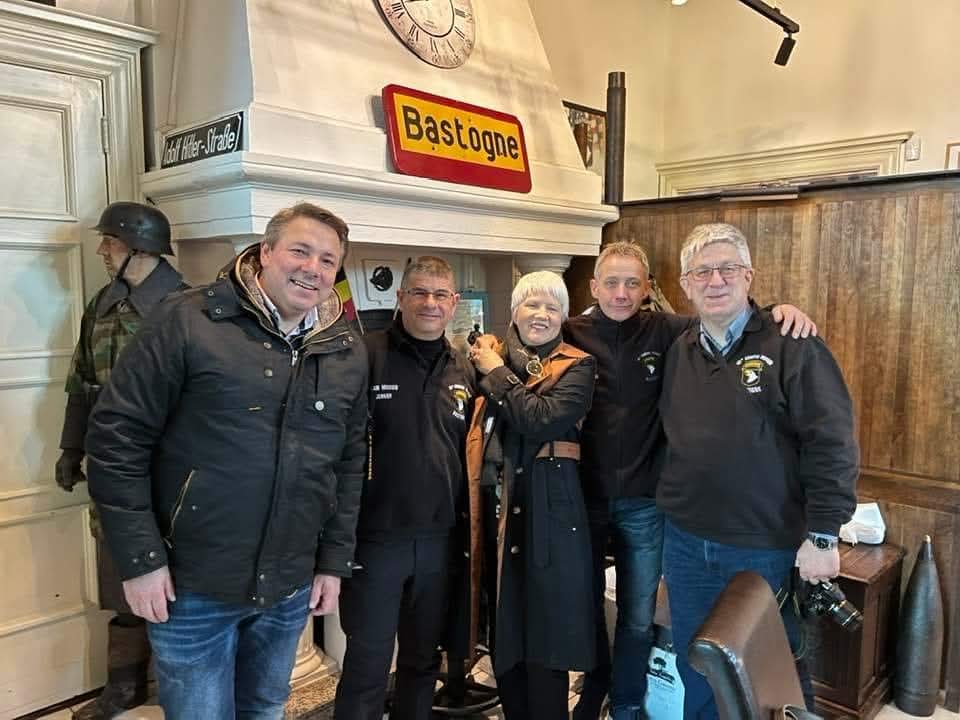
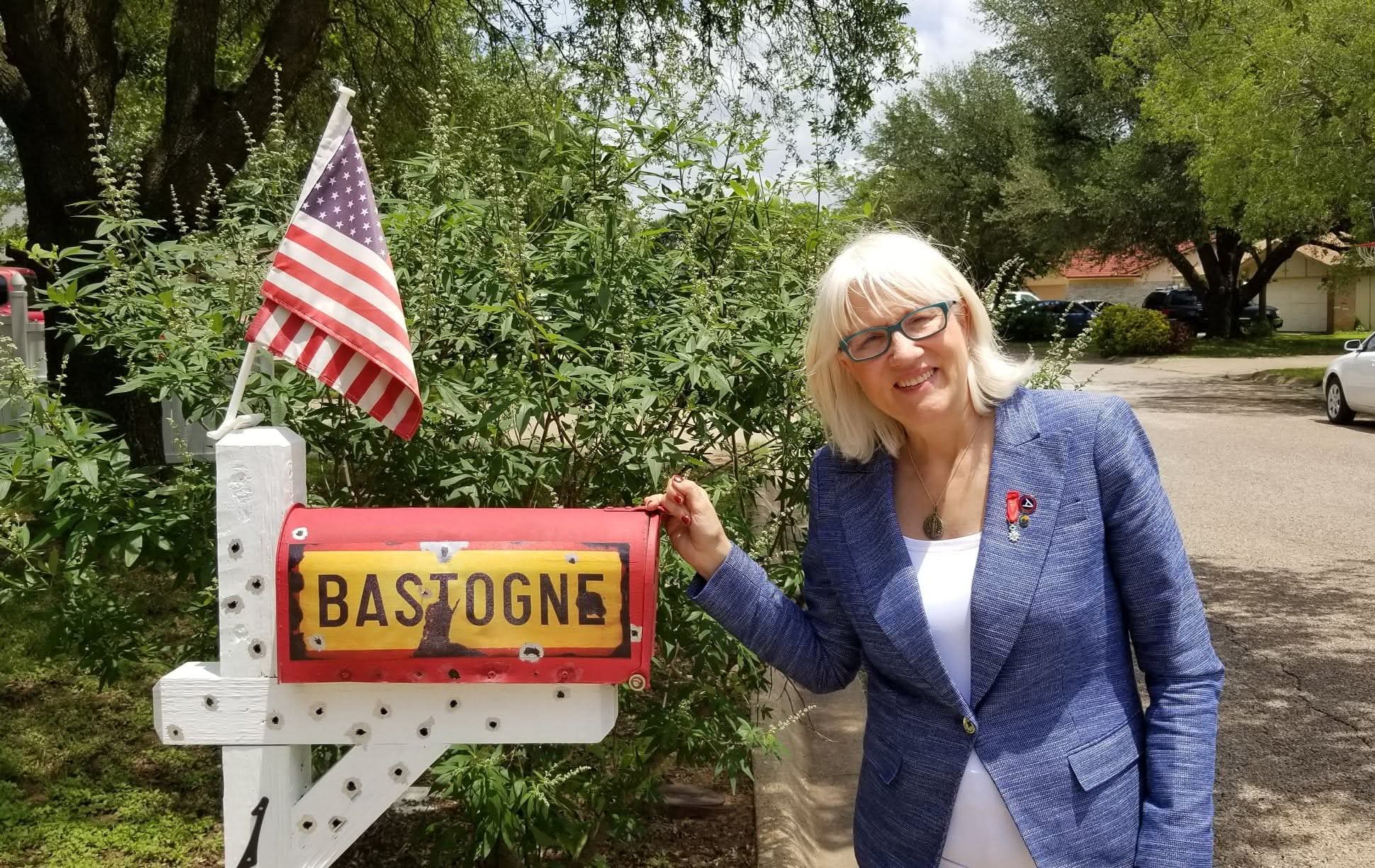
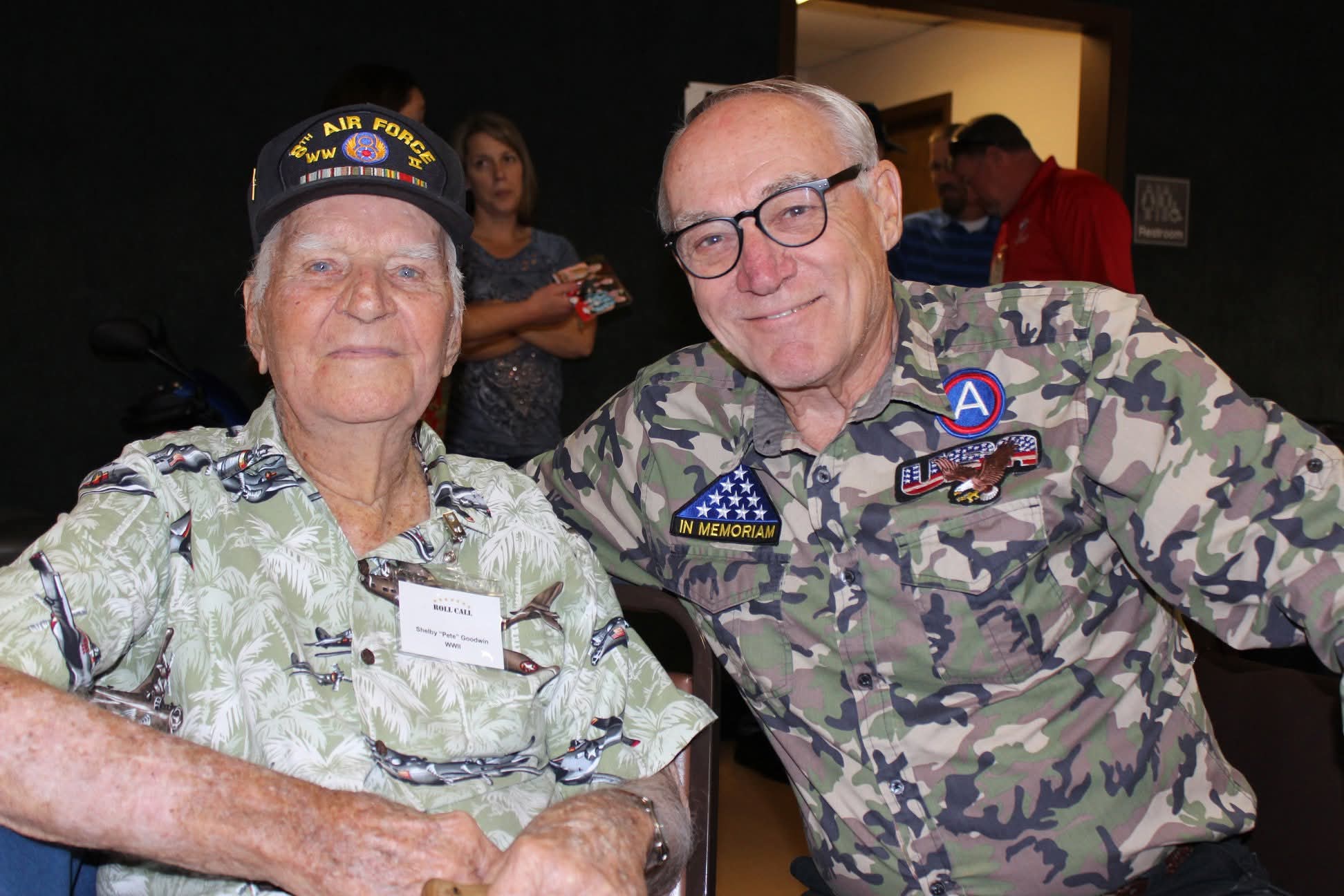
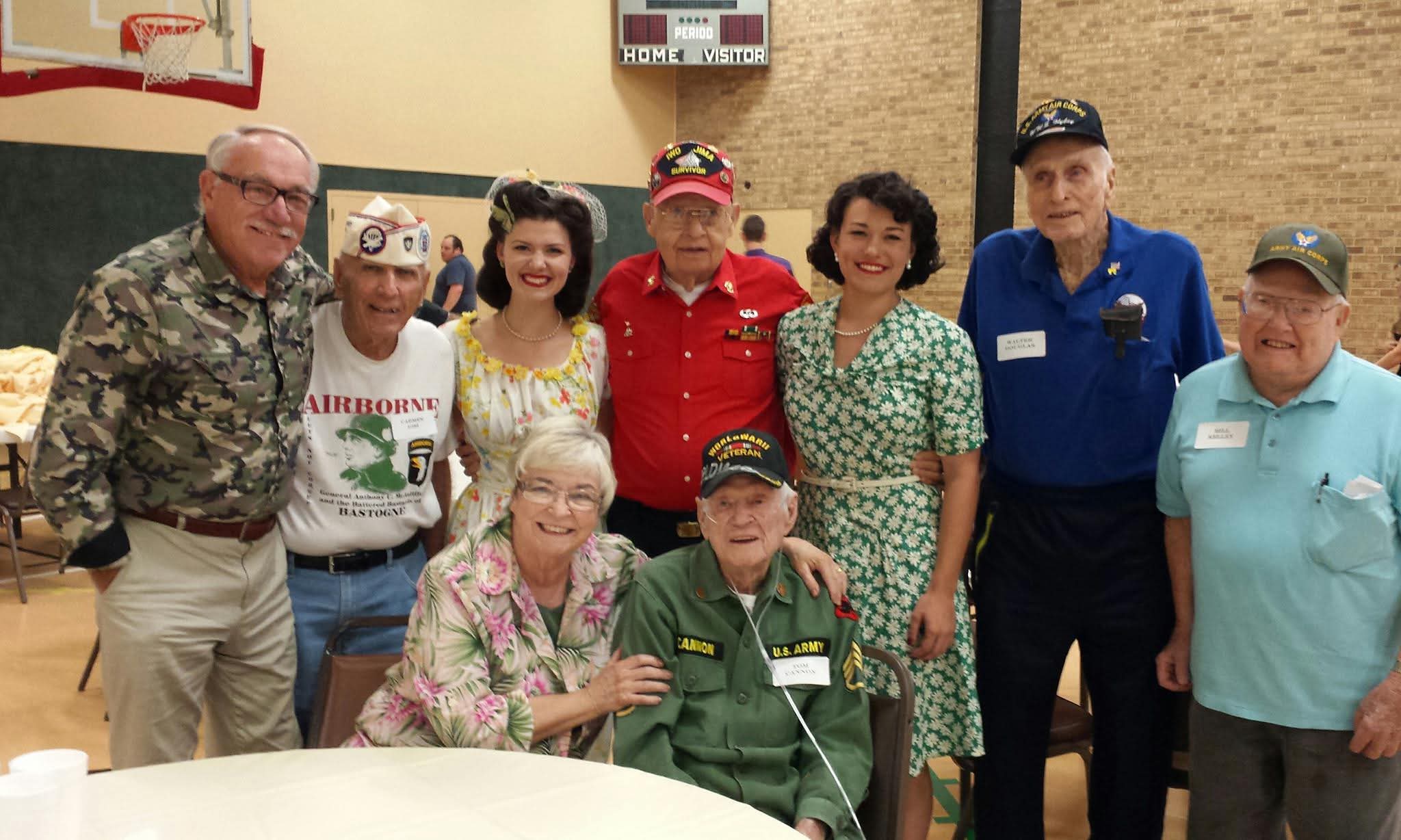
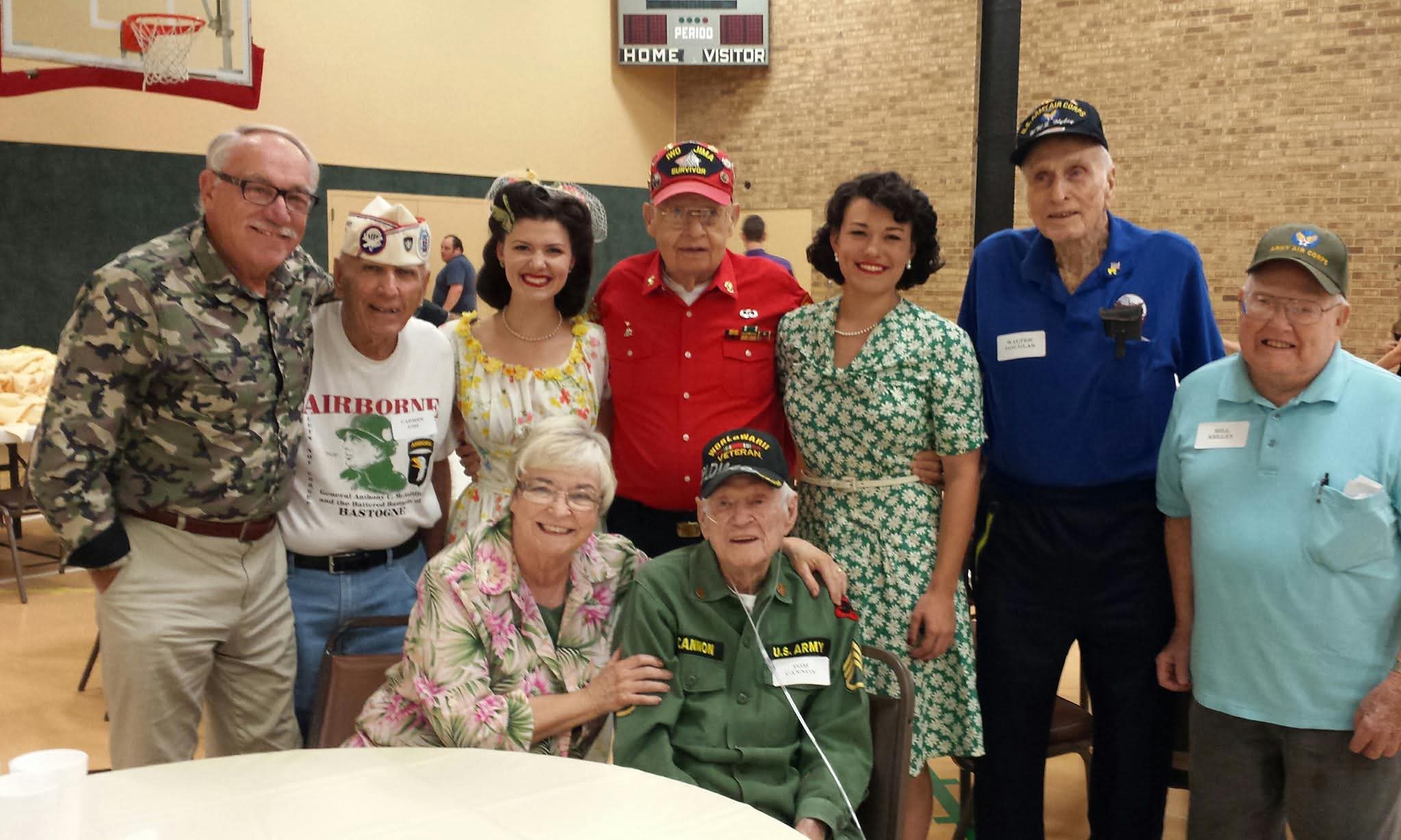
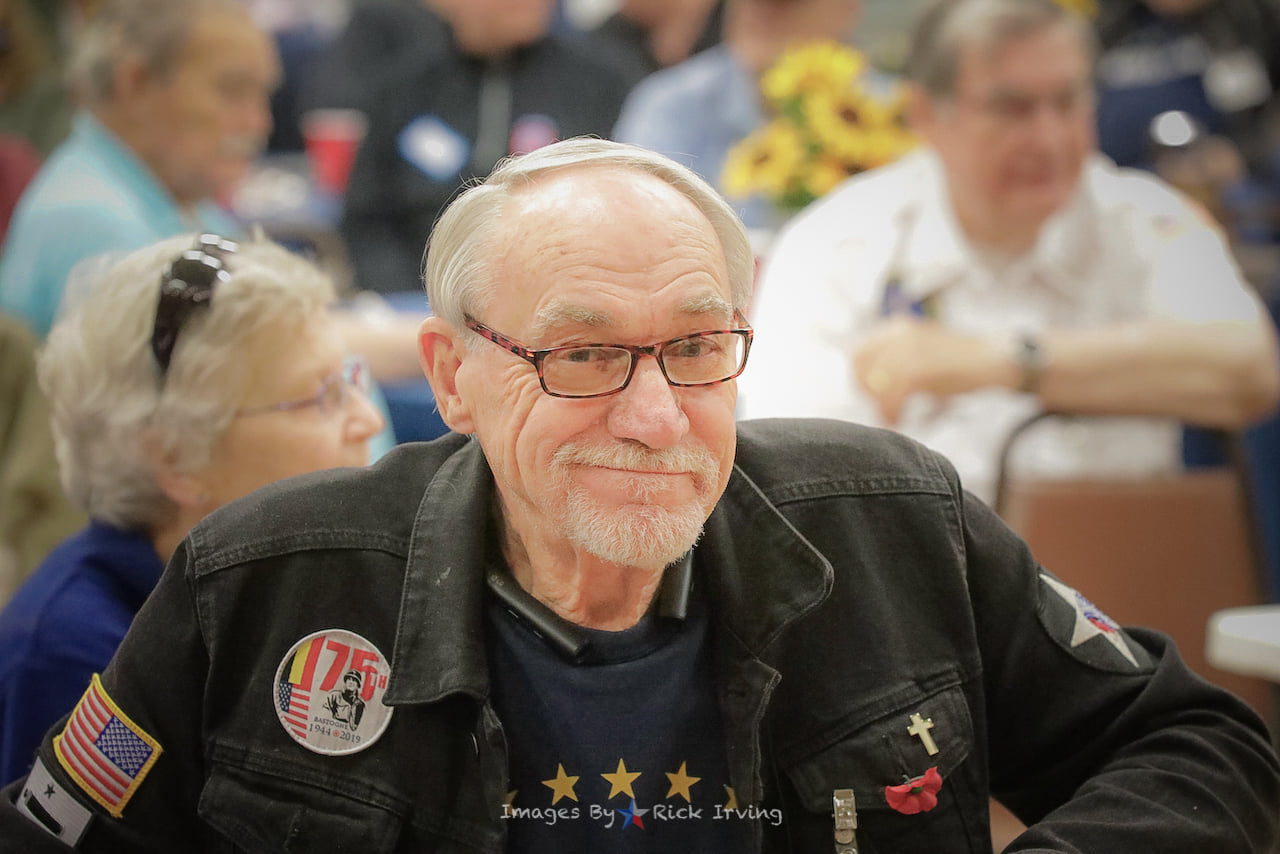
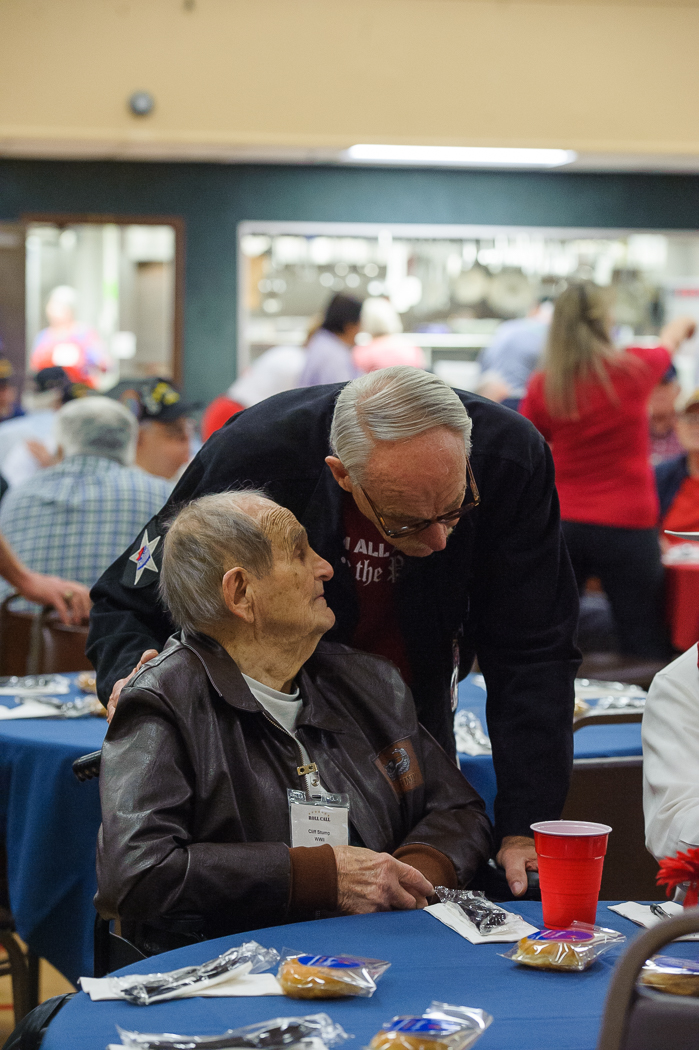
I am privileged to attend once a month in Ft. Worth, Texas, a Veterans’ luncheon, called “Roll Call.” When my veterans are able to attend, I take them to this free luncheon where as many as 70 plus WW2 veterans and their families attend, along with other veterans. I was honored to speak to this group and asked for a show of hands of those men who fought in Belgium. A number of hands went up and after finishing I had the joy of meeting a number of new friends. Among them is Carmen Gisi, age 94, 101st Airborne Division. Carmen had been back to Bastogne on a number of occasions, by invitation. Again, this Belgian boy felt so privileged to be able to sit down and eat with these men and also call them his friends. And I always tell them in leaving that I am here because they were there.
At 72 years old, each day that goes by is one that I enjoy here in America because they were there in that last great battle which ended the terror of that era and provided the freedom for the whole world to enjoy. Today, my wife and I have made it our mission to seek and to thank the men whose boots plowed the snow and the mud of the Ar dennes. Thank God for the American soldier.
Supplemental Information
The Civilian Survivor Who Became a Guardian of Liberation’s Legacy
Robert Sparenberg represents a rare and profoundly important category of World War II witnesses. He was one of the children born under occupation, shaped from his earliest breath by fear, scarcity, and the constant presence of war. His childhood unfolded in a world where freedom was absent, where danger lived in the streets, and where hope depended on the courage of men he had never met. That childhood became the foundation of a lifelong moral clarity about the meaning of liberty, the cost of sacrifice, and the responsibility carried by those who survive.
As he grew into adulthood, Robert emerged as a living bridge between civilian suffering and military service. He carried the memory of occupation not as a burden, but as a compass. His gratitude toward American liberators deepened into a steadfast commitment to honor the men who restored his homeland’s future. He understood that the liberation of Belgium was not an abstract event. It was the moment his family stepped out of fear and into life again. That understanding shaped every act of service he offered in the decades that followed.
Through years of quiet dedication, Robert preserved the stories of the WWII generation with humility and reverence. He honored the anguish of occupied families and the valor of Allied soldiers as inseparable truths of the same human story. He ensured that the memory of liberation remained alive not only in ceremonies and commemorations, but in the hearts of those who heard him speak, listened to his reflections, or witnessed his devotion to the men who had carried hope across a continent torn by war.
Robert matters because he reminds us that the legacy of World War II is not held by soldiers alone. It is also carried by the civilians who survived its darkness, who rebuilt their lives from its ruins, and who spent their years ensuring that its lessons would never be forgotten. He stands as the living echo of a generation shaped by tyranny and redeemed by courage, a civilian child who grew into a guardian of memory, preserving the truth of liberation for all who came after.
What This Was Truly Like for the Sparenberg Family
Grimbergen entered the war in May of 1940 when German forces swept across Belgium with overwhelming speed, breaking through national defenses in a matter of days. The occupation settled over the village with a weight that touched every home. The streets and fields looked unchanged, but the atmosphere was transformed. The cobblestones that once carried the quiet rhythm of daily life now echoed with the disciplined march of German troops. Their approach could be heard long before they reached the village, a sound that traveled across the countryside and signaled authority, control, and the possibility of punishment. Families closed their shutters, mothers gathered their children, and the entire village braced itself for whatever the soldiers might demand.
The sky above Grimbergen became part of the war. Belgium lay directly beneath the flight paths of Allied bombers heading toward industrial targets in Germany. B17 formations passed overhead in steady waves, their engines rumbling across the horizon. The ground trembled beneath their weight. Dogfights erupted without warning as German M109s and British Spitfires clashed above the rooftops. These battles were common across occupied Belgium, where Allied and German aircraft fought for control of the air. Children learned to recognize the sound of engines, and villagers watched the sky with a mixture of fear and hope.
Inside the Sparenberg home, the war lived beneath the floorboards. Belgium’s resistance network relied on civilian families to hide Allied personnel who were being moved through the night toward safe passage. Concealed hiding places were common in occupied Belgium, and the Sparenbergs created one beneath a carpet and a heavy dining table. Men waited in silence, listening for footsteps above them, hoping the night would carry them safely to the convent where the next link in the escape chain waited. Harboring Allied personnel was punishable by imprisonment or execution, yet families like the Sparenbergs took the risk because they believed liberation depended on acts of courage.
The Gestapo’s presence in Belgium was severe. They conducted raids, interrogations, and searches based on tips from collaborators known as black shirts. When the Gestapo entered the Sparenberg home, they followed the same procedures used throughout occupied Belgium. Families were lined against the wall. Questions were sharp. Suspicion was heavy. The wrong answer could lead to confinement or deportation. The right answer required calm and providence. That providence came in the form of a letter from Bob’s half‑brother, who had joined the German army and was fighting on the Eastern Front. Letters from soldiers serving Germany were considered proof of loyalty, and in this case, it spared the family from arrest.
The anguish of occupation reached into every corner of civilian life. Belgium faced severe food shortages as German authorities requisitioned livestock, grain, and supplies. Ration cards became the only way to obtain bread, sugar, or meat. Families stretched every meal. Mothers often went hungry so their children could eat. Power outages were common, especially during periods of heavy military activity. Mosquito nets hung over beds, and even those nets were not safe. German patrols searched homes for hidden Jewish children, and Bob’s sister remembered waking to the sound of a bayonet ripping through her net, a moment that reflected the broader reality of Belgium’s Jewish population being rounded up for deportation.
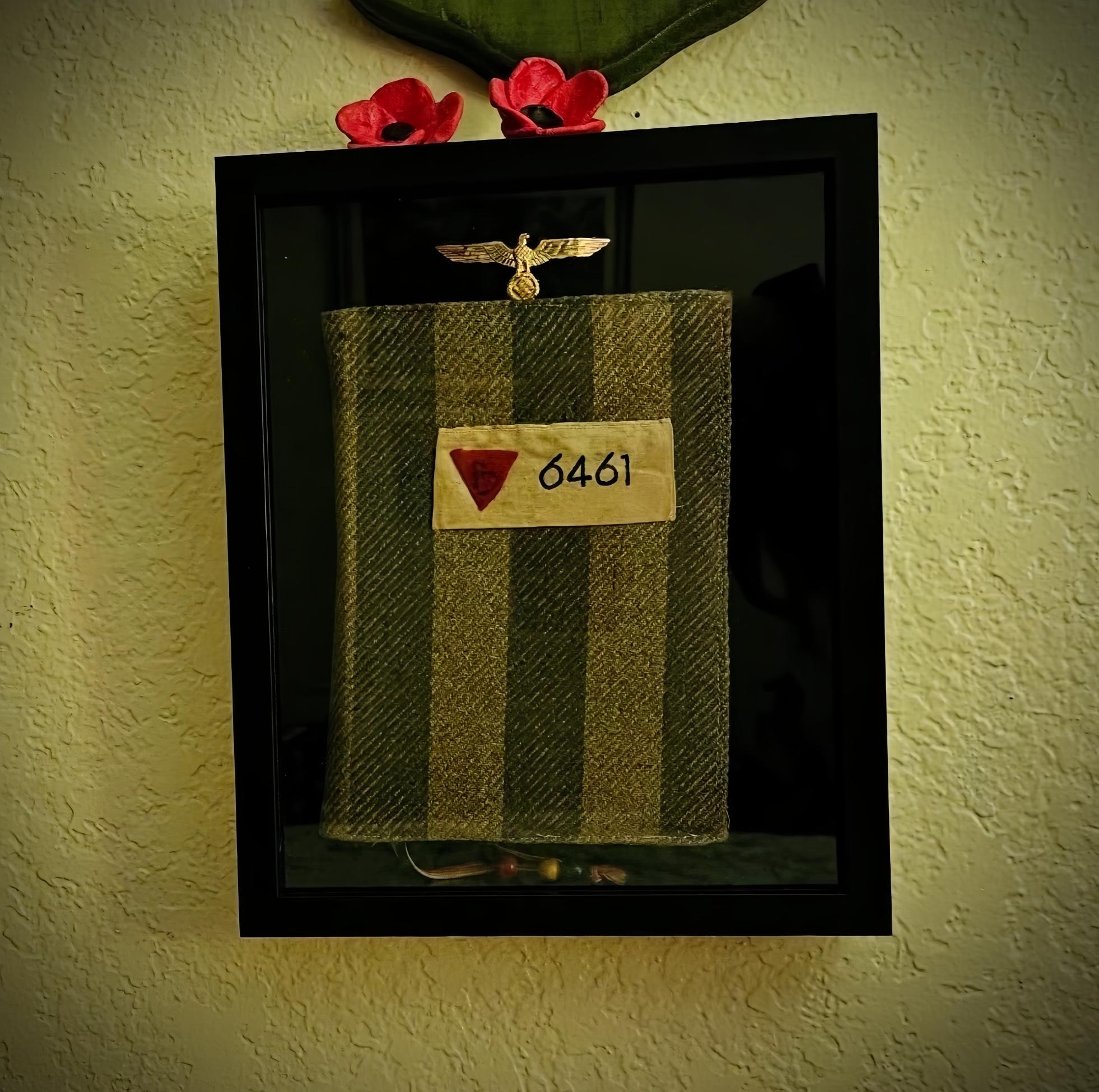
Across Belgium, rail lines were used to transport Jewish families to transit camps such as Mechelen, only twenty miles from Grimbergen, where deportations to Auschwitz began in 1942. The boxcars across from the Sparenberg home were part of this system. The cries of families being separated, the heat of summer, and the sight of neighbors being taken away became part of the village’s memory. Grimbergen lived with the knowledge that its Jewish residents were being removed, and the anguish of that truth settled into the hearts of everyone who witnessed it.
The war pressed against the village until late 1944 when news spread that American forces had entered the Ardennes. The German offensive known as the Battle of the Bulge was underway, and Belgium watched closely as the outcome would determine its future. The German army was running out of fuel and ammunition, and although they captured American fuel depots, it was not enough to sustain their armored divisions. When British forces liberated Grimbergen, they remained nearby, prepared to support the fighting in the Ardennes. One of those soldiers, Robert Seaman, left such an impression on the family that Bob was named after him.
The liberation of Belgium, completed after the American victory in the Ardennes, became one of the defining moments of the war. It marked the end of occupation and the beginning of freedom. The gratitude of the Belgian people toward American soldiers became a lasting part of national memory. It shaped families like the Sparenbergs, who carried that thankfulness into the next generation. It shaped Bob’s identity, his reverence for the men who fought those eighty kilometers from his village, and his lifelong desire to meet the soldiers who helped free his world.
How Children Were Shaped by Trauma During the Occupation
Children in Belgium lived through the occupation in ways that permanently altered their understanding of the world. Their earliest memories were not of schoolyards or games but of hunger, silence, and the constant presence of danger. They grew up in a landscape where safety was fragile, where adults whispered, where soldiers marched through their streets, and where the sky itself could turn violent without warning.
They learned to read the world through sound. The distant hum of aircraft engines became part of their vocabulary long before they learned to read. They could distinguish the heavy drone of Allied bombers from the sharper tone of German fighters. When engines grew louder, children instinctively moved toward shelter. They learned to freeze when boots struck the cobblestones. They learned to hide when patrols entered the village. These reactions were not taught. They were absorbed from the adults around them, from the tension that filled every home, from the fear that settled over the village like a permanent shadow.
Hunger shaped their bodies and their memories. Rationing meant that meals were small, repetitive, and often inadequate. Children grew accustomed to thin soups, stale bread, and the absence of meat. Their stomachs tightened around scarcity. Their growth slowed. Their energy waned. Many Belgian children developed nutritional deficiencies that lasted into adulthood. Hunger became a quiet teacher, instructing them in patience, endurance, and the fragility of daily life.
Education was disrupted. Schools struggled to remain open. Supplies were limited. Teachers were monitored or removed if suspected of resistance sympathies. Children attended classes in cold rooms with broken windows and limited materials. Lessons were shortened during air raids. Attendance fluctuated when families fled danger or when roads were blocked by military activity. The rhythm of learning was fractured, leaving gaps that many children carried into later years.
Fear entered their dreams. Nighttime brought blackout curtains, silence, and the possibility of danger. Children slept lightly, listening for aircraft, for marching boots, for the sudden crack of a door being forced open. Some woke to the sound of German patrols searching homes. Others witnessed neighbors being taken away. The memory of these nights stayed with them long after the war ended, shaping their sense of security and their understanding of vulnerability.
Loss touched many families. Fathers were taken for forced labor. Brothers disappeared into resistance networks. Jewish classmates vanished without explanation. Children learned early that people could be taken and might never return. They carried the weight of absence, the confusion of sudden departures, and the silence that followed. The war taught them that life could change without warning, and that grief could arrive quietly and stay forever.
Their emotional world was shaped by contradictions. They saw adults who were strong yet frightened, hopeful yet cautious, loving yet burdened by fear. They learned to read expressions, to sense tension, to understand danger without explanation. They grew up in homes where radios were hidden, where conversations stopped when soldiers passed, where courage was quiet and survival depended on silence.
When liberation came, children felt relief but not immediate peace. The habits of fear did not disappear overnight. Loud noises still triggered anxiety. The sight of uniforms still caused hesitation. Darkness still carried memories. Many children struggled to adjust to a world where danger no longer lurked in every corner. Their childhood had taught them vigilance, and it took years to learn trust again.
This generation grew into adulthood with a deep awareness of war’s cost. They valued stability, community, and peace with an intensity shaped by their earliest memories. They became the adults who rebuilt Belgium, who carried gratitude toward the soldiers who liberated their country, and who taught their children the importance of freedom. Their trauma became part of Belgium’s national memory, woven into the stories told at family tables, commemorations, and museums.
How Belgian Civilians Rebuilt After Liberation
When the German occupation finally ended in 1944 and Belgium was fully liberated in early 1945, civilians emerged into a world that looked familiar but felt profoundly changed. Grimbergen, like villages across the country, carried the scars of four years of deprivation, fear, and destruction. Rebuilding did not begin with grand plans or government programs. It began with families stepping out of their homes, looking at what remained, and deciding to restore life piece by piece.
The first task was survival. Food supplies were still limited, and rationing continued well into 1946. Belgian farms had been stripped of livestock and grain, and transportation networks were damaged by years of military use and Allied bombing. Civilians relied on community gardens, shared harvests, and the gradual reopening of markets. Relief shipments from Britain, Canada, and the United States brought flour, canned goods, powdered milk, and medical supplies. These shipments were not luxuries. They were lifelines that allowed families to regain strength after years of hunger.
Homes needed repair. Windows shattered by V1 and V2 rockets were replaced with whatever glass could be found. Roofs damaged by explosions or weather were patched with salvaged tiles. Walls that had been weakened by blasts or occupation were reinforced. Belgian civilians rebuilt with their own hands, using tools borrowed from neighbors and materials gathered from abandoned military sites. The work was slow, but it was steady, and it carried a sense of purpose that had been missing during the occupation.
The emotional rebuilding was harder. Families who had lived in fear now had to learn how to live without it. Children who had grown up listening for marching boots or aircraft engines had to adjust to silence. Mothers who had rationed food and hidden radios had to relearn the rhythms of ordinary life. Fathers who had protected their families from patrols and searches had to find work in an economy that was only beginning to recover.
Communities came together. Churches held services of thanksgiving. Village squares filled with people who had not gathered openly in years. Neighbors who had shared danger now shared hope. The return of light after blackout regulations was symbolic. Windows no longer needed to be covered at night. Homes glowed again. Streets felt alive. The simple act of turning on a lamp became a sign that the occupation was truly over.
Belgium’s infrastructure required enormous repair. Rail lines damaged by sabotage and bombing were rebuilt so food and supplies could move across the country. Factories that had been repurposed for German use were restored to Belgian control. Schools reopened with new materials and renewed purpose. Children returned to classrooms where fear no longer shaped the lessons.
The government faced the task of restoring order, rebuilding the economy, and addressing the trauma of occupation. Collaborators were investigated. Resistance members were honored. Jewish survivors returned to villages where entire families had disappeared. The Mechelen transit camp became a place of remembrance rather than deportation. Belgium carried the weight of loss, but it also carried the determination to rebuild.
American and British soldiers remained in Belgium for months after liberation, helping stabilize the region and supporting reconstruction. Their presence brought reassurance. For families like the Sparenbergs, the sight of Allied uniforms symbolized safety, gratitude, and the promise of a future free from fear. The Belgian people never forgot the role these soldiers played. Annual commemorations of the Battle of the Bulge became part of national identity, honoring the men who fought through the Ardennes and secured Belgium’s freedom.
Rebuilding was not a single moment. It was a process that unfolded over years. It was the reopening of shops, the return of livestock to farms, the repair of roads, the restoration of churches, the rebuilding of trust, and the healing of memories. It was the quiet strength of civilians who had endured occupation and now chose to create a future grounded in resilience, gratitude, and hope.
Post‑War Life and His Bond with the Men Who Freed His Childhood
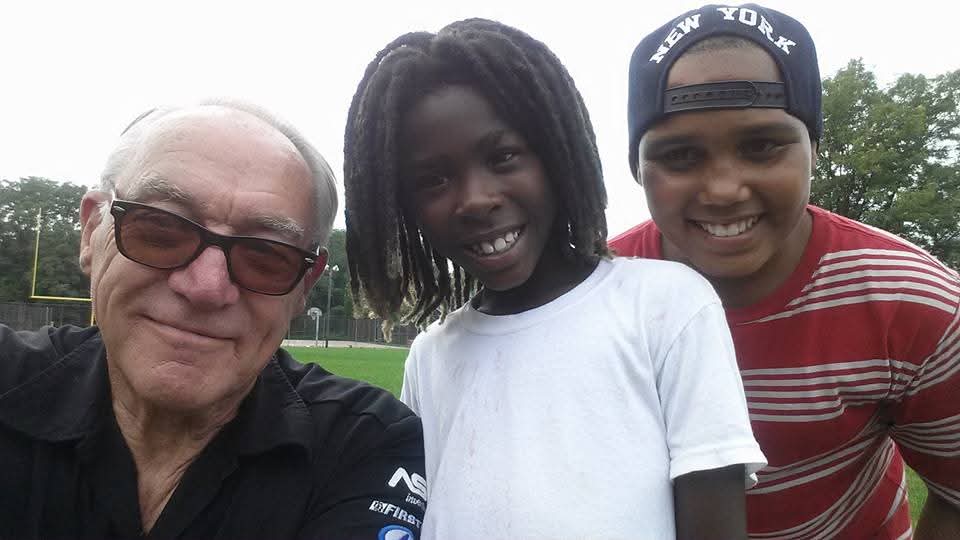
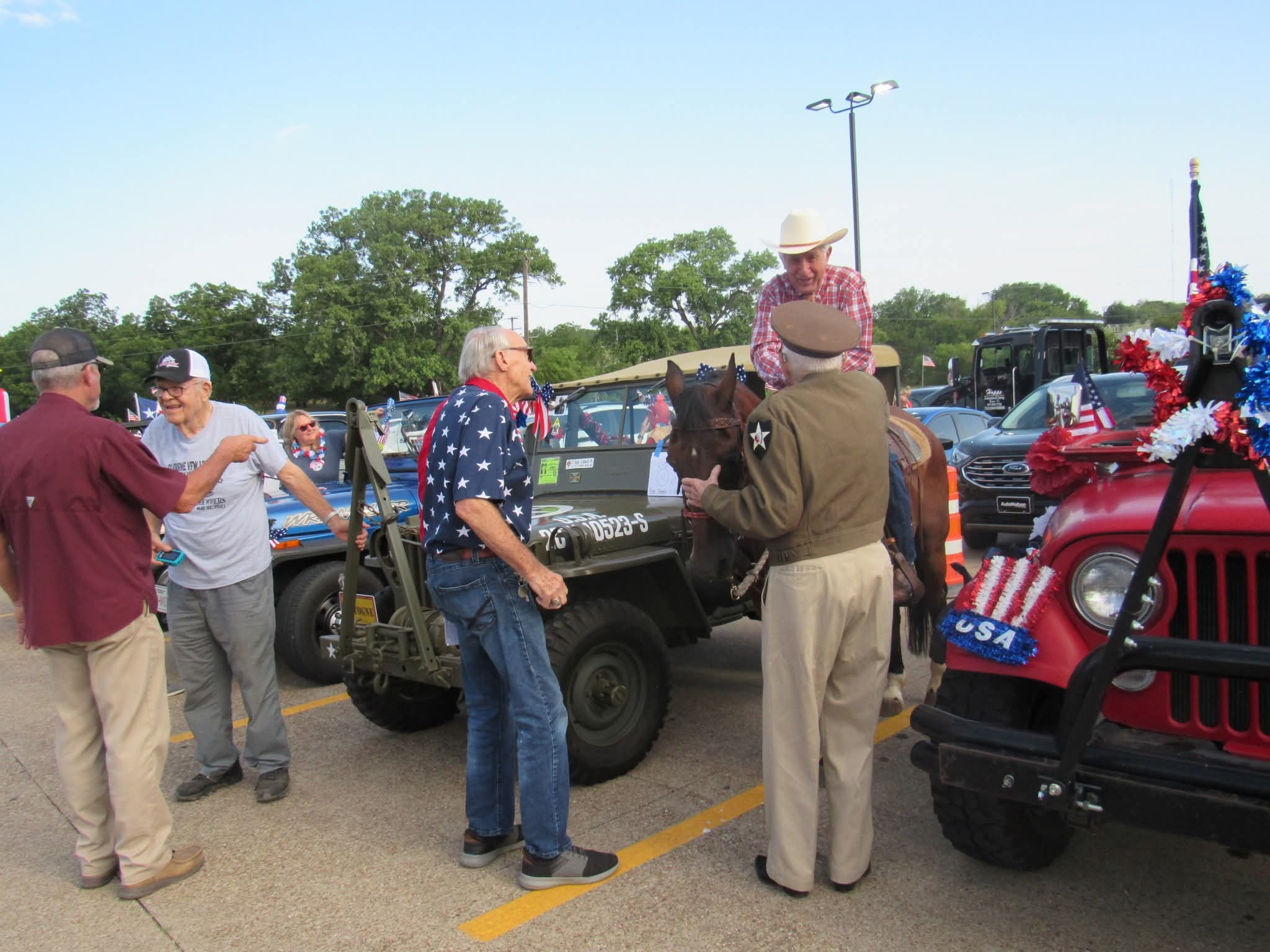
In the years after the war, Robert Sparenberg carried within him a quiet understanding of what liberation truly meant. He had not worn a uniform, yet he lived with the memory of a childhood shaped by occupation, hunger, and the sound of marching boots. That memory became the compass of his adult life. It guided him toward the men whose courage had restored the freedom he grew up cherishing. In North Texas, he became known as a man who honored veterans not out of obligation, but out of gratitude that had lived in him since boyhood.
Robert devoted himself to the aging soldiers of the Second World War with a steadiness that never faltered. He drove them to reunions, medical appointments, church gatherings, and community events, ensuring that men who had once crossed oceans and battlefields could continue to stand among their comrades with dignity. His companionship was not ceremonial. It was personal. It was faithful. It was shaped by the truth that these men had fought through the very landscapes that had defined his earliest memories.
Among the friendships he formed, his bond with Homer Cox of the 2nd Infantry Division became one of the most profound. Homer’s service in Europe echoed the stories Robert had heard as a child, stories of liberation, of American soldiers pushing through the Ardennes, of the final breaking of the German hold on Belgium. Their friendship bridged two worlds. One man had lived through the occupation. The other had helped end it. Together they carried the memory of a war that had shaped both their lives in different ways.
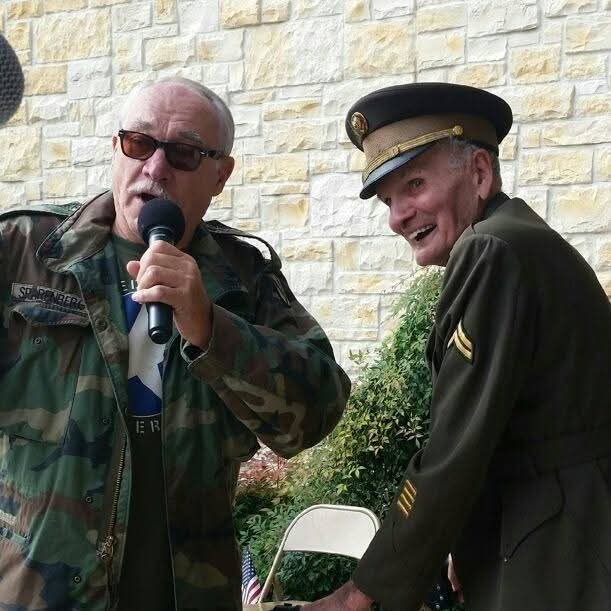
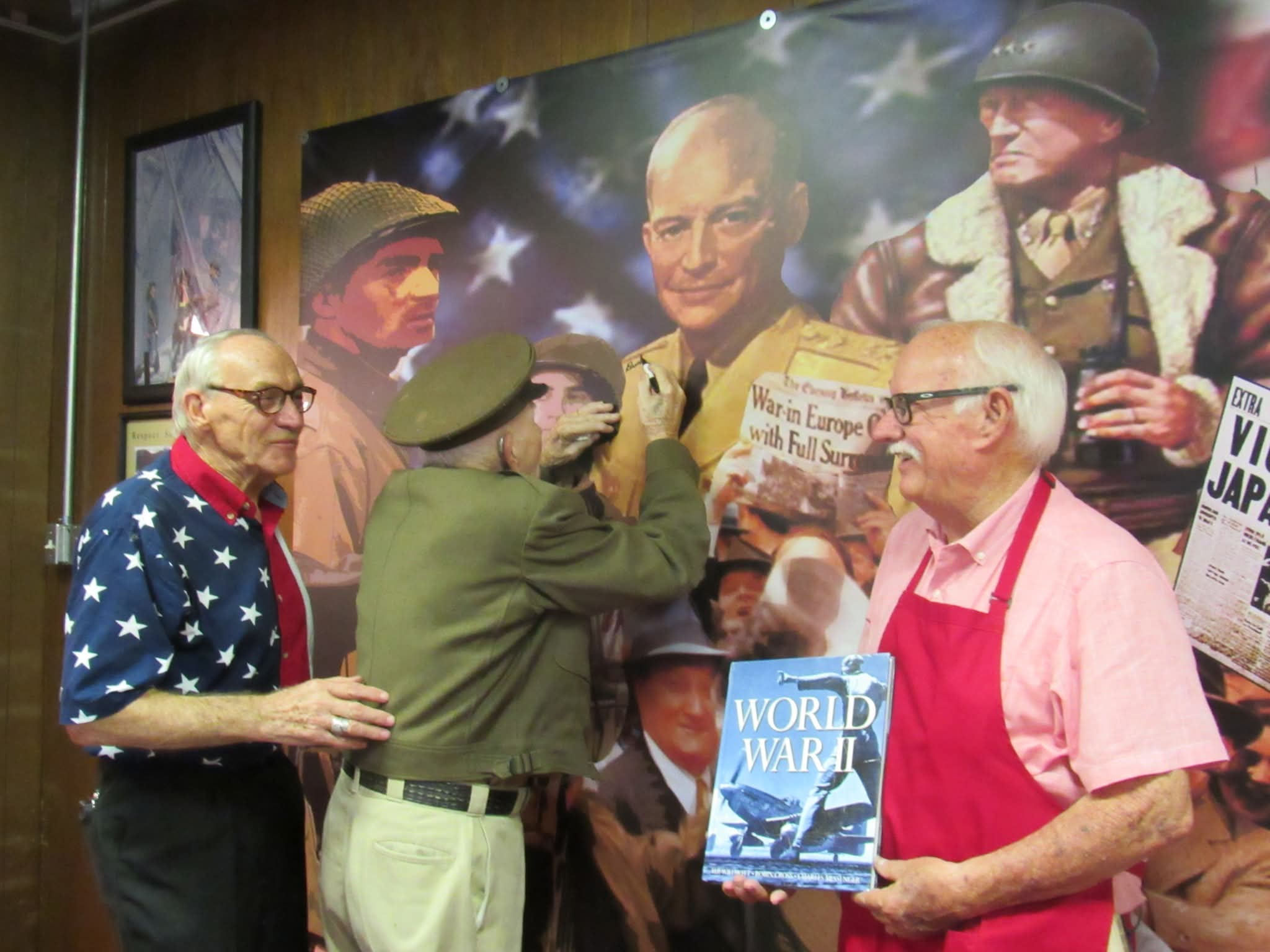
Robert’s devotion extended far beyond companionship. He became a familiar presence at veteran ceremonies across North Texas, arriving early to prepare chairs, flags, and displays so older veterans could participate without strain. He helped families navigate the emotional terrain of aging, loss, and remembrance. He stood beside widows at funerals. He supported honor guards at memorial dedications. He carried photographs, medals, and folded flags with the reverence of a man who understood what they represented.
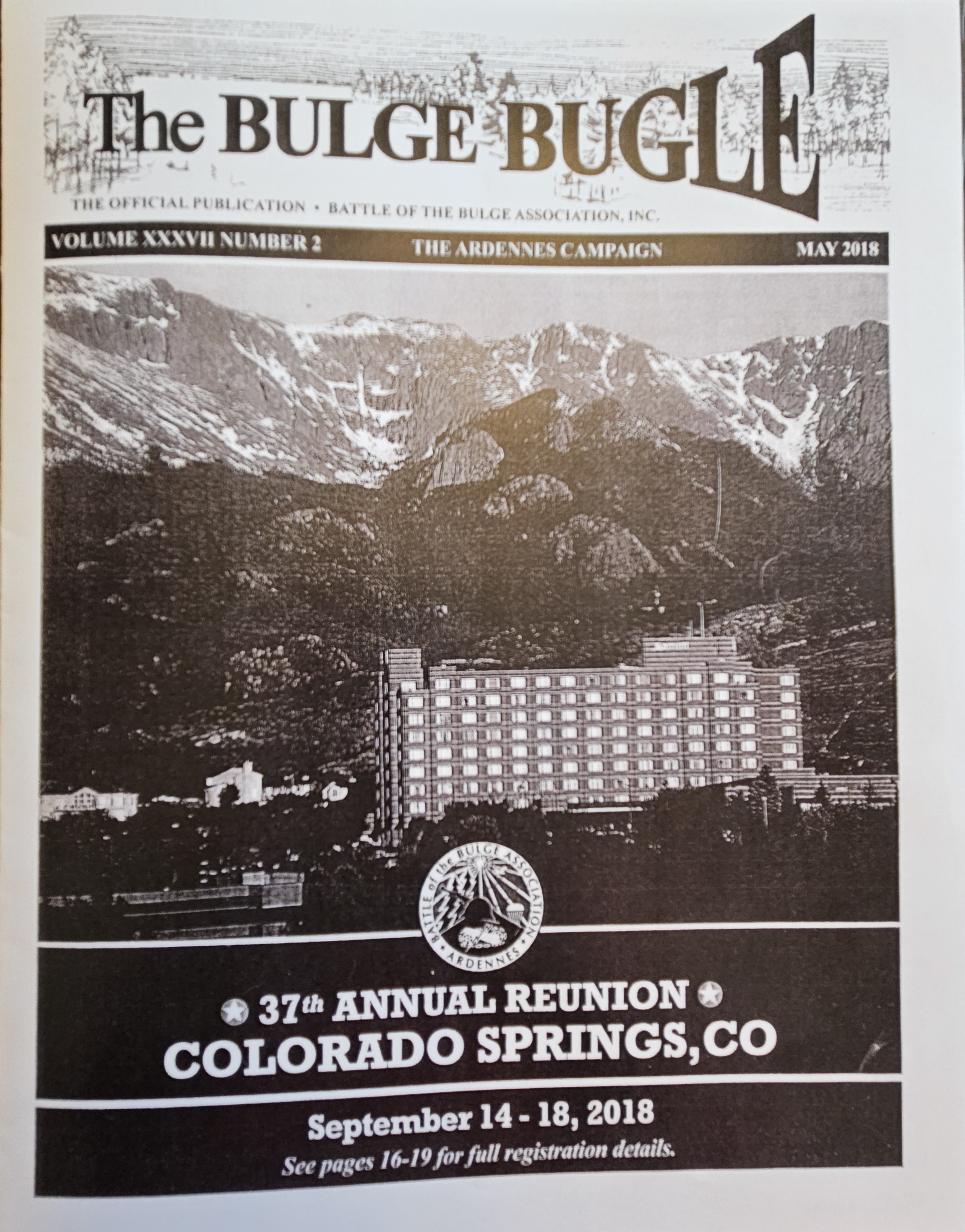
His quiet service drew public attention when Fox4 News featured his work, recognizing the uncommon dedication of a man who had never served in uniform yet lived with a veteran’s sense of duty. He later wrote for Battle of the Bulge Magazine, reflecting on how his family’s suffering during the occupation shaped his lifelong gratitude toward American soldiers. His words carried the weight of lived memory, connecting the Belgian boy who had grown up in the shadow of war to the American veterans who had helped restore his world.
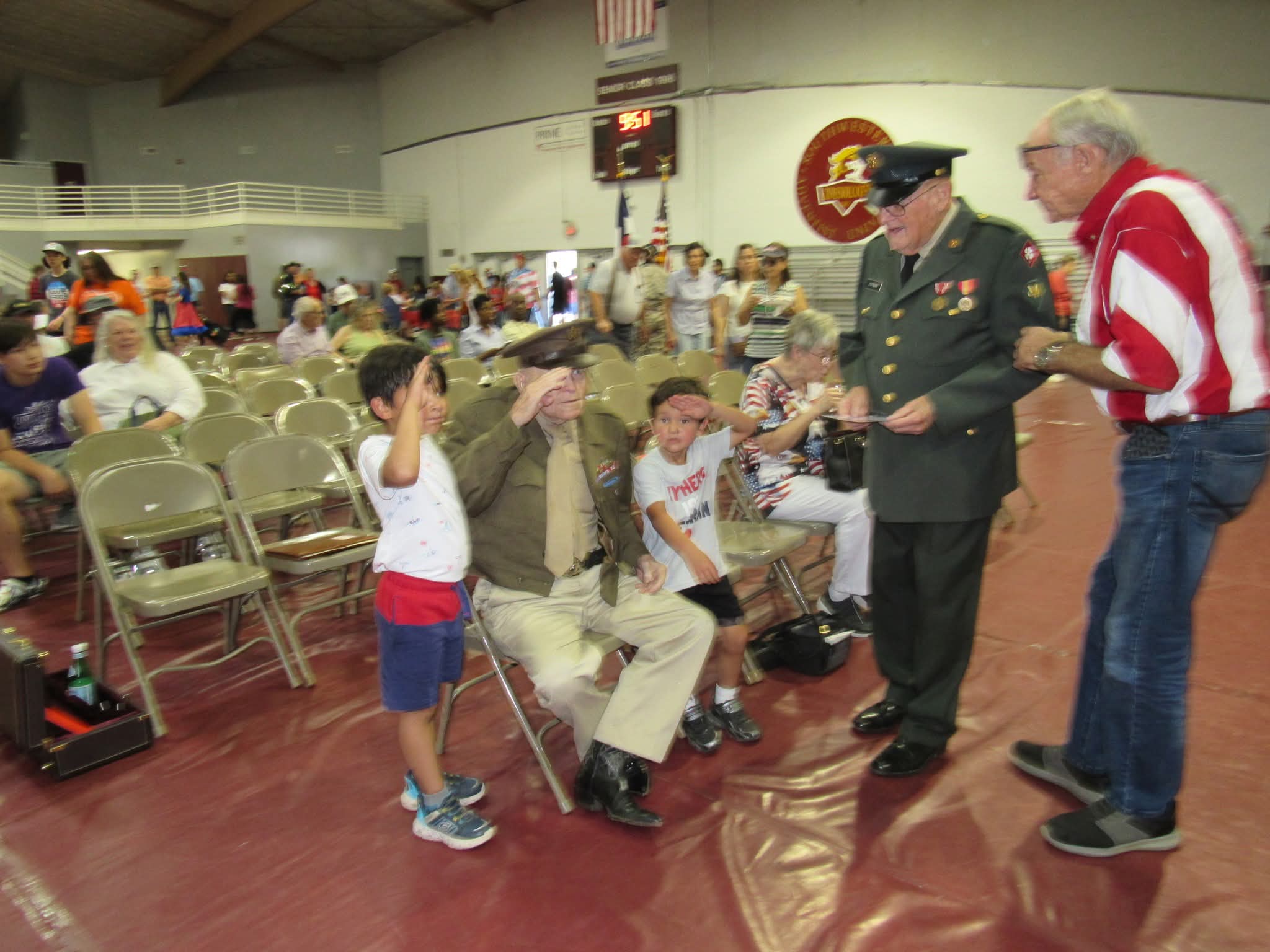
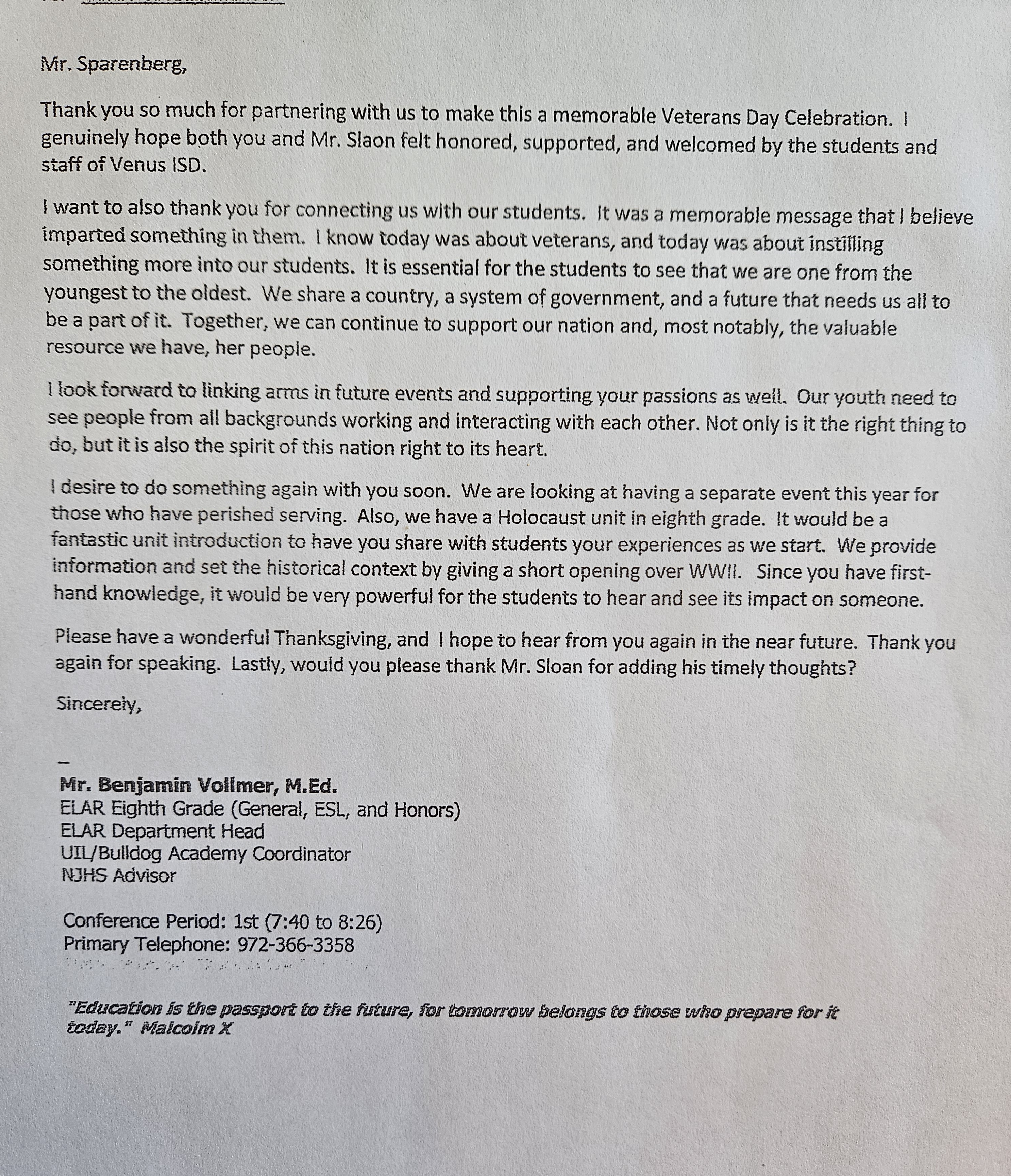
Robert became a bridge between generations. He introduced young people to WWII veterans, arranged school visits, and ensured that the voices of the Greatest Generation continued to shape the moral imagination of those who came after. He believed that remembrance was not an event but a responsibility, and he carried that responsibility with humility and devotion.
Through these acts, quiet and consistent, Robert became a guardian of memory. He preserved the stories of the men who had fought through the Ardennes, who had liberated Belgium, who had carried hope across a continent torn by war. He ensured that their sacrifices would remain honored long after their voices fell silent. In doing so, he honored not only the soldiers who freed his childhood, but the truth that liberation is a legacy carried forward by those who remember.
A Civilian Survivor’s Perspective
Robert Sparenberg stands among a quiet yet historically significant generation: the children of occupied Europe whose earliest memories were formed in a world governed by fear, scarcity, and the unrelenting presence of war. His childhood unfolded beneath the shadow of marching boots, ration lines, and the distant thunder of aircraft. The liberation that followed did more than free his village. It became the moral foundation of his understanding of freedom, sacrifice, and duty.
His story is not one of combat. It is one of endurance. It is one of remembrance. It is one of service. As a civilian child shaped by the trauma of occupation, Robert carried forward the lessons of those early years with uncommon clarity. He grew into adulthood with a deep awareness of what it meant to live without freedom and an equally deep gratitude toward the men who restored it.
His life stands as a testament to the truth that the legacy of war is held not only by soldiers, but also by the civilians who survived its weight. Robert embodied this legacy in four profound ways. He represented the lasting impact of wartime occupation on the children who lived through it. He carried the gratitude of liberated families toward the soldiers whose courage opened the future. He embraced the moral responsibility to honor those who fought for freedom. And he became a bridge between civilian memory and military sacrifice, ensuring that the stories of the Greatest Generation would continue to shape the conscience of those who came after.
Robert lived as the living echo of the Second World War. He was a child of occupation who grew into a man devoted to the veterans who ended that darkness. Through his life, he preserved the truth that liberation is not a moment but a legacy, carried forward by those who remember and choose to honor it.
When the Boy and the Soldier Met Again in a World Finally at Peace
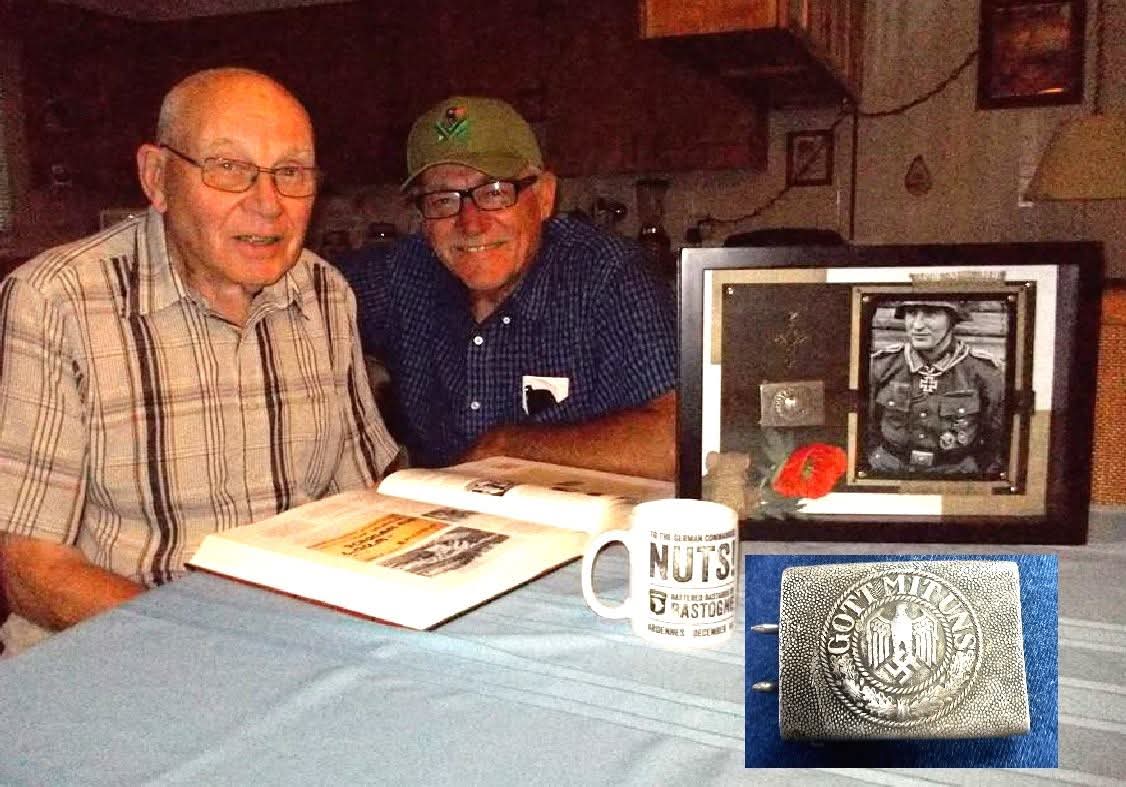
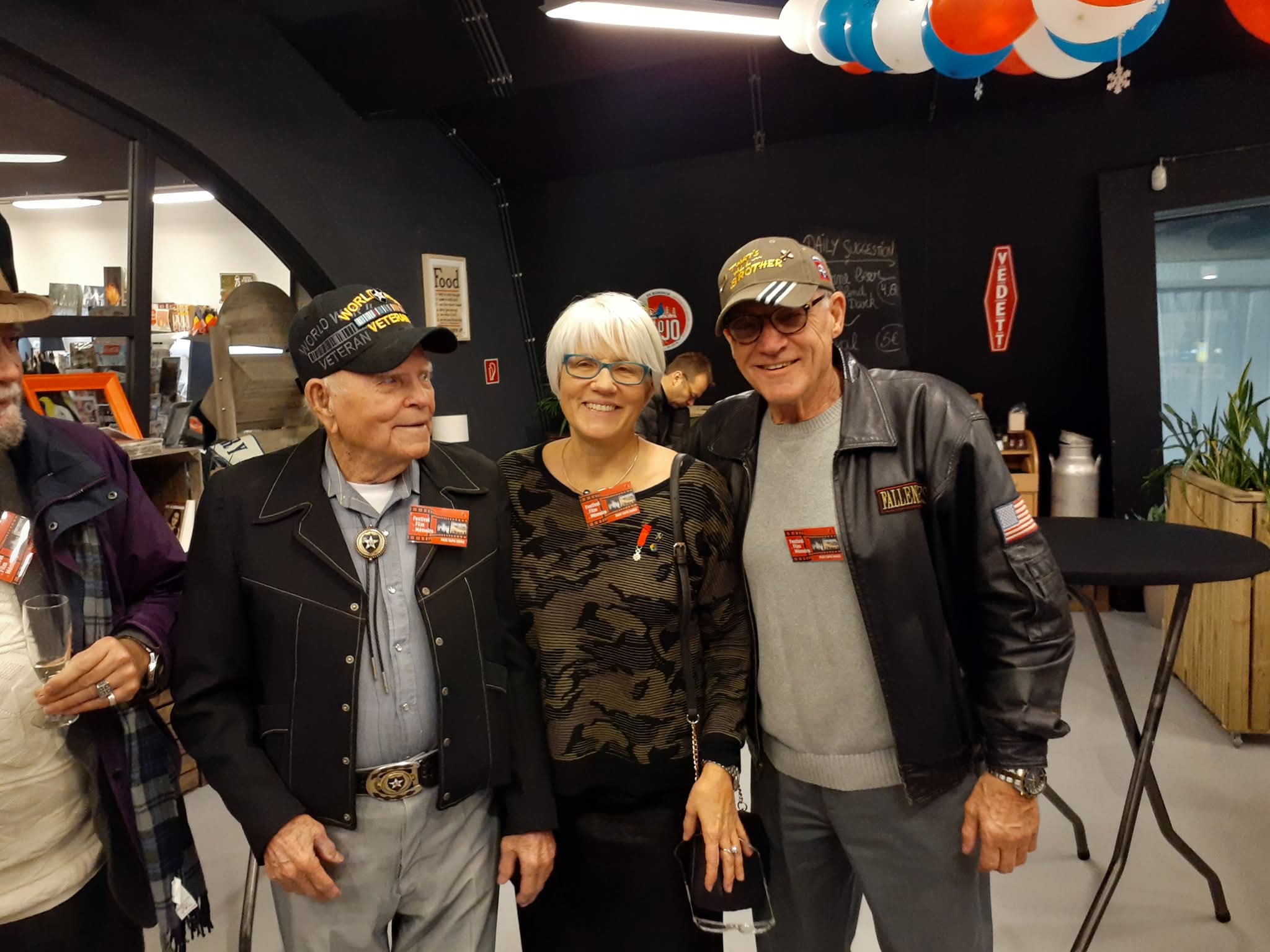
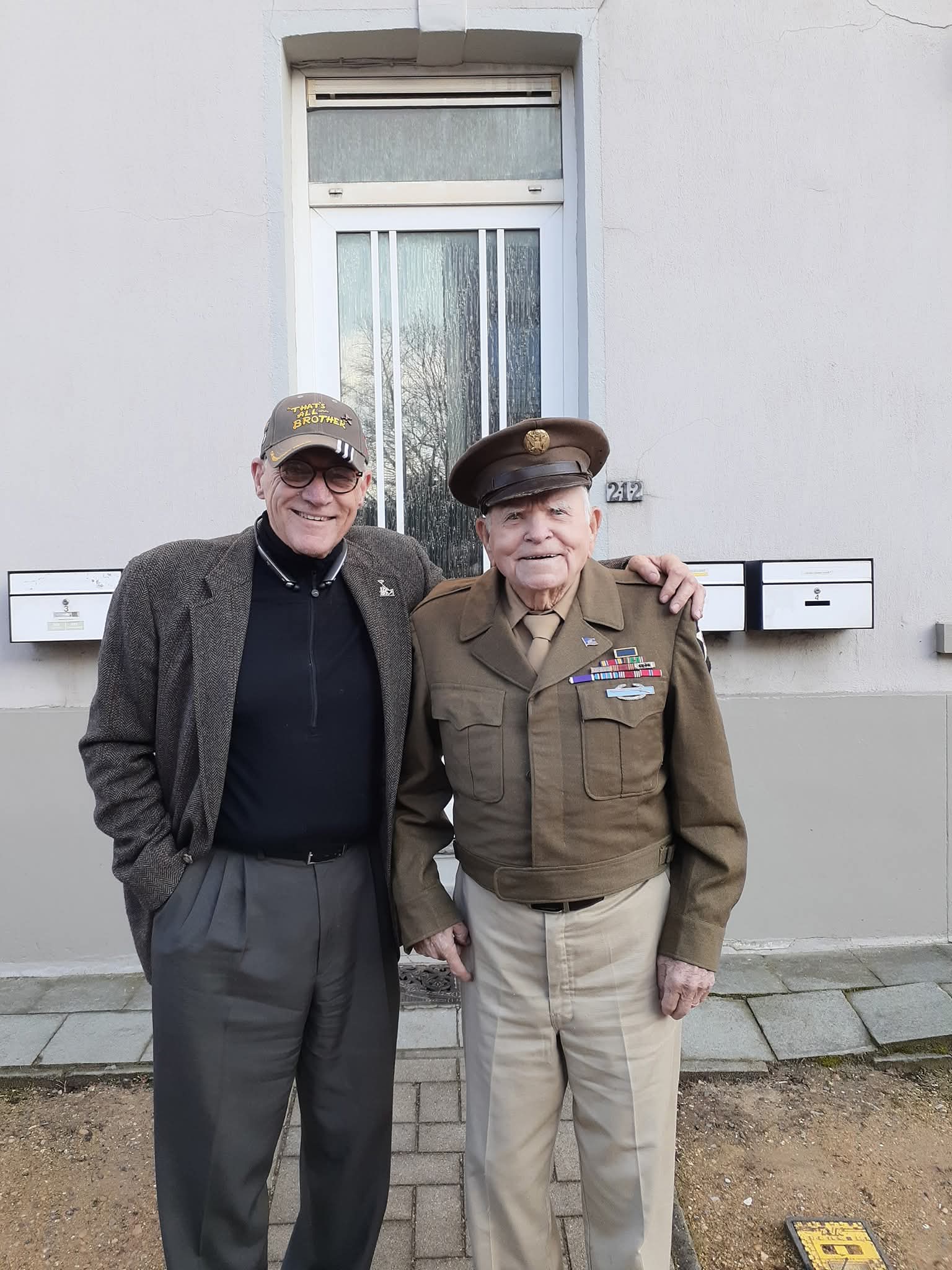
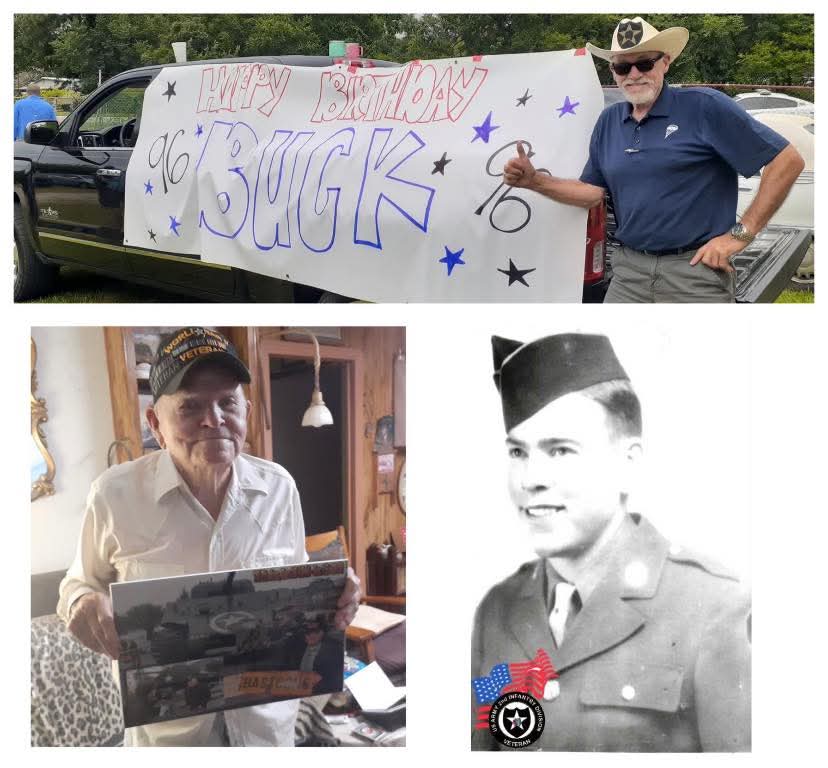
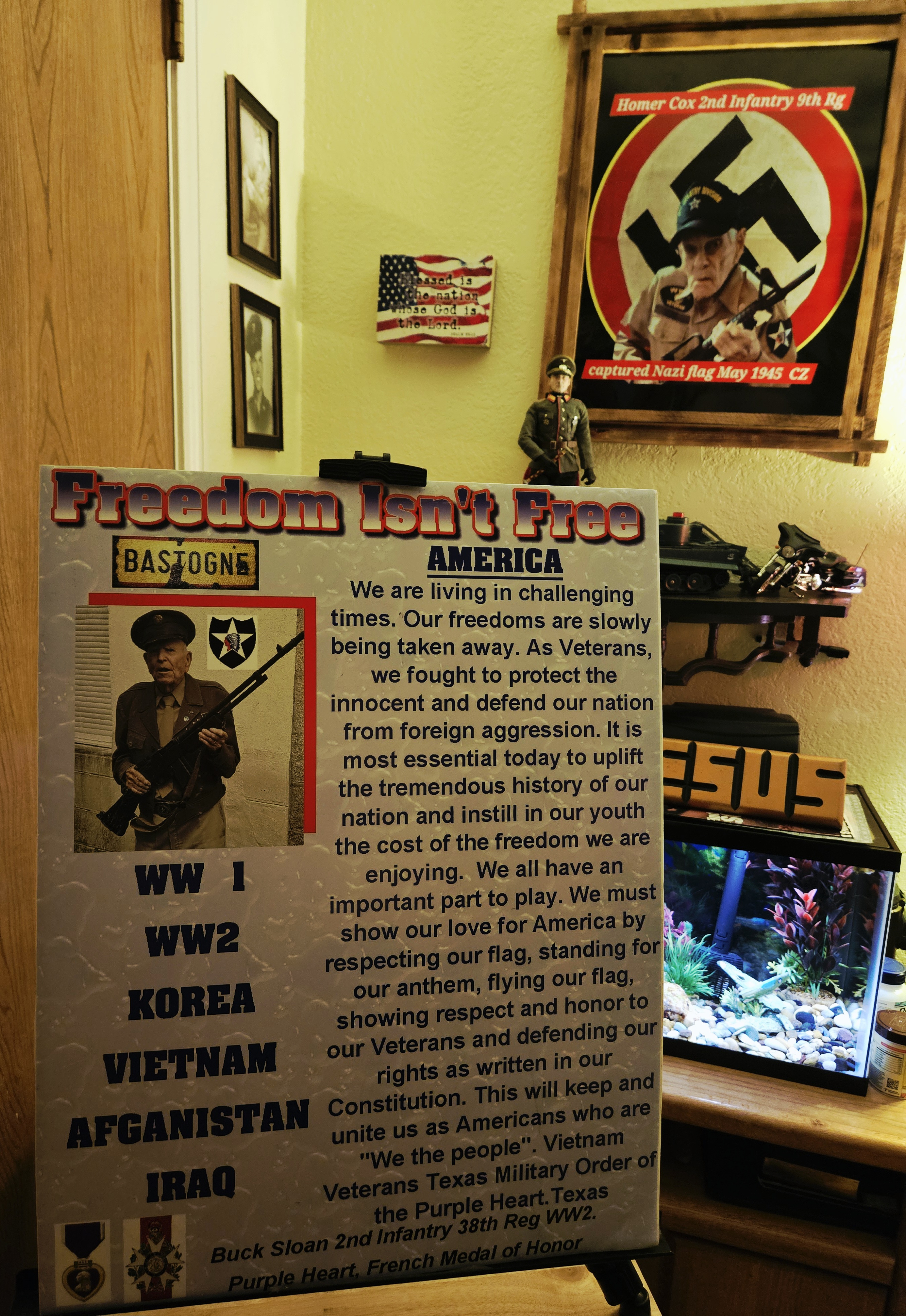
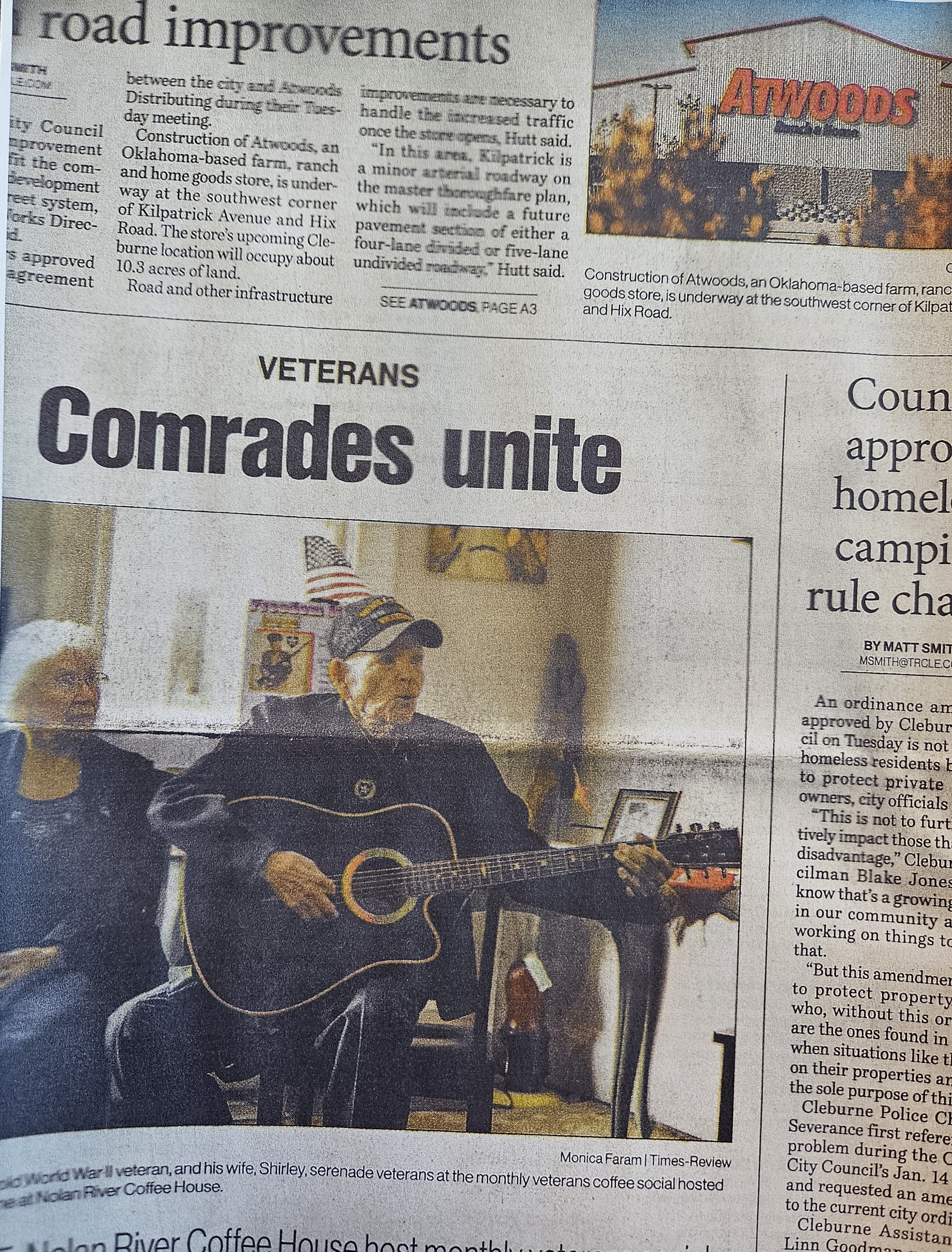
As a WWII veteran and a civilian war survivor, Buck Sloan and Bob Sparenburg carry memories shaped by the same conflict yet lived from opposite worlds. Buck fought through the storms of Europe as a young soldier, carrying the BAR through the bloodiest scenes of the Battle of the Bulge, where the worst winter of the war pressed against every breath and every step. Snow lay heavy across the Ardennes. Trees stood shattered. The air carried the weight of smoke and fear. Buck moved forward because he had no choice, stepping through places where friends had fallen only moments before. Bob was a young boy in Belgium, born into a land still marked by occupation, where families remembered hunger, silence, and the sound of armies passing through their streets. Their earliest memories were shaped by the same war, yet separated by the distance between a soldier’s burden and a child’s survival.
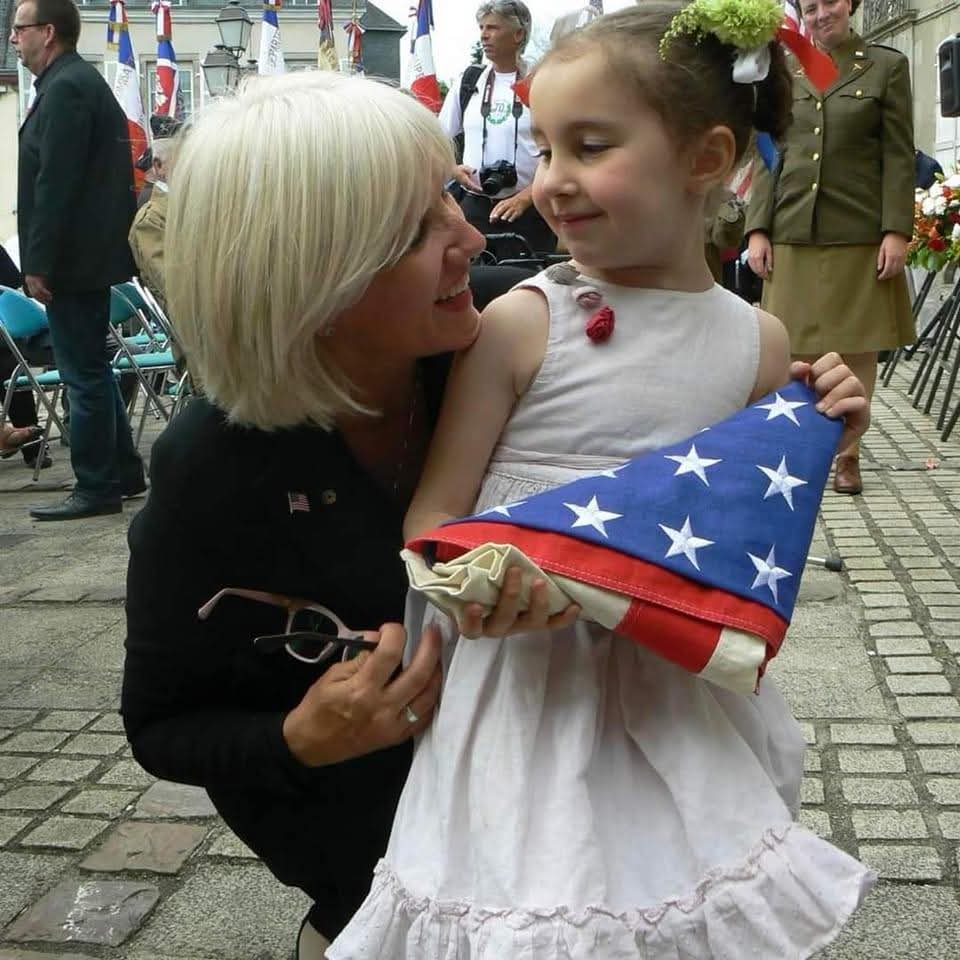
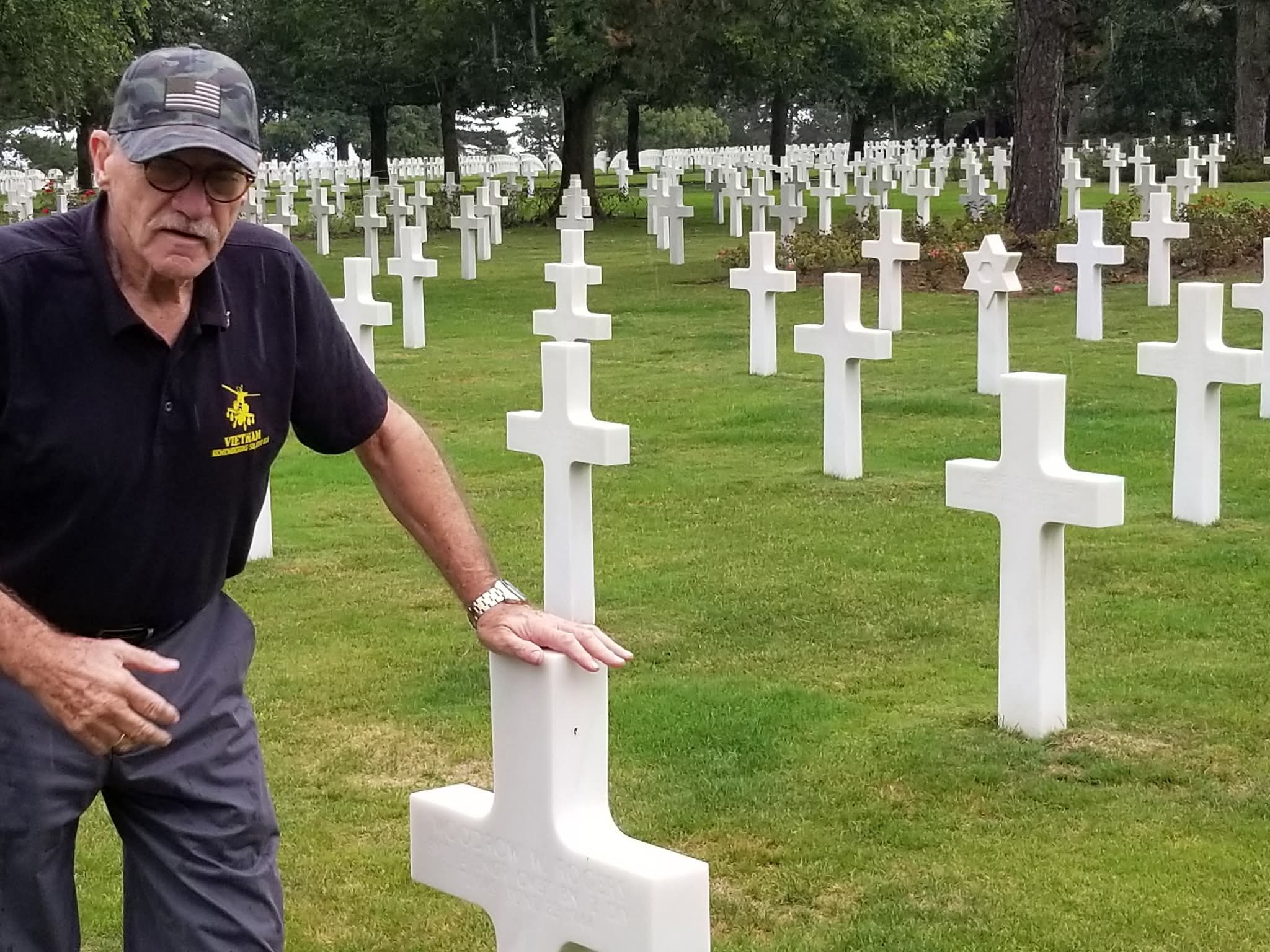
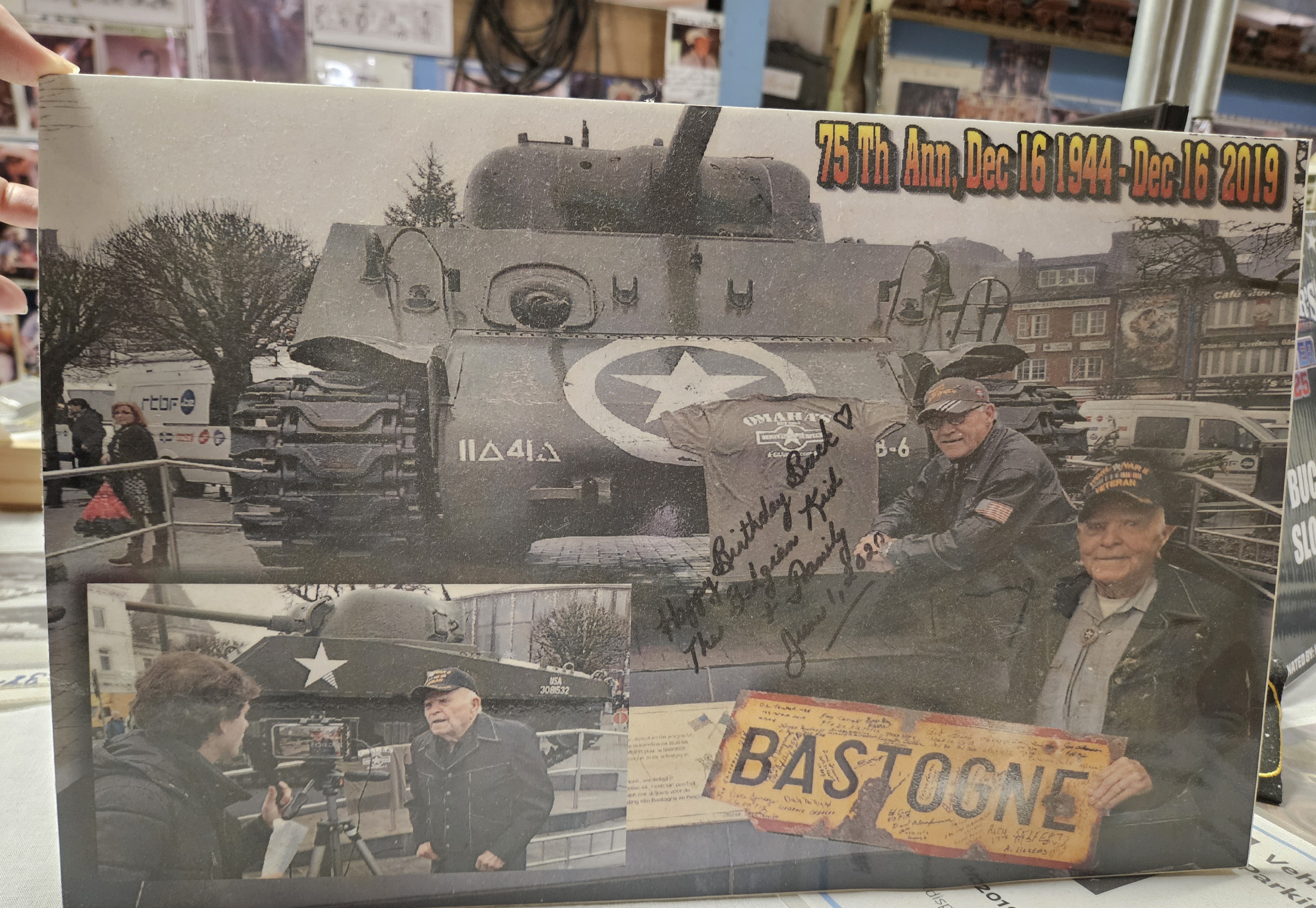
Time carried them far from those places until their paths finally crossed in Texas, where the young boy and the young soldier, now grown men, became best friends. Their friendship deepened through frequent visits, with Bob often spending time with Buck and his wife Shirley, sharing meals, stories, and the quiet peace that comes from lives once shaped by war yet restored by companionship. Together they traveled to the 75th Anniversary of D Day and later to the 80th Anniversary, standing among the aging veterans and the grateful families who gathered to honor the liberation of Europe. During one of these journeys, Buck stood in the exact place where he had fought as a young soldier, reenacting the moment he had lived during the war. He lifted his arm and pointed to the ground he once defended, a gesture captured in the photo gallery that preserves the solemn truth of a soldier returning to the place where history had turned.
In that moment, the boy who survived and the soldier who fought stood side by side, carrying the legacy of a war that had once defined their worlds. You can see Bob Sparenburg’s Every Story Matters in the archives, where his memories rest beside the service of the soldier who helped secure his future, together forming a single story of courage, endurance, and the peace they now keep.
A Life of Service Carried Forward to the Next Generation
Community Service and Youth Outreach
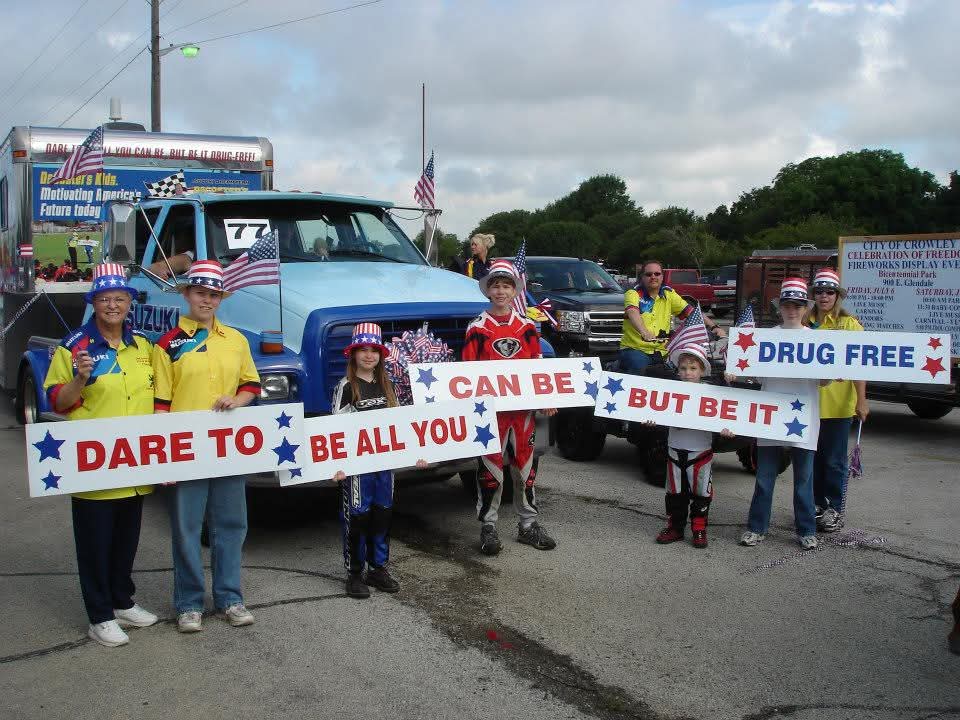
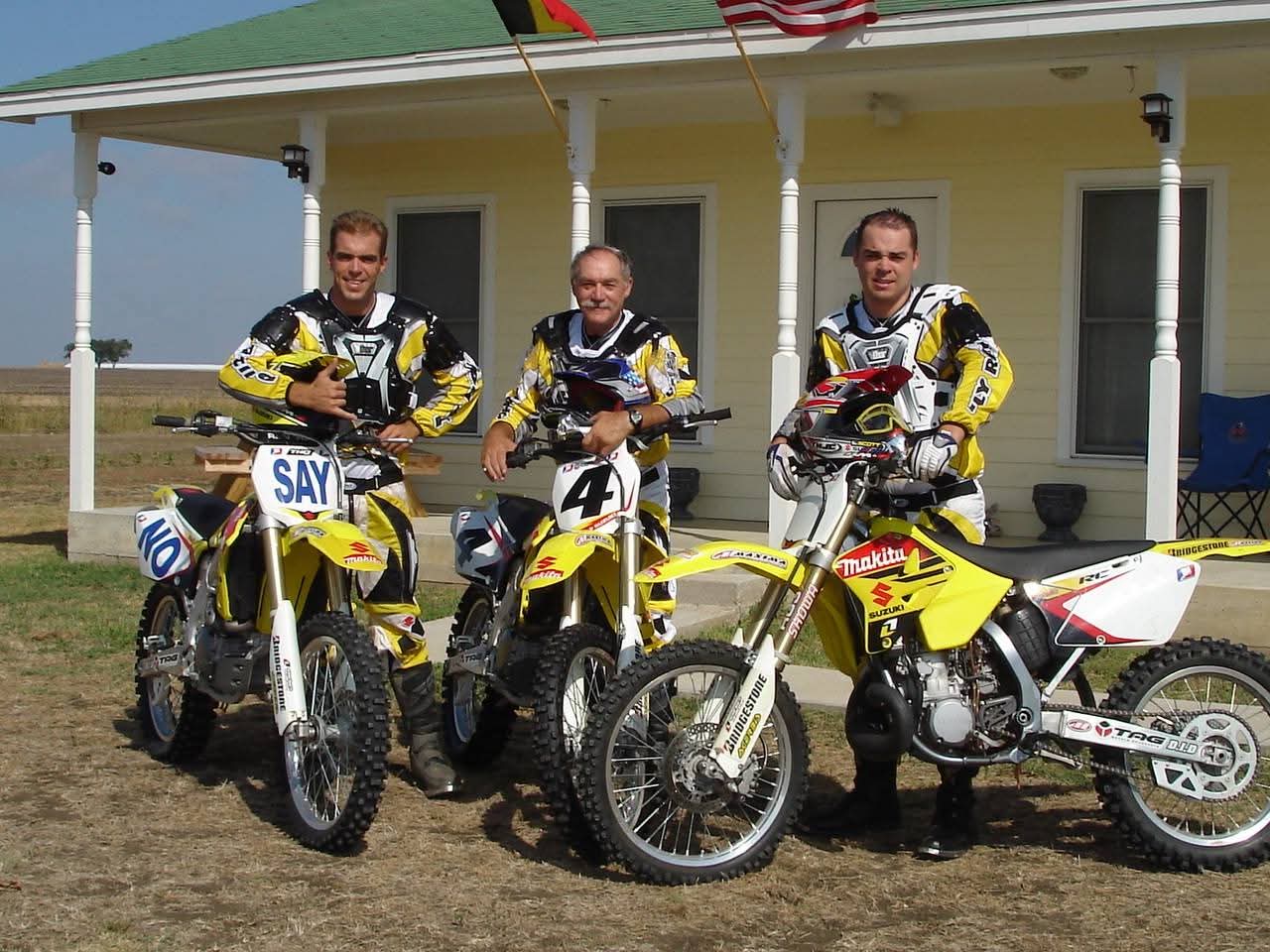
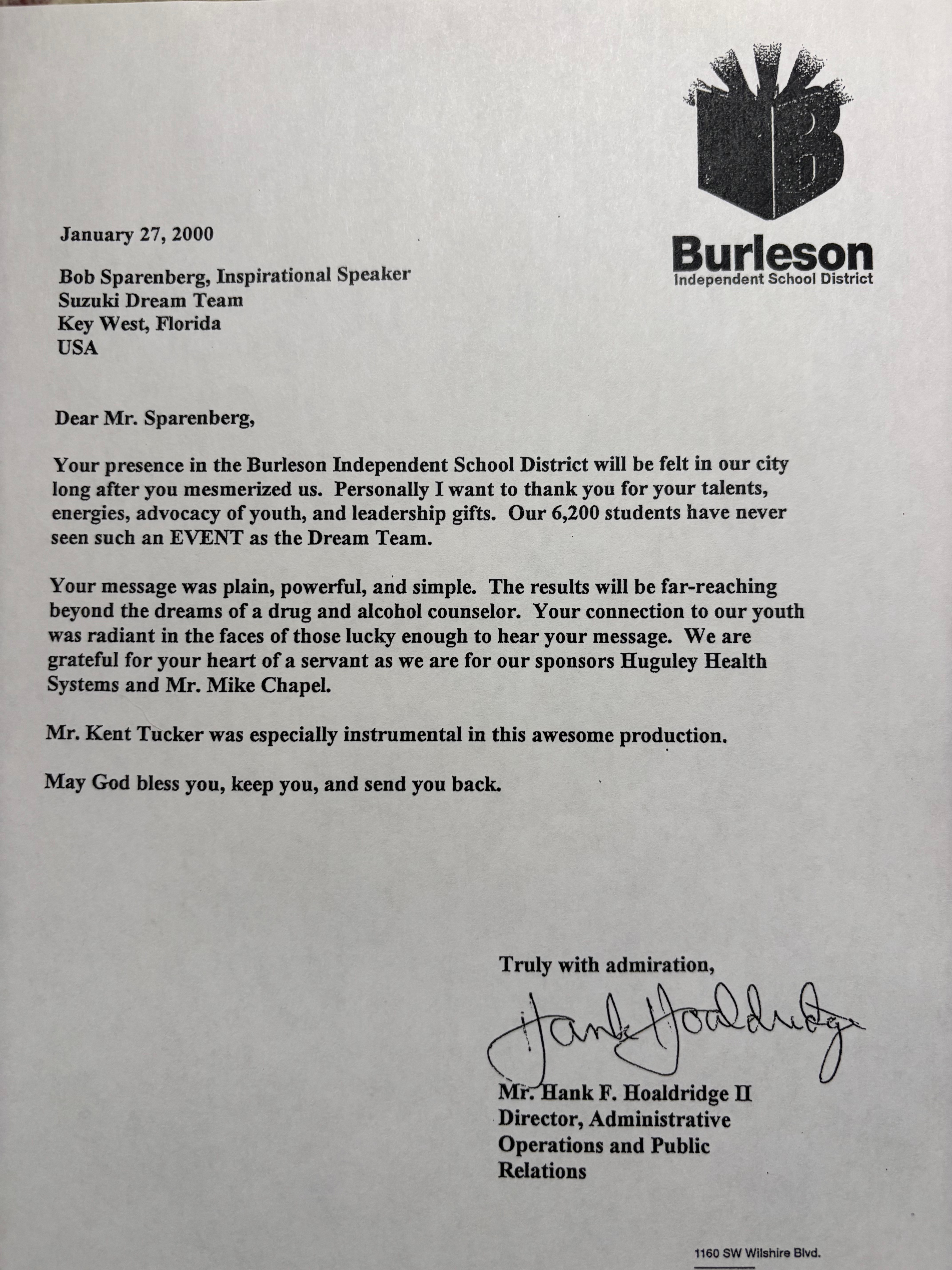
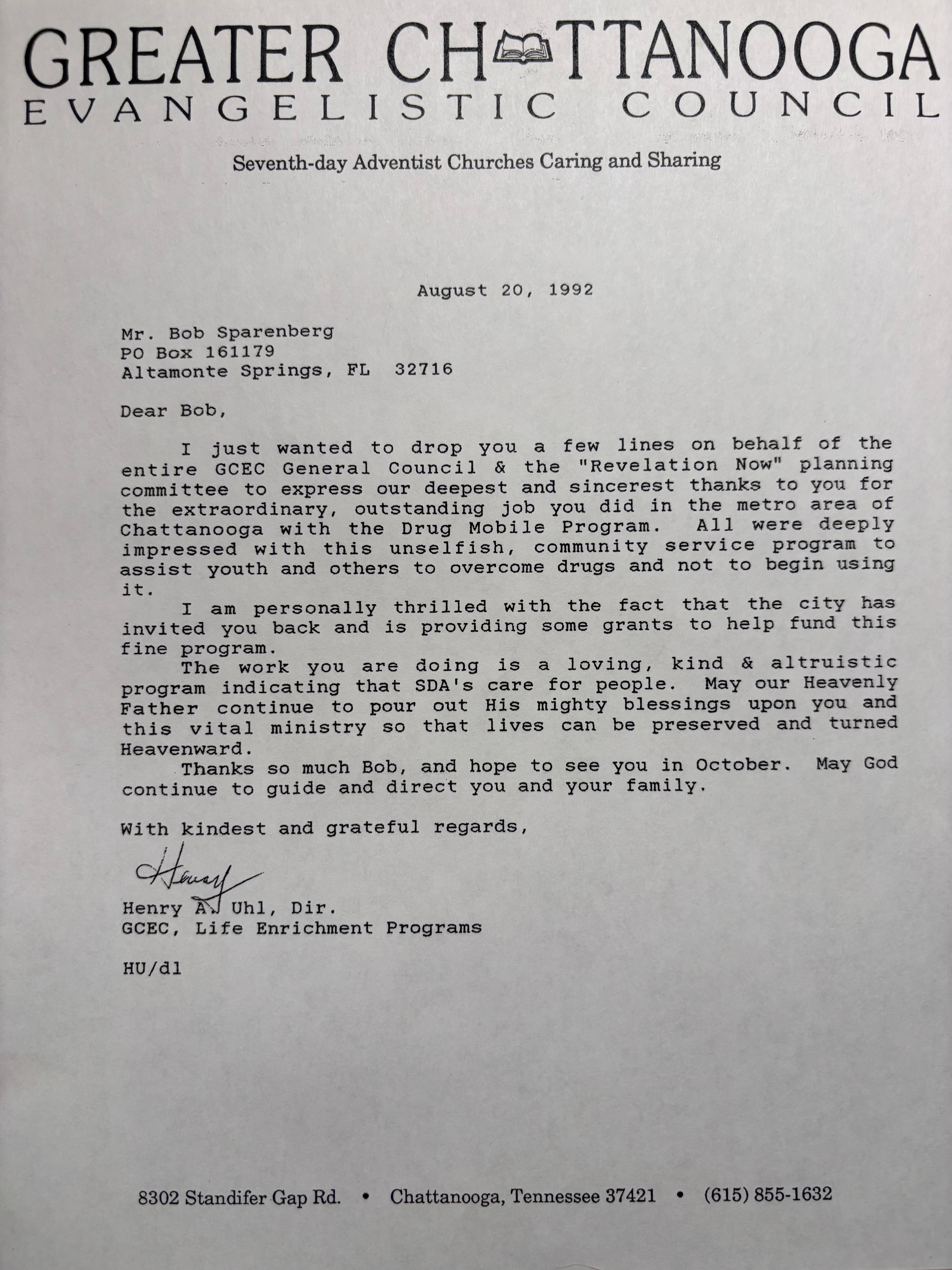
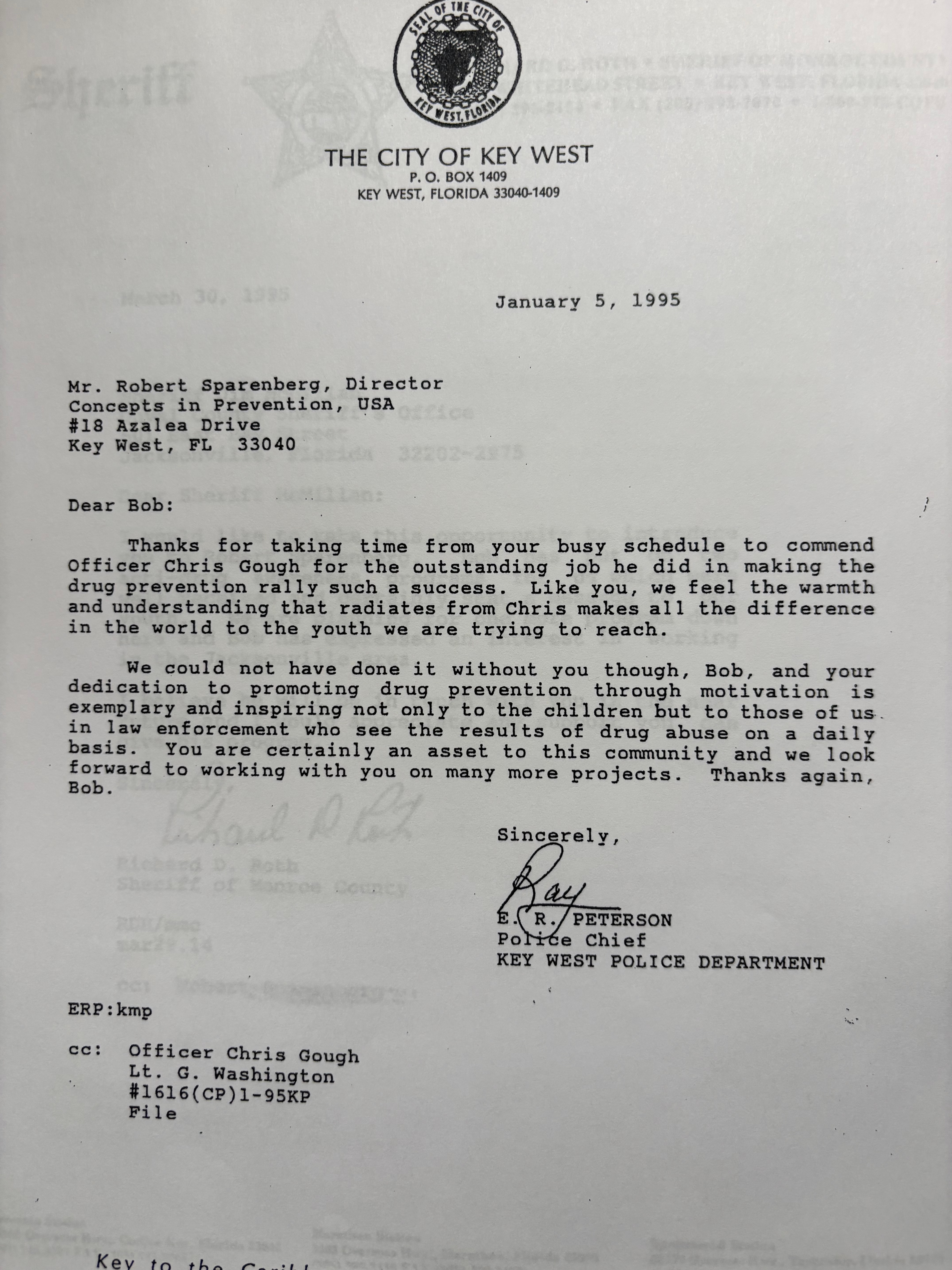
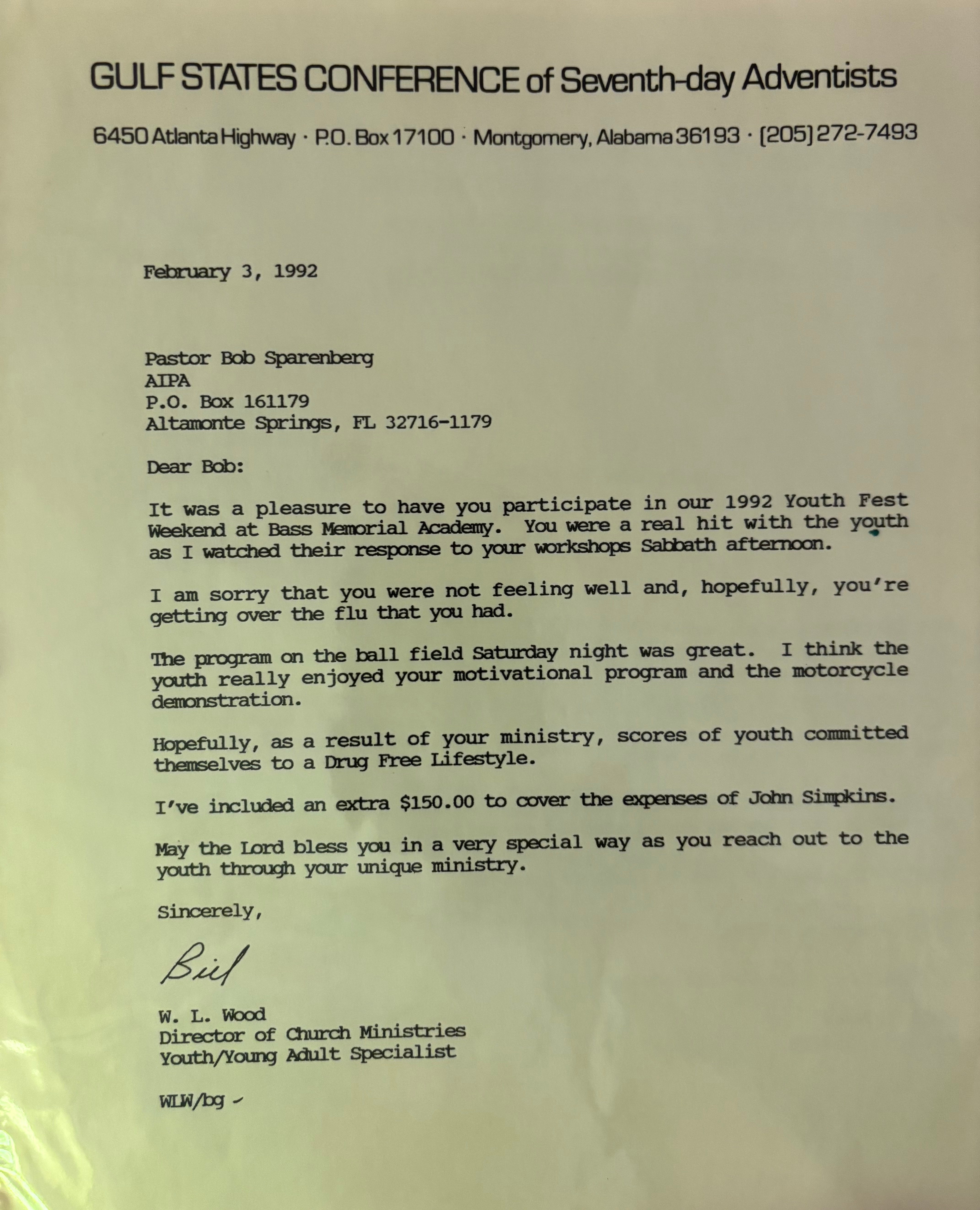
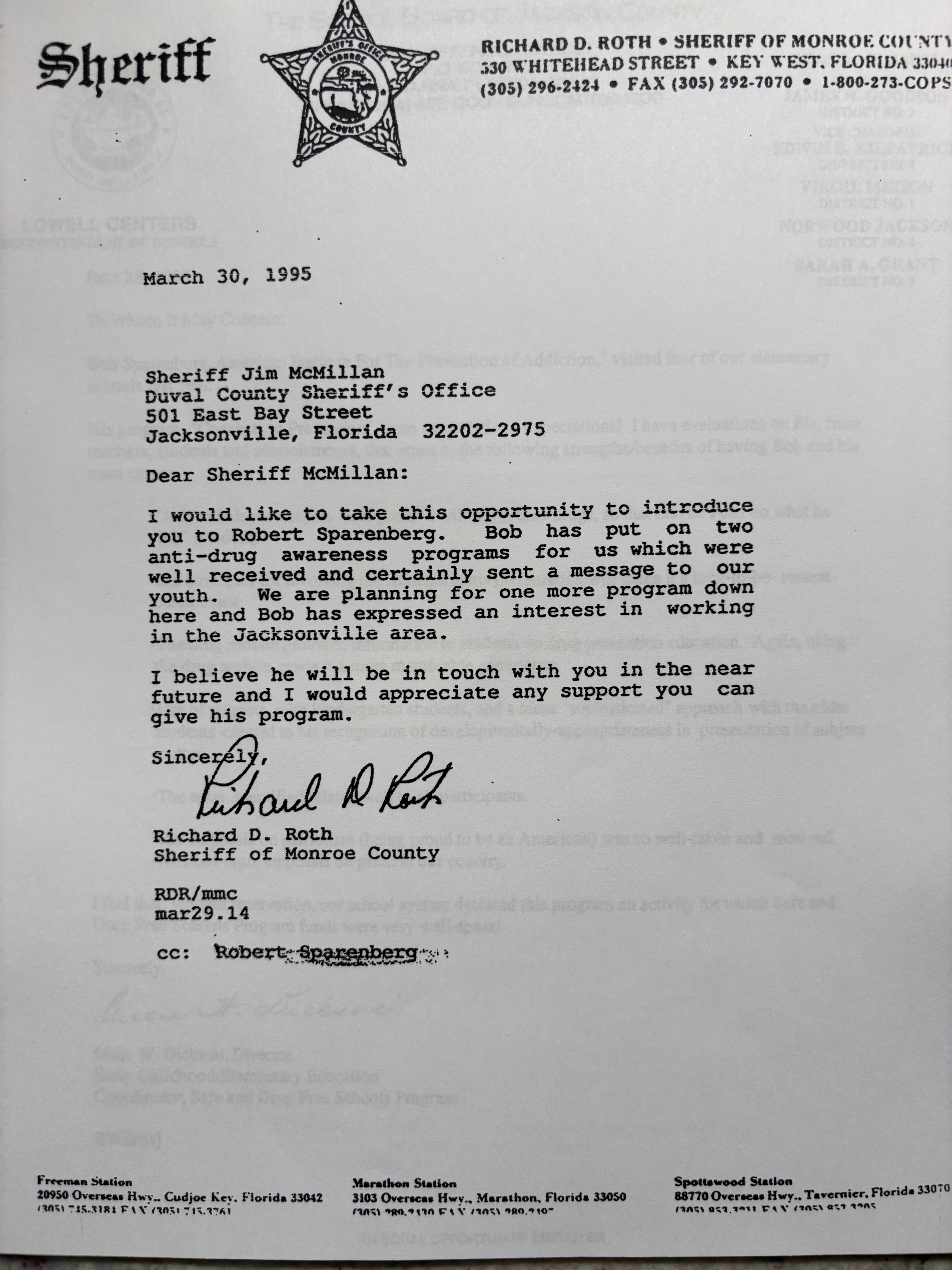
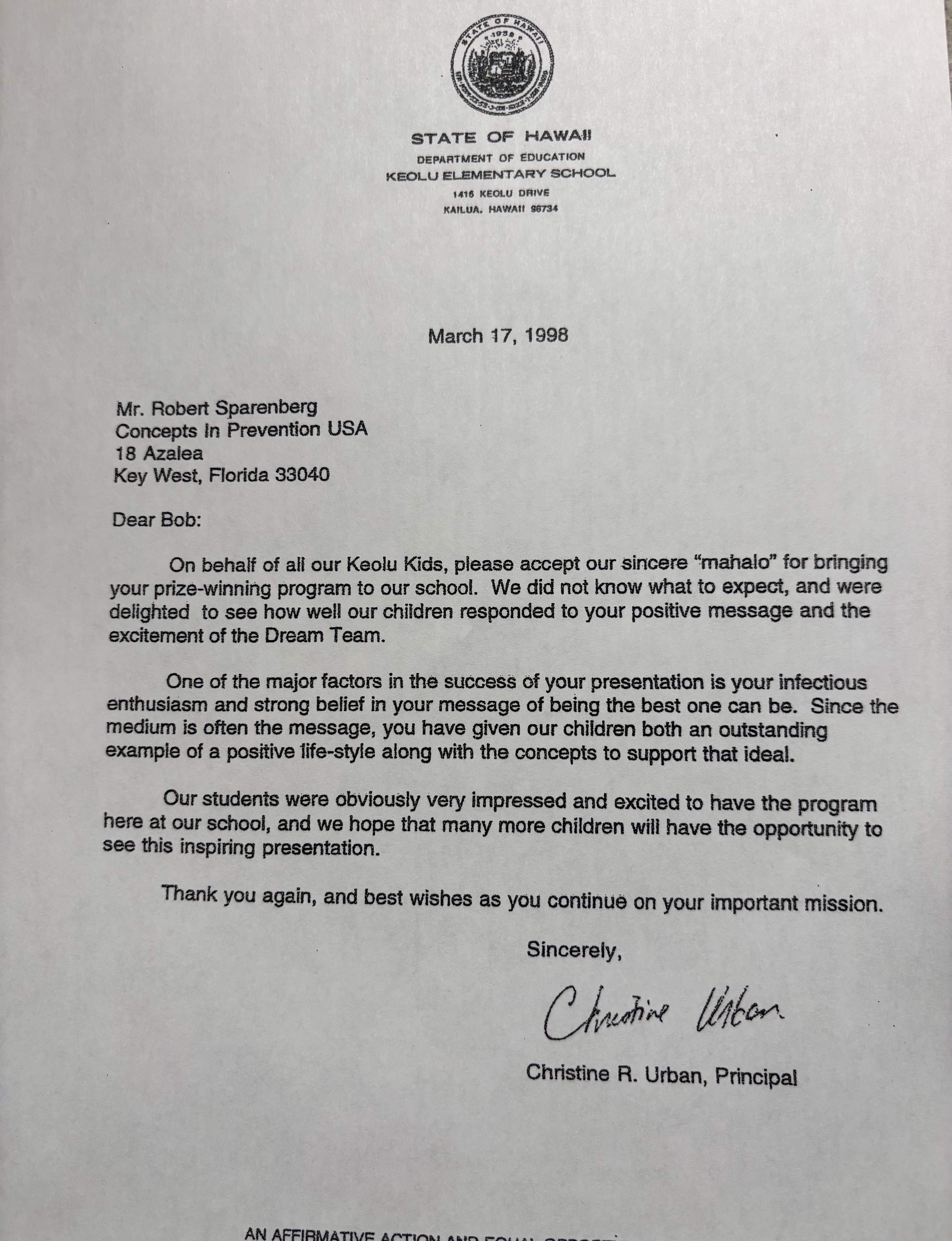
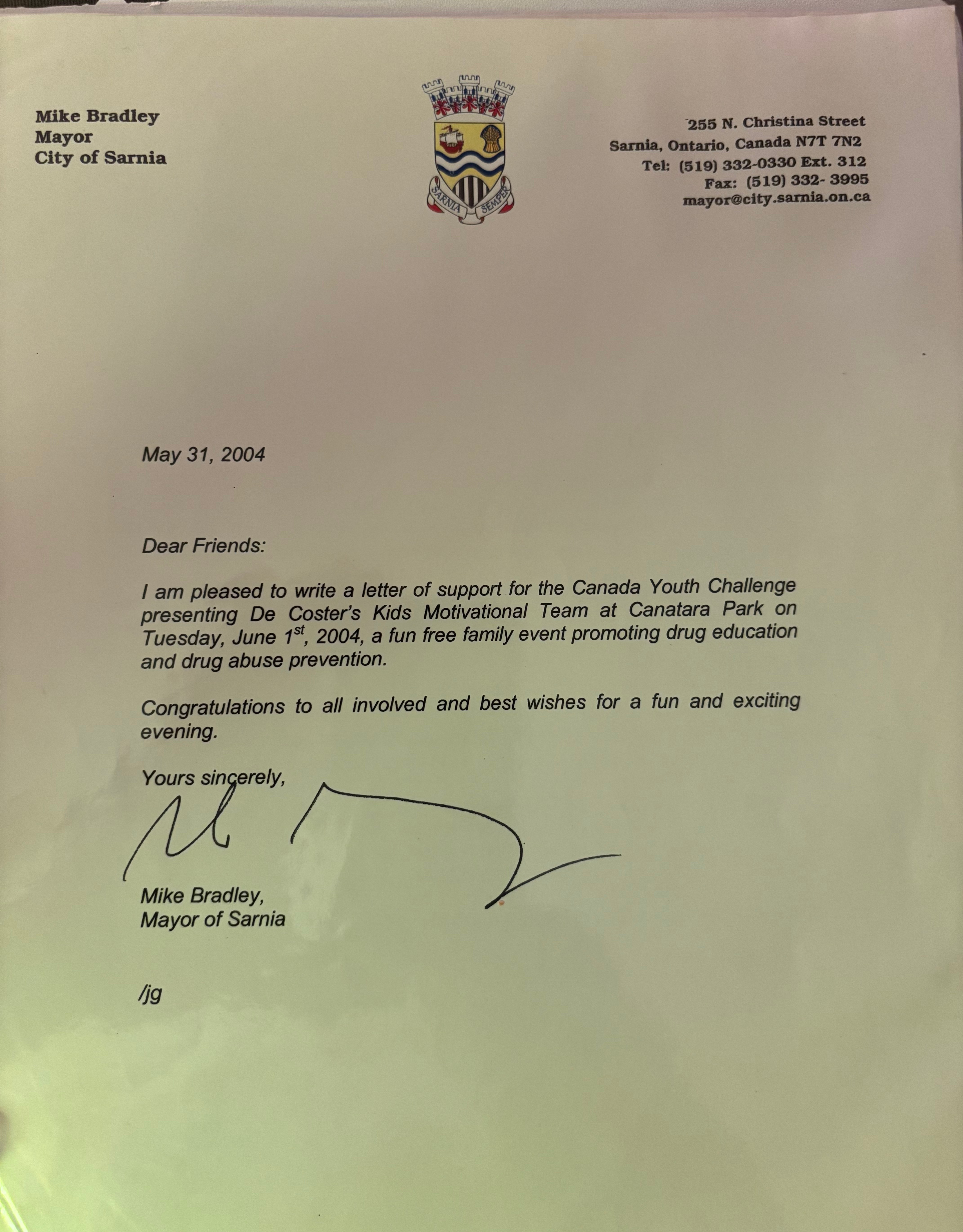
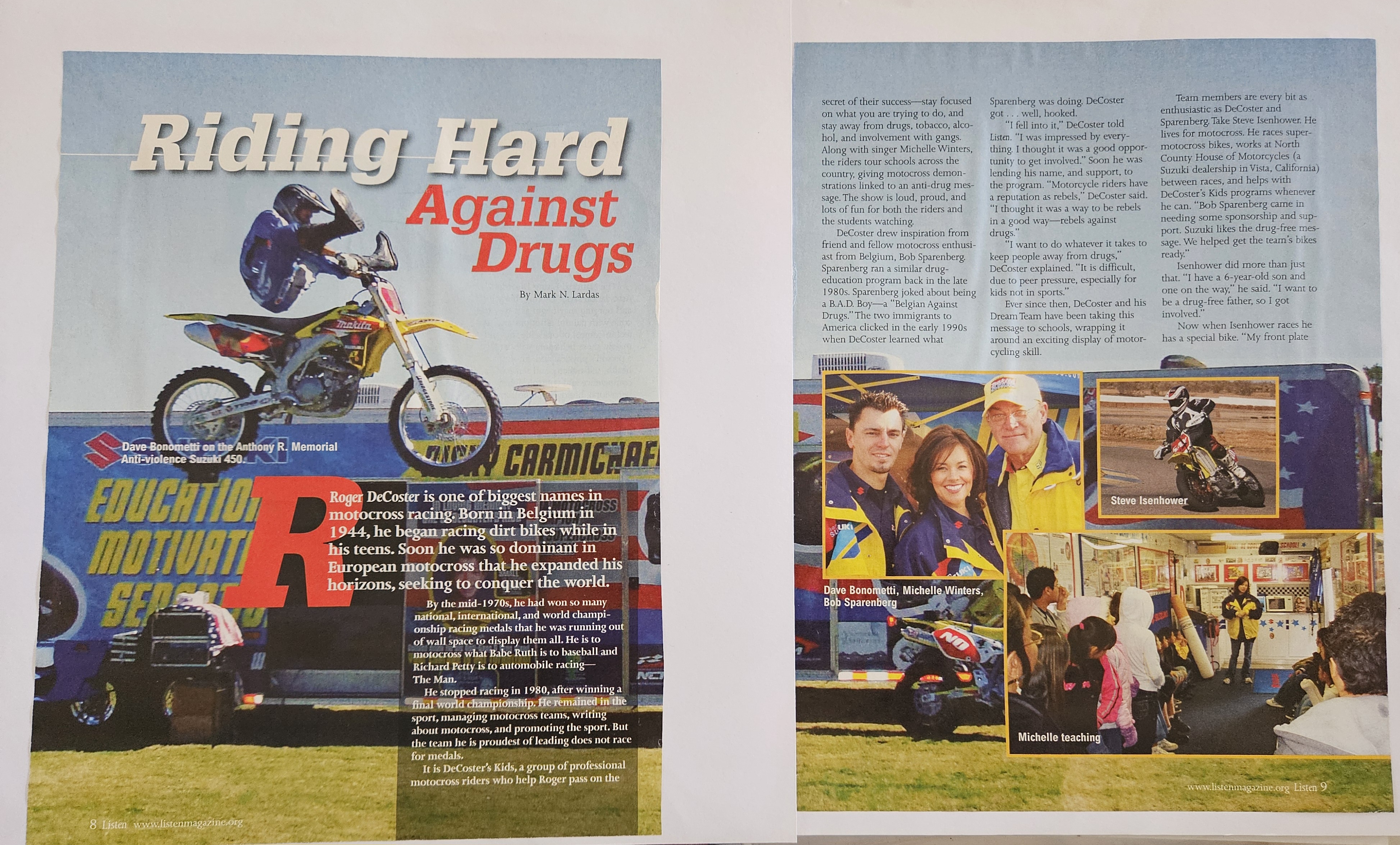
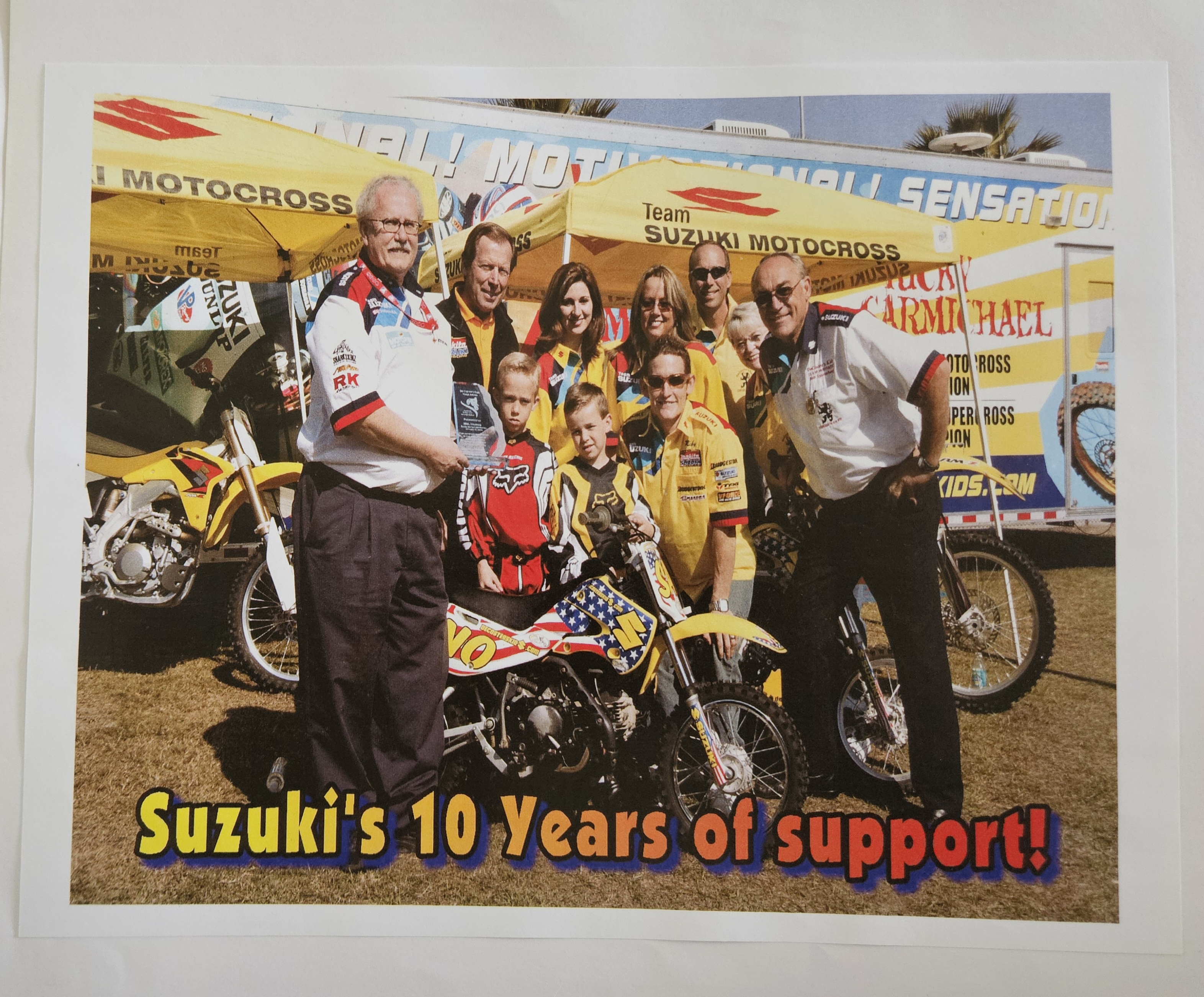
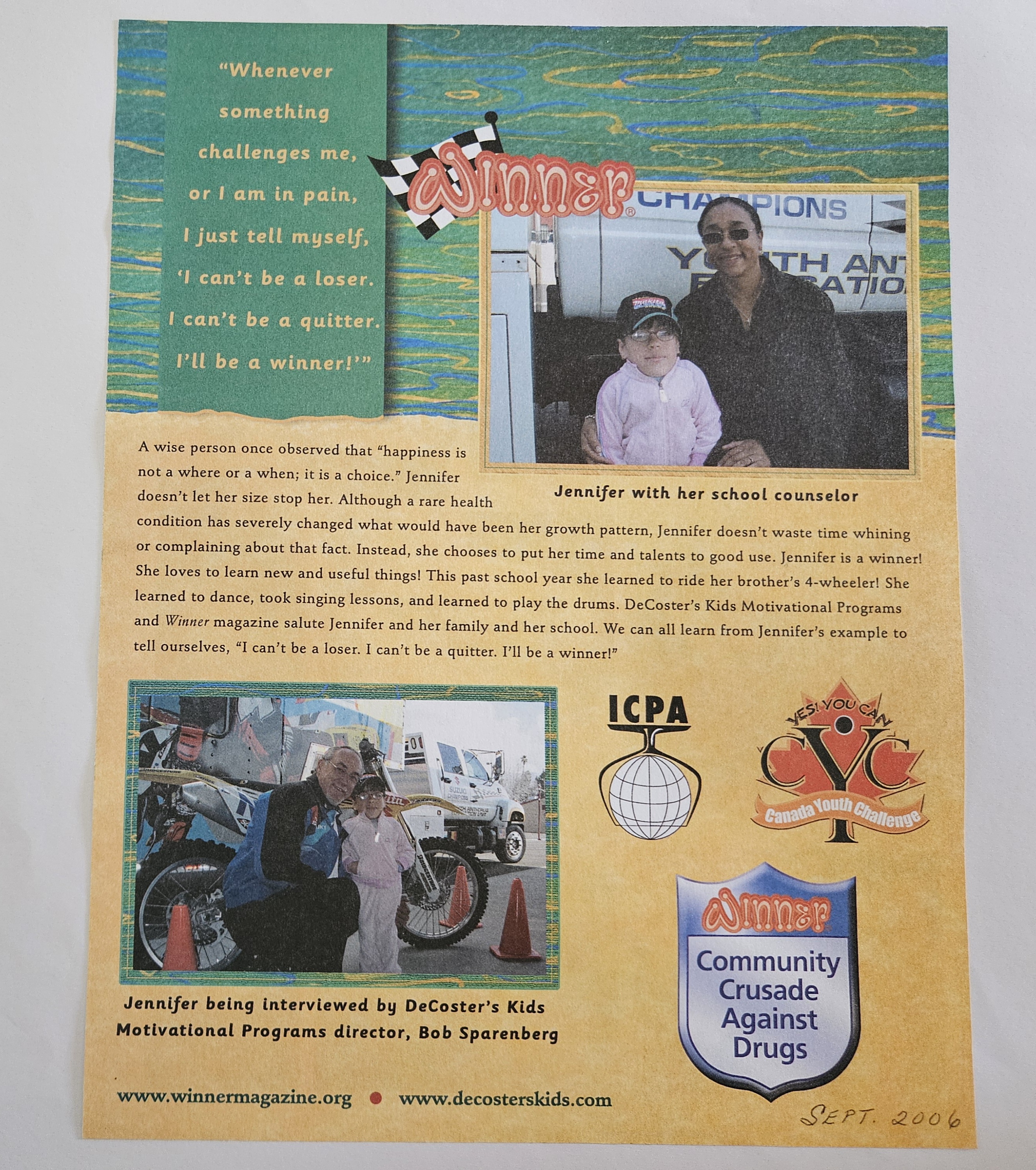
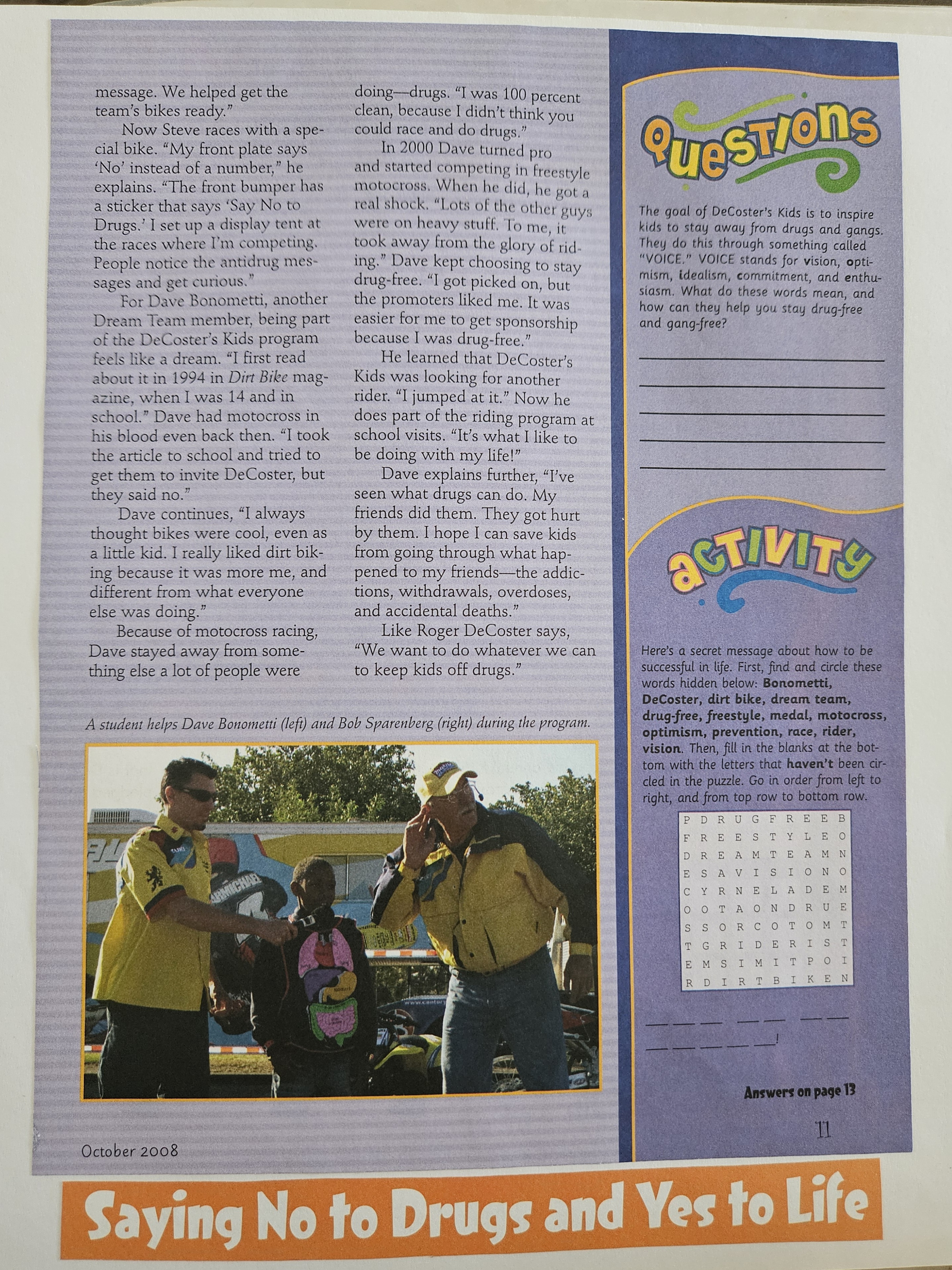
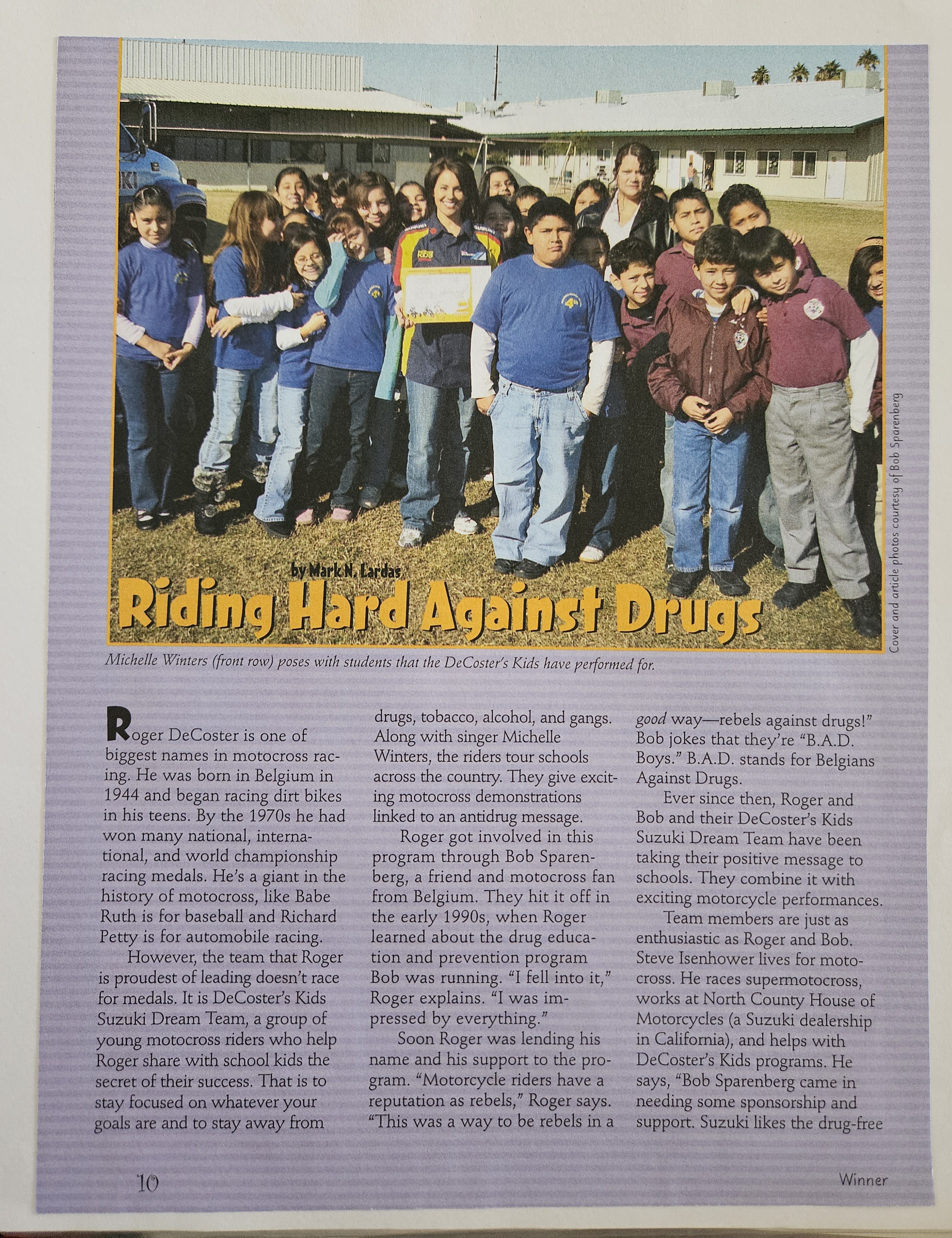
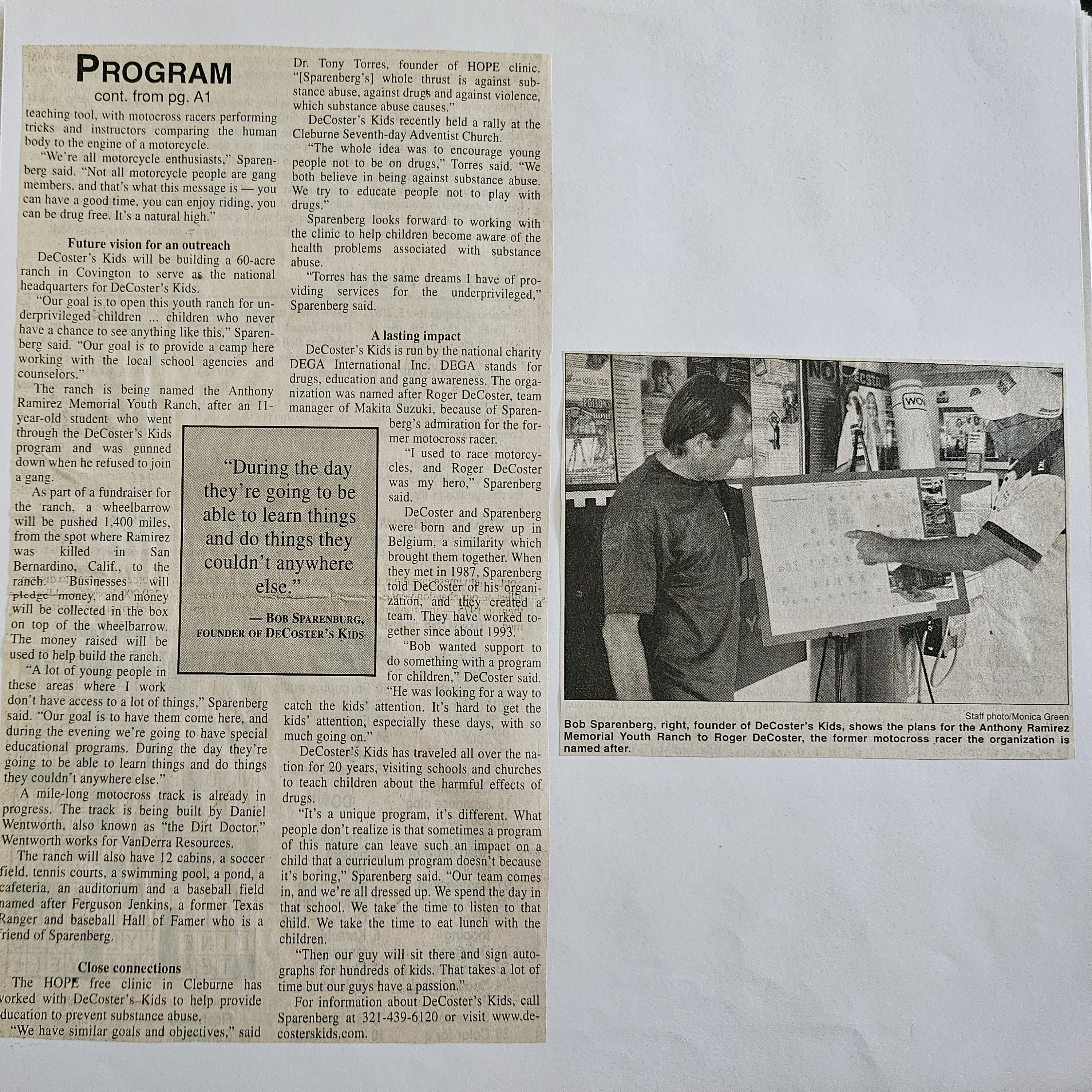
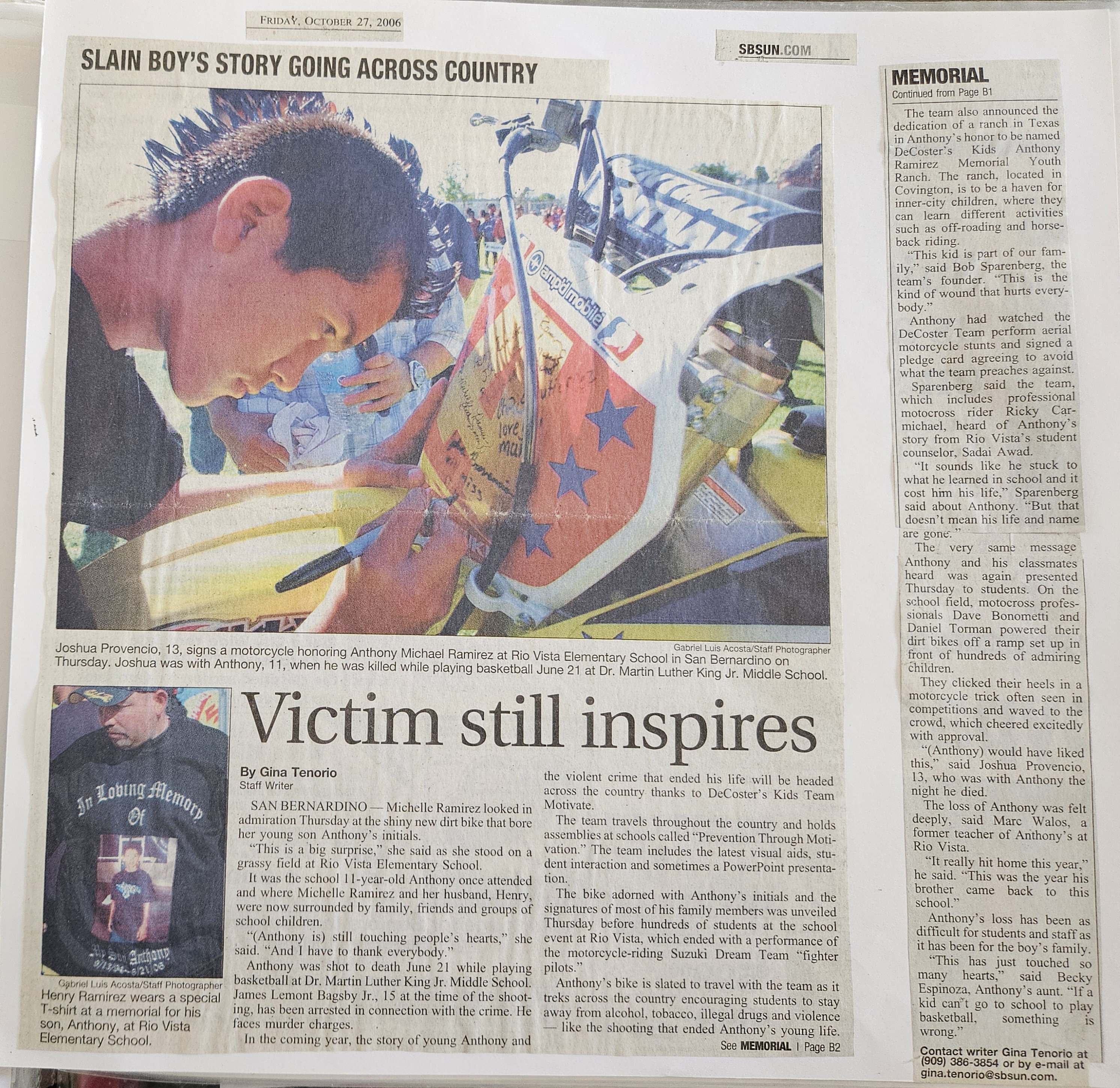
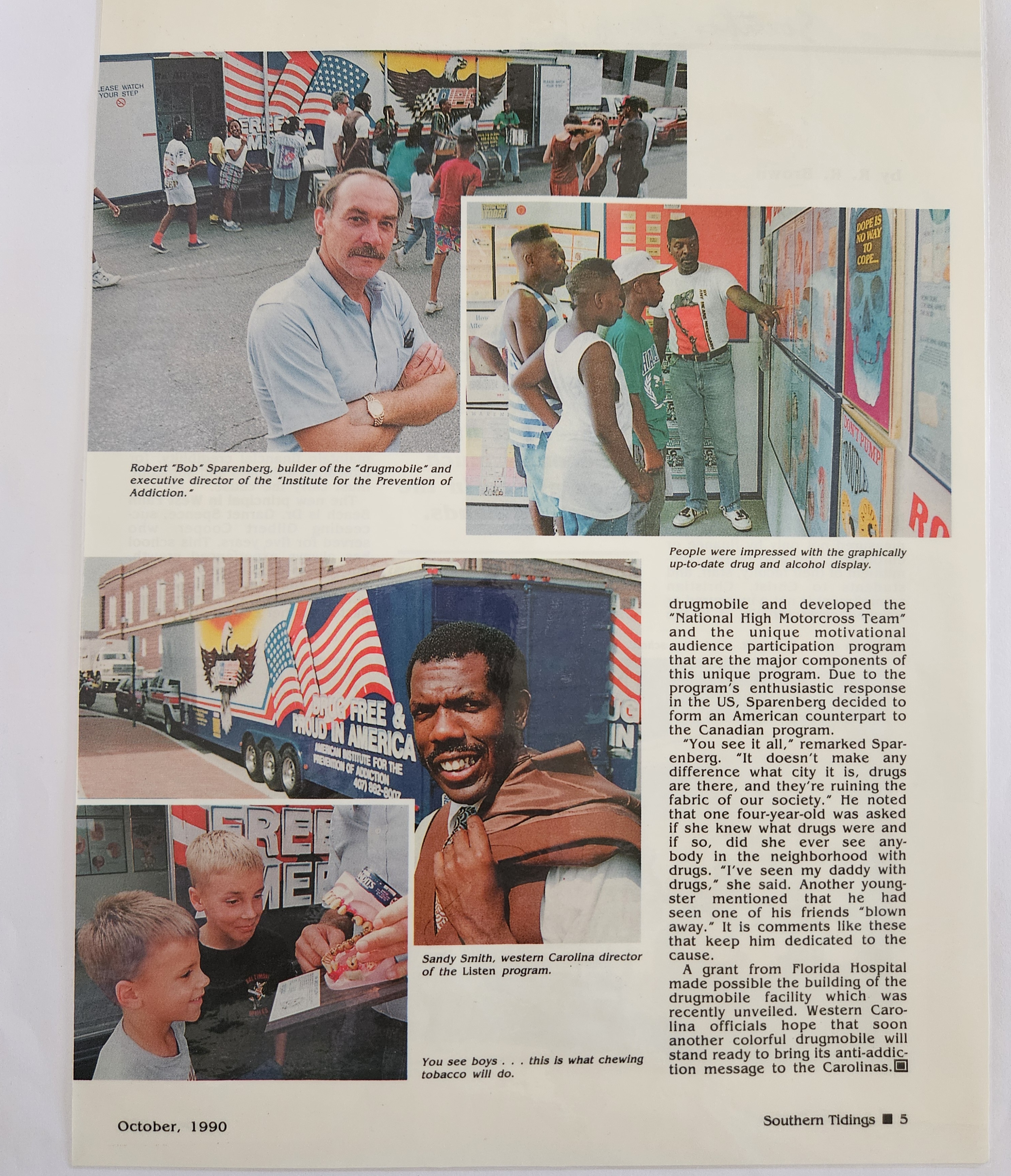
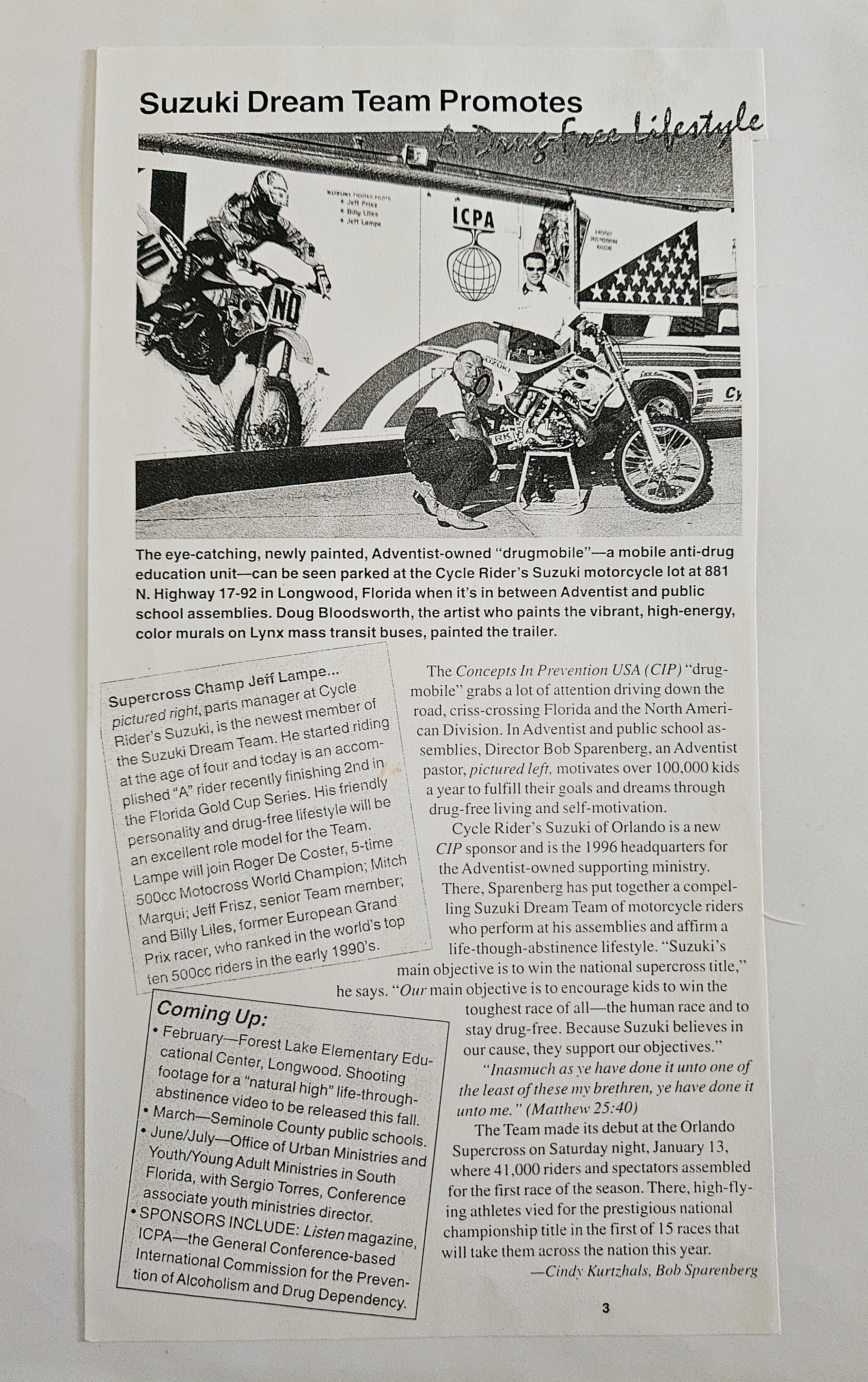
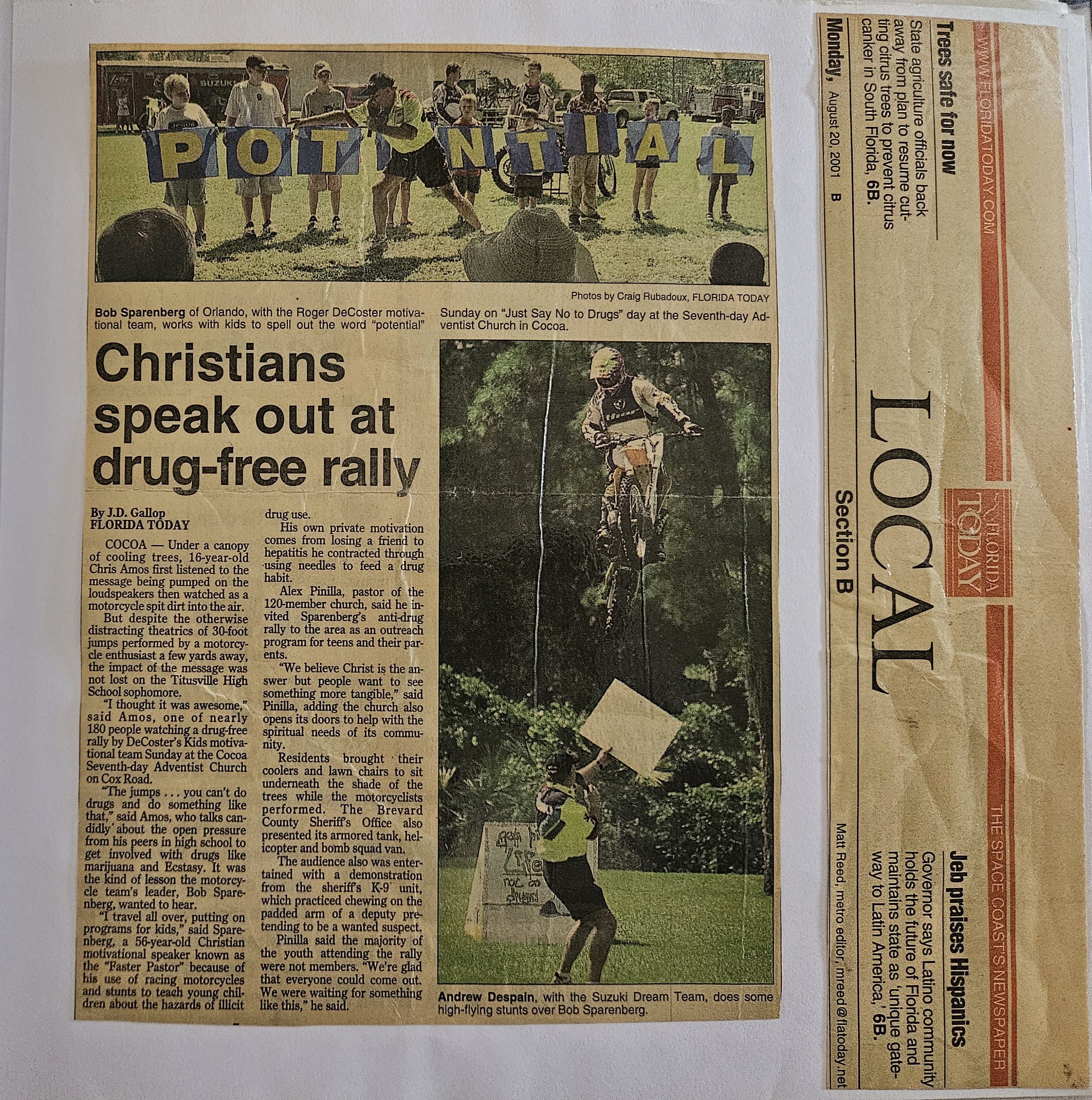
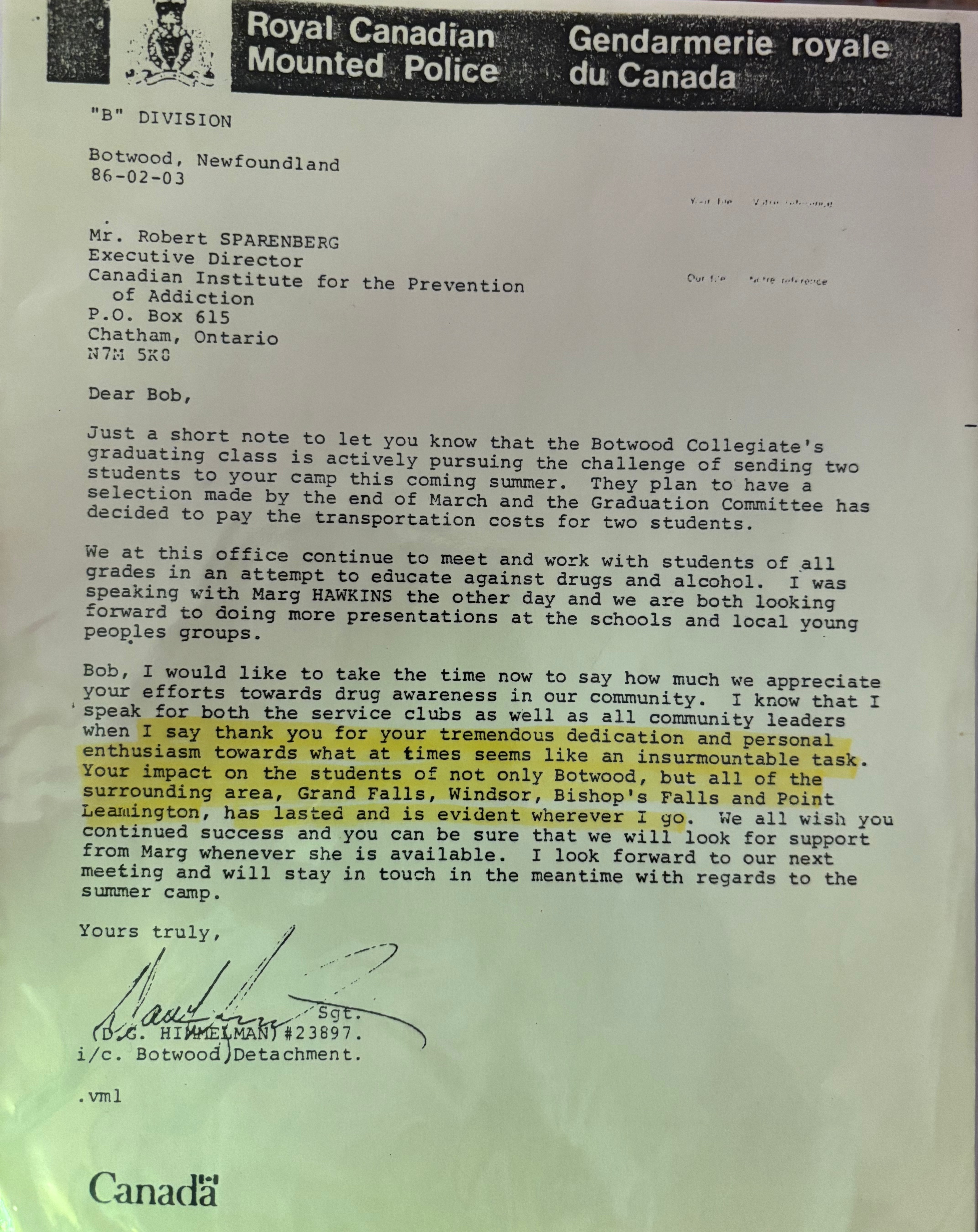
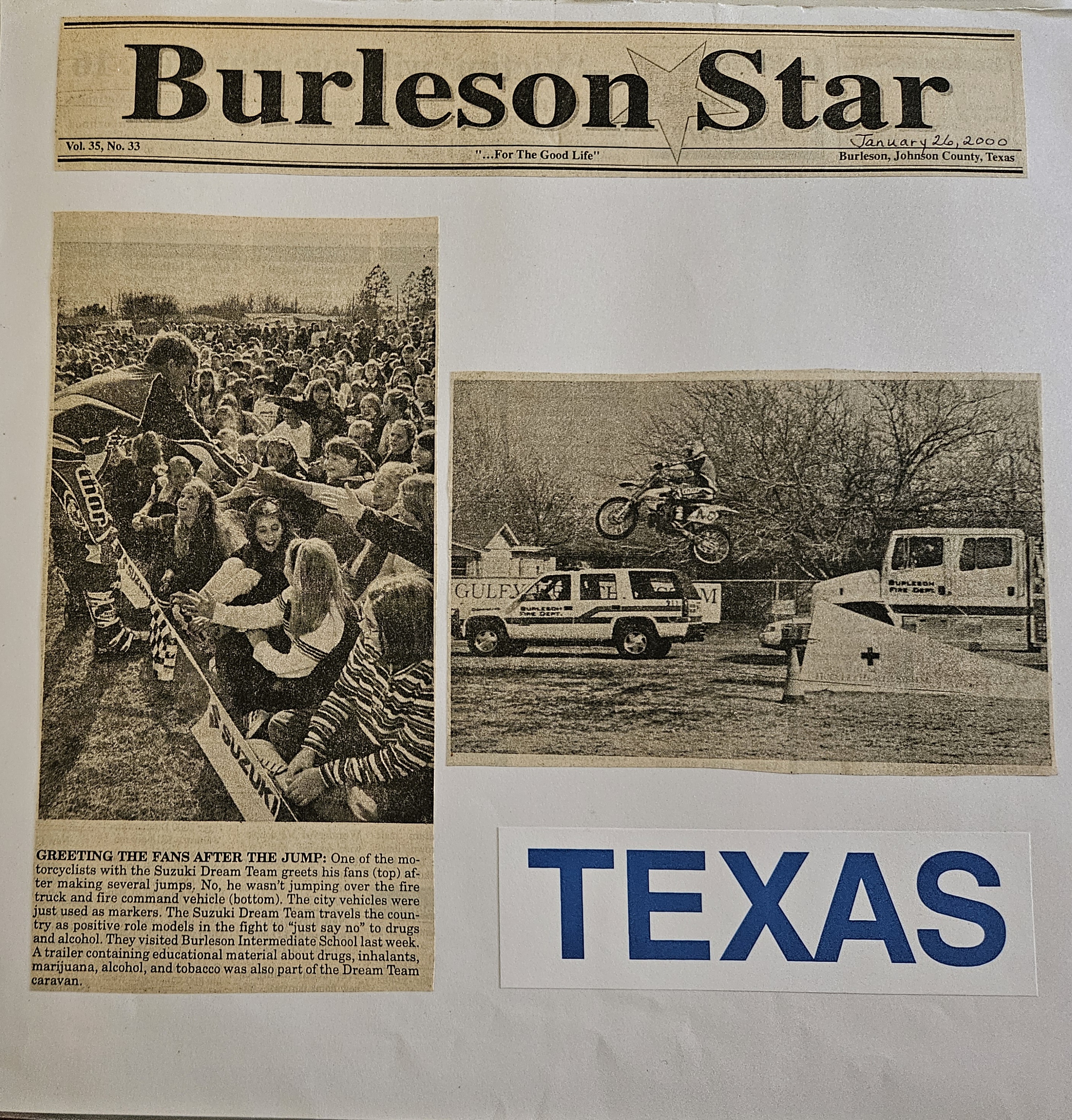
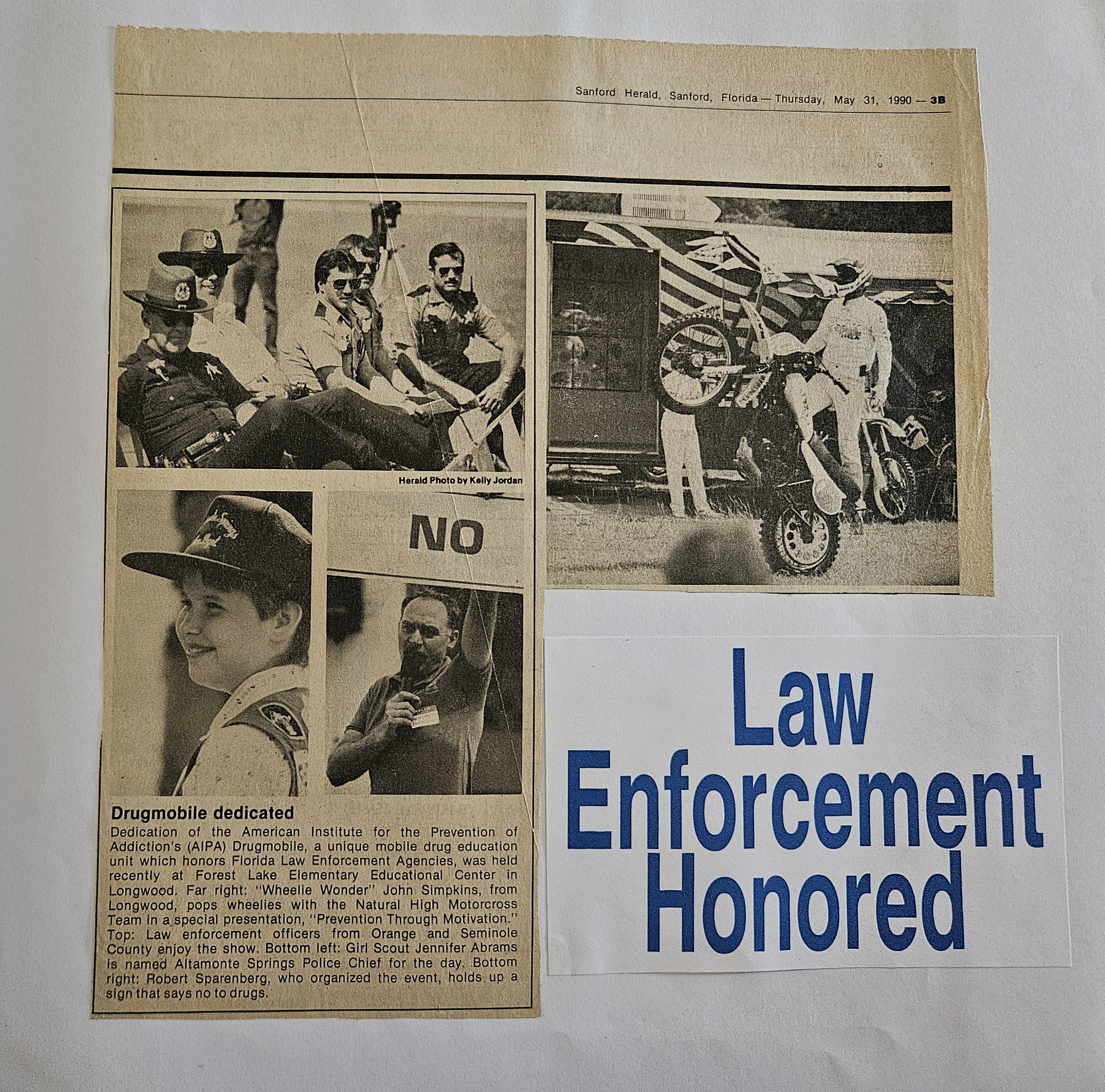
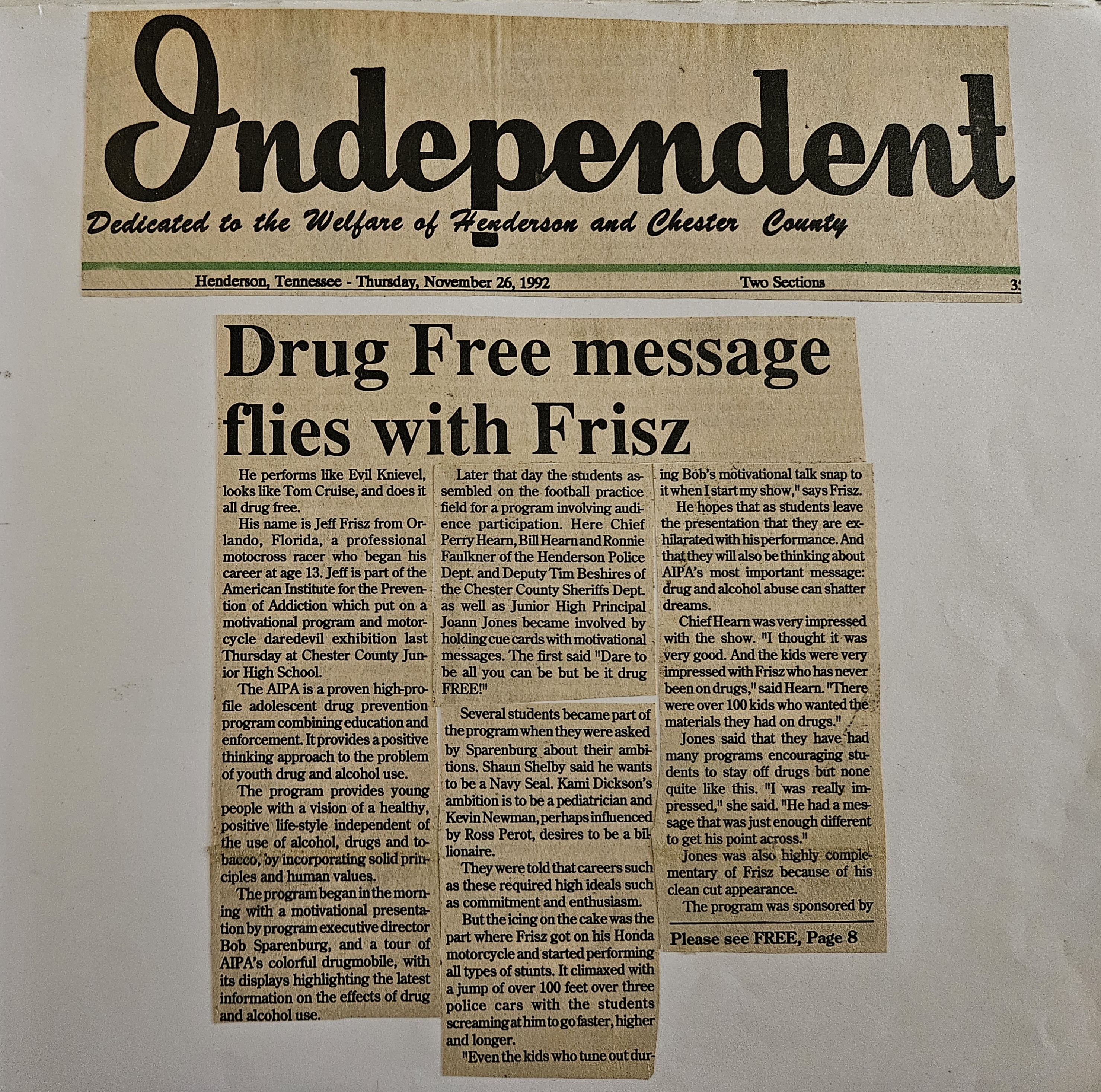
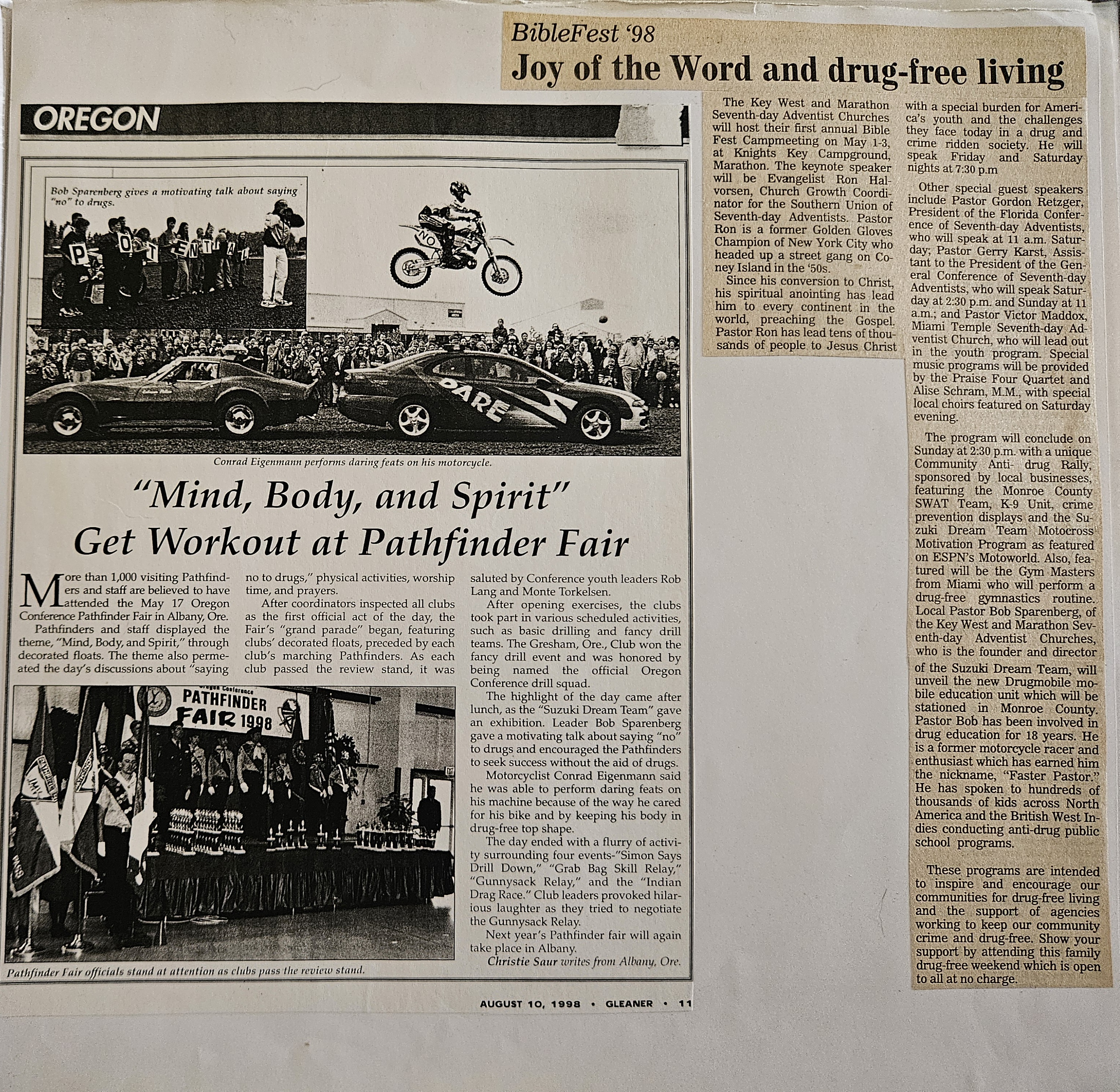
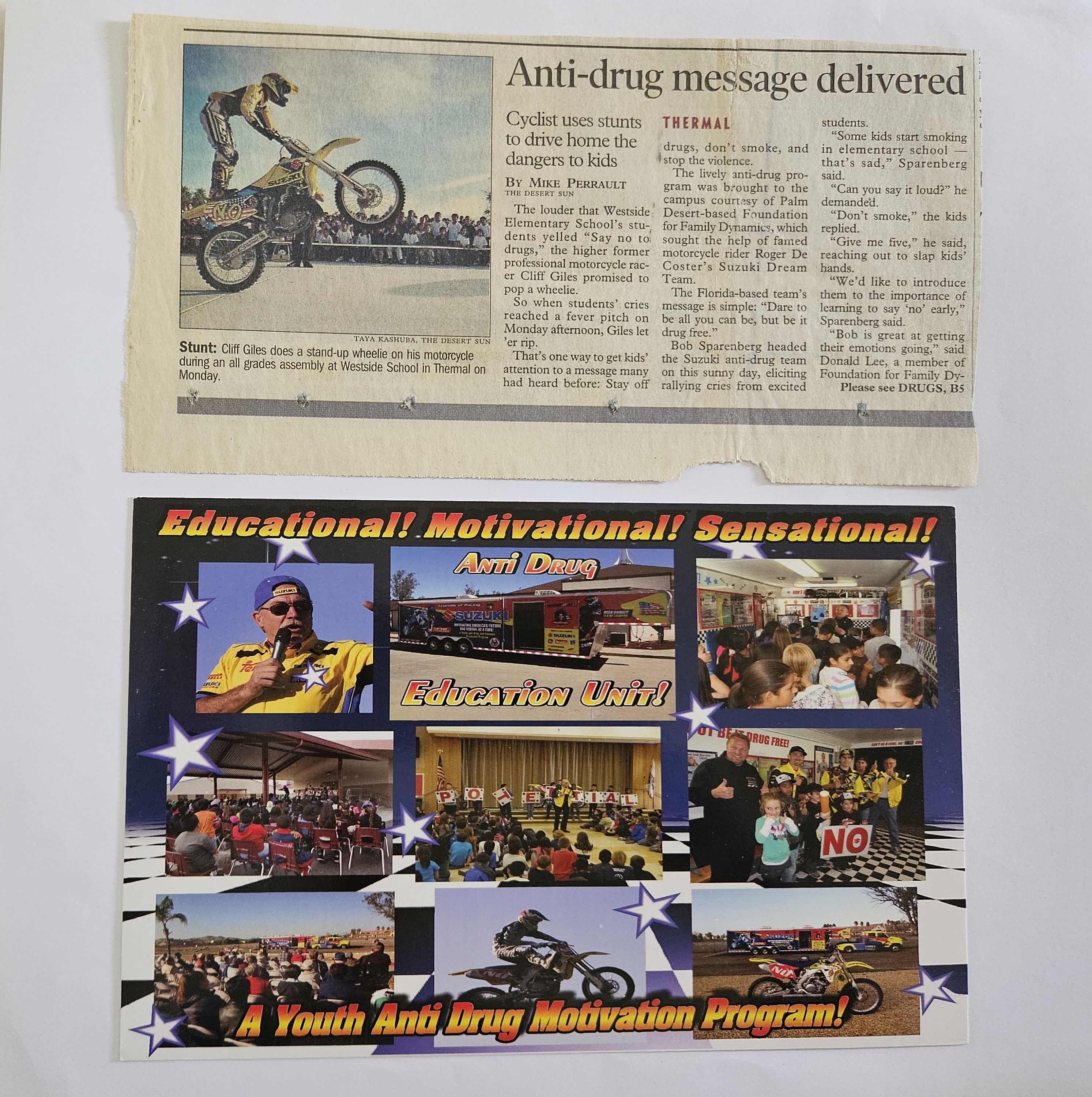
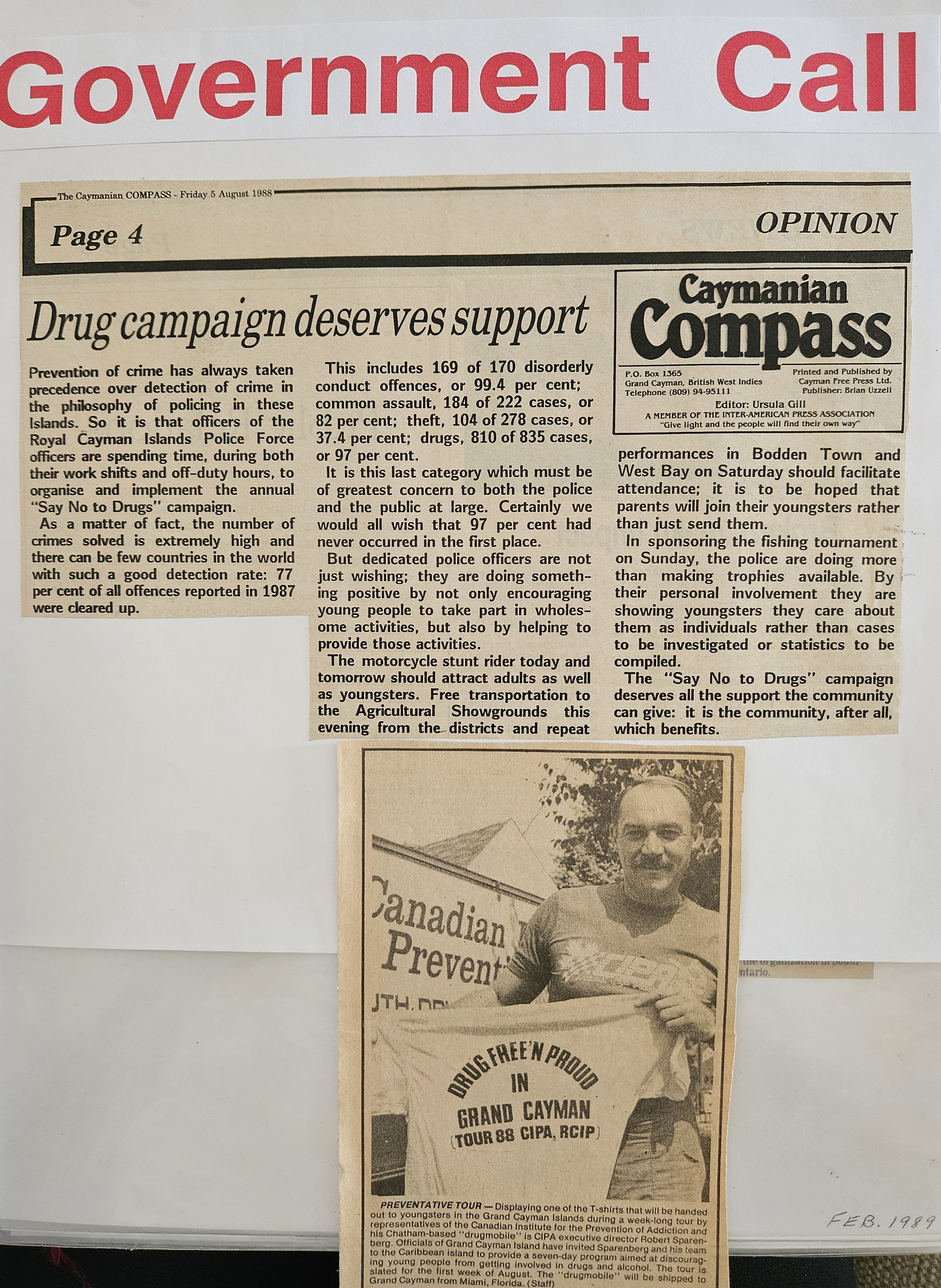
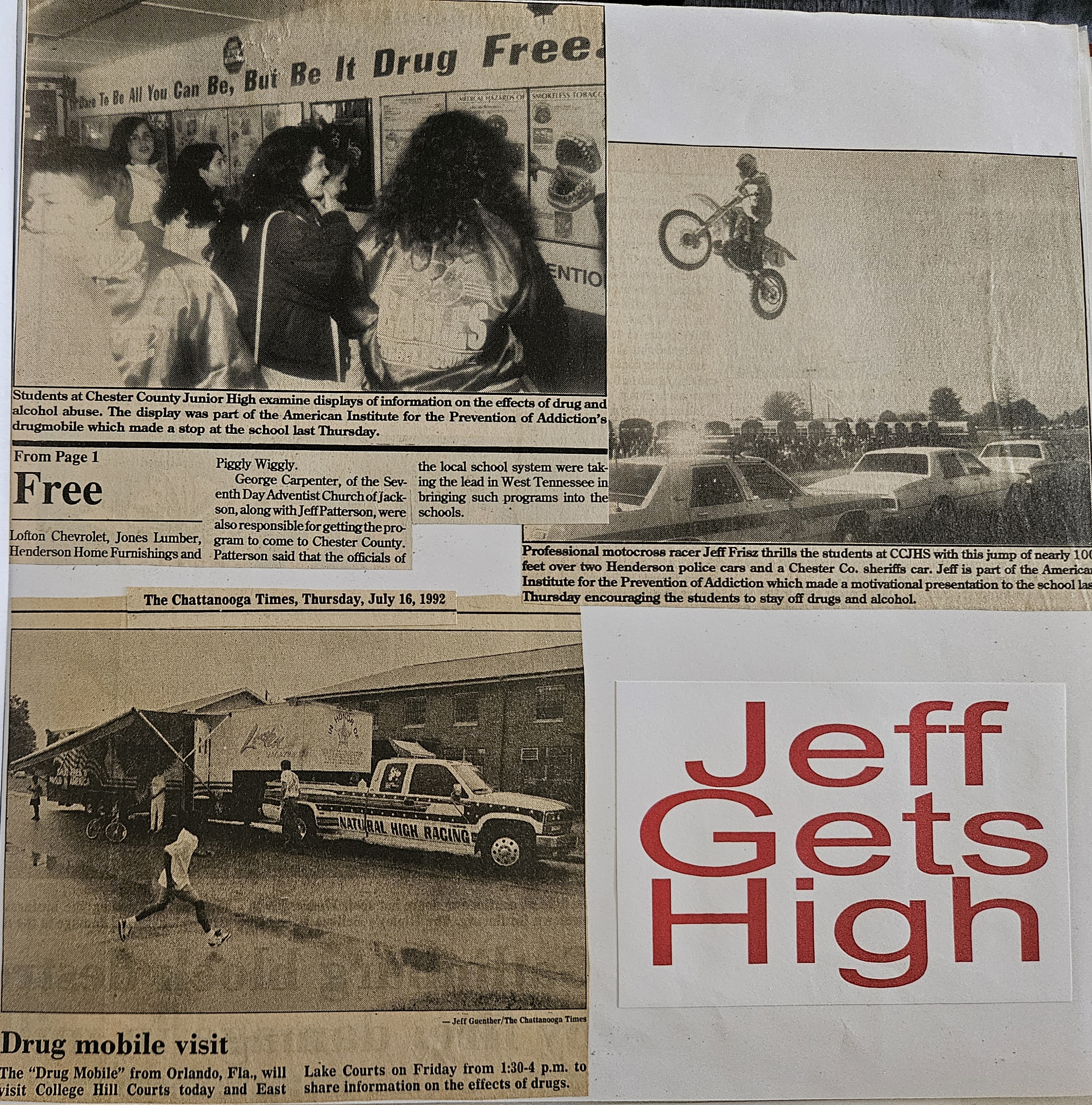
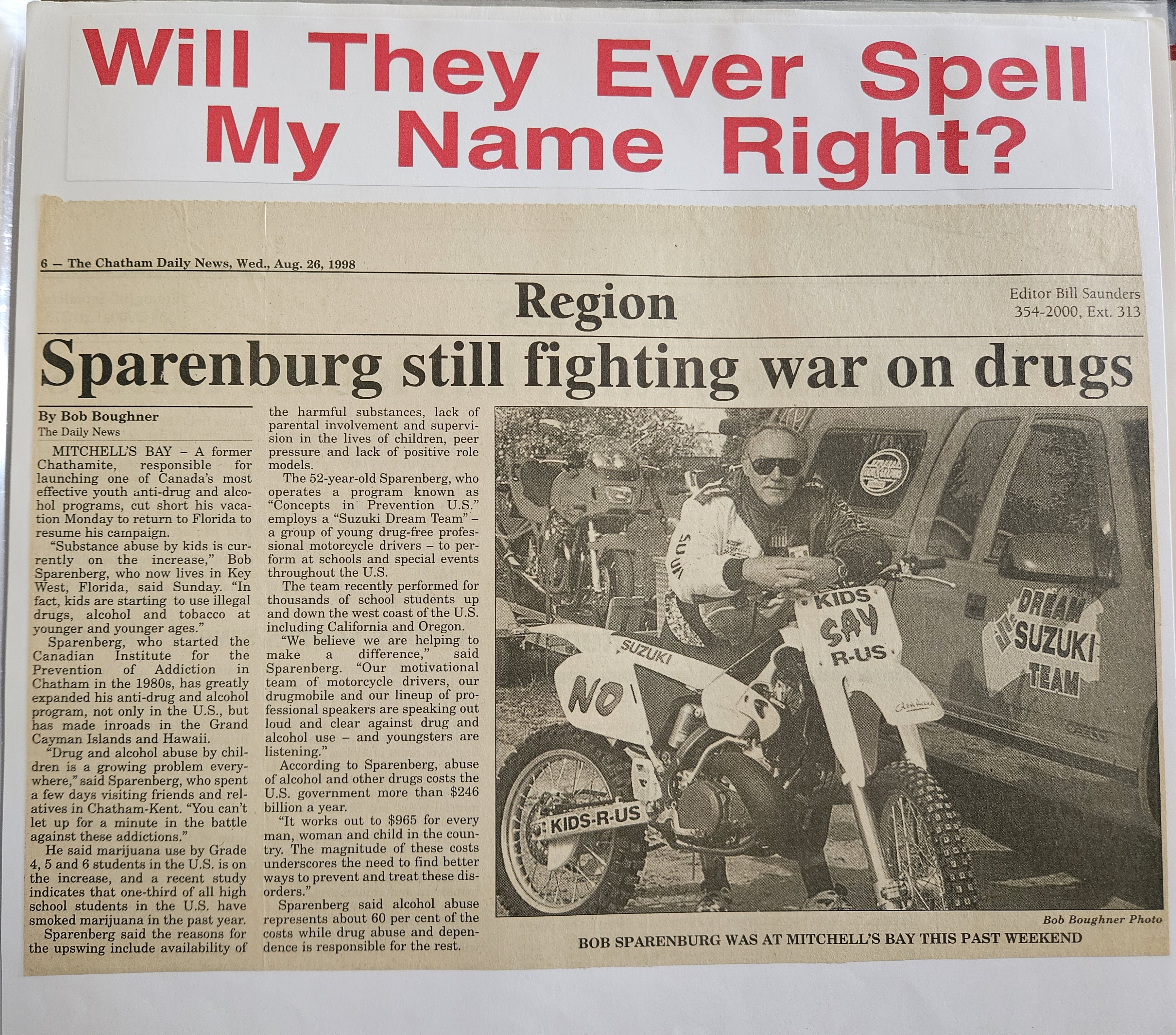
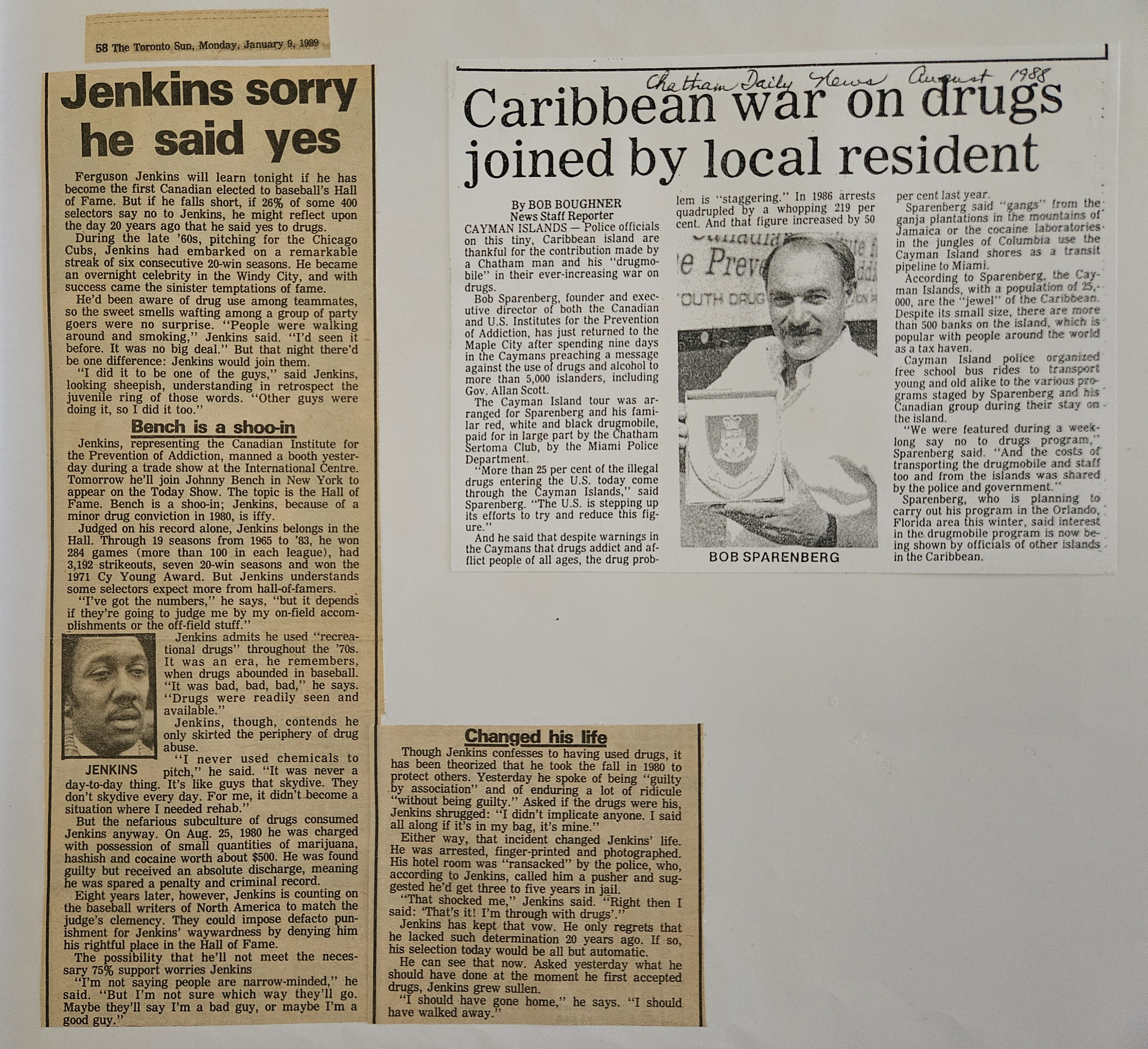
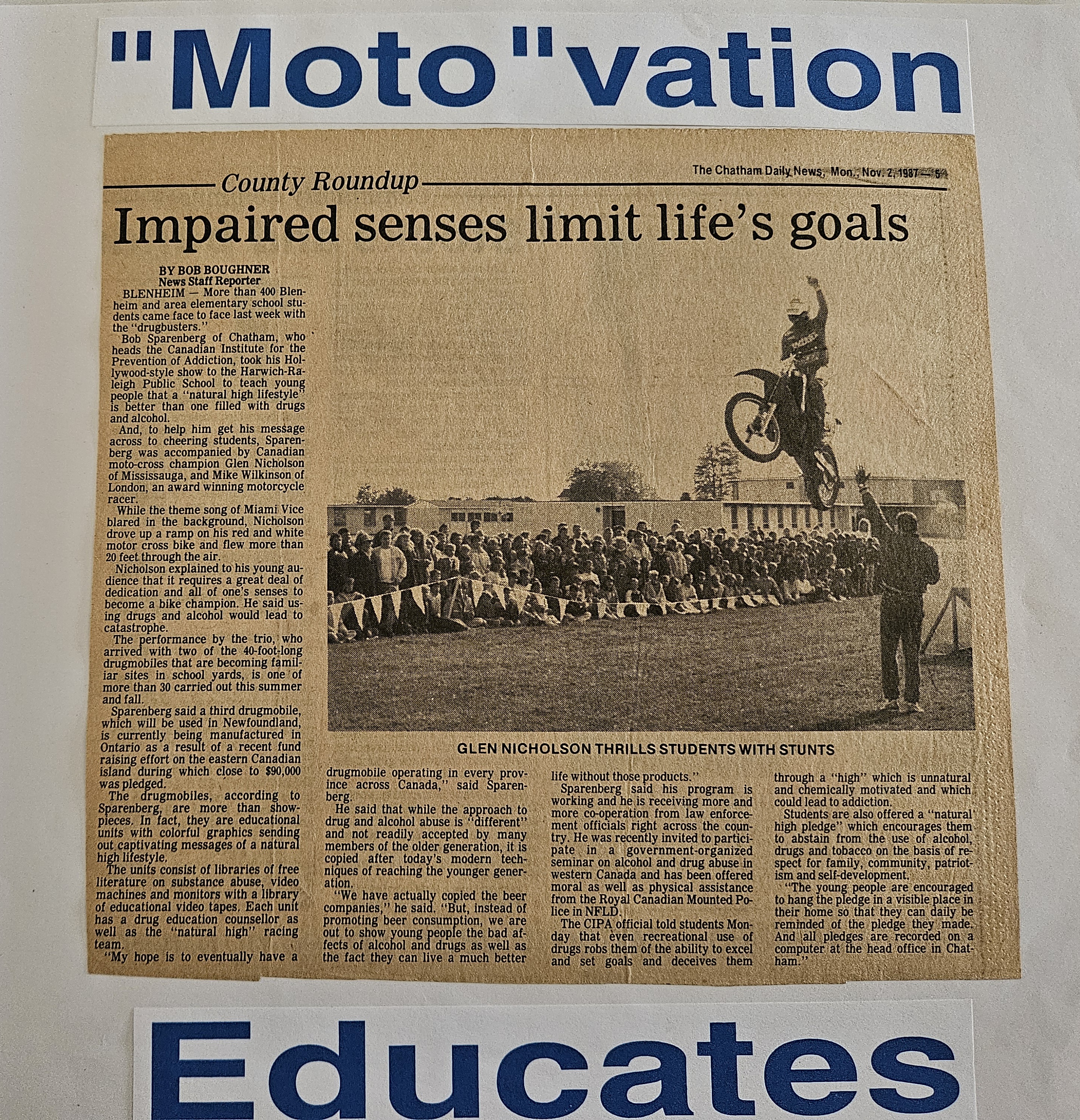
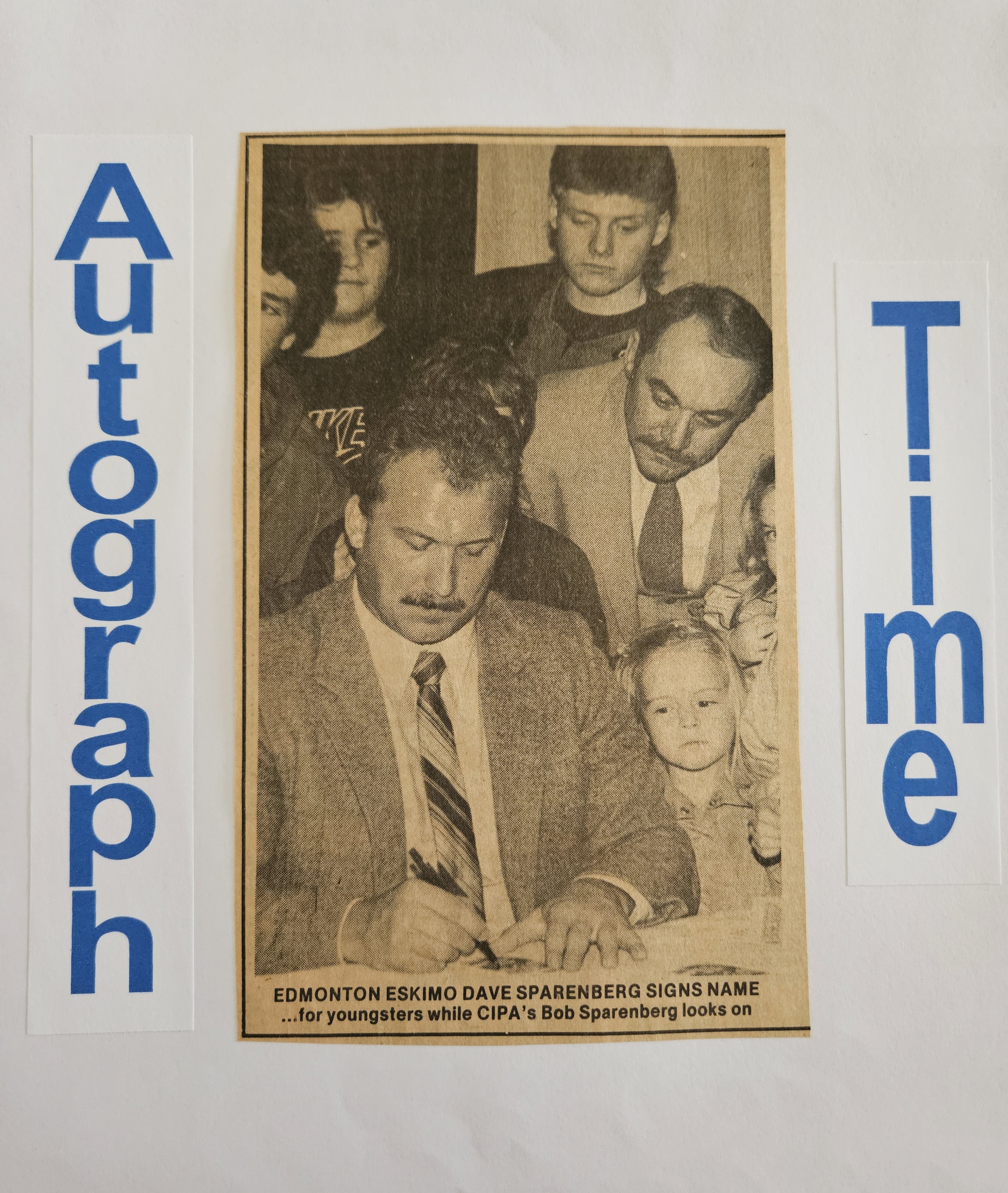
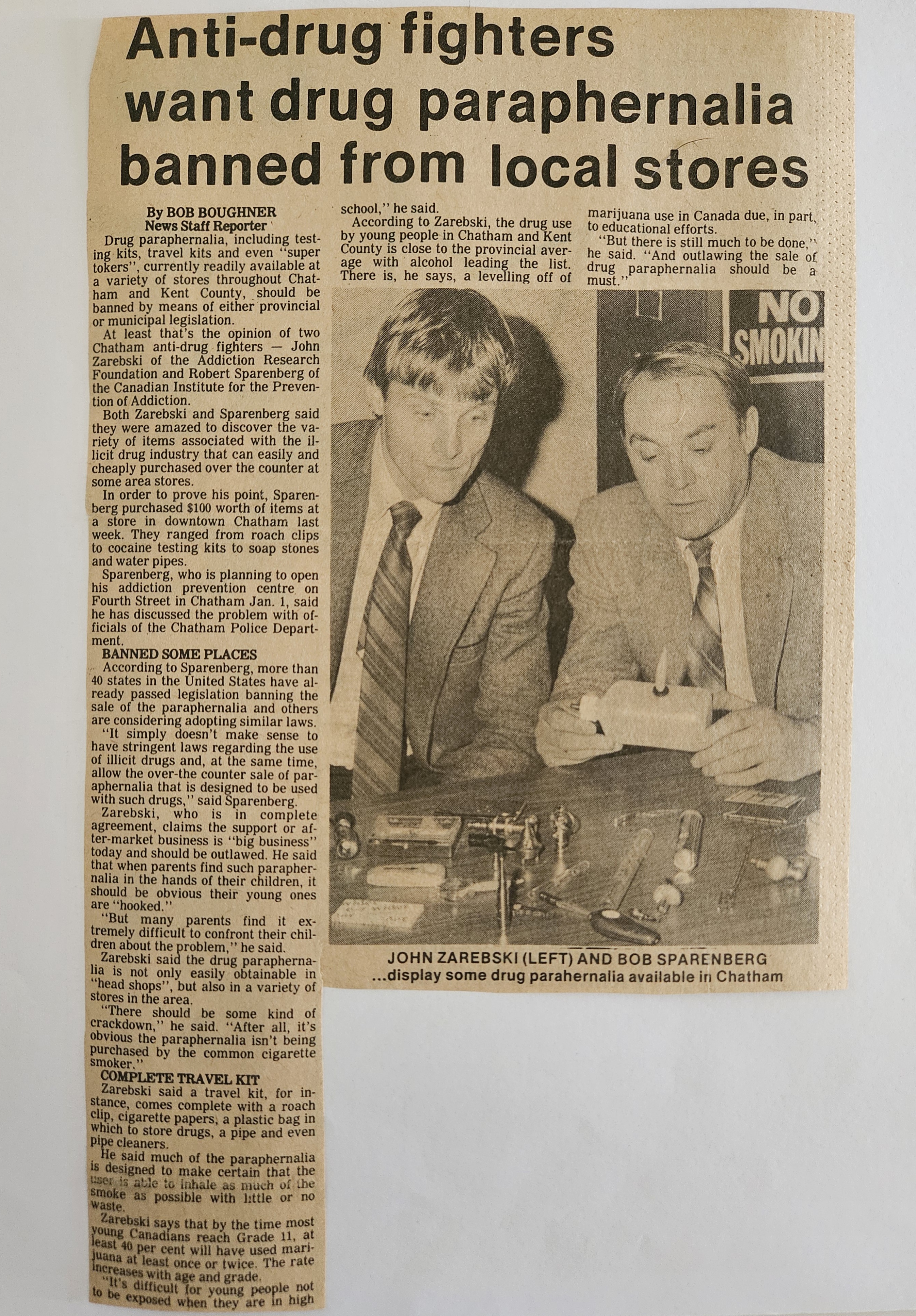
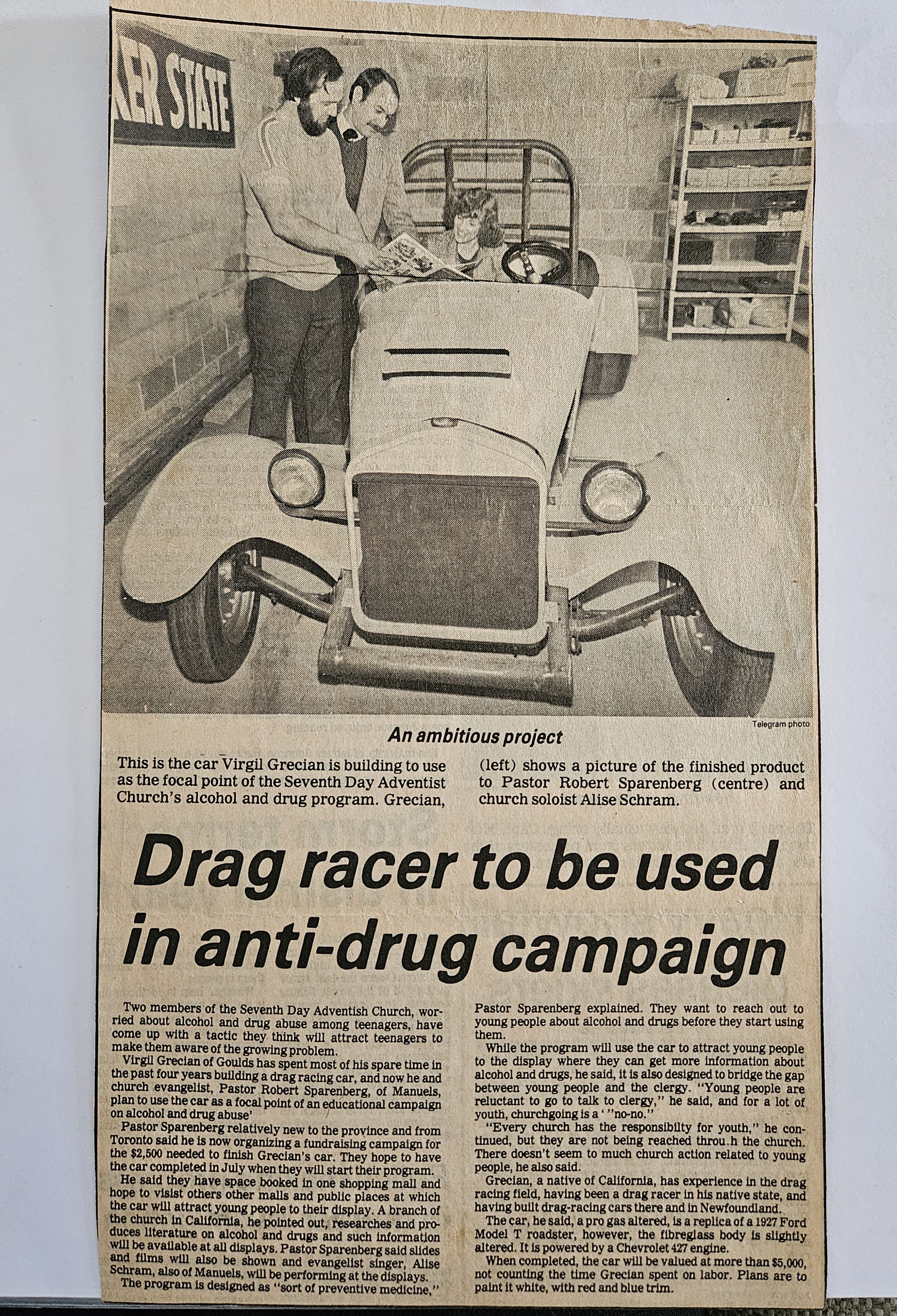
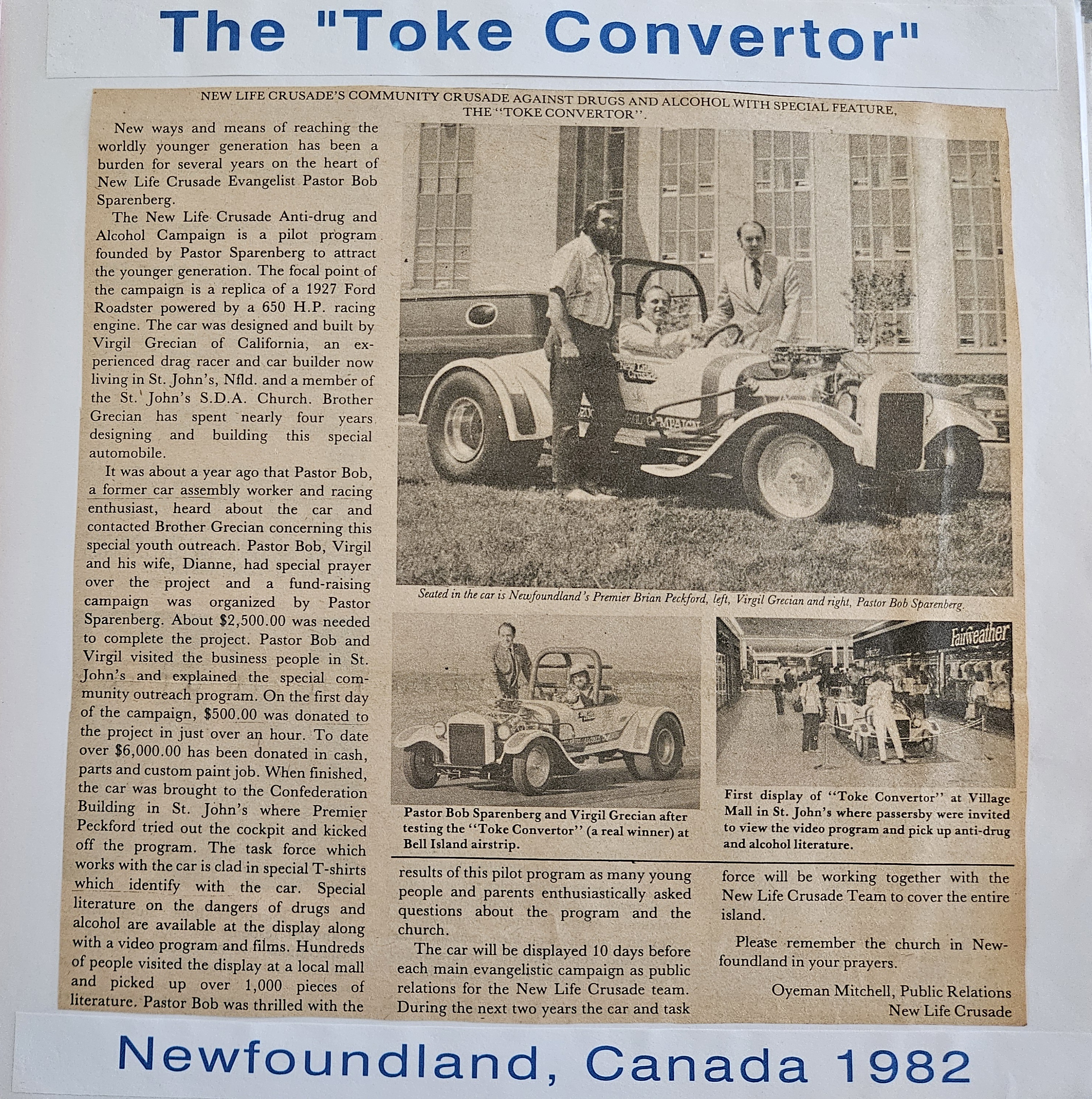
In the years after he devoted himself to honoring the veterans who liberated his childhood, Robert Sparenberg extended that same compassion to the next generation. His involvement in youth drug‑prevention outreach, including the “Just Say No” initiative, was not a separate chapter of his life. It was the natural continuation of the values shaped by the war he survived as a boy. He understood resilience. He understood gratitude. And he understood, more than most, how quickly a young life could be altered by forces beyond its control.
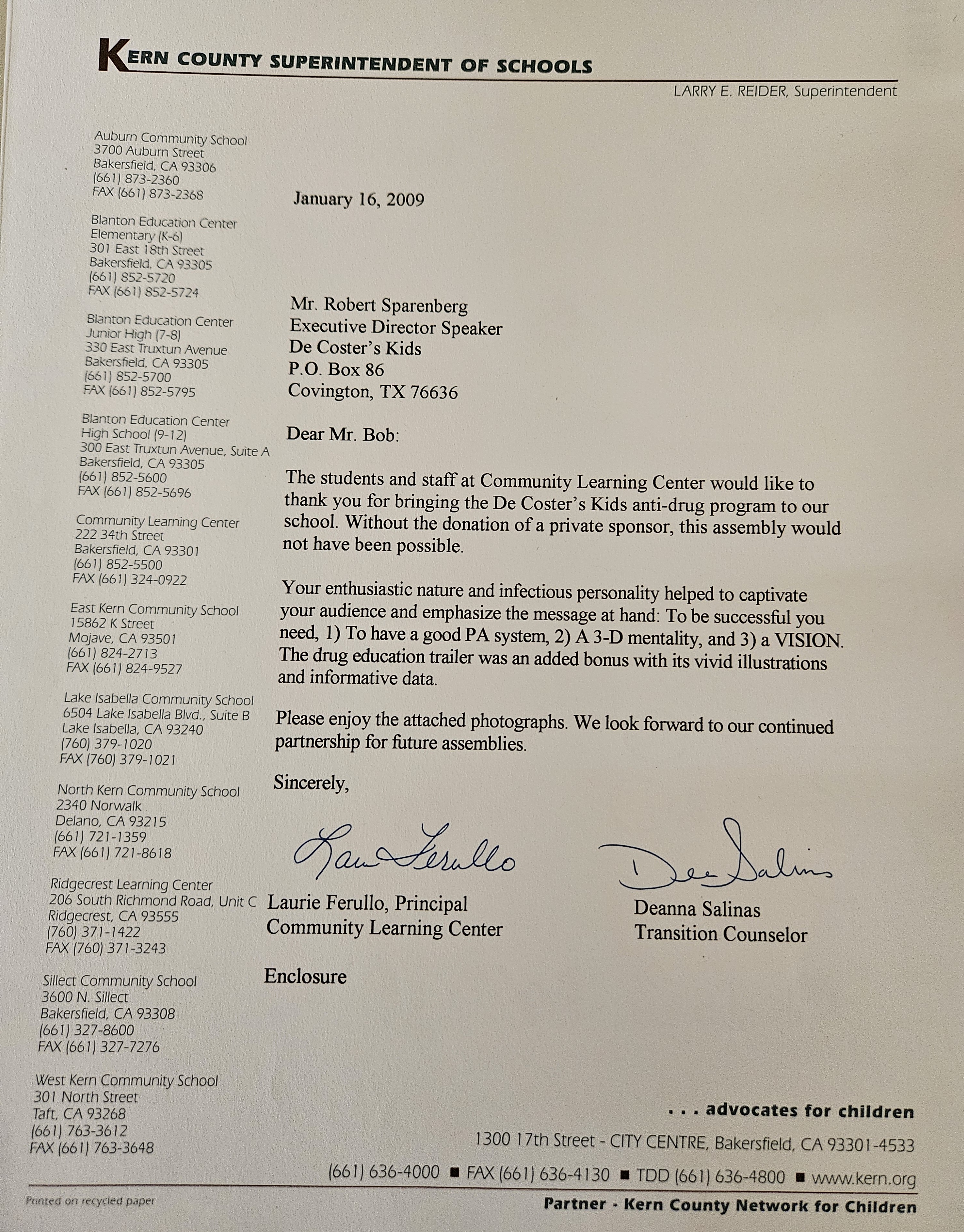
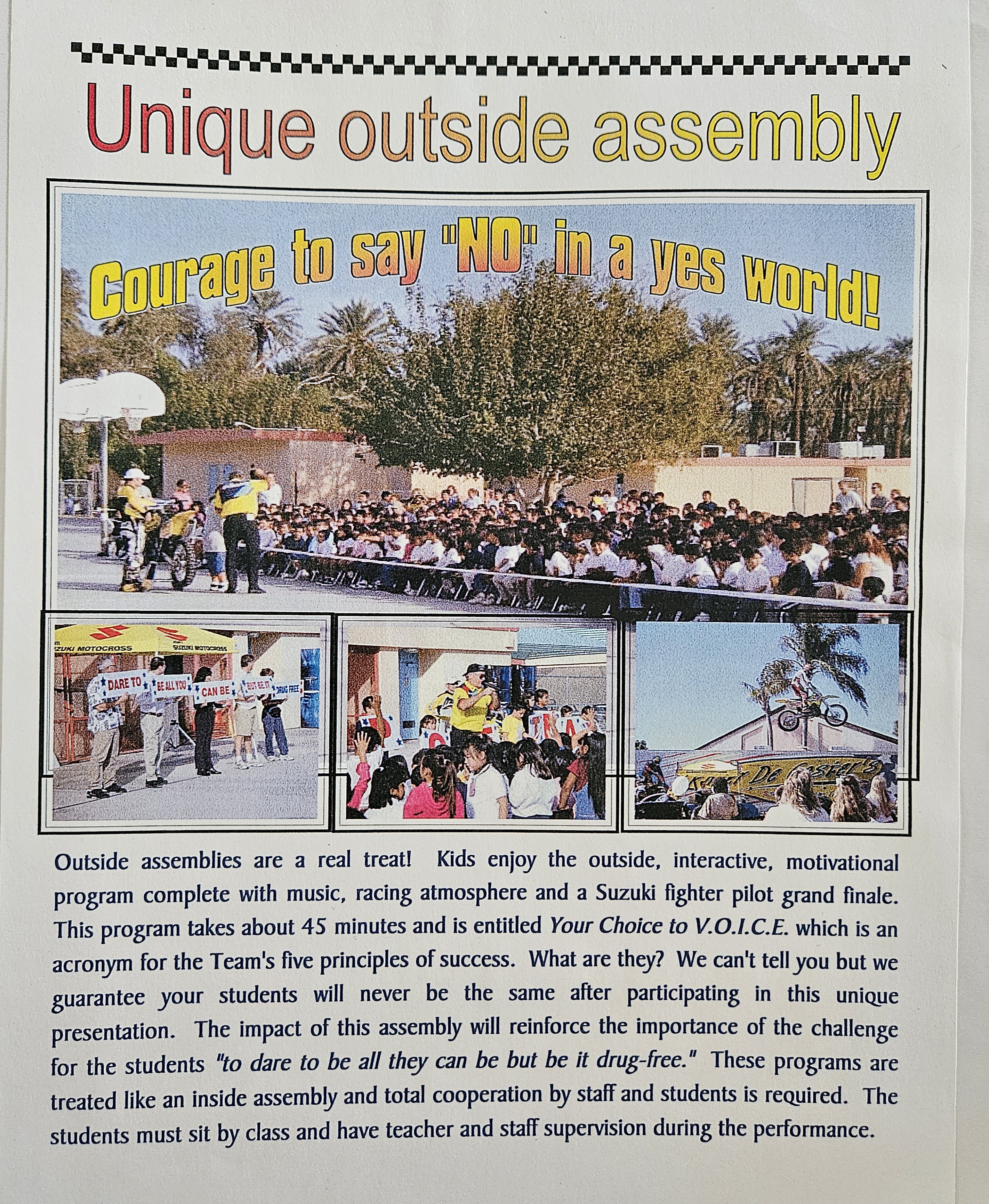
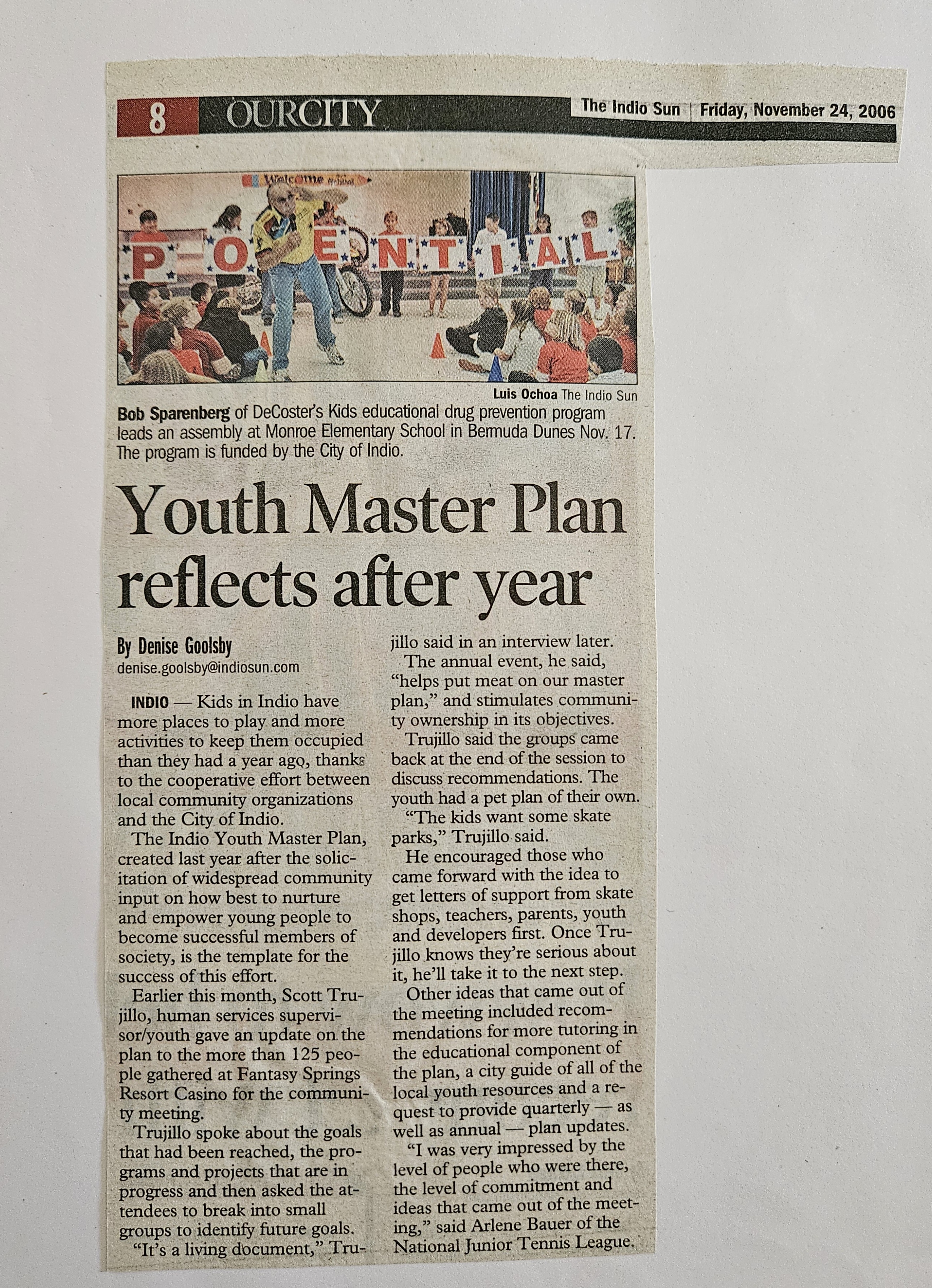
Robert supported the program by speaking to students, sharing his personal story, and encouraging young people to make choices that would protect their futures. He carried the memory of an occupied homeland where danger and instability shaped every day, and he used that memory to help children recognize the importance of safeguarding their own freedom. His message was simple, sincere, and grounded in lived experience. The liberty restored by the WWII generation was a gift, and honoring that gift began with wise decisions and strong character.
In this work, Robert became more than a volunteer. He became a moral witness. He offered young people the clarity that had sustained him through hardship. He reminded them that the choices they made could either strengthen or endanger the future that others had fought to secure. His presence in schools and youth groups carried the same quiet authority he brought to veteran ceremonies. He spoke gently, but his words carried weight.
What His Role Looked Like
He helped promote drug‑free messaging in local schools and youth organizations. He participated in community events that encouraged students to choose healthy, hopeful paths. He offered guidance rooted in the same values that shaped his work with veterans: service, responsibility, and protecting the vulnerable.
Why It Mattered
Robert’s involvement in the “Just Say No” program was more than civic participation. It was a continuation of the moral trajectory formed during his earliest years. Having grown up in a world defined by fear, deprivation, and instability, he understood how fragile a young person’s future could be. He knew what it meant to lose control of one’s life. He knew what it meant to be rescued by the courage of others. That understanding became the foundation of his message to youth.
His gratitude toward the American soldiers who restored his family’s freedom translated into a desire to protect the next generation from destructive paths. By speaking to students, sharing his story, and investing in their choices, he offered them the same hope and resilience that had carried him through childhood. For Robert, helping young people avoid addiction was not simply community service. It was an act of remembrance. It honored the liberators who gave him a second chance at life and ensured that their sacrifice continued to bear fruit in the lives of those who came after.
Why It Fit His Life of Service
Robert’s participation in youth outreach aligned naturally with the values that shaped his entire life. Responsibility. Gratitude. Service to others. Protecting those who could not protect themselves. Just as he honored WWII veterans for safeguarding freedom, he worked to help young people safeguard their own futures. His outreach became another expression of the same devotion that guided him through every chapter of his life.
His “Just Say No” Work
Robert Sparenberg’s involvement in the anti‑drug movement stands as a quiet but powerful testament to his lifelong commitment to serving others. He invested in the wellbeing of young people with the same sincerity he offered aging veterans. He guided students away from choices that could derail their futures and toward lives rooted in hope, gratitude, and responsibility.
For Robert, this work was not merely participation in a national campaign. It was a moral extension of his own story. He had survived a childhood shaped by danger and instability. He had witnessed how quickly life could change. He had seen how courage could restore a future. Through school visits, community events, and personal conversations, he offered young people the same clarity that had sustained him. In doing so, he became a guardian not only of memory, but of possibility, ensuring that the lessons of his past continued to protect the generations that followed.
Youth Drug Use in the Era of Robert’s Outreach
When Robert Sparenberg became involved in youth drug‑prevention programs, particularly the “Just Say No” movement of the 1980s and early 1990s, American communities were confronting a wave of substances that were reshaping families, schools, and neighborhoods. His work took place during a period when drug culture was rapidly evolving, and young people were increasingly exposed to substances that carried serious risks.
Marijuana
Marijuana was one of the most commonly used substances among teenagers. It was widely available, often perceived as harmless, and frequently introduced in social settings. Prevention programs focused on helping youth understand the long‑term effects on motivation, memory, and decision‑making.
Alcohol
Alcohol remained the most widely used and socially accepted substance among adolescents. Underage drinking was a major concern, especially binge drinking at parties, school events, and unsupervised gatherings. Prevention efforts emphasized responsibility, safety, and the dangers of impaired judgment.
Cocaine
Cocaine use surged in the late 1970s and early 1980s, becoming associated with both nightlife culture and high‑risk behavior. Its expense made it less common among younger teens, but its presence in communities created fear and instability.
Crack Cocaine
Crack cocaine emerged in the mid‑1980s as a cheaper, more addictive form of cocaine. It devastated many American neighborhoods, leading to addiction, violence, and family disruption. Youth‑prevention programs often addressed crack directly because of its rapid spread and severe consequences.
Heroin
Heroin use fluctuated during this period but remained a dangerous presence. Its addictive nature and high overdose risk made it a central focus of prevention messaging, especially in urban areas.
Inhalants
Inhalants were particularly concerning for younger teens because they were inexpensive and accessible. Household products such as aerosols, solvents, and glues were misused for intoxication, often with severe neurological consequences.
Prescription Drug Misuse
Although not as widespread as in later decades, misuse of prescription medications—particularly painkillers, stimulants, and sedatives—was beginning to emerge. Prevention programs warned students about the dangers of taking medications not prescribed to them.
Tobacco
Cigarette smoking was extremely common among teenagers during this era. Prevention efforts emphasized long‑term health risks and the addictive nature of nicotine.
Why This Era Deepened His Calling
The era in which Robert Sparenberg stepped into youth outreach was one of profound cultural change. American communities were confronting substances that carried real and lasting danger for young people. Marijuana and alcohol were widespread. Cocaine and crack cocaine were reshaping neighborhoods with alarming speed. Heroin remained a threat. Inhalants were misused by younger teens. Tobacco use was common. Prescription drug misuse was beginning to emerge. Families and schools struggled to protect youth from choices that could alter the course of their lives.
For Robert, this landscape carried a deeper meaning. He had lived through a childhood where danger arrived without warning, where the choices of powerful forces shaped the fate of ordinary families, and where the future could be taken in an instant. He understood fragility. He understood vulnerability. He understood how quickly a young life could be changed by circumstances beyond its control. That understanding gave him a moral clarity few others possessed.
When he spoke to students, he did not offer statistics or slogans. He offered lived truth. He had survived a world where fear, deprivation, and instability shaped every day. He had witnessed how courage could restore a future. He had seen how the decisions of others could either protect or endanger the lives of children. His message to youth carried the weight of experience. Freedom was precious. The future was fragile. And safeguarding both began with the choices one made.
This is why the context matters. Robert’s outreach was not simply participation in a national campaign. It was the continuation of a life shaped by war, gratitude, and remembrance. He saw in the struggles of young people a reflection of the vulnerability he had known as a child. He recognized that addiction could steal a future as swiftly as occupation had stolen his own. And he believed that honoring the soldiers who liberated his homeland meant protecting the generation that inherited their gift.
His work with youth became an act of remembrance. It honored the liberators who gave him a second chance at life. It ensured that their sacrifice continued to bear fruit. And it allowed him to carry forward the lessons of his past into the lives of those who came after, offering them hope, clarity, and the belief that every generation has a responsibility to protect the freedom entrusted to it.
Pastoral Calling
Alongside his identity as a WWII civilian survivor and a lifelong supporter of veterans, Robert Sparenberg also answered a pastoral calling that revealed the deepest contours of his character. His ministry emerged from the same well of compassion, gratitude, and responsibility that shaped every chapter of his life. It was not a role he adopted. It was a truth he lived.
As a pastor, Robert offered a steady presence to individuals and families in their most vulnerable moments. He walked beside them through crisis, loss, and uncertainty, providing counsel rooted in humility and empathy. His leadership was quiet yet unwavering, shaped by a heart that understood suffering and a spirit that believed in restoration. He listened without judgment. He comforted without hesitation. He guided without seeking recognition.
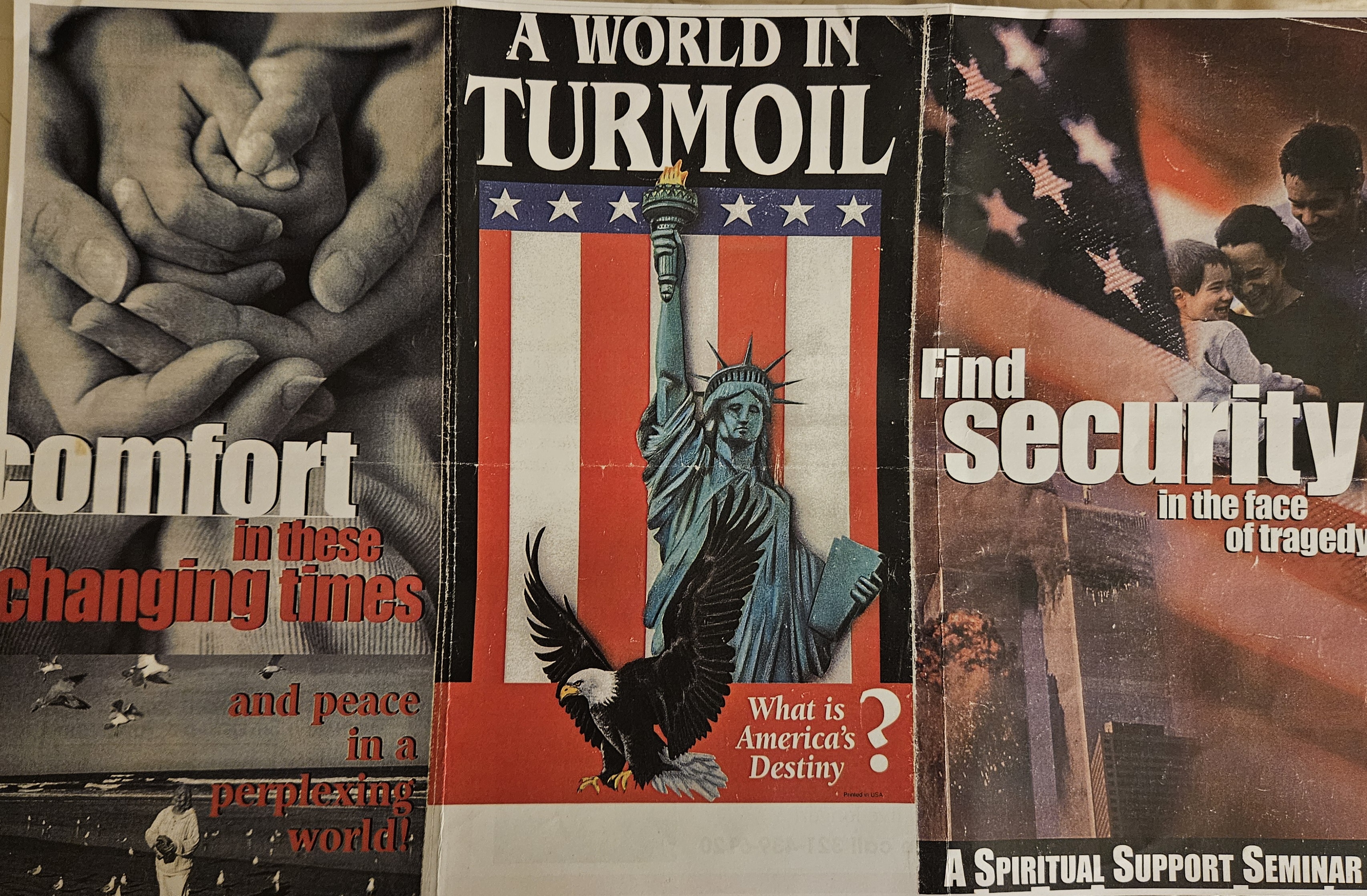
His ministry extended far beyond the walls of any church. Robert reached out to the elderly, the isolated, and those who felt unseen. He visited homes where loneliness had settled. He offered prayer to those who carried burdens too heavy to name. He ensured that the forgotten were remembered and that those in need were supported with dignity. Through faith‑centered encouragement, he provided hope, stability, and moral clarity, helping others navigate life’s challenges with courage and purpose.
For Robert, ministry was never a title. It was the natural expression of the same heart that honored veterans, protected youth, and remembered the liberators who shaped his early life. His pastoral calling completed the arc of a life defined by service. It reflected a man who had survived darkness, embraced gratitude, and devoted himself to lifting others toward the light.
Pastor, Mentor, and Friend
Robert Sparenberg was known not only for the convictions he held, but for the unwavering fidelity with which he lived them. As a pastor, mentor, and friend, he became a steady presence in the lives of those who sought compassion, guidance, and hope. His ministry was remembered in the quiet, faithful ways he entered the lives of others, offering strength simply by being there.
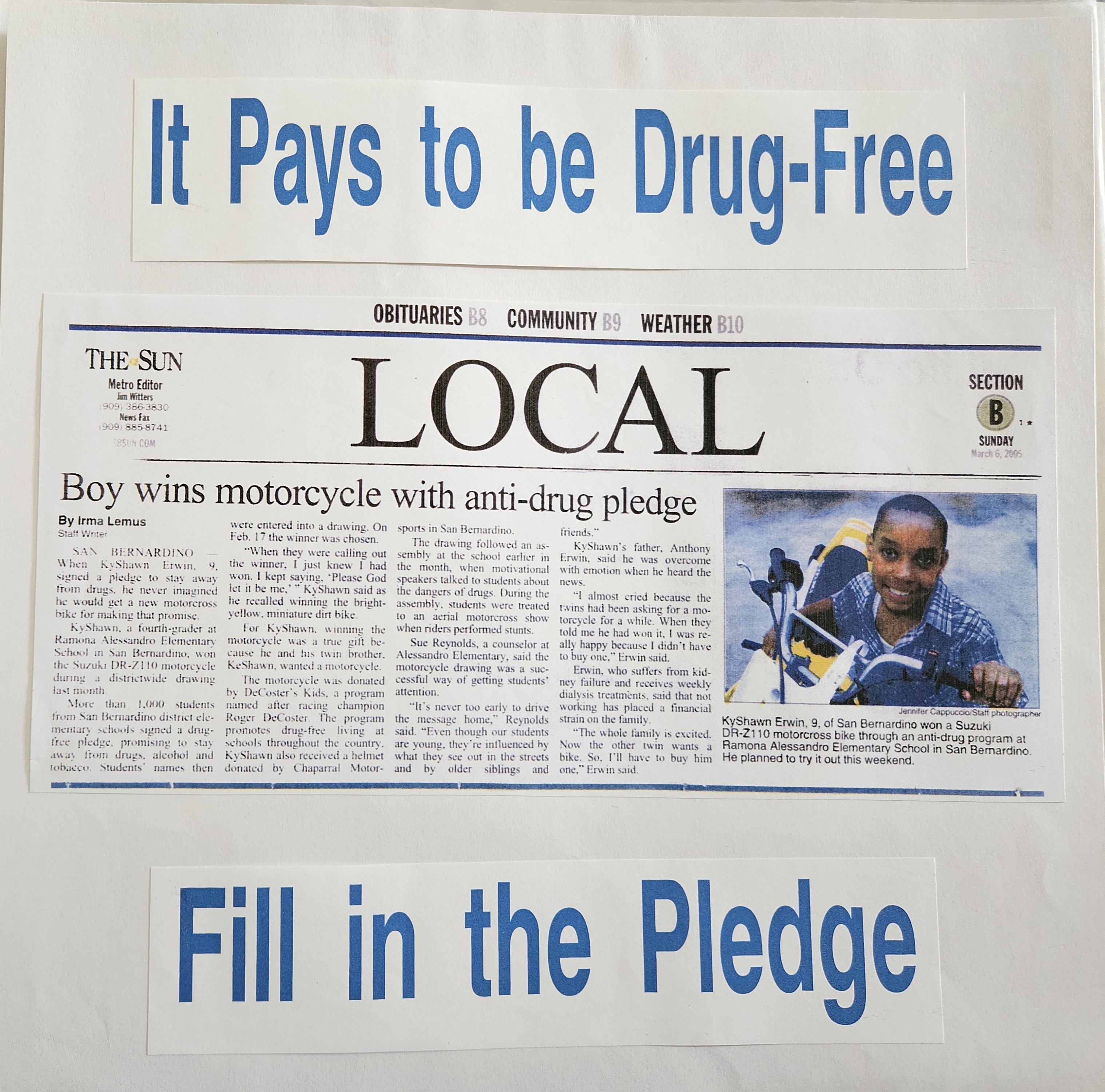
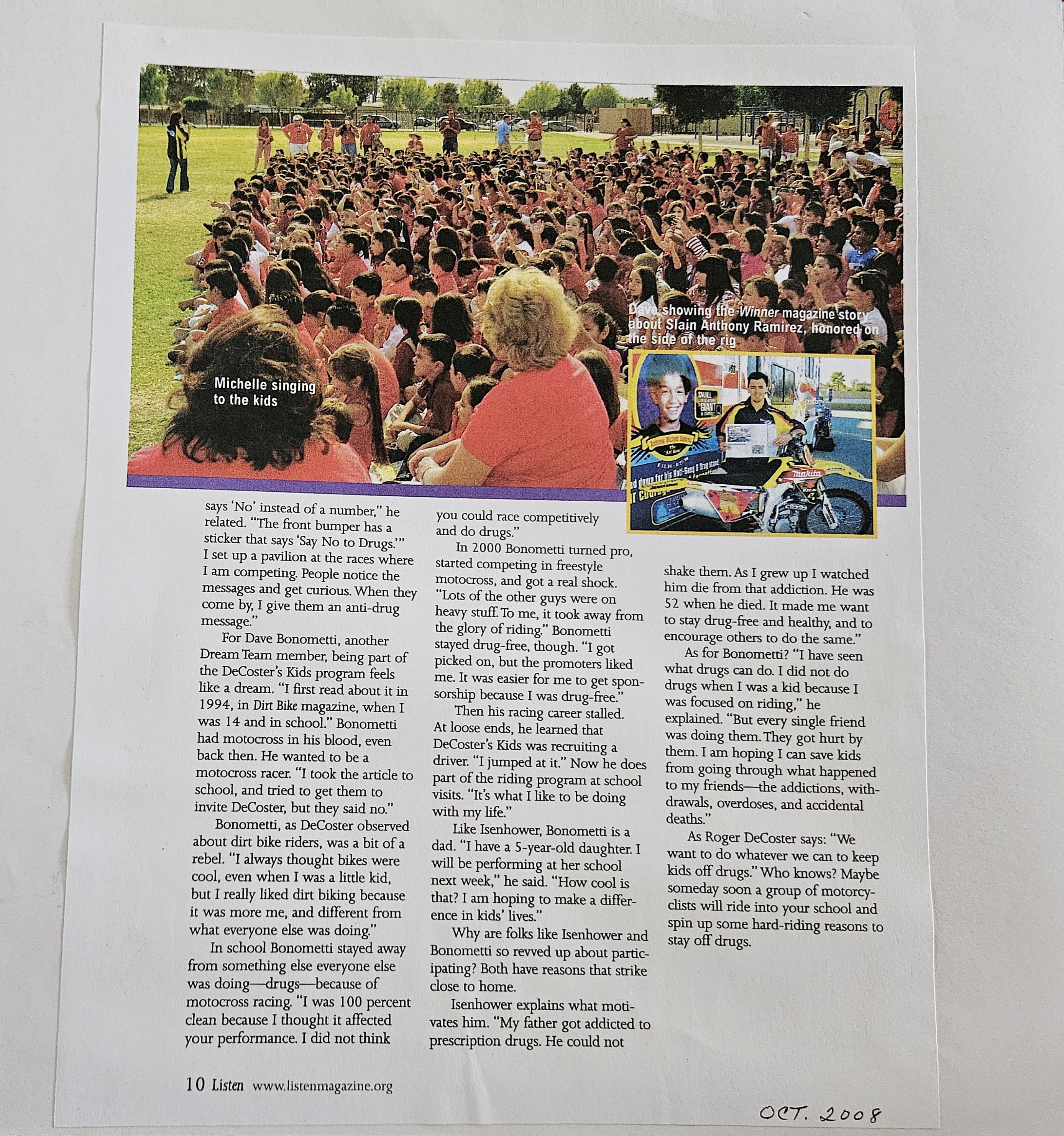
He visited the sick, the elderly, and the homebound, ensuring that no one slipped into loneliness or felt forgotten. He stood beside families during illness, loss, and seasons of uncertainty, offering comfort shaped by a heart that understood suffering and believed in restoration. He supported veterans not only as a volunteer, but as a spiritual companion who honored their sacrifices with reverence and empathy. He encouraged young people through programs like “Just Say No,” offering moral clarity and genuine care at a time when many faced choices that could shape the rest of their lives. He lived out his faith through action, demonstrating that service is the truest expression of belief.
His Ministry
Robert Sparenberg’s pastoral work became one of the most meaningful threads in his life of service, the place where every value he carried from childhood, liberation, and veteran advocacy found its fullest expression. Whether he was comforting a veteran, guiding a young person, or supporting a family in crisis, he embodied the virtues that defined his character. Compassion. Gratitude. Service. Faith. Community. These were not ideas he recited from a pulpit. They were truths he carried into every room he entered, shaping the way he listened, the way he encouraged, and the way he stood beside those who needed strength.
A profound part of his ministry was the care he offered to veterans of the Greatest Generation. He stood with them in their later years, not only as a volunteer, but as a spiritual companion who understood the weight of their memories and honored the sacrifices they had carried for a lifetime. He prayed with them. He comforted them. He walked with them through seasons of illness, frailty, and farewell. In these moments, his pastoral calling became inseparable from his gratitude as a civilian survivor whose own childhood had been redeemed by their courage.
His ministry unfolded in hospital corridors where fear lingered, in living rooms where families gathered around uncertainty, in church halls where hope was rekindled, and in quiet conversations where burdens were finally spoken aloud. People found steadiness simply because he arrived and stayed. His faith was expressed not through spectacle, but through the quiet constancy of a man who understood suffering and believed in restoration. In this, he became more than a pastor. He became a moral anchor, a trusted guide, and a friend whose presence brought peace.
Robert’s pastoral calling completed the arc of a life shaped by survival, gratitude, and devotion. He had endured the darkness of occupation as a child, witnessed liberation as a gift, and spent his adult years honoring the men who secured that gift. His ministry reflected a spirit strengthened by hardship and refined by service. It stands as the spiritual culmination of a life defined by compassion lived faithfully and without fanfare, a testament to the enduring power of a heart committed to lifting others toward the light.
Legacy
Robert “Bob” Sparenberg’s life was defined by resilience, compassion, and an unwavering devotion to honoring those who served. Born into the turmoil of World War II in occupied Europe, his earliest memories were shaped by fear, scarcity, and the fragile hope of survival. These experiences forged in him a profound and lifelong gratitude for freedom — a gratitude that became the compass by which he lived.
As an adult, Bob transformed that gratitude into action. He became a tireless advocate for veterans, dedicating decades to preserving the stories of the men and women who fought in the war he survived as a child. He understood, with a depth few could match, the true cost of conflict and the immeasurable value of those who stand against tyranny. Through interviews, community engagement, and personal relationships with aging veterans, he ensured their sacrifices were remembered with dignity, accuracy, and heartfelt respect.
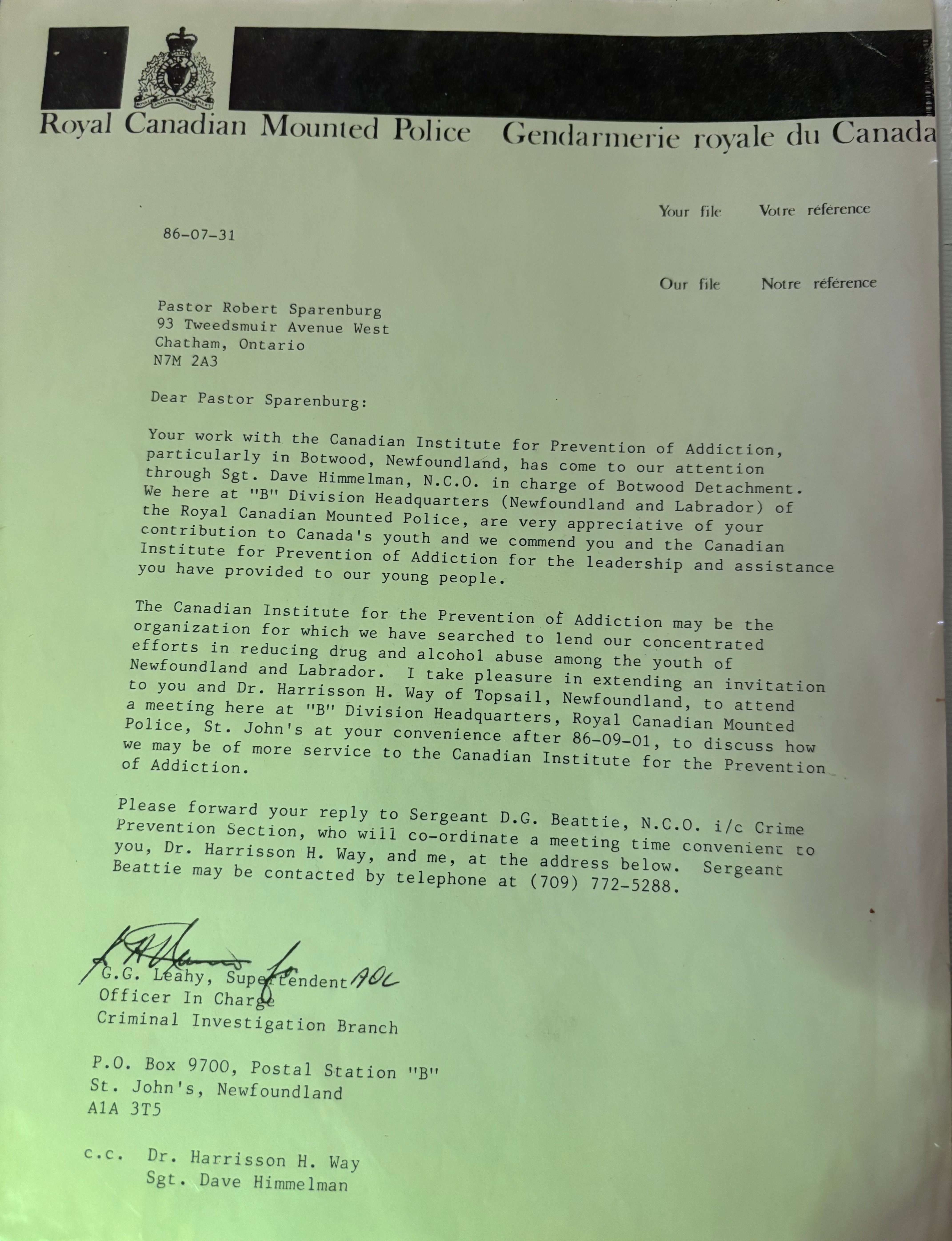
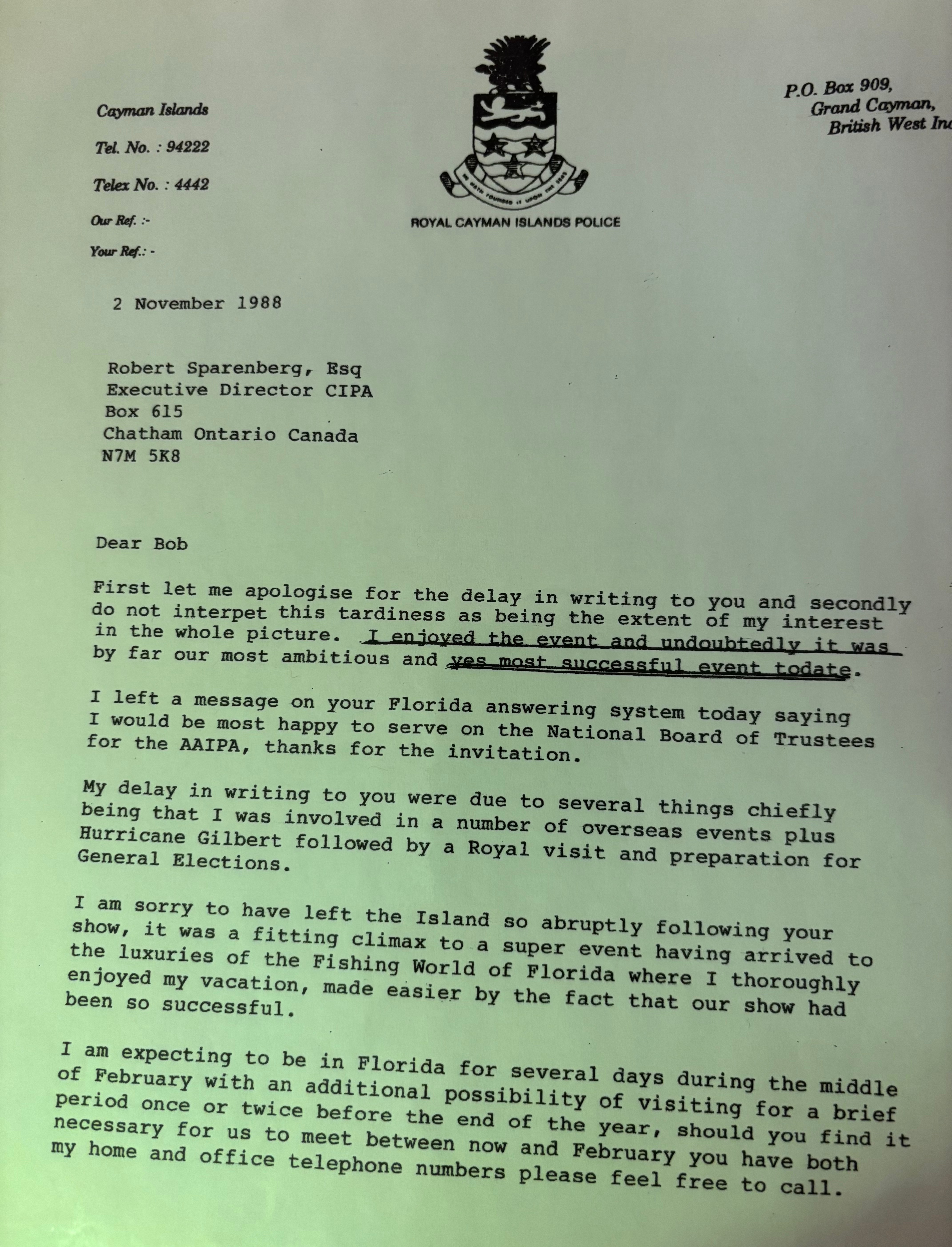
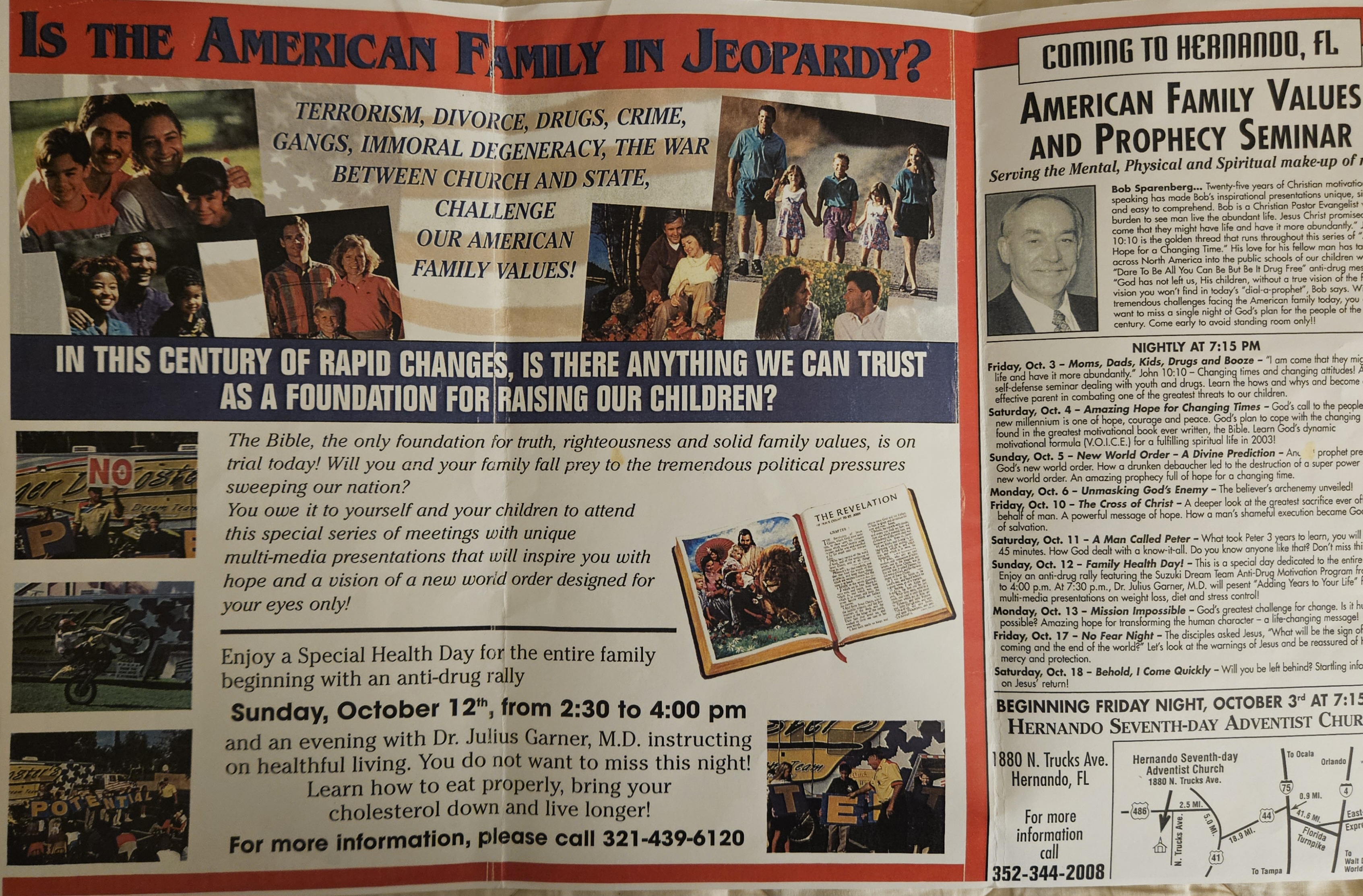
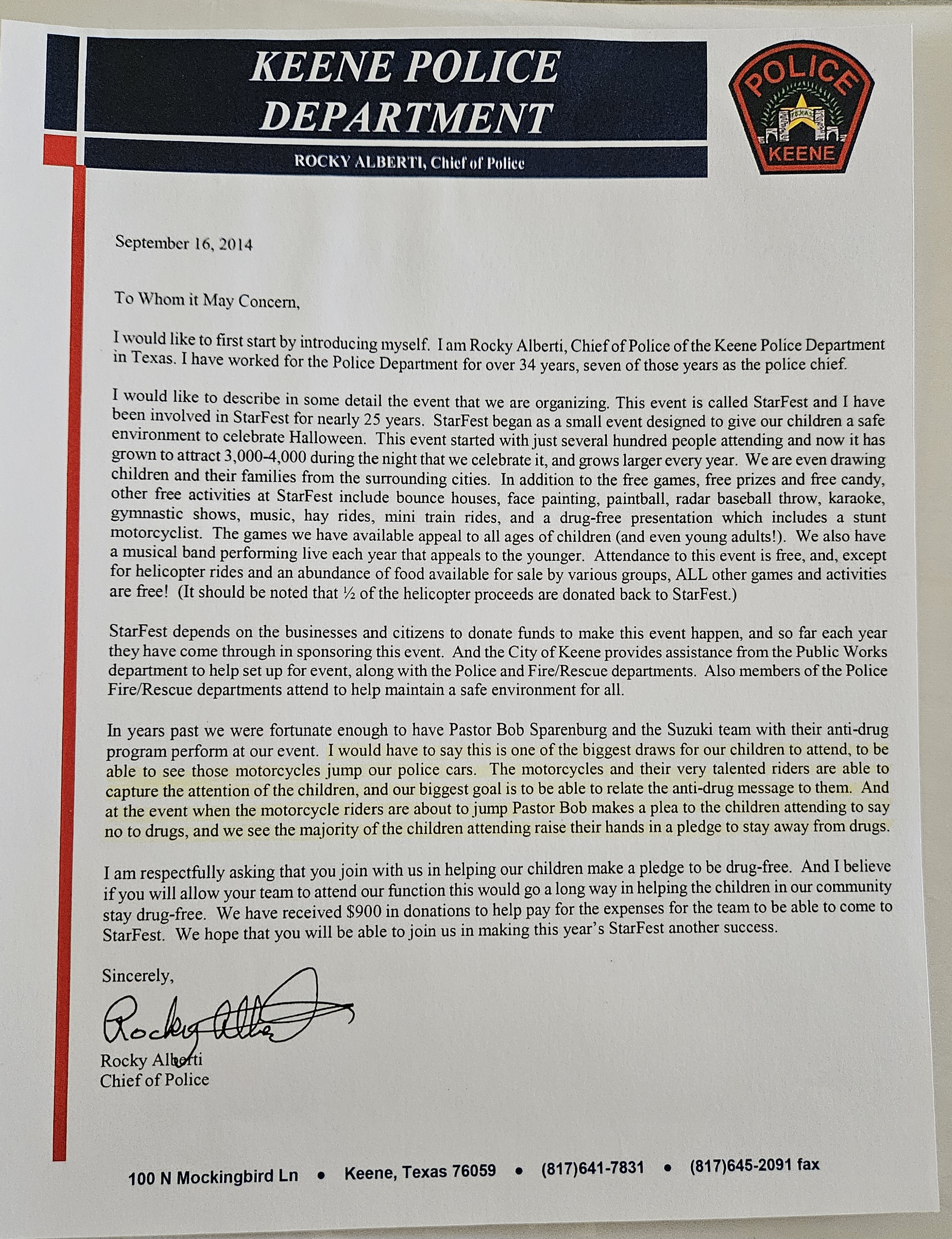
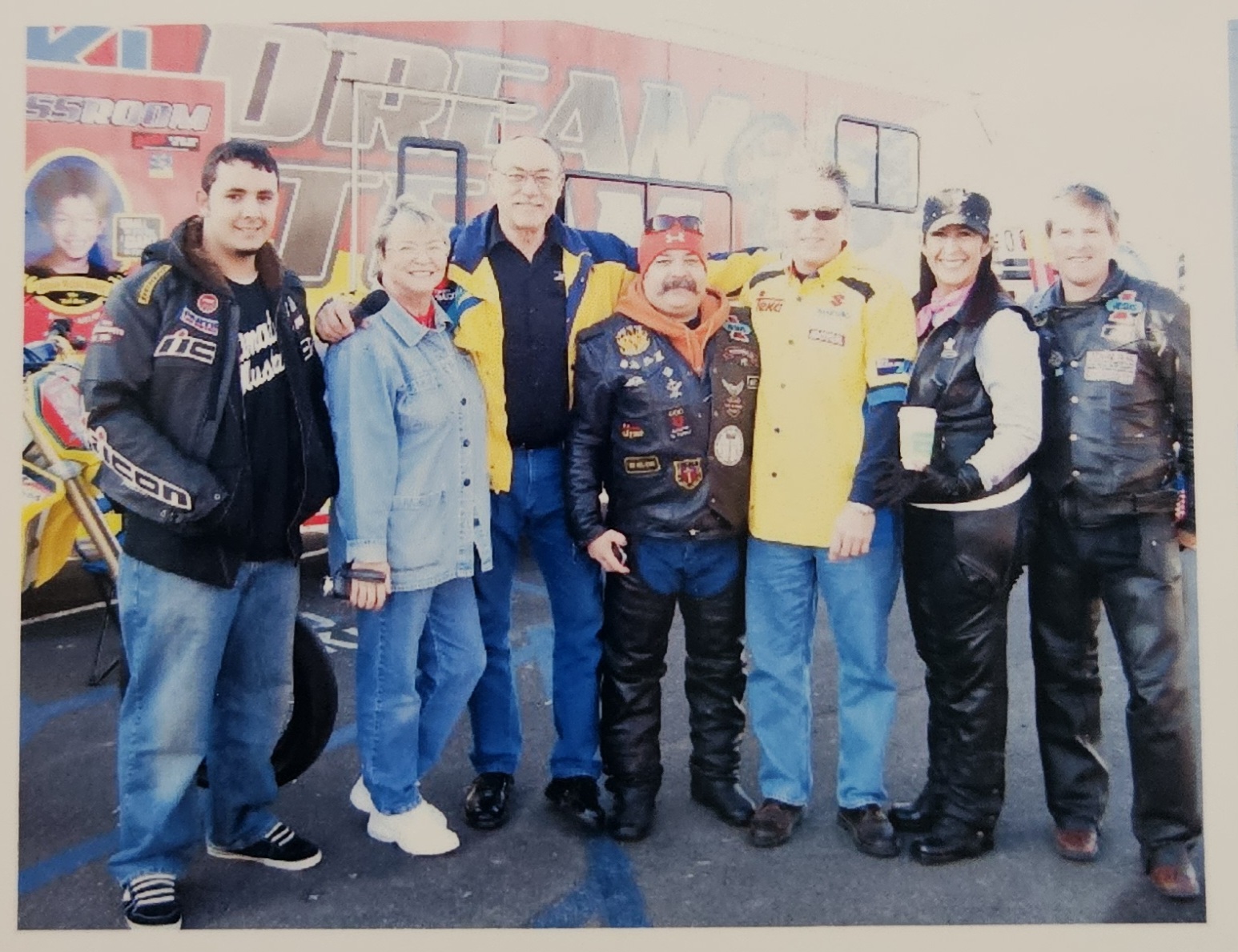
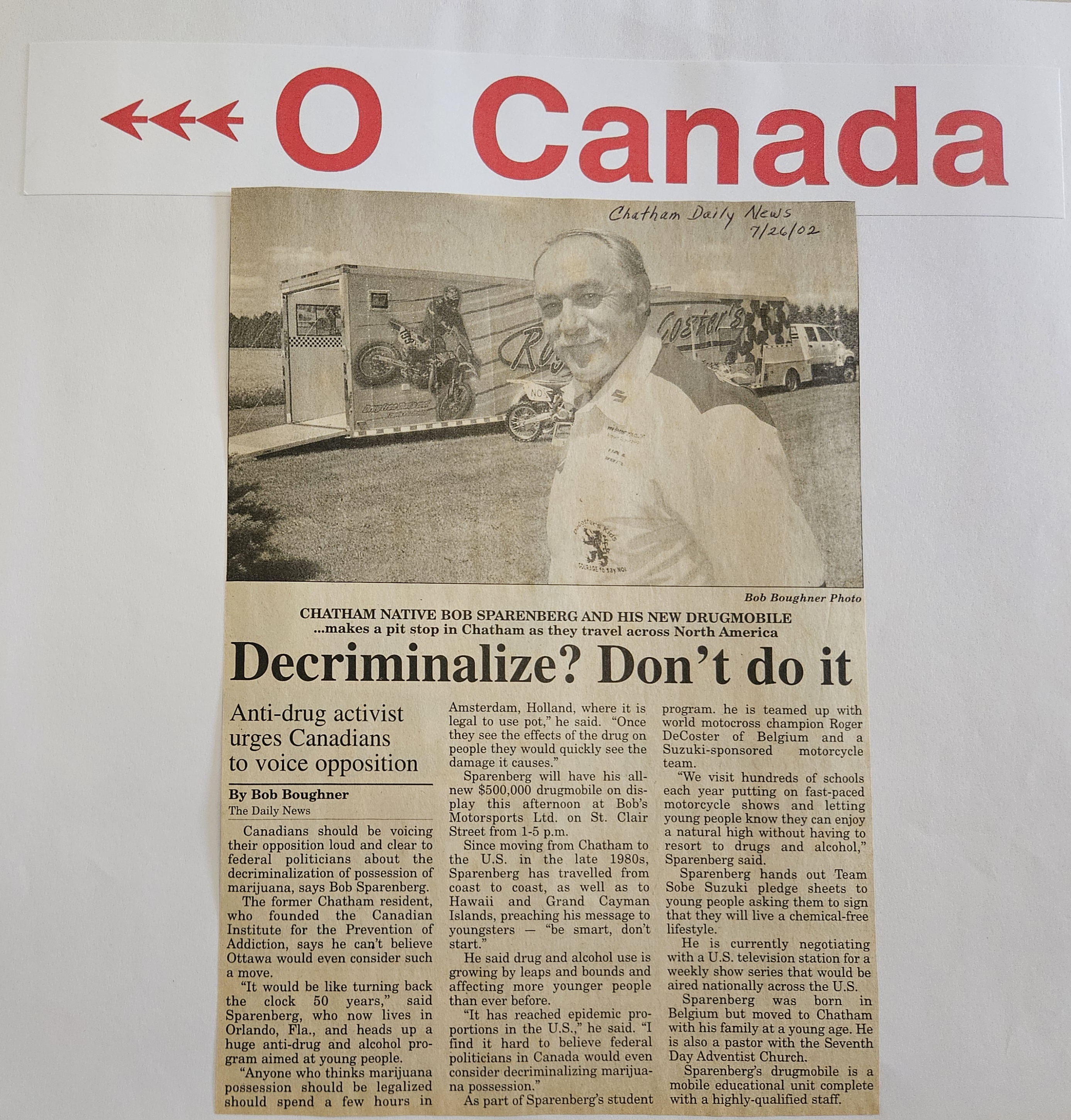
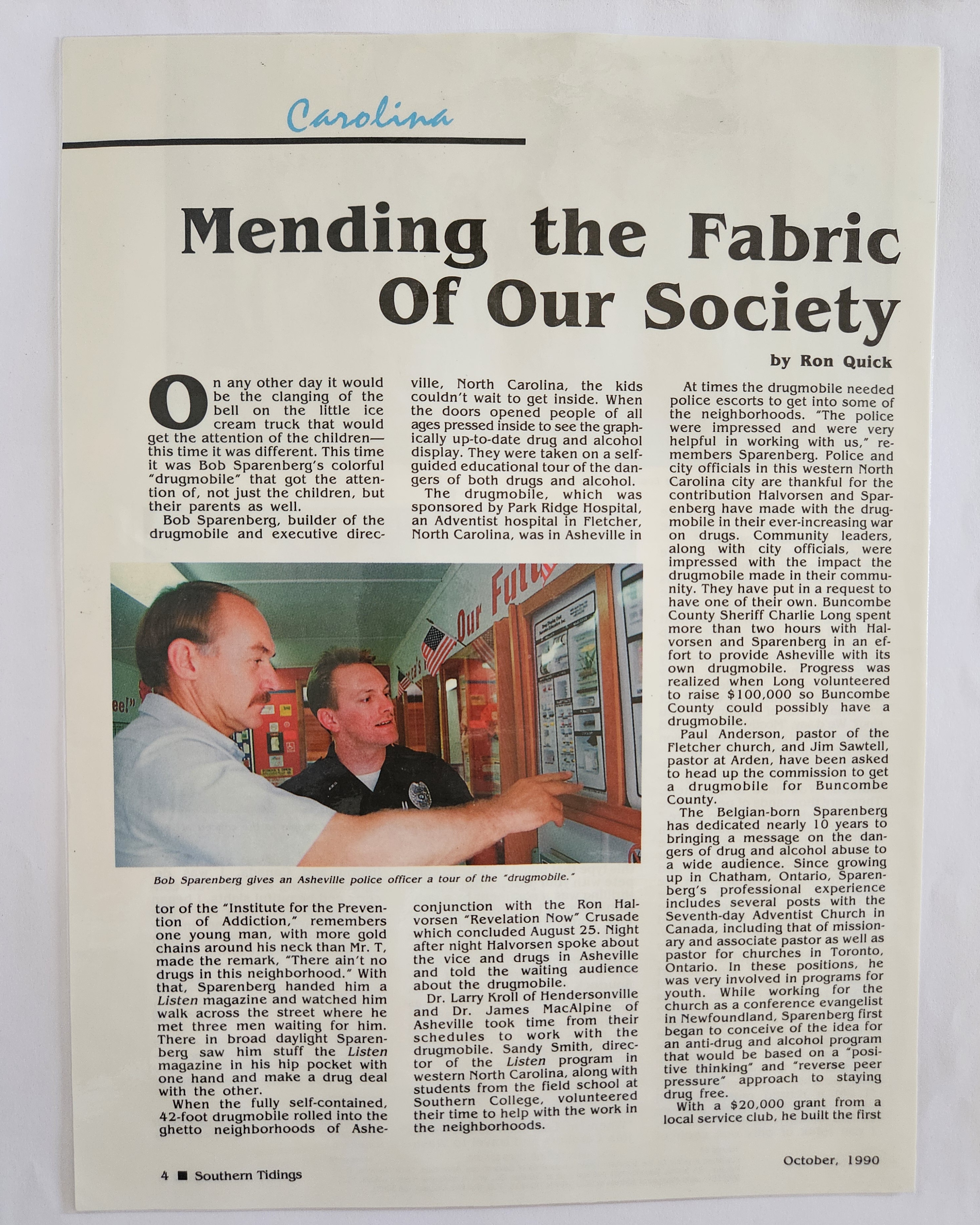
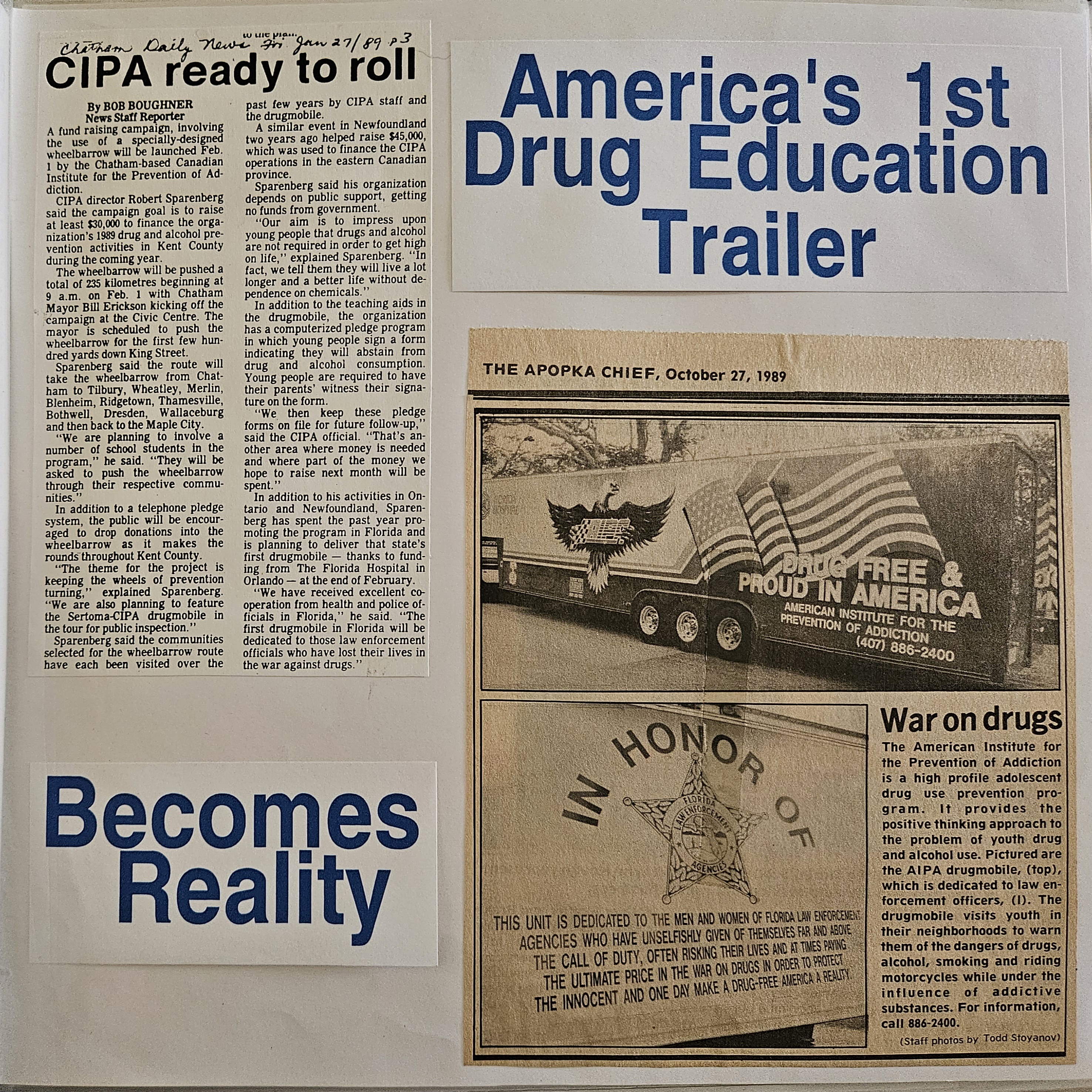
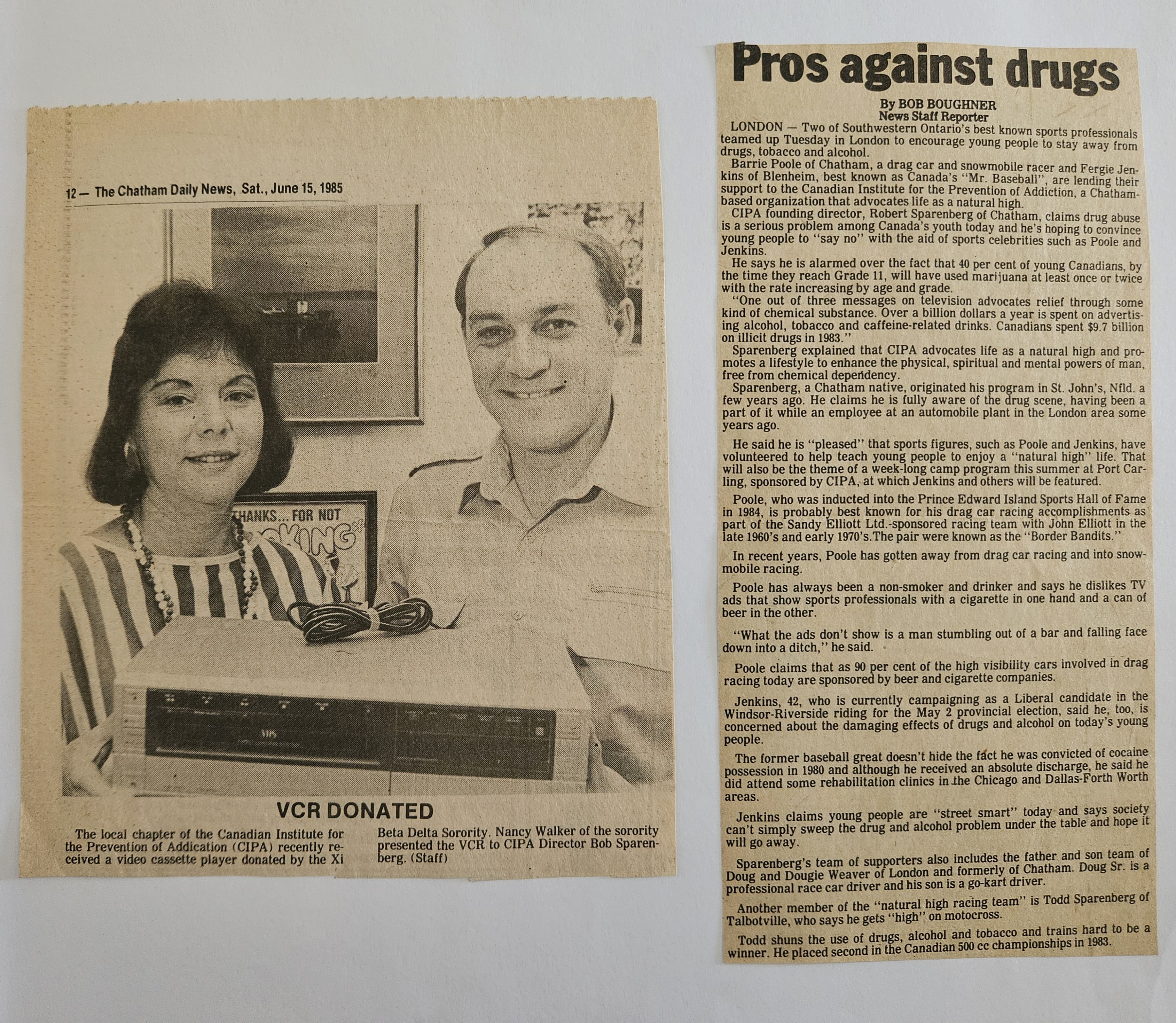
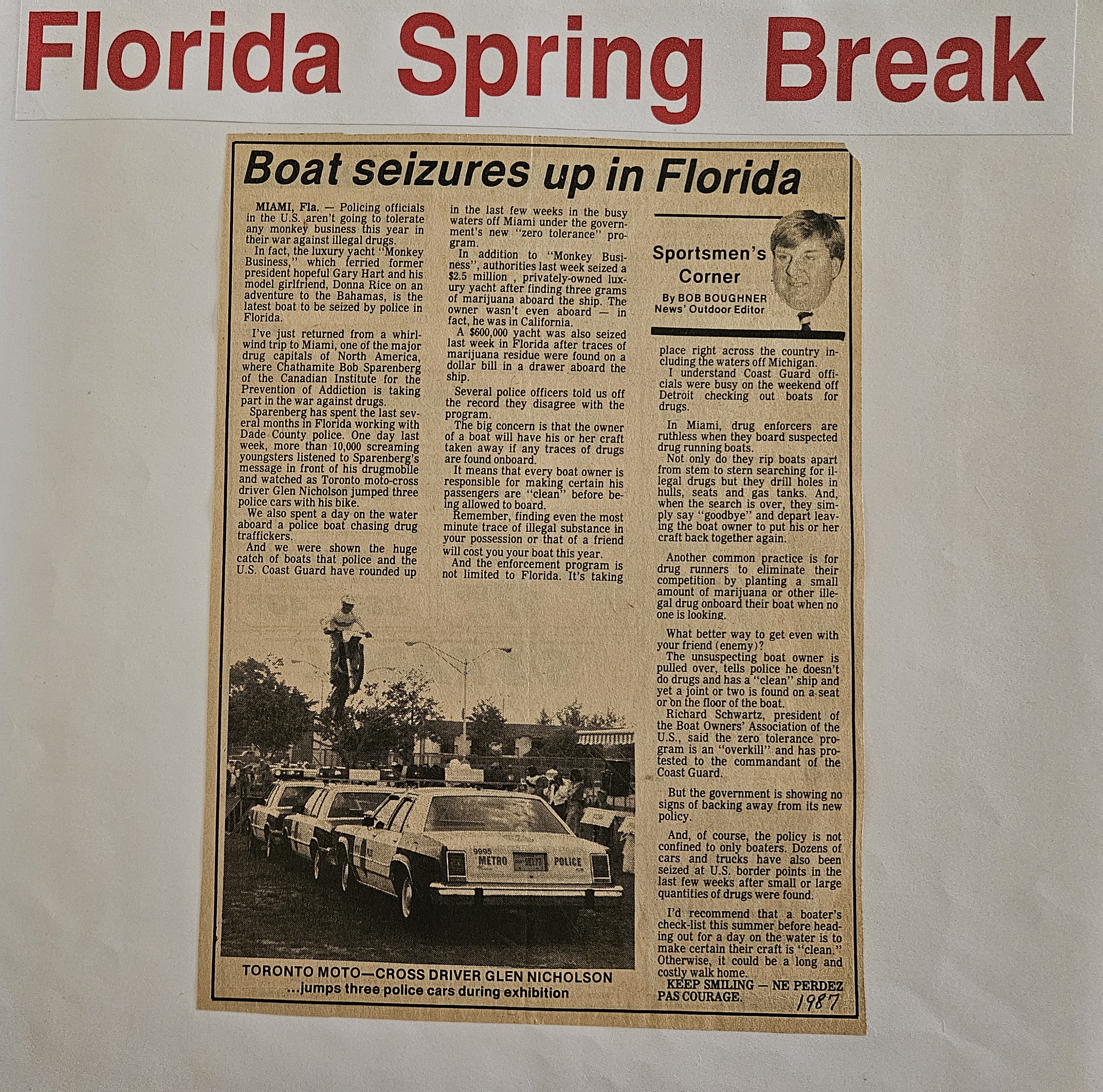
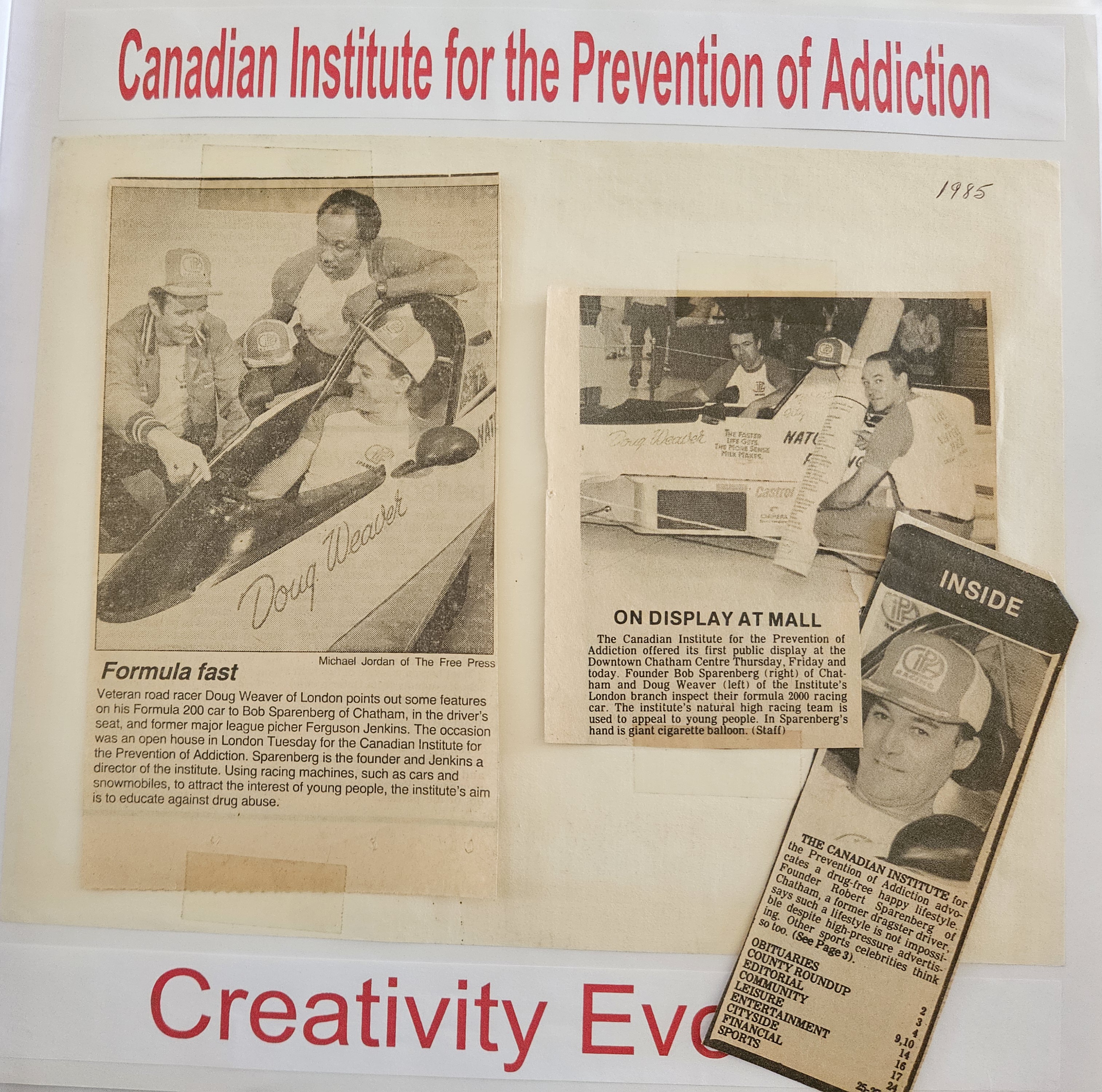
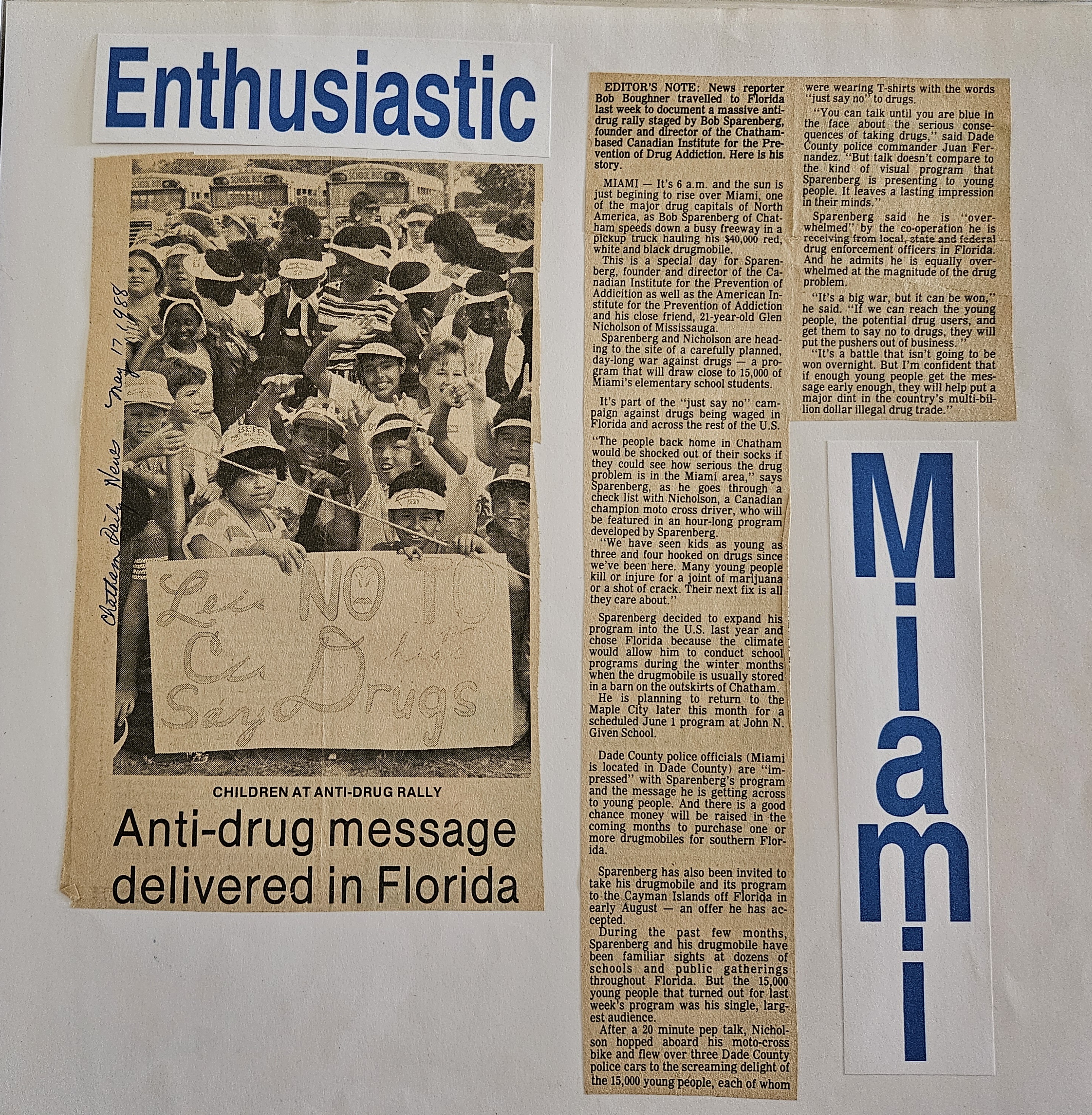
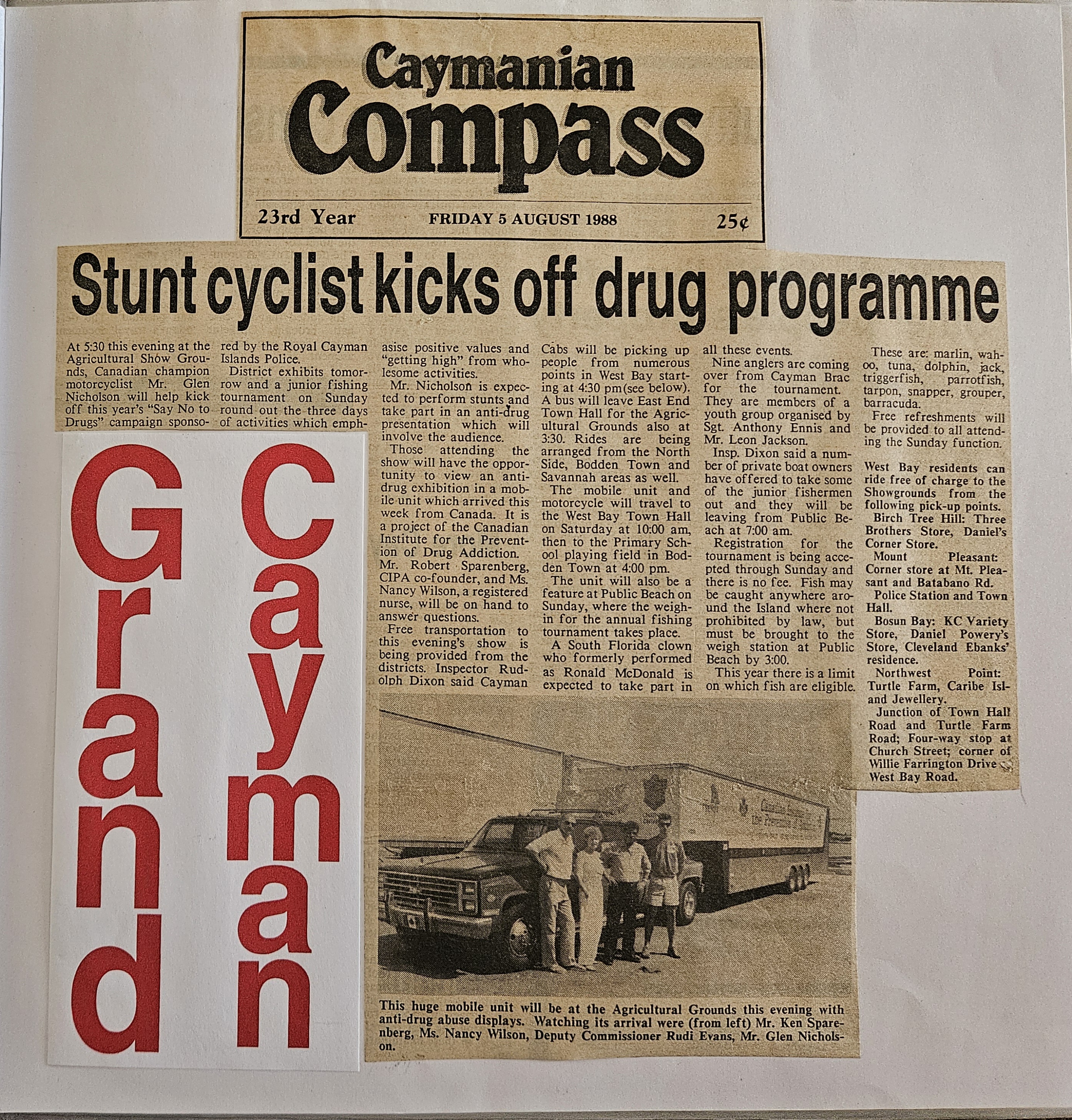
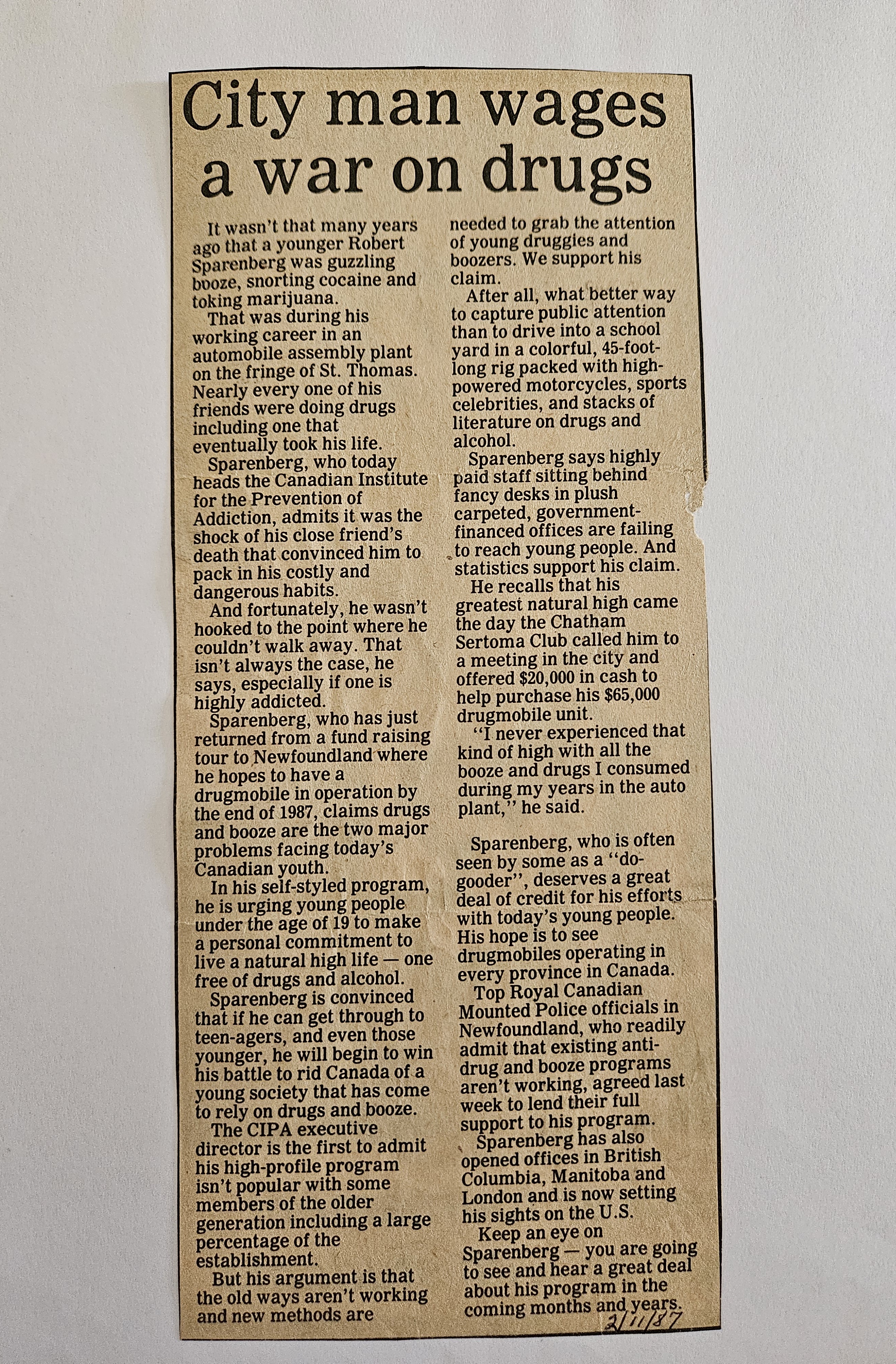
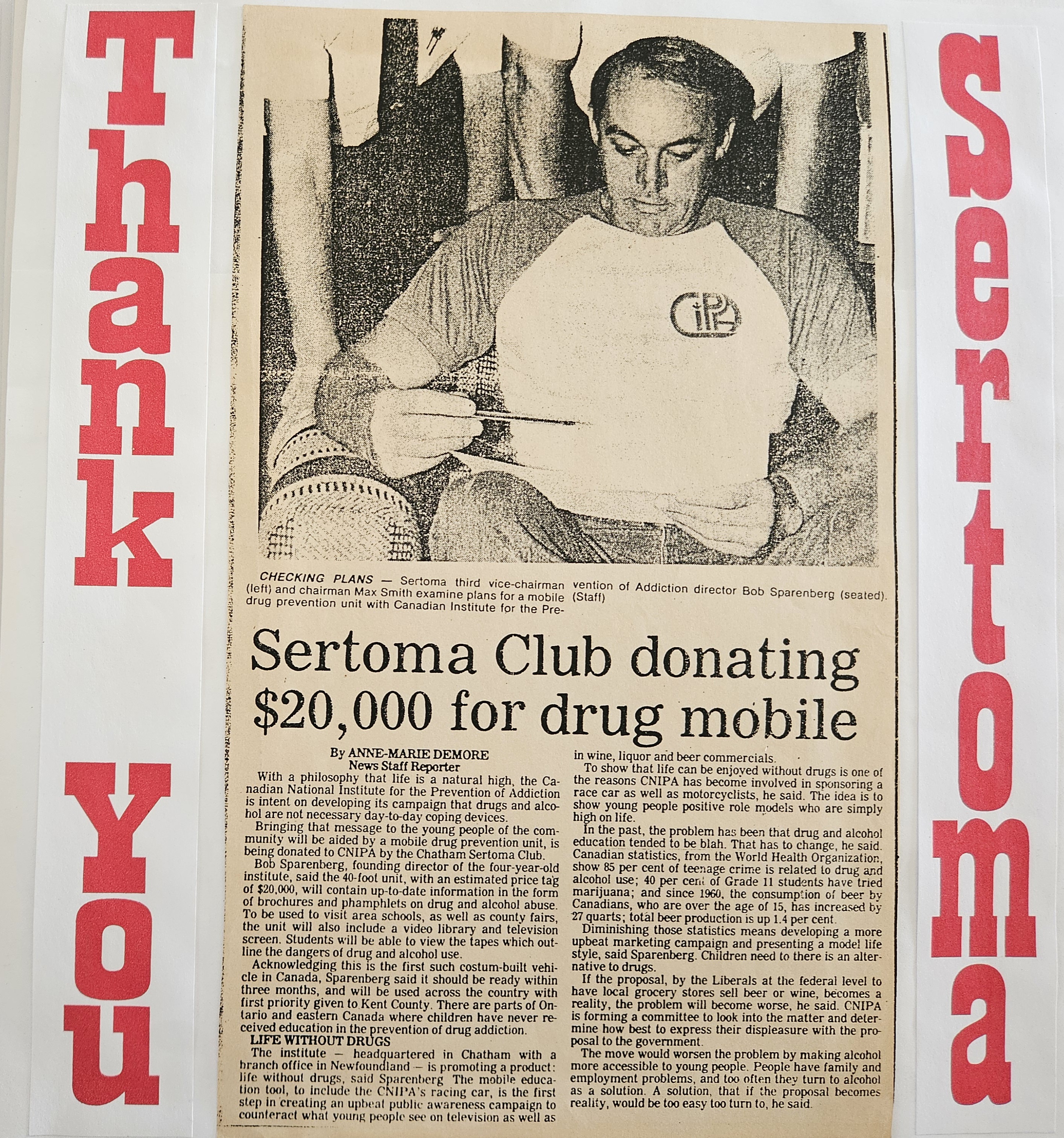
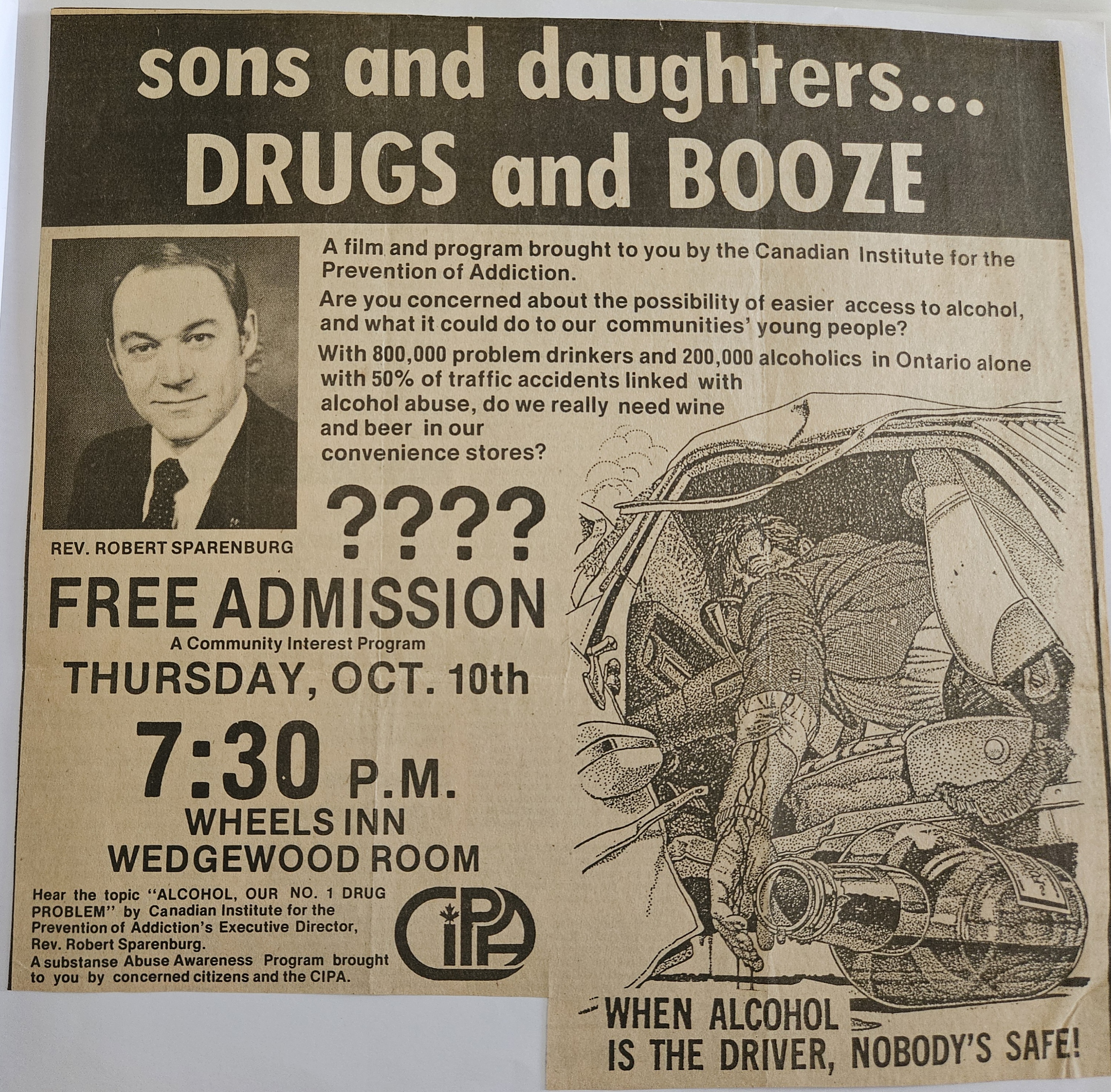
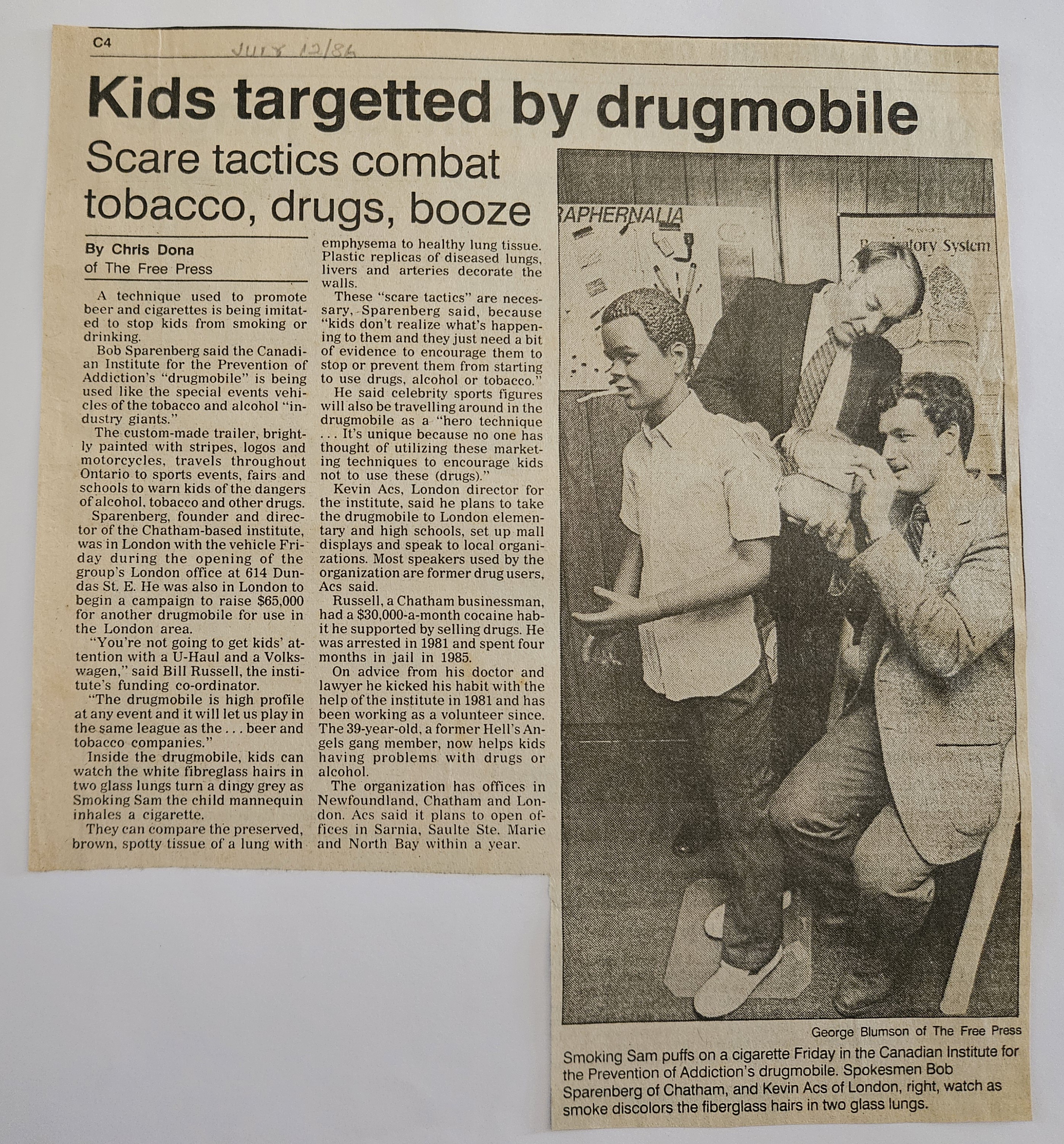
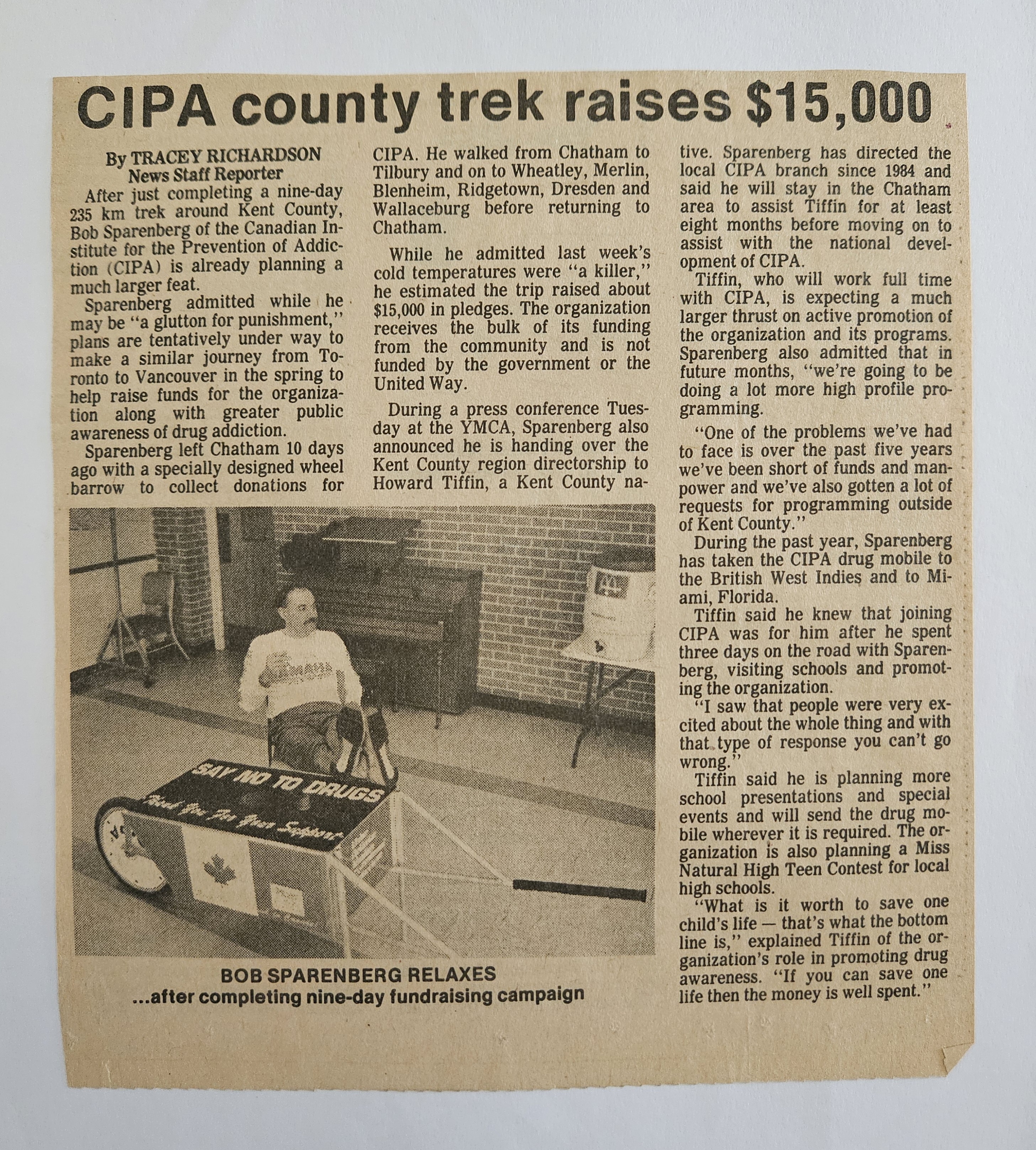
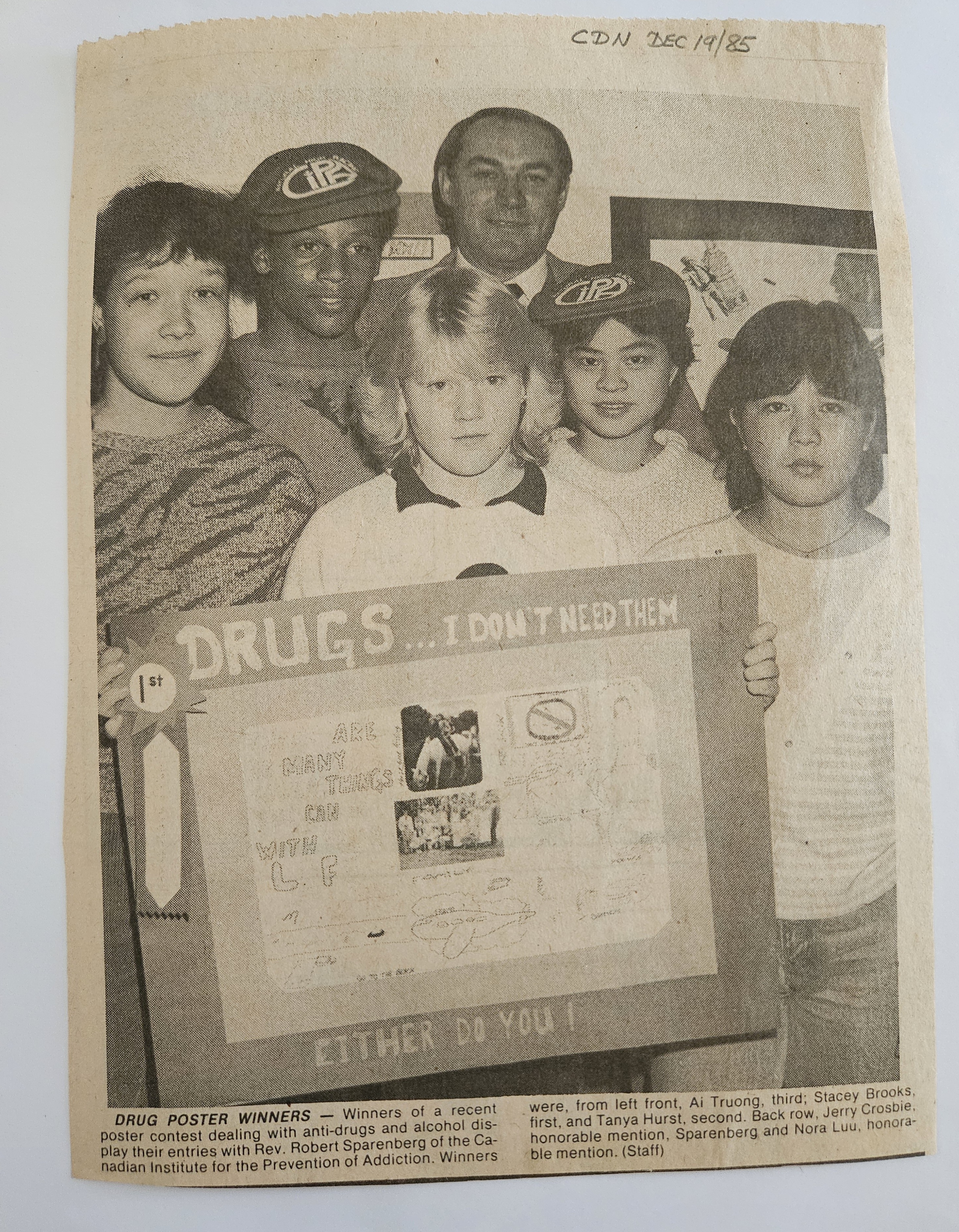
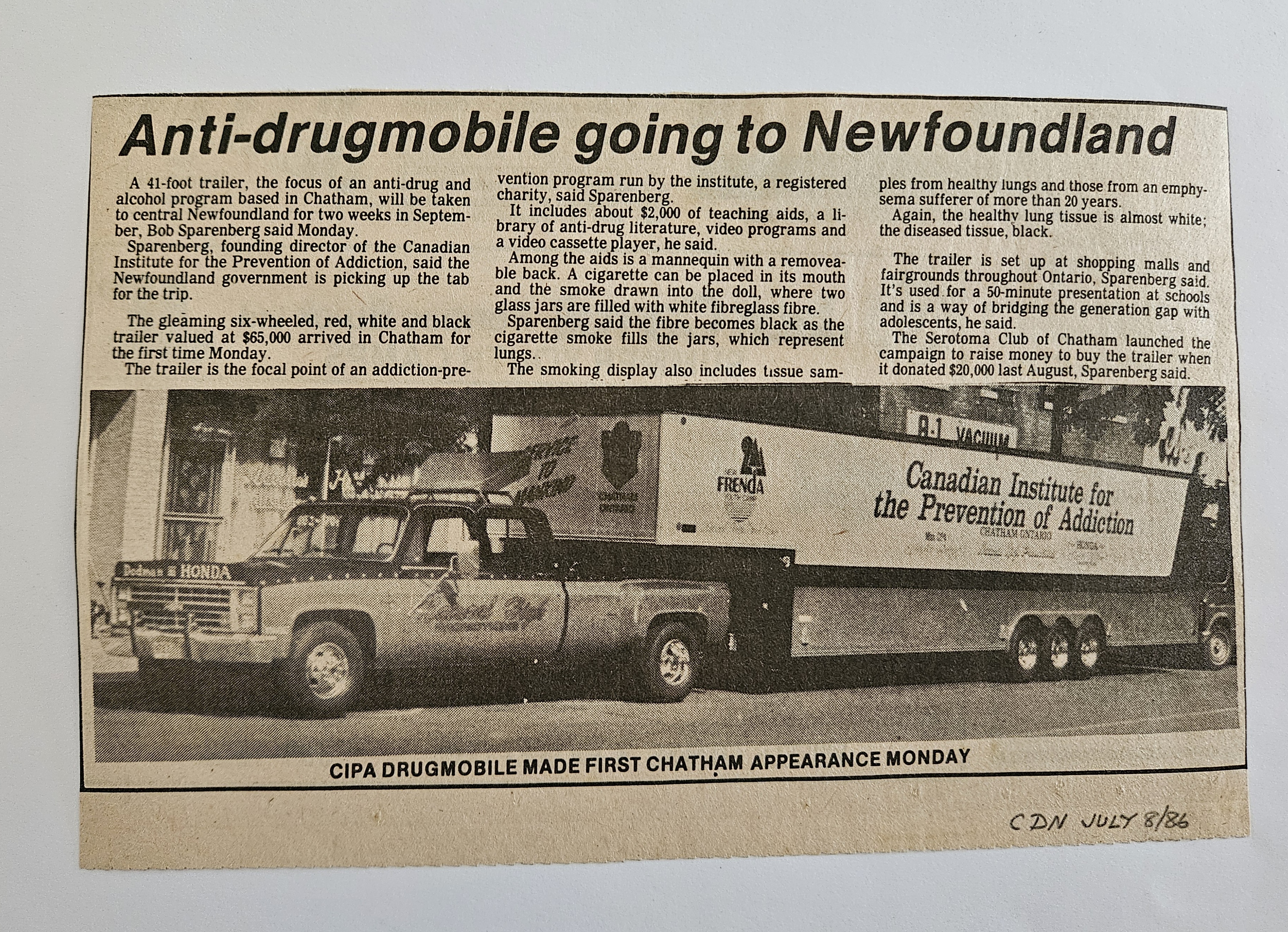
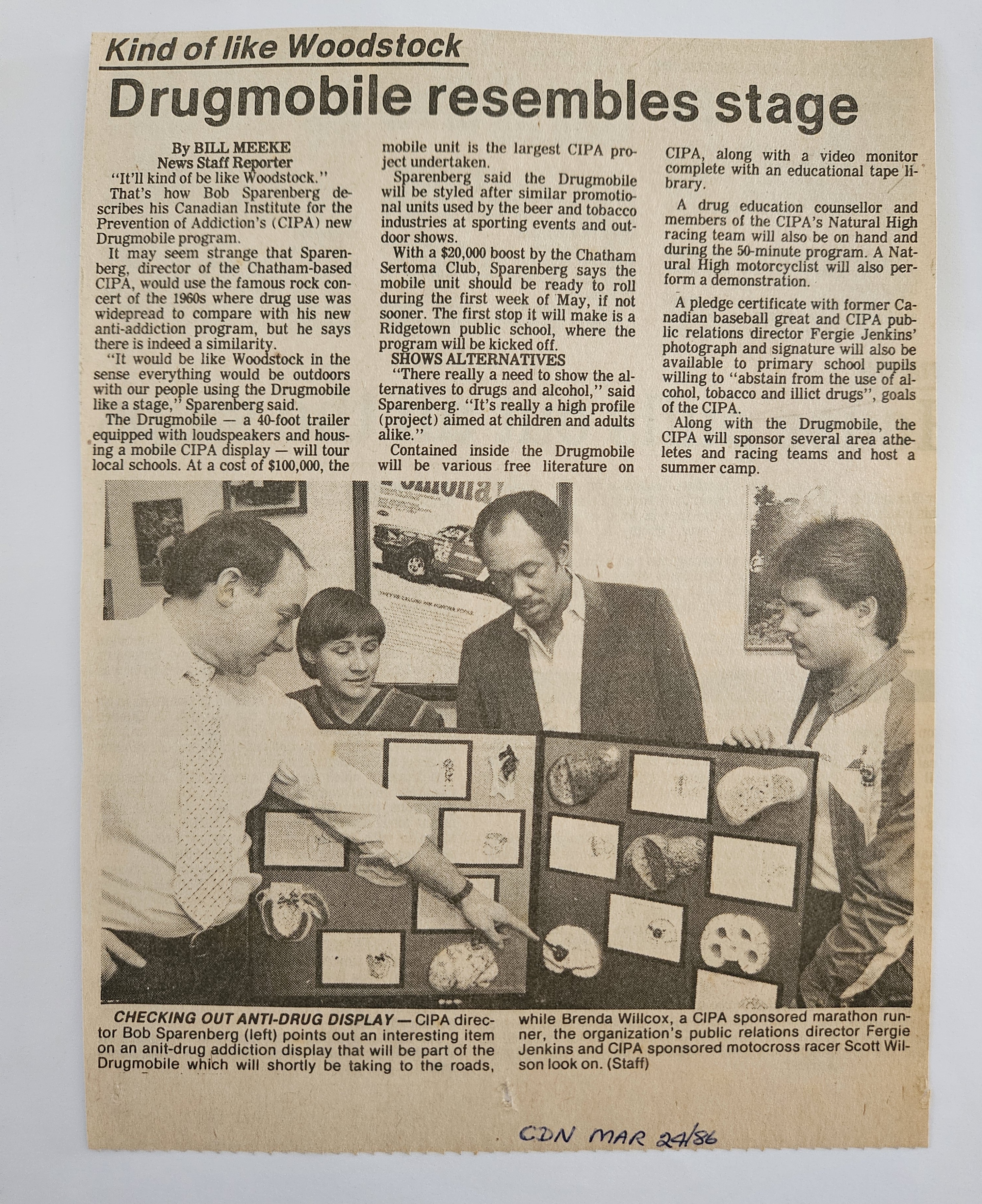
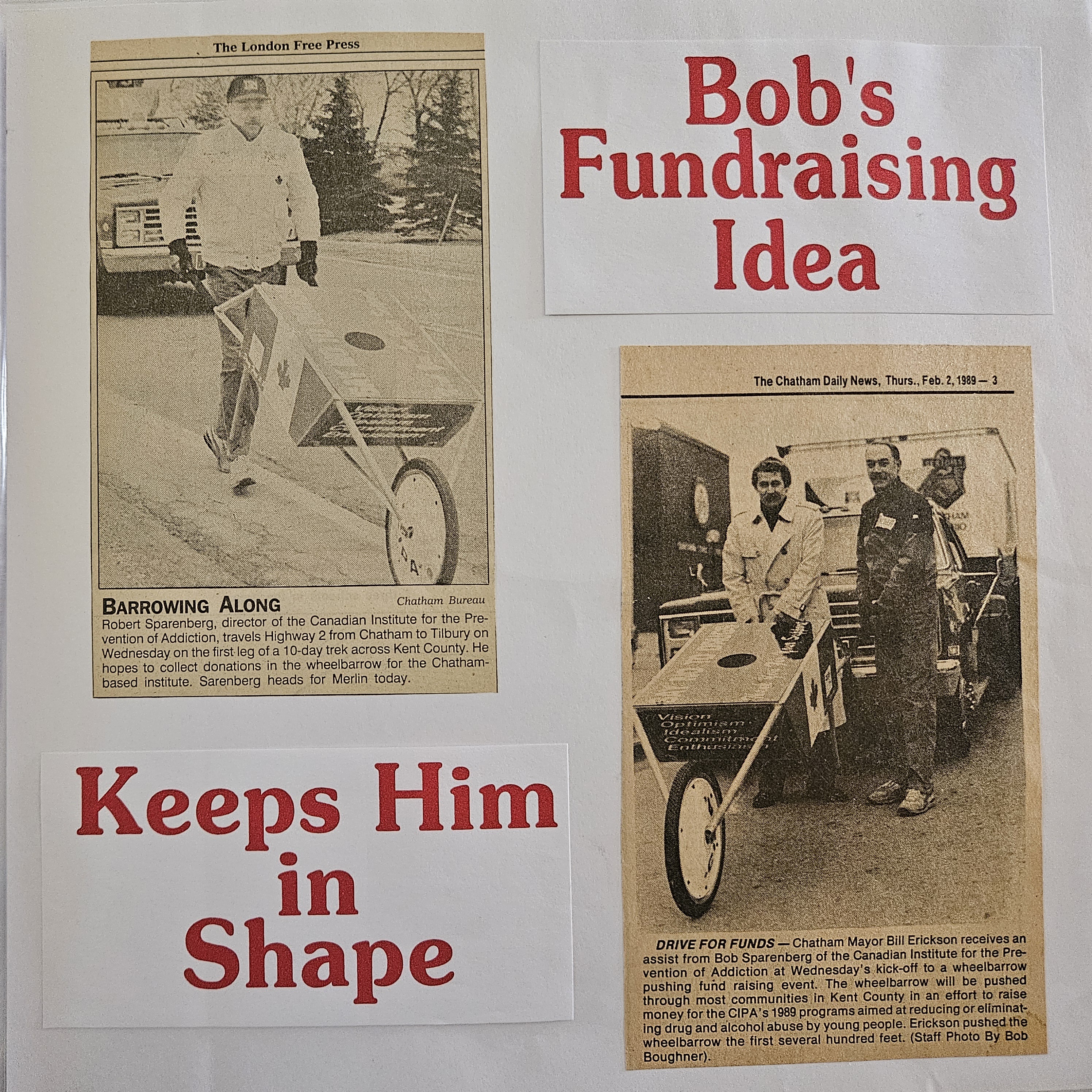
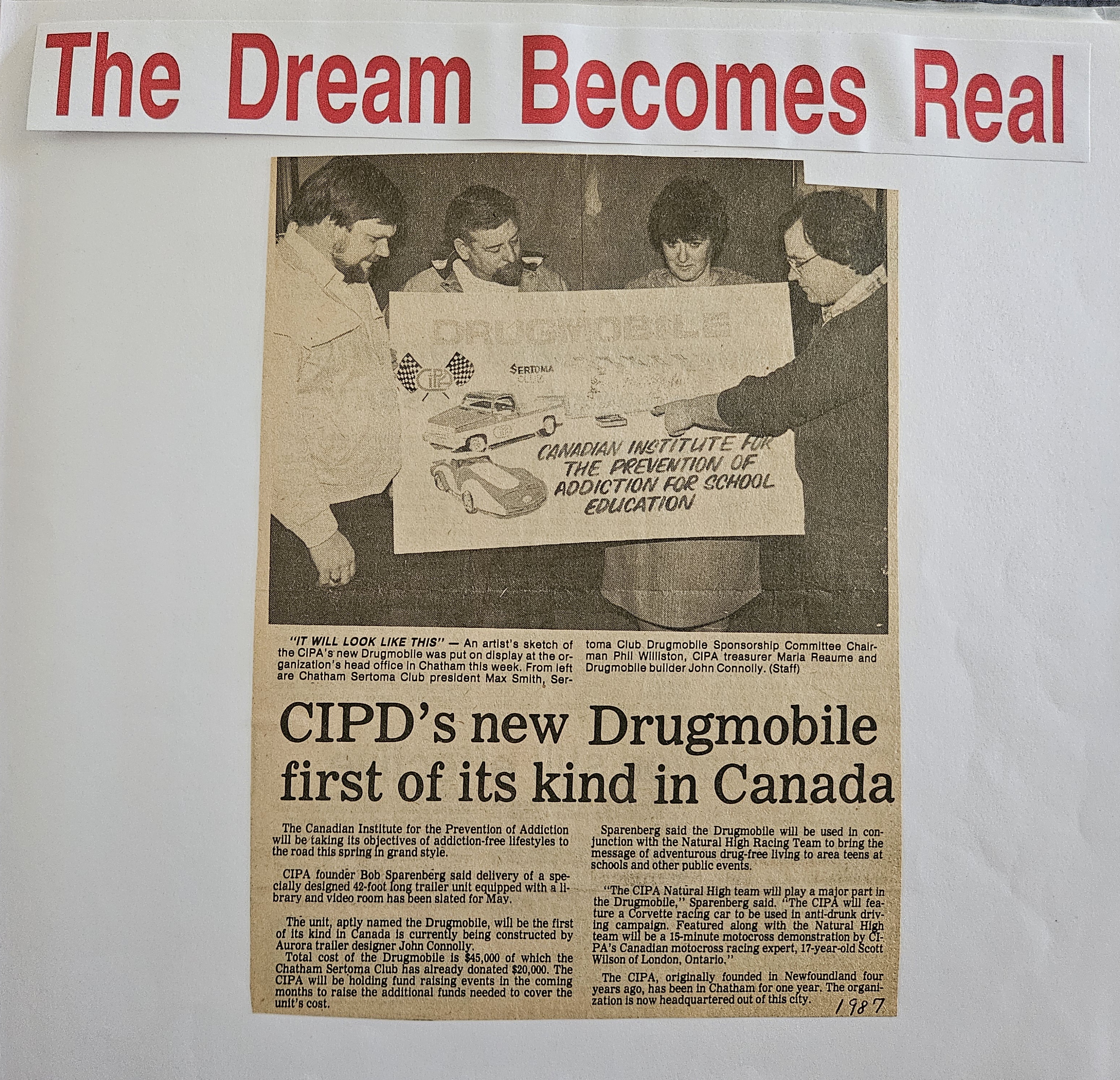
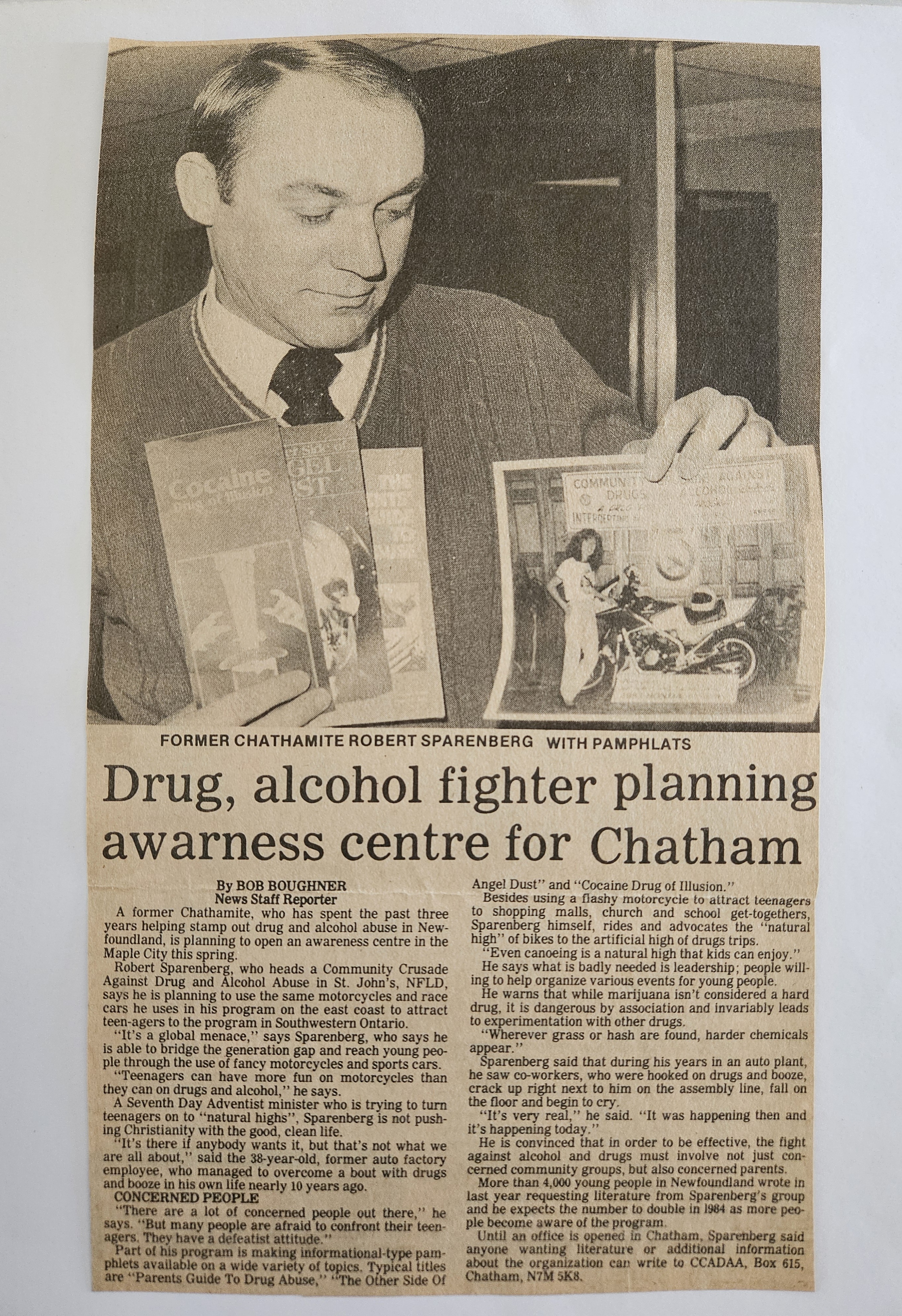
His commitment to service extended powerfully into his work with youth and families. Bob founded C.I.P.A. — “Just Say No”, a community‑driven anti‑drug initiative devoted to protecting young people from the dangers of substance abuse. Through school presentations, youth outreach, and public events, he championed drug‑free living and encouraged young people to make choices that honored their future. His leadership in C.I.P.A. reflected his belief that prevention begins with education, compassion, and consistent presence — and he gave all three. His work strengthened families, saved lives, and left a lasting imprint on the community he loved.
Yet Robert’s legacy is not defined solely by what he endured, but by what he became.
He grew into a man of faith, purpose, and unwavering integrity. The hardships of his childhood did not harden him; they refined him. They gave him a heart for people, a desire to serve, and a calling to bring hope where there was hurt. This calling led him into ministry, where he offered guidance, comfort, and spiritual support to countless individuals. His ministry was not confined to sermons or church walls — it lived in the way he listened, the way he cared, and the way he showed up when others needed him most.
Robert was also a pillar of his community. He believed in helping people, in building connections, and in being someone others could rely on. Whether through his ministry, his volunteer work, or the quiet acts of kindness he offered without recognition, he strengthened the community around him and wove its fabric a little tighter.
His legacy lives on in the veterans he honored, the families he comforted, the youth he inspired, and the countless people who learned from his example. His life stands as a testament to survival transformed into service, hardship shaped into hope, and the enduring power of one man’s determination to leave the world better than he found it.
His leadership was humble but unmistakable—rooted in empathy, shaped by hardship, and animated by a sincere desire to make life better for others. It was the kind of leadership that did not need a title to be recognized; it revealed itself in the way he listened, the way he served, and the way he consistently placed the needs of others before his own.
His influence reached far beyond his ministry and advocacy. He became a steadying presence in the lives of countless people—a man whose character was as deep as it was dependable. He devoted himself to lifting others, stitching together the fabric of his community one act of kindness at a time. Whether through formal mentorship, tireless volunteer work, or the quiet grace of a small, timely gesture, he ensured that no one had to walk their path alone.
His leadership was felt more than it was announced. It moved with a quiet authority, grounded in compassion and tempered by the wisdom of lived experience. He did not lead for recognition or position; he led because something within him refused to let others struggle without support. In his presence, people felt seen, valued, and inspired to rise to their better selves.
Through every chapter of his life, his wife stood faithfully beside him—his partner in service, in ministry, and in compassion. She shared his calling to help others, supported his work, and walked with him through memories that never fully faded. Her devotion, strength, and gentle encouragement formed the foundation on which he built a lifetime of service.
He was also a devoted father, and his child was both his pride and his legacy. He passed down the lessons shaped by war, faith, and gratitude—teaching the value of freedom, the importance of character, and the responsibility to care for others. Their bond was steady and deep, rooted in love, respect, and the quiet understanding that comes from a life lived with purpose.
For his family, he leaves a legacy of strength, wisdom, gratitude, service, and unwavering love. He taught not only through words but through the example of his life—through the way he lived his faith, the way he treated people, and the way he carried the lessons of his past with grace. His story stands as a reminder that even those who endure the darkest chapters can become sources of light for others.
Additional Quick Links
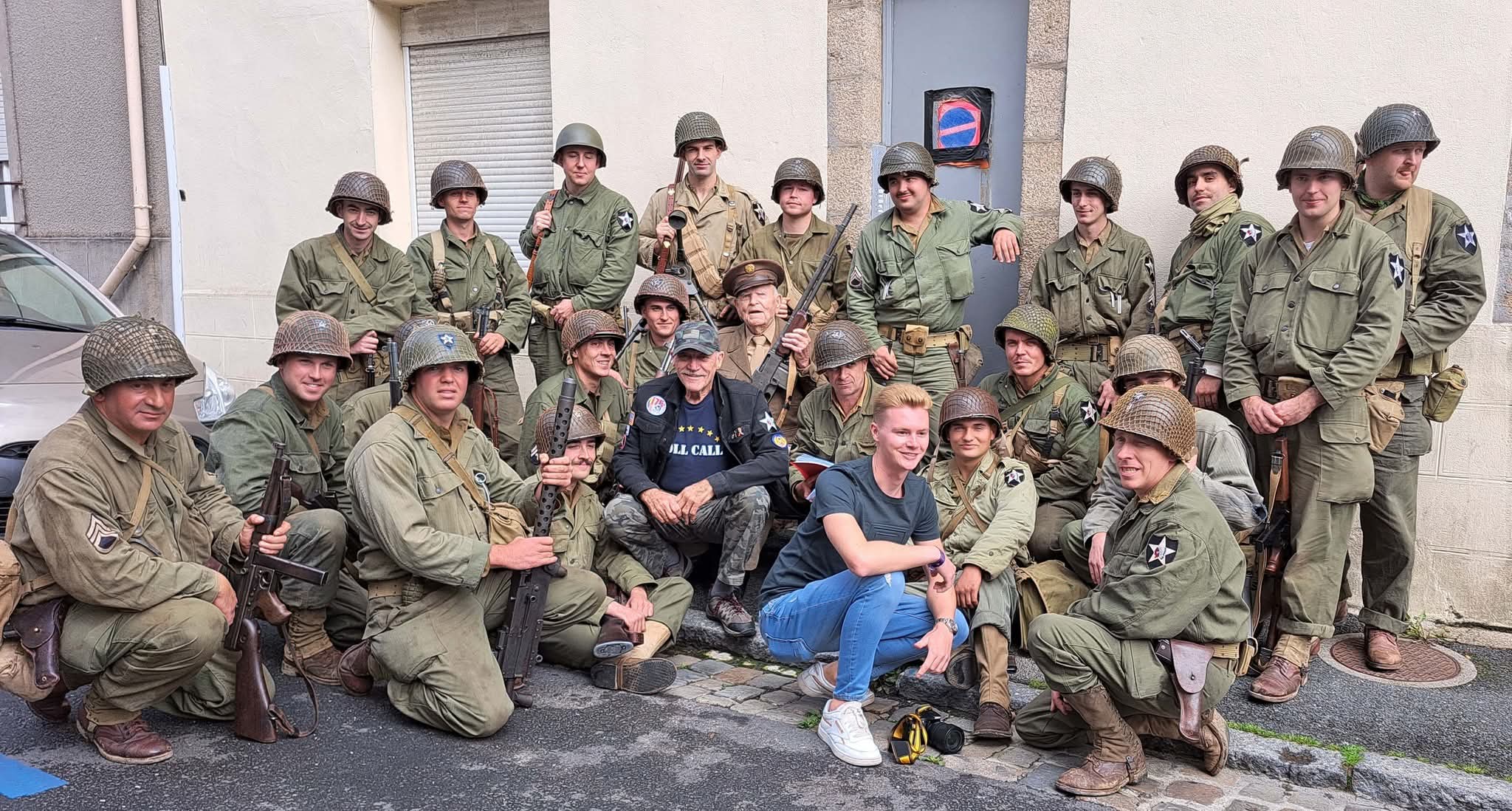
The Best of Brest. 2nd Infantry Reenactment Team
A Thanks to T-shirt Supporters for the BoB Trip 75th Anniversary.
2nd Infantry Buck Sloan returns.
A visit to the camp 2nd Infantry France, Breendonk concentration camp,
‘It’s hard to talk about it, but somebody’s got to’: At 101 and 95, soldiers recall D-Day