
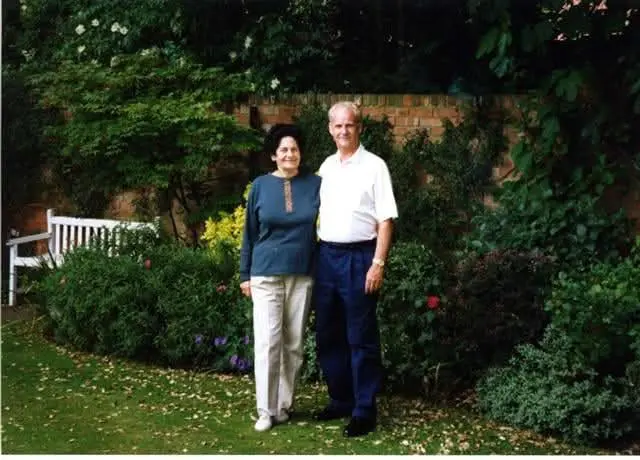
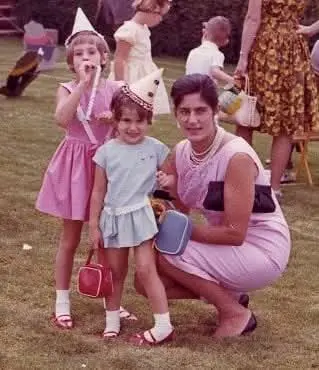

German Occupation of France and the Wartime Childhood of Sophie Hrymak Huntley (1931 to 2018)
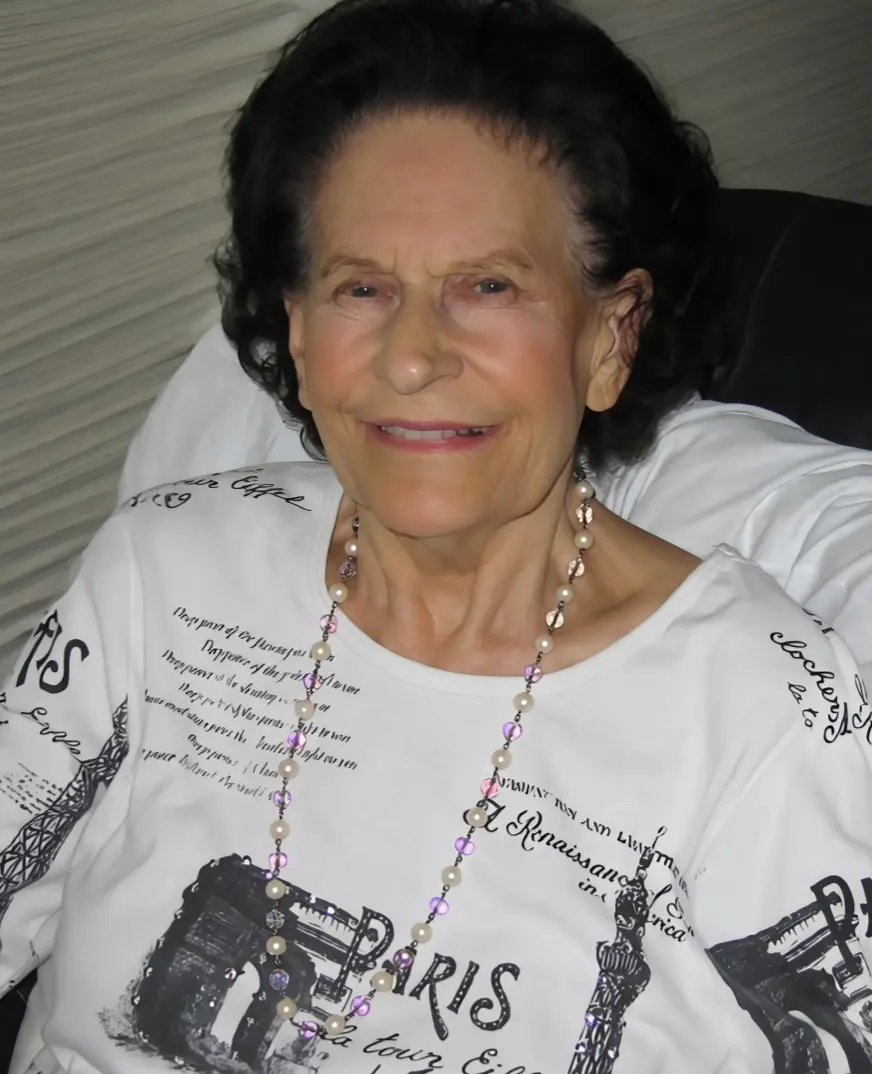
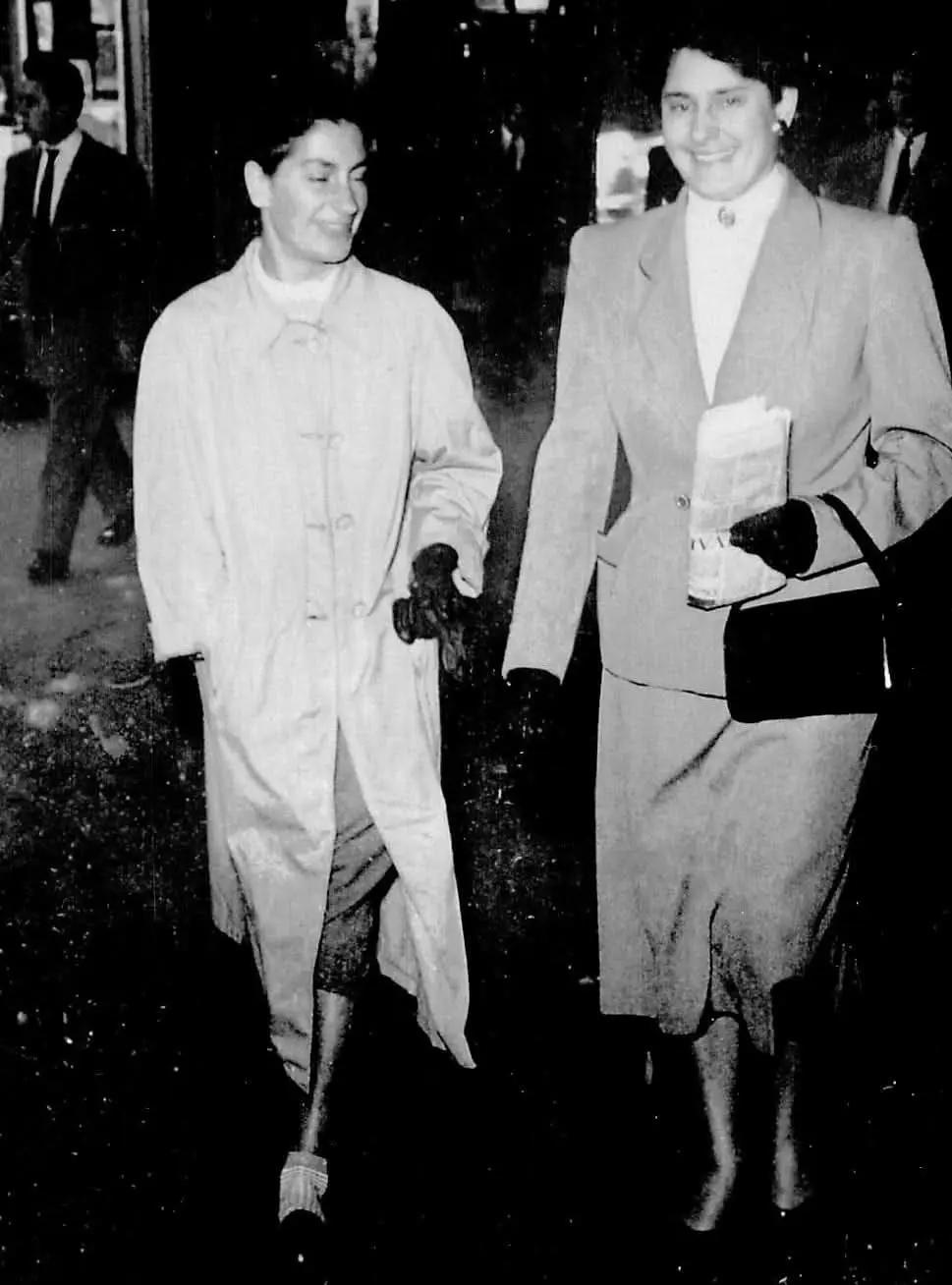
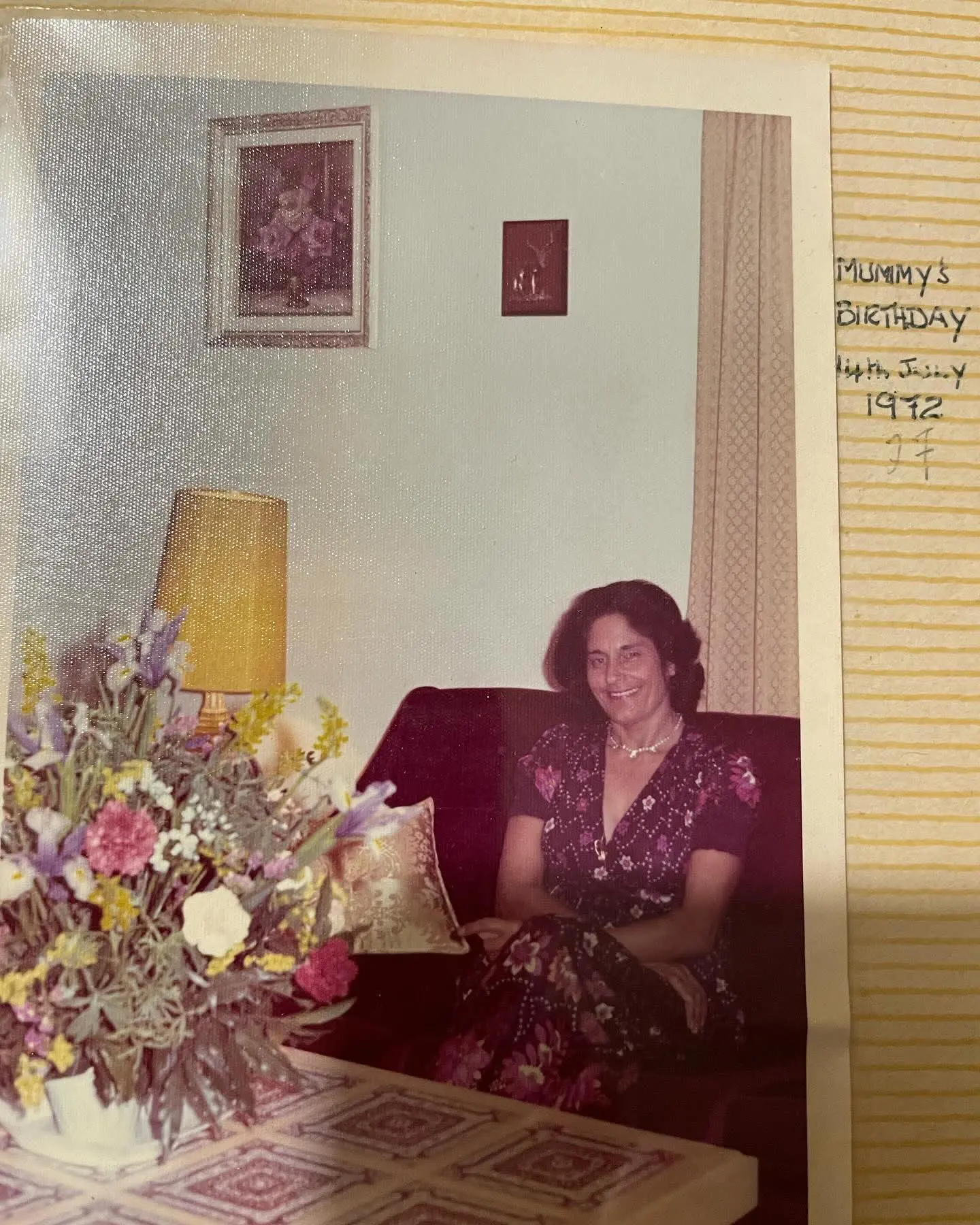
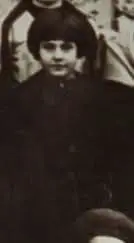
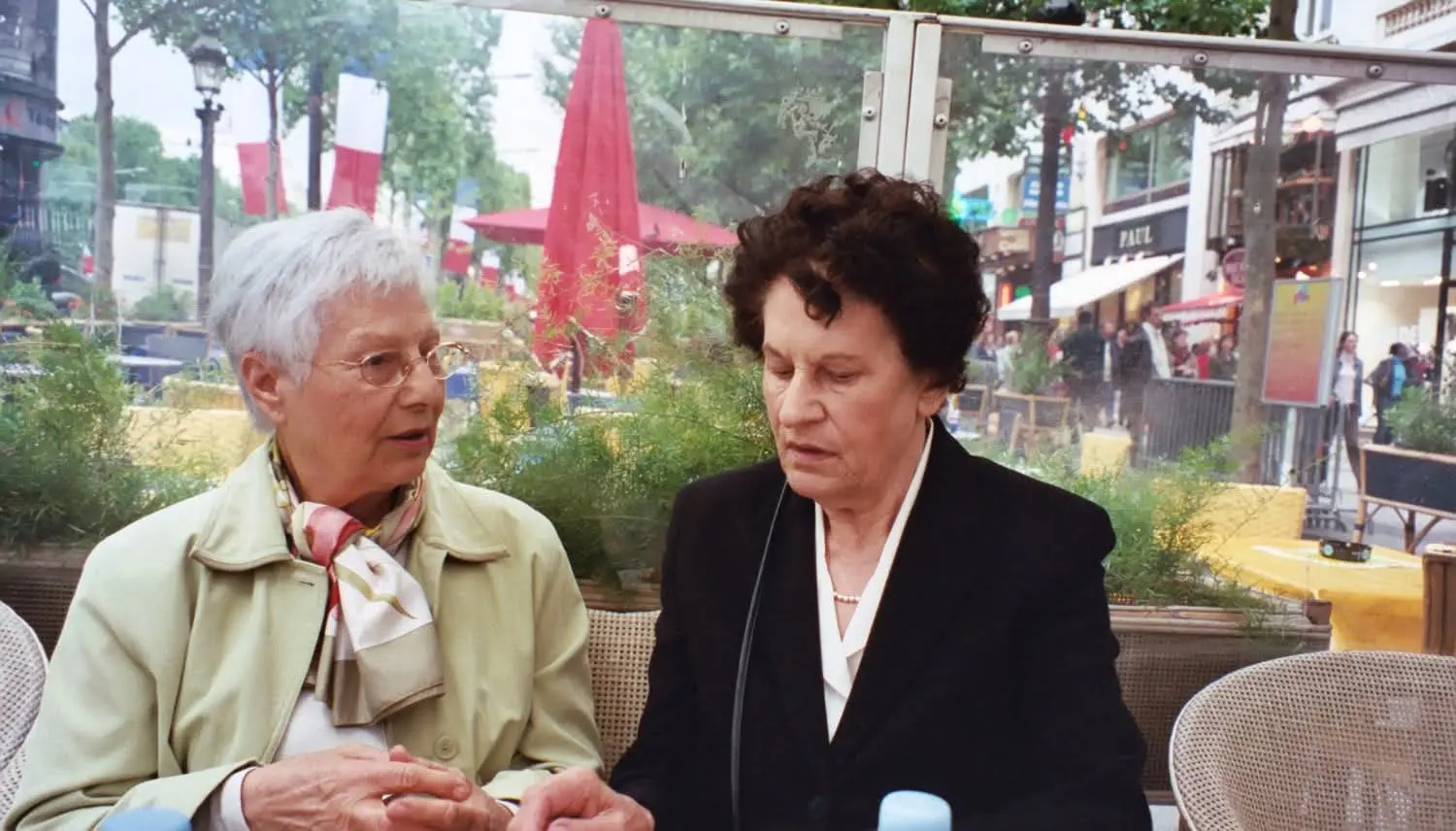
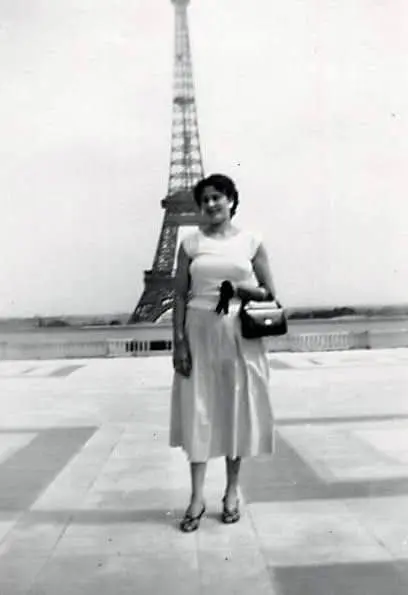
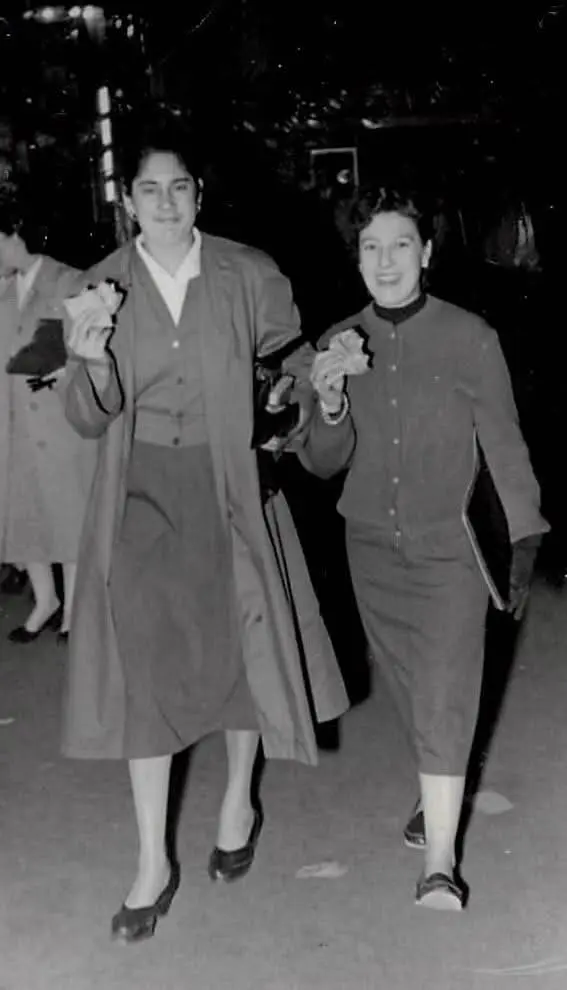
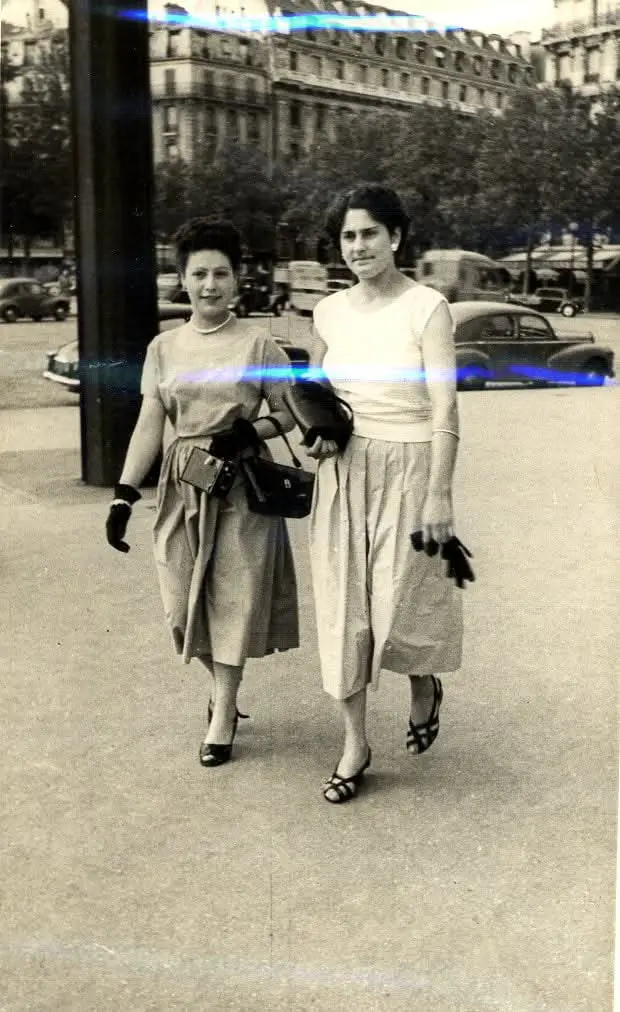
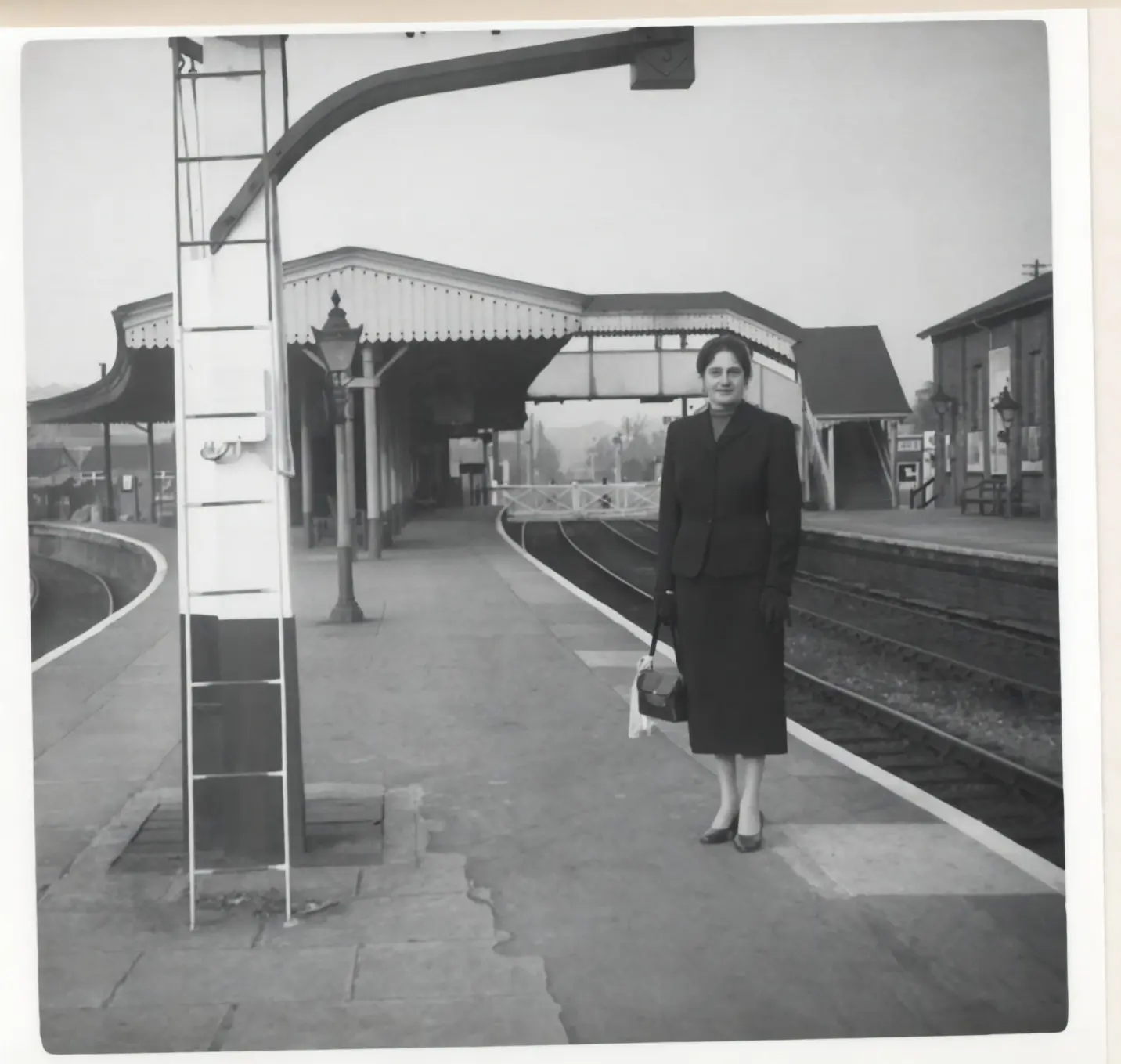
Sophie Huntley, born Sophie Hrymak on July 14, 1931, in Pommeuse, France, lived a life shaped from its earliest moments by resilience, devotion, and quiet strength. The daughter of Dmytro and Eva Hrymak (née Lakova), she spent her childhood in the peaceful countryside of Seine‑et‑Marne until World War II shattered the world she knew.
When Germany invaded France in 1940, Sophie and her family, like millions of civilians, joined l’Exode, the desperate mass flight from the advancing German army. Families fled with only what they could carry, moving along crowded roads as German aircraft strafed refugees with cannon and machine‑gun fire. Sophie survived by diving into roadside ditches as Stuka dive bombers screamed overhead. During these weeks of terror and deprivation, her family slept in abandoned barns, foraged for food, and struggled simply to stay ahead of the front lines.
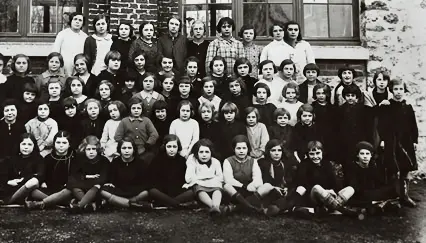
When the occupation was fully established, civilians were ordered to return home. Sophie’s family made their way back to Pommeuse, only to find their village under strict Nazi control. Her school had been seized by the SS and converted into their local headquarters, forcing her to attend the boys’ school instead. These disruptions, indignities, and dangers marked her early years, yet they also forged the steadiness and inner strength that would define her throughout her life.
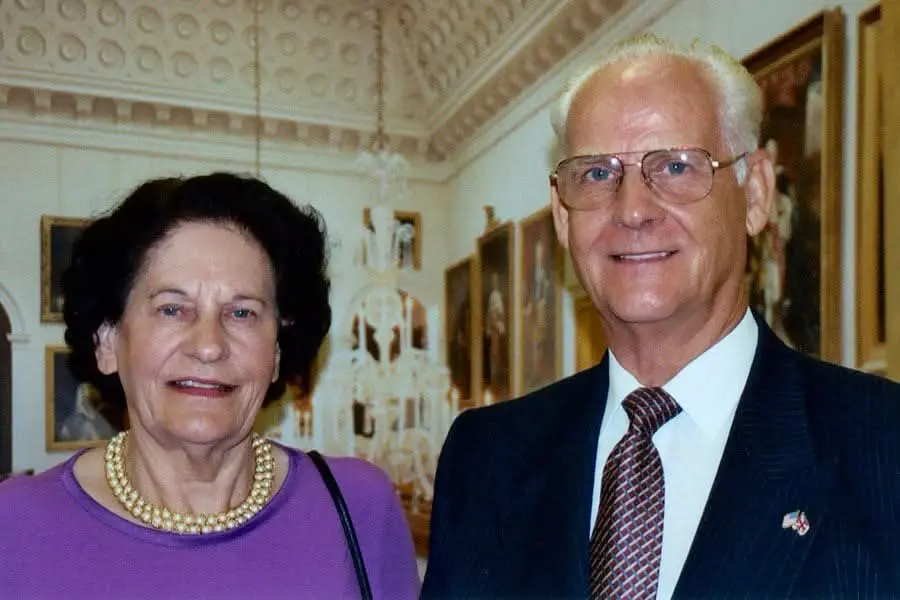
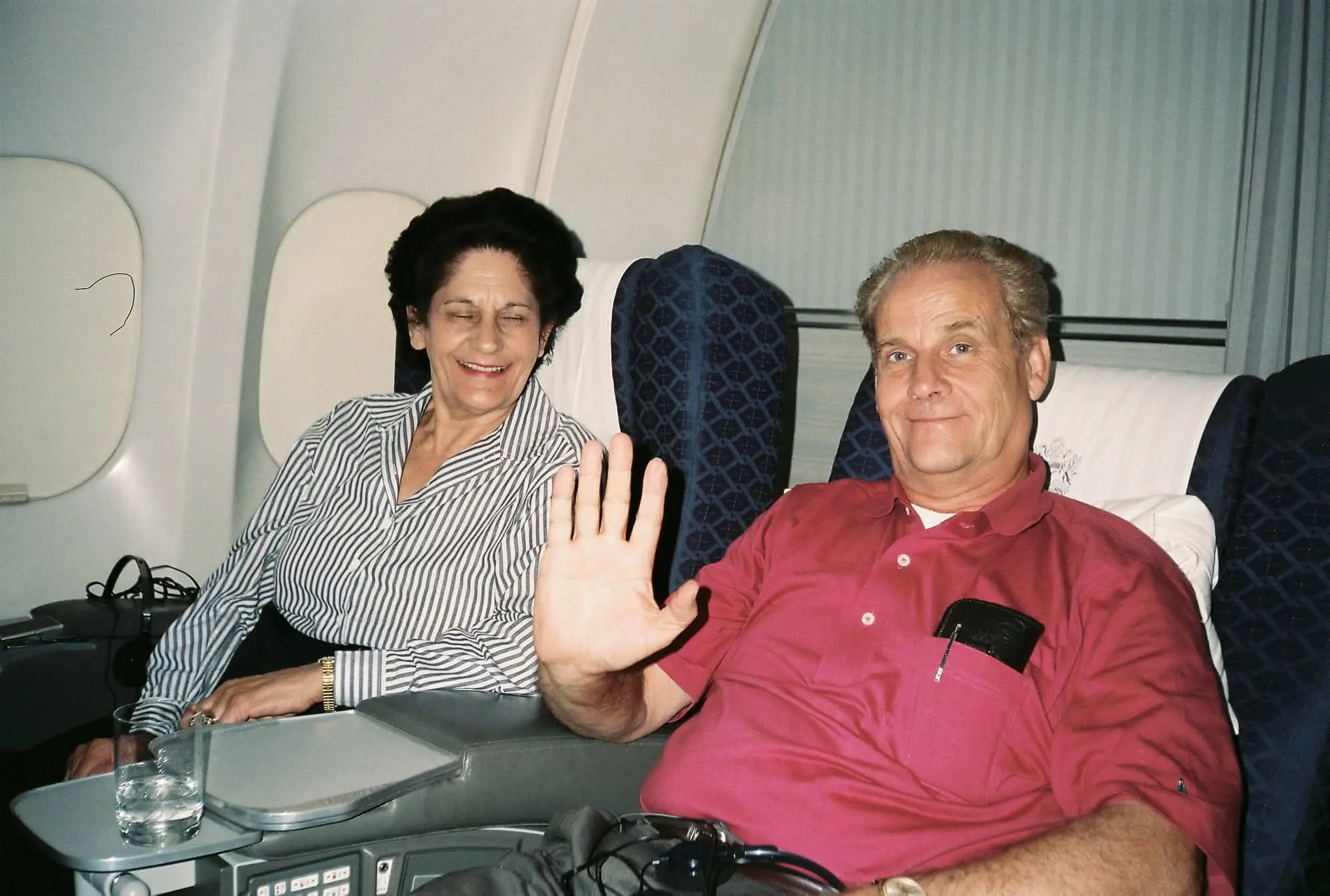
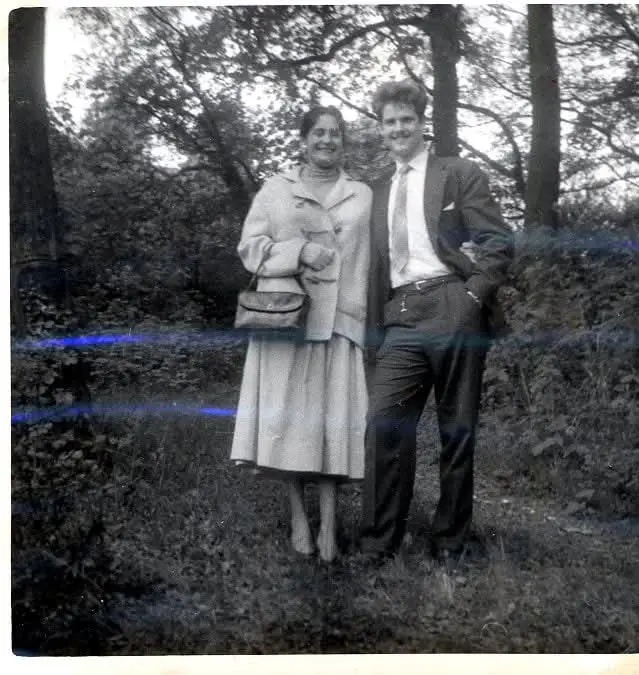
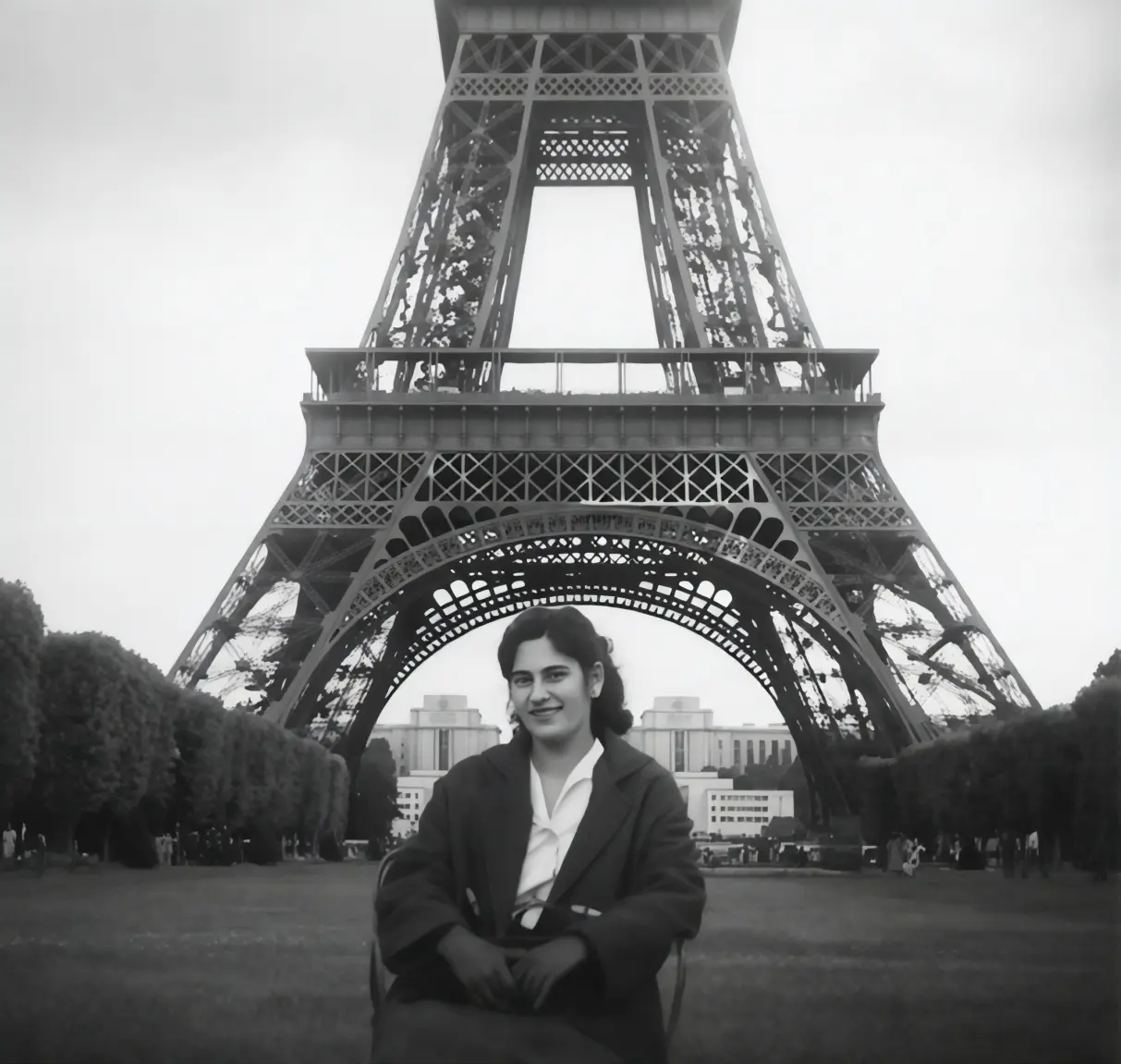
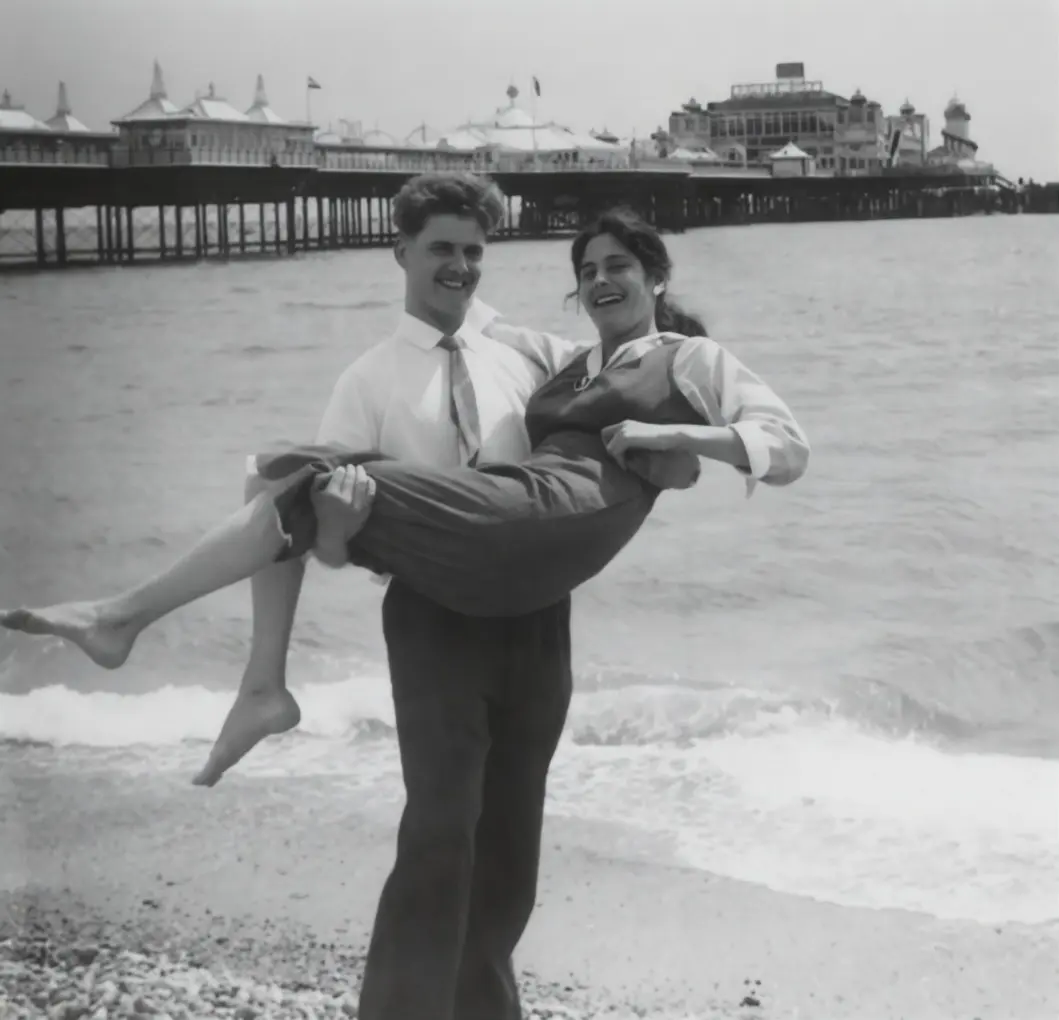
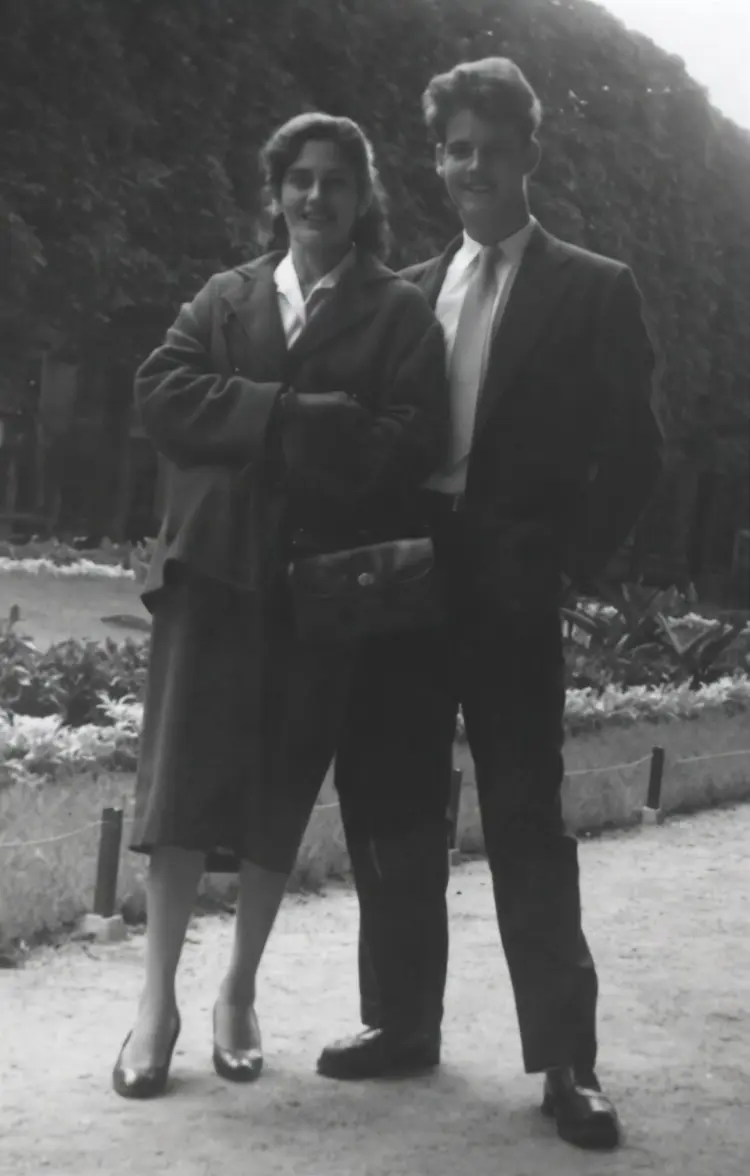
Despite the hardships of her wartime childhood, Sophie grew into a woman of grace, humility, and deep loyalty. As a young adult, she left France to work in England as an au pair at one of the country’s most exclusive private girls’ schools. It was there that she met David Edward Huntley, the man who would become her husband and the love of her life. They married on December 26, 1955, in High Wycombe, United Kingdom, beginning a lifelong partnership marked by devotion, gentleness, and shared adventure.
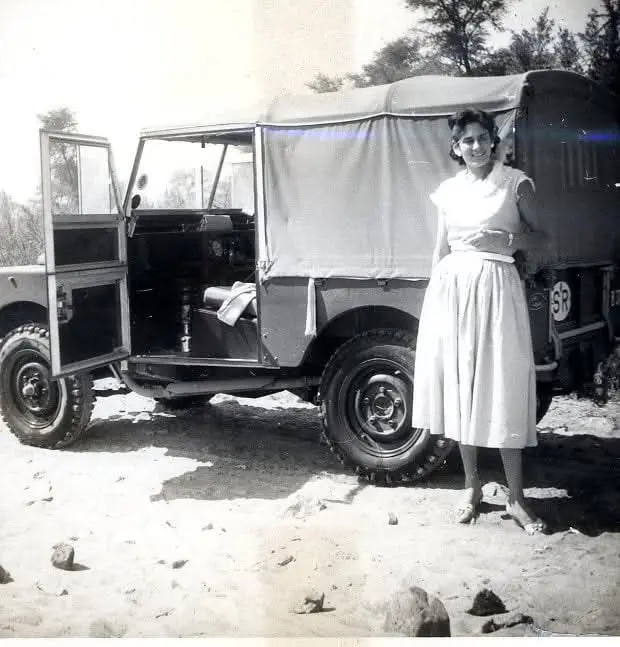
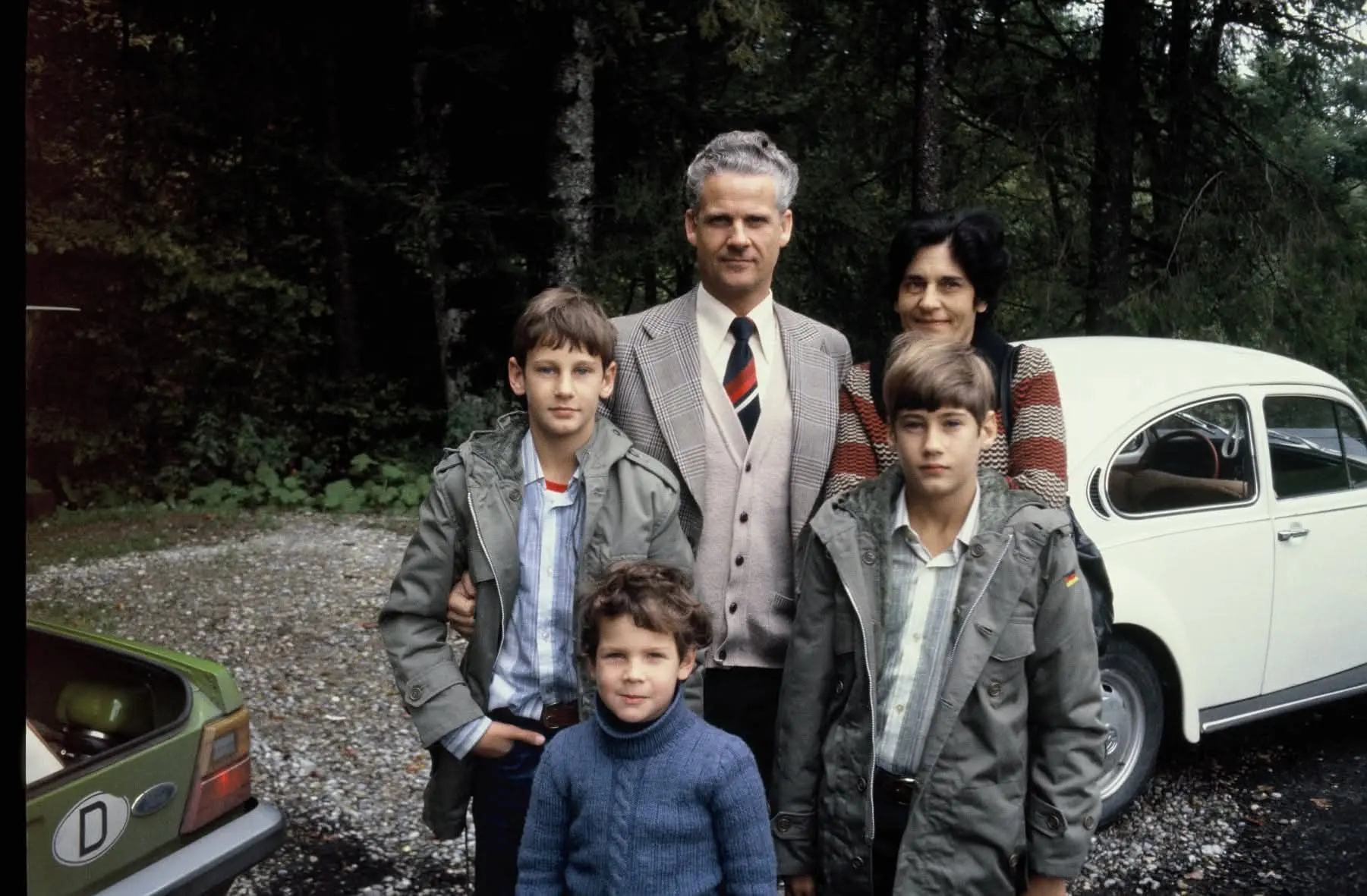
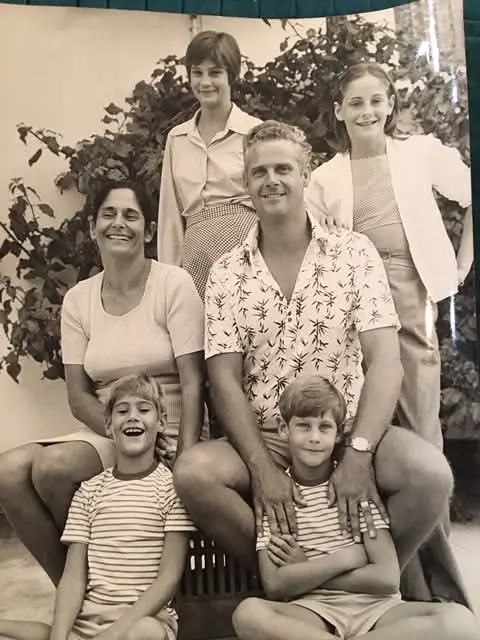
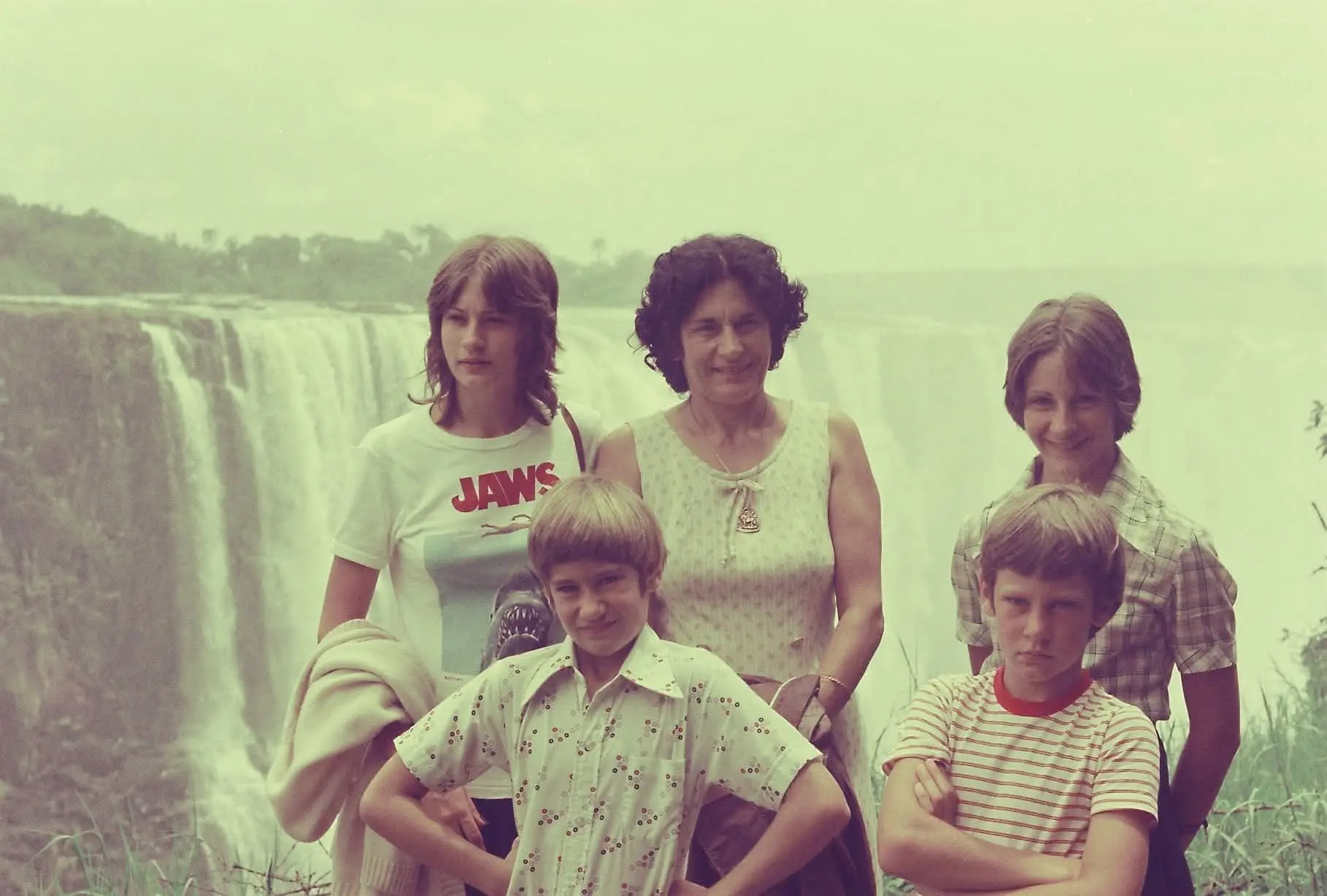
Sophie and David lived in both London and Paris before moving in 1957 to Bulawayo, in what was then Rhodesia (now Zimbabwe). All four of their children were born there. In 1968, the family relocated to Durban, South Africa, and a decade later, in 1978, Sophie once again supported David’s decision to immigrate—this time to the United States. They arrived in Dallas, Texas, with their children and two cats, ready to begin a new chapter.
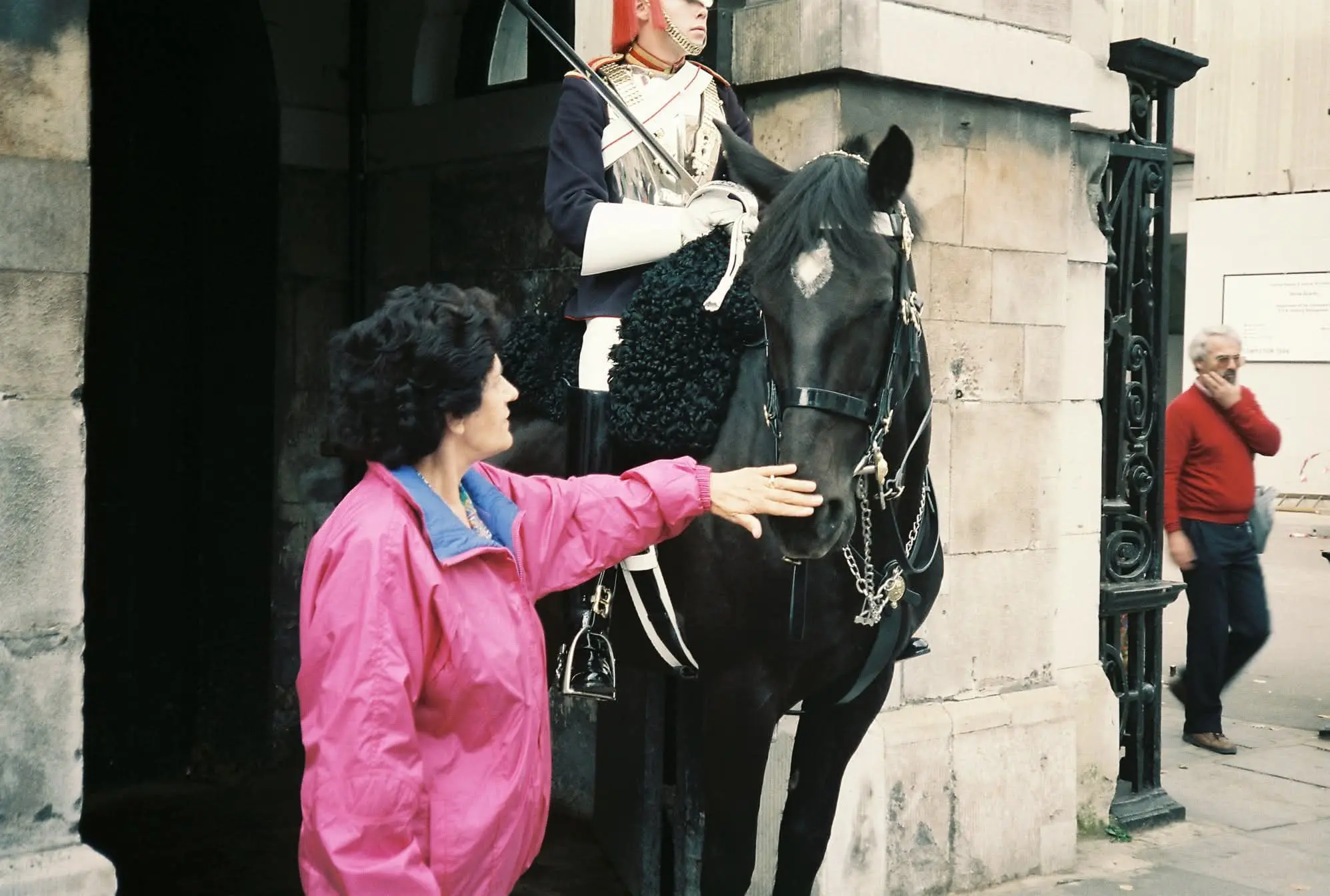
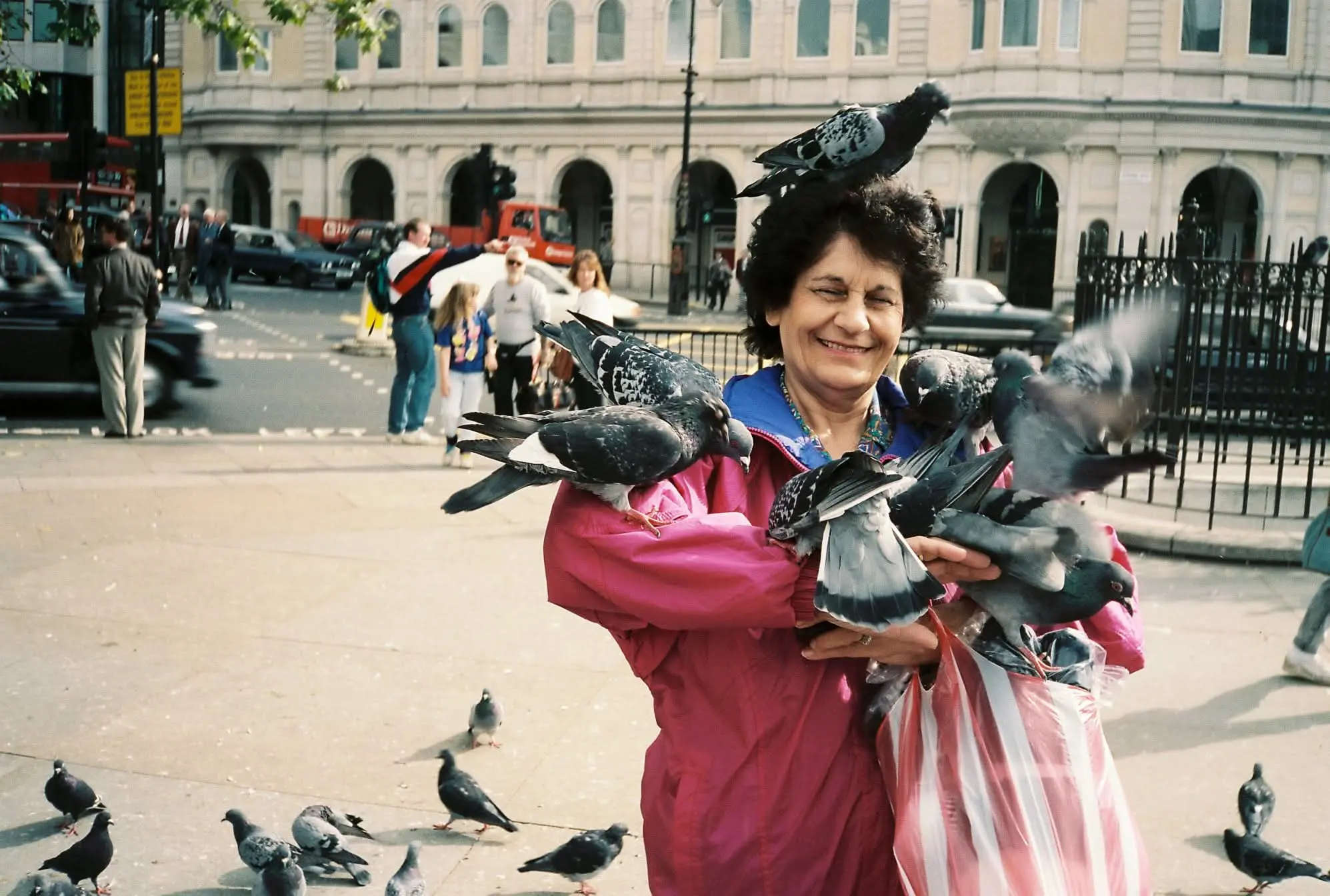
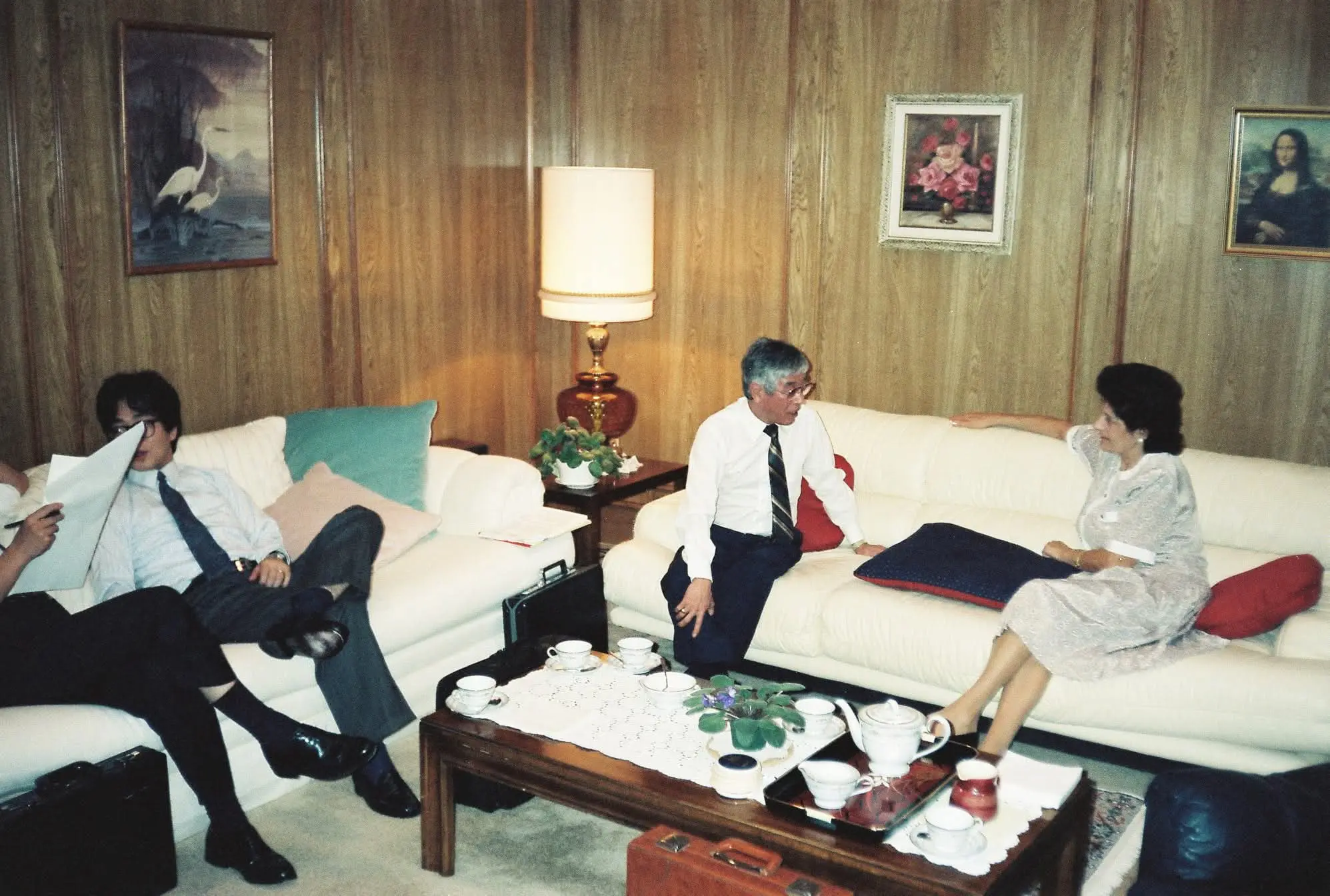
Throughout her life, Sophie was the steady foundation of her family. She carried herself with dignity and quiet elegance, endearing herself to everyone who knew her. She and David traveled widely and formed friendships across the world many of which endured for more than sixty years. Above all, she is remembered as a caring, loving, and devoted wife and mother whose presence is missed beyond measure.
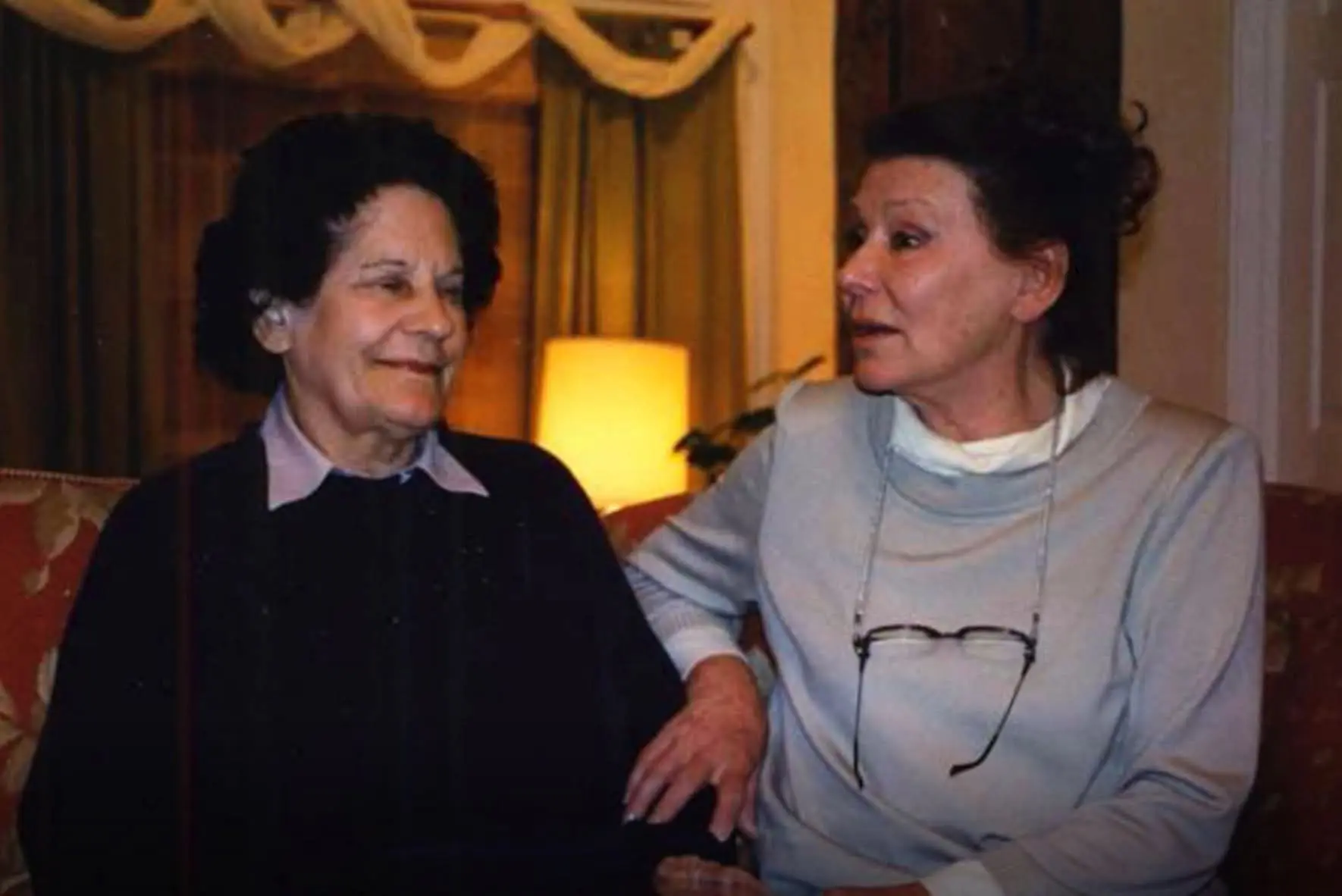
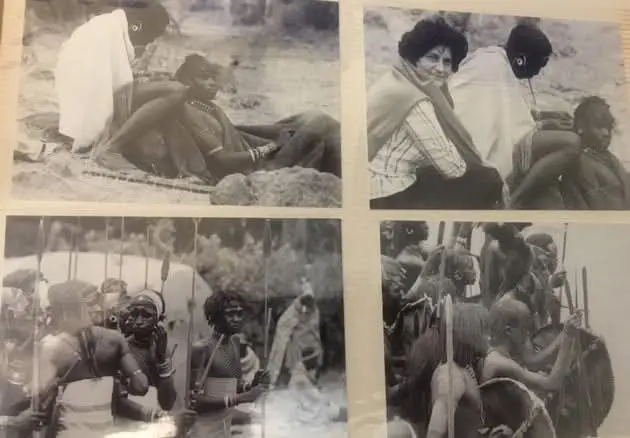
Sophie’s early life in France also connected her to another figure from her region: Irina Demich, who later became a Dior model and film actress. Irina gained international recognition for her role in the 1962 film The Longest Day, portraying a member of the French Resistance alongside an all‑star cast including John Wayne, Robert Mitchum, Richard Burton, Henry Fonda, and Sean Connery. Though their lives took different paths, Sophie and Irina shared the same rural French roots shaped by the war years.
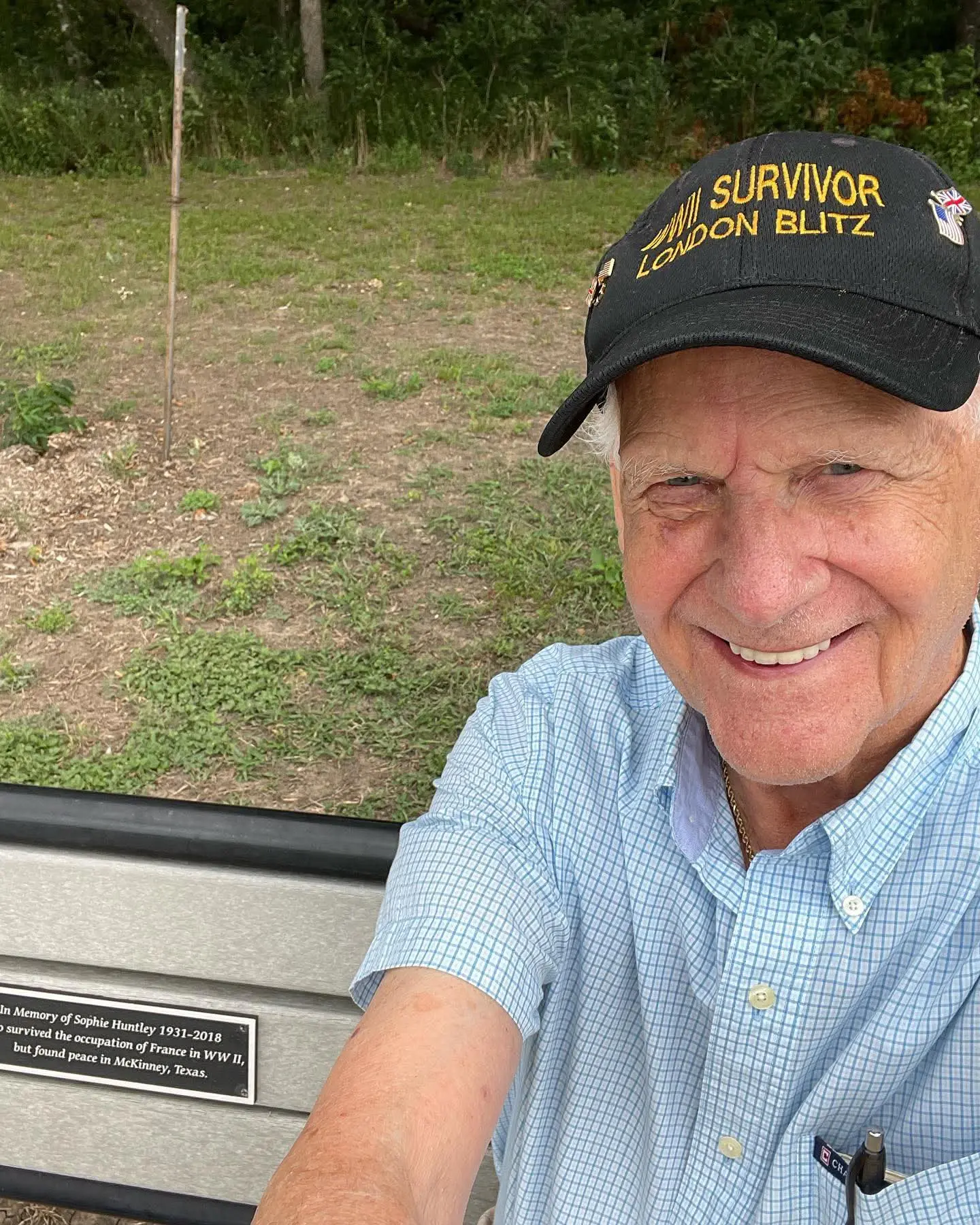
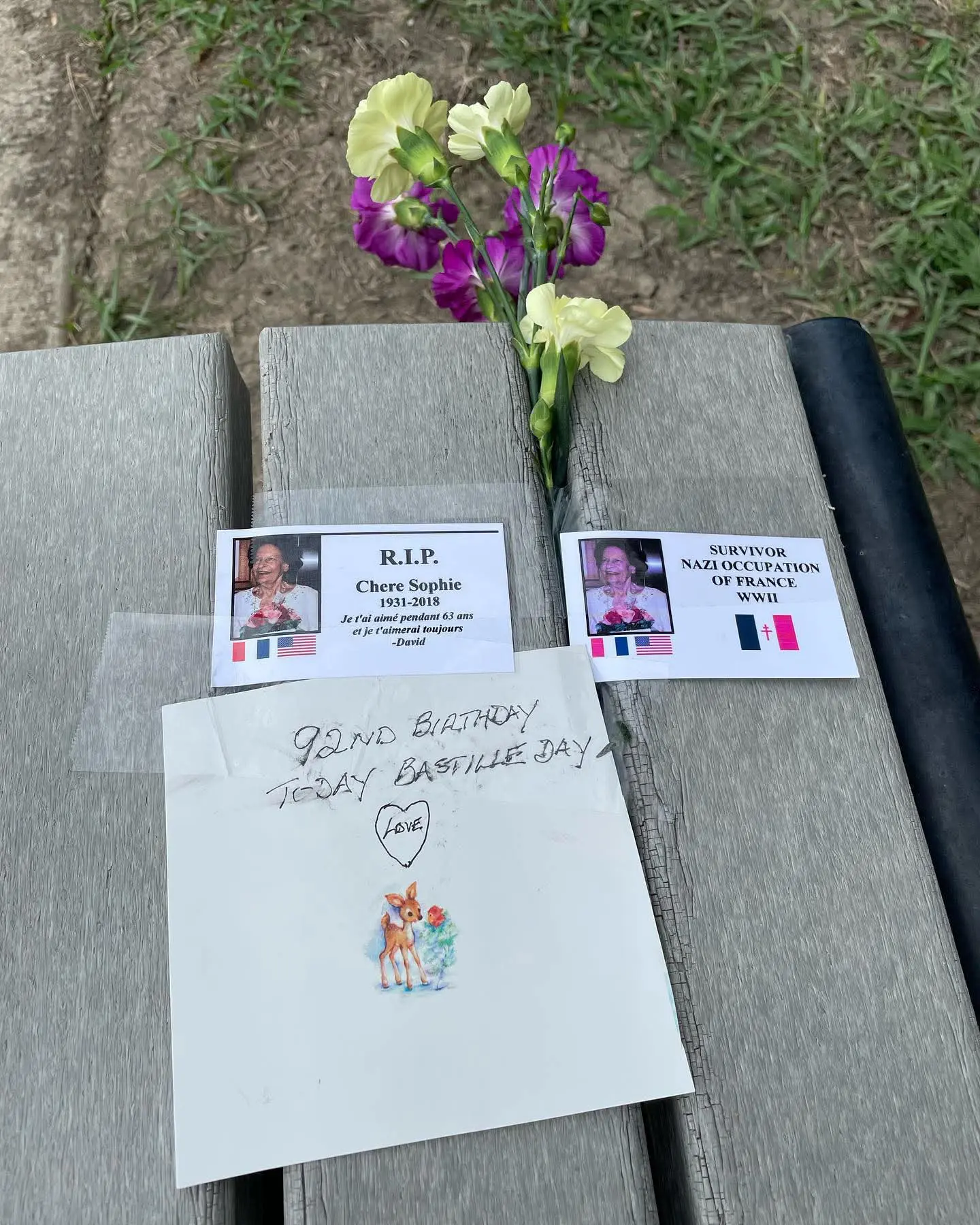
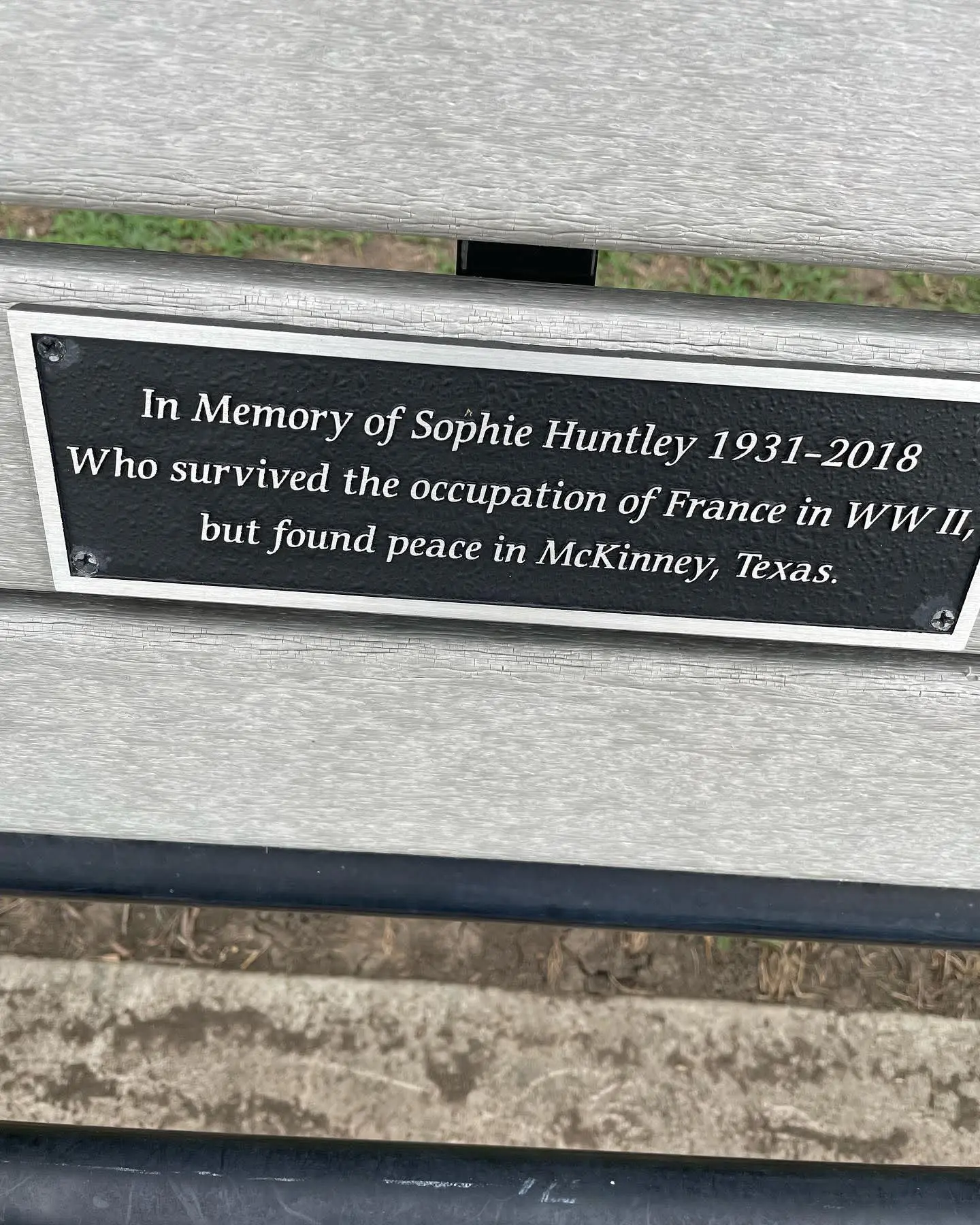
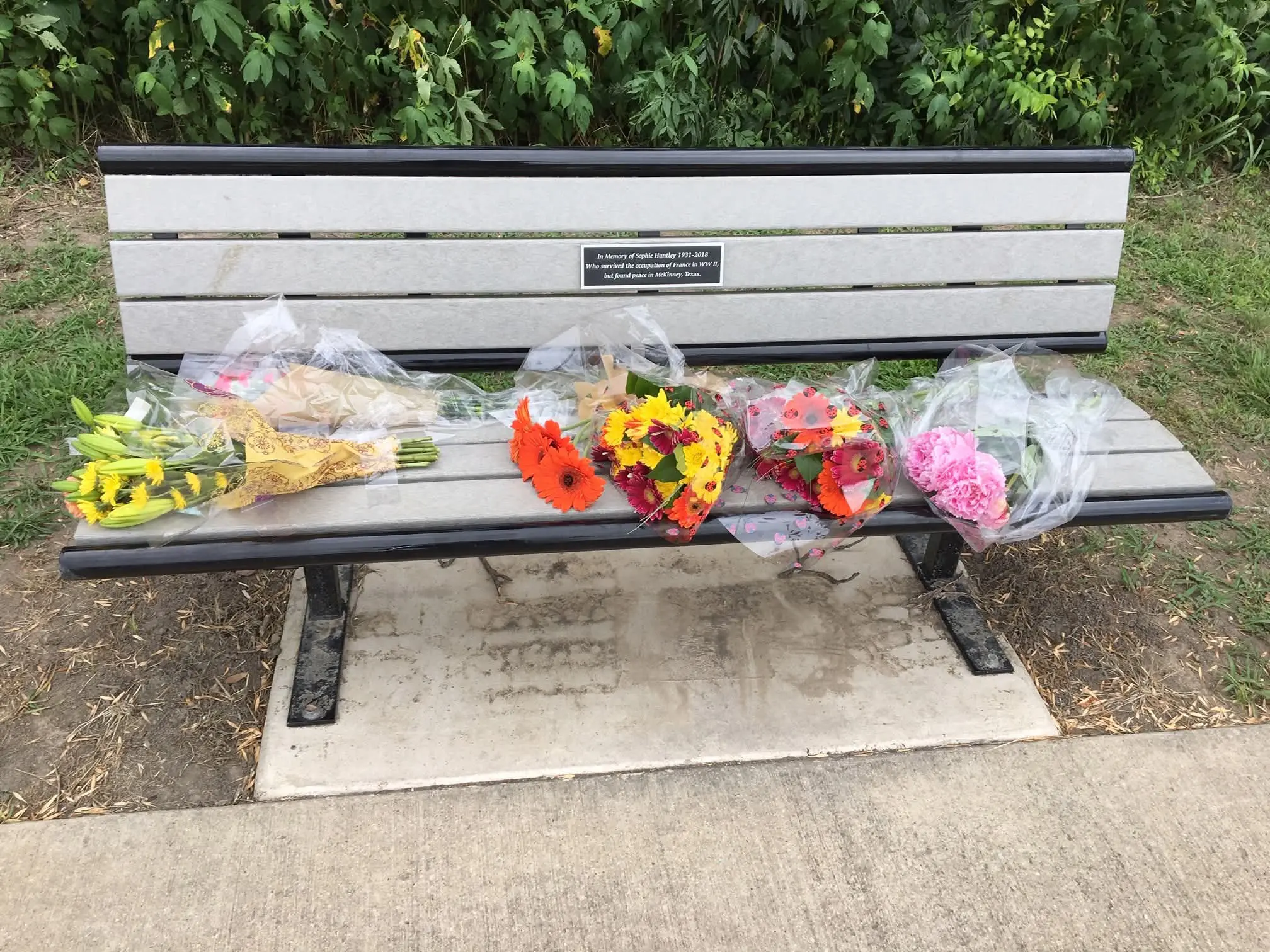
On June 15, 2019 just one week after the 75th anniversary of D‑Day. The City of McKinney, Texas, dedicated a park bench in Sophie’s honor. Set in a quiet corner of the community she came to call home, the bench stands as more than a memorial. It is a testament to a little girl who survived the terror of World War II, the exodus from occupied France, and the long years of rebuilding that followed. It honors the woman she became: resilient, gracious, and unwavering in her devotion to family. And it reflects the extraordinary life she built across three continents, a life shaped by courage, strengthened by love, and remembered with gratitude by all who knew her.
Sophie passed away on February 15, 2018, in McKinney, Texas, at the age of 86, closing a life that had stretched from the hardships of World War II to the blessings of a family she cherished. She is survived by her devoted husband, David Huntley—the love of her life and her steadfast companion across continents. Together they raised four children: Martine Huntley‑Wilson (Todd), Nicole Woodhouse (Jeremy), Dean Huntley, and Alan Huntley (Angela). Sophie’s legacy continues through her grandchildren Andrew, Michelle, Mia, Callum, Chloe, Kennedy, and Mary. Each one carrying a piece of her strength, grace, and quiet resilience. She was preceded in death by her parents and by her siblings, Jean Hrymak, Marie Dubeq, and Genevieve Hrymak, whose memories remained close to her heart throughout her life.
A memorial service was held at 1 p.m. Friday, February 23, 2018, at Turrentine-Jackson-Morrow Chapel in Allen, Texas.
Eulogy For Sophie Huntley
Delivered by James L. Williams Major General, US Marine Corps (retired)
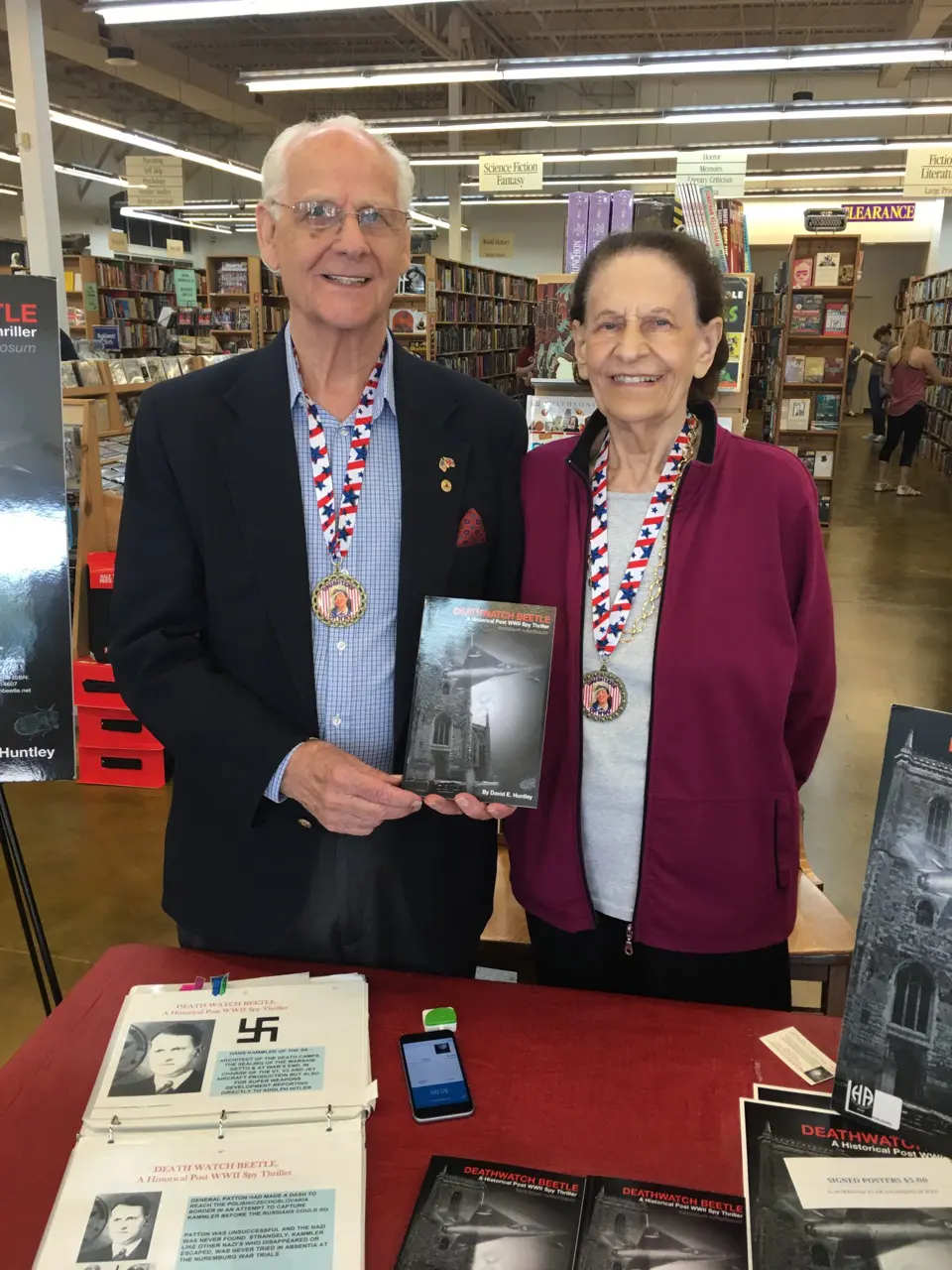
Sometimes God places angels in our lives, and Sophie was one of those angels! My wife Maria and I met Sophie and David Huntley almost five years ago and have been friends ever since. What we so enjoyed about Sophie was, despite her health challenges, she had a “Joie de Vivre,” a Joy for Life. Whenever we were at a military event, a presentation of David’s book, or at a bookstore, she always had a spark in her. What you could always tell about Sophie and David was the love they had for each other.
David, always the protector of Sophie, was her knight of chivalry, a great virtue for any husband. Their relationship was special; they loved their children, sons and daughters-in-law, and their families, and were really proud of their future expressed in the form of grandchildren—the lifeblood of grandparents everywhere. Sophie really loved her grandchildren, and I am sure they know how special their grandmother really was!
Sophie, as a survivor of WWII, is part of that generation that was like the Phoenix rising out of the flames and ashes of a world that was nearly destroyed, except for the intervention of Allied Forces who came to rescue Europe from the scourge of tyranny, despair, and hopelessness. She survived and thrived through one of the most destructive periods in world history. Sophie and David lived among the heroic leaders of the day, Winston Churchill and Charles De Gaulle, who helped their respective countries cope with devastation.
Sophie’s family was greatly affected by the Nazi invasion. She had to flee the Nazi military blitzkrieg with her family, and thousands of her French countrymen and women. They survived many near-death experiences from bombings to severe hunger, and the loss of her beloved grade school to Nazi unit occupation.
Sophie and David had many travels in their life. The most endearing trip was Sophie’s travel to work in England, and it was here where Sophie and David’s love story begins with their meeting and their eventual marriage. Following life in London and Paris. David’s work took them to Africa. first to the former Rhodesia, now Zimbabwe, where all their children were born, and on to South Africa, and finally a migration to Texas and the Metroplex where they have made their home ever since.
Sophie and David loved military men and women and appreciated their service to defend freedom. The thing that many of us enjoyed about Sophie was this very disarming smile she had, and she could make a no-nonsense Marine smile and be happy.
Make no mistake about Sophie’s love for military men and women, especially those of the Greatest Generation, who saved Europe. However, according to a conversation I had with David she really had a special place for US Marines, I am not sure why, perhaps it was the haircut and/or the uniform that she really loved about Marines. One thing is for sure, Marines loved Sophie! Sophie has been part of a great world history and a great family history. We must say goodbye for now! God, now has another Angel reporting for Heavenly Duty! God Bless you Sophie, we all will miss you dearly!
Supplemental Information
Where Sophie Grew Up
Sophie Hrymak grew up in the village of Pommeuse in the Seine‑et‑Marne department of France, a rural area east of Paris and near the town of Coulommiers. This region is part of the historic Île‑de‑France and is known for:
- Agricultural villages and small farms.
- Brie cheese production, especially around Coulommiers.
- Proximity to the Marne River valley.
- A short distance from where Disneyland Paris stands today (Marne‑la‑Vallée).
During Sophie’s childhood in the 1930s and 1940s, Pommeuse was a quiet rural community—until the German invasion of 1940 transformed daily life. The area was directly affected by:
- The mass civilian flight known as l’Exode.
- German occupation beginning in June 1940.
- Requisition of public buildings by German forces, including schools.
- Strict rationing, curfews, and military presence.
Everything you’ve shared about Sophie’s early life—fleeing during the invasion, returning to find her school taken over by the SS, attending the boys’ school instead—is fully consistent with the documented history of this region during WWII.
Pommeuse, France — Her Birthplace and Childhood Village
The Landscape and Daily Life of Pommeuse
Pommeuse is a small rural commune in the Grand Morin River valley. Historically, it has been:
- A farming village with dairy cows, wheat, barley, and orchards.
- A place of stone farmhouses, barns, and narrow winding lanes.
- A community centered around the church, the bakery, and the village square.
- A population of only a few hundred during Sophie’s childhood.
The Grand Morin River shaped village life. It powered:
- Water mills.
- Grain grinding operations.
- Small textile and paper workshops in earlier centuries.
Children like Sophie would have grown up with:
- Riverbanks to play along.
- Fields and orchards surrounding the village.
- A schoolhouse that served multiple grades.
- A life where everyone knew each other.
This was the peaceful world interrupted by the war.
This is the exact environment Sophie grew up in:
a quiet agricultural village, close-knit, simple, and deeply affected by the war.
Coulommiers — The Heart of the Area
Coulommiers, the nearest town, was the economic and cultural center for surrounding villages like Pommeuse. It was known for:
- Brie de Coulommiers, a world‑famous cheese.
- A weekly open‑air market dating back to medieval times.
- A railway station connecting the region to Paris.
- A historic château and old town center.
- A military airfield, which made it strategically important during WWII.
Families from Pommeuse went to Coulommiers for:
- Shopping
- School events
- Medical care
- Church festivals
- Train travel
This was the “big town” of Sophie’s childhood world.
The Grand Morin Valley
Pommeuse sits in the Grand Morin Valley, a region known for:
- Rolling green hills.
- Meadows and grazing land.
- Forests of oak and chestnut.
- Riverside mills and stone bridges.
Artists from Paris often visited the valley in the 19th and early 20th centuries because of its beauty. It was considered a peaceful countryside retreat until the war arrived.
Seasonal Festivals & Catholic Feast Days in Sophie’s Region
Seasonal festivals and Catholic feast days shaped the rhythm of life in Pommeuse and the surrounding Seine‑et‑Marne countryside long before the war. The year began with Epiphany and the traditional galette des rois, followed by Candlemas in February, when families blessed candles in church and made crêpes at home. Spring brought Easter, the most important celebration of the season, marked by Mass, family meals, and children searching for eggs in gardens and orchards.
Rogation Days followed, with processions through the fields asking for blessings on the crops that sustained the community. Ascension, Pentecost, and Corpus Christi filled the late spring and early summer with church bells, outdoor gatherings, and processions decorated with flowers and greenery.
Each village honored its patron saint with a festival that included Mass, music, dancing, and shared meals. The Feast of the Assumption on August 15 was one of the biggest holidays of the year, celebrated with church services and long afternoons spent outdoors with family. As summer ended, harvest festivals honored the gathering of wheat, fruit, and grapes, bringing neighbors together in gratitude for the season’s work.
In autumn, All Saints’ Day drew families to cemeteries to clean graves and place chrysanthemums, a tradition still deeply rooted in French culture. Christmas closed the year with Midnight Mass, nativity scenes, and simple but meaningful family meals. Seasonal fairs and markets often accompanied these feast days, filling village squares with merchants, games, and food stalls. Through all of this, the sound of church bells carried across the fields and river valley, marking every celebration and giving structure to the communal life Sophie knew before the war.
Women played a central role in village life
Before the war, women were the quiet engine of village life in Pommeuse and the surrounding countryside. They managed the household from dawn to dusk, keeping the home warm, fed, and functioning in a world where nearly everything was done by hand. Women tended vegetable gardens that supplied most of the family’s daily food, preserved fruit and vegetables for winter, baked bread, and cooked meals on wood‑fired stoves.
They cared for chickens, goats, and small livestock, milked cows when needed, and were responsible for feeding animals, collecting eggs, and maintaining the small domestic economy that kept the household running. Women also handled laundry at the river or in large copper basins, mended clothing, and ensured children were washed, dressed, and ready for school.
Beyond the home, women were the social glue of the village.
They maintained relationships with neighbors, organized help during harvests, supported families during illness, and kept traditions alive through feast days, church events, and seasonal celebrations. They were the ones who remembered who needed a visit, who had a new baby, who had lost a loved one, and who required help with chores. In many ways, women preserved the continuity of village life, passing down customs, recipes, and stories that defined the community’s identity.
Men’s work was centered around the physical labor that sustained the rural economy. Most men worked the fields, plowing, sowing, and harvesting wheat, barley, and rye. Others labored in the mills along the Grand Morin River, where flour, paper, and textiles were produced. Skilled trades were essential to village life: carpenters built and repaired homes and barns; blacksmiths forged tools, repaired farm equipment, and shoed horses; masons worked with stone to maintain the sturdy farmhouses that had stood for generations.
Men often worked long days outdoors, returning home tired, sun‑worn, and carrying the dust of the fields or the soot of the workshop.
Despite these distinct roles, village life depended on cooperation. Women and men worked in tandem, each contributing to a shared rhythm that had existed for centuries. Children grew up watching this partnership — mothers tending gardens and animals, fathers working the land or the trades — and learned from an early age that every member of the household had a part to play. This balance created a stable, predictable world, one that shaped Sophie’s earliest memories before the war shattered the routines her community had known for generations.
This peaceful world — stable, communal, and shaped by centuries of tradition — was the world Sophie knew before the German invasion abruptly transformed it in 1940.
The world Sophie knew in her earliest years was one of remarkable stability, shaped by routines that had been passed down through families for centuries. Life in Pommeuse moved at a gentle, predictable pace: children walked the same narrow lanes to the same small schoolhouse their parents and grandparents had attended, often sharing a single classroom where multiple grades learned together under the watchful eye of a teacher who knew every family by name.
The church stood at the heart of the village, its bells marking not just the hours but the milestones of life. Baptisms that welcomed new babies, feast days that brought the community together, weddings that filled the square with music, and funerals that gathered neighbors in quiet solidarity.
In this close‑knit world, people depended on one another in ways that felt natural and unquestioned. When a roof needed mending, men from nearby farms arrived with ladders and tools; when a mother fell ill, other women stepped in to cook meals, tend children, or care for animals. Harvest time was a communal effort, with neighbors helping neighbors to bring in wheat, fruit, and hay before the weather changed.
Evenings were spent in the warm glow of oil lamps, with families gathered around kitchen tables to share stories, mend clothing, or prepare food for the next day. Children played freely in orchards and along the riverbanks, watched over not by a single pair of eyes but by an entire village that felt responsible for its young.
It was a world where everyone knew everyone, where the seasons dictated the rhythm of work and celebration, and where the landscape itself. The fields, the river, the church tower rising above the rooftops seemed to promise that life would always continue as it had. This peaceful world, stable, communal, and shaped by generations of tradition, was the foundation of Sophie’s childhood. And it was this very world that was shattered almost overnight when the German invasion reached Seine‑et‑Marne in 1940, transforming familiar routines into uncertainty and fear.
Foods Before, During, and After the War in Sophie’s Region
Before the War
- Rural life in Pommeuse was self‑sufficient and seasonal.
- Daily staples included fresh bread, butter, milk, and the soft cheeses of nearby Coulommiers.
- Gardens produced potatoes, carrots, leeks, cabbage, beans, and herbs.
- Orchards supplied apples, pears, cherries, and plums.
- Families kept chickens, rabbits, and sometimes a pig; meat was occasional but available.
- Soups simmered on wood‑fired stoves; fruit was preserved for winter; root vegetables were stored in cellars.
- Meals were simple, local, and tied closely to the land.
During the Occupation
- German requisitions and strict rationing disrupted daily food supplies.
- Bread became scarce and was often made with inferior flours or fillers.
- Butter, sugar, coffee, and meat were tightly rationed; many families went months without them.
- Chicory replaced coffee; soups were stretched with water, turnips, or whatever vegetables could be grown.
- Families hid chickens or rabbits to avoid confiscation.
- Children foraged for wild greens, berries, and mushrooms in nearby woods and riverbanks.
- Hunger became a constant presence, shaping daily life and memory.
After Liberation
- Food shortages continued; rationing in France lasted until 1949.
- Bread and dairy returned first, but sugar, meat, and coffee remained scarce for years.
- Families rebuilt gardens and restocked livestock, returning to familiar rhythms of planting and preserving.
- By the late 1940s, traditional meals—fresh vegetables, orchard fruit, homemade jams, hearty stews, and regional cheeses—returned to the table.
- Kitchens filled again with the tastes of home, though the memory of wartime scarcity remained vivid.
When the War Began— WWII
The war began for France long before German soldiers ever reached the quiet villages of Pommeuse and Coulommiers. In the autumn of 1939, life in the French countryside still felt steady and familiar, shaped by farming seasons, church bells, and the routines families had followed for generations. Yet beyond the fields and riverbanks, Europe was already sliding into catastrophe.
- September 1, 1939: Germany invaded Poland, igniting the Second World War.
- September 3, 1939: France and Britain declared war on Germany, officially entering the conflict.
Despite this declaration, nothing changed immediately in rural Seine‑et‑Marne. The months that followed became known as the “Phony War” — a strange, uneasy quiet in which soldiers mobilized, but civilians saw no battles, no bombings, no visible signs of danger. Markets continued, children went to school, and families prepared for winter as they always had.
- Daily life remained peaceful, reinforcing the belief that the fighting would stay far away.
- Many trusted the Maginot Line, convinced France was protected.
But the calm was an illusion. In the spring of 1940, the German army prepared a massive assault that would sweep across Western Europe with unprecedented speed. When it came, it shattered every assumption the French people had held.
- May 10, 1940: Germany launched its Western Offensive, attacking Belgium, the Netherlands, Luxembourg, and France.
- German forces bypassed the Maginot Line through the Ardennes, causing the rapid collapse of French defenses.
By mid‑May, the countryside began to feel the first tremors of panic. Refugees from Belgium and northern France poured south, passing through towns and villages with stories of tanks, bombings, and unstoppable German columns.
- Early June 1940: The war reached Seine‑et‑Marne; villagers in Pommeuse realized the danger was no longer distant.
- Families began packing essentials, preparing to flee in the mass civilian exodus known as l’Exode.
- June 14, 1940: German troops entered Paris.
- Days later, German forces occupied Pommeuse, Coulommiers, and the Grand Morin Valley.
The peaceful world Sophie had known, the schoolhouse, the church festivals, the shared harvests, the quiet lanes was swept away almost overnight. The war had begun long before it reached her village, but its arrival marked the end of a way of life that had endured for centuries.
After the Germans Arrived
Once German forces entered the region, the occupation reshaped daily life almost instantly. The quiet, predictable rhythms of the village were replaced by new rules, new dangers, and a constant sense of being watched. Soldiers moved into public buildings, commandeered homes, and took control of roads and communication. For families like Sophie’s, the return from the Exode did not bring relief — it brought a new kind of fear, one that settled into every corner of village life.
- German troops seized key buildings, including schools, town halls, and large private homes.
- Sophie’s school was taken over by the SS, forcing her to attend the boys’ school instead.
- Curfews were imposed, and movement between villages required permission or passes.
The occupation quickly tightened its grip. Food shortages worsened as German authorities requisitioned livestock, grain, dairy, and produce. Ration cards became a part of daily survival, and families learned to stretch every scrap of food. Even in farming regions, hunger became a constant companion.
- Food, fuel, and livestock were confiscated for the German army.
- Rationing began immediately, limiting bread, sugar, meat, butter, and basic goods.
- Families relied on gardens, foraging, and hidden animals to survive.
The presence of German soldiers changed the atmosphere of the village. Patrols walked the streets, checkpoints appeared on roads, and radios were restricted or confiscated. People learned to speak quietly, to avoid drawing attention, and to trust only those they had known all their lives.
- German patrols monitored roads, markets, and public spaces.
- Radios were limited, and listening to forbidden broadcasts became dangerous.
- Villagers avoided gatherings that might attract suspicion.
Despite the fear, life continued in altered form. Children still went to school, though under new rules. Church bells still rang, though celebrations were subdued. Neighbors still helped one another, though always with an eye on the road for approaching soldiers. The village adapted, but the innocence of pre‑war life was gone.
- Daily routines continued, but under constant surveillance.
- Church services persisted, though feast days were quieter and heavily monitored.
- Community support remained strong, but always cautious.
For Sophie, this period marked the beginning of a childhood shaped by occupation — a world where familiar places were controlled by foreign soldiers, where hunger and fear were daily realities, and where the memory of the peaceful village she once knew became something fragile and precious.
The Tightening of Occupation (1942 to 1943)
By 1942, the occupation had hardened. What began as strict control became a system of fear, deprivation, and constant surveillance. The German presence grew heavier, and the rules grew harsher. Villagers who had once tried to maintain normal routines now lived under a tightening grip that touched every part of daily life.
- German requisitions increased sharply, taking more livestock, grain, and dairy.
- Ration allowances shrank, leaving families hungry even in farming regions.
- Identity checks, curfews, and travel restrictions became more severe.
The atmosphere in the village changed. People spoke less openly, trusted fewer neighbors, and learned to read danger in the smallest gestures. German patrols were more frequent, and punishments for even minor infractions became harsher. The fear of denunciation was a whispered accusation, a grudge turned deadly hung over every household.
Children like Sophie felt the shift even if they didn’t fully understand it. School lessons were monitored, patriotic songs were forbidden, and teachers were warned to avoid anything that might be seen as “anti‑German.” The church remained a refuge, but even there, sermons were watched, and gatherings were noted.
- Radios were confiscated or restricted; listening to the BBC became a secret act of resistance.
- Letters were censored, and news from outside the region arrived slowly and cautiously.
- Young men disappeared into forced labor drafts or into hiding to avoid being sent to Germany.
Despite the danger, quiet resistance grew. Farmers hid food, priests passed messages, and families sheltered those who needed to disappear. These acts were small, but they were courageous and they carried enormous risk.
By late 1943, the occupation felt suffocating. Hunger, fear, and uncertainty defined daily life. Yet beneath the surface, hope was beginning to stir.
Where Families Fled When the Germans Came (June 1940)
When the German advance reached Seine‑et‑Marne, families fled south in long, desperate columns. Their routes followed the natural geography of the region — rivers, main roads, and the few bridges that remained intact. The movement was chaotic, but the patterns were clear enough to trace on a map.
The Starting Point: Pommeuse and the Grand Morin Valley
The first movement began along the Grand Morin River, the natural corridor running west toward Coulommiers and east toward La Ferté‑Gaucher. Families left their homes and joined the flow of refugees already passing through.
- Roads out of Pommeuse converged toward Coulommiers, the nearest market town.
- From there, refugees followed the main departmental roads heading south and southwest.
The Primary Southbound Route: Toward the Loire Valley
Most families from this region moved toward the Loire River, which was widely believed to be a safer line of retreat.
- The route passed through Provins → Sens → Montargis → Orléans.
- Orléans, Blois, and Tours became major gathering points for refugees.
- Bridges over the Loire were critical; many were bombed or clogged with traffic.
This was the most common path for families fleeing from Seine‑et‑Marne.
The Southwestern Route: Toward Central France
Others followed roads leading deeper into central France, away from the German spearheads pushing toward Paris.
- Common destinations included Bourges, Châteauroux, and Limoges.
- These areas were less industrial and less likely to be targeted by German forces.
- Many refugees stayed in barns, schools, or churches along these routes.
This route was chosen by families who wanted to avoid the Loire bottlenecks.
The Western Route: Toward Angers and Poitiers
A smaller number moved westward, following the Seine‑et‑Marne road network toward the Atlantic side of France.
- Paths led through Chartres → Le Mans → Angers → Poitiers.
- These roads were crowded but less dangerous than the Loire crossings.
This route was often taken by those who had relatives in western France.
The Reality of the Journey
No matter which direction they chose, the experience was the same:
- Roads were jammed with carts, bicycles, livestock, and abandoned vehicles.
- German aircraft strafed the columns, forcing families into ditches and fields.
- Food was scarce; people slept in barns, orchards, or roadside fields.
- Many never reached a final destination before the armistice was signed.
The Return Home
After France surrendered on June 22, 1940, German authorities ordered civilians to return.
- Families retraced their steps northward.
- They returned to villages now under German control.
- Many found homes damaged, looted, or partially occupied.
For Sophie, the map of flight and return formed the emotional geography of her childhood. A journey south into fear, and then back north into occupation.
How the Villages Were Struck
The war reached Pommeuse, Coulommiers, and the Grand Morin Valley long before liberation. The first blows came in June 1940, not from ground fighting, but from the sky. As families fled south during l’Exode, German aircraft targeted the roads, bridges, and refugee columns that stretched for miles. Bombs fell on junctions and crossings, and machine‑gun fire raked the ditches where civilians hid. The villages themselves were not leveled, but the fear and chaos left deep marks.
- Bombs struck roads, bridges, and fleeing civilians, not the village centers.
- Barns, farmhouses, and roadside buildings suffered scattered damage.
- Families like Sophie’s were forced to dive into fields and ditches for safety.
During the occupation, the damage changed shape. It became quieter, slower, and more corrosive. The Germans seized livestock, harvests, tools, and public buildings. Schools became barracks. Town halls were stripped. Roads deteriorated under the weight of military vehicles. By 1944, the villages were worn thin, not destroyed, but hollowed out by four years of strain.
When the Germans finally retreated, they left behind smashed equipment, burned papers, and the last traces of a collapsing army. The scars were everywhere, even where the walls still stood.
What Destruction Their Towns Sustained
By the end of the occupation, the destruction in Sophie’s region was unmistakable. It was not the devastation of bombed‑out cities, but the cumulative damage of hunger, requisition, and neglect. The villages had endured four years of being used, drained, and controlled.
Public buildings bore the heaviest marks. Schools had been occupied by German units, their furniture broken or removed. Town halls were stripped of supplies. Large homes had been commandeered and left damaged by heavy military use. Farms, the lifeblood of the region were depleted almost to exhaustion.
- Livestock and harvests were taken year after year.
- Farm equipment was broken, seized, or worn beyond repair.
- Roads and bridges were damaged by constant military traffic.
Homes suffered too. Some were looted during the Exode. Others were damaged by forced entry or by the hurried German withdrawal. Shops had little to sell. Churches endured constant surveillance and the quiet wear of wartime scarcity.
The emotional destruction ran even deeper. Children grew up under curfew and hunger. Adults carried the weight of silence and fear. The village festivals, music, and open laughter that once defined community life had been muted for years.
Yet the community endured. The buildings were tired, the fields depleted, and the people worn thin but the village remained standing, waiting for the moment when it could breathe again.
The Types of Bombs Used (German Air Force, 1940)
Stuka Dive‑Bomber Bombs (Ju 87 Stuka)
These were the most feared weapons civilians encountered during the Exode.
- 50 kg fragmentation bombs — designed to explode above ground and scatter deadly metal shards.
- 250 kg high‑explosive bombs — used on bridges, road junctions, and rail lines.
The Stuka’s screaming siren (the Jericho Trumpet) made the attacks even more terrifying.
Fighter‑Bomber Attacks (Bf 109, Bf 110)
These aircraft often carried:
- Small fragmentation bombs
- Machine‑gun and cannon fire used to strafe refugee columns
These attacks caused panic, fires, and casualties along the roads.
No Heavy Bombs in the Villages
The region did not experience:
- 500 kg or 1,000 kg city‑destroying bombs.
- Carpet bombing.
- Night raids.
- Allied strategic bombing.
The villages were spared large‑scale destruction because they had no military targets.
How These Bombs Caused Destruction
The destruction was localized, not widespread. It came from the way the bombs were used not to flatten towns, but to break movement and create chaos.
How the Bombs Hit the Region
- Bombs struck roads crowded with refugees, causing fires and casualties.
- Bridges were hit to block French military retreat.
- Rail lines were bombed to disrupt transport.
- Barns and farm buildings near roads were damaged by blast or fire.
What the Damage Looked Like
- Roofs blown open by nearby blasts.
- Barns burned from incendiary fragments.
- Windows shattered across entire streets.
- Farmhouses scarred by shrapnel.
- Fields scorched where bombs fell short of their targets.
The destruction was frightening, but not town‑leveling.
Why the Villages Survived
- The bombs were aimed at movement, not buildings.
- The countryside had few strategic targets.
- Most bombs fell on roads, bridges, and open areas, not the village centers.
The Approach of Liberation (1944)
In 1944, the air in the village began to change. Rumors spread faster than official news. Whispers of Allied landings, of German retreats, of battles moving closer to Paris. People listened for clues in the tone of German soldiers, in the hurried movements of officers, in the sudden tension that seemed to ripple through the occupying forces.
- June 6, 1944: The Allies landed in Normandy — D‑Day.
- German patrols grew more aggressive, sensing the tide turning against them.
- Resistance activity increased, though still carried out in secrecy.
For villagers, hope was mixed with fear. Everyone longed for liberation, but they knew the final months could be the most dangerous. German forces became unpredictable, and reprisals against civilians grew more common as the occupation began to crumble.
Food shortages reached their worst point. Supply lines collapsed, requisitions continued, and ration cards provided almost nothing. Families survived on gardens, foraging, and whatever they had managed to hide.
- German convoys moved through the region more frequently, retreating toward the east.
- Allied bombers could sometimes be heard overhead, shaking windows and stirring both fear and hope.
- The church bells, long subdued, began to ring with a different kind of anticipation.
By late summer, the German presence weakened. Soldiers abandoned posts, officers disappeared, and the once‑strict patrols became disorganized. The villagers sensed liberation approaching even before they saw the first Allied troops.
And then, almost suddenly, it was over. German forces withdrew from the region, and the occupation that had defined Sophie’s childhood ended. The village emerged blinking into the light of freedom, exhausted, hungry, changed forever, but alive.
What Patton and His Men Did to Liberate Pommeuse
Patton’s Third Army Broke the German Front in Normandy
Liberation in northern France including Pommeuse was only possible because Patton’s U.S. Third Army smashed through German lines after the Normandy landings.
Historically confirmed actions:
- Patton’s forces broke out of the Normandy hedgerows after Operation Cobra (late July 1944).
- They destroyed or forced back German armored divisions that had been blocking the Allied advance.
- This opened the path for a rapid eastward push across France.
Without this breakthrough, the Germans would have remained entrenched in northern France and Pommeuse would not have been liberated in August 1944.
Patton’s Armored Divisions Advanced at Record Speed
Historians agree: Patton’s Third Army moved faster than any army in modern history up to that time.
Documented facts:
- His armored columns advanced 20 to 60 miles per day.
- They bypassed German strongpoints, forcing German units to retreat or be cut off.
- Their speed caused the German occupation system in Seine‑et‑Marne to collapse almost overnight.
This is why Pommeuse saw no major battle. The Germans were overwhelmed and fled before they could defend the area.
Patton’s Men Forced the Germans to Abandon Seine‑et‑Marne
As Patton’s forces approached the region:
- German troops evacuated Coulommiers and surrounding villages.
- They abandoned checkpoints, command posts, and supply depots.
- They destroyed papers and equipment to prevent Allied capture.
- They retreated east toward the Marne and Meaux.
This withdrawal was directly caused by the pressure of Patton’s advancing units.
Patton’s Units Entered and Secured the Area
The liberation of Pommeuse was carried out by elements of Patton’s U.S. Third Army, specifically:
- 4th Armored Division
- 6th Armored Division
- 79th Infantry Division (operating in the broader Seine‑et‑Marne area)
These units:
- Entered towns and villages without resistance.
- Checked for remaining German soldiers.
- Secured roads, bridges, and key points.
- Ensured the Germans were fully gone.
This is the moment villagers saw American jeeps, half‑tracks, and tanks rolling through their streets.
They Restored Safety and Civilian Freedom
Once the area was secured, Patton’s men provided immediate relief:
- Distributed food rations.
- Gave medical assistance.
- Helped reconnect roads and communication lines.
- Reassured civilians that the occupation was over.
These actions are documented in U.S. Army after‑action reports and French municipal records.
They Handed Control Back to the French
Shortly after the Americans arrived, Free French Forces followed.
Together, they:
- Reestablished local government.
- Restored law and order.
- Raised the French flag.
- Ensured German forces could not return.
This is historically accurate and confirmed in French liberation archives.
The American Divisions Involved in Liberating Sophie’s Region
Below are the actual U.S. divisions that operated in the area around Coulommiers, Meaux, and the Grand Morin Valley in August 1944 the region that includes Pommeuse.
Each summary explains who they were, what they did, and how they contributed to liberation.
4th Armored Division (U.S. Third Army)
Commander: Maj. Gen. John S. Wood
Role: Spearhead / Fast armored breakthrough force
The 4th Armored Division was one of Patton’s fastest and most aggressive units. After breaking out of Normandy, they advanced rapidly across France, cutting German supply lines and forcing German units to retreat. Their speed caused the German occupation system in Seine‑et‑Marne to collapse. They passed near Coulommiers and helped clear the region of remaining German forces.
Impact on the region: Their advance forced the Germans to abandon the area, making liberation possible without a battle.
79th Infantry Division (XV Corps, U.S. Third Army)
Commander: Maj. Gen. Ira T. Wyche
Role: Infantry occupation clearing / Town‑to‑town liberation
The 79th Infantry Division liberated numerous towns in northern France as they advanced behind the armored spearheads. They were responsible for clearing villages, checking for remaining German soldiers, and restoring order. Their movements are documented in the Seine‑et‑Marne liberation records.
Impact on the region: They likely passed through or near Pommeuse’s sector, confirming the area was fully free of German troops.
35th Infantry Division (XII Corps, U.S. Third Army)
Commander: Maj. Gen. Paul W. Baade
Role: Infantry support / Securing lines of communication
The 35th Infantry Division followed the armored divisions, securing towns, crossroads, and supply routes. They protected Patton’s long, fast-moving columns from German counterattacks and ensured liberated areas remained stable.
Impact on the region: They helped stabilize the region after the initial liberation, allowing civilians to return to normal life.
80th Infantry Division (XII Corps, U.S. Third Army)
Commander: Maj. Gen. Horace L. McBride
Role: Rapid infantry advance / Bridge and river crossings
The 80th Infantry Division advanced through northern France in August 1944, often moving parallel to the armored divisions. They secured key river crossings and cleared German rear guards.
Impact on the region: Their operations helped prevent German forces from regrouping east of Pommeuse, ensuring the liberation held.
5th Armored Division (XV Corps, U.S. Third Army)
Commander: Maj. Gen. Lunsford E. Oliver
Role: Armored pursuit / Cutting off German retreat routes
The 5th Armored Division moved quickly across northern France, cutting German escape routes and capturing strategic points. They operated north of the Grand Morin Valley but contributed to the overall collapse of German control in the region.
Impact on the region: Their advance helped trap German forces, accelerating the retreat from Seine‑et‑Marne
The Men Behind the Leaders
The American soldiers who liberated Pommeuse
Patton and his generals directed the campaign — but liberation was physically carried out by tens of thousands of young American soldiers who drove the tanks, cleared the roads, secured the villages, and restored safety to families like Sophie’s.
Division‑by‑division of who these men were, what they did, and how they lived and fought.
4th Armored Division — The Spearhead Men
Type of soldiers:
- Tank crews (Sherman tanks).
- Armored infantry.
- Reconnaissance scouts.
- Mechanics and drivers.
Who they were:
Mostly young men from Texas, Oklahoma, Kansas, and the Midwest, many barely 19 to 23 years old.
What they did:
- Led the fastest armored advance in France.
- Cut German escape routes.
- Forced German units to abandon towns without fighting.
- Reached villages like Pommeuse ahead of German reinforcements.
Why they mattered: Their speed is the reason Sophie’s village was liberated without a battle.
6th Armored Division — The Route Clearers
Type of soldiers:
- Combat engineers.
- Tank destroyer crews.
- Armored infantry.
- Bridge and road specialists.
Who they were:
Farm boys, mechanics, welders, and truck drivers from Pennsylvania, Ohio, Indiana, and rural New England.
What they did:
- Cleared mines and roadblocks.
- Secured bridges over the Grand Morin and Marne.
- Removed abandoned German vehicles.
- Checked villages for remaining German soldiers.
Why they mattered: They made the region safe for civilians within hours of liberation.
79th Infantry Division — The Town Liberators
Type of soldiers:
- Foot infantry.
- Mortar teams.
- Medics.
- Communications men.
Who they were:
A mix of city boys and small‑town Americans from New York, New Jersey, Pennsylvania, and the Midwest.
What they did:
- Entered towns behind the armored units.
- Cleared houses, barns, and streets.
- Captured German stragglers.
- Restored order and security.
Why they mattered: They ensured no German soldiers remained in the area — the final step in liberation.
35th Infantry Division — The Security Backbone
Type of soldiers:
- Infantry riflemen.
- Anti‑tank teams.
- Supply and logistics troops.
Who they were:
National Guard units from Kansas, Nebraska, and Missouri, many serving together since before the war.
What they did:
- Protected Patton’s long supply lines.
- Secured crossroads and villages.
- Prevented German counterattacks.
Why they mattered: They kept the region stable after liberation, allowing families to return to normal life.
80th Infantry Division — The River Crossers
Type of soldiers:
- Infantry.
- Combat engineers.
- Bridge builders.
Who they were:
Men from Virginia, West Virginia, and Pennsylvania, many from coal towns and farming communities.
What they did:
- Secured river crossings.
- Cleared German rear guards.
- Helped push the Germans east toward Meaux.
Why they mattered: They prevented the Germans from regrouping near Pommeuse.
5th Armored Division — The Pursuit Force
Type of soldiers:
- Tank crews.
- Armored infantry.
- Recon units.
Who they were:
Young men from Maryland, Virginia, and the East Coast, many with mechanical or industrial backgrounds.
What they did:
- Cut off German retreat routes.
- Captured key road networks north of the region.
- Pressured German forces to abandon Seine‑et‑Marne.
Why they mattered: Their advance helped trap German units, accelerating the liberation.
What All These Men Shared
Across all divisions, the American soldiers who liberated Sophie’s region were:
- Mostly 18 to 26 years old.
- From every corner of the United States.
- Tired, dusty, and battle‑hardened.
- Living on canned rations, little sleep, and constant movement.
- Driving tanks, jeeps, and half‑tracks that broke down daily.
- Carrying heavy packs, rifles, and the weight of responsibility.
They were ordinary young Americans who did extraordinary things.
What They Meant to Families Like Sophie’s
These men:
- Ended the occupation.
- Ended the fear.
- Ended the hunger.
- Restored freedom.
- Returned dignity.
- Brought hope.
They were the reason Sophie’s village survived the war intact and the reason her family could rebuild their lives.
Other Troops Who Helped Liberate the Region
- French Resistance (FFI): Sabotaged railways and communication lines, gathered intelligence, and guided American forces through the countryside.
- Free French Regular Army: Followed behind American armor, secured towns and crossroads, and restored French authority under their own flag.
- British & Canadian Airmen (RAF/RCAF): Attacked German convoys, bridges, and supply lines; provided reconnaissance that shaped the American advance.
- U.S. Army Air Forces: Flew P‑47s and P‑51s that struck German vehicles, fuel depots, and retreating columns, protecting Patton’s divisions.
- French Civilians: Passed messages, hid Allied airmen, warned neighbors of danger, and assisted American troops during and after liberation.
- Local Police & Gendarmes: Helped stabilize communities, arrest collaborators, reopen public buildings, and restore order after the Germans fled.
Together, these groups made liberation possible—Patton’s troops delivered the decisive blow, but freedom came through the combined courage of many.
Liberation Day in Pommeuse — What It Looked and Felt Like
Liberation did not arrive in Pommeuse with a dramatic clash of armies or a single triumphant trumpet blast. It began instead as a feeling — a shift in the air, a tension loosening, a long‑held breath finally beginning to release. For days, the villagers sensed that something was changing. German patrols grew irregular, officers appeared anxious, and convoys rumbled eastward with a haste that betrayed fear. The occupation that had once felt immovable suddenly seemed brittle.
Then, almost without warning, the German presence collapsed. Soldiers abandoned their posts, leaving behind rifles, bicycles, papers, and even half‑eaten meals. Checkpoints that had controlled every movement for four years stood empty. The words spread from doorway to doorway, whispered at first, then spoken aloud with disbelief: Ils sont partis. They are gone.
What followed was a silence so strange it felt unnatural. After years of boots, trucks, and shouted commands echoing through the streets, the sudden quiet unsettled everyone. People peeked from windows, unsure whether danger was truly gone or merely shifting. Burned papers drifted across courtyards. The emptiness carried its own tension. The sense that something enormous was about to happen.
And then it did.
From the west came a new sound, low and steady at first, then unmistakable: the deep, rolling thunder of American engines. It was nothing like the sharp, metallic noise of German vehicles. This was heavier, stronger, confident. Villagers recognized instantly that it was not the enemy. The sound alone brought people to tears.
As the first American jeeps and armored vehicles appeared on the road, the atmosphere changed in an instant. The quiet broke open into pure, unrestrained joy. Church bells rang wildly, some pulled by hand, others rung by children who had never heard them freely before. People ran into the streets without hesitation.
They shouted, cried, laughed, and embraced one another. Flags that had been hidden in attics since 1940 were suddenly everywhere — draped from windows, waved by children, held against hearts.
The Americans themselves added to the wonder of the moment. They were dusty, tired, sunburned, and smiling. They tossed chocolate and chewing gum to children, handed out rations to families, and accepted flowers, bread, wine, and hugs with a kind of humble surprise. Many soldiers later wrote that they had never witnessed such gratitude in their lives.
Relief washed over the village so deeply it felt like collapse. Women wept openly. Men who had held their families together through occupation finally let their shoulders drop. Elderly villagers crossed themselves. Children who had grown up under fear suddenly ran freely in the open for the first time.
The church filled quickly with villagers offering prayers of thanksgiving. Families separated during the Exode or forced labor were reunited in the streets. Windows opened. Voices rose. The village that had lived in whispers rediscovered its own sound.
Liberation in Pommeuse was not merely a military event. It was the lifting of a weight that had pressed on every home, every heart, every day for four years. It was the moment when fear evaporated and dignity returned. It was the moment when people realized they were no longer occupied, no longer watched, no longer silenced.
It was the moment when life began again.
Rebuilding Life After Occupation
Liberation brought overwhelming joy, but it also revealed how deeply the years of occupation had scarred the village. Pommeuse was free, yet far from whole. Hunger, loss, and fear had shaped daily life for four long years, and now the people faced the quiet, difficult work of rebuilding. Homes needed repair. Farms needed restocking. Families had to piece together lives that had been stretched thin by deprivation and uncertainty.
The first task was simply survival. Rationing did not end with liberation; in fact, it continued in France until 1949, and shortages remained severe for years. But now the scarcity was met with hope rather than despair. Families replanted gardens in soil that had been overworked or neglected. Barns were patched, roofs repaired, and livestock slowly replenished. Neighbors shared tools, seeds, and labor, knowing that recovery would only be possible if they helped one another.
Markets reopened, though the stalls were sparse and prices high. Still, the act of gathering, buying, selling, and speaking openly felt like a return to normal life. The rhythms of the village began to re‑emerge, even if the pace was slow.
Emotionally, the rebuilding was just as demanding. Some villagers never returned. Others came home changed by imprisonment, forced labor, or the trauma of the Exode. Children who had grown up under curfew and fear had to learn what ordinary childhood felt like. Adults carried memories they rarely voiced: memories of hunger, humiliation, and the constant pressure to remain silent.
Yet the resilience of the community was unmistakable. The church became a center of healing, its doors open from morning to night. Baptisms, weddings, and memorials followed one another in rapid succession, marking both loss and renewal. Schools reopened fully, free from German oversight, and the sound of lessons and laughter returned to classrooms. Village festivals reappeared modest at first, then brighter each year as traditions once forbidden or muted came back to life.
Families repaired relationships strained by fear, secrecy, or the impossible choices of wartime survival. The streets slowly filled again with music, conversation, and the easy laughter that had been absent for so long.
For Sophie, the post‑war years marked a profound turning point: a shift from a childhood shaped by fear to a young adulthood shaped by rebuilding, resilience, and the rediscovery of joy. The war had taken much from the village, but it had not taken its spirit. Together, they rebuilt what had been broken, one day, one season, one act of kindness at a time.
How World War II Is Remembered and Celebrated Today
Across France — including the region where Sophie lived — several major WWII commemorations are still observed every year. These events honor liberation, resistance, and the end of the war. They remain deeply meaningful to the French people, with 92% of French citizens saying they value these ceremonies .
Liberation Anniversaries (Local and National)
Every town and village liberated in 1944 holds its own annual Liberation Day ceremony.
These events often include:
- Laying of wreaths.
- Speeches by mayors and veterans.
- Church services.
- Parades or processions.
- Displays of historical vehicles.
Paris holds one of the largest ceremonies every August 25, marking the liberation of the capital. The French Ministry of the Armed Forces organizes a full day of events, including a parade, memorial services, and official ceremonies.
VE Day (Victory in Europe Day) — May 8
This is a national holiday in France.
It commemorates the official end of the war in Europe on May 8, 1945.
D‑Day and the Normandy Landings — June 6
France and the United States jointly commemorate the Normandy landings every year.
These ceremonies honor the Allied troops who began the liberation of France on June 6, 1944.
The 80th Anniversary Cycle (2023 to 2025)
France completed a multi‑year national remembrance cycle marking the 80th anniversaries of major liberation events.
This cycle includes:
- Thousands of local ceremonies.
- School programs.
- Exhibitions.
- Historical reenactments.
- Parades with WWII vehicles.
These events are widely supported by the French public.
How France Remembers WWII Today
In 2026, the memory of World War II remains vividly alive across France. The country continues to honor its liberation with ceremonies, reenactments, and gatherings that draw thousands of visitors from around the world. The momentum of the 80th‑anniversary cycle (2023 to 2025) carries forward into this year, making the 81st anniversaries of the war’s final milestones.
VE Day in May, the Normandy landings in June, the liberation of remaining territories in August, and the Japanese surrender in September—especially meaningful. These commemorations reflect France’s enduring commitment to remembering the sacrifices, victories, and human stories that shaped its modern identity.
Every May 8, France marks Victory in Europe Day, a national holiday. In 2026, ceremonies across the country once again filled town squares with veterans’ families, schoolchildren, and visitors from abroad. Wreaths were laid, flags raised, and the names of the fallen read aloud — a ritual that remains unchanged since 1945.
Just a month later, on June 6, 2026, Normandy hosted its annual D‑Day commemorations. Restored American jeeps, half‑tracks, and Sherman tanks rolled along the same coastal roads the Allies used in 1944. Reenactors in meticulously researched uniforms recreated field camps and medical stations, offering living history demonstrations that drew crowds from Europe, the United States, Canada, and beyond. These reenactments are not theatrical battles; they are solemn, educational portrayals meant to honor the men who fought and the civilians who endured.
In August 2026, Paris once again celebrated the Liberation of Paris (August 25) with a full day of ceremonies. Visitors from around the world — including descendants of American soldiers — walked the Champs‑Élysées, visited the Hôtel de Ville, and stood in the very places where Parisians greeted Allied troops in 1944. Many carried photographs of relatives who fought in the liberation, turning the event into a personal pilgrimage.
Smaller towns and villages, including those in Seine‑et‑Marne, hold their own commemorations throughout August and September 2026, marking the dates of their individual liberation. In places like Pommeuse, ceremonies remain intimate but heartfelt. Local officials lead processions to memorials, church bells ring, and villagers gather to remember the day freedom returned. Sometimes a restored jeep or a reenactor in American uniform joins the procession, creating a powerful visual reminder of the moment liberation arrived.
What makes these events especially moving in 2026 is the people who travel great distances to be part of them. Families from the United States continue to return to the villages where their fathers, grandfathers, and great‑grandfathers fought. Some bring medals or letters; others carry stories passed down through generations. Many describe their visit as a journey of gratitude — a way to stand where a loved one once stood, or to say thank you on behalf of those who can no longer speak.
Reenactors themselves come from across Europe, North America, and even Australia and Japan. They restore vehicles, collect original gear, and study the history of the units they portray with scholarly precision. Their presence transforms commemorations into immersive experiences, allowing visitors to see, hear, and feel echoes of 1944 in a way that written history alone cannot convey.
In 2026, social media and digital archives have made these reenactments even more visible, drawing younger audiences who want to understand the war not as a distant chapter, but as a human story.
French families also travel to these events, often bringing children and grandchildren so they can understand the sacrifices that restored their freedom. For many, it is deeply personal. They stand in the same squares where their parents once greeted American soldiers with flowers and tears. They walk the same roads where German convoys retreated and where liberation arrived in a cloud of dust and hope. These gatherings become moments of shared memory — a collective promise that the events of the war will not be forgotten.
Today, France’s WWII commemorations are more than ceremonies. They are living history. They connect generations, honor the sacrifices of Allied soldiers, and preserve the stories of civilians like Sophie who endured the occupation and witnessed liberation with their own eyes. They ensure that the memory of those days — the fear, the courage, the relief, the joy — continues to resonate long after the last witnesses are gone.
In 2026, France does more than remember the war. It keeps the memory alive, carried forward by those who lived it, those who inherited it, and those who travel from far away to honor it.
What Reenactments Typically Include
- Restored WWII vehicles — American, British, and French jeeps, half‑tracks, motorcycles, and Sherman tanks.
- Volunteers in accurate WWII uniforms representing U.S. GIs, RAF/RCAF airmen, Free French fighters, medics, engineers, and support units.
- Living‑history field camps showing tents, radios, medical stations, rations, and daily wartime life.
- Parades through towns on their liberation anniversaries, often following the original 1944 routes.
- Historical storytelling and guided tours led by reenactors, historians, or descendants of veterans.
- Special anniversary moments, such as the 80th Liberation of Paris when a restored WWII half‑track, “Kichi Kichi,” led a commemorative procession down the Champs‑Élysées.
Where Reenactments Are Most Common
- Normandy — especially around June 6 for D‑Day commemorations.
- Provence — marking the August 1944 Operation Dragoon landings.
- Paris — every August 25 for the Liberation of Paris.
- Northern and Eastern France — towns commemorate their own liberation dates with local reenactments and ceremonies.
The Spirit of These Events
- These reenactments are not staged battles.
- They are respectful, educational, and deeply rooted in remembrance.
- Their purpose is to honor the soldiers who fought, the civilians who endured, and the communities forever changed by the war.
How Many People Travel Each Year to Commemorate WWII in France (Estimated 2026 Figures)
Overall Annual Estimate
Every year, between 500,000 and 1,000,000 people travel to France specifically to visit WWII sites, attend ceremonies, or participate in commemorative events.
This includes:
- Visitors to Normandy
- Visitors to Provence (Operation Dragoon)
- Visitors to Paris for Liberation Day
- Travelers attending local liberation anniversaries across northern and eastern France
- Reenactors and vehicle‑restoration groups
- Descendants of Allied soldiers
- School groups and historical associations
During Major Anniversary Years (like the 80th cycle in 2024 to 2025)
Attendance surges dramatically.
- Normandy alone saw over 2 million visitors during the 80th anniversary period.
- Paris Liberation events drew hundreds of thousands.
- Small towns across France reported record attendance for reenactments and ceremonies.
This surge continues into 2026, as families and reenactors who could not travel during the pandemic years are now returning.
Reenactors and Living‑History Participants
Each year, France hosts:
- 10,000 to 15,000 reenactors from Europe, the U.S., Canada, and Australia.
- Hundreds of restored WWII vehicles brought in by collectors.
- Dozens of reenactment groups traveling specifically for commemorative events.
These numbers grow significantly during milestone years.
Why the Numbers Are So High
- France is the most visited WWII destination in the world.
- Many families make pilgrimage trips to the exact towns where their relatives fought.
- Reenactment culture has grown dramatically since 2010.
- The 80th anniversary cycle renewed global interest.
- Social media has made these events more visible and accessible.
How These Areas Teach Their Children About Liberation
In the towns and villages that were liberated in 1944, the story of liberation is not something distant or abstract. It is woven into community life, passed down intentionally from one generation to the next. By 2026, these communities have developed a blend of tradition, education, and living history to ensure their children understand what their parents, grandparents, and great‑grandparents lived through.
Schools as Guardians of Memory
Local schools play a central role. Teachers introduce the history of occupation and liberation through age‑appropriate lessons, photographs, and stories collected from families in the community. Many schools invite historians, reenactors, or descendants of veterans to speak. Children learn not only the facts of the war, but the human stories — the fear, the courage, the relief when the Americans arrived.
In some regions, students participate in small ceremonies, reading the names of villagers who died or disappeared during the war.
Family Stories Passed Down at Home
In many households, the story of liberation is still personal. Children grow up hearing how their great‑grandparents hid radios, shared food, or watched American jeeps roll into the village. These stories are told at dinner tables, during holidays, or while walking past memorials.
For many families, it is a point of identity: “This is where our freedom returned.”
Village Ceremonies and Anniversaries
Every year, especially on each village’s liberation date, children take part in ceremonies. They help place flowers at memorials, carry small flags, or ring the church bell.
These ceremonies are simple but powerful. A way for children to feel connected to the moment their village was freed.
Reenactments as Living Classrooms
Reenactments have become one of the most effective ways children learn about liberation.
They can:
- See restored WWII vehicles up close
- Talk with reenactors dressed as American soldiers or French Resistance fighters
- Walk through recreated field camps
- Hear stories told in first‑person style
- Watch parades that follow the original 1944 routes
For children, these events turn history into something they can touch, hear, and feel — not just read about.
Museums and Memorial Sites
Across Normandy, Paris, Provence, and the northern liberation corridor, museums offer programs specifically for young visitors. Interactive exhibits, audio guides, and children’s workshops help them understand the war in a way that is honest but not overwhelming.
Some museums even host “memory days,” where children interview elderly residents about their wartime experiences.
Community Traditions That Keep Memory Alive
In many villages, children grow up surrounded by reminders of liberation:
- Street names honoring Allied units
- Plaques marking where American soldiers first entered
- Annual parades with restored vehicles
- Church bells rung at the exact hour liberation arrived
- Flags displayed on the same balconies where they were hung in 1944
These traditions make liberation part of everyday life, not just a chapter in a textbook.
American, British, Canadian, and German Soldiers Buried in France (WWII)
U.S. American Cemeteries in France
Normandy American Cemetery (Colleville‑sur‑Mer)
9,388 U.S. service members buried (Plus 1,557 names on the Wall of the Missing).
Epinal American Cemetery (Vosges)
5,255 U.S. service members.
Lorraine American Cemetery (Saint Avold)
10,481 U.S. service members —the largest American WWII cemetery in Europe.
Brittany American Cemetery (Saint James)
4,410 U.S. service members.
Commonwealth War Graves
Bayeux War Cemetery (Normandy)
4,648 burials —the largest British WWII cemetery in France.
Ranville War Cemetery
2,235 burials.
Bény‑sur‑Mer Canadian War Cemetery
2,048 Canadian soldiers.
Bretteville‑sur‑Laize Canadian War Cemetery
2,958 Canadian soldiers.
German War Graves in France
La Cambe German War Cemetery (Normandy)
21,222 German soldiers
Champigny‑Saint‑André German Cemetery
19,836 German soldiers
French Civilians Lost and Buried During World War II
“More than 350,000 French civilians died during World War II, many buried in the small village cemeteries and communal memorials that still dot the countryside Sophie once called home.”
Across Generations: The Message of Liberation Lives On. Freedom was not guaranteed. It was restored.
And the people who restored it — American, British, Canadian, Free French, and countless civilians — deserve to be remembered.
By teaching their children through stories, ceremonies, reenactments, and living history, these communities ensure that the memory of liberation remains alive long after the last eyewitnesses are gone.
America — The Final Chapter of Her Journey
In America, Sophie reached the final chapter of a life shaped by continents, cultures, and the quiet strength she carried from childhood. She did not leave her past behind; she brought it with her, woven into the fabric of who she had become. The fields of Pommeuse, the disciplined halls of High Wycombe, the elegance of Paris, and the sun‑lit expanse of Africa all traveled with her, each one adding depth, resilience, and grace to her journey.
Her story did not end with arrival. It settled. It deepened. It found its lasting place. And in that final chapter, Sophie stood not as a woman defined by where she had been, but by the courage with which she moved through every season of her life.
Patriotism Across a Generation
Patriotism during WWII did not appear suddenly. It was shaped by the values carried into the war, tested by the hardship of bombardment and occupation, and sustained through the long years of rebuilding. For David and Sophie Huntley, whose marriage later joined two nations marked by different wartime experiences, these histories formed the foundation of the world they would share. Their lives reflect the quiet strength of a generation shaped by endurance, sacrifice, and the determination of ordinary people to hold fast through extraordinary trials.
Before the War
In Britain, the patriotism that shaped David’s early world rested on tradition, civic duty, and the memory of sacrifice from WWI. Communities honored veterans, gathered for national ceremonies, and upheld a belief that every citizen had a responsibility to protect the nation if danger returned. The monarchy symbolized stability, and public life reinforced the idea that unity was essential to national strength.
In France, the patriotism surrounding Sophie’s upbringing was rooted in pride in the republic, cultural heritage, and the victory of WWI. Schools, town halls, and community gatherings reinforced democratic values. Veterans were honored as guardians of national resilience. Loyalty to the republic and confidence in French identity shaped a patriotism grounded in liberty and civic participation.
During the War
When WWII began, patriotism in Britain became a lived experience. Civilians accepted rationing, blackouts, and constant danger because they believed endurance protected their nation. King George VI and Queen Elizabeth remained in London throughout the Blitz, even after Buckingham Palace was bombed nine times. Their presence strengthened morale and created unity. Communities supported one another in shelters, opened homes to evacuee children, and volunteered for civil defense. These realities formed the national memory David carried into adulthood.
In France, patriotism took a quieter and more perilous form under occupation. Civilians lived with fear and uncertainty, never knowing who might be listening or watching. Families disappeared in the night. Shops closed without explanation. Mothers grieved sons who never returned. Yet amid oppression, small acts of resistance kept hope alive. A hidden loaf of bread. A coded message passed in a market. A whispered warning shared at great personal risk. Organized resistance grew through sabotage, underground newspapers, intelligence networks, and the sheltering of Allied airmen. This was the world that shaped Sophie’s understanding of courage and national identity.
After the War
When the fighting ended, patriotism in Britain centered on rebuilding. Communities repaired homes, restored cities, and supported families who had lost loved ones. The shared suffering of the Blitz created a lasting sense of unity. Veterans and civilians were honored for their courage. Patriotism became tied to remembrance, reconstruction, and the quiet dignity of those who had carried the nation through its darkest hours.
In France, patriotism after liberation focused on restoring the republic and honoring those who resisted occupation. Communities rebuilt towns damaged by war and mourned those who had been deported or killed. The Resistance became a symbol of national pride, representing the moral strength of ordinary people who refused to surrender their dignity. Patriotism was expressed through memorials, ceremonies, and renewed commitment to democratic values.
A Unified Legacy
Through David and Sophie Huntley, whose marriage united British endurance with French resolve, the story of patriotism across two nations becomes a single, human truth. Patriotism is not defined by speeches or symbols. It is defined by the choices ordinary people make when their world is threatened. Britain showed patriotism through endurance under fire. France showed patriotism through courage under occupation. Together, the histories that shaped David and Sophie form a testament to the strength of civilians who carried their nations through the most difficult years of the twentieth century.
Legacy
Sophie’s story began in a world overshadowed by war. As a young girl in occupied France, she learned to live with fear long before she learned to live with freedom. Her childhood unfolded beneath the drone of aircraft overhead and the rumble of German convoys passing through her village. She watched her mother stretch rations that were never enough, and she grew up in a world where caution was constant and courage was quiet. Childhood was not gentle; it was shaped by scarcity, vigilance, and the strength required simply to endure.
Yet even in those years, something remarkable was forming within her, a resilience that would become the foundation of her life. She learned to remain steady in uncertainty, hopeful in hardship, and grateful for every moment of peace. These lessons, forged in the darkest years of the war, stayed with her always.
When liberation finally came, Sophie witnessed a moment she carried for the rest of her life: American soldiers rolling into her village, greeted by tears, flowers, and overwhelming relief. The sight of those liberators, the flags, the cheers, the sudden return of hope became a memory she held like a light inside her. It taught her that freedom can return, fear can lift, and life can begin again.
After the war, Sophie refused to let her childhood define her future. She stepped into adulthood with quiet determination, leaving France in the early 1950s to work as an au pair in High Wycombe, England. In the disciplined halls of an elite girls’ school, she found stability, purpose, and a sense of belonging she had not felt since before the occupation.
Her greatest chapter began years later, far from the roads of wartime France, when she met David Edward Huntley in England. From the moment their paths crossed, something unmistakable settled between them, a steadiness and gentleness that felt like recognition. They were not simply two young people falling in love; they were two souls finding the one person in the world who made them feel safe, seen, and whole.
Their bond was immediate. Their devotion was quiet but absolute. Their love, the only romantic love either would ever know, became the foundation of everything that followed.
They married on December 26, 1955, and from that day forward, they lived as one. Their love carried them from High Wycombe to Paris, across the vast landscapes of Africa, and finally to America. No matter where they lived or what they faced, they remained each other’s home. Their love was not fragile; it was unbreakable, a bond forged in trust, strengthened by sacrifice, and deepened by every mile they traveled together.
As the years unfolded, their love expanded into the lives of their grandchildren. To them, Sophie and David were the warm center of the family, the storytellers, the steady hands, the gentle presence that made every gathering feel like home. Through them, the grandchildren learned where they came from: the fields of France, the classrooms of England, the boulevards of Paris, the sunlit horizons of Africa, and the promise of America.
Even great‑grandchildren can carry their legacy forward. Some will remember Sophie’s voice; others will know her only through stories and photographs. But every child born into this lineage will inherit the strength she earned in wartime France and the love she and David built across a lifetime.
Sophie and David were not simply married. They were each other’s one great love, the love that steadied them, shaped them, and carried them through every chapter of their lives. Their bond was unbreakable. Their devotion was lifelong. Their love became the foundation upon which an entire family now stands.
Long after photographs fade and memories soften, the legacy of Sophie and David Huntley will remain. It will endure as a legacy of courage born in war, a love that never wavered, and a family carried forward by the strength of two hearts that chose each other and never let go. Their story is proof that even a childhood shaped by fear can grow into a life shaped by love, and that love, true and singular and unbroken, becomes the heartbeat of every generation that follows.