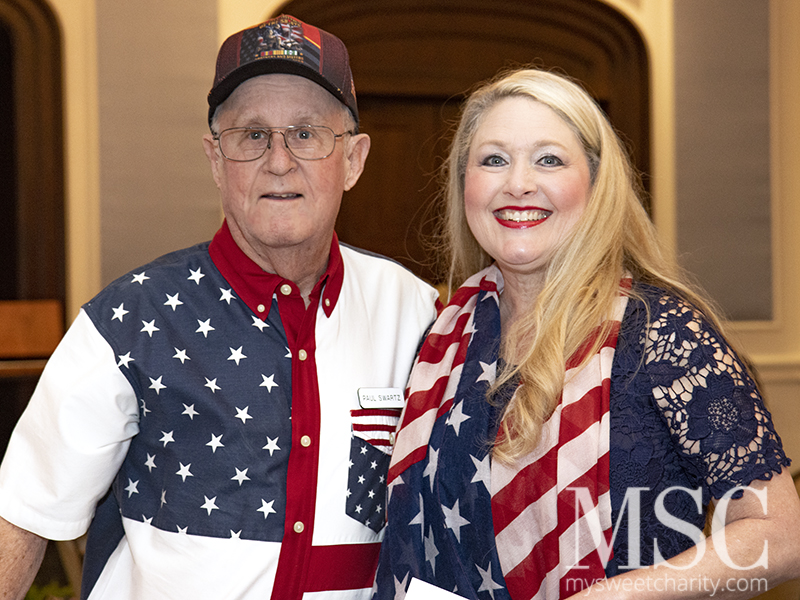
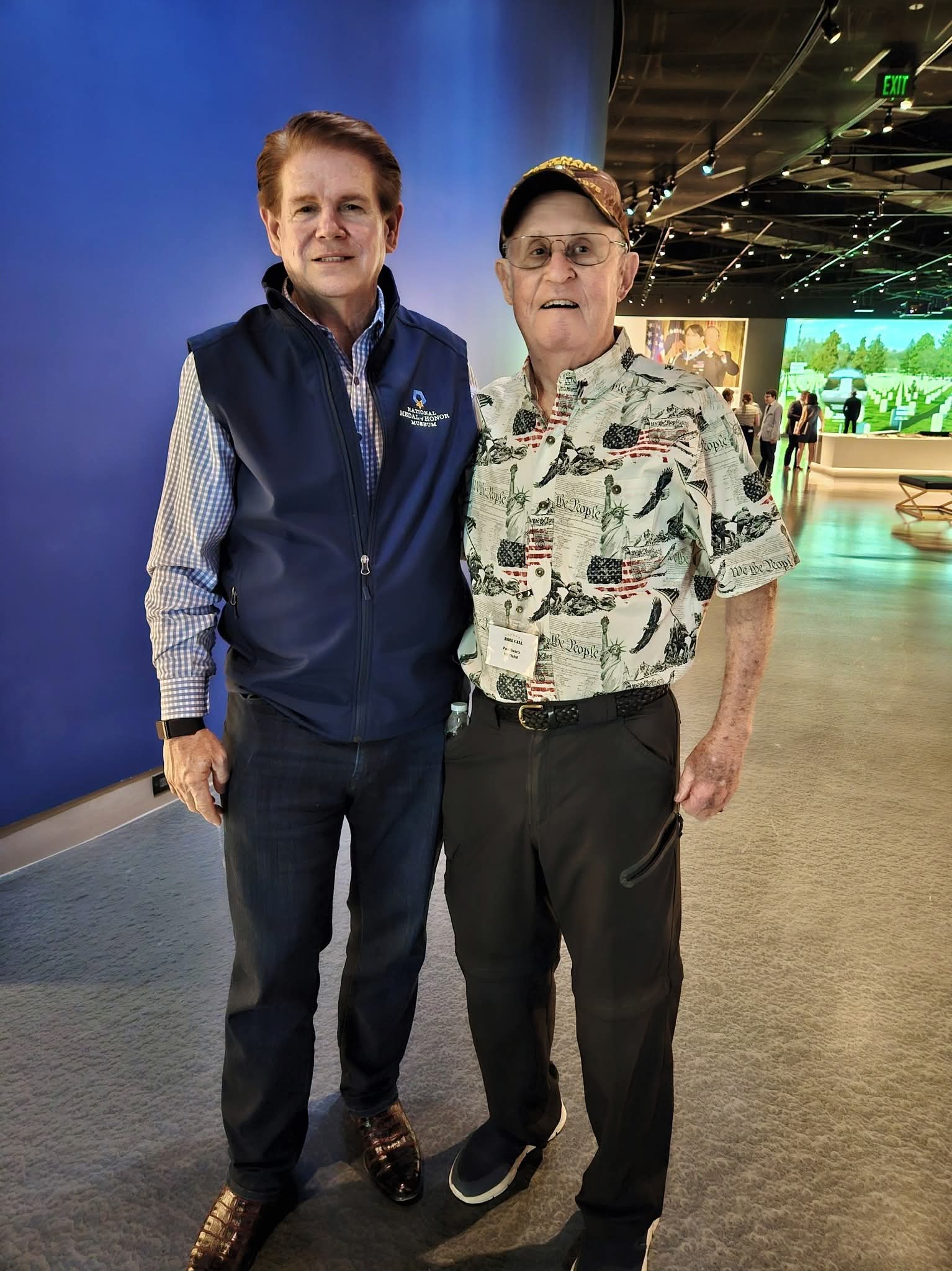
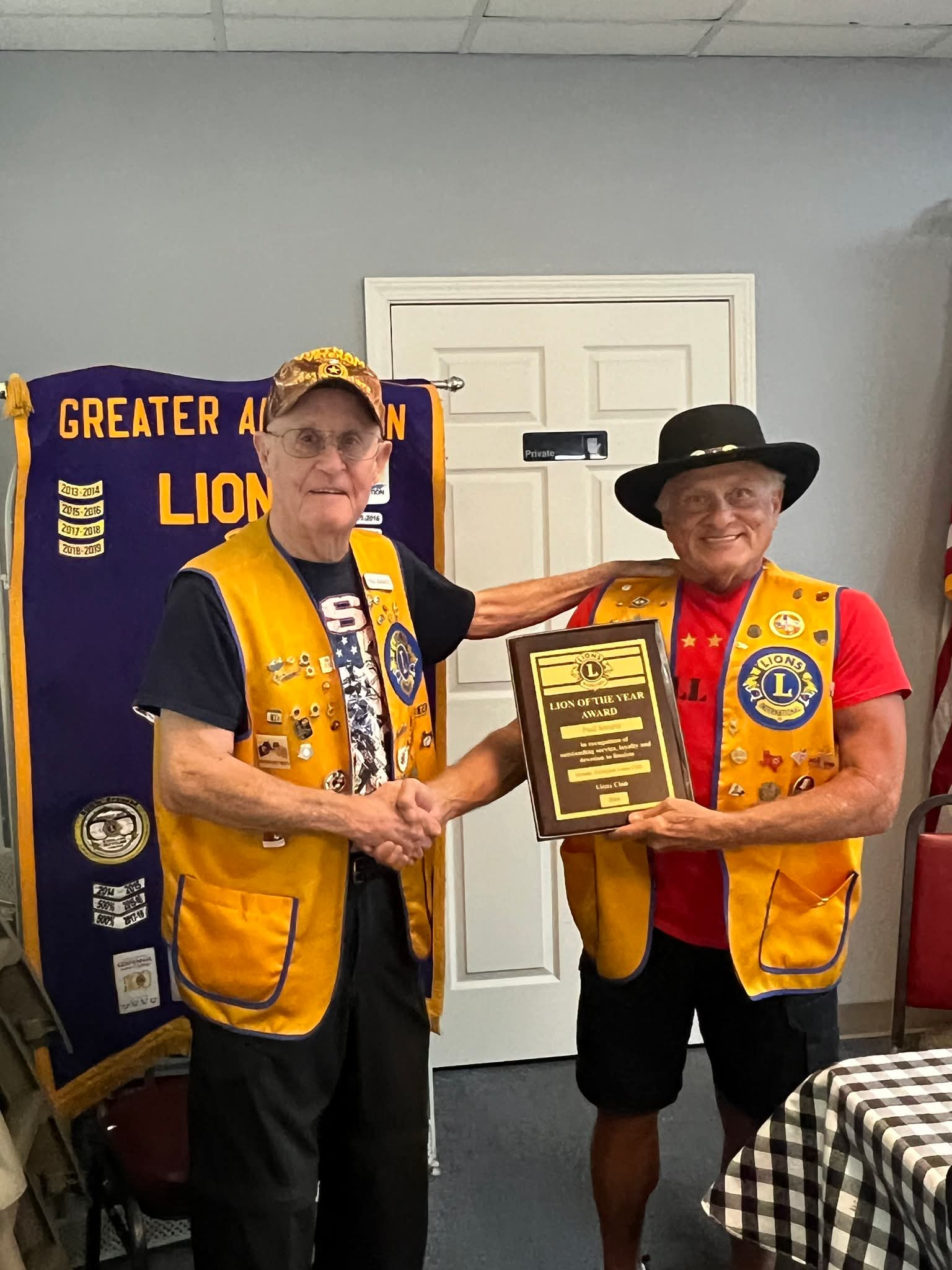
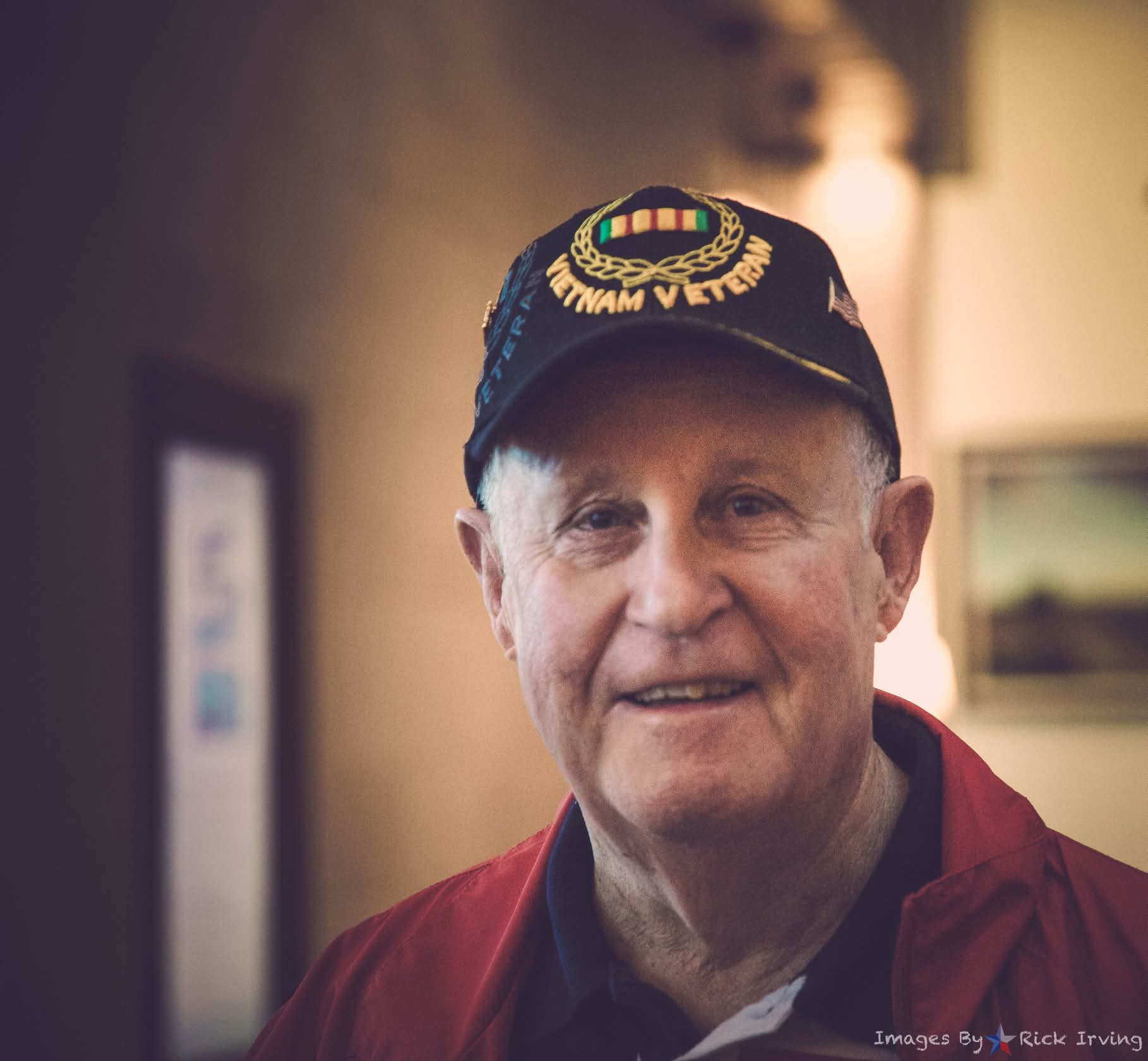
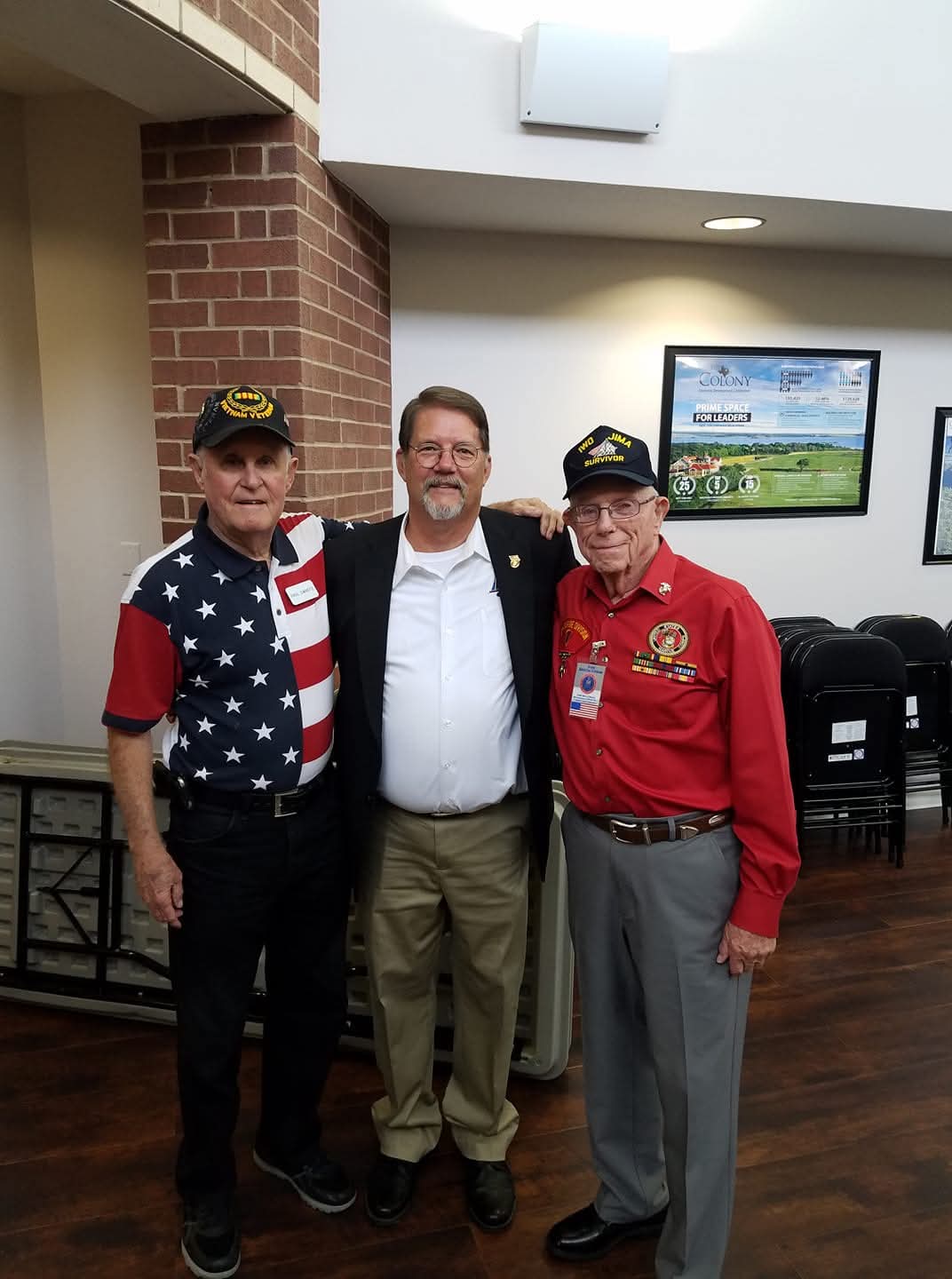
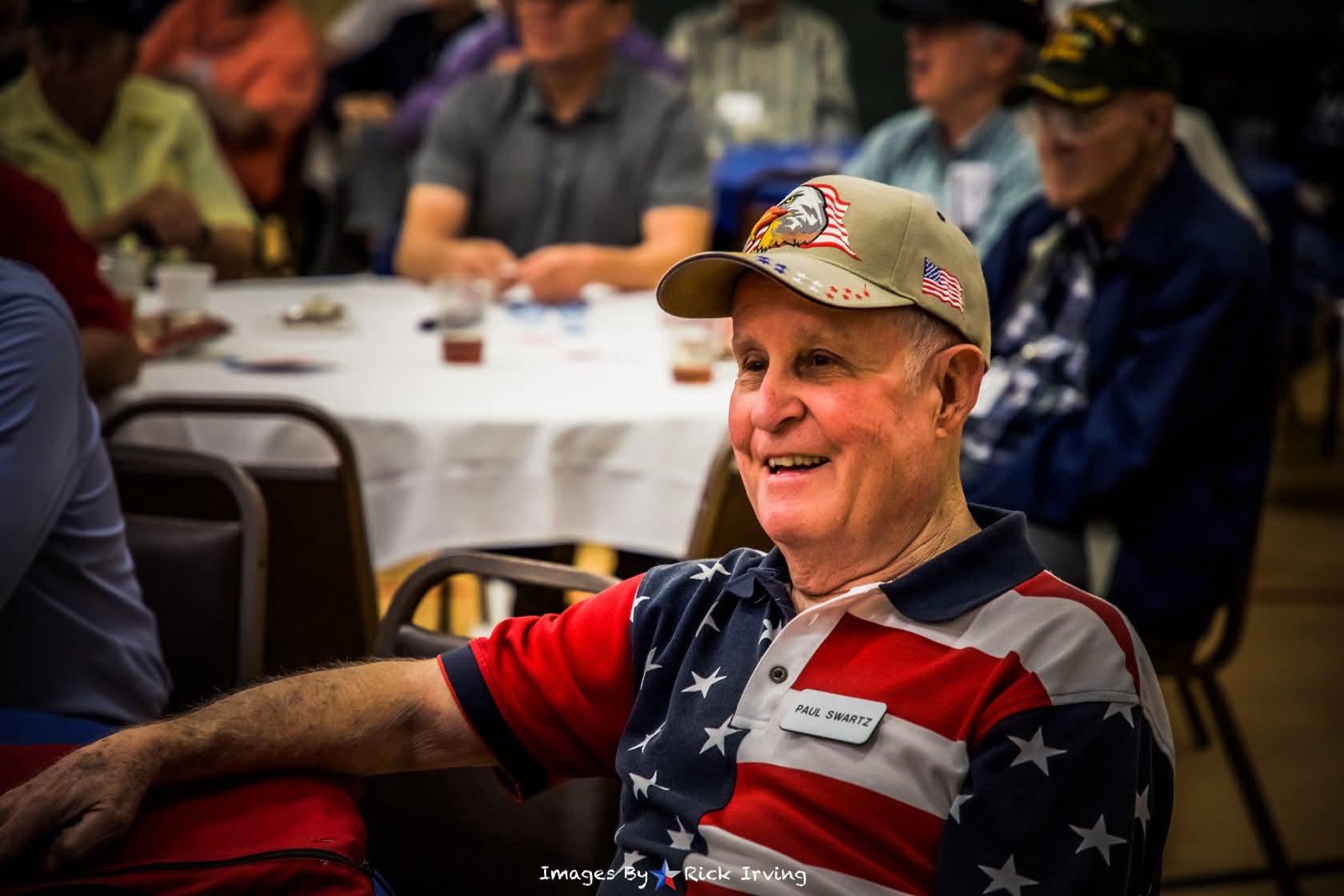
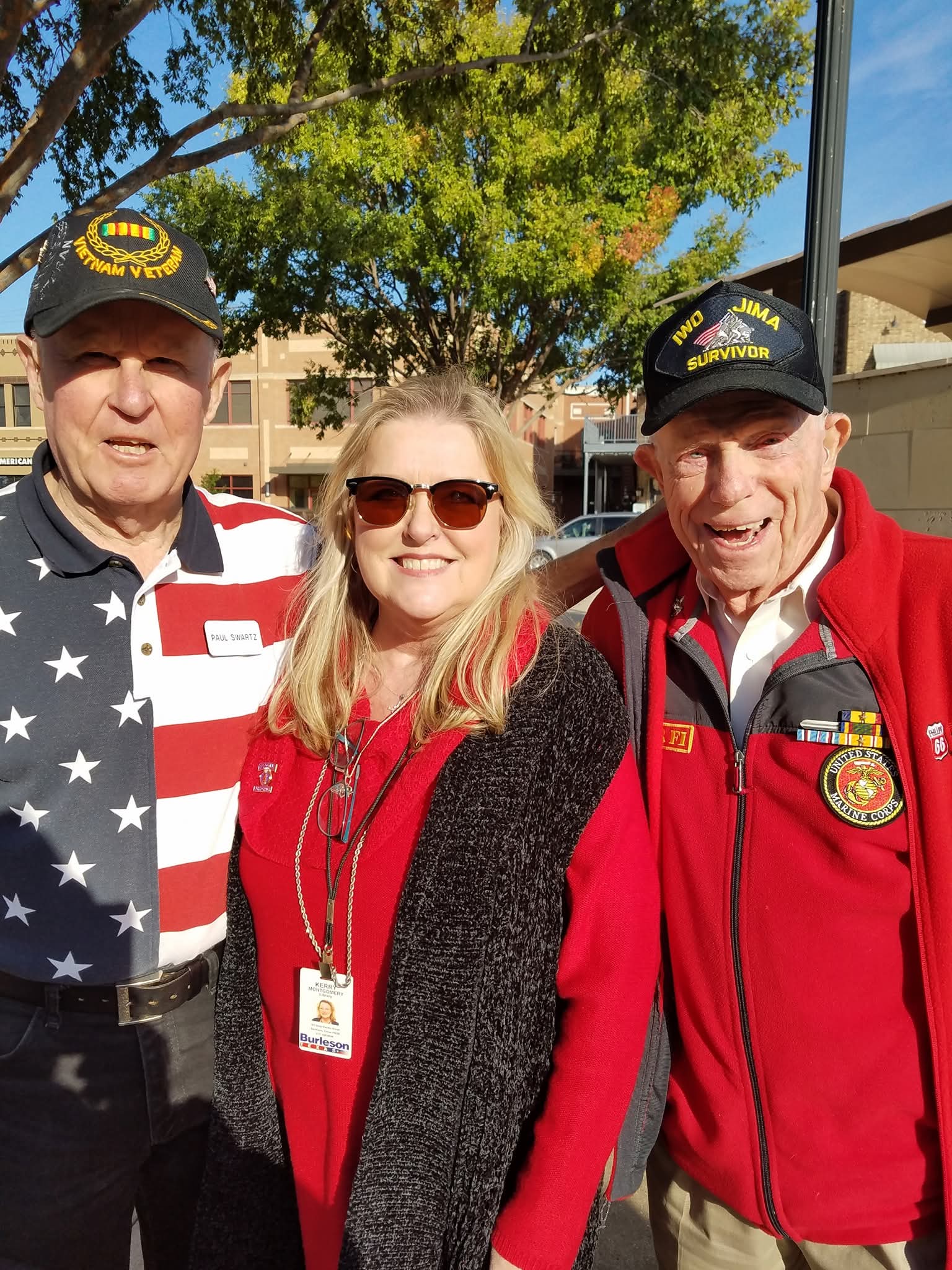
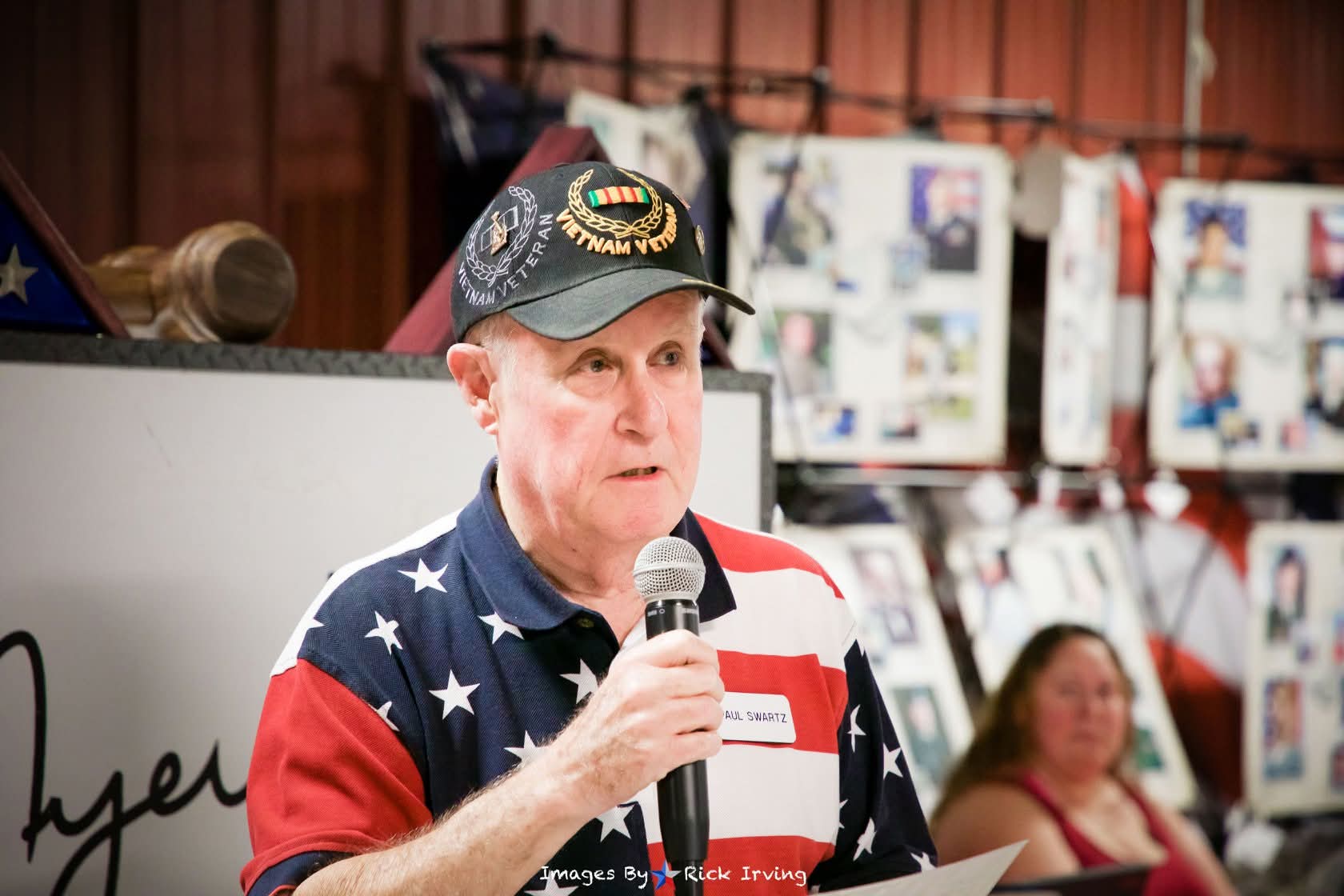
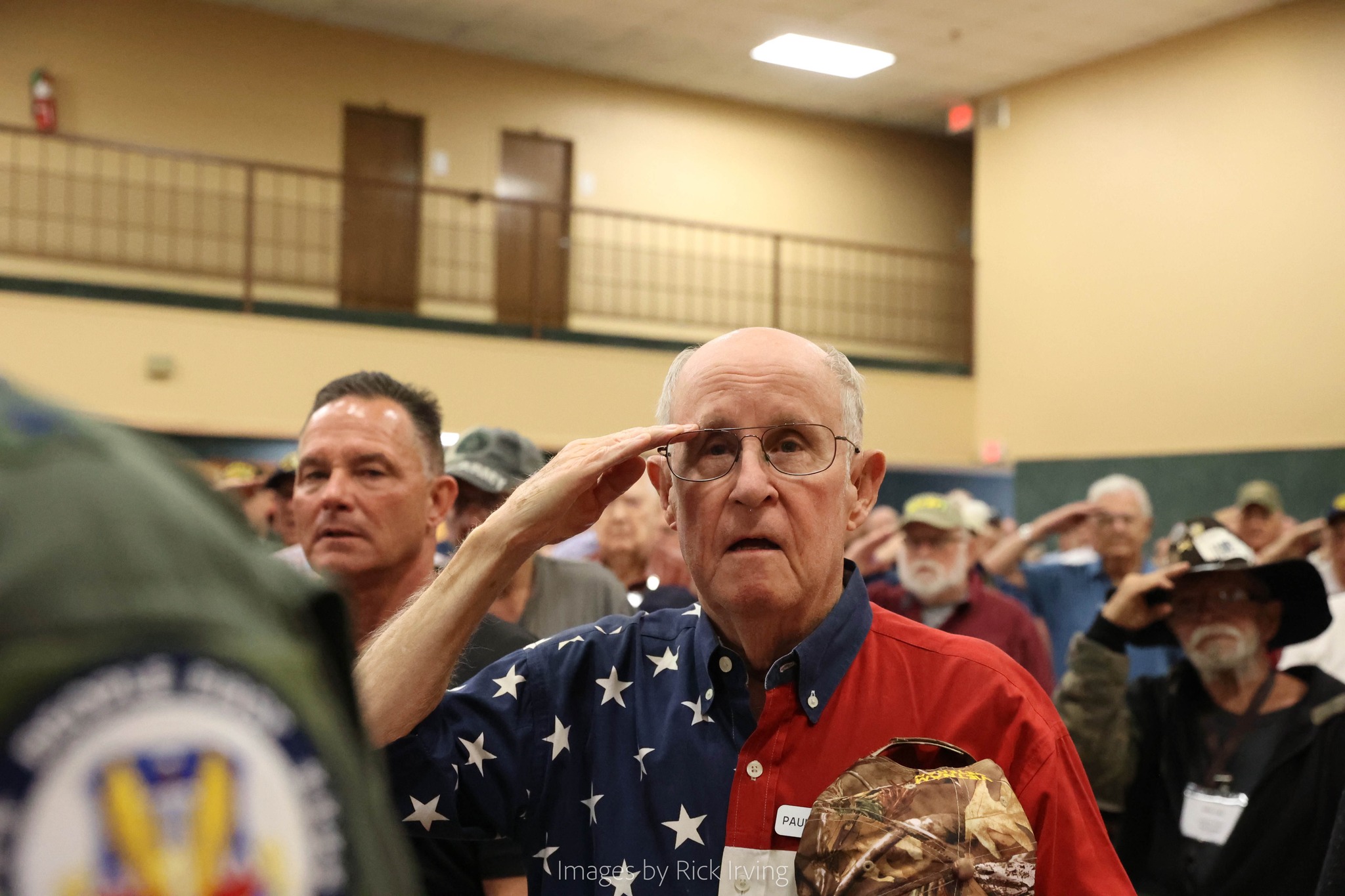
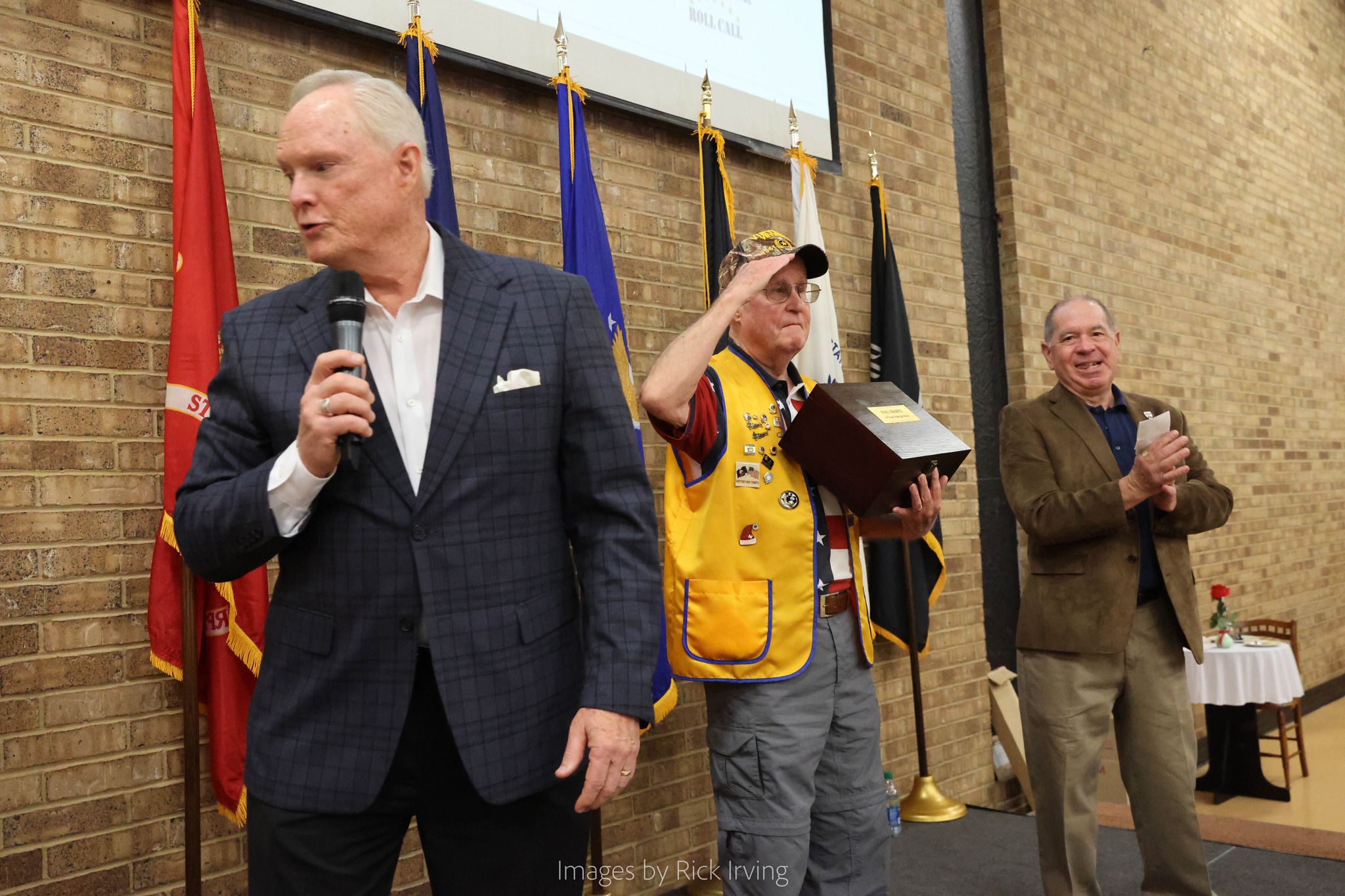
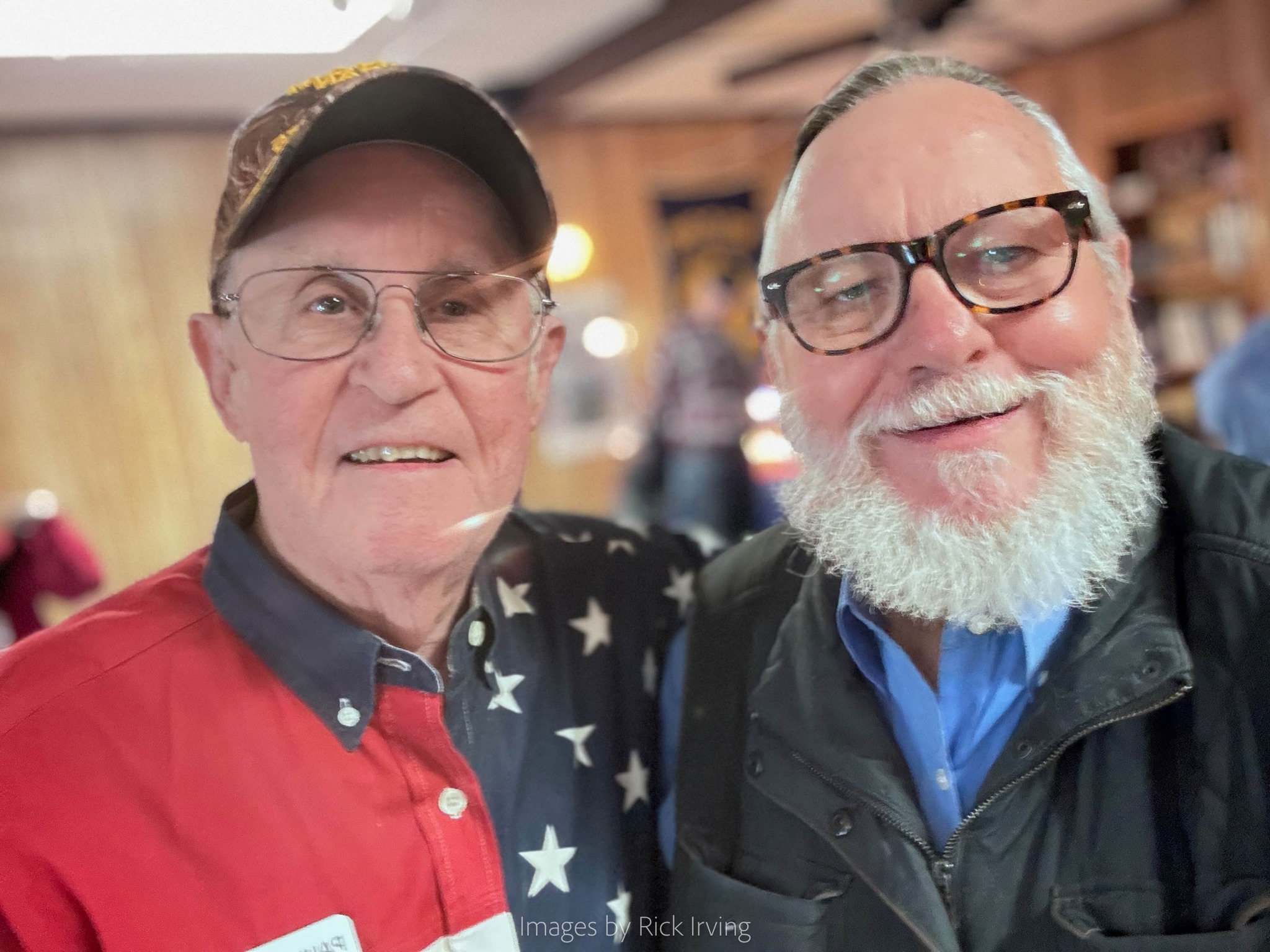
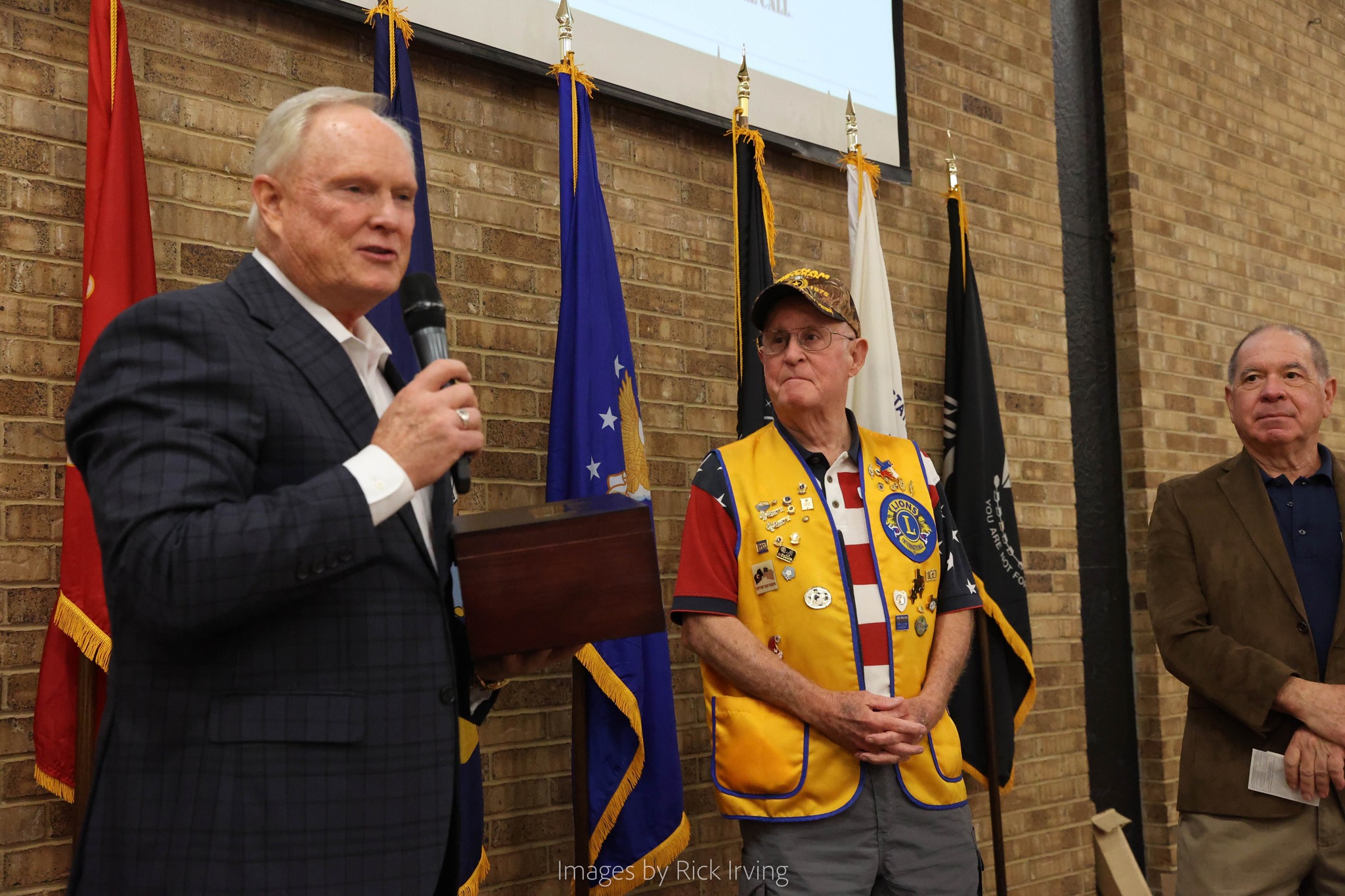
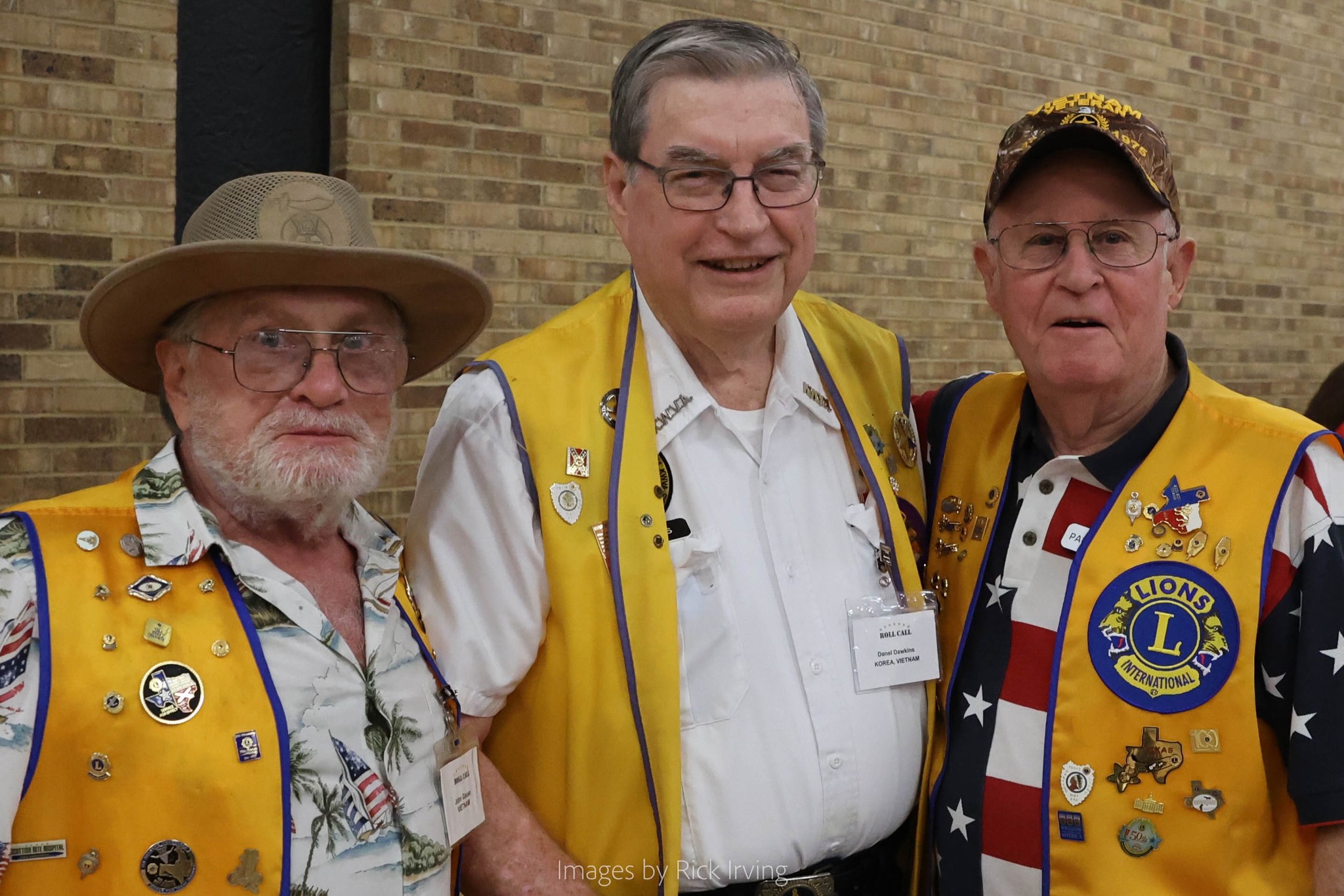
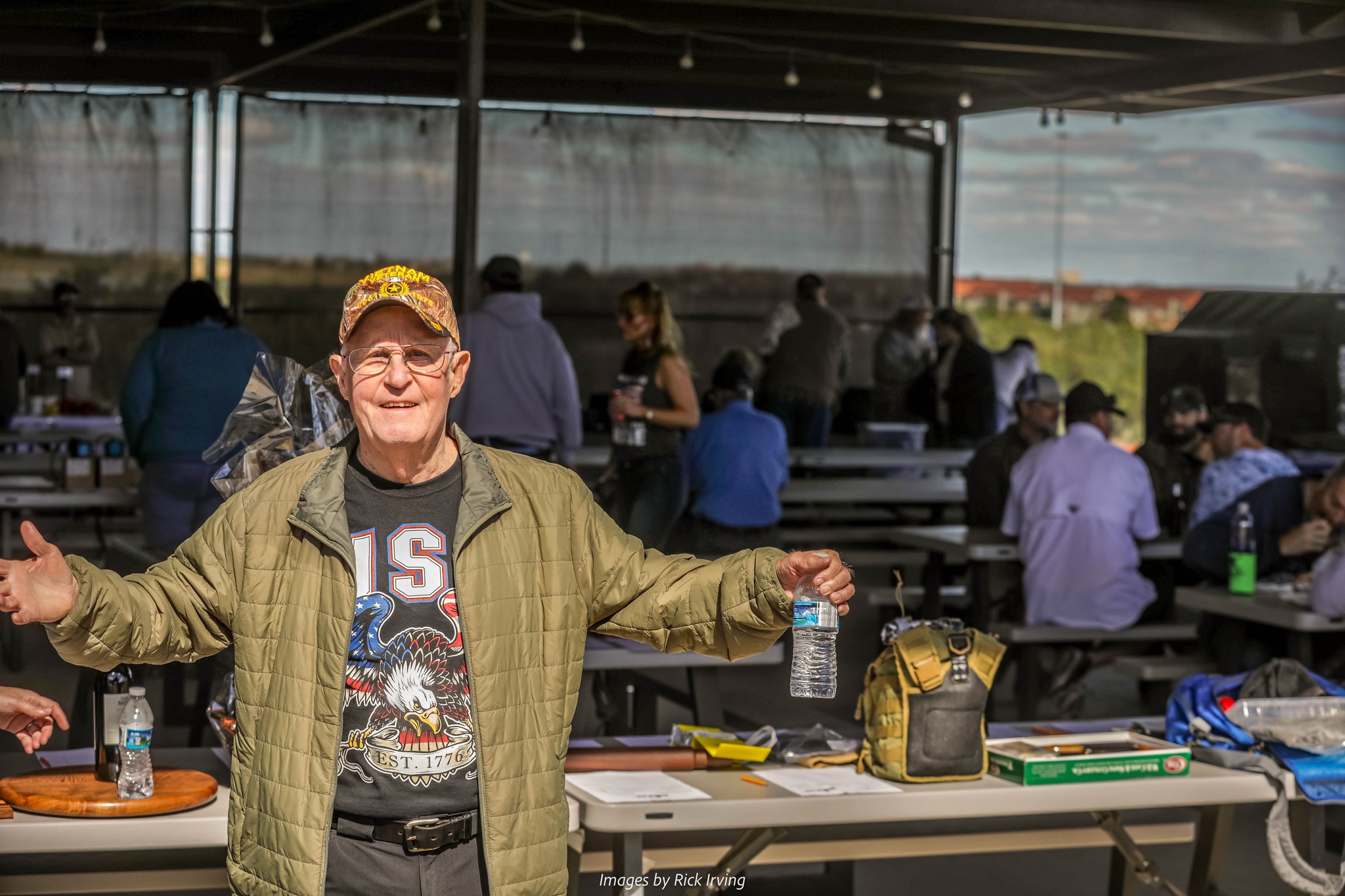
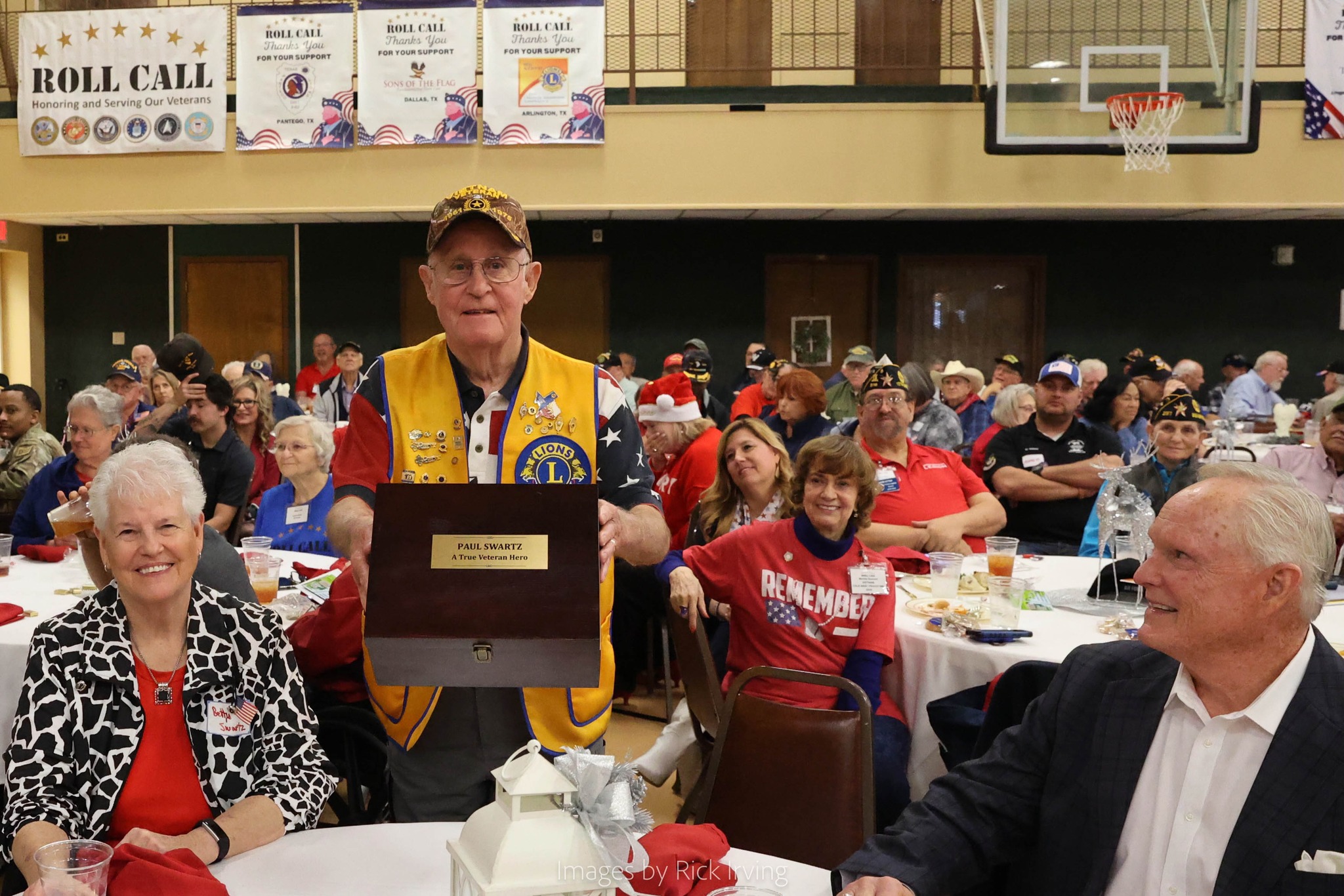
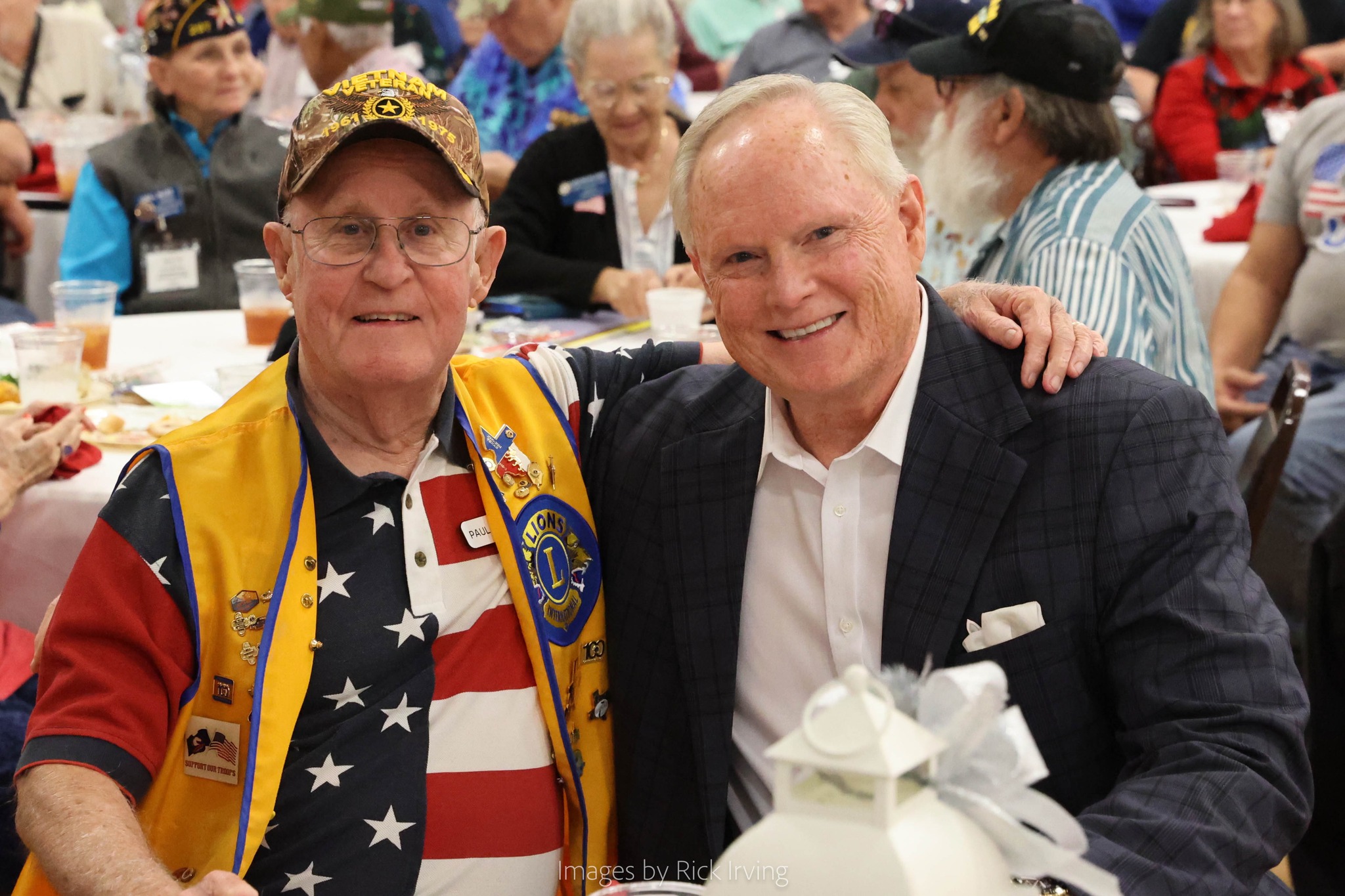
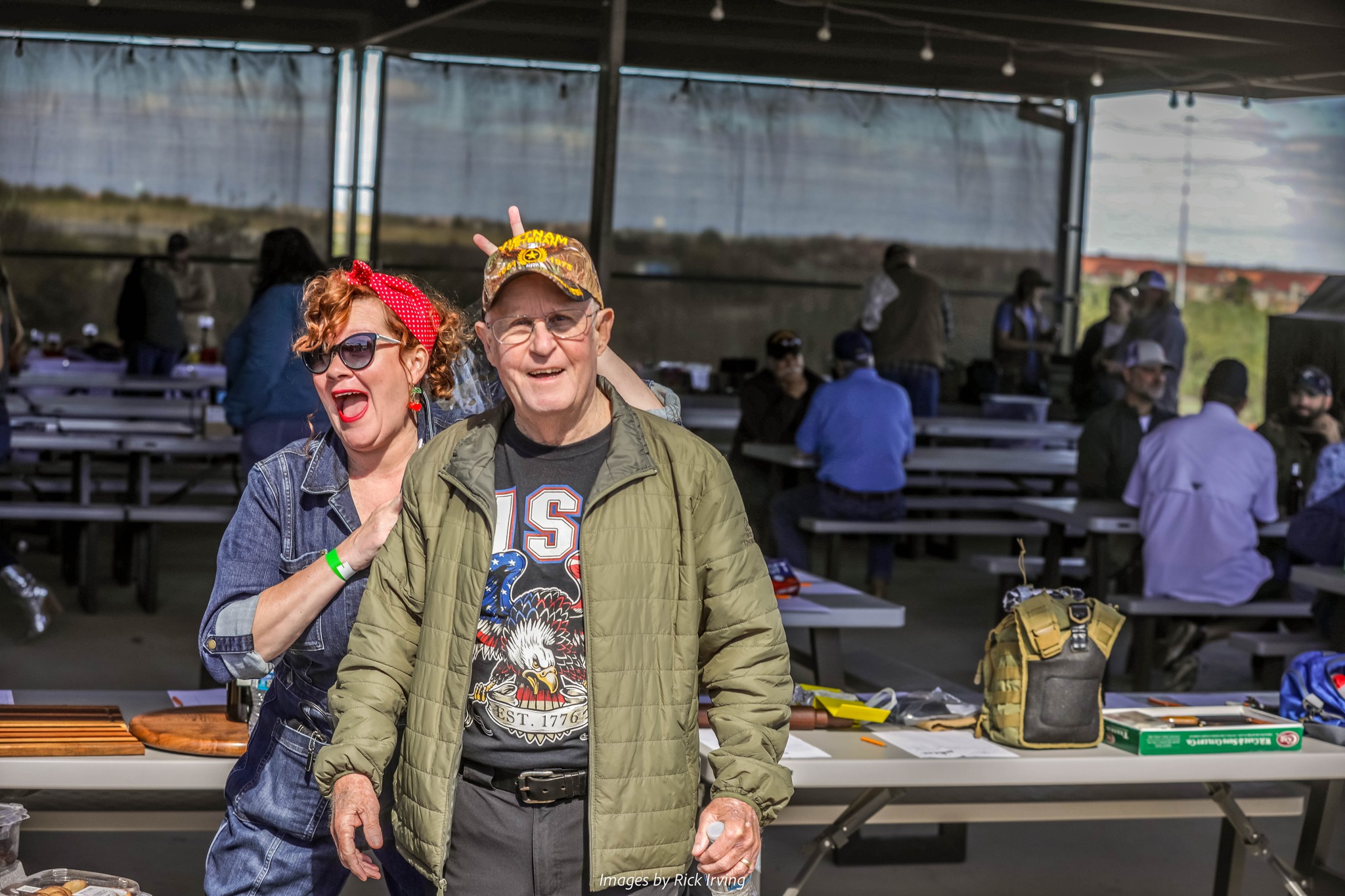
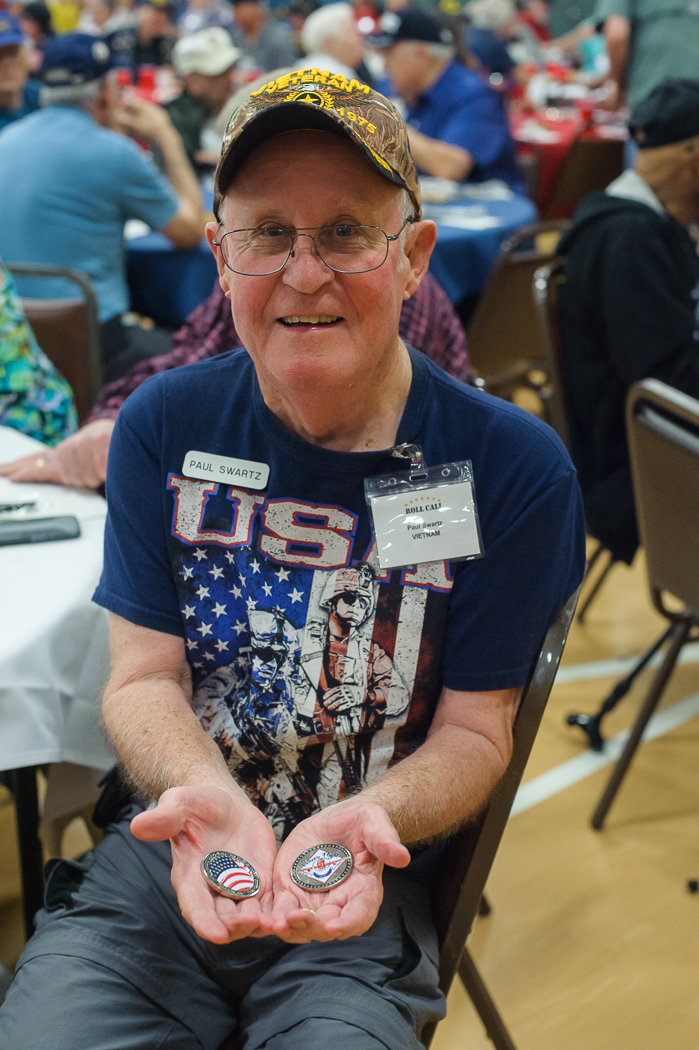
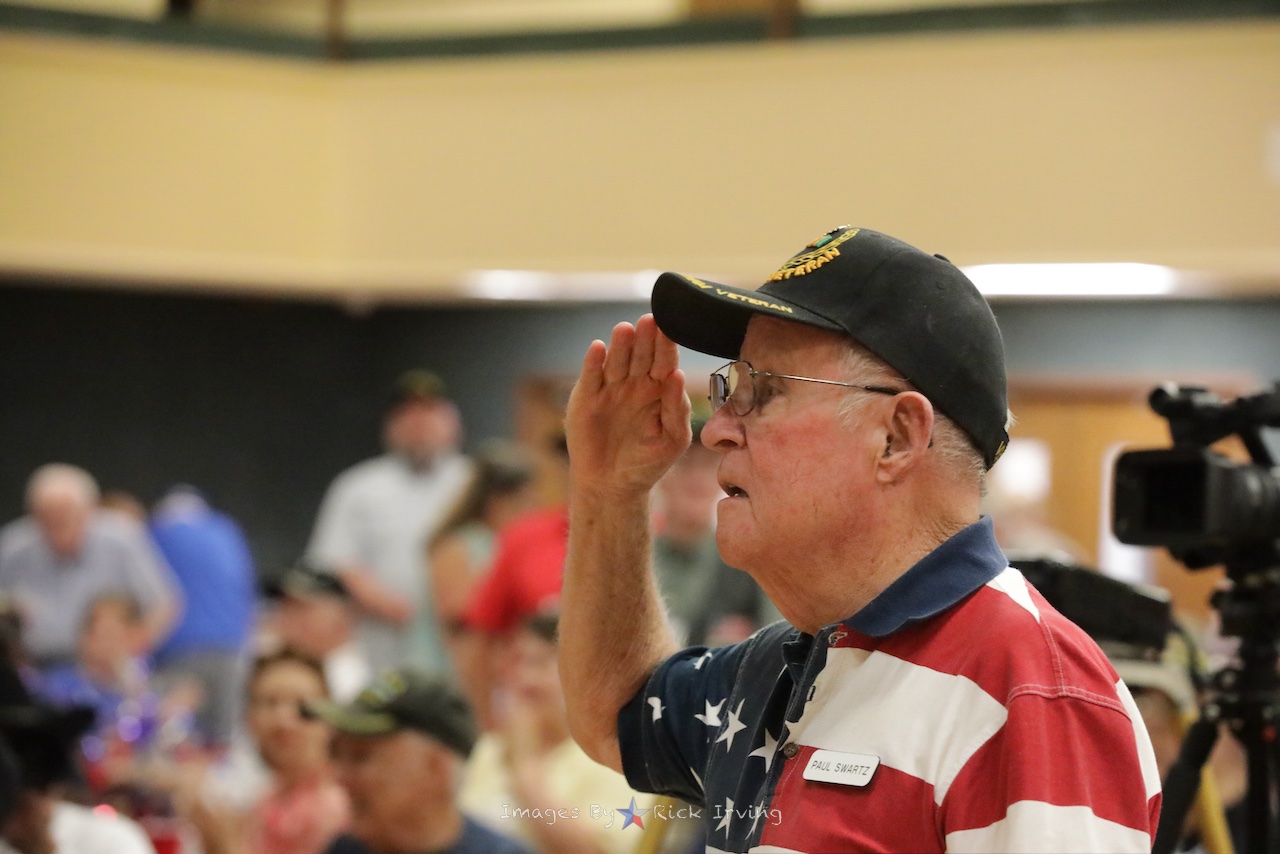
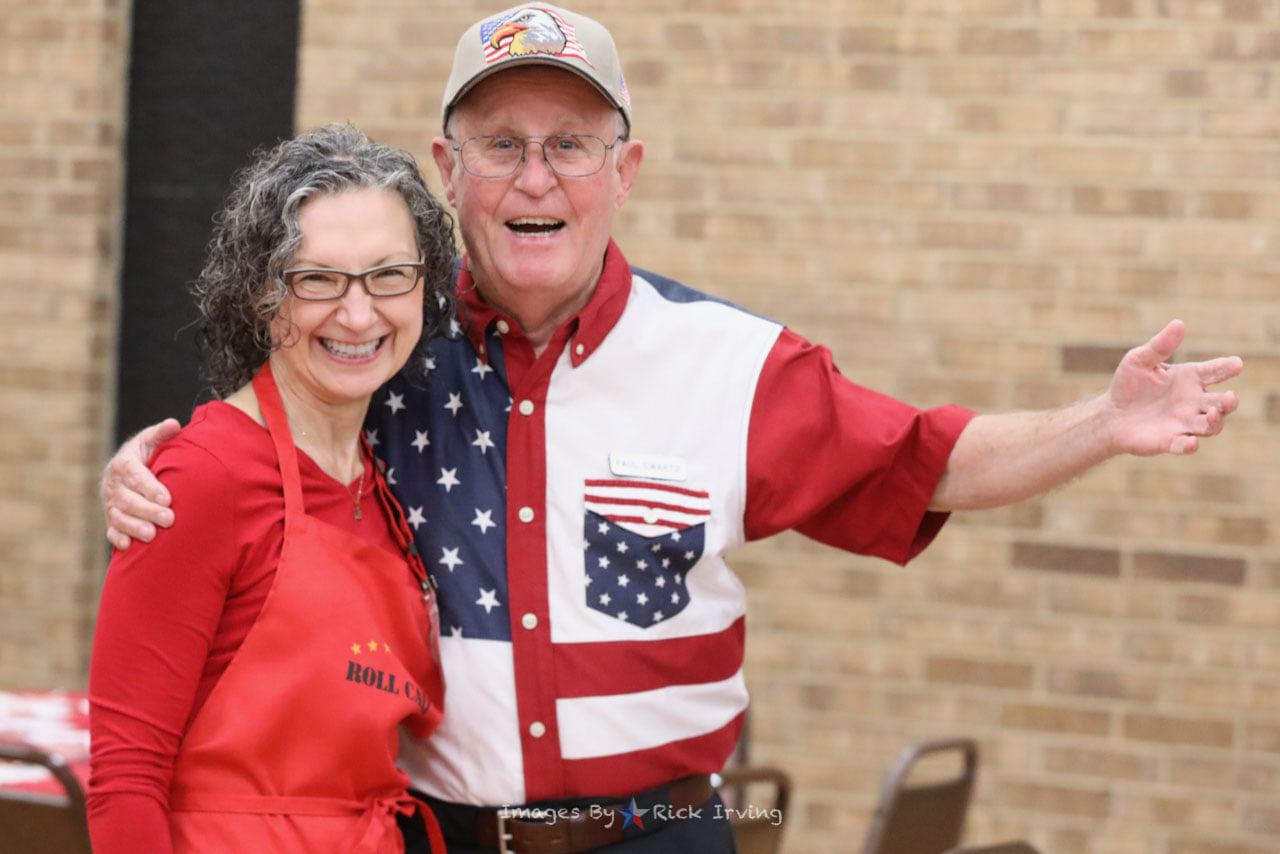
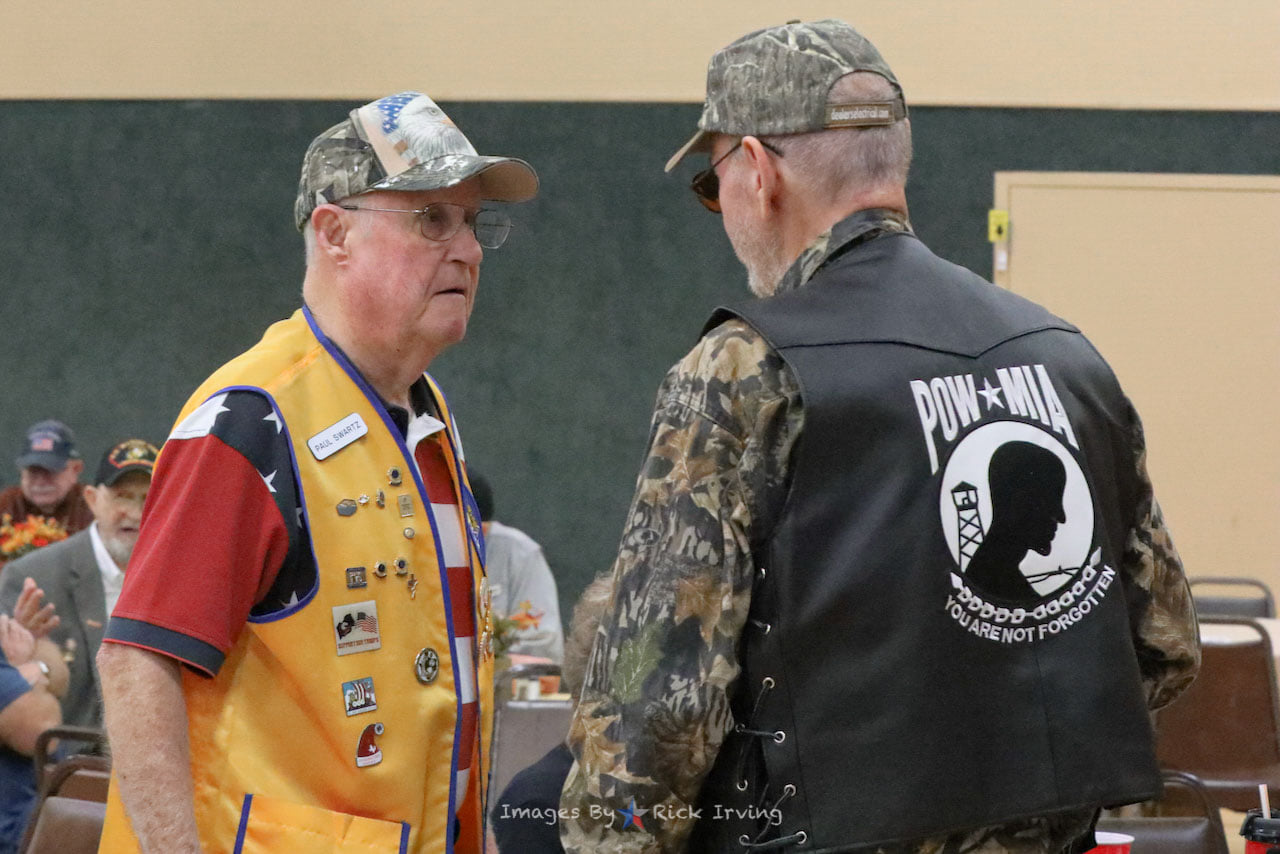
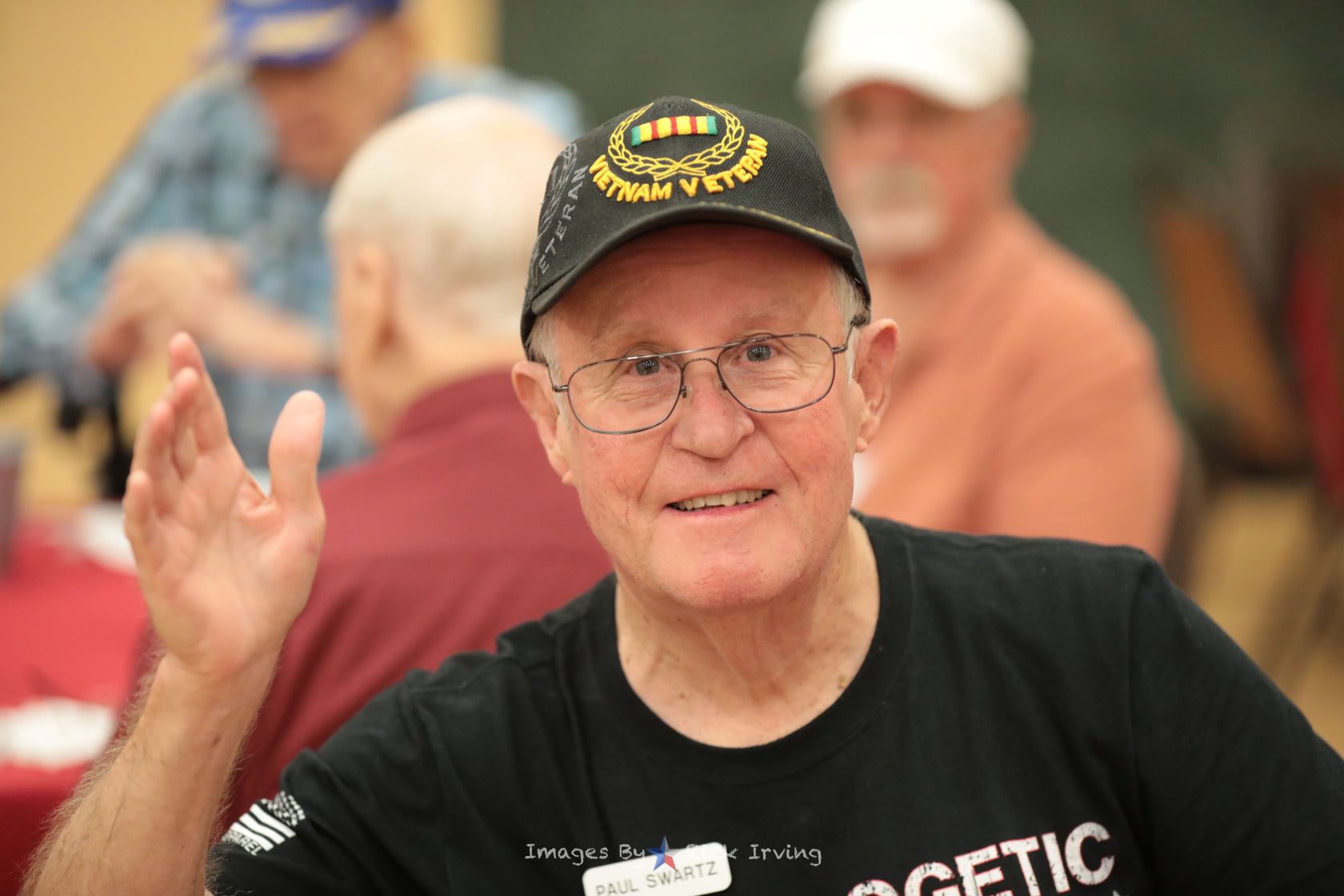
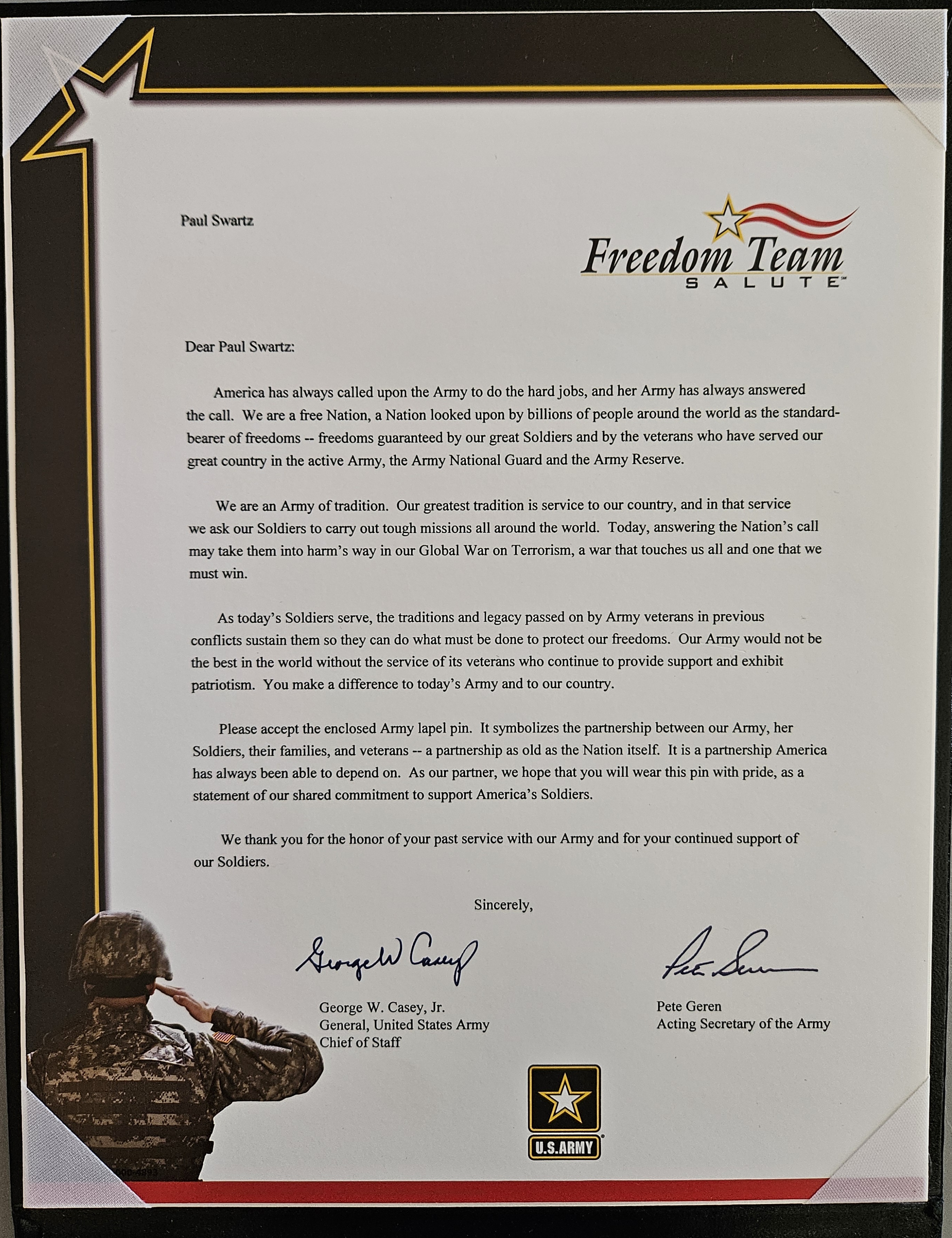
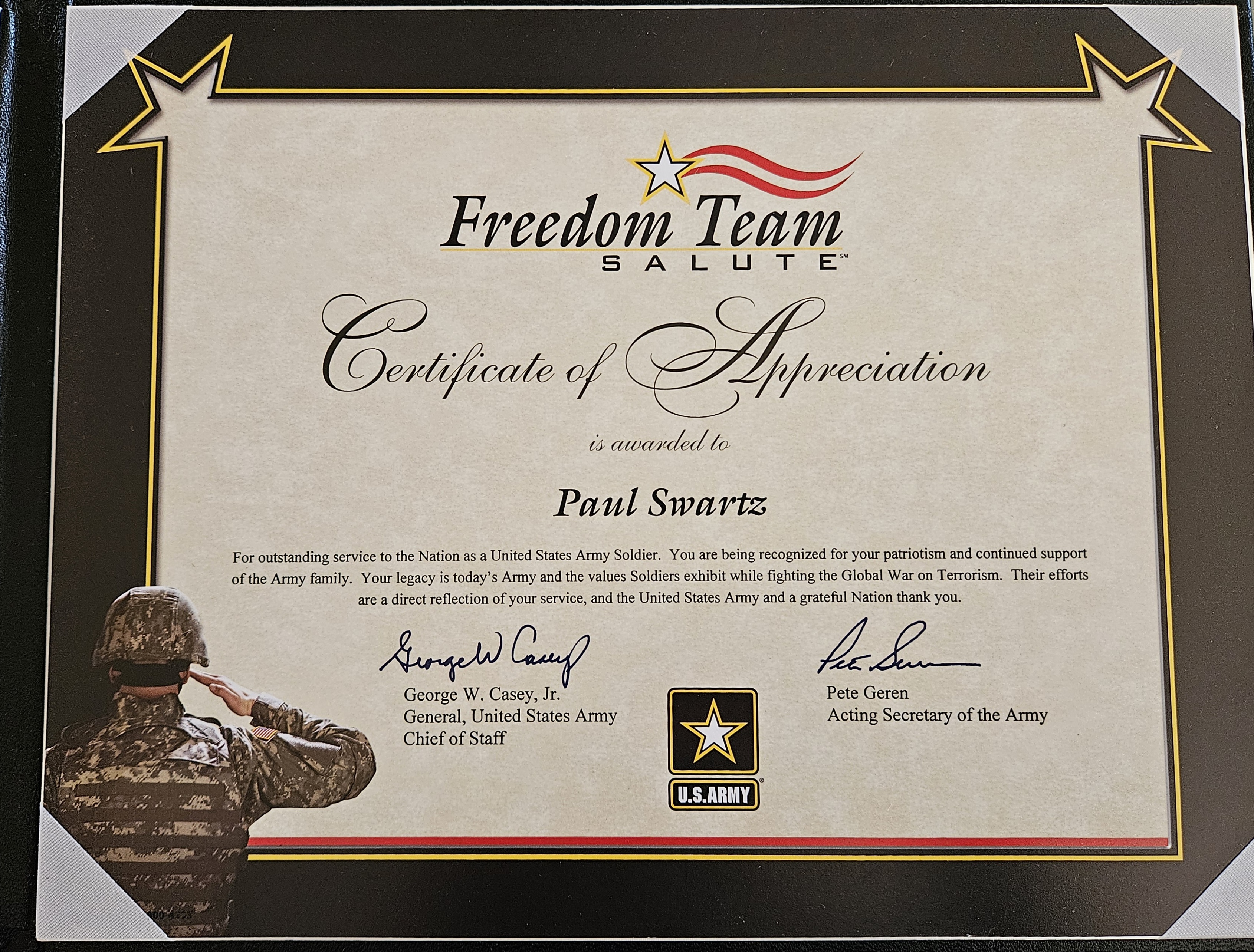
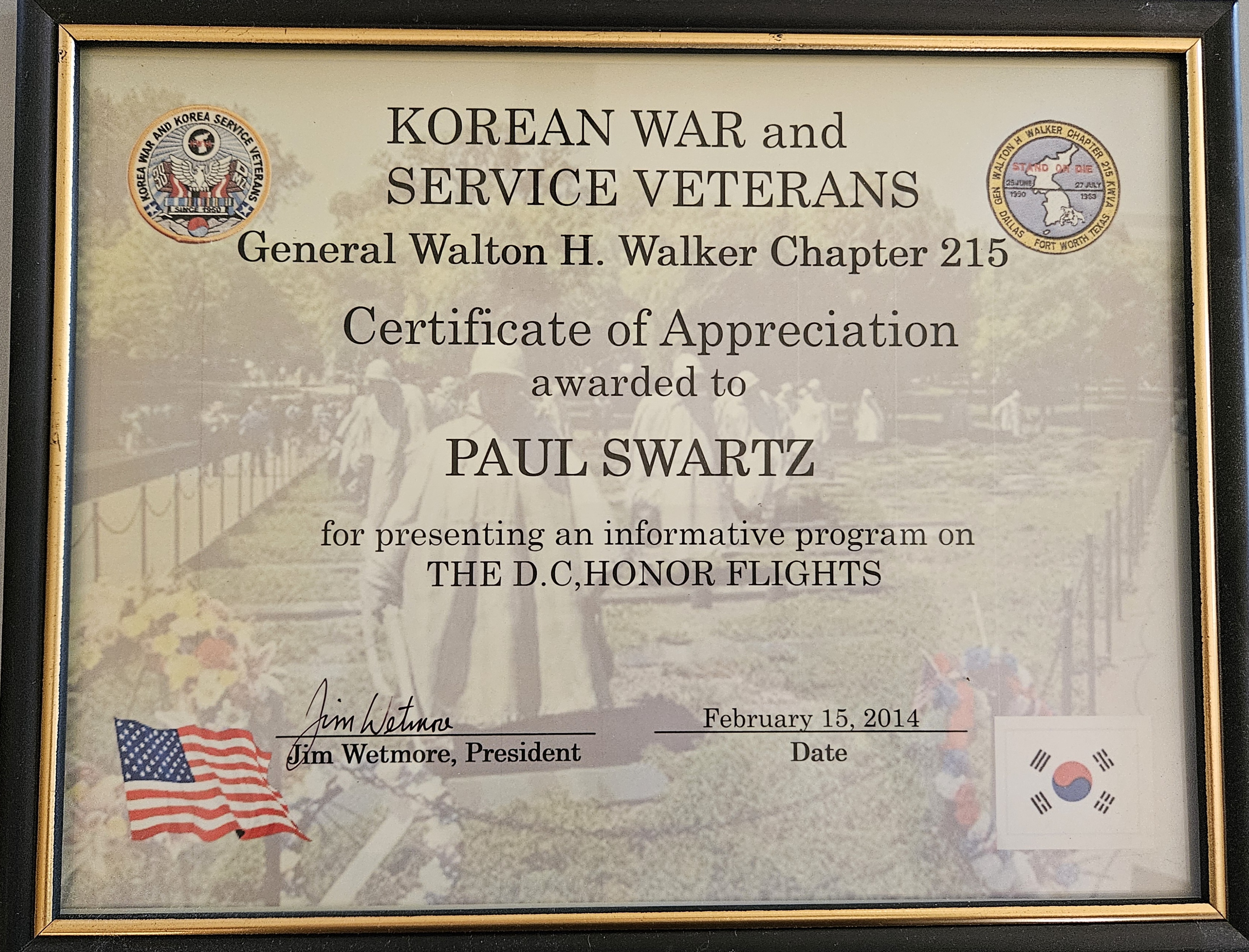
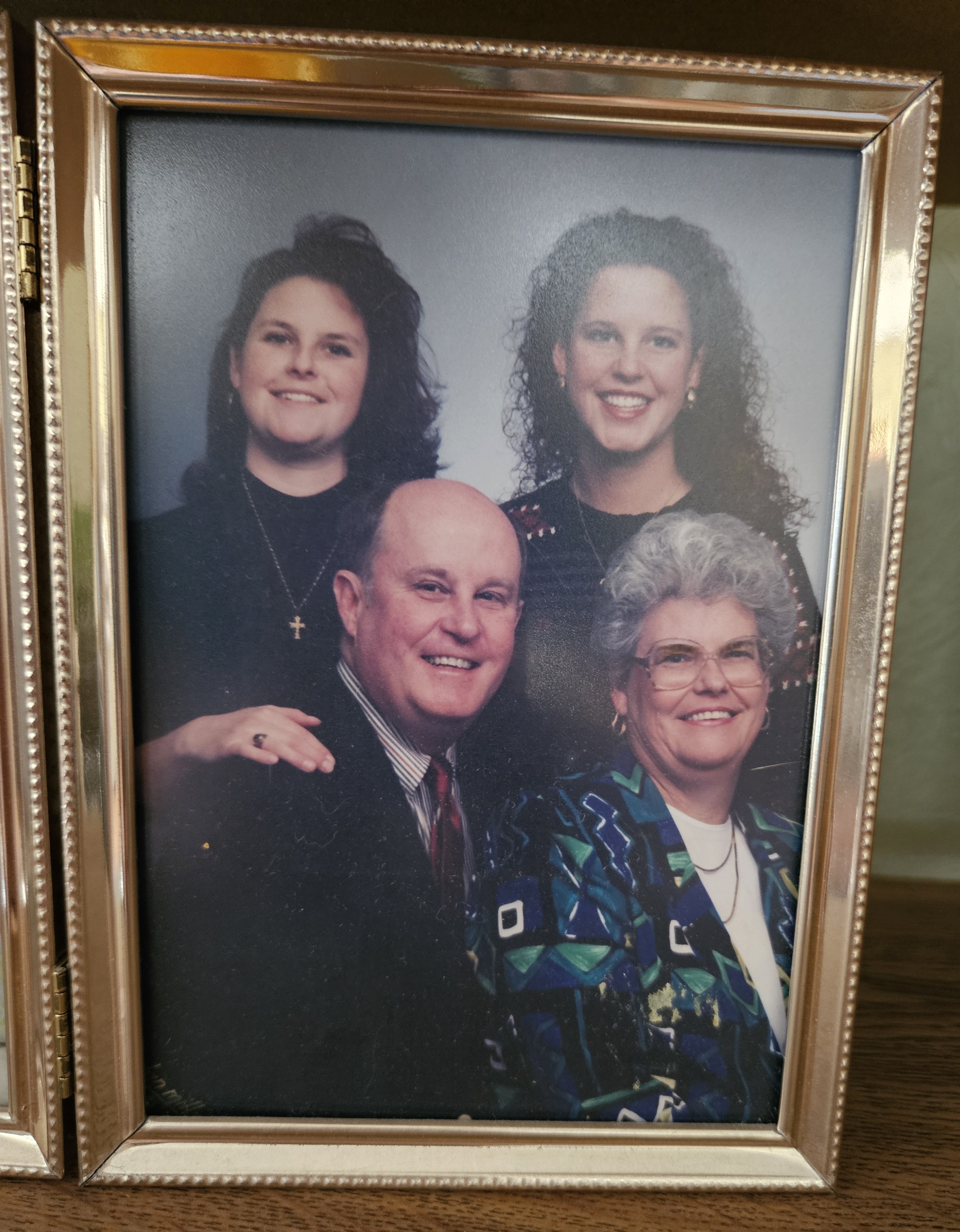
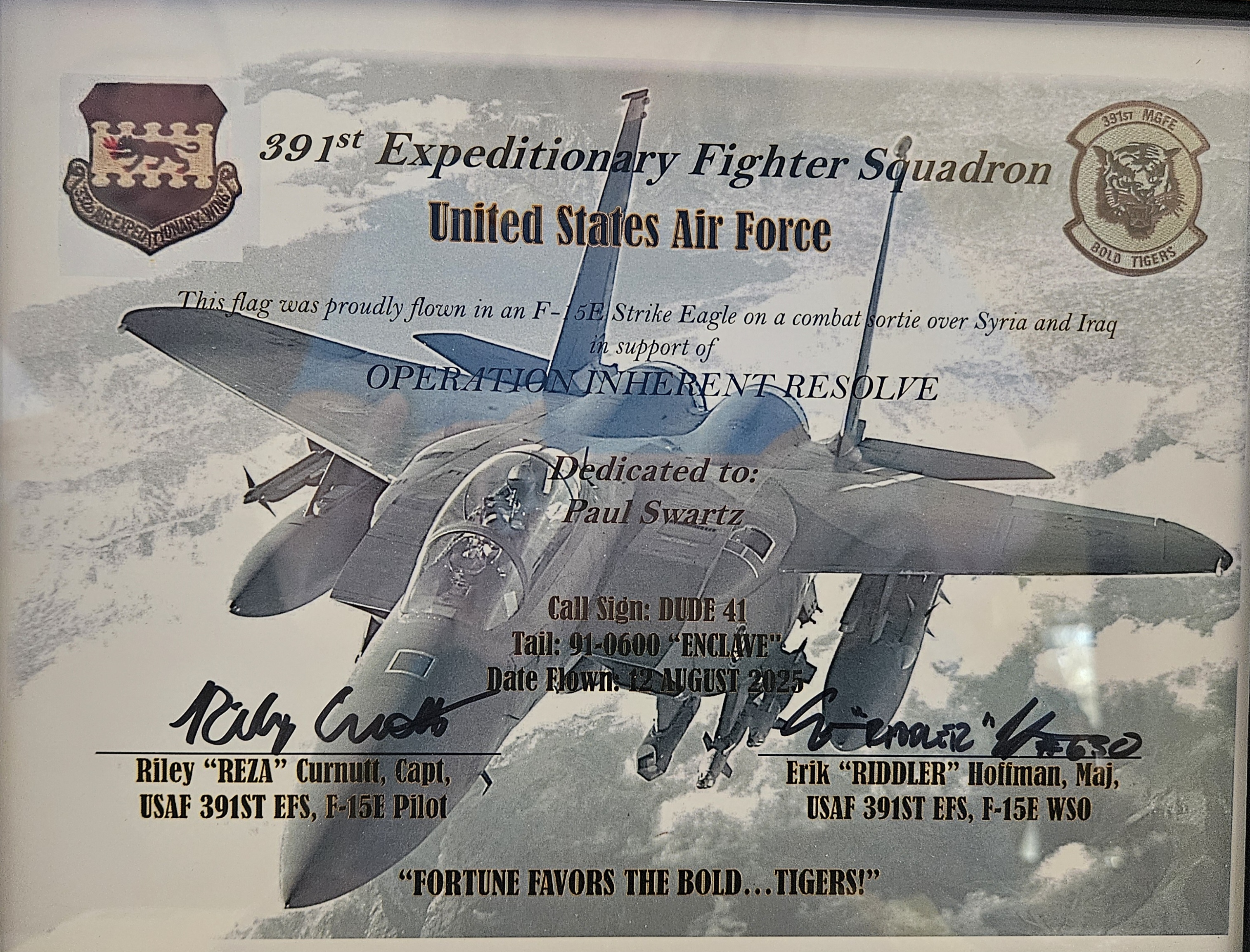
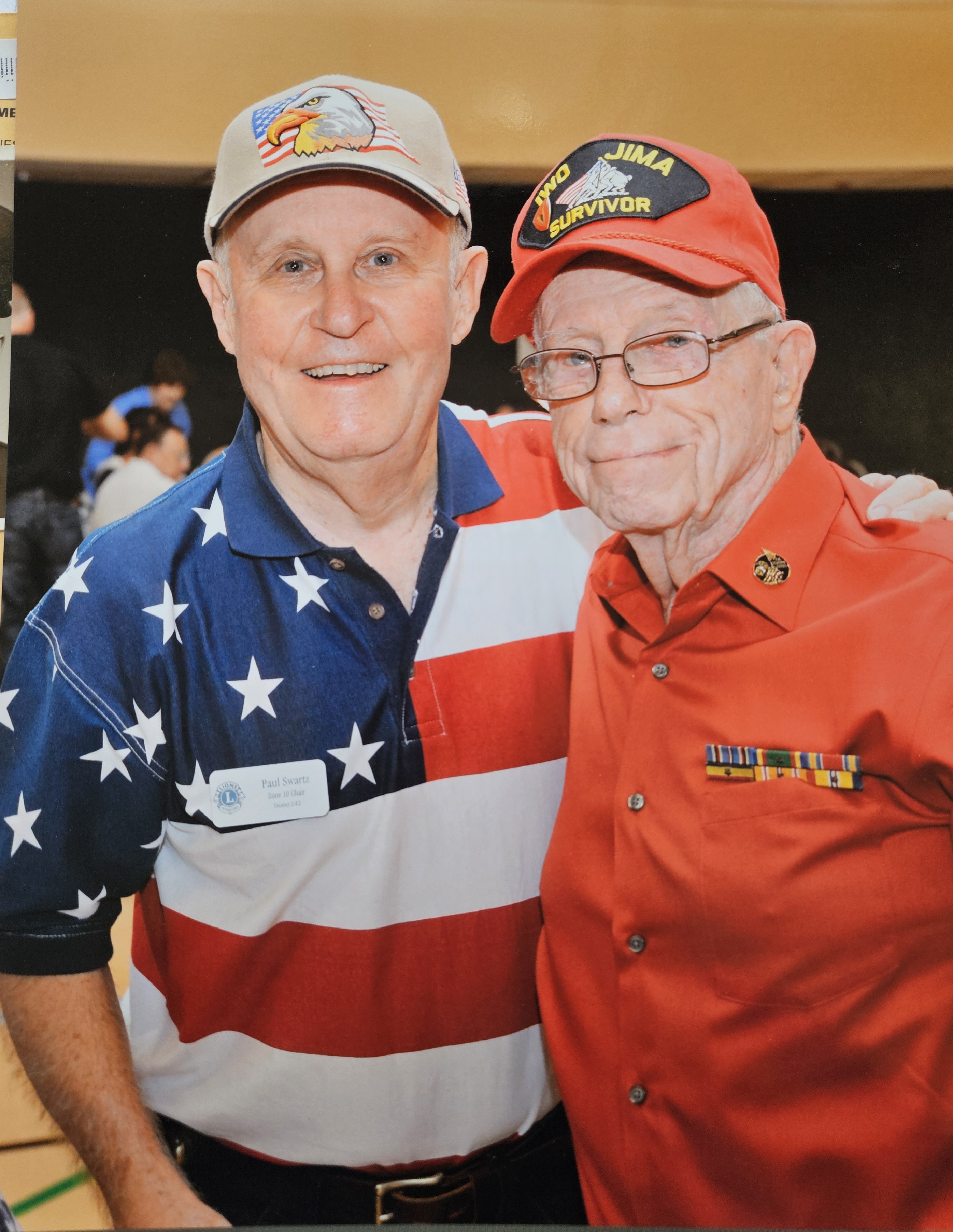
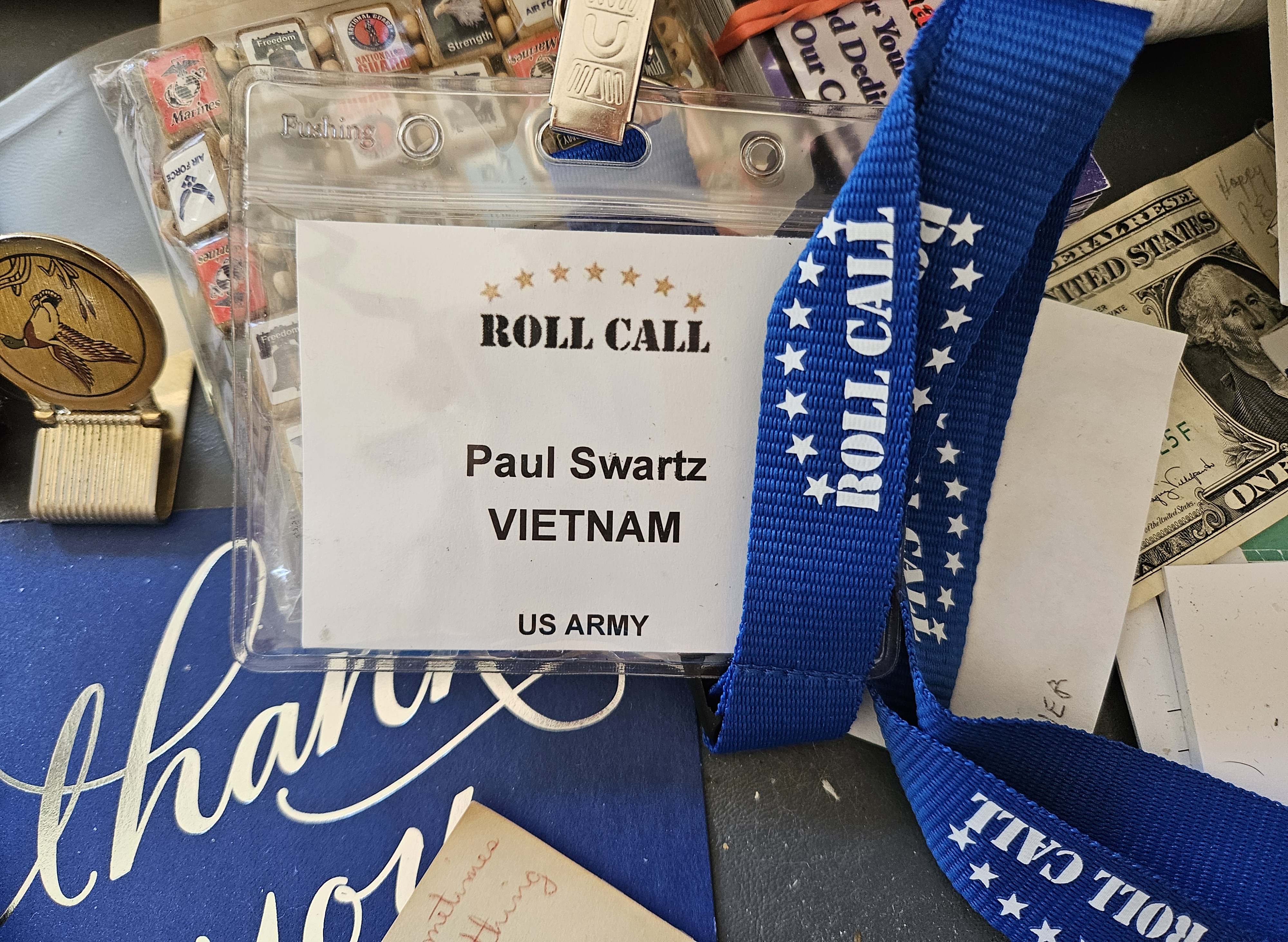
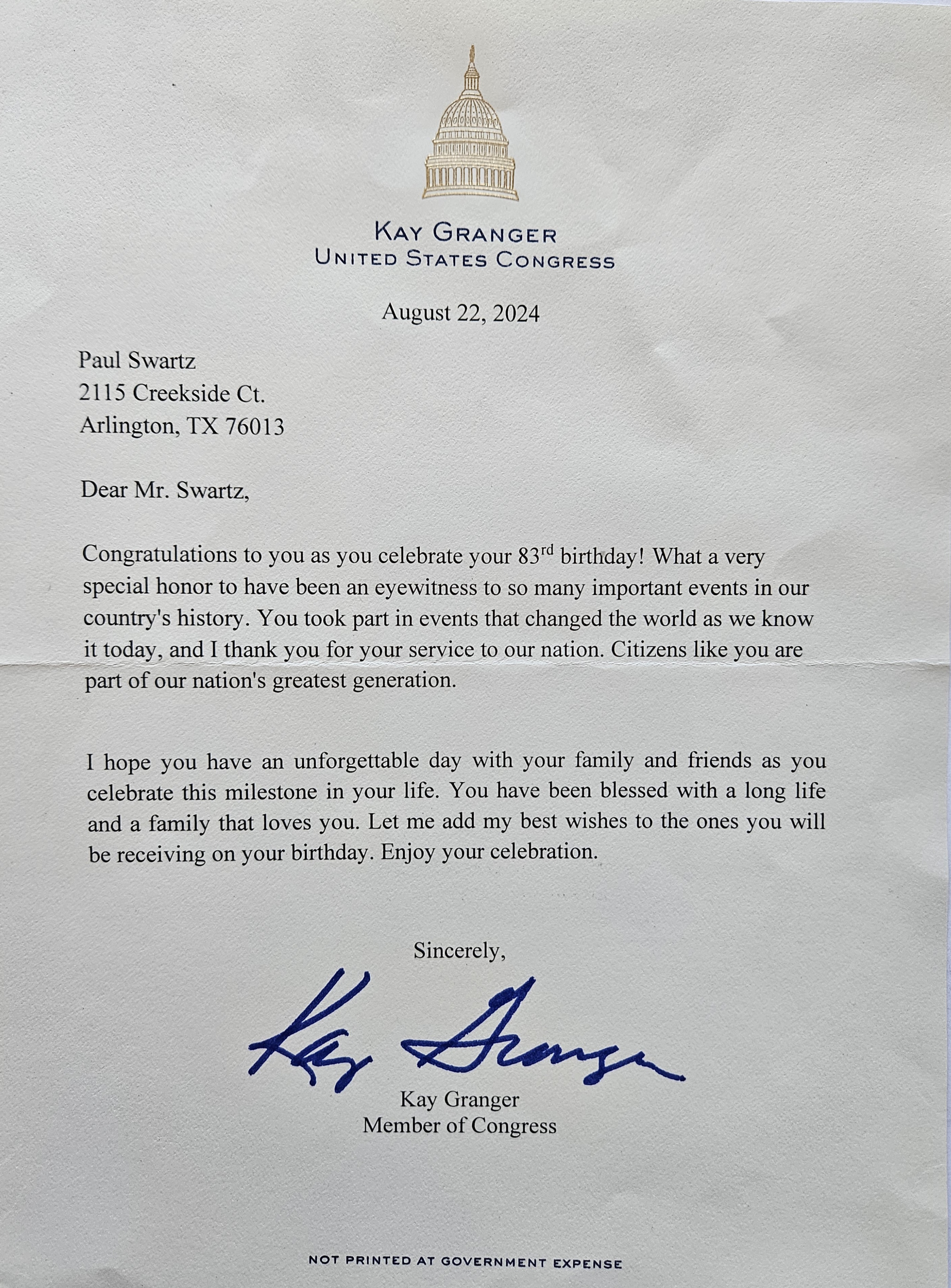
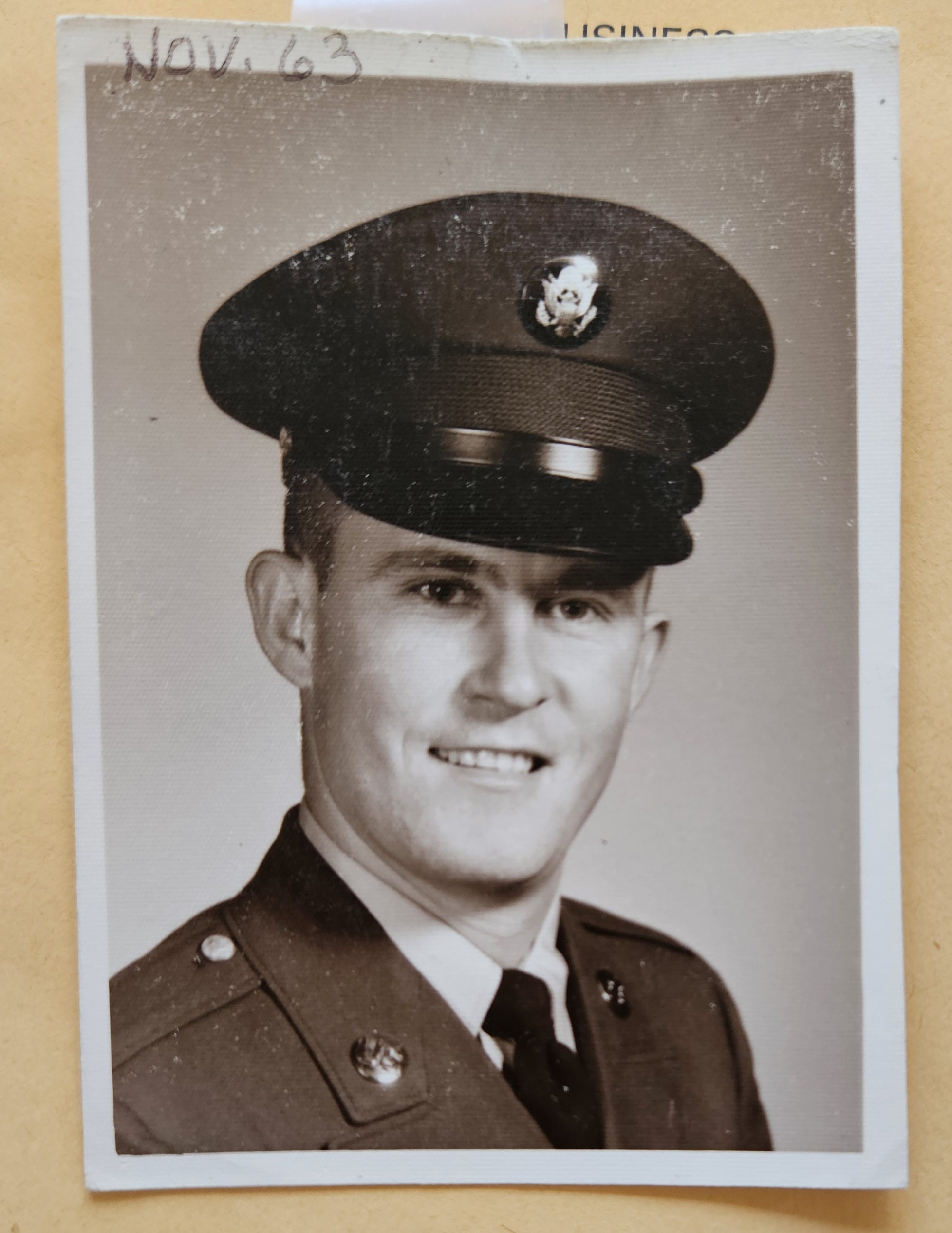
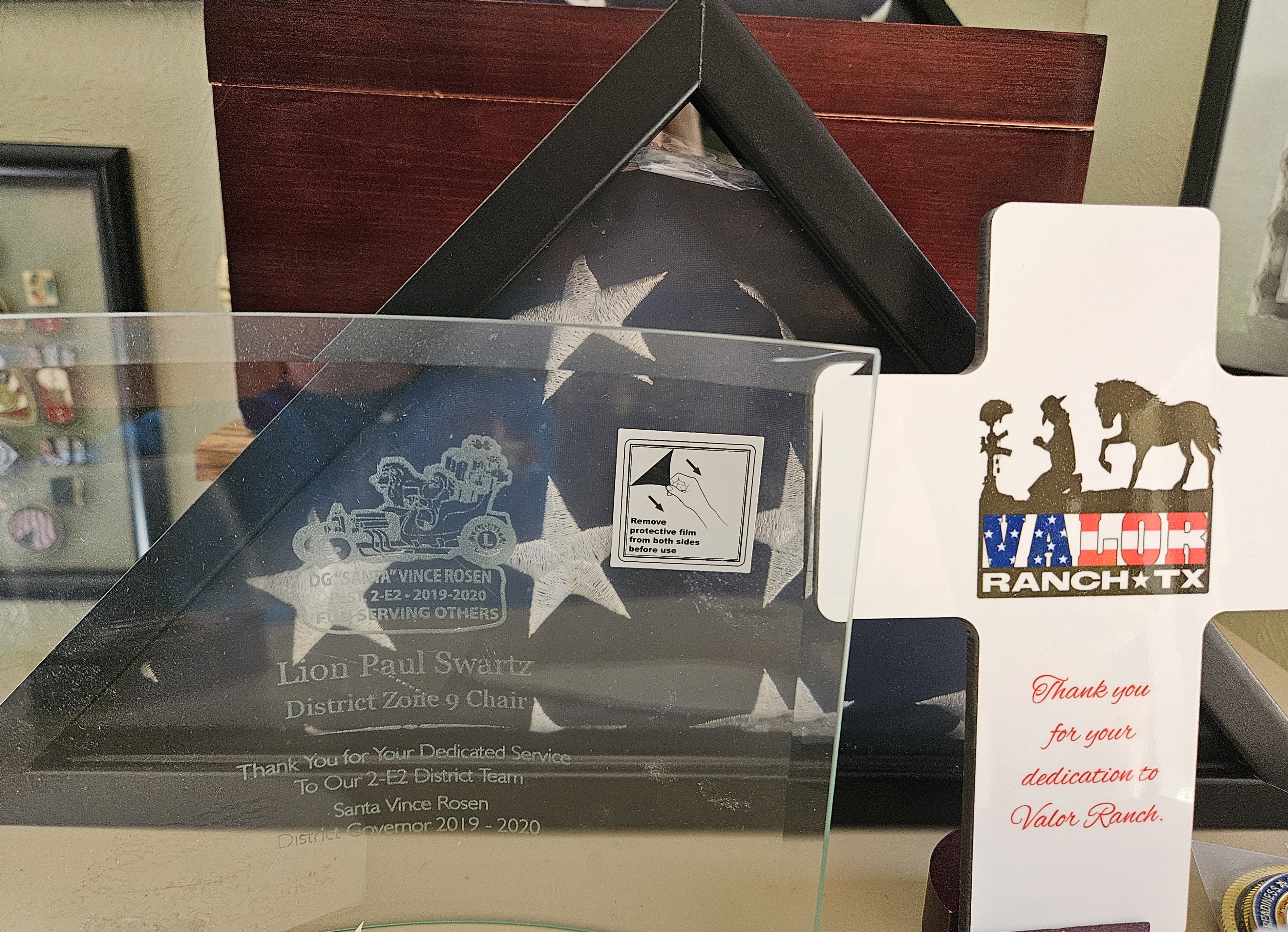
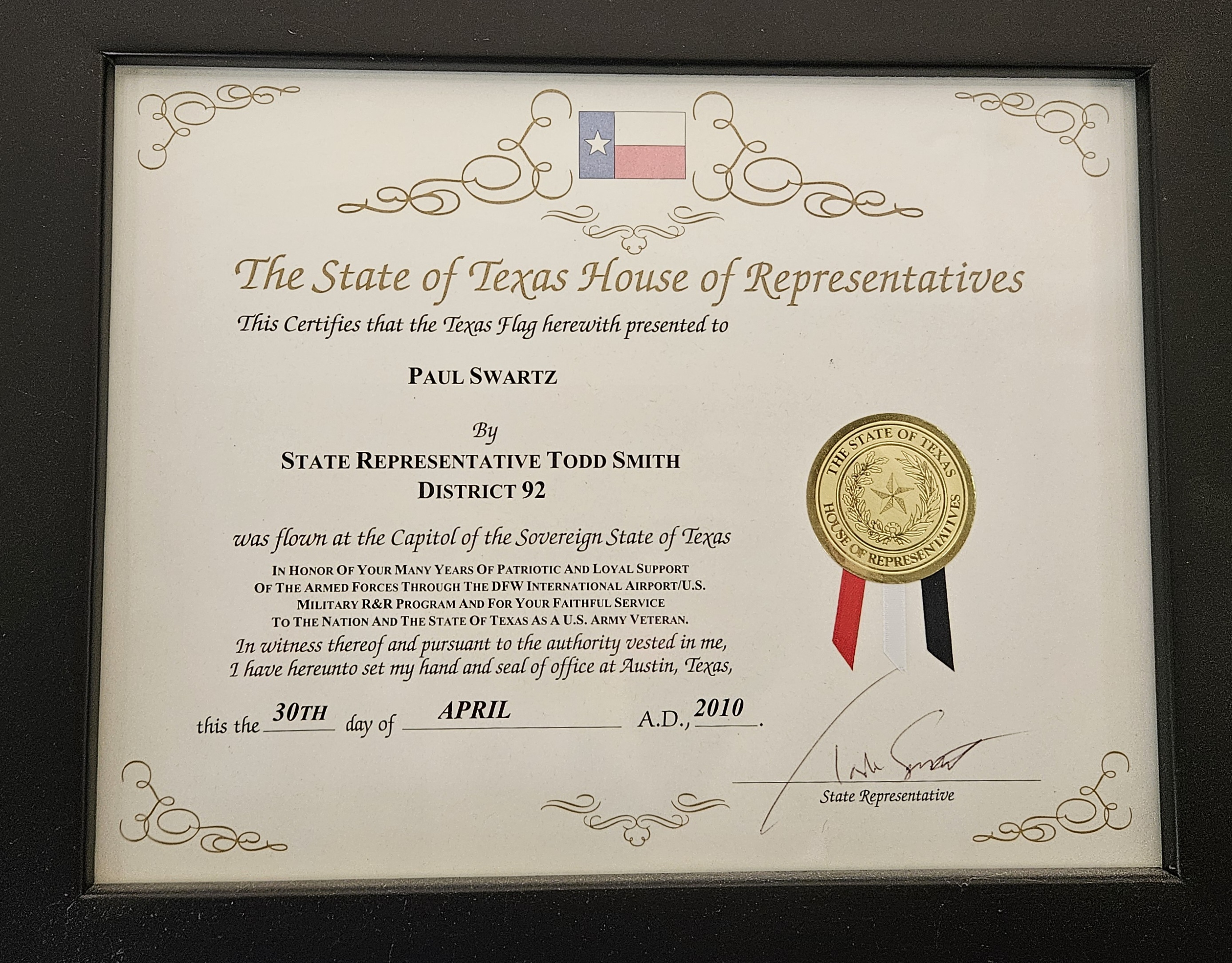
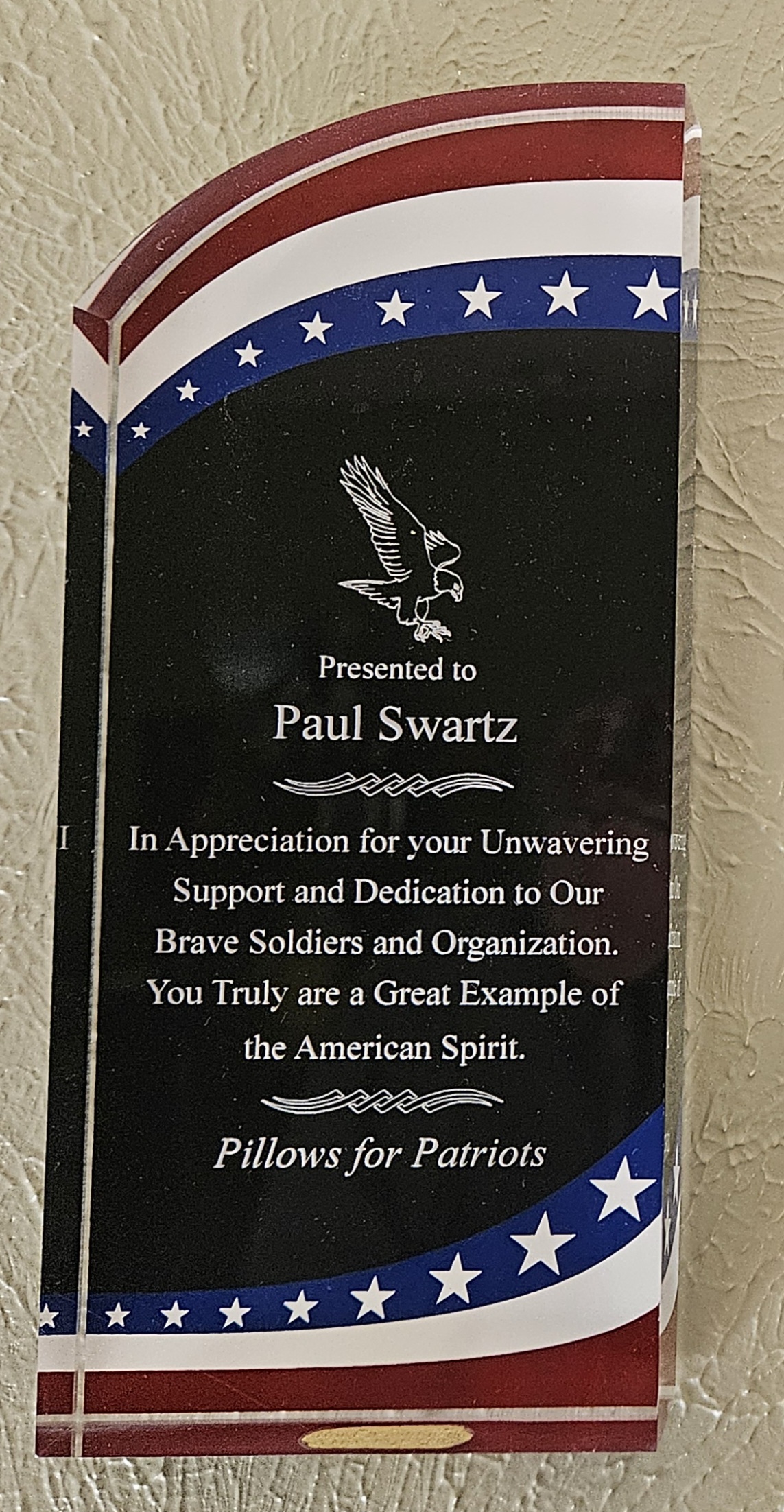
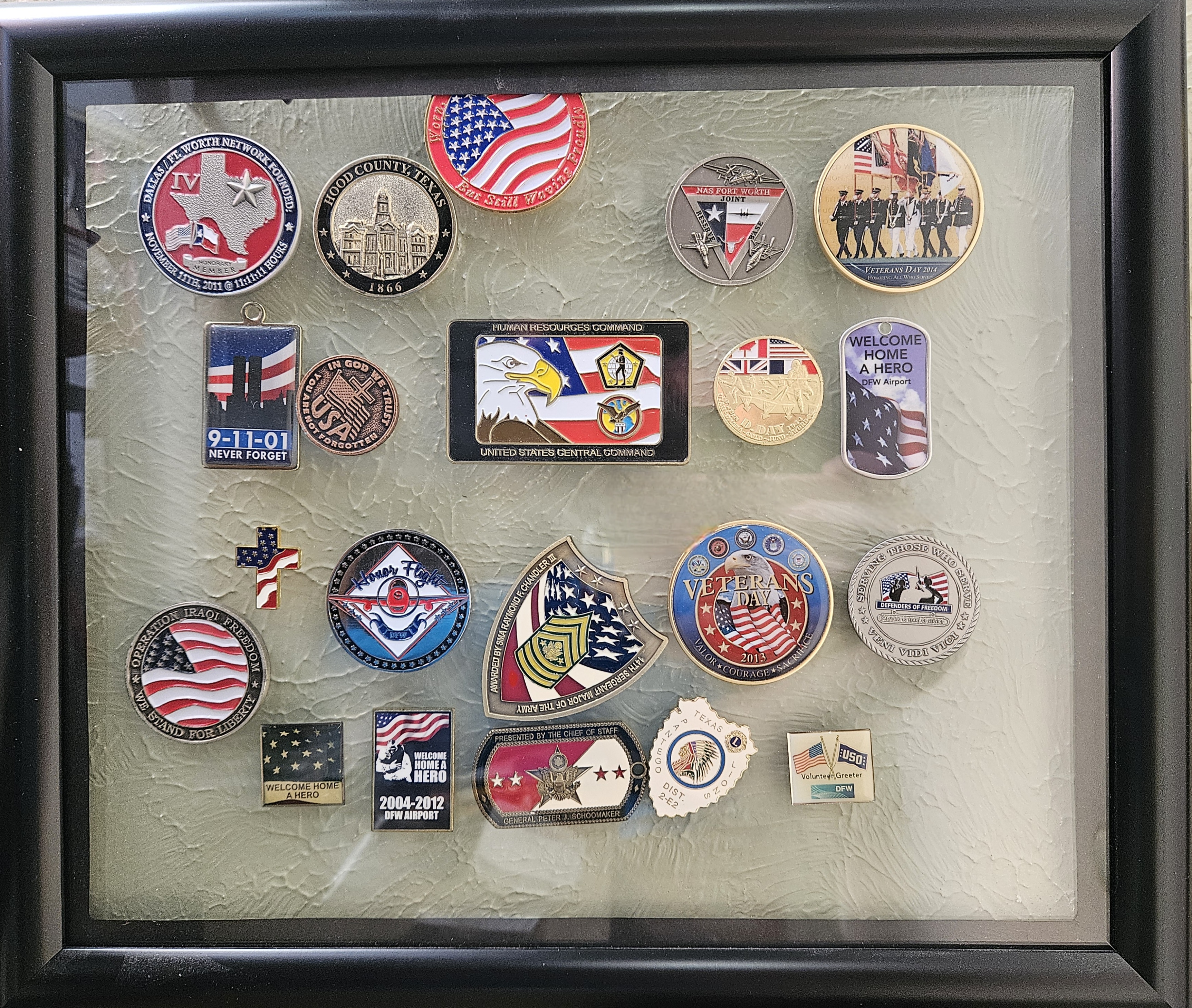
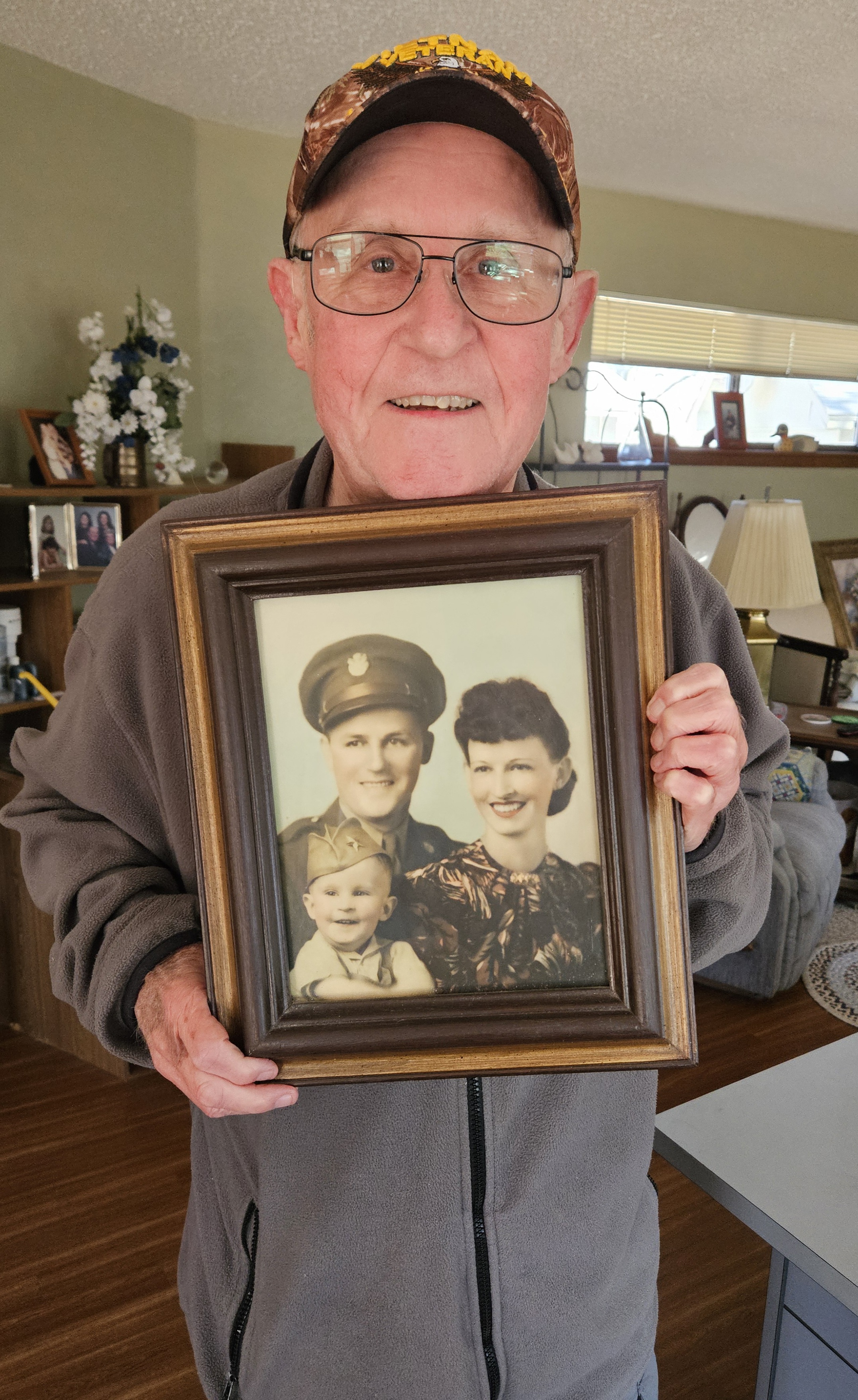
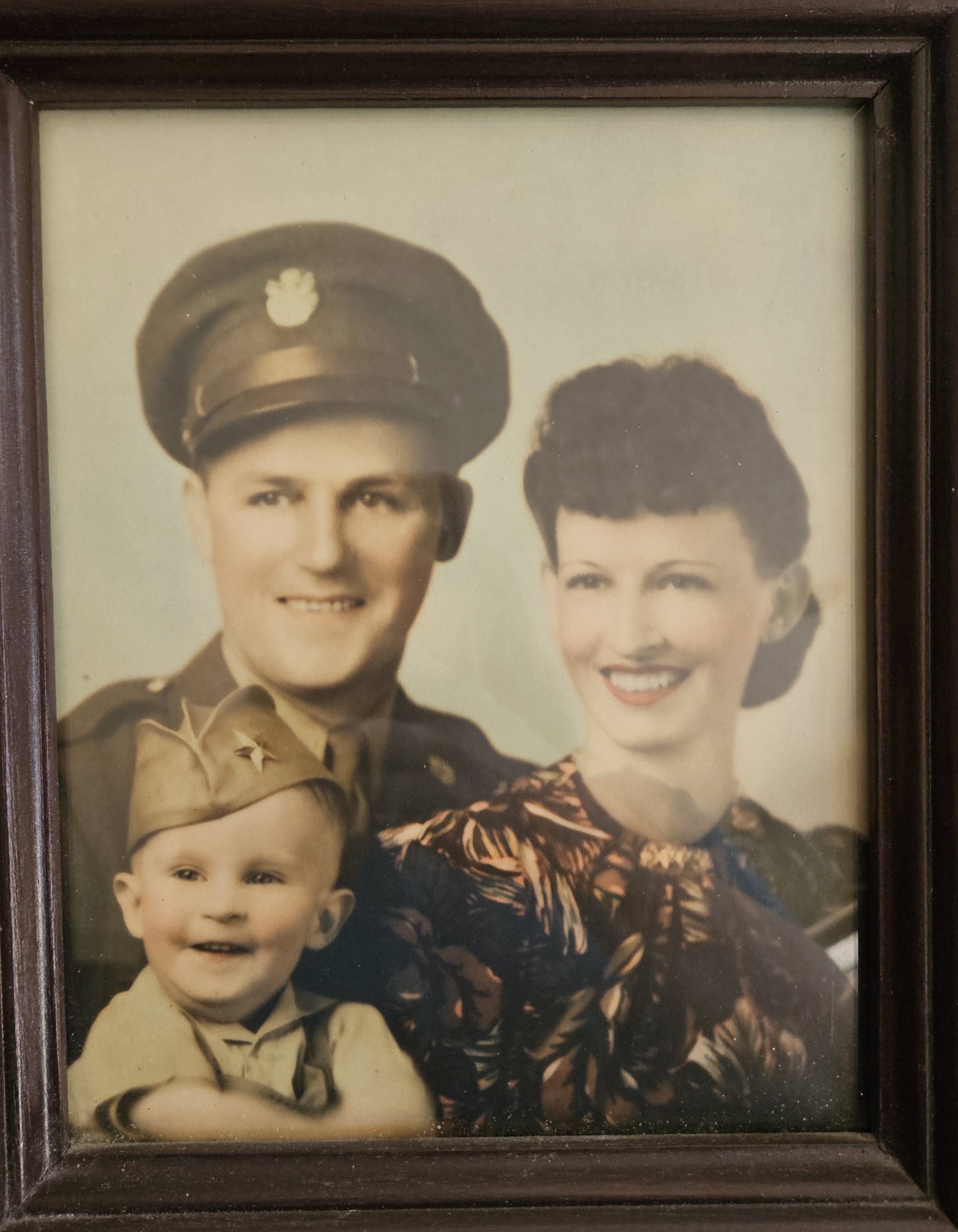
“You need to get to know people so they can know who you are.” Those words, spoken by Paul Swartz, reflect the quiet conviction that guided his life. Paul grew up in south Arlington at a time when the neighborhood was beginning to decline. He remembered the shock of returning years later with his sister and seeing more than three hundred armed vagrants living beneath the freeway overpass. As a boy he was timid, yet he found small joys close to home, especially the mile‑long walk to Walgreens where he bought malt shakes. He later moved to Arlington and graduated from the University of Texas at Arlington in 1963 with a degree in Electrical Engineering.
Three days after the assassination of President John F. Kennedy, Paul enlisted in the Army National Guard. While he and hundreds of new recruits waited in Arlington to be sent to Fort Polk, a drill instructor pointed at them and shouted that they were the men who killed the President. When Paul arrived at Fort Polk, the sergeant repeated the accusation, and the atmosphere grew increasingly hostile. After six difficult months he was transferred to Fort Rucker, Alabama, where he briefly fell in with the wrong crowd. One night, lacking money, the group assaulted several men and took their cash. The incident stayed with Paul as a reminder of how quickly a person can be pulled off course.
Each summer Paul trained with his National Guard unit at Fort Hood. During those years he wondered whether he should become a helicopter pilot. A high school principal he knew in Arlington asked if he had ever flown one, and together they tried. When Paul took the controls, the nose dipped sharply while they hovered only a few feet above the ground, and his friend quickly seized the stick. That moment convinced Paul he was not meant to fly. A second attempt came at the Joint Reserve Base in Grand Prairie when a major took him twelve miles south of town. As Paul handled the controls, the smell of smoke filled the cockpit and they made an emergency landing. Once again he felt certain flying was not his calling.
Still searching for clarity, Paul tried a T‑6 trainer. Shortly after takeoff a cockpit malfunction forced him to radio “May Day, May Day.” When the plane landed, he opened the canopy, fell out, and ran from the aircraft as fast as he could. A friend finally told him to stop trying and join the Navy. Paul listened. He became an aviation mechanic and worked on helicopters for six years while continuing to attend National Guard meetings annually.
Yet he attempted flying one final time. A friend owned a small fixed‑wing plane and encouraged him to take lessons. Paul gained enough confidence to attempt a solo flight, but he inadvertently flew behind a Southwest Airlines jet at six hundred feet. The turbulence forced his plane to drop four hundred feet, unable to maintain lift. After that experience Paul finally accepted the truth. He was not meant to be a pilot.
Paul’s years in uniform were not without humor. During work duty in Mineral Wells he joined a helicopter flight over Fort Worth. The pilot skimmed low across open fields, tipping the nose downward so the skids would nudge unsuspecting coyotes. Paul laughed at the sight and remembered it fondly.
Three weeks before the enlistment cutoff, Paul learned his unit would be sent to Vietnam. The offer included more pay and higher rank, and he would have served as a door gunner on a Huey helicopter, a position with a life expectancy of thirty seconds. Paul had already met the woman who would become his wife, and he chose not to reenlist. He left the Navy as an E‑6.
Paul met Betty in May 1969 through a blind date arranged by friends. Betty and her roommate Vickey stopped by Paul’s apartment one evening while he and his roommate played poker, and that was the first time Paul saw the woman who would change his life. They soon became tennis partners and spent time swimming together. Paul traveled frequently for Wembley Ties, and while he was away at a sales meeting in New Orleans, Betty moved her belongings from Lubbock to her parents’ home in Fort Worth. Before leaving she placed her shoes in Paul’s apartment, a small gesture that lingered in his mind. She later worked at a summer camp in Marshall, and Paul wrote letters and called her often, something that delighted her.
When Betty returned to Lubbock to teach, she stopped by Paul’s apartment to retrieve her shoes. Paul blurted out that he hoped she had not come back for him, though in truth he wanted to leave Lubbock and return to the DFW area. Their relationship continued to grow, even through humorous mishaps. Once Paul left a dozen doves on his kitchen counter after a hunting trip and forgot about them while traveling for work. Betty arrived to help clean the apartment and was greeted by an unforgettable smell. Another morning Paul appeared at her door holding a large sandhill crane with its wings spread wide while making loud squawking noises. Betty told him to go away, but by Christmas of 1970 they were married.
Paul’s sales career with Wembley Ties took him across far west Texas and western New Mexico. One of his longtime accounts was Clovis Menware, whose owner had never purchased ties despite five years of friendly visits. During one call the owner promised to buy some on Paul’s next visit. Paul stepped outside, drove around the block, returned, and announced he was back. The owner laughed and placed a large order, becoming one of Paul’s best customers.
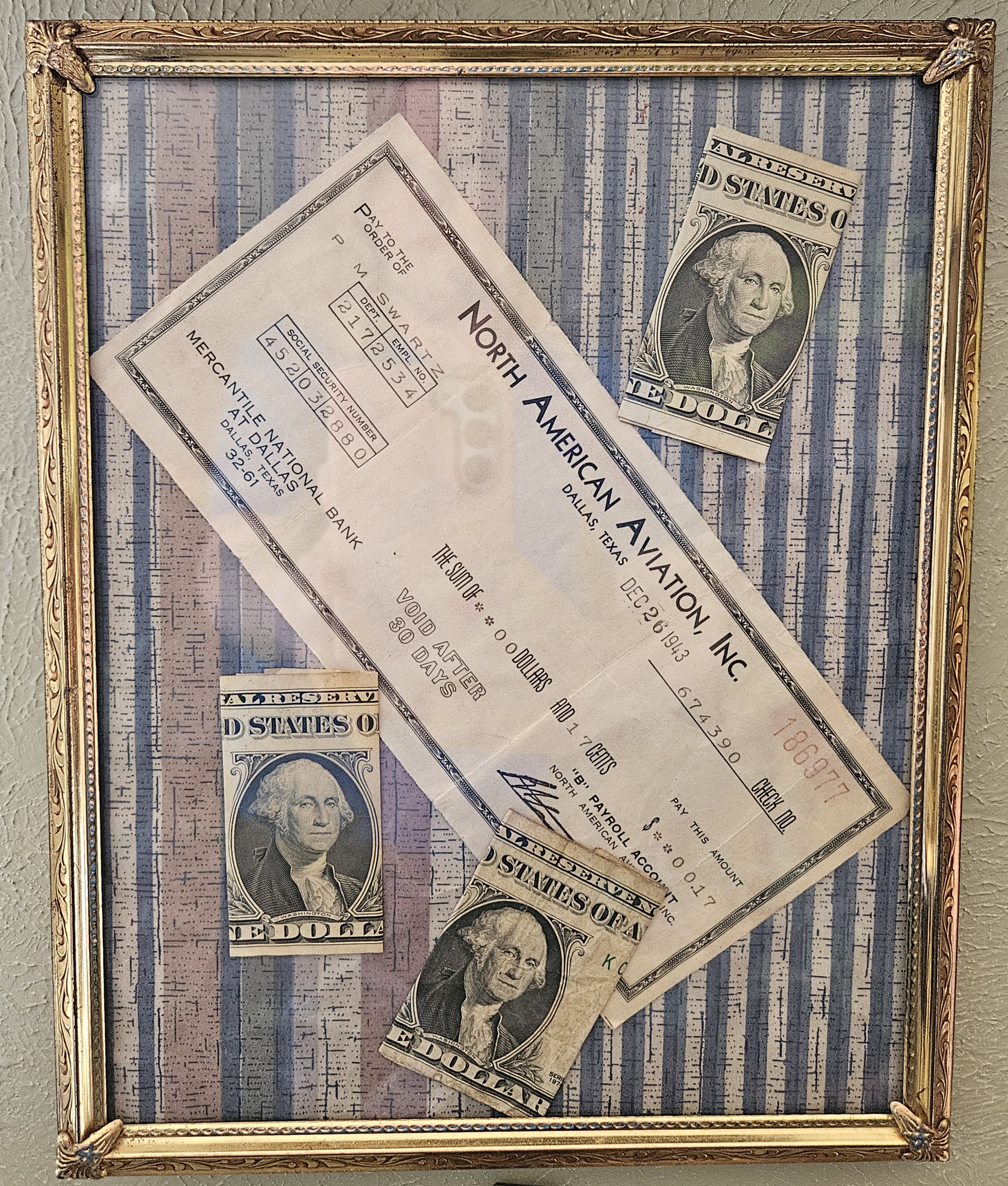
The territory grew more difficult as Walmart expanded into the region, forcing many small stores to close. Paul retired from Wembley in 1996 and joined Arrow Shirts, continuing to serve small towns in New Mexico. His health began to decline when he developed severe vertigo. The first attack struck while he watched his daughter Lori play volleyball for Texas Wesleyan in Denton. He collapsed in the bleachers and was taken by ambulance to the hospital. Vertigo plagued him for three and a half years, forcing him onto disability and preventing him from driving. He stayed active by helping Lori start a company selling volleyball items, while his other daughter Debbie pursued a marketing degree at DBU.
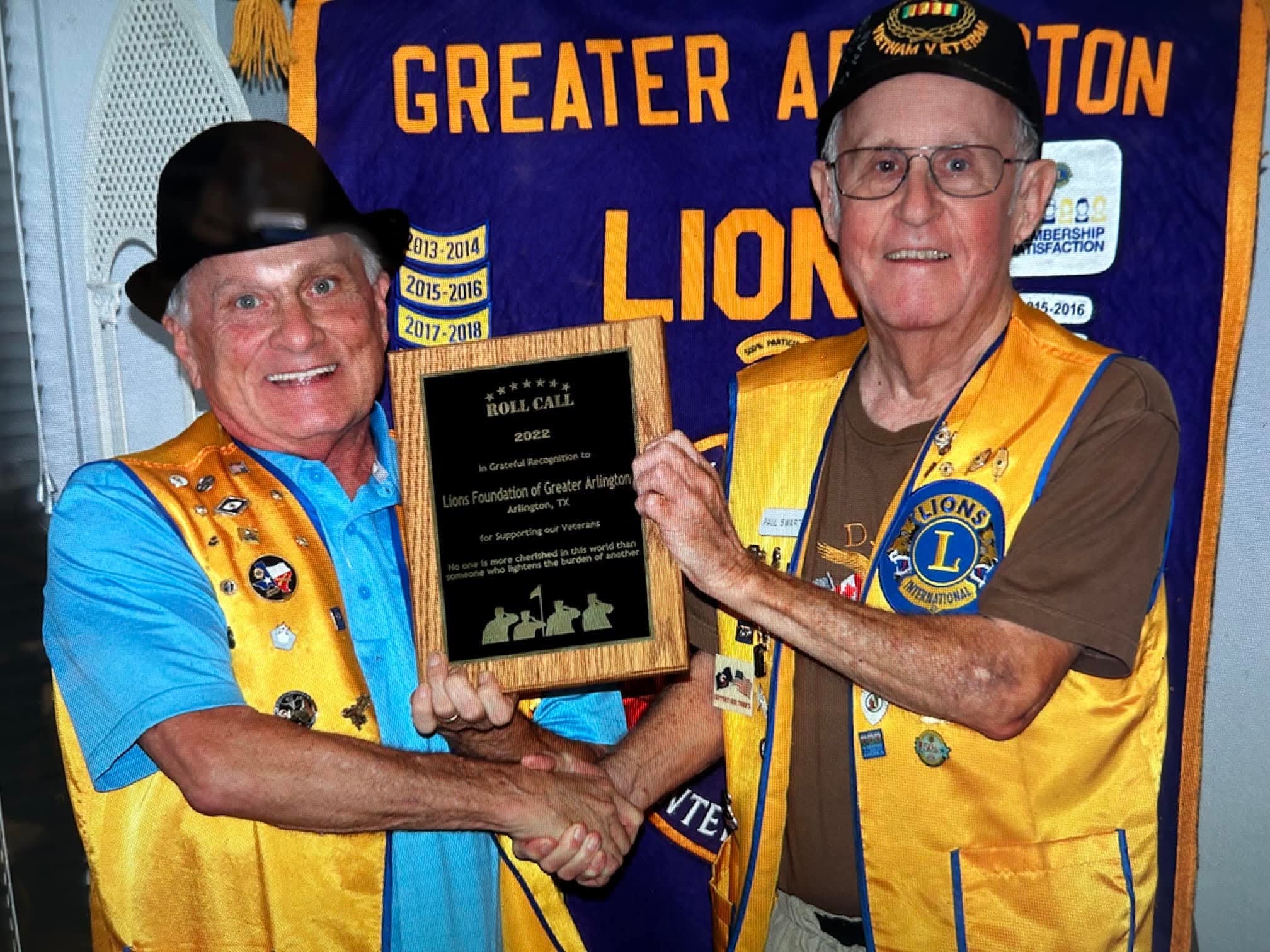
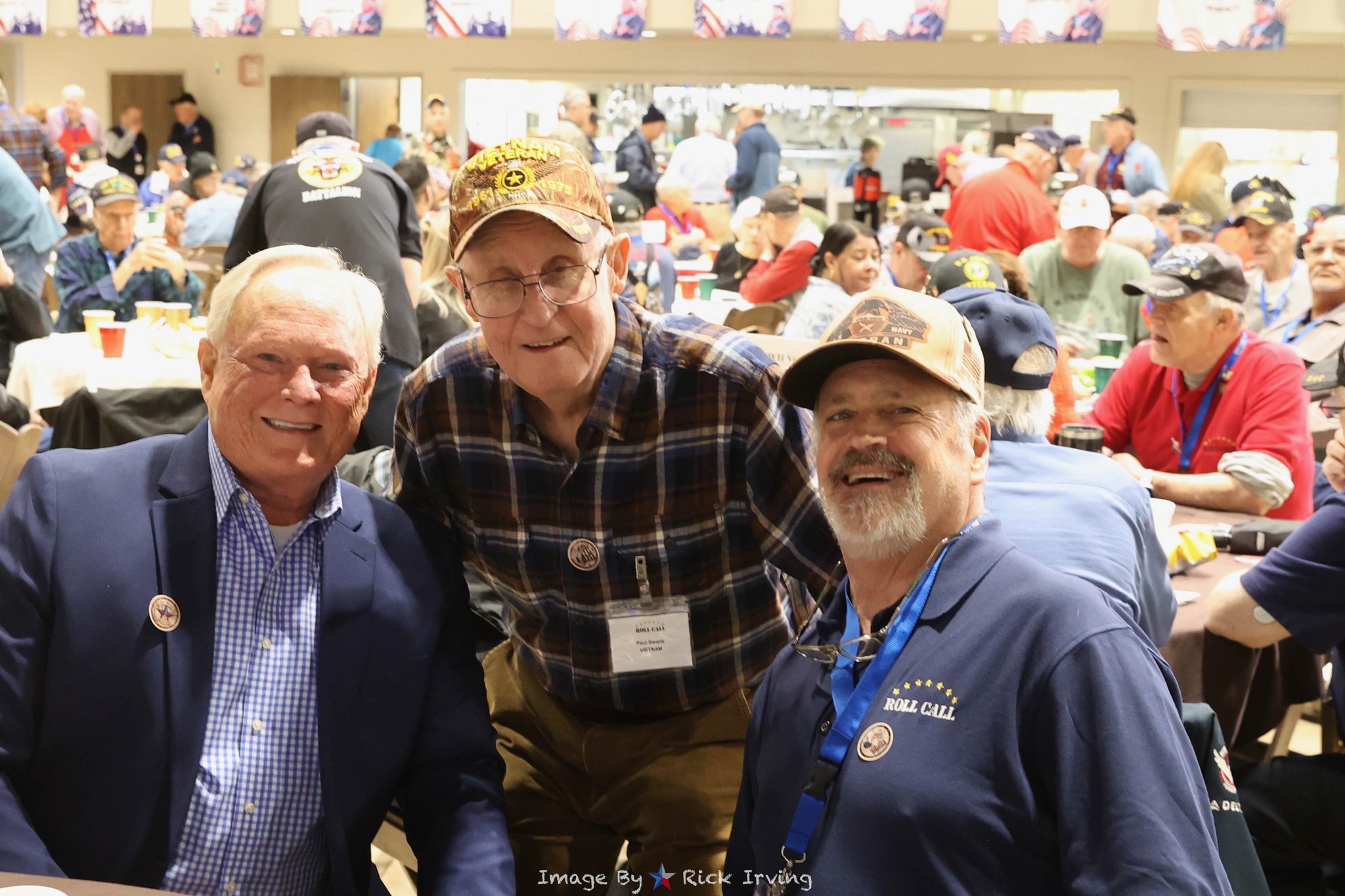
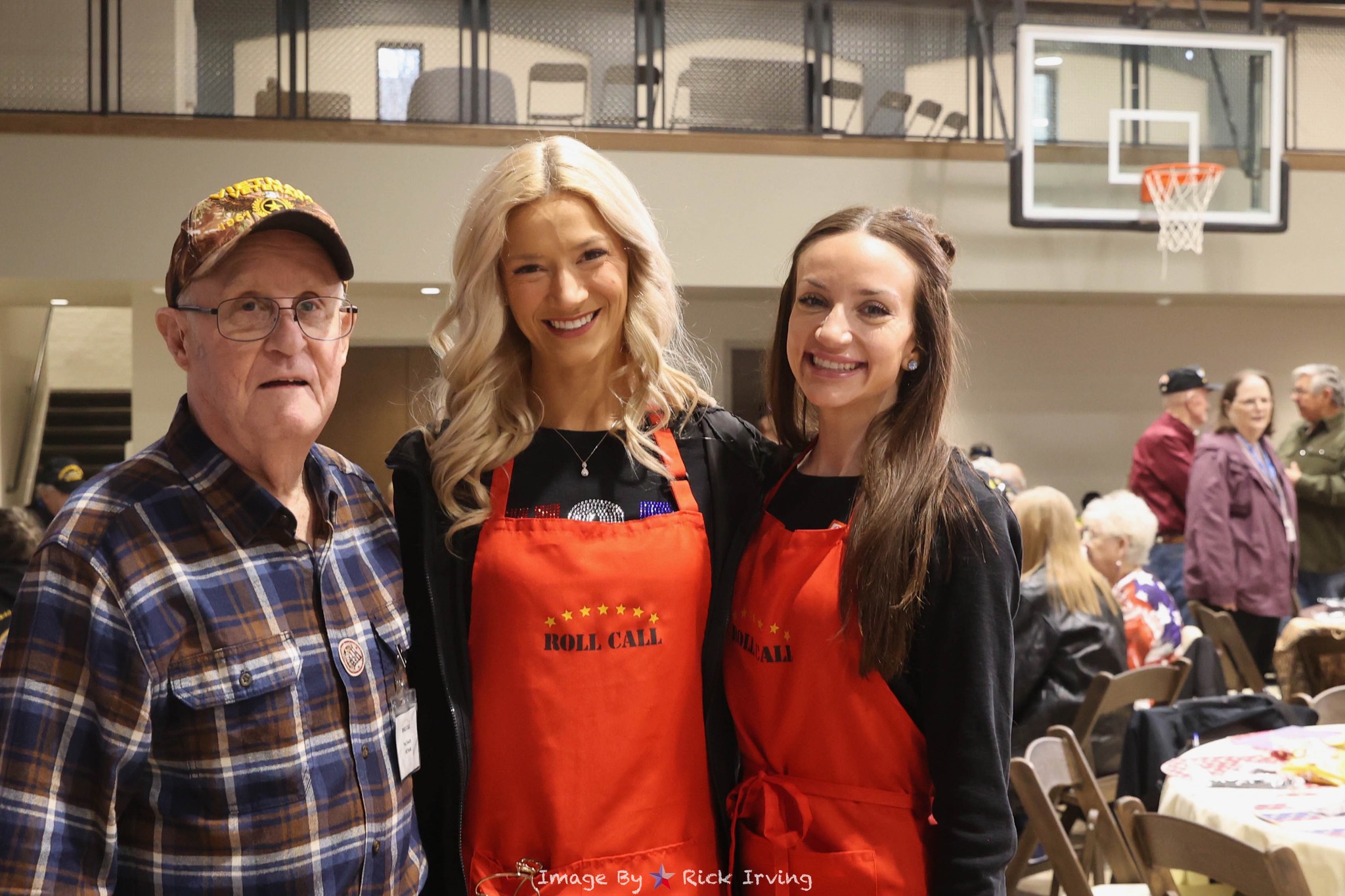
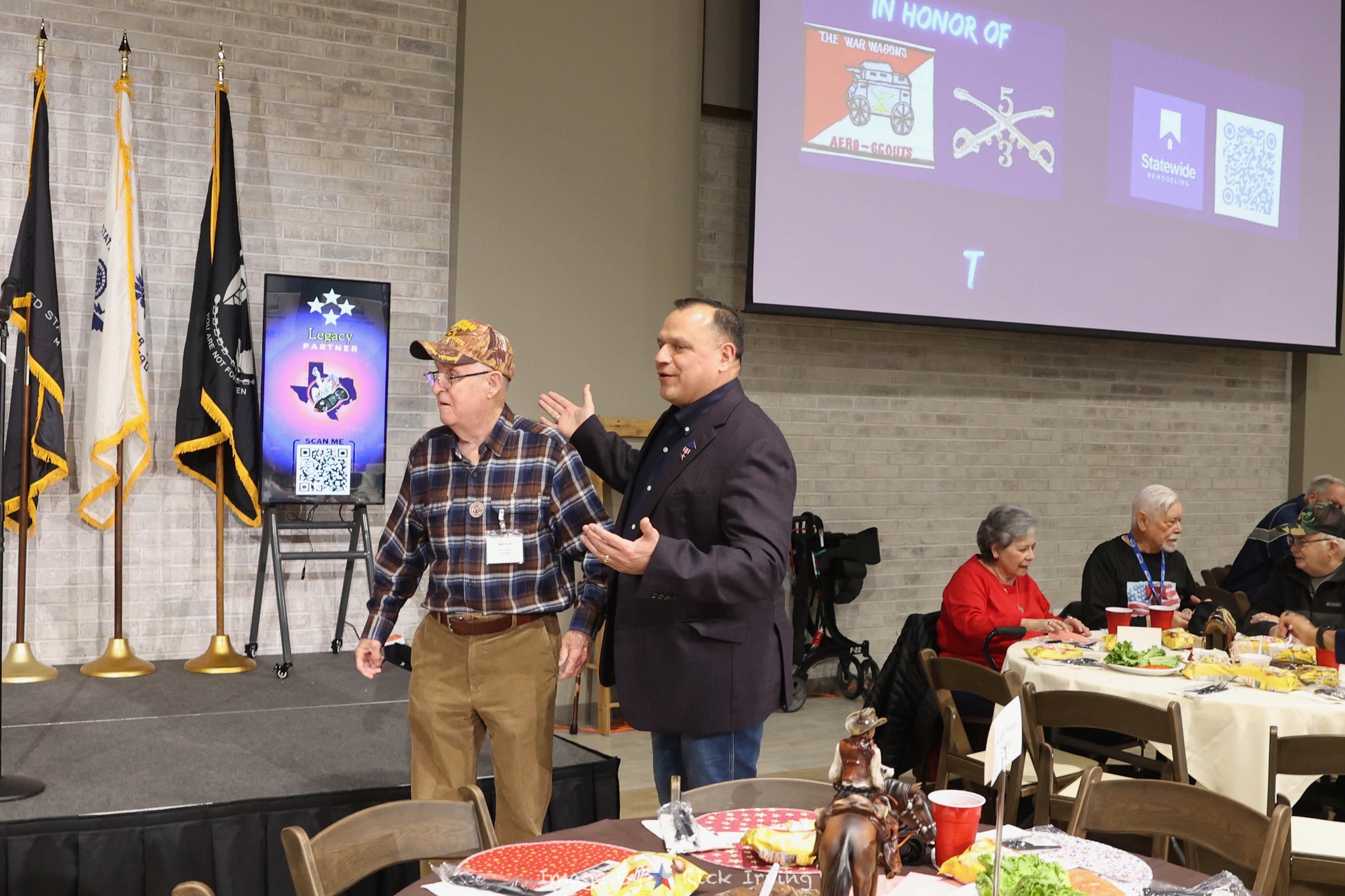
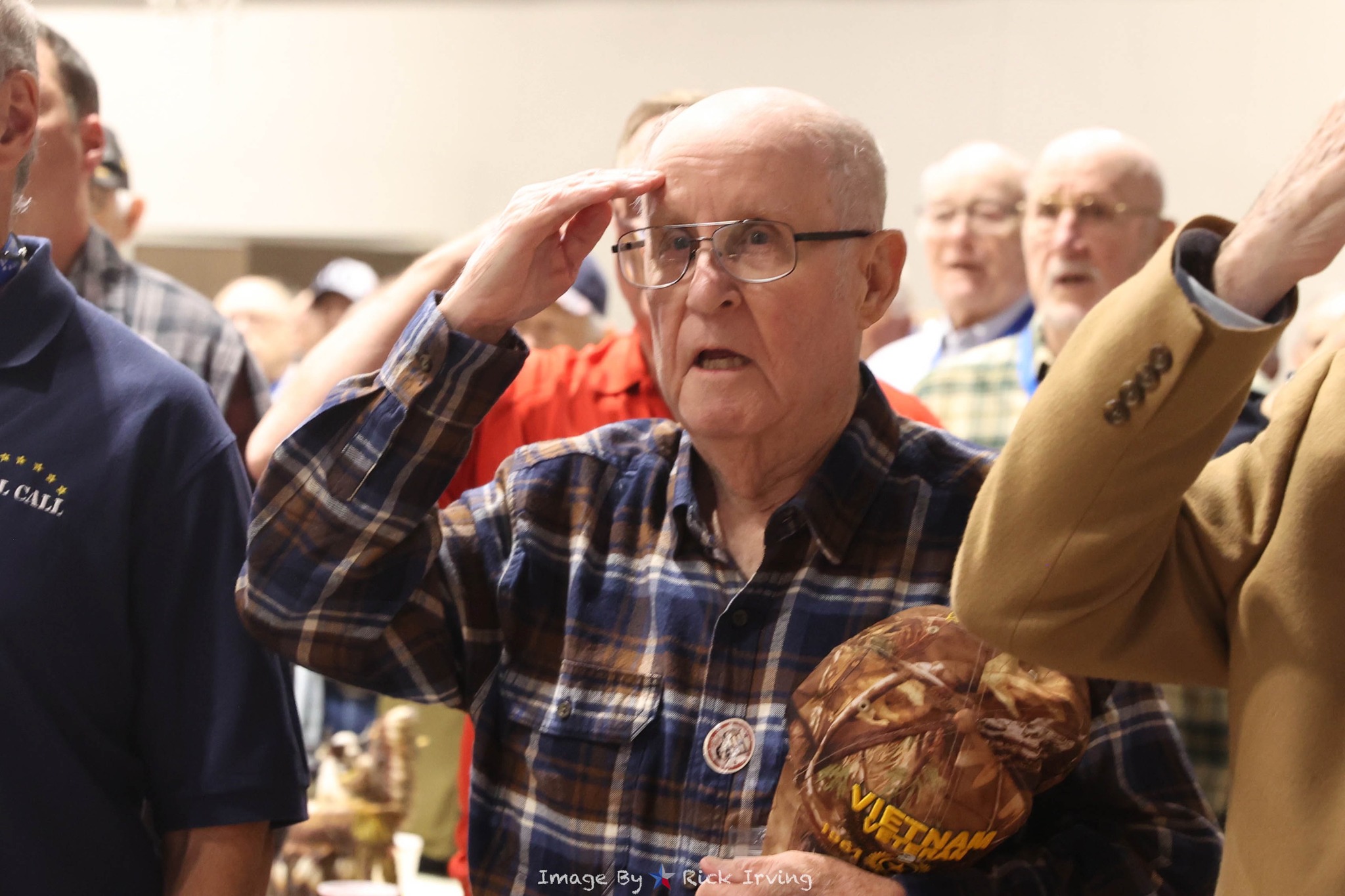
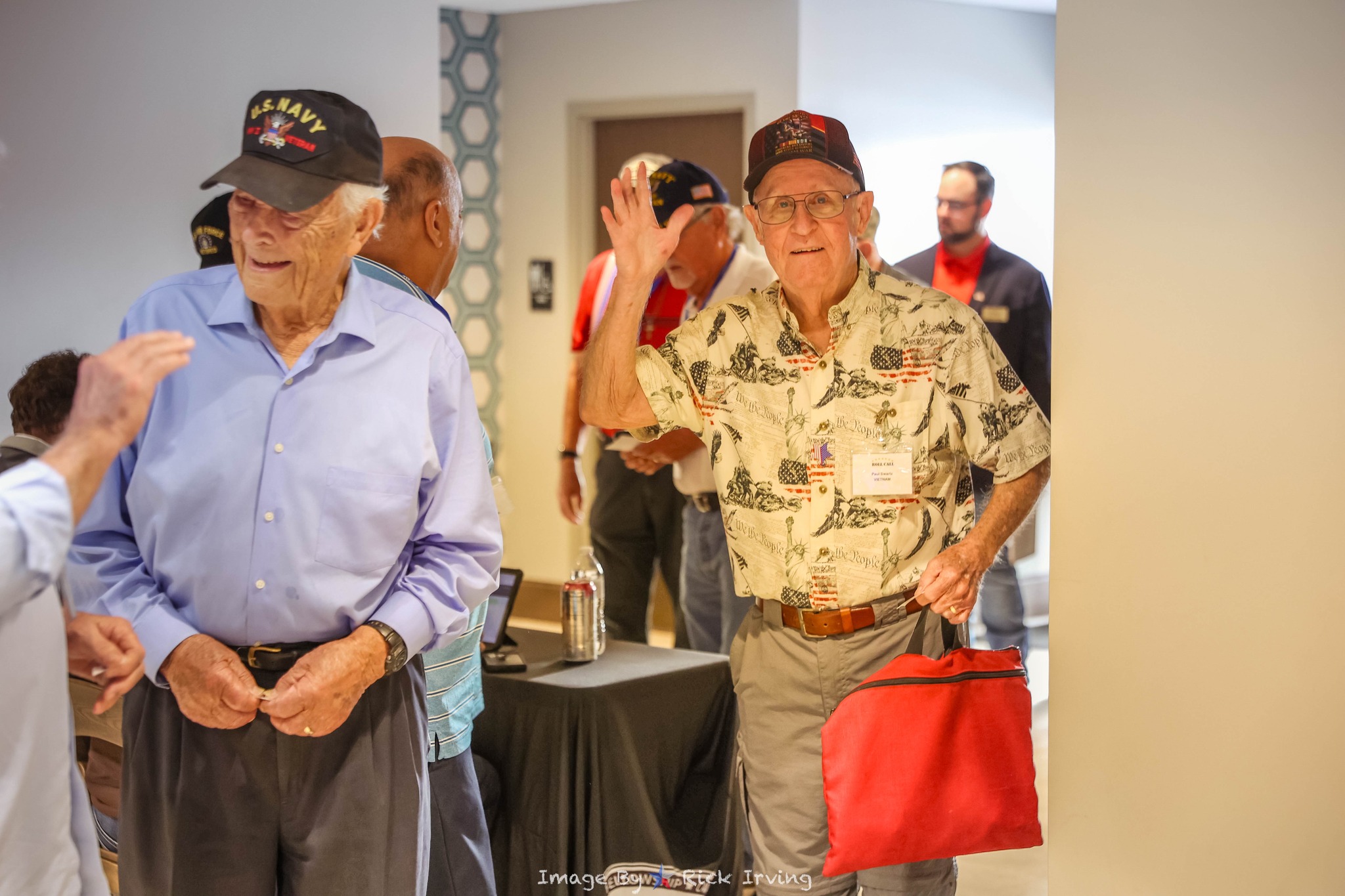
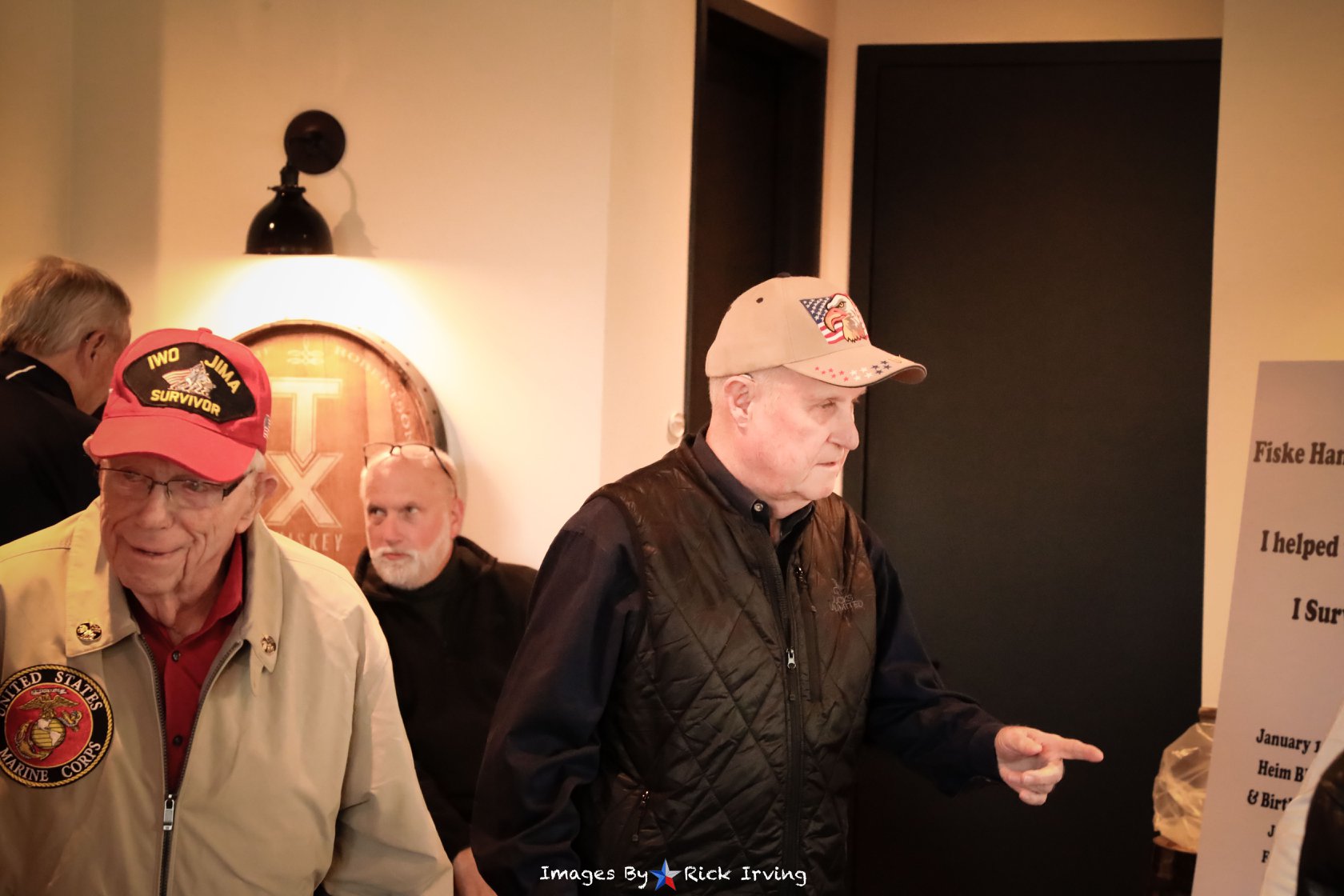
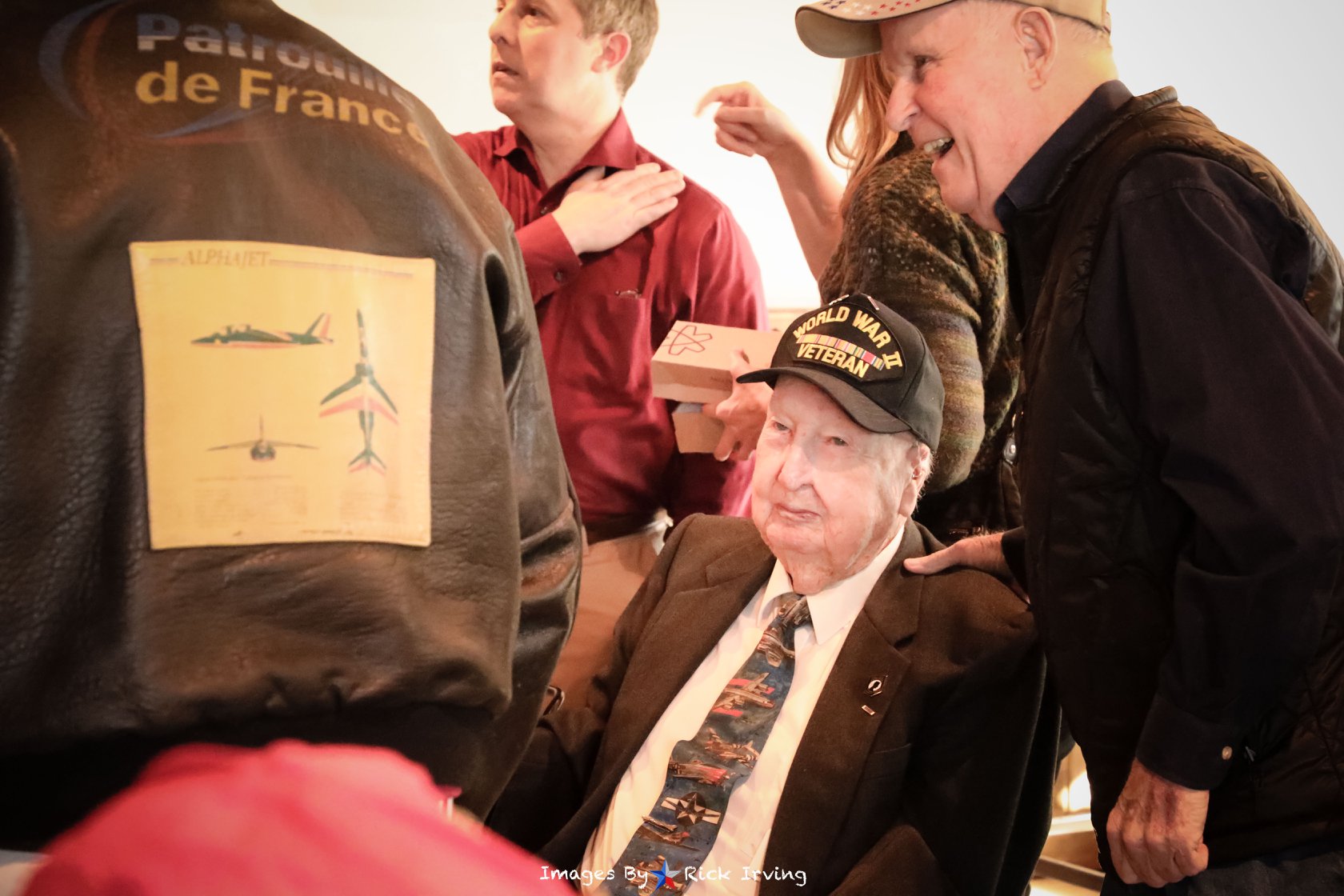
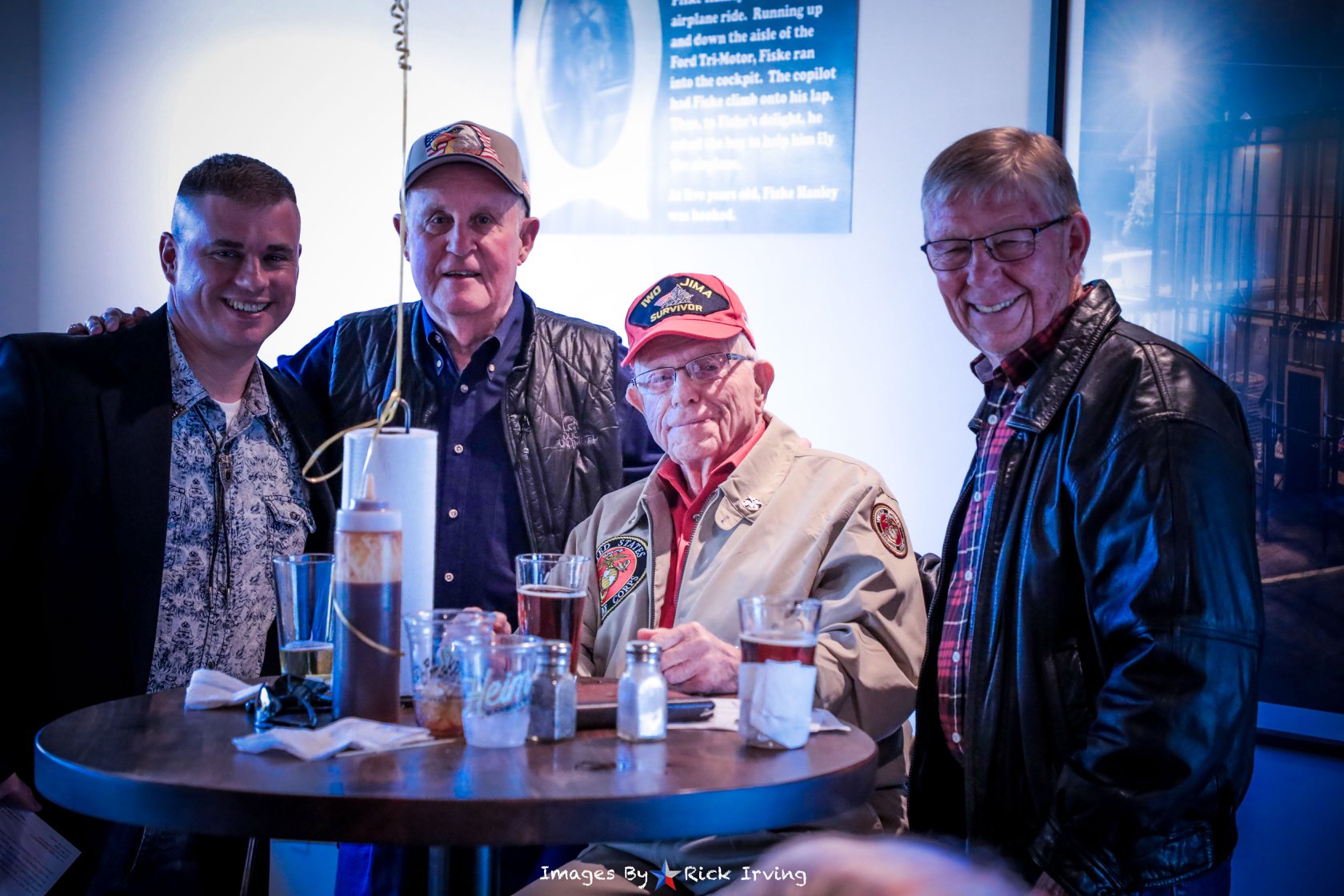
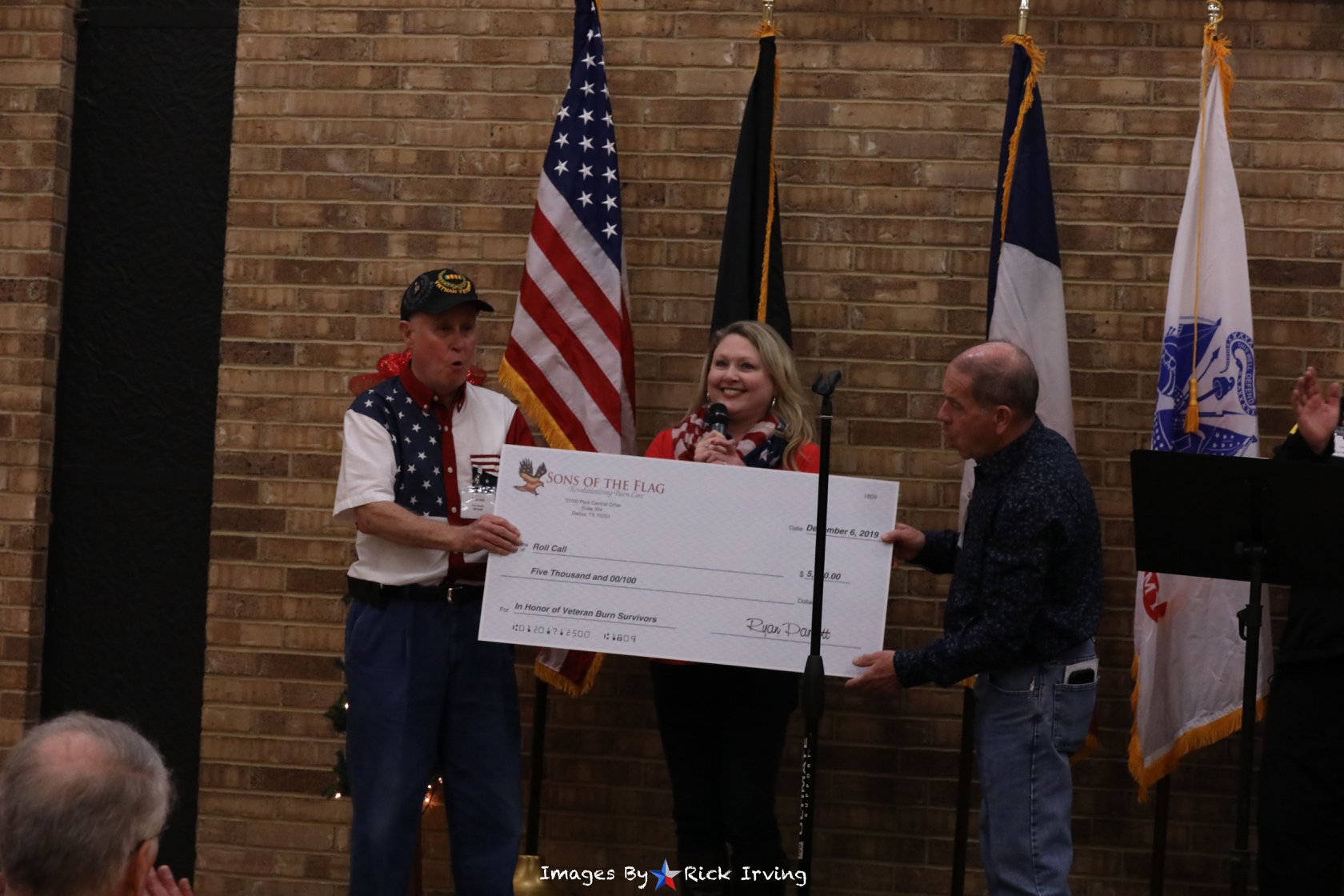
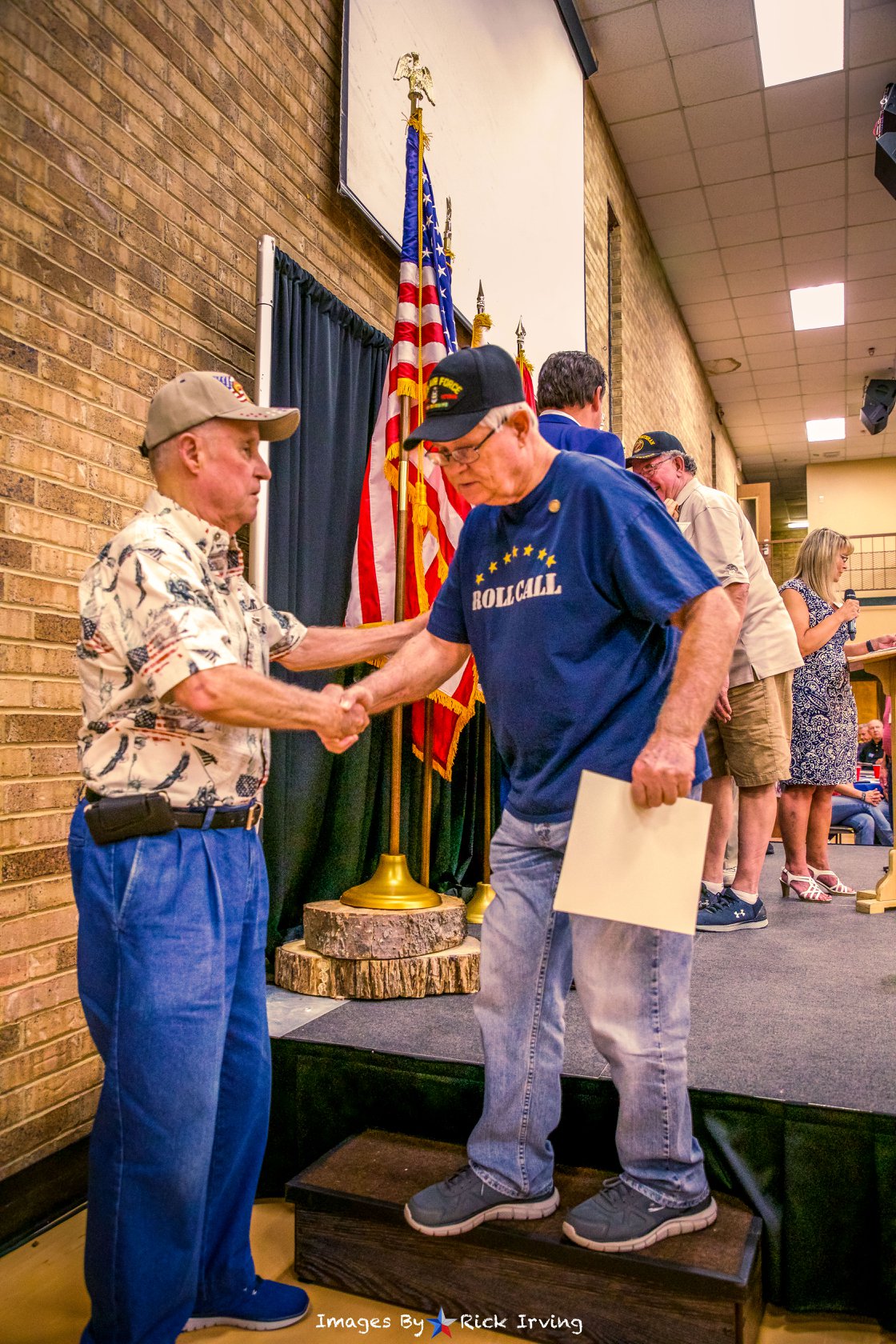
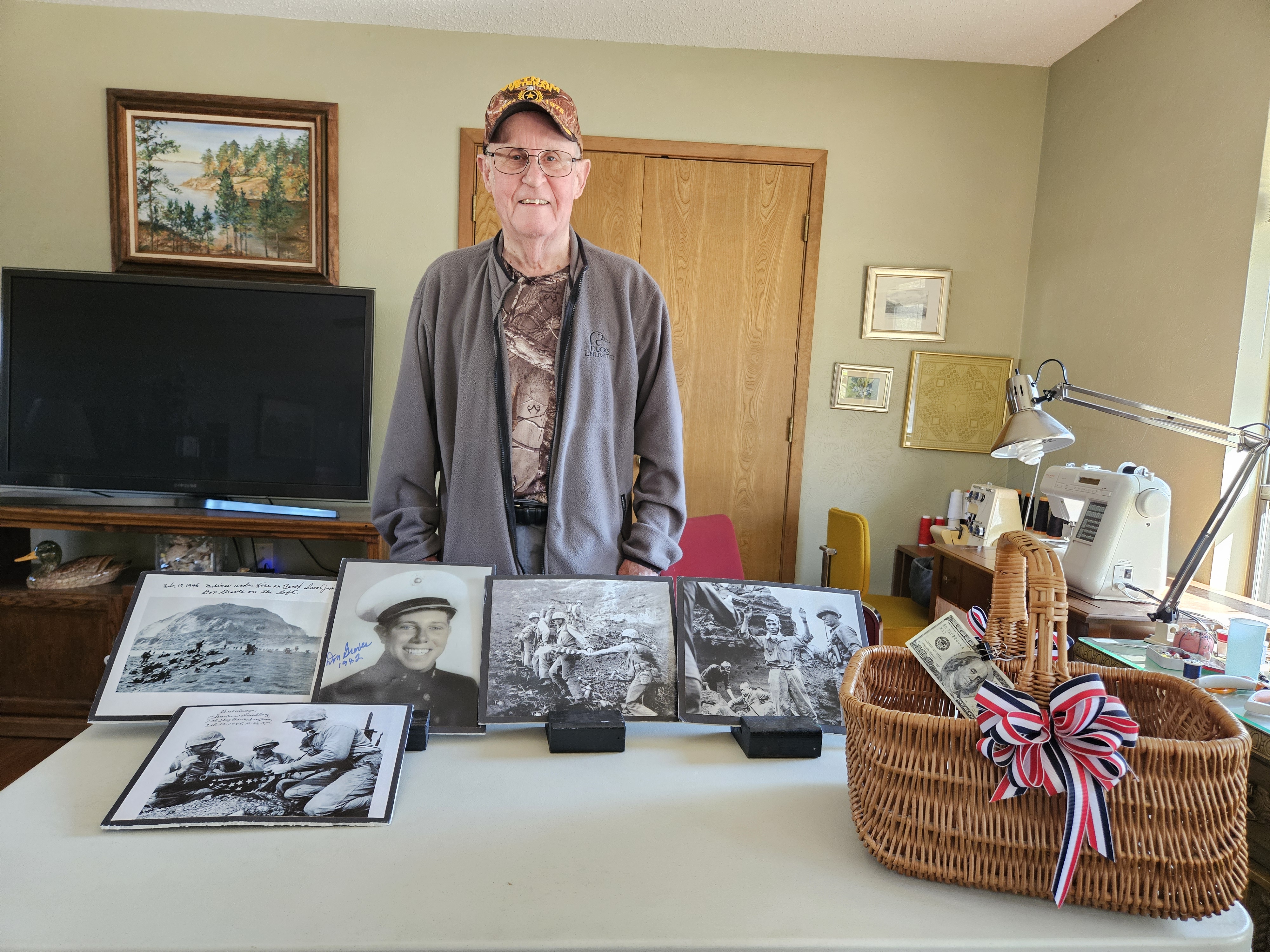
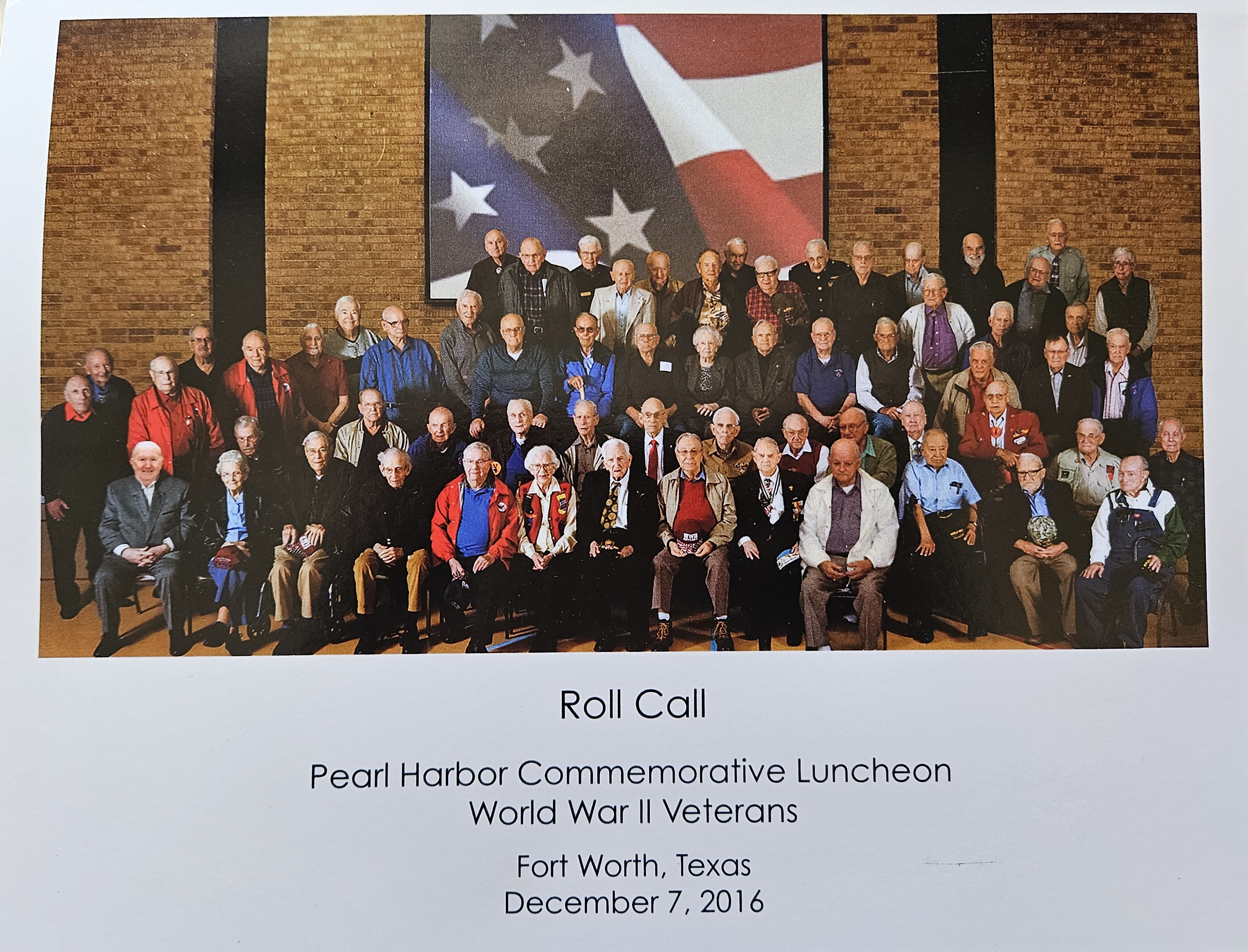
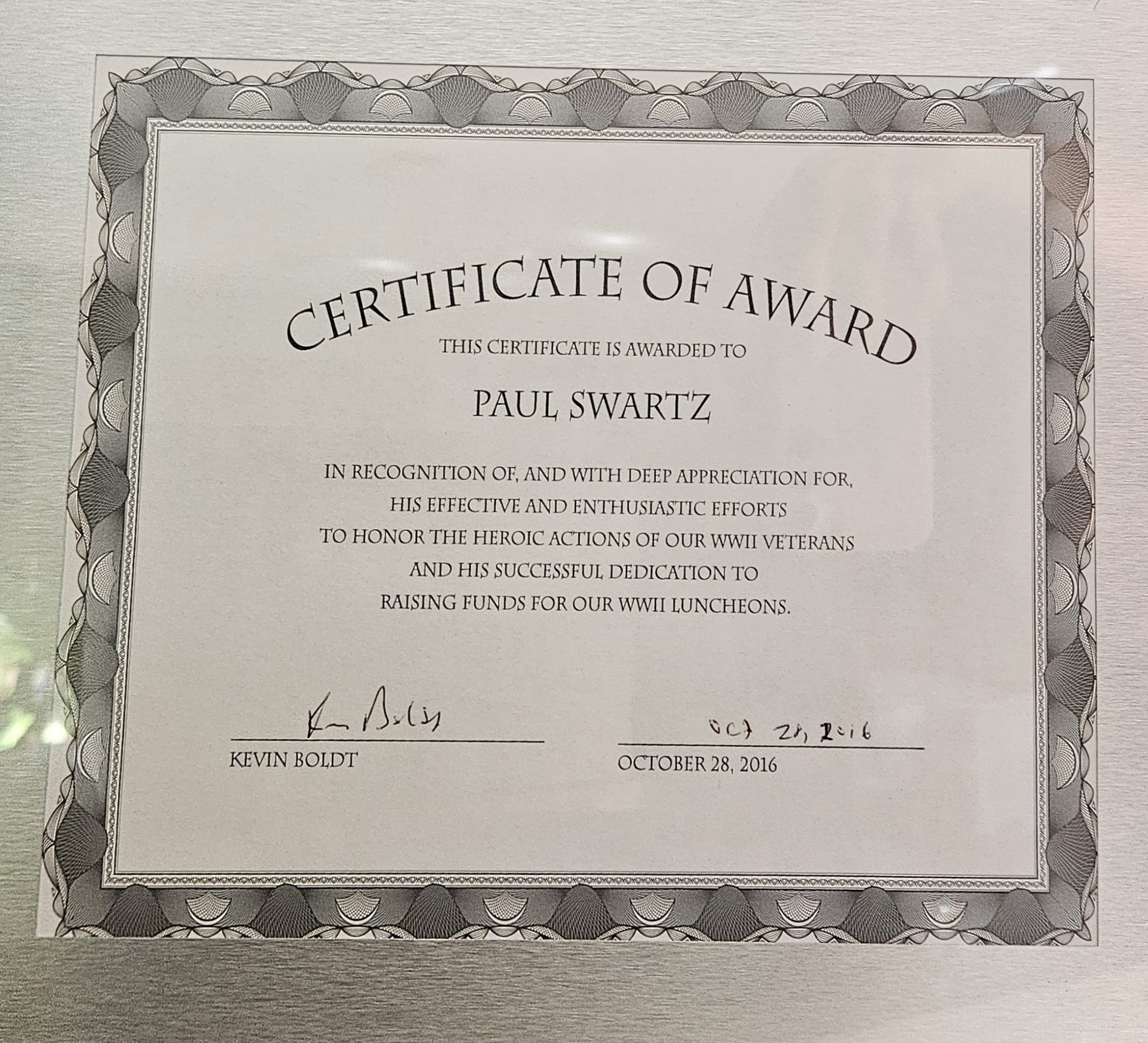
In 1999 Paul founded R&R, a program that brought veterans to school events. He later partnered with Honor Lights to raise funds for veterans and became deeply involved in supporting World War II veterans. Since 2014 he has worked closely with two Iwo Jima survivors from the 5th Marine Division, Don Graves and Bill Schott. Paul arranged their speaking engagements, provided transportation, and ensured their stories reached new generations. He also served as an advisor to the Roll Call Board of Directors, helping raise enough money to fund nearly six months of monthly veteran luncheons. His patriotism, kindness, and devotion to veterans made him an indispensable part of Roll Call’s success.
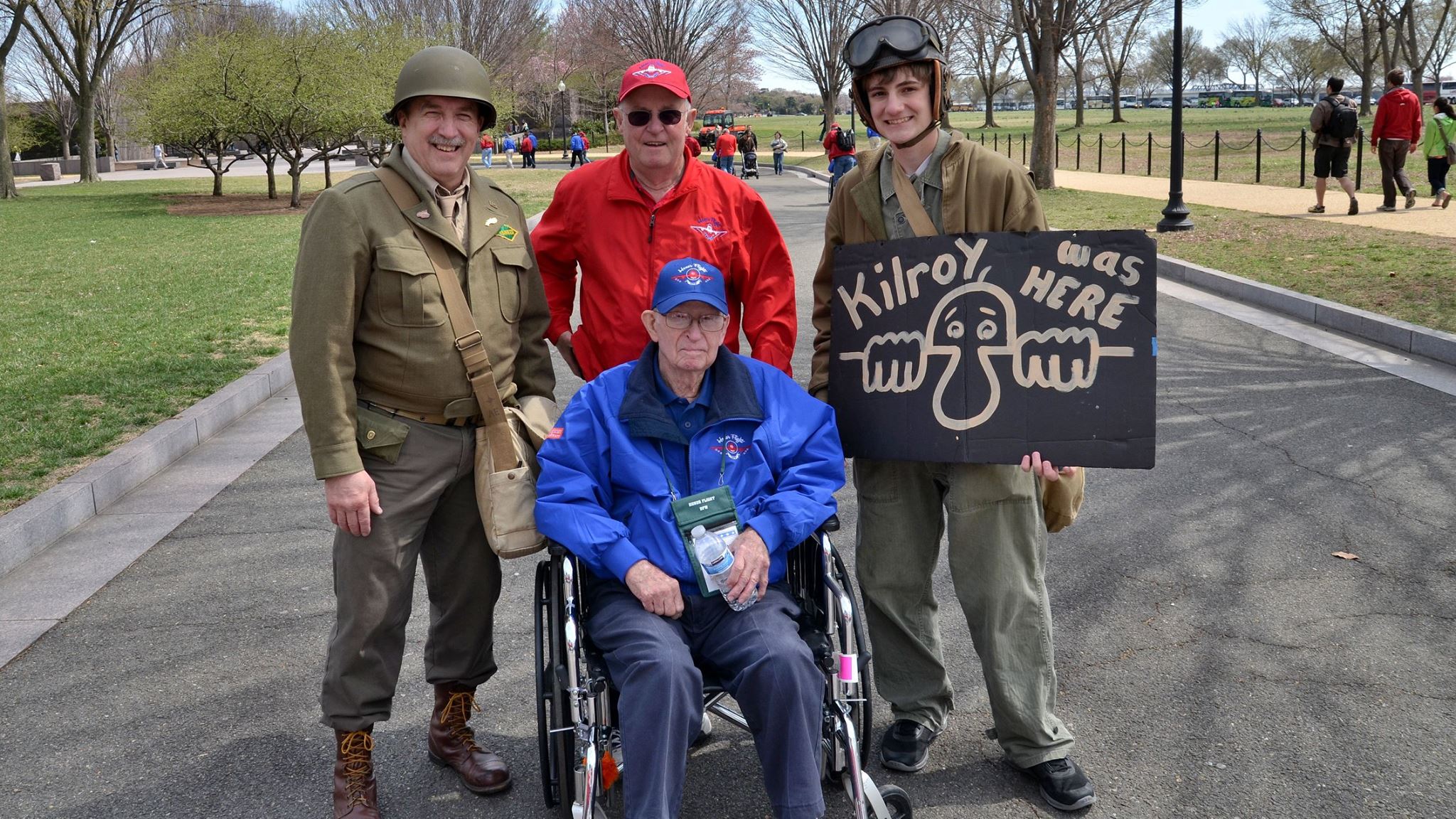
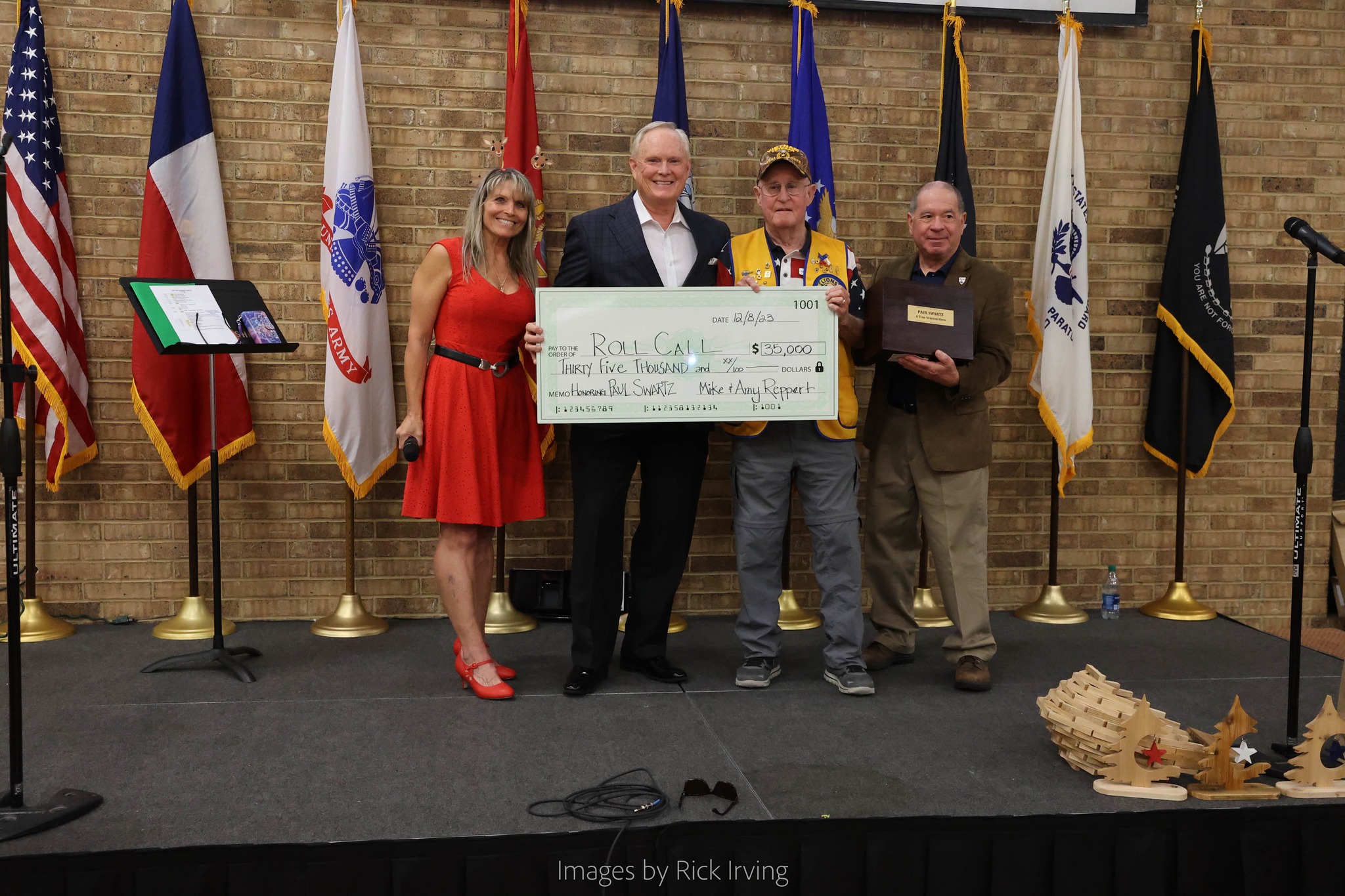
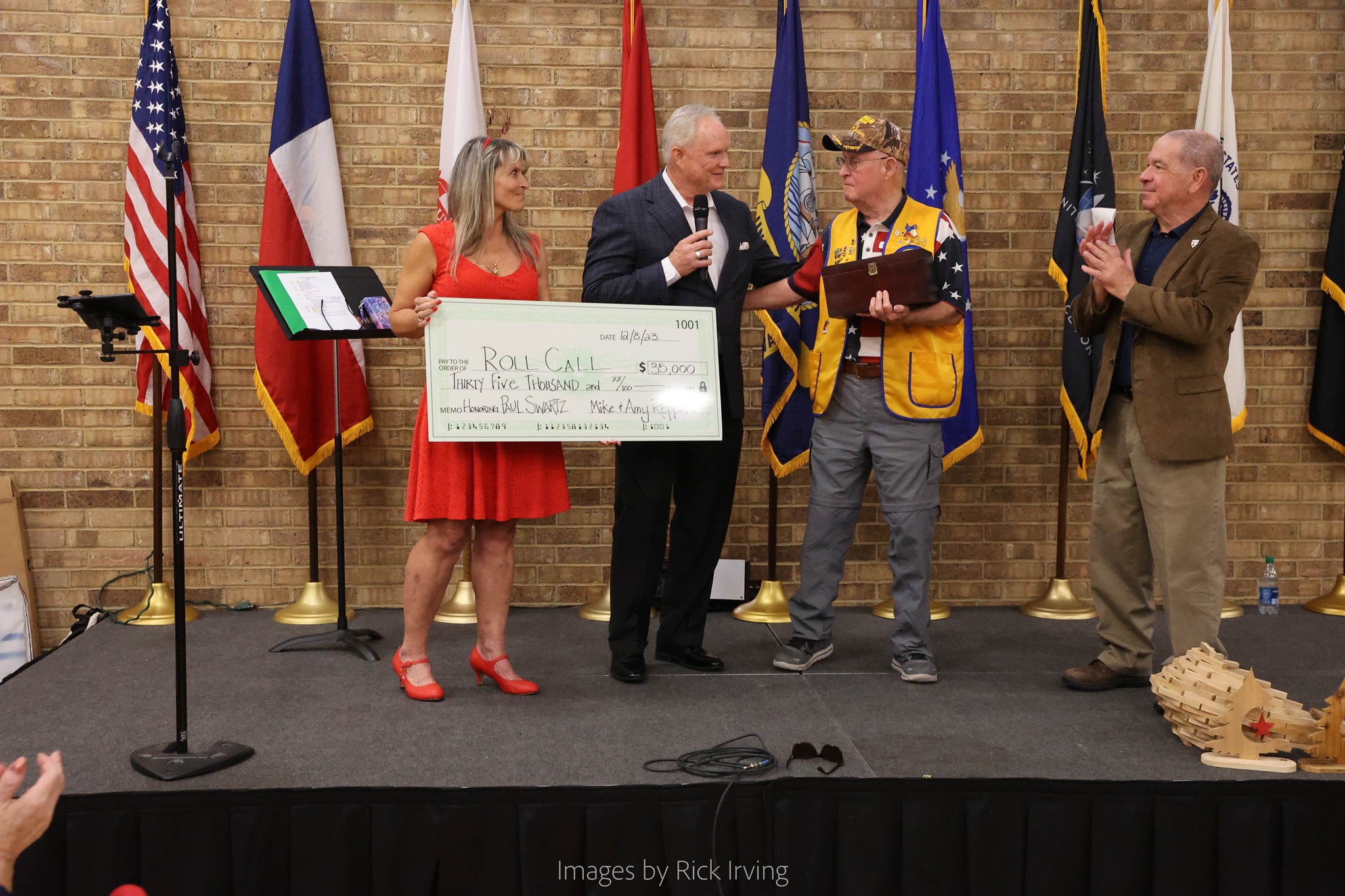
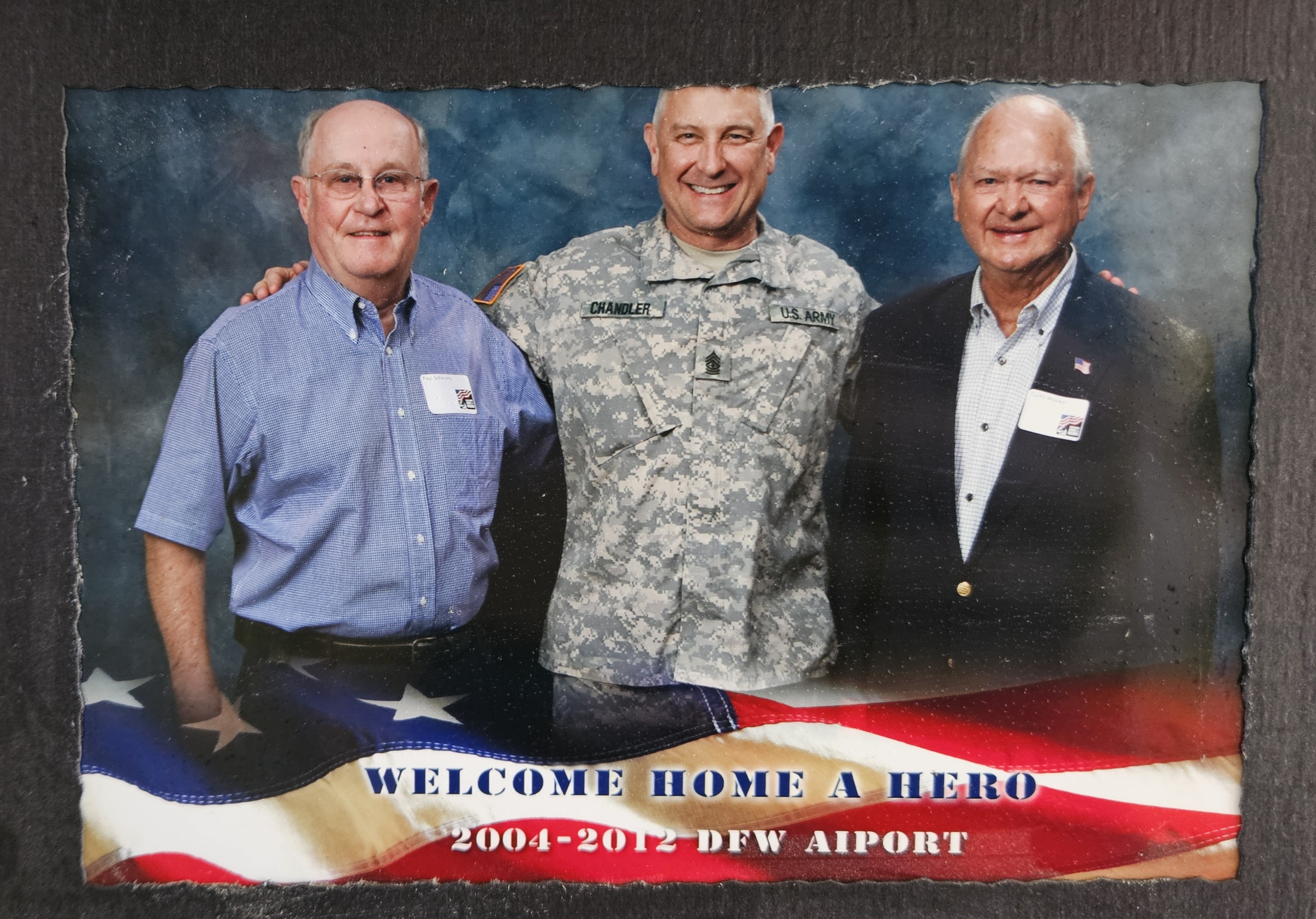
In 2019 Paul could no longer accompany Don Graves to events, but he continued fundraising. In 2024, with matching support from Mike and Amy Reppert, Paul raised nearly ninety thousand dollars. His dedication to veterans extended far beyond fundraising. From 2003 to 2010 he volunteered for “Welcome Home a Hero” at DFW Airport, greeting troops returning from Iraq and Afghanistan. One year he stood at the airport for fifty‑one days to welcome them home.
When asked about the most important lesson of his life, Paul said it was the need to get to know people so they can know who you are. For fourteen years he devoted his free time to honoring and supporting American troops and veterans. Roll Call as it exists today would not have been possible without him. Through perseverance, countless miles traveled, and unwavering commitment, Paul Swartz helped build a community that continues to honor service, sacrifice, and the enduring spirit of the American veteran.
Honoring the Legacy of Paul Swartz
Roll Call of North Texas proudly honors the life and legacy of Paul Swartz, whose years of dedication, hard work, and unwavering commitment helped build the foundation our Veterans and supporters rely on today. Paul’s belief in Roll Call’s mission sustained the organization in its earliest years, and the truth remains that Roll Call would not exist in its present form without him.
A Vietnam‑era veteran himself, Paul became what Don Graves affectionately called his booking agent. Together they traveled constantly, sharing the story of Iwo Jima with schools, churches, civic groups, and communities across Texas. In 2017 Don told the Fort Worth Star‑Telegram that over the previous sixteen months they had attended more than one hundred fifty events, and he already had engagements scheduled well into the following year. Paul drove Don to these appearances tirelessly, and together they donated much of what they earned, an estimated seventy thousand dollars, back to Roll Call. Their generosity sustained the mission at a time when support was most needed.
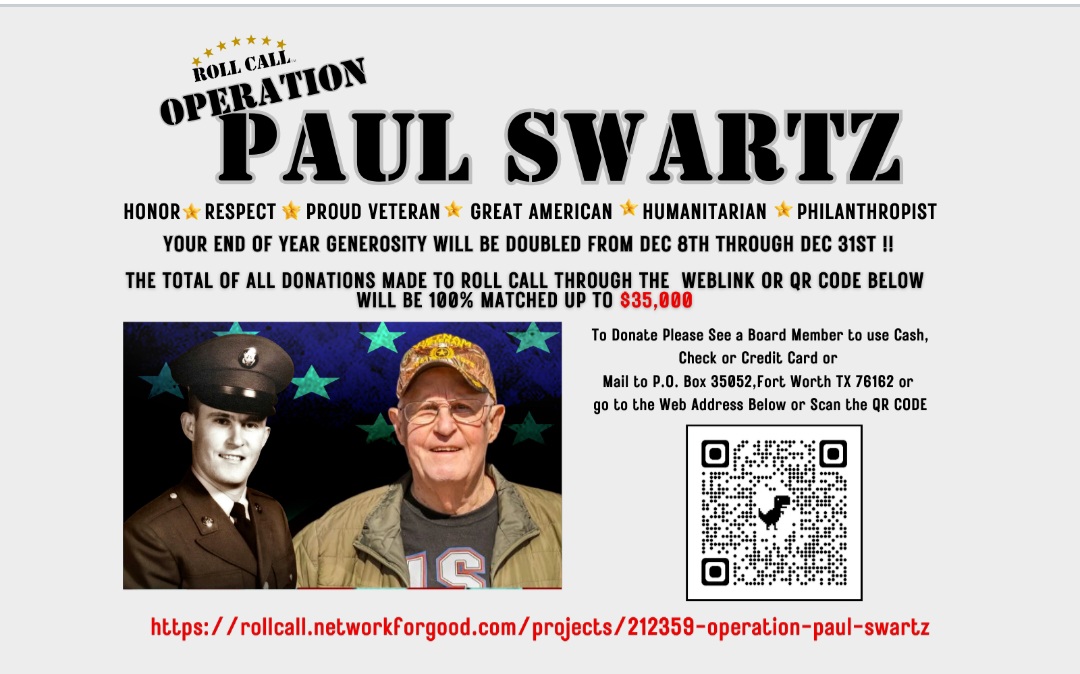
Today we honor Paul’s legacy with a special matching gift challenge. A dear friend and gracious donor has pledged to match all contributions made from December eighth through December thirty‑first, two thousand twenty‑three, up to thirty‑five thousand dollars. This means another seventy thousand dollars to help ensure Roll Call can continue providing Veteran luncheons well into the future.
Every gift matters. Five dollars, ten dollars, one hundred dollars, or one thousand dollars. Ten dollars buys a Veteran lunch. Your support honors Paul’s legacy and strengthens the mission he helped build, ensuring that Roll Call continues to serve, uplift, and unite the Veterans of North Texas.
Supplemental Information
The Citizen‑Soldier Legacy of the Texas Army National Guard
The Texas Army National Guard stands as one of the oldest and most enduring military institutions in the United States, a force whose identity reaches back to the earliest militia traditions of the Texas frontier. Long before Texas entered the Union, citizen‑soldiers defended isolated settlements, patrolled vast stretches of unsettled land, and responded to threats that came without warning. Their service was rooted in duty, self‑reliance, and community protection, and these qualities formed the cultural foundation that would shape Texas military identity for generations. When Texas joined the United States, its militia became part of the broader National Guard system, carrying forward the frontier spirit into a national institution that would evolve with every major conflict in American history.
During the nineteenth century, Texas units mobilized for the Mexican War and the Civil War, demonstrating the enduring value of citizen‑soldier formations that could assemble quickly, fight effectively, and return home to rebuild their communities. Their service remained tied to local defense, but the nation’s expansion and the increasing complexity of warfare began to draw the Guard into a larger role. The transformation accelerated in the twentieth century. The National Defense Act of 1916 formally established the modern National Guard, integrating state forces into the federal military structure and ensuring that they would train to national standards. When the United States entered World War I, Texas units were federalized and deployed overseas as part of the American Expeditionary Forces. They fought in major campaigns in France, proving that citizen‑soldiers could meet the demands of industrialized warfare and establishing the Guard as a reliable national asset.
World War II expanded this transformation even further. Texas National Guard units were mobilized early, trained to national standards, and deployed across Europe and the Pacific. They fought in some of the most consequential campaigns of the war, earning honors that cemented the Guard’s place in American military history. Their service demonstrated that the Guard could operate seamlessly alongside regular Army units in the most demanding environments. These experiences changed federal policy. The Guard became a permanent strategic reserve, essential to national defense planning. Texas, with its large population and strong military tradition, became one of the most important contributors to this reserve structure.
The Cold War deepened this significance. The United States faced global tension, nuclear competition, and the constant possibility of large‑scale conflict. Federal mobilization plans identified specific National Guard units as reinforcement formations that would deploy if war expanded. Texas carried particular weight in this system. Its 49th Armored Division mirrored the structure of active‑duty armored formations, and its aviation units were expected to maintain aircraft to active‑duty specifications. The Guard’s mission shifted from occasional mobilization to continuous readiness. Soldiers trained with the understanding that mobilization could occur with little warning, and aviation units maintained aircraft that had to be ready for immediate activation. The Guard became a disciplined, federally integrated component of the United States Army, responsible for preserving national defense while supporting civil authorities at home.
The Vietnam era brought the Guard into a new phase of significance. The war placed extraordinary demands on the Army’s manpower, aviation assets, and logistical infrastructure. Active‑duty units deployed overseas, leaving gaps in stateside training, aviation support, and homeland readiness. The Guard filled these gaps. Texas units maintained aircraft, trained pilots, supported mobilization stations, and preserved the aviation depth the Army needed to sustain a prolonged overseas conflict. Even though many Guard units did not deploy as full formations, their readiness ensured that the Army could continue fighting abroad without sacrificing national defense at home. Aviation units carried a particularly heavy burden. Helicopter warfare had become central to modern combat, and the Army’s aviation fleet was under constant strain. Texas aviation battalions maintained UH‑1 Hueys, OH‑13 Sioux helicopters, and fixed‑wing reconnaissance aircraft that were essential to Army operations. Pilots trained in demanding flight profiles, and mechanics performed maintenance governed by strict technical manuals identical to those used by active‑duty units. The reliability of these aircraft depended entirely on the skill of the mechanics who maintained them, and their work formed the backbone of aviation readiness.
This was the world in which SSG Paul Swartz served. He belonged to a force whose significance was both national and local. He worked in aviation maintenance shops where precision was essential, because the reliability of the aircraft determined the safety of the pilots and the readiness of the unit. His service formed part of the Guard’s backbone, ensuring that aircraft remained fully mission capable and that aviation units could respond to both state and national needs. His contribution reflected the quiet professionalism that defined the Texas Army National Guard during one of the most demanding eras in American military aviation.
Across every war era, the Guard’s role evolved, but its significance remained constant. It was always a force shaped by duty, strengthened by tradition, and sustained by citizen‑soldiers who carried the weight of national defense on their shoulders. In the Vietnam period, that significance rested heavily on aviation units like the one Paul served in, where readiness was the measure of every day and quiet professionalism kept Army aviation in the air. The Texas Army National Guard’s legacy is found in the men and women who served within it, individuals whose steadfast commitment ensured that the Guard remained a vital part of American military history from the frontier to the modern age.
A Nation in Transition and a State in Motion
The Historical Undercurrents Surrounding Paul’s Service
The period in which Paul served unfolded during a time when the United States was reshaping its identity on multiple fronts. The country was navigating a complex intersection of global responsibility, domestic transformation, and rapid technological advancement. The Vietnam conflict was only one part of a much larger historical moment that touched every region, including Texas, in ways that were both subtle and profound.
Across the nation, the Cold War cast a long shadow over daily life. Strategic decisions were influenced by the constant awareness of global rivalry, and military readiness became a defining feature of national policy. This atmosphere encouraged innovation, accelerated research, and pushed the armed forces toward new levels of technical sophistication. The Army relied on emerging technologies that demanded skilled hands and sharp minds, creating a new kind of soldier whose expertise extended far beyond traditional combat roles.
At home, the country was experiencing a cultural shift that reached into homes, workplaces, and public institutions. Generational perspectives were changing, and Americans were beginning to question long‑standing assumptions about authority, responsibility, and national purpose. Music, literature, and public conversation reflected a population searching for clarity in a world that seemed to be moving faster than ever before. Television brought distant events into living rooms, creating a sense of immediacy that had never existed in earlier conflicts.
Texas felt these changes in its own distinct way. The state was expanding economically, driven by energy, manufacturing, and the growth of major cities. New industries brought new populations, and communities began to experience a blend of tradition and modernity that reshaped daily life. Military installations across Texas played central roles in national defense, and their presence influenced local economies, civic identity, and public sentiment. The state’s long history of service created a foundation of respect for military duty, even as Texans confronted the uncertainties of the era.
The Texas Army National Guard stood at the intersection of these forces. Its soldiers represented both continuity and adaptation. They trained with equipment that reflected the technological leap of the period, and they carried responsibilities that extended beyond state borders. Aviation units maintained aircraft that symbolized the new era of mobility. Technical specialists worked with systems that required precision and deep understanding. Guardsmen balanced civilian life with military obligation, embodying the dual identity that defined the Guard’s role in American history.
This broader historical environment shaped the world Paul served in. He lived in a time when the country was redefining its expectations of soldiers, valuing not only physical readiness but also technical mastery. He belonged to a generation that supported national defense during a period of global tension and domestic change. His work contributed to a military force that was evolving rapidly, embracing new technologies, and preparing for challenges that demanded skill, discipline, and adaptability.
The era was marked by complexity, but it was also marked by determination. Communities across Texas continued to uphold traditions of service and resilience. Families supported their soldiers with quiet strength. The Guard remained a stabilizing presence, offering reliability in a time when the nation often felt unsettled. Paul’s service fits within this larger historical truth: a moment when the country needed individuals who could meet new demands with competence and steadiness, and Texas provided them.
49th Armored Division (Texas Army National Guard)
Readiness, Reinforcement, and Homeland Strength During the Vietnam Era
During the Vietnam War era, the 49th Armored Division of the Texas Army National Guard stood as one of the United States Army’s most significant strategic reserve formations. Although the division was never mobilized for overseas combat as a full unit, its mission at home was essential to sustaining the Army’s global posture. The 49th carried the responsibility of remaining fully manned, equipped, and trained so that it could reinforce active‑duty forces if the war expanded or if national leadership required additional armored strength. In this way, the division served as a quiet but indispensable pillar of national readiness.
The 49th Armored Division was composed of Texas citizen‑soldiers who balanced civilian life with rigorous military training. Its structure mirrored that of active‑duty armored divisions, including tank battalions, mechanized infantry, artillery, engineers, aviation, and support elements. This parallel organization ensured that if mobilized, the division could integrate seamlessly with regular Army units. Throughout the Vietnam era, the division maintained a high operational tempo, conducting field exercises, gunnery qualifications, command post drills, and combined‑arms training designed to keep its soldiers proficient in armored warfare.
One of the division’s most important contributions was its role in sustaining the Army’s training pipeline. As active‑duty units deployed to Vietnam, the 49th provided stateside support that allowed the Army to continue preparing new soldiers for combat. Its ranges, instructors, and logistical infrastructure helped absorb the strain placed on the training system by the war’s demands. The division’s aviation assets were reorganized into the 149th Aviation Battalion, a formation that provided technical depth, rapid mobility, and essential support during domestic operations. These aviation units trained pilots, mechanics, and crew members who strengthened the Army’s overall aviation capability at a time when helicopter warfare was transforming modern combat.
The division also played a vital role in homeland security. During the Vietnam era, National Guard units were responsible for responding to emergencies, civil disturbances, natural disasters, and state‑level missions. The 49th stood ready to protect Texas communities, support civil authorities, and provide armored strength if required. Its soldiers understood that readiness at home was inseparable from readiness abroad. The nation depended on the Guard to maintain stability within the United States while active‑duty forces were committed overseas.
The 49th’s mission was never passive. It was a division on constant alert, expected to remain disciplined, equipped, and capable of mobilizing rapidly. Its officers and enlisted soldiers trained with the knowledge that if the war escalated or if additional forces were needed, they could be called upon to deploy. This expectation shaped the division’s culture, creating a force defined by preparedness, professionalism, and quiet resolve.
Although the 49th Armored Division did not fight in Vietnam, its contribution to the war effort was real and indispensable. It preserved the Army’s ability to sustain a prolonged overseas conflict while maintaining a strong defensive posture at home. It ensured that armored strength remained available if the nation required it. And it embodied the essential role of the National Guard during the Vietnam era, providing reinforcement, stability, and homeland security when the United States needed it most.
The Reality of Readiness: SSG Paul Swartz and the 49th Armored Division
For Guardsmen serving within the 49th Armored Division, including SSG Paul Swartz, the Vietnam era created an environment that felt unmistakably like wartime service even without deployment orders. The United States depended heavily on its National Guard to maintain a strategic reserve capable of reinforcing active‑duty forces if the conflict expanded. This expectation shaped every aspect of daily life for soldiers in the division. They lived in a world defined by continuous preparation, heightened national tension, and the knowledge that mobilization could occur with little warning.
The 49th Armored Division was organized to mirror the structure of active‑duty armored formations. It contained tank battalions, mechanized infantry, artillery, engineers, aviation units, and a full suite of support elements. This parallel structure was intentional. If the war intensified or if the President ordered additional forces, the division needed to be able to integrate seamlessly with regular Army units. As a result, Guardsmen trained to active‑duty standards. Field exercises were frequent, and soldiers were expected to maintain proficiency in armored tactics, weapons systems, communications, and combined‑arms operations. The tempo was demanding because the stakes were real. The Army’s mobilization plans during the Vietnam era explicitly identified National Guard divisions, including the 49th, as reinforcement forces should the war widen or require additional manpower.
Aviation units within the division carried an even heavier burden. The Vietnam War placed unprecedented demands on rotary‑wing aircraft. Helicopters became central to troop movement, medical evacuation, reconnaissance, and close support. The Army’s aviation fleet was stretched to its limits overseas, and National Guard aviation units were essential to sustaining readiness at home. The 49th’s aviation assets were reorganized into the 149th Aviation Battalion, a formation responsible for maintaining aircraft, training pilots, and ensuring that aviation capability remained strong within the strategic reserve. This meant that aviation mechanics like SSG Swartz were performing work that directly supported the Army’s ability to fight abroad.
For an aviation mechanic, this reality translated into long hours, technical precision, and constant responsibility. Every aircraft he serviced was part of the nation’s strategic reserve. Helicopters and fixed‑wing aircraft had to be kept at immediate‑mobilization readiness. Inspections were meticulous, repairs had to meet exacting standards, and maintenance cycles were performed with the understanding that any aircraft could be activated if the war escalated. Mechanics worked in an environment where technical errors could have consequences far beyond the hangar. The aircraft they maintained were essential assets in a national war plan that depended on the Guard’s ability to mobilize quickly.
The division’s readiness posture also reflected the broader national climate. During the Vietnam era, the United States faced civil unrest, domestic emergencies, and the constant pressure of sustaining a large overseas conflict. National Guard units were responsible not only for military readiness but also for supporting civil authorities during crises. Soldiers like SSG Swartz understood that their service was part of a dual mission. They were preparing to reinforce the Army abroad while also standing ready to protect communities at home. This dual responsibility created a sense of seriousness and purpose that shaped the culture of the division.
Although the 49th Armored Division was never mobilized for Vietnam, its contribution to the war effort was genuine and indispensable. It preserved the Army’s ability to sustain a prolonged conflict overseas while maintaining a strong defensive posture within the United States. It ensured that armored and aviation strength remained available if the nation required it. And it provided soldiers like SSG Swartz with a role that demanded skill, discipline, and unwavering readiness.
For SSG Swartz, service in the 49th Armored Division during the Vietnam era meant living in a world where preparation was constant, expectations were high, and readiness was the measure of every day. It was wartime service carried out on American soil, defined not by deployment but by the quiet, steadfast commitment to be ready if the nation called.
A Division That Carried the Weight of Readiness
The 49th Armored Division embodied the National Guard’s dual mission, a mission that required its soldiers to stand ready to support the nation abroad while protecting the homeland at home. During the Vietnam era, this responsibility carried immense weight. The United States was engaged in a long and demanding conflict, and the Army relied heavily on its reserve components to maintain a strategic reserve capable of reinforcing active‑duty forces if the war expanded. National mobilization plans identified the 49th Armored Division as one of the formations that could be activated if additional armored strength was required. This expectation shaped the daily life of every soldier in the division and created an atmosphere that felt unmistakably like wartime service.
The division’s structure mirrored that of active‑duty armored formations. It contained tank battalions, mechanized infantry, artillery, engineers, aviation units, and a full suite of support elements. This parallel organization was intentional. If mobilized, the 49th needed to integrate seamlessly with regular Army units. As a result, Guardsmen trained to active‑duty standards. They conducted field exercises, command post drills, gunnery qualifications, and combined‑arms maneuvers designed to maintain proficiency in armored warfare. The division’s armored battalions kept their tanks and mechanized vehicles at immediate readiness, while artillery units maintained fire missions that could be executed without delay. Every soldier understood that readiness was not theoretical. It was the measure of their service and the foundation of the nation’s ability to respond to crisis.
Aviation units carried an even heavier burden. The Vietnam War placed unprecedented demands on rotary‑wing aircraft. Helicopters became essential to troop movement, medical evacuation, reconnaissance, and close support. The Army’s aviation fleet overseas was stretched thin, and National Guard aviation units were responsible for sustaining capability at home. The 49th’s aviation assets were reorganized into the 149th Aviation Battalion, a formation tasked with maintaining aircraft, training pilots, and ensuring that aviation strength remained intact within the strategic reserve. This battalion supported the Army’s broader aviation pipeline, providing trained personnel and ready aircraft that could be mobilized if the war intensified.
For aviation mechanics, crew chiefs, and support personnel, this reality translated into long hours and exacting standards. Every aircraft had to be maintained at immediate‑mobilization readiness. Inspections were meticulous, repairs required technical precision, and maintenance cycles were performed with the understanding that any aircraft could be activated with little warning. The aircraft they serviced were not simply machines. They were assets held in reserve for a nation fighting a distant war, and they had to be ready if the call came. The work performed by aviation mechanics directly supported the Army’s ability to sustain its aviation strength despite the relentless demands of the conflict.
SSG Paul Swartz’s service places him firmly among the men whose technical skill and quiet professionalism kept the Guard strong, capable, and ready during one of the most demanding periods in modern military history. As an aviation mechanic, he worked within a division that understood its role in national defense. His daily responsibilities carried national significance. The aircraft he maintained ensured that pilots could train, units could mobilize, and the Army could preserve the aviation capability that had become central to modern warfare.
The soldiers of the 49th Armored Division stood in the gap at a time when America needed every ounce of its military strength. Their readiness allowed the Army to maintain its commitments in Vietnam without sacrificing national defense. Their service was a form of wartime duty carried out on American soil, defined not by deployment but by the steadfast commitment to be prepared for whatever the nation required. In this way, SSG Swartz and his fellow Guardsmen upheld a legacy of discipline, skill, and quiet resolve that remains central to the history of the Texas Army National Guard.
149th Aviation Battalion: Sustaining Army Aviation in a High‑Demand Era
The 149th Aviation Battalion, aviation arm of the 49th Armored Division, represented one of the most essential aviation formations within the Texas Army National Guard during the Vietnam era. Although the battalion did not deploy to Southeast Asia as a full unit, its mission at home was indispensable to sustaining the Army’s aviation strength during a period when helicopter warfare was reshaping modern combat. Federal mobilization plans required National Guard aviation units to maintain active‑duty readiness, a standard rooted in Department of Defense policy that treated Guard aviation as a strategic reserve capable of reinforcing active‑duty forces if the conflict expanded. This requirement shaped the battalion’s culture, its training tempo, and the technical precision demanded of every soldier within its ranks.
The battalion operated aircraft that defined Army aviation in the mid‑twentieth century. The UH‑1 Iroquois, known universally as the Huey, was the most iconic helicopter of the Vietnam War. It served as a troop carrier, medical evacuation platform, command and control aircraft, and general utility helicopter. The 149th maintained Hueys to the same specifications required of active‑duty aviation units, ensuring that each aircraft could be mobilized without delay. The battalion also operated OH‑13 Sioux helicopters, a light observation aircraft that had served since the Korean War. Although older, the Sioux remained valuable for training, liaison missions, and observation flights. Fixed‑wing aircraft such as the L‑19 Bird Dog provided reconnaissance, artillery spotting, and liaison capability. Each aircraft type required specialized maintenance, and the battalion’s mechanics were trained to perform inspections, repairs, and overhauls that met federal aviation standards.
The battalion’s pilots and crew members conducted training flights that reflected the rapid evolution of Army aviation. Helicopter warfare had become central to troop movement, medical evacuation, and close support, and pilots needed to remain proficient in demanding flight profiles that included low‑level navigation, confined‑area landings, formation flying, and night operations. The battalion supported state missions as well, including emergency response operations, search and rescue efforts, and logistical support for civil authorities. These missions reinforced the National Guard’s dual responsibility to serve both the nation and the state, a responsibility that grew more significant as active‑duty aviation units were committed overseas.
Maintenance personnel carried a particularly heavy burden. Aviation mechanics were responsible for keeping aircraft fully mission capable at a time when the Army’s aviation fleet overseas was under extraordinary strain. The Vietnam War consumed helicopters at a rate unprecedented in American military history. Combat losses, harsh environmental conditions, and round‑the‑clock operational demands placed enormous pressure on the Army’s aviation logistics system. National Guard aviation units, including the 149th, were essential to sustaining aviation depth within the strategic reserve. Mechanics performed inspections that adhered to federal aviation regulations, replaced components that required exacting precision, and maintained engines, transmissions, rotor systems, and avionics to standards identical to those used by active‑duty units. Their work ensured that pilots could train, units could mobilize, and the Army could preserve the aviation capability that had become central to modern warfare.
The battalion provided air mobility, reconnaissance, and logistical lift capabilities that strengthened the Army’s aviation posture within Texas and across the broader reserve structure. Its aircraft transported personnel and equipment, supported training exercises, and ensured that aviation units throughout the state could maintain operational proficiency. The battalion’s readiness posture reflected the broader national climate. During the Vietnam era, the United States faced civil unrest, domestic emergencies, and the constant pressure of sustaining a large overseas conflict. National Guard aviation units were responsible not only for military readiness but also for supporting civil authorities during crises. The 149th stood ready to respond to emergencies within Texas while also preparing to reinforce the Army abroad if required.
This was a period of rapid expansion in Army aviation. Helicopters were no longer auxiliary tools. They had become essential instruments of modern combat, shaping tactics, strategy, and the very nature of battlefield mobility. The National Guard played a crucial role in sustaining the nation’s aviation depth, and the 149th Aviation Battalion embodied that mission. It stood ready, trained, and technically capable during a wartime era that demanded precision, discipline, and unwavering readiness.
The soldiers of the 149th carried the responsibility of maintaining aviation strength within the strategic reserve. Their service ensured that the Army could sustain its commitments in Vietnam without sacrificing national defense. Their work was a form of wartime duty carried out on American soil, defined not by deployment but by the steadfast commitment to be prepared for whatever the nation required. In this way, the 149th Aviation Battalion remains a testament to the quiet professionalism, technical mastery, and enduring readiness of the Texas Army National Guard.
The Quiet Professional Behind Every Flight Line
The role of an Aviation Mechanic during the Vietnam era existed within a rapidly changing landscape of American military aviation. When SSG Paul Swartz entered this field, the United States Army was undergoing one of the most significant transformations in its history. Helicopters had moved from experimental novelty to indispensable battlefield tools. They carried troops into combat, evacuated the wounded, delivered supplies, provided reconnaissance, and connected commanders to the front lines with unprecedented speed. This transformation placed enormous pressure on the Army’s aviation infrastructure, and the National Guard became a critical component of sustaining the nation’s aviation depth. Within this environment, the work of the aviation mechanic became a cornerstone of operational readiness.
SSG Swartz served at a time when the Army’s aviation fleet was expanding faster than at any previous moment. The UH‑1 Huey had become the symbol of modern warfare, and its turbine engine represented a leap forward in power and reliability. Maintaining this aircraft required mastery of turbine technology, a field that demanded exact calibration, precise measurement, and a deep understanding of airflow, temperature limits, and fuel control systems. Mechanics monitored compressor sections for erosion, inspected turbine blades for heat stress, and verified that the engine delivered consistent power across all operating ranges. The Huey’s transmission and rotor system required equal vigilance. Mechanics checked mast bearings, verified pitch change mechanisms, and ensured that the rotor head remained free of cracks or imbalance that could threaten flight safety.
The OH‑13 Sioux, though older, remained a vital training and observation aircraft. Its piston engine demanded a different kind of expertise. Mechanics adjusted valves, timed magnetos, inspected cylinders, and monitored the integrity of its lightweight tubular frame. The Sioux’s simplicity made it ideal for training, but it also required careful attention to detail because its design left little margin for error. Fixed‑wing aircraft such as the L‑19 Bird Dog added another layer of complexity. These aircraft supported reconnaissance and artillery spotting missions, and their maintenance required knowledge of carbureted engines, control cable tension, and airframe stress points that differed from rotary‑wing aircraft.
The Army’s technical manuals governed every aspect of maintenance, and mechanics were required to follow them with absolute precision. These manuals reflected federal aviation standards and were identical to those used by active‑duty units. Inspections were not suggestions. They were mandatory procedures that determined whether an aircraft could fly. Mechanics examined rotor blades for microscopic cracks, inspected hydraulic lines for leaks, verified the integrity of fuel systems, and tested electrical components to ensure reliable power. They checked radios, navigation equipment, and intercom systems to guarantee clear communication during training missions and state operations. Every inspection demanded technical mastery and unwavering attention to detail.
The Vietnam War placed extraordinary strain on the Army’s aviation fleet. Helicopters were flown in harsh environments that accelerated wear and tear. Combat losses were frequent, and operational demands were relentless. The Army depended on National Guard aviation units to maintain aircraft at home, train pilots, and preserve aviation capability within the strategic reserve. Mechanics like SSG Swartz carried the responsibility of ensuring that aircraft remained fully mission capable despite the pressures of wartime demand. Their work allowed pilots to train to wartime standards, ensured that aircraft could be mobilized without delay, and preserved the aviation strength that the Army needed to sustain its operations overseas.
Aviation mechanics bore an immense burden of trust. Pilots relied on them completely. Commanders depended on them for readiness. A single oversight could ground an aircraft or cost lives. Mechanics worked in hangars, on flight lines, and in field environments where conditions were often demanding. They performed maintenance during long training weekends, readiness drills, and state missions that required aviation support. Their work ensured that aircraft could respond to emergencies, support civil authorities, and maintain the proficiency of pilots who trained for wartime missions.
During the Vietnam era, helicopters were the backbone of Army operations. Even stateside, aviation units were under constant pressure to maintain readiness, support domestic missions, and sustain the Army’s expanding aviation force structure. In this environment, SSG Swartz’s role was highly technical, high‑stakes, and essential to readiness. The Guard’s aviation capability rested on the skill of its mechanics, and his service placed him among the quiet professionals who kept Army aviation in the air, men whose work rarely made headlines but without whom no mission could succeed.
His legacy is found not in public recognition but in the reliability of the aircraft he maintained, the safety of the pilots he supported, and the readiness of the units he sustained. SSG Swartz’s contribution remains a testament to the discipline, technical mastery, and steadfast commitment that defined the Texas Army National Guard during one of the most demanding eras in American military aviation.
Transportation Corps Role
The Backbone of Army Mobility During the Vietnam Era
During the Vietnam War era, the United States Army depended on a vast and intricate logistical network that stretched from stateside installations to distant theaters of operation. At the center of this network stood the Transportation Corps, the branch responsible for ensuring that soldiers, equipment, aircraft components, and essential supplies moved where they were needed, when they were needed, and in the quantities required to sustain modern warfare. Its mission was not glamorous, but it was indispensable. Without the Transportation Corps, the Army could not fight, could not maneuver, and could not maintain the aviation and ground forces that defined the Vietnam era.
The Transportation Corps served as the lifeline of Army mobility. It coordinated the movement of troops across training centers, mobilization stations, and deployment hubs. It oversaw the flow of vehicles, aircraft parts, and critical supplies that kept units functioning both at home and abroad. It supported convoys that carried equipment across stateside installations and managed airlift operations that delivered materiel to distant theaters. It maintained the vehicles, generators, aircraft support equipment, and electrical systems that formed the backbone of Army logistics. Every aircraft that lifted off a flight line, every convoy that rolled across a highway, and every supply shipment that reached its destination depended on the reliability and technical skill of Transportation Corps soldiers.
The Vietnam era placed extraordinary pressure on this system. The Army’s aviation fleet was under constant strain, and helicopters consumed parts, fuel, and maintenance resources at unprecedented rates. The Transportation Corps ensured that aviation units received the components they needed to remain operational. It managed the flow of turbine engines, rotor blades, hydraulic assemblies, electrical systems, and specialized tools required for aviation maintenance. It sustained the logistical rhythm that allowed aircraft to fly daily missions, support training, and remain ready for mobilization. In a war defined by mobility, the Transportation Corps made mobility possible.
This is where SSG Paul Swartz’s service becomes uniquely significant. His dual expertise in transportation operations and aviation maintenance placed him at the intersection of two critical systems. Few soldiers possessed the technical range to understand both the aircraft on the flight line and the logistical machinery that kept those aircraft supplied, fueled, and mission‑ready. Paul’s knowledge allowed him to see the aviation mission not only from the perspective of the mechanic tightening bolts and inspecting systems, but also from the perspective of the logistician ensuring that parts, tools, and support equipment arrived on time and in serviceable condition.
His combined skill set meant he contributed to more than the readiness of individual aircraft. He contributed to the mobility and sustainment of the Army’s aviation mission during one of the most demanding periods in modern military history. He understood that an aircraft’s reliability depended not only on the mechanic’s hands but also on the transportation networks that delivered the components required for safe flight. His service reflected the quiet professionalism of soldiers who kept the Army moving, who ensured that aviation units remained supplied, and who sustained the operational tempo that defined the Vietnam era.
In the broader history of the Texas Army National Guard, Paul’s dual role stands as a testament to the versatility and commitment of citizen‑soldiers. He served in a force that carried responsibilities both at home and abroad, a force that maintained readiness during wartime and supported civil authorities during emergencies. His expertise strengthened the Guard’s aviation capability and reinforced the logistical foundation that allowed the Army to project power across continents. His contribution embodies the legacy of the Transportation Corps, the backbone of Army mobility, and the enduring spirit of the Texas citizen‑soldier.
Electrical Engineer Technician
Precision, Technical Intelligence, and Mission‑Critical Expertise
During the Vietnam era, the United States Army entered a period of unprecedented dependence on electrical systems. Aircraft, vehicles, generators, communication networks, and support equipment all relied on increasingly complex electrical components that demanded careful maintenance and expert oversight. In this environment, electrical engineering technicians became indispensable. They were the quiet professionals whose technical intelligence ensured that the Army’s machinery remained powered, reliable, and ready for the demands of modern warfare.
Electrical engineering technicians worked at the intersection of technology and mission readiness. They maintained the electrical systems that powered vehicles, aircraft, and essential support equipment. They repaired wiring, generators, avionics, and power distribution systems that formed the backbone of Army operations. They ensured the safe and reliable function of mission‑critical electrical components, often under demanding conditions where failure could jeopardize training, readiness, or operational capability. Their work required sharp diagnostic ability, steady hands, and the capacity to solve complex electrical problems under pressure. In an era when aircraft and communication systems relied heavily on dependable electrical performance, these technicians carried responsibilities that were both technical and deeply consequential.
The Vietnam era placed extraordinary demands on electrical specialists. Helicopters consumed electrical components at a rapid rate, and their avionics systems required constant attention. Vehicles depended on reliable electrical power for ignition, lighting, and communication. Field generators provided electricity for command posts, maintenance shops, and aviation facilities. Every system depended on technicians who could identify faults, trace wiring failures, repair damaged circuits, and restore power quickly and safely. Their work ensured that aircraft could fly, vehicles could move, and units could communicate. They were the unseen guardians of the Army’s electrical infrastructure.
This is where SSG Paul Swartz’s service becomes uniquely significant. His background in electrical engineering systems, combined with his expertise in aviation maintenance and transportation operations, placed him in a rare category of multi‑discipline technical specialists. Few soldiers possessed the range to understand aircraft mechanics, electrical systems, and logistical operations with equal proficiency. Paul’s ability to troubleshoot across multiple domains made him an invaluable asset. He understood how electrical failures affected aircraft performance, how logistical delays impacted maintenance schedules, and how transportation networks sustained the flow of parts and equipment required for electrical repairs. His skill set allowed him to strengthen the Guard from within, ensuring readiness at every level.
His service reflects the kind of soldier who formed the backbone of the Texas Army National Guard during the Vietnam era. He was technically skilled, adaptable, and trusted with systems where failure was not an option. He belonged to a generation of citizen‑soldiers whose quiet professionalism sustained the Army’s aviation and logistical missions during one of the most demanding periods in modern military history. His contribution stands as a testament to the precision, intelligence, and steadfast commitment that defined electrical engineering technicians in the Guard, men whose expertise kept the Army powered, connected, and mission‑ready.
Rifle Expert Qualification
Discipline, Accuracy, and Soldiering Excellence
Achieving Rifle Expert—the highest level of Army marksmanship qualification—reflects a soldier’s mastery of one of the most fundamental military skills. This distinction signifies:
- Discipline
- Accuracy
- Mastery of weapons handling
- Commitment to soldiering excellence
During the Vietnam era, when marksmanship was a core readiness requirement, earning the Expert badge carried particular respect. It demonstrated a soldier’s ability to perform with precision under pressure and affirmed their reliability in any mission environment.
For SSG Swartz, this qualification underscored the same traits evident throughout his service: technical skill, personal discipline, and a steadfast commitment to excellence.
Rank: Staff Sergeant (E‑6)
Leadership, Trust, and Professional Competence
As a Staff Sergeant (E‑6), SSG Swartz held a position of significant responsibility within the Army National Guard. This rank signified not only technical proficiency but also the trust placed in him to lead, train, and safeguard the soldiers under his charge.
As an E‑6, his responsibilities included:
- Leading soldiers within maintenance, transportation, or aviation sections.
- Training and mentoring junior enlisted personnel, ensuring they developed both skill and discipline.
- Overseeing safety, readiness, and technical standards across his section.
- Managing maintenance records, operational procedures, and compliance requirements.
The rank of Staff Sergeant represents a pivotal point in a soldier’s career—where technical mastery meets leadership expectation. It reflects a soldier who has earned the confidence of superiors, the respect of peers, and the reliance of those they lead.
For SSG Swartz, this rank affirmed the qualities evident throughout his service: competence, steadiness, and a commitment to excellence that strengthened every unit he served.
Vietnam War Era National Guard Service
A Strategic Reserve Standing Ready
During the Vietnam War era, many National Guard units were not federally activated, yet their service remained essential to the nation’s military strength. The Guard formed the backbone of the Army’s strategic reserve, ensuring that the United States could sustain its commitments overseas without compromising homeland defense.
Soldiers like SSG Swartz played a vital role by:
- Maintaining the Army’s strategic reserve of trained, ready forces.
- Supporting stateside aviation and logistics operations that kept the Army moving.
- Training soldiers preparing for deployment to Vietnam.
- Responding to domestic emergencies and state missions, from natural disasters to civil support.
- Ensuring the Army could surge forces rapidly if the conflict escalated.
Paul’s Career and the History of Wembley Ties
A Legacy of Craft, Style, and American Salesmanship
Wembley Ties began in New Orleans, founded by brothers Sam and Emanuel Pulitzer. Originally known as Pulitzer Bros. Men’s Neckwear Novelties, the company soon adopted the name Wembley Ties—a brand that would become synonymous with innovation, durability, and mid‑century American style.
By the mid‑20th century, Wembley had grown into the world’s largest neckwear manufacturer, producing millions of ties that blended affordability with forward‑thinking design. They pioneered wrinkle‑resistant fabrics, introduced the popular polyester “Wemlon Wembley” line, and transformed men’s fashion with their groundbreaking “Color Guard” marketing system, which showed customers exactly which ties matched their suits.
By the 1960s, the New Orleans factory was producing 35,000 ties a day, employing 750 workers, and shaping the look of American business attire from coast to coast. Wembley’s styles evolved with the times—narrow and understated in the 1950s, sleek and modern in the 1960s, bold and wide in the 1970s—mirroring the changing expectations of mid‑century professional culture.
For traveling salesmen, Wembley ties were more than merchandise. They were a statement. A polished, trend‑aware, regionally adaptable look that signaled professionalism the moment they walked through a store’s front door.
And this is where Paul Swartz built his career.
He wasn’t simply selling ties; he was representing a brand that shaped how American men dressed for decades. His territory knew him as the salesman who arrived prepared, well‑dressed, and steady—the kind of man whose handshake meant something. His success was built the same way Wembley built its reputation: through consistency, reliability, and a deep understanding of what people valued.
Paul Swartz didn’t just carry Wembley ties in his sample case. He carried the trust of a company, the expectations of an industry, and the quiet pride of a man who made his living the honest way—mile after mile, store after store, relationship after relationship.
What the Life Itself Felt Like
Structured, Disciplined, and Familiar in Its Own Way
For many veterans, the life of a traveling salesman felt surprisingly natural. It rewarded the same qualities the service had instilled: discipline, routine, self‑reliance, and a steady, respectful way of dealing with people.
The work had its own rhythm:
- Routine — set routes, scheduled calls, weekly reporting.
- Self‑reliance — long stretches alone on the road, responsible for your own results.
- Professional appearance — where a polished look mattered, and a Wembley tie fit the culture perfectly.
- Respectful, steady communication — store owners trusted veterans because they carried themselves with quiet confidence.
For Paul, the rhythm of travel—packing the car, heading out before sunrise, arriving in a new town, presenting his line—would have felt almost like a civilian echo of deployment cycles. The movement, the structure, the purpose were familiar. Only the danger was gone.
What remained was the discipline. The routine. The responsibility. And the sense of representing something larger than yourself.
It was a life built on miles and meetings, on showing up prepared, on earning trust one store at a time. And for a man like Paul Swartz, it was a life that fit—steady, structured, and quietly successful.
The Wembley‑Era Look He Would Have Worn
How a Salesman’s Appearance Spoke Before He Ever Said a Word
1950s — Clean, Conservative, Dependable
- Narrow Wembley ties.
- Dark suit, crisp white shirt.
A look that said: I’m steady. I’m trustworthy. I’ll take care of you. It was the visual language of reliability—exactly what store owners wanted to see walking through their door.
1960s — Modern, Sharp, Efficient
- Slimmer ties with geometric or brocade patterns.
- Sleeker, more tailored suits.
A salesman who looked current, not old‑fashioned. This was the era when professionalism meant keeping pace with the times, and Wembley ties helped him project that modern edge without losing his grounded demeanor.
1970s — Bold, Wide, Memorable
- Wide Wemlon polyester ties.
- Big patterns, big collars, big personality.
A look designed to stand out in crowded showrooms and busy buying seasons. Even so, veterans like Paul tended to keep their style a bit more restrained than the flashiest trends—but Wembley gave them a way to look polished, confident, and contemporary without feeling gaudy.
The Through‑Line Across All Three Decades ,whatever the decade, whatever the fashion shift, Paul’s look carried the same message: steady, respectful, professional. Wembley ties simply gave him the tools to express it—one knot, one pattern, one handshake at a time.
What the Work Felt Like for Paul
The Quiet Realities Behind the Miles
1. Long Stretches of Solitude
The life of a traveling salesman meant hours behind the wheel, highways that blurred into one another, motels with thin walls, and meals eaten alone in small‑town diners. For many, that solitude was heavy.
But veterans often handled it better than most. They were used to long periods away from home, to quiet stretches where you had only your thoughts, your discipline, and the task in front of you. Paul carried that steadiness with him on every mile.
2. A Mission‑Driven Mindset
Every week had its objectives:
- Hit the route.
- Show the new line.
- Write the orders.
- Keep relationships warm.
Veterans like Paul approached this rhythm the way they approached service: with clarity, purpose, and execution. There was a mission to accomplish, and he knew how to stay focused until the job was done.
3. Respect From Store Owners
In small towns especially, being a veteran opened doors before he ever opened his sample case.
People trusted veterans. They listened. They bought.
Paul’s demeanor—steady, respectful, disciplined—reinforced that trust. He wasn’t just another salesman passing through. He was someone whose word meant something, someone who carried himself with the quiet confidence of a man who had already served something larger than himself.
What the Work Felt Like for Paul
The Quiet Demands and the Deeper Meaning Behind the Miles
4. The Physical Grind
The work was not gentle. Sample cases were heavy—awkward to carry, heavier still after a long day. Travel was constant, the kind that wore on your back, your patience, and your sleep. Weather didn’t matter. Rain, heat, cold—if a store was on the route, you made the call.
Paul’s endurance, shaped by his years of service, helped him push through the grind. He knew how to keep going when the work was uncomfortable, when the miles were long, when the day wasn’t easy. That steadiness became part of his reputation.
5. Pride in Representing a Good Product
Wembley ties were affordable, stylish, and reliable—qualities veterans valued. Selling something respectable mattered. It meant he could stand behind what he offered, look a store owner in the eye, and feel good about the product in his hands.
For Paul, that pride wasn’t about fashion. It was about integrity.
Emotionally, What It Might Have Meant for Paul
Beneath the miles, the orders, the motels, and the sample cases, the work carried a deeper emotional weight—one that many veterans of his era understood.
It may have given him:
- A sense of purpose after service.
- A way to provide for his family with dignity.
- A job where effort directly translated into success.
- A chance to see the country he had served.
- A role where discipline and integrity were assets, not burdens.
For many veterans like Paul, the road became more than a workplace. It became a place to rebuild identity, confidence, and stability—a space where the habits of service translated into a life of honest work, steady relationships, and quiet accomplishment.
Paul Swartz didn’t just endure the life of a traveling salesman. He inhabited it—turning its challenges into strengths, its solitude into steadiness, and its miles into a livelihood built on trust.
Patriotism in Texas During the Vietnam Era
A Unified, Historically Grounded Sensory Portrait
Patriotism in Texas during the Vietnam era carried a texture and presence that could be felt throughout the state. It was not abstract. It lived in the physical world, in the sounds of daily life, in the rituals of community, and in the way Texans responded to a nation at war. The state’s long military heritage shaped how people expressed loyalty, and the sensory environment reflected that identity with unmistakable clarity.
Across Texas, patriotism was visible in the public spaces that anchored community life. Courthouse lawns displayed flags raised each morning by local volunteers, a practice documented in county records and civic archives. School assemblies opened with the Pledge of Allegiance, and classrooms often included framed photographs of former students serving overseas. Military bases such as Fort Hood and Lackland created a constant visual presence of uniforms, convoys, and aircraft moving across the horizon. These sights were part of everyday life, reinforcing the state’s connection to national service.
Patriotism was also heard in the rhythms of Texas communities. Radio stations carried daily news from Vietnam, and families listened during morning routines or evening meals. Church services included prayers for deployed soldiers, a tradition preserved in bulletins and pastoral letters from congregations across the state. At high school football games, bands played the national anthem with a seriousness that reflected the era’s gravity. In towns near aviation training sites, the steady thrum of helicopter rotors became part of the local soundscape, a reminder of the pilots and mechanics preparing for missions far from home.
Texans felt patriotism in the way communities supported one another. Families with loved ones overseas received meals, childcare, and companionship from neighbors and church groups. Local newspapers printed letters from deployed service members, and readers responded with encouragement. Veterans returning home were greeted with quiet respect, often receiving handshakes from strangers who understood the weight of their service. This atmosphere of support was not ceremonial; it was woven into the social fabric of Texas life.
Patriotism carried its own scents and textures. Barbecue fundraisers for military families filled fairgrounds with the smell of smoked brisket and mesquite. VFW halls hosted community dinners where the aroma of home‑cooked meals mingled with conversations among veterans of earlier wars. Near airfields and maintenance shops, the scent of jet fuel and machine oil lingered in the air, grounding the reality that Texas played a central role in sustaining the Army’s aviation readiness. Families displayed service flags in their windows, the fabric representing a loved one in uniform.
Historically, Texas expressed patriotism through action. The state contributed one of the largest numbers of service members to the Vietnam War, a fact confirmed by Department of Defense records. Its bases trained thousands of soldiers, pilots, and technicians. The Texas Army National Guard maintained aircraft, vehicles, and electrical systems essential to national readiness. Communities supported these efforts with unwavering commitment, reinforcing the belief that service was both a duty and an honor.
This was the world Paul lived in. A Texas where patriotism was not a slogan but a lived experience. A Texas where loyalty was expressed through community support, daily rituals, and the physical environment itself. A Texas where the atmosphere carried the weight of responsibility and the warmth of collective pride. His service unfolded within a state whose identity was inseparable from its devotion to country, and every sight, sound, scent, and gesture reflected that truth.
The Difficult Side of Patriotism in Texas During the Vietnam Era
A True, Historically Grounded Account
Patriotism in Texas during the Vietnam era carried strength, loyalty, and community support, but it also existed alongside tensions, uncertainties, and painful realities that touched families across the state. Texans were proud of their service members, yet the era brought challenges that shaped daily life in ways that were not always easy.
One of the most significant negatives was the emotional strain placed on families. Texas contributed one of the largest numbers of soldiers to the Vietnam War, and the constant flow of deployment orders created anxiety in homes from El Paso to Beaumont. Parents lived with the fear of receiving a telegram, and spouses carried the burden of raising children alone while managing the uncertainty of a loved one’s safety. This emotional weight is documented in oral histories, church records, and local newspaper accounts from the period.
Another negative was the growing divide in public opinion. While many Texans supported the war out of tradition and duty, others questioned its purpose and cost. This difference in perspective sometimes created tension within communities. College campuses in Austin, Houston, and Dallas saw protests, though smaller than those in other states. These demonstrations were factual, recorded in university archives and local reporting. The presence of disagreement did not erase patriotism, but it complicated the atmosphere, creating moments when loyalty and doubt existed side by side.
Economic strain also touched parts of Texas. Although the state experienced growth in energy and manufacturing, families with deployed service members often faced financial challenges. A single income household, combined with the unpredictability of deployment cycles, created hardship for many. Community support helped, but the stress was real and documented in social service records and veterans’ organization archives.
The treatment of returning veterans was another difficult truth. While Texas communities generally showed respect, the national climate was conflicted. Some veterans returned to quiet acknowledgment rather than celebration. Others encountered misunderstandings about the war itself. This reality is supported by interviews preserved in the Texas Veterans Oral History Project. The lack of clear public unity made reintegration challenging for many who had served.
There were also practical negatives tied to the military environment. Towns near major bases lived with constant noise from aircraft and convoys, which some residents found disruptive. Traffic increased around installations, and housing shortages occurred in areas experiencing rapid military expansion. These issues appear in city council minutes and local planning documents from the era.
Finally, the war’s length created fatigue. Texans who had supported earlier conflicts found themselves facing a prolonged struggle with no clear endpoint. This weariness did not erase loyalty, but it added a layer of heaviness to the atmosphere. Churches, civic groups, and community leaders worked to maintain morale, yet the strain remained part of the lived experience.
A Clearer View of the Era
Texas remained deeply patriotic, but its patriotism existed within a world that included fear, disagreement, strain, and uncertainty. These negatives do not diminish the state’s loyalty. They reveal the full human reality of the era — the courage, the burden, the complexity, and the resilience that shaped the lives of soldiers like Paul and the communities that supported them.
The Life of Paul Swartz on the Road
A Veteran’s Second Career in Mid‑Century America
When Paul Swartz left military service and stepped into civilian life, he entered a world defined by movement. Mid‑century America was a nation connected by long highways, small towns, and storefronts that depended on traveling salesmen to bring new products, new ideas, and new opportunities. It was a world built on trust, personal reputation, and the ability to form genuine relationships across miles of open road. Paul fit into that world with remarkable ease because he carried with him the habits, discipline, and steadiness shaped by his years in uniform.
He did not approach the road as an escape. He approached it as a responsibility. His sample case was never thrown together. It was organized with the same precision he once applied to aircraft tools and electrical equipment. His schedule was not casual. It followed a rhythm he built carefully, knowing that store owners depended on consistency. He drove through Texas and the surrounding states with the quiet confidence of a man who understood that reliability was its own form of professionalism.
The road itself shaped his days. He traveled through towns where the courthouse stood at the center of life, through communities where the grain elevator rose above the horizon, and through cities beginning to expand with new industries and new neighborhoods. He learned the character of each place by watching how people greeted one another, how they ran their businesses, and how they responded to someone who arrived with respect and preparation. Paul never rushed into a store. He entered with the same calm presence that had served him well in service, and people responded to that presence immediately.
Store owners remembered him because he carried himself with a steadiness that was rare. He did not rely on charm or theatrics. He relied on sincerity. He listened carefully to what each owner needed, whether it was a specific product, a seasonal adjustment, or a solution to a problem they had been wrestling with. He paid attention to details that others overlooked. He remembered names, preferences, and histories. He treated each store as if it mattered, because to him, it did.
His military years had taught him how to read a room with accuracy. He could sense when someone needed time, when someone needed reassurance, and when someone needed direct answers. He understood how to remain composed when plans changed, when weather turned, or when a long stretch of highway tested his endurance. He knew how to adapt without complaint, how to keep moving when the day grew long, and how to maintain respect even when conversations were difficult. These skills were not learned on the road. They were carried from service into civilian life, becoming the foundation of his second career.
Paul’s work required long hours, unpredictable weather, and constant travel, yet he met each challenge with the same discipline that had defined him in uniform. He woke early, prepared carefully, and approached each day with purpose. He drove through rain, heat, and wind without losing his sense of direction. He arrived at stores on time, even when the miles behind him had been demanding. His reliability became his reputation, and his reputation became the reason buyers looked forward to his visits.
He built relationships that lasted because he treated people with dignity. He did not push products. He offered solutions. He did not talk over others. He listened. He did not change his manner from town to town. He remained the same man everywhere he went. That consistency created trust, and trust created loyalty. Store owners spoke of him with admiration because he represented something solid in a world that often felt hurried and uncertain.
Paul Swartz was more than a salesman on the road. He was a veteran who carried his character with him across every mile of highway and through every doorway he entered. His second career was shaped by the same qualities that had defined his service: discipline, respect, and quiet strength. He built a life not through spectacle, but through the steady accumulation of trust earned one handshake at a time. His presence left an impression because it reflected the truth of who he was, both in uniform and beyond it.
The Road Itself: His Territory, His World
An In‑Depth Portrait of a Salesman’s Landscape
Paul lived his second career across a vast stretch of mid‑century America, a world defined by open highways, small towns, and the steady rhythm of travel that shaped the lives of men who worked from the road. His territory was not a simple map of stops. It was a living landscape that carried its own character, its own pace, and its own quiet demands. Over time, it became as familiar to him as any place he had ever known.
His route likely crossed several states, wide enough that a full week behind the wheel was only the beginning. The road measured his days in miles rather than hours. He woke in motels where the scent of brewed coffee drifted through the hallway, stepped into the morning air with his sample cases in hand, and set out toward the next town that waited beyond the horizon. The highway became a companion, steady and predictable, guiding him through farmland, ranch country, and growing cities that reflected the economic energy of mid‑century America.
He learned the character of each place through repetition. He knew which towns opened their stores early, which diners served strong coffee, and which motels offered quiet rooms where he could rest before another long day. These details were not trivial. They formed the rhythm of his working life, giving shape to the weeks he spent away from home. The road was not a blur of anonymous stops. It was a network of relationships, routines, and familiar landmarks that grounded him in a life lived on the move.
His car served as his traveling office. Whether it was a company vehicle or his own reliable sedan, the trunk carried everything he needed to work. Sample cases rested beside order books, fabric swatches, and rows of Wembley ties arranged by season and style. The organization of that trunk reflected the discipline he had carried from his military years. Every item had its place. Every tool had its purpose. He checked his mileage each morning, reviewed his route, and prepared for the conversations that would shape the day ahead.
The stores he visited were part of a world built on personal connection. Counters worn smooth by decades of business became the surfaces where he wrote orders, discussed inventory, and listened to the needs of each owner. He understood that success depended on trust, and trust depended on presence. He showed up prepared, respectful, and attentive. He remembered the details that mattered to each buyer, whether it was a preference for certain patterns or the timing of seasonal demand. His consistency created confidence, and confidence created loyalty.
The road itself carried its own sensory truth. He drove through early mornings when the sky glowed pale over the plains, through afternoons when heat shimmered across the pavement, and through evenings when the lights of small towns appeared like quiet invitations. He passed fields where wind moved through tall grass, factories where workers ended their shifts, and main streets where store windows reflected the changing fashions of the era. These sights became part of his memory, forming a landscape that belonged to him as surely as any home.
Weather shaped his days as much as distance. He traveled through rain that blurred the windshield, through cold fronts that swept across the plains, and through summer heat that pressed against the car with relentless force. Yet he kept moving, guided by the steadiness that had defined him since his earliest years in uniform. The road demanded resilience, and he met that demand with quiet determination.
Paul’s world was built on movement, routine, and the human connections that formed along the way. He knew the backroads as well as the main highways. He understood the rhythm of each region he visited. He carried himself with the same discipline and integrity that had shaped his military service, and that character became the foundation of his second career. The road was not simply where he worked. It was where he lived a life defined by steadiness, preparation, and the quiet pride of a man who kept going, mile after mile, building trust one store at a time.
The Look He Wore — The Wembley Look
A Veteran’s Style Across Three Decades
Paul didn’t dress flashy. Veterans rarely did. But he dressed right. His appearance carried the same quiet discipline he brought to every part of his life: a clean suit, a pressed shirt, shoes shined before dawn, and a Wembley tie chosen from the season’s line. Wembley ties gave him a way to look polished without feeling gaudy—respectable, modern, dependable. Before he ever opened his sample case, his look told store owners exactly who he was: steady, prepared, professional. The kind of man whose presence made people feel at ease.
In the 1950s, Paul wore the classic look of a man whose word meant something. A narrow Wembley tie, a dark suit, a crisp white shirt, and a shine on his shoes that spoke of early mornings and personal pride. His appearance projected steadiness and trust—qualities store owners recognized immediately.
As the 1960s arrived, his style sharpened. Ties became slimmer and more refined, suits took on cleaner, more modern lines, and a touch of color appeared—never loud, always intentional. He kept up with the times without ever chasing trends, striking the balance between modern and measured. His look said he understood the moment but never compromised who he was.
When the 1970s ushered in wide ties and bold patterns, Paul chose the dignified versions: rich browns, deep blues, and tasteful paisleys. He let the younger salesmen wear the loudest designs. His style remained confident, contemporary, and unmistakably his—polished without being showy, grounded without being plain.
Across all three decades, his appearance carried the same message: steady, respectful, professional. Wembley simply gave him the tools to express it in every era he traveled through. His look was never about fashion for fashion’s sake. It was about character—quiet, consistent, and unmistakably Paul.
A Typical Day on the Road
Morning
Up early.
Shower.
Tie knotted neatly.
A quick breakfast — eggs, toast, black coffee.
Then the day began.
Store Visits
He walked in with a smile and a firm handshake.
He knew the owners by name.
He remembered their kids, their anniversaries, their slow seasons.
He laid out the Wembley line on a counter:
- new colors
- new fabrics
- new patterns
He didn’t push.
He guided.
He listened.
He helped them choose what would sell in their town.
Evening
A motel room.
A phone call home if he could.
Paperwork spread across the bed.
Tomorrow’s route is planned.
Then sleep — the kind that comes from honest work.
What Success Meant to Him
For Paul, success wasn’t about ego.
It was about:
- providing for his family
- earning respect the right way
- proving that hard work still mattered
- and building something steady after the uncertainty of military life.
He took pride in knowing that stores depended on him,
that customers wore ties he had placed on those shelves,
and that he had built a career defined by honesty, consistency, and results.
The Emotional Core
The Character That Traveled With Him
Paul Swartz carried more than a sample case when he stepped into a store. He carried a presence shaped long before he ever sold his first tie. His steadiness came from years of learning how to meet responsibility without complaint, how to stay composed when circumstances shifted, and how to treat people with the same respect he expected in return. That steadiness became the quiet center of his life on the road.
People trusted him because he was reliable in a way that did not need to be announced. He arrived when he said he would. He listened without rushing. He offered solutions instead of pressure. In a world where many salesmen relied on charm or theatrics, Paul relied on sincerity. Buyers recognized that difference immediately. They knew he would tell the truth about what would sell, what would not, and what they needed to prepare for in the coming season. His honesty became a form of reassurance, something store owners valued more than any product he carried.
He treated every store with the same level of respect. A small shop on a quiet road received the same attention as a large department store in a growing city. He did not adjust his manner based on the size of the account. He approached each owner with the same courtesy, the same patience, and the same willingness to understand their needs. That consistency created a reputation that traveled ahead of him. People spoke well of him because he made them feel seen, not judged.
Paul was not simply selling ties. He was offering confidence to the people who depended on him. He was offering consistency in a profession built on movement. He was offering connection in a world where relationships determined success. His work carried emotional weight because it reflected who he was at his core. He did not separate his character from his career. He brought the same integrity to a sales call that he had once brought to military duty.
His success did not announce itself. It grew quietly, built through years of showing up prepared, treating people fairly, and honoring his commitments. It grew through the miles he drove, the conversations he held, and the trust he earned one handshake at a time. Buyers remembered him because his word carried weight. His presence made them feel secure. His reliability made their decisions easier.
Paul Swartz was not just a traveling salesman. He was a successful one, respected across his territory because he lived his work with discipline, honesty, and genuine care. His success was steady. It was earned. It was remembered because it reflected the truth of who he was, mile after mile, year after year.
The Quiet Honor of a Life Well Lived
A Life Carried Forward
Paul Swartz built a second career that reflected the same qualities that had defined his years in uniform. He moved through his territory with steadiness, treating each town and each store with the same respect he carried for the people he served beside in earlier days. His work was not about spectacle. It was about presence. It was about showing up prepared, listening with care, and honoring every relationship he formed along the way.
The road became the place where his character lived in motion. Every mile he traveled, every conversation he held, and every order he wrote revealed the quiet strength of a man who understood that success was earned through consistency and trust. He did not chase recognition. He simply lived his work with integrity, and people remembered him because that integrity never wavered.
In the end, Paul’s life on the road was more than a career. It was a continuation of who he had always been. A man shaped by service. A man guided by discipline. A man whose word carried weight. His legacy rests not in the miles he drove, but in the confidence he inspired, the relationships he built, and the steady professionalism that defined every step of his journey.
He was remembered because he lived his life with honor. And that honor traveled with him, mile after mile, across the wide landscape of mid‑century America.
Legacy
Staff Sergeant Paul Eugene Swartz lived a life defined by service to his country, to his family, to his community, and to the values he believed kept America strong. The discipline he learned in uniform, the integrity he carried into business, the love he poured into his family, and the devotion he showed to veterans and civic leadership formed a legacy of quiet strength and extraordinary impact.
During the Vietnam War era, Paul served in both the United States Army and the Army National Guard, rising to the respected rank of E‑6, Staff Sergeant. He served within the 49th Armored Division and the 149th Aviation Battalion, where he became known for technical mastery, calm reliability, and the ability to guide younger soldiers with patience and precision. As an Aviation Mechanic, Transportation Corps specialist, Electric Engineer Technician, and Rifle Expert, he embodied the finest qualities of the American soldier. He ensured the readiness of aircraft, supported essential transportation operations, and strengthened the Army’s aviation and logistics backbone during one of the most demanding periods in modern military history.
Paul never boasted about his service. He carried it quietly, with the steady pride of a man who had answered his country’s call and continued to live its values long after his uniform was folded away.
In civilian life, Paul built a successful career with Wembley Ties, where he became known for his work ethic, leadership, and ability to connect with people from every walk of life. He approached business with the same honesty and discipline that had shaped his military years. His success was measured not in titles or awards, but in the trust he earned, the relationships he built, and the example he set for colleagues and family. He believed that a man’s word mattered, that hard work was honorable, and that true success meant lifting others along the way.
Supporting veterans was not a pastime for Paul. It was a calling. He dedicated years of effort, countless hours, and personal resources to ensure that America’s heroes were honored, remembered, and supported. One of the most meaningful chapters of his life was his friendship with Don Graves, the legendary Iwo Jima Marine. Paul worked tirelessly to share Don’s story across Texas and beyond, arranging speaking engagements, coordinating events, and helping preserve the history of one of the most iconic battles in American memory. Through Paul’s efforts, thousands heard firsthand the story of Iwo Jima, the raising of the flag, and the immense cost of freedom. He helped ensure that Don Graves and the Marines of Iwo Jima would never be forgotten.
He did not do it for recognition. He did it because he believed America needed to remember.
Paul also strengthened Roll Call through years of dedicated fundraising, helping ensure that veterans were honored, supported, and never left behind. His commitment expanded the organization’s reach and deepened its impact on the veteran community he loved so deeply.
His service extended far beyond the military. As an active member of the Lions Club, Paul embodied the organization’s mission of compassion and community leadership. He participated in and often led projects that supported families, veterans, youth programs, and local needs. He was the kind of member every civic organization hopes for, dependable and generous, always willing to step forward when others stepped back. His Lions Club service reflected the core of who he was, a man who believed in giving more than he took and leaving every community better than he found it.
Above all else, Paul’s greatest pride was his family. He and his beloved wife Betty built a life grounded in love, faith, and steadfast devotion. Together they raised two daughters who inherited their father’s integrity, resilience, and compassion. From those daughters came a growing legacy of grandchildren and great‑grandchildren totaling twenty, each one carrying a piece of Paul’s spirit forward. He was the steady presence, the wise counselor, the man who showed up, listened, and loved without condition.
Family gatherings were his joy. Their successes were his pride. Their laughter was his reward.
Paul believed that the true measure of a life was found in the generations that follow, and by that measure his life was immeasurably rich.
He leaves behind a legacy woven from service, sacrifice, leadership, and love. He strengthened his country in uniform, strengthened his community through the Lions Club, strengthened his workplace through integrity, and strengthened his family through a lifetime of devotion. His impact lives on in the veterans he honored, the history he preserved, the organizations he supported, and the twenty descendants who carry his name, his values, and his example into the future.
He lived a life that mattered, a life of purpose, a life of service, and a life that will continue to inspire for generations.
“Make people laugh and feel good. Everyone benefits from this.” “Never say anything negative about anyone.”
Paul Eugene Swartz