
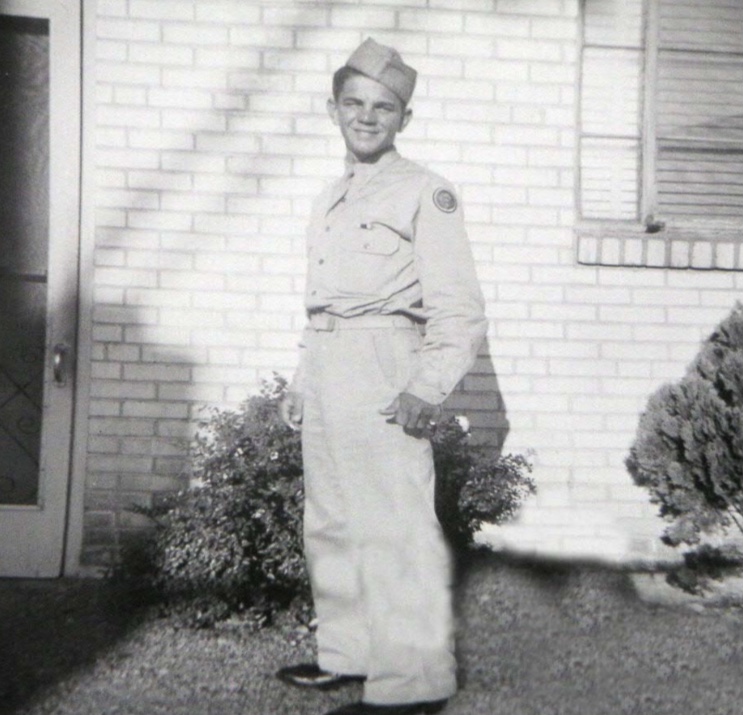
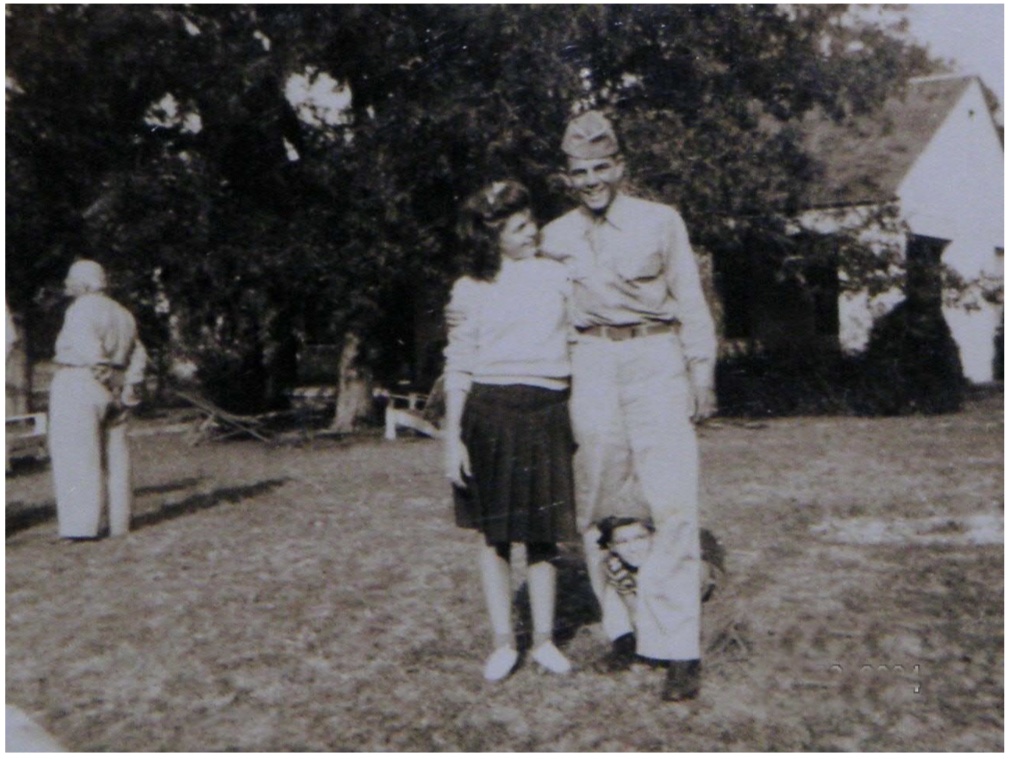
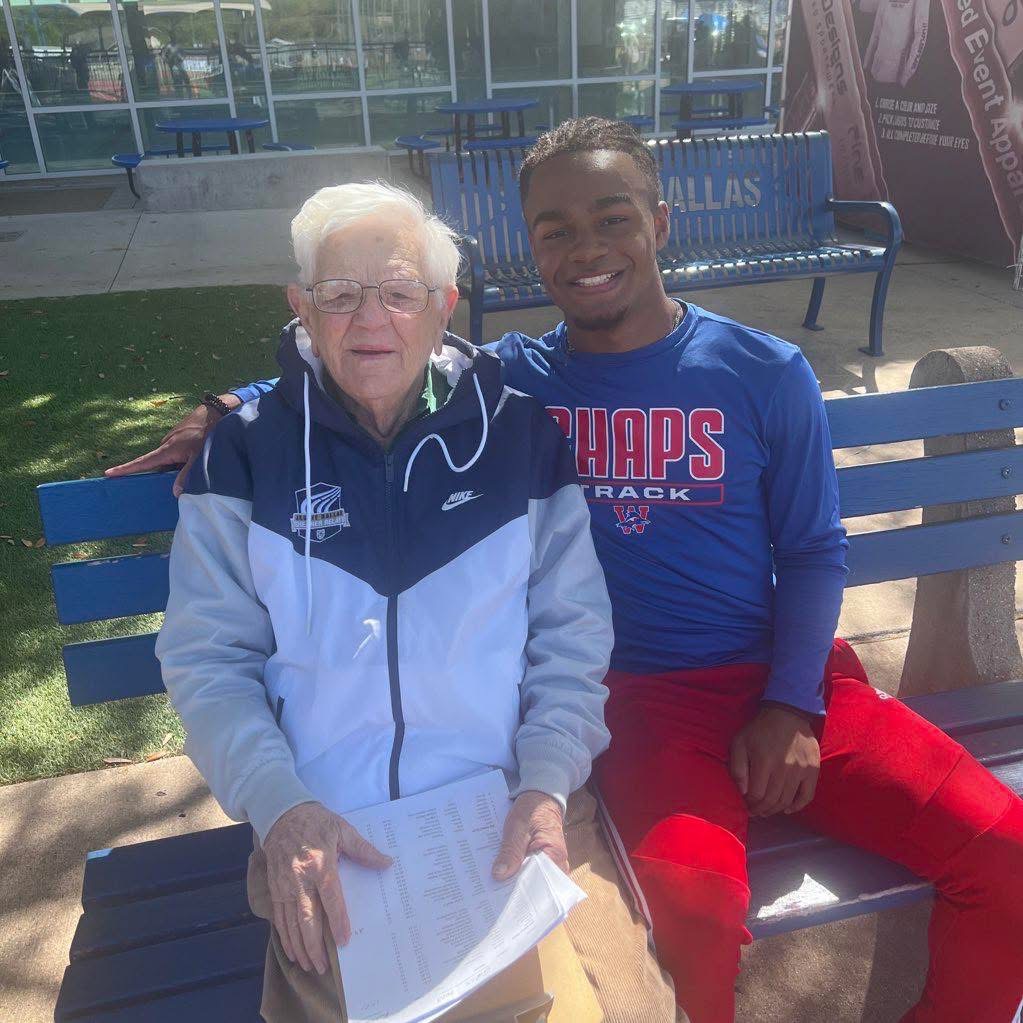
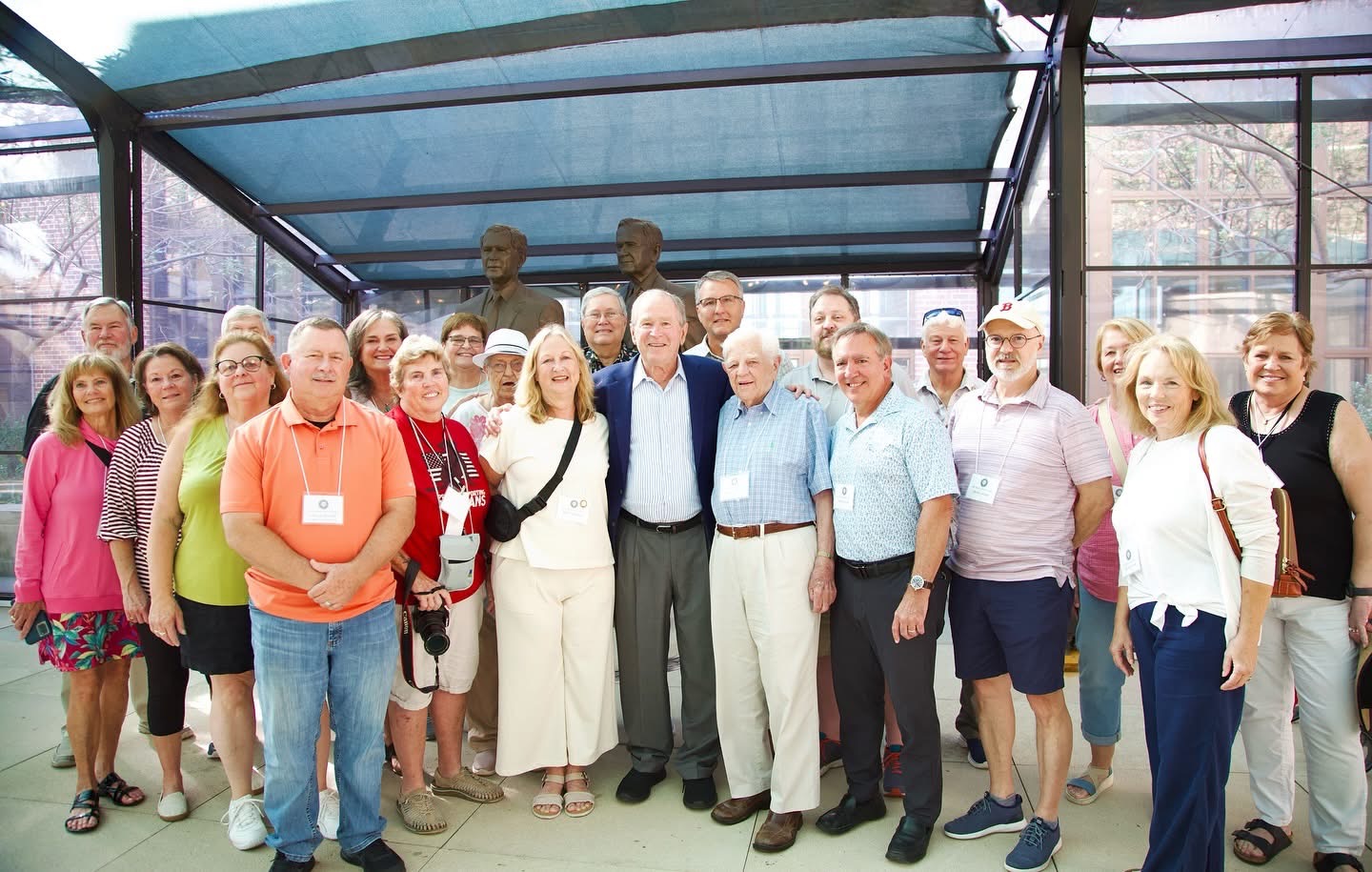
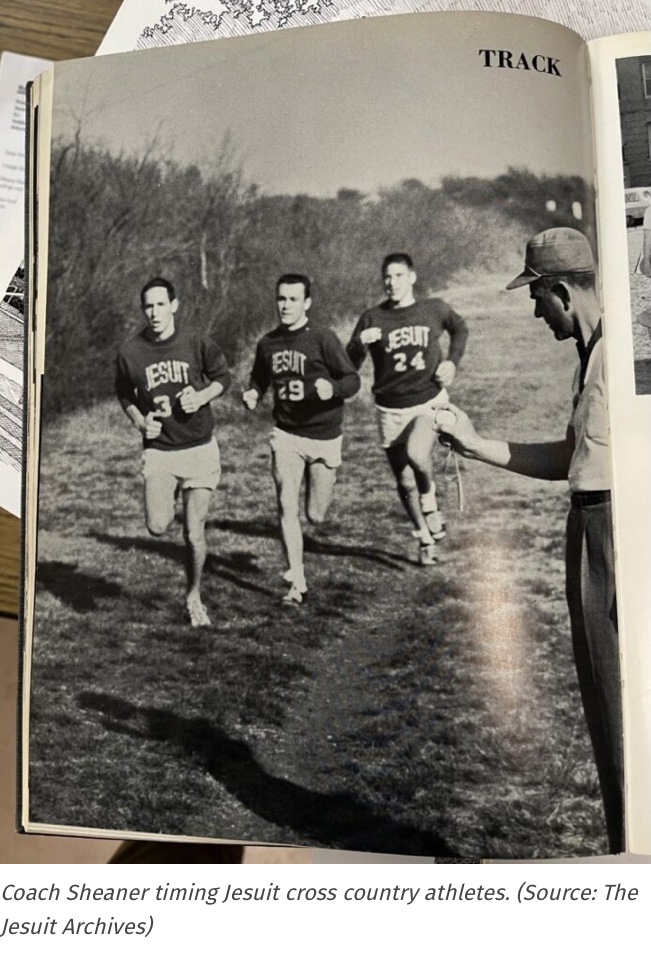
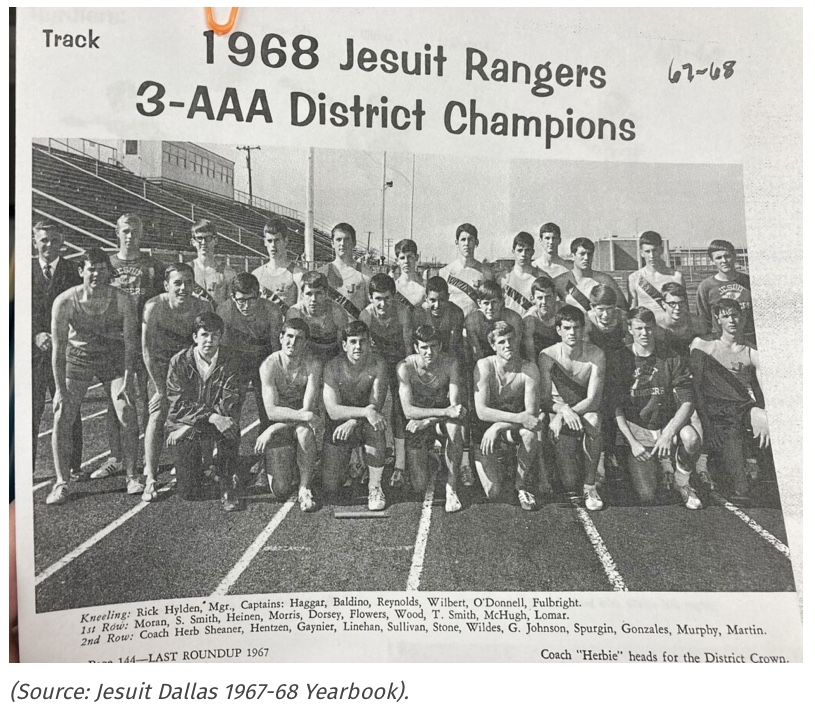
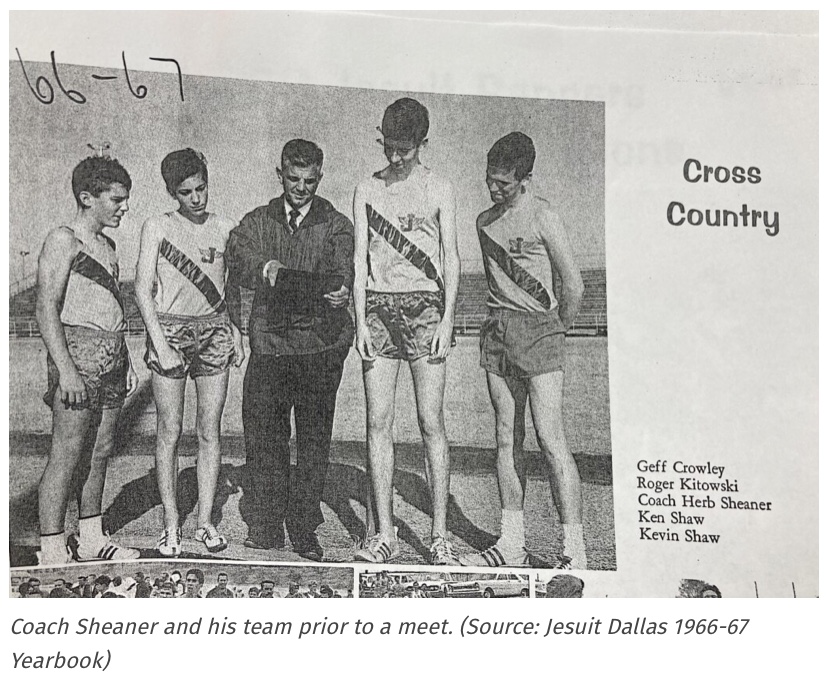
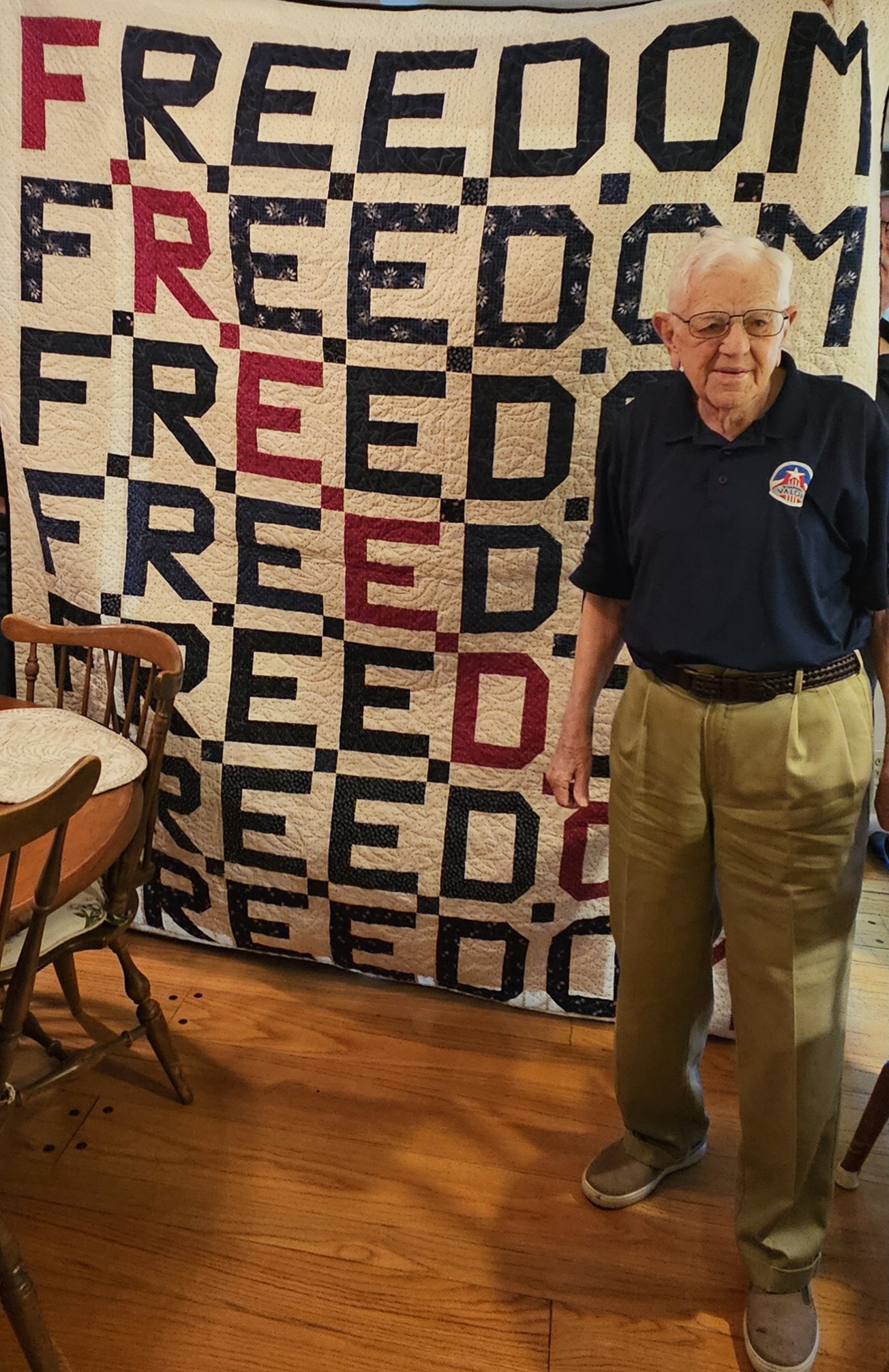
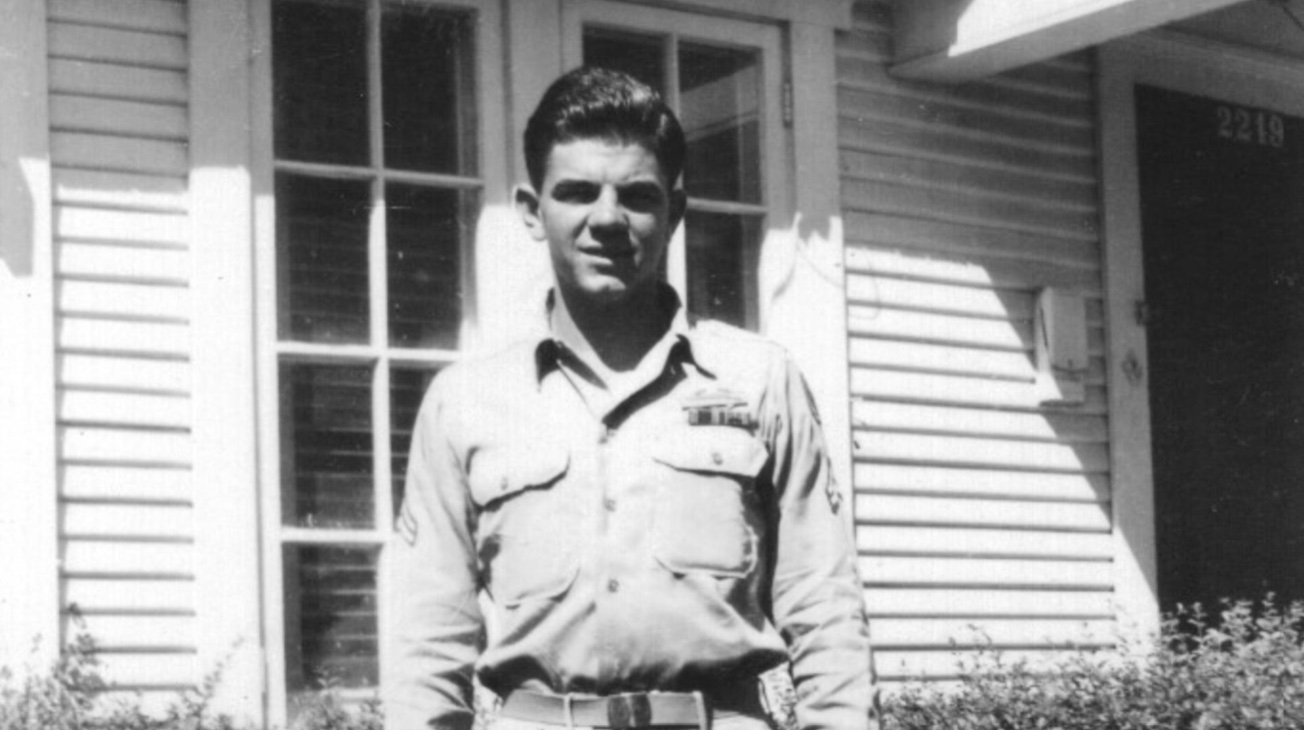
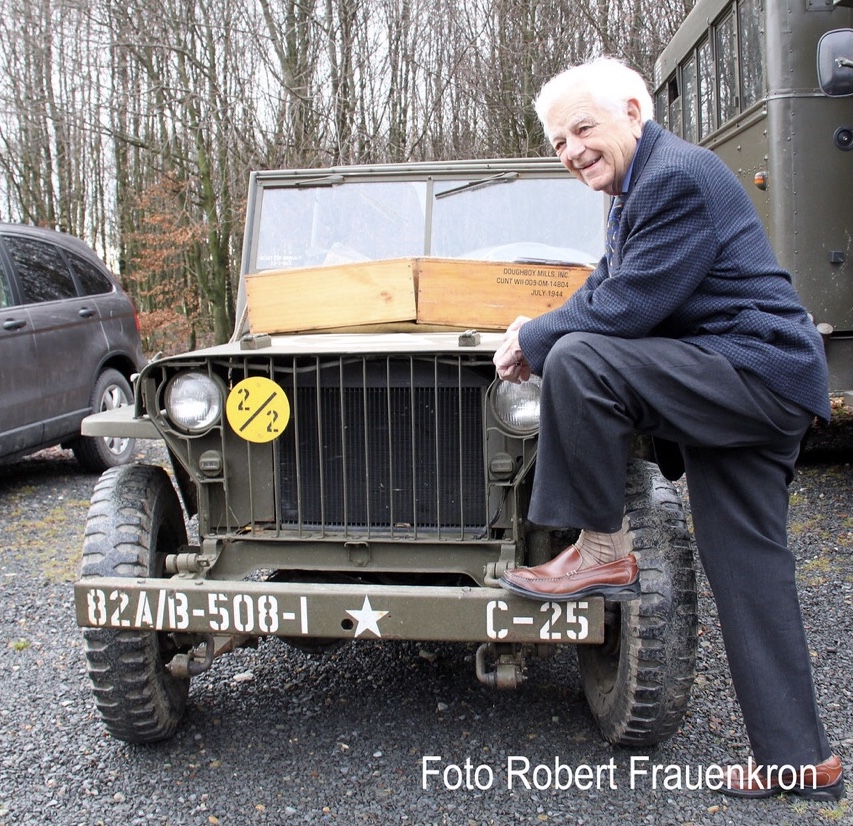
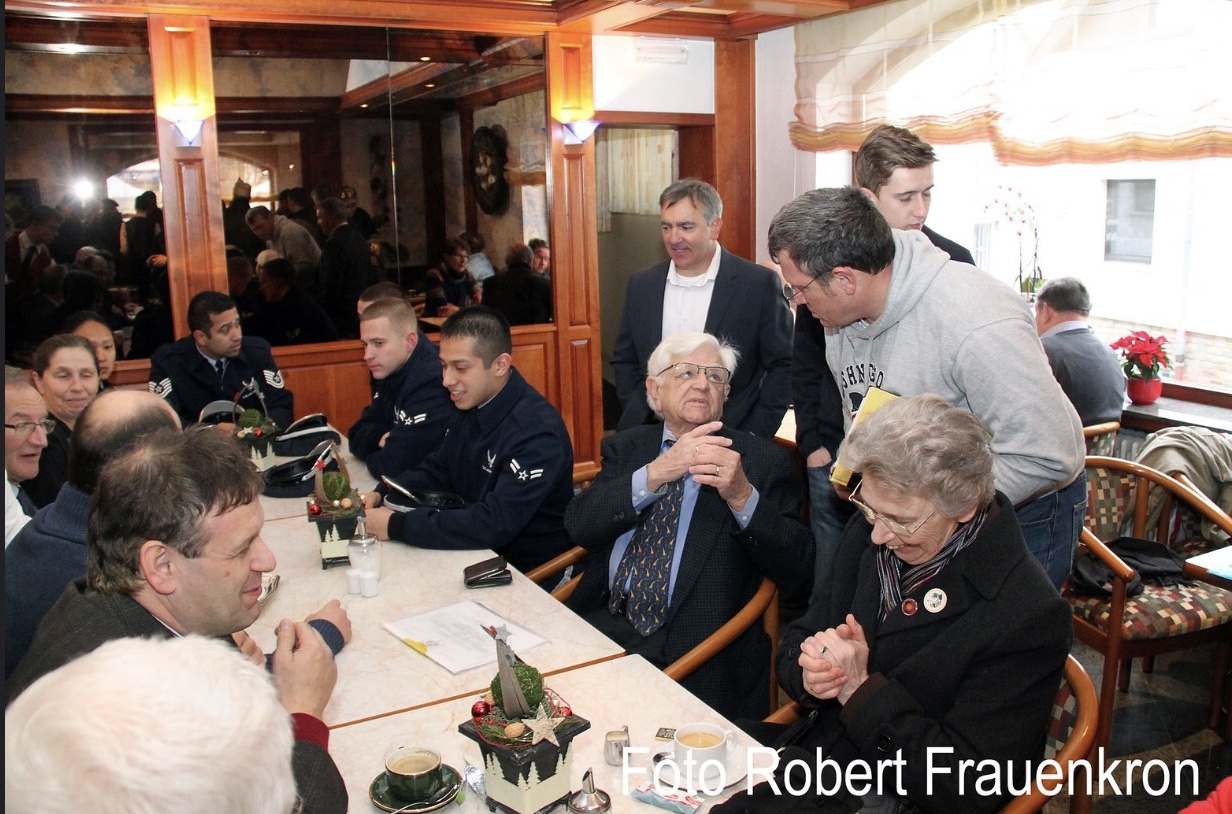
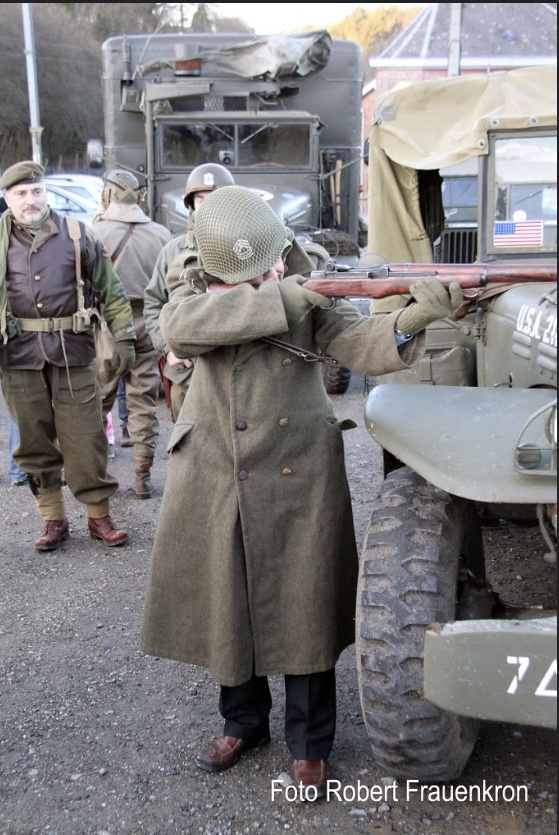
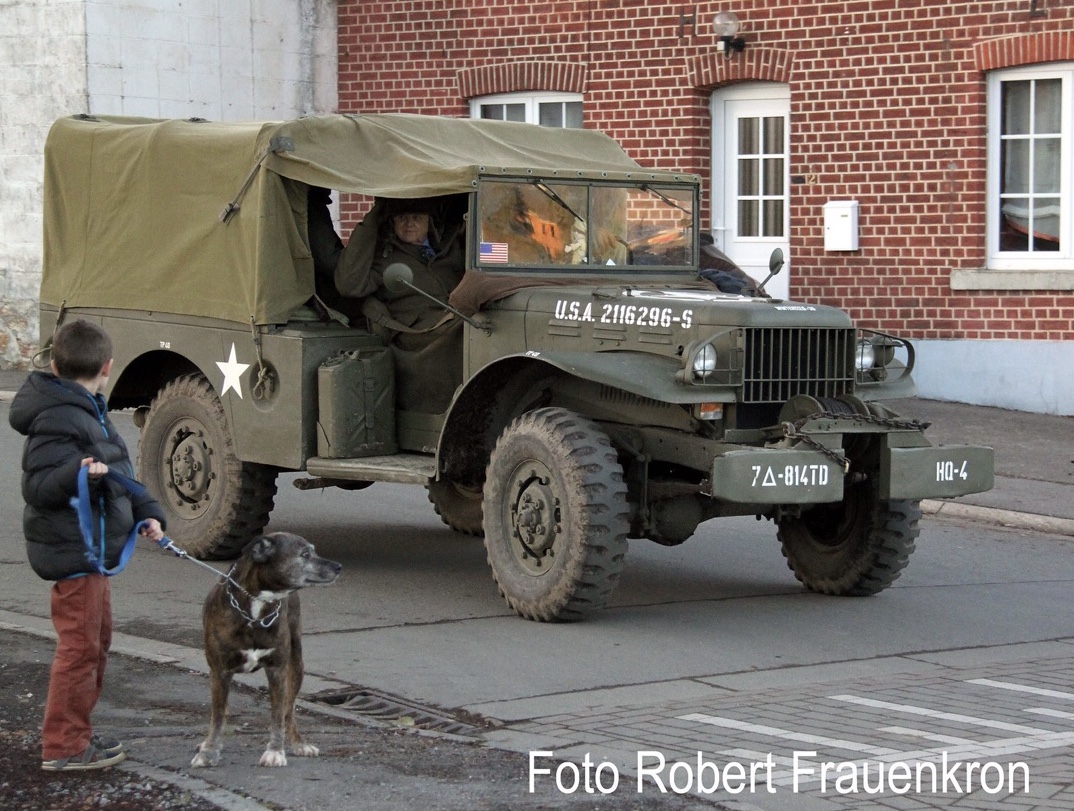
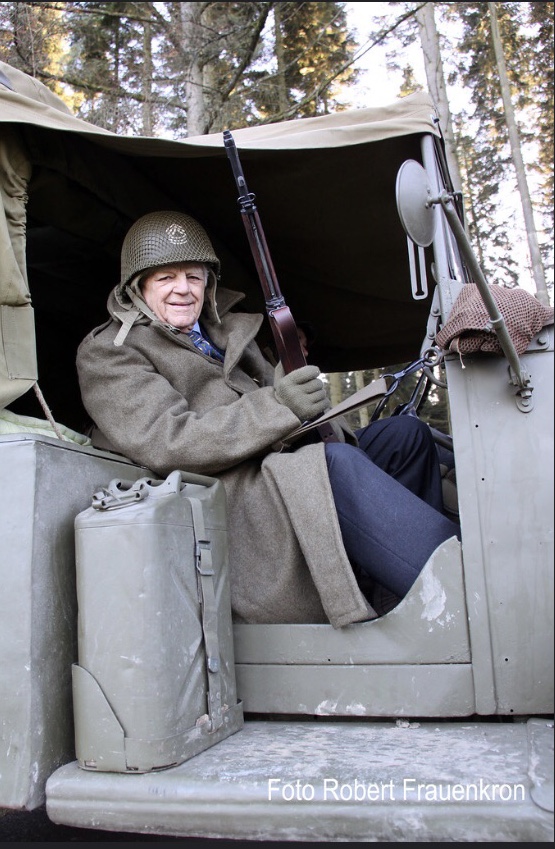
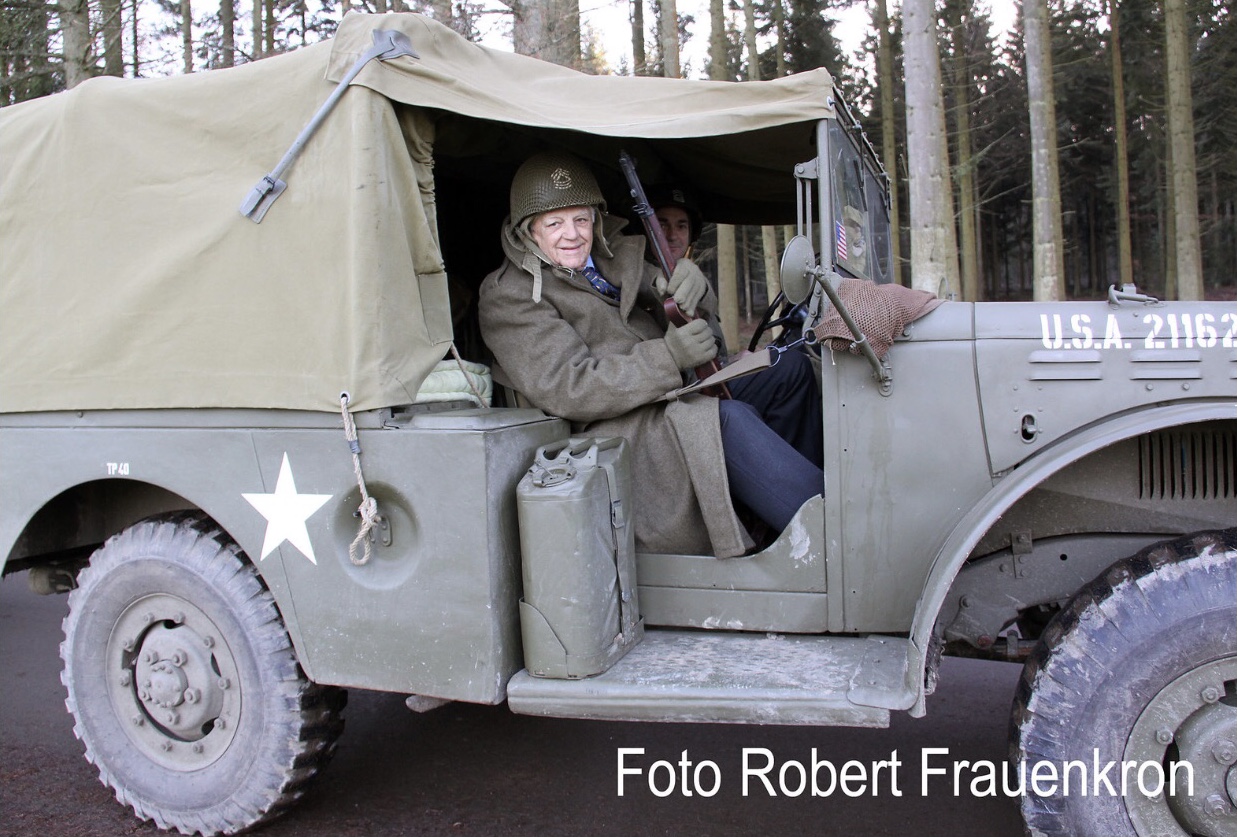
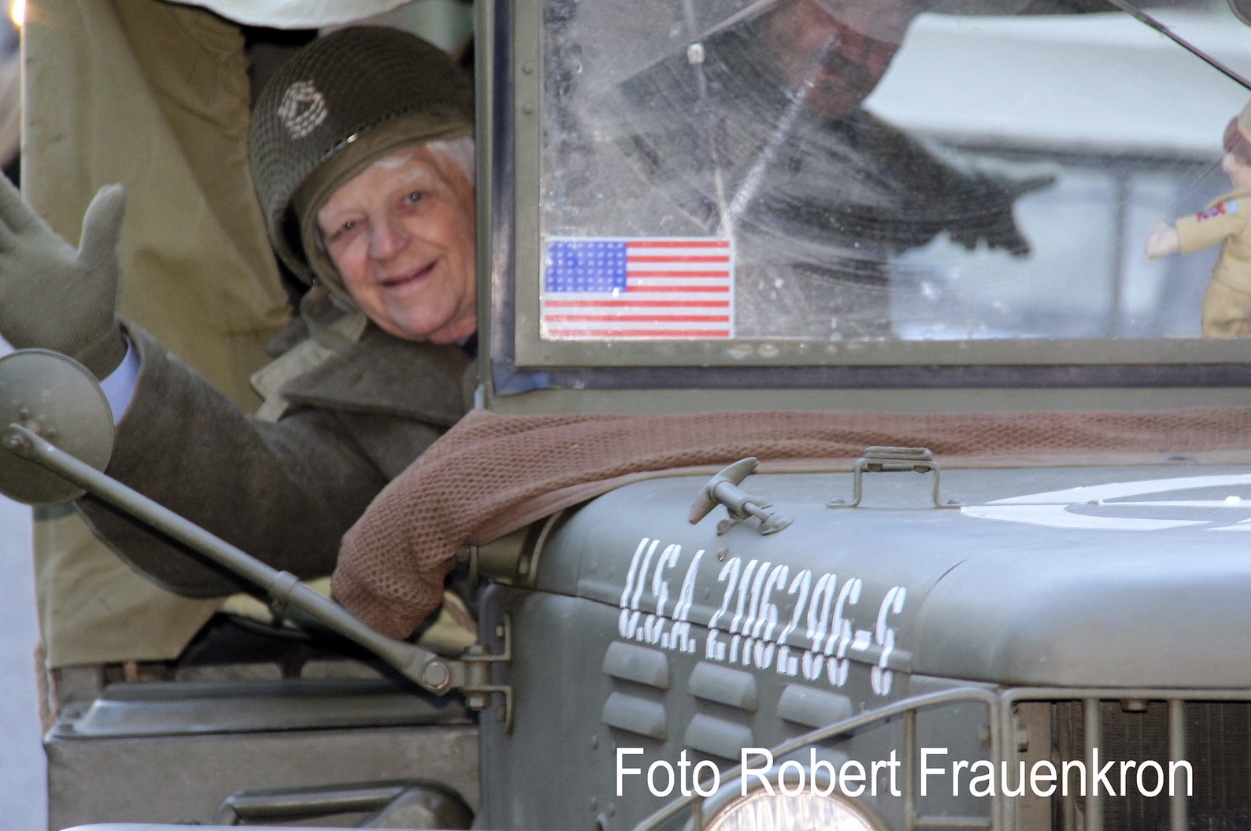
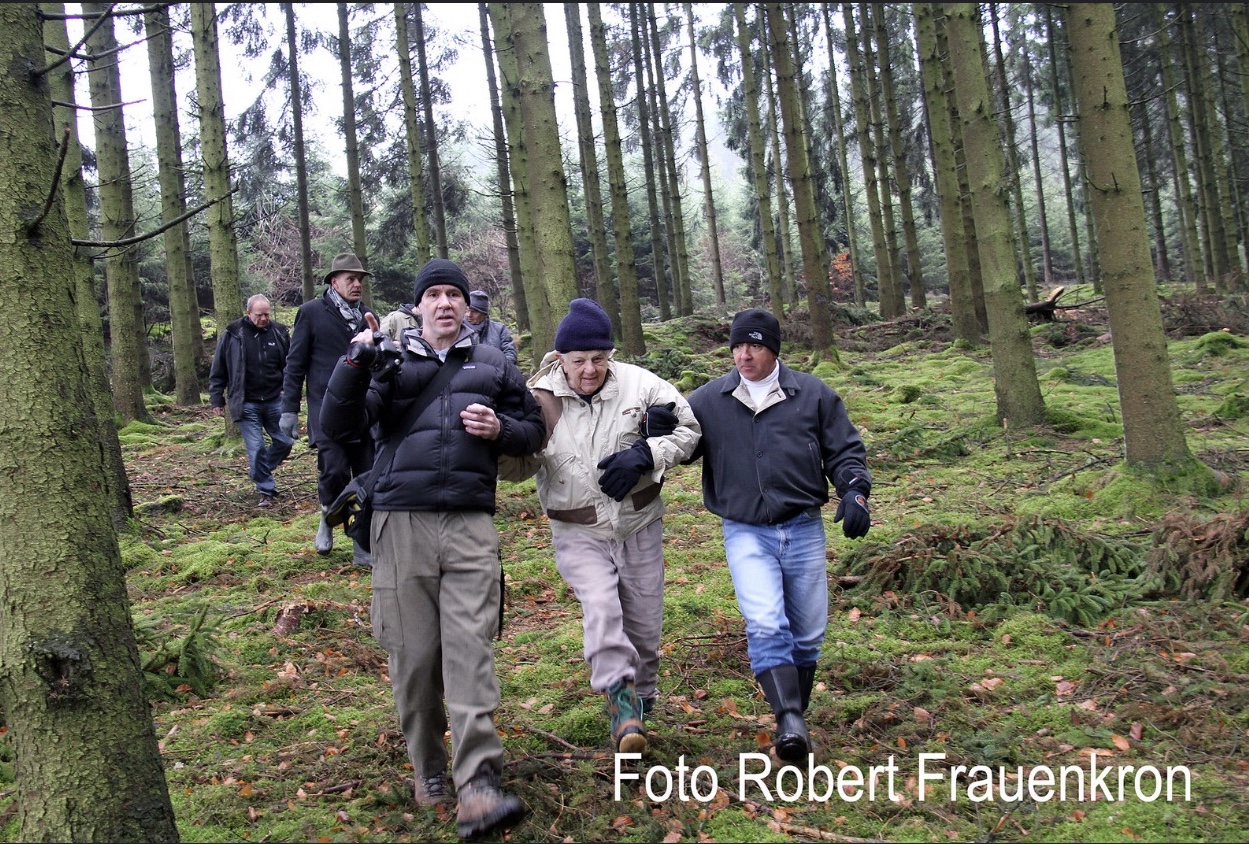
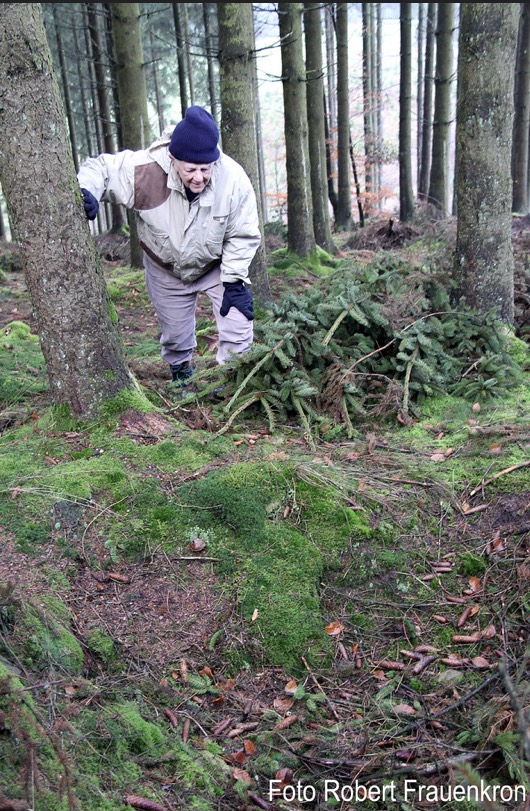
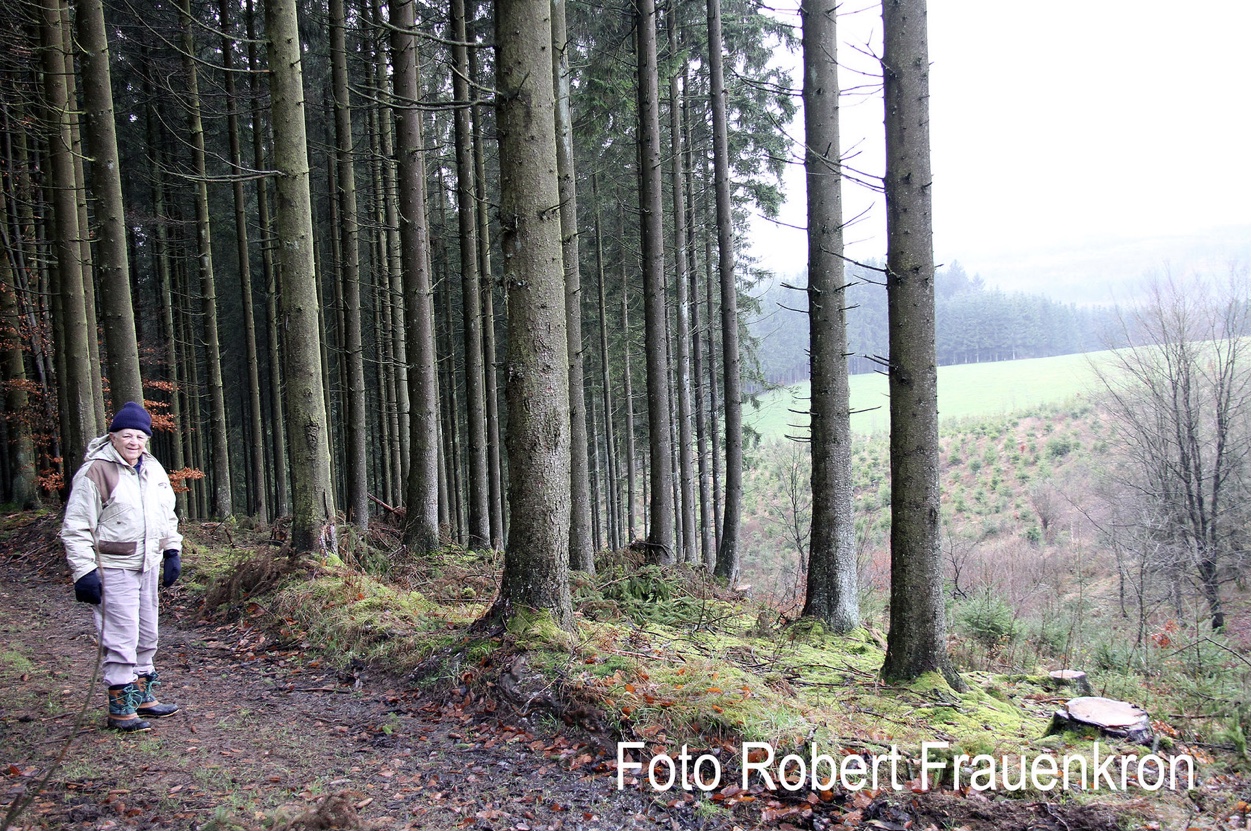
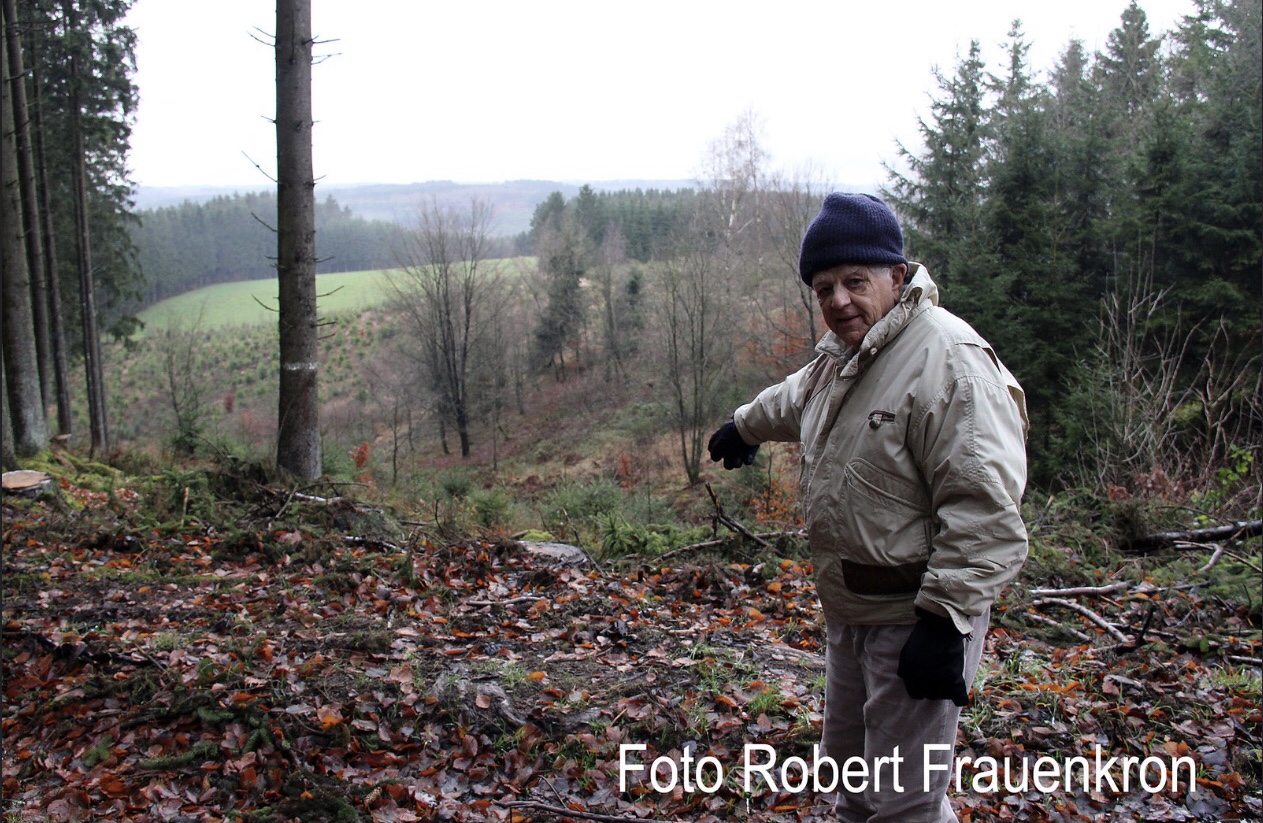
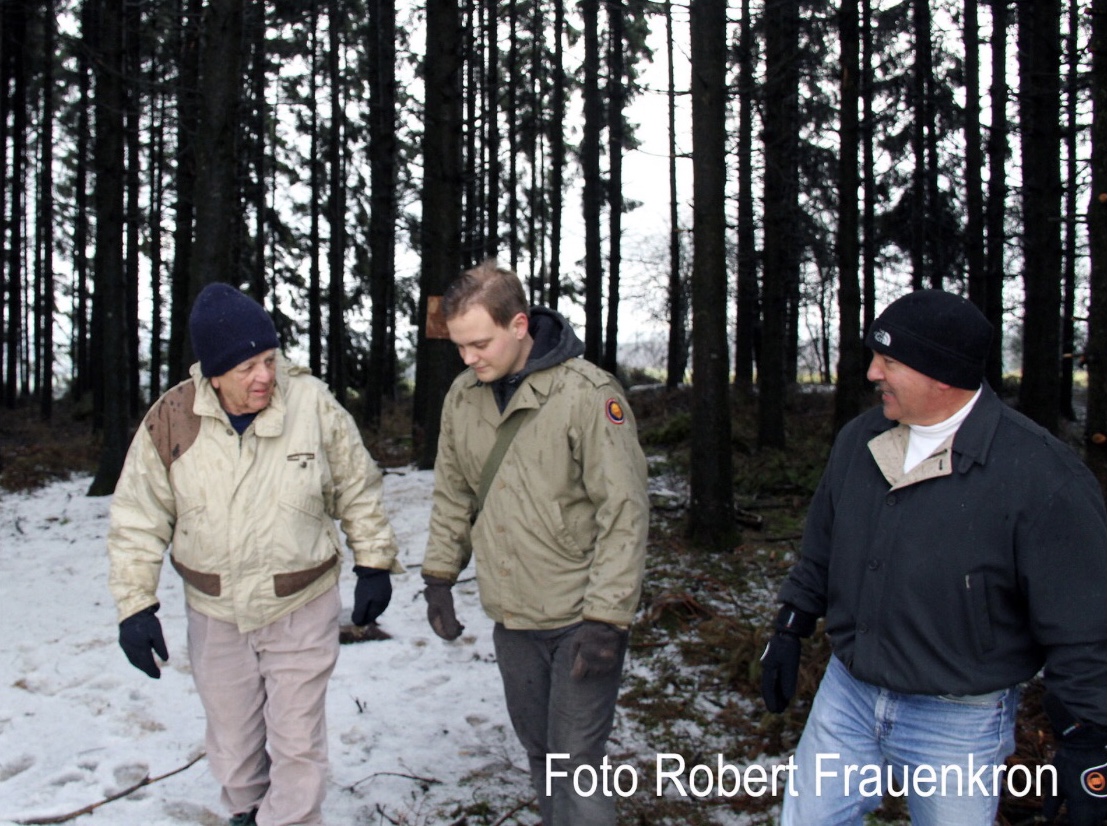
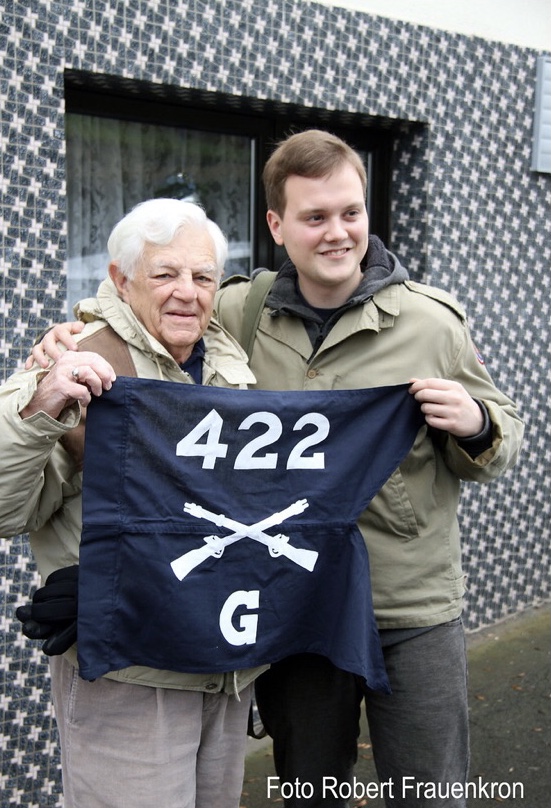
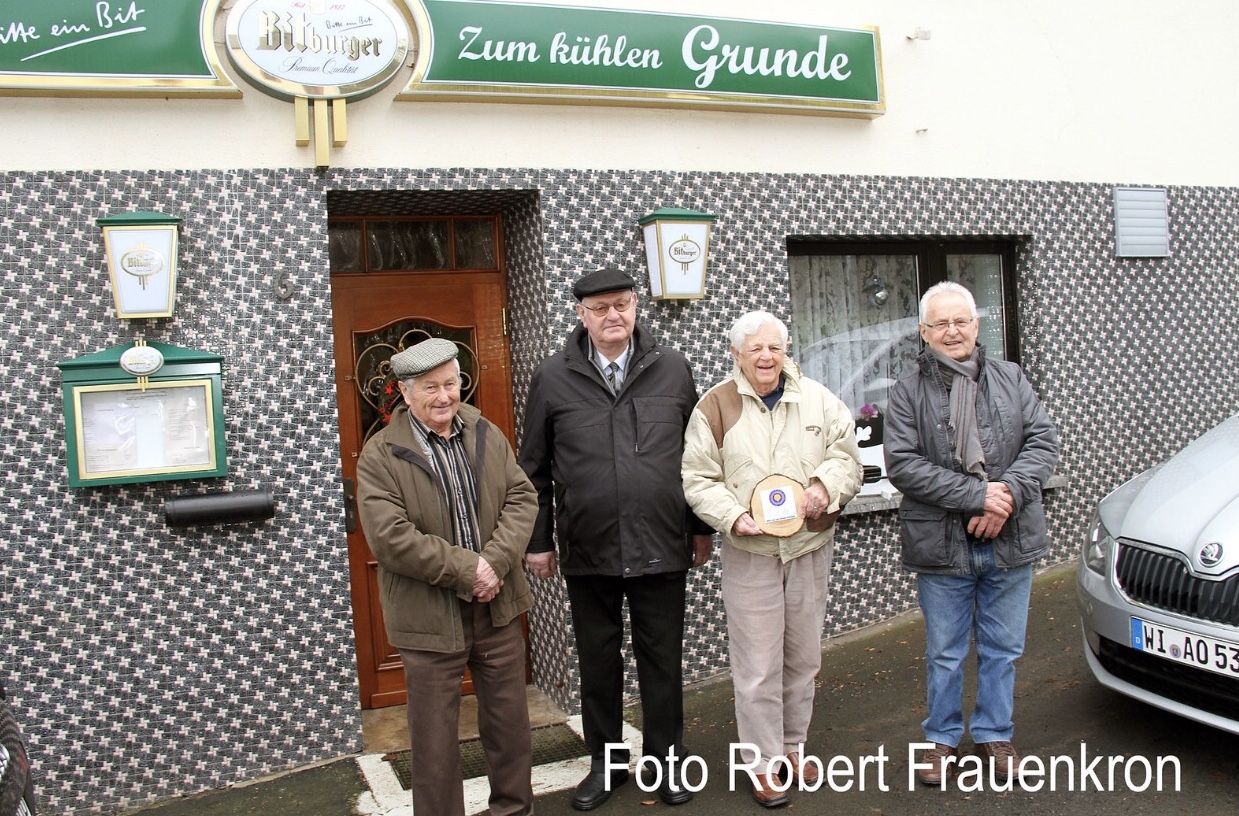
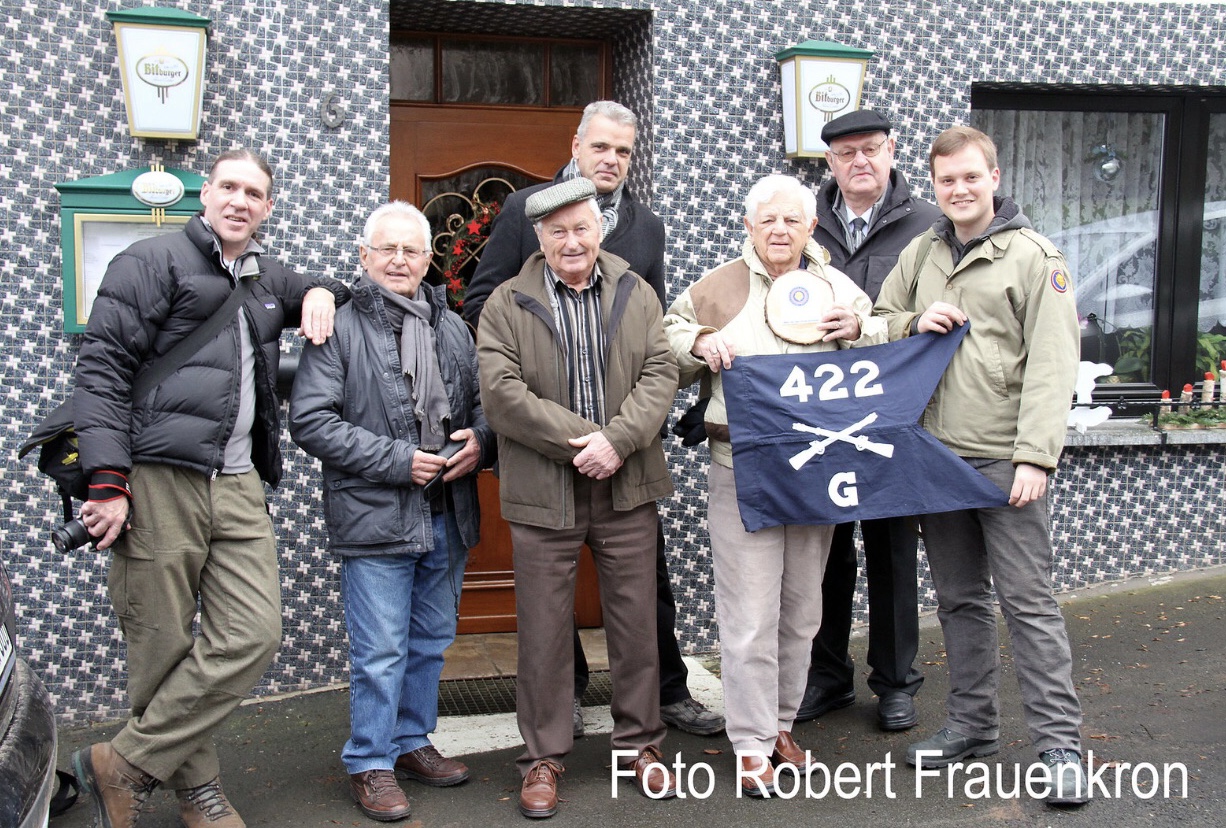
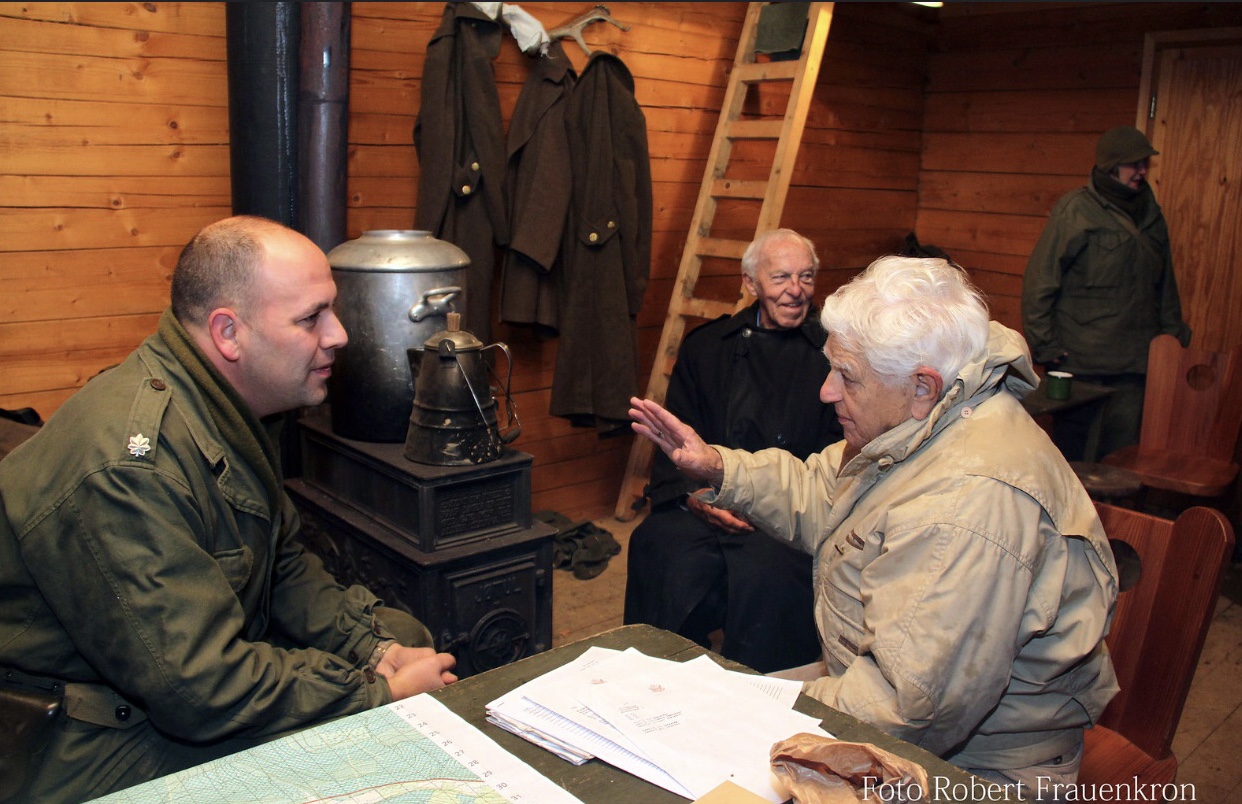
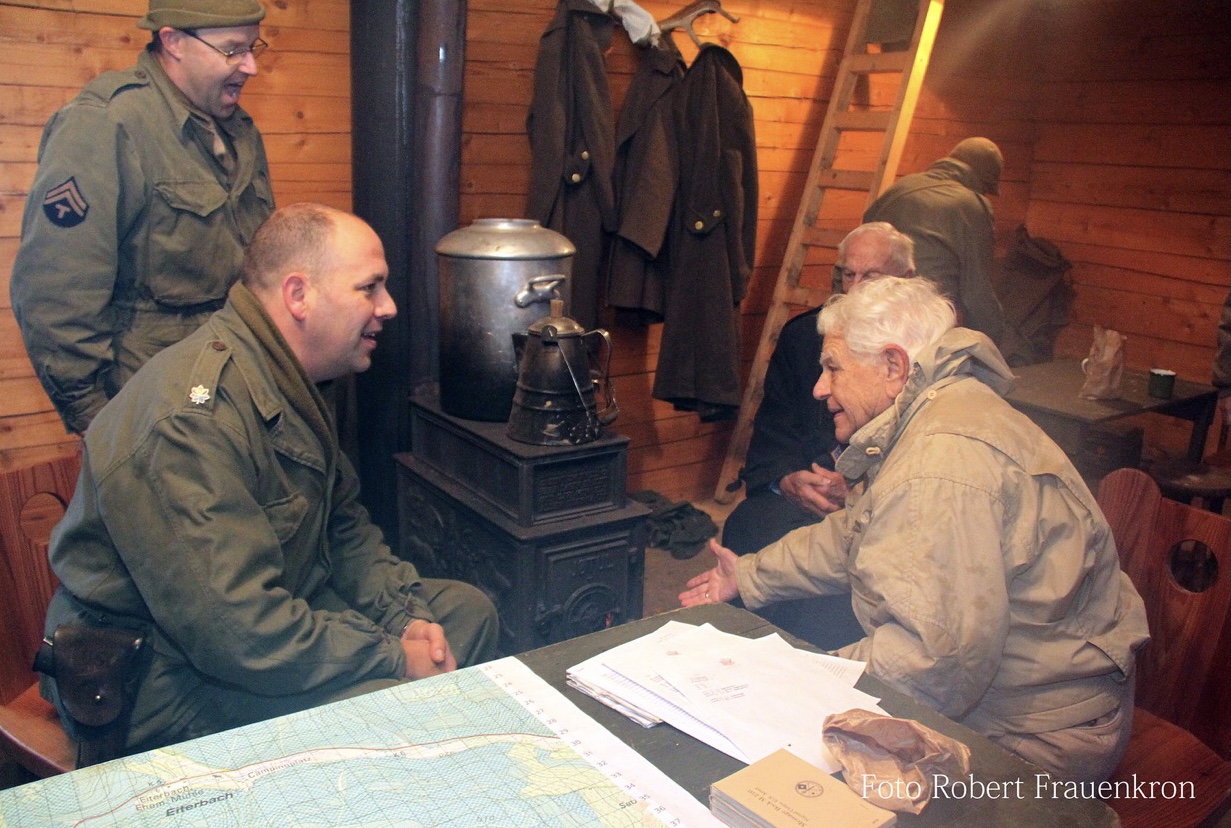
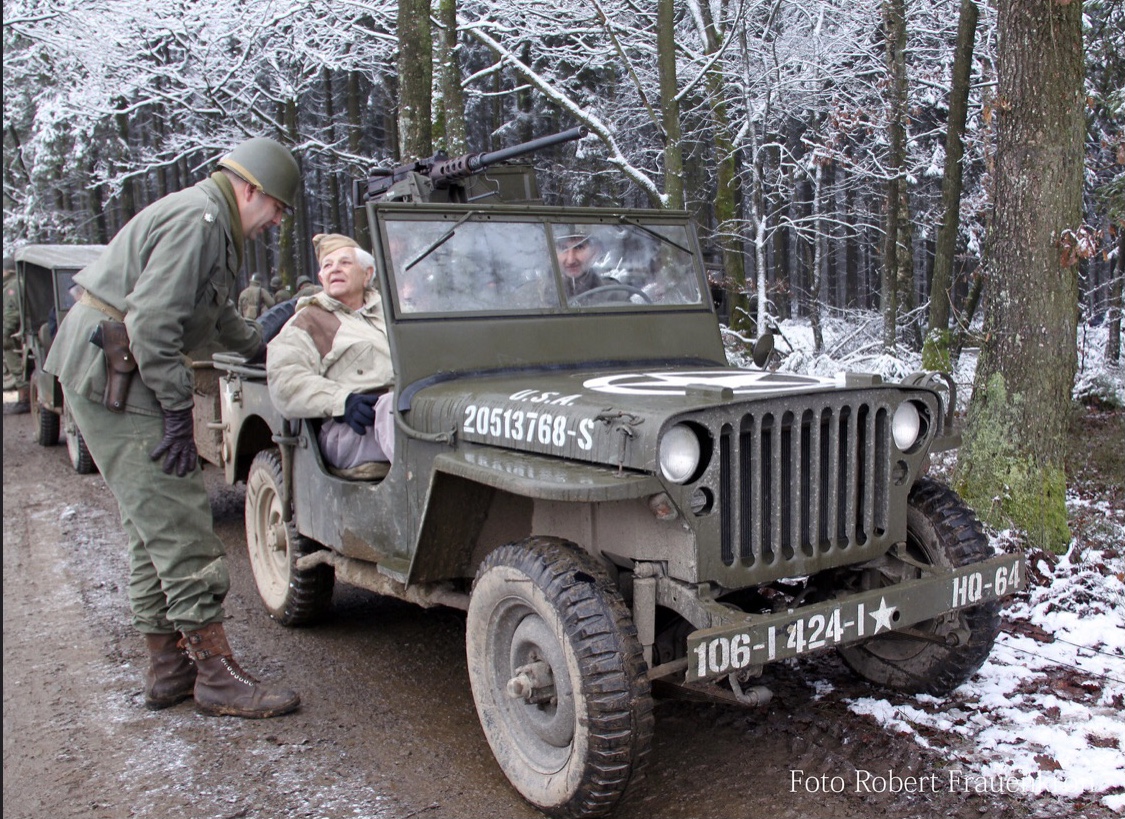
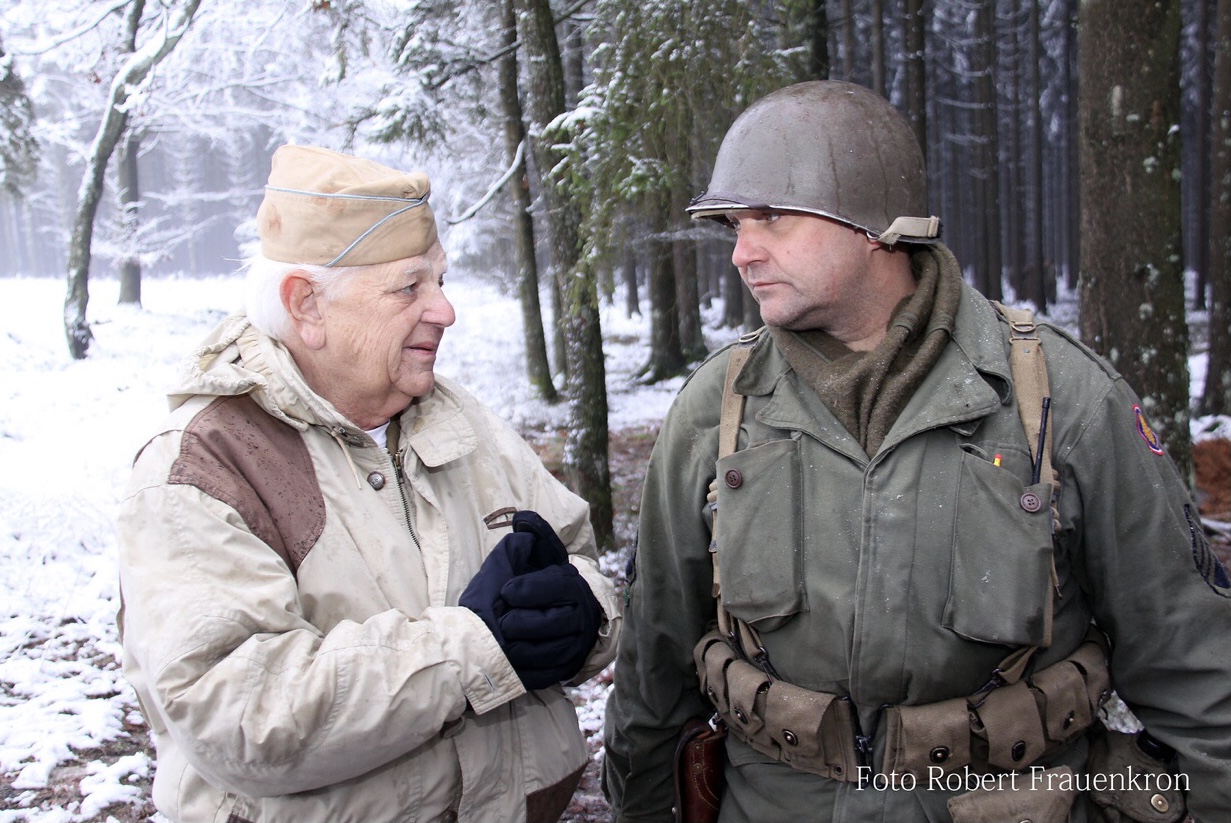
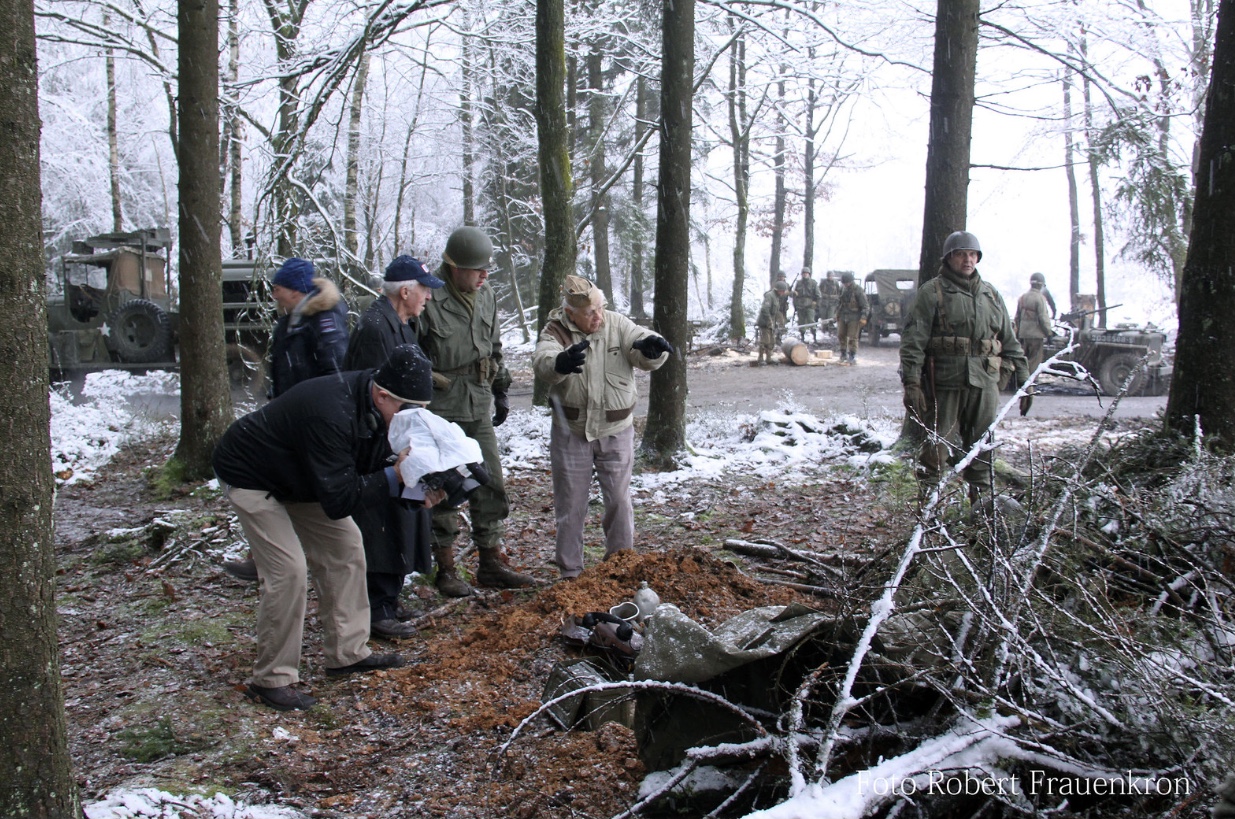
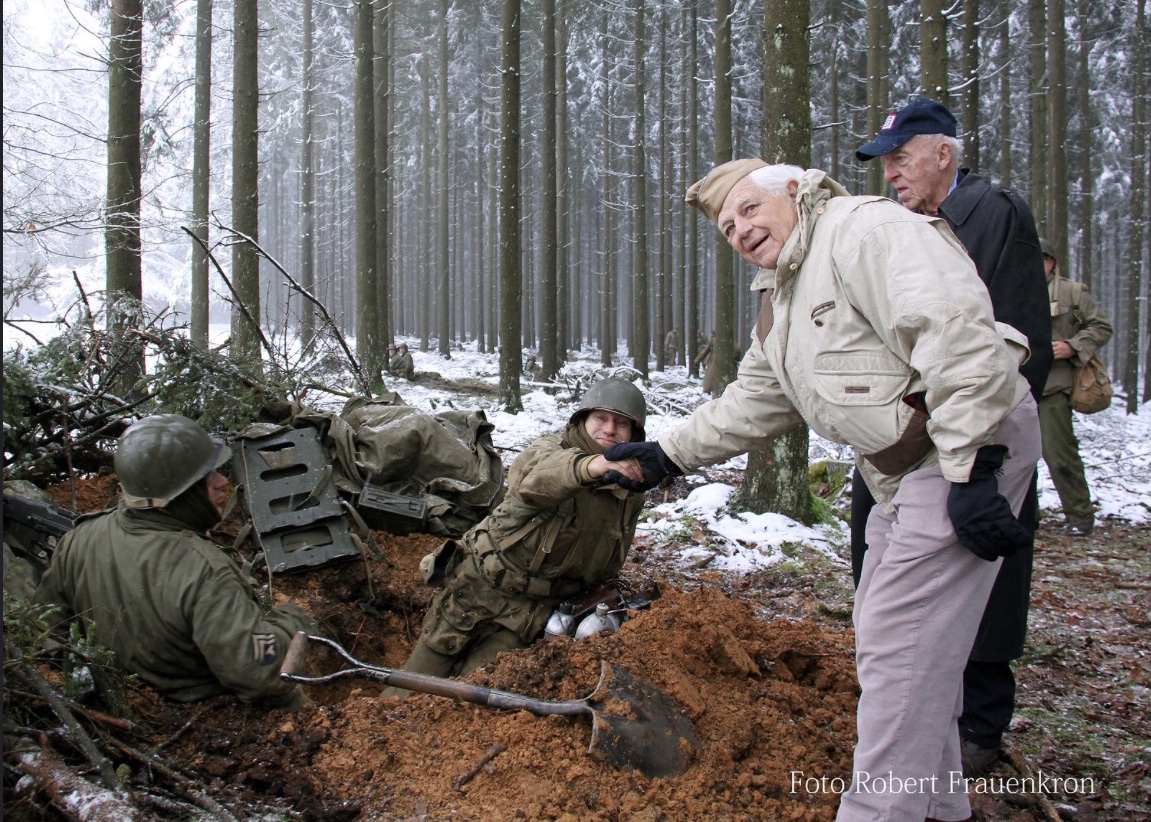
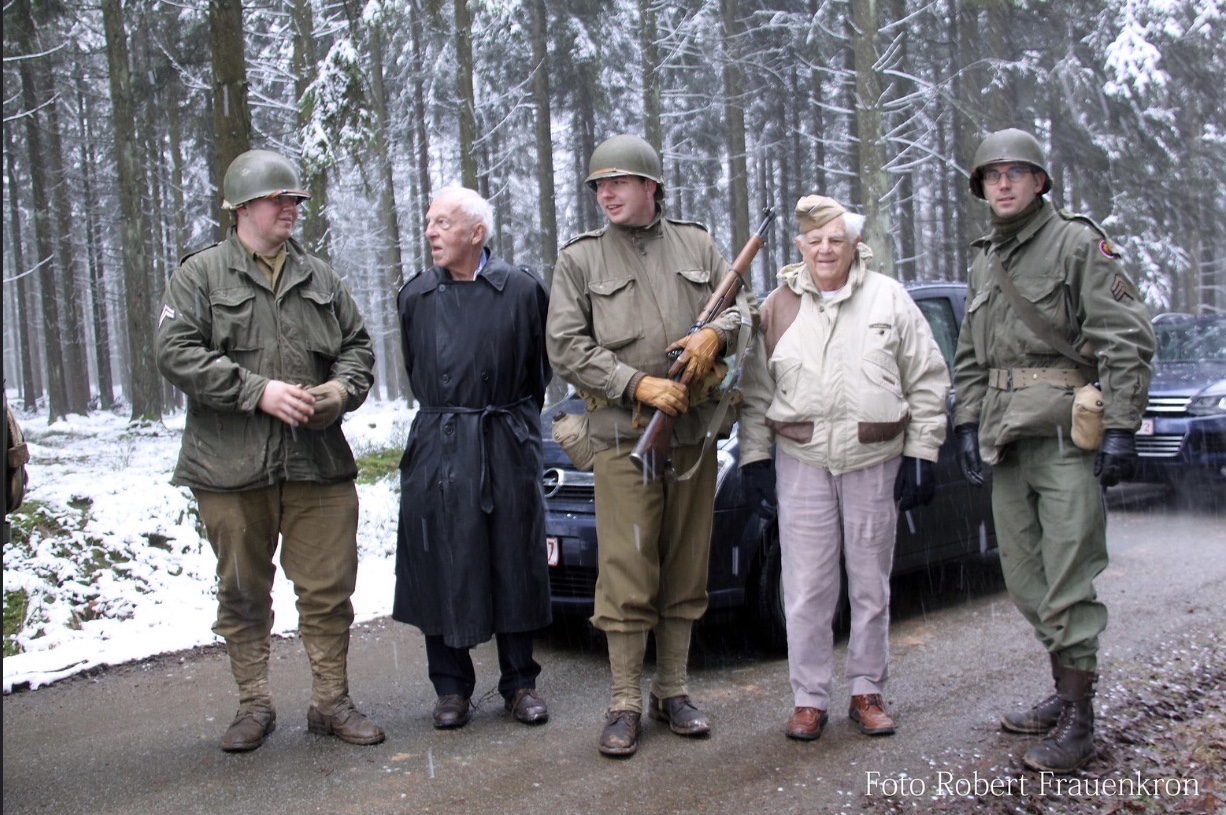
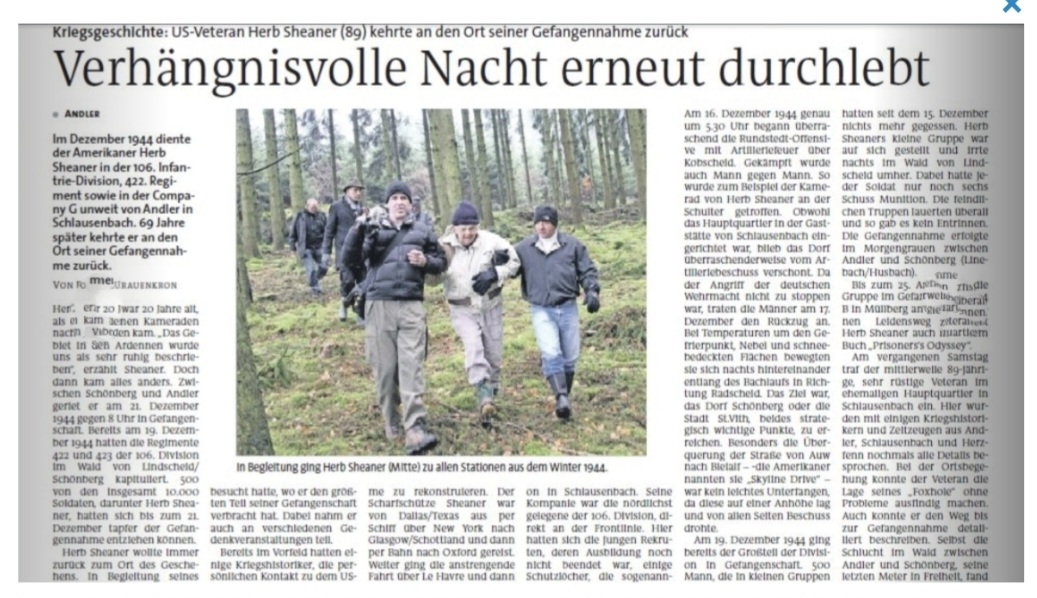
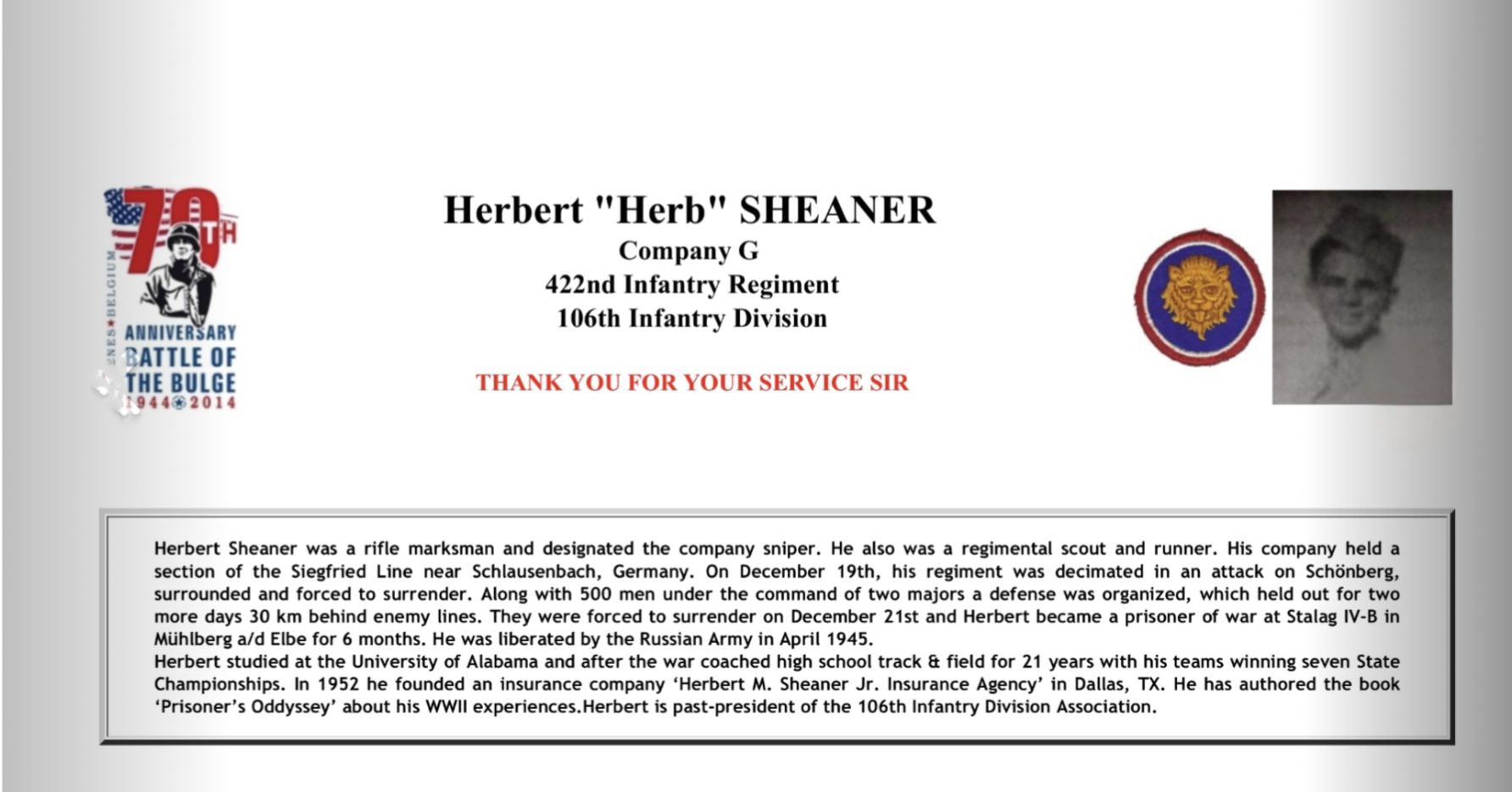
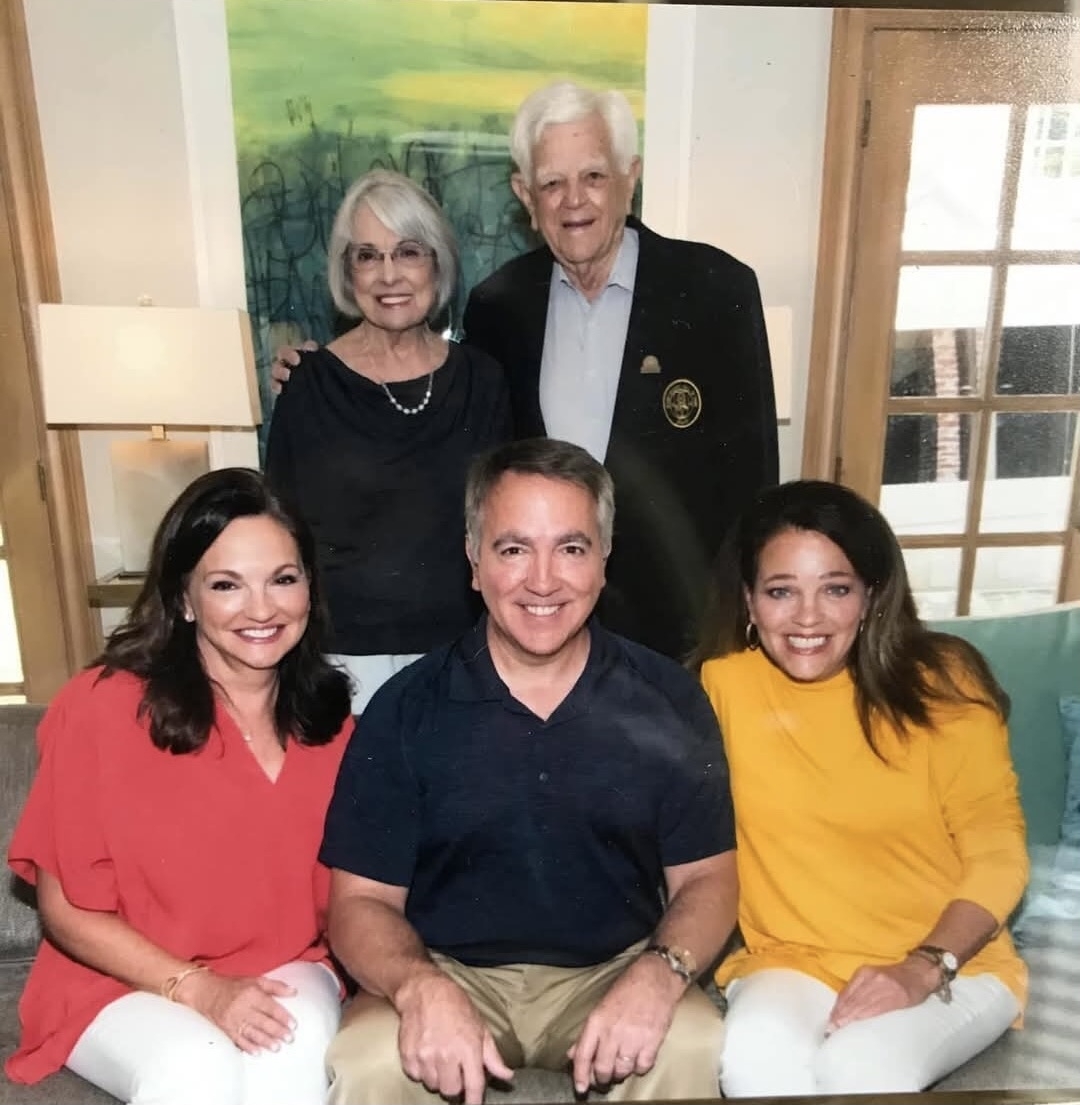
Herbert Michael “Mike” Sheaner Jr
106th Infantry Division, 422nd Regiment, Company G
After graduating high school in June of 1942 from Forest Avenue High Dallas, TX and completing one year of college courses at Texas A&M University, a draft notice arrived at his mother’s home in the spring of 1943. Mike’s presence was requested at Camp Wolters near Mineral Wells, TX.
At Camp Wolters Mike selected the infantry from a menu of service options and was given an aptitude test. After scoring highly on the test he was placed in the Army Specialized Training Program (ASTP). ASTP was a military training program designed to meet wartime demands for junior officers and soldiers with technical skills.
A few days later, he was on a train heading to Camp Wheeler, GA for basic training. Camp Wheeler was an infantry replacement training center where new recruits received basic training to replace combat casualties. Mike excelled on the rifle range and in wrestling. He recalled one wrestling drill in which the men would circle up with two in the center where they would wrestle until one was beaten. The winner remained in the circle to take on the next man up…one after another, until he too was beaten.
Mike won his first match and then pinned down the next challenger. In the midst of wrestling a third man the lunch bell sounded and the men retired to the mess hall, leaving Mike undefeated.
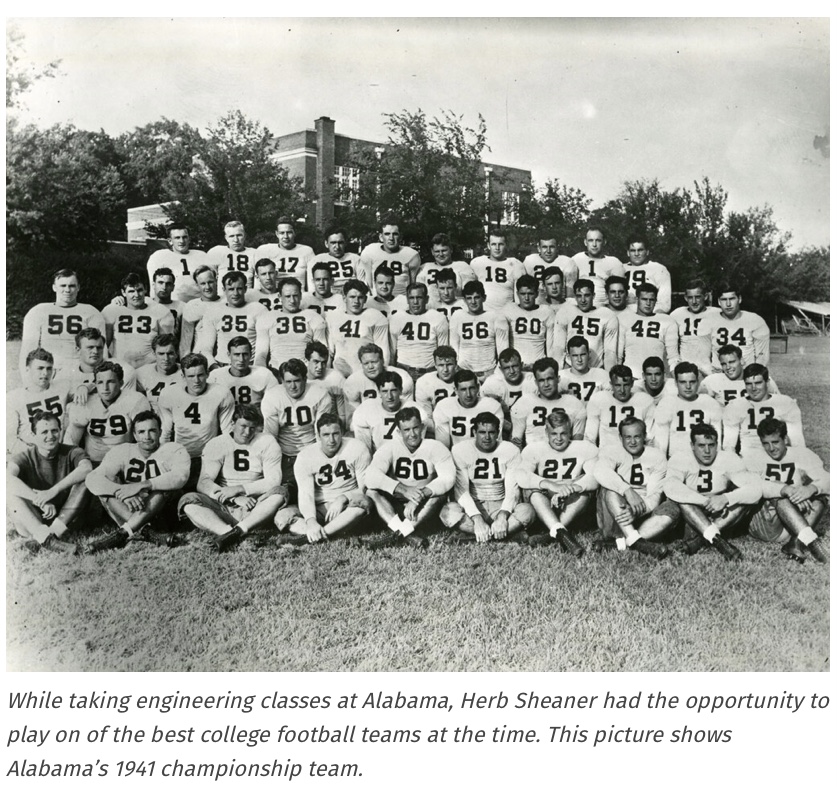
With basic training complete, Mike and the others were sent to the University of Alabama for additional training as engineers. If all went to plan, the Army would send these newly trained professionals overseas to rebuild Europe after the war. Of course the plan did not go to schedule and the war was not over by Christmas. The need for frontline infantry replacements was great and in the spring of 1944 the ASTP program was all but eliminated and Mike was transferred in late April to the 106th ID at Camp Atterbury near Indianapolis, IN. It seemed a disappointment being classified a Private after expecting to come out of ASTP as a Lieutenant and having previously attained the rank of Major and Company Commander in ROTC.
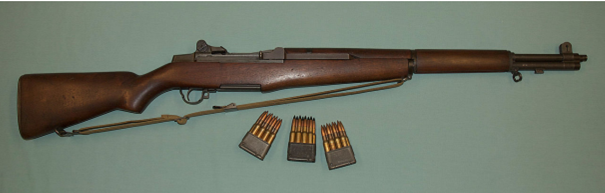
At Camp Atterbury Mike continued to show proficiency with the M1 rifle. The entire company was tested on the firing range with the Captain looking on. Each rifleman fired rounds into targets at varying distances within a limited amount of time. As Mike fired his weapon, one shot after another found its mark dead center. There were four shooting positions; prone (laying down),kneeling, sitting and standing with 45 seconds to fire eight rounds.
Standing was the most difficult position because of the weight of the gun. It took careful aim to steady the barrel in the standing position. His trick was to aim the rifle high then slowly bring it down until the site was directly over the target. It was something he learned through ROTC training in high school. With a gentle squeeze of the trigger the shot was off.
The Captain took note of Mike’s progress and came over to watch. A good enough score would not only win the “Expert Rifleman” designation but would also reflect well on the entire company and Captain. Just as the goal of having a perfect score became increasingly possible the ammunition clip ejected from the rifle with a ping and the remaining cartridges clanked to the ground. The Captain grunted and stomped off after seeing his chances evaporate.
With only seconds left he gathered the .30 caliber cartridges with the help of the squad Sergeant,re‐loaded and fired seven quick shots from the sitting position into the bulls‐eye 500 yards away. The spotter announced over the loud speaker a perfect score.
In early June Mike was given a 2 week furlough and headed back to Dallas. On June 6th he was at his mother’s home on Abrams Rd when he heard about the D‐Day invasion. Through the Spring‐Summer of 1944 the division continued to be gutted, snatching the well trained men of the 106th and sending them to replacement centers.
From April to July alone the division lost practically all of its infantry lieutenants and privates, a total of 600 officers and 6,600 men. The incoming replacements consisted of air cadets, other divisions and other sources such as disbanded military police units, coast guard, special training battalions and various other service commands.
Mike was spared being shipped out as a replacement with the others because of his expert rifleman designation. He had been designated Company G sniper and regimental runner. As such he did not belong to any particular rifle squad.
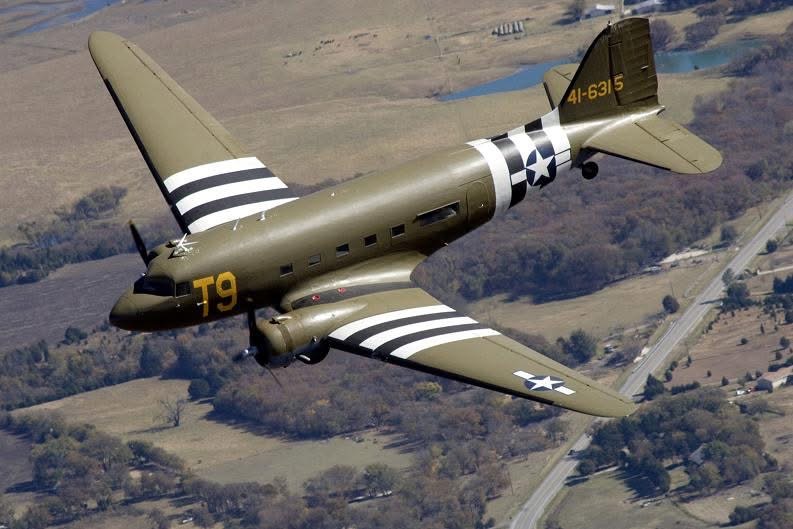
In August Mike received a 3 day pass and hitched a ride on a C‐47 transport plane to anywhere. He didn’t care where it was going as long as it was going south. He was the only person on the entire plane other than the Captain and crew up front. His plan was to get back home to Dallas for a couple days and return to base before they shipped out. The C‐47 went south alright but unfortunately not to Dallas.
A few hours later they landed in Mississippi. That was too far from Dallas so from there he caught a bus to Tuscaloosa AL. Mike rented a car and hooked up with a co-ed he knew from the University of Alabama and a day later took the train back to Indianapolis.
In September the division prepared to move by rail to Camp Myles Standish in Taunton, MA.Early one morning before sunrise the entire regiment assembled on the Camp Atterbury parade grounds awaiting arrival of a hoard of trucks that would take them to the train station. The Colonel couldn’t stand to see the men idle so he gave orders to advance across the parade grounds, shoulder to shoulder, picking up trash, sticks, and gum wrappers…“anything that didn’t grow”.
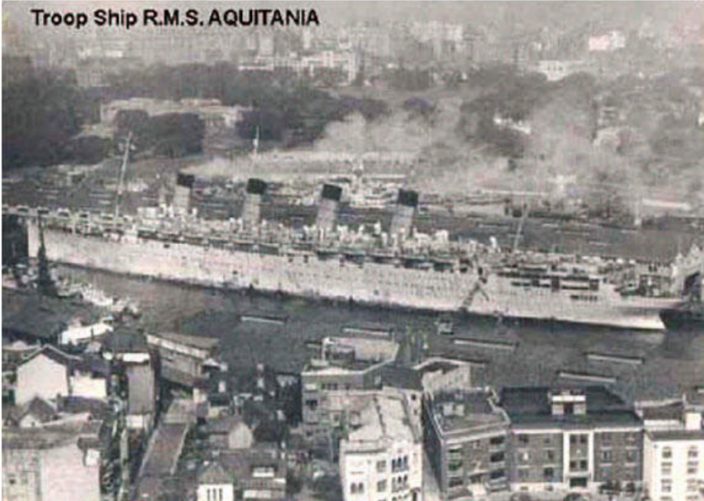
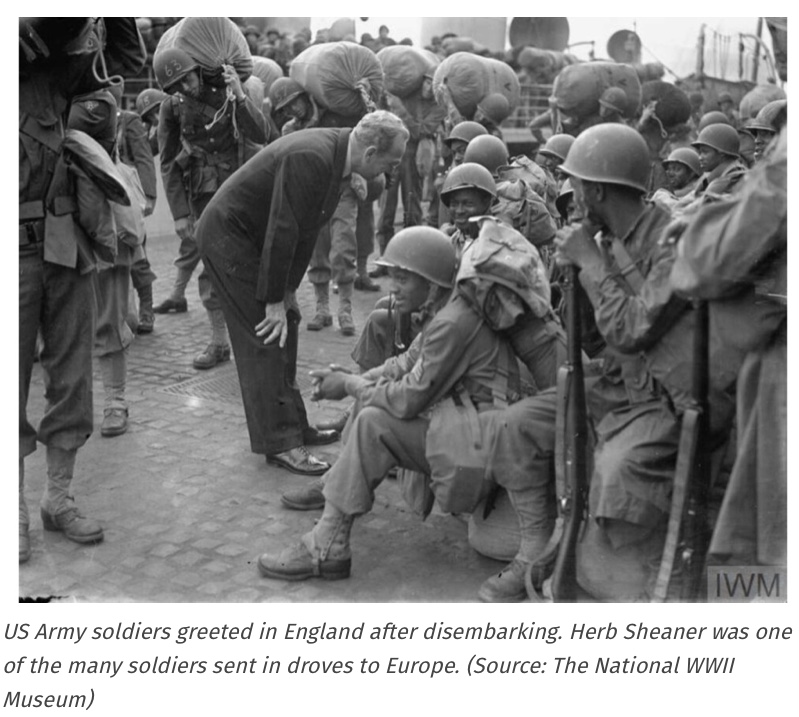
Later on in October the division moved from Camp Myles Standish on to New York for departure to England. The 422nd regiment crossed the Atlantic on the luxury passenger liner Aquitania while other units of the 106th crossed on the Queen Elizabeth. Both had been converted to troop transports. The ships were thought to be fast enough to outrun any German U‐Boat therefore no escort was given. Rumors abounded when the ship’s makeshift bow gun fired toward a passing vessel in the distance. They were relieved to learn that the ship had simply failed to properly identify themselves as friend or foe.
They arrived in England on October 28th and were deployed in the Cotswold section of the midlands some 12 miles west and northwest of Oxford. They remained in England until the last days of November preparing for an expected early channel crossing.
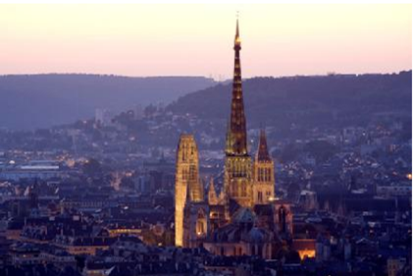
The last day of November and first few days of December the Division embarked on the long slow fifty mile trip from Southampton to Le Havre, France at the mouth of the Seine River. From there they advanced to Rouen, France, a town about 60 miles up the Seine where Joan of Arc was burnt at the stake in the year 1431. They bivouacked in a general area outside of Rouen stretching northwest to Limesy and remained there eight days camped in deep mud and open fields with cold drizzling rain falling most of the time.
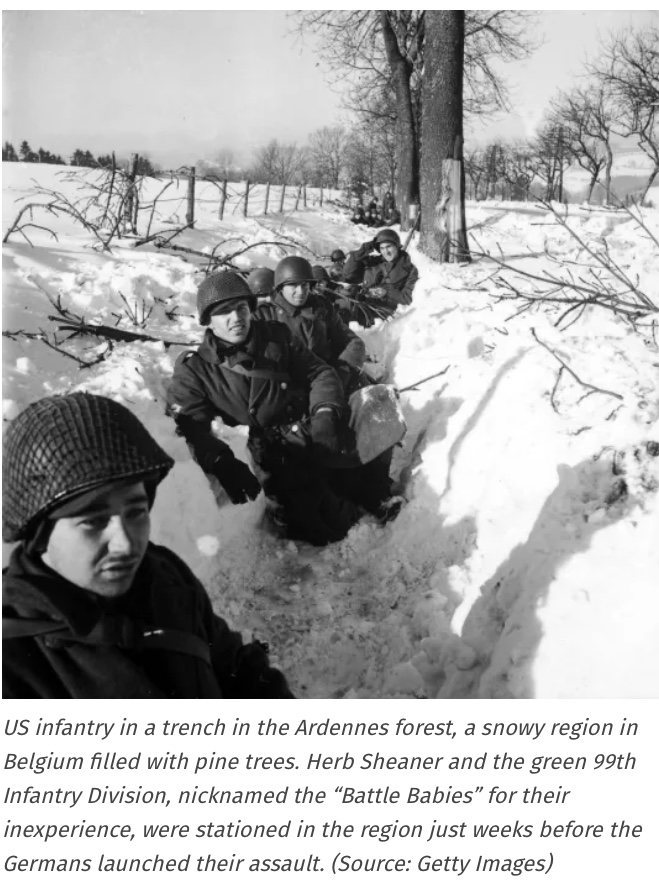
On December 8th the division moved into the Ardennes to relieve the 2nd Infantry Division, then in a defensive position, as part of the VIII Corps whose headquarters was at Bastogne. The route carried them nearly 300 miles through Amiens, Cambrai and Maubeuge in France to Philippeville in Belgium. After an overnight bivouac in extra deep mud near the latter town, they passed through Marche and the villages of eastern Belgium to the vicinity of St. Vith, arriving during the period December 9th to 15th. The relief of the 2nd Division commenced on the 10th and was completed the 13th with responsibility for the defense of the sector passing to the 106th on December 12th.
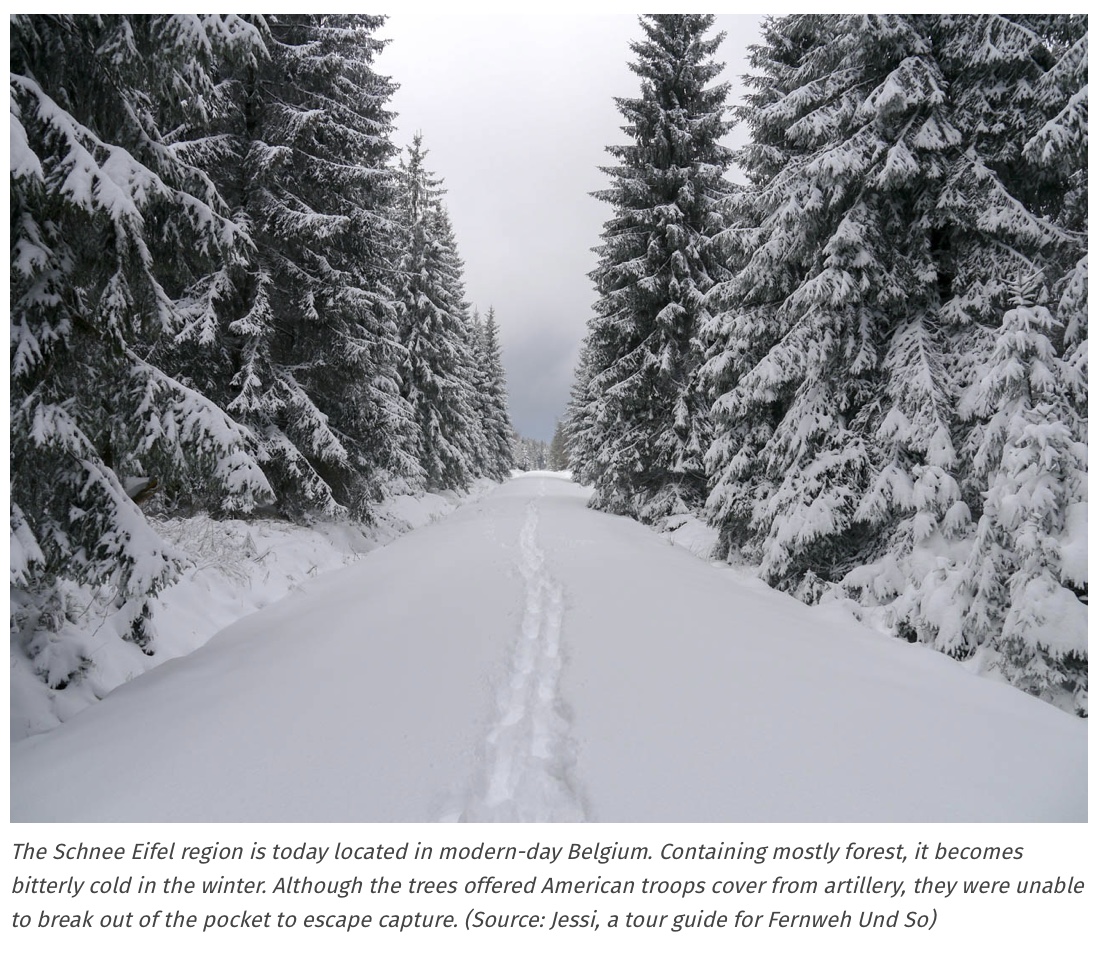
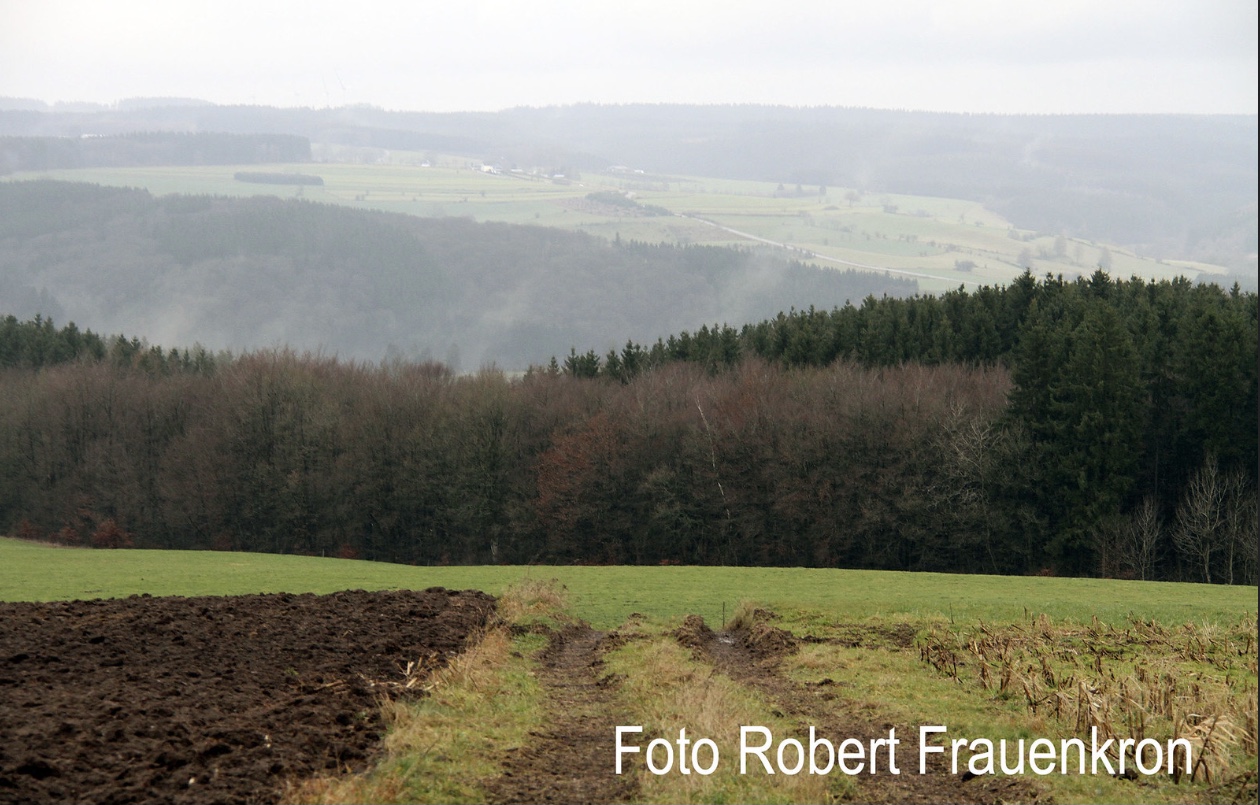
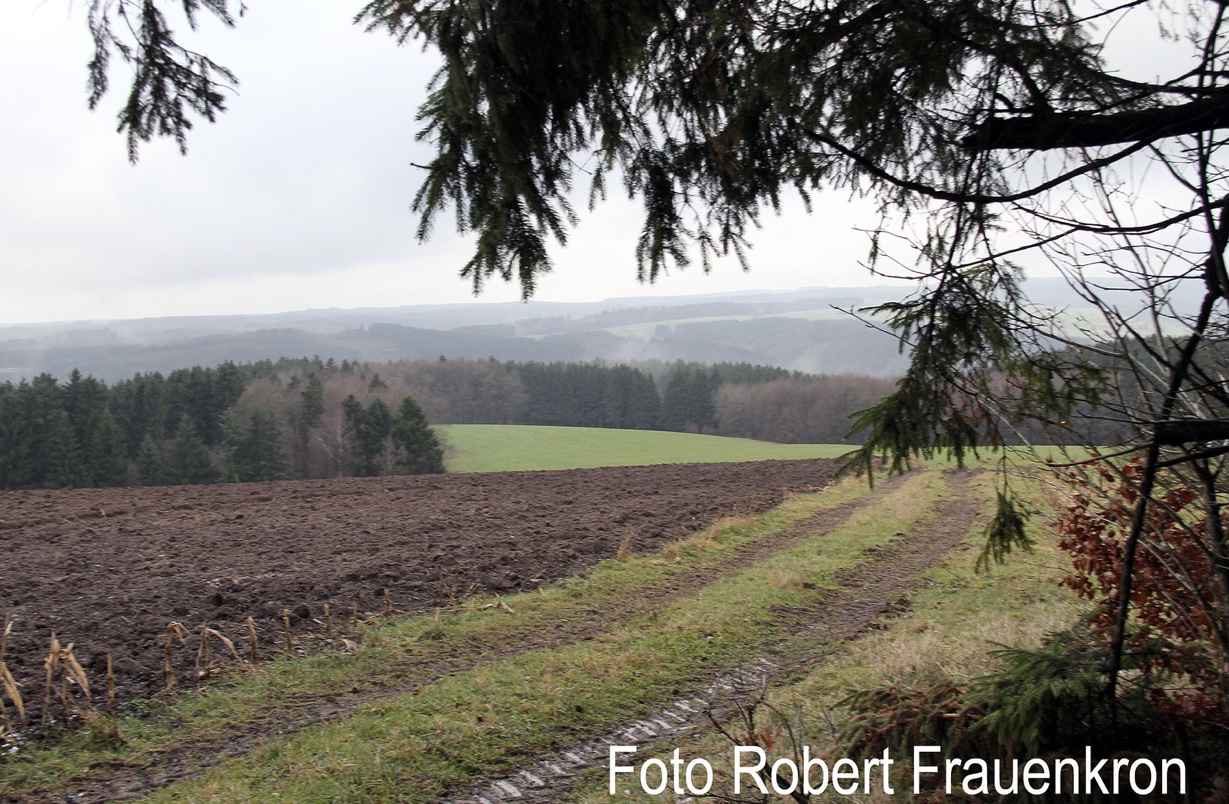
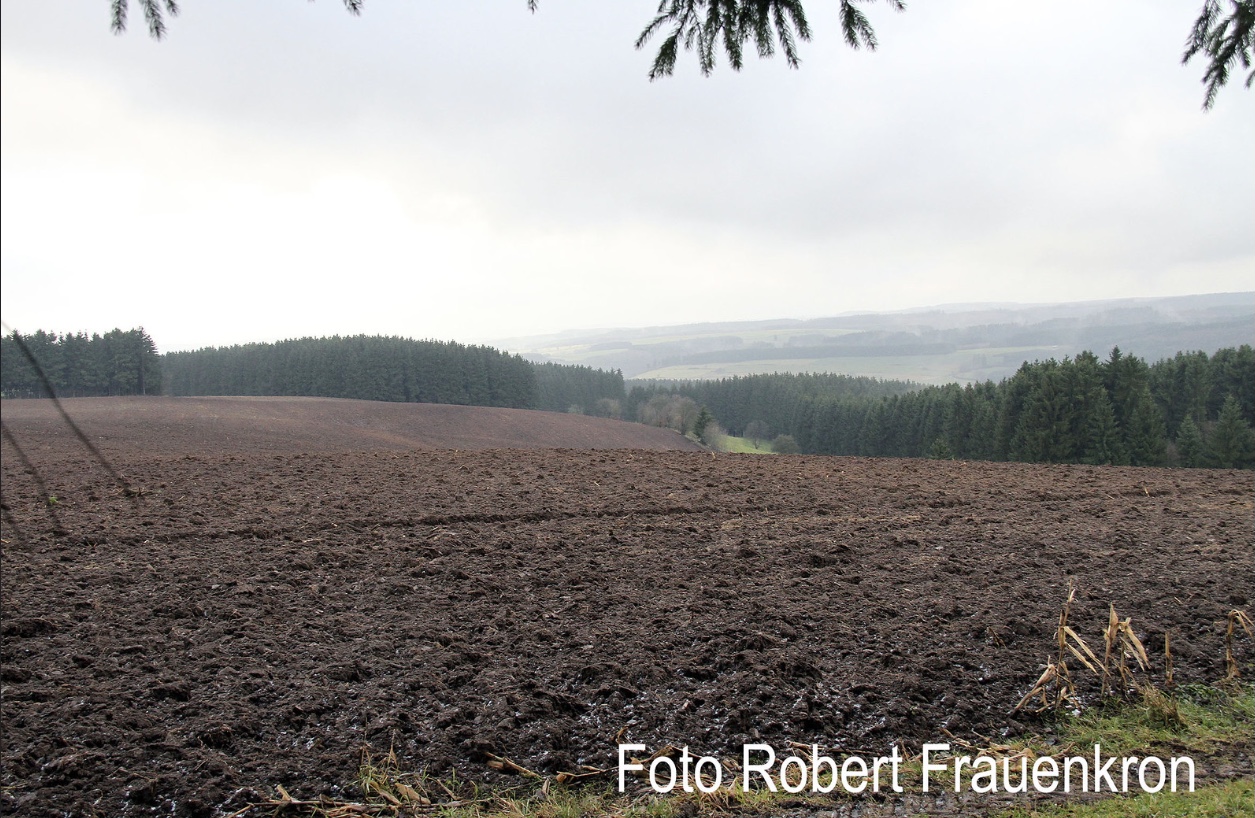
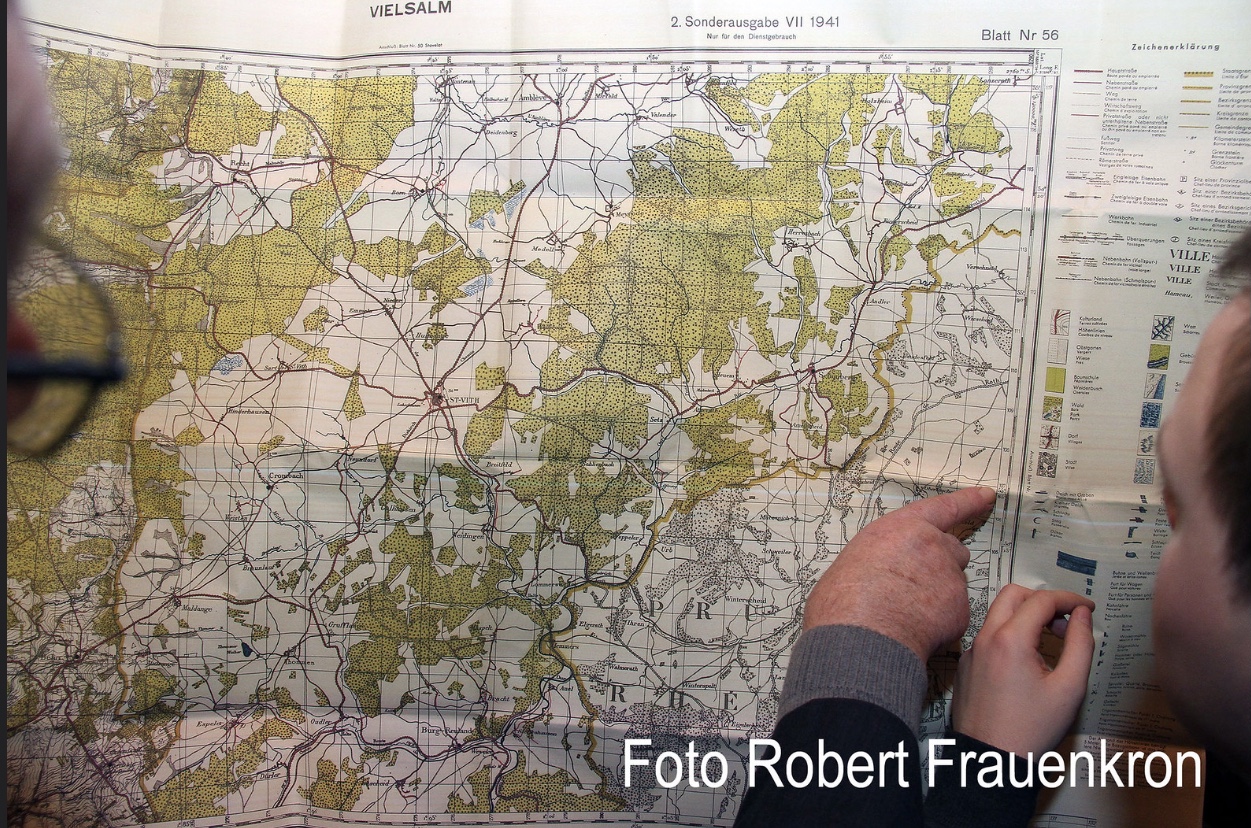
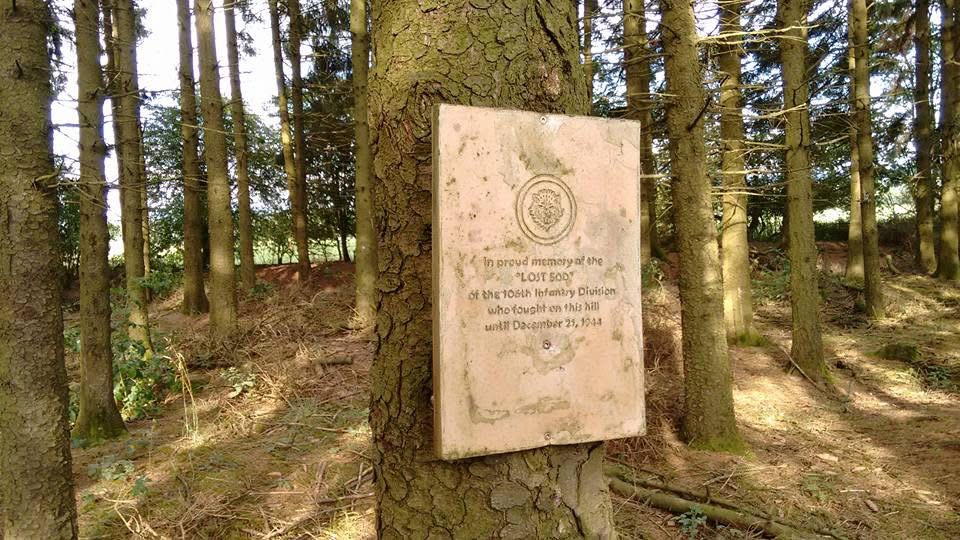
The sector was a 27 mile front partly in Belgium and partly in Germany referred to sometimes as “The Ghost Front”. The 422nd Company G was positioned on the left flank or Northern end of a fifteen mile stretch that ran through the German built West Wall known as the Siegfried Line. The position was high on a heavily wooded ridge called the Schnee Eifel (Snow Mountain) some 20 miles to the east of St. Vith. The road network throughout the sector was entirely inadequate for defensive purposes and had only one two‐lane road leading away from the 422nd and the 423d areas. The 424th was no better served.
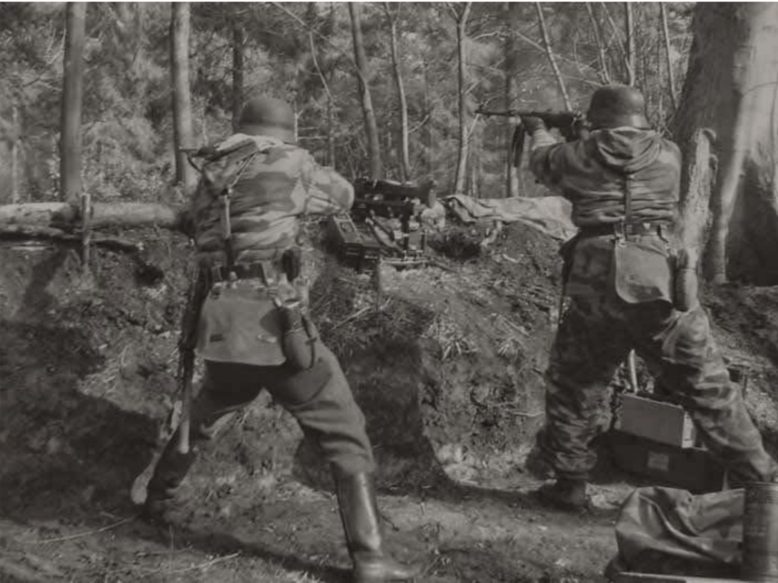
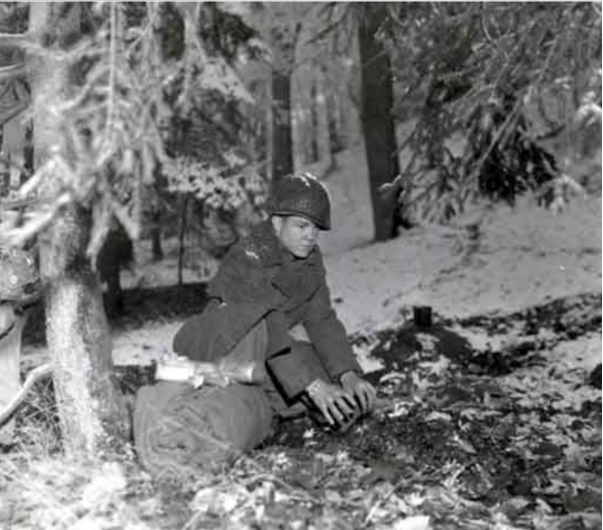
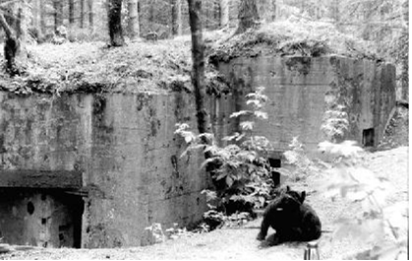
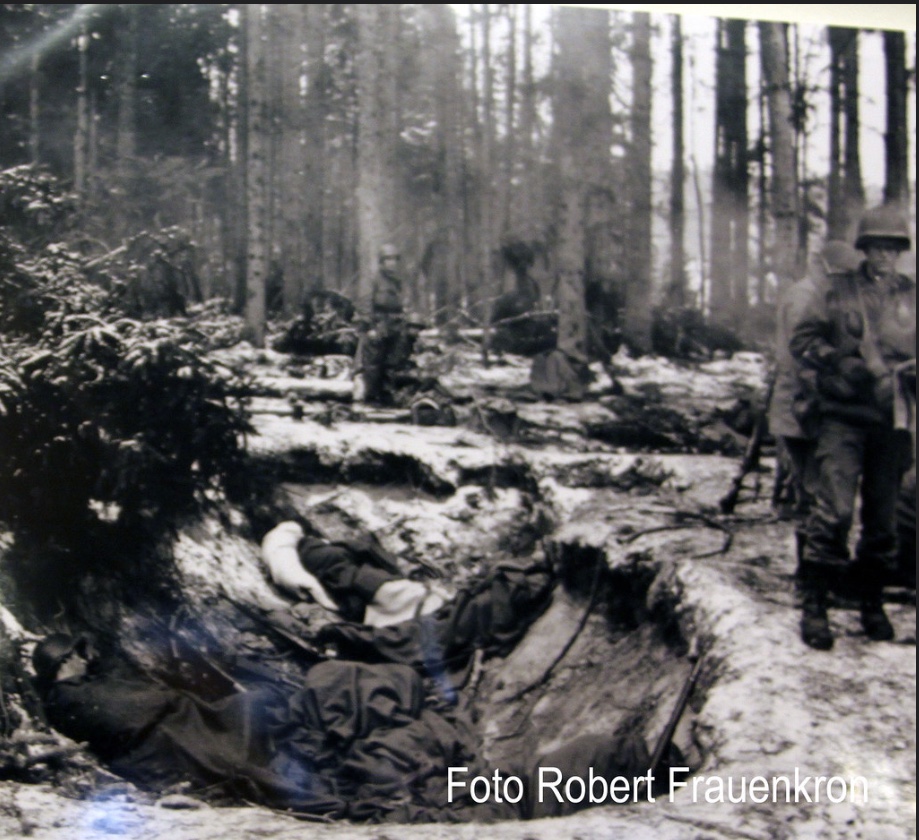
Company G HQ was established in a bunker built by Germans as part of the Siegfried Line. Captain Kielmeyer told Mike he could sleep inside but instead he chose to take up residence in a foxhole just outside the bunker entrance. The thought was that he could recognize and react to enemy attack more effectively if he was outside. The foxhole was deep and covered by wooden logs for protection.
December 16th, 1944…Battle of the Bulge
December 16th began just like any other day with Mike standing guard about 100 yds downhill from the bunker above an old logging trail that cut across the breadth of the mountain. His rotation as lone sentry in the thick wooded forest began at midnight and ended at 4:00 am. Below him another 100 yds was a squad size outpost that marked the farthest line of resistance. Standing silently next to a tree he would challenge anyone who might approach the company position.
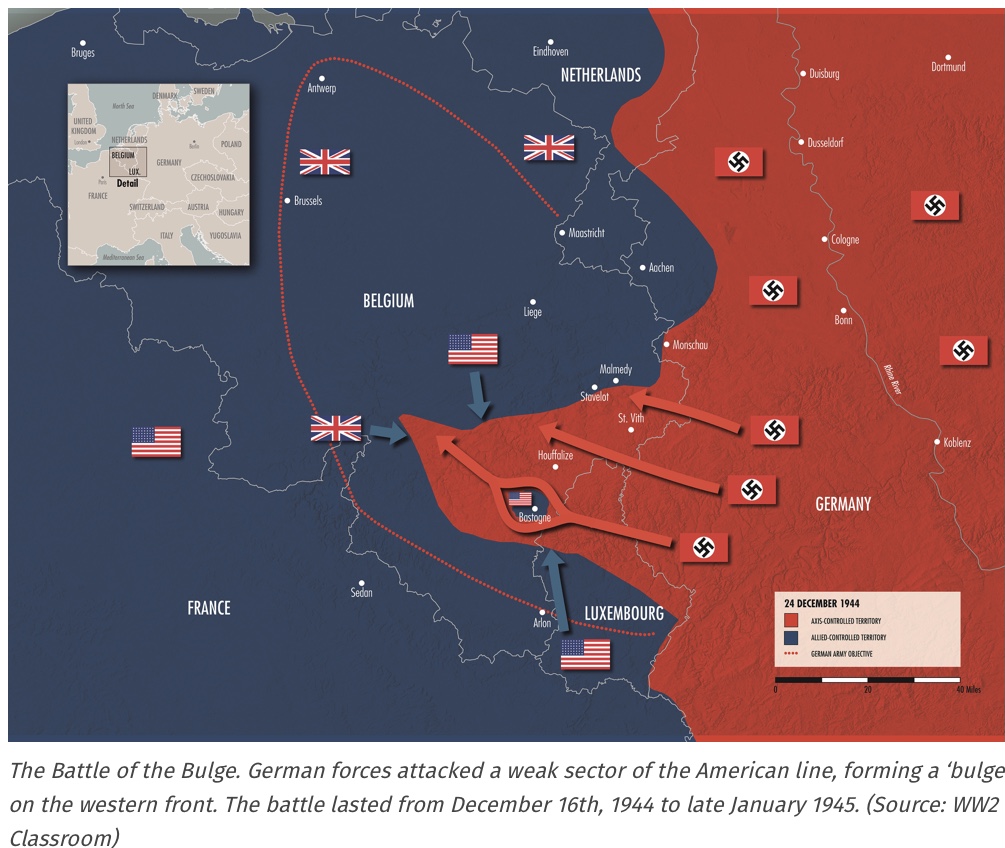
After coming off guard duty at 4:00 am Mike was soundly asleep inside his log hut when the Battle of the Bulge started. Beginning at 5:30 am that morning “Operation Watch on the Rhine” as the Germans called it began with the Germans sending four divisions, two infantry and two panzers, to “take us out”. Their purpose was to open a way through to Liege and Namur and on to Brussels and Antwerp.
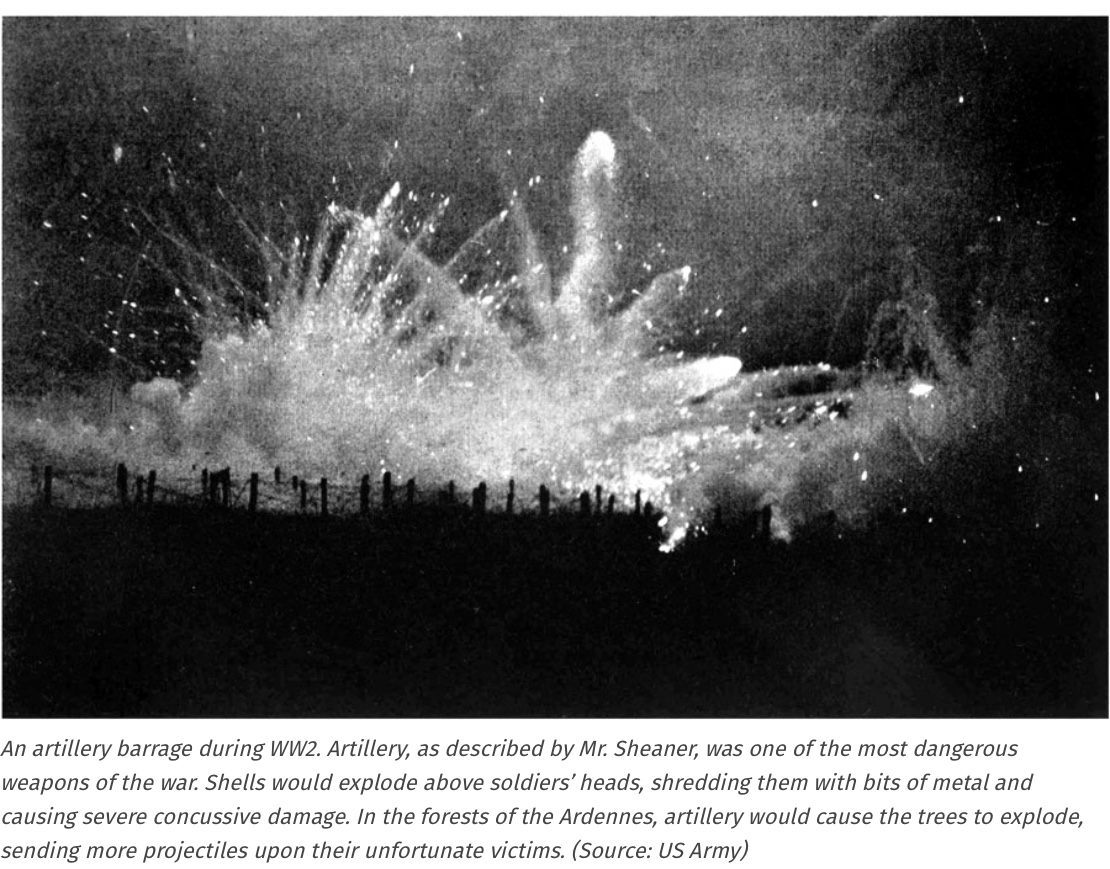
During the first hour of the attack the Germans poured artillery fire into American lines to soften their positions. The greatest concentration was directed at the American artillery batteries behind their frontline position. The initial barrage had the unfortunate effect of knocking out communication between Regimental HQ and the front line soldiers. GI’s in the Company G area responded with mortar fire repulsing the initial infantry attack at their front.
As Mike emerged from his shelter he witnessed a German Captain and another young soldier brought up to the command post. They were badly wounded and died before they could be interrogated. The only casualty sustained by Co. G was a soldier who received a clean shot through the shoulder. A larger loss of life was averted when another GI picked up a live grenade thrown in by the Germans and tossed it back.
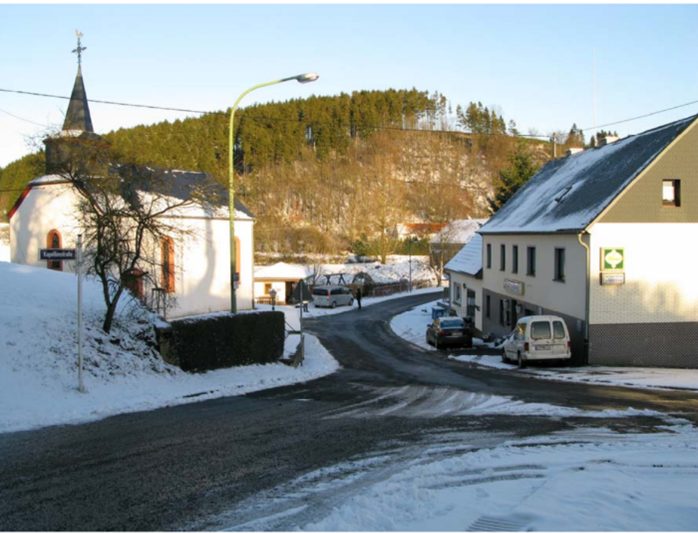
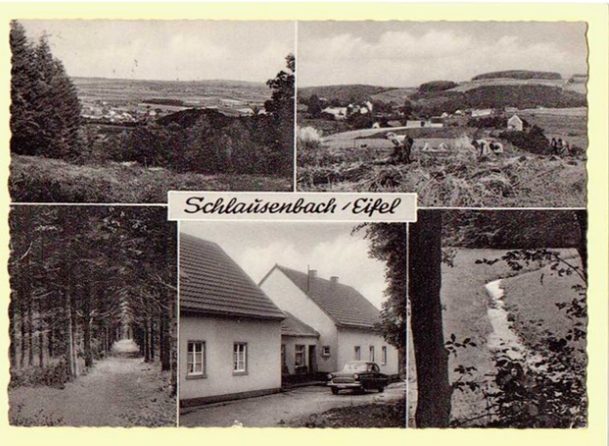
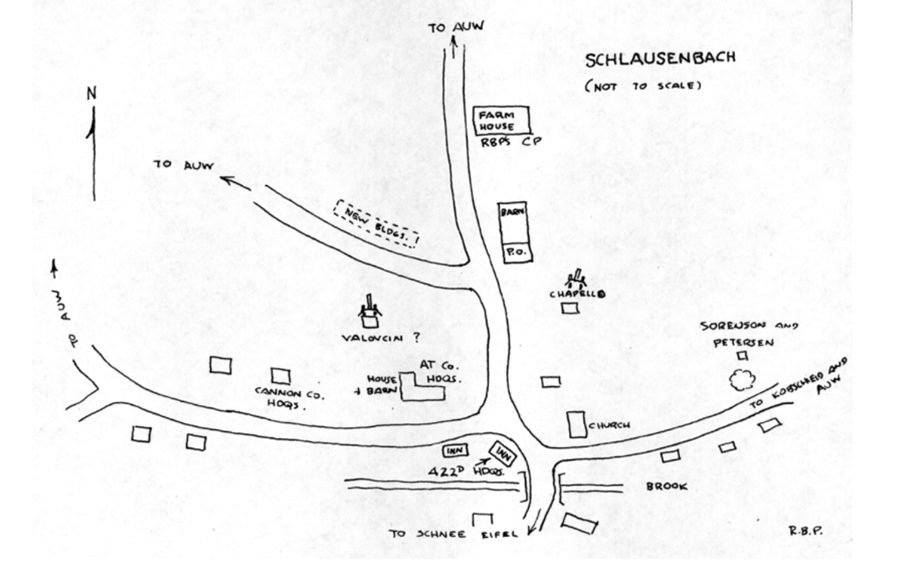
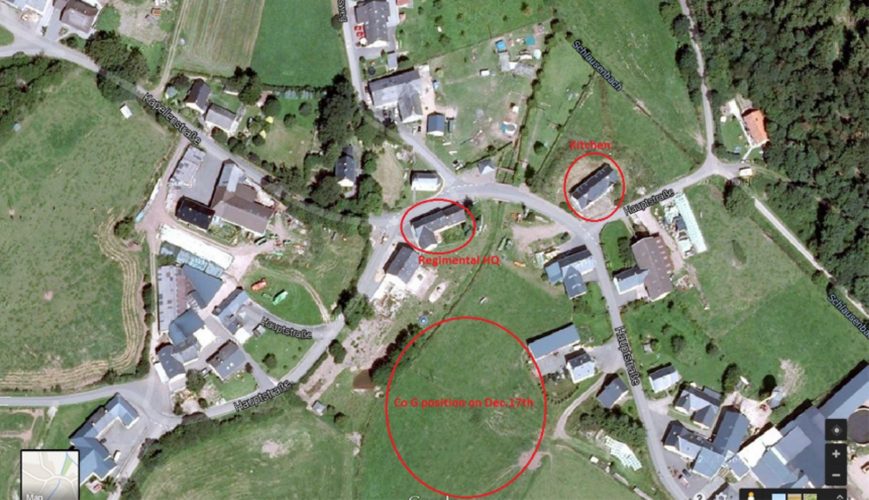
That first day their position was left relatively unmolested as Germans instead penetrated deep into the wooded hills to the north in an attempt to swing back south behind the Schnee Eifel and into the regiment’s undefended rear areas. This ground to the North was thinly held by reconnaissance units. Hastily assembled engineers, artillery and northern units of the 422nd blocked this move by nightfall. During the early morning hours of the 17th the company prepared to move to Schlausenbach to protect Regimental HQ which was now at risk due to the encircling action by the Germans.
Again Mike was on guard duty but this time as the squad in the forward outpost came up, no one came back down the line to replace them. That seemed odd. Something was obviously not right. After a while it became apparent that no one was coming down, so Mike went up to investigate. Back at CP the HQ Sergeant barked “where have you been?” As the entire company prepared to move the Sergeant sent a messenger down to bring Mike up, but the messenger went only about half‐way down and aborted. Mike was only minutes away from being left behind.
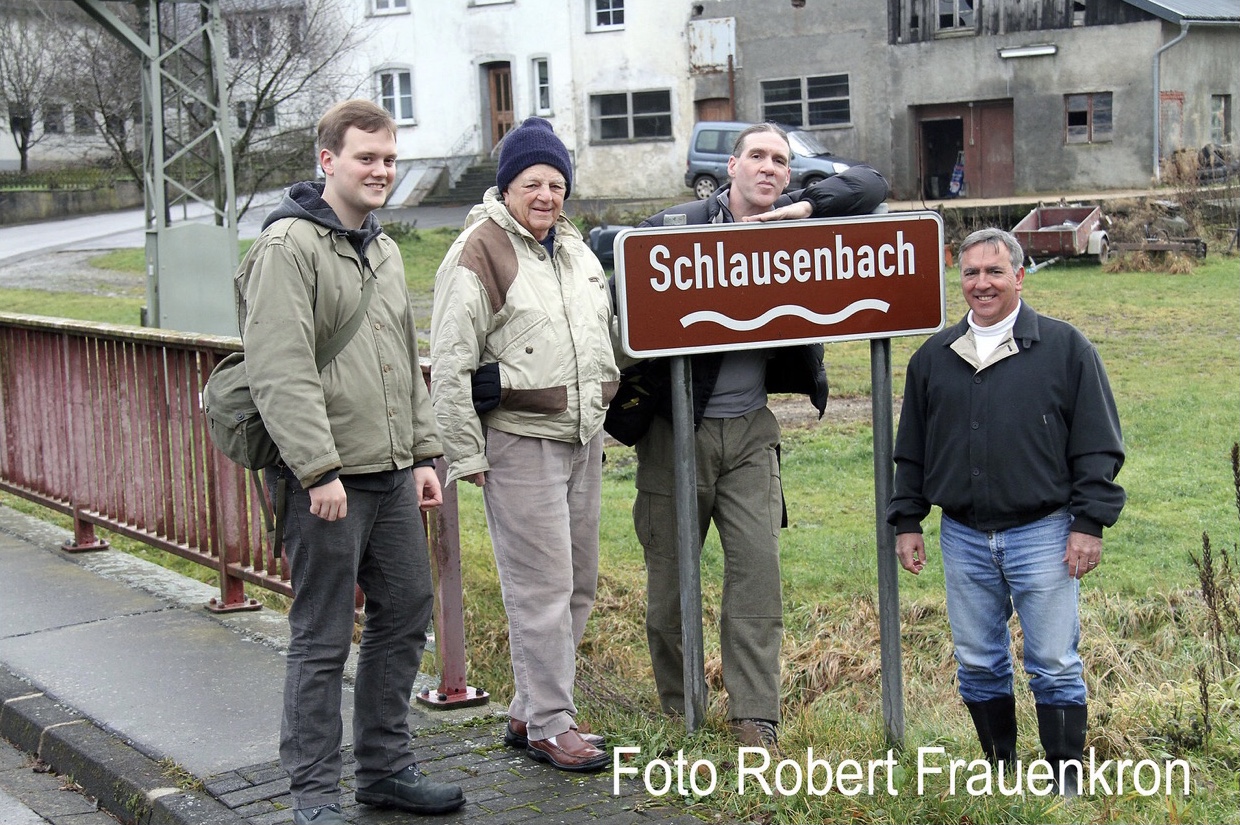
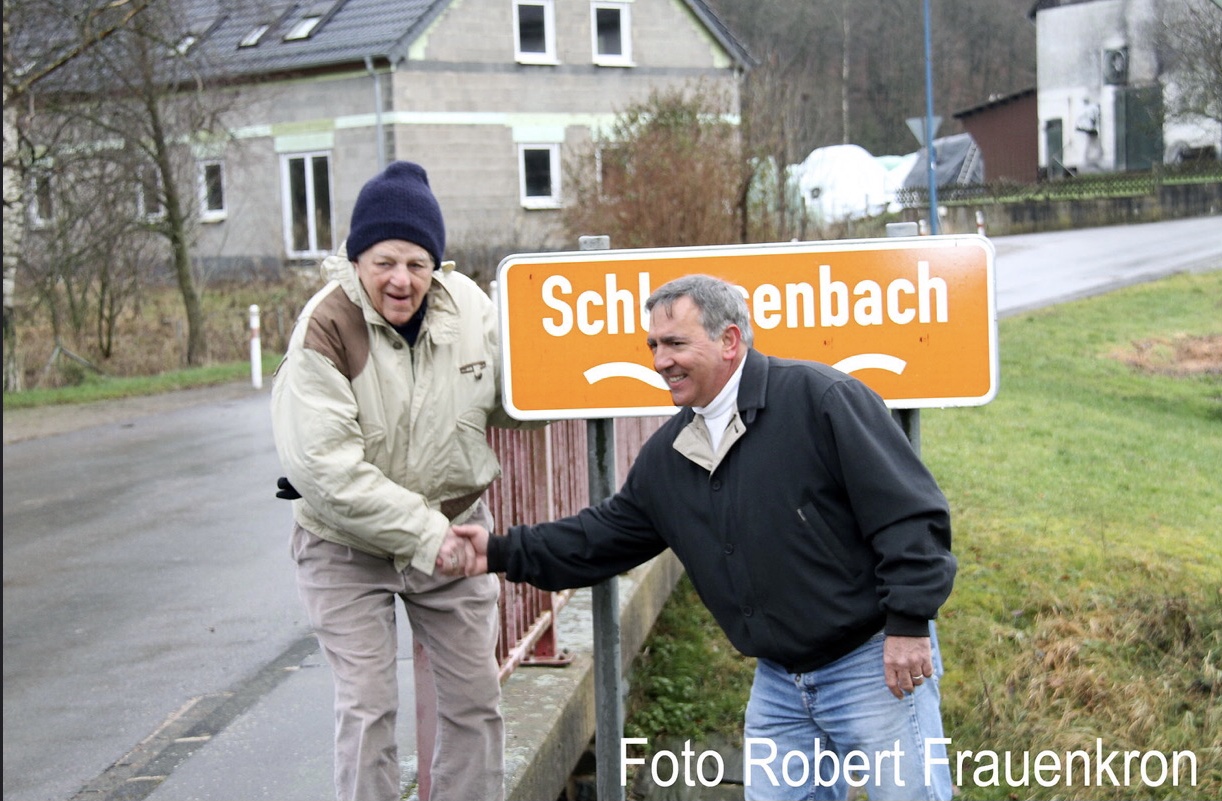
After arriving in Schlausenbach early in the morning Mike and another runner ate what would be their last hot meal for the next four months in the regimental kitchen before joining Co. G already dug in on the North face of the hill behind Regimental HQ. Occasionally a German patrol would poke its head over the opposite hill before being promptly driven back. About mid‐morning a few men from the signal corps came rumbling down the hill in a jeep. Company G watched from their foxholes as signal corps personnel scurried up a telephone pole in an attempt to re‐establish communication with HQ.
The men shouted warnings that the Germans were just over the hill but to no avail. They either didn’t hear or were determined to finish their job. It didn’t take long for Germans to begin firing on the signal corps men hoisted high on the pole and they quickly slid down and sped off in their jeep to where they came from.
Unbeknownst to Company G, or regiment for that matter, the Germans continued to push through their flanks on both sides. Finally word came from Division HQ in Saint Vith that they were to attack and destroy a German Panzer Combat team on the Schoenberg‐Saint Vith road in coordination with the 423rd regiment. It was believed that the 7th Armored division would attack simultaneously from the other side to pinch the Germans. Schoenberg held a critical bridge over the Our River that was crucial to the German advance on Saint Vith.
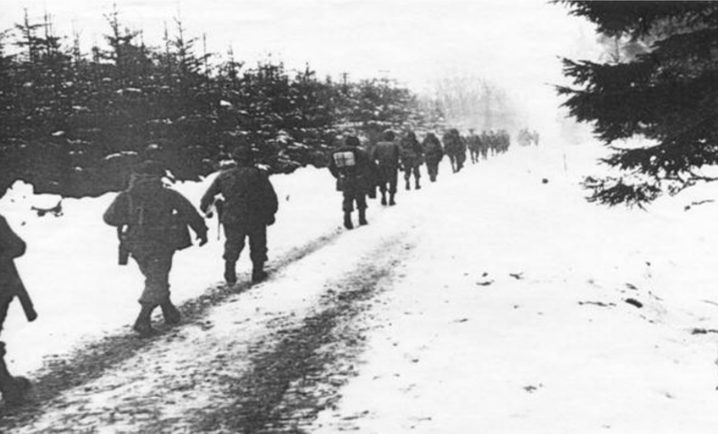
It was also the only way out for the two regiments. On the 18th the entire regiment pivoted to an assembly area just south of skyline drive with plans to attack Schoenberg on the 19th.Throughout the night the regiment walked under the cover of darkness toward the assembly area. It was so dark that they had to place one hand on the shoulder of the man in front to keep from being separated. They seemed to be lost most of the night as they crisscrossed back and forth in a creek bottom.
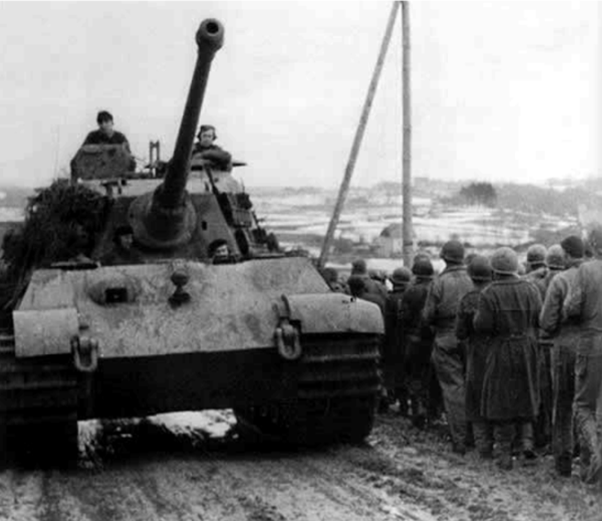
After a while, men became so hot from marching that some discarded their overcoats and excess kits, leaving what amounted to a trail of crumbs. Finally they arrived at their destination with only a short hour or two to rest and catch some sleep. As the morning dawned on the 19th Mike awoke to a quiet murmur circulating among the men from Company G HQ. From their position just inside a stand of trees they could see a German Panther tank sitting just outside the tree line to the right. Woods in general were not a good place to be when artillery was concerned. The Germans learned to aim for the tops of trees causing tree bursts that would send deadly wooden shrapnel raining down on the men.
The American counter‐attack began with the crossing of an open field right in front of the Panzer with its cannon firing. Boom…boom, each time the cannon issued its report Mike would lunge to the ground, falling inside a tank track seeking the lowest terrain possible. In between shots he ran diagonally across the field and away from the tank until the field turned past a stand of trees toward the valley. Out of sight of the tank he came upon the site of a recent battle with an overturned jeep and equipment strewn everywhere.
He saw no dead or wounded but did find an unspent grenade on the ground and put it in his pocket. Other than his M1 with one clip of eight bullets, the grenade was the only weapon he had. From here he turned back up the hill toward the rest of the Company G men. After entering the woods Mike jumped into the first foxhole he saw only to hear a Lieutenant yell out “hey soldier get out of my hole”. Mike was in the perimeter occupied by Battery D of the 634th Antiaircraft Automatic Weapons Battalion Co C.
After digging another foxhole in what would be his final position, Mike fired toward an invisible target in the direction of the German position. Tanks and heavy traffic could be heard rumbling down the road below them. At first they thought it was the 7th armored breaking through, but soon learned otherwise, as parts of Company G crested the hill only to be driven back.
That night Mike climbed into the back of a 2 ton truck belonging to the AA battery along with another Co. G man who hailed from Fort Worth, TX for some much needed sleep. They knew the back of a truck was not the safest place to be if artillery or other enemy fire came in but they were exhausted. He learned that one of his friends from Chicago was killed while crossing the field. He thought of a funny story his friend related that occurred back in the states; you have to understand men in the Army can be crude. It was expected in the mess hall when asking to pass the bowl of beans or milk or whatever you would say “pass the f**king beans”. Everyone said it, if not you didn’t receive any beans.
After months of practicing this new Army lingo, his friend was home on leave and enjoying dinner with his parents and girlfriend when he unconsciously let it slip, “pass the f**king salad…uh, please”
The next day, the 20th of December, Mike could hear a wounded German crying “wasser,wasser…water, water”. Was it a trap? A temporary cease fire was called allowing time to remove dead and wounded soldiers who lay between the two opposing forces. During this time German officers notified the remaining American officers that all artillery would be turned squarely on them if they did not surrender.
Mike and the men around him were never dislodged, but with a high rate of casualties, dwindling ammunition and lack of food & water, it became apparent that they would not achieve their objective. The advancing men of the 422nd, with the 423rd on their left, had run into a trap near Schonberg and were subjected to heavy fire from nearly all directions by tanks and artillery.
By the afternoon it became evident to the regimental brass that the success of the mission was impossible. The paramount question for Col. Descheneaux then became that of saving as many lives as possible. In his view their situation was rendered hopeless by the great distance behind the American lines, the weather, low ammunition supply, and many other factors.
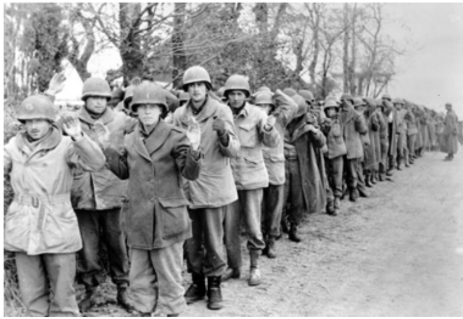
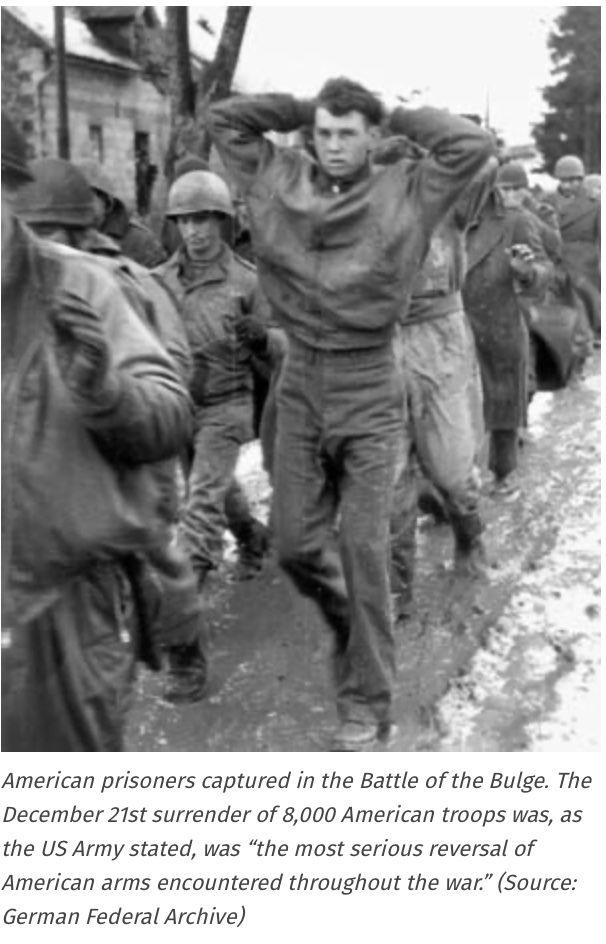
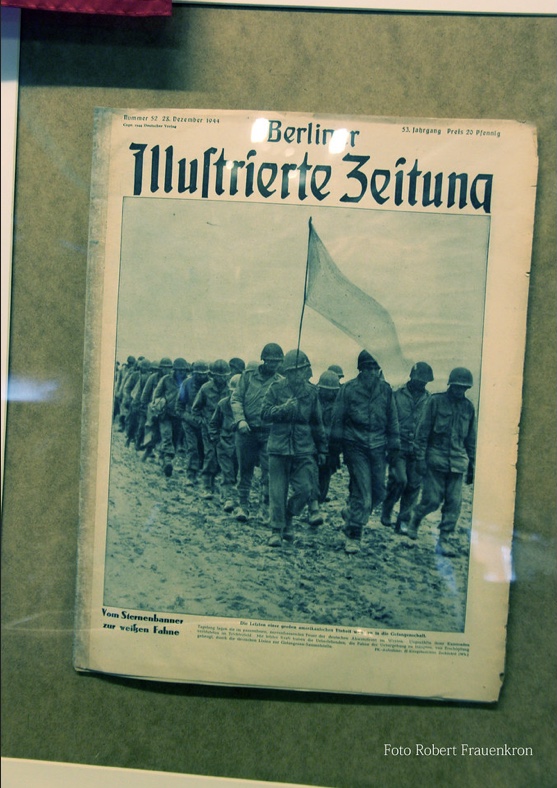
And so, though the spirit of every man revolted against such a decision, surrender seemed to be the only solution to avoid needless loss of life and further suffering. A majority of the two regiments capitulated late in the day on the 19th on the orders of Col. Descheneaux.
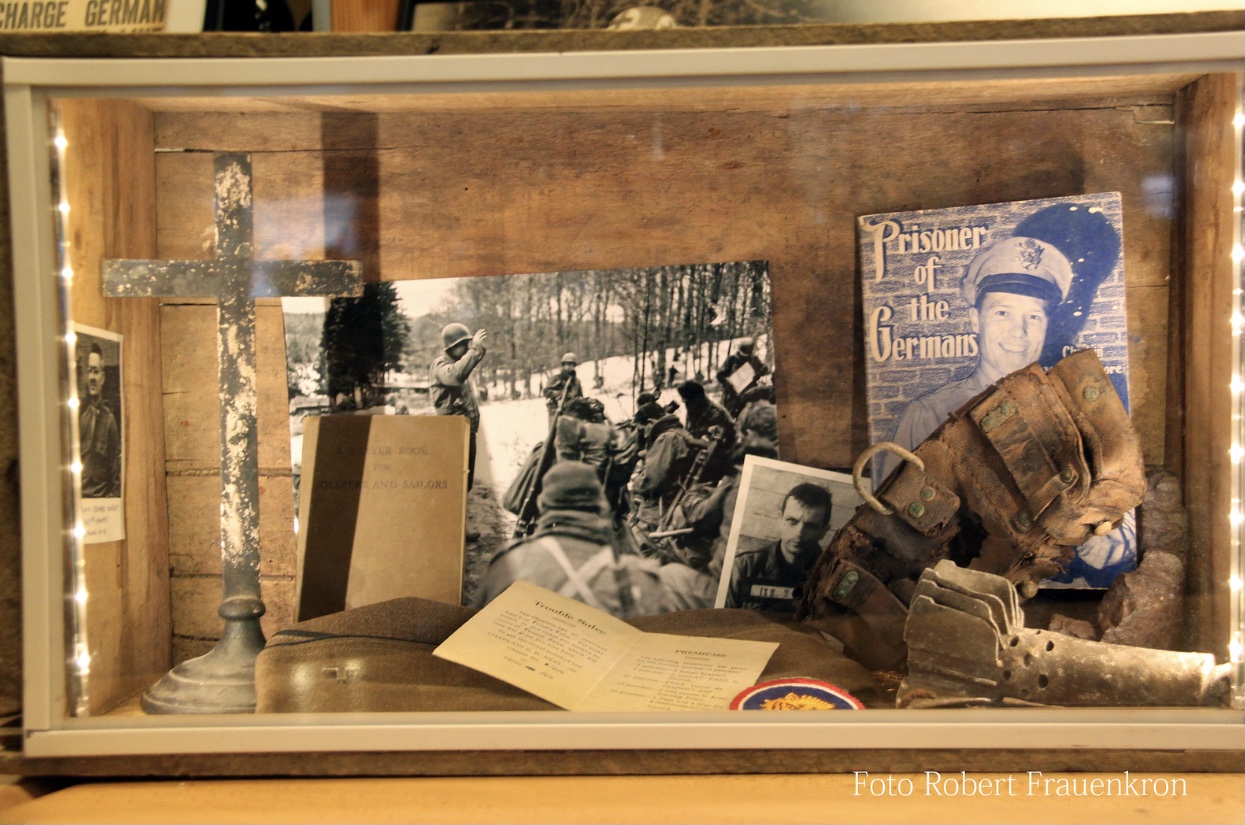
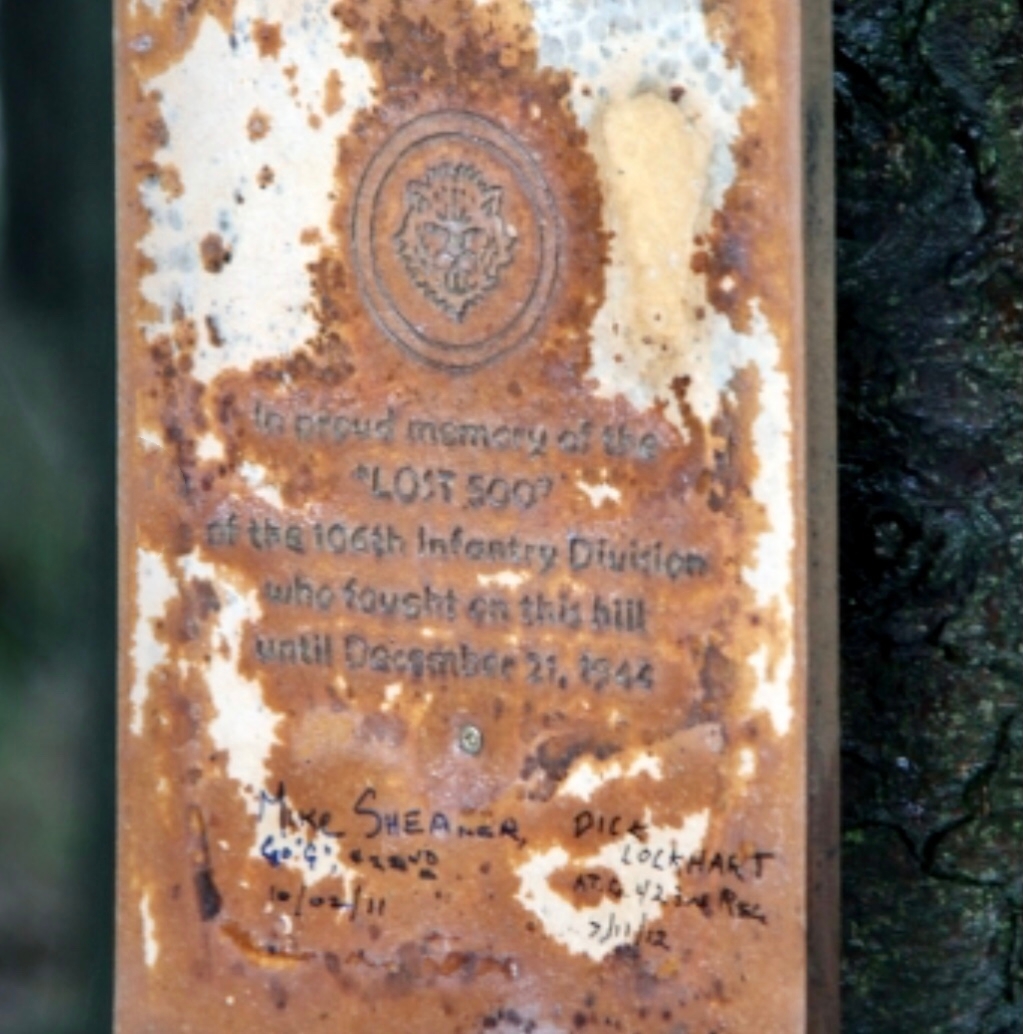
Mike and others including Captain Kielmeyer from Co “G”, Co “H”, and men from other units totaling about 500 found their way to the Regimental Motor Park, and held out until 21st December.
Extended Bio: Battle Review~ by Gary Yee
One division that was cut to pieces during the Battle of the Bulge was the green 106th Infantry Division. It had relieved the Second infantry Division and inherited from it a portion of the West Wall that had been captured by them. Earlier the commander of the 2nd Division requested shortening his lines but since it offered a foothold in the West Wall from which Allied HQ anticipated launching a major attack, this was refused.
According to American doctrine, an infantry division should only defend a five mile front. Depending on the source, the 106th was now being asked to defend from twenty-two to twenty-seven miles. The 106 inherited this exposed salient which had its back to the Our River. While spanning only fifty feet across, the steep banks on both sides made the Our River unfordable and only two crossing points were available to them: the bridges at Schönberg and Steinebruck.
Another disadvantage the 106th had was its lack of communication equipment. The Second Division had accumulated many extra telephones and each platoon had several which they took when they were relieved. The 2nd Division’s infantry radio network was adjusted to work in the area.
Because of radio silence that was imposed on the 106 in relieving the Second Division, the signal men of the 106 had not calibrated their equipment. Communication for the 106 was far from optimal.
Earlier the 106 Division Commander, Maj. Gen. Alan W. Jones, was given the option by VIII Corps commander Maj. Gen. Troy Middleton to withdraw the 422 RCT (regimental combat team) and 423 RCT. Believing that he would be reinforced by a full combat command of the Seventh Armored Division, Jones elected to remain in place.
Worse, additional artillery and small arms ammunition had not arrived and a scheduled re-supply air drop was turned back. It also didn’t help that divisional artillery did not have the opportunity to plot out preregistered artillery concentrations for defense and had only enough ammunition for one day of fighting when the Germans attacked on Dec. 16. The sudden attack also caused the Seventh Tank Division’s Combat Command that was to reinforce them to be halted, leaving the 422 RCT and 423 RCT on their own.
When the Germans attacked on Dec. 16, it poured through the Losheim Gap that was defended by only one battalion or half of the Fourteenth Cavalry Group which defended a five mile front. South of the Losheim Gap in the Schnee Eiffel was the 422nd Infantry Regiment. Being a sniper, 422nd Infantry Regiment’s Second Battalion, Herb Sheaner belonged to Company G Headquarters and was excused from camp duties (he stood guard only once).
Once a day for 5 nights from 12:00 am – 4:00 am. While Sheaner had both the scoped M1903A4 Springfield rifle and a M-1 Garand at his disposal, he received neither manual on the Springfield nor its scope. Worst of all, he wasn’t ever given access to the range so he could sight it in. The range was ten miles away, no transportation was offered and Sheaner wasn’t voluntarily hiking twenty miles.
Anyway, since Sheaner could hit a man’s head at 500 yards with a M-1 Garand and was very confident with it, he grabbed his M-1 and as much ammunition as he could snatch and ran out of his log cabin hut (it had been inherited from the Second Infantry Division). His decision not to have a scoped Springfield probably helped spare his life when he was captured on December 17. December 21st also encircled the 422’s sister regiment, the 423.
The next day after the offensive was launched, both regiments attempted to break out toward St. Vith and were just past Radscheid and headed for Schönberg. By Dec. 19, the 423 Regiment had reached Hill 504 south of Schӧnberg. Sgt. Russell Lang of Item Company, 423 Infantry went ahead of his mortar squad to find a position to set up their mortar to support their infantry attack.
He was followed by his friend, Sgt. Marvin (Sammy) Pate of Houston, Texas who had similar orders. Sgt. Lang and his buddy encountered a sniper. “There was a small clearing in the woods that would allow us to set up the mortars. I ran out into the field and I dropped the gunsight box at the location where I wanted my crew to set up the gun. Then I continued to run ahead to take up a position to observe and direct the mortar fire. While running to about the middle of the clearing, with my binoculars now pulled out from my jacket and hanging from my neck, I came under sniper fire from the left side of the field. “I dove for the ground. Each time I raised my head attempting to see where the fire was coming from, the sniper would fire at me, the bullets whistling by my helmet.
When the sniper was firing at me he was firing to my rear, at Sammy I thought. I had assumed that Sammy was behind me and I thought that he was doing the same thing I was doing. I don’t know how long I was out there, but it seemed like a very long time.
Someone from the rear yelled at me to keep my head down. Finally I heard a small explosion that came from the direction of where the sniper was and then a call came from the rear to crawl back. The sniper had been killed. I began to crawl back through the snow to the cover of the woods when I noticed that Sammy was not moving, he was lying perfectly still. As I drew next to him my worst fears were confirmed, he had been shot right between the eyes, the sniper’s aim was flawless. Sammy was white and there was nothing that could be done.”
Years later Lang learned from a buddy, Howard “Sparkie” Songer, details about Sammy’s death and how the sniper was killed. Sparkie told Lang: “When the sniper started shooting, Colonel Cavender, our Regiment commander was in our area and he spotted the sniper location. None of the crews had left the woods yet and Sammy was close by. He told Sammy and our crew to ‘Get that damn Sniper that is in those bushes over there.’ Sammy and his crew moved out into the clearing to set up the mortar.
The range was too short to use the standard elevating mechanism. Sammy, my squad leader, was trying to aim the mortar tube by elevating the tube by holding it vertically with the bottom resting on the ground. It was while he was doing this that he was killed by a bullet to the temple.
At the same time, I was hit but the bullet lodged in my mess kit spoon that was in my shirt pocket. Then another mortar man ([author’s note: Murray] Stein) and I grabbed the mortar and dropped three shells in the area of the sniper, killing him.”
The three battalions of the 423 were near Schönberg when they were attacked on their left. A mortar barrage drove the Germans back. At 1630 hours, the non-coms were summoned and told to have their men destroy their weapons. Since the Germans won the race to Schörnburg, both the 422 and 423 were trapped by the Our River.
The regiments had exhausted most of their ammunition, no means of escape, dwindling rations, no relief forthcoming and dimming hope for resupply. An air drop had been arranged but was turned back as an air traffic controller had no idea where to direct them. They were never resupplied. Without supplies, the two unlucky regiments had no choice but to surrender.
Lang returned to his mortar squad and had his men disassemble their carbines and scattered the parts in the snow. He smashed his mortar tube and binoculars with a pick axe. Ominously, the gray forms of German infantry approached with lowered rifles from the woods and encircled them. They were now prisoners of war. Altogether the Germans captured 6,000 prisoners from the 422 and 423 Infantry Regiments.
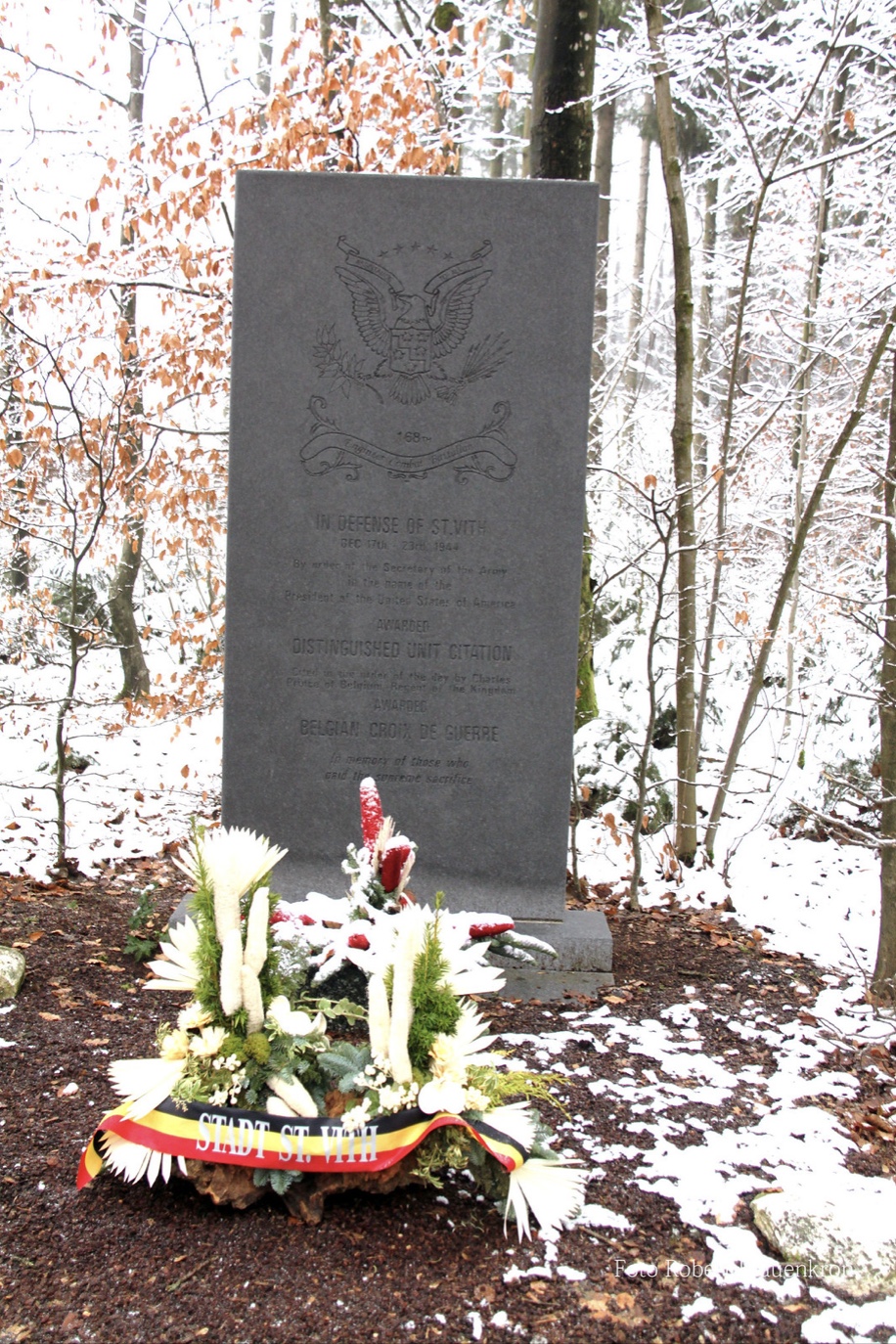
The 106th’s survivors, mostly from the 424th Infantry Regiment, withdrew over the Our River and joined in the defense of St. Vith where the division’s Eighty-first Engineering Battalion earned a Distinguished Unit Citation for gallantry. One of the 424th Infantry’s sniper was Company I’s PFC Paul J. Chodera of Hinckley, Ohio who recalled his experience:
We were in a defensive position somewhere in Germany along the Siegfried line until just before the breakthrough. It was not so bad as we were pretty well dug in no great danger. We used to go on patrols in enemy territory to gain information and pull guard duty so no Germans would infiltrate through our lines.
Then all at once one morning about 3 a. m. they shelled us with everything they had and just about daylight they hit our lines. We stood them off pretty well, but some broke through the line on our right and found shelter in some buildings. All the time our artillery and mortar were dropping close fire on our wire to keep them back. Their heavy stuff was also dropping on our lines. You can’t imagine how much noise there was−it was awful. Talk about hot rifles−we all had them.“My sniper’s rifle had stood by me OK until now.” I needed something that could be reloaded faster and fire faster, so I got rid of the 03’ and got an M1 from one of the boys who would never use it again.
Things sure were hot! I was acting assistant squad leader then and believe me you not only have to look out for yourself, but half the squad also. Some men just have to have someone to prod them along and keep them going. I remember one fellow who was in a trench close to me. When things got about the worst he dropped his rifle and started to pray. It was OK to pray, but you can’t lay down your weapon to do so. You learn to pray, shoot, swear, and load your rifle all in one breath. By noon or a little later we had everything under control except the Germans that got in our building.
Our platoon was going to clear those buildings, but after we got reorganized it was just our squad that cleaned those buildings. We didn’t have too much trouble. We had a couple of guys hit, but we took about 150 prisoners and sent them back. That took about the rest of the afternoon. We spent the night in one of those buildings with our platoon lieutenant and another staff sergeant. We took turns pulling guard, including the lieutenant. They shelled us some but not much and after a long night, daylight finally came. We were afraid of another attack but none came.
After a ‘K’ ration breakfast, I was told to get all the Germans automatic weapons I could find and get them in working order so we could use them in case of emergency. With the help of another man we soon had enough automatics and ammunition in every foxhole. For myself I saved a machine gun which is capable of firing 1,000 to 1,200 rounds of ammunition a minute. That heavy shelling the day before put out some of our communications so I had another job to do. Sometimes I wish I were twins. I laid some new lines and fixed some of the old and we were all set again. By that time it was 2 p. m. and I needed a rest and something to eat, so I went to my foxhole, ate a ‘K’ ration, cleaned my ’03,checked my machine gun and got a few more hand grenades.
While getting the grenades hell broke loose again and the big push started. There were not like that Germans that hit the line the day before. These panzer troops were really tough. One must not underestimate them as they are deadly killers and don’t give up easily. They just keep coming and coming. I held my own with them until they served a mortar on the foxhole I was in. The machine gun I guess had them worried.
All I remember was an explosion and everything went black. When I came to, I was ten feet from the hole. Whether I crawled out or got blown out I don’t know. I had an awful headache. My right hand was awfully numb and I was pretty well covered with blood. I got up and went back to the hole to see how my buddy was−he wasn’t. The shell must have hit him square. That accounted for all the blood all over me.
I then went back to the command post and a medic patched up my hand. The lieutenant in charge told me as long as I could walk I should go back to the Bat. Aid station and leave. I told him I thought I could still fire left handed and went back to the line. I cleaned the dirt out of the machine gun and got it working, but I couldn’t hold it down with one hand. It jumped all over. I tried loading the M1 one handed and that didn’t work. I was through. At this time I reported back to the C. P. You had to sneak along hedge rows and crawl in ditches because there were German patrols all over. I never really got as shaky as I did then; Germans were all around me without a weapon and even if I had one I couldn’t use it. But all went well.
The Bat Aid station was four miles away and I made it all right by 9 p.m. They gave me a tetanus shot and just then someone came in and said, ‘Pack up, the Germans are coming.’ We left in jeeps. That sure was a tough wild night also, but we got out OK.
Pvt. Chodera was wounded on Dec. 19 and evacuated to England for hospitalization. He survived the war and became a grader and excavation contractor, passed away in 1997 and is interred at Hinckley Ridge Cemetery in Medina County, Ohio. As for the 106 Infantry Division, it would be rebuilt by assigning the Third and 159th Infantry Regiment to replace the captured 422 and 423. The division finished the war in Germany.
This article is the first of a three-part series on Herb Sheaner, a US combat veteran and Jesuit Dallas track and field head coach
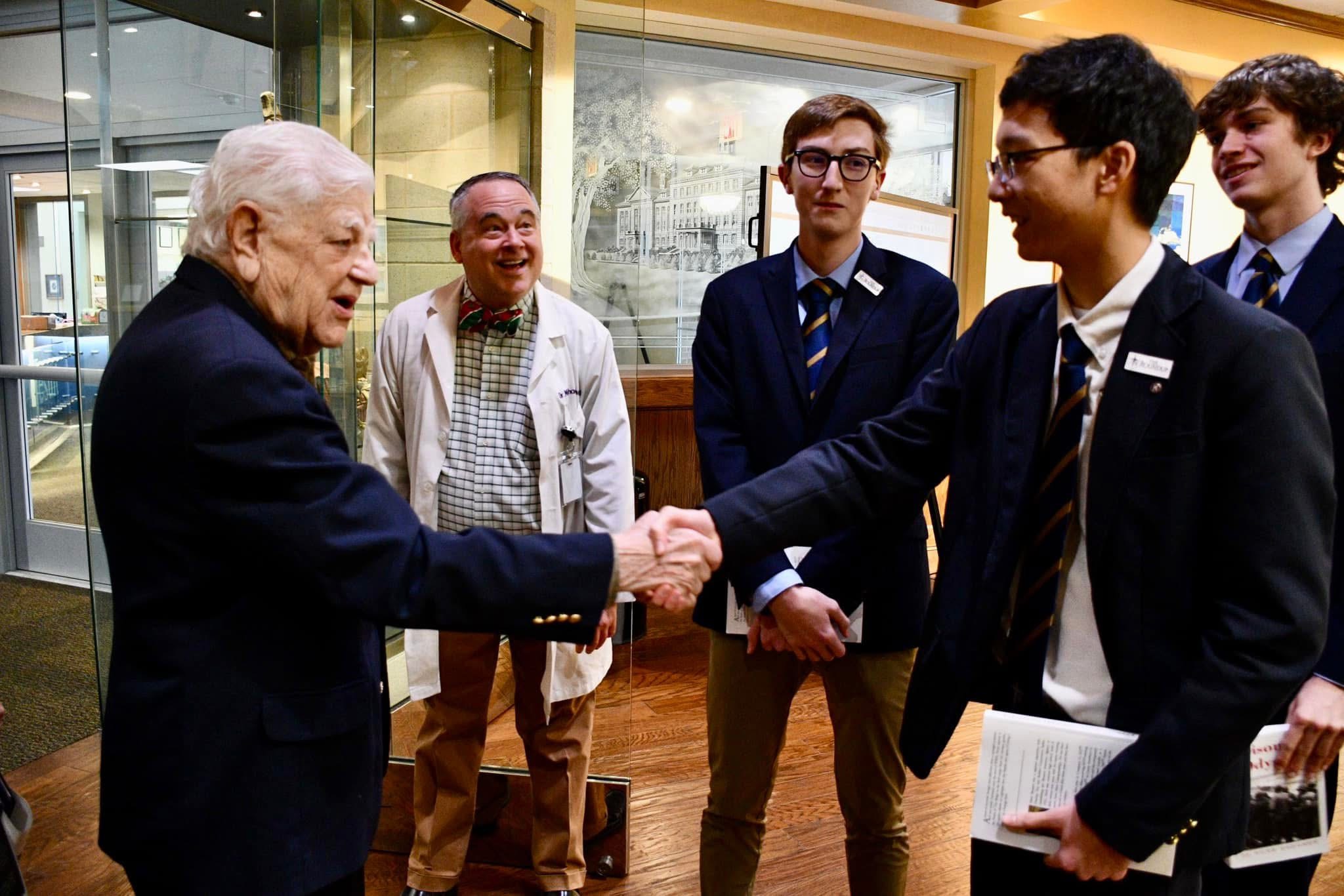
On the 81st anniversary of Pearl Harbor, Viewpoint Editor Peter Loh, Chief Associate Editor Griffin Taber, and I had the honor to interview Mr. Sheaner. During our interview, we discussed Mr. Sheaner’s high school years, WWII service, imprisonment, escape from captivity, and his post-war experiences and Jesuit coaching career.
Mr. Sheaner is one of the last Americans who was a veteran of WW2 and his story, like the story of countless others, will continue to remain a significant piece in US history. “Soon, I knew that I was either going to replace or join the disabled, killed, and wounded.” – Herb Sheaner
Our lunch was generously provided by Thomas Cuisine. With the help of Dr. Degen (moderator of the Jesuit Roundup), Katy Wilson (digital media specialist), and Mike Sheaner (Mr. Herb Sheaner’s son), we spent 2 hours learning how these few months shaped the rest of his life.
This first article will be covering Mr. Sheaner’s high school years, college experience, and induction into the United States Army
What were your aspirations or dreams prior to military life?
Well, I had different aspirations during my lifetime. When I was in high school, I dreamed of attending West Point. In order to be accepted into West Point, I had to take an application test.
In fact, I was one of 17 students that the local Texas Congressman considered. I imagine if you’re gonna get selected, you got to be from a prestigious family that donated frequently to the congressman’s projects. So, I was not admitted into the academy. However, I applied and was accepted into Texas A&M, which included a large military institution at the time.
What was your education and experience as a student-cadet like?
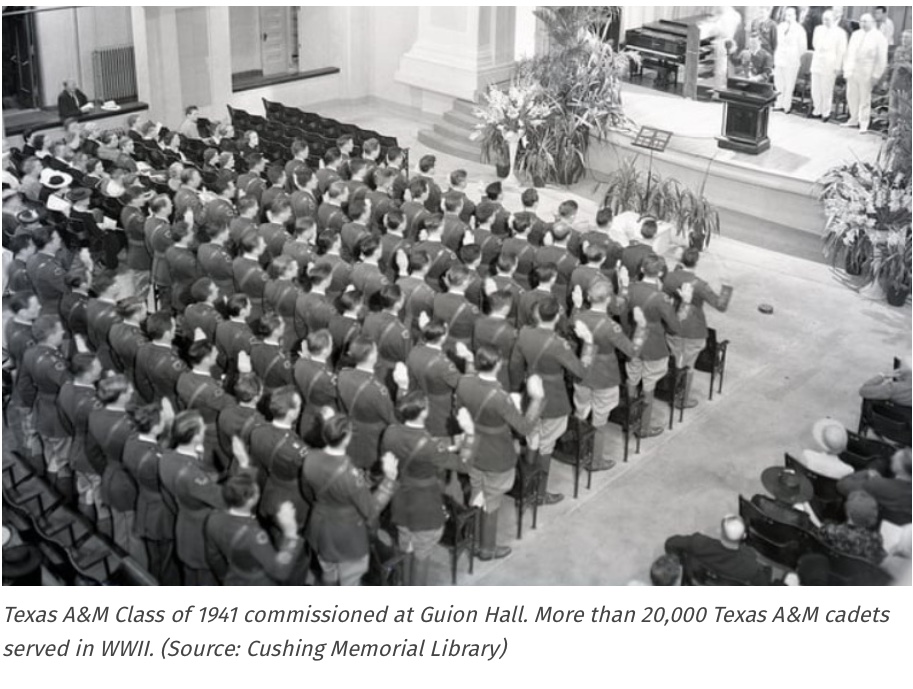
Over my time at Texas A&M, I was a company commander and graduated with a major. I thought that this was a tremendous victory for me, especially for someone who was not as tall and powerful as the majority of cadets.
Nearly a hundred percent of the boys were in ROTC. That was in high school, but a lot of the athletes over there where I went to school didn’t get into ROTC. Overall, the boys accepted into ROTC were simply athletic due to their schools’ numerous sports opportunities. For instance, Highland Park offered multiple sports like football and basketball. After high school, I started attending Texas A&M in September 1942.
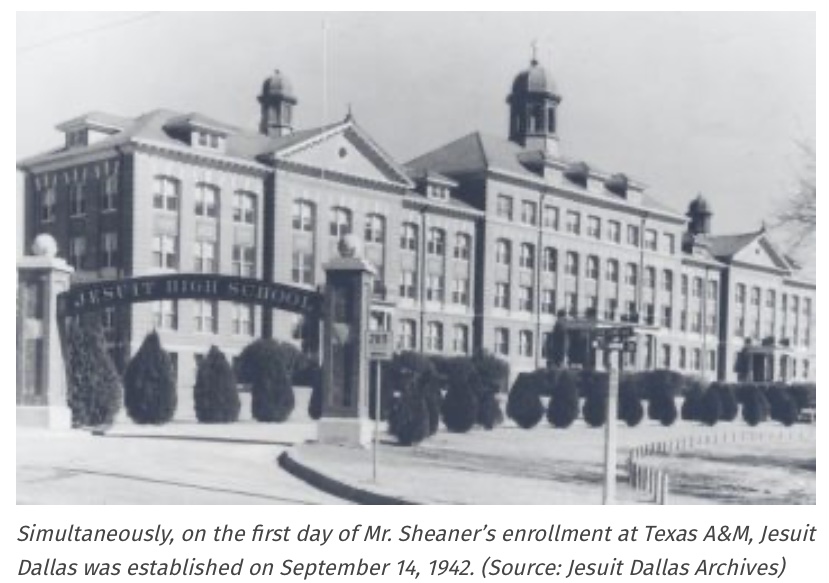
During this time, Jesuit Dallas was just established. For the majority of my youth, I did not imagine Jesuit’s establishment and my future relationship with it. So, I already had good knowledge of the military and how it worked through these ROTC programs before I got inducted into the service.
Can you share with us your draft into the military?
The government saw I was 17 in high school. Now the high school extends a whole year longer. So I graduated at 17. By that summer I was 18, but I’d enrolled, I was already enrolled in Texas A&M, which was a hundred percent military. Back then, everybody was in the army. If you graduated from college, there is a high chance that you could be an officer.
Before my senior year, I guess the army decided to allow 18-year-olds to enter the US Army. So I was correct. The US Army drafted 18-year-old boys. Well, after receiving our draft notices, we went back to Dallas and reported to the induction center at a certain time.
After I joined they did give you multiple options. Options included armor, artillery, cavalry, and infantry. Well, my ROTC experience was all infantry. Specifically, I led a company of infantry soldiers for a year in high school. So, infantry was all on my mind. However, most of my friends applied to join the Air Force. In general, the lifestyle in the Army was different from the Air Force whether it was training or combat missions, as the Air Force was a lot more flamboyant than the Army.
What was your military training prior to deployment like?
By May 1943, I was inducted and sent to Camp Wheeler, Georgia for Infantry Training. Military training was not too difficult for me because I already had the experience. Also, I had previously spent one of my summers at an ROTC boot camp in high school.
As for Camp Wheeler, they have a standard rifle range. Every time you go to infantry training in the Army, you always go to the rifle range. In the end, I ended up being an expert with the rifle. Due to my accurate handling of the rifle, they made me the sniper and lead scout of the outfit I was assigned to, Company G.
Even though I excelled with the rifle, I was a small little guy when I was in high school. I went into high school at 82 pounds. Wow! Unlike you guys at Jesuit, I didn’t weigh more than probably 108 pounds when I graduated from high school. By the time I was assigned to my infantry unit, I had grown to 161 pounds. That was quite a significant change!
During my training, I developed speed and strength, and I would’ve been on the track team. But by that time, it was too late because the growth process had to take much time and effort.
What did you do after your training at Camp Wheeler?
Well, after my training, I had to take a test. Apparently, I passed the test and was offered to go to an Army-specialized training program. By the way, the creation of this Army program was passed by Congress. This meant that a certain number of those people would go back to college for advanced officer training.
So, after my basic training and at Camp Wheeler, Georgia over in Macon, Georgia, they sent half of us to colleges, and the other half was deployed to Italy and France as fresh Army replacements. I was the group that was sent to the colleges.
They sent us to the Universities of Alabama and Auburn. I was with the group that went to the University of Alabama. And while I was there, I guess my development from a little bitty guy in high school. 108 pounds. Now I weigh 160 pounds. I realized I had strength and speed like a Jack Rabbit.
Could you share with us your experiences as a football player for Alabama?
At Alabama, I got to play with the football team. In a game, I was the guy who scored the only touchdown. My center on the team was Frank Barga, all East Center for Temple. My quarterback was from Dartmouth. As for me, I played halfback and he figured it out, and the quarterback from Dartmouth said, do you go through the line?
We’re going to run like we’re running.
But when I got up on the line, he said “I’m going to throw it to you.” And I followed his instructions. And for some reason, I must have had my hands back here, didn’t see the ball back. But, I could feel it in my hands. Nothing but the gold posted down there. Awesome. So we made the only touchdown in the game. But that encouraged me to know that I loved sports and I went on and went out for football and then track at the University of Texas.
Later, after I got discharged from the Army, I would go on to participate in various football and track and field teams. Daily, I thank God for what he gave me, with me developing from a little bitty fellow to a little fella, and then again to a stronger and stockier man.
How long were you on the front line before you saw combat? How long were you in Europe before the battle happened?
Disabled, killed, and wounded. These were the first words I heard when the Allies invaded Sicily. Most of the people I was with at the University of Alabama, were saddled up at Camp Atterbury, Indiana, a large infantry school.
And we joined this infantry division. They made room for us people and we took their places. We were all infantry people who went to England and joined different infantry divisions that were fighting in France and in Germany.
They can just surround us, which they did. And we left our food and we had a lot of food in the kitchen there for the cooks to cook meals. All that, all we might have had on was a nutrient candy bar that they give you that’s your meal, like the D rations and C rations. And we could survive on just eating those. We subsisted on those bars for the next five days.
While this was going on, we had failures in leadership. Our general, General Jones, was panicking in St. Vith because he knew that we were surrounded to the east. I learned later that General Jones could have pulled us out, but he was ordered not to retreat so he kept us there. Nobody told our general to do that.
So he finally, after a few days, just had a nervous breakdown and got relieved. His son had been captured with us, and he couldn’t take it. We were in a bad situation.
With news of the Malmedy Massacre, what were your thoughts when your unit was captured by the Germans?
Note: The Malmedy Massacre occurred when roughly 80 American prisoners were shot and killed by their German captors during the Battle of the Bulge. Such massacres of prisoners were rare but not unheard of, and both sides partook in the killing of unarmed prisoners throughout the battle. By that point, I was dug into the hillside there with an outfit of anti-aircraft gunners. They had a big old truck there and they put a machine gun on it and it was designed to shoot down aircraft. It was also pretty good at killing Germans, and they didn’t even know that it was there. The Germans attacked again, mostly infantry, and got burnt up by the anti-aircraft gun.
Every time the Germans attacked us, we beat them off but we were running out of ammunition, food, and medical supplies. The Germans finally organized artillery, tanks, and troops to launch an attack. The Germans wanted us to surrender, they threatened to bombard the entire forest and charge us with tanks. We didn’t have any weapons to stop tanks.
Our officers grouped around where we couldn’t see them. They really couldn’t really make up their minds. A day or two later, a German officer came out across an open field with a white flag and told the officers ‘we’ve got the artillery now that we’re gonna lay on you, and we’re not gonna lose anybody because you don’t have anything to shoot back at us with. It was then that the officers decided to give up. They must have thought we were going to get slaughtered.
My captain and the lieutenant in my company didn’t want to surrender. But everybody else, all the other officers did. So we said that we would surrender.
So as a part of the surrender, we were going to start walking single file, out of our fox holes into a grass opening and going in the direction of Schaumburg, a little town that was just back that way, half a mile from us. I was one of the first to go down the hill and with the anti-aircraft people. Cause that’s where I was at. I wasn’t scared. I didn’t know anything about Malmedy.
None of us knew anything about that. That did happen, but that happened much later. I think 20 or 30 miles on deeper towards the west. And it happened with some troops that the Germans brought in that had been fighting the Russians on the eastern front. They were mean because the Russians were mean too. On the eastern front, they don’t take any prisoners. So when the Americans surrender on the western front, we expect to not be killed. But those German tankers at Malmedy didn’t get the message.
Anyways, I was one of the first six to get down the hill and one of the Germans reached over here, and grabbed my arm, trying to get my watch. I’m sure that must have been common during a war, to take people’s watches and things as trophies.
But this young German lieutenant barked an order, saying give that back to him. So he got his own German soldier back here and gave the American back his watch and I thought that was pretty damn nice. You know, they weren’t gonna search us. They didn’t take anything from us.
Then I with all the rest of everybody was down in the town and the Germans were going by and trucks headed west to keep trying to push the Americans back. And I wondered what my mother would think about me if she could see me like this.
I felt pretty low throughout my captivity. My family never did know that I was a prisoner of war. Not just me, but most of these guys that were captured, Germans just didn’t report it. My family just got a letter from the War Department saying I was Missing in Action – MIA. No, they didn’t know whether I was alive or not. My mother tells me that she grieved over that every night and thought about it. And while she went to bed here in Dallas, she said an angel told her “stop, don’t worry. Your son’s all right, he’s alright.” And she stopped worrying. During this whole ordeal, I just felt like if anybody else can make it, so can I.
This is the last segment of the three-part interview and series with WWII veteran and historical track coach Herb Sheaner of Jesuit Dallas between his tenure in 1955-1975. In the last two articles, my fellow Roundup writers Anthony Nguyen and Peter Loh covered Mr. Sheaner’s early adulthood and his initial experience fighting in the Battle of theBulge. For this segment, we interviewed Mr. Herb Sheaner about his captivity in the Battle of the Bulge serving in the U.S. Army, along with his experience at Jesuit Dallas regarding his love for track and field. He also blossomed the sport into what it is today in Texas high school sports with a nomination to the Jesuit Sports Hall of Fame in 1999 and the founder of the Jesuit-Sheaner Relays.
Describe your march back into Germany and the physical toll and mental toll that took on you and your comrades.
You know we got captured on the first day. We walked through. I would say maybe a mile or two out of the little town where we were captured by the time it was dark or getting dark, it was wintertime. It gets dark there, maybe 3:30 or 4 in the afternoon. It seemed like we just sort of made a circle in the snow out there in the field, hated it in Germany on the road, and just laid our overcoats while nobody ever got cold.
We were dressed so warmly and we’d just gone through such a bad experience. That cold was the last thought in our minds. And then we weren’t hungry either then because we’d had these nutritious D-bars for the last four or five days before we got captured. We hadn’t taken a little time before your body got down where you didn’t have, you just needed food. We were just top notch physically when we got captured, just top-notch, you know, we were just, we’d been well fed three good old mills a day and I’d gone up to 161 pounds. So nobody complained, you know.
Now the Germans didn’t have much to offer us, but on the way back, some German truck came by going to the front and he had a big old, gallon, five-gallon can of syrup. And so he stopped and the Germans gave it to my captain and he made a big circle of us prisoners. And we’d go by the captain and he’d give us one spoon full of syrup and then we’d go on and if we got around to ’em again, we’d get another spoon full until that can of syrup was six gallons was empty.
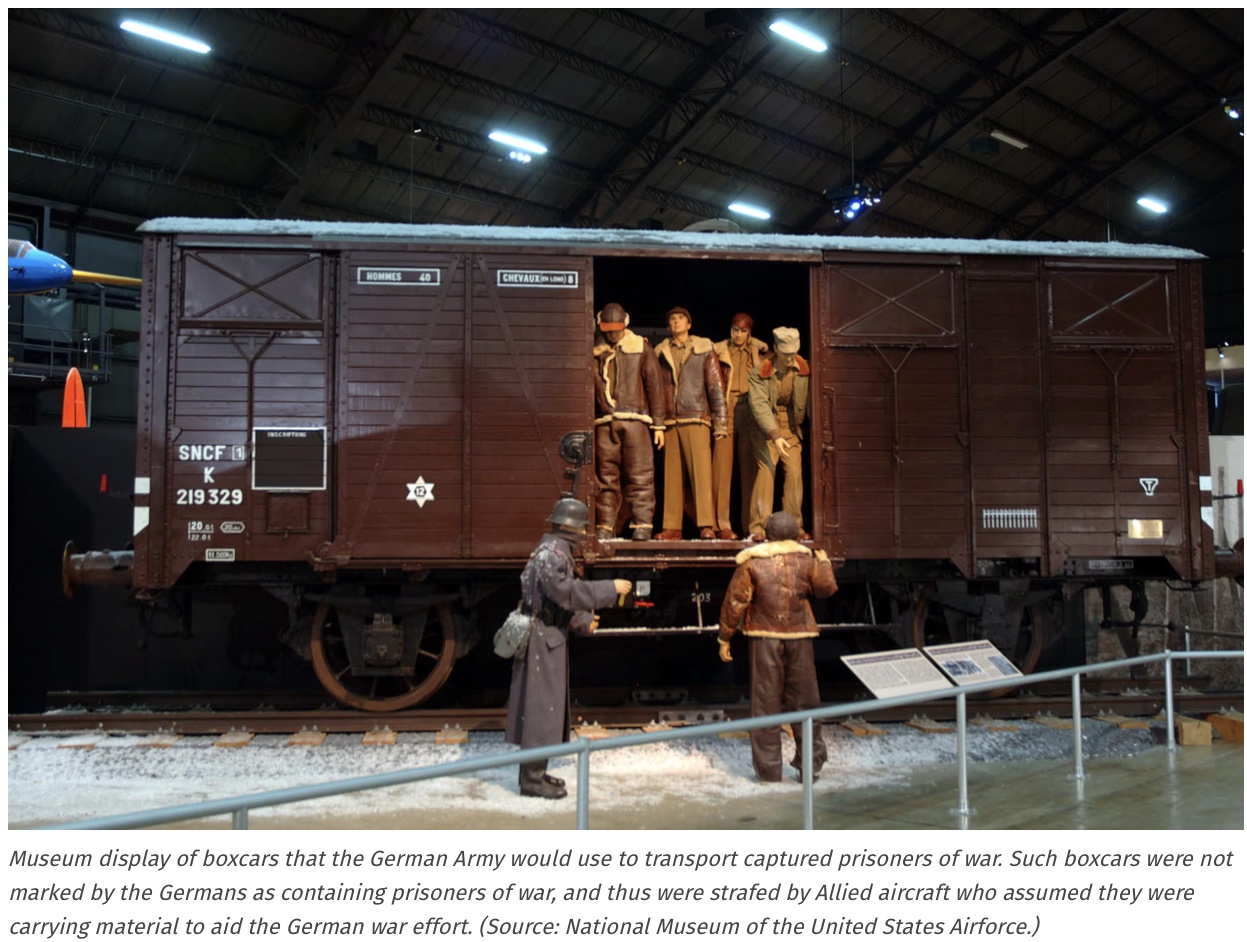
That’s what we had to eat. And you really didn’t get hungry until you probably got on the box cars and started to get back to Germany. On the western bank of the Rhine River (the main body of water that separates Germany from Western Europe), we were attacked by our own aircraft – the Germans didn’t put markings on the boxcars that they were full of American prisoners.
So the aircraft, our own American fighters, were shooting us. We got shot up. People were hit and someone two places from me was hit with the bullets from the aircraft and we were locked in this boxcar with no way to escape.
We weren’t hungry until later on. We didn’t get really hungry until we got to Germany two or three weeks later and they didn’t give us any breakfast. No lunch. Only down about that, about [Mr. Sheaner holds up half a cup] much of the soup, and it wasn’t very good.
What was the mood of the men?
You know, nobody talked about anybody. Nobody talked. So it was, I guess you just say how could this happen? But it just was unreal that we asked ourselves, how did it happen? They weren’t very happy. They weren’t talking to each other. It was just a done deal and just nothing cheerful about anything. It was just a bad, horrible situation.
We just walked for days and days. It was over a hundred miles back to the Rhine River, and we’d rather do that than get in a box car again and get shot up. There wasn’t much, there wasn’t any talking just with each other. This German boy came down a road on a bicycle and said, ‘we’re gonna win the war!’. I thought, well, I don’t know. I was asking myself, ‘Is this kid right?’ He’s right, you know? Because I think we thought the war would be over by the time we even got to Europe that December, 1st of December, and here it is.
But the Germans had amassed enough troops to overwhelm us, three field armies (~400,000 troops) against 4 divisions (~75,000 troops). Well, that includes artillery and nurses and cooks and everything else. And the Germans also had thousands of tanks at least to start with. We didn’t have any tanks to oppose them.
What was the treatment that you received whilst being a prisoner of war?
Most of the stories you’d hear about prisoners of war would be the Air Force men that got women and men who would hit them with broomsticks. They definitely mistreated a lot of the Air Force boys, because they were the ones who really destroyed their homes I didn’t know whether he was right or not . But a lot of the civilians were nice to us on the way to our prison camp in Germany.
On Christmas Eve, a German lady came out of our house who hadn’t quite reached the Rhine River for a march back to the river, and came out and gave us all cookies. And then that little boy you read about on a bicycle confronted us. He came down on a little road coming down to the road we were walking on, saying ‘we’re gonna win the war. We’re gonna win the war.’ Well, that includes artillery and nurses and cooks and everything else. And the Germans also had thousands of tanks at least to start with. We didn’t have any tanks to oppose them.
The war wasn’t looking so good to me. I mean, we got overrun there. None of this was supposed to happen. Because we were captured, we didn’t know what was going on in the outside world. I was a young guy and I know one German woman asked me what branch I served in.
I was thinking at the time that the Air Force people, you know, had all the goodies and everybody was a sergeant and everything. There was a lot more to being an airman. And she asked me what I was in. I was a prisoner going back to prison, walking back to the Rhine River.
I said I was in the Air Force. Hell, I lied. I thought she’d like me if I was in the Air Force. No, she did not, because, but I didn’t realize that they didn’t like Air Force people. Because they were bombing the heck out of Germany. They bombed all of these houses and killed so many people.
She just looked at me with spite in her eyes.
Could you give a physical description of the camp?
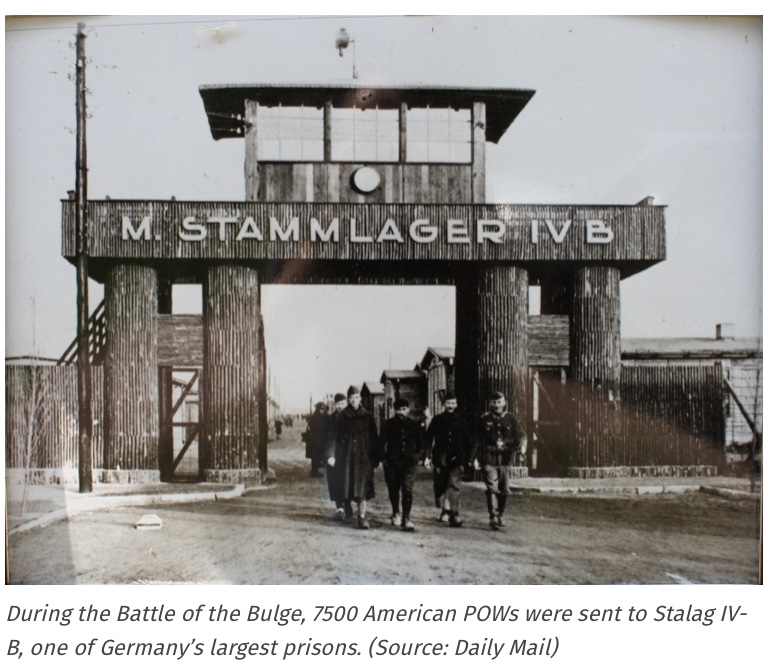
It was Stalag IV-B. Stalag was the name for the German prisoner-of-war camps. Well, sure enough there that’s where the winter was. Because we were in Eastern Germany in the snow.
They removed the bar across the sliding door on the box car. So we got out and jumped down on the snow, and we stepped in to form a big line that came by and then went and leaned on a fence and just like a wood barracks there, we opened up and nobody talked. Nobody had anything to say. It was about midnight, we didn’t know what to think.
Mostly the camp had British prisoners, but they had some Russians in there too. They had some Indians, and they had different nationalities, not just British. We went in and the first thing they did was to get everyone to go one at a time and the doctor would ask your name or what you do for a living before you got in the Army.
You immediately march on, going with the next guy and then the next guy gives you a shot in the chest. We got shots up in the arm for the flu and we got inside and just one of the first barracks I came to they put me in there and it was full, but they found a bed for me. The Germans did and told me to get in that bed, and it was in the British barracks and they played dance music from that, that past summer. And it was January or February, you know man, I thought I’d died and gone hearing all that pretty music, but they were playing it on a phonograph.
The British had been there so long that they had been getting BBC reports on their hidden radio, but the Germans never found it. If they found it, the British would just create or smuggle one in again! I wasn’t there, but maybe two or three days before they got a hundred of, of, of the privates and put us on a train that’s gonna ship us out to work on some farms digging creeks or something else.
By the time of this physical labor, was it springtime and was the weather looking better?
No, it was still winter when they made us do the physical labor on the farms. Oh yeah, it was really cold. Sometimes the German guard would build a little fire and let one man at a time come over to warm his feet. But when you get a hundred guys to warm up, not everyone gets a chance. Somebody would get up there by the fire and the guard said you can stay 10 minutes or five minutes. He didn’t care at all. He just stayed there for 30 minutes and just stayed there by the fire. And the guard wouldn’t be there. So we had about four or five of that kind of guys, out of a hundred of us that were, you know, this kind of people were a bunch of lowlifes. They might have been 30 years old, but they were taking advantage of everyone else whilst it was so cold.
But you got used to it being cold eventually. Because that fire was really, really helpful. If one of the prisoners wouldn’t stay there too long, the German would keep putting a little wood on it and letting us get there, one at a time around that fire.
We had our wool clothes on and army wool hats pulled down. We never took our clothes off during the night either cause it was cold, too cold at night where we slept. We just slept in our clothes and the only thing to take off was my shoes.and we had a blanket in the bunks we could throw on ourselves. The Germans put two men in each little bed that helped you keep warm.
That’s when the talking began, in the barracks. Everybody talked about grandmother and aunt and mothers and what all they cooked and all we could talk about was eating food. There was no talk of anything else, no talk about girls, or the war, just food. The last thing, everything was just food. That was the most important. There was nothing, man, I tell you that was, it felt like you’d been thinning by morning all that other stuff wasn’t on your mind. That’s just all you could think about was what your mother used to make and what your aunts would bring over.
Just nothing but food, and the guy from Iowa would say, well, I eat about hot cakes. Describing so many hotcakes on top of each other while we all feel we’re starving to death. But we just had to talk about it and listen to it and what really, I guess, really saved our lives.
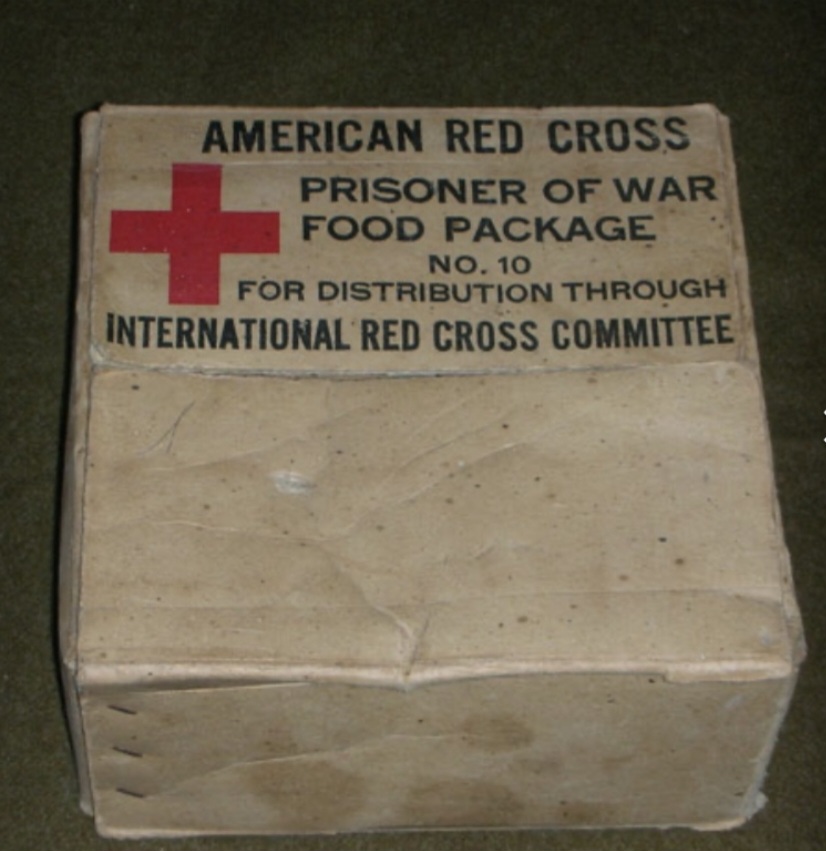
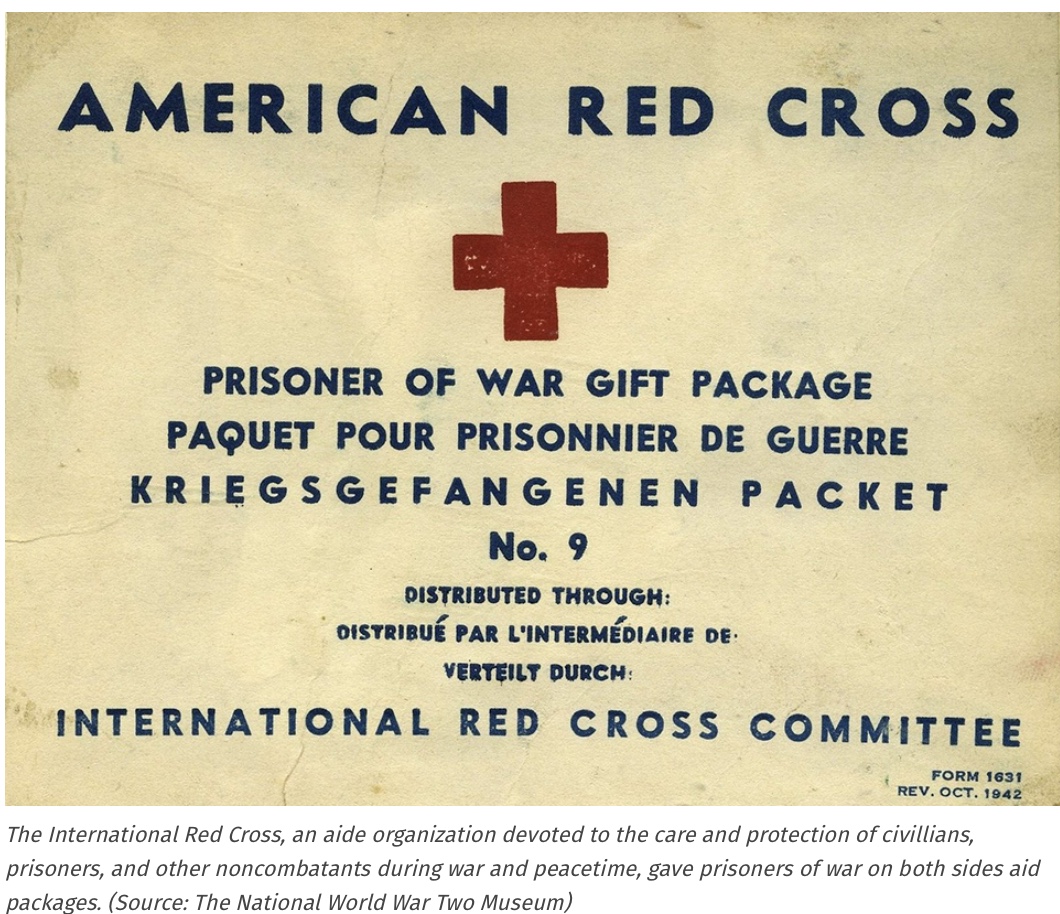
Near the end of the war, the Red Cross. The Germans brought them into our compound where they kept us in this big eating hall of a cafeteria. The Red Cross brought these boxes of food to us. We got each of us, we get to get a box, and that, uh, would last about two weeks and then another box so we could have even more. That was, I think that saved our lives, undoubtedly.
Note: Towards the war’s end, Mr. Sheaner would find a way to escape from Stalag 4B. Although this aspect of the story was not covered in the article, Mr. Sheaner’s book, A Prisoner’s Odyssey, covers this aspect of the story. I will quote the book below.
“I had no idea what was going on by April of 1945. We had no idea the Russians and Americans were closing in on Germany… but we knew the war was winding to a close. There was artillery occurring closer and closer to the camp. Eventually, we were marched to a separate prison camp, where a German army officer commented that ‘It will all be over soon boys’.
When we sat down on the road, our guards, two young German boys, looked defeated already. I heard engines down the road… it felt like the last day of school. We looked down the road, and multiple jeeps of American soldiers came down the road. They looked fresh, healthy, and giant.
It was like coming back into this world from the dead. This feeling surpassed all feelings that I had ever known. We raised our hands to get their attention, but the jeeps passed by without stopping! But the last jeep turned around and came back. The driver stopped and commented, ‘See Captain, I told you they were Americans!’ The ride back was hard, my bony body was being bounced around like a ping-pong ball in a washing machine.
I looked to Frank [a friend he had made whilst in the prison camp]. ‘We survived Frank! We’re going back to the American forces!’ I sent a message back home to Dallas Texas, saying I was free and in American hands and I was all right.”
What was coming back home like?
It was summertime when I got back to Dallas. My mother, who received word that I was alive, put up the Christmas tree, so at home, we came out, took a picture of it, me and my mom, and the fully decorated Christmas tree, she was going to give me those presents that I missed being a prisoner of war. The war was over by that time. I was back home, and I was now back in Dallas.
Remember, I had some experience in football and I even did a little track and field whilst in the University of Alabama. I was really good at the 50-yard dash – nobody could beat me at that and then when I came up back to Dallas, Mike Smith, was the football coach at Jesuit Dallas and he was a standout defensive back for the Notre Dame football team. Well, he must have heard about me. He talked me into joining the Jesuit Dallas track team coaching staff. He said, would you mind coming out and taking over my track team?
Oh my God, I’ve got a passion for that. He didn’t know it, but I did. I stayed here for 21 years. I did! And I loved it. That new part of my life was a passion for me. My team turned out well, throughout the years we got kids into the discus throwing state championships, hurdles, and sprinters too. The team turned out pretty well. We set the discus record in 10 meets in a row, all in the name of Jesuit! But it seemed like every three or four years I’d have a boy who was another state-qualifying champion! It was the best mile or the best sprinter in Texas, or the best hurdler in the regionals who went down to Houston to compete in the local tournaments.
The experience of coaching, and helping these kids with their track and field careers, that’s a whole different life from being in the army.
How do you feel your previous experiences in the army impacted your coaching?
Well, I always felt like in the army I got an aspect of leadership, leadership that was initially started in High School. You know, I graduated with a major and I had a whole company commander and I was a no-nonsense type of guy. Even though I was five foot four! My saber dragged on the ground, I’m guessing, but I still knew how to put someone to sleep with it. And in High School, I got my first experience in track and field.
Later when I became a coach, I carried some of those no-nonsense traits with me. I’d take some of the boys over if they were late getting to a recreational meet, and I’d set them outside on the grassy field before we got in the stadium. And because they were late I told them I just might pack you up and go home. I wasn’t about to do that. But they didn’t know that. But if they had challenged me, I’d break my heart. It was tough. And they loved me.
Jerry Patone was the team captain one year. During the Texas Relays, he was making too much noise in the hotel room, so I got him out of there. He later became a track and field head coach at Oregon State and I made him sleep on the floor right by my bed! Other coaching staff and I would bring coffee for the boys, I paid for those and brought ’em to help my boys. If you have a true passion for the thing you do, you’ll do anything for the sport.
I really enjoyed the job, but once I got to be 51, I didn’t look as young as they did and I just, I just feel like I wasn’t quite the same. I just didn’t feel as good comfortably and so I retired from coaching, but when I first started coaching here, they thought I was young as they were because I matured so late! And I was a young-looking guy, very young. And although I was 30 when I first came to Jesuit they thought I was much younger.
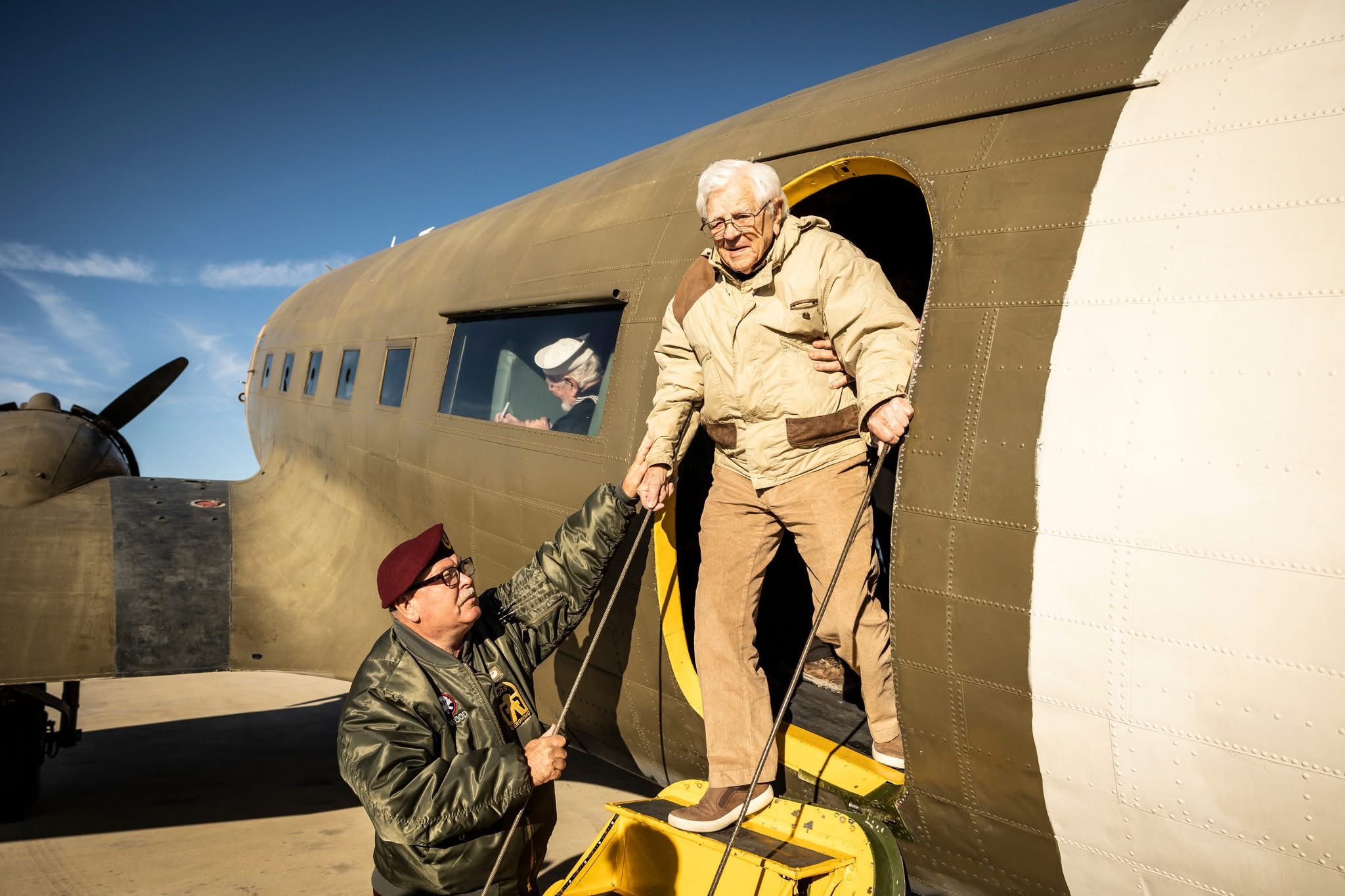
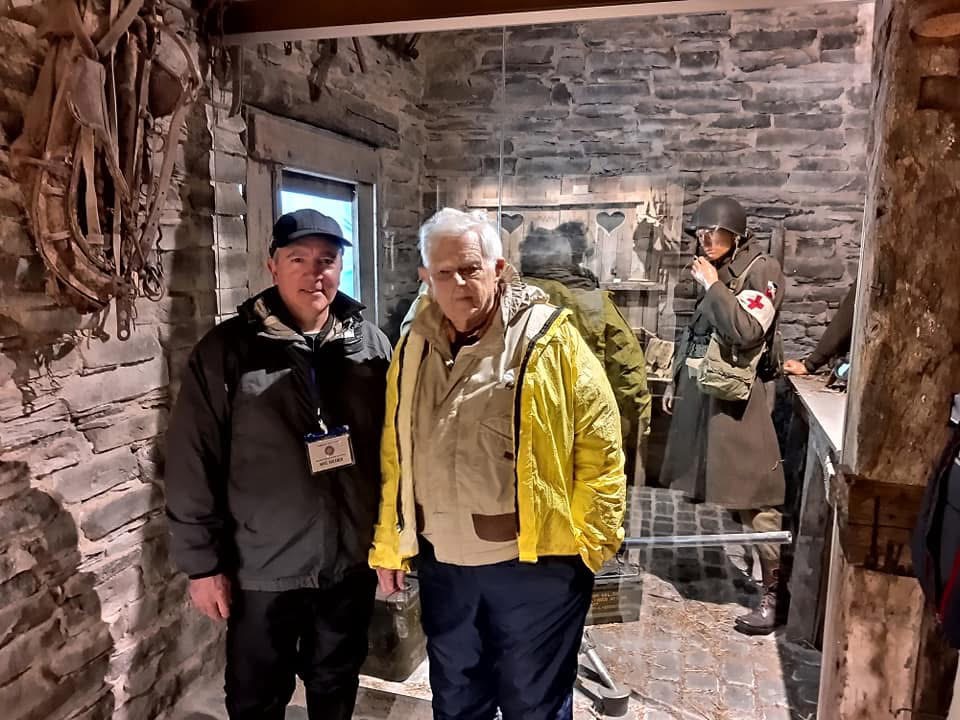
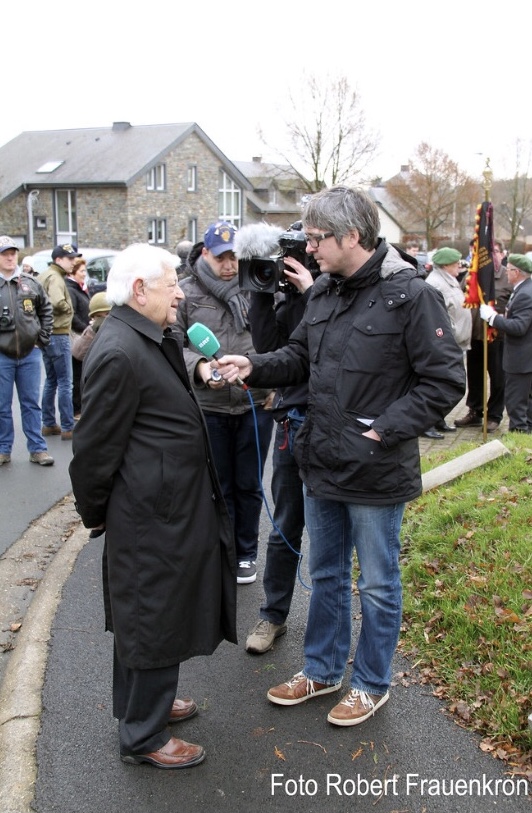
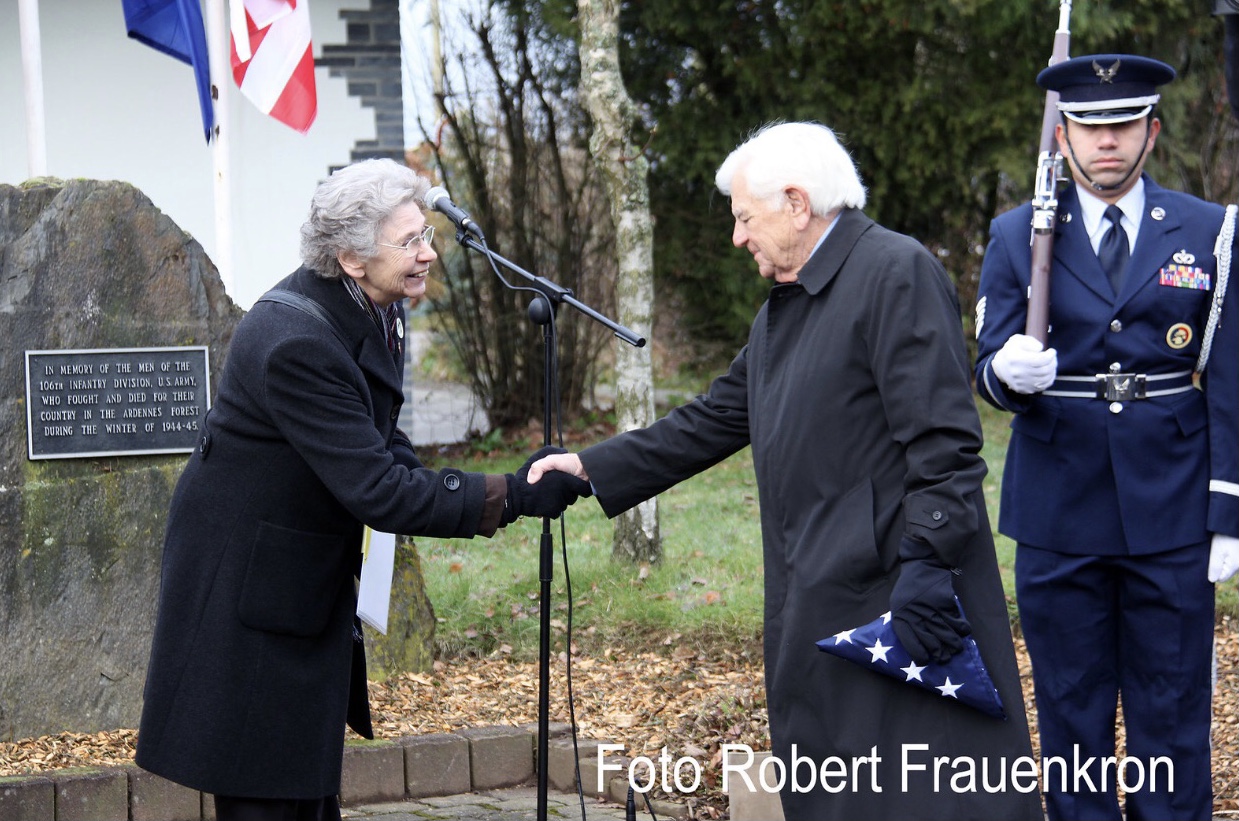
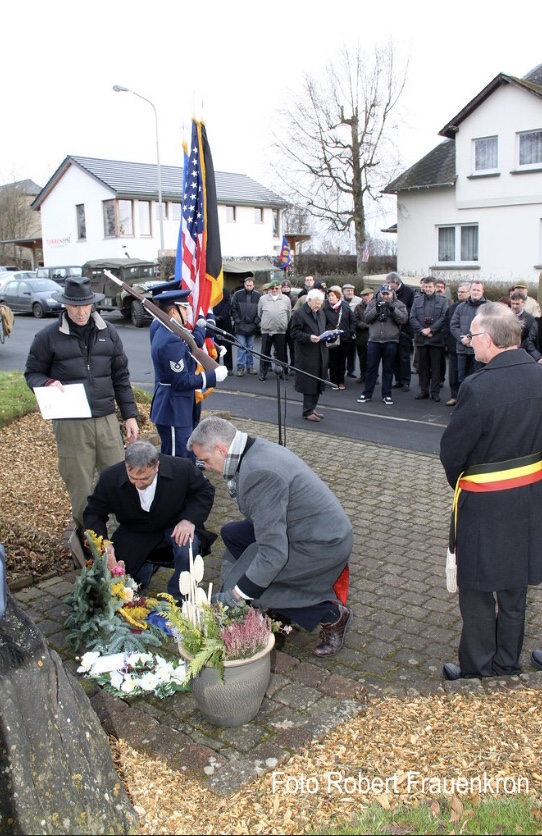
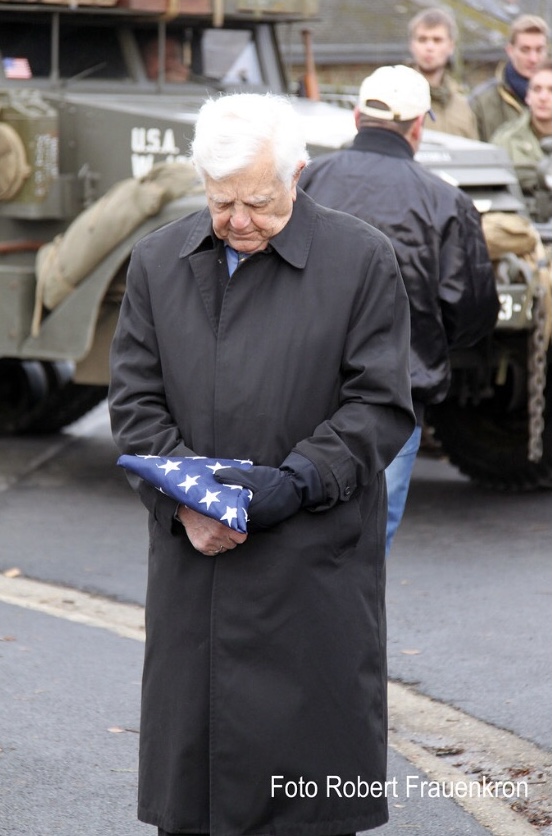
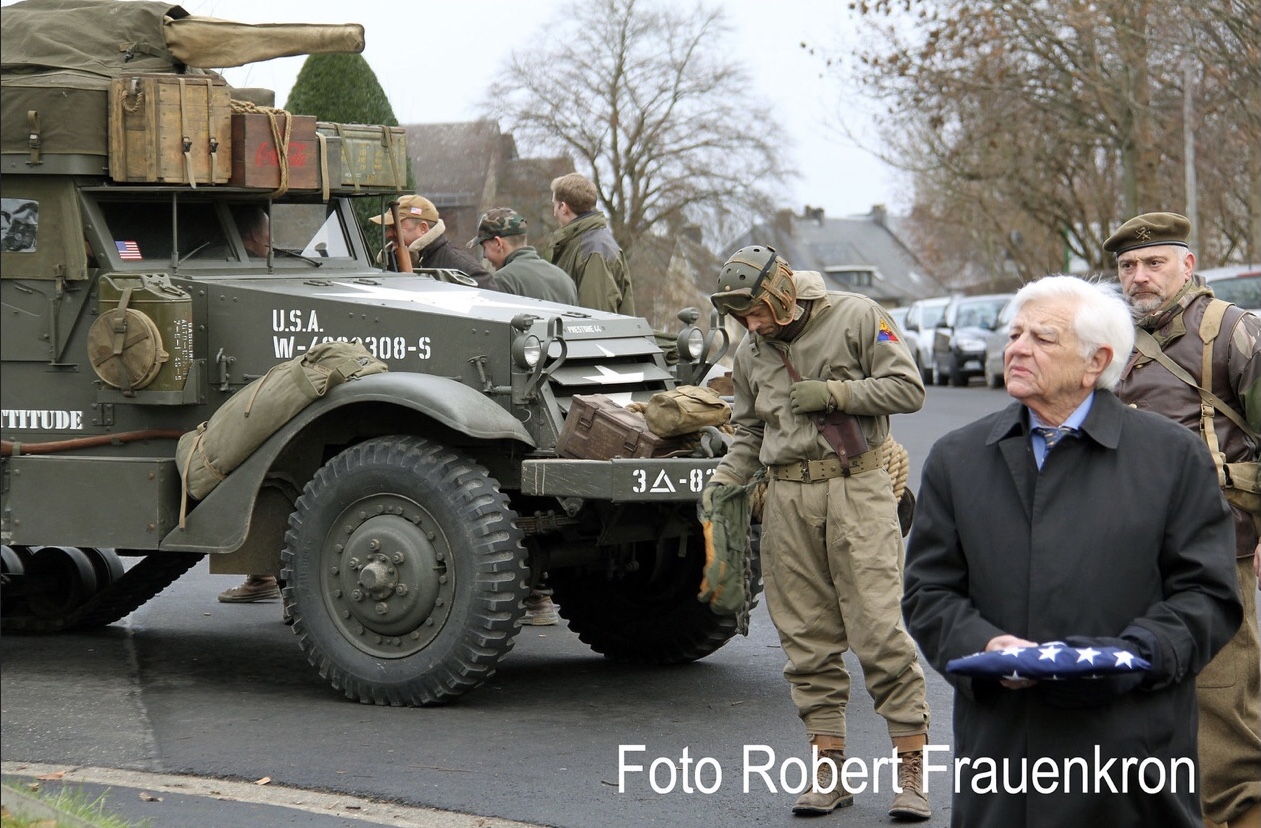
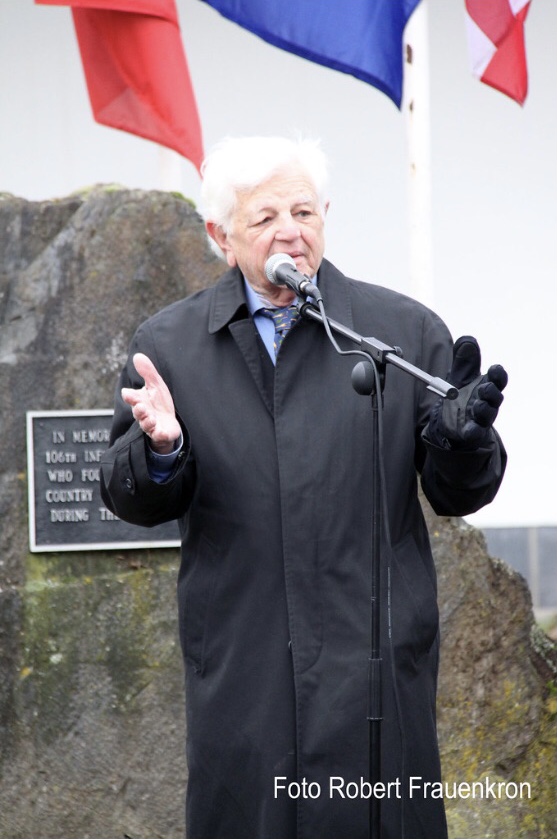
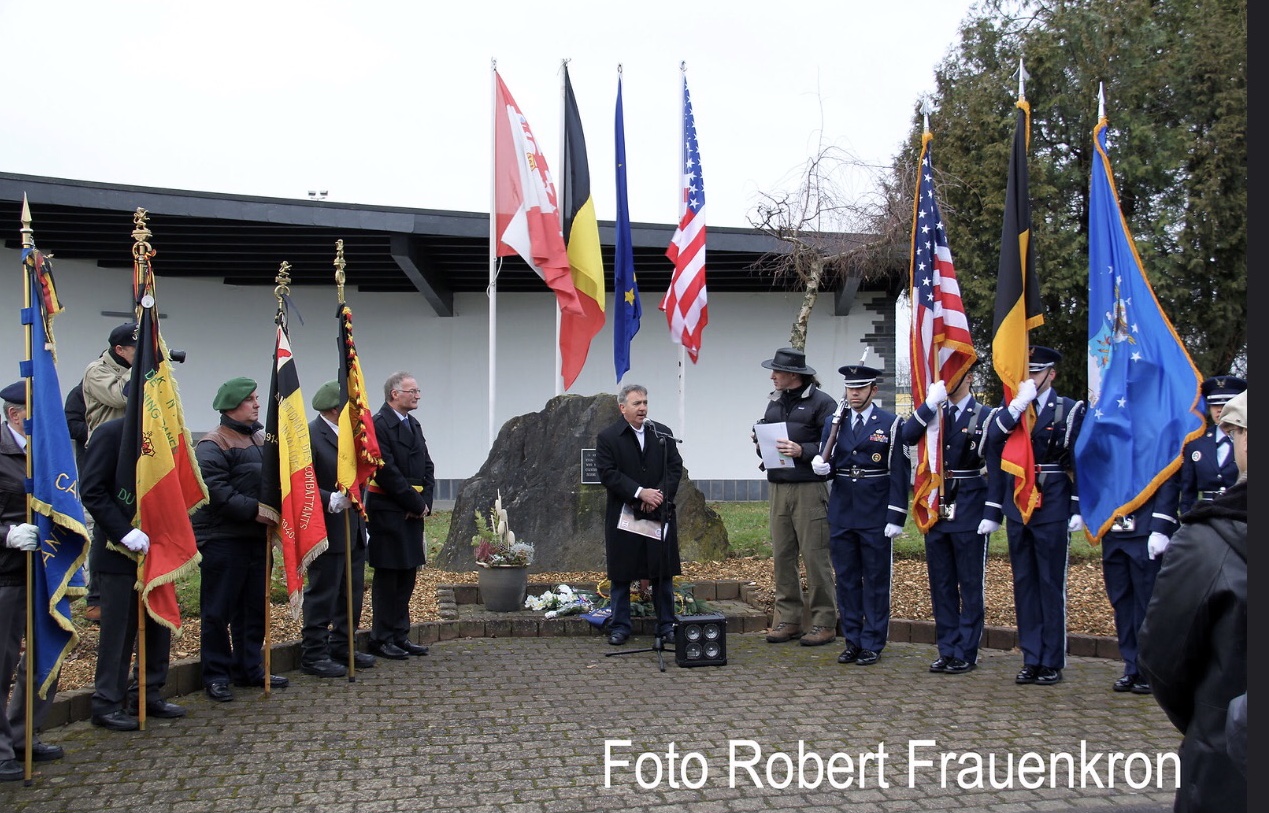
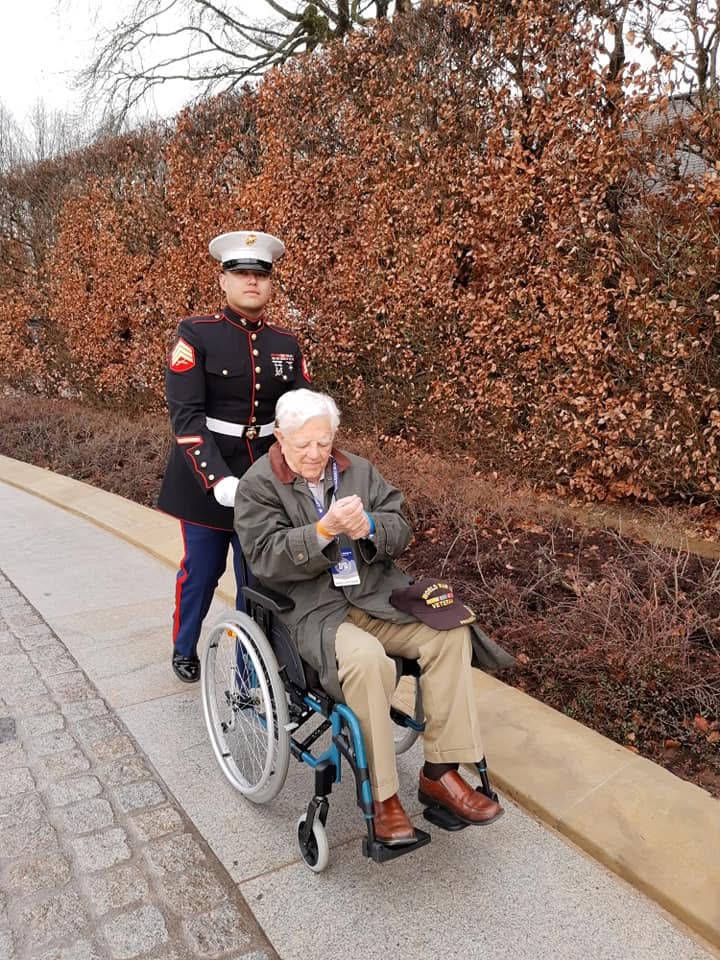
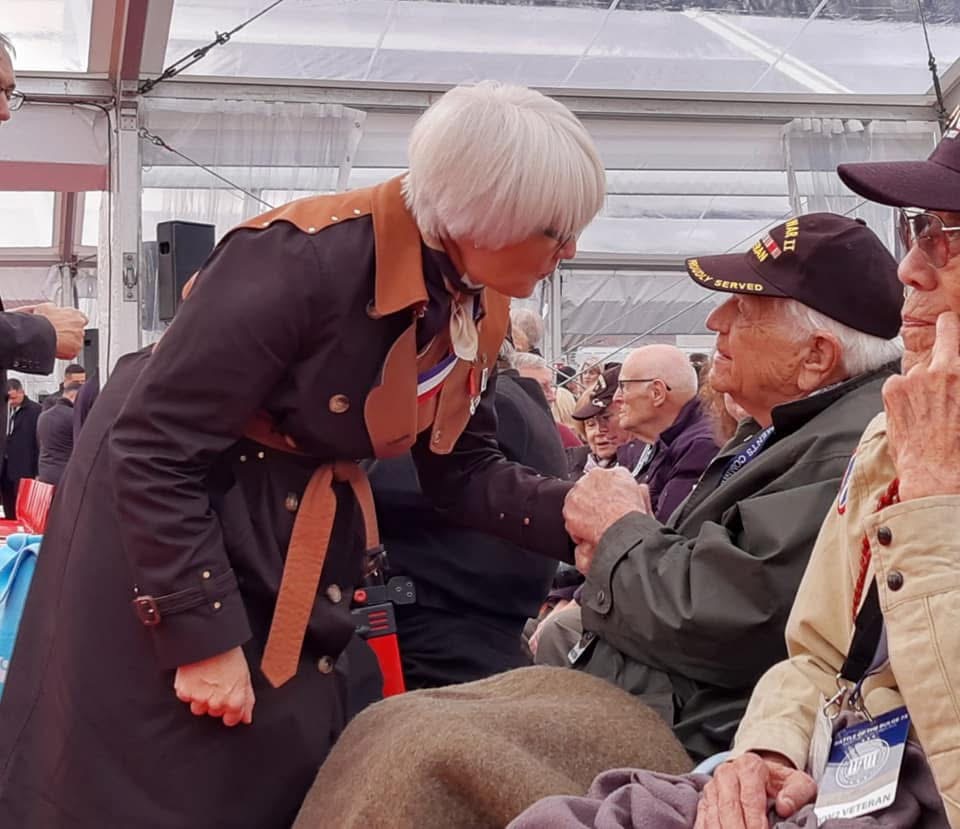
When I got older, I got to participate more in veteran events, such as going to the countries I served in during my time in the Army! I went to Europe when I was in my 90’s for a trip.
How long was this trip to Europe?
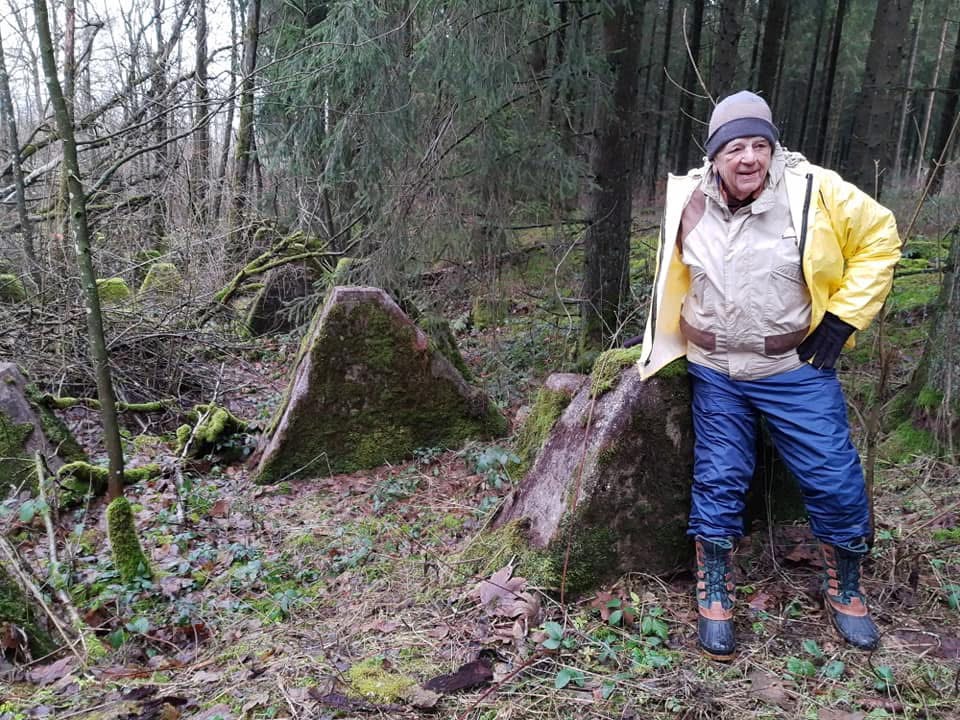
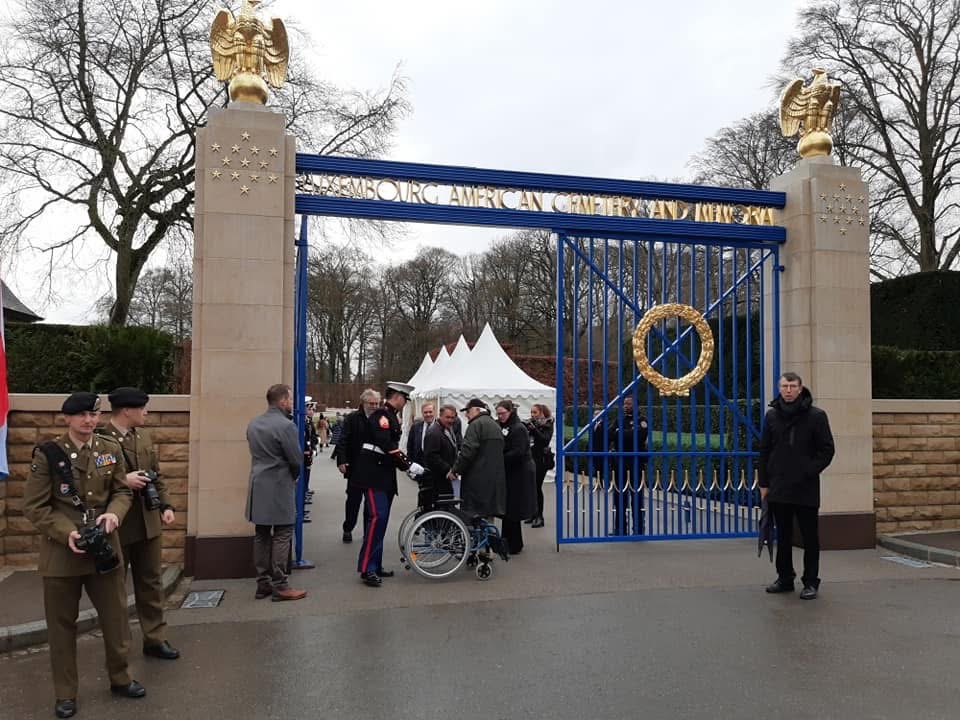
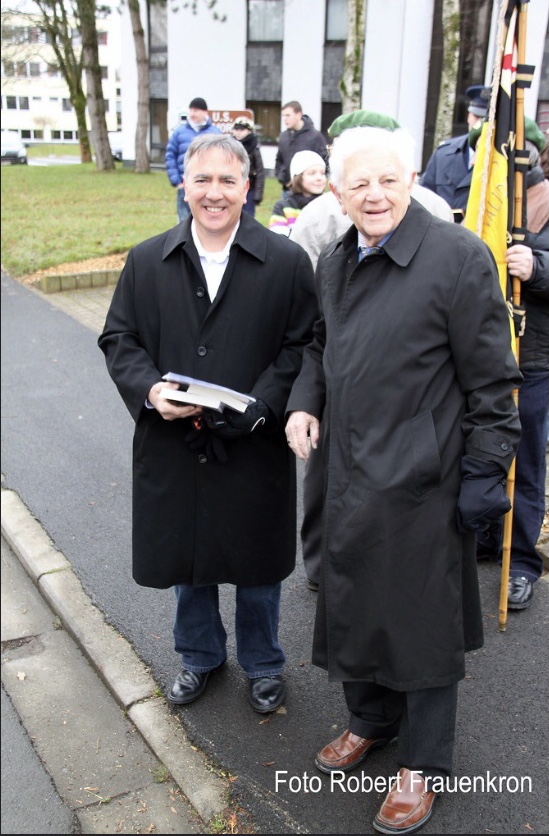
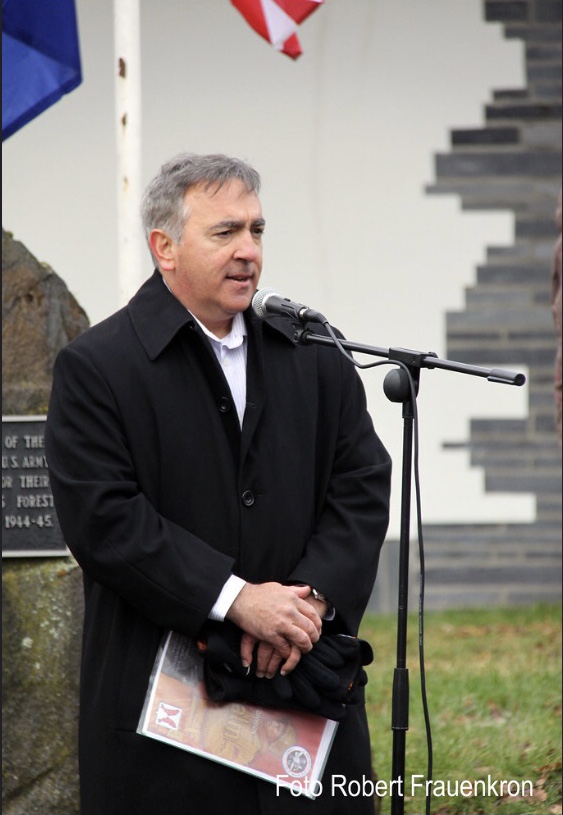
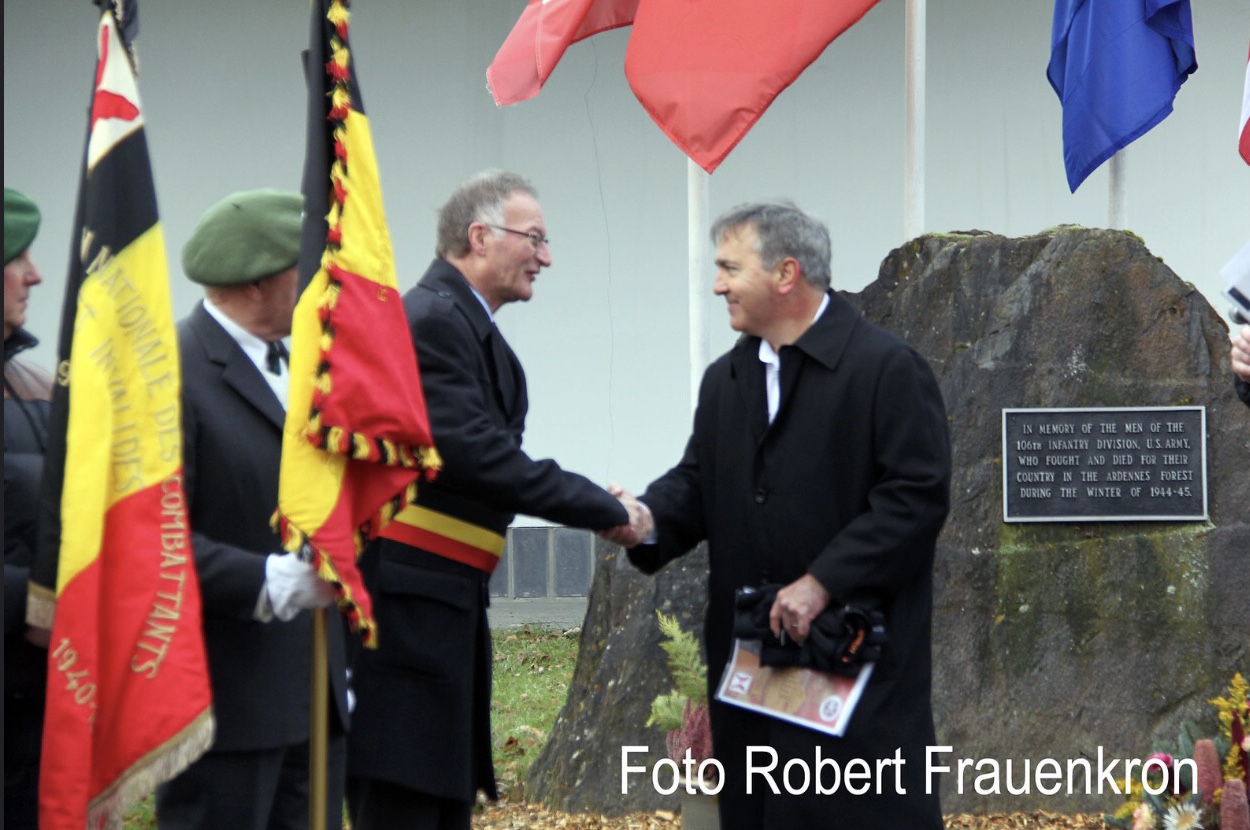
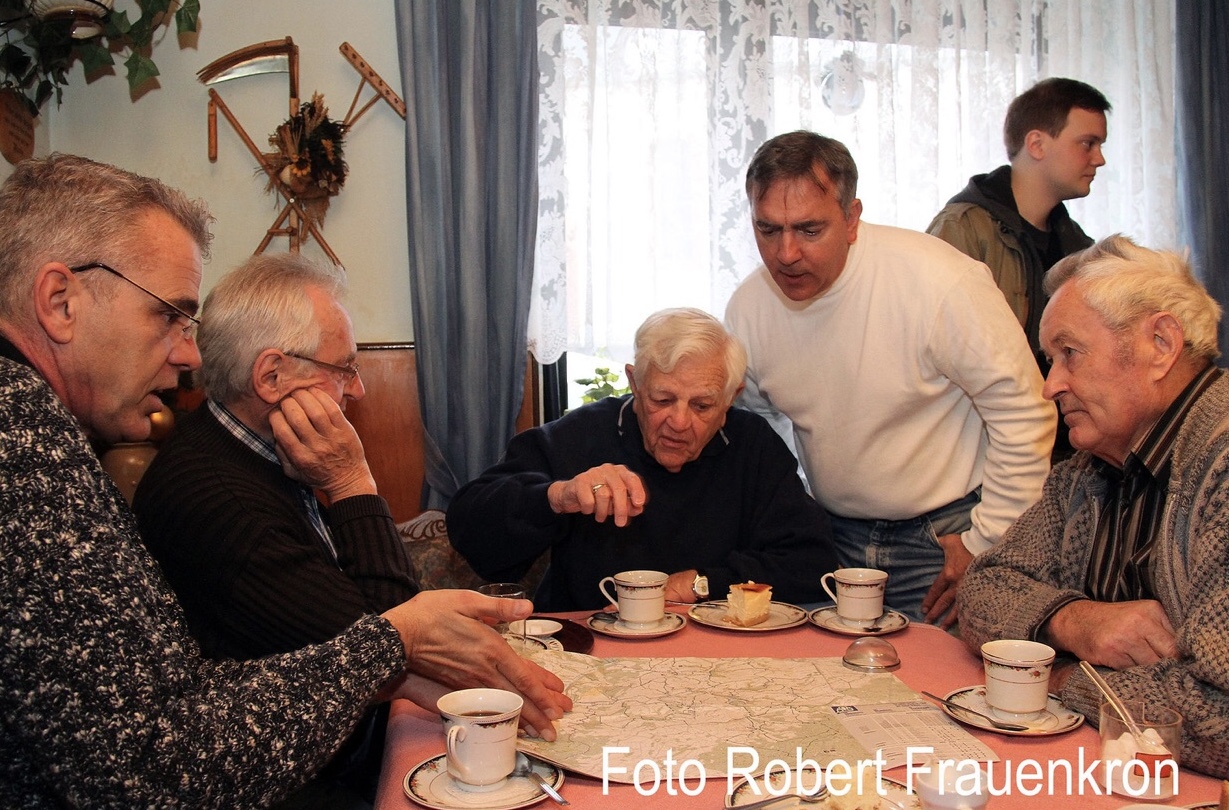
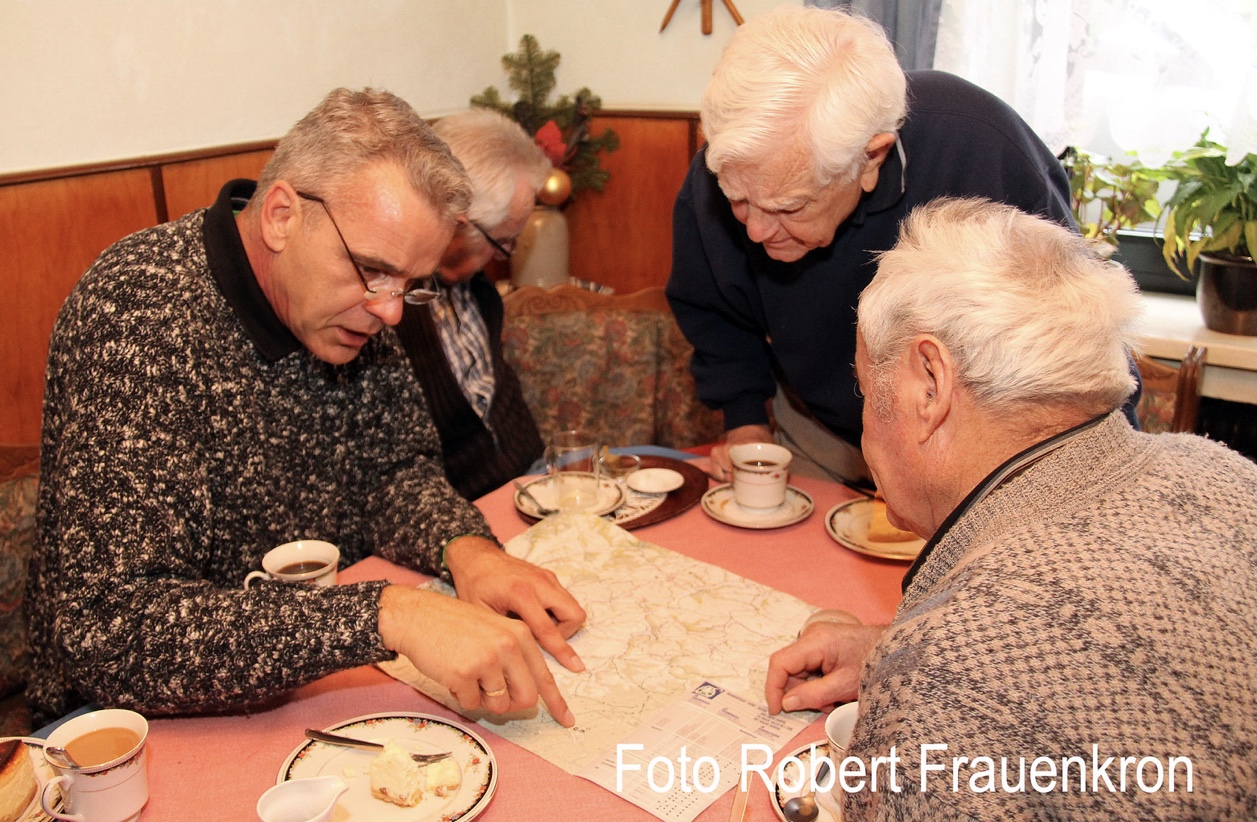
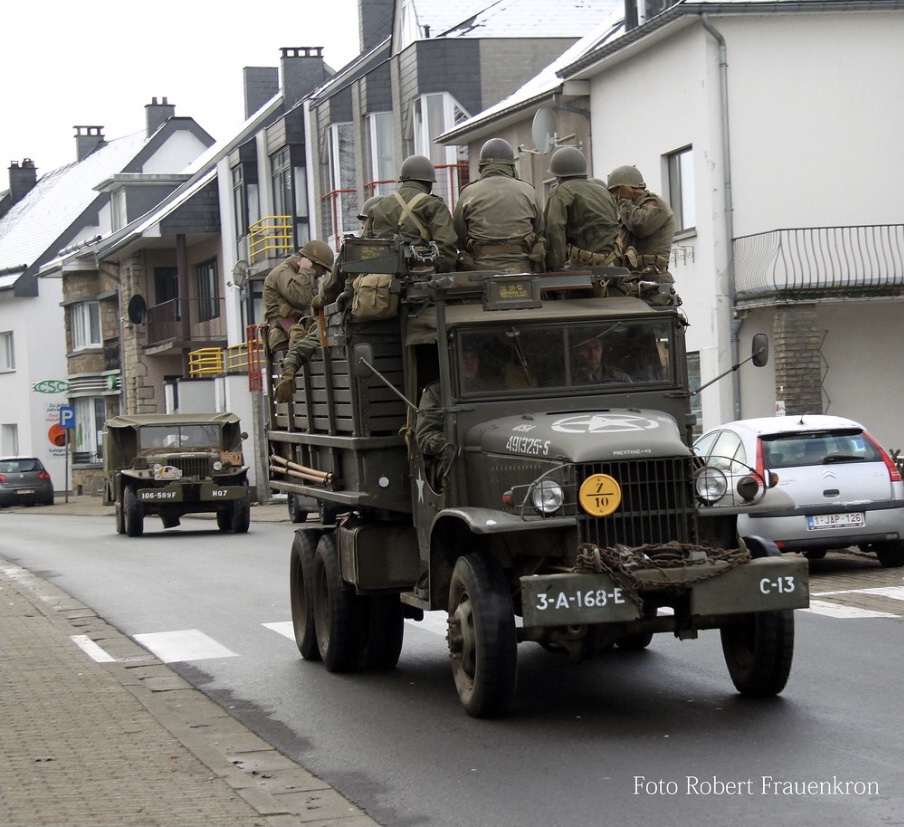
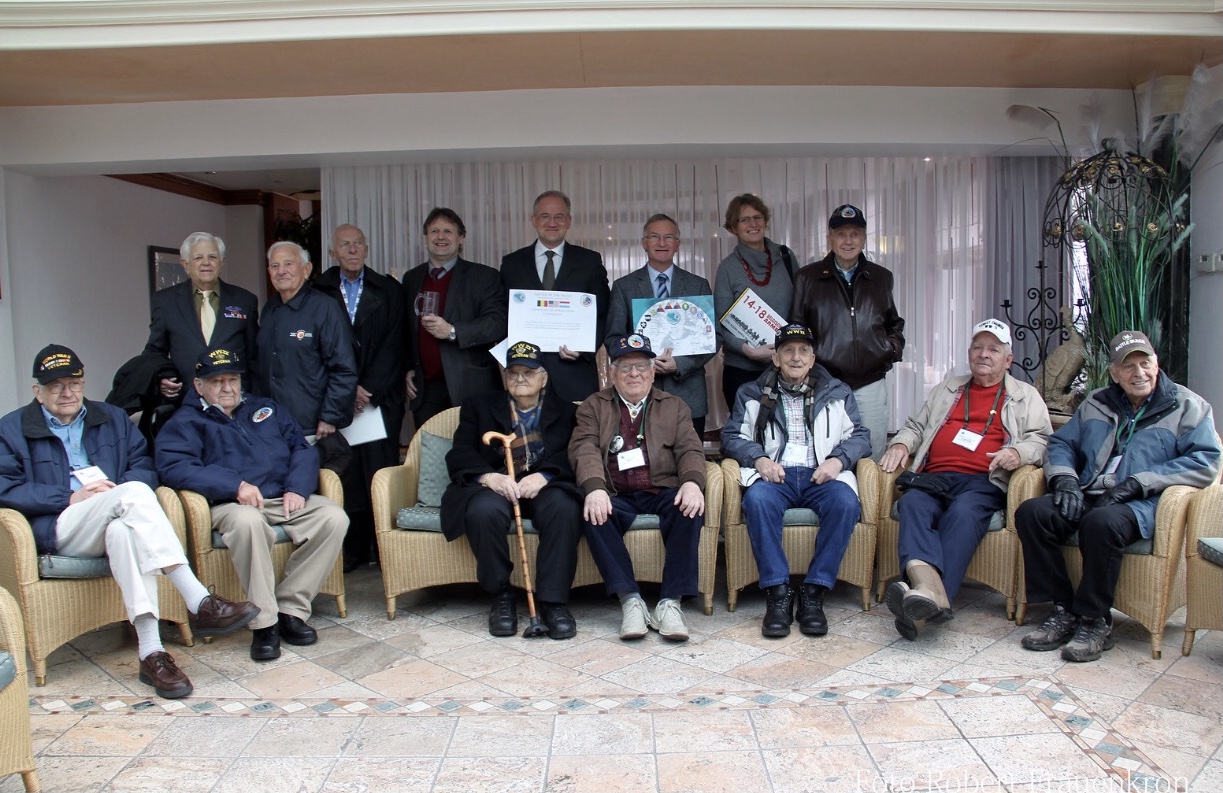
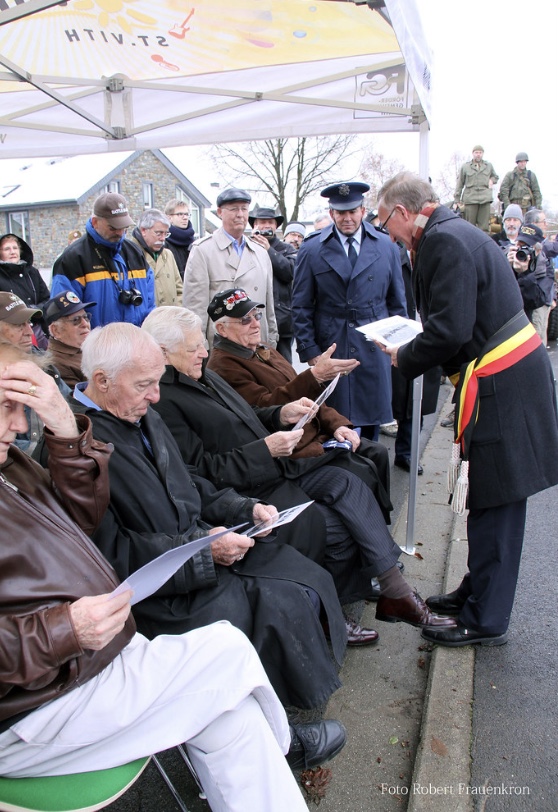
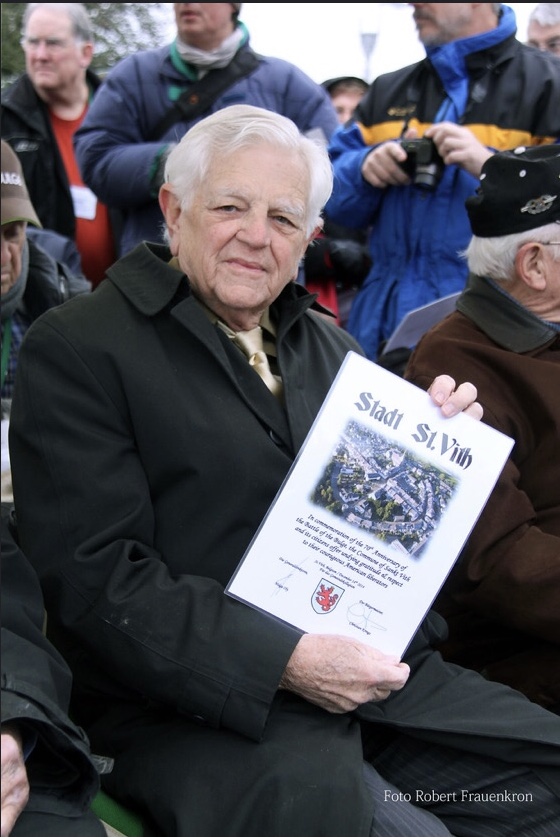
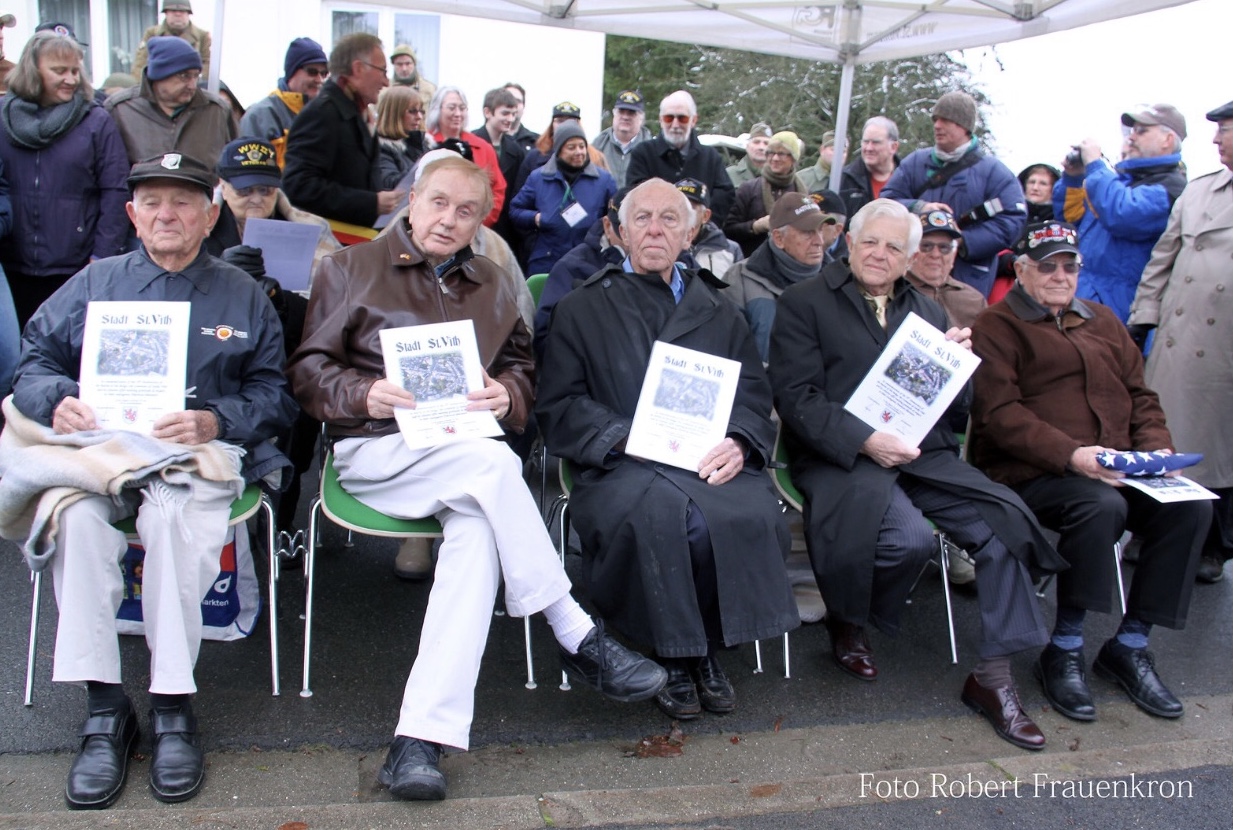
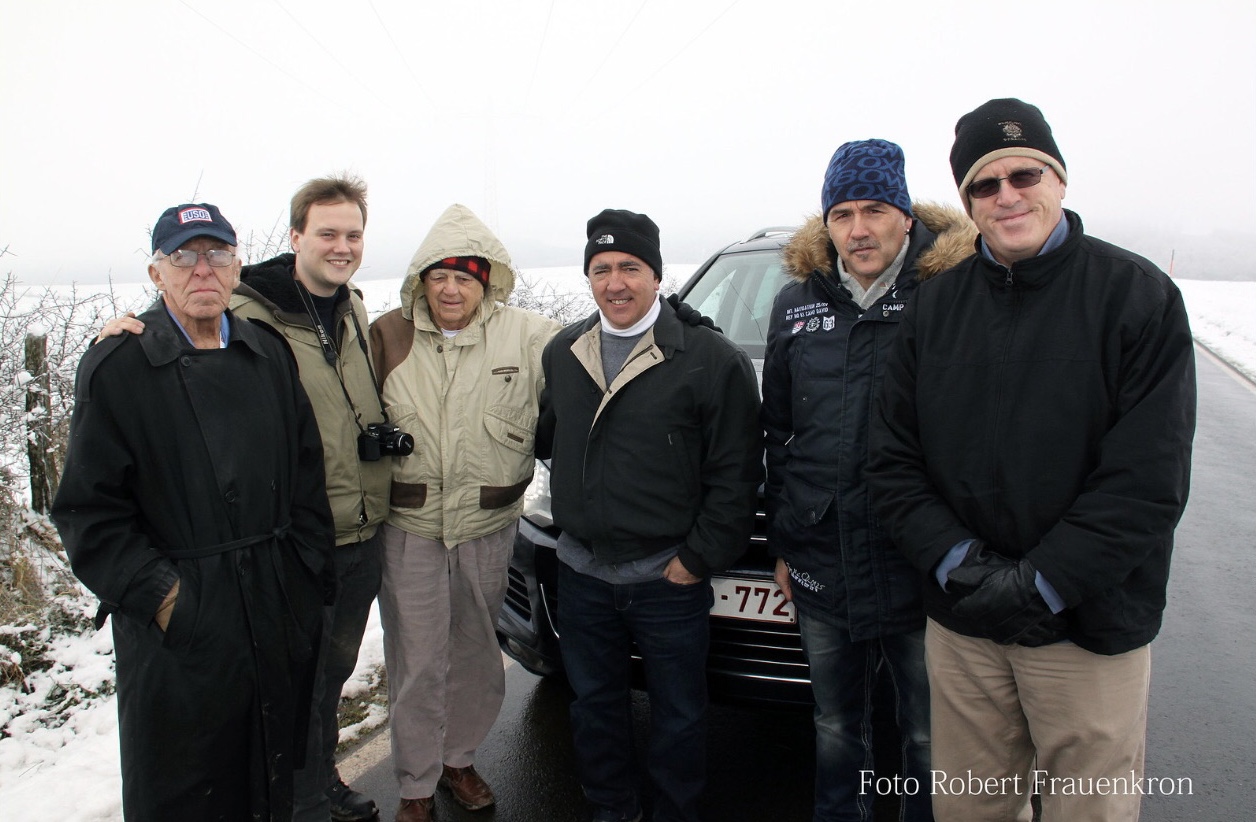
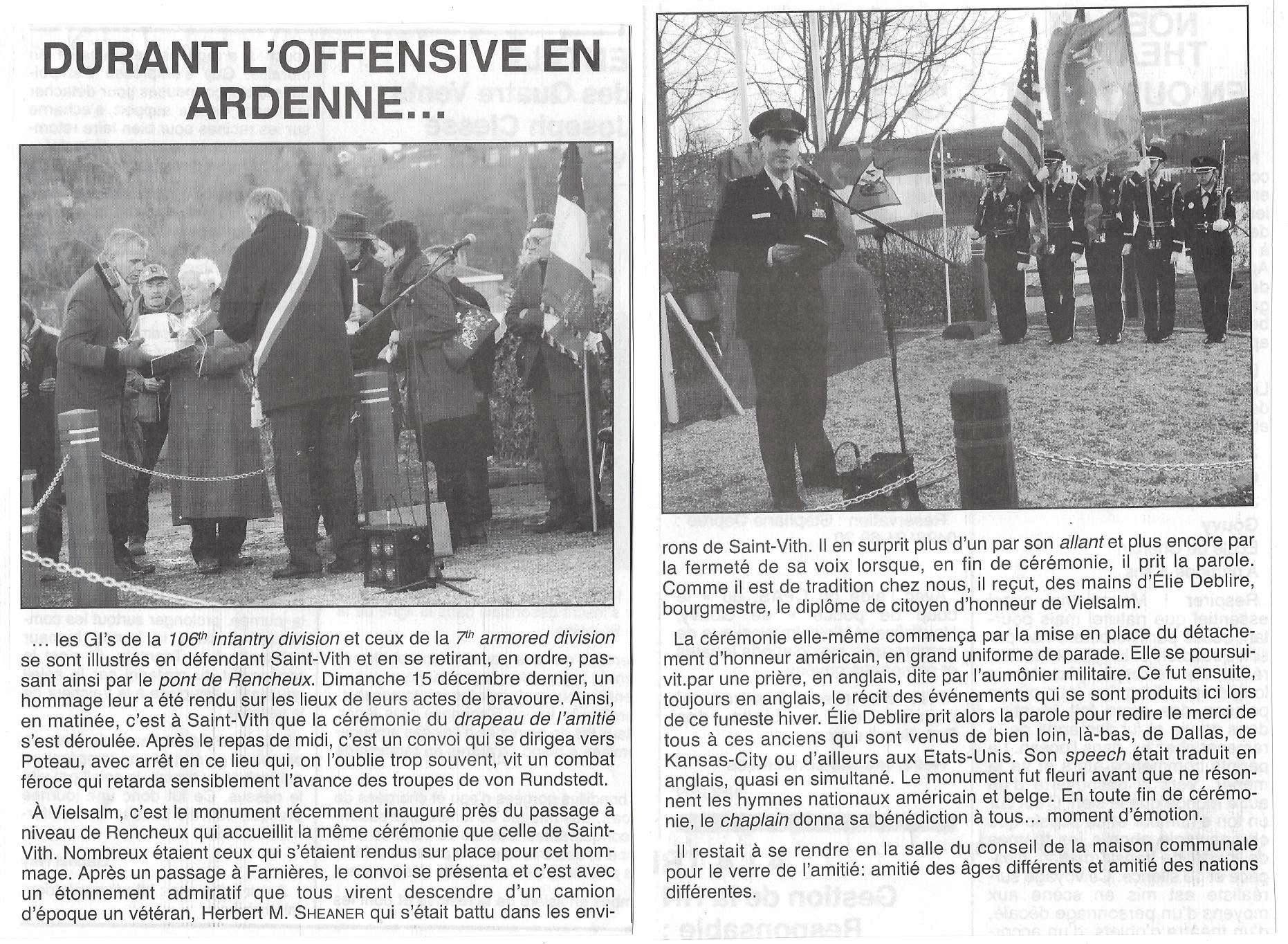
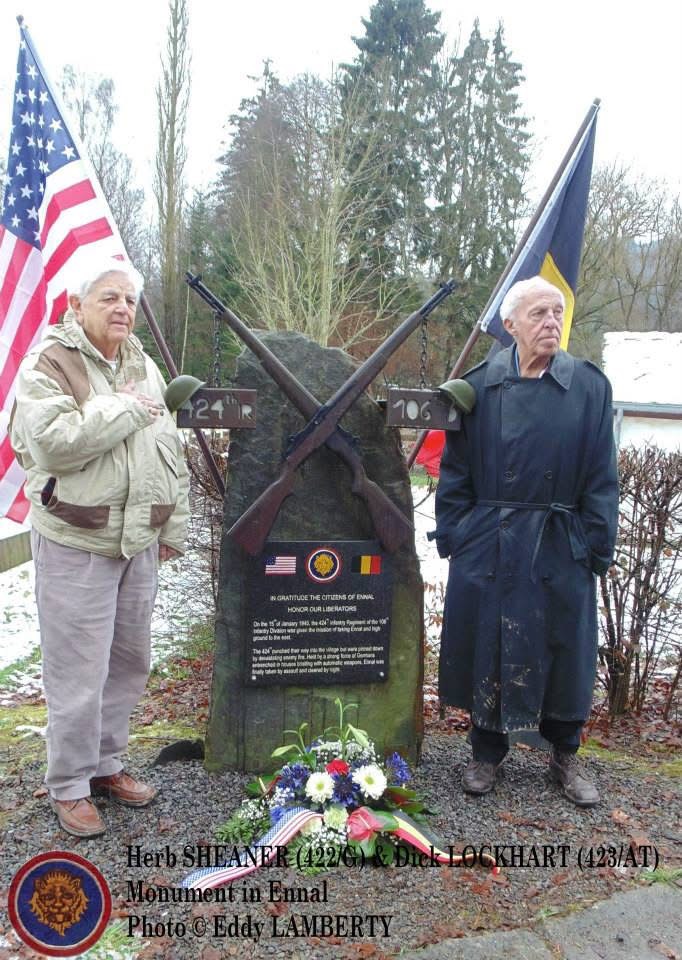
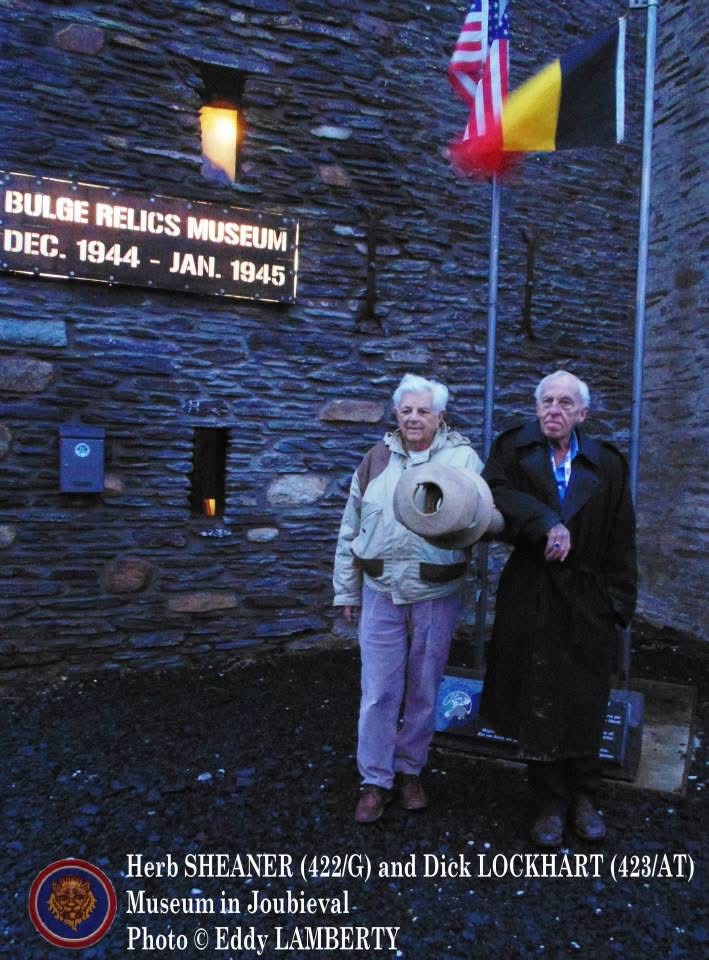
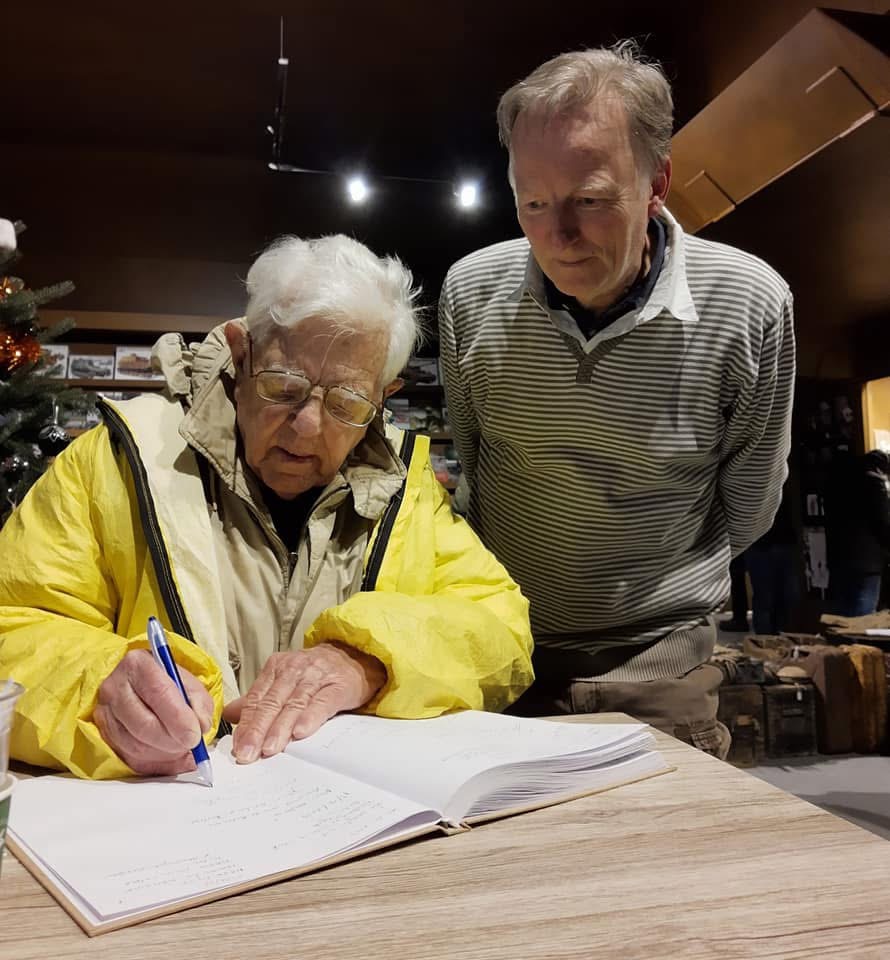
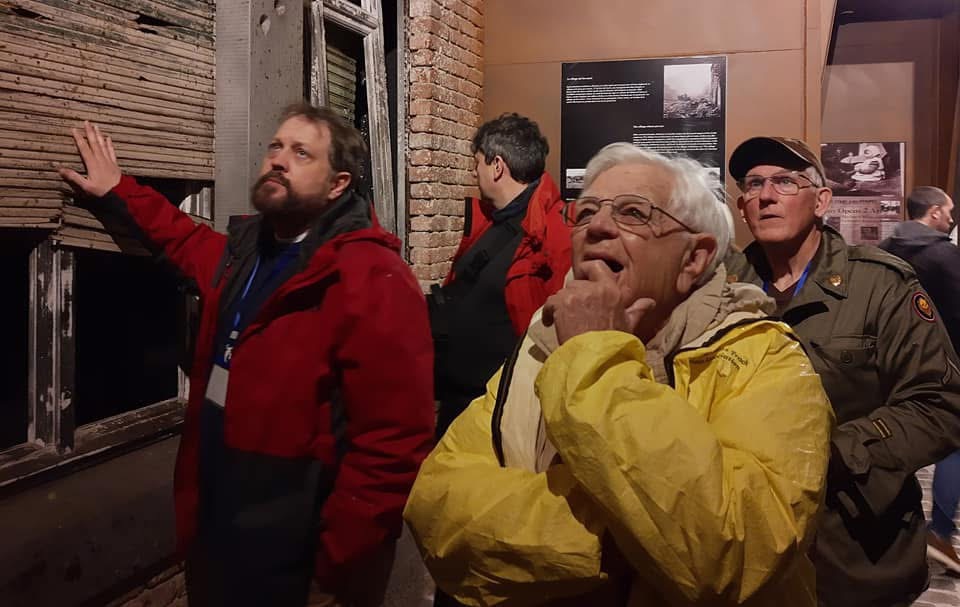
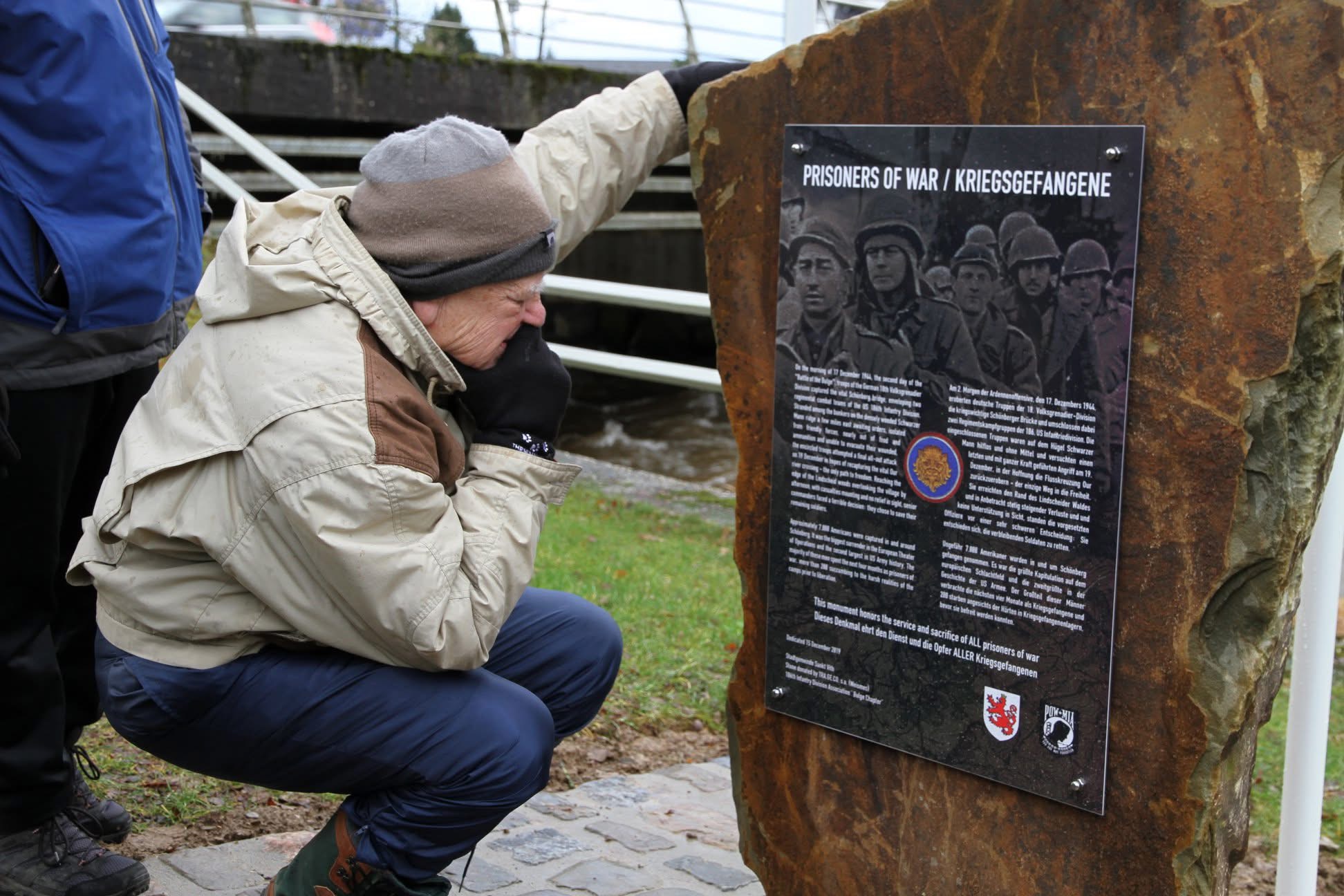
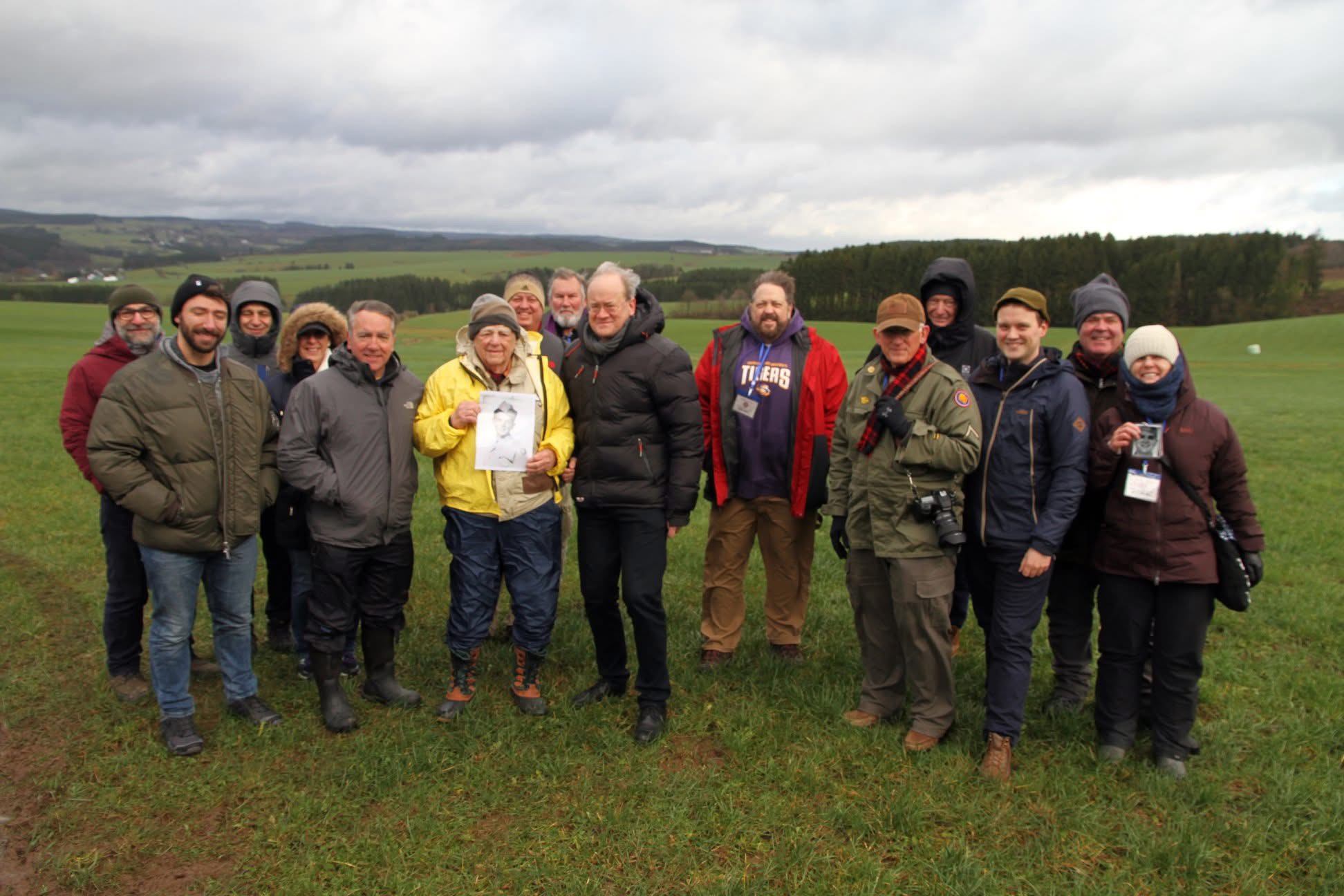
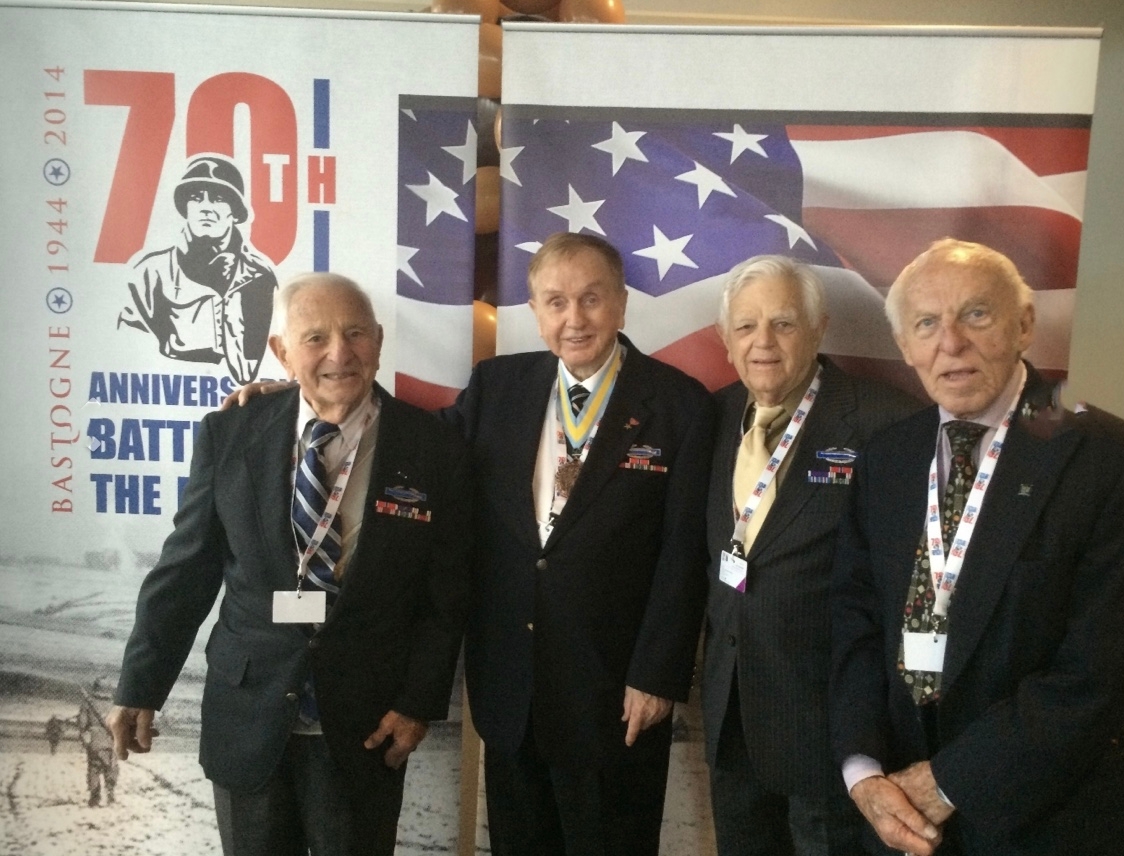
Oh, we spent about a week, so it wasn’t very long, but we were going back to the anniversary of the Battle of the Bulge, and we ended up in the Ardennes. And we went to the residence house and in Luxembourg; we got to meet the King and the Queen of Belgium! We also encountered Nancy Pelosi and I got to venture to St. Vith in the Ardennes Forest.
What’s the secret to reaching 98? What is the secret?
I think it’s just in your genes. Like I say, when I started coaching it, I was 30. I was here first to set foot on Jesuit. I was 30 years old, and some of the parents thought I was about as old as the kids in high school. I guess I matured later, you know? And it has just been that way all my life.
It wasn’t good for me to get in the Army when you look like a grade school boy because in the Army they want real men. And that’s where I wanted to be an officer. I wanted to go to West Point, but I was too young and too small. I wasn’t that young, but I just didn’t grow up there.
So no secret recipes, sir. No secret recipes every day. I do eat two apples a day and I get to be 98.
I’ve had some health problems in the last year or two. I know I left the bathroom and suddenly I just passed out and I fell down. I was suffering from a urinary tract infection, but they got that sorted out.
As we filed back to the front desk entrance, Mr. Sheaner turned slowly to face us. “You know, boys, right now, the world is in a crazy spot. We could have war before Christmas, just like back in my time. I don’t like how we can destroy the world with a few button pushes and nuclear weapons. All you young men can do is stay strong, maintain discipline and respect for others, and pray for your families and communities. That’s all you can do now.”
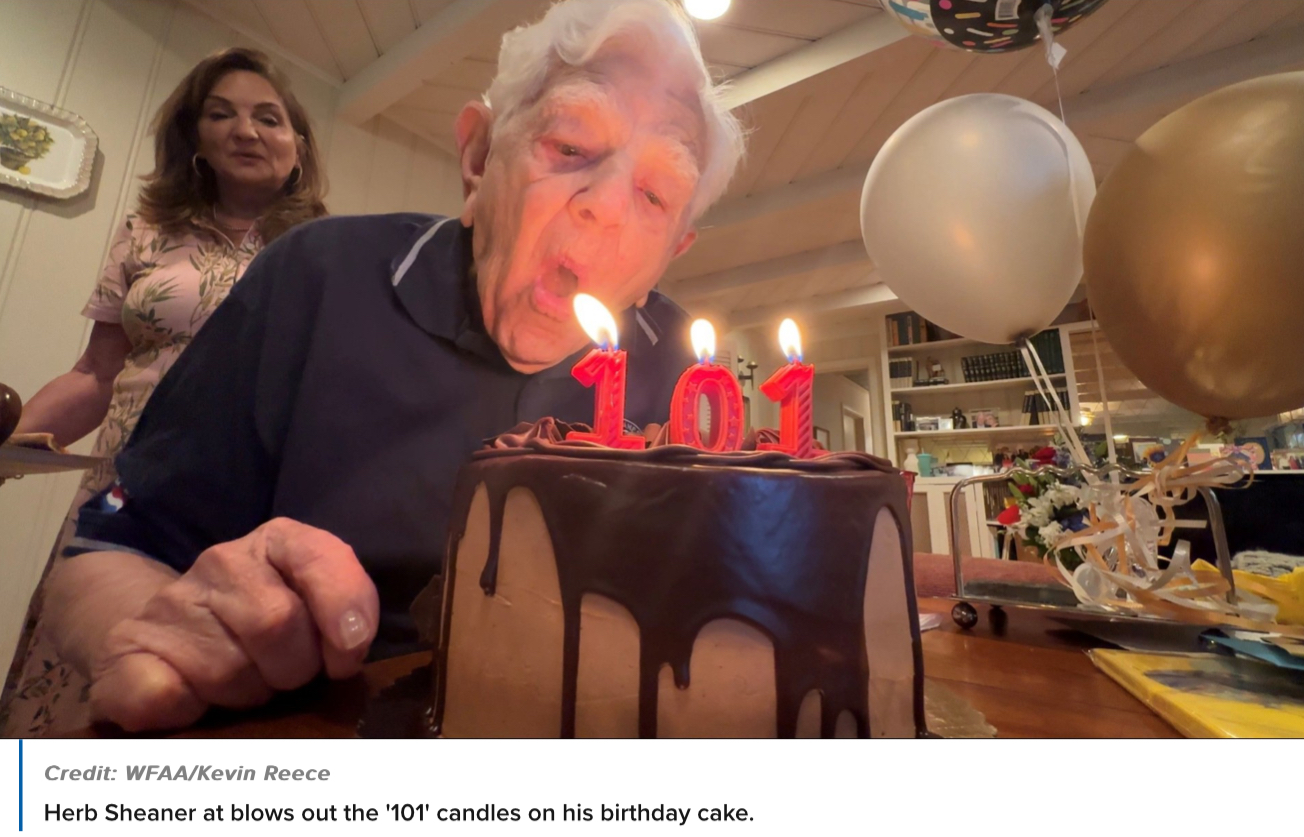
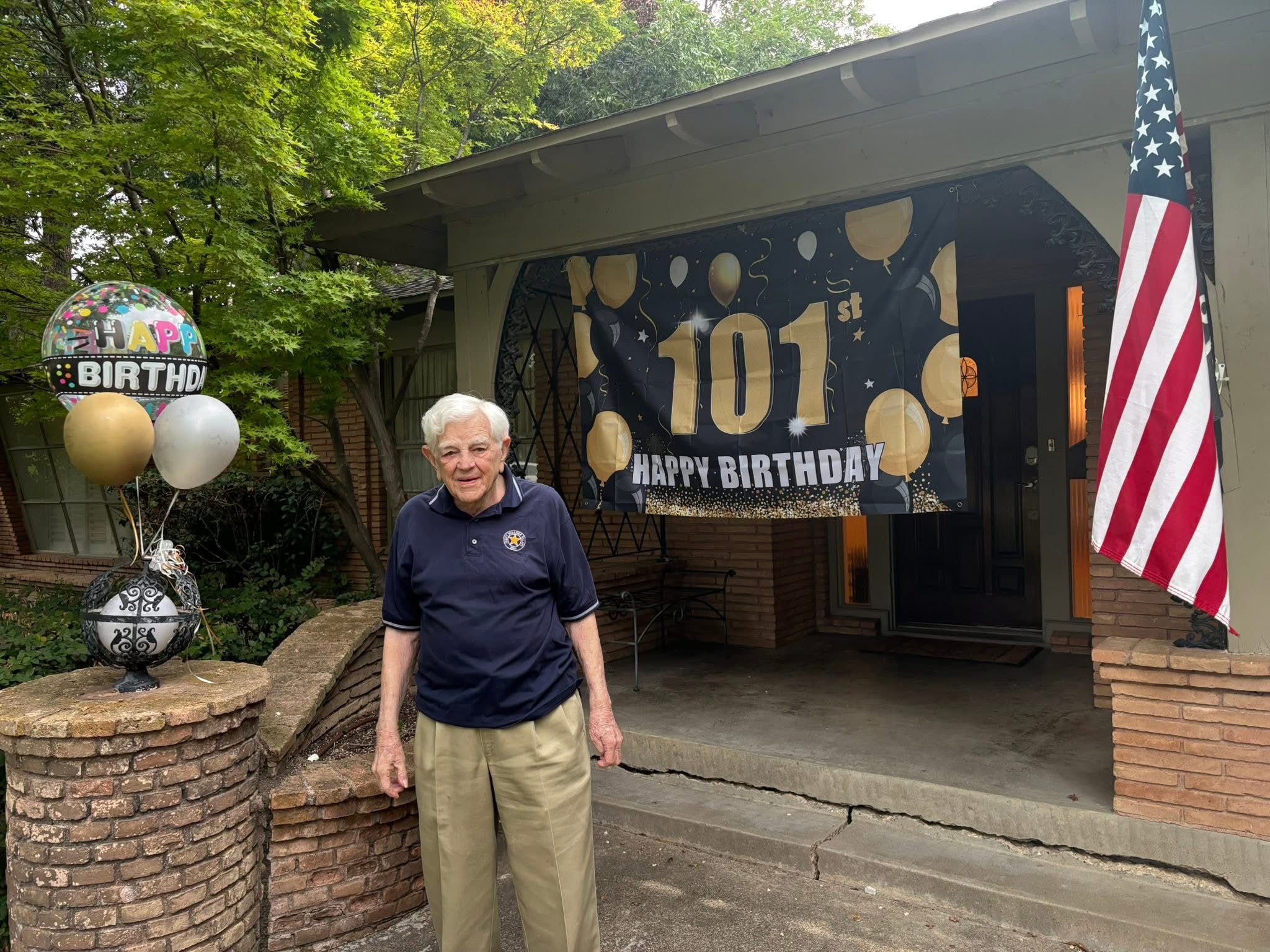
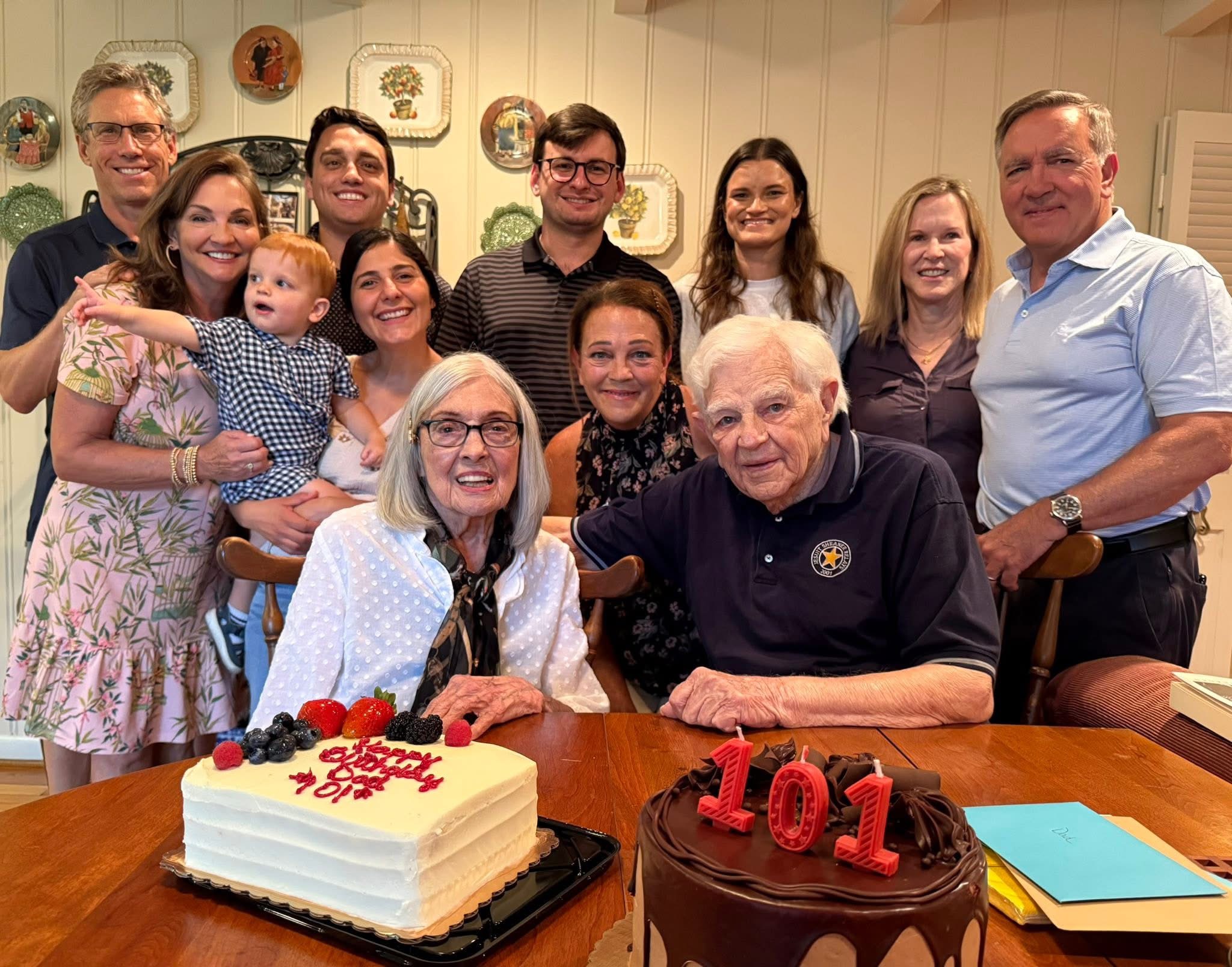
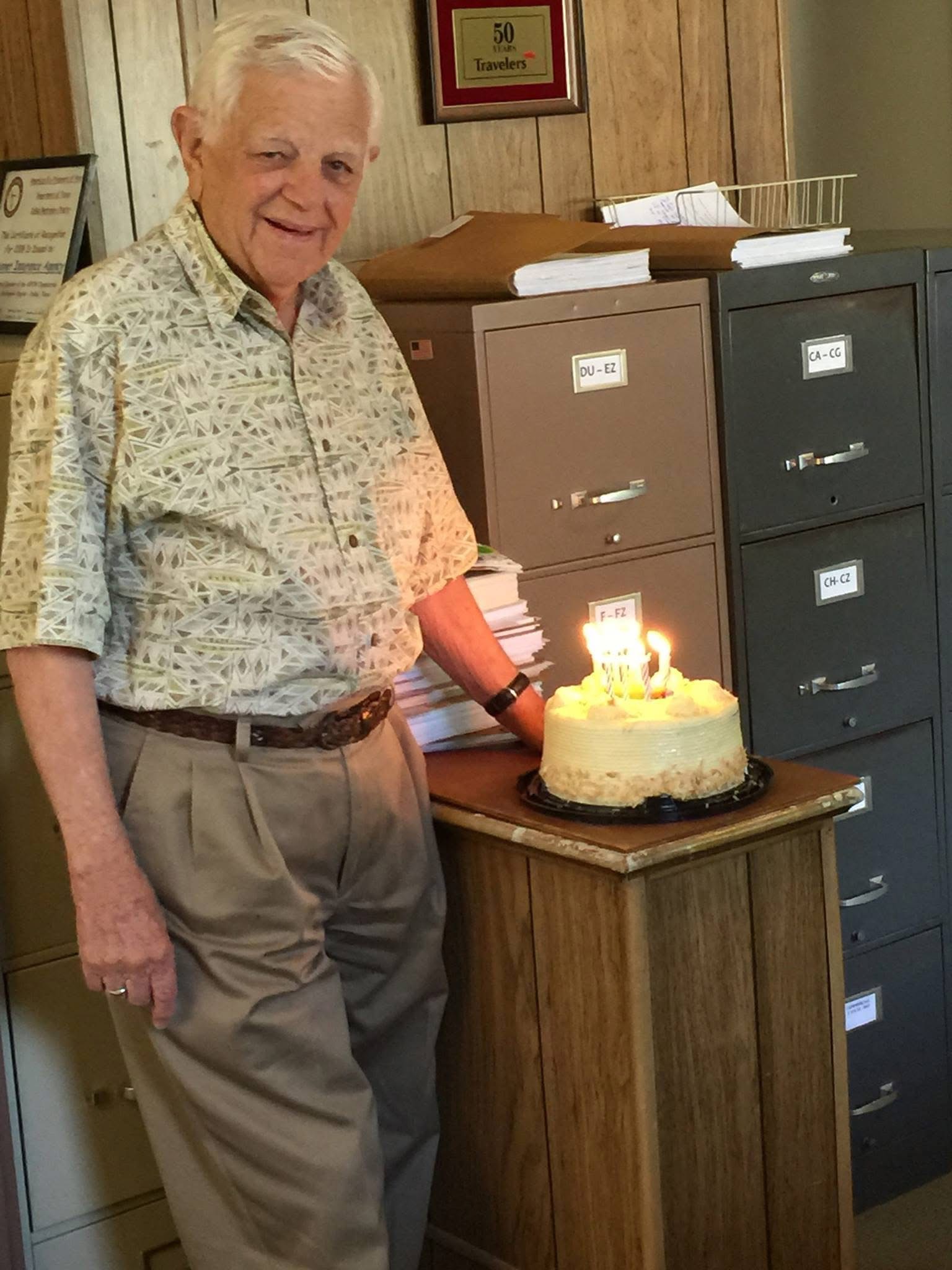
(Herb turned 101 as of 2025)
Endnote
Company G was positioned on the Schnee Eifel ridge when the German offensive began on 16 December 1944. The 422nd and 423rd were encircled and forced to surrender on 19 December, making them the largest mass surrender of U.S. forces in Europe. Herb Sheaner was among those captured — and one of the few who later escaped.
Battle of the Bulge Timeline (Herb Sheaner’s Experience)
- 16 December 1944 — German Offensive Begins
- The 422nd Regiment is hit by overwhelming artillery and armored assaults.
- Communications collapse; runners like Herb Sheaner become critical.
- 17–18 December — Encirclement Tightens
- The 422nd and 423rd Regiments are cut off from the rest of the division.
- Company G attempts to reposition but is trapped in the Schnee Eifel pocket.
- 19 December — Forced Surrender
- With no ammunition, food, or reinforcements, the 422nd is surrounded.
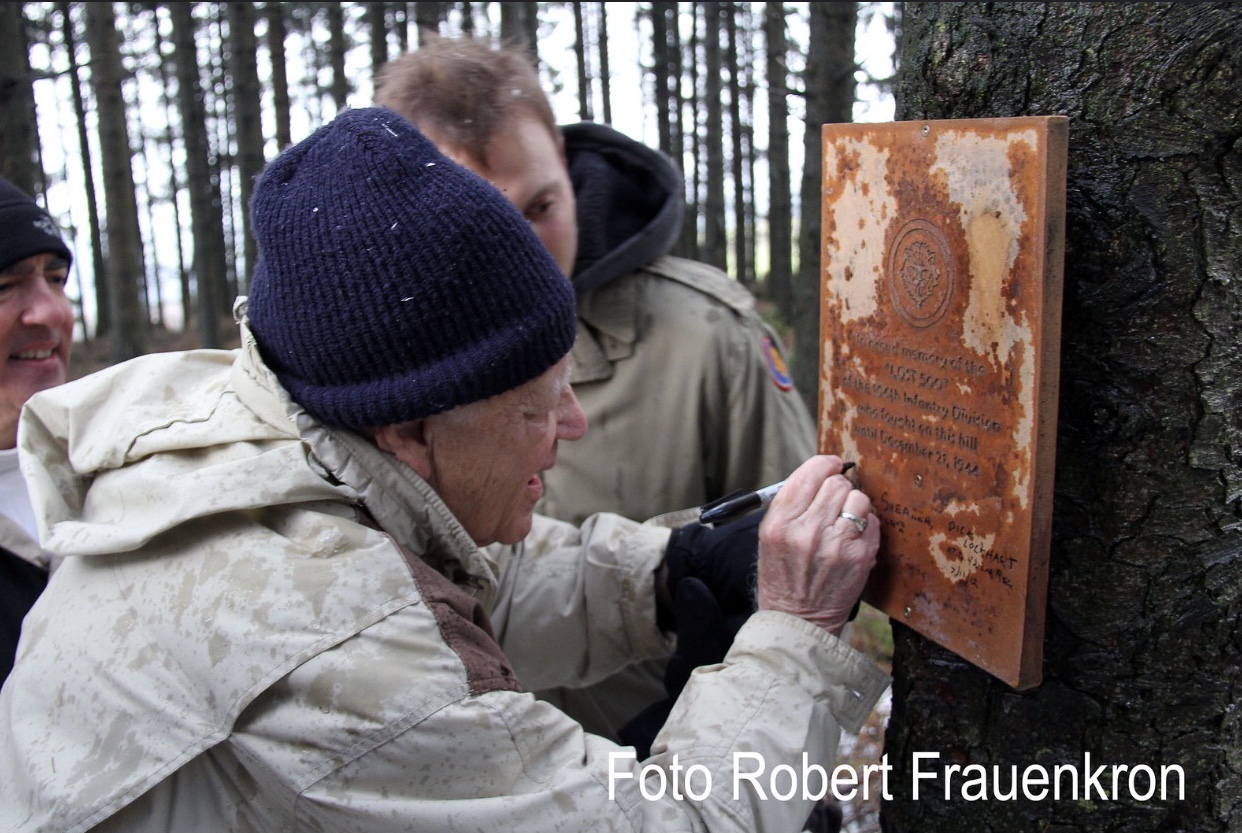
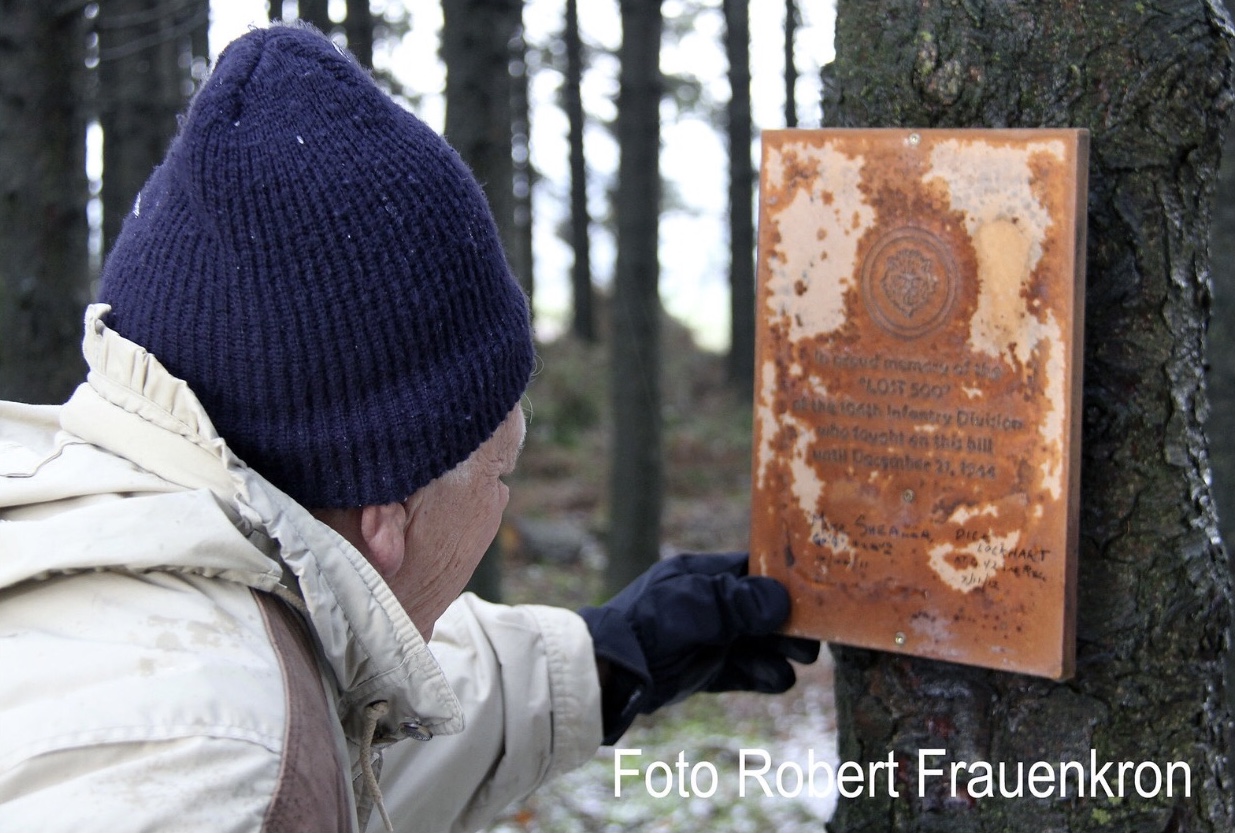
- Herb Sheaner is among the “Last 500 of the 106th” taken prisoner — the largest mass surrender of U.S. forces in Europe.
- Dec 1944 – April 1945 — POW in Germany
- Transported east into Germany under brutal winter conditions.
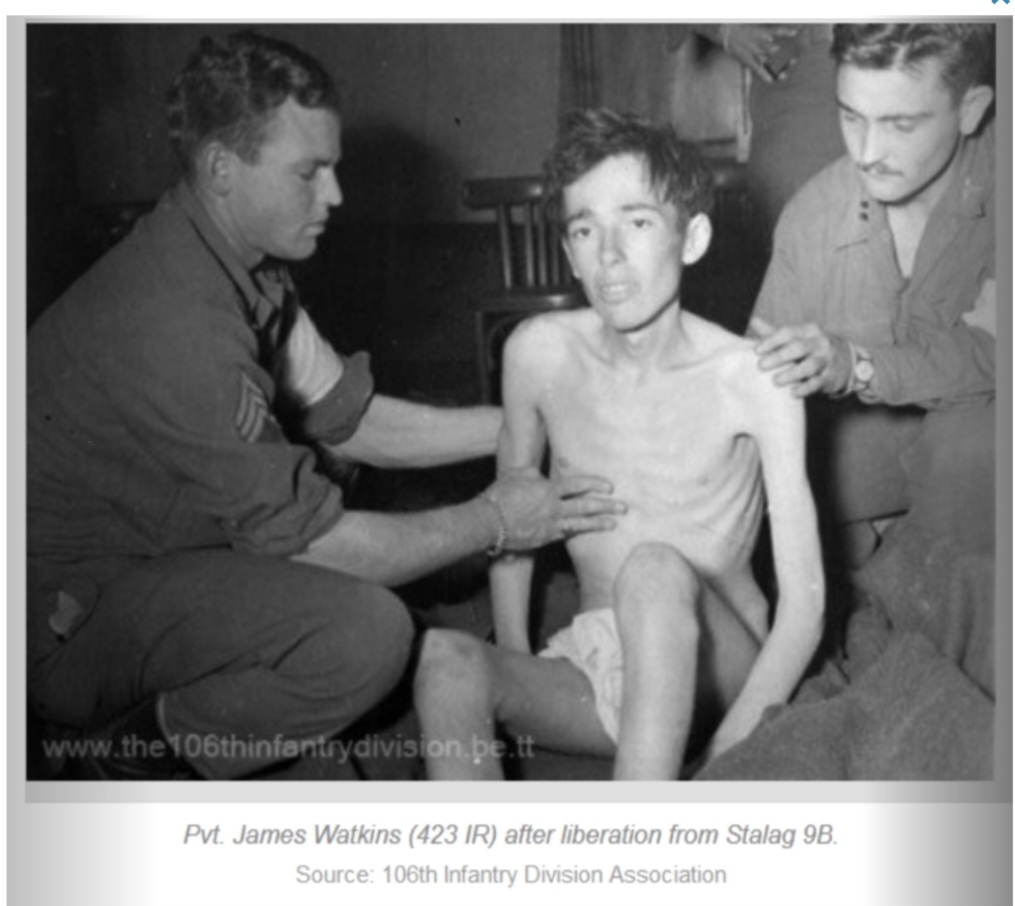
- Endures starvation, forced marches, and camp confinement.
- April 1945 — Escape
- Herb Sheaner escapes captivity as German control collapses.
- Makes contact with advancing Allied forces.
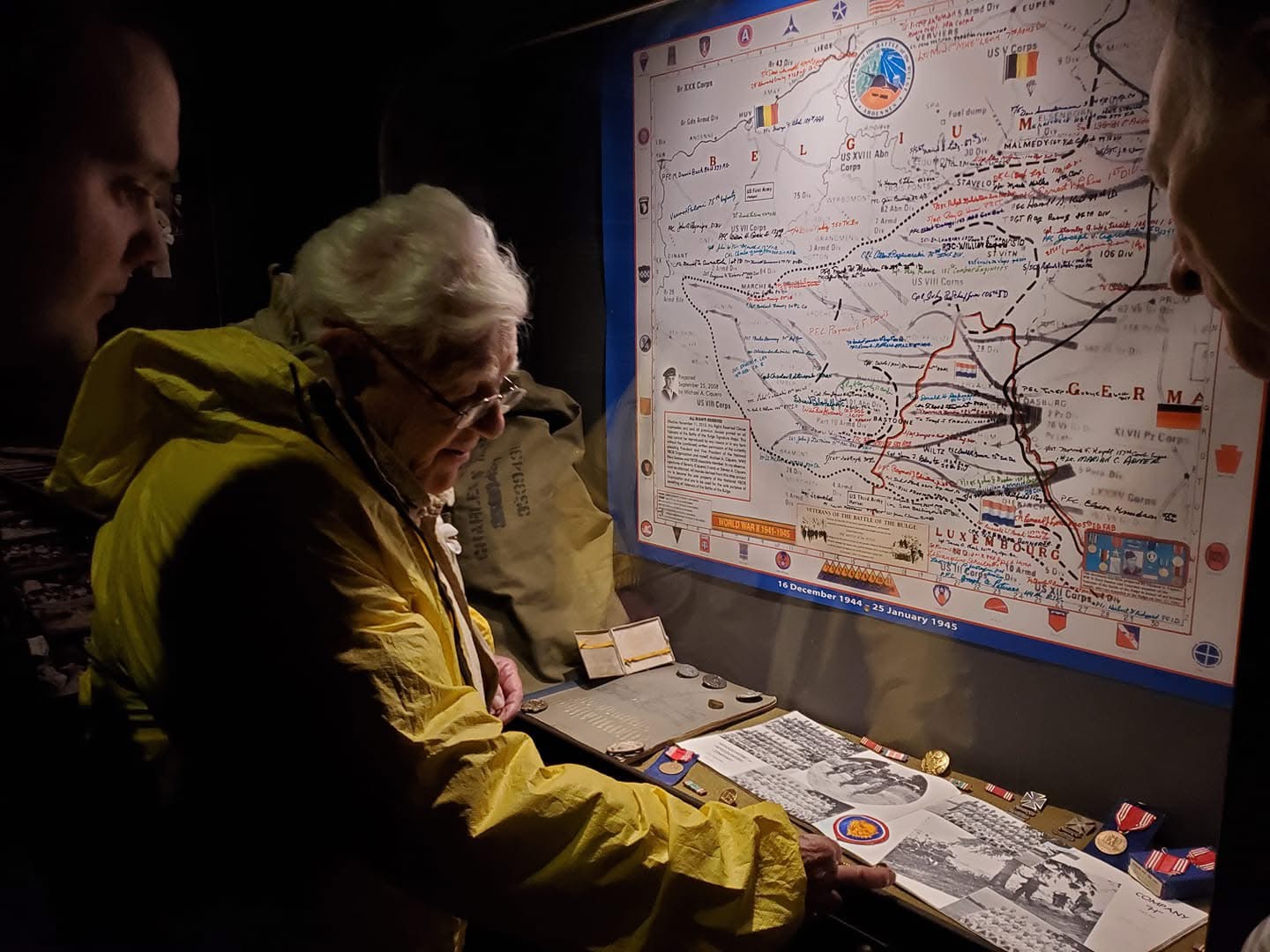
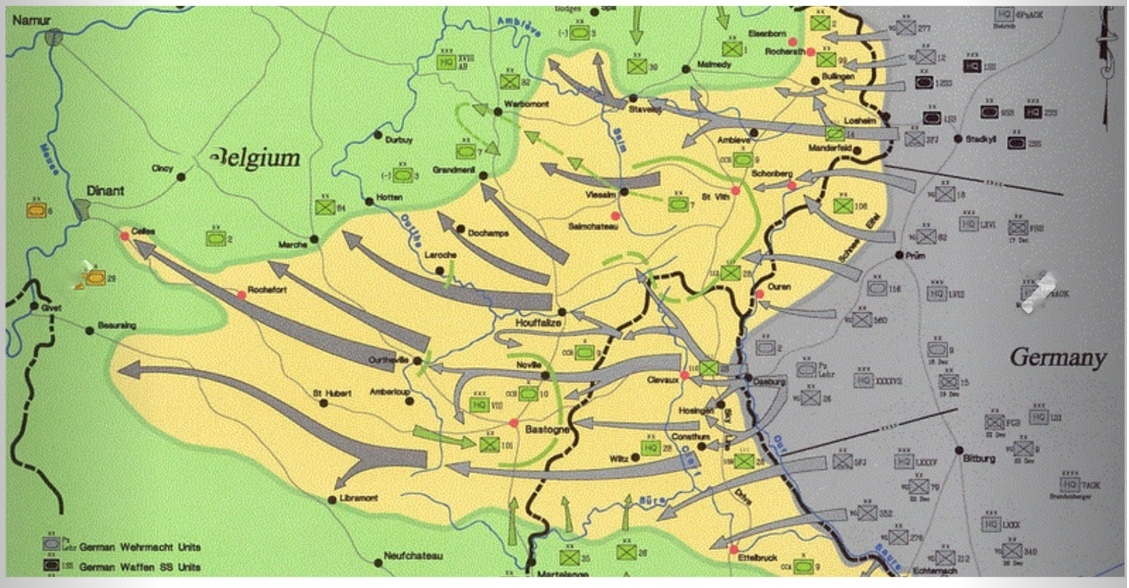
Key Map Callouts and German Encirclement
- Schnee Eifel Ridge: The main defensive line held by the 422nd Infantry, including Company G, with positions in the West Wall fortifications.
- Auw: A vital road center in the 422nd sector, initially held by American engineers and later overrun by German forces.
- Bleialf: A southern anchor point, captured by German troops on December 17, contributing to the encirclement.
- Schönberg: The focal point of the German pincer movement; its bridge over the Our River was seized intact, sealing the fate of the 422nd and 423rd Regiments.
- Losheim Gap: The northern avenue of German advance, exploited by the 18th Volksgrenadier Division to bypass American strongpoints.
- German Encirclement Routes: The LXVI Corps, spearheaded by the 18th and 62nd Volksgrenadier Divisions, executed a double envelopment—one arm driving through the Losheim Gap and Auw, the other through Bleialf and toward Schönberg. These converging thrusts trapped the 422nd and 423rd Regiments in what became known as the Schnee Eifel pocket.
- Surrender Points: The mass surrender occurred in the hills and woods east of Schönberg, with the survivors marched into captivity through the valley road and woods toward the town.
December 16, 1944: The German Offensive Begins
- 05:30: A massive German artillery barrage shatters the pre-dawn silence along the Schnee Eifel. Company G, like the rest of the 422nd Regiment, is jolted awake by the thunder of shells and the cutting of communication lines. Herb Sheaner, then a 19-year-old corporal and company runner, is initially unaware of the attack, having just come off guard duty and returned to his hut.
- Morning: German infantry of the 18th Volksgrenadier Division infiltrate through the Losheim Gap and Auw, bypassing American strongpoints and targeting the rear of the 422nd. Company G’s outposts are engaged; mortar fire called in by American observers repels the initial assault, inflicting heavy casualties on the attackers.
- Afternoon: Company G and Cannon Company counterattack toward Auw to prevent the regimental command post and support units from being overrun. The attack is costly but temporarily stabilizes the line. Throughout the day, confusion reigns as communications break down and reports of German armor and infantry movements filter in sporadically.
- Evening: The regiment forms a perimeter defense south of Schlausenbach. Company G is repositioned to protect the regimental headquarters and the northern flank. The men subsist on cold rations, with little sleep and mounting anxiety about the scale of the attack.
December 17, 1944: Encirclement Tightens
- Early Morning: German forces capture Bleialf and link up near Schönberg, completing the encirclement of the 422nd and 423rd Regiments. Company G, along with the rest of the regiment, is now effectively cut off from the rest of the division and American lines to the west.
- Morning: Orders from division headquarters, delayed and garbled by disrupted communications, instruct the 422nd to withdraw if positions become untenable. However, the window for an organized retreat has closed; German units control the key roads and bridges. Herb Sheaner and his comrades are unaware of the full extent of their isolation, but the lack of resupply and the presence of enemy patrols in the rear signal the gravity of their predicament.
- Afternoon: Company G is ordered to move toward Schlausenbach to reinforce the regimental headquarters. The men march through snow and mud, encountering sporadic enemy fire and evidence of earlier fighting—abandoned vehicles, wounded soldiers, and the bodies of both Americans and Germans. Sheaner later recalls the surreal experience of seeing a dead German officer near his post, a stark reminder of the battle’s human cost.
- Night: The regiment consolidates in a patch of woods northeast of Oberlascheid, preparing for a breakout attempt. Supplies are critically low; the men subsist on D-ration bars and whatever food they can scrounge. Morale is strained but not broken, as rumors of relief and counterattacks circulate among the ranks.
December 18, 1944: Breakout Attempt and Desperation
- Early Morning: Orders arrive by radio: the 422nd and 423rd Regiments are to attack west toward Schönberg, destroy enemy forces there, and clear the road to St. Vith—their original supply route. The plan calls for a coordinated breakout, but the regiments are exhausted, short on ammunition, and facing entrenched German opposition.
- Daylight: Company G, as part of the 2nd Battalion, advances with Company E on the left and Headquarters Company as rear guard. The attack was met with devastating small arms, artillery, and anti-aircraft fire from German positions overlooking the approach to Schönberg. Tanks and assault guns inflict heavy casualties, and the American advance stalls in the face of overwhelming firepower.
- Afternoon: The regimental commander, Colonel George Descheneaux, assesses the situation: no resupply of food or ammunition for four days, mounting casualties, and no prospect of relief. After consulting with his officers, he decides to surrender to prevent further loss of life. Company G, along with other elements, is ordered to destroy weapons and prepare for captivity. Some groups attempt to break out individually, but most are rounded up by German patrols.
- Evening: The formal surrender is negotiated near Schönberg. Herb Sheaner and his fellow soldiers are marched under guard toward the town, passing through the valley road and woods where the 423rd Regiment had been decimated. The men are stripped of valuables, but Sheaner later recalls a German officer intervening to return his watch—a small act of humanity amid the chaos of defeat.
December 19, 1944: Surrender and the Long March Begins
- Morning: The remnants of Company G and other units assemble in a gully east of Schönberg. Several hundred disillusioned men and dozens of officers are marched into captivity. The mass surrender of the 422nd and 423rd Regiments—approximately 7,000 men—constitutes the largest single-unit loss for the U.S. Army in the European Theater.
- Day: The prisoners begin a forced march eastward, heading toward Gerolstein and the interior of Germany. The journey is marked by exhaustion, hunger, and uncertainty about their fate. For Herb Sheaner, the ordeal of captivity is just beginning—a test of endurance and resilience that will last until the final weeks of the war.
- After the surrender on December 19, 1944, Herb Sheaner and his fellow prisoners began a grueling march eastward, covering approximately 50 kilometers to the rail hub at Gerolstein. The march, conducted in freezing temperatures and with minimal food or water, tested the endurance of even the fittest soldiers. Many were already weakened by days of combat, exposure, and deprivation. Along the way, the column passed through devastated villages and encountered both hostile and sympathetic civilians.
- At Gerolstein, the prisoners were herded into “forty and eight” boxcars—so named for their nominal capacity of 40 men or 8 horses, though in practice as many as 80–90 POWs were crammed into each car. The conditions were appalling: little ventilation, a single bucket for sanitation, and no provision for food or water. The journey lasted several days, punctuated by Allied air attacks on the rail lines and the constant threat of suffocation or disease. Some prisoners, including members of Company G, were killed or wounded during these bombings, notably in the Christmas Eve raid at Gerolstein.
Internment in German POW Camps: Stalag IV-B and Beyond
- Upon arrival in Germany, the prisoners were dispersed to various camps. Herb Sheaner was sent to Stalag IV-B at Mühlberg, one of the largest POW camps in the Reich. Stalag IV-B housed prisoners from over 30 nations and was notorious for its overcrowding, poor sanitation, and inadequate rations. American prisoners, arriving in large numbers after the Battle of the Bulge, found themselves in barracks designed for far fewer occupants, sleeping three to a bunk or even on the floor.
- Daily life in the camp was a struggle for survival. Food consisted of thin soup, a few slices of bread, and occasional Red Cross parcels when available. Disease was rampant—dysentery, pneumonia, diphtheria, and tuberculosis claimed hundreds of lives. Medical care was minimal, and the sick were often left to fend for themselves. Despite these hardships, prisoners organized educational classes, sports, and even theatrical performances to maintain morale. Escape attempts were rare but not unheard of, with some prisoners managing to slip away during work details or forced marches.
The Death March and Escape: Spring 1945
As the Red Army advanced from the east in early 1945, the German authorities began evacuating POW camps, forcing prisoners on long marches westward to prevent their liberation by the Soviets. Herb Sheaner, along with thousands of others, was compelled to join these “death marches,” covering hundreds of miles on foot through the collapsing Third Reich.
The marches were conducted in brutal winter conditions, with little food, inadequate clothing, and constant harassment by guards. Many prisoners died of exposure, starvation, or were shot for falling behind.
During one such march in April 1945, Sheaner seized an opportunity to escape. Taking advantage of the confusion as German authority crumbled and Allied forces approached, he slipped away from the column and made contact with advancing American units. His escape marked the end of a harrowing odyssey that had begun with the surrender at Schönberg four months earlier.
For Sheaner and his fellow survivors, liberation was both a physical and emotional release—a return to freedom after enduring the worst that war and captivity could inflict
The POW Experience and Its Legacy
The ordeal of American POWs captured during the Battle of the Bulge, including Herb Sheaner, was marked by deprivation, suffering, and resilience. The mass surrender of the 106th Infantry Division shocked the American public and military leadership, but the subsequent experiences of the prisoners highlighted both the brutality of war and the capacity for endurance. The death marches of 1945, often overshadowed by the more infamous Bataan Death March, claimed hundreds of lives and left lasting scars on the survivors.
For Sheaner, the experience became a defining chapter in his life. After the war, he returned home, completed his education, and dedicated himself to service in his community. His memoir, “Prisoner’s Odyssey,” and his participation in veterans’ organizations ensured that the story of Company G and the 106th Division would not be forgotten.
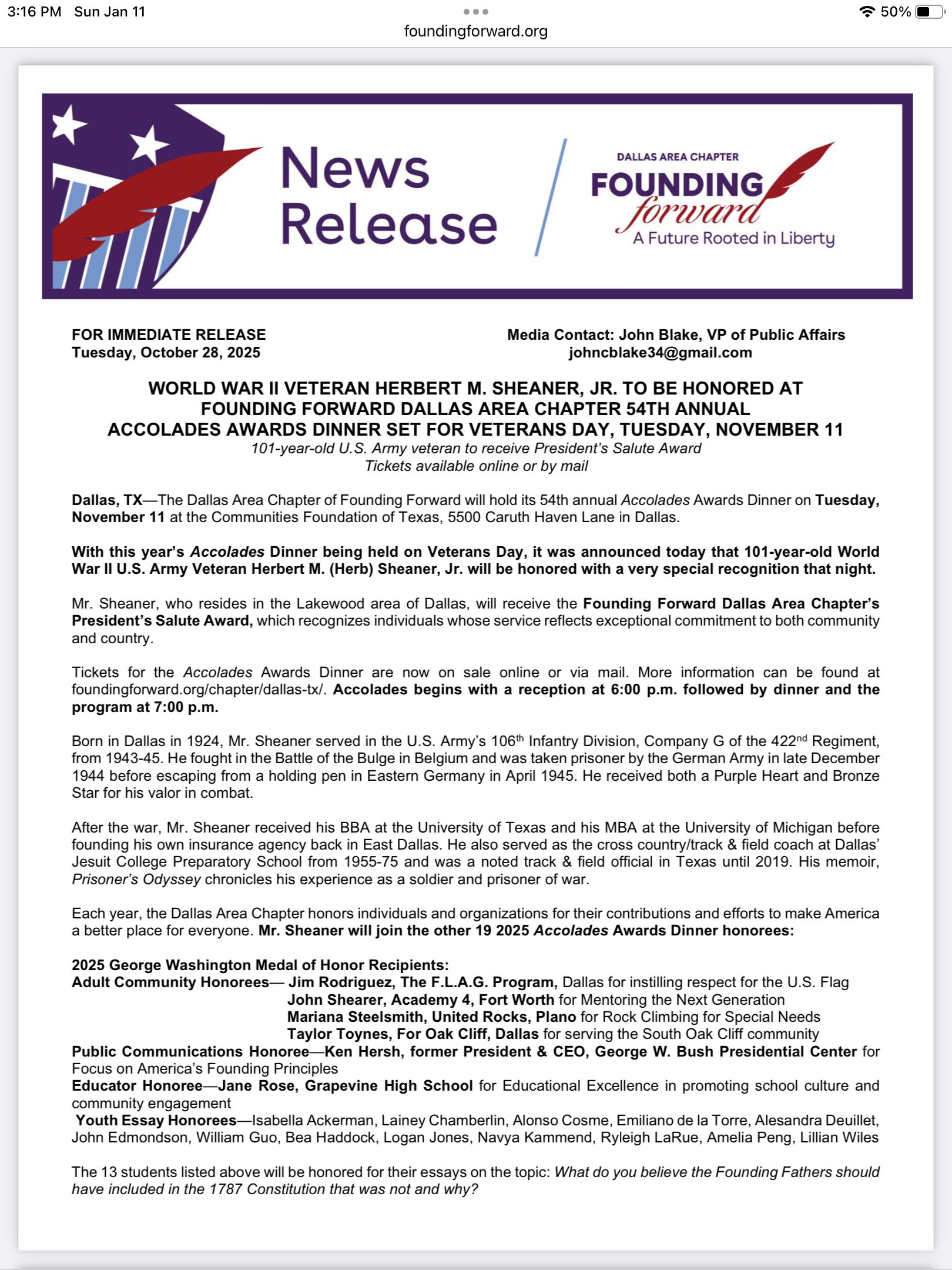
In recent years, his contributions have been recognized with honors such as the President’s Salute Award, underscoring the enduring significance of his sacrifice and resilience.
His Career at Jesuit College Preparatory School of Dallas
Arrival at Jesuit (1955)
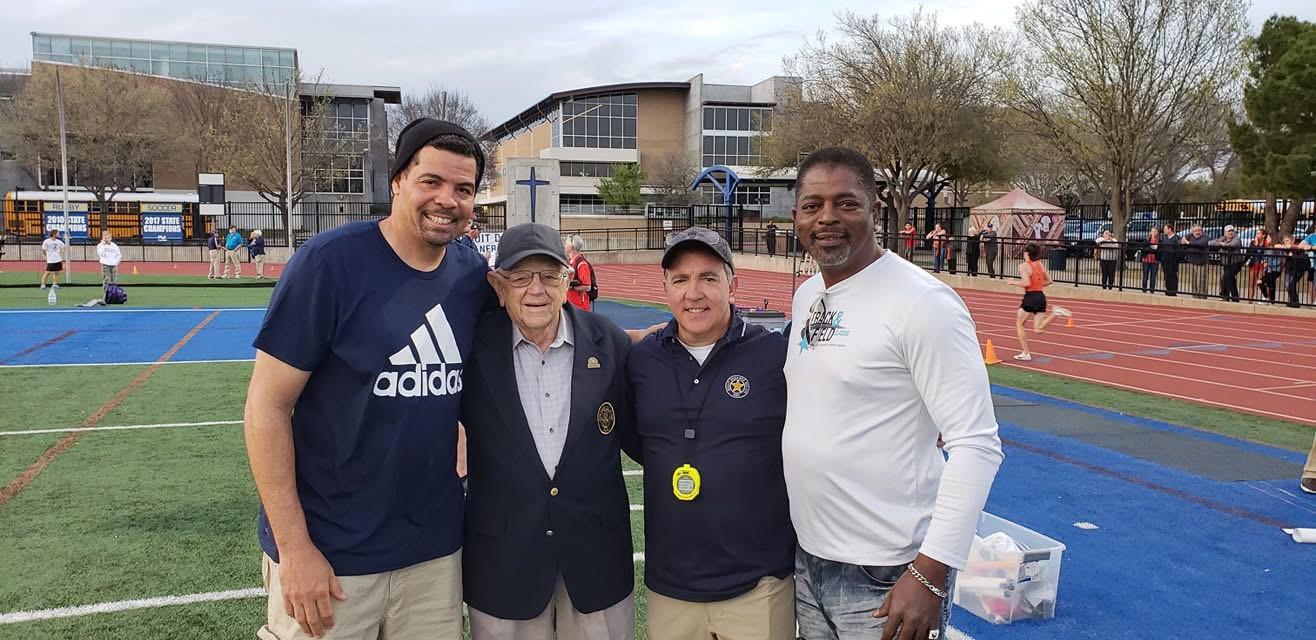
After returning from WWII, completing his education, and running track at the University of Texas, Herb Sheaner was invited to join the coaching staff at Jesuit Dallas in 1955.
He immediately became the school’s track & field and cross‑country coach, beginning a 20‑year career that would reshape high‑school athletics in Texas.
Building a Texas Track Legacy (1955–1975)
Founder of Major Texas High‑School Meets
- 1957: Sheaner secured Jesuit as host of the first TCIL‑sanctioned state track & field championship meet.
- 1958: He created the first high‑school cross‑country meet ever held in Dallas.
Jesuit-Sheaner Relays
- In 1964, he inaugurated the Jesuit Relays, which grew into the largest high‑school‑only track meet in Texas.
- Upon his retirement in 1975, the meet was renamed the Jesuit‑Sheaner Relays in his honor.
Championship Success
During his 21‑year tenure:
- Jesuit won six TCIL Track & Field Championships.
- In 1964, Jesuit’s team scored more than double the points of all other teams combined at the state championship.
Hall of Fame Recognition
Herb Sheaner was inducted into the Jesuit Dallas Athletics Hall of Fame in 1999 for his transformative impact on the school’s athletic program.
His Influence on Students and the School
Interviews describe Herb Sheaner as:
- A beloved mentor
- A builder of modern Texas high‑school track
- A coach who “blossomed the sport into what it is today”
He often said his years at Jesuit were “a wonderful time in my life.”
Life Beyond Coaching
While coaching at Jesuit, he also:
- Ran a successful insurance business in East Dallas
- Built a 69‑year marriage with his wife Gloria
- Became a respected community figure and WWII speaker
Summary for Display Panel
Herb Michael “Herb” Sheaner Jr.Jesuit Dallas Coach (1955–1975)
- Founder of the Jesuit‑Sheaner Relays
- Creator of Dallas’s first high‑school cross‑country meet
- Six‑time TCIL state champion coach
- Jesuit Dallas Athletics Hall of Fame (1999)
- Beloved mentor who shaped Texas high‑school track & field
Legacy
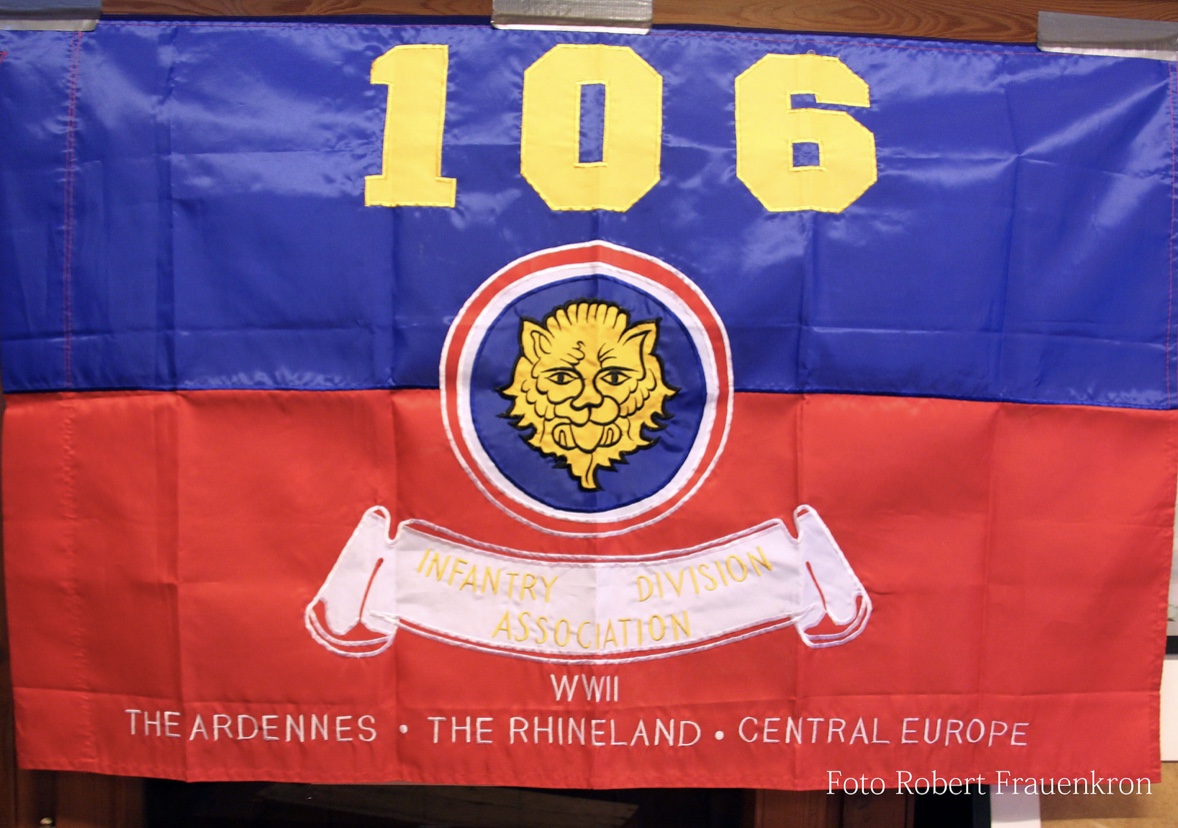
Michael “Herb” Sheaner Jr. served his nation with courage, endurance, and unwavering resolve as a member of Company G, 422nd Infantry Regiment, part of the 106th Infantry Division, the famed “Golden Lions.” In December 1944, during the opening days of the Battle of the Bulge, Herb and his regiment were encircled on the Schnee Eifel and overwhelmed by the full force of the German offensive.
Amid freezing temperatures, relentless artillery, and impossible odds, he fought with the quiet determination of a young American soldier committed to his duty. When the 422nd was cut off and forced to surrender, Herb became a Prisoner of War, enduring hunger, exhaustion, and the harsh conditions of captivity in Germany.
His survival stands as a testament to his strength of spirit, resilience, and the unbreakable will that defined the Greatest Generation.
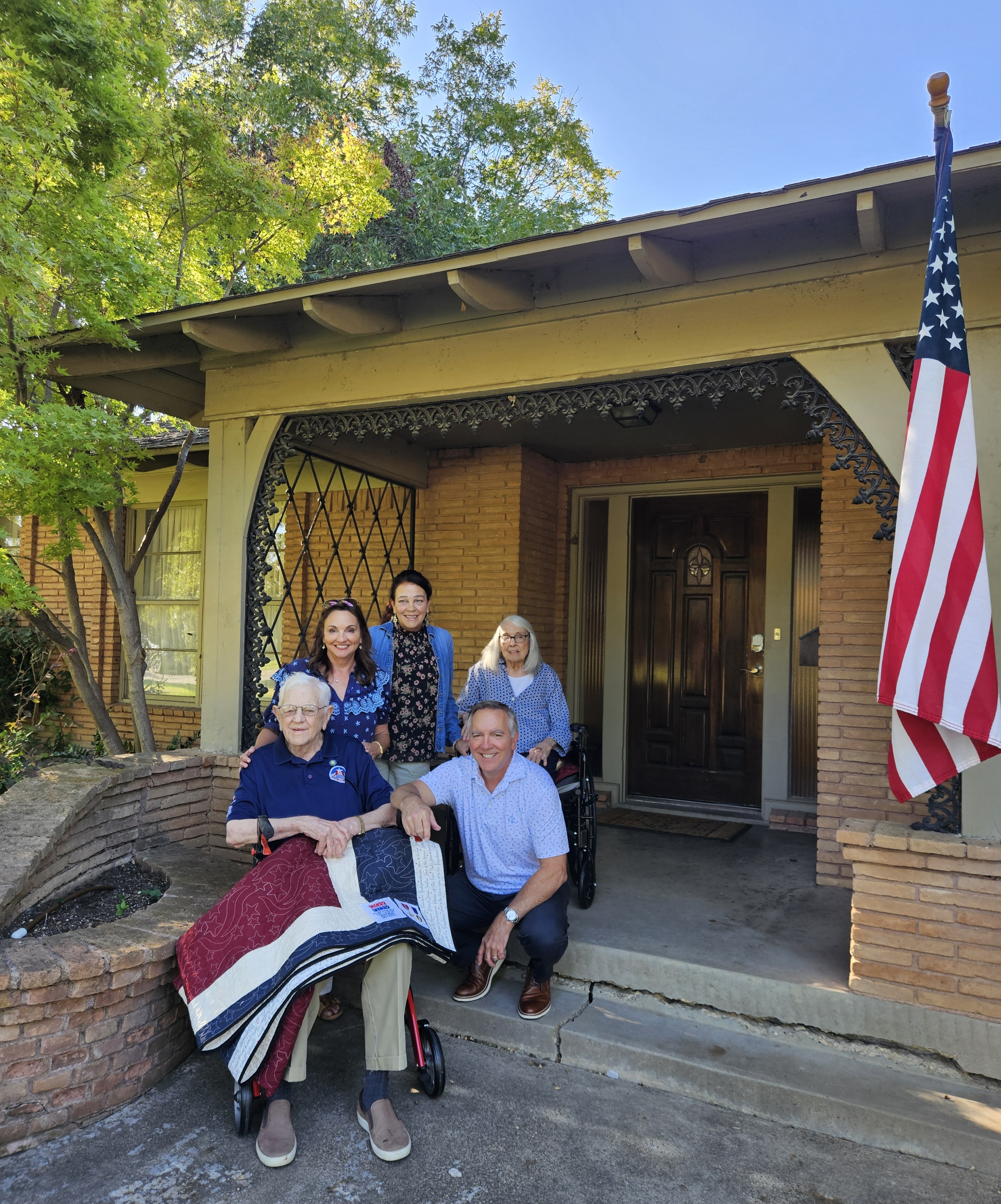
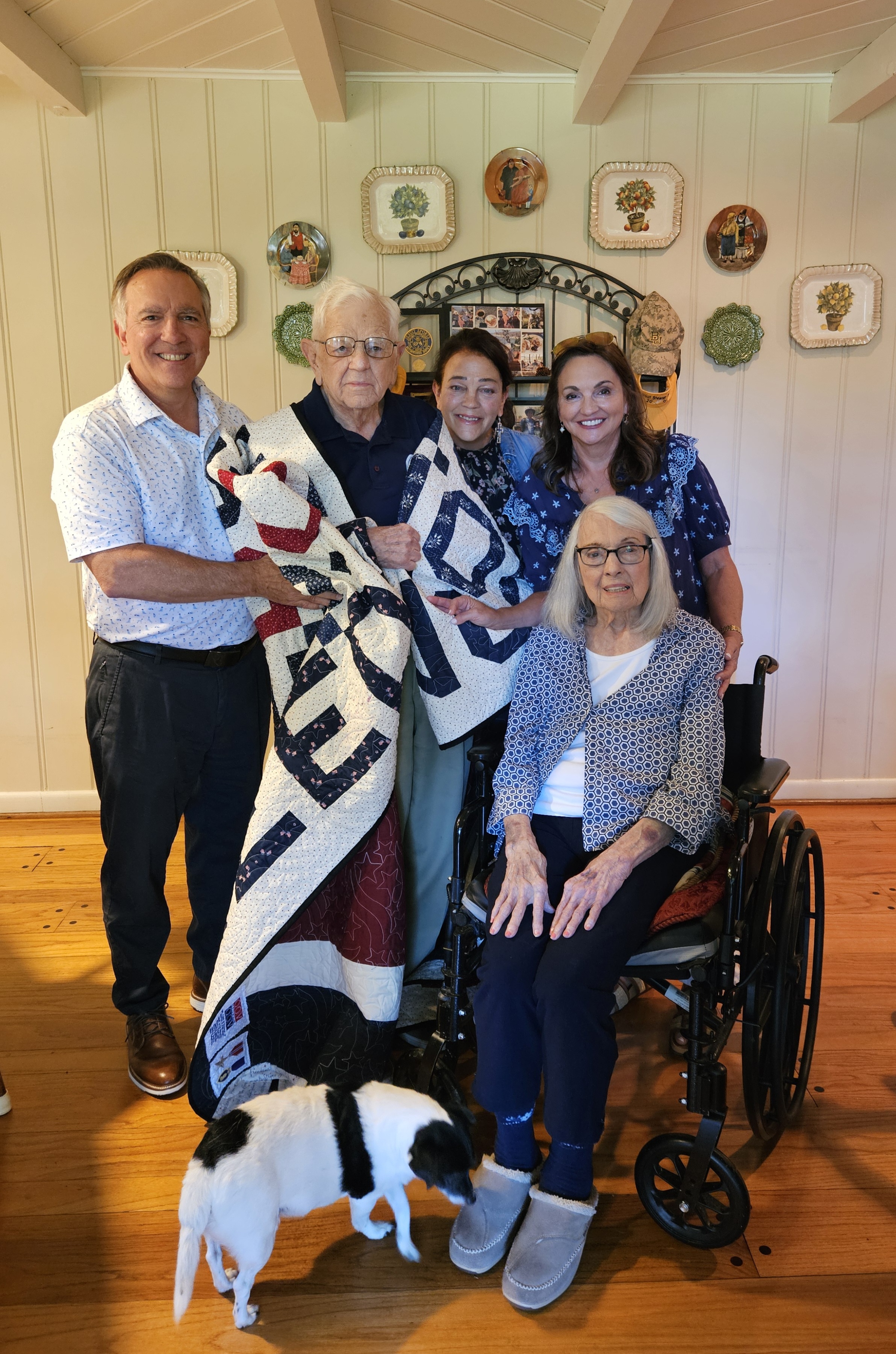
After the war, Herb returned home and built a life grounded in family, service, and community. He became the steady center of a family that loved him deeply, a husband and father whose presence brought warmth, humor, and unwavering support. His family was his anchor, and their love sustained him through every chapter of his life.
Herb carried the lessons of war into a remarkable civilian career as a coach, mentor, and educator at Jesuit College Preparatory School of Dallas. Joining Jesuit in 1955, he became one of the most influential figures in the school’s athletic history. As head coach of track & field and cross‑country, he built programs defined by discipline, teamwork, and integrity. He founded the Jesuit Relays in 1964—an event that grew into the largest high‑school‑only track meet in Texas and was later renamed the Jesuit‑Sheaner Relays in his honor.
Under his leadership, Jesuit won six TCIL state championships, including the legendary 1964 season when his team scored more points than all other schools combined. Yet Herb’s greatest victories were not measured in medals or records. They were found in the young men he shaped—students who learned from him the values of perseverance, humility, and doing things the right way.
For the next 20 years, Herb became one of the most influential figures in Texas high‑school athletics. As Jesuit’s track & field and cross‑country coach, he transformed the program through innovation, discipline, and heart.
Herb often said his years at Jesuit were “a wonderful time in my life.”
Those who knew him would say he made them wonderful for everyone else, too.
Herb became a pillar of the Jesuit community, a mentor whose influence extended far beyond the track. His athletes remember him as a coach who believed in them, challenged them, and guided them with fairness and respect. His legacy is woven into the fabric of Jesuit Dallas, honored in the Jesuit‑Sheaner Relays, the Jesuit Dallas Athletics Hall of Fame, and in the lives of the countless young men he helped form.
Herbert Michael “Herb” Sheaner Jr. leaves behind a life defined by service—service to his country, to his family, and to the generations of students he inspired. His courage in war, his compassion in peace, and his dedication to community form a legacy that endures in every life he touches.
Through every chapter of his life, his wife Gloria stood beside him. Their marriage was built on devotion, partnership, and a deep, enduring love. She was his anchor, his confidante, and the steady presence who supported him through the memories he carried from war and the triumphs he experienced in coaching.
Together, Herb and Gloria raised a loving family. Their children grew up with a father who led by example—patient, principled, and quietly strong. He taught them the values that shaped his own life: humility, perseverance, kindness, and the belief that you lift others by showing up for them.
Herb was also a proud grandfather, finding joy in watching the next generation grow, learn, and chase their own dreams. His grandchildren knew him as a gentle, wise, and deeply loving presence—a man who listened, encouraged, and celebrated every milestone. His influence lives on in them, carried forward in the stories they tell and the values they embody.
His sacrifice is honored. His service is remembered. His legacy lives on.
This is the legacy of Herb Michael “Herb” Sheaner Jr.:
A soldier who endured the unimaginable.
A coach who built champions on and off the track.
A mentor whose influence shaped generations.
A husband devoted to Gloria for nearly seven decades.
A father and grandfather whose love anchored his family.
A man remembered with gratitude, admiration, and deep respect.
Sources
Herb Sheaner recollections
A HISTORY OF THE 106th UNDER GENERAL JONES’ COMMAND
By ALAN W. JONES, Major General, USA, Retired
WHAT HAPPENED TO THE 422ND BEFORE AND AFTER
By Lt. Col. JOSEPH C. MATTHEWS, formerly Regimental Executive Officer