
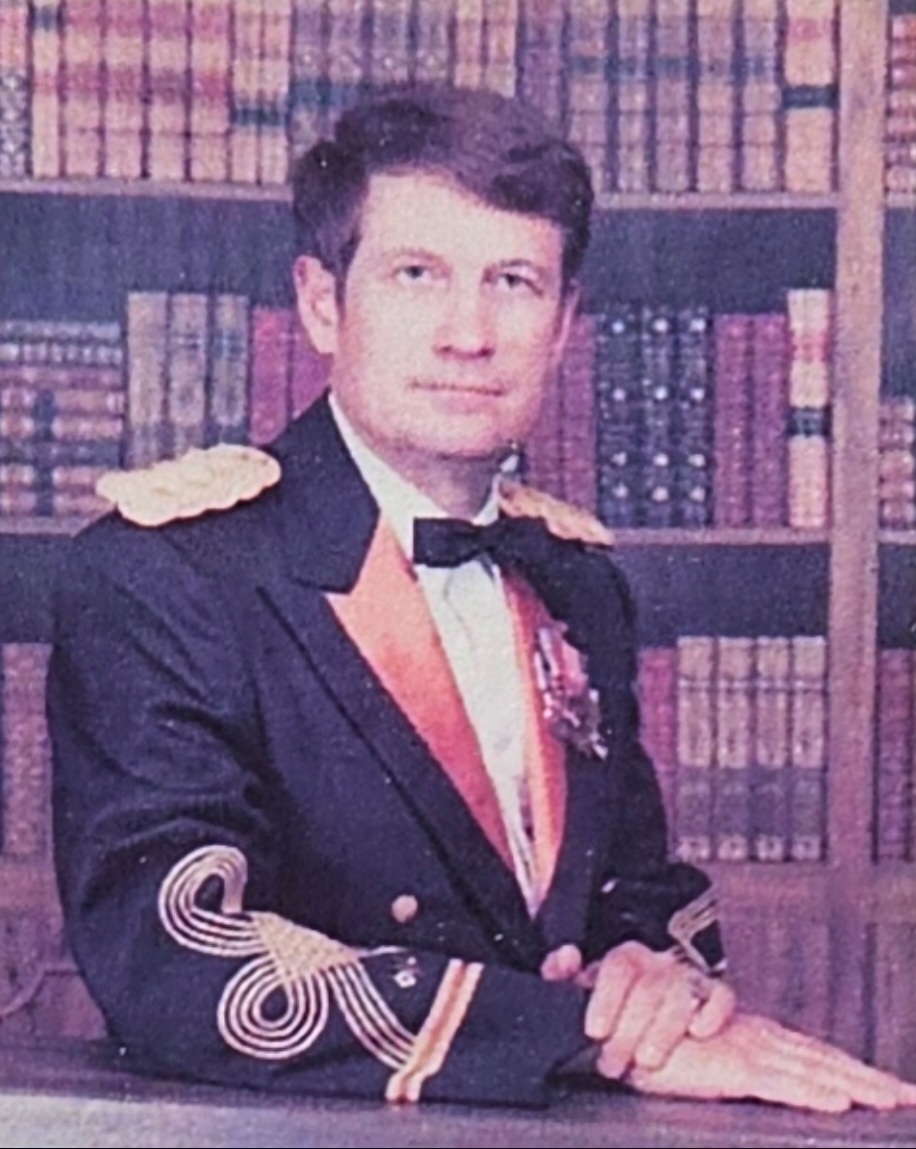
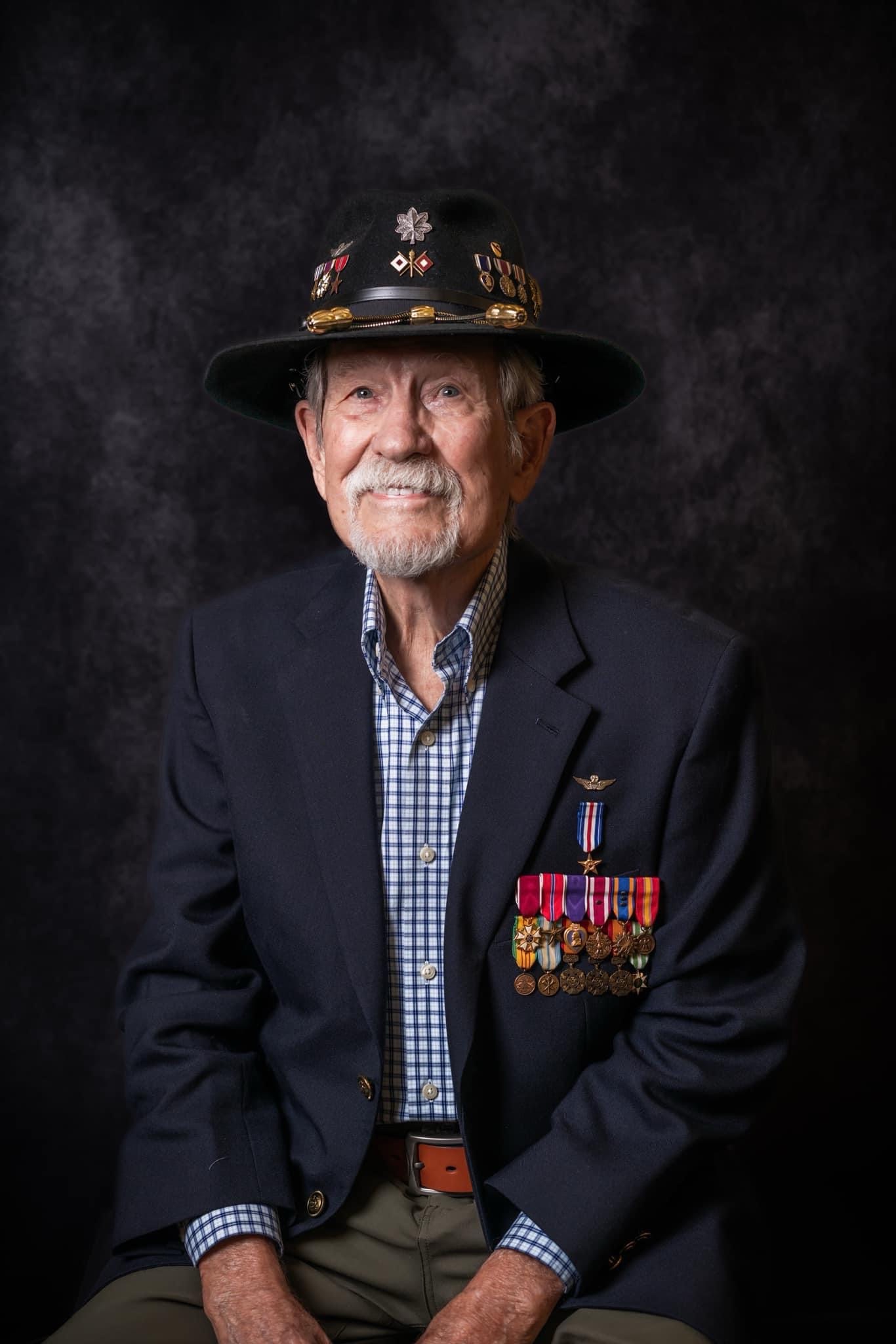

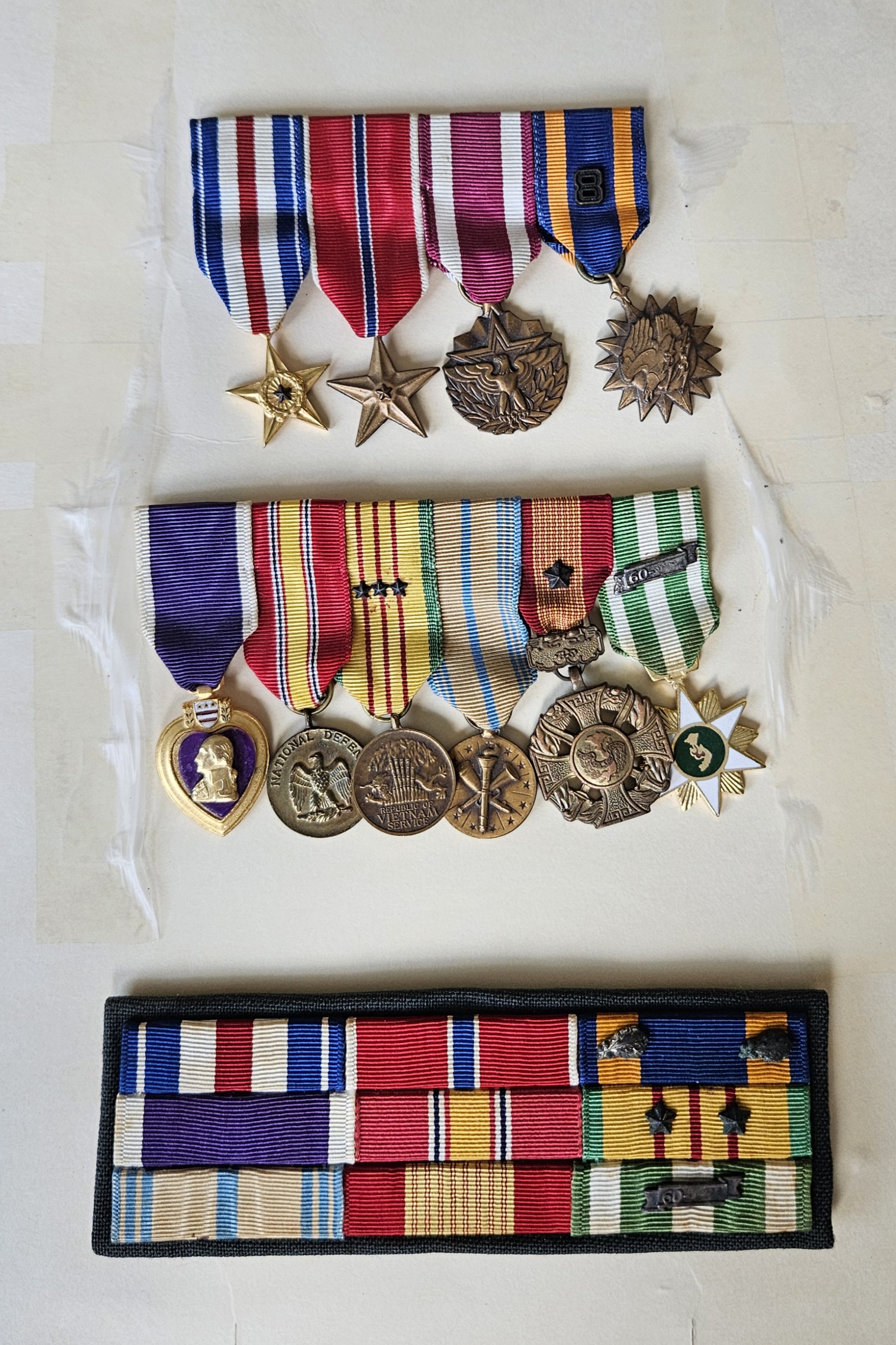
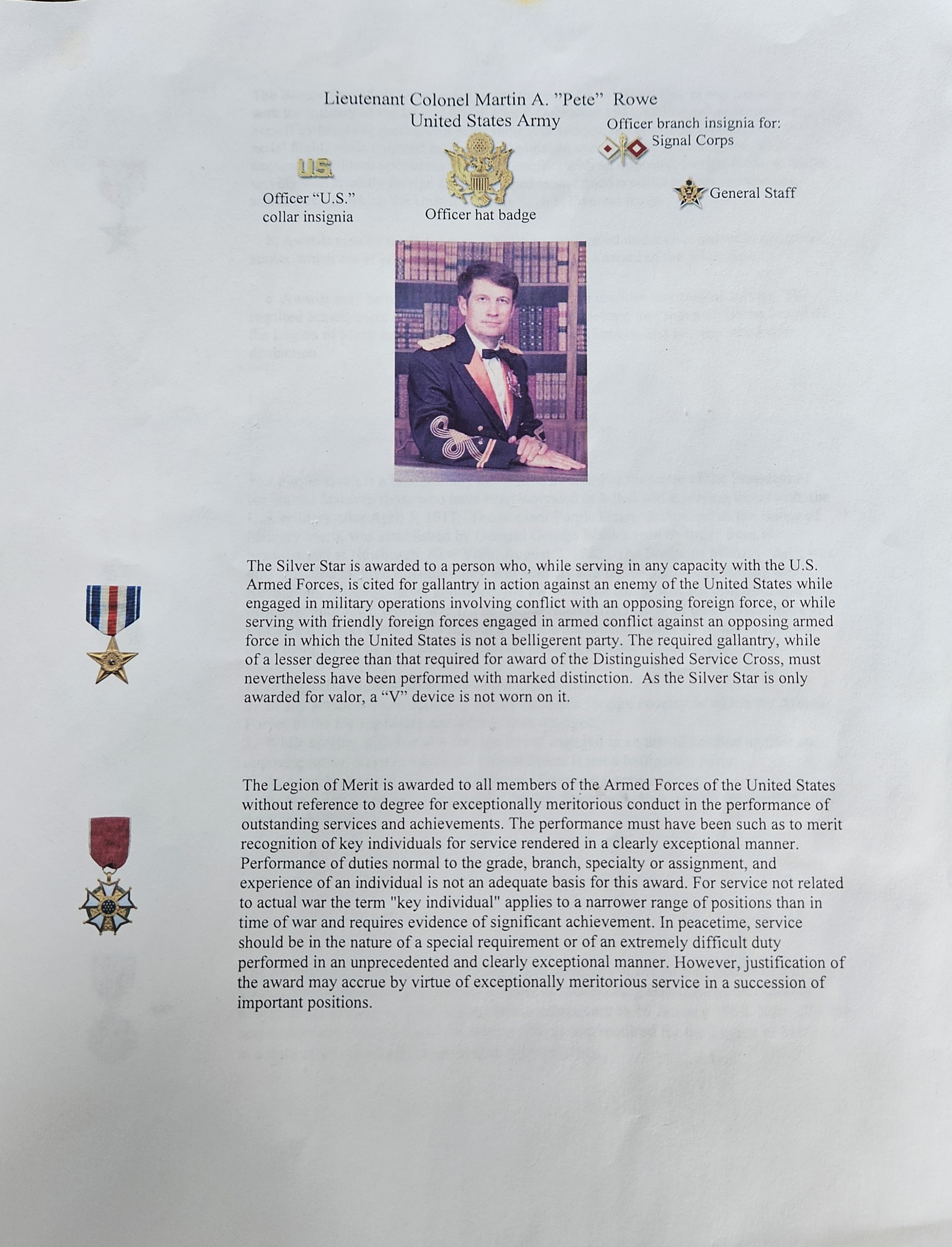
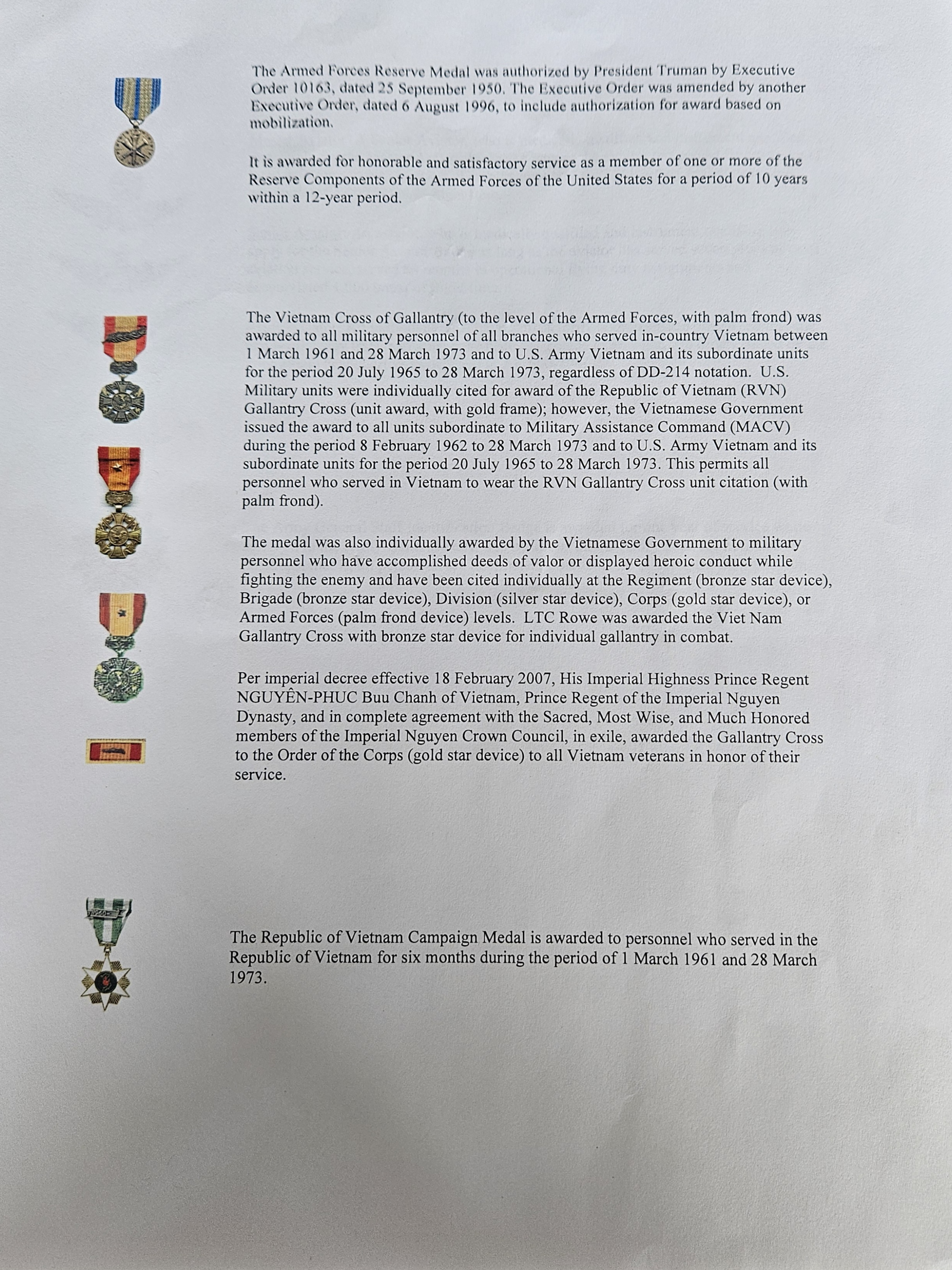
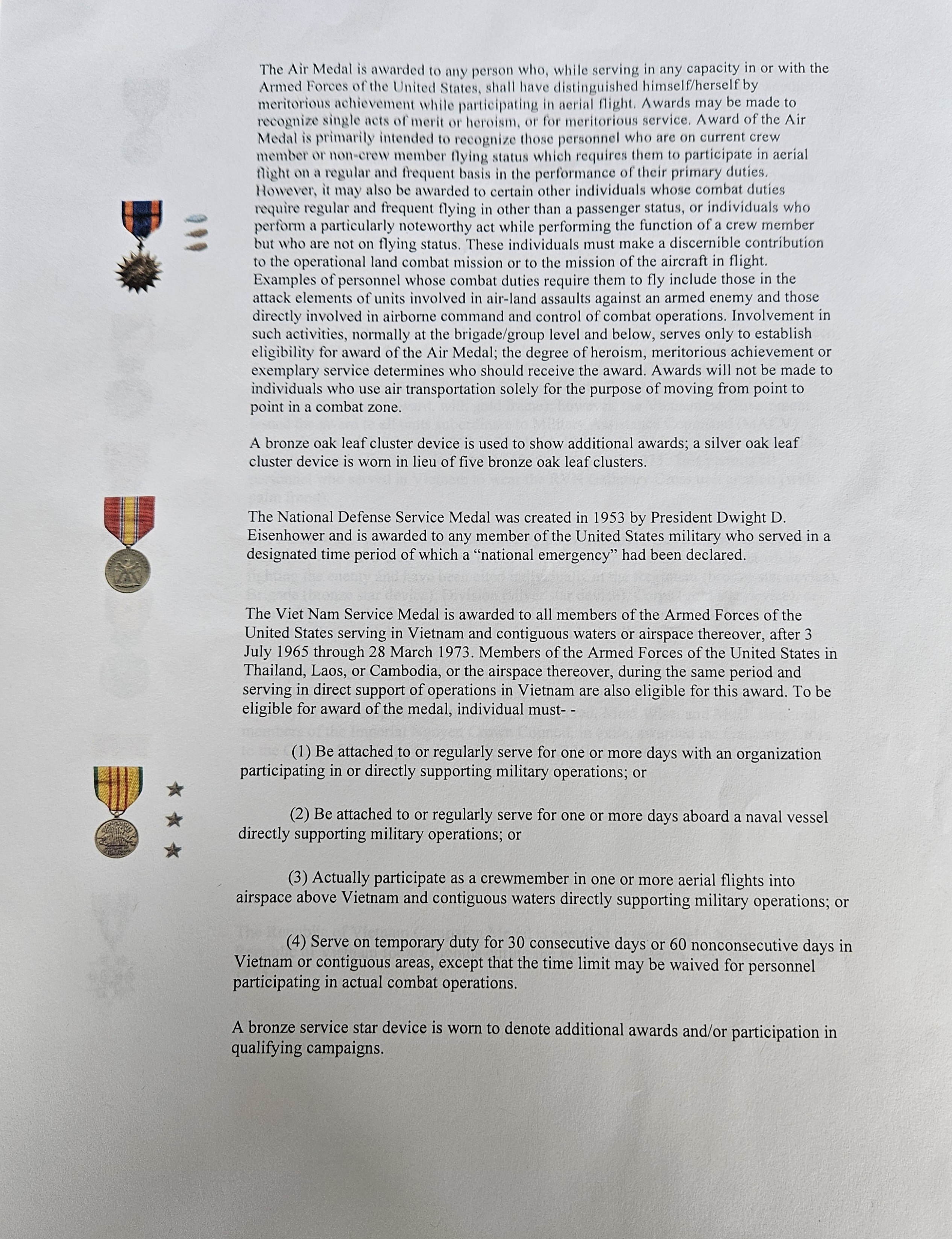
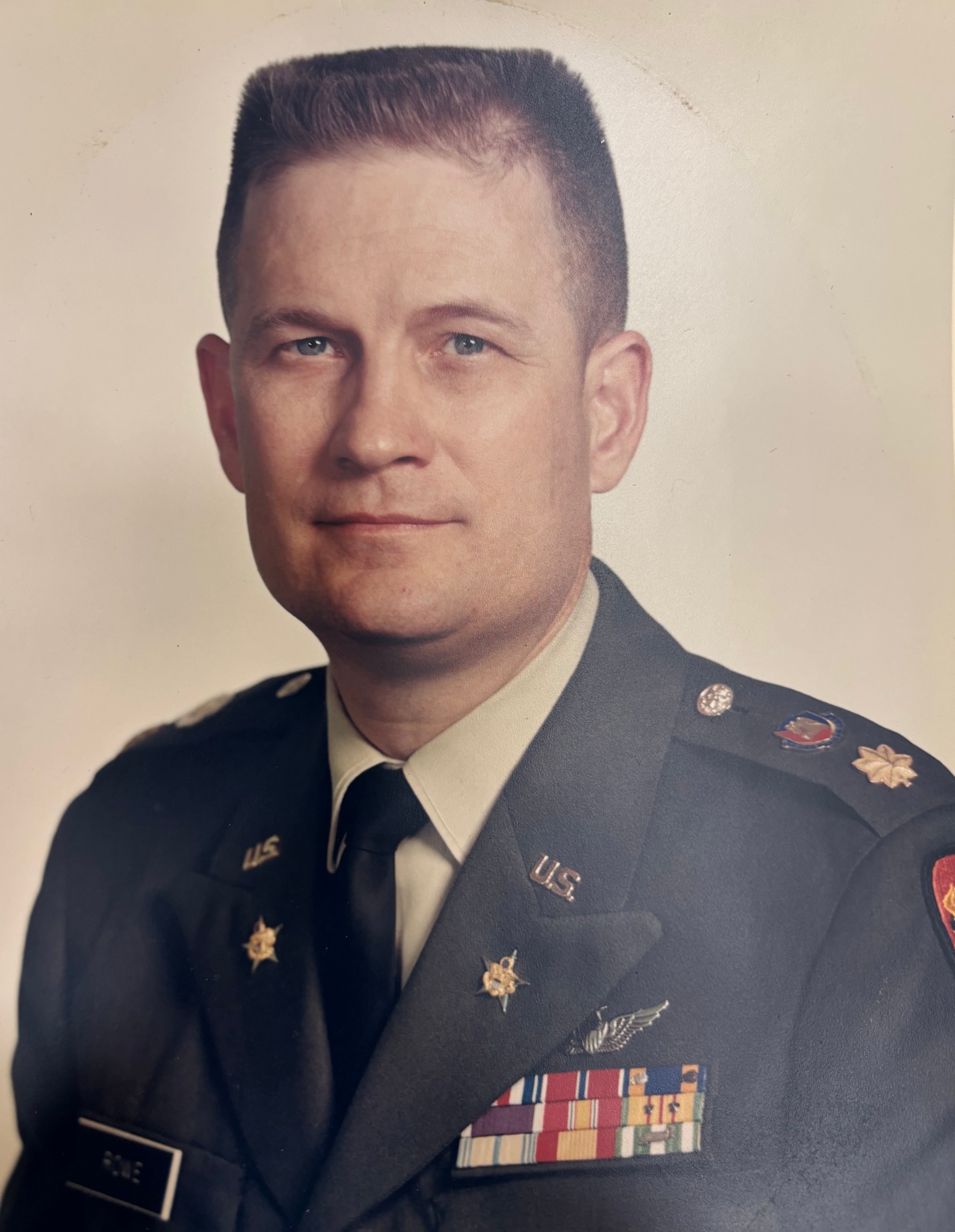
Martin Allen Rowe, known throughout his life as Pete, entered the world in Henrietta, Oklahoma, in 1932. His childhood unfolded in a town sustained by a zinc factory that employed his father as a blacksmith. The factory’s long furnaces vaporized ore and condensed it into lustrous cakes of zinc, the essential material for galvanized roofing. His mother, Mattie May Marvin, had emigrated from Germany and brought with her a quiet strength that shaped the home. His parents had met in the small farming community of Davis, Oklahoma, before moving to Henrietta in 1933. Pete grew up with several older siblings, yet the wide age gap meant he experienced childhood largely as an only child. His father gave him the name Pete after a lively mule he admired, explaining that the spirited nature of the animal matched the energy his son displayed. His father passed away at sixty‑seven from the strain of hard labor, and his mother died at seventy‑four from leukemia.
Pete’s youth was marked by curiosity, discipline, and a deep love for music. He played the trombone in the high school band, while Barbara Jean, the girl who would become his wife, played saxophone and flute. He was an avid reader and developed a strong interest in investigative pursuits. Music became the foundation of his early life, and he majored in brass at Oklahoma A and M, later renamed Oklahoma State University. Both he and Barbara earned scholarships, a testament to their talent and dedication.
Their love story began in the seventh grade. Pete remembered sitting at the back of an English classroom when Barbara Jean entered with an older girl. He later said that upon seeing her, he immediately knew he wanted to marry her. Their early dates consisted of walking to the movies because he could not yet drive. By their sophomore year, they were driving together, and on September 5, 1951, while attending college, they married. Their partnership would endure for seventy‑four years, sustained by shared purpose, mutual respect, and a profound devotion to one another.
During college, Pete managed a musical ensemble called the O’Collegants. The group performed for sororities, fraternities, and even secured engagements at Fort Sill. Pete earned seventeen dollars and fifty cents per performance after paying his band members. Their combined income was fifty dollars, supplemented by a small sum from his parents. Life was modest, but their commitment to each other made it rich. Fifteen months into their marriage, they welcomed their daughter, Mollie. Barbara withdrew from school to care for their growing family, while Pete continued his studies and ROTC training. Their son, Mark, was born in 1952, and their family grew into a large and loving legacy that now includes twelve grandchildren and eight great‑grandchildren. In 2014, they endured the heartbreaking loss of their daughter to ovarian cancer, a grief carried with quiet strength.
Pete’s early professional life centered on teaching and directing music. A superintendent from Ripley, Oklahoma, wrote to him urgently, explaining that their band director was leaving and asking him to interview. Pete accepted the position and taught there for three years while completing his degree and pursuing a master’s in music. His passion for music had been shaped by a band director who had returned from World War II and elevated their high school band to a state‑contending level. Pete admired his character and carried that influence throughout his life.
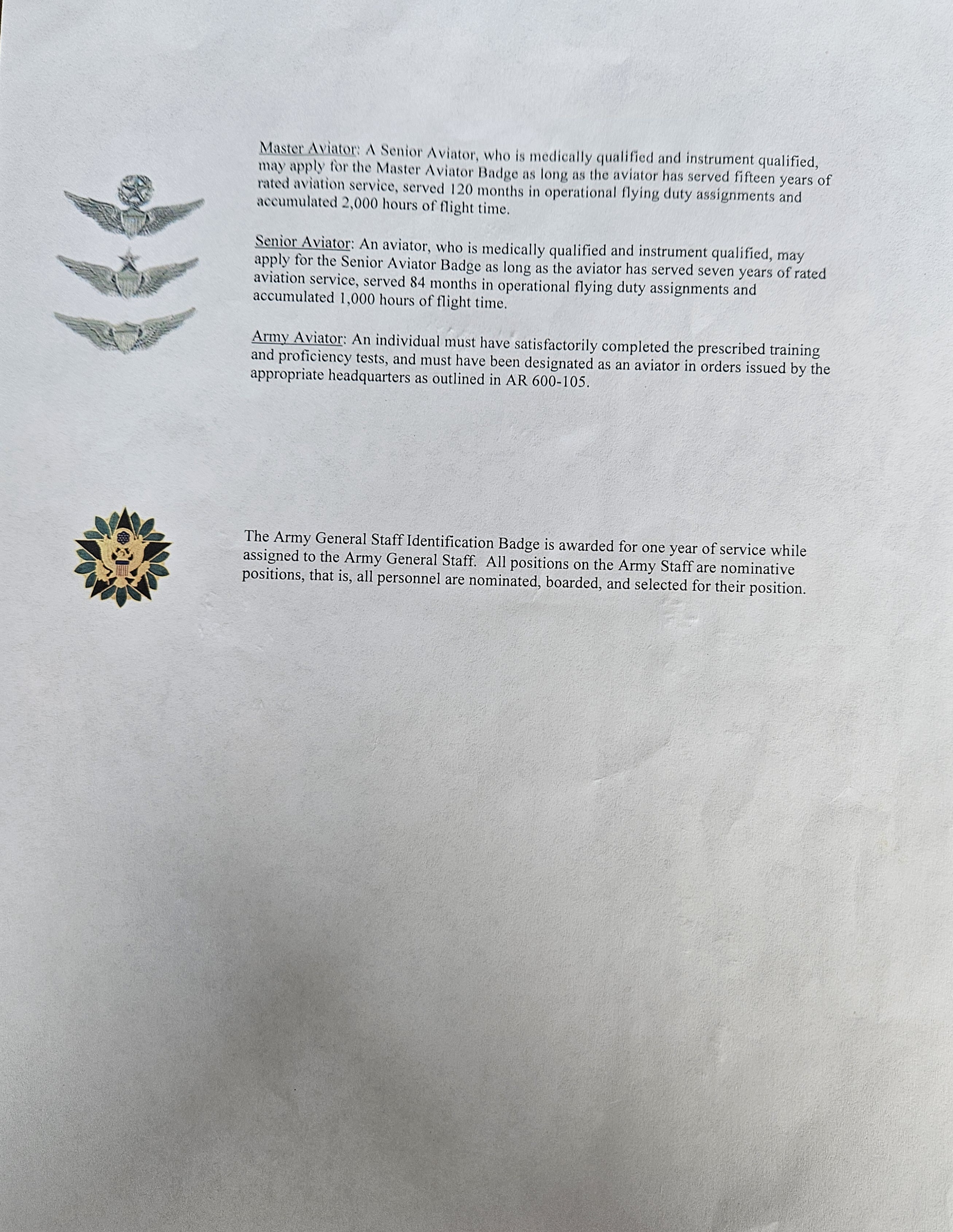
His ROTC commitment led him into military service. He graduated as an ROTC Major and was commissioned as a Second Lieutenant. Initially, he and Barbara expected a two‑year commitment, but a memorandum later reduced it to six months. While attending officer school at Fort London, New Jersey, he noticed a bulletin advertising flight school and higher pay. He and Barbara loved to travel, and the possibility of an overseas tour to Germany appealed to them. He asked her what she thought about extending their service by two or three years, and together they decided to pursue the opportunity.
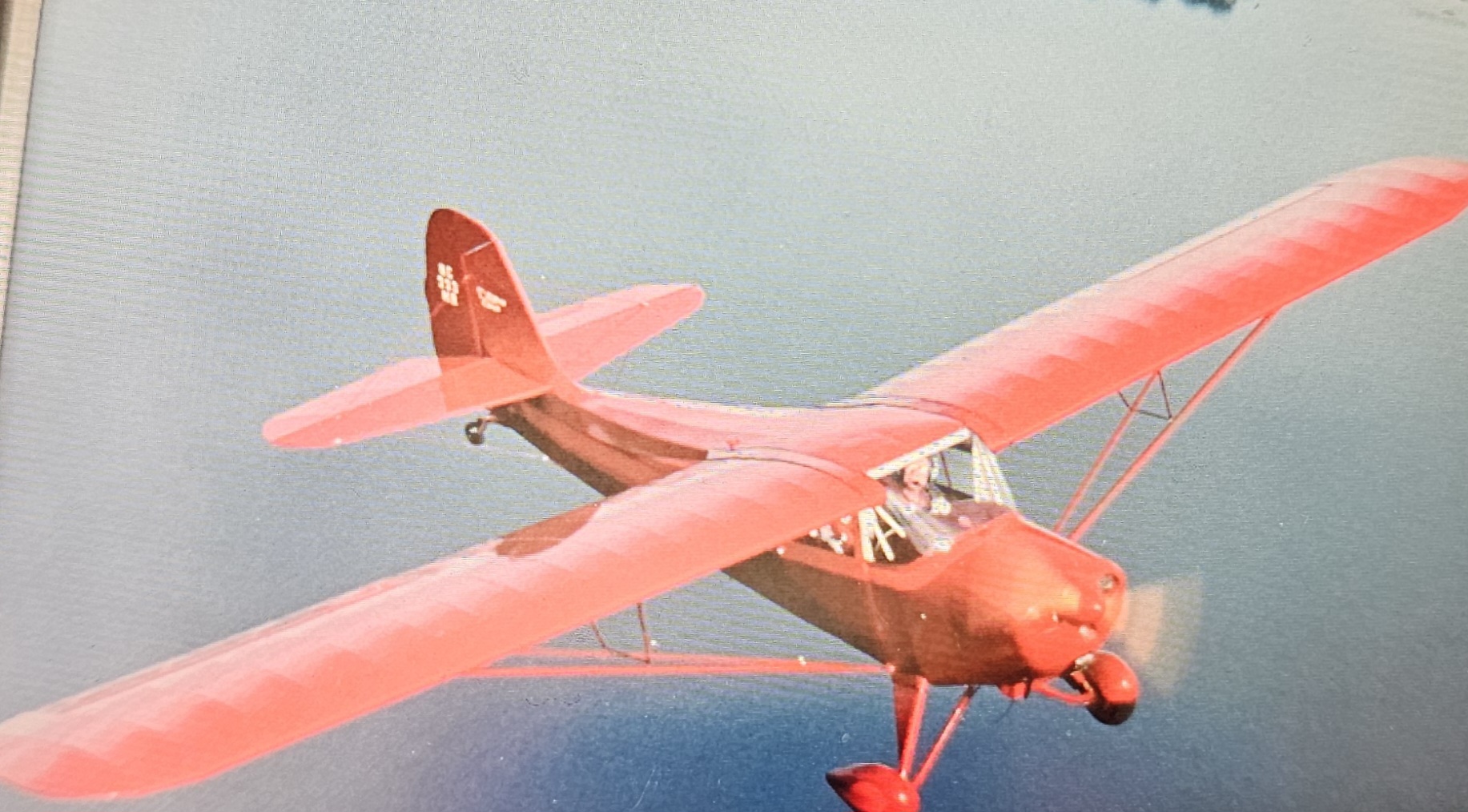
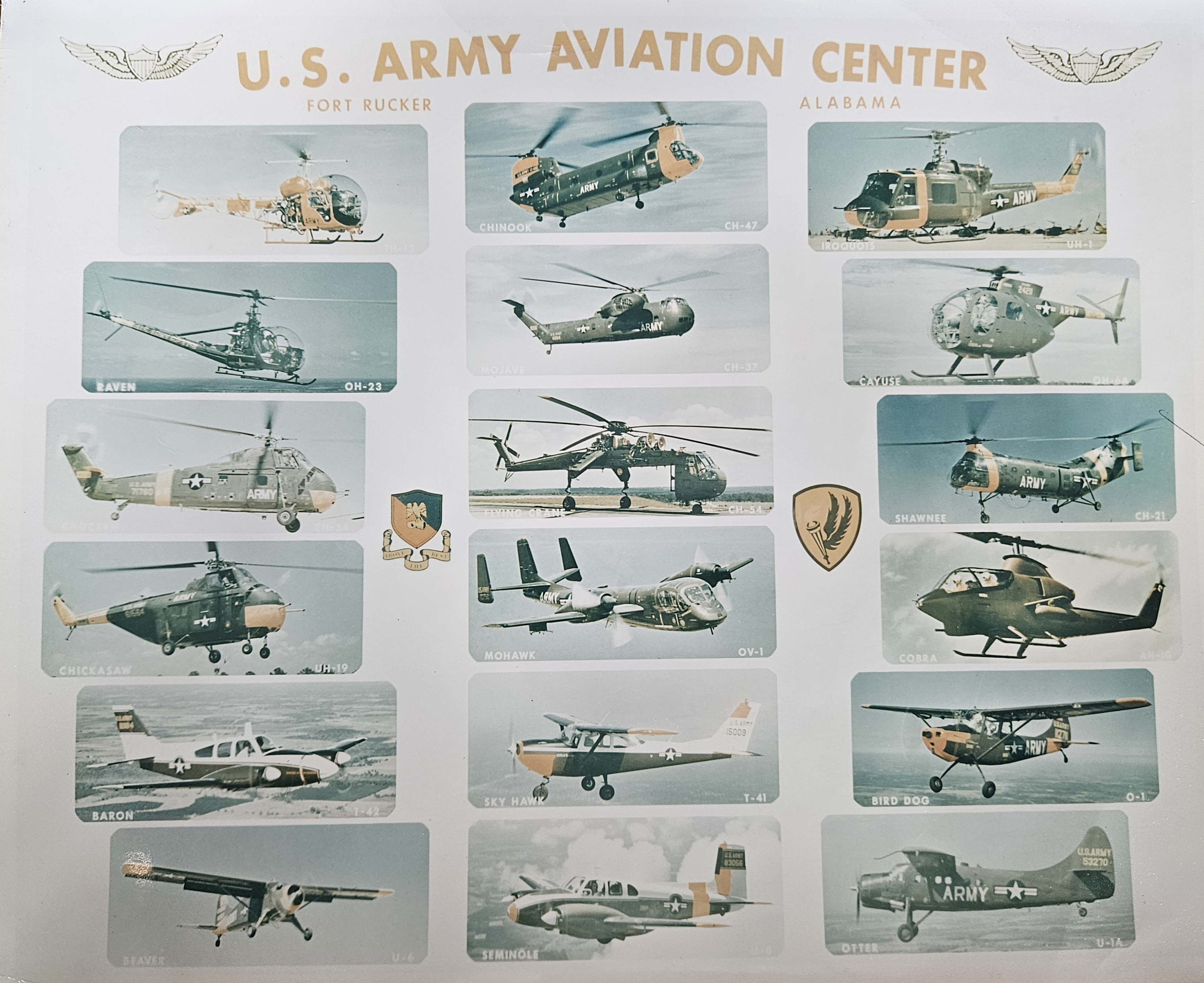
Flight school lasted a year. Pete was then assigned to Fort Monmouth to fly for the Signal Corps. In 1959, he received orders for Korea and was informed he would attend helicopter school en route. He trained at Camp Wolters in Mineral Wells, Texas, for ten weeks, building on the helicopter knowledge he had already gained at Fort Monmouth. He became proficient in piloting aircraft such as the Bird Dog, a liaison plane equipped with rockets used to mark targets for the Air Force. The aircraft could carry bombs, rockets, machine guns, or luggage, depending on the mission.
After completing flight school, Pete returned to Fort Monmouth, where personnel from Bell and Motorola installed instruments in the aircraft for extensive testing. His assignment there was brief, as he deployed to Korea in 1959. He attended helicopter school again in 1960 and then returned to ground duty, commanding a platoon of ten men. In his battalion, he commanded thirty‑seven men and fifteen trucks equipped with long‑distance radio communication. They were positioned directly on the DMZ.
The previous commander had been relieved due to issues in the local village, and Pete was appointed in his place. He instituted mandatory Saturday inspections and emphasized sharp appearance and discipline. His leadership fostered strong esprit de corps, and his platoon became the most exemplary unit in the area. Monthly alerts sounded at three in the morning, requiring personnel to retrieve gear and report to battle stations. The unit was heavily armed because the Signal Corps had been overrun during the Korean War. Pete worked closely with a Buck Sergeant who later pursued an E‑9 rank. Pete helped him change his Military Occupational Specialty by arranging travel to Pusan to enroll in a six‑week course that transformed his career. Pete never saw him again but remembered the significance of that moment.
His deployment lasted thirteen months. President Kennedy suspended the pipeline project, extending all tours by ninety days. Pete returned home in February after the suspension was resolved.
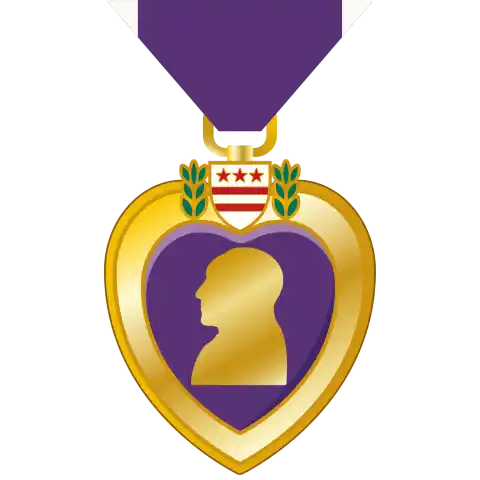
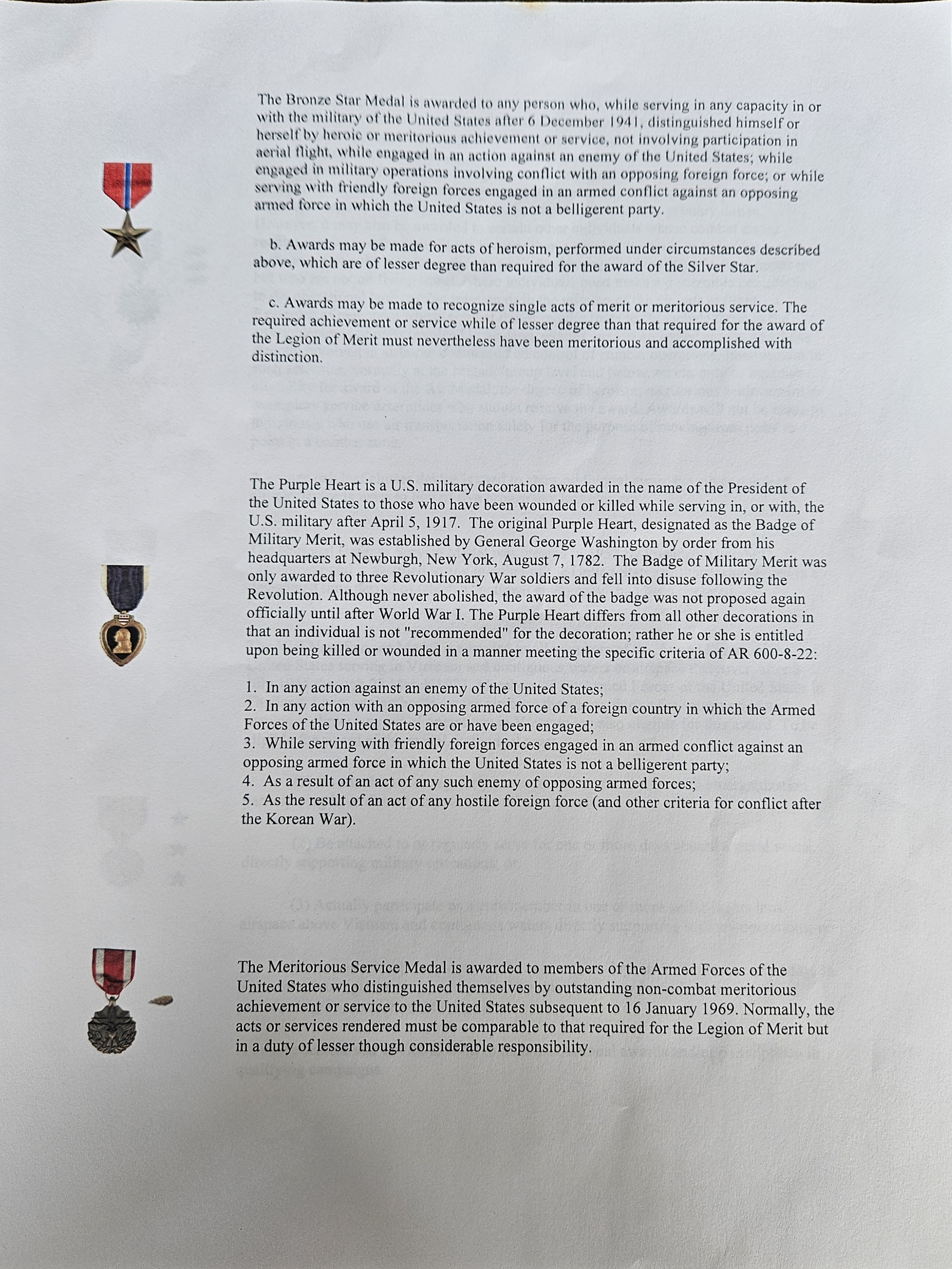
Vietnam became the defining crucible of his military life. On December 16, 1966, he received the Purple Heart. He was flying with four gunships and fourteen transport helicopters inserting personnel into a village under heavy enemy fire. An enemy round struck the rocket pod on the left side of his aircraft, causing a violent flash and pitching the aircraft upward. The pilot’s eardrums ruptured. Shrapnel from an exploding rocket penetrated the cabin and broke Pete’s leg. Despite the chaos, they flew back to base camp, where he was transferred to a Dust Off air ambulance and taken to the 67th Army MASH Hospital in Quy Nhon. He remained there for twelve days before being evacuated to Japan on Christmas Eve. He spent a night in Manila en route to Tokyo, where snow fell as he stood in flip‑flops. After four months, he returned to his unit.
Pete served in the 1st Cavalry Division, 229th Assault Helicopter Battalion, Company D. Companies A, B, and C were lift companies, while Company D operated twelve gunships. Lift ships carried twelve to fifteen guns and had larger engines. Gunships carried fourteen rockets and 7,200 rounds of machine gun ammunition. Four of the guns were hydraulically driven, and two personnel operated machine guns in the back. They slept near their aircraft, dug foxholes at every stop, and lived in conditions shaped by mud, rain, artillery fire, and constant danger.
The 1st Cavalry Division was stationed in An Khe, known as the Golf Course, a vast clearing carved from the jungle in 1965. It housed more than four hundred helicopters. Pete did not land there, but he remembered the sight of a man chewing Beech‑Nut tobacco who had written in large letters upon arrival.
After returning from the DMZ, Pete was assigned to the headquarters company, informally called Ash and Trash. Their duties included drafting citations and improving mess hall operations. He cleaned cooking grates, procured metal slabs for proper egg preparation, and built makeshift showers from large containers. The officer he replaced was a West Point graduate who lacked diligence, but Pete maintained an amicable relationship with him. He restored efficiency in the headquarters company with the same ease he had brought to the DMZ platoon.
He remembered the weight loss experienced in Korea due to inadequate provisions. Officers had better access to food through their exclusive club. He also remembered the rigorous training and physical conditioning. His men often visited local villages seeking relationships with local women, and he spent considerable time advising them against such unions. Villagers did not enter their guarded compounds.
Rain was constant, and windshield wipers scratched the glass. They used toothpaste to polish it, supplied in abundance through care packages that also contained stationery, chewing tobacco, and shoe polish. He recalled that while he did not experience fear in Korea, he did in Vietnam. He cherished photographs taken with local children. Mail delivery was erratic, and he sometimes received several letters at once or none for a month. He admitted becoming frustrated with Barbara when letters did not arrive, only to discover they had been delayed. He remembered receiving taped messages and has searched for a tape player for ten years to hear them again.
His training included Huey helicopters, and he spent time in Stuttgart learning armament systems. He deployed directly to Vietnam in 1966 and operated in the Bon Song plains, a remote region without towns. Vietnam was organized into firebases and landing zones, with rudimentary conditions. Latrines were holes in the ground. With a division of seventeen to nineteen thousand personnel, they hoped to remain close to laundry facilities. Evening troop pickups were hazardous. Shower units consisted of trucks drawing water from rice paddies and feeding spray nozzles. Fresh bars of soap were issued at each shower site, where hundreds of bars accumulated in piles.
Laundry trucks used names on clothing to return garments. Villagers sometimes cleaned uniforms, but they dried and starched them over dried animal dung, causing an unpleasant odor in humidity. Pete preferred the official laundry trucks.
He kept one starched uniform, which proved fortunate when he was informed he would receive the Silver Star. A Loach helicopter had been shot down near Sea Orca Lake, and hostile forces were present in marshy terrain. Pete was instructed to take action. He flew to the location, transferred to another helicopter, and engaged the enemy with rockets and machine guns until the downed personnel were extracted. The hostile forces eventually surrendered. Pete viewed the mission as simply doing his duty.
Daily operations involved navigating jungle clearings created by explosive charges and flying through triple canopy. Infantry designated villages for insertion, anticipating Viet Cong presence. Lift ships carried twelve soldiers each, escorted by gunships. Artillery fired white phosphorus rounds to mark landing zones. Airborne assets provided suppression fire. These missions occurred seven days a week, often requiring repeated returns to the same areas. The enemy frequently followed troops after their departure.
Pete received a twenty percent VA disability rating for hearing loss. He considered it sufficient at the time because he was focused on establishing a real estate business. He served in areas exposed to Agent Orange and received assistance from Veterans Service Officer Maria Williams. He noted that memory care would be the only circumstance requiring additional funds.
Morale boosters were rare. Mail delivery lifted spirits. Shrimp cocktail was served at Thanksgiving across Vietnam, Korea, and other locations, even in improbable places like the Bong Son plateau.
Mechanical issues required transporting a gunship to Quin Wan for repairs. Pete remembered flying an Otter aircraft with a machine shop manager who inadvertently piloted it near the southern border and damaged a wing on a telephone pole. He visited a shanty hut in Quin An and found a placard referencing a repair conducted in Sumner, New Mexico. The placard now resides in the ready room in Quin Lan.
His unit deployed to White Sands at Holloman Air Force Base, where Army and Air Force personnel tested electronic equipment. Pete flew along the range with five aircraft.
His Vietnam deployment lasted from July to December 31 of that year. He returned in April 1967. LZ English endured destruction and continuous fire for three days during the Tet Offensive. The number of helicopters lost during the Vietnam War is between 5,000 and 5,600. Of that number the Hueys lost 3,450. The majority were shot down, but many were also lost to accidents. In order to maintain a consistent number of replacements during peak production it was estimated that 110 Hueys could be produced every month. Total production was over 16,000.
One of the most remarkable events of his career occurred in August 1961. While stationed at Fort Holloman, he received a call from the Sheriff of Silver City. A young French woman had suffered a broken back in the remote mountains, and Native Americans were attempting to carry her out. Pete contacted Warrant Officer Darrel Green and prepared an OH‑19 Sikorsky helicopter. They flew to Silver City and spent the night in the local jail, the only time Pete was ever incarcerated. At four in the morning, they departed and flew up the river valley. The woman was at six thousand feet, the operational ceiling of the helicopter, yet they successfully rescued her and transported her to the hospital. Pete feared court‑martial but instead received a Peace Time Air Medal. He eventually earned eight Air Medals, one for every twenty‑five hours of combat flight time. Sikorsky later honored him with their Flying S.
He remembered the rugged Turkish Brigade near their unit. He transported radios for repair, but the batteries had corroded. The Turkish Brigade used whistles for communication. He later heard they were involved in efforts in Iran.
He learned of his scheduled departure for home in August 1967. Soldiers created D‑Row calendars marking days of rotation overseas. Upon returning, he was sent to Savannah, Georgia, to instruct seventeen Warrant Officers in helicopter instrument flight.
Pete served as a reserve officer throughout his career. His final deployment before retirement was at the Pentagon, where ten thousand Americans worked to restore normal operations. He procured single‑channel radios with satellite downlink capabilities for the Signal Corps. The work was top secret and required extensive documentation. They referred to the process as the Candy Stripe Project because of the numerous documents needed for approval. Final decisions were made in a location known as the tank.
His Pentagon service was instrumental in his career. He had previously commanded a Signal Corps battalion in Germany. He arrived at the Pentagon on his birthday in 1966 and was selected for promotion to full colonel with orders to attend the Industrial College. He chose to retire instead and received the Legion of Merit for his significant study in military manpower. Generals requested his continued service, but he and Barbara decided to conclude his tenure after five years in Germany.
His tour in Germany began in 1964. Barbara accompanied him, and he served as a pilot transporting Generals and as a maintenance officer. His second deployment involved commanding the 68th Signal Battalion, responsible for forty‑two microwave sites from Frankfurt to Switzerland. He oversaw approximately five hundred nine personnel. Germany became his favorite assignment. He visited Rome and Venice and learned to ski in Austria, remembering snowy evenings and simple meals of cheese and boiled ham. Barbara served as president of the Generals’ Wives Club and excelled in the role. She sewed costumes, including Raggedy Ann and Andy, while they lived in Stuttgart. They maintained a satellite connection with the 7th Corps. Pete often said that seventy‑five percent of his career success was due to his marriage to an attractive and articulate woman who maintained excellent relations with the Generals’ wives.
After returning from Germany, he deployed to Vietnam again, then transferred to the Pentagon in 1975 and retired in June 1977. He had pursued a master’s degree after completing ROTC and was assigned to a holding group for twenty‑two years.
Upon retirement, he concluded his involvement with aviation. Although he held a civilian license, he did not use it. He once hoped to build a KR2 aircraft in his garage, made of wood, plastic, and foam, but never completed the project. Instead, he established a real estate business, acquiring aging apartment buildings. His son and daughter lived in Maryland, and he arranged for them to relocate to Texas, where they remain. He has lived at the Eagle Nest for forty years.
Pete’s life reflects discipline, devotion, courage, and a quiet reverence for family. His wisdom distilled the essence of his long journey. He wrote, “Moderation. Go to bed at ten p.m., rise at six a.m. Stay healthy, avoid conflict, and stay close to your children. My wife and I were better, stronger, together. Enjoy the simple things.”
Supplemental Information
Henryetta, Oklahoma in 1932
Henryetta in 1932 stood at a difficult crossroads shaped by the national collapse of the Great Depression and the regional decline of coal mining. The town had expanded rapidly in the early twentieth century as coal seams and oil prospects drew workers from across Oklahoma and surrounding states. By 1932 those industries had contracted sharply. Mines that once operated continuously were frequently idle, and oil production fluctuated with unstable markets. Employment was uncertain, wages were low, and families lived with a constant awareness of economic fragility.
The physical environment reflected these conditions. Main Street carried a mixture of brick storefronts, modest shops, and service businesses that supported miners, oil field hands, and railroad workers. The Missouri Pacific Railroad remained a vital artery for freight and travel, shaping the rhythm of daily life. Coal dust lingered on clothing and equipment, and the smell of oil and machinery drifted from the industrial edges of town. Public works were limited, and many roads were unpaved or worn from years of heavy use.
Community life remained resilient. Churches served as anchors for social stability, offering food assistance, fellowship, and moral encouragement. Schools operated with limited resources but continued to educate children who often walked long distances from rural homes. Families relied on gardens, livestock, and careful rationing to sustain themselves. Neighbors shared produce, labor, and essential goods, creating a network of mutual support that softened the impact of national economic collapse.
Henryetta’s civic leadership worked to maintain order and optimism. Local newspapers reported on national events, agricultural conditions, and community gatherings. Relief programs were slowly expanding, although large federal initiatives such as the Works Progress Administration had not yet fully reached the town. The broader region of Okmulgee County experienced similar pressures, and Henryetta’s residents understood their struggles as part of a statewide pattern of industrial contraction and agricultural distress.
Henryetta in 1932 was defined by work that was physically demanding and often uncertain, by a community that valued resilience and cooperation, and by a landscape shaped by coal, oil, and the enduring determination of Oklahoma families who refused to yield to economic adversity.
Henryetta and the Surrounding Community During the Great Depression
Henryetta entered the Great Depression as an industrial town shaped by coal, oil, and the Missouri Pacific Railroad. When the national economy collapsed, these foundations weakened at once. Coal mines that had powered the town’s early growth slowed to irregular schedules, and many stood silent for long stretches. Oil production fluctuated with unstable markets, leaving workers uncertain whether the next day would bring wages or another search for employment. The railroad remained active, but freight traffic declined, and the steady rhythm of trains passing through Henryetta carried more evidence of hardship than prosperity.
Daily life reflected this strain. Families lived with careful rationing and constant vigilance over household resources. Gardens behind modest frame houses became essential sources of food, and livestock provided a measure of security when wages disappeared. Women preserved vegetables, mended clothing, and managed homes with remarkable ingenuity. Children walked long distances to school, often carrying textbooks shared among siblings, and learned to navigate a world where thrift and responsibility were central to survival.
The surrounding communities of Okmulgee County faced similar pressures. Rural families endured falling crop prices, drought conditions, and limited access to credit. Many relied on extended kinship networks, trading labor, produce, and essential goods. Church gatherings offered fellowship and spiritual steadiness, and community events provided moments of relief from the weight of economic uncertainty. In both town and countryside, neighbors supported one another through quiet acts of generosity that sustained entire households.
Local institutions worked to maintain stability. Newspapers reported on national developments, agricultural conditions, and community efforts to assist families in need. Relief programs expanded slowly, and early assistance often came from churches, civic groups, and volunteer organizations. By the mid nineteen thirties federal initiatives began to reach Henryetta and its neighboring towns. The Works Progress Administration and Civilian Conservation Corps provided employment, improved roads, built public structures, and restored confidence in communities that had endured years of hardship.
The Depression reshaped the identity of Henryetta and the broader region. It forged a culture of resilience, cooperation, and determination. Families learned to endure scarcity with dignity, and communities strengthened their bonds through shared labor and mutual support. The landscape of coal tipples, oil derricks, farms, and railroad lines became a setting where perseverance defined daily life. Henryetta and its surrounding communities carried the burdens of the era with quiet strength, creating a legacy of endurance that remained long after the national economy recovered.
Foods in Henryetta and the Surrounding Communities During the Great Depression
Food in Henryetta during the Depression reflected scarcity, ingenuity, and the deep agricultural traditions of Oklahoma families. With wages uncertain and industrial work unstable, households relied on gardens, livestock, and careful preservation to sustain themselves. Meals were simple, practical, and shaped by what could be grown, traded, or afforded.
Gardens were central to survival. Families planted tomatoes, beans, squash, onions, potatoes, and leafy greens, tending them with the understanding that these crops were not supplemental but essential. Home‑canned vegetables filled cellars and cupboards, each jar representing security through the winter months. Fruit trees provided peaches, plums, and apples, which were preserved in syrups, jams, and pie fillings that stretched across seasons.
Protein came from livestock when families could maintain it. Chickens supplied eggs and occasional meat. Hogs were raised for pork, lard, and sausage, and nothing was wasted. In rural areas surrounding Henryetta, families hunted rabbits, squirrels, and quail, adding variety to diets that otherwise leaned heavily on vegetables and bread. Fish from local creeks and ponds supplemented meals when other sources were limited.
Bread and staple grains formed the backbone of daily eating. Cornbread, biscuits, and simple loaves appeared at nearly every table. Flour, cornmeal, and oats were purchased when possible, but many families relied on government relief flour once federal programs expanded. Beans were a constant presence, cooked slowly with salt pork when available, and served as a dependable source of nourishment.
Meals were modest but sustaining. Breakfast often consisted of oatmeal, biscuits, or eggs. Lunches were simple plates of beans, cornbread, or leftover vegetables. Suppers brought stews, soups, and skillet dishes that combined garden produce with whatever meat could be spared. In both town and countryside, cooks learned to stretch ingredients with remarkable skill, transforming limited supplies into meals that fed entire families.
Community gatherings offered moments of abundance. Church suppers, harvest celebrations, and shared meals among neighbors provided dishes that reflected the best of local food traditions. Fried chicken, pot roast, fresh vegetables, cobblers, and pies appeared at these events, reminding families of the richness that existed even in difficult times.
Food during the Depression in Henryetta was not defined by deprivation alone. It was shaped by resilience, cooperation, and the enduring knowledge of how to feed a household through careful planning and shared labor. The meals of this era reveal the character of the community, its resourcefulness, and its unwavering commitment to caring for one another in the face of prolonged hardship.
Women in Henryetta and the Surrounding Communities During World War II
The Second World War reshaped the lives of women in Henryetta and the broader Okmulgee County region with profound and lasting force. The departure of husbands, sons, and brothers created an immediate shift in household responsibilities, economic roles, and community leadership. Women stepped into positions that had once been defined by male labor, and they carried these responsibilities with a steadiness that became central to the wartime identity of the region.
Women entered industrial work in increasing numbers. Coal mines and oil field operations remained male dominated, yet the industries surrounding them relied heavily on female labor. Women worked in machine shops, supply houses, garment factories, and offices that supported the production and distribution of essential materials. They kept records, managed payroll, operated equipment, and maintained the administrative backbone of local industry. Their presence ensured that Henryetta’s contribution to the national war effort remained continuous and reliable.
Household management became an act of discipline and ingenuity. Rationing required careful planning, and women learned to stretch sugar, meat, flour, and gasoline with remarkable skill. Victory gardens flourished behind homes, producing vegetables that sustained families and reduced pressure on commercial supplies. Women preserved food through canning, drying, and careful storage, creating reserves that carried households through seasons of scarcity. Their work transformed domestic spaces into centers of production that supported both family and nation.
Community leadership expanded as women organized relief efforts, bond drives, and support networks for families with loved ones overseas. Churches and civic groups relied on women to coordinate events, prepare meals, sew bandages, and assemble care packages for servicemen. The Red Cross became a vital presence in the region, and women formed its local workforce, providing training, supplies, and comfort to those affected by the war. Their leadership strengthened the social fabric of Henryetta during a period marked by absence and uncertainty.
Emotional labor defined much of the wartime experience. Women carried the weight of worry as they awaited letters from distant fronts. They read news reports with a mixture of hope and fear, and they maintained households that felt incomplete without the presence of those who had left for military service. Their resilience shaped the emotional landscape of the community, offering stability to children, elders, and neighbors who looked to them for reassurance.
Rural women in the surrounding communities bore additional responsibilities. They managed farms, cared for livestock, and oversaw harvests that supported both local needs and national demands. Their work ensured that agricultural production remained steady despite the absence of male labor. They repaired equipment, drove trucks, and coordinated with neighbors to complete tasks that once required multiple hands. Their contributions formed a vital part of the region’s wartime economy.
The end of the war brought both relief and transition. Women welcomed home returning servicemen with gratitude and joy, yet many had become skilled workers, leaders, and managers during the years of conflict. Their wartime roles expanded their sense of capability and reshaped community expectations. The legacy of their labor endured in the strengthened institutions, improved infrastructure, and renewed civic spirit that defined Henryetta in the postwar years.
Women in Henryetta and Okmulgee County carried the burdens of the Second World War with dignity, discipline, and unwavering resolve. Their work sustained families, supported industry, and fortified the community during one of the most demanding periods in American history. Their contributions remain a central part of the region’s story, revealing the strength and character of those who held the home front together while the world was at war.
Women in Henryetta and the Surrounding Communities During Korea, and Vietnam
The Korean War brought a quieter but equally demanding chapter. Women had only recently navigated the transitions of the previous conflict, yet they again faced the departure of loved ones. Their responsibilities remained substantial, though the national mobilization was less sweeping. Women maintained households, supported neighbors, and continued the traditions of community leadership that had strengthened Henryetta during the earlier decade. They balanced work, family, and emotional strain with a steadiness that reflected both experience and resilience. Their patriotism during Korea was defined by continuity, by the understanding that duty remained essential even when enthusiasm was tempered by the memory of recent sacrifice.
The Vietnam era introduced new complexities. Women in Henryetta continued to send sons, husbands, and brothers into service, and they supported them with the same devotion that had guided earlier generations. They wrote letters, assembled care packages, and maintained homes that carried the emotional weight of absence. Yet the national climate had changed. Public debate and cultural shifts created an environment where women often expressed their patriotism privately rather than publicly. In Henryetta and the surrounding rural communities, loyalty to servicemen remained unwavering. Women honored those who served, cared for families affected by deployment, and preserved community unity during a period marked by national division. Their leadership in churches, schools, and civic organizations provided stability and reassurance, especially for children who grew up during a time of uncertainty.
Across all three wars, women in Henryetta carried responsibilities that shaped the identity of the region. They managed homes, sustained industries, led community efforts, and provided emotional strength during periods of prolonged strain. Their work revealed a capacity for adaptation and leadership that grew with each conflict. They preserved traditions, upheld faith, and ensured that families remained connected even when separated by oceans and battlefields.
The legacy of these women endures in the strengthened institutions, renewed civic spirit, and deepened communal bonds that defined Henryetta in the postwar years. Their contributions form a vital part of the region’s history, revealing the quiet power of those who held the home front together while the world changed around them.
Patriotism in Henryetta During the World War II, Korea, and Vietnam
Patriotism in Henryetta and the surrounding communities of Okmulgee County formed a continuous thread that stretched across three major conflicts. Each era carried its own demands, its own sacrifices, and its own emotional landscape, yet the people of this region responded with a steady devotion that reflected both national loyalty and the deep communal bonds of small‑town Oklahoma.
During the World War II , patriotism was immediate and visible. Service flags hung in windows throughout Henryetta, each star representing a loved one in uniform. Families gathered around radios to hear news from distant fronts, and letters from Europe and the Pacific were treasured as lifelines of hope. Coal miners, oil field workers, and railroad crews labored with renewed intensity, knowing their work fueled the national war effort. Women organized bond drives, prepared Red Cross supplies, and managed rationing with discipline and ingenuity. Children collected scrap metal and rubber for recycling drives, eager to contribute to the cause. Patriotism during this period was defined by unity, shared sacrifice, and a collective belief that the entire community was part of a global struggle.
The Korean War brought a different atmosphere. It arrived quickly after the triumph of the Second World War, and many families felt the weight of returning to conflict before they had fully recovered from the last. Patriotism remained strong, yet it carried a quieter tone. Young men left for service in Korea, and their departure revived familiar patterns of prayer, worry, and community support. Henryetta’s industries again contributed to national needs, but without the sweeping mobilization of the earlier war. Women maintained households, supported neighbors, and continued the traditions of community leadership that had defined the previous decade. Patriotism during Korea was steady and resolute, shaped by the belief that duty remained essential even when enthusiasm was tempered by the memory of recent sacrifice.
The Vietnam era introduced a more complex expression of patriotism. Families in Henryetta continued to send sons into service, and they supported them with the same devotion that had guided earlier generations. Service flags returned to windows, and churches offered prayer and comfort. Yet the national climate had changed. Public debate, political tension, and shifting cultural values created an environment where patriotism was often expressed privately rather than publicly. In Henryetta and the surrounding rural communities, loyalty to servicemen remained unwavering. Families wrote letters, sent care packages, and welcomed soldiers home with gratitude and pride. The community honored those who served, even as the nation struggled with the broader meaning of the conflict. Patriotism during Vietnam was defined by steadfast support for local servicemen, quiet endurance, and a commitment to honoring those who bore the burdens of a difficult war.
Across all three eras, patriotism in Henryetta reflected the character of its people. It was expressed through labor, sacrifice, prayer, and community solidarity. It appeared in the mines, the oil fields, the rail yards, the churches, the schools, and the kitchens where families gathered to read letters from overseas. It endured through triumph, uncertainty, and national division. It remained rooted in the belief that service, loyalty, and care for one another were essential responsibilities of citizenship.
This long arc of patriotism reveals a community that carried the weight of three wars with dignity. It shows how Henryetta honored its servicemen, supported its families, and preserved its sense of unity through decades of change. It stands as a testament to the enduring strength of Oklahoma communities and the generations who answered their country’s call with unwavering resolve.
Across three generations of conflict, the women of Henryetta and the surrounding communities carried responsibilities that revealed the depth of their character and the quiet power of their leadership. They sustained households through absence, guided children through uncertainty, upheld faith and community traditions, and strengthened the institutions that held the region together. Their work in homes, workplaces, churches, and civic organizations formed a continuous legacy of devotion that endured from the war years of the nineteen forties through Korea and into the long and complex era of Vietnam.
Their contributions were never defined by a single moment but by a lifetime of service that adapted to changing national needs while remaining rooted in the values of Oklahoma families. They preserved stability when the world felt unsteady, offered comfort when news from overseas carried fear, and ensured that every generation understood the meaning of duty, resilience, and love of country. Their story is a testament to the enduring strength of the home front and to the women whose steadfast resolve shaped the identity of Henryetta through decades of challenge and change.
The postwar legacy of Henryetta stands as a testament to the enduring spirit of Oklahoma communities. It reveals how families reclaimed their sense of unity, how women sustained the heart of the home front, and how veterans found their place within a community that honored their service. It completes the story of three generations who faced conflict with courage and rebuilt their world with grace when the fighting was done. It affirms that the strength of Henryetta did not arise only from its wartime sacrifices but from the quiet, determined work of its people who shaped a future grounded in faith, perseverance, and devotion to one another.
Training and Duties of ROTC Cadets at Fort Gordon
Training at Fort Gordon was designed to mirror the first phase of officer training. Pete would have completed:
Leadership Reaction Courses
Obstacle‑based team challenges where cadets had to:
- Plan under pressure
- Delegate tasks effectively
- Lead small groups through complex problems
- Solve tactical challenges with limited time and resources
This is where instructors identified who had natural command presence — the cadets who could think clearly, stay calm, and lead others when the situation became difficult.
Weapons Training
Cadets received foundational weapons instruction designed to build confidence, discipline, and competence. Training included M1 or M14 rifle marksmanship (depending on the year), grenade familiarization, and basic field tactics. It was the first time many cadets handled military weapons under structured, demanding conditions — a core step in transforming students into future officers.
Field Exercises
ROTC field training placed cadets in multi‑day exercises in the woods, where they learned to operate as platoons and navigate the challenges of small‑unit leadership. These exercises included patrols, ambush and defense drills, land navigation, and night operations. Cadets slept in the field, ate C‑rations, and experienced the realities of Army life long before commissioning.
Physical Training
Daily PT included:
- Long runs
- Obstacle courses
- Forced marches
- Calisthenics in the Georgia heat
Evaluations
Every cadet was graded on:
- Leadership
- Initiative
- Military bearing
- Physical fitness
- Tactical understanding
These evaluations determined whether a cadet would be commissioned — and often influenced branch assignments
ROTC Major — What It Meant for Pete Rowe
In Pete’s era, ROTC cadets selected a college major just like any other student, but their academic field carried real weight inside the Army. A cadet’s major often influenced how instructors evaluated their leadership potential, which branch they were assigned after commissioning, the technical specialty they entered, and ultimately the trajectory of their career.
For Pete, his ROTC major — whether in engineering, technical sciences, mathematics, or a related field — clearly positioned him for the Signal Corps. It signaled to the Army that he had the analytical ability, discipline, and technical aptitude needed for a branch responsible for radios, wire systems, switchboards, and the emerging world of electronic communications.
His academic background didn’t just earn him a branch assignment. It set the foundation for everything that followed — Korea, aviation, Vietnam, and eventually his rise to Lieutenant Colonel.
If you’d like, I can now integrate this into a seamless multi‑panel chapter on Pete’s early development as a soldier and officer.
Common ROTC Majors That Led to the Signal Corps
Because Pete later served in the 68th Signal Battalion, his ROTC major was likely in one of several technical or analytical fields that fed directly into the Signal Corps. Engineering majors — electrical, mechanical, or civil — were especially common. These students brought strong technical aptitude, disciplined problem‑solving skills, and a natural comfort with electronics and communications systems, all of which were essential for Signal Corps officers responsible for keeping the Army connected in the field.
Mathematics and physics majors were also frequently selected. Their academic training aligned with radio theory, communications technology, and the early computing and signal equipment that were emerging in the late 1950s. These fields produced officers who could understand not just how equipment worked, but why it worked — a critical distinction in an era when the Army was rapidly modernizing its communications infrastructure.
Some universities offered majors in communications or technical sciences, programs directly tied to radio operations, telecommunications, and electronics. Graduates from these tracks were natural fits for the Signal Corps, stepping into roles that demanded both technical fluency and operational reliability.
Transition into Aviation
Signal Corps officers were often selected for aviation because they already understood the technical backbone of Army communications. They were familiar with electronics, radios, navigation equipment, and the troubleshooting required to keep systems functioning in harsh environments. That technical fluency made the transition to helicopter pilot not only possible, but logical.
For Pete, it became the next defining chapter of his career. The Army took a young man drafted in 1959, trained him in communications, exposed him to real‑world flying in Korea, and then placed him in the cockpit of a gunship in Vietnam — where his technical skill, discipline, and calm under pressure became essential.
This is the story of a soldier whose academic foundation, ROTC training, and early assignments shaped a career that spanned two wars, two eras, and two very different kinds of Army.
General Science or Industrial Arts
Whatever Pete’s exact ROTC major was, it clearly prepared him for the technical demands of the Signal Corps. Many ROTC academic tracks fed directly into branches that required analytical skill, disciplined problem‑solving, and comfort with emerging technology — all traits essential for Signal Corps officers serving in Korea at the dawn of the modern electronic age.
His coursework, combined with ROTC leadership training, built a foundation that equipped him to manage communications systems, support field operations, and operate effectively in a rapidly modernizing Army. It gave him the intellectual grounding to understand how radios worked, how wire networks were laid, how switchboards were configured, and how communications supported the larger mission.
His academic background would have made him a natural fit for radio operations, wire installation, switchboard systems, and field communications under combat conditions — the core responsibilities of a Signal Corps aviator in Korea.
Transition into Aviation
Signal Corps officers were often selected for aviation because they already understood the technical backbone of Army communications. They were familiar with electronics, radios, navigation equipment, and the troubleshooting required to keep systems functioning in harsh environments. That technical fluency made the transition to helicopter pilot not only possible, but logical.
For Pete, it became the next defining chapter of his career. The Army took a young man drafted in 1959, trained him in communications, exposed him to real‑world flying in Korea, and then placed him in the cockpit of a gunship in Vietnam — where his technical skill, discipline, and calm under pressure would become essential.
This is the arc of a soldier shaped by aptitude, opportunity, and the demands of two very different wars.
Rising to Lieutenant Colonel
ROTC majors with strong academic and technical foundations often advanced quickly. They were promoted faster, selected for command, and trusted with complex missions that required both intellect and steadiness. Pete’s dual‑war service — Korea and Vietnam — and his eventual rise to Lieutenant Colonel reflect exactly that trajectory. His career followed the arc of an officer the Army recognized early, invested in, and relied upon.
The U.S. Army Command & General Staff College (CGSC) at Fort Leavenworth is the Army’s premier mid‑career leadership school. Established in 1881, it prepares officers for high‑level command and staff positions, providing advanced education in operations, planning, leadership, and joint and multinational warfare. It is the institution where the Army shapes its future senior leaders.
What the Command & General Staff College Is
Location: Fort Leavenworth, Kansas Founded: 1881 by General William Tecumseh Sherman Purpose: Educate and develop field‑grade officers (typically Majors) for complex operational and strategic roles Students: U.S. Army officers, international officers, and interagency partners Length: Approximately ten months in residence
CGSC is the Army’s intellectual center for operational art and leadership — the place where officers learn to think beyond the battlefield, to integrate multiple warfighting functions, and to operate effectively at the highest levels of the Army.
Pete’s graduation from CGSC placed him firmly within that lineage.
Core Areas of Study
The Command and General Staff College immerses officers in the full spectrum of operational art. Its curriculum develops leaders who can think, plan, and operate at the battalion, brigade, and division levels. Core areas of study include operational planning, joint and multinational operations, logistics and sustainment, intelligence integration, leadership and ethics, staff processes and decision‑making, and large‑scale combat operations. Together, these disciplines form the intellectual foundation for senior leadership in the modern Army.
Schools Within CGSC
The college is not a single school but a collection of institutions that shape leaders across multiple echelons of the force. The Command and General Staff School (CGSS) provides the core intermediate‑level education for field‑grade officers. The School of Advanced Military Studies (SAMS) offers advanced operational‑planning education and produces some of the Army’s most skilled planners. The School for Command Preparation prepares incoming battalion and brigade commanders for the responsibilities of command. The Sergeants Major Academy develops the Army’s senior enlisted leaders, ensuring that leadership excellence extends across the entire chain of command.
Together, these schools form the intellectual engine of the U.S. Army — and Pete became part of that lineage.
Why CGSC Matters for Pete Rowe
Attending the Command and General Staff College marked a defining milestone in Pete’s career. Selection for in‑residence study signaled that the Army recognized his senior leadership potential — a distinction reserved for officers with proven performance, discipline, and promise. CGSC prepared him for the demands of higher command and complex staff roles, sharpening his strategic thinking, broadening his operational understanding, and equipping him to lead at the next level of responsibility.
This education is what allows officers to become:
- Battalion executive officers
- Battalion commanders
- Brigade staff officers
- Division‑level planners
For Pete, CGSC marked his transition from tactical leadership to the broader demands of operational command. After hard‑won experience in Korea and Vietnam, the Command and General Staff College shaped him into a senior officer capable of managing complex organizations, integrating multiple warfighting functions, and operating effectively at higher levels of the Army.
CGSC refined the judgment, strategic awareness, and organizational insight that would define the next phase of his career — completing the transformation that began with a draft notice in 1959 and culminating in his rise to Lieutenant Colonel.
It Placed Him in the Same Lineage as Generations of Army Leaders
Graduating from the Command and General Staff College did more than advance Pete’s career — it placed him in the same professional lineage as some of the most influential leaders in American military history.
CGSC alumni include:
• Dwight D. Eisenhower • George S. Patton • Omar Bradley • Colin Powell
Pete joined that tradition.
He became part of the Army’s senior leadership pipeline — officers trained not only to fight, but to think, to plan, and to lead at the operational and strategic levels. His path from a 1959 draftee to a Lieutenant Colonel with CGSC credentials reflects a career shaped by discipline, intellect, and the trust the Army placed in him.
It is a lineage defined by excellence — and Pete earned his place within it.
Academic Rigor and Baptism by Fire
The Command and General Staff College is academically demanding, requiring officers to master staff planning, war‑gaming, operational orders, leadership evaluations, and extensive research and writing. Its graduates may earn a Master of Military Art and Science or a Master of Operational Studies, but the true measure of the program is the intellectual discipline it instills, the ability to think, plan, and lead at the highest levels of the Army.
The Korean War was Pete Rowe’s baptism by fire. It was not simply another conflict. It was an initiation into brutal cold, unpredictable combat, and unforgiving mountains that tested endurance as fiercely as the enemy did. For Pete, serving with the 68th Signal Battalion of the 1st Cavalry Division, this baptism came through long, exposed signal lines stretched across hostile terrain, constant movement under fire, and the unrelenting responsibility of keeping communications alive in a war where seconds often meant survival. His work was quiet, essential, and foundational, the kind of service that held an entire division together amid chaos.
The Korean Peninsula forged him. It taught him discipline in conditions where hesitation could cost lives. It taught him resilience in a landscape where weather punished as severely as combat. It taught him clarity of purpose in a war where communication determined whether units could maneuver, reinforce, or endure. These experiences became the bedrock of his character, shaping the soldier who would later fly into danger in Vietnam and the officer who would excel in the rigorous halls of CGSC.
What Korea gave him was more than experience. It gave him the steadiness, the technical mastery, and the quiet strength that defined his career. It prepared him for the demands of air‑mobile warfare. It prepared him for leadership in the most complex environments. It prepared him for the intellectual rigor of advanced military education. It prepared him to serve with distinction across decades of change and conflict.
It was the beginning of a life shaped by service, sharpened by hardship, and elevated by the discipline to endure and adapt in the harshest conditions.
The Draft Notice Arrived by Mail
The famous letter began with:
“Greetings…”
It ordered him to report to the local induction station.
Unlike wartime drafts, the 1959 draft was:
- More selective
- More focused on technical aptitude
- More likely to route smart, capable men into specialized branches
This is exactly why Pete was identified for the Signal Corps.
Induction Center Processing
Pete would have reported to a regional induction center for:
- Physical exam
- Hearing and vision tests
- Bloodwork
- Psychological screening
- Aptitude tests (including technical and mechanical ability)
Because his academic aptitude and technical proficiency were evident from the start, he likely scored exceptionally well on the Army Classification Battery — the very factor that led to his selection for a technical branch.
Once he passed the examination, he was sworn into the United States Army that same day, beginning a career shaped by skill, discipline, and service.
Basic Training
In 1959, basic training lasted eight weeks. It was strict, disciplined, and physically demanding — built around the mindset of Cold War readiness. Recruits were pushed hard, expected to meet exacting standards, and taught the fundamentals of soldiering with no shortcuts and no leniency.
Training included rifle marksmanship, drill and ceremony, fieldcraft, first aid, physical conditioning, and an introduction to Army communications equipment. For Pete, this was the first time he saw the technical side of the Army — the systems, the radios, the wiring, the early electronics that would shape the rest of his career.
It was the beginning of his transformation from a young recruit into a soldier with aptitude, discipline, and a growing sense of purpose.
Assignment to the Signal Corps
Because of his test scores and his ROTC background, Pete was selected for the Signal Corps — the Army’s branch responsible for radios, wire communications, switchboards, electronic systems, and the early aviation communications that were just beginning to reshape modern warfare.
This was a prestigious technical assignment, one reserved for soldiers with both intelligence and potential. It placed Pete at the intersection of technology and operations, giving him skills that would carry him from Korea to Vietnam and ultimately into senior leadership.
It was the moment the Army recognized what he was capable of — and set him on the path that would define his career.
The Aviation Surprise: Helicopter School
Here’s where Pete’s story becomes exceptional.
When he received orders for Korea, he was told he would also attend helicopter school en route — an uncommon opportunity in 1959, when Army aviation was still in its early, rapidly evolving years. That single instruction changed the entire trajectory of his career.
His path began at Fort Monmouth, New Jersey, where he trained in communications, electronics, and early avionics. There he mastered the systems that kept aircraft flying — the technical backbone of Army aviation. From Monmouth he moved to Camp Wolters, Texas, for a ten‑week helicopter training course, the Army’s primary helicopter school before Fort Rucker became the center of aviation training.
Because he had already gained deep technical knowledge at Fort Monmouth, Pete entered flight school with an understanding far beyond that of a typical trainee. He wasn’t starting from scratch; he was building on a foundation of hard‑earned expertise. That depth of knowledge is why he excelled, why he advanced quickly, and why aviation became the defining arc of his military career.
What Microwave “Sights” Really Meant — Pete’s Germany‑to‑Korea Path
When Pete Rowe was assigned to microwave sights in Germany, he entered a world of Cold War technology that operated at the outer edge of what the Army could field. These sites were not simple radio outposts. They were strategic communication nodes woven into the fabric of NATO’s defensive posture. In the decades before satellite networks became dominant, microwave line‑of‑sight systems carried the information flow of an entire theater. They moved command traffic, intelligence reports, radar feeds, air defense data, teletype streams, and secure voice channels with a speed and reliability that earlier systems could not match. Pete was working inside the nervous system of the Army’s European command structure.
Microwave communication depended on precision engineering and exact placement. Each site had to be positioned where its antennas could “see” the next relay point across the terrain. Germany’s landscape made this challenging. Hills, forests, and valleys forced engineers to place towers on ridgelines, hardened bunkers, and mountaintop stations. These sites formed a chain of high‑frequency radio beams that carried information across hundreds of miles. The system linked DMZ outposts, division headquarters, airfields, artillery units, NATO bases, and strategic nodes that fed into Pentagon‑level networks. In an era when the Cold War demanded constant readiness, microwave sights ensured that information moved instantly from the front line to the highest levels of command.
The equipment Pete worked with was advanced for its time. Microwave systems used high‑frequency radio waves that offered secure, anti‑jam channels. They provided high‑capacity backhaul for voice and data. They delivered reliable battlefield connectivity that allowed commanders to coordinate movements, direct fire support, and respond to emergencies. The system’s reliability made it indispensable. It allowed NATO forces to maintain readiness. It allowed strategic commands to move information with speed. It allowed the Army to operate with coordination across vast distances.
Life at a microwave site demanded technical skill and constant vigilance. The equipment required precise alignment. Weather could affect signal strength. Power fluctuations had to be monitored. Antennas needed calibration. Relay stations had to remain synchronized. Pete learned how to troubleshoot complex systems, maintain high‑frequency equipment, and manage networks that carried critical information. He gained a technical foundation few soldiers possessed. He learned how to keep communication channels open under pressure. He learned how to maintain systems that formed the backbone of Cold War readiness.
By the time Pete moved into Korea, he was not simply another Signal Corps soldier. He was a specialist in one of the most sophisticated communication systems the Army operated. His expertise shaped his effectiveness in Korea. It gave him a level of technical confidence that carried into the aviation and leadership roles that defined the rest of his career. His time in Germany was not a footnote. It was the foundation that allowed him to excel in every role that followed.
Deployment to Korea (1959 to 1960)
When Pete deployed to Korea as a Signal Corps aviator, he entered an environment unlike any other in the Army’s global footprint. Korea was not a routine overseas posting. It was a front‑line Cold War theater where communication, readiness, and rapid response shaped every mission. The peninsula’s geography, weather, and proximity to the DMZ created conditions that tested pilots in ways no training syllabus could fully prepare them for. Pete’s missions supported radio‑relay sites, communications teams, command and staff transport, courier runs, logistics flights, and operations along the DMZ. Each mission demanded precision because the aircraft often operated near sensitive areas where miscommunication or navigational error could escalate into international tension.
The terrain defined the work. Korea’s mountains rose abruptly from narrow valleys, creating corridors where wind could funnel with sudden force. The aircraft moved through terrain that required constant attention. Winter brought ice that clung to rotors and airframes. Pilots learned to recognize the subtle signs of icing before performance degraded. Summer brought storms that formed quickly and moved unpredictably. Fog settled into valleys without warning. Crosswinds swept across ridgelines. Pete learned to read the terrain with instinct because the weather could change faster than forecasts predicted. He flew through these conditions with vigilance, knowing that the aircraft’s performance depended on his judgment.
His missions supported radio‑relay sites that formed the backbone of Korea’s communication architecture. These sites sat on mountaintops where antennas needed clear line‑of‑sight across the peninsula. The aircraft delivered equipment, personnel, and supplies to locations that were difficult to reach by ground. Pete learned how to approach landing zones carved out of narrow ridgelines, where the aircraft had little margin for error. He learned how to manage weight, wind, and terrain simultaneously. He learned how to keep communication teams supplied and operational.
He carried out command and staff transport missions that moved leaders across the peninsula. These flights demanded precision because the passengers needed to arrive on schedule. The aircraft had to navigate terrain that could challenge even experienced pilots. Pete learned how to fly with discipline, how to manage time, and how to maintain situational awareness in complex environments.
He flew courier runs that carried classified material, operational plans, and communication packets. These missions required reliability because the information had to move quickly. Pete learned how to maintain security, how to manage flight routes, and how to deliver material with accuracy.
He carried out logistics flights that delivered supplies to units operating near the DMZ. These missions demanded caution because the aircraft often flew near areas where tension remained high. Pete learned how to navigate sensitive airspace, how to maintain communication discipline, and how to operate with awareness of the geopolitical environment.
Korea shaped him. It sharpened his discipline. It deepened his sense of responsibility. It gave him the confidence that only real‑world flying can provide. He learned how to fly in harsh weather. He learned how to manage terrain that challenged even experienced aviators. He learned how to operate in an environment where communication mattered. Korea became the proving ground that prepared him for the far harsher war waiting ahead in Vietnam.
Why Pete’s 1959 Draft Matters
Pete’s draft notice in 1959 was more than the beginning of his military service — it was the start of his transformation. It set him on a path that would shape his character, his skills, and ultimately his legacy as a senior Army leader.
Being drafted in 1959:
• Put him on a technical path — a young man with aptitude became a soldier with skill, trained in systems, communications, and the disciplined precision the Army demanded.
• Led him into aviation — opening doors to a field that would define his career and place him at the forefront of the Army’s transition into air‑mobile warfare.
• Sent him to Korea — where discipline, responsibility, and global awareness took root, giving him the maturity and steadiness that only overseas service can forge.
• Prepared him for Vietnam — equipping him with the experience, resilience, and resolve required for a far harsher war and a far more demanding role.
His draft year mattered because it placed him at the crossroads of two eras — the Cold War Army of the 1950s and the air‑mobile, combat‑intensive Army of the 1960s. It shaped the officer he would become.
Company D, 229th Assault Helicopter Battalion, 1st Cavalry Division was not just another aviation company — it was one of the most respected, hardest‑fighting, and most technically demanding gunship units of the entire Vietnam War. And Pete rose through that world to become a Lieutenant Colonel, placing him among the senior leaders shaped by two wars, two eras, and two very different kinds of Army.
His story is not just about where he served — it is about how he grew, how he led, and how the Army recognized the exceptional soldier he became.
1st Cavalry Division (Airmobile) and the 229th Assault Helicopter Battalion
The Air‑Mobile Revolution
In 1965, the United States Army created a new kind of fighting force when it reorganized the 1st Cavalry Division into the 1st Cavalry Division (Airmobile). This transformation marked the birth of modern air‑assault warfare. Helicopters became the division’s primary means of movement, fire support, medical evacuation, and command and control. The division deployed to Vietnam with more than four hundred helicopters, forming the largest and most capable aviation force ever assembled at that time.
Air‑mobile doctrine changed everything. Infantry could be inserted into remote terrain, reinforced within minutes, resupplied under fire, and extracted when threatened. Commanders could maneuver entire battalions across miles of jungle in the time it once took to move a single company. The division’s mobility allowed it to strike enemy forces where they least expected and withdraw before the enemy could recover. This speed and flexibility became the hallmark of the 1st Cavalry Division’s combat identity.
The 229th Assault Helicopter Battalion: The Division’s Aviation Engine
The 229th Assault Helicopter Battalion was one of the division’s primary aviation units. It flew UH‑1D and UH‑1H “Huey” lift ships and UH‑1B and UH‑1C gunships. These aircraft formed the backbone of air‑mobile operations. The battalion’s mission was comprehensive and constant.
It inserted infantry into contested landing zones. It extracted units under fire. It delivered ammunition, water, rations, and equipment to troops operating far from base. Its gunships provided escort, suppression, and close support.
Every major infantry action conducted by the division relied on the 229th’s aircraft and crews. The battalion’s lift companies carried soldiers into battle. Its gunship companies protected them, suppressed enemy positions, and shaped the fight on the ground. The battalion’s work made air‑mobile warfare possible.
Combat Operations Across Vietnam
The 229th supported the 1st Cavalry Division across every major campaign in Vietnam. It flew in the Ia Drang Valley during the division’s earliest battles. It supported operations throughout Bình Định Province, where the division spent years trying to break the Viet Cong’s hold on the coastal lowlands. It played a critical role in Operation Pershing, the division’s longest campaign, which lasted from February 1967 to January 1968.
Operation Pershing demanded constant aviation support. The 229th flew thousands of sorties across the Bong Son Plain, inserting troops into villages suspected of harboring enemy forces, extracting units under fire, delivering critical resupply, and providing gunship support that shaped ground engagements. The battalion’s aircraft moved from one mission to the next with little rest. The crews lived with the knowledge that each flight carried the possibility of contact.
Enemy forces frequently targeted helicopters with small‑arms fire, machine guns, and occasional anti‑aircraft weapons. Aircraft returned with bullet holes, damaged rotor blades, and systems strained by heat, humidity, and dust. Maintenance teams worked through the night to keep aircraft mission‑ready. Pilots and crew members flew ten to twelve hours a day, often sleeping beside their aircraft between missions.
Despite these conditions, the 229th maintained a level of readiness that allowed the division to maneuver with speed unmatched by any other unit in Vietnam. The battalion’s lift ships inserted infantry into contested landing zones. Its gunships suppressed enemy positions and protected the infantry during assaults. Its resupply flights kept units in the field supplied with ammunition, water, and equipment. Its extractions saved lives when units encountered heavy resistance.
Decorations and Distinction
The 229th Assault Helicopter Battalion became the most decorated aviation unit in the Vietnam War. It earned:
Three Presidential Unit Citations The Valorous Unit Award A Meritorious Unit Commendation Four Republic of Vietnam Cross of Gallantry awards The Republic of Vietnam Civil Action Medal
These honors reflected the battalion’s courage, endurance, and indispensable role in the division’s success.
The 1st Cavalry Division also earned distinction for its innovation and combat effectiveness. Its air‑mobile doctrine became the model for modern air‑assault operations. Its campaigns in Vietnam demonstrated the power of helicopter mobility in large‑scale combat.
The Air‑Mobile Legacy That Changed the War
The 1st Cavalry Division created the doctrine of air‑mobile warfare. The 229th Assault Helicopter Battalion carried that doctrine into combat and proved it under fire. The division shaped the strategy. The 229th delivered the lift, the firepower, the mobility, and the courage that made the strategy real. Together they formed a single combat system, one that moved with a speed and precision the enemy could not match.
By the time Pete served in 1967 and 1968, both the division and the battalion were at their operational peak. The 1st Cavalry Division had become the Army’s most innovative combat formation, a unit whose helicopters defined the tempo of battle across the highlands and coastal plains of Vietnam. The 229th had become its indispensable aviation engine, flying thousands of missions that sustained the division’s reach, protected its soldiers, and shaped the outcome of every major campaign.
Their combined legacy endures in every modern air‑assault unit. The principles they refined, the tactics they proved, and the courage they demonstrated remain foundational to the way the United States Army fights today. The men who flew and fought in the 229th and the 1st Cavalry Division did more than serve their country. They changed the nature of warfare and left a record of innovation, sacrifice, and resolve that continues to guide the generations who follow.
Company D, 229th AHB — “Smiling Tigers”
Company D was the gunship company of the 229th Assault Helicopter Battalion, the formation that carried the heaviest burden of air assault warfare. Where A, B, and C Companies flew troop‑carrying Hueys, Company D flew the gunships. These were UH‑1C and later UH‑1M aircraft built for firepower rather than transport. Their frames were strengthened to handle weapons recoil. Their cabins were stripped of seats to make room for ammunition. Their engines were tuned for rapid acceleration and tight maneuvering. Every inch of the aircraft served a purpose. Armor plating shielded the crew. Rocket pods lined the skids. Miniguns sat mounted on the hardpoints. M60s hung from the doors. At times, grenade launchers or experimental systems were added to test new capabilities under combat conditions. The gunship was a machine built for the demands of Vietnam’s terrain and the intensity of air mobile combat.
These aircraft became the shield for every air assault the 1st Cavalry Division conducted. They flew ahead of the slicks to clear the landing zone. They flew alongside them to suppress enemy fire. They flew behind them to cover the withdrawal. Their presence shaped the rhythm of the division’s operations. Infantrymen stepped off slicks with confidence because they knew the gunships were overhead. The gunships absorbed the first bursts of fire. They responded to the first signs of movement. They remained until the last aircraft lifted off. Their vigilance protected every soldier who entered the fight.
Their missions were as varied as they were dangerous. Company D escorted slicks into landing zones where the enemy might be waiting. The gunships scanned the tree lines, riverbanks, and ridgelines for signs of movement. They absorbed the first bursts of fire so the transports could get in and out. They suppressed enemy fire during insertions and extractions, placing rounds close enough to keep enemy gunners’ heads down without endangering friendly forces. They responded to emergency troops‑in‑contact calls with speed and precision. These missions began with almost no notice. The crews ran to their aircraft, lifted off, and flew toward the sound of the fight. The gunships arrived overhead and immediately began searching for the enemy. Their presence often made the difference between survival and loss.
They flew night hunter‑killer missions under flares or starlight. These flights demanded skill because the pilots had to navigate terrain that was difficult to see even during the day. The gunships moved through the darkness with vigilance, watching for movement along trails, riverbanks, or the edges of villages. Their presence protected friendly positions and disrupted enemy activity.
They provided coverage for downed aircraft. These missions carried heavy responsibility because the gunships had to orbit overhead and shield rescue teams from enemy fire. The pilots flew close to the tree lines, placing themselves between the enemy and the men on the ground. They remained in orbit until the last man was clear. They remained until the rescue was complete.
They supported LRRP and Special Forces teams operating deep in hostile territory. These missions demanded caution because every landing zone was a gamble. The gunships moved ahead of the transports, scanning the terrain for signs of enemy presence. They remained overhead until the teams were clear. Their presence allowed the teams to operate with confidence.
This was some of the most hazardous flying of the war. It was low, fast, exposed, and essential. The gunships flew into areas where danger could appear without warning. They flew with the knowledge that their aircraft would be the first target. They flew with the understanding that their presence protected everyone else. The men of Company D, the Smiling Tigers, lived every day at the edge of danger. They carried the weight of every soldier who depended on them. They flew with precision, discipline, and resolve. Their work shaped the outcome of engagements across Vietnam. Their courage defined the battalion.
This historic reality of Company D. It was a system built on trust, coordination, and the willingness to return to danger repeatedly. It was the world Pete lived in. It was the work he carried out with honor. It was the reality that defined the men who flew the gunships of the 229th Assault Helicopter Battalion.
Company D Was Different
Company D was the gunship company — twelve heavily armed UH‑1C/M gunships configured for one purpose: firepower. The lift ships in the battalion carried larger engines and could haul twelve to fifteen troops. Our aircraft were built for something else entirely. Every component, every modification, every pound of weight was dedicated to delivering overwhelming support to the men on the ground.
A typical gunship carried:
- Fourteen rockets
- 7,200 rounds of 7.62mm ammunition
- Four hydraulically driven miniguns
- Two crewmen in the back, each operating a machine gun
This was not transport aviation. This was not reconnaissance. This was the sharp edge of the air assault.
We were the fire support — the shield for every insertion, every extraction, every infantry unit that depended on us to keep the enemy’s head down long enough to survive. Company D lived at the intersection of danger and responsibility, flying low, flying fast, and carrying the weight of every soldier on the ground.
It was a different world, and everyone who served in it knew exactly what that meant.
The 229th AHB — One of the Most Famous Aviation Battalions in History
The 229th Assault Helicopter Battalion was part of the 1st Cavalry Division (Airmobile), the Army’s first fully helicopter‑based division and one of the most storied aviation units in American military history. It fought in Ia Drang, Bong Son, An Khê, Bình Định Province, Operation Pershing, and the support operations surrounding the Tet Offensive. By the time Pete served in 1967 to 1968, the 229th was at its operational peak — flying hundreds of missions each week, often under fire, and sustaining a tempo that few units could match.
Pete lived the field life, not the base life. His Vietnam experience was defined by LZ English, the DMZ, creek banks, foxholes, improvised showers, flooded tents, 4:00 a.m. launches, artillery thundering through the night, mortar attacks, and the constant presence of danger. This was the life of a forward‑deployed gunship pilot — not the routine of a rear‑area officer at An Khê
The Atmosphere — What It Was Like at An Khê, “The Golf Course”
An Khê carried an atmosphere that could be felt the moment a helicopter descended into the valley. It was the forward home of the 1st Cavalry Division, a place where air mobility defined every hour of the day. The base did not simply host helicopters. It revolved around them. The sound of rotors became the pulse of the valley, a constant rhythm that shaped the lives of everyone who served there. The air trembled with vibration. The ground shook beneath the weight of aircraft lifting off and returning. Dust rose in clouds that drifted across the landing zones and settled on uniforms, equipment, and skin. The smell of fuel, oil, and red earth mixed into a scent that belonged only to the Central Highlands.
The nickname “The Golf Course” came from the wide, open landing areas carved out for the division’s helicopters. These clearings stretched across the valley floor in long, flat expanses that resembled fairways from above. Yet the comparison ended with the shape of the land. There was no quiet. There was no leisure. Instead of gentle breezes, the air carried the heavy thump of Hueys, Chinooks, and gunships. Instead of manicured greens, the ground was scarred by skids, wheels, and the constant churn of rotor wash. Instead of golfers, the space held pilots, crew chiefs, infantrymen, medics, and mechanics who moved with purpose because every minute mattered.
An Khê was a staging ground for major operations. It was a place where missions were planned, briefed, launched, and sustained. The tempo never slowed. At dawn, crews walked toward their aircraft with maps, radios, and the knowledge that the day would demand everything they had. Pilots checked weather reports, terrain maps, and fuel loads. Crew chiefs inspected machines that had flown through monsoon rain, jungle heat, and enemy fire. Mechanics worked through the night to keep aircraft ready for the next lift. Medics prepared for casualties before the first helicopter left the ground. The base lived in a state of readiness shaped by the understanding that the next call could come at any moment.
The valley itself intensified the atmosphere. The surrounding mountains formed a natural amphitheater that held sound and amplified it. The thump of rotors echoed across the ridgelines. The roar of engines rolled through the valley like distant thunder. The dust rose in constant waves, turning the air into a haze that caught the sunlight and made the entire landscape shimmer. Sudden rains swept across the highlands without warning, turning dust to mud and forcing crews to adapt instantly. The weather shifted quickly, yet the mission continued because the division depended on air mobility to reach remote areas where ground movement was slow and vulnerable.
Life at An Khê carried a tension that never fully eased. The base was always alert for attack. Mortar fire, rockets, and probing assaults were part of the reality of the Central Highlands. Even during moments of rest, the men lived with the awareness that danger could arrive without warning. The perimeter was guarded constantly. Aircraft were dispersed to reduce vulnerability. Lights were kept low at night. Every soldier understood that the valley’s openness made it both a strategic asset and a potential target.
Yet within that tension existed a powerful sense of purpose. The men knew that their work sustained the division’s operations. They knew that every flight carried soldiers whose lives depended on their skill. They knew that the base existed to project air mobility across a region where terrain made traditional movement difficult. The crews of An Khê carried out troop insertions, medical evacuations, resupply missions, and extractions under fire. They lifted infantry into battle and brought the wounded home. They flew through monsoon storms, jungle canopies, and enemy fire because the mission demanded it.
The truth is that An Khê was a place defined by motion, noise, and responsibility. It was the beating heart of the 1st Cavalry Division’s air war. It was a valley where helicopters never slept and where the rhythm of the conflict could be felt in the ground itself. It was a place where young Americans lived with urgency, carried out missions with devotion, and faced each day with the knowledge that the next call would send them back into the highlands. The atmosphere of An Khê was not simply the environment of a base. It was the living pulse of a division that fought its war in the air.
The Helicopter City
At its height, An Khê became one of the most concentrated aviation hubs in the entire Vietnam War. More than four hundred helicopters filled the valley, arranged in long, continuous lines that stretched across the cleared ground. The sheer number of aircraft created a landscape unlike any other. The valley floor appeared covered in metal and machinery, each helicopter positioned for rapid launch. The presence of so many aircraft gave the base a scale that resembled an industrial airport rather than a field installation. Every direction revealed rotors, tail sections, and the angular shapes of machines built for lift and speed.
The sound shaped the identity of the place. Engines rose in layered crescendos that never fully faded. Rotor blades carved the air with a steady rhythm that became the heartbeat of the valley. The noise was not simply loud. It was constant. It created an atmosphere where silence did not exist. The ground trembled each time a group of aircraft lifted off. Dust rose in thick clouds that drifted across the landing zones and settled on everything from tents to fuel drums. The scent of aviation fuel mixed with the smell of red earth, forming an aroma that belonged only to the Central Highlands.
The activity inside the helicopter city created a sense of continuous motion. Pilots moved toward their aircraft with mission orders in hand. Crew chiefs inspected rotors, transmissions, and hydraulic lines with practiced attention. Mechanics worked through the night under bright lights, repairing machines that had flown through monsoon storms and enemy fire. Supply teams moved ammunition, fuel, and equipment across the valley to support the next wave of flights. Medics prepared for casualties before the first aircraft left the ground. Every person contributed to the rhythm of the base, a rhythm shaped by urgency and responsibility.
The valley itself intensified the experience. The surrounding mountains formed a natural enclosure that held sound and magnified it. The thump of rotors echoed across the ridgelines. The roar of engines rolled through the valley like distant thunder. Sudden rains swept across the highlands without warning, turning dust to mud and forcing crews to adapt instantly. The weather changed quickly, yet the mission continued because the division relied on air mobility to reach remote areas where ground movement was slow and vulnerable.
An Khê lived under constant alert. Mortar fire, rockets, and probing attacks were part of the reality of the Central Highlands. Even during moments of rest, the men understood that danger could arrive without warning. Aircraft were dispersed to reduce vulnerability. Lights were kept low at night. The perimeter was guarded with vigilance. The tension never fully eased, yet within that tension existed a powerful sense of purpose. The men knew that their work sustained the division’s operations. They knew that every flight carried soldiers whose lives depended on their skill. They knew that the base existed to project air mobility across a region where terrain made traditional movement difficult.
The truth is that An Khê was more than a base. It was a living system built around helicopters, a place where machines and men formed a single operational heartbeat. It was a valley where aviation never rested and where the tempo of the war could be felt in the ground itself. It was a place where young Americans lived with intensity, carried out missions with devotion, and faced each day with the knowledge that the next call would send them back into the highlands. The helicopter city of An Khê remains one of the most distinctive environments of the Vietnam War, a testament to the scale and complexity of the 1st Cavalry Division’s air campaign.
The Landscape
An Khê occupied a striking position in Gia Lai Province along Highway QL 19, the long mountain road that linked the coastal city of Quy Nhon with the highland center of Pleiku. The base lay in a broad valley beneath Hon Cong Mountain, a natural basin surrounded by steep ridges covered in thick jungle. The geography created a sense of isolation. The mountains formed a ring around the valley, shaping the movement of sound, weather, and aircraft. The land felt enclosed, as if the entire base had been set inside a vast amphitheater carved by nature.
Before the 1st Cavalry Division arrived in 1965, the valley was dense with vegetation. Trees, vines, and undergrowth covered the ground in every direction. Soldiers cleared the jungle by hand, cutting through the vegetation with saws, axes, and machetes. The work was immense. The clearing had to be wide enough for hundreds of helicopters to land, take off, and maneuver without obstruction. Every tree and shrub had to be removed so rotor wash would not erupt into blinding dust clouds. The hand cut expanse became one of the most distinctive features of the base. Its size and appearance earned the site its enduring nickname, The Golf Course, a name that reflected the broad, open ground created entirely by human labor.
The terrain carried a vivid mix of colors and textures. The red dirt of the Central Highlands formed the foundation of the valley floor. Grass grew in scattered patches. Large areas remained bare, shaped by the constant movement of aircraft. The mountains around the perimeter rose in dramatic contrast, their slopes covered in thick jungle that remained untouched. The valley held a constant haze of dust that drifted through the air each time helicopters lifted off. The dust settled on tents, equipment, uniforms, and skin. It became part of daily life, a reminder of the environment that surrounded the base.
The presence of helicopters transformed the valley into an aviation center that operated at a relentless pace. Aircraft filled every open space. Hueys, Chinooks, and gunships stood in long rows across the cleared ground. Their presence created a landscape defined by metal, machinery, and motion. The sound of engines and rotor blades echoed across the ridgelines. The noise never truly stopped. The geography amplified every vibration, turning the valley into a place where motion and sound shaped the atmosphere. The mountains held the noise and sent it rolling back across the base, creating a constant reminder of the division’s air war.
Weather added another layer to the environment. The Central Highlands experienced sudden shifts that could transform the valley in minutes. Clear skies could give way to heavy rain that swept across the mountains without warning. The red earth turned to mud. The air grew thick with humidity. The valley absorbed every change, yet the mission continued because the division relied on air mobility to reach remote areas where ground movement was slow and vulnerable. The landscape demanded adaptation, and the men learned to work within its rhythms.
An Khê became the 1st Cavalry Division’s enormous base camp in the Central Highlands. It was a sprawling aviation hub carved out of wilderness. When it was built in 1965, it became the largest helicopter base in the world. The landscape reflected the scale of the mission. It was a place defined by noise, motion, danger, and the continuous urgency of war. The valley that had once been jungle became the operational heart of a division that fought its battles in the air.
WHAT “ASH AND TRASH” REALLY WAS
“Ash and Trash” was the soldiers’ nickname for Headquarters Company, the part of the division where the essential work of daily life took place. It was the center of all the quiet labor that kept a combat unit functioning. This was where food was prepared and served, where supplies were received, sorted, and distributed, where showers and latrines were kept operating, and where the constant flow of administrative tasks was handled with precision. Every personnel record, every logistical request, every maintenance schedule, every award citation moved through this world. It was the foundation beneath the division, the system that allowed the fighting elements to remain focused on their missions.
The nickname carried humor, but the work itself carried weight. Headquarters Company sustained the division’s ability to operate. Helicopters could not fly without fuel, parts, and coordinated supply lines. Soldiers could not fight without meals, clean water, and functioning sanitation. Units could not move without accurate records, dependable communication, and organized logistics. The men in Headquarters Company kept all of it running. Their labor ensured that the division remained ready, supplied, and capable of responding to every demand placed upon it.
The tasks were constant. Mess personnel cooked meals for thousands of men, often under difficult conditions. Supply clerks tracked equipment, ammunition, and uniforms with accuracy because mistakes could cost lives. Maintenance teams repaired everything from generators to water pumps. Administrative staff processed orders, managed rosters, and kept the division’s paperwork in order. The work required discipline, patience, and attention to detail. It demanded long hours and steady commitment. It rarely drew recognition, yet it shaped the daily reality of every soldier in the division.
Pete stepped into that environment with complete dedication. He understood that the strength of a unit depended on the quality of its foundation. He treated every responsibility with seriousness and pride. He improved the systems that moved supplies. He strengthened the routines that kept daily life orderly. He ensured that the places where men ate, washed, and rested were maintained with care. His presence elevated the operation. Conditions improved. Processes became smoother. The entire company felt the difference.
Leadership in this world did not come from commanding attention. It came from recognizing the value of work that others overlooked. Pete brought dignity to tasks that were often dismissed as routine. He understood that the men in the field depended on the men behind the scenes. He honored that truth by giving his best every day. Headquarters Company ran better because he was there, and the division was stronger because of the work he carried out with quiet excellence.
The truth is that “Ash and Trash” was never a place of lesser importance. It was the engine room of the division, the place where logistics were coordinated, daily operations were sustained, and the morale and discipline of the unit were quietly shaped. It was the world where unseen labor created visible strength. It was the environment where real leadership revealed itself through service, humility, and the determination to make the lives of others better.
This is what genuine leadership looks like. It is the ability to see value in the unseen, to raise the standard of work that others take for granted, and to serve with a sense of purpose that transforms the lives of the men who rely on it.
Headquarters Company: The Work No One Else Wanted — and the Work That Held the Division Together
Headquarters Company carried every task the rest of the division avoided — the unglamorous, unseen, absolutely essential work that kept the 1st Cavalry Division functioning.
Drafting Citations for Medals: Every award — Bronze Stars, Air Medals, Purple Hearts — had to be written, justified, typed, and processed with precision. It was meticulous, time‑consuming work, and it had to be perfect.
Fixing the Mess Halls
When Pete arrived, the mess halls were in rough shape — and everyone felt it.
- The cooking grates were caked with grease.
- The food quality was poor and inconsistent.
- Morale across the unit was slipping, one meal at a time.
For many leaders, this would have been a minor issue. For Pete, it was a mission.
He changed that.
- He boiled the grates clean, stripping away years of buildup.
- He secured two large metal slabs from the engineers — not an easy request in a combat zone.
- He built a proper cooking surface, something durable, sanitary, and worthy of the men it served.
- He eliminated powdered eggs, replacing them with real ingredients that tasted like home.
And in doing so, he lifted the entire operation — and the spirits of the men who depended on it.
This wasn’t about food.
It was about dignity.
It was about standards. It was about taking care of people in a place where so much was out of their control.
This is leadership.
Building Showers from Scratch
There were no real facilities at first — nowhere for the men to wash off the dust, sweat, and exhaustion that clung to them after long days in the field. So Pete improvised. He found two massive metal containers, drilled holes into them, rigged a water system, and built makeshift showers from the ground up. It was simple. It was resourceful. And it mattered. It’s the kind of act soldiers never forget, because it came from a leader who cared enough to make their lives better.
Cleaning Up After a Disengaged Officer
The West Point officer Pete replaced hadn’t taken care of his troops. Pete did — immediately. He reorganized the company with the same clarity, discipline, and efficiency he had shown on the DMZ, restoring order, pride, and purpose in a matter of days. Morale shifted. Standards rose. The company felt the difference instantly.
“Ash & Trash” Meant One Thing: Everything That Had to Get Done
There was no glory in it. No medals. No dramatic missions. No gunship adrenaline. Just work — endless work — the kind that kept the entire battalion functioning day after day. Most officers tolerated it. Pete excelled at it. He brought the same seriousness to the unglamorous tasks as he did to the high‑stakes missions, because he understood that the quiet, unseen work was what held the battalion together.
And that was Pete’s gift: he didn’t just endure the hard, thankless jobs. He made them better. He made his men better. He made the unit better.
Most people only talk about combat.
But the Army knows the truth:
The men who can run a headquarters company are the ones who become Lt. Colonels.
What This Assignment Revealed
This assignment revealed everything that mattered about Pete Rowe. It showed his discipline — the steady, unshakable kind that shaped every part of his service. It revealed his intelligence, not just in technical mastery but in the way he understood people, systems, and the mission. It highlighted his organizational skill, the ability to bring order to chaos and restore structure where it had fallen apart.
It showed his care for his men, the instinct to look after them before looking after himself. It proved his ability to repair broken systems, whether mechanical, procedural, or human. And above all, it revealed leadership that reached far beyond the cockpit — leadership rooted in character, competence, and a deep sense of responsibility.
This was the assignment that made clear who he truly was.
Air Assault Operations — Company D, 229th AHB
Vietnam, 1966 to 1967
Air assault missions carried Company D deep into the jungle — often into clearings blasted open by explosive charges only minutes before the helicopters arrived. Much of the terrain was triple‑canopy jungle, a layered ceiling of vegetation so dense that sunlight barely reached the ground. Even helicopters struggled to find openings. Every approach demanded precision, teamwork, and nerves of steel.
Each morning, the infantry identified a village, ridgeline, or stretch of jungle where they expected heavy Viet Cong activity. That meant a major troop insertion was coming. A fleet of lift ships assembled on the flight line, each loaded with a dozen soldiers, weapons, and rucksacks. As rotors spun up, the assault began to take shape — a coordinated movement of aircraft, artillery, and ground forces.
Gunships flew ahead and alongside the slicks, clearing the route, suppressing enemy fire, and watching for ambushes. Their presence was constant, protective, and essential — the sharp edge of every air‑mobile operation. Without them, the lift ships would have been flying blind into danger.
Finding the Landing Zone
Locating the landing zone began with a signal that every pilot and every infantryman recognized instantly. Artillery fired a white phosphorus round into the target area. When it burst, the explosion produced a brilliant cloud that rose above the treetops and drifted through the jungle canopy. The plume glowed with an intensity that cut through the landscape. It marked the exact point where the helicopters would descend. It was the moment when planning ended and commitment began. Once the plume appeared, the formation adjusted its course and prepared for the approach.
Inside the helicopters, the atmosphere changed. Pilots leaned forward, studying the terrain ahead. Crew chiefs scanned the tree lines for movement. Infantrymen tightened their grips on weapons and gear. The aircraft moved in formation, each one holding its place with practiced precision. The sky above the landing zone grew crowded as the helicopters approached. Gunships swept the perimeter, searching for signs of enemy activity. The valley vibrated with motion and noise. The air filled with rotor wash that bent the vegetation below. The approach carried a tension that could be felt in the chest.
The descent demanded coordination. Each aircraft had a place in the formation. Each pilot understood the timing. The Hueys dropped toward the jungle in staggered waves. The gunships maintained their orbit, ready to suppress any threat that emerged. The noise grew louder as the aircraft neared the ground. Rotor blades churned the air into a storm of dust, leaves, and debris. The landing zone became a swirl of motion where every second mattered. The men inside the helicopters felt the vibration of the skids as they touched the earth. The moment of landing carried both relief and danger because the jungle around them could erupt without warning.
The infantry stepped into a world where the terrain dictated every movement. The ground beneath them was uneven, covered in roots, brush, and debris. The air smelled of smoke, fuel, and disturbed earth. The men moved quickly to secure the area. Pilots kept the Hueys steady as the troops disembarked. Crew chiefs scanned the tree lines for signs of enemy fire. The gunships maintained their orbit, ready to respond. The landing zone became a place where training, instinct, and experience converged. The men worked with speed because the longer the aircraft remained on the ground, the greater the risk. Once the troops were clear, the helicopters lifted off and climbed back into the sky. The departure carried its own danger because the aircraft were exposed until they gained altitude.
The gunships played a critical role. They circled above the landing zone, watching for movement along the tree lines. Their presence provided protection for the infantry and the Hueys. The pilots monitored the terrain below, ready to respond to any threat. The gunships carried weapons that could suppress enemy fire and protect the formation. Their presence added a layer of security that allowed the infantry to move with confidence. The gunships remained in orbit until the landing zone was secure and the infantry had established a perimeter.
This was the choreography of air mobile warfare. It required precision, discipline, and trust. It demanded courage from every man involved. The pilots flew into areas where visibility was limited and danger was constant. The infantry stepped into terrain where the enemy could be waiting. The gunships protected the formation with vigilance. The entire operation moved at a tempo that defined the 1st Cavalry Division’s approach to combat. Every landing zone was a gamble. Every insertion carried uncertainty. Yet this rhythm became the daily reality for Company D. It shaped their experience of the war. It became the pattern of their missions, the cadence of their service, and the measure of their resolve.
The Suppression Plan
Before the slicks ever touched down, the landing zone had to be shaped — cleared, softened, and made survivable. That meant hitting it from multiple angles, in a carefully timed sequence that unfolded in the minutes before the infantry arrived.
Airborne suppression came first. Aircraft above the formation fired volleys of rockets and artillery into suspected enemy positions, shaking the tree line and clearing the approach. The goal was simple: disrupt, disorient, and deny the enemy the chance to fire the first shot.
Light observation helicopters skimmed the canopy, their pilots flying low and fast, firing into the foliage to break up ambushes before they could form. These crews operated at the edge of danger, often the first to see movement and the first to draw fire.
Gunships followed, raking the tree lines, the huts, the trails — any place an enemy fighter might be waiting. Their job was to keep the landing zone as clean as possible for the slicks behind them, buying precious seconds for the infantry.
This happened seven days a week, always at first light, always with the same intensity. It was the daily choreography of air‑mobile warfare: coordinated, violent, and precise.
And even with that level of preparation, the enemy adapted. They often shadowed American troops back toward the landing zone, turning the same patch of ground into a firefight only minutes after the slicks lifted away.
It was a cycle of precision, danger, and relentless tempo — the daily reality of air‑mobile operations in Vietnam, where every landing zone was a gamble and every mission demanded absolute focus.
Daisy‑Chaining the Insertions
Once the first wave of troops was on the ground, the mission did not pause. It accelerated. Many operations required the lift ships to return immediately for more soldiers, creating a rapid cycle that pushed crews and aircraft to their limits. The tempo became a test of endurance, coordination, and nerve. The men in the helicopters understood that each return to the landing zone carried greater risk because the enemy had time to react. Yet the mission demanded speed, and the division relied on air mobility to place entire companies into the fight within minutes.
The cycle began the moment the first group of infantry stepped off the aircraft. The Hueys lifted away from the landing zone, climbing through dust, smoke, and the possibility of incoming fire. Pilots pulled the aircraft into a tight turn, gaining altitude while avoiding the tree lines where enemy forces might be waiting. Crew chiefs scanned the terrain below, watching for muzzle flashes or movement. The aircraft moved quickly because hesitation increased danger. The men inside felt the vibration of the engine as the helicopter accelerated toward the pickup point.
At the pickup point, the next group of infantry waited. They stood in lines, weapons ready, packs secured, eyes fixed on the approaching aircraft. The Hueys descended toward them, kicking up dust and debris as they landed. The infantry climbed aboard with practiced speed. Crew chiefs guided them into position, ensuring that every man was seated and secure. The aircraft lifted off again, carrying the next wave of soldiers toward the same landing zone that had already seen action. The men inside understood that the situation on the ground could change between lifts. The landing zone might be quiet, or it might be erupting with fire.
The return to the landing zone carried a tension that could be felt in the chest. The pilots approached with caution, watching for signs of enemy movement. The gunships maintained their orbit, ready to suppress any threat. The Hueys descended toward the ground, rotor blades churning the air into a storm of dust and debris. The infantry prepared to disembark. The moment of landing carried both urgency and danger because the enemy could be waiting. The men stepped off the aircraft and moved quickly to secure the area. The Hueys lifted away again, climbing back into the sky to begin the next cycle.
The process repeated itself. The aircraft returned to the pickup point. The next group of infantry boarded. The Hueys flew back to the landing zone. The situation on the ground grew more intense with each wave. The enemy had time to adjust. The landing zone became hotter. The risk increased. Yet the mission continued because the division relied on air mobility to place entire companies into the fight within minutes. The crews understood that their work shaped the outcome of the operation. They flew with precision, discipline, and courage.
This was the rhythm of air mobile warfare. It demanded endurance from the pilots who flew through dust, smoke, and enemy fire. It demanded strength from the crew chiefs who guided men into and out of the aircraft with speed. It demanded resolve from the infantry who stepped into the landing zone again and again. The cycle became a test of skill and determination. It shaped the daily reality of Company D. It became the pattern of their missions, the cadence of their service, and the measure of their commitment.
This was called “daisy‑chaining.”
It was exhausting. It was dangerous. It was relentless. The rhythm of it pressed against the limits of men and machines. Once the first wave of troops was on the ground, the operation did not slow. It intensified. The lift ships had to return immediately for more soldiers, creating a cycle that demanded speed, precision, and endurance. The crews understood that each return to the landing zone carried greater risk because the enemy had time to react. Yet the mission required momentum, and the division relied on air mobility to place entire companies into the fight within minutes.
The enemy adapted quickly. They learned the timing between waves. They studied the direction of approach. They recognized the arcs of the returning aircraft. Each pass became more dangerous than the last. The landing zone that had been quiet during the first insertion could erupt with fire during the second. The third could be worse. Every crew knew that the return trip might be the moment when the enemy was waiting. The knowledge added weight to every decision made in the cockpit. The pilots flew with heightened awareness. The crew chiefs scanned the terrain with vigilance. The infantry prepared for the possibility of contact the moment the skids touched the earth.
The cycle itself demanded discipline. The Hueys lifted away from the landing zone, climbing through dust, smoke, and the possibility of incoming fire. The aircraft moved toward the pickup point with urgency because hesitation increased danger. At the pickup point, the next group of infantry waited. They boarded quickly, understanding that speed mattered. The aircraft lifted off again, carrying the next wave of soldiers toward the same landing zone that had already seen action. The men inside felt the tension of the return. The pilots approached with caution. The gunships maintained their orbit. The landing zone grew hotter with each wave. The risk increased. Yet the mission continued because the division relied on air mobility to place entire companies into the fight within minutes.
For Pete and the 229th, daisy‑chaining was not simply a tactic. It was the reality of air assault warfare. It demanded endurance from the pilots who flew through dust, smoke, and enemy fire. It demanded strength from the crew chiefs who guided men into and out of the aircraft with speed. It demanded resolve from the infantry who stepped into the landing zone again and again. The cycle became a test of skill and determination. It shaped the daily reality of Company D. It became the pattern of their missions, the cadence of their service, and the measure of their commitment.
This was the truth of air mobile combat. It was a system built on courage, precision, and the willingness to return to danger repeatedly. It was the rhythm of the 1st Cavalry Division’s operations. It was the world Pete lived in. It was the work he carried out with devotion. It was the reality that defined the men of the 229th.
The Enemy Followed Our Troops
In Vietnam, the Viet Cong rarely stayed gone. Their strength was mobility, patience, and the ability to melt back into the jungle the moment helicopters lifted away. Once the lift ships departed, they often moved back into the area, shadowing our infantry, probing for weaknesses, and setting up ambushes along likely avenues of movement.
This meant:
- The infantry was never safe. Even after a clean insertion, the enemy could reappear within minutes.
- Crews were often called back. A landing zone that had been quiet during insertion could erupt into a firefight before the last helicopter cleared the treetops.
- The same LZ could turn hostile instantly. A place that looked secure from the air could become a trap as soon as boots hit the ground.
- Every mission carried the same truth: The enemy was watching, waiting, and learning — adapting to our tactics, studying our patterns, and striking when they sensed vulnerability.
For Pete and the crews of the 229th, this reality shaped every decision in the cockpit. No landing zone was ever truly “cold,” and no departure meant the danger had passed. The jungle had eyes, and the Viet Cong used it to their advantage.
Into the Jungle: Daily Combat Operations
Daily missions carried Pete and his fellow aviators into the interior of the Vietnamese jungle, a world where the terrain itself seemed to resist intrusion. Much of the Central Highlands was covered in triple canopy jungle, a layered environment where towering hardwoods formed the upper roof, thick mid‑level growth created a second barrier, and tangled underbrush covered the ground in a mat of vines, roots, and fallen branches. The canopy swallowed sunlight, leaving the ground beneath it dim even at midday. It absorbed sound, making it difficult to judge distance or direction. It concealed movement, allowing entire enemy formations to remain unseen until the moment the aircraft descended.
The jungle created its own climate. Humidity clung to skin and equipment. The air carried the scent of damp earth, rotting vegetation, and the faint smoke of distant cooking fires. Insects moved in constant swarms. The heat pressed against the body with a weight that never eased. The ground beneath the canopy was uneven, covered in roots, debris, and the remnants of earlier operations. The jungle held moisture that soaked boots and uniforms. It created an atmosphere where every movement felt heavier, every breath carried the scent of soil and foliage, and every sound seemed to come from somewhere just beyond sight.
Landing zones were rarely natural openings. Many were blasted open by explosive charges that tore gaps in the vegetation. Others were carved out by repeated landings that flattened brush into a rough clearing. The ground beneath the canopy was uneven, covered in roots, debris, and the remnants of earlier operations. The air smelled of damp earth, rotting vegetation, and the smoke of distant fires. The jungle held humidity that clung to skin and equipment. It created an atmosphere where every movement felt heavier, every breath carried the scent of soil and foliage, and every sound seemed to come from somewhere just beyond sight.
Each morning, the infantry identified a village, ridgeline, or suspected enemy stronghold where they expected heavy Viet Cong activity. That meant a major insertion. A fleet of lift ships assembled on the flight line, each carrying a dozen soldiers. The men boarded with weapons ready, packs secured, and faces set with the knowledge that the next hour could bring contact. Two gunships lifted with them, escorting the formation into the fight. Their presence added a layer of protection that allowed the infantry to move with confidence.
The flight into the jungle carried a tension that could be felt in the chest. The Hueys moved in formation, each one holding its place with practiced precision. The gunships swept the perimeter, watching for movement along the tree lines. The noise of the aircraft echoed across the ridgelines. The air filled with rotor wash that bent the vegetation below. The approach carried both urgency and danger because the enemy could be waiting. The pilots descended toward the landing zone with caution. The infantry prepared to disembark. The moment of landing carried both relief and risk because the jungle around them could erupt without warning.
The infantry stepped into a world where the terrain dictated every movement. The ground beneath them was uneven, covered in roots, brush, and debris. The air smelled of smoke, fuel, and disturbed earth. The men moved quickly to secure the area. Pilots kept the Hueys steady as the troops disembarked. Crew chiefs scanned the tree lines for signs of enemy fire. The gunships maintained their orbit, ready to respond. The landing zone became a place where training, instinct, and experience converged. The men worked with speed because the longer the aircraft remained on the ground, the greater the risk. Once the troops were clear, the helicopters lifted off and climbed back into the sky. The departure carried its own danger because the aircraft were exposed until they gained altitude.
The jungle shaped every decision. The canopy limited visibility. The terrain restricted movement. The enemy used the environment to their advantage, hiding in bunkers, trenches, and spider holes that blended into the landscape. The infantry stepped into a world where every sound mattered. The pilots flew into areas where danger could appear without warning. The gunships protected the formation with vigilance. The entire operation moved at a tempo that defined the 1st Cavalry Division’s approach to combat.
For Pete and the crews of the 229th, this was the rhythm of daily combat operations. It demanded endurance from the pilots who flew through dust, smoke, and enemy fire. It demanded strength from the crew chiefs who guided men into and out of the aircraft with speed. It demanded resolve from the infantry who stepped into the landing zone again and again. The cycle became a test of skill and determination. It shaped their experience of the war. It became the pattern of their missions, the cadence of their service, and the measure of their commitment.
This was the truth of air mobile combat. It was a system built on courage, precision, and the willingness to return to danger repeatedly. It was the world Pete lived in. It was the work he carried out with devotion. It was the reality that defined the men of the 229th.
What It Means That Pete Was a Lt. Colonel
Reaching the rank of Lieutenant Colonel in the U.S. Army is a profound achievement — a milestone that reflects decades of excellence, discipline, and trust. It is not simply a rank; it is a statement about who the Army believes is ready to lead at the highest levels.
It means:
- He was selected for senior leadership. Only a small percentage of officers ever rise to Lieutenant Colonel. Promotion to this level signals that the Army saw in him the judgment, character, and competence required to guide soldiers and shape missions.
- He mastered both tactical and operational command. Korea gave him technical and field experience. Vietnam gave him combat aviation experience. Together, they forged a leader who understood the battlefield from the ground up and the air down.
- He earned a strategic education. Completing the Command and General Staff College (CGSC) placed him among the Army’s professional elite — officers trained to think beyond the immediate fight and understand the broader operational and strategic picture.
- He was trusted with lives, missions, and major responsibilities. Lt. Colonels command battalions, lead major staff sections, oversee complex operations, and influence the direction of entire units. The Army does not give that authority lightly.
- He belonged to the Army’s senior leadership pipeline. His career path — drafted in 1959, Signal Corps, helicopter school, Korea, Vietnam, CGSC, and senior leadership roles — is the unmistakable trajectory of a man the Army recognized as exceptional.
To reach Lieutenant Colonel is to stand among the service’s most capable leaders. For Pete, it was the culmination of a dual‑war, dual‑era, dual‑specialty career — a legacy built on technical mastery, tactical courage, and operational excellence across decades.
Why This Combination Is So Rare
Very few officers in U.S. Army history can claim a career path as broad, demanding, and historically significant as Pete’s. His service spans eras, technologies, and missions that almost never intersect in a single lifetime.
He was:
- Drafted during the Cold War, entering the Army at a time when global tension shaped every training cycle and every assignment.
- A veteran of the Korean theater, serving in a conflict that forged the modern U.S. Army and reshaped American military doctrine.
He then:
- Became a Signal Corps aviator, mastering the technical backbone of Army communications and the early integration of aviation into command-and-control networks.
- Transitioned into combat aviation, shifting from technical expertise to the unforgiving world of frontline gunship operations.
He served:
- As a gunship pilot with the 1st Cavalry Division, one of the most storied and heavily engaged units of the Vietnam War.
- In Company D, 229th Assault Helicopter Battalion, a battalion known for high‑risk missions, relentless operational tempo, and extraordinary courage under fire.
And he advanced:
- Completed Command & General Staff College, the Army’s gateway to senior leadership and strategic‑level thinking.
- Rose to the rank of Lieutenant Colonel, demonstrating excellence across tactical, technical, and operational domains.
This is a dual‑war, dual‑era, dual‑specialty legacy — a career that bridges the Cold War, Korea, and Vietnam; spans both communications and combat aviation; and reflects technical mastery, tactical courage, and operational leadership across decades.
It is the kind of service record that almost never existed then — and is virtually impossible today.
Typical Missions Pete Flew
Pete’s flying was the full spectrum of high‑risk helicopter combat operations — missions that demanded precision, nerve, and endurance. This was some of the most dangerous flying in the entire Vietnam War.
He flew:
- Escorts for troop carriers (“slicks”) into hot landing zones, taking the brunt of enemy fire so the transports could land and lift off safely.
- Suppression of enemy fire during insertions and extractions, keeping hostile forces pinned down long enough for troops to move.
- Emergency “troops in contact” responses, launching with almost no warning to support units suddenly ambushed or overwhelmed.
- Night hunter‑killer missions, flying low under flares or starlight to locate enemy movement and protect friendly positions.
- Coverage for downed aircraft, orbiting overhead to shield rescue teams and prevent further losses.
- Support for LRRP and Special Forces teams, often deep in hostile terrain where every landing zone was a gamble.
- Close air support in mountainous terrain, where winds, ridgelines, and narrow valleys tested every bit of a pilot’s skill.
Additional realities of his mission profile:
- Flying low and fast, because altitude meant exposure and seconds mattered.
- Operating in constantly shifting conditions, from monsoon rain to blinding dust‑offs.
- Returning to the same hot zones repeatedly, even after taking fire on earlier passes.
Gunship pilots like Pete entered the battlefield before anyone else. Their aircraft moved ahead of the lift ships, slipping into the jungle’s edge where the canopy thickened and the shadows grew heavy. They flew low enough to see the texture of the leaves and the sudden breaks in the foliage that hinted at hidden trails. They studied the tree lines with a level of attention shaped by experience, searching for the faint signs of enemy presence that could reveal an ambush. Their job was to clear the landing zone so the infantry could arrive without being met by fire. It required flying into areas where the enemy had every advantage. The gunships absorbed the first risk so the men behind them could survive the approach.
The danger was not theoretical. It was immediate and constant. The Viet Cong and North Vietnamese Army learned to anticipate air mobile tactics. They positioned machine guns beneath the canopy. They dug fighting holes along likely approach routes. They camouflaged bunkers with woven branches and fresh leaves. Gunship pilots flew into this environment knowing that the first burst of fire would be aimed at them. They flew with the understanding that their aircraft would be the first target. They flew with the knowledge that their presence protected everyone else.
Once the infantry was on the ground, the gunships remained overhead. They circled the landing zone in tight orbits, flying patterns that demanded constant adjustments. The pilots watched for muzzle flashes, sudden bursts of movement, or the subtle shifts in vegetation that signaled concealed positions. The jungle made everything harder. The canopy swallowed sound. The shadows hid movement. The terrain created angles where enemy fire could rise from below. The gunships stayed in orbit because their presence gave the infantry a margin of safety that could not be measured in distance or time. It was measured in vigilance. It was measured in the willingness of the pilots to place themselves between the enemy and the troops on the ground.
The cockpit itself became a world of tension and focus. The smell of fuel mixed with the scent of hot metal. The vibration of the engine traveled through the seat and into the pilot’s spine. The canopy of the aircraft framed a landscape where danger could appear without warning. The pilots scanned the terrain with eyes trained to detect the smallest irregularity. Crew chiefs leaned out of the aircraft, watching the ground below with vigilance. The gunships moved with purpose, weaving through the jungle’s edge and responding to every shift in the battle.
When the lift ships returned for extraction, the gunships tightened their orbit. They flew closer to the tree lines, placing themselves directly between the enemy and the withdrawing troops. The pilots understood that this moment carried the greatest risk. The enemy often waited for the extraction because it offered a chance to strike at aircraft that were vulnerable during landing and takeoff. The gunships absorbed the danger so the infantry could climb aboard the lift ships and escape the landing zone. They remained in orbit until the last man was clear. They remained until the lift ships had climbed out of danger. They remained until the withdrawal was complete.
For Pete, these missions were not simply flights. They were acts of courage repeated day after day, mission after mission. He flew into areas where danger could appear without warning. He protected the men on the ground with vigilance. He remained in orbit until the last aircraft had lifted away. He carried out this work with devotion because he understood that the safety of others depended on his actions. The gunship pilots of the 229th lived with a burden that few could see but every soldier felt. Their courage shaped the rhythm of the division’s operations. Their presence made the difference between survival and loss.
This is the true, factual, historic reality of air mobile combat. It was a system built on trust, precision, and the willingness to return to danger repeatedly. It was the world Pete lived in. It was the work he carried out with honor. It was the reality that defined the men who flew the gunships of the 229th.
Operation Pershing (February 1967 to January 1968)
Operation Pershing was the largest and longest campaign ever conducted by the 1st Cavalry Division in Vietnam. It stretched across nearly a full year and covered the coastal plains, foothills, and mountain valleys of Bình Định Province. The mission was clear. The division was ordered to dismantle Viet Cong and North Vietnamese Army strongholds, disrupt their supply networks, and break the enemy’s grip on the region. To accomplish this, the division relied on constant air mobility. The 229th Assault Helicopter Battalion became the engine that kept the operation moving.
Throughout the campaign, the 229th flew combat assaults at a pace that tested every crew. Many days required multiple insertions, extractions, and resupply flights. The battalion inserted infantry into contested landing zones, extracted units under fire, and carried out emergency evacuations when operations turned violent. The aircraft moved from one mission to the next with little rest. The crews lived with the knowledge that each flight carried the possibility of contact. The battalion’s work sustained the division’s relentless operational tempo. Without the 229th, the division could not have maneuvered across the province with the speed and reach that defined air mobile warfare.
The terrain added complexity. Bình Định Province contained rice paddies, river valleys, dense jungle, and rugged foothills. The enemy used the landscape to their advantage. They built bunkers beneath the canopy. They dug fighting positions along ridgelines. They moved through the terrain with familiarity. The 229th flew into this environment day after day, inserting troops into areas where the enemy could be waiting. The battalion’s work shaped the campaign. It allowed the division to strike quickly, reposition forces, and maintain pressure on enemy formations.
Bong Son and LZ English
The Bong Son Plain was one of the most strategically important and fiercely contested regions of Operation Pershing. It stretched across the coastal lowlands of Bình Định Province, a broad expanse of rice paddies, hamlets, river deltas, and low‑lying farmland bordered by foothills that rose sharply into the Central Highlands. The geography shaped the fight. The plain’s open fields offered visibility, but the surrounding foothills and river networks provided the enemy with concealment, mobility, and natural defensive positions. The Viet Cong and North Vietnamese Army used the terrain with skill. They built bunkers beneath the canopy. They dug fighting holes along riverbanks. They moved through the foothills with familiarity. The plain became a battleground where contact could erupt without warning.
The villages across the Bong Son Plain were tightly clustered, often surrounded by hedgerows, bamboo thickets, and irrigation ditches that created natural choke points. Many hamlets contained fortified positions. The enemy used these structures to stage ambushes, store supplies, and shelter units moving between the mountains and the coast. The river networks added complexity. The Lai Giang River and its tributaries cut through the plain, creating channels that allowed the enemy to move unseen. The waterways also forced the division to plan insertions with care because the terrain limited landing zones and created areas where aircraft were vulnerable during approach and departure.
LZ English, located near the town of Bong Son, became the operational hub for the 1st Cavalry Division. It was a sprawling base carved out of the coastal plain, with airstrips, helicopter pads, supply depots, and command centers. From LZ English, the division launched daily operations. The area around the base saw constant contact. Infantry units carried out sweeps through villages where the enemy had built defensive positions. They moved along river networks that concealed movement. They pushed into foothills where the enemy had established bunkers and trench lines. The enemy responded with attacks, harassment fire, and attempts to disrupt the division’s movement. The plain became a place where the division fought every day, often multiple times a day.
The terrain demanded continuous aviation support. The 229th Assault Helicopter Battalion flew missions that backed every major infantry action. The battalion inserted troops into villages suspected of harboring enemy forces. It carried out extractions when units encountered resistance. It provided resupply flights that delivered ammunition, water, and equipment to troops operating far from the base. The battalion’s gunships offered fire support that shaped the fight on the ground. Their presence allowed infantry units to maneuver with confidence.
The Bong Son Plain placed unique demands on aviation crews. The open paddies created landing zones that were visible but exposed. The riverbanks created narrow corridors where aircraft had to descend with precision. The foothills created areas where enemy fire could rise from below. The humidity affected aircraft performance. The dust from dry paddies and the mud from wet fields created challenges during landing and takeoff. The crews flew through heat, humidity, dust, and smoke. The aircraft carried the scars of constant use. The battalion moved from one mission to the next with little rest. The crews lived with the knowledge that each flight carried the possibility of contact.
Pete’s missions reflected the reality of the campaign. He flew into landing zones carved out of rice paddies, riverbanks, and jungle clearings. He supported sweeps that moved through villages where the enemy had built defensive positions. He backed ambush operations that targeted enemy movement along trails and waterways. He provided fire support during clearing actions that pushed enemy forces out of fortified areas. His aircraft became part of the rhythm of the fight. The mobility and firepower he delivered shaped the outcome of engagements across the Bong Son Plain.
This is the true, factual, historic reality of the Bong Son Plain. It was a region where geography shaped every decision, where the enemy used the terrain with skill, and where the 229th’s aviation support made the difference between success and failure. It was the world Pete flew into day after day. It was the work he carried out with honor. It was the reality that defined the men of the 229th Assault Helicopter Battalion.
Daily Aviation Support: The 229th’s Relentless Tempo
Daily engagements across the Bong Son Plain demanded continuous aviation support. The 229th Assault Helicopter Battalion flew missions that backed every major infantry action conducted by the First Cavalry Division. The battalion inserted troops into villages suspected of harboring enemy forces, often under the threat of small‑arms fire from concealed positions. It carried out extractions when units encountered resistance or required rapid withdrawal. It delivered resupply flights that brought ammunition, water, rations, and equipment to troops operating far from the base, sometimes landing on improvised clearings cut into dense vegetation. The battalion’s gunships provided fire support that shaped the fight on the ground, suppressing enemy positions and protecting lift aircraft during troop movements. Their presence allowed infantry units to maneuver with confidence across terrain where the enemy often held the advantage.
The missions were constant. The aircraft moved from one operation to the next with little rest, reflecting the high operational tempo that defined the First Cavalry Division’s air‑mobile doctrine. The crews lived with the knowledge that each flight carried the possibility of contact. They flew through heat, humidity, dust, and smoke that strained engines and coated every surface. The aircraft carried the scars of continuous use, from patched bullet holes to worn rotor blades. The crews flew with precision, discipline, and resolve, maintaining readiness despite fatigue and the relentless pace of operations.
Their work sustained the division’s campaign. It allowed the First Cavalry Division to maintain pressure on enemy forces throughout Operation Pershing, a year‑long effort aimed at disrupting Viet Cong and North Vietnamese Army activity in the coastal lowlands of II Corps. The 229th’s aviation support shaped the course of the operation, enabling rapid movement, flexible response, and the ability to strike targets that would have been unreachable without air mobility. The battalion’s contribution was essential to the division’s success.
Pete’s Role: The Gunship’s View of the Fight
Pete’s missions reflected the reality of the campaign. He flew into landing zones carved out of rice paddies, riverbanks, and jungle clearings. He supported sweeps that moved through villages where the enemy had built defensive positions. He backed ambush operations that targeted enemy movement along trails and waterways. He provided fire support during clearing actions that pushed enemy forces out of fortified areas. His aircraft became part of the rhythm of the fight. The mobility and firepower he delivered shaped the outcome of engagements across the Bong Son Plain.
The gunship’s role demanded vigilance. Pete flew into areas where danger could appear without warning. He watched for muzzle flashes, sudden bursts of movement, or the subtle shifts in vegetation that signaled concealed positions. He flew with the knowledge that his aircraft would be the first target. He flew with the understanding that his presence protected everyone else. His work carried weight. It shaped the rhythm of the division’s operations. It made the difference between survival and loss.
This is a historic reality of the 229th’s role. It was a system built on courage, coordination, and the willingness to return to danger repeatedly. It was the world Pete lived in. It was the work he carried out with honor. It was the reality that defined the men who flew the aircraft of the 229th Assault Helicopter Battalion.
Tet Offensive (Jan to Feb 1968)
Although the 1st Cavalry Division’s heaviest Tet fighting took place in other regions of Vietnam, the 229th Assault Helicopter Battalion never slowed. When the country erupted in simultaneous attacks, their aircraft became the connective tissue of the battlefield. The battalion moved people, firepower, and information faster than the enemy could react. The sudden scale of the offensive forced aviation units to operate at a tempo that exceeded anything seen earlier in the war. The 229th became the division’s lifeline, linking scattered outposts, reinforcing threatened positions, and keeping commanders informed as the situation changed hour by hour.
The battalion flew reinforcement missions to hard‑pressed outposts suddenly under siege. Many of these bases had been quiet the day before. When the offensive began, they were struck by coordinated attacks that overwhelmed local defenses. The 229th delivered troops who stabilized positions that might otherwise have fallen. The battalion carried out emergency extractions of wounded troops and isolated units. These missions demanded precision because the landing zones were often choked with smoke, debris, and small‑arms fire. The crews flew into areas where danger could appear without warning. They flew with the knowledge that their aircraft would be the first target.
The battalion provided fire support for ground forces pinned down by coordinated enemy assaults. The gunships moved into the fight with vigilance, watching for muzzle flashes, sudden bursts of movement, or the subtle shifts in vegetation that signaled concealed positions. The gunships absorbed the danger so the infantry could maneuver with confidence. The battalion carried out rapid troop movements to plug gaps, reinforce defenses, or launch counterattacks. These missions demanded speed because hesitation increased danger. The battalion delivered critical resupply flights, often into landing zones choked with smoke and small‑arms fire. The crews flew with precision, discipline, and resolve. Their work sustained the division’s operations.
The battalion carried out command and control missions that kept leaders overhead where they could see the fight unfold. These flights allowed commanders to coordinate movements, direct fire support, and respond to emergencies. The battalion’s work shaped the division’s response to the offensive. It allowed the division to maintain pressure on enemy forces. It allowed the division to maneuver with speed. It allowed the division to fight with coordination.
The tempo was relentless. Aircraft launched before dawn and returned long after dark. Crews grabbed minutes of rest between missions. Every day brought new requests, new emergencies, and new dangers. The battalion moved from one crisis to the next with little rest. The crews lived with the knowledge that each flight carried the possibility of contact. The battalion flew through heat, humidity, dust, and smoke. The aircraft carried the scars of constant use. The crews flew with endurance that shaped the division’s operations.
For the 229th, Tet was not a single battle. It was weeks of nonstop flying, shifting from crisis to crisis, keeping the division mobile and the fight alive. It was the world Pete lived in. It was the work he carried out with honor. It was the reality that defined the men who flew the aircraft of the 229th Assault Helicopter Battalion.
Typical Missions Pete Flew
Pete’s missions were the full spectrum of high‑risk helicopter combat operations — the kind of flying that demanded precision, nerve, and endurance. This was some of the most dangerous flying of the entire Vietnam War.
He flew:
- Escorts for troop carriers (“slicks”) into hot landing zones, absorbing fire so the transports could get in and out.
- Suppression of enemy fire during insertions and extractions, keeping enemy gunners’ heads down long enough for ground forces to move.
- Emergency “troops in contact” responses, launching with almost no notice to support units suddenly ambushed or pinned down.
- Night hunter‑killer missions, flying low under flares or starlight to locate enemy movement and protect friendly positions..
- Coverage for downed aircraft, orbiting overhead to shield rescue teams and prevent further losses
- Support for LRRP and Special Forces teams, often deep in hostile territory where every landing zone was a gamble.
Gunship pilots were the first in and the last out of nearly every operation — clearing landing zones, suppressing enemy fire, and staying overhead until the final aircraft lifted off. Their job was to protect everyone else, even when it meant hovering over danger longer than anyone should.
For Pete, flying in Vietnam meant living on the edge of physics, endurance, and courage — every single day.
Dust Off Air Ambulance, the Golden Hour, the 67th MASH, and Pete’s Purple Heart
When the rocket pod on the left side of his aircraft exploded and shrapnel broke his leg, the chain that saved Pete Rowe began at once. The gunship lurched upward, the pilot’s eardrums ruptured, and the cabin filled with fragments of burning metal. Even in that violent moment, the crew fought to keep the aircraft stable long enough to break away from the landing zone and reach a point where medical evacuation could reach them. That evacuation came through the Dust Off air ambulance, the unarmed medical evacuation helicopters whose record in Vietnam remains one of the most courageous in American military history.
Dust Off crews flew UH‑1 Hueys marked only by the red cross and the conviction that every wounded soldier deserved a chance to live. They flew into landing zones still under fire, trusting skill and instinct rather than armor. Their aircraft carried litters, plasma, oxygen, and the equipment needed for emergency stabilization. Inside the cabin, the medic worked in a space barely large enough to kneel. He controlled bleeding, started IVs, managed airways, and kept the wounded alive during the short but critical flight to surgical care. He worked while the aircraft shook, banked, and climbed. He worked while rounds struck the fuselage. He worked while the pilot and crew chief coordinated the flight. His hands were steady. His focus was absolute.
Dust Off operated under the Golden Hour, the medically proven principle that rapid evacuation and immediate surgery dramatically increased survival. Vietnam was the first major conflict in which the United States applied this doctrine systematically. The combination of fast helicopter evacuation and forward surgical hospitals produced survival rates far higher than in earlier wars. Pete’s rescue occurred within this critical window, and the speed of the air ambulance was central to his survival.
The Dust Off air ambulance delivered him to the 67th Army MASH Hospital in Quy Nhon, one of the most advanced forward surgical facilities supporting United States forces in Vietnam. The hospital stood close enough to active combat zones that helicopter evacuation times were measured in minutes. Its operating rooms ran continuously, staffed by surgeons, nurses, anesthetists, and medics trained to begin treatment the moment a patient arrived. The triage team assessed injuries immediately, prioritizing those who required urgent surgery.
Rocket and shrapnel wounds demanded specialized techniques. Surgeons began by controlling hemorrhage, clamping or repairing damaged vessels to prevent catastrophic blood loss. They performed wide debridement, cutting away dead and contaminated tissue to reduce infection risk. They irrigated wounds to remove fragments of metal, dirt, and fabric driven deep by explosive force. When fractures were present, orthopedic surgeons aligned bones and applied stabilization. When internal organs were damaged, surgeons opened the affected cavity, repaired tissue, and cleaned out debris. Every step was performed with speed and precision, guided by training honed under relentless pressure.
The operating rooms of the 67th were designed for rapid throughput. Patients moved from helicopter pad to triage to surgery in a tightly controlled flow. Surgical lights illuminated tables where teams worked through the night, performing multiple complex procedures in succession. Nurses managed wards filled with wounded soldiers, providing care that combined technical expertise with compassion. Medics and support staff kept the hospital functioning despite shortages, weather, and the constant demands of war.
Pete’s treatment reflected the best of battlefield medicine in Vietnam. Surgeons stabilized his leg, removed shrapnel, and repaired the damage caused by the explosion. Nurses monitored him through the fragile hours after surgery. The system built for speed and survival had done its work. The air ambulance had delivered him. The Golden Hour had protected him. The 67th had saved him. His own discipline and resolve carried him through recovery.
The Purple Heart he received marked the wound he suffered, but it also marked the chain of courage and skill that surrounded him. It honored the air ambulance crew that flew into danger to bring him out. It honored the surgeons and nurses who worked under relentless pressure to save lives. It honored the quiet strength he carried, the devotion to mission that defined his service, and the resilience that shaped his life as a soldier.
In this single story, the Dust Off air ambulance, the Golden Hour, the 67th MASH, and Pete’s Purple Heart stand together. They reveal a war where survival depended on minutes, where medical innovation and aviation courage changed what was possible, and where one soldier’s life was preserved by a system built on sacrifice, skill, and unwavering commitment to bring the wounded home.
Into the Reality of the Nation’s Nerve Center :A Massive, Constantly Moving Machine
The Pentagon isn’t a battlefield or a movie set — it is the largest and busiest office building in the world, a place where strategy, policy, and national defense decisions unfold every hour of the day. It feels part military headquarters, part government nerve center, and part vast corporate campus, all operating at a relentless, almost mechanical pace.
More than 30,000 military personnel, civilians, and contractors work inside the building on any given day. With 6.5 million square feet of office space, the Pentagon surpasses every other office building on earth in size and complexity. Its 17.5 miles of corridors form a geometric maze so efficient that you can walk from one side to the other in under ten minutes — yet if you follow the wrong ring or corridor, you can wander for twenty minutes and still not reach your destination.
Most people imagine dimly lit war rooms, flashing screens, and cinematic tension. The truth is far more intricate. The heart of the Pentagon is work: policy meetings, intelligence briefings, budget planning, logistics coordination, legal reviews, interagency discussions, and the constant flow of decisions that keep the U.S. military functioning across the globe. It is the daily machinery of national defense — steady, disciplined, and unglamorous — running at full speed.
Yet woven into this immense office complex is a deep sense of history. Hallways display unit lineage, campaign streamers, portraits, and memorials. Quiet alcoves honor those lost on September 11th, when the Pentagon itself became a target. These reminders give weight to the work done there. Every office, every corridor, carries the awareness that choices made inside these walls shape events far beyond them.
The Pentagon is, in every sense, a living engine of American defense — vast, purposeful, and always in motion.
The Culture : Military Precision Meets Bureaucracy
Life inside the Pentagon is unlike any other assignment in the U.S. military. Those who serve there describe a world where military discipline meets government bureaucracy, where decisions are sharpened by debate, and where careers are shaped by how well an officer can navigate complexity.
It is a place where policy is dissected in excruciating detail — line by line, word by word — because a single phrase can influence operations across the globe. Behind its cipher‑locked doors lie conference rooms, briefing spaces, and secure vaults where strategy is refined and inter‑service disagreements are hammered into unified action.
For officers seeking advancement, a Pentagon tour is often considered a “must‑do” assignment. It is fast‑paced, politically charged, and intellectually demanding — a world far removed from the mud, dust, and immediacy of a field unit at Fort Bragg or a forward operating base overseas. Here, success depends not on physical endurance but on clarity of thought, precision of communication, and the ability to build consensus among powerful stakeholders.
It is also where the Army quietly evaluates who is ready for senior leadership. Performance in the Pentagon reveals whether an officer can think strategically, operate under pressure, and understand the vast machinery of national defense.
Daily Life Inside
Daily life in the Pentagon is defined by movement, tempo, and the constant hum of activity.
- You walk everywhere. With 17.5 miles of corridors, newcomers quickly learn shortcuts, rings, and wedges — or risk adding miles to their day.
- The central courtyard is a world of its own. It’s a “no cover, no salute” zone, a rare place where rank fades and people grab a moment of fresh air or a quick lunch.
- The building is a self‑contained city. Shops, a food court, barbers, dry cleaners, and even fast‑food chains exist because the building is so large that leaving for lunch is impractical.
- The tempo is relentless. Officers move from briefings to manpower studies, from inter‑service coordination meetings to policy reviews. Every hour brings a new tasker, a new suspense, a new decision requiring input.
For many officers, this is the first time they see how the entire Department of Defense fits together. They witness how the Army works alongside the Air Force, Navy, Marine Corps, and Joint Staff, how budgets influence strategy, how global operations are synchronized, and how a single decision in one office can affect troops on the ground thousands of miles away.
Inside the Pentagon, the military becomes more than uniforms and formations. It becomes a vast and interconnected system, a living structure where information moves with purpose and every action carries consequence. For those who serve there, the experience leaves a lasting imprint. It creates a deeper understanding of national defense, a sharper sense of responsibility, and a profound respect for the weight carried within those five walls.
Security and Atmosphere
Layers of security create a constant sense of controlled movement. Every door, badge reader, and checkpoint reinforces the seriousness of the work taking place inside. Even routine tasks feel elevated because conversations in hallways often involve global operations, classified programs, or decisions that will shape future policy. The presence of armed security forces, K‑9 units, and surveillance systems is subtle yet unmistakable, a quiet reminder that the building itself is a national asset. Visitors immediately sense the shift in atmosphere. The blend of urgency, discipline, and history is unlike any other federal building.
It feels like working inside the mind of the United States military, a place where information is continuously processed, decisions are formed, and the weight of national defense is always present.
A Place of History
The Pentagon is more than a headquarters. It is a living archive of American service. Part office and part museum, its five corridors hold an unbroken line of memory. Unit tributes, battle streamers, portraits of leadership, and quiet alcoves honoring those who never came home create a continuous narrative of sacrifice. Every hallway carries a story.
Its history reaches back to the earliest days of the World War II, when the nation faced a global conflict that demanded unprecedented coordination. In 1941, as American industry surged into wartime production, military leaders recognized that the War Department was scattered across dozens of buildings in Washington. Communication lagged. Decisions slowed. The country needed a single place where strategy could be shaped with speed and unity. The Pentagon rose from farmland in Arlington with remarkable urgency. Construction began in September 1941 and continued day and night, even through winter, until the building became operational in 1943. It was built not as a symbol but as a solution, a structure designed to bring coherence to a nation at war.
From that moment forward, the Pentagon became the fixed point around which American defense revolved. It witnessed the final years of the World War II, the birth of the Cold War, the creation of the modern intelligence community, and the rise of nuclear strategy. It carried the weight of Korea, Vietnam, and the long arc of the twentieth century as technology transformed warfare from radios and propeller aircraft to satellites, digital networks, and cyber operations. Every era left its imprint. Every generation added its own layer of memory.
Across its miles of passageways, you encounter memorials to decades of conflict, displays that trace the evolution of the armed forces, and solemn reminders of September eleventh, the day the building itself became a battlefield. The scars of that morning are preserved with intention, ensuring that the lives lost and the courage shown are never reduced to a footnote. The memorial spaces are quiet, reverent, and deeply human, a reminder that history is not abstract. It is lived.
Walking its interior, you feel the gravity of the place. Decisions made within these walls ripple outward across continents, shaping diplomacy, defense, and the daily lives of service members and families around the world. The Pentagon is a space where history is not only remembered. It is actively written, hour by hour, by the people who walk its corridors and carry its mission forward.
The Many Forms of a Patriot’s Life
Pete’s career reflects the many forms of patriotism that shape a life of service. There is the quiet patriotism of discipline, the kind that shows itself in early mornings, long hours, and the steady fulfillment of duty without seeking recognition. There is the technical patriotism of mastery, the commitment to learn every system, every aircraft, every responsibility so that others can depend on your skill. There is the courageous patriotism of those who fly into danger because the mission requires it, the kind Pete carried through Korea and Vietnam. And there is the reflective patriotism that grows over time, the understanding that service is not only action but stewardship, a responsibility to guide, mentor, and strengthen the institution for those who will follow.
All of these forms of patriotism traveled with him into the Pentagon. He entered that building as an officer shaped by experience, a man whose judgment had been forged in the air and refined through years of responsibility. The work he did there was not dramatic, yet it carried immense weight. His decisions supported missions across the world. His presence added steadiness to the machinery of national defense. His career became part of the long continuum of service that fills the Pentagon’s corridors with memory and meaning.
Pete’s legacy is the sum of these expressions of patriotism. It is the record of a life lived with purpose, guided by duty, and strengthened by faith. From the cockpit to the nerve center of American defense, he served with a devotion that endures beyond the walls where he once walked. His story stands as a reminder that patriotism is not one thing. It is many things, lived faithfully over a lifetime.
Legacy
Lt. Colonel Martin Allen “Pete” Rowe lived a life shaped by service, lifted by music, and anchored by the love of his family. From his earliest days in ROTC, where he first discovered the discipline, confidence, and integrity that would guide him, Pete grew into a leader defined by quiet strength and unwavering responsibility. ROTC did not simply prepare him for the Army. It formed the foundation of the man he became.
His military journey began in Korea, where harsh winters, rugged terrain, and the tension of the DMZ tested his endurance and resolve. From there he served in Germany, a season of growth that refined his leadership and deepened his technical expertise within the Signal Corps. These early years shaped him into the officer who would later face the fire of Vietnam with courage and clarity.
In Vietnam, as a gunship pilot with the 229th Assault Helicopter Battalion, Pete flew into danger day after day. He slept beside his aircraft, dug foxholes in the mud, and carried the lives of others in his hands. He was wounded in action, earning the Purple Heart, and returned to serve again. His bravery, resilience, and devotion to his mission became hallmarks of his character.
He later returned to Germany to command a Signal Corps battalion, one of the Army’s most demanding leadership roles, and ultimately served at the Pentagon, where he was selected for full Lt. Colonel and awarded the Legion of Merit for his significant contributions to military manpower studies. He retired at the height of his career, having given the very best of himself to his country.
Yet the uniform tells only part of his story.
Pete was a musician at heart. He earned a master’s degree in music, led brass ensembles, and formed his own band, Ol’e Colligants, a spirited group built on camaraderie, joy, and the simple power of shared sound. Music was woven through every chapter of his life, a source of strength, expression, and connection. It steadied him in hardship and lifted him in peace.
At the center of everything was Barbara, his beloved wife and lifelong partner. She was his anchor, his confidante, his home. Her love steadied him through every deployment, every challenge, every triumph. Pete often said that whatever success he achieved, every promotion, every accomplishment, every milestone, he owed so much of it to her. She was the quiet strength behind his strength, the steady heart behind his courage, the partner who made every burden lighter and every joy deeper.
Pete adored his family, and that love flowed naturally into every generation that followed him. To his grandchildren he was a gentle and joyful presence, a man who listened with patience, encouraged with kindness, and delighted in every small triumph of their growing lives. He carried a quiet pride in watching them become their own people, knowing that the values he lived by were being passed forward in ways both spoken and unspoken.
To his great‑grandchildren he was the beginning of a story they will grow into. Even the youngest felt the warmth of his smile and the steadiness of his hands. They will remember the way he held them, the way he laughed with them, the way he made them feel safe. And as they grow older, they will come to understand that the man who loved them so deeply also served his country with courage, led with integrity, and lived with devotion. His life will become part of the foundation they stand on, a legacy they inherit not through medals or rank, but through the example of a life lived with honor.
His legacy is not only in the missions he flew or the medals he earned, but in the lives he touched, the music he made, the family he built, and the example he set. He showed what it means to serve with honor, to lead with compassion, to love with devotion, and to live a life that truly matters.
The man behind the rank was a man of quiet strength. He did not boast. Nor did he seek attention. He simply did what needed to be done for his country, for his soldiers, and for his family. He believed in responsibility, service, humility, music, and love that endures.
And at the end of the day, after the missions, the music, the years, and the miles, there was a simple ritual that said everything about the life he cherished. He and Barbara would sit together, side by side, sharing the quiet comfort of a martini he made just the way they liked it.
It was their moment. Their peace. Their home. In the quiet of those evenings, with the day finally behind them and the world held at a gentle distance, they shared a stillness that belonged only to them. It was the place where his strength softened, where her presence steadied him, and where love settled into its truest form.
And because of him, the world is better, and his family carries forward the goodness he placed in their lives. They walk with the steadiness he taught them, the compassion he lived, and the courage he showed. His legacy endures not only in memory, but in the character of those who loved him, in the lives shaped by his example, and in the quiet, lasting imprint of a man who gave more than he ever asked in return.