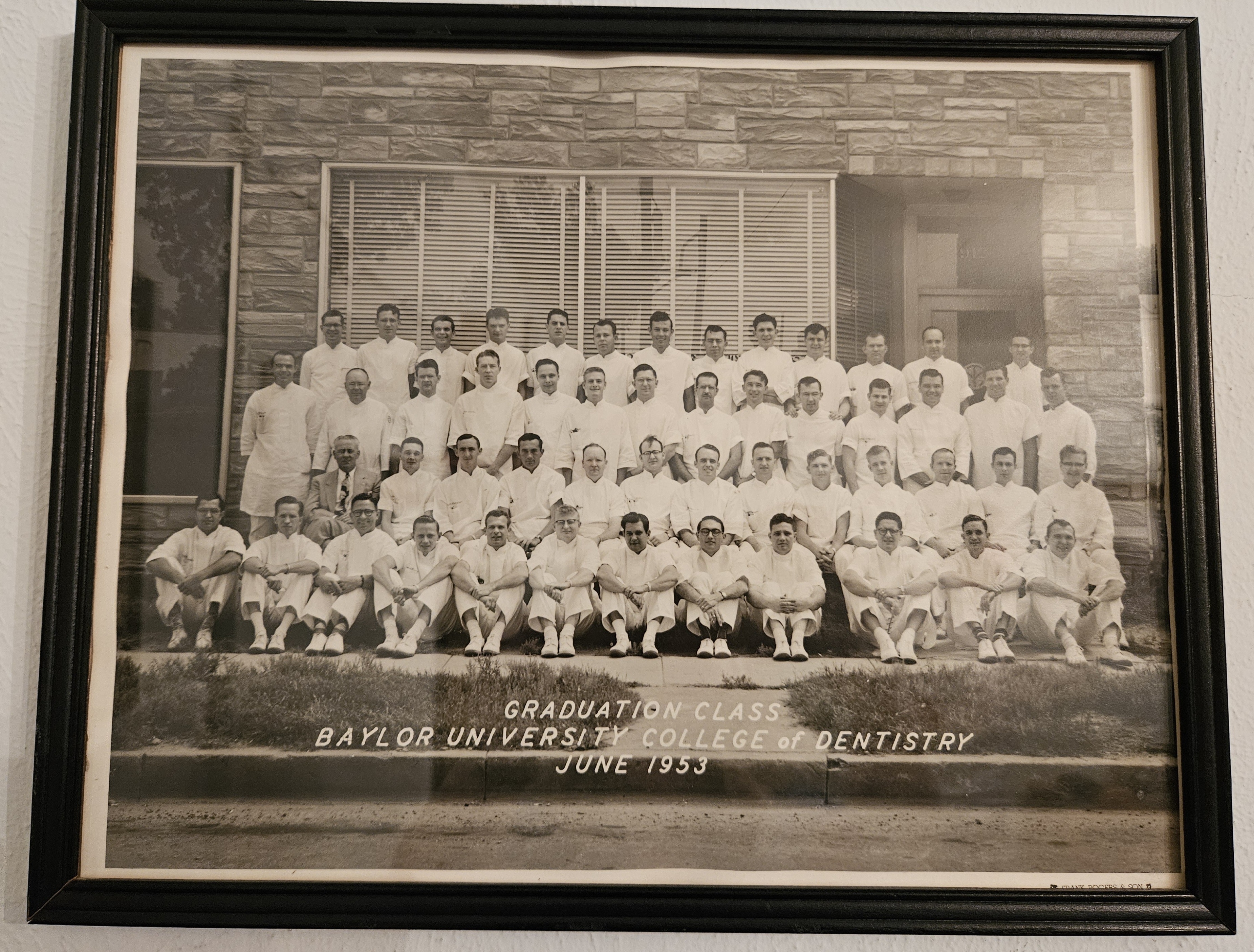
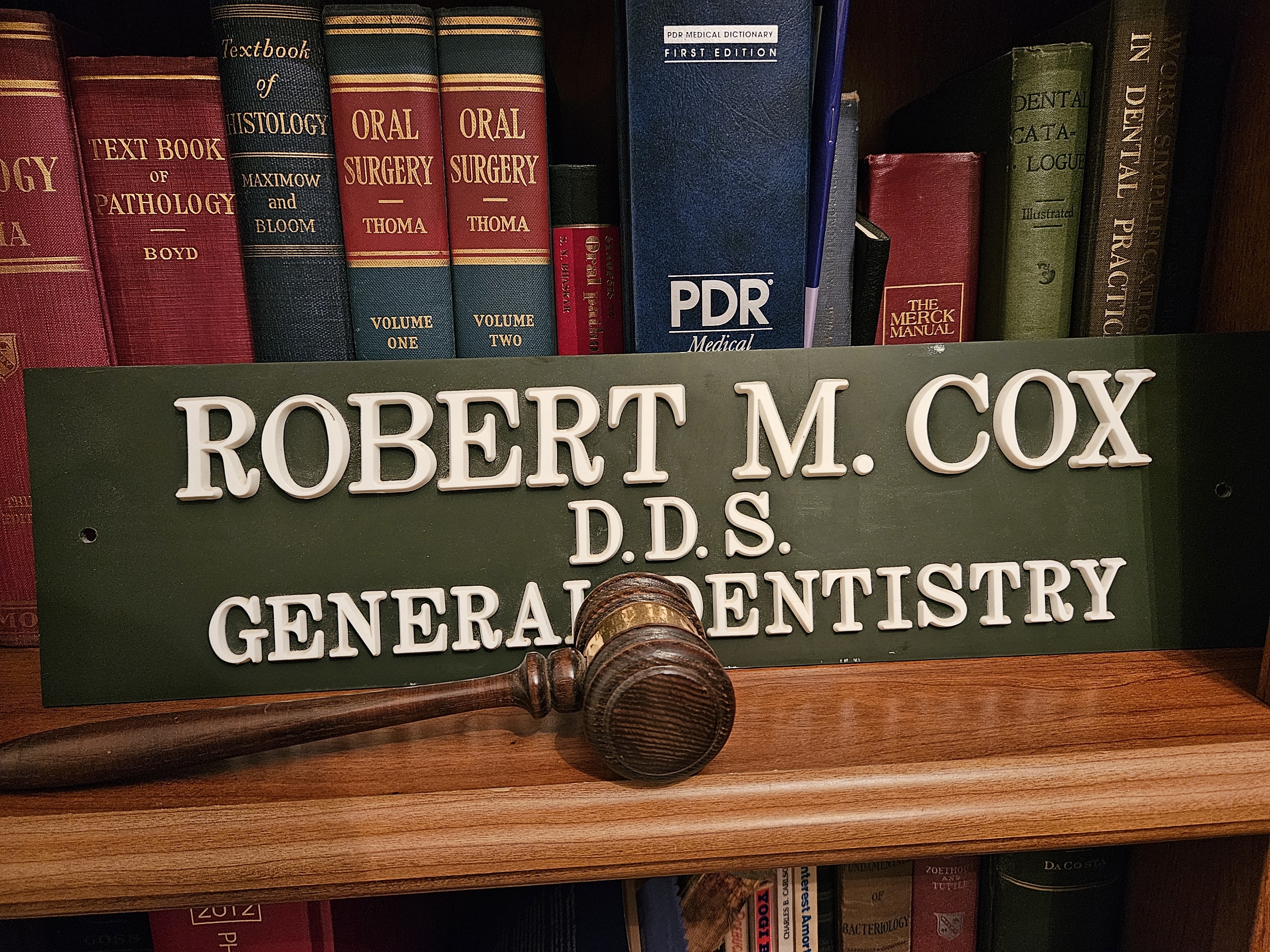
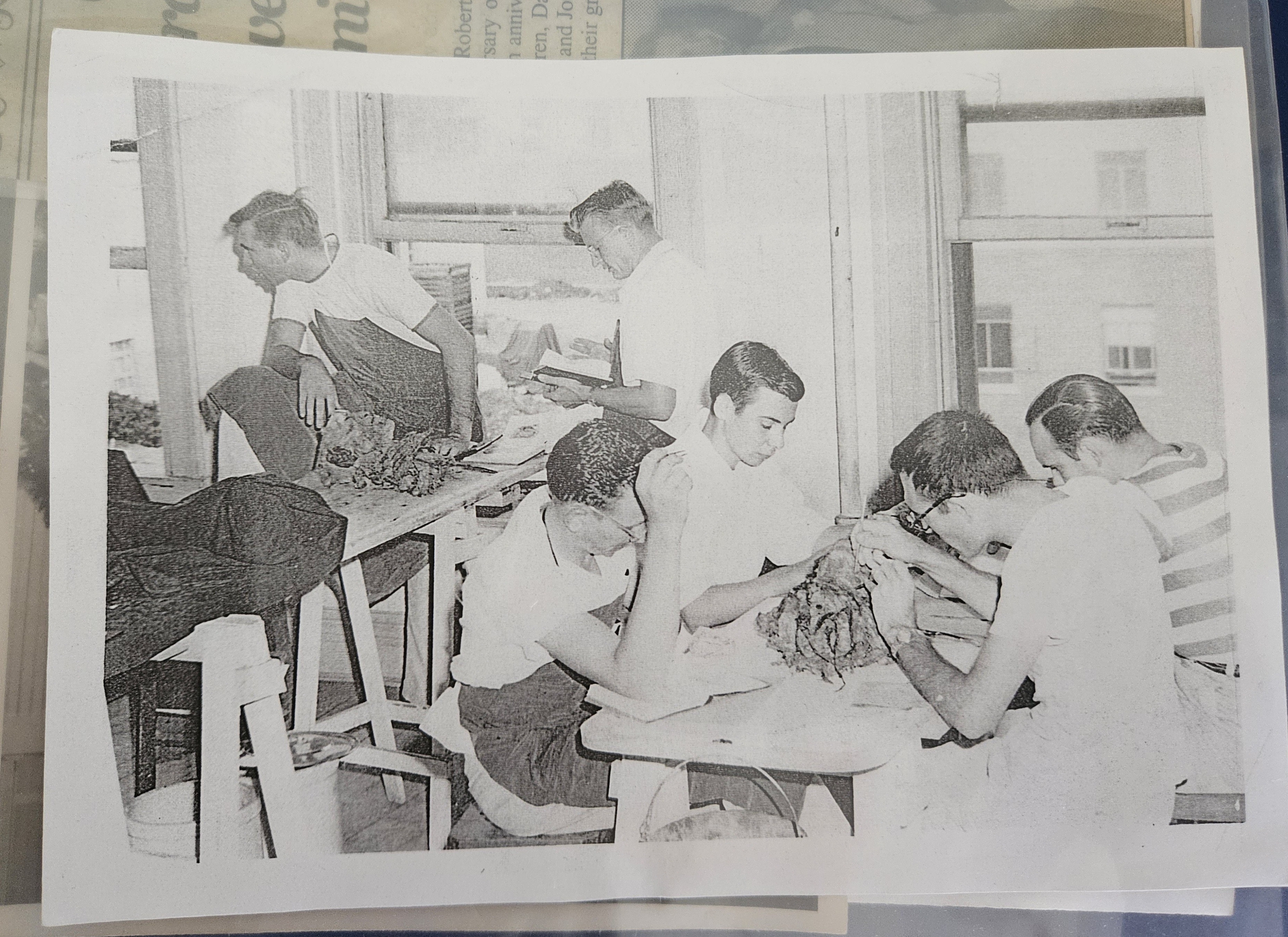
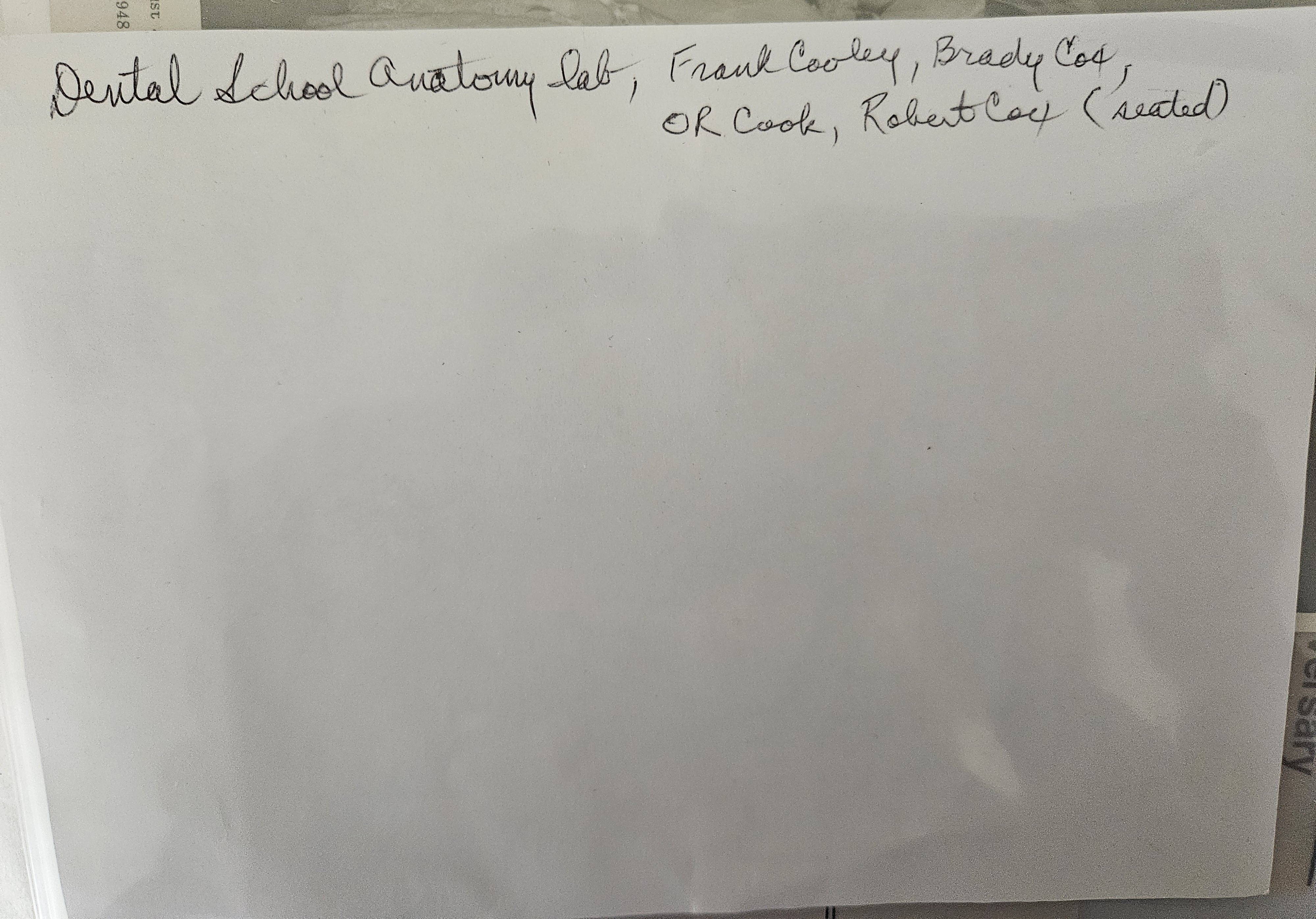
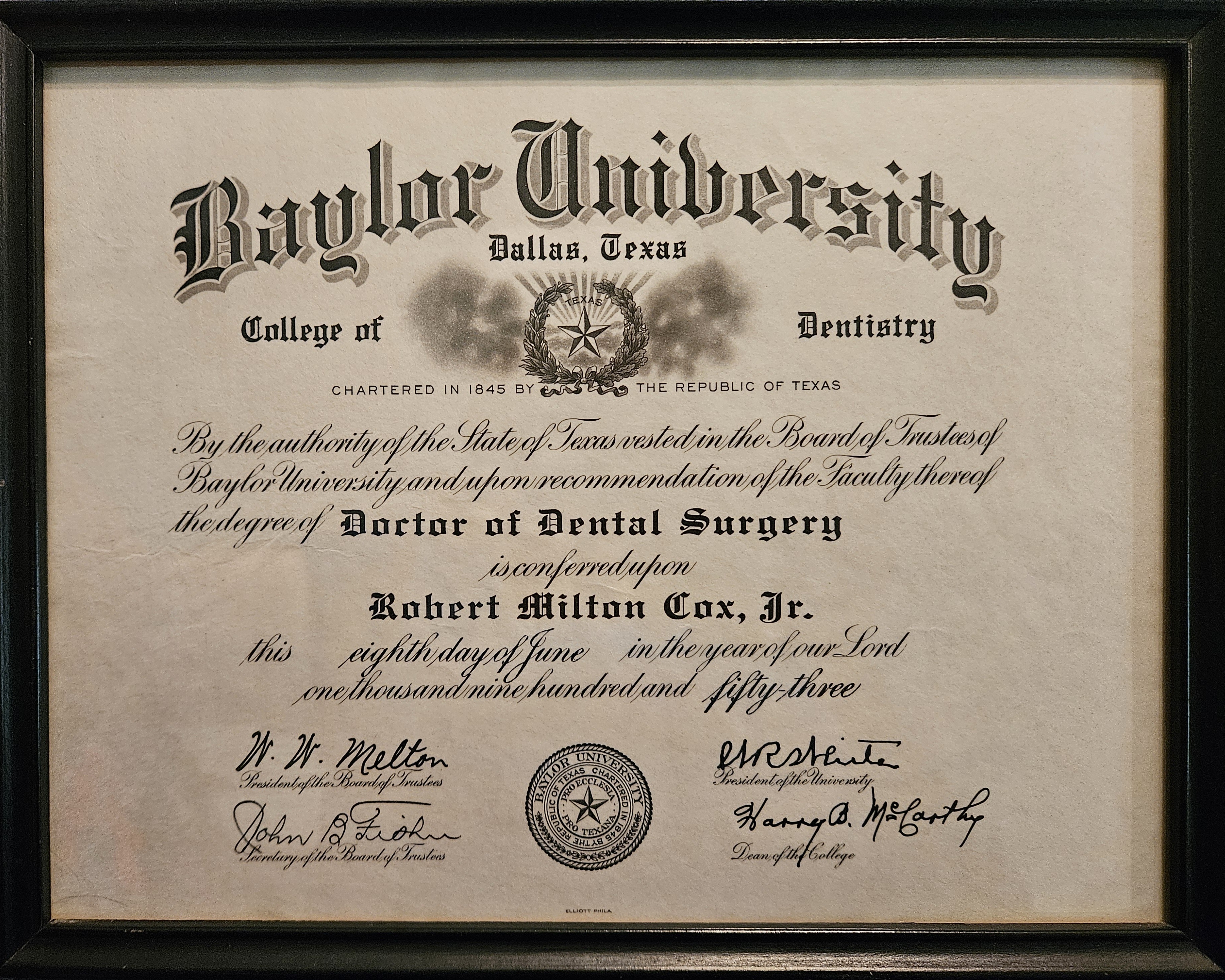
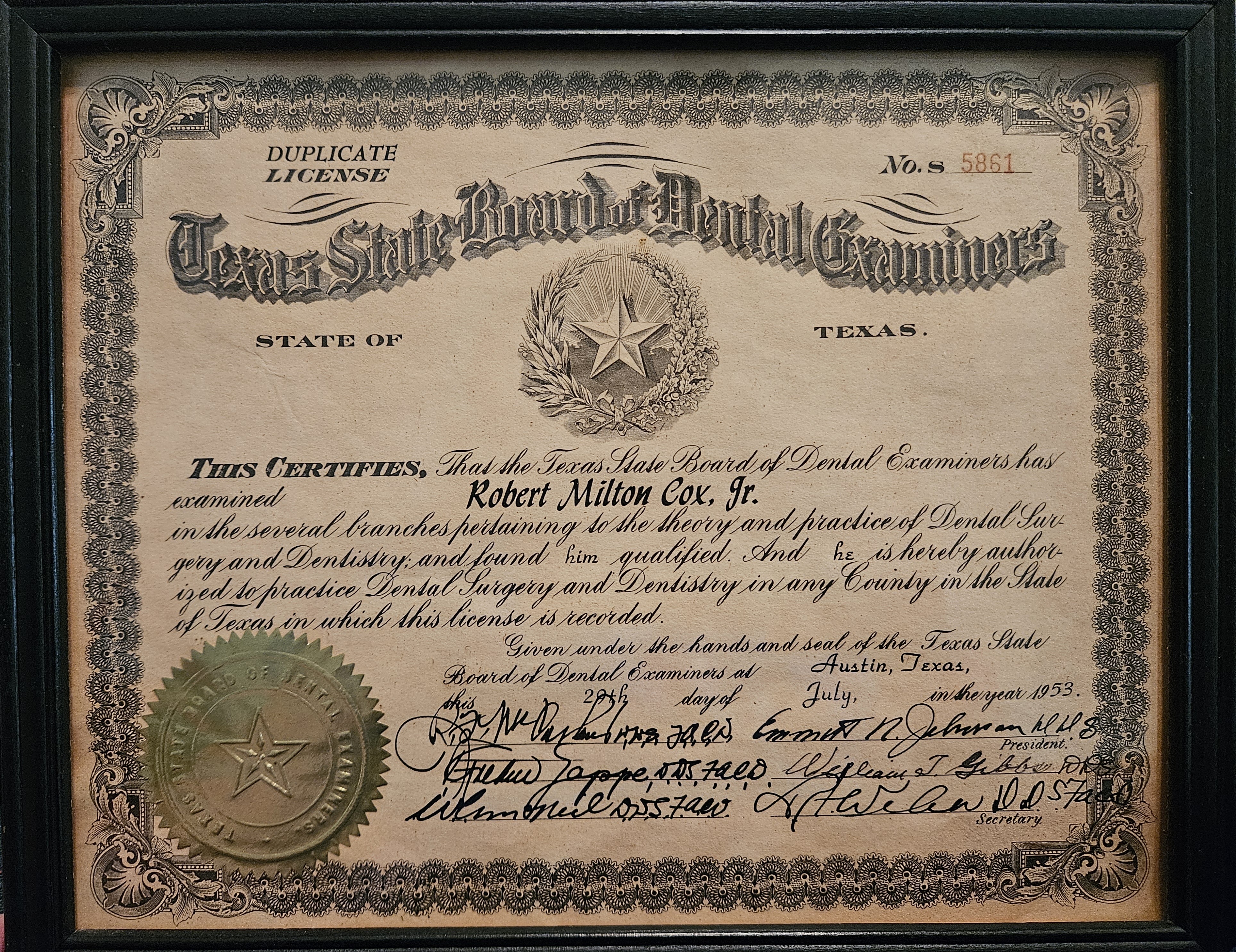
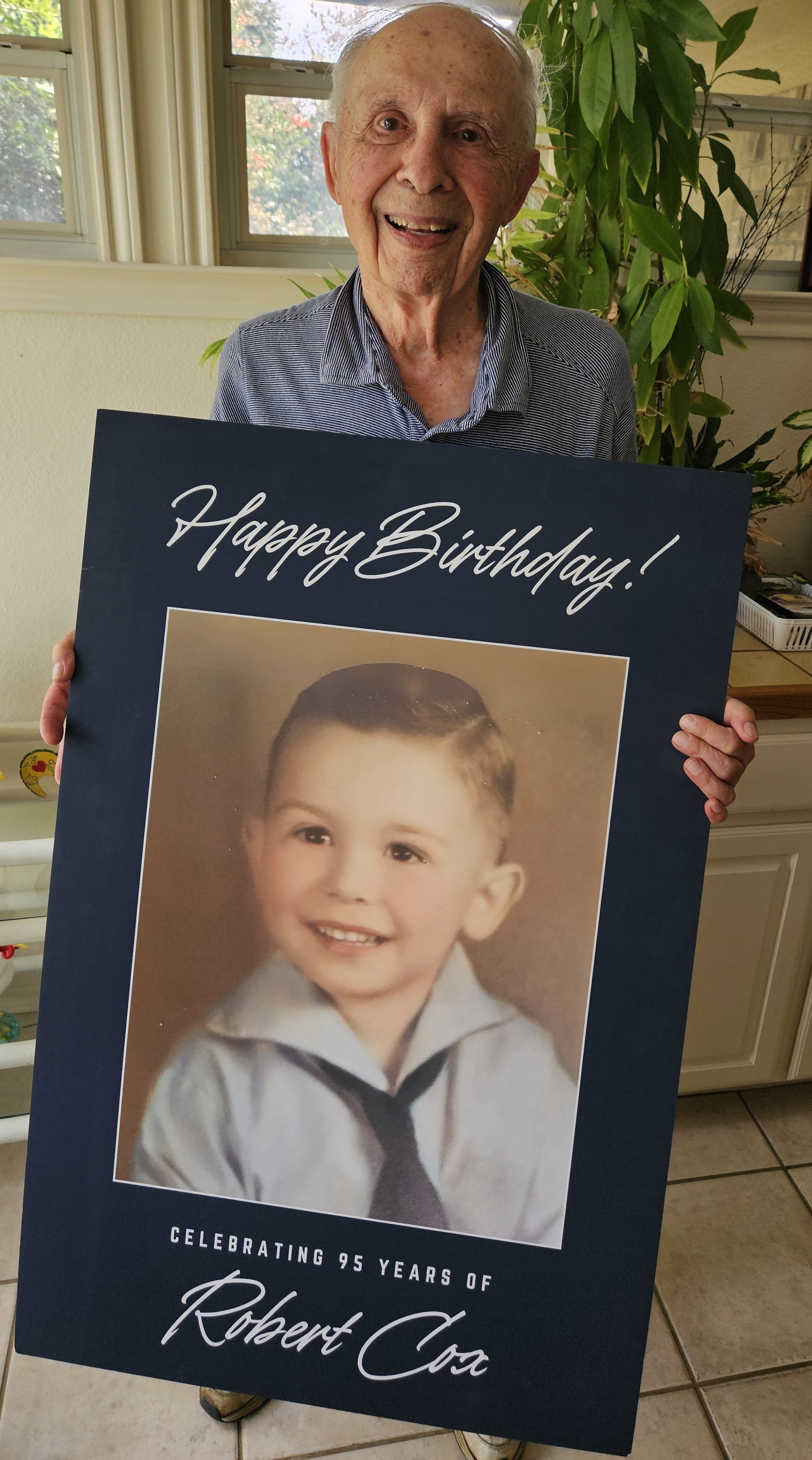
From an early age I felt called to dentistry, a path that began when I enrolled in the accelerated pre‑dental program at John Tarleton University in Stephenville. I later transferred to the pre‑dental program at Baylor College of Dentistry in Waco where I earned my Bachelor’s Degree in 1951. I completed my professional training at Baylor College of Dentistry in Dallas and received my Doctor of Dental Surgery in 1953. During those years I was the youngest student in my suite. Nearly eighty percent of the dental students had served in the Second World War and were much older than I was. Their maturity and experience shaped the atmosphere of the school and their mentorship shaped my life. One had flown B‑24s. My closest friend Clyde had fought as a Marine on Bougainville, Tarawa, and Okinawa. His assignment was perilous because he guided the flame throwers to the caves where Japanese soldiers were hiding. Despite the weight of his service he carried a remarkable sense of humor. I remember the morning he stepped outside in his skivvies to retrieve his newspaper. When a car approached he hurried back toward the house and jammed his toe on the step. His toe turned black and blue so he wrapped it and continued seeing patients. He would inject Novocain into his toe and glide up and down the hallway on a rolling stool until he hit a piece of gum on the floor that stopped him abruptly. His patients had been watching and laughed at the sight of him sailing past the doorways.
Another moment with Clyde remains vivid. We were fishing with his wife when her cast sent the lure straight into Clyde’s nose. It was painful but I could not help laughing. Clyde shook his head and said that he had fought across the Pacific without ever being wounded, only to be injured by a fishing hook after the war.
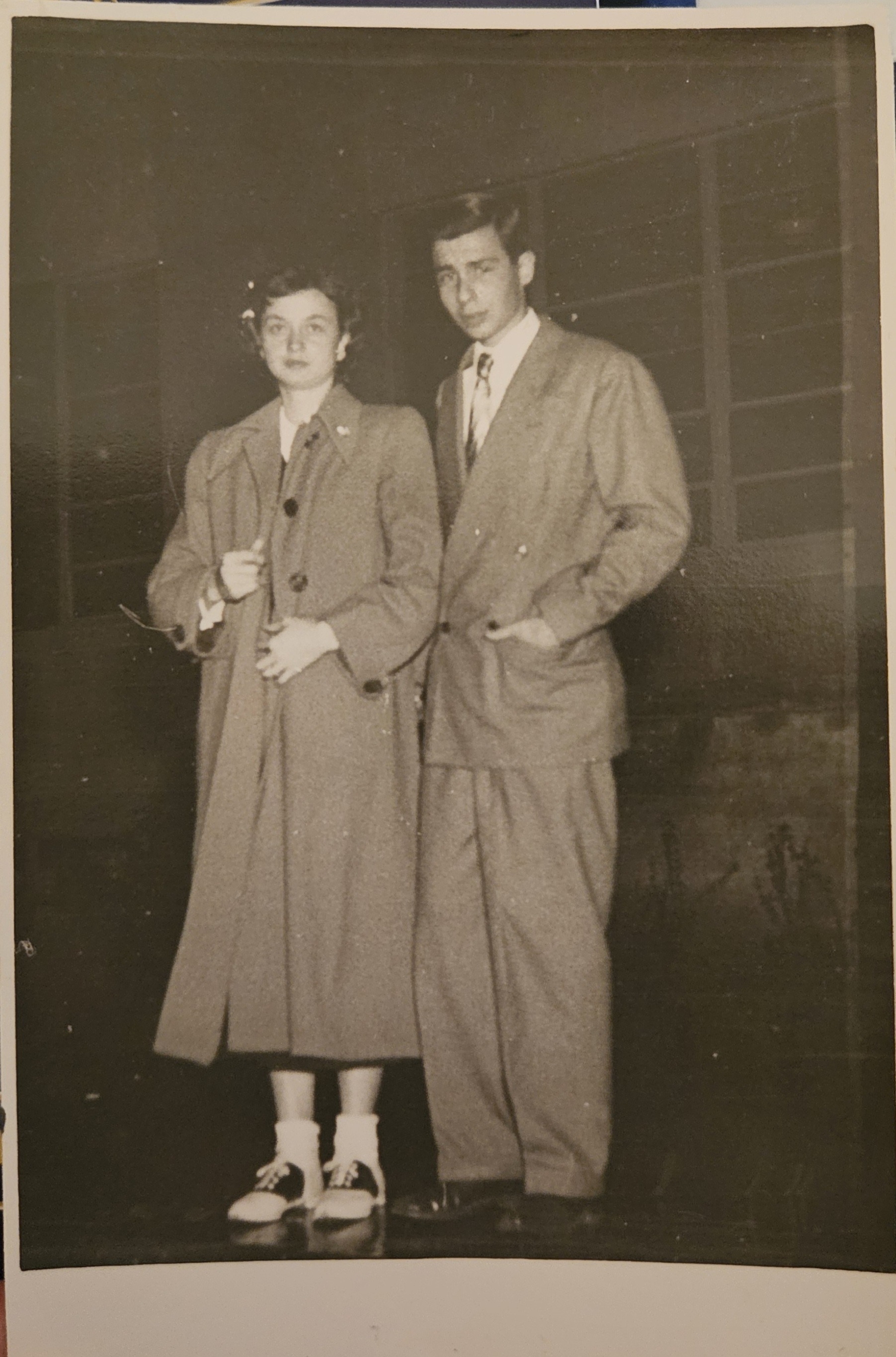
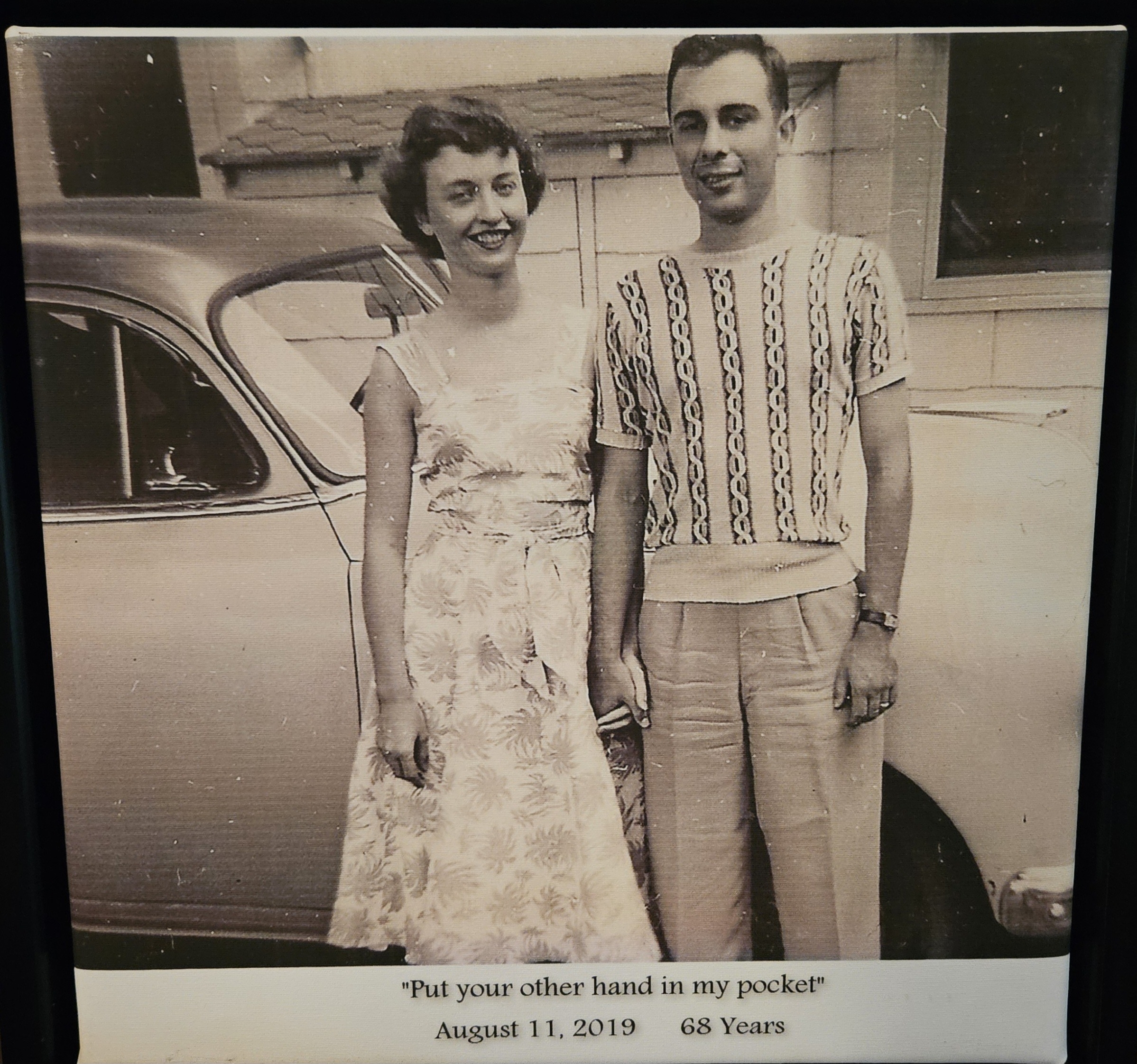
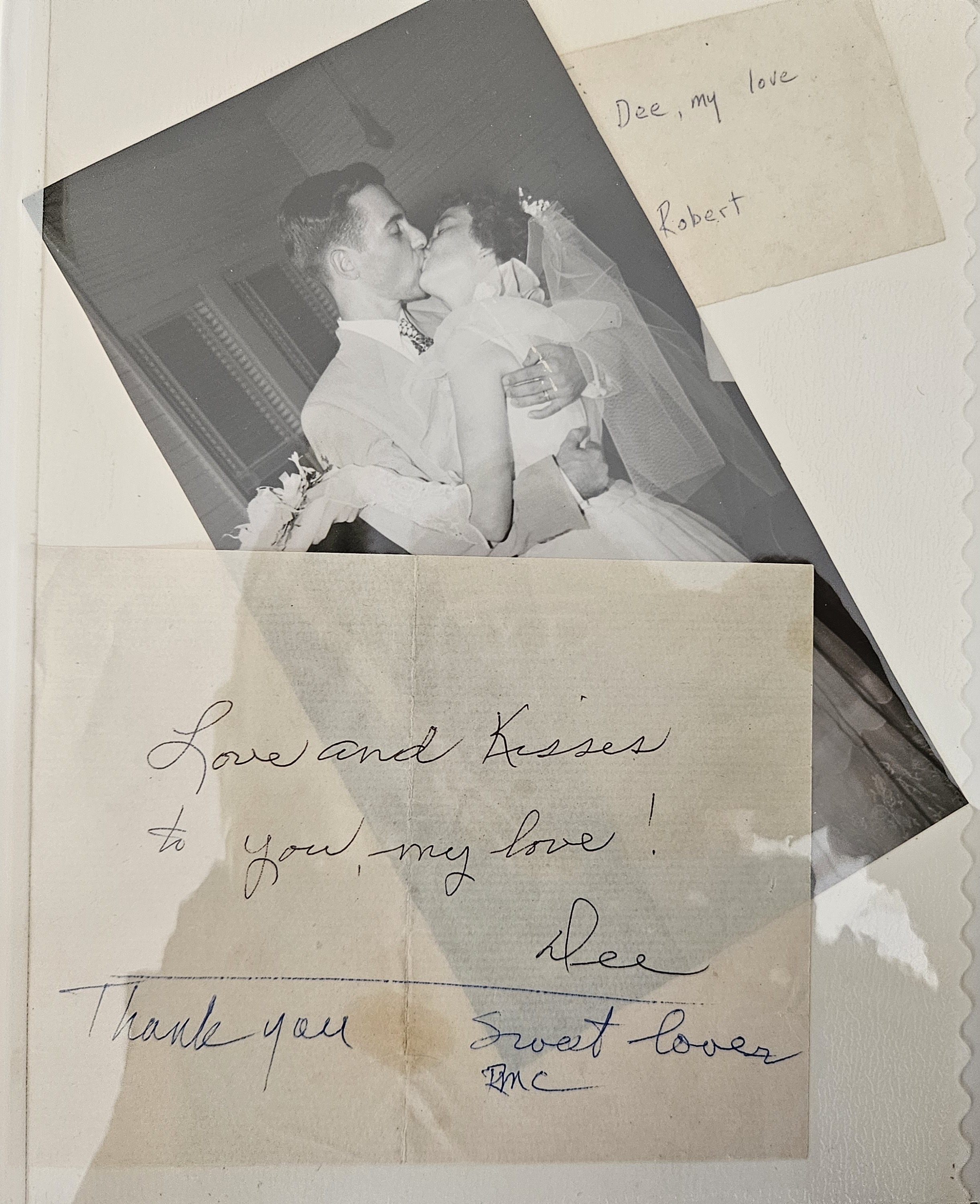
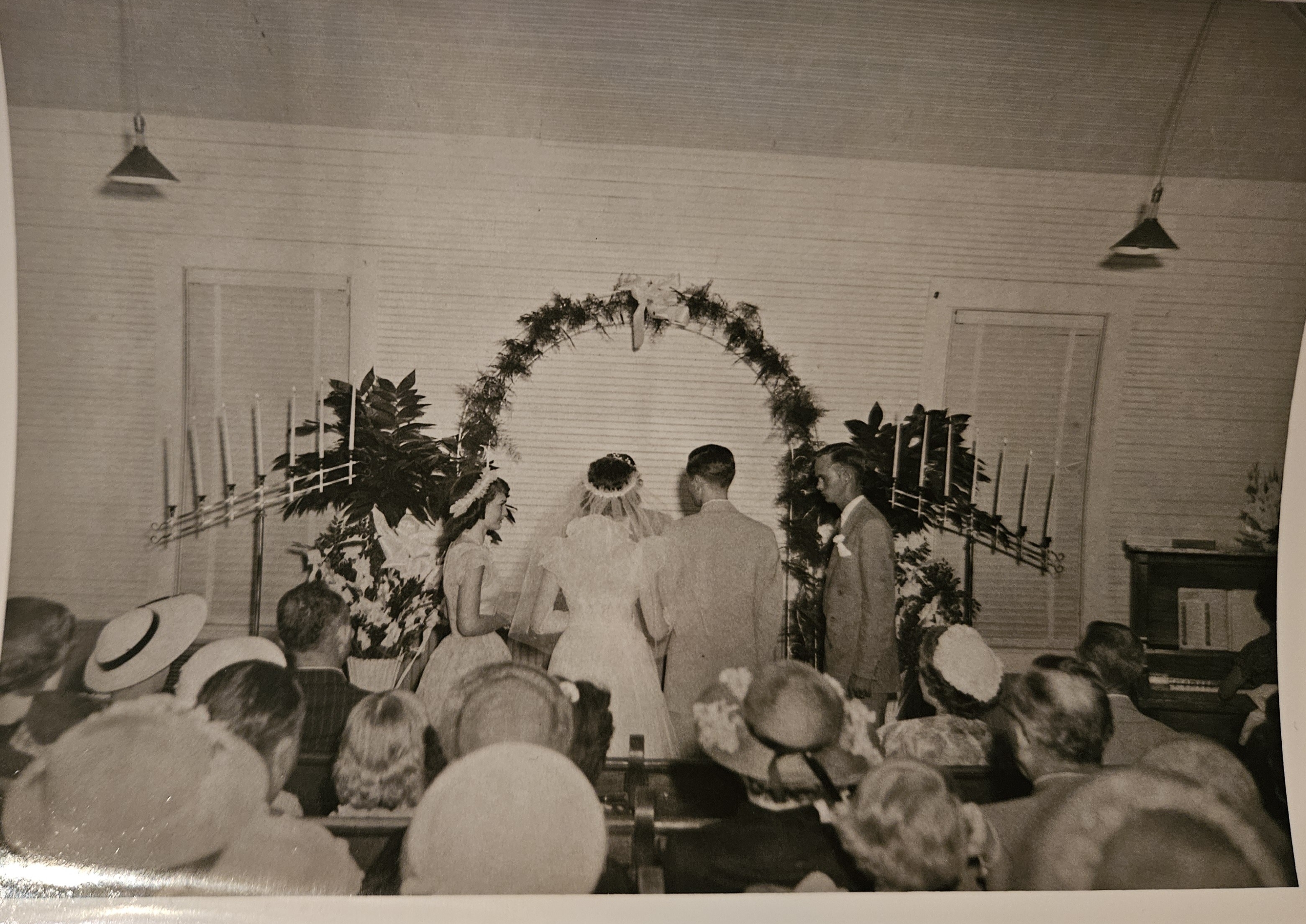
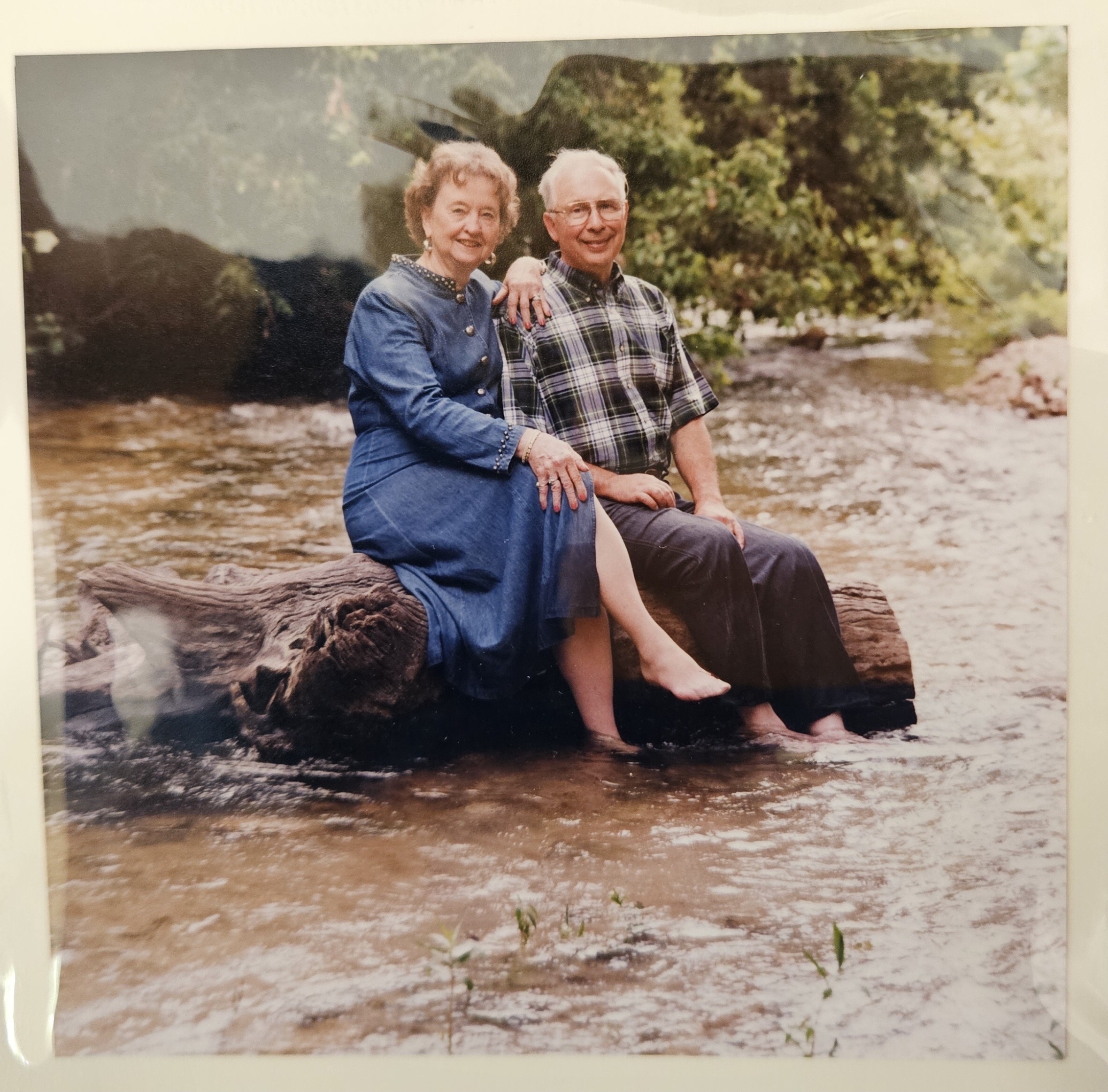
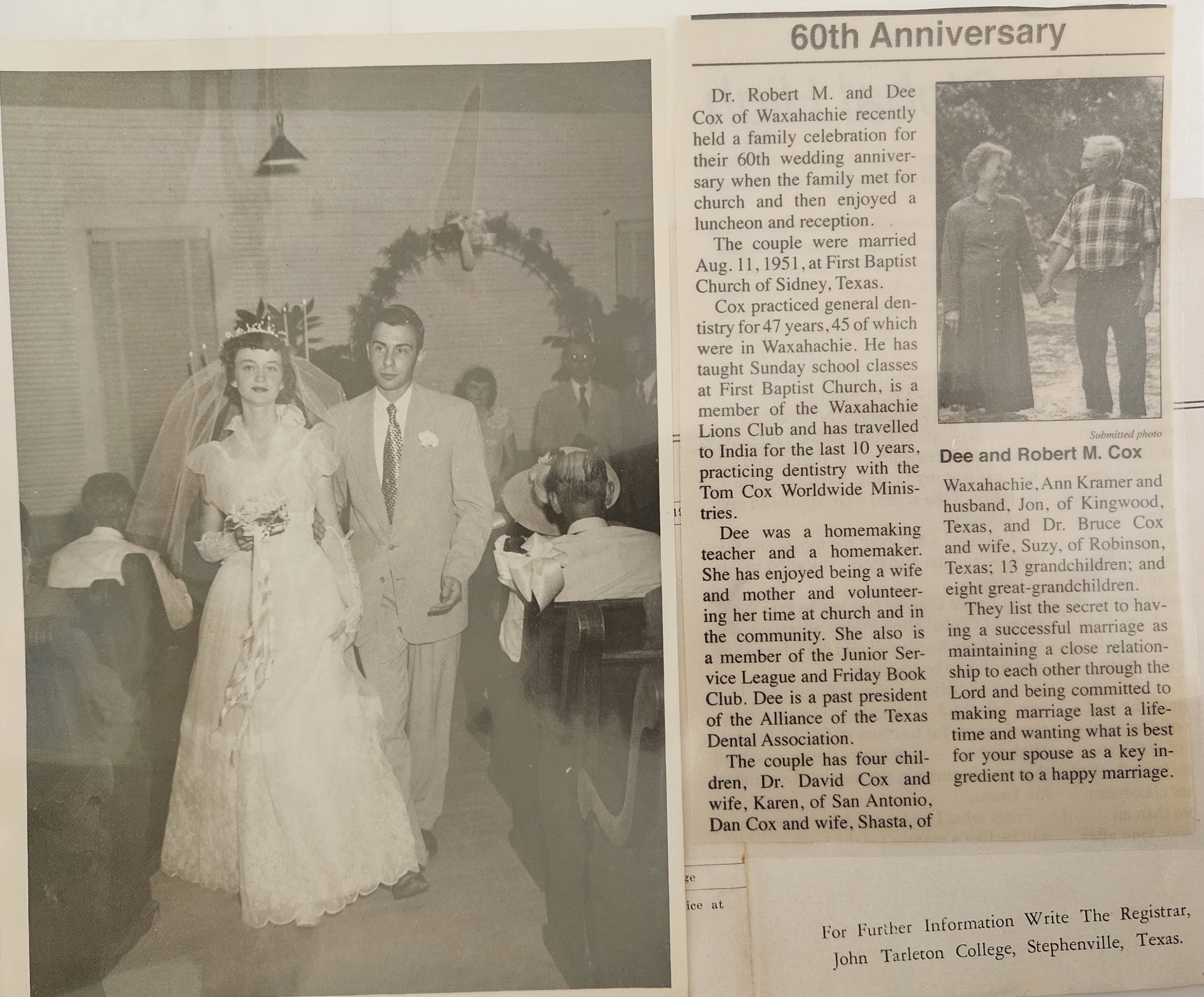
During dental school I married the woman who had been my closest friend. We had been active in the Baptist Student Union and shared a deep faith. One cold evening before we were married her brother, who had served in the Army during the war, walked up and asked if she had forgotten her coat. He was wearing a pea coat and told her to put her left hand in his pocket. I came up on the other side and told her to put her right hand in mine. We walked home together with her hands tucked safely away from the cold. We were married in August of 1951 in Waco and she supported me faithfully while I finished my schooling.
Her family carried its own remarkable history. Her cousin had served aboard the USS Indianapolis which had supported the attacks on Okinawa and suffered heavy damage. After repairs in the United States the ship was ordered back to the Pacific carrying a secret cargo that would later be revealed as the atomic bomb. After the bomb was dropped on Hiroshima the Indianapolis sailed toward the United States. Believing the war was essentially over the captain relaxed precautions. A Japanese submarine spotted the ship and fired several torpedoes that sank her. Her cousin survived seven days in the water before rescue. His skin peeled from the salt and sun. Approximately eight hundred eighty sailors and Marines were lost, making it the worst single ship disaster in United States Navy history.
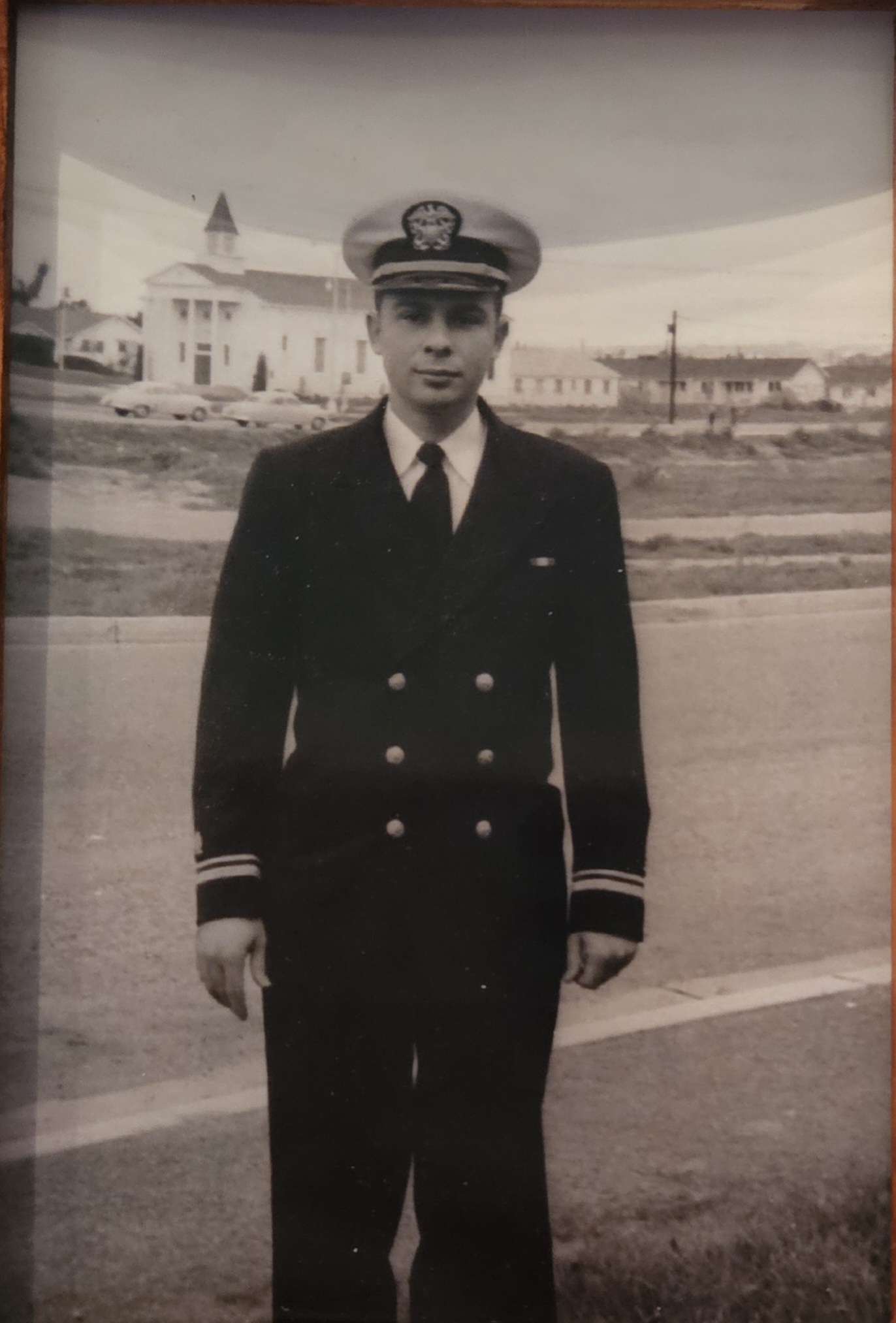
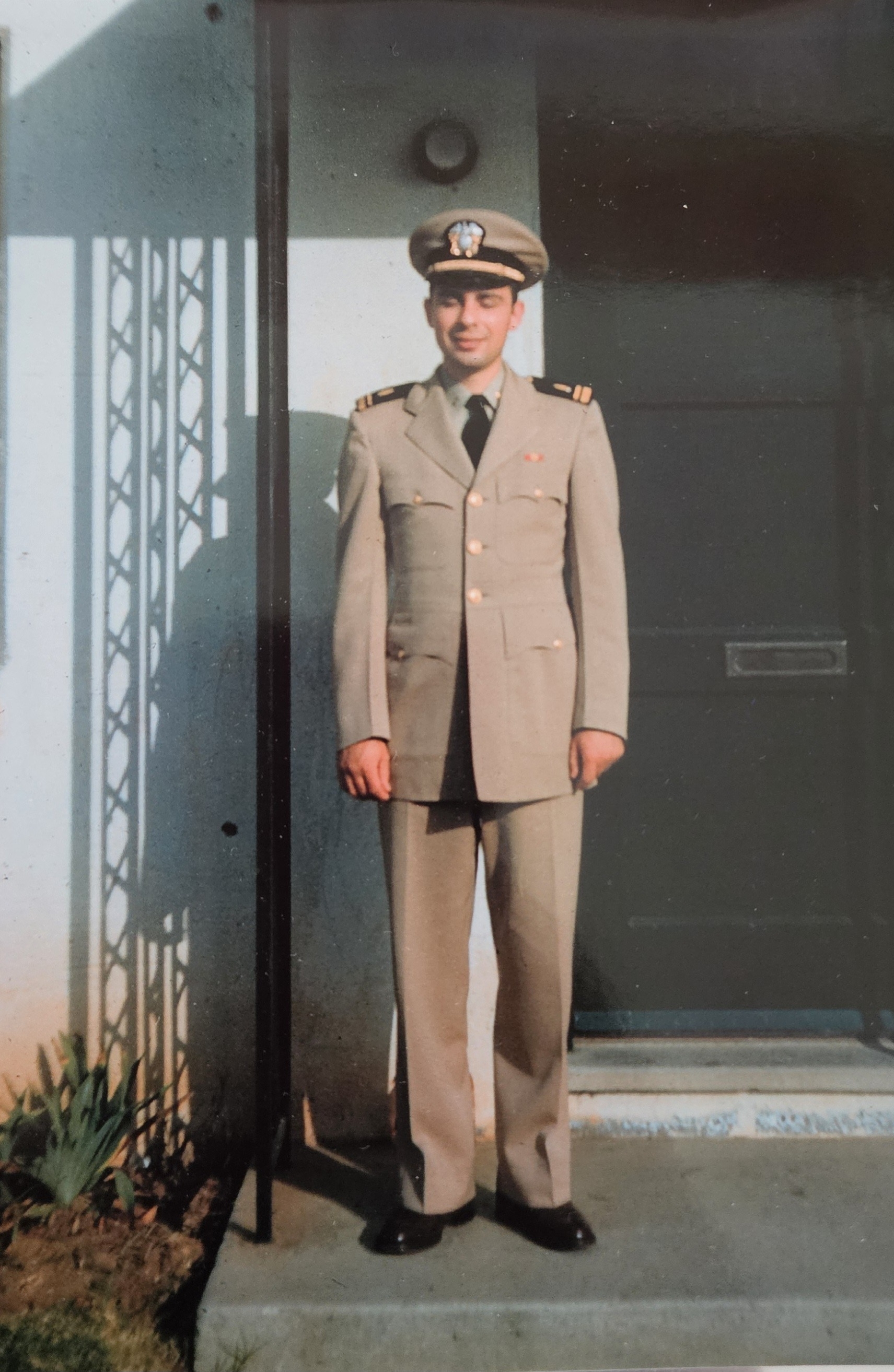
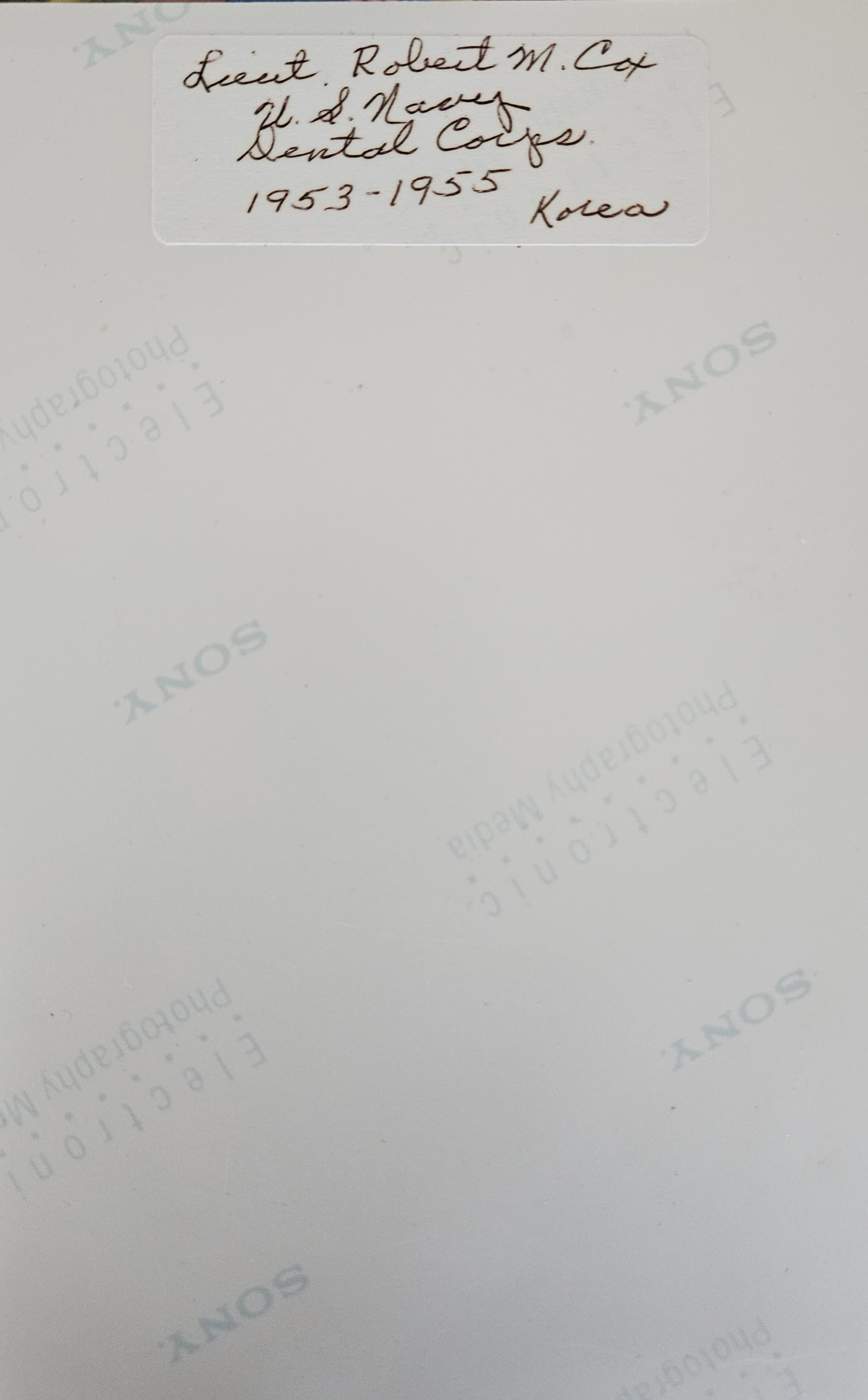
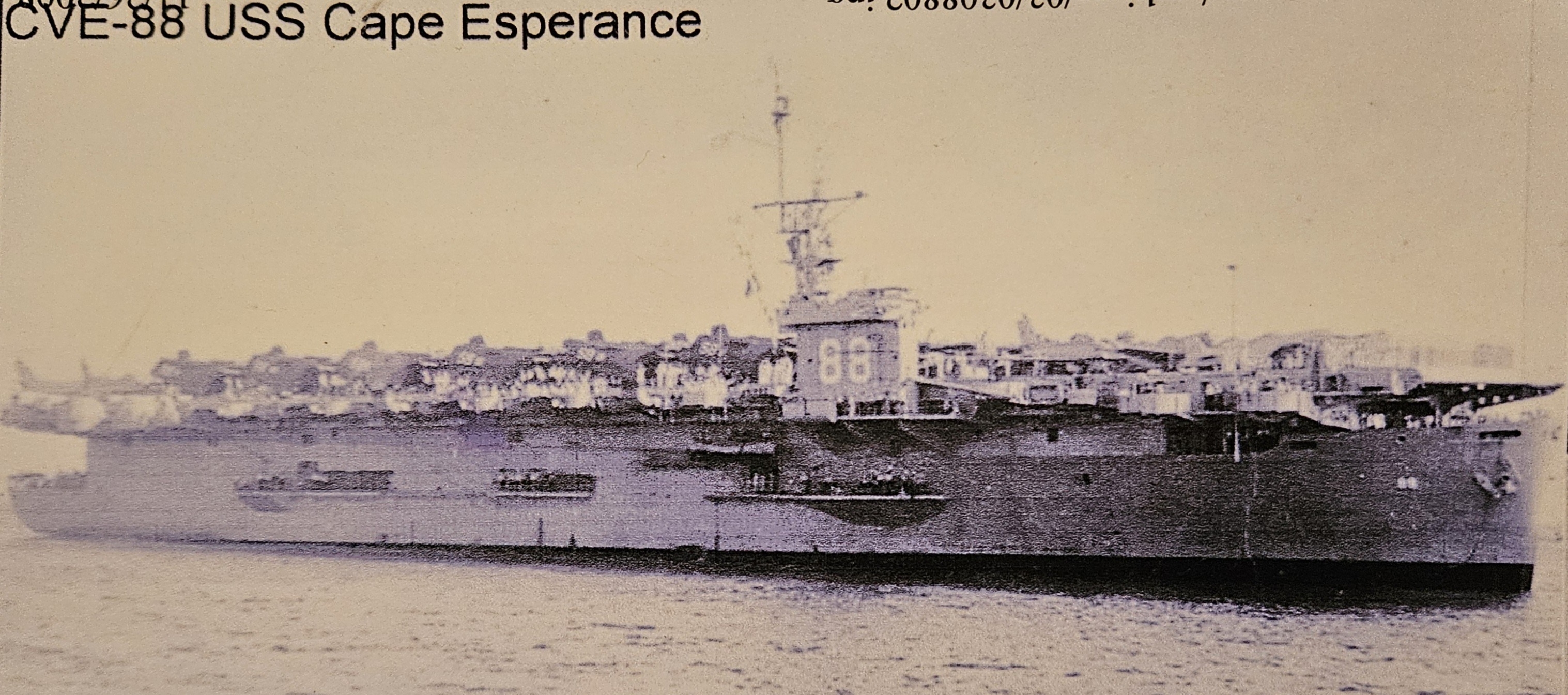
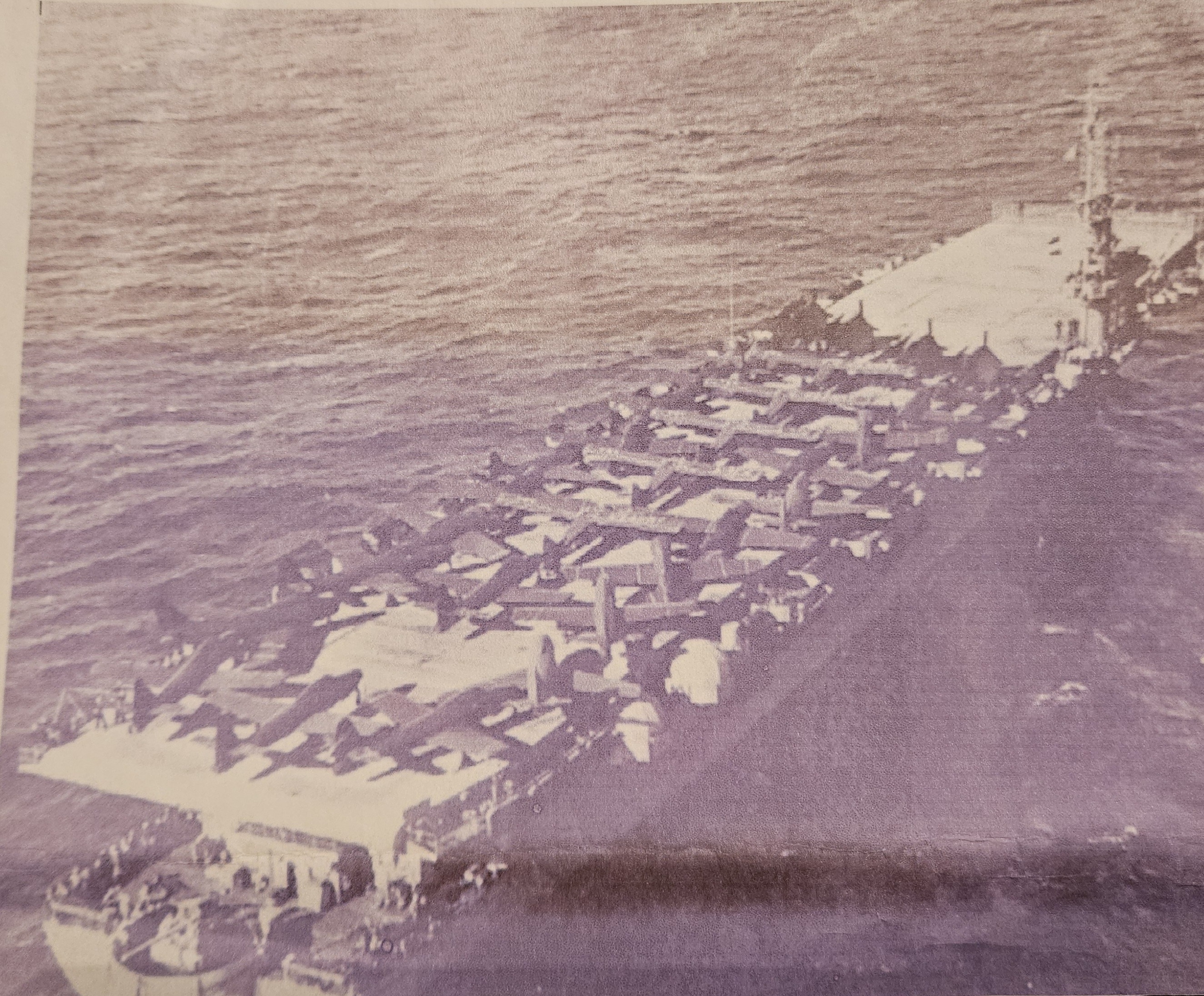
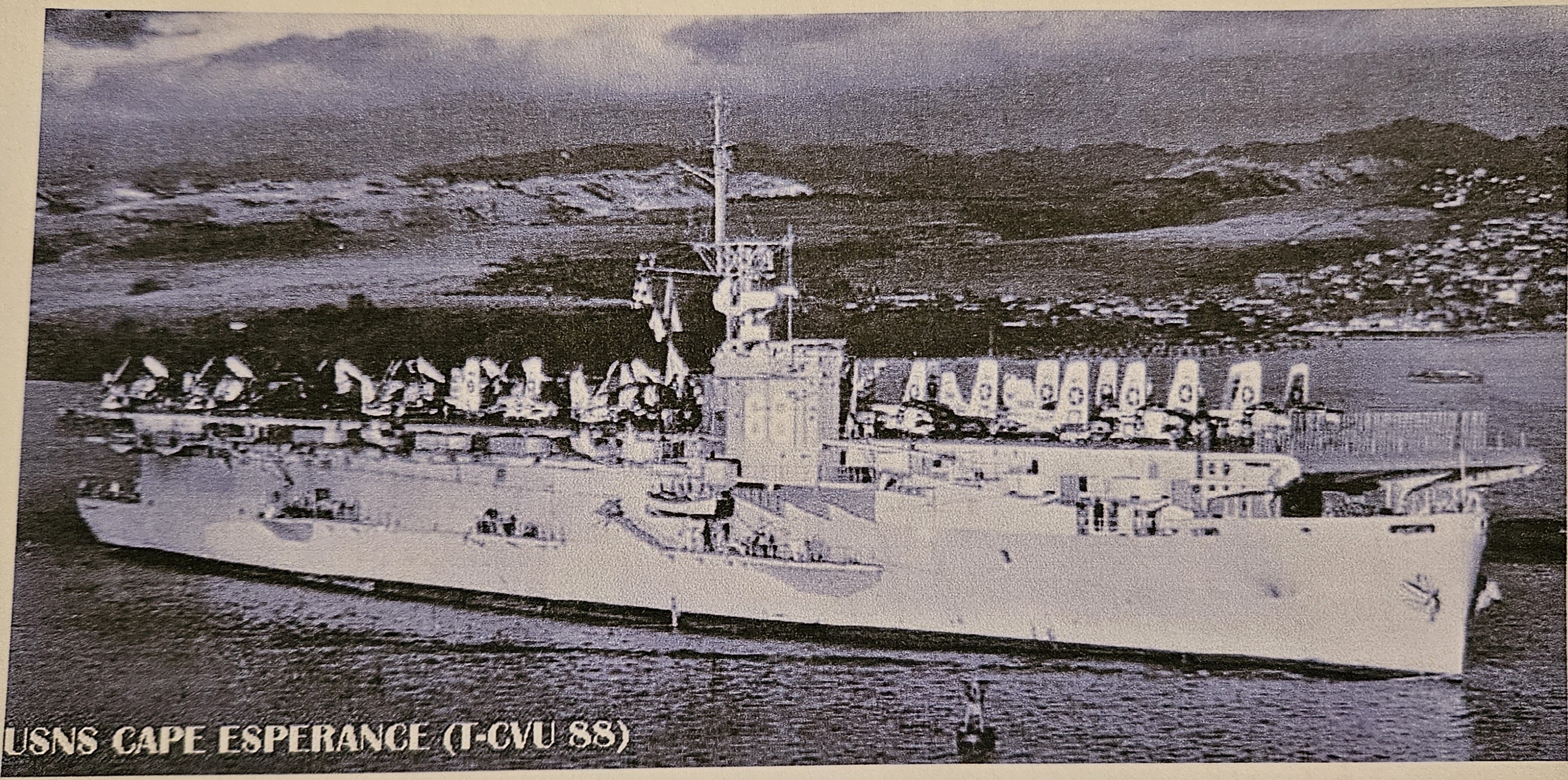
In 1953 many reserve soldiers who had fought in the Second World War were being called up for service in Korea. Six hundred thousand North Korean soldiers had attacked southward, capturing Seoul and driving the Republic of Korea and United States forces back to the Pusan Perimeter. I received a telegraph that my orders were delayed but soon I was instructed to report to the Naval Air Station ship docks in Alameda. I was assigned as the dentist aboard the Naval Escort Carrier USS Cape Esperance CVU 88. During the Second World War the Esperance had transported combat ready aircraft and personnel to strategic locations throughout the Pacific including the Philippines, Guam, Iwo Jima, and Okinawa. During the Korean War she continued ferrying aircraft and personnel from the United States to bases in Japan.
Before the ship sailed I was able to visit my wife for several days. When I returned to Alameda the ship had already departed. I flew out of Barber’s Point on Oahu but an albatross struck the plane and caused significant damage. We made an emergency landing on Midway Island and waited while a propeller was repaired. We then flew to Japan and landed at the Naval Base at Soogie Bay in Oura Bay. Again the ship had already sailed so we traveled to the Marine Corps Air Station at Iwakuni. When the ship had already departed from there as well we continued to Kure which lay just south of Hiroshima. Kure had been one of the largest shipbuilding centers in Japan and the mighty battleship Yamato had been launched from its slips. At last we were able to board the Esperance.
The slips lay along the mountainsides where iron defensive doors still marked the ridges. Kure had been heavily bombarded by the United States Army Air Forces. We joined a busload of sailors traveling into the interior and visited the Imperial Palace. One of the most striking buildings was the Imperial Hotel designed by Frank Lloyd Wright in 1923. Its earthquake resistant construction had been proven when it survived the Great Kanto Earthquake that same year. We visited the Skischi Room where Japanese women prepared meals. After sitting for so long we struggled to stand. Before sailing back to the United States we picked up New Zealand entertainers who were traveling to Korea to perform for the troops.
We returned to the Naval Station at Coronado in San Diego. We expected leave so I could see my wife but first we had to be inspected by a Marine Rear Admiral attached. Navy protocol required him to wear a sword. At one point the sword fell to the deck. Even though we were at parade rest we could not contain ourselves and began laughing.
Our orders changed and we were instructed to sail to Mobile Alabama to pick up a load of aircraft for transport to Japan. The crew was unhappy with the change. We sailed toward the Panama Canal but the ship was too wide to pass through so we waited. The Captain told us to get in the water and hunt turtles for food. We caught two large ones. The Captain wanted the physician and me to certify that the turtles were safe to eat. I was not entirely sure how to do that but we eventually verified them. I spoke with the cook and soon turtle soup was served.
We picked up fifty to eighty planes in Mobile and sailed back through the canal toward Japan. I stayed busy filling cavities and pulling molars because many returning soldiers had significant dental problems. I assisted in an appendectomy which was my only non dental surgical procedure. The physician was from California and trained at the University of Michigan. He suffered terribly from seasickness. We constantly tied down our instruments because of the ship’s motion especially when we sailed within three hundred miles of a typhoon. Sickbay was located on the second level midship below the quarterdeck.
On the way we stopped at Pearl Harbor. It was 1955 only fifteen years after the attack. The upper structure of the USS Arizona still rose above the water. Its burned and twisted turrets remained visible. We tied up next to the USS Utah which lay capsized on its side. Some of us toured the submarine base and visited a dentist in Honolulu whom one of my friends knew.
We sailed back to Alameda where the ship entered dry dock for repairs. My wife Dee had returned to Texas with our son but she came back to Alameda and I settled her in an upstairs apartment above a dentist’s office. After I sailed she moved to a downstairs apartment. We remained in Alameda for seventeen days while the ship was repaired. I then received orders to sail back to Mobile transporting five hundred ship crews, tanks, trucks, and Army vehicles. The Korean War had ended so personnel and equipment were being returned. Along the way a newly commissioned Ensign who had been assigned to refueling ordered the hoses removed too soon which created a dangerous oil slick. It could have been disastrous if it had ignited.
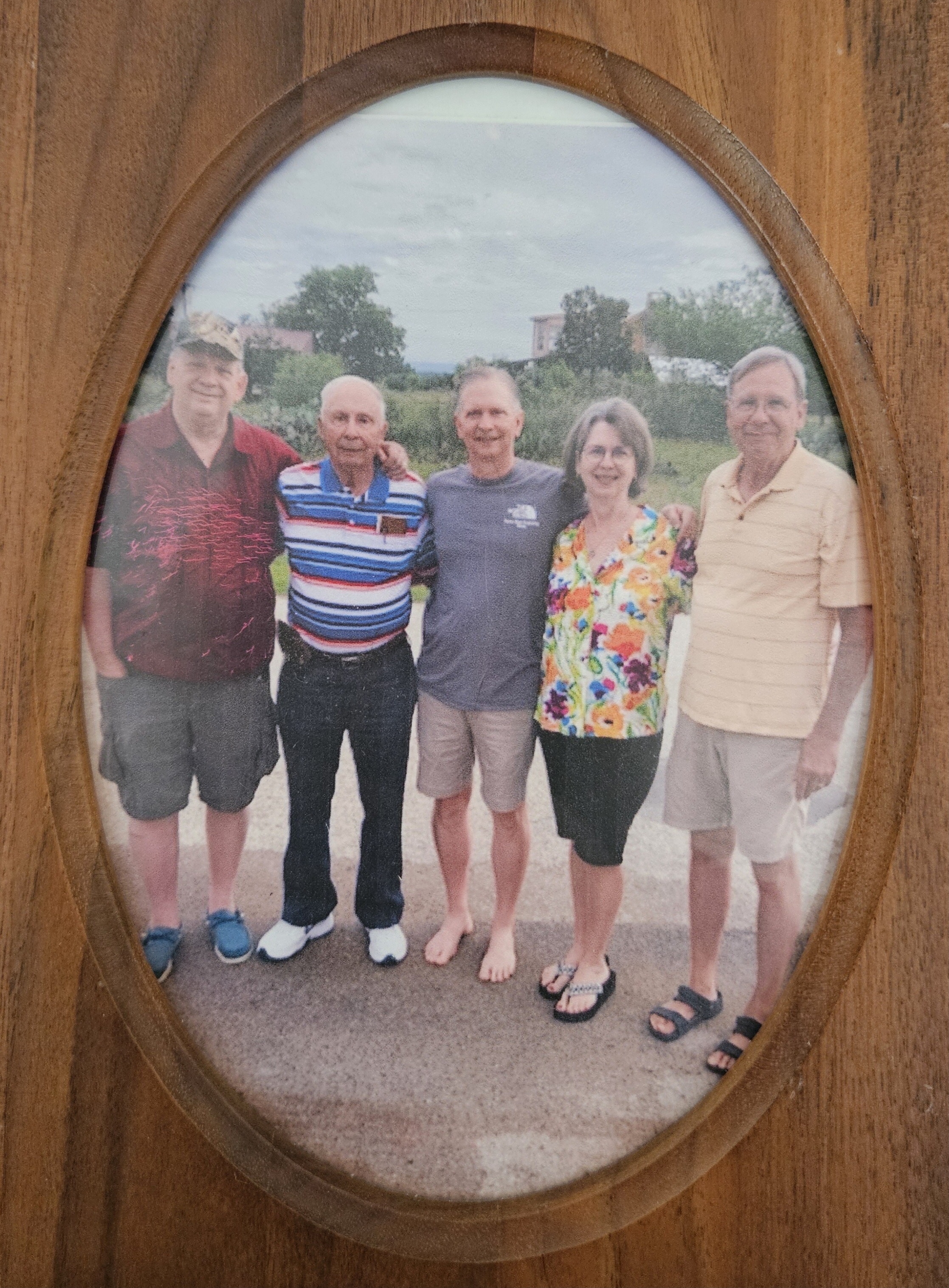
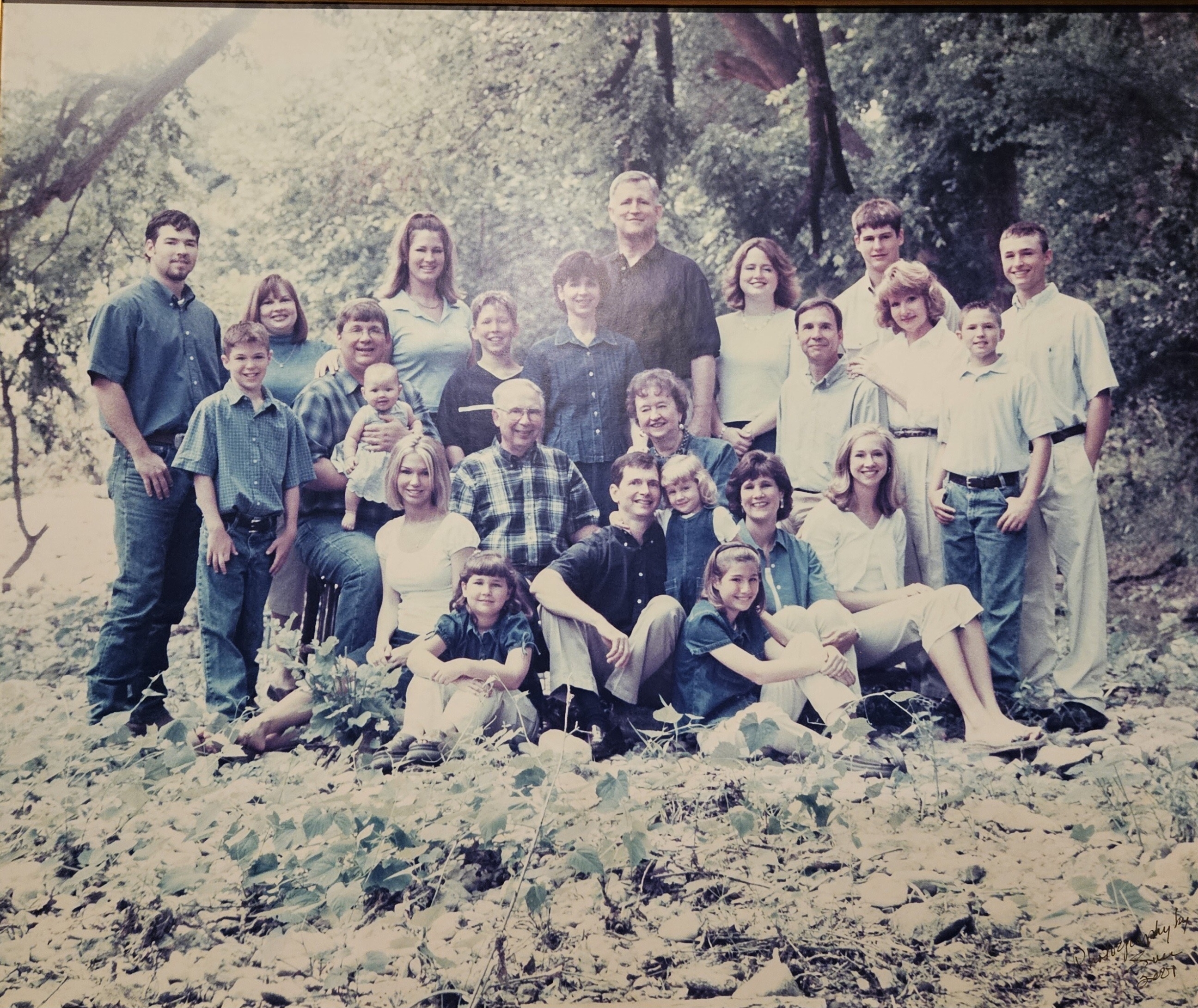
As my time in the Navy drew to a close I learned that the Esperance was ordered to sail to the Naval Air Dental School of Dentistry in Corpus Christi. Looking back on my service I believed deeply that God had preserved my life so I could return home and raise a family. A friend in Victoria told me about a dentist in Waxahachie who was moving to California and wished to sell his practice. I believed God had ordained that I should take over that practice in Ellis County. In 1955 I moved my family to Waxahachie. Over the years God blessed us with four children, thirteen grandchildren, and my twenty sixth great grandchild in 2025.
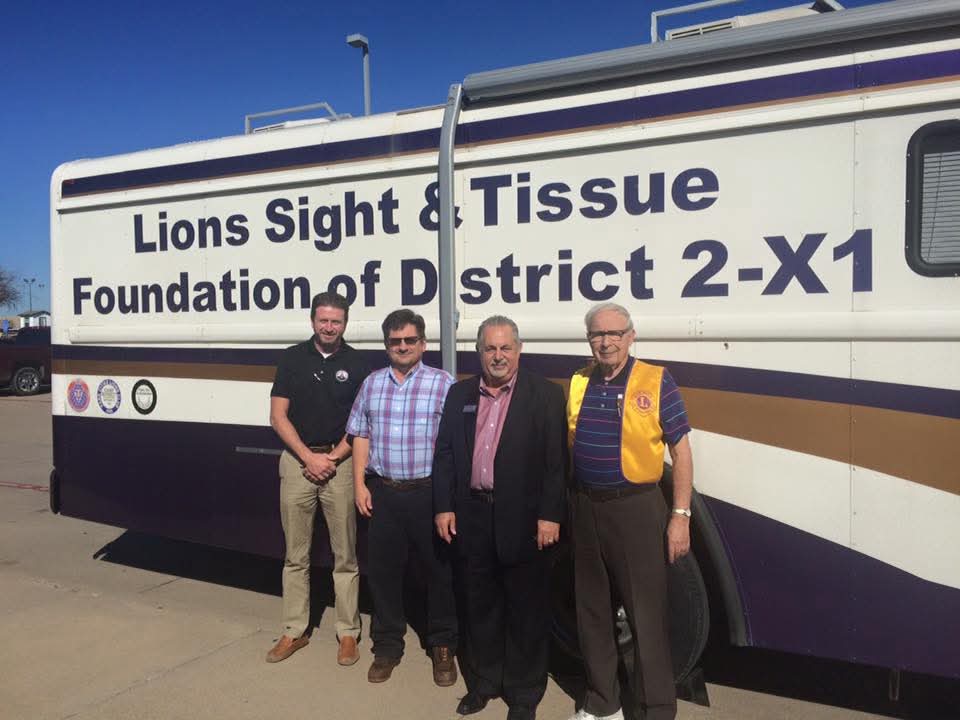
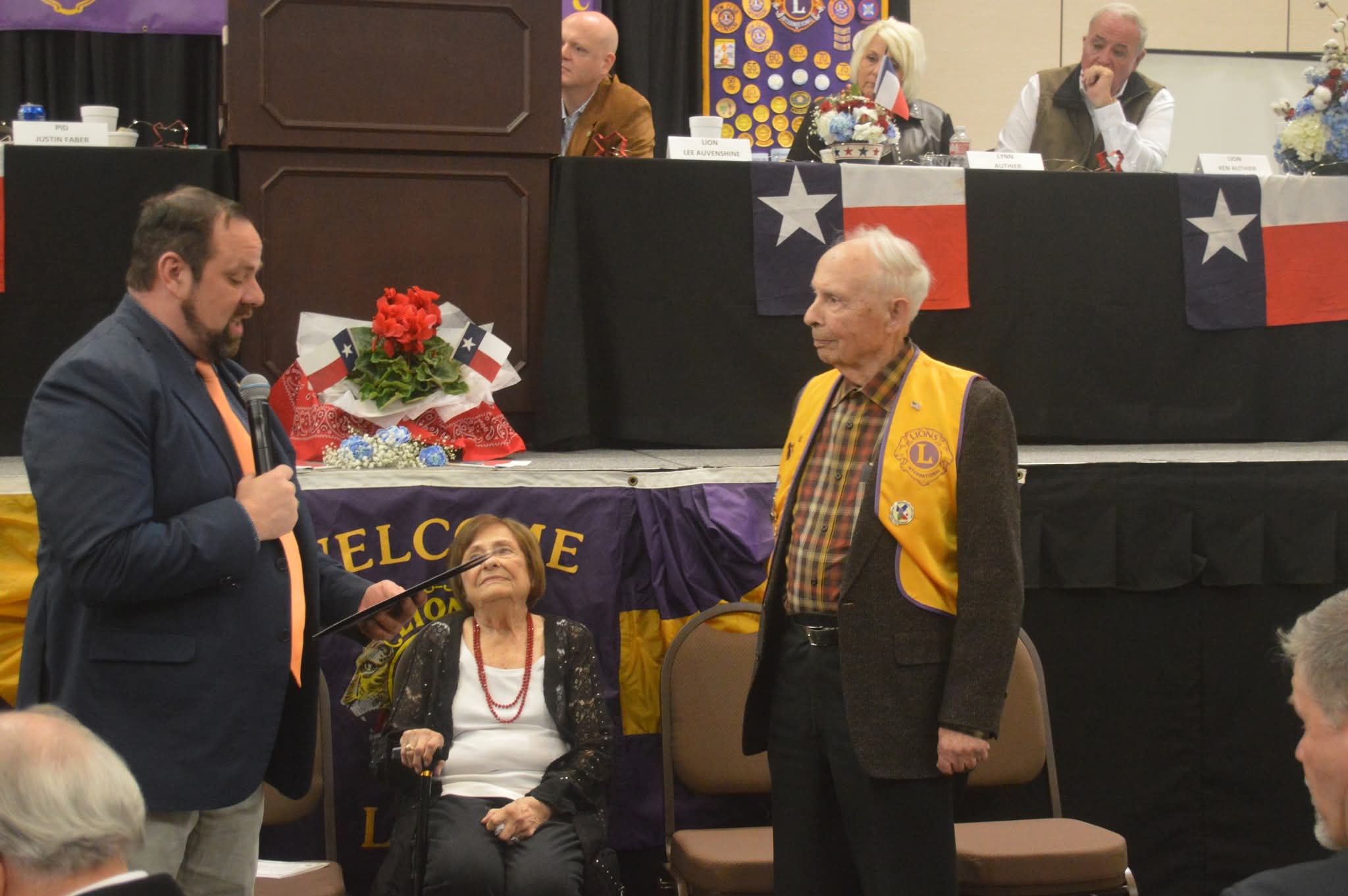
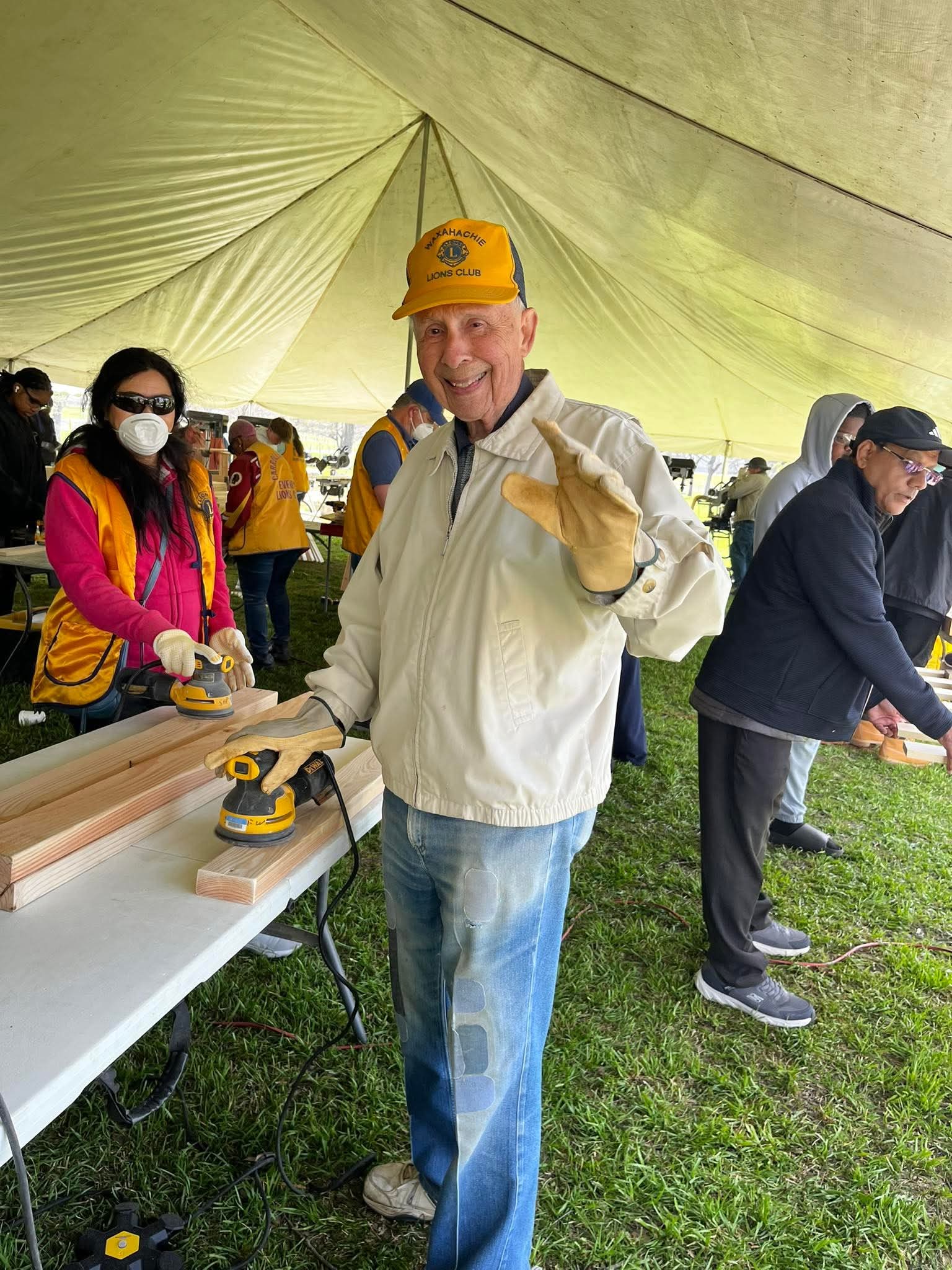
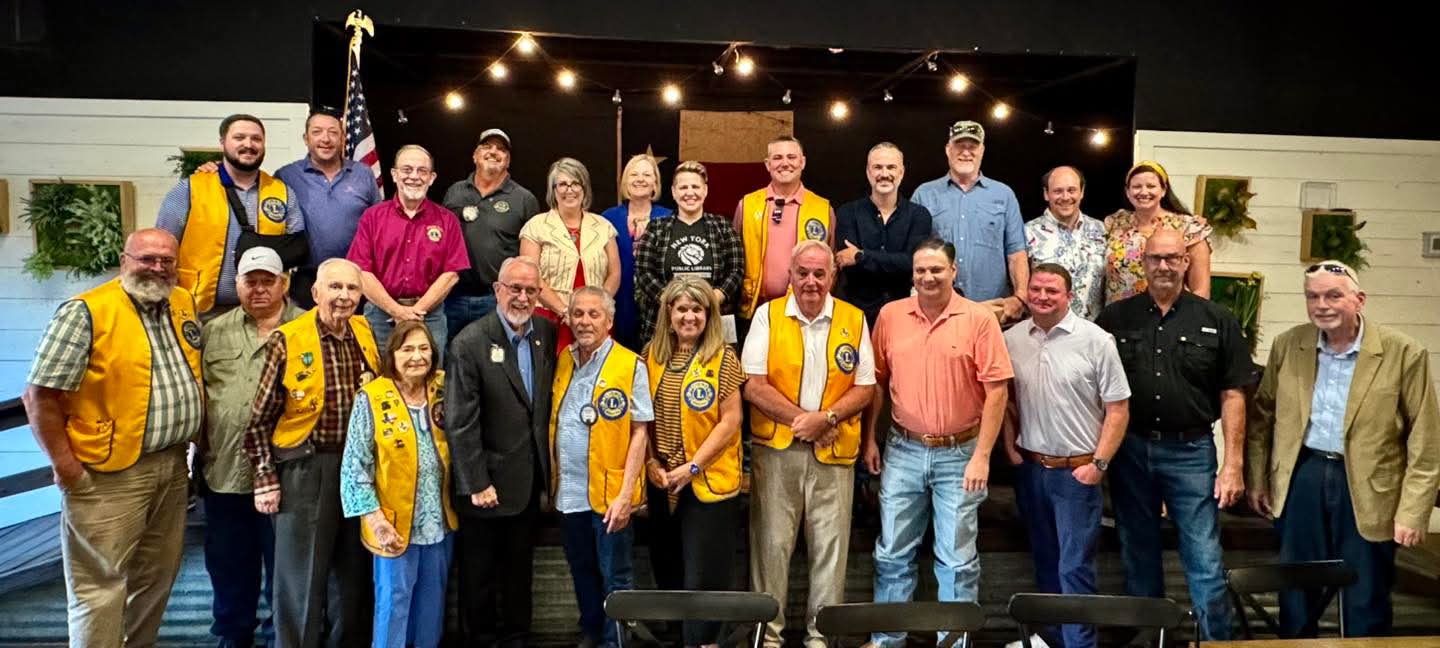
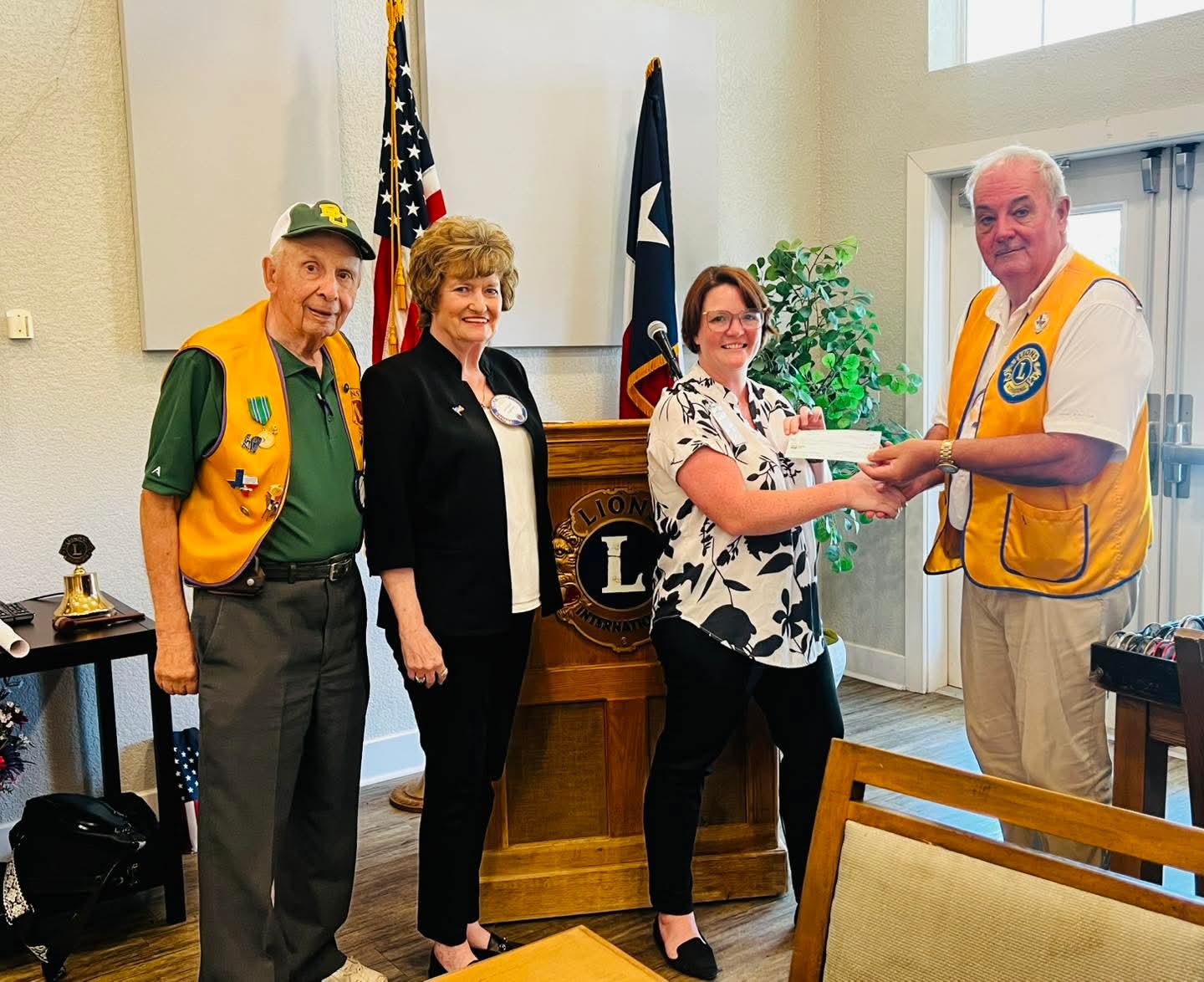
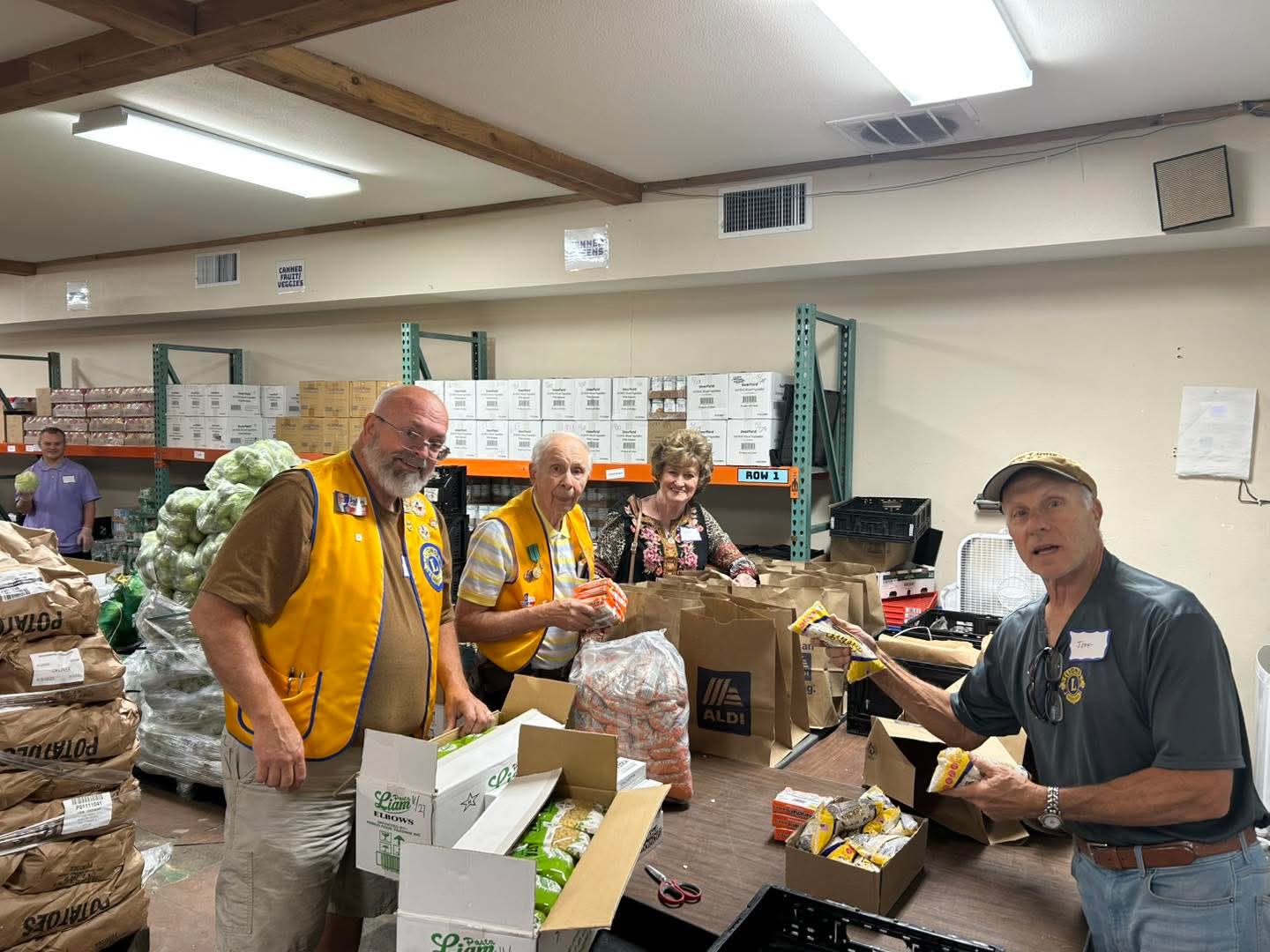
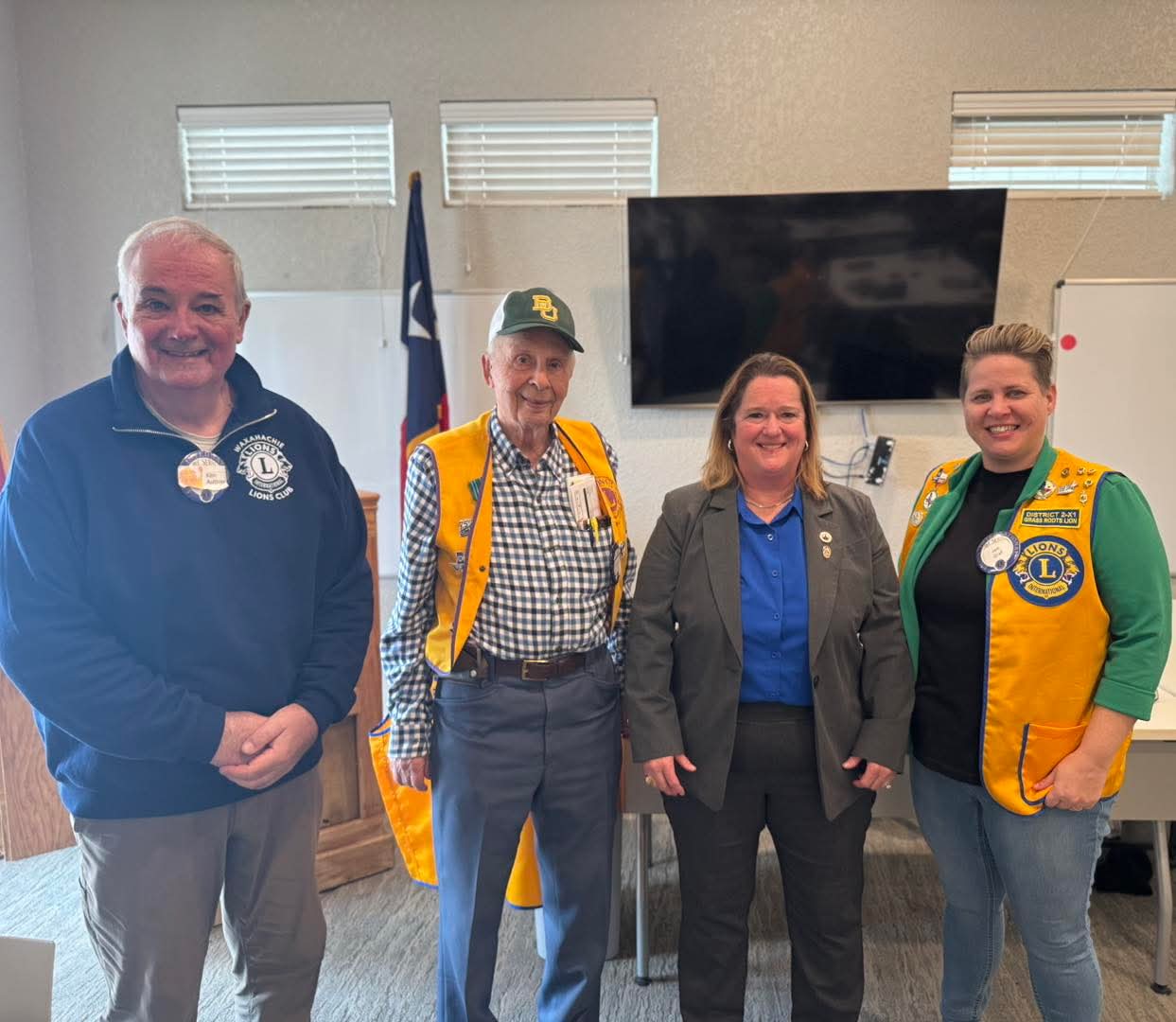
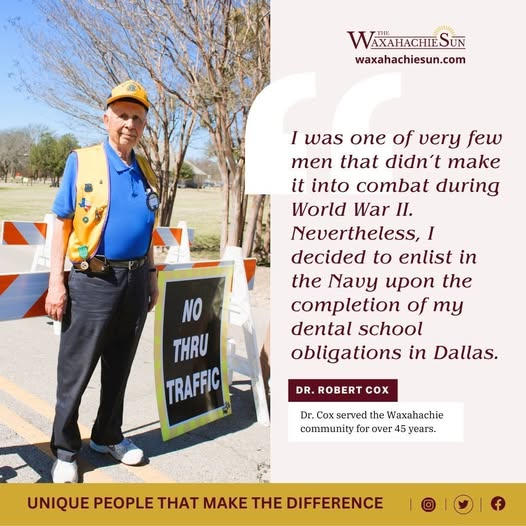
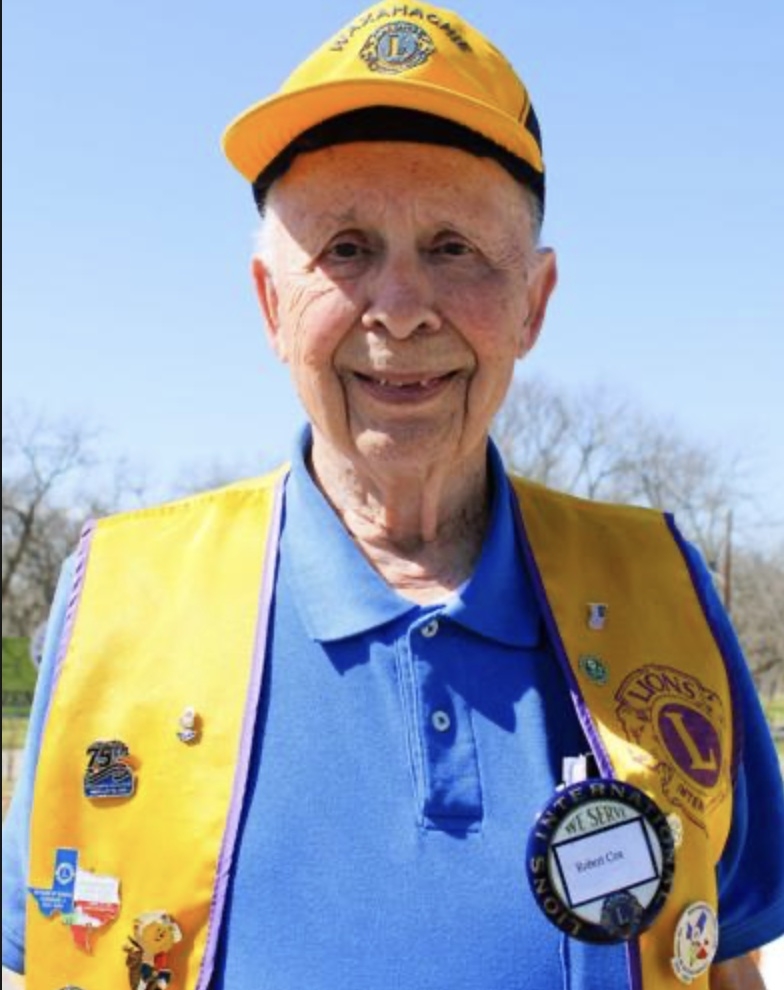
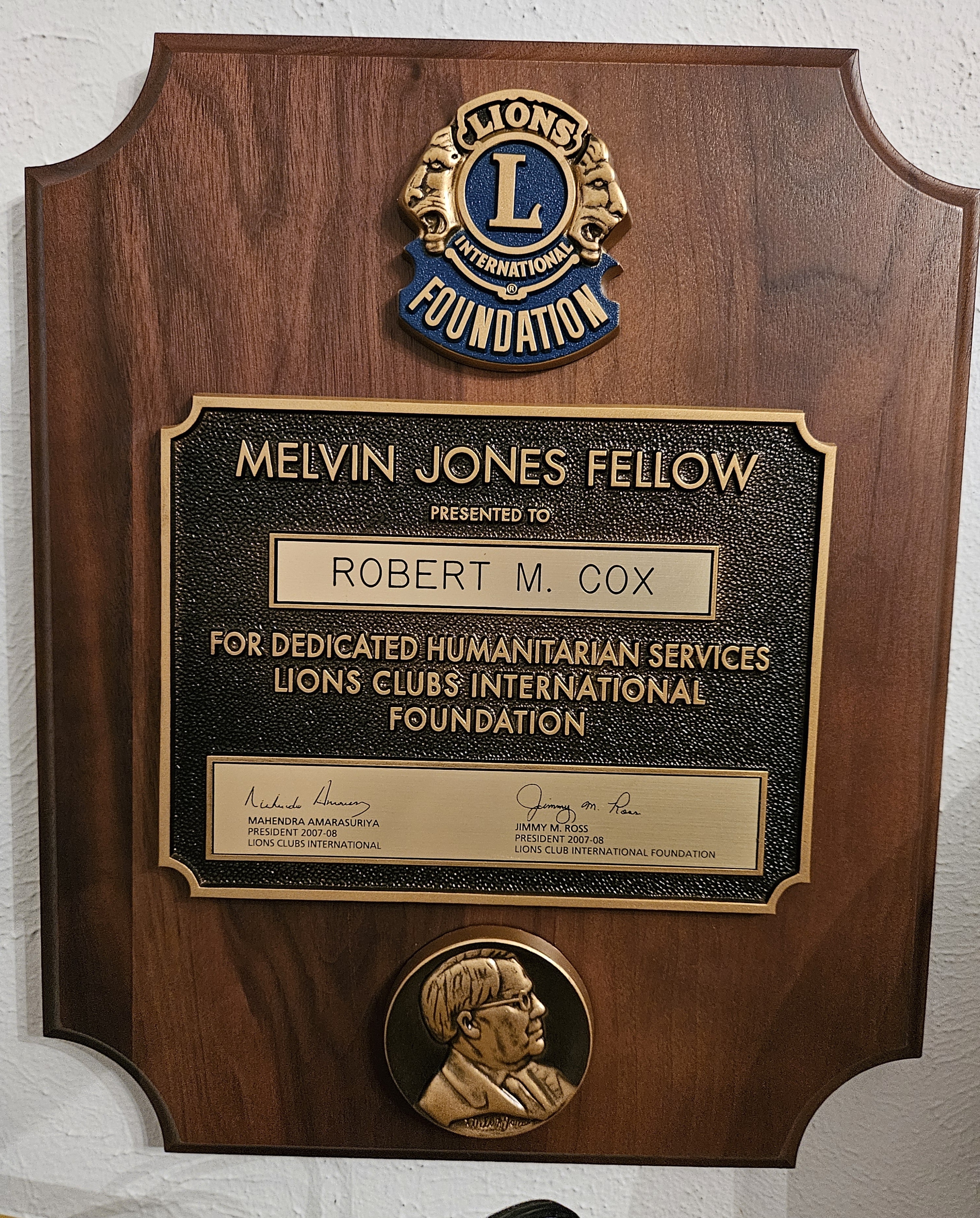
I have been a member of the Waxahachie Lions Club for seventy years and remain grateful for the life God allowed me to live.
Supplemental Information
The Enduring Voyage of USS Cape Esperance
USS Cape Esperance CVE 88 was a Casablanca class escort carrier whose history aligns precisely with the operational clues of a ship that moved tirelessly across the Pacific during both the World War II and the Korean War. Built for utility rather than prestige, she represented the essential workhorses of the United States Navy. Her long flat flight deck stretched the full length of her five hundred twelve foot hull, and her compact island superstructure rose on the starboard side. The ship’s straight, functional lines reflected the urgency of wartime construction. She carried approximately twenty seven aircraft supported by a single catapult and two elevators, and her defensive armament of a five inch dual purpose gun, eight forty millimeter Bofors guns, and thirty twenty millimeter Oerlikon cannons ensured she could protect herself while fulfilling her transport mission. Although she was half the size of the great fleet carriers, she carried a crew of more than 800 men whose daily lives unfolded within tight quarters, constant machinery noise, and the ceaseless rhythm of aircraft movement.
Her service record reveals a ship defined by motion. During the World War II she ferried aircraft, personnel, and supplies to Guam, Ulithi, the Philippines, Iwo Jima, Okinawa, the Marshall Islands, and the Marianas. These island chains formed the logistical backbone of the Pacific theater, and Cape Esperance moved among them with steady reliability. When the Korean War erupted in 1950 she returned to active duty in August of that year. Her role shifted to transporting aircraft and personnel to Japan which served as the primary staging ground for United States forces. She continued these WestPac deployments through 1954 and 1955, carrying replacement fighters, torpedo bombers, and crews to bases throughout the Pacific. Her assignments also included support for atomic test operations at Eniwetok, a responsibility given only to ships with proven endurance and operational stability.
Life aboard Cape Esperance reflected the character of escort carriers themselves. Aircraft were parked wing to wing along the deck edges. Maintenance crews worked around the clock. The ship vibrated with the hum of engines and the movement of machinery. The medical and dental departments operated in compact spaces but were indispensable because the health of the crew directly affected the ship’s readiness. Escort carriers were known for crowded living conditions, narrow passageways, and the constant awareness that every man aboard contributed to the ship’s mission. Cape Esperance was not a vessel of spectacle. She was a vessel of purpose.
Her operational footprint placed her in the heart of the Pacific at a time when the region still carried the memory of war. Nowhere was this more evident than Pearl Harbor. By 1956 the harbor had been rebuilt and expanded into a modern naval powerhouse. Ships entering the channel saw massive dry docks, rows of destroyers and carriers at Ford Island, new concrete piers, and modern facilities rising along the shoreline. The harbor was alive with activity and symbolized American strength in the early Cold War. Yet the past remained visible. The burned and twisted remains of USS Arizona still rose above the water. The capsized hull of USS Utah lay on its side. Even amid modernization the harbor carried the weight of history, reminding every sailor that the Pacific had been shaped by sacrifice.
Cape Esperance’s movements, mission, and atmosphere form a unified portrait of a ship built for service and sustained by endurance. She crossed oceans, delivered aircraft, transported personnel, and supported operations that extended from the final battles of the World War II to the height of the Korean conflict. Her history is true, verifiable, and elevated by the significance of the era she served. She stands as a precise match to every operational clue, a vessel whose story reflects the broader narrative of American naval power in the mid twentieth century.
Cape Esperance in World War II
Cape Esperance entered the Pacific during the final year of World War II, when the ocean had become the central arena of American strategy. Her voyages carried her from West Coast ports to Pearl Harbor, then westward into the Central Pacific, where earlier battles had secured the stepping stones that supported the advance toward Japan. She delivered fighters, torpedo bombers, and dive bombers to Guam, Ulithi, and the Philippines, restoring squadrons that had suffered losses during the rapid island campaigns of 1944 and 1945.
Her movements placed her inside the logistical architecture that sustained the assault on Iwo Jima. She delivered replacement aircraft to the Marianas at a moment when the fast carrier forces required continuous resupply to maintain the raids that protected the invasion fleet and supported the long‑range bombing campaign. She traveled beneath the air routes used by bombers flying from Saipan and Tinian to Japan, moving through waters shaped by urgency, coordination, and the constant presence of returning missions.
The dangers she faced reflected the conditions of the Pacific war. Heavy seas challenged her stability, sudden storms demanded precise coordination, and the lingering threat of submarines required vigilance. Navigating crowded anchorages such as Ulithi tested her bridge crew, as the lagoon held warships, supply vessels, and carriers preparing for operations near Iwo Jima and beyond. Her service during this period reveals the essential role of a transport carrier that sustained the fleet during its final advance toward Japan.
Cape Esperance in the Korean War
The Korean conflict transformed Cape Esperance’s responsibilities and placed her within a Pacific shaped by new technology and renewed tension. Recommissioned in 1950, she resumed her role as a transport carrier with duties that reflected the transition from propeller‑driven aircraft to the emerging jet age. She delivered F4U Corsairs, AD Skyraiders, and components for early jet aircraft to Japan, which served as the primary staging ground for United States forces in Korea.
Her voyages connected the West Coast to the Marianas and the Marshall Islands, forming part of the network that sustained American presence during the conflict. The bases she supplied supported air operations that required continuous movement of personnel and equipment. Her reliability ensured that replacement aircraft reached the squadrons that depended on them, and her role became essential to maintaining air strength during a conflict defined by rapid deployment and shifting front lines.
The dangers she faced during this era differed from those of World War II. The Pacific was no longer dominated by large naval engagements, but regional instability created an environment where vigilance remained essential. She traveled through areas shaped by air patrols, naval movements, and the presence of allied and opposing forces. Weather remained a constant threat, and her engineering teams worked continuously to maintain the systems that kept her moving across long distances. Her service during the Korean War reflects a vessel that adapted to changing technology and evolving military needs.
Cape Esperance in the Early Cold War
After the Korean conflict, Cape Esperance continued to serve within the broader framework of early Cold War development. Her duties included transporting specialized aircraft and scientific equipment to Eniwetok Atoll for operations connected to atomic testing. These missions required strict adherence to safety protocols, and her deck layout made her well suited for carrying sensitive materials.
Her voyages placed her within regions where scientific research and military development intersected. The equipment she carried demanded precision and discipline, and her crew handled materials that required careful procedures. The Pacific remained vast and unpredictable, and her movements continued to test the strength of her hull and the skill of her crew. She operated within an environment shaped by new technology, emerging global tensions, and the need for reliable logistical support.
Her service during the early Cold War reflects a vessel that remained relevant even as military capability evolved. She carried the tools of research and development that shaped the future of American power, and her reliability allowed operations to continue without interruption.
Cape Esperance CVE 88: The Carrier That Sustained a Changing Pacific
USS Cape Esperance CVE 88 entered service during the closing period of World War II, when the United States Navy relied on rapid production to maintain momentum across the Pacific. Built at the Kaiser shipyards in Vancouver, Washington, she emerged from a system that used modular construction and continuous shift work to produce escort carriers with remarkable speed. Her compact form and efficient design made her ideal for transporting aircraft, aviation personnel, and essential equipment to bases that supported active combat units.
Her wartime missions carried her along the major logistical routes that linked the West Coast to forward bases. She delivered fighters such as the F6F Hellcat and FM‑2 Wildcat, torpedo bombers like the TBM Avenger, and dive bombers including the SB2C Helldiver. These aircraft were secured on her hangar and flight decks, inspected by aviation personnel, and delivered ready for service at locations including Guam, Ulithi, and the Philippines. Her work sustained front‑line squadrons during the rapid island campaigns of 1944 and 1945, placing her within the essential supply chain that kept the Pacific Fleet operational.
Her crew reflected the varied demands of escort carrier service. She carried approximately 860 men, including aviation specialists, deck crews, engineering teams, medical staff, and supply personnel. Additional temporary personnel often traveled with the aircraft she delivered. Her compact size created an environment of close coordination, where narrow passageways, stacked bunks, and constant engine vibration shaped daily life aboard a ship built for practical purpose rather than comfort.
Although she served as a transport carrier rather than a combat vessel, her journeys carried real danger. Heavy seas could lift her bow and drive it down with force, sending spray across the flight deck and testing the strength of her hull. Sudden storms challenged her steering and demanded precise coordination from every department. She traveled through regions where wartime hazards lingered, including waters once patrolled by submarines, and her compact size made vigilance essential. Moving fully assembled aircraft across open water introduced its own risks, as rough seas required careful handling to prevent shifting loads. Fuel, equipment, and sensitive aviation material demanded strict safety measures. Even during the Korean conflict she operated within areas shaped by regional tension, where the possibility of hostile activity remained present. Her participation in missions connected to atomic testing at Eniwetok Atoll added another layer of responsibility, requiring careful procedures for transporting specialized aircraft and scientific equipment. Mechanical reliability was vital, and her engineering teams worked continuously to maintain the systems that kept her moving across thousands of miles of ocean.
After the war she entered reserve status, but the Korean conflict required carriers capable of moving modern aircraft quickly and reliably. Recommissioned in 1950, Cape Esperance resumed her transport role with renewed importance. She delivered F4U Corsairs, AD Skyraiders, and components for early jet aircraft to Japan, which served as the primary staging ground for United States forces in Korea. She supported the movement of personnel and equipment across the Marianas and the Marshall Islands, forming part of the Pacific network that sustained American presence during the conflict.
Her operational rhythm remained steady throughout her final years. The hangar deck stayed active with aircraft being secured, inspected, and prepared for transport. The flight deck offered a rare sense of openness as she moved across the Pacific, a long flat surface that defined her identity even when she was not launching combat missions. Her medical and dental spaces served men arriving with routine needs or after extended deployments, while the mess provided a central gathering place during long voyages.
Cape Esperance remained active until 1956, when she was decommissioned and later struck from the Naval Vessel Register. Her career ended quietly, yet her contributions were essential to both wartime and Cold War operations. She served across two eras of conflict, carrying aircraft, personnel, and equipment that allowed the fleet to operate far from home. Her legacy rests in the steady, indispensable work that sustained the broader mission of the United States Navy.
Pearl Harbor in the Mid‑1950s: A Harbor Rebuilt, Remembered, and Still Haunted
By the mid‑1950s Pearl Harbor had become a place where two eras existed at once. It was a fully restored Cold War naval stronghold, yet it still carried the visible scars of the attack that had brought the United States into the Second World War. For sailors arriving in 1955 and 1956, the approach through the channel offered a powerful mixture of modern strength and solemn memory.
As ships entered the narrow harbor entrance, Diamond Head rose in the distance with its volcanic slopes catching the morning light. Behind the shoreline the green mountains of Oahu layered upward in soft ridges. The water deepened from bright Pacific blue to a darker channel hue as tugs guided the ships forward, their horns echoing across the harbor. Rows of American flags snapped sharply in the wind, marking a base that was no longer a battlefield but a symbol of national power. Welders’ torches flickered in the shipyards. Cranes swung overhead. Destroyers, cruisers, and carriers lined the piers at Ford Island. New concrete docks and modernized facilities stretched along the shoreline. Pearl Harbor had become a Cold War ready fleet center, alive with movement and unmistakably American in its confidence.
Yet even amid this transformation the past remained present. The USS Arizona Memorial had not yet been built. It would not be completed until 1962. In the mid‑1950s the wreck itself was still visible above the waterline. The rusted remains of the Arizona’s hull rose in jagged shapes that broke the surface. A simple white wooden platform marked the site, modest and solemn. Thin streaks of oil drifted upward from the sunken battleship, creating shimmering trails across the water. These were the “black tears,” the slow release of fuel from the ship’s ruptured tanks, a phenomenon that continues to this day. For many veterans arriving by ship this was the most emotional moment of their entry into the harbor. The sight of the wreck, still bleeding oil fifteen years after the attack, carried a weight that no monument could yet express.
Pearl Harbor in 1955 was therefore a place of dual identity. It was strong, busy, and fully rebuilt, a hub of American naval operations in the Pacific. At the same time it remained haunted by the memory of December 7. The harbor’s modern activity did not erase its history. Instead, the past lived quietly in the water, visible in the twisted metal of the Arizona and the silent presence of the Utah lying capsized on its side. Sailors arriving in those years stepped into a harbor that looked forward with confidence yet carried the solemn truth of what had been lost. It was a place rebuilt by human effort and still shaped by memory.
The USS Arizona in the Mid‑1950s: A Wreck Still Visible, Still Weeping, Still Revered
In the mid‑1950s the USS Arizona Memorial had not yet been built. The harbor carried no gleaming structure, no architectural tribute rising above the water. Instead, arriving soldiers and sailors confronted the wreck itself. The rusted remains of the Arizona’s hull still broke the surface in dark, jagged shapes that caught the light and cast long shadows across the harbor. A simple white wooden platform stood over the site, modest and unadorned, marking the resting place of more than one thousand men. Thin streaks of oil drifted upward from the sunken battleship, rising quietly to the surface in shimmering trails. These were the “black tears,” the slow release of fuel from the ship’s ruptured tanks, a phenomenon that continues even today. The sight was stark and unmistakable. It carried a gravity that settled over every man who passed.
As ships moved through the channel, the atmosphere aboard often changed. Conversations faded. Men stepped to the rail. Some removed their caps. Some whispered the names of friends. Others simply stared at the water, remembering where they had been on December seventh or recalling the faces of those who never returned. The wreck did not speak, yet it communicated more than any monument could. It was a silent witness to the moment that reshaped the nation and the world. Even without a memorial every man aboard knew exactly where the Arizona lay, and the harbor itself seemed to pause in acknowledgment.
The approach to Pearl Harbor deepened the experience. As the ship entered the narrow entrance, Diamond Head rose in the distance with its volcanic slopes glowing in the morning light. The green mountains of Oahu layered behind the harbor in soft ridges that seemed to cradle the water. The channel darkened as the ship moved into deeper currents. Tugs guided the vessel forward, their horns echoing across the harbor. Rows of American flags snapped sharply in the wind, marking a base that had become a symbol of national strength. The harbor was alive with movement. It was no longer a battlefield. It was a center of power, rebuilt with purpose and confidence.
By 1955 Pearl Harbor had undergone a profound transformation. The shattered landscape of the war years had been replaced by a fully rebuilt and expanded naval base. New concrete piers stretched along the shoreline. Modernized docks supported destroyers, cruisers, and carriers lined up at Ford Island. Shipyards were alive with welders, cranes, and repair crews. The fleet was no longer recovering. It was ready. It was strong. It was unmistakably American. Yet beneath all the activity the memory of December seventh still lived in the water. The harbor’s modern confidence did not erase its past. Instead, the past remained visible in the twisted metal of the Arizona and the silent presence of the Utah lying capsized on its side. These remnants anchored the harbor in its history, reminding every sailor that the Pacific had been shaped by sacrifice.
For veterans arriving in those years the experience carried a deep emotional charge. Pride rose as they entered a harbor that had become a symbol of national resilience. Reflection followed as they remembered the day the war began or recalled friends who had fought in the Pacific. Awe came with the sight of a rebuilt base stronger than ever. And finally there was quiet respect. Even without a memorial every man knew where the Arizona rested. The harbor was transformed, yet still haunted. It was a place rebuilt by human effort and shaped forever by memory.
Life on the Base in 1956: A Harbor Rebuilt in Strength, Yet Still Holding Its Memory
Once ashore, soldiers stepped into a Pearl Harbor that had undergone a profound transformation. The base no longer resembled the isolated outpost of the early war years. It had become one of the most important centers of Pacific defense, alive with the urgency of the Cold War. New barracks rose across the grounds, built to house the growing number of sailors, Marines, and airmen stationed in Hawaii. Administrative offices, training schools, and supply depots stretched outward in every direction, reflecting the Navy’s expanding responsibilities in a world now divided between competing superpowers.
Thousands of service members lived and worked on the base, joined by families who filled the surrounding neighborhoods. Honolulu and Waikiki, once modest coastal towns, had grown rapidly in the postwar years. Hotels rose along the shoreline. New roads cut through the city. The lights of Waikiki shimmered across the water at night, signaling a Hawaii that was becoming both a strategic military center and a thriving civilian community. The entire region carried the atmosphere of a place preparing for a new era of global responsibility.
Pearl Harbor in 1956 was modern, powerful, and fully engaged in the defense of the Pacific. Aircraft engines echoed across the runways at nearby Hickam Field. Sailors marched between newly built facilities. Supply trucks moved steadily along the roads. Destroyers, cruisers, and carriers lined the piers at Ford Island, their gray hulls reflecting the strength of the United States Navy in the early Cold War. The shipyards were alive with welders’ torches and the movement of cranes. The harbor was no longer recovering from war. It was ready for the next chapter of American naval history.
Yet even with all the new construction and the constant motion of daily operations, the harbor never lost its connection to the past. The visible remains of the USS Arizona still rose above the waterline, rusted and broken, a silent witness to the attack that had changed the course of the world. Thin trails of oil drifted upward from the wreck, creating shimmering patterns across the surface. These “black tears” reminded every sailor that the ship still lived beneath the water, still releasing the last traces of the fuel that had been aboard on the morning of December seventh. The USS Utah lay capsized on its side, another reminder of the devastation that had once filled the harbor.
The base was vibrant and forward looking, but it was also a place where history lived in the water and in the hearts of those who arrived. The modern strength of Pearl Harbor did not erase its past. Instead, the past remained present, woven into the landscape and carried quietly by the men who walked its piers.
The Harbor That Never Forgot
To leave Pearl Harbor in 1956 was to understand that the harbor carried two identities at once. It moved with the urgency of a modern fleet, its piers crowded with ships prepared for Cold War duty and its streets filled with the daily rhythm of thousands of service members and families. Honolulu and Waikiki stretched outward in bright new growth, their lights reflecting across the water each evening. Yet beneath this confident motion lived a stillness that could not be overlooked. The presence of the Arizona beneath the surface, the silent shape of the Utah nearby, and the knowledge of what had happened within these waters gave the place a gravity that endured. Strength and memory lived side by side, each shaping the other.
Sailing the USS Cape Esperance into Pearl Harbor fifteen years after the attack meant entering a place transformed, modern, and alive with Cold War purpose, yet still shaped by the visible scars and solemn memory of December 17th, a harbor whose renewed strength carried the enduring presence of all that had been lost.
Legacy
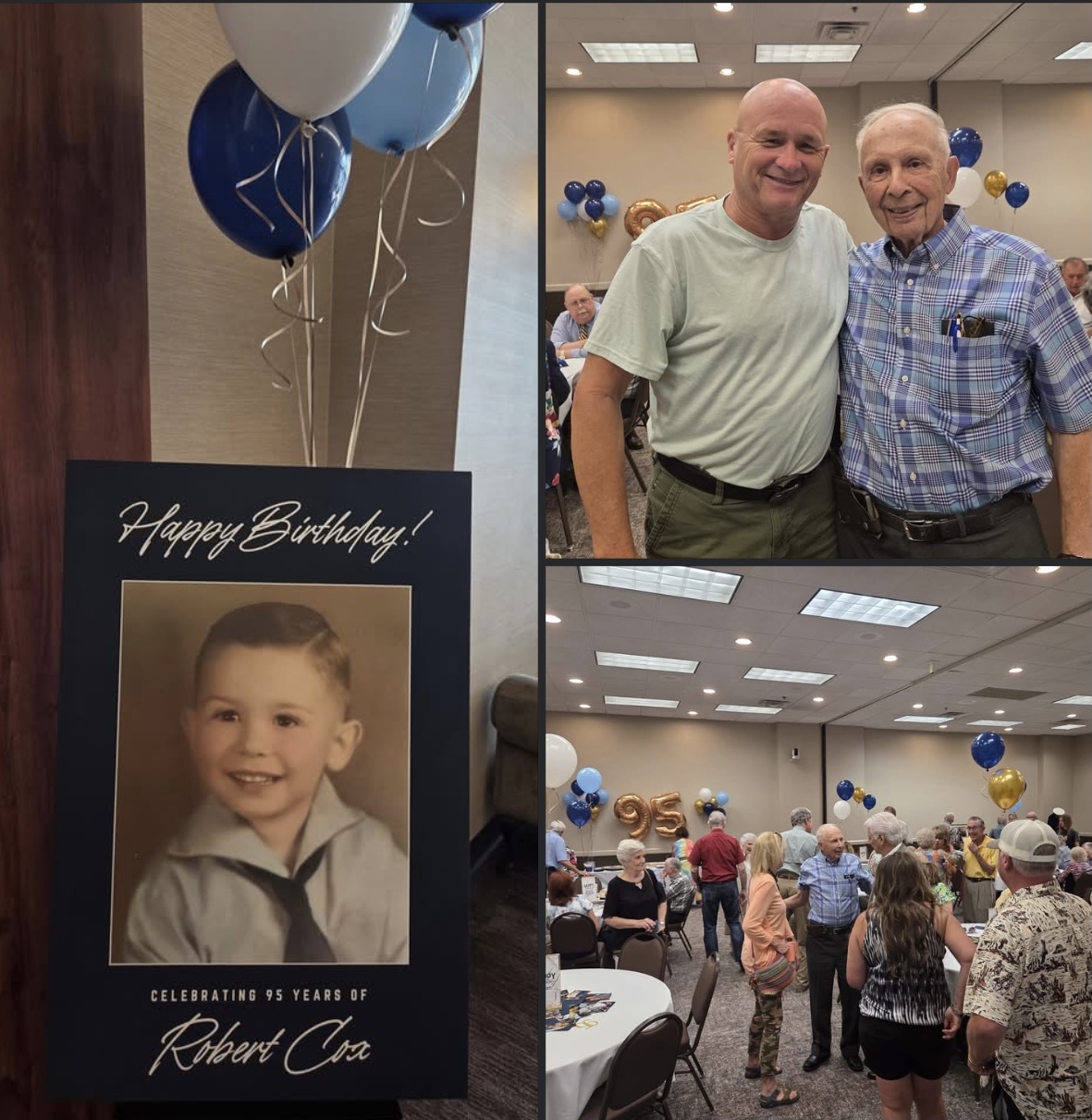
Dr. Robert Cox leaves behind a legacy defined by service, devotion, and a life lived with quiet purpose. His journey began in the United States Navy, where he served with discipline, humility, and a steadfast commitment to caring for others. As a Dental Technician, he provided essential care to sailors and Marines who depended on him to remain healthy, ready, and mission capable. His work was precise, steady, and indispensable, an early expression of the calling that would guide every chapter of his life.
The values he learned in uniform became the foundation of his life’s work. Responsibility, compassion, and integrity shaped the way he moved through the world. When he pursued dentistry, he carried those same qualities into his profession. As a DDS, he healed with skill and patience, offering every patient not only expert care but also the comfort of his kindness, the gentleness of his hands, and the sincerity of his presence. People trusted him because he treated them with dignity, respect, and unwavering attention. His practice became a place where fear softened, hope returned, and every person felt seen.
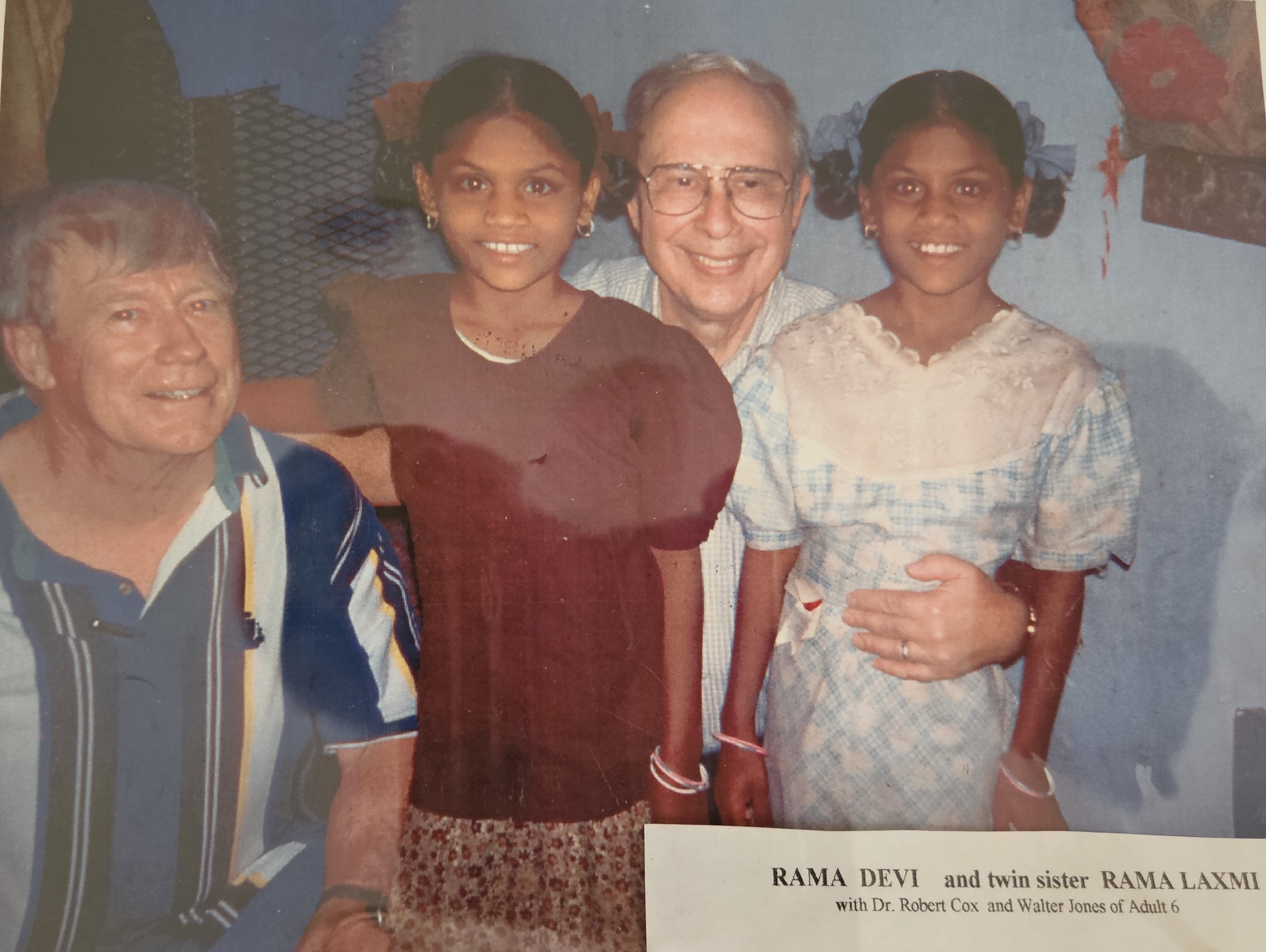
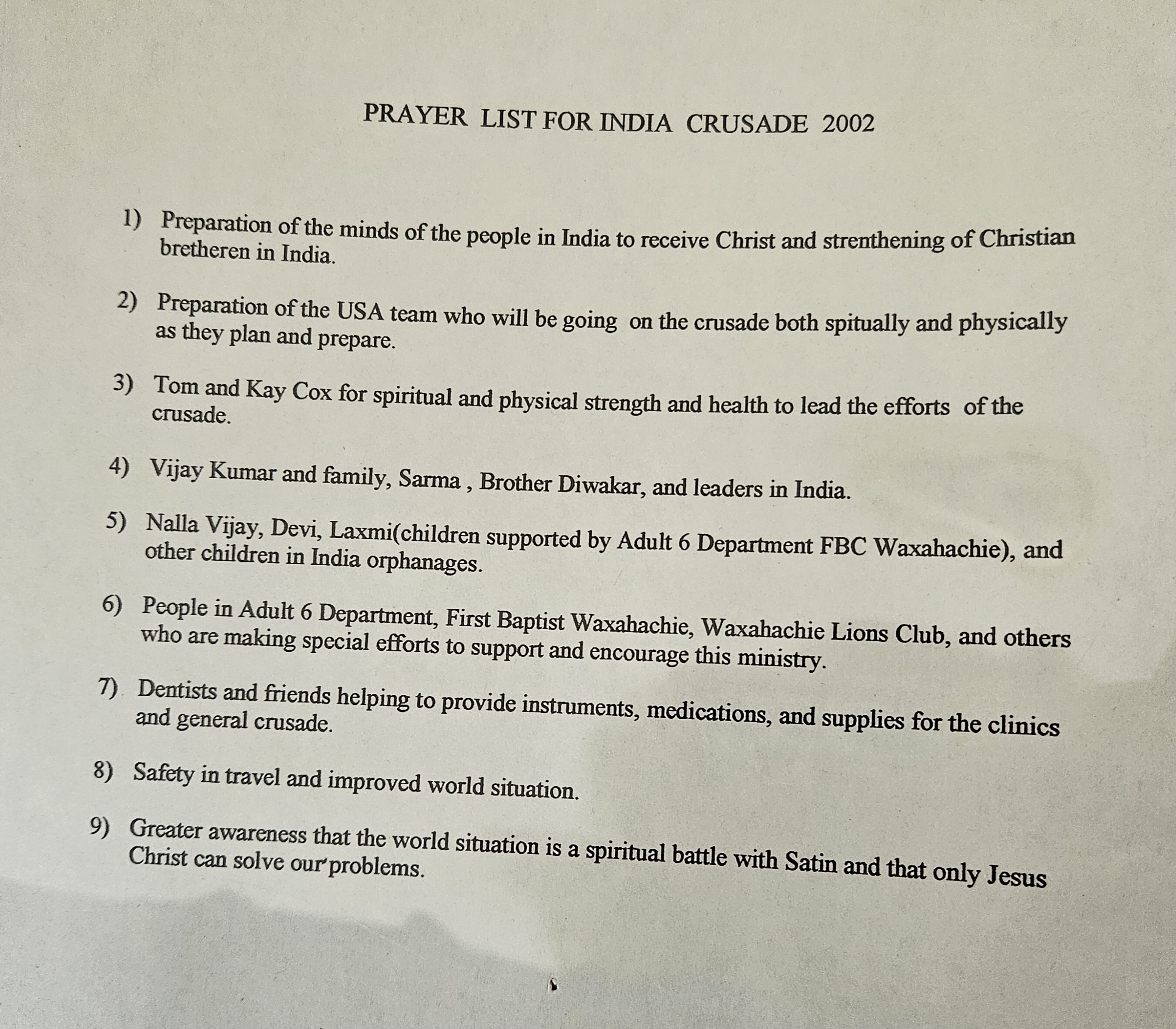
Robert carried the heart of a healer and the spirit of a servant. After the Navy, he devoted himself to mission work, traveling to places where help was needed most. Whether providing medical care, offering comfort, or simply arriving with compassion, he lived out his belief that every person deserves hope. His mission trips were not obligations. They were expressions of who he was, a man who stepped forward whenever he saw need, guided by a faith that called him to serve without hesitation.
His faith shaped every decision he made. It was the quiet force behind his character, his relationships, and the way he treated others. His faith was not loud or performative. It was lived. It was visible in his humility, his generosity, and his unwavering belief that service to others was the highest expression of gratitude for the blessings he had been given.
In his community, Dr. Cox became a steady and trusted presence. He served not for recognition, but because he believed in lifting others up. Families, neighbors, churches, and countless individuals found in him a source of wisdom, compassion, and calm strength. He gave his time freely, shared his knowledge generously, and lived with a gentleness that inspired those around him. His influence reached far beyond his practice, touching lives in ways that cannot be measured, only remembered.
His mission work carried him to places where resources were scarce and hope was fragile. He offered dental care and compassionate support to communities with limited access to medical services. Whether working in a small clinic, a makeshift mission station, or a remote village, he brought the same level of dignity and respect to every person he served. These journeys became some of the clearest reflections of his heart, revealing a healer who saw every life as worthy of care.
At the center of Robert’s world was his beloved wife, Dovia “Dee,” the partner who walked beside him through every season of life. Their marriage was a testament to devotion, steadiness, and shared purpose. Dee’s grace, strength, and unwavering support were woven into every accomplishment and every chapter they lived together. She was his anchor, his confidante, and the heart of the home they built.
Together, Robert and Dee raised their children with the same values that guided their own lives: integrity, compassion, responsibility, and faith. Their children grew up knowing a father who led by example, who listened with patience, and who showed them what it meant to live a life of purpose. He taught them that kindness is strength, service is honor, and faith is a compass that never fails.
As the family grew, Robert embraced the role of grandfather with joy and tenderness. His grandchildren knew him as a gentle presence, wise and encouraging, always ready with a story, a smile, or a moment of quiet guidance. He celebrated their milestones, supported their dreams, and passed down the values that had shaped him since his youth.
As the generations continued to grow, Robert welcomed his great‑grandchildren with the same tenderness that had defined his life. They knew him as a gentle patriarch whose presence brought calm and joy. Even in his later years, he carried the same patience, the same warmth, and the same steady love that had guided him as a father and grandfather. He delighted in their laughter, encouraged their curiosity, and offered quiet wisdom that will echo through their lives long after his earthly journey has ended. Through them, his legacy continues to unfold, carried forward by hearts shaped by the example he set.
Dr. Robert Cox’s legacy is one of service, faith, and love. It lives on in the lives he healed, the communities he strengthened, the missions he supported, and the family he cherished. His life stands as a testament to the power of humility, compassion, and unwavering devotion to others. He leaves behind a world made better by his presence, and a family forever shaped by the depth of his love.