
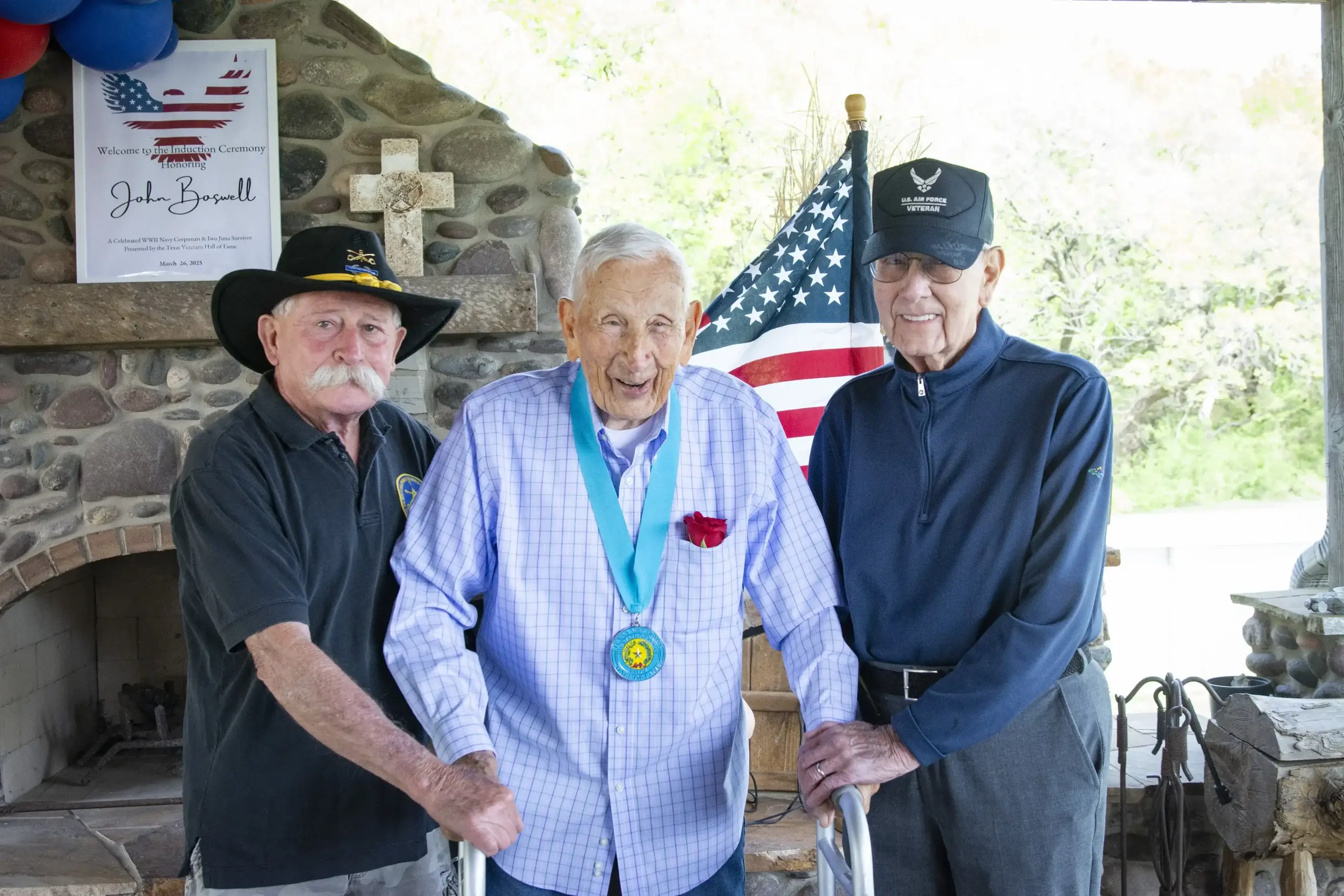
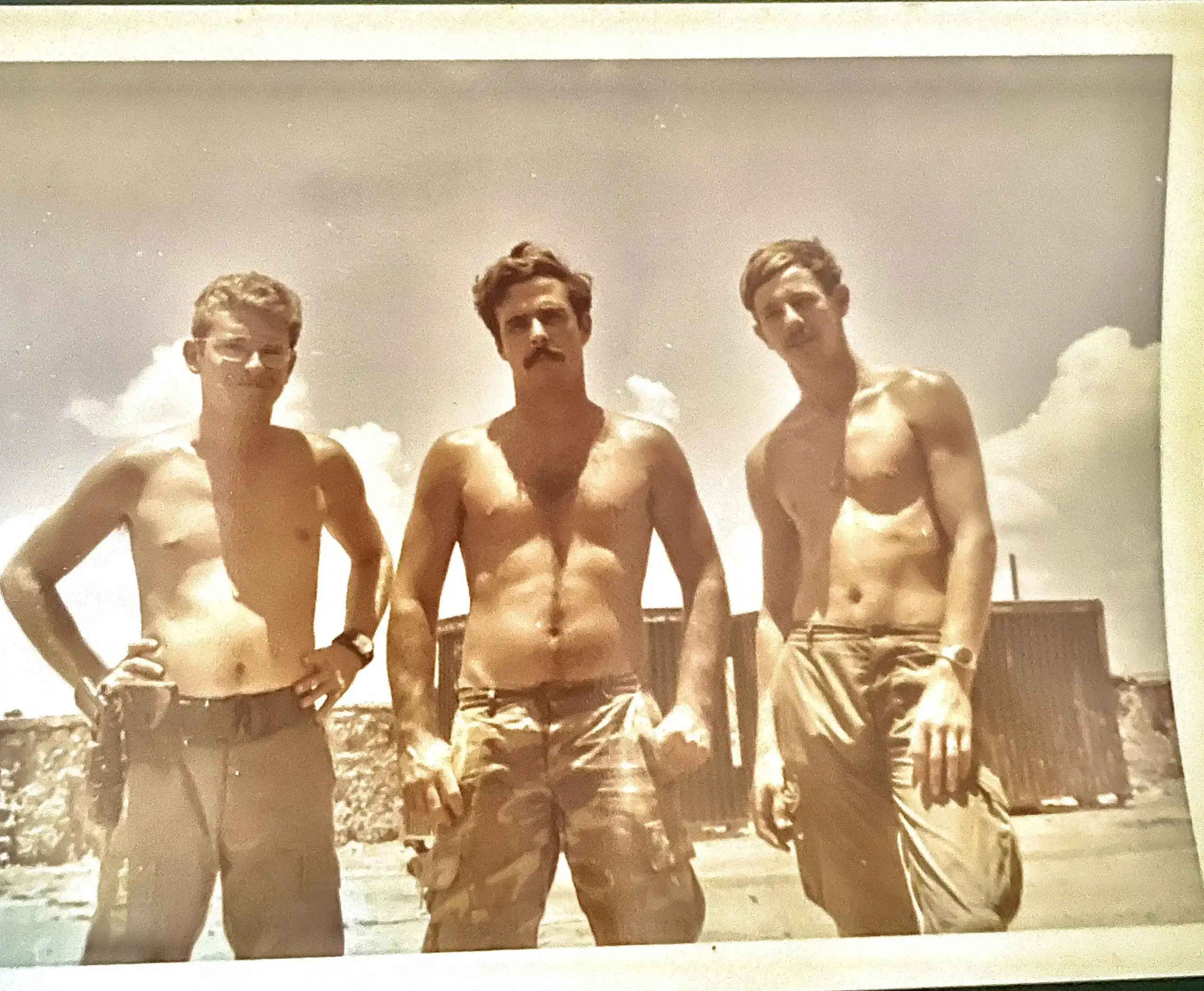
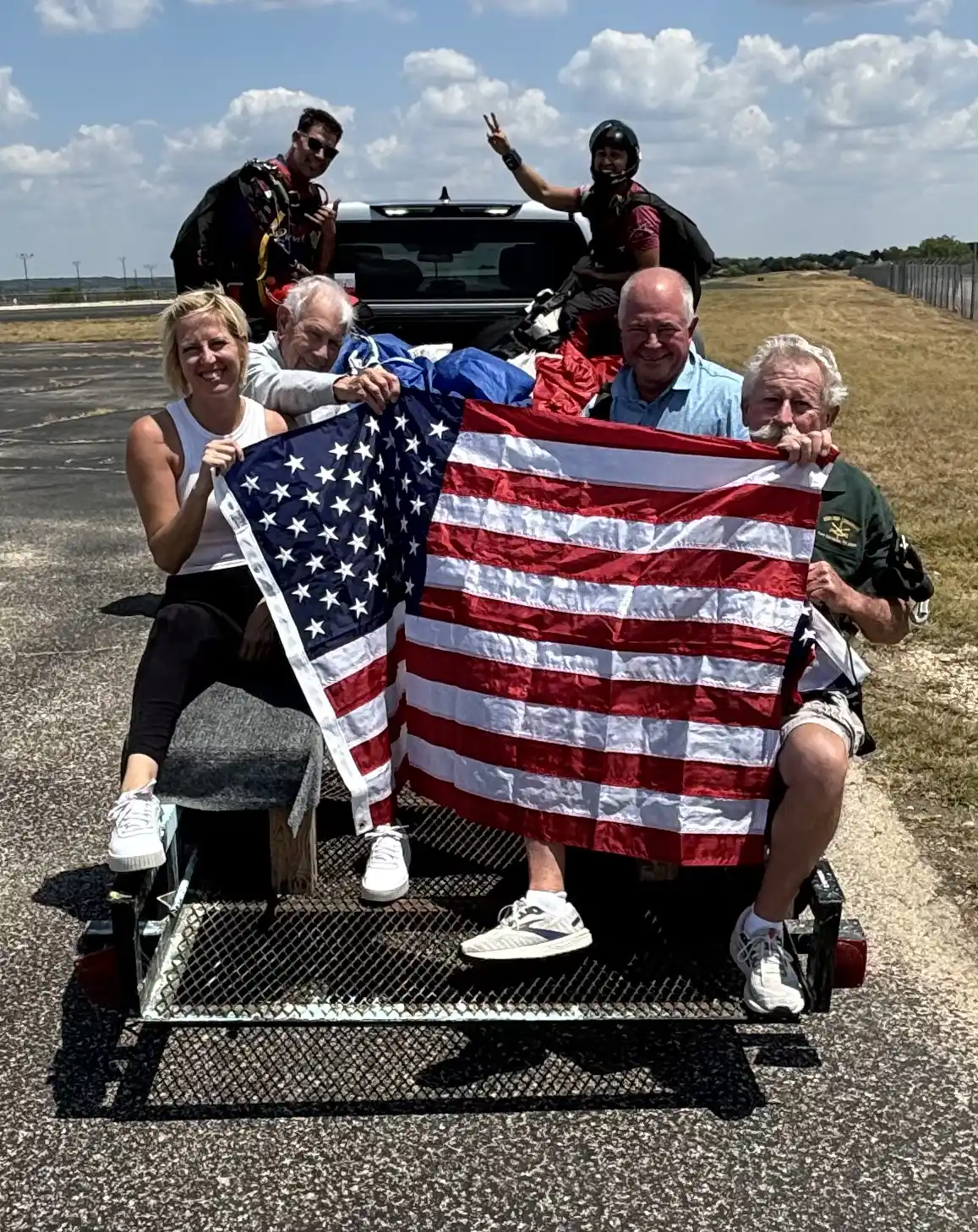
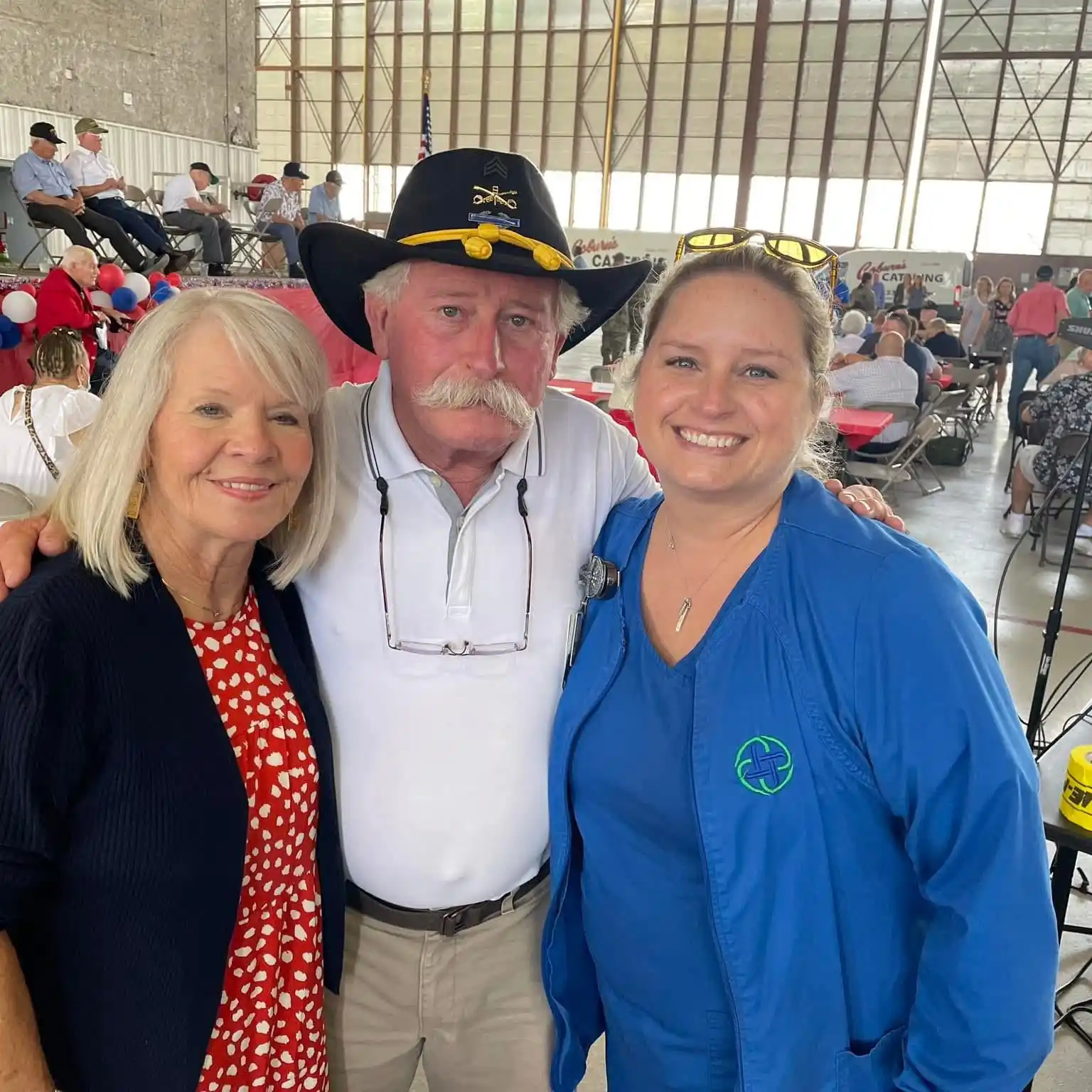
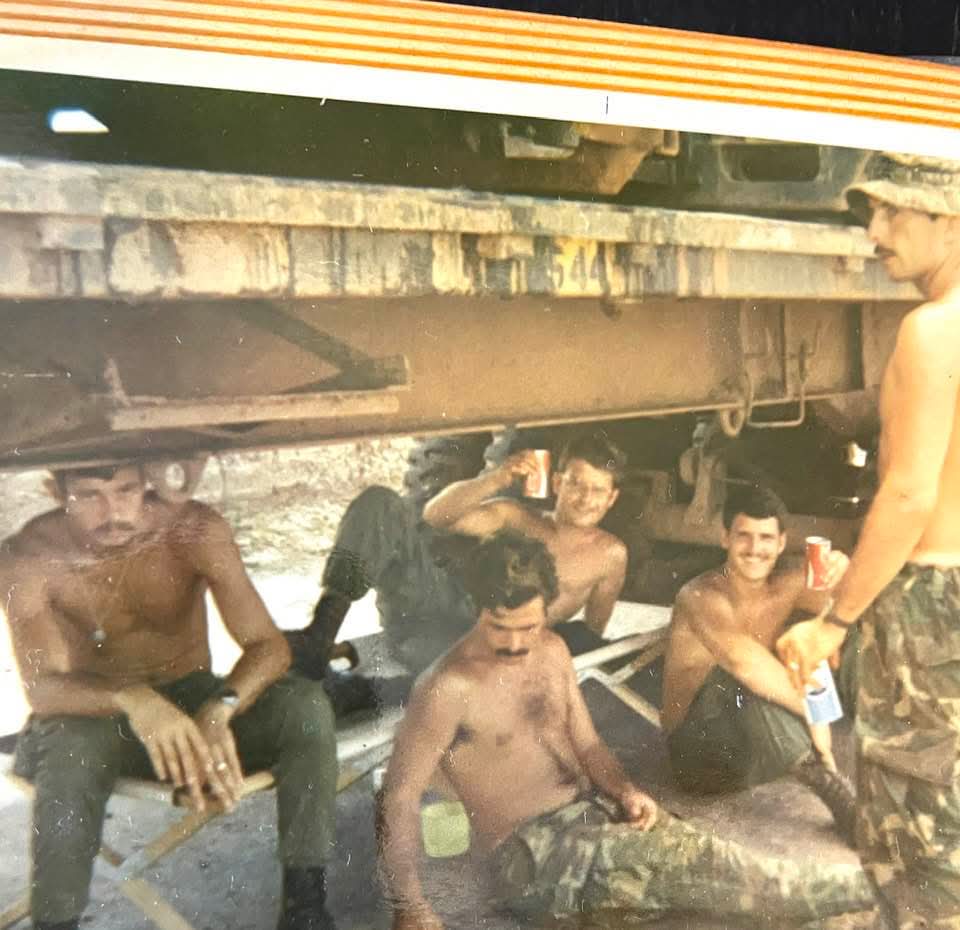
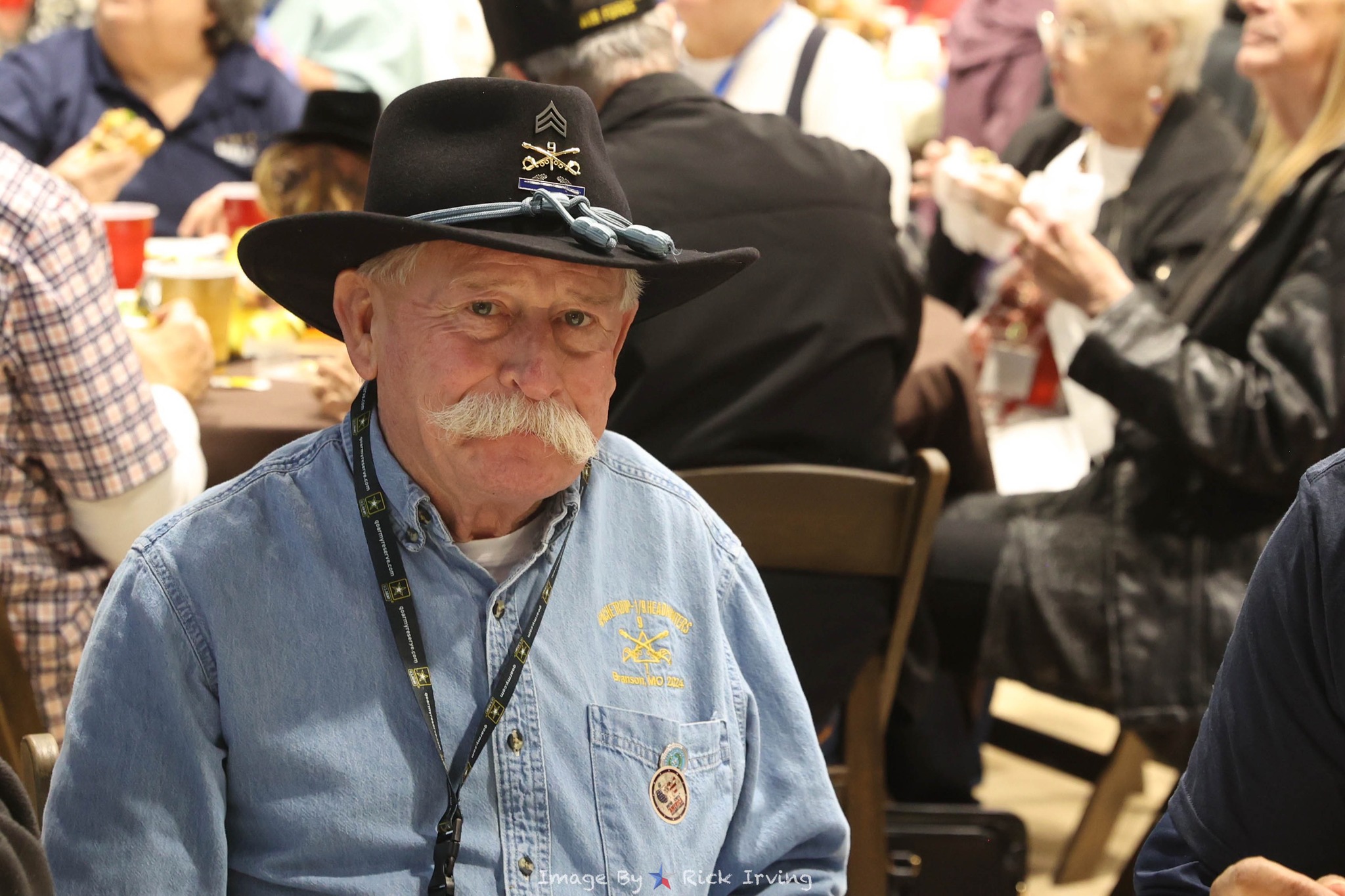
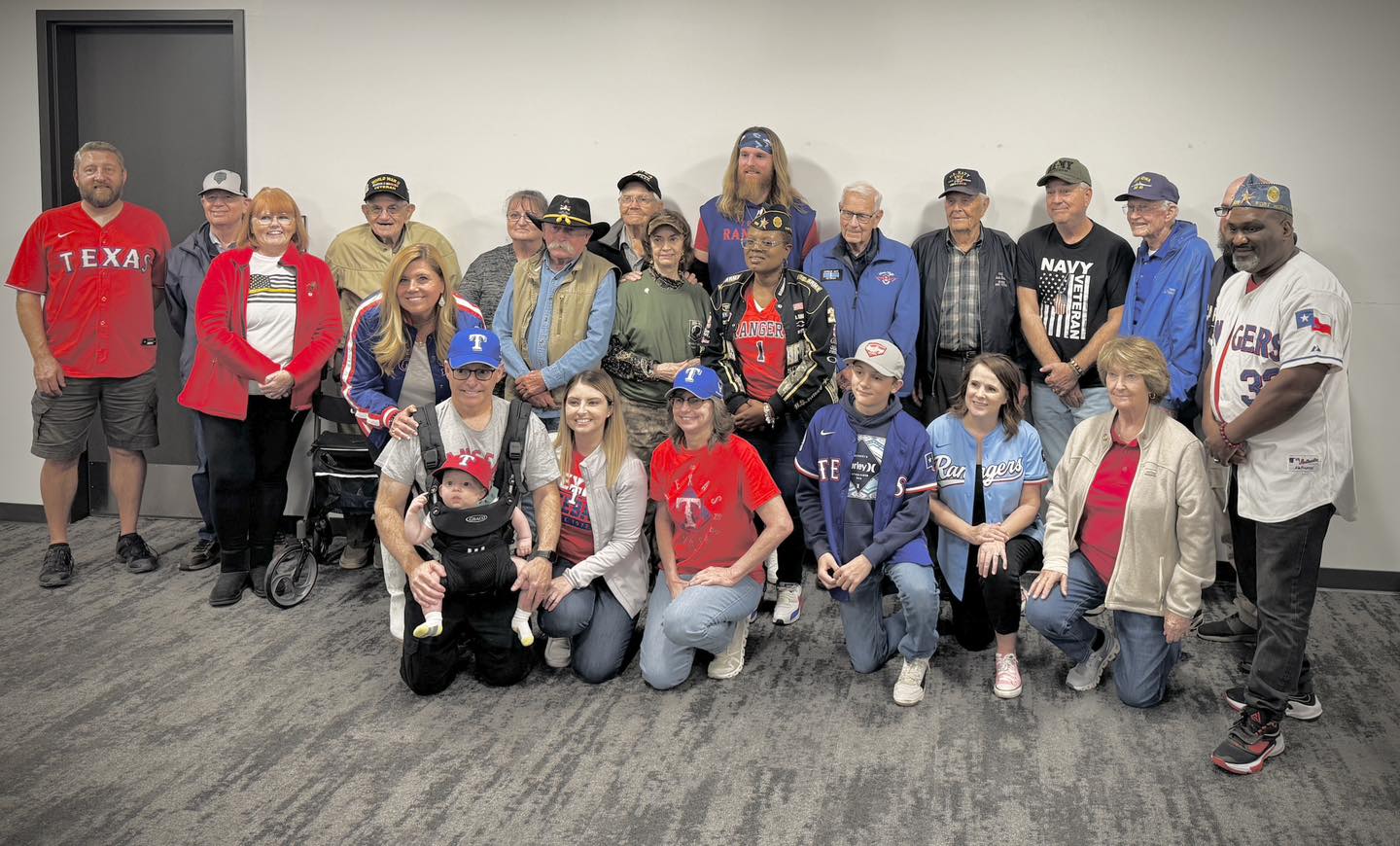
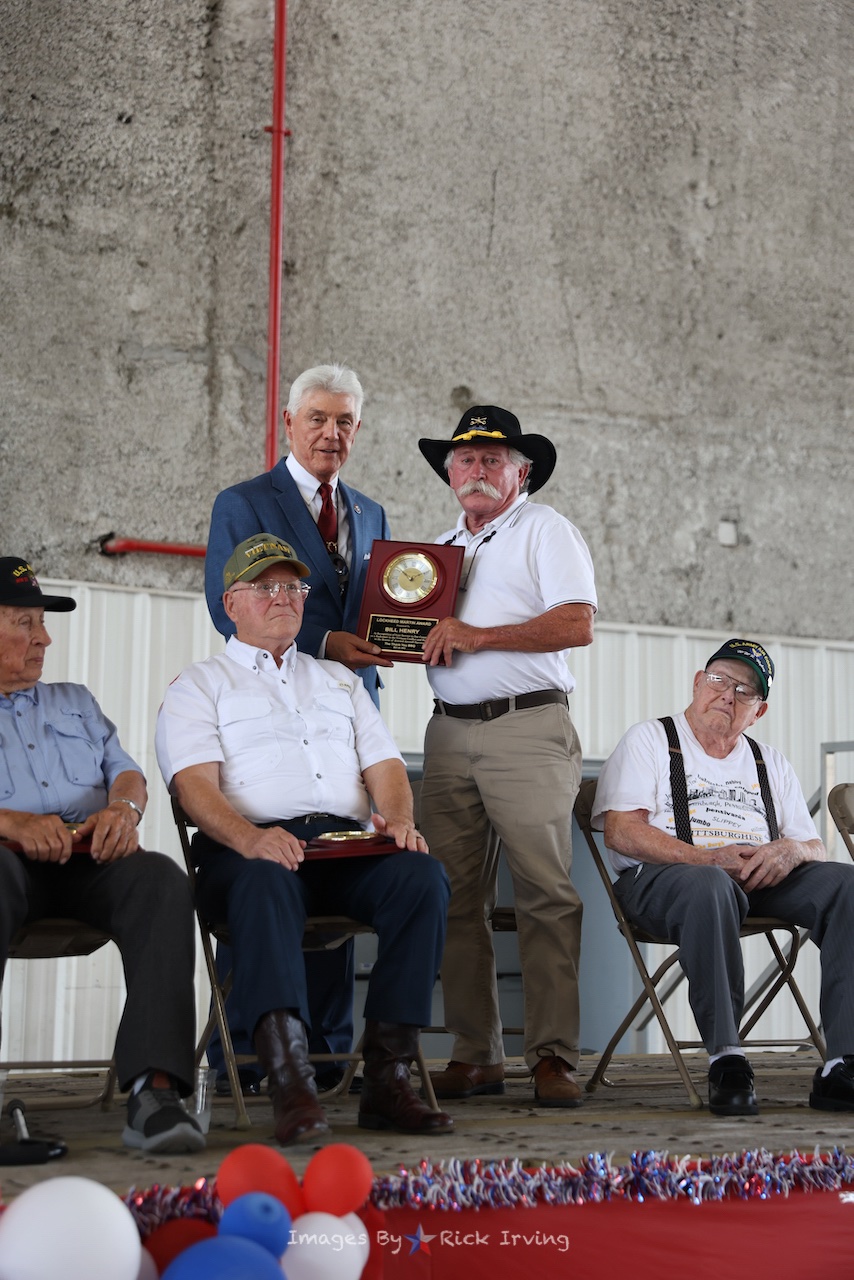
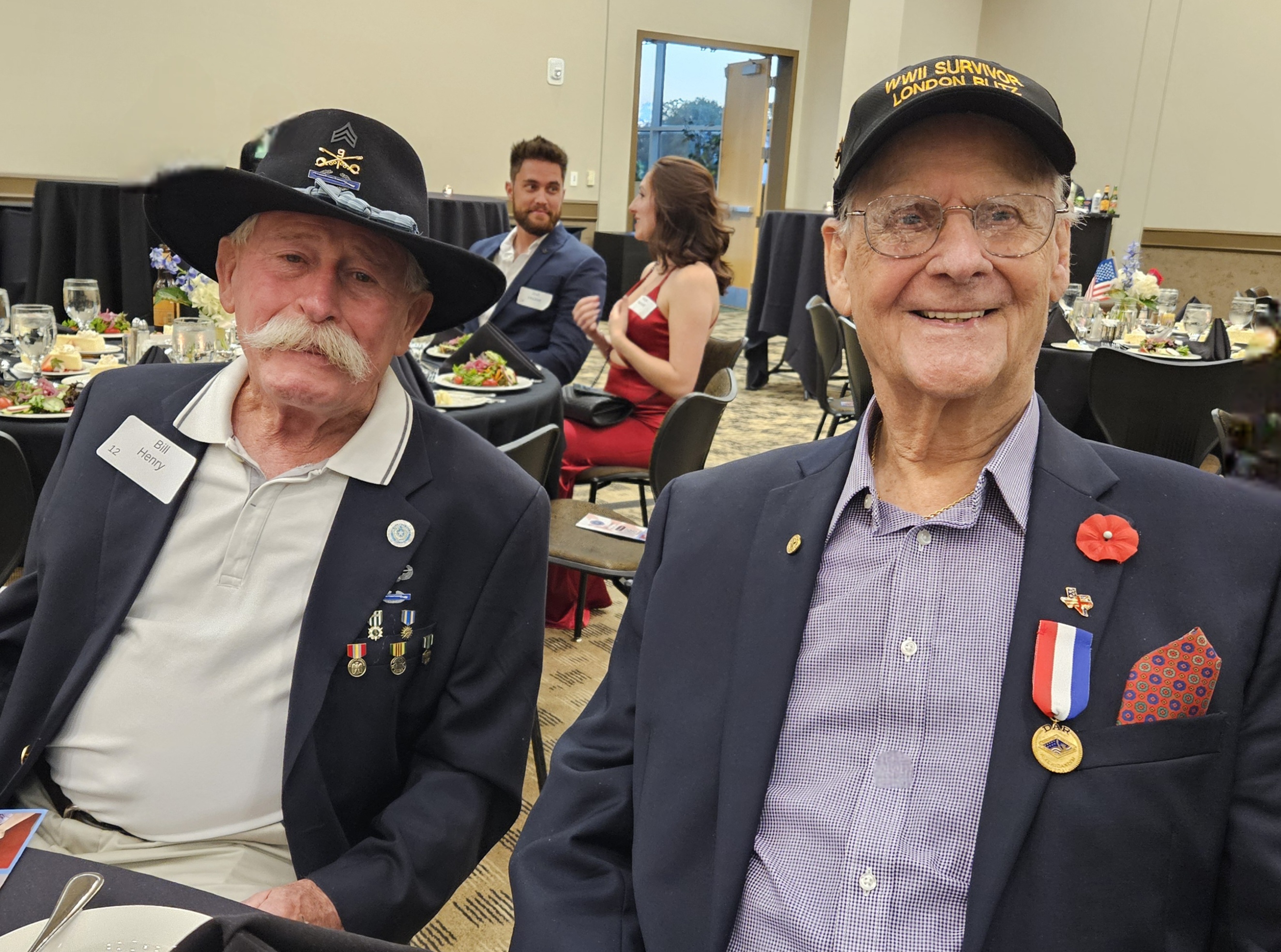
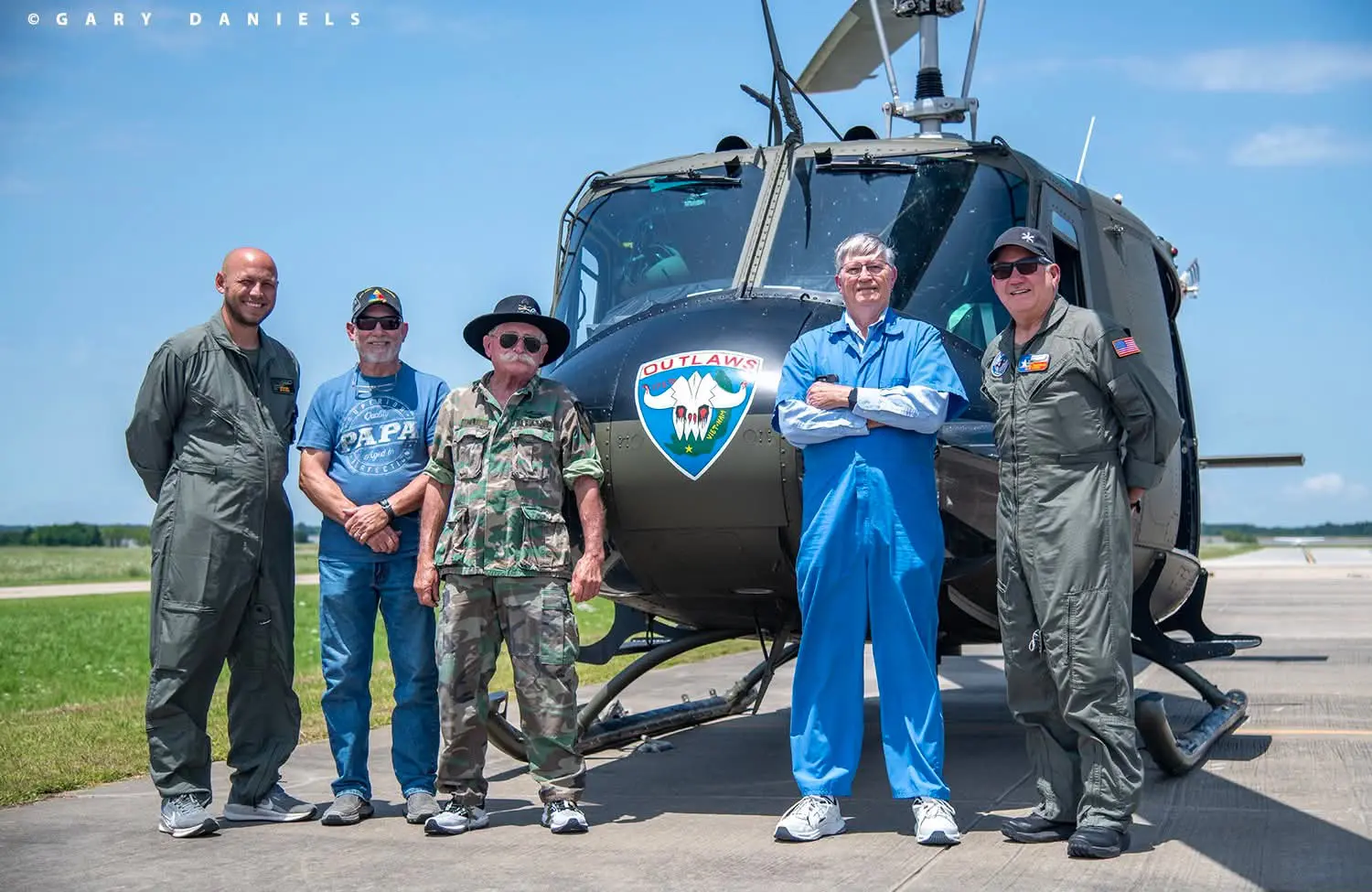
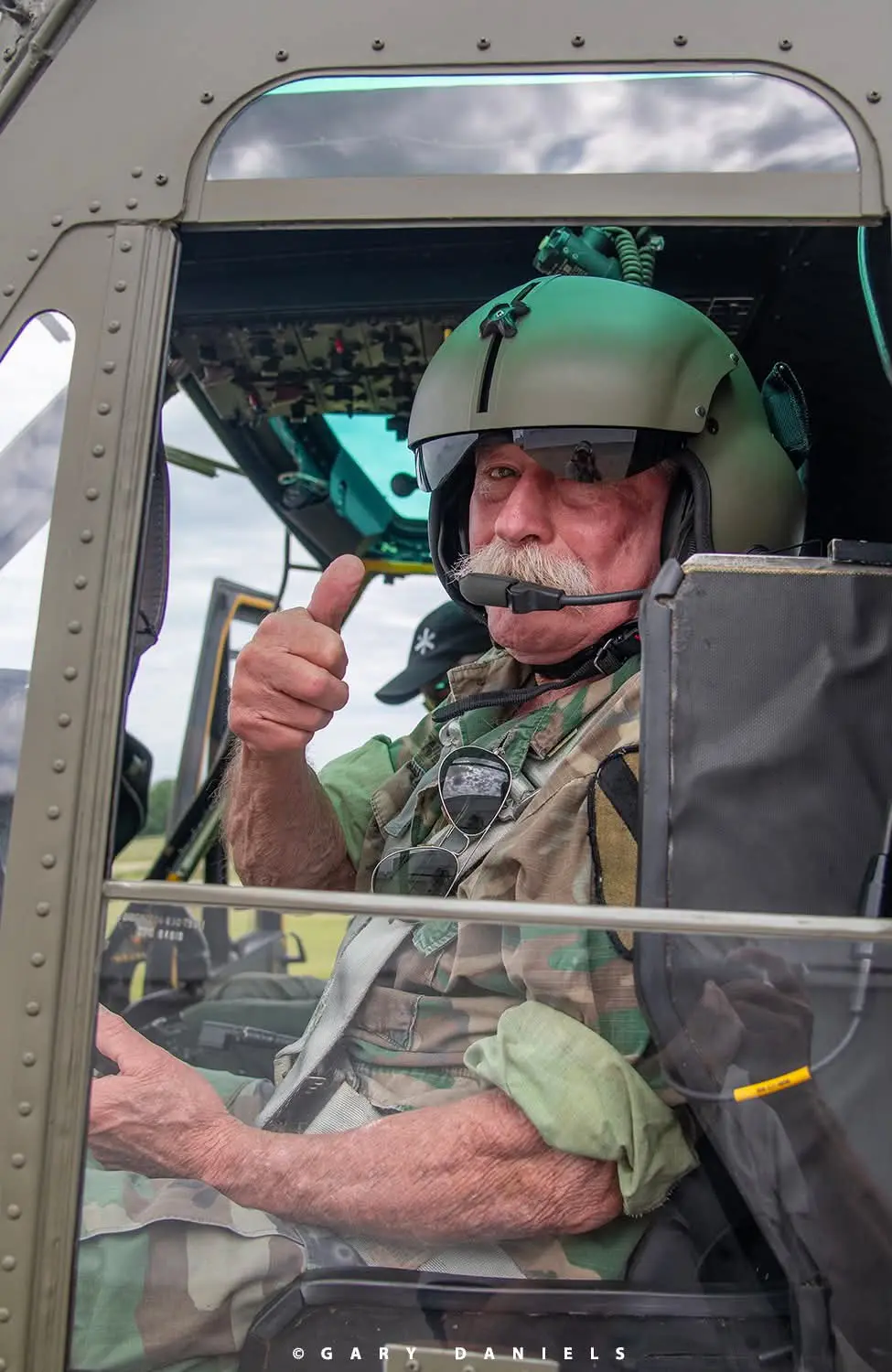
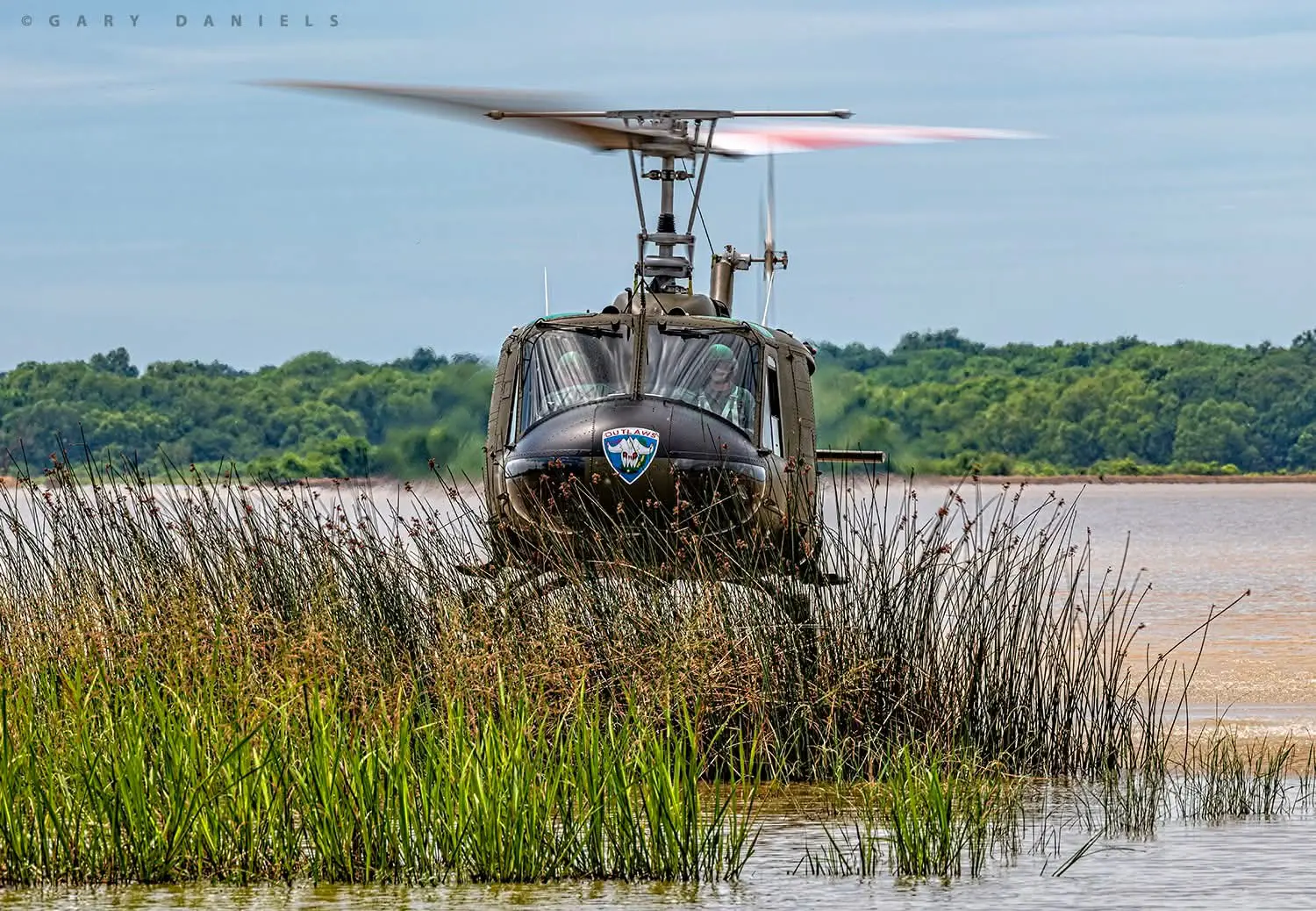
I was born and raised in Columbia, Missouri, in a steady, conservative home where faith, discipline, and responsibility were simply the way of life. I was the youngest of three. My brother, now eighty‑nine, and my sister, who has since passed, paved the way ahead of me. I graduated high school in 1966 and completed college in 1970. That final year, the draft lottery was introduced, and my birthdate drew number eight. The meaning was unmistakable.
After graduation, I shipped out to Fort Leonard Wood for basic training, then to Fort Ord, California, for Advanced Infantry Training. I trained as an 11B Light Weapons Infantryman, learning the fundamentals of soldiering before being sent to the Republic of Vietnam. I landed at Bien Hoa, Tân Sơn Nhứt Air Base, where a man in a black baseball cap with a Cav patch called my name. That moment set my path. I was sent to the First Team Academy, where we learned rappelling, pathfinder skills, helicopter ground control, rescue techniques, reconnaissance, and more.
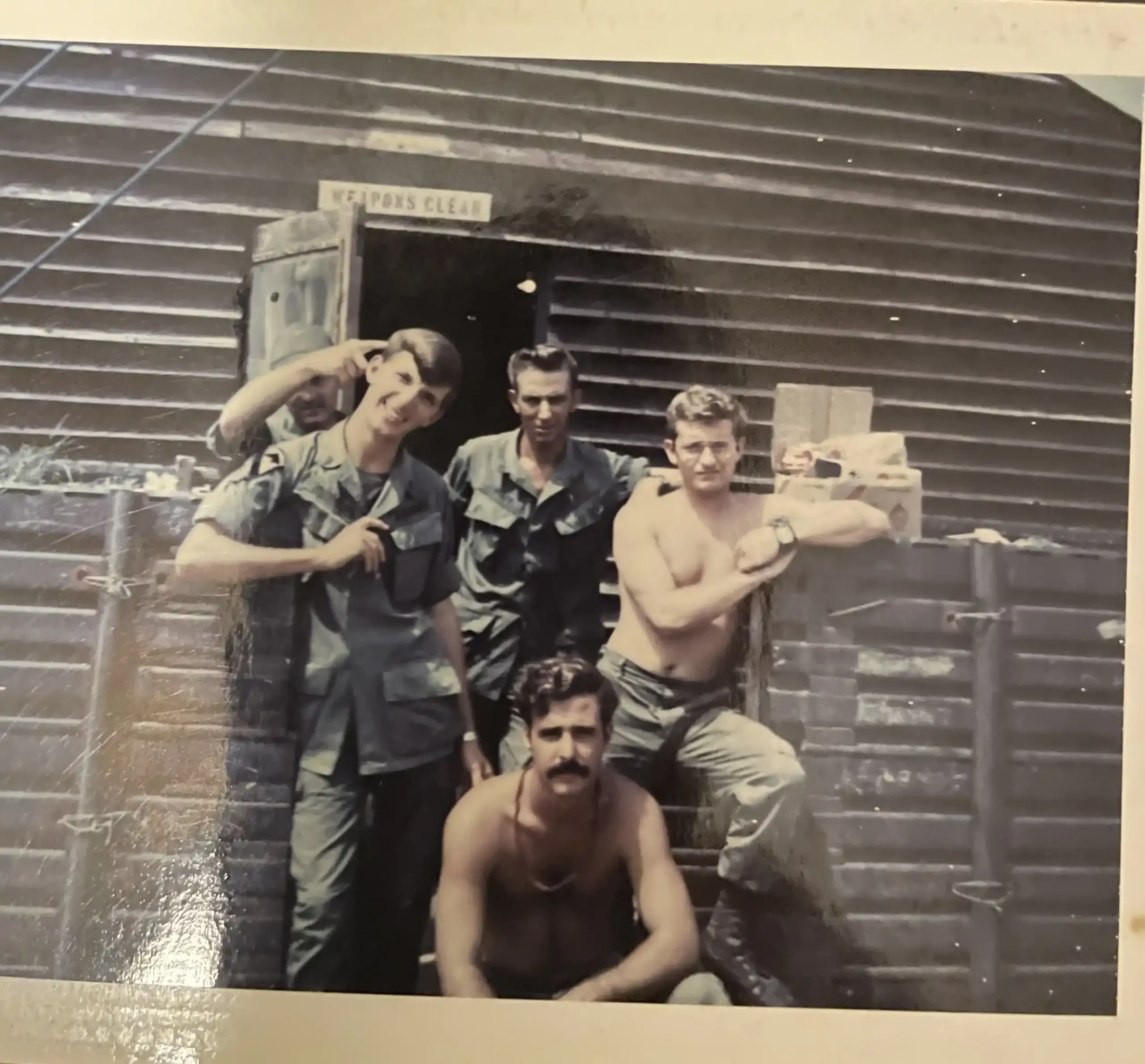
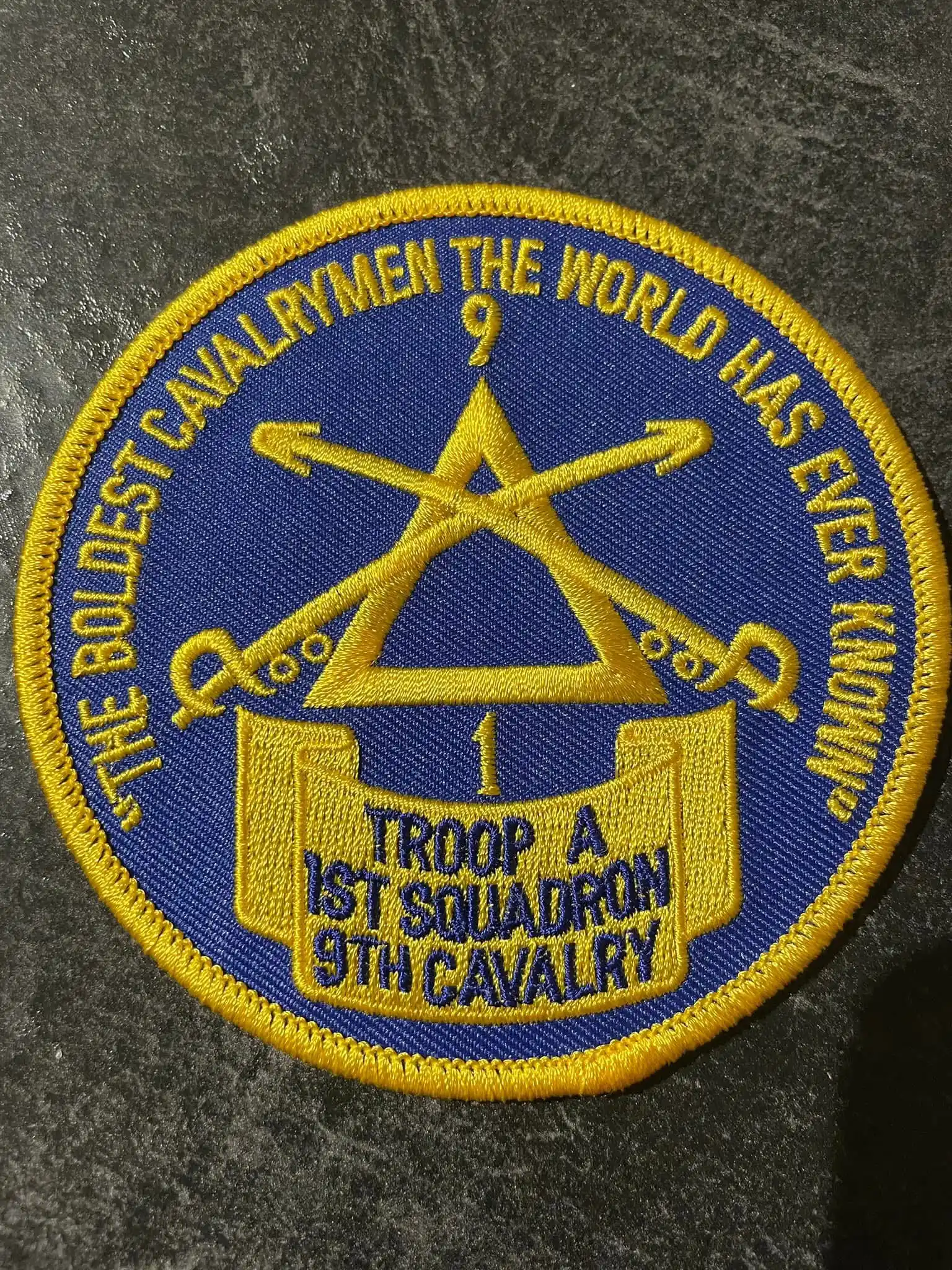
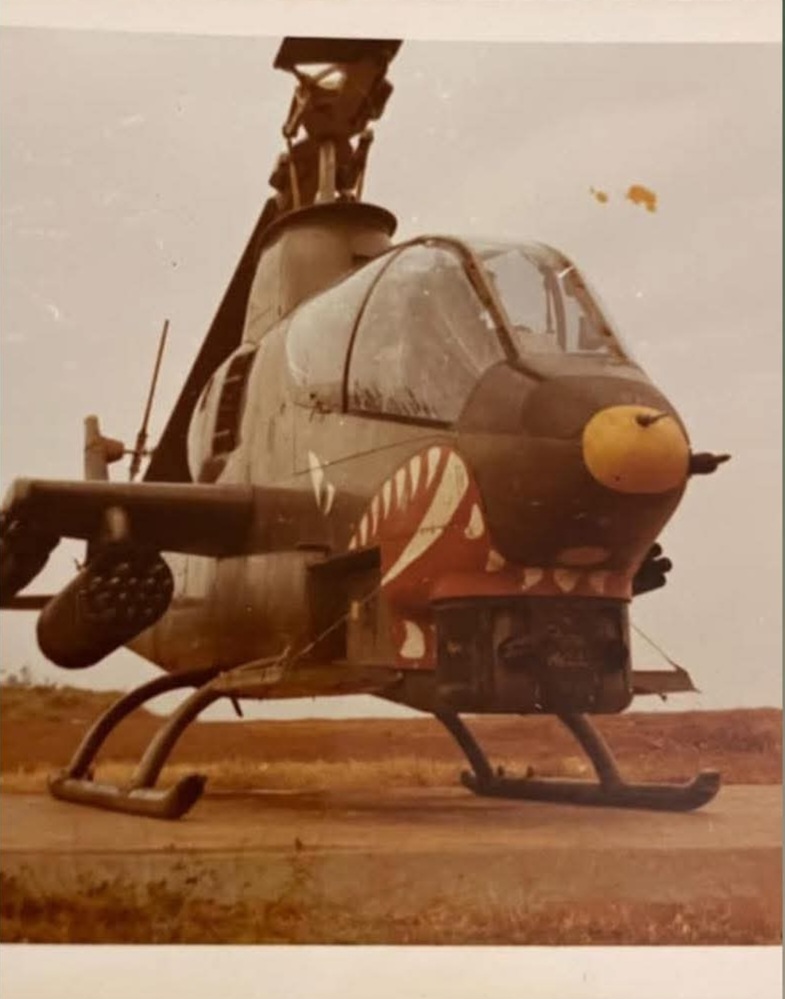
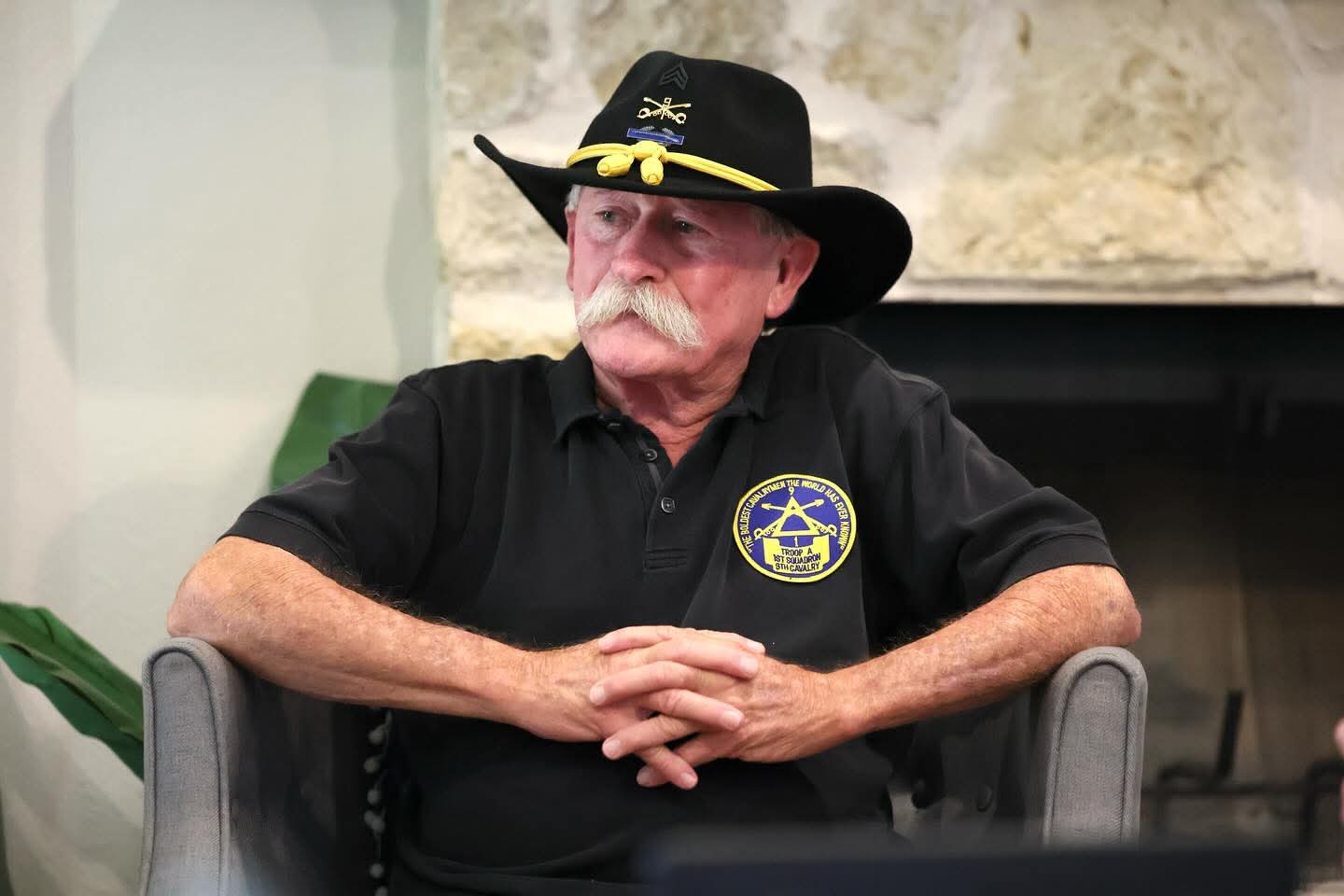
From there, I was assigned to A Troop, 1/9 Cavalry, Blue Platoon, an airmobile unit flying Hunter‑Killer Teams. The LOH “Loach” OH‑6s skimmed the treetops while Cobras flying cover at 1,200 to 1,500 feet. Our job as Blues was to go where the birds couldn’t: detailed reconnaissance, ground cleanup, and rescue, especially when aircraft were shot down. We worked closely with the LRRPs, Long Range Reconnaissance Patrols, usually six‑man teams from the 75th Rangers out of Phuoc Vinh Base Camp. When they made contact, they called us. I didn’t know it at the time, but we weren’t ordinary grunts. We were QRF, Quick Reaction Force, in and out of trouble in a heartbeat.
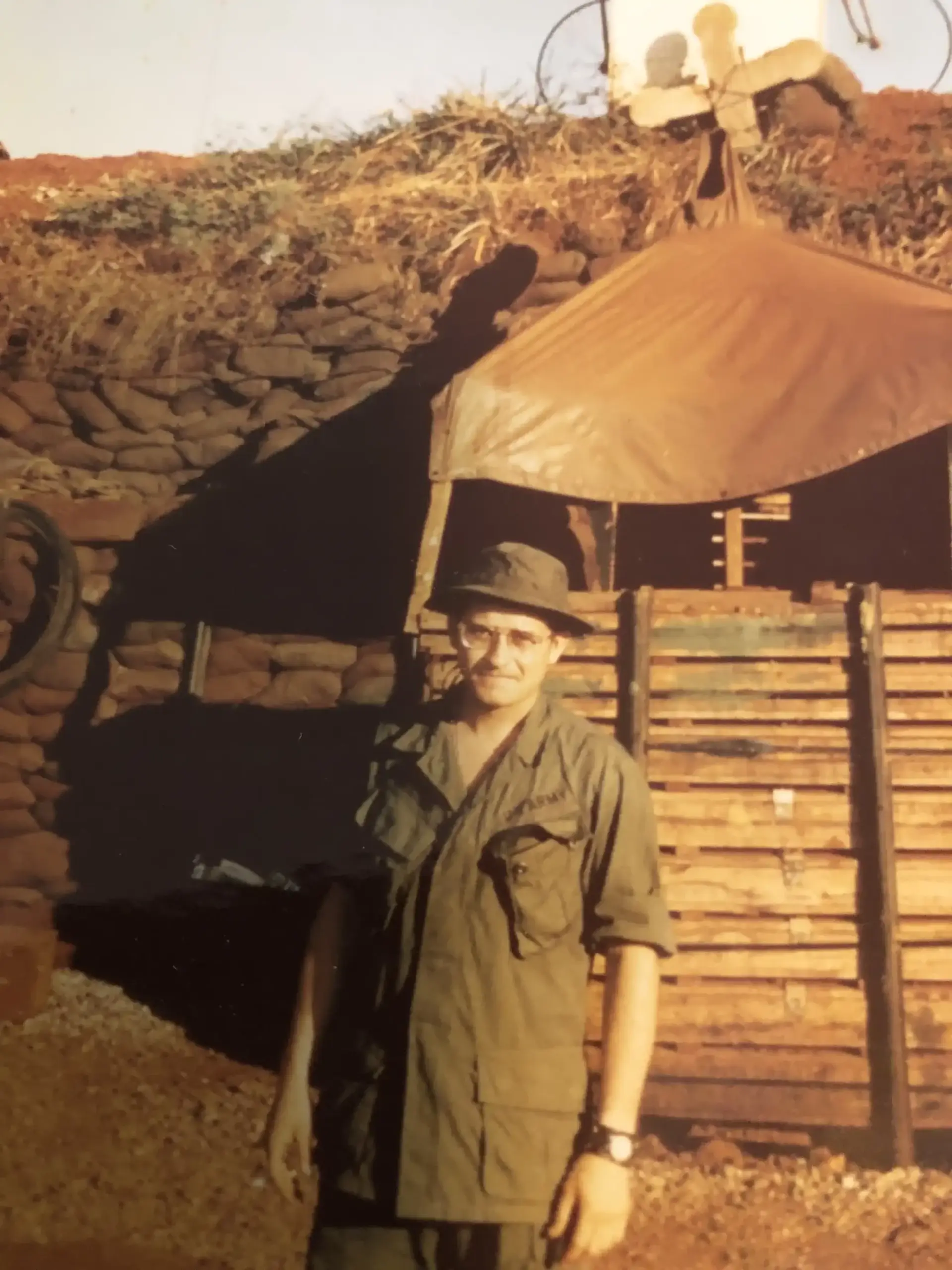
We were living in mushroom‑shaped hooches that slept eight to ten in bunks. The hooches were completely sandbagged, and I remember the floorboards had spaces between them so you could hear the rats scurrying around underneath the floor.
On my first helicopter ride I was sitting next to a sergeant, kind of rough looking with a large red handlebar mustache. His arms were highly decorated with tattoos. He was hanging me out the helicopter door because we didn’t have anyone with us who could point out the two mountains, Nui Ba Den which overlooked the approaches to the Parrot’s Beak near Tay Ninh Army Base, and Nui Dat, a former First Australian Task Force base in Ba Ria‑Vung Province.
I learned the sergeant had fought hand‑to‑hand combat in Korea and five tours in Vietnam. His name was Sgt. Yesley, E‑6, and he turned out to be the Blues platoon sergeant. He was highly decorated with a Silver Star and Bronze Star. He knew what he was talking about, and for a young new recruit I was glad to learn from him. We were heading to Sông Bé.
I remember we were in a joint having some drinks and suddenly I heard a strange sound. I asked what in the world is that, and a trooper told me, well, that’s Yesley and he’s had a few and is playing his bagpipes. I highly respected him and remember he called everyone Jackie.
He was short‑timing, and our new platoon leader was Sergeant Larry Couch. I went on several missions with him, including one where we had to process a downed helicopter in the bush and retrieve the bodies of the pilots.
One mission I remember because we were told a famous newspaper reporter, his cameraman, and light technician were going with us. We were inserted so close to the village, the NVA came out of the huts and we had to fight our way back to the helicopters. It was a tough encounter and one of the troopers was shot in both legs.
A Troop 1/9 Cav moved into Phuc Vinh Base Camp for a short period. Then we were in Tay Ninh in an area known as the Parrot’s Beak. It was a geographical projection of Svay Rieng Province, Cambodia, that juts down sharply into South Vietnam, located about forty miles northwest of Saigon. This region was important because it served as a major staging area and sanctuary for North Vietnamese and Viet Cong forces. Because the staging areas were so close to Saigon, the capital was always under constant threat from attack. Since the Parrot’s Beak was a terminal end for the Ho Chi Minh Trail, three enemy PAVN base camps were located in the region.
The Viet Cong took advantage of the fact they were launching their assaults from a safe area because the U.S. was supposed to consider Cambodia a safe zone. That changed in 1970 when we were involved in a major offensive with South Vietnamese troops, ARVN, to launch a joint cross‑border offensive to clear out the sanctuaries, command centers, and heavy weapon supplies. We continued working in rescue and recon until the Cav stood down and rotated out of the Republic of Vietnam to Fort Hood.
However, I remained in Vietnam and was assigned to the 13th Combat Aviation Group in Can Tho. When processing through personnel they recognized B.A. Degree Grunt and assigned me a desk. Quite a change, but slowly I became housebroken again. More detailed recollections of specific missions take a sit‑down with a beverage or two.
During my time in Tay Ninh, one landmark dominated the horizon: Nui Ba Den, Black Virgin Mountain. Rising abruptly from the plains, it carried a reputation that blended fact, fear, and folklore. The U.S. maintained a small outpost on its summit, supporting communications, SOG‑linked operations, and MACV relay missions far above my pay grade. Among those of us on the ground, the stories were constant and never denied. It was said that no American ground assault ever survived an attempt to scale the mountain, the slopes being too steep, too exposed, and too controlled by entrenched NVA forces.
Rumors also spoke of a vast tunnel system beneath the mountain, large enough to drive a deuce‑and‑a‑half seventeen miles underground into Cambodia. Some swore the NVA maintained R&R centers, hospitals, and entire underground facilities within its depths. Whether every detail was true or not, the mountain’s presence was undeniable. Today, I’m told there’s a tram that carries visitors to the top, gliding over ground where so many once fought and vanished into the fog.
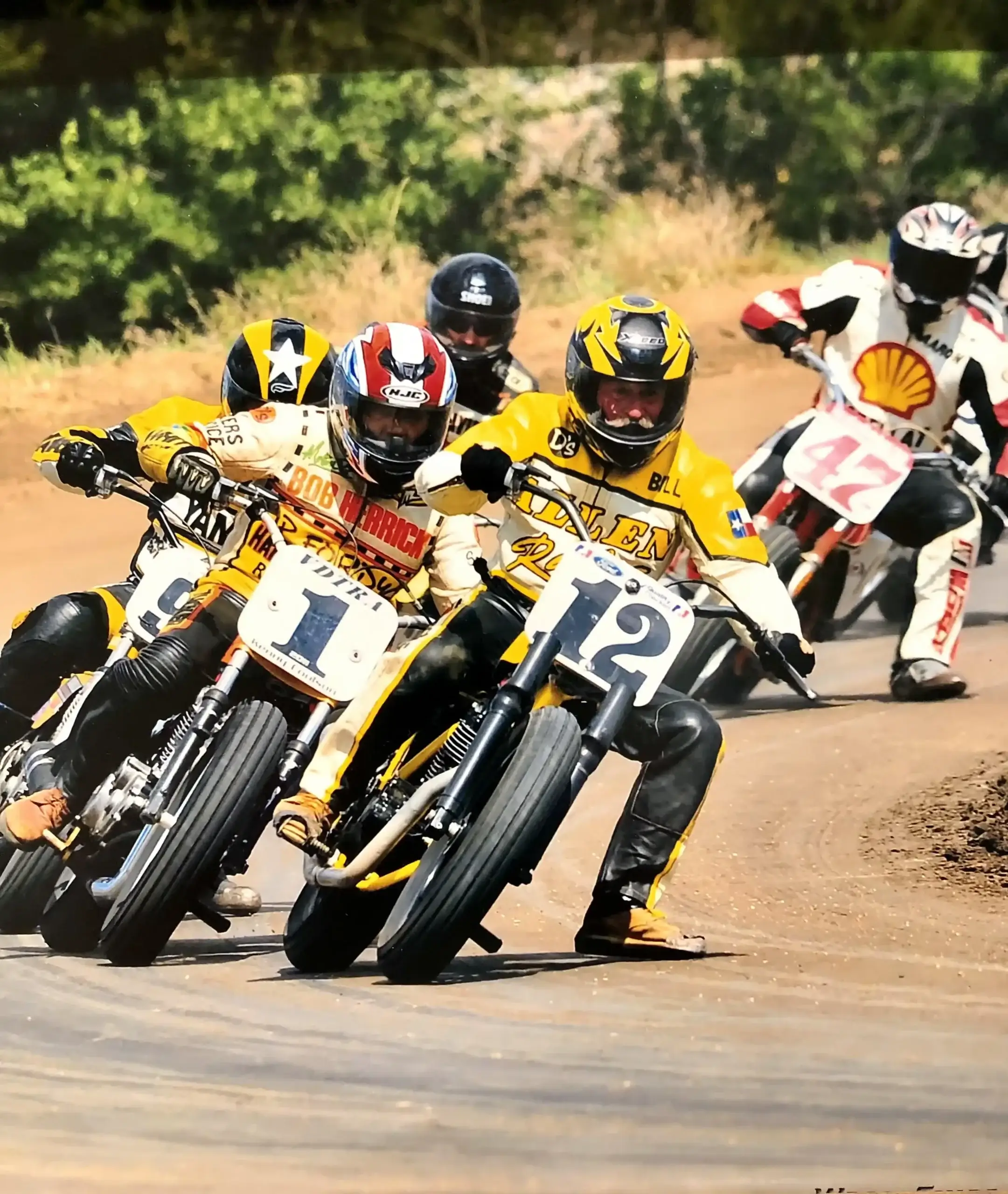
After my DROS and ETS, I returned home and began searching for work. I entered the communications service industry, then relocated to Texas, where my career shifted into property management and eventually into landscaping and nursery work. Over time, I returned to a childhood passion, flat track racing, and became active in various veterans’ organizations, staying connected to the men and memories that shaped my life.
From Missouri roots to Vietnam jungles, from treetop flights to quiet Texas soil, my story has been one of movement, service, and rediscovery. And through it all, the lessons of those years, courage, camaraderie, and the cost of freedom, have remained with me.
Supplemental Information
Fort Leonard Wood in the Vietnam War Era
Fort Leonard Wood reaches back to the early years of WWII. The installation was established in 1940 during the national mobilization that followed the outbreak of global conflict. The United States was preparing for the possibility of entering the war, and the Army needed vast new training centers capable of receiving, housing, and transforming tens of thousands of recruits into soldiers. Fort Leonard Wood was built for that purpose. During WWII, it processed enormous numbers of soldiers, teaching them engineering skills, infantry fundamentals, and the discipline required for overseas service. Its ranges, barracks, and training grounds expanded rapidly as the war intensified, and the post remained active through every major era of American military history. It trained soldiers during the Korean War, the Cold War, and the Vietnam War. By the late 1960s, when he arrived for basic training, the installation had already carried nearly three decades of continuous service and operated at wartime tempo, processing thousands of young men each month, many of whom were destined for combat units in Vietnam.
Daily life began before dawn, with Drill Sergeants storming the barracks, flipping on lights, and ordering recruits into formation. The barracks were austere, with metal bunks, footlockers, and strict cleanliness standards. Every movement was timed. Recruits learned to eat quickly, move quickly, and respond instantly to commands. The psychological pressure was deliberate, designed to break civilian habits and rebuild recruits into soldiers capable of surviving combat. Drill Sergeants enforced standards with uncompromising intensity, shaped by their own wartime experience and the knowledge of what awaited many of the men under their instruction. Training blocks were relentless. Physical conditioning included long‑distance runs, forced marches, obstacle courses, and endurance drills. Weapons training introduced recruits to the M14 and M16 rifles, bayonet drills, machine gun familiarization, and grenade handling. Fieldcraft instruction covered camouflage, movement techniques, basic survival, first aid, and field sanitation. Combat skills were taught through pugil sticks, hand‑to‑hand fighting, defensive fighting positions, and buddy team coordination. The gas chamber was a rite of passage, exposing recruits to CS gas to build confidence in protective masks. Confidence courses demanded rope climbs, wall scaling, and high‑stress physical challenges that tested both strength and resolve.
Because so many graduates were headed directly into combat, training was accelerated and intensified. Recruits were constantly reminded that their performance could determine survival. Instructors emphasized aggression, resilience, and rapid obedience under stress. The psychological conditioning was deliberate, preparing recruits for jungle warfare, ambushes, and unpredictable enemy tactics. Lessons learned directly from Vietnam shaped the curriculum. Drill Sergeants taught how ambushes unfolded, how booby traps were hidden, and how the enemy used terrain to their advantage. Immediate action drills were repeated until they became instinctive. Recruits practiced reacting to sniper fire, mortar attacks, and sudden contact. The Army emphasized mental toughness, situational awareness, and teamwork, qualities essential for survival in the jungles, rice paddies, and dense brush of Southeast Asia.
Graduation from Fort Leonard Wood marked a profound transformation. Recruits who arrived as civilians left as soldiers, physically hardened, mentally conditioned, and prepared for the next phase of training. They had learned discipline, weapons handling, teamwork, and the fundamentals of combat. What awaited them next—Advanced Infantry Training at Fort Ord—would refine these skills further and prepare them specifically for the role of an 11B Light Weapons Infantryman, the backbone of Army ground combat forces in Vietnam. Today, Fort Leonard Wood stands as an installation with more than eighty‑five years of history. Its legacy spans WWII mobilization, Cold War readiness, Vietnam‑era training, and modern joint‑service instruction, remaining one of the most historically significant training posts in the Army.
Fort Ord in the Vietnam War Era
Fort Ord reaches back to the early twentieth century. The installation was established in 1917 during the First World War era, when the United States Army expanded training facilities along the West Coast to support coastal defense units and provide maneuver space for infantry regiments. Through the 1920s and 1930s, Fort Ord grew steadily, becoming a major infantry training center. By the time WWII arrived, the post had already become one of the Army’s most important western installations. During WWII, Fort Ord trained tens of thousands of soldiers for combat in both the European and Pacific theaters, and its ranges, barracks, and maneuver areas expanded dramatically to meet wartime demand. After WWII, Fort Ord remained active through every major era of American military history, training soldiers during the Korean War, the Cold War, and the Vietnam War. By the late 1960s, when he arrived for Advanced Infantry Training, Fort Ord had already carried five decades of continuous service and operated at wartime tempo, shaping young men into 11B Light Weapons Infantrymen with instruction tailored to the realities of Vietnam.
Fort Ord in the Vietnam War era was one of the Army’s premier infantry training bases, a sprawling installation on the California coast where young soldiers were shaped into combat‑ready infantrymen. The atmosphere reflected the seriousness of preparing men for a conflict already in full force. Thousands of trainees moved through its ranges, barracks, and classrooms each cycle, and many instructors were Vietnam veterans whose teaching carried the urgency of lived experience. Their instruction was shaped by jungle warfare, ambush tactics, and the unpredictable nature of the enemy. Training as an 11B Light Weapons Infantryman meant mastering the tools, techniques, and instincts of frontline combat. Days began early and ended late, filled with weapons drills, tactical instruction, and field exercises designed to push recruits beyond their limits. The M16A1 rifle became an extension of the soldier’s body, and hours were spent on marksmanship, malfunction clearing, night firing, and stress shooting. The M60 machine gun was introduced with equal seriousness, teaching loading, firing, barrel changes, and the teamwork required to employ it effectively. The M79 grenade launcher added another layer of skill, requiring range estimation and an understanding of arcing fire. Claymore mines were taught with precision, from setup and arming to controlled detonation, and hand grenades—fragmentation, smoke, and practice—were drilled until handling them became instinctive.
Field training at Fort Ord was relentless. Recruits learned patrolling techniques, point man responsibilities, flank security, and the mechanics of ambush and counter‑ambush operations. Reconnaissance skills were taught through observation, reporting, stealth movement, and terrain analysis. Land navigation became a critical discipline, with compass work, terrain association, and night navigation forming the backbone of small‑unit independence. Small‑unit tactics were drilled repeatedly, teaching fire and maneuver, bounding overwatch, and squad‑level assaults. Defensive operations were equally emphasized, with perimeter setup, listening posts, and night defensive positions forming the foundation of survival in hostile territory. Vietnam‑specific preparation permeated every aspect of training. Instructors taught jungle movement techniques, even though the California terrain differed from Southeast Asia. They emphasized booby trap awareness, demonstrating tripwires, punji stakes, mines, and improvised devices that had taken countless lives in Vietnam. Helicopter operations were taught with precision, preparing recruits for the air assault tactics used by airmobile units. Reaction drills were repeated until they became reflexive, teaching immediate action for ambushes, sniper fire, and indirect fire. The training environment mirrored the harsh, unpredictable conditions infantrymen faced overseas, and recruits were reminded often that many of them would deploy directly to combat units upon graduation.
Field problems brought all of these skills together. Multi‑day exercises required recruits to carry full gear, navigate terrain, conduct patrols, establish defensive positions, and execute tactical missions under realistic conditions. Night operations emphasized stealth, discipline, and communication. Live‑fire exercises integrated movement with real ammunition under strict supervision, reinforcing the seriousness of the training and the consequences of error. The psychological conditioning was deliberate, building teamwork, trust, and rapid decision‑making under pressure. Instructors stressed that survival in Vietnam depended on discipline, awareness, and the ability to act without hesitation. By the end of Advanced Infantry Training at Fort Ord, he had been shaped into a fully trained 11B Light Weapons Infantryman, capable of operating in small combat units, handling multiple weapons systems, and performing reconnaissance, patrol, and combat tasks expected of infantry in Vietnam. The transformation that began at Fort Leonard Wood was completed here, and the skills learned at Fort Ord would follow him into the Republic of Vietnam, where training met reality and every lesson carried the weight of life and death.
Arrival Into a War Already in Motion
When he landed at Bien Hoa, he stepped into an airfield whose urgency had been forged long before American forces arrived in strength. Bien Hoa’s rhythm dated back to the early 1950s, when French aircraft launched from its runways to reach embattled outposts scattered across the countryside. Those years taught the base to move quickly, to turn aircraft around without hesitation, and to treat every mission as a race against time. By the late 1950s, when American advisors and helicopter units began arriving, Bien Hoa was already accustomed to the demands of a conflict fought across jungles, rivers, and remote valleys. Its crews worked with practiced speed, its runways bore the scars of countless sorties, and its infrastructure expanded layer by layer to meet the needs of a war that never paused. By the mid‑1960s, Bien Hoa had become one of the busiest airfields in Southeast Asia, and when he stepped onto the tarmac, he entered a place that had been operating at high intensity for more than fifteen years.
From Bien Hoa, he moved to Tân Sơn Nhứt — a base whose momentum reached even farther back. Built in the 1930s, Tân Sơn Nhứt had served as a center of aviation long before the modern war took shape. Through the late colonial period and into the First Indochina War, its runways supported military flights, regional transport missions, and command operations that kept the airfield active day and night. By the 1950s, it had become the central hub of South Vietnam’s air capability, expanding steadily as each new phase of conflict demanded greater capacity. When the United States established its presence, Tân Sơn Nhứt absorbed the surge without slowing, becoming the primary gateway for troop arrivals, reconnaissance flights, medevac operations, and high‑level command activity. By the mid‑1960s, its pace rivaled major American installations, with aircraft landing and departing in continuous succession and helicopters rising from the pads in steady waves. Hardened positions, fortified shelters, and sprawling logistics yards reflected decades of adaptation to a war that touched every corner of the country. By the time he arrived, Tân Sơn Nhứt had been operating at elevated tempo for more than thirty years.
The sensory weight of both bases met him the moment he stepped off the aircraft. Heat radiated from the tarmac in shimmering waves. The air carried the heaviness of the tropics mixed with the sharp scent of jet exhaust. The soundscape was layered and constant — engines winding up for departure, rotor blades beating the air, vehicles rumbling across concrete, and distant artillery marking the horizon. Men moved with the efficiency of those who had learned to live inside a war’s rhythm. Every motion had purpose. Every detail reflected a conflict that had been unfolding long before he arrived.
Tân Sơn Nhứt, especially, felt immense. Aircraft lined the revetments in tight rows. Helicopters lifted off in steady patterns, their blades sending dust swirling across the pads. Convoys moved through the gates with practiced urgency. Floodlights illuminated the runways at night, turning the base into a glowing grid of motion and noise. Even in darkness, the airfield did not sleep. The war’s machinery operated continuously, and the base’s history — decades of missions, thousands of departures, countless returns — seemed to vibrate through the ground beneath his boots.
For him, arrival in Vietnam was not a beginning but an entry into a conflict already in full motion. Bien Hoa and Tân Sơn Nhứt were not simply airfields; they were living records of the war’s evolution, shaped by generations of fighting, adaptation, and relentless demand. He had trained for this moment, but Vietnam’s reality was older, larger, and more complex than any stateside preparation could fully convey. The war had been moving long before he stepped onto the tarmac, and now he had joined its current — a current that carried urgency, danger, and history in every direction.
Civilians in the War Zone
Civilians in the regions he served — Tây Ninh, Hậu Nghĩa, the Iron Triangle, War Zone C, and the borderlands near Cambodia — lived in landscapes shaped by years of conflict. Their world was a mixture of routine and danger, where daily life unfolded in the same terrain that soldiers patrolled, fought, and bled in. Homes stood on packed‑earth floors beneath thatched roofs, surrounded by rice paddies, small gardens, and narrow footpaths worn by generations. Yet every familiar space carried the possibility of threat, and every day required choices shaped by caution.
The land around them was unforgiving. Humidity pressed down like a weight, turning work in the fields into exhausting labor. Monsoon rains flooded lowlands, carrying debris and insects through villages. In the dry season, dust coated skin and clothing, rising in clouds that lingered in the air. The smell of cooking fires mixed with the scent of wet earth, livestock, and distant smoke from brush burned during military operations. Civilians lived in terrain that could shift from peaceful to perilous in moments, and they learned to read the land with an instinct sharpened by necessity.
War moved through these regions unpredictably. Helicopters thundered overhead, their rotor wash flattening grass and sending dust swirling through courtyards. Artillery rumbled in the distance, sometimes for hours, sometimes in sudden bursts that shattered the night’s stillness. Patrols passed along village edges, their presence both reassuring and unsettling. The Viet Cong moved quietly through the same spaces, blending into the terrain, appearing and disappearing with a familiarity born of years spent living in the region. Civilians existed between these forces, navigating a world where allegiance was often a matter of survival rather than choice.
Daily life continued, but never without caution. Children played near rice paddies, chasing each other along narrow dikes, while adults tended crops that had been fought over repeatedly. Farmers worked fields knowing that the soil beneath them might hide unexploded ordnance or the remnants of earlier fighting. Women cooked meals over open fires, their eyes scanning the tree line for movement. Elders gathered in communal spaces, sharing news carried from neighboring villages. Life persisted, but always with an awareness that the war could intrude without warning.
The nights carried their own weight. Darkness settled quickly, bringing with it the sounds of insects, distant artillery, and the occasional crack of gunfire. Families slept lightly, listening for changes in the rhythm of the night — a sudden silence, a distant shout, the thump of helicopters approaching. Many built trenches or small bunkers near their homes, places to shelter when fighting drew close. Children learned to move quietly, to stay low, to follow instructions without hesitation. Fear became a part of life, but so did resilience.
Civilians endured losses that rarely appeared in official reports. Crops destroyed by fighting meant hunger. Homes damaged by artillery meant displacement. Travel between villages became dangerous, cutting families off from markets, schools, and relatives. Water sources were disrupted. Livestock disappeared. The war touched every aspect of life, reshaping routines, traditions, and expectations. Yet communities rebuilt again and again, repairing homes, replanting fields, and restoring what they could.
Despite the strain, civilians showed remarkable strength. Markets reopened after operations, offering rice, vegetables, fish, and handmade goods. Temples and churches remained places of gathering and prayer, where people sought comfort and continuity. Children continued to learn, play, and grow, even as the war shaped the landscape around them. Families supported one another, sharing food, labor, and information. Their endurance formed the quiet backbone of life in these contested regions.
The areas he served in were defined not only by dense vegetation, sudden violence, and unforgiving terrain, but also by the civilians who lived within them — people who carried on with daily life in the midst of uncertainty, adapting to a world where danger was constant and survival required vigilance. Their experience reveals the human dimension of the war: the resilience of ordinary families, the weight of fear held in silence, and the strength required to endure conflict that arrived without warning and lingered without end.
Unified MACV–SOG Architecture of the Vietnam War
MACV was the central American command in Vietnam, a joint headquarters operating at a scale the United States had never attempted abroad. Its structure functioned like a living organism, with directorates that handled intelligence, operations, logistics, planning, and communications in continuous coordination. Inside its compound at Tân Sơn Nhứt, analysts from every service branch—alongside CIA and NSA personnel—worked within the Combined Intelligence Center, Vietnam, producing assessments that shaped operations across all Corps regions. The Joint Operations Center monitored engagements in real time, while the Air Operations Center synchronized jets, carrier aircraft, Marine air wings, and Army helicopter units. A computerized logistics network tracked ammunition, fuel, and equipment across thousands of miles of supply routes, ensuring the tempo of the war never slowed.
MACV’s reach extended beyond combat. It directed civil programs, refugee resettlement, rural development, and political stabilization efforts, making it both a military headquarters and a governing authority. Its command culture evolved as the war progressed: early emphasis on large‑unit attrition gave way to a focus on mobility, pacification, and combined operations. MACV coordinated with ARVN and allied forces from Korea, Australia, New Zealand, Thailand, and the Philippines, creating a multinational coalition that required constant intelligence sharing and joint planning.
Beneath this visible structure operated MACV‑SOG, the clandestine arm of the American effort. SOG’s missions were authorized through classified directives and presidential findings, placing them under a dual military‑intelligence command chain. Their operations extended into Laos, Cambodia, and North Vietnam—territory where no conventional American unit was permitted. SOG’s ecosystem included airborne infiltration centers, forward launch sites, relay networks, and psychological operations directorates that produced deceptive broadcasts and counterfeit documents to disrupt enemy command structures.
SOG teams moved through environments defined by danger: triple‑canopy jungle, specialized enemy counter‑recon units, and the constant threat of encirclement. Their missions carried extreme casualty risk. Many losses occurred during extraction attempts, when compromised landing zones and concentrated fire turned rescue into a race against time. Others resulted from isolation—long evasion periods without medical support, exhaustion, and the brutal reality of operating far beyond friendly lines. Indigenous fighters suffered heavily, sharing the same dangers as American operators.
Survival depended on techniques refined through necessity. Teams moved with low‑signature discipline, masking footprints, avoiding broken vegetation, and using watercourses to hide their trail. Silence was absolute; equipment was wrapped to prevent metallic sounds, and communication relied on hand signals. Camouflage extended to scent control and indigenous clothing. When compromised, teams executed rapid direction changes, false trails, and split‑team maneuvers to confuse pursuit forces. Night movement became essential, guided by starlight scopes, terrain contours, and an intimate understanding of enemy patrol cycles. Every item they carried—from silk escape maps to burst‑transmission radios—was chosen to increase the chance of survival.
SOG’s intelligence shaped the war at the highest levels. Their reconnaissance mapped infiltration routes, identified logistical hubs, and revealed enemy build‑ups long before conventional units encountered them. Their findings influenced B‑52 strike patterns, air campaign targeting, assessments of enemy logistics, and planning for major operations. SOG provided information no satellite or conventional unit could obtain.
Together, MACV and SOG formed the dual architecture of the conflict. MACV directed the structured war—strategy, logistics, air‑ground coordination, and multinational operations. SOG conducted the shadow war—cross‑border reconnaissance, clandestine missions, and intelligence that revealed the enemy’s lifelines. One shaped the battlefield; the other mapped the world beyond it. Both were already operating at full intensity long before he arrived, defining the reality he stepped into the moment he landed in Vietnam.
The 1st Cavalry Division Inside the Dual Architecture of MACV and SOG
By the time the 1st Cavalry Division entered Vietnam, the war’s command structure had already taken its final form. MACV provided the visible framework: the strategic direction, the allocation of resources, and the intelligence picture that determined where major American units would fight. SOG provided the invisible framework: the clandestine reconnaissance that revealed how the enemy moved, supplied itself, and prepared for future operations. Together, these two systems shaped the division’s mission before its aircraft ever touched Vietnamese soil.
MACV placed the 1st Cavalry in the Central Highlands because intelligence indicated that the region was the primary corridor for enemy infiltration. This decision was not simply geographic; it reflected MACV’s belief that mobility was the only way to counter an enemy who moved through dense terrain and avoided conventional battle lines. The division’s air‑mobile design made it uniquely suited to MACV’s vision of rapid response, deep penetration, and flexible maneuver. Its operations were guided by assessments produced inside MACV’s intelligence centers, where analysts fused aerial photography, intercepted communications, and field reports into daily summaries that shaped the division’s movements.
Yet the most decisive intelligence came from beyond Vietnam’s borders. SOG teams operating in Laos and Cambodia mapped the enemy’s logistical arteries with a precision no conventional unit could match. Their reconnaissance revealed the flow of troops along the Ho Chi Minh Trail, the location of hidden base areas, and the buildup of regiments preparing to enter the highlands. These findings reached MACV through classified channels and influenced the division’s deployments, often weeks before enemy forces appeared on the battlefield. Even though most Cavalry soldiers never knew SOG existed, their missions were shaped by SOG’s discoveries — warnings of enemy concentrations, identification of infiltration routes, and insights into enemy tactics that influenced how patrols were planned and how air assaults were executed.
The danger behind this intelligence was immense. SOG teams operated in territory controlled entirely by enemy forces, facing specialized units trained to hunt them. Their casualty patterns reflected the extreme risk: losses during extraction attempts, long evasion periods without medical support, and the brutal reality of operating far beyond friendly lines. Survival depended on techniques refined through necessity — low‑signature movement, absolute silence, camouflage that blended scent and appearance, rapid direction changes to confuse pursuit forces, and night movement guided by terrain and starlight scopes. Every item they carried, from silk escape maps to burst‑transmission radios, was chosen to increase the chance of survival in a world where extraction was never guaranteed.
This hidden struggle shaped the visible war. MACV used SOG’s intelligence to position the 1st Cavalry where enemy forces were most likely to emerge, to anticipate enemy movements before they reached populated areas, and to direct air‑mobile operations toward the logistical arteries that sustained the enemy’s campaign. The division fought the war MACV planned, but it fought it with an understanding shaped by SOG’s perilous work beyond the borders.
This was the reality he entered: a war directed by a vast command structure and illuminated by reconnaissance carried out in silence. One system shaped the battlefield; the other revealed the world beyond it. Both were already in motion long before he arrived, and both defined the path the 1st Cavalry Division would follow in the months ahead.
A Troop, 1/9 Cavalry — Entering the Division’s Forward Edge
Within the 1st Cavalry Division, A Troop of the 1st Squadron, 9th Cavalry occupied a place unlike any other. It was the division’s forward edge, the element that moved first, saw first, and often absorbed the initial shock of contact. Everything MACV planned and everything SOG discovered converged at the point where A Troop operated. The dual architecture of the war — visible command and invisible reconnaissance — became tangible in the missions assigned to its scouts, air crews, and ground elements.
MACV’s strategic vision shaped the troop’s role from the outset. The division’s placement in the Central Highlands meant that A Troop operated in terrain where infiltration routes, supply corridors, and enemy staging areas intersected. MACV’s intelligence centers identified regions where enemy forces were likely to emerge, and A Troop was tasked with confirming, denying, or expanding those assessments. Their reconnaissance flights, ground probes, and rapid‑response patrols provided the division with the first clear picture of enemy presence. In this way, A Troop became the division’s eyes, operating ahead of battalions and brigades whose movements depended on the troop’s findings.
Yet the most decisive influence came from SOG’s clandestine work beyond the borders. SOG teams operating in Laos and Cambodia mapped the enemy’s logistical arteries with a precision no conventional unit could match. Their reports revealed the flow of troops along the Ho Chi Minh Trail, the location of hidden base areas, and the buildup of regiments preparing to enter the highlands. MACV used this intelligence to direct A Troop toward areas where enemy forces were expected to appear. Even though the troop never saw the teams who gathered this information, their missions were shaped by SOG’s discoveries — warnings of enemy concentrations, identification of infiltration routes, and insights into enemy tactics that influenced how scouts approached unfamiliar terrain.
A Troop’s operations reflected the danger inherent in this intelligence. The troop’s helicopters often flew into areas where enemy units were already maneuvering, guided by reports that suggested imminent movement. Ground scouts moved through terrain shaped by enemy logistics, encountering signs of recent passage — cut branches, fresh footprints, discarded ration tins — that confirmed SOG’s assessments. The troop’s rapid‑response capability meant that it frequently arrived at the threshold of enemy activity, sometimes minutes before contact, sometimes moments after. In these situations, the troop’s survival depended on the same principles that governed SOG’s clandestine teams: silence, speed, discipline, and the ability to read terrain with instinctive clarity.
The troop’s air crews operated with a level of urgency shaped by the war’s hidden architecture. Their missions required low‑level flight, rapid insertions, and extraction plans that could change in seconds. Pilots learned to read the ground as SOG teams did — noting the absence of birds, the sudden stillness of foliage, the unnatural geometry of disturbed vegetation. Door gunners scanned tree lines for movement that matched enemy patterns described in SOG reports. Every flight carried the possibility of immediate contact, and every landing zone held the risk of ambush shaped by enemy counter‑recon tactics.
On the ground, scouts adopted survival techniques refined through experience and necessity. They moved with low‑signature discipline, stepping on rocks instead of soil, brushing away footprints, and using watercourses to mask their trail. Silence was absolute; equipment was wrapped to prevent metallic sounds, and communication relied on hand signals. When compromised, they executed rapid direction changes, false trails, and split‑team maneuvers designed to confuse pursuit forces. Night movement became essential, guided by terrain contours and an intimate understanding of enemy patrol cycles. These techniques mirrored the clandestine methods used by SOG teams, adapted for the troop’s unique mission inside the division’s forward edge.
A Troop lived at the intersection of MACV’s strategic vision and SOG’s clandestine intelligence. MACV shaped the troop’s direction, assigning missions that reflected the broader plan to counter enemy momentum before it reached populated areas. SOG shaped the troop’s understanding, revealing how the enemy moved, supplied itself, and prepared for future operations. One system provided the framework; the other provided the insight. Together, they defined the troop’s reality from the moment he arrived.
This was the world he entered: a place where reconnaissance was not simply a task but a necessity, where every movement carried weight, and where the dual architecture of the war — visible and invisible — converged at the point where A Troop operated. It was the threshold between knowledge and contact, between planning and action, and it became the ground on which his experience in Vietnam would take shape.
Blue Platoon — Where the Dual Architecture Becomes Personal
Blue Platoon stood at the point where reconnaissance stopped being an abstract concept shaped by distant headquarters and became a lived reality measured in footsteps, rotor wash, and the weight of the air before contact. Within A Troop, 1/9 Cavalry, Blue Platoon was the element that moved closest to the enemy, the one that translated MACV’s strategic vision and SOG’s clandestine intelligence into decisions made in real terrain, under real pressure, with consequences measured in seconds.
MACV’s influence reached Blue Platoon through the missions assigned to A Troop. Intelligence summaries identified regions where infiltration routes converged, where enemy units were expected to emerge, or where logistical hubs might be concealed beneath canopy and terrain. Blue Platoon was sent to confirm or deny these assessments, often becoming the first American element to enter areas shaped by enemy movement. Their patrols, probes, and air‑inserted reconnaissance missions provided the division with the clarity MACV needed to adjust operations across the highlands.
But the deeper influence — the one that shaped how Blue Platoon interpreted every sign, every silence, every shift in the landscape — came from SOG’s clandestine work beyond the borders. SOG teams operating in Laos and Cambodia had already mapped the enemy’s lifelines, revealing how regiments moved, where they rested, and how they supplied themselves. Their reports described the patterns of enemy logistics: the rhythm of movement along the Ho Chi Minh Trail, the placement of caches, the signs of recent passage. Blue Platoon absorbed these patterns, learning to read terrain with the same instinctive clarity that guided SOG teams in the deep jungle.
This meant Blue Platoon entered terrain already shaped by danger. They moved through areas where enemy units had passed hours earlier, where fresh footprints marked the ground, where cut branches revealed recent movement, and where silence carried the weight of unseen presence. The platoon’s scouts learned to recognize the subtle signs described in SOG reports — the absence of birds, the unnatural stillness of foliage, the faint scent of smoke carried through trees. These details became part of the platoon’s internal vocabulary, guiding decisions made far from MACV’s command centers.
The platoon’s survival depended on techniques refined through necessity. They moved with low‑signature discipline, stepping on rocks instead of soil, brushing away footprints, and using watercourses to mask their trail. Silence was absolute; equipment was wrapped to prevent metallic sounds, and communication relied on hand signals. When compromised, they executed rapid direction changes, false trails, and split‑team maneuvers designed to confuse pursuit forces. Night movement became essential, guided by terrain contours and an intimate understanding of enemy patrol cycles. These techniques mirrored the clandestine methods used by SOG teams, adapted for the platoon’s unique mission inside the division’s forward edge.
Blue Platoon’s air crews operated with the same urgency. Their helicopters flew low, fast, and often into areas where enemy units were already maneuvering. Pilots learned to read the ground as SOG teams did — noting the geometry of disturbed vegetation, the sudden stillness that preceded contact, the patterns of movement that matched enemy tactics described in classified reports. Door gunners scanned tree lines for signs that matched SOG’s descriptions of ambush preparation. Every landing zone held the possibility of immediate contact, and every extraction required precision shaped by the platoon’s understanding of enemy counter‑recon methods.
In this way, Blue Platoon became the living intersection of MACV’s strategic vision and SOG’s clandestine intelligence. MACV shaped the platoon’s direction, assigning missions that reflected the broader plan to counter enemy momentum before it reached populated areas. SOG shaped the platoon’s understanding, revealing how the enemy moved, supplied itself, and prepared for future operations. One system provided the framework; the other provided the insight. Together, they defined the platoon’s reality from the moment he arrived.
This was the world he entered: a place where reconnaissance was not simply a task but a necessity, where every movement carried weight, and where the dual architecture of the war — visible and invisible — converged at the point where Blue Platoon operated. It was the threshold between knowledge and contact, between planning and action, and it became the ground on which his experience in Vietnam would take shape.
He Joins Blue Platoon — Entering the Forward Edge
He joined Blue Platoon at the point where the war stopped being an arrangement of maps, directives, and intelligence summaries and became a lived reality measured in breath, terrain, and the weight of silence before contact. The platoon operated inside the narrow space where reconnaissance met danger, where the decisions made in distant command centers translated into footsteps on unfamiliar ground. From the moment he arrived, he stepped into a world shaped by the dual architecture of MACV’s strategic vision and SOG’s clandestine intelligence, but now that architecture pressed directly against his own experience.
Blue Platoon welcomed him with the quiet efficiency of men who had already learned how to live at the forward edge. Their movements were deliberate, their equipment arranged with practiced precision, their eyes carrying the calm awareness of those who had spent months reading terrain for signs of enemy presence. They did not speak in abstractions. They spoke in patterns — the way foliage settled after movement, the rhythm of distant footfalls, the geometry of disturbed vegetation. These were the details that mattered, the details that kept men alive.
He learned quickly that Blue Platoon’s world was shaped by information gathered far beyond Vietnam’s borders. SOG’s reconnaissance had already mapped the enemy’s lifelines, revealing how regiments moved through Laos and Cambodia, where they rested, and how they supplied themselves. These patterns guided the platoon’s missions. When MACV assigned A Troop to a region, Blue Platoon understood why: SOG’s reports had identified recent movement, fresh supply activity, or signs of a buildup preparing to cross into the highlands. Even though he never saw the teams who gathered this intelligence, their work shaped every step he took.
His first days in the platoon were spent absorbing the techniques that defined survival at the forward edge. He learned to move with low‑signature discipline, stepping on rocks instead of soil, brushing away footprints, and using watercourses to mask his trail. He learned the importance of silence — equipment wrapped to prevent metallic sounds, communication reduced to hand signals, breathing controlled during close encounters. He learned to read terrain with instinctive clarity, recognizing the absence of birds, the unnatural stillness that preceded contact, and the faint scent of smoke carried through trees. These skills were not taught in classrooms; they were passed from scout to scout, shaped by experience and necessity.
He also learned the rhythm of air‑mobile operations. Blue Platoon’s helicopters flew low and fast, guided by pilots who could read the ground as clearly as the scouts they carried. Every insertion required precision, every extraction demanded speed, and every landing zone held the possibility of immediate contact. Door gunners scanned tree lines for signs that matched enemy tactics described in classified reports. The air crews and the scouts operated as one, each depending on the other’s instincts and discipline.
The platoon’s veterans taught him how to interpret silence. They explained that silence was never empty — it carried information. A sudden stillness meant movement nearby. A distant rustle meant a patrol shifting position. A faint vibration in the ground meant footsteps approaching. He learned to trust these signs, to let them guide his decisions, and to understand that the enemy often revealed itself through absence rather than presence.
Joining Blue Platoon meant entering a world where reconnaissance was not simply a mission but a way of being. It meant living inside the narrow space between knowledge and contact, where every movement carried weight and every decision shaped the outcome of the next hour. It meant carrying the responsibility of being the division’s forward edge, the element that moved first, saw first, and often absorbed the initial shock of contact.
This was the moment the war became personal. The dual architecture of MACV and SOG — the visible command and the invisible reconnaissance — converged at the point where he now stood. He was no longer observing the war from a distance. He was inside it, part of the machinery that shaped the division’s path, part of the platoon that lived at the threshold between planning and action.
He had joined Blue Platoon, and nothing about the war would ever feel distant again.
Blue Platoon — The Hunter‑Killer Edge of the 1/9 Cavalry
When he joined Blue Platoon, he stepped into the sharpest edge of the 1/9 Cavalry, the place where reconnaissance became action and action became rescue. The platoon lived inside the Hunter‑Killer system, a method of combat that fused air mobility, rapid response, and intimate knowledge of terrain into a single, fluid operation. It was here, more than anywhere else, that the dual architecture of MACV’s command and SOG’s clandestine intelligence became personal.
The Hunter‑Killer Teams were built around speed and precision. The LOH OH‑6 “Loach” skimmed the treetops, flying so low that the rotor wash stirred leaves and dust along the canopy. The Loach crews searched for signs of enemy presence — a cut branch, a fresh footprint, a sudden stillness in the foliage. Above them, the AH‑1 Cobras circled at 1,200 to 1,500 feet, ready to strike the moment the Loach found something that didn’t belong. The two aircraft operated as one organism: the Loach drew fire, the Cobra answered it.
Blue Platoon was the ground arm of this system. Their job was to go where the aircraft could not — into the thickets, ravines, and shadowed corridors where enemy units moved, hid, and prepared. They conducted detailed reconnaissance, confirming what the Loach crews saw from above. They performed ground cleanup, securing areas after contact and ensuring no enemy elements remained. And when aircraft were shot down — a reality that hung over every mission — Blue Platoon became the rescue force, moving with urgency shaped by the knowledge that minutes could decide whether a crew lived or died.
Their closest partners were the LRRPs — Long Range Reconnaissance Patrols from the 75th Rangers out of Phuoc Vinh. These six‑man teams operated deep in enemy territory, often days from friendly lines, gathering intelligence that shaped the division’s movements. When the LRRPs made contact, they called Blue Platoon. The platoon moved fast, guided by the patterns the LRRPs reported: enemy direction, estimated strength, signs of recent passage. The partnership between the two units formed a chain of reconnaissance that stretched from the deepest jungle to the division’s command posts.
He didn’t know it at first, but Blue Platoon was not a conventional infantry element. They were the division’s Quick Reaction Force — QRF — the unit that moved when others were still gathering information. Their missions were shaped by urgency, their movements defined by speed, and their decisions made in terrain where hesitation carried consequences. They lived at the threshold between reconnaissance and combat, between discovery and response.
Joining Blue Platoon meant entering a world where every detail mattered. The angle of a broken branch, the absence of birds, the geometry of disturbed vegetation — these were the signs that guided their movements. The platoon’s veterans taught him how to read terrain with instinctive clarity, how to move with low‑signature discipline, and how to interpret silence as information. They taught him how to trust the Loach crews above, how to coordinate with the Cobras circling overhead, and how to move toward danger with the calm precision of men who had already learned how to survive at the forward edge.
This was the moment the war became immediate. The Hunter‑Killer system was not an abstract tactic; it was the rhythm of his days, the structure of his missions, and the reality of his survival. Blue Platoon lived inside the narrow space where reconnaissance met contact, where the enemy revealed itself through movement, and where the division’s understanding of the battlefield depended on the decisions made by men moving through the trees.
He had joined Blue Platoon — the forward edge of the 1/9 Cavalry — and nothing about the war would ever feel distant again.
Blue Platoon — The Hunter‑Killer World
By the time he joined Blue Platoon, the Hunter‑Killer system was already in full motion — a rhythm of air and ground that defined the 1/9 Cavalry’s identity. It was not a tactic; it was a world. The Loach searching low, the Cobra circling high, and the Blues stepping into the terrain itself formed a single, continuous chain of reconnaissance, strike, and exploitation. He entered that chain at the point where danger became personal.
The first thing he noticed was the sound. The Loach’s engine produced a sharp, urgent whine that cut through the humid air, a sound that vibrated through the chest more than the ears. When it skimmed the treetops, leaves snapped against the canopy, and branches whipped beneath the skids. The aircraft moved like a living thing — banking hard, dropping suddenly, climbing in bursts of power as the pilot traced the contours of the ground. The smell of hot oil, metal, and damp jungle drifted through the open doors. The observer leaned out, scanning for the faintest sign of human presence: a footprint pressed into soft soil, a vine cut at an angle, a patch of foliage bent in the wrong direction.
Above them, the Cobra circled in a wide, controlled orbit. From that altitude, the world looked deceptively calm — a green expanse broken only by ridgelines and riverbeds. But the pilots watched the Loach constantly, waiting for the moment the low‑flying aircraft jerked sideways or dropped altitude in that unmistakable way that meant contact. When the call came, the Cobra descended in a smooth, predatory dive. Rockets left the pods with a deep, percussive thump. The minigun’s metallic roar cut through the canopy, sending splintered wood and smoke rising in thick columns. The smell of burning vegetation mixed with explosive residue, drifting upward in waves.
Blue Platoon entered the world beneath that smoke. The moment the helicopter touched down, rotor wash flattened grass and sent dust swirling into the air. Then the noise faded, replaced by the layered sounds of the jungle — cicadas droning, leaves rustling, distant birds calling. The air was heavy enough to taste. The ground was uneven, soft in places, slick in others. Vines brushed against uniforms. The smell of wet earth mixed with sweat and gun oil.
They moved in silence, equipment wrapped to prevent metallic clinks, communication reduced to hand signals. Every detail mattered. A broken branch meant recent passage. A patch of disturbed soil meant someone had knelt there. A faint scent of smoke meant a cooking fire extinguished minutes earlier. The jungle carried information in its textures, its smells, its silences.
When they reached a crash site, the sensory impact was immediate. The smell of burning fuel lingered in the air. Metal lay twisted and scorched, still warm to the touch. Rotor blades were bent like broken limbs. The ground was torn open, soil scattered in wide arcs. Blue Platoon secured the perimeter, listening for movement — the soft crunch of footsteps, the murmur of distant voices, the rustle of foliage disturbed by enemy scouts moving toward the wreckage.
Their closest partners, the LRRPs of the 75th Rangers, carried the scent of days spent deep in the jungle — sweat, damp clothing, smoke from concealed fires. Their faces were streaked with camouflage, their gear worn from long movement. They spoke quietly, describing enemy activity in terms of sound and smell: the clatter of weapons carried at night, the faint odor of rice cooking, the rhythm of footsteps moving along a trail. Blue Platoon absorbed these details, using them to shape their next movements.
As QRF, their missions came without warning. Radios crackled with urgency. Aircraft engines roared to life. The smell of hot exhaust filled the air. Blues grabbed their gear, the weight of weapons and ammunition settling across their shoulders. During flight, adrenaline sharpened every sense. The jungle below looked different when danger was already unfolding — shadows seemed deeper, movement more pronounced, silence more meaningful.
Enemy countermeasures revealed themselves through sensory cues: spider holes hidden beneath leaves, detectable by slight depressions in soil; false trails marked by unnatural uniformity; machine‑gun nests concealed in trees, identifiable by disturbed bark or faint metallic scent; ambush grids revealed by silence too perfect, too complete. Blue Platoon learned to read these signs instinctively.
He entered this world at the moment where reconnaissance met contact, where the enemy revealed himself through movement and silence, and where the division’s understanding of the battlefield depended on the decisions made by men moving through the trees. The Hunter‑Killer system was not something he observed — it was something he lived. The Loach’s urgency, the Cobra’s violence, the jungle’s density, the enemy’s concealment — all of it formed the environment he stepped into.
He did not simply join Blue Platoon. He crossed into the forward edge of the war.
The Forward Edge — First Contact, First Rescue, and the Bonds of Blue Platoon
His first contact came without ceremony. It arrived the way danger always did in Blue Platoon — suddenly, without warning, carried on the air like a change in weather. The Loach had been tracing a narrow riverbed, its skids brushing the tops of reeds, when the pilot stiffened. The aircraft banked hard, dropping into a shallow depression. The observer leaned out, scanning the treeline. The jungle looked unchanged, but the silence had shifted. It was too complete, too controlled, as if the foliage itself were holding its breath.
Then the crack of a single round split the air.
The Loach jerked sideways, engine screaming as the pilot threw it into a tight evasive turn. Leaves exploded upward in the rotor wash. The observer returned fire in short, disciplined bursts, the smell of gunpowder mixing with the hot metallic scent of the engine. Above them, the Cobra broke orbit, descending in a smooth, predatory dive. Rockets thumped into the treeline, sending smoke rising in thick columns. The jungle swallowed the sound, then exhaled it back in echoes.
Blue Platoon inserted moments later. The helicopter’s skids touched down in a clearing barely large enough to hold them. Rotor wash flattened grass and sent dust swirling into the air. Then the aircraft lifted away, leaving the platoon in a world defined by humidity, shadow, and the layered sounds of the jungle. He felt the weight of the air, thick enough to taste. The ground was soft beneath his boots. The smell of wet earth mixed with sweat and gun oil.
They moved in silence, equipment wrapped to prevent metallic clinks. Every detail mattered. A vine cut at an angle. Soil overturned by recent passage. A faint scent of smoke drifting through the trees. The platoon’s veterans read these signs with instinctive clarity, guiding him with subtle gestures — a raised hand, a tilt of the head, a shift in formation. He learned quickly that contact was not always announced by gunfire. Sometimes it was the absence of birds. Sometimes it was the sudden stillness of foliage. Sometimes it was the feeling that the jungle was watching.
His first rescue came days later, and it carried a different weight. A Loach had gone down in dense terrain, its last radio transmission cut off mid‑sentence. Blue Platoon launched immediately. The flight was tense, the air thick with the smell of hot exhaust and aviation fuel. When they reached the crash site, the sensory impact was overwhelming. Metal lay twisted and scorched, still warm to the touch. Rotor blades were bent like broken limbs. The ground was torn open, soil scattered in wide arcs. The smell of burning fuel lingered in the air.
They secured the perimeter, listening for movement — the soft crunch of footsteps, the murmur of distant voices, the rustle of foliage disturbed by enemy scouts. He felt the urgency in every motion. The downed crew’s survival depended on speed. The platoon moved with practiced precision, extracting the wounded, recovering sensitive equipment, and preparing for extraction under the threat of enemy approach. The rescue was successful, but the experience left a mark. He understood now that Blue Platoon’s work was not only reconnaissance and combat — it was protection, recovery, and the responsibility of bringing men home.
The internal culture of Blue Platoon formed around these moments. Bonds were not built through speeches or ceremony but through shared danger, shared silence, and shared instinct. The men spoke quietly, often in fragments, trusting each other to understand without explanation. They learned each other’s rhythms — how one man moved through brush, how another interpreted silence, how a third sensed danger before it appeared. Their humor was dry, their conversations sparse, their loyalty absolute.
At night, when the jungle settled into its own rhythm, they sat together in small circles, cleaning weapons, checking gear, and speaking in low voices about trails, patterns, and the subtle signs that kept them alive. They did not talk about fear. They talked about details — the angle of a broken branch, the smell of a distant fire, the way the Loach pilot tightened his grip before contact. These details became the language of survival, and through them, the platoon formed a bond stronger than rank or assignment.
He realized, slowly and then all at once, that Blue Platoon was not defined by its missions but by its men. They were the ones who moved first, saw first, acted first. They were the ones who stepped into terrain where the enemy moved unseen. They were the ones who carried the responsibility of rescue, recovery, and rapid response. They were the ones who lived at the forward edge of the war.
And now, he was one of them.
1st Cavalry Division — The Mental and Emotional Crucible of Airmobile Infantry
Training an infantryman for the 1st Cavalry Division during the Vietnam era was designed to do more than strengthen muscle. It was meant to alter perception, sharpen instinct, and harden emotional resilience. The Cav’s airmobile mission demanded soldiers who could be dropped into remote terrain, orient themselves instantly, and fight without hesitation. Every moment of Advanced Infantry Training was engineered to build that level of clarity and steadiness.
The Sensory Weight of Airmobile Conditioning
The environment itself became part of the instruction. Dawn arrived heavy and wet, humidity clinging to the skin before the first formation. Sweat soaked through fatigues long before the sun rose high enough to burn it away. The smell of wet earth, crushed grass, and hot dust followed trainees through every drill. When helicopters practiced low‑level approaches nearby, rotor wash flattened the training fields, sending grit into the air and rattling the windows of the barracks. Even during classroom instruction, the distant thrum of rotors reminded men of the world they were preparing to enter.
Fatigue settled into the body early and stayed. Sleep was limited. Meals were quick, eaten standing, often with the taste of dust still in the mouth. Trainees learned to function with burning lungs, trembling legs, and sweat stinging their eyes — because airmobile insertions often dropped men directly into contact, and clarity under exhaustion was essential.
Why Cav Training Was Mentally Different
Airmobile infantry lived with a simple truth: once the helicopter lifted away, they were alone. Reinforcement was never guaranteed. Extraction was never certain. Contact could erupt from any direction, at any moment.
Training reflected that reality.
Men learned to:
- react instantly to ambushes
- operate in small teams far from immediate support
- move silently for hours, even when exhausted
- read terrain for traps, trails, and enemy sign
- maintain discipline under constant threat
- think clearly with little sleep and constant pressure
Ambush simulations erupted without warning. Instructors created chaos deliberately — sudden explosions, shouted commands, live‑fire movement drills that forced men to advance under real gunfire. Hesitation meant simulated casualties. Uncertainty was engineered. Stress was intentional.
The Emotional Pressure of Airmobile Isolation
The Cav’s training created a mental environment where urgency was constant. Men learned that once the helicopter lifted away, they were responsible for their own survival. That truth shaped everything: the drills, the pace, the expectations, and the pressure.
Night operations were among the most punishing. Conducted in total darkness, without lights or noise, they forced men to navigate by feel — the slope of the ground, the texture of soil, the sound of wind moving through trees. Trainees learned to identify danger through silence, to sense movement without seeing it, and to communicate through touch and whispered cues. These skills mirrored the realities of jungle warfare, where visibility vanished and the enemy often moved unseen.
Point Men, Scouts, and Recon — The Mental Edge Required
Certain soldiers carried a burden heavier than any rucksack: the men who walked into danger first. Point men, scouts, and recon troops were the division’s forward edge, responsible for detecting threats before the platoon stumbled into them.
Their training demanded:
- hyper‑awareness — noticing broken vegetation, unnatural silence, faint movement
- emotional steadiness — remaining calm when ambushed, signaling movement or returning fire without panic
- split‑second judgment — decisions made in heartbeats that could save entire units
These men learned to read terrain like a language. They were taught to trust their senses even when visibility dropped to feet, when the jungle closed in, and when every step carried risk. Recon‑oriented training intensified everything: deeper isolation, longer silent movement, more complex terrain reading, higher stress scenarios, greater responsibility for the lives behind them.
Stress was engineered. Instructors created scenarios where hesitation meant simulated casualties. Silent movement stretched for hours. Independent judgment was required. These men operated far ahead of the main force, knowing they would be the first to encounter danger. Their instincts became their lifeline.
The Invisible Burden Carried Before Vietnam
Even before deployment, many Cav infantrymen carried invisible burdens. The intensity of training — the constant threat simulations, the exhaustion, the isolation — left marks on the mind and spirit.
Veteran accounts describe:
- nightmares replaying ambushes or helicopter insertions
- hypervigilance long after returning home
- startle responses tied to memories of sudden contact
- emotional numbing that made civilian life feel distant
Aircrew, scouts, and recon soldiers — those who operated at the very edge — often carried the deepest wounds. Their roles demanded calm under pressure, but the cost of that composure surfaced years later.
Airmobile Infantry Forged for War
By the end of AIT, a 1st Cavalry Division infantryman was not simply trained — he was transformed. He was physically hardened, mentally disciplined, emotionally conditioned, and instinctively responsive. He was prepared for a war where contact could erupt without warning, where terrain hid entire battalions, and where survival depended on speed, clarity, and instinct.
This was the forge that shaped him. This was the mental and emotional crucible of the 1st Cavalry Division.
Psychological and Long‑Term Effects
Long before their boots touched Vietnamese soil, many 1st Cavalry Division infantrymen were already carrying invisible weight. The intensity of their training — the sudden ambush drills, the sleepless nights, the isolation built into airmobile doctrine — began shaping their inner world in ways that would follow them for decades. Combat only deepened those marks.
Echoes That Stayed With Them
Veterans often describe how certain sensations never left them. The sound of rotor blades — that deep, rhythmic thump — could trigger memories years later. The smell of hot oil or burning grass could pull them back to a landing zone. Sudden silence in a crowded room could feel like the moment before contact. These sensory imprints were not abstract; they were lived experiences that resurfaced without warning.
Nightmares carried the same sensory detail. Men reported dreams where:
- the jungle pressed close, humid and suffocating
- muzzle flashes lit the darkness in brief, violent bursts
- the thrum of a helicopter faded into distance, leaving them alone
- voices of lost comrades echoed from places they could not reach
These dreams were not symbolic — they were reenactments, vivid and immersive, shaped by the intensity of the environments they had survived.
Hypervigilance — The War That Continued After the War
Hypervigilance became a constant companion for many. They scanned rooms automatically, noting exits, shadows, and movement without conscious thought. Crowded spaces felt dangerous. Sudden noises — a dropped object, a slammed door, a car backfiring — produced instinctive reactions: a flinch, a drop in posture, a momentary surge of adrenaline.
This was not fear. It was conditioning. Airmobile infantry were trained to detect danger before it appeared, and that instinct did not fade simply because the war ended.
Startle Responses — The Body Remembers What the Mind Tries to Forget
The startle response was one of the most persistent effects. Veterans describe how their bodies reacted before their minds understood the stimulus. A loud noise could trigger a full-body jolt. A sudden movement in peripheral vision could cause a momentary freeze. These reactions were rooted in the Cav’s training — drills where hesitation meant simulated casualties, scenarios where survival depended on instantaneous response.
The body learned to react first and think second. Years later, that order remained.
Emotional Numbing — The Quiet Cost of Constant Readiness
Many Cav infantrymen struggled with emotional distance after returning home. The constant vigilance, the repeated exposure to danger, and the need to suppress fear in the field created a kind of protective numbness. It helped them survive Vietnam. It made civilian life feel muted.
Veterans describe:
- difficulty feeling joy with the same intensity
- trouble connecting deeply with others
- a sense of watching life rather than participating in it
- moments where silence felt safer than conversation
This was not weakness. It was the residue of months spent in environments where emotion had to be controlled to stay alive.
Aircrew, Scouts, and Recon — The Deepest Psychological Burdens
Those who operated at the very edge — Loach crews, Cobra pilots, point men, scouts, and recon soldiers — often carried the heaviest psychological load. Their missions placed them in repeated proximity to sudden violence. They were the first to see danger, the first to feel its weight, and often the first to lose comrades.
Veteran accounts describe:
- the strain of flying low enough to see the whites of enemy eyes
- the pressure of walking point, knowing every step could trigger contact
- the emotional toll of recovering downed aircraft and wounded crews
- the relentless pace of missions that offered no time to decompress
Their roles demanded calm under pressure, but the cost of that composure surfaced years later — in sleepless nights, in quiet moments of reflection, in memories that returned with sensory clarity.
The War Within — Airmobile Training’s Lasting Imprint
The Cav’s training forged soldiers capable of surviving airmobile warfare. It gave them speed, clarity, discipline, and instinct. But it also left marks that did not fade. The same conditioning that kept them alive in Vietnam shaped their inner world long after the war ended.
They carried:
- the sounds
- the smells
- the reflexes
- the vigilance
- the memories
- the losses
These were not weaknesses. They were the echoes of a crucible that demanded everything — body, mind, and spirit.
This was the psychological legacy of the 1st Cavalry Division. This was the unseen cost of being forged for airmobile war.
Recon‑Oriented Training Was Even More Intense
For soldiers selected for the most dangerous roles, the training intensified dramatically. These were the men expected to move first, see first, and warn first—often with no margin for error.
Those chosen as:
- Point men
- Scouts
- Recon teams
- LRRP attachments
- Recondo candidates
…underwent a level of preparation that pushed both body and mind to the edge.
Recon‑oriented training demanded:
- Hyper‑awareness of terrain, sound, and movement
- Calmness under sudden contact, even when ambushed at close range
- Split‑second decision‑making that could save an entire platoon
- Silent movement for hours, often deep in enemy‑controlled jungle
- Independent judgment, operating far ahead of the main force
- Mental resilience, knowing they were the first to encounter danger
This pressure was not incidental—it was deliberately engineered. Instructors created scenarios where hesitation meant simulated casualties. Stress, fatigue, and uncertainty were built into every drill so that instinct, not fear, guided a soldier’s actions.
Recon soldiers learned to trust their senses, their training, and their instincts in environments where visibility was low, the jungle was suffocating, and every step carried risk.
Recon Training —Psychological Forge of the Cav’s Most Dangerous Roles
Recon training inside the 1st Cavalry Division was not an extension of infantry school — it was a different world entirely. The men chosen for point, scout, and deep reconnaissance roles were being prepared for missions where silence, instinct, and split‑second judgment mattered more than firepower. Their training was shaped by the reality that a small team might be operating miles ahead of the main force, outnumbered, unseen, and one mistake away from disaster.
Reality of Recon Preparation
The first thing recon trainees learned was how to disappear. Instructors taught them to move through jungle terrain without disturbing it — no snapped twigs, no rustling leaves, no sudden shifts in foliage. The soundscape of training became a test: cicadas droning, wind moving through grass, distant birds calling. Any noise out of place meant failure. Men learned to glide through bamboo thickets, to place each foot with deliberate care, and to control their breathing so it blended with the rhythm of the jungle.
Tracking and counter‑tracking drills added another sensory layer. Trainees studied the ground for signs of passage: crushed vegetation, displaced soil, faint impressions left by sandals or boots. They learned to smell smoke from a cooking fire long before it was visible, to detect the faint metallic scent of a weapon recently handled, and to recognize the unnatural stillness that meant someone was nearby. At the same time, they practiced masking their own trail — brushing away footprints, stepping on rocks instead of soil, and using watercourses to erase their passage.
Close‑range ambush and counter‑ambush training sharpened reflexes to fractions of a second. Instructors used sudden explosions, blank‑fire bursts, and surprise movement to force men into immediate action. The sensory shock — the flash of light, the crack of simulated gunfire, the smell of burned powder — was designed to mimic the chaos of real contact. Reaction had to be instinctive, not conscious.
Night infiltration was the most demanding. Visibility dropped to zero. Men navigated by touch — the slope of the ground, the texture of bark, the feel of vines brushing against their sleeves. Sound became their guide: the rhythm of footsteps, the whisper of wind through leaves, the distant murmur of water. They learned to sense movement without seeing it, to communicate through taps and gestures, and to maintain formation in darkness so complete it felt physical.
Observation discipline required stillness. Recon trainees spent hours motionless, scanning terrain for patterns: a shadow that moved wrong, a patch of foliage that shifted against the wind, a glint of metal hidden beneath leaves. The jungle became a living map, and they learned to read it with the same precision as a compass.
Rapid extraction drills added urgency. Men practiced breaking contact under fire, signaling aircraft with smoke or panels, and carrying wounded teammates through dense terrain while still under threat. The sensory overload — rotor wash slamming into the trees, shouted commands, the thump of approaching aircraft — was meant to replicate the chaos of real rescue operations.
This was not advanced infantry training. It was survival conditioning for deep reconnaissance.
Daily Reality and Hazards — Edge of Air Cavalry Recon
Recon soldiers and air cavalry crews lived with danger as a constant companion. The Loach flew so low that crews could smell the jungle — damp earth, crushed leaves, smoke from distant fires. At treetop level, every shadow could hide a rifle barrel. Every glint could be a scope. Every sudden silence could mean an ambush.
Small arms fire cracked upward from the canopy. Machine‑gun bursts tore through leaves. RPGs streaked toward aircraft with a hiss that crews learned to recognize instantly. The Loach’s bubble canopy offered unmatched visibility, but it also meant crews saw danger at terrifying proximity — muzzle flashes, enemy movement, the shockwave of explosions.
The tempo of operations added to the strain. A quiet scouting mission could shift into a rescue or firefight in seconds. Crews described the rhythm as “in and out in a heartbeat,” a pace that left no time to process fear. The sensory overload — rotor wash, smoke, shouted commands, the smell of burning vegetation — became part of daily life.
Environmental conditions punished both air and ground units. Heat shimmered off metal surfaces. Humidity soaked uniforms until they clung to the skin. Monsoon rains turned landing zones into mud pits. Dense jungle terrain forced aircraft to maneuver through narrow corridors of foliage, pushing machines and men to their limits.
The psychological toll was profound. Repeated close calls, the loss of fellow crewmen, and the intensity of rescue missions left many veterans with lasting trauma. Nightmares carried sensory detail: the thump of rotors, the flash of gunfire, the smell of burning fuel. Hypervigilance persisted long after the war — scanning rooms automatically, reacting to sudden noises with instinctive tension. Survivor guilt appeared again and again in oral histories.
Physical injuries were equally common. Hard landings, crashes, and blast exposure caused concussive force that left long‑term effects. Even those without visible wounds carried chronic pain from rotor wash impacts, repeated jarring movements, and the strain of flying at the edge of danger.
In‑Country Combat Orientation — Shock of Arrival
For new arrivals, the first days in Vietnam were a jarring transition from stateside training to the unforgiving reality of war. Combat orientation was deliberately harsh. It was meant to strip away any remaining sense of safety and replace it with instincts that kept men alive.
Booby‑trap instruction was sensory and immediate. Instructors showed how a nearly invisible tripwire could be hidden in brush, how a pressure plate could be disguised beneath leaves, how a grenade could be suspended from a branch with a thin filament. Men learned to spot subtle signs: disturbed soil, unnatural knots, faint metallic scent, the way foliage bent around a hidden device.
Live‑fire ambush simulations blurred the line between training and combat. The crack of gunfire, the smell of burned powder, the shockwave of explosions — all were meant to replicate real contact. Jungle survival instruction taught men how to move, hide, and endure in terrain that punished every mistake. Heat injury prevention became a matter of life and death, not comfort.
Veterans often said this was the moment everything changed. The jungle was real. The enemy was real. And every decision carried consequences.
“This isn’t training anymore — this is survival.”
Daily Realities for U.S. Troops in Vietnam
Life for American soldiers in Vietnam was shaped by the land itself. The environment was not a backdrop — it was an adversary. Heat pressed down like a physical weight. Humidity clung to the skin until uniforms felt soaked even before the day began. The air carried the smell of wet earth, rotting vegetation, diesel fumes, and smoke drifting from distant cooking fires or burned brush. Every breath tasted of the jungle.
The Terrain — A Constant, Punishing Presence
The ground changed with every step. In the lowlands, rice paddies stretched in wide, waterlogged grids that swallowed boots and slowed movement to a crawl. In the highlands, steep ridgelines forced soldiers to climb with hands and feet, sweat pouring down their backs. Dense jungle closed around them, branches scraping uniforms, vines tangling gear, insects buzzing in clouds thick enough to blur vision. Monsoon rains turned trails into rivers of mud, soaked equipment, and made even simple tasks feel impossible.
Weapons rusted overnight. Boots never fully dried. Metal canteens grew warm in the sun and cold in the rain. The terrain punished everything — men, machines, and morale.
Living Conditions — The Unrelenting Grind Between Missions
When soldiers returned from patrol, they did not find rest. Firebases were crowded, loud, and constantly under construction. The smell of damp sandbags, sweat, and diesel hung in the air. Gear stayed wet for days. Jungle rot ate at skin. Leeches clung to ankles and thighs. Field rations tasted metallic, salty, and repetitive — a reminder that comfort was a luxury.
Between missions, soldiers filled sandbags, repaired bunkers, dug fighting positions, and stood guard through nights thick with humidity and insects. Sleep came in fragments. Rain drummed on tin roofs. Mosquitoes whined in the dark. The distant thump of artillery or the sudden crack of small‑arms fire kept nerves taut.
Even “down time” carried tension. Men cleaned weapons, checked gear, and waited for the next operation, knowing it could come at any moment.
The Combat Tempo — Sudden, Close, and Unpredictable
Operations rarely followed a pattern. Patrols shifted from quiet movement to violent contact in seconds. Ambushes erupted at ranges so close soldiers could smell gunpowder and hear enemy voices. Air assaults dropped troops into landing zones where the grass lay flattened by rotor wash and the air tasted of exhaust and dust. Firebase defense meant nights spent listening for footsteps, whispers, or the metallic click of a weapon being readied in the dark.
Small‑unit operations were the norm. A squad or platoon might move miles from the nearest support, relying on instinct, discipline, and the hope that aircraft could reach them if contact occurred. The margin for error was thin. The pace was relentless.
The Sensory Reality of Daily Life
Every day carried its own sensory weight:
- Heat that shimmered off metal and made helmets feel like ovens
- Humidity that soaked uniforms until they clung to the skin
- Rain that turned trails into mud pits and soaked gear to the core
- Insects that crawled into boots, helmets, and rucksacks
- Smoke drifting from burned brush or distant firefights
- Noise — helicopters, artillery, radios, distant explosions
- Silence — sudden, heavy, and often more frightening than noise
The environment shaped the rhythm of life. The jungle dictated movement. The weather dictated morale. The terrain dictated survival.
The Emotional Undercurrent — Living With Constant Uncertainty
Even when not in contact, soldiers lived with the knowledge that danger was always near. A quiet trail could turn into a kill zone. A peaceful night could end with mortars falling on the perimeter. A routine patrol could shift into a firefight without warning.
This constant uncertainty created a mental tension that never fully eased. Men learned to read silence, to sense danger in the way birds stopped calling, to trust instincts sharpened by exhaustion and repetition. They lived in a world where every sound mattered, every shadow carried meaning, and every decision had consequences.
Daily life for U.S. troops in Vietnam was not defined by single events but by a continuous sensory and emotional pressure — heat, humidity, terrain, exhaustion, sudden violence, and the knowledge that the next moment could change everything. It was a world that shaped the men who served, leaving marks that lasted long after the war ended.
The Ultimate Measure of Intensity: Combat Reality
The 1st Cavalry Division was one of the most heavily engaged units in Vietnam, and every aspect of its training reflected the brutal pace and unpredictability of the war. The men who served in the Cav faced frequent contact with a skilled and determined enemy, fought across terrain that punished every step, and carried out missions that shifted from calm to chaos in seconds. Their preparation had to match that reality.
Training intensity was shaped by the knowledge that combat was not an occasional event—it was a daily expectation. Soldiers learned to move through unforgiving jungle, to react instantly under fire, and to operate in fast‑paced, airmobile missions where the situation could change without warning. The enemy they faced was experienced, adaptive, and deeply familiar with the terrain, forcing U.S. troops to be equally sharp, disciplined, and resilient.
For the 1st Cav, the training was never theoretical. It was a direct response to the conditions they would meet in the field. Every drill, every forced march, every live‑fire scenario was designed to prepare soldiers for the reality that combat could erupt at any moment. Veterans often said that the intensity of their preparation made sense only once they reached the battlefield—because in Vietnam, survival depended on it.
Airmobile Tactics Added Another Layer of Intensity
For the 1st Cavalry Division, air mobility wasn’t just a method of transportation—it was the core of how the division fought. Infantrymen had to master a set of skills that demanded speed, precision, and absolute trust in their pilots and one another. Hot landing zone insertions required soldiers to hit the ground running, often under fire, and secure a perimeter within seconds. Extractions were equally dangerous, with helicopters hovering low while crews pulled wounded men aboard or lifted entire platoons out of hostile terrain. Coordination with Huey’s became second nature, and every soldier learned to move instantly from the skid of a helicopter into combat without hesitation.
This kind of warfare required explosive speed and complete confidence in the platoon and the aircraft overhead. There was no room for doubt. Airmobile infantry had to react immediately, communicate clearly, and adapt to rapidly shifting conditions. The tempo of operations left little time to think—only time to act.
Helicopters were the backbone of the division’s combat power. The Cav relied on OH‑6A Loach scouts and AH‑1 Cobra gunships working together in hunter‑killer teams. Loach crews flew dangerously low, deliberately drawing fire to locate enemy positions, while Cobras circled above, ready to strike. These missions carried extreme risk; many Loaches were hit, damaged, or shot down. Yet their reconnaissance made rapid air assaults, QRF missions, and ground maneuver possible.
The Quick Reaction Force lived at this same pace. Recon scouts and QRF teams moved with urgency—inserted by helicopter, racing to rescue downed crews, reinforcing embattled units, or linking up with LRRP/LURP teams operating deep in enemy territory. The coordination between air and ground was constant, intense, and unforgiving.
The training that prepared soldiers for this environment was designed to make every reaction automatic. Soldiers drilled until the sequence of landing, moving, securing, and fighting became instinct. The goal was simple: when the helicopter touched down, the platoon had to be ready for anything—because in Vietnam, anything could happen the moment the skids hit the ground.
Additional Key Realities of Airmobile Warfare
- Hot LZ chaos: dust, rotor wash, enemy fire, and shouted commands created sensory overload; soldiers had to stay focused and move with precision.
- Seconds to secure: infantry had mere moments to establish a perimeter before the enemy reacted to the helicopter’s noise and presence.
- Constant vulnerability: helicopters were loud, visible, and prime targets; insertions and extractions were some of the most dangerous moments of any mission.
- Pilot–infantry trust: soldiers depended on pilots to drop them accurately, extract them under fire, and provide gunship cover when ambushed.
- Hunter‑killer rhythm: Loach scouts flew low to provoke fire; Cobras struck fast and hard — a deadly dance repeated countless times.
- QRF urgency: teams launched with minimal notice, often with incomplete information, relying on speed and aggression to save lives.
- Night operations: flying and fighting in darkness demanded discipline, communication, and nerves of steel.
- Maintenance under pressure: aircraft crews worked around the clock in heat, mud, and monsoon conditions to keep helicopters flying.
- Psychological strain: the sudden violence of LZs, the loss of aircraft, and the constant exposure to danger left lasting emotional scars.
- Physical demands: carrying heavy gear, sprinting off helicopters, and fighting immediately required exceptional conditioning and mental resilience.
Blue Platoon — The Ground Blade of the 1/9 Cavalry
Blue Platoon was the dismounted infantry element of Troop C, 1st Squadron, 9th Cavalry Regiment, operating under the 1st Cavalry Division (Airmobile). In the Air Cav’s color‑coded system, each element had a distinct role:
- Red — the AH‑1 Cobra gunships
- White — the OH‑6A Loach scouts
- Blue — the infantry who went in on foot
Blue Platoon lived at the intersection of air and ground combat. They were the men who stepped into the fight after the Loach took fire and the Cobra struck back. Their job was not theoretical. It was immediate, physical, and often violent.
What Blue Platoon Actually Did — Sensory and Precise
Blue Platoon’s missions were shaped by the Hunter‑Killer system. The Loach flew low, skimming treetops, searching for movement. When it drew fire, the Cobra rolled in, delivering rockets and minigun bursts. Then Blue Platoon arrived — inserted by Hueys into terrain still echoing with the thump of explosions and the smell of burned vegetation.
Their work included:
- Sweeping and clearing areas where the Loach had spotted enemy movement
- Closing with enemy forces flushed out by air cavalry strikes
- Searching tunnel complexes, bunkers, spider holes, and trench networks
- Recovering downed pilots and crews, often under fire
- Acting as the troop’s rapid‑reaction force, launching within minutes
- Conducting reconnaissance‑in‑force, ambushes, and exploitation missions
- Operating in terrain so dense that aircraft could not penetrate
Blue Platoon moved through jungle that pressed close on all sides — elephant grass slicing their arms, bamboo thickets grabbing at gear, vines tangling around boots. The air smelled of damp earth, sweat, and smoke drifting from recent contact. Every step carried the possibility of sudden fire.
Where Blue Platoon Operated — The Deadliest Ground in III Corps
Blue Platoon fought in regions that defined the war’s brutality:
- Tây Ninh Province
- Hậu Nghĩa Province
- The Iron Triangle
- War Zone C
- Củ Chi
- The Cambodian border belt
These areas were saturated with:
- tunnel networks
- spider holes
- booby traps
- ambush sites
- triple‑canopy jungle
- enemy base areas
The terrain forced close‑range combat. Visibility dropped to feet. Movement slowed to a crawl. Silence became a warning.
Why Blue Platoon Was Unique — The Human Reality
Blue Platoon was not conventional infantry. They were air‑mobile, fast, aggressive, and constantly in contact. Their operations demanded absolute trust between pilots and ground troops.
The sensory reality of that trust was unmistakable:
- The Loach’s engine whine cutting through the canopy
- The Cobra’s rockets slamming into treelines
- The Huey’s rotor wash flattening grass as Blues jumped off
- The smell of hot exhaust mixing with jungle humidity
- The silence after insertion, heavy and expectant
Infantrymen often said they felt safer with 1/9 Cav overhead than with any other unit in Vietnam. The air crews knew the Blues by name. The Blues recognized the sound of “their” Loach. The relationship was personal, forged in repeated contact and shared danger.
Troop 1/9 Cavalry — The Aggressive Edge of the 1st Cav
The 1/9 Cavalry was one of the most aggressive reconnaissance units of the war. Their Hunter‑Killer tactics — Loach low, Cobra high, Blues on the ground — created a strike system unmatched in speed and precision.
Blue Platoon was the final link in that chain.
They:
- confirmed kills
- exploited contact
- pursued withdrawing enemy units
- secured crash sites
- gathered intelligence
- fought in terrain aircraft could not reach
They lived in the space where air reconnaissance met ground combat — a place defined by speed, violence, and instinct.
The Sensory Truth of Blue Platoon
Their world was:
- the thump of rotors fading as Hueys lifted away
- the smell of crushed vegetation beneath their boots
- the sting of sweat running into their eyes
- the metallic taste of adrenaline during contact
- the silence that meant danger
- the sudden crack of gunfire at close range
- the heat trapped beneath triple‑canopy jungle
- the weight of gear soaked by monsoon rain
- the trust in the Loach overhead
- the confidence in the Cobra’s orbit
- the knowledge that they were the ones who went in
Blue Platoon was the ground blade of the Air Cavalry — the men who stepped into the fight after the air teams found it, the ones who finished what the Hunter‑Killer Teams began.
They were the infantry of the 1/9 Cav. They were the Blues. They were the forward edge of the war.
LOH (Loach) OH‑6A and Cobra Teams in Vietnam
The OH‑6A “Loach” was the smallest, fastest, and most agile helicopter in the U.S. arsenal. It flew at treetop level, sometimes so low the skids brushed leaves. Its job was simple and deadly: draw fire.
The Loach would dart, weave, and skim the canopy, searching for movement, trails, bunkers, or the slightest sign of the enemy. The crew — pilot, observer, and sometimes a door gunner — had only seconds to react if they spotted something or if the enemy opened fire.
Above them, circling like a hawk, was the AH‑1 Cobra. The Cobra was the muscle: rockets, miniguns, and 40 millimeter grenades ready to strike the moment the Loach called contact.
Together, they formed what was known as a “Hunter‑Killer Team.”
- The Loach hunted — fast, low, exposed.
- The Cobra killed — diving in with overwhelming firepower.
What It Looked and Felt Like
A Loach at treetop level was a blur of motion — banking hard, nose down, rotor tips slicing the humid air. The observer leaned out with an M60 or CAR‑15, scanning the jungle floor for the smallest anomaly: a footpath, a cooking fire, a spider hole, a flash of movement.
The Cobra above watched everything. If the Loach took fire — and they often did — the pilot would yank the aircraft into a tight turn, marking the spot with smoke. The Cobra would roll in almost instantly, unleashing rockets and minigun fire with terrifying precision.
Crews described it as:
- “Flying inside the enemy’s breath.”
- “A heartbeat from disaster.”
- “The most dangerous job in Vietnam.”
And they weren’t exaggerating. Loaches were hit frequently. Many were shot down. Yet crews kept flying because their work saved infantry lives on the ground.
A New Kind of Warfare
The Hunter‑Killer concept was born in Vietnam because the enemy fought differently than in any previous war. Dense jungle, hidden trails, spider holes, and tunnel networks made traditional reconnaissance nearly useless. Infantry patrols walked into ambushes. Armored vehicles couldn’t maneuver. Fixed‑wing aircraft flew too high to see anything.
The solution was the Air Cavalry — and the most daring part of it was the Hunter‑Killer Team.
Hunter‑Killer Teams — The Most Dangerous Dance in Vietnam
The Hunter‑Killer Team was the beating heart of Air Cavalry reconnaissance in Vietnam — a daring, high‑risk partnership between two very different helicopters that depended on each other completely.
At the center of it all was the OH‑6A “Loach” — a tiny, bubble‑canopy scout helicopter that flew so low and so fast it seemed to skim the skin of the jungle. The Loach was built for agility: it could twist, dive, bank, and turn inside the space of a clearing. But its real purpose was far more dangerous.
The OH‑6A “Loach” — The Hunter
The Loach was officially the OH‑6A Cayuse, but no one called it that. To the men who flew it, it was:
- “The Loach”
- “The Flying Egg”
- “The Mosquito”
- “The Magnet” — because it attracted enemy fire
It was tiny, fast, and unbelievably maneuverable. It could:
- Turn inside its own rotor diameter
- Drop into tight clearings
- Fly below the treetops
- Accelerate and stop almost instantly
Loach crews were often the first Americans to see the enemy — sometimes at distances of 10 to 20 feet.
They flew with:
- A pilot
- An observer (often leaning out with an M60 or CAR‑15)
- Sometimes a door gunner
Their job was to spot the enemy before the enemy spotted the infantry.
Hunters in the Treetops
The Hunter‑Killer Team was one of the most daring and effective tactics of the Vietnam War, pairing the tiny OH‑6A “Loach” with the sleek AH‑1 Cobra in a coordinated dance of speed, danger, and precision. The Loach flew at treetop level, weaving through branches and skimming the canopy so closely that its skids brushed leaves. Its mission was to find the enemy—often by drawing fire. The pilot and observer scanned the jungle floor for anything out of place: a disturbed patch of earth, a bunker roof, a spider hole, a flash of movement. When the enemy opened fire, the Loach reacted instantly, breaking hard and marking the position with smoke.
High above, the Cobra circled in a protective orbit, watching the Loach’s every move. The moment the Loach took fire, the Cobra rolled in with breathtaking speed, diving toward the treeline and unleashing rockets, minigun bursts, and grenade fire with surgical accuracy. The two helicopters depended on each other completely—the Loach exposing itself to find the threat, the Cobra delivering the crushing response before the enemy could disappear back into the jungle or slip underground into the tunnel networks that dominated regions like Củ Chi, Tây Ninh, and the Iron Triangle.
Crews described the experience as flying “inside the enemy’s breath,” a job so dangerous that Loaches were hit frequently and many were shot down. Yet they kept flying because their work saved infantry lives on the ground. In areas where the Viet Cong moved unseen beneath the earth, the Hunter‑Killer Team became the eyes, ears, and striking arm of the air cavalry. They uncovered ambushes before they happened, located hidden camps and tunnel entrances, protected downed crews, and guided infantry through some of the most treacherous terrain of the war.
The Hunter‑Killer Team was more than a tactic—it was a lifeline. It embodied the courage, coordination, and split‑second decision‑making that defined air cavalry operations in Vietnam, and it remains one of the most iconic symbols of the war’s airmobile era.
The Loach was the bait.
It flew at treetop level, sometimes below the canopy, weaving through branches and vines, searching for the enemy. The pilot and observer scanned the ground for anything out of place — a fresh footprint, a disturbed patch of earth, a spider hole, a cooking fire, a shadow that didn’t belong. The Loach’s job was to flush the enemy out, even if that meant drawing fire.
And when the enemy fired, everything happened in seconds.
Above the Loach, circling like a hawk, was the AH‑1 Cobra — sleek, narrow, and built for speed and firepower. The Cobra carried rockets, miniguns, and grenade launchers, and its entire purpose was to protect the Loach.
The Loach hunted.
The Cobra killed.
When the Loach took fire — and they often did — the pilot would yank the aircraft into a tight break, marking the enemy position with smoke. The Cobra would roll in almost instantly, diving with terrifying precision and unleashing a wall of fire that pinned the enemy down or destroyed the position outright.
Crews described the experience as:
- “Flying inside the enemy’s breath.”
- “A heartbeat from disaster.”
- “The most dangerous job in Vietnam.”
Why Hunter‑Killer Teams Mattered
In areas like Củ Chi — where the Viet Cong lived underground and moved unseen — traditional reconnaissance didn’t work. The jungle was too thick. The tunnels were too deep. The enemy was too skilled at disappearing.
But a Loach flying at treetop level could spot what no one else could. And a Cobra overhead could strike before the enemy had time to vanish.
Together, they became the eyes, ears, and teeth of the air cavalry.
They found ambushes before they happened. They uncovered tunnel entrances and hidden camps. They protected infantry patrols and rescued downed crews. They turned chaos into survivable moments.
The Hunter‑Killer Team was not just a tactic — it was a lifeline.
Núi Bà Đen — The Mountain That Watched the War
Núi Bà Đen did not sit on the land the way other terrain did. It rose out of the plains with a kind of ancient certainty, a single black monolith thrust upward from flat earth. From miles away it looked like a dark tooth breaking through the horizon. Up close, it felt even stranger, as if the land had stepped aside to let something older and more deliberate emerge. It was impossible to ignore, impossible to forget, and always present.
Long before the mountain came into view, men sensed it. The air changed, the horizon shifted, and even the light seemed different. At dawn, it stood as a perfect silhouette, sharp and unmoving. By midday, heat shimmered around it like a veil. At night, it became a darker shadow against the dark, a shape that refused to disappear. It was the kind of landmark that stayed in the corner of your vision even when you weren’t looking at it.
Vietnam had its own rhythm—birds calling, insects buzzing, distant artillery, helicopters beating the air—but Núi Bà Đen carried a silence that felt unnatural. Heavy. Waiting. The kind of quiet that made men lower their voices without knowing why. Infantrymen said the mountain “held its breath.” LRRP teams said it “felt aware.” Pilots said it “watched you.” The silence wasn’t peaceful; it was charged, like the moment before lightning strikes.
The slopes were brutal—steep rock faces, jagged boulders, razor grass that cut skin, and sudden drops hidden beneath foliage. The North Vietnamese Army had spent years turning the mountain into a stronghold. They carved fighting positions into the rock, built observation points that blended into the terrain, and used caves as natural bunkers. Every approach was exposed. Every climb was a gamble. Every step felt like stepping into someone else’s territory.
The mountain carried rumors the way the jungle carried humidity. Every unit in Tây Ninh heard the same stories: tunnels large enough for trucks, underground hospitals lit by lanterns, rest centers carved into the rock, networks stretching toward Cambodia, entire companies vanishing inside. No one ever proved these stories. No one ever disproved them. That uncertainty gave the mountain its power.
Helicopter pilots used Núi Bà Đen as a reference point. LRRP teams treated it as a boundary line. Infantrymen saw it as a reminder that some places in Vietnam belonged more to the enemy than to the land itself. It was the kind of place you didn’t volunteer to approach, and the kind of place you remembered even when you tried not to.
On clear days, sunlight struck the rock in a way that made the entire mountain glow. At sunset, it shifted through purple, gold, and deep red. At night, it became a black wall against the stars. Men stared at it and felt two things at once—wonder and dread. How could something so beautiful feel so hostile? How could something so still feel so alive?
Today, Núi Bà Đen is almost unrecognizable. A tram carries tourists to the summit. Families take pictures where men once crawled. Children laugh where LRRP teams once whispered. The war is gone, but the mountain remains—unchanged, unmoved, still rising out of the land like a memory. For the veterans who served beneath it, Núi Bà Đen will always be two things at once: a natural wonder, and a place where the war felt ancient, cunning, and aware.
The Củ Chi Tunnels — The Hidden War Beneath the Earth
The Củ Chi Tunnels formed one of the most astonishing and dangerous environments of the Vietnam War. Stretching more than 250 kilometers beneath the Củ Chi district northwest of Saigon, they were not simply tunnels but an entire subterranean world carved by hand over decades. First dug by the Viet Minh in the late 1940s and expanded by Viet Cong forces through the 1960s, the network became a hidden city, a supply artery, a defensive labyrinth, and a symbol of endurance. Beneath the surface lay a parallel battlefield that shaped the war as profoundly as any fight above ground.
The tunnels allowed Communist forces to move troops and supplies invisibly, launch attacks and vanish underground, shelter from bombing and artillery, and build concealed bases that U.S. forces struggled to locate. By the height of the war, the network connected multiple VC support zones stretching from the outskirts of Saigon toward the Cambodian border. It was a world that existed beneath the feet of American troops, often without their knowledge, and it gave the Viet Cong a strategic advantage that proved extraordinarily difficult to counter.
The origins of the tunnels were humble. During the First Indochina War, villagers and Viet Minh fighters dug narrow hiding places using hoes, crowbars, and baskets to remove soil. Work was done mostly at night to avoid detection. The region’s dense clay soil made the tunnels durable, allowing them to expand into multi‑level systems with trapdoors, ventilation shafts, hidden entrances, and underground chambers. By the 1960s, these crude shelters had evolved into a sophisticated underground city capable of supporting entire units for extended periods.
Life inside the tunnels was harsh, claustrophobic, and dangerous. Thousands of fighters lived, worked, and fought beneath the earth in suffocating darkness. Sleeping chambers, kitchens with smoke‑dispersal chimneys, hospitals, weapons workshops, storage rooms, and command centers filled the underground space. In some areas, there were meeting halls and small theaters. People spent long periods underground to avoid bombing, enduring heat, insects, disease, and the constant threat of collapse. The air was stale, the light dim, and the sense of confinement absolute. The tunnels were a refuge, but they were also a prison.
The tunnels played a central role in Viet Cong strategy. They served as staging points for attacks on Saigon and U.S. bases, allowed ambush teams to strike and disappear, and provided protected routes for moving troops without being seen. They also offered refuge from heavy bombing; deep chambers shielded fighters from artillery and airstrikes that devastated the surface. The tunnels were heavily booby‑trapped with spikes, mines, and false passages designed to slow, injure, or kill intruders. Every entrance was a potential death trap, and every passage carried danger.
To counter this underground threat, U.S. forces created specialized soldiers known as tunnel rats. These volunteers crawled into the tunnels armed with only a pistol, flashlight, and knife. They faced darkness, suffocating heat, snakes, insects, and sudden enemy contact at arm’s length. Tunnel rats described the tunnels as the “black echo,” a place where sound, air, and time seemed to disappear. Their work demanded extraordinary courage and composure, and it remains one of the most perilous roles undertaken by American troops during the war.
Strategically, the Củ Chi Tunnels were a major reason the Viet Cong could survive overwhelming U.S. firepower. They enabled surprise attacks, maintained supply lines, and allowed Communist forces to withstand years of bombardment. Their proximity to Saigon made them a constant threat and a base for major operations throughout the conflict. The tunnels were not just a defensive system; they were the backbone of the VC’s ability to endure, adapt, and strike with precision.
Today, parts of the tunnels are preserved as a memorial park near Ho Chi Minh City. Visitors crawl through widened sections, see reconstructed trapdoors and booby traps, and learn how this underground world shaped the war. The surface has changed, but the tunnels remain a reminder of the hidden war fought beneath the earth — a war of endurance, ingenuity, and extraordinary human resilience.
Tunnel Rats — The Sensory Reality of the “Black Echo”
For the men who crawled into the Củ Chi Tunnels, the war changed shape the moment they dropped below the surface. Above ground, combat had space — sky, air, movement, noise. Underground, everything narrowed to a single point of light and the sound of their own breathing. Tunnel rats entered a world where the senses were stripped down to their rawest form, where darkness pressed against the skin, and where danger lived inches from the face.
The first sensation was the air — thick, stale, and heavy with the smell of clay, sweat, mildew, and old smoke. It carried no breeze, no movement, no relief. Breathing felt like pulling heat into the lungs. The flashlight beam illuminated only a small circle ahead, and beyond that circle was absolute blackness. Men described the darkness as physical, something that touched them, something that felt alive.
The tunnels were narrow, often so tight that shoulders brushed both walls and helmets scraped the ceiling. Movement meant crawling on hands and knees, sometimes on elbows and stomach, pushing forward inch by inch. The clay walls were cool at first touch, then warm as body heat built in the confined space. Dirt crumbled under fingertips. Roots hung from the ceiling like thin wires. Every shift of weight sent echoes down the passage, magnifying small sounds into something larger and more threatening.
The silence inside the tunnels was unlike anything above ground. It was not the quiet of night or the pause between firefights — it was a silence that swallowed sound. Tunnel rats called it the “black echo” because noise behaved strangely. A whisper seemed to travel too far. A breath sounded too loud. The click of a flashlight switch felt like a shout. Men learned to move without speaking, without coughing, without letting fear make noise.
The smell of the tunnels changed as they went deeper. Clay gave way to the scent of sweat from those who had passed before. Then came the odor of old food, damp clothing, and human presence. Sometimes there was the sharp, metallic smell of explosives or the faint, sour scent of decay. Tunnel rats learned to read these smells the way scouts read terrain — each one a clue to what lay ahead.
Booby traps were everywhere. Tripwires stretched across narrow passages. Pressure plates hid beneath loose soil. Punji pits waited in false floors. A tunnel rat’s flashlight beam had to catch the glint of metal, the unnatural angle of a stick, the slight rise of disturbed earth. Every inch forward carried the possibility of sudden violence. The body learned to freeze instantly, to back up slowly, to breathe shallowly until danger passed.
Living creatures shared the tunnels. Snakes coiled in corners. Spiders clung to ceilings. Rats scurried along the walls. Insects swarmed in pockets of warm air. A sudden movement in the beam of light could be an animal — or an enemy fighter waiting in the dark. Tunnel rats advanced knowing that contact, if it came, would be at arm’s length. Pistols were fired in spaces so tight the muzzle flash lit the entire passage for a heartbeat, then darkness swallowed it again.
Heat built quickly. Sweat ran into eyes, soaked uniforms, and made hands slippery on weapons. The air grew thinner the deeper they went. Some men described the sensation as being inside a lung that had stopped breathing. Others said it felt like the earth itself was pressing down, trying to reclaim the space carved out beneath it.
Time behaved strangely underground. Minutes felt like hours. Hours felt like days. Tunnel rats emerged covered in clay, drenched in sweat, blinking against sunlight that seemed too bright, too open, too loud. The world above felt unreal for a moment — too big after the confinement, too free after the pressure of the tunnels. Yet they went back, again and again, because the tunnels had to be cleared, mapped, and understood.
Their work demanded courage, instinct, and a calmness that defied the environment around them. They entered the “black echo” knowing that every descent carried the possibility of not returning. This was the sensory truth of the tunnel rats — the men who fought the war beneath the earth.
Why the Củ Chi Tunnels Matter
The Củ Chi Tunnels matter because they reveal a dimension of the Vietnam War that cannot be understood from the surface alone. They show how an entire parallel battlefield existed beneath the feet of American troops — a world carved by hand, shaped by necessity, and sustained through endurance. In their darkness, narrowness, and suffocating heat, the tunnels embody the ingenuity of a force fighting under relentless pressure. They were built with simple tools, carried out in secrecy, and expanded through years of hardship until they formed a vast underground city capable of supporting entire units. Their existence demonstrates how guerrilla warfare thrives not through superior firepower, but through adaptation, invisibility, and the ability to endure what conventional armies cannot.
The tunnels also represent the human cost of conflict. Life underground was brutal — airless, cramped, infested, and dangerous — yet thousands lived, worked, and fought there for months at a time. The sensory reality of that world was unforgettable: stale air thick with clay and sweat, darkness so complete it felt physical, and silence that swallowed sound. Fighters slept in narrow chambers, cooked in hidden kitchens, tended to the wounded in underground hospitals, and endured disease, hunger, and constant fear of discovery. Their resilience speaks to the extremes people will endure when survival and resistance demand it.
For American troops, especially the tunnel rats who entered this world armed with only a pistol and a flashlight, the tunnels became a symbol of courage and psychological strain. They crawled through passages so tight their shoulders scraped the walls, listening for the faintest sound that might signal danger. They faced booby traps, snakes, insects, and sudden enemy contact at arm’s length. The “black echo” they described captures the sensory distortion of the tunnels — a place where air felt thin, time stretched, and danger lived inches from the face. Their work was among the most perilous tasks of the war, demanding calmness and instinct in an environment designed to break both.
Strategically, the Củ Chi Tunnels mattered because they allowed the Viet Cong to survive overwhelming U.S. firepower. They enabled surprise attacks, protected supply lines, and provided refuge from artillery and airstrikes that devastated the surface. Their proximity to Saigon made them a constant threat and a base for major operations throughout the conflict. The tunnels were not just a defensive system; they were the backbone of the VC’s ability to endure, adapt, and strike with precision. They reveal how terrain, ingenuity, and strategy intertwined to create a conflict unlike any other — a war fought in rice paddies, jungles, skies, and deep underground.
Today, the tunnels endure as one of the most vivid reminders of the Vietnam War’s complexity. Visitors crawl through widened sections, see reconstructed trapdoors and booby traps, and learn how this hidden world shaped the conflict. The surface has changed, but the tunnels remain a testament to endurance, ingenuity, and the human capacity to adapt under extraordinary pressure. They remind us that the war was not just fought above ground, but far below it — in darkness, silence, and the narrow spaces where survival depended on instinct and resolve
11th Infantry Regiment and the 25th Infantry Division (Vietnam War)
The 11th Infantry Regiment and the 25th Infantry Division were bound together not just by organizational structure, but by the landscape they fought in — a region that was among the most contested, complex, and dangerous in the entire Vietnam War. The 25th Infantry Division established its headquarters at Củ Chi Base Camp in January 1966, placing the division directly atop the densest portion of the Viet Cong tunnel network. This was not a symbolic detail; it defined their daily reality. Beneath the base itself ran miles of tunnels, some so close that American soldiers could hear movement underground at night.
Within this division, the 1st and 2nd Battalions of the 11th Infantry Regiment served as key maneuver elements. They operated under the 25th’s command, fought in its area of responsibility, and shared its burdens. Their missions took them through Hậu Nghĩa Province, the Iron Triangle, Tây Ninh Province, and the rural districts surrounding Củ Chi — regions where the Viet Cong had spent decades shaping the land into a defensive labyrinth. The 11th Infantry’s patrols often moved through villages and treelines that concealed tunnel entrances, spider holes, and booby‑trapped pathways. The regiment’s soldiers learned quickly that the ground itself could not be trusted.
The region they fought in was unlike any other in Vietnam. The Iron Triangle — a triangular stretch of land bounded by the Saigon River, the Tinh River, and Route 13 — was a long‑established Viet Cong stronghold. It served as a staging area for attacks on Saigon and a sanctuary for units withdrawing from contact. The tunnels of Củ Chi connected directly into this region, allowing enemy forces to move unseen between villages, supply caches, and fighting positions. For the 11th Infantry, this meant that every operation, whether a sweep, a search‑and‑destroy mission, or a reconnaissance patrol, unfolded in a landscape where the enemy could vanish beneath the earth.
The 25th Infantry Division’s presence at Củ Chi made it the unit most directly responsible for confronting this underground threat. But the tunnels did not stop at the division’s perimeter. They extended outward into the broader operational zones where the 11th Infantry maneuvered daily. As a result, the regiment and the division supported one another constantly — through shared artillery, aviation, intelligence, logistics, and medevac — but also through the simple fact that they fought the same enemy in the same unforgiving terrain. Their cooperation was not occasional; it was structural, continuous, and essential.
The region demanded a kind of warfare that blurred the line between surface and subsurface combat. A firefight might erupt from a treeline, only for the enemy to disappear into the earth. A seemingly abandoned hamlet might conceal a tunnel entrance leading to a network large enough to house a company. The 11th Infantry and the rest of the 25th Division adapted by developing sharper instincts, tighter formations, and a constant vigilance that wore on the mind as much as the body. Their operations were shaped by the knowledge that the battlefield extended downward as well as outward.
Together, the 11th Infantry Regiment and the 25th Infantry Division carried the weight of this region — a place where the enemy lived beneath their feet, where the ground itself held secrets, and where every step forward required courage, discipline, and trust. Their service in this landscape remains one of the defining chapters of the Vietnam War.
The Enemy Beneath Their Feet
Operating near the Củ Chi tunnel region meant stepping into a world where the rules of war had been rewritten. For a 1st Cavalry Division 11B, the jungle northwest of Saigon was not just dense and unforgiving — it was alive with hidden danger. The air hung heavy with heat and silence, the kind of silence that tightened the nerves and sharpened the senses. Quiet never meant safety. Quiet meant the enemy might be listening from beneath your boots.
The ground itself became a source of tension. What looked like solid earth could conceal a trapdoor no wider than a man’s shoulders. A patch of brush might hide a firing slit. A trail that seemed harmless could be rigged with a booby trap buried inches below the surface. The Viet Cong had shaped the land into a weapon, carving an underground world of tunnels, chambers, and fighting positions that allowed them to appear, strike, and disappear before a platoon could react. For the men of the 1st Cav, it created a battlefield with two layers: the one they could see, and the one they could not.
The 25th Infantry Division, headquartered at Củ Chi Base Camp, lived directly atop this underground maze. Their area of operations sat on the densest portion of the tunnel network, and they bore the brunt of the daily, grinding fight against the hidden enemy below. But the tunnels did not stop at the 25th’s perimeter. They stretched outward into the Iron Triangle, War Zone C, and the border regions of Tây Ninh — areas where the 1st Cavalry Division conducted major operations. Even when the Cav wasn’t assigned to clear tunnels, they fought above them, around them, and against the fighters who used them. A platoon could sweep a village, secure a treeline, or set up a perimeter and still know that dozens of enemy soldiers might be just yards away, hidden in the earth.
Airmobile tactics added another dimension to this tension. Helicopters could drop a platoon into an area where the enemy had been underground minutes earlier. The moment the skids hit the ground, the world erupted into dust, rotor wash, and uncertainty. Sometimes the enemy waited until the Huey’s lifted off before opening fire. Other times, they stayed silent, tracking the Cav from below, choosing the moment to strike. That knowledge — that the enemy could be beneath you, behind you, or watching through a slit in the earth — created a constant, grinding pressure that wore on the mind as much as the body.
For a 1st Cav infantryman, this was the reality of fighting near the Củ Chi tunnel region: a war fought above an invisible world, where courage was measured not by dramatic heroics, but by the quiet resolve to take the next step, and the next, and the next. It was exhausting, nerve‑tightening, and relentless. Yet it also forged a bond among the men that nothing could break. You trusted the soldier in front of you, the one behind you, and the one covering your flank, because trust was the only thing that steadied your steps in a place where the enemy lived beneath the ground.
This was the hidden war — the war beneath their feet — shared by the 25th Infantry Division who lived atop the tunnels, and the 1st Cavalry Division who fought along their edges and across the regions they fed. Together, they carried the weight of a battlefield that was never fully visible, and their courage in that shadowed landscape remains one of the defining legacies of the Vietnam War
For Sergeant “Bill” Henry, serving in regions shaped by the Củ Chi tunnel network meant confronting a kind of warfare that defied every expectation he carried into Vietnam. The jungle was thick, the heat relentless, and the enemy unpredictable — but it was the unseen threat beneath the ground that left the deepest impression. He learned to trust his instincts, his training, and the men beside him. Every patrol sharpened his awareness; every close call reinforced the value of discipline and calm under pressure. These experiences stayed with him long after the war, shaping the quiet strength, patience, and steadiness that defined the rest of his life.
What Made Vietnam Different from Earlier Wars
Vietnam introduced forms of warfare that broke sharply from the patterns of World War II and Korea. The battlefield was no longer defined by clear front lines, large maneuver formations, or predictable enemy movements. Instead, it became a fluid, shifting environment where mobility, small‑unit independence, and constant vigilance were essential for survival.
Air mobility and small‑unit operations transformed how American forces fought. Helicopters became the primary means of movement, allowing troops to be inserted into remote jungle clearings, mountaintops, or rice paddies within minutes. This capability reshaped tactics: platoons and companies operated far from roads, supply lines, or traditional support structures. Rapid insertion, rapid extraction, close air support, and hunter‑killer teams became defining features of the war. The helicopter was not just transportation — it was the lifeline, the shield, and often the only way out.
This mobility also meant that small units carried a disproportionate share of the fighting. A squad or platoon could be dropped into a hot LZ, make contact within seconds, and be forced to fight alone until reinforcements arrived. Independence, initiative, and immediate decision‑making were not luxuries — they were survival skills.
Equally defining was the absence of fixed front lines. Unlike earlier wars, Vietnam offered no clear boundary between “front” and “rear.” Guerrilla tactics blurred every distinction. A village that appeared peaceful in the morning could be hostile by afternoon. Booby traps, mines, and punji pits turned ordinary trails into deadly corridors. Civilians, Viet Cong, and North Vietnamese regulars often occupied the same spaces, making identification of friend and foe a constant challenge.
The enemy’s ability to disappear into jungle, tunnels, or civilian populations created a battlefield where danger was omnipresent and unpredictable. Soldiers learned that the war could erupt anywhere — on a patrol, in a hamlet, at a river crossing, or even inside a supposedly secure perimeter.
Vietnam demanded a different kind of soldier because it was a different kind of war: mobile, decentralized, ambiguous, and relentless. The training, tactics, and mindset of the 1st Cavalry Division reflected that reality at every level.
Training for an 11B infantryman destined for the 1st Cavalry Division during the Vietnam War pushed the human body and mind to their limits. Veterans often said it had to be extreme, because the Cav fought in environments that punished every weakness and against an enemy who adapted quickly and struck without warning. Preparation was not theoretical; it was engineered to mirror the chaos, exhaustion, and unpredictability soldiers would face the moment they stepped off a helicopter into combat.
The airmobile mission demanded a level of readiness far beyond conventional infantry standards. Soldiers trained to sprint from helicopters into landing zones where dust, smoke, and rotor wash blinded them. They learned to react instantly to ambushes, to drop low and return fire before their minds fully processed the threat. Jungle navigation became second nature — moving through terrain where vines grabbed at gear, elephant grass sliced skin, and humidity clung to the body like a second uniform. Every drill reinforced the truth that Vietnam’s terrain was not just a backdrop but an adversary.
The sensory weight of training was constant. Heat pressed down even in early morning hours, soaking fatigues before the day began. Sweat ran into eyes, mixed with dust, and stung the skin. Forced marches carried men through terrain chosen specifically to break them — steep ridges, tangled undergrowth, and lowland areas where mud swallowed boots. Live‑fire exercises filled the air with the smell of gunpowder and hot metal, teaching soldiers to shoot, move, and communicate when lungs burned and muscles trembled. Night operations forced them to navigate by sound and instinct, learning to trust silence as much as noise.
Mentally, the training reshaped how soldiers processed danger. Instructors created uncertainty deliberately — sudden explosions, surprise ambush simulations, and drills where hesitation meant simulated casualties. Soldiers learned to make decisions in heartbeats, to maintain clarity under pressure, and to operate with the understanding that once the helicopter lifted away, they were alone. Reinforcement was not guaranteed. Extraction was not certain. Contact could come from any direction. Training instilled the mindset that survival depended on discipline, instinct, and the ability to stay calm when chaos erupted.
Emotionally, the preparation demanded resilience. Men learned to function with little sleep, constant fatigue, and the knowledge that the skills they were building would soon be tested in real combat. They carried the weight of anticipation — the understanding that Vietnam would require everything they had and more. The Cav’s training did not prepare them for a war in theory; it prepared them for the war they would meet the moment the skids touched the ground.
His service reflects the broader experience of the American combat soldier in Vietnam: rigorous preparation, rapid deployment, and daily operations in some of the most demanding and unpredictable environments of the conflict. It stands as a testament to the endurance, courage, and sacrifice of those who carried the burden of combat in a war defined by mobility, uncertainty, and relentless pressure.
Into the Current of a War Already Moving
In the end, his arrival into Vietnam was not a beginning but an entry into a story already in motion. Bien Hoa and Tân Sơn Nhứt had been carrying the weight of conflict for decades, their runways shaped by generations of urgency, loss, and relentless demand. When he stepped onto their tarmacs, he joined a rhythm older than himself — a rhythm built by countless departures, countless returns, and the unbroken momentum of a war that never paused. The heat, the noise, the movement, the history beneath his boots all spoke to a truth he felt immediately: he had not simply come to Vietnam; he had stepped into the current of a conflict that had been flowing long before he arrived and would continue long after he left. His story became part of that larger motion, carried forward by duty, endurance, and the quiet resolve of those who entered a war already underway.
The Homecoming That Never Came
When Vietnam veterans returned home, they stepped into a nation undergoing one of the most turbulent periods in its modern history. Their homecoming was shaped by political division, cultural upheaval, and a profound disconnect between the battlefield and the American public. Unlike the triumphant returns of earlier wars, Vietnam veterans often found themselves entering a country uncertain of how to receive them.
Public support for the war had eroded as televised combat brought graphic images into American living rooms. The Tet Offensive revealed that official reports of progress had been misleading, and trust in government declined. Protests grew across college campuses and major cities. The nation’s anger, confusion, and frustration over the war were often misdirected at the soldiers who had fought it. This created an environment where returning service members were not celebrated, but instead met with silence, discomfort, or misunderstanding.
There were no parades. No national ceremonies. No public recognition. Many veterans returned quietly, often alone, arriving at airports or bus stations without fanfare. Some were advised to change out of their uniforms before traveling home to avoid confrontation. A few encountered open hostility from protesters who blamed them for policies they did not create and decisions they did not make. This treatment was unprecedented in American history and left many veterans feeling isolated and abandoned by the country they had served.
Even in communities where hostility was absent, silence often prevailed. Families and neighbors did not know how to talk about the war. Many avoided the subject entirely. Veterans who had endured ambushes, monsoon rains, and the constant threat of death found themselves surrounded by people who could not comprehend their experience. This silence created a barrier between veterans and the world they returned to, deepening the sense of separation.
Institutional support was limited. The Veterans Administration struggled to meet the needs of returning service members. Post traumatic stress, not yet formally recognized as a diagnosis, left many without proper mental health care. Employment was difficult for some, and physical injuries were not always adequately treated. Cultural portrayals often misrepresented veterans as unstable or troubled, reinforcing harmful stereotypes that made reintegration even more challenging.
In this environment, patriotism became a private conviction. It was no longer tied to public celebration or national unity. Instead, it lived in loyalty to the men who served beside them. It lived in the memory of those who never returned. It lived in the quiet pride of having answered the call when their nation asked. This inward patriotism became one of the defining characteristics of the Vietnam veteran experience.
Bill lived this reality. He returned to a nation divided, uncertain, and often unprepared to understand the sacrifices he and his brothers had made. He carried the weight of his service with dignity and strength. His loyalty to his fellow soldiers never wavered. His pride in his service remained steady. His commitment to honoring those who never returned became one of the guiding principles of his life. He embodied the quiet patriotism that defined so many Vietnam veterans, a patriotism rooted in truth, sacrifice, and memory.
When America Finally Said Welcome Home
For many years after the war, Vietnam veterans lived without the welcome home their predecessors had received. Their return was marked by silence, misunderstanding, and a nation struggling to reconcile the cost of a conflict that had divided its people. The change did not come quickly. It unfolded slowly, shaped by reflection, regret, and a growing awareness that the men and women who served had carried burdens far heavier than the country had ever acknowledged.
By the late 1970s, the nation began to reconsider its treatment of Vietnam veterans. Books, documentaries, and personal testimonies revealed the emotional and physical toll carried by those who had returned in silence. Public awareness grew, and the country slowly began to understand that the veterans had been unfairly judged for a war they did not choose.
The turning point arrived in 1982 with the dedication of the Vietnam Veterans Memorial in Washington, D.C. The Wall became a national moment of reckoning. It offered a place of mourning, reflection, and healing. Millions visited. Families found closure. Veterans found acknowledgment. For the first time, the nation honored Vietnam veterans with dignity and respect. It marked the beginning of a cultural correction that would continue for decades.
Throughout the 1980s and 1990s, public sentiment shifted. Parades were held in cities across the country. Schools and civic organizations began teaching the history of the war with greater accuracy. Veterans were invited to speak at ceremonies and commemorations. The nation recognized that the silence of the past had been a mistake.
In 1993, the Vietnam Women’s Memorial was dedicated, honoring the nurses and servicewomen who served. This expansion of recognition reflected a deeper understanding of the war’s human cost and the contributions of all who served.
By the early 2000s, Vietnam veterans were widely honored at public events, military ceremonies, and national holidays. Communities across the country began hosting Vietnam Veterans Welcome Home ceremonies. Congress established Vietnam Veterans Day, observed annually on March 29, marking the day the last combat troops left Vietnam in 1973. Today, every branch of the military, every major veterans organization, and countless communities across the nation formally recognize Vietnam veterans with gratitude.
The honors given now do not erase the silence of the past, but they stand as a promise that it will never happen again. Every welcome home offered today is shaped by the memory of those who returned to a divided nation. It is shaped by the determination to ensure that no American who serves will ever be met with silence or misunderstanding. Vietnam veterans are now recognized with respect, gratitude, and national honor. Their recognition is real. It is documented. It is long overdue. And it stands as one of the most important cultural corrections in modern American history.
Every welcome home offered today is shaped by the memory of the veterans who never received one, and by the determination to ensure that their sacrifice is never repeated in silence.
Legacy
Sergeant William “Bill” Henry’s legacy is one of courage, endurance, and unwavering devotion — not only to the soldiers who stood beside him in Vietnam, but to the family and community he built upon returning home. As a combat infantryman of the 1st Cavalry Division, he served in a unit whose operations were shaped by the larger machinery of MACV and influenced by the covert world of SOG missions unfolding around them. Bill carried the weight of war with quiet strength. He met every mission with resolve, every hardship with resilience, and every moment of danger with the steady calm of a man who understood what others depended on him for. His willingness to share his story ensures that the experiences of Vietnam veterans are preserved with honesty, dignity, and the moral clarity that only a firsthand witness can provide. Through his voice, the sacrifices of the “First Team” live on, and the lessons of their service continue to shape future generations.
Bill served in Blue Platoon, a unit that operated in some of the most contested terrain of the war. Their missions unfolded under the broader direction of MACV, whose command structure coordinated intelligence, air support, and operational planning across the country. The Cav’s movements were often influenced by information gathered through SOG‑linked reconnaissance, deep‑penetration teams who operated beyond official boundaries and whose findings shaped the tempo of conventional units. Bill lived inside that interconnected world — a world where Blue Platoon’s patrols, MACV’s directives, and SOG’s shadow operations formed a single, relentless rhythm of war.
He served in the plains of Tây Ninh, the shadow of Núi Bà Đen, the dense thickets of Hậu Nghĩa, and the borderlands near Cambodia where ambushes erupted without warning. He stepped off helicopters into landing zones shaped by MACV’s air coordination and moved through terrain where SOG teams had mapped infiltration routes and enemy supply corridors. He fought in areas where the enemy used tunnels, spider holes, and hidden positions that forced Blue Platoon to operate with constant vigilance. His service was not abstract history; it was lived experience shaped by the heat of the tropics, the weight of gear, the thump of rotor blades, and the trust of the men who fought beside him.
When Bill returned home, he did what so many combat veterans strive to do: he built a life defined by purpose. He became a successful businessman whose integrity, discipline, and steady leadership reflected the lessons forged in the crucible of war. His achievements were not merely professional milestones — they were acts of restoration. They were proof that a man who had walked through chaos could still create something stable, honorable, and lasting. In every decision, every challenge, and every success, Bill carried the quiet determination of a soldier who refused to let the war define the rest of his life.
Bill also found renewal in bike racing, a pursuit that matched the warrior spirit still alive within him. The sport demanded endurance, focus, and the ability to push through pain — qualities he had carried since Vietnam. On the open road, he rediscovered freedom, clarity, and the quiet triumphs that come from testing one’s limits. It became a place where he could breathe again, where the discipline of the battlefield transformed into the rhythm of the ride.
At the center of Bill’s life was Julie — his anchor, his pride, and the reason he fought so hard to build a better future. Her love gave him strength, and his devotion to her was as steadfast as his loyalty to his brothers in uniform. Through every chapter of his life, Julie remained the heart of his purpose and the foundation of his resilience. Their partnership was a testament to endurance, faith, and the healing power of love. She was the steady presence who helped him transform hardship into hope, and her belief in him shaped the life he built after the war.
His greatest joy came from watching his family grow into the next generation. His grandchildren brought him laughter, pride, and renewal — living reminders of everything he fought to protect. To them, he was not just a veteran or a businessman; he was a steady hand, a storyteller, a quiet hero whose strength was felt in the way he listened, guided, and loved. In their eyes, Bill saw the future he had hoped for — a future built on stability, opportunity, and the freedom he and his brothers earned at great cost.
And beyond them, Bill looked toward the future he knew would one day arrive. He imagined the world that future generations would inherit, a world shaped by the sacrifices of the men who wore the patch of the “First Team.” Though they may never hear the thump of rotor blades or feel the weight of tropical heat, they will grow up in the freedom secured by those who served. Bill’s hope for them was simple and profound: that they would live lives defined by opportunity, dignity, and peace. His legacy reaches forward to them, carrying the lessons of courage, duty, and resilience into generations he would never meet but always dreamed of. In their future, his service finds its fullest meaning.
Bill’s commitment to other veterans was one of the defining pillars of his life. He stood beside men who carried invisible wounds, offering understanding, encouragement, and the kind of support only another combat veteran can give. He listened without judgment. He guided without hesitation. He showed up when others stayed silent. Bill believed deeply in honoring the men who served — not just in memory, but in action. He advocated for them, encouraged them, and reminded them that their sacrifices mattered. His presence at veteran gatherings, reunions, and support circles carried the same quiet authority he had in the field. He made sure no veteran walked alone. In this, he lived the truest meaning of brotherhood.
Bill’s legacy is not confined to a single chapter of his life. It is the sum of his courage in war, his integrity in peace, his devotion to June, his love for his family, his steadfast loyalty to veterans, and his belief in the generations yet to come. His story stands as a testament to the strength of the American combat soldier and to the enduring power of a life lived with purpose, humility, and heart.
Through his testimony and his example, the sacrifices of the “First Team” live on. Bill Henry speaks not only for himself, but for the men who fought beside him — the ones who survived, the ones who carried the war home in silence, and the ones who never returned. His voice preserves their truth with clarity and compassion, ensuring that the story of the 1st Cavalry Division, Blue Platoon, MACV’s command legacy, and the shadow world of SOG operations is remembered not as distant history, but as lived experience.
Bill’s legacy is written into the very fabric of the division’s heritage. It lives in the memories of those who served, in the families shaped by their courage, and in the hearts of all who honor the soldiers who stood their ground in Vietnam. His life stands as a bridge between generations — a reminder that the struggles, sacrifices, and resilience of 1st Cav infantrymen must never fade into the background of time.
Because of him, their service will not fade into silence. Their courage will not pass unnoticed. Their stories will not slip beyond memory’s reach. Through his voice, their truth endures. Through his devotion, their sacrifices remain honored. Through his life, their legacy stands unbroken.
Bill Henry made certain of that.