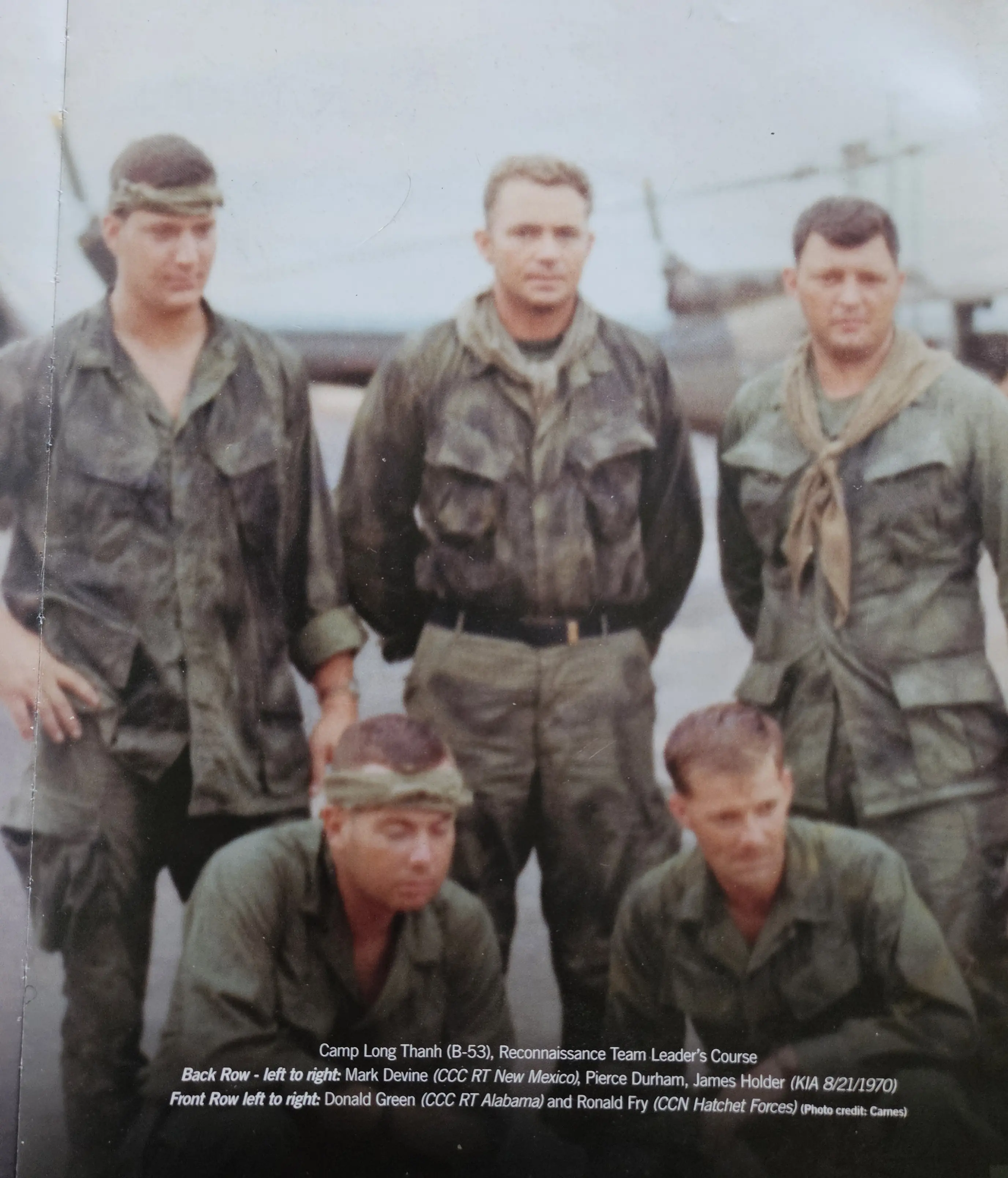
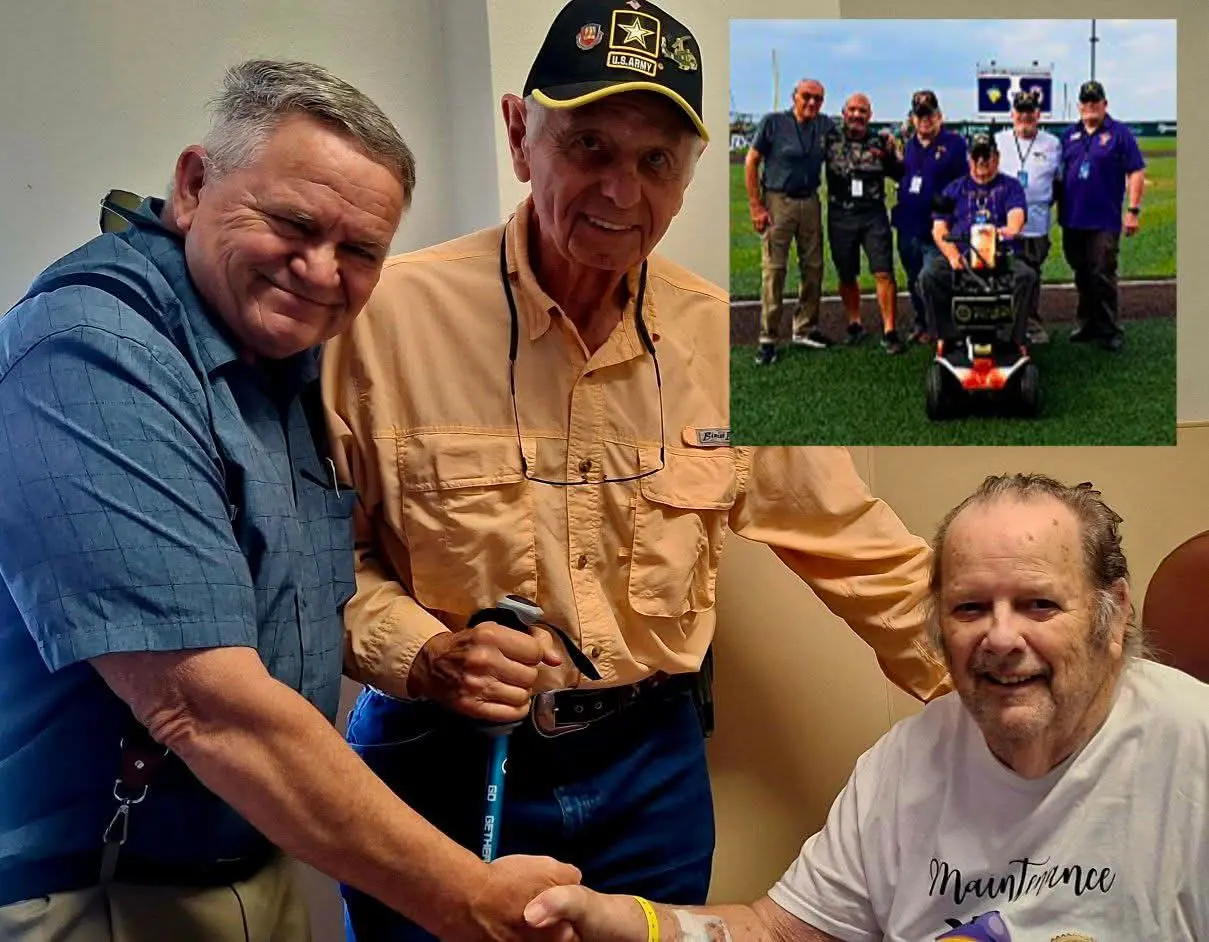
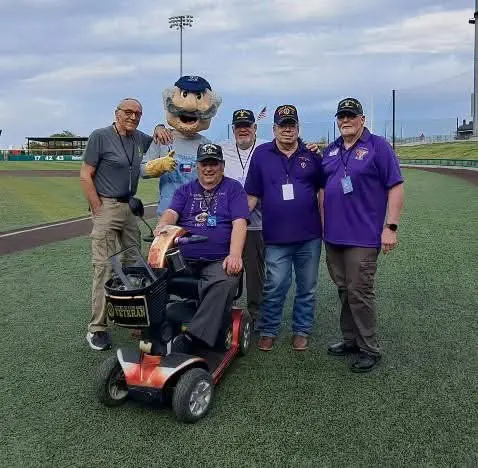
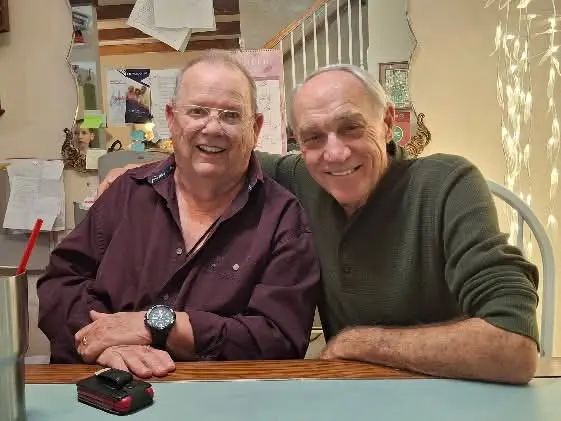
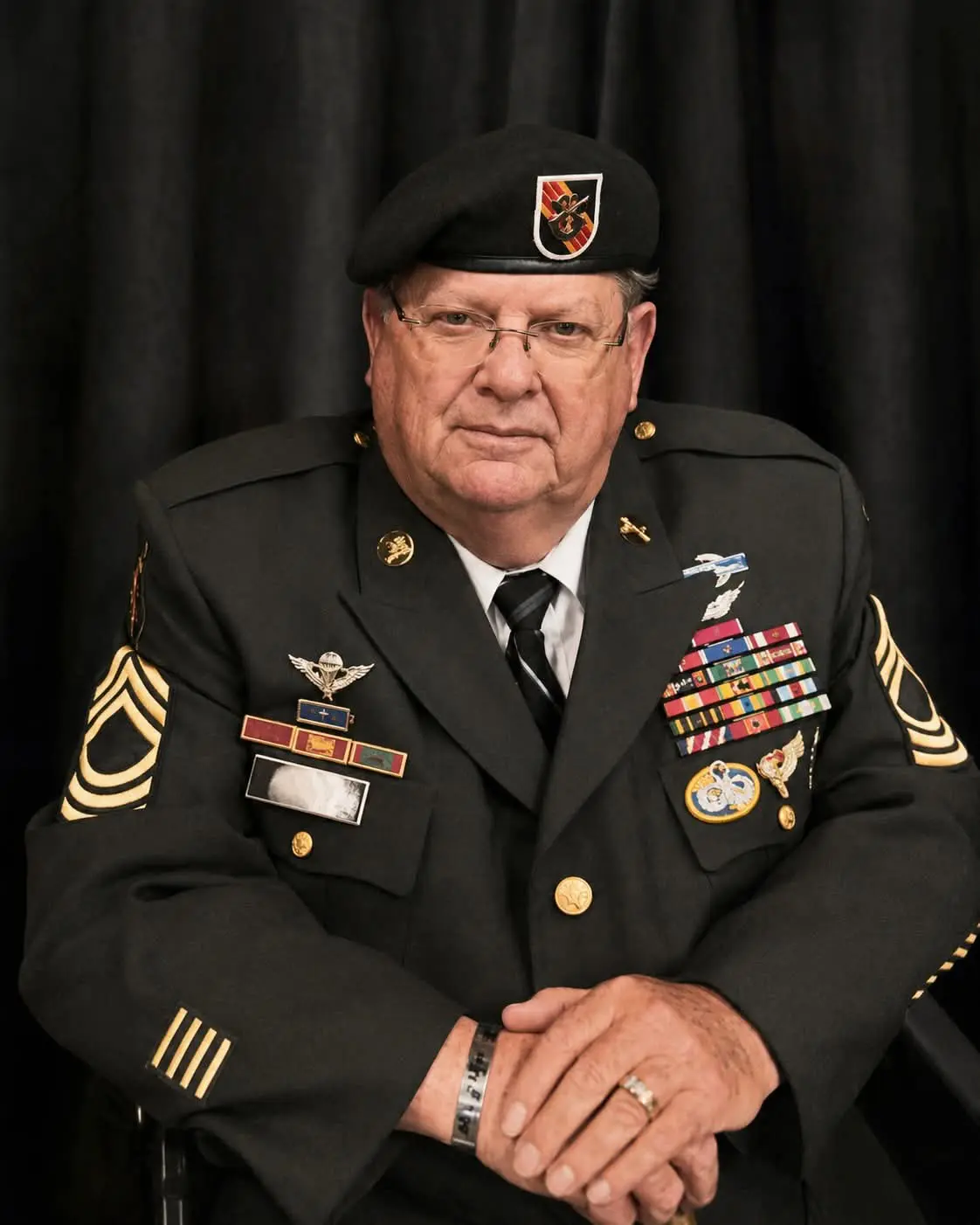
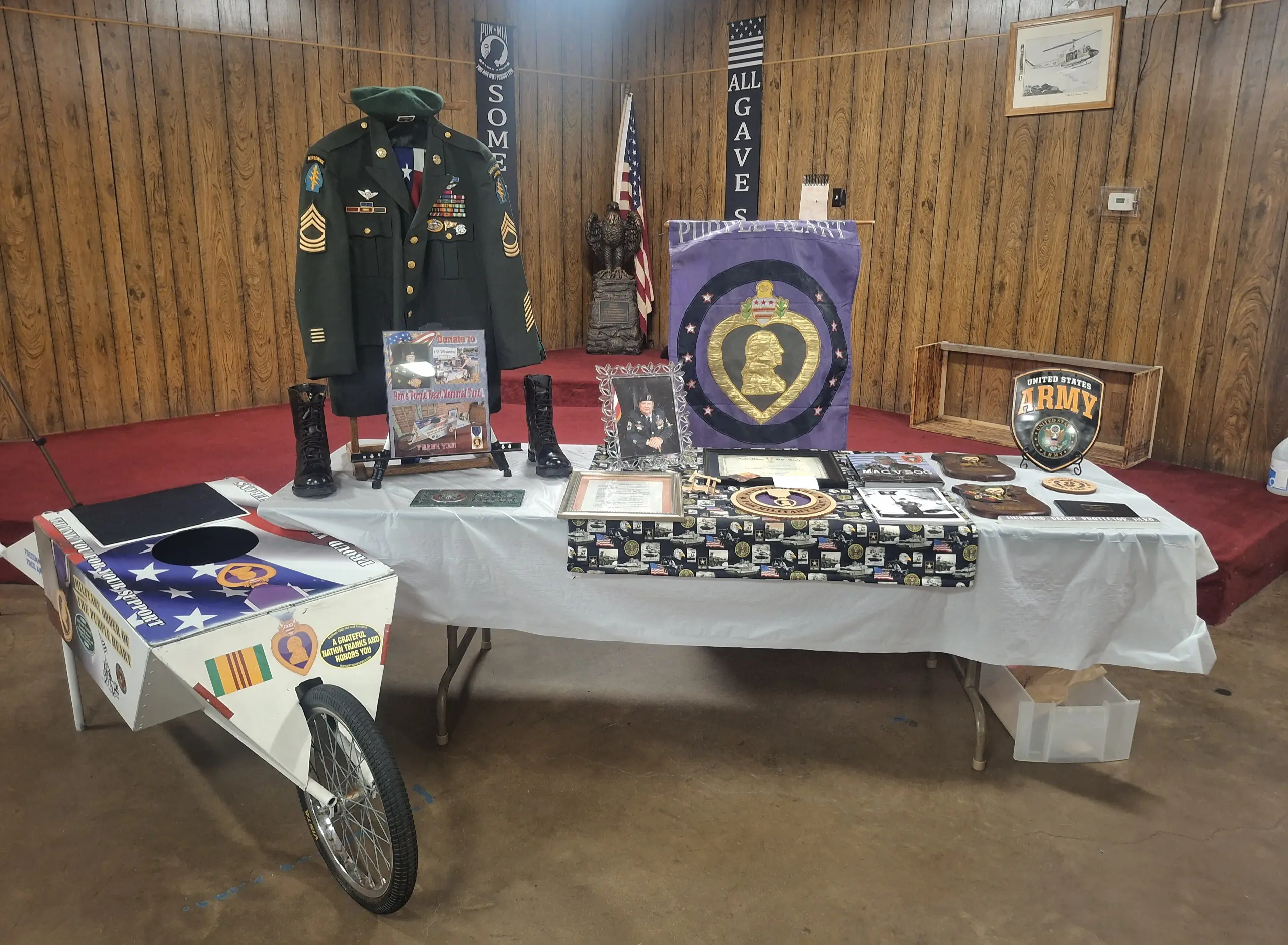
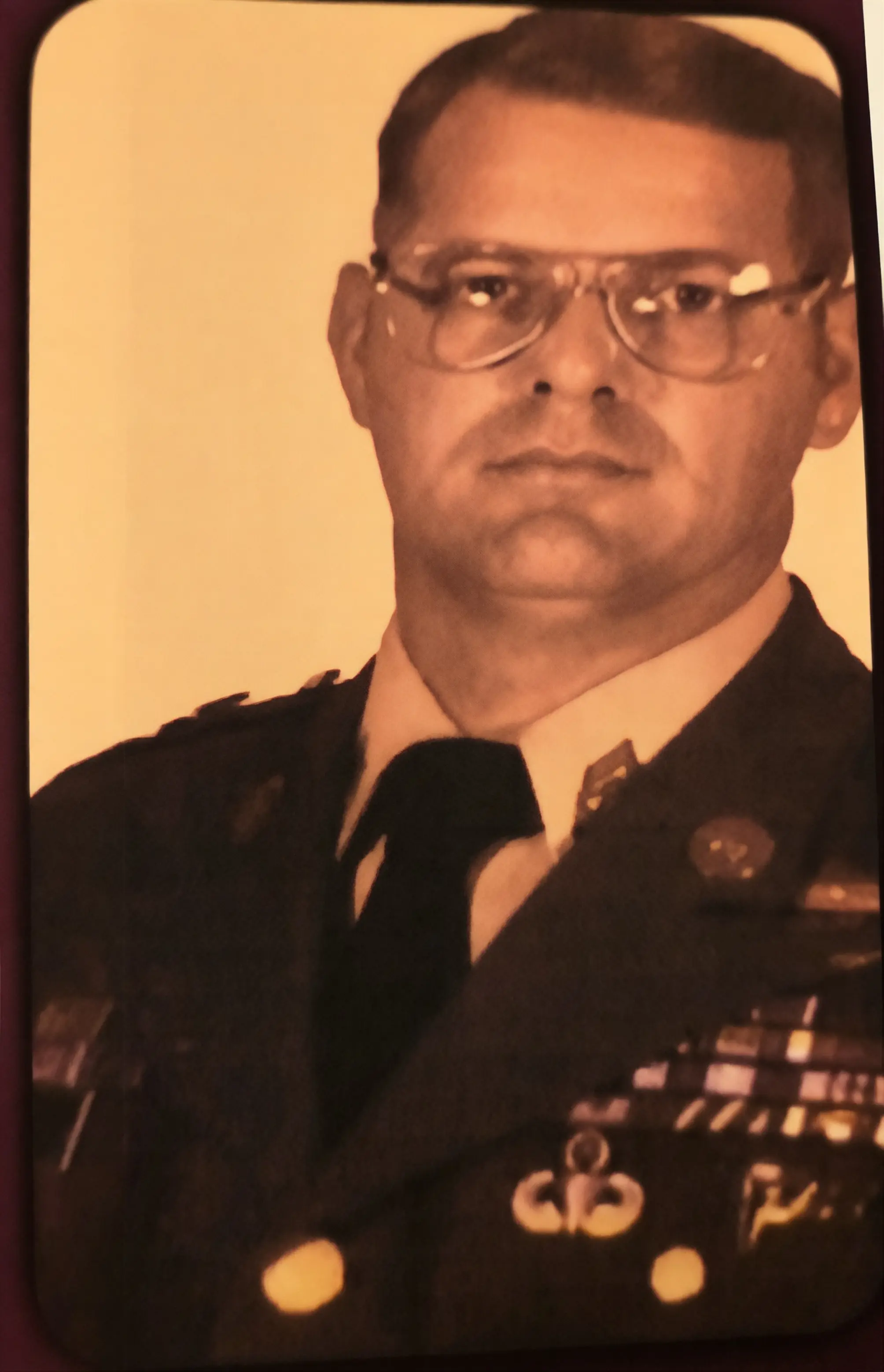
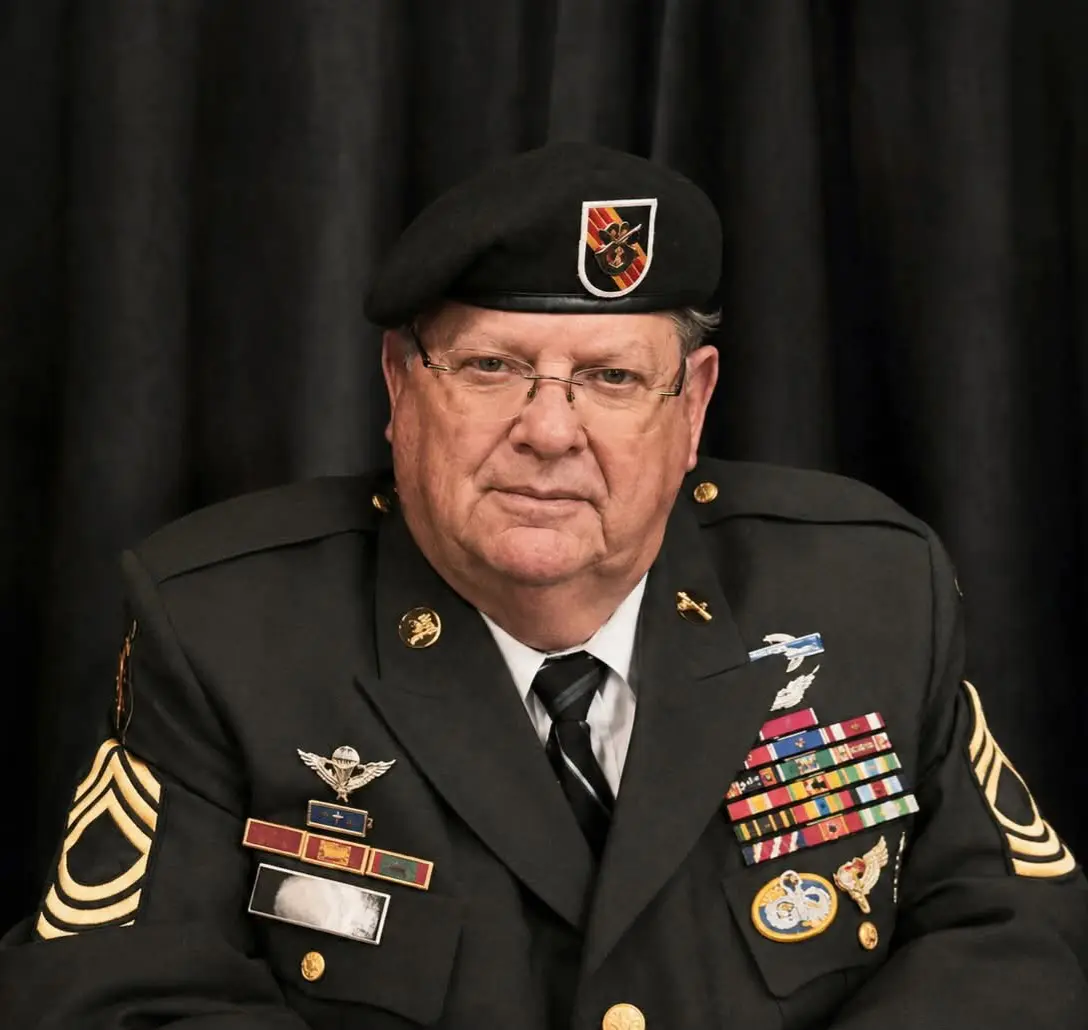
Ronald Lee “French” Fry was born in September 1945 in McAlester, Oklahoma, arriving just weeks after the end of World War II. He grew up in the early Cold War years, when patriotism shaped daily life and military service was a respected calling. Oklahoma gave him discipline, humility, and a sense of responsibility that would define his future. At just 17–18 years old, he enlisted in the United States Army in August 1963. He began at Fort Bliss, then moved through Basic Training at Fort Polk and Advanced Individual Training at Fort Sill, where he learned the 105mm Howitzer in bitter winter cold. In late 1963, he boarded the USS General Maurice Rose for a violent North Atlantic crossing that left him seasick for two weeks.
The ship eventually reached Germany, where he served with the 24th Mechanized Infantry Division in Augsburg. He rose to Sergeant, led an infantry squad, and earned the Expert Infantryman Badge in deep snow and brutal conditions, an achievement he carried with lifelong pride. In 1966, he returned to the United States and entered the Special Forces Training Group at Fort Bragg. He completed Airborne School at Fort Benning, earned his parachutist wings, and passed the demanding Special Forces Qualification Course. He became a Green Beret and was assigned to the 6th Special Forces Group before deploying to Vietnam with the 5th Special Forces Group (Airborne).
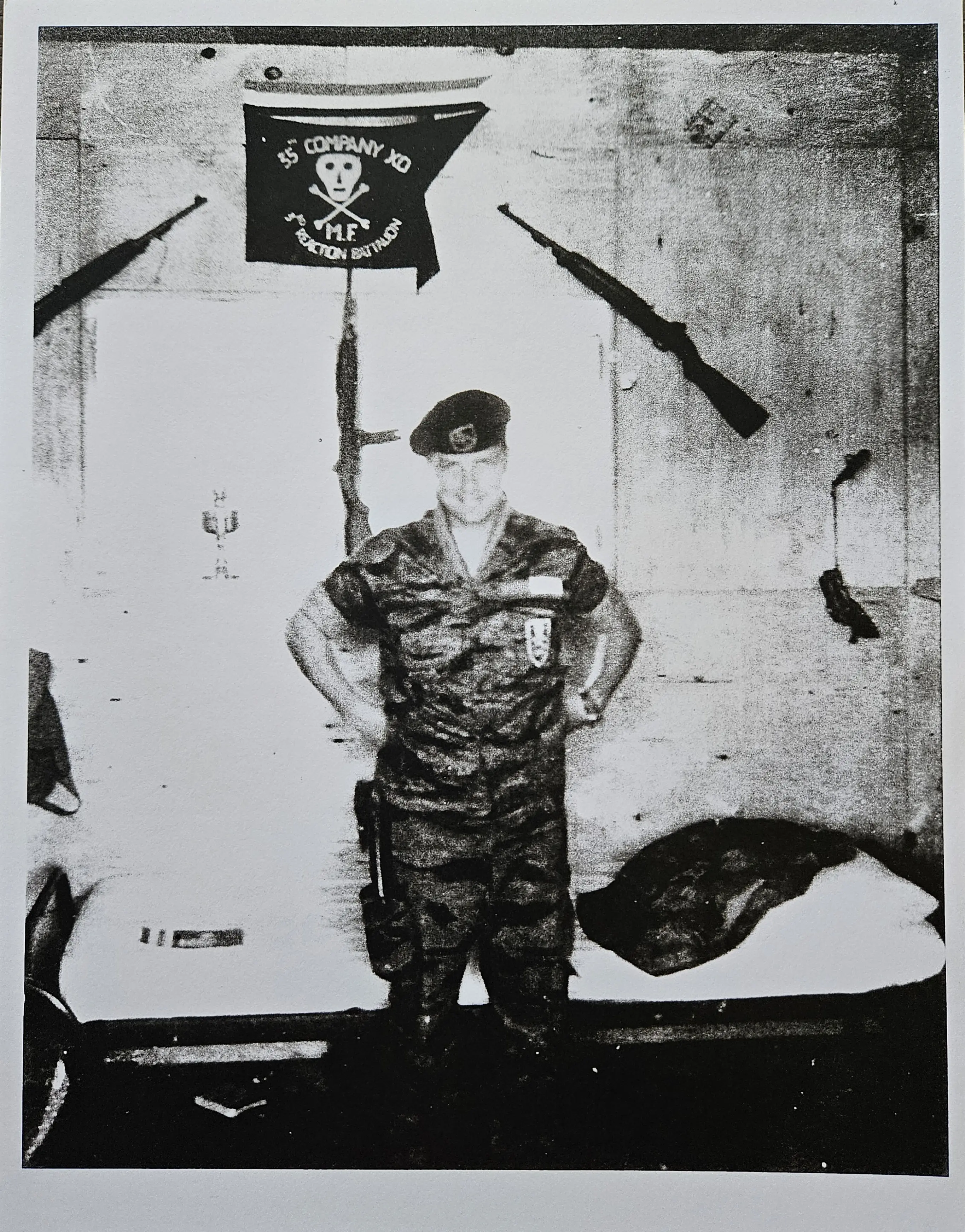
In Vietnam, Ron served with A‑302, Detachment B‑36, the 3rd Corps MIKE Force, a rapid‑reaction Special Forces unit composed of American Green Berets and indigenous fighters. He commanded 175 Cambodian mercenaries, battle‑hardened men who trusted him with their lives. His MOS, 11F4S, marked him as a Senior Special Forces Operations and Intelligence NCO; he also carried experience in 11C, Indirect Fire Infantry. Ron lived among his Cambodian troops and their families inside the A‑Camp. Conditions were primitive: cold‑water bag showers, wooden latrines, constant vigilance against sabotage, and Viet Cong infiltrators who planted grenades on his door. He slept with his CAR‑15 in his hand, his .45 pistol within reach, and his interpreter who doubled as his bodyguard watching over him.
His Cambodians were initially armed with outdated M‑1 rifles, no match for the enemy’s AK‑47s. Nearby South Vietnamese troops had new M‑16s, and Ron saw an opportunity. He organized a covert operation his men jokingly called “Steal Them Blind.” Over several nights, his troops raided the South Vietnamese camp and stole M‑16s, M‑60 machine guns, M‑79 grenade launchers, and more equipment than he could list. They made sure the South Vietnamese blamed the Viet Cong. When headquarters questioned his request for ammunition for weapons he “wasn’t supposed to have,” Ron provided a creative explanation and the ammo arrived.
With new weapons and renewed confidence, Ron’s company launched operations along the Cambodian border. They were inserted by Huey helicopters flying in trail formation, supported by Cobra gunships firing rockets and miniguns. Ron often rode with his feet on the skids, ready to jump into hostile landing zones marked by smoke and bomb craters. He led his men through triple‑canopy jungle in 100‑degree heat, carrying 80–100 pound rucksacks loaded with ammunition, claymore mines, and the bare essentials needed to survive.
During one operation near the Fish Hook region, Ron’s unit endured days of movement under constant enemy surveillance. At night, they dug shallow foxholes and prepared for attack. Ron cooked rice in his canteen cup using a pinch of C‑4 explosive as fuel, a trick learned by generations of Special Forces soldiers. At dawn, the enemy struck. A Chinese Claymore mine detonated near Ron, blasting him out of his foxhole and driving shrapnel into his thigh and back. The North Vietnamese attacked with machine guns, B‑40 rockets, mortars, and automatic weapons fire. Ron saw his friend hit in the chest by a burst of machine‑gun fire. He called for the medic, who was shot in the chest himself but continued treating the wounded. The bullet lay so close to the medic’s heart it could not be removed.
Enemy machine guns were firing grazing fire six inches above the ground, cutting grass and vegetation and stripping away the jungle that concealed Ron’s position. Mortar rounds exploded in the treetops, raining shrapnel down on the defenders. Ron was hit again. Ammunition ran dangerously low. A resupply helicopter attempted to hover, but a B‑40 rocket struck the aircraft, igniting its fuel. Ron watched in horror as the chopper burned, ammunition cooking off inside, and all seven crew members perished in the flames. Another pilot refused to hover and instead kicked ammunition out from overhead. One ammo can struck a Cambodian fighter in the head, killing him instantly. Ron’s fury was indescribable.
Despite overwhelming fire, Ron’s Cambodians held the perimeter and fought with ferocity. China Boy 2 attacked from the enemy’s rear, helping break the assault. Ron knocked out the machine gun that had wounded his friends. Medics reached the wounded. MEDEVAC helicopters arrived. The enemy withdrew. Ron and his men force‑marched to the Special Forces camp at Lo Go, carrying wounds, exhaustion, and the weight of the battle. They suffered roughly 20% casualties. Australian Warrant Officer Tony Sydney, assigned as liaison, helped stabilize the unit. Six Green Berets were killed and three wounded out of twelve on the ground.
Back at Long Hai, new Cambodian recruits arrived already battle‑hardened from years of fighting the North Vietnamese and other insurgents. They needed little training. Ron spent his downtime alone, as he often did. He was usually the only American among the Cambodians, and he preferred their company.
Ron continued serving in Special Forces after Vietnam, assigned to 3rd Group, 6th Group, and Special Forces Training Group. He trained younger Green Berets, refined unconventional warfare doctrine, and preserved the hard‑won lessons of Vietnam. He retired honorably in August 1983, completing 20 years of service. After retirement, Ron settled in Texas, living a quiet life rooted in faith, community, and loyalty to the Special Forces brotherhood. On September 10, 2011, he recorded an oral‑history interview for the Library of Congress Veterans History Project, now the primary national record of his service.
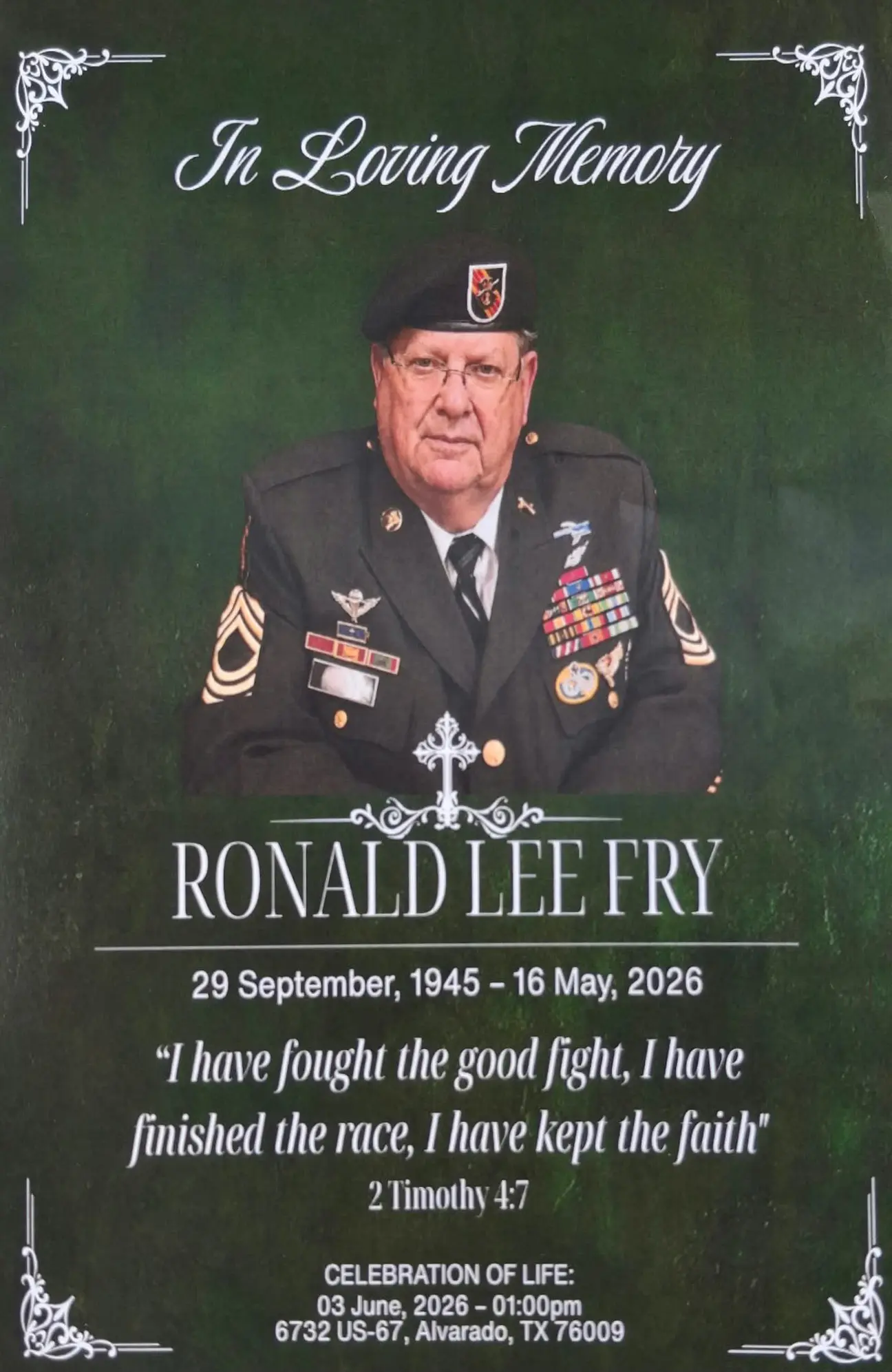
Ronald Lee “French” Fry passed away on May 16, 2026, at the age of 80. His Special Forces brothers remembered him as a loyal friend, a steady leader, and a quiet professional who lived the motto De Oppresso Liber — To Free the Oppressed. His legacy endures in the men he served beside, the soldiers he trained, the missions he carried out, and the story preserved in the Library of Congress. His life reflects the values he lived every day: duty, honor, faith, service, sacrifice. He was and remains a true American Green Beret.
Supplemental Information
Fort Polk, Louisiana (1963–1964)
Brutal Southern Environment
Fort Polk was defined by punishing Louisiana heat, crushing humidity, and dense pine‑forest terrain. Recruits trained in swamps, mud, insects, and thick vegetation that demanded endurance and discipline from the first day.
Hard‑Driving Drill Sergeants
The post was known for uncompromising drill sergeants who pushed young soldiers to their limits. Their instruction was aggressive, relentless, and focused on producing combat‑ready infantrymen, not just graduates.
Infantry & Weapons‑Heavy Training
Basic Training at Fort Polk centered on marksmanship, bayonet drills, machine‑gun familiarization, grenade ranges, long ruck marches, and field survival. Everything was designed to prepare soldiers for the realities of ground combat.
Early Jungle‑Style Training
Even before “Tigerland” became famous, Fort Polk was already running jungle‑inspired field problems: ambush and counter‑ambush drills, booby‑trap awareness, night movements, and patrols through thick vegetation that mirrored emerging conditions in Vietnam.
Harsh, Unpredictable Weather
Though known for heat, Fort Polk also delivered sudden cold snaps, chilling rain, and miserable wet nights in the field. Recruits learned to operate in discomfort, fatigue, and constant environmental stress.
A Reputation for Toughness
By the early 1960s, Fort Polk was widely regarded as one of the Army’s hardest Basic Training posts, a place where discipline was forged, weakness was stripped away, and young men were shaped into infantry soldiers ready for the demands of service.
Fort Sill, Oklahoma —What It Was Like During Ron’s AIT
Fort Sill in the early 1960s was a place defined by precision, discipline, and unforgiving weather. As the Army’s premier artillery training center, it demanded both mental sharpness and physical endurance. Young soldiers learned the 105mm Howitzer in conditions that were often harsh: biting winds sweeping across open plains, sudden cold snaps that cut through uniforms, and long days spent on exposed firing ranges with no shelter from the elements.
Training was exacting. Recruits calculated firing data under pressure, loaded and fired the gun repeatedly until the motions became instinct, and maintained heavy artillery equipment in freezing temperatures that stiffened fingers and slowed movement. Every mistake mattered. Every drill sergeant’s correction carried weight. The environment itself toughened the men’s wide‑open terrain, cold mornings, and long hours on the gun line forged discipline that stayed with them for life.
For soldiers like Ron, Fort Sill was not just schooling; it was a crucible. It taught him how to think under stress, how to endure discomfort, and how to master a weapon system that required both strength and intelligence. The toughness he built there followed him to Germany, Airborne School, Special Forces, and ultimately into the jungles of Vietnam.
What It Was Like on the USS General Maurice Rose
Life aboard the USS General Maurice Rose was a harsh introduction to military service far from home. The ship carried thousands of young soldiers, each packed into narrow passageways and bunks stacked three and four high. Privacy didn’t exist; every sound echoed through steel corridors, boots on metal decks, shouted instructions, and the constant hum of engines deep in the hull. The air smelled of oil, machinery, and too many men in too small a space, creating an atmosphere that was as cramped as it was relentless.
The moment the ship left New York behind, the North Atlantic became the defining force of the journey. Winter storms battered the vessel, pitching it violently and making even standing upright a challenge. Seasickness swept through the troops, Ron included, lasting nearly two weeks as the ship rolled endlessly through rough water. Waves slammed the hull with a force that made the entire vessel shudder, and freezing winds seeped into every corner of the ship. Meals slid across tables, men were thrown from bunks, and sleep came only in short, uncomfortable stretches.
Within that misery, Ron began to harden. He learned to steady himself against the ship’s motion, to endure discomfort, and to adapt under pressure. The voyage forged resilience that would follow him into Germany, Airborne School, Special Forces, and ultimately the jungles of Vietnam.
To capture the reality of that crossing, Ron’s experience can be understood through several defining elements woven directly into the narrative:
- Cramped Living Conditions: Bunks stacked three and four high, narrow passageways, and constant noise created an environment with no privacy and no rest.
- Overcrowded Atmosphere: Thousands of soldiers packed into tight quarters with the smell of oil, metal, and machinery filling every deck.
- Constant Ship Motion: The vessel rolled and pitched through winter storms, making walking, standing, and sleeping difficult.
- Seasickness and Fatigue: Ron endured nearly two weeks of seasickness as the ship fought through the brutal North Atlantic.
- Storm‑Driven Hardship: Waves slammed the hull, trays slid across the mess hall, and men were thrown from bunks during violent storms.
- Cold and Exhaustion: Freezing winds seeped into the ship, making every task more exhausting and every hour more draining.
- Early Hardening: The miserable crossing built resilience and mental toughness that shaped Ron’s future service.
Fort Bragg —What It Was Like in Ron’s Era
Fort Bragg was a place defined by intensity, precision, and purpose. It wasn’t a typical Army post; it was the home of America’s airborne and Special Forces, a training ground where standards were higher, expectations sharper, and every day carried the weight of real-world missions. The atmosphere was serious, fast-paced, and disciplined, shaped by instructors who demanded excellence because the stakes of failure were measured in lives, not grades.
The environment itself reinforced that seriousness. Long pine forests, sandy soil, and wide open training areas created a landscape built for movement, endurance, and field operations. Soldiers spent long hours on ruck marches, airborne runs, and tactical lanes, learning to operate under fatigue and pressure. The sound of aircraft was constant C‑130s, C‑141s, and helicopters moving overhead, a reminder that airborne operations were the heartbeat of the installation.
Training at Fort Bragg was relentless. Ron learned to master airborne techniques, operate with precision, and maintain discipline even when exhausted. He trained alongside men who were driven, competitive, and proud of the airborne legacy. Every jump, every drill, every formation reinforced the expectation that he was part of a force that had to be ready to deploy anywhere in the world with little notice.
Fort Bragg shaped Ron’s confidence and sharpened his skills. It taught him to think clearly under pressure, to move with purpose, and to trust the men beside him. It was a crucible one that prepared him for Special Forces, for Vietnam, and for the leadership roles he would carry for the rest of his life.
THE HEART OF SPECIAL FORCES OPERATIONS IN VIETNAM
5th Special Forces Group (Airborne) was the center of gravity for American unconventional warfare in Vietnam. From 1964 to 1971, it directed nearly every Green Beret mission conducted inside the country. If a Special Forces soldier trained indigenous fighters, led reconnaissance patrols, reinforced remote camps, or executed high‑risk strike operations, he did so under the authority of 5th Group. No other Special Forces unit carried the operational weight, casualty burden, or strategic importance that 5th Group shouldered during the war.
Its soldiers lived among the people, fought beside indigenous allies, and executed missions that demanded creativity, endurance, and absolute trust within small teams. The group’s reach extended across the most dangerous terrain in Vietnam, from the highlands to the borderlands, from remote villages to deep jungle infiltration routes. Every major Special Forces effort inside the country flowed through 5th Group’s command.
Why 5th Special Forces Group Is “Airborne”
The “Airborne” designation reflects the foundation of Special Forces culture. Every Green Beret in 5th Group was a fully qualified paratrooper, trained to deploy rapidly, operate independently, and endure the physical demands of elite missions. Airborne training instilled discipline, confidence, and readiness for the unpredictable challenges of unconventional warfare.
Even though most Vietnam operations relied on helicopters rather than parachute insertions, airborne status remained central to the identity and heritage of Special Forces. It represented a lineage of soldiers prepared to enter hostile terrain by any means, whether by parachute, helicopter, or foot. Ron’s MIKE Force and reconnaissance service grew directly from this airborne tradition, making the designation an essential part of his unit’s history and the culture he carried into every mission.
5th Group was the heart of the Special Forces world in Vietnam. It shaped the missions, trained the fighters, and led the men who operated in the most unforgiving environments of the war. Ron Fry served within this legacy, part of the airborne brotherhood that defined American unconventional warfare in Southeast Asia.
Because Airborne Units Receive Higher Training and Standards
Being “Airborne” placed 5th Group in the category of elite units, alongside:
- 82nd Airborne Division
- 101st Airborne Division
- Ranger units
- Airborne infantry brigades
This designation signaled to the Army and to the world that 5th Group operated at the highest level of readiness.
6th Special Forces Group
The 6th Special Forces Group (Airborne) was one of the U.S. Army’s elite Special Forces units during the Cold War era. Activated at Fort Bragg, it specialized in unconventional warfare, foreign internal defense, counterinsurgency, and regional expertise, particularly focused on the Middle East, Africa, and parts of Asia.
It was a smaller, highly specialized group not as large as 5th Group (Vietnam) or 10th Group (Europe) but known for its quiet professionalism, cultural training, and strategic missions. Soldiers assigned to 6th Group were expected to operate independently, think creatively, and work closely with foreign forces, often in politically sensitive environments
Key Traits of 6th Special Forces Group
- Airborne-qualified, elite soldiers trained for high-risk missions.
- Focused on unconventional warfare, not conventional infantry operations.
- Specialized regional training — languages, cultures, political landscapes.
- Small teams (A-Teams) capable of operating far from support.
- High standards in physical fitness, intelligence, discipline, and adaptability.
- Known for quiet, precise professionalism rather than large-scale combat.
Ron’s assignment to 6th Special Forces Group reflects his standing as a top‑tier Special Forces NCO. It shows he possessed the maturity, intelligence, and independent leadership required for strategic missions and foreign internal defense. In 6th Group, Ron continued the elite‑level training he began in Vietnam, worked alongside allied forces, and carried forward the Special Forces ethos De Oppresso Liber, “To Free the Oppressed.” His service in 6th Group demonstrates that his impact extended far beyond Vietnam, into the broader strategic mission of the Green Berets.
Historical Note
6th Special Forces Group was later inactivated in 1972, with its missions absorbed by other groups making Ron’s service in it historically significant. Not many soldiers can say they served in 6th Group; it was a short-lived but highly respected unit.
Company A
The Identity of Company A
Company A was a tightly run, high‑expectation infantry company where discipline wasn’t just taught, it was enforced every hour of the day. It was the kind of unit where young soldiers were shaped quickly, decisively, and permanently. The company operated with a seriousness that reflected the era: Cold War readiness, constant training, and the belief that every man needed to be prepared for real combat at any moment.
- Company A was known for being strict, fast‑paced, and uncompromising.
- Standards were high, and excuses were not tolerated.
- Every soldier was expected to perform at a professional level, even when exhausted.
Leadership Style
The backbone of Company A was its NCO corps, tough, seasoned sergeants who had seen enough service to know exactly what mattered. They were not gentle teachers. They were builders of soldiers.
- NCOs enforced discipline with precision and consistency.
- Leadership was direct, sharp‑eyed, and demanding.
- Young soldiers were expected to learn fast and adapt immediately.
- Mistakes were corrected instantly, often loudly, always effectively.
These leaders shaped Ron. They taught him how to carry himself, how to think like a soldier, and how to push past discomfort.
Daily Rhythm of Company A
Life in Company A followed a rhythm that never slowed down. It was relentless, structured, and physically demanding.
- Formations before sunrise, often in the cold, with boots on gravel and breath hanging in the air.
- Long training days that stretched into the evening.
- Weapons ranges where accuracy was drilled over and over.
- Squad‑level movement drills, wedge formation, column formation, bounding overwatch.
- Reaction‑to‑contact exercises, teaching soldiers how to respond instantly under pressure.
- Night operations, moving silently through terrain with strict spacing and discipline.
- Field problems lasting days, living rough, eating C‑rations, digging fighting positions.
- Physical conditioning marches, obstacle courses, endurance drills that pushed limits.
Company A didn’t just train soldiers, it hardened them.
Ron’s Experience Inside Company A
Ron stepped into this world young, motivated, and determined to prove himself. And he did.
- He adapted quickly to the company’s demanding pace.
- He excelled under pressure and learned to trust his squad.
- His squad earned the highest scores in Company A’s training tests, marking him early as a standout.
- He learned responsibility, teamwork, and confidence, even as a young soldier.
- He became someone NCOs could rely on, someone who didn’t crack under stress.
Company A was the first place where Ron realized he wasn’t just another soldier he was a good one.
Skills Company A Built in Him
Everything Ron learned here became the backbone of his entire career.
- How to move, shoot, communicate, and fight as part of a disciplined infantry team.
- How to react instantly under pressure.
- How to maintain discipline even when exhausted.
- How to lead quietly, by example, before he ever wore stripes.
- How to endure discomfort, fatigue, and long training cycles without complaint.
These skills carried him through Germany, Airborne School, Special Forces, and Vietnam.
2nd Battalion, 34th Infantry: The Battalion’s Identity
The 2nd Battalion, 34th Infantry was a Cold War infantry battalion built for real combat, not ceremonial duty. Its mission was to maintain a force capable of fighting immediately, anywhere, under any conditions. Every soldier inside the battalion lived under the expectation that they might be deployed with little warning.
The battalion’s identity was shaped by:
- Cold War urgency — readiness was not optional.
- Professional discipline — standards were enforced constantly.
- Combat realism — training mirrored real battlefield conditions.
Battalion Structure (What Ron Was Part Of)
The battalion was organized into several companies, each with a specific role. Ron’s company Company A was one of the battalion’s primary fighting elements.
Battalion Components
- Company A — Ron’s company; line infantry; high‑tempo, high‑discipline.
- Company B — line infantry; similar structure and mission.
- Company C — line infantry; often rotated with A and B for field problems.
- Heavy Weapons / Mortar Platoon — provided indirect fire support.
- Anti‑Armor Section — trained with recoilless rifles and anti‑tank weapons.
- Battalion Headquarters (HQ) — command, operations, intelligence, logistics, communications.
How the Battalion Functioned
- Companies trained independently day‑to‑day.
- Field problems brought all companies together under battalion command.
- Battalion HQ coordinated large‑scale maneuvers, evaluations, and readiness tests.
- Every soldier, regardless of company, was part of a larger combat machine.
Leadership Culture
The battalion’s leadership was shaped by seasoned officers and NCOs who had lived through the early Cold War years. They understood readiness, discipline, and the need for soldiers who could perform under pressure.
Leadership Traits
- Strict and uncompromising — standards were enforced without hesitation.
- Sharp‑eyed and experienced — NCOs noticed everything.
- Fast‑paced and demanding — soldiers were expected to keep up.
- Professional and serious — training was treated like real combat.
The leadership Ron encountered taught him how to carry himself like a soldier, with discipline in his posture and purpose in every movement. He learned to think clearly under pressure, making decisions quickly and confidently. He learned to push past discomfort and fatigue, discovering the endurance required of a professional infantryman. He learned to earn respect through performance, not words, proving himself through reliability and quiet excellence.
THE CRUCIBLE OF DAILY LIFE IN THE BATTALION
Daily life inside the 2nd Battalion, 34th Infantry was a crucible. Every hour was designed to shape infantrymen who could fight, endure, and survive. The rhythm began before sunrise, often in the cold, with formations that demanded alertness long before the day’s work truly began. Training stretched into the evening, pushing soldiers through weapons ranges that demanded accuracy and discipline, movement drills that taught wedge and column formations, and reaction‑to‑contact exercises that required instant response under pressure.
Night operations demanded silent movement and strict spacing. Field problems lasted for days, with soldiers living rough, digging fighting positions, and eating C‑rations while learning to operate without comfort. Physical conditioning was constant. Marches, obstacle courses, and endurance drills built strength that could withstand the demands of combat. Every element of the day served a purpose, shaping men who could carry heavy loads, move quickly, and react decisively.
THE ENVIRONMENT OF EXPECTATION
The environment was unforgiving. Soldiers were tired, but expected to perform. Mistakes were corrected immediately because failure in training meant danger in combat. Excellence was rewarded quietly, usually with trust. Weakness was not tolerated. The battalion demanded resilience, discipline, and the ability to function under stress without hesitation.
This was where Ron hardened. In the daily grind of infantry life, he learned the endurance, discipline, and mental toughness that would later define his service in Special Forces. The battalion forged the foundation on which his MIKE Force and reconnaissance leadership would be built, shaping him into a soldier capable of operating in the most dangerous environments of the Vietnam War.
24th Mechanized Infantry Division
The 24th Mechanized Infantry Division was a major Cold War combat force designed to move fast, fight hard, and stop Soviet armor in Europe. Its infantry soldiers operated with armored vehicles, not just on foot, giving the division the speed and protection needed for front‑line defense.
During Ron’s service, the division was stationed in Germany, where it maintained constant readiness. Training focused on mounted and dismounted infantry tactics, coordination with tanks, rapid movement across terrain, and surviving heavy fire. The division blended armor, infantry, artillery, engineers, and reconnaissance into a single, highly mobile fighting team.
Serving in the 24th Mechanized Infantry Division meant Ron learned to:
- Fight from armored vehicles (M113s in his era).
- Move and maneuver alongside tanks.
- React quickly under pressure in high‑tempo field exercises.
- Lead men in a unit built for real combat, not parade‑ground duty.
The division’s mission, pace, and seriousness hardened him, sharpened his tactical skills, and prepared him for the intensity of Airborne School, Special Forces, and Vietnam.
A‑302 • Detachment B‑36 • 3rd Corps MIKE Force • Recon Platoon Leader- 35th Company
What MIKE Force Was
MIKE Force (Mobile Strike Force Command) was a Special Forces–controlled, rapid‑reaction combat unit in Vietnam. It was composed of:
- Indigenous mercenary forces (Cambodians, Montagnards, Nungs, Rhade, Jarai, etc.)
- Led exclusively by U.S. Army Special Forces (Green Berets)
- Organized into A‑Teams, B‑Detachment headquarters, and combat companies
MIKE Force units were used for:
- Deep reconnaissance
- Rapid reaction to enemy attacks
- Search‑and‑destroy missions
- Camp relief and rescue operations
- High‑risk special operations behind enemy lines
They were the “fire brigade” of Special Forces sent where the danger was greatest.
Detachment B‑36 — Command & Control Element
Detachment B‑36 was the B‑Detachment headquarters for the 3rd Corps MIKE Force, responsible for:
- Operational planning
- Intelligence analysis
- Logistics and resupply
- Coordination with III Corps Command
- Oversight of all MIKE Force companies
- Deployment orders and mission tasking
B‑36 was the nerve center. Every MIKE Force company including Ron’s operated under its authority.
A‑302 — The Operational A‑Team
A‑302 was one of the Special Forces A‑Teams assigned under B‑36.
A typical A‑Team consisted of 12 Green Berets, each with a specialty:
- Weapons
- Engineering
- Medical
- Communications
- Intelligence
- Operations / Team leadership
A‑302’s mission inside MIKE Force:
- Lead MIKE Force companies in combat
- Conduct reconnaissance and strike operations
- Train and direct indigenous troops
- Coordinate air support, artillery, and extraction
- Execute missions too dangerous for conventional units
Ron was part of this A‑Team structure — one of the men responsible for leading indigenous forces into combat.
35th Company — Cambodian Mercenary Company
The 35th Company was a MIKE Force combat company composed of:
- 175 Cambodian mercenaries.
- Trained, armed, and led by U.S. Special Forces.
- Known for toughness, loyalty, and aggressive combat performance.
Company Structure
- Company Commander — Green Beret
- Recon Platoon Leader — Green Beret (Ron)
- Company Medic — Green Beret
- Cambodian interpreter/bodyguard assigned to Ron
- Multiple platoons of Cambodian fighters
These were not conventional troops.
They were battle‑hardened mercenaries who fought fiercely under Special Forces leadership.
Ron served as the Recon Platoon Leader of the 35th Company, a position recognized as one of the most dangerous and demanding within the entire MIKE Force structure. He led deep‑penetration reconnaissance patrols into enemy‑controlled territory, gathering critical intelligence for A‑302 and Detachment B‑36 and shaping how larger operations were planned. He planned and executed ambushes, raids, and search‑and‑destroy missions, directing 175 Cambodian mercenaries with clarity and authority while coordinating closely with the company commander and MIKE Force headquarters.
In combat, Ron called and adjusted air support and artillery, managed movement and security under fire, and made rapid tactical decisions where hesitation could cost lives. Operating with minimal oversight, he maintained discipline, morale, and cohesion among his indigenous troops, supported by a Cambodian interpreter/bodyguard, one Green Beret medic, and the company commander. In practice, Ron was the tactical commander of the company’s reconnaissance element, the men who went first, went farthest, and faced the greatest risks.
Where Ron’s American MIKE Force Teammates Came From
Although Ron commanded 175 Cambodian mercenaries, the American Special Forces soldiers serving alongside him in MIKE Force the Green Berets of A‑302 and Detachment B‑36 came from all across the United States. Special Forces in Vietnam were a melting pot of American backgrounds, with men drawn from rural towns, farming communities, big cities, and military families nationwide.
The most common states represented in MIKE Force and Special Forces during Ron’s era included:
Southern States
These states produced a large number of Special Forces soldiers, many with strong rural or agricultural backgrounds:
- Arkansas
- Texas
- Louisiana
- Oklahoma
- Georgia
- Alabama
- Tennessee
- Mississippi
Men from these states often grew up hunting, farming, or working outdoors — skills that translated naturally into reconnaissance, tracking, and jungle operations.
Midwestern States
Many SF soldiers came from hardworking, blue‑collar communities:
- Missouri
- Kansas
- Iowa
- Nebraska
- Ohio
- Indiana
These men often brought strong mechanical skills, discipline, and physical toughness.
Western States
States with strong military traditions and rugged terrain:
- Colorado
- Arizona
- New Mexico
- California
- Washington
- Oregon
These soldiers frequently had experience with mountains, deserts, and long‑range navigation.
Northeastern States
Though fewer in number in MIKE Force, Special Forces still included men from:
- New York
- Pennsylvania
- Massachusetts
- New Jersey
Many of these soldiers came from military families or enlisted after serving in airborne units.
Ron’s leadership extended across cultures, languages, and American regions, making his role even more remarkable.
THE CHINESE NUNG COMPANIES
The Chinese Nung companies Ron served beside were composed of ethnic Chinese families who had migrated from southern China into Vietnam generations earlier. They were not mainland Chinese soldiers. They were seasoned mercenary fighters with a long history of working alongside U.S. Special Forces, and their reputation in the field was built on discipline, reliability, and a deep commitment to their American advisors.
Many Nungs traced their heritage to the Yunnan region. A number descended from Nationalist Chinese soldiers who fled south after World War II and the Chinese Civil War, carrying with them hard‑earned military experience and a tradition of cohesive small‑unit fighting. By the time they entered MIKE Force service, many had already lived through years of conflict. Within Special Forces circles they were known for their steadiness under pressure, their skill in jungle movement, and their fierce loyalty to the Americans who led them. Their background made them invaluable partners in reconnaissance, strike operations, and missions requiring disciplined, well‑trained indigenous units.
Why Special Forces Valued Them
Exceptional marksmanship Strong small‑unit discipline Loyalty to their American Special Forces leaders High tolerance for long, dangerous operations Skill in jungle movement and ambush tactics
Their Role in MIKE Force
The Nungs operated as strike companies, often taking on heavy combat missions that demanded toughness and reliability. They were frequently paired with Cambodian and Montagnard units, forming multiethnic forces capable of moving through the harshest terrain and engaging the enemy with precision. Their discipline made them ideal for operations where cohesion and trust were essential.
Ron’s Cambodian company often worked beside these Nung companies during major MIKE Force deployments. Together they formed a powerful combination of indigenous skill, cultural knowledge, and combat experience, guided by the American advisors who relied on them in some of the most dangerous environments of the Vietnam War.
The Vietnamese Companies
The Vietnamese companies in MIKE Force were composed of:
- CIDG Vietnamese mercenaries
- Montagnard‑trained Vietnamese fighters
- Ethnic Vietnamese volunteers recruited through CIDG camps
These were not ARVN regulars, they were Special Forces‑trained indigenous troops.
The Vietnamese companies serving alongside Ron were composed of ethnic Vietnamese fighters recruited through the Civilian Irregular Defense Group (CIDG) program. Many came from rural villages or remote tribal regions, places where the war’s front lines shifted constantly and where local knowledge was essential. Trained directly by U.S. Army Special Forces, these men learned reconnaissance, small‑unit tactics, ambush operations, and camp defense under the guidance of Green Beret advisors. Within MIKE Force, Vietnamese CIDG troops were used for both reconnaissance and strike operations, valued for their familiarity with the terrain, their ability to move quietly through local environments, and their cultural and linguistic fluency during missions that required subtlety, intelligence gathering, or interaction with Vietnamese civilians.
Their strengths
- Strong local terrain knowledge
- Ability to blend into Vietnamese civilian environments
- Skilled at intelligence gathering
- Effective in village‑based operations and low‑visibility missions
Their role in MIKE Force
- Conducted reconnaissance, screening, and flanking operations
- Supported Cambodian and Nung companies during large engagements
- Used for missions requiring cultural familiarity and language skills
Ron’s 35th Company frequently operated in coordination with these Vietnamese companies, especially during multi‑company MIKE Force deployments.
THE MIKE FORCE COMBINED COMPANIES
MIKE Force companies were built to operate together, especially during major operations directed by Detachment B‑36. A typical deployment in III Corps brought multiple indigenous units under a single Special Forces command structure. Ron’s 35th Cambodian Company moved beside a Chinese Nung company, a Vietnamese CIDG company, the A‑Team leadership of A‑302, the B‑Detachment command of B‑36, and the medics, communications specialists, and support personnel who sustained the force in the field. Each company contributed distinct strengths that made the combined formation far more capable than any single unit operating alone.
The Cambodian fighters were known for their aggressive spirit and exceptional skill in jungle movement. They advanced quickly, fought hard, and adapted naturally to the dense terrain of III Corps. The Chinese Nungs brought disciplined cohesion, reliable marksmanship, and a steadiness under fire that made them ideal for heavy combat missions. The Vietnamese CIDG companies contributed intelligence, terrain familiarity, and cultural access, giving MIKE Force insight into local routes, patterns, and enemy behavior. Together these units formed a multiethnic strike force built from the best indigenous fighters in the region and led by American Green Berets who coordinated their strengths into a single, cohesive combat element.
Ron’s 35th Company never operated in isolation. Every mission placed his Cambodian mercenaries beside Nung fighters, Vietnamese CIDG soldiers, and American Special Forces advisors. Ron was not simply leading Cambodian troops; he was integrating multiple cultures, languages, and fighting traditions into one unified force. He coordinated reconnaissance, strike operations, and movement through some of the harshest terrain in Vietnam, relying on the discipline of the Nungs, the aggression of the Cambodians, and the intelligence capabilities of the Vietnamese. Under American leadership, these companies became a flexible, hard‑hitting formation capable of operating in any environment and responding to any threat.
This was MIKE Force at its strongest: a combined team of indigenous fighters and American Special Forces, each company bringing its own history, skill, and resilience to the mission, and all of them moving together with a shared purpose in the most dangerous terrain of III Corps.
What Their C‑Rations Were (Vietnam Era)
During Ron’s service in Vietnam, MIKE Force, Recon, and Special Forces teams ate C‑Rations (Combat Rations) canned meals issued from the 1950s through the Vietnam War.
Each C‑ration meal came in a boxed set containing:
Main Entrée (canned)
Examples of the actual meals Ron’s men carried:
- Beef Stew
- Spaghetti with Meat Sauce
- Ham & Lima Beans (hated by almost everyone)
- Chicken & Noodles
- Turkey Loaf
- Pork Slices
- Beans & Franks
- Chopped Ham & Eggs
- Meatballs & Beans
These were heavy steel cans, noisy, bulky, and difficult to carry on long recon missions.
Side Items
Each ration usually included:
- Crackers
- Peanut butter or cheese spread
- Fruit (peaches, pears, fruit cocktail)
- Pound cake
- Chocolate disk or candy
- Instant coffee
- Sugar packets
- Cigarettes (yes — included in the box)
- Matches
- Salt tablets
Accessories
Every box came with:
- P-38 can opener (tiny metal opener carried on dog tags)
- Plastic spoon
- Toilet paper packet
- Napkin
What MIKE Force and Recon Actually Did With Their C‑Rations
Ron’s reconnaissance platoon rarely carried full C‑ration boxes; they were too heavy, too bulky, and too noisy for deep‑penetration missions. Instead, the men stripped the boxes, kept only the cans they preferred, and packed lightweight items like pound cake, crackers, and spreads. Whenever possible, they supplemented their food with indigenous sources—rice, fruit, or whatever local fighters could provide. Almost every meal was eaten cold, since fires were unsafe and light discipline was absolute.
On long missions, food became a matter of survival rather than comfort. The men often ate one meal a day, and sometimes none at all if movement was critical or silence was required. They carried whatever they could pack without making noise, and they learned to eat fast, quietly, and without leaving a trace. In the jungle, even the act of eating had to be done with the same discipline, stealth, and awareness as every other part of the mission.
THE SPECIAL FORCES WORLD OF VIETNAM
A single battlefield, four elite missions, one brotherhood.
5th Special Forces Group stood at the center of all Green Beret operations inside Vietnam. It directed MIKE Force strike teams, CIDG village defense units, reconnaissance platoons, and indigenous leadership missions across the most dangerous terrain in the war. Its soldiers lived among the people, fought beside indigenous allies, and executed unconventional warfare at both the tactical and strategic levels. Around 5th Group operated three additional Special Forces elements whose missions extended the reach of American operations far beyond the borders of South Vietnam.
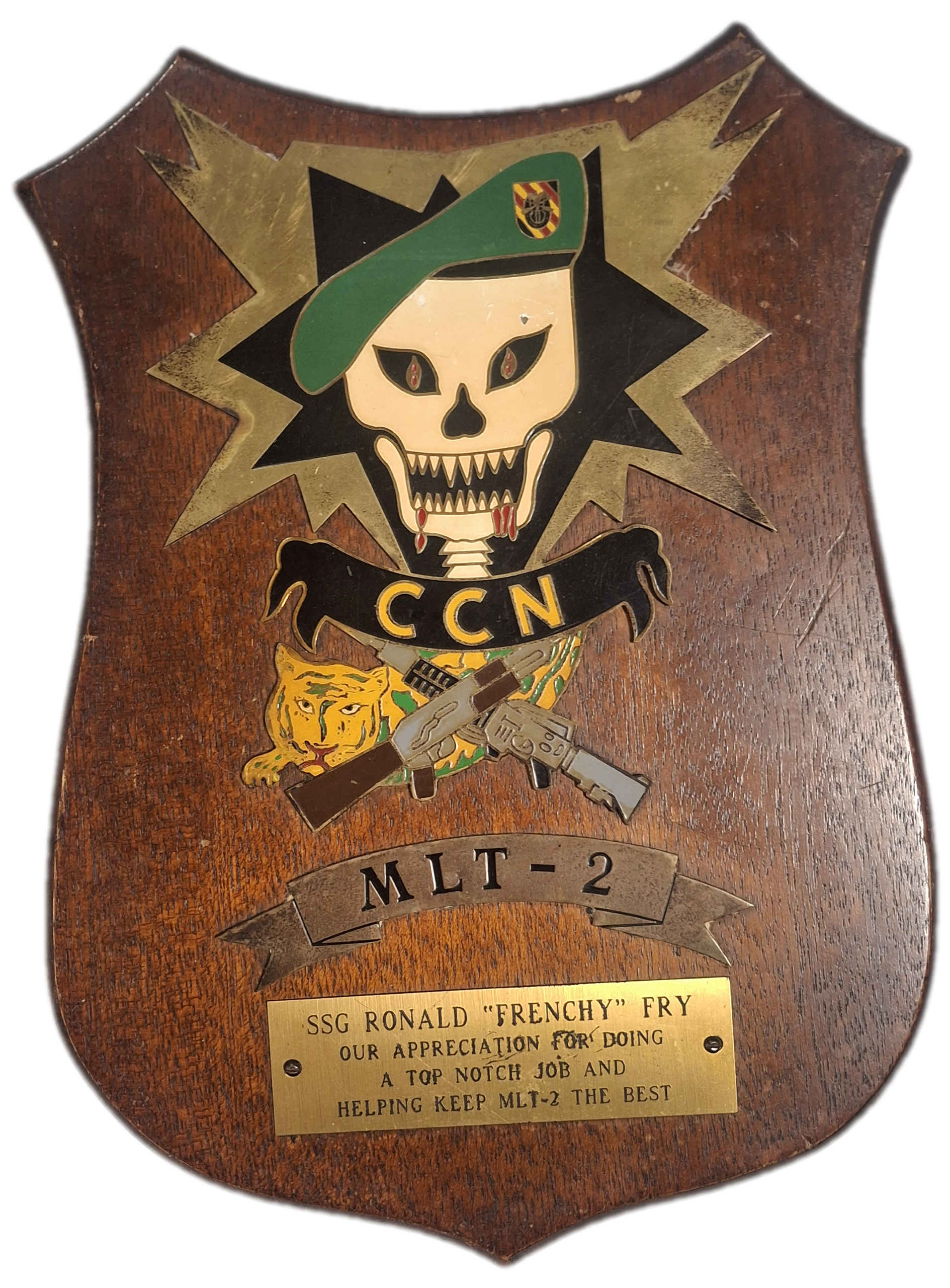
MIKE Force carried out rapid strike missions, camp defenses, and deep reconnaissance with indigenous fighters drawn from Cambodian, Nung, Montagnard, and Vietnamese units. CCN, the forward arm of SOG, crossed into Laos and North Vietnam to gather intelligence and disrupt enemy movement. MLT‑2 launched teams that tracked the Ho Chi Minh Trail, identifying supply routes and enemy infiltration corridors. Together these units formed a network of elite forces whose work shaped the course of the war.
How These Units Supported One Another
Intelligence was the lifeline of survival. Every unit depended on information gathered by the others, and the flow of intelligence moved constantly in both directions.
5th Group reconnaissance teams tracked enemy movement inside Vietnam. MIKE Force reported camp attacks, infiltration routes, and enemy buildups. CCN brought back deep intelligence from Laos and North Vietnam. MLT‑2 followed the Ho Chi Minh Trail and identified the arteries that fed the enemy’s war effort.
This information did not remain isolated. SOG teams used 5th Group intelligence to plan cross‑border missions. 5th Group used SOG intelligence to prepare MIKE Force strikes and reinforce vulnerable camps. Each unit extended the reach of the others, and no element could operate safely without the shared knowledge of the entire Special Forces network.
This was the Special Forces world Ron lived in. Four elite missions, each distinct, each dangerous, each essential, bound together by a brotherhood that relied on shared intelligence, shared risk, and shared purpose in the most unforgiving terrain of the Vietnam War.
The Special Forces Network of Vietnam
Special Forces units in Vietnam operated as a single, interdependent ecosystem. Their missions were different, their areas of operation were vast, yet their survival depended on shared communication, shared intelligence, and shared indigenous fighters. This network linked 5th Special Forces Group, MIKE Force, CCN, and MLT‑2 into one brotherhood moving across Vietnam, Laos, and Cambodia.
Shared Radio Networks and Communications
Communication made cooperation possible. Special Forces units used overlapping radio frequencies, encryption codes, relay stations, emergency channels, and forward air controller networks. These systems allowed MIKE Force to call SOG aircraft during emergencies, CCN to request 5th Group ground support, 5th Group reconnaissance teams to receive SOG intelligence, and MLT‑2 to coordinate with MIKE Force when contact occurred along the border. The shared communications network ensured that no unit operated alone. It created a web of support that stretched across the most dangerous terrain in Southeast Asia.
Shared Indigenous Fighters — The Heart of the Mission
This is where Ron’s service becomes central. The indigenous fighters trained and led by 5th Group formed the backbone of Special Forces operations. Nungs, Cambodians, Montagnards, and CIDG fighters were shaped into disciplined, capable units by Green Beret advisors. MIKE Force led elite strike companies of Nungs and Cambodians, rapid‑reaction Montagnard units, and mixed indigenous battalions. CCN relied on Nung tribesmen, Montagnard scouts, and indigenous reconnaissance specialists for cross‑border missions. MLT‑2 used Bru Montagnards and border‑region tribesmen who knew the terrain better than any map could show.
The fighters Ron trained and led strengthened the entire Special Forces ecosystem. His leadership directly contributed to the indigenous force pool that SOG also relied on. The skills, discipline, and combat readiness he built in MIKE Force did not remain within MIKE Force alone. They flowed outward, reinforcing the broader Special Forces network that operated across Vietnam, Laos, and Cambodia.
This was the world Ron served in. A world where communication, intelligence, and indigenous partnership bound four elite missions into one unified force. A world where his leadership shaped not only his own platoon but the wider brotherhood that depended on the fighters he trained.
Shared Helicopter Support (Especially Marine & Army Aviation)
All four units depended on the same helicopter assets:
- Army Hueys
- Marine CH‑46s
- Marine CH‑53s
- Air Force Kingbees (for SOG)
These aircraft:
- inserted MIKE Force
- extracted 5th Group recon
- launched CCN missions
- supported MLT‑2 operations
Pilots often flew for multiple units in the same week.
This created a brotherhood between aircrews and Special Forces, regardless of command.
Shared Terrain & Operational Zones
All four units operated in overlapping regions:
- III Corps (Ron’s area)
- I Corps (CCN & MLT‑2)
- Border regions
- Infiltration routes
- Plantation belts
- Jungle highlands
Even if they had different missions, they were fighting the same enemy in connected terrain.
This meant:
- shared maps
- shared infiltration route data
- shared enemy order‑of‑battle
- shared booby‑trap and minefield information
They were separate units, but the same battlefield forced cooperation.
THE INTERDEPENDENT BROTHERHOOD OF SPECIAL FORCES
Special Forces units in Vietnam did not operate as isolated commands. They formed a tightly woven network of elite teams whose missions overlapped, whose dangers were shared, and whose survival depended on one another. When one unit was in trouble, the others responded without hesitation. This interdependence defined the Green Beret world and shaped every day of Ron Fry’s service.
They Rescued One Another
When a camp came under attack, MIKE Force deployed immediately. 5th Group A‑Camps provided staging areas, medical care, and radio relay. CCN diverted aircraft or reconnaissance teams to assist. MLT‑2 launched emergency extraction missions when needed. No camp stood alone.
When a reconnaissance team went missing, MIKE Force searched the jungle. CCN provided aerial reconnaissance. 5th Group coordinated ground support. MLT‑2 launched deep‑penetration rescue attempts along the border. Every unit responded as if the missing men were their own.
When SOG teams were compromised, 5th Group camps sheltered survivors. MIKE Force reinforced the area. CCN coordinated air assets. MLT‑2 provided launch support for follow‑on operations. They were separate commands, but they saved each other’s lives.
They Shared Medical Support
Medical aid crossed all boundaries. When a soldier was wounded, 5th Group A‑Camps provided immediate care. MIKE Force medics stabilized casualties. CCN diverted aircraft for evacuation. MLT‑2 coordinated deep extraction routes. Special Forces medics treated MIKE Force fighters, SOG reconnaissance teams, indigenous troops, helicopter crews, and any soldier in the region who needed help. In the Special Forces world, medical support was universal and unconditional.
A Unified Network of Elite Units
5th Special Forces Group, MIKE Force, CCN, and MLT‑2 formed an interdependent network whose survival relied on shared intelligence, helicopter support, indigenous fighters, rescue operations, medical aid, and battlefield communication. Each unit carried a distinct mission inside Vietnam unconventional warfare, rapid‑reaction strike operations, and covert cross‑border reconnaissance yet all operated within the same hostile terrain and relied on one another constantly.
Ron Fry’s service in 5th Special Forces Group and MIKE Force placed him squarely inside this ecosystem. His leadership of reconnaissance and indigenous strike elements strengthened the broader Special Forces effort, and his name stands honored beside CCN and MLT‑2 as part of the unified Green Beret brotherhood that fought, bled, and survived together in Vietnam.
The Legacy of the Green Beret
The name “Green Beret” comes from the distinctive rifle‑green headgear worn by U.S. Army Special Forces, a symbol of elite unconventional warriors long before the American public knew who they were. The beret became the visual identity of soldiers who operated quietly, dangerously, and far from the spotlight, and its story begins decades before Special Forces existed as an American institution.
Roots in World War II
The lineage of the Green Beret traces back to the British Commandos in 1941. During the early years of the war, the Commandos adopted a dark green beret as their official headgear. It was chosen because it was unique, because it stood apart from conventional units, and because it symbolized the elite status of the commando force. The beret became a mark of distinction, instantly recognizable and tied to the daring missions the Commandos carried out across Europe.
American soldiers who trained with the British during World War II admired both the beret and the commando ethos. They saw in the Commandos a model for the kind of unconventional warfare unit the United States would one day need. When Special Forces was formed in the 1950s, many of its early leaders were veterans of those wartime experiences. They remembered the green beret, the discipline it represented, and the spirit of independence and ingenuity that defined the Commandos.
Adopted by America’s Unconventional Warriors
As Special Forces developed its identity, the rifle‑green beret emerged naturally as its symbol. It represented a lineage of elite soldiers who operated behind enemy lines, trained indigenous forces, and carried out missions that required creativity, courage, and absolute trust within small teams. The beret became the outward sign of an inward commitment to unconventional warfare.
By the time Ron Fry entered the Special Forces world, the green beret was more than a piece of headgear. It was a legacy. It connected American Green Berets to the original commando tradition and marked them as members of a brotherhood defined by skill, discipline, and quiet excellence.
Adoption by U.S. Special Forces (1952–1953)
When the U.S. Army created Special Forces at Fort Bragg in 1952, the new unit was heavily influenced by:
- British Commandos
- OSS (Office of Strategic Services)
- WWII unconventional warfare units
Special Forces soldiers began wearing the green beret unofficially during field training and overseas missions.
It was never authorized but it became a quiet symbol of who they were:
- Independent
- Unconventional
- Elite
- Outside the traditional Army mold
Commanders often tried to ban it.
Special Forces kept wearing it anyway.
President Kennedy Makes It Official (1961–1962)
Everything changed when President John F. Kennedy visited Fort Bragg in 1961.
He saw Special Forces soldiers wearing the green beret and immediately recognized its symbolic power. Kennedy believed:
- Special Forces represented the future of warfare
- Their mission required distinction
- Their identity deserved recognition
He personally intervened and ordered the U.S. Army to authorize the green beret as the official headgear of Special Forces.
On October 12, 1961, Kennedy sent a memo declaring:
“The green beret is a symbol of excellence, a badge of courage, a mark of distinction.”
From that moment forward, the name “Green Berets” became inseparable from U.S. Army Special Forces.
Public Recognition (1960s–Vietnam War)
The name spread nationally during the Vietnam War, especially after:
- Media coverage of Special Forces operations
- The 1966 film The Green Berets starring John Wayne
- Widespread admiration for their unconventional missions
By the late 1960s, “Green Beret” was no longer just a nickname, it was a global identity.
Ron didn’t just serve in Special Forces he served during the era when the Green Beret became a national symbol, personally endorsed by President Kennedy. He wore the beret at Fort Bragg, in Vietnam, and later in 6th Group carrying forward the legacy Kennedy recognized.
THE ENVIRONMENT OF RON’S AREA — III CORPS
Ron operated in III Corps Tactical Zone, the vast region surrounding Saigon and stretching west toward the Cambodian border. It was one of the most strategically vital and physically punishing environments of the Vietnam War, a landscape that demanded constant vigilance and shaped every mission his reconnaissance platoon undertook.
Lowland Jungle
Much of Ron’s work took place in dense lowland jungle where visibility shrank to only a few feet. The vegetation rose in three layers, from the high canopy to the mid‑growth and the choking underbrush that tore at uniforms and skin. Vines, bamboo, and thorny thickets formed natural barriers. The ground was so soft it swallowed footprints, and the heat trapped beneath the canopy felt like a sealed room. Even at midday the jungle remained dark. It was an ideal environment for ambushes, and MIKE Force moved through it slowly, quietly, and with unbroken discipline.
Bamboo Forests
Bamboo dominated Ron’s area of operations. Dense stands formed natural walls, their razor‑sharp edges cutting skin and clothing. Hollow stalks amplified sound, turning even small movements into echoes. The Viet Cong used bamboo terrain for concealment, and Ron’s men were often forced into single‑file movement, a formation that increased danger during ambushes and contact.
Swamps and Wetlands
Near the Cambodian border, III Corps opened into swampy lowlands. Ron’s patrols waded through waist‑deep water and mud that pulled at boots with every step. Mosquito swarms blurred vision, and the air carried the sweet and sour smell of rotting vegetation. Hidden sinkholes and sudden drop‑offs made every footfall uncertain. Ron’s Cambodian mercenaries were exceptionally skilled in this terrain, but the movement was exhausting, slow, and dangerous.
Rubber Plantations
French‑era rubber plantations were among the most iconic features of III Corps. Long rows of trees stood in perfect alignment over hard red clay soil. The open sight lines offered visibility but little cover. Plantation buildings often served as Viet Cong hideouts, and the quiet atmosphere created an eerie stillness with none of the jungle’s natural noise. These plantations were notorious for ambushes because the straight rows forced predictable movement patterns.
Climate Conditions
Ron endured some of the harshest weather in Vietnam. Daily temperatures climbed above one hundred degrees, and humidity hovered near saturation. Sweat soaked uniforms within minutes, and heat exhaustion was a constant threat. Monsoon rains arrived without warning, turning trails into rivers and reducing visibility to nothing. Clothing never fully dried, and weapons rusted unless cleaned constantly. At night the jungle came alive with fog rising from the ground, animal calls echoing through the canopy, and darkness so complete it felt physical. Ron’s men often slept soaked, muddy, and exhausted.
Wildlife and Natural Hazards
The region was filled with dangerous wildlife. Pit vipers and bamboo vipers hid in foliage. Giant centipedes and jungle spiders appeared without warning. Leeches attached silently. Fire ants swarmed. Wild boar charged through undergrowth. These were not occasional encounters but daily realities that shaped how Ron’s platoon moved and rested.
Enemy Use of Terrain
The Viet Cong and North Vietnamese Army used III Corps terrain with expert precision. Tunnel systems lay hidden beneath jungle floors. Spider holes were camouflaged with leaves. Bunkers were built into hillsides. Booby traps used bamboo spikes, grenades, and tripwires. Trail networks were invisible to outsiders. Ron’s reconnaissance missions existed to find these threats before they found him.
III Corps was one of the most physically punishing and strategically important environments of the Vietnam War. Ron operated in it as a Recon Platoon Leader, guiding the men who went first into the worst terrain and carried the responsibility of finding danger before it struck.
Missions of the MIKE Force Recon Element in III Corps
Ron and his unit operated as a rapid‑reaction, deep‑penetration strike force in III Corps, carrying out some of the most dangerous missions of the Vietnam War. Their work centered on reconnaissance patrols deep inside enemy‑controlled jungle, locating Viet Cong and NVA units, supply routes, tunnels, and base camps. They conducted ambushes on enemy patrols and infiltration teams, executed search‑and‑destroy missions to eliminate bunkers, caches, and command posts, and carried out direct‑action raids launched by helicopter into hostile territory. When Special Forces camps came under attack, Ron’s MIKE Force element was sent in for camp relief and rescue, breaking sieges and evacuating the wounded.
They also performed border interdiction near Cambodia, disrupting enemy movement along hidden trails and infiltration corridors. Throughout these operations, Ron’s reconnaissance platoon provided the intelligence, tracking, and first contact that shaped larger MIKE Force actions. Every mission demanded stealth, speed, discipline, and absolute trust among Cambodian mercenaries, Chinese Nungs, Vietnamese CIDG troops, and American Green Berets a multi‑ethnic strike force operating in one of the most perilous environments of the war.
Ron’s MIKE Force reconnaissance platoon was almost always boots on the ground. Helicopters inserted and extracted them, but every mission was carried out on foot, deep inside enemy‑controlled terrain where vehicles could not go. Their work depended on stealth, silence, and physical presence in the jungle. Aside from transport and occasional air support, their operations were entirely ground‑based.
HOW THEY OPERATED — DAY, NIGHT, AND EVERYTHING IN BETWEEN
Ron’s MIKE Force element did not operate on a normal military schedule. They operated on a combat rhythm, dictated entirely by terrain, enemy movement, intelligence, and survival.
Daytime Operations
Daylight in Ron’s area was both an asset and a threat. It offered better visibility for navigation, allowed his men to read terrain, tracks, and signs, and provided access to air support and helicopter insertion or extraction when missions demanded it. But daylight also carried serious risks: enemy scouts could spot movement, sunlight exposed silhouettes through the foliage, and the brutal heat and humidity drained strength and slowed every step.
During the day, Ron’s unit conducted deep‑penetration reconnaissance, tracked enemy movement, positioned for ambushes, swept jungle terrain in search‑and‑destroy missions, destroyed bunkers, tunnels, and supply caches, and coordinated air or artillery strikes when targets were identified. They moved slowly, silently, and deliberately, using shadows, vegetation, and terrain to stay concealed even under the harsh tropical sun.
Night Operations
Night was when Ron’s MIKE Force element became its most effective and most feared. Darkness changed the battlefield. Enemy movement increased after sundown, and both the VC and NVA used night to infiltrate villages, probe camp defenses, and reposition units. That same darkness gave MIKE Force a decisive advantage: stealth. Ron’s Cambodian and Nung fighters were exceptionally skilled at moving quietly through the jungle, making night operations one of their greatest strengths.
After dark, the unit conducted ambushes, counter‑infiltration patrols, and listening posts, shifted silently to new positions, evaded enemy patrols, and carried out night reconnaissance near suspected enemy camps. Many operations were staged in darkness to set conditions for dawn attacks, when the enemy was most vulnerable.
Night in the jungle was its own world. Under the canopy, darkness was absolute. Fog rose from the jungle floor, mosquitoes swarmed in clouds, and every sound carried farther than it should. There were no lights, no talking, no smoking only quiet movement guided by touch, instinct, and the faint outlines of terrain. Ron’s men often traveled entire nights without rest, navigating by feel and discipline alone, using the cover of darkness to survive and to strike.
HOW LONG DID MISSIONS LAST?
MIKE Force missions were not short.
Typical Duration
- 1–3 days for rapid‑reaction missions
- 3–7 days for reconnaissance patrols
- 7–14 days for deep‑penetration operations
- Longer if weather or enemy activity prevented extraction
Ron’s platoon often operated far from friendly lines, with only what they carried on their backs.
THE OPERATIONAL CYCLE
Ron’s missions followed a relentless rhythm, a cycle that never truly ended. Each operation began with helicopter insertion, sometimes under fire, sometimes miles from the objective to avoid detection. Once on the ground, the platoon moved with slow, silent discipline through jungle, bamboo, swamps, and plantations, advancing day and night with a level of stealth few units could match.
Their purpose was to observe. Ron’s men watched enemy movement, read tracks and terrain, identified infiltration routes, and located bunkers, tunnels, and hidden camps. When the moment came, they struck with precision through ambushes, raids, search and destroy missions, and border interdiction operations. If the enemy reacted in force, they broke contact, maneuvered toward extraction, and avoided reinforcements with practiced skill. Helicopter pickup could be immediate or delayed by weather, terrain, or enemy presence, and extraction itself often took place under fire.
This cycle repeated without pause. There was no safe time, no predictable schedule, no working hours. MIKE Force operated whenever the mission demanded, and Ron’s reconnaissance platoon often moved around the clock. They read shadows, vegetation, and silence as expertly as maps, using terrain as a weapon. When contact occurred, Ron’s platoon was the first to react, setting ambushes, disrupting enemy movement, or calling air and artillery support with exact coordinates.
Their intelligence shaped every MIKE Force operation. Larger strike elements moved where Ron’s platoon pointed. Raids were launched based on their findings. Camps were reinforced because of what they discovered. In a war where the enemy lived beneath the jungle floor and moved through terrain few Americans could navigate, Ron’s reconnaissance platoon was the unit that found them. They were the forward element, the first in and often the last out, a small multiethnic team operating in one of the most dangerous environments of the Vietnam War.
THE COST OF THE MISSION
Ron served in a region and a role where loss of life was constant. His reconnaissance platoon suffered casualties during deep penetration missions and sudden contact in enemy controlled jungle. MIKE Force as a whole paid a heavy price, with significant losses among Cambodian mercenaries, Nung fighters, CIDG troops, and American advisors. In III Corps, the volatile borderlands where Ron operated, tens of thousands of soldiers were killed over the course of the war. Every mission carried the risk of never returning home. Ron’s service took place in one of the most dangerous operational environments in Vietnam, where courage was measured not in moments but in the endurance to face danger day after day.
Their Physical Health During Recon and MIKE Force Operations
Chronic Exhaustion
Recon men lived in a state of permanent fatigue. Missions stretched for days or weeks, and sleep came only in scattered minutes, never in full hours. Night movement meant no true rest, and adrenaline often carried them farther than their bodies should have allowed. They operated constantly at the edge of human endurance.
Weight Loss and Malnutrition
Food was limited and always secondary to silence and speed. They ate one meal a day, often cold, and sometimes nothing at all if movement was critical. They carried only what could be packed quietly, and C‑rations were too heavy to bring in sufficient quantities. Most recon soldiers lost weight during long operations, living in a state of chronic calorie deficit.
Dehydration
Water was a daily battle. Jungle streams were contaminated, boiling was impossible because fires were forbidden, and purification tablets left water tasting harsh and chemical. Heat and humidity drained fluids rapidly, making dehydration both common and dangerous. Every sip had to be rationed.
Jungle Diseases and Infections
The environment attacked their bodies relentlessly. Recon men faced:
- fungal infections
- jungle rot
- leeches
- malaria
- dysentery
- skin infections from constantly wet clothing
Feet were especially vulnerable, always wet, always moving, never fully healed. Illness was a constant companion.
Injuries They Had to Ignore
Small wounds were treated in the field: cuts, burns, sprains, bruises, insect bites, and even minor shrapnel. None of these stopped the mission. They kept moving regardless, because stopping meant exposure, and exposure meant death. Pain was simply folded into the work.
Their Mental and Emotional Stress
Ron’s recon platoon lived in a state of constant hypervigilance, where every sound, shadow, and footstep could signal an ambush or a booby trap. Fear was ever‑present fear of mines, ambushes, losing a teammate, or not making it home but they controlled it through discipline and training.
Ron carried an additional burden: responsibility for the Cambodian mercenaries, Chinese Nungs, and Vietnamese CIDG fighters under his command. Their lives depended on his decisions, adding a level of emotional weight few Americans ever experience.
Recon missions demanded absolute silence, no talking, smoking, lights, or fires. That silence became its own pressure, forcing men to live inside their thoughts for hours at a time. And all of this unfolded against the backdrop of real loss: casualties in Ron’s platoon, heavy losses across MIKE Force, and the deadly reality of III Corps. Grief had to be carried quietly, because the mission never stopped.
How Ron Got the Nickname “Frenchy”
Ron’s nickname “Frenchy” most likely came from a combination of Special Forces naming traditions and the way his last name, Fry, naturally lent itself to playful team humor. In recon units, surnames were often turned into nicknames, and “Fry” could easily evolve into “French Fry,” then shortened to “Frenchy.” The multi‑ethnic troops he led Cambodian, Nung, and Vietnamese fighters also spoke French‑influenced dialects, and their pronunciation of his name may have reinforced it. In Special Forces culture, a nickname like “Frenchy” signaled acceptance, trust, and belonging within the team.
The Moment Special Forces Ronald Lee “Frenchy” Fry Earned His Purple Heart
Ron Fry received his Purple Heart during his Vietnam combat tour with 5th Special Forces Group and MIKE Force in III Corps, after being wounded in a firefight while leading his Recon and indigenous strike fighters.
His Purple Heart was awarded in‑country, meaning he was wounded in Vietnam, treated in Vietnam, and recognized in Vietnam. This places the award between late 1966 and late 1967, the period when MIKE Force Recon teams in III Corps were conducting deep‑penetration patrols, ambush breakouts, and emergency extraction missions. These were the operations where Ron was actively leading Cambodian, Nung, and CIDG fighters and where he sustained the wound that earned the medal.
The Purple Heart was not given months later.
It was not delayed until he returned home.
It was issued as soon as his wound was documented by Special Forces medical personnel, which was standard procedure for MIKE Force and Recon elements. Ron received his Purple Heart immediately following the firefight in which he was wounded, during his Vietnam tour with 5th Special Forces Group.
Ron’s Service After Vietnam
After returning from Vietnam, Ron continued serving for nearly two decades, becoming one of the experienced senior NCOs who helped carry Special Forces through the post‑war era. He was assigned to the Special Forces Training Group at Fort Bragg, where he trained new Green Berets, taught reconnaissance and weapons skills, and passed on hard‑earned combat knowledge. Over the years, he served in multiple Special Forces units including 3rd Group, 6th Group, and Special Troops Group supporting Cold War readiness missions, training allied forces, and helping rebuild Special Forces doctrine during a period of major restructuring. He rose steadily through the ranks to Master Sergeant (E‑8), a mark of leadership and professional respect. Ron retired honorably in 1983, closing a 20‑year career that shaped the next generation of Special Forces soldiers.
Legacy
Special Forces Ronald Lee “Frenchy” Fry stood among the finest soldiers. His life, his service, and his legacy reflect the strength, courage, and grit that defined the Green Berets of Vietnam. He served in a world where 5th Special Forces Group, MIKE Force, CCN, and MLT‑2 formed a tightly woven network of elite units whose survival depended on one another. Each carried a distinct mission: in‑country unconventional warfare, rapid‑reaction strike operations, and covert cross‑border reconnaissance. Yet all operated within the same unforgiving terrain and against the same determined enemy. Their strength came not from separation, but from interdependence born in hardship, danger, and the raw reality of war.
They shared intelligence that kept men alive. They shared helicopters that thundered into hot landing zones and clawed wounded soldiers out of impossible places. They shared indigenous fighters whose courage shaped the outcome of the war. They shared medical support, rescue operations, radio networks, and battlefield knowledge. They shared the burden of combat and the responsibility to protect one another, even when the cost was high.
Ron Fry’s service in 5th Special Forces Group and MIKE Force placed him directly inside this ecosystem of elite warriors. He led Recon and indigenous strike elements in III Corps, commanding Cambodian, Nung, and CIDG fighters with skill, humility, and courage. He walked into danger with men who trusted him completely, and he earned that trust through grit, steadiness, and a willingness to carry more than his share. His leadership strengthened the very network that allowed Special Forces units across Vietnam to operate with greater safety, intelligence, and effectiveness. His name stands among the broader Special Forces brotherhood because his actions, his character, and his devotion contributed to the unified mission that defined the Green Berets of that era.
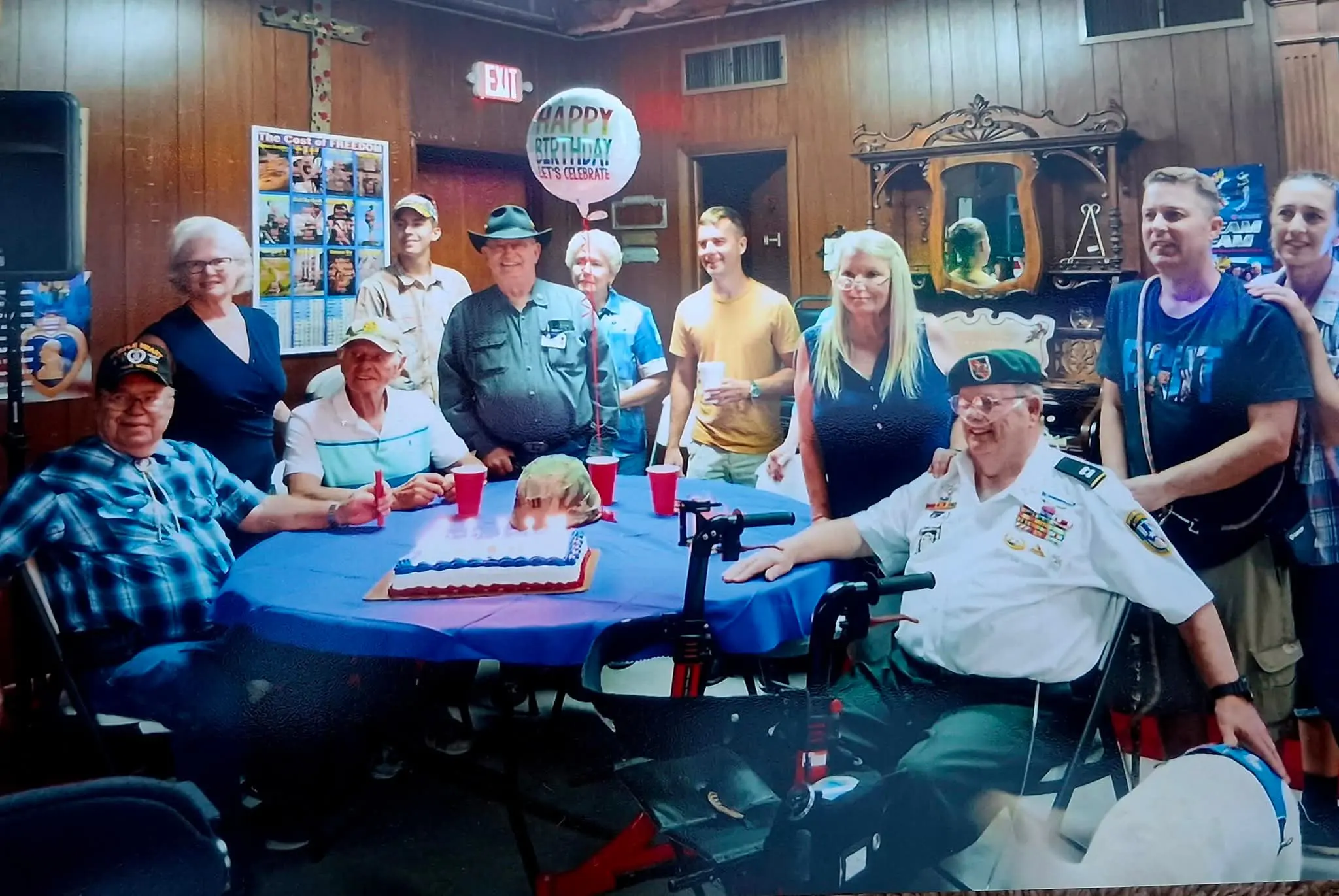
Ron’s legacy extends far beyond the battlefield. It lives most powerfully in the hearts of his family and friends, who knew the man behind the uniform. They saw the quiet strength that anchored him, the gentle humor that softened even the hardest days, and the loyalty that ran deeper than words. They witnessed the discipline forged in combat become tenderness at home. They felt the depth of his love, shaped by sacrifice, sharpened by hardship, and strengthened by faith.
His family carried his stories, his wisdom, and his unwavering devotion. They saw how the same steadiness that led men through danger became the foundation of their lives. His friends knew the warrior, but they also knew the man who stood by them without hesitation, who never forgot a promise, and who made every room safer simply by being in it.
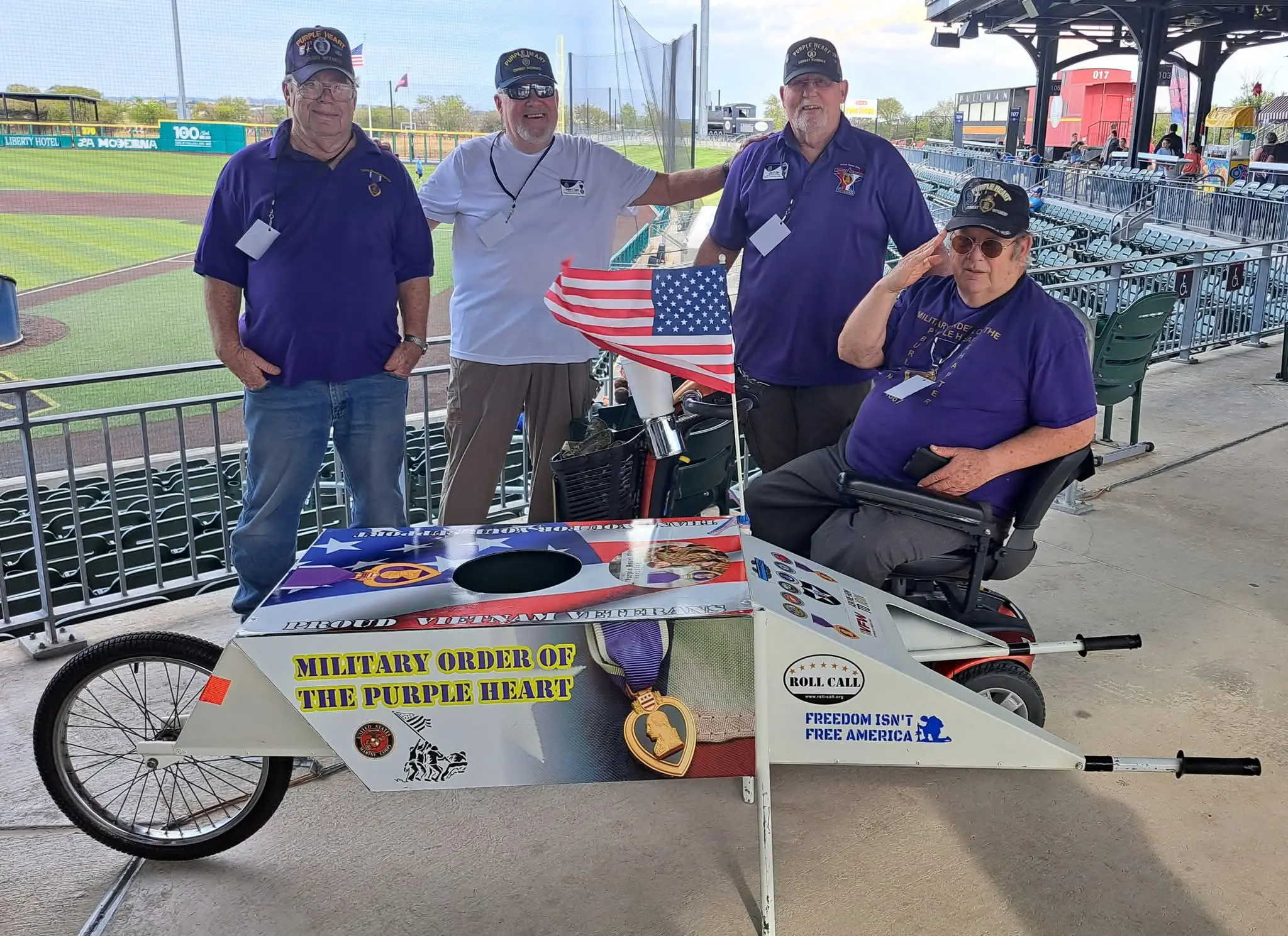
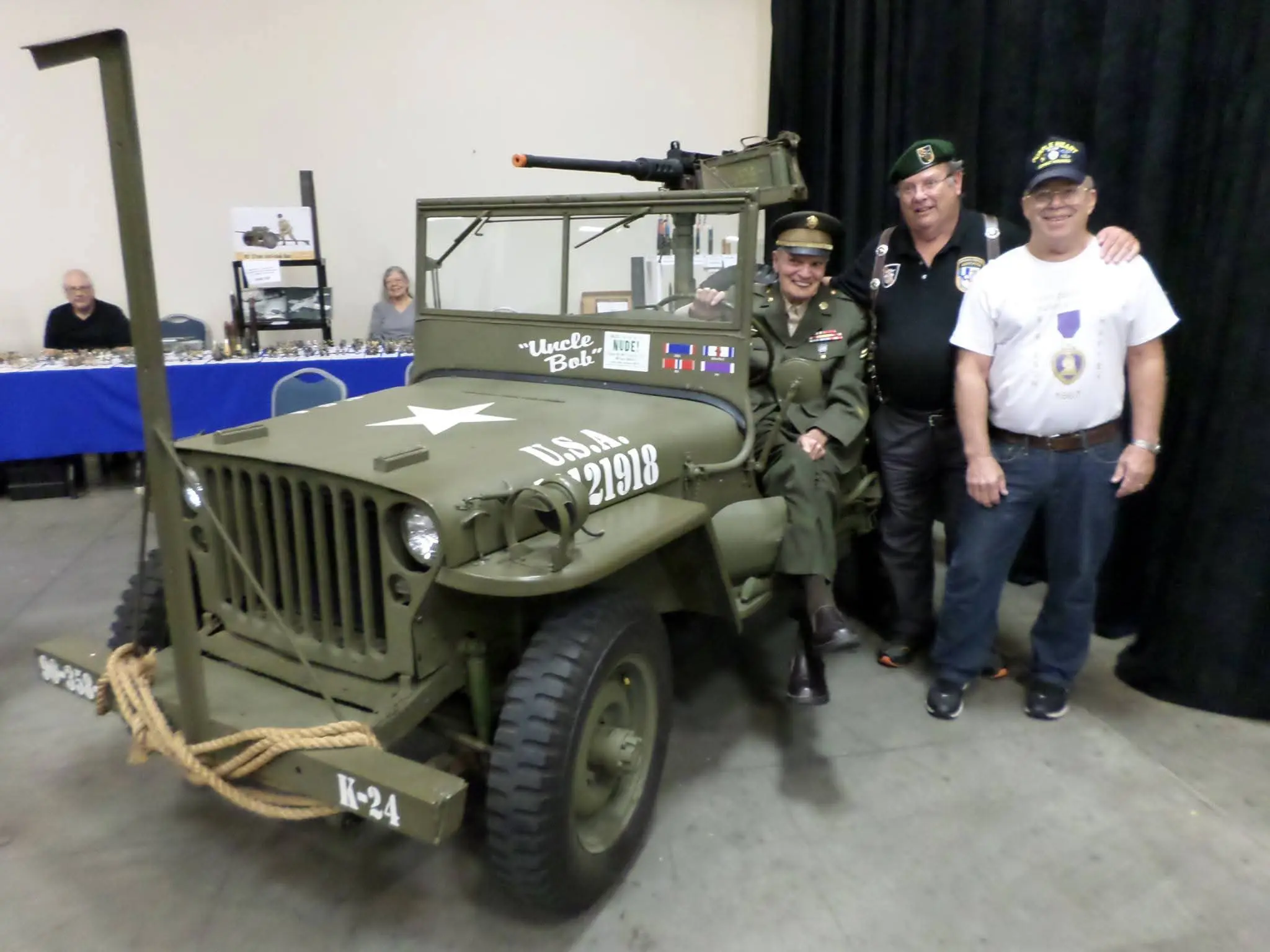
Ron’s connection to his fellow veterans was a defining part of his life. He stayed in contact with men from his hometown, sharing memories, encouragement, and the unspoken understanding that only veterans carry. He also kept lifelong bonds with brothers‑in‑arms across the country, men who had walked the same jungles, faced the same dangers, and carried the same weight of memory. These relationships were forged in mud, fire, and fear, and they endured because loyalty meant something to him. His veterans were his extended family, and he honored them as deeply as they honored him.
Ron’s place within the Special Forces Association reflects this lifelong commitment. His membership, recorded as SFA MEM 3 M‑1636, marks him as part of the early and verified generation of Vietnam‑era Green Berets. It stands as a permanent acknowledgment of his service, his sacrifice, and his enduring connection to the Special Forces brotherhood. This number is not simply an identifier. It is a testament to his authenticity, his standing among his peers, and the respect he earned across the Special Forces community.
After Vietnam, Ron continued serving for nearly two decades, becoming one of the senior NCOs who carried Special Forces through the post‑war era. He trained new Green Berets, rebuilt doctrine, strengthened readiness, and served in multiple Special Forces units including 3rd Group, 6th Group, and Special Troops Group. His career rose steadily through the NCO ranks, earned through leadership, competence, and respect. After 20 years of honorable service, Ron retired in 1983 closing a military career defined by courage, devotion, and the quiet professionalism that marked every step he took.
Ron Fry’s legacy is carried not only in the missions he executed, but in the lives he shaped, the men he led, the veterans he stood beside, and the people who loved him. His service in 5th Group and MIKE Force reflects the highest traditions of the Green Berets: courage under fire, leadership without hesitation, and devotion to those he commanded. His recognition among the Special Forces community honors the brotherhood he strengthened through his actions, his integrity, and his unwavering commitment to the mission.
His legacy endures in the courage he showed, the love he gave, and the lives he touched.
He served in an elite network of warriors who relied on one another to survive.
He carried the weight of war with honor, faith, and humility.
He is remembered as part of the unified Special Forces heritage that shaped the course of the Vietnam War, and he is loved deeply by the family, friends, and veterans who knew the fullness of his heart.