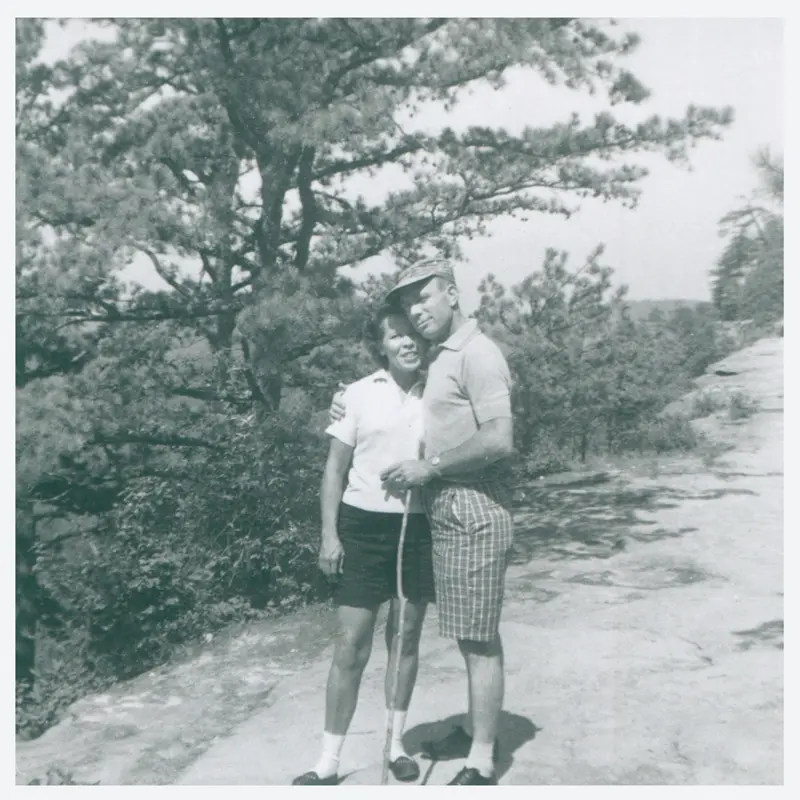
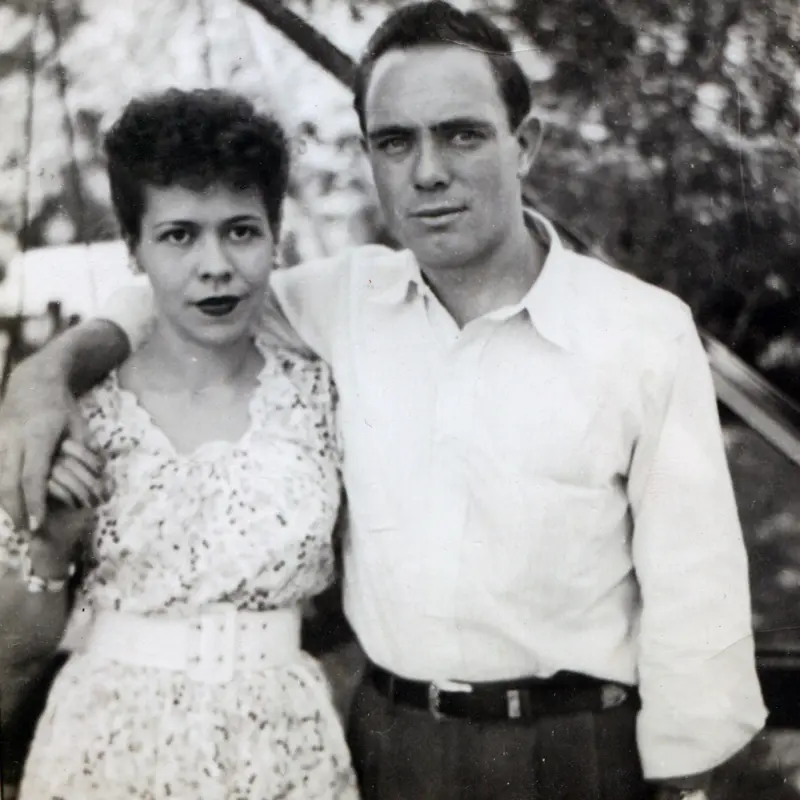
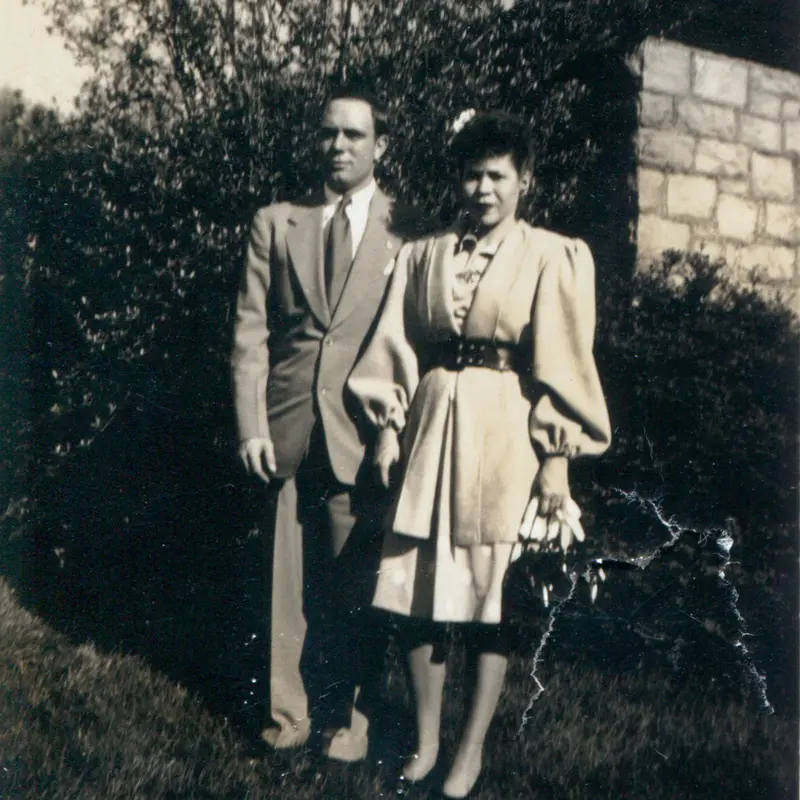
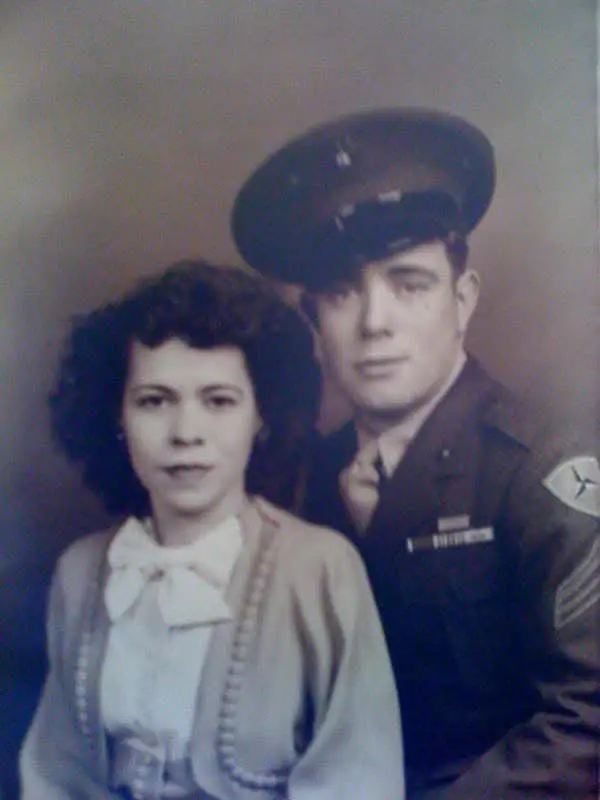
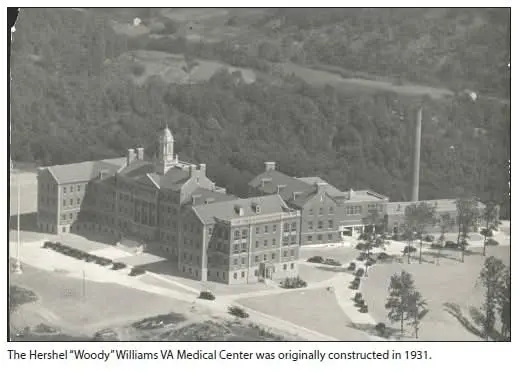
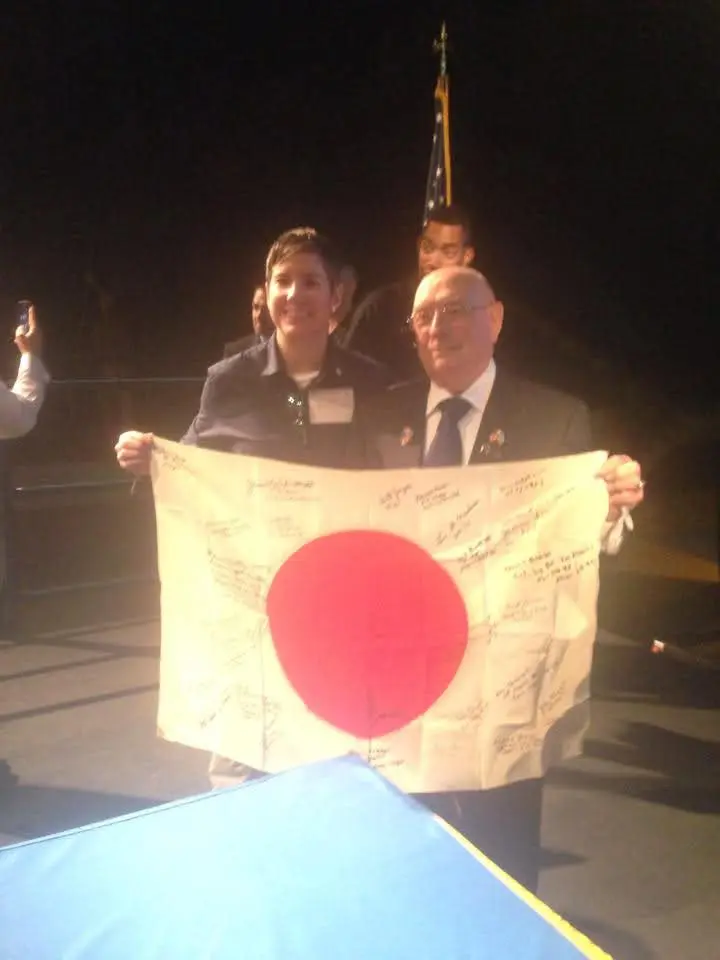
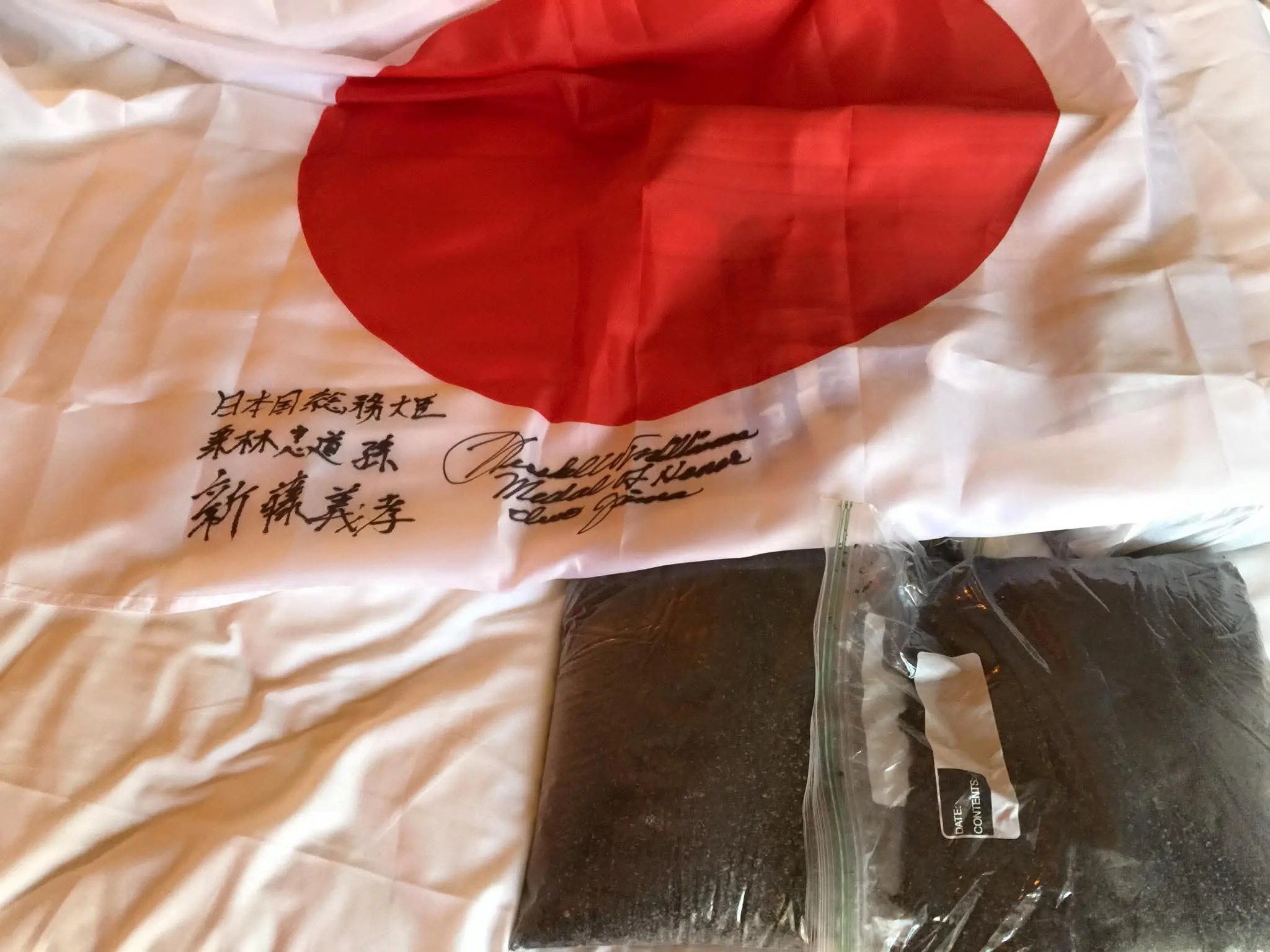
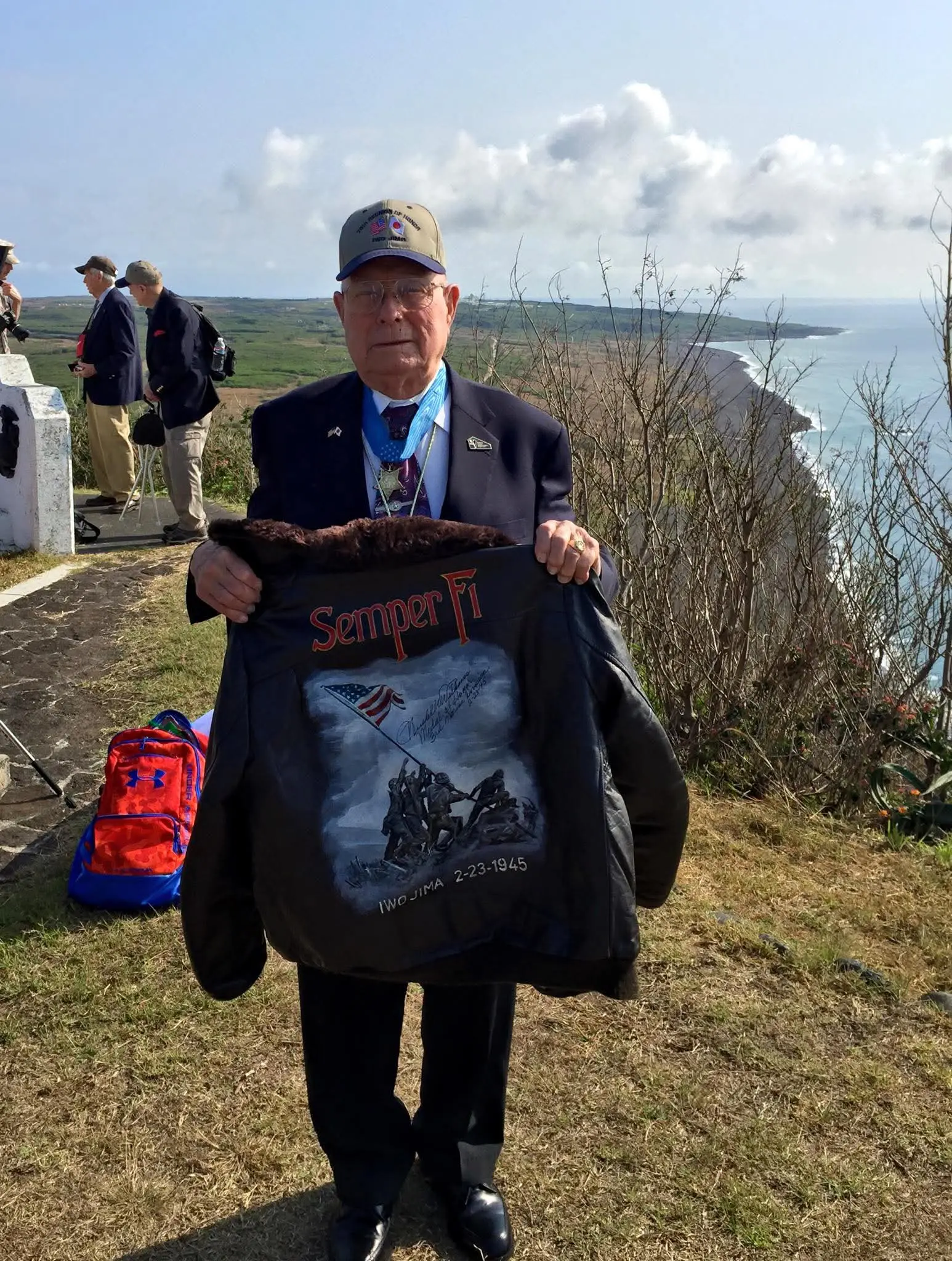
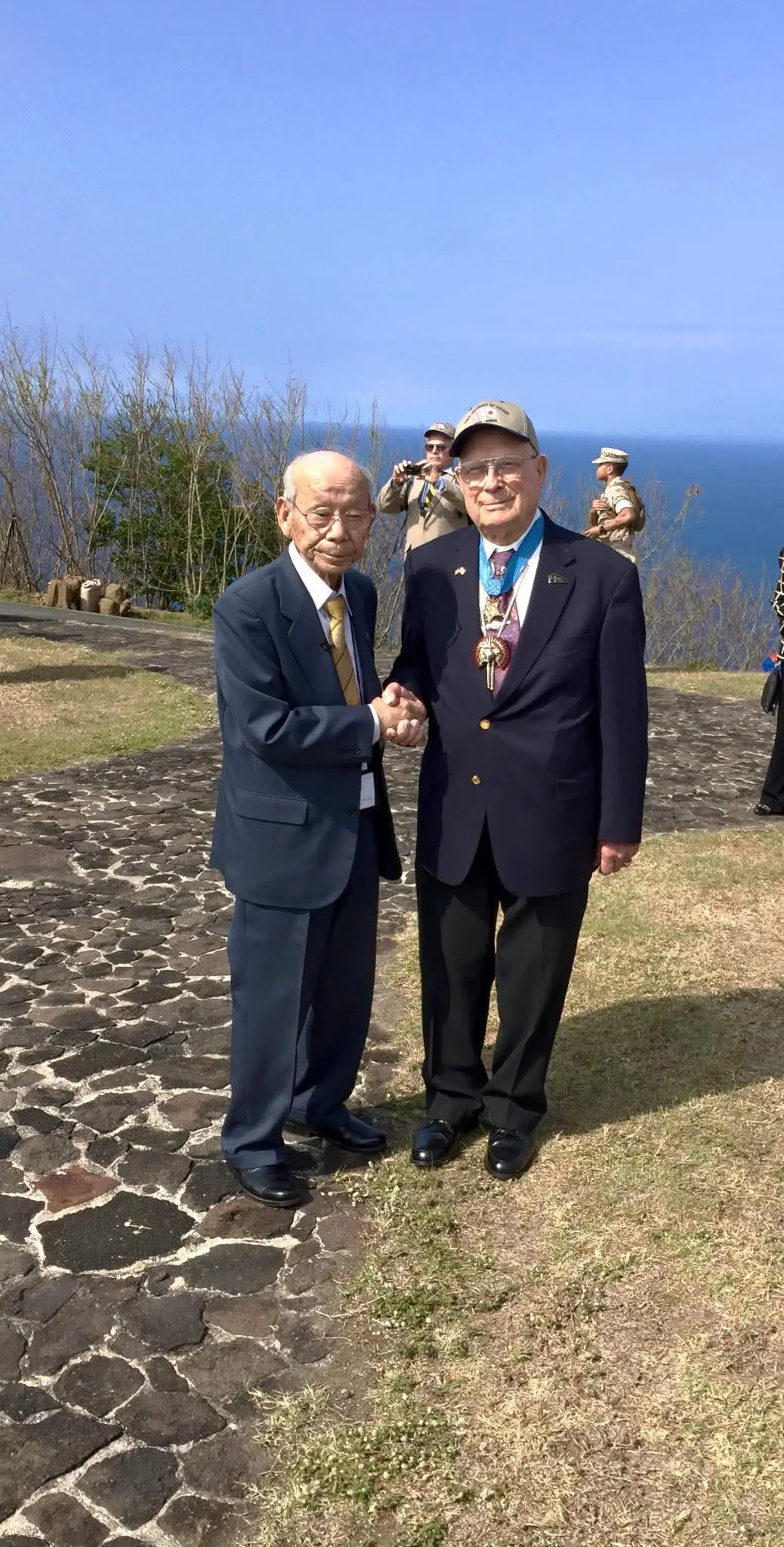
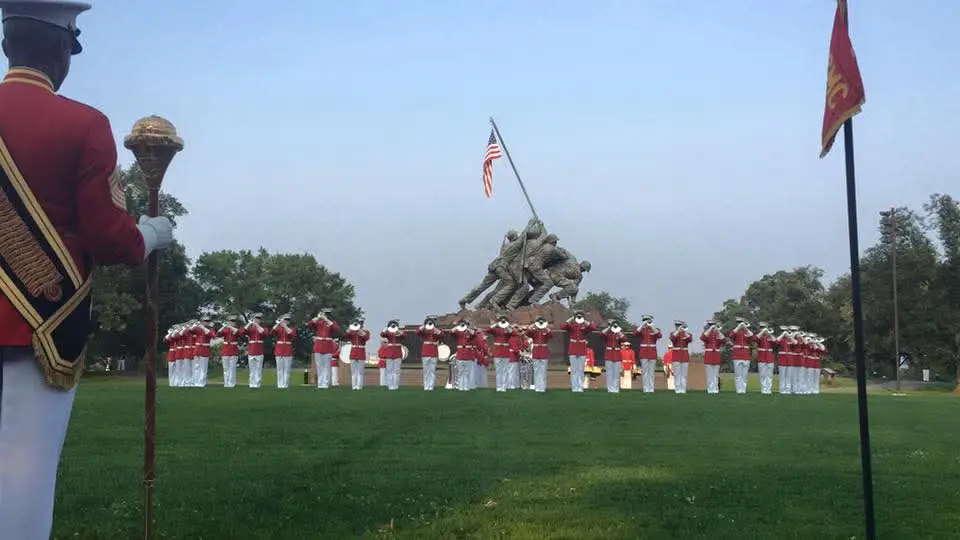
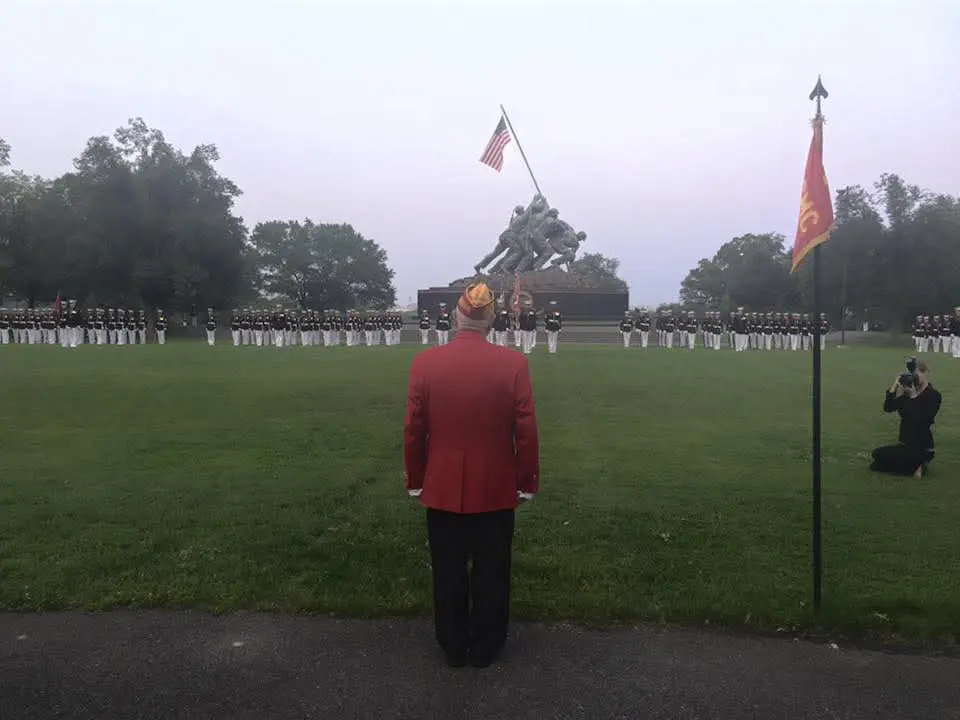
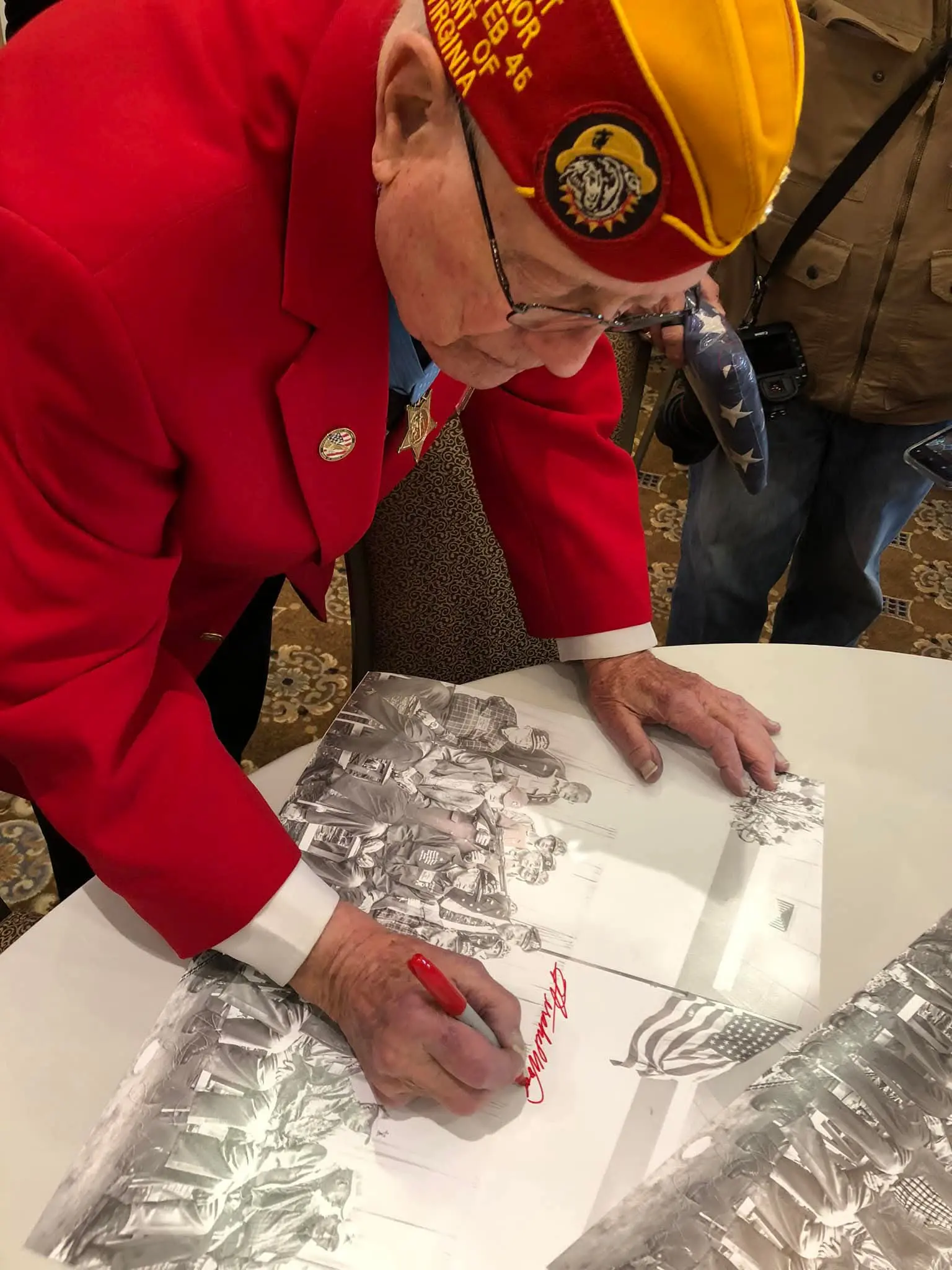
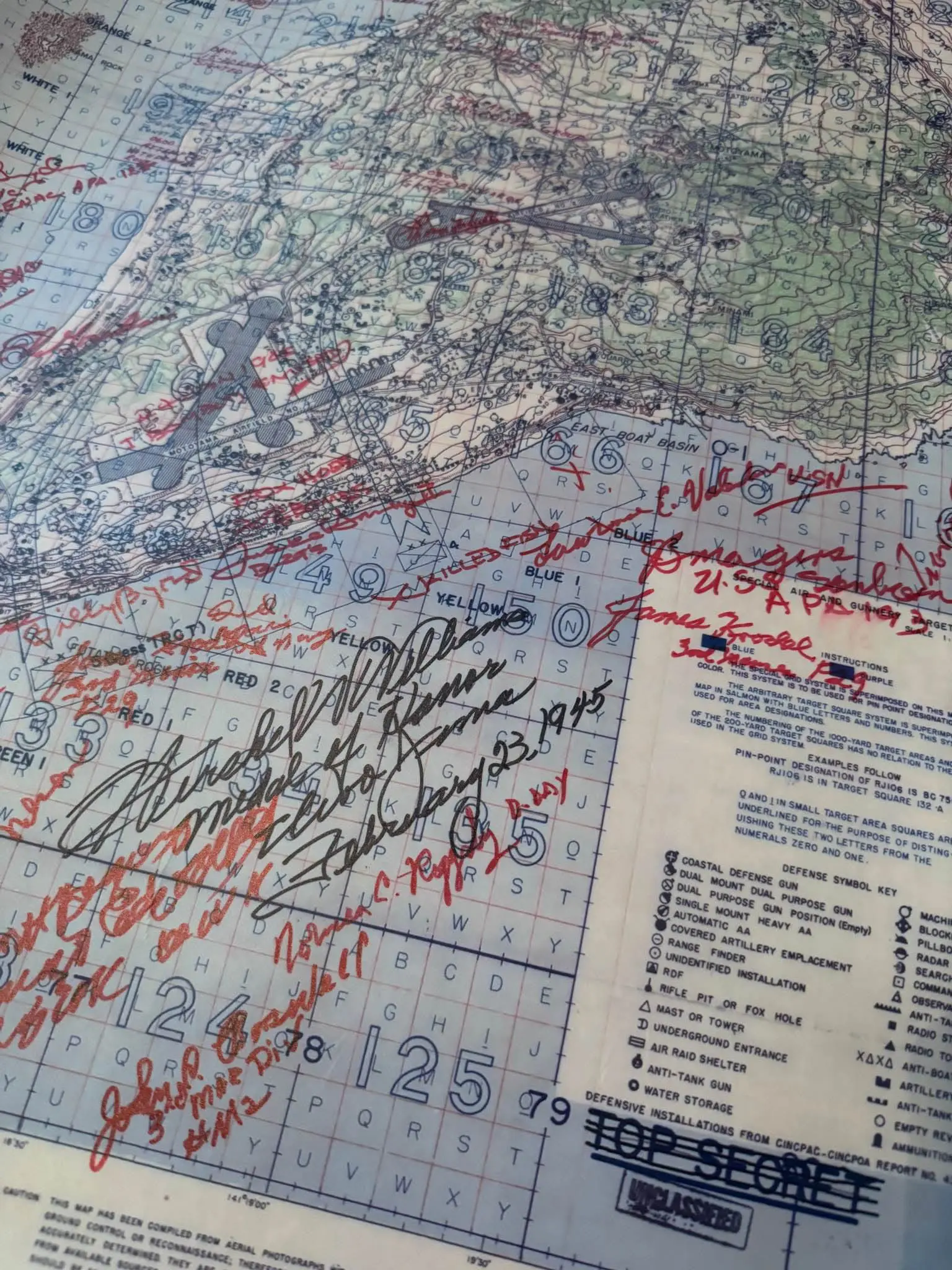
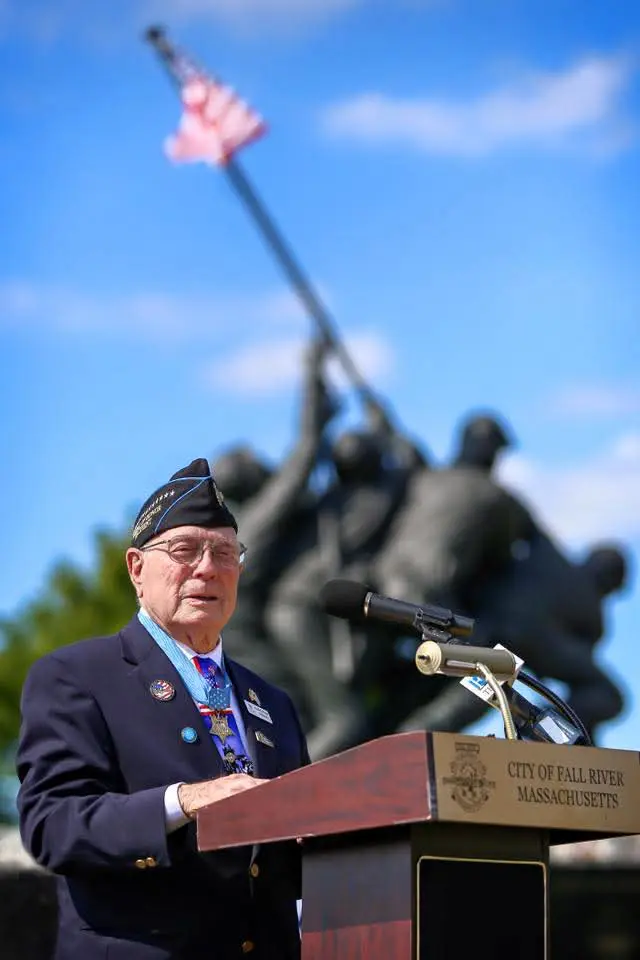
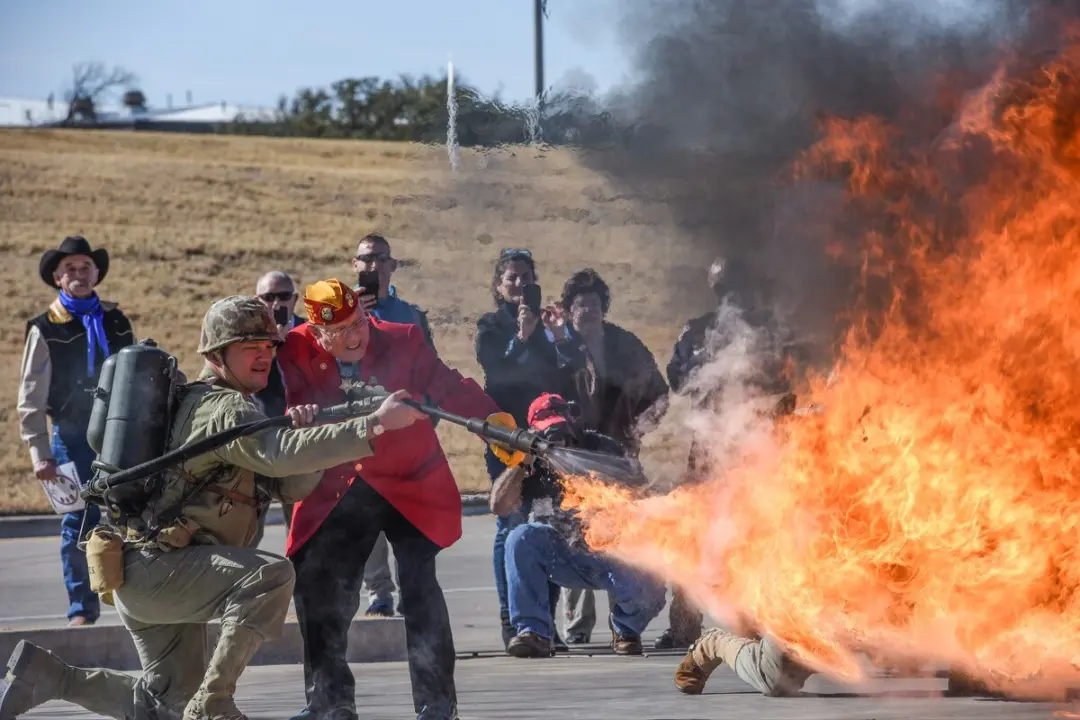
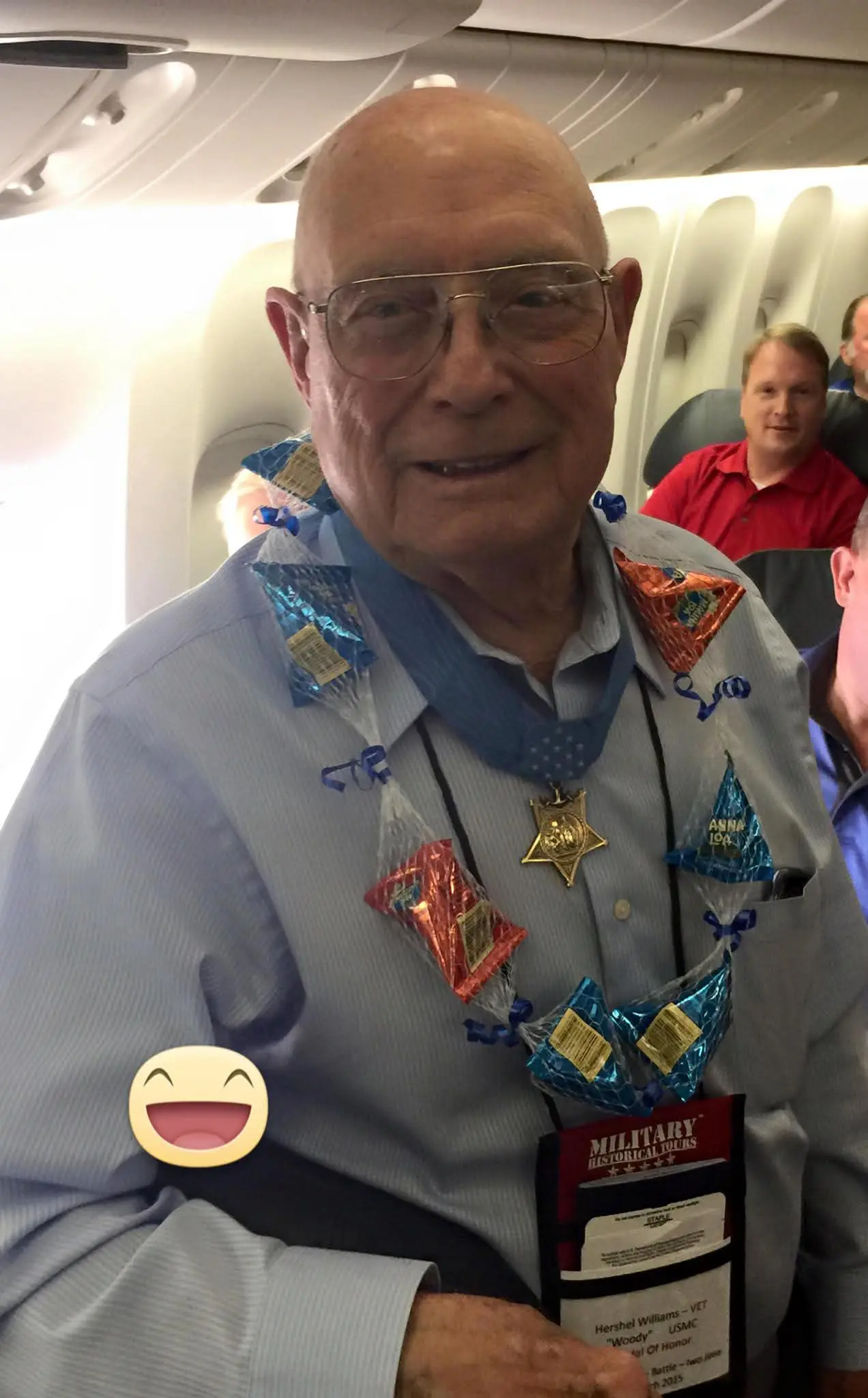
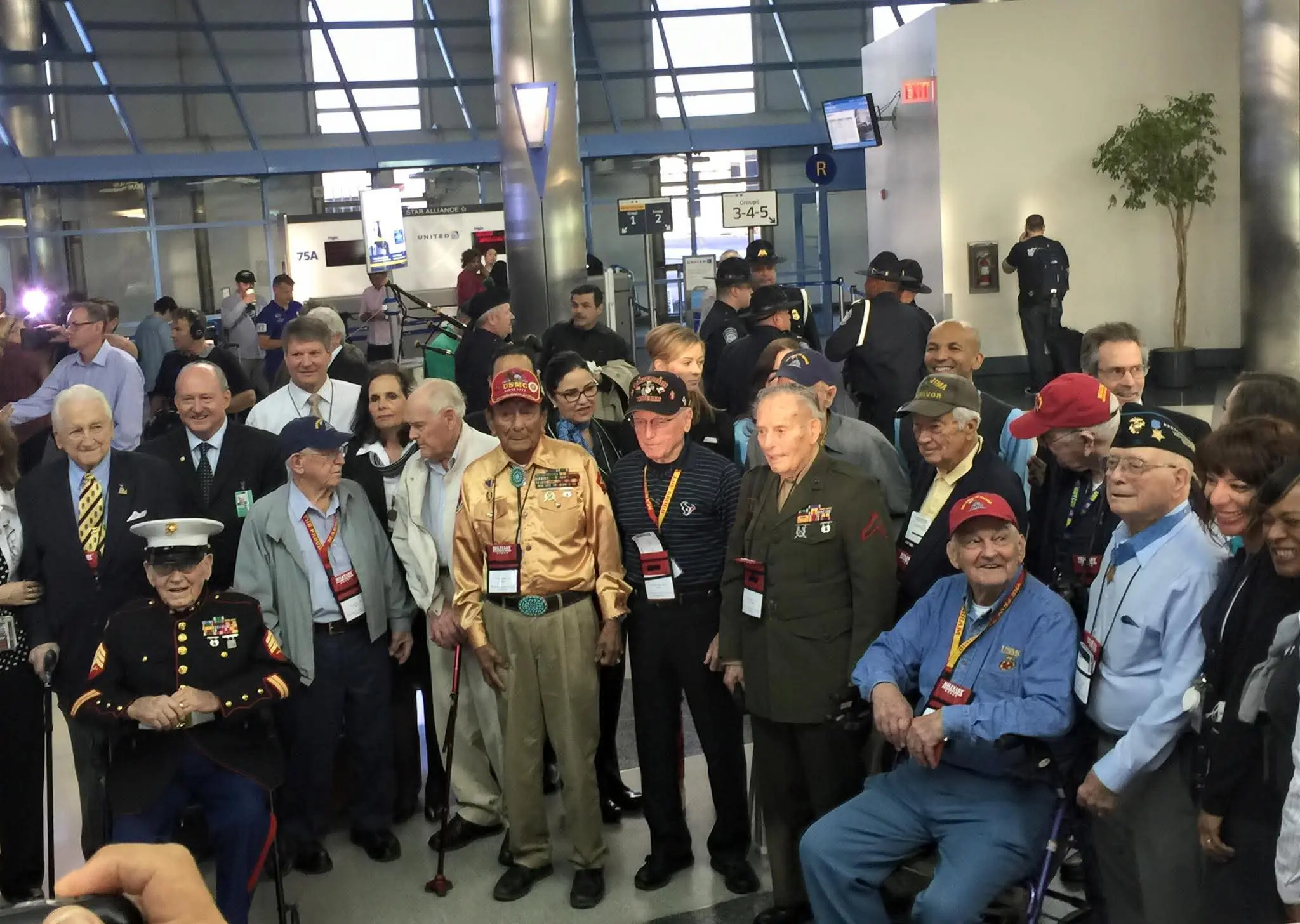

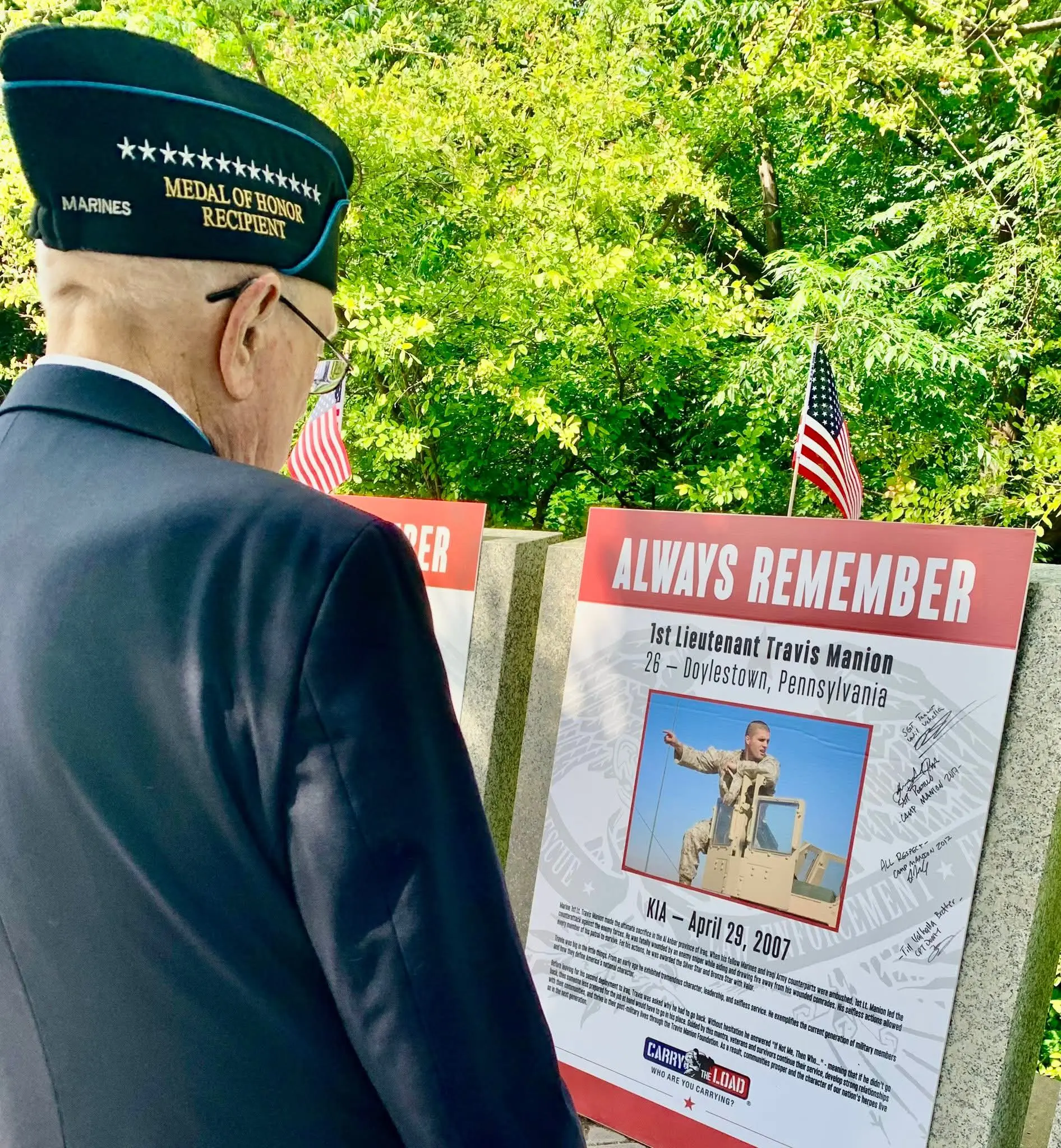
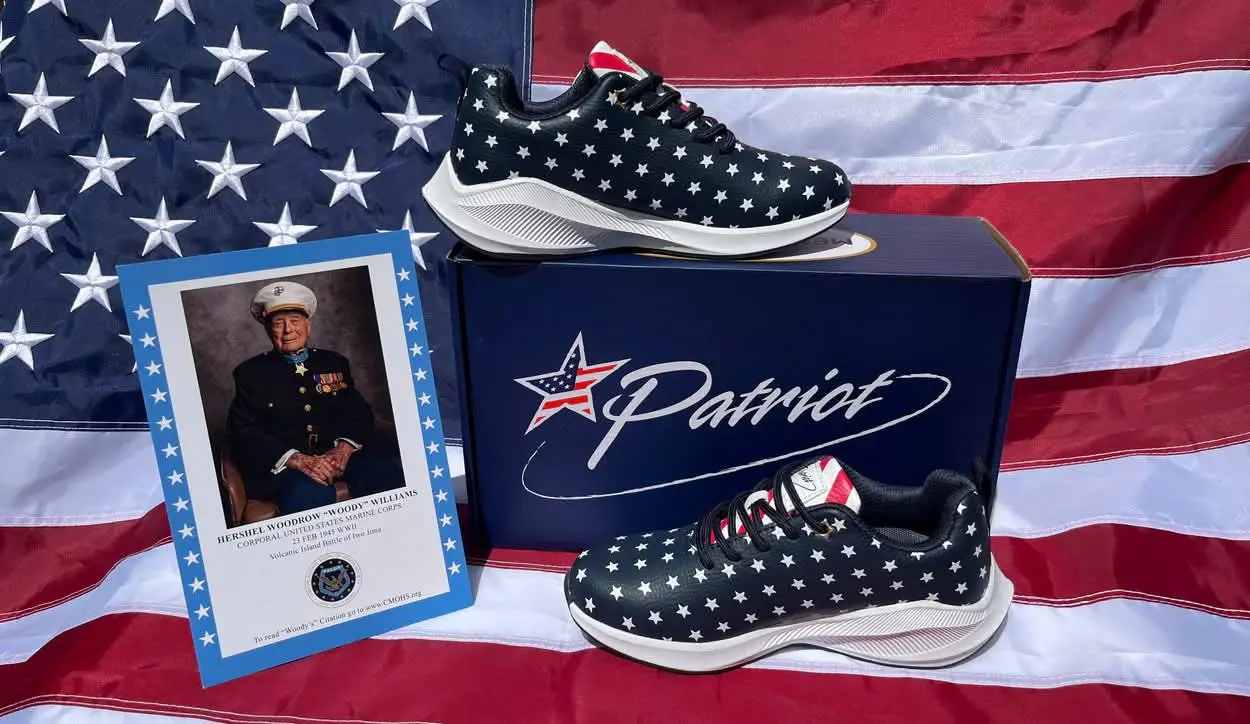
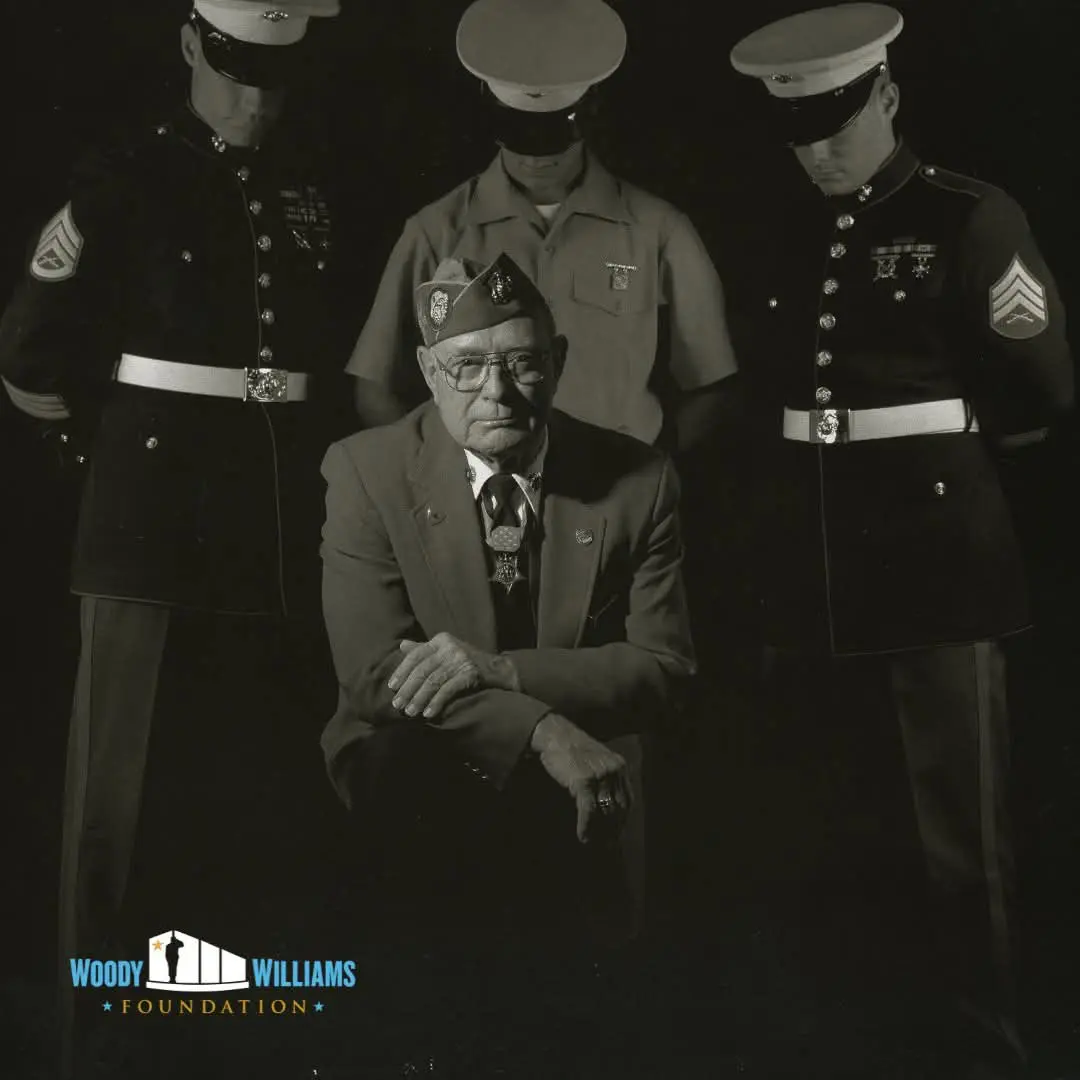
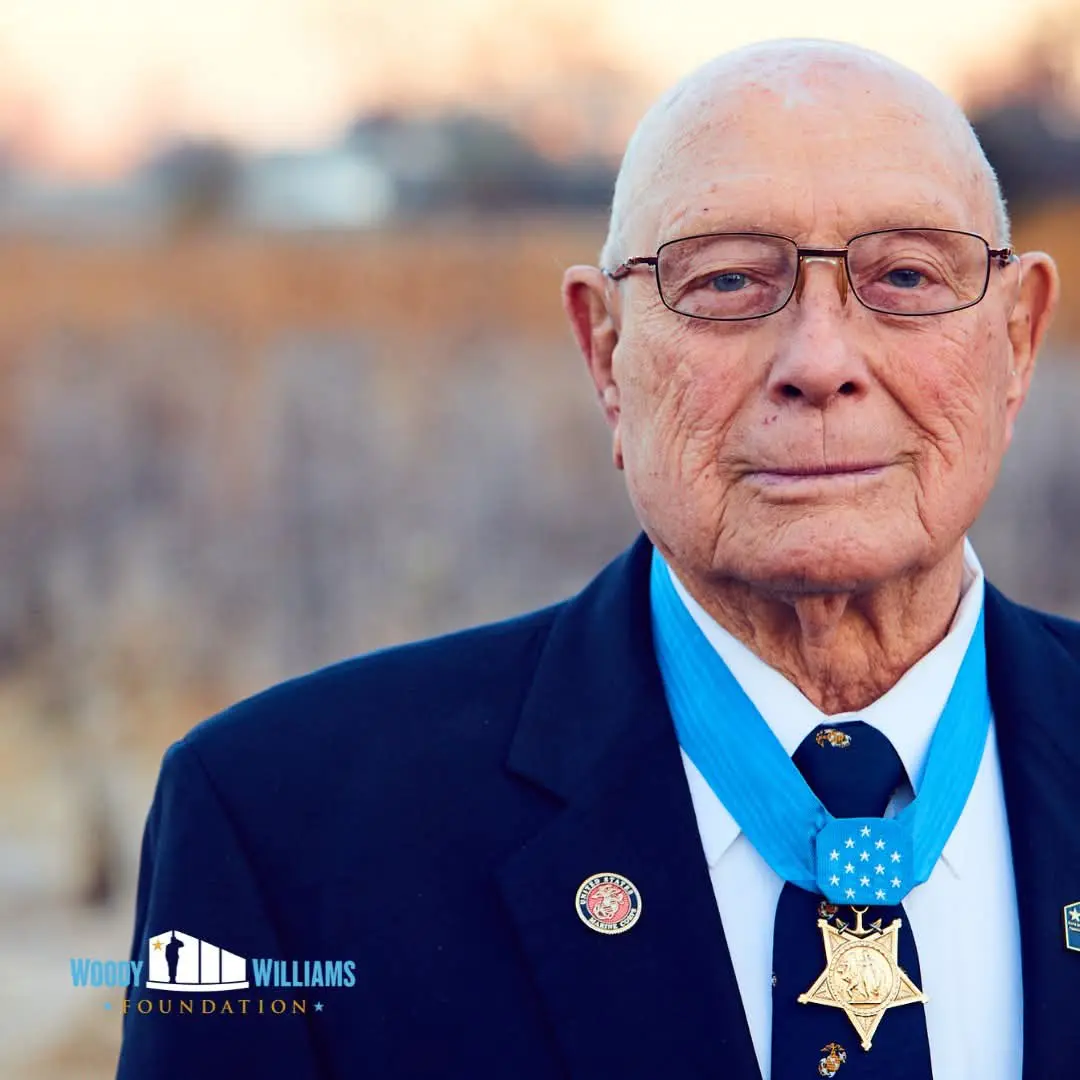
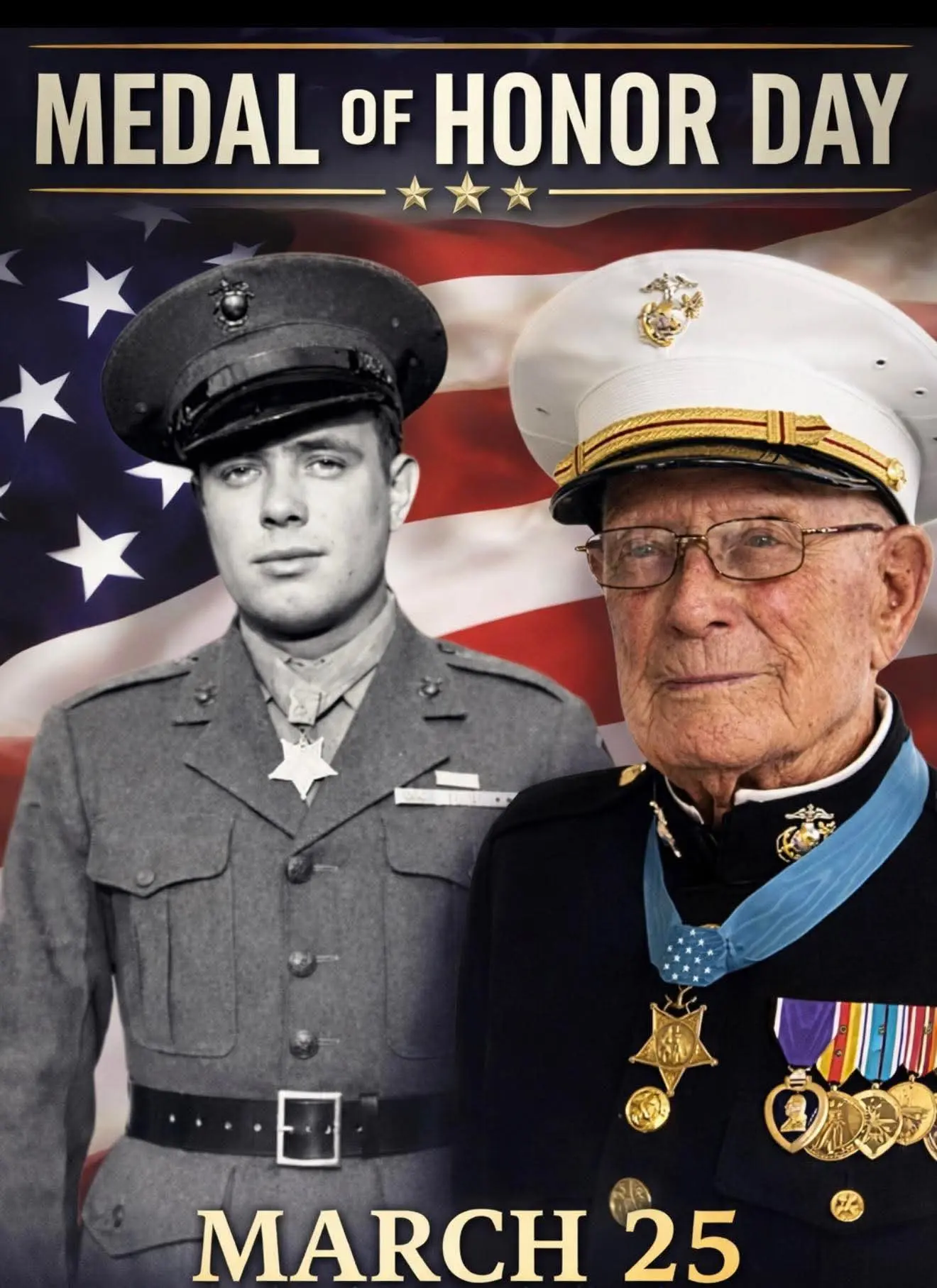
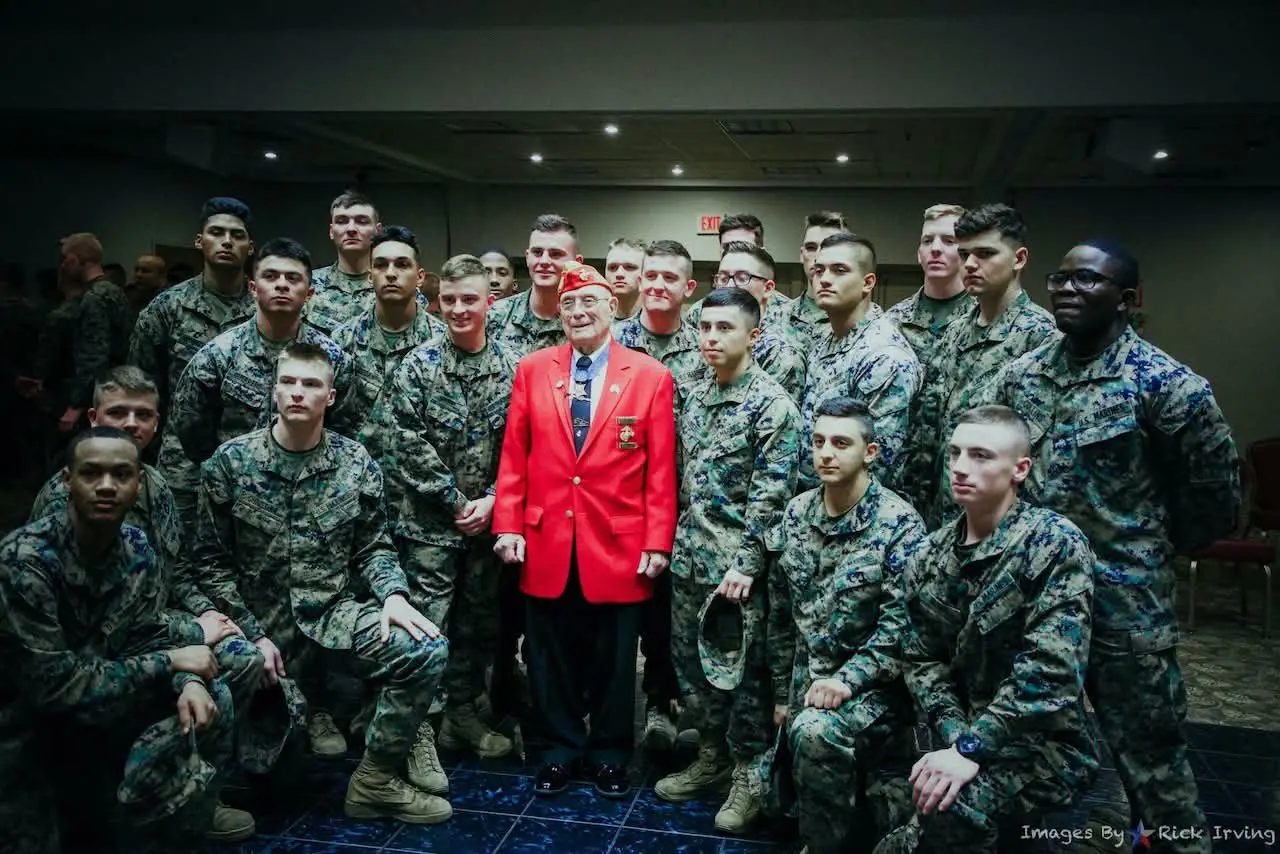
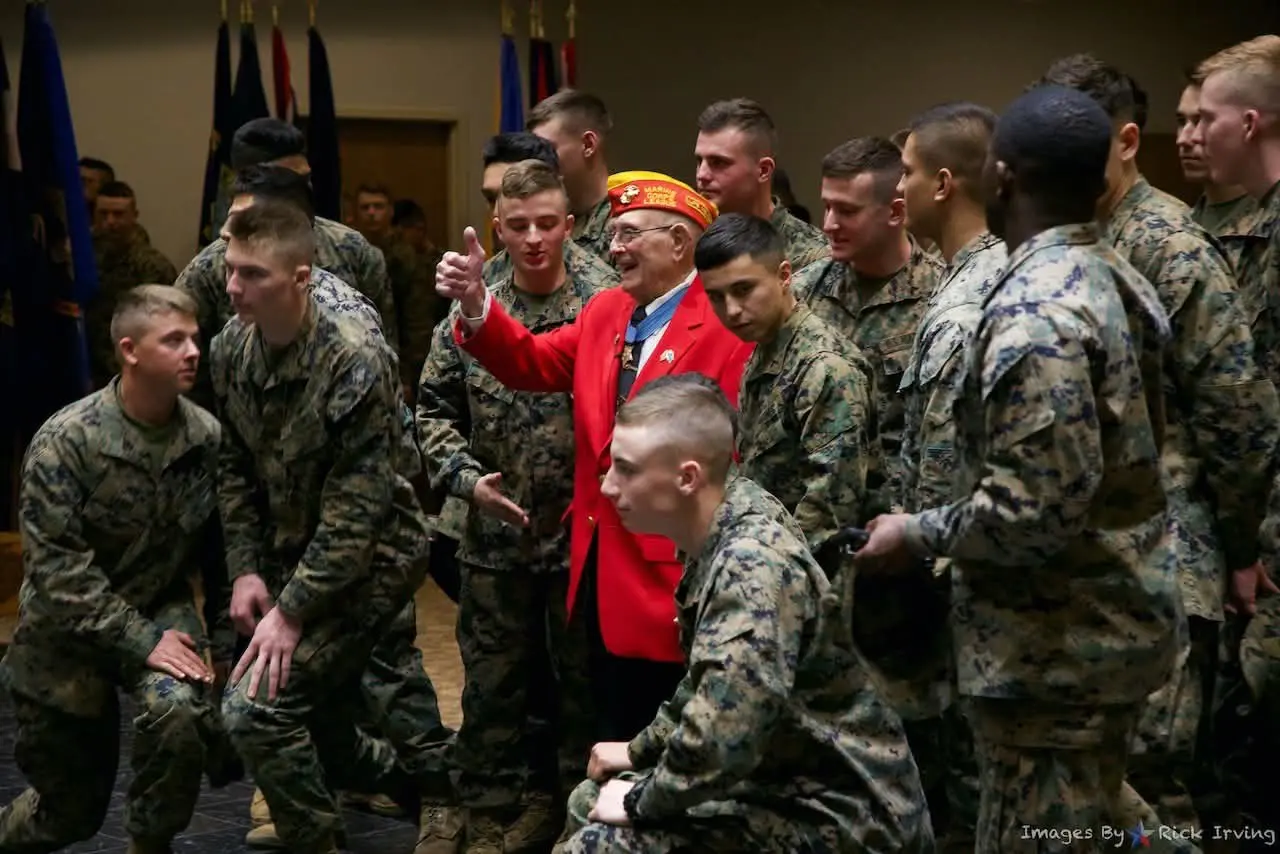
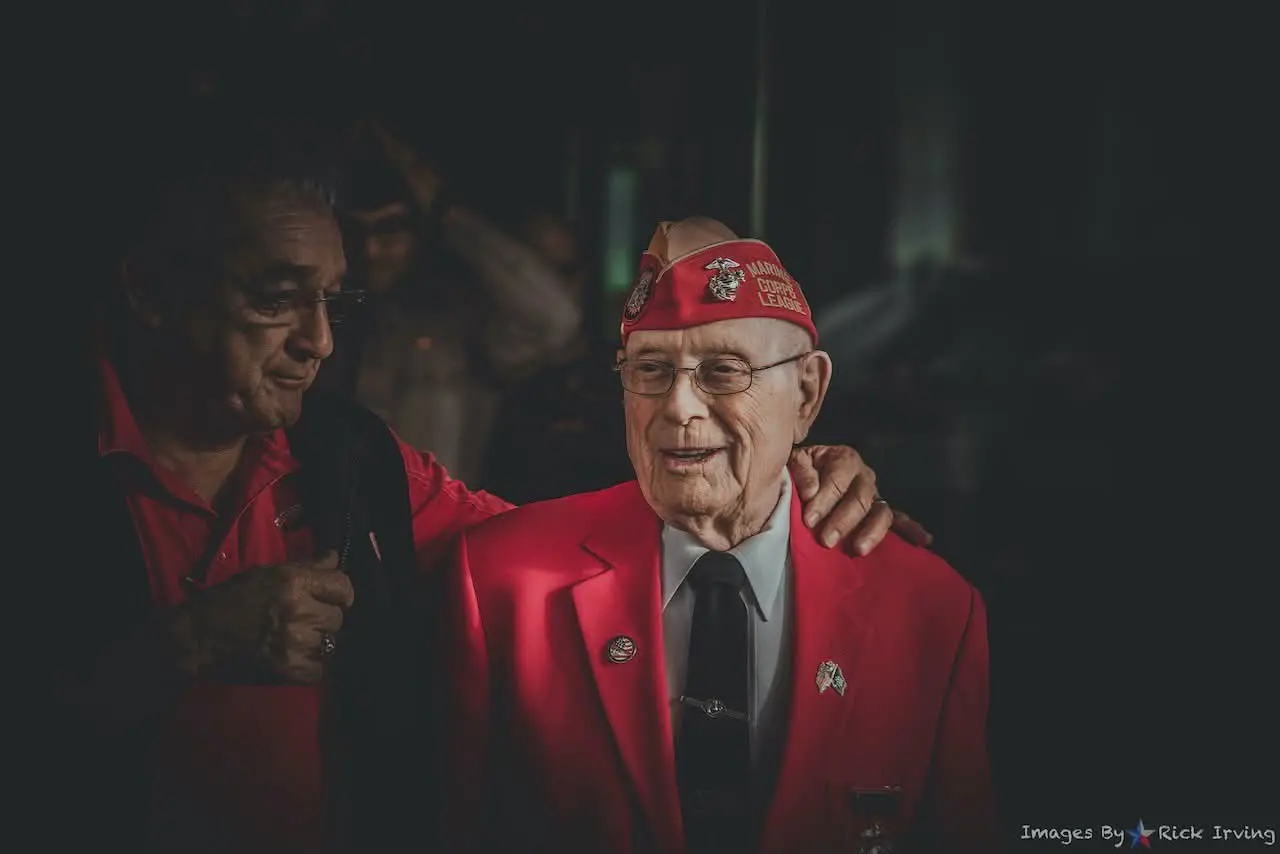
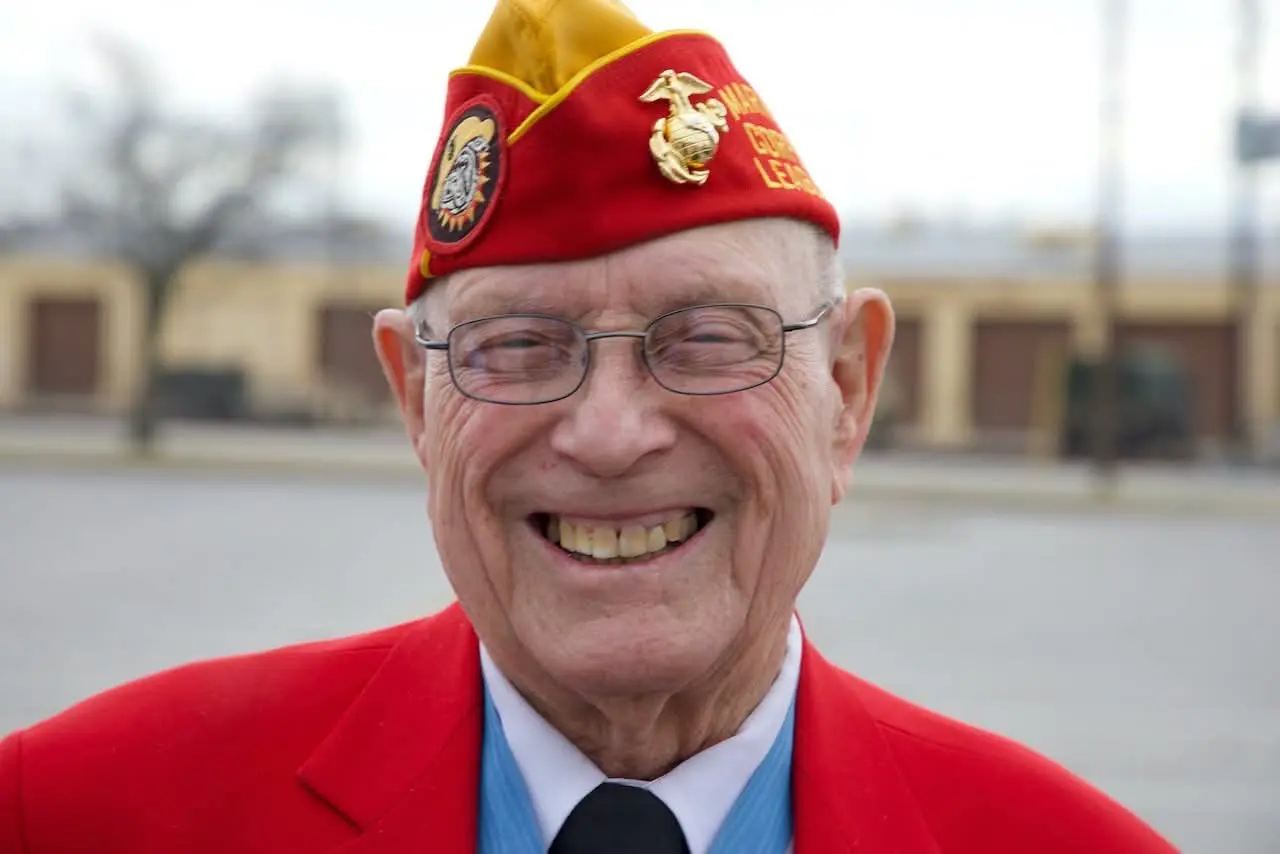
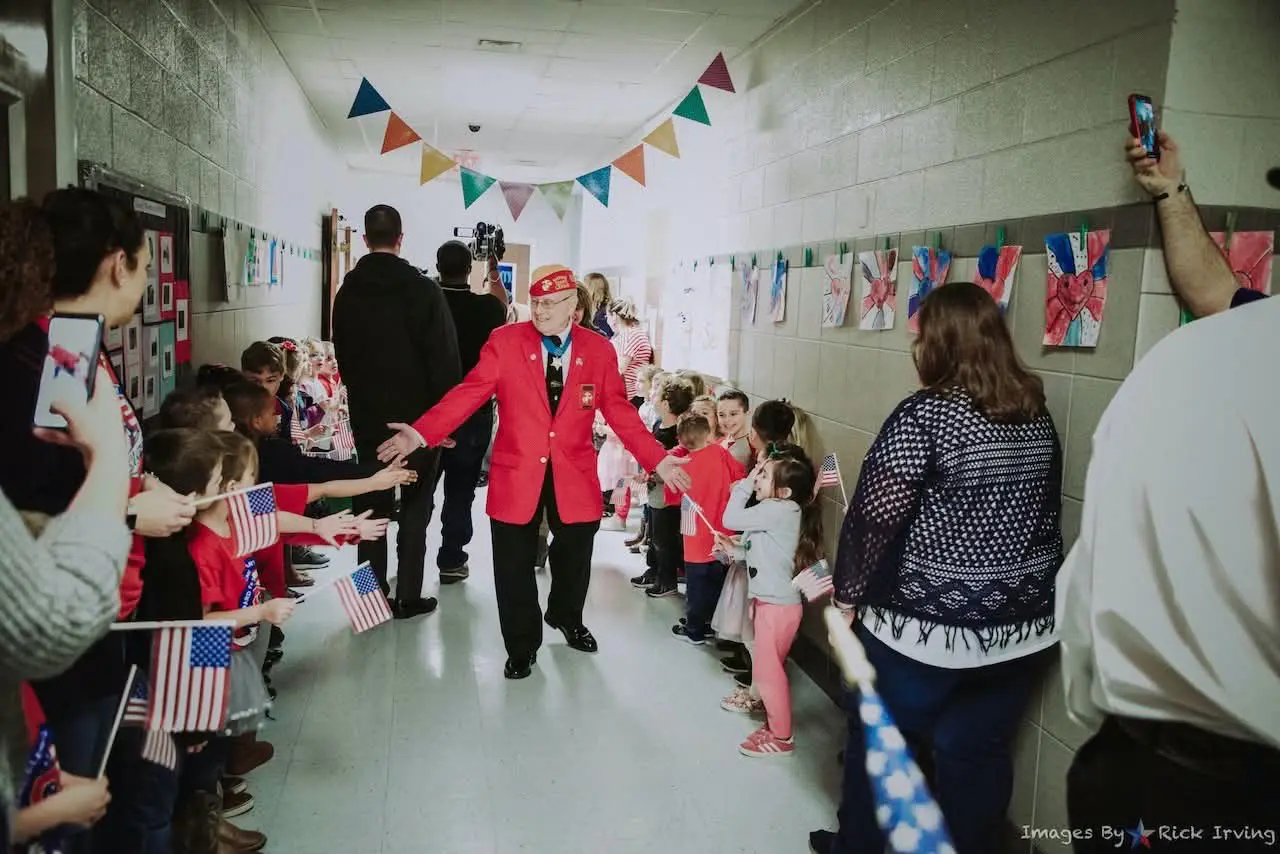
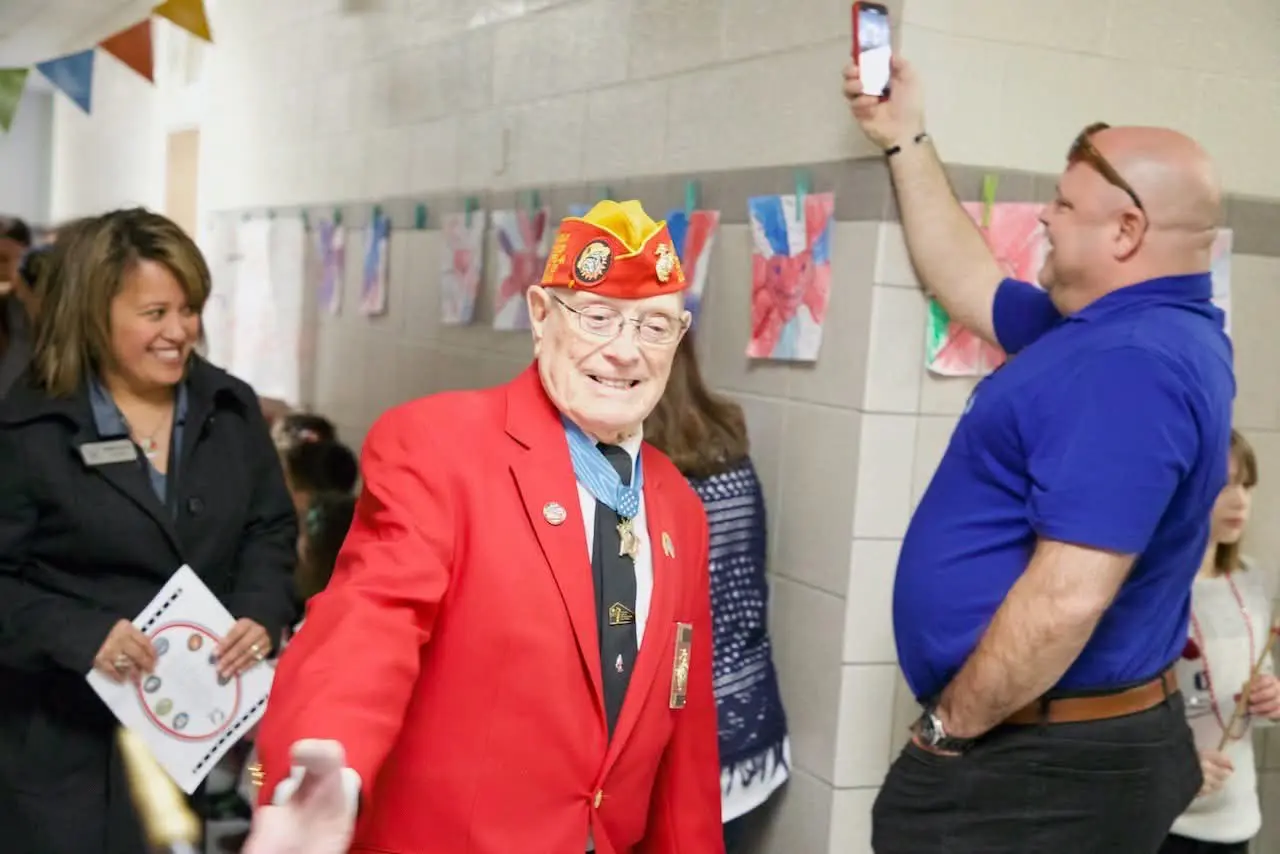
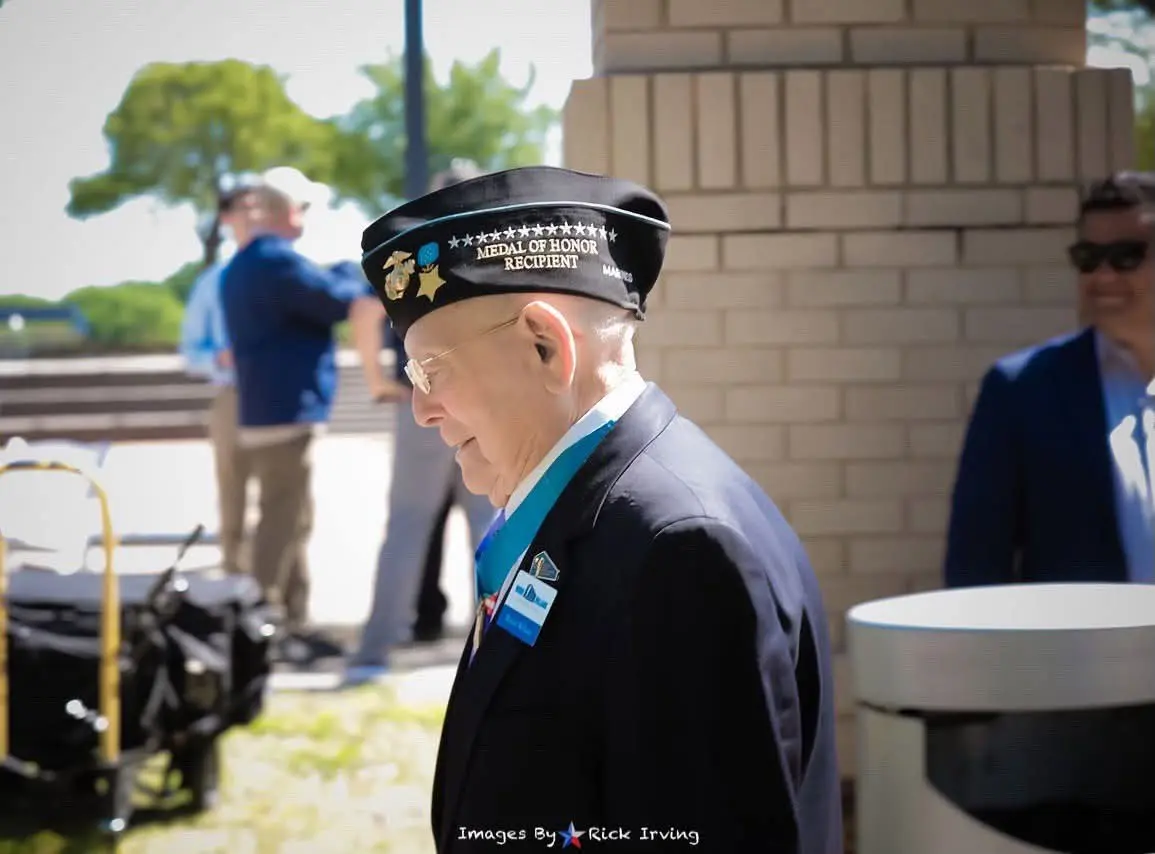
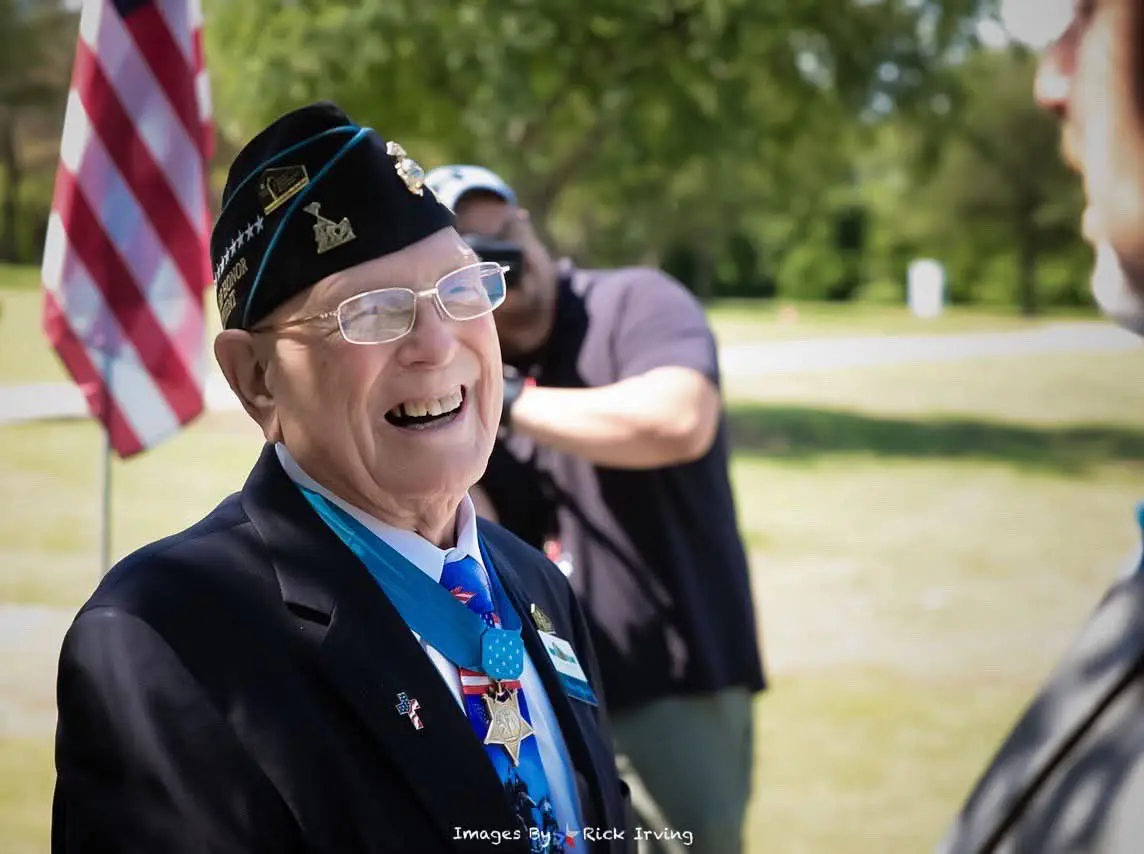
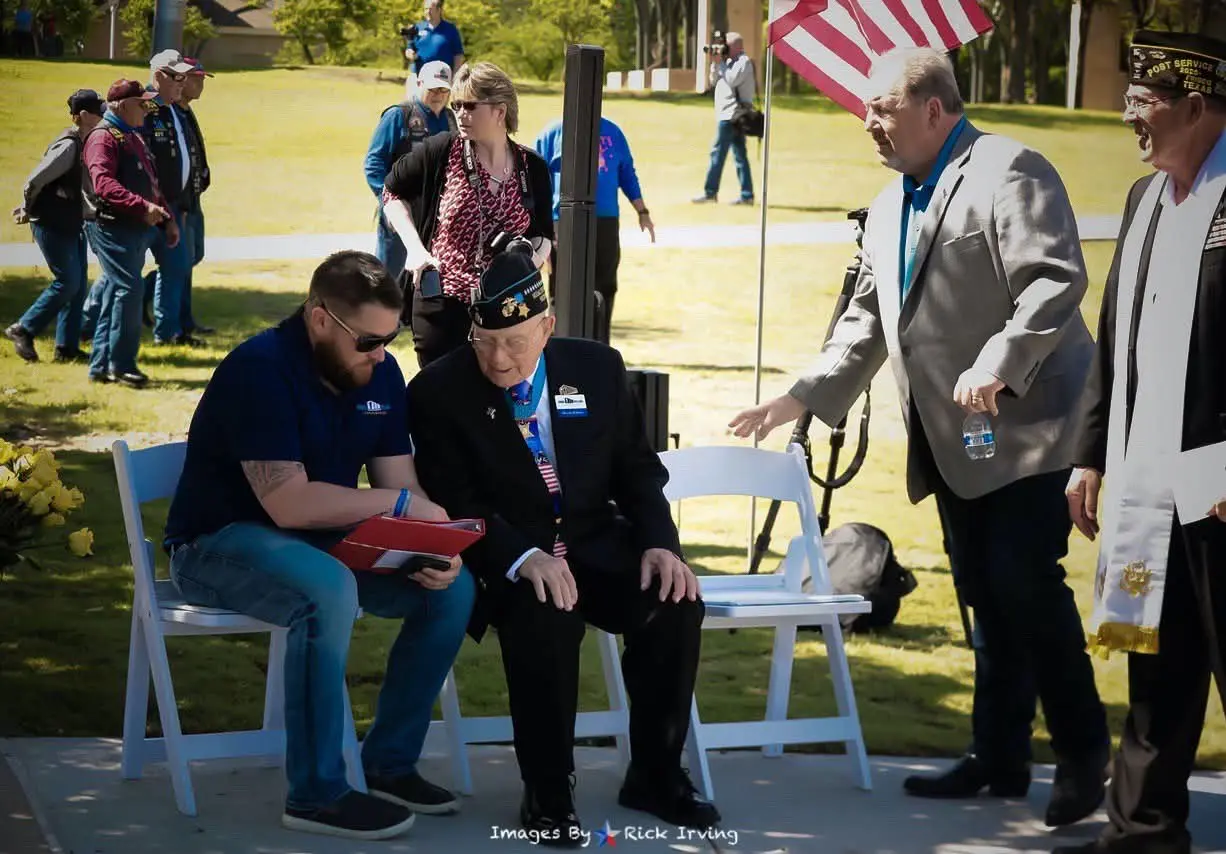
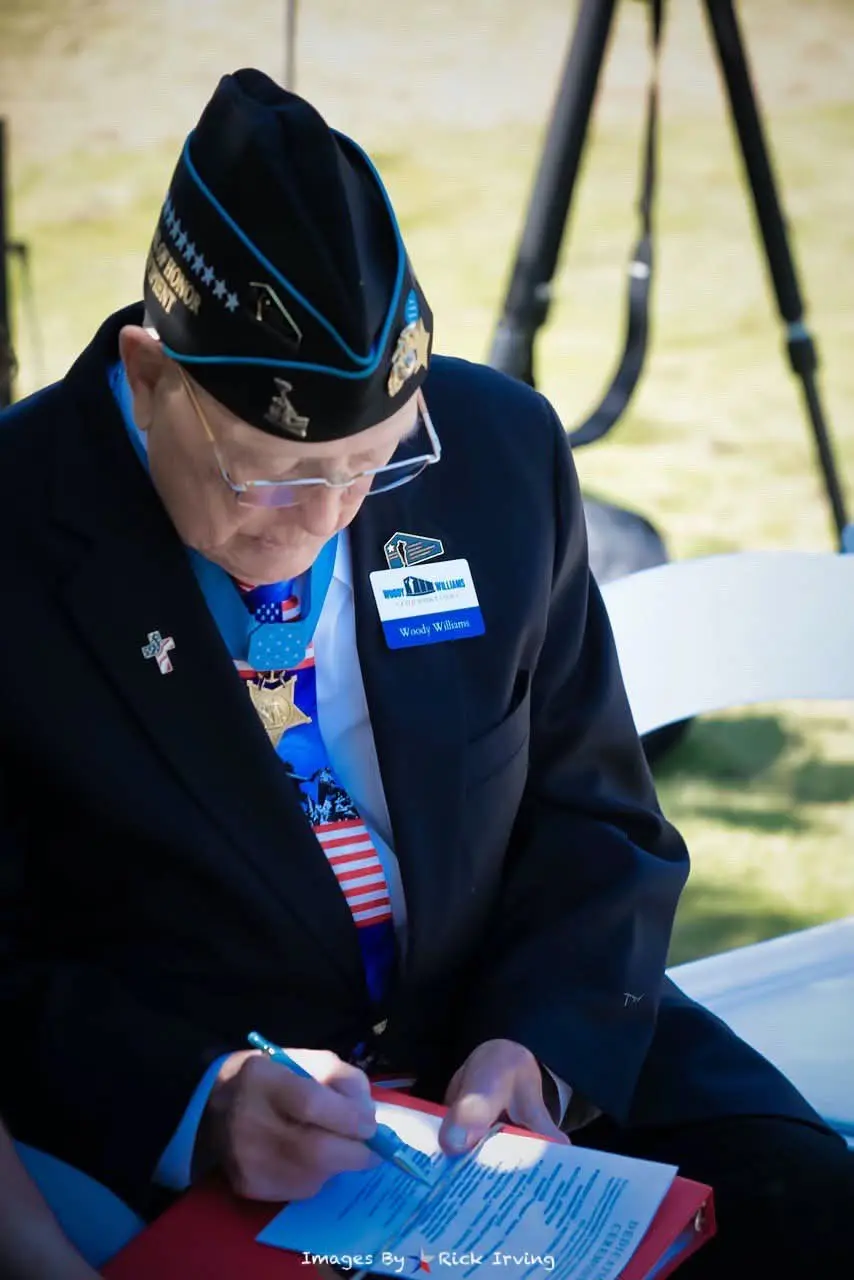
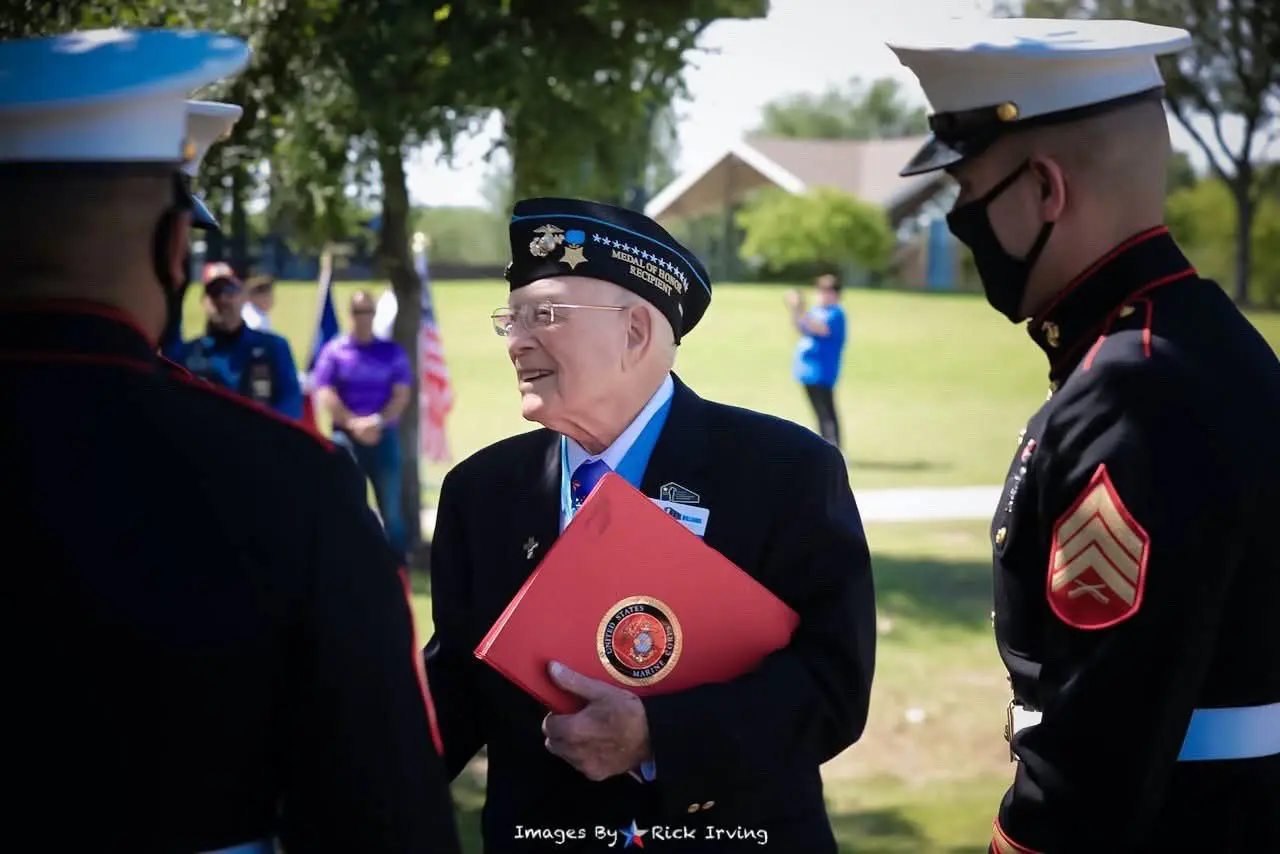
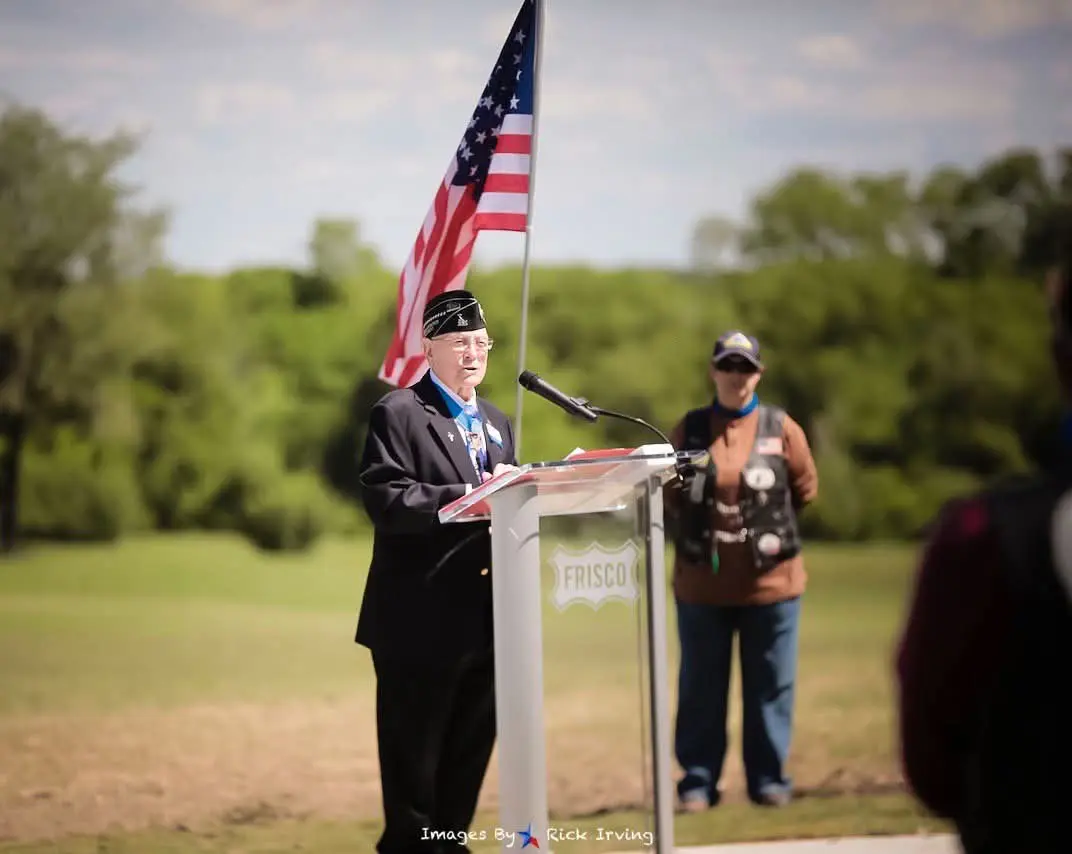
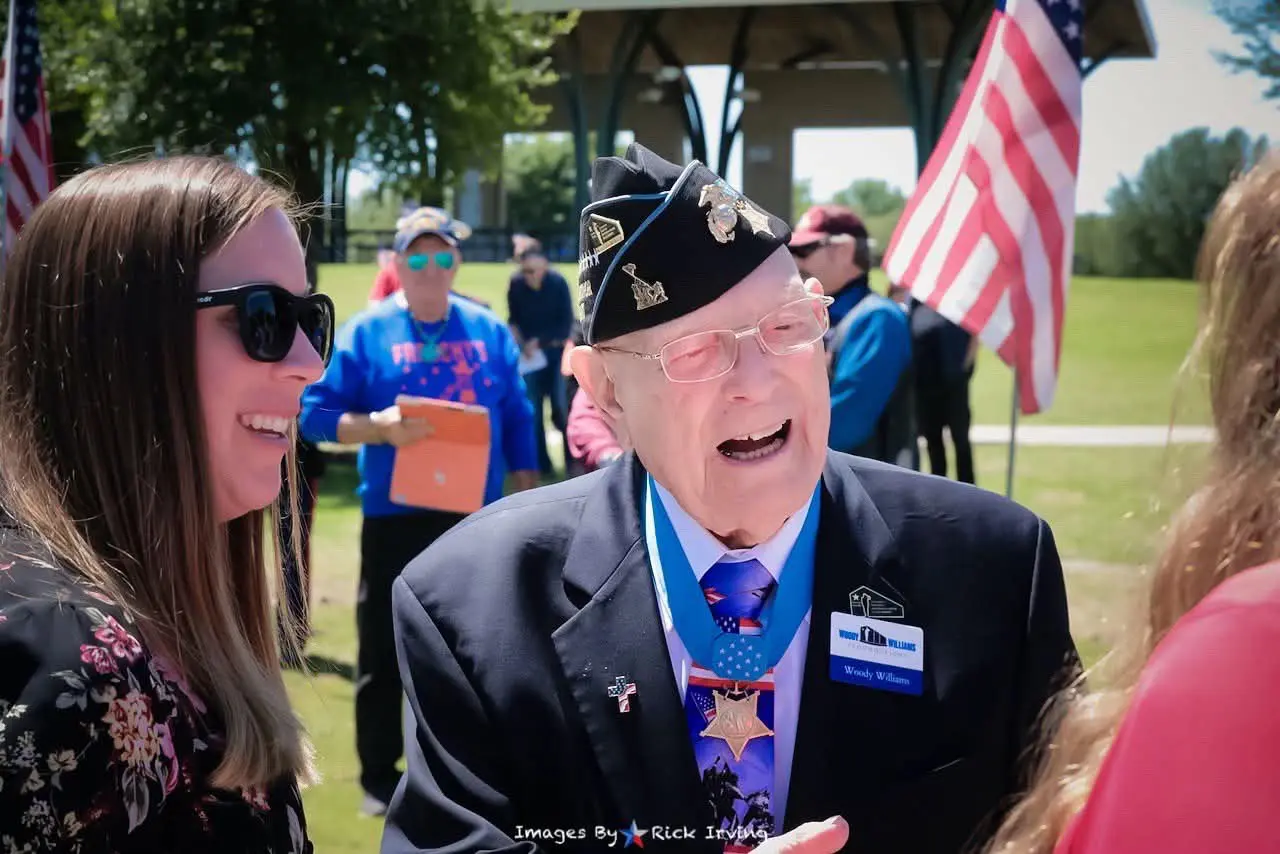
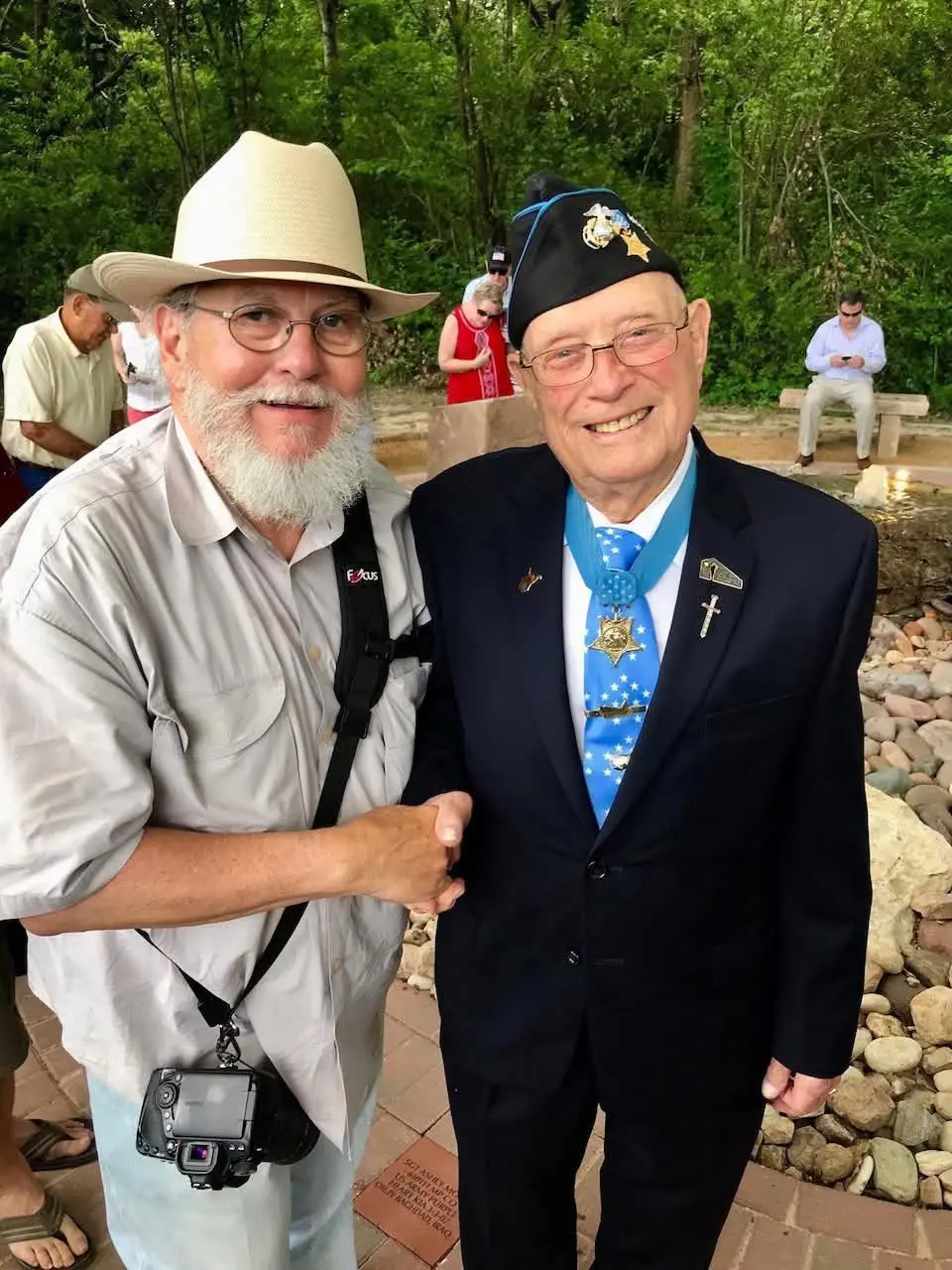
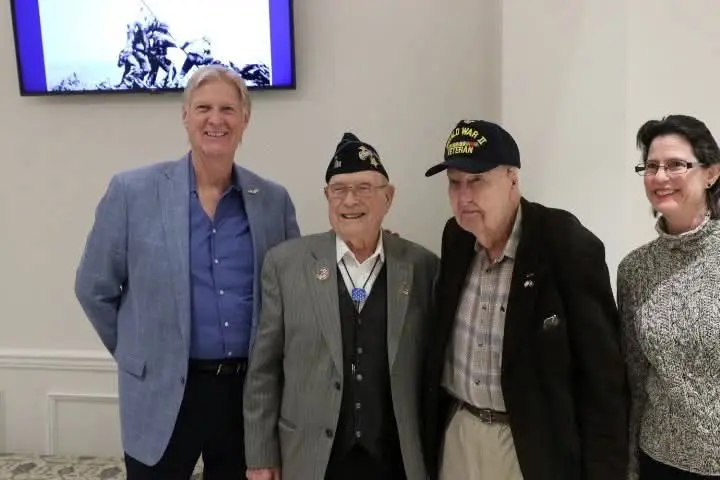
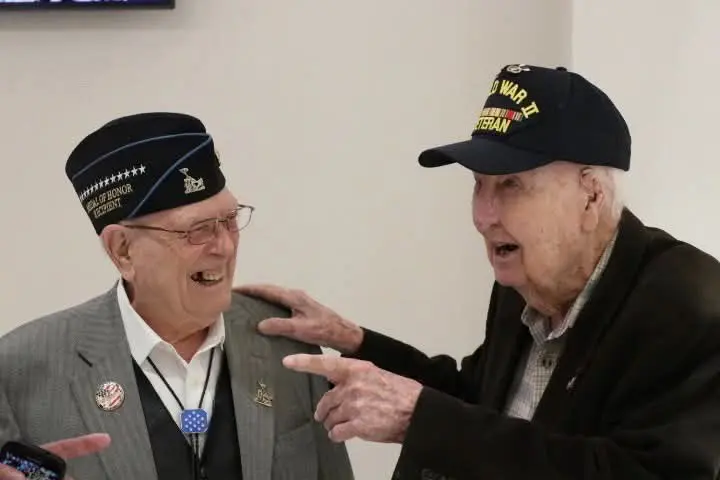
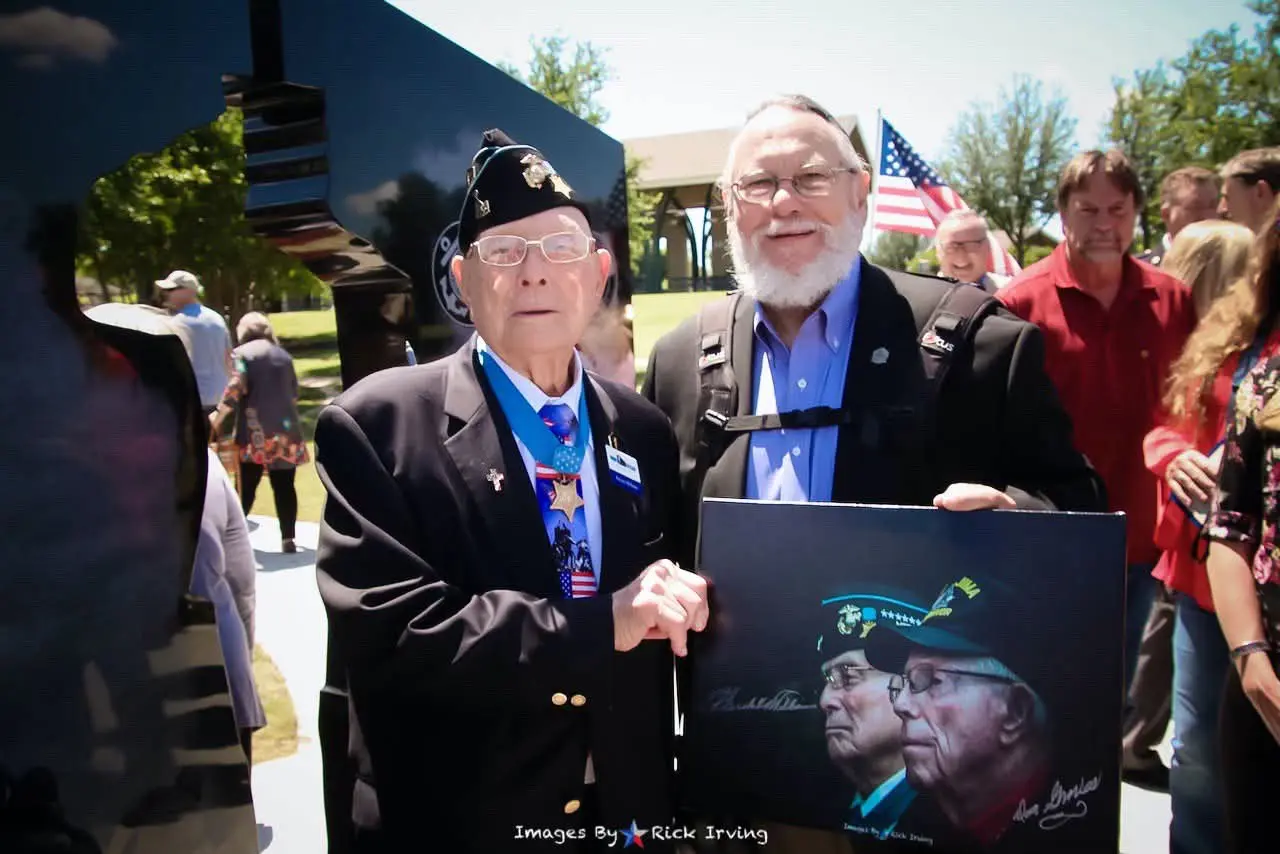
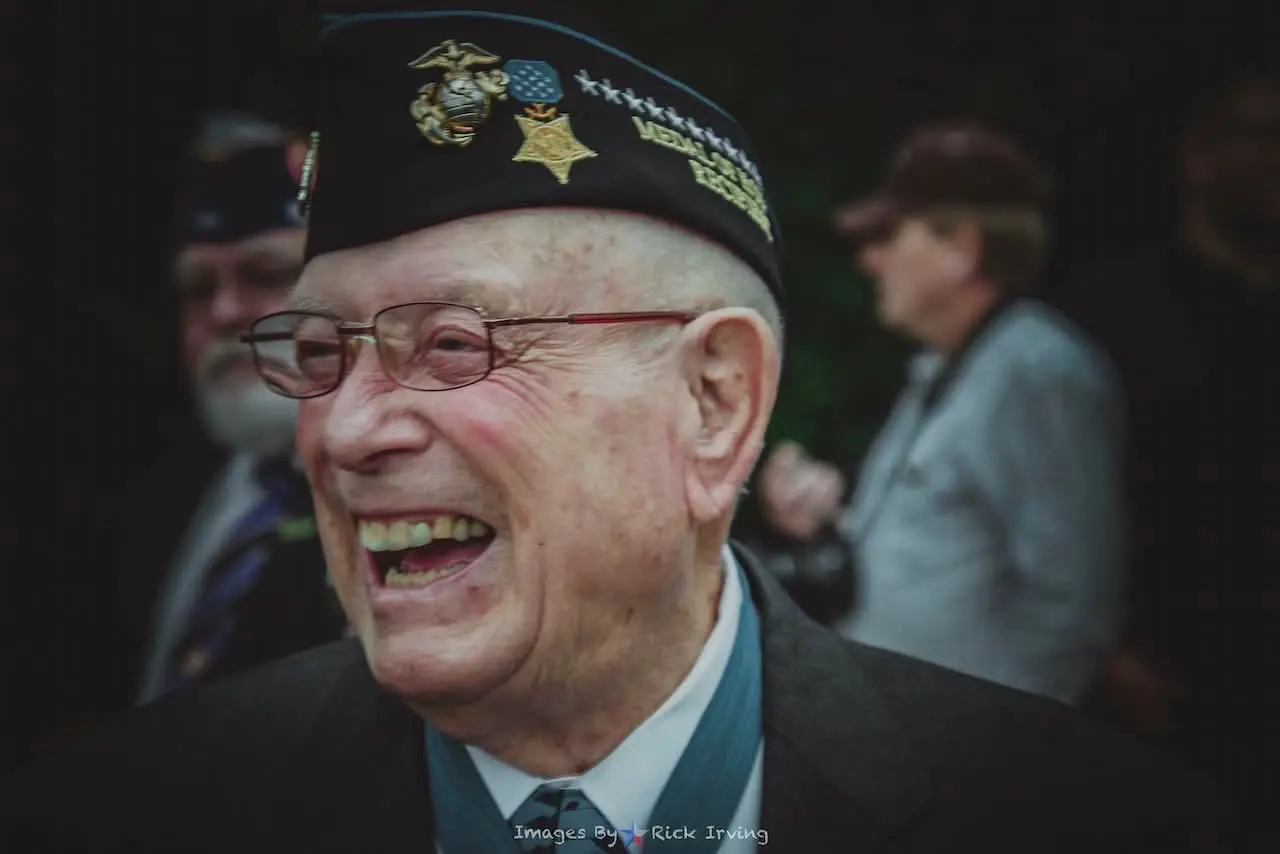
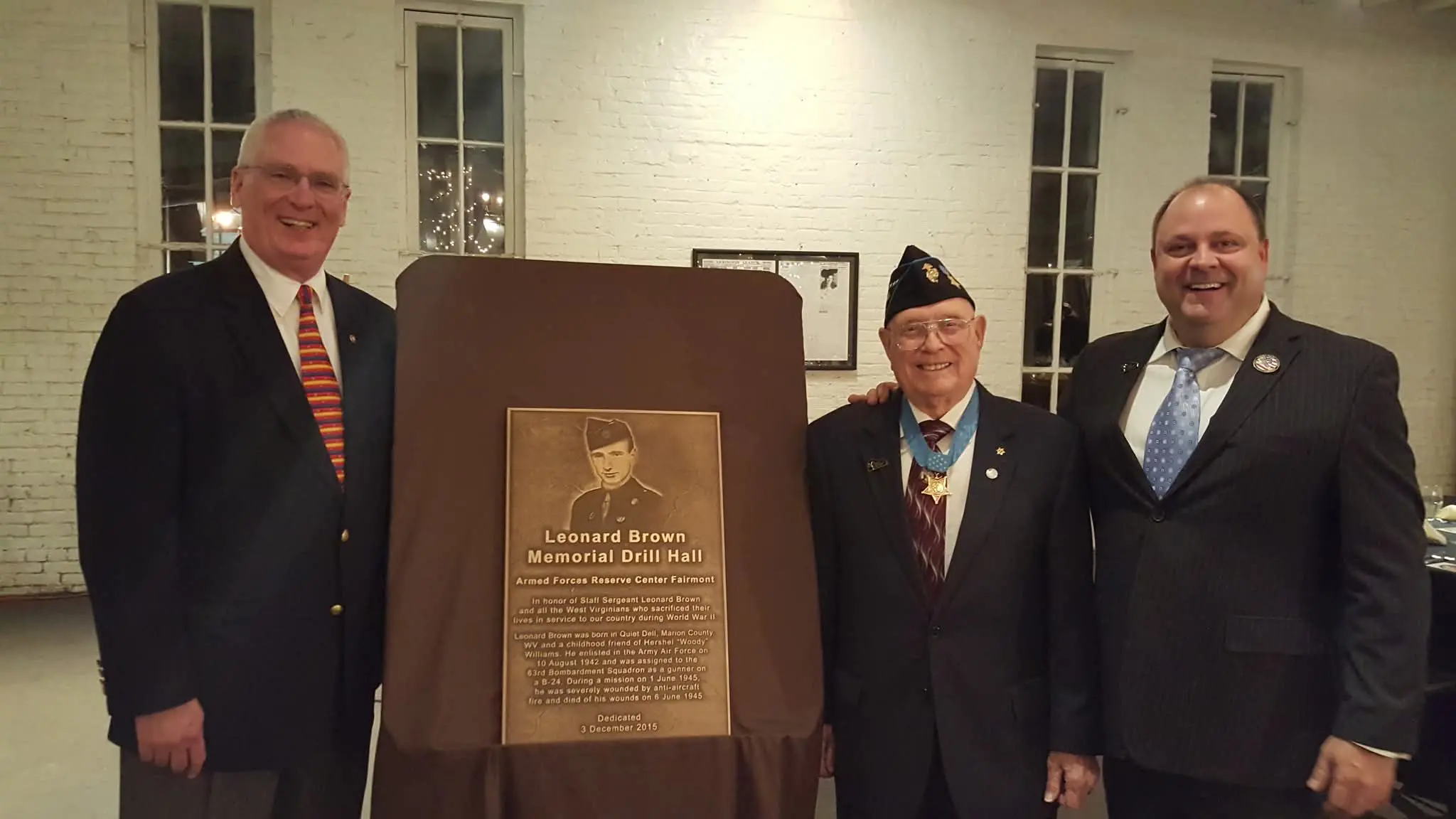
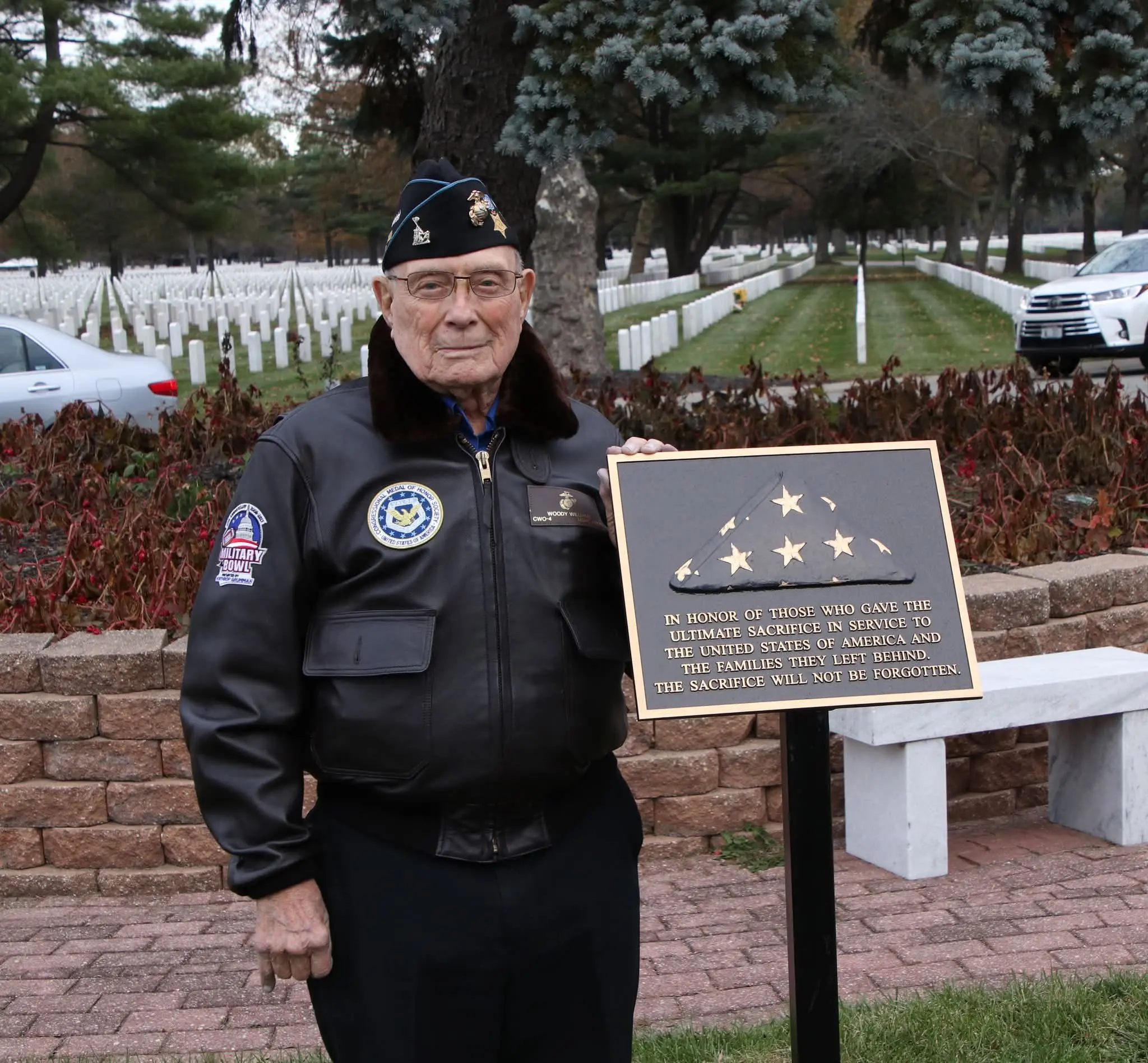
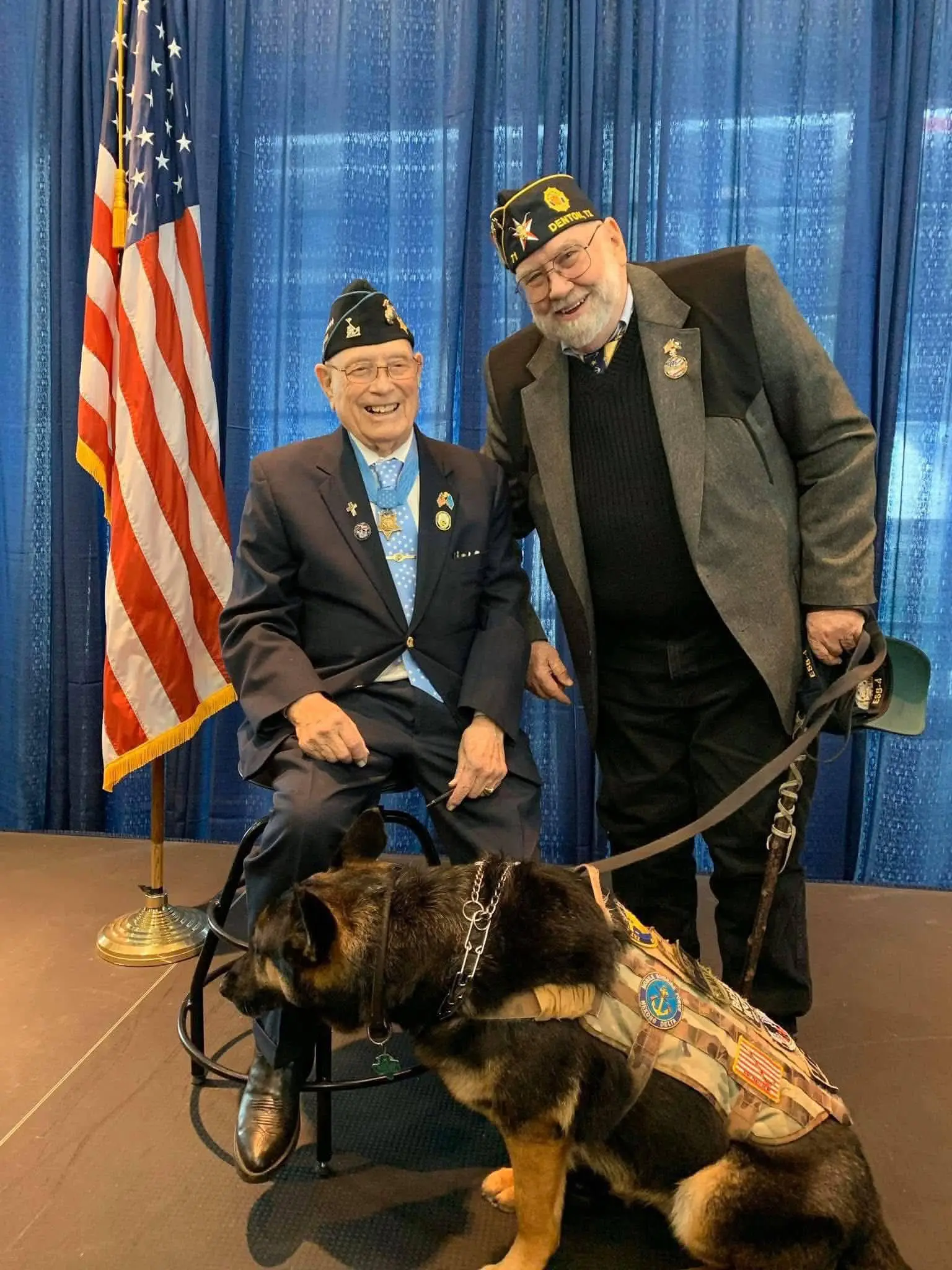
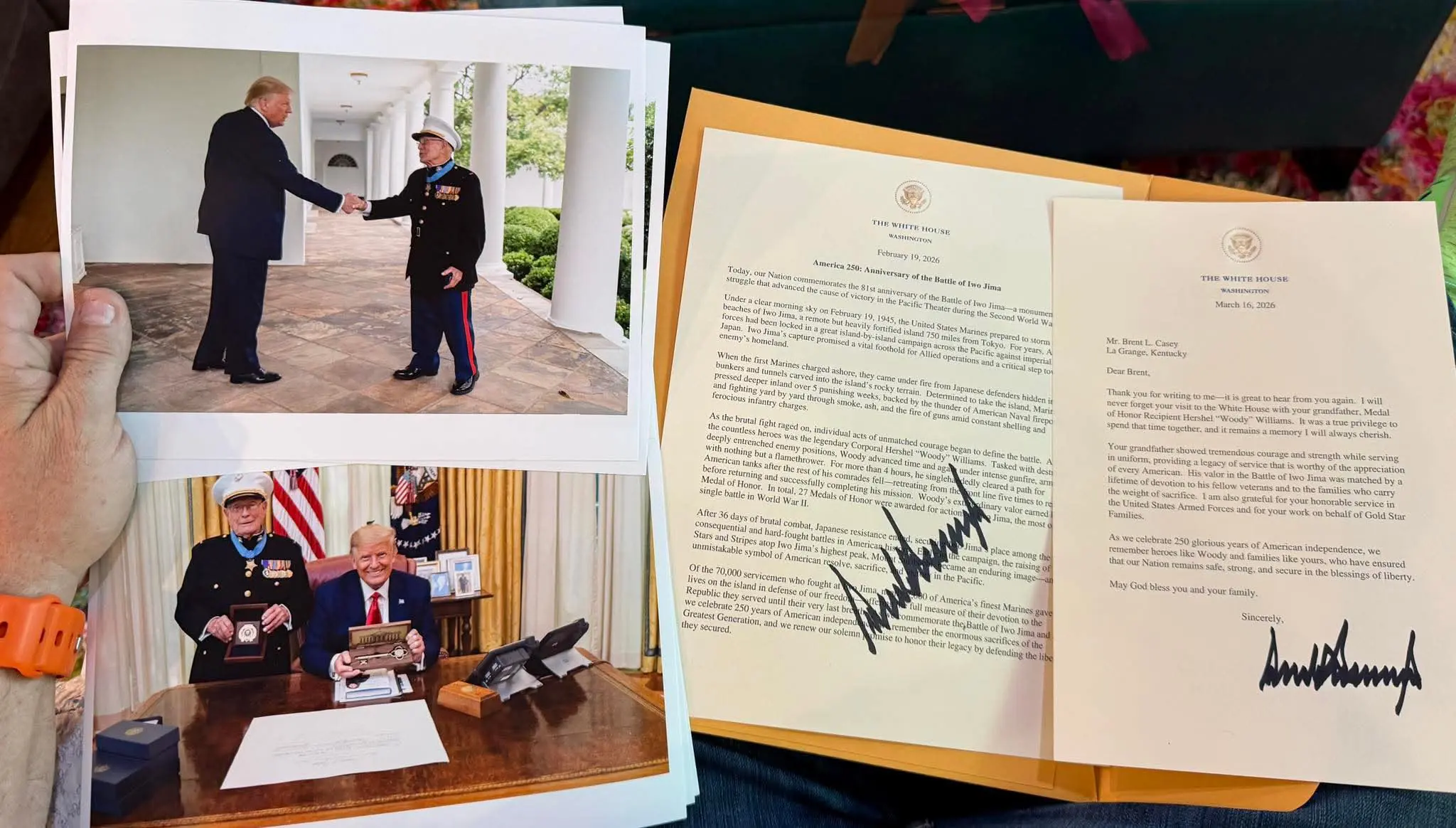
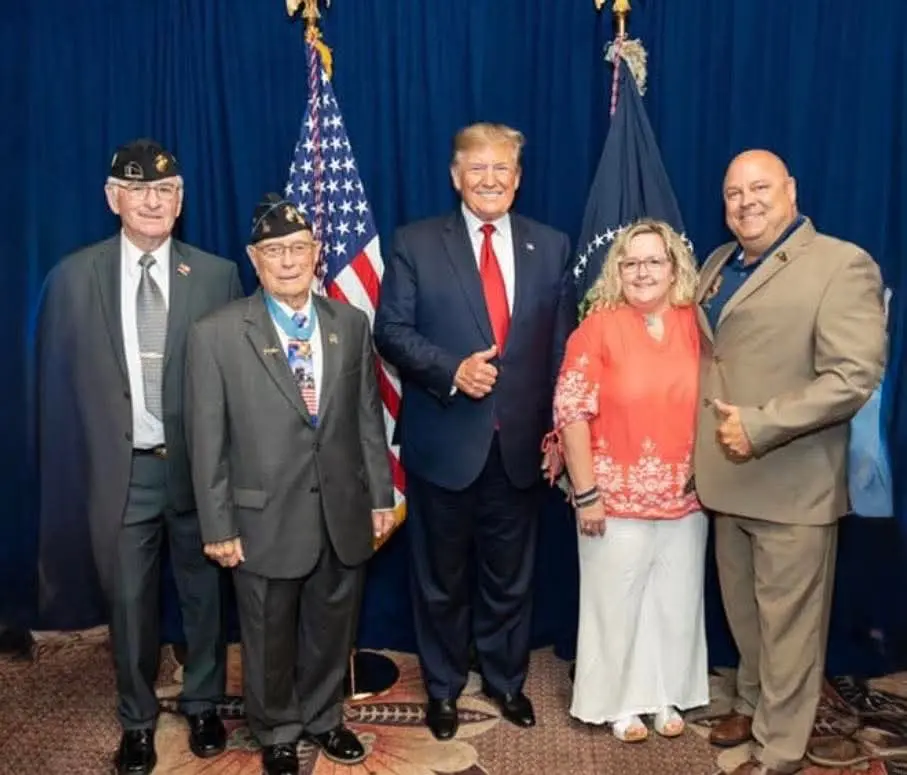
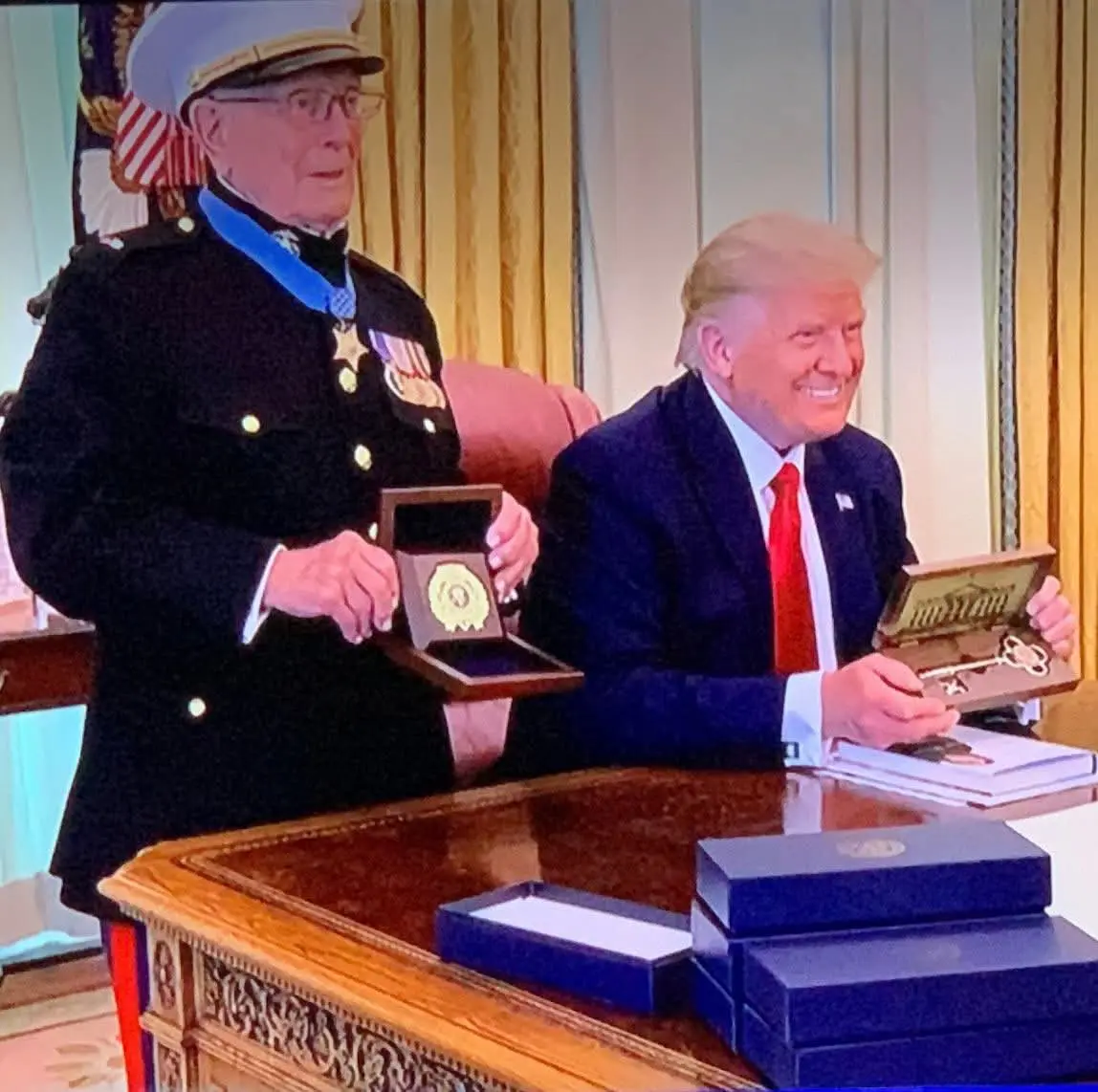
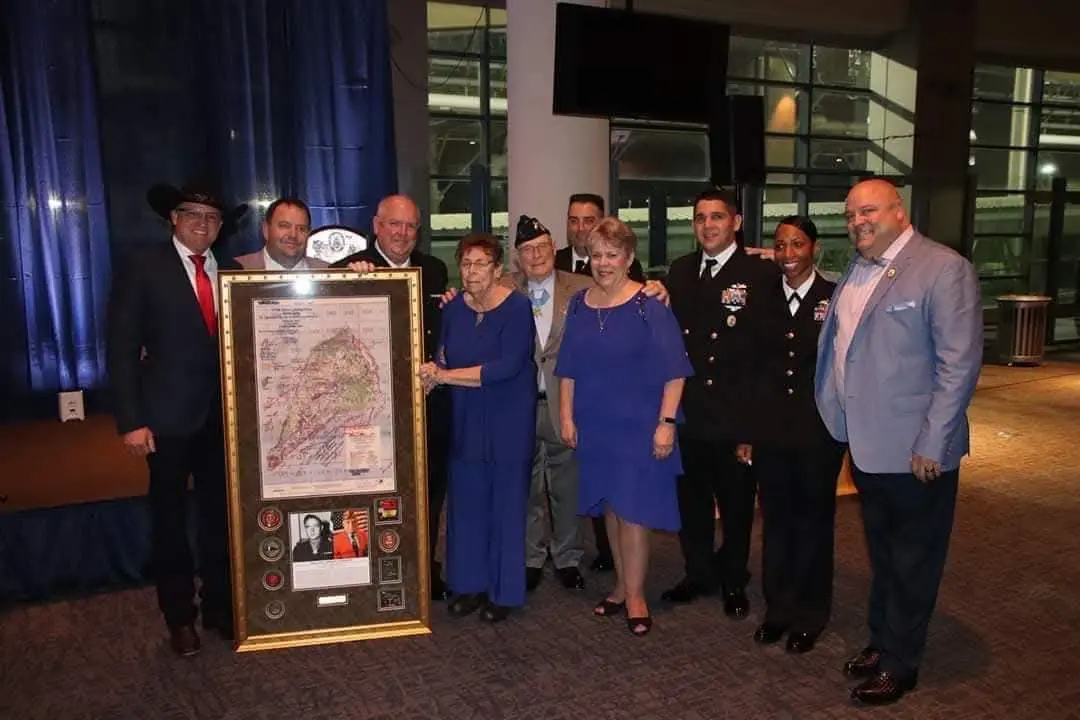
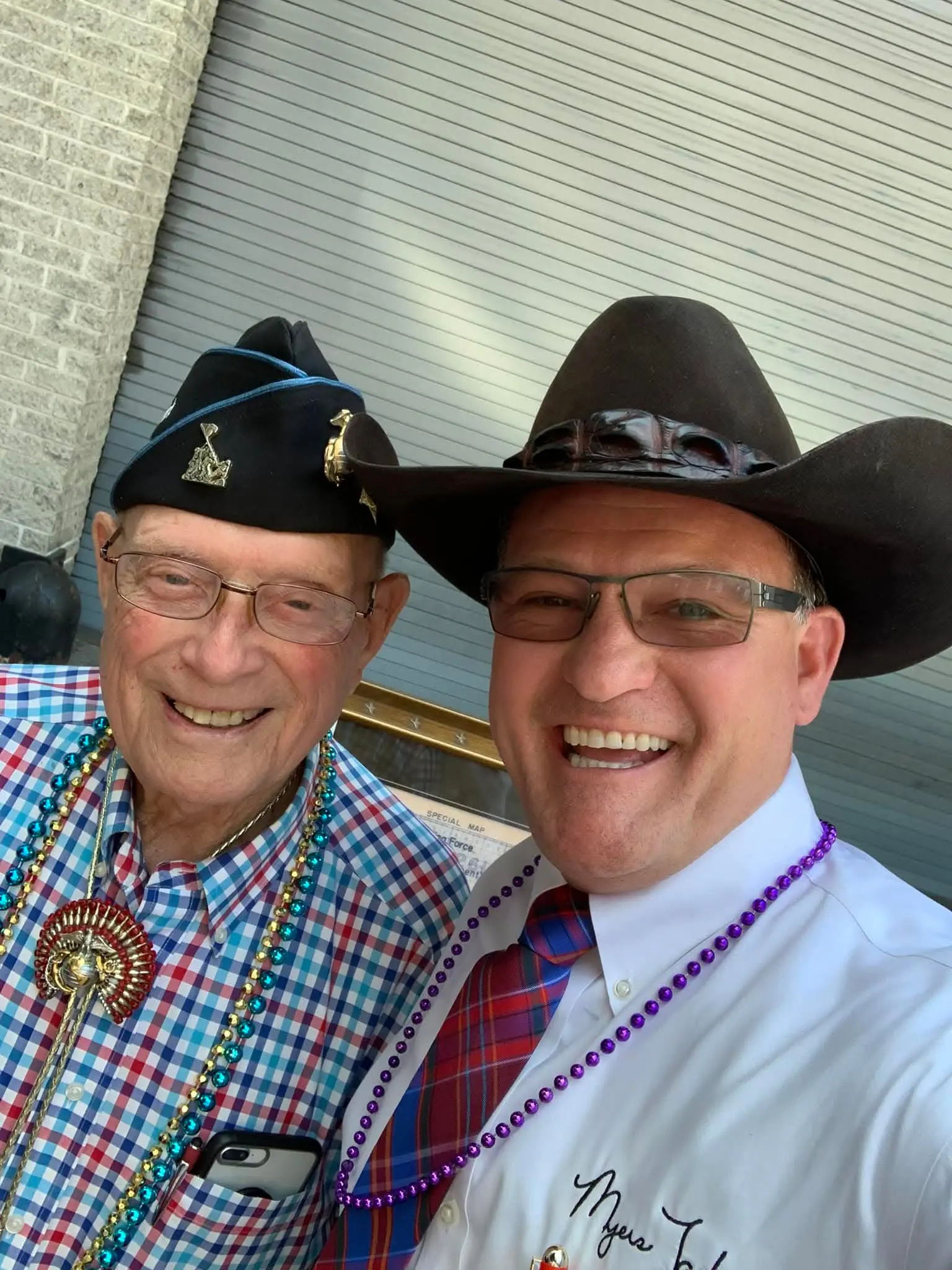
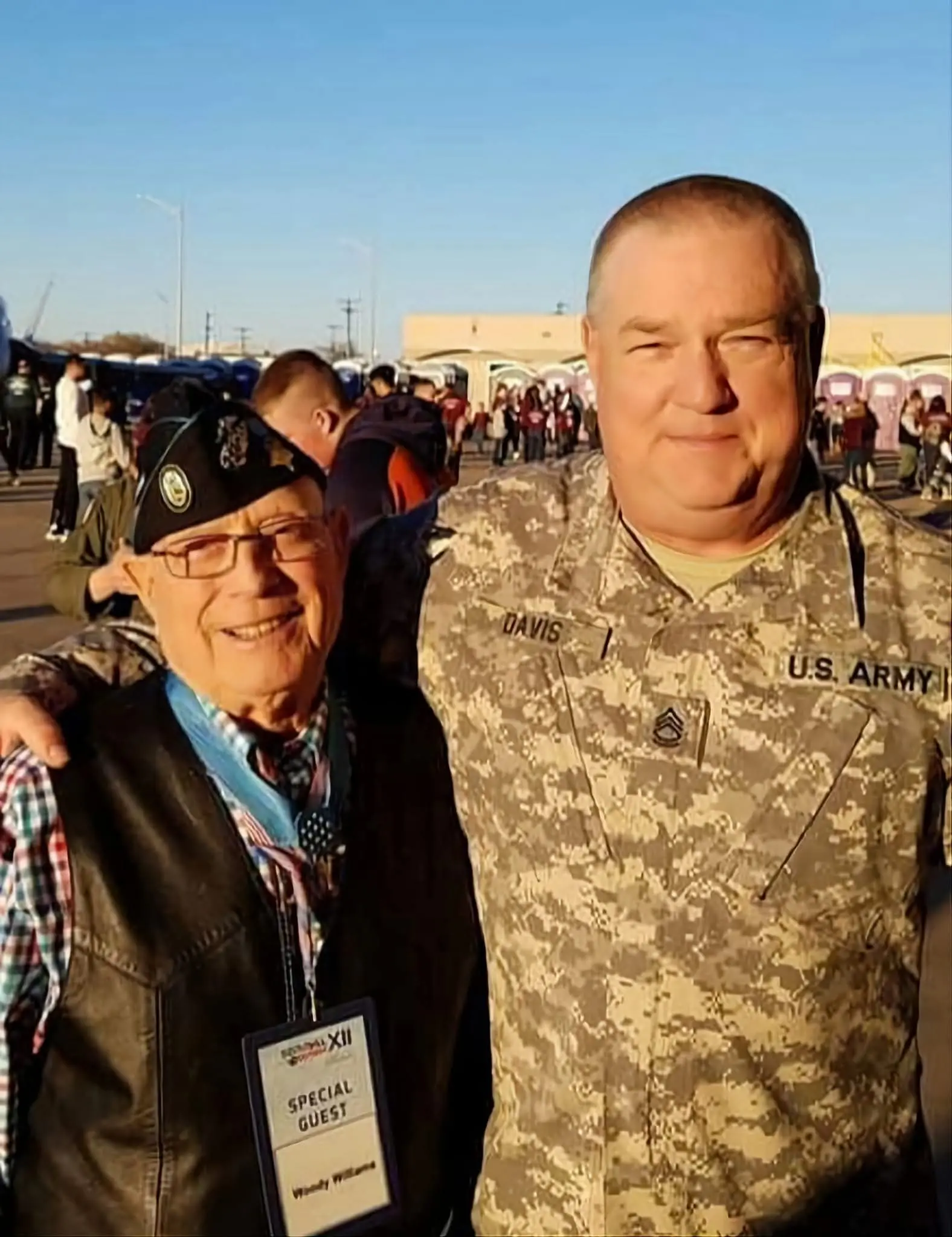
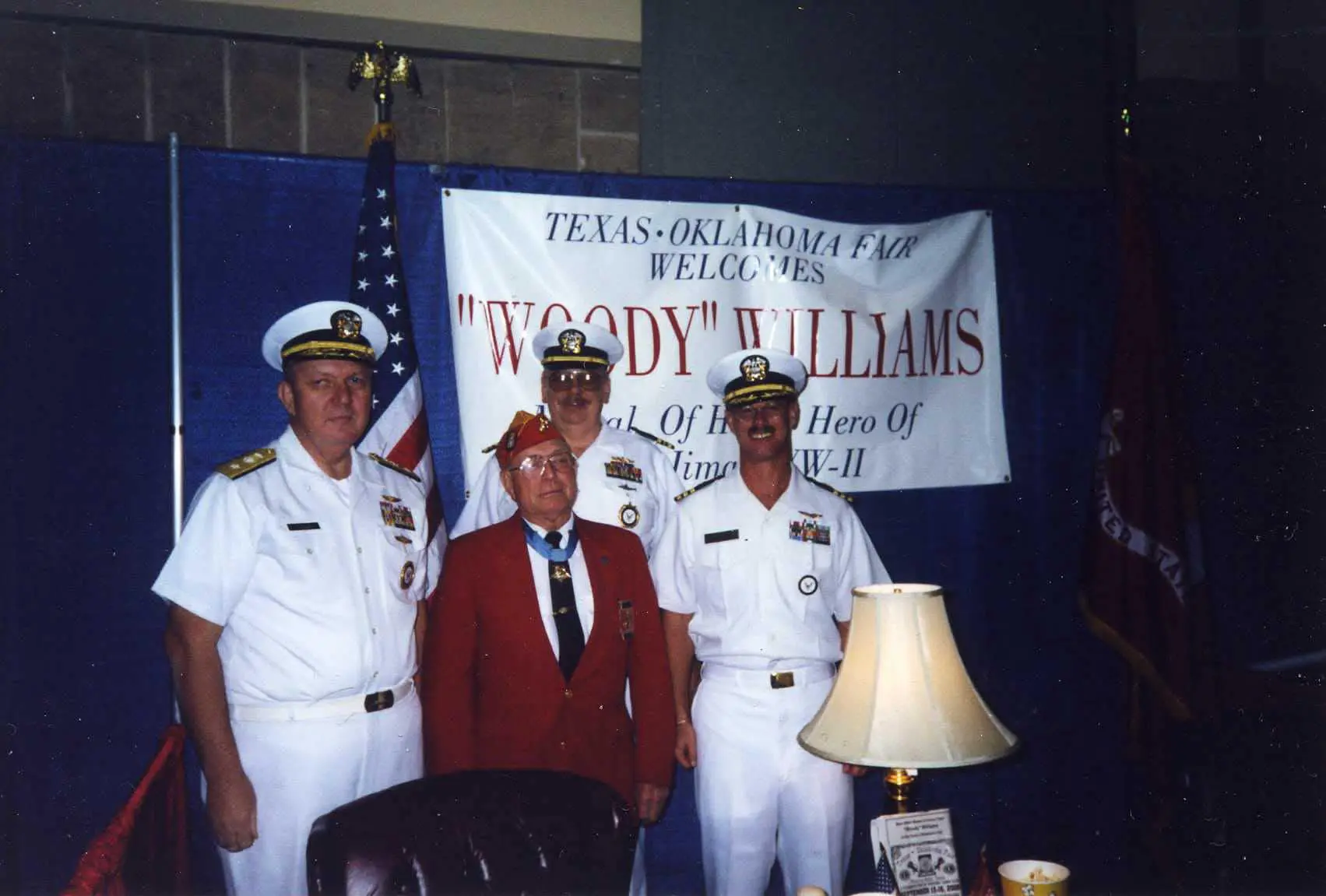
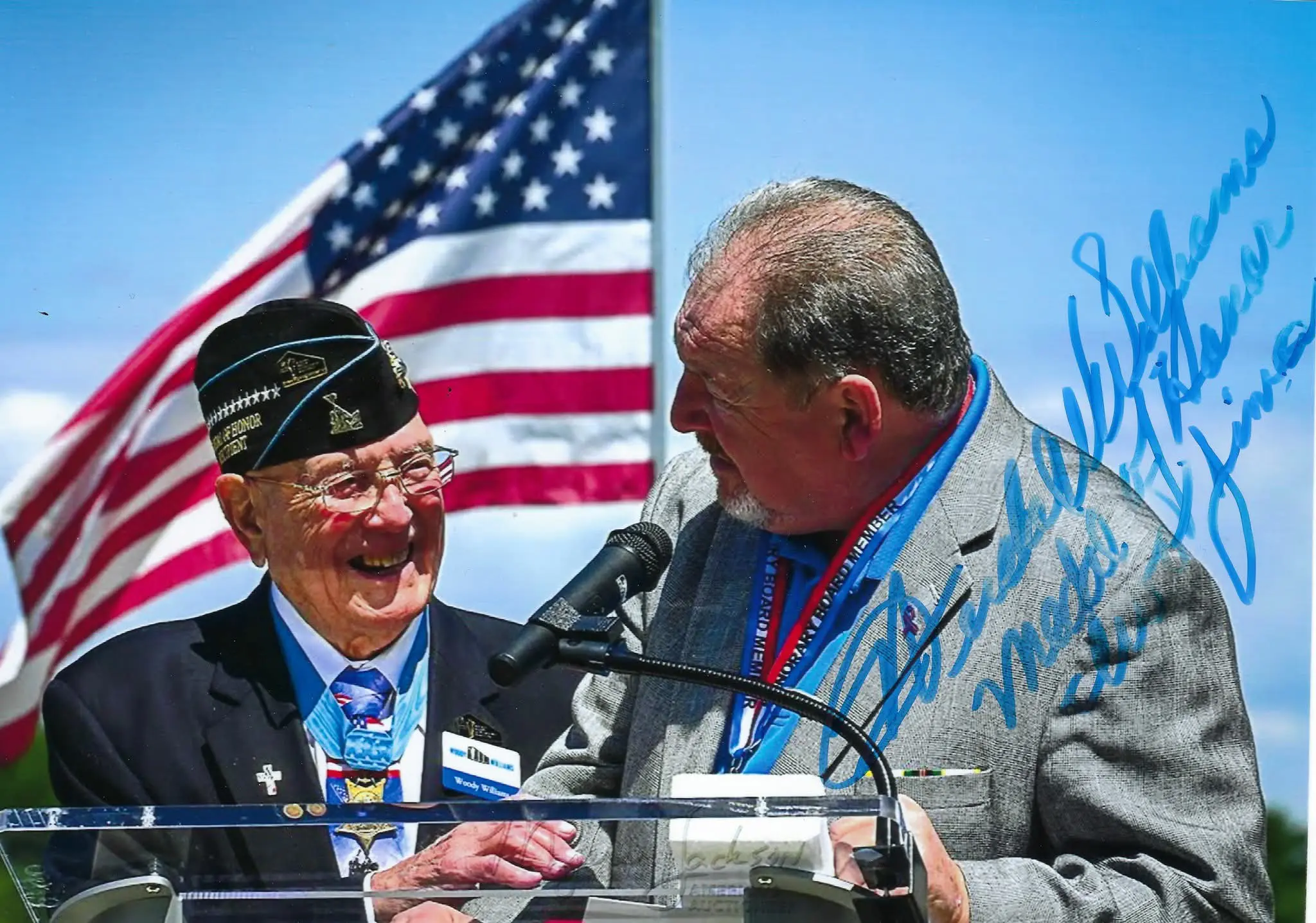
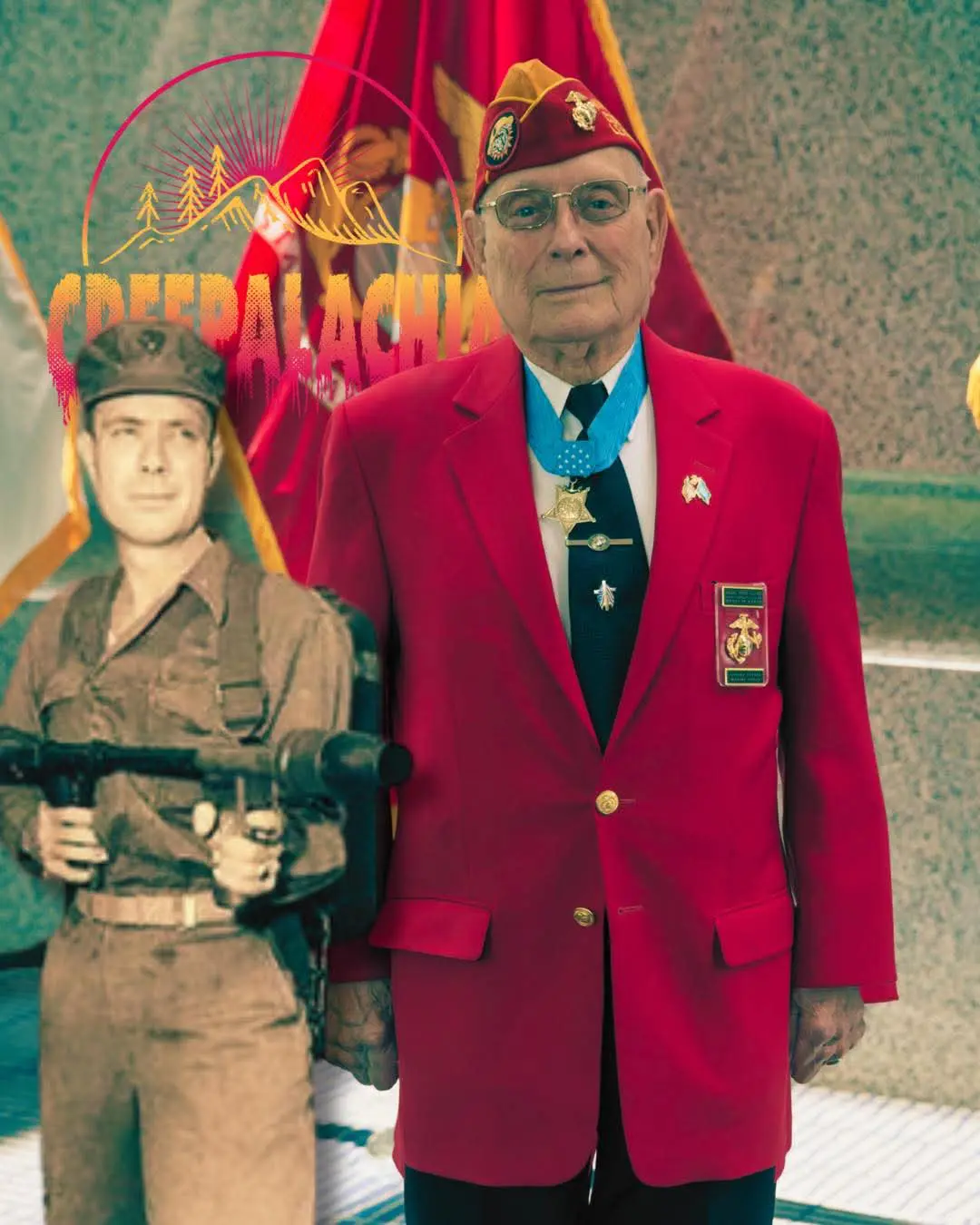
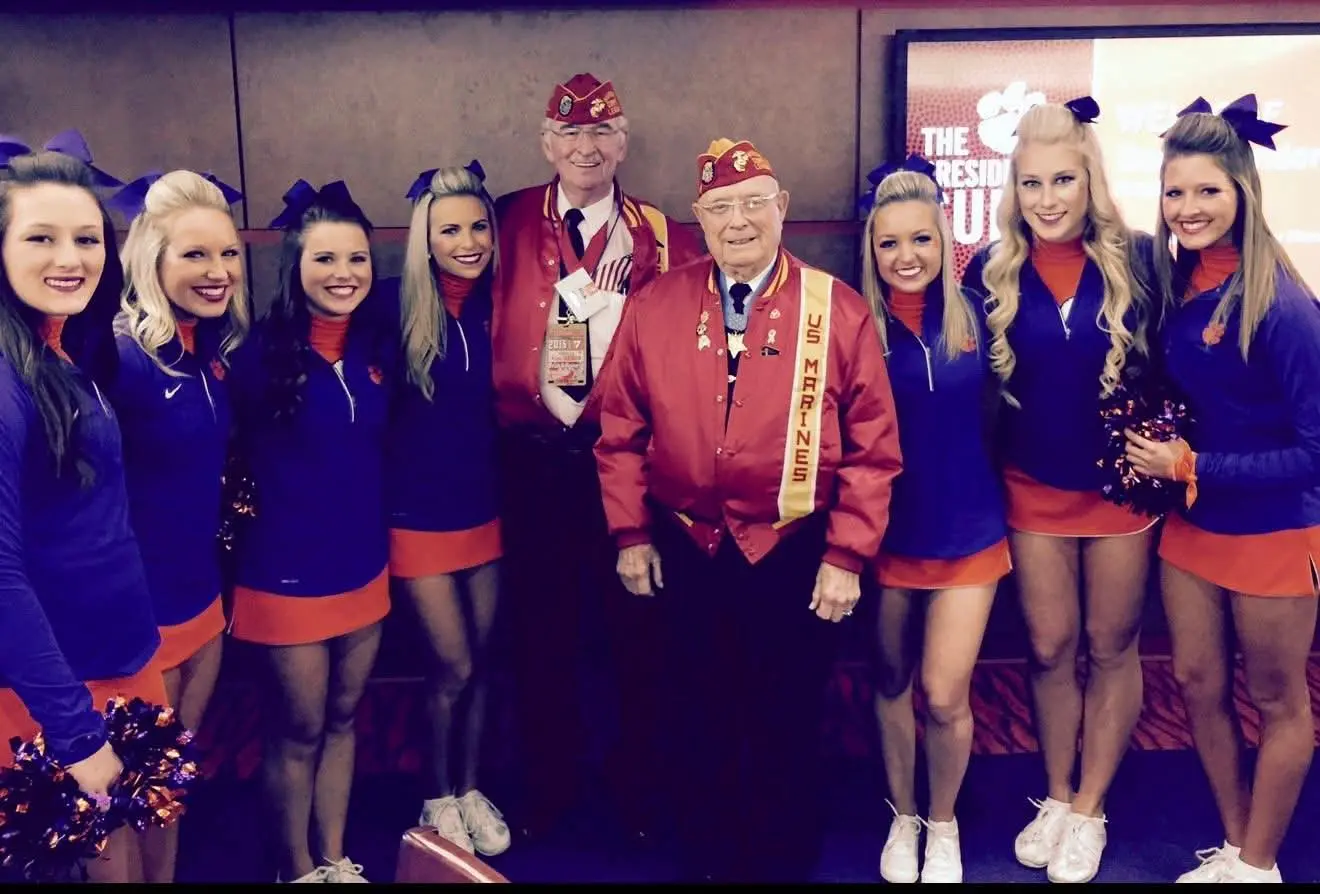
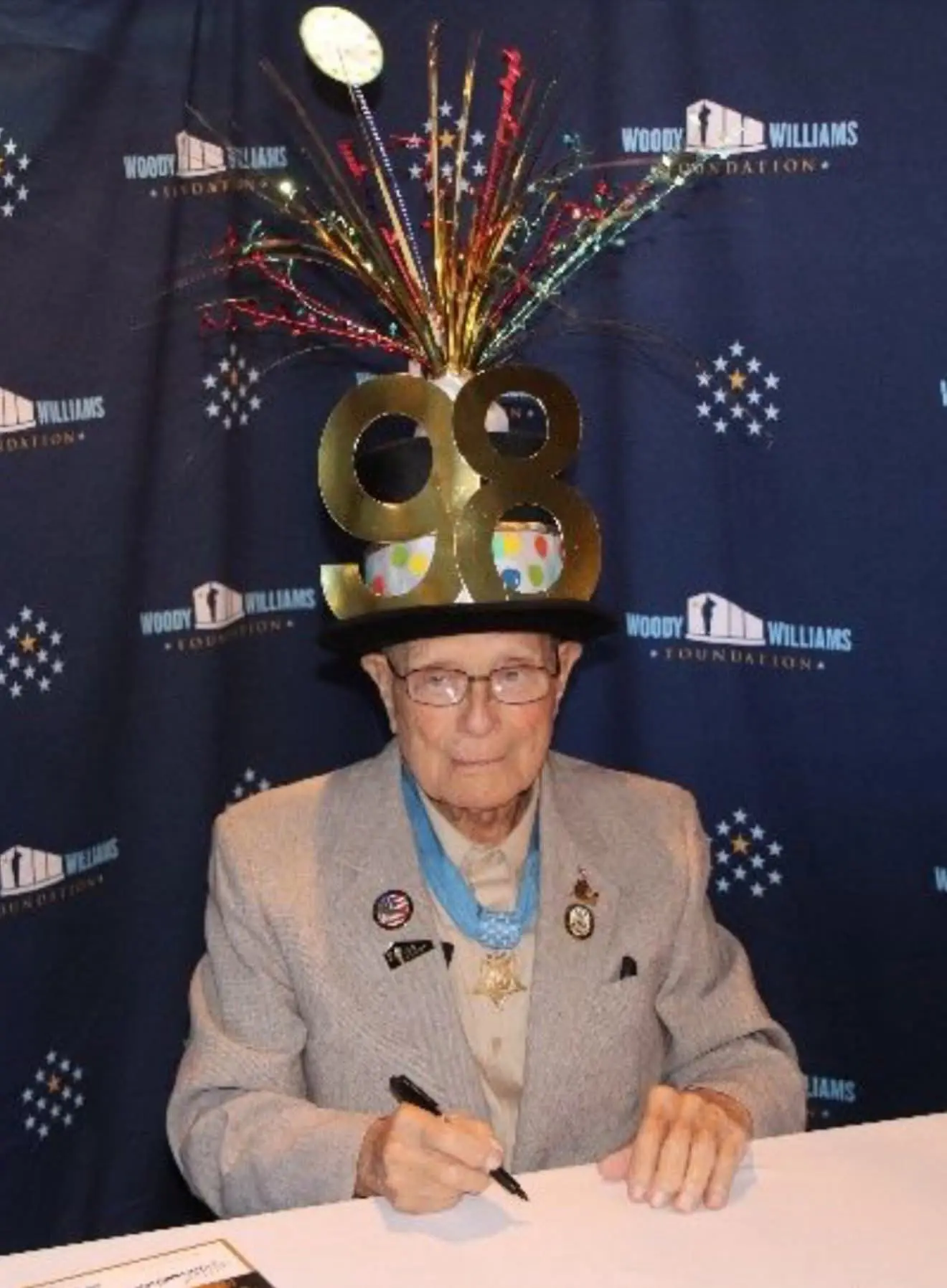
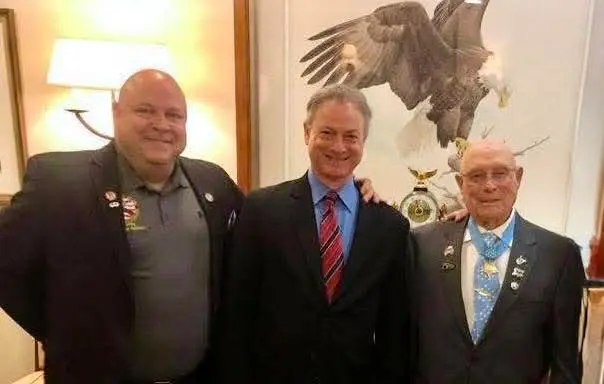
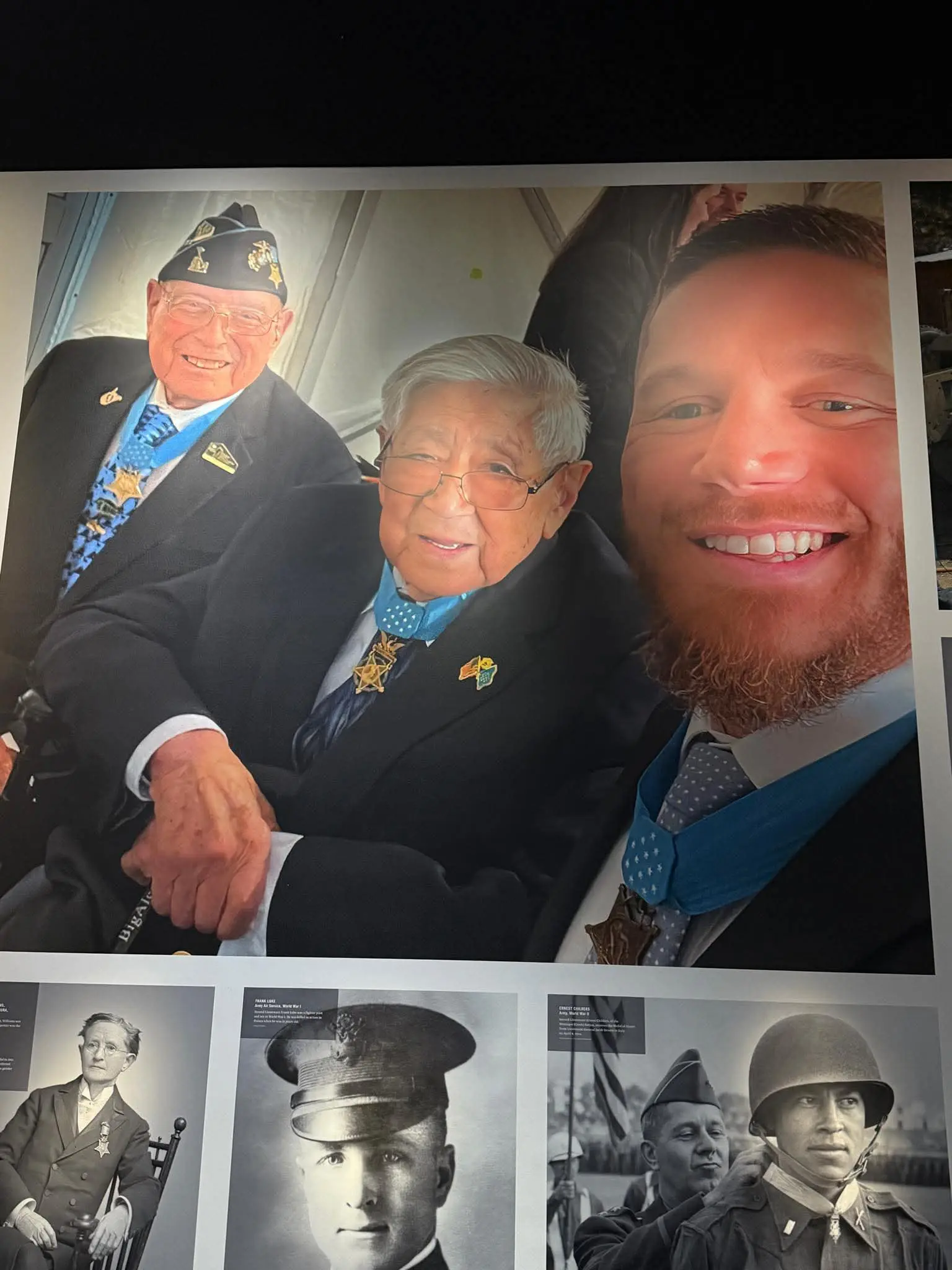
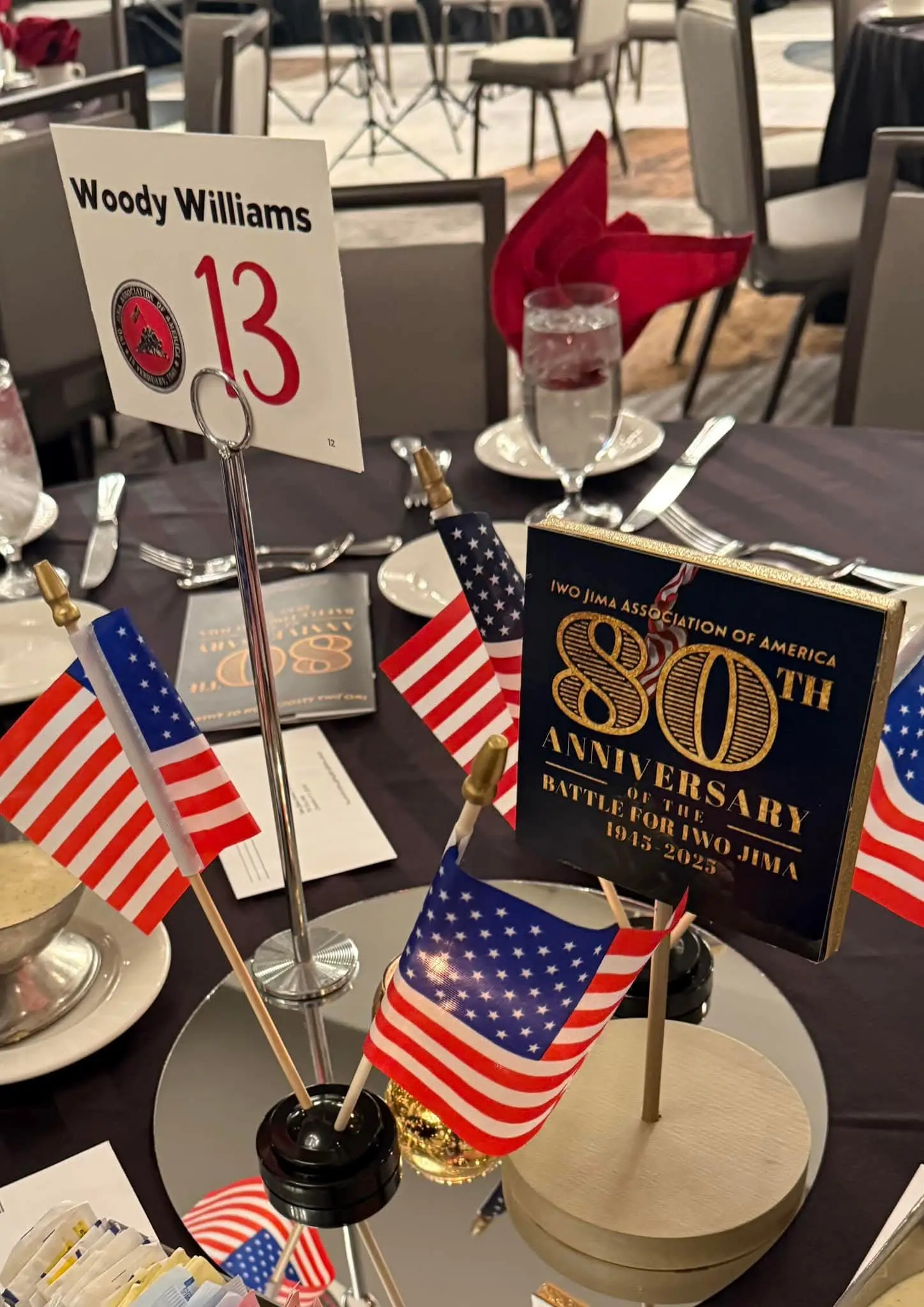
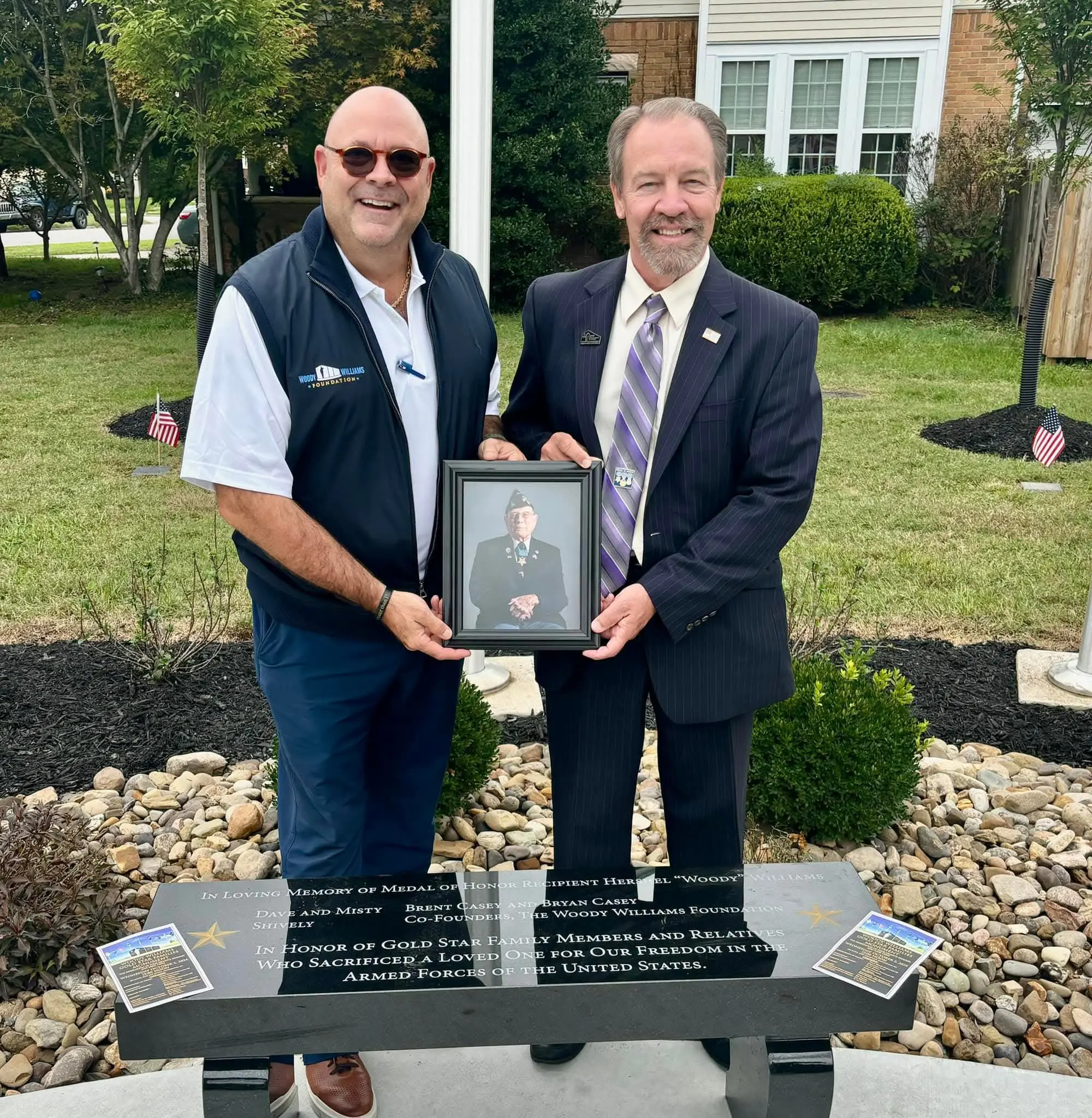
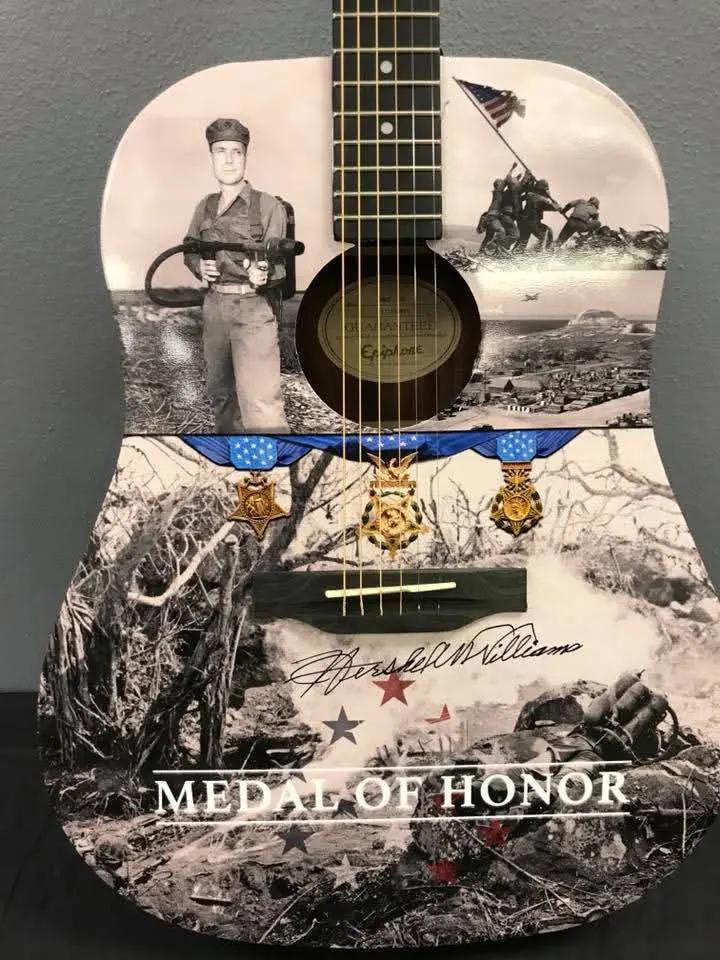
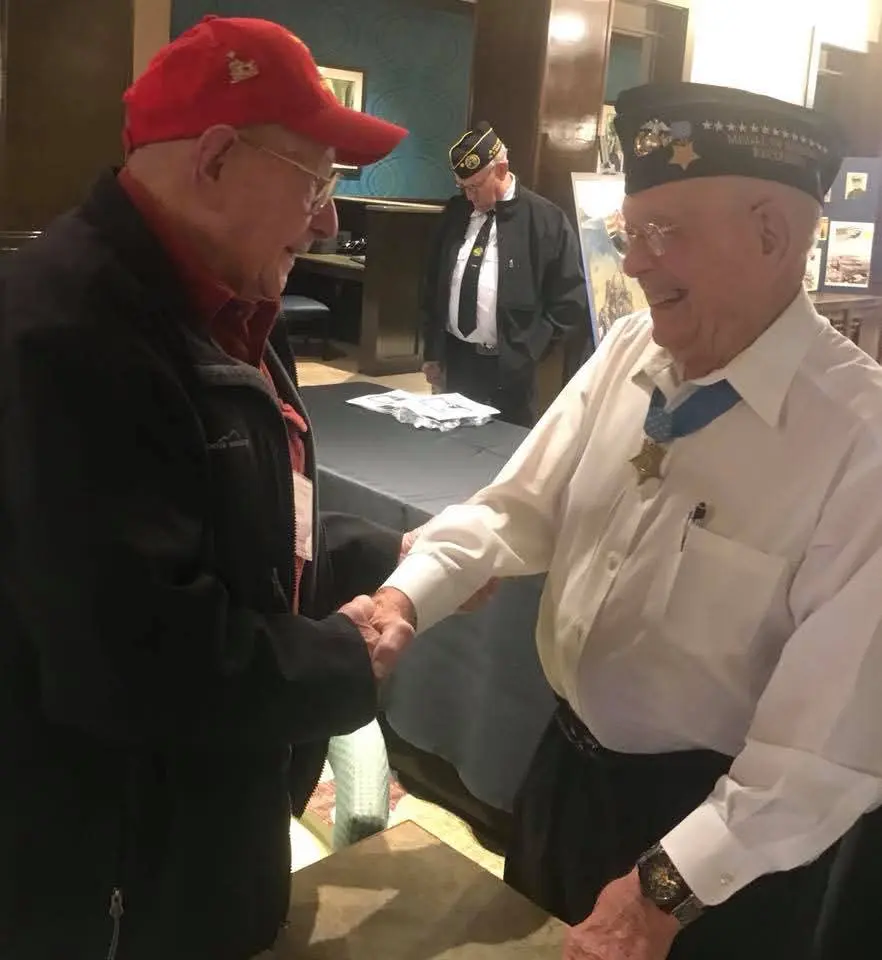
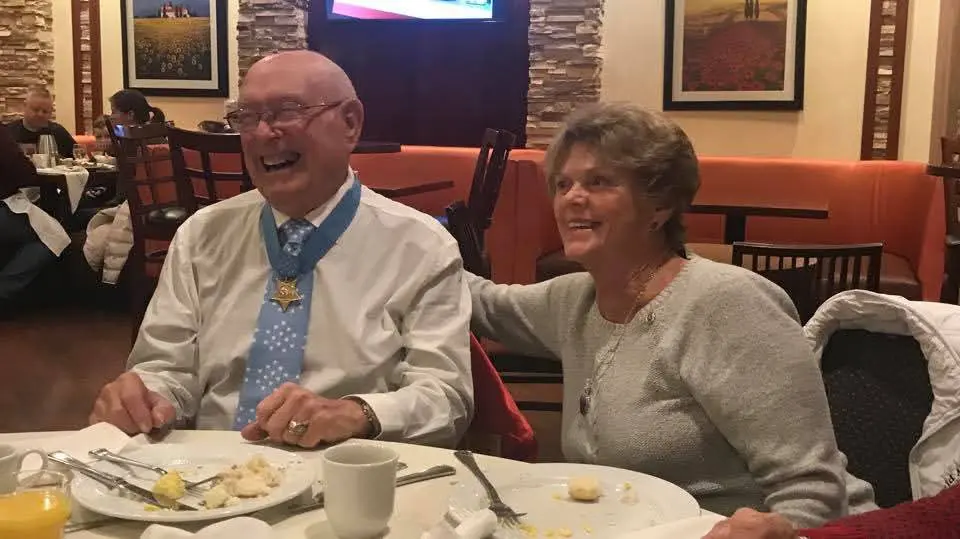
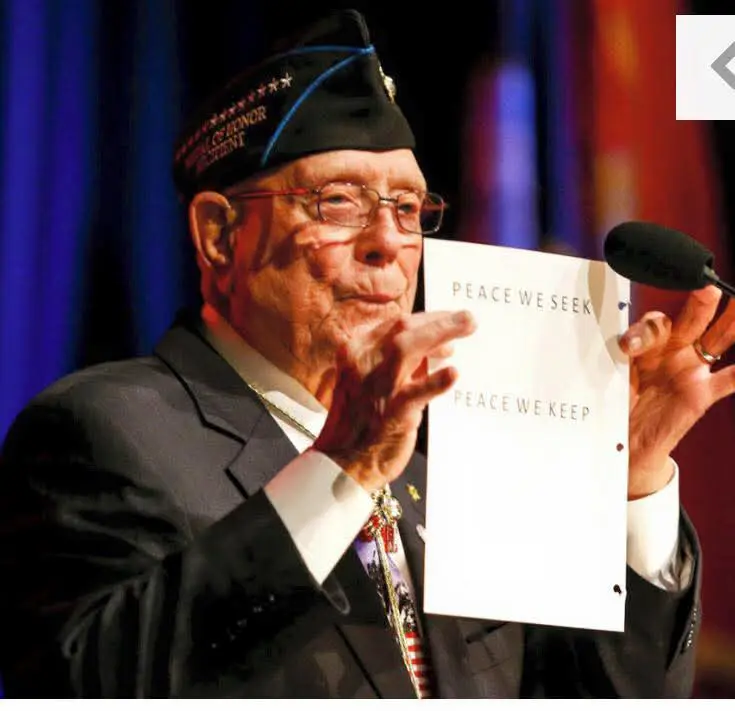
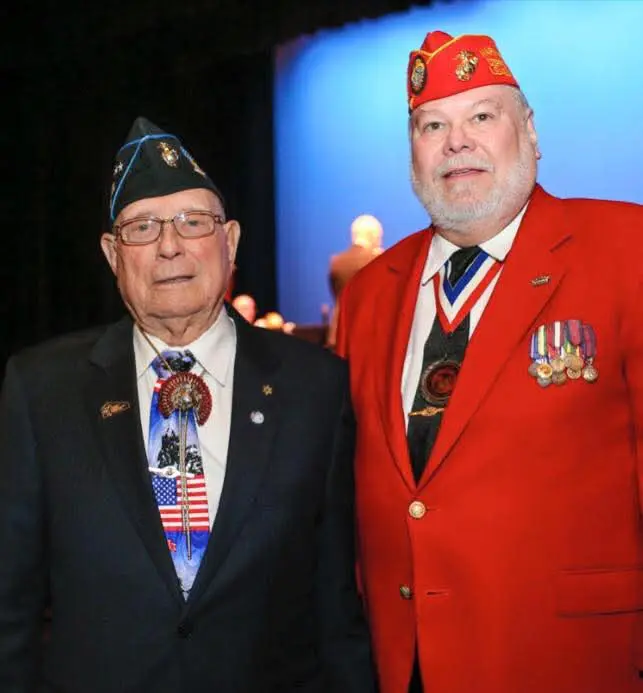
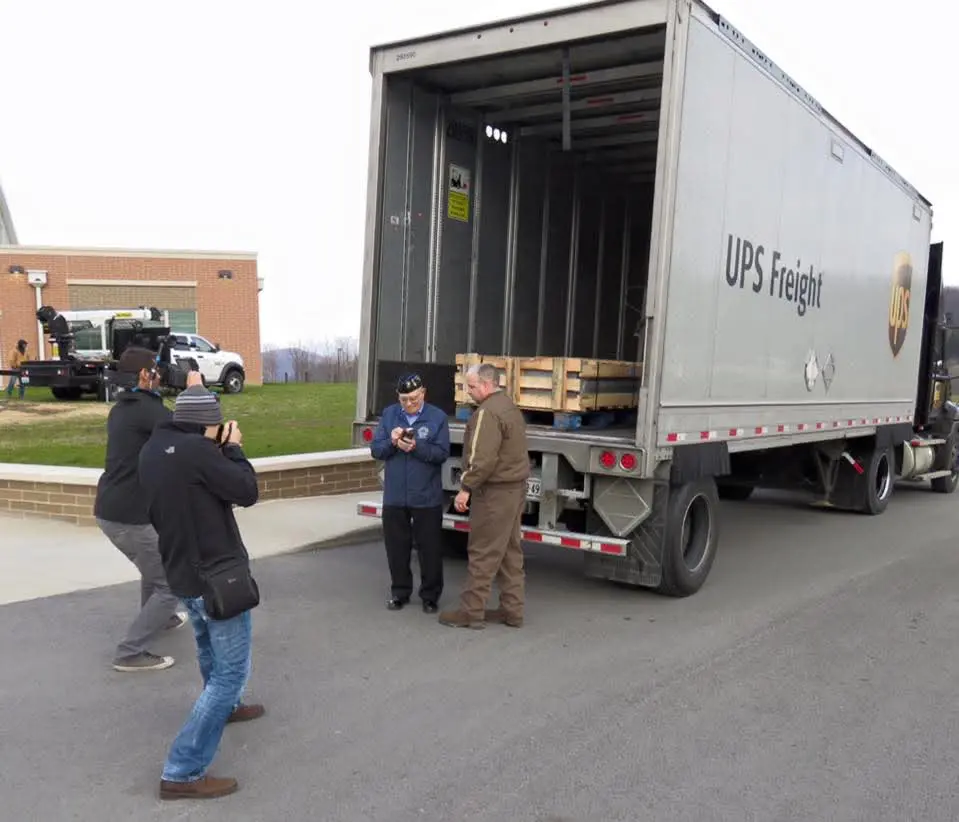

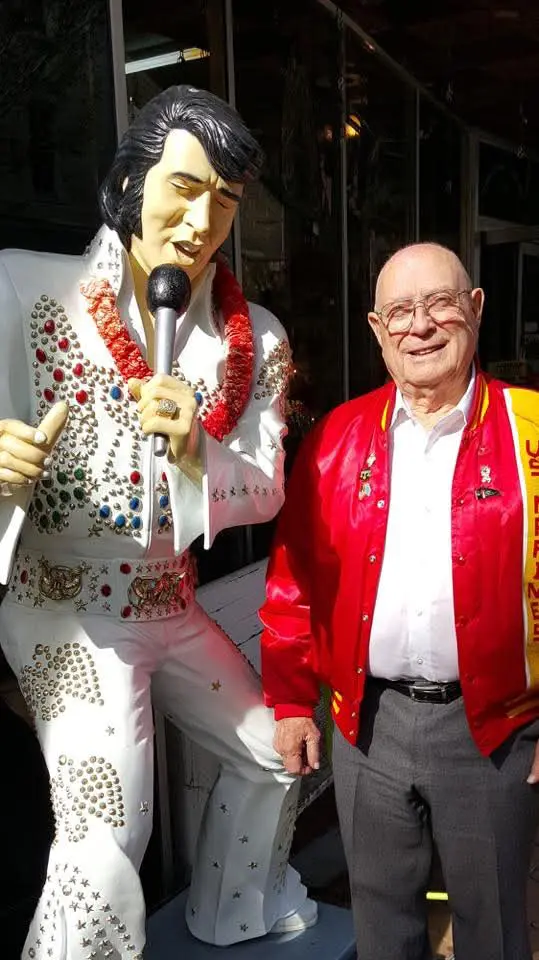
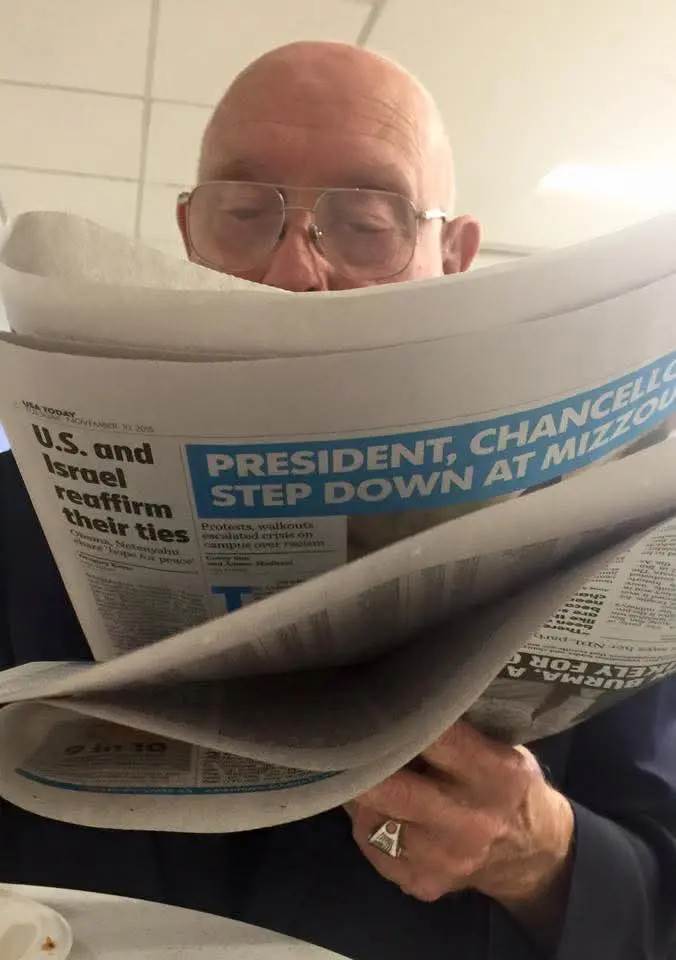
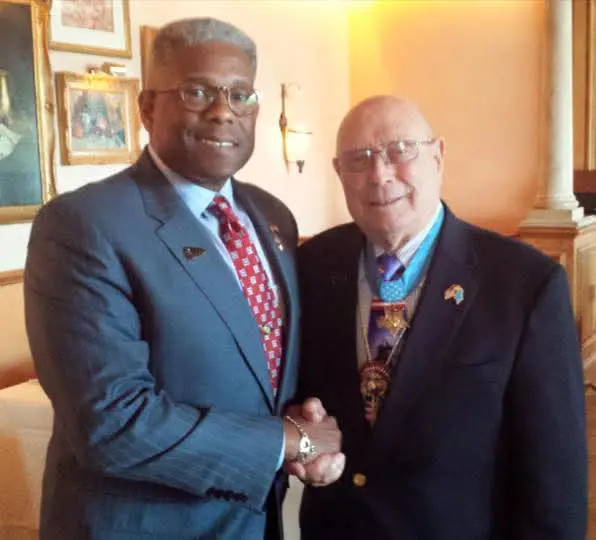
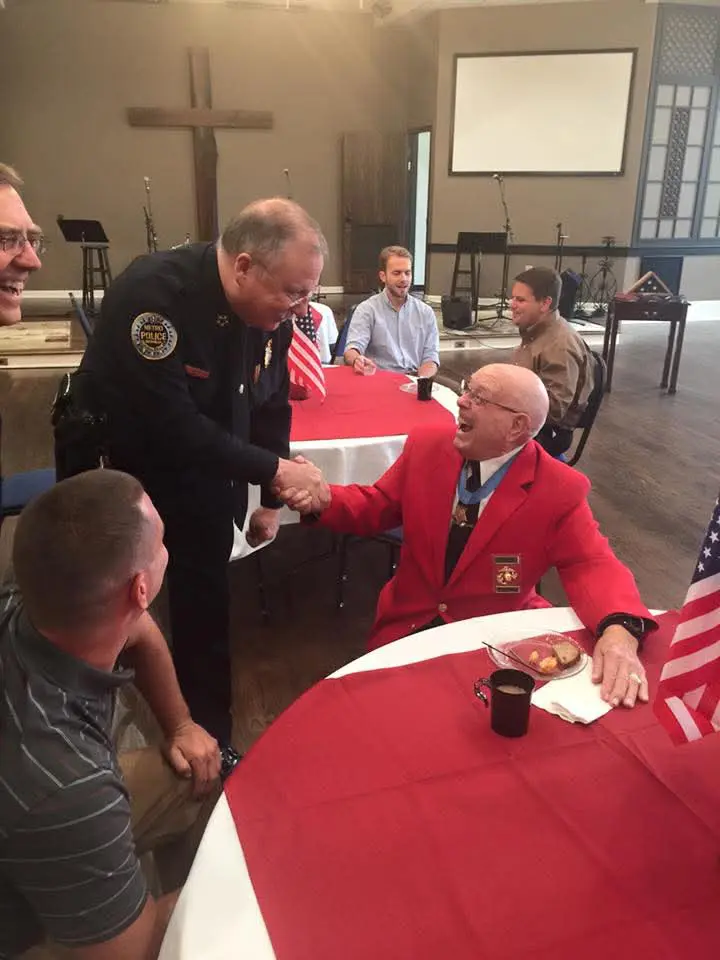
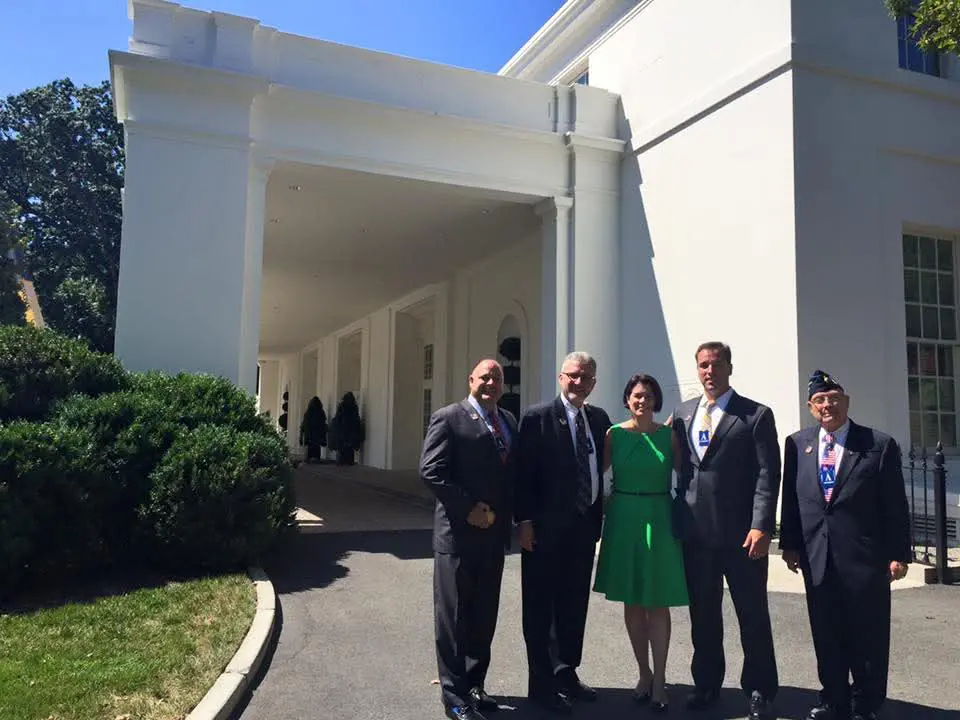
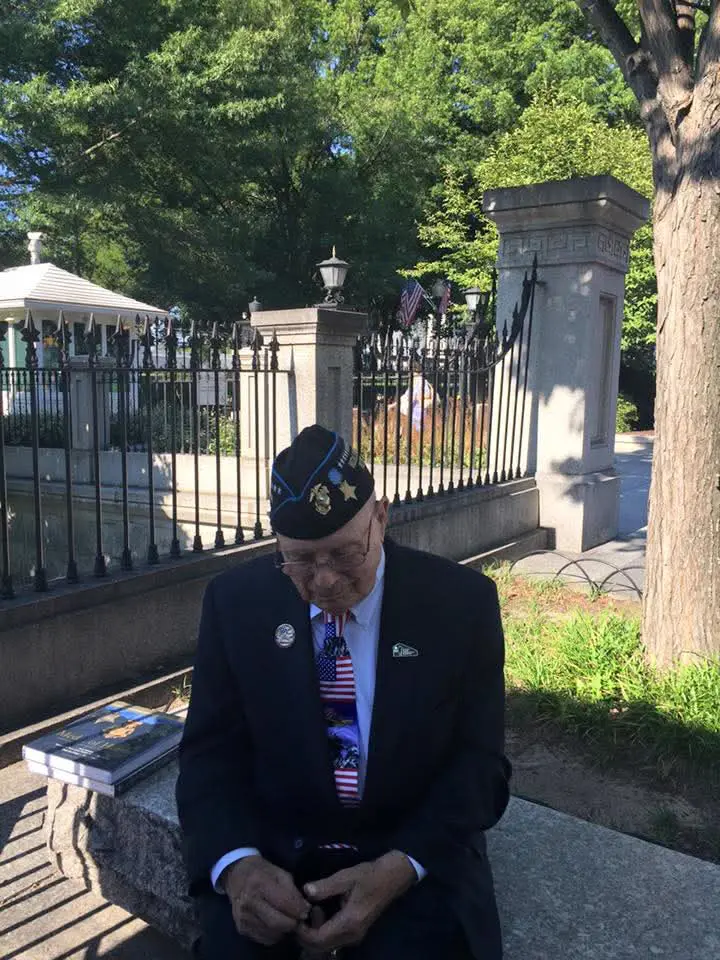
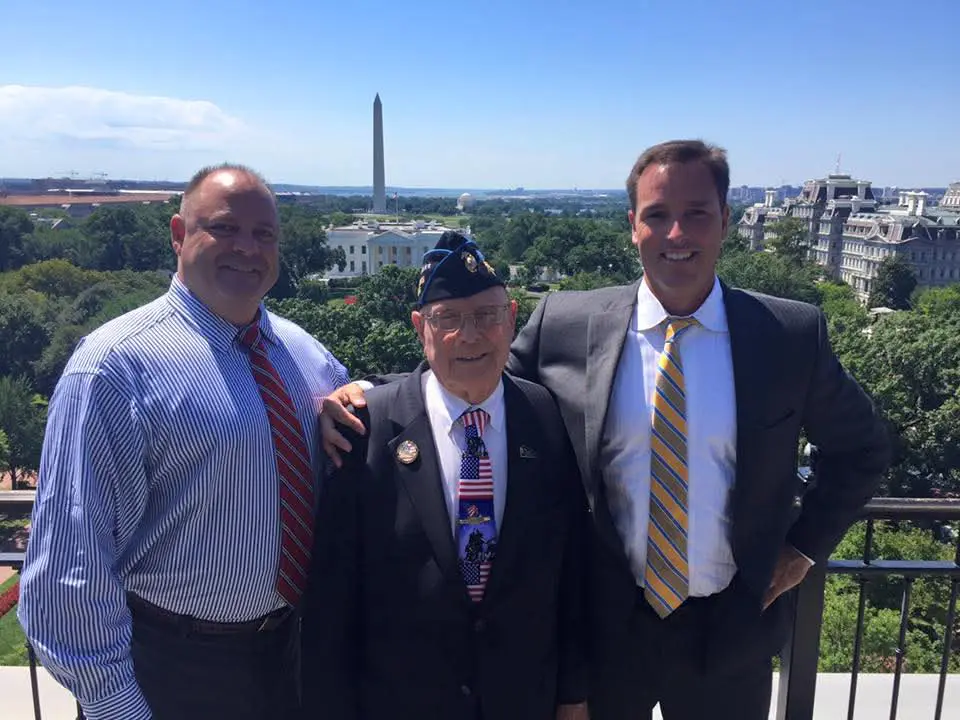
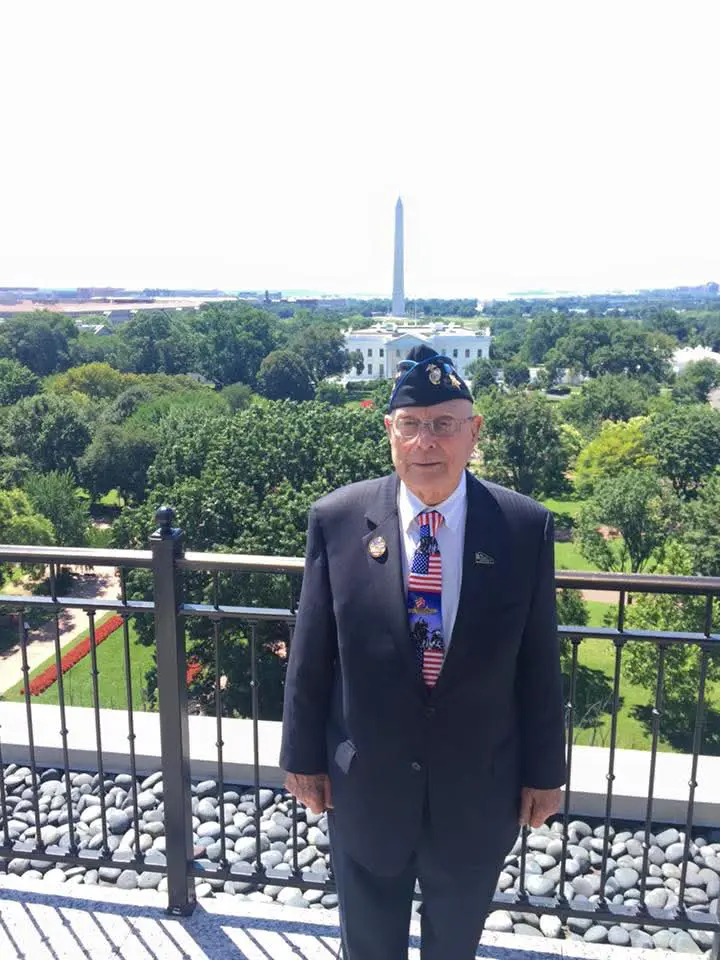
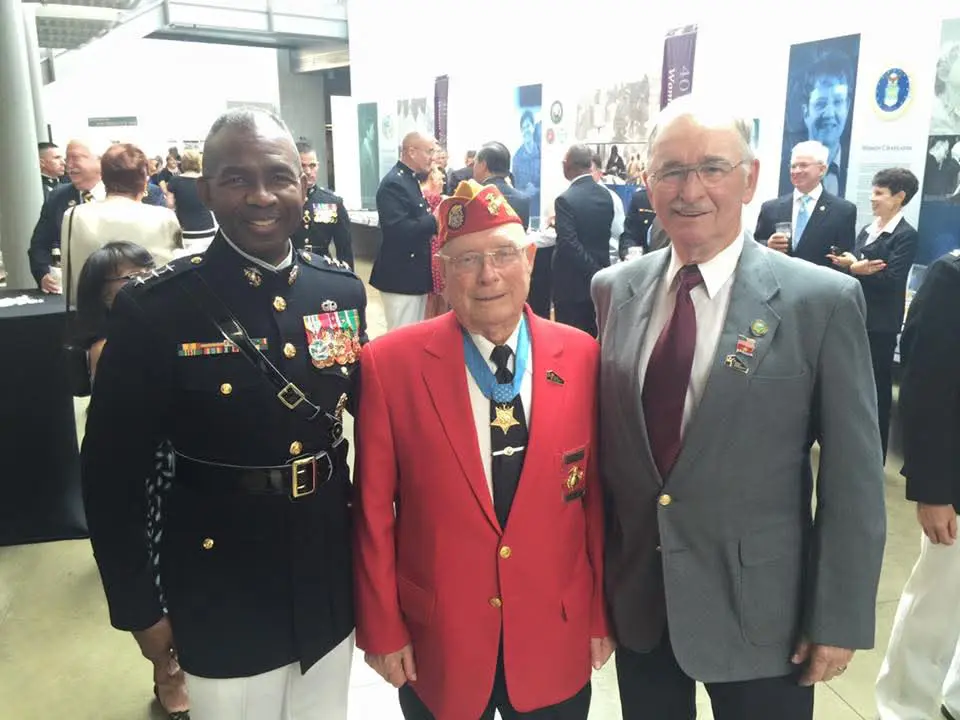
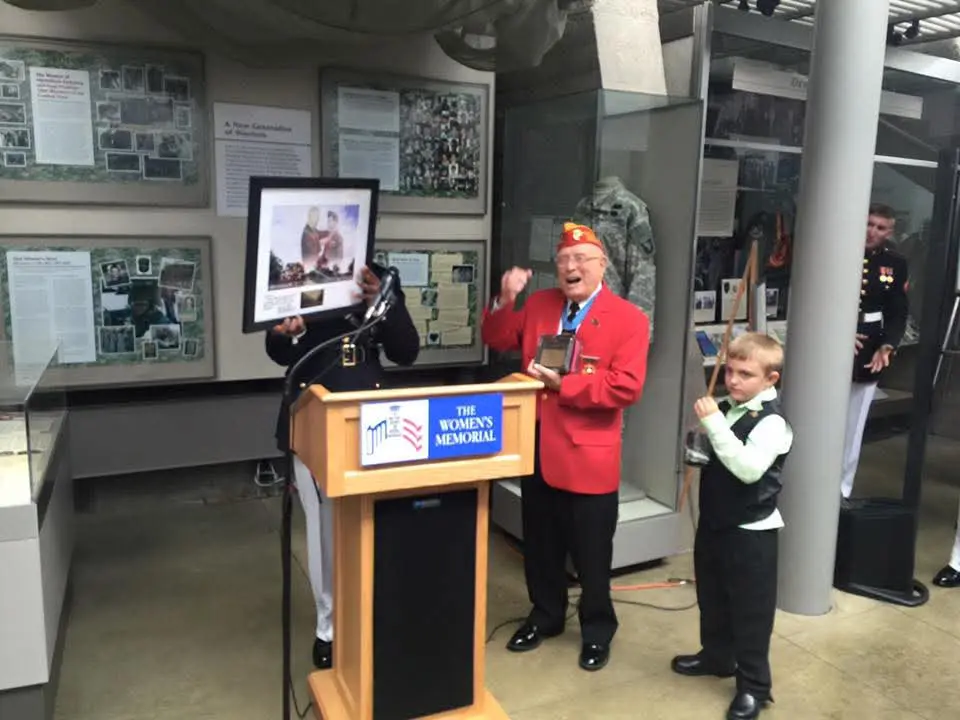
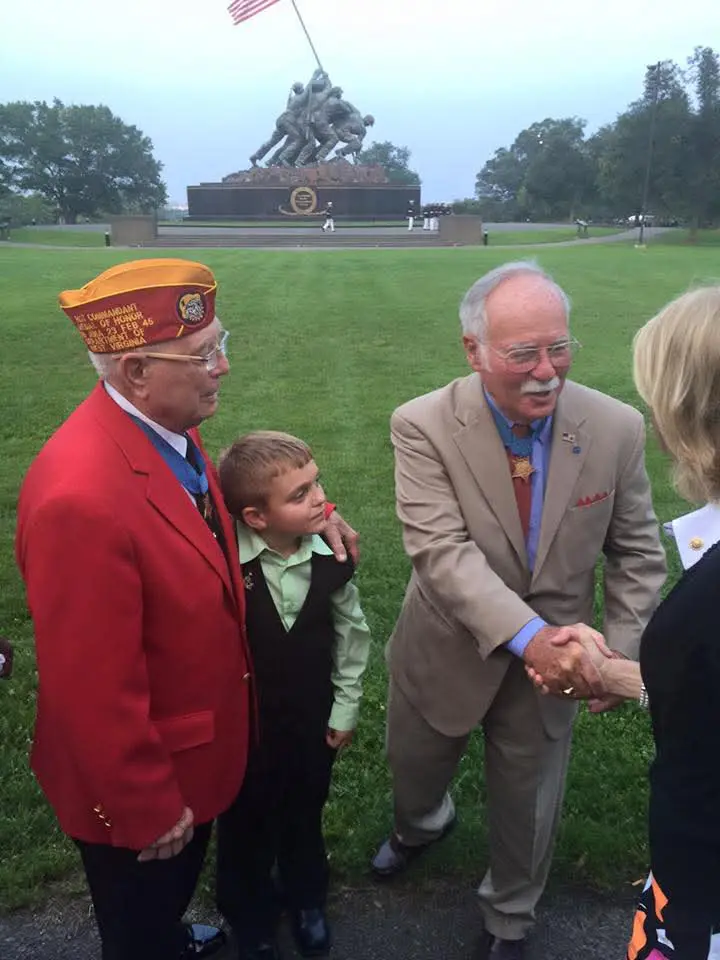
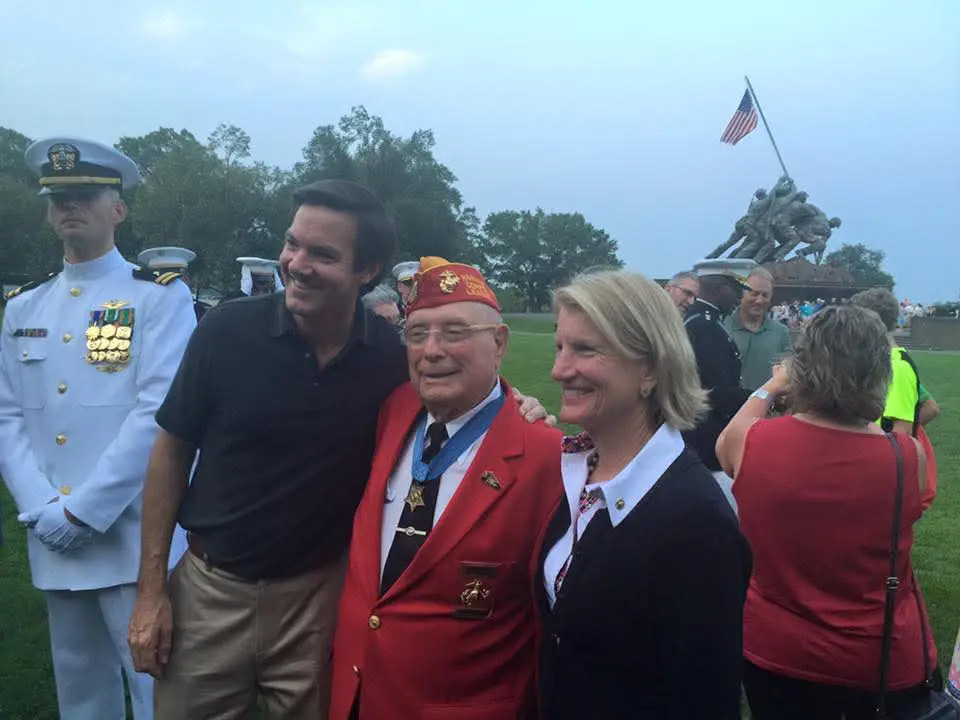
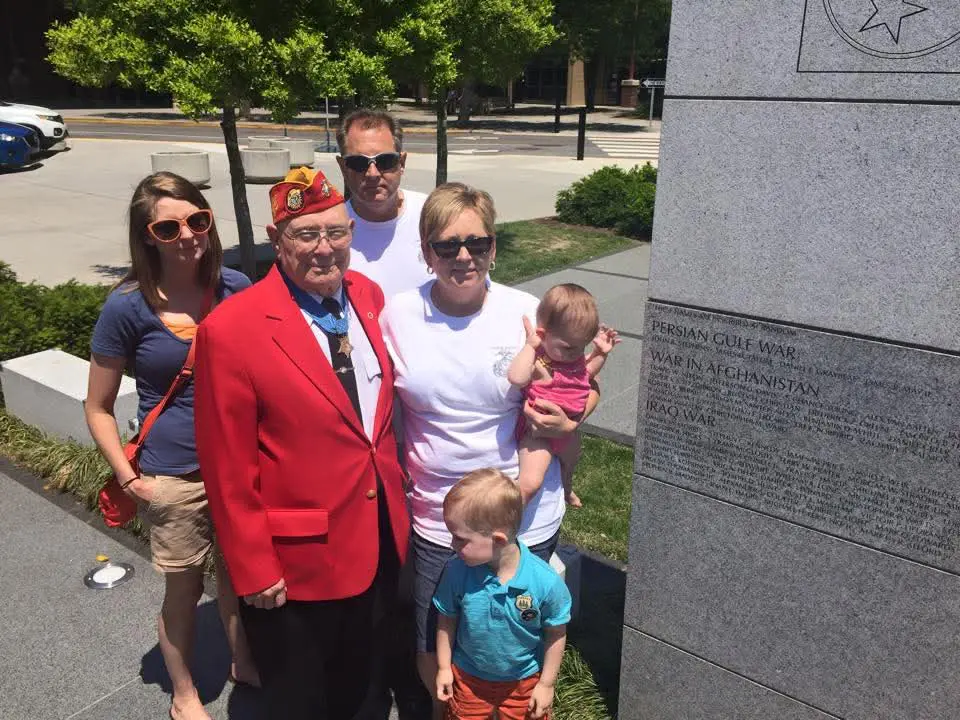
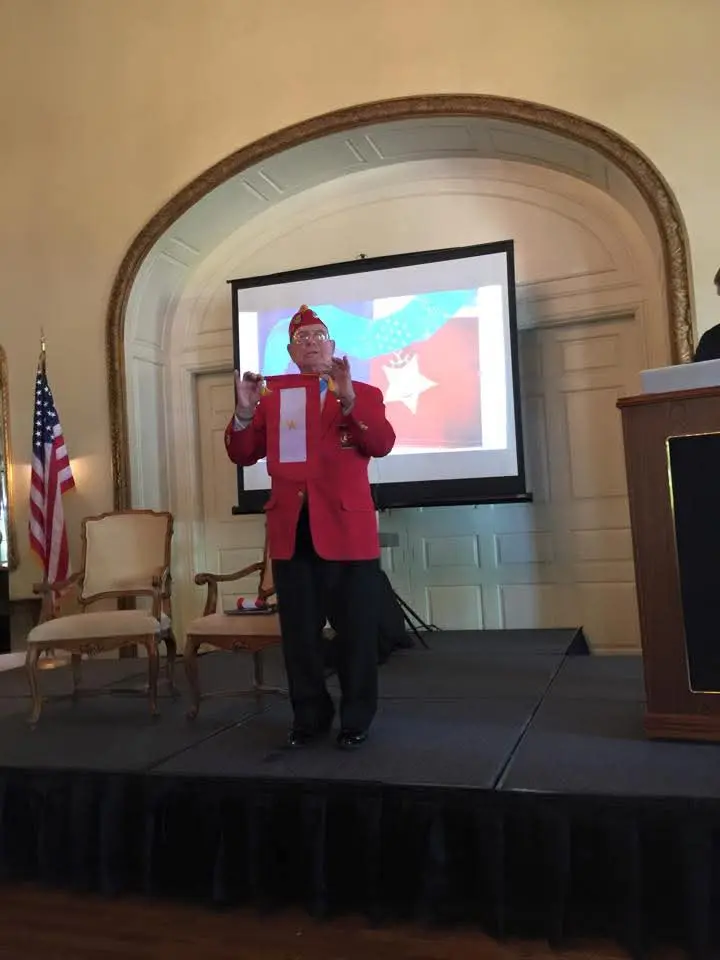
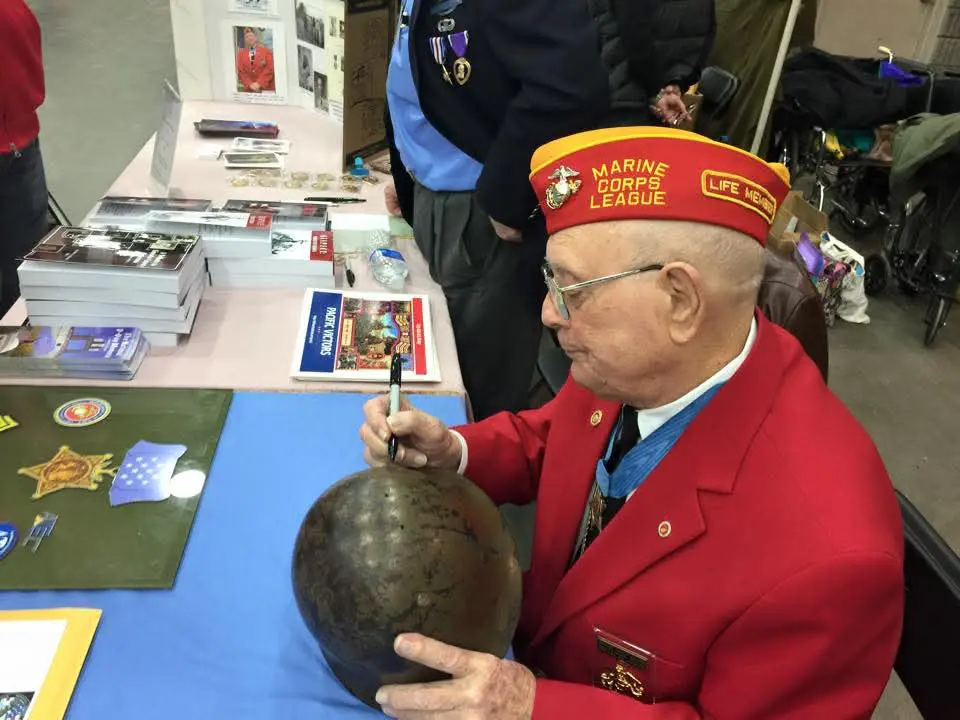
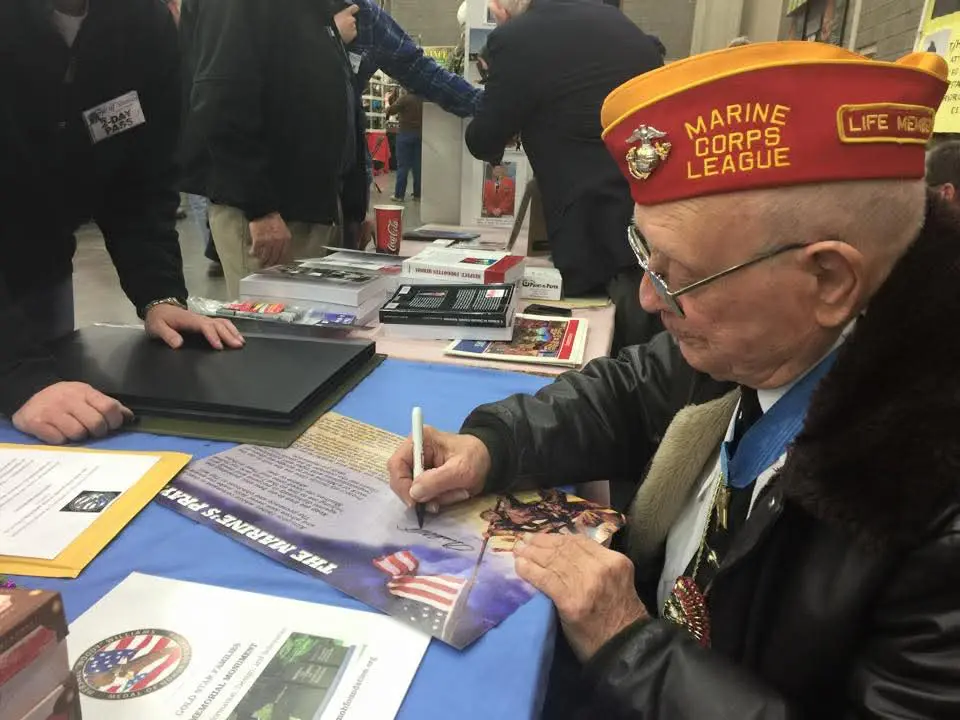
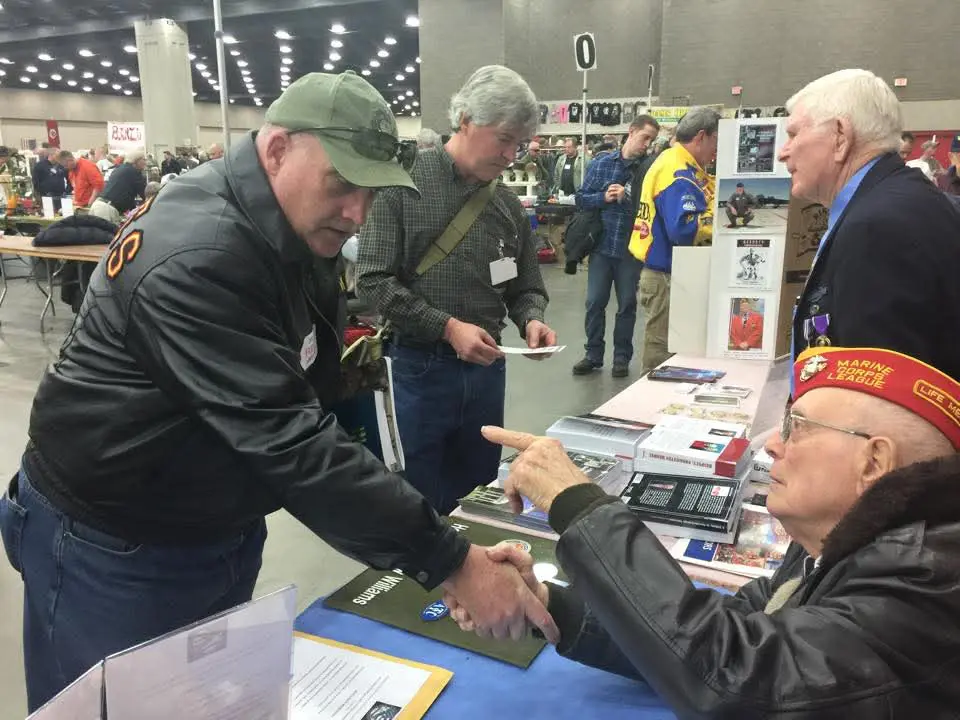
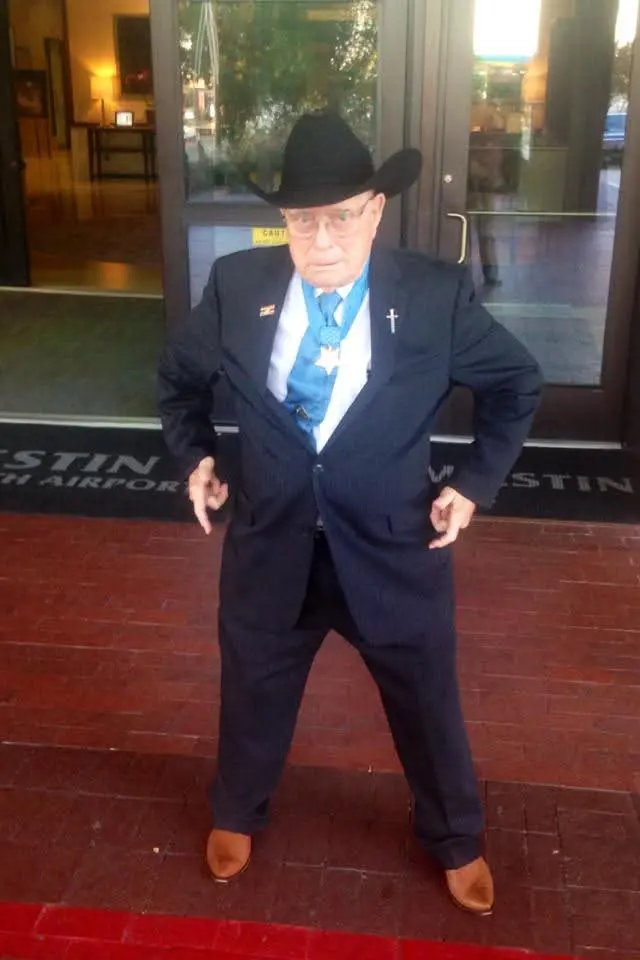
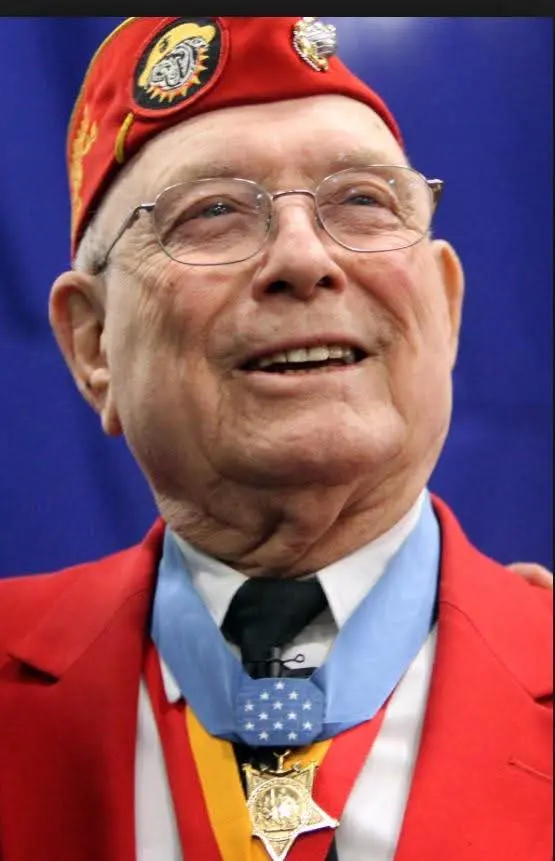
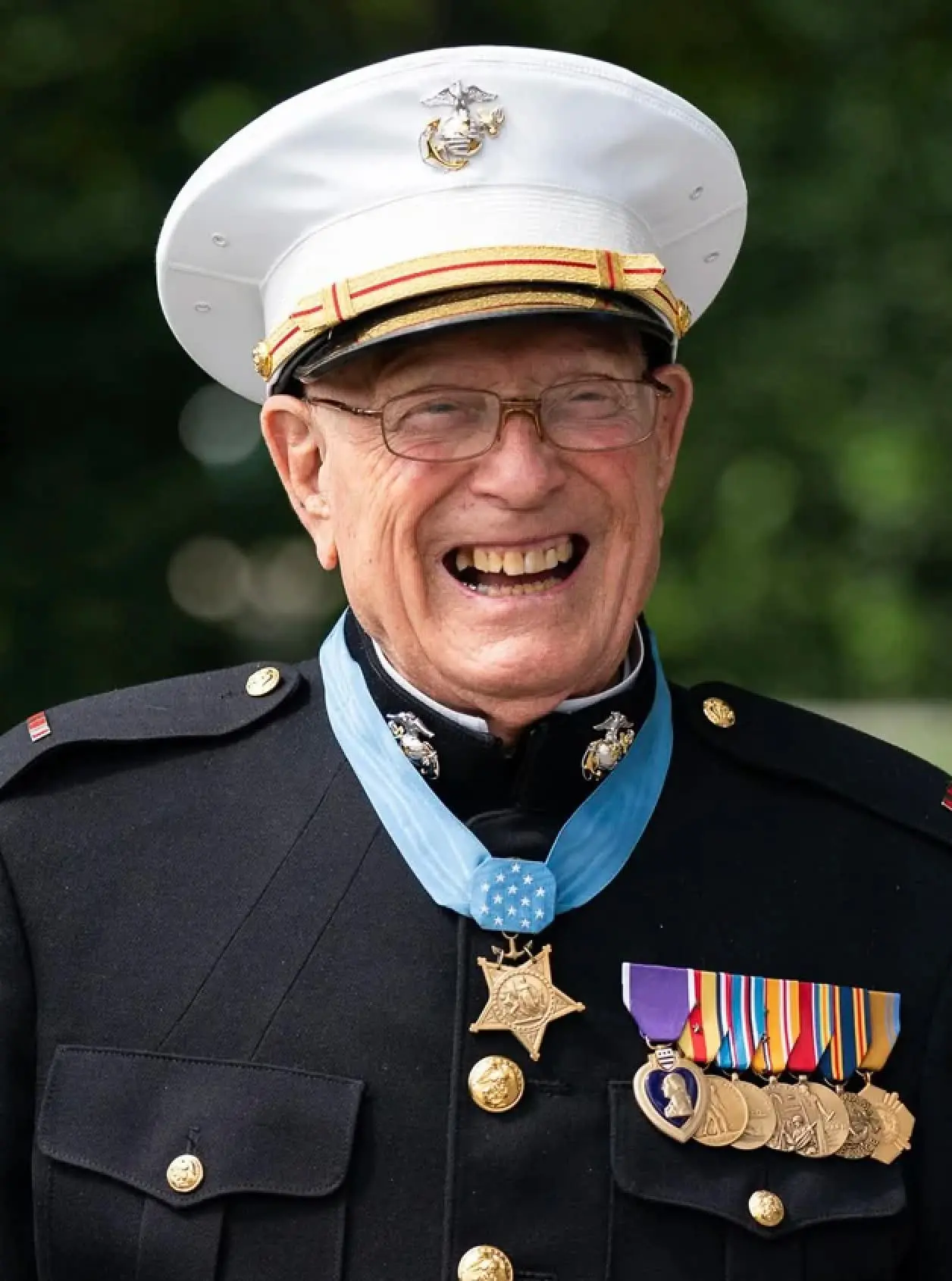
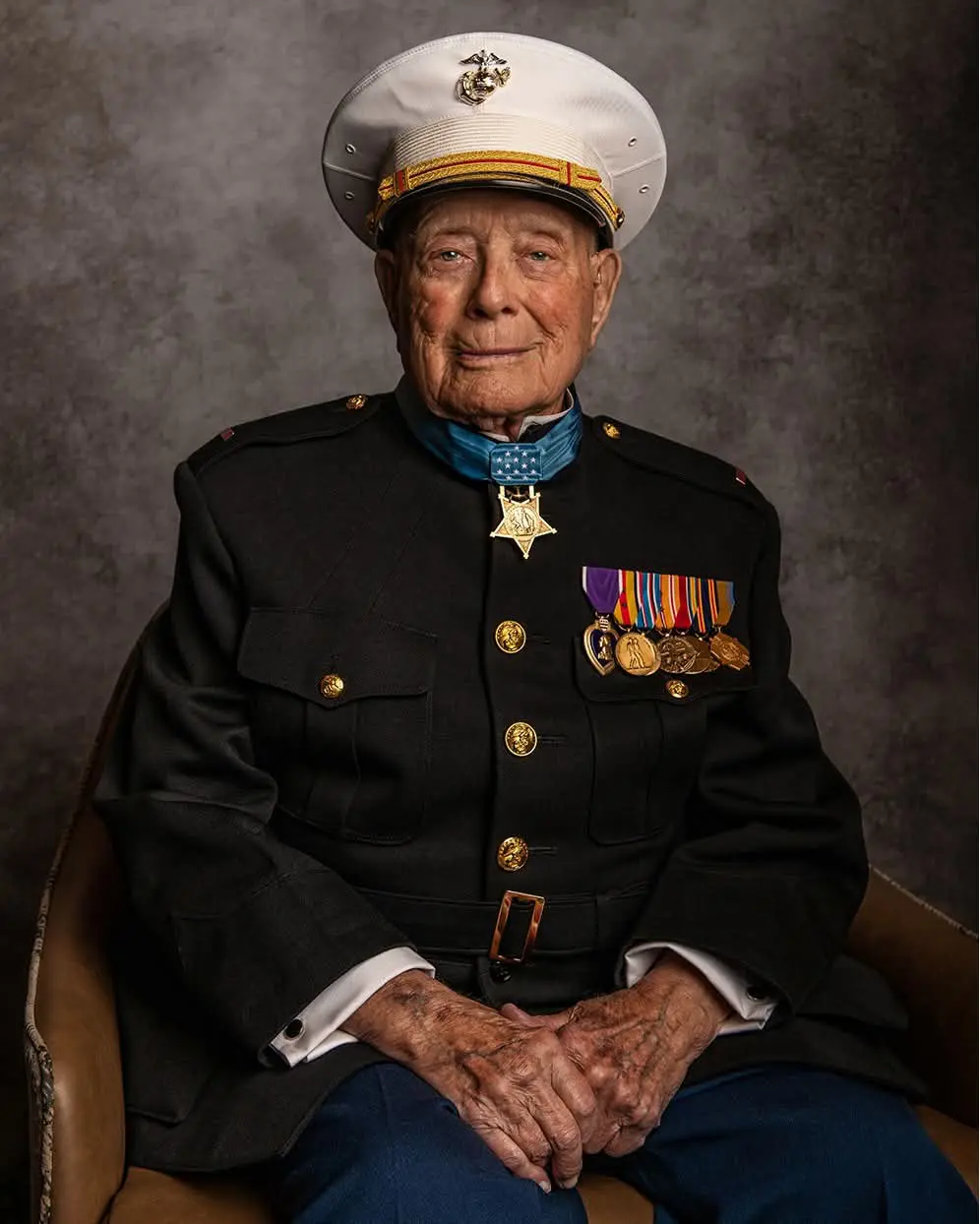
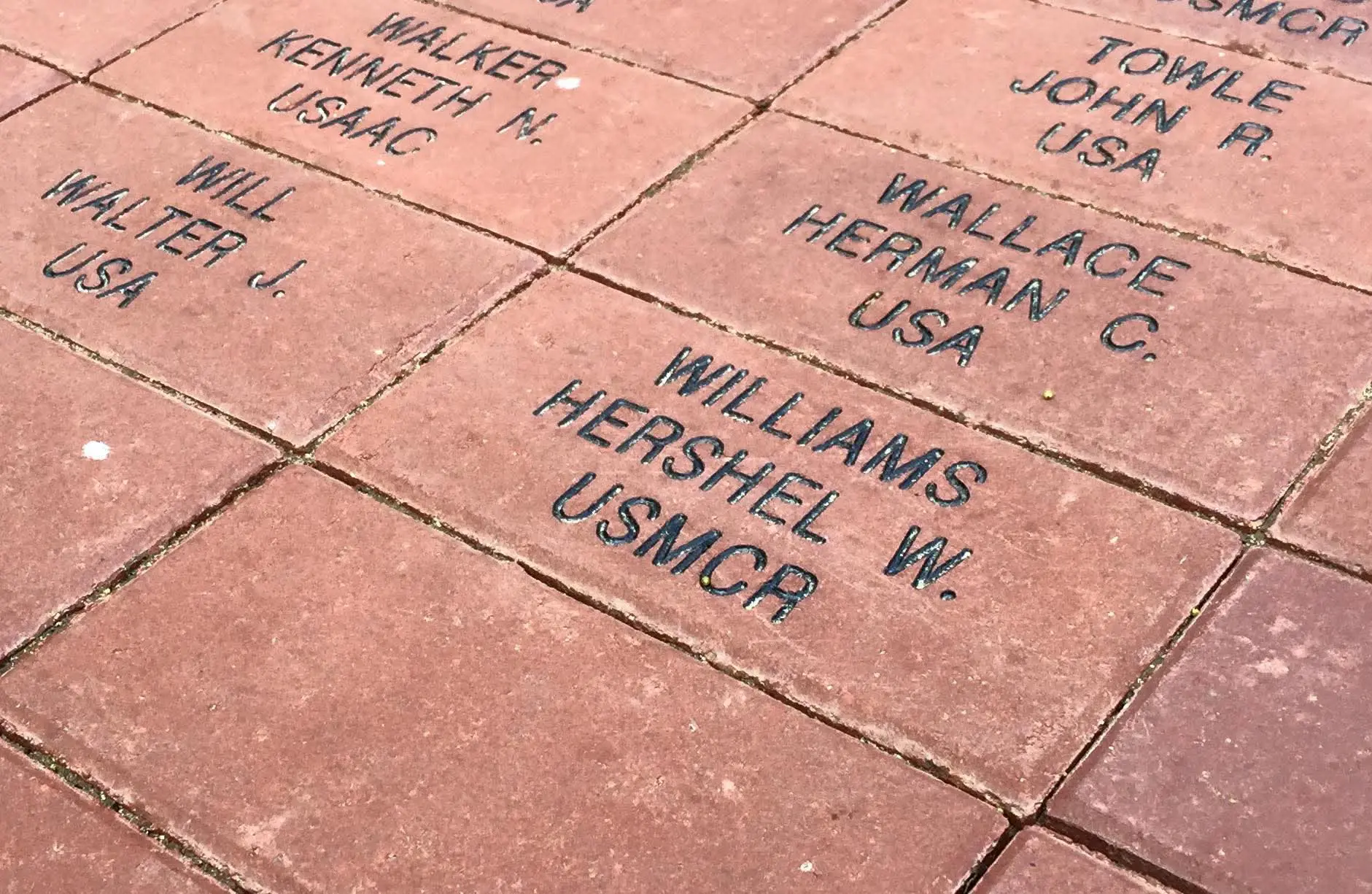
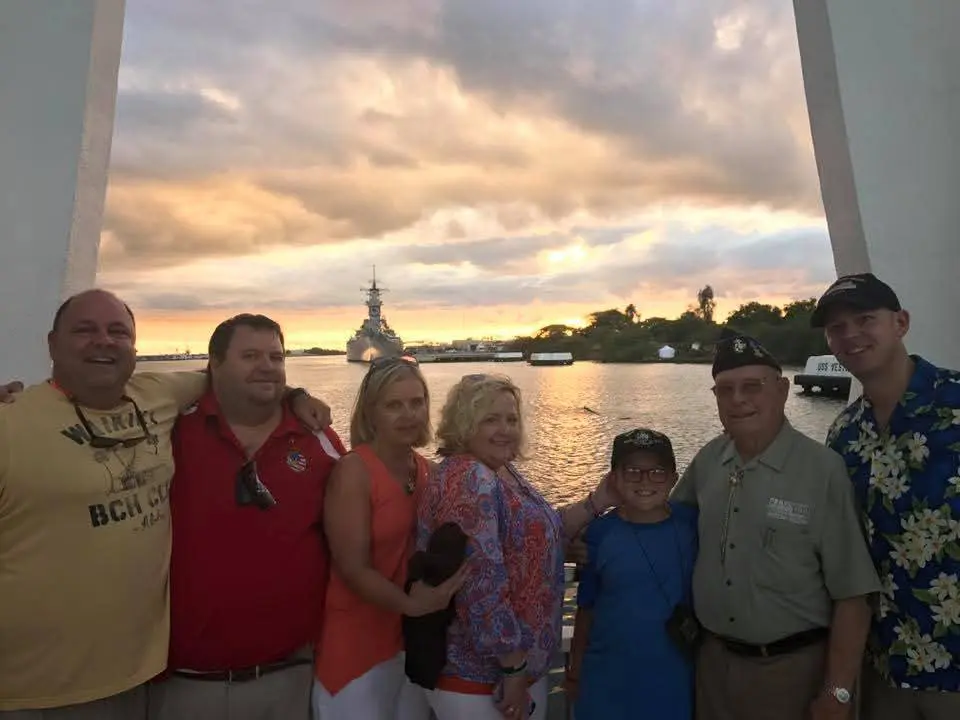
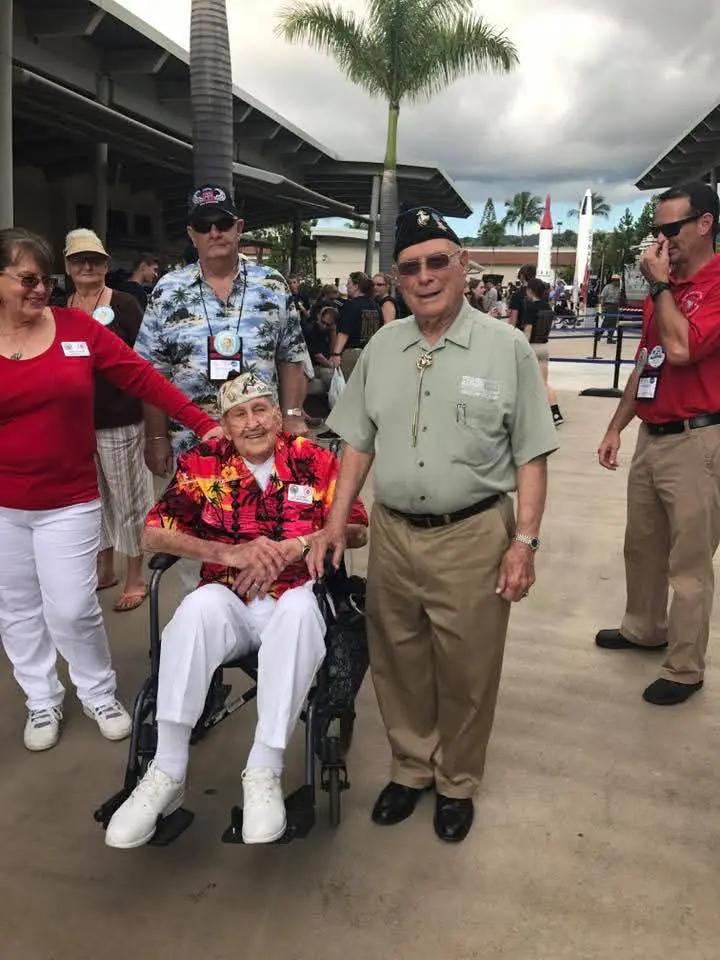
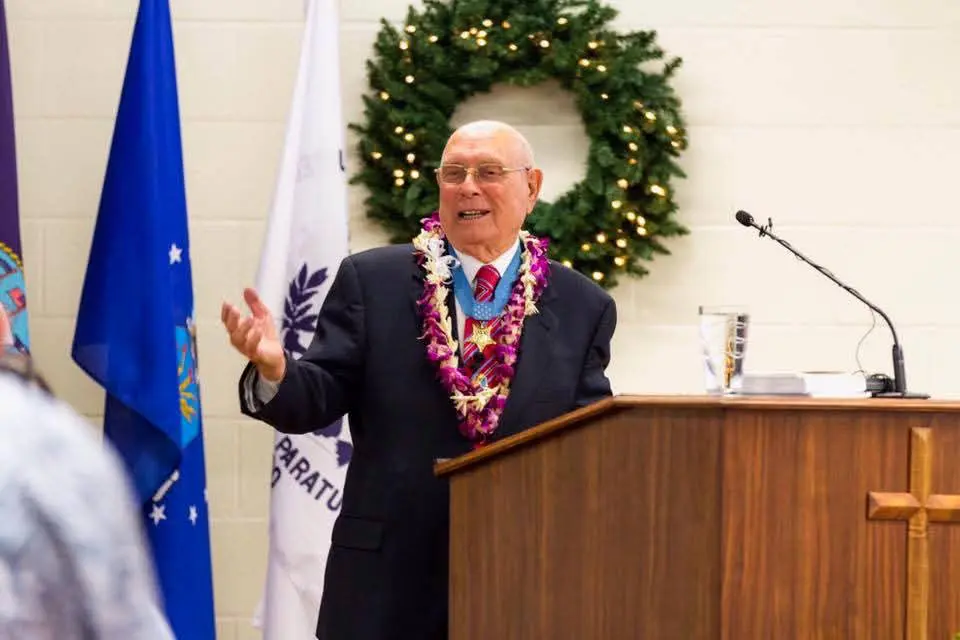
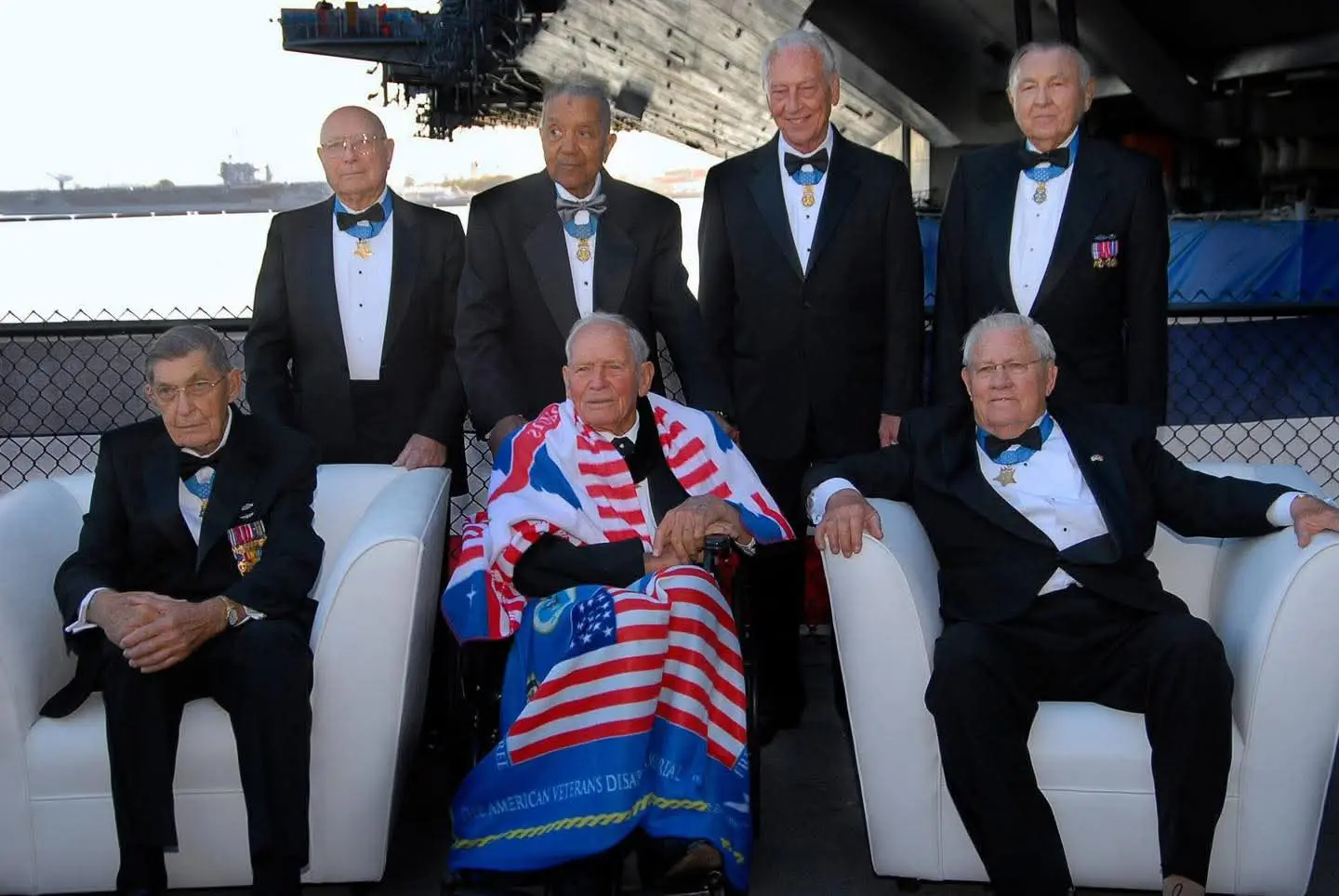
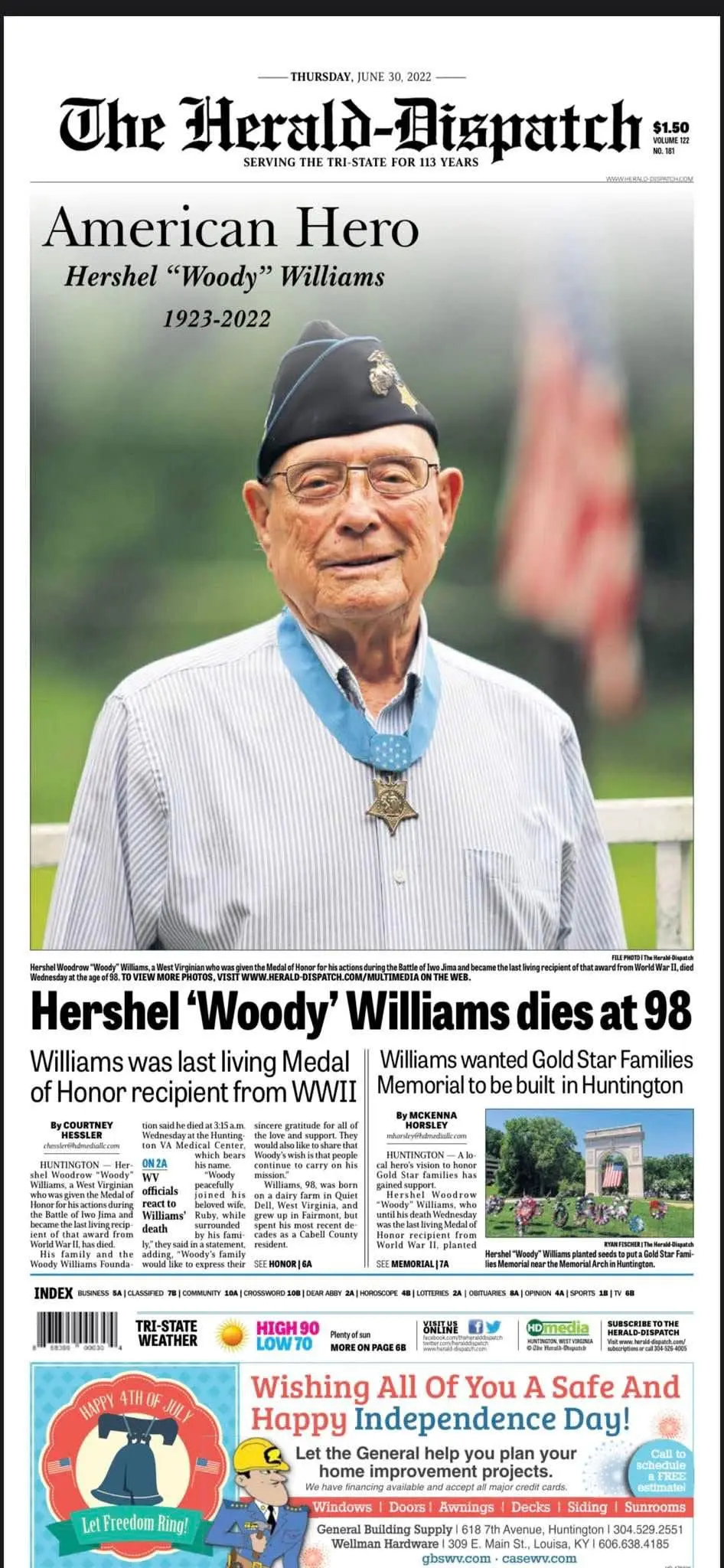
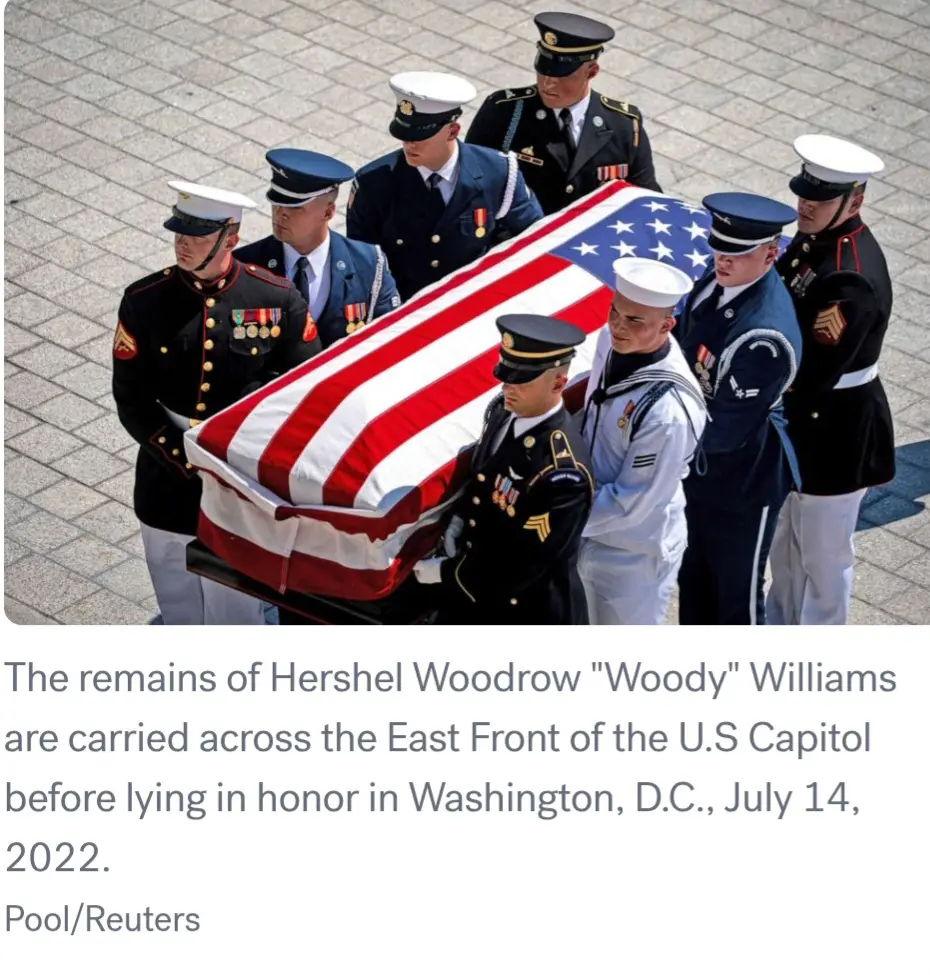
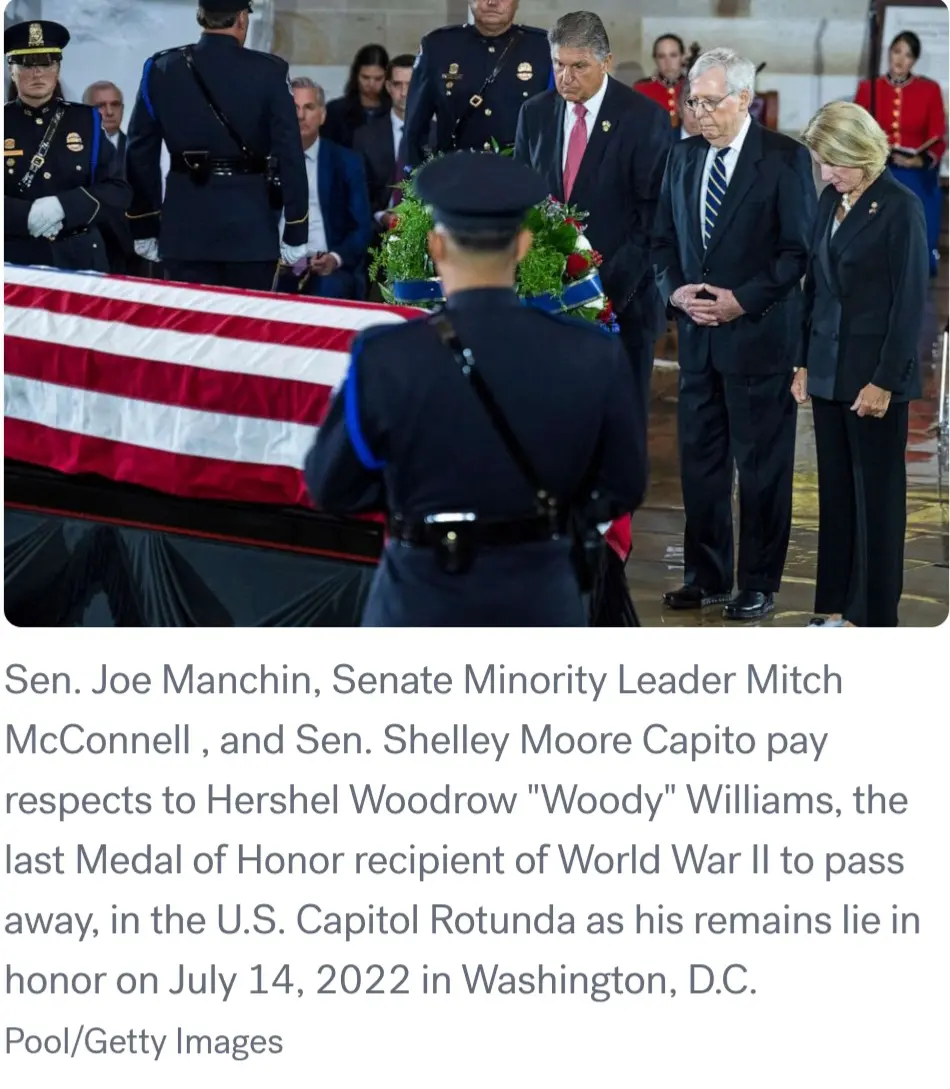
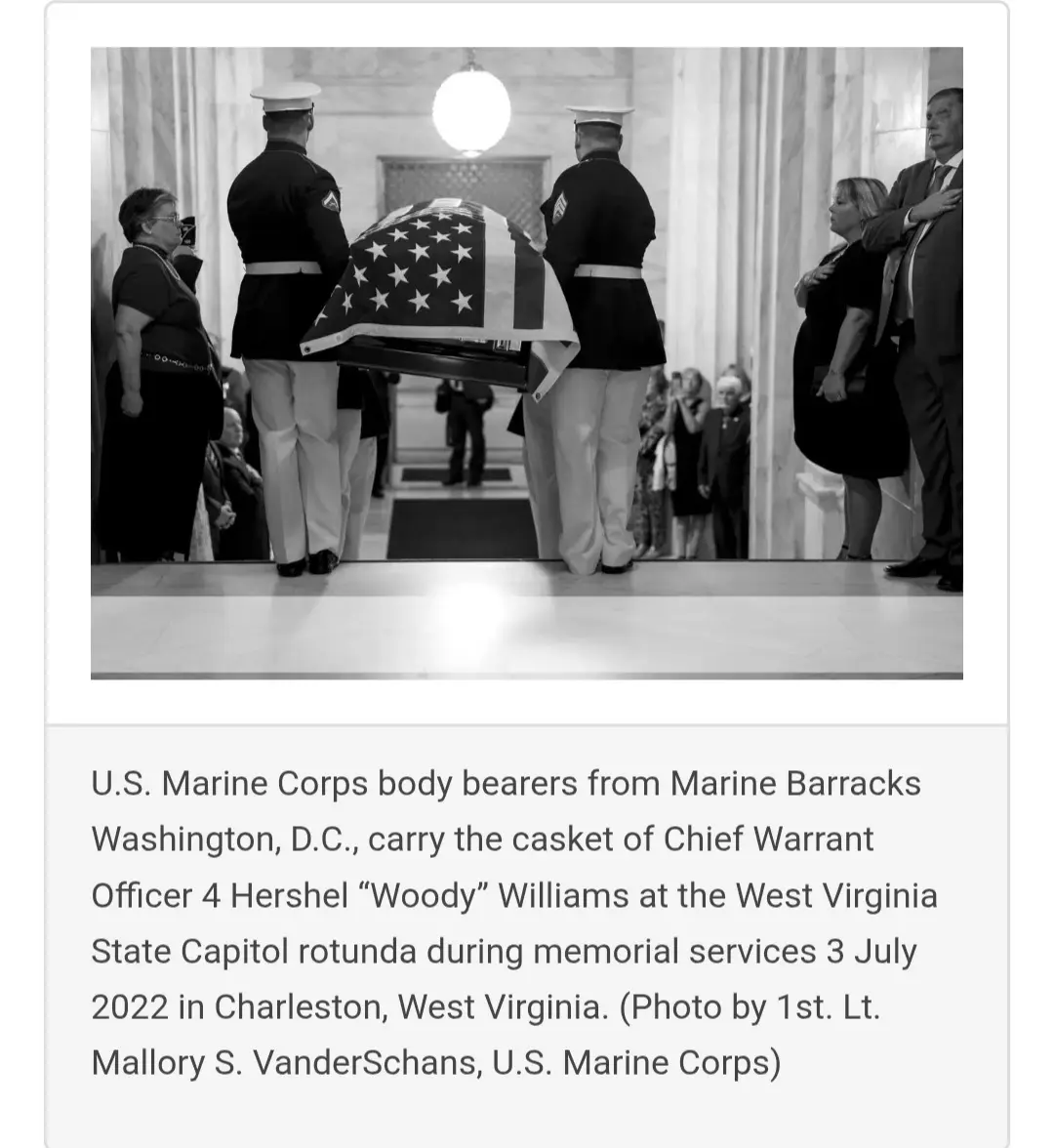
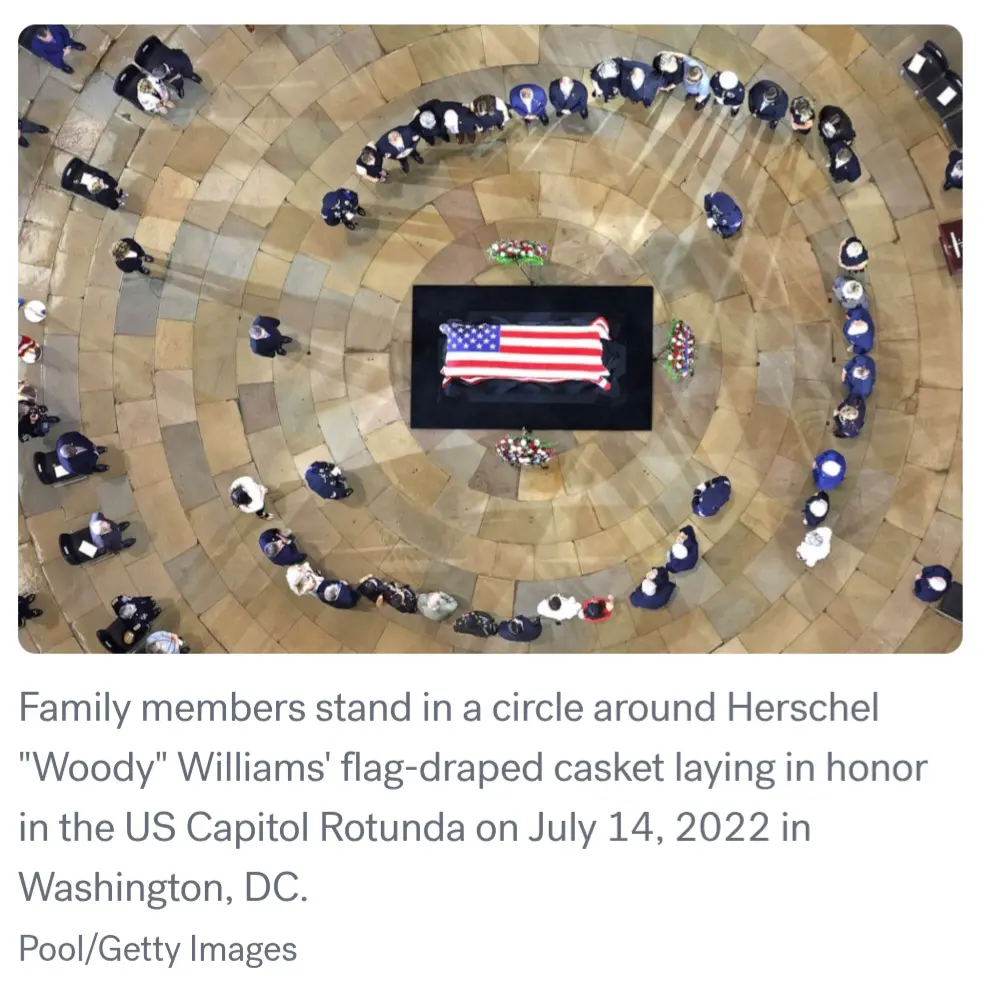
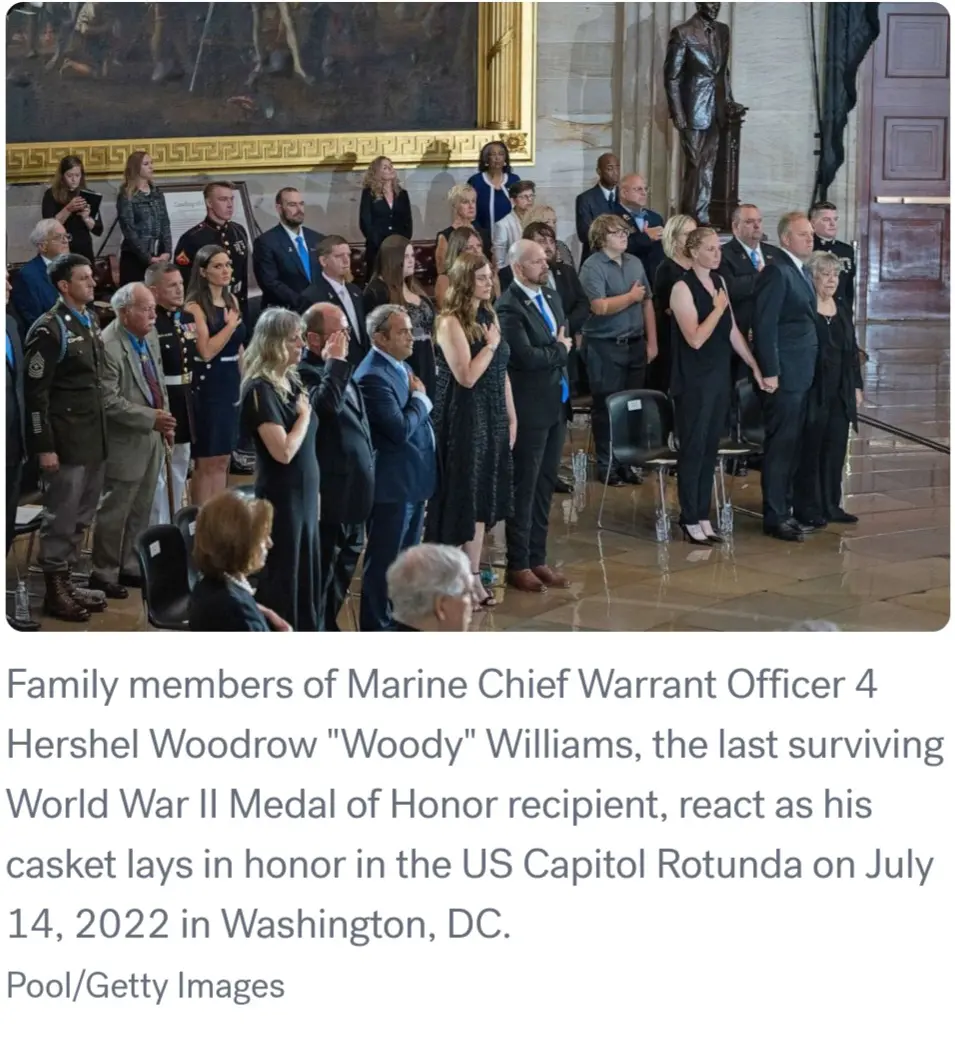
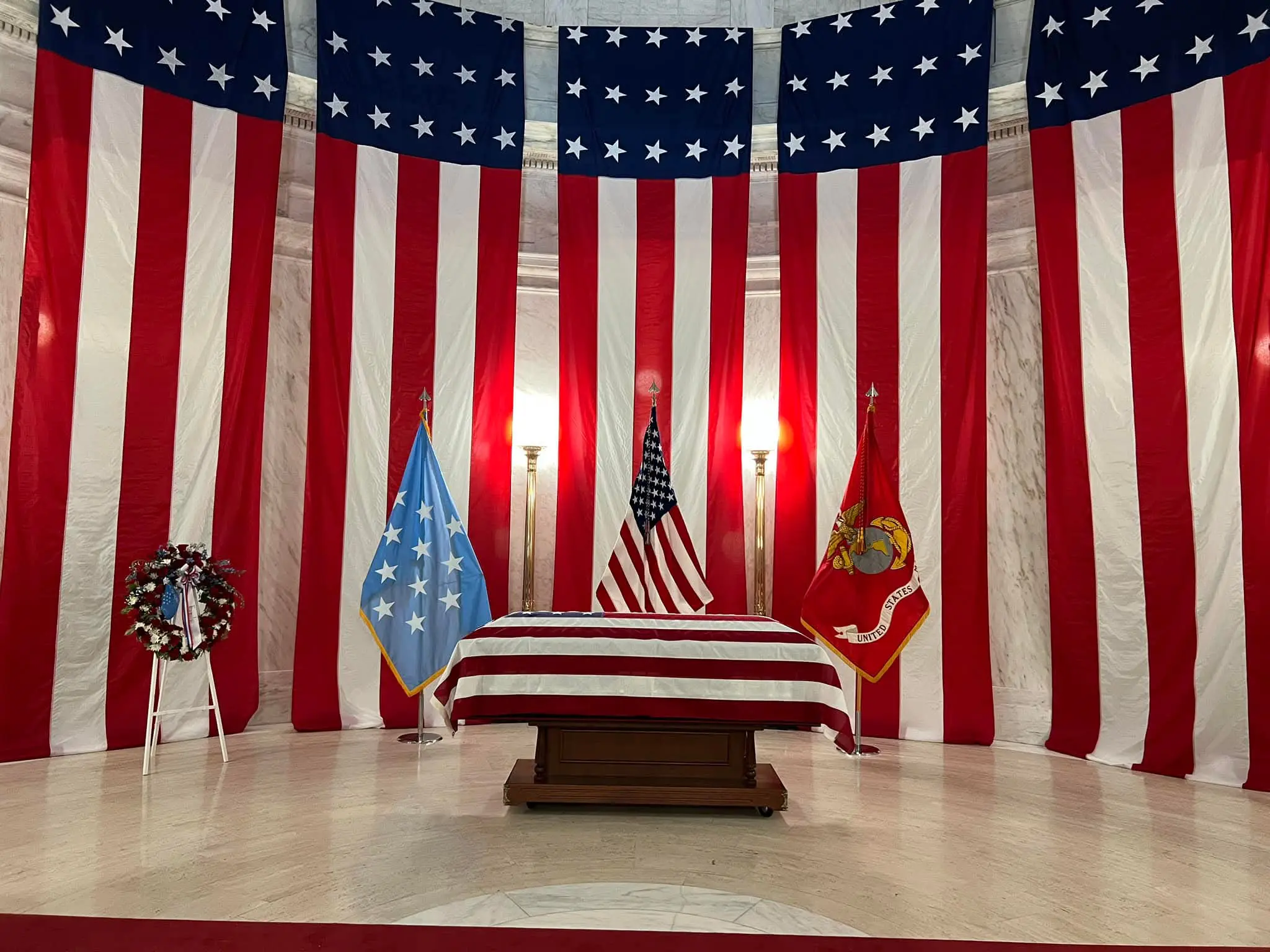
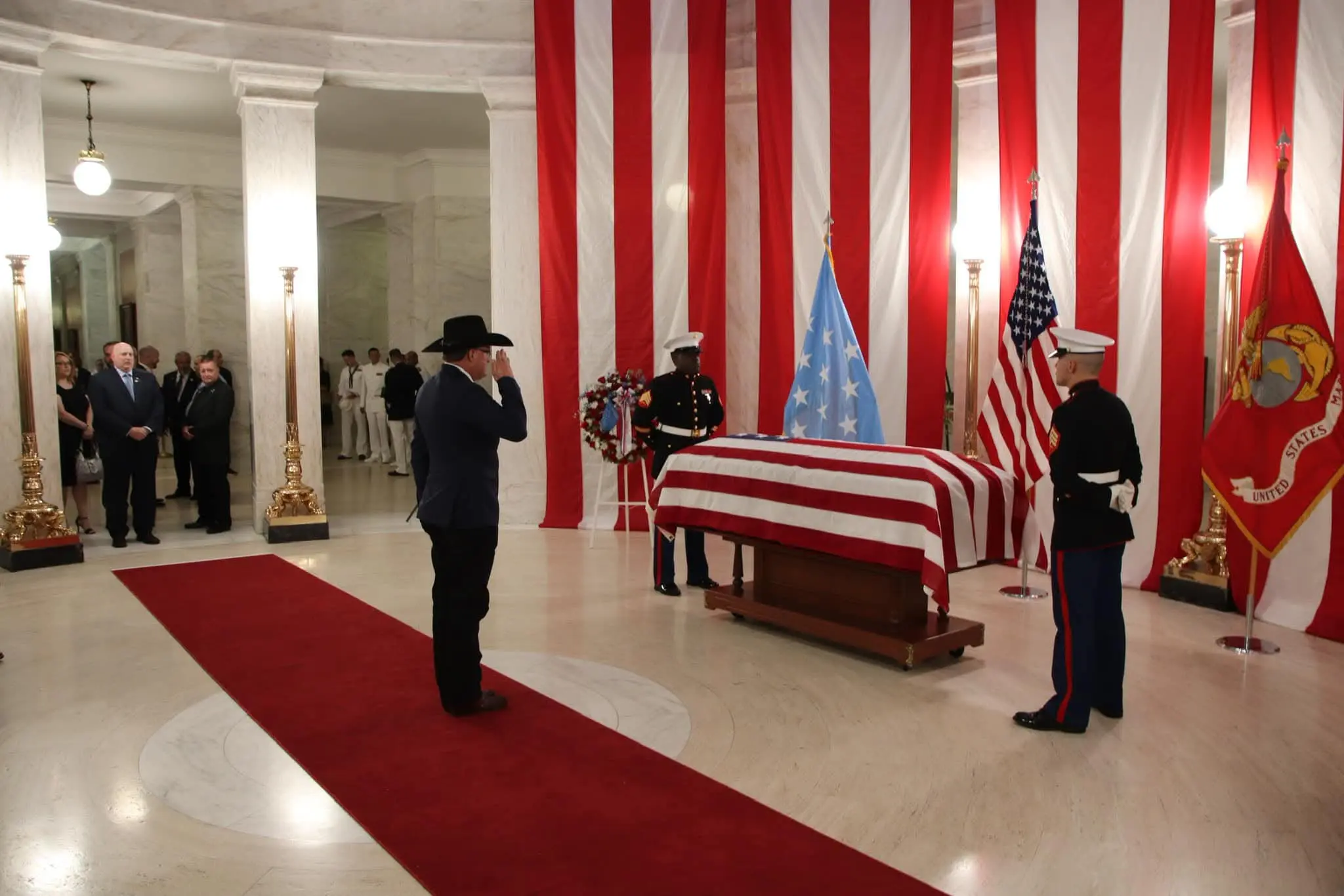
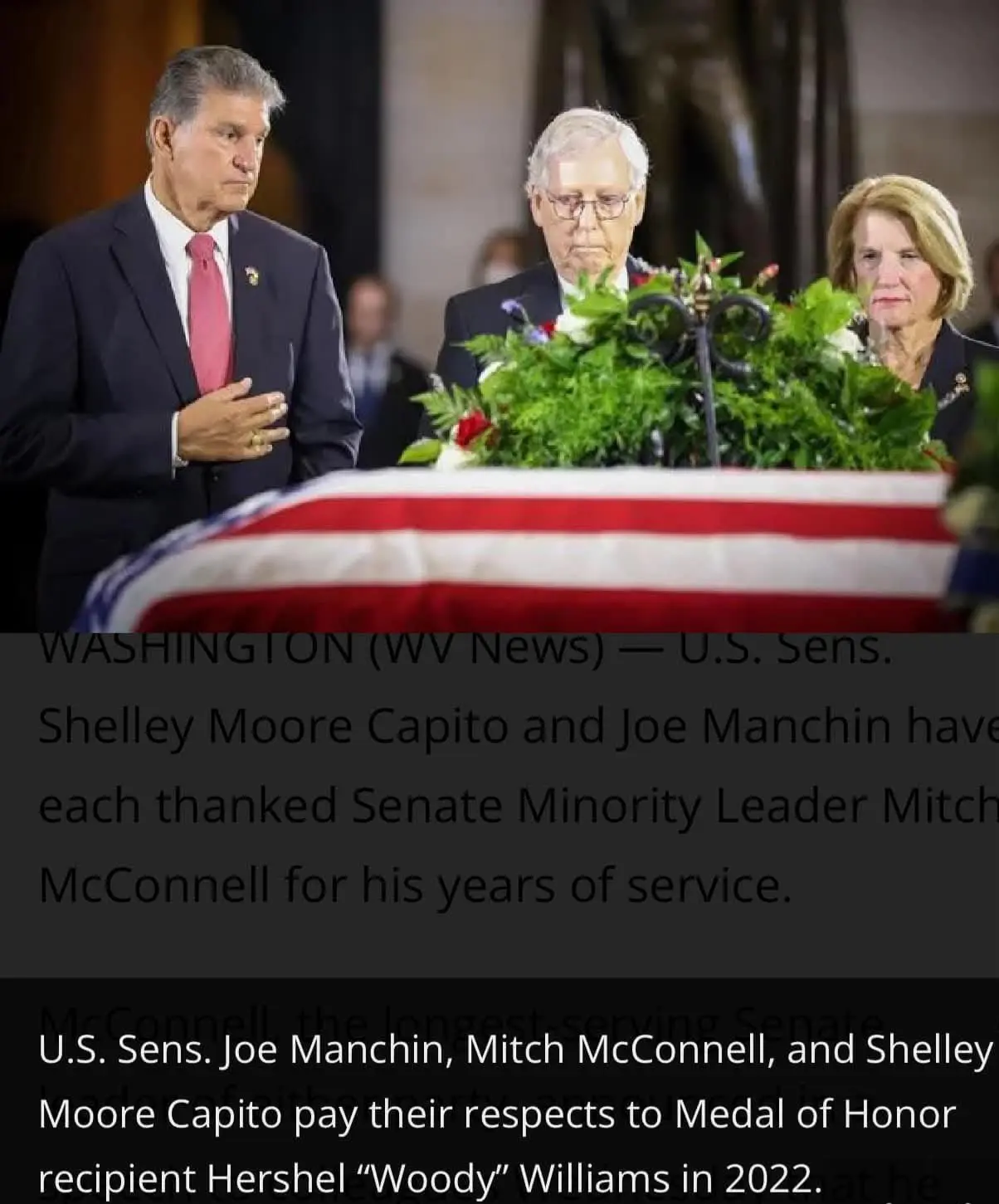
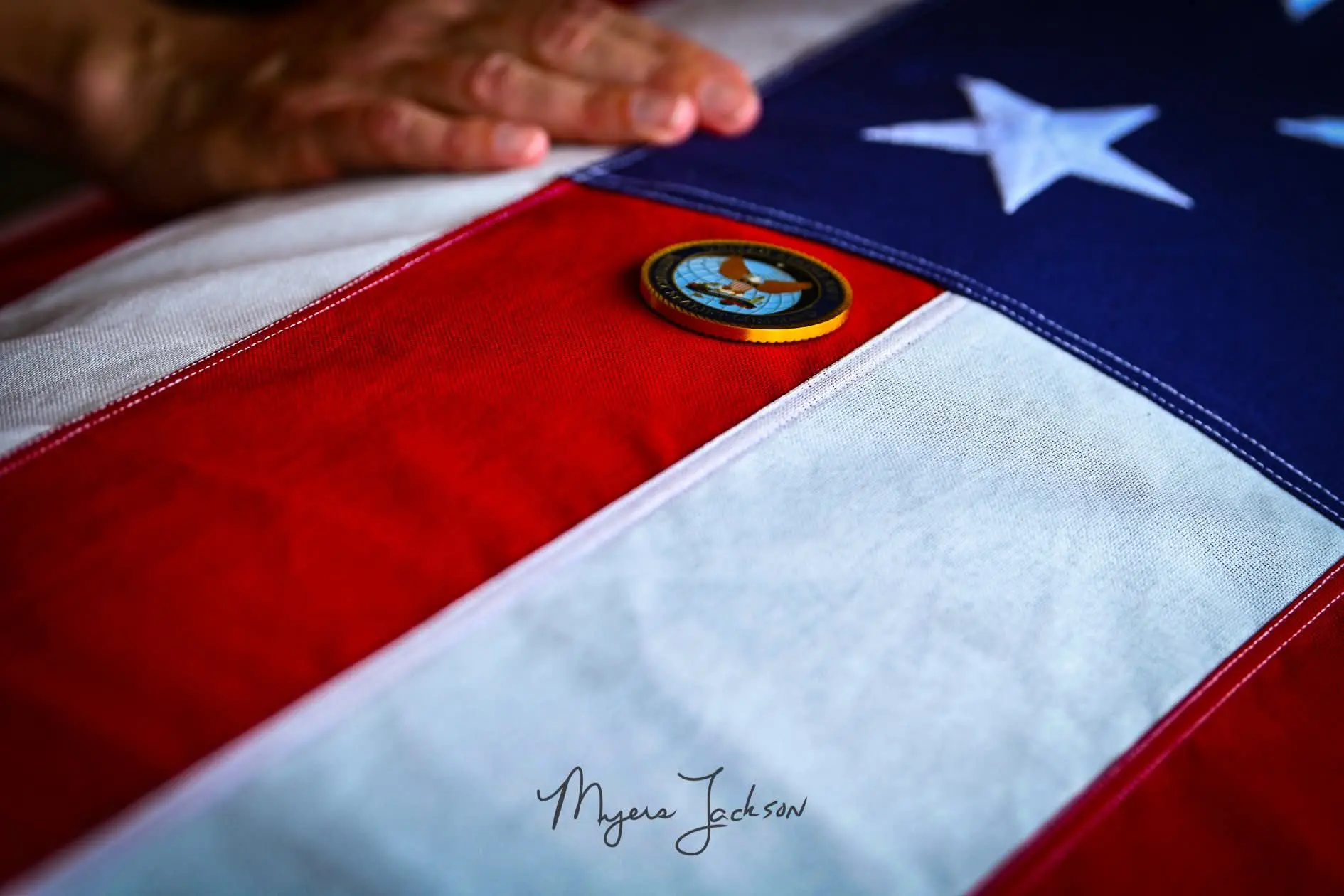
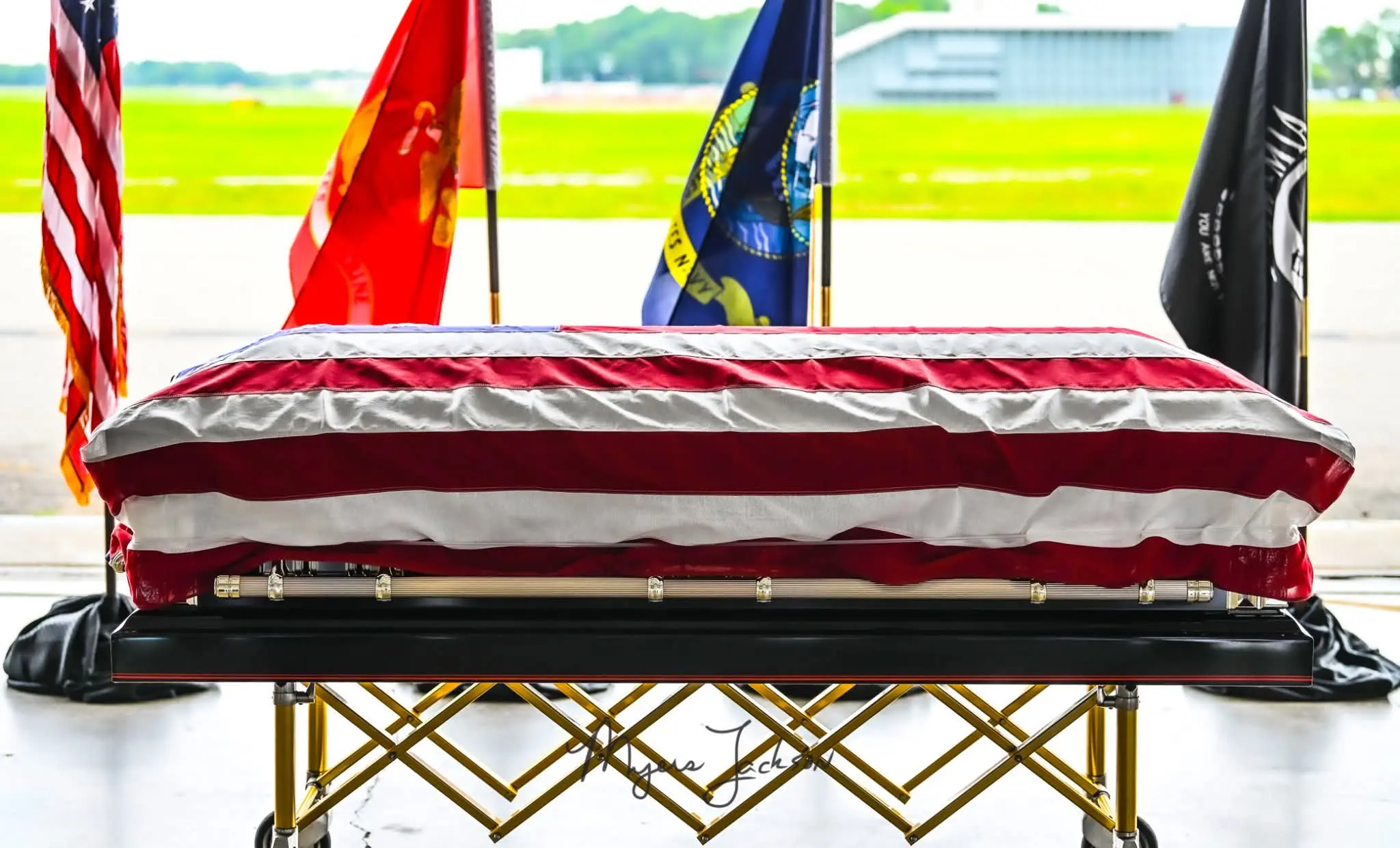
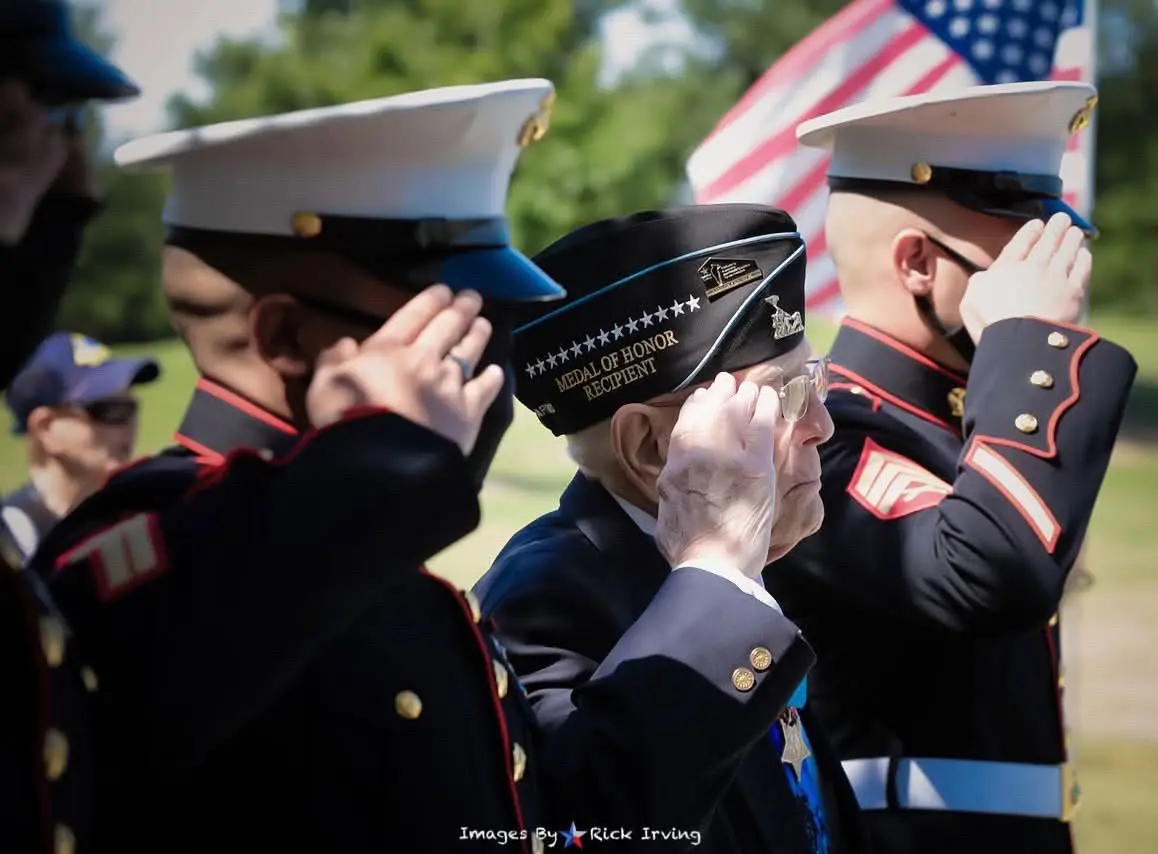
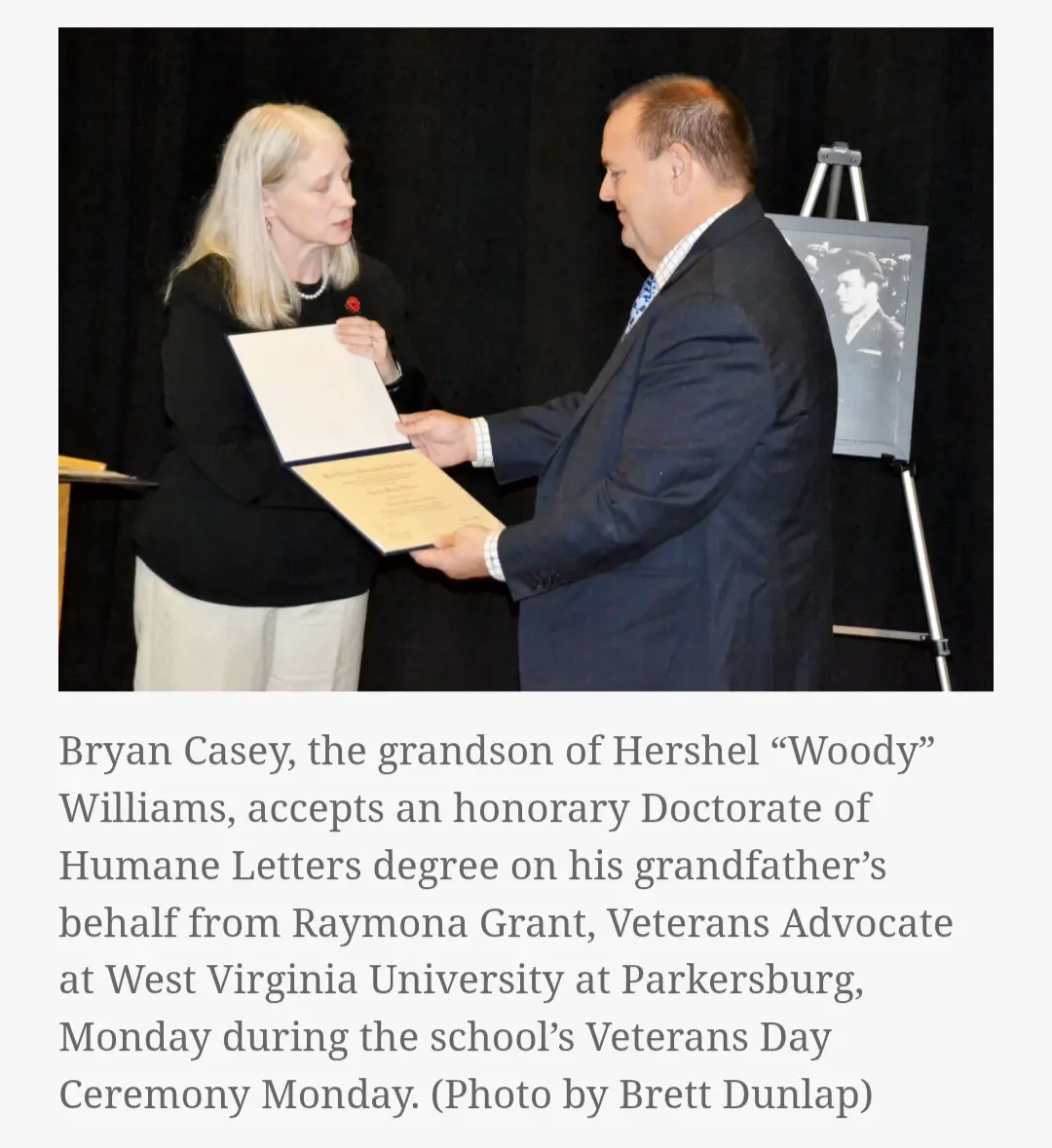
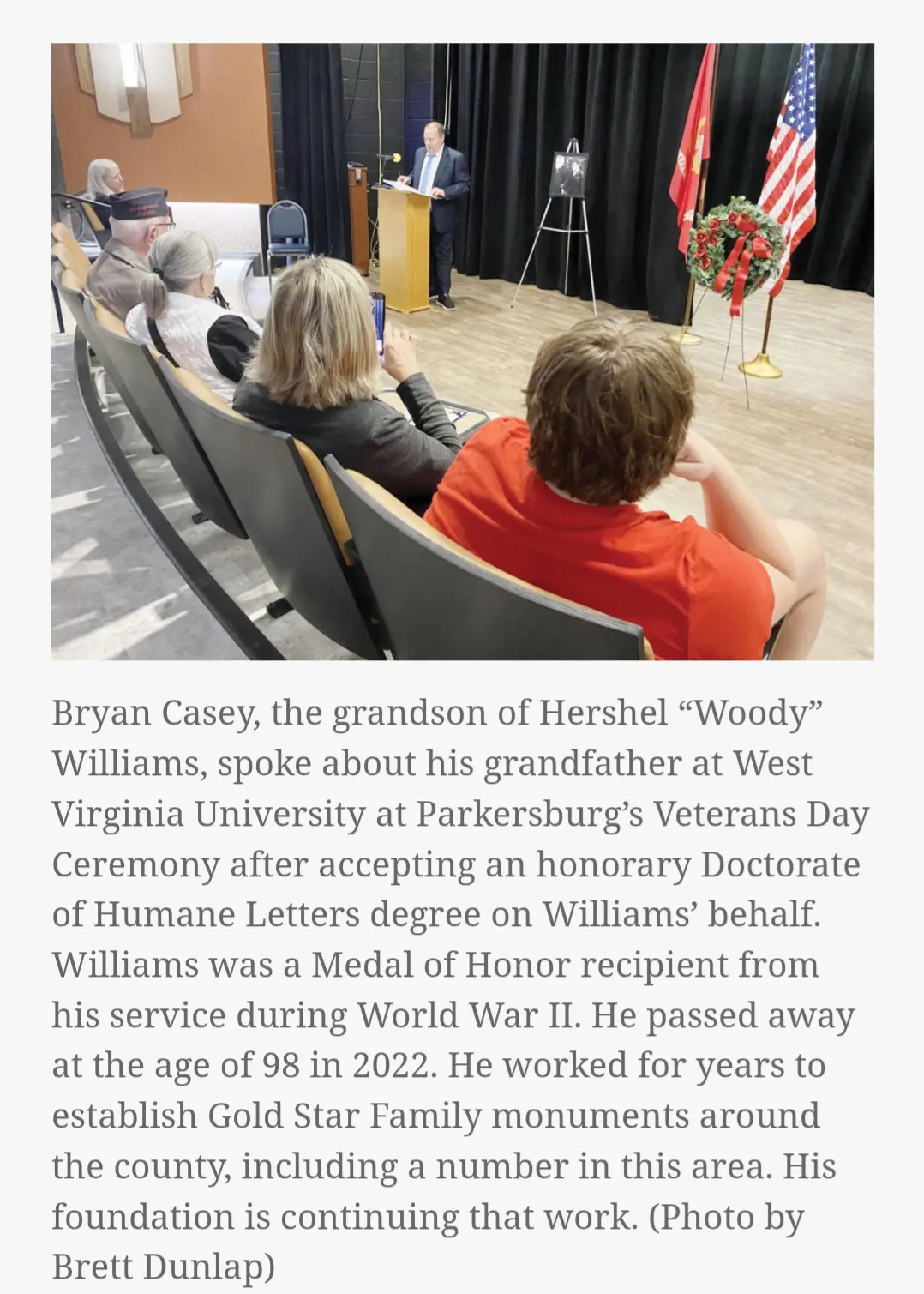
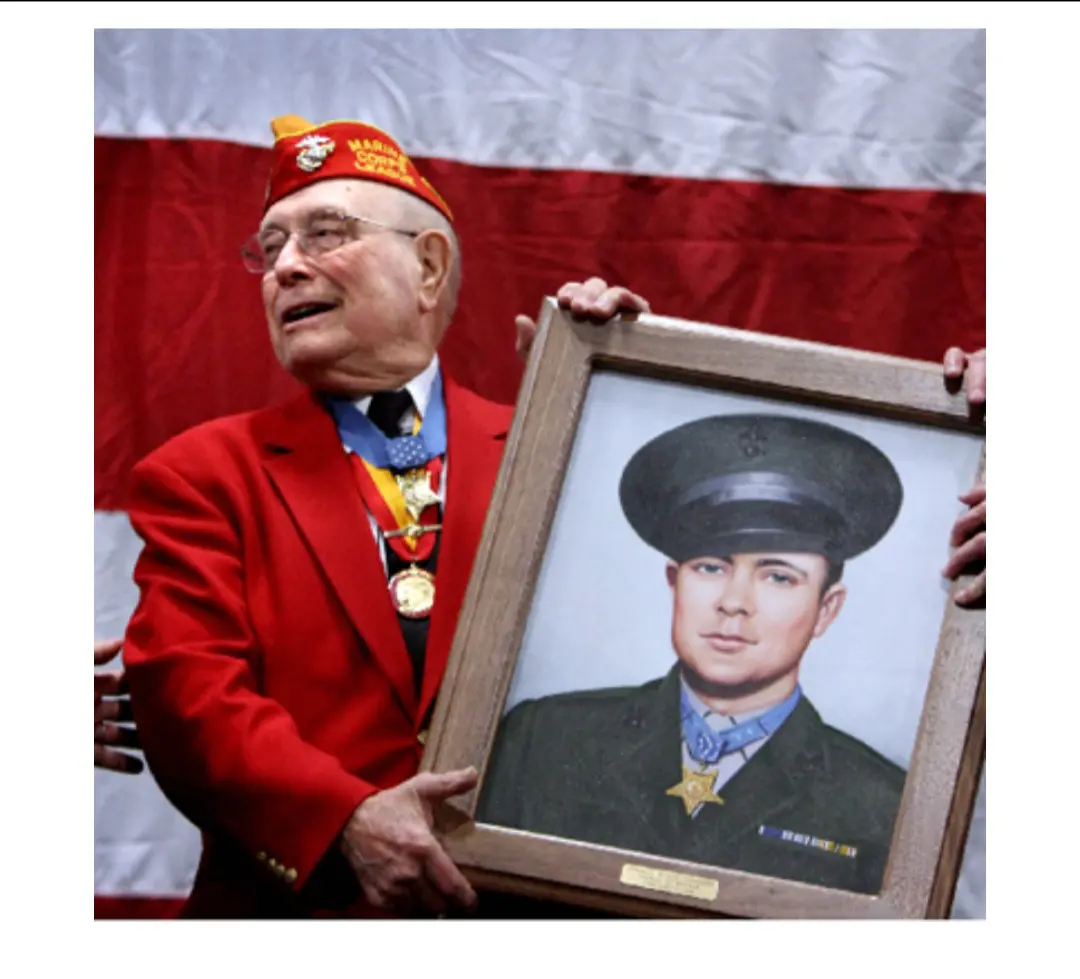
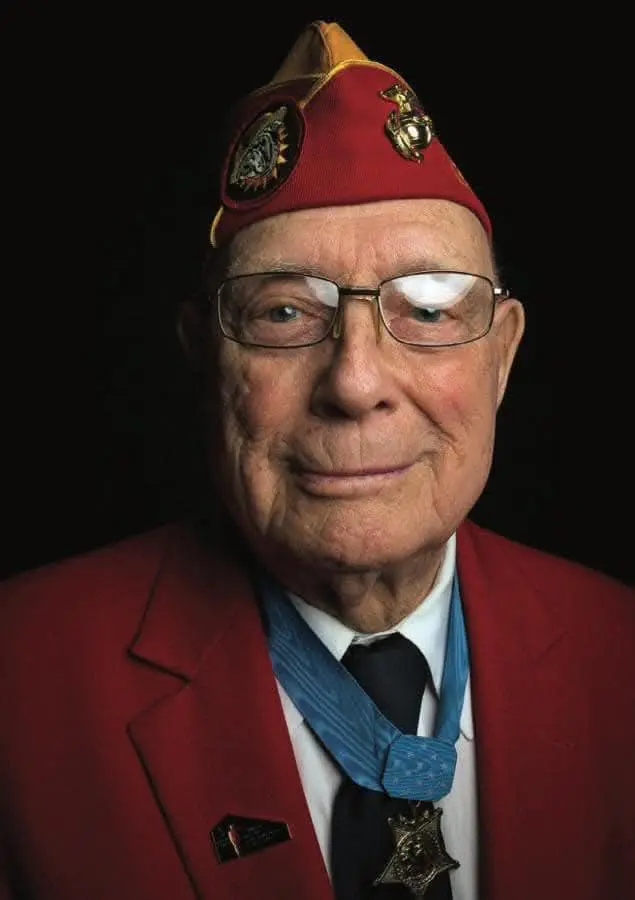
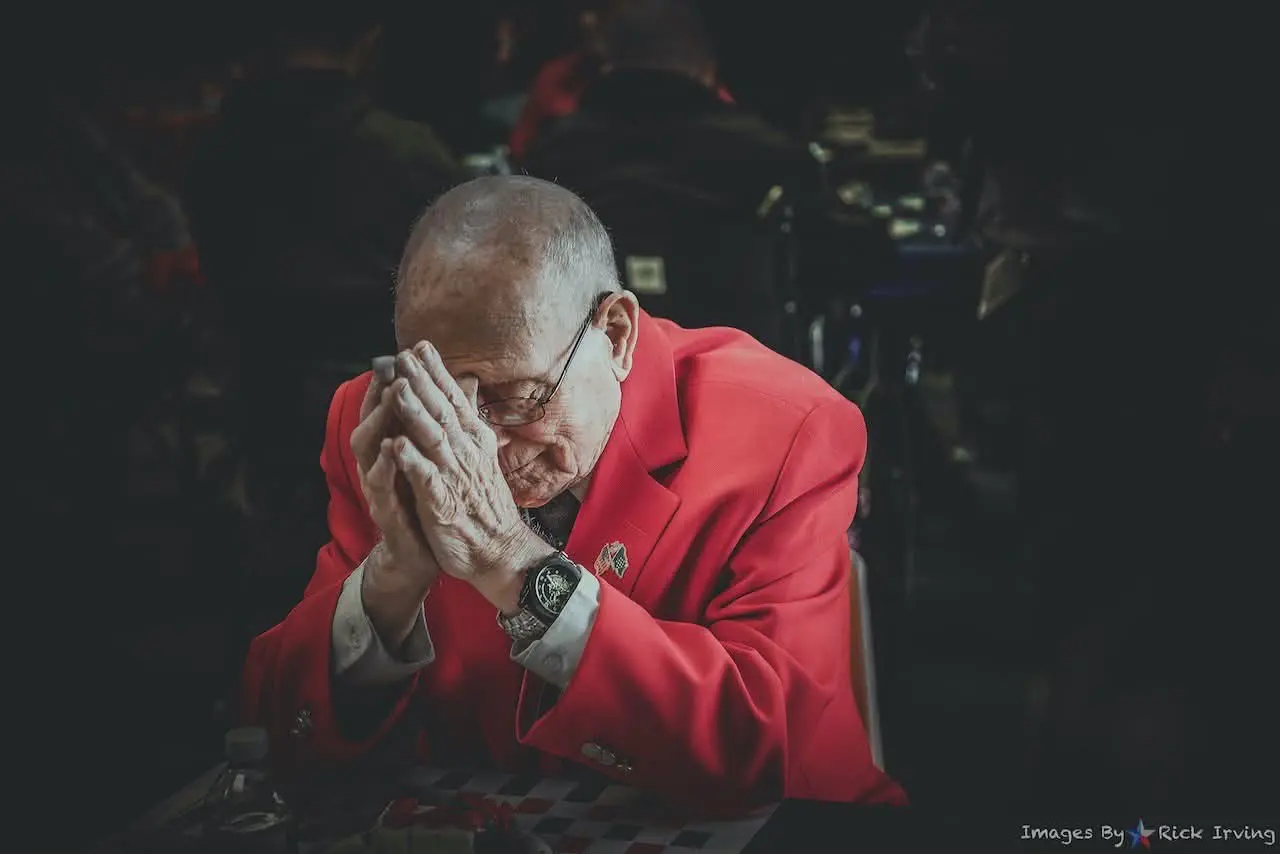
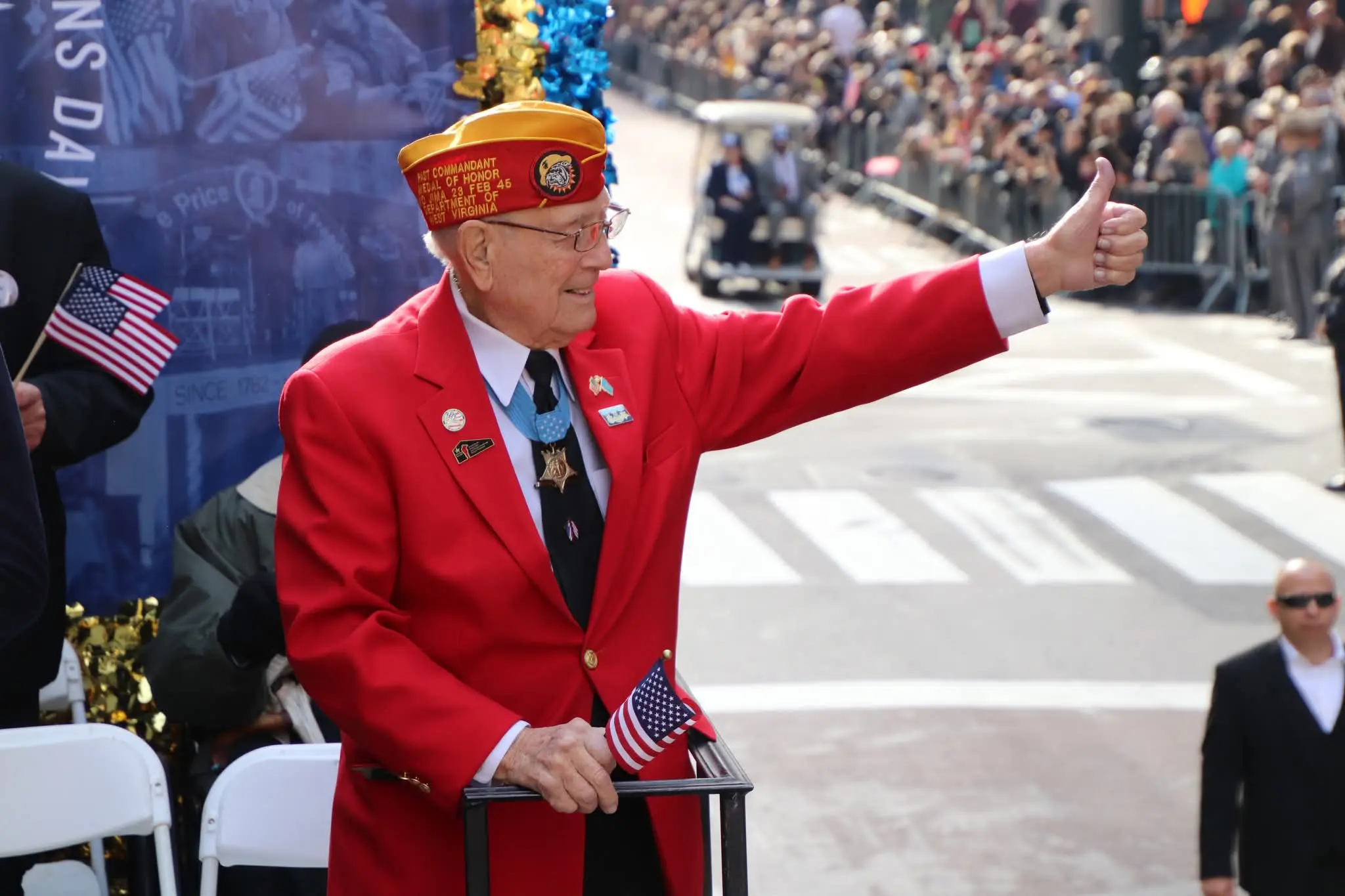
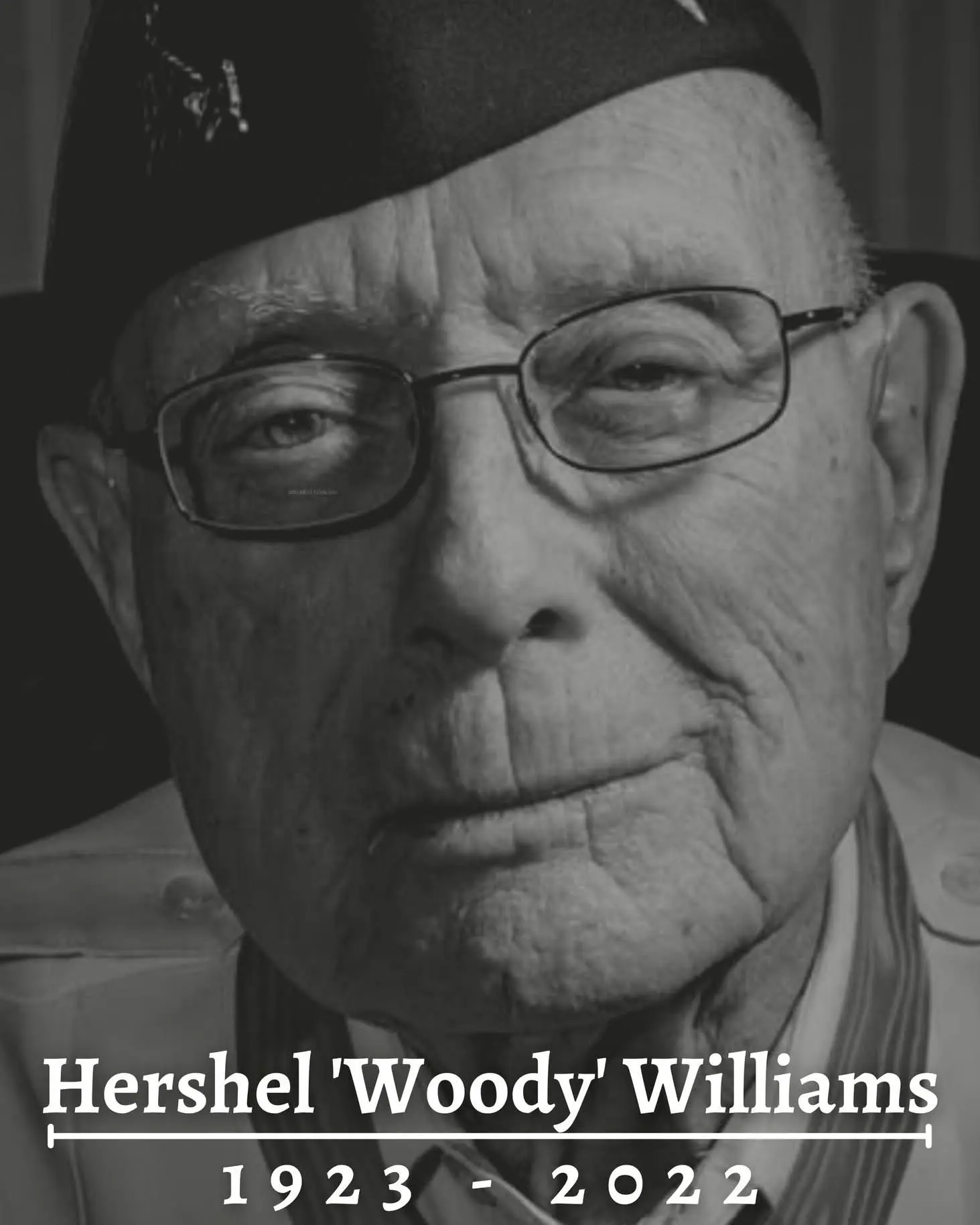
‘We are together.’ “If America doesn’t come back together, we’re gonna lose it.” ~ Chief Warrant Officer 4 “Woody” Williams.
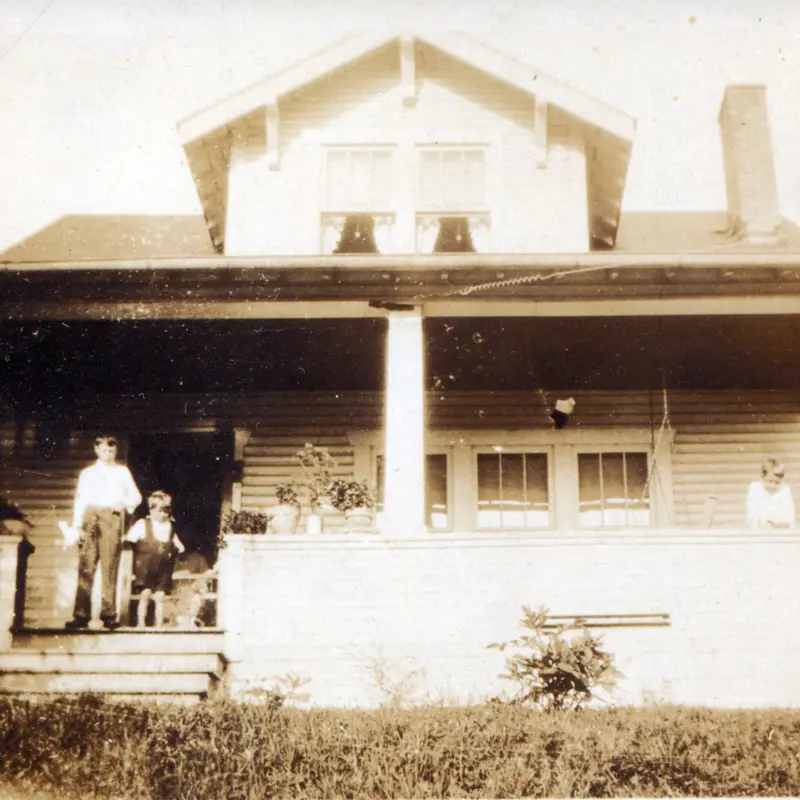
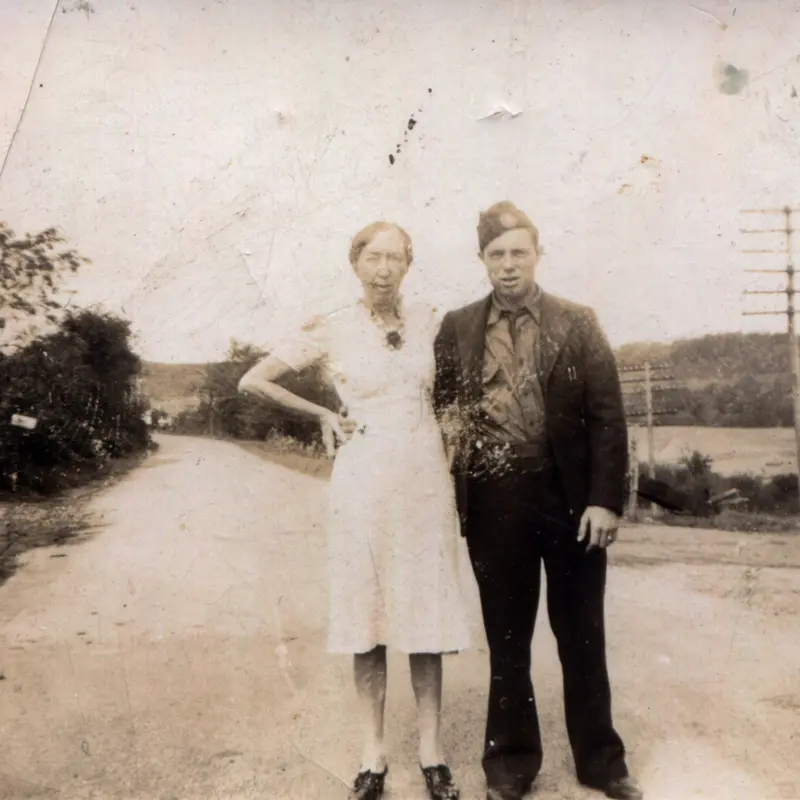
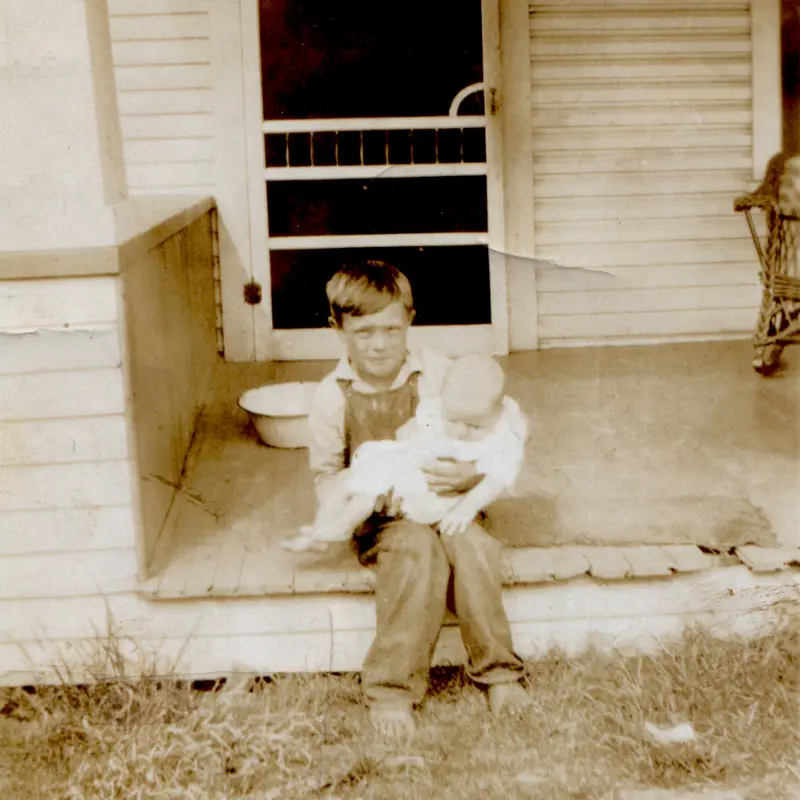
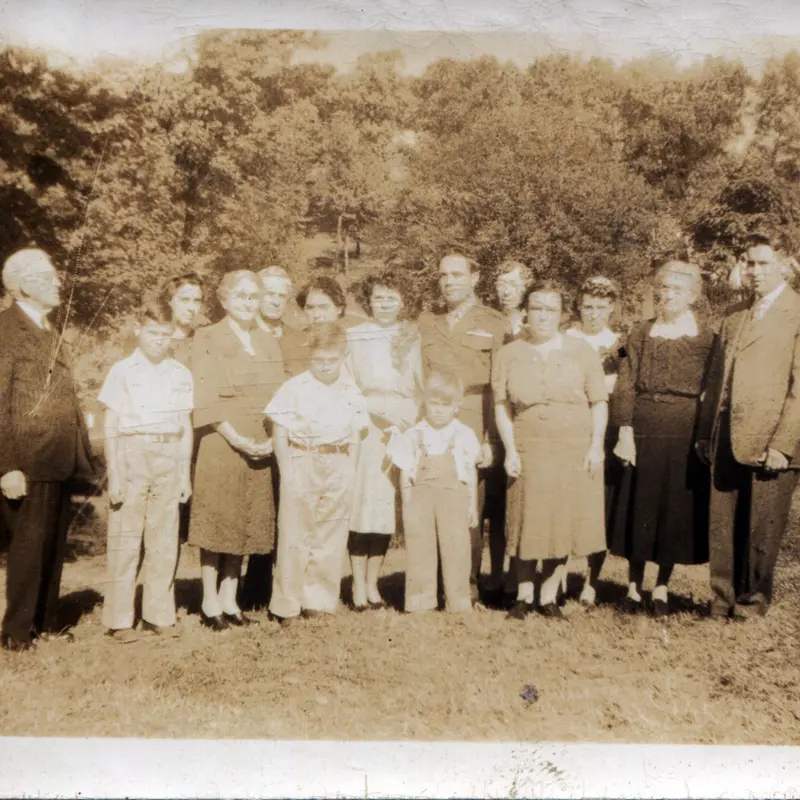
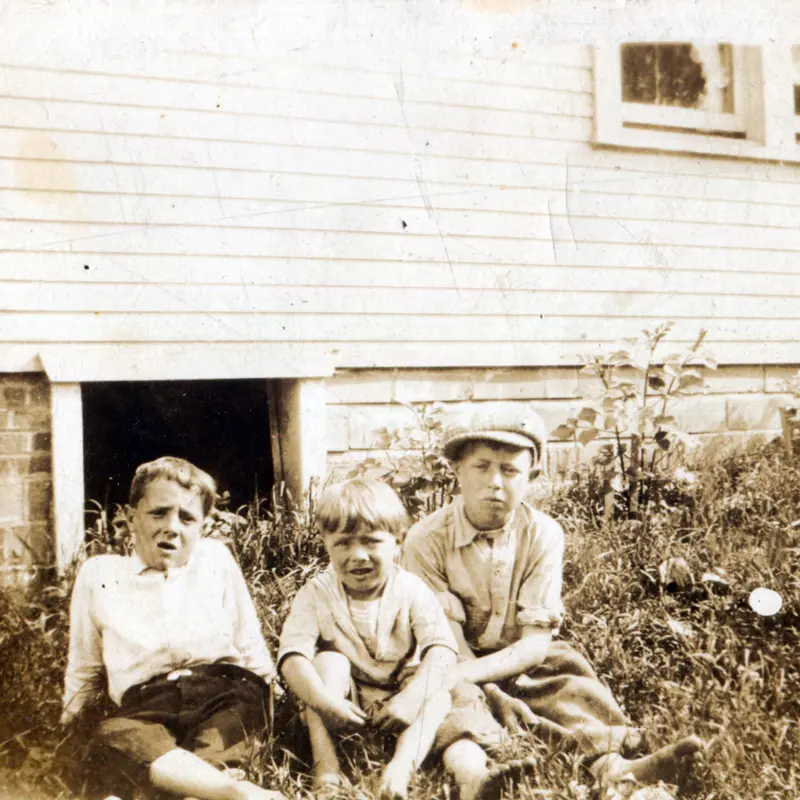
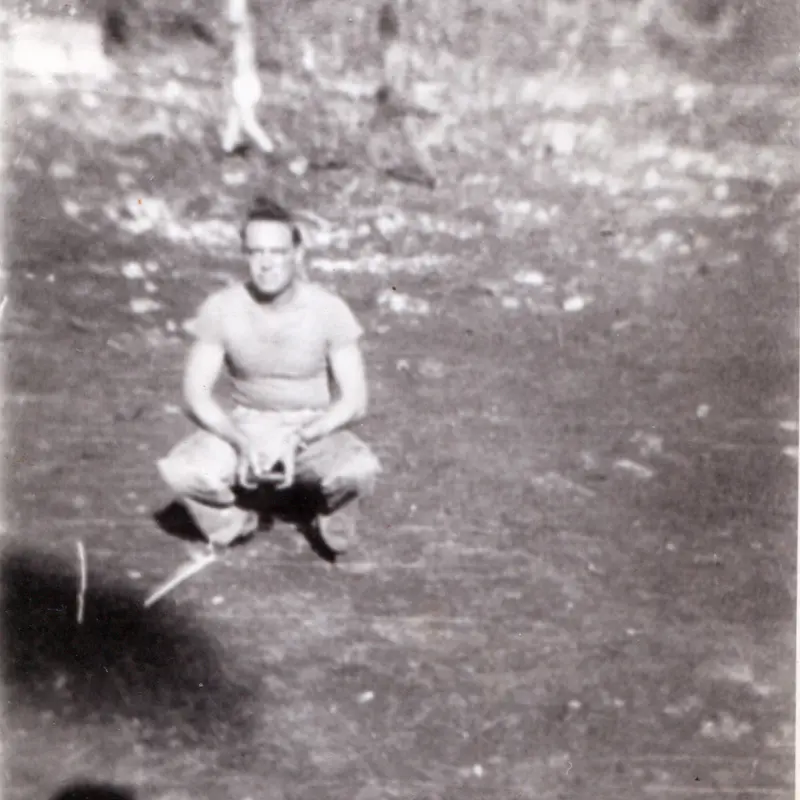
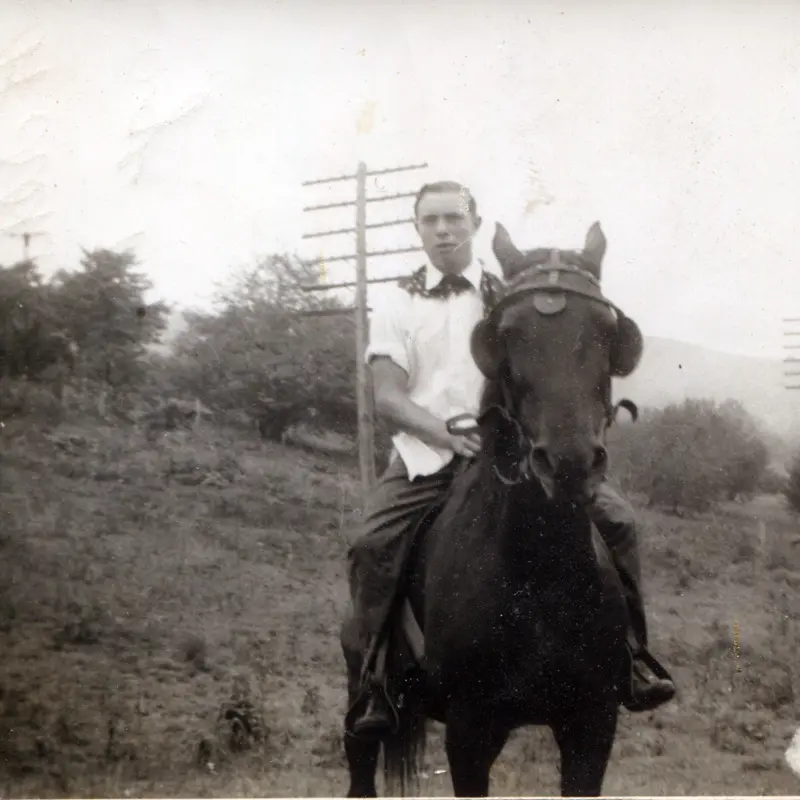
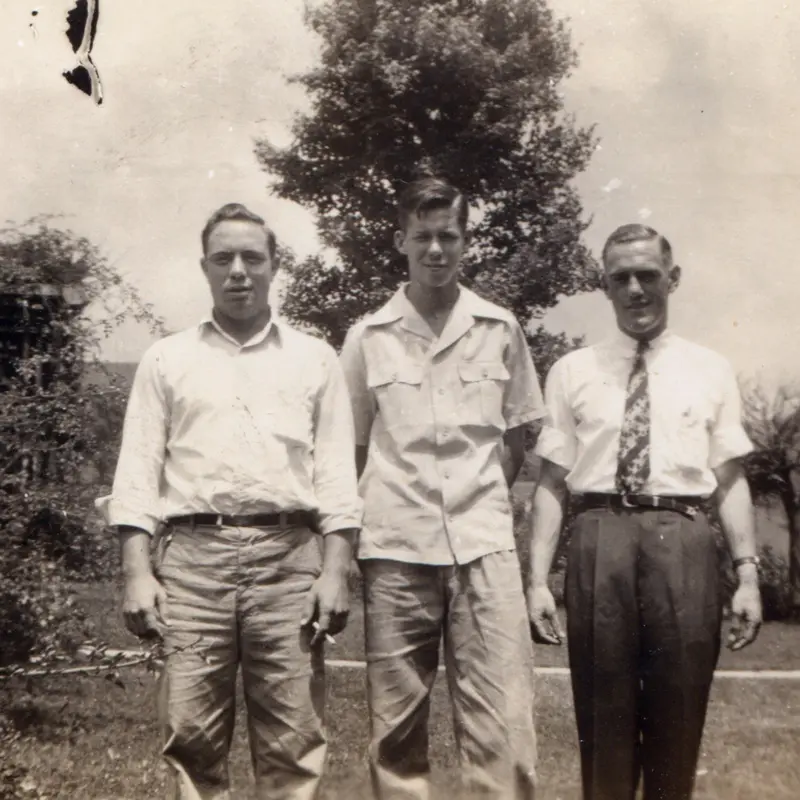
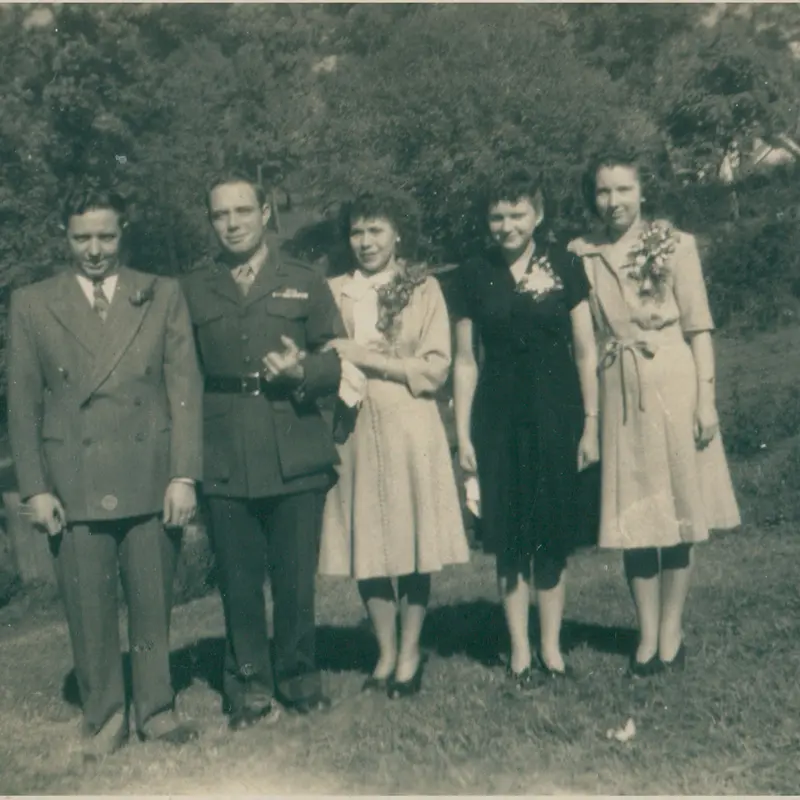
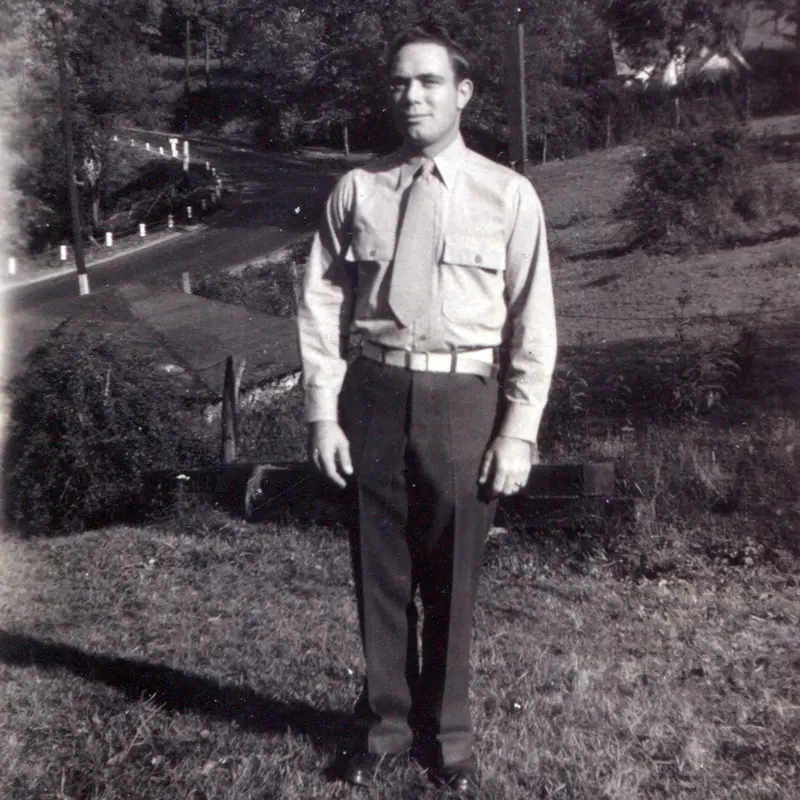
Hershel W. “Woody” Williams entered the world in 1923 on a dairy farm in Quiet Dell, a small community seven miles outside Fairmont, West Virginia. The town was built on dairy work, though a few men traveled to the coal mines for wages. His given name was Hershel Woodrow Williams, but from the beginning everyone simply called him “Woody.”
He was the youngest of eleven children, though only five survived. At birth he weighed just three pounds—so small his parents feared he wouldn’t live. They persuaded Dr. Hershel Gost to come out to the farm and examine him. Doctors didn’t make house calls then, nor did they have automobiles, but Dr. Gost came anyway. After checking the tiny newborn, he told Woody’s mother, “If you keep doing what you’re doing, he’ll be fine.” With no crib in the house, his parents kept him warm in one of his father’s shoeboxes.
Growing up on a dairy farm meant the cows had to be milked twice a day. The farm produced milk, butter, and cream, which his father sold in town. They loaded the back of his father’s Model T truck and drove from house to house, guided by handwritten notes customers left in empty glass bottles. Later, his father upgraded to a Model A truck, and the boys rode on the running board. As they approached each home, his father would call out, “This house wants a pint of cream,” and one of the boys would jump off to deliver it. There were no grocery stores or refrigerators then—everything depended on daily delivery.
Winters were harsh. The Monongahela River froze ten to twelve inches thick, and the family cut blocks of ice to store in the log icehouse. They chopped fifty‑ and hundred‑pound blocks to keep the iceboxes cold, storing extra ice in the basement for daily use.
With his older brothers in school, Woody received his first responsibility at age six: bringing the cows in for milking. The herd roamed across their forty‑acre farm, and Woody, with his collie Rowdy at his side, walked the hills to gather them. It gave him his first sense of duty—of doing something important.
Life on the farm meant making nearly everything they needed. Money was scarce. They planted oats, corn, and beans, and if a crop failed, the family suffered. Saturdays meant walking or catching a ride into town. For a dime, Woody could buy an ice cream cone, a hot dog, or a movie ticket. He especially loved the town’s ice cream socials with homemade ice cream and cakes.
He attended the same school for eight years with the same teacher. He and his friends walked together each morning, all from families with little money. A few relatives, like his uncles who worked at Owens Glass, had steady wages and were better off.
After one year of high school, Woody dropped out. The only way to get to school was by riding the milk truck into town, but the seven‑mile walk home was long, and rides were rare.
At sixteen, still working on the farm, Woody watched his brother leave to join the Civilian Conservation Corps (CCC), created by President Roosevelt. The dairy industry was changing with pasteurization and homogenization, and small farms struggled to keep up. When Woody saw his brother come home in uniform with dollar bills in his pocket—money Woody had never held—he decided to join the CCC as well. He was first sent to Camp Pickens in Morgantown, then by train to a camp in Montana.
It was there, in the Civilian Conservation Corps Camp that he heard the news of Pearl Harbor. The camps were run by the Army, with a lieutenant, a sergeant, a cook, and truck drivers overseeing the men. They were told that those eighteen or older could enlist in the Army, while younger men needed parental permission. Woody knew his mother would never sign, so he returned home and waited.
When Woody turned eighteen, he tried to enlist in the Marine Corps, but the recruiter turned him away. At the time—November 1942—the minimum height requirement was 5 feet 8 inches, and Woody fell short of the mark. In their small West Virginia town, many of the local businesses were run by short Italian families, and the Marines rarely found men there who met the height standard.
But the war was changing. The heavy casualties at Guadalcanal and the looming Bougainville campaign forced the Marine Corps to lower its height requirement. By July 1943, the recruiter returned to the farm with the list of names he had kept, and this time Woody was accepted.
There were so many new recruits that the Marines created a waiting list, selecting two men from each county. Woody was originally slated to train at Parris Island, but the camp was overwhelmed—no drill instructors, no housing, not even enough trained truck drivers to move the men. Everything was overflowing.
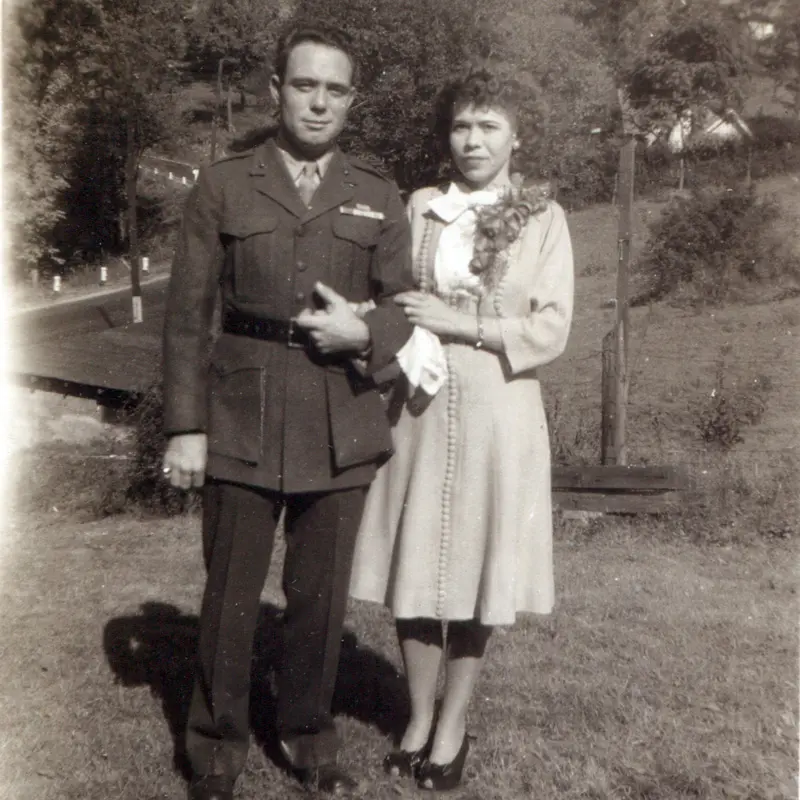
People often asked Woody why he chose the Marine Corps. He always believed it was the uniform. He knew a few Marines who received a guaranteed thirty‑day furlough each year, and whenever they came home, they wore their dress blues. Woody admired the way they looked. This was early 1942, not long after Pearl Harbor, and the Marine uniform carried a certain pride and presence. By comparison, the Army uniforms seemed heavy, plain, and unattractive—especially when wet. And one thing was certain: the Marines in dress blues never had trouble attracting attention from the women.
Because the East Coast had a larger population and more recruits, Woody and the others were sent west for training. They boarded a train bound for Chicago, enduring five days on wooden seats with no cushions. After arriving, they were given a ten‑day furlough, but Woody didn’t have enough time to return home, so he boarded another train headed for San Diego. Men who trained there were known as “Hollywood Marines.”
When they arrived, the recruits were organized into platoons, each with three drill instructors. Most had no combat experience, but a few had fought at Guadalcanal. Woody considered himself fortunate—his platoon had two DIs who had seen combat and understood what it meant to dig foxholes, slog through mud, and face the realities of war.
After completing boot camp in September 1943, Woody was sent to Jacques Farm at Camp Pendleton. There he trained in tank operations, demolition, and infantry tactics. On December 30, 1943, he was assigned to the 32nd Replacement Battalion.
In August 1943, he shipped out for the South Pacific. The first stop was New Caledonia, a French‑owned island already secured by Allied forces. At the Replacement Center, Marines were assembled and reassigned where needed. Woody was placed in Company C, 1st Battalion, 21st Marine Regiment, 3rd Marine Division, and sent to Guadalcanal in January 1944.
The 21st Marine Regiment had been activated in July 1942 at New River, North Carolina, and had trained intensively in Hawaii for operations on Guadalcanal and Bougainville. Woody had not trained with them in Hawaii—he was still in New Caledonia awaiting transfer.
When he arrived on Guadalcanal, Woody and the others were introduced to the flamethrower. The improved M2 model had just been released in late 1943. None of the men had ever seen one. Their instructor was a Gunnery Sergeant known as an Old China Marine—one of the Marines who had served in Peking in the 1920s, protecting American citizens and property during the Chinese Revolution. He trained them in the use of the flamethrower.
Woody was assigned to a demolition platoon—“burn it up or blow it up”—and trained from January through June 1944. The flamethrowers arrived in the summer of 1944, still unfamiliar to the men, who unpacked them from large crates and assembled them for the first time.
After months of demolition and flamethrower training on Guadalcanal, Woody and his unit boarded a ship bound for Saipan. The 2nd Marine Division was already engaged there, so his division remained at sea, waiting in case reinforcements were needed. They never were. Once the fighting stabilized—and after the men had eaten through all the ship’s chow—the division sailed on to Guam.
In July 1944, they landed on the western beaches of Guam and took part in the amphibious assaults. They remained on the island until February 1945, never knowing what would come next or where they would be sent. The war moved in shadows, and orders came without explanation.
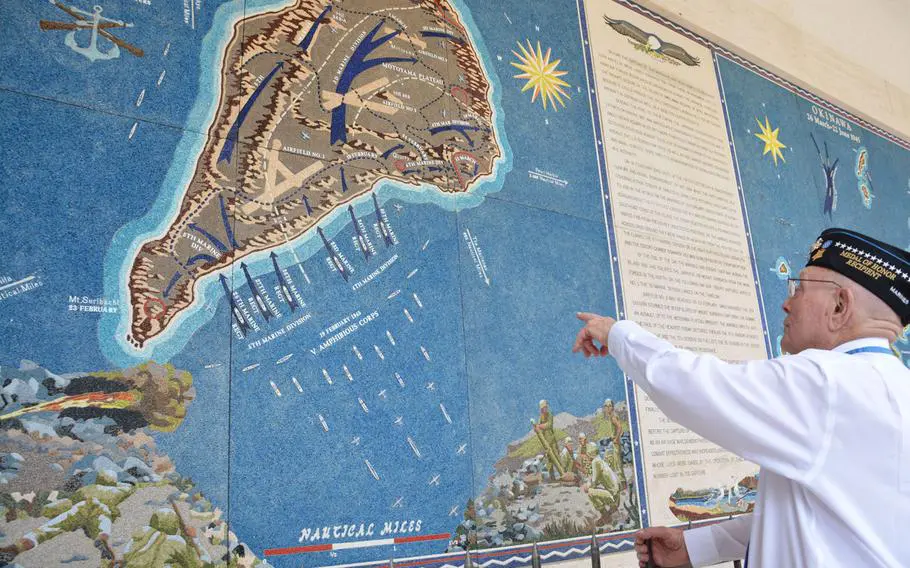
After several days at sea, the officers finally gathered the men and told them their destination: Iwo Jima. They sketched a map of the island in the sand and explained that the assault on the Japanese defenses was expected to last four to five days. Woody’s division was designated as the reserve force. They were told they would not land unless needed. No one mentioned that two other divisions—the 4th and 5th—would go ashore first.
The reserve status meant waiting. They could not see the island, only hear the distant thunder of 16‑inch naval guns pounding the shoreline. Each blast echoed across the water, a reminder that the battle had already begun.
But after the first day, casualties were so severe that the reserves were ordered in.
The men boarded Higgins boats and circled in wide loops, waiting for enough space on the crowded beaches to land. At one point they were sent back to the ship, only to learn that the Marines had broken through the Japanese lines and they would go ashore on the second day.
When Woody’s unit finally landed, they encountered only light resistance—mostly mortars and artillery. The Japanese infantry rifle fire had been pushed back the day before. But once they moved onto the airfield, everything changed. They came under heavy fire and began losing men as they advanced from one bomb crater to the next.
The airfield was ringed with pillboxes, each one a fortress of steel and concrete. Japanese machine gunners fired their 30‑caliber Nambu guns based on the French Hotchkiss M1909 Benet‑Mercier through narrow slits that were nearly impossible to hit. The casualties mounted quickly.
The Marines pulled back to reorganize. Woody, a corporal at the time, was assigned as acting sergeant. Across A, B, and C Companies of the 21st Marines, there were six flamethrowers available. By the morning of February 23rd, for reasons Woody never learned, the other flamethrower operators were gone. He was the only one left.
A meeting of the remaining NCOs was called, though there were few left to attend. Woody hadn’t planned to go, but his First Sergeant told him he would. At the meeting, the officers asked him directly what he could do about the pillboxes.
He was told to select four Marines to support him. He chose two from his old squad and two he didn’t know, then added two more. Their job was to fire into the pillbox slits to keep the Japanese gunners pinned down while Woody approached with the flamethrower.
He designated his friend from his old squad as the poleman and handed him an eight‑foot pole with eight blocks of C‑2 explosive wired to the end. The plan was simple: Woody would burn out the defenders, and the poleman would seal the pillbox with explosives.
As they approached the first pillbox, a shot rang out. A bullet struck his friend’s helmet. The webbing inside stopped the round, but the impact knocked him unconscious, sending him tumbling backward into a crater.
What followed became one of the most extraordinary acts of individual heroism in Marine Corps history but Woody remembered only fragments of it.
He later learned that he had used six flamethrowers during the assault. He remembered only one. The others had been stored in the supply area, but he had no memory of retrieving them. He had crawled most of the time, unaware of distance, unaware of the passage of time. The trauma of battle had taken pieces of memory with it.
A VA psychiatrist later told him, “If you convince yourself that you don’t want to remember something, you will not remember it. The opposite is also true.”
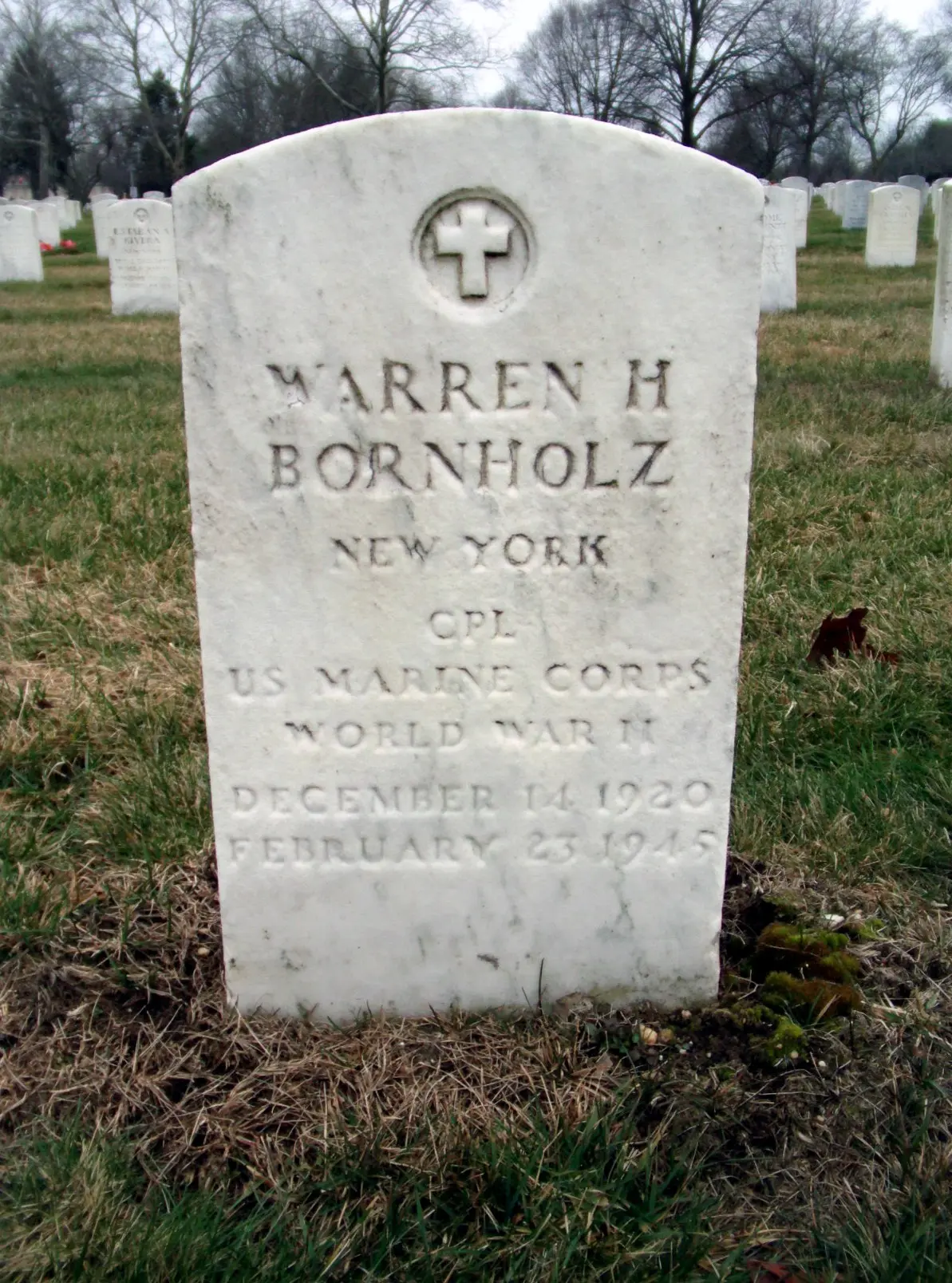
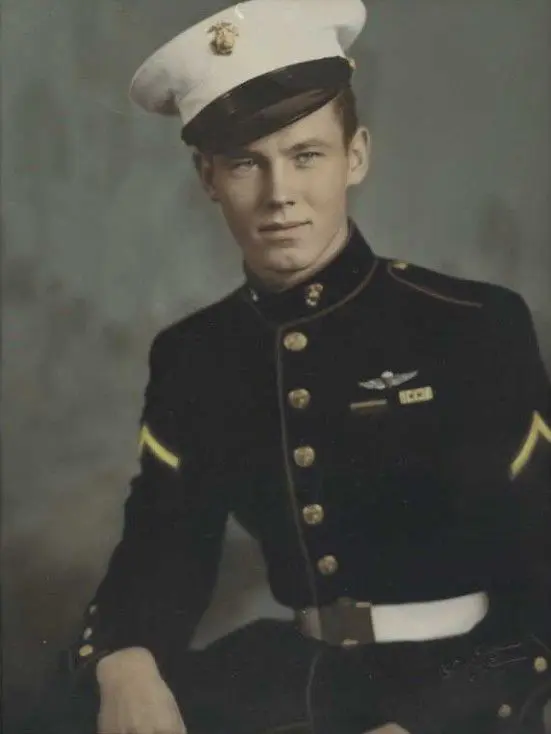
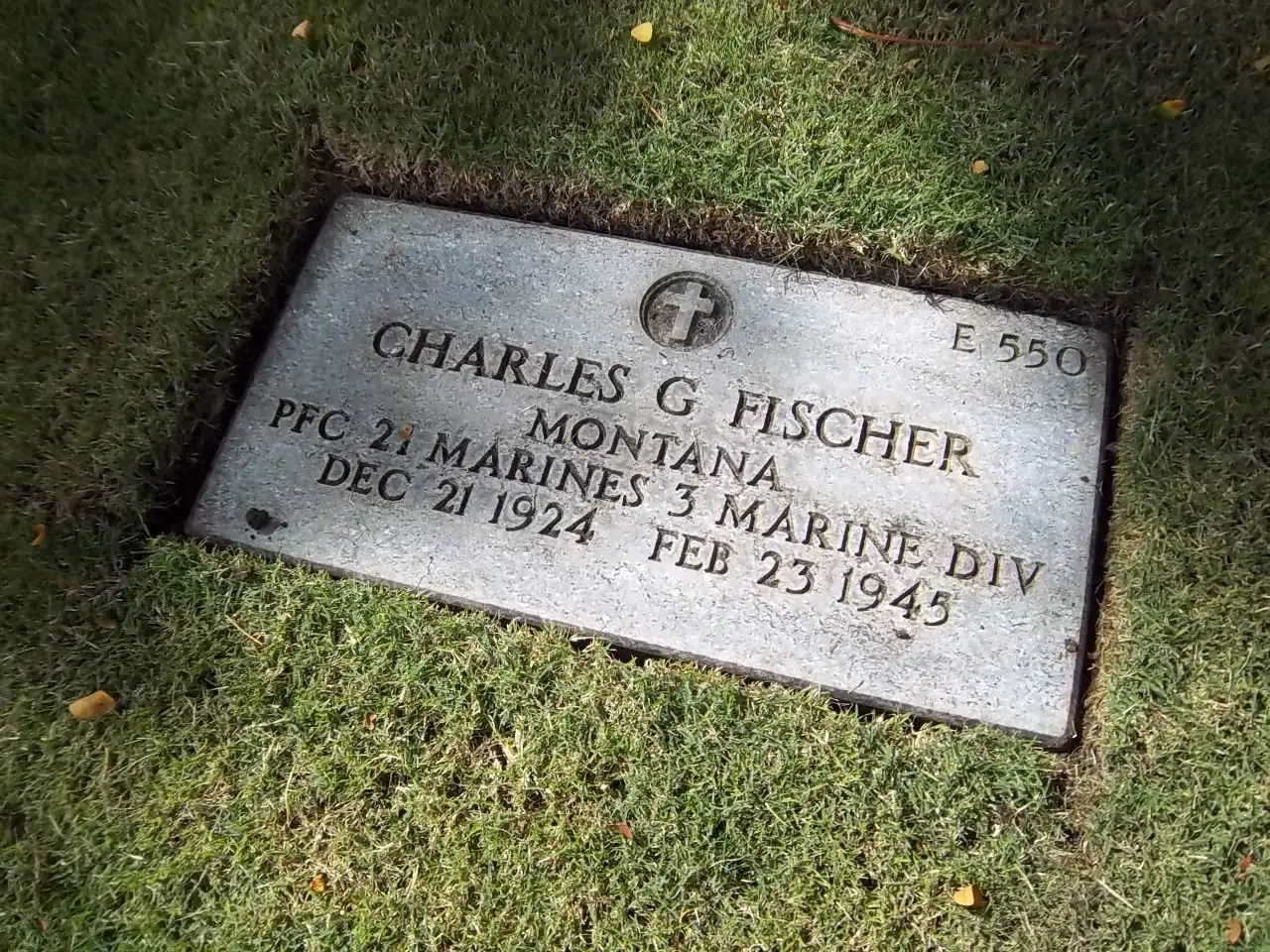
Reports confirmed that two Marines had been killed during the attack, but Woody did not know their names. Years later, his friend Patrick O’Leary searched through documents and eyewitness accounts until he discovered them: Corporal Warren Bornholz and PFC Charles.
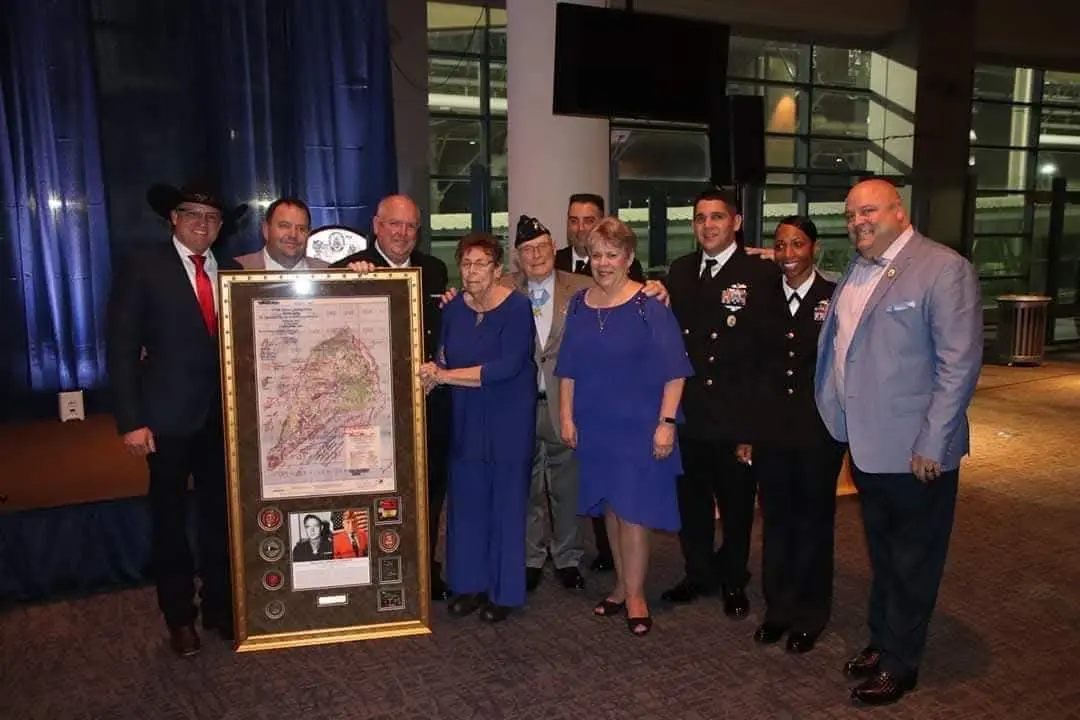
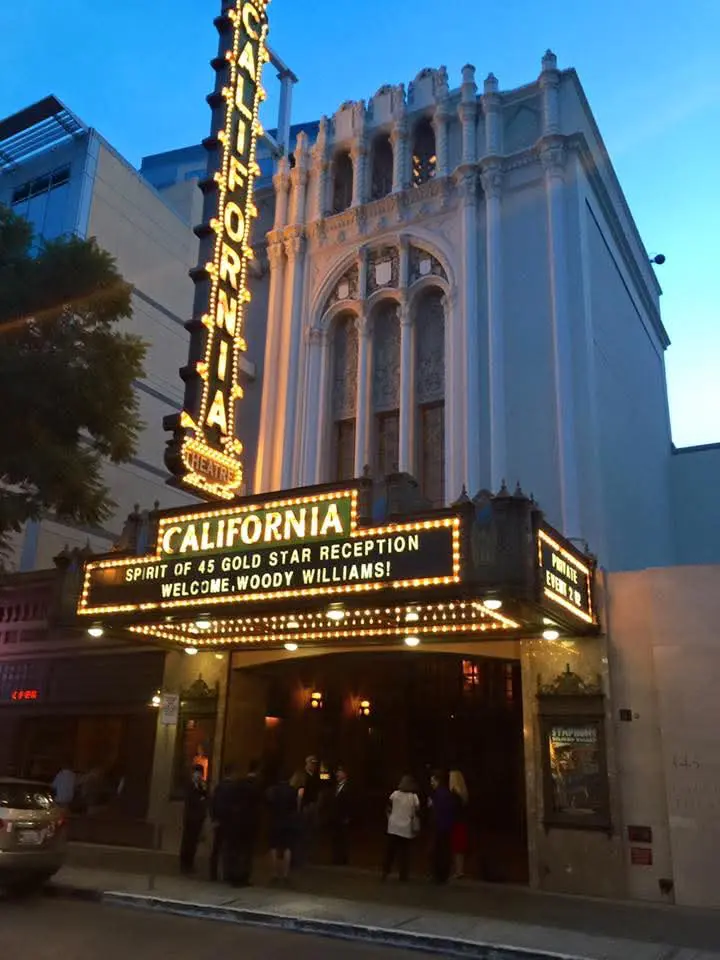
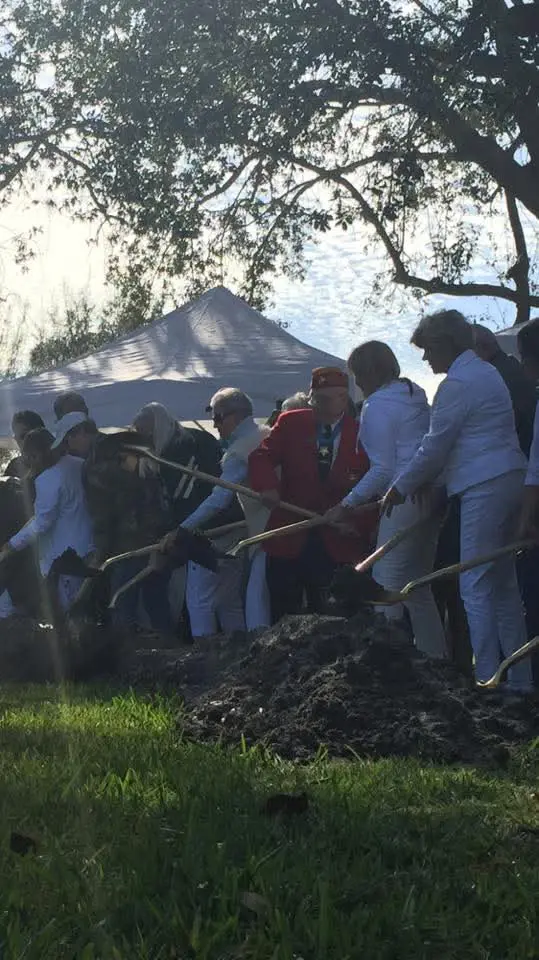
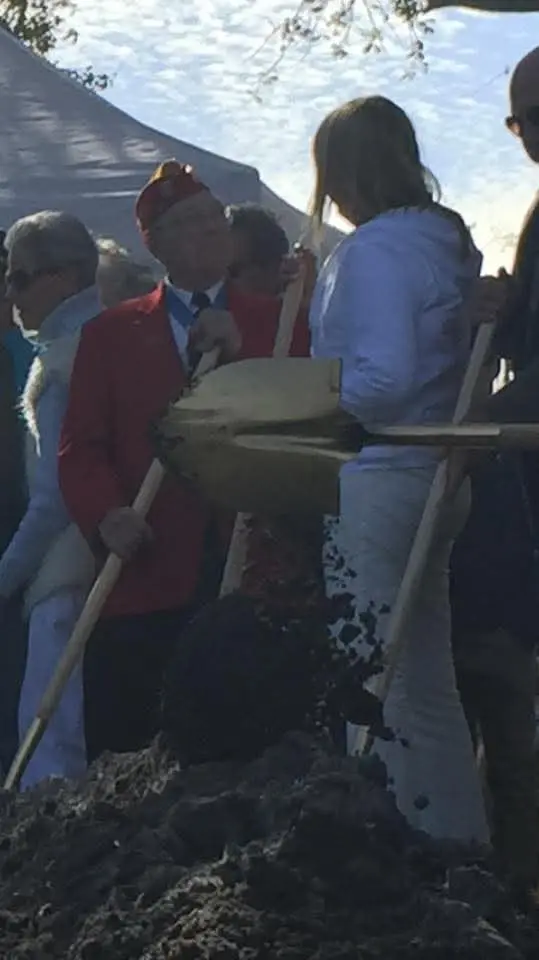
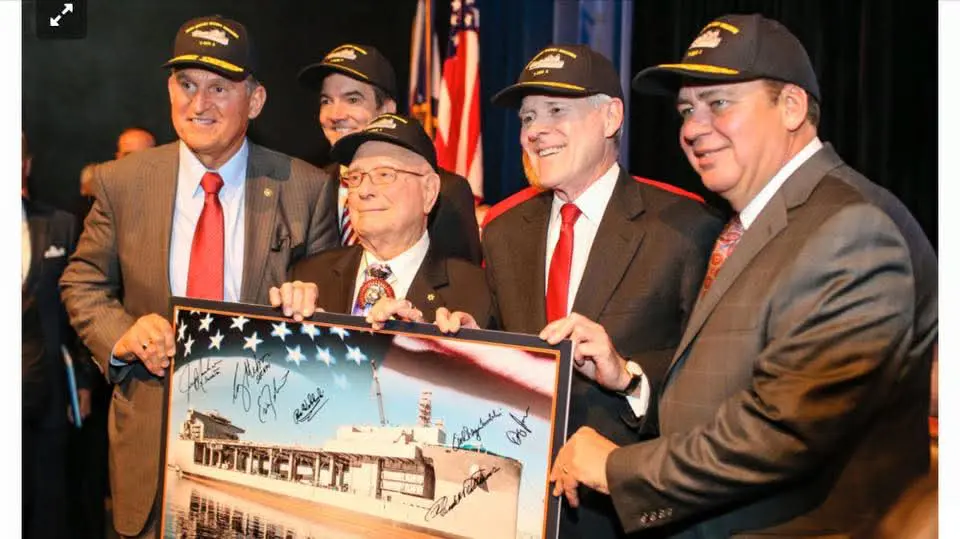
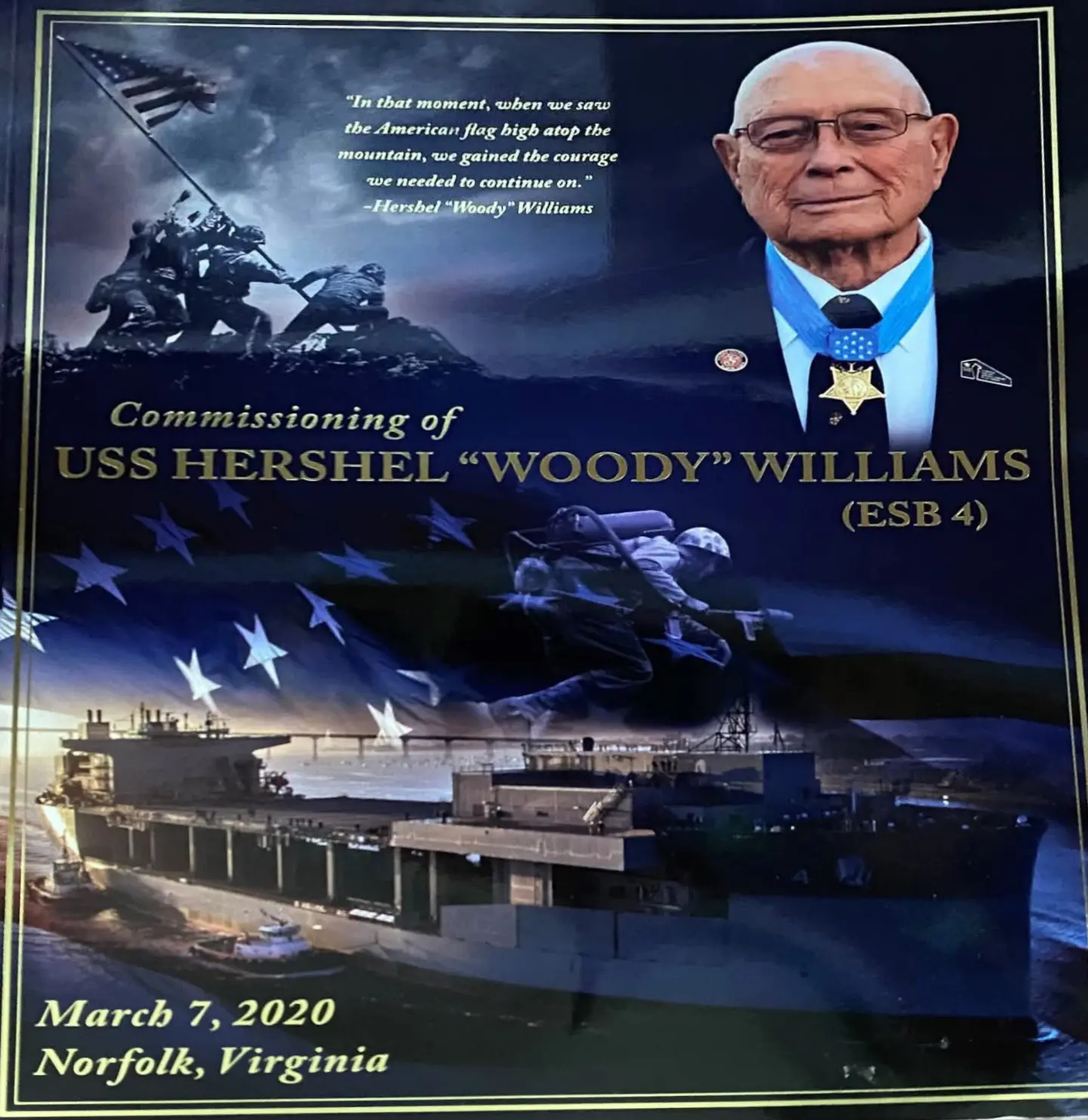
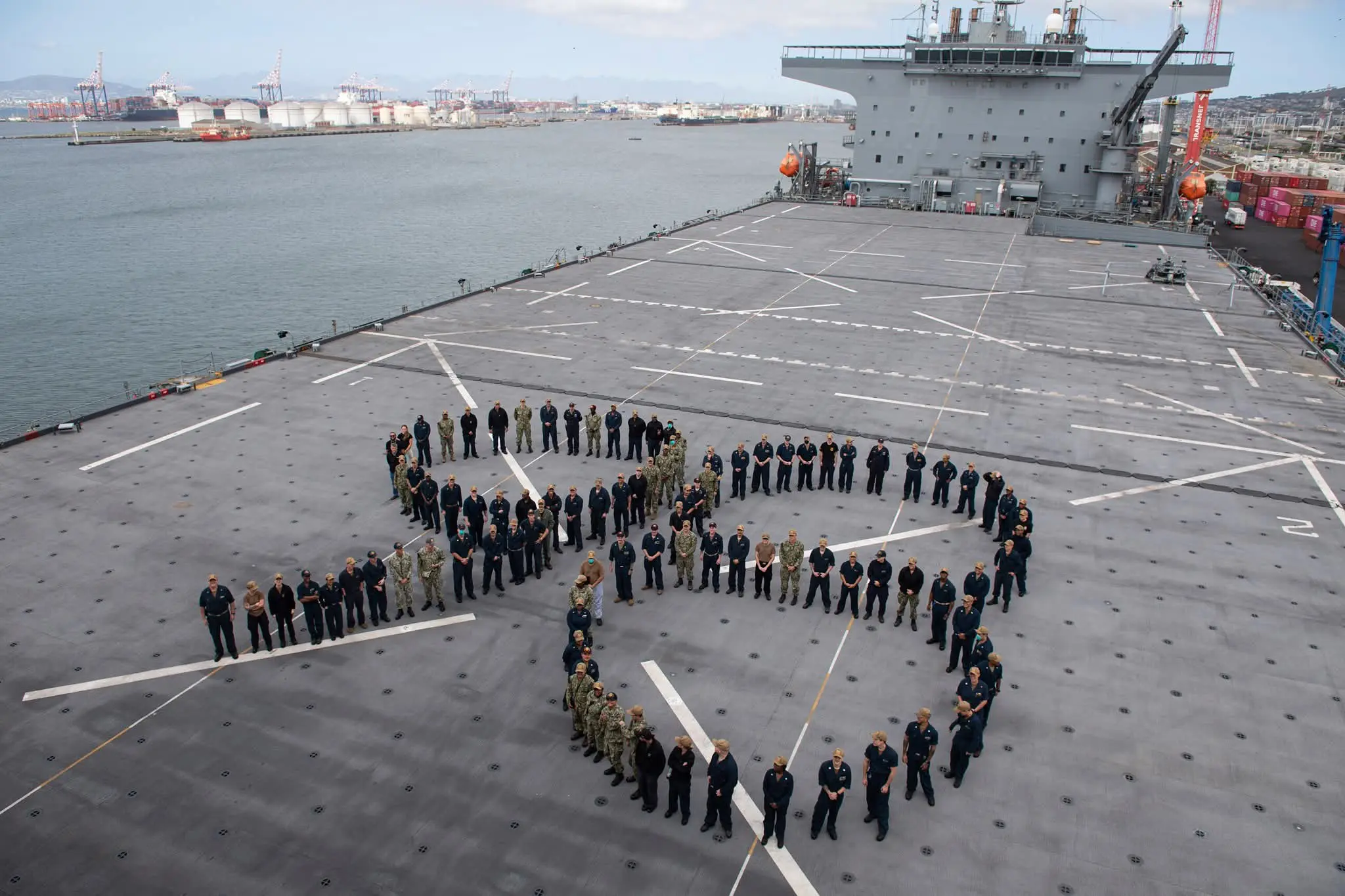
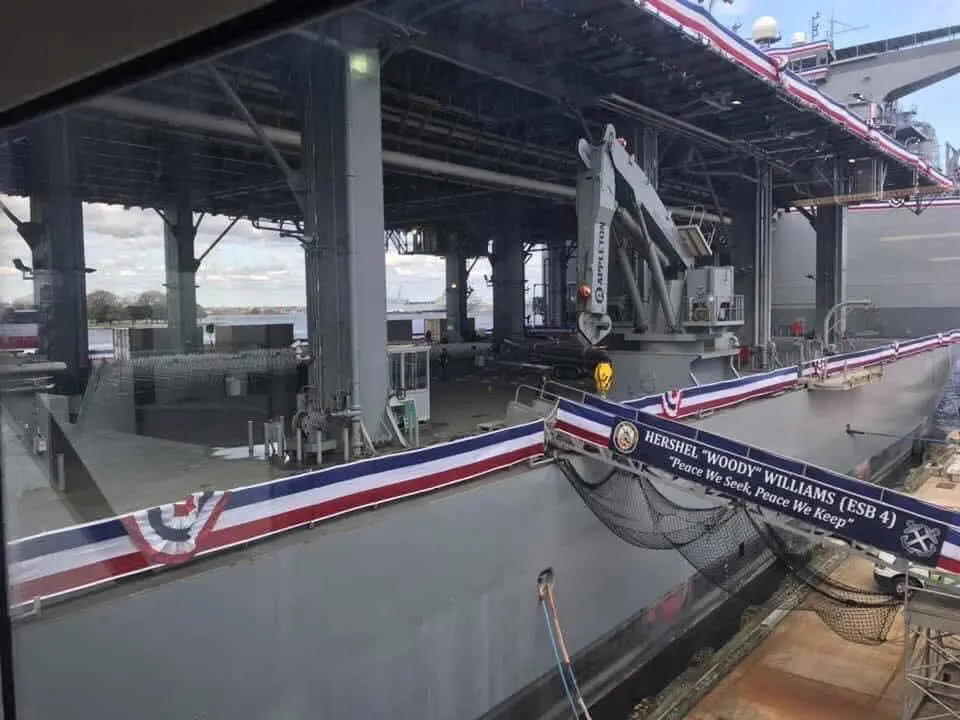
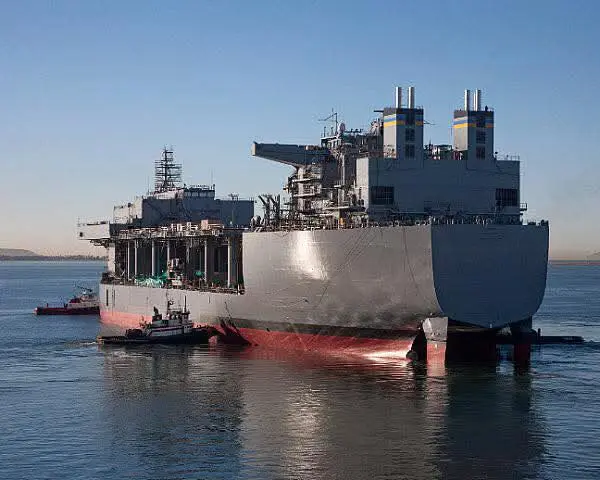
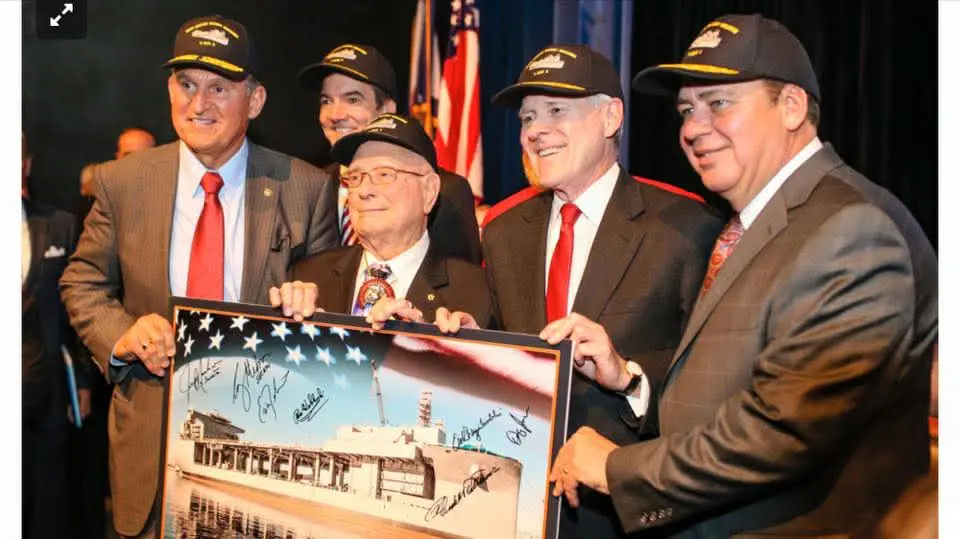
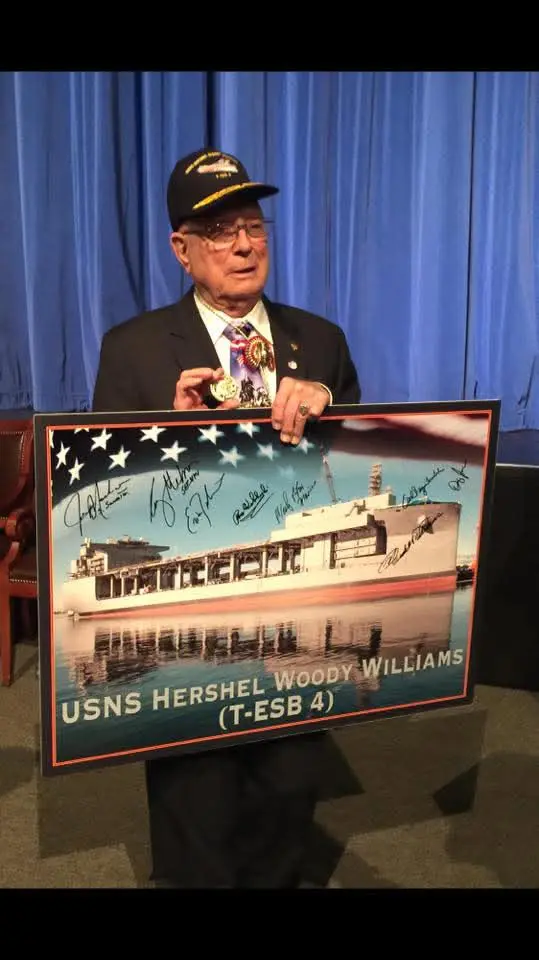
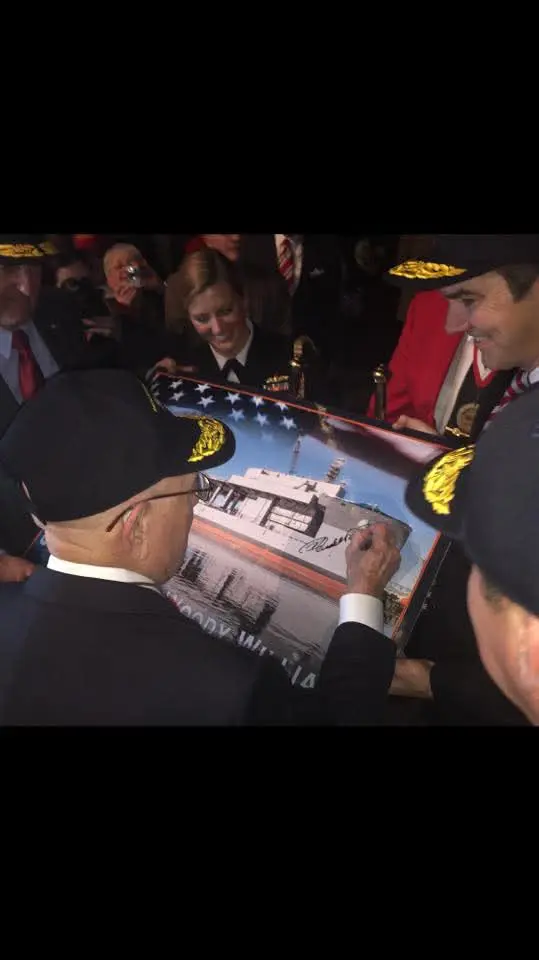
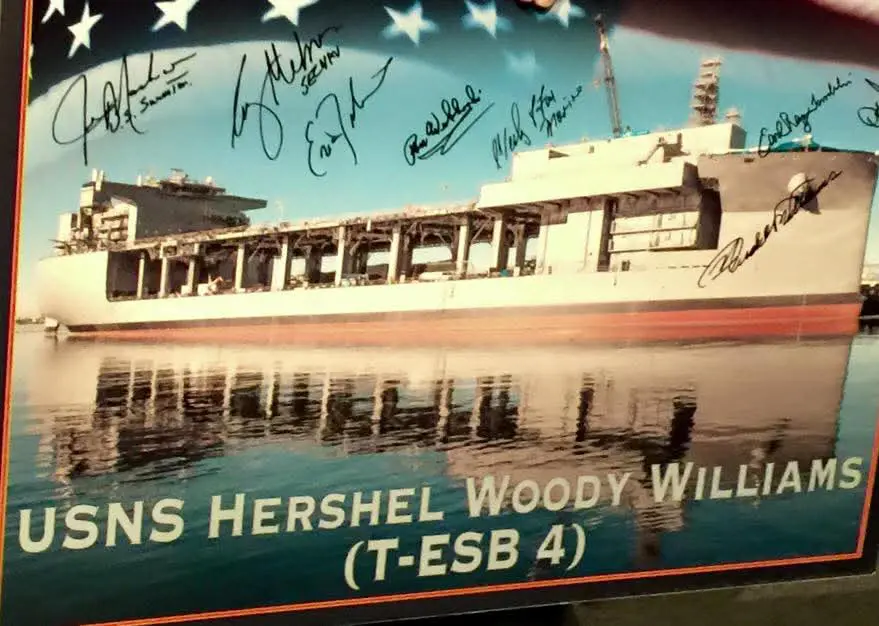
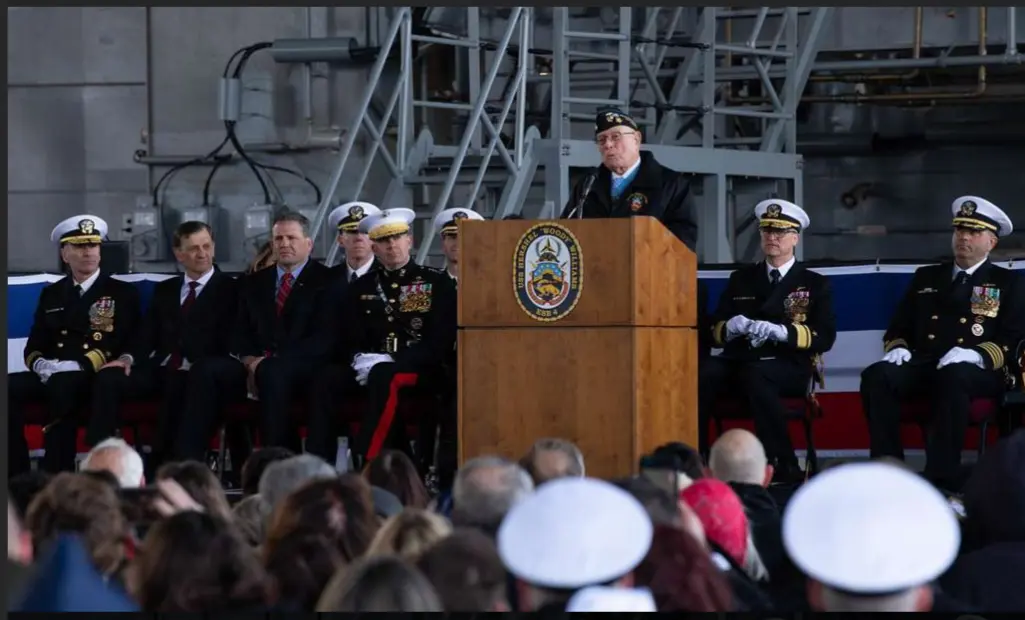
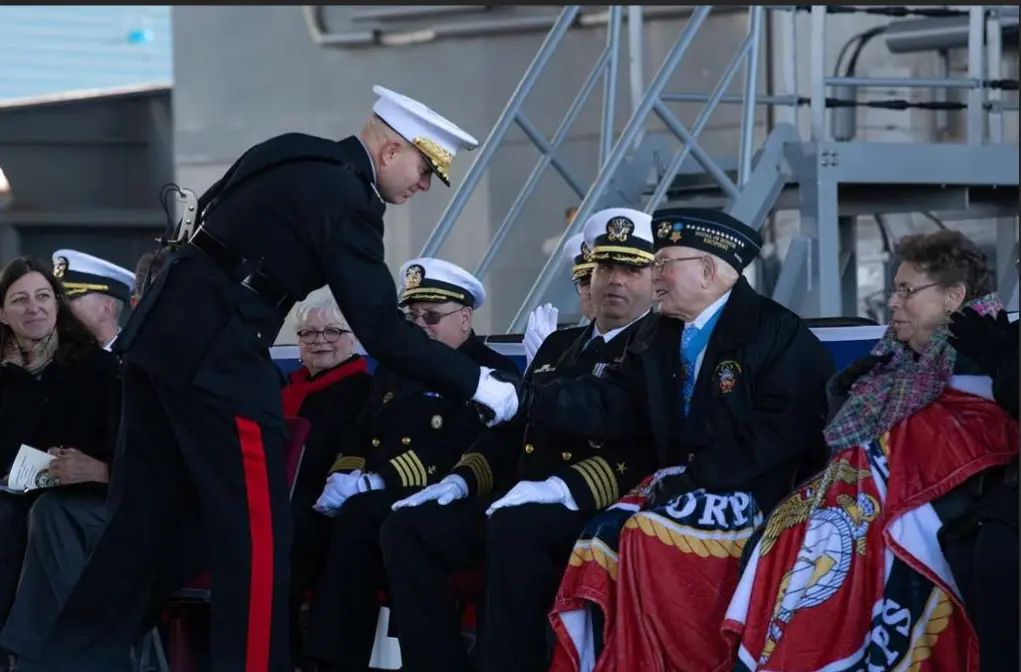
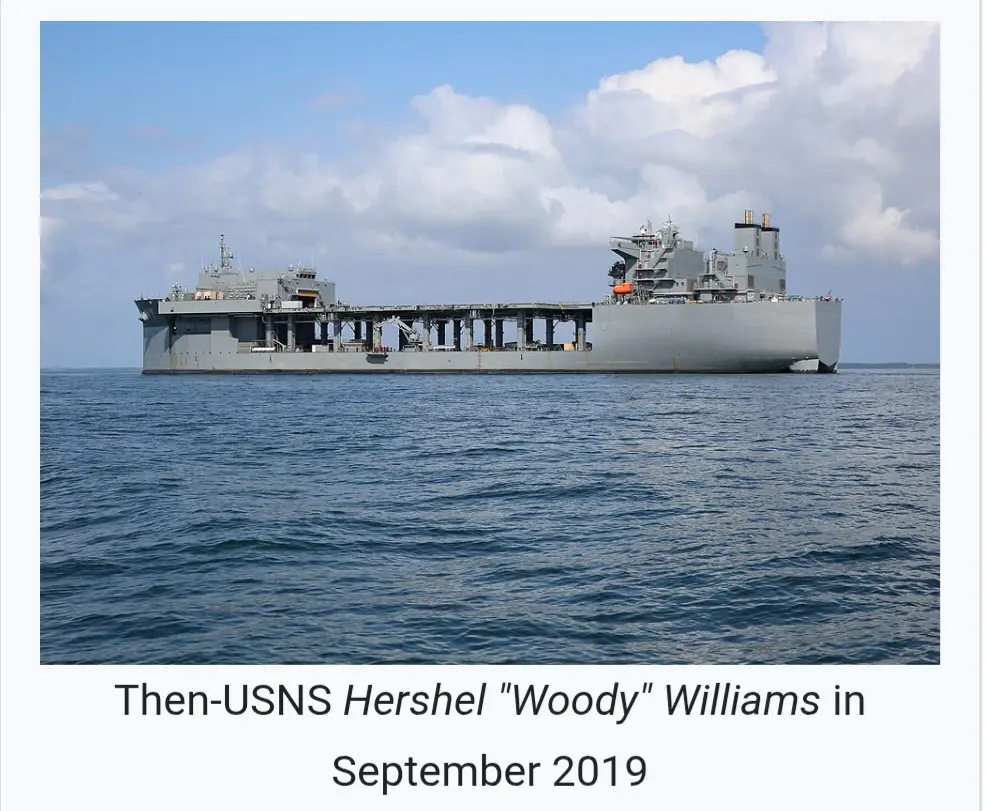
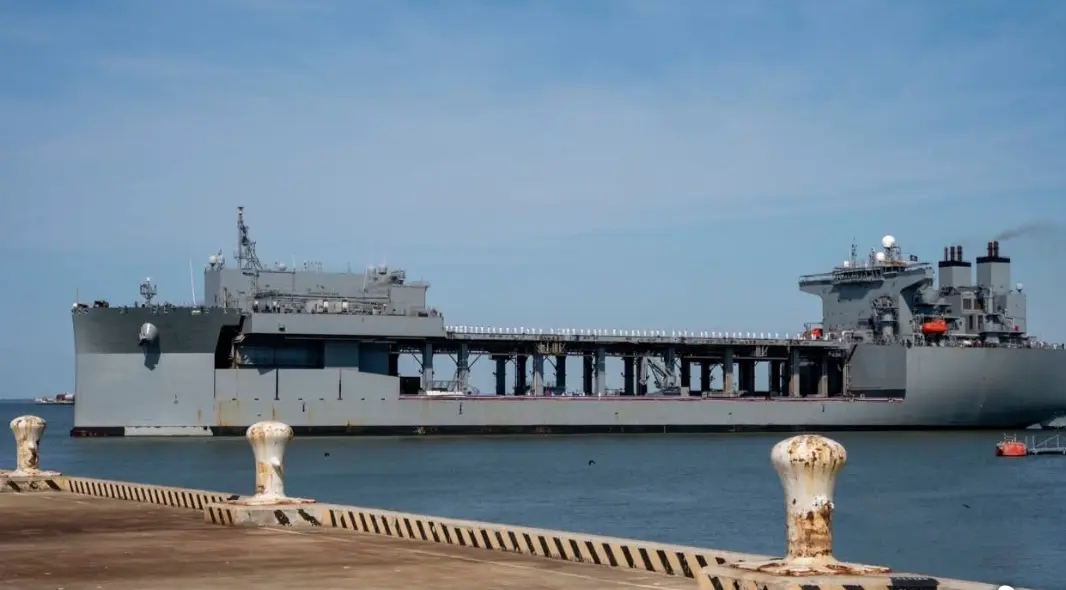
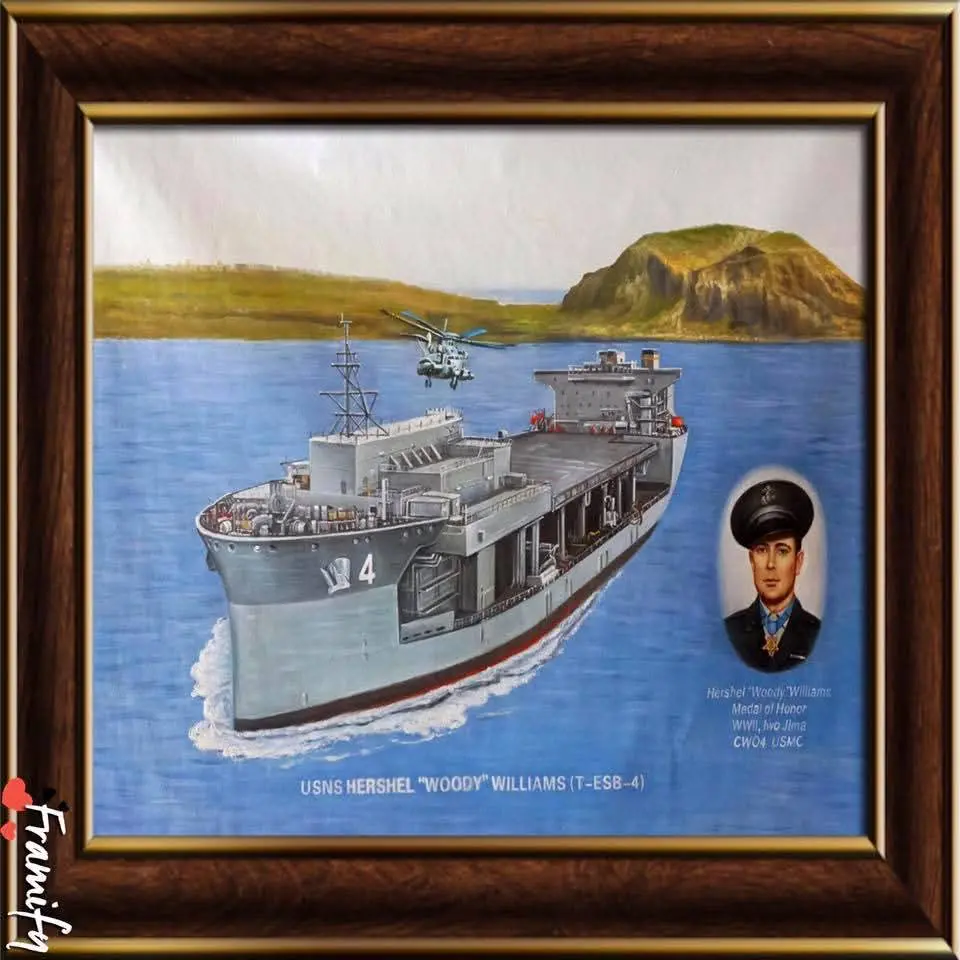
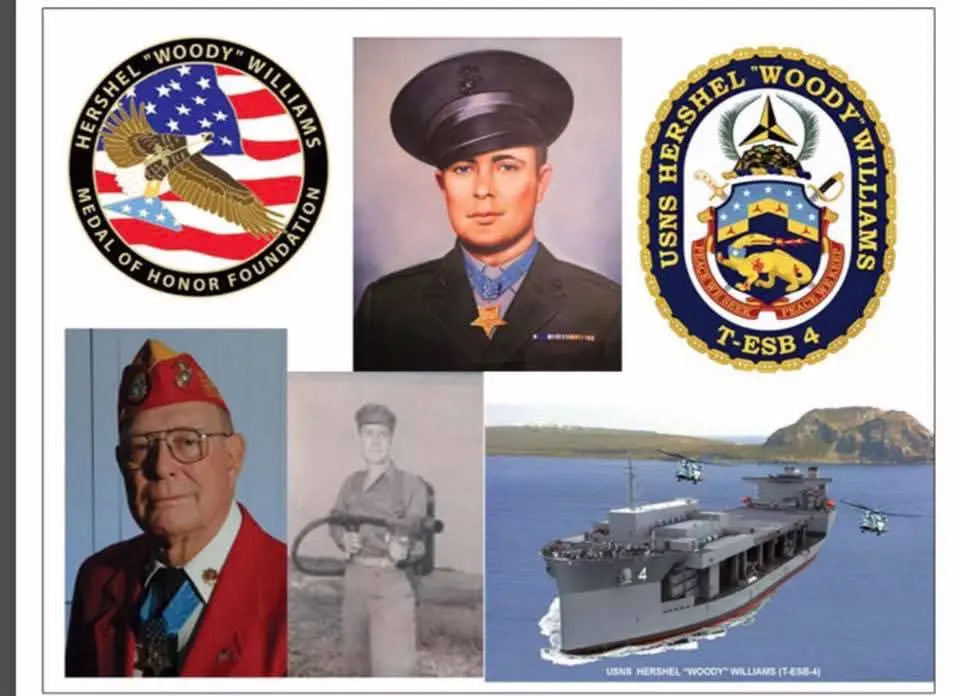
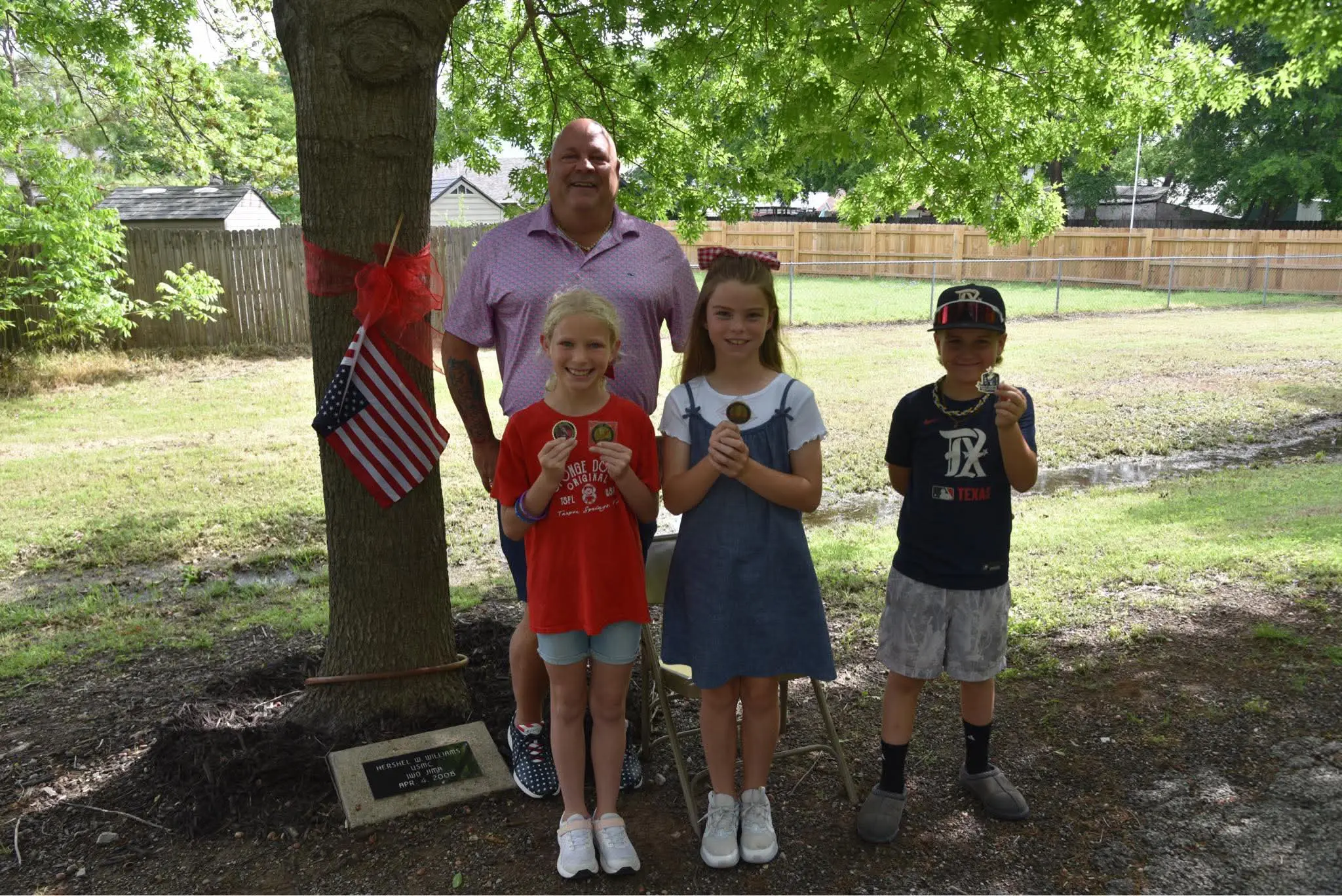
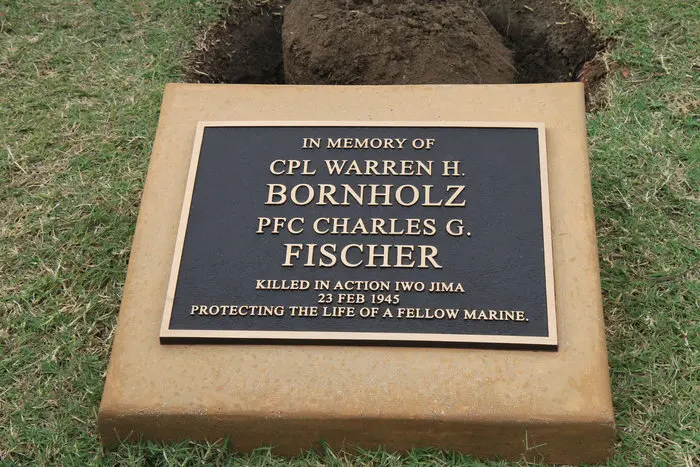
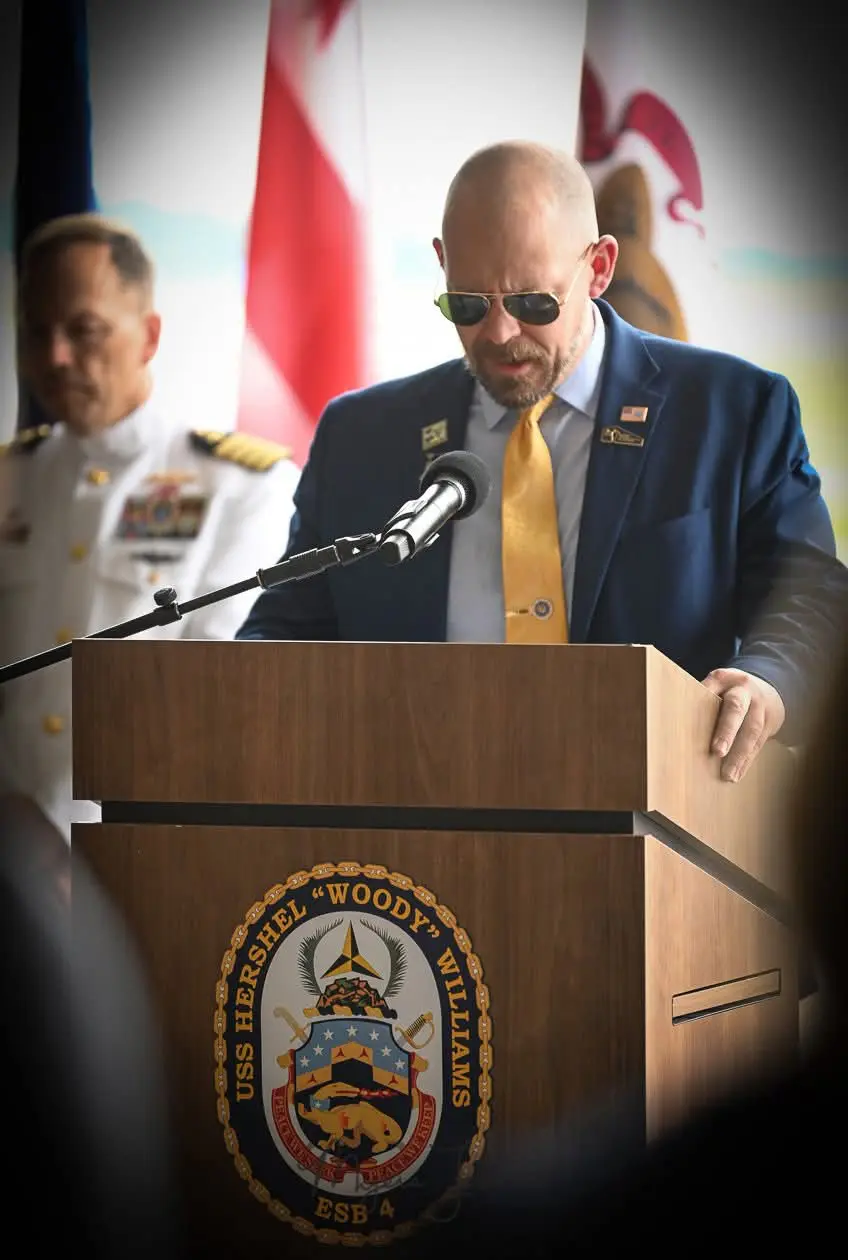
In March 2020, during the commissioning of the expeditionary sea base Hershel “Woody” Williams in San Diego, Woody planted a tree and placed a small monument in honor of the two Marines who, in his words, “paid the ultimate price protecting my life.”
Looking back, Woody would later reflect that he had enlisted in the United States Marine Corps and served during the Battle of Iwo Jima with the 21st Marine Regiment, 3rd Marine Division. His actions on February 23, 1945—actions he remembered only in fragments were recorded in detail by those who witnessed them.
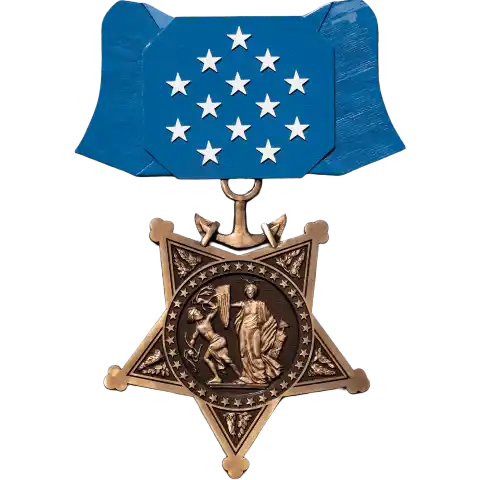
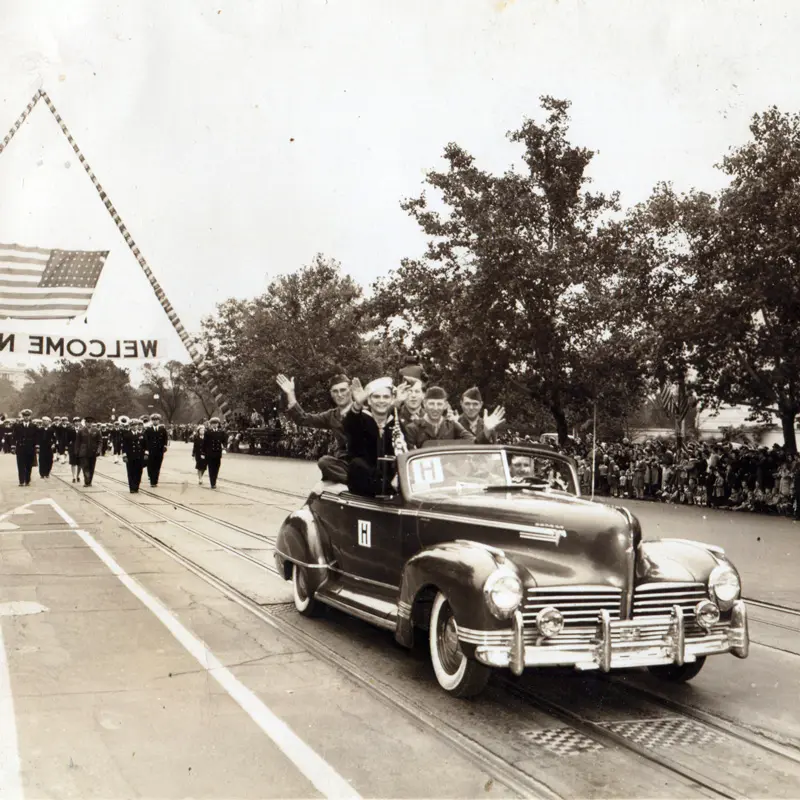
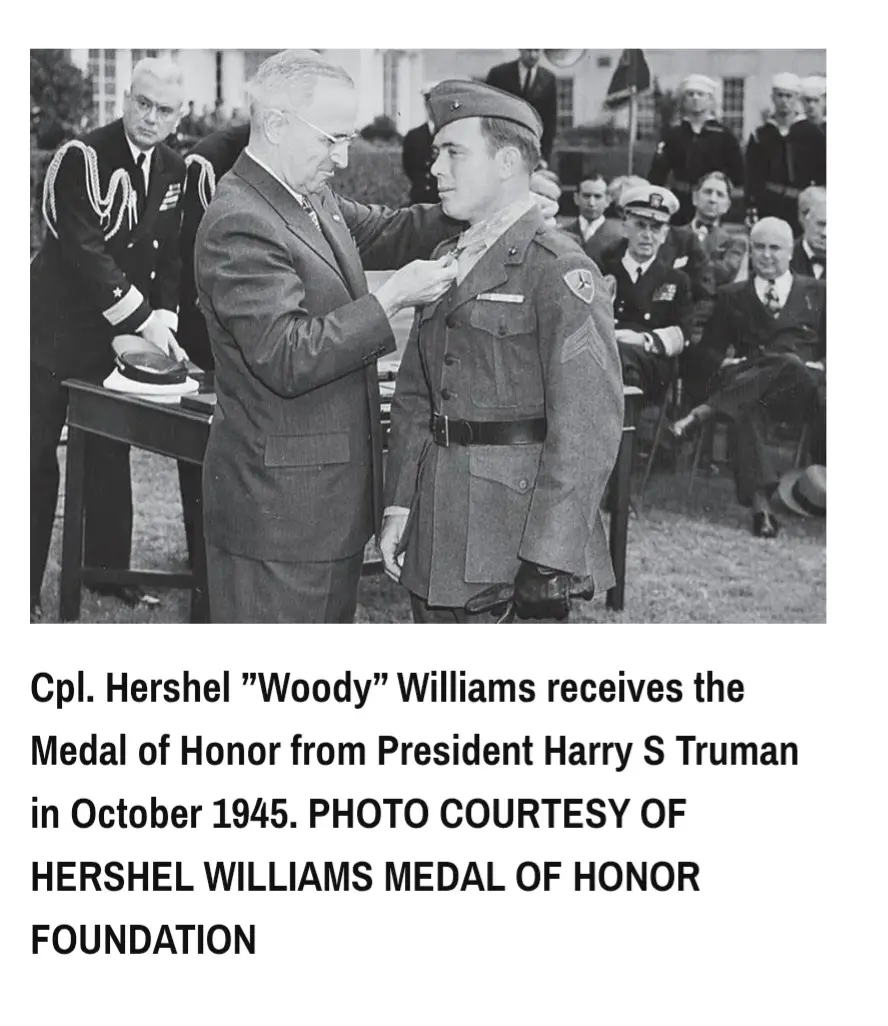
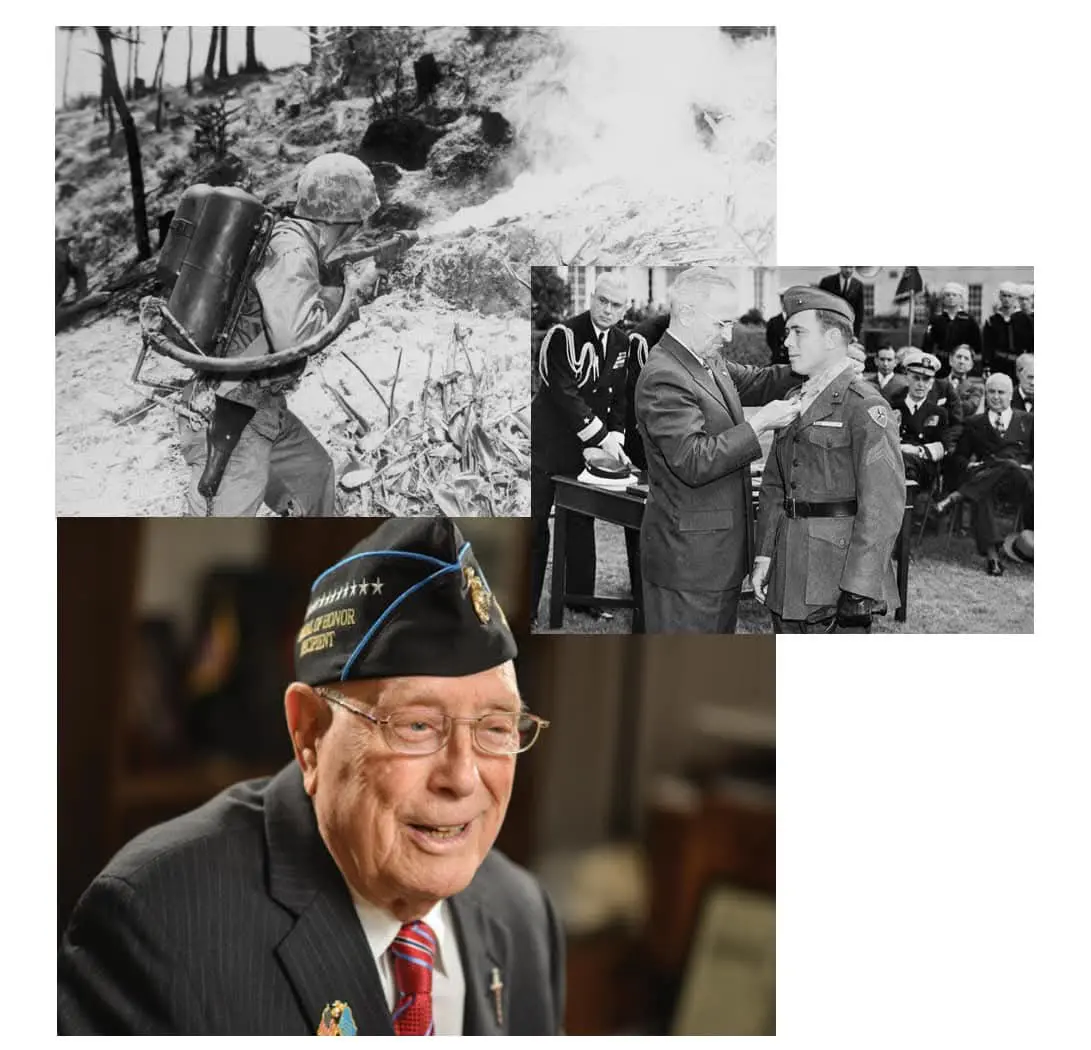
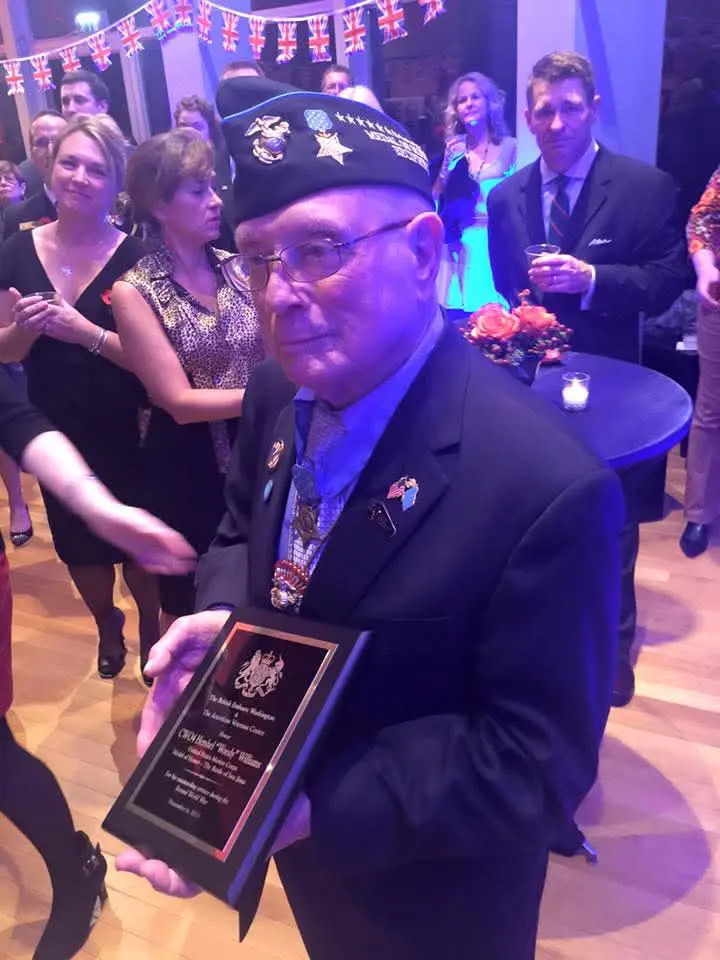
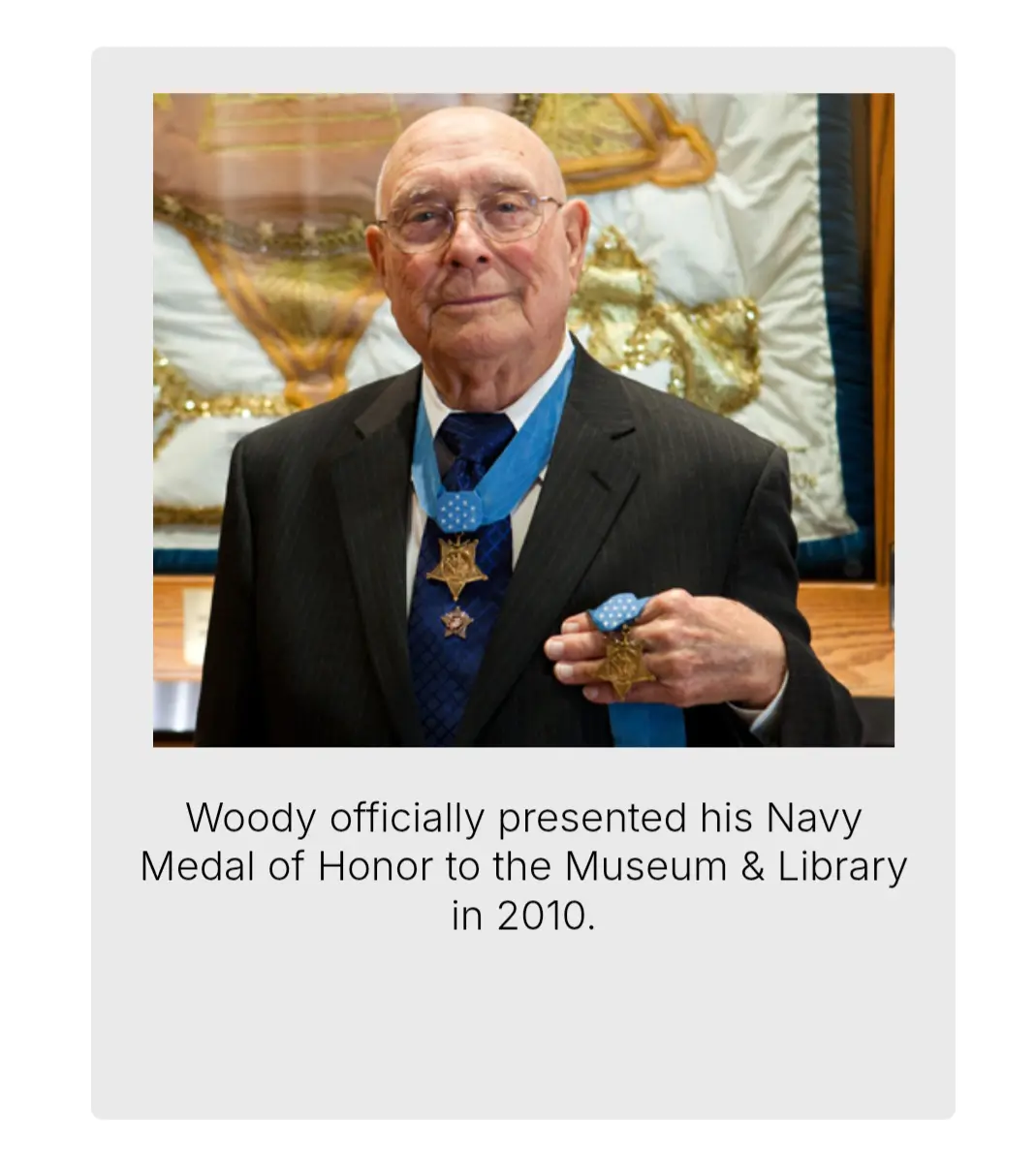
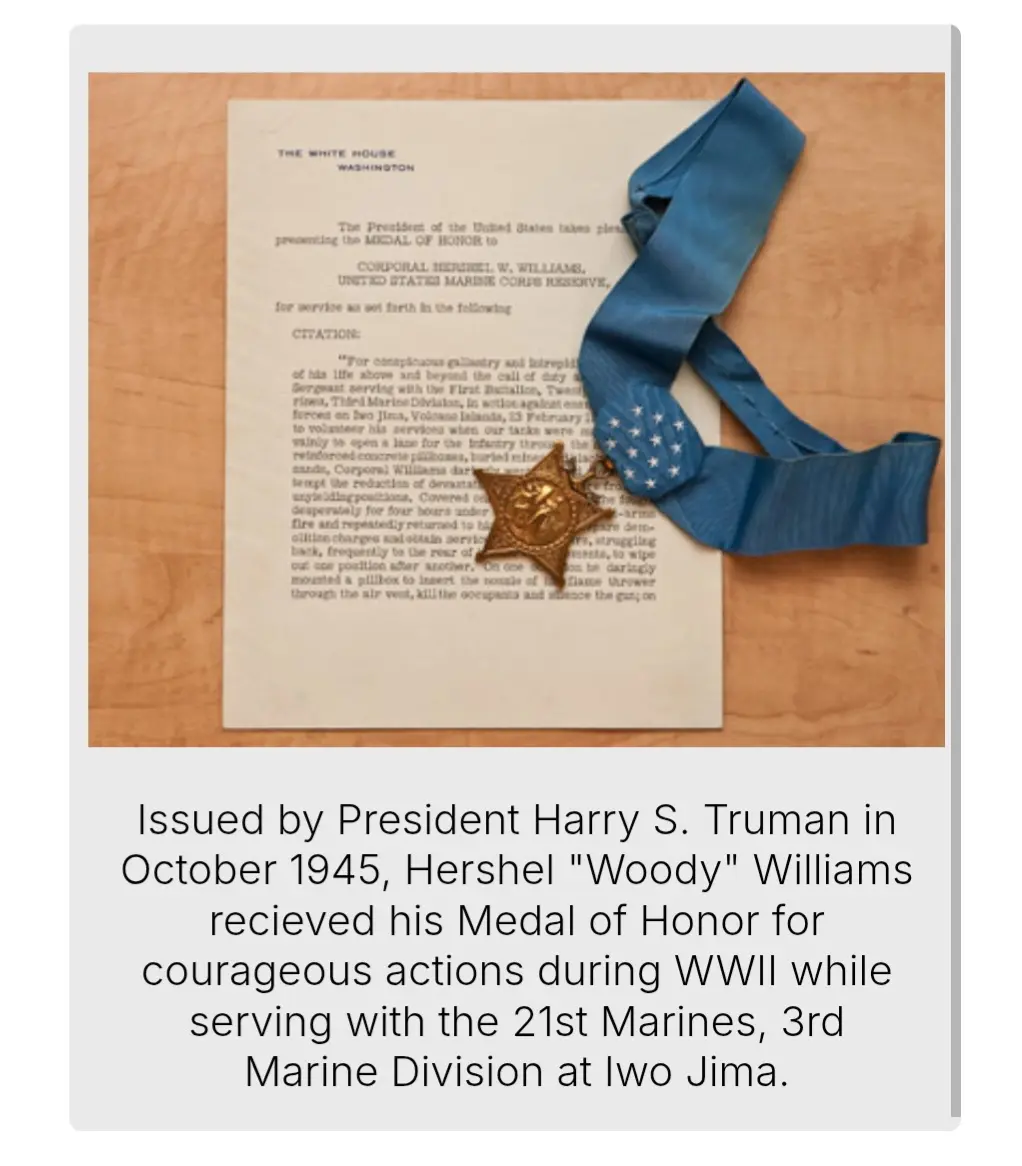
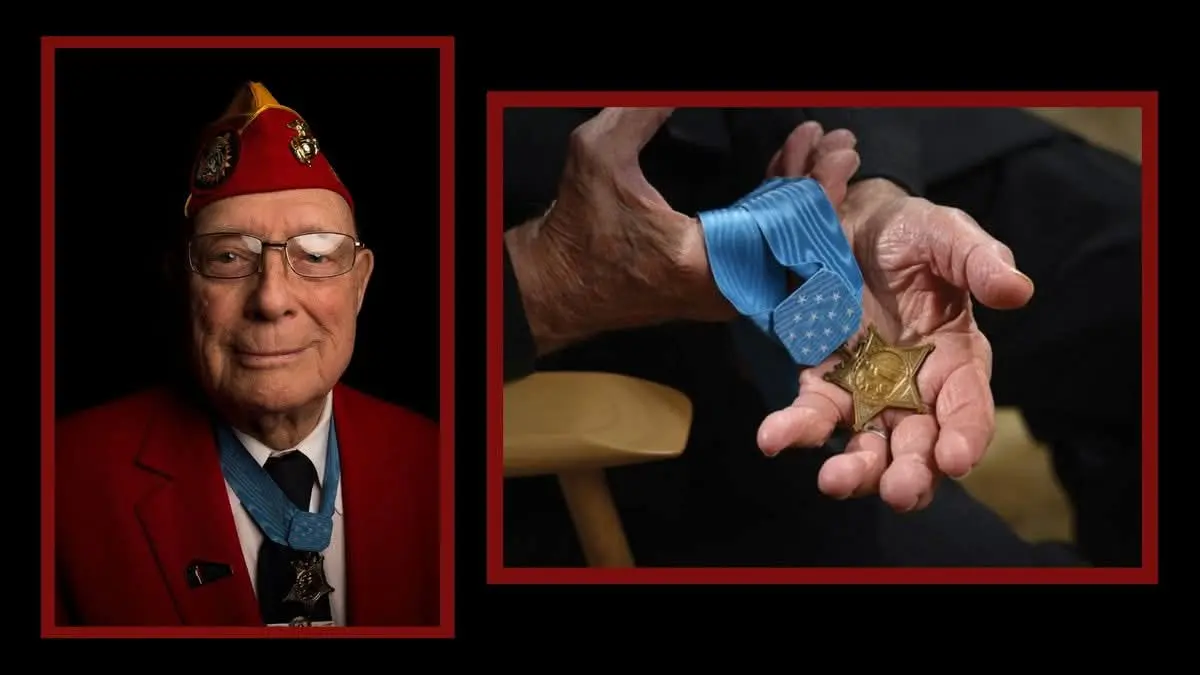
His Medal of Honor citation read: “During the battle, Williams displayed valiant devotion to duty and service above self as he enabled his company to reach its objective.” His courage, his commitment to his fellow Marines, and his refusal to abandon the mission were recognized at the highest level. On October 5, 1945, Woody Williams received the Medal of Honor from President Truman at the White House.
But the heart of Woody’s service began long before that ceremony—and long before he ever wore the uniform.
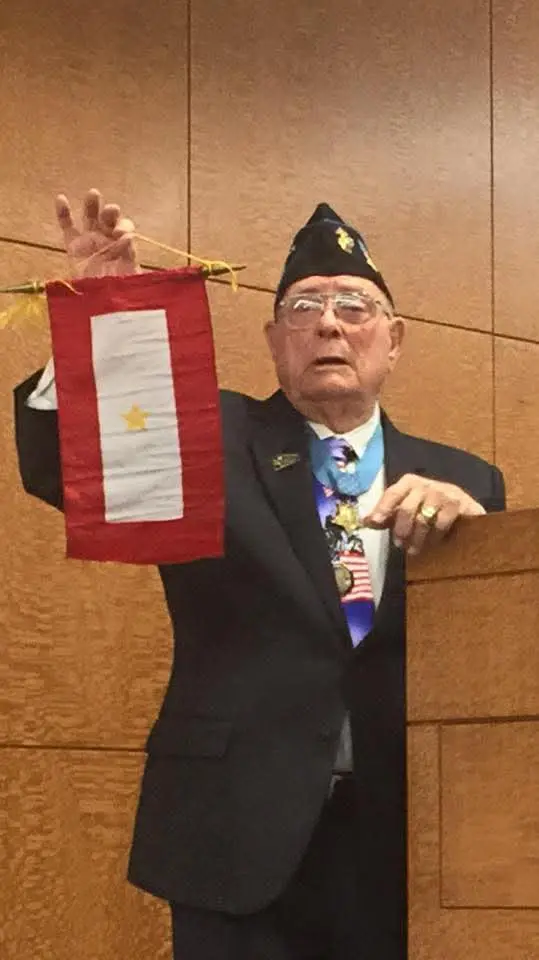
As World War II unfolded, Woody came face‑to‑face with the cost of war in his own community. Before he enlisted, he delivered Western Union telegrams to Gold Star families, carrying the devastating news that their sons had been killed in action. He always said those moments shaped him deeply. They taught him the difference between ordinary loss and the sacrifice of those who die serving their country. They taught him the weight of grief that families carry. And they taught him that such grief must never be ignored or forgotten.
He carried that understanding with him for the rest of his life.
One incident that reminded him of the loss of someone special was the death of one of his school friends, a nose gunner in a B‑24 bomber. During heavy firing, he was hit and killed, a moment that stayed with him for the rest of his life.
For 15 years, I carried a vision for a memorial in Washington, D.C., dedicated to all who had lost loved ones—especially the Gold Star Mothers whose grief had so often gone unrecognized. Yet I could not find a sponsor. I remember hearing from the War Department about a father who had lost his son in Afghanistan. When I went to visit him, it struck me deeply that no one had ever spoken about a Gold Star Dad, or a Gold Star Grandfather, or a brother, or a sister. Their grief was just as real, just as heavy, and yet it lived in the shadows.
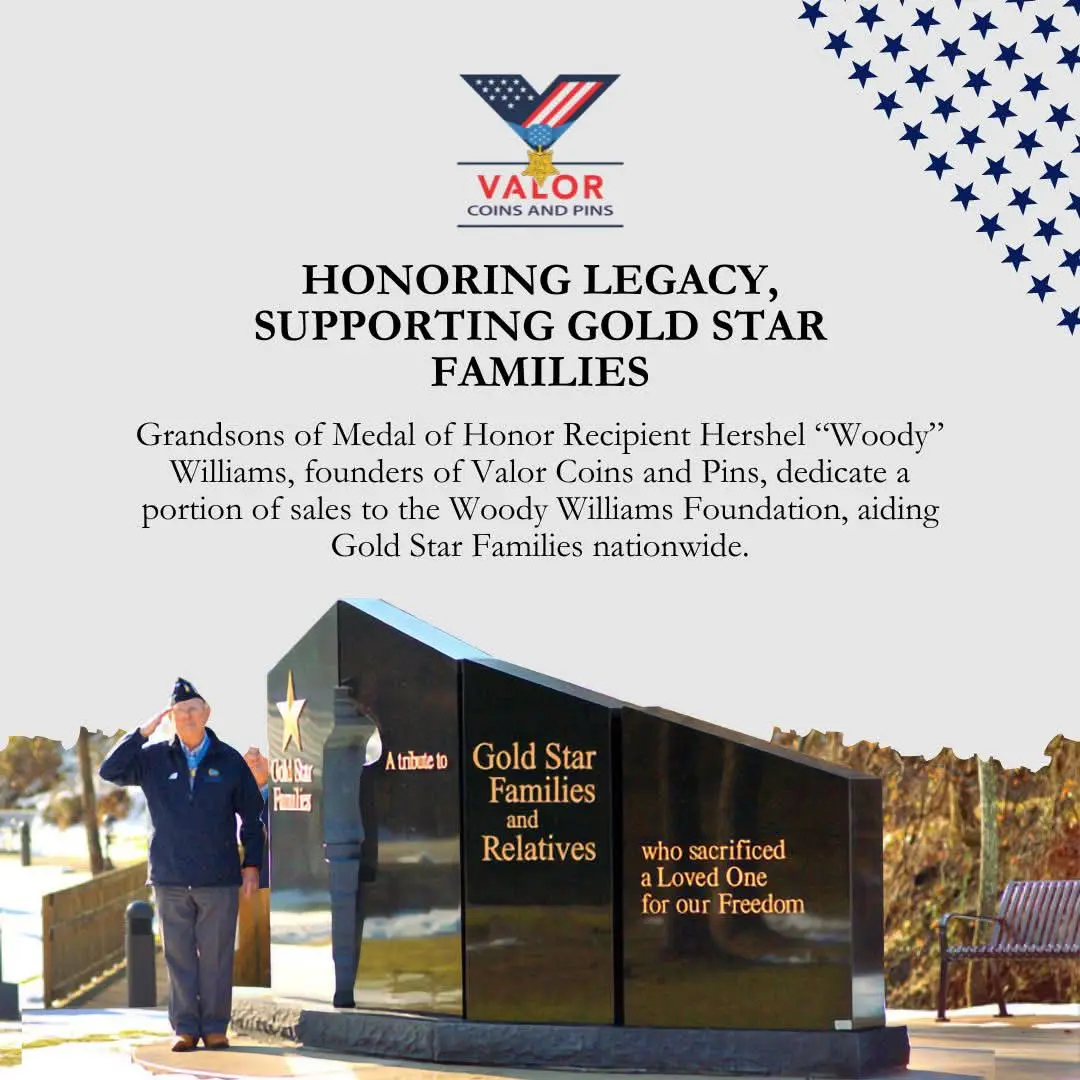
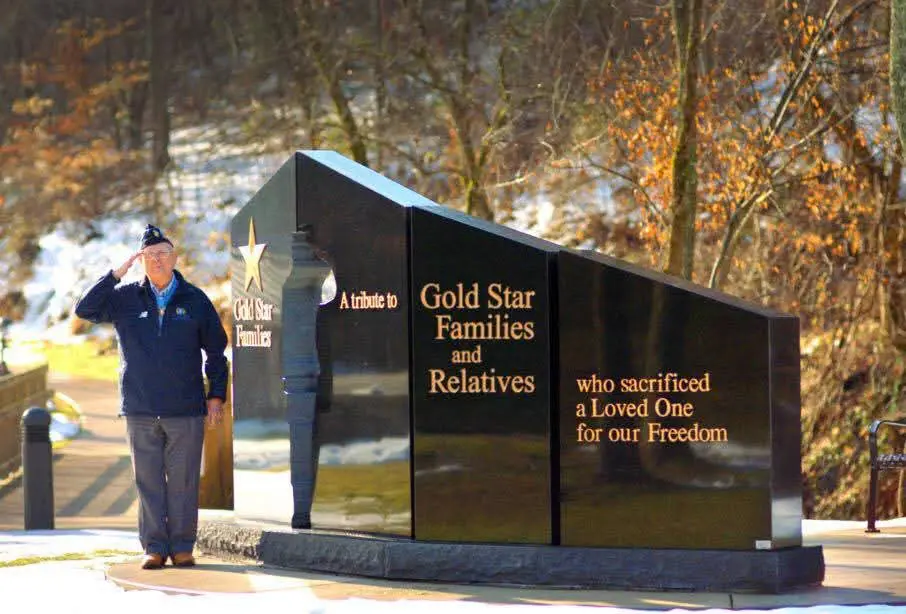
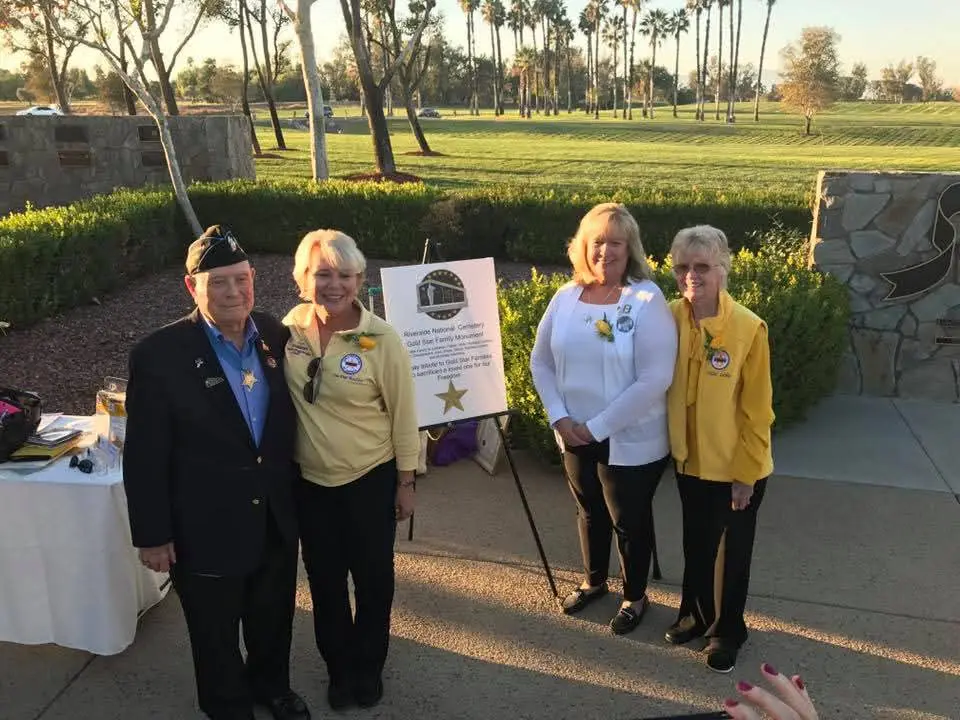
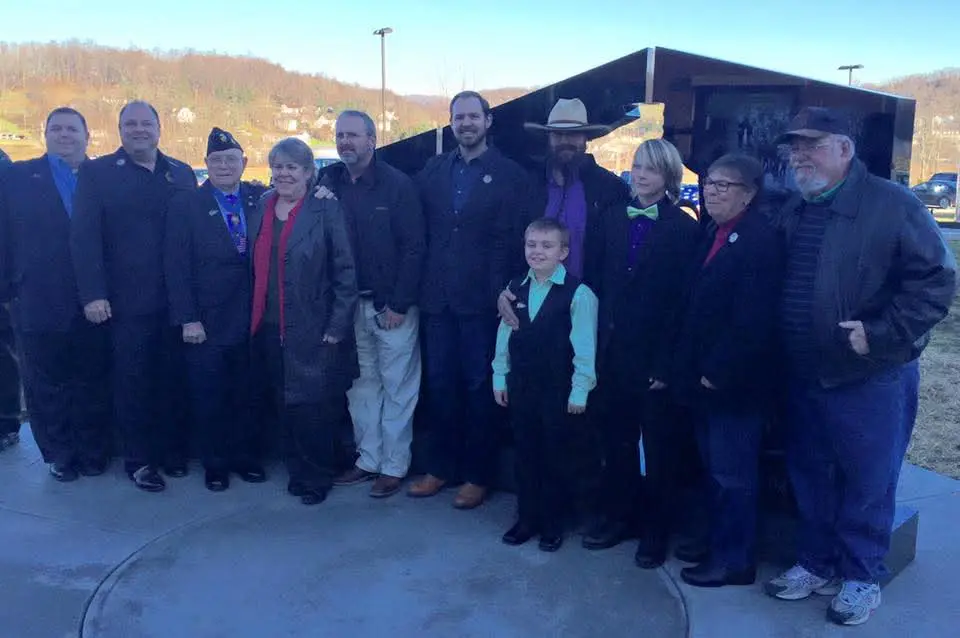
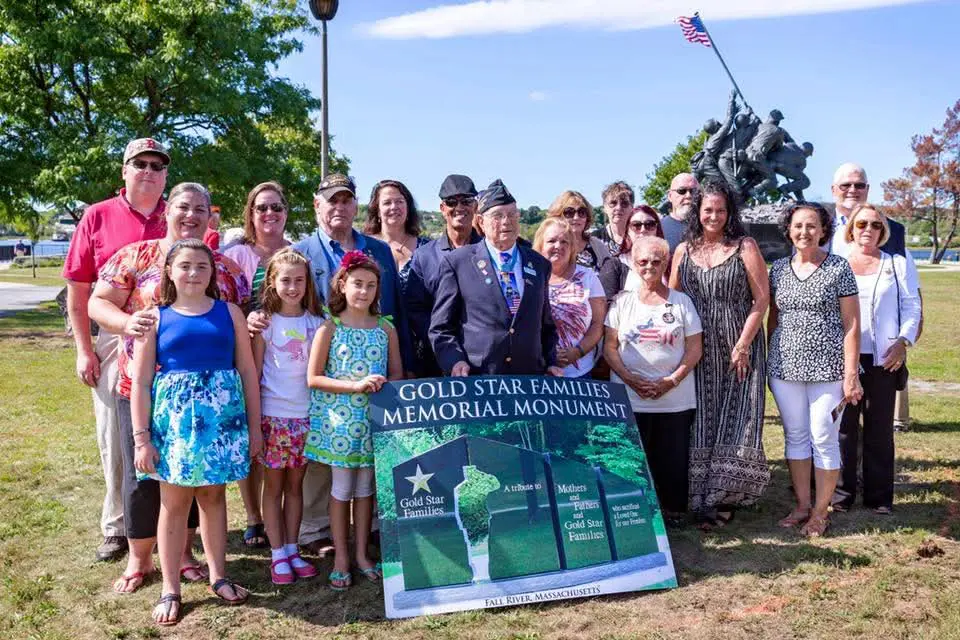
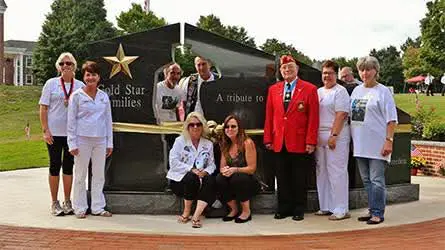
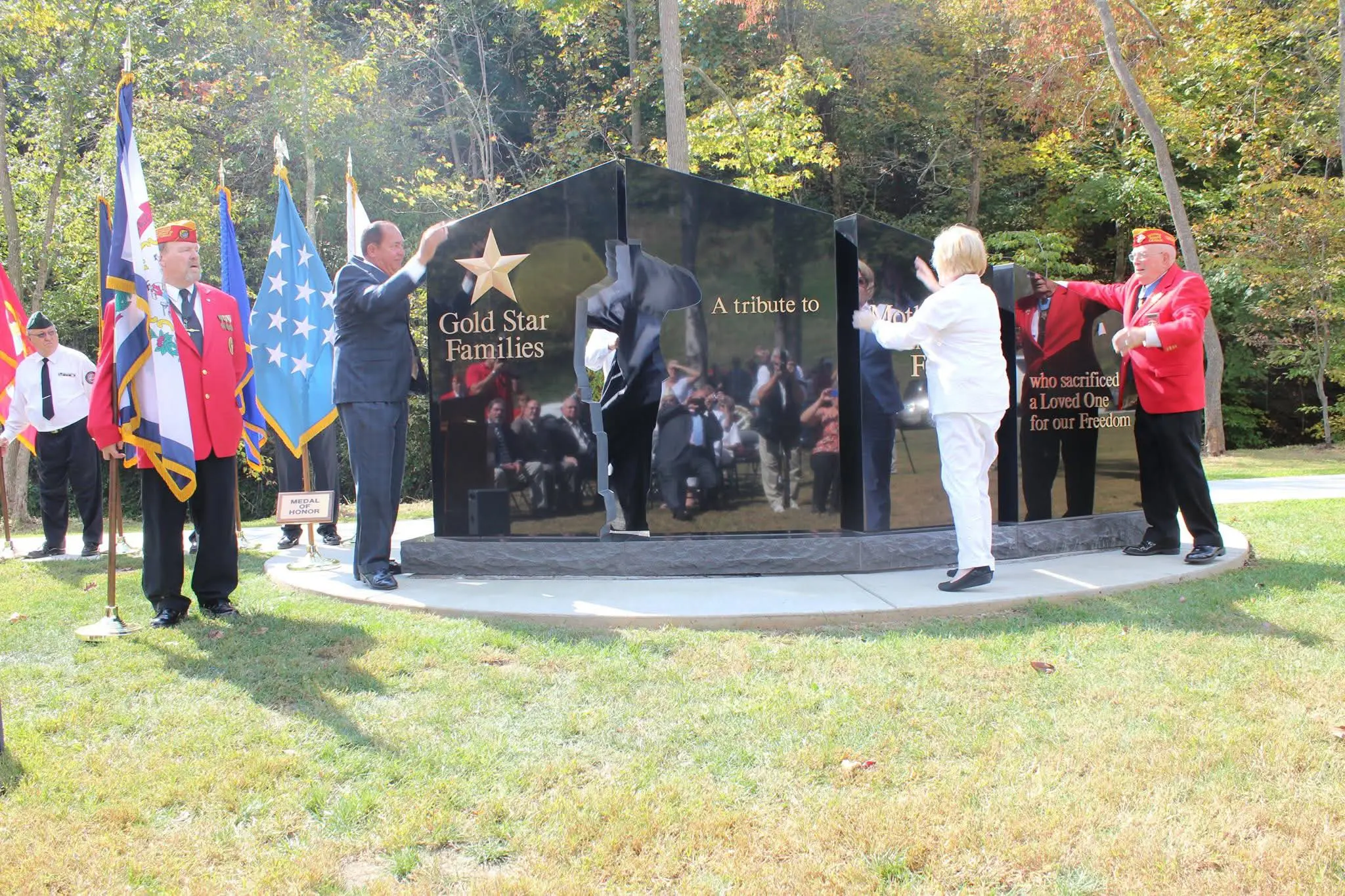
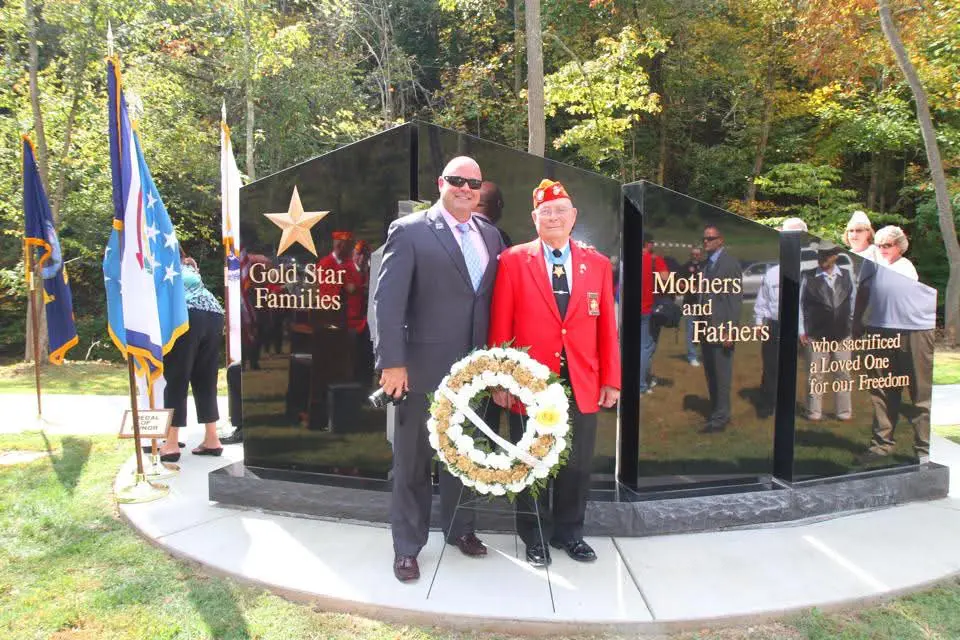
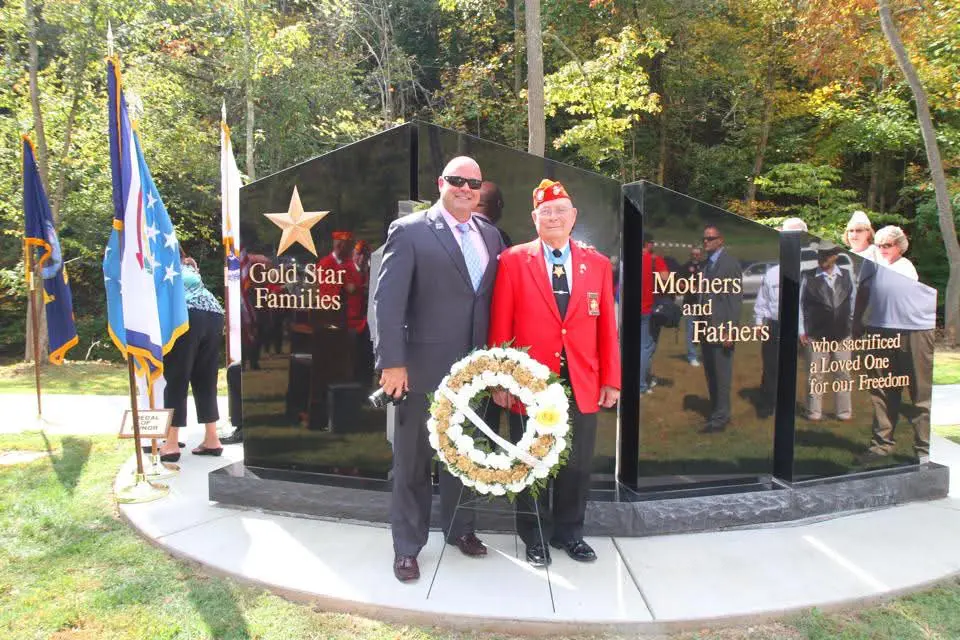
So in 2013, we placed a monument in West Virginia to honor Gold Star Families—every parent, every child, every sibling, every loved one who carries the weight of sacrifice.
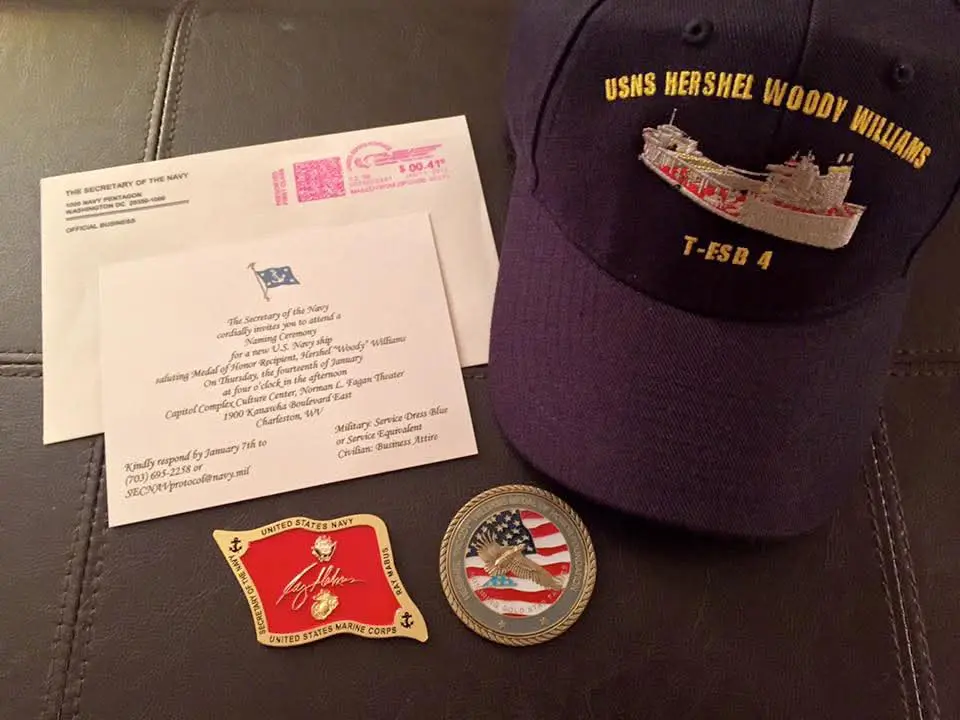
In March 2020, Woody traveled to San Diego for the commissioning of the expeditionary sea base Hershel “Woody” Williams. During the ceremony, he planted a tree and placed a small monument dedicated to the two Marines—Corporal Warren Bornholz and PFC Charles—who had “paid the ultimate price protecting my life.” It was a tribute he had longed to make, a final act of gratitude for men whose names he had not known during the battle but whose sacrifice he never forgot once he learned it.
Woody Williams’s devotion to service members, veterans, and their families became the defining mission of his life. He insisted that the grief of surviving families be met with recognition, compassion, and lasting honor. His work, his words, and his example carried that message across generations.
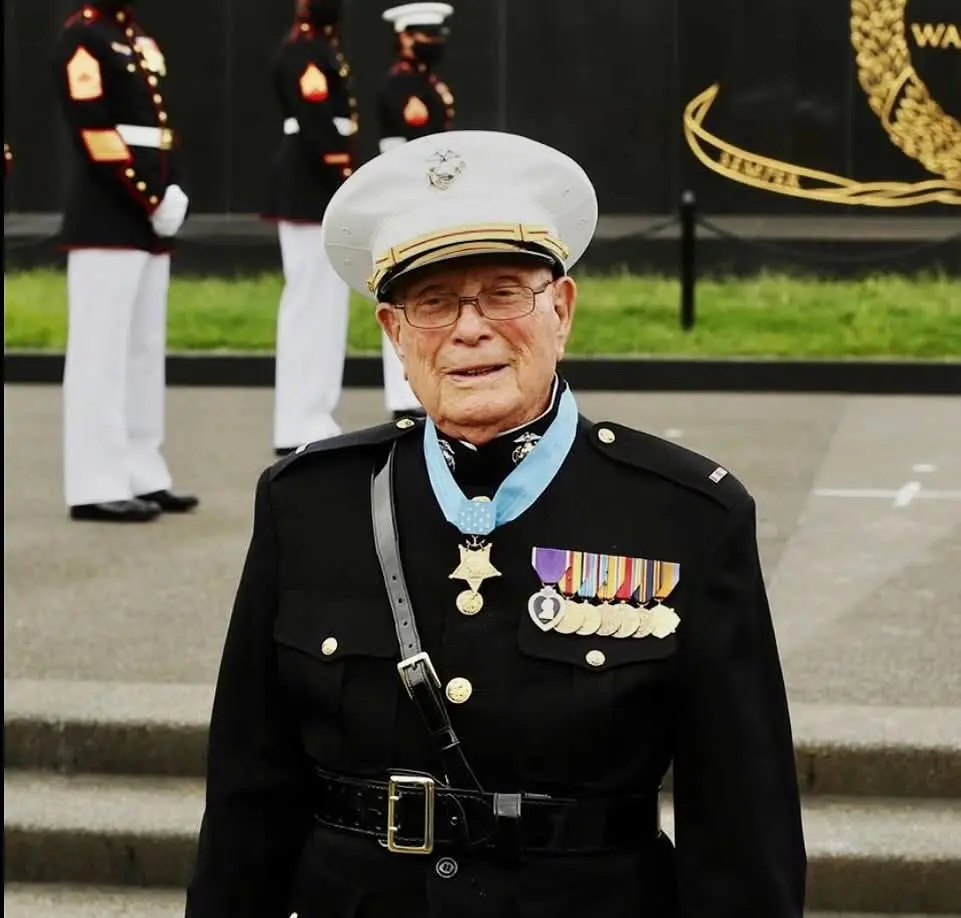
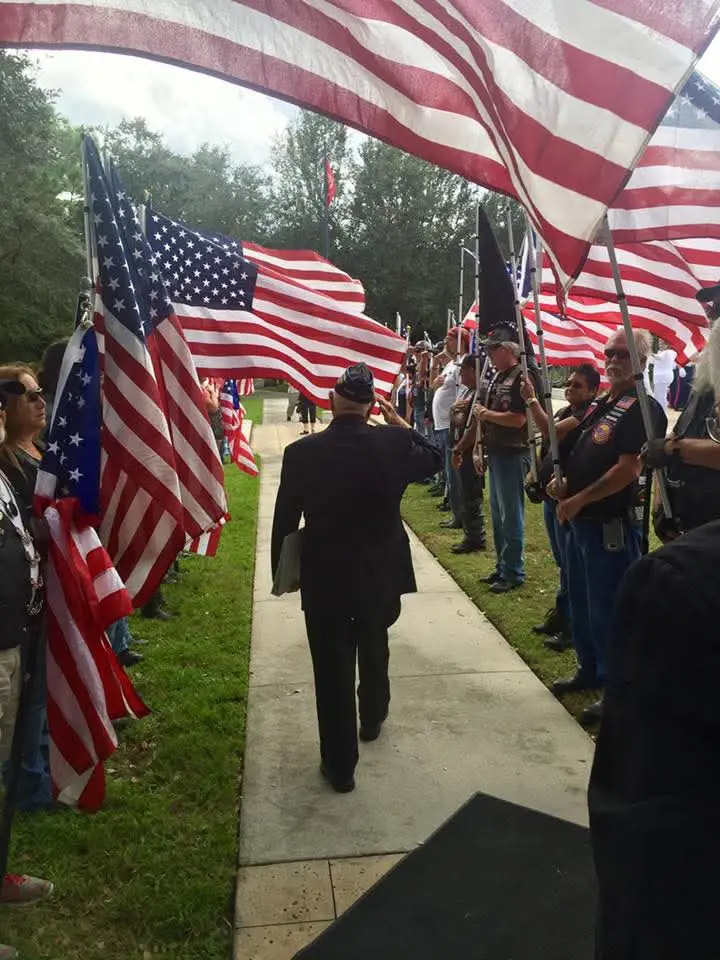
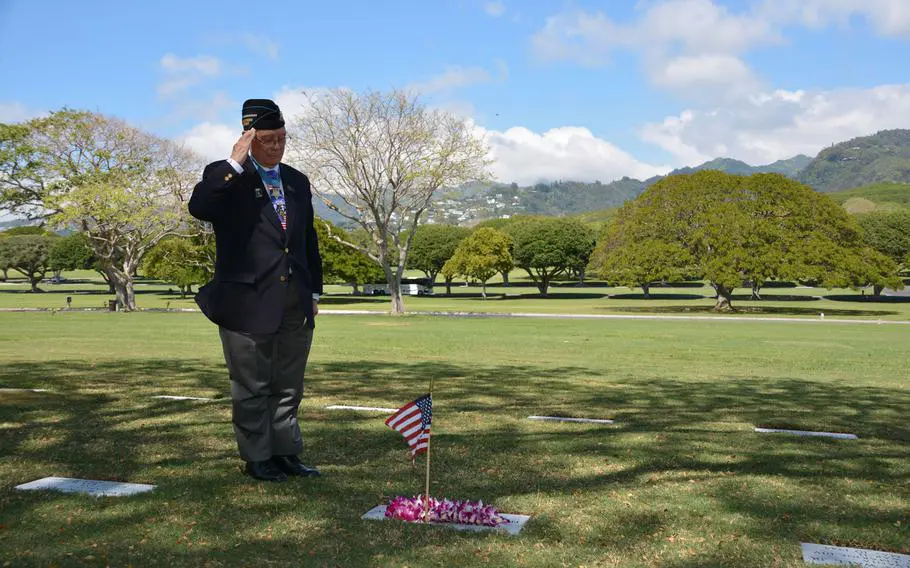
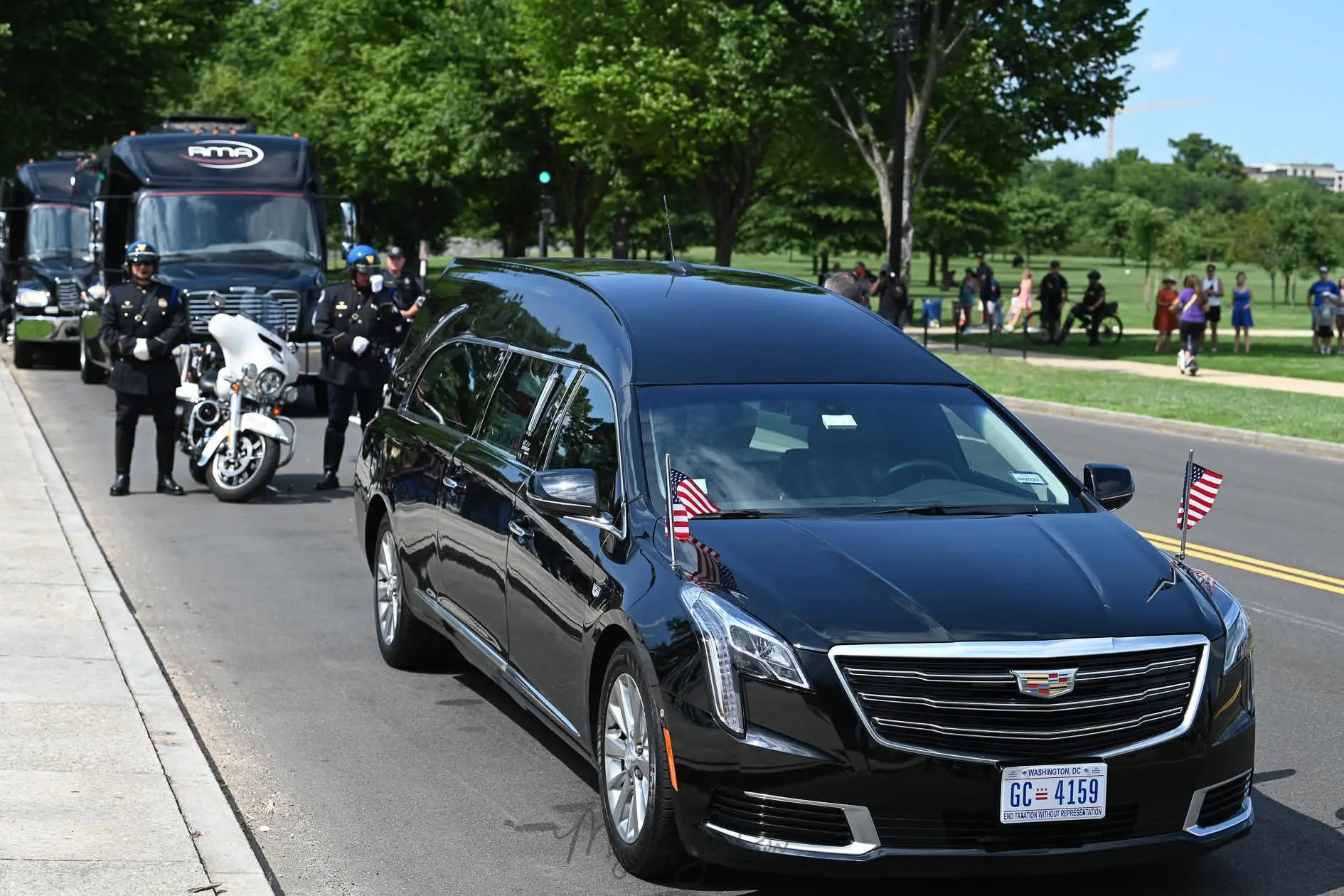
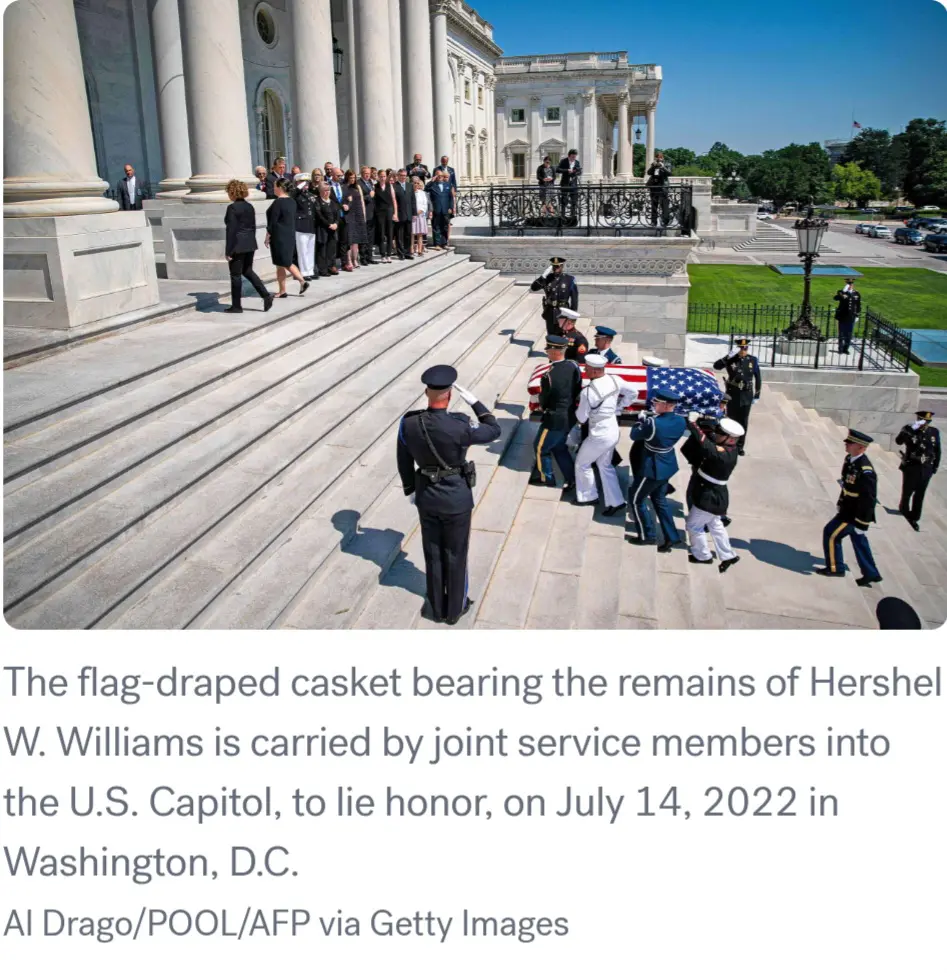
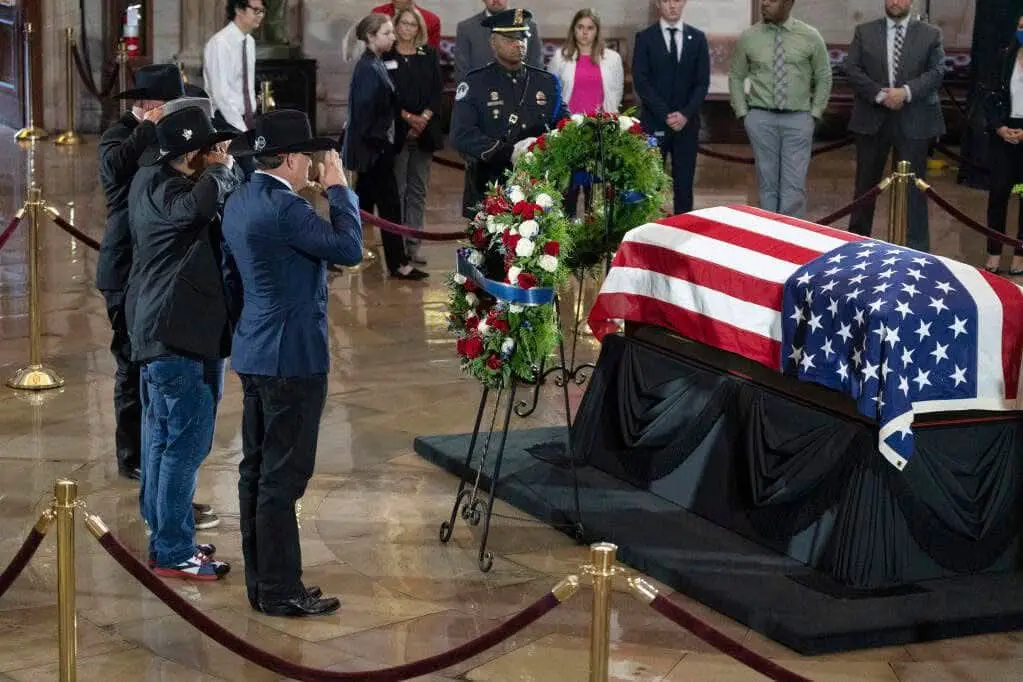
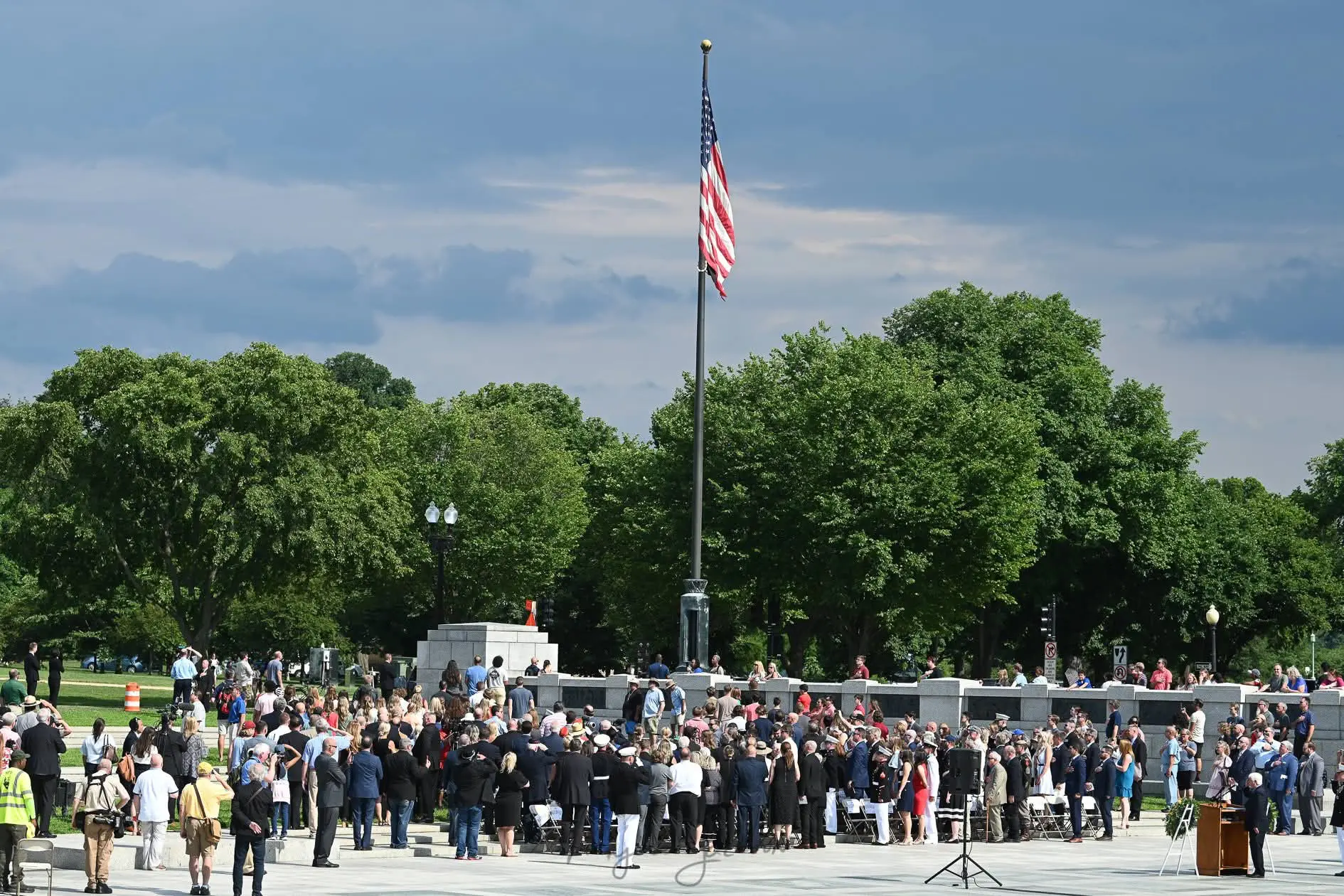
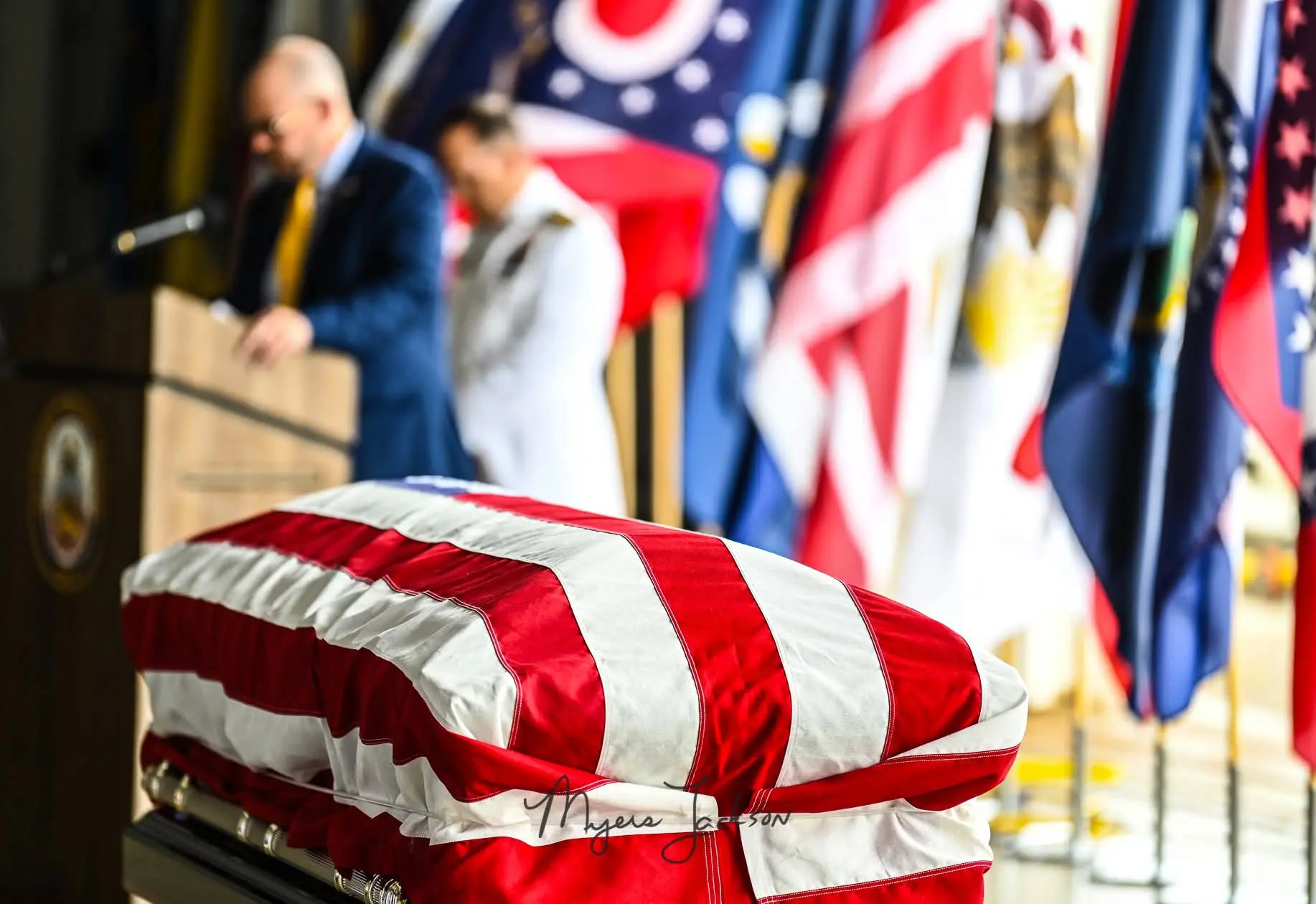
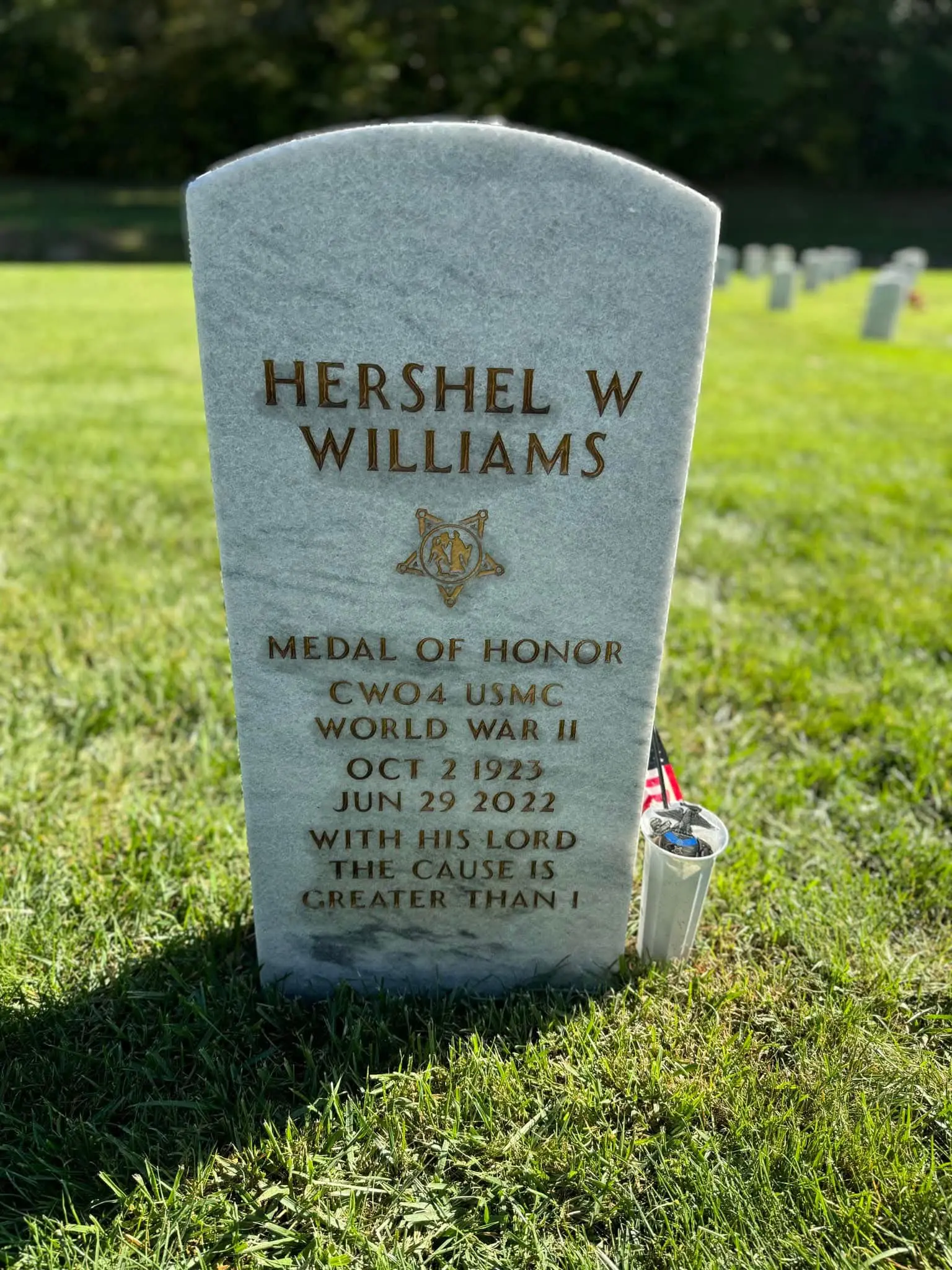
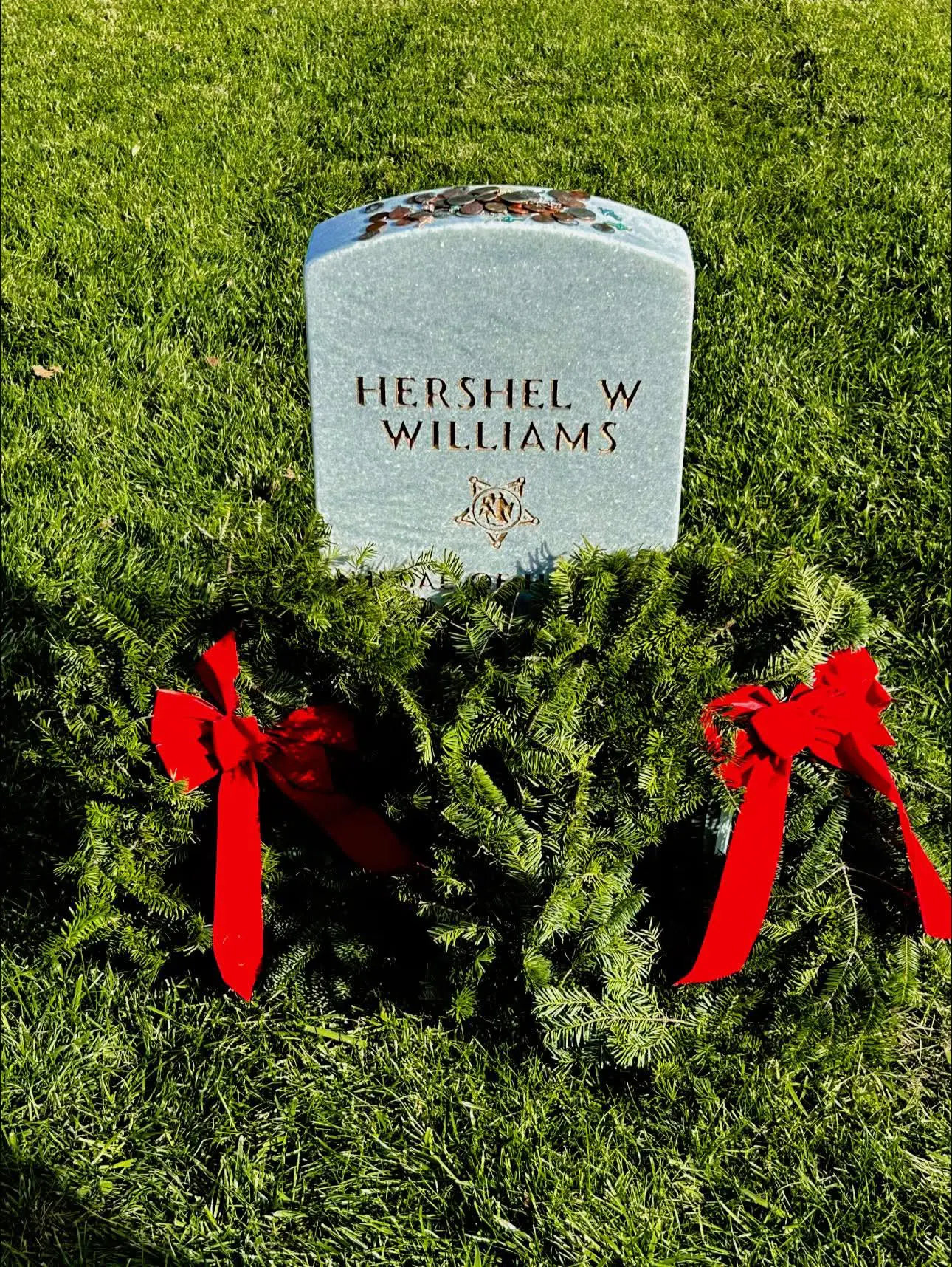
U.S. Marine Corps Chief Warrant Officer 4 Hershel W. “Woody” Williams, who earned the Medal of Honor for his heroic flamethrower actions during the Battle of Iwo Jima, died on June 29, 2022. His interment took place on August 29, 2022, with military honors at the Donel C. Kinnard Memorial State Veterans Cemetery in Dunbar, Kanawha County, West Virginia
LIVING LEGEND: The Story of Hershel “Woody” Williams
His heroism in World War II earned him the Medal of Honor, but that was just the beginning of his story. At home, he faced a brand-new battle. Here’s how he won both.
BY MATT TUTHILL
In the two decades after Woody Williams came home from the war, he was the man everyone expected him to be. He was productive and respected at work. He was loved by his wife and two children.
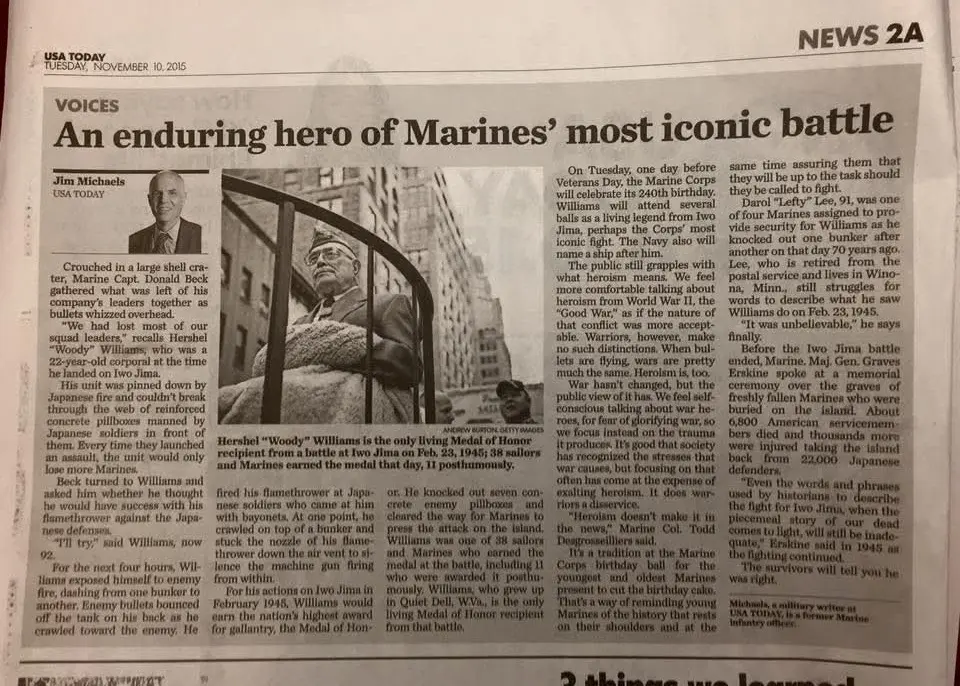
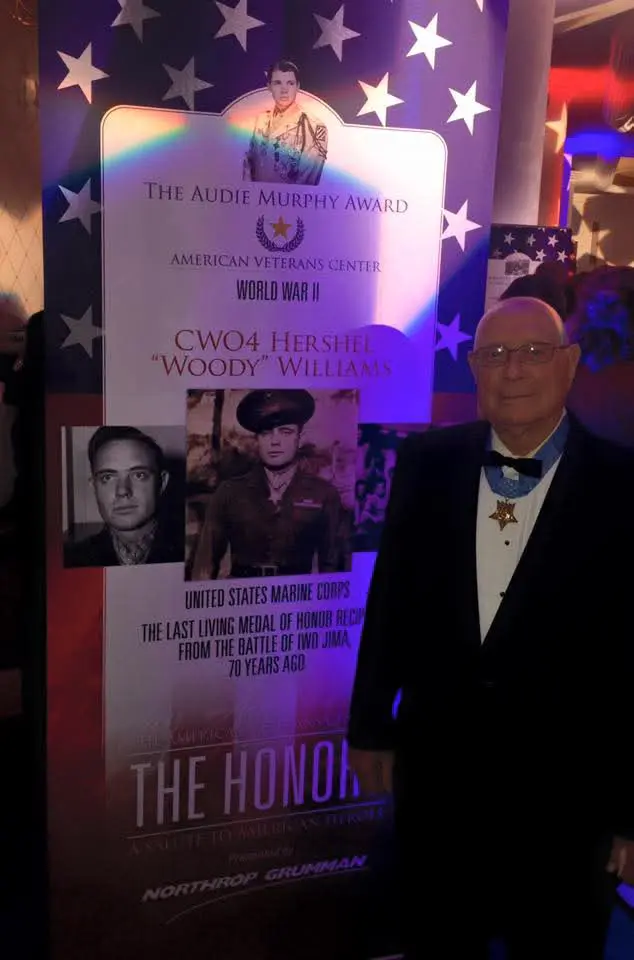
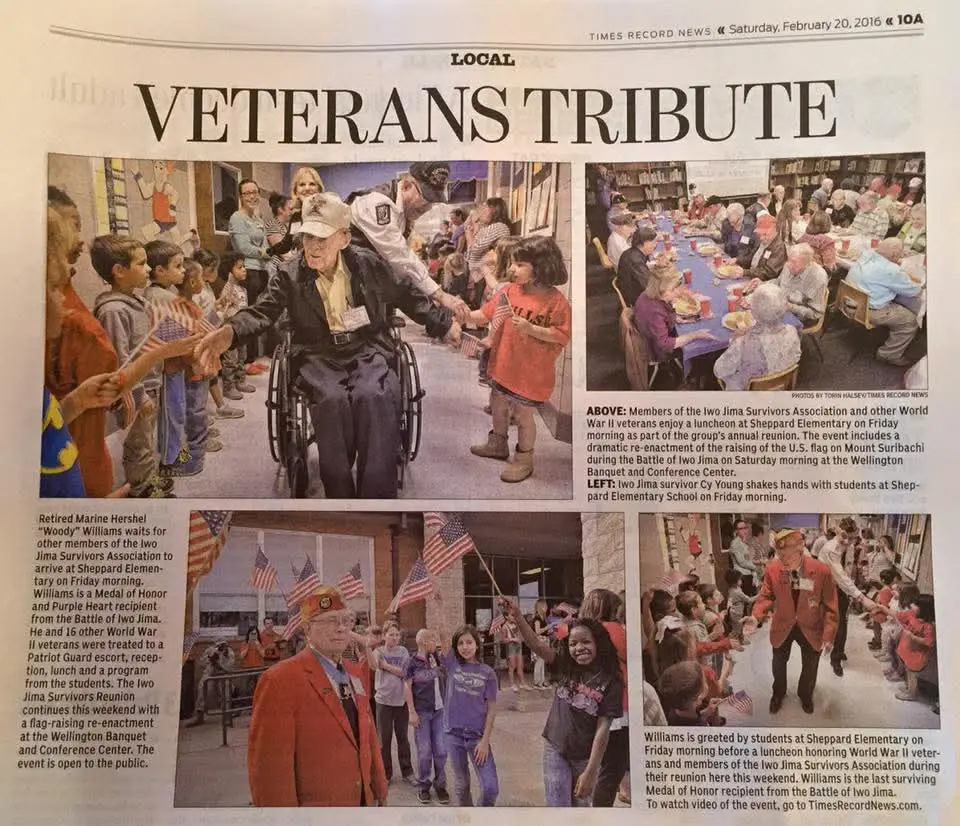
Day after day, he went about his business, betraying no hint of the emotional burdens and mental scarring he endured on the front lines of one of World War II’s bloodiest battles. Williams, now 94 years old and the last surviving Medal of Honor recipient from the Battle of Iwo Jima, and the last surviving Marine to have won the honor in World War II, is at ease speaking candidly about his experiences.
But for 17 years after the war ended, Williams didn’t share much about his time overseas. Nor could he forgive himself for the many lives he took, and the manner in which he took them—at close range with a flamethrower. “I had a tremendous amount of difficulty because I couldn’t forgive myself for having to take so many lives in such a horrible, horrible way,” Williams says today, speaking from his home in West Virginia, where he lives alone. (He lost Ruby, his wife of 63 years, to a heart attack in 2007.) “A person’s life.
“I can remember my dad telling me, ‘Boys don’t cry. Man up and don’t do that. Women do that,’” Williams says. “We may have cried, but we didn’t do it openly.” Williams was raised in the tiny community of Quiet Dell in Marion County, West Virginia. He was taught in a one-room school and his parents ran a local dairy.
He was 17 years old when the Japanese bombed Pearl Harbor in December of 1941, working in the Civilian Conservation Corps, a New Deal work program which was dissolved soon after the U.S. entered the fray of World War II. He tried to join the Marine Corps right after the attack, but his mother refused to sign the papers to let him in underage.
When he was 18, he attempted to join on his own, but being only 5-foot-6, the recruiters rejected him; he was two inches shy of the minimum height requirement. By May of 1943, however, the strain on the military was significant enough to ease those standards, and Williams became a Marine.
He stayed stationed there after the victory until February of 1945, when he was sent to Iwo Jima. That infamous battle lasted more than a month, from February 19th to March 26th. It was a long slog for the Allies, owing mostly to firmly entrenched Japanese forces.
The battlefield was littered with reinforced concrete pillboxes, which were designed with tiny slits to allow the enemy to shoot in all directions. But these slits were so small they barely qualified as a weakness. The Japanese position was impassable for Allied tanks, never mind infantry on foot.
“We lost so many Marines attempting to approach those pillboxes,” Williams says. “Our commanding officer lost most of his officers. We had lost our platoon leaders. We had lost our squad leaders. We had people doing jobs that they were never trained to do because you lose so many people and somebody takes up the slack.” On the morning of February 23, Williams’ commanding officer called a meeting of surviving officers. “I wasn’t supposed to attend that meeting,” Williams says.
“I was a corporal and corporals do not attend meetings of that nature.” But for some reason, Williams’ Buck Sergeant told him to go and he complied. The Marines gathered in the center of a bomb crater the high walls around them provided good cover where the C.O. admitted he was out of ideas.
“What are we gonna do?” Williams recalls him saying. “‘Every time we advance they beat us back.’ That’s when he asked me if I could use a flamethrower to get rid of some of those pill boxes.” Williams agreed, and over the course of the next four hours, with a flamethrower tank strapped to his back, he crawled on his belly toward the pillboxes, with four Marines providing cover fire.
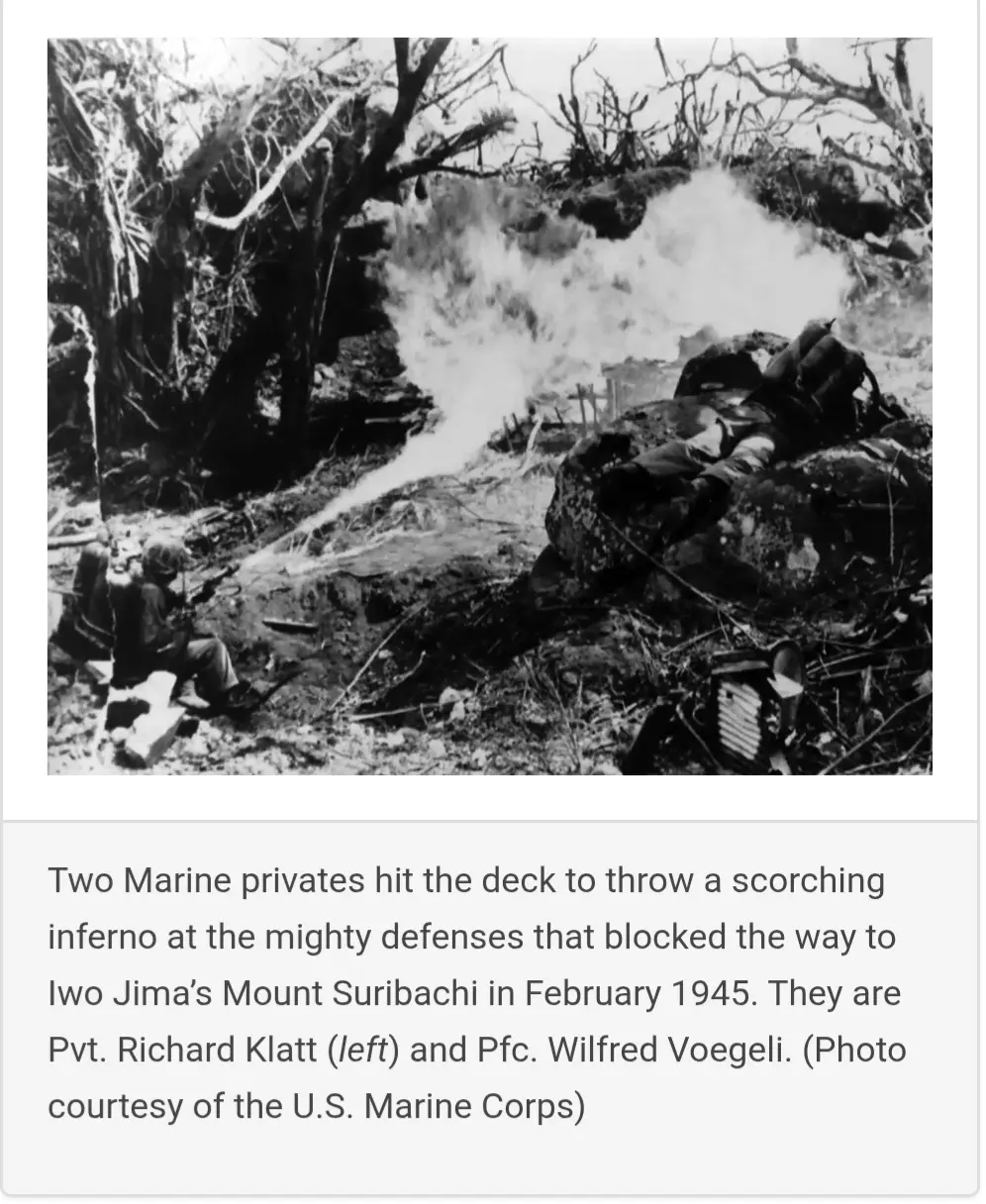
When Williams got close enough to the enemy position, he discharged his flamethrower to kill the soldiers inside. It was an effective strategy, but Williams became a big, slow target, one whose position was telegraphed every time he fired his weapon, which billowed telltale black smoke to the entire battlefield.
“When you fire a flamethrower, you give off an awful lot of black smoke because you’re burning diesel fuel and gasoline,” Williams says. “Other Marines trained me to do this, otherwise I wouldn’t have done it; when you fire, you move from that particular position because that’s where they’re going to start dropping the mortars.”
Though Williams says he crawled on his belly most of that afternoon, he did have to stand up a few times. One of those is mentioned in his Medal of Honor citation; Williams saw a small amount of smoke emanating from the top of one of the pillboxes. Realizing it was a vent, he crawled in close to the box, stood up, and climbed on top.
“I figured there was an opening up there and a good way to kill the people inside was to shoot the flame down through that hole,” Williams says. “And that’s what I did.”
When Williams landed on Iwo Jima, there were six men under his command. “Flamethrower demolition guys,” he explains. “Privates and PFCs under my patrol. I was their man. And my job was not to take their place but to keep them in supplies and make sure that the flamethrowers are ready to go.
Make sure that the explosives are ready to go. That they’ve got everything they need because they were my group.
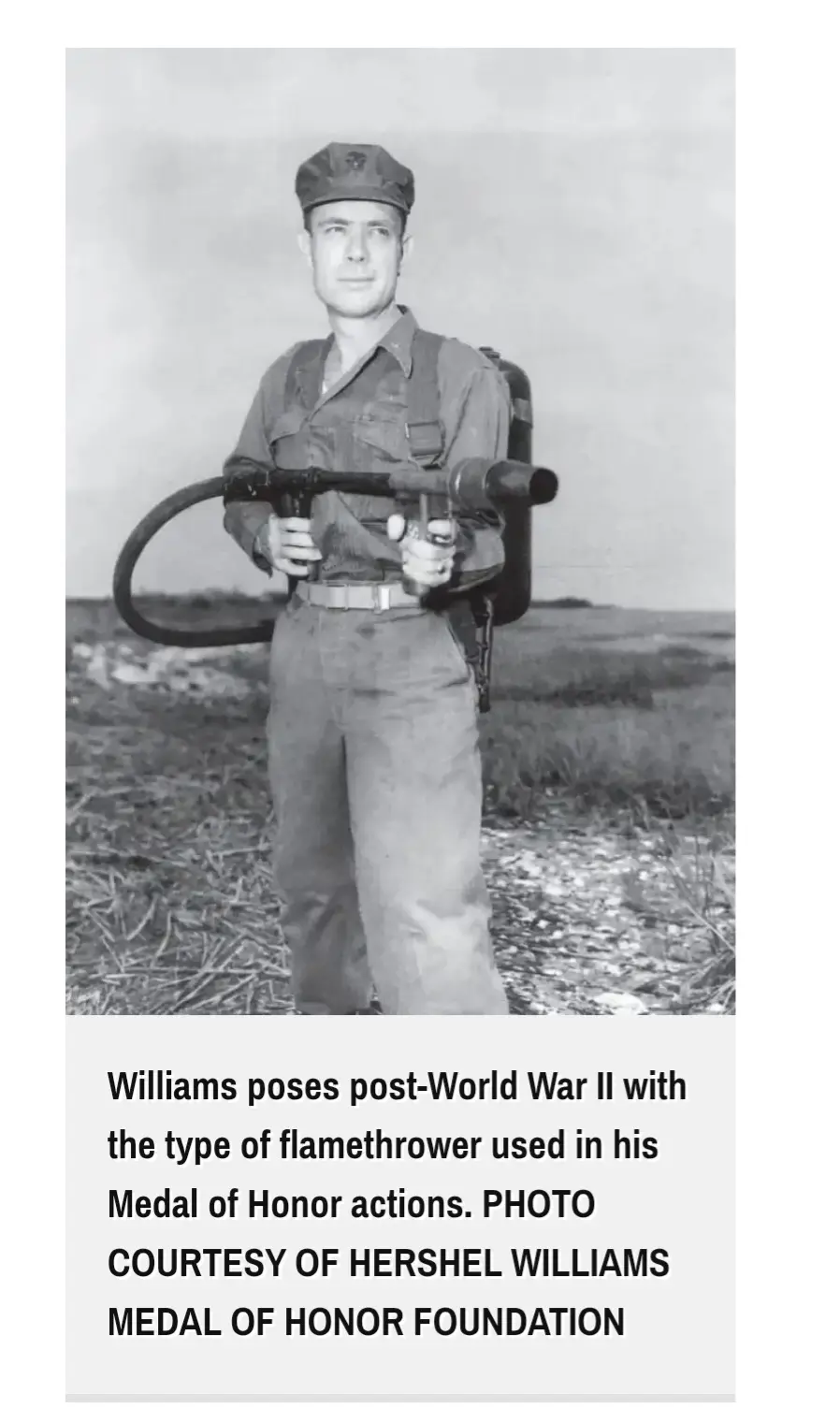
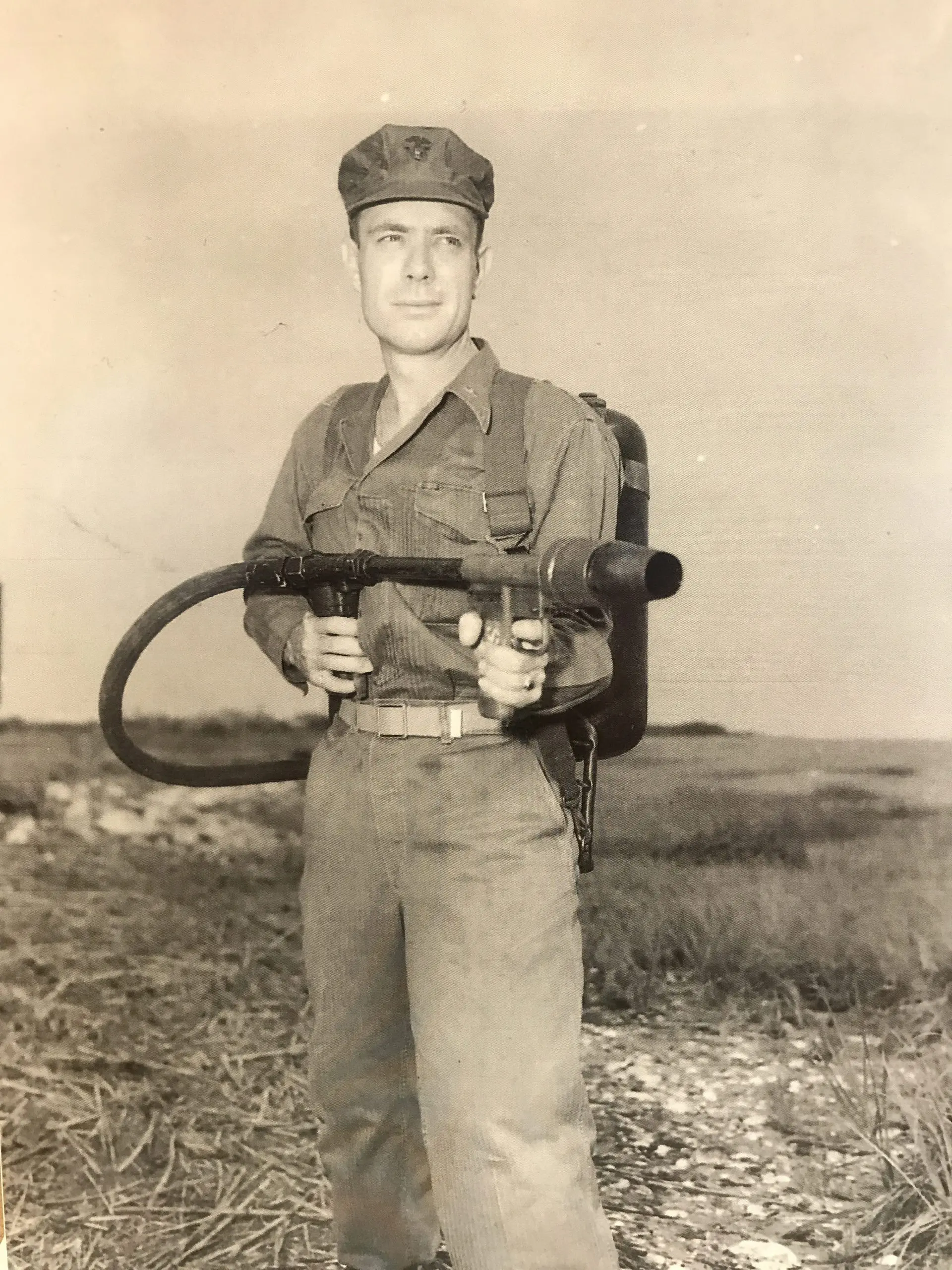
By the 23rd, I didn’t have any left. They were all gone. Wounded or killed, I never did know. I never got a report.” With no other Marines trained to use a flamethrower, Williams’ mission continued as a solo effort under cover fire; each time his flamethrower ran out—the four-and-a-half gallon fuel tank was good for just 72 seconds of sustained burn—he retreated behind his own line to get a new one and to set demolition charges to clear a path for the tanks.
At least that’s what his citation says. Williams says he can’t remember how he obtained the new flamethrowers, nor how long the process took. “I have talked to psychologists about why I can’t remember going back to get five more flamethrowers,” Williams says. “I used six flamethrowers that day, I’m told… And for four hours, they tell me. I could not have imagined how long because there’s no time frame, nothing to measure by.
Night and day run together. You don’t know what day it is and you don’t care what day it is.” He’s also hazy on how many enemy combatants he killed, because, he says, “you never knew how many Japanese were in a pillbox. Sometimes it would be a great number. Sometimes it would be a few.
One report that I saw, by the witness of another Marine, said there were 17 Japanese in one of them. I couldn’t confirm it. And I’m not particularly interested in knowing how many.” Frequently, Williams made his way to the rear of the pillbox to clear it out. On one occasion, an enemy infantryman charged at him with a bayonet and Williams killed him with his flamethrower.
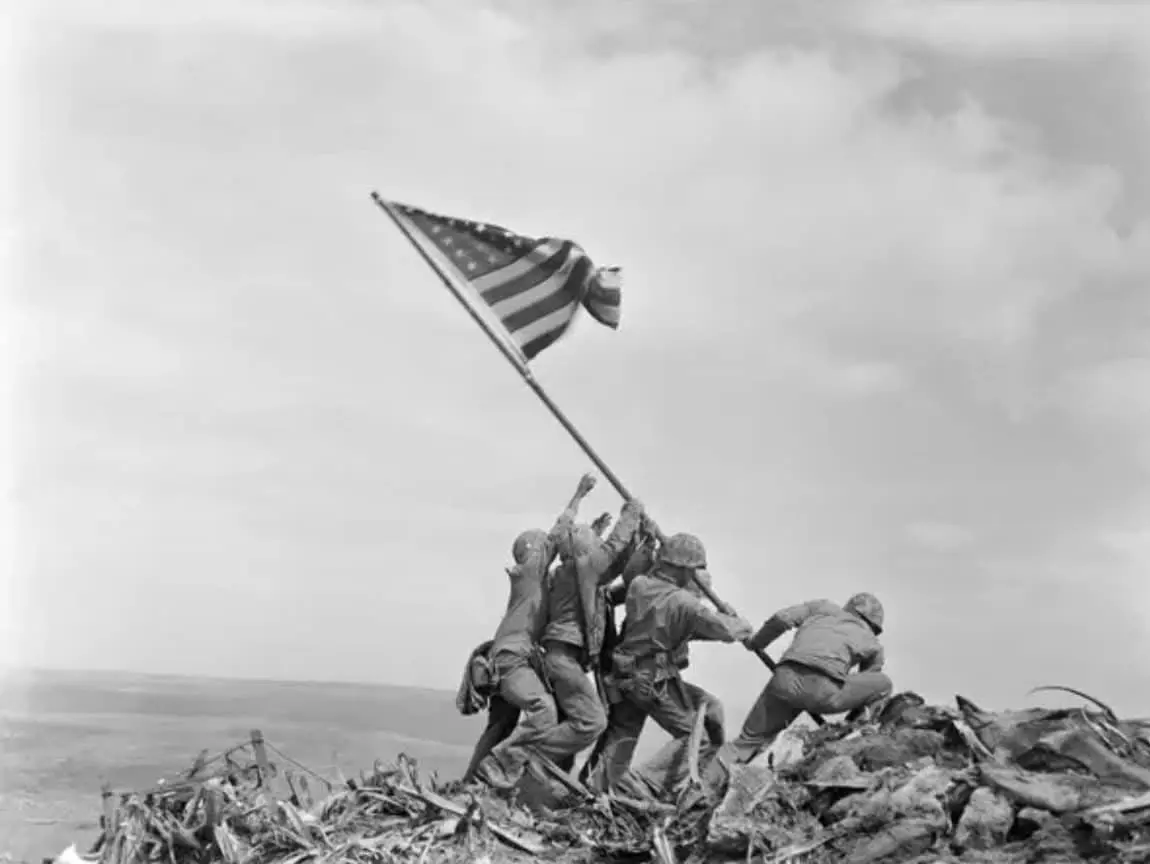
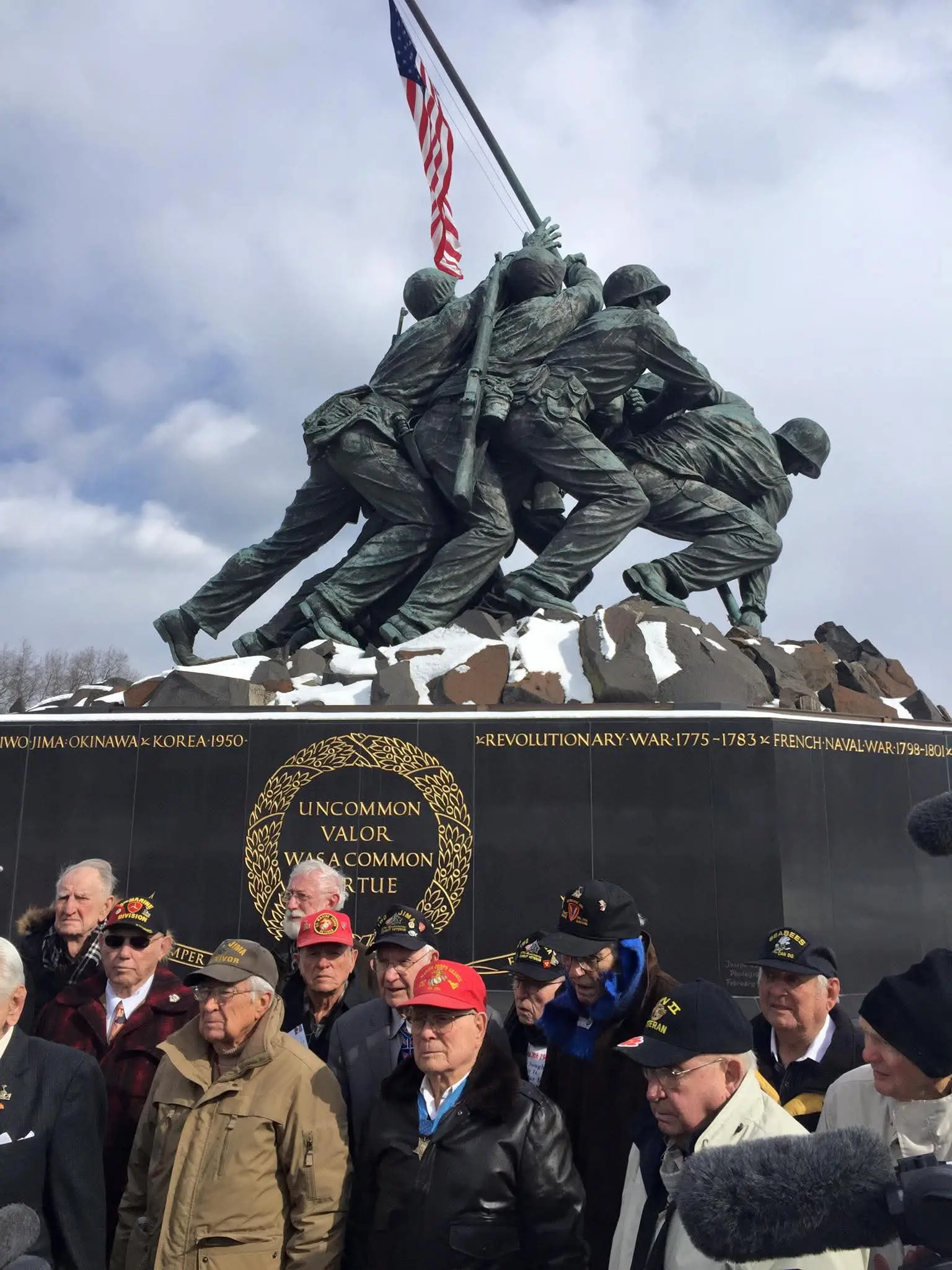
While Williams cleared the way for tanks that day, Marines elsewhere on the island raised the American flag atop Mount Suribachi, a moment immortalized in monuments and photos. He continued to fight through the end of the battle, and was wounded on March 6 and earned the Purple Heart.
The war ended on September 2 of that year. In a White House ceremony on October 5, President Harry Truman pinned the Medal of Honor on Williams’ chest. By rights, it should have been a crowning achievement, but Williams’ inner battle was just beginning. Shortly after the war ended, he lost his older brother Gerald, who had seen extensive combat in the Battle of the Bulge, and was “shot up bad” according to Williams.
“They kept him in a mental hospital until March after the war was over, because they didn’t think he was capable of coming home and taking care of himself. He cracked up. Went all to pieces… He just gave up life. He wanted to die, and he did, not too many years later.”
In addition to his brother Gerald, Williams had another older brother, Lloyd, who served but thankfully didn’t see combat as part of a rear supply chain in Germany. Williams stopped suppressing his emotions with alcohol in 1962. That’s when he found God through his wife’s Methodist church. Until that point, he hadn’t been a churchgoing man, but the religious experience changed him forever. He quit smoking, drinking, and even swearing, committing himself to God and his family.
Later, he took on a new career, that of veteran counselor, a job he held down for 33 years. “It was one of the most rewarding jobs that anybody could possibly have,” Williams says. The Medal of Honor, he adds, gave him extra incentive to live the fullest life possible and be the best version of himself he could be.
“I no longer just represented me,” he says. “I now represented the Marines who protected me, Marines who sacrificed their lives doing that… If I had written that recommendation for the Medal of Honor—which I didn’t, my commanding officer did—I would have never used the word ‘alone.’ I sort of resent that word in my citation.
It says, ‘He went forward alone.’ That’s not correct. Four Marines were protecting me, and two of them were killed while they did it. So I have said from the very beginning that it does not belong to me. It belongs to them.” When asked if he could have better dealt with the trauma if men at that time weren’t tacitly forbidden from talking about their feelings, Williams replies succinctly, “Oh my, yes.”
Basic resources for veterans, he adds, were scarce. “When I think back to the World War I veterans who came home shell-shocked, they had nowhere to go,” Williams says.“
There was no VA (The U.S. Office of Veterans Affairs). The VA wasn’t created until 1930. After World War II, when we came home we had no psychiatrists. We had no social workers. I lived in Fairmont, West Virginia, and the only VA medical hospital in the state was 220 miles away. I couldn’t have traveled 220 miles for treatment.
“I’ve never seen a record, and I’m not sure there is one, of how many suicides we had after World War II. But those individuals had no place to go. No one to talk to and no hope.” Williams says that the seemingly endless military conflicts of today underscore the need to unify in support of the troops.
It has been established that 22 veterans commit suicide every day. For Williams, it is a galling statistic, but it’s also an opportunity to unite for a common cause at a time when the country desperately needs it. “We take it for granted that it’s just another job,” Williams says. “It is not another job. I don’t go out every day and risk my life in any way.
They do it without question, with everyone being a volunteer… We have to believe in what they’re doing. There are a great number of people in the country who are not quite sure that we should be involved in some of the combat situations that we’re in.
I guess that’s pretty typical. But as a result of that, we lose our perspective about the sacrifices that are being made. “In the Marine Corps in World War II, we had a word that we would greet each other with. If somebody would do something outstanding, we’d say, ‘Gung ho!’
Today I guess it’s ‘Oohrah!’ In my day it really meant ‘together,’ ‘We are together.’ “If America doesn’t come back together, we’re gonna lose it.”
GOLD STAR MEMORIAL
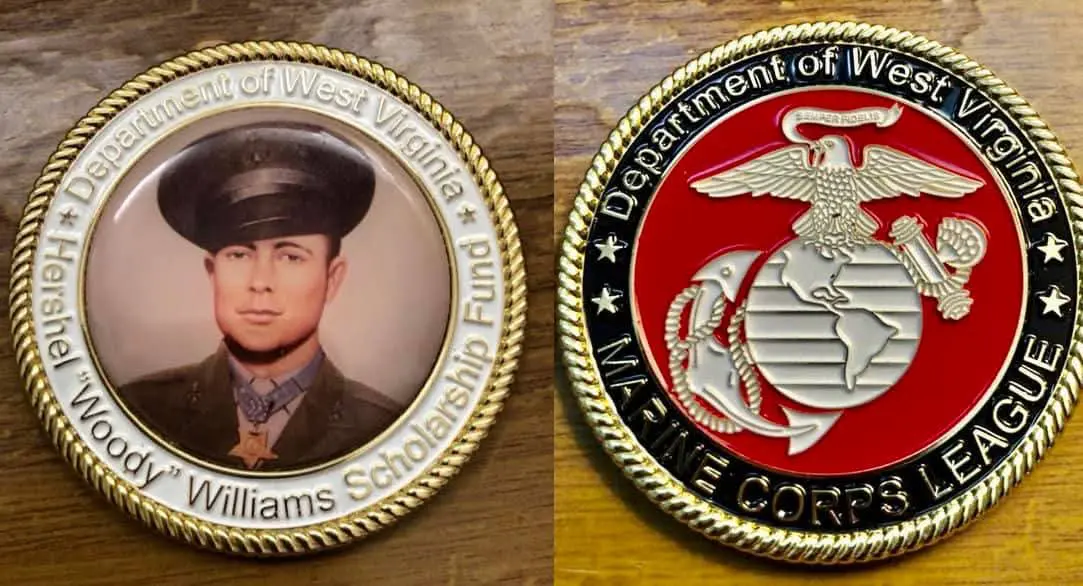
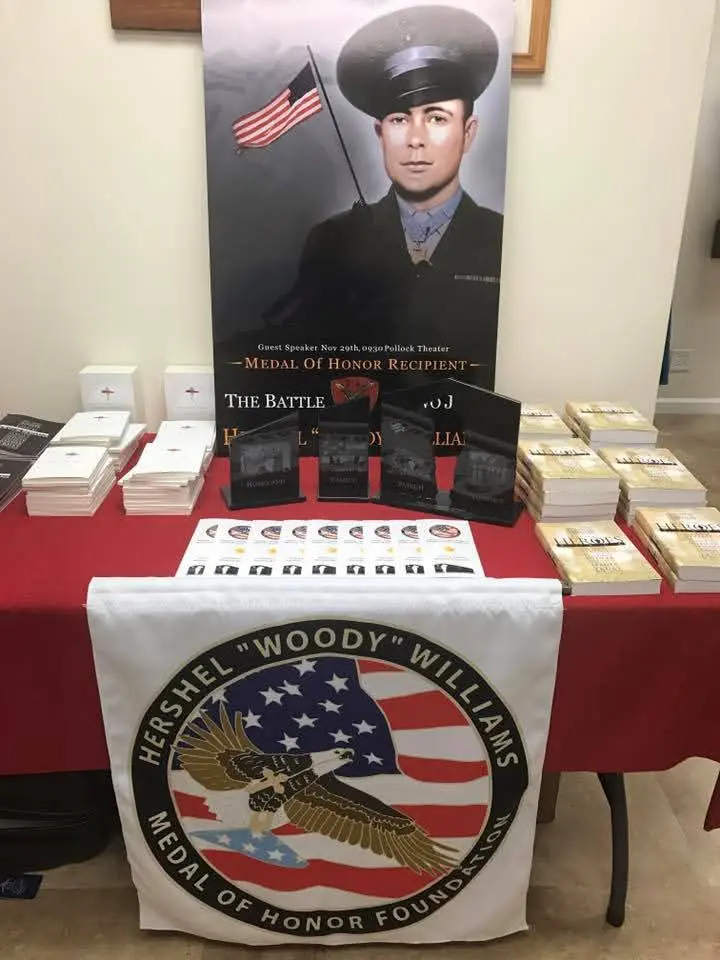
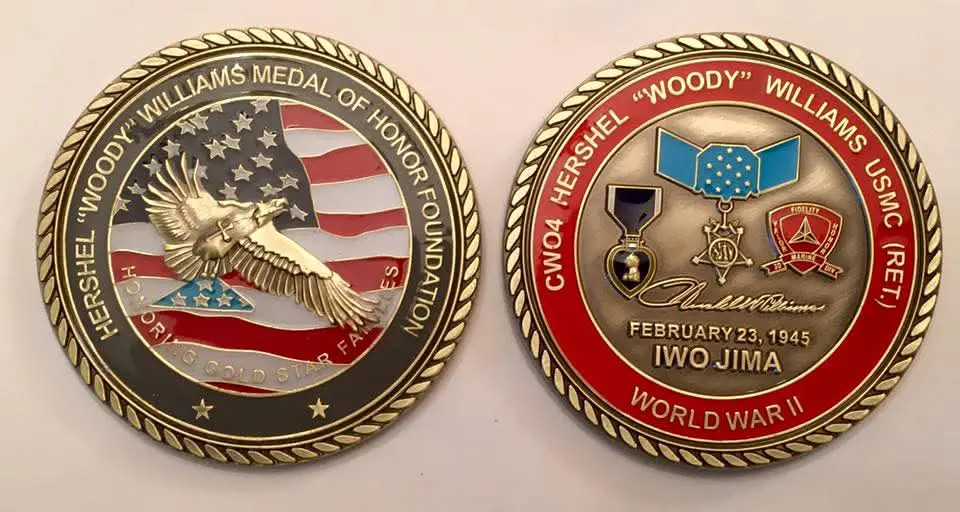
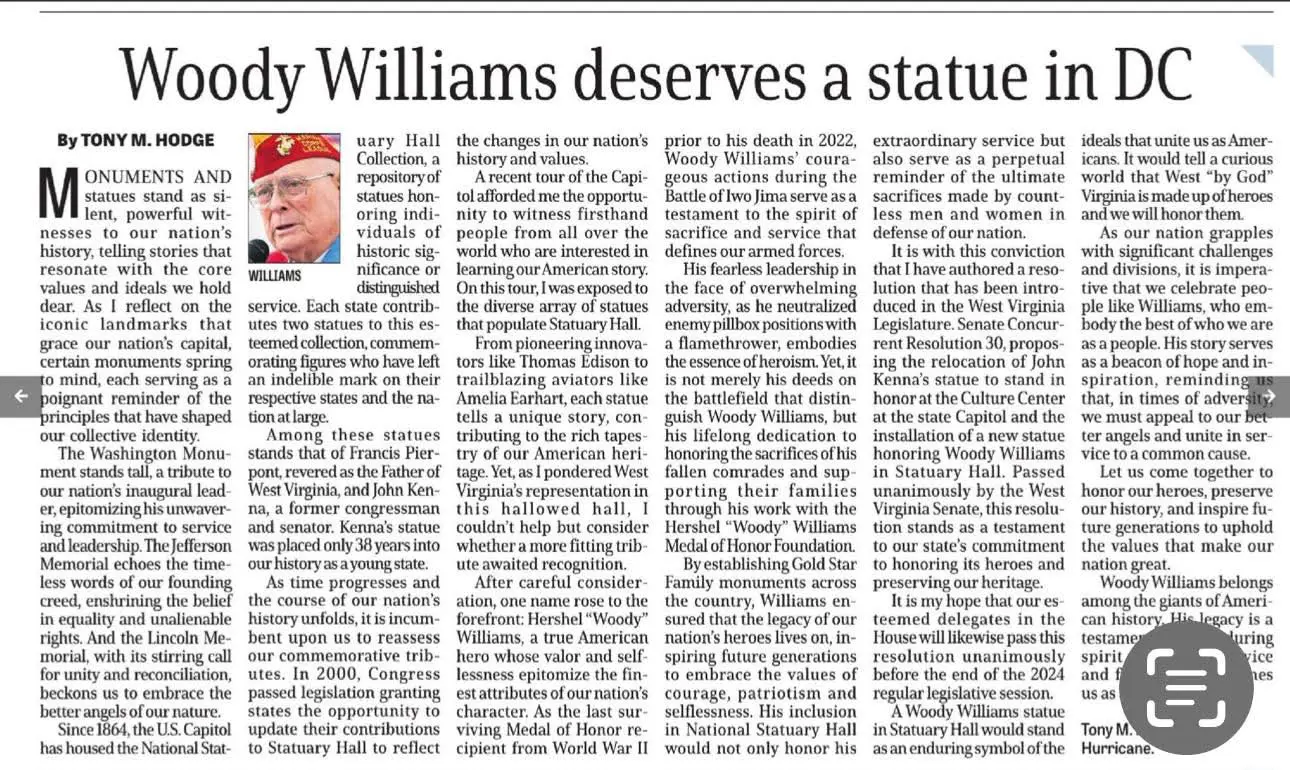
In 2010, Williams founded The Hershel Woody Williams Congressional Medal of Honor Education Foundation, Inc. It is a charitable 501(c)(3), not-for-profit organization that pursues specific endeavors and goals through the vision of Medal of Honor Recipient Hershel “Woody” Williams.
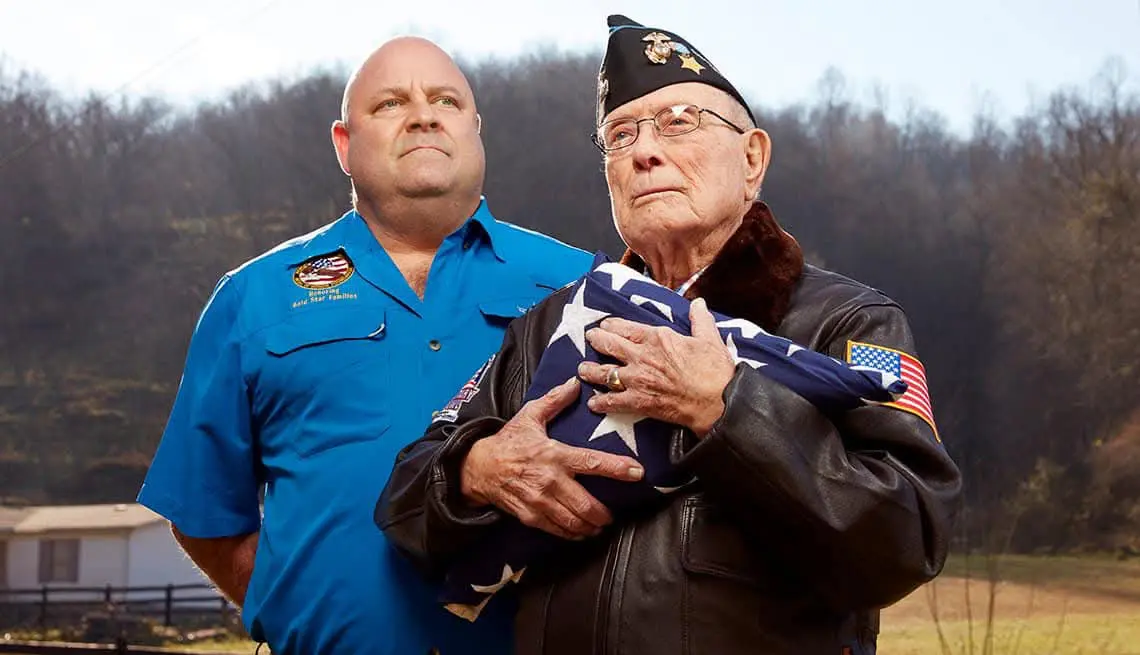
The Foundation encourages, with the assistance of the American public and community leaders, establishing permanent Gold Star Families Memorial Monuments in communities throughout the country and provides scholarships to eligible Gold Star Children. (A Gold Star Family is one who has lost a service member in combat.) Its purpose is to honor Gold Star Families, relatives, and Gold Star Children who have sacrificed a loved one in the service of their country.
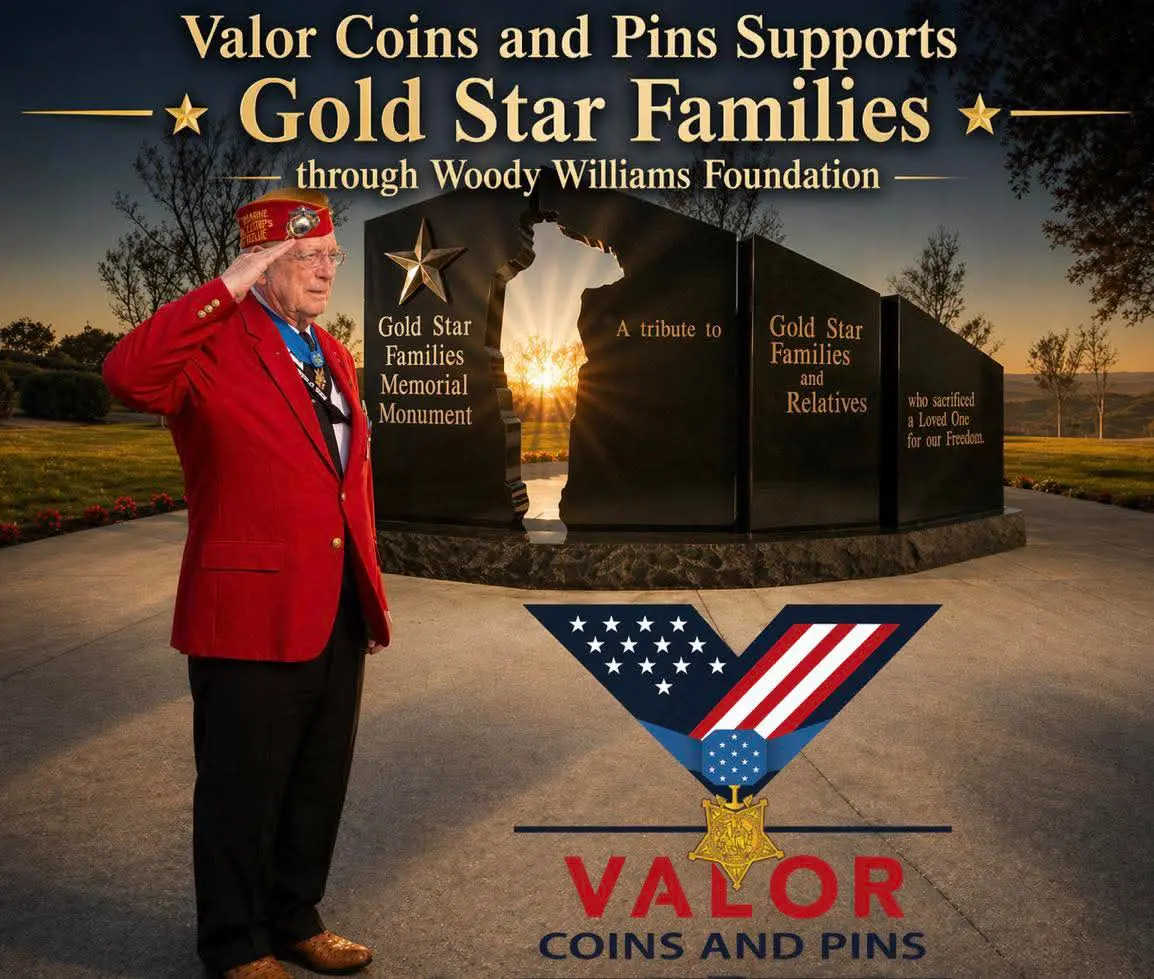
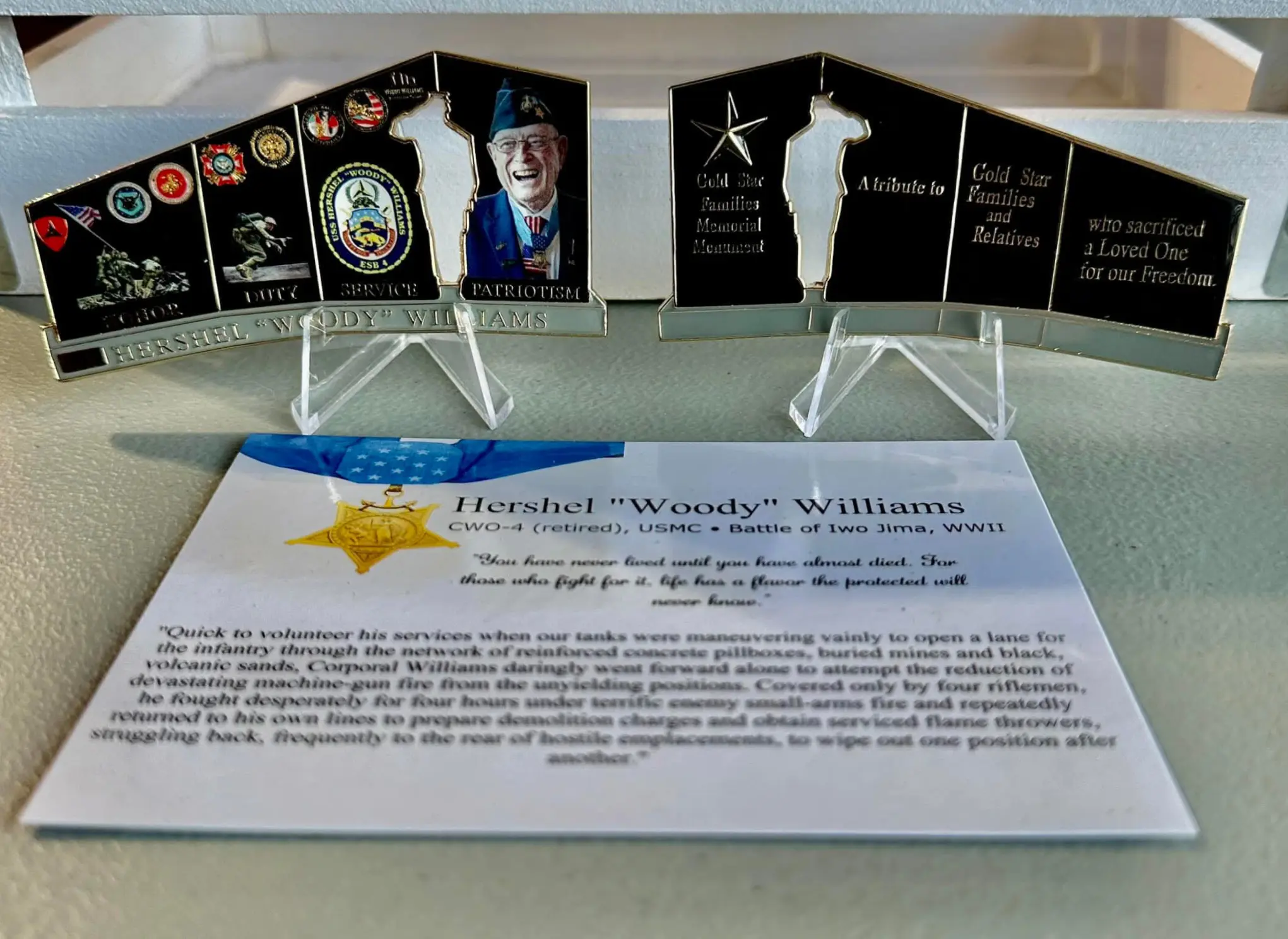
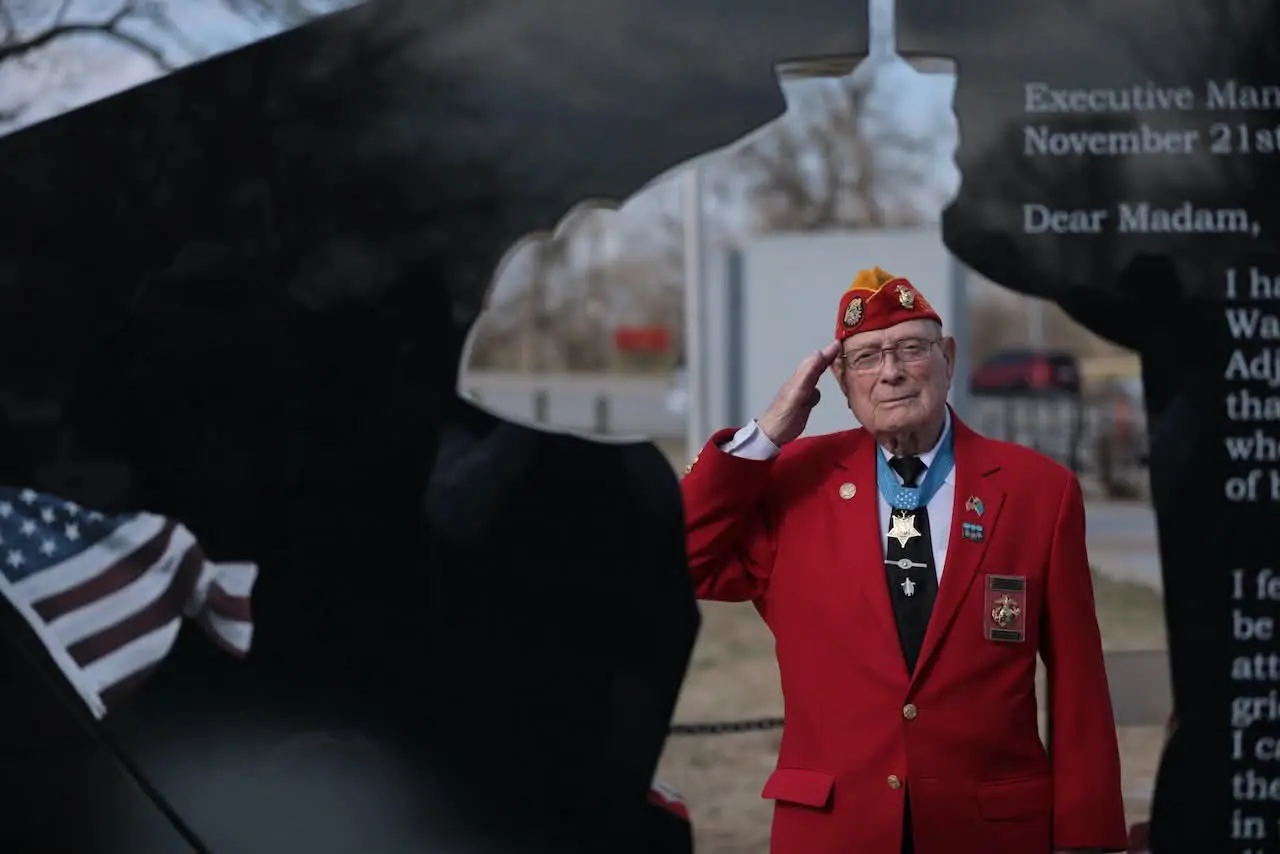
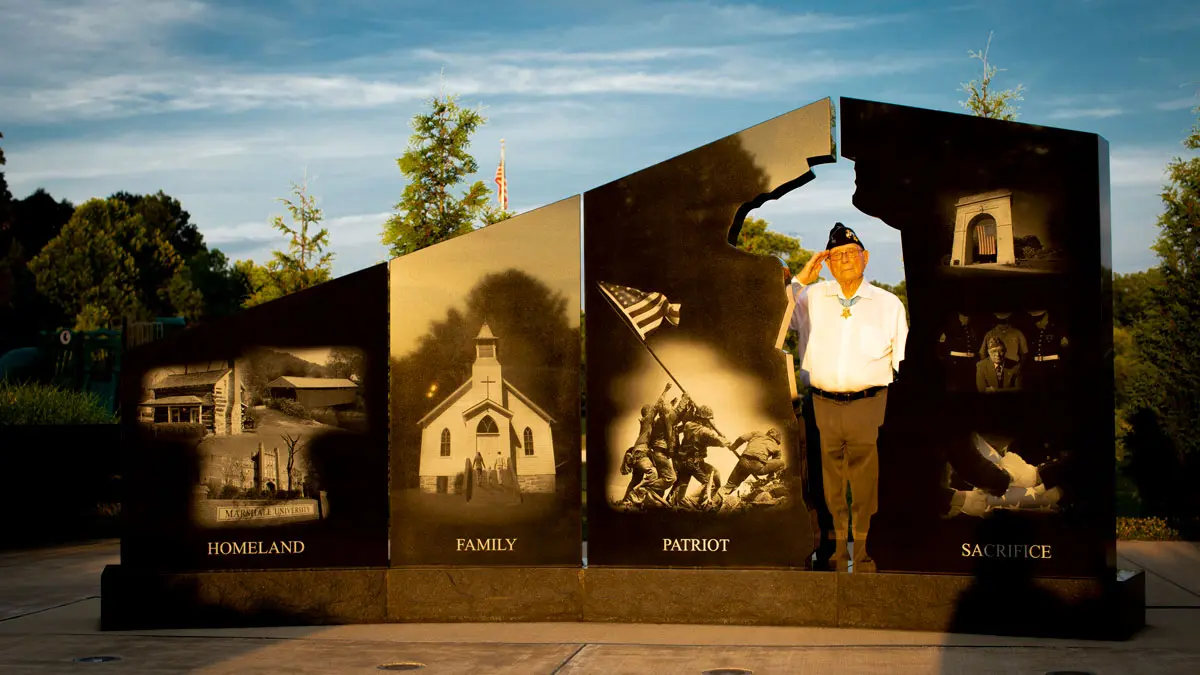
The Gold Star Families Memorial Monument preserves the memory of the fallen and serves as a stark reminder that Freedom is not free. The stunning black granite monument features two sides. One bears the words: Gold Star Families Memorial Monument, a tribute to Gold Star Mothers, Fathers, and Relatives who have sacrificed a Loved One for our Freedom.
The other side tells a story through the four granite panels: Homeland, Family, Patriot, and Sacrifice. The scenes on each panel are a reflection of each community’s Gold Star Families and their fallen heroes. At the center of this tribute is the most distinct feature of the monument, the cut out which represents the loved one who paid the ultimate sacrifice in the name of Freedom.
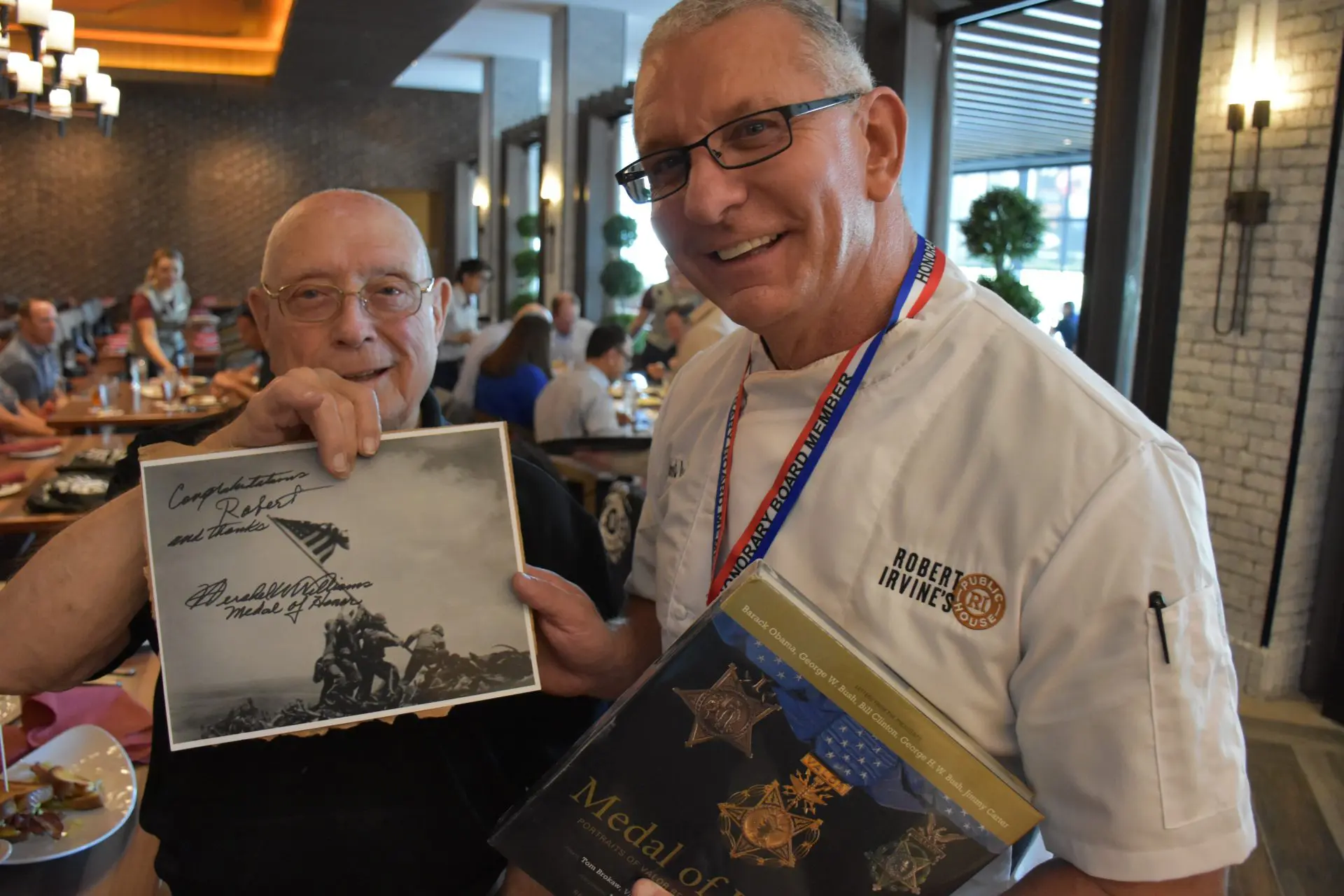
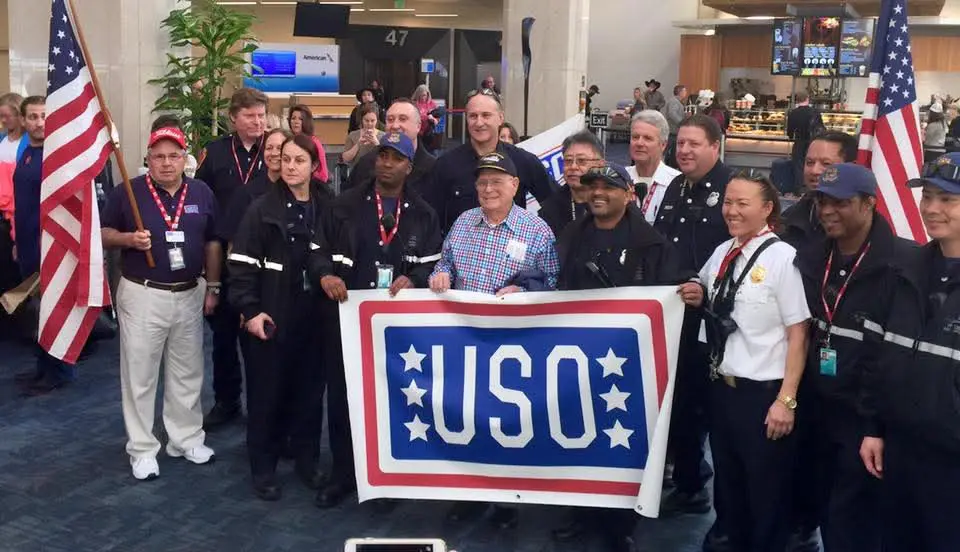
Williams accompanied Robert on his helicopter ride as he arrived at the grand opening of Robert Irvine’s Public House at the Tropicana in Las Vegas in July of 2017. Williams also gave a speech introducing Robert and thanking him for his dedication to the USO and for the charitable work of The Robert Irvine Foundation.
The two had previously kindled their friendship at a benefit for the troops where Robert cooked and made a guest appearance. Williams was welcomed with a rousing speech by Tropicana GM Aaron Rosenthal, who detailed the actions that earned Williams the Medal of Honor. When Williams took the microphone, he said simply, “Today isn’t about me. It’s about Robert and the incredible things he’s done for veterans.”
After the dedication speeches at Public House were over and Williams could get Robert away from the crowd, he presented the chef with a gift—an autographed copy of the famous photo of the flag raising at Iwo Jima, this book about the Medal of Honor, as well as a medal naming Robert an Honorary Board Member of Williams’ foundation. Robert was touched by the gifts, and humbled by William’s words. “I know the restaurant has my name on the front, so obviously people are going to get up and talk about you,” Robert says. “Of course you’re going to be flattered.
Of course people are going to present your best qualities and accomplishments. But when they come from a man like Williams—a true legend, a true hero, who did such incredibly brave things for this country… well, when he started listing my accomplishments as if they were of equal value, it was too much for me. I know that nothing can ever compare to what he did. But that’s how humble he is. That’s how gracious he is. They just don’t make them like him anymore.” To support the Robert Irvine Foundation, which disperses grants to veterans and veteran causes in need.
CITATION
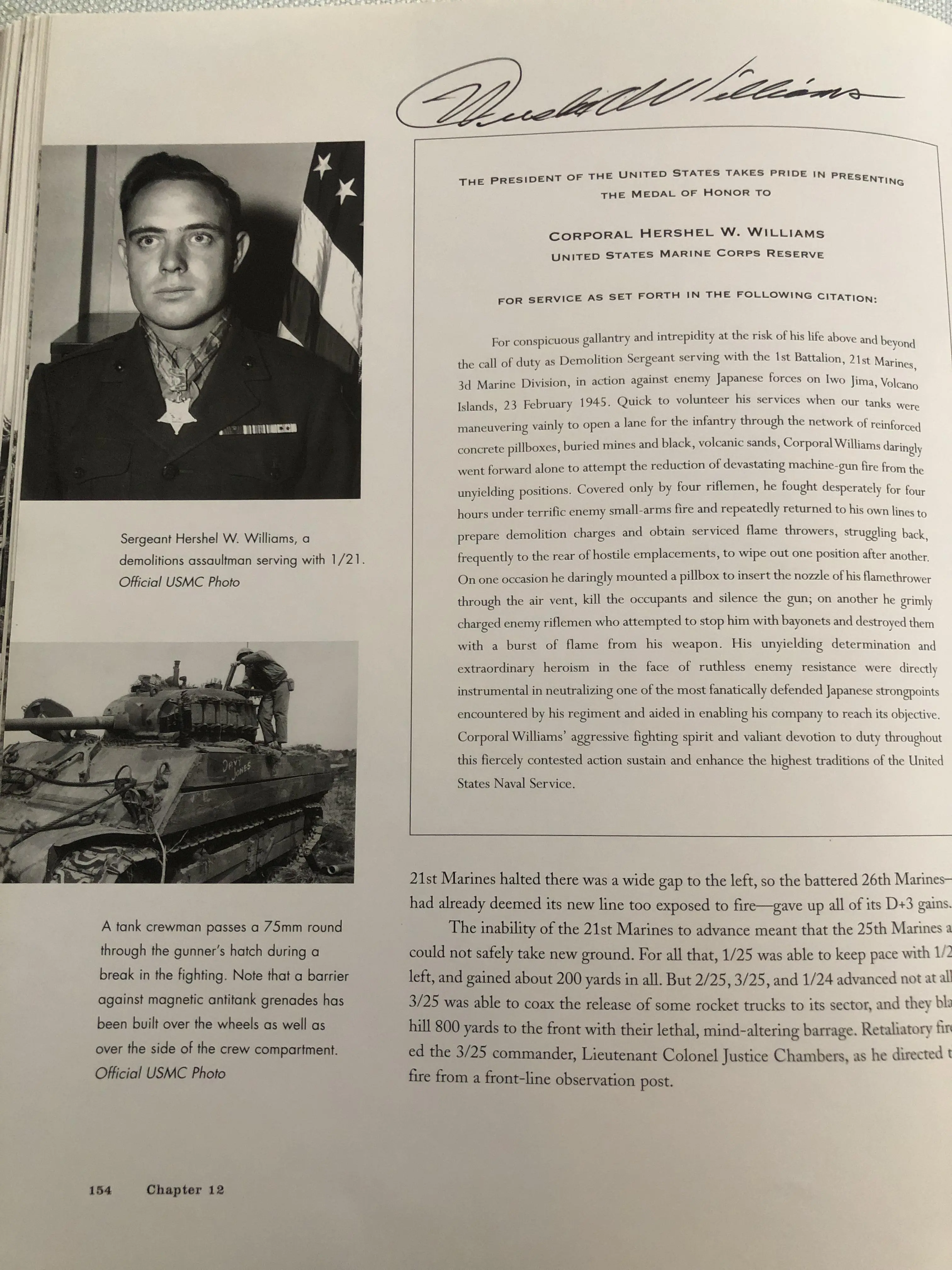
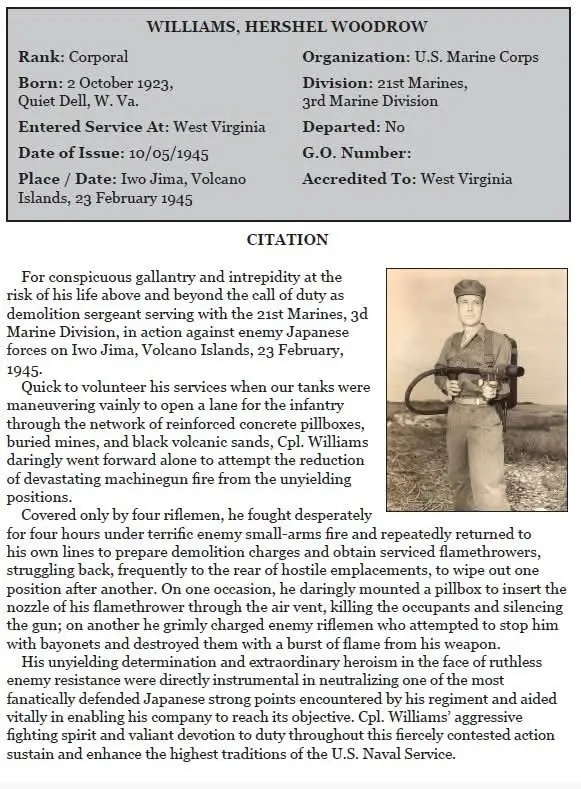
The official Medal of Honor citation for Woody Williams reads as follows: For conspicuous gallantry and intrepidity at the risk of his life above and beyond the call of duty as demolition sergeant serving with the 21st Marines, 3d Marine Division, in action against enemy Japanese forces on Iwo Jima, Volcano Islands, 23 February 1945.
Quick to volunteer his services when our tanks were maneuvering vainly to open a lane for the infantry through the network of reinforced concrete pillboxes, buried mines, and black volcanic sands, Cpl. Williams daringly went forward alone to attempt the reduction of devastating machinegun fire from the unyielding positions.
Covered only by 4 riflemen, he fought desperately for 4 hours under terrific enemy small-arms fire and repeatedly returned to his own lines to prepare demolition charges and obtain serviced flamethrowers, struggling back, frequently to the rear of hostile emplacements, to wipe out 1 position after another.
On 1 occasion, he daringly mounted a pillbox to insert the nozzle of his flamethrower through the air vent, killing the occupants and silencing the gun; on another he grimly charged enemy riflemen who attempted to stop him with bayonets and destroyed them with a burst of flame from his weapon.
His unyielding determination and extraordinary heroism in the face of ruthless enemy resistance were directly instrumental in neutralizing one of the most fanatically defended Japanese strong points encountered by his regiment and aided vitally in enabling his company to reach its objective. Cpl. Williams’ aggressive fighting spirit and valiant devotion to duty throughout this fiercely contested action sustain and enhance the highest traditions of the U.S. Naval Service.
Supplemental Information
Quiet Dell, 1923: A Rural Childhood in a Changing Nation
In 1923 the United States was swept up in the Roaring Twenties, a period marked by rising consumer culture, expanding urban life, and the nationwide experiment of Prohibition. Cities pulsed with jazz, new fashions, and the spread of automobiles and radios, yet these transformations reached rural communities unevenly. For many Americans the decade’s modern energy remained a distant hum rather than a daily reality.
Quiet Dell in Harrison County, West Virginia stood firmly within that slower rhythm. It was a small agricultural settlement shaped by family farms, church life, and the steady demands of manual labor. A farm boy born in 1923 entered a world defined by early mornings, seasonal work, and the practical skills required to keep a household running. Electrification was still spreading across the countryside, and many homes relied on lanterns, hand pumps, and wood stoves. Indoor plumbing was not guaranteed. Chores were physical and constant, and children learned responsibility through the daily maintenance of livestock, fields, and tools.
Automobiles were becoming more common nationwide, yet rural travel remained limited and local. Roads were often rough, and families relied on horses, wagons, or the few cars that could handle the terrain. Communication moved at a slower pace. News arrived through neighbors, church gatherings, and the local school, which served as both an educational anchor and a social center.
The national tensions of the era also touched West Virginia. Cultural debates over modernity and tradition, the resurgence of nativist movements, and the pressures of economic uncertainty created an undercurrent of anxiety in many communities. Churches and civic groups often reinforced conservative values, providing stability in a time when the country’s identity was shifting.
For a child growing up in Quiet Dell, these forces created a distinctive blend of rural resilience and emerging modern influence. Life demanded physical strength, mechanical familiarity, and a close connection to land and family. The broader changes of the Roaring Twenties were real, but they arrived slowly, filtered through the rhythms of farm work and the enduring traditions of a close‑knit Appalachian community.
The Great Depression: A Decade That Reshaped the American Spirit
Origins and National Collapse
- The Great Depression began after the October 1929 stock market crash, which exposed long‑standing weaknesses in banking, industry, and agriculture.
- Many banks operated without adequate reserves, making them vulnerable to mass withdrawals.
- Industrial production had expanded faster than consumer demand, leaving companies overextended.
- Farm prices fell sharply, leaving rural families with goods they could produce but no profitable market to sell them.
Urban Impact
- Factory closures eliminated wages for millions of workers across major cities.
- Families consolidated living arrangements to reduce rent and utilities.
- Soup kitchens and breadlines became essential sources of daily meals.
- Newspapers documented widespread unemployment and long daily searches for work.
- Urban neighborhoods grew quieter as economic uncertainty reshaped daily life.
Rural West Virginia Conditions
- The land remained productive, but the collapse of agricultural markets erased income for farm families.
- Rural households relied on self‑sufficiency: preserving food, repairing tools, and sharing labor.
- Hardship intensified existing challenges rather than introducing entirely new ones.
- Community cooperation became essential for planting, harvesting, and maintaining farms.
Childhood in Quiet Dell
- Children contributed to household labor from an early age, performing tasks essential to family survival.
- Daily responsibilities included carrying water, gathering kindling, tending livestock, and helping with crops.
- Clothing was patched repeatedly, and toys were often handmade from available materials.
- Entertainment centered on storytelling, church gatherings, and outdoor activities.
- The era instilled discipline, responsibility, and perseverance.
Community Resilience
- Families relied on one another with deep trust formed through shared adversity.
- Churches provided spiritual grounding and emotional continuity.
- Schoolteachers offered stability and encouraged children to imagine futures beyond present hardship.
- Community events reinforced solidarity and reminded residents they were not facing the crisis alone.
New Deal Intervention
- Federal programs created employment for men who had gone years without steady wages.
- The Civilian Conservation Corps provided structured work, meals, and pay that could be sent home.
- Rural electrification brought modern conveniences to homes previously dependent on lanterns and wood stoves.
- Road improvements connected isolated farms to nearby towns, improving travel and trade.
- These initiatives restored hope and demonstrated federal recognition of rural hardship.
Enduring Lessons
- Survivors carried forward habits of thrift, careful planning, and gratitude for stability.
- They valued saving for lean times and respected the dignity of hard work.
- Community bonds remained central to their worldview.
- The Depression forged a generation marked by humility, resilience, and a deep appreciation for security.
Quiet Dell’s Lasting Influence
- The era shaped worldview, character, and adult identity for those raised there.
- It instilled endurance, responsibility, and loyalty to family and community.
- The Depression became the foundation upon which their adult values were built.
Onward to World War II: A Generation Steps Into History
As the 1930s came to an end, the United States was still shaped by the long economic downturn that followed the 1929 stock market crash. Federal data from the period confirms that unemployment remained high throughout much of the decade, and many families continued to rely on subsistence farming, local cooperation, and strict budgeting to endure. These habits of discipline and shared responsibility became part of the national character just as international events demanded new attention. Documented military and diplomatic records show that Germany, Italy, and Japan expanded aggressively during these years, creating instability across Europe and Asia. Americans followed these developments through newspapers and radio broadcasts, which had become widespread by the late 1930s, and public opinion gradually shifted toward the belief that isolation would not be sustainable.
In rural West Virginia, the approach of war was felt through information rather than immediate disruption. Census records and local histories describe communities where daily life centered on agriculture, church activities, and seasonal labor. News of foreign invasions and political unrest reached families through radio programs, Sunday discussions, and local newspapers. Young men in these communities were aware of the growing conflict abroad, and many wondered how long the United States could remain neutral. Their upbringing during the Depression had already taught them endurance, thrift, and cooperation, qualities that would later prove essential in military service.
The attack on Pearl Harbor on December 7, 1941 is a well‑documented turning point. Japanese forces struck the American naval base in Hawaii, killing more than two thousand service members and damaging or destroying multiple ships and aircraft. The following day, Congress declared war on Japan, and shortly afterward Germany and Italy declared war on the United States. These events formally brought the nation into World War II. Government records show that the country immediately shifted into full mobilization. Factories converted to wartime production, rationing programs were implemented nationwide, and scrap drives collected metal, rubber, and other materials for military use. Ration books, Office of Price Administration directives, and contemporary reporting confirm shortages of sugar, gasoline, and other goods.
Enlistment records demonstrate that young men from rural areas, including West Virginia, joined the armed forces in large numbers. Many traveled from small communities such as Quiet Dell to training camps across the country. Their backgrounds in farming, mining, and mechanical labor often translated into practical skills valued by the military. The physical demands of rural life and the resourcefulness learned during the Depression helped them adapt to military discipline, equipment maintenance, and teamwork.
The home front also carried significant responsibilities. Agricultural families continued to produce food with fewer workers, and women entered factories, shipyards, and other essential industries. Archival photographs and employment records show women working in roles previously held by men, contributing directly to wartime production. Communities supported one another through correspondence, church gatherings, and local relief efforts. Nearly every household had a family member or neighbor serving overseas, creating a shared sense of purpose and sacrifice.
By 1945 the United States had undergone a profound transformation. More than sixteen million Americans had served in uniform, according to Department of Defense statistics, and millions more contributed through industrial labor and community support. Victory in Europe came on May 8, 1945, and victory in the Pacific followed on September 2, 1945. Veterans returned home with new experiences, broader perspectives, and a strengthened sense of responsibility. The GI Bill, passed in 1944, provided educational opportunities, home loans, and support for reintegration, shaping the economic and social landscape of the postwar era.
For a young man raised in Quiet Dell, the passage from Depression childhood to wartime service was both personal and historically significant. It carried him from the hills of West Virginia to distant theaters of conflict. It taught him discipline, courage, and the weight of duty. It placed his life within the larger story of a nation that rose from hardship to defend global stability. The transition from the Great Depression to World War II was not merely a shift in time. It was the forging of a generation whose resilience came from lived experience and whose contributions shaped the future of the United States.
Quiet Dell in World War II: Women and Community Under Wartime Demands
When World War II began, Quiet Dell entered a period of profound change. This small rural settlement in Harrison County felt the effects of the conflict as soon as young men began leaving for military service. Their departure altered the structure of daily life, and the community turned to the women who remained to carry responsibilities that were essential to both family survival and the national war effort.
Women became the primary workforce on the farms that sustained Quiet Dell. They fed livestock, milked cows, gathered eggs, planted crops, and harvested fields that still needed to produce food for the household and for wartime supply chains. They repaired fences, maintained barns, sharpened tools, and kept equipment in working order. Agricultural reports from rural West Virginia confirm that women’s labor kept food production stable throughout the war years. Their work was constant and physically demanding, yet it ensured that the community remained productive despite the absence of its men.
Rationing reached Quiet Dell just as it reached every American household. Women used ration books to purchase sugar, meat, gasoline, and other limited goods. They planned meals with careful precision, preserved vegetables, and relied heavily on homegrown produce. Victory gardens became essential, and women taught children how to tend them. These gardens provided food that supplemented rationed supplies and helped families endure shortages.
Women also organized community efforts that supported the war. They led scrap drives for metal, rubber, and paper. They coordinated bond drives through churches and schools. They prepared meals for gatherings, helped families who received difficult news, and maintained communication networks that kept neighbors informed. Local newspapers from Harrison County documented these efforts and praised rural communities for their participation.
The emotional burden of wartime fell heavily on women. They wrote letters to husbands, sons, and brothers serving overseas. They gathered at churches for prayer services and comforted neighbors who feared for loved ones in distant battlefields. They visited elderly residents, helped with household chores, and ensured that no family felt alone during the long months of uncertainty. Church records from rural West Virginia show that women were central to sustaining morale and community cohesion.
Although Quiet Dell itself was agricultural, nearby towns offered wartime employment. Women took clerical and support roles in industries connected to coal and chemical production. West Virginia’s coal output and synthetic rubber production were vital to the war effort, and women contributed through office work, laboratory assistance, and factory support roles. Their labor strengthened the state’s industrial contribution to national defense.
The community itself changed as the war progressed. Daily life became more cooperative. Neighbors shared labor during planting and harvest seasons. Children took on additional chores. Churches became centers of wartime life, offering spiritual comfort and practical support. Schools encouraged students to write letters to soldiers, participate in bond drives, and help with community projects. Every household lived with the awareness that the war touched its own family.
By the time victory arrived in 1945, Quiet Dell had been shaped by the quiet strength of its women and the shared resolve of its community. They had kept farms productive, families stable, and local institutions alive. They had carried responsibilities that revealed their capability, endurance, and leadership. Their work ensured that Quiet Dell remained strong while the world was at war, and their contributions formed a lasting part of the community’s identity.
How this shaped Woody
Growing up in a large farm family in 1920s West Virginia would have instilled work ethic, practical problem‑solving, and a sense of duty to family and community—traits that later surfaced in his military service. The contrast between national modernity and local rural life helps explain why many young men of his generation were comfortable with hard physical labor and close‑knit teamwork.
By age six Hershel “Woody” Williams already carried a strong sense of working and contributing—helping on his family’s dairy farm and learning responsibility early—which became a core part of his identity and later informed his courage and service.
Family pressures and early loss
By age eleven his father had died and several siblings had died in the influenza years, which increased the family reliance on every able member. That kind of loss often forced children in rural households to assume adult responsibilities sooner than their peers elsewhere, reinforcing a practical, contribution‑oriented outlook rather than one centered on childhood leisure. Taking on work was both necessity and identity in Williams’s upbringing.
How early contribution shaped him
Early work produced a durable work ethic, self‑reliance, and a readiness to act under pressure. Williams later said that delivering telegrams and working in community roles gave him perspective on sacrifice and duty; these formative experiences translated into the calm, practical courage he displayed as a demolition sergeant on Iwo Jima. After the war he continued serving veterans and families, channeling that same impulse to contribute into public service and the Woody Williams Foundation.
Feeling responsible and useful from a very young age was not sentimental for Woody—it was practical training. The chores, losses, and community expectations of Quiet Dell made contribution a habit, not a choice, and that habit underpinned his actions in combat and his lifelong commitment to veterans.
The Journey
Williams trained as a Marine recruit, then as a tank crewman and finally as a specialist in demolition and the flamethrower; after unit training and island staging he sailed with 1st Battalion, 21st Marines and landed on Iwo Jima on 21 February 1945, immediately entering brutal close combat.
Training path and specialization
Williams completed recruit training at MCRD San Diego and then trained with tank units at Camp Elliott. While at Camp Pendleton and later at El Centro he received demolition and flamethrower instruction, the specialized, hazardous training that prepared him to serve as a demolition sergeant. These courses covered maintenance of temperamental flame equipment, use of satchel and demolition charges, and coordination with infantry and armor.
Unit assignment and promotion
After initial training Williams was assigned to Company C, 1st Battalion, 21st Marines, 3rd Marine Division, the unit that would assault Iwo Jima. He was promoted to corporal during the unit’s stateside preparations and island training cycles. The battalion’s training emphasized combined arms work—infantry, tanks, engineers, and demolition teams practicing bunker‑reduction techniques that would be essential on volcanic islands.
Staging and movement to Iwo Jima
In January 1945, Corporal Hershel W. “Woody” Williams of Company C, 1st Battalion, 21st Marine Regiment, 3rd Marine Division prepared for the Iwo Jima operation with final rehearsals and staging in forward Pacific areas. After unit consolidation, equipment inspections, and amphibious rehearsals, the battalion embarked aboard transports and went ashore on 21 February 1945. Flamethrower crews received particular attention during these preparations because their weapons required extra fuel, maintenance, and secure stowage aboard ship and landing craft.
Service locations and role
Woody served across the South Pacific before Iwo Jima and saw a sharp contrast between campaigns: earlier postings and the Guam invasion exposed him to jungle fighting, heat, and close, chaotic assaults, while Guadalcanal/ and New Caledonia duty involved long periods of staging, training, and small‑unit patrols that hardened him for frontline demolition work.
In the Quiet Crucible: Early Pacific Hardships That Shaped a Marine
Life in the forward areas of New Caledonia and Guadalcanal introduced Woody Williams to the slow, grinding rhythm of Pacific warfare long before he faced its most violent expressions. Marines lived in humid camps where the air clung to the skin and every movement carried the weight of heat, rain, and fatigue. Days blended into cycles of training, weapons maintenance, and short patrols that could shift from quiet tension to sudden danger without warning. The environment was unforgiving. Mosquitoes swarmed at dusk, clothing never fully dried, and supply lines stretched across vast distances that made even simple necessities precious. Yet these postings gave units time to practice the coordination, discipline, and small‑unit tactics that would later define the work of flamethrower teams. Every patrol, every night spent listening to the jungle, strengthened the habits of communication and trust that combat demanded.
This period also shaped the inner landscape of a young Marine preparing for the harsher battles ahead. Serving in these forward zones taught Woody the alternating pace of Pacific combat, where long stretches of waiting could be shattered by moments of violence that required instant clarity and improvisation. He learned to steady himself in uncertainty, to adapt when plans dissolved, and to remain alert even when exhaustion pressed against every thought. These experiences became a quiet reservoir of psychological readiness. When he later stepped into the bunker‑dominated fighting on Iwo Jima, he carried with him the hard lessons of New Caledonia and Guadalcanal, lessons that helped him endure the intensity of a battlefield unlike any he had yet seen.
Forged in Jungle Fire: Guam and the Making of a Combat Flamethrower
Guam was a punishing, close‑quarters crucible that anticipated the ferocity of Iwo Jima while presenting its own distinct hardships. The beaches and inland approaches lacked the deep volcanic ash that later swallowed Marines at Iwo, allowing faster movement off the sand, yet the island’s dense jungle, humidity, and interlocking Japanese defenses created a suffocating battleground. Marines advanced through thickets that hid trenches, spider holes, and fortified caves, often meeting the enemy at distances so short that combat dissolved into raw, physical struggle. Woody Williams later called Guam “horrific,” admitting that for a time he believed nothing could surpass its brutality until he stepped onto Iwo’s black sands.
The tactical and sensory demands of Guam shaped him with remarkable speed. Flamethrower crews learned to work in intimate concert with infantry and tanks, coordinating suppressive fire, creeping forward under whatever cover the terrain allowed, and using flame and satchel charges to break open hardened positions. The jungle’s heat pressed against every breath, sweat soaked equipment, and weapons required constant attention to remain functional. Movement was slow, exhausting, and always under threat from unseen defenders who had prepared the island for a prolonged fight.
These experiences became the foundation of his conduct at Iwo Jima. The combination of staging duty, jungle combat, and the baptism by fire on Guam forged Williams into a calm, practiced operator who understood both the mechanics of his weapon and the rhythm of assaulting fortified positions. He arrived at Iwo with the ability to improvise under pressure, maintain his flamethrower in the midst of chaos, and repeatedly volunteer for the most perilous tasks. His earlier combat exposure explains not only his technical mastery but also the quiet resolve that carried him through the pillbox assaults that defined his valor on Iwo Jima.
Into the Black Ash: The First Hours on Iwo Jima
Williams landed on 21 February and stepped directly into a battlefield that shocked even veterans of earlier Pacific campaigns. The moment he left the landing craft he felt the instability of Iwo Jima’s surface. The black volcanic sand shifted like loose powder, swallowing his boots and slowing every attempt at forward movement. Mortars burst across the beach, machine‑gun fire swept the approaches, and the concussion of artillery rolled through the air in steady, punishing waves. For flamethrower operators the landing carried an added weight. Their equipment was heavy and delicate, and getting it ashore intact required steady handling in the midst of chaos. Once on the beach they faced the immediate challenge of keeping fuel tanks, hoses, and ignition systems working in conditions that clogged fittings and overheated metal.
Within hours Williams was moving inland with his battalion. By 23 February he was volunteering to attack pillboxes that had halted tanks and infantry. Flamethrower teams operated in a constant cycle of assault, withdrawal, and resupply. Empty tanks had to be exchanged for full ones, and damaged equipment required quick servicing before the next mission. Each trip across the battlefield meant crossing ground swept by fire while carrying gear that grew heavier as fatigue set in. Every return to the line brought them closer to the fortified positions that had to be cleared one at a time.
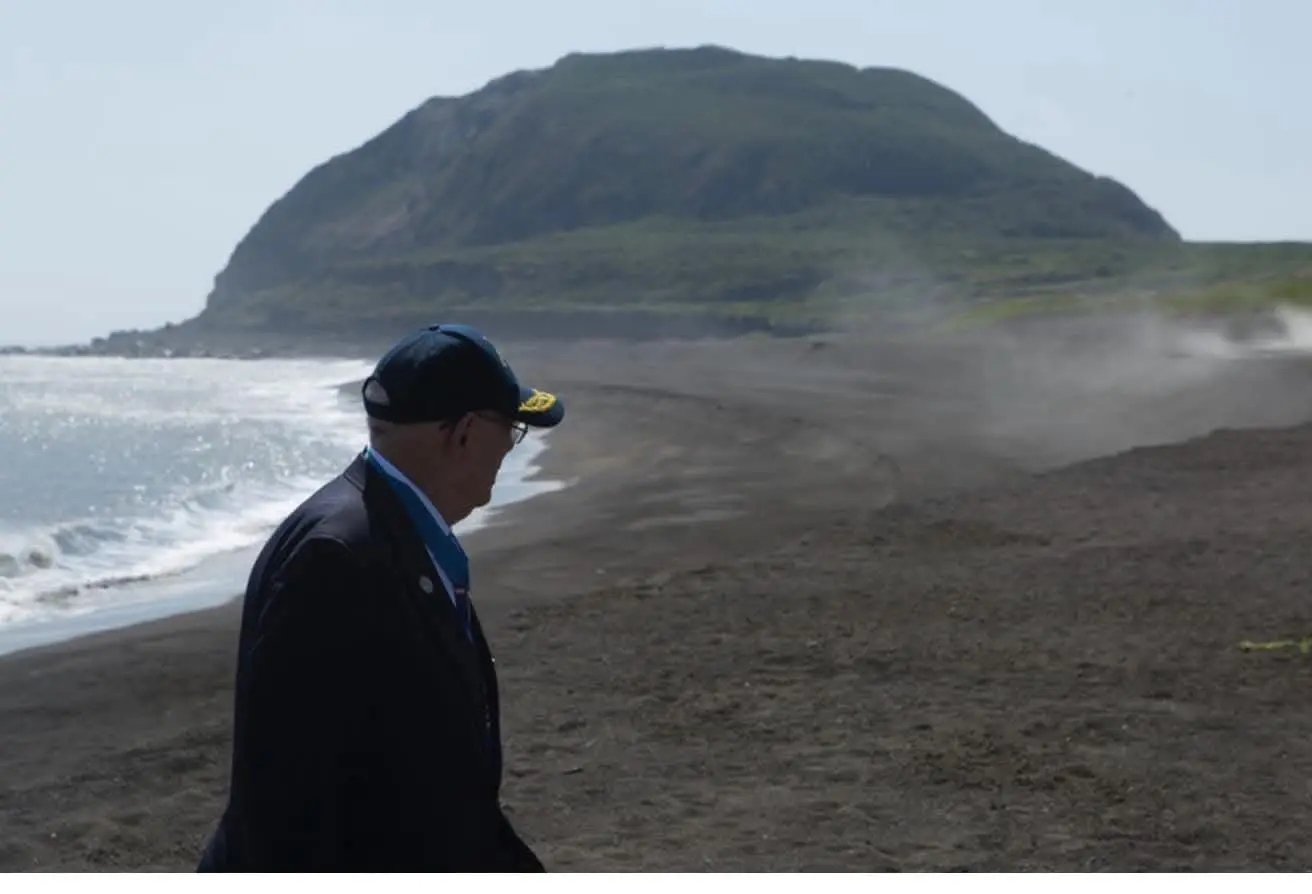
Advancing toward Mount Suribachi meant entering a volcanic battlefield where the terrain itself became an adversary. The ash rose in thick clouds whenever men moved, stinging eyes and throats and settling into uniforms, weapons, and skin. Sulfur drifted from vents in the ground and mixed with smoke and cordite, creating an acrid atmosphere that clung to every breath. Heat radiated upward from the dark surface, draining strength and making even short advances feel punishing. The slopes and surrounding beaches of the 169‑meter cinder cone were composed of loose volcanic material that shifted unpredictably, making progress slow and hazardous for men and vehicles alike.
The island’s geology delivered an immediate sensory shock. The fine ash behaved almost like fluid when disturbed, rising into dense clouds that obscured vision and coated every crease of clothing and equipment. The sulfurous air burned in the nose and throat. The ground felt hot enough to radiate through boot soles. All around lay a network of camouflaged bunkers, trenches, and tunnels that forced close‑quarters fighting at ranges where every movement mattered. Williams entered this environment with the steady focus of a man seasoned by Guam, yet even he recognized that Iwo Jima demanded a level of endurance and resolve beyond anything he had previously faced.
The terrain inflicted continuous physical punishment. Marines sank with each step, fighting against ground that refused to hold weight. Vehicles stalled in loose grains that offered no traction. Attempts to dig protective cover often failed because the walls collapsed back into the hole, leaving men exposed under fire. The ash worked into socks, seams, and boot linings, scraping skin and creating blisters that worsened with every movement. Heat warmed the grains inside boots until they felt like embers against already damaged flesh. Sulfur rising from the ground added irritation, making raw skin more painful and more vulnerable.
Footwear offered little defense. Once ash entered a boot it stayed there, grinding with each step. Leather and canvas could not keep out the fine grains, and rough insoles allowed grit to migrate beneath the foot where pressure was greatest. When the ash became wet it formed a paste that clung to skin and fabric, increasing friction and creating painful pressure points. Over time these small injuries grew into open sores that slowed movement and made the steep ascent even more demanding.
Medical consequences followed quickly. Minor cuts and abrasions became dangerous in an environment where evacuation was slow and hygiene nearly impossible. Heat, dust, and constant exertion increased the risk of infection. Medical units faced a heavy burden of casualties, and carrying wounded men across cratered slopes exposed every member of the team to enemy fire. Even small foot injuries could limit a Marine’s ability to fight or be moved to aid stations.
The sensory burden never eased. The ash stung, burned, and created a constant abrasive presence that wore down endurance. Heat radiated upward from the surface, and sulfur drifted across the battlefield, mixing with smoke and the smell of burning equipment. Dust filled every breath. Clouds rose with each movement, settling into clothing, weapons, and skin. Marines fought within a haze that narrowed the world and made the battlefield feel suffocating.
Survival required adaptation. Men emptied their boots whenever possible, changed socks when supplies allowed, and improvised padding or salves to reduce friction. Corpsmen cleaned wounds and treated blisters as soon as conditions permitted. These small acts prevented minor injuries from becoming disabling infections. Medical units worked under relentless pressure, and foot care became part of the daily rhythm of endurance.
All of this unfolded within a defensive system shaped by years of Japanese preparation. Mount Suribachi contained reinforced concrete positions, caves, and tunnels that had endured weeks of bombardment. Assaulting these defenses required close work with flamethrowers, satchel charges, and demolition teams. The mountain’s narrow approaches funneled attackers into areas where Japanese machine guns and mortars could concentrate fire. Ash fouled weapons, increasing jams and forcing constant cleaning under fire. Flamethrower crews needed frequent resupply and careful maintenance of fuel systems, which meant repeated trips to rear areas before returning to assault another position.
The human cost was immense. Naval gunfire, mortars, sulfur fumes, and the sight of casualties lying in black ash created intense psychological strain. Evacuating wounded men on steep, cratered slopes was slow and dangerous, increasing the toll of every advance. For Williams and his fellow Marines, the ash, the heat, the terrain, and the defenses combined to create a battlefield that demanded extraordinary endurance, determination, and courage.
Tactical implications and what it demanded of Marines
Success on Suribachi depended on small‑unit initiative, technical skill, and sheer endurance rather than large maneuvers: flamethrower operators, demolition sergeants, and coordinated tank‑infantry teams were decisive. Individual acts of courage—volunteering to approach vents, insert charges, or operate temperamental flame gear under direct fire—were what broke the defensive network.
Flamethrower crews on Iwo Jima carried heavy, fragile gear into a volcanic killing ground, worked as mobile bunker‑clearing teams, and endured extreme heat, constant enemy fire, frequent resupply runs, and a high casualty risk—what they did was tactically decisive but physically and psychologically brutal.
Equipment and physical burden
Flamethrowers were heavy, cumbersome, and short‑ranged. A typical operator carried a fuel unit weighing about 60 to 70 pounds on his back with a hose and flame gun.
Effective range and firing profile
The weapon’s effective range was short — measured in tens of yards — so crews had to approach dangerously close to pillboxes and cave mouths to be effective. Because a few bursts could exhaust a tank, crews often had to return to rear areas for fresh fuel between assaults, interrupting momentum and exposing them during movement.
Tactical employment and teamwork
Flamethrower operators never worked alone: they advanced with riflemen, demolition teams, and tanks that provided suppressive fire and protection. Their primary role was to neutralize concrete pillboxes, caves, and tunnel entrances that naval bombardment and small arms could not reliably destroy. This made them tactically decisive but also placed them at the center of the most dangerous assaults.
Dangers, vulnerability, and casualty rates
Flamethrower crews were high‑value targets and suffered very high casualty rates; contemporary accounts emphasize that operators were especially vulnerable and that many did not survive the island campaigns. The combination of heavy, visible equipment and the need to close with the enemy made survival odds poor.
Maintenance, logistics, and tempo
The weapon was temperamental and logistically demanding. Fine volcanic ash, heat, and combat damage could foul valves and hoses; crews needed frequent maintenance and fuel resupply, which meant making repeated, dangerous trips back to rear areas between assaults. The limited number of flamethrowers and fuel constrained how many bunkers could be attacked at once.
Sensory and psychological experience
Operating a flamethrower was terrifying, intimate, and disorienting. Veterans describe the roar of the flame, the smell of burning, and the sight of emplacements going up in smoke; at the same time, the operator felt exposed and acutely aware that a single hit could be catastrophic. Survivors later emphasized duty and necessity and performed these tasks later called their actions a blur of fear, focus, and duty rather than heroics.
Endurance Under Fire: The Human Cost of Suribachi and the Men Who Carried Flame
Iwo Jima confronted Marines with a landscape that resisted every attempt at movement or shelter. The island’s volcanic ash behaved like powder rather than sand, swallowing boots and collapsing beneath weight. Each step demanded balance and strength, and every backward slip carried men into areas already marked by enemy fire. Vehicles stalled in loose grains that offered no traction, and attempts to dig protective cover often failed because the walls slid back into the hole. The climb toward Suribachi became a slow, punishing ascent through terrain that absorbed heat, stung skin, and filled the air with sulfur rising from vents in the ground.
Within this harsh environment flamethrower teams carried out some of the most demanding work of the campaign. Their approach required careful coordination with tanks and riflemen who shielded their movement. Fuel had to be used sparingly, delivered in controlled bursts that preserved pressure and limited exposure. Empty tanks were exchanged quickly so momentum against a position never faltered. The weapon itself required constant attention. Fine ash infiltrated valves and fittings, forcing operators to invent field repairs that kept the system functioning. Men padded straps to ease the weight of the pack, adjusted harnesses to prevent raw spots, and treated the machine as a demanding tool that needed continual care.
The physical strain was immense. Flamethrower operators carried heavy tanks across ground that punished every step. Heat radiated upward from the black surface, and the roar of flame added its own burden. Their missions were essential in breaking open pillboxes and caves, yet each assault carried enormous danger. They worked close to entrenched defenders, often within yards of enemy positions. The proximity, the weight, and the responsibility created a level of pressure few other Marines experienced.
Rest became a rare luxury. Flamethrower crews slept in fragments, taking brief, uneven naps between missions. Long daylight hours were spent attacking fortified positions, and any pause was consumed by cleaning equipment, replacing tanks, tending minor wounds, or standing watch. The pace of operations forced repeated wakefulness. A single assault could empty a tank quickly, sending the crew back for refueling and repairs. Those trips, combined with the need to remain ready for the next call, meant that men drifted in and out of shallow sleep while still wearing gear and still listening for incoming fire. Over days this cumulative exhaustion slowed reaction time and increased the risk of mistakes in maintenance, a dangerous prospect when handling fuel systems that required precision.
Environmental conditions deepened the strain. Volcanic ash worked into socks, seams, and boot linings until it felt like grit grinding against skin. Blisters formed quickly, and small cuts appeared where grains pressed into the flesh. Heat warmed the ash inside boots until it felt like a slow burn. Wounds that might have been minor elsewhere became serious on Iwo Jima because evacuation was slow and infection risk was high. Medical units worked under relentless pressure, and carrying casualties across cratered slopes exposed every member of the team to enemy fire.
Veterans described their days in practical, understated terms. Movement was measured in yards, not miles. Advances took hours or days through terrain that swallowed boots and collapsed foxholes. Flamethrower and demolition crews were decisive in opening fortified positions, yet they were exposed and heavily burdened by the weight of fuel tanks, hoses, and the constant need for maintenance. They spoke of focus rather than heroics, of doing necessary work under fire, of practical tasks carried out with determination.
Comradeship became a lifeline. Small teams relied on trust and coordination, and the act of pulling a wounded buddy to safety or covering a tank swap forged bonds that endured long after the battle. These relationships provided strength when sleep failed, when ash burned in boots, when the smell of burning fuel filled the air. Veterans carried vivid sensory memories throughout their lives. They remembered the feel of ash grinding inside boots, the sulfur rising from the ground, the heat radiating through soles, and the roar of flame that marked each assault. These impressions remained as reminders of a battlefield where endurance, skill, and quiet resolve were as essential as any weapon.
Woody Williams on 23 February 1945
During his Medal of Honor action, Williams was surrounded multiple times because:
- He advanced alone toward pillboxes.
- His covering Marines were killed or pinned.
- Japanese troops emerged from tunnel exits behind him.
- He had to crawl back for more fuel, then advance again.
At one point, he was firing into a pillbox while enemy soldiers tried to circle around him through the tunnels.
Japanese defenders on Iwo Jima endured a deliberate, austere defensive life: they lived underground in fortified caves and tunnels, endured constant bombardment and shortages, and fought from prepared positions under orders to hold the island to the death rather than surrender.
Command and defensive doctrine
General Tadamichi Kuribayashi prepared Iwo Jima for a protracted defense, rejecting beach defenses in favor of in‑depth positions, tunnels, and mutually supporting pillboxes. He trained and organized his garrison to survive naval and air bombardment by dispersing forces and using subterranean shelters.
Japanese doctrine on Iwo Jima emphasized:
“Destroy the flamethrower first.”
Living underground and the tunnel system
Much of the Japanese experience was subterranean: soldiers lived, moved, and fought from an extensive tunnel network that linked caves, bunkers, and artillery positions. These tunnels sheltered men from pre-invasion strikes, allowed concealed movement, and let defenders emerge to fire or counterattack at chosen moments, turning the island into a layered, hidden battlefield.
This meant the moment a flamethrower operator moved forward, he was automatically in a crossfire and often surrounded from three sides. Once he fired the flamethrower, every Japanese position within sight focused on him.
If he advanced 20 to 30 yards, he was effectively cut off because the infantry behind him couldn’t move through the same fire-swept ground.
This is exactly what happened repeatedly in the 21st Marines’ sector — including the ground where Hershel “Woody” Williams fought.
Supply, hardship, and daily life
Life for defenders was austere and increasingly desperate: food, water, and medical supplies were limited, and men endured constant bombardment, heat, and the same volcanic ash and sulfur that afflicted attackers. Kuribayashi deliberately accepted hardship to maximize defensive endurance; his orders discouraged wasteful banzai charges and emphasized conserving forces for decisive local actions.
Tactical posture and combat experience
Japanese tactics emphasized concealment, interlocking fields of fire, and fighting from prepared positions rather than open counterattacks; when they did sortie, it was often at night or in small, controlled actions. The tunnel system let defenders survive massive naval and air bombardment and then inflict heavy casualties on assaulting Marines as they cleared bunkers and cave mouths.
Morale, orders, and the decision to fight to the end
Kuribayashi’s leadership and the garrison’s indoctrination produced a determination to resist the last man; surrender was rare and many defenders chose death over capture. That resolve, combined with the island’s defenses, extended the battle far beyond U.S. expectations and produced extremely high Japanese casualties.
Aftermath for survivors and legacy
For the few Japanese who survived underground after the island was declared secure, conditions remained harsh: isolated groups continued to resist in tunnels for weeks, requiring specialized clearing operations. U.S. Army units later had to root out holdouts
The enemy’s experience on Iwo Jima combined careful engineering, austere living, and a doctrinal commitment to deny the island at almost any cost—making the defenders tactically effective and the battle unusually costly for the attackers. In subterranean complexes, a grim echo of the defenders’ initial strategy.
A Defining Moment: The First Raising of the American Flag
The flag raisings on Mount Suribachi produced an immediate, intense mix of elation and renewed combat alert: troops and ships cheered and sounded horns, many men felt a surge of relief and pride, but the summit instantly became a target and fighting continued—so the emotional lift was powerful yet short‑lived.
Sequence of events on 23 February 1945
Two separate flag raisings occurred that day. A small flag was first raised after Marines secured the summit in the morning; later a larger flag was brought up and hoisted, and Joe Rosenthal photographed that second raising—the image that became the iconic symbol.
Immediate sensory and group reactions
- Spontaneous cheering and ship signals. Men on the slopes and ships offshore reacted with loud cheering; vessels sounded horns and whistles when the flag was seen, and troops below the mountain shouted and waved. Witnesses described an almost electric lift in morale at that instant.
A mix of disbelief and relief. For many Marines the flag was a visible sign that a key objective had been taken after days of grinding combat; some later called the moment one of the most thrilling of their service.
Immediate tactical consequences and danger
The flag’s visibility made the summit a target almost immediately. Small‑arms and sniper fire struck near the flag party; photographers and Marines who had climbed to the top had to take cover as enemy fire concentrated on the exposed position. The celebration was therefore tempered by the instant reminder that the battle was not over.
Why the moment mattered to those on the island
- Tactical marker and symbolic proof. On the ground the flag signified that a critical terrain feature—Suribachi’s summit—was in U.S. hands, which had immediate tactical meaning for observation and control. At the same time the flag became a powerful morale symbol for exhausted troops.
Short‑term morale boost, long‑term resonance. The cheering and relief were real and immediate, but veterans emphasize that the boost did not end the campaign; fighting across the rest of the island continued for weeks. The photograph’s rapid publication turned a local moment into a national symbol almost overnight.
Human detail and later memory
Eyewitness memories blend exhilaration and tension. Many who watched later recalled the roar of voices and ship horns, the sight of the flag against black volcanic rock, and the odd juxtaposition of celebration while still under fire—an image that stuck with survivors for decades. The photograph amplified those memories for the home front and shaped how the battle was remembered.
The Sounds When the Flag Was Raised on Iwo Jima
The wind — the first sound anyone remembers.
Suribachi’s summit was exposed, and the Pacific wind was strong.
When the flag unfurled, Marines described:
- the snap of the fabric.
- the whip of the wind catching it.
- the flapping echoing across the crater rim.
That sharp crack of the flag catching the wind was unmistakable.
The sudden roar of Marines below.
When the flag reached the top, the Marines on the slopes and beaches erupted.
Eyewitnesses said it was:
- a shout that rolled like thunder.
- a wave of cheering that cut through gunfire.
- men yelling, crying, clapping, pounding helmets.
It was the first moment of emotional release after days of brutal fighting.
Gunfire — but this time, celebratory.
Marines fired:
- rifles.
- pistols.
- machine guns.
Not at the enemy — but into the air in celebration.
It was one of the few times in the Pacific war where gunfire meant joy instead of danger.
Japanese fire responding from the caves.
The celebration drew enemy attention.
From the tunnel networks below, Japanese defenders fired:
- machine guns.
- mortars.
- sporadic rifle shots.
So the soundscape became a mix of cheering and incoming fire, a reminder that the battle was far from over.
The metallic clatter of the pipe and the rocks.
The first flag was raised on a length of Japanese water pipe
Marines described:
- the scrape of metal on rock.
- the grinding as they pushed it into the volcanic ash.
- the clank as they secured it with stones.
It wasn’t ceremonial — it was improvised, physical, and raw.
The emotional sound that isn’t noise at all.
Many Marines later said the most unforgettable “sound” was:
The feeling of hope the sound of morale lifting the moment the island seemed winnable.
It was the sound of men realizing they might survive.
A Signal of Hope.
For the men aboard the ships, the flag meant something profound:
- Suribachi had been reached.
- The Japanese stronghold was cracking.
- The Marines were still fighting.
- The battle might finally turn.
It was a moment of relief, pride, and renewed hope after days of relentless combat.
The Lived Conditions on Suribachi
Typical ration and water realities on Iwo Jima.
- Rations: Marines relied on C‑rations (individual canned combat rations) and unit food brought ashore in assault craft; cooks sometimes mixed or concentrated rations when normal resupply failed.
- Water: Each man had a canteen, and water was also carried in landing vehicles and supply dumps ashore, but forward troops could be short because unloading and distribution were hazardous and slow. Commanders prioritized water, but temporary shortages and improvisation were common in the first days.
Practical consequences and limits
- Shortfalls were temporary but real. Units sometimes endured days of reduced rations or limited water until supply routes could be cleared; cooks and shore parties improvised to keep men fighting.
- Medical care saved many lives but was strained by volume, terrain, and enemy fire; corpsmen and surgeons improvised operating spaces and relied heavily on blood transfusion and rapid evacuation to ships.
Hershel “Woody” Williams served as a flamethrower operator in Company C, 1st Battalion, 21st Marine Regiment, 3rd Marine Division; his Medal of Honor action occurred on 23 February 1945 during the Battle of Iwo Jima.
Overview of the unit
Unit name: Company C, 1st Battalion (1/21), 21st Marine Regiment, 3rd Marine Division.
The 21st Marine Regiment was an infantry regiment activated in 1942, assigned to the 3rd Marine Division, and saw combat at Bougainville, Guam, and Iwo Jima before being deactivated in December 1945.
Organization and command
- Regimental structure: The 21st Marines comprised a Headquarters Company and three infantry battalions (1/21, 2/21, 3/21); Company C was a rifle company within 1st Battalion.
- Higher command: The regiment fell under the 3rd Marine Division during the Pacific campaigns.
- Notable regimental commanders during WWII included officers such as Robert Blake and Arthur H. Butler (regimental command rotated during campaigns)
Role and actions at Iwo Jima
- Landing and zone of action: The 21st Marines landed on Iwo Jima as part of the 3rd Marine Division assault; the regiment relieved other units on D+3 and operated in the area around Motoyama Airfields #1 and #2, assigned to the Yellow Beach sector.
Tactical role of Company C / 1/21: As a rifle company, Company C’s mission was close-in infantry assault, clearing Japanese defensive positions (caves, bunkers, pillboxes). Flamethrower teams like Williams’s were attached or organic to assault elements to neutralize fortified positions.
The 21st Marine Regiment fought at Bougainville, Guam, and Iwo Jima (earning a Navy Unit Commendation); on Iwo Jima the regiment operated around Motoyama Airfields after landing on Yellow Beach, and Hershel ‘Woody’ Williams—serving with Company C, 1st Battalion—earned the Medal of Honor for his actions on 23 February 1945 and later became the last living WWII MOH recipient.”
Flamethrower crews faced brutal physical strain, extreme vulnerability, and very limited firing time; U.S. man‑portable models evolved from short‑range gasoline burners to thicker‑fuel systems (early napalm) pushed by compressed nitrogen.
Technical diagram (textual, labeled) — How An M2 Pack Is Laid Out
- Fuel tanks (two vertical cylinders): two 2‑US‑gal tanks side‑by‑side hold fuel (gasoline or 4.2% thickened fuel / napalm in later models).
- Propellant tank (small central cylinder): a single compressed‑gas cylinder (nitrogen) sits between/behind the fuel tanks and pressurizes the fuel when its valve is opened.
- Pressure regulator and valves: regulator reduces tank pressure to the operating pressure (manual sets in TM); opening the pressure‑tank valve pressurizes the fuel lines.
- Fuel hose and wand (gun group): hose connects tanks to a two‑handed wand with a fuel valve and an ignition head; M2 used a cartridge‑type igniter (five‑shot revolver magazine) for reliable ignition.
Ignition cartridges / procedure: load igniter cylinder, aim, open pressure valve, pull trigger; after firing discard spent ignition cylinder per TM safety steps.
Major challenges
- Extreme vulnerability: the fuel/propellant cylinders were conspicuous and made the operator a high‑value target; crews were often singled out by defenders.
- Limited fuel and short burn time: a full load delivered only seconds of continuous flame, so every burst had to be carefully timed and coordinated with supporting fire.
- Weight and mobility: the filled unit’s mass reduced speed and endurance, complicating movement over rough terrain and under fire.
- Ignition and reliability issues: early models had unreliable igniters and inconsistent pressure, sometimes failing when needed most.
- Fuel: early U.S. units used plain gasoline blends that burned too quickly; the Chemical Warfare Service developed thickened fuels (early napalm) by adding metallic soap compounds, which slowed burn rate and roughly doubled range. Japanese portable units often used mixes of gasoline, kerosene, and crude oil depending on supply.
Propellant gas: U.S. man‑portable flamethrowers used compressed nitrogen to force fuel from the tanks through the wand; nitrogen was chosen because it is inert and stable under pressure.
Training, tactics, and survivability
Training emphasized coordination with riflemen and suppressive fire, careful use of bursts, and rapid repositioning after firing. Flamethrower teams often worked with engineers or tank‑mounted flamethrowers to reduce individual exposure. Despite effectiveness against fortifications, operators were in high‑risk roles; some veterans reported very short life‑expectancies in intense combat sectors.
What the training meant in combat
His prior tank and demolition training translated directly into the tactics he used on Iwo Jima: approach under cover, coordinate suppressive fire, insert flame or charges into vents and embrasures, and repeat until a pillbox was neutralized. That combination of technical skill, calm under fire, and willingness to volunteer for the most dangerous tasks is what contemporaries and historians cite as the reason his actions were decisive and Medal of Honor–worthy.
Patriotism in Quiet Dell During World War II
When World War II began, patriotism in Quiet Dell rose not as a slogan but as a lived commitment that shaped every household and every day. This rural West Virginia community responded to the nation’s call with a seriousness born from the hardships of the Great Depression and the close bonds of mountain life. Patriotism became visible in the choices people made, the work they carried, and the unity they displayed while loved ones served far from home.
Women carried the clearest expression of this patriotism. With young men leaving for military service, they stepped into roles that demanded strength, endurance, and unwavering loyalty. They ran the farms that fed their families and supported the nation’s food supply. They tended livestock, planted crops, harvested fields, and preserved vegetables with careful planning. Their labor kept Quiet Dell productive and ensured that no family went without the essentials needed to endure rationing and shortages.
Patriotism appeared in the way women managed ration books. They accepted limits on sugar, meat, gasoline, and other goods because they understood that every sacrifice supported the war effort. They planted victory gardens and taught children how to tend them. These gardens were not symbolic gestures. They were acts of national loyalty that helped stretch supplies and reduce strain on commercial food production.
Patriotism shaped community life. Women organized scrap drives, collecting metal, rubber, and paper for military use. They coordinated bond drives through churches and schools. They prepared meals for gatherings that strengthened morale. They visited elderly neighbors and helped families who received difficult news. Their work kept the community steady and reminded everyone that Quiet Dell stood united behind its soldiers.
Patriotism lived in the letters women wrote to husbands, sons, and brothers serving overseas. These letters carried encouragement, scripture, family news, and reminders that home remained strong. Women gathered at churches for prayer services, lifting the names of local men who were fighting in Europe and the Pacific. Church records from rural West Virginia show that these gatherings were central to community life and provided comfort during months of uncertainty.
Patriotism extended beyond the farms and churches. Some women traveled to nearby towns to take clerical or support roles in industries connected to coal and chemical production. West Virginia’s coal output and synthetic rubber production were vital to the war effort, and women contributed through office work, laboratory assistance, and factory support. Their labor strengthened the state’s industrial role in national defense.
Patriotism shaped the children of Quiet Dell as well. They helped with chores, tended gardens, wrote letters to soldiers, and participated in school bond drives. They learned early that the war touched every household and that their efforts mattered. Teachers guided them in understanding responsibility, sacrifice, and national unity.
Patriotism in Quiet Dell was not loud. It was steady. It was practical. It was woven into daily life. It appeared in the way families shared labor, in the way neighbors supported one another, and in the way women carried responsibilities that revealed their capability and devotion. It appeared in the quiet strength that kept the community stable while the world was at war.
By the time victory arrived in 1945, Quiet Dell had been shaped by this deep and enduring patriotism. The community had stood firm. The women had carried the weight of farms, households, and emotional life. Their loyalty, sacrifice, and resilience formed a lasting part of the community’s identity and became a testament to the strength of rural America during one of the most demanding periods in the nation’s history.
Postwar Patriotism and the Effects of Coming Home to Quiet Dell
When World War II ended, the return of local men to Quiet Dell brought both joy and profound change. The effects of their homecoming were felt across every part of community life. Families reunited, farms regained their workers, and the community began to rebuild its routines after years of strain. These changes are supported by federal records, state archives, and oral histories from rural West Virginia families.
Effects on Returning Veterans
Veterans came home with experiences that shaped their outlook on life. Many had served in Europe, the Pacific, or other theaters where the war demanded discipline and courage. They returned with a deeper appreciation for home and a renewed commitment to protecting the freedoms they had defended. This is documented in interviews collected by the Veterans History Project and regional historical societies.
Some veterans resumed farm work immediately. Others used the GI Bill to pursue education or learn new trades. The GI Bill provided tuition assistance, vocational training, and low‑interest home loans. These benefits transformed rural communities across the country, including Quiet Dell. Veterans used them to build homes, start businesses, and secure stable futures. Federal Veterans Administration reports confirm the widespread use of these benefits in West Virginia.
Effects on Women After the War
Women who had sustained Quiet Dell during the war continued to influence community life. Their wartime labor had proven their capability and leadership. They had run farms, managed households, organized community efforts, and carried emotional burdens with steady resolve.
After the war, many returned to traditional roles, yet their influence remained strong. They guided families through the transition back to peacetime routines. They supported veterans as they adjusted to civilian life. They continued to lead church groups, charity efforts, and community gatherings. Their wartime contributions became part of the community’s identity and were remembered with respect.
Effects on Community Life
The community itself changed in visible ways. Patriotism became quieter and more reflective. It appeared in the way families rebuilt their lives, in the way neighbors supported one another, and in the way the community honored its veterans.
Churches held services of thanksgiving and remembrance. Pastors read the names of local men who had served. Families gathered to express gratitude for peace and to acknowledge the sacrifices that had made it possible. Church records from rural West Virginia confirm that these gatherings were central to postwar life.
Schools taught lessons about citizenship, unity, and national responsibility. Teachers encouraged students to understand the meaning of service and the importance of protecting the freedoms secured during the war. Children grew up hearing stories of sacrifice and learning that patriotism was not only pride in country. It was commitment to community and responsibility to family.
Effects on Local Economy and Daily Life
The return of veterans strengthened the local economy. Farms regained workers. Small businesses reopened or expanded. Families used GI Bill home loans to improve property or build new homes. Rural electrification, which had begun before the war, continued to spread through West Virginia, improving daily life and modernizing farms.
Quiet Dell preserved its wartime memories with care. Families kept letters, photographs, and documents that recorded their experiences. They passed these memories to younger generations. Local historical societies confirm that rural families often preserved wartime materials as part of their heritage.
The True Postwar Picture of Quiet Dell
Quiet Dell emerged from World War II with renewed unity and purpose. Veterans returned with gratitude. Women continued to lead with strength. Families rebuilt their lives with hope. Patriotism became a quiet force that shaped daily life, guided community values, and preserved the memory of sacrifice.
These effects are documented in federal records, state archives, church histories, and oral accounts from rural West Virginia families.
Quiet Dell’s postwar story is one of resilience, loyalty, and the steady patriotism of a community that honored its past while building its future.
How Woody’s personal network enabled the foundation
Following his service in World War II, Hershel “Woody” Williams dedicated his life to ensuring the sacrifices of military families were never forgotten. Today, this personal mission thrives as a family-led movement —the foundation has placed hundreds of Gold Star Families Memorial Monuments nationwide.
To scale this impact, the family brought on a dedicated professional team, including veteran leaders and experienced administrators in outreach, development, and monument programming. This enduring stewardship ensures that the legacy of the fallen and the resilience of their families remain permanently etched into the heart of future generations.
Hershel “Woody” Williams personal conviction to honor Gold Star families; beginning as a grassroots effort in 2010, the Woody Williams Foundation’s core mission became erecting Gold Star Families Memorial Monuments and supporting veterans and their families nationwide.
Woody has given many speeches about the sacrifice Gold Star Mothers have made. At one event, a man stayed after the speech and Woody found him crying. Asking what was wrong, the man said, “Fathers grieve too.” Woody was deeply moved and decided to form a foundation dedicated to building Monuments to Gold Star Families.
Origins and motivating experiences
Woody’s commitment to veterans and bereaved families began long before the foundation. As a young man he delivered Western Union death notices in his community during World War II, an experience he later said gave him a deep appreciation for the needs of Gold Star families and the inadequacy of recognition they received. After heroic action on Iwo Jima (Feb 23, 1945) that earned him the Medal of Honor, Williams continued public service for decades—working for the Veterans Administration for 33 years and remaining active in veterans’ affairs—building the relationships and credibility that made a national foundation possible.
Formal founding and early steps
The Woody Williams Foundation was established in 2010 by Woody Williams and his grandson, Brent Casey, as a focused, mission‑driven nonprofit dedicated to honoring Gold Star families and preserving their loved ones’ memory through permanent public monuments. From the beginning, the work was intentionally grassroots. Woody, Brent, and a growing circle of volunteers partnered with local governments, veterans’ organizations, and civic groups to design, fund, and place Gold Star Families Memorial Monuments in communities across the United States.
The foundation emphasized a replicable, community‑driven monument model—one that allowed towns and counties to create a lasting tribute to families who had sacrificed so much in military service. Under the shared leadership, the organization built a national movement rooted in service, remembrance, and the belief that every community should honor its Gold Star families with dignity and permanence.
Core program: Gold Star Families Memorial Monuments
The foundation’s signature achievement is the nationwide Gold Star Families Memorial Monument program. As of recent public reporting the foundation has been responsible for establishing 157 monuments with additional projects underway in all 50 states and a U.S. territory; each monument is intended as a local, permanent place of remembrance and community recognition. The program combines fundraising, design standards, and coordination with municipal partners so smaller communities can participate.
Growth, partnerships, and legacy
Woody drew on a lifetime of service and trusted relationships within the veteran community to help the foundation build partnerships and expand its reach. His reputation—shaped by decades of VA leadership and his quiet, consistent advocacy—naturally opened doors for the mission. Yet the growth of the foundation was never his work alone.
His grandsons Brent Casey and Bryan Casey, along with Chad Graham, the foundation’s dedicated staff, its national network of volunteers, longtime friends, and steadfast family members, all played essential roles in sustaining and advancing the mission. As the vision grew beyond its early grassroots beginnings, Woody and his family expanded the foundation’s capacity by engaging seasoned professionals to help steward its outreach, development, and monument programs.
Their collective efforts were strengthened by partnerships with local and state governments, veterans service organizations, Gold Star family groups, civic clubs, community foundations, and countless supporters across the country who believed in honoring the families of the fallen. Together, they transformed Woody’s vision into a national movement rooted in remembrance, service, and community.
As the foundation’s work expanded, national recognition of Williams’s legacy grew alongside it. The naming of the USNS Hershel “Woody” Williams in 2016 and the renaming of the Huntington VA Medical Center in 2018 were tributes initiated by others—public acknowledgments of both the foundation’s impact and the enduring example of Williams’s life of service. Through every milestone, Woody remained the organization’s moral center, guiding its purpose with humility and conviction until his passing in June 2022.
A Living Legacy of Courage
Hershel “Woody” Williams later honored these heroic men as the “Guardian Angels” who helped him survive that day.
Marines—Corporal Warren H. (William) Bornholz and Private First Class Charles G. Fischer—were riflemen who gave their lives on 23 February 1945 while providing covering fire for Hershel “Woody” Williams during the assault on Mt. Suribachi, Iwo Jima; their sacrifice is documented in military records and memorials and remained a source of deep humility for Hershel “Woody” Williams.
Corporal Warren H. Bornholz
- Unit and action: Bornholz served with Company C, 1st Battalion, 21st Marines, 3rd Marine Division. He was killed in action on 23 February 1945 while providing cover fire during the attack on Mount Suribachi.
- Personal details and burial: Bornholz was born in December 1920 and listed as a New York native; his remains were later interred at Long Island National Cemetery in East Farmingdale, New York. Contemporary memorial records and cemetery listings preserve his service details and final resting place.
CPL Warren Bornholz was killed in action on Iwo Jima on 23 Feb 1945 while providing cover fire for a fellow Marine. The Marine he was protecting was Demolition Sergeant Hershel “Woody” Williams, who was awarded the Medal of Honor for his bravery during the battle of Iwo Jima. Williams said, “…it does not belong to me. It belongs to them. I wear it in their honor. I keep it shined for them, because there is no greater sacrifice than when someone sacrifices their life for you and me.”
USMCR World War II
CPL Warren H. Bornholz KIA February 23, 1945
Unit Company C, 1st Battalion, 21st Marines 3rd Marine Division, FMF
Hometown: New York, New York
Parents, Mr. and Mrs. Arthur Bornholz
Serial # 3379918
Awards: World War II Victory Medal, Purple Heart
Details of career
The 21st Marine Regiment was activated on July 14, 1942, at Camp Elliot, San Diego, California, but was actually organized at New River, North Carolina. Many of the first members of the regiment came from the 6th Marine Regiment. They were assigned to the 3rd Marine Division, however from January to June 1943 they were an independent regiment. During the war, the regiment took part in the Battle of Bougainville, Battle of Guam and the Battle of Iwo Jima.
Iwo Jima
The 3d Marine Division’s 21st Marines would replace the 26th Marines as corps reserve, thus releasing the latter regiment to the 5th Division. Two front line units, one regiment of each division, were relieved on the morning of 22 February. The relief of the 23rd Marines by the 21st Marines.
General Schmidt came ashore on 23 February to confer with his division commanders. Out of this conference came the order for an attack to be launched. Although the main effort was scheduled to be made in the zone of action of the 5th Division,the decisive fighting would occur in the zone of the 21st Marines.
Tribute
Corporal Bornholz was one of the riflemen who provided covering fire during the assault on Mount Suribachi on 23 February 1945. He gave his life that day while protecting a fellow Marine engaged in the deadly task of reducing fortified pillboxes. His sacrifice is remembered as part of the small band of men whose courage made possible the actions for which Hershel “Woody” Williams later received the Medal of Honor.
Private First Class Charles G. Fischer
- Unit and action: Charles Gilbert Fischer served as a rifleman with the 1st Battalion, 3rd Marine Division and was also killed on 23 February 1945 while providing covering fire for Williams during the assault on Japanese pillboxes.
- Personal details and burial: Fischer was born in December 1924 in Somers, Montana, and is buried in the National Memorial Cemetery of the Pacific (the Punchbowl) in Honolulu, Hawaii. His gravesite and memorial entries record his age (20) and unit information.
PFC Charles Fischer was killed in action on Iwo Jima on 23 Feb 1945 while providing cover fire for a fellow Marine. The Marine he was protecting was Hershel “Woody” Williams during the battle of Iwo Jima.
PFC Charles Gilbert Fischer
Birth 21 Dec 1924
Somers, Flathead County, Montana, USA
Death 23 Feb 1945 (aged 20)
Iwo Jima, Ogasawara-shichō, Tokyo Metropolis, Japan
Burial National Memorial Cemetery of the Pacific
Honolulu, Honolulu County, Hawaii, USA
Plot E, 550
Memorial ID 3774625
Tribute
Private First Class Charles Gilbert Fischer was one of the riflemen who covered the flamethrower runs on Mount Suribachi and was killed in action on 23 February 1945. Decades later, archival research by foundation historians identified Fischer’s gravesite; Hershel “Woody” Williams visited the Punchbowl in 2018, placed a Hawaiian lei on Fischer’s headstone, and publicly honored him.
Corporal Warren H. Bornholz and Private First Class Charles G. Fischer are remembered not only by name and place of burial but by the role they played in a single, harrowing day of combat. Chief Warrant Officer 4 Hershel “Woody” Williams repeatedly framed his Medal of Honor as belonging to the men who stood with him; he spent much of his later life honoring their memory, visiting gravesites, and ensuring that the story of their sacrifice was told alongside his own.
Legacy
Hershel W. “Woody” Williams lived a life shaped by courage, humility, and an unshakable faith. On 23 February 1945, amid the smoke and fury of Iwo Jima, Corporal Williams moved again and again through deadly fire to clear a path for his fellow Marines. For that extraordinary bravery he received the Medal of Honor, and in the years that followed he rose to serve as Chief Warrant Officer 4.
Yet the true measure of his life was never the medal or the rank—it was the quiet, steady devotion that followed. He was a man honored, trusted, and deeply respected, not only for what he did in war but for how he lived in peace.
Raised on the farm, Woody learned the discipline of honest labor: long mornings in the fields, tending animals, mending fences, coaxing life from stubborn soil. Those unglamorous rhythms taught him patience, practical wisdom, and a sense of duty that asked for no recognition.
That same calm persistence—showing up, fixing what was broken, sharing what he had—became the scaffolding of his courage on the battlefield and the foundation of a lifetime of service.
From the battle wounds carried deep within, he learned to heal and to help others. The scars of war did not harden him; they opened him. He transformed inward pain into outward care, listening to grief, comforting Gold Star Families, and tending the unseen wounds of those who had served. His suffering became a wellspring of compassion—a steady, practical kindness that met people where they were and stayed with them.
After the war, Woody made remembrance his continued duty, devoting the rest of his life to ensuring that the sacrifices of Gold Star Families would be honored and carried forward for generations.
The Hershel “Woody” Williams Foundation was created to name the fallen, comfort families, and ensure that sacrifice was met with lasting honor. He traveled tirelessly, spoke plainly, and listened with a soldier’s steadiness and a friend’s compassion—telling names, holding stories, and pressing a grateful nation to match words with deeds. In every room he entered he carried both the memory of those who did not return and the insistence that memory be honored by action.
Faith deepened through the steady love and quiet strength of his wife, Ruby Meredith, and that faith became the compass for every step he took. Rooted in Christ, Woody’s humility and compassion grew ever more visible—shaped in the stillness of private prayer, revealed in the sincerity of public witness. His life offered more than remembrance; it offered hope, the kind that points others toward grace.
At home he found his truest joy. Ruby remained his anchor and confidante; their life together was a testament to devotion lived simply and well. He cherished his two daughters, delighted in the five grandsons who carried his stories forward, and received the blessing of great‑grandchildren with a grateful heart.
Family was his refuge and his reward. Their laughter around the table, their stories shared across generations, their presence in ordinary moments—these were the treasures he held closest. In them he saw the quiet legacy God had entrusted to him, a legacy measured not in medals or monuments, but in love.
Woody lived outward into the community, spending more than 200 days each year visiting families, speaking in schools, and standing alongside veterans at gatherings large and small. He also showed up quietly—at front doors, in fellowship halls, at local events—where his presence mattered most. He learned names, sat with grieving parents, offered practical help, and, above all, he returned. The friendships he formed often grew into family.
Today, three of his grandsons continue that work, carrying his vision forward through the Foundation and local outreach, binding past and future together through service.
We dedicate this memorial to Hershel W. “Woody” Williams: to the valor he displayed on Iwo Jima; to the compassion and humility he carried into every room; to the faith he embraced and lived; to the steady lessons of farm life that shaped his character; to the families and communities he comforted; and to the family who shared his life.
May this place teach the cost of freedom, honor sacrifice with truth, and inspire generations to answer duty with humility, to remember with reverence, and to live with faith.
To so many—those he served, those he comforted, those who sought his counsel, and those who simply loved him—Chief Warrant Officer 4 Hershel “Woody” Williams was steadiness in a storm, a listening heart, and a life that transformed suffering into service. Friends found in him a man who remembered their stories, showed up when it mattered, and carried their burdens with quiet grace.
He met people in their darkest moments with gentleness, stayed long after the crowds had gone, and held their trust as something sacred.
To his family and friends, he was even more. He was a devoted husband, a loving father, a proud grandfather, great‑grandfather, and a faithful companion whose quiet strength shaped the rhythm of their days. His presence—unhurried, attentive, and full of kindness—was the anchor of their lives.
In the small, everyday acts of care, in the laughter shared around the table, in the steady way he showed up for those he loved, he revealed the truest measure of a life well lived.
Above all, Woody’s life was marked by a humble, grateful spirit. He accepted honors with a bowed head and a thankful heart, always redirecting praise to those who served beside him and to the families who bore the cost of freedom.
His gratitude was not performative but lived—expressed in quiet thanks, in the steady return to those in need, and in the simple, everyday acts of care that defined his days. That humility made him approachable, his gratitude made him beloved, and together they ensured that his legacy would be not only remembered but emulated.
“Maybe I am making someone else’s life a little better. A little more meaningful.”
~ Herschel “Woody” Williams