
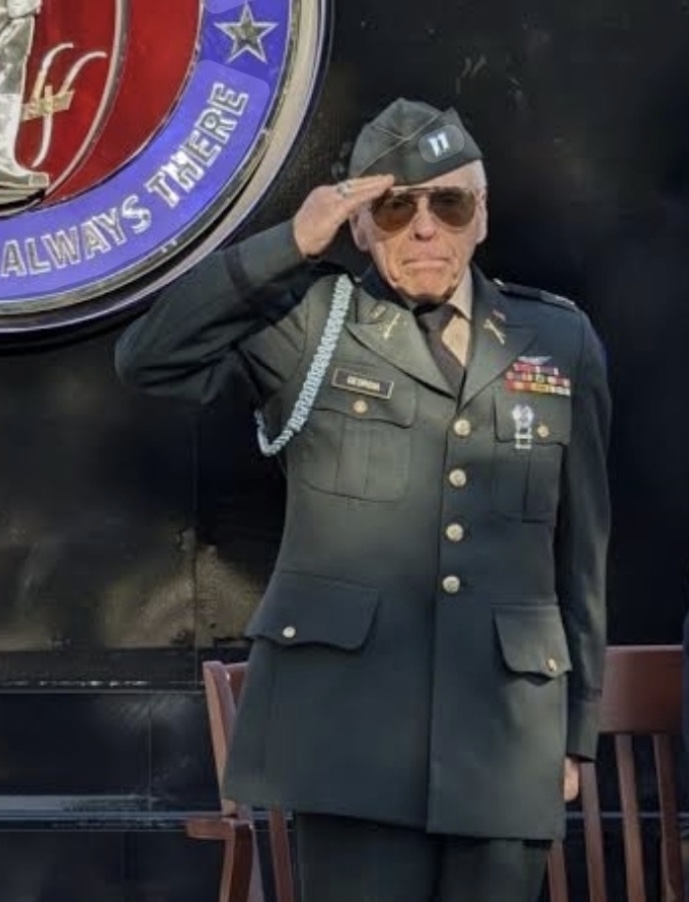
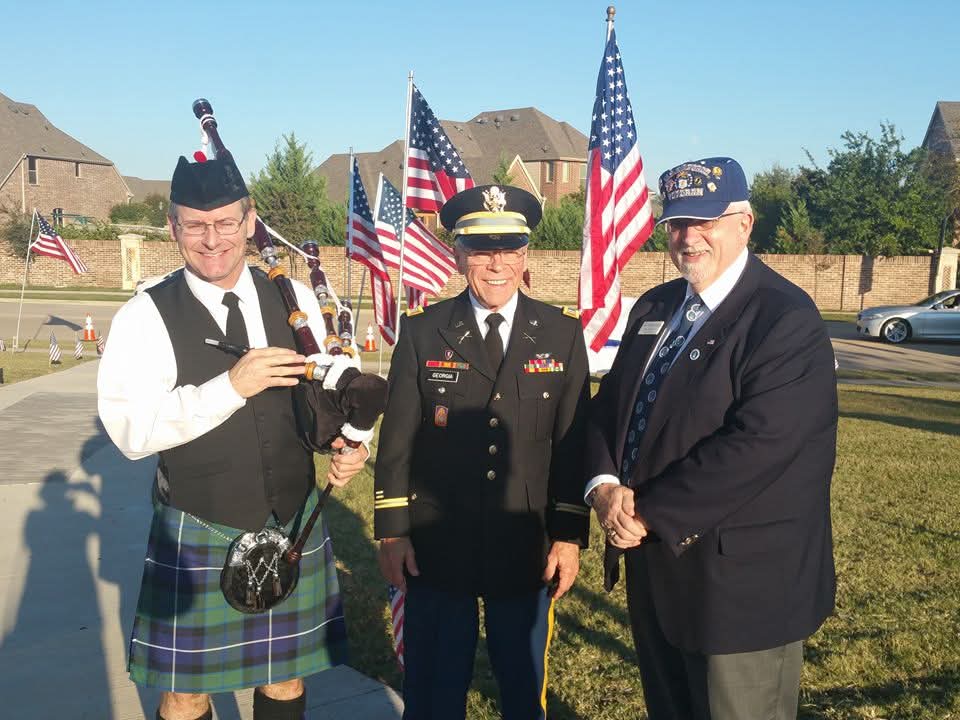
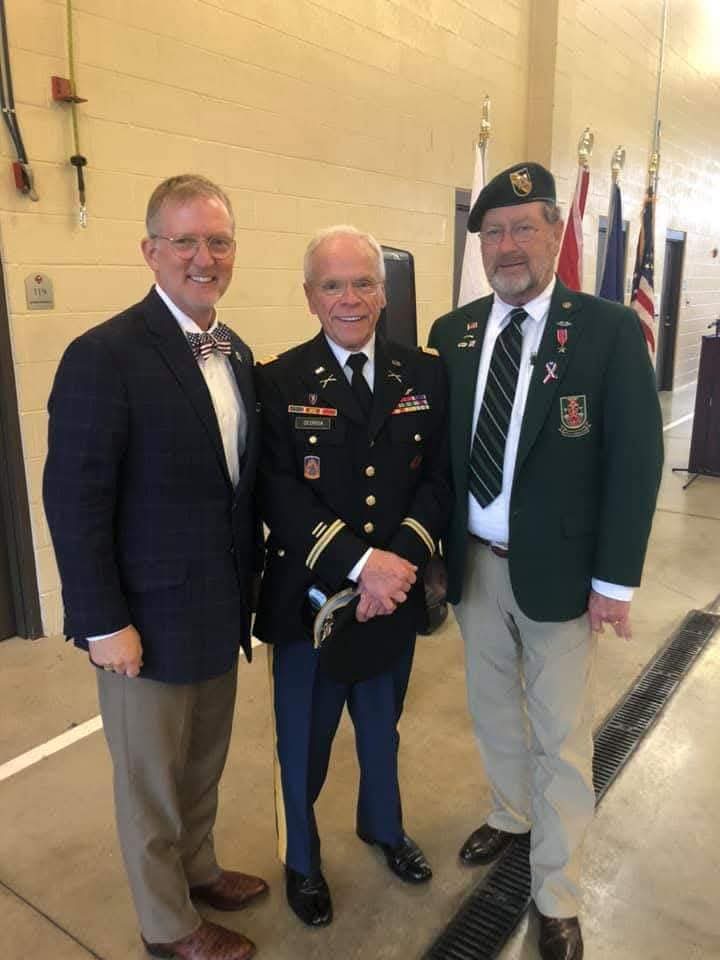
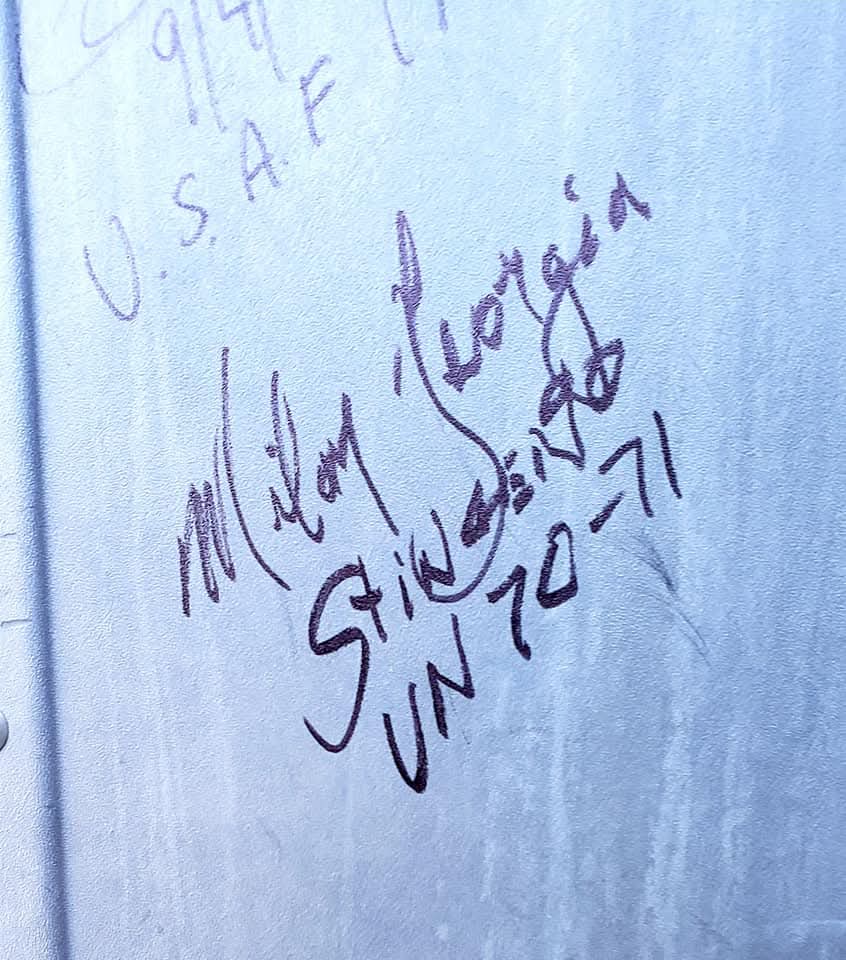
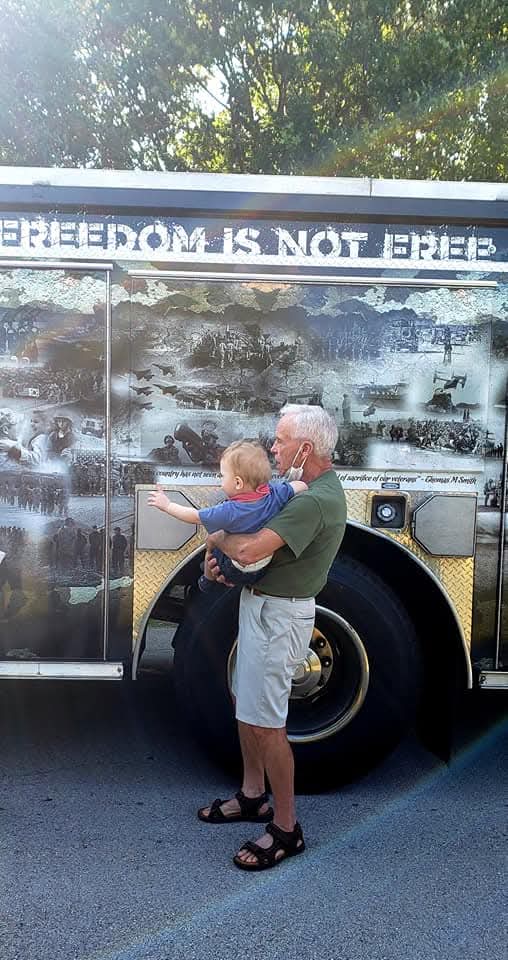

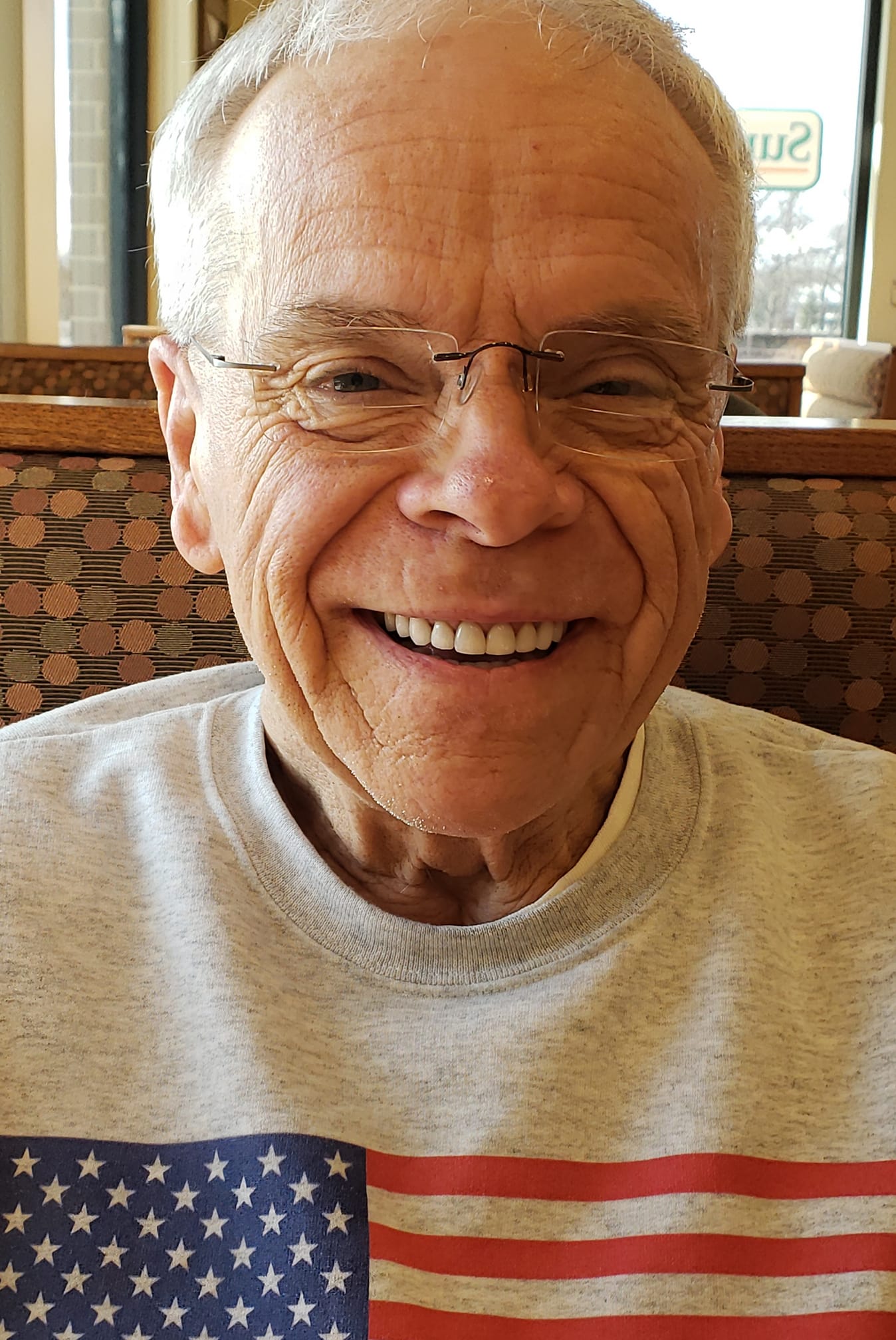
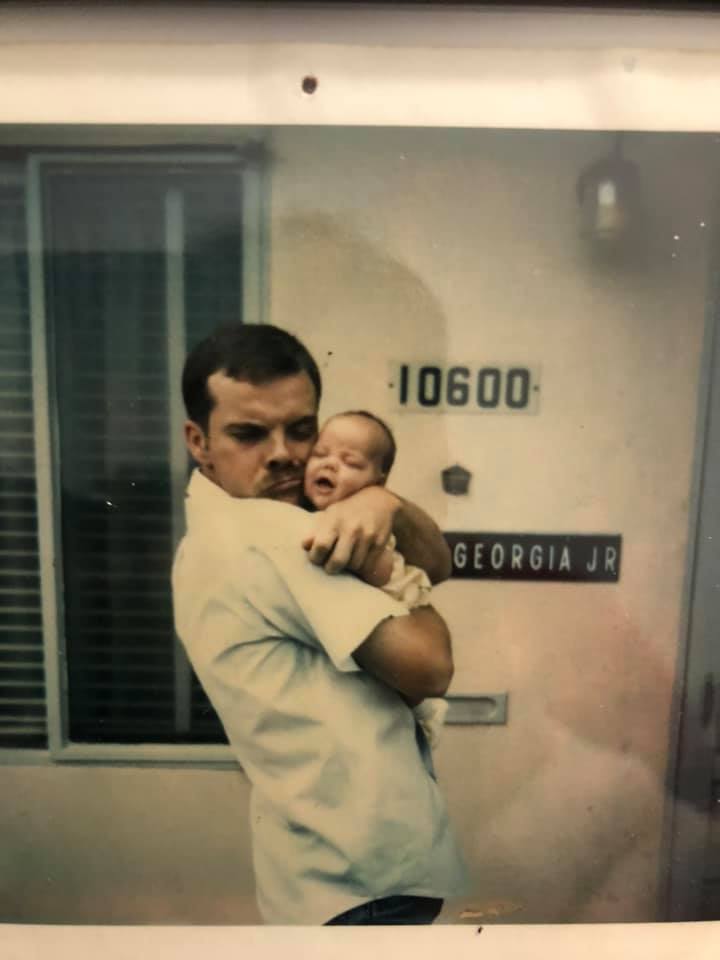
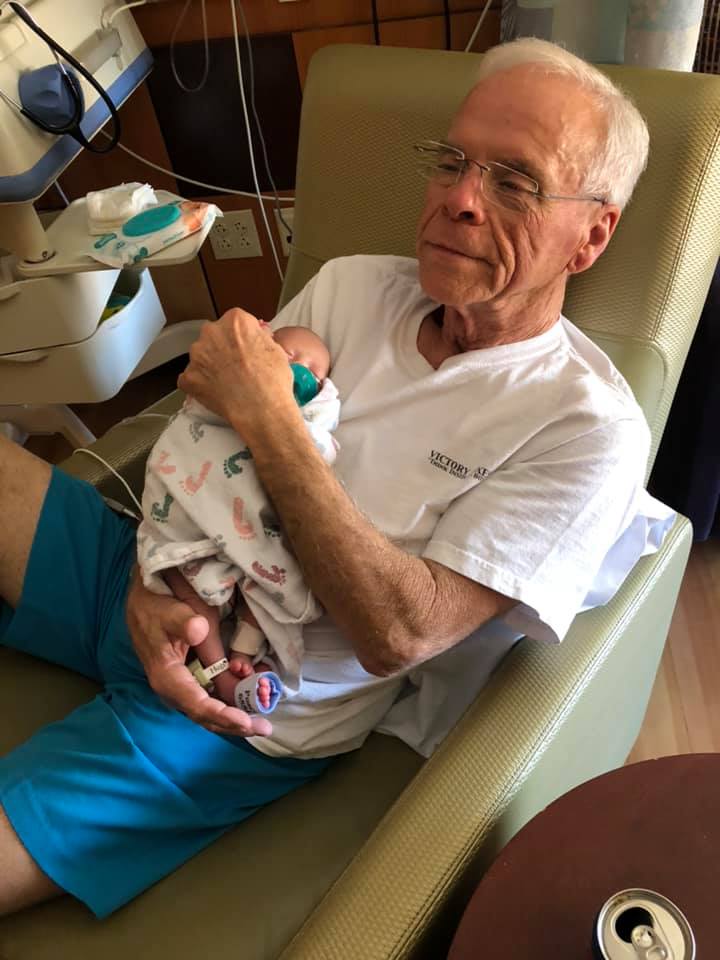
“We want the community to remember the sacrifices that were made for our freedoms.”— Capt. Milan Georgia
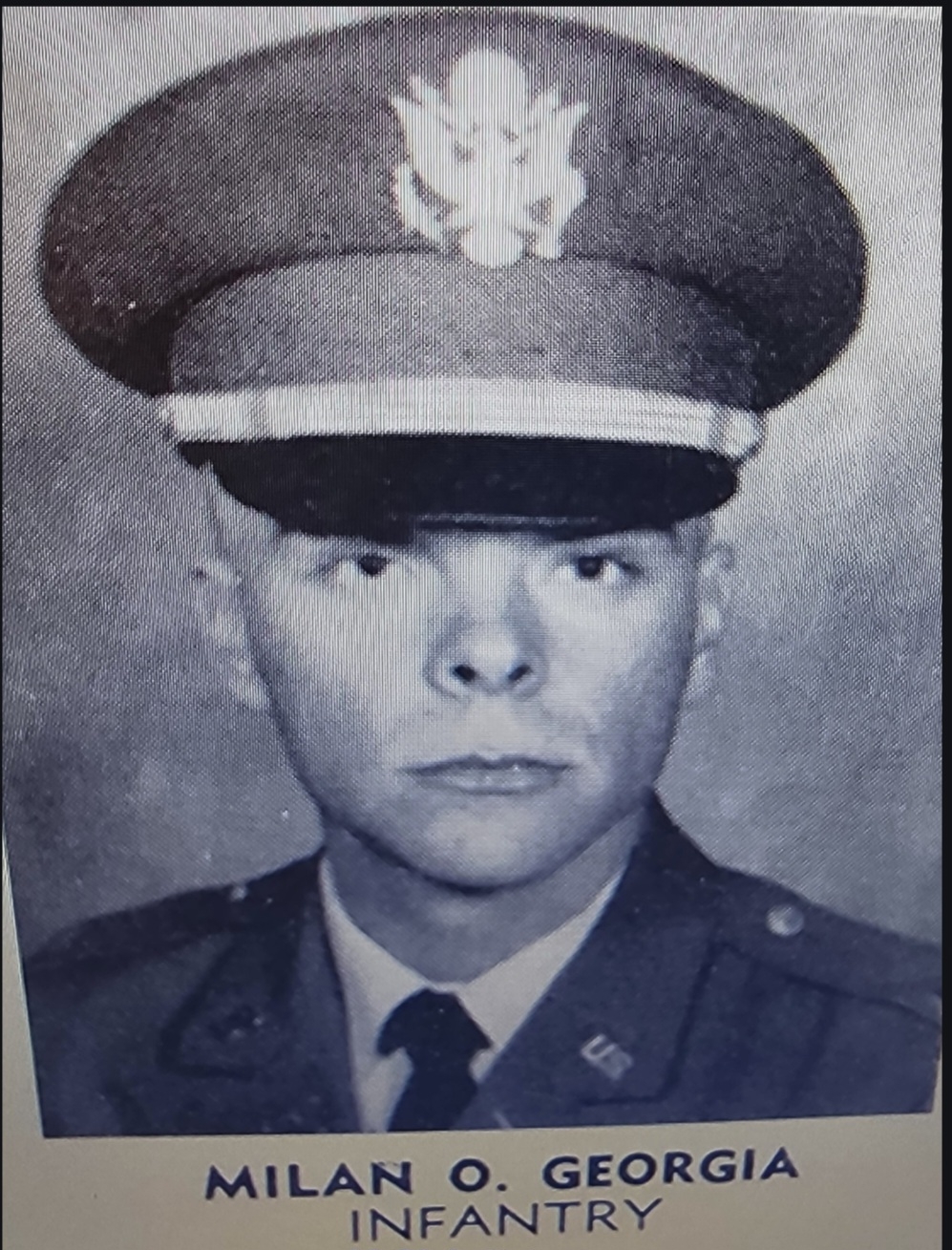
Milan O. Georgia, Jr. was drafted into the United States Army on February 7th, 1968, through his Local Draft Board No. 3, based In Wilmington, Delaware 19701. He had received a letter from then President Lyndon Baines Johnson. His actual induction was completed in Philadelphia, Pennsylvania’s Induction Center.
Upon completion of the induction process he was immediately sent, by Rail train, to Fayetteville, North Carolina. Once in Fayetteville, he was picked up by Bus and checked into the Ft. Bragg, Basic Infantry Training Center and Special Forces Training Base, Home Station of the 82nd Airborne.
After Completion of Basic Infantry Training, he was transferred to Ft. Gordon, Georgia in Augusta, Georgia, to enter Advanced Individual Training (A.I.T.) in the U.S. Army Southeastern Signal School for a Communications Center Specialist Course. Upon Completion of the course, he was promoted to the rank of Specialist Fourth Class and given the designation or Military Occupational Specialty of 72B20.
After completion of his A.I.T. training he elected to interview for Officer Candidate School (O.C.S.). He had already pre-qualified through the “battery testing” done in Fayetteville, North Carolina, however wanted to explore the possibility of Communications Specialist as his military occupation.
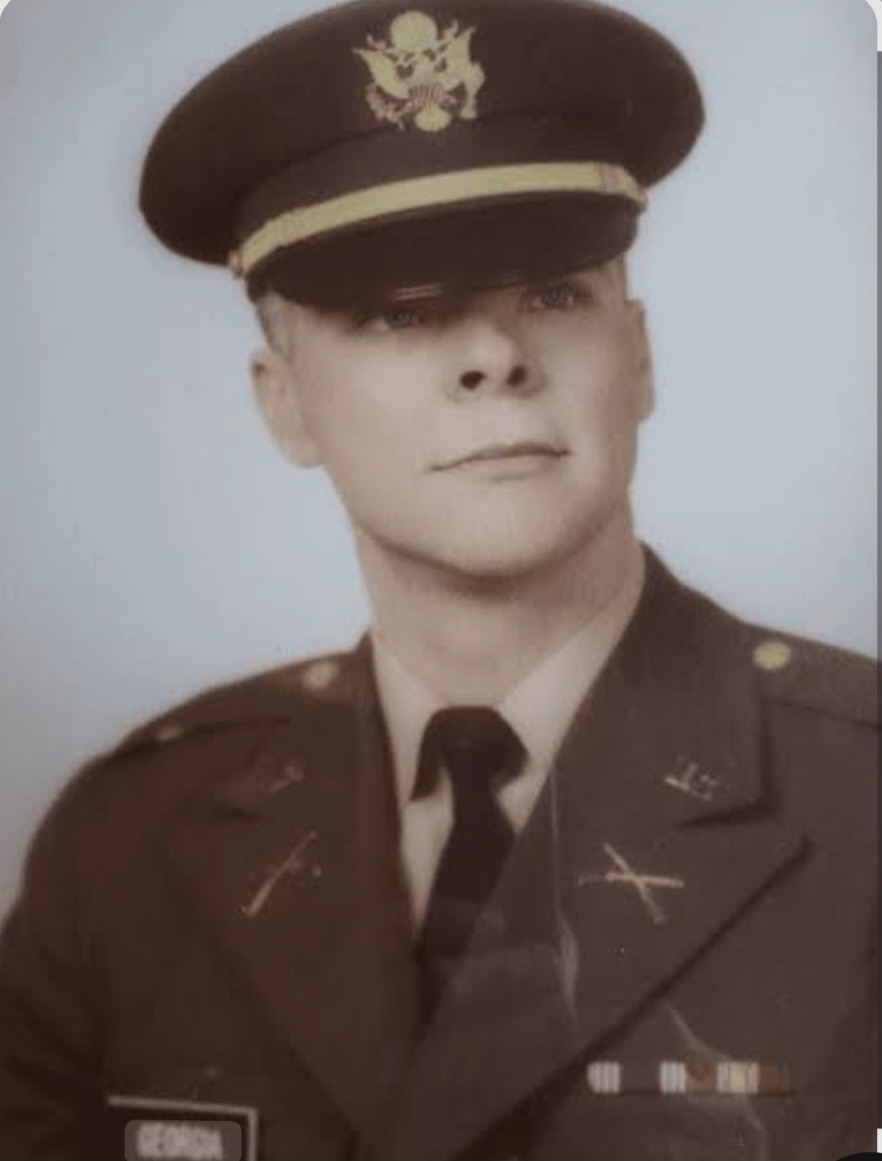
Not satisfied with the course in Signal School, Milan opted for O.C.S. with the promise of selection of Helicopter Flight School upon completion of the Course. Once being accepted to Officer Training at Ft. Benning, Georgia in Columbus Georgia, Home of the Infantry School and Ranger Training Headquarters. Milan completed the 7 month course on February 15th, 1969 and was commissioned as a Second Lieutenant in the Infantry Branch. His school selection was granted for Helicopter Flight School.
First assignment was a temporary assignment as a Training Officer, to Ft. Polk, Louisiana. Ft. Polk’s Post Surgeon required all new training personnel to complete an Emergency Medical Procedures Course, for the safety of all Trainees (12-hour course), completed on March 12, 1969.
Milan received orders to report for the next United States Army Primary Helicopter School at Fort Wolters, Texas in Mineral Wells, Texas and completed the course October 10th, 1969. From there Milan proceeded to Fort Rucker, in Dothan, Alabama for the second half of Flight Training, graduating on February 25th, 1970. Orders for Viet Nam had not been generated at his graduation date, while awaiting orders he flew with the Flat-Iron Emergency Rescue Helicopter Unit, while awaiting orders.
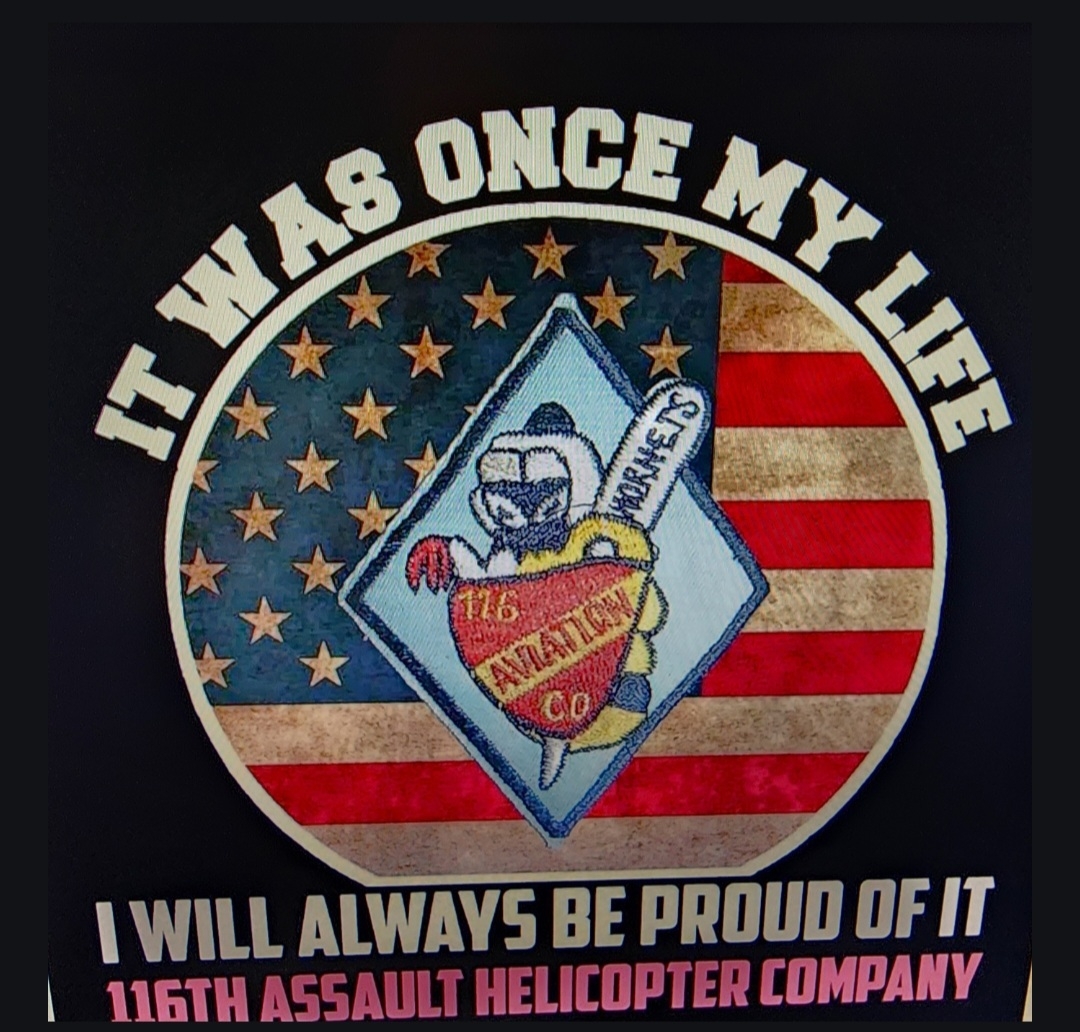
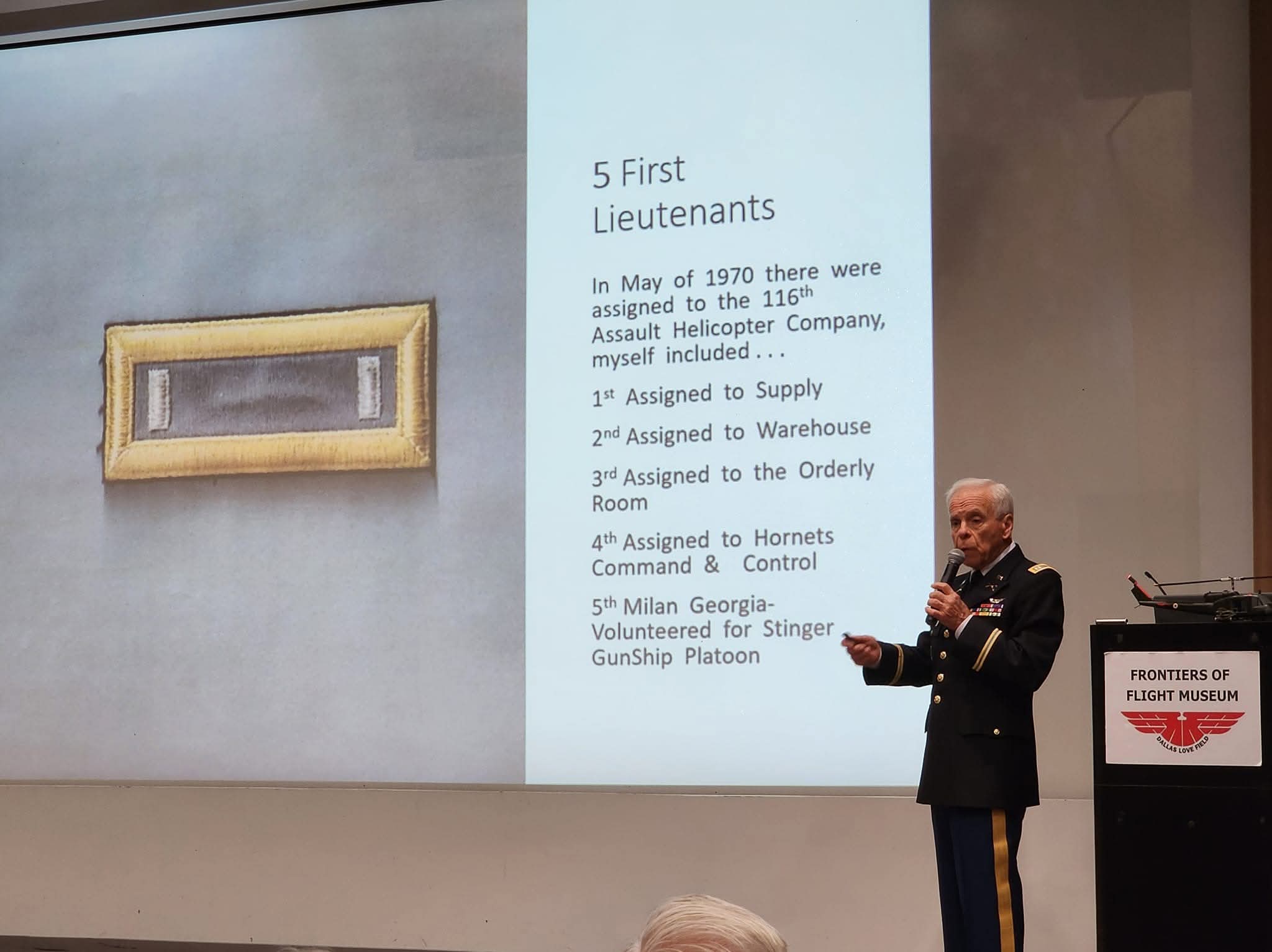
Upon receipt of orders to Viet Nam he proceeded to Ton San Nute airfield for unit assignment on May 4th, 1970, whereupon he was posted to the 116th Assault Helicopter Company.
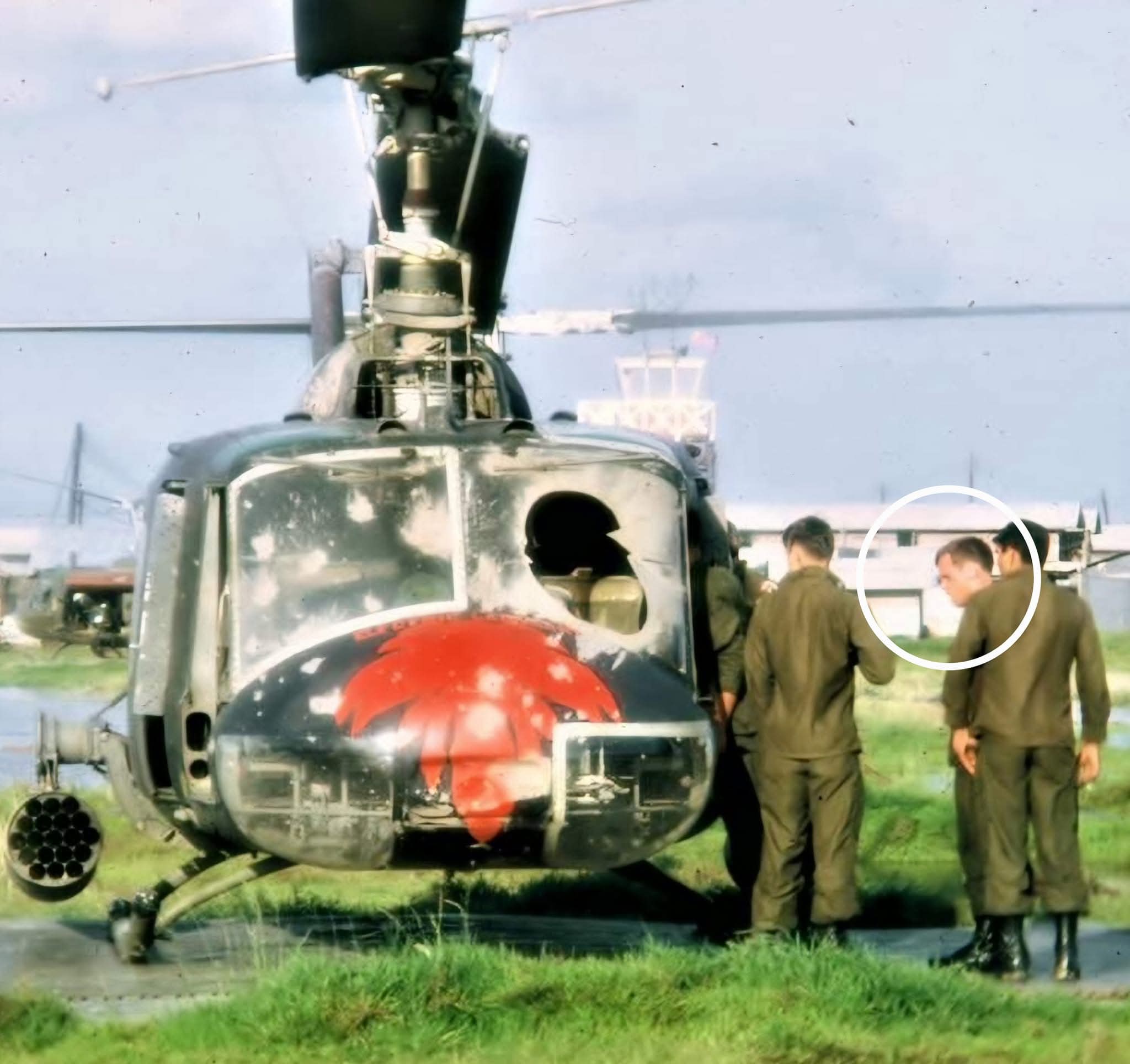
Milan arrived with 4 other 1st Lieutenants at the 116th Assault Helicopter Company and after the second day there, he had volunteered for the company’s Gun Ship Platoon. Whereupon he became the Platoon Leader (until he was processed out of country on May 4th, 1971) taking part in the Cambodian Insertion Operation while in Cu Chi, RVN. After the 116th was moved to Chu Lai he also participated in Lan Som 719 a.k.a. the Laosion insertions. He was sent to, attended and graduated from the Officers Armament Course, in Phu Loi, RVN on October 23rd, 1970.
In May of 1971 Captain Georgia, returned to stateside duty at Ft. Bliss, Texas in El Paso. He assumed the duties of Adjutant of the School Brigade from May until August of 1971, from August 1971 to March of 1972 . Georgia served as the Executive Officer of the Student Battalion of the School Brigade. The Battalion was made up of some 3000 men.
Captain Georgia then proceeded to Headquarters Command of Ft. Bliss to undertake festivities of Armed Forces Day for 1972. As project Officer, he was commended for establishing the highest attendance record for that Celebration, in the Post’s History.
Finally a Command position opened up with A Battery, Headquarters Command. As Commanding Officer responsible for some 350 men, their Unit’s Fund, Health Welfare and Well Being for their billeting and legal action of the battery.
In 1970, President Nixon sent me a letter saying I could not be an Officer in his Army, without a College Degree. Although taking night school classes at UTEP, that was not taken into consideration for retention. Released from the Army August 6th, 1973.
Extended Bio -Written by: Milan Georgia
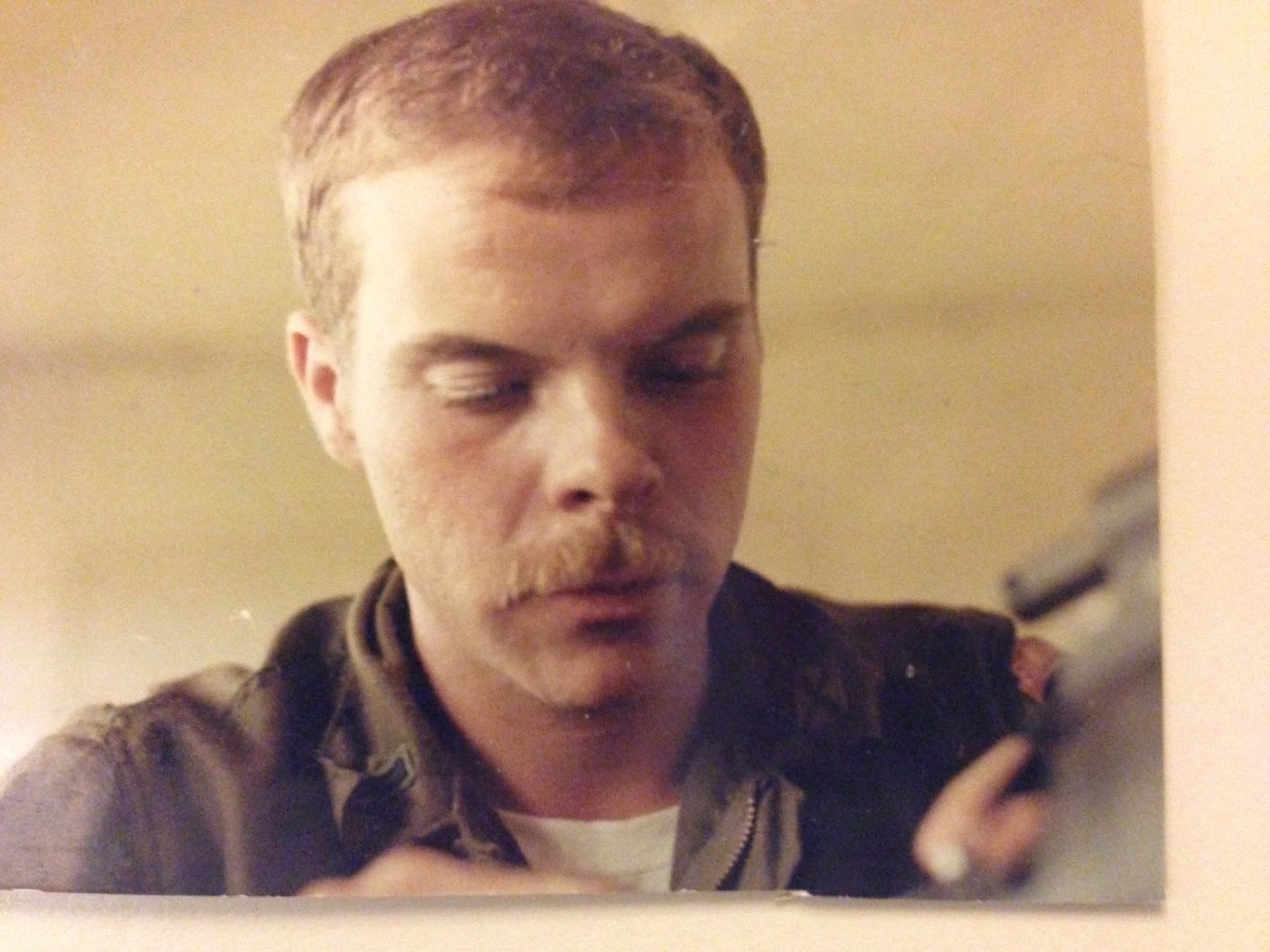
I graduated from high school in June 1966, and by November 1967, I had been drafted into the U.S. Army. My formal induction happened in February 1968, and from that point on, my life took a direction I never could have predicted.
Basic training was at Fort Bragg, North Carolina, followed by Advanced Individual Training (AIT) at Fort Gordon, Georgia. After that, I was accepted into Officer Candidate School (OCS) at Fort Benning, Georgia, and upon graduation, I was sent to helicopter flight school. That meant training at Fort Wolters, Texas, for primary flight instruction and then to Fort Rucker, Alabama, for instrument training. By the time all that was done, I was an officer and a pilot—just in time for Vietnam.
Into the Stingers
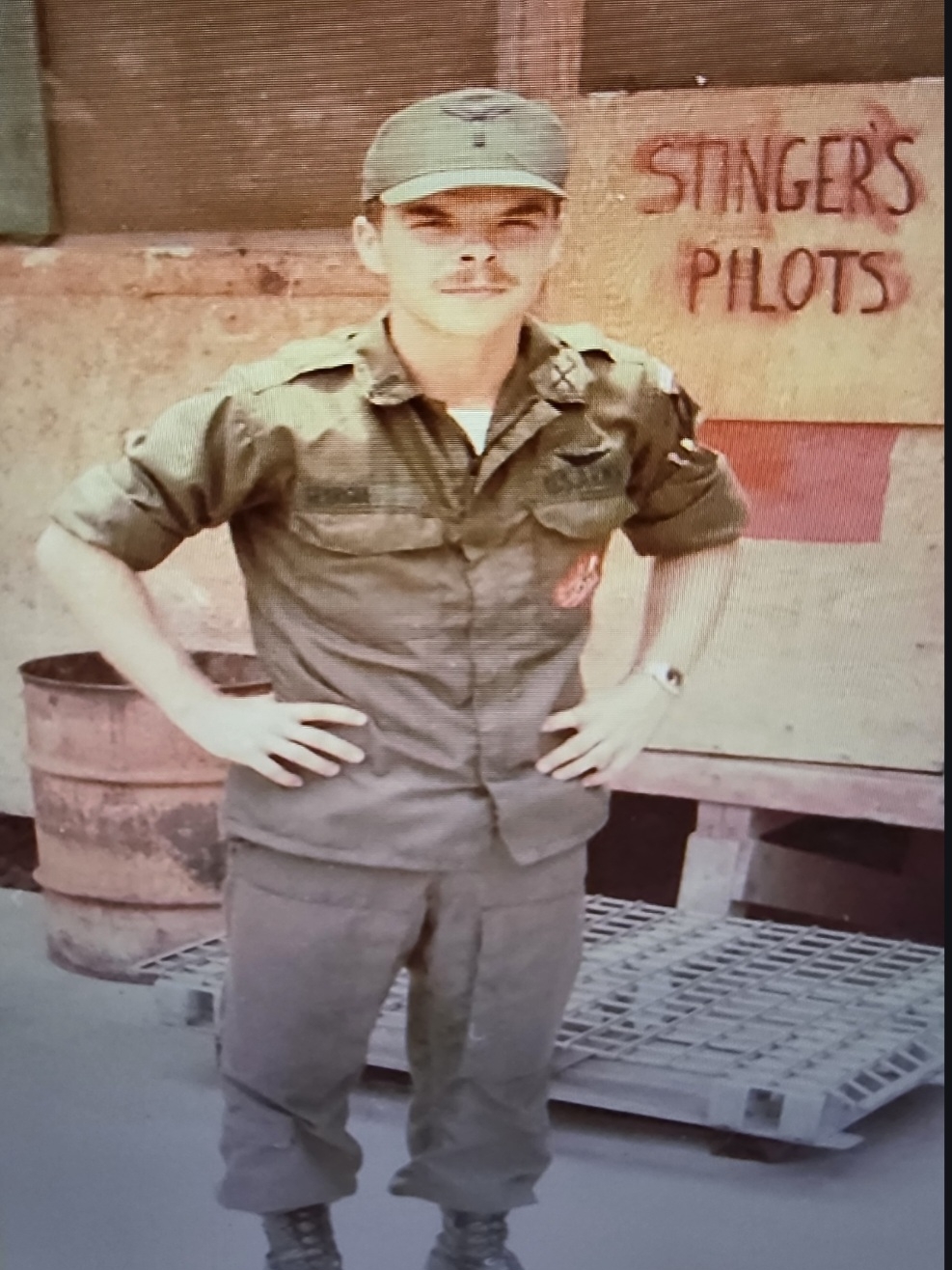
In May 1970, I arrived in Vietnam and was assigned to the 116th Assault Helicopter Company, stationed at Cu Chi. I was placed in the Stinger Gunship Platoon, which provided air support to ground forces. Our main job was to back up the 25th Infantry Division, the 11th Armored Cavalry, and the 4th Infantry Division (until they were sent home in June 1970). We also supported the Army of the Republic of Vietnam (ARVN) when needed. Basically, we were their Uber—just with a lot more firepower.
Two weeks into my assignment, I was made platoon leader. I had barely gotten used to flying gunships, and suddenly, I was in charge of some of the best pilots in our company. These guys had been flying combat missions for months, even years in some cases, and they knew what they were doing. Me? Not so much.
The previous platoon leader, a senior captain, had been reassigned to special duty with the 25th Infantry Division. That left me, a fresh lieutenant, in charge of an entire gunship platoon. The reality hit fast: I didn’t know much about leading combat aviators, and I knew even less about flying in real-world combat. My only option was to shut up, listen, learn fast, and do my best to make sure nobody got killed on my watch.
First Combat—A Harsh Lesson
One of my first missions was a Search and Destroy (S&D) operation with a pilot nicknamed “Nasty Al.” We spent hours circling a small rise near a landing zone (LZ) where the 25th Infantry Division had taken fire earlier. They’d lost a couple of men but couldn’t locate the enemy sniper.
At first, we saw nothing. Just a scraggly, dead tree at the top of the rise. We circled, hovered, flew out and back—still nothing. But just as we were about to call it off, a burst of AK-47 fire rattled our aircraft.
Our crew chief shouted, “Taking fire! They’re shooting up my bird!”
Nasty Al immediately banked away and climbed a little higher. Then he calmly said, “Bring me hot.”
That was my cue. I checked the circuit breakers, flipped the big silver switch forward, and armed the rocket pods. Two pairs of rockets fired straight into the tree—BOOM. A body tumbled out. It was a woman, an AK-47 still clutched in her hands.
I just sat there, stunned. It was the first time I had ever seen someone killed, and we had done it with 2.75-inch folding-fin aerial rockets—each carrying ten pounds of high-explosive warheads designed to tear through everything in their path.
She had been hiding up in that tree, waiting to pick off more American soldiers. If we hadn’t found her, she would have. That’s what I told myself. But that didn’t change the fact that we had just obliterated a person. It was my first hard lesson in war: the Army trains you how to kill, but it doesn’t teach you how to feel about it afterward.
Expanding the Fight
After a few months in Cu Chi, our unit was moved north to Chu Lai to support the America Division in preparation for their planned invasion of Laos. The mission, codenamed Lam Son 719, was meant to push the North Vietnamese Army (NVA) out of their sanctuaries in Laos.
Then, Congress stepped in and changed the rules. American forces were no longer allowed to invade any country outside of Vietnam. Instead, we were only authorized to insert and extract ARVN troops. We could drop them in and pick them up, but we weren’t allowed to fight alongside them. That restriction made an already dangerous mission even worse.
We flew into Cambodia, too, supporting U.S. and ARVN operations. The war had no borders, no clear lines, and no guarantees. Every mission was a gamble. Some guys made it home. Some didn’t.
Coming Home
I finished my tour in May 1971 and returned to the U.S., where I was assigned to Fort Bliss, Texas. I worked as an adjutant to the commanding officer in the School Brigade, and later, I had my own command at Battery A, Headquarters Command. But by 1973, President Nixon was pulling back troops through the Reduction in Force program, and I was one of those released early. My service officially ended in August 1973.
Looking back, my time in the Stinger Gunship Platoon shaped me in ways I couldn’t have imagined. The guys I flew with were some of the best helicopter pilots in the war, and I owe my survival to them. I only wish all of them had made it back home.
Some people call Vietnam a “conflict” or a “police action.” Those of us who were there know better.
It was a war. A brutal, no-holds-barred war that took more than 58,000 of the best people of my generation.
We were the sons and daughters of the Greatest Generation, and we wanted to win.
A select few of us were Stingers.
Supplemental Information
The War Inside the Cockpit
The sensory world of a Vietnam gunship began in the stillness before liftoff, when the aircraft sat in its revetment like a dormant creature waiting to be awakened. The Bell UH One C Huey gunship did not simply start. It built itself from vibration. The turbine’s rising whine layered itself into the heavy pulse of the rotor blades until the cockpit became a chamber of motion. The seat frame hummed against the spine. The cyclic carried a faint tremor that traveled into the wrist. The pedals pressed back with a firmness that reminded the pilot that the aircraft was alive and responsive.
The smell inside the cockpit was a mixture that every gunship pilot could identify instantly. JP Four fuel drifted through the open doors. Hydraulic fluid carried a sharp, chemical scent. Hot metal radiated its own warmth. Dust clung to boots and flight suits, leaving a faint earthy smell that mixed with the metallic tang of spent shell casings that never fully left the floor. The canvas straps of the seat harness held the scent of sweat and sun, a reminder of the hours spent in the air.
Heat shaped the body’s awareness. It gathered beneath the helmet, soaked into the collar, and pooled behind the knees. Even at altitude, the heat never fully released its grip. The Plexiglas canopy magnified the sun, turning the cockpit into a warm chamber where the air felt thick enough to touch. Sweat traced slow paths down the temples, collected at the jawline, and disappeared into the fabric of the flight suit. The skin beneath the gloves grew damp, making the controls feel slightly slick.
When monsoon storms arrived, they did so with a force that felt almost physical. Rain hammered the windshield in sheets, each impact a sharp tap that merged into a steady roar. The rotor wash threw water sideways in spirals. The aircraft shuddered as wind currents pushed against the rotor disc, creating a subtle tilt that the pilot corrected without conscious thought. The smell of rain mixed with the scent of jungle moisture rising from the canopy below, a deep, earthy aroma that carried the weight of the terrain.
The jungle itself was a sensory presence. At treetop height, the canopy became a moving river of deep green, broken by sudden flashes of brown earth, narrow footpaths, and the dark openings of tree lines where danger often waited. The rotor wash sent leaves spinning upward in small whirlwinds. The air carried the smell of wet vegetation, smoke from distant fires, and the faint sweetness of crushed foliage rising from the ground. When the aircraft banked, the horizon tilted, revealing glimpses of rice paddies, river bends, and the shadowed corridors where enemy forces moved unseen.
Enemy fire had a sound that every pilot learned to recognize instantly. AK Forty Seven rounds snapped sharply against the fuselage, a metallic crack that cut through engine noise and radio chatter. The aircraft seemed to tense, as if reacting to the impact. Tracer rounds glowed red as they passed beneath the skids or arced upward toward the aircraft. The first burst always felt louder than it should have, as if the air itself recoiled. Pilots learned to read the direction of incoming fire by the angle of vibration, by the way the aircraft shifted under stress, and by instinct sharpened through repeated exposure.
Rocket runs carried their own sensory signature. The nose dipped slightly. The engine pitch changed. The pilot felt the aircraft lighten as rockets left the pods, each launch sending a faint vibration through the airframe. The smell of cordite drifted into the cockpit, mixing with the scent of burned vegetation rising from the tree line below. The slipstream carried fragments of smoke past the doors, leaving a faint haze that clung to the edges of the canopy.
Inside the cockpit, the sensory load intensified. The cyclic trembled under the pilot’s hand. The pedals pressed back against his boots. The engine’s pitch shifted with every maneuver, rising and falling like a living thing responding to stress. The instrument panel glowed with muted intensity, each gauge a reminder that mechanical failure could be as deadly as enemy fire. The radio carried clipped voices, coordinates, warnings, and requests for support. The door gunner’s M Sixty rattled in short bursts, sending vibrations through the airframe. The smell of hot metal and gunpowder drifted inward, carried by the slipstream.
The body responded to stress in ways that became familiar. The heart rate rose but stayed controlled. The breath shortened for a moment, then steadied. The muscles in the forearms tightened slightly, then relaxed. The eyes scanned the horizon, the tree lines, the instrument panel, and the sky in a constant rhythm. The ears filtered sound automatically, separating engine pitch from radio chatter, rotor thump from incoming fire.
Composure became a physical discipline. Captain Milan Georgia learned that the body had to remain steady even when the world outside the canopy erupted in chaos. The hands could not tighten on the controls. The breath could not shorten. The mind could not rush ahead of the aircraft. Every movement mattered. Every decision carried consequences measured in seconds. The cockpit demanded presence, clarity, and a calm that had nothing to do with emotion and everything to do with survival.
Trust formed the deepest sensory layer of all. Crew chiefs listened for subtle changes in rotor tone that signaled strain. Door gunners scanned the tree lines with eyes sharpened by experience, their hands steady on the weapon. Pilots communicated with gestures as much as words, knowing that clarity meant life. This trust was not dramatic. It was quiet, constant, and absolute. It formed through shared danger, through missions flown in darkness, through landings made under fire, and through the knowledge that each man carried the lives of others in his hands.
The human engine of the Stingers was built from this bond. It was the willingness to launch again and again into the same unforgiving air, knowing that the sky held both purpose and peril. It was the shared understanding that courage was expressed not through bravado but through steadiness, discipline, and the refusal to let fear dictate action. In that unity, the men of the One Hundred Sixteenth found a strength that enemy fire could not break, a resilience that outlasted the war, and a legacy that continues to honor the character of those who flew into danger so others might live.
Vietnam War Service, 1970 to 1971
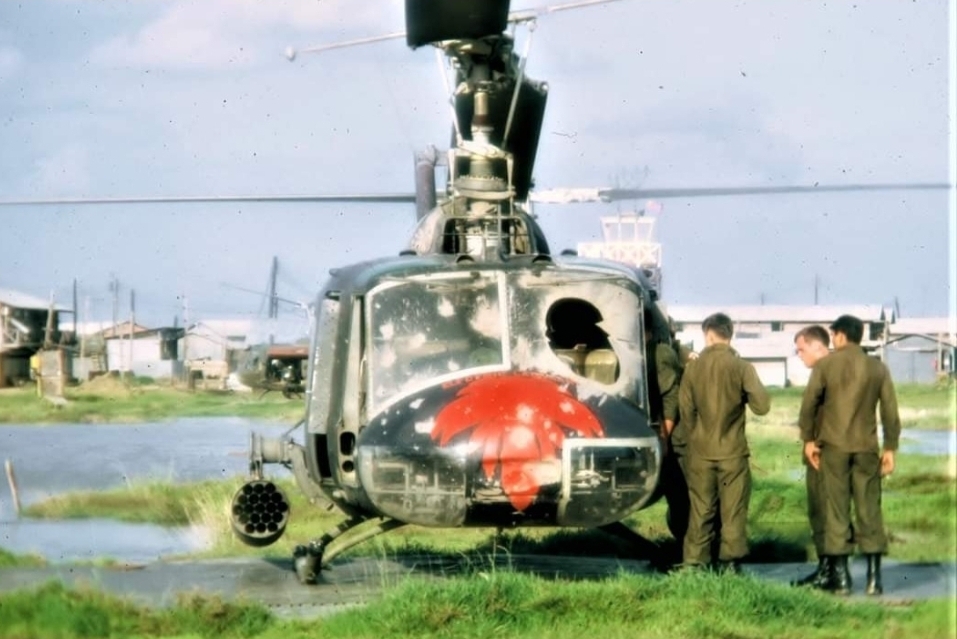
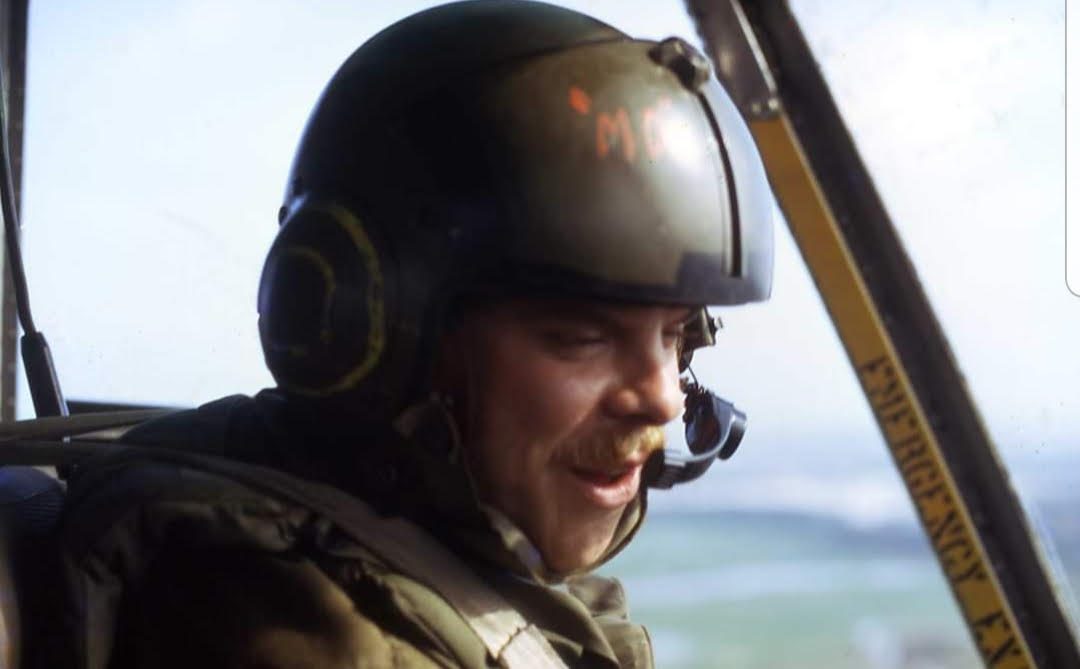
Georgia arrived in Vietnam in May 1970 and was assigned to the 116th Assault Helicopter Company at Cu Chi. Within days he was placed in the Stinger Gunship Platoon, flying Bell UH‑1C Huey gunships during one of the most demanding phases of the air war. His rise to Platoon Leader came in only two weeks, an unusually rapid promotion that reflected both his aptitude and the urgent operational tempo of the period. The Stingers flew armed escort, close air support, landing zone suppression, search and destroy missions, and emergency fire support for units that depended on immediate and accurate aerial firepower. Georgia’s gunship supported the Twenty Fifth Infantry Division, the Eleventh Armored Cavalry Regiment, the Fourth Infantry Division, and multiple ARVN formations. His platoon operated across Vietnam, Cambodia, and Laos, including the high‑risk environment of Lam Son Seven Nineteen, where gunship crews faced intense enemy fire and unforgiving terrain.
Combat Role and Responsibilities
The Stinger Platoon’s mission demanded precision, endurance, and courage. Georgia flew escort for troop carriers, suppressed landing zones under fire, and delivered emergency support to American and ARVN soldiers pinned down on the ground. Search and destroy operations placed his aircraft at the leading edge of contact, often requiring rapid identification of hostile positions and immediate engagement. As Platoon Leader he carried the responsibility of guiding experienced pilots while still new to combat himself, a burden made heavier by the pace of operations in 1970 and 1971. Gunship crews absorbed heavy enemy fire, often flying multiple missions in a single day, and Georgia’s leadership shaped the performance and safety of the men who flew under him.
First Combat Engagement
In his own recollection, Georgia described his first combat action during a search and destroy mission flown with a pilot known as Nasty Al. They were hunting a sniper who had already killed American soldiers. When their aircraft took AK‑47 fire, Georgia armed the rocket pods and fired into the suspected position. It was the moment he crossed from training into the reality of combat, a transition marked by the immediacy of danger and the knowledge that his actions carried life‑or‑death consequences for the men on the ground.
The Sky That Carried Men Out of Fire
The Stingers flew in an environment defined by heavy enemy fire and constant risk. Gunship missions required low‑level flight, rapid maneuvering, and the ability to deliver ordnance with accuracy while under pressure. Georgia’s experience reflects the intensity of helicopter warfare in Vietnam, where crews balanced aggression with discipline and where every mission demanded full concentration. Leading seasoned pilots while still learning the rhythms of combat added a layer of complexity that shaped his understanding of responsibility, trust, and the weight of command.
Night missions along the border began with a change in the air that every pilot recognized. As the sun dropped behind the canopy, the temperature eased but the humidity rose, settling on the skin in a cool film that made the flight suit cling to the arms. The jungle released the heat it had stored throughout the day, sending up a faint mist that hovered above the treetops. The scent of wet bark and river mud drifted upward, carried by currents that moved slowly through the valleys.
The sky darkened in layers rather than all at once. First the blue deepened, then the horizon lost its shape, and finally the canopy merged into a single mass of shadow. Clouds formed low and heavy, their undersides reflecting the faint glow of distant lightning. Pilots felt the pressure change before they saw the clouds, a subtle tightening in the air that made the rotor blades sound slightly deeper with each rotation.
Border terrain created its own sensory signature. The forest grew denser near Cambodia and Laos, its surface broken by ravines, narrow ridges, and riverbeds that produced sudden drops in altitude. The aircraft moved through pockets of still air where the smell of stagnant water rose sharply, followed by stretches where the wind carried the scent of distant cooking fires. The canopy shifted in texture as the aircraft crossed invisible boundaries, becoming rougher, darker, and more uneven.
Low ceilings forced the aircraft into the narrow space between cloud and treetop. Moisture collected on the Plexiglas in fine droplets that blurred the edges of the instrument reflections. The slipstream carried cool air into the cockpit, brushing against the face and leaving a faint chill along the jawline. The cyclic transmitted every contour of the terrain through the pilot’s hand, each rise and fall of the canopy creating a subtle change in resistance.
Enemy fire under these conditions arrived without warning. The first indication was often a brief flash beneath the trees, followed by the sharp metallic crack of rounds striking the fuselage. Tracers cut upward through the mist, their glow intensified by the moisture in the air. The aircraft absorbed each impact with a vibration that traveled through the seat frame into the spine. The smell of burned powder drifted inward after the door gunner returned fire, mixing with the scent of wet vegetation.
Monsoon rain transformed the sky into a moving wall of water. Sheets of rain struck the windshield with a force that made the glass tremble. The rotor wash threw water outward in spirals that caught the faint glow of cockpit lights, creating brief arcs of silver that vanished into the darkness. The air grew colder, carrying the scent of saturated soil rising from the ground. Mud splashed upward as the aircraft descended, coating the skids and leaving streaks along the cabin floor.
Hot landing zones under monsoon conditions were sensory overload. Smoke from marking rounds mixed with rain, forming a drifting haze that obscured the edges of the clearing. The ground churned beneath the rotor wash, turning grass and soil into a thick slurry that clung to boots and equipment. The smell of charred foliage rose sharply where rockets had struck moments earlier. Voices on the ground sounded muted through the rain, their urgency carried more by tone than volume.
The wounded introduced a sensory shift that changed the entire cabin. Their presence brought the smell of blood, sweat, and earth into the aircraft, a combination that pilots remembered decades later. Medics worked quickly, their hands moving with practiced precision despite the vibration of the deck. The sound of labored breathing mixed with the engine’s steady rhythm. The litters creaked softly as the aircraft lifted, their canvas straps damp from rain and stained by soil.
As the aircraft climbed away from the landing zone, the wounded became part of the aircraft’s weight. Their bodies shifted with each turn, creating subtle changes in balance that the pilot corrected instinctively. The smell of antiseptic from medic kits mingled with the scent of hydraulic fluid and wet flight suits. The slipstream carried cool air into the cabin, brushing across faces and leaving a faint chill on the skin.
The flight to the aid station carried its own sensory rhythm. The engine tone steadied as the aircraft reached cruising altitude. Rain softened into mist. The vibration of the Huey traveled through the litters, creating a gentle tremor that moved through the bodies of the wounded. The jungle below appeared as a dark, rippling surface broken only by the faint glow of river bends. The radio carried calm, measured voices now, each transmission focused on coordinates and timing.
When the aircraft touched down, the world shifted again. The vibration faded. The rotor blades slowed until their thump dissolved into the night air. Medics moved with quiet urgency, their boots splashing through puddles as they carried the wounded toward the aid station. The smell of blood lingered faintly in the cabin, mixing with the scent of rain-soaked earth rising from the pad.
The pilot remained seated for a moment, letting the stillness settle. The flight suit felt heavy with moisture. The helmet carried the scent of sweat and rain. The air outside was cool and quiet, broken only by distant thunder. The human engine of the Stingers held steady in that silence, shaped by the knowledge that each man had carried others through danger and delivered them to safety.
Did Captain Milan Georgia Serve in Areas Sprayed With Agent Orange?
Yes. Every major region where Captain Milan Georgia flew UH‑1C gunship missions in 1970 and 1971 was a confirmed herbicide‑affected zone during the Vietnam War. His operational footprint places him squarely within the geographic and temporal boundaries of documented Agent Orange use.
III Corps: Cu Chi and the 25th Infantry Division Area of Operations
Cu Chi sits inside one of the most heavily defoliated regions in South Vietnam. Between 1966 and 1970, the U.S. Air Force conducted repeated herbicide missions across the Iron Triangle, the Ho Bo Woods, the Filhol Plantation, and the infiltration corridors surrounding the 25th Infantry Division. These spray runs continued into the early months of 1970, directly overlapping the period when Captain Georgia arrived and began flying gunship missions from Cu Chi.
Cambodian Border Operations, 1970
When the 116th AHC pushed into border operations during the Cambodian campaign, they entered terrain repeatedly targeted for defoliation. Herbicide missions along infiltration routes west of Tay Ninh, north of Go Dau Ha, and across the Parrot’s Beak and Fishhook regions were conducted to expose enemy movement and disrupt supply corridors. Gunship crews flying low‑altitude escort and fire support missions routinely passed over recently treated vegetation, disturbed soil, and dust lifted by rotor wash.
Laos: Operation Lam Son 719, 1971
The Laotian panhandle, particularly the Ho Chi Minh Trail complex, was a documented herbicide zone earlier in the war. Although large‑scale spraying in Laos decreased after 1969, the residual contamination remained in soil, vegetation, and waterways. During Lam Son 719, gunship crews flew at treetop height over terrain previously treated with herbicides, including Agent Orange, Agent White, and Agent Blue. The combination of low‑level flight, heavy rotor wash, and repeated exposure to disturbed ground increased the likelihood of contact with lingering contaminants.
Aviation‑Specific Exposure Factors
Helicopter crews faced unique risks that ground units did not. These factors are historically documented:
- Low‑altitude flight over treated vegetation.
- Hover operations that pulled soil, dust, and plant matter into the cabin.
- Rotor wash that lifted contaminated particles into the air.
- Repeated landings in areas where herbicides had settled into the soil.
- Open‑door flight that increased inhalation and skin contact exposure.
These conditions placed gunship pilots and crew chiefs among the highest‑risk aviation personnel for herbicide contact.
Captain Milan Georgia’s service locations, mission profiles, and deployment dates align directly with areas and periods of confirmed Agent Orange use. His operational environment — Cu Chi, Cambodian border corridors, and the Laotian panhandle during Lam Son 719 — places him firmly within the historical footprint of herbicide exposure.
Agent Orange: What It Was and Where Captain Georgia Served
What Was Agent Orange
Agent Orange was a military herbicide used by the United States during the Vietnam War to remove jungle cover, expose enemy movement, and disrupt food supplies that supported North Vietnamese and Viet Cong forces. It was deployed from 1962 through 1971, directly overlapping Captain Milan Georgia’s combat service. Spray missions were carried out by fixed‑wing aircraft, helicopters, riverine units, and ground teams, often depositing concentrations far stronger than any civilian agricultural application.
Its danger came from a contaminant formed during production: TCDD dioxin. This compound is one of the most toxic and persistent chemicals ever introduced into the environment. It binds tightly to soil, accumulates in vegetation and wildlife, and remains in human tissue for decades. Scientific and medical studies have linked TCDD exposure to cancers, immune dysfunction, endocrine disruption, neurological injury, and long‑term reproductive and developmental harm.
For aviators, the threat was invisible. It carried no scent, no color, and no immediate symptoms. Crews flew through treated areas without knowing the risk. Helicopters hovered, landed, and maneuvered in terrain where herbicides had settled into soil and vegetation. Open‑door flight, low altitude, and heavy rotor wash increased the likelihood of inhalation and skin contact. For many veterans, Agent Orange became a hazard recognized only years later, when its effects emerged in their medical histories.
Geographic Exposure: Vietnam, Cambodia, and Laos
Vietnam (III Corps – Cu Chi, 25th Infantry Division Area of Operations)
Captain Milan Georgia’s service in III Corps placed him directly within one of the most heavily defoliated regions of South Vietnam. The 25th Infantry Division’s operational environment, including Cu Chi, was a focal point of sustained herbicide missions due to dense vegetation, entrenched tunnel systems, and continuous enemy activity. Spray records confirm repeated Agent Orange applications across the Iron Triangle, Ho Bo Woods, and surrounding infiltration corridors. Aircrews flying from Cu Chi routinely operated at low altitude over terrain that had been treated, disturbed, or still carried residual contamination.
Cambodia (1970)
During the Cambodian campaign, herbicide exposure risk extended beyond the Vietnamese border. By 1970, defoliation efforts had been directed toward infiltration routes and staging areas used by NVA and Viet Cong forces. These corridors—concealed, strategically vital, and heavily trafficked—were subjected to multiple herbicide missions intended to expose movement and disrupt supply lines. Captain Georgia’s escort and fire support missions placed him directly over these same border zones, where recently treated vegetation, dust, and soil were lifted into the air by rotor wash.
Laos (1971 – Operation Lam Son 719)
Operation Lam Son 719 carried aviators into the Laotian panhandle, an area historically targeted for herbicide operations earlier in the war. The Ho Chi Minh Trail complex, with its interlocking supply routes and concealed logistics hubs, had been treated with Agent Orange, Agent White, and Agent Blue during the mid‑to‑late 1960s. Although large‑scale spraying decreased after 1969, residual contamination remained in soil, foliage, and waterways. Gunship crews supporting Lam Son 719 flew at treetop height through terrain shaped by prior herbicide use, with low‑level flight and heavy rotor wash increasing the likelihood of contact with lingering contaminants.
The Aviation Conditions That Intensified Agent Orange Exposure
Helicopter crews encountered herbicides in ways fundamentally different from ground forces. Their mission profile placed them directly within the environmental conditions where Agent Orange settled, dispersed, and lingered. Army aviation studies and postwar medical analyses consistently identify rotary‑wing aircrews as among the most vulnerable personnel for herbicide contact.
Low‑altitude flight brought aircraft into the exact airspace where herbicides were released and where residue remained suspended above treated vegetation. Gunships and lift ships often flew only a few dozen feet above the canopy, passing through air that still carried droplets, dust, and plant particles disturbed by earlier spray missions.
Hover operations intensified exposure. When a helicopter held position over a landing zone or extraction point, the rotor system pulled soil, leaves, and debris upward in a tight column that entered the cabin through open doors. Any herbicide residue on the ground or vegetation became airborne again, drawn directly into the breathing space of pilots and crew chiefs.
Rotor wash created its own hazard. The downward force of the blades struck the ground with enough power to lift contaminated dust and plant matter into swirling clouds around the aircraft. These particles adhered to skin, uniforms, equipment, and the interior surfaces of the cabin.
Open‑door flight increased inhalation and skin contact. Unlike fixed‑wing aircraft, UH‑1 crews operated with doors open for visibility, weapons employment, and rapid loading. This exposed them continuously to the air moving through the cabin, carrying whatever contaminants were present in the environment below.
Frequent landings in treated areas added another layer of risk. Helicopters touched down on soil where herbicides had settled, on vegetation that had absorbed TCDD, and on clearings created by defoliation. Each landing stirred the ground, releasing particles that clung to boots, clothing, and gear.
These operational realities placed gunship pilots, crew chiefs, and door gunners among the highest‑risk aviation personnel for herbicide exposure. Their missions brought them into direct contact with the terrain, air, and environmental residue shaped by Agent Orange, making exposure not only possible but historically probable.
Every major region where Captain Milan Georgia flew UH‑1C gunship missions—III Corps, the Cambodian border, and the Laotian panhandle during Lam Son 719—was a confirmed herbicide‑affected zone during the Vietnam War. His service locations, mission profiles, and deployment dates align directly with areas and periods of documented Agent Orange use. The environmental realities of his missions place him firmly within the historical footprint of exposure.
Leadership
Two weeks after arriving in Vietnam, Captain Milan Georgia was elevated to Platoon Leader of the Stinger Gunship Platoon, a rise so swift it stands out even in the accelerated tempo of wartime aviation. Veteran accounts and organizational records agree on its rarity. In a combat unit where authority was earned through performance under fire, such an appointment signaled exceptional confidence from men who judged leadership by what they witnessed in the cockpit and in the sky.
The Stingers were a close, highly selective group whose standards were shaped by the unforgiving nature of gunship operations. They entrusted command only to those who demonstrated clarity of judgment, steadiness under pressure, and the ability to make life‑preserving decisions in seconds. Captain Georgia’s promotion reflected more than flying skill; it reflected the trust of seasoned aviators who had already seen him respond to danger with composure and precision.
His leadership carried a moral dimension that defined the best combat pilots. Every mission required him to balance aggression with restraint, to protect the crews beside him, and to deliver fire support to soldiers whose survival depended on the accuracy and timing of his decisions. The Stingers recognized in him a pilot who could absorb the weight of responsibility without hesitation, guide men through the most hazardous missions of the air war, and uphold the quiet, disciplined courage that held the platoon together.
The Reality of Combat Leadership
He later described the moment with a candor that reveals both his character and the weight of responsibility he carried:
“My only option was to shut up, listen, learn fast, and do my best to make sure nobody got killed on my watch.”
Few statements capture the truth of combat leadership more clearly. It is humble rather than boastful, grounded rather than dramatic. It acknowledges the steep learning curve, the pressure of life‑and‑death decisions, and the moral burden of command. In those words, you hear a leader who understood that authority in combat is not about rank — it is about competence, restraint, and the fierce commitment to bring your people home.
His leadership was not defined by how quickly he rose, but by how seriously he took the responsibility once it was his. In the Stinger Platoon, that humility, clarity, and protective instinct became his hallmark.
Why Milan Georgia Being a Stinger Matters
For Captain Milan Georgia, being a Stinger was far more than a unit assignment — it was a mark of distinction earned in one of the most demanding aviation roles of the Vietnam War. The Stinger Gunship Platoon represented a small, highly selective cadre within the 116th Assault Helicopter Company, trusted with the missions that required exceptional precision, courage, and composure under fire. To be counted among them meant you had proven yourself in the cockpit and in the crucible of combat.
Milan’s rapid ascent to Platoon Leader within two weeks of arriving in Vietnam underscored the confidence the Stingers placed in him. Leadership in this platoon was not granted lightly; it was reserved for aviators whose judgment, steadiness, and tactical instincts could be relied upon when lives hung in the balance. His calm presence, disciplined flying, and ability to make clear decisions in chaos aligned perfectly with the Stinger ethos of aggressive protection and unwavering professionalism.
To wear the Stinger identity was to be among the most relied‑upon aviators in the region — the crews called when infantry were pinned down, when slicks and medevacs needed protection, when a landing zone erupted in fire, or when a rapid‑response gunship was the only thing standing between survival and catastrophe. Milan Georgia was part of that brotherhood, and his service within it speaks to the caliber of pilot and leader he was.
What It Meant to Be Called a “Stinger”
Within the 116th Assault Helicopter Company, the title “Stinger” was not casually given. It belonged to the aviators and crews of the Stinger Gunship Platoon — a small, elite cadre of UH‑1C Huey gunship pilots trusted with the missions that demanded the highest blend of precision, nerve, and discipline. Not everyone in the 116th wore that identity; it was earned through performance, proven under fire.
Stingers flew the missions where hesitation was fatal and skill meant survival:
- Close air support for infantry pinned down and fighting for their lives.
- Escort and overwatch for slicks and medevac aircraft vulnerable during approach and extraction.
- High‑risk gun runs into hot landing zones thick with enemy fire.
- Night and low‑visibility operations where terrain, weather, and darkness conspired against them.
- Rapid‑response fire missions where seconds determined whether a unit lived or died.
To be a Stinger was to belong to a tight‑knit platoon whose reputation rested on courage, composure, and an unbroken commitment to the men on the ground and the aircraft they protected. It meant carrying the confidence of the entire company — and the knowledge that when the call came, you were the one expected to fly into the worst of it and deliver.
It was more than a name. It was a standard, a brotherhood, and a promise kept in the most dangerous skies of Vietnam.
Selection and Culture of the Stingers
Within the 116th Assault Helicopter Company, the Stinger Gunship Platoon formed a small, self‑selecting elite. The title wasn’t automatic, and it certainly wasn’t given lightly. New pilots and crew members were watched, tested, and—often enough—good‑naturedly hazed as the platoon sized up whether a man had the judgment, steadiness, and grit to carry the Stinger name. Acceptance came only when the group itself decided you belonged.
The Stingers set themselves apart not only by the missions they flew, but by the culture they protected. They kept clear of the worst substance problems that plagued parts of the unit, choosing instead a razor‑sharp focus on readiness, discipline, and lethal effectiveness. Their identity rested on professionalism under fire, mutual accountability, and an unspoken expectation that every man would perform at a level worthy of the platoon’s reputation.
Among those select few was Captain Milan Georgia, whose service in the Stinger Gunship Platoon placed him at the center of missions demanding extraordinary precision, courage, and leadership. To fly as a Stinger was to shoulder the most dangerous work in the most unforgiving skies—and to do it with a calm, practiced confidence that inspired trust across the entire 116th.
To be called a Stinger meant you had earned your place.
It meant you were counted among the men who could be trusted when the situation was at its worst.
It meant you carried a standard that was as much cultural as it was operational—one upheld in every sortie, every gun run, every decision made under fire.
The Mud That Carried the Residue of War
The mud ball that swallowed boots, coated helicopters, and defined monsoon season operations in Vietnam was not ordinary mud. It was a dense, contaminated mixture shaped by the environmental, agricultural, and military conditions of the war. Its composition made it heavier, stickier, more corrosive, and far more dangerous than typical soil.
Red Laterite Clay (the Base Material)
Much of Vietnam — especially III Corps around Cu Chi — sits on lateritic clay, a soil rich in iron and aluminum.
- When dry, it becomes a fine red dust.
- When wet, it turns into a thick, adhesive paste that clings to everything.
- It hardens like concrete when it dries on aircraft surfaces.
This clay was the foundation of the mud ball.
Pulverized Vegetation and Jungle Debris
Rotor wash, monsoon rains, and constant ground traffic churned leaves, roots, and organic matter into the mud. This added:
- Fibrous material that made the mud stringy and sticky
- Decaying plant acids that accelerated corrosion on metal surfaces
- A swamp‑like smell that crews never forgot
Fuel, Oil, and Hydraulic Fluid
Flight lines and landing zones were saturated with:
- JP‑4 jet fuel
- Engine oil
- Transmission fluid
- Hydraulic fluid
- Grease from maintenance operations
Mixed into the mud, these created a slick, toxic slurry that:
- Ate into boots and uniforms
- Made skids dangerously slippery
- Increased fire risk during hot refueling
- Required constant cleaning to prevent aircraft damage
Gunpowder Residue and Explosive Particulates
Because helicopters operated around artillery bases, firebases, and active combat zones, the mud often contained:
- Burned propellant
- Unburned powder grains
- Explosive residue
- Metal fragments from shrapnel or spent casings
This gave the mud a gritty, abrasive quality that damaged moving parts and jammed weapons.
Human and Animal Waste
In many areas — especially around villages, rice paddies, and base perimeters — the mud was contaminated with:
- Human waste
- Animal manure
- Decomposing organic matter
This introduced bacteria and pathogens that caused infections, rashes, and persistent skin problems for crews.
Agent Orange and Other Herbicide Residues (in sprayed regions)
In heavily sprayed areas like III Corps / Cu Chi, the mud could also contain:
- TCDD dioxin (from Agent Orange)
- Residues from other herbicides (Agent White, Agent Blue)
These chemicals bonded to soil particles and persisted for years, meaning crews could be exposed simply by walking, working, or flying in contaminated mud.
Metal Shavings, Wire, and Debris from Base Construction
Base camps were built quickly and constantly repaired. The mud often included:
- Rust flakes
- Barbed wire fragments
- Nails
- Sandbags breaking down
- Scrap metal
These elements made the mud physically hazardous — capable of cutting boots or skin.
The Mud That Challenged Every Gunship Crew
The mud ball that swallowed boots, coated helicopters, and defined monsoon season operations in Vietnam was not ordinary mud. It was a dense, contaminated mixture shaped by the environmental, agricultural, and military conditions of the war. Its composition made it heavier, stickier, more corrosive, and far more dangerous than typical soil. This was not simply mud. It was a corrosive, abrasive, infectious, chemically contaminated, and physically dangerous mixture that affected every dimension of aviation operations. It influenced aircraft performance, accelerated maintenance cycles, affected crew health, compromised visibility and safety during takeoff and landing, interfered with weapon reliability, and carried long‑term exposure risks through the chemical and biological elements embedded in the soil.
For pilots like Captain Milan Georgia, the mud ball was not a background detail. It was a daily adversary that shaped the physical and psychological reality of flying gunships in Vietnam.
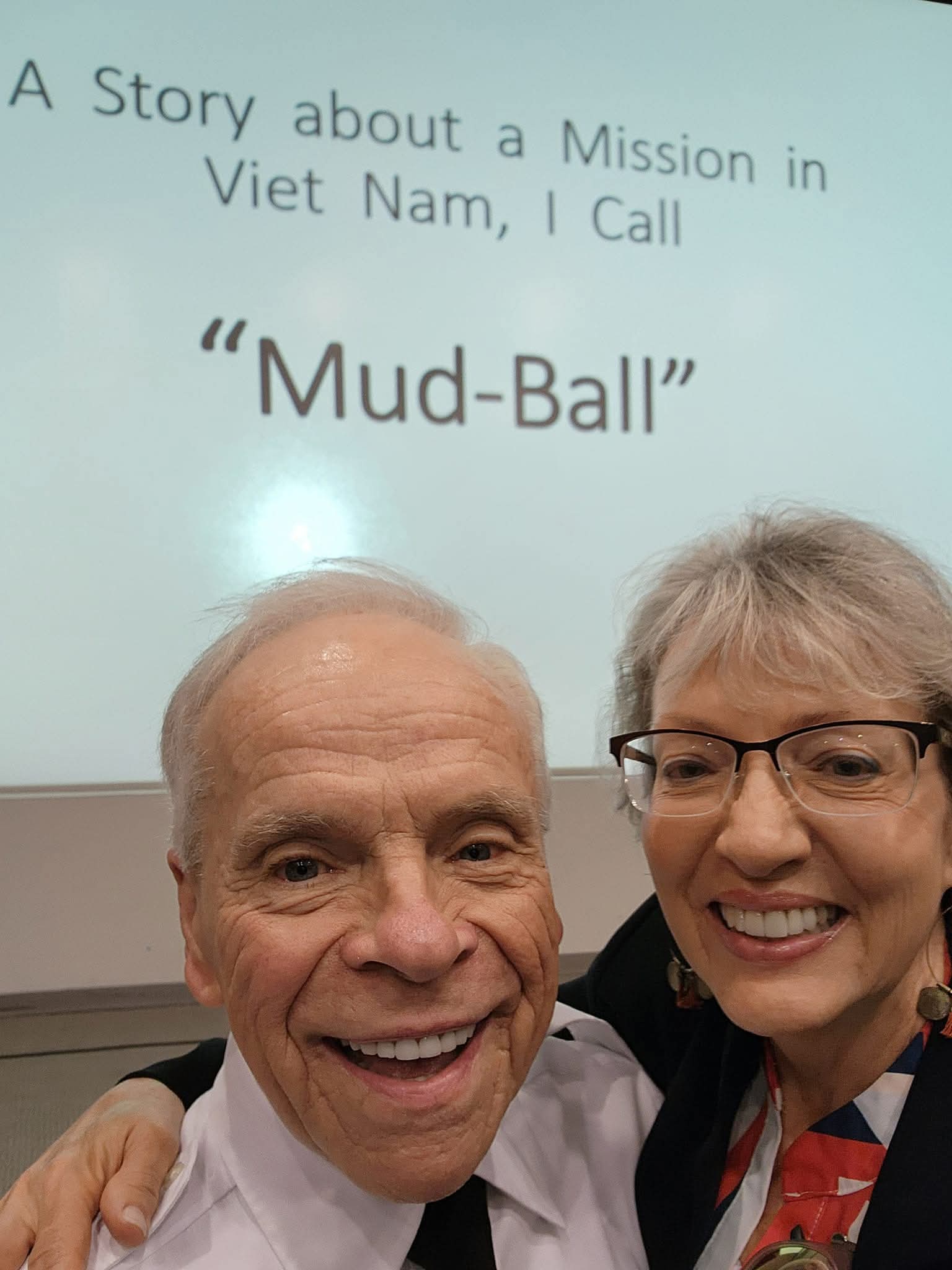
The Mud Ball Experience in Vietnam
For helicopter crews in Vietnam, the monsoon season transformed the landscape into a living adversary. What began as rain quickly became a suffocating, all‑consuming force that shaped daily life, flight operations, and the mental endurance of every man on the flight line.
“Mud ball” wasn’t slang — it was a condition of existence.
At bases like Cu Chi, the ground could dissolve into a thick, sticky slurry that swallowed boots, tools, and equipment with equal indifference. Crews trudged through it before dawn, each step pulling like wet concrete, uniforms soaked and heavy before the first engine even turned. The mud clung to everything — flight suits, helmets, weapons, rocket pods, skid tubes — adding weight, slowing movement, and grinding grit into every surface.
When the rotors of a UH‑1C gunship began to spin, the downwash turned the world into a storm of flying debris. Mud blasted upward in sheets, coating pilots’ visors, stinging exposed skin, and plastering the aircraft in a brown, gritty shell. Crew chiefs and door gunners often boarded already drenched, wiping mud from their faces as they strapped in. Even the aircraft seemed to groan under the strain — engines inhaling humid air thick with dirt, transmissions fighting the drag of mud‑soaked components, and maintenance crews battling corrosion that never truly stopped
For aviators like Captain Milan Georgia, the mud ball environment added a layer of danger that outsiders rarely understood. Takeoffs became delicate maneuvers as skids sank unevenly into the muck. Landings at remote firebases or jungle clearings meant touching down on surfaces that could shift, collapse, or spray debris into the rotor arc. A misjudged landing in monsoon mud could roll a helicopter, trap a crew, or leave them vulnerable to enemy fire.
The mud also shaped the psychology of the crews. It was exhausting, demoralizing, and relentless — a reminder that the war did not pause for weather, and that the elements could be as punishing as the enemy. Yet it also forged resilience. Crews learned to adapt, to laugh through the misery, to help one another dig out skids or push a stuck aircraft into position. The mud became part of the shared hardship that bonded them — a common enemy that demanded teamwork, patience, and grit.
Maintenance crews fought their own war against it. They scraped, washed, and rebuilt aircraft in conditions that would have grounded most modern aviation units. Their work was heroic in its own right — keeping gunships flying in a climate that seemed determined to break them. Without their persistence, the Stingers could not have launched the missions that saved lives on the ground.
In the end, the mud ball experience became a defining memory for many Vietnam aviators. It symbolized the raw, unforgiving nature of the war — a place where men battled not only the enemy, but the jungle, the weather, and the very earth beneath their feet. And through it all, they flew.
Where the Ground Fought Hardest and They Flew Anyway
In the end, the mud rose against them like a force determined to break their will. It swallowed their boots, dragged at their aircraft, and tested every measure of strength they carried into the sky. Yet for Captain Milan Georgia and all who flew through that unforgiving season, the monsoon mud did not define them. It revealed them. It showed the grit that kept them lifting off when the earth tried to hold them down, the brotherhood that carried them through every storm, and the courage that refused to yield to anything the war or the weather could muster. Long after the rains stopped and the flight lines dried, what endures is not the weight of the mud but the weight of their resolve, a legacy that rose higher than the ground that fought hardest to keep them from the sky.
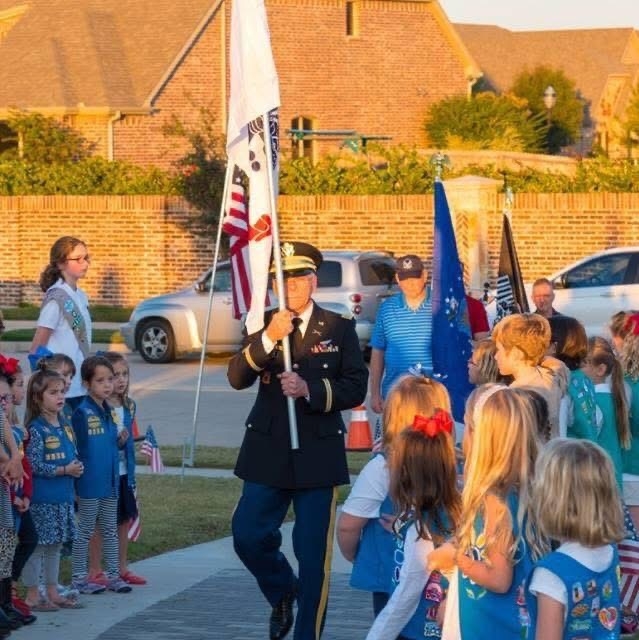
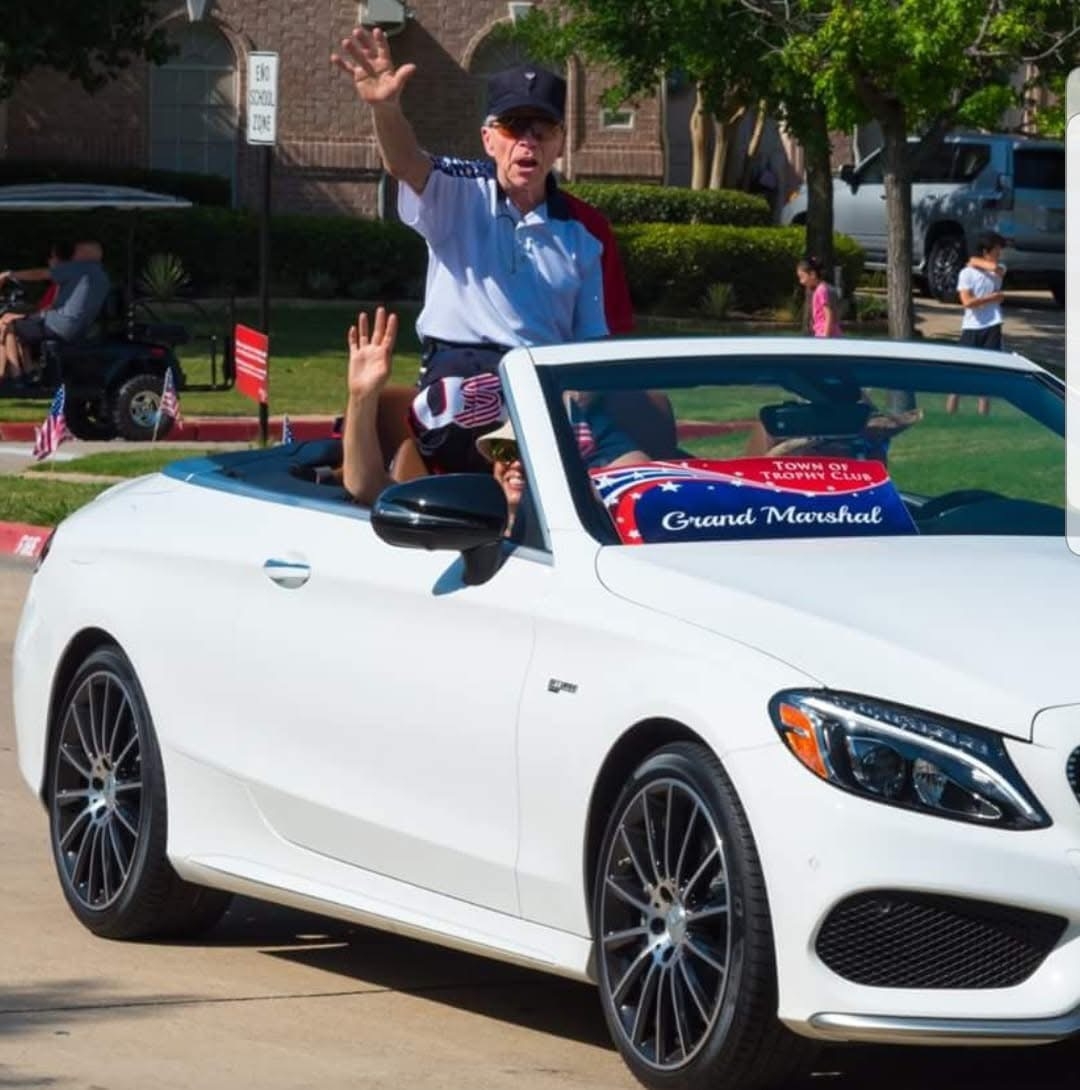
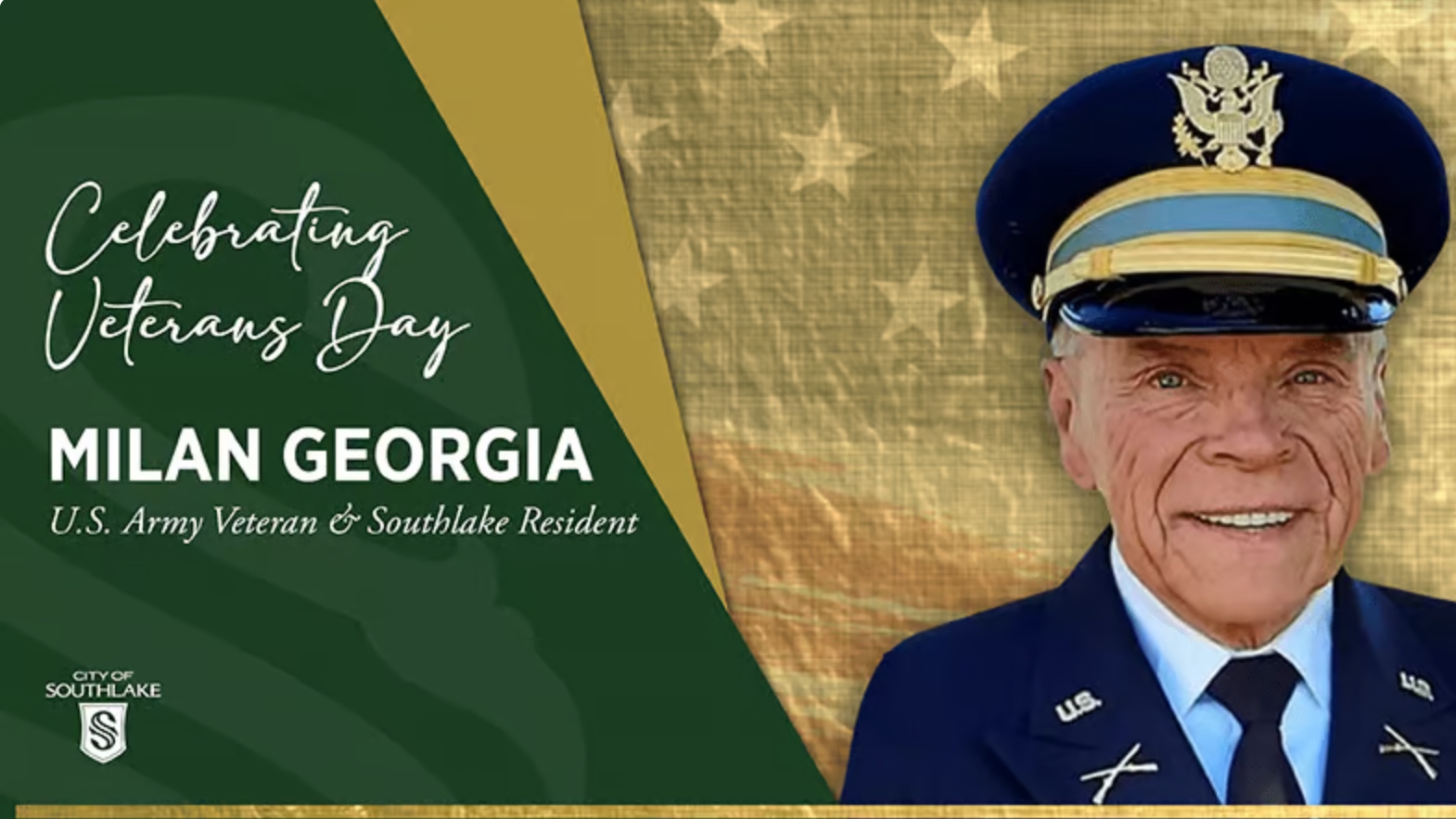
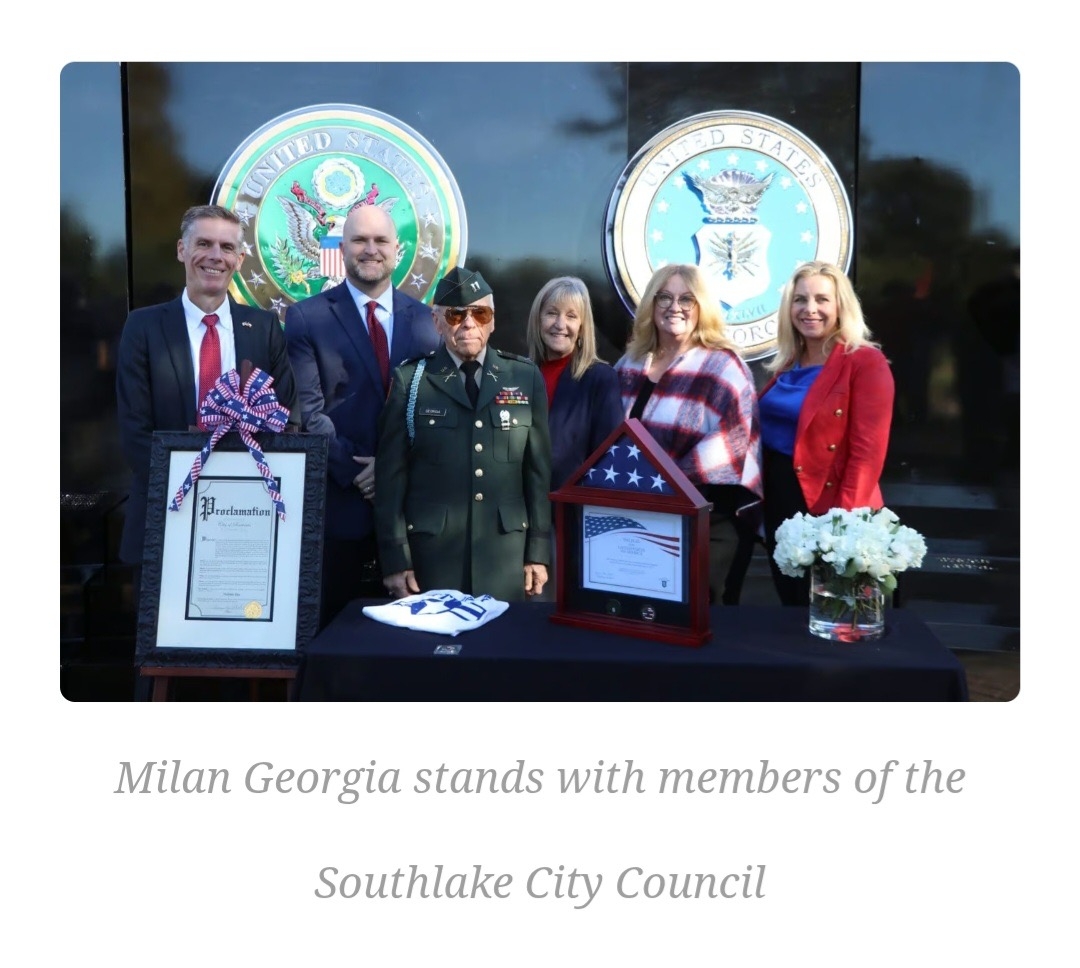
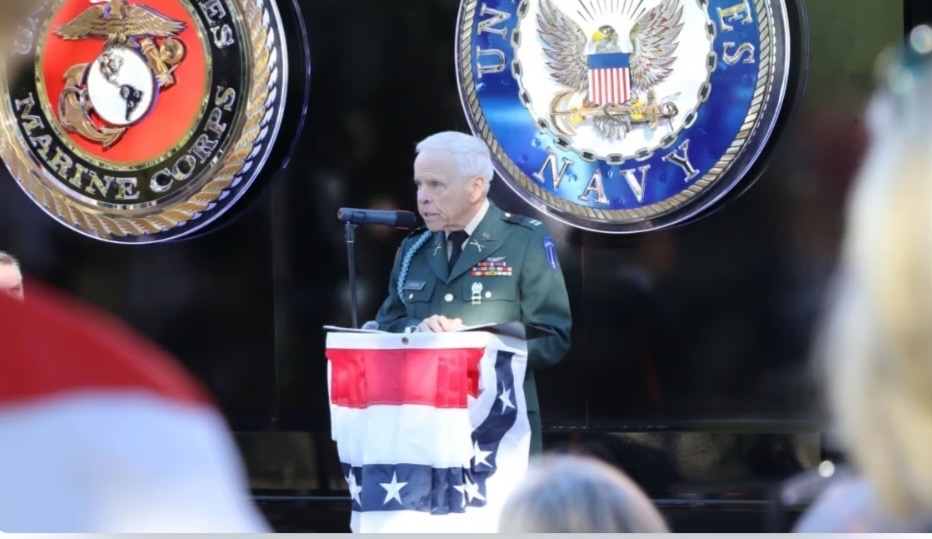
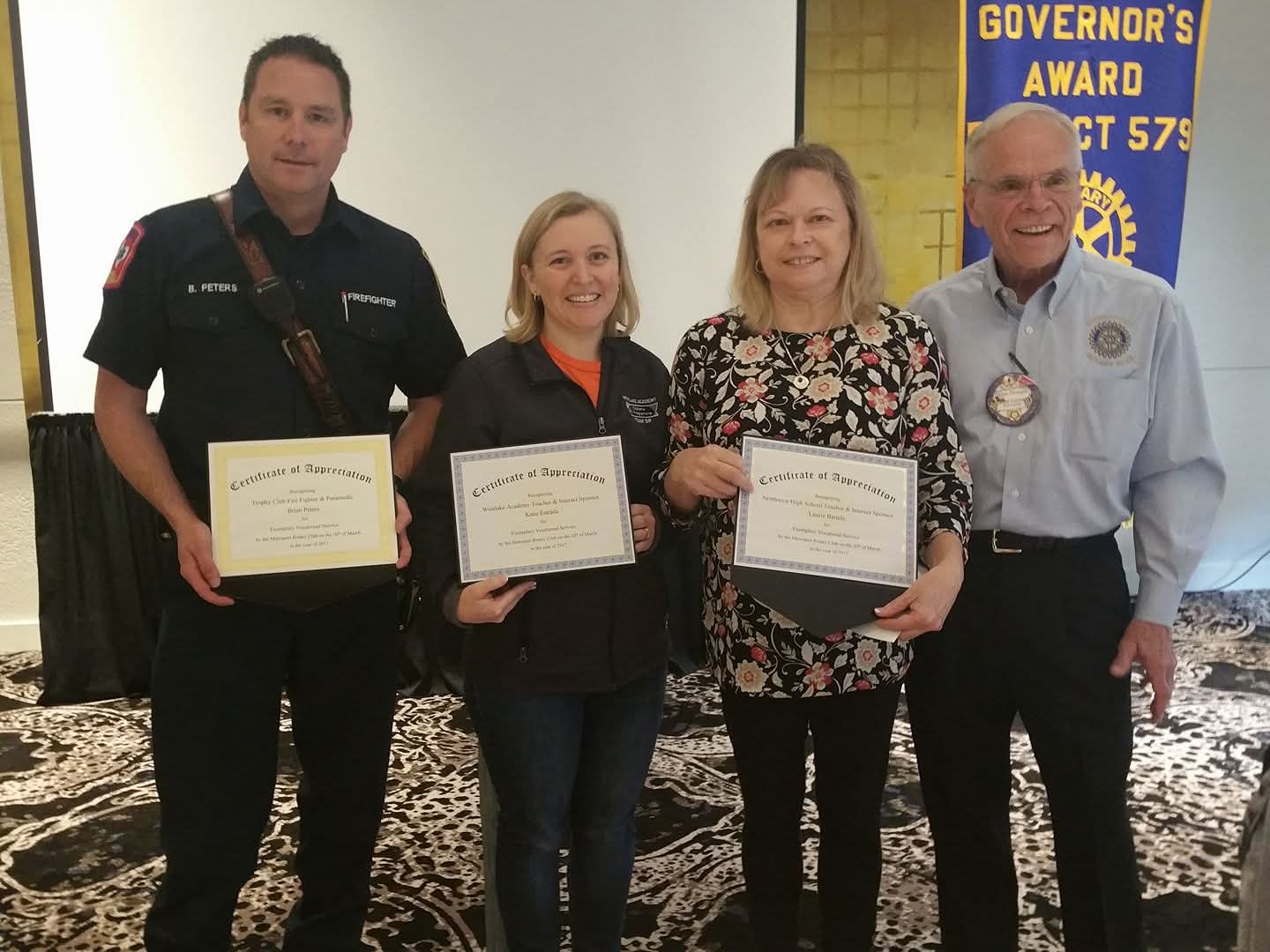
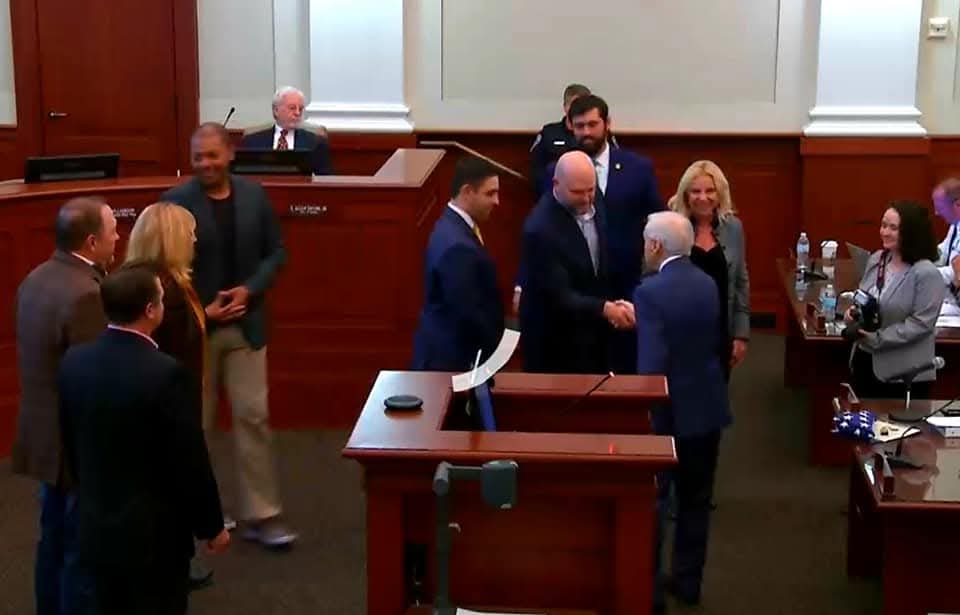
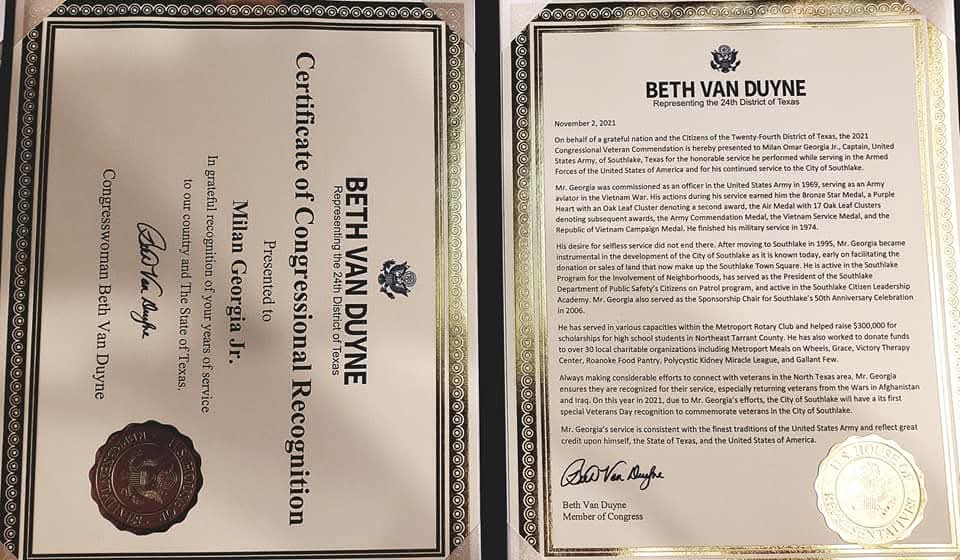
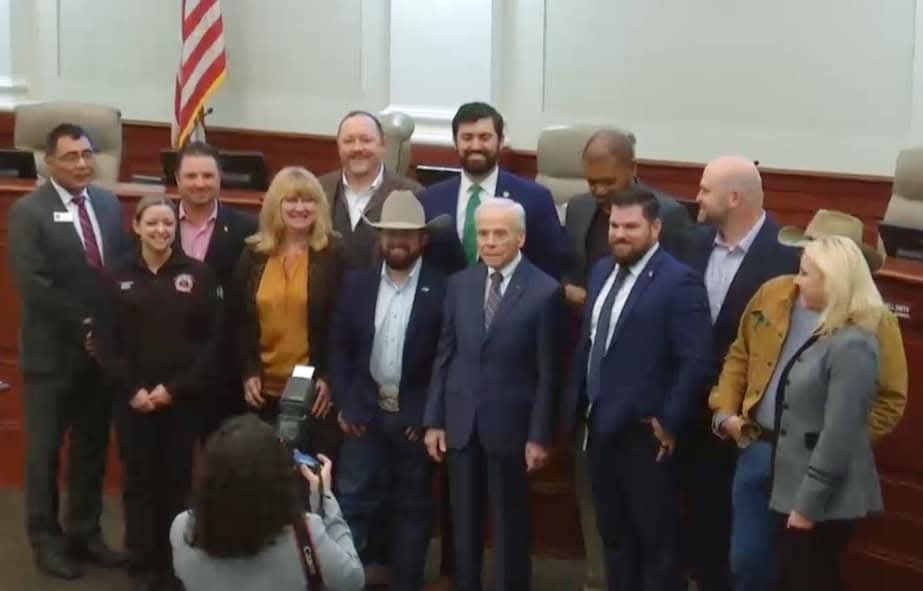
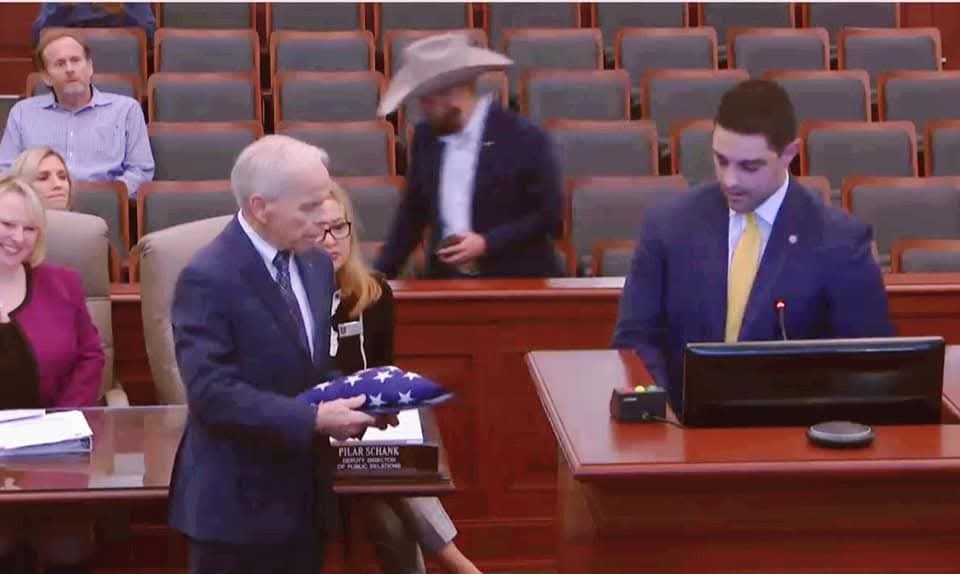
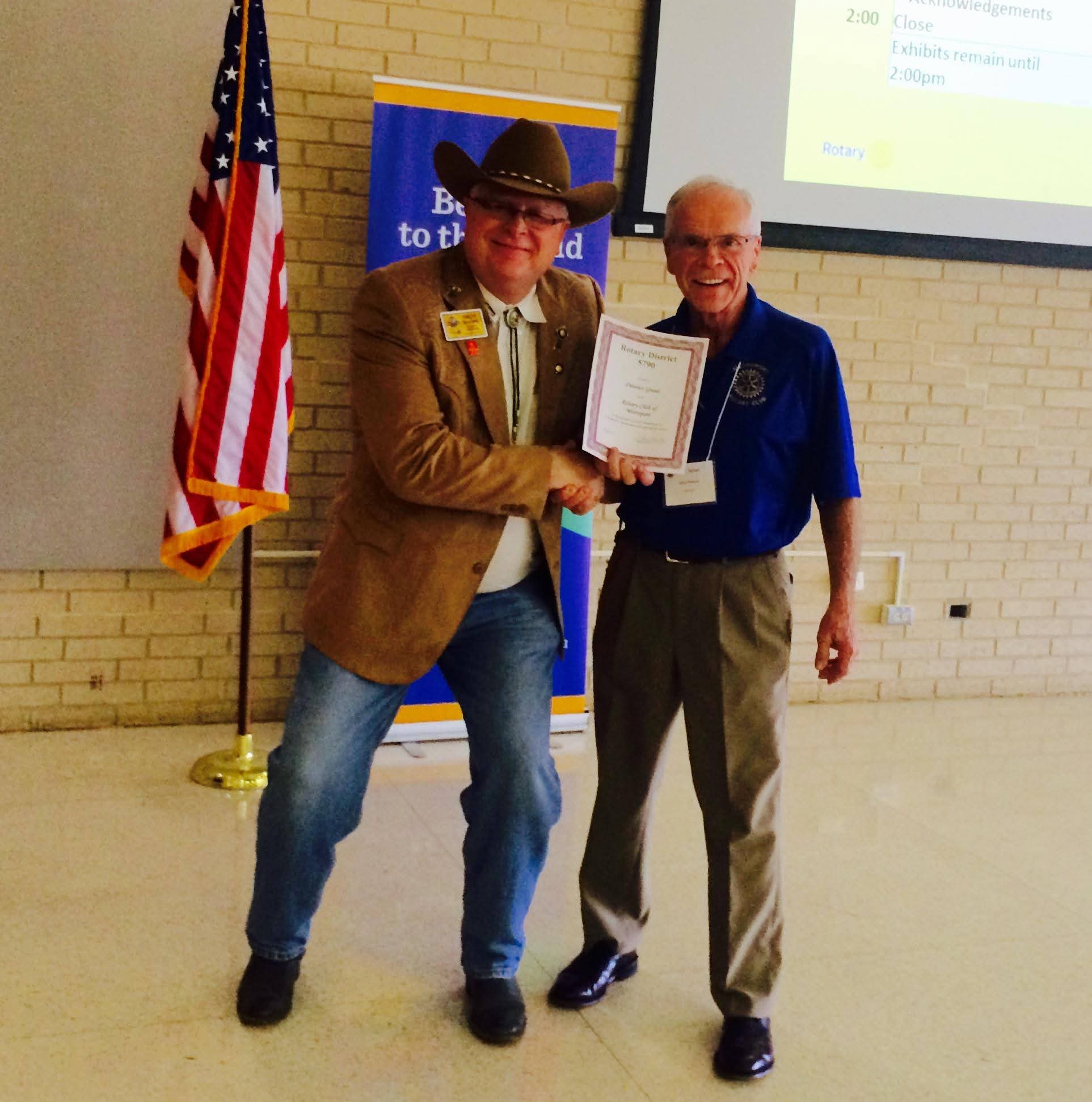
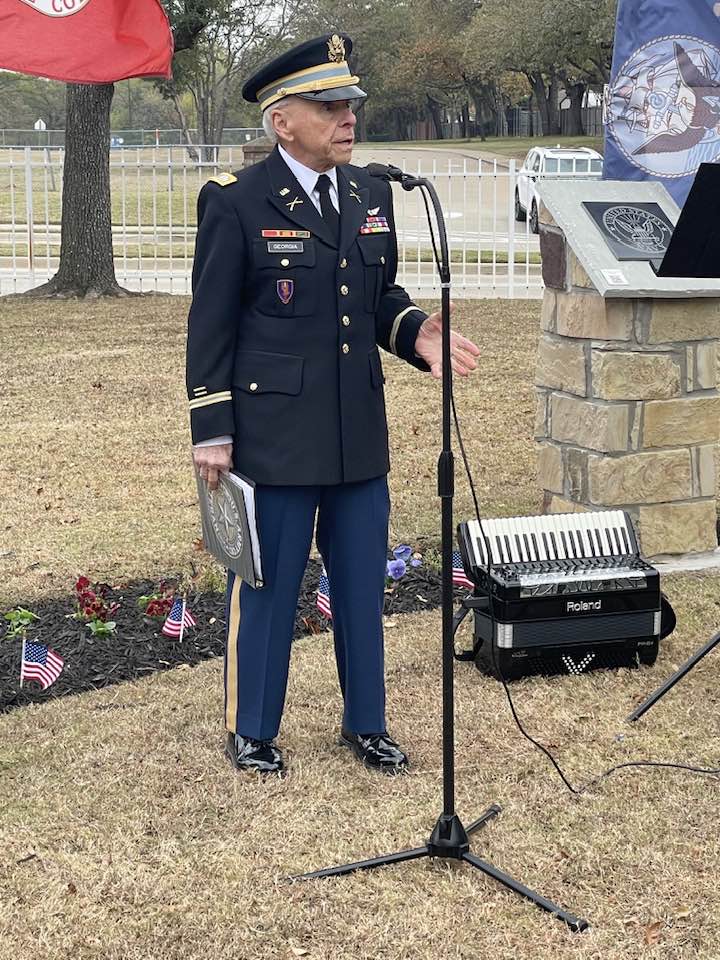
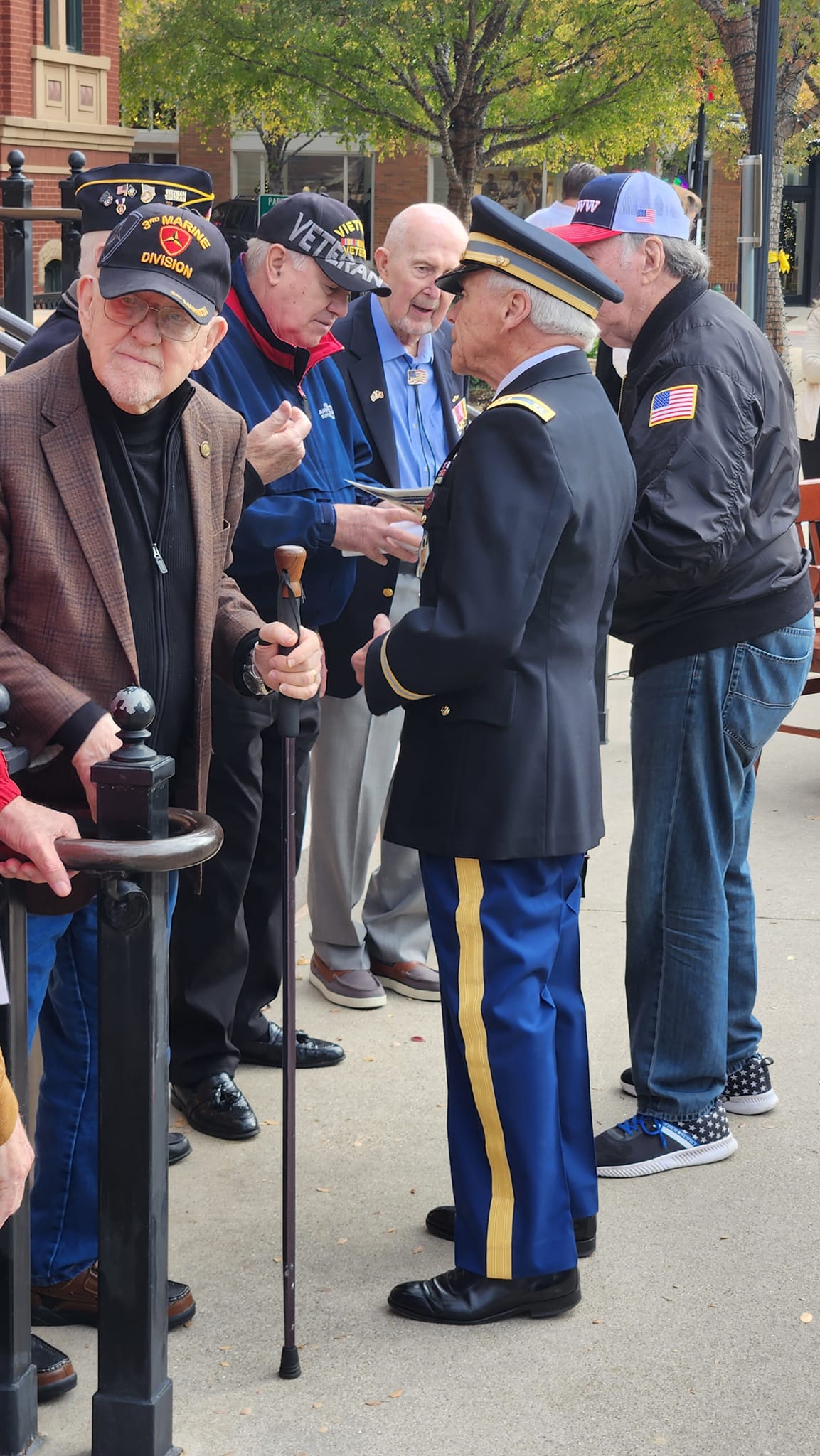
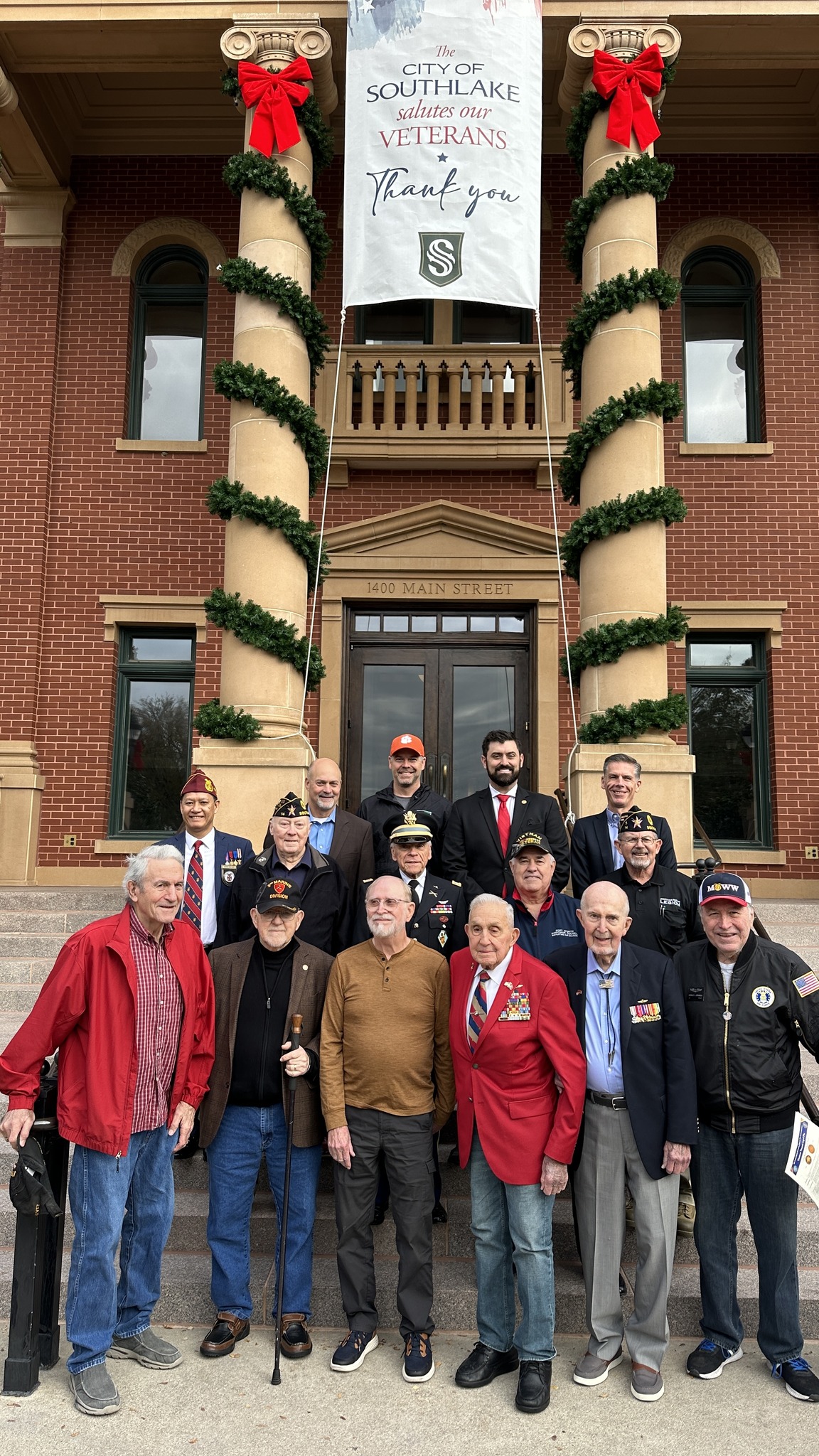
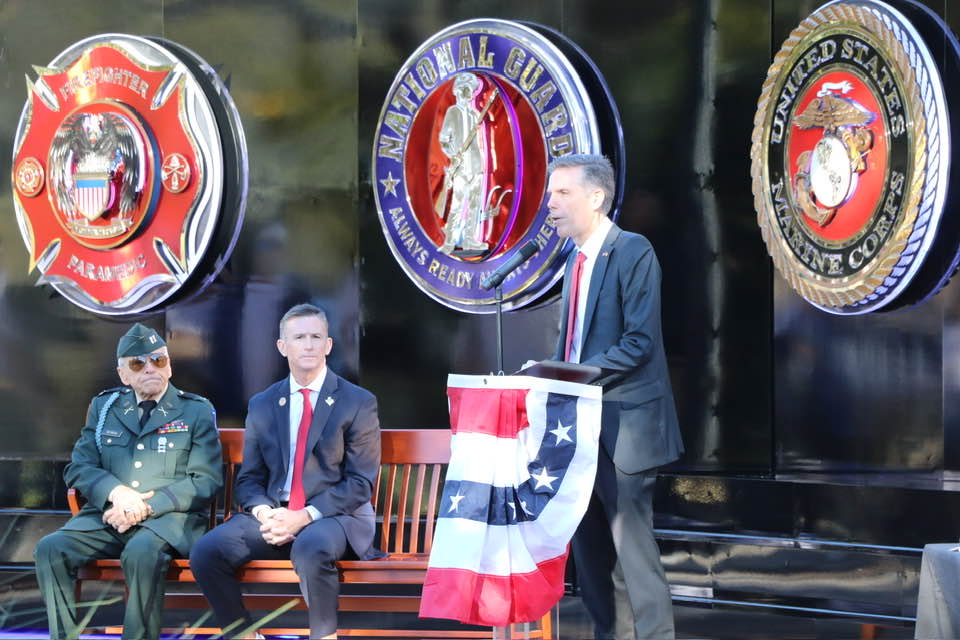
Decades after Vietnam, the City of Southlake, Texas honored Captain Milan Georgia as the Two Thousand Twenty Four Veteran of the Year. The recognition affirmed his combat service, his leadership within the community, his work on the Veterans Memorial Focus Group, and his steadfast advocacy for veterans. His legacy reaches far beyond the battlefield into a life shaped by service, mentorship, and civic devotion, reflecting the same steadiness and commitment he carried in the Stinger Gunship Platoon. It is the continuation of a character forged in monsoon mud and hostile skies, a character that rose above every hardship the war placed beneath his aircraft. Long after the rains stopped and the flight lines dried, his resolve carried forward into the communities he served, becoming a living testament to the strength that once lifted him into the air when the ground fought hardest to hold him down.
Legacy
Captain Milan O. Georgia’s legacy is defined by courage, discipline, and an unwavering commitment to the men he led. As a Gunship Pilot and Rotary Wing Aviation officer who served during the Vietnam War, he carried the immense responsibility of guiding others through danger with steadiness and resolve. His leadership was marked not only by technical skill but by a deep sense of duty, the kind that inspires confidence in those who follow and leaves an imprint long after the mission ends.
He faced the challenges of war with integrity, navigating the physical and emotional demands of combat aviation while upholding the highest standards of the United States military. His service reflects the quiet heroism of those who step forward when their country calls, accepting risks that few fully understand.
Captain Georgia’s legacy endures in the lives he protected, the aircrews he guided, and the generations who continue to learn from his example. His story stands as a testament to the strength of character, sacrifice, and leadership that define America’s combat aviators.
His service did not end when he left the battlefield.
Like many Vietnam veterans, Captain Georgia carried the long‑term effects of Agent Orange exposure, a burden he bore with quiet strength and dignity. His resilience in facing those challenges stands as a testament to his character and to the sacrifices made by his generation.
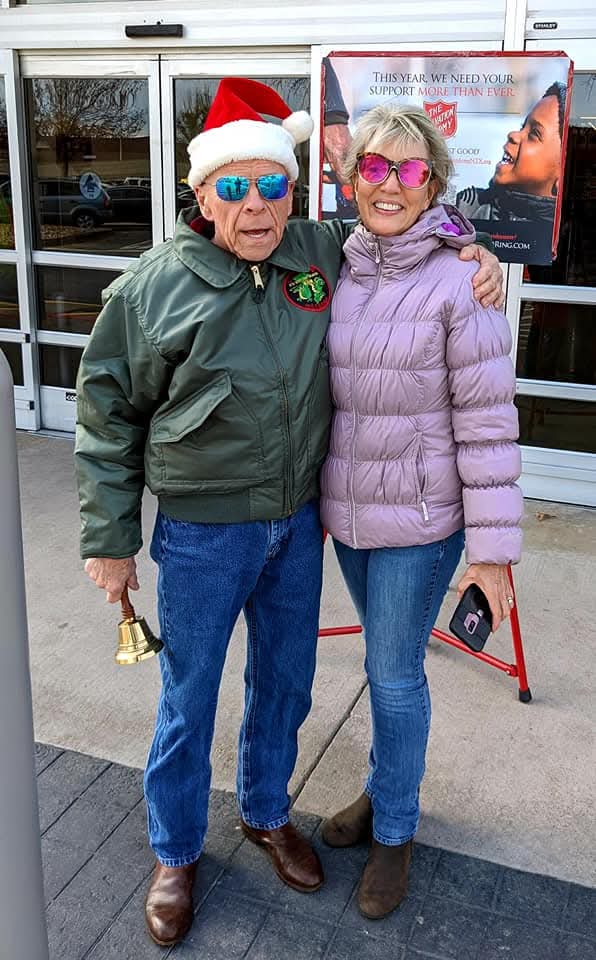
Captain Georgia’s commitment to veterans became one of the defining missions of his life.
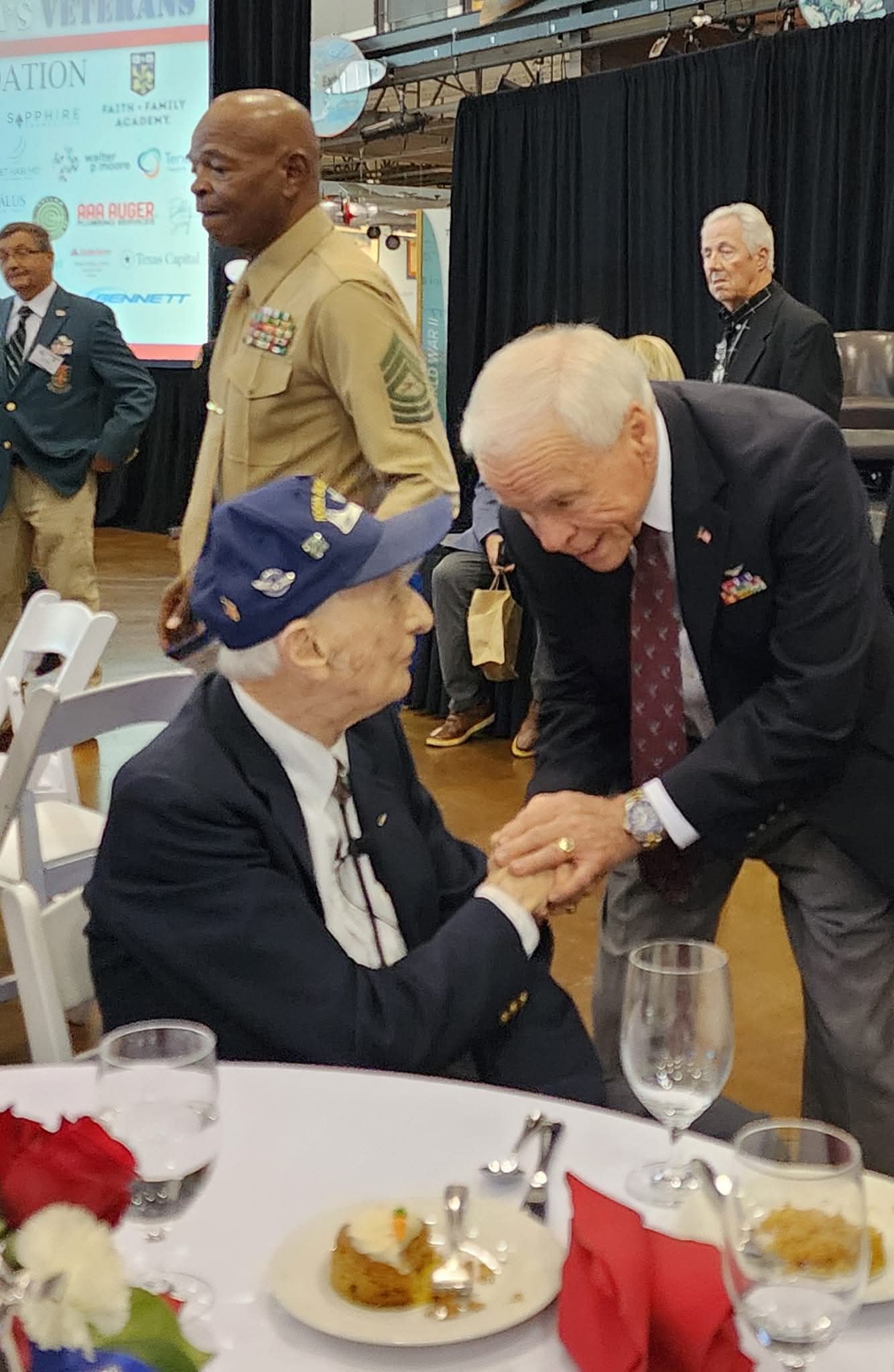
He understood the struggles many veterans faced, the physical wounds, the invisible scars, and the challenges of returning home. He became a steadfast advocate, offering support, guidance, and a voice for those who served. Whether through mentorship, community involvement, or simply being present for fellow veterans, he stood with them long after the war was over.
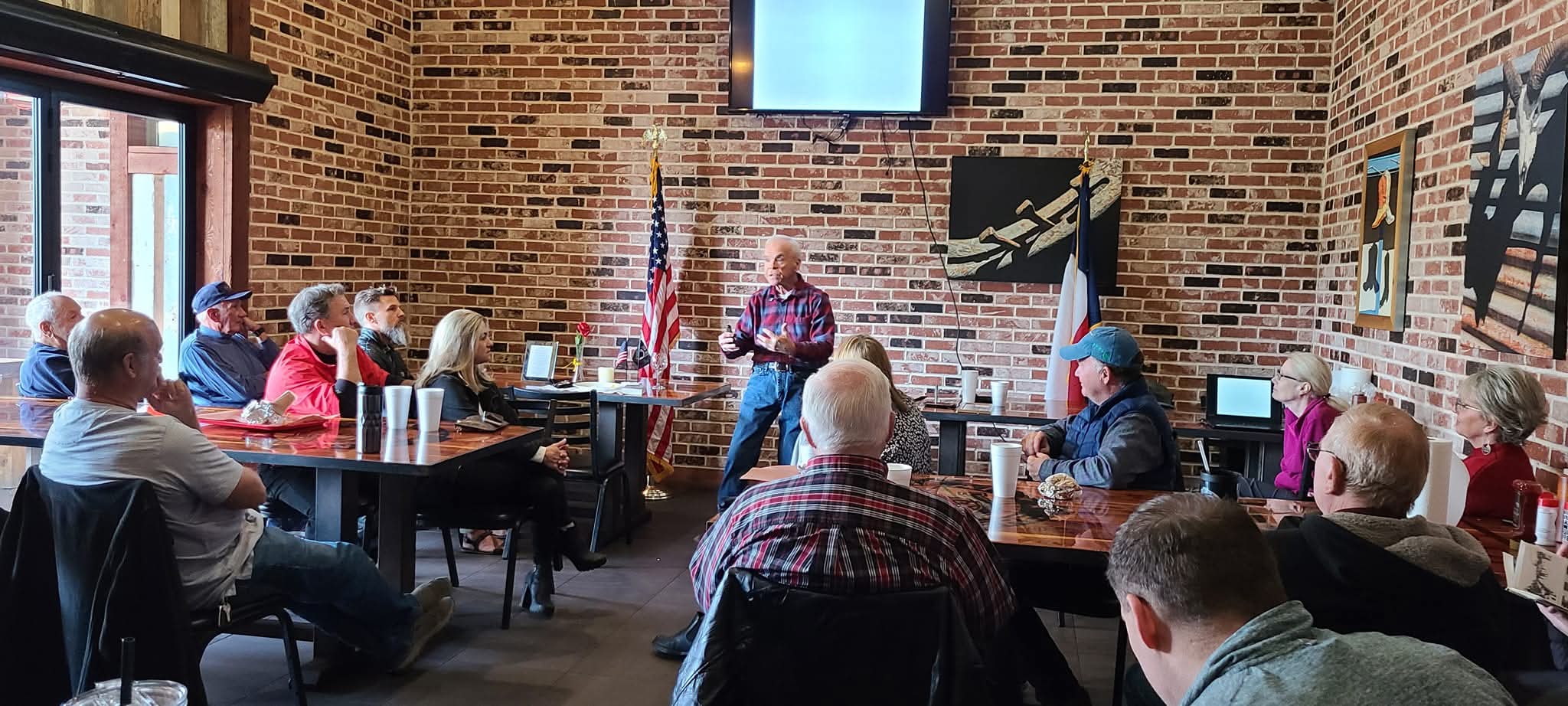
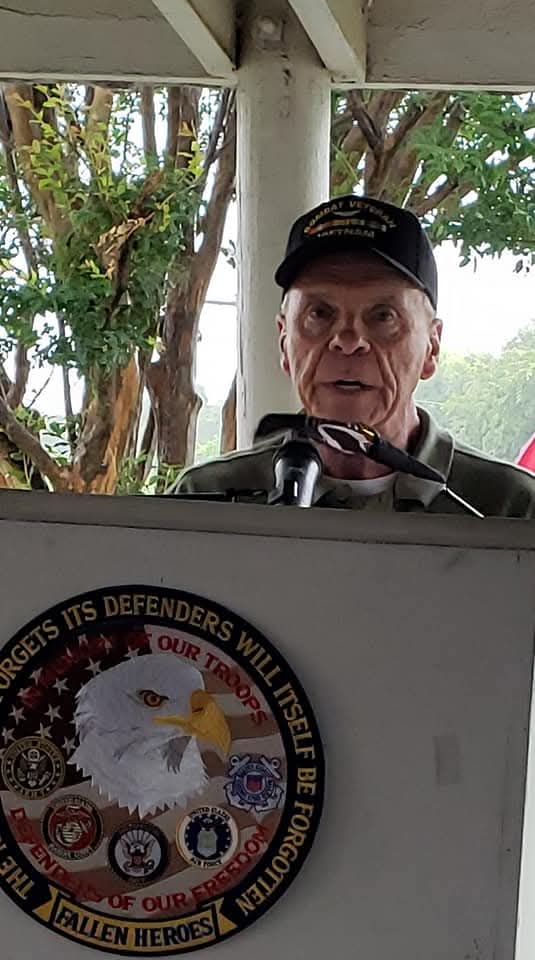
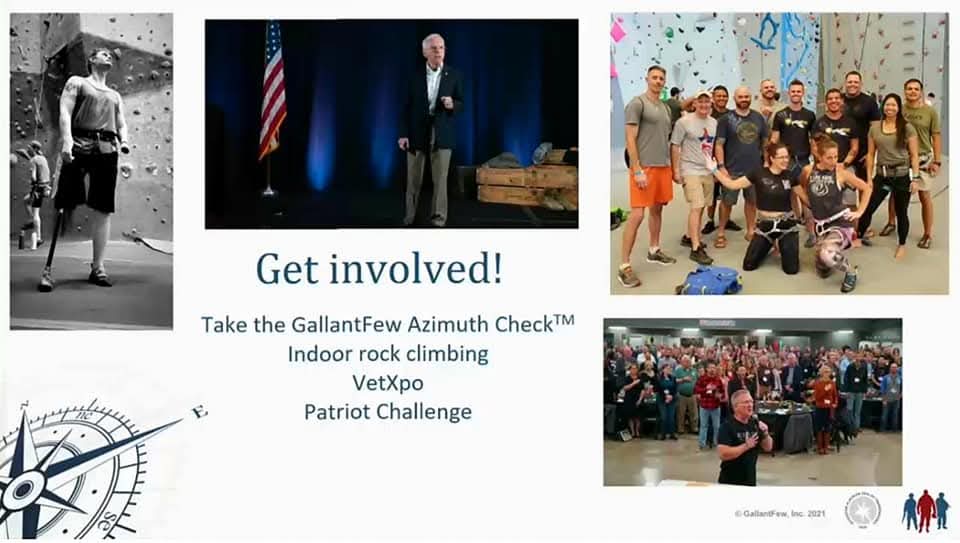
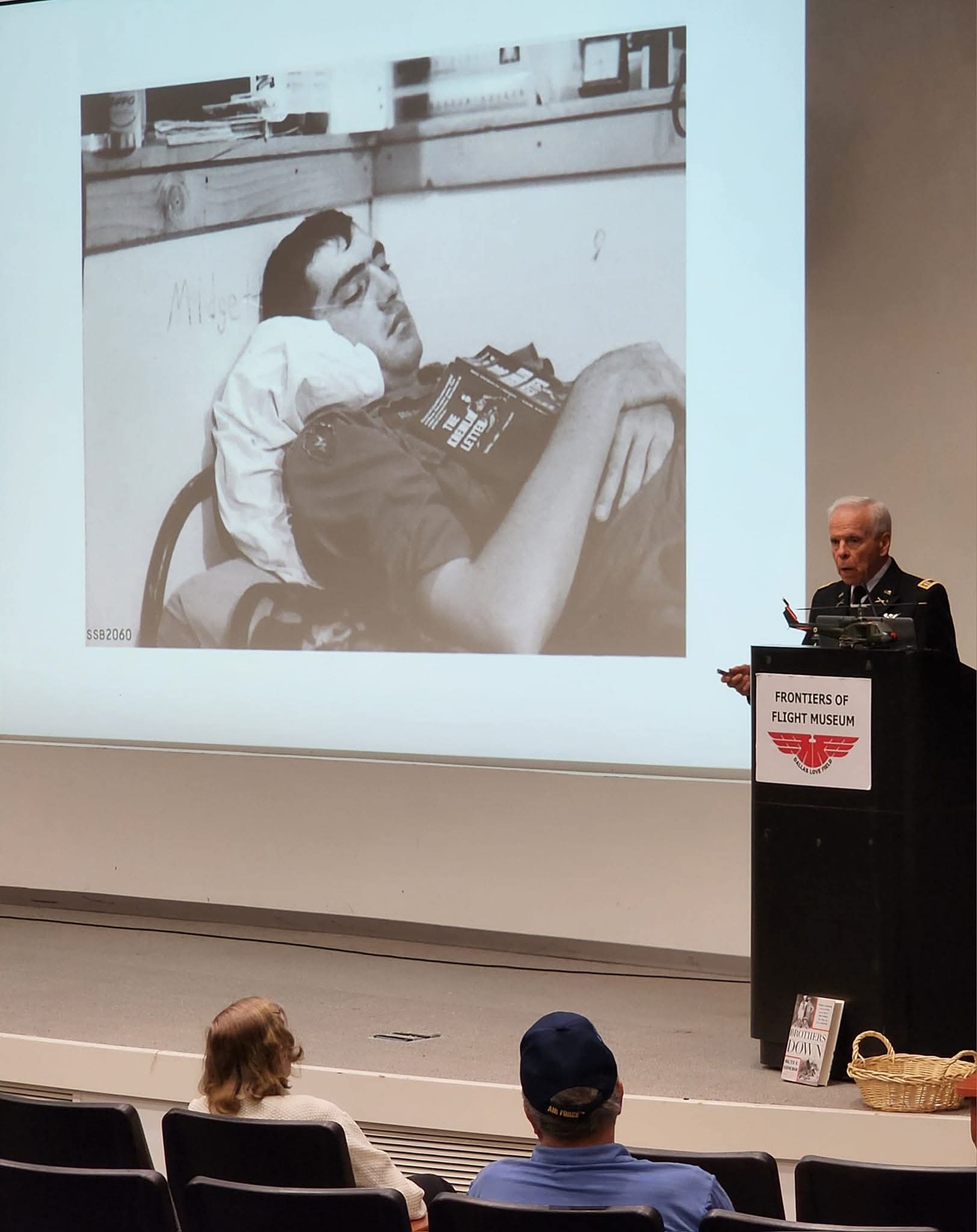
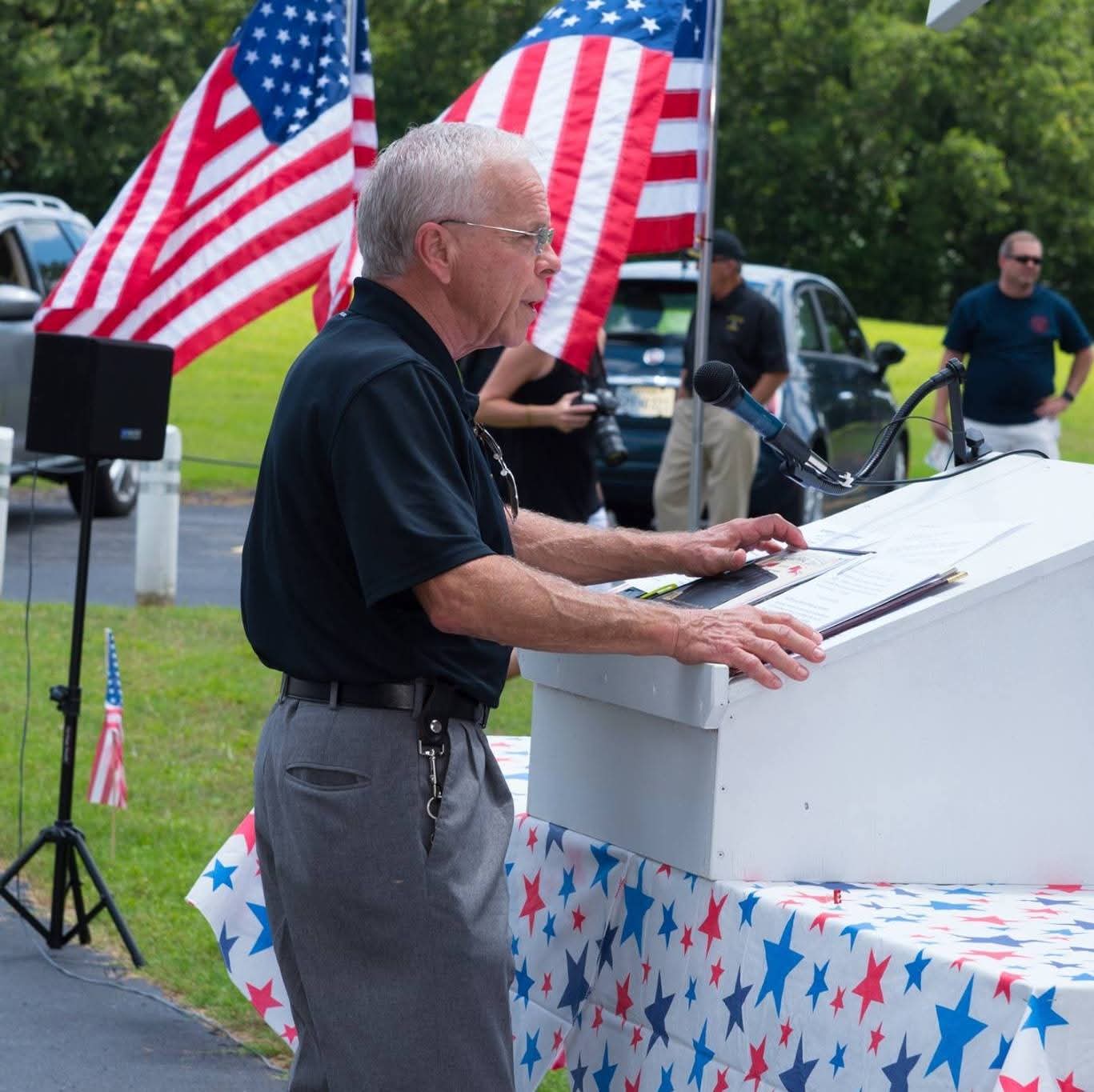
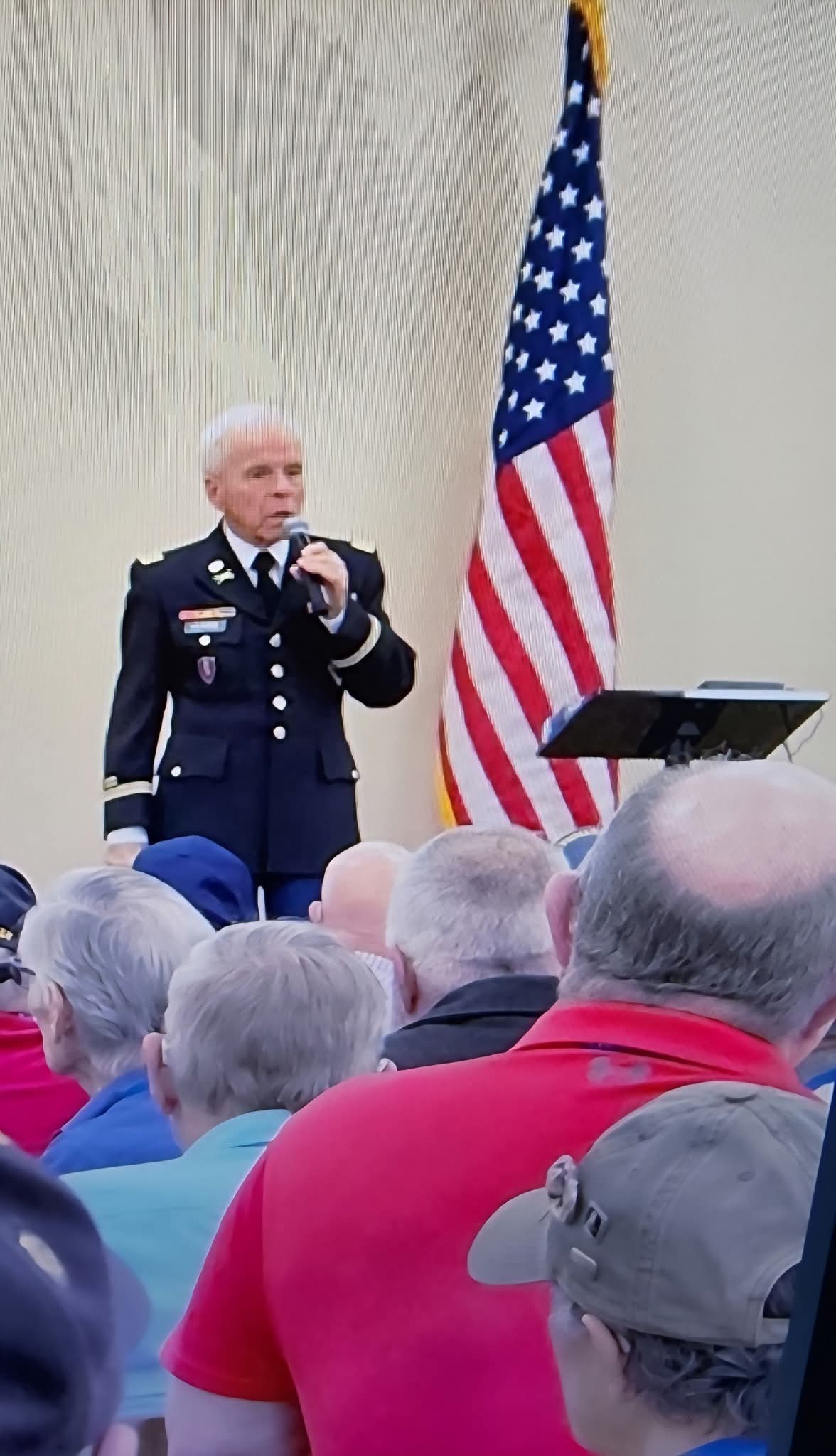
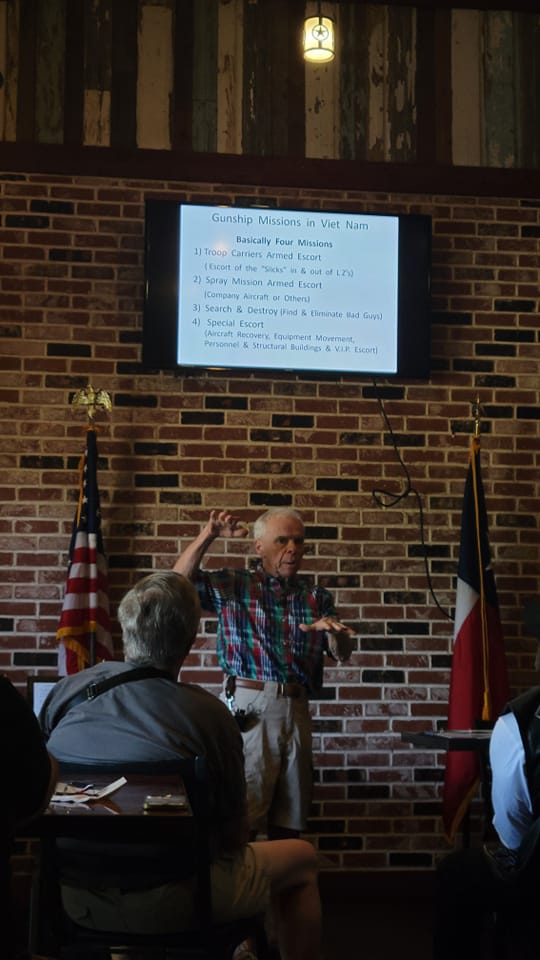
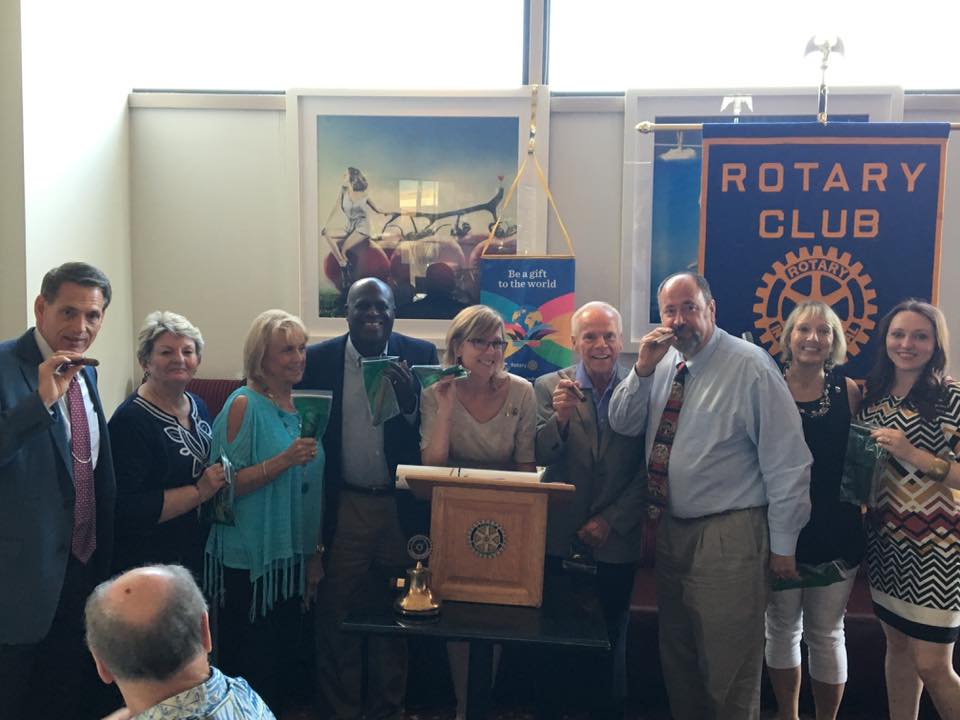
He also became a respected speaker, using his voice to educate, inspire, and honor. Captain Georgia spoke with clarity, humility, and purpose, sharing the realities of Vietnam, the cost of service, and the importance of supporting veterans. His talks reached schools, civic groups, churches, and veteran organizations. He believed deeply in preserving history, correcting misconceptions, and ensuring that the sacrifices of his generation were never forgotten. His voice carried the weight of experience and the compassion of a man who had lived what he spoke.
His impact extended deeply into his community as well.
Captain Georgia believed in service beyond the uniform. He gave his time, his leadership, and his heart to the people around him. He supported local programs, strengthened community connections, and lived as an example of what it means to serve with humility and purpose. His presence made his community stronger, not through grand gestures, but through consistent acts of integrity and compassion.
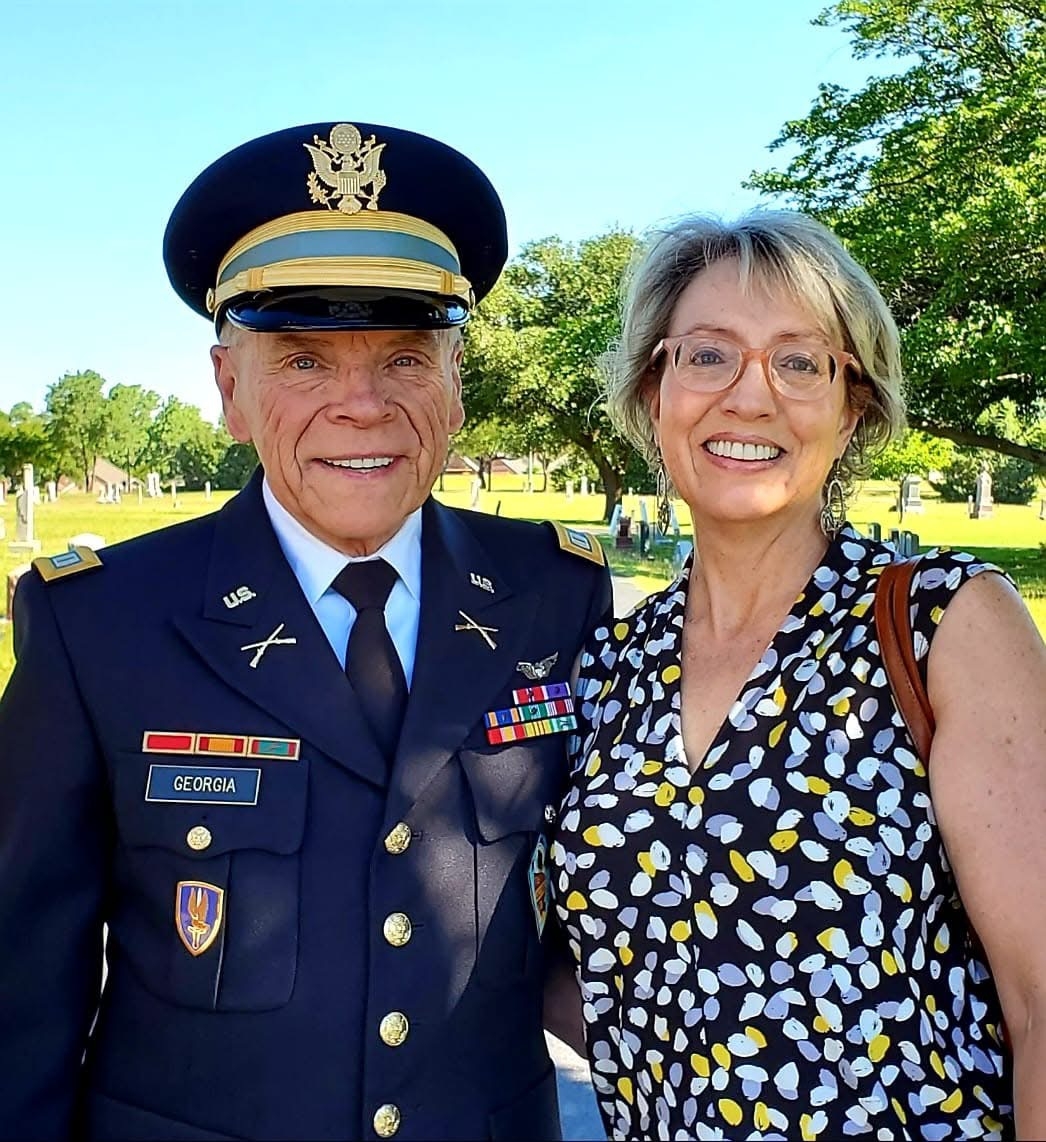
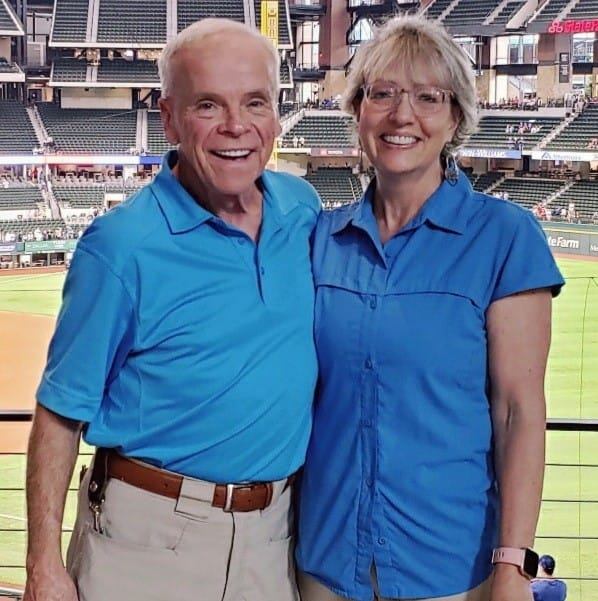
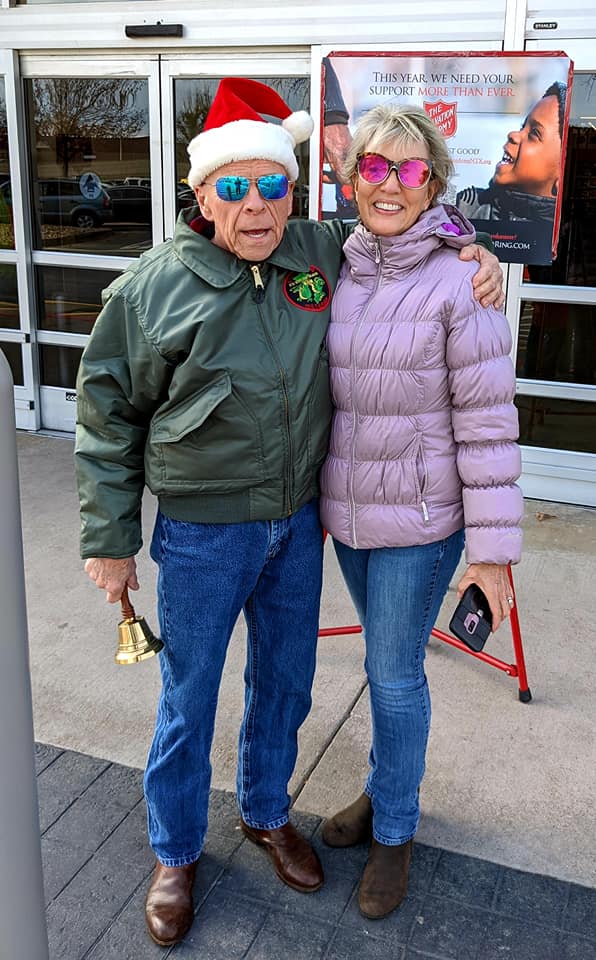
Through every chapter of his life, his wife Mary‑Moe stood beside him. She was his partner in every sense, his confidante, his encourager, and the steady presence who supported him through the memories he carried from Vietnam. Their marriage was built on respect, devotion, and a deep, enduring love. Mary‑Moe’s strength and grace grounded Milan, giving him the foundation he needed to serve, to lead, and to heal.
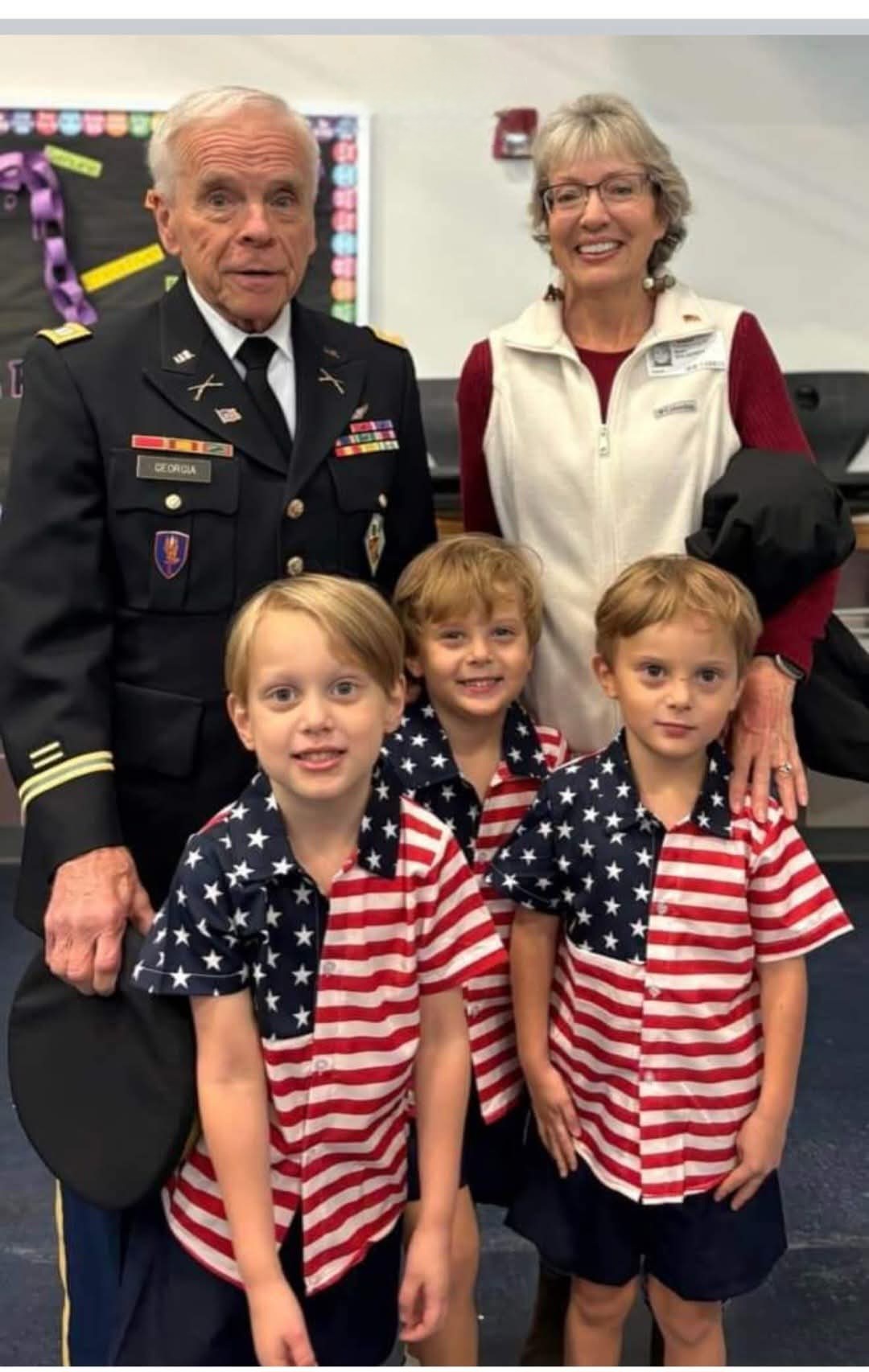
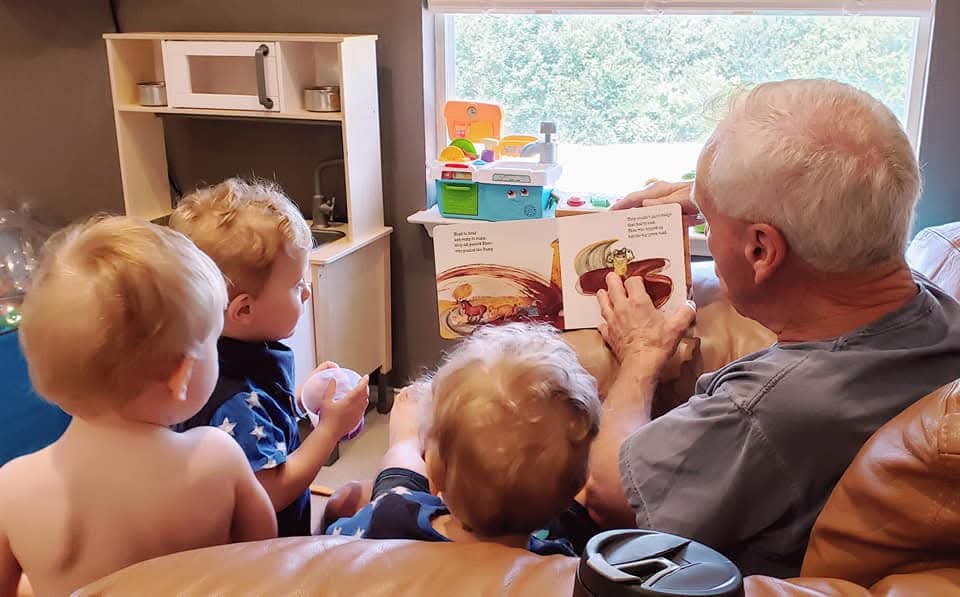
Together, Milan and Mary‑Moe built a family rooted in love, resilience, and faith. He was a devoted husband, father, and grandfather, a man whose love for his family was constant and protective. He taught by example, through his work ethic, his fairness, his humility, and the quiet wisdom he shared in everyday moments. His stories, his values, and his steady presence became the foundation of family traditions that will endure for generations.
For his family, Captain Georgia leaves a legacy of honor, courage, and devotion. He taught through example, through the way he served, the way he led, and the way he lived. His story is one of sacrifice, integrity, and the enduring spirit of a soldier who gave everything he had to his country and the people he loved.
At the heart of his life was his family. As a husband, father, and grandfather, he offered love that was constant, protective, and deeply felt. His wisdom, humor, and gentle strength became the foundation of the family he cherished. The lessons he lived, courage, perseverance, loyalty, and kindness, remain his greatest gift to future generations.
Milan continued to lead with integrity in civilian life. He did not need rank or uniform to make an impact. His character spoke for him. He became a trusted figure in every circle he entered, respected for his honesty, admired for his strength, and remembered for the way he made others feel seen and supported.
This is the legacy of Captain Milan Georgia.
A leader who stood firm in the face of war. A speaker who educated and inspired. A veteran advocate who lifted his brothers in arms. A community servant who strengthened those around him. A man whose life continues to inspire. A husband whose love for Mary‑Moe was steadfast and enduring. A father and grandfather whose devotion shaped his family’s future. A life defined by service, resilience, and unwavering integrity.