
Three months before my sixteenth birthday, I became an American patriot. I was sitting beside the radio when the announcer reported that three U.S. Marines had been killed by a mortar attack in Vietnam. Until that moment, war had been a distant word, something adults mentioned in passing. Yet the news struck with a force I could not explain, awakening a sense of duty that felt larger than my own young life. I felt an undeniable pull toward service, a conviction that I needed to stand with those already giving everything. I knew, with a clarity that surprised me, that I had to go to Vietnam.
Three years later, the Vietnam War had become deeply unpopular, but my desire to serve never wavered. Still, I hesitated to commit to three full years of active duty if military life proved a poor fit. And truth be told, I liked the risky odds of ending up infantry as a draftee. Then came the Vietnam Draft Lottery. Eligible draftees were born between January 1, 1944, and December 31, 1950. I was born July 24, 1950. My lottery number was twenty‑three out of 366. There was no doubt I was going.
I finished tech school in July of ’69, passed my exams, and became a certified airframe and power plant mechanic. Soon after, I headed to Hawaii and waited for my draft orders.
I was in the Army now.
My first year was stateside basic training at Fort Lewis, Washington. It was wet, foggy, cold, and even snowy. The sun came out maybe three times. I had grown up in the Las Vegas desert and had never seen so much rain. After graduating basic, I received my posting orders and my MOS. Some soldiers went to Advanced Individual Training, but because I already held an aircraft mechanic certification, I was assigned MOS 68F30 aircraft electrician without attending AIT.
From basic, I went straight to Fort Carson, Colorado, assigned to a helicopter unit. On the very day I arrived, several of us were reassigned to Post Transportation. We drove deuce‑and‑a‑halves, fuel and water tankers, buses, jeeps—anything with wheels.
As I neared a year of service, I resigned myself to the idea that I wasn’t going to Vietnam. I even enrolled in some college courses. I attended my first night of class and, wouldn’t you know it, the very next day my orders for Vietnam arrived.
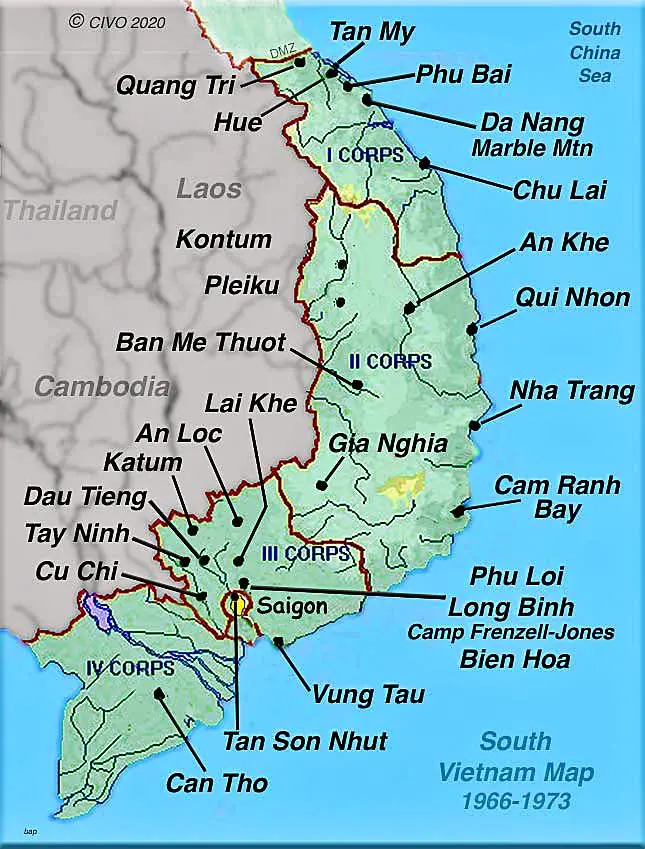
I landed at Cam Ranh Bay, South Vietnam, in February 1970 for processing and unit assignment. The installation was enormous, supporting the Army, Air Force, and Navy in the logistical machinery of war. For the first couple of days, nothing happened. By the third day, I wondered if the war was winding down. No enemy action. No alarms.
I couldn’t have been more wrong.
That night I woke up airborne—literally thrown from my bunk—as a blood‑curdling scream tore through the darkness. A rocket attack had slammed into the base. Men scrambled out of the barracks, racing for the bunkers. Several bunks were overturned in the chaos, mine included. It was a violent introduction to Vietnam.
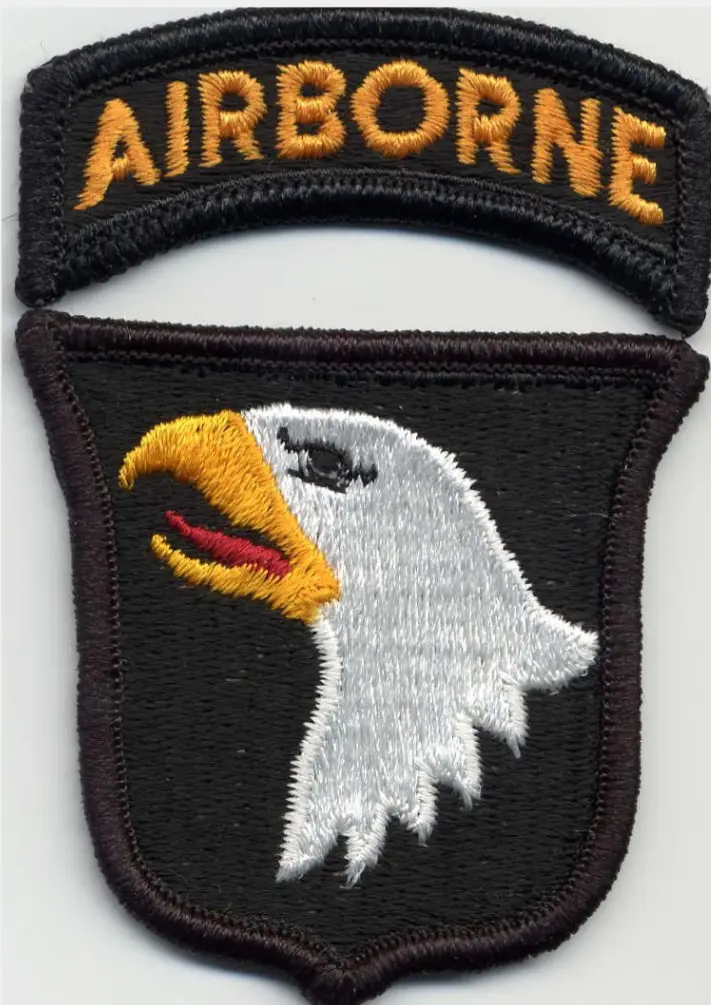
The next day, my assignment came through: Company A, 101st Airborne Division, 159th Aviation Battalion (Airmobile), a CH‑47 Chinook assault support helicopter outfit. I was placed in charge of the electrical shop. It was a good position, but flying had always been in my blood. With my civilian aviation background, I soon figured out I could fill in as a door gunner when crews needed an extra man.
I only flew a dozen missions or so, but the experience was unforgettable. Before the Army, flying had already been an addiction. Now I was in a helicopter, in a war zone, with the rotors beating overhead and the ground dropping away beneath us. The adrenaline was unmatched.
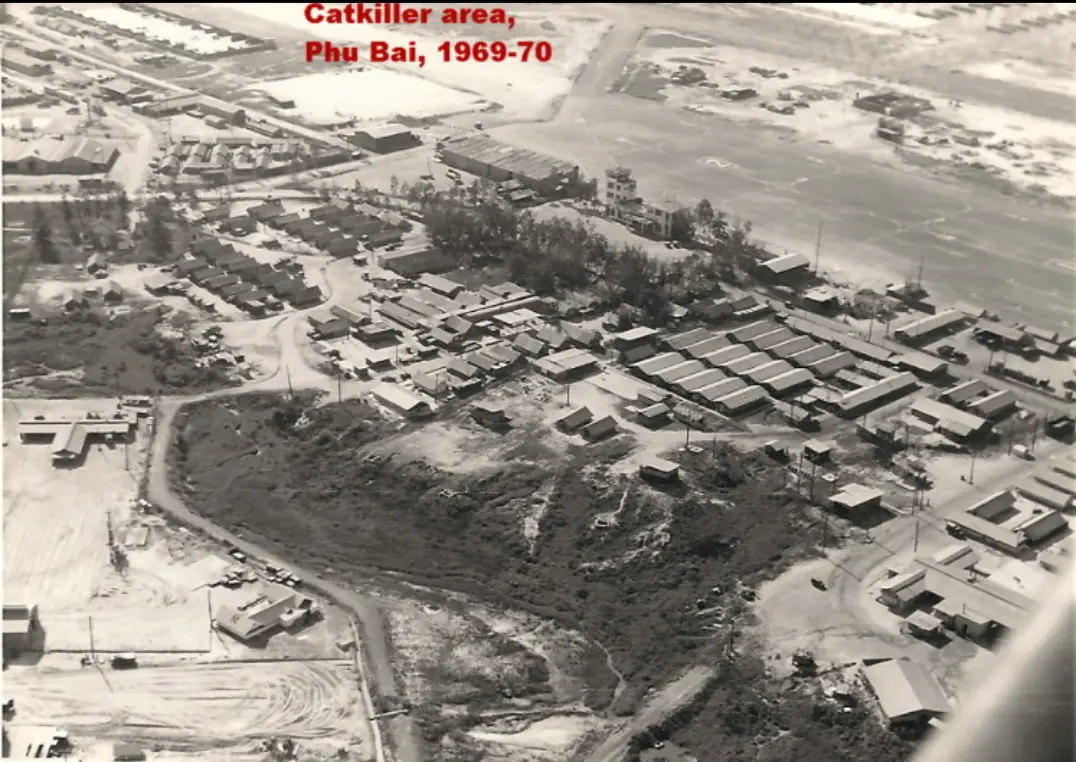
After four days at Cam Ranh Bay, I was sent north to Phu Bai, drawn deeper into the 101st Airborne Division’s beating heart. The shift was immediate. The air felt tighter, the ground more serious. Up there, the war pressed in from every direction, its rhythm quicker, sharper, unmistakably closer to the mission that defined the division’s purpose.
Nearly twelve months passed. It was time to go home or re‑enlist. I had no one waiting for me back home, but I wasn’t sure I wanted to stay in the Army either. I wrestled with the decision. Eventually, I chose to pursue Officer Candidate School and Flight School. I passed the OCS exam. Next came the pilot aptitude test. I was told I could go down to Saigon and “hang around” to take it. Something didn’t feel right. I had nothing in writing, and rumors were circulating that soldiers were re‑enlisting and not receiving what they’d been promised.
“Xin lỗi”—sorry—I’m out of here. I chose to go home.
Like many veterans, I packed Vietnam into a footlocker and buried it deep. I wanted nothing to do with anything military, especially the Veterans Administration.
Big mistake.
In 1982, ten years after Vietnam, I left America and moved to the United Kingdom. I lived there thirty‑three years before returning home a decade ago. I was stunned by what America had become. Much of Europe leans toward Socialist policies, and I had seen firsthand what that looks like. I had known people who escaped Communist countries. These systems are not about individual freedom, equality, privacy, or free speech. They are the enemy of all these things—things we take for granted and are watching disappear before our eyes. Open them and look closely at where America stands today.
I have attached a poem that took me thirty‑six years to assemble and finally put on paper. It was painful—and still is. I asked myself countless times, “Would I do it again?” I love my country, but until recently, I couldn’t answer that question.
Now I can.
Yes. I would do it again.
I know many veterans—combat or not—are still suffering and may always suffer. I pray this poem, and a belief in God, helps you heal. I pray you know you are not alone. I pray for the healing of the hearts and minds of all veterans, active‑duty service members, police officers, first responders, and their families.
I love my country, and I make no apologies for my patriotism.
John 15:13 (NIV) Greater love has no one than this, than to lay down one’s life for his friends.
~POEM~
Would I Do It Again?
We were told it was for the freedom of man
To stop oppression in a distant land
In the name of just and right
Off we went to fight
With romantic patriotic notions, with naivety of youth
We went the purveyors of right and truth
Some were dragged in, protesting, kicking and screaming
Perhaps they knew this was only scheming
Some went head held high, with feelings of pride and might
Doing what we thought was right
You come to realize, your tears for the fallen were in vain
They were the lucky ones, their hell ended there and then
Years pass and you try to bury your regrets, your hell
But you know you never will
Some live with guilt, with shame, some with anger, with blame
But mostly, we all live with pain
You know more than most, the value of life
You saved it and you took it, in circumstances of trouble and strife
As the years pass if you’re lucky, the nightmares lessen
At last, you think, I’ve received a blessing
But what replaces that, is this picture in your mind
Heaps of bloody, broken bodies of men, women, and children, we call mankind
A repulsive sight, yet you are drawn to look and closely stare
Hoping to find yourself in there
For if you did you would surely bet
At last, you have finally settled your debt
Ironically the ones we went to save
Will haunt us to our grave
“Would I do it again?”
David Cortez Salinas 6th February 2008
Supplemental Information
Cam Ranh Bay to Phu Bai — The Arc of David Cortez Salinas’s Vietnam Service
In 1970, Cam Ranh Bay was one of the largest U.S. installations in Vietnam—a major aviation and logistics hub where thousands first entered the war. For Aircraft Electrician and Shop Chief David Cortez Salinas, four days there offered a sharp introduction to the conditions that defined aviation maintenance: salt air that corroded connectors, humidity that soaked wiring, and a nonstop flow of helicopters needing rapid inspection and repair.
From Cam Ranh Bay, Salinas moved north to Phu Bai Combat Base, deeper into the 101st Airborne Division’s operational heart. Located just south of Huế and near the A Shau Valley, Phu Bai demanded constant readiness. Aircraft returned from missions marked by jungle moisture, red clay dust, and the strain of continuous operations. Night flights increased, and electrical reliability became critical. Mortar and rocket attacks were a persistent threat, pushing maintenance crews to work fast and decisively.
As Vietnamization accelerated and manpower thinned, experienced leaders like Salinas became indispensable. His shop kept the UH‑1 Hueys, AH‑1 Cobras, and CH‑47 Chinooks of the 159th Aviation Battalion mission‑ready for medevacs, troop insertions, resupply, and close‑support operations. Every aircraft lifting from Phu Bai carried the imprint of his technical mastery and leadership.
Together, Cam Ranh Bay and Phu Bai trace the arc of Salinas’s Vietnam service—from a brief but formative arrival at one of the war’s busiest bases to a demanding year sustaining frontline aviation for the 101st Airborne Division.
The 159th Aviation Battalion and the 101st Airborne Division in I Corps
The 159th Aviation Battalion was the aviation backbone of the 101st Airborne Division during its years in northern I Corps, the northernmost—and often most volatile—military region in South Vietnam. From 1970–1971, the battalion’s aircraft and crews supported operations across a vast and demanding battlespace that stretched from the South China Sea to the Laotian border, and from the coastal lowlands to the steep, jungle‑covered mountains of the A Shau Valley.
The battalion’s mission was simple in wording but immense in execution: keep the 101st Airborne Division mobile, supplied, protected, and alive.
To do that, the 159th flew everywhere the division fought. They lifted infantry into remote landing zones, resupplied firebases perched on ridgelines, evacuated the wounded under fire, escorted convoys, inserted reconnaissance teams, and provided gunship support to troops in contact. Their aircraft—UH‑1 Huey’s, AH‑1 Cobras, and CH‑47 Chinooks—became the division’s lifeline in a region where terrain and enemy activity made ground movement slow, dangerous, or impossible.
Because the 101st operated across such a wide and rugged area, the 159th’s reach had to be equally broad. Their missions carried them:
- from the coastal plains around Phu Bai and Camp Eagle,
- to the mountains and deep valleys west of Huế,
- to isolated firebases like Bastogne, Birmingham, and Ripcord,
- to remote LZs carved out of jungle canopy,
- and along infiltration corridors where enemy forces moved between Laos and the lowlands.
Wherever the division maneuvered, the 159th was already overhead—or on the way.
This operational reality shaped every hour of a maintainer’s life. The battalion’s aircraft rarely rested. They returned from missions coated in dust, streaked with oil, or bearing the scars of combat. Crews and maintainers worked in a rhythm dictated not by schedules but by need: if troops were pinned down, if a medevac was called, if a firebase was running low on ammunition, the aircraft had to fly. And for them to fly, the maintainers had to keep them alive.
The 159th Aviation Battalion didn’t just support the 101st Airborne Division’s mission in I Corps— they enabled it. They gave the division its reach, its speed, and its ability to fight across some of the most unforgiving terrain of the war.
Living Conditions
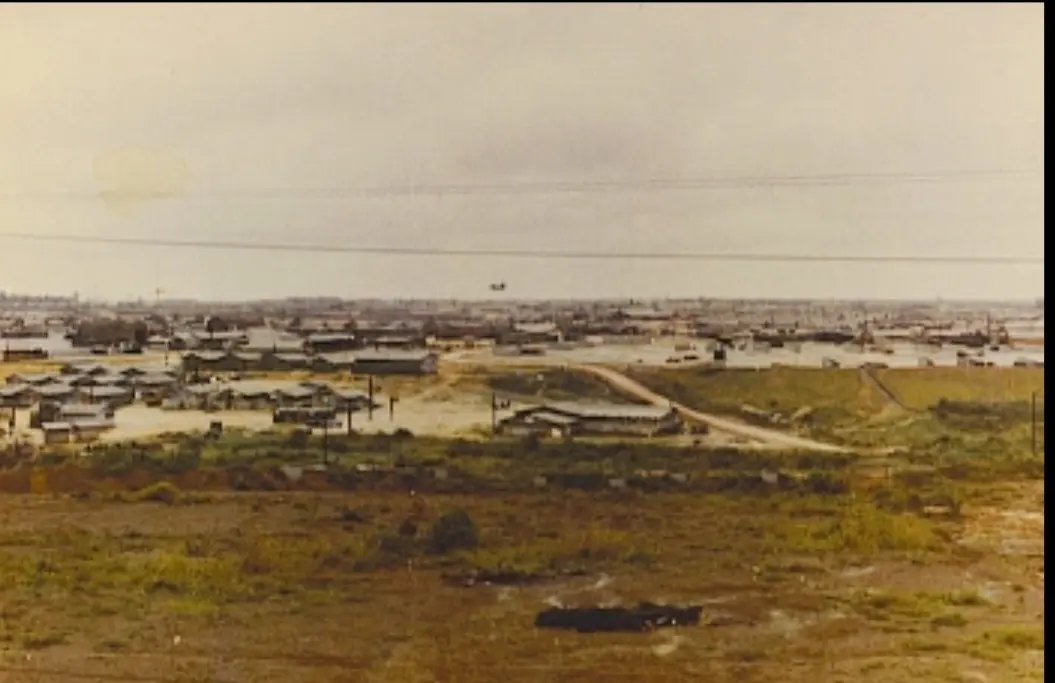
Most soldiers lived in simple, improvised shelters that offered little protection from the climate—or from the war. Wooden hooches with tin roofs baked under the sun and rattled under monsoon rains. Sandbags were stacked around the walls in uneven rows, a thin barrier against shrapnel. Screens hung in doorways to keep out mosquitoes, while small fans pushed warm air in slow, futile circles. During the dry season, a fine red dust drifted through every crack and seam, settling over cots, footlockers, tools, and the pages of letters from home.
Inside, the air was thick with humidity. Boots molded if they weren’t worn daily. Tools rusted overnight. Sweat soaked through uniforms before sunrise. Nothing ever truly dried. The climate pressed in from all sides, turning even the simplest routines into a quiet battle against the environment.
Daily life meant enduring conditions such as:
- Stifling humidity that soaked clothing and gear before the day even began.
- Persistent mold and rust, eating through boots, tools, and electrical equipment.
- Dust and grit that coated every surface during the dry season.
- Minimal ventilation, with fans that barely stirred the heavy air.
When night fell, the base dimmed its lights to a cautious glow—just enough to move safely, but not enough to draw enemy fire. The world shifted into a muted palette of red bulbs, lanterns, and the distant, ghostly flicker of illumination flares drifting over the horizon. Shadows stretched long across the hooches, and the air felt suspended, as if the entire base were holding its breath.
But it was never quiet.
Generators droned without pause. Helicopters cycled on and off the flight line in a steady, mechanical rhythm. Artillery thudded in the distance, sometimes close enough to rattle the tin roofs. Even in sleep, men lived inside the pulse of the war. The sounds became a second heartbeat—constant, inescapable, and woven into every moment of their lives.
What “ACPT Electrician” Meant in Vietnam
An Army Aircraft Electrician (ACPT) in Vietnam carried responsibilities far beyond what the title suggests. These soldiers kept the electrical lifelines of the Army’s most critical aircraft alive — often under fire, always under pressure. Their work touched every mission the 101st Airborne Division launched, from medevacs to gunship escorts, from troop lifts to reconnaissance flights.
They worked across the full spectrum of the Army’s aviation fleet, including the aircraft that defined the war:
- UH‑1 Hueys, the workhorse of Vietnam — air assault, medevac, command and control, troop transport.
- AH‑1 Cobras, fast and lethal gunships whose weapons and navigation systems demanded flawless electrical reliability.
- CH‑47 Chinooks, heavy‑lift giants that moved artillery, supplies, and entire squads across I Corps.
- OH‑6 Cayuse (“Loach”) scouts, flying low and fast, often taking the heaviest fire.
- Occasional fixed‑wing aircraft such as the OV‑1 Mohawk or U‑21, depending on the unit’s needs.
Their duties reached into every corner of an aircraft’s electrical heart. They repaired major power failures and chased tiny shorts hidden deep in the airframe. They troubleshot avionics — radios, navigation systems, intercoms, and mission‑critical electronics that kept crews connected and alive. They maintained battery systems that had to perform in brutal tropical conditions. They rebuilt wiring harnesses damaged by heat, vibration, or enemy fire. They kept lighting, ignition, and power‑distribution systems functioning so aircraft could fly safely in daylight, darkness, monsoon rain, or combat.
Their responsibilities included:
- Electrical system repair, from catastrophic failures to hairline faults.
- Avionics troubleshooting, ensuring communication and navigation worked under fire.
- Battery and power systems, vital for reliable starts and stable electrical output.
- Wiring harness restoration, often after heat, vibration, or shrapnel damage.
- Lighting, ignition, and distribution systems, the backbone of safe flight.
- Rapid turnaround maintenance, sometimes with only minutes between missions.
Every repair had consequences. Every mistake could cost a crew their lives. Every success sent soldiers safely into the sky.
An ACPT Electrician wasn’t just a technician — he was a guardian of the aircraft, the crews, and the missions that depended on them. Men like David carried that weight every day, working with precision, discipline, and quiet courage in a place where the smallest error could change everything.
The Hidden Dangers of Aviation Maintenance in Vietnam
Electrical Hazards in Extreme Conditions
Aircraft electricians faced dangers that could kill even when no enemy was in sight. High‑voltage systems hummed inches from their hands. Fuel vapors drifted through the air. Wet wiring during monsoons could short without warning. Connectors corroded by salt air sat one arc away from disaster. Inside cramped compartments, one wrong move wasn’t just a mistake — it could be fatal.
Vietnam’s humidity and salt air turned every electrical task into a gamble. Moisture crept into panels, connectors, and junction boxes. Sweat dripped from helmets onto open circuits. Tools slipped. Wires sparked. Even routine maintenance carried the weight of risk.
Men like David Cortez Salinas worked with that knowledge every single day — steady hands in a world where danger lived in the wires themselves.
Electrical hazards included:
- Moisture‑soaked wiring that could short without warning.
- Corroded connectors one spark away from ignition.
- Fuel vapors and JP‑4 fumes lingering around open panels.
- High‑voltage systems inches from skin, even in cramped spaces.
One spark in the wrong place could ignite fuel, trigger an explosion, or send a lethal jolt through a man’s body. Every repair was a life‑or‑death calculation.
Rotor Wash and Flight Line Accidents
The flight line was one of the most dangerous workplaces in Vietnam — a place where the war never stopped, even when the guns were quiet. Rotor blades spun just feet overhead. Chinooks whipped the air into hurricane‑force winds. Debris tore across the ramp at high speed. Aircraft taxied through tight spaces. And the noise — a crushing wall of sound — swallowed warnings before they could be heard.
Rotor wash could knock a man off his feet. A loose helmet, a forgotten rag, a dropped tool could become a deadly projectile. Prop arcs vanished into the night. Jet exhaust could burn skin in an instant.
Flight line dangers included:
- Hurricane‑force rotor wash from Chinooks and Huey’s.
- Debris turned into projectiles by spinning blades.
- Invisible hazards at night — prop arcs, tail rotors, exhaust.
- Tight taxi lanes where one misstep meant injury or worse.
And yet the work never stopped — because every aircraft on that line was needed, and every mission depended on the men who kept them flying.
Working Under Fire to Keep Aircraft Flying
When missions stacked up — medevacs, troop lifts, gunship escorts — maintainers didn’t get to step back. They worked while aircraft were taking off, landing, refueling, and rearming all around them. The flight line became a storm of motion, noise, and danger.
They repaired battle‑damaged wiring, replaced shot‑out lights, revived generators burned out by heat and overuse, and chased down navigation failures buried deep within the aircraft’s electrical heart. And they did it fast — often with the next mission already idling on the pad, crew strapped in, rotors turning, waiting for the maintainer’s word that the aircraft was safe to fly.
Every second mattered. Every repair carried lives on the other end of it.
Fuel, Fire, and Explosions
On the line, danger didn’t just come from the sky. It seeped, dripped, and hissed from the machines themselves. Helicopters leaked fuel constantly. Electrical work around JP‑4, magnesium components, and overheated engines meant that fire was a constant, silent threat.
Fire hazards were everywhere:
- JP‑4 fuel pooling under aircraft.
- Hydraulic fluid atomizing into the air.
- Magnesium components that burned hotter than anything water could stop.
- Overheated engines one spark away from ignition.
One arc. One spark. One unnoticed leak. That was all it took for the night to erupt in flame.
Men like David worked with that knowledge every moment. Steady hands in a place where one mistake could cost an entire crew their lives.
Night Operations
Night work brought its own dangers, quieter, but sharper. Limited visibility. Red‑lens flashlights. Trip hazards. Aircraft moving in the dark. Sudden emergency launches that shattered whatever calm the night pretended to offer.
After sunset, the world shrank to whatever your flashlight could touch. Shadows swallowed cables, tools, and open panels. Rotor blades and prop arcs disappeared into blackness. A running aircraft could be ten feet away before you saw it — or felt the blast of its exhaust.
Nighttime was quieter, but never safer. The danger didn’t sleep. Neither did the men who kept the aircraft flying.
The Psychological Danger
Even though David wasn’t infantry, he lived inside a pressure chamber that never eased.
He lived with constant noise ,engines screaming, metal clashing, alarms sounding, and the unending thunder of warplanes cycling through the line. He lived with constant threat ,rockets, mortars, misfires, fuel spills, and the knowledge that one wrong move on the ramp could cost lives. He lived with constant pressure ,missions stacked back‑to‑back, aircraft turning fast, and no margin for error. He lived with constant responsibility because every aircraft he cleared for flight carried soldiers whose survival depended on his hands, his judgment, his precision.
That weight was its own kind of danger the kind that doesn’t explode, but settles deep in a man’s chest and follows him home. The war ended, but the pressure didn’t. For many men, it stayed long after the last aircraft lifted off.
The Reality
David served in a world where every element around him carried the power to end his life.
The environment could kill him, heat that drained the body, monsoon rain that turned wiring into hazards, fuel fires that erupted without warning, spinning props slicing through the air, and the constant roar of engines that left no room for mistakes.
The aircraft could kill him, B‑57s, F‑4s, Huey’s, and gunships moving in tight, frantic choreography across a crowded ramp where one slip, one blast of jet wash, one ruptured fuel line could turn the ground into an inferno.
The enemy could kill him ,rockets, mortars, and small‑arms fire reaching all the way to the flight line, reminding every airman that in Vietnam there was no such thing as “behind the lines.”
And through it all, the pressure never let up. Missions had to launch. Birds had to turn. Lives depended on the men who kept those aircraft flying.
David wasn’t sheltered. He wasn’t distant from the fight.
He lived it on the flight line one of the most dangerous places in the entire Vietnam War where courage was measured not in headlines, but in the quiet, relentless work of keeping America’s airpower alive.
A Day in the Life of David Cortez Salinas
Aircraft Electrician & Shop Chief — Vietnam
Company A “Pachyderms,” 159th Aviation Battalion, 101st Airborne Division (Airmobile)
PHU BAI—
0430 — The Sound of War Waking Up
Before dawn, the base already felt alive. Artillery rumbled in the distance. Huey’s and Chinooks warmed up on the pads. The air smelled of wet earth, fuel, and jungle. David drank his coffee listening to the thump of rotor blades echoing across the base the sound of the Pachyderms beginning another day.
0600 — Chinook Inspections Under Pressure
At Phu Bai, the Chinooks were the lifeline of the 101st.
Every morning meant:
- Checking electrical systems stressed by heavy loads.
- Inspecting wiring shaken loose by mountain flying.
- Troubleshooting faults caused by humidity and monsoon moisture.
- Ensuring sling‑load equipment was electrically sound.
These aircraft weren’t just flying they were hauling artillery into mountain firebases, resupplying infantry in the jungle, and recovering downed aircraft.
0800–1200 — Combat‑Driven Maintenance
Aircraft came in with:
- Bullet holes.
- Overheated generators.
- Damaged panels.
- Systems shaken by rough landings in tight LZs.
David and his crew worked fast. The infantry depended on these birds. If a Chinook wasn’t flying, someone wasn’t getting food, water, ammo, or evacuation.
1200 — Heat, Mud, and No Breaks
The heat at Phu Bai was brutal.
The mud was worse.
But missions didn’t stop.
Lunch was whatever you could grab between tasks usually C‑rations eaten standing up.
1300–1700 — The Hardest Work of the War
Afternoons meant:
- Replacing connectors corroded by jungle moisture.
- Repairing wiring damaged by vibration and stress.
- Working on aircraft that had taken fire.
- Training new electricians who had never seen combat conditions.
Every repair carried weight.
Every signature meant a crew trusted you with their lives.
1700 — Incoming Fire
Phu Bai saw more incoming traffic than Cam Ranh Bay.
Mortars. Rockets. Probes.
You could be elbow‑deep in wiring one minute and sprinting for a bunker the next.
The work never stopped it just paused until the danger passed.
1900–2300 — Night Missions into the A Shau
Night operations at Phu Bai were intense:
- Chinooks lifting artillery into mountain valleys.
- Emergency resupply missions.
- Medevac flights.
- Recovering downed aircraft.
Red lights glowed across the flight line.
Engines roared into the darkness.
David stayed until the last aircraft was ready for the next day.
2330 — Exhaustion and Reflection
Back in his hooch, the sounds of war never fully faded.
Artillery. Helicopters. Rain on tin roofs.
He lay down knowing tomorrow would be the same and that the Pachyderms would be ready because he and his crew made them ready.
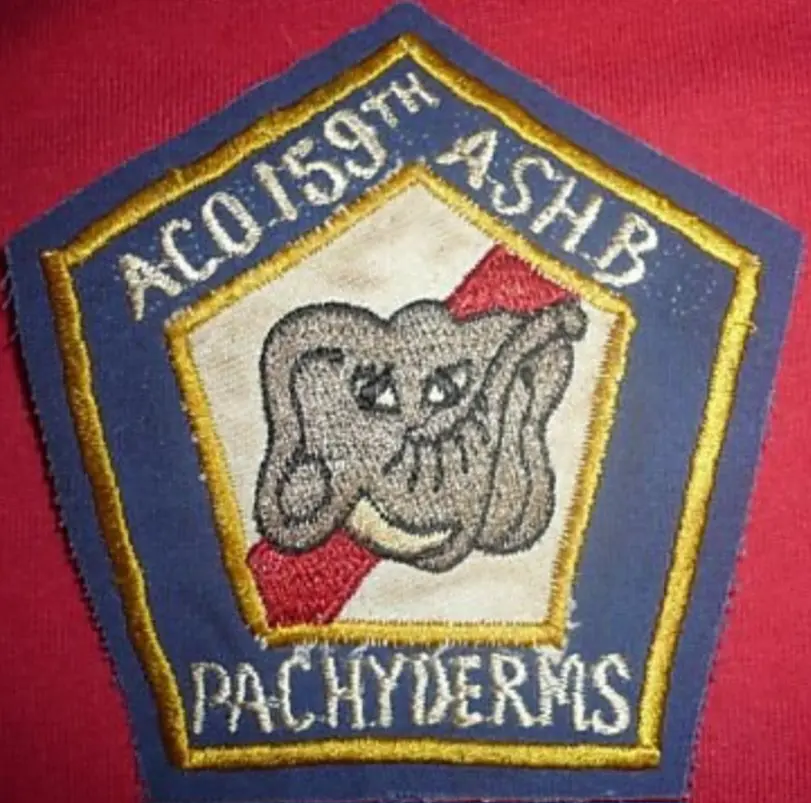
COMPANY A — “THE PACHYDERMS”
Why the Name
The nickname “Pachyderms” was no accident. A pachyderm an elephant is powerful, steady, dependable, able to carry enormous loads, and unshakable under pressure. That is exactly what a CH‑47 Chinook company was in Vietnam. The Chinook was the elephant of the sky: big, strong, loud, and capable of hauling more than any other helicopter in the war. Company A embraced that identity with pride because it reflected who they were and what they did.
What the Pachyderms Did
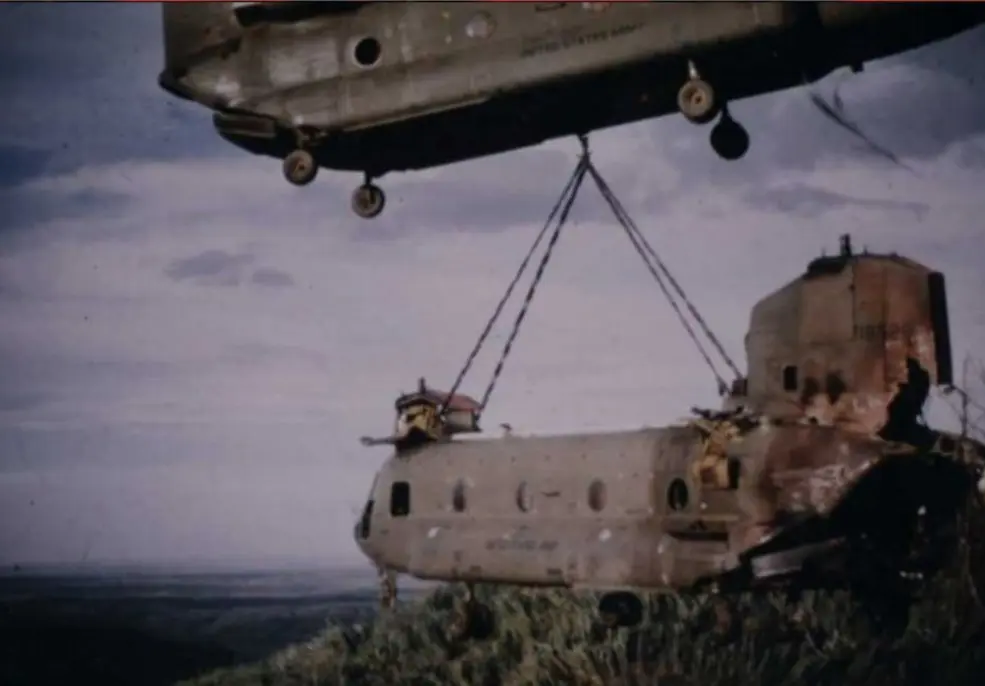
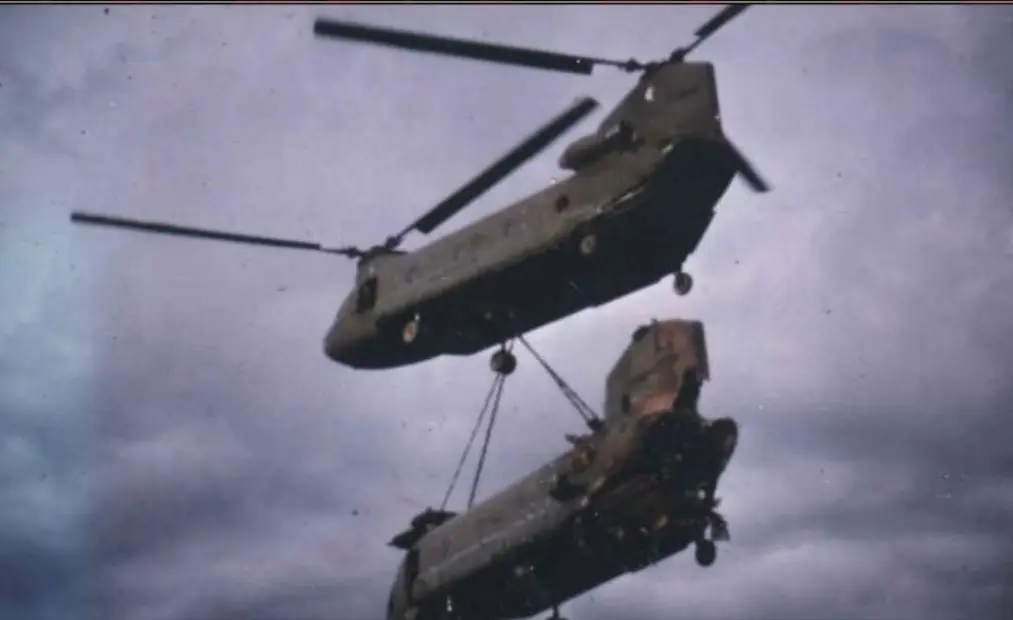
Company A, 159th Aviation Battalion, served as one of the true workhorses of the 101st Airborne Division (Airmobile). Their Chinooks hauled artillery into mountain firebases, delivered ammunition, water, and rations to infantry units deep in the jungle, lifted troops into and out of combat zones, recovered downed aircraft, evacuated wounded soldiers, and supported operations in the A Shau Valley. They kept frontline units alive in terrain where trucks could never go. If the Army needed something moved, lifted, or delivered, the Pachyderms made it happen.
The Pachyderm Reputation
Within the 101st, the Pachyderms earned a reputation for reliability, strength, courage, endurance, and professionalism. Their aircraft carried loads others couldn’t. Their crews flew into hot landing zones without hesitation. Their missions were long, heavy, and dangerous, yet they delivered every time. Company A wasn’t a rear‑area support unit. They were the backbone of the division’s mobility.
The Patch and Identity
The elephant symbol became a quiet badge of honor. It appeared on helmets, aircraft doors, maintenance toolboxes, flight gear, and hoist equipment. It wasn’t just a mascot it was a reminder that this unit carried the weight of the war on its rotors. The men wore it because they believed in what it stood for.
What It Meant to Serve as a Pachyderm
For David, being a Pachyderm meant working on one of the most complex aircraft in Vietnam and keeping it alive under brutal conditions. It meant flying as a door gunner when needed, supporting infantrymen who depended on the Chinook for survival, and living at Phu Bai, where missions never stopped and the stakes were always high. He wasn’t just part of a unit he was part of a legacy, a brotherhood of men who kept the 101st moving, supplied, and alive.
Because Company A carried the weight of the 101st
Every unit in the 159th had a personality:
- B Company — “Varsity.”
- C Company — “Playtex.”
- A Company — the heavy lifters.
Company A hauled the big loads:
- artillery into mountain firebases.
- water and ammo to infantry in the jungle.
- downed aircraft out of hot zones.
- troops into the A Shau Valley.
If the 101st needed something moved, A Company moved it.
Just like a pachyderm — steady, strong, unstoppable.
Only They Could Carry That Name
The nickname wasn’t just about the aircraft.
It was about the attitude of the unit.
Pachyderms are:
- stubborn.
- reliable.
- unshakeable.
- slow to panic.
- strong enough to carry others.
Company A
You didn’t quit. You didn’t break. You didn’t back down from a mission. You carried the weight, flew the loads, fixed the damage, and answered every call — no matter the hour, no matter the danger, no matter the cost.
Because that’s what Pachyderms did. And that’s who you were.
Life for a CH‑47 Unit at Phu Bai
For Company A, 159th Aviation Battalion, Phu Bai was the center of gravity the place where the Chinooks earned their keep. The unit supported infantry brigades pushing into the mountains, firebases perched on impossible terrain, and troops operating in triple‑canopy jungle. Artillery had to be moved by air. Emergency extractions happened under fire. Downed aircraft needed recovery. A Chinook wasn’t just a helicopter it was a lifeline.
David’s work as an aircraft electrician mattered even more here. Every mission depended on the aircraft being ready, reliable, and safe. A bad connection, a faulty system, or a missed detail could cost lives. Phu Bai wasn’t forgiving. And when he filled in as a door gunner, he saw the war from the open side of a helicopter wind in his face, jungle rushing beneath him, and the knowledge that any mission could turn hot without warning
Daily Reality
Phu Bai meant more incoming fire. More night alerts. More missions launching at dawn. More aircraft returning with bullet holes. More wounded being brought in. More names whispered after a bad day. It was not a place you forgot. It was a place that stayed with you.
The Soundscape
Phu Bai had its own soundtrack a constant reminder that you were in I Corps, the most volatile region in Vietnam. The deep, rhythmic thump of Chinook blades rolled across the base. Huey’s chopped the humid air at all hours. Artillery fired into the mountains, sometimes all night long. Distant small‑arms fire drifted in from the jungle. Mortars whistled in without warning. Bunker doors slammed shut. Generators hummed endlessly.
Even when it was quiet, it wasn’t quiet.
The Smell of the Place
Phu Bai had a smell you don’t forget: JP‑4 jet fuel, wet earth, red mud, sweat, burning trash, hot metal, rain‑soaked sandbags, and the thick, green, living scent of the jungle. It was a mix of life and war, all tangled together.
THE THINGS MOST PEOPLE NEVER HEAR ABOUT PHU BAI
There were parts of Phu Bai that never made it into the official histories the things men felt, sensed, and carried long after they came home. One of the first was the constant sense of being watched. Phu Bai sat close to NVA infiltration routes, and men often said the jungle had eyes. You rarely saw the enemy, but you felt them. You knew they were out there, studying flight patterns, counting aircraft, watching the perimeter. That awareness settled into your bones and never really left.
The weather could be just as dangerous as the enemy. I Corps was famous for sudden fog, low clouds, monsoon downpours, and winds that could shove a Chinook sideways. Pilots and crew chiefs used to say the mountains around Phu Bai could “reach up and grab you.” For a door gunner or an electrician flying missions, that meant white‑knuckle approaches, blind landings, and trusting the pilot completely while praying the weather didn’t close in behind you. The terrain didn’t care who you were.
And then there was the A Shau Valley the place that changed men. Phu Bai was the gateway to it, a narrow, fog‑filled corridor heavily defended and riddled with NVA bunkers hidden beneath triple‑canopy jungle. Flying into the A Shau wasn’t just a mission; it was a test. Even men who never set foot on the ground there carried the valley with them for the rest of their lives.
The tempo at Phu Bai was relentless. At Cam Ranh Bay, you had moments to breathe. At Phu Bai, the war didn’t give you that luxury. Aircraft came back shot up. Crews returned exhausted. Medevac birds landed with wounded. Infantry units loaded up for operations. Artillery was lifted into impossible places. There was no such thing as a “normal day.” Every day was a mission day.
The nights were the hardest not because of fear, but because of anticipation. You lay there listening for the whistle of incoming, the thump of mortars, the sudden shout of “INCOMING!”, the sound of boots hitting the floor, the scramble to the bunkers. You slept lightly. You dreamed lightly. You lived lightly, because you had to be ready to move.
Brotherhood meant something different at Phu Bai. You weren’t just coworkers; you were the people who kept each other alive. You trusted the mechanic who signed off your aircraft, the crew chief who checked your gear, the pilot who pulled pitch, the gunner who watched your flank, the man next to you in the bunker. That kind of trust doesn’t fade. It stays with you long after the war ends.
And when your time at Phu Bai ended, leaving felt strange. You didn’t just leave a base you left a rhythm, a brotherhood, a battlefield, and a version of yourself you didn’t know existed until you arrived. Phu Bai changed men. It sharpened them. It aged them. It marked them. And it stayed with them even decades later.
THE CHINOOK — WHAT IT WAS REALLY LIKE
The CH‑47 Chinook was not a delicate machine. It wasn’t pretty or graceful. It was a workhorse a muscle machine, a flying truck that hauled artillery pieces, ammunition, water, rations, troops, wounded men, downed aircraft, and anything else the infantry needed to survive. If the Army needed it moved, the Chinook moved it.
It had a sound you never forget. It didn’t “whop‑whop” like a Huey or scream like a Cobra. It thundered. Two massive rotors beat the air in perfect rhythm, a deep rolling vibration you felt in your chest, your boots, your bones. When a Chinook came in low, the ground shook. Men at firebases used to say, “When you hear the Chinook, you know help is coming.”
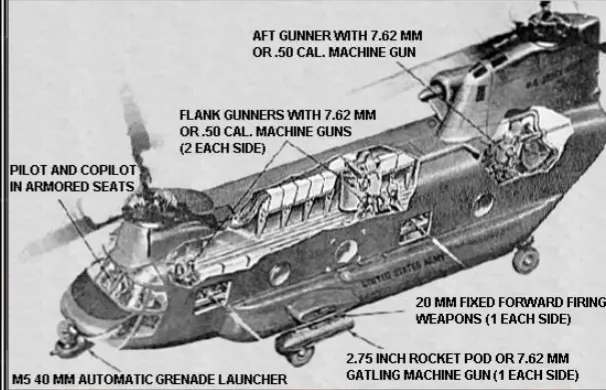
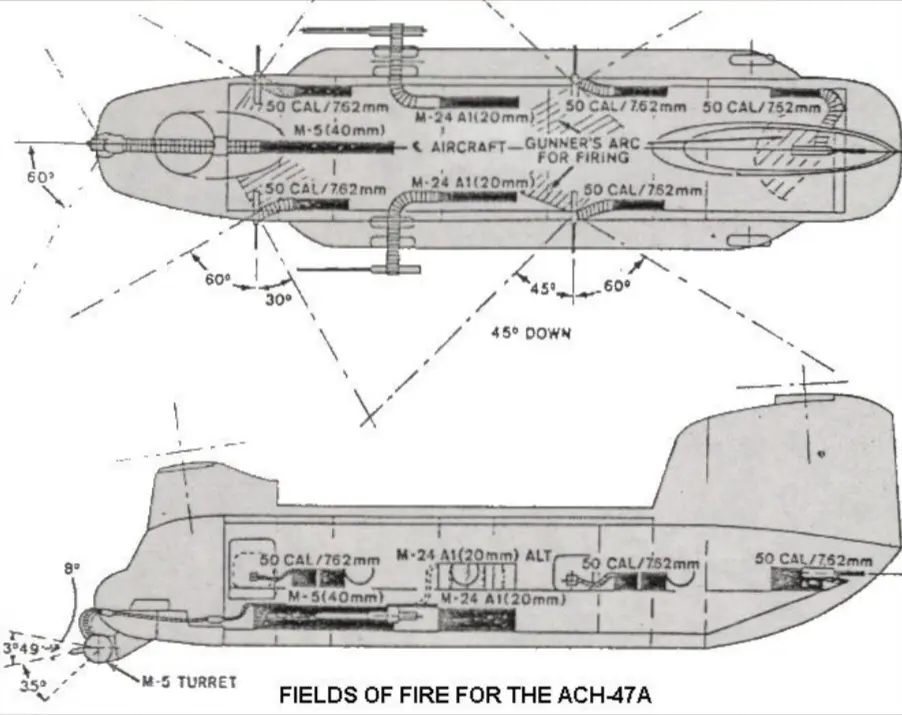
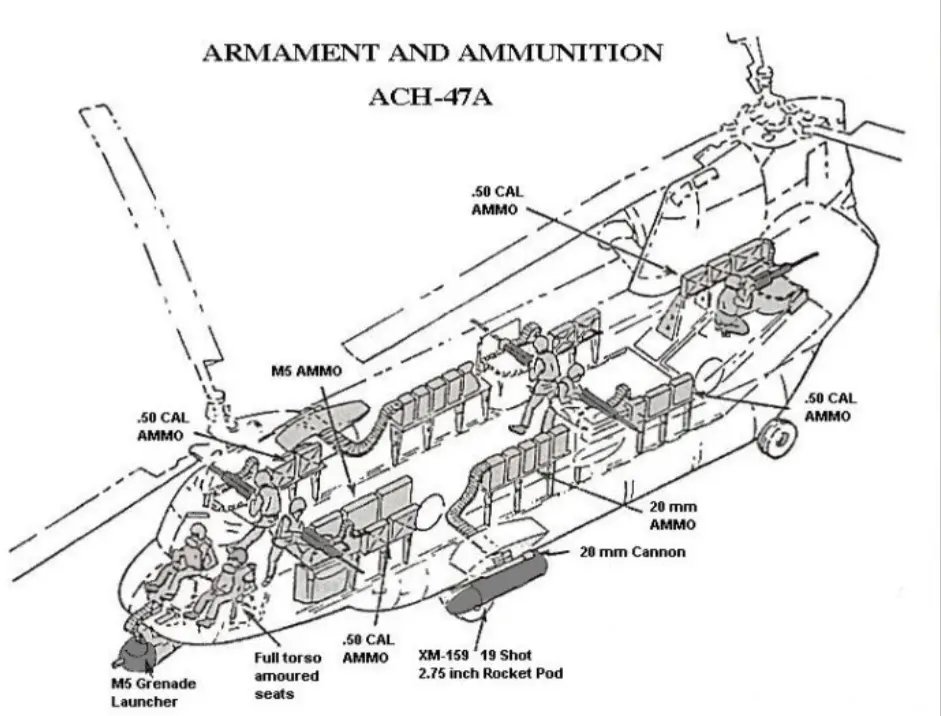
Inside the aircraft, everything was loud, hot, vibrating, and alive. The metal floor rattled under your boots. Wind blasted through the open doors. The smell of fuel and hydraulic fluid mixed with jungle air. The engines roared so loud you felt the sound more than you heard it. And when you were a door gunner, you had the M60 in your hands, the jungle rushing beneath you, the wind tearing at your sleeves, and adrenaline pounding through your veins. Flying wasn’t just a job it was a rush that stayed with you for life.
A Chinook crew was its own small family: pilot, co‑pilot, crew chief, flight engineer, and door gunners sometimes fill‑ins like you. Everyone depended on everyone else. Everyone had a job that mattered. And the aircraft electricians men like you were the ones who kept the bird alive. If the electrical systems failed, the mission failed. If the mission failed, men died. Your work wasn’t background. It was life‑or‑death.
Flying a Chinook in Vietnam wasn’t flying in open skies. It was threading through mountain passes, dropping into narrow valleys, skimming over triple‑canopy jungle, landing on ridgelines barely wide enough for the wheels, flying into hot LZs, taking fire, and dealing with weather that could change in minutes. You didn’t just fly the aircraft you fought it, wrestled it, trusted it. And in its own way, it trusted you back.
Maintaining a Chinook in Vietnam especially at Phu Bai demanded skill, pressure, danger, and pure grit. It was the kind of work only those who lived it truly understood.
HOW DIFFICULT WAS IT TO MAINTAIN A CHINOOK IN VIETNAM?
Maintaining a CH‑47 Chinook in Vietnam was one of the hardest jobs in Army aviation. The aircraft itself was complex two massive rotor systems, miles of wiring, multiple hydraulic networks, engines that ran hot and hard, and a transmission system that had to be perfect. As an aircraft electrician, you weren’t just fixing wires. You were keeping a flying machine alive under the worst conditions imaginable. One bad connection could cost a crew their lives.
Vietnam’s environment fought you every single day. Heat cooked electrical components. Humidity corroded connectors. Monsoon rains soaked everything. Red mud worked its way into places it had no business being. Dust from landing zones coated every surface. Salt air near the coast ate metal and wiring. You weren’t maintaining an aircraft in a hangar you were maintaining it outside, in the mud, in the rain, in the heat, with sweat running into your eyes.
The Chinooks never stopped flying. They were needed for troop lifts, resupply, artillery moves, medevac, emergency extractions, and downed‑aircraft recovery. That meant no downtime, no “we’ll fix it tomorrow,” no waiting for parts. If a Chinook wasn’t flying, someone wasn’t getting food, ammo, water, or medical evacuation. You worked until the job was done period.
Parts were often scarce. You improvised, cannibalized grounded aircraft, repaired components that should have been replaced, and made do with what you had. You learned to be creative, resourceful, and fast.
Every repair carried weight. Crews trusted you. Pilots trusted you. Infantry units depended on your aircraft. Lives were literally in your hands. When you signed off on a Chinook, you weren’t signing a form you were signing a promise.
And all of this happened in a combat zone. Maintenance wasn’t done in peace and quiet. You worked while mortars landed, rockets hit the base, sirens went off, aircraft came in shot up, wounded were being unloaded nearby, and the perimeter was probed at night. You could be elbow‑deep in wiring one minute and sprinting for a bunker the next.
The Chinook itself was a beast to keep balanced. Electrical systems took a beating from vibration, torque, rotor wash, sudden altitude changes, hard landings, and sling‑load stress. Everything shook. Everything rattled. Everything wore out faster than it should. You weren’t maintaining a helicopter you were maintaining a flying earthquake.
And yet, despite the heat, the mud, the pressure, the danger, the lack of parts, and the constant flying schedule, you kept those aircraft in the air. And when you filled in as a door gunner, you saw firsthand what your work meant. You weren’t just turning wrenches. You were keeping men alive.
Maintaining a Chinook in Vietnam was difficult, exhausting, unforgiving, dangerous, and absolutely essential. It demanded skill, endurance, and a kind of quiet courage that rarely made it into the official reports. But it was also honorable work, because every mission that bird flew carried men who trusted you with their lives.
And men like David delivered.
He delivered in the heat, in the mud, in the monsoons, under fire, with limited parts, impossible deadlines, and the constant pressure of knowing that a single mistake could cost a crew their lives. He delivered when the aircraft came back shot up. He delivered when the missions stacked up faster than the repairs. He delivered when the nights were long and the danger was close.
He delivered because that’s what Pachyderms did.
And because the men who flew those aircraft and the men who depended on them deserved nothing less.
The Rhythm of Life in Vietnam
For David Cortez Salinas, Vietnam was not a single day or a single mission it was a rhythm. A way of living shaped by heat, danger, responsibility, and the unspoken courage of the men who kept the war in the air.
It was a life of relentless heat that soaked every uniform and corroded every wire. A life where the constant movement of aircraft shook the ground beneath his boots. A life where leadership under pressure wasn’t optional it was the only way the mission could continue. A life that demanded technical mastery from an aircraft electrician whose work determined whether soldiers lived or died. And a life defined by quiet, unrecognized courage shown in every repair he made.
David kept the 101st Airborne Division flying. He kept missions alive. He kept soldiers safe.
Not with headlines. Not with fanfare. But with steady hands, disciplined skill, and a devotion to duty that never wavered.
This was his service. This was his sacrifice. This was the legacy he carried home.
Legacy
David Salinas carries a legacy shaped by courage, endurance, and the quiet strength of a man who served his country during one of the most demanding eras in American military history.
As a Vietnam War U.S. Army veteran, he stepped into a conflict defined by uncertainty, unforgiving terrain, and relentless operational pressure. His role as an aircraft electrician placed him at the heart of Army aviation the lifeline of the war. Every mission, every evacuation, every resupply flight depended on the precision and reliability of the aircraft he maintained. His legacy is one of responsibility under fire.
While others saw helicopters lifting off into danger, David saw the lives depending on his hands. He worked in conditions that demanded technical mastery, calm under pressure, and an unwavering commitment to the soldiers who relied on those aircraft to come home. His service was not loud or decorated for spectacle; it was the kind of essential, behind‑the‑scenes excellence that keeps units alive and missions possible.
But David’s legacy extends far beyond Vietnam.
He returned home carrying the weight of a generation that served without fanfare, often without recognition, yet continued to build families, communities, and futures with the same quiet determination they showed in uniform. His life stands as a testament to resilience the ability to endure hardship, to rebuild, and to continue giving long after the war ended.
He leaves a legacy of honor, humility, and strength. He is remembered not only as a veteran, but as a protector, a provider, and a man whose service shaped the values he passed down. His story becomes part of the larger narrative of Vietnam veterans who stood their ground, did their duty, and carried the burden of a difficult war with dignity.
And he did more than carry his own story he carried the stories of others. He became a man deeply involved with fellow veterans, offering support, understanding, and a steady presence to those who had walked the same hard road. Whether through conversations, community gatherings, or simply showing up when another veteran needed someone who understood, David made it his mission to stand beside the men who had once stood beside him. He honored their service, listened to their struggles, and helped ensure they were never forgotten or left behind.
David was also a man of community. He believed in showing up, lending a hand, and being someone others could count on. Whether helping neighbors, supporting local efforts, or offering his time and presence, he made his community stronger. He lived with a generosity that didn’t seek recognition the kind of everyday service that leaves a lasting impact. His steady character, his willingness to help, and his genuine care for others became part of the fabric of the place he called home.
David Cortez Salinas:
A soldier who served with skill and resolve. A veteran who carried his experiences with quiet courage. A man who strengthened his community through kindness and integrity. A brother to other veterans, offering support and understanding born from shared sacrifice. A man whose life continues to honor the generation that answered the call in Vietnam and who now shares God’s word wherever he goes, lifting others with the same steady spirit that once kept aircraft in the sky.