






Service, Sacrifice, and the Enduring Call to Honor America’s Heroes
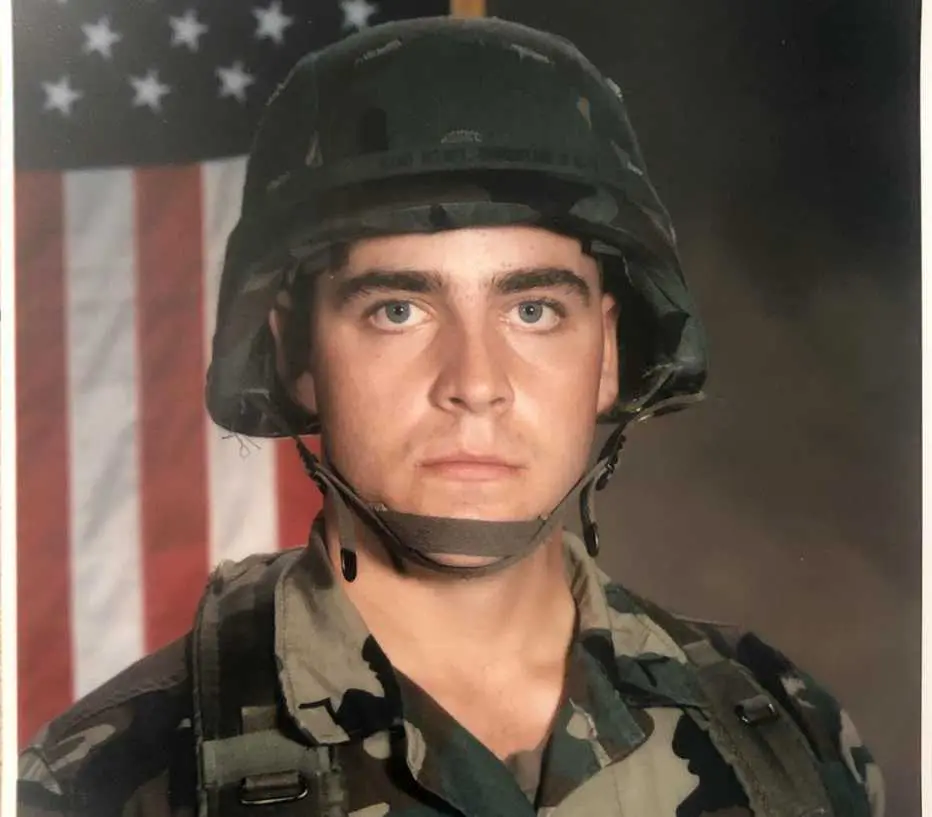
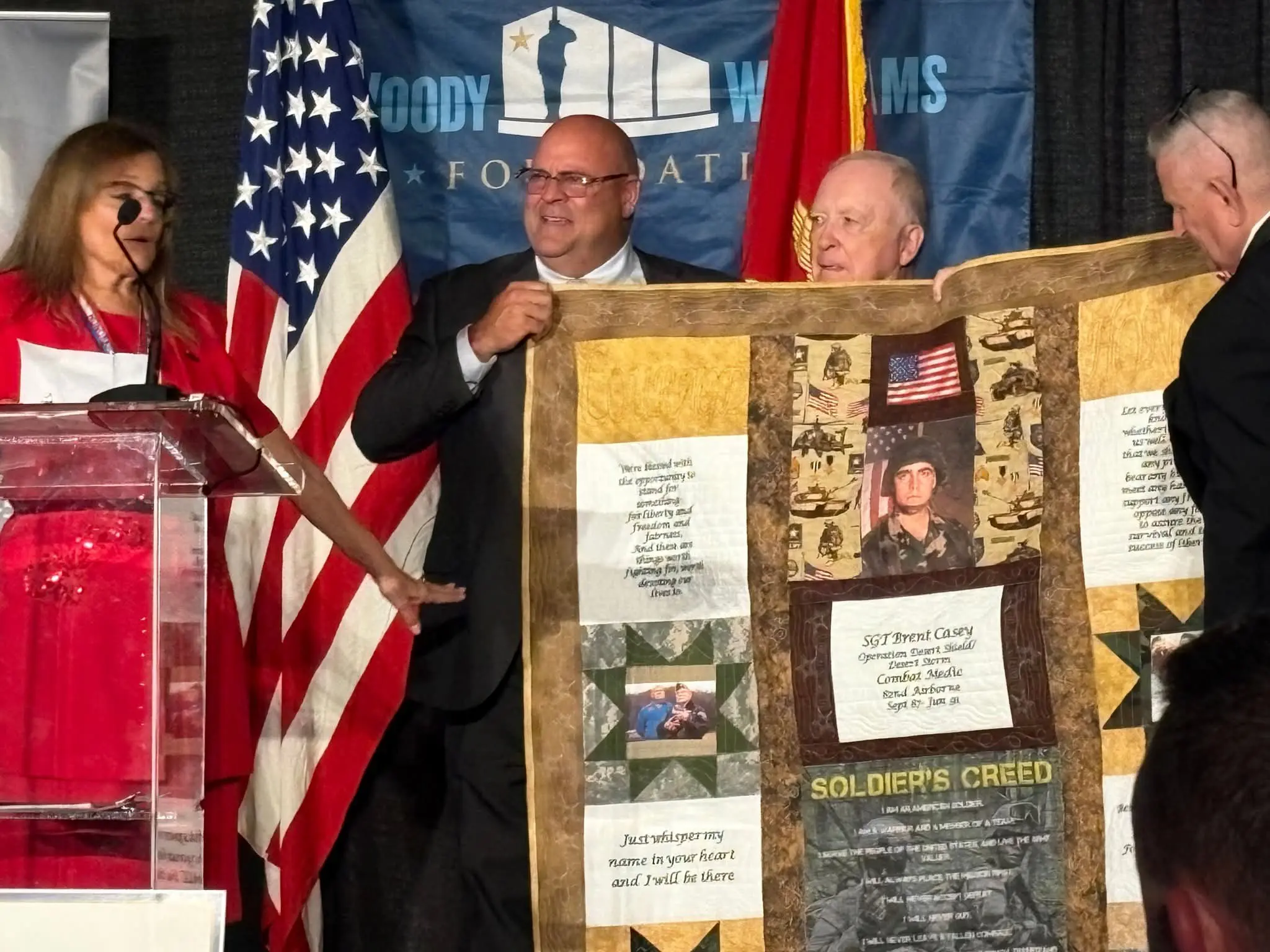
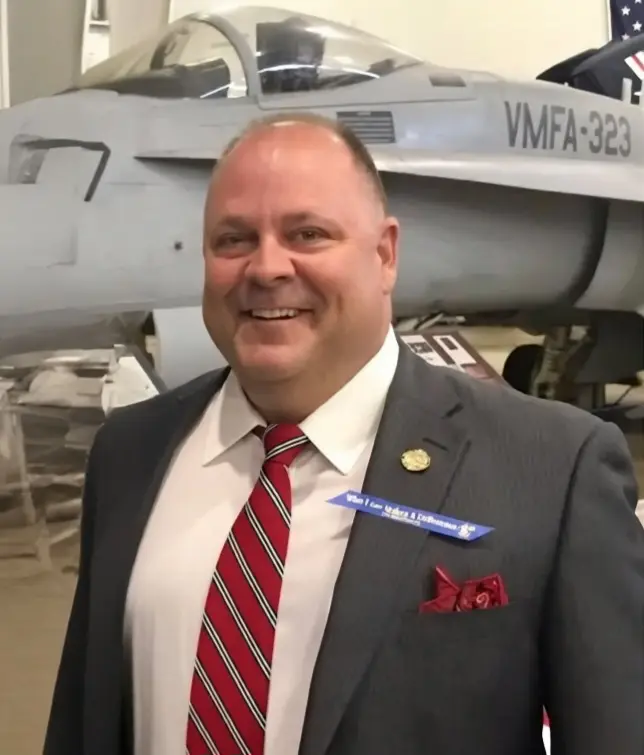
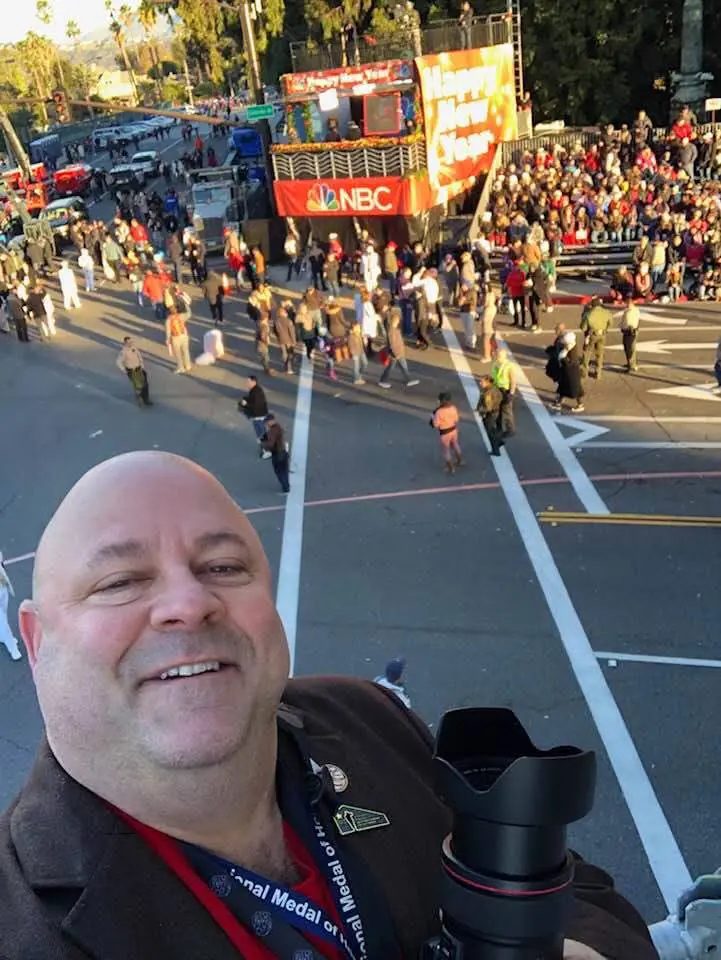
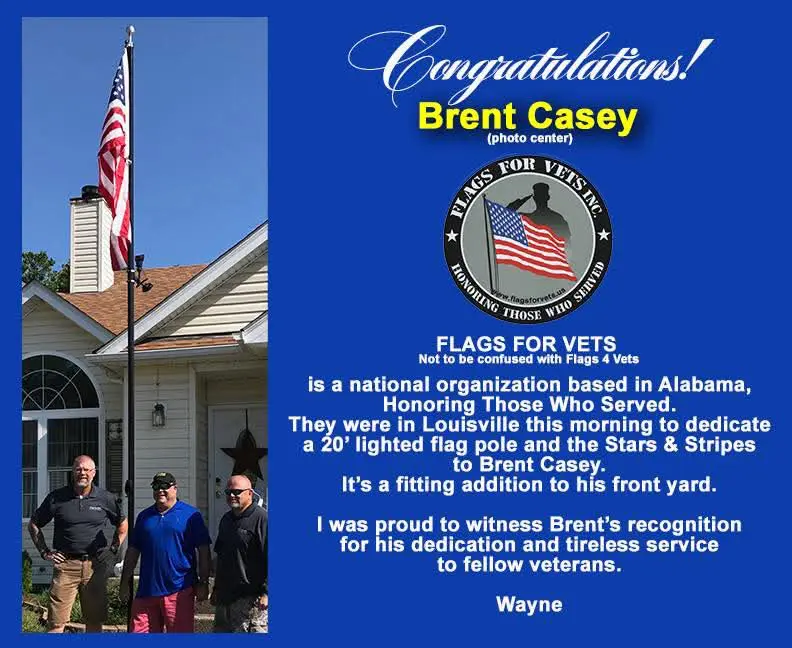
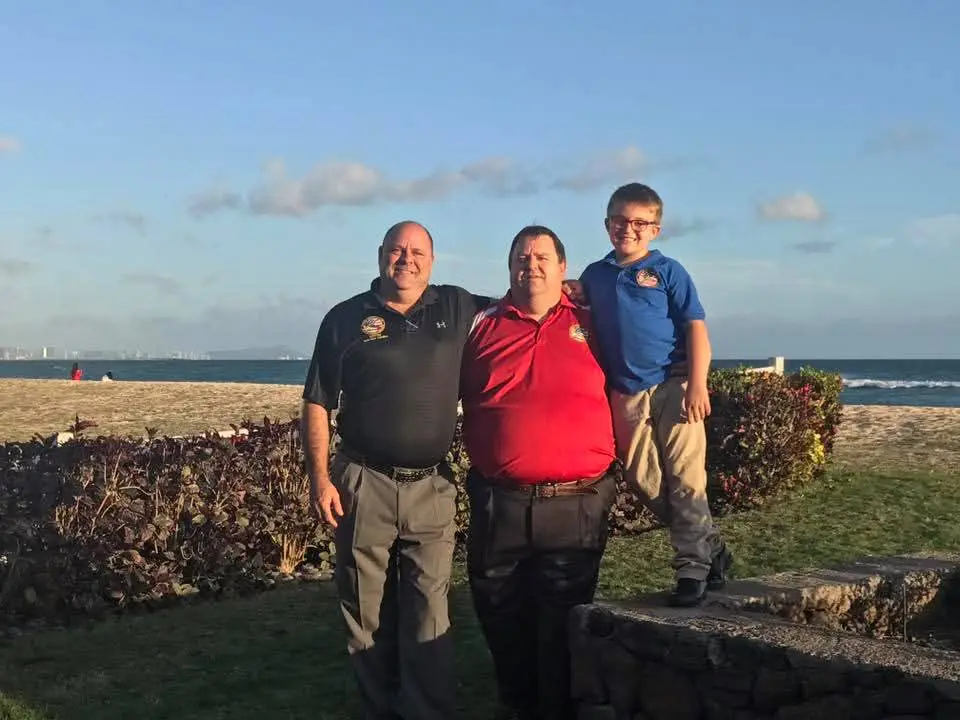
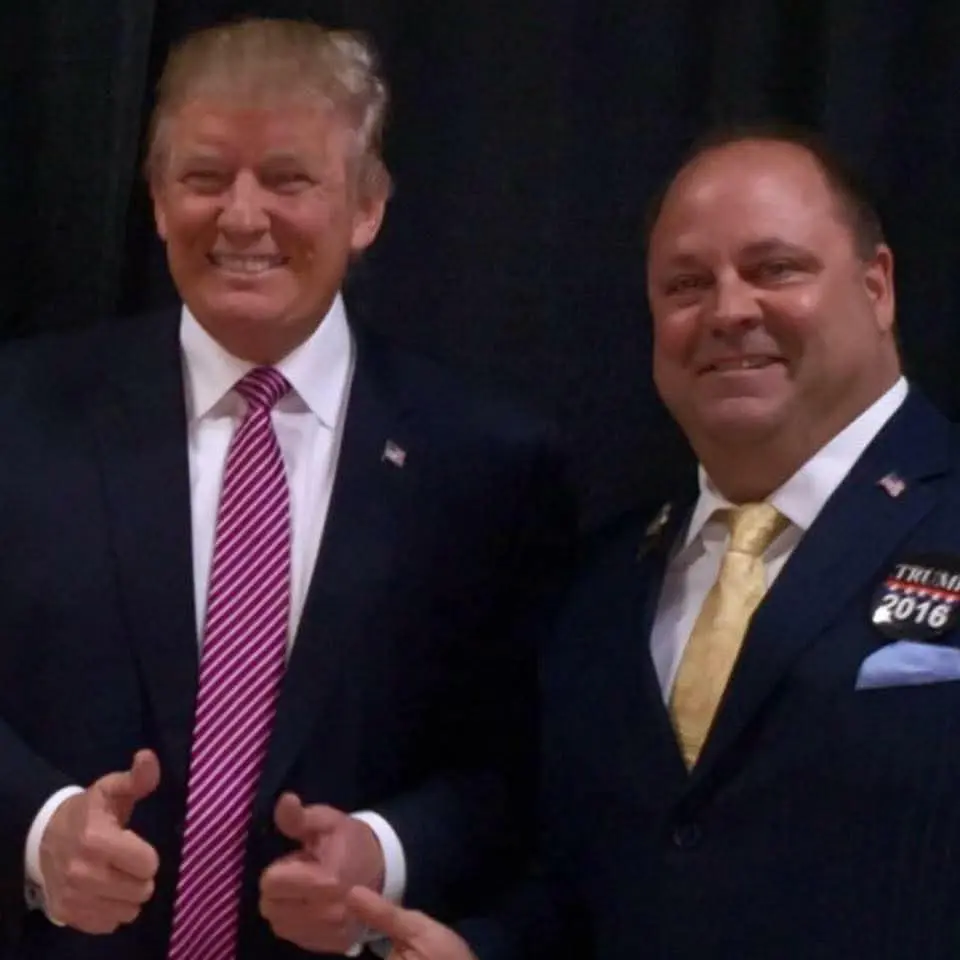
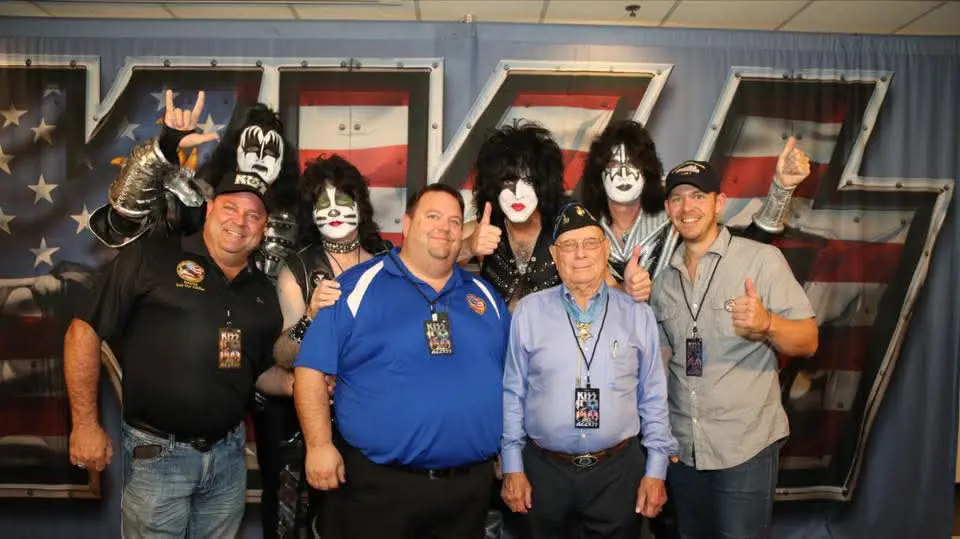
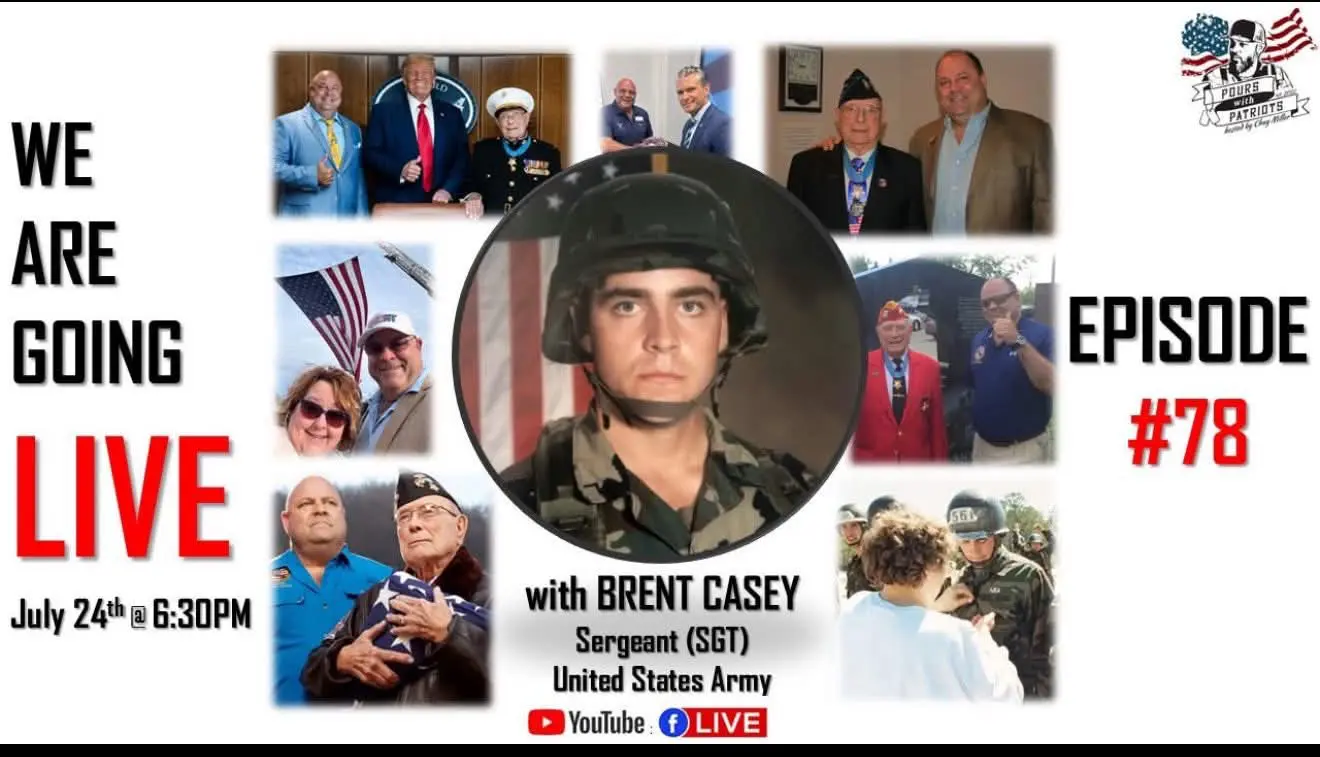
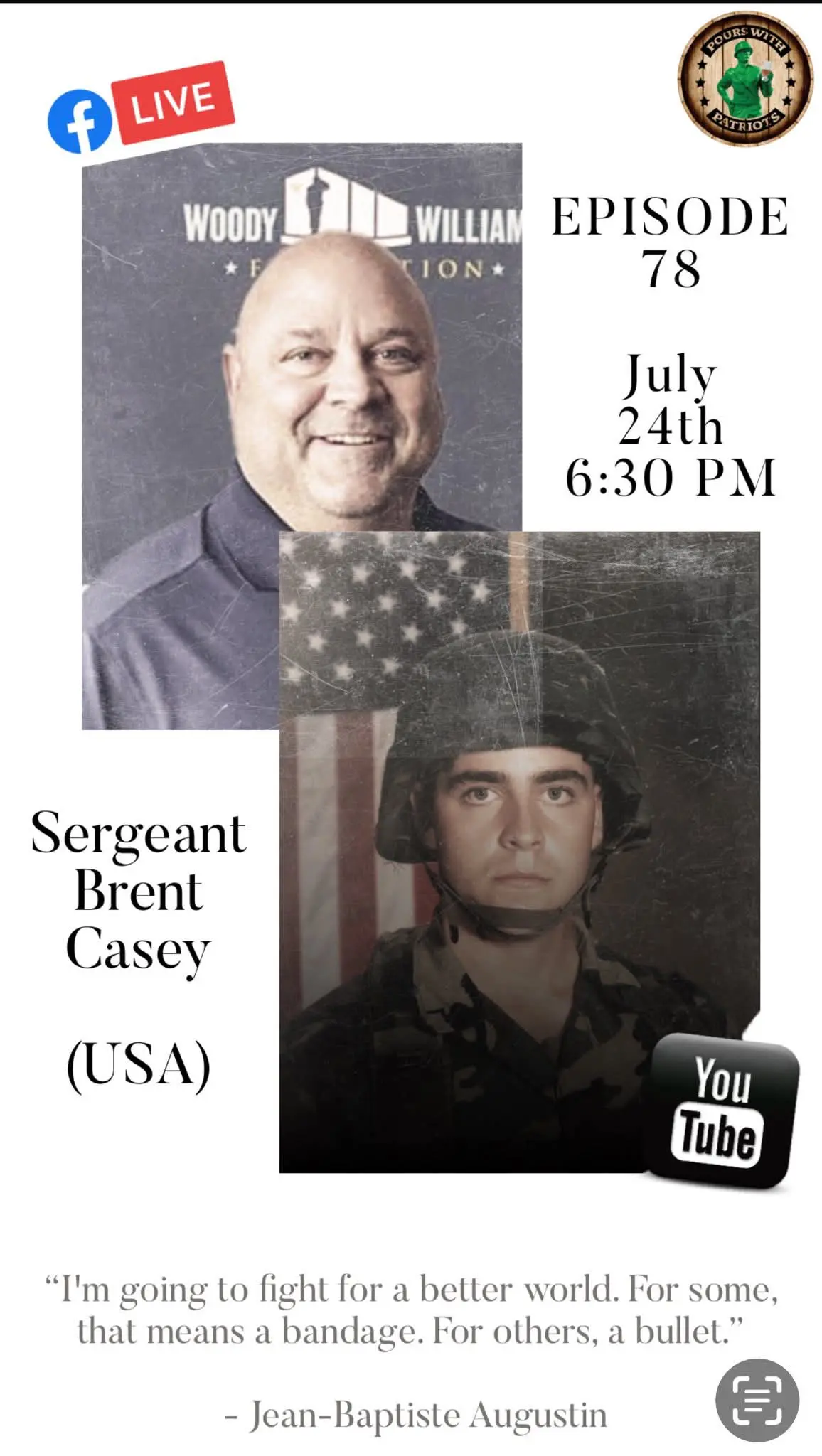
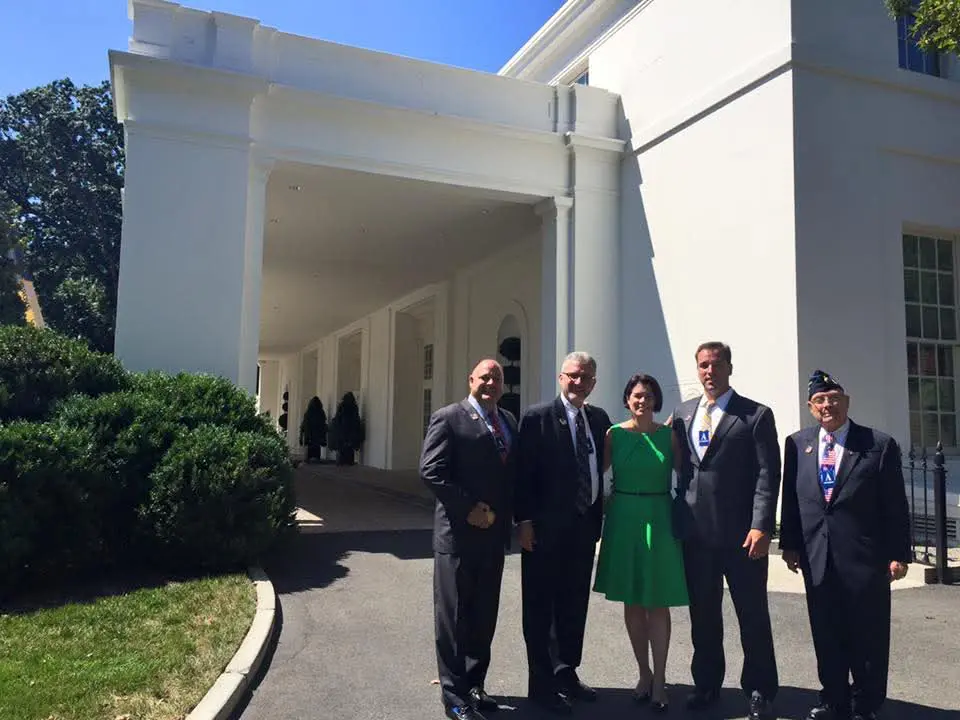
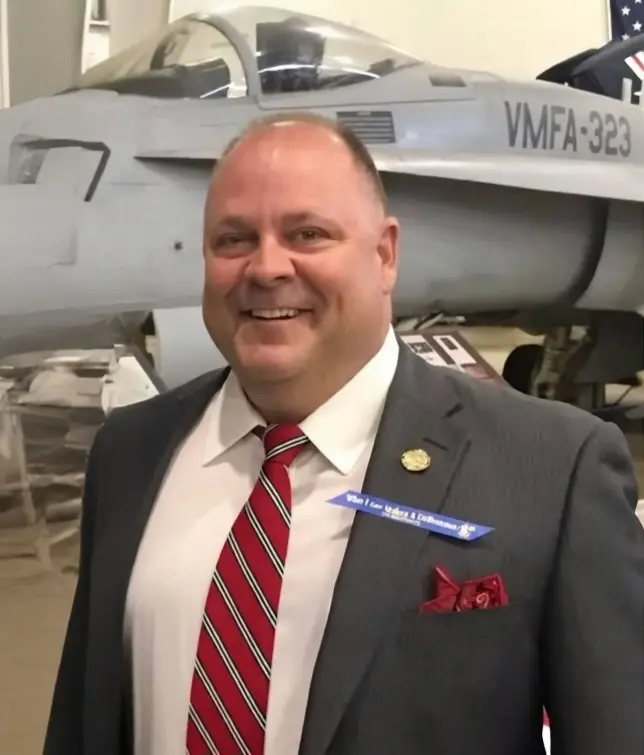
Sergeant Brent Casey is a proud Gulf War Veteran, entrepreneur, nonprofit founder, and national advocate for America’s Veterans, Gold Star Families, and military families. He resides in Kentucky with his wife, Mary, and their children. His life reflects a deep personal calling shaped by his military experiences, his family’s heritage, and his unwavering belief in honoring those who sacrifice for the nation.
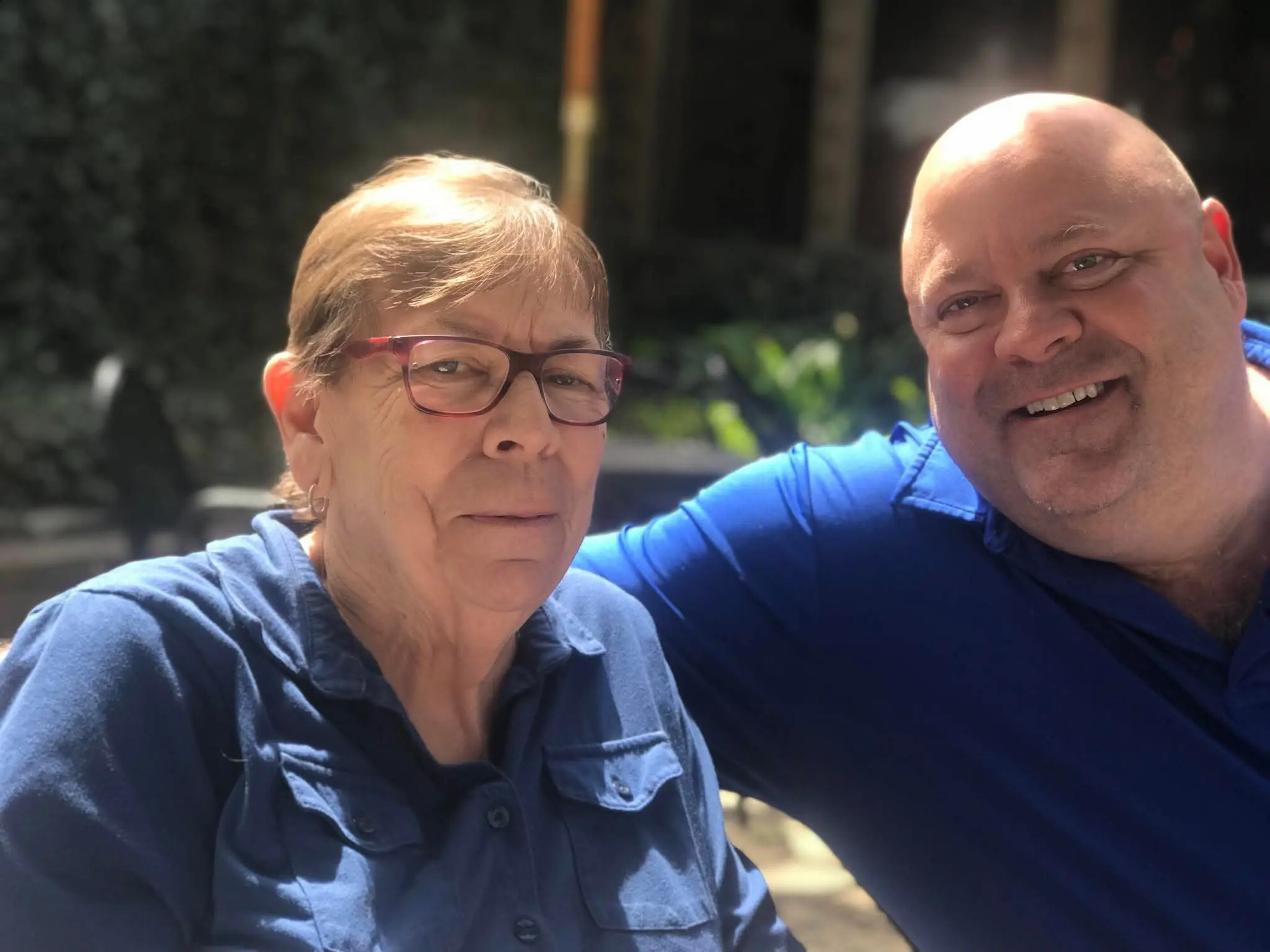
Born in V Butzbach, Germany while his father served in the United States Air Force, Brent’s earliest days began overseas, yet his identity settled firmly in West Virginia, the place he proudly calls home. In 2020, Brent returned to Germany with his mother and his brother. The purpose of the visit was deeply personal, centered on revisiting the hospital where he had been born and reconnecting with the place that marked the beginning of his life. Standing once again in the space that held his earliest history offered him a moment of reflection and connection that he cherished.
His childhood carried both movement and early transitions. Around the age of six, his parents divorced, yet Brent found steadiness in his stepfather, whom he credits with rearing him well. He grew up alongside his younger brothers, Bryan and Sam, who today live in the Coolville and Athens region of Ohio. Bryan is a businessman with several enterprises, and Sam embraces a farm oriented lifestyle.
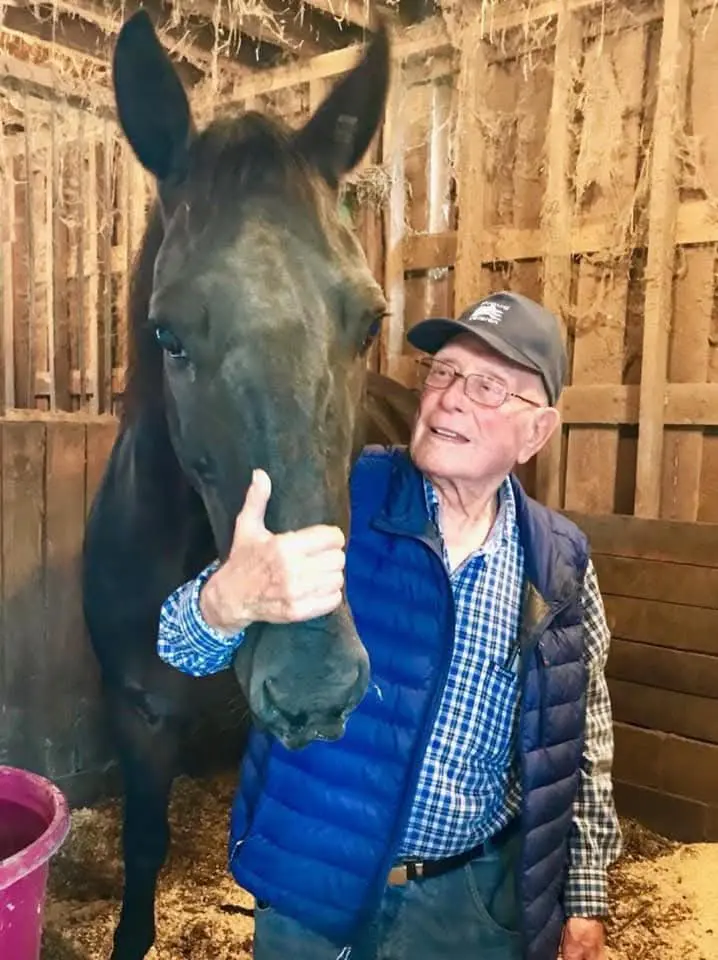
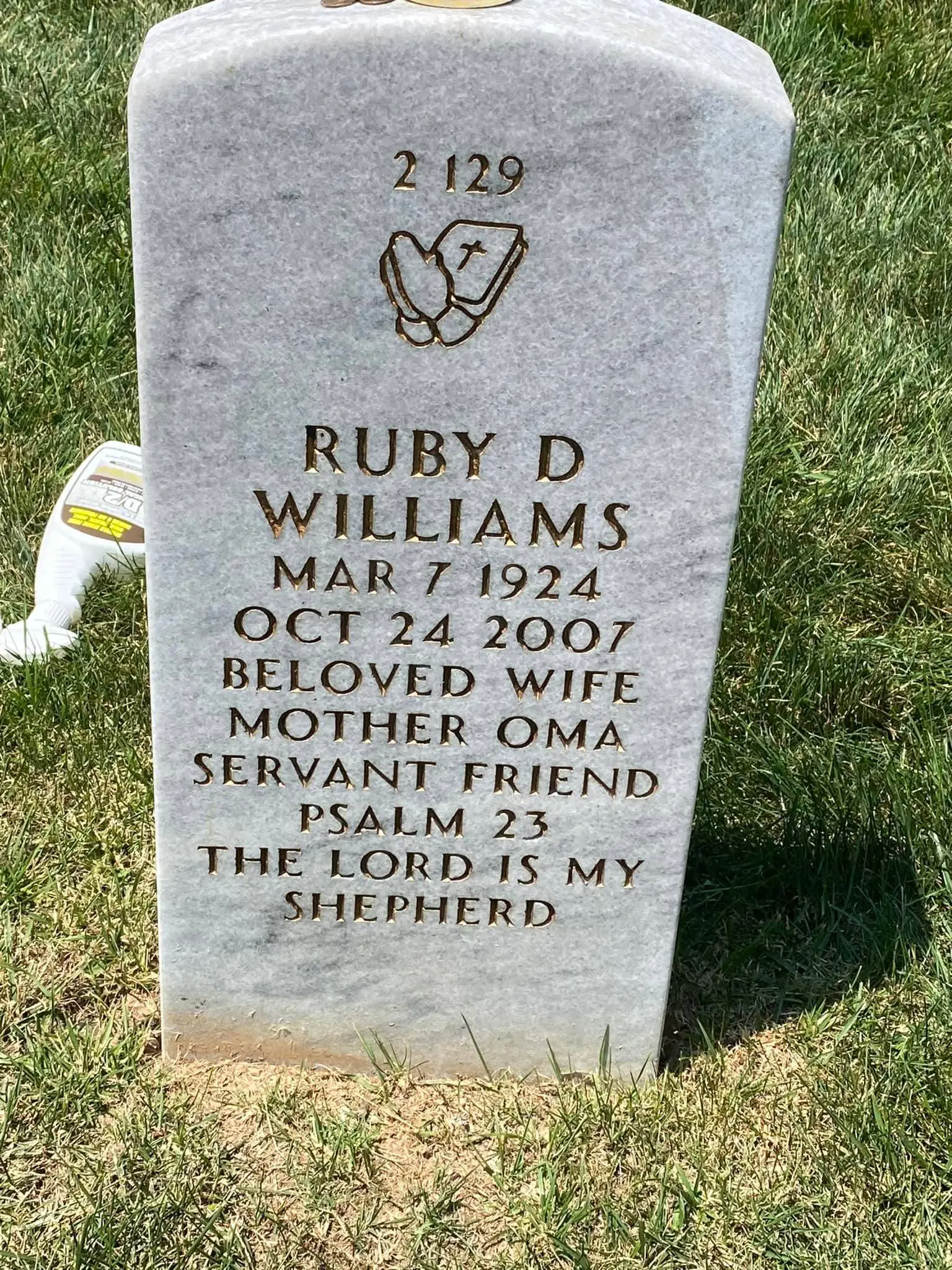
Brent shared a deeply close bond with his grandmother, describing her as someone who always had his back. During his teenage years, especially when he faced disciplinary crossroads, she was a steady source of support, and he frequently stayed at his grandparents’ horse farm. He credits both his grandmother and his grandfather for their constant presence and positive influence throughout his upbringing, recalling how they picked him up for church every Sunday. Brent also credits his mother for steering him toward discipline during those rebellious years by giving him the choice to stay with his grandparents, a decision that became a turning point in his life. He notes that it was his mother and his aunt who finally persuaded his grandfather to attend church on Easter Sunday in 1962, a moment Brent describes as profoundly life changing for his grandfather. Later in life, Brent would face the loss of his mother to cancer, a chapter he carries with quiet reverence.
From an early age, Brent was active, energetic, and constantly involved in something. He joined the volunteer fire department as a junior member, often riding his bicycle to the station to jump on a fire truck. He ran a paper route on a moped scooter and worked his first job at Dairy Queen, recalling when the Blizzard first appeared on the menu. Yet Brent also carried a rebellious streak, often getting into trouble doing dumb kid stuff, like writing his initials in fresh concrete.
Brent’s restlessness eventually reached a turning point. Seeing he needed direction, his mother offered him a choice, a youth guidance program or time at his grandfather’s horse farm. Brent chose the farm, a decision that quietly reshaped the course of his life.
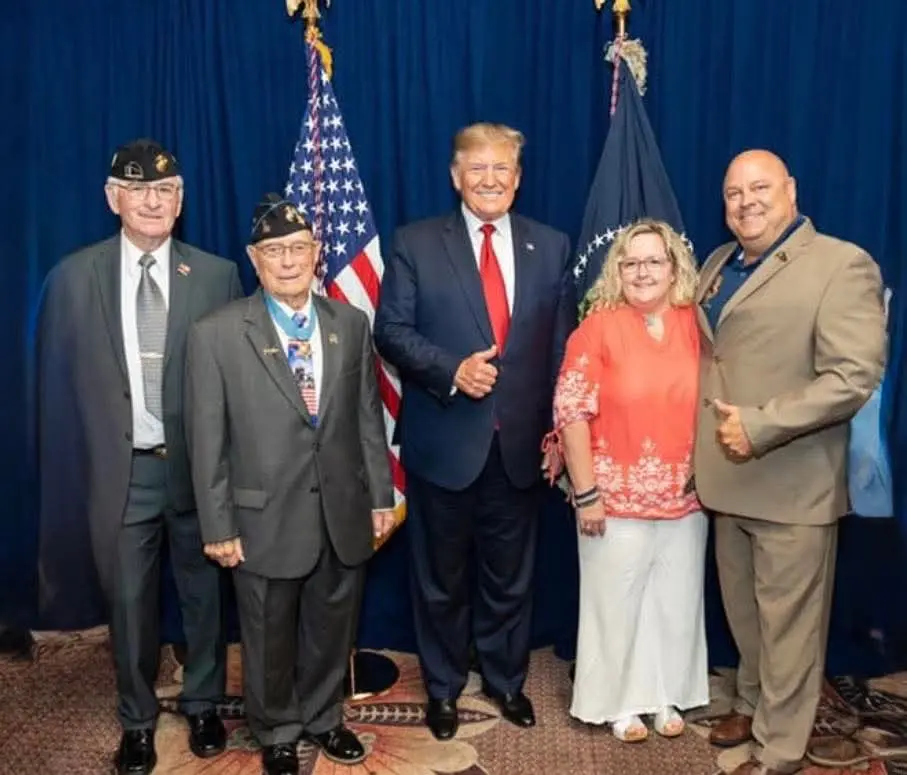
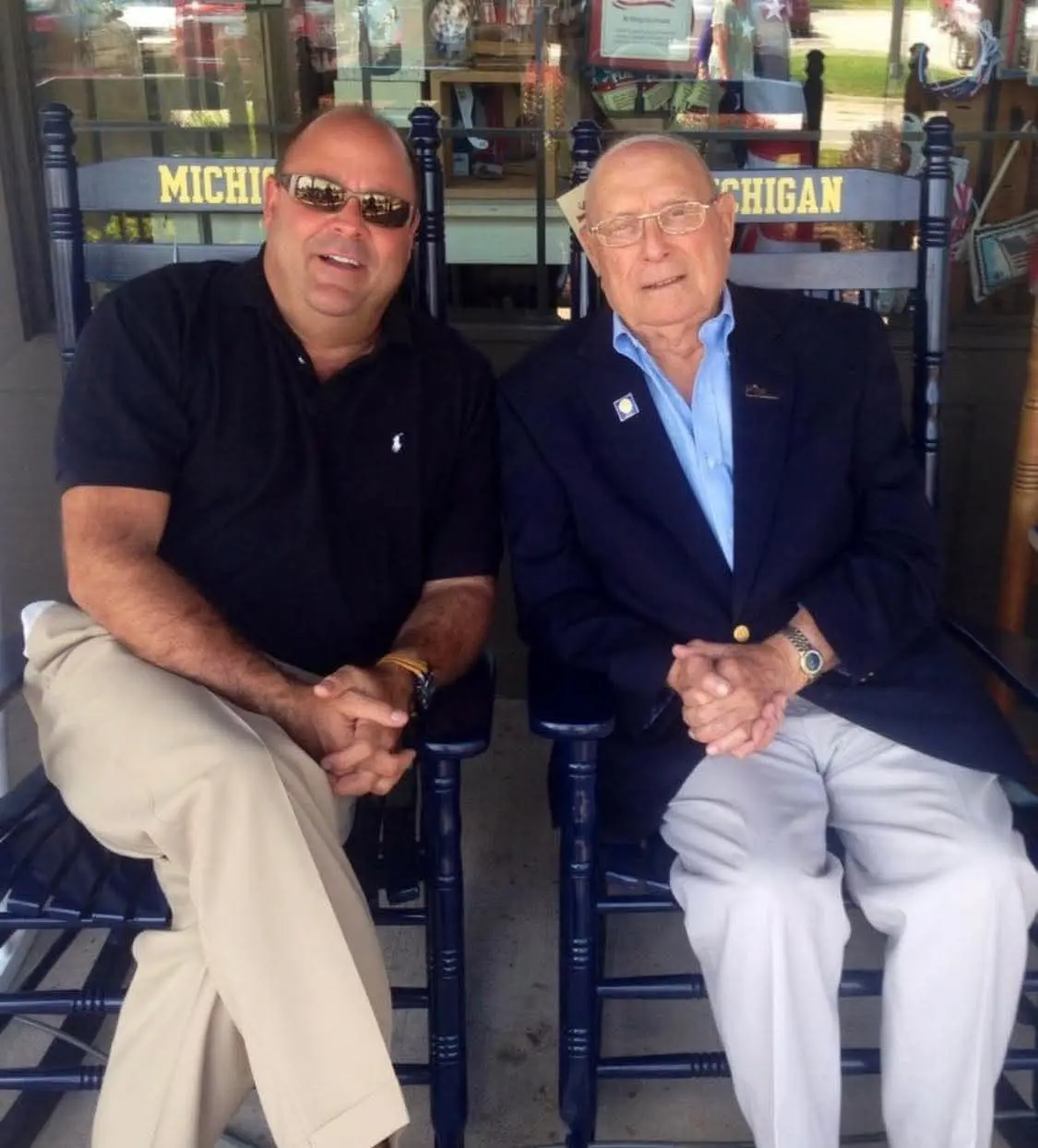
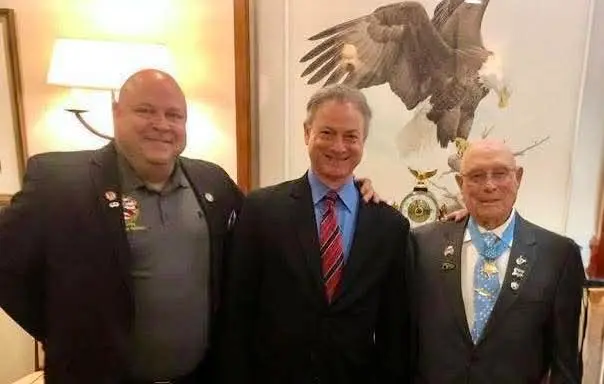
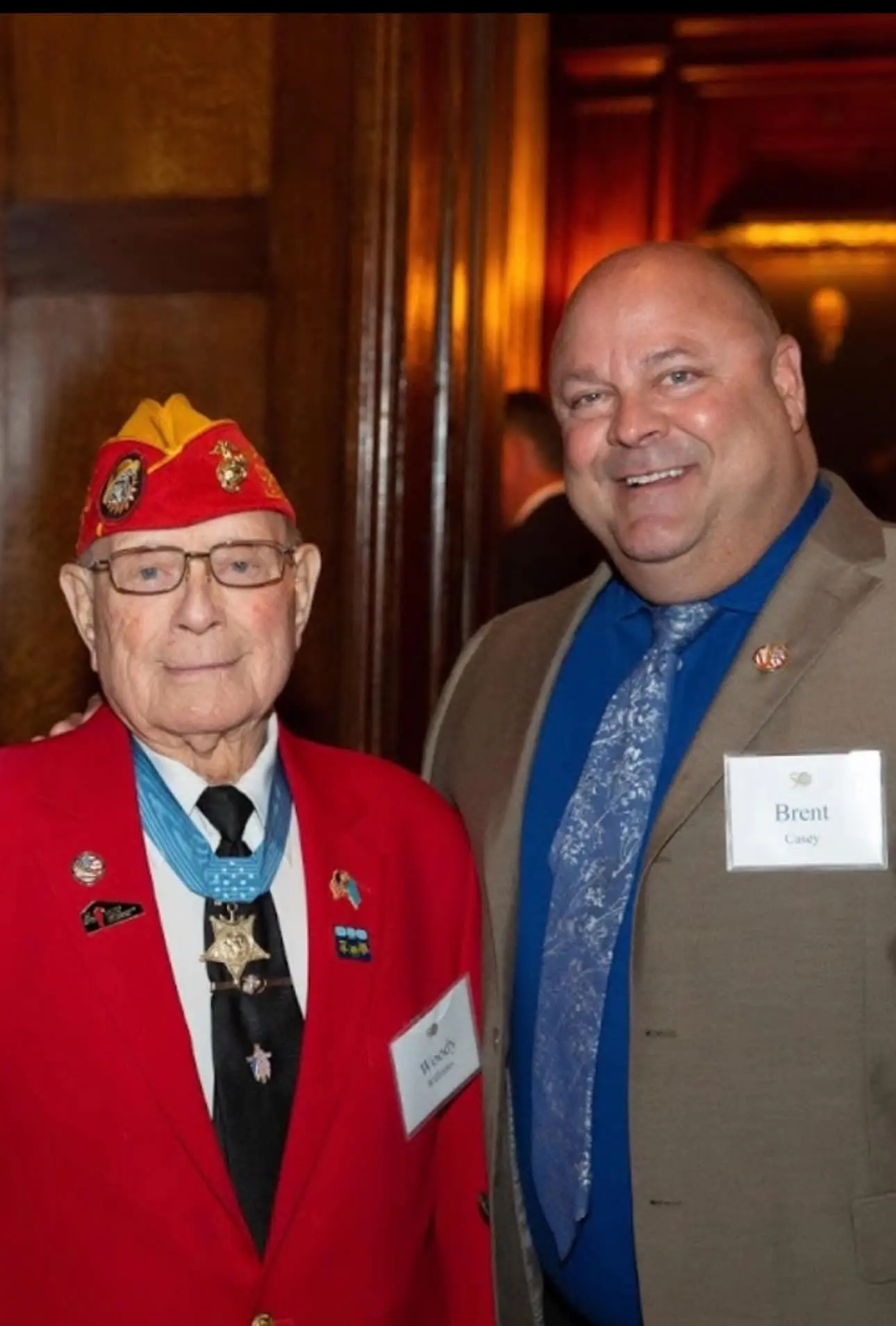
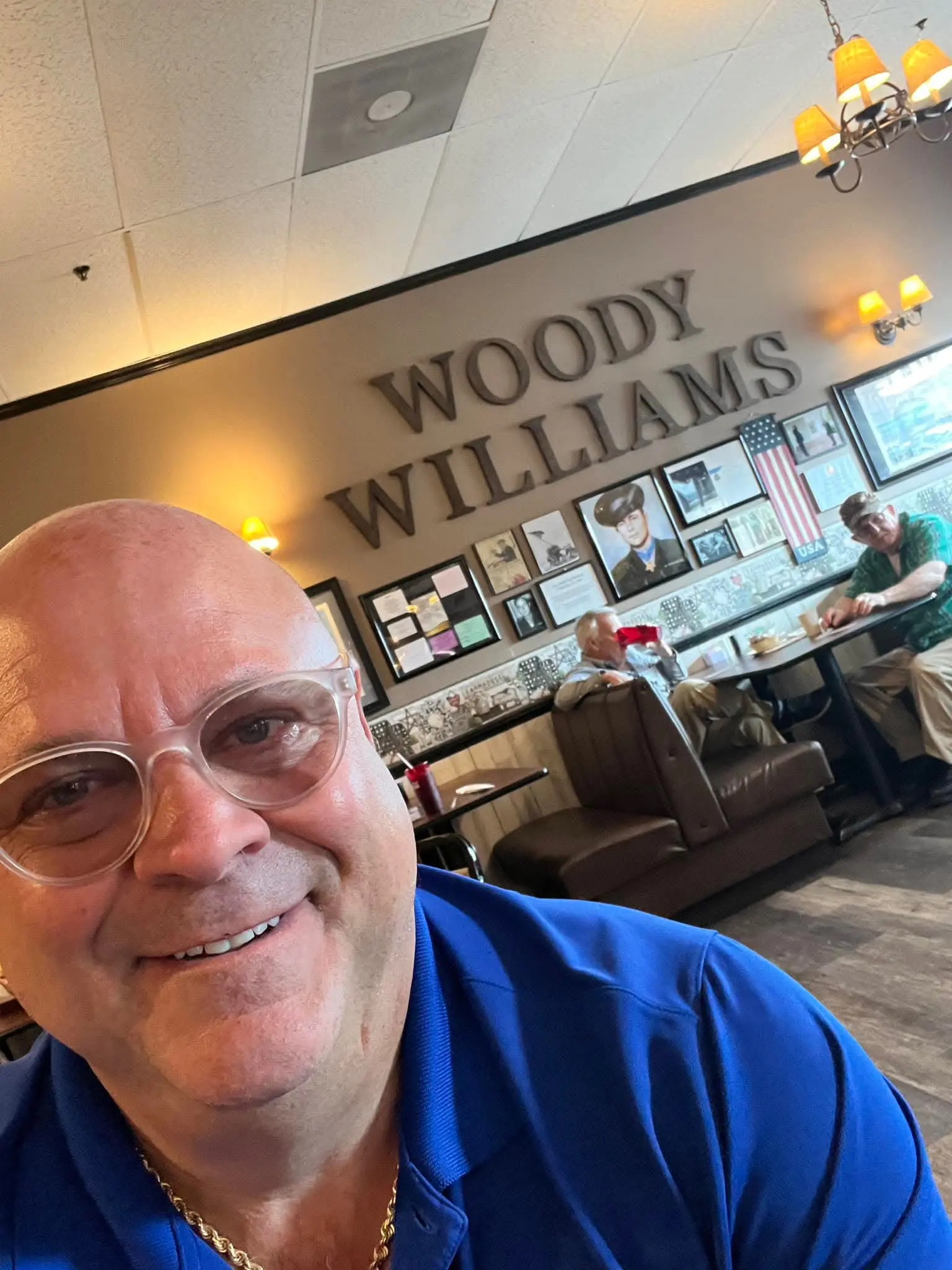
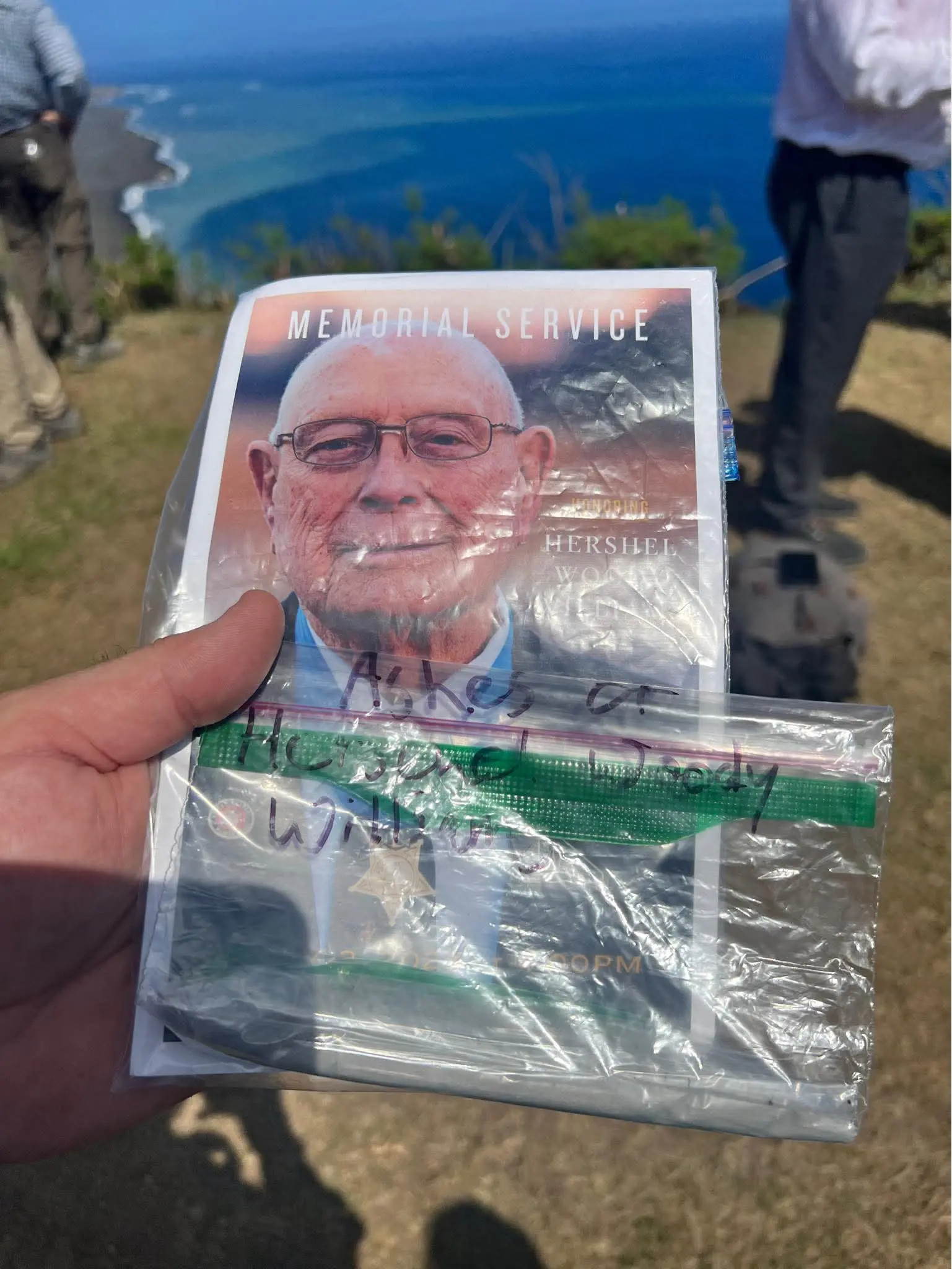
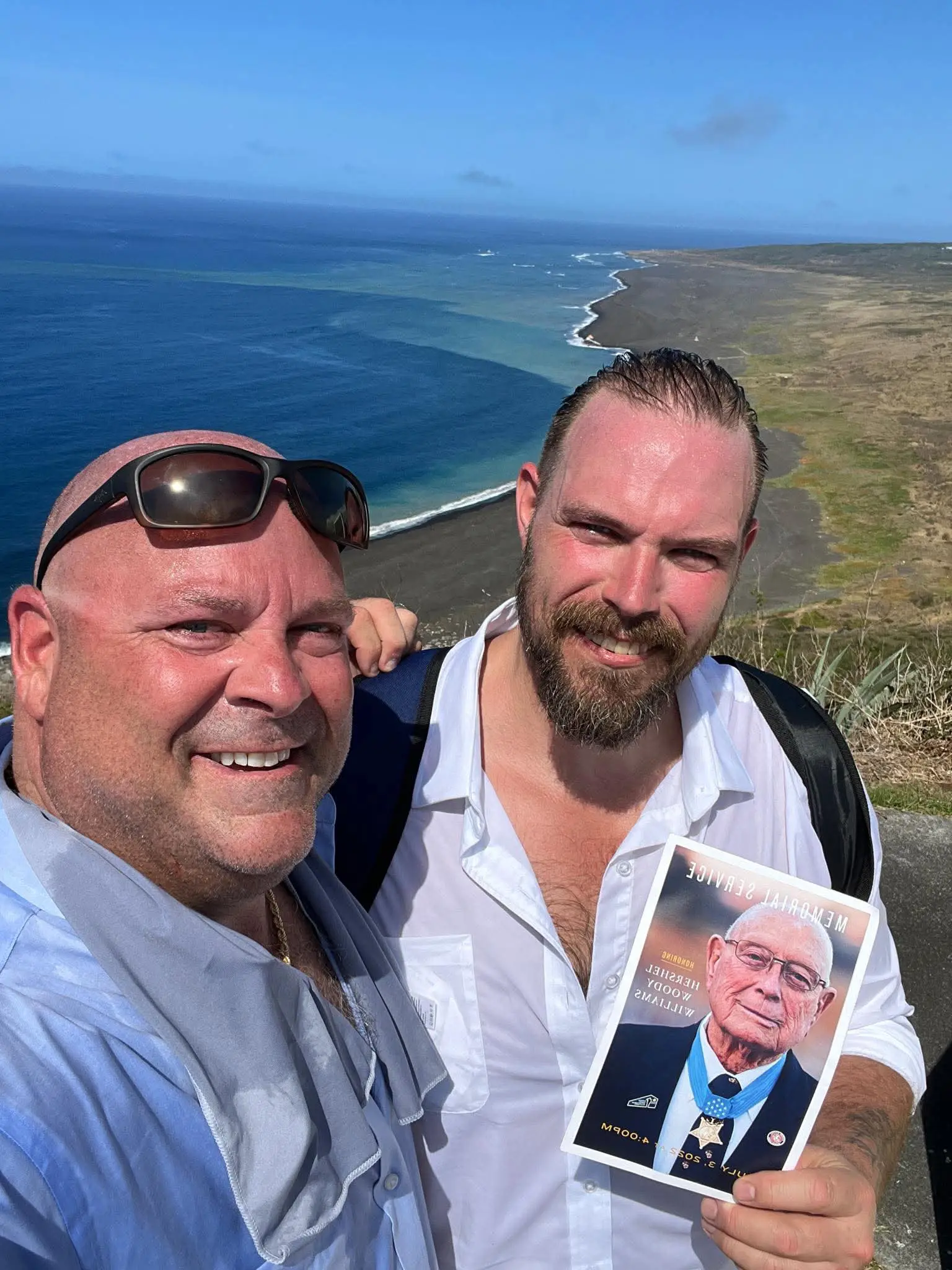
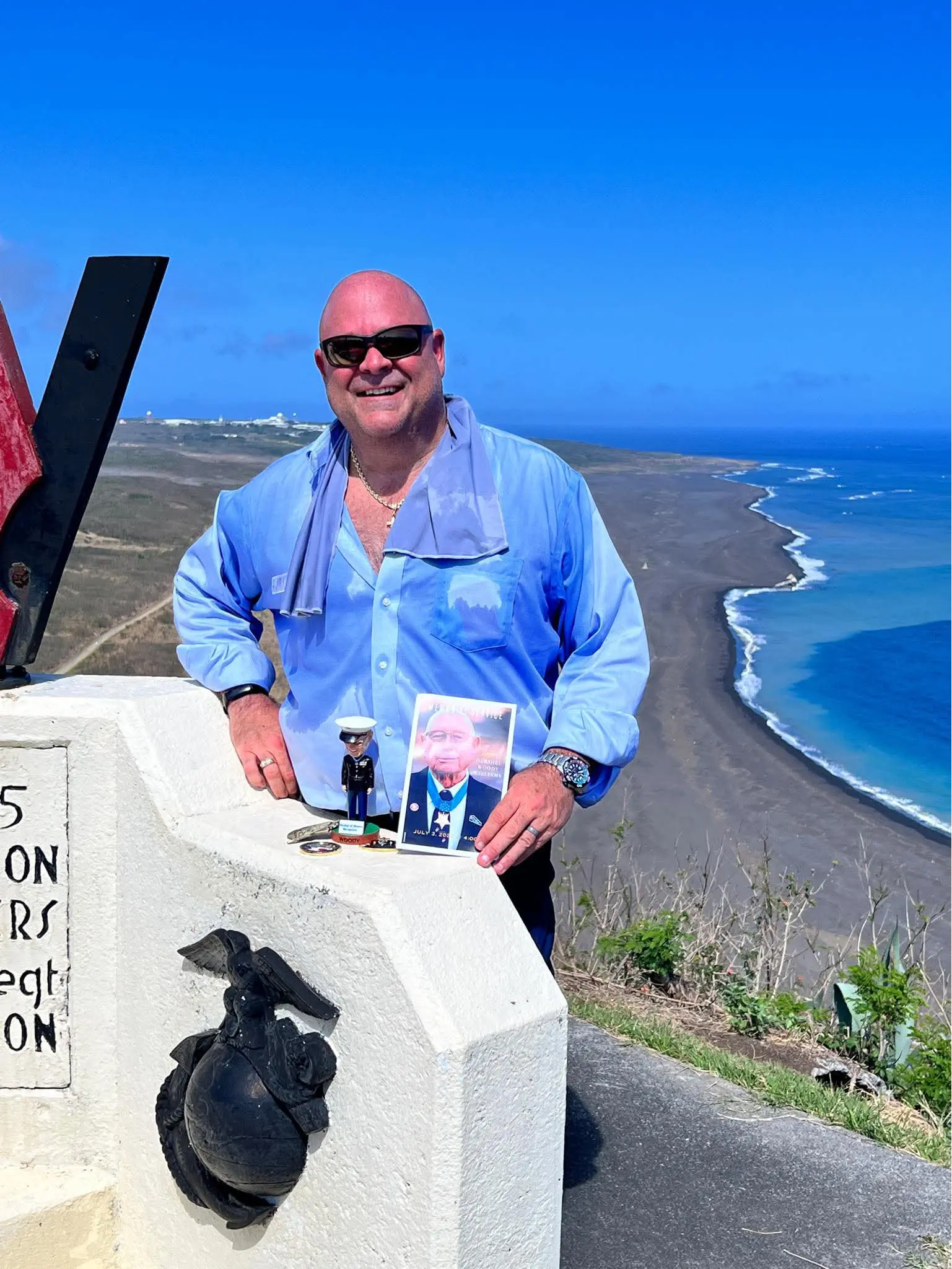
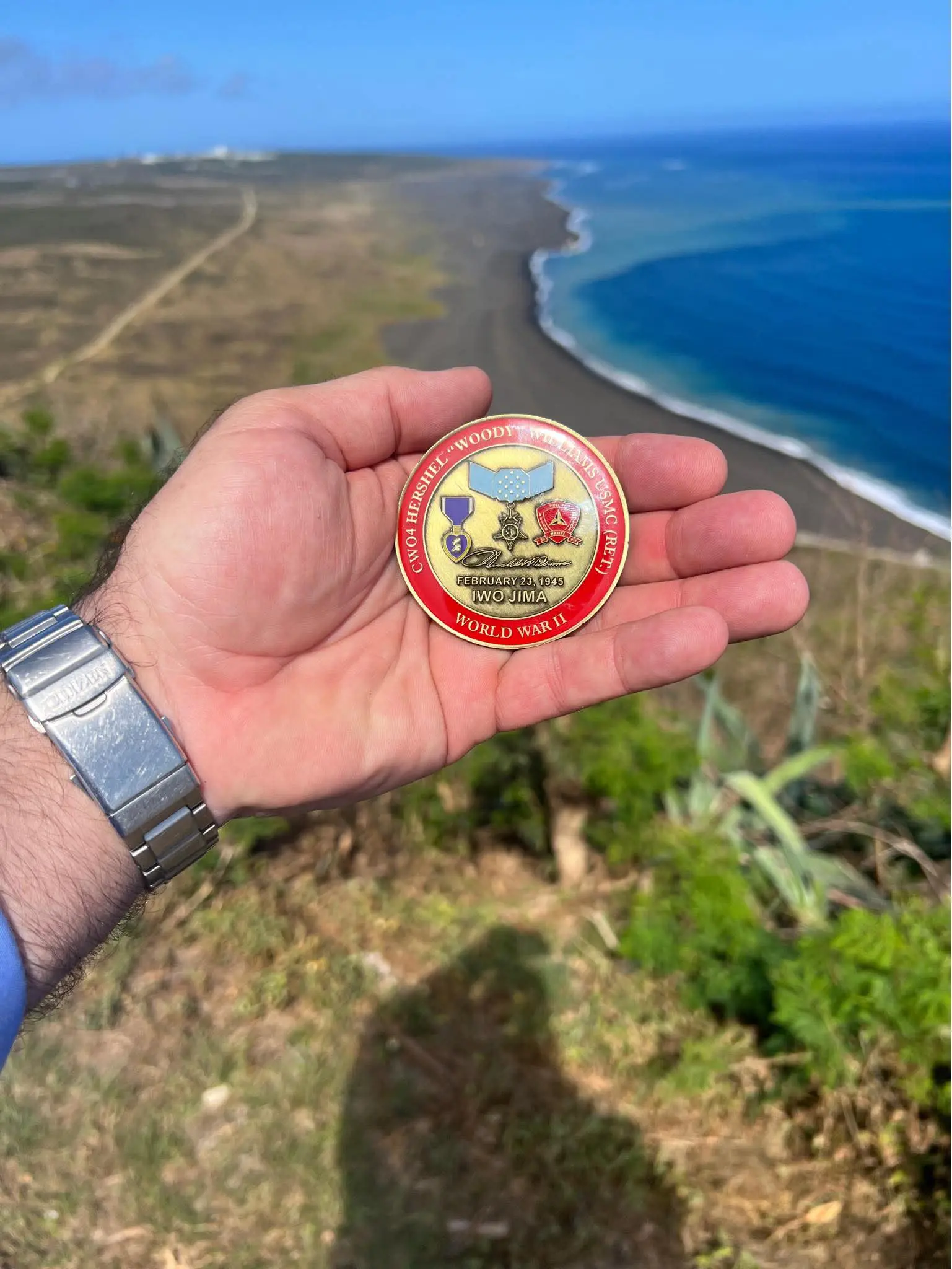
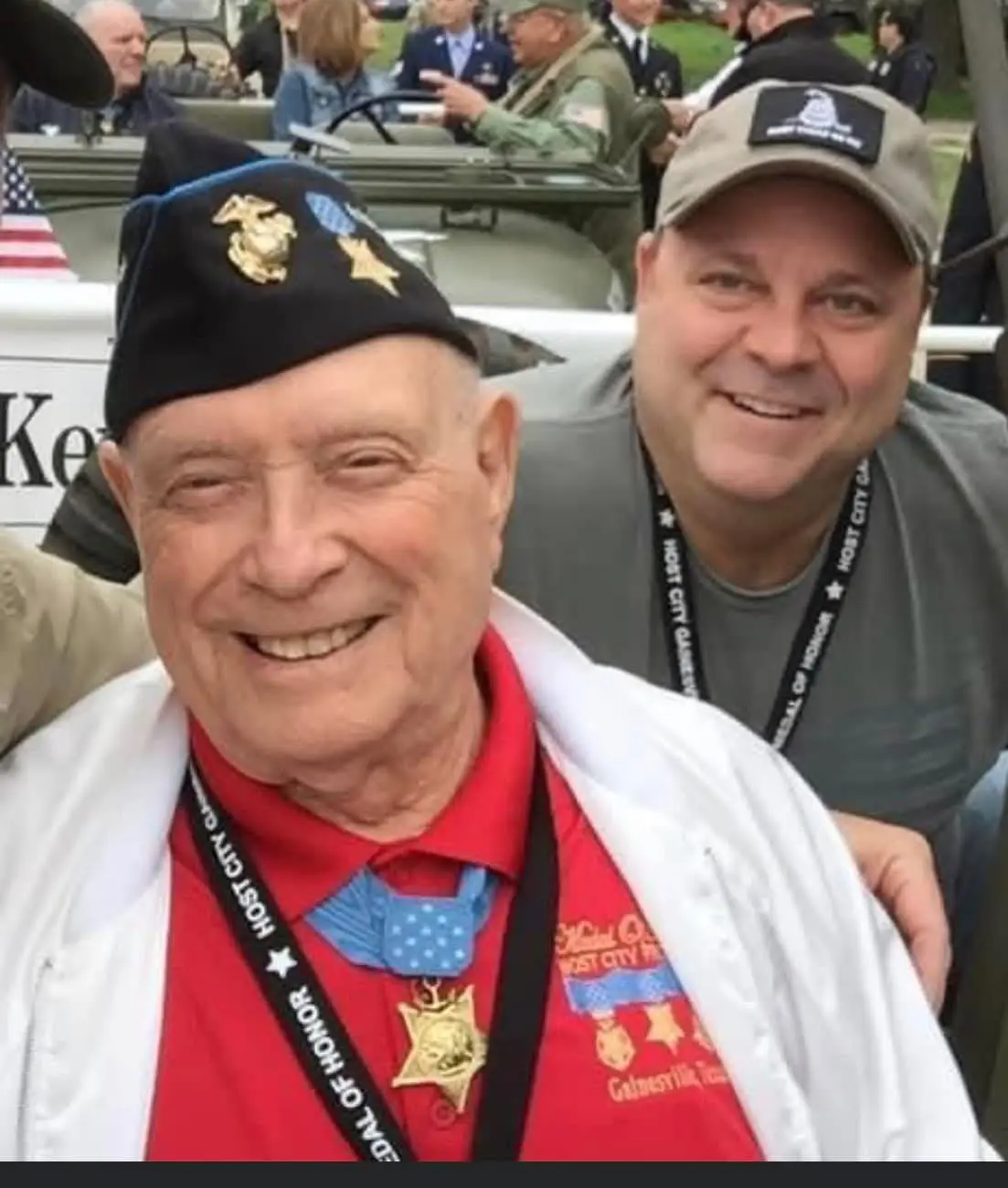
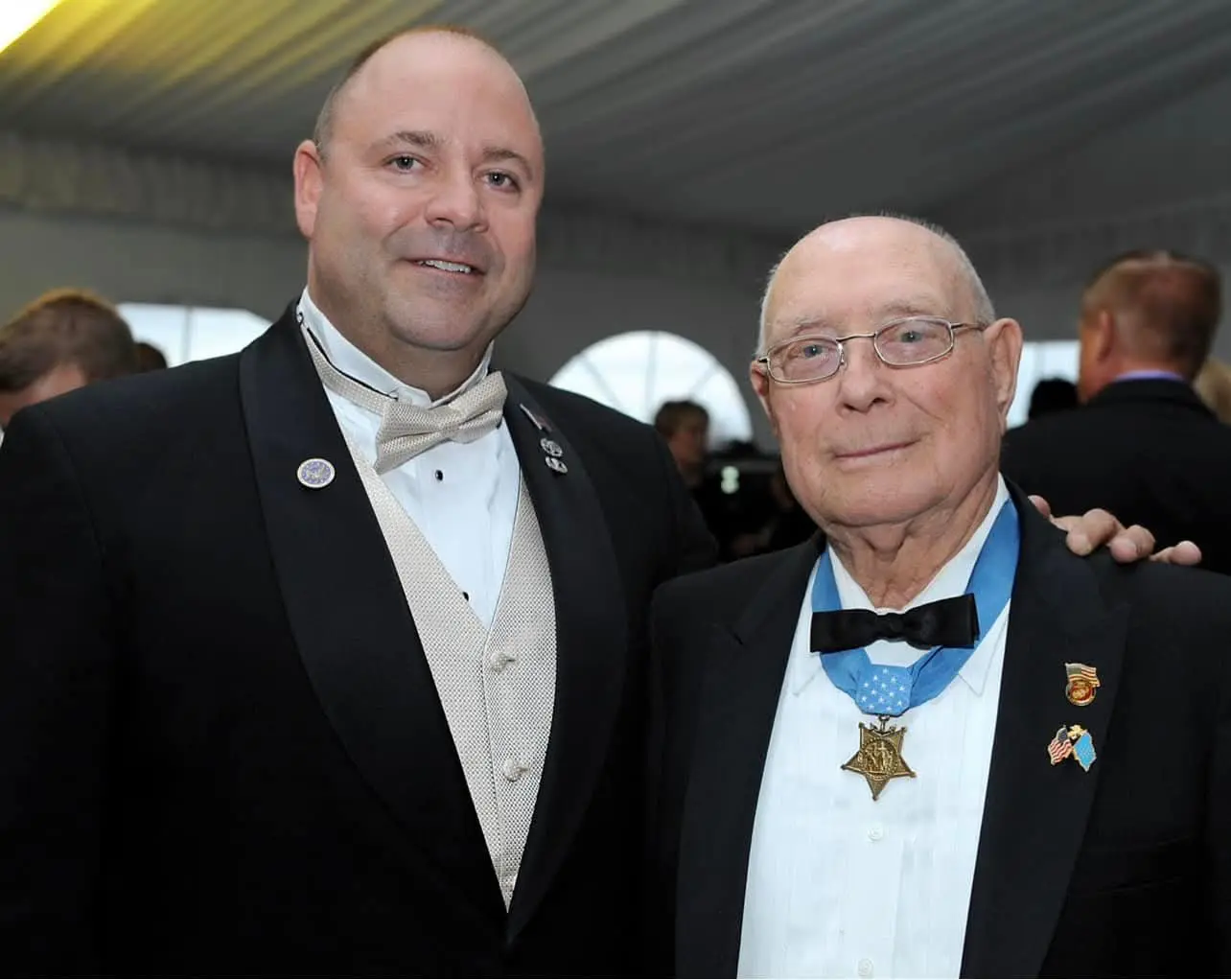
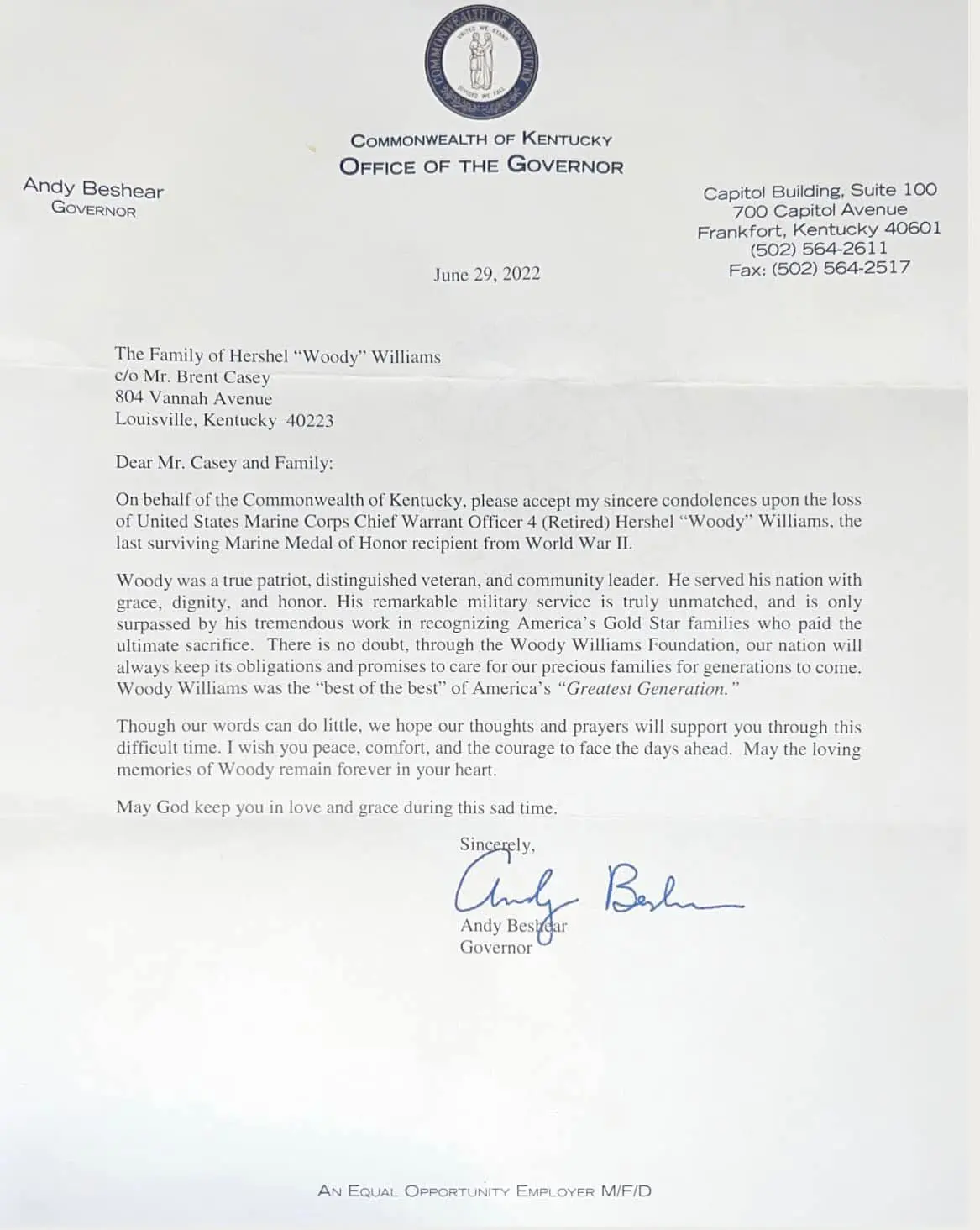
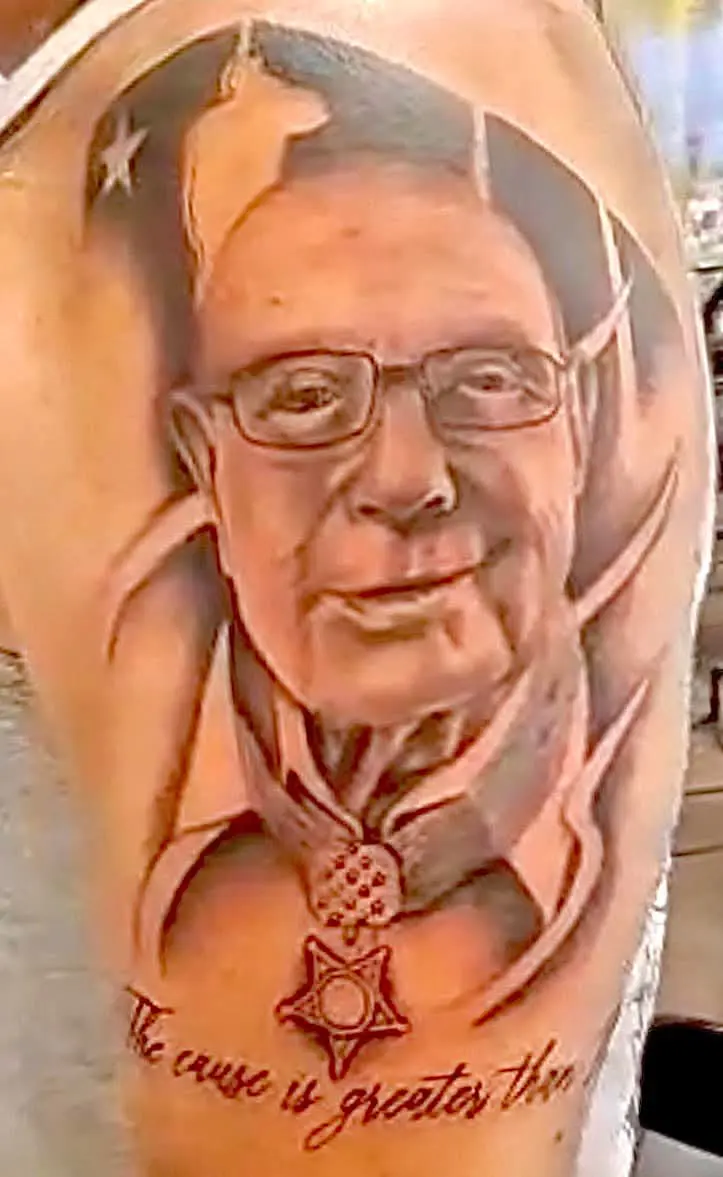
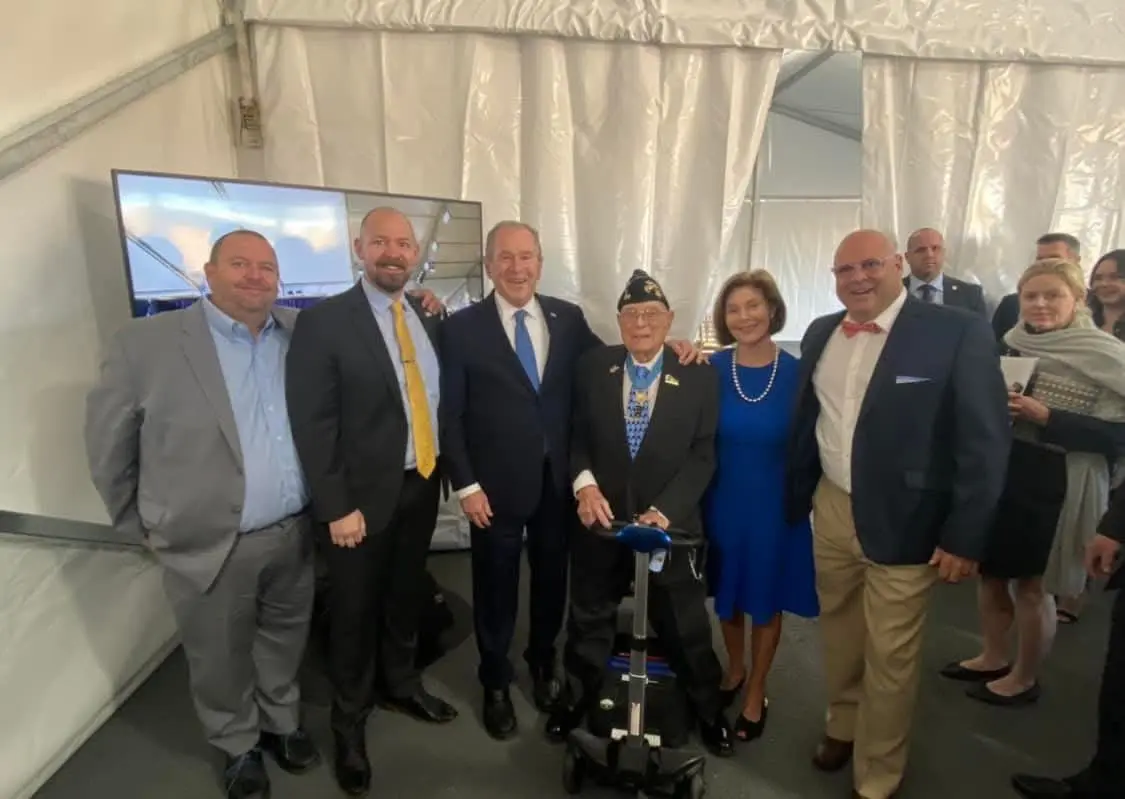
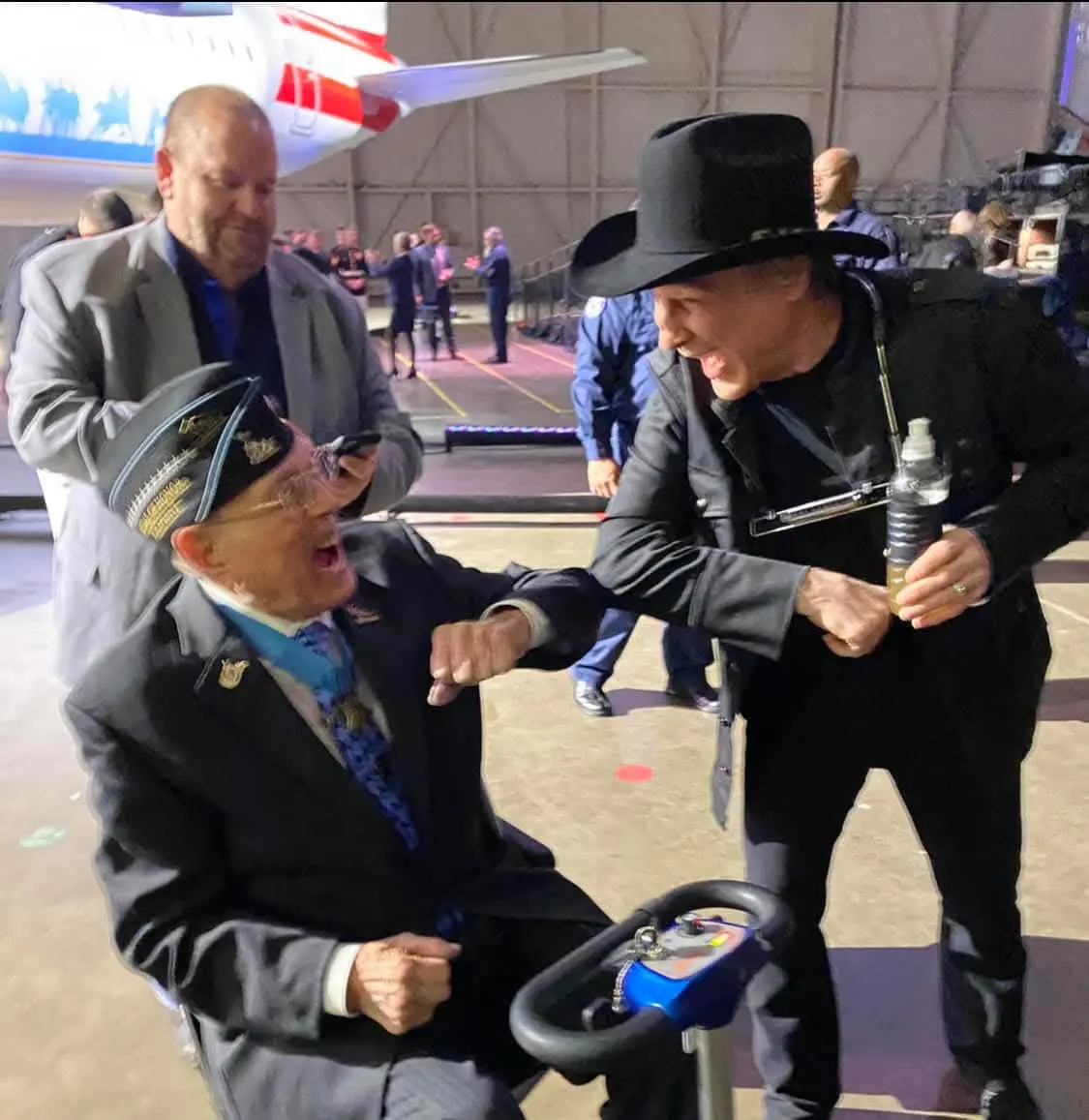
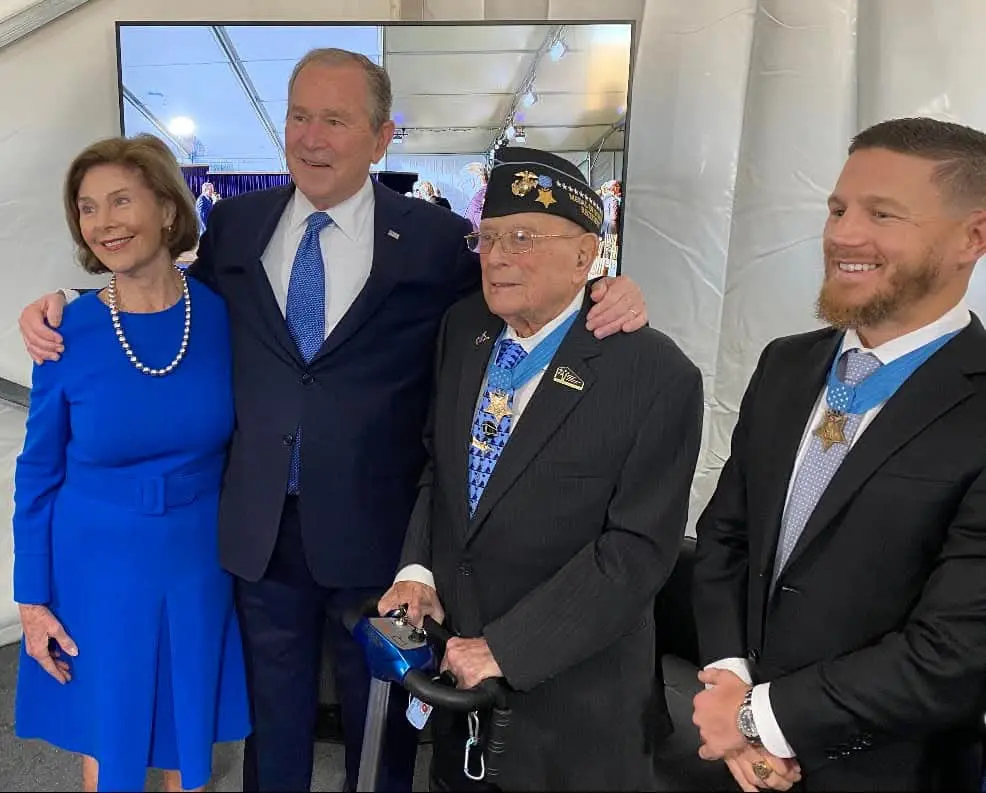
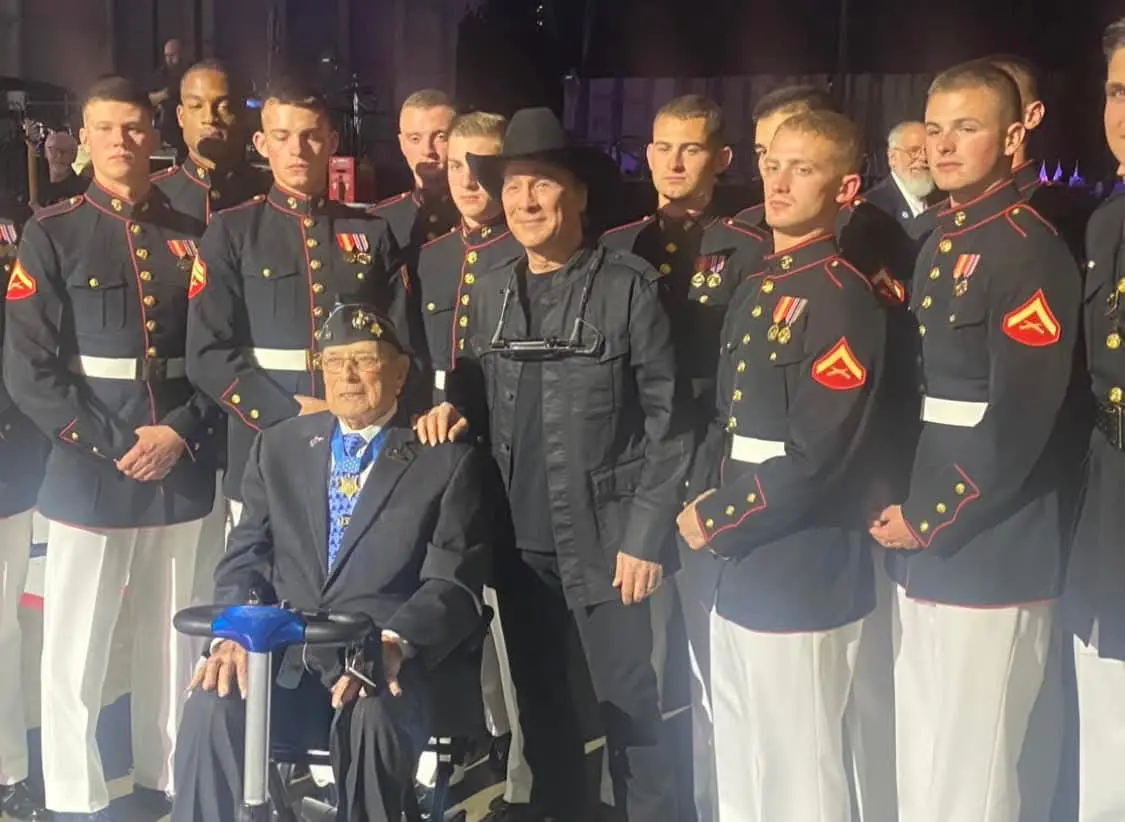
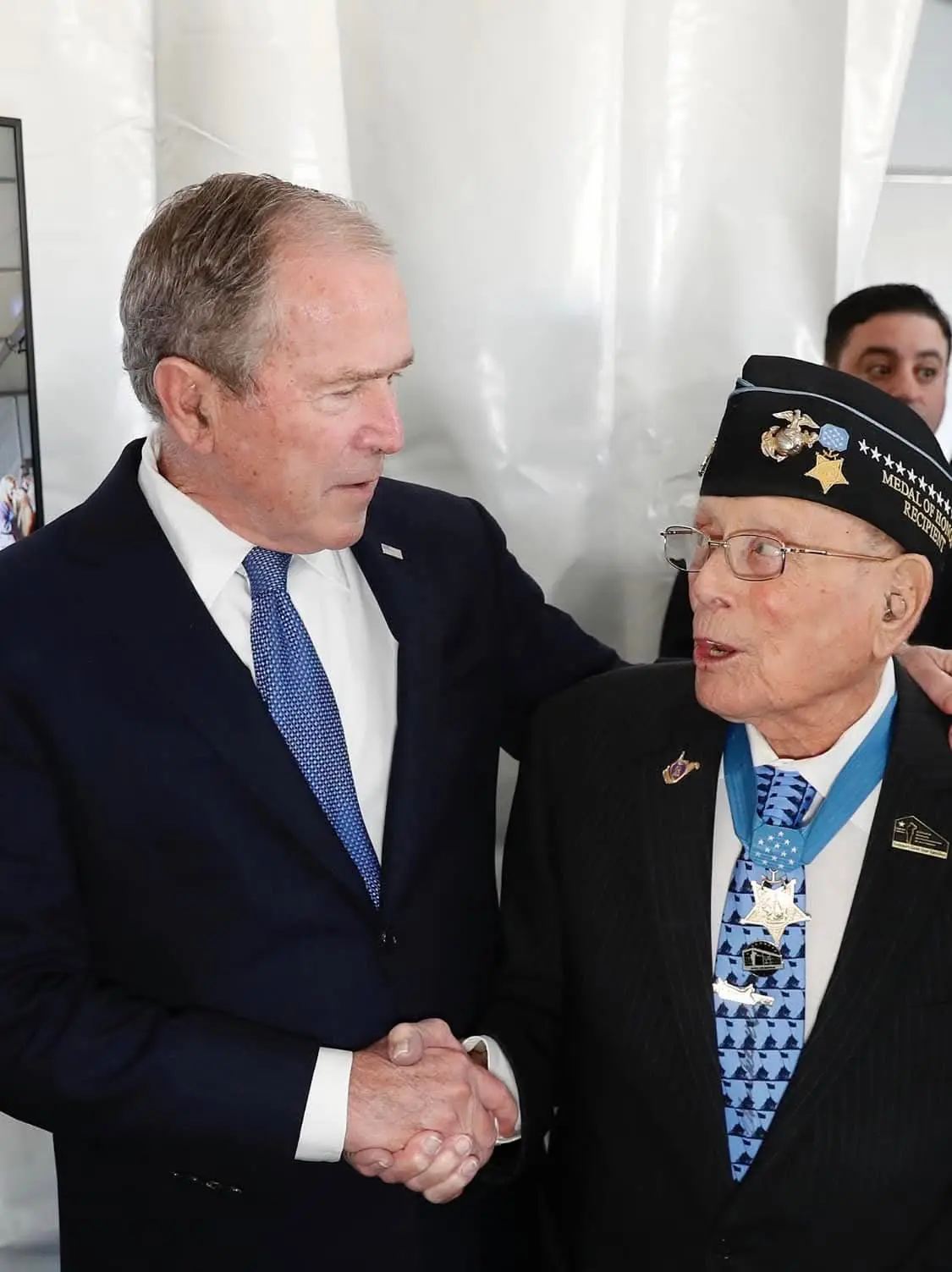
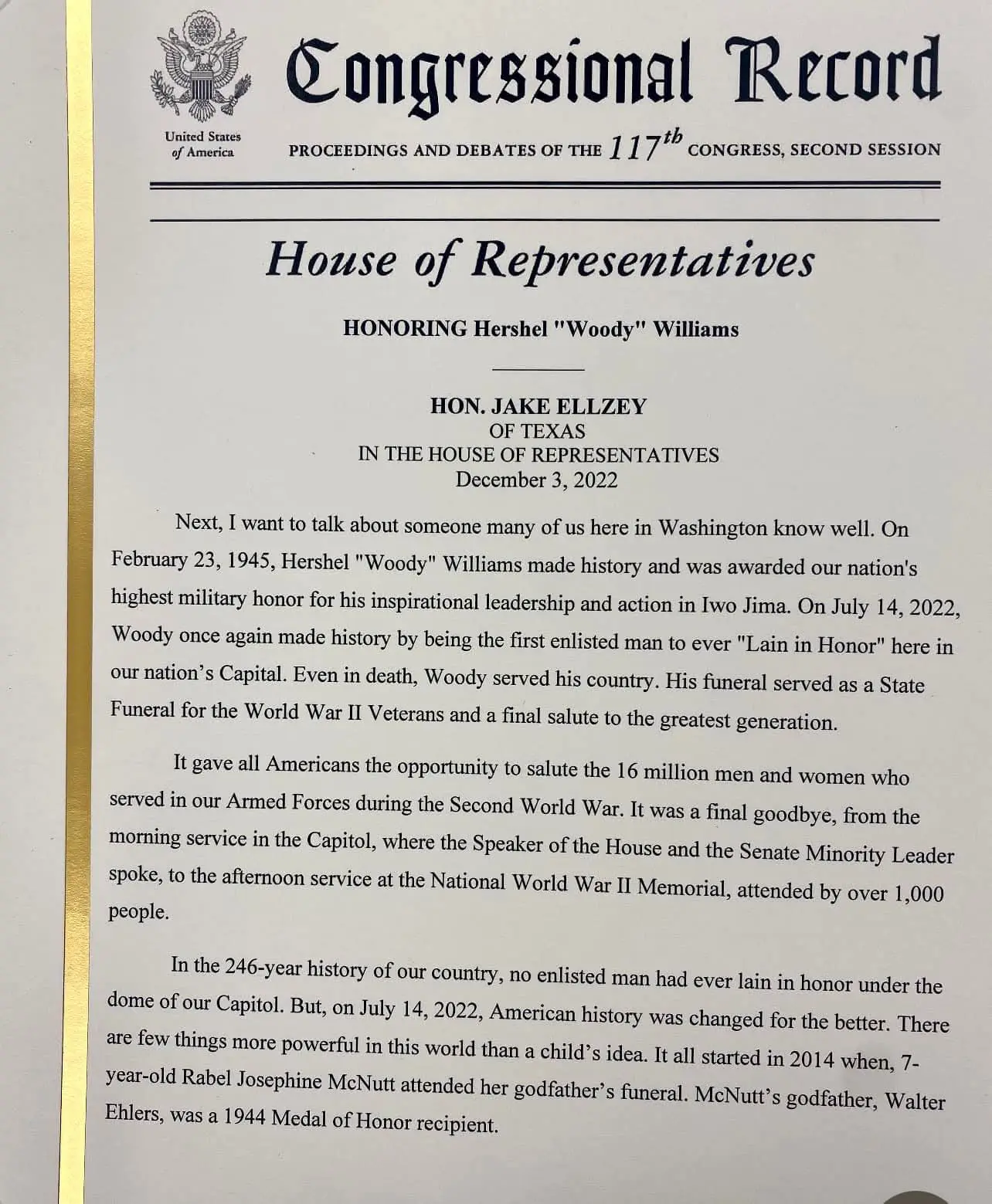
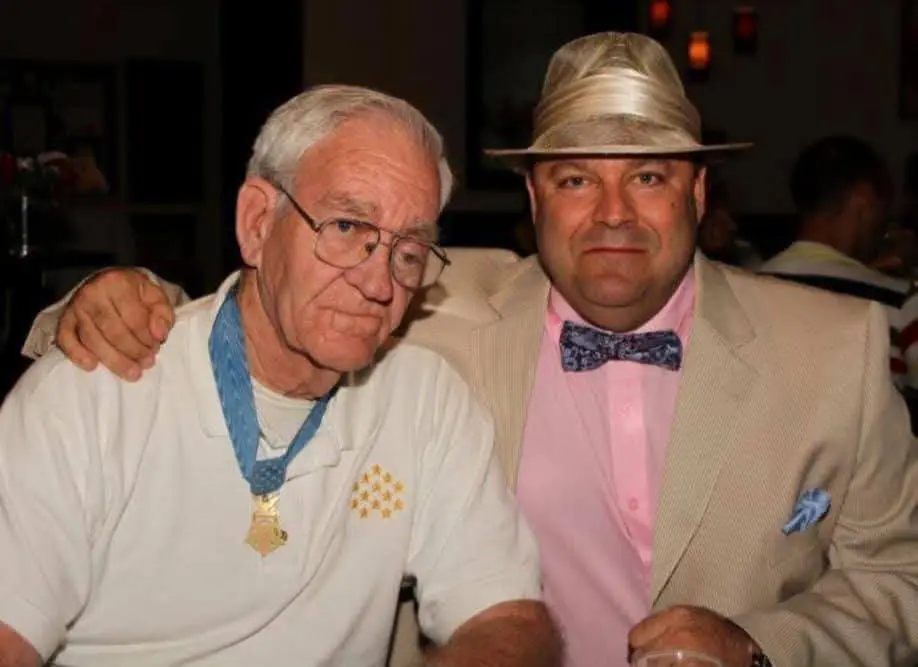
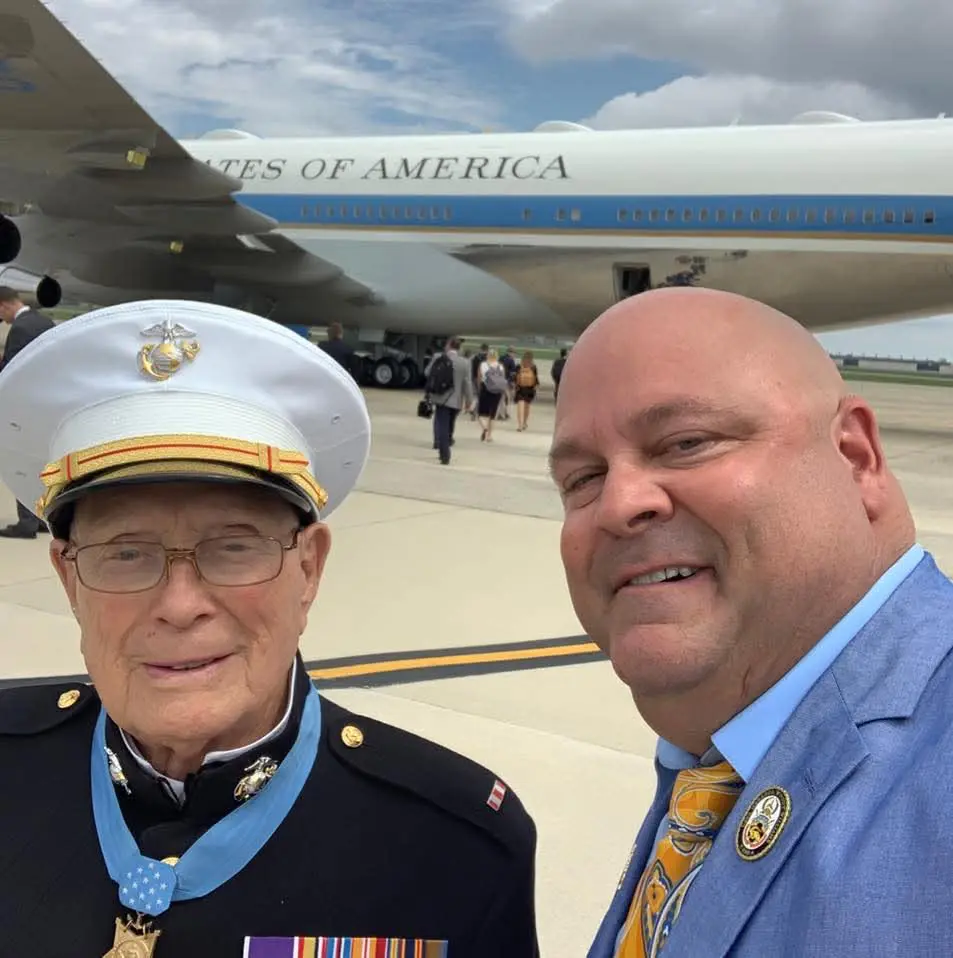
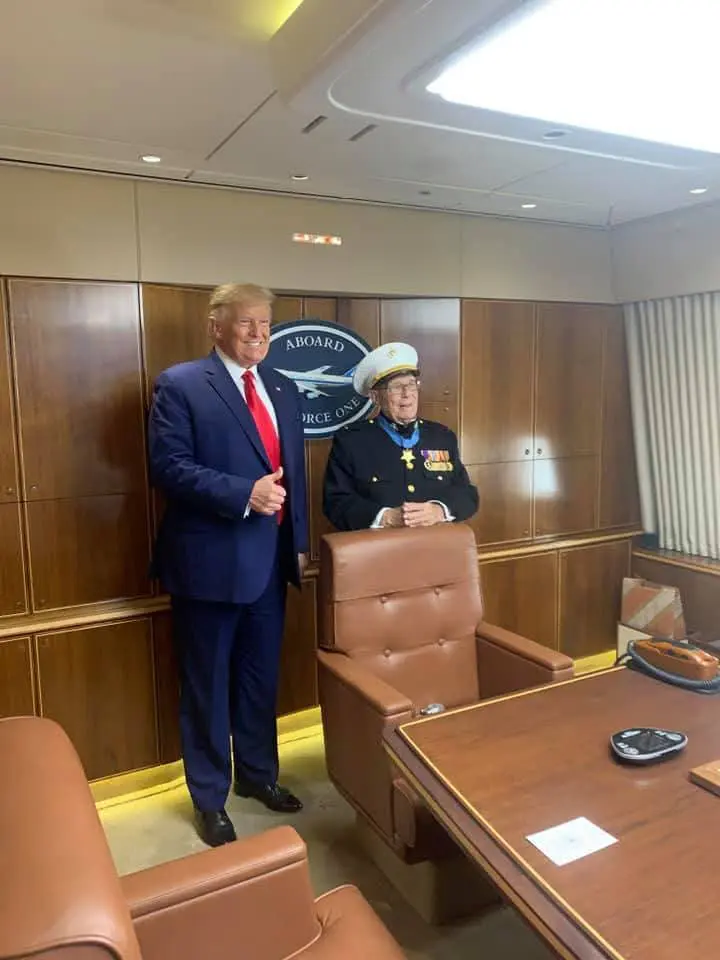
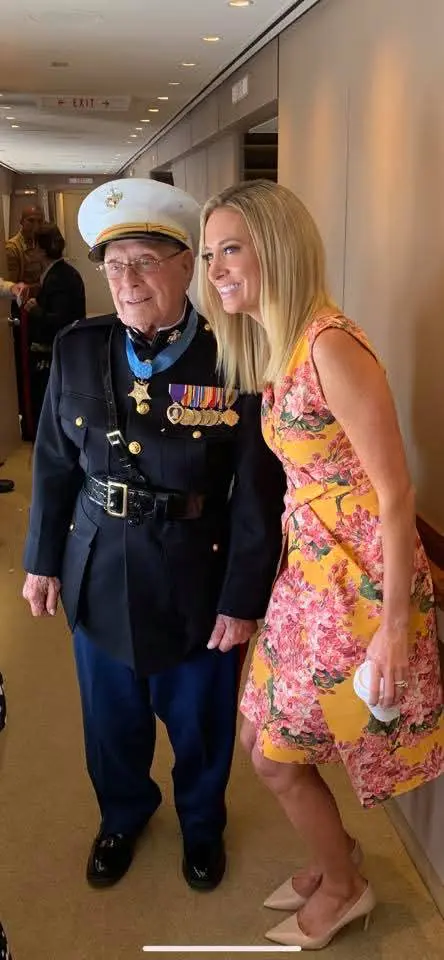
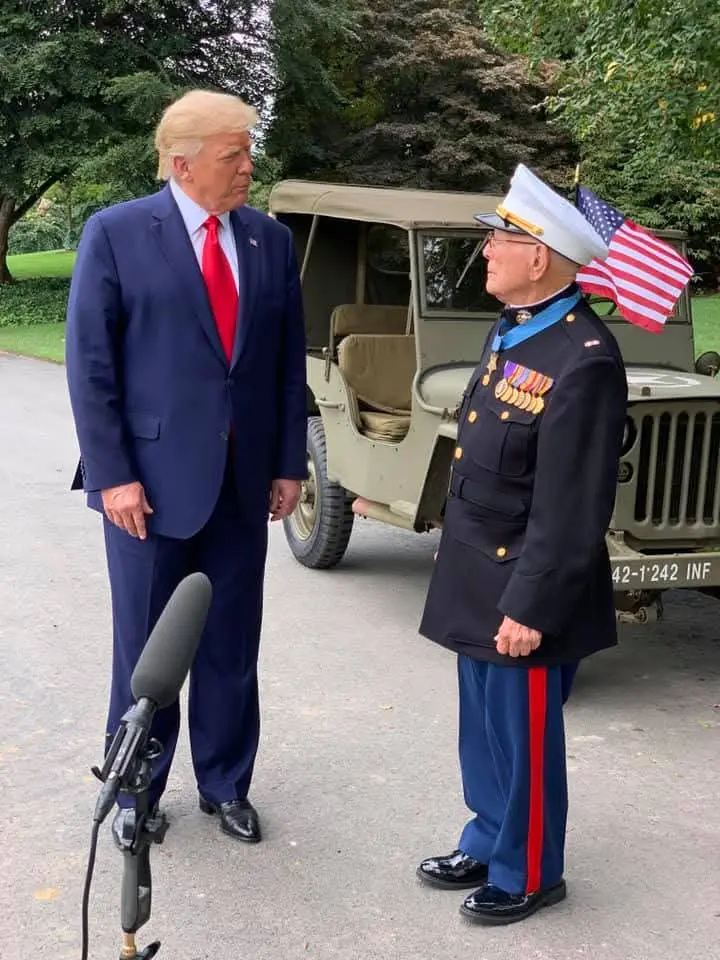
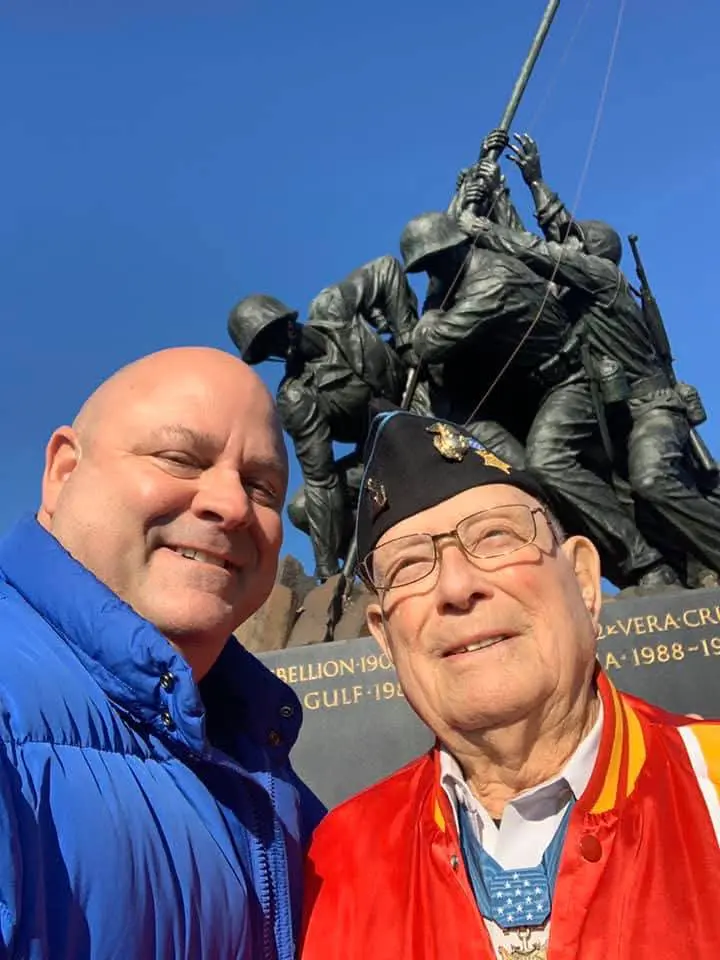
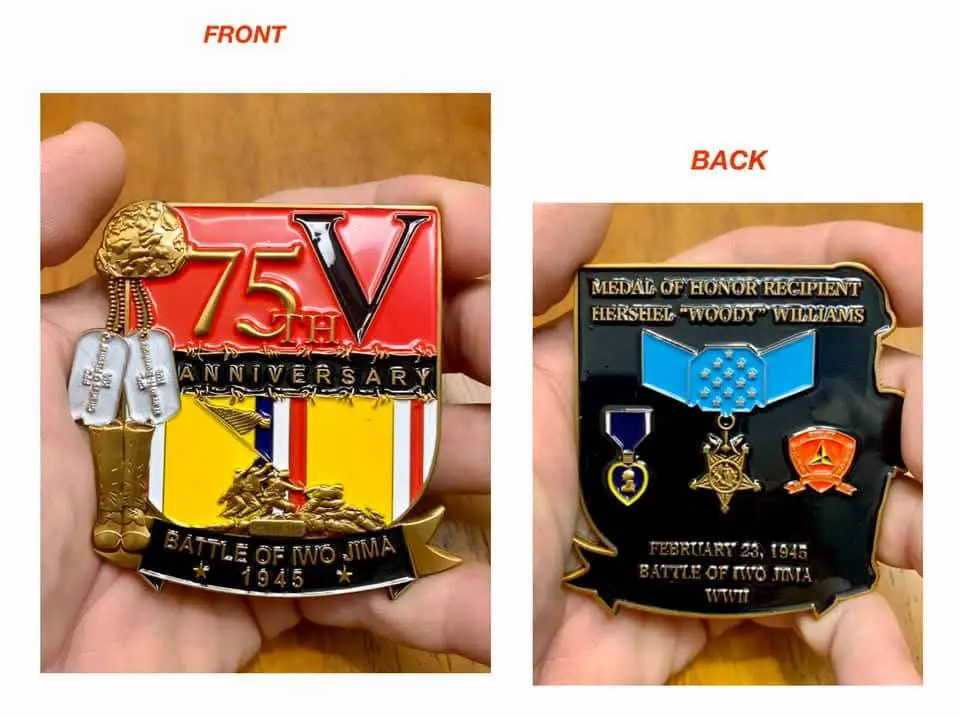
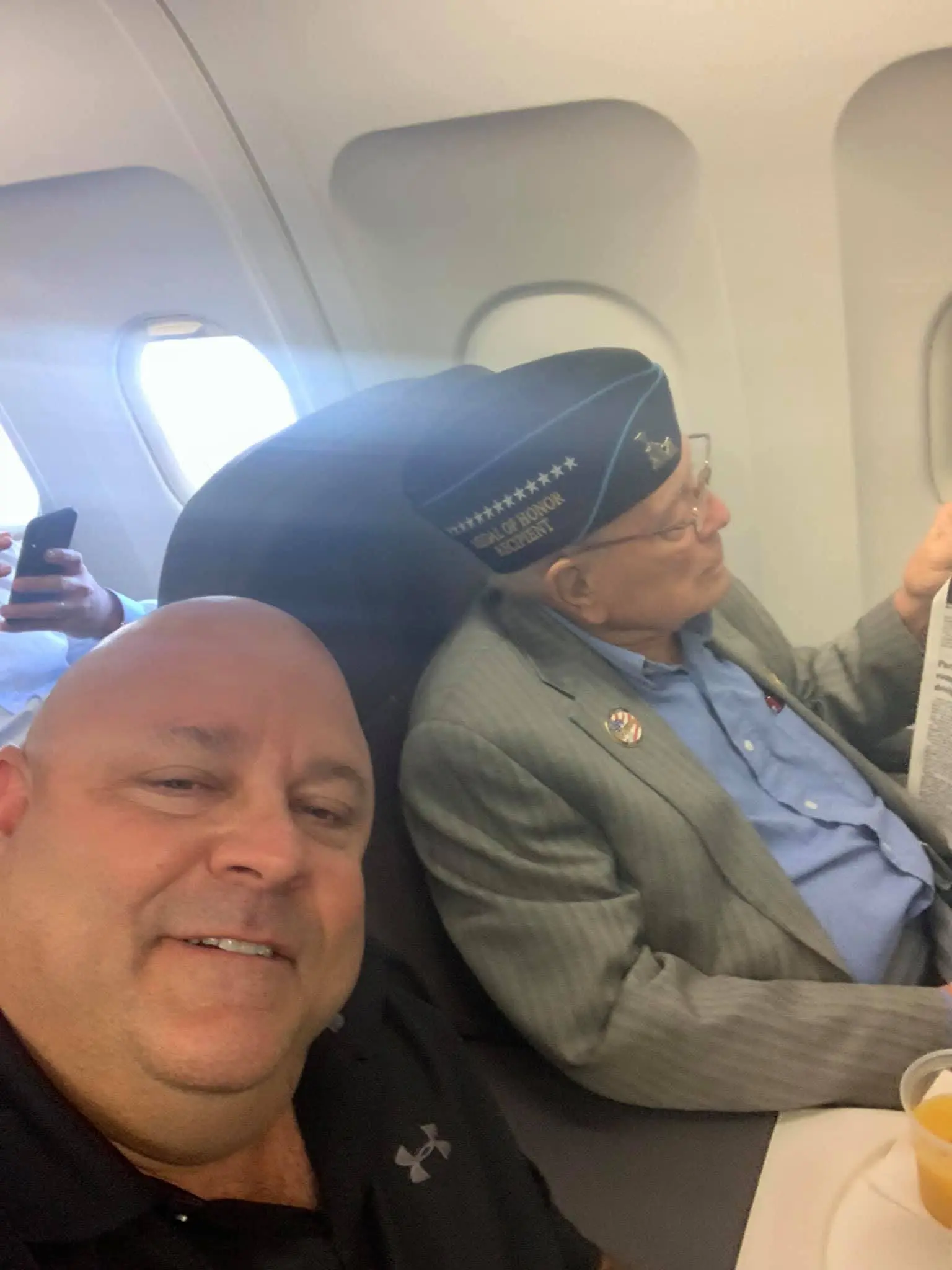
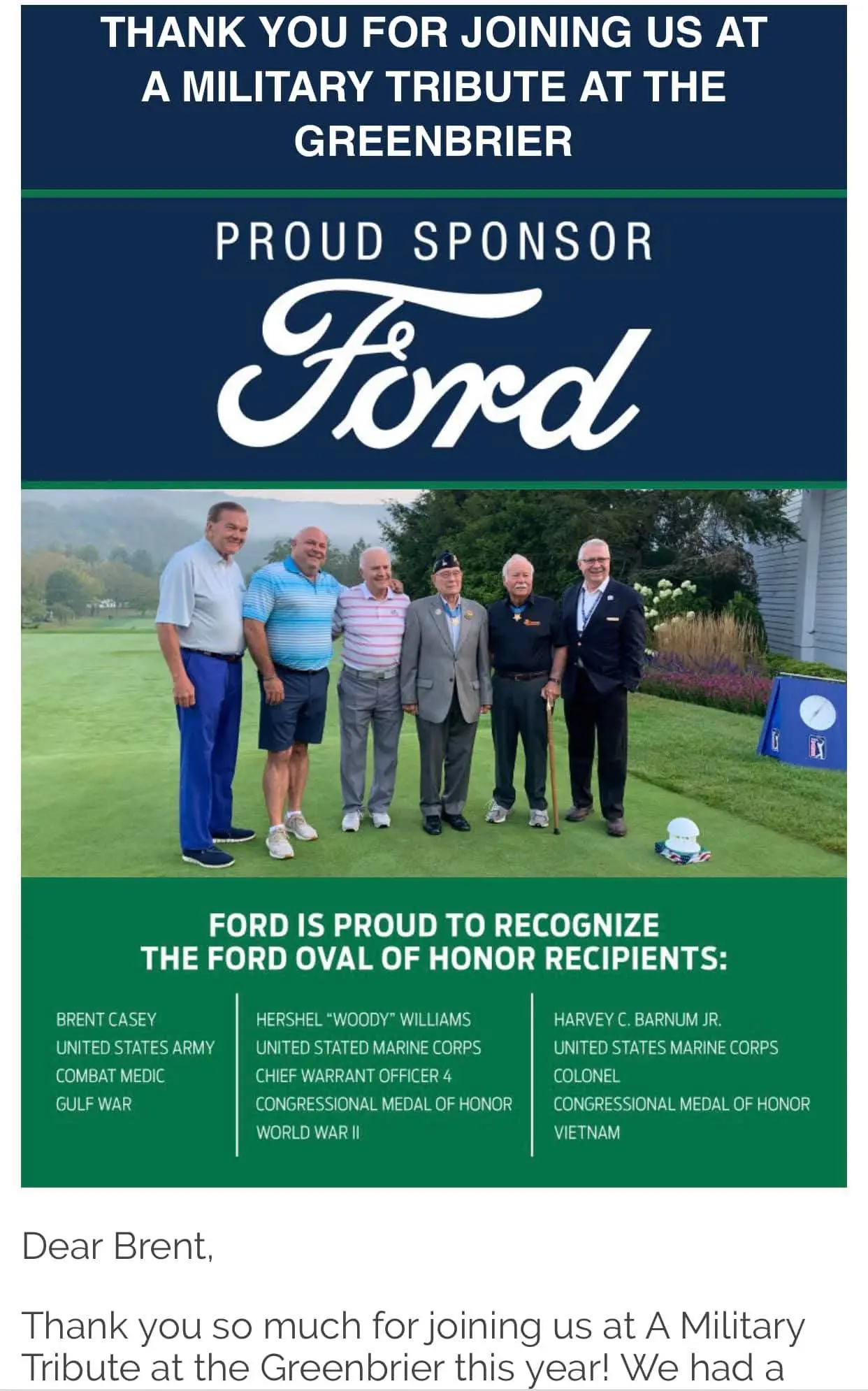
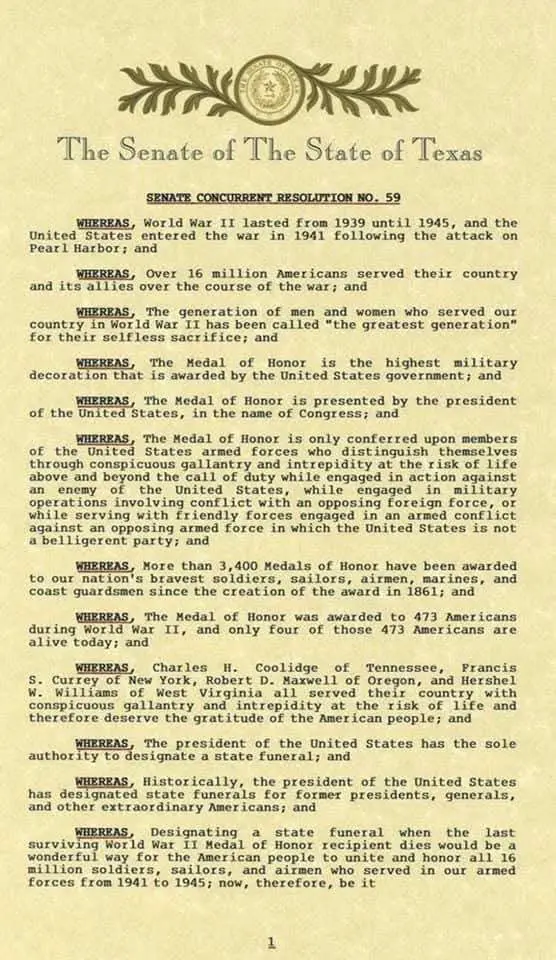
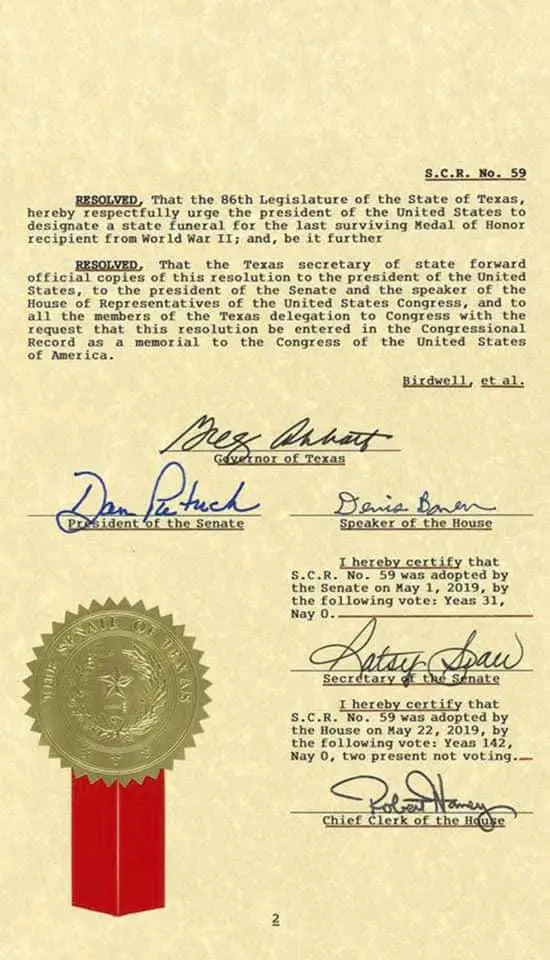
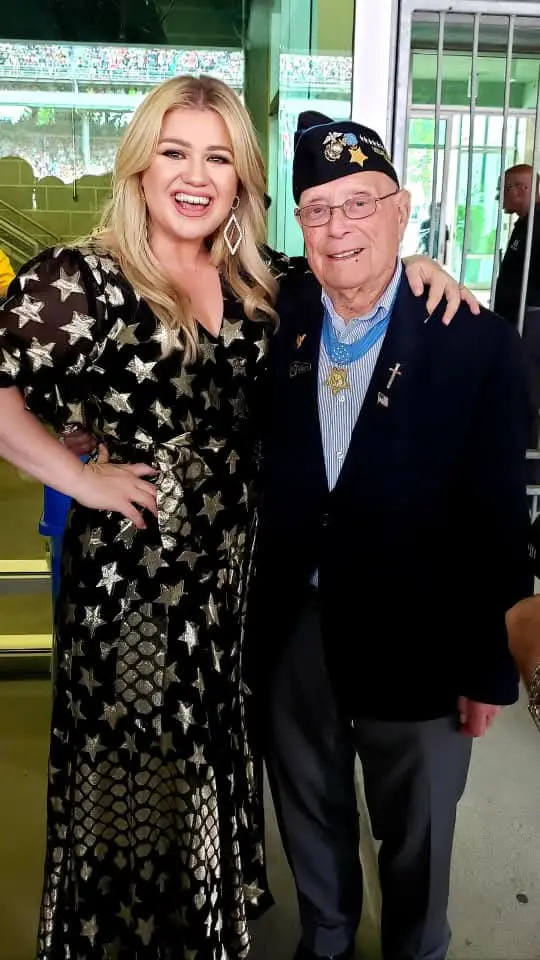
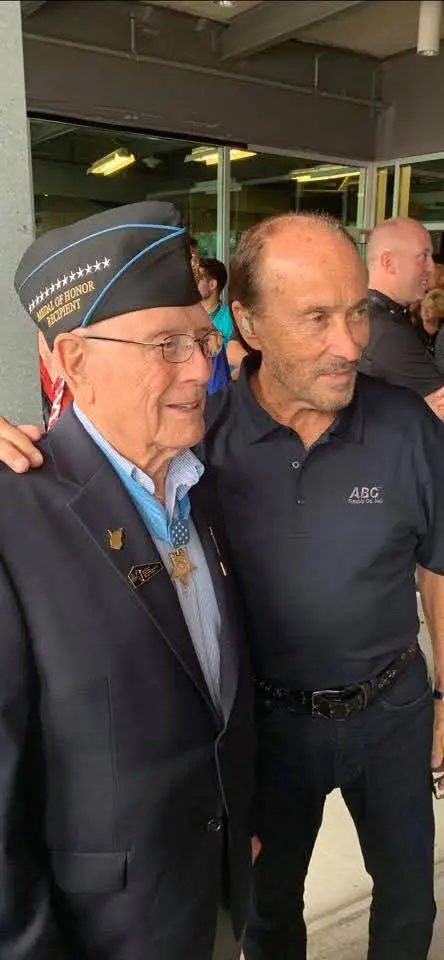
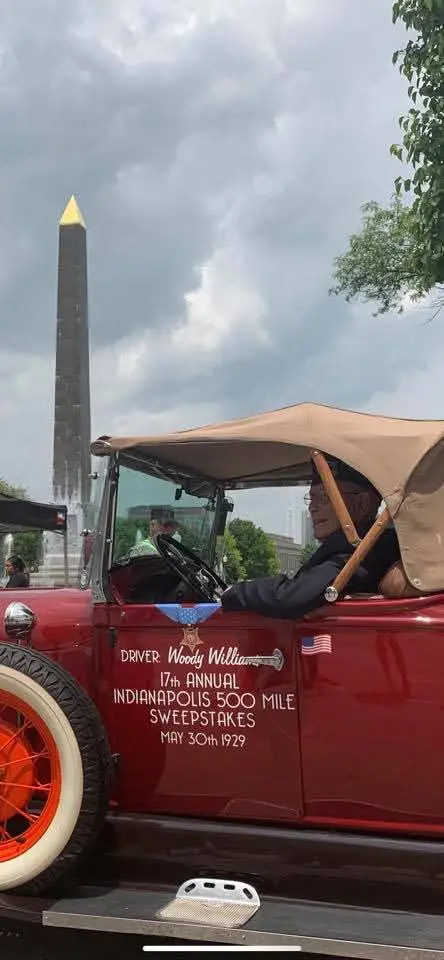
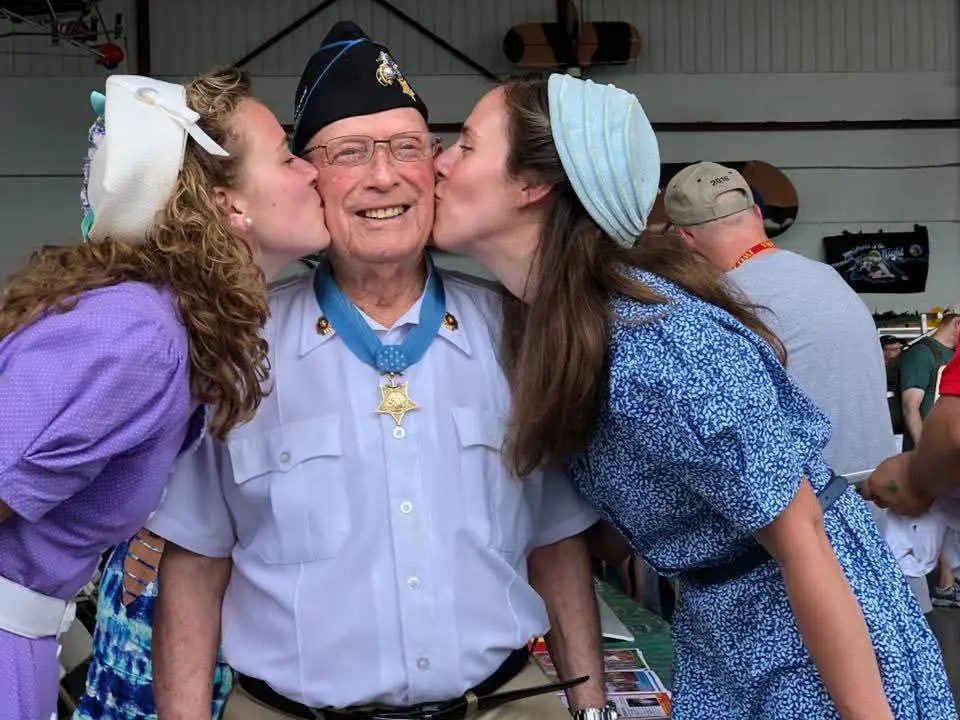
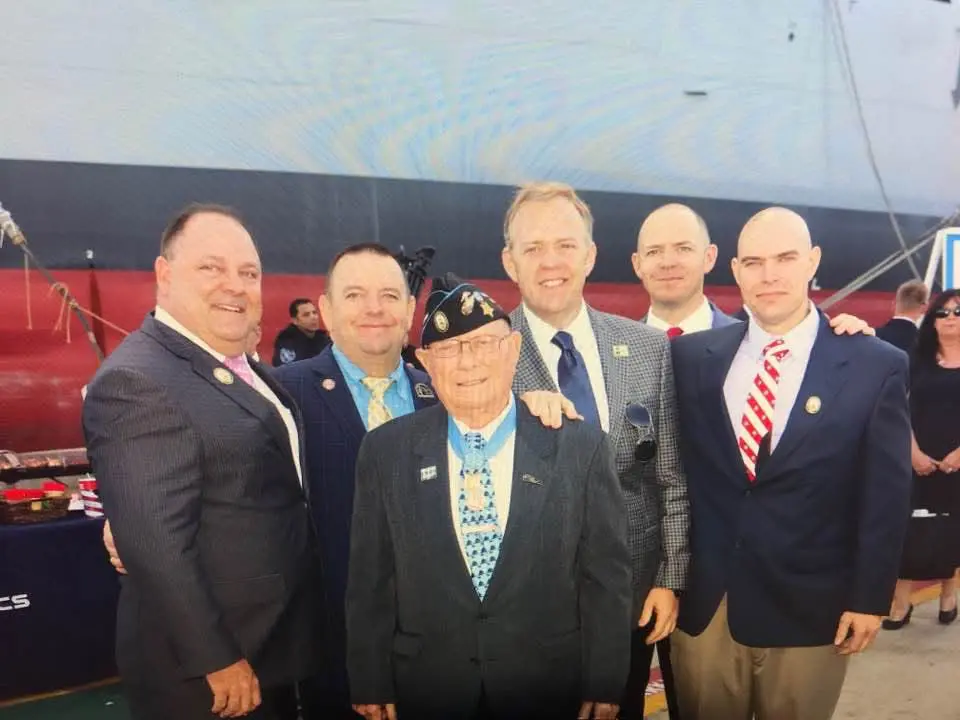
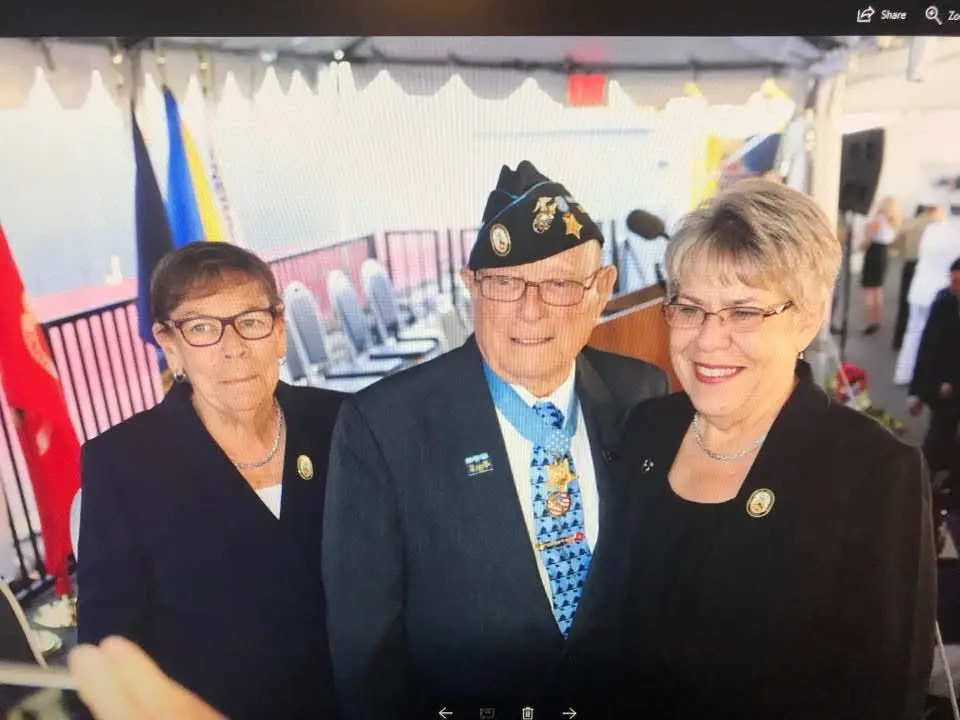
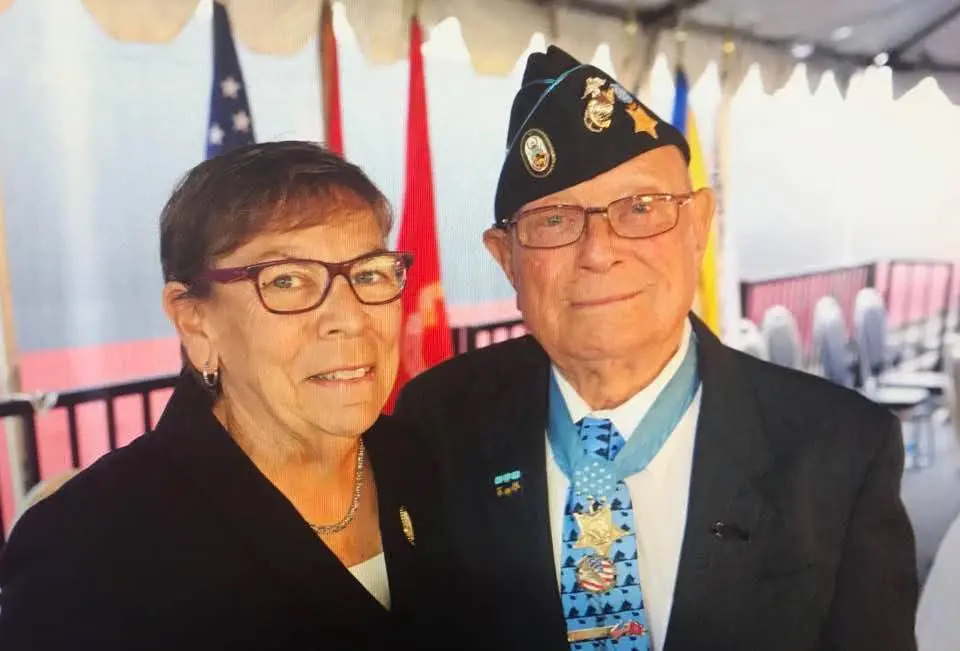
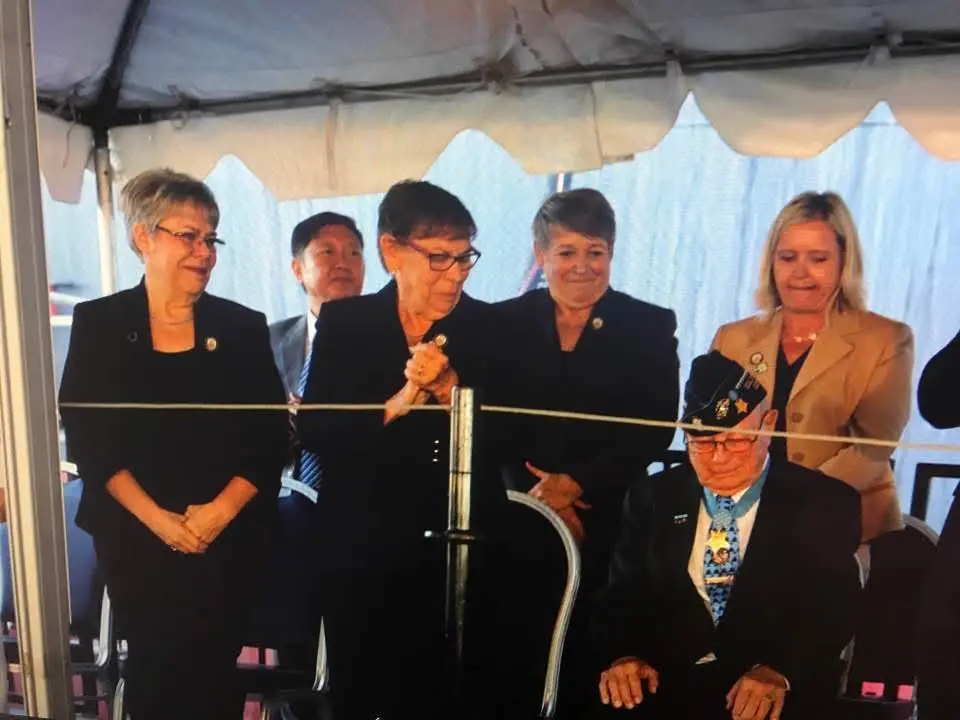
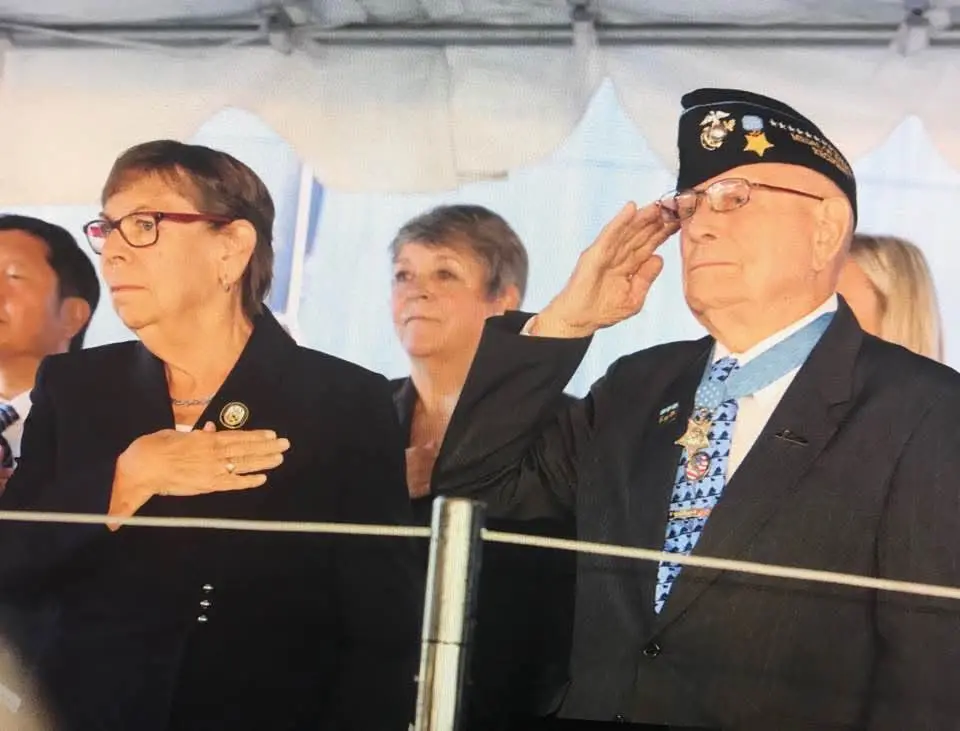
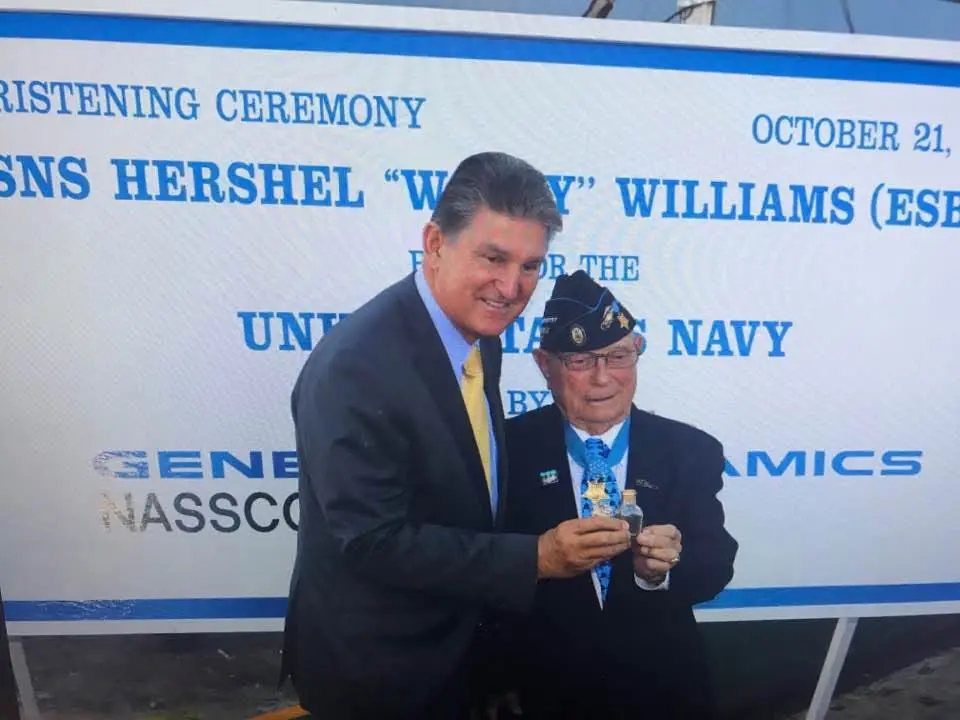
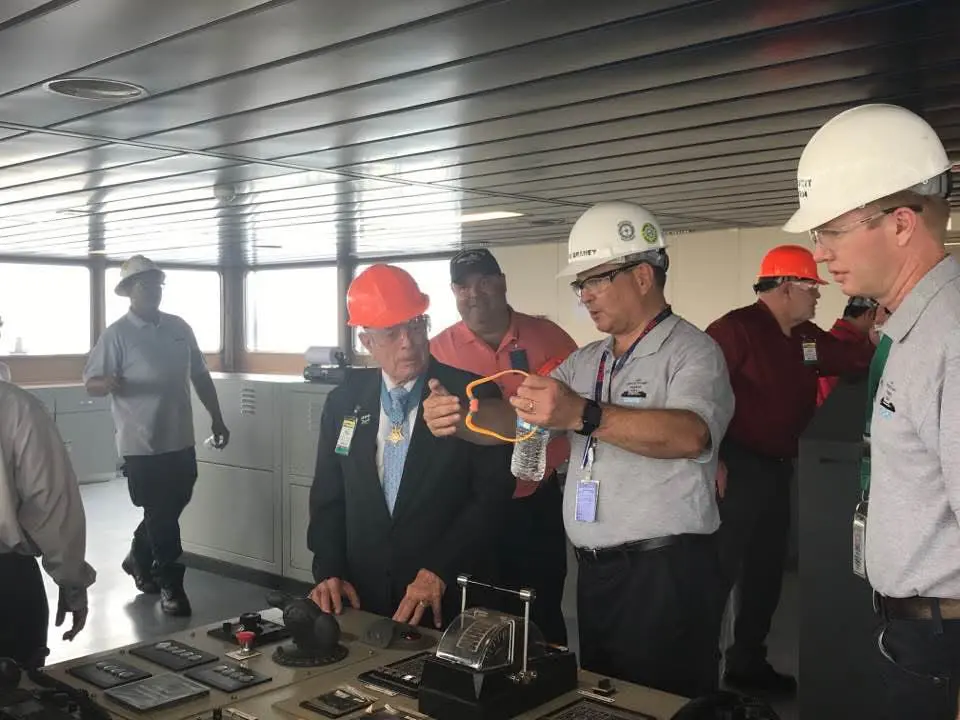
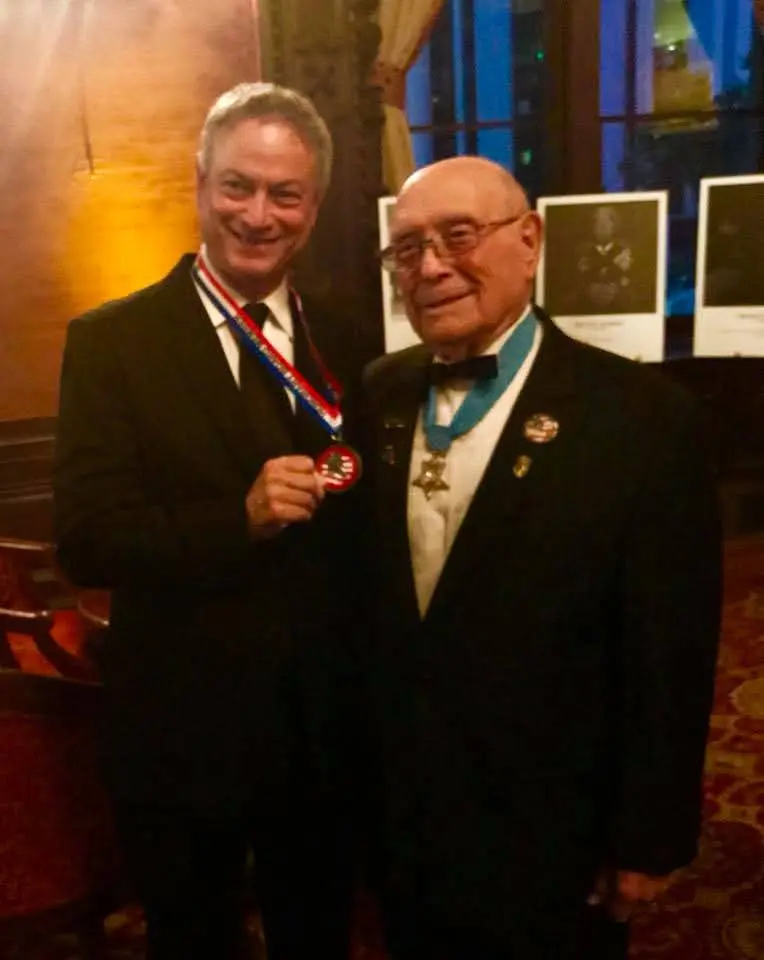
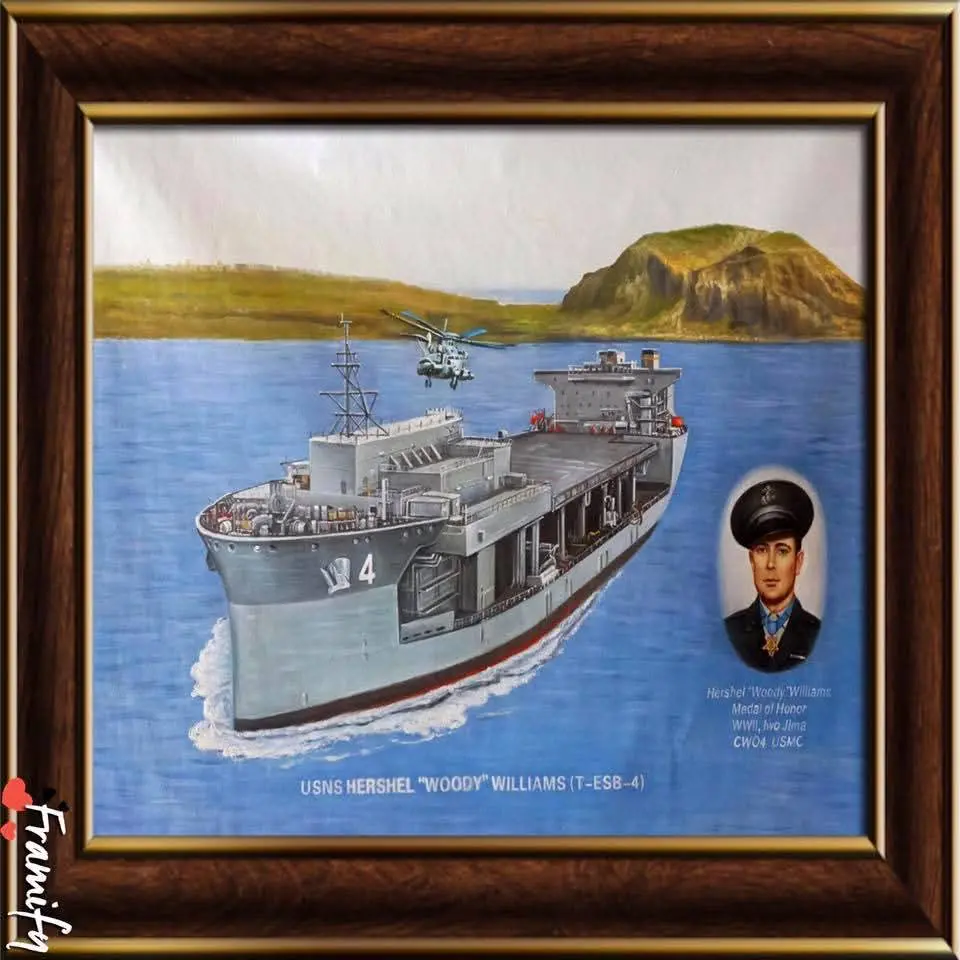
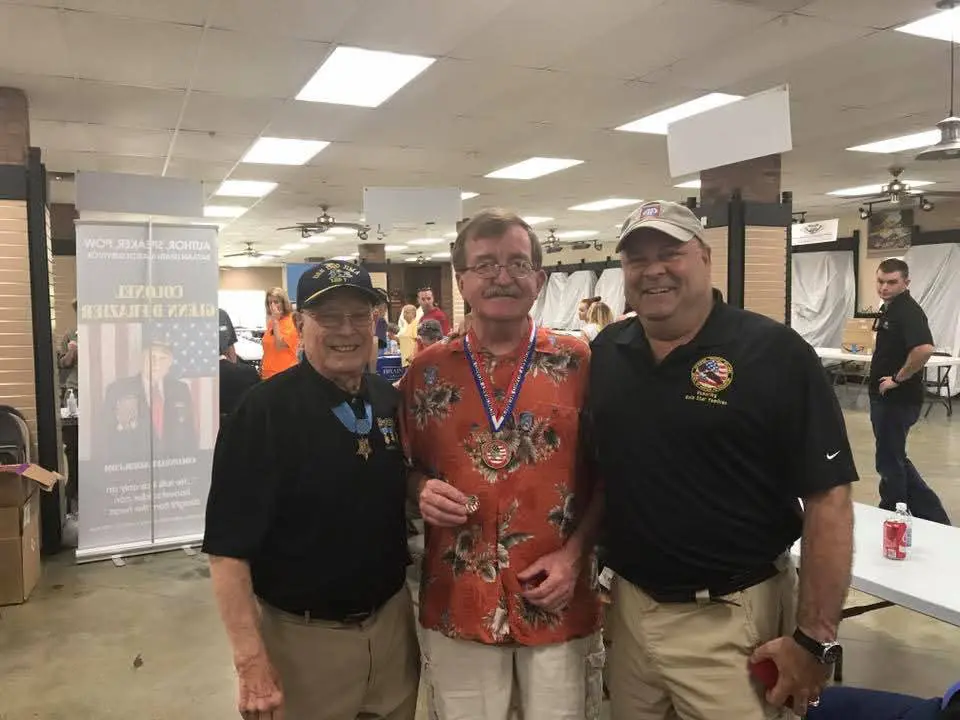
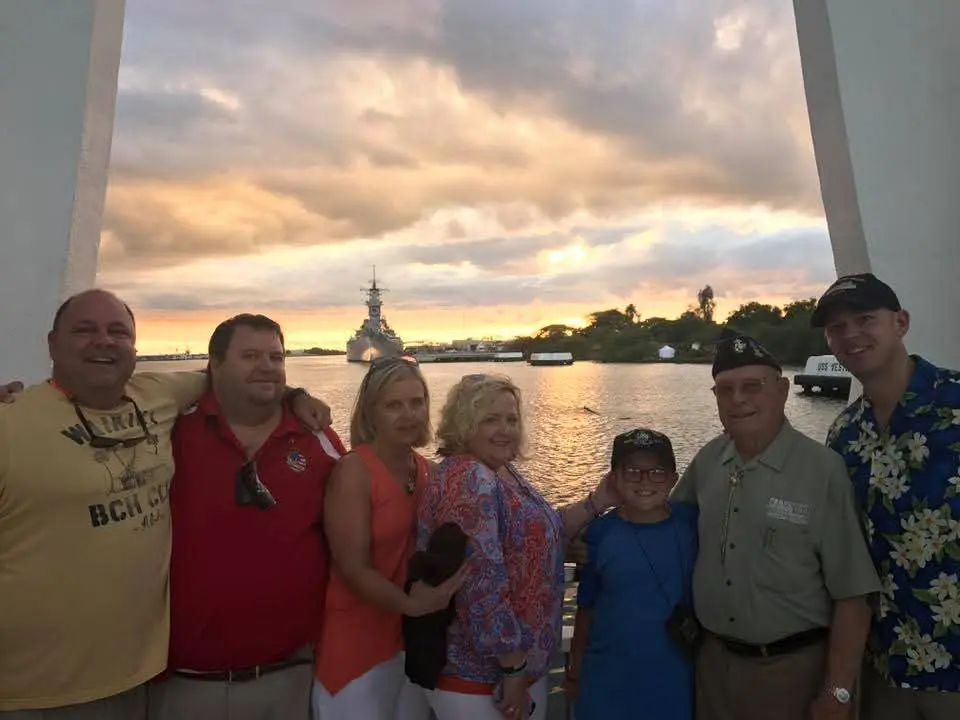
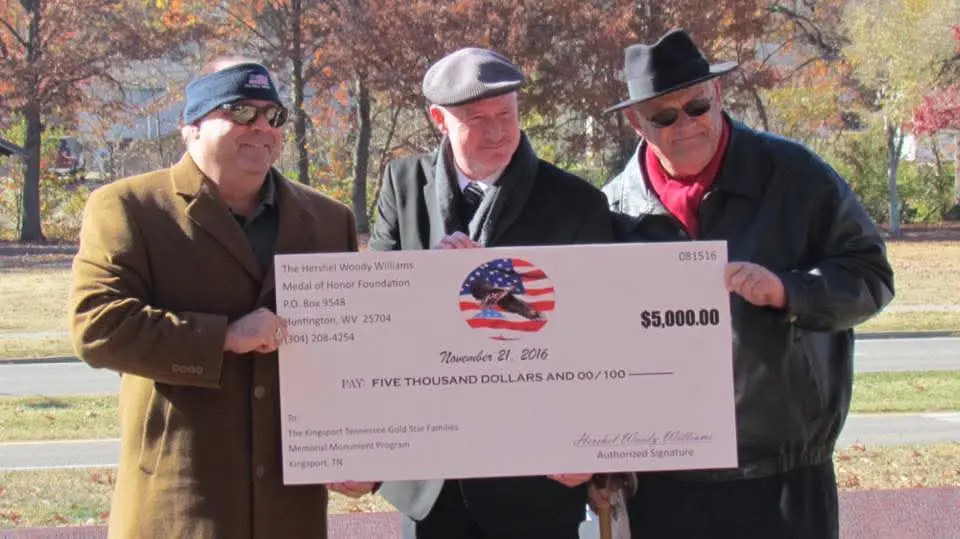
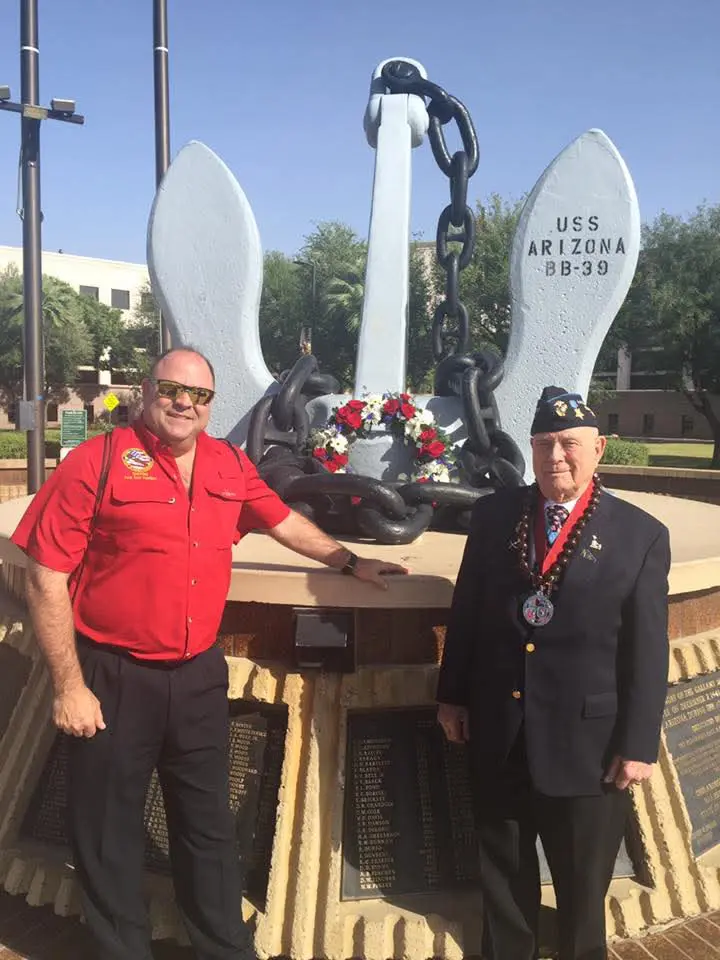
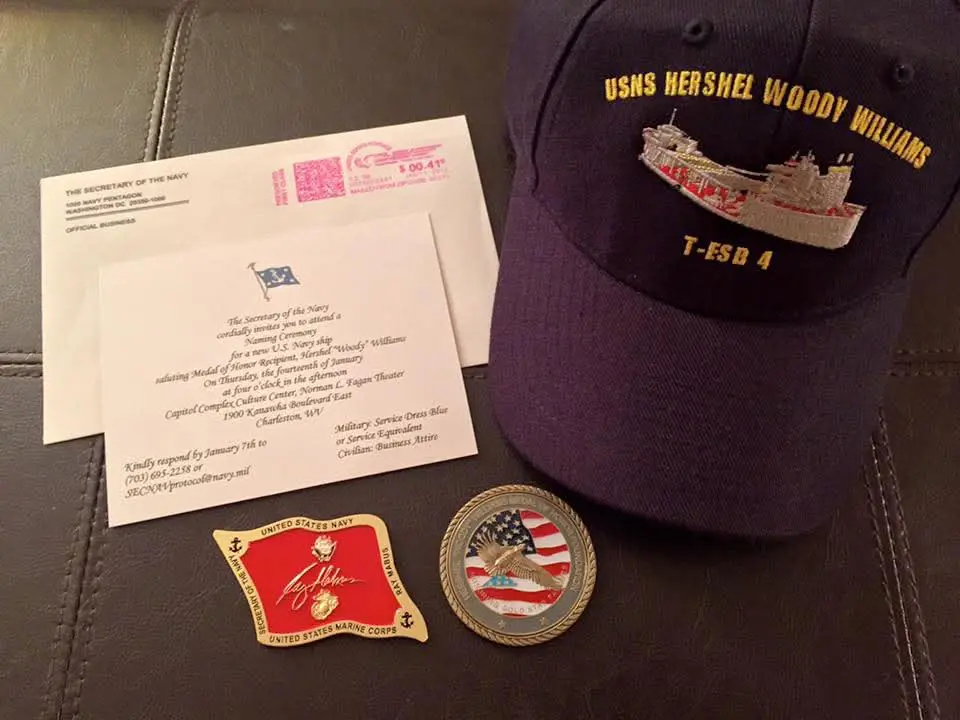
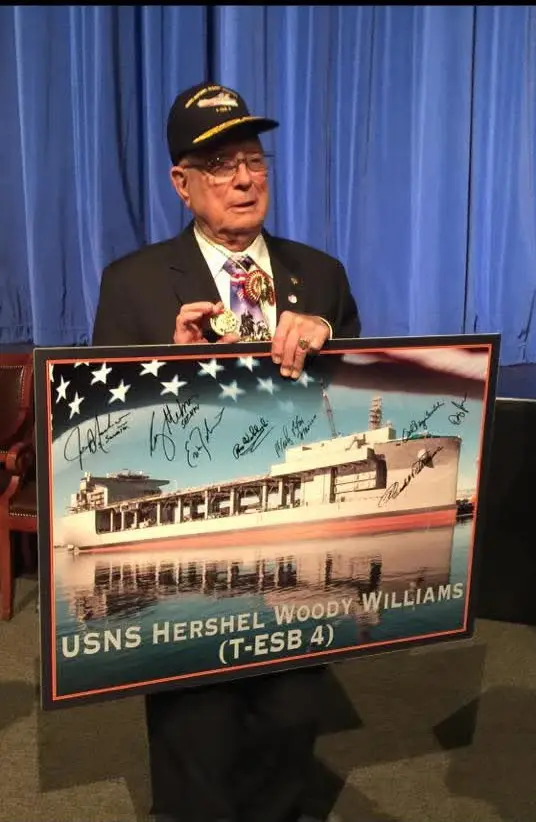
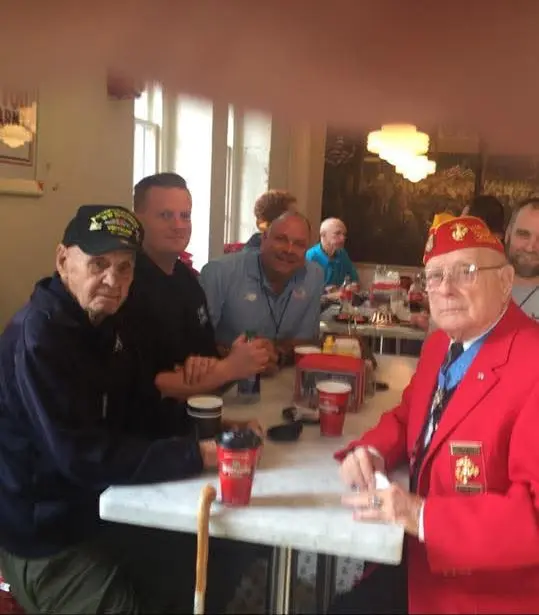
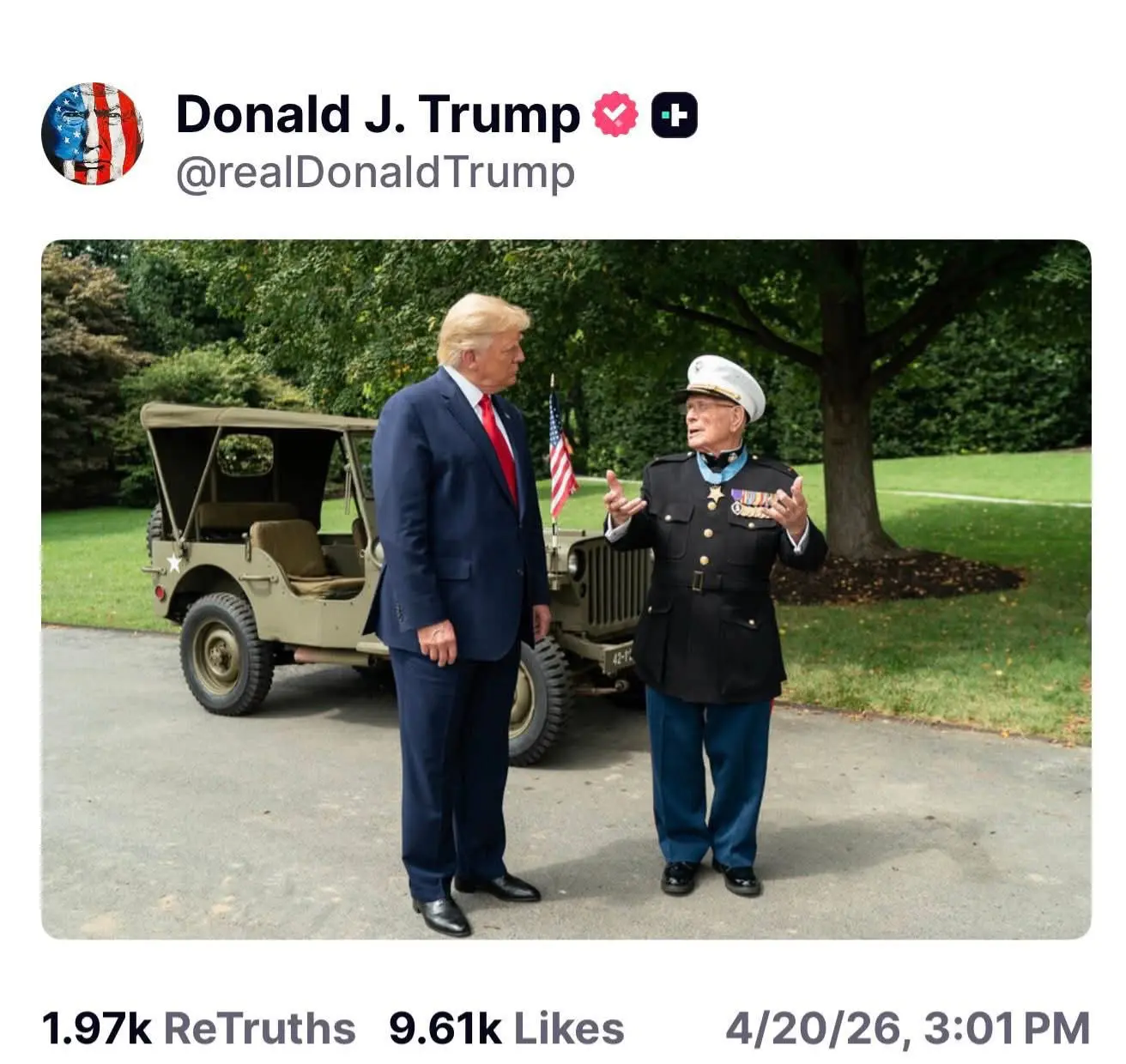
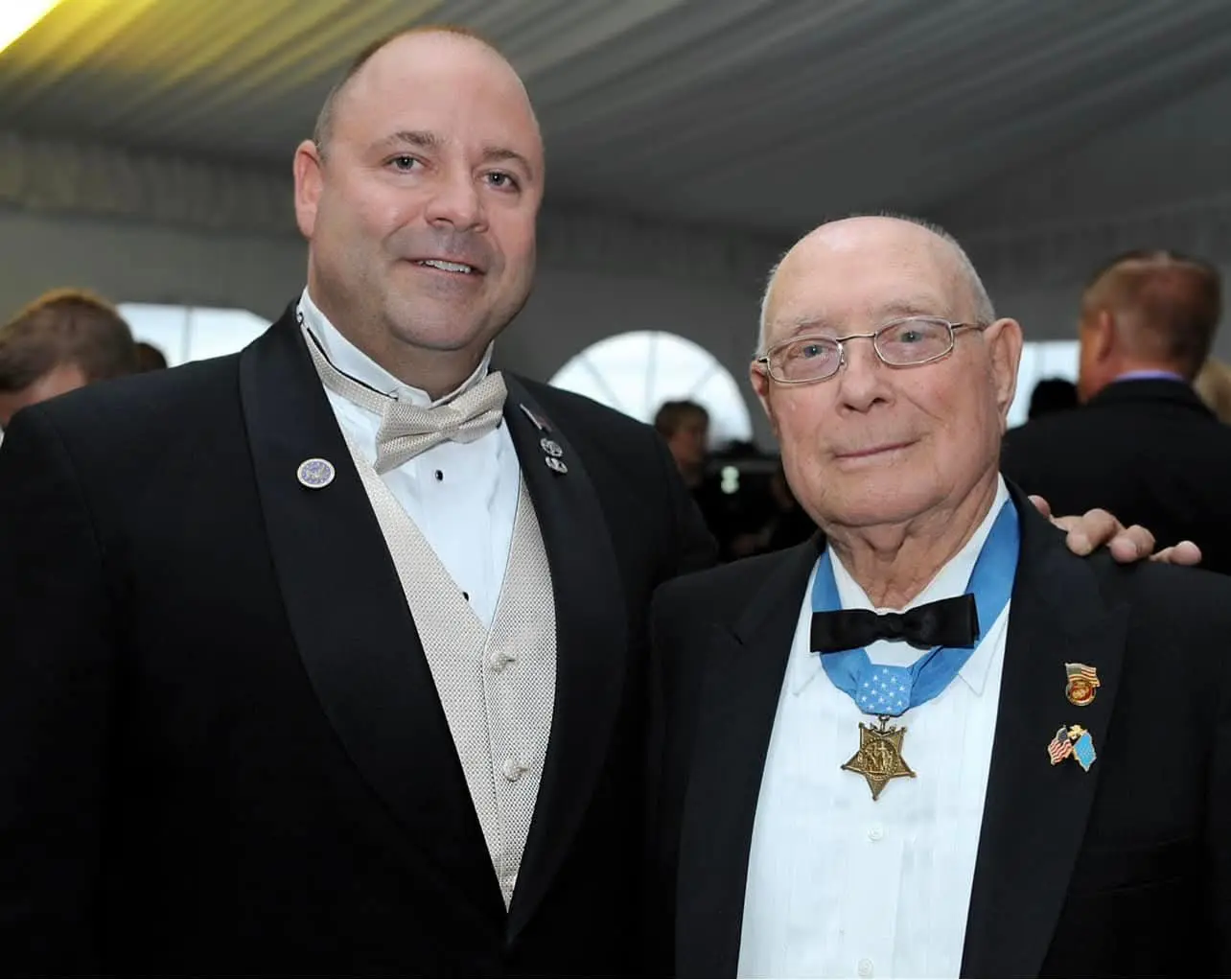
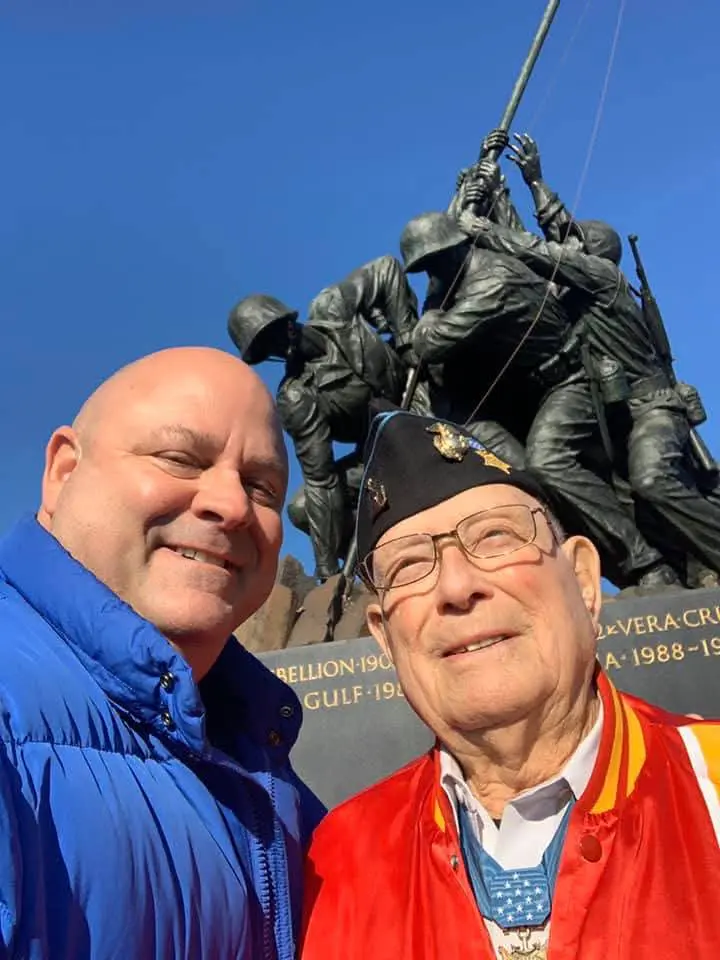
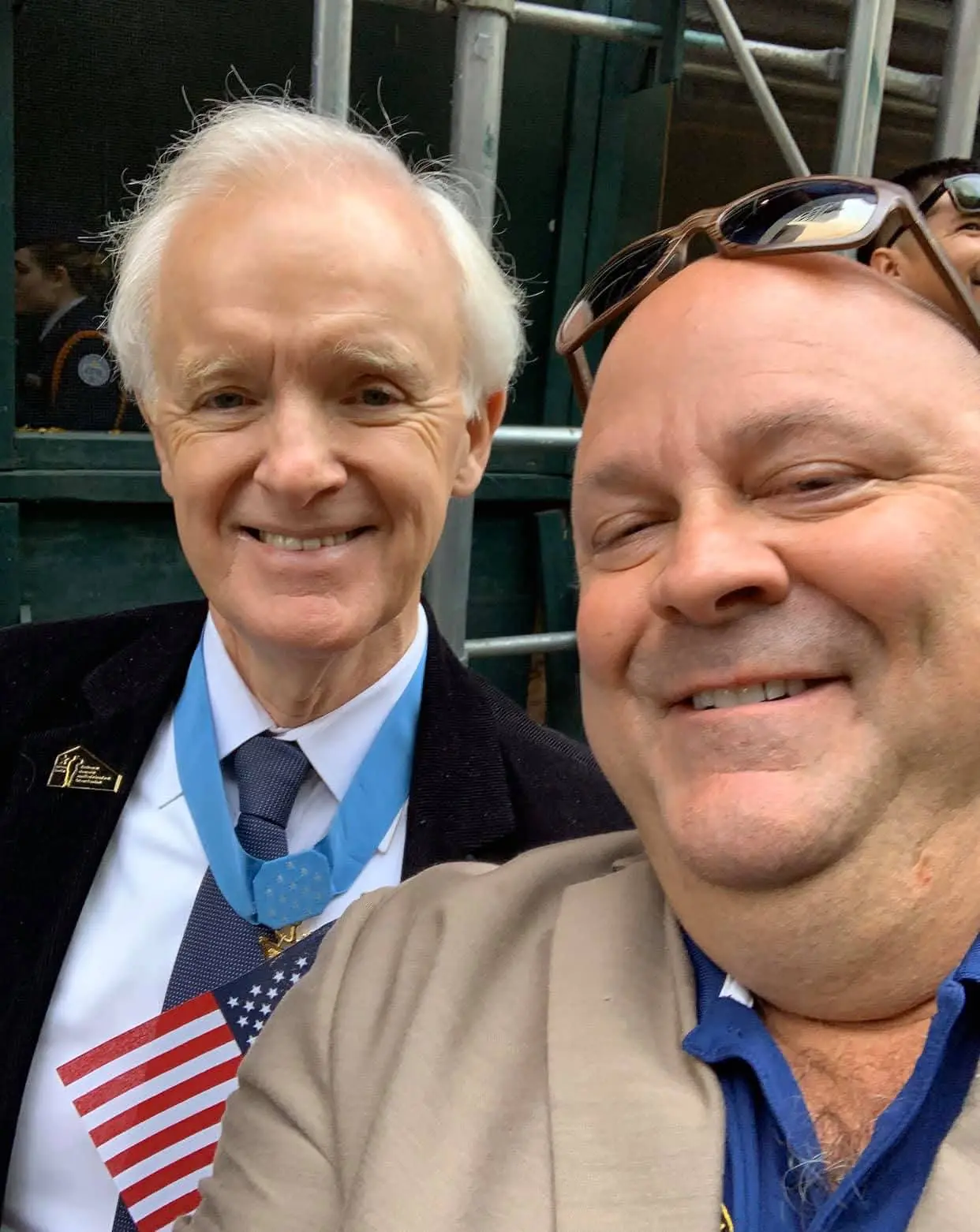
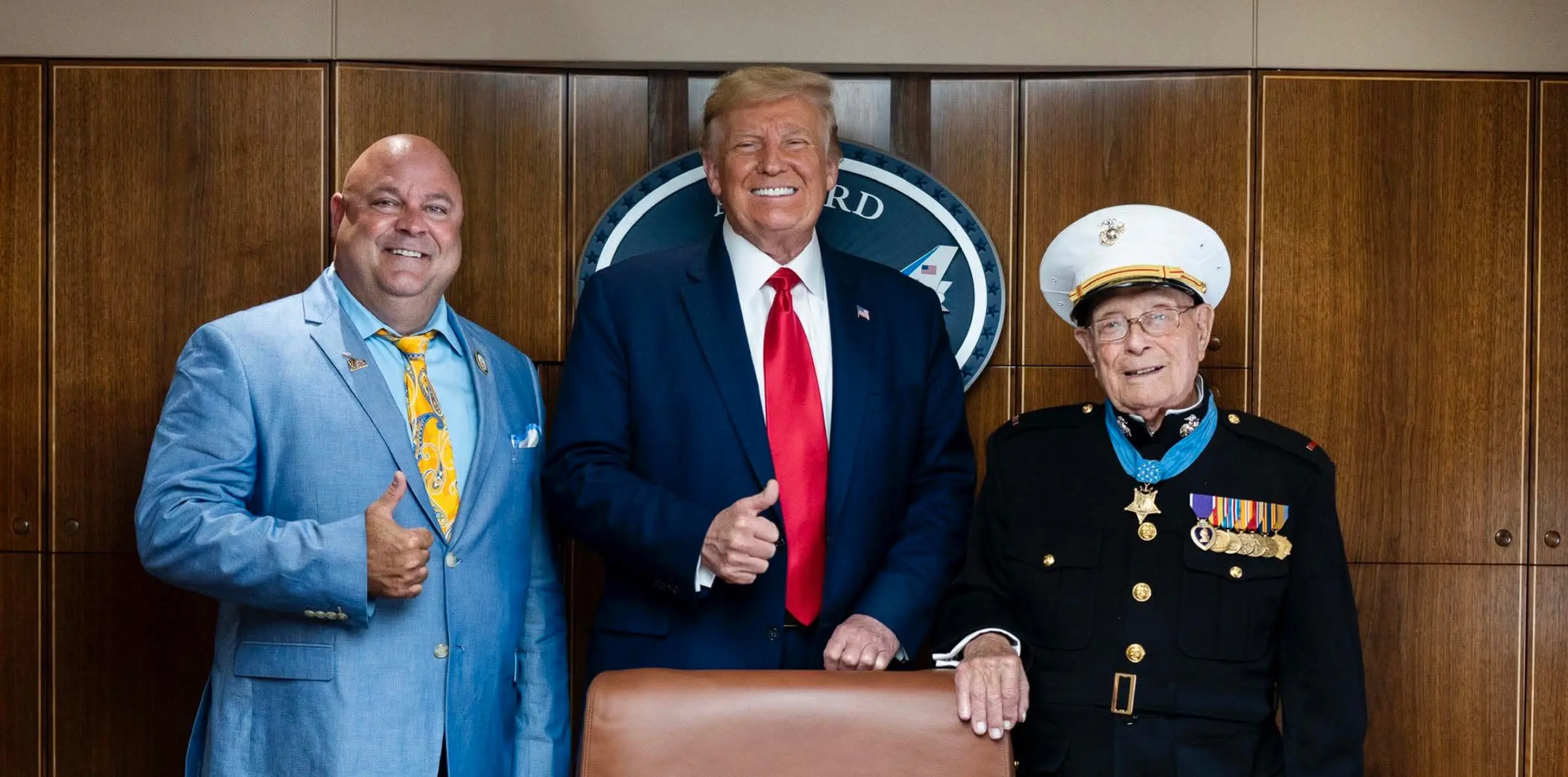
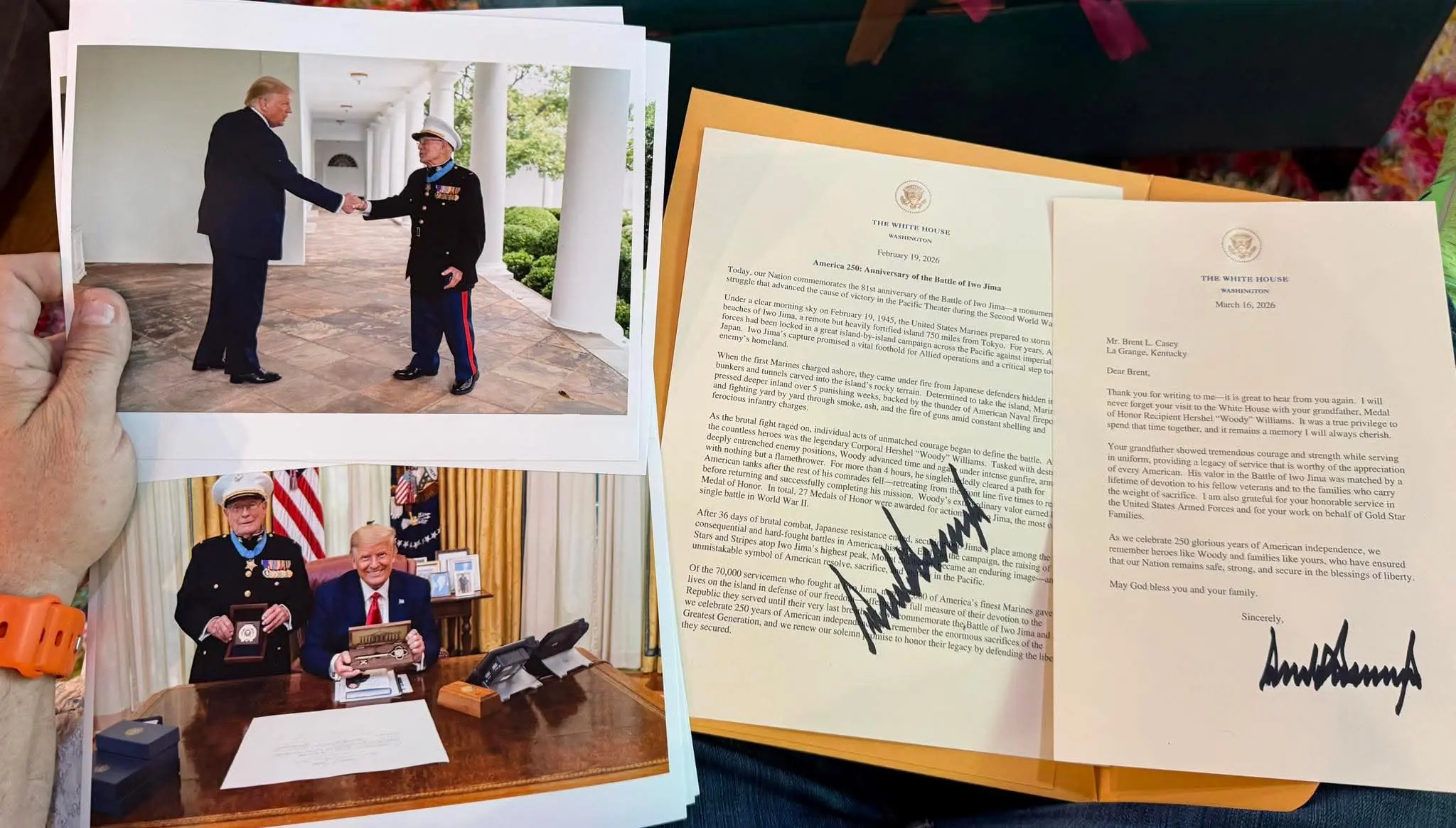
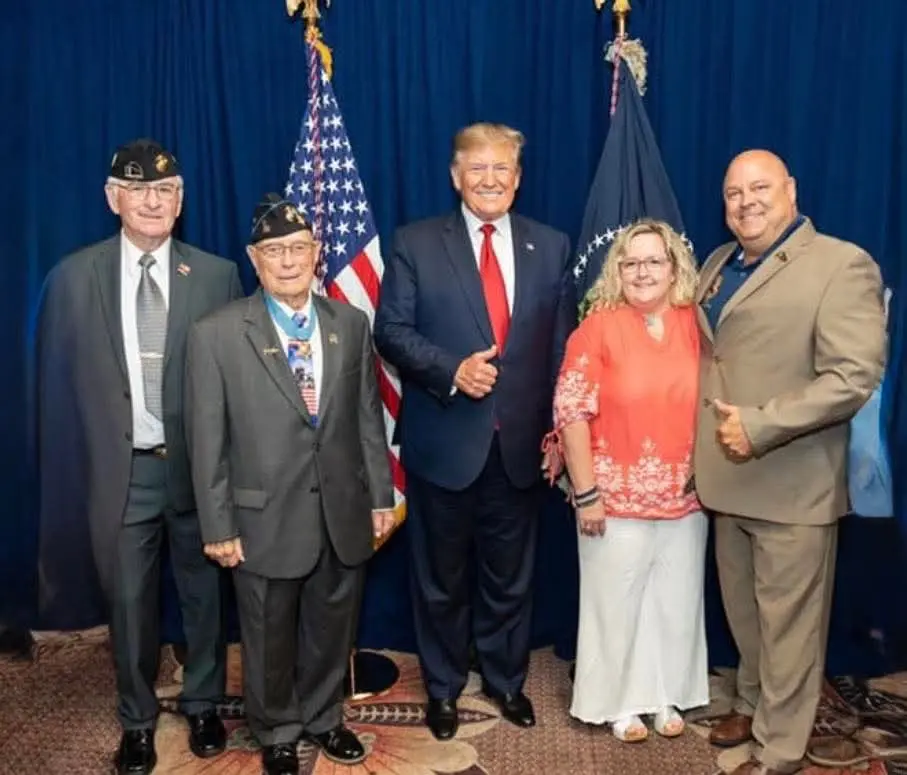
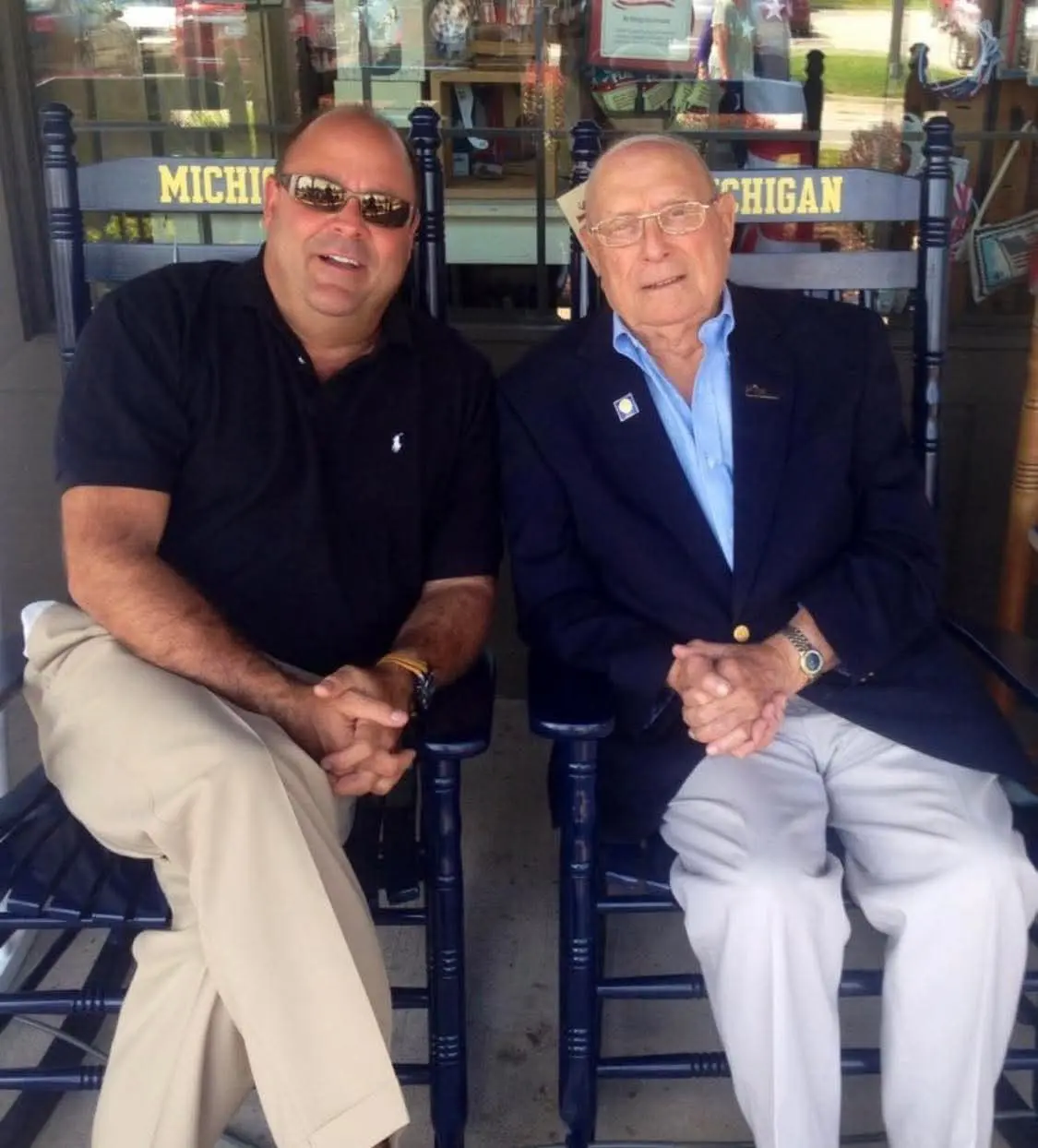
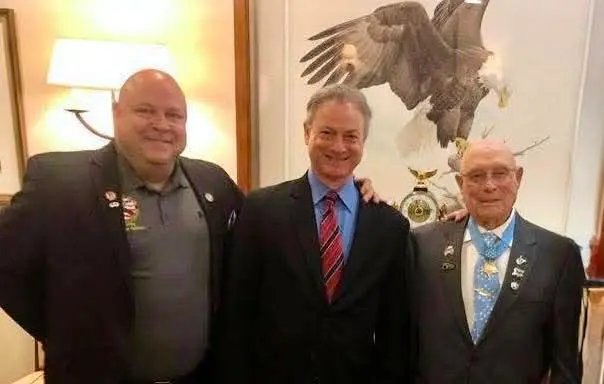
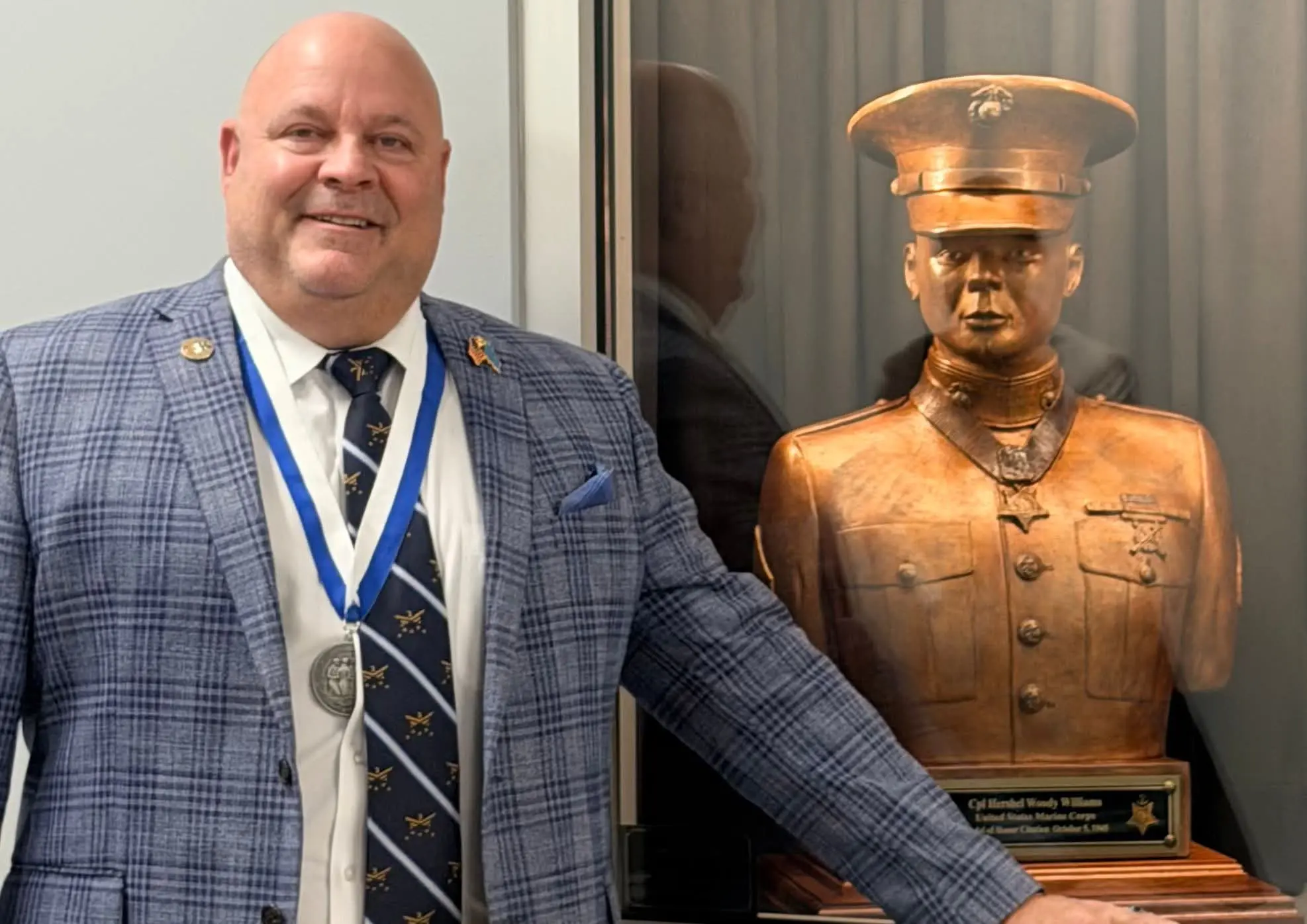
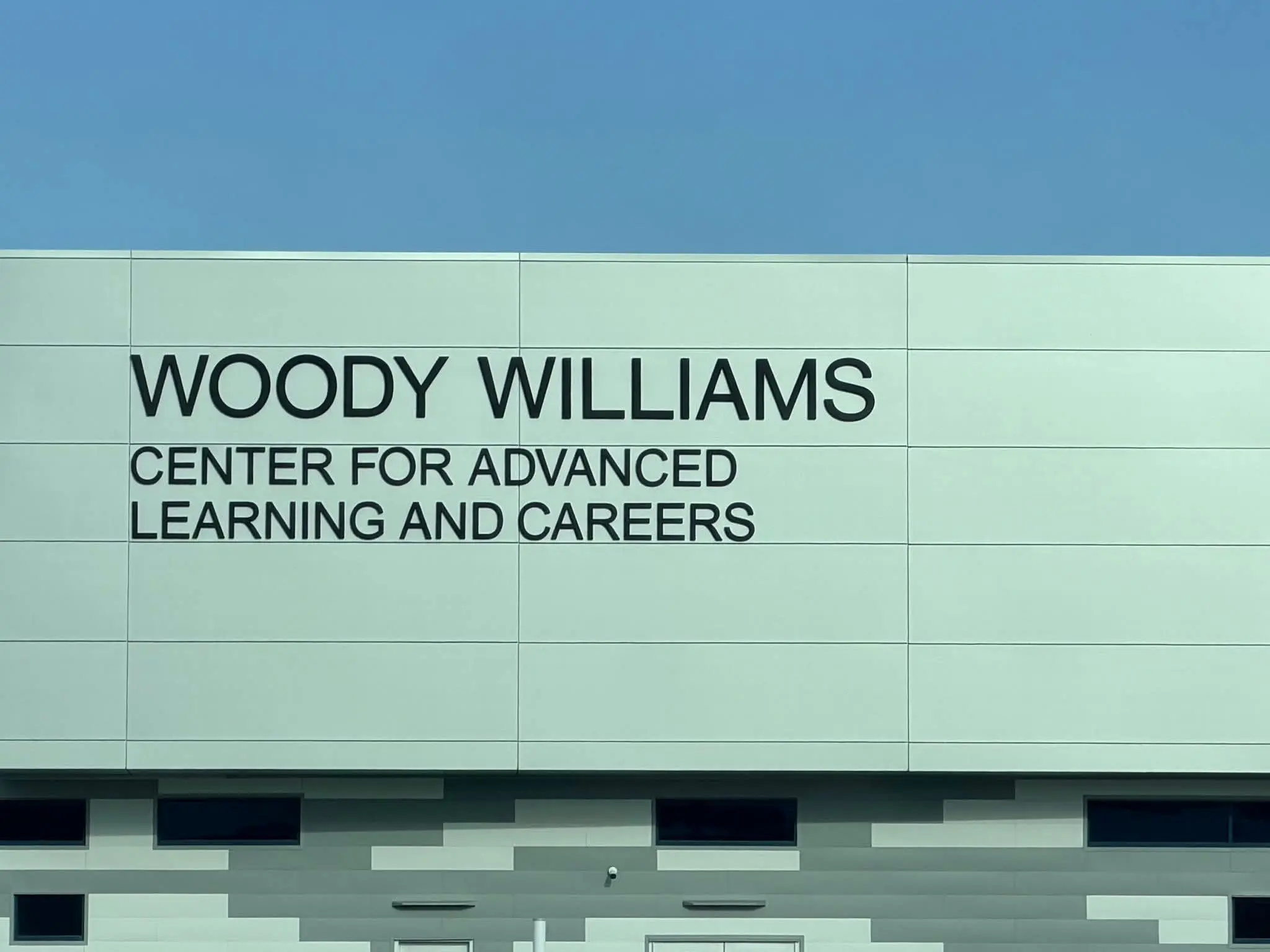
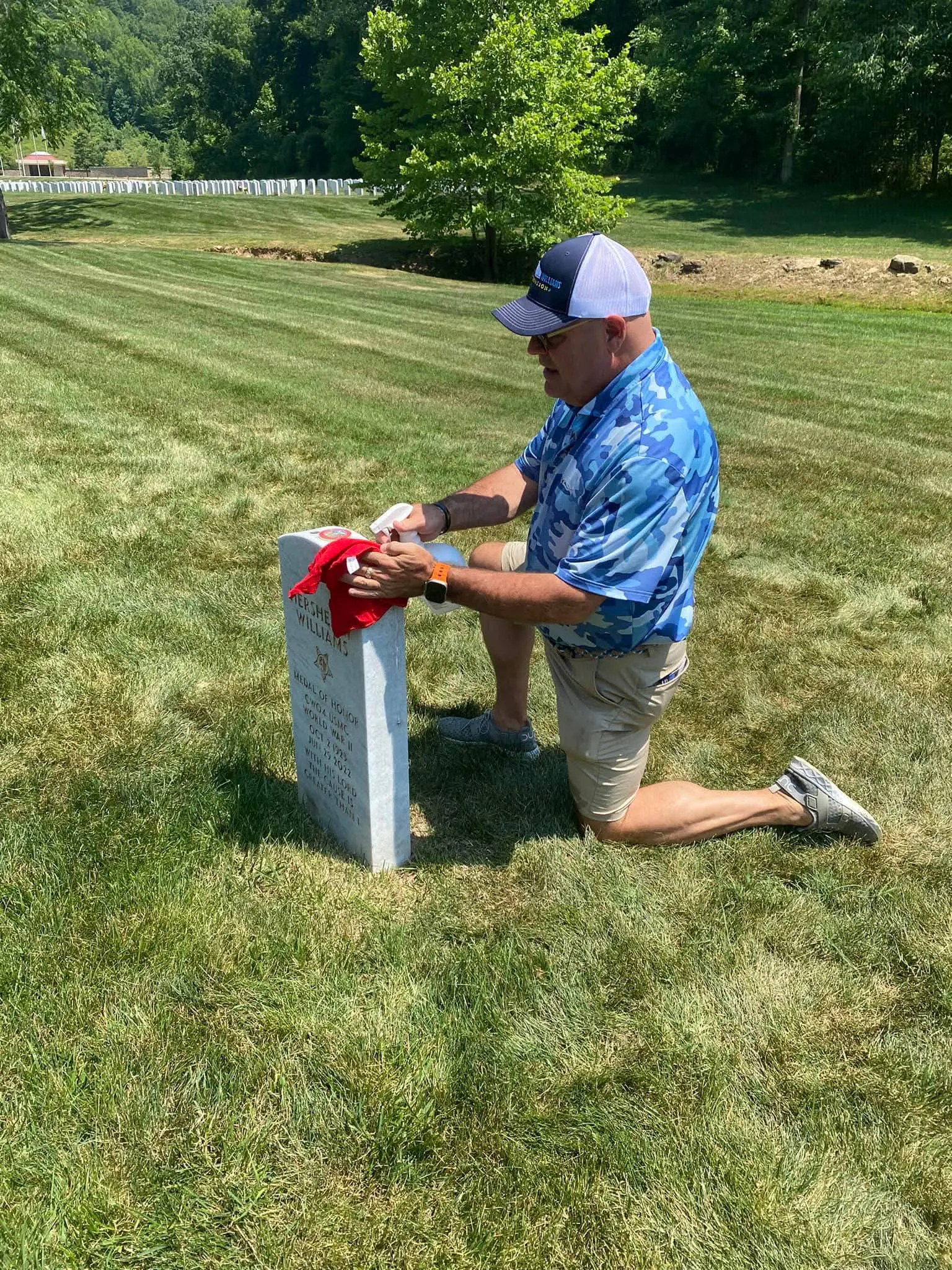
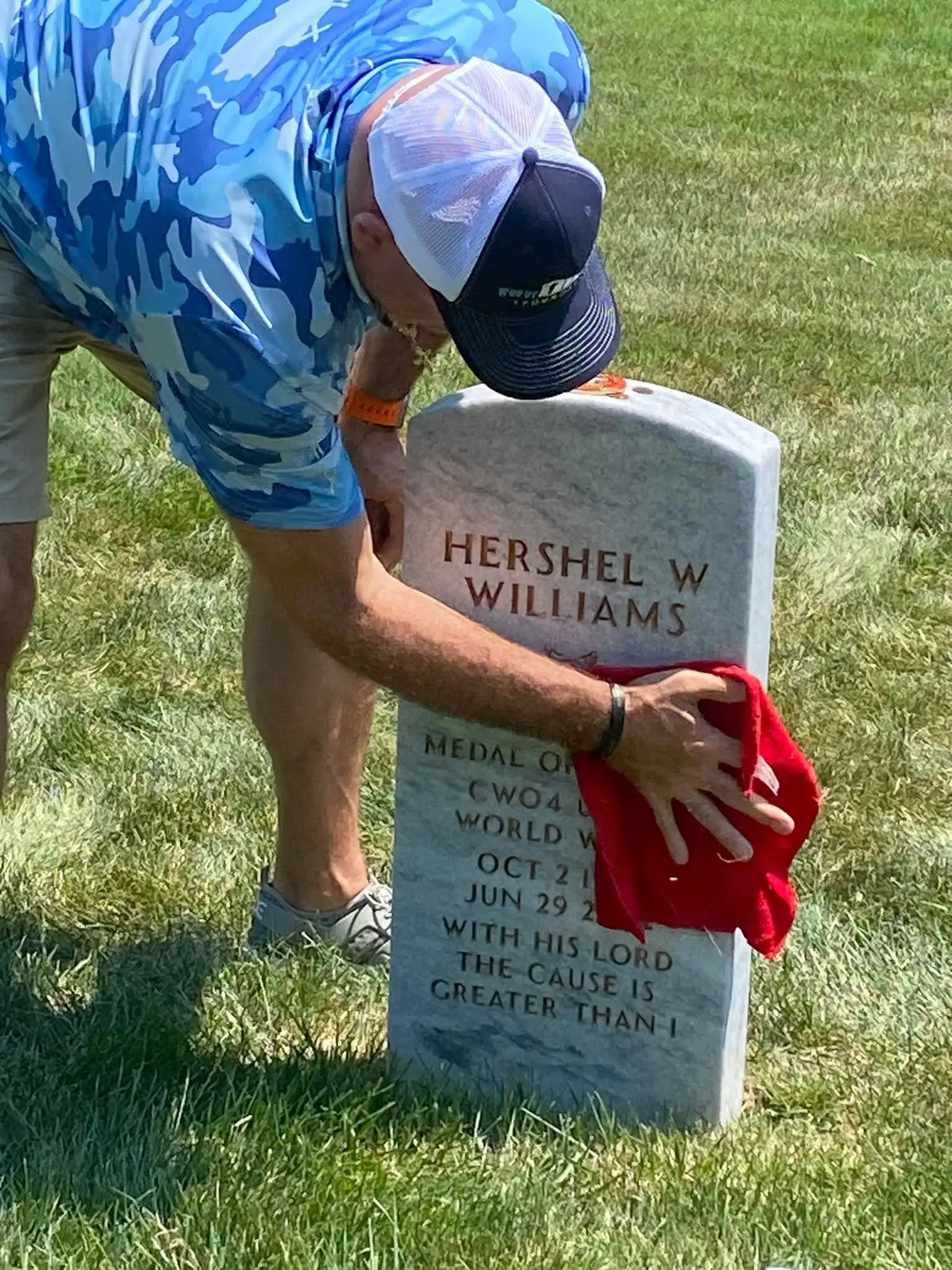
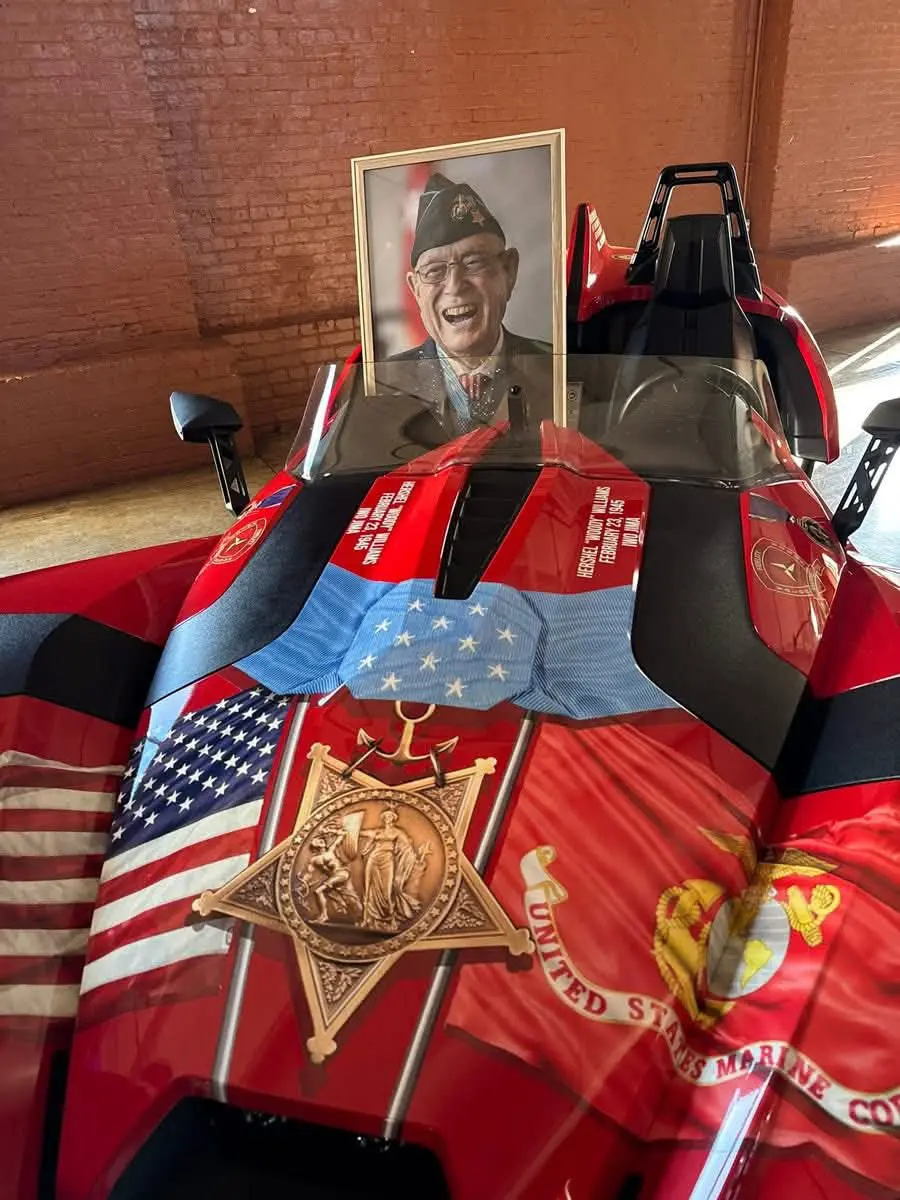
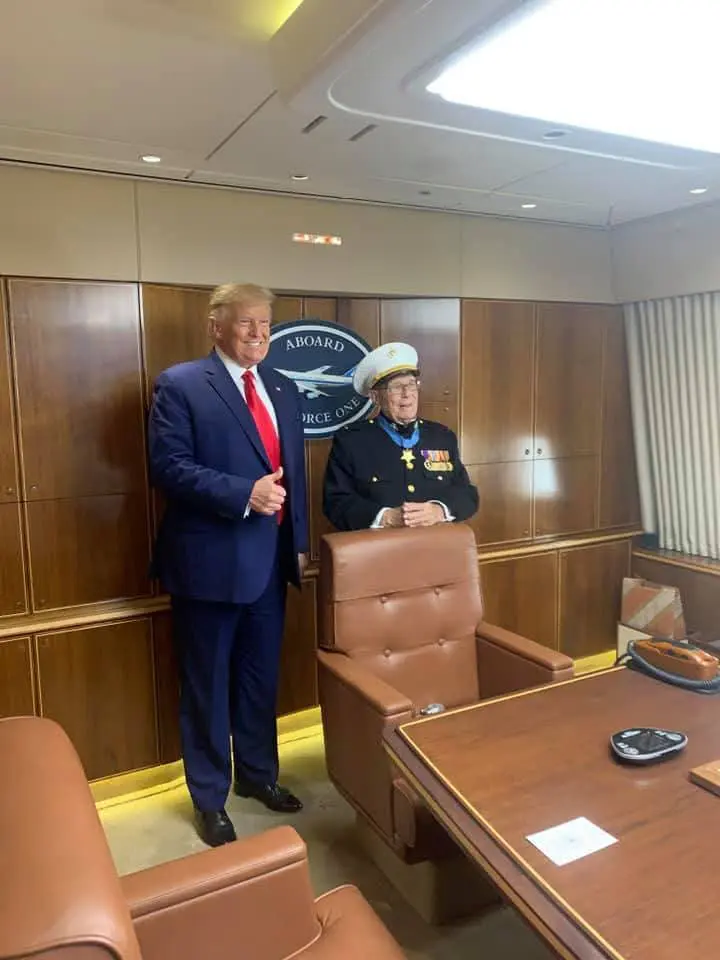
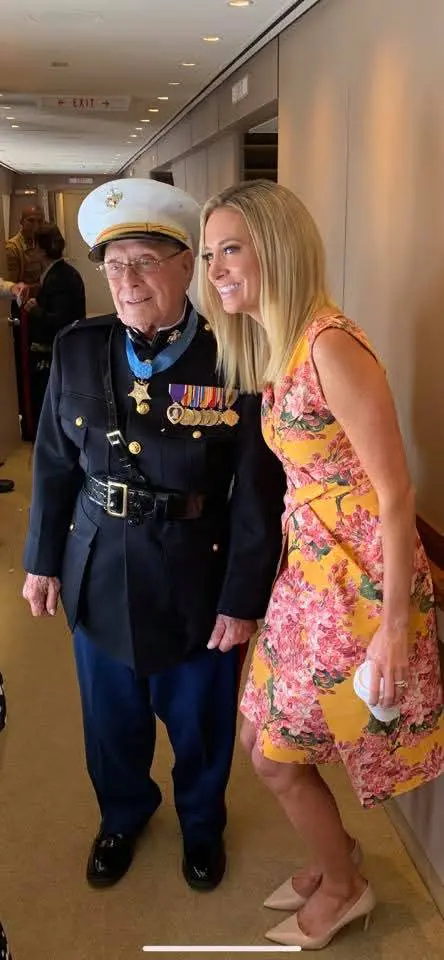
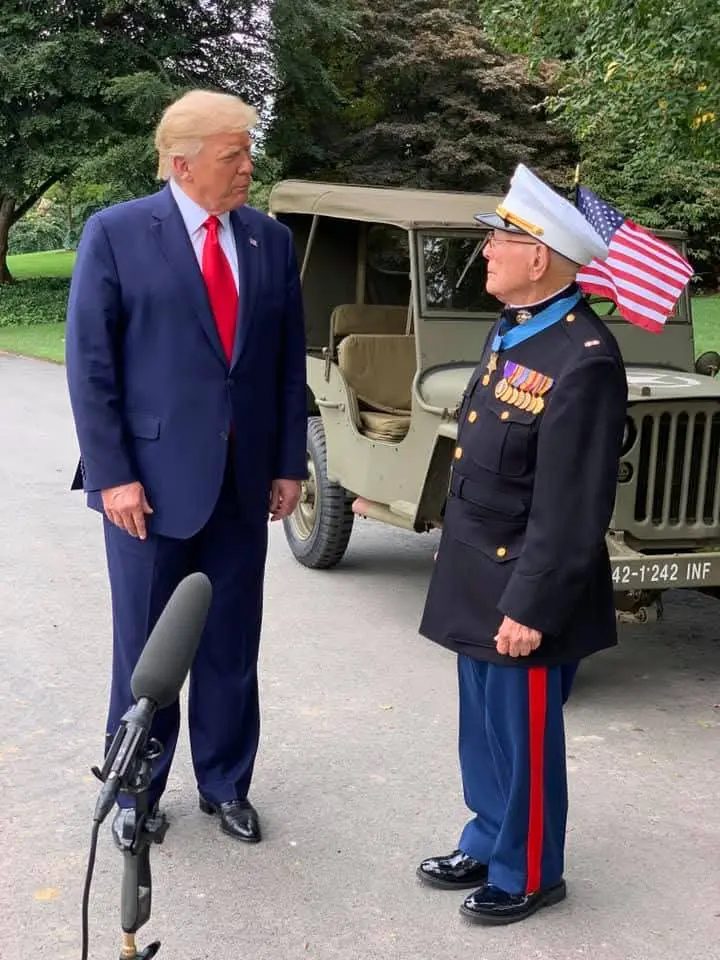
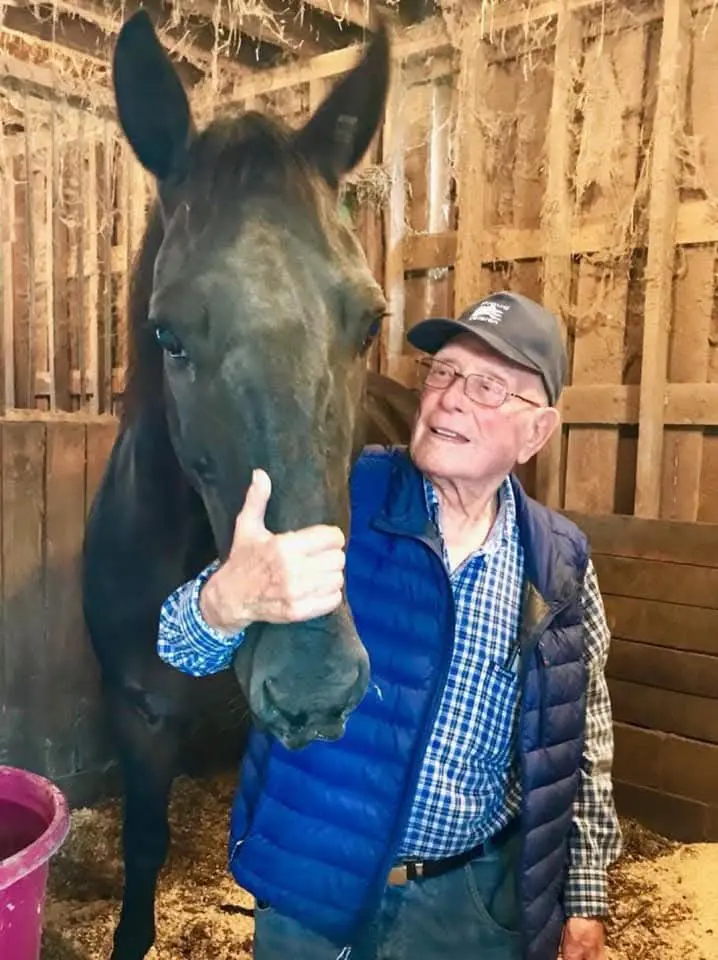
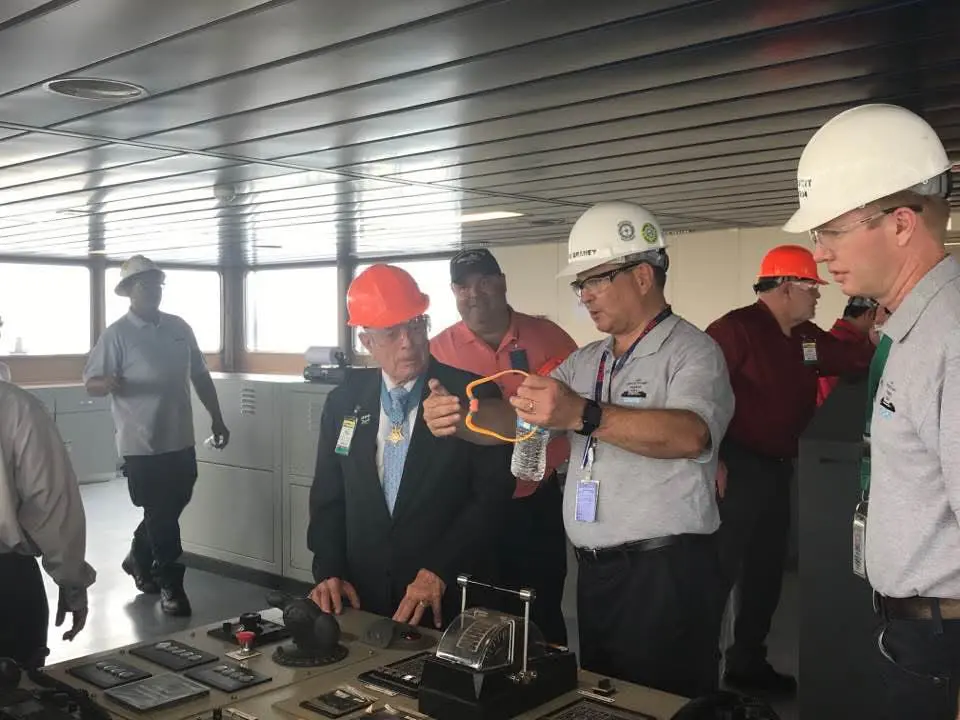
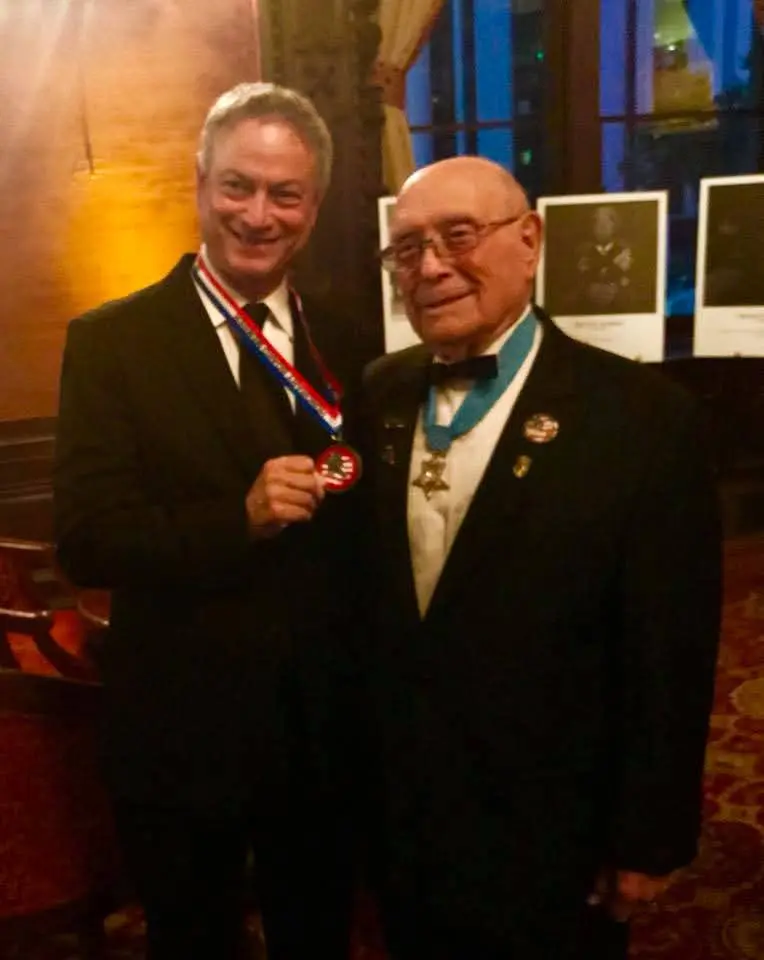
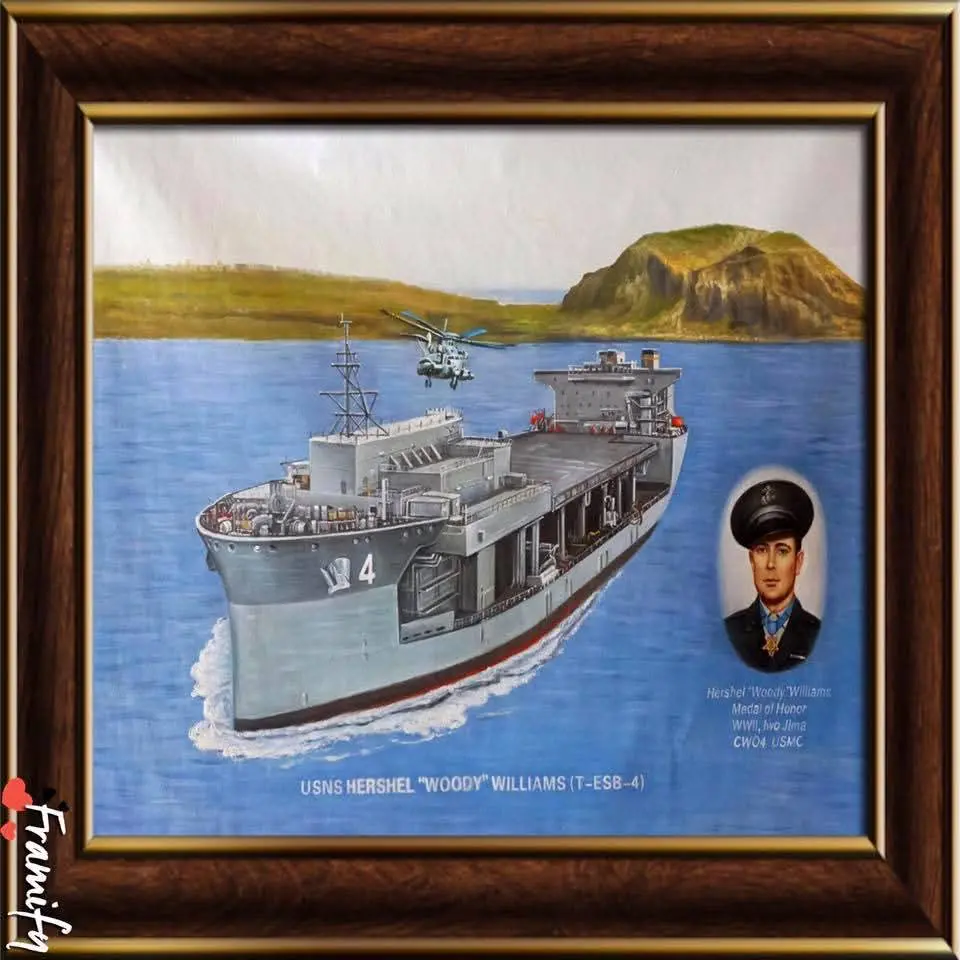
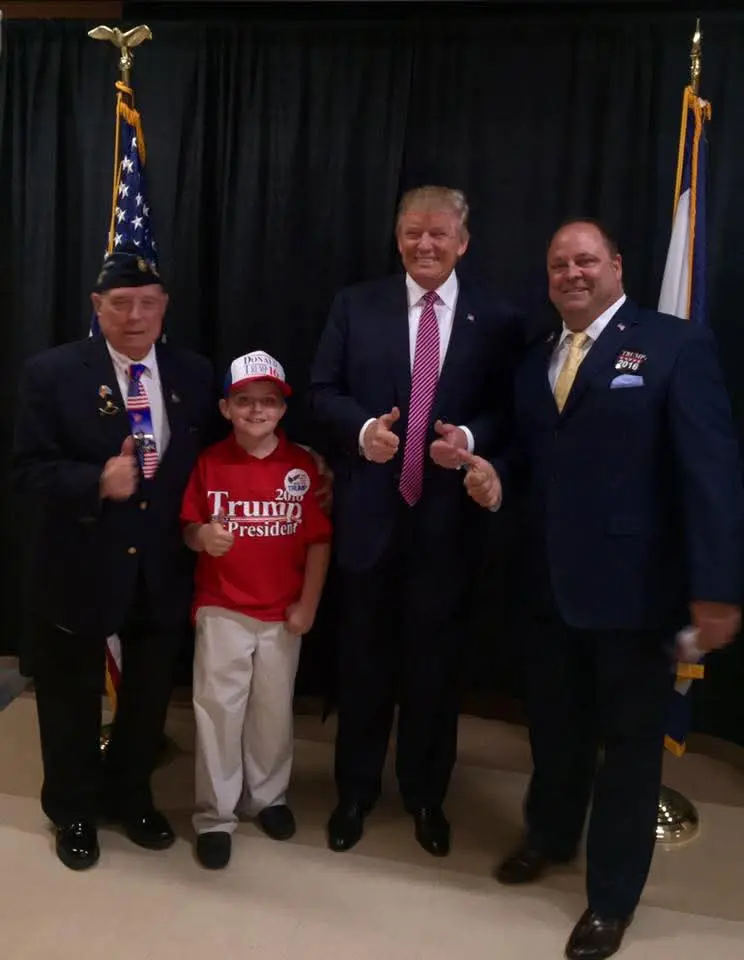
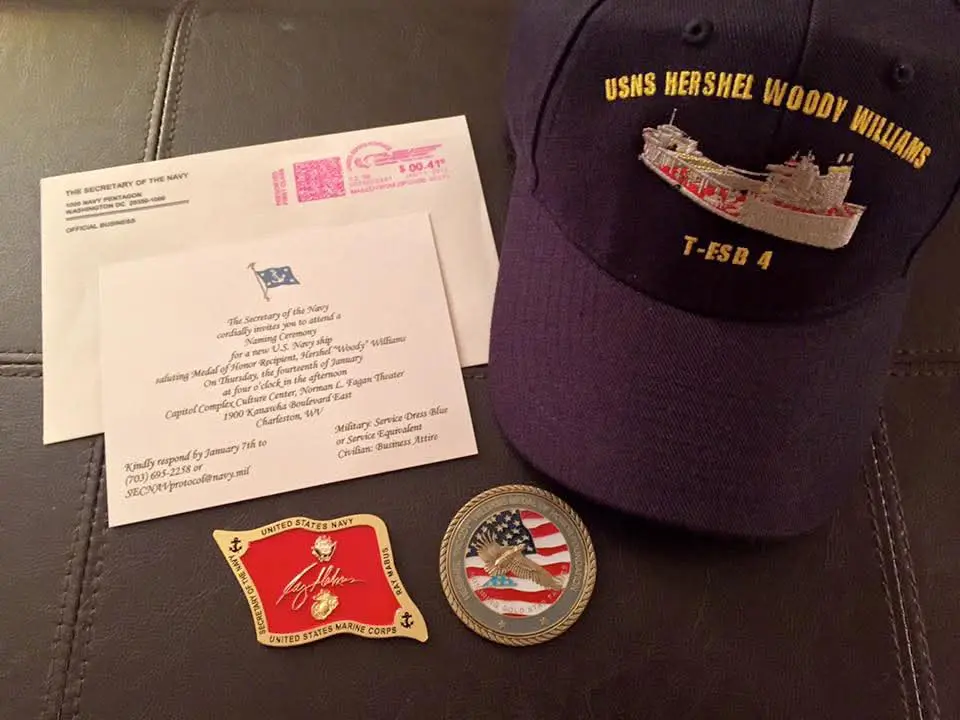
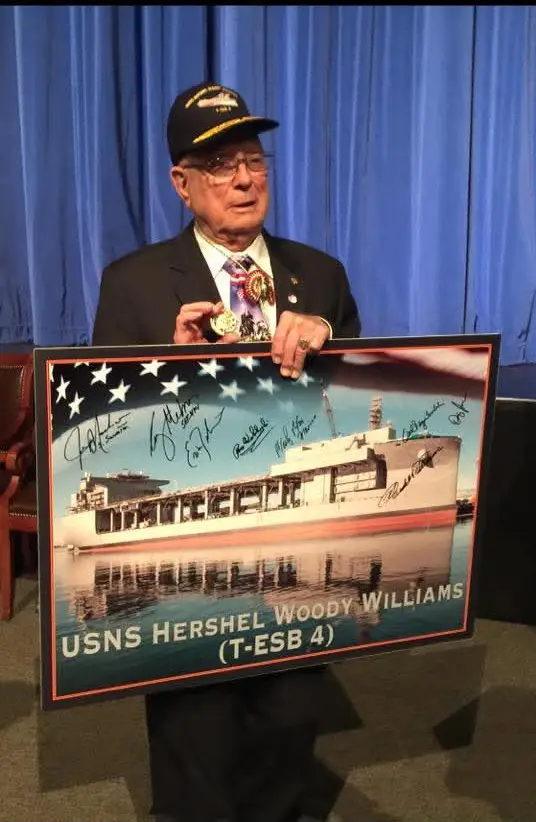
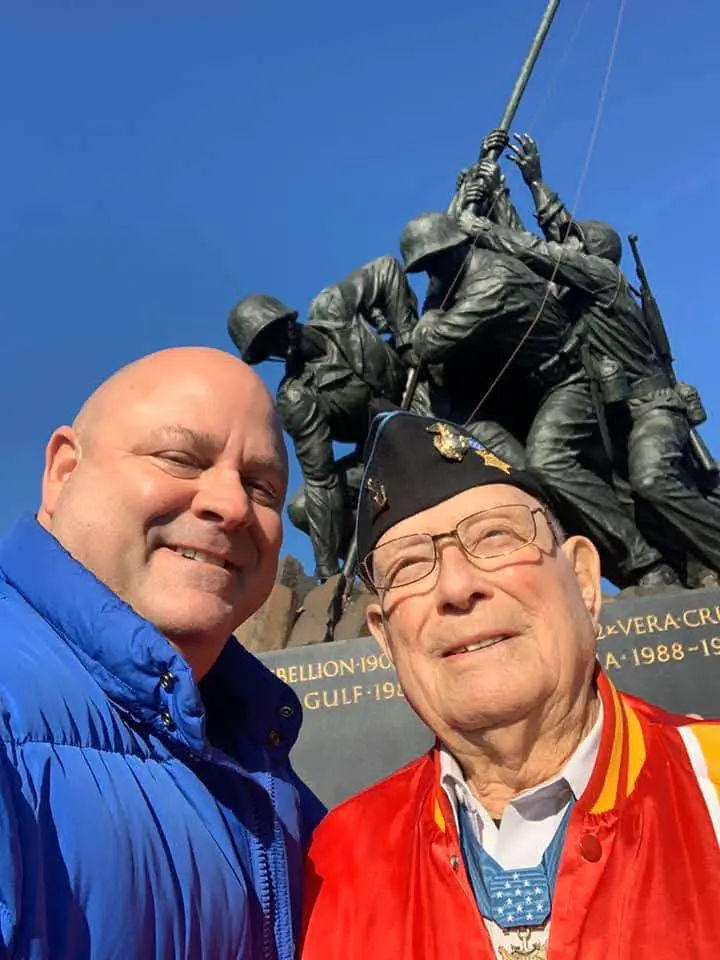
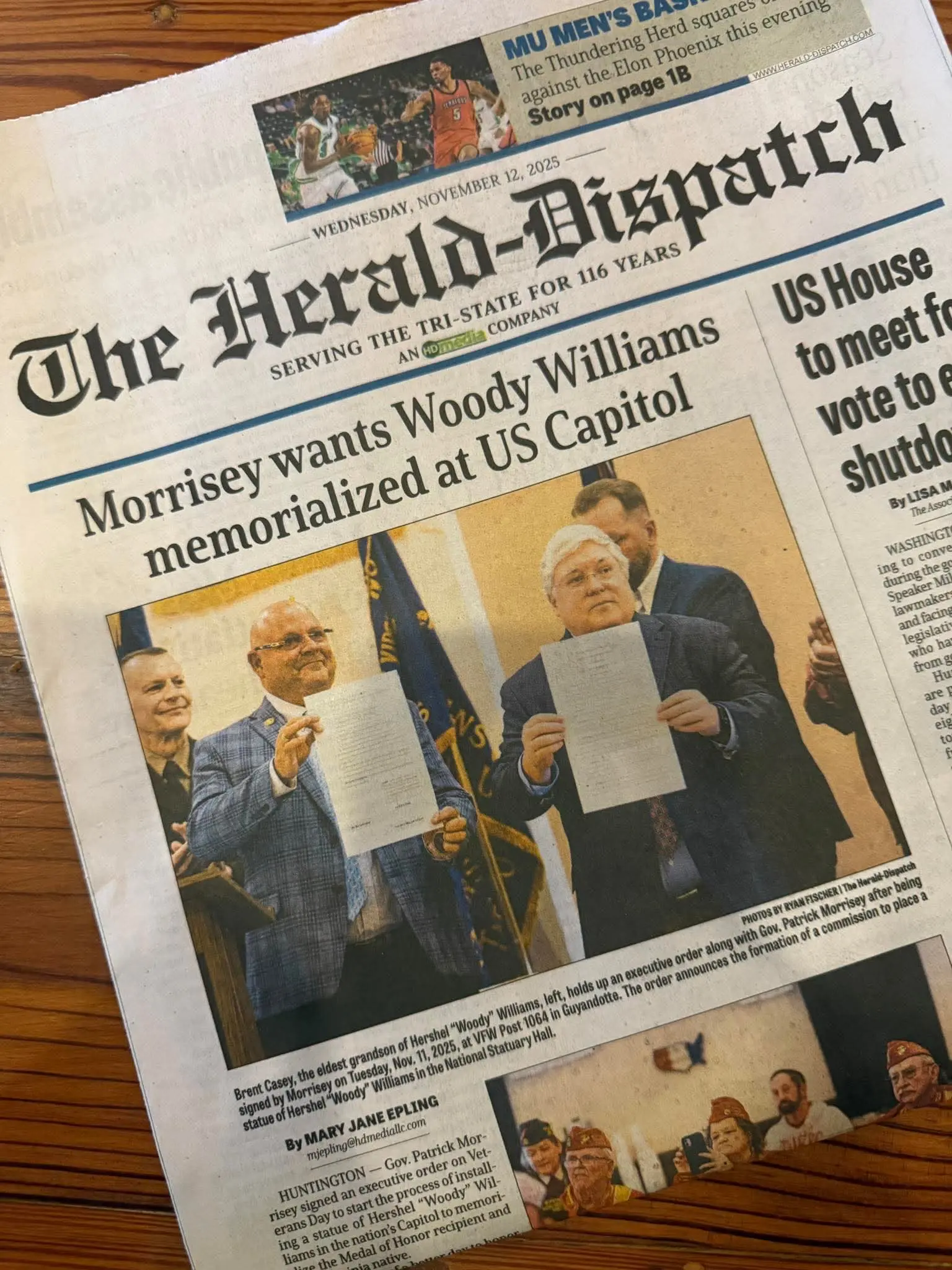
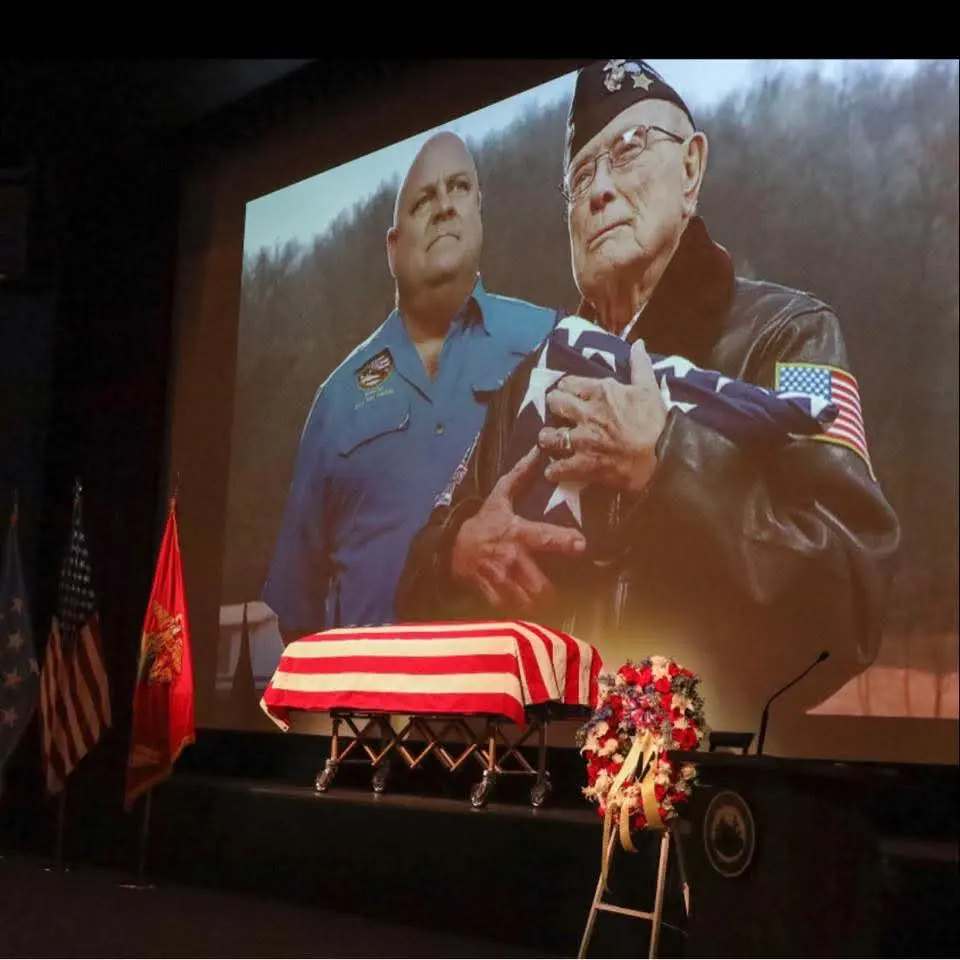
His grandfather, Hershel Woody Williams, World War II Medal of Honor Recipient, was more than a national hero. He was Papa, the man who shaped Brent’s character. Woody worked full time for the VA as a veterans counselor for thirty five years, yet still maintained a horse farm with extraordinary dedication. Brent describes him as a true horse whisperer, phenomenal with horses and gifted at training them for others to show. He remembers countless trips to the Ohio State Fair in Columbus, riding in the horse van while Papa drove.
Papa’s influence extended far beyond the barn and far beyond the family. Brent often shares that people have reached out to him over the years to tell him about life changing conversations they had with his grandfather in places he never expected. During his time in Dallas, Texas, individuals would approach him to share how they had met Woody in a hotel lobby in the city. They described how meeting Woody became a life changing moment for them, a brief encounter that stayed with them for years. These stories reinforced for Brent just how deeply his grandfather touched the lives of others, often in moments that seemed ordinary at the time.
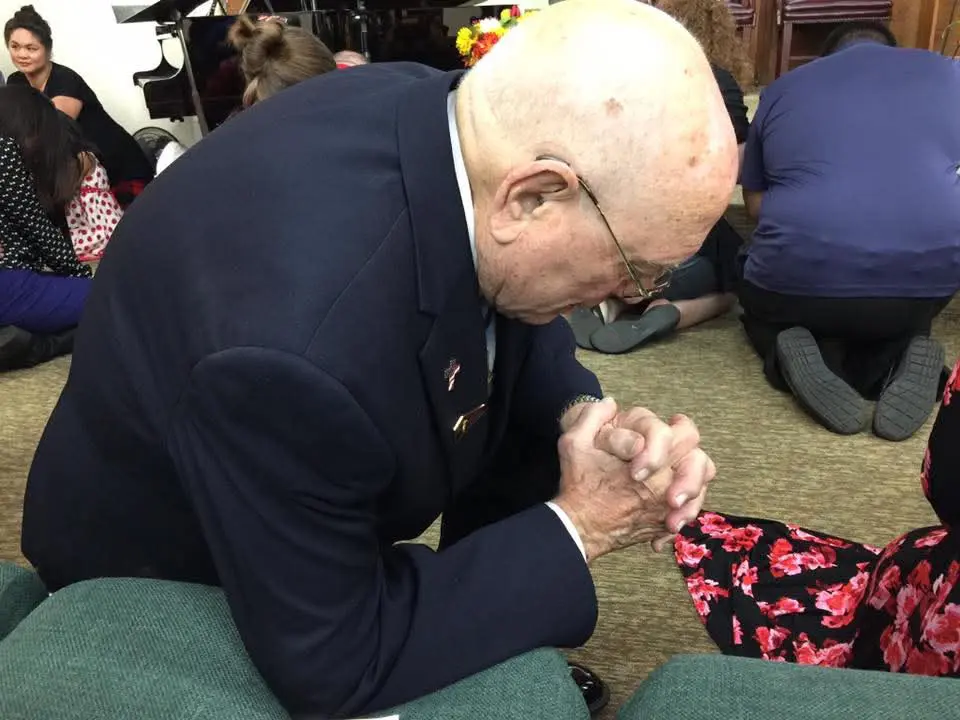
Brent also speaks about the profound emotional burden his grandfather carried from the Battle of Iwo Jima. He explains that Woody was deeply affected by the loss of the two Marines who were under his command, and that the guilt he felt over their deaths was often even more difficult for him to manage than his broader posttraumatic stress symptoms. Brent describes how Woody struggled for many years to navigate the weight of those memories, searching for a way to find peace. A major turning point came on Easter Sunday in 1962, when Woody attended church and experienced a profound spiritual shift. Brent recalls that from that day forward his grandfather became a different man. His nightmares and night terrors ceased, and he remained committed to the path he embraced that morning for the rest of his life.
Brent often reflects on the striking similarities between his own journey and the one his grandfather endured, even though they served in two entirely different eras of war. He explains that both he and Woody carried burdens that followed them long after returning home, shaped by the trauma of combat and the weight of responsibility for the men they served beside. Woody lived with the guilt of losing the two Marines under his command on Iwo Jima, while Brent faced his own version of that struggle after the Gulf War, confronting memories of destruction, loss, and the human cost of conflict. Both men searched for peace in the aftermath of war, each trying to understand experiences that could not be forgotten. Brent often sees his own healing journey reflected in his grandfather’s transformation, recognizing that although their wars were different, the struggle to reclaim one’s life after combat is a thread that connects them deeply.
Brent often reflects on how his grandfather carried his message of faith, service, and humility into churches across the country. He describes how Woody frequently spoke in congregations large and small, sharing encouragement, hope, and the lessons he had learned throughout his life. That spiritual transformation in 1962 shaped the way he lived, served, and inspired others from that point forward.
After a year of college, Brent realized he wanted more discipline, direction, and purpose. He knew he wanted to work in the medical field and he wanted to be airborne. A recruiting station poster of a paratrooper leaping from an aircraft crystallized that desire. He wanted to be a medic, and he wanted to jump.
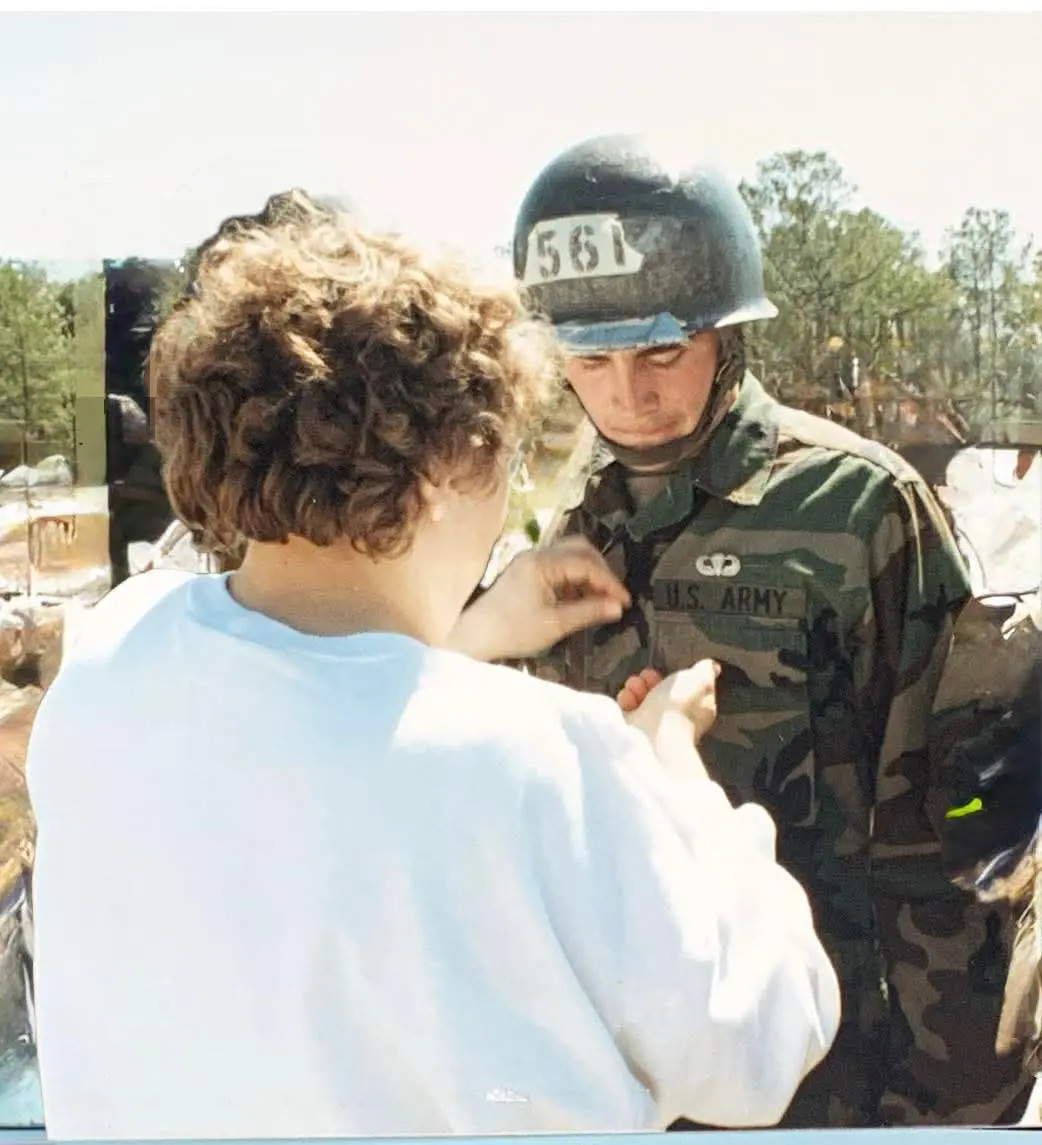
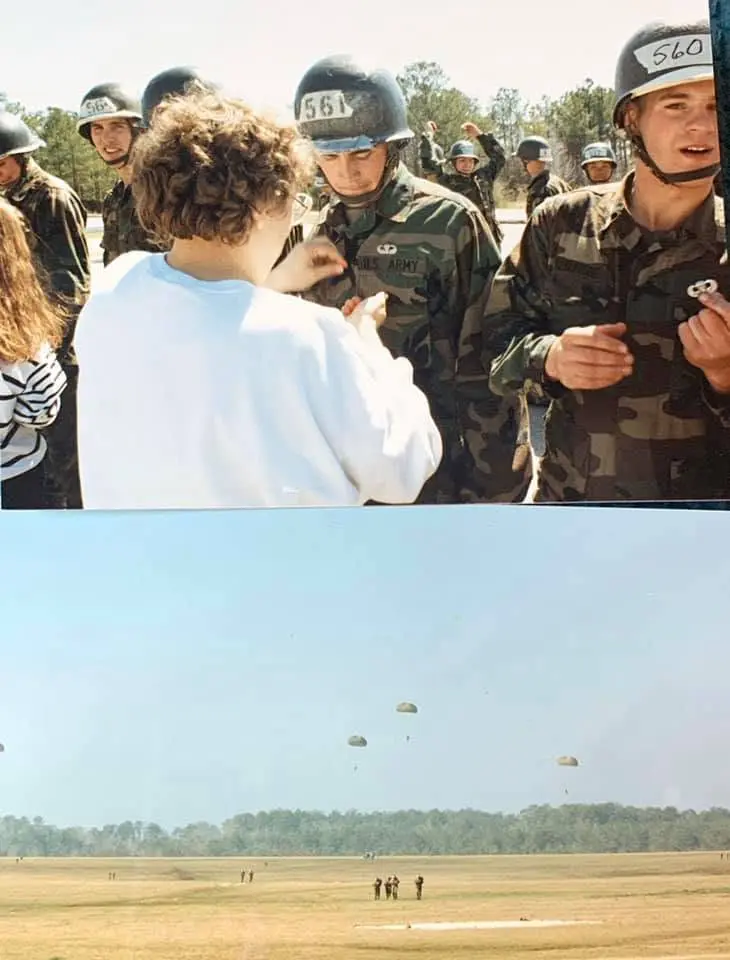
Out of respect for Papa, Brent first spoke with a Marine recruiter, and then with a Navy recruiter. But only the United States Army guaranteed him both the combat medic training and the Airborne assignment he sought. That promise set his path. He completed Basic Training at Fort Bliss, medic training at Fort Sam Houston, and Airborne School at Fort Benning. Earning his Airborne wings was one of the proudest moments of his early military life, but his first assignment did not match the calling burning inside him.
Brent was initially assigned to the First Cavalry Division, where he provided medical support to tank units. He later reflected that this assignment did not align with his true calling, as he had earned his Airborne wings with the intention of serving in a jump unit.
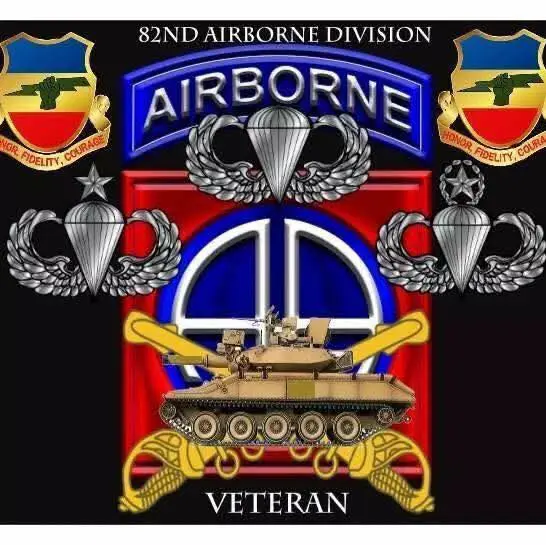
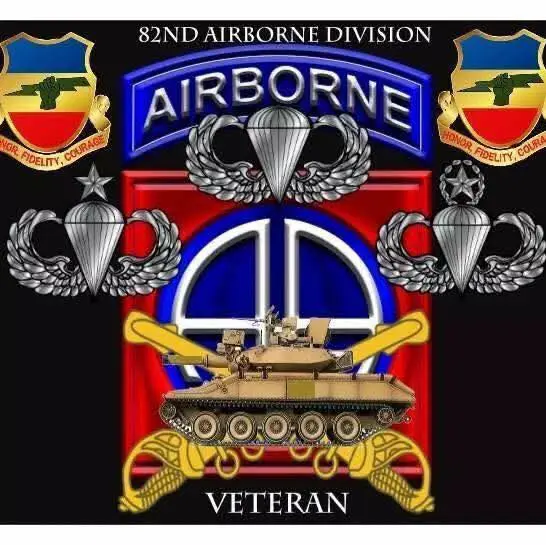
Eventually, Brent secured a transfer to the Eighty Second Airborne Division at Fort Bragg, the unit he had wanted from the beginning. He describes this moment as finally getting what he truly sought, the chance to serve as a combat medic among paratroopers, fulfilling the calling that had inspired him from the start. This transition marked the beginning of the chapter that would define his Gulf War service, his identity as a medic, and the lifelong advocacy that followed.
During his service as a combat medic in the Eighty Second Airborne Division leading up to and during Desert Storm, Brent operated in an environment shaped by the armored vehicles, aircraft, and battlefield technology that defined the Gulf War. While assigned to the Third Battalion, Seventy Third Armor Regiment at Fort Bragg, he worked alongside crews who operated the M551 Sheridan, a highly mobile light tank equipped with a one hundred fifty two millimeter Shillelagh missile system. Before arriving at Fort Bragg, he served in a unit that utilized M1 Abrams main battle tanks and Bradley fighting vehicles, giving him early exposure to the armored platforms that formed the backbone of American ground combat capability.
Brent also witnessed the decisive impact of air power during the conflict. He often reflects on the role of the A10 Thunderbolt Two, known as the Warthog, and the precision with which its pilots delivered close air support. He recalls that much of the destruction he saw along the Highway of Death resulted from the accuracy and effectiveness of these aircraft as they targeted Iraqi forces. He notes that one of the most significant advantages held by coalition troops was the widespread use of GPS and night vision technology. These tools allowed American forces to navigate, maneuver, and engage with accuracy in conditions where the Iraqi military could not effectively respond.
The Highway of Death refers to a sixty mile stretch of the main Kuwait Iraq highway connecting Kuwait City to Basra. During the final stages of the Gulf War in February 1991, this road became the site of massive destruction as coalition forces, primarily the United States Air Force and A10 Thunderbolt Twos, conducted heavy airstrikes on retreating Iraqi military columns as well as civilian vehicles that had become trapped in the congestion.
Brent witnessed one of the most harrowing scenes of the war along this stretch. As his unit moved through the area, he saw bumper to bumper vehicles that had been completely destroyed, many of them still burning from the strikes delivered by A10 aircraft and other Air Force operations. He recalls the disturbing sight of individuals still seated behind the wheels of those vehicles, frozen in their final moments with their hands still gripping the steering wheel. The smell of the scene stayed with him long after he returned home, a sensory memory that he describes as something that never goes away. Brent also reflects on the psychological aftermath of the experience, admitting that he and his fellow soldiers took numerous photographs of the carnage and brought them home, an act he now struggles to rationalize. He believes it was a way his mind attempted to process the horror of what he had witnessed.
This graphic destruction, combined with the human element of the scene, became one of the defining contributors to the posttraumatic stress he later suffered. Brent often connects these memories to the broader health challenges faced by Gulf War Veterans, noting that many, himself included, experienced Gulf War Illness. He attributes this to a combination of environmental exposures, including the destruction of the demolition pit at Khamisiyah, toxins such as depleted uranium, and various vaccinations, creating what he describes as a cocktail of physical and mental health challenges that followed many Veterans long after the war ended.
His planned separation in September 1990 was halted when Saddam Hussein invaded Kuwait in August. The Gulf War had begun, and Brent stepped forward into a defining chapter of service. During Operations Desert Shield and Desert Storm, he served as a Sergeant and Combat Medic with the Eighty Second Airborne Division, supporting an armored tank company in Saudi Arabia and the Kuwait theater of operations. Deployed in October 1990, he confronted the intensity and uncertainty of war with courage and professionalism. He recalls the air campaign and movement toward the Iraq and Kuwait border as moments of pure destruction, scenes that left a lasting imprint on his life.
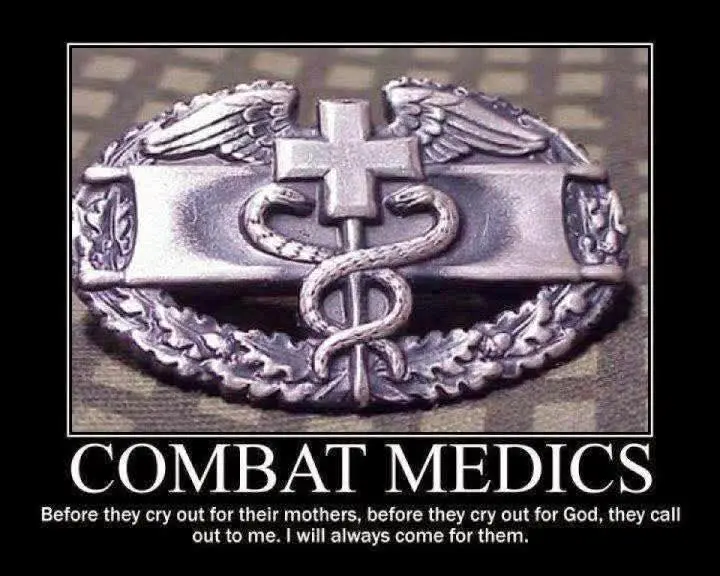
His role placed him directly beside the soldiers he cared for, often under extreme conditions. Brent lived the truth captured by combat medic Adam Fenner, who wrote, An infantryman’s job is to deliver his enemies into the waiting hands of death. A doc’s job is to protect his brothers from death and knock them aside and say, Not today. This philosophy represents the active and defiant intervention a medic provides when faced with the reality of combat. It is the commitment to stand as the barrier between their brothers in arms and death, exerting every effort to ensure their survival regardless of the circumstances. This ethos defined Brent’s service and shaped how he saw his mission, his brothers, and the weight of responsibility he carried into every moment of the Gulf War.
Returning home in March 1991, Brent faced a difficult period of readjustment. He struggled with marriage, employment, and personal stability, describing himself as being on a path of destruction. With encouragement from his family, he sought help at the VA, where he was diagnosed with posttraumatic stress disorder and later fibromyalgia. Over time, he lived with chronic pain, overwhelming fatigue, disrupted sleep, and cognitive strain, symptoms familiar to many Gulf War Veterans.
His search for answers intensified after receiving a Department of Defense notification confirming he had been in the vicinity of Khamisiyah, an area later associated with possible exposure to sarin gas. Determined to understand his condition, Brent was referred to the War Related Illness and Injury Study Center in East Orange, New Jersey. Their comprehensive evaluation finally provided clarity, identifying underlying conditions explaining his symptoms and offering strategies that have helped countless Veterans manage similar challenges. Although the exposure assessment could not answer every question about sarin’s long term effects, Brent left the WRIISC with renewed direction, hope, and validation.
As Brent learned to navigate the VA system, he realized many Veterans faced similar struggles. His advocacy grew into national leadership. In 2009, he joined the Board of Directors of the National Gulf War Resource Center, later serving as an advisor. In 2012 and 2013, he served as a Consumer Reviewer for the Gulf War Illness Research Program. In 2019, he was appointed to the VA Research Advisory Committee on Gulf War Veterans’ Illnesses, advancing national research efforts. Brent speaks passionately about the increased rates of brain cancer, Parkinson’s, MS, and ALS among Gulf War Veterans due to chemical exposures. His voice carries weight because it carries truth, shaped by lived experience, scientific understanding, and compassion.
Brent also holds a deep respect for Save A Warrior, an organization that played a transformative role in his personal healing. He credits the program with helping him confront and move beyond the internal struggles that had followed him for years. He found its nontraditional approach uniquely effective, noting that it offered a way of thinking that differed from conventional suicide prevention programs and allowed him to address the challenges he carried in a meaningful way. Brent often reflects on how the experience changed his life and how it has done the same for many other veterans and individuals who have faced similar battles. Because of this impact, he feels a strong sense of purpose in supporting the mission of Save A Warrior and speaks about the organization whenever he has the opportunity, hoping to reach others who may be suffering as he once did.
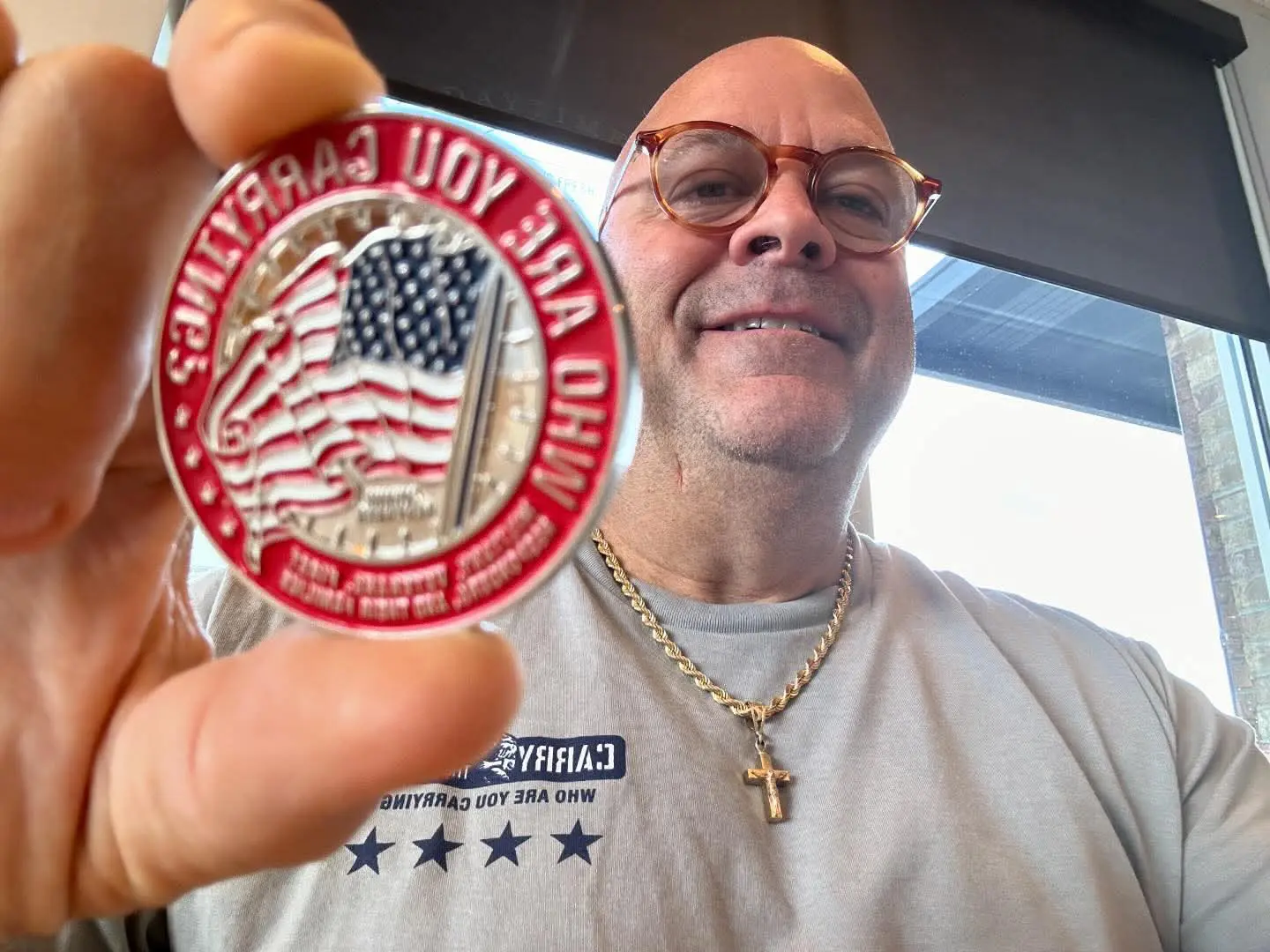
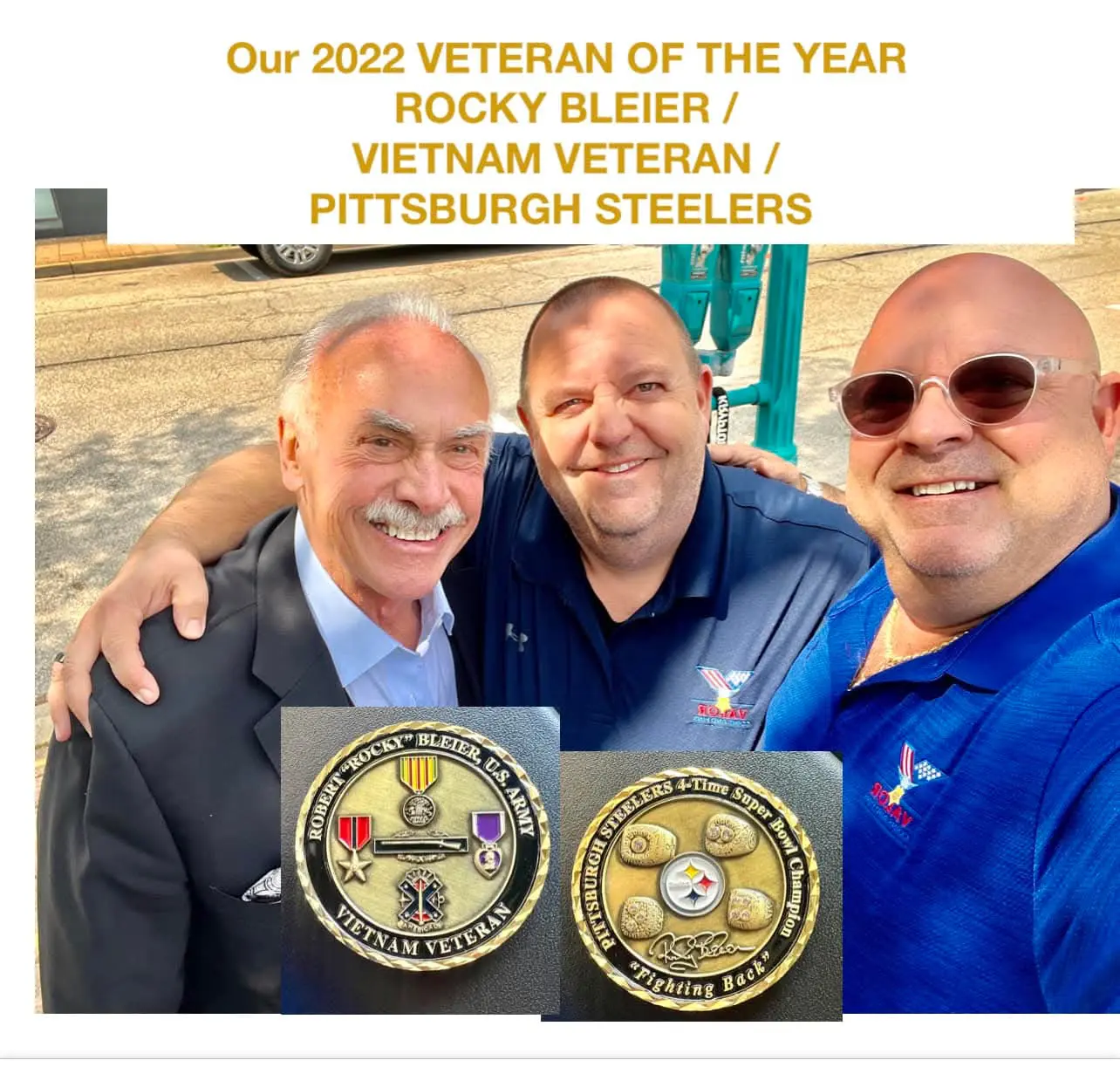
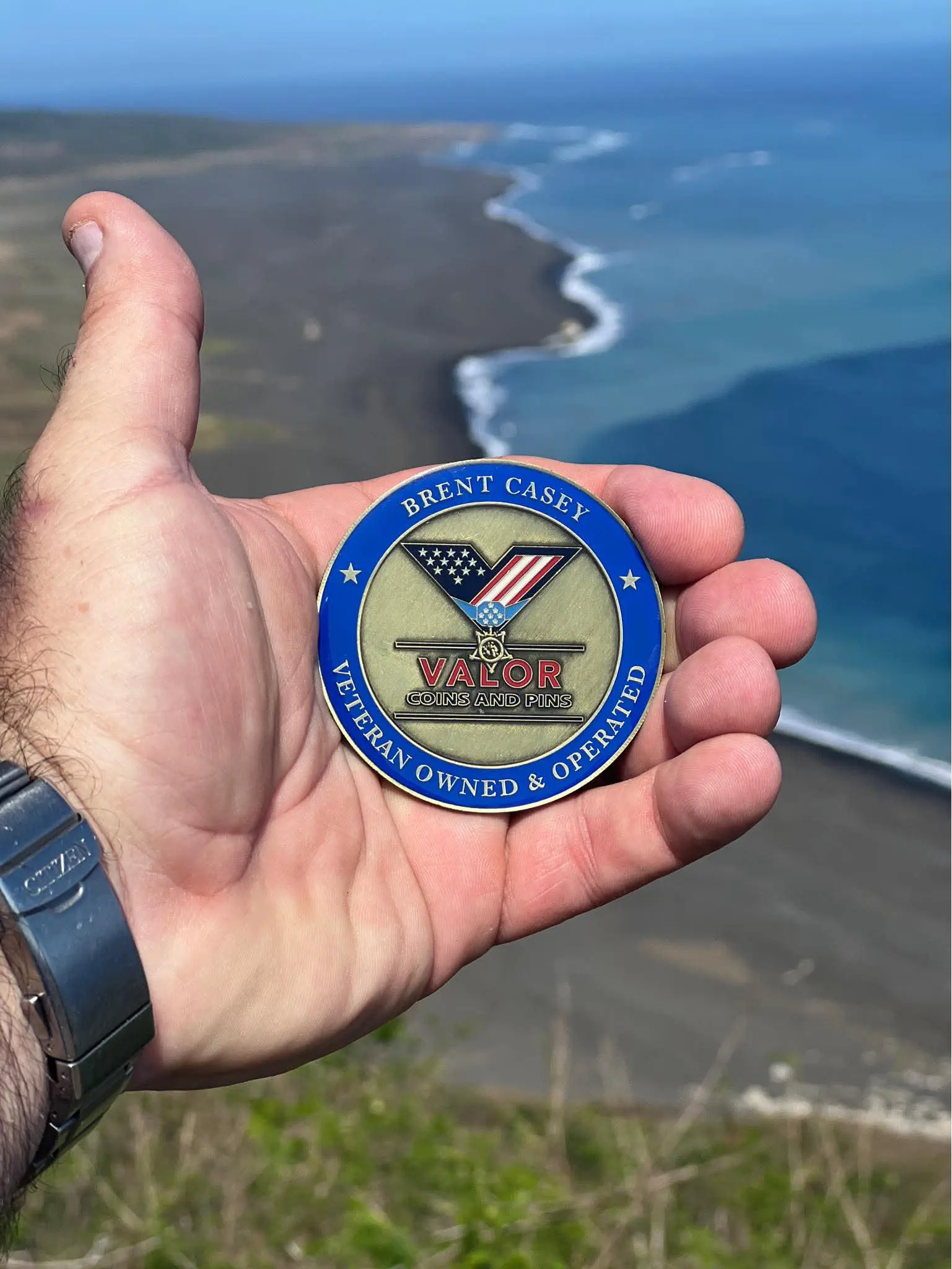
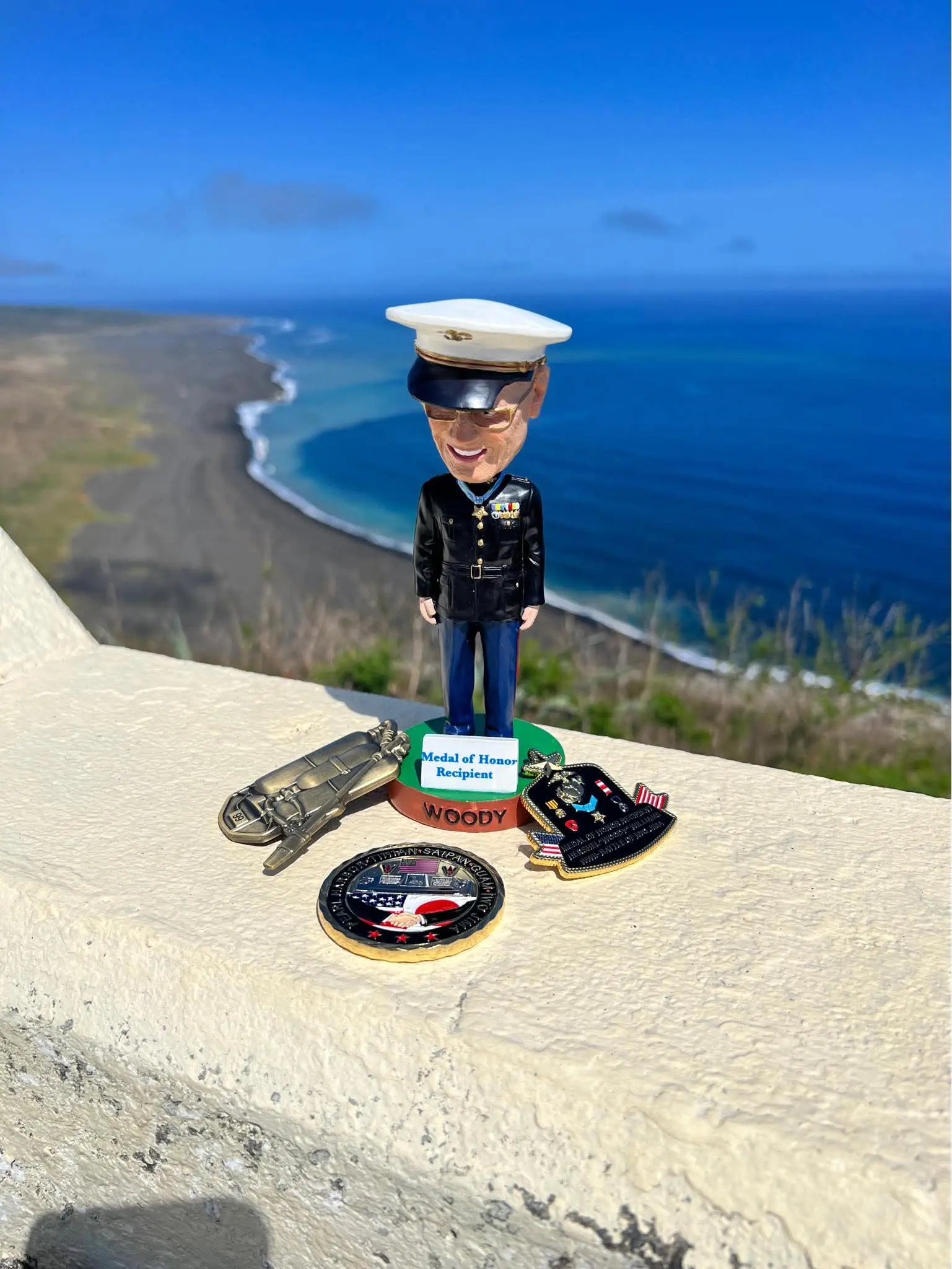
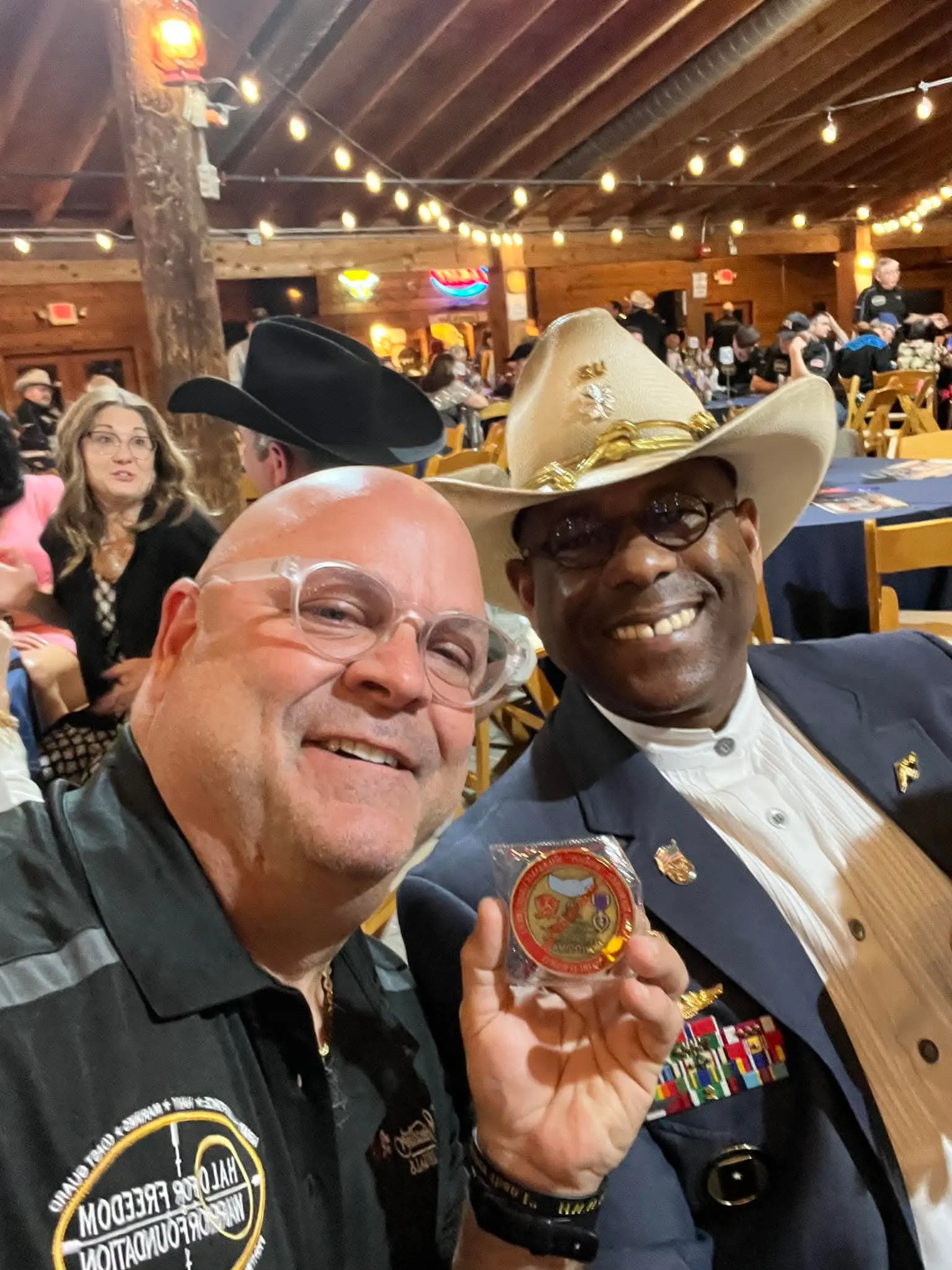
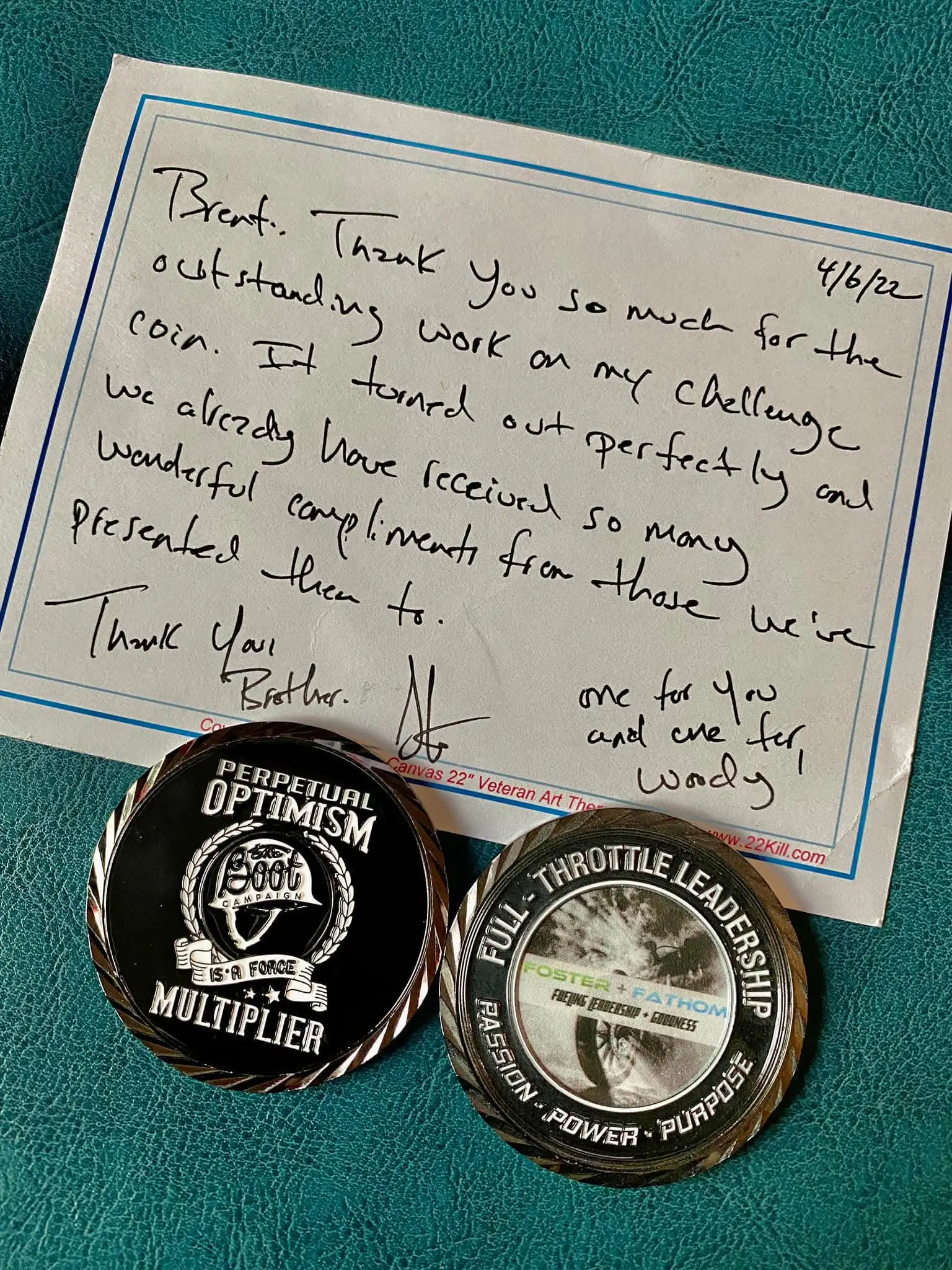
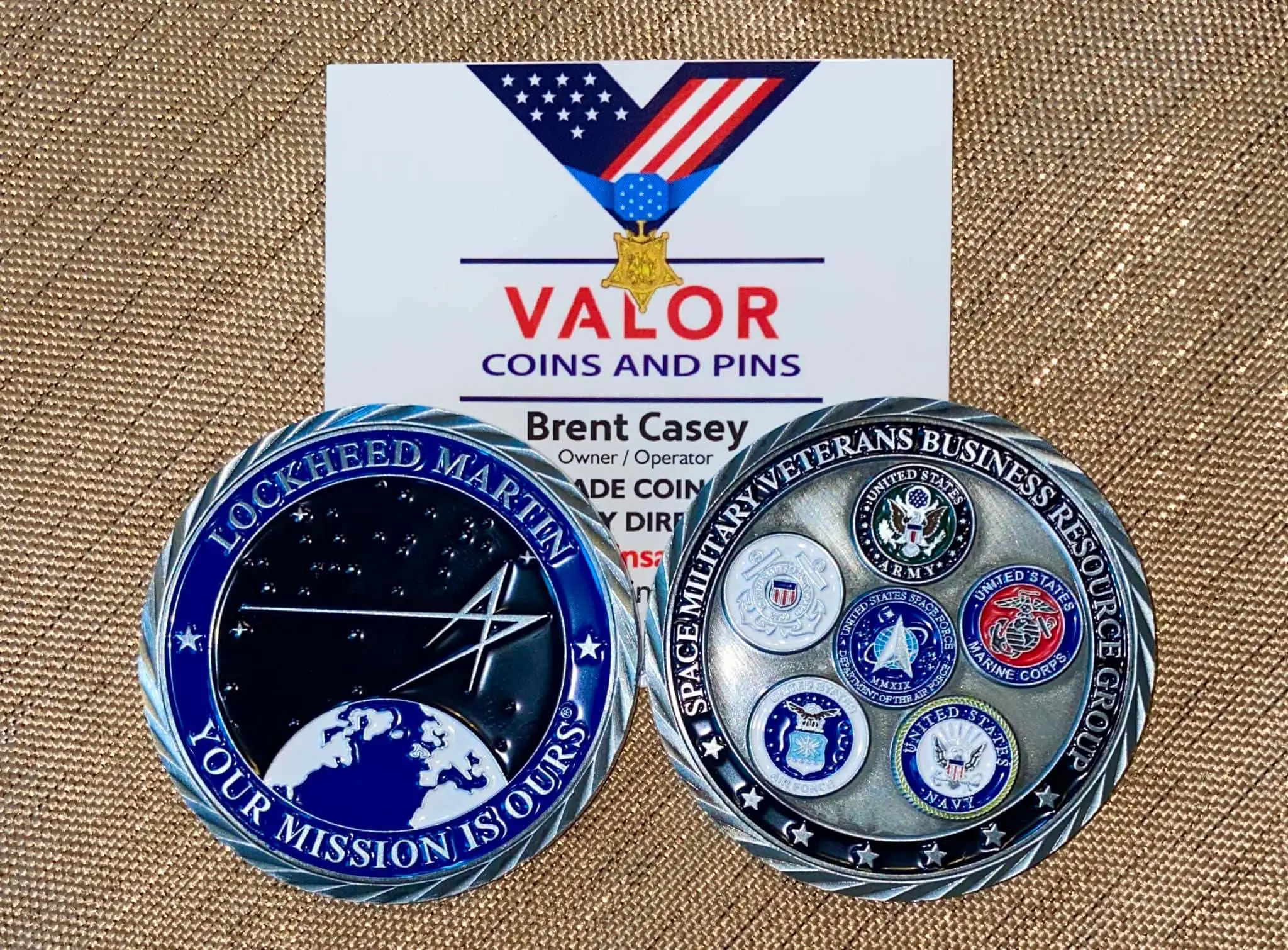
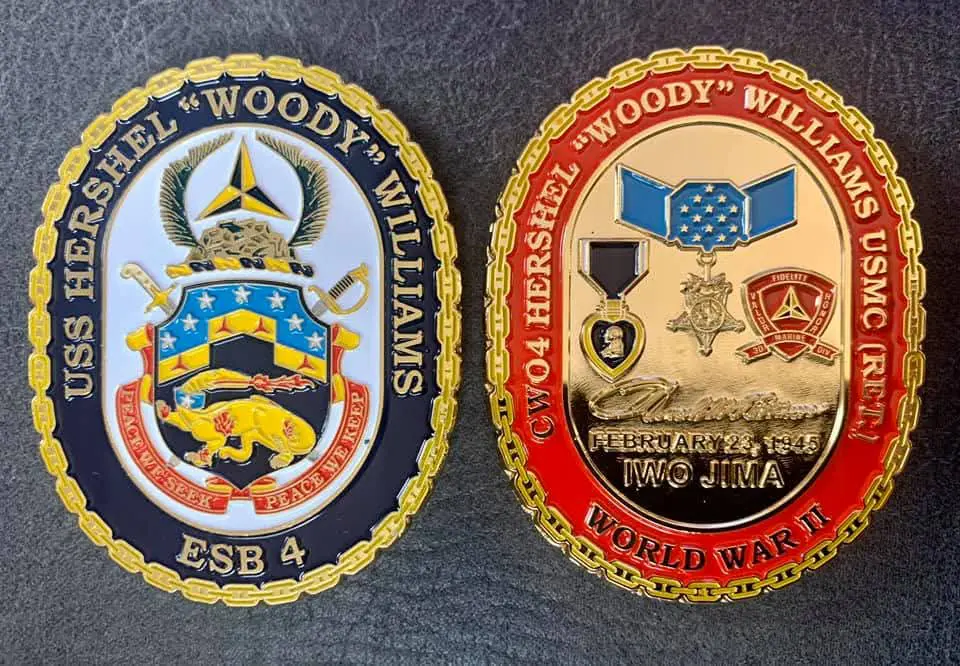
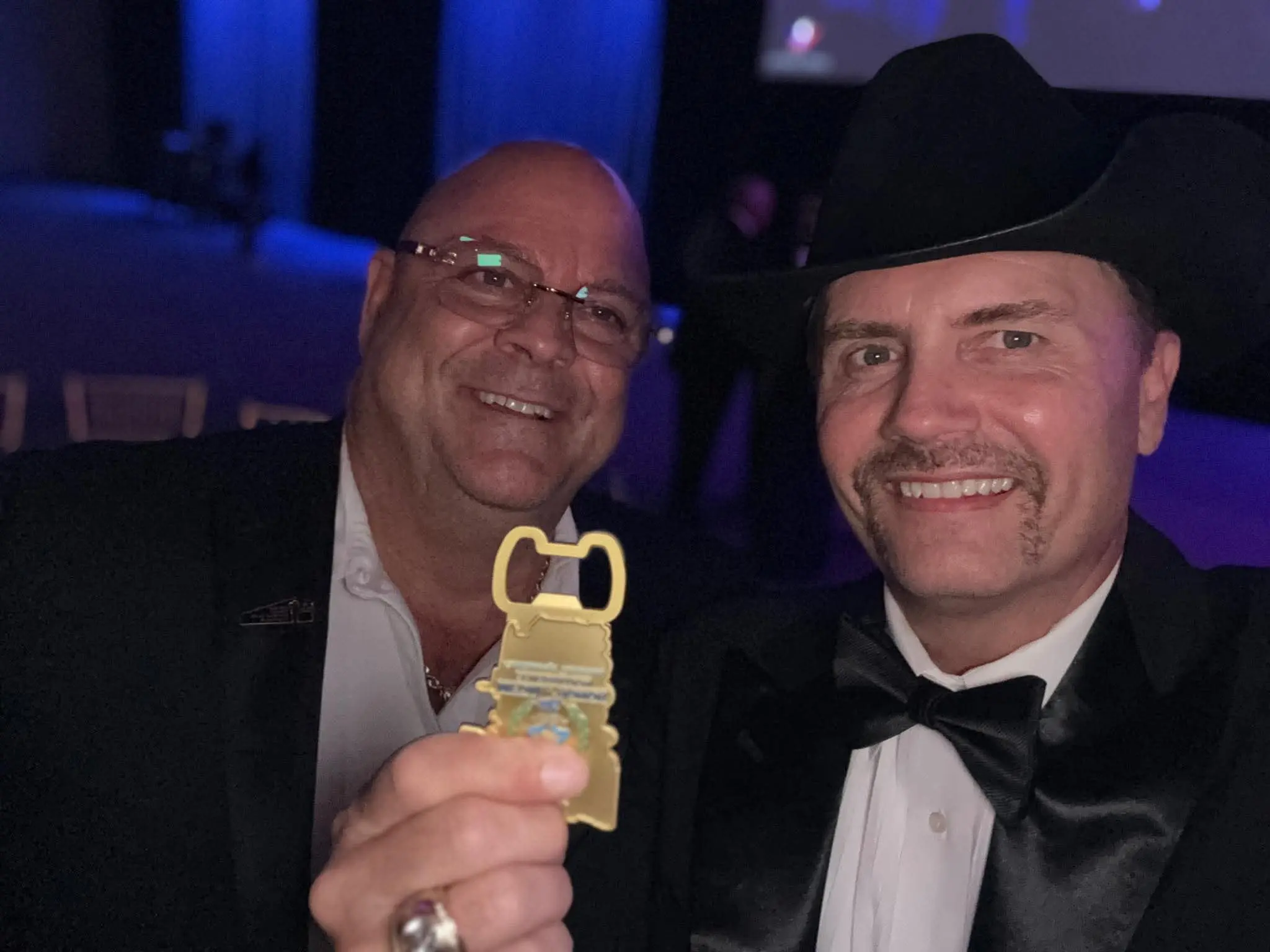
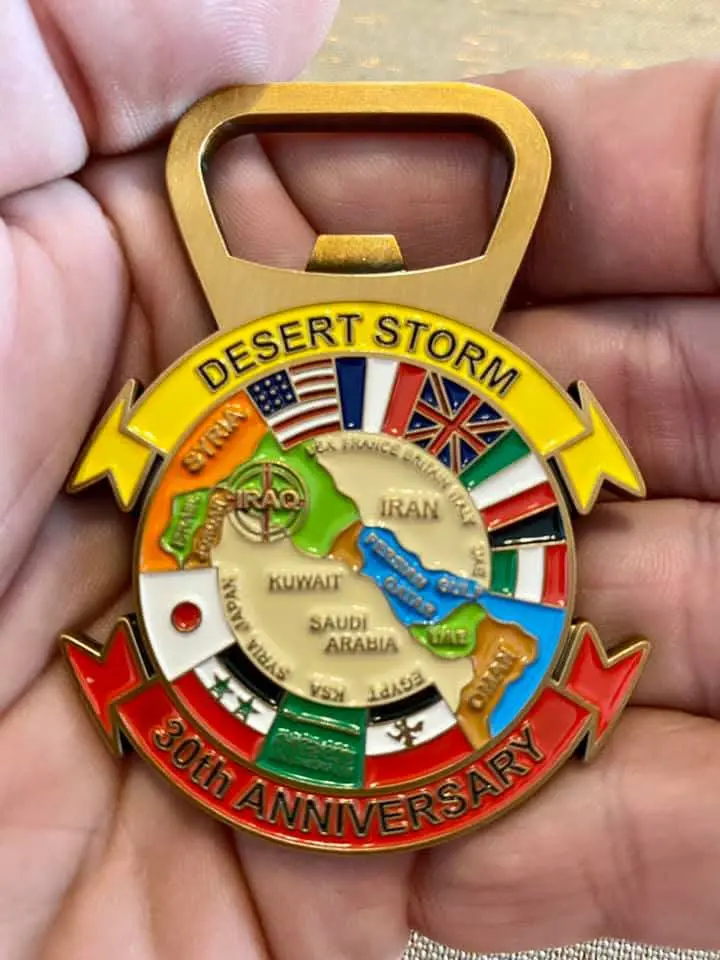
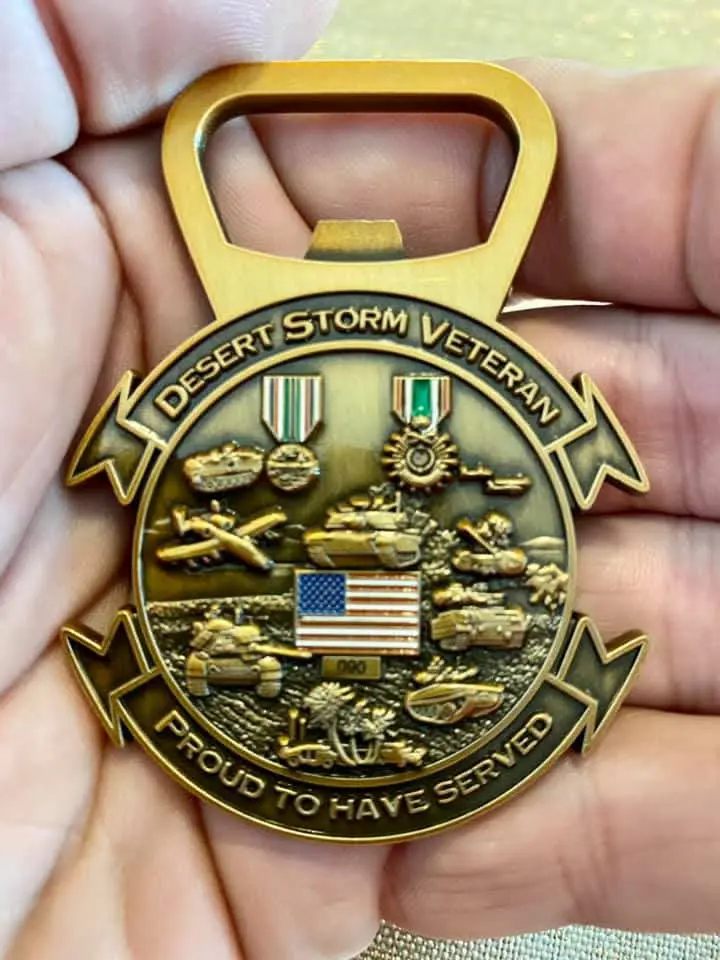
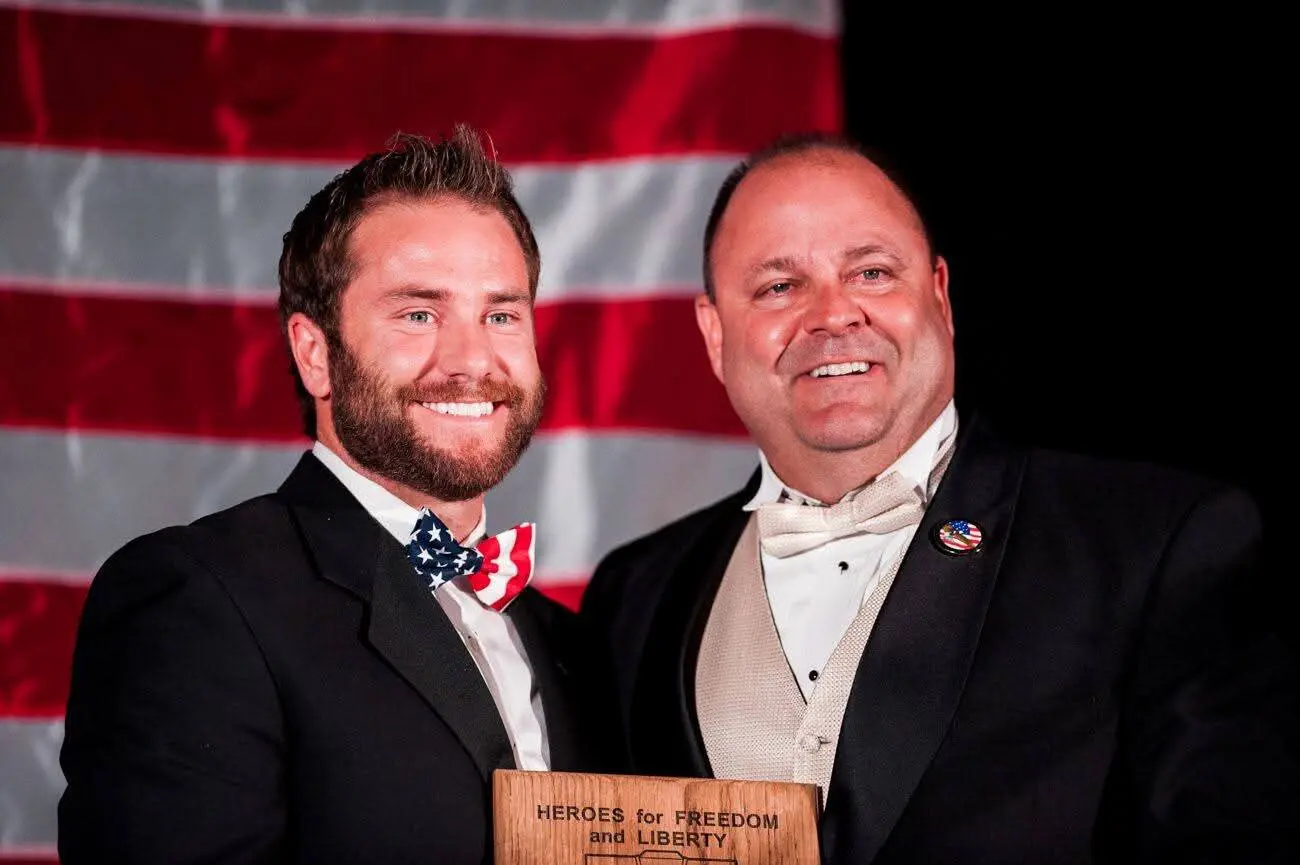
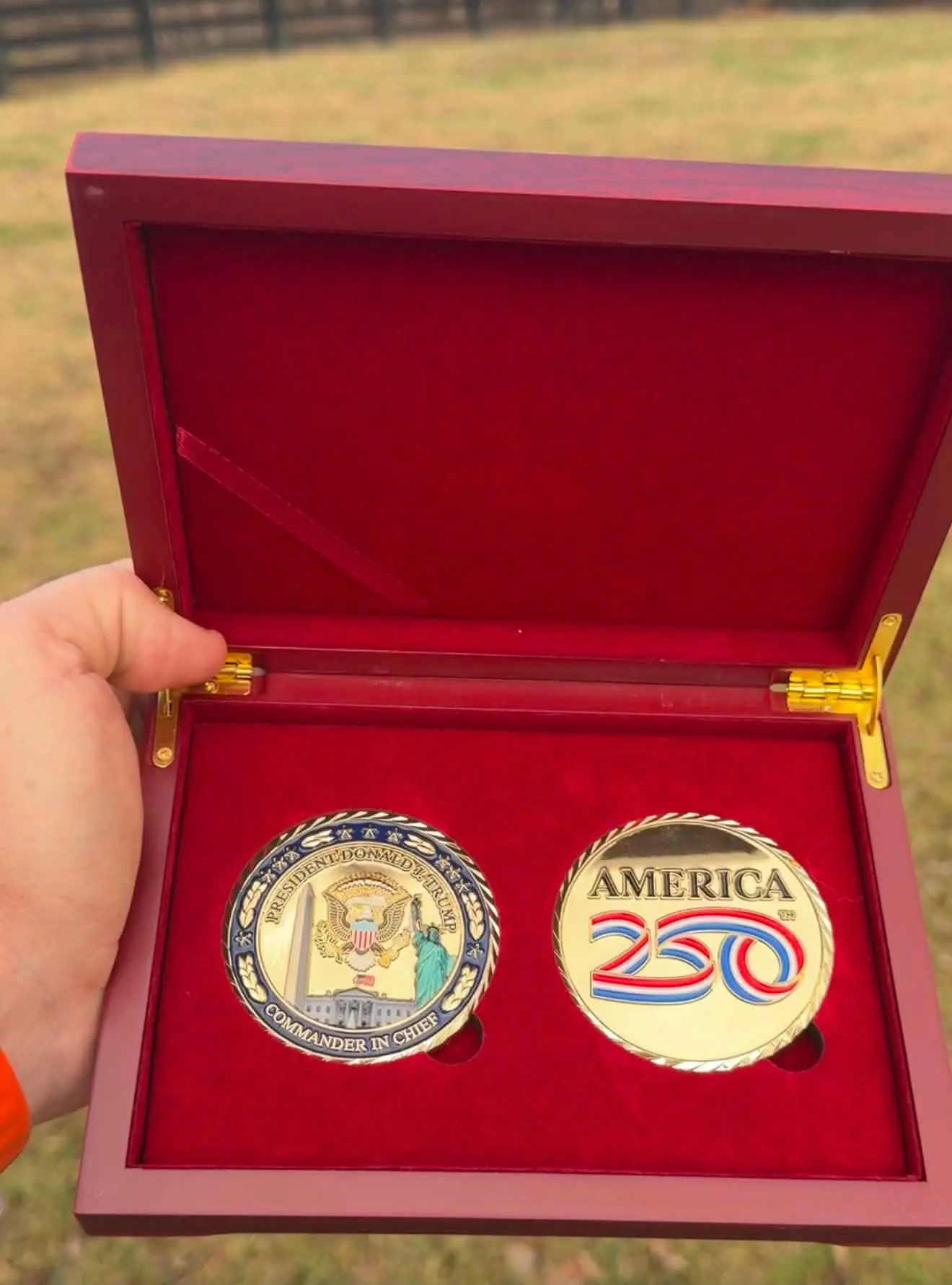
In 2017, Brent, Mary, and his brother Bryan founded Valor Coins and Pins, a disabled veteran owned business specializing in commemorative challenge coins, lapel pins, and custom products. Their work honors service, sacrifice, patriotism, and legacy. The company proudly supports the Woody Williams Foundation and serves Veterans, military families, first responders, and patriotic organizations nationwide.
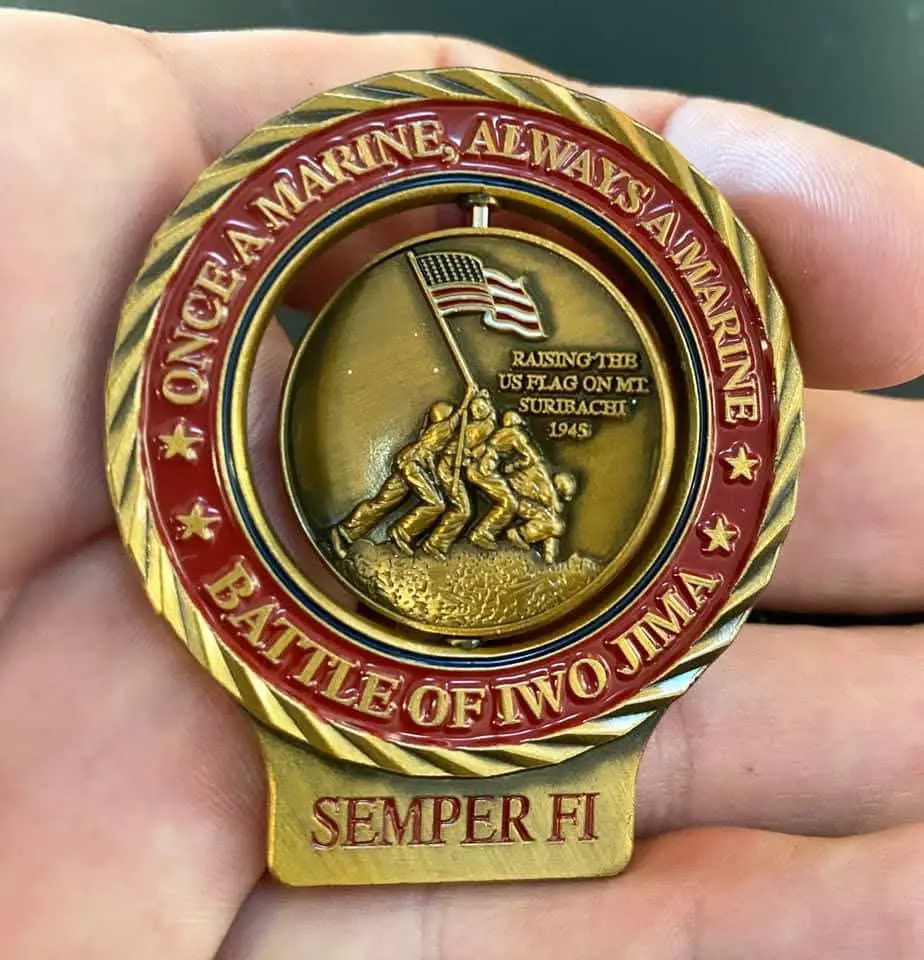
Brent’s creative work through Valor Coins and Pins also led to the development of what he refers to as bottle armor, a distinctive line of custom metal medallions designed to wrap around or attach to liquor bottles. The idea began when he and his brother created a commemorative piece for the Sixty Ninth Fighting Irish Whiskey, a project that demonstrated both the craftsmanship and the storytelling potential of these decorative medallions. As more companies recognized the quality and cost effectiveness of their work, the demand for bottle armor grew. This expansion resulted in custom tribute bottles honoring Vietnam Veterans, Iwo Jima, the Eighty Second Airborne Division, and other military themes. Brent views these pieces as a meaningful extension of his mission to honor service and legacy, blending artistry with remembrance in a way that resonates with both veterans and the broader community.
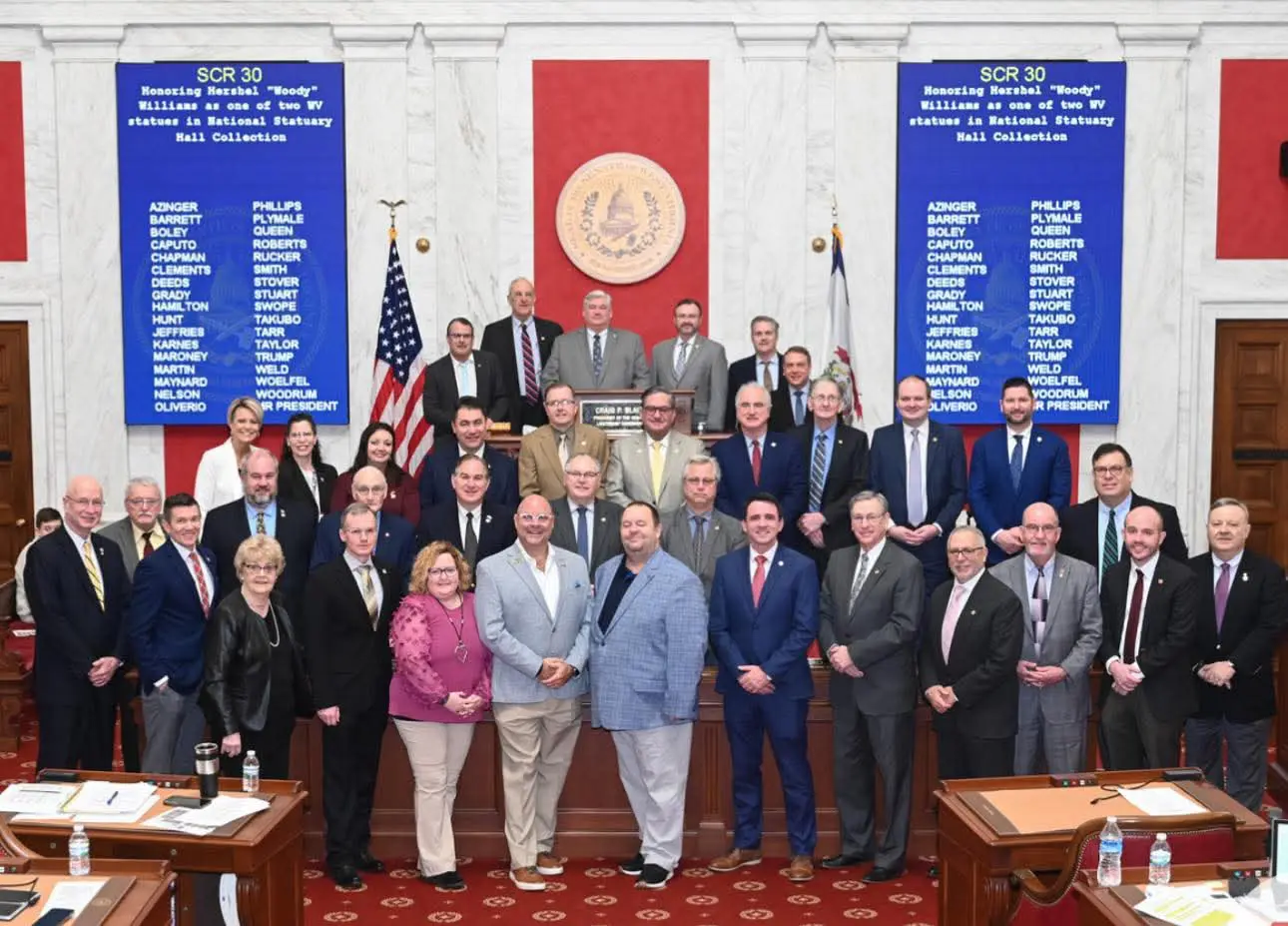
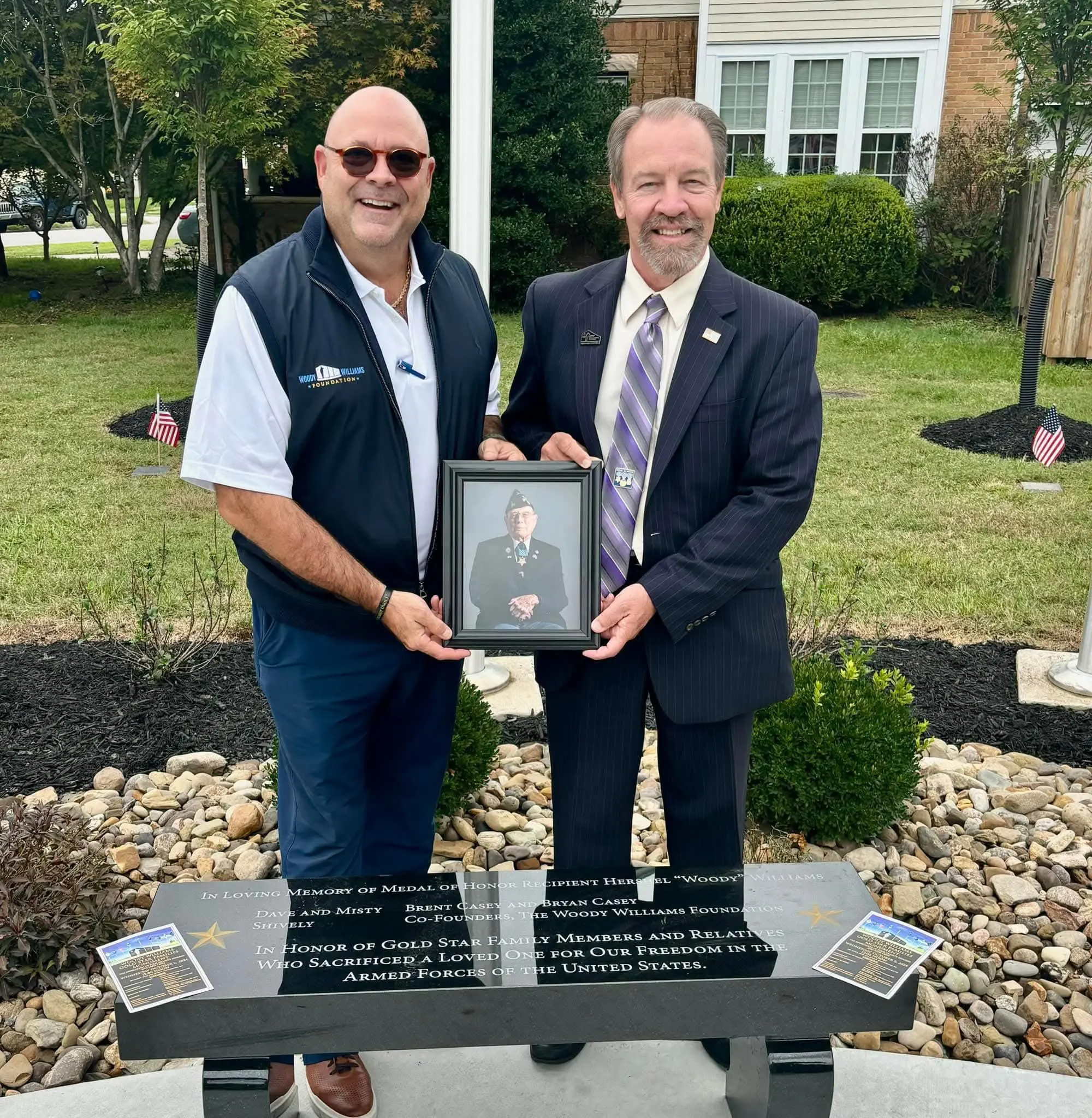
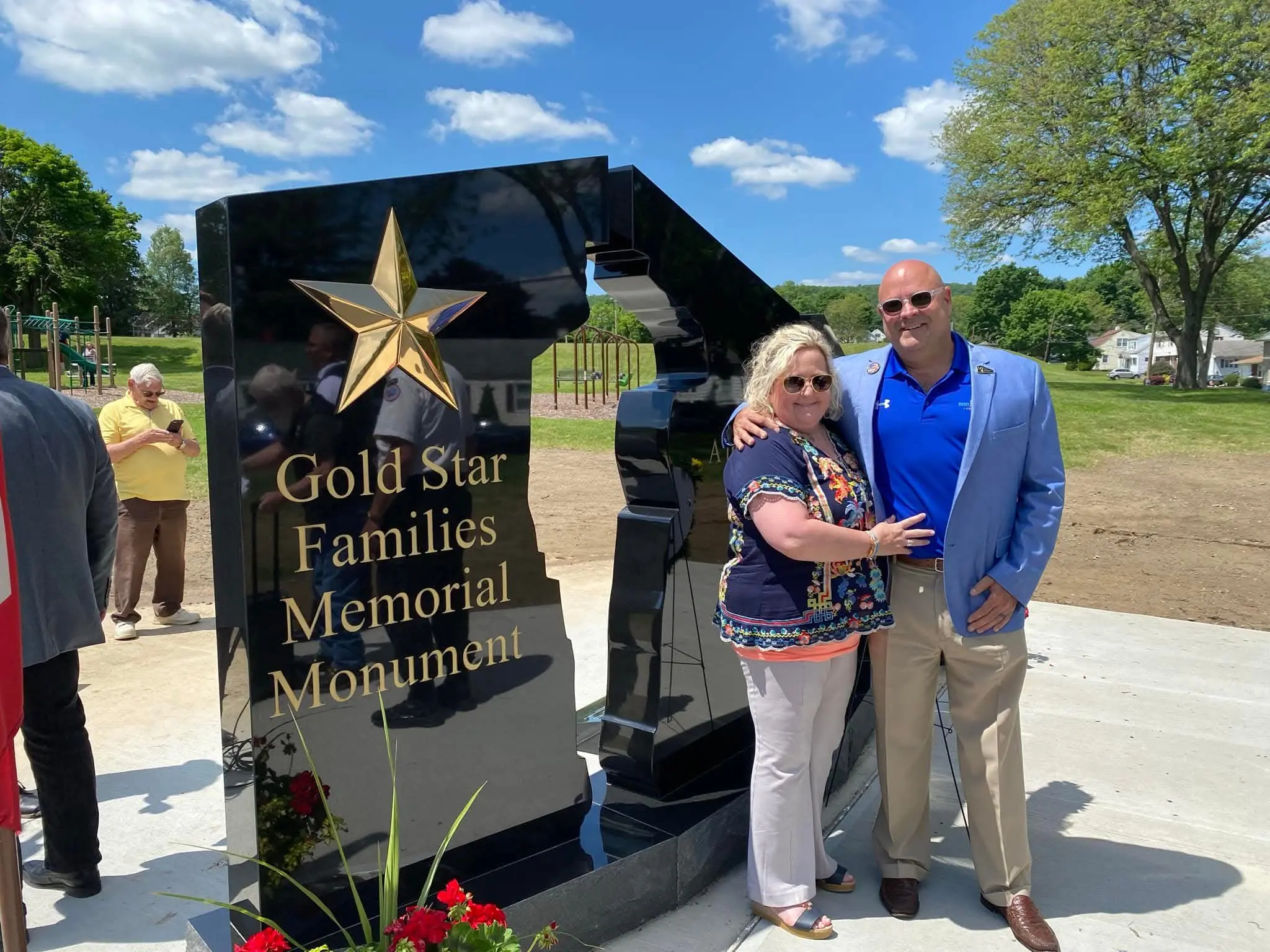
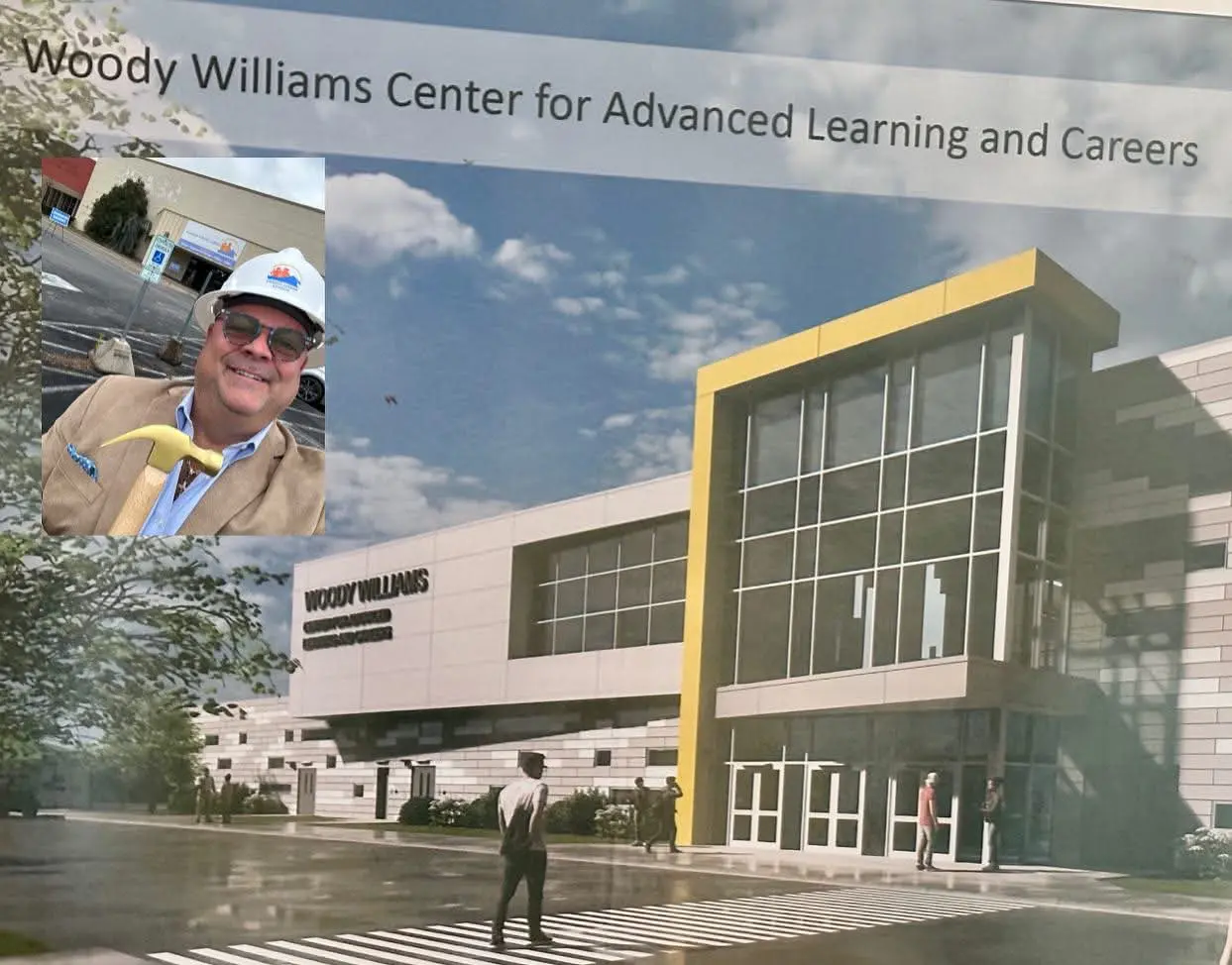
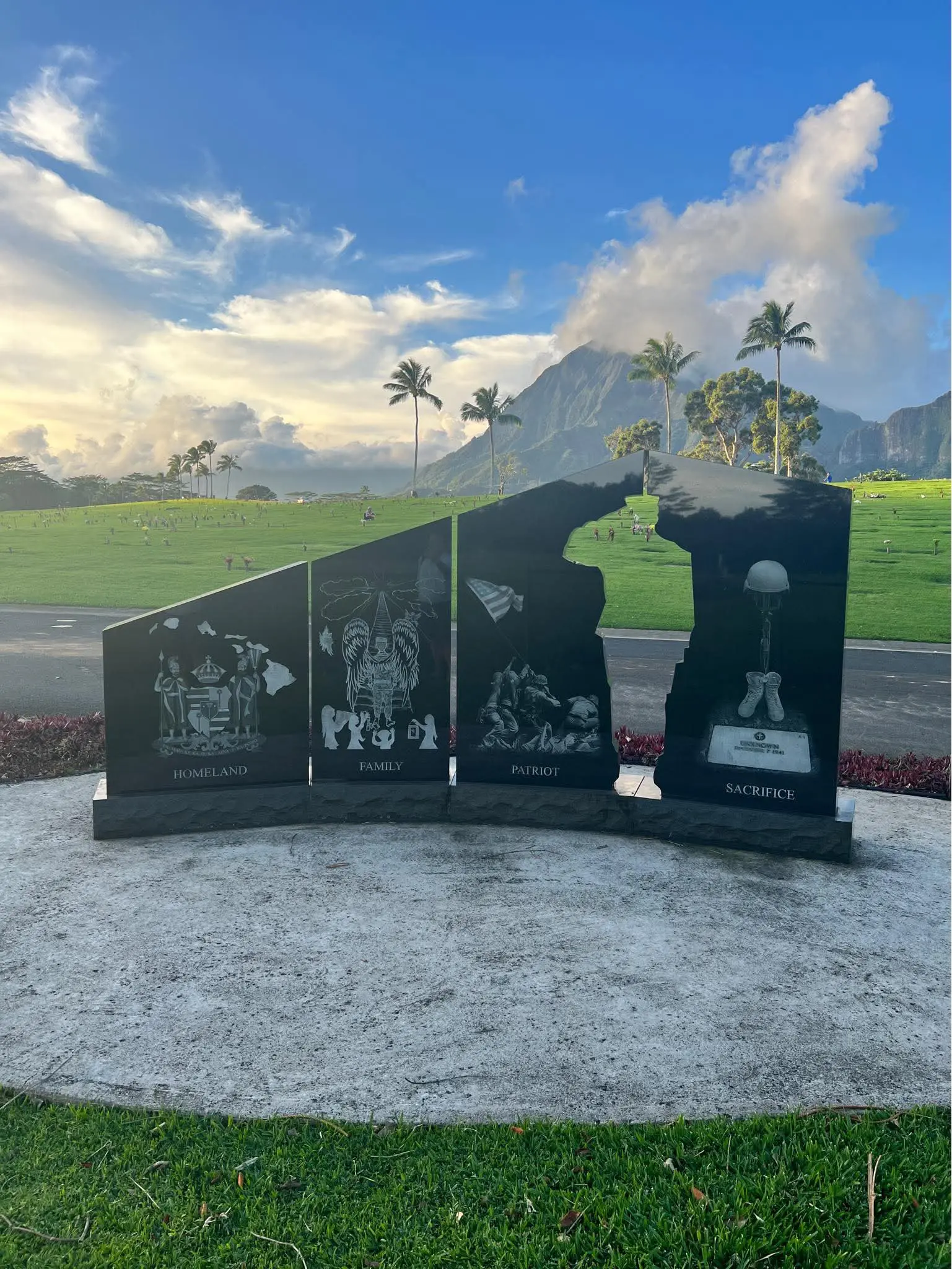
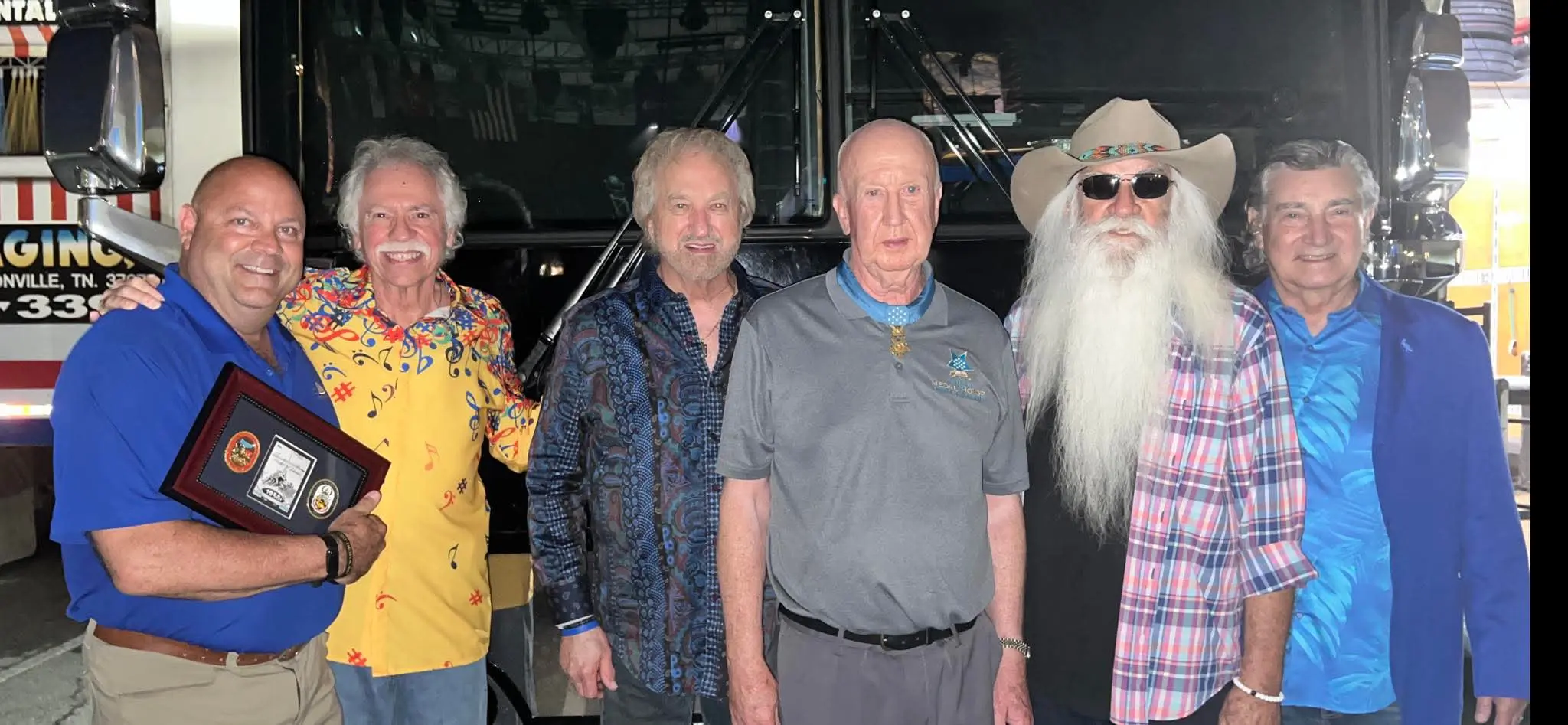
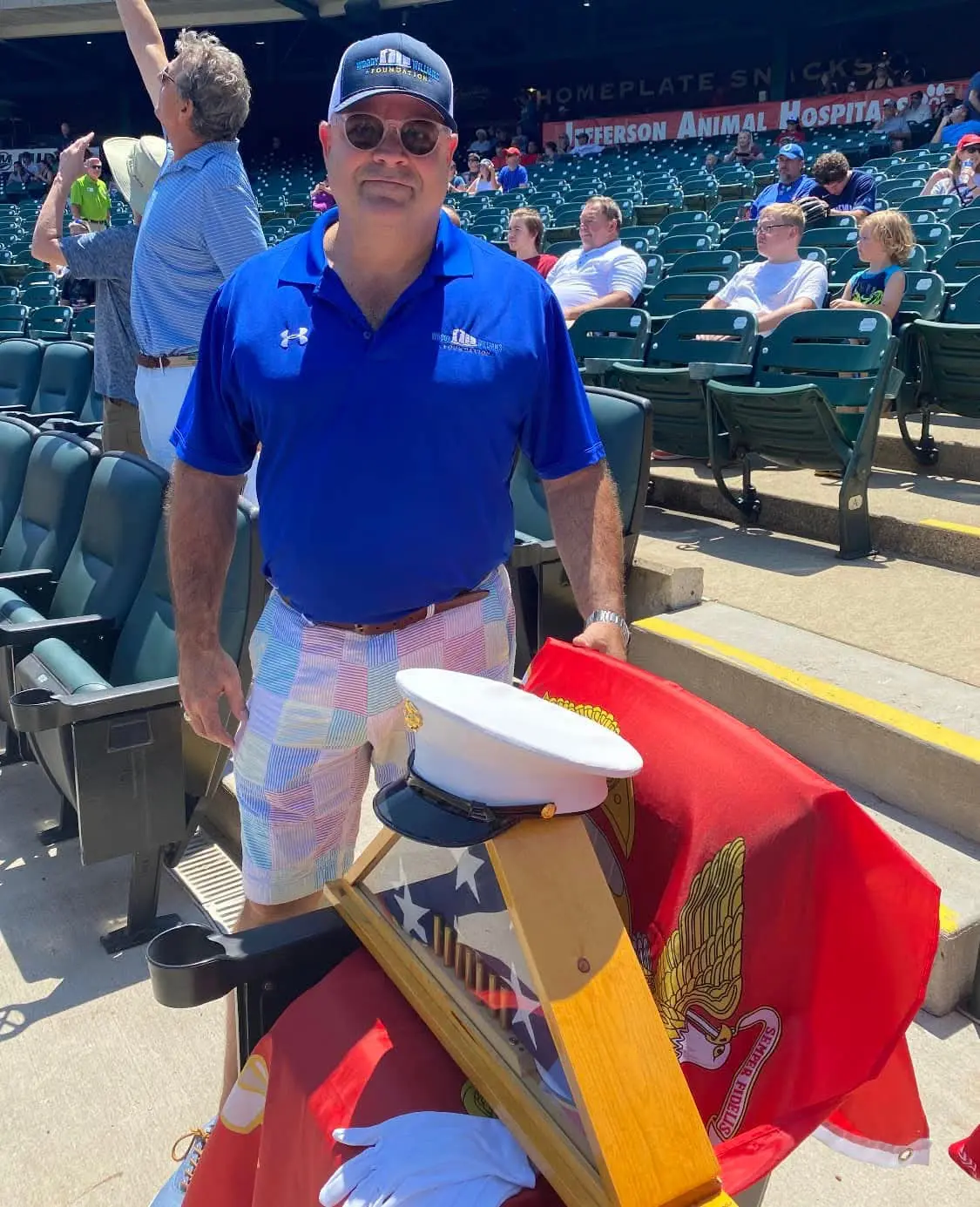
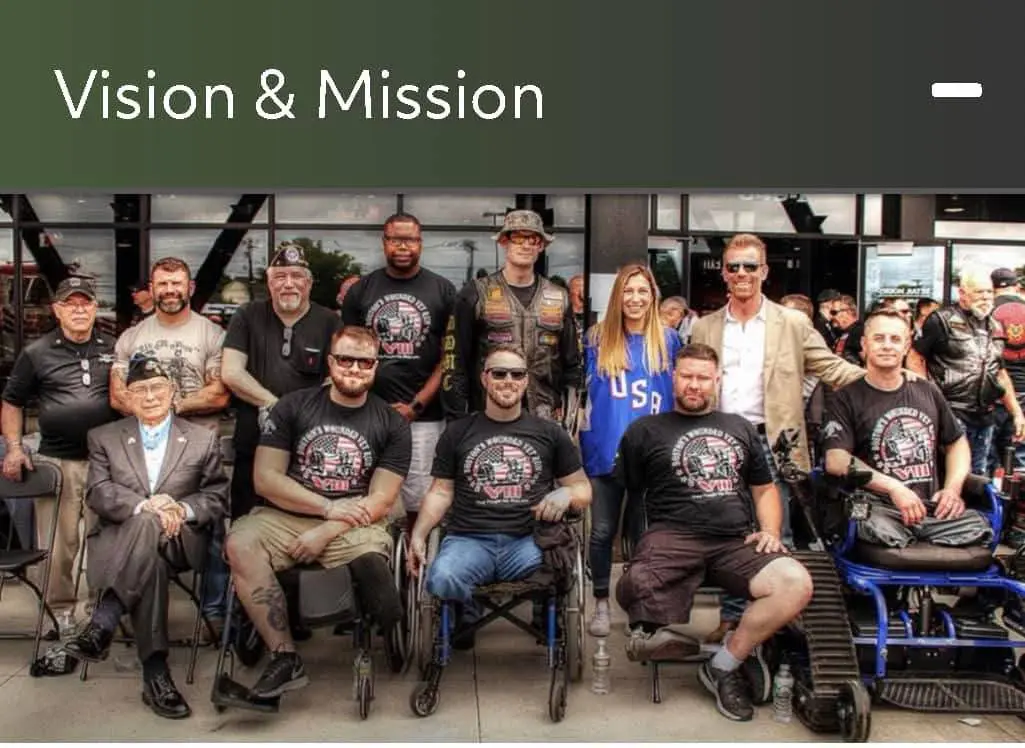
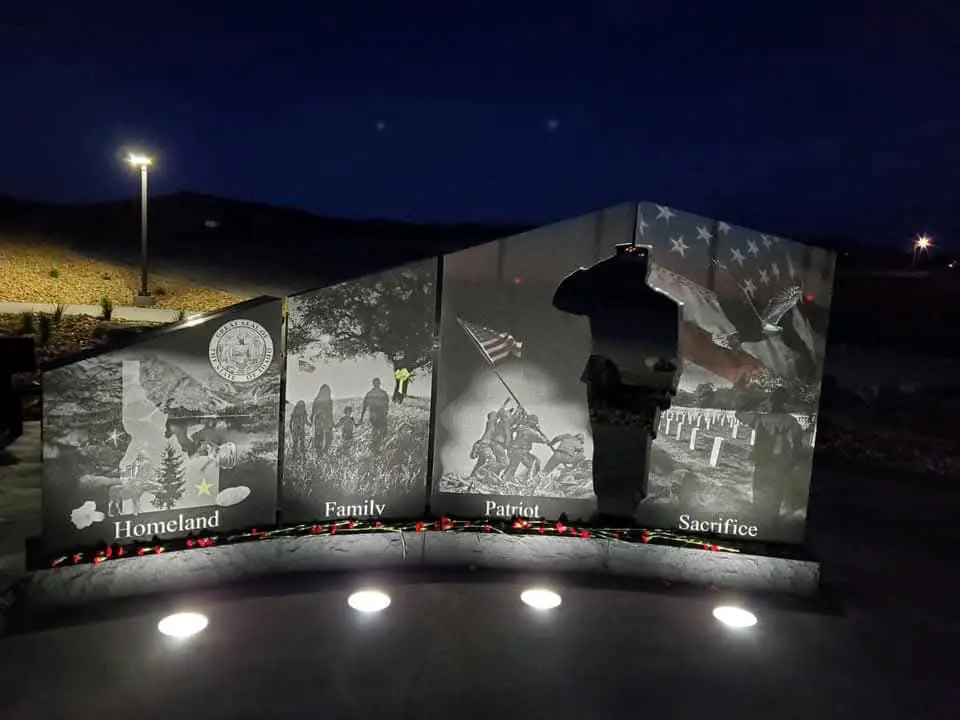
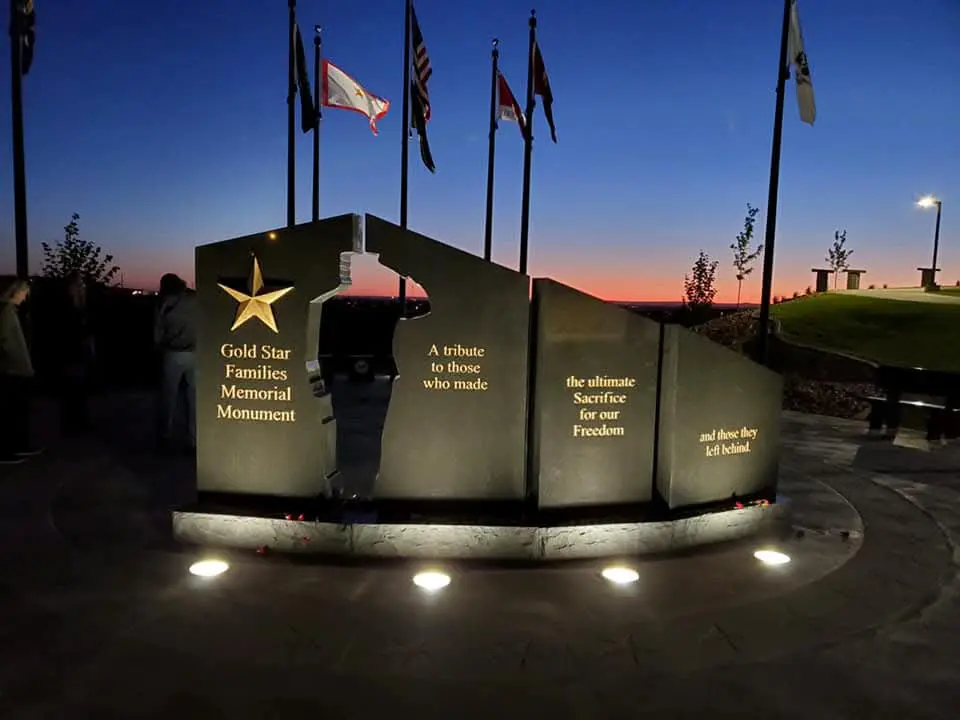
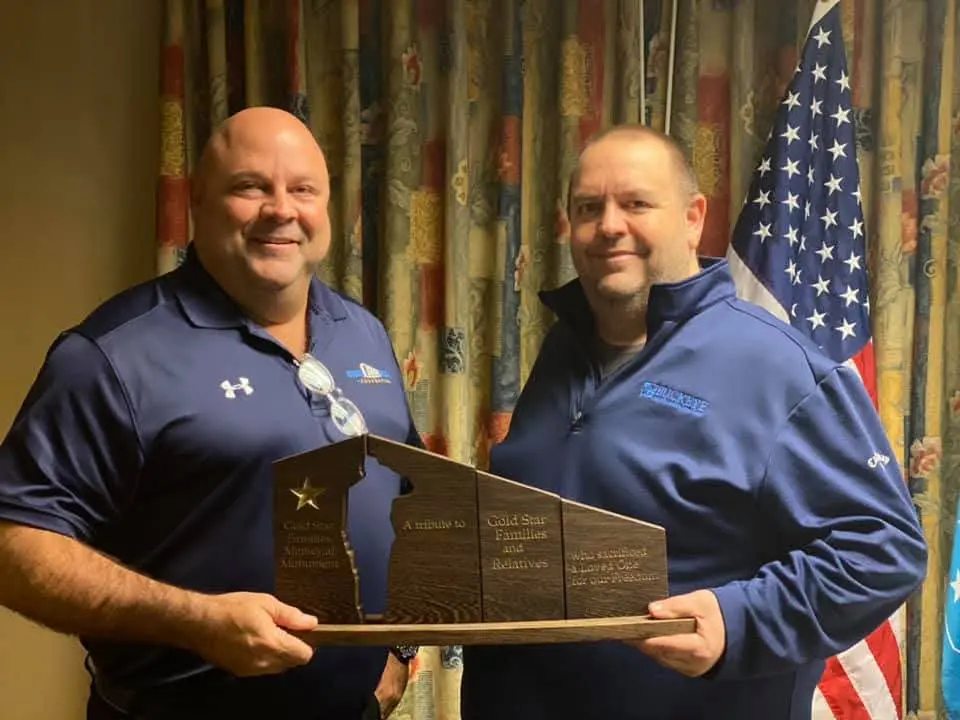
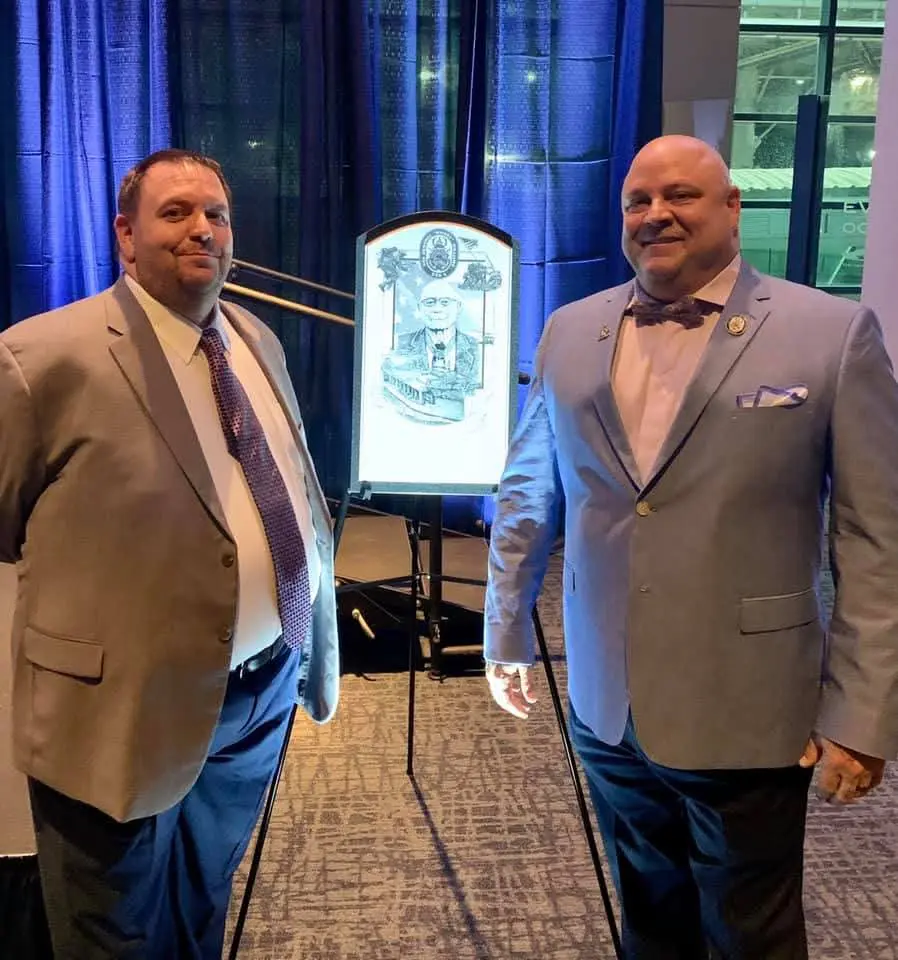
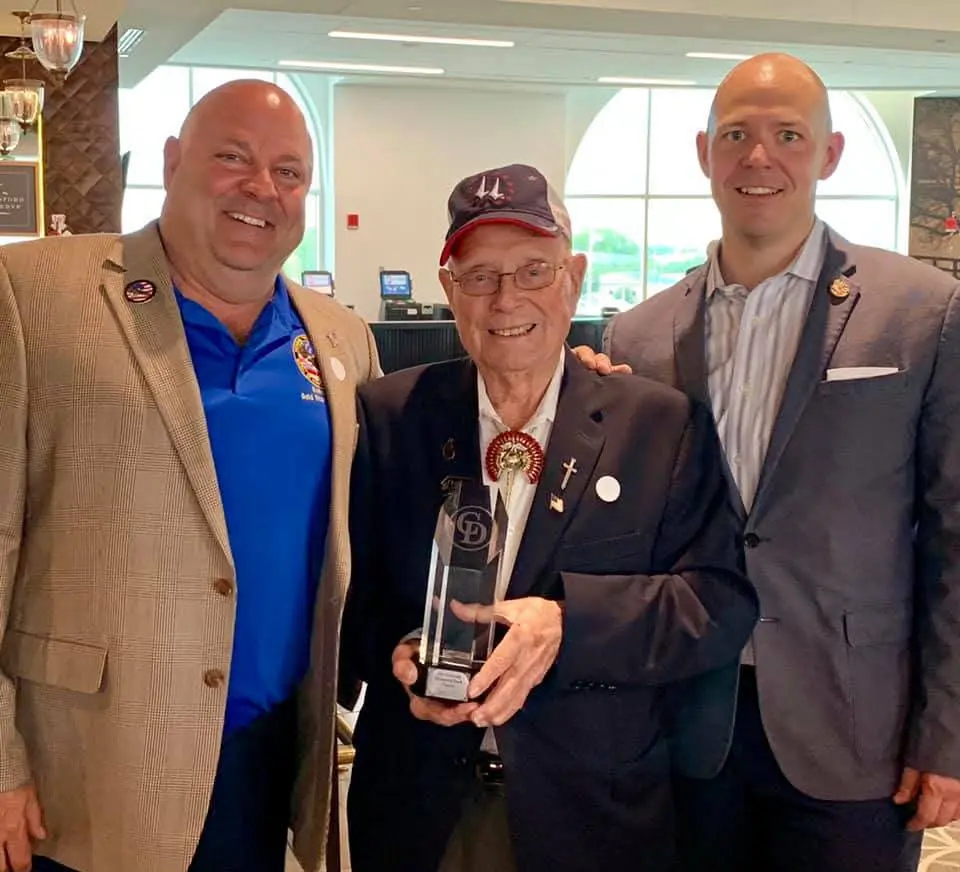
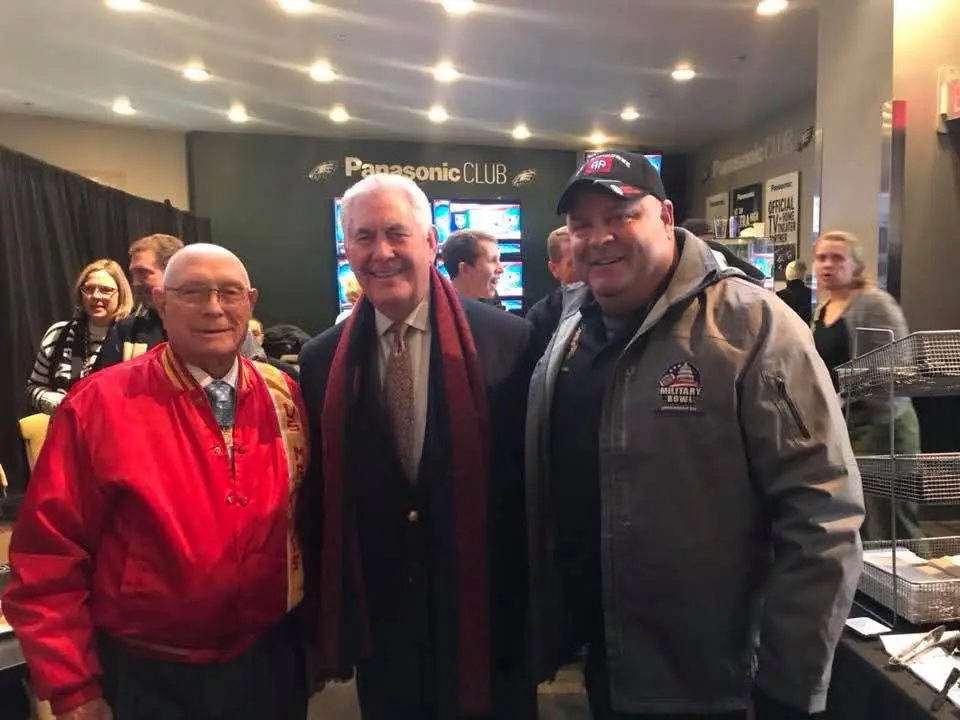
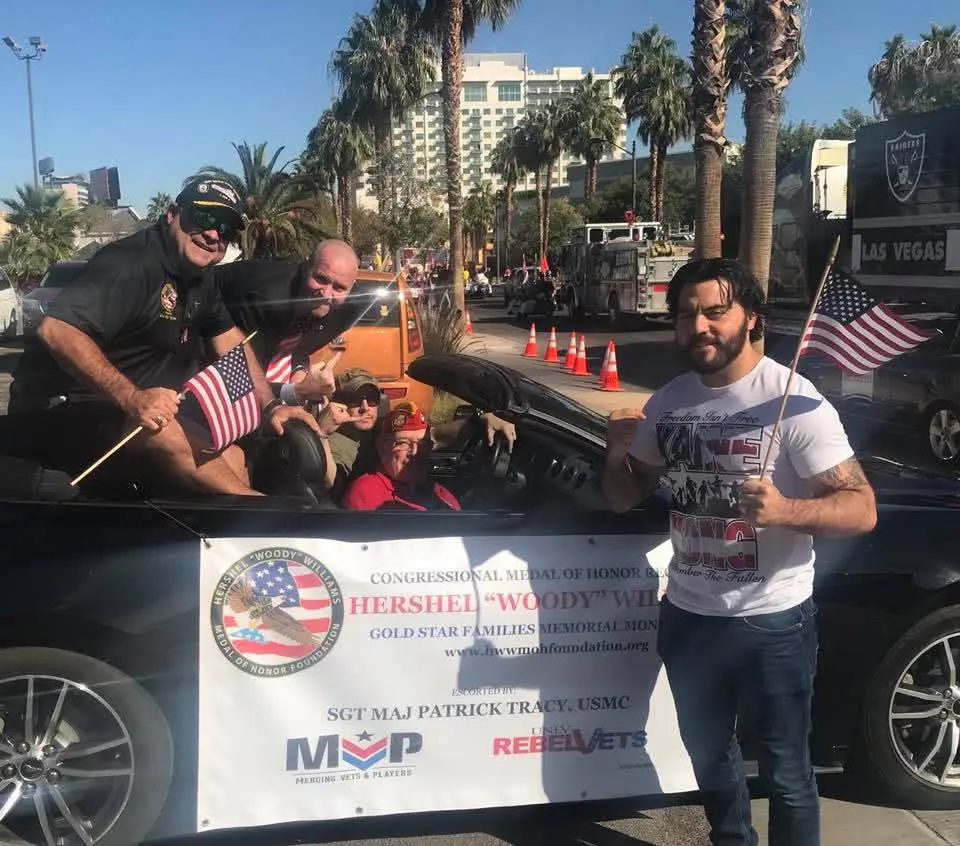
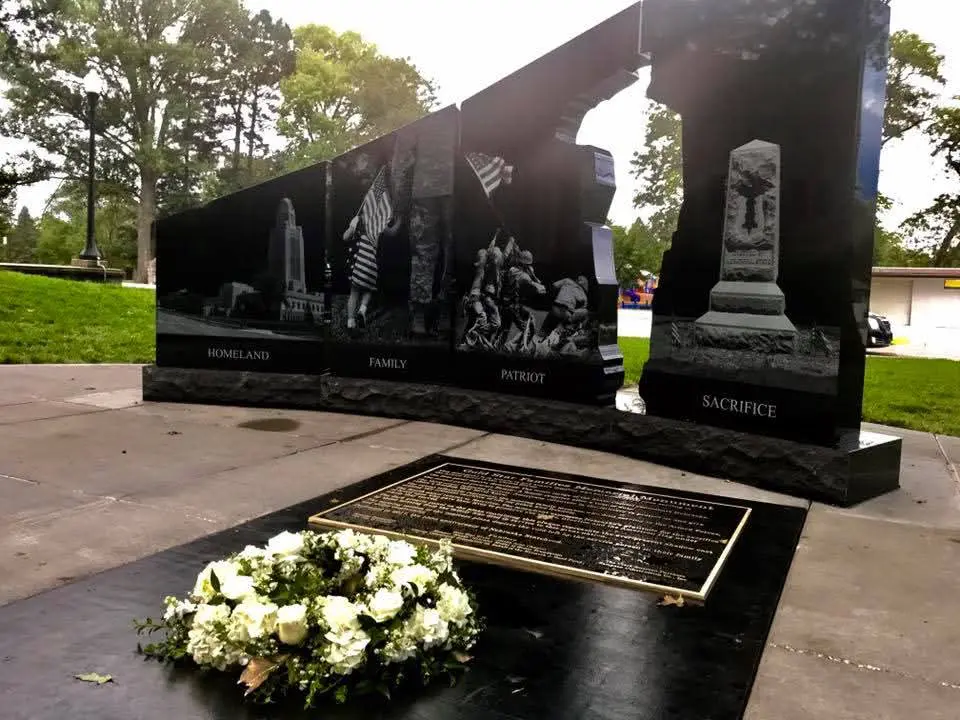
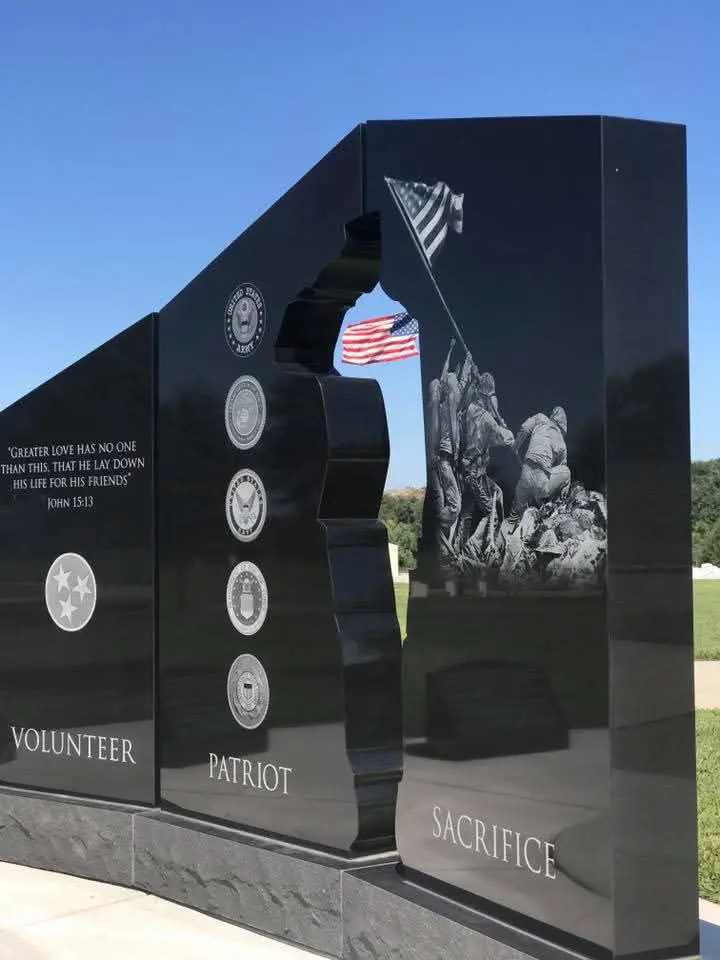
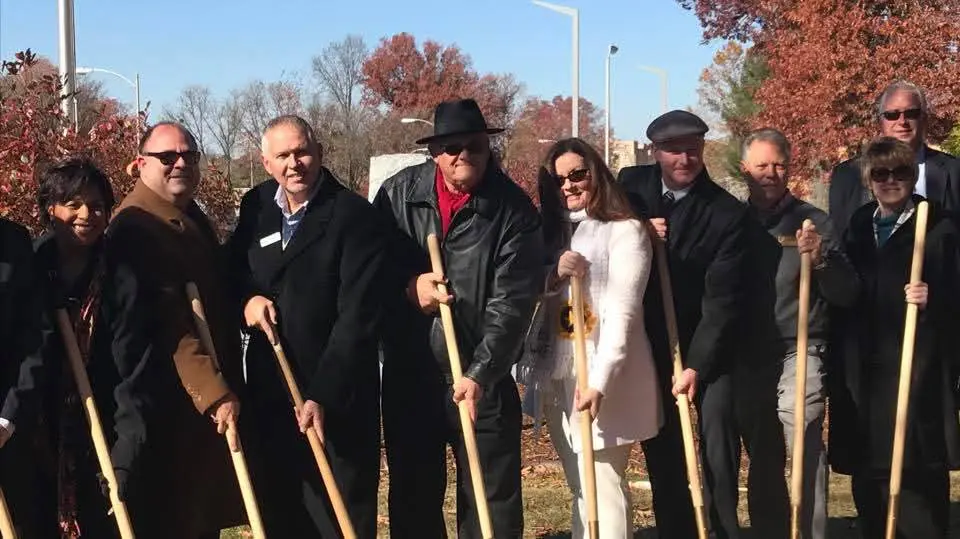
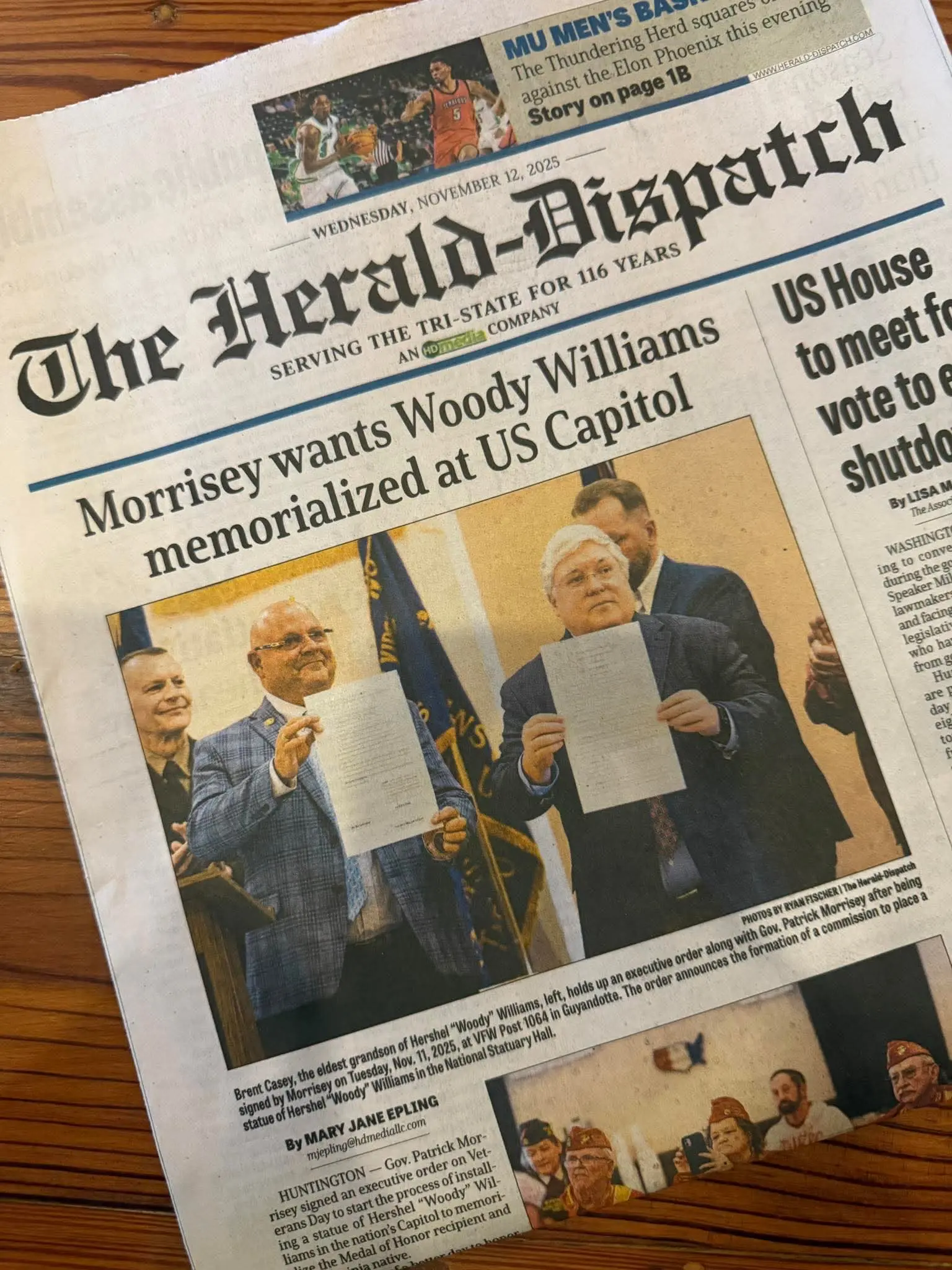
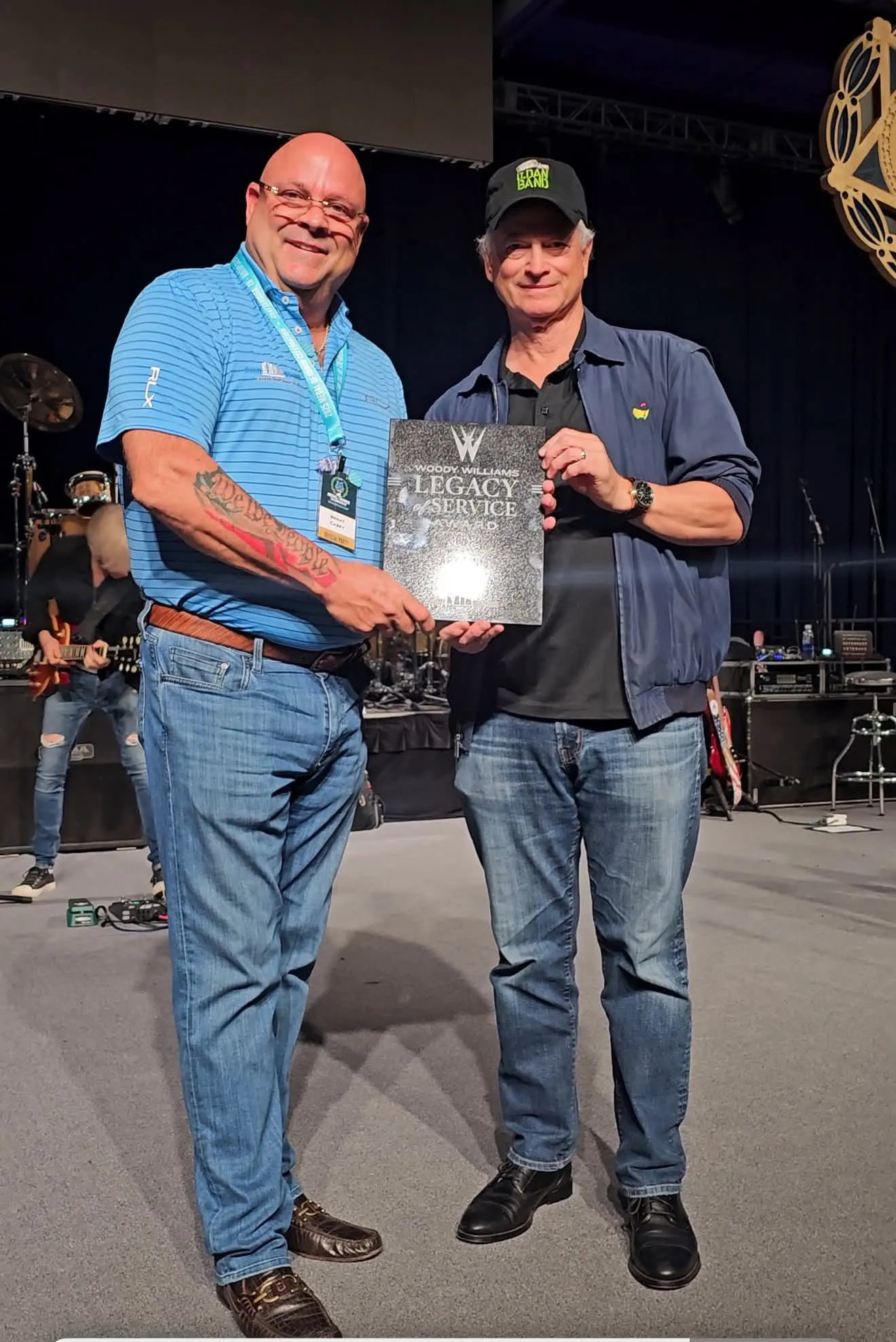
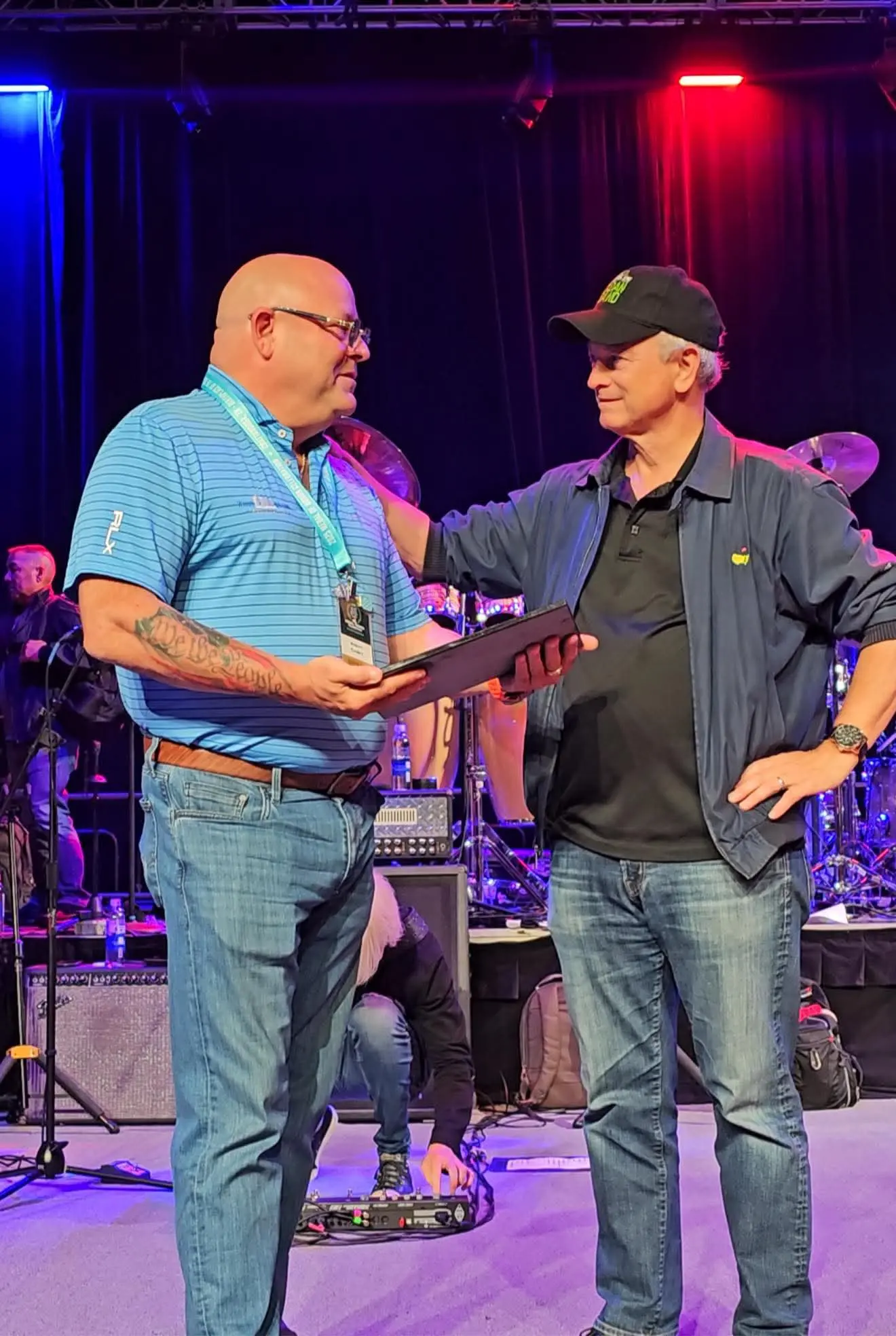
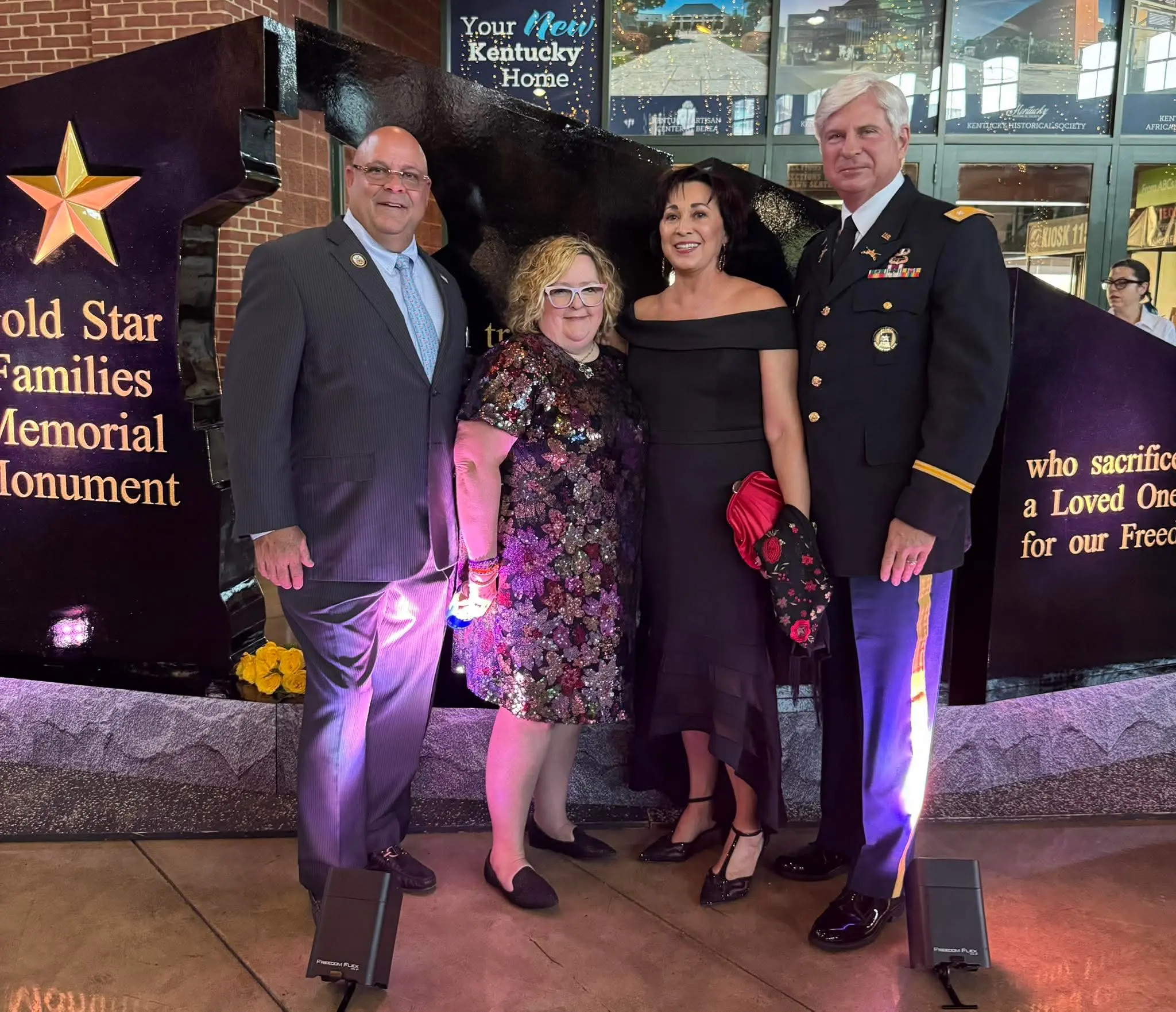
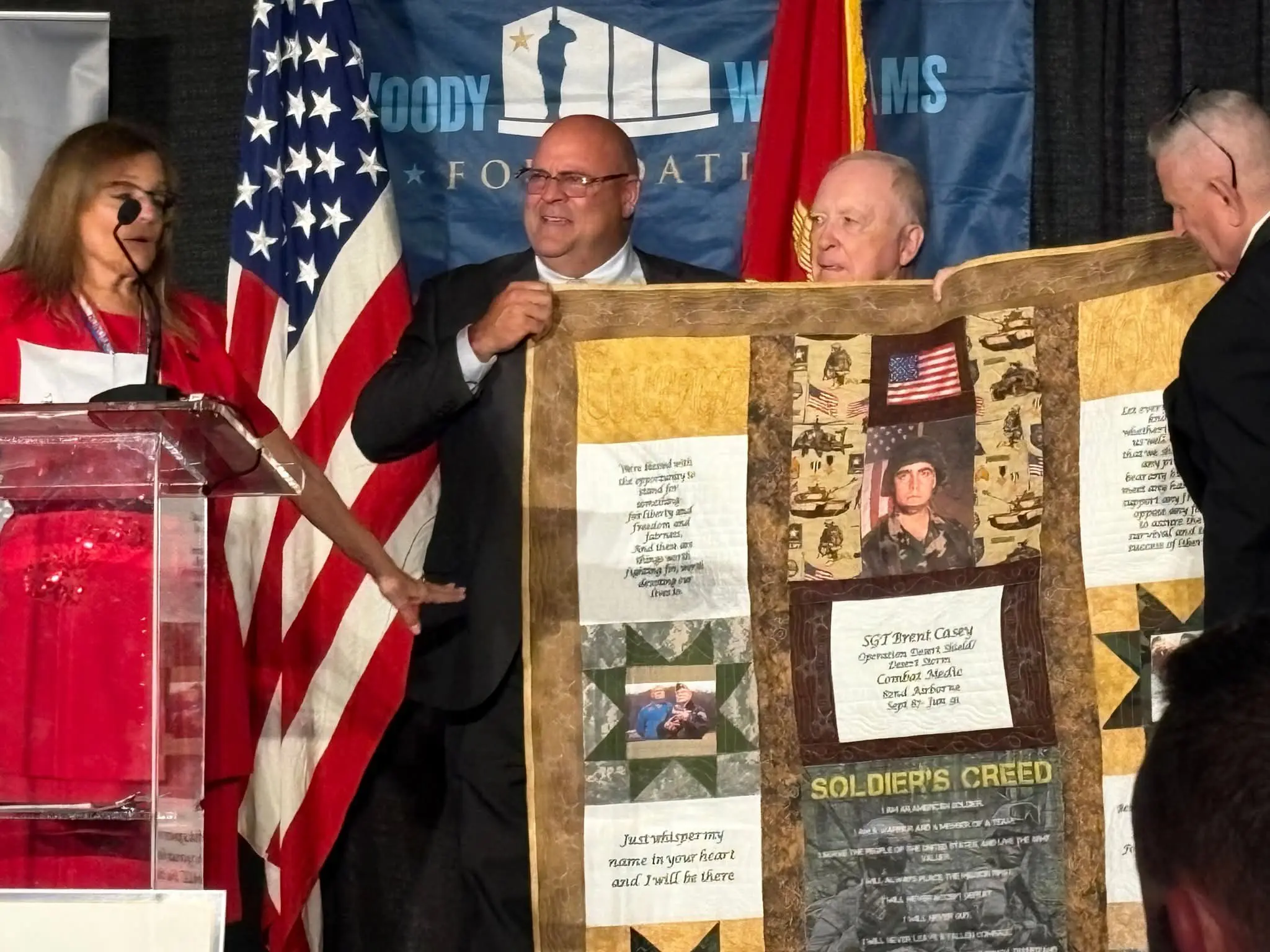
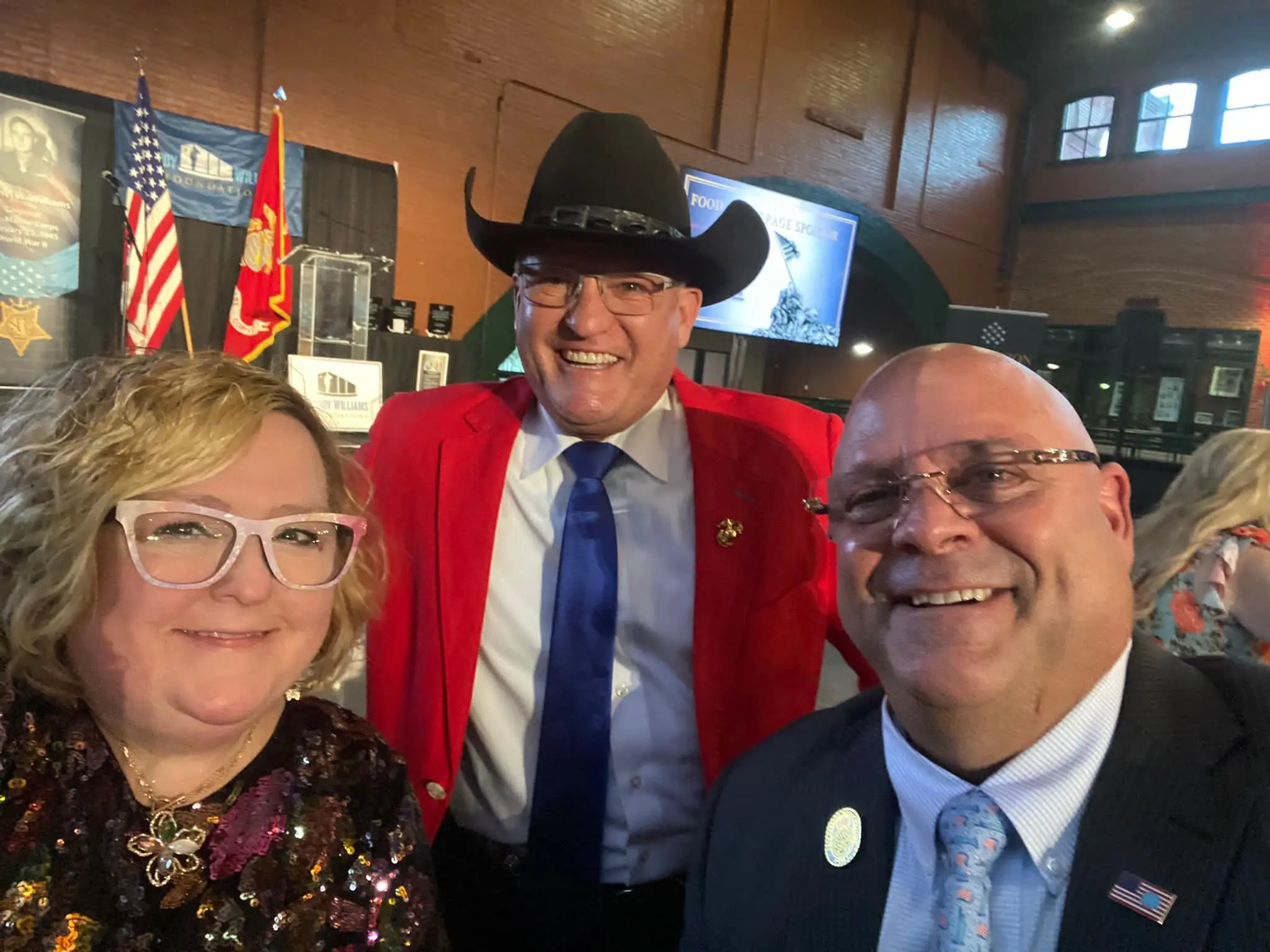
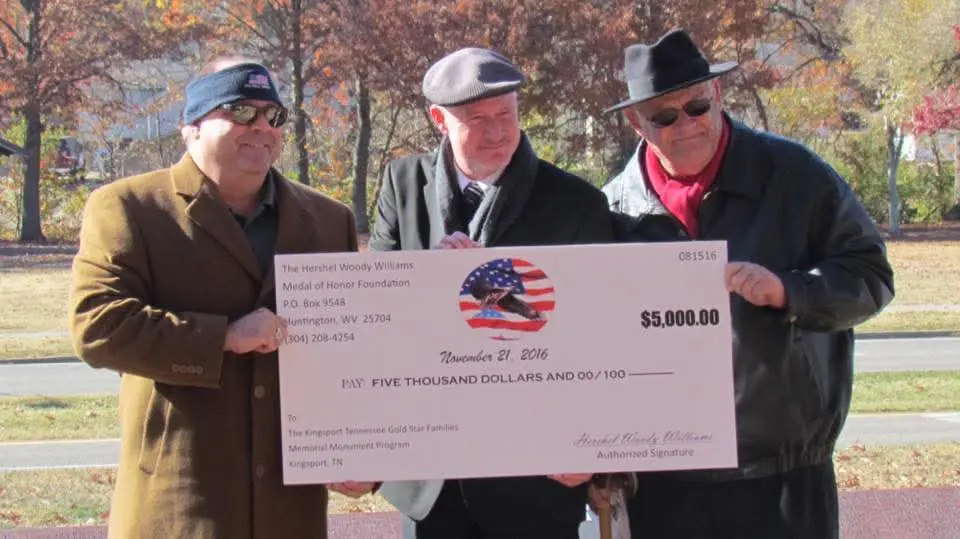
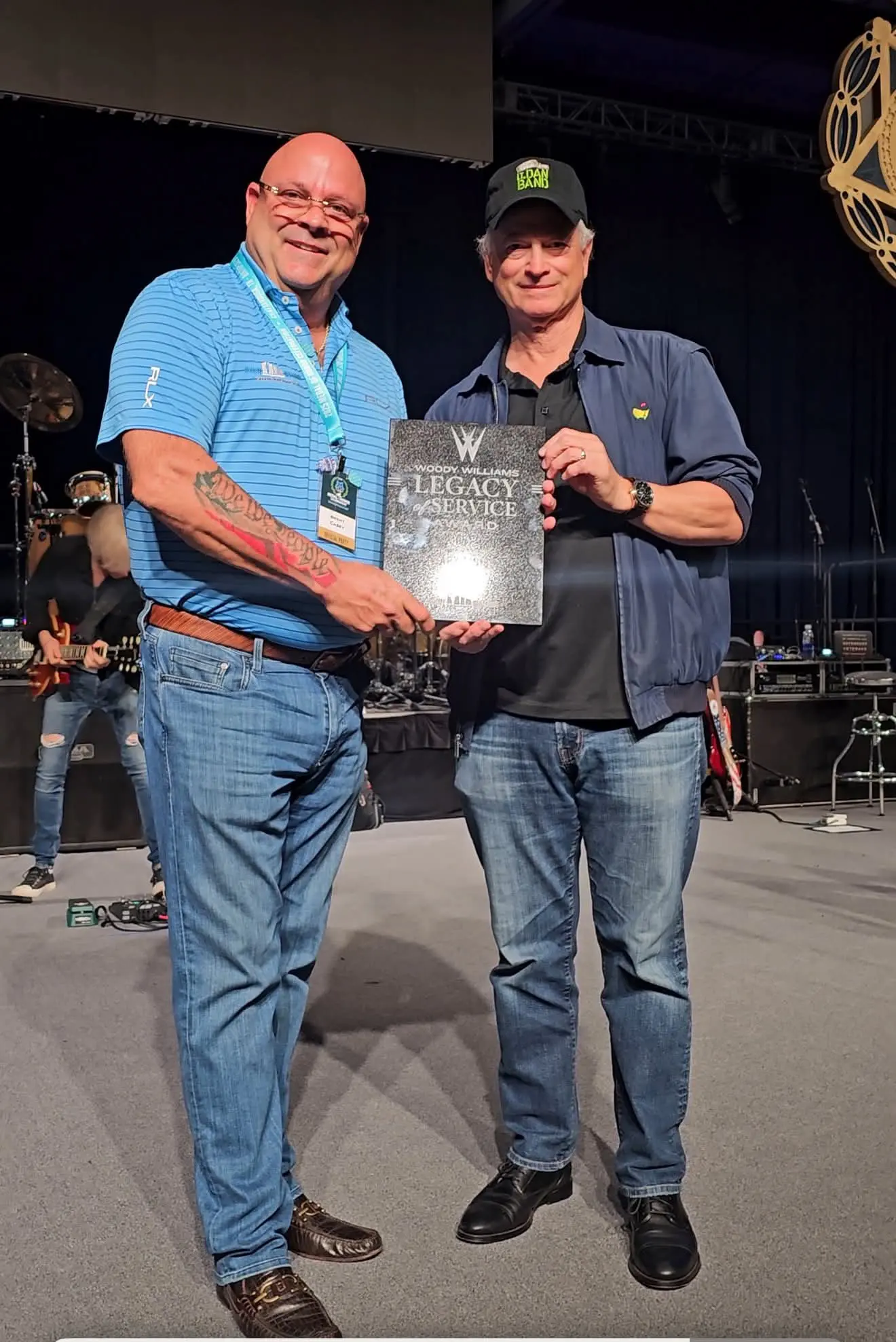
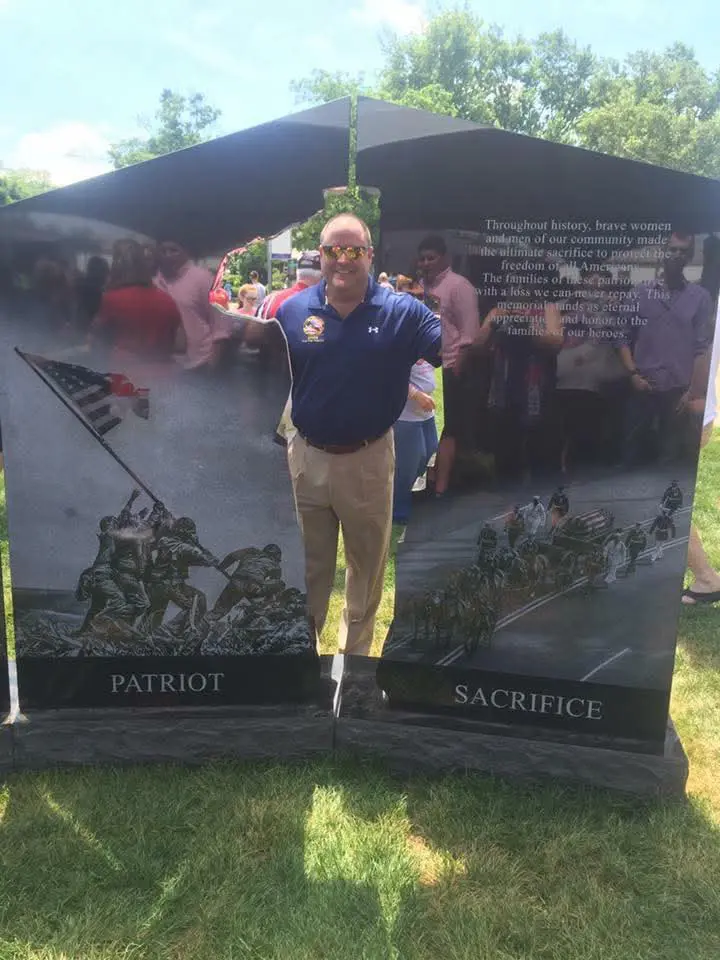
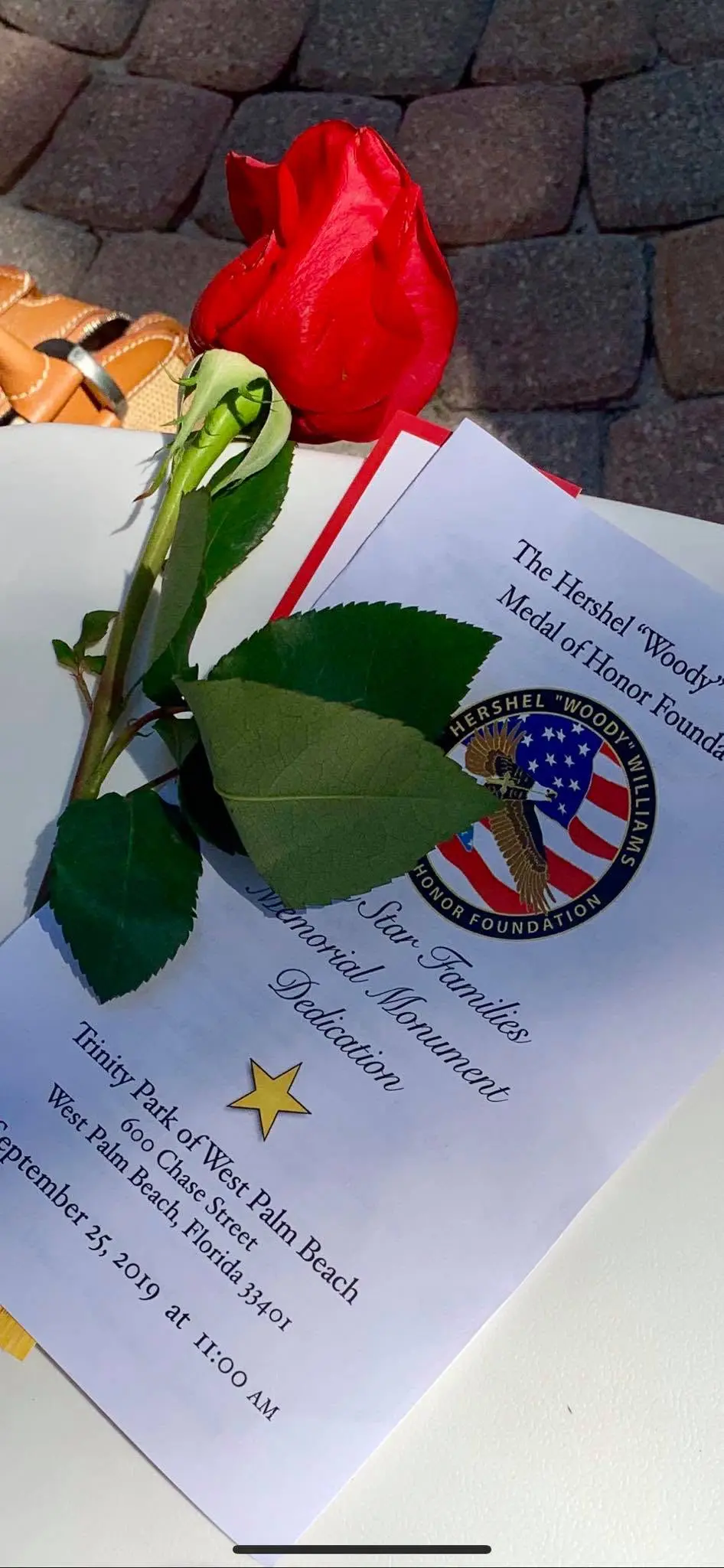
Brent helped establish the Woody Williams Foundation and serves on its Board of Directors. He has participated in numerous Gold Star Families Memorial Monument committees across the country, helping communities create permanent places of honor for families of the fallen. His service extends across multiple organizations, including Dogs Helping Heroes, Veterans Park of Kentucky, the VFW, American Legion Post Ninety Three, Disabled American Veterans, and the Eighty Second Airborne Division Association.
The mission of the Woody Williams Foundation has always carried the imprint of two generations. Brent’s work stands in direct continuity with the path his grandfather began, shaped by the same sense of duty, humility, and devotion to service that defined Woody’s life. As the Foundation continues to grow, Brent recognizes that its future will be strengthened by new leaders rising to carry that legacy forward. In the future chapters ahead, he is preparing to step back from formal board service, making room for those who will guide the organization with fresh vision and steady purpose.
Even as he transitions from the Board, Brent will remain closely connected to the mission, supporting the Foundation in ways that honor both his own commitment and the enduring example his grandfather set. He carries a quiet confidence that the legacy born in his grandfather’s generation will continue to flourish under leaders ready to uphold it with integrity, stability, and unwavering dedication. And as the Foundation moves forward, Brent steps into the unfolding chapters of his own journey continuing to serve, advocate, and build upon the values that have shaped his life from the beginning.
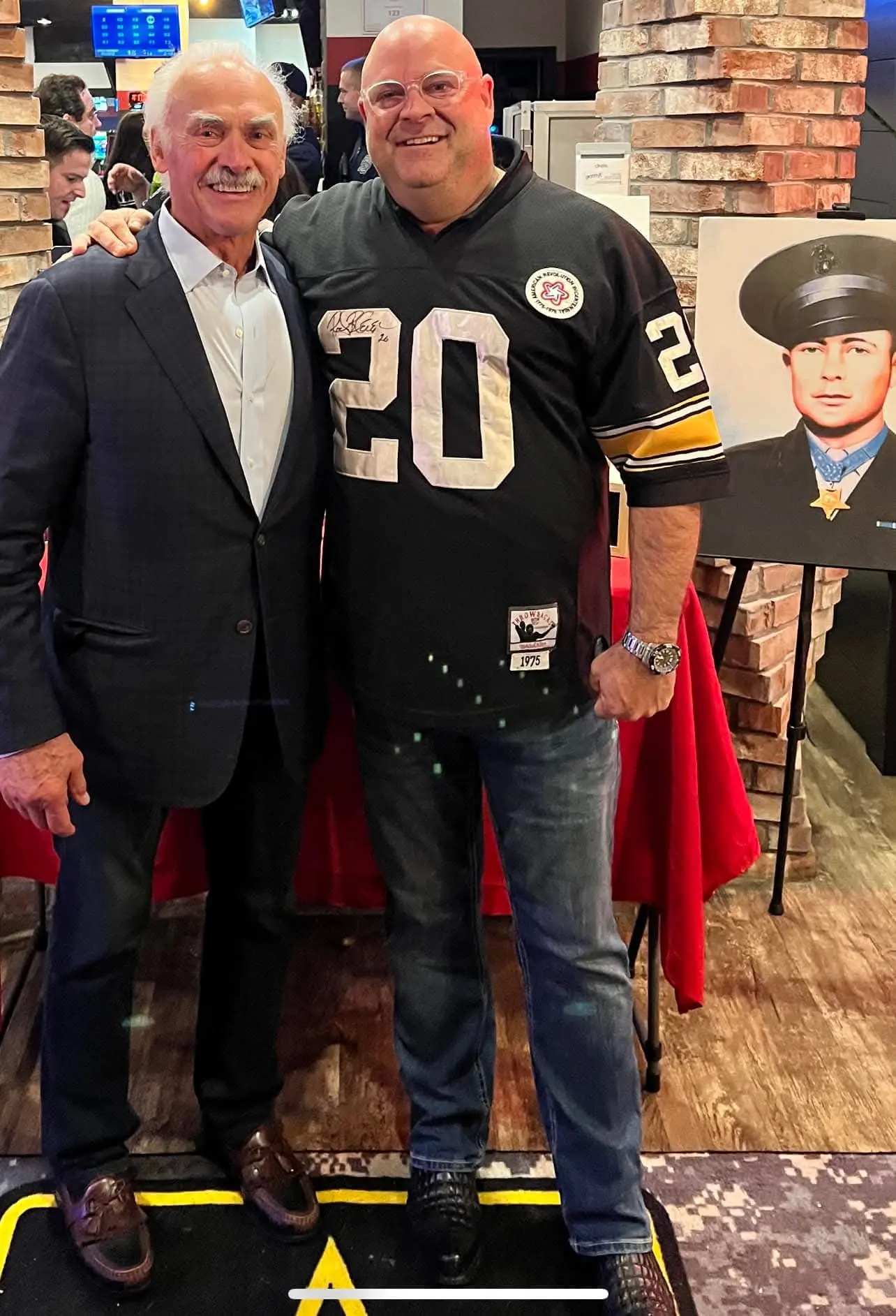
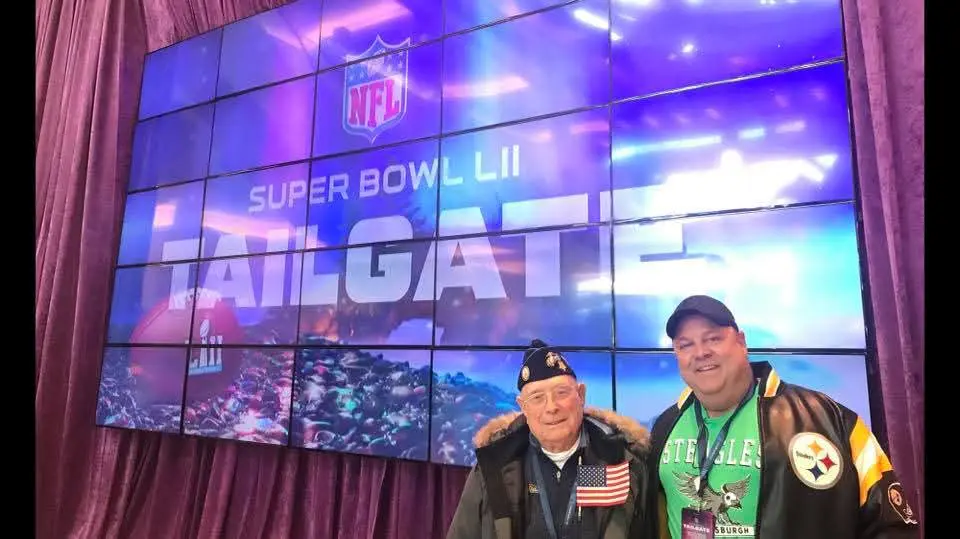
Brent graduated Summa Cum Laude with both his Bachelor’s and Master’s degrees in Business Administration Management. He completed two years of doctoral coursework toward a PhD in Strategic Management at Sullivan University and is a graduate of the FBI Citizens Academy. Outside of service and advocacy, Brent is a devoted Pittsburgh Steelers fan and a passionate supporter of Kentucky’s college athletics.
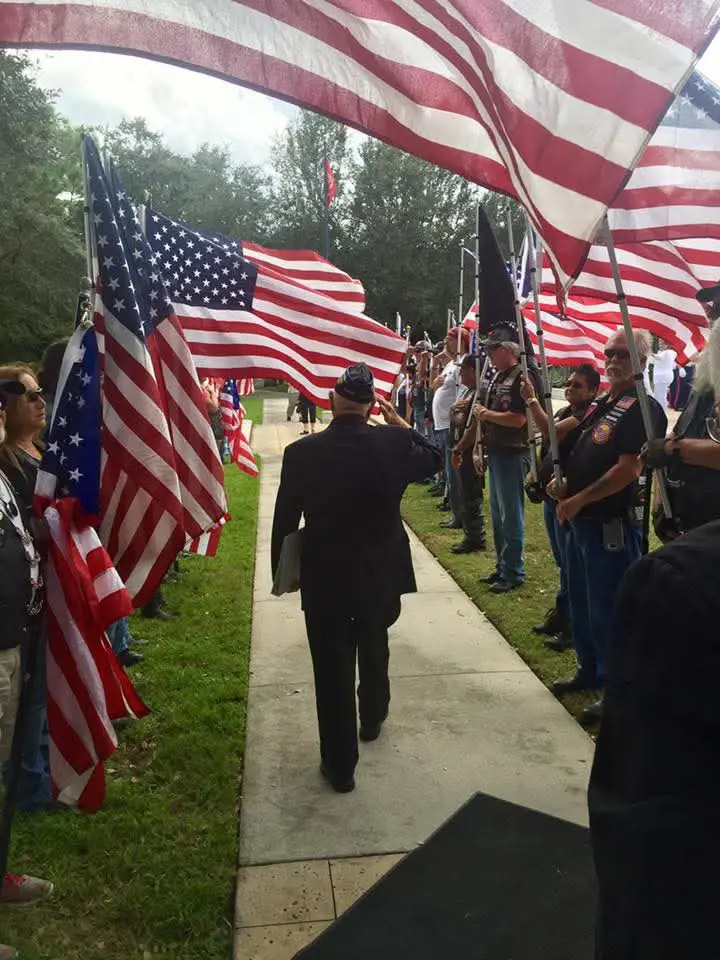
Above all, Brent Casey’s life is rooted in service, remembrance, and gratitude. Whether through his military service, his leadership at Valor Coins and Pins, his work with the Woody Williams Foundation, or his national advocacy for Gulf War Veterans, Brent remains committed to honoring America’s heroes, supporting their families, and preserving the legacy of sacrifice for generations to come. His journey, from a restless boy in West Virginia to a Combat Medic, from years of struggle to national leadership, stands as a testament to resilience, purpose, and the enduring call to serve.
Supplemental Information
The 82nd Airborne Division is one of the most elite, storied, and strategically vital units in the United States Army. Known worldwide for its speed, precision, and airborne capability, the division has served as America’s premier rapid‑response force for more than a century.
Origins and Early Legacy
The division was first constituted in 1917 during World War I. It earned the nickname “All American” because its ranks were filled with soldiers from all 48 states — a symbol of national unity. This identity remains central to the division’s culture today.
During World War I, the 82nd fought in major campaigns including:
- St. Mihiel
- Meuse‑Argonne
- Lorraine
These battles established the division’s reputation for resilience and courage.
Transformation into an Airborne Division
In 1942, the 82nd Airborne Division became the first airborne division in U.S. military history, marking a revolutionary shift in warfare. Airborne units could parachute behind enemy lines, seize critical terrain, disrupt enemy operations, and open corridors for advancing forces.
This transformation defined the division’s future.
World War II — The Division’s Defining Era
The 82nd Airborne played a decisive role in multiple major operations:
Sicily & Salerno
The division conducted some of the earliest large‑scale airborne assaults in history, proving the viability of parachute infantry.
Normandy (D‑Day)
On June 6, 1944, paratroopers of the 82nd jumped into Normandy hours before the amphibious landings. Their mission was to secure bridges, roads, and towns critical to the Allied advance. They fought in Sainte‑Mère‑Église, one of the most iconic battles of the war.
Operation Market Garden
The division parachuted into the Netherlands to seize key bridges, demonstrating extraordinary bravery under intense enemy fire.
Battle of the Bulge
The 82nd held the line during Germany’s last major offensive, fighting in brutal winter conditions and preventing enemy breakthroughs. By the end of World War II, the division had earned a reputation as one of the most fearless and dependable units in the U.S. Army.
Post‑War and Cold War Era
After WWII, the 82nd Airborne became the Army’s strategic reserve, ready to deploy anywhere in the world within hours. It participated in:
- The Dominican Republic intervention (1965)
- Vietnam War operations
- Grenada (Operation Urgent Fury, 1983)
- Panama (Operation Just Cause, 1989)
These missions reinforced the division’s role as America’s rapid‑response force.
Desert Shield & Desert Storm — Brent’s Era
When Iraq invaded Kuwait in August 1990, the 82nd Airborne Division was among the first units deployed to Saudi Arabia. Their presence formed the initial defensive line against potential Iraqi aggression.
Key facts from Brent’s era:
- The division deployed rapidly, demonstrating its 18‑hour readiness standard.
- Paratroopers established defensive positions to deter Iraqi forces.
- During Desert Storm, the division supported armored and mechanized units as coalition forces advanced into Kuwait.
- Combat medics like Brent were essential, providing lifesaving care under extreme conditions.
- The division’s mobility and discipline were critical to the success of the ground campaign.
Brent’s service as a combat medic within this division placed him among soldiers trained to operate in the most demanding environments, often with little notice and under intense pressure.
Training & Standards
Every soldier in the 82nd Airborne Division must be airborne‑qualified, meaning they have completed:
Airborne School at Fort Benning, Georgia.
This training includes:
- Ground week (parachute landing falls, equipment training)
- Tower week (34‑foot tower jumps, swing‑landing trainer)
- Jump week (five qualifying parachute jumps)
Only after earning the Parachutist Badge can a soldier join the division.
The 82nd is known for:
- exceptional physical standards
- strict discipline
- rapid deployment capability
- strong esprit de corps
- a culture of readiness and resilience
Modern Role
Today, the 82nd Airborne Division remains the Army’s Global Response Force, capable of deploying anywhere in the world within 18 hours. It continues to serve in:
- Iraq
- Afghanistan
- humanitarian missions
- crisis response operations worldwide
Its legacy is one of courage, speed, and unwavering commitment.
Brent served in the 82nd Airborne Division, one of the most elite and historically significant units in the United States Army. Known as “America’s Guard of Honor,” the division has carried the nation’s colors into nearly every major conflict since World War I and became the Army’s first airborne division in 1942. Its paratroopers are trained to deploy anywhere in the world within hours, parachuting behind enemy lines to seize critical terrain and open the way for advancing forces. During Desert Shield and Desert Storm, the 82nd was among the first units to arrive in Saudi Arabia, forming the initial defensive line and supporting armored elements during the liberation of Kuwait. Serving as a combat medic within this rapid‑response force, Brent stood shoulder‑to‑shoulder with paratroopers who embodied discipline, readiness, and extraordinary courage. His time in the division shaped his understanding of sacrifice and service in ways that would guide him for the rest of his life.
1st Cavalry Division and Airborne: Established, Elite, Enduring, and Important Then and Today
Across the United States Army, few communities carry a legacy as established and enduring as the 1st Cavalry Division and the Airborne forces. The 1st Cavalry Division was established in 1921 as a horse mounted formation before evolving into the airmobile and heavy division known today. The Airborne tradition was established in 1940 when the Army formed its first parachute test platoon and laid the foundation for elite units such as the 82nd and 101st Airborne Divisions. By the time Brent entered the Army, both paths were already deeply rooted in history, widely recognized as elite, and essential to the nation’s ability to fight, adapt, and respond to global threats.
During Brent’s era of service, these two communities stood as parallel pillars of excellence. The 1st Cavalry Division demanded endurance, resilience, and the ability to sustain heavy operations across long field cycles. Its soldiers carried forward the legacy of a division that had pioneered helicopter assault tactics in Vietnam and endured some of the war’s heaviest casualties. Airborne units represented elite light infantry precision built on higher physical standards, rapid deployment readiness, and the courage required to step from an aircraft into open sky. Brent carried both traditions in his service: the operational weight and stamina of Cav life, and the intensity and identity of the Airborne wings he earned.
Today, both remain elite and profoundly important. The 1st Cavalry Division continues to lead modern heavy warfare with advanced armor, aviation, and reconnaissance forces, maintaining a training tempo as demanding as ever. Airborne units still uphold some of the Army’s highest physical and readiness standards and remain capable of deploying worldwide within hours. Their importance has only grown in a world that requires rapid response, technological adaptation, and sustained readiness. These communities stand at the center of America’s ability to project strength, deter conflict, and respond decisively when called. The expectations Brent lived under have not faded. They have strengthened with time. His experience reflects two traditions, one founded in 1921 and the other in 1940, that remain cornerstones of excellence and essential components of the modern Army today.
Desert Shield & Desert Storm
Arrival and Mission During Desert Shield
When Brent deployed in October 1990, he entered a theater of operations defined by urgency and uncertainty. The 82nd Airborne Division was part of the initial defensive line in Saudi Arabia, positioned to deter Iraqi forces from pushing south after the invasion of Kuwait.
As a combat medic supporting an armored tank company, Brent’s responsibilities during Desert Shield included:
- Establishing medical readiness for soldiers in extreme desert conditions
- Monitoring hydration, heat stress, and fatigue in temperatures often exceeding 120°F
- Treating injuries from equipment, training, and movement
- Preparing medical kits and casualty evacuation plans
- Remaining on standby for rapid response if Iraqi forces advanced
Desert Shield was a tense waiting period. Soldiers lived in austere conditions, often sleeping in fighting positions or makeshift shelters. Brent was responsible for keeping his company medically stable and mission‑ready.
Environmental and Operational Conditions
The desert environment imposed relentless medical challenges on Brent and the soldiers he served beside. Fine, wind‑driven sand cut across the landscape, stinging the eyes and creating persistent irritation that often required immediate care. The same airborne grit inflamed the respiratory system, leaving soldiers coughing, congested, and struggling to breathe in the harsh, particulate‑filled air.
The extreme heat was constant and unforgiving. Temperatures soared well above 120 degrees, draining hydration rapidly and pushing soldiers toward heat exhaustion and dehydration. Brent monitored water intake, treated heat injuries, and worked to keep his company stable in conditions where the desert itself was a threat.
Long hours in boots on hard, uneven terrain produced foot injuries that could quickly compromise a soldier’s ability to function. Blisters, abrasions, and swelling were common, and Brent addressed each case to keep his men mobile and mission‑ready.
Sleep was scarce. Soldiers rested in short, broken intervals, often in fighting positions or beside their vehicles. The combination of environmental discomfort, operational tempo, and constant noise made restorative sleep nearly impossible. Fatigue accumulated, affecting judgment, reaction time, and physical resilience.
Layered over all of this was the psychological strain of continuous alerts and readiness drills. The threat of chemical weapons, the unpredictability of enemy action, and the intensity of pre‑combat preparation created a persistent state of vigilance. Stress manifested physically and emotionally, and Brent was the first line of care for every soldier feeling its effects.
In this environment where the desert, the mission, and the uncertainty of war converged. Brent carried the responsibility of keeping his company healthy, stable, and capable. His role demanded constant attention, rapid decision‑making, and a steady presence amid conditions that tested every man in the unit.
Transition to Desert Storm
When the air campaign began in January 1991, Brent witnessed the overwhelming coalition bombardment that preceded the ground assault. His description of “pure destruction” is consistent with the historical record:
- thousands of sorties per day
- destruction of Iraqi armor and defensive positions
- burning oil fields
- smoke‑filled skies
- the thunder of continuous explosions
This was the environment his unit advanced into.
Ground Phase of Desert Storm
During the ground phase of Desert Storm, Brent’s armored company advanced toward the Iraq–Kuwait border as part of the coalition’s effort to liberate Kuwait. As the tempo of operations increased, so did the demands placed upon him as the company’s combat medic. Movement was rapid, often conducted through smoke‑filled terrain, burning oil fields, and low visibility created by drifting sand and the remnants of the air campaign. Every mile forward carried new risks, and Brent’s responsibilities intensified with each step of the advance.
He provided immediate trauma care during movement, treating injuries that occurred in the unforgiving environment of armored warfare. Tanks and track vehicles posed constant hazards: crushed limbs, falls from vehicles, equipment malfunctions, and injuries caused by sudden shifts or rapid maneuvering. Brent responded to accidents that happened in the chaos of movement soldiers disoriented by smoke, blinded by sand, or jolted by abrupt changes in direction as the company pushed toward the front.
The threat of chemical weapons remained present throughout the operation. Brent monitored his soldiers closely for symptoms of exposure, prepared antidotes, and remained vigilant in an environment where alarms, uncertainty, and the memory of Iraqi chemical use demanded constant readiness.
To reach casualties quickly, Brent positioned himself where he could respond without delay, often riding in or near armored vehicles. Combat medics in armored units do not operate from the rear; they move with their soldiers, sharing the same dangers, the same terrain, and the same risks. Brent advanced with his company into the Kuwait battlespace, providing lifesaving care under conditions that tested every man in the unit.
Medical Responsibilities Under Combat Conditions
As the medic, Brent was responsible for:
- triage
- stabilization
- airway management
- bleeding control
- shock prevention
- preparing casualties for evacuation
He carried:
- IV fluids
- airway kits
- bandages and trauma dressings
- splints
- medications
- chemical agent antidotes (NAAK kits)
- protective gear
These were standard for medics in the Gulf War.
Khamisiyah and the Sarin Nerve Agent Release
In the final days of the Gulf War, U.S. forces conducted demolition operations at the Khamisiyah Ammunition Storage Point, a sprawling Iraqi weapons depot covering roughly 25 square kilometers. This site contained dozens of bunkers, warehouses, and open‑air storage pits filled with rockets and artillery shells. Among these munitions were 122 millimeter rockets filled with sarin and cyclosarin, deadly nerve agents produced at Iraq’s Al Muthanna chemical weapons facility. Iraq later declared that 2,160 chemical rockets had been transferred to Khamisiyah shortly before the air war began.
The Demolition Events
Two demolition operations occurred:
March 4, 1991 — Bunker 73 Demolition
- U.S. engineers destroyed dozens of bunkers, including Bunker 73, which contained chemical rockets. Chemical alarms briefly sounded, but tests were inconclusive. Later analysis determined that this event likely did not result in significant exposure.
March 10, 1991 — “The Pit” Demolition
- This second demolition was far more consequential. Engineers destroyed stacks of rockets stored in an open‑air pit. These rockets contained sarin and cyclosarin, and the demolition released an undetermined amount of nerve agent into the atmosphere. Computer modeling later estimated that over 100,000 U.S. troops may have been within the path of the resulting plume.
The Department of Defense eventually concluded that U.S. soldiers definitely destroyed many but not all of the chemical rockets at Khamisiyah, and that some U.S. ground forces were likely exposed to very low levels of nerve agent from the March 10 demolition.
Why This Matters for Brent
Brent’s Department of Defense notification confirms that he served in the vicinity of Khamisiyah during the period when U.S. forces unknowingly destroyed Iraqi rockets filled with sarin and cyclosarin nerve agents. This detail is not incidental; it is one of the most consequential environmental exposure events of the Gulf War, and it places Brent within a chapter of military history that has shaped decades of medical research and Veteran advocacy.
The demolition on March 10, 1991 released nerve agents into the atmosphere. Although the exposure levels were believed to be low, modern toxicology shows that even minimal contact with sarin can affect the nervous system. Many Veterans who were located within the modeled plume area later developed chronic multi-symptom illnesses conditions marked by pain, fatigue, cognitive strain, and other persistent health challenges. Brent’s own post‑war symptoms mirror patterns documented across thousands of Gulf War Veterans who served near Khamisiyah.
This event has been the subject of extensive federal investigation. Over more than twenty years, the Department of Veterans Affairs, the Institute of Medicine, and multiple epidemiological studies have examined long‑term health outcomes for Veterans who were in or near the Khamisiyah battlespace. Research has explored associations with neurological conditions, brain cancer mortality, and chronic multi-symptom illness making Khamisiyah one of the most scrutinized exposure incidents in modern U.S. military history.
Equally significant is the timeline of federal acknowledgment. The Department of Defense and CIA did not publicly confirm the nerve agent release for more than five years. When they did, they issued formal notifications to units located within the plume — including Brent’s. That notification is a documented part of his service record and provides critical context for understanding the health challenges he faced in the years that followed.
Brent’s presence in the Khamisiyah area is therefore not just a geographic detail. It is a historically meaningful element of his Gulf War service, one that connects his personal health journey to the broader experience of thousands of Veterans who served in the same battlespace and carried home the same unanswered questions.
The Landscape Brent Operated In
A Harsh, Open Desert With No Cover
The terrain around the Iraq–Kuwait border and Khamisiyah was dominated by flat, open desert stretching for miles in every direction. There were:
- no trees
- no vegetation
- no natural shade
- no terrain features to hide behind
It was a landscape where soldiers felt exposed, vulnerable, and constantly watched by the horizon.
Sand That Never Stopped Moving
The sand in this region is extremely fine, almost powder‑like. Wind carried it everywhere:
- into eyes
- into lungs
- into vehicles
- into medical equipment
- into food and water
It coated everything. Soldiers described it as “breathing dust.”
Hard‑Packed Earth and Cracked Ground
Unlike the soft dunes people imagine, much of the terrain Brent operated in was hard‑packed desert floor, baked by the sun until it cracked. This surface:
- punished feet
- caused blisters
- made long movements exhausting
- created jarring impacts inside armored vehicles
It was unforgiving ground.
Burning Oil Fields and Blackened Skies
During Desert Storm, Iraqi forces set fire to hundreds of Kuwaiti oil wells. The smoke drifted across the border region, creating:
- black skies at midday
- thick, choking air
- a smell of burning petroleum
- greasy soot that stuck to skin and gear
Soldiers described the sky as “dark as night” even at noon.
This was the environment Brent moved through.
Visibility Reduced to a Few Feet
Visibility in the Gulf War battlespace often collapsed to only a few feet, creating an environment where even the simplest movements became hazardous. Blowing sand swept across the desert in constant waves, carried by winds that could shift direction without warning. The fine, powder‑like grit filled the air, stinging the eyes and clinging to skin, equipment, and medical supplies. It reduced the horizon to a blur and made it difficult to distinguish friend from foe, vehicle from terrain, or even the shape of a soldier standing only a short distance away.
Drifting smoke from burning oil wells added another layer of obscurity. Thick, black plumes rolled across the landscape, turning daylight into a dim, orange haze. The smoke mixed with sand and dust, creating a choking atmosphere that distorted depth perception and made the air feel heavy and difficult to breathe. Heat rising from the desert floor created shimmering distortions that bent light and made objects appear to waver or disappear entirely.
Armored vehicles kicked up their own clouds of dust as they maneuvered, further reducing visibility. Tanks and track vehicles churned the desert surface into airborne debris that followed the column like a storm. In this environment, medics like Brent had to work in conditions where they could barely see the soldiers they were treating. He often reached casualties by sound, silhouette, or instinct rather than clear sight, responding to injuries in a battlespace where the air itself obscured everything.
This was the reality of frontline medical care in Desert Storm, a world where sand, smoke, heat, and movement combined to erase the horizon and force medics to operate in near‑blind conditions, relying on training, composure, and unwavering focus to keep their soldiers alive.
What It Was Like for the 82nd Airborne Division in Desert Storm
For the paratroopers of the 82nd Airborne Division, Desert Storm was a mission defined by speed, readiness, and relentless work. Whether they were flying into the theater or on the ground maintaining the equipment that kept the division moving, every soldier carried a heavy responsibility in an environment that was harsh, unpredictable, and demanding.
For Those Who Flew Into the Theater
Paratroopers who flew into Saudi Arabia and forward staging areas experienced a deployment unlike previous conflicts. They were among the first large American units to arrive, flying on C‑141 Starlifters, C‑5 Galaxies, and other transport aircraft packed with troops and gear. The flights were long, tense, and filled with the awareness that they were entering a region already on alert.
When they landed, they stepped into a world of blistering heat, fine sand that coated everything, and constant movement. The 82nd was tasked with rapid defensive positioning, securing key terrain, and preparing for the possibility of airborne operations. Even before the ground war began, they lived in a state of readiness, weapons cleaned, gear checked, vehicles staged, and orders changing by the hour.
For Those on the Ground Maintaining Equipment
The soldiers who maintained the division’s equipment mechanics, armorers, communications specialists, aviation maintainers, and support crews carried a different but equally critical burden. Their work was nonstop.
- Sand clogged engines, filters, and moving parts.
- Heat strained electronics, batteries, and hydraulics.
- Windstorms buried vehicles and generators overnight.
- Every piece of equipment had to be mission‑ready at all times.
Maintainers worked under floodlights late into the night, often with sand blowing sideways across their tools. They improvised constantly, adapting stateside procedures to desert conditions. They kept Humvees running, radios transmitting, weapons functioning, and aircraft safe to fly. Without them, the division could not move, communicate, or fight.
For both those who flew into the theater and those who stayed on the ground to keep the division moving, Desert Storm demanded endurance in every form. The environment was harsh, the work was constant, and the expectations were high. Every day required focus, discipline, and the ability to adapt quickly to conditions that shifted without warning.
The soldiers of the 82nd Airborne Division carried their mission with pride because they understood the legacy they represented. The 82nd had become one of the most storied units in American history through decades of courage, sacrifice, and service in nearly every major conflict. They were America’s first all‑American division, pioneers of airborne warfare, and the nation’s rapid‑response force. Their reputation was built by paratroopers who jumped into danger, maintainers who kept the division alive in impossible conditions, and generations of soldiers who upheld a standard of readiness and unity that defined the division’s identity.
Their strength in Desert Storm came not only from training but from each other, from the shared understanding that every task, every hardship, and every moment mattered.
Whether airborne infantry or ground support, every soldier depended on the other. The paratroopers trusted the maintainers to keep their equipment alive in the harsh desert. The maintainers trusted the paratroopers to carry the mission forward with courage and precision. Together, they formed a single, cohesive force, a brotherhood of purpose that helped shape the success of Desert Storm. Their bond was not only operational but deeply personal, forged in heat, sand, and the unwavering commitment to never let one another down.
Across decades, their ability to respond at a moment’s notice, their unwavering professionalism, and their unity under pressure made the 82nd Airborne Division one of the most respected and relied upon divisions in American military history.
Heat That Felt Like a Physical Force
Temperatures regularly exceeded 120°F, and the heat radiated off the ground like a furnace. Soldiers felt it through boots, uniforms, and vehicle hulls.
The heat caused:
- dehydration
- heat exhaustion
- dizziness
- slowed reaction time
Brent had to monitor all of this constantly.
The Khamisiyah Ammunition Storage Point
The area around Khamisiyah itself was:
- a vast, open complex
- scattered bunkers
- long earthen berms
- open pits filled with munitions
- concrete structures partially buried in sand
It looked like a desolate industrial wasteland in the middle of the desert.
When the chemical rockets were destroyed, the landscape was filled with:
- smoke
- dust
- debris
- chemical agent vapor rising invisibly into the air
Soldiers nearby had no idea what was being released.
A Battlefield Without Landmarks
The Gulf War battlespace was so featureless that it challenged even the most experienced soldiers. The terrain stretched out in every direction as a vast, uninterrupted plain of sand and hard‑packed earth. There were no hills to orient by, no ridges to break the horizon, no rivers or vegetation to mark progress. The landscape offered no natural reference points, leaving soldiers to navigate by compass, early‑generation GPS units, vehicle tracks, and distant plumes of smoke rising from burning oil wells.
This absence of landmarks created a profound sense of disorientation. The horizon looked the same no matter which direction a soldier turned, and the monotony of the terrain made it easy to lose bearings during movement. Armored columns advanced through a world where the ground, the sky, and the air blended into a single muted palette of tan, gray, and black. Many Veterans recall the unsettling feeling of operating in a place where the earth seemed to repeat itself endlessly, offering no visual cues and no sense of scale or distance.
For medics like Brent, this environment added another layer of complexity. Reaching a casualty required navigating through smoke, dust, and shifting terrain without the benefit of landmarks. The battlefield demanded constant vigilance, not only for enemy threats but for the simple challenge of finding one’s way in a landscape that refused to guide the eye.
A Landscape That Felt Alien
To many soldiers, the Gulf War battlespace felt otherworldly a place stripped of life, color, and familiar features. Veterans described it as “the moon, but hotter,” a barren expanse where the earth felt dead beneath their feet. The combination of burning oil fields, drifting smoke, and relentless heat transformed the desert into a battlefield made of dust and fire.
The sky often turned black at midday as smoke from hundreds of ignited oil wells rolled across the horizon. The sun became a dim orange disc behind layers of soot. The air carried the smell of burning petroleum, mixing with sand and dust to create a heavy, choking atmosphere. Heat radiated from the ground with such intensity that it distorted vision and made the desert shimmer like a mirage.
This was the world Brent lived in, worked in, and survived in an environment that felt hostile, unfamiliar, and unforgiving. It was a landscape that left a lasting impression on every soldier who moved through it, shaping their memories of the Gulf War in ways that remain vivid decades later.
Rest Was Almost Impossible for a Combat Medic
Medics Are Always On Call
Unlike other soldiers who could rotate duties or step back during lulls, medics remained the first line of care at every moment. Brent carried the responsibility of responding instantly to any medical emergency: heat injuries, dehydration, respiratory irritation, foot trauma, accidents around armored vehicles, sudden alerts, chemical alarms, and combat injuries during movement. Even at night, even during the rare moments when the company paused, he could not fully relax. His role demanded constant vigilance, because a soldier’s life might depend on his ability to react without hesitation.
Sleep Was Short, Broken, and Unpredictable
Sleep came only in fragments. Brent rested in fighting positions, beside armored vehicles, or directly on the hard desert floor. These moments were brief and easily interrupted by noise, movement, or alerts. The desert never offered silence — engines rumbled, radios crackled, and the wind carried sand across the surface of the earth. Medics slept lighter than others, knowing that a call for help could come at any moment. Rest was not restorative; it was simply the pause between demands.
Environmental Conditions Prevented Real Rest
Even when the company halted, the environment itself denied any chance of recovery. Sand blew constantly, drifting into eyes, lungs, and equipment. Smoke from burning oil wells rolled across the horizon, turning daylight into a dim haze and filling the air with the heavy smell of crude oil. Heat radiated from the ground with a furnace‑like intensity. Armored vehicles rumbled nearby, shaking the earth. Alerts and readiness drills interrupted any attempt at sleep, and the lingering threat of chemical weapons kept every soldier on edge. In such conditions, neither body nor mind could truly rest.
Psychological Load
Medics carry a burden that few others experience. Brent bore responsibility for the health and survival of every soldier in his company. He lived with the fear of missing a symptom, the pressure to stay alert, and the knowledge that trauma could occur at any moment. This mental weight made genuine rest nearly impossible. Even when his eyes closed, his mind remained attuned to the possibility of someone calling his name in distress.
During Movement, Rest Was Nonexistent
When the company advanced toward the Iraq–Kuwait border, rest disappeared entirely. Brent rode in or near armored vehicles, positioned where he could reach casualties quickly. Dust and smoke filled the air, visibility shrank to only a few feet, and injuries could occur without warning. Movement was rapid, unpredictable, and physically jarring. Every moment demanded vigilance. In these phases, Brent’s world narrowed to the immediate needs of the soldiers around him — and there was no space for rest.
After Khamisiyah, Stress Increased
Following the demolitions at Khamisiyah when chemical rockets were unknowingly destroyed the atmosphere grew even more tense. Alarms sounded. Confusion spread. Soldiers feared exposure to nerve agents they could not see or smell. Medics monitored symptoms constantly, watching for signs of chemical distress in an environment already saturated with smoke, dust, and exhaustion. This period was marked by heightened anxiety and relentless attention. Rest was not possible.
What Food Was Available in Desert Shield / Desert Storm
MREs — Meals, Ready‑to‑Eat (Primary Food Source)
By the time Brent deployed in 1990, the U.S. military had transitioned away from Vietnam‑era C‑rations. Gulf War troops ate MREs, the brown plastic‑wrapped field rations designed to be eaten anywhere, without cooking.
Each MRE contained:
- a main entrée
- a side dish
- crackers or bread
- peanut butter or cheese spread
- dessert (pound cake, cookies, or fruit bar)
- instant coffee
- a chemical heater (introduced in 1990)
- accessory pack (matches, salt, gum, toilet paper, Tabasco)
Common Gulf War MRE Entrées
These are historically accurate for 1990 to 1991:
- Beef Stew
- Chicken à la King
- Spaghetti with Meat Sauce
- Ham Slice
- Beef Frankfurters (“Four Fingers of Death”)
- Pork Patty
- Tuna with Noodles
- Chili Mac (introduced around this era)
Soldiers often joked that some meals were edible only if you were starving and in the desert, they often were.
Heat Made MREs Worse
In the Gulf War desert:
- MREs became hot inside vehicles
- cheese spread separated
- crackers crumbled
- chocolate melted
- plastic packaging softened
- water tasted like warm plastic
Eating was not pleasant. It was necessary.
Water Was Warm and Tasted Like Plastic
Water came from:
- 5‑gallon jugs
- plastic canteens
- water buffalo tanks
In 120°F heat, water was:
- warm
- sometimes hot
- often sandy
- tasting strongly of plastic
Medics like Brent constantly pushed hydration, even though drinking warm plastic‑flavored water was miserable.
Occasional Hot Chow — Rare and Unpredictable
During Desert Shield, some units occasionally received:
- hot breakfast
- hot dinner
- field‑kitchen meals
But once Desert Storm began and movement intensified, hot chow became rare. Armored units like Brent’s often went days or weeks without anything but MREs.
No Fresh Food in the Field
In Brent’s environment:
- no fruit
- no fresh vegetables
- no fresh meat
- no refrigeration
Everything was shelf‑stable, dry, and designed to survive desert heat.
Sand Got Into Everything
Soldiers often said:
- “You eat sand with every meal.”
- “If you don’t taste dust, you’re not in the Gulf.”
Sand got into:
- MRE bags
- drinks
- utensils
- mouths
- teeth
It was unavoidable.
Medics Ate Last
This is important for Brent’s biography.
Medics often:
- treated injuries first
- checked hydration levels
- responded to emergencies
- ensured others ate
Only after everyone else was stable did they eat their own MRE often cold, crushed, or half‑covered in sand.
The Living Environment in Desert Shield & Desert Storm
Austere, Harsh, and Unrelenting
The living environment in the Gulf War was defined by absence of buildings, no shade, no comfort, and no relief from the elements. Soldiers lived directly in the desert, exposed to heat, sand, smoke, and constant movement. For Brent, as a medic in an armored company, living conditions were even more demanding because he had to remain accessible to his soldiers at all times.
Sleeping Conditions
On the Ground, Beside Vehicles
Brent slept:
- on the hard, cracked desert floor
- beside tanks and track vehicles
- in shallow fighting positions
- on top of gear or rucksacks
- sometimes inside vehicles, but only briefly
The ground was unforgiving — baked by the sun, radiating heat even at night, and covered in fine dust that clung to skin and clothing.
Short, Interrupted Sleep
Rest came in:
- 20 to 40 minute bursts
- broken intervals
- moments between alerts
- pauses in movement
Noise, heat, and the medic’s constant readiness meant no deep sleep.
Life in Life Open Desert
During the advance in Desert Storm, armored units lived entirely in the open. Once movement began, tents disappeared. Soldiers slept wherever they could, using ponchos, tarps, vehicle shade, and improvised windbreaks to shield themselves from the elements. During the buildup phase of Desert Shield, small pup tents and lean‑tos appeared in stationary camps, but the moment the offensive started, shelter vanished. The desert became the only cover.
THE PRESENCE OF SAND
Sand infiltrated every part of daily life. It worked its way into sleeping bags, uniforms, boots, medical kits, food, and water. Soldiers woke with sand in their eyes, mouth, and ears. It coated skin, clung to gear, and turned even simple tasks into a struggle against the environment. The desert was not a backdrop; it was a constant force that touched everything.
DAILY LIVING IN THE OPEN
Bathing was almost impossible. Water was reserved for drinking, and most soldiers went weeks without a shower. Hygiene became a matter of baby wipes, canteen‑cup sponge baths, and brushing teeth with warm, sandy water. Medics often had even less time for hygiene, tending to casualties and maintaining readiness under conditions that offered no comfort.
Sanitation was primitive. Soldiers dug cat holes in the sand or used improvised latrines. In some rear areas waste was burned, but forward armored units lived with the desert wind carrying smells across the camp. It was a reminder of how far they were from normal life.
THE SOUND OF THE DESERT WAR
Noise was constant. Armored vehicles created an environment filled with engine rumble, track clatter, radio chatter, generators, distant explosions, and the steady hiss of wind across the sand. There was no quiet. The desert vibrated with movement, machinery, and the low, unbroken hum of war.
This was daily life for the soldiers of Desert Storm. A world without shelter, without comfort, without silence. A world where endurance mattered as much as equipment, and where every sunrise brought another day of sand, noise, and relentless movement.
Extreme Heat by Day
Daytime in the Gulf War desert was punishing. Temperatures routinely climbed above 120°F, turning the environment into a furnace that pressed against every part of a soldier’s body. Uniforms became soaked with sweat, clinging to the skin and offering no relief. Helmets grew sun‑baked and hot to the touch, and boots absorbed so much heat that they felt as if they were burning the feet inside them. Armored vehicles amplified the temperature even further — their metal hulls radiated heat until the interiors felt like ovens. Every movement, every breath, every task was shaped by the relentless intensity of the desert sun.
Cold by Night
When the sun dropped below the horizon, the desert transformed. Temperatures fell sharply, leaving soldiers shivering in thin sleeping bags or jackets that offered little insulation. Sweat from the day dried into a layer of salt and dust on the skin, making the cold feel even more biting. The shift from extreme heat to sudden chill created a cycle of discomfort that never allowed the body to fully adjust. Brent, like every soldier in his company, endured nights where exhaustion battled the cold, and rest was difficult to find.
Water Was Life
Hydration was a constant concern. Medics monitored water intake relentlessly, knowing dehydration could become deadly in a matter of hours. Water was rationed carefully, and soldiers drank even when they didn’t want to, because the desert demanded it. Every sip tasted warm, sometimes hot, often tinged with sand or the flavor of plastic containers. Brent’s role as a medic meant he watched his soldiers closely, ensuring they drank enough to stay alive in conditions where the heat never relented.
Personal Space –None
Living in an armored company meant living without privacy. Soldiers slept shoulder‑to‑shoulder, packed tightly beside vehicles or in shallow fighting positions. Gear was piled everywhere, filling every inch of available space. Armored vehicles were crowded with equipment, medical supplies, weapons, and personal items, leaving little room to move. Brent lived in constant proximity to others, even when exhausted. The desert offered no solitude, only the shared closeness of men living, working, and enduring the same unforgiving environment.
Emotional and Psychological Environment
Isolation
The desert created a profound sense of isolation that stayed with many Gulf War Veterans long after the conflict ended. The landscape felt endless, a flat, barren expanse with no landmarks, no vegetation, and no signs of life. Soldiers described it as “a place without life,” a world where the earth seemed stripped of color and movement. Others called it “the moon, but hotter,” capturing the surreal emptiness of the terrain. With burning oil fields turning the sky black and sand drifting across the horizon, the battlespace often felt like “a world made of dust and fire.”
This isolation was not only physical but emotional. The environment offered no comfort, no familiar sights, and no sense of home. It was a place where soldiers felt small against the vastness of the desert, and where every moment reminded them how far they were from anything resembling normal life.
The Medic’s Burden
For medics, isolation in the desert was intensified by a relentless state of readiness. Brent never mentally stepped away from his role. He lived inside a continuous alertness, because every soldier’s well‑being depended on his ability to respond instantly. His responsibility was constant. He watched for injuries, monitored symptoms others might overlook, and carried the pressure of knowing that emergencies could erupt without warning.
This mental weight shaped his experience more than any physical hardship. Even when the company paused, Brent’s mind remained engaged, listening for a call, watching for distress, anticipating the next injury. The desert tested the body, but the medic’s burden tested the spirit. Brent carried both, day after day, in an environment where vigilance was not a duty but a lifeline.
What Home Sent Across the Desert
Across the United States, families, churches, and entire communities sent thousands of care packages to deployed troops. Each box carried small reminders of home: letters, photographs, snacks, toiletries, socks, and simple comforts meant to lift spirits in a distant and unforgiving environment. They were expressions of love and hope, traveling across an ocean toward soldiers who lived every day with uncertainty.
For forward‑deployed armored units like Brent’s, receiving those packages was far more difficult than sending them. Once the ground war began and the company moved rapidly across the desert, mail could not keep pace. The unit had no fixed position, no stable address, and no pause in movement. Fuel, ammunition, water, and medical supplies took priority over everything else. Care packages often arrived late, damaged, or long after the unit had already advanced to a new location.
For soldiers living in motion, especially medics who remained at the front, care packages became rare, treasured moments of connection rather than regular comfort. When one finally reached a soldier, it carried more than its contents. It carried the voice of home, the presence of family, and the reminder that someone far away was thinking of them in a place where the desert, the mission, and the war allowed almost nothing soft to survive.
What Home Sent Before the War Began
During Desert Shield, when U.S. forces were still establishing defensive positions and preparing for the possibility of war, units remained stationary for long stretches of time. Logistics lines were stable, supply routes were predictable, and mail could reliably reach soldiers in the field. Brent’s company occasionally received letters, small packages, holiday mail, and boxes sent by church groups back home.
These deliveries carried enormous emotional weight. In a landscape that felt lifeless and distant, a handwritten note or a small box from home became a lifeline. A few familiar snacks, a photograph tucked between folded paper, or a simple message written in familiar handwriting reminded soldiers that beyond the desert, someone cared, prayed, and waited. In an environment defined by heat, dust, and uncertainty, these moments offered the only sense of normalcy many soldiers experienced.
For Brent, and for others who lived with constant readiness, these packages were more than comfort. They were connection. They were proof that the world he had left behind still reached for him across the miles. In the stillness of Desert Shield, before the storm of the ground war began, these small gifts from home mattered more than anyone sending them could ever fully know.
During Desert Storm — The Combat Phase
Once the ground war began, everything changed. The rapid tempo of operations made mail delivery extremely difficult, and for forward‑deployed armored units like Brent’s, it became almost impossible.
Constant Movement
Armored units advanced quickly across the desert, often changing direction or location with little warning. Mail could not keep up with:
- shifting positions
- changing coordinates
- unpredictable movement toward the Iraq–Kuwait border
Packages frequently arrived after the unit had already moved on, left behind at staging points the soldiers would never return to.
No Fixed Locations
During the ground war, there were:
- no bases
- no mailrooms
- no permanent camps
Soldiers lived beside vehicles, in fighting positions, or in temporary halts that lasted only hours. There was nowhere for mail to be reliably delivered.
Priority Was Combat, Not Comfort
Logistics focused on what kept soldiers alive and the mission moving:
- fuel
- ammunition
- water
- medical supplies
Mail was a luxury and meaningful, but not essential to combat operations. It often fell far down the priority list.
When Home Finally Arrived
A large number of care packages sent during the ground war arrived only after the fighting had ended. Once armored units returned to staging areas or redeployment points, mail finally caught up with the soldiers who had spent weeks moving across the desert without a fixed location. Boxes that had traveled through heat, sand, and long delays were opened with a mixture of anticipation and quiet gratitude.
Many packages showed the journey they had endured. Soldiers found sand settled inside the cardboard, snacks melted by desert heat, and letters wrinkled and softened by the long transit. Imperfect as they were, these boxes carried a weight far greater than their contents. They were reminders of home, of families who had written, prayed, and waited, unaware that their gifts would arrive only after the war’s hardest days had passed.
For soldiers who had lived in motion, especially medics who had carried the burden of constant readiness, these late‑arriving packages were cherished. They were proof that even in the most distant and unforgiving environment, the connection to home had never been lost. The war had moved faster than the mail, but the love inside those boxes still reached the men who needed it.
No Video Calls in the Gulf War :Technology Simply Didn’t Exist Yet
No Video Calls in 1990–1991
- Video calling technology did not exist for deployed troops.
- No smartphones, webcams, or internet access.
- No FaceTime, Zoom, Skype, or satellite video‑calling systems for personal use.
- Forward units had zero capability to see or speak to family in real time.
Communication Was Limited to:
- Letters
- Care packages
- Occasional phone calls from rear bases (rare, and not available to forward armored units)
- Military radio traffic (not for personal communication)
Forward‑Deployed Armored Units
Brent’s environment constantly moving, living beside vehicles, no fixed camps meant:
- No phones
- No communication tents
- No access to rear‑area comforts
- No real‑time contact with home
Veteran Accounts Confirm This
Gulf War Veterans consistently describe:
- Long stretches with no communication
- Letters as their only connection
- Phone calls as rare miracles
- No visual contact with family until returning home
Who Was There Helping the Americans in Desert Shield & Desert Storm?
The United States did not fight alone in the Gulf War. A massive international coalition one of the largest since World War II supported American forces. These nations provided troops, aircraft, armor, logistics, medical support, intelligence, and funding.
Major Military Partners (Large Combat Forces)
These nations fought directly alongside U.S. troops on the ground, in the air, and at sea:
- United Kingdom – large armored and air forces
- Saudi Arabia – host nation, major ground forces
- France – armored division and air support
- Canada – air and naval forces
- Australia – naval and medical support
- Italy – air and naval forces
- Egypt – large ground forces
- Syria – ground forces (part of the Arab coalition)
- Kuwait – exiled forces fighting to liberate their country
These were the most visible and active partners in combat operations.
Arab Coalition Partners
Many Middle Eastern nations joined the effort to expel Iraqi forces from Kuwait:
- Saudi Arabia
- Kuwait
- Egypt
- Syria
- United Arab Emirates
- Qatar
- Bahrain
- Oman
Their participation was crucial for regional legitimacy and ground strength.
Additional Supporting Nations
These countries contributed aircraft, ships, medical teams, logistics, or financial support:
- Spain
- Netherlands
- Belgium
- Denmark
- Greece
- Turkey
- Portugal
- New Zealand
- Argentina
- South Korea
- Bangladesh
- Pakistan
- Morocco
- Niger
- Senegal
- Czechoslovakia (chemical defense units)
In total, 35 nations formed the coalition.
What This Meant for Soldiers Like Brent
Even though Brent served in a forward‑deployed armored company often isolated, constantly moving, and living in harsh, unforgiving conditions he was part of a far larger international effort. Armored units frequently operated in specific sectors, which meant he rarely saw coalition troops face‑to‑face. Yet the presence of the coalition was unmistakable.
Allied aircraft flew overhead, maintaining air superiority and striking enemy positions before ground forces advanced. Coalition armor moved on parallel axes across the desert, creating a unified front that stretched for miles. Behind the scenes, multinational logistics and medical networks kept fuel, water, ammunition, and critical supplies flowing. Shared intelligence guided movements and protected units from unseen threats. Joint command structures coordinated nations that had never fought together before, aligning their efforts toward the liberation of Kuwait.
For soldiers like Brent, the coalition’s strength mattered deeply. It shortened the ground war, reduced casualties, and ensured that armored units could advance rapidly with overwhelming support. Even in the isolation of the desert, Brent was never truly alone he was part of one of the largest and most unified military coalitions in modern history.
What Women Did in the Gulf War
Women played indispensable roles throughout Desert Shield and Desert Storm, serving in nearly every capacity except direct ground‑combat assignments. They worked as medics, nurses, physicians, and evacuation specialists, treating wounded soldiers and staffing field hospitals often positioned close to danger. They operated trucks, fuel tankers, supply convoys, and water distribution systems, keeping frontline units alive with the essentials needed for survival and movement.
Women also served in communications and intelligence, managing satellite systems, encryption, reconnaissance interpretation, and analysis that guided battlefield decisions. In aviation, they flew medevac and transport missions, worked as crew chiefs, and maintained aircraft under harsh desert conditions. Military Police units staffed by women guarded bases, escorted convoys, secured supply routes, and handled detainees. As mechanics and technical specialists, they repaired vehicles, aircraft, generators, and communications systems. In administrative and coordination roles, they managed personnel records, casualty reporting, logistics, mail distribution, and operational planning.
Something Most People Don’t Know
Women were often closer to combat than the public realized.
Even though policy at the time restricted women from serving in “direct ground combat” roles, the Gulf War battlefield had no clear front lines. The desert was fluid, and support units including those staffed by women operated in areas exposed to:
- Scud missile attacks
- chemical alarms
- air raids
- artillery threats
- ambush risks
- burning oil fields
WOMEN WHO SERVED IN THE GULF WAR
Many women served under conditions nearly identical to frontline troops. Their work sustained the war effort, supported soldiers like Brent, and ensured the coalition’s rapid and effective advance. They lived in the same desert, endured the same hardships, and carried responsibilities that placed them close to danger.
Women flew into harm’s way. Female helicopter pilots conducted medevac missions into areas still under threat, evacuating wounded soldiers, including medics from units like Brent’s. Their flights crossed terrain not yet fully secured, where the risk of enemy fire, unexploded ordnance, or sudden contact remained real. These pilots carried lives in their hands, and their courage shaped the survival of countless troops.
Women also ran the lifelines that kept the war moving. In logistics, communications, and medical support, they sustained the entire coalition advance. Without their work, frontline units including Brent’s armored company could not have moved, eaten, communicated, or survived. They coordinated supplies, maintained communication networks, staffed medical facilities, and kept the machinery of war functioning day after day.
Their service was essential. They formed the backbone of support that allowed combat units to operate at full strength, and their contributions reached every soldier in the field. Women served in the Gulf War with skill, endurance, and quiet resolve. Their work strengthened the mission, supported the men at the front, and ensured that the coalition’s advance remained swift, coordinated, and effective.
The Homefront Network Behind the Gulf War
Veterans Service Organizations did not deploy to the Gulf War, but they played a vital role at home and after the conflict. During Desert Shield and Desert Storm, VSOs supported families, organized care‑package drives, and helped communities stay connected to deployed service members. They became the bridge between home and the battlefield, offering reassurance, information, and a sense of unity during months of uncertainty.
When veterans returned home, the role of VSOs became even more essential. They guided service members through the complex process of VA claims, medical documentation, and benefits navigation. As Gulf War illness cases emerged, VSOs became advocates who helped veterans gather evidence, understand their rights, and pursue long‑term medical support. They provided community, stability, and a trusted network that helped veterans transition from the desert back into civilian life.
For many Gulf War veterans, VSOs were the first place they found understanding. They offered a space where experiences could be shared, where paperwork could be managed, and where the invisible burdens of service could be met with guidance rather than confusion. Their work did not end when the war did. It continued in the years and decades that followed, shaping the support system that Gulf War veterans still rely on today.
Differences Between Their Wars
(Iwo Jima – WWII vs. Desert Storm – Gulf War)
Type of Combat
Woody Williams – Iwo Jima (1945)
- Brutal, close‑quarters infantry combat
- Flamethrowers, grenades, rifles
- Fighting entrenched Japanese forces in caves and bunkers
- Every inch of ground was taken by hand
- Casualties were catastrophic; survival was uncertain
Brent Casey – Desert Storm (1991)
- Fast, mechanized warfare
- Tanks, armored vehicles, air superiority
- Long‑range weapons, precision strikes
- Enemy forces collapsed quickly under overwhelming coalition power
- Ground combat was rapid, mobile, and technologically driven
Environment
Iwo Jima
- Volcanic rock, ash, sulfur fumes
- No vegetation, no cover
- Constant artillery, machine‑gun fire
- Terrain designed for defense
Desert Storm
- Endless desert, sandstorms, extreme heat and cold
- No towns, no civilians, no landmarks
- Oil‑fire smoke, chemical alarms, blowing sand
- Terrain designed for speed and movement
Length and Intensity
Iwo Jima
- 36 days of nonstop, face‑to‑face combat
- Thousands killed and wounded
- Every Marine was in mortal danger every minute
Desert Storm
- Ground war lasted 100 hours
- Intense but brief
- Most danger came from movement, mines, chemical threats, and Scud missiles
Role and Mission
Woody
- Assaulting fortified positions
- Destroying enemy strongholds
- Clearing paths for infantry
- Direct offensive combat
Brent
- Treating wounded soldiers
- Stabilizing casualties under fire
- Riding with armored units
Technology
WWII
- No GPS
- No night‑vision
- No body armor
- No air dominance
- Weapons were manual, close‑range, and unforgiving
Desert Storm
- GPS navigation
- Night‑vision
- Kevlar helmets and armor
- Air superiority from day one
- Precision weapons and advanced medical evacuation
The Shared Courage of Two Warriors
Across two different eras of American history, Woody Williams and Brent Casey carried a quiet courage shaped by landscapes designed to break the human spirit. Woody fought across a volcanic island of ash and fire, while Brent endured a desert of dust, heat, and burning oil. Both worlds were barren, hostile, and isolating, testing endurance as fiercely as the enemy itself. Each man carried the lives of others in his hands, Woody clearing deadly paths so Marines behind him could survive, Brent fighting to keep wounded soldiers alive under the pressure of war. Their missions differed, yet the burden of safeguarding their brothers was the same.
Both witnessed trauma that never fully left them. Woody saw Marines fall beside him in brutal, close‑range combat; Brent faced the aftermath of destruction and the weight of medical responsibility. The wounds they carried were invisible to the world but permanent within themselves. Their wars defined their generations, Iwo Jima becoming the enduring symbol of WWII sacrifice, Desert Storm becoming the signature conflict of early 1990s service, shaping how America understood the veterans of their time.
Each became part of something larger than himself. Woody rose into a national symbol of courage, while Brent became part of a vast international coalition and later a voice for Gulf War veterans. Both fought where the terrain itself was an enemy: Woody battling caves, bunkers, and volcanic rock; Brent battling sand, heat, and chemical threats. And through it all, both served with quiet, unassuming courage. Neither sought glory. Neither asked for recognition. They simply answered the call placed before them and carried it with honor.
The Deeper Parallels Between Two Warriors
Across two distant eras of American service, Woody Williams and Brent Casey were shaped not only by the battles they fought but by the silence that followed them. Woody’s war thundered with flamethrowers, explosions, and the brutal closeness of Iwo Jima, yet it was the quiet afterward that stayed with him. Brent’s war moved swiftly across the desert under burning oil and chemical alarms, but the stillness between missions carried its own weight. Both men learned to live with the silence that trauma leaves behind.
Long after their wars ended, each became a protector. Woody devoted his life to honoring Gold Star Families and carrying the memory of fallen Marines. Brent became a steadfast advocate for Gulf War veterans, especially those suffering from invisible wounds and illnesses. Their service did not end with the battlefield; it transformed into a lifelong mission to safeguard others.
Both carried a humility so deep it bordered on self‑erasure. Woody never boasted about Iwo Jima, and Brent never boasted about Desert Storm. Each minimized his own suffering, even when the burden was heavy, choosing quiet endurance over recognition.
Both lived with a private loneliness. Woody bore the solitude of surviving when others did not. Brent bore the medic’s solitude remembering every face he tried to save. Their wars were different, yet the isolation that followed was the same.
Duty defined them more than circumstance. Woody’s duty was to clear a path through fire; Brent’s was to preserve life in the desert. They answered calls they did not choose and lived with the consequences, carrying responsibilities that shaped their identities long after the uniforms were folded away.
Each became a symbol of his generation. Woody embodied the courage of WWII, rising into a national figure whose legacy touched millions. Brent embodied the perseverance of Gulf War veterans, becoming part of a vast international coalition and later a voice for those whose struggles were often overlooked. One carried a Medal of Honor; the other carried the weight of a generation.
Both were grounded in faith, drawing strength from a spiritual foundation that guided how they endured, how they served, and how they carried their wounds.
And both fought battles long after the shooting stopped. Woody wrestled with the emotional aftermath of Iwo Jima for decades. Brent faced the lingering effects of Desert Storm illness, loss, and betrayal. Their longest battles were fought at home, in the quiet spaces where courage is measured not by action but by endurance.
Diseases and Medical Conditions They Faced
Diseases Common in WWII (Iwo Jima – Woody Williams)
WWII Marines in the Pacific faced harsh, unsanitary, tropical conditions. The most common diseases included:
- Malaria – mosquito‑borne, causing fever, chills, and long‑term weakness
- Dysentery – severe intestinal infection from contaminated water
- Tropical ulcers – open, infected wounds that spread rapidly
- Skin infections – fungal and bacterial, worsened by heat and humidity
- Respiratory infections – from volcanic ash, smoke, and constant exposure
- Combat‑related infections – wounds often became infected due to lack of clean water and medical supplies
- Trench foot – caused by prolonged wet conditions (less common on Iwo Jima but present in the Pacific theater)
These diseases weakened Marines, slowed recovery, and often lingered long after the war.
Diseases and Conditions Common in Desert Storm (Brent Casey)
Gulf War veterans faced a completely different set of medical threats, environmental, chemical, and toxic exposures unique to modern warfare.
Environmental & Exposure‑Related Conditions
- Respiratory diseases – from burning oil wells, sandstorms, smoke, and particulate matter
- Chemical exposure symptoms – linked to nerve agent alarms, pesticides, and Khamisiyah exposure
- Heat injuries – dehydration, heat exhaustion, heat stroke
- Skin and eye irritation – blowing sand, fuel, solvents, and chemical residue
- Gastrointestinal disorders – chronic diarrhea, abdominal pain, nausea (common in Gulf War Illness)
Gulf War Illness (GWI) – The Most Significant
A chronic, multi‑symptom condition affecting many Desert Storm veterans, including:
- chronic fatigue
- muscle and joint pain
- memory and concentration problems
- headaches
- respiratory issues
- gastrointestinal problems
- neurological symptoms
Infectious Diseases
- Leishmaniasis – sand‑fly‑borne disease causing fever, weight loss, organ issues
- Diarrheal diseases – from contaminated food or water
- Respiratory infections – worsened by dust and smoke
WWII – Iwo Jima (Post‑Deployment Conditions)
Even after leaving the volcanic battlefield, WWII Marines often carried long‑lasting medical and emotional burdens. Many experienced:
- Sleep disorders — disrupted rest, nightmares, and hyper‑vigilance shaped by close‑range combat.
- Chronic pain — lingering effects of injuries, infections, and the brutal physical strain of the Pacific campaign.
- Autoimmune‑like symptoms — the body’s long‑term response to extreme stress, malnutrition, and tropical disease exposure.
- Mental health conditions — PTSD, anxiety, and depression, often unspoken in an era when emotional wounds were rarely acknowledged.
Gulf War – Desert Storm (Post‑Deployment Conditions)
Gulf War veterans faced a different set of post‑deployment challenges, many tied to toxic exposures, environmental hazards, and the unique pressures of modern warfare. Common long‑term conditions included:
- Sleep disorders — insomnia, disrupted sleep cycles, and fatigue linked to Gulf War Illness and chemical exposure.
- Chronic pain — joint, muscle, and nerve pain associated with environmental toxins, heavy gear, and rapid mechanized operations.
- Autoimmune‑like symptoms — unexplained immune dysfunction, chronic inflammation, and multi‑system issues characteristic of Gulf War Illness.
- Mental health conditions — PTSD, anxiety, depression, and the medic’s burden of remembering every life he tried to save.
Like their WWII predecessors, these conditions often emerged months or years after returning home invisible wounds that followed them long after the desert.
The GI Bill: WWII vs. Brent’s Era
The GI Bill has supported generations of American veterans, but the benefits and purpose of the program have evolved dramatically from the time Woody served in World War II to the era when Brent returned to school. Comparing these two periods shows how the nation honored both men each in the way his generation needed most.
The GI Bill in World War II (Woody’s Era)
When Woody returned home from WWII, the original GI Bill the Servicemen’s Readjustment Act of 1944 was a groundbreaking promise to millions of veterans. It was designed to help an entire nation transition from global war to peace.
What It Was Used For in WWII
- College Tuition: Opened higher education to millions who had never imagined attending college.
- Vocational & Trade Training: Prepared veterans for industrial, mechanical, and skilled labor careers.
- Home Loans: Provided low‑interest mortgages that helped veterans buy homes and build stable families.
- Unemployment Support: Offered temporary financial assistance during the transition back to civilian life.
The WWII GI Bill became one of the most transformative laws in American history, reshaping the nation in ways that still endure today. It prevented mass unemployment by giving millions of returning service members a structured path forward, and it built the American middle class by helping veterans secure stable careers, purchase homes, and establish financial security for their families.
It expanded universities nationwide, opening higher education to people who had never imagined college as an attainable future, and it strengthened the economy for decades by fueling growth, innovation, and opportunity across every sector. Above all, it honored military service by providing veterans with a foundation for long‑term stability, dignity, and advancement. More than a benefit, it was a national rebuilding tool created for a generation returning from global conflict and designed to help them build a stronger, more prosperous America.
The GI Bill in Brent’s Era (The 2000s)
By the time Brent used the GI Bill, the program had evolved into the Post‑9/11 GI Bill, shaped for modern veterans and a rapidly changing workforce. Instead of focusing on reintegration, it focused on advanced education, leadership development, and career specialization.
What It Was Used For in Brent’s Era
- Undergraduate and graduate degrees
- Master’s programs (MBA)
- Doctoral programs (Ph.D., Ed.D., etc.)
- Professional and leadership training
- Books, fees, and academic supplies
- Monthly housing allowance
- Online, hybrid, and in‑person education
- Vocational, technical, and certification programs
- Apprenticeships and on‑the‑job training
Why It Mattered in Brent’s Life
The GI Bill played a pivotal role in Brent’s life, becoming the bridge between his military service and the advanced education that shaped his leadership, his mission, and his future. It allowed him to return to school with purpose and determination, transforming the discipline he learned as a Combat Medical Specialist into academic excellence and professional strength. Through the GI Bill, Brent earned his Master’s in Business Administration and later his Ph.D. in Strategic Management, achievements that reflect both his devotion to growth and his commitment to honoring the opportunities his service provided. The modern GI Bill empowered veterans like Brent to pursue higher education at the highest levels, preparing them for contemporary careers, organizational leadership, and lifelong impact. For Brent, it was more than a benefit — it was a pathway to expand his mission, deepen his knowledge, and build a legacy that would bless his family, his community, and the generations who follow.
A Grandfather and a Grandson — The Truth of Their Mission:
The story of the Woody Williams Foundation does not begin with a boardroom, a strategic plan, or a formal nonprofit charter. It begins with a grandfather and a grandson, two men separated by half a century, two wars, and two vastly different battlefields, yet bound by a devotion that shaped the course of both their lives.
Woody Williams carried the legacy of Iwo Jima. He was the quiet Marine whose courage had become part of America’s memory, a Medal of Honor recipient who never sought recognition and never believed his actions were extraordinary. Brent Casey carried the legacy of Desert Storm. He was a combat medic who had lived the dust, the heat, the alarms, and the responsibility of keeping others alive. Their bond was not symbolic; it was real, familial, and deeply rooted in love, loyalty, and shared service.
When Woody began traveling the country to honor Gold Star Families, he did not set out to build a national foundation. He set out to deliver a message that the families of the fallen deserved permanent remembrance. And Brent, as his grandson, stepped forward to help him carry that message. Not as staff. Not as an employee. But as a family.
Their partnership became the heartbeat of the mission’s earliest years. Woody brought history, humility, and vision. Brent brought the energy, the organization, and the ability to turn that vision into action. He coordinated travel, protected Woody’s time and health, managed the details that others never saw, and ensured that every community they visited understood the significance of the Gold Star Families Memorial Monument.
City by city, event by event, they traveled together with a grandfather and a grandson bridging two generations of American service. Woody represented the courage of WWII; Brent represented the perseverance of the Gulf War. Their presence together created a living connection between past sacrifice and present remembrance. People saw not just a Medal of Honor Marine, but the grandson who stood beside him, carrying the mission forward with the same quiet determination.
The truth is simple and profound: the Woody Williams Foundation grew from their shared devotion. Woody inspired the mission. Brent helped carry it into the world. Their partnership gave the movement its early momentum, its structure, and its soul. Before the foundation had national reach, before it had staff or formal leadership, it had Woody and Brent, a grandfather with a message and a grandson with the strength to help deliver it.
Their work together was not accidental. It was not symbolic. It was the foundation’s origin. The mission that would later become a national organization began with two men traveling side by side, united by family, service, and a belief that sacrifice should never be forgotten.
The Woody Williams Foundation stands today because a grandfather had a vision, and a
grandson helped carry that vision into the world.
Valor Coins and Pins: A Legacy of Honor
Valor Coins and Pins is a veteran‑owned commemorative coin and pin company established by brothers Brent and Bryan Casey, together with Brent’s wife Mary. Together, they created high quality, symbolic, and deeply patriotic pieces that honor military service, sacrifice, and American heritage. Their work blends meaningful design with disciplined craftsmanship, producing commemorative coins, challenge coins, lapel pins, and other keepsakes that carry authentic veteran centered symbolism.
The foundation of their mission was shaped by the legacy of their grandfather Hershel “Woody” Williams. Woody’s devotion to service, humility, and remembrance became a defining force in Brent’s life. Through years of shared experiences and travels beside his grandfather, Brent absorbed the values that formed the symbolic intent behind every design, ensuring each piece carried the emotional weight, reverence, and heritage it was meant to represent.
Bryan’s role complemented Brent’s perfectly. He brought the craftsmanship, steadiness, and technical precision that transformed Brent’s symbolic concepts into tangible and enduring pieces. Through his discipline, attention to detail, and commitment to producing pieces worthy of the stories they represented, Bryan honored the family legacy in the way he knew best, ensuring every coin and pin reflected respect, dignity, and devotion to service.
Each piece they produced was crafted with intention, reverence, and respect. Their work became cherished across the nation, held by veterans, families, organizations, and supporters, used in ceremonies, memorials, presentations, and personal collections, and recognized for its authenticity and emotional depth.
At its core, Valor Coins and Pins is the unified expression of two brothers shaped by the values of their grandfather. Brent carried forward the legacy of meaning shaped through his bond with Woody. Bryan honored that same heritage through craftsmanship, reflecting the steadiness and integrity that guided their upbringing. Together, they built a company where remembrance is preserved in metal and where every piece reflects the values of those who served and the family legacy they sought to uphold.
Legacy
The legacy of Brent Casey is not contained in a single chapter of his life, nor in the years he walked this earth. It lives in the people he loved, the mission he carried, the faith that guided him, and the quiet strength he brought into every room. His story is woven through devotion, service, remembrance, and the belief that God’s purpose is revealed through how we honor others. His legacy is not a moment. It is a movement.
Brent’s life is shaped by love, loyalty, and faith, and at the center of that devotion stands his wife, the quiet strength behind his mission and the steady presence who holds his world together. She is not simply the woman he loves; she is the one God placed in his life to steady his steps, soften his burdens, and strengthen his purpose. Their marriage is a covenant rooted in prayer, trust, and shared calling. She understands the weight he carries, the reverence he feels for remembrance, and the heart behind every mission he pursues. In her presence, Brent finds rest. Her encouragement lifts him. Her faith covers him. To Brent, she is God’s provision, his anchor, his confidant, his safe place. Her love gives him peace, her devotion gives him courage, and her presence gives him the strength to carry forward the work he believes God entrusted to him. Brent cherishes her deeply, with a devotion that shapes his life, his mission, and the legacy he continues to build.
The children God entrusted to Brent are the joy of his life and the living proof of everything he believes in. They carry the values he cherishes most: faith, strength, compassion, and honor. He holds a steady, heartfelt pride in the people they are becoming. To Brent, they are his greatest calling, his living legacy. They reflect his heart, continue his mission, and embody the love and example he gives so faithfully. Through them, his legacy remains active, present, and growing.
Brent’s legacy does not begin with him. It begins with the people who shaped him long before he carried any mission of his own, a lineage rooted in his parents and his grandparents. Their influence forms the foundation of his character, his faith, and his devotion to honoring service. His mother was his shining light and his best friend, the steady presence whose love shaped his compassion, his loyalty, and the way he cared for others. His grandfather, Hershel “Woody” Williams, whom Brent lovingly called Papa, gave him purpose, direction, and a living example of courage anchored in humility. More than a mentor or guiding figure, Papa was his best friend, the one he trusted, the one he walked beside, and the one whose mission he carried with devotion and pride. Together, his parents and his grandparents shaped the man Brent became and the sacred work he continues.
His legacy is also shaped by his brothers, Bryan and Sam, whose lives reflect the same heritage of faith, family, and devotion to service. Their bond is deep, steady, and lifelong. They share the same roots, the same values, and the same calling to honor others. Each brother carries his own God‑given gifts, his own strengths, and his own path, yet all three are united by the same foundation of love and loyalty that defines the Casey family.
Bryan walks closely beside Brent in mission and purpose. Their connection is strong, steady, and rooted in shared calling. Bryan’s craftsmanship, discipline, and devotion strengthen every part of the work they build together. He is not simply Brent’s brother; he is his partner in purpose, his trusted collaborator, and his lifelong companion in honoring service.
Sam carries a different but equally meaningful strength. His life reflects the same family heritage, the same values, and the same devotion to honoring service. His presence in Brent’s life is steady and loyal, shaped by the same upbringing, the same faith, and the same deep respect for their family’s legacy. Sam’s path is distinct, yet his heart beats with the same devotion that defines the Casey brothers. Together, Brent, Bryan, and Sam form a family rooted in unity, loyalty, and shared purpose.
Woody “Papa” is not only a Medal of Honor Marine; he is Brent’s mentor, friend, and companion in mission. Their bond is built on respect, trust, and genuine friendship. Brent admires his grandfather deeply, and Woody respects Brent as a man of character, loyalty, and devotion. Woody does not simply inspire Brent; he entrusts him. He welcomes Brent into the sacred work of remembrance, not as a helper but as a partner. Brent carries this mission for his grandfather with a devotion that goes beyond duty. Their friendship makes the mission personal, and their respect makes it sacred.
That calling is strengthened by Brent’s own military service as a Combat Medical Specialist, where he learns discipline, sacrifice, and the weight of responsibility for other people’s lives. As a medic, Brent lives in the forward battlespace treating trauma under fire, stabilizing the wounded, and standing in the gap between danger and survival. His service shapes him into a man who understands suffering, courage, and the sacred duty of caring for others.
After completing his military service, Brent used his GI Bill to further his education at Sullivan University, where he earned his Master’s in Business Administration and later his Ph.D. in Strategic Management. The GI Bill honored his service by opening doors that allowed him to transform battlefield discipline into academic excellence, military leadership into professional strength, and personal sacrifice into lifelong impact. His education became another way he carried his mission forward with purpose, devotion, and the unwavering determination that defined every part of his life.
Brent does not walk this path alone. He walks it with Bryan, whose life is shaped by the same family heritage, the same faith, and the same devotion to honoring service. Their bond is deep, steady, and lifelong, a brotherhood built on trust, shared purpose, and the kind of closeness that only comes from walking through life side by side. Brent and Bryan walk closely together in every part of their mission, each strengthening the other, each carrying the same heart for honoring service. Together, they build Valor Coins and Pins, a veteran‑owned company rooted in their shared values and their shared calling.
Brent and Bryan both possess remarkable talent. They both carry a clear and purposeful vision. They both demonstrate exceptional craftsmanship. And they both hold a deep, unwavering heart for honoring service, shaped by family, faith, American pride, and a profound love for their country. Their strengths are distinct, yet their purpose is identical. When combined, those strengths form a single, powerful, unified force.
Brent shapes the symbolic meaning and emotional depth behind each design, giving every piece its story, its soul, and its patriotic spirit. Bryan infuses each creation with the craftsmanship, steadiness, and precision that transforms their shared ideas into lasting, tangible works of honor. By combining their strengths, they create pieces that carry purpose, pride, and remembrance far beyond their own hands, pieces that reflect the values of the nation they cherish. They never divide the work. They share the mission completely. They build every part of it together. Brent and Bryan carry that mission as brothers, each offering his God‑given gifts to a single, unified purpose rooted in devotion, service, American pride, and a heartfelt love for their country. That purpose is strengthened and sustained by Brent’s wife Mary, whose dedication, encouragement, and partnership help advance and uphold the work they pursue as one.
Their creations reach veterans, families, organizations, and collectors across the United States and beyond, becoming cherished symbols of remembrance. Valor Coins and Pins is not Brent’s work or Bryan’s work; it is their work born from their shared devotion to family, faith, and service.
One day, his future grandchildren and great‑grandchildren will carry that mission even further, shaped by the stories told about him, the values he lives by, the faith he stands on, and the love he leaves behind. They will inherit not only his name, but the example of a man who honors others, protects his family, and believes deeply in God’s purpose for remembrance and service.
Brent’s legacy also lives in the foundation he helps strengthen. His work became part of a national effort to honor Gold Star Families, to preserve memory, and to ensure that sacrifice is never forgotten. The mission he carries, born from the respect and friendship he shares with his grandfather, will continue long after his lifetime, touching families he never meets and generations who will never know his face but will feel the impact of his work. His faith makes that mission more than service; it makes it ministry.
His legacy is carried in the veterans he has encouraged, the Gold Star Families he has embraced, and the countless individuals who found strength because Brent showed up, stood beside them, and reminded them that their loved ones would never be forgotten. His presence brings steadiness, his compassion brings comfort, and his devotion brings dignity to every story entrusted to him. Through Brent, remembrance becomes ministry, and service becomes love expressed through action.
His influence extends into the organizations he strengthens, the missions he advances, and the communities he unites. Brent stands as a bridge between generations, carrying the lessons of the past into the needs of the present, and ensuring that the values of honor, sacrifice, and gratitude remain alive for the future. His leadership is quiet but powerful, humble but unwavering, rooted in the belief that God calls us to honor those who have given everything.
His craftsmanship, shared with Bryan through Valor Coins and Pins, becomes a tangible expression of his devotion. Every piece they create carries meaning, purpose, and remembrance. These symbols travel farther than Brent ever will, reaching hands and hearts across the nation and beyond. They become heirlooms, tributes, and reminders of service. Through their work, Brent’s legacy becomes something people can hold, display, and treasure. It is a legacy built not from profit, but from purpose, devotion, and love for country.
His relationships reflect the depth of his character. Brent values people deeply, listens with sincerity, and treats every person with honor. His friendships are lifelong, his loyalty unwavering, and his respect genuine. Those who walk beside him know they are valued, seen, and supported. His legacy is carried in every relationship strengthened by his kindness and integrity.
His faith is the foundation beneath every mission, every decision, and every act of service. Brent believes that God’s purpose is revealed through how we honor others, how we love our families, and how we serve with humility. His faith is not something he speaks about lightly. It is something he lives. It shapes his compassion, guides his leadership, and strengthens his devotion to remembrance. His legacy is, at its core, a testimony of faith expressed through service.
His future legacy is already unfolding. One day, his grandchildren and great‑grandchildren will inherit not only his name, but the example of a man who walked with humility, served with devotion, and loved with a heart shaped by God. They will carry forward the stories he preserved, the values he lived, and the mission he strengthened. His legacy will become their inheritance, their calling, and their reminder of the man whose life reflected honor, faith, and love.
His legacy continues in every life he touches, every mission he strengthens, every symbol he creates, and every act of remembrance he carries. It lives in the people who love him, the families he honors, the veterans he supports, and the generations who will follow in his footsteps. Brent Casey’s legacy is not a single story. It is a living, growing, God‑guided testimony of devotion, service, remembrance, and love.
His story continues. His legacy expands. And the impact of his life will echo long into the future, carried forward by those who love him, those who believe in him, and those who will honor his name for generations to come.