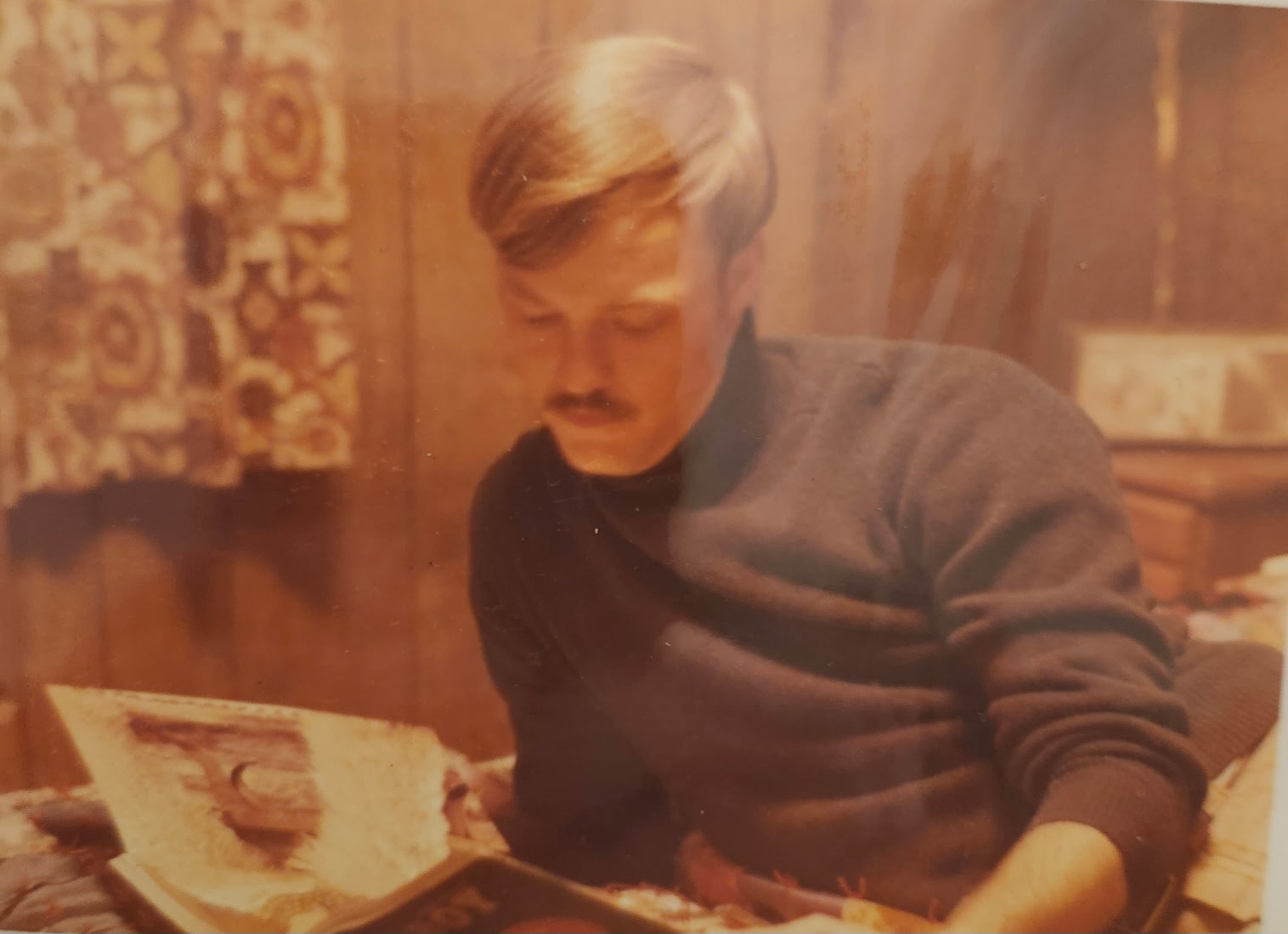
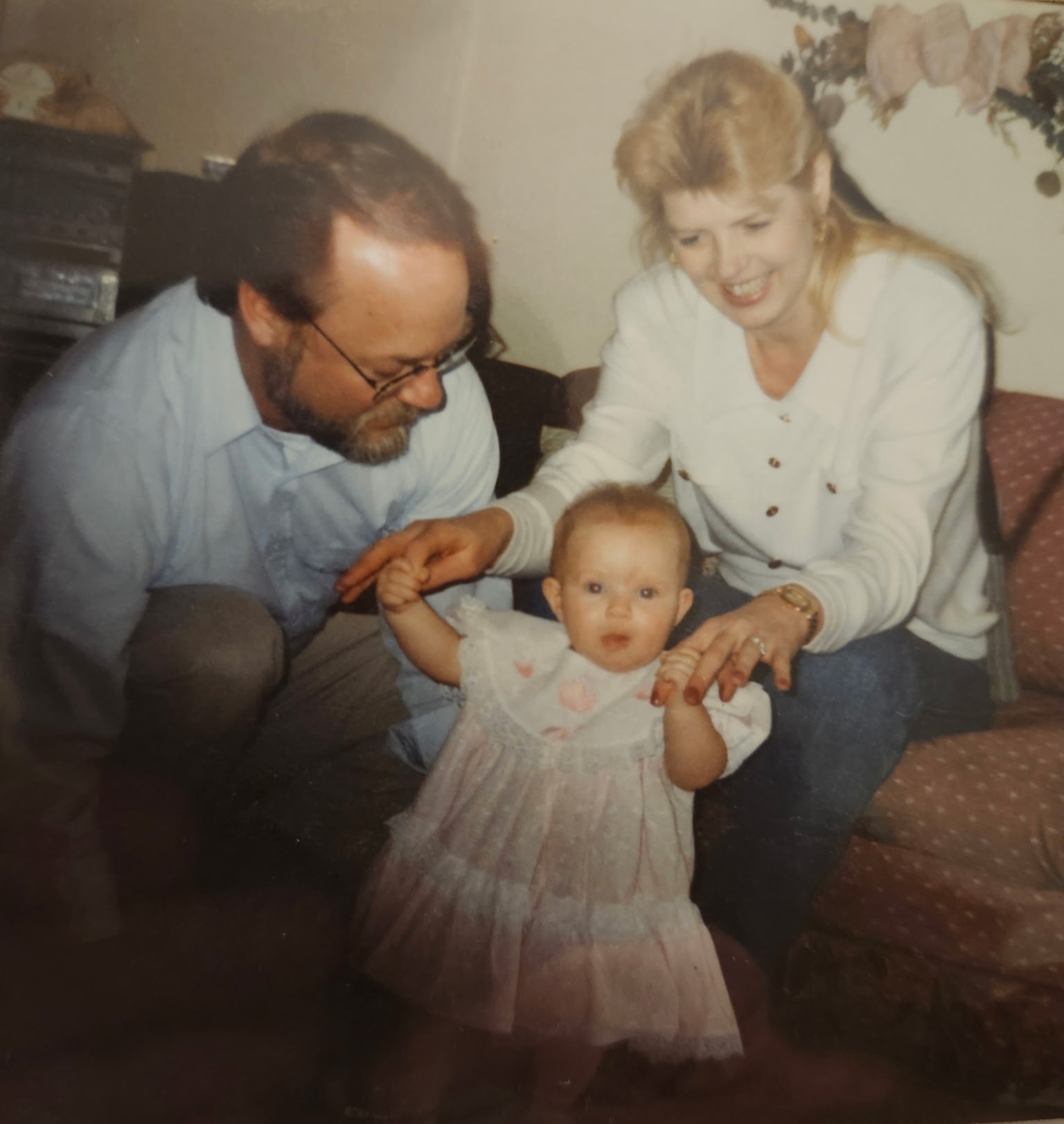
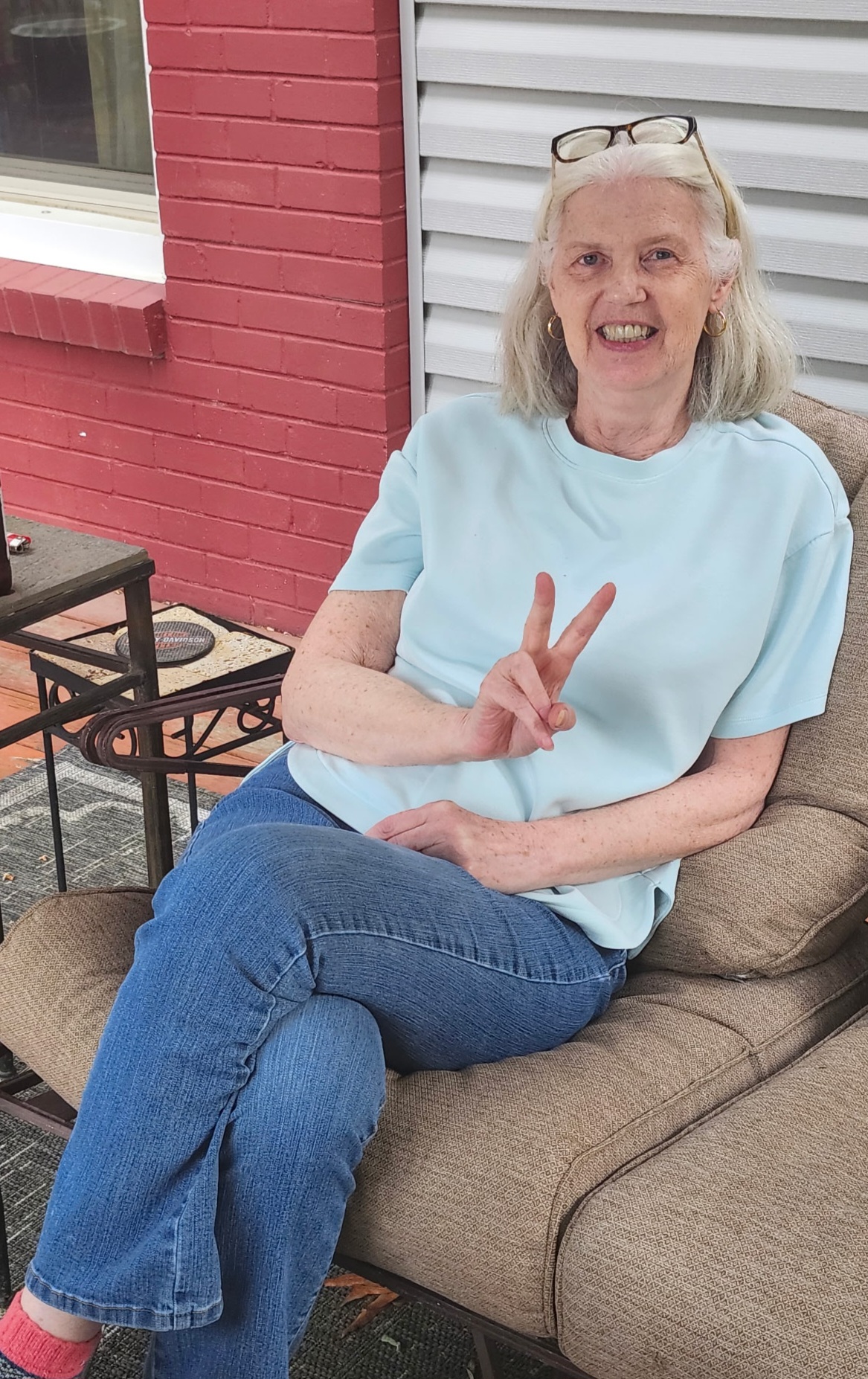
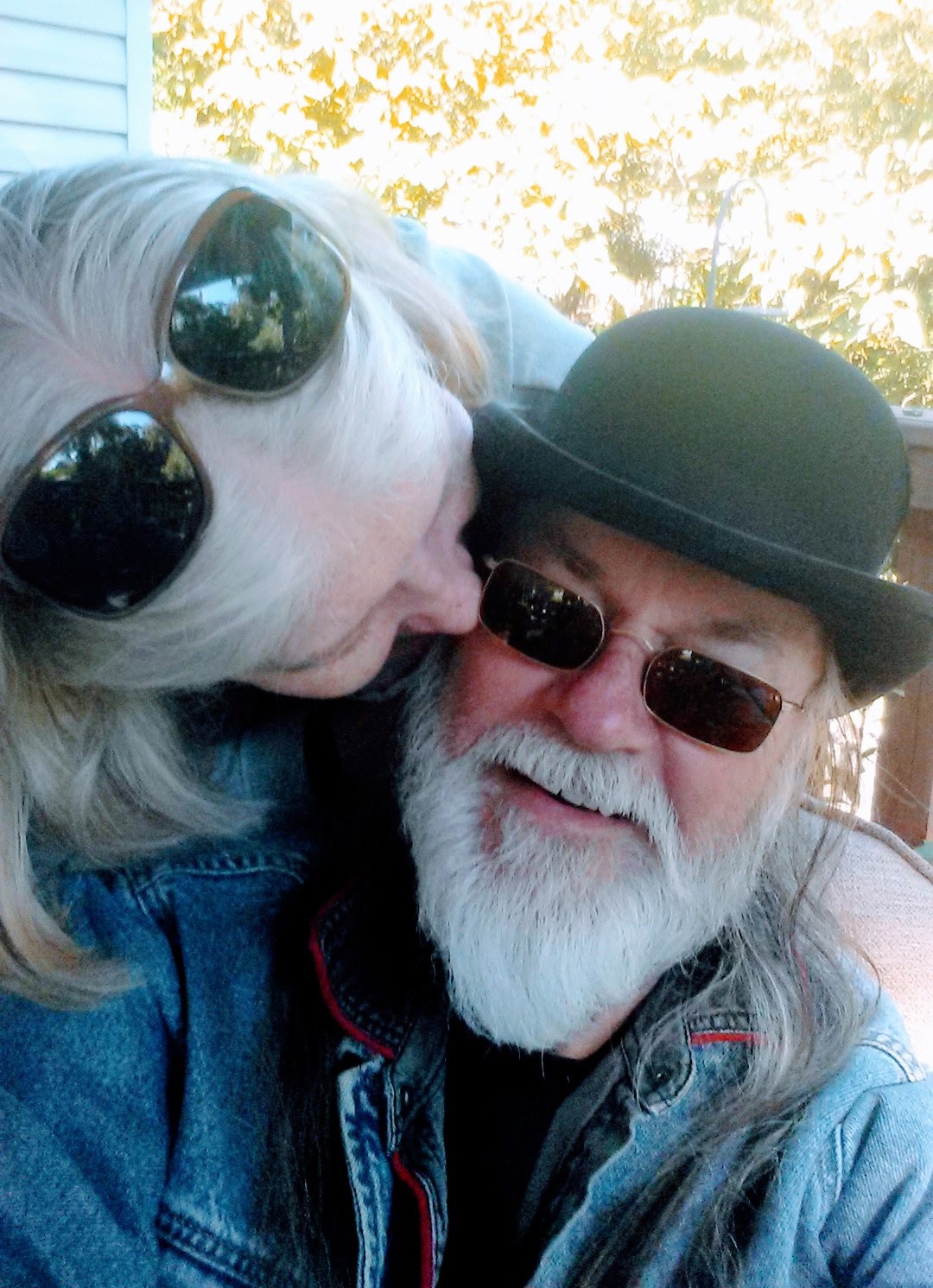
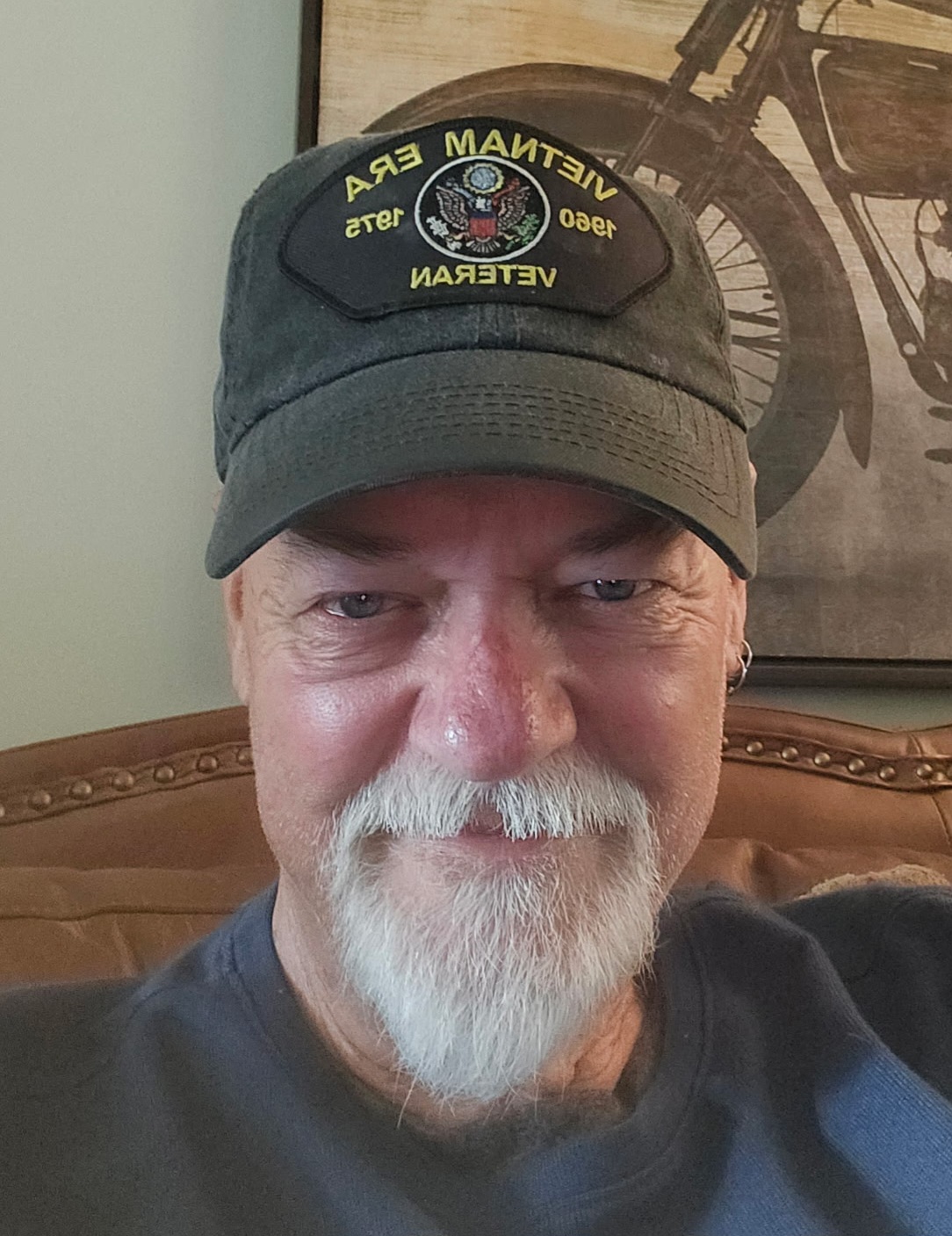
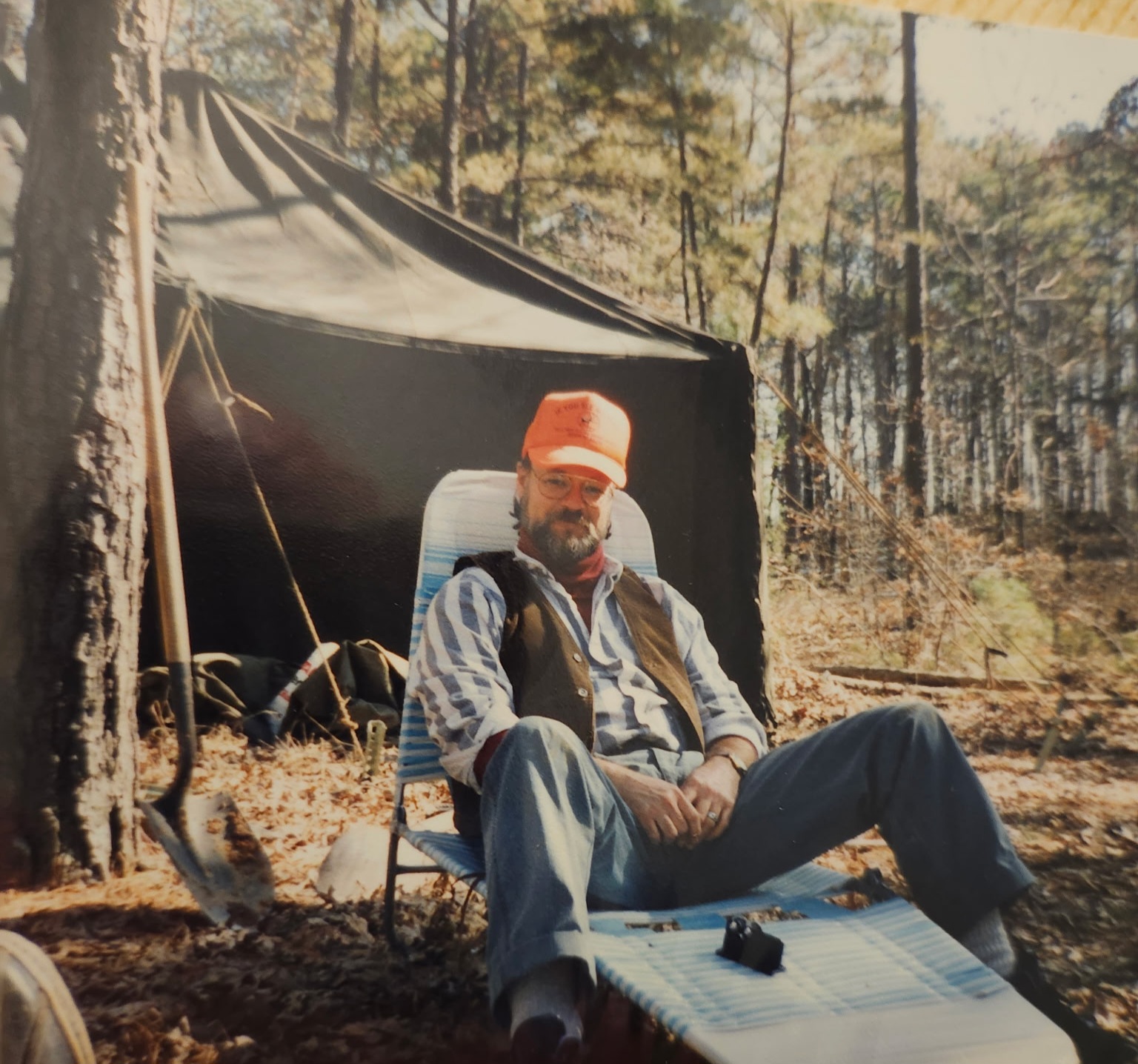
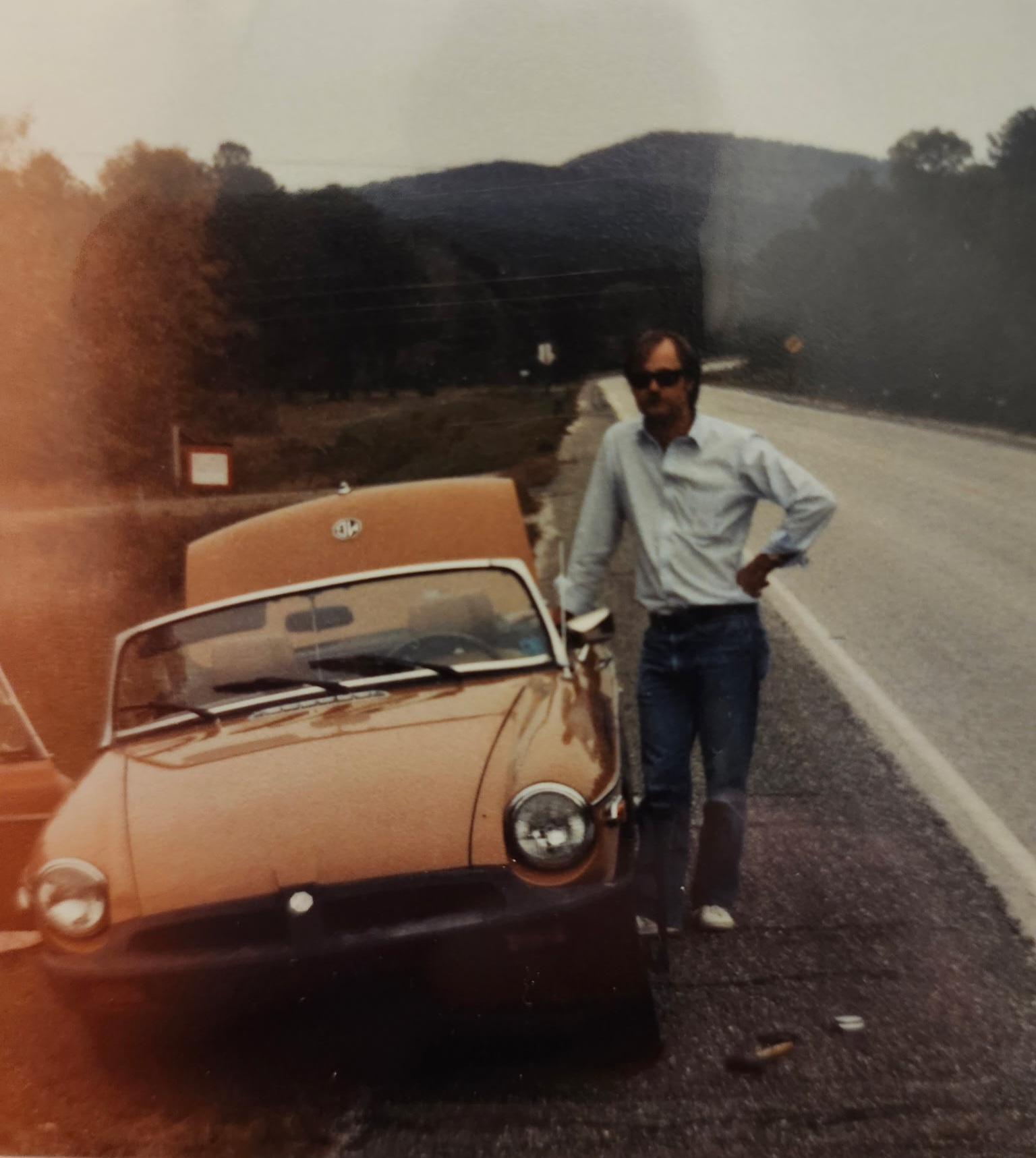
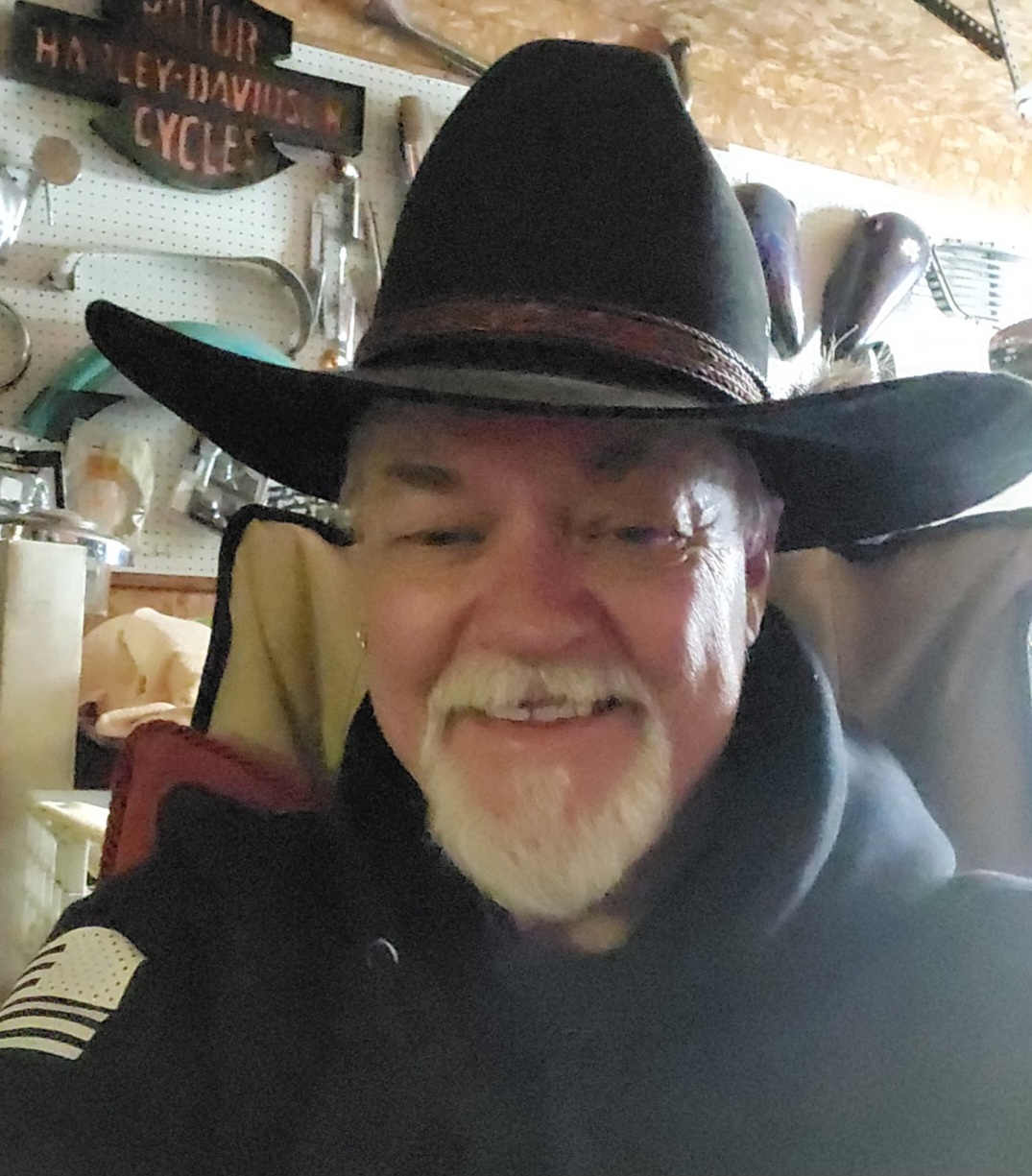
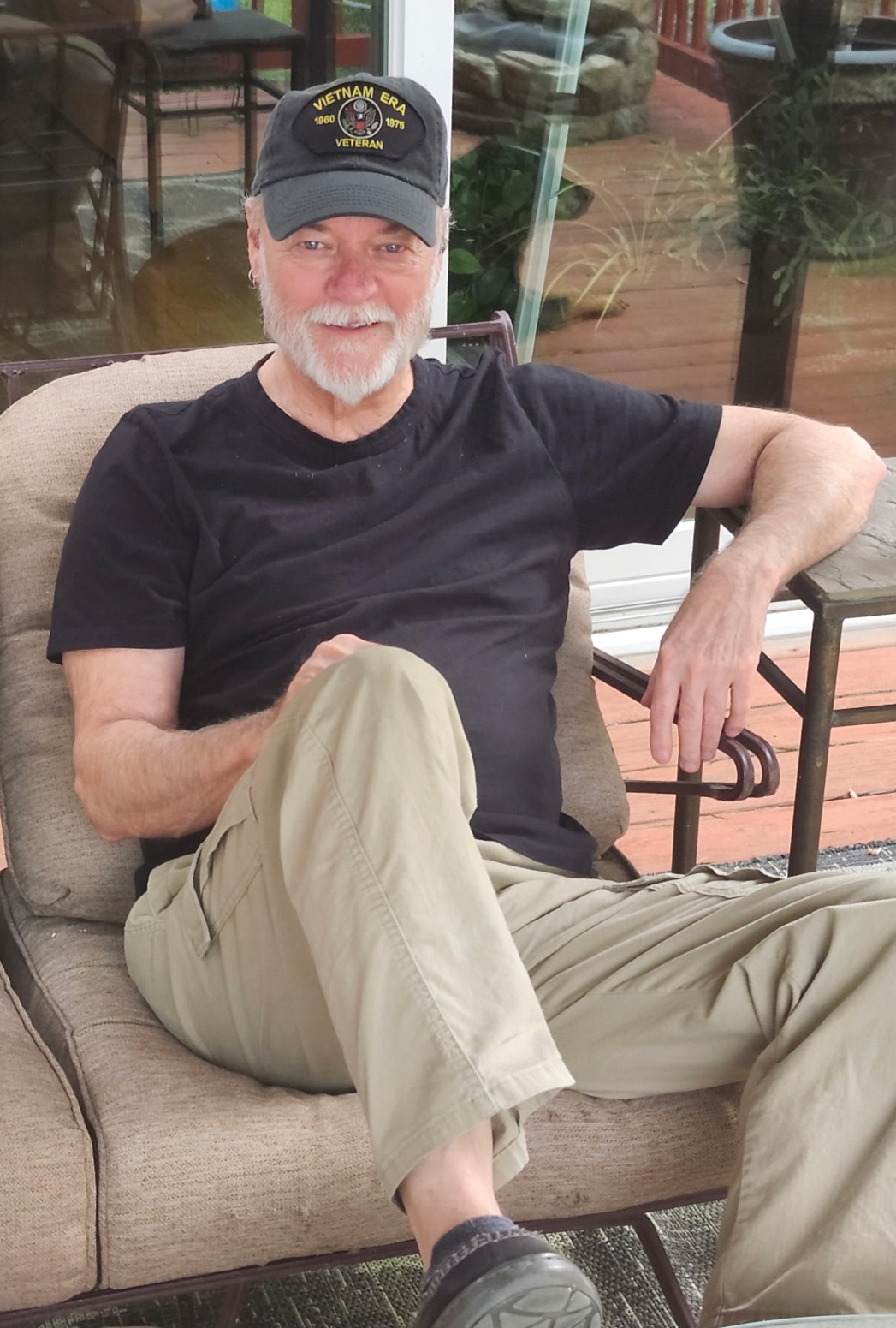
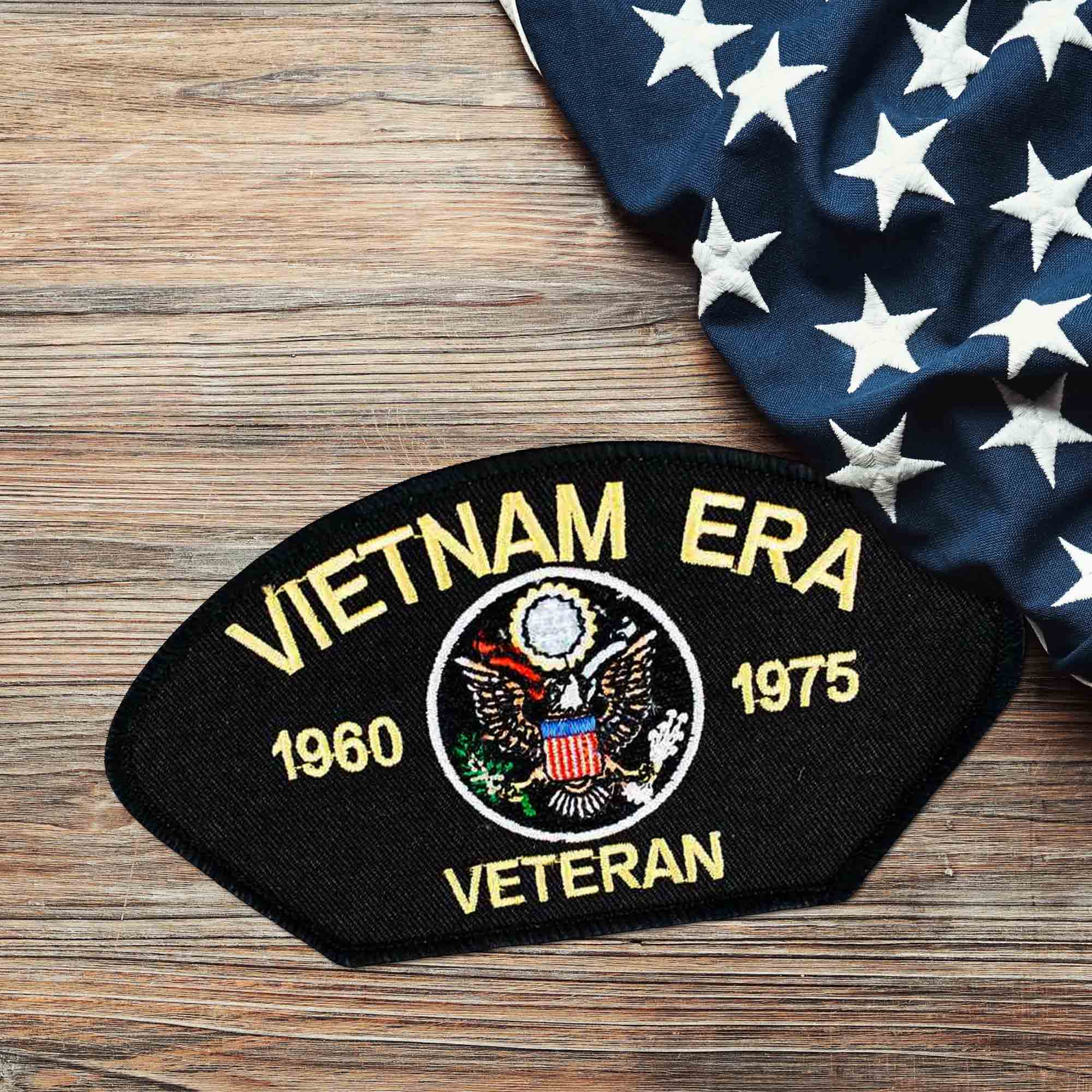
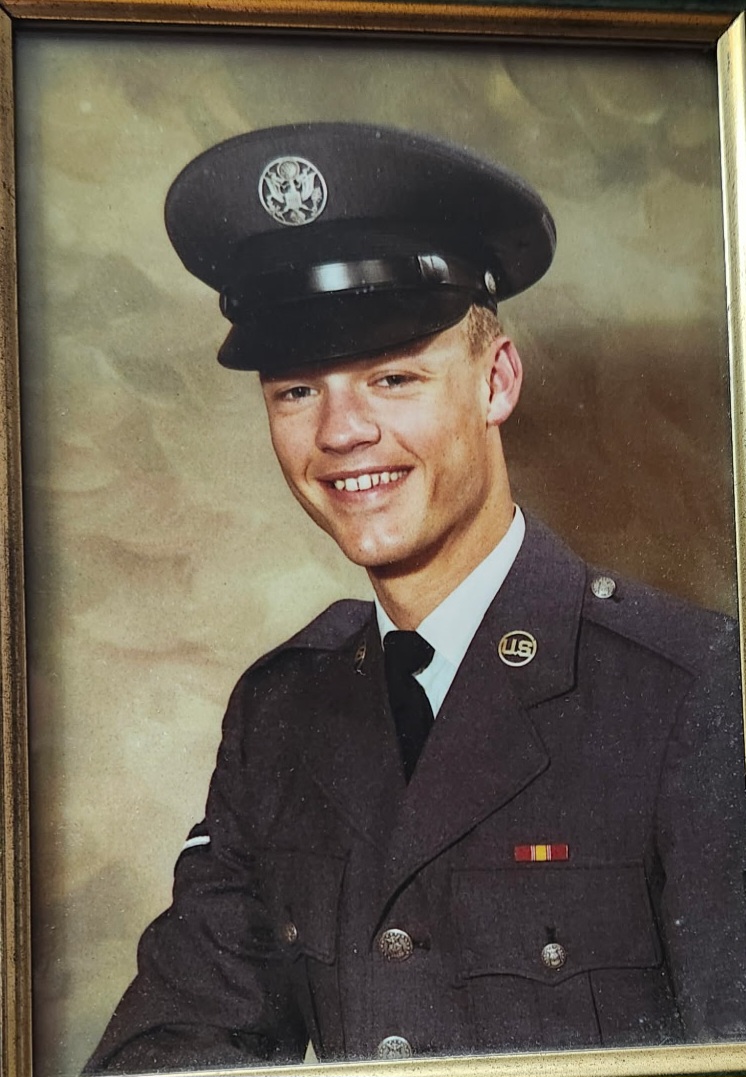
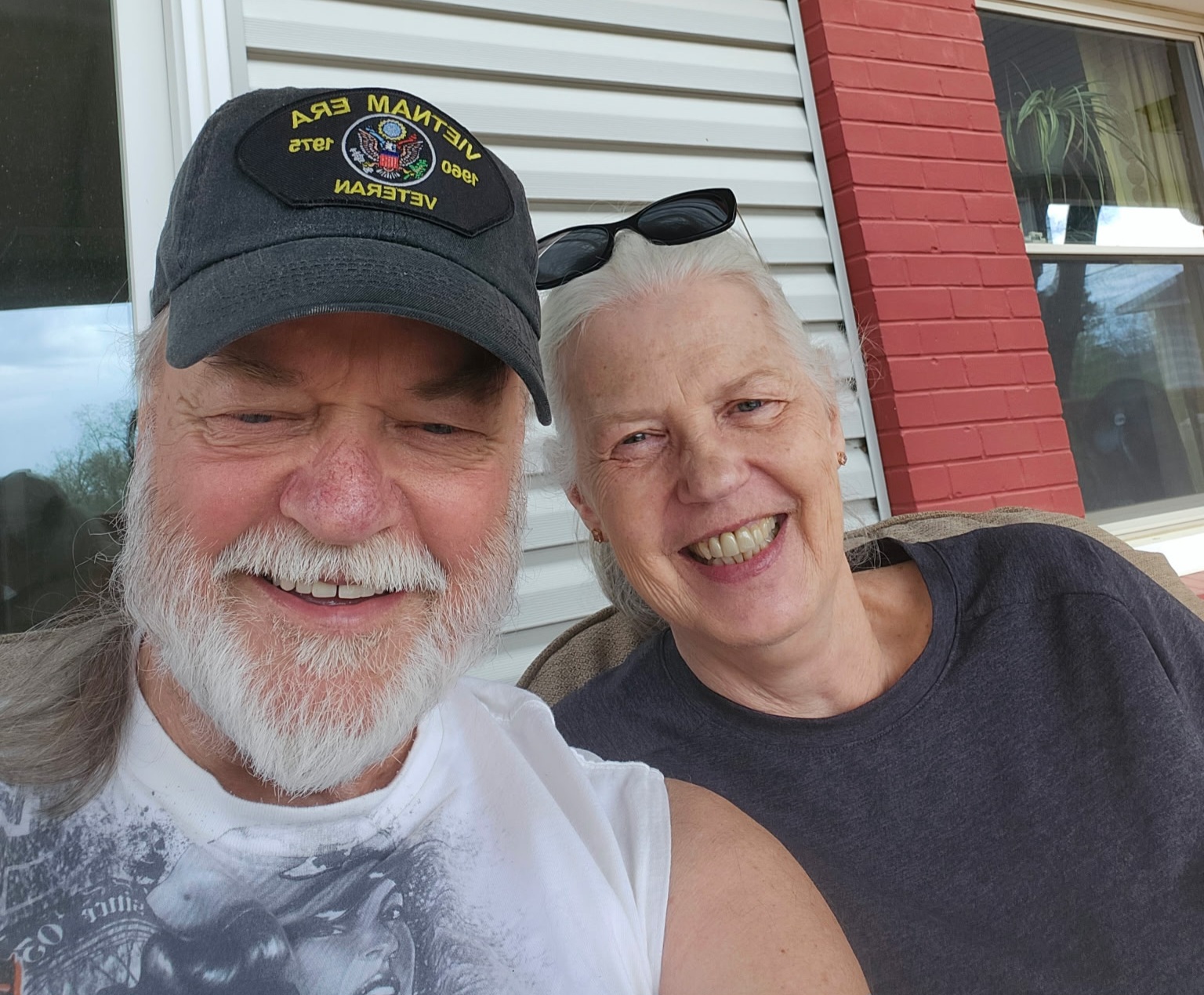



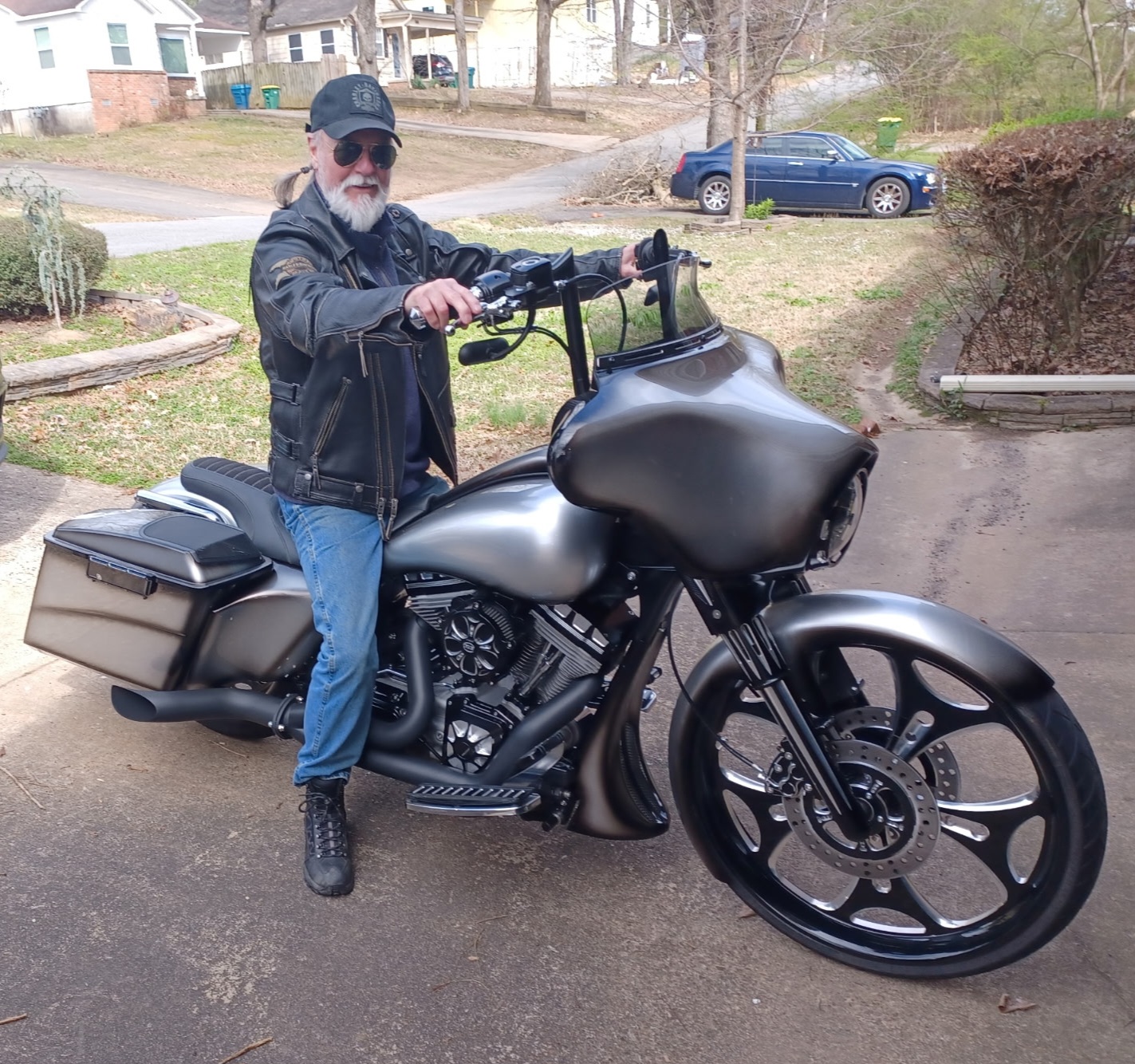

“Respect your elders. They have endured more than you know, and you can learn so much if you simply take the time to listen. Serving in the Air Force taught me that we are a country of immigrants — and that is what makes us unique. In the end, we are all brothers.” — Sgt. Roy N. Wright Jr.
A life formed by military upbringing, shaped by service, tested by hardship, and rebuilt through devotion and strength.
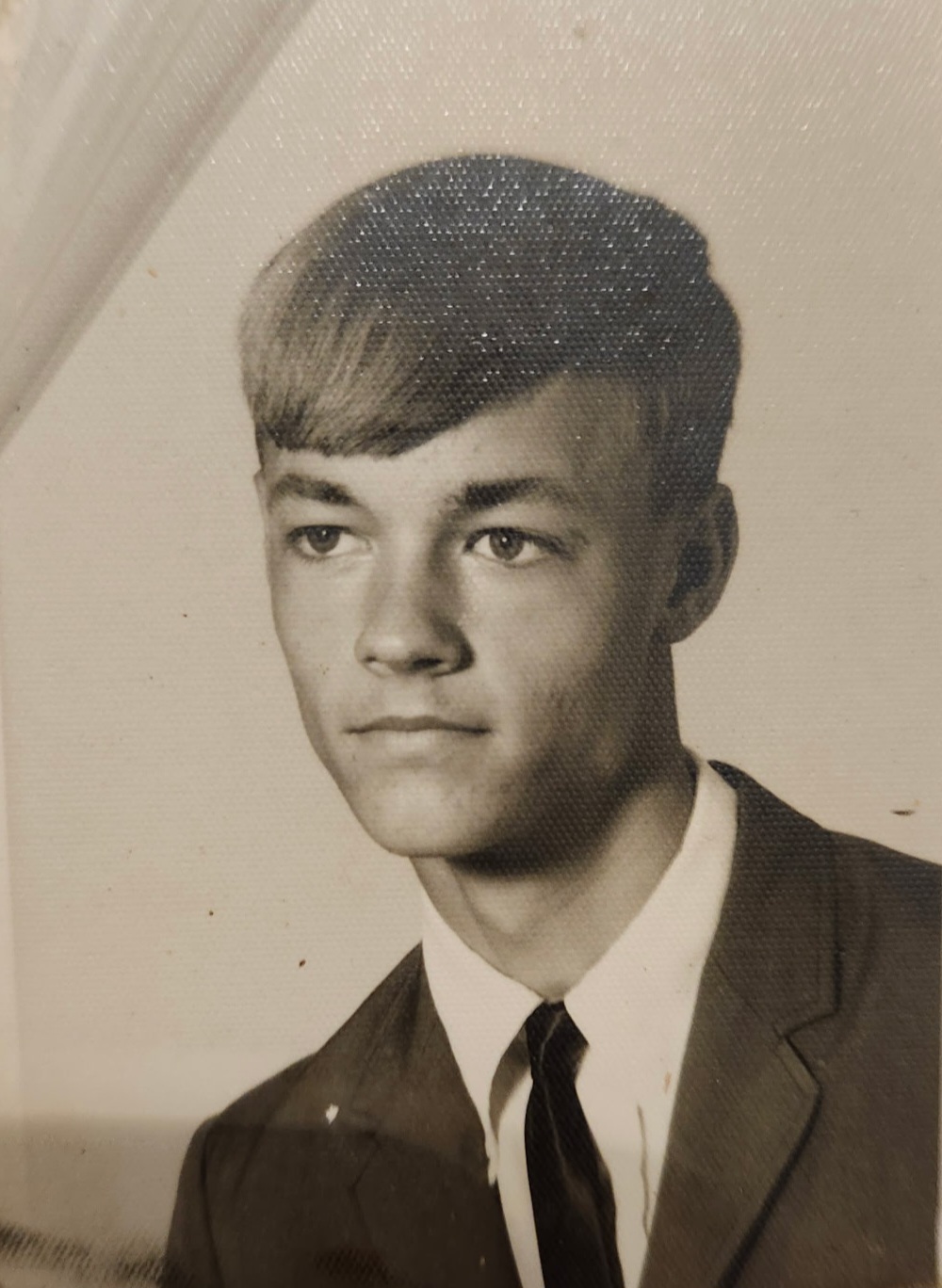
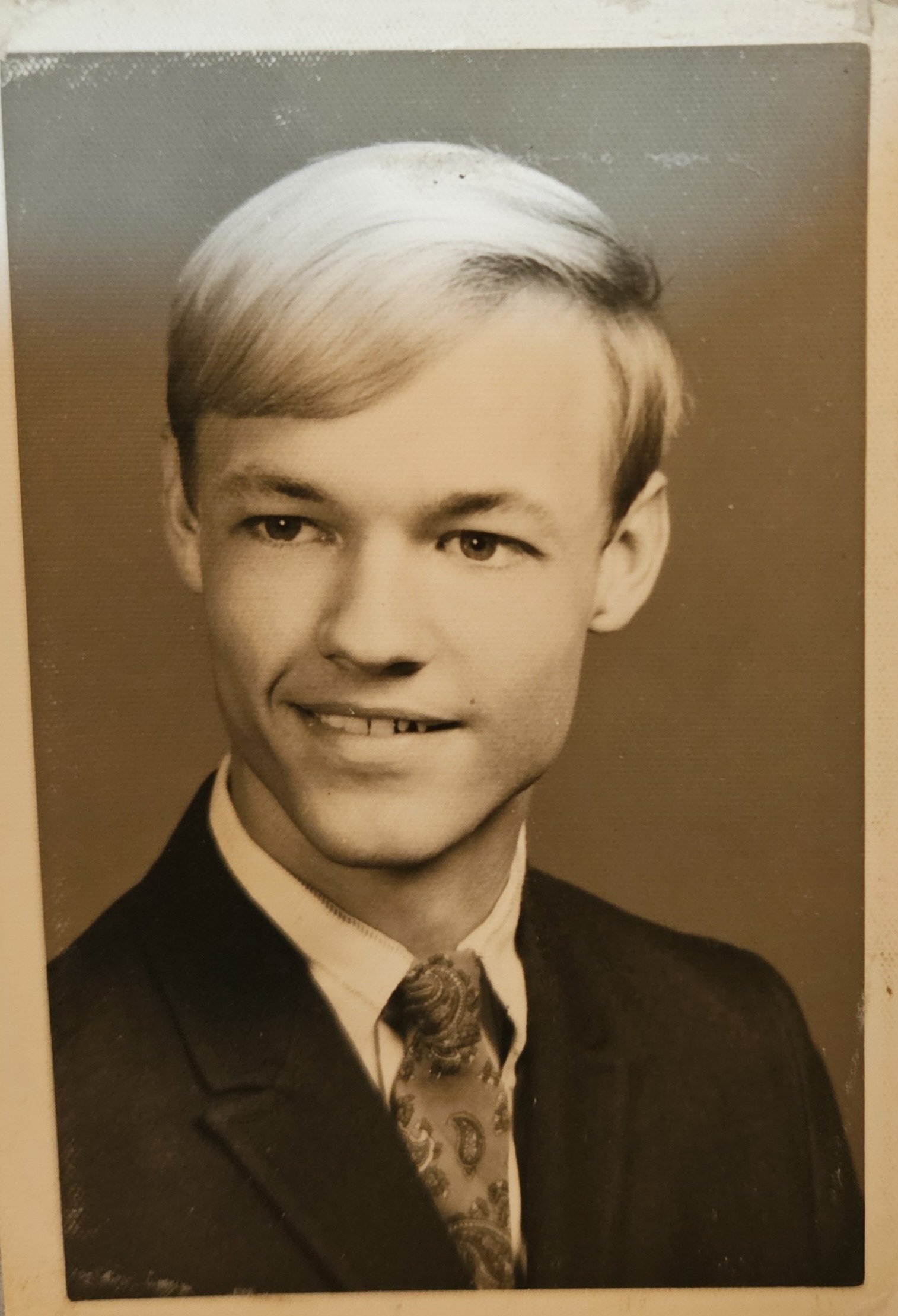
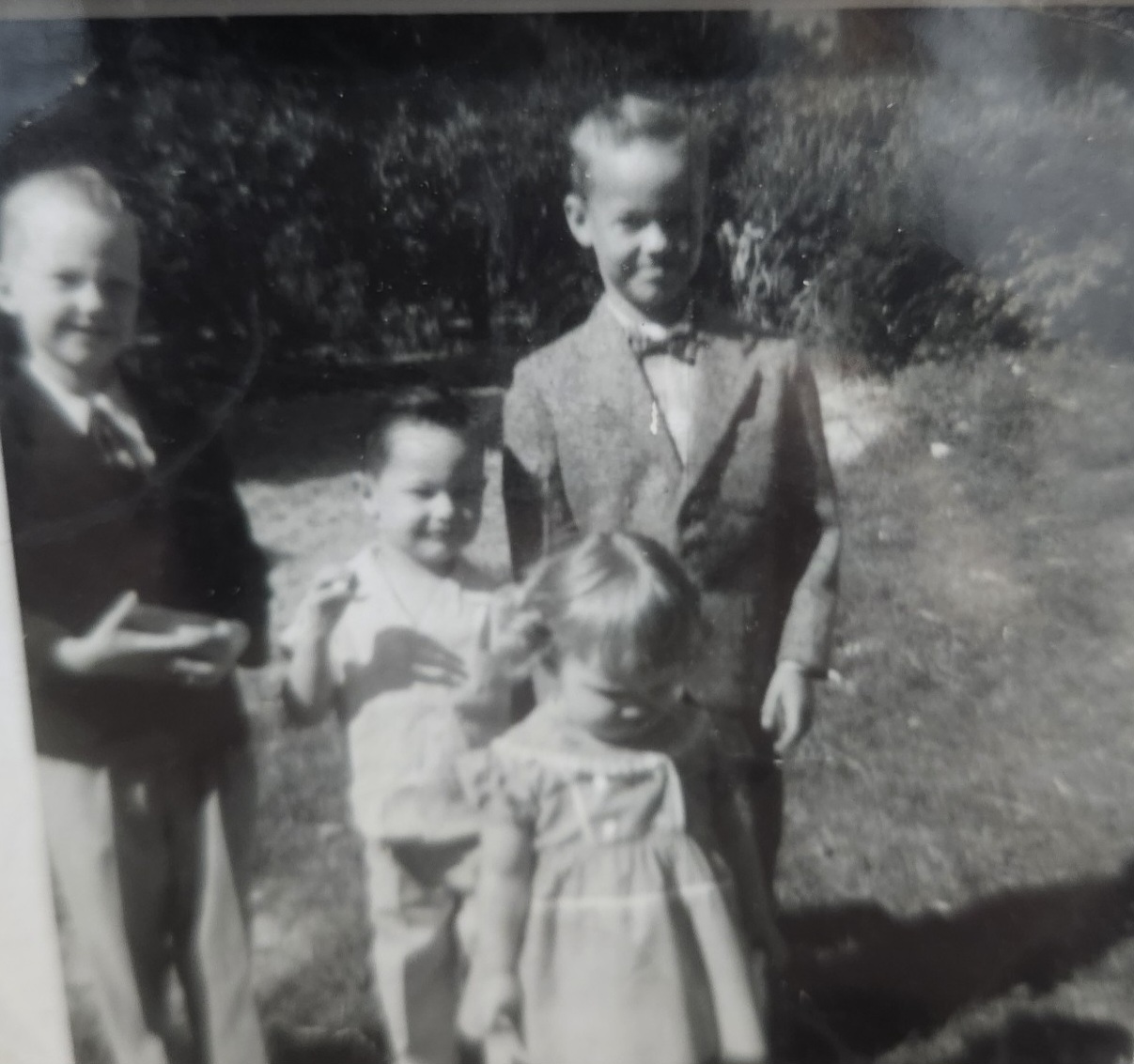
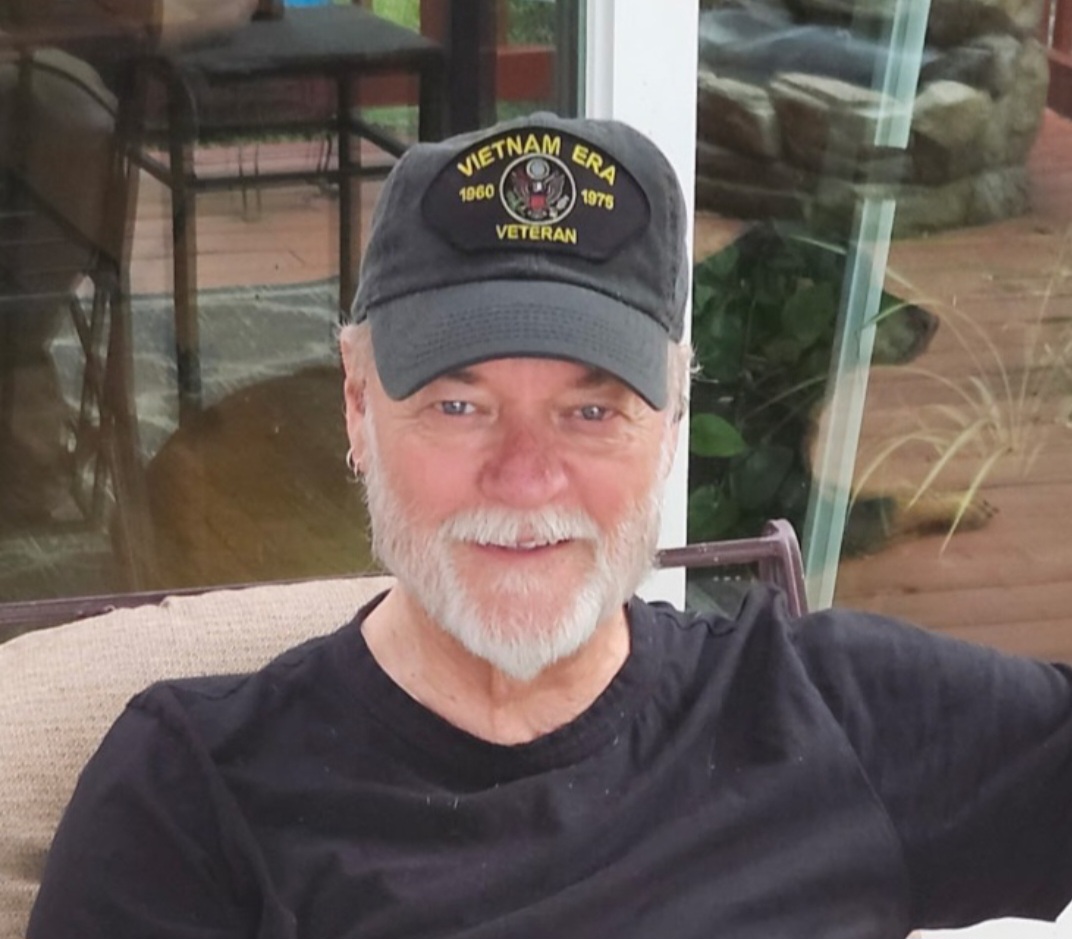
Roy N. Wright Jr. was born on November 17, 1949, into the structured world of the United States Air Force. As the son of an Air Force serviceman, he grew up in a life defined by movement and discipline. His childhood unfolded across bases and communities that changed every few years. Each new assignment meant new schools, new friends, and new beginnings. From the earliest years, he learned how to adapt, how to be resilient, and how to carry himself with the quiet discipline he saw in his father and the men who served beside him. Military life shaped him long before he ever put on a uniform. It taught him respect for the flag, for the chain of command, and for the sacrifices families make behind the scenes. Even as a boy, he understood that service was not simply a job. It was a way of life.
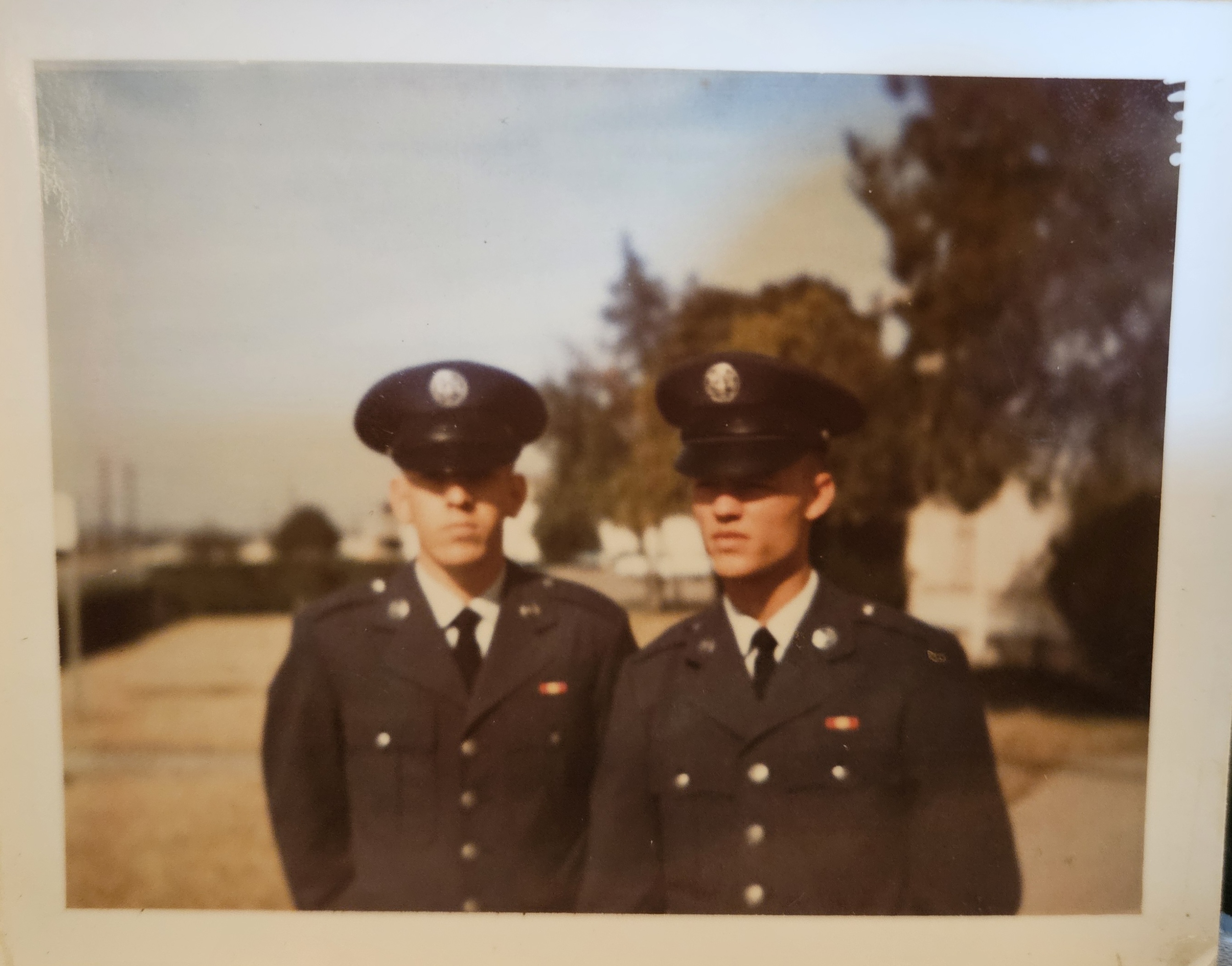
Roy graduated high school in 1968. He enrolled at Little Rock University, hoping to begin a traditional college path, but after six months he realized he was not prepared. The Vietnam draft was approaching quickly, and he understood that his future would soon be decided for him. Rather than wait to be drafted, Roy made a deliberate choice. He enlisted in the United States Air Force, stepping into the world that had shaped him since childhood and taking control of his destiny.
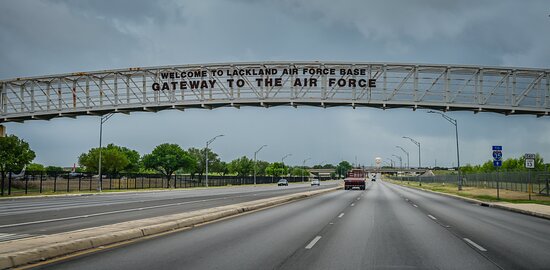
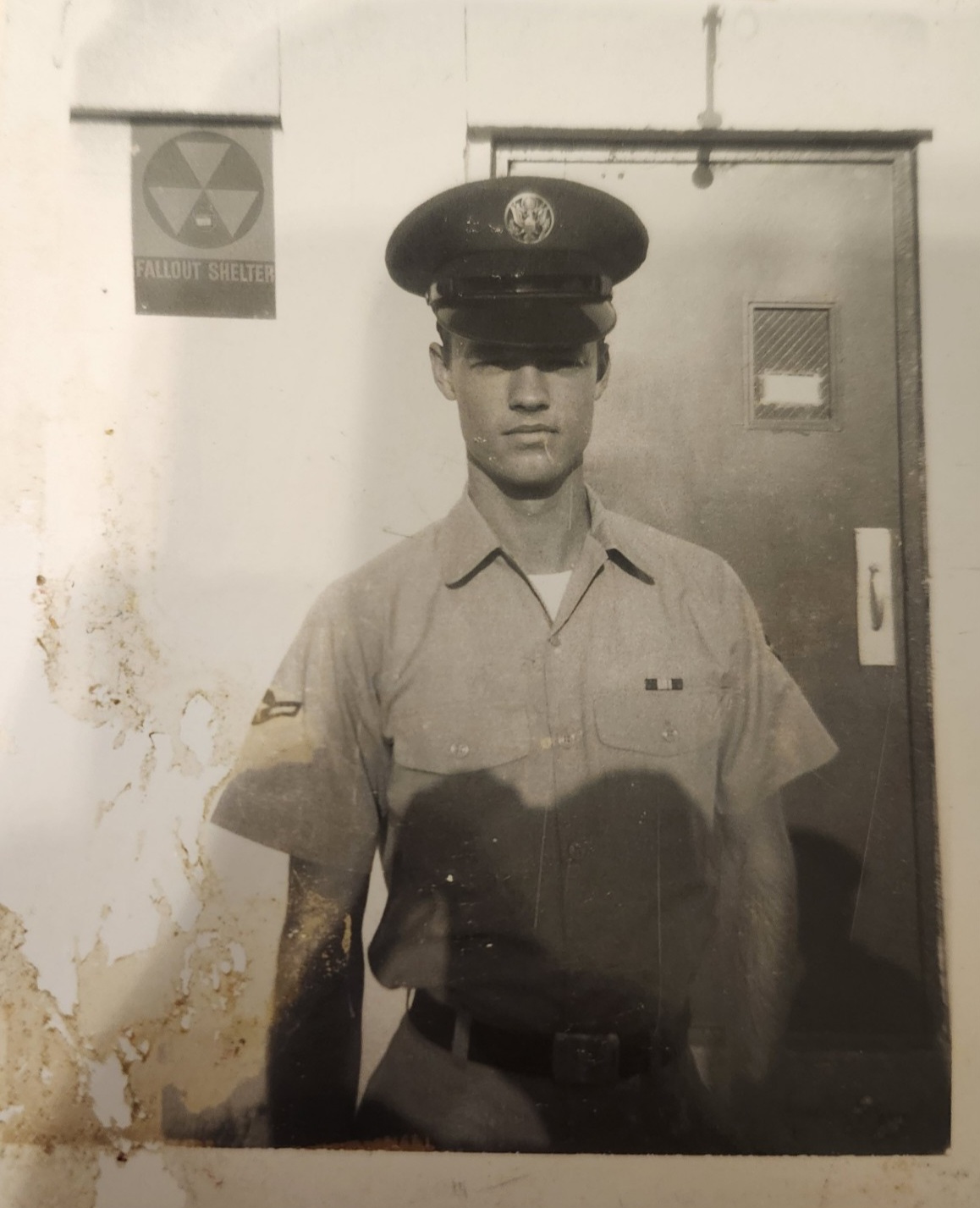
His military journey began at Lackland Air Force Base in San Antonio, Texas, where Basic Military Training transformed him from a military child into an Airman. The discipline, structure, and expectations of the Air Force became the foundation of his adult life. From Lackland, he transferred to Keesler Air Force Base in Biloxi, Mississippi, where he trained in personnel. This field would define his career and place him at the center of the human machinery that sustained the Air Force during one of the most demanding eras in American military history.
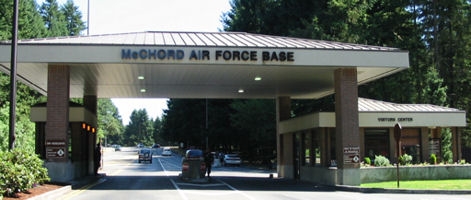
After graduating from technical training, Roy spent a month at home before reporting to his first duty station. McChord Air Force Base in Tacoma, Washington, under Tactical Air Command, became the place where he truly began his Air Force life. McChord was a critical logistical hub supporting the Vietnam War from the Pacific Northwest. Roy’s work in personnel placed him at the heart of the mission. Every form mattered. Every detail carried consequences. He learned precision, responsibility, and the importance of being the steady hand others depended on. It was also at McChord that his oldest son was born. He was young, learning his job, learning fatherhood, and learning how to carry the weight of responsibility that came with both roles.
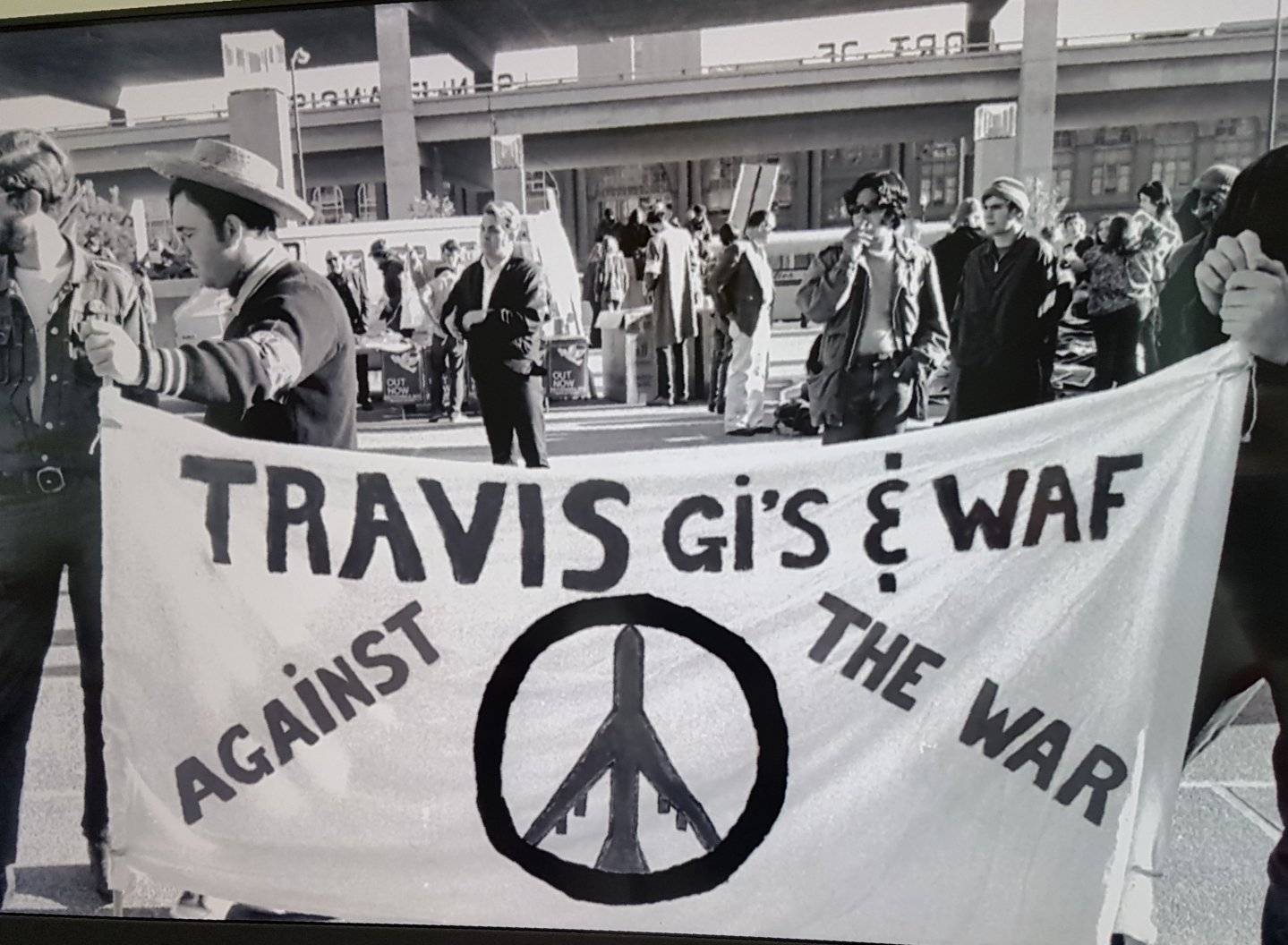
His next assignment took him to Travis Air Force Base in California, still under Tactical Air Command. Travis was one of the busiest bases of the Vietnam Era, and Roy’s workload intensified dramatically. Every two days, he processed paperwork for fifty to one hundred airmen deploying to Southeast Asia. The pace was relentless, the pressure constant, and the stakes high. His youngest son was born during this assignment, adding another layer of responsibility to his already demanding life.
At Travis, Roy witnessed the human cost of war in a way few personnel specialists ever do. He processed the men going out, but he also processed the men coming home. Some returned wounded. Some returned broken. Some returned silent. Some returned forever changed. Roy saw the toll of combat not on a battlefield but in the eyes of the men who had survived one. Those memories stayed with him, shaping the years that followed and leaving an imprint that would take time to understand and even longer to heal.
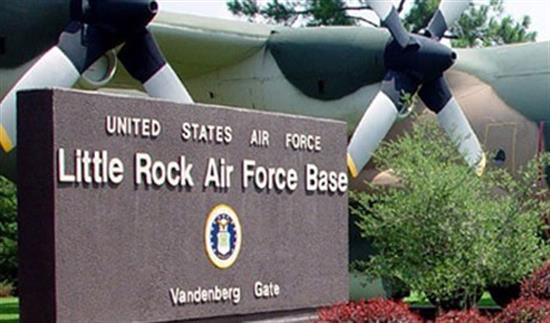
Roy later rotated to Little Rock Air Force Base in Arkansas, serving under Strategic Air Command during the final years of the Vietnam Era. His sons were still very young when he received orders for a long tour to Turkey, a Cold War assignment that would have taken him far from home. But life at home took a difficult turn. Circumstances demanded his presence. He requested a hardship discharge, sacrificing a promotion to Staff Sergeant to protect his family. He received an Honorable Discharge, but leaving the Air Force was deeply painful. The military had been the structure of his childhood, the foundation of his adulthood, and the identity he had carried since birth.
After separation, Roy struggled with depression for two years. The weight of what he had seen and processed followed him into civilian life. The memories of the returning soldiers, the relentless pace of deployment processing, and the emotional strain of witnessing the cost of war settled heavily on him. And then came the backlash directed at Vietnam Era veterans. They were spit on, threatened, and shamed. They were called baby killers. There was no welcome home. More than fifty thousand Americans died in Vietnam, more than forty thousand killed in action. None of them deserved the treatment they received. They did not choose the destination. The destination was chosen for them. They fulfilled the orders placed in their hands.
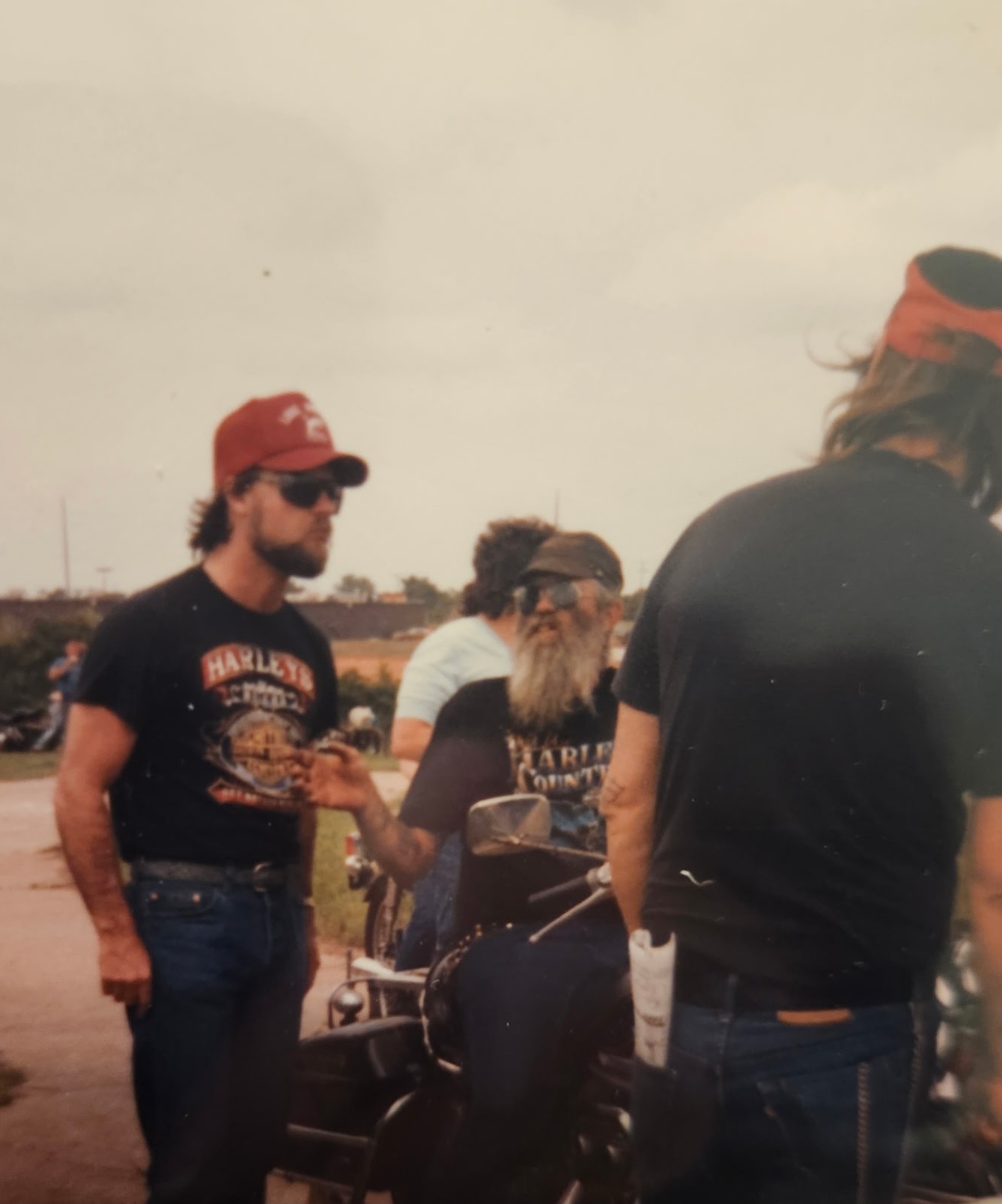
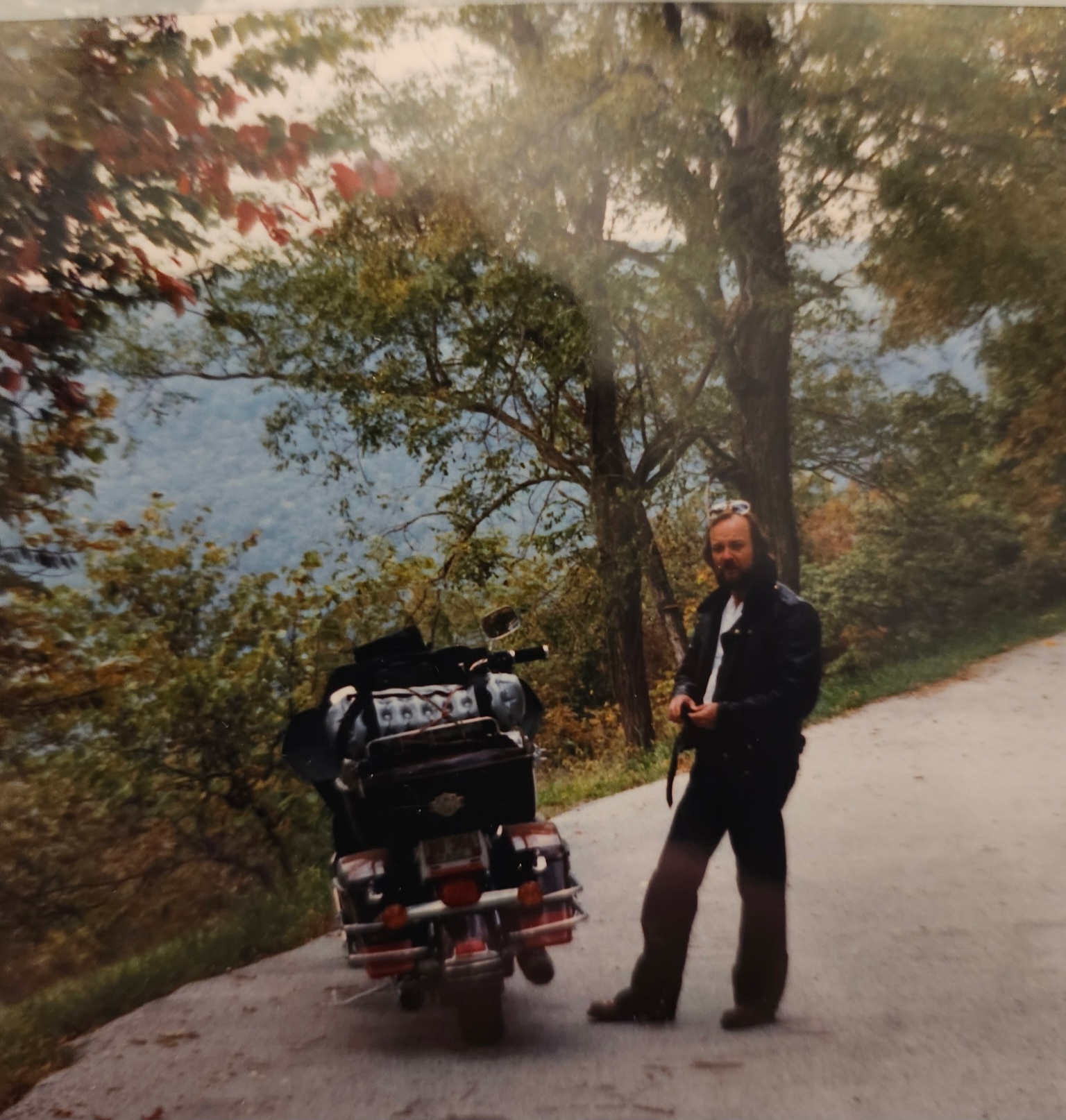
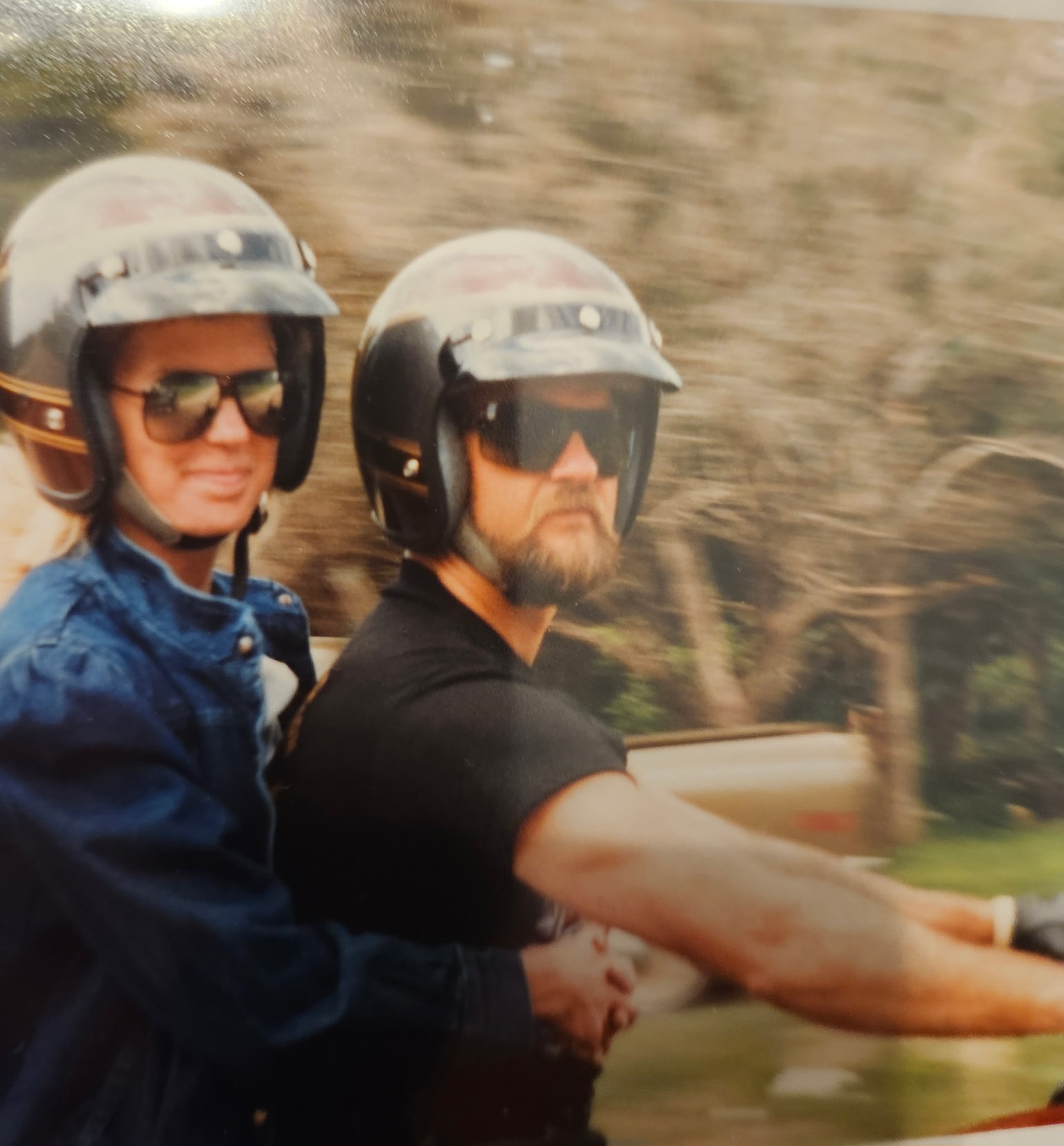
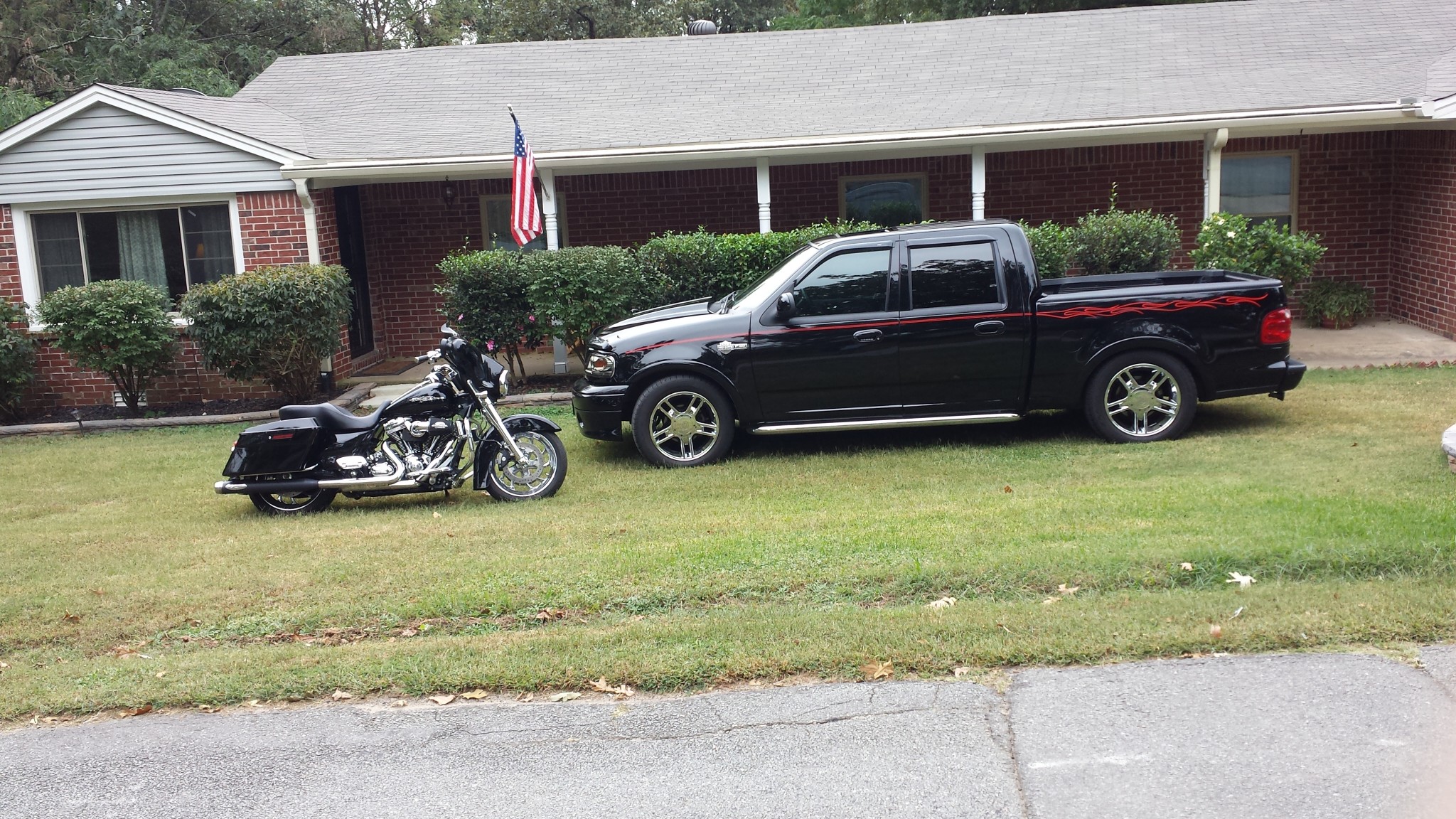
To quiet the noise in his mind, Roy turned to the open road. He began riding Harleys and spending time with hardcore bikers. The freedom of the road offered the only peace he could find. The wind, the engine, the horizon. It was the one place where the memories softened and the weight lifted. But one morning, clarity arrived. His sons needed him. They needed their father, their leader, their example. They needed stability, guidance, and love. Roy realized that he had to straighten his life out because they deserved nothing less.
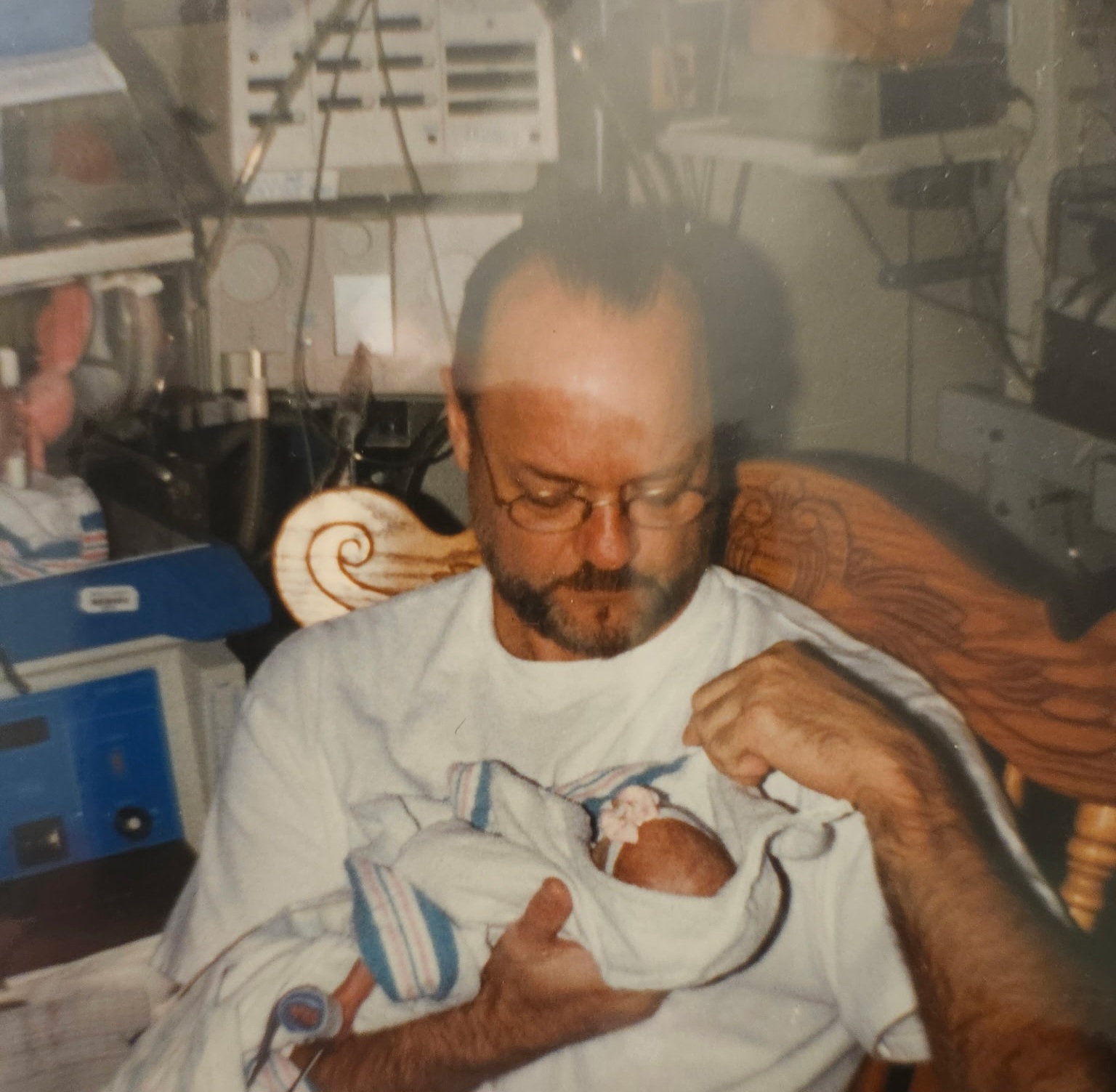
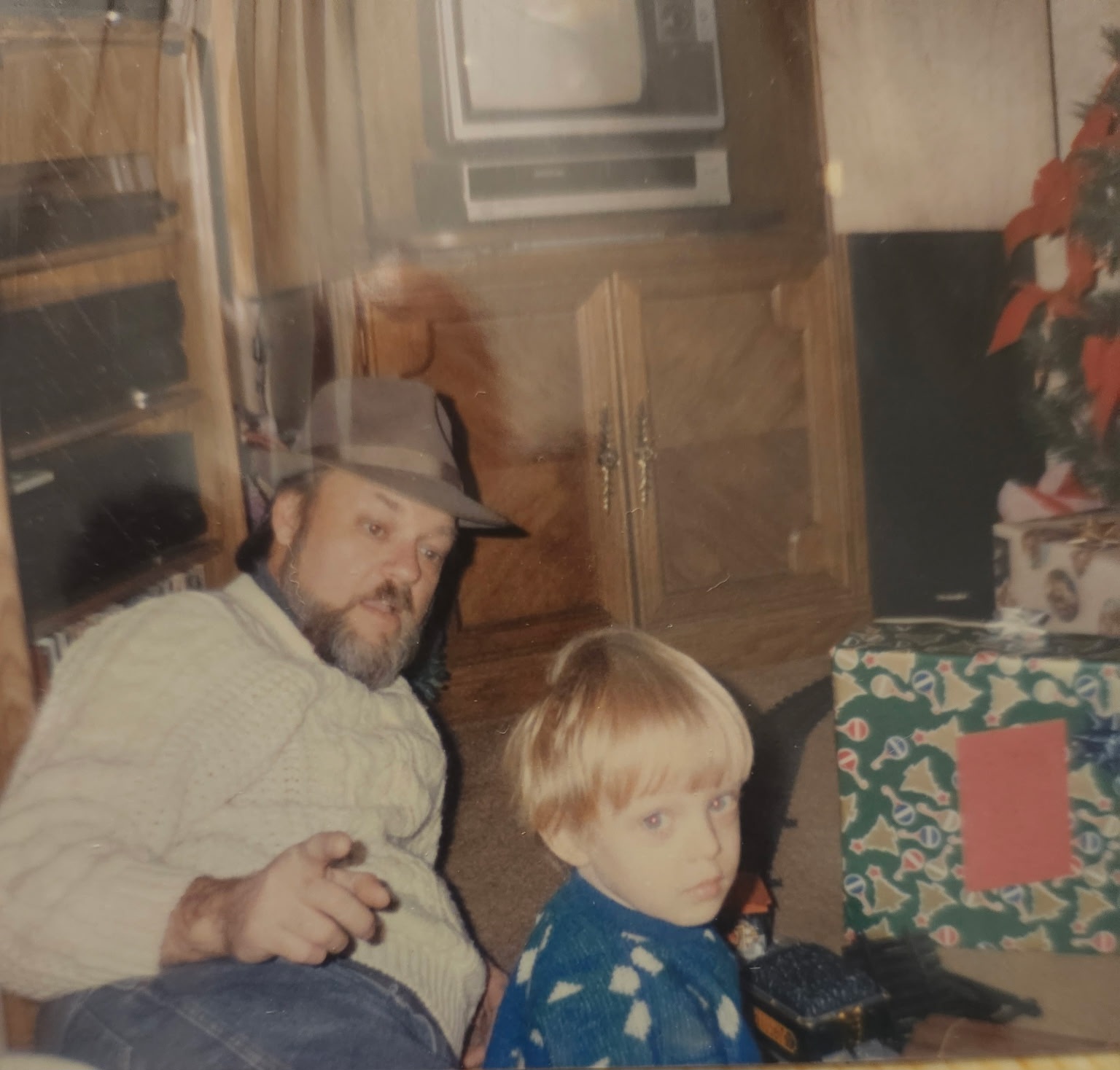
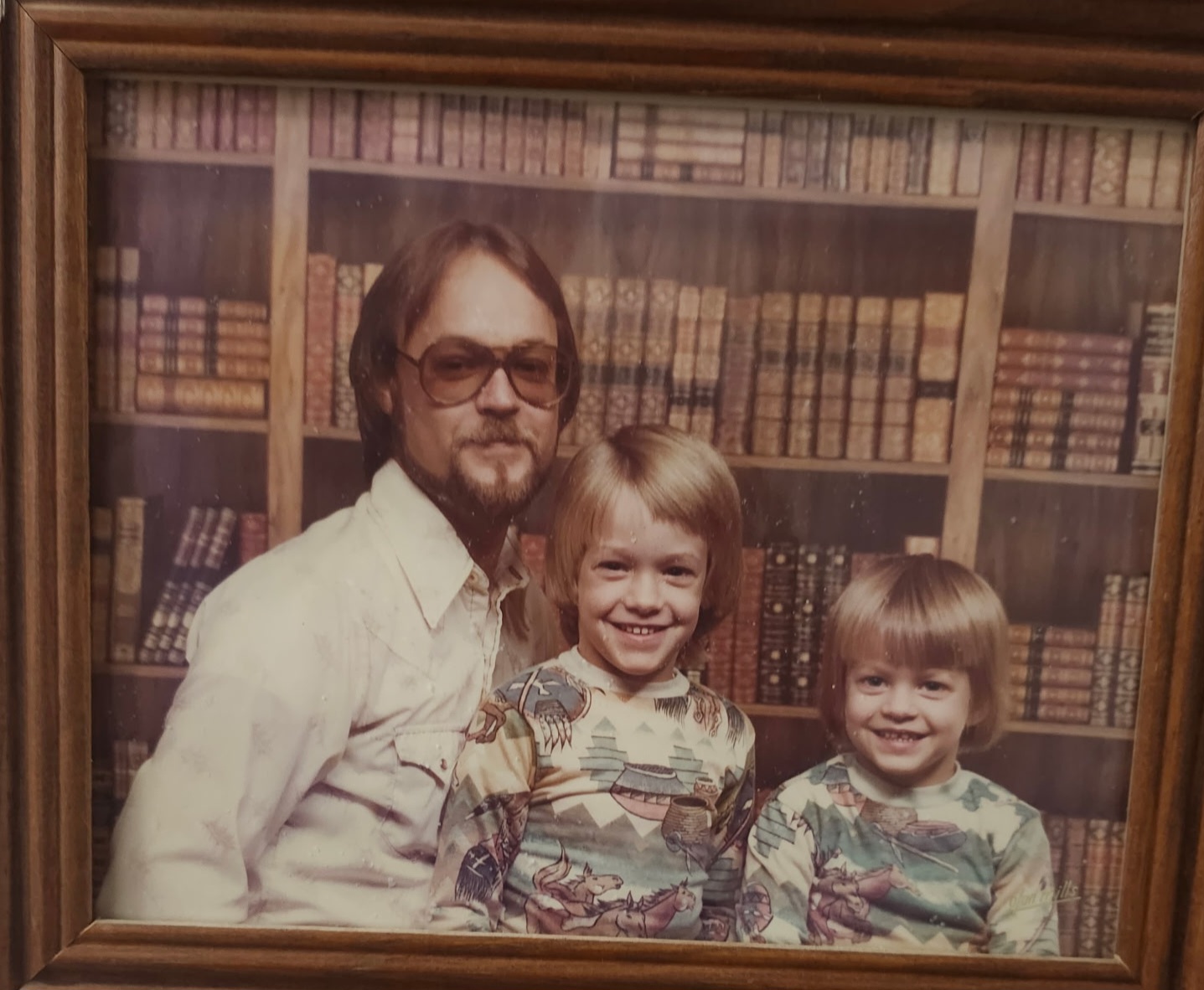
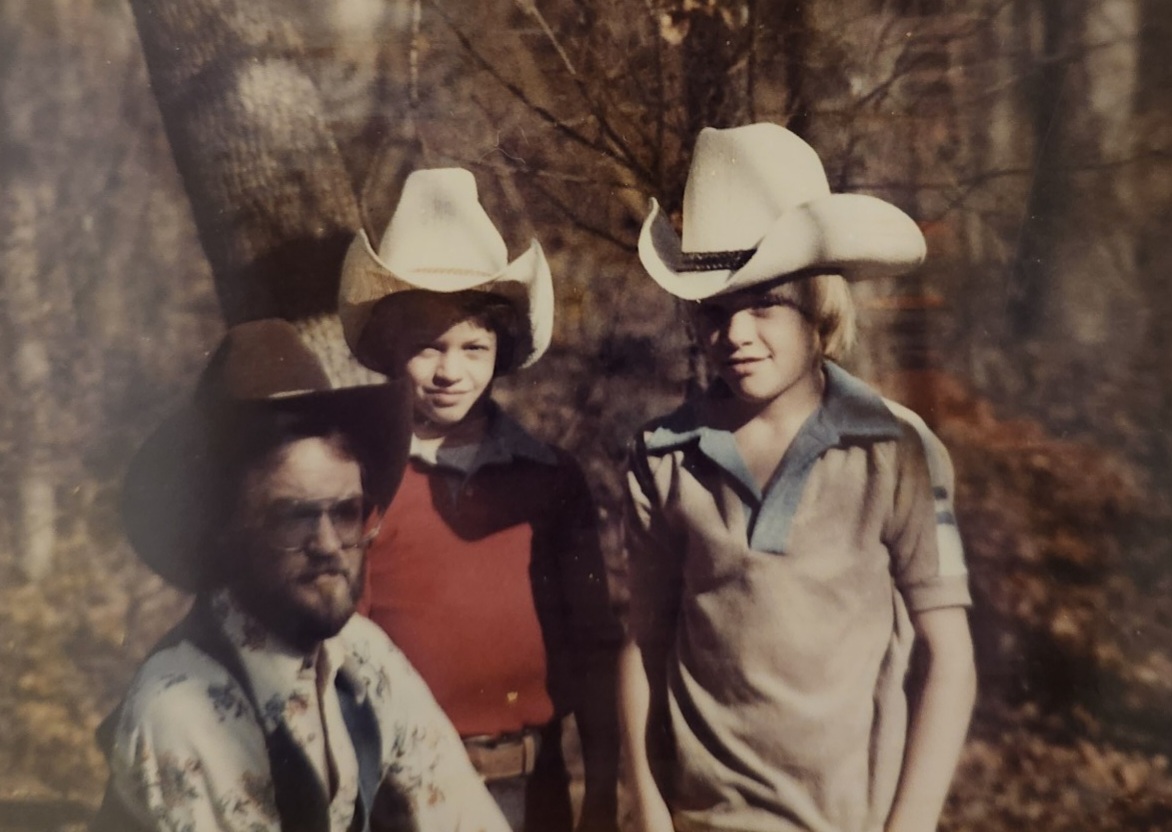
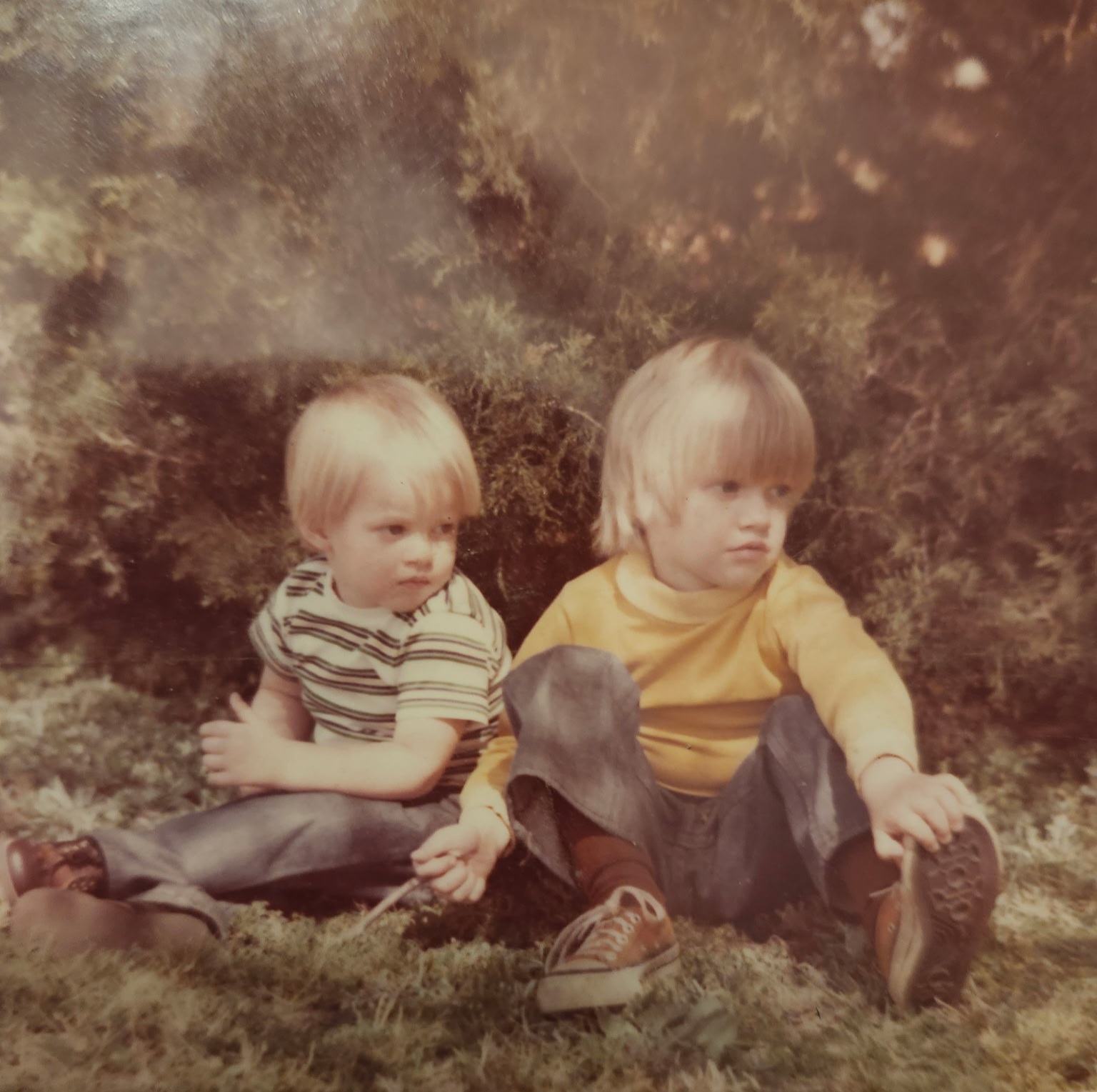
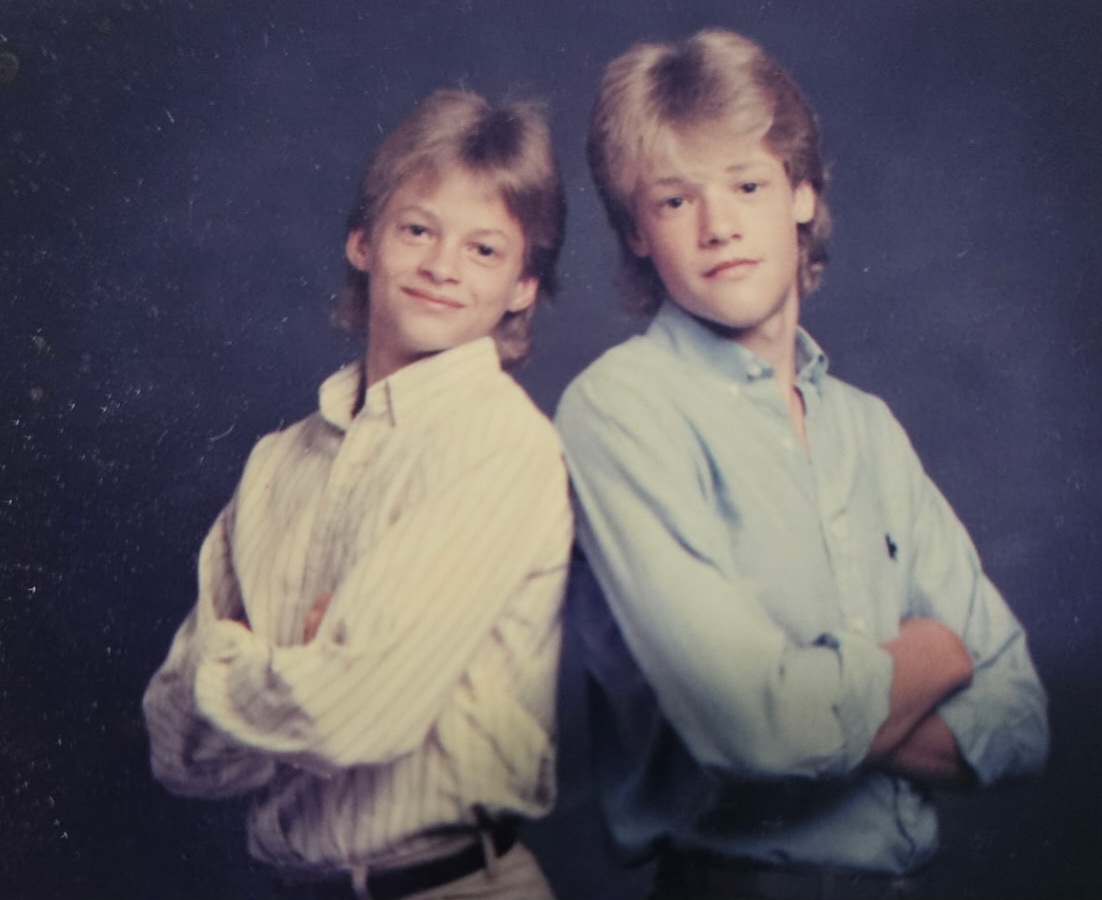
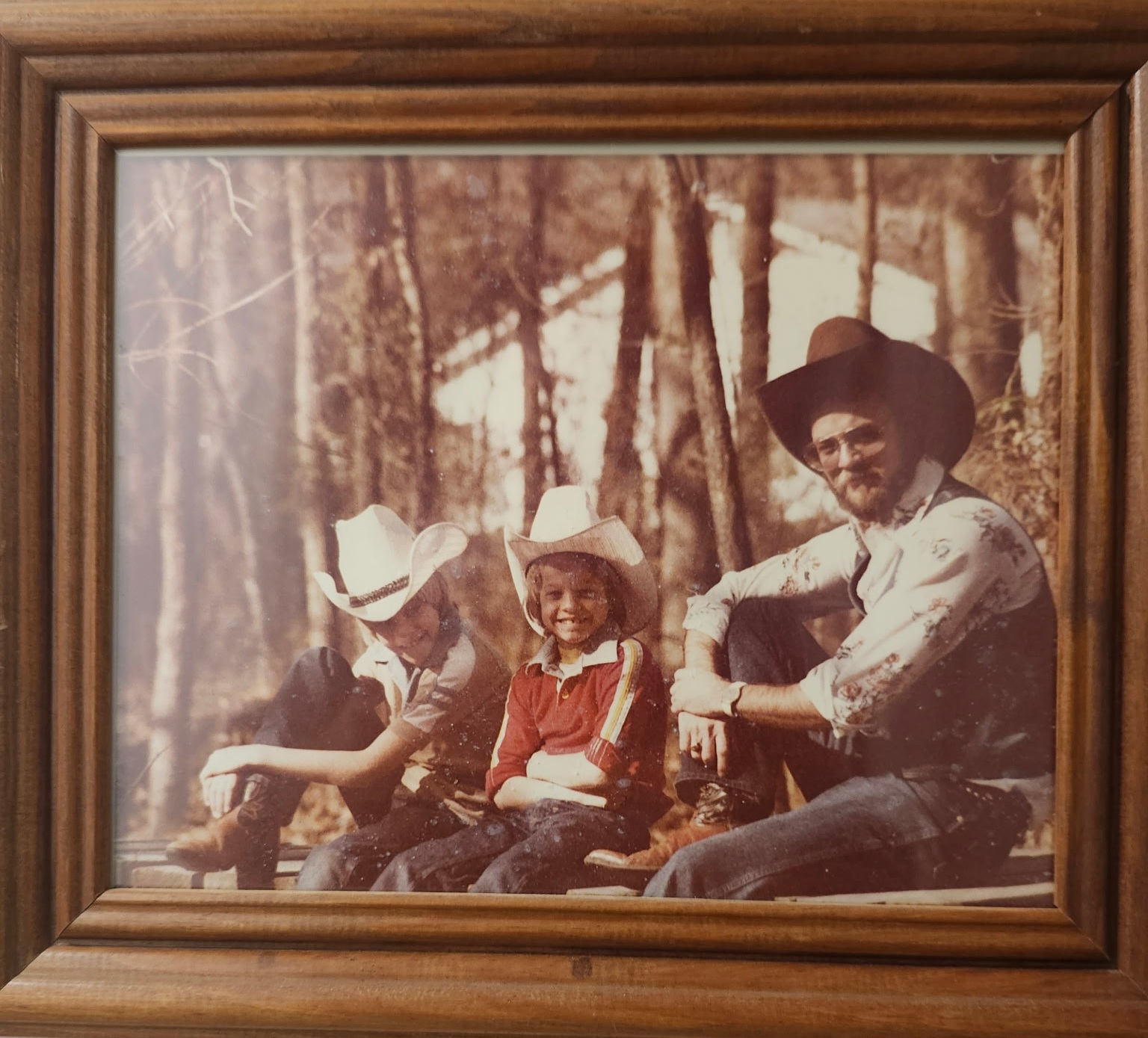
Two years after his discharge, Roy became a single father raising two boys, ages four and five, entirely on his own. He stepped into the role with determination and devotion. He rebuilt his life piece by piece, guided by the responsibility he felt toward his children. Through his VA benefits, he returned to college in Fort Smith, Arkansas. Education opened a new door. He entered the optical field, learned the trade, and built a career that would span thirty nine years. He became a respected American Board Optician, known for his skill, his steadiness, and his integrity. He built a reputation for excellence and reliability, earning the respect of colleagues and clients alike.
Across the decades, Roy Wright became many things. He was a military child shaped by discipline. He was a Vietnam Era Airman who served under Strategic Air Command. He was a father who chose his sons over rank. He was a man who carried invisible wounds. He was a Harley rider who found freedom on the open road. He was a college graduate. He was a respected optician. He was a survivor who rebuilt his life with grit and grace.
His story is not without struggle and not without scars, yet it is deeply and unmistakably authentic. It reflects a life marked by service, burden, redemption, and quiet resilience. It is the story of a man who faced the storms of war, bore the responsibilities placed upon him, lived through loss, and found the strength to rebuild a life defined by the integrity of his character.
Supplemental Information
Roy N. Wright Jr.’s Air Force journey carried him across three major installations, each one shaping him in a different way and building the foundation of the man he became. His career gave him a rare and meaningful blend of experience during the Vietnam Era, from basic training, to technical mastery, to full operational service under multiple major commands.
His Air Force story began at Lackland AFB in San Antonio, where he completed Basic Military Training, and continued at Keesler AFB in Biloxi, Mississippi, where he trained as a Personnel Specialist. From there, he entered the operational Air Force at a time when missions, commands, and global responsibilities were rapidly evolving.
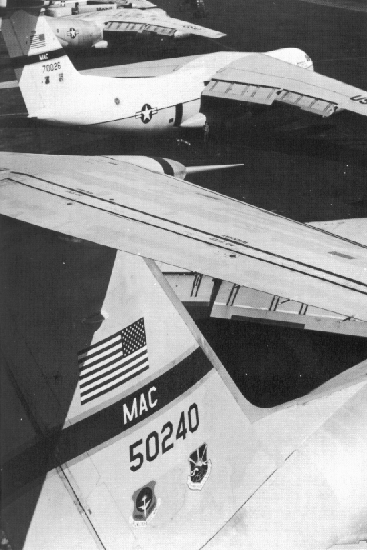
Military Airlift Command (MAC) had been established on January 1, 1966, two years before Roy enlisted. During his service from 1968 to 1974, McChord AFB in Tacoma, Washington remained a Tactical Air Command (TAC) installation, and Roy served under TAC while stationed there. He later supported MAC‑related operations at Travis AFB in California, where TAC and MAC missions overlapped during the Vietnam Era. He completed his career under Strategic Air Command (SAC) at Little Rock AFB in Arkansas, serving within the Air Force’s most disciplined and readiness‑driven major command.
Roy’s path through TAC, MAC, and SAC reflects the complexity of the Vietnam‑Era Air Force. A force balancing global airlift, tactical operations, and strategic deterrence all at once. His service moved with the mission, adapting to the needs of the nation, and shaping him into the steady, reliable, and principled Airman he became.
Two Generations of Service – The Vietnam Generation
The Vietnam generation was born into a nation still shaped by the living memory of World War II. Their story begins with the parents who had carried the weight of that earlier conflict. Between 1941 and 1945, a total of 16,112,566 Americans served in uniform. Approximately 11,535,000 served overseas in Europe, the Pacific, Africa, and Asia. Their average age was 26, yet the truth is that thousands were far younger. An estimated 200,000 underage boys entered the military during World War II. Many were 16. Some were 15. A few were even 14, including Calvin Graham, who enlisted in the Navy at 12 and served aboard USS South Dakota. These boys lied about their age or used forged documents because they believed deeply in duty and sacrifice. Their presence in the ranks revealed the intensity of national commitment and the willingness of an entire generation to step forward.
The home front had also transformed the country. More than 6,000,000 American women entered the workforce during World War II, and approximately 2,000,000 of them worked in defense industries. They became welders, riveters, machinists, shipbuilders, aircraft assemblers, and factory specialists who kept production moving at unprecedented speed. They built bombers, ships, tanks, and munitions. They mastered heavy machinery and precision tools. Their labor proved that strength and skill belonged to every citizen. These women carried their resilience into their families after the war. They raised children with the steadiness they had gained from wartime necessity and the confidence they had earned through their own contribution to victory.
The children of these parents grew up in homes shaped by sacrifice and hope. Most were born between 1940 and 1955. Their childhoods unfolded during the postwar boom, a period marked by expanding suburbs, new schools, and the promise of opportunity. They watched the rise of television, the growth of the space program, and the transformation of American culture. They witnessed the civil rights movement and saw the nation confront its own conscience. They matured in a world that was changing rapidly, yet they carried within them the values their parents had taught. They believed in hard work. They believed in loyalty. They believed in stepping forward when called.
When these young adults reached the age of service, the conflict in Vietnam had already begun to intensify. Between 1955 and 1975, a total of 8,744,000 Americans served on active duty worldwide. Of that number, 2,709,918 served within the borders of Vietnam. Approximately 1,857,304 entered direct combat zones or served in roles that placed them in continuous danger. The average age of those who fought was 19, making them the youngest fighting force in modern American history. The Selective Service System issued 1,857,000 draft induction orders during the Vietnam era. Approximately 648,000 young men volunteered for service. They represented every region of the country and every background. They served in the Army, the Marine Corps, the Navy, and the Air Force. They filled roles as infantrymen, pilots, medics, engineers, radio operators, and specialists whose skills sustained the military in a difficult and unforgiving environment.
Women also belonged to the Vietnam generation. Approximately 11,000 served in Southeast Asia, most of them nurses in the Army Nurse Corps and the Navy Nurse Corps. They worked in surgical wards, intensive care units, and field hospitals where the wounded arrived in continuous waves. Their presence brought skill, compassion, and courage to places where suffering was constant. Their service saved thousands of lives and remains one of the most heroic chapters of the conflict.
The Vietnam generation entered a war that did not resemble the one their parents had known. World War II had carried clarity of purpose and national unity. Vietnam carried political division, public protest, and televised combat that brought the war into American homes every night. These young adults served in a world where the nation debated the very conflict they were fighting. They faced danger in the jungles of Southeast Asia and uncertainty in the streets of their hometowns. They returned to a country struggling to understand the war and the cost it carried. Some returned to quiet communities that welcomed them. Others returned to cities where public opinion had shifted and where the war was viewed through the lens of controversy.
Yet the truth remains that the Vietnam generation carried forward the values of the World War II generation. They inherited courage from fathers who had crossed oceans. They inherited resilience from mothers who had welded steel and riveted aircraft. They inherited discipline from homes shaped by sacrifice. They carried these lessons into a conflict that demanded courage of a different kind. They endured hardship, loss, and the emotional strain of serving in a war that unfolded under constant public scrutiny. They built lives after the war that shaped families, communities, and the nation itself.
This is the story of two generations bound by service. One answered a call that united the nation. The other answered a call during a time of division and doubt. Both served. Both sacrificed. Both shaped the history of the United States in ways that continue to echo across time.
THE AMERICAN EXPERIENCE DURING THE VIETNAM WAR
A nation in conflict with itself, a generation under pressure, and a home front defined by fear, grief, anger, and uncertainty.
A Nation Living Two Wars at Once
The battlefield overseas and the battlefield at home, each shaping the American soul in different ways.
During the Vietnam Era, Americans lived through two simultaneous wars. One unfolded in the jungles, rice paddies, and skies of Southeast Asia. The other unfolded in the streets, campuses, churches, living rooms, and hearts of the American people. The home front was not calm or unified. It was turbulent, divided, and emotionally charged. Every American felt the war in some way. It shaped conversations, relationships, politics, and the national identity.
The war was not distant. It was present in every living room, every newspaper, every radio broadcast, and every family that waited for news. But beneath that surface, the experience was far more complex, far more emotional, and far more transformative.
The War Inside the Living Room
For the first time in American history, a war unfolded not only on distant soil but inside the American home. Television transformed the living room into a front‑row seat to conflict. Families gathered each evening as the nightly news delivered images that were raw, immediate, and impossible to ignore. Combat footage showed soldiers moving through dense jungles, helicopters lifting the wounded, villages engulfed in flames, and young men navigating terrain that looked nothing like the world Americans knew. The war arrived in real time, unfiltered and uninvited.
Parents watched with a quiet fear they rarely spoke aloud. They saw boys who looked like their sons, husbands, or neighbors. They saw danger that felt personal. They saw futures that could be lost in a single moment. Mothers held their breath. Fathers stared at the screen with a heaviness they did not always express. The television became a window into a world they wished they could protect their children from.
Young people watched with a different kind of intensity. Some felt anger, believing the war was unjust or unnecessary. Some felt confusion, struggling to understand why their generation was being sent into harm’s way. Some felt a growing sense of rebellion, questioning authority and the decisions of leaders. The images on the screen fueled debates in classrooms, dormitories, and youth gatherings across the country.
Veterans watched with memories they could not escape. The sounds, the images, the faces brought back experiences they had lived or feared. For some, the living room became a place where past and present collided. The war on the screen stirred emotions they carried quietly, often without support or understanding.
The living room became a place where war was witnessed, debated, feared, and absorbed. It became a space where families confronted the reality of conflict together, even when they did not agree. It became a place where silence spoke louder than words, where tension lingered after the television was turned off, and where the war shaped the emotional rhythm of daily life.
The War Inside the Family
The draft entered American households like an unwelcome guest. It fractured families in ways that were intimate and deeply personal. Some sons enlisted, choosing to face the unknown rather than wait for their number to be drawn. Some waited anxiously, hoping fate would spare them. Some protested, believing the war was wrong. Some fled the country, unable to reconcile duty with conscience. Some prayed for guidance. Some argued fiercely. Some stayed silent, carrying fear in their hearts.
Mothers lived with constant dread. Every envelope in the mailbox could be a draft notice. Every phone call could bring news that changed their world. They tried to remain strong, but the fear of losing a child was a weight they carried daily.
Fathers carried quiet worry. Many had served in earlier wars and understood the reality their sons might face. They knew the cost of conflict. They knew the burden of duty. They knew the fragility of life. Their concern was often expressed in silence, in long stares, in quiet moments alone.
Siblings felt helpless. They watched their brothers prepare for a future they could not control. They listened to conversations filled with tension. They saw the fear in their parents’ eyes. They lived in the shadow of uncertainty.
Grandparents prayed for protection. They had lived through previous wars and understood the pain of loss. They prayed for safety, for peace, for strength, and for the hope that their family would remain whole.
The war shaped the emotional climate of the household. It influenced how families spoke to one another, how they planned for the future, and how they understood sacrifice. It created an atmosphere where love was expressed through worry, where hope was tempered by fear, and where every moment felt fragile.
Families lived with the knowledge that life could change with a single letter, a single phone call, or a single headline. The war inside the family was a war of waiting, of fearing, of hoping, and of enduring. It was a war fought in the heart, in the mind, and in the quiet spaces of home.
The Rise of Protest Culture
The Vietnam War ignited one of the largest protest movements in American history. College campuses became centers of activism. Students marched, chanted, and organized sit‑ins. Some protested peacefully. Others clashed with police. Some burned draft cards. Some occupied university buildings. Some traveled to Washington to join massive demonstrations.
The protests were fueled by fear, anger, and a growing belief that the war was unwinnable. Television brought images of combat into American homes every night. The public saw casualties, destruction, and suffering. Many questioned why the war was happening and whether it could ever end.
This created a cultural divide between those who supported the war and those who opposed it. Service members often found themselves caught in the middle, misunderstood by both sides.
The War Inside the Youth
Young Americans experienced the Vietnam War in a way no previous generation ever had. They were the ones standing at the threshold of adulthood while the nation was unraveling around them. They were the ones being drafted. They were the ones watching their friends disappear into Southeast Asia. They were the ones trying to understand a conflict that felt both distant and deeply personal. The war pressed itself into their identity, their culture, their choices, and their future.
For many, the war arrived before adulthood had even begun. High school seniors watched the draft lottery with a mixture of dread and disbelief. College students lived with the knowledge that their education might not protect them. Young men felt the weight of decisions that were far larger than their years. Some enlisted to take control of their fate. Some waited, hoping their number would not be called. Some protested with conviction. Some fled the country, unable to reconcile conscience with duty. Some prayed for clarity. Some felt trapped between loyalty to their nation and fear for their lives.
College campuses became battlegrounds of ideology. They were places where youth confronted the war with intensity and urgency. Students organized sit‑ins, marches, and teach‑ins. They debated morality, strategy, and responsibility. They challenged authority in ways that reshaped American culture. Professors lectured on foreign policy while students demanded answers. Dormitories became centers of planning and discussion. Campus lawns filled with signs, chants, and crowds. The war became part of the academic environment, woven into lectures, conversations, and the emotional climate of student life.
Music became the voice of the youth. Songs carried rebellion, sorrow, frustration, and hope. Lyrics questioned the war, mourned the fallen, and expressed the confusion of a generation caught between childhood and conflict. Music festivals became gatherings where young people shared grief, anger, and solidarity. The soundtrack of the era reflected the emotional turbulence of the youth who lived through it.
Youth culture shifted dramatically. Clothing, language, art, and attitudes changed. Trust in government eroded. Traditional values were questioned. The younger generation began to see the world differently than their parents. They were shaped by televised combat, by the draft, by protests, and by the emotional weight of watching their peers go to war. They carried a sense of urgency that influenced how they viewed authority, freedom, justice, and responsibility.
The war shaped friendships. It shaped relationships. It shaped dreams. It shaped fears. Young Americans lived with the knowledge that life could change with a single letter from the Selective Service. They lived with the reality that their friends might not return. They lived with the tension of wanting to build a future while the present felt unstable.
The war shaped the identity of an entire generation. It defined how they saw themselves, how they saw their country, and how they understood sacrifice. It left marks that would follow them into adulthood, shaping their beliefs, their choices, and the way they raised their own children. The youth of the Vietnam Era lived through a conflict that touched every part of their lives, leaving a legacy that would echo for decades.
Supporters of the War and Their Experience
Not all Americans opposed the Vietnam War. Many believed strongly in supporting the troops and fulfilling national duty. They saw service as honorable and necessary. They believed communism had to be stopped. They prayed for the men overseas. They hung blue stars in their windows. They wrote letters. They sent care packages. They waited for their loved ones to come home. Yet even within this group, the experience was far more complex, far more emotional, and far more fragile than history often remembers.
Supporters of the war lived with a sense of responsibility that felt deeply personal. They believed that standing behind the troops was an act of loyalty, patriotism, and moral conviction. They trusted the leaders who said the war was necessary. They trusted the idea that America had a duty to defend freedom abroad. They trusted that sacrifice had meaning. Their support was not casual. It was rooted in faith, tradition, and a belief in national purpose.
Churches prayed for protection and victory. Pastors spoke of duty and courage. Congregations gathered to send packages filled with cookies, socks, letters, and small comforts from home. Communities organized drives to collect supplies for soldiers. Schools encouraged children to write notes to deployed service members. Neighborhoods placed blue stars in their windows to show that someone inside was serving. These symbols became quiet reminders of hope, pride, and fear.
But beneath the outward support, fear and uncertainty were constant companions. Every knock on the door could be devastating news. Every phone call could be a message from overseas. Every letter was treasured. Families waited for envelopes with foreign postmarks, reading each word slowly, carefully, sometimes repeatedly. They studied handwriting. They searched for clues. They tried to understand how their loved one was truly doing. The absence of a letter created days of worry. The arrival of one created moments of relief.
Supporters lived with the tension of believing in the mission while fearing the cost. They defended the war publicly while grieving privately. They encouraged their sons, brothers, husbands, and friends to serve with honor, yet they lay awake at night imagining the dangers those loved ones faced. They prayed for safety. They prayed for strength. They prayed for peace. They prayed for the war to end.
Many supporters felt isolated. They saw protests on television and felt misunderstood. They watched marches and felt judged. They listened to chants and felt their loyalty questioned. They believed in the troops, yet they lived in a country where that belief was increasingly challenged. Their support became a quiet act of courage, a way of standing firm in a world that was shifting around them.
The experience of supporting the war was not simple. It was layered with pride, fear, hope, grief, and uncertainty. It shaped how families lived, how communities gathered, and how Americans understood sacrifice. It created an emotional landscape where love for country and love for family intertwined. It left marks on the hearts of those who waited, prayed, and believed.
Supporters of the war carried their own burden. They carried the weight of hope. They carried the weight of fear. They carried the weight of believing in something that was tearing the nation apart. Their experience was a quiet chapter of the Vietnam Era, lived not on the battlefield but in the homes, churches, and communities that held the nation together during a time of profound division.
The War Inside Politics
The Vietnam War reshaped American politics in profound and lasting ways. It influenced elections, divided political parties, and eroded trust in government. Leaders struggled to explain the purpose of the war. Public confidence declined. The country questioned its direction, its values, and its leadership. Beneath the speeches, headlines, and televised briefings, a deeper political conflict unfolded, one that touched every level of American society and changed the nation’s political identity.
The war forced political leaders to confront a rapidly changing nation. Presidents, senators, and representatives faced pressure from every direction. Some argued that the war was necessary to contain communism and protect global stability. Others believed the conflict had become unwinnable. Still others questioned whether the United States should have entered the war at all. Political debates became emotional and personal. They were no longer abstract discussions about foreign policy. They were conversations about sons, husbands, fathers, and neighbors who were being sent into danger.
The political climate grew tense as the war dragged on. Leaders struggled to maintain public support. They delivered speeches that attempted to justify the conflict, reassure families, and defend strategy. Yet each new casualty report, each shift in military tactics, and each televised image of destruction made their explanations harder to accept. Americans began to question whether their leaders understood the reality of the war. They wondered whether the government was being honest. They wondered whether the sacrifices being asked of them were necessary.
Patriotism was redefined. For some, supporting the war meant supporting the troops and defending national interests. For others, opposing the war became an act of patriotism, a way of protecting American lives and challenging decisions they believed were harmful. The meaning of loyalty shifted. The meaning of dissent shifted. The meaning of citizenship shifted. Americans struggled to understand what it meant to love their country during a time of conflict and division.
Authority was challenged in ways the nation had never seen. Young people questioned the decisions of political leaders. Journalists pressed for transparency. Citizens demanded accountability. The government faced scrutiny unlike anything before. Trust in leadership declined as the war continued without clear progress. Reports of casualties, shifting strategies, and conflicting statements created a sense of uncertainty. Many Americans felt disconnected from the decisions being made in Washington. They felt the war was being fought without a clear path forward.
Political parties fractured. Members of the same party disagreed sharply about the war. Elections became battles over foreign policy, national identity, and the future of the country. Candidates struggled to navigate the emotional landscape of a nation divided. Campaign speeches reflected fear, frustration, and hope. Voters carried the weight of the war into the voting booth. The conflict influenced not only who Americans voted for, but how they understood the role of government itself.
The war changed how Americans viewed their nation and their place in the world. It forced the country to confront difficult questions about power, responsibility, and morality. It reshaped foreign policy for decades. It influenced how future generations understood conflict, leadership, and sacrifice. The political war at home became as defining as the military war overseas. It left marks on the national consciousness that would endure long after the fighting ended.
The War Inside the Media
The Vietnam War transformed the American media into a powerful force that shaped public perception, political pressure, and emotional reality. For the first time, journalists reported directly from the battlefield with unprecedented access. Cameras captured images of soldiers moving through jungles, villages engulfed in flames, and helicopters carrying the wounded. These images were transmitted into American homes with a level of immediacy that had never existed before.
Newspapers printed casualty numbers alongside photographs that revealed the human cost of the conflict. Radio broadcasts delivered updates throughout the day, creating a constant stream of information that kept the war present in the minds of the public. Television anchors became familiar voices who narrated the unfolding events with solemn clarity. The media became the lens through which Americans understood the war, and that lens was often stark, unfiltered, and emotionally charged.
Journalists questioned military strategy. They pressed political leaders for transparency. They reported on protests, on grief, on confusion, and on the growing divide within the nation. The media did not simply inform the public. It shaped the national mood. It influenced political debates. It intensified the emotional weight carried by families with loved ones overseas. It created a shared experience of conflict that united and divided the country at the same time.
The war inside the media was a war of images, words, and narratives. It changed how Americans consumed information. It changed how they understood conflict. It changed how they viewed their government. It marked the beginning of a new era in journalism, one where the press played a central role in shaping public opinion during times of war.
Symbols of Hope During the Vietnam Era
During the Vietnam Era, hope was not loud. It was not celebrated in parades or displayed in public squares. It lived quietly inside American homes, carried by families who waited, prayed, and held onto faith during a time of profound uncertainty. The nation was divided, but the longing for loved ones to return safely was universal. That longing expressed itself through symbols that were small, personal, and deeply meaningful. These symbols became emotional anchors for families living through fear, separation, and the unknown.
The most enduring symbol was the yellow ribbon. Its roots stretched back long before Vietnam, woven into American folklore and tradition. Families used yellow cloth to signify waiting for a loved one to return home. It represented patience, loyalty, and hope. During the Vietnam Era, the yellow ribbon appeared quietly. It was tied to trees in front yards. It was placed on mailboxes. It was tucked into windows. It was worn as small bows. These gestures were not part of a national movement. They were private expressions of love from families who feared the worst and prayed for the best.
The yellow ribbon was not yet the widespread symbol it would become in later decades. The country was too divided, too tense, too uncertain for public displays to feel safe. Many families worried that showing support for their loved ones might draw criticism or hostility. Yet the emotional meaning behind the ribbon was already present. It was a symbol of waiting. It was a symbol of longing. It was a symbol of faith that a son, husband, father, or brother would return home.
Other symbols of hope lived quietly in American homes. Blue star banners hung in windows, signifying that someone inside was serving. These banners were reminders of pride and fear intertwined. Letters became symbols of connection. Families treasured each envelope that arrived from overseas. They read every word slowly, carefully, sometimes repeatedly. Photographs tucked into wallets and placed on mantels became symbols of presence during absence. Prayer books, rosaries, and handwritten notes became symbols of faith.
Hope lived in small rituals. Mothers lit candles. Fathers sat in silence. Children drew pictures to send overseas. Churches gathered to pray for protection. Communities organized care packages filled with cookies, socks, and small comforts from home. These acts were quiet but powerful. They were expressions of love, loyalty, and belief in safe return.
Hope also lived in the simple act of waiting. Families waited for letters. They waited for phone calls. They waited for news. They waited for the war to end. Waiting became a symbol in itself, a testament to endurance and devotion.
The symbols of hope during the Vietnam Era were not grand or public. They were intimate. They were personal. They were woven into the daily lives of families who carried fear in their hearts and faith in their hands. They reflected the emotional truth of the era. They revealed the quiet strength of those who waited. They became part of the nation’s memory, reminders of the love that endured during one of the most turbulent periods in American history.
The War Inside the American Soul
The Vietnam Era changed the nation in ways that reached far beyond politics, protests, and battlefields. It reshaped culture, identity, memory, and the emotional fabric of American life. It forced the country to confront difficult questions about duty, morality, leadership, and sacrifice. It challenged long‑held beliefs about patriotism and authority. It created a cultural shift that touched every generation and left marks that would endure for decades.
The war forced Americans to look inward. It forced them to examine who they were as a people and what they believed their nation should stand for. It forced them to confront the cost of conflict, not only in lives lost overseas but in the emotional wounds carried at home. It forced them to acknowledge the divide between generations, between communities, and between visions of the future. The war became a mirror that reflected the nation’s strengths and its vulnerabilities.
The cultural landscape changed. Music became a voice for sorrow, rebellion, and reflection. Art captured the tension of the era. Literature explored themes of loss, identity, and disillusionment. Films portrayed the emotional aftermath of service and the complexity of returning home. The creative world became a place where Americans processed grief, anger, confusion, and hope. The war influenced how people expressed themselves, how they understood their experiences, and how they interpreted the world around them.
The emotional wounds of the era lingered. Families carried memories of fear and waiting. Veterans carried memories of service and sacrifice. Communities carried memories of division and debate. The nation carried memories of a conflict that had tested its unity and its conscience. Healing did not happen quickly. It unfolded slowly, through conversations, through reflection, through acknowledgment, and through the gradual recognition of the sacrifices made by those who served.
The war overseas ended. The war at home lingered. The emotional and cultural wounds took years to heal.
The nation lived through two wars at once, and both left lasting marks on the American story. The war inside the American soul became a chapter of national memory, shaping how future generations understood conflict, leadership, and the meaning of service. It became part of the country’s identity, a reminder of the complexity of patriotism and the resilience of a people who endured one of the most turbulent eras in American history.
Songs That Played During the Vietnam Era
The soundtrack of a divided nation, a generation in turmoil, and families waiting for loved ones to return.
Music during the Vietnam Era was not background noise. It was a cultural force. It shaped identity, expressed grief, fueled protest, strengthened faith, and carried the emotional truth of a generation living through conflict. Songs became symbols of hope, rebellion, sorrow, and endurance. They played in living rooms, on radios, in barracks, on college campuses, and in the hearts of those who waited.
Songs of Protest and Rebellion
These songs became the voice of youth who questioned the war, challenged authority, and demanded answers. They reflected anger, confusion, and a desire for change.
• Fortunate Son by Creedence Clearwater Revival • Give Peace a Chance by John Lennon • War by Edwin Starr • Blowin’ in the Wind by Bob Dylan • Where Have All the Flowers Gone by Pete Seeger • The Times They Are A‑Changin’ by Bob Dylan • For What It’s Worth by Buffalo Springfield
These songs played at marches, sit‑ins, and campus rallies. They became anthems of dissent, shaping the emotional landscape of the youth who lived through the war.
Songs of Sorrow and Reflection
These songs captured the grief, longing, and emotional weight carried by families and veterans. They expressed the quiet pain of separation and the fear of loss.
• He Ain’t Heavy, He’s My Brother by The Hollies • Bridge Over Troubled Water by Simon and Garfunkel • Yesterday by The Beatles • Sounds of Silence by Simon and Garfunkel • Leaving on a Jet Plane by Peter, Paul and Mary
These songs played in living rooms late at night, when families sat quietly with worry in their hearts.
Songs Played by Soldiers Overseas
These songs were heard on Armed Forces Radio, in barracks, on transport planes, and in moments of rare rest. They carried pieces of home across oceans.
• We Gotta Get Out of This Place by The Animals • Paint It Black by The Rolling Stones • House of the Rising Sun by The Animals • Sittin’ On the Dock of the Bay by Otis Redding • My Girl by The Temptations • I Heard It Through the Grapevine by Marvin Gaye
These songs became emotional lifelines for men far from home, reminders of the world they hoped to return to.
Songs of Hope and Faith
These songs offered comfort to families who prayed for safe return. They reflected endurance, devotion, and the belief that love could survive distance.
• Turn! Turn! Turn! by The Byrds • Let It Be by The Beatles • You’ll Never Walk Alone by Gerry and the Pacemakers • Abraham, Martin and John by Dion
These songs played in churches, prayer circles, and quiet homes where families held onto faith.
Songs of American Identity and Patriotism
These songs reflected pride, duty, and the belief in national purpose. They were embraced by families who supported the war and stood behind their loved ones.
• Ballad of the Green Berets by Staff Sgt. Barry Sadler • This Land Is Your Land by Woody Guthrie • America the Beautiful in countless renditions
These songs played at community gatherings, military ceremonies, and homes where blue star banners hung in windows.
Songs That Captured the Era’s Cultural Shift
These songs reflected the broader transformation of American culture. They shaped fashion, attitudes, and the emotional identity of a generation.
• California Dreamin’ by The Mamas and the Papas • White Rabbit by Jefferson Airplane • Light My Fire by The Doors • All Along the Watchtower by Jimi Hendrix
These songs played in dorm rooms, coffeehouses, and youth gatherings, becoming part of the cultural fabric of the era.
The Emotional Truth of the Era’s Music
Music during the Vietnam Era was not entertainment. It was expression. It was protest. It was comfort. It was memory. It was identity. It was the emotional language of a nation living through fear, division, hope, and longing.
These songs shaped how Americans understood the war. They shaped how families endured separation. They shaped how youth expressed rebellion. They shaped how soldiers carried home in their hearts. They shaped how the nation remembered the era.
Music became the soundtrack of a generation living through one of the most turbulent periods in American history.
Basic Airman Training : Lackland AFB, San Antonio, Texas
Roy’s Air Force journey began at Lackland Air Force Base in San Antonio, Texas the gateway through which every enlisted airman passes. Here he learned the fundamentals of military life: discipline, teamwork, attention to detail, and the pride of wearing the uniform for the first time.
During Basic Military Training, Roy completed:
- Drill and ceremony.
- Physical conditioning.
- Military customs and courtesies.
- Weapons familiarization.
- Classroom instruction on Air Force standards.
- Inspections and evaluations.
- The transition from civilian to Airman.
This was the foundation of everything that followed. Lackland shaped his work ethic, his discipline, and his commitment to serve with honor. It was here that Roy took his first steps into a life defined by duty, integrity, and the quiet strength of an American Airman.
Technical School — Keesler Air Force Base, Mississippi
After graduating from Basic Training, Roy continued his Air Force journey at Keesler Air Force Base in Biloxi, Mississippi — one of the service’s largest and most respected technical training centers. It was here that he completed his Personnel Specialist training, stepping into the administrative backbone of the Air Force.
At Keesler, Roy learned how to:
- Maintain and safeguard personnel records.
- Process assignments, orders, and career actions.
- Manage training and readiness documentation.
- Support commanders with essential administrative functions.
- Assist airmen with pay, leave, and career matters.
Keesler transformed Roy from a brand‑new Airman into a trained professional ready to support the mission. It served as the bridge between basic training and real Air Force life — the place where technical skill met responsibility, and where Roy began shaping the careers and well‑being of the airmen he served.
McChord AFB (“Mac”), Tacoma, Washington
Roy’s first assignment brought him to McChord Air Force Base, known to all simply as “Mac.” Military Airlift Command. This was his introduction to military life — a fast‑moving TAC installation where fighter operations, airlift missions, and personnel rotations were constant.
As a young Airman in a Combat Support Group (TAC), Roy learned the heartbeat of the Air Force. He processed new arrivals, maintained personnel files, prepared orders, and supported commanders with the accuracy TAC demanded. McChord taught him discipline, precision, and the importance of being the steady hand others could rely on. This was where he found his footing — and where the Air Force first recognized his quiet professionalism.
At McChord, I learned the real pace of the Air Force. Personnel work wasn’t just paperwork it was the backbone of the mission. Every record, every assignment, every order mattered. I learned to be precise, dependable, and calm under pressure.
Travis AFB, California — “Gateway to the Pacific”
Roy’s next assignment took him to Travis Air Force Base in California known during the Vietnam Era as the “Gateway to the Pacific.” Travis was one of the busiest hubs in the Air Force, with thousands of airmen deploying to and returning from Southeast Asia. The tempo was relentless, the missions constant, and the human cost impossible to ignore.
At Travis, Roy’s responsibilities deepened. He processed deployment orders, managed emergency leave requests, updated readiness records, and ensured personnel files were flawless before airmen boarded aircraft bound for Vietnam. The stakes were higher, the timelines tighter, and the mission more personal than ever before.
Here, Roy came to understand that his work was far more than administrative. Every form, every signature, every corrected record affected families, careers, and lives. Travis shaped him into the dependable NCO he would become steady under pressure, meticulous in his duties, and deeply aware of the weight carried by every airman who passed through his hands.
Little Rock AFB, Arkansas — Strategic Air Command (“SAC”)
Roy’s final enlistment brought him to Little Rock Air Force Base, where he served under Strategic Air Command (SAC) during the Vietnam Era. SAC was the Air Force’s most demanding major command defined by discipline, precision, and an unbroken posture of around‑the‑clock readiness. It was the nerve center of America’s strategic deterrence and high‑security operations.
At Little Rock, Roy supported:
- Nuclear‑alert aircrews.
- High‑security personnel documentation.
- Strategic aircraft units.
- Rapid‑response mobility operations.
- Strict readiness and accountability requirements.
SAC trusted only the most reliable airmen and Roy earned that trust. His calm, steady professionalism made him exactly the kind of Airman SAC depended on to keep its mission running without fail.
Little Rock was the culmination of everything he had learned: TAC’s speed, SAC’s precision, and his own unwavering commitment to doing things right. It was here that Roy’s training, discipline, and character came together in full measure, marking the final chapter of his active‑duty service.
His Rank Progression — What It Means
Roy advanced to Sergeant (E‑4) a significant achievement in the Vietnam‑Era Air Force. Reaching this rank meant far more than time in service; it reflected character, competence, and trust earned day by day.
Achieving E‑4 demonstrated that Roy:
- Showed emerging leadership.
- Mastered his Air Force specialty.
- Earned the confidence of his supervisors.
- Took responsibility for junior airmen.
- Upheld the highest standards of conduct and performance.
In that era, E‑4 was a respected NCO‑track position — a mark of professionalism and reliability. It signified that Roy was no longer just an Airman learning the mission; he was someone others depended on, someone shaping the next generation, someone the Air Force could trust.
Service Identity
Roy N. Wright Jr. served in the United States Air Force during the Vietnam War Era, providing the administrative backbone that kept America’s airpower mission‑ready. As an Air Force Personnel Specialist, he managed the records, assignments, evaluations, and readiness documentation that ensured units were fully manned, properly trained, and prepared for rapid‑response operations.
Serving within ADC, TAC, MAC, and SAC, Roy supported the airmen who flew, maintained, and sustained tactical and strategic aircraft. His precision, reliability, and professionalism were essential to the success of every mission from deployment processing to high‑security documentation.
Advancing to Sergeant (E‑4), Roy demonstrated leadership, technical mastery, and a steadfast commitment to duty. He became the kind of Airman others depended on: steady under pressure, meticulous in his responsibilities, and unwavering in his service to the mission and the people who carried it out.
AFSC Block — Vietnam‑Era Personnel Specialist
AFSC: Personnel Specialist Roy served as a Personnel Specialist during the Vietnam War Era — a role that formed the administrative backbone of every Air Force installation. His work ensured that units were fully manned, properly trained, and ready for rapid‑response operations across multiple major commands.
Core Duties Included:
- Maintaining personnel records and service histories
- Processing assignments, promotions, and evaluations
- Ensuring unit manning accuracy and readiness
- Supporting administrative operations for TAC combat‑ready units
- Providing essential human‑resources support to airmen across the command
During the Vietnam Era, a Combat Support Group (CSG) under Tactical Air Command (TAC) was the backbone that kept tactical flying wings operational. Fighter squadrons executed the missions, but the CSG ensured the base, personnel, logistics, and administrative systems were fully functional.
Personnel Specialists were essential at every ADC, TAC, MAC, and SAC installation. They enabled rapid‑response airpower, fighter operations, and combat readiness by keeping the human side of the mission running flawlessly.
Roy’s daily duties were the quiet strength behind unit readiness. He processed airmen, maintained records, issued orders, supported leadership, and helped airmen navigate their careers and personal needs — all within the high‑tempo environment of the Vietnam‑Era Air Force. His precision and professionalism ensured that the mission never paused.
Ensuring Airmen Were Placed Where They Were Needed Most
One of Roy’s most critical wartime responsibilities was ensuring that airmen were placed exactly where they were needed. In the Vietnam Era, this was not just administrative work it was operational readiness. Every assignment, every update, every corrected record directly influenced the Air Force’s ability to respond to fast‑moving demands across multiple commands.
Ensuring Unit Manning Accuracy
Tactical Air Command depended on precise, constantly updated manning information. Commanders needed to know how many airmen were available, who was trained for which specialties, who was deployable, and who was rotating in or out. These numbers shaped mission planning, deployment cycles, and the overall strength of combat‑ready units.
Roy kept those numbers accurate. His attention to detail ensured that every squadron and support element had the personnel they needed to function without interruption. In wartime, accuracy was not optional it was essential. Roy’s steady professionalism helped sustain the readiness of the airmen who flew, maintained, and supported America’s airpower.
Supporting Commanders and NCOs
Roy provided the administrative intelligence that leaders needed to run their units effectively. His work kept the orderly room functioning as the central hub of communication, coordination, and accountability. He prepared correspondence, drafted memos and reports, maintained office files, scheduled appointments, and ensured that daily operations flowed without interruption. Commanders and NCOs relied on him to keep information accurate, timely, and ready at a moment’s notice.
He was part of the unit’s “nerve center.” Roy was often one of the first people new arrivals met when they stepped into the squadron. He checked their orders, verified their eligibility, created their personnel files, and ensured each airman was properly entered into the unit’s system. His professionalism set the tone for their first impression of Air Force life at that base.
His Work in a Combat Support Group (TAC)
Tactical Air Command (TAC) was responsible for fighter aircraft, close air support, reconnaissance, and rapid‑response airpower. But none of those missions could happen without the strength and stability of the Combat Support Group — the organization that kept the entire installation functioning.
Roy’s group provided the essential services that sustained every flying operation: personnel administration, logistics, communications, security, base operations, food service, and medical support. These were the systems that ensured aircraft could launch, aircrews could fly, and missions could be carried out without interruption.
Roy’s administrative work was a vital part of this structure. He ensured the installation remained fully manned and mission‑ready, maintaining the records that determined careers, readiness, and deployment eligibility. His work supported the logistics, supply, communications, and mission‑support functions that kept TAC’s fighter, reconnaissance, and tactical air operations running at full strength.
In a Combat Support Group, every detail mattered. Roy’s precision and professionalism helped sustain the readiness of the airmen who carried out the mission proving that even behind the scenes, his service was essential to the success of the Air Force.
Vietnam‑Era Missions
During the Vietnam Era, Strategic Air Command carried a dual burden. It provided B‑52 bombers for operations in Southeast Asia, supported tanker missions that kept deploying aircraft in the air, and simultaneously maintained nuclear readiness at home. SAC balanced two missions at once — a conventional war abroad and a strategic deterrence posture at home and it did so with absolute discipline.
His Impact on the Mission
Roy’s work directly strengthened the readiness of every unit he served. Without accurate personnel records, no squadron could deploy, sustain operations, or maintain combat capability. His administrative precision ensured that airmen were accounted for, trained, eligible, and ready when the mission called. His support also shaped morale; airmen depended on personnel specialists to solve problems that affected their careers, their families, and their daily lives.
Roy kept the administrative engine running so commanders could focus on the mission. His work sustained operational continuity, ensuring that Tactical Air Command’s fighter sorties, maintenance shifts, and deployment cycles rested on a foundation that never faltered. Every mission launched, every aircrew deployed, and every shift manned depended on the accuracy and steadiness he brought to his role.
The Vietnam Era Through His Eyes
For Roy, the Vietnam Era was a time of constant movement, constant responsibility, and constant awareness that every decision he made affected someone’s life. He served during a period when the Air Force was stretched across the world fighting a war in Southeast Asia while maintaining global readiness at home. Even though he wasn’t in the jungles of Vietnam, he lived the war every day through the airmen he processed, the orders he issued, and the families he supported.
He saw the human side of the war up close. Young airmen arrived full of nerves and determination, and Roy was the one who checked their orders, updated their readiness files, and ensured their records were correct before they boarded aircraft bound for Southeast Asia. He saw the weight in their eyes. He saw the relief when they returned. And he felt the quiet ache when someone didn’t.
The tempo of the era shaped him. TAC demanded speed. MAC demanded precision. SAC demanded perfection. Roy lived in all three worlds — each one sharpening his discipline and deepening his sense of responsibility. He learned to work quickly without sacrificing accuracy, because a single mistake in a personnel record could change a career, delay a deployment, or affect a family’s future.
He also lived through the emotional climate of the era. Vietnam veterans were not welcomed home with parades or gratitude. Many returned to a country divided, uncertain, or indifferent. Roy witnessed that pain firsthand. He saw airmen come home to silence instead of celebration, and he carried the quiet dignity of serving honorably in a time when service members were often misunderstood.
He also lived through the emotional climate of the era. Vietnam veterans were not welcomed home with parades or gratitude. Many returned to a country divided, uncertain, or indifferent. Roy witnessed that pain firsthand. He saw airmen come home to silence instead of celebration, and he carried the quiet dignity of serving honorably in a time when service members were often misunderstood.
Yet through it all, Roy remained steady. He upheld Air Force standards. He supported the airmen who depended on him. He carried out his duties with integrity, compassion, and a calm professionalism that defined his character. The Vietnam Era was not just a chapter of military history — it was the season that forged him. It taught him resilience, leadership, and empathy, shaping the man he became long after his uniform was folded away.
How Soldiers Were Treated by Civilians During This Time
For many who served during the Vietnam Era, coming home was not a moment of relief it was a moment of confrontation. The war had become one of the most divisive chapters in American history, and the anger many civilians felt toward the war was often misdirected at the warriors.
Some returning service members stepped off buses or walked through airport terminals only to find themselves surrounded by protesters. These crowds were often loud, emotional, and fueled by frustration with the government’s decisions. Veterans reported being shouted at, blocked from walking through public spaces, and forced to move through lines of demonstrators holding signs, chanting slogans, or condemning the war.
Many were called names, including the deeply painful slur “baby killers.” Some were spat on, cursed at, or confronted face‑to‑face by people who believed their uniform made them responsible for the war itself. Others were told to take off their uniforms before leaving the airport so they wouldn’t be targeted.
There were no parades. No welcome‑home ceremonies. No collective gratitude. Most returned alone, carrying the weight of their service into a country that was angry, divided, and often unable to separate the individual from the conflict.
This treatment left a lasting wound. Vietnam‑Era veterans carried not only the burden of their service, but also the pain of being rejected by the very nation they served.
The Psychological Toll
The Vietnam Era placed a heavy psychological burden on the men who served. Even for those who worked stateside, the war was never far away. They watched friends deploy, saw the fear in young airmen’s eyes, processed the paperwork of those who didn’t return, and lived with the constant tension of a nation divided.
The emotional toll grew even heavier when service members came home. Many returned to airports and bus stations only to be surrounded by protesters, shouted at, or confronted by crowds who blamed them for a war they did not choose. Some were called cruel names, including “baby killers.” Others were spat on, cursed at, or told to hide their uniforms. Instead of gratitude, they were met with hostility, suspicion, or silence.
This rejection cut deeply. It left many veterans feeling isolated, misunderstood, and ashamed of service they had performed with honor. The lack of recognition — the absence of welcome‑home ceremonies, the quiet return to civilian life — created a wound that lingered long after the war ended.
For men like Roy, the psychological toll came from witnessing this pain up close. He supported airmen who were overwhelmed, frightened, or grieving. He helped them navigate the system when their lives were in turmoil. He carried the weight of their stories, their fears, and their frustrations. And he did so in an era when mental health was rarely discussed and emotional burdens were expected to be carried silently.
The Vietnam Era shaped him not only through the work he performed, but through the emotional landscape he lived in — a landscape marked by tension, sacrifice, and the quiet resilience of men who served with integrity despite the world around them.
The Human Side of His Service
Roy’s career was never just paperwork it was people. He was the airman others turned to when they needed orders, when they were being reassigned, when they were promoted, or when a family emergency changed everything. Young airmen sought him out when they needed guidance, when they were confused, or when the weight of military life felt overwhelming. Personnel Specialists were often the steady, reassuring presence in a young airman’s life, and Roy was one of those steady presences.
His service was honorable. He completed his commitment, upheld Air Force standards, and maintained a record that was clean, commendable, and marked by integrity. Every action, every decision, every file he touched reflected the quiet professionalism of a man who took pride in doing things the right way.
Roy’s record is more than a list of duties it is the Air Force’s formal recognition of a career lived with integrity, compassion, and unwavering dedication to the people he served.
Legacy
Roy N. Wright Jr.’s legacy is one of quiet strength, steadfast service, and a life lived with integrity from beginning to end. He served his country during the Vietnam War Era with a calm reliability that anchored everyone around him. In the United States Air Force, he became part of the essential framework that kept Air Defense Command, Military Airlift Command, Tactical Air Command, and Strategic Air Command functioning during one of the most demanding periods in American military history. His work never sought attention but it made missions possible.
He was the steady hand in the nerve center of every base he served. While pilots launched into the sky and crews worked the flight line, Roy ensured the entire installation remained ready. Every airman accounted for. Every assignment correct. Every unit fully manned. He understood that behind every record was a life, behind every roster was a family, and behind every detail was a mission depending on accuracy. His precision, humility, and compassion strengthened the airmen who carried the weight of the war.
His leadership was quiet but unmistakable. Younger airmen came to him for guidance, clarity, and reassurance. He became the counselor of the unit. The one who solved the problem, explained the process, and made sure no one felt lost. His promotion to Sergeant (E‑4) reflected not only his skill, but the trust he earned.
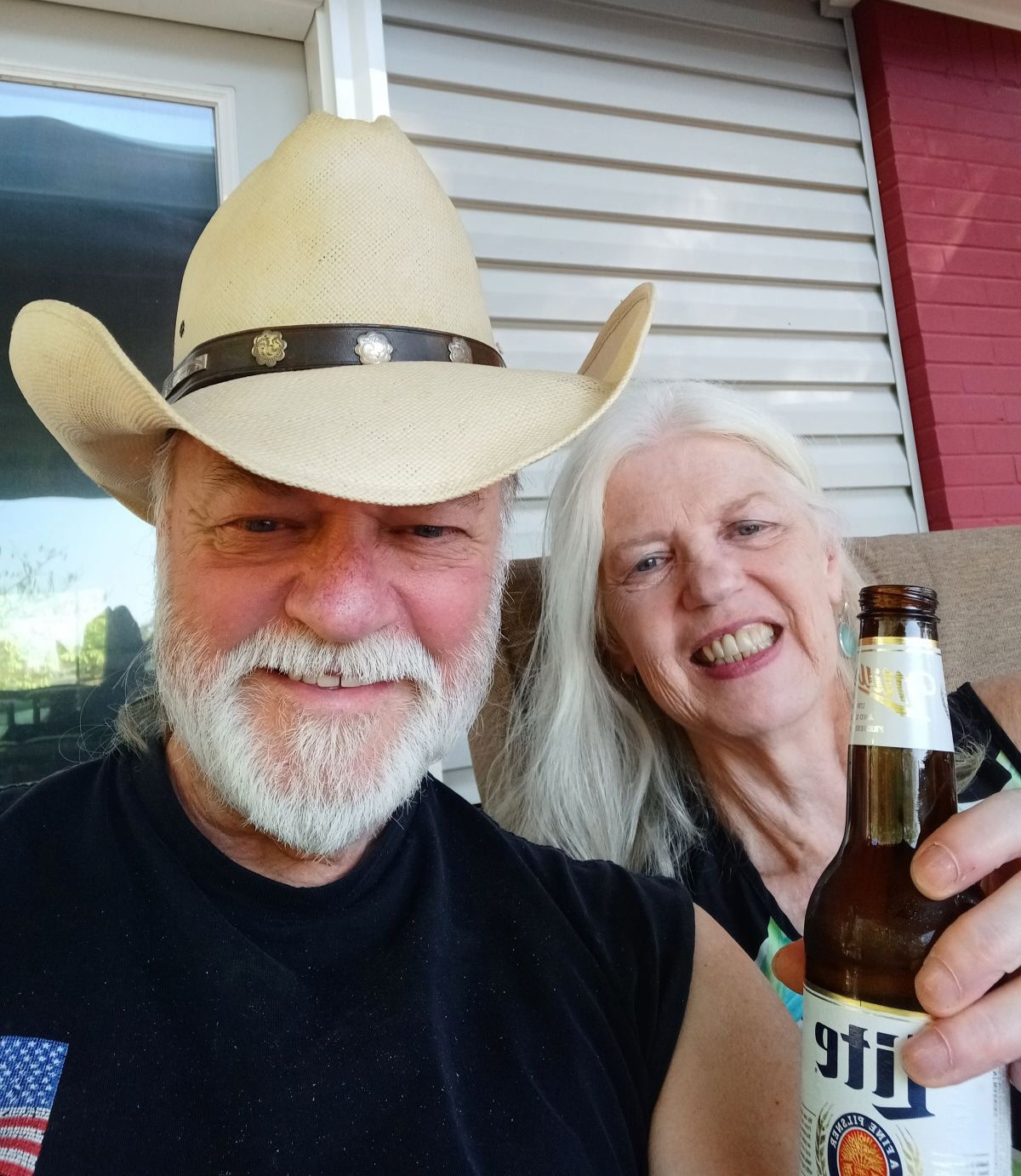
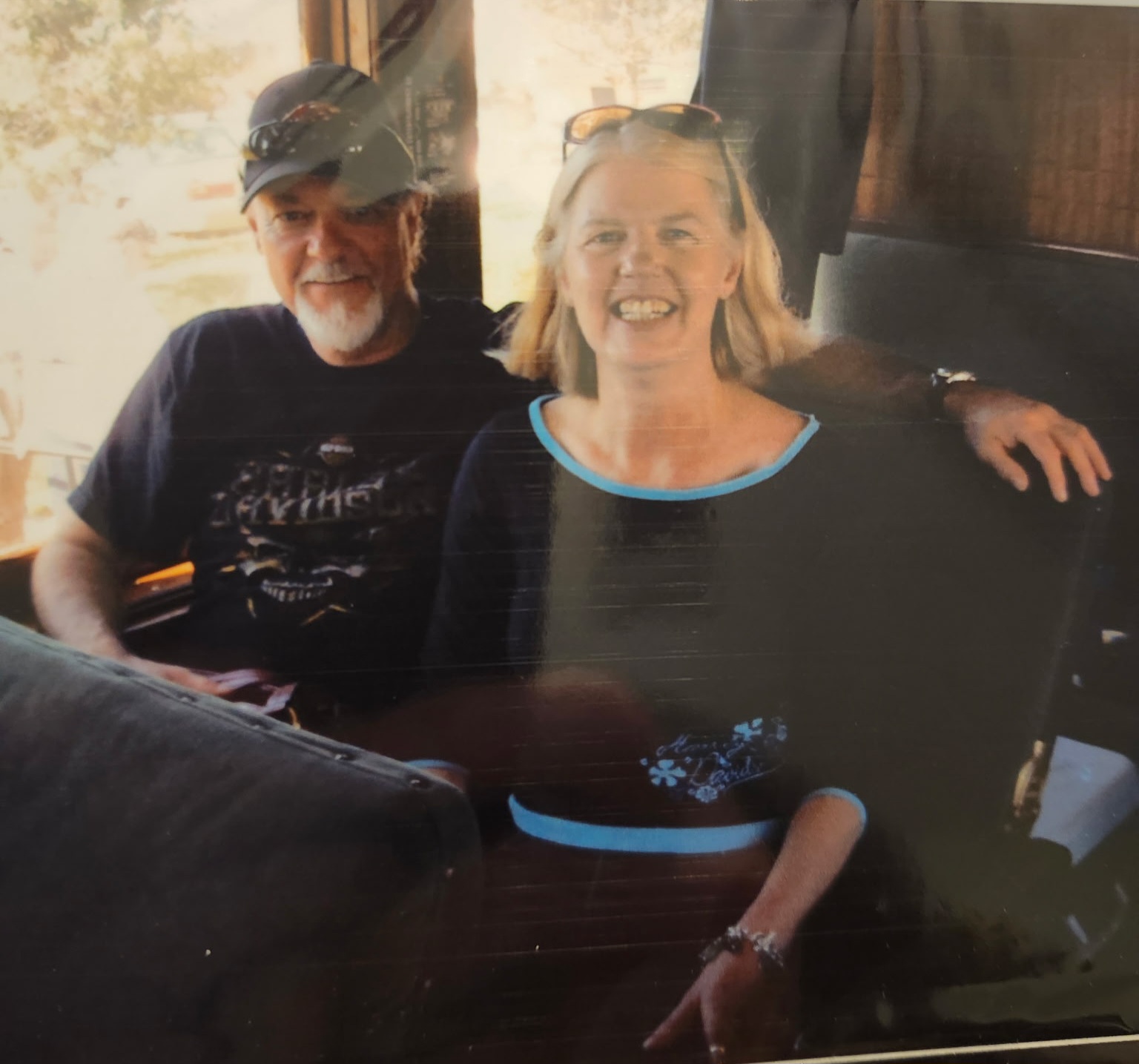
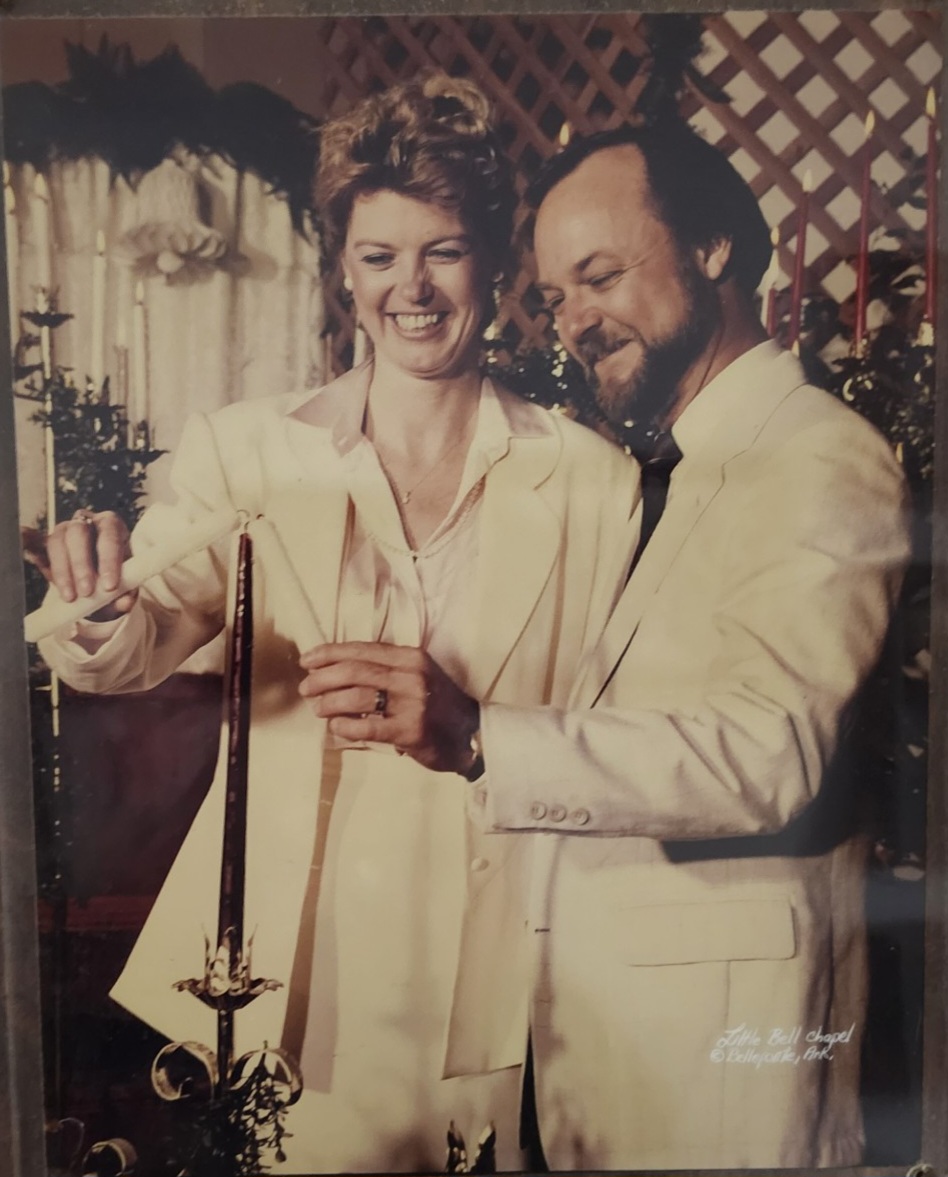
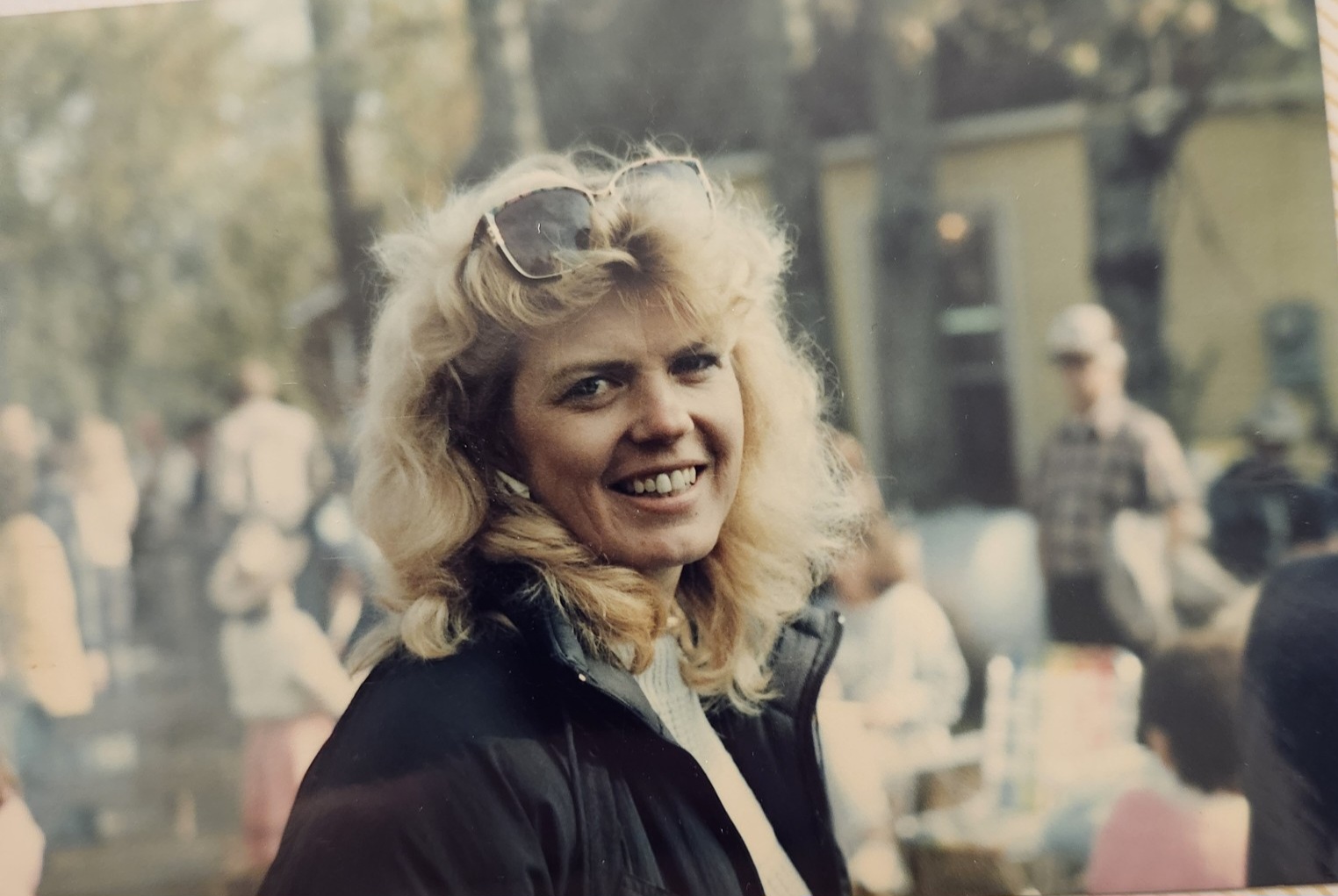
Yet Roy’s greatest legacy lived beyond the uniform. He built a life defined by love, devotion, and purpose. As a husband to Barbara — his partner, his anchor, the heart of his world ,he found a love that shaped every chapter of his life. As a single father before their marriage, he poured his values into his sons, teaching them through example what it meant to be honorable, dependable, and true to your word. They grew into men who carry his character within them.
In civilian life, Roy continued serving others as an American Board Certified Optician. With steady hands and a compassionate heart, he helped people see more clearly not just with lenses, but with kindness. As a business owner, he built something of his own, a practice rooted in honesty, integrity, and care. He and Barbara, both certified opticians, built their success together.
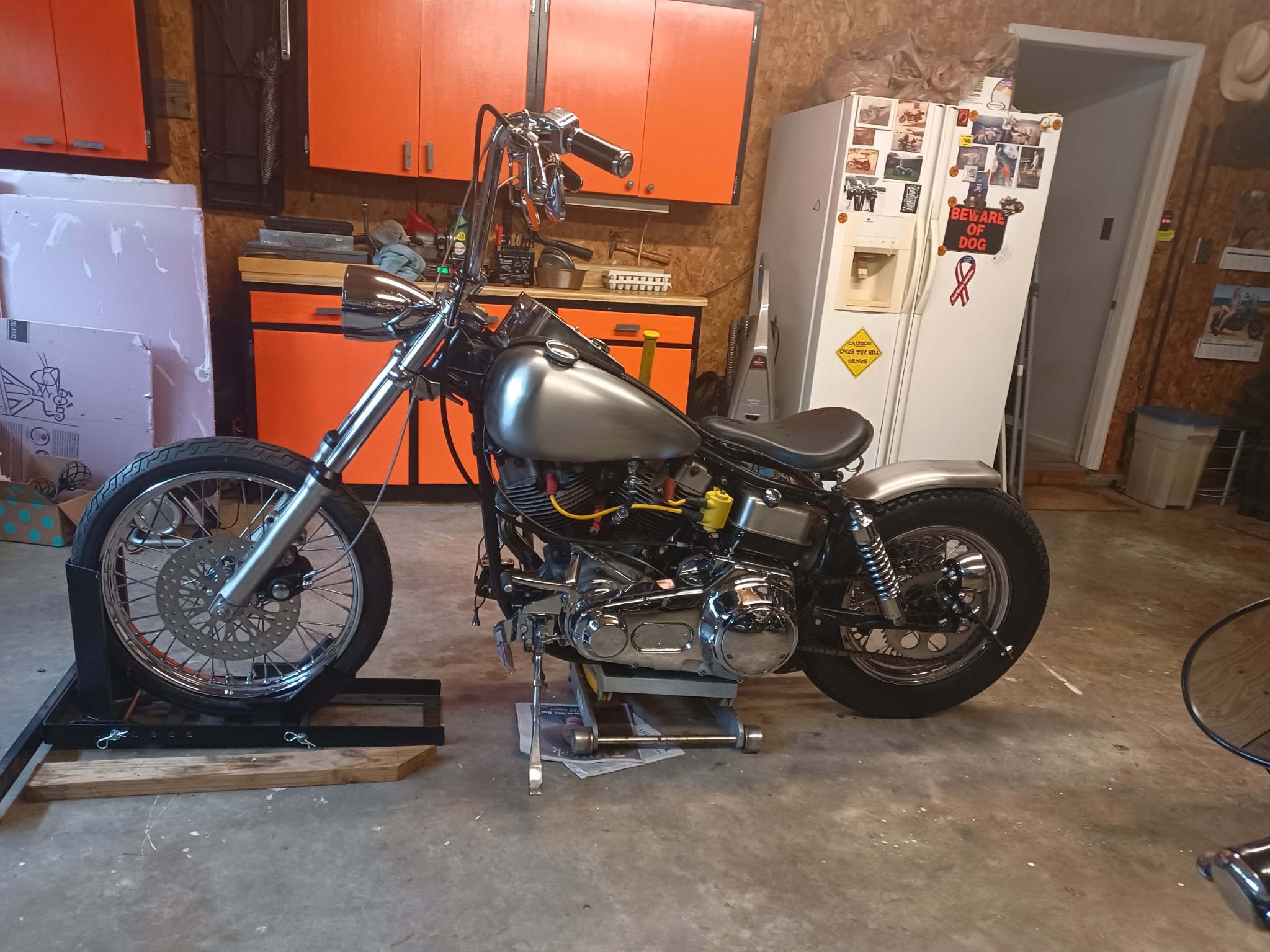
And then there was the Harley, the deep rumble, the open road, the freedom that spoke to his spirit. Riding wasn’t a hobby; it was his sanctuary. His Harley reflected who he was: strong, steady, unafraid to chase the horizon. Life, to Roy, was meant to be lived wide open.
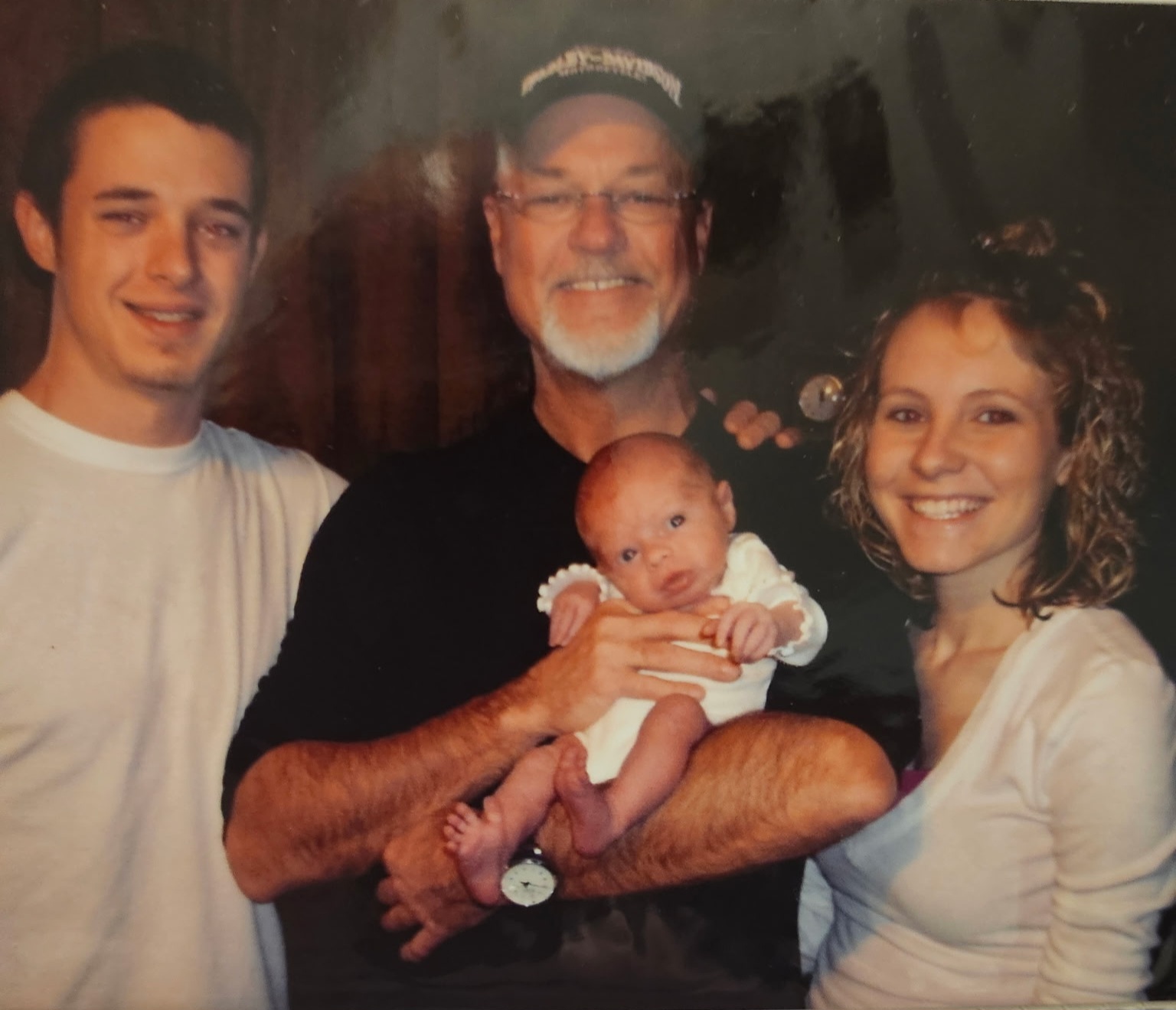
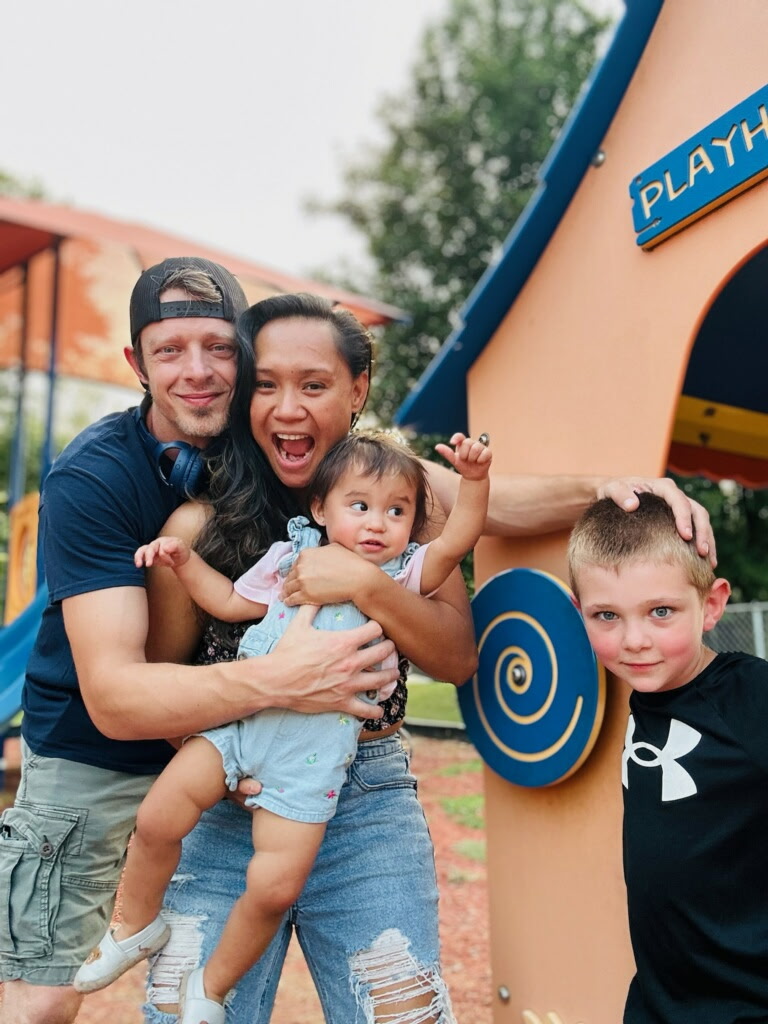
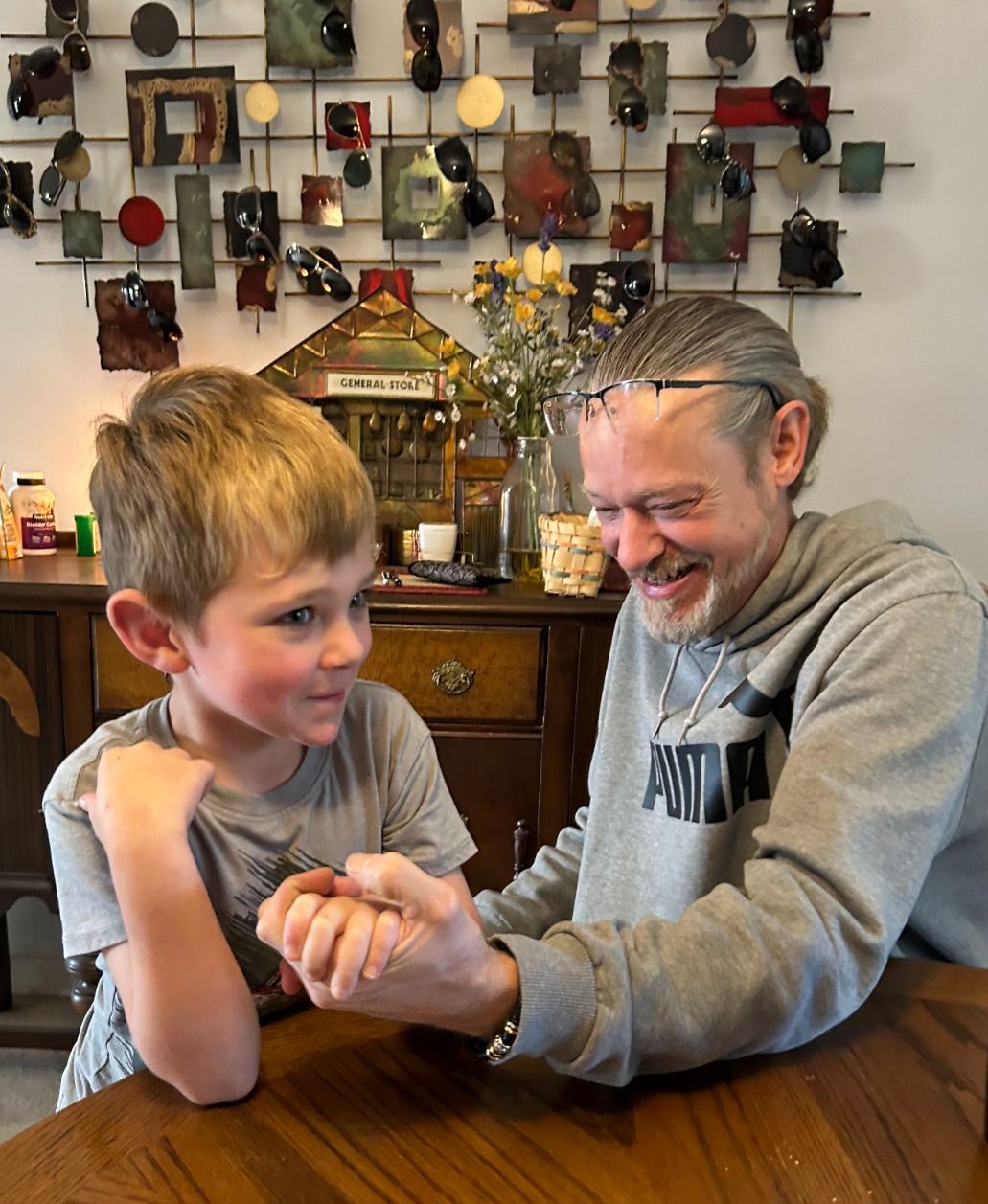
As a grandfather and great‑grandfather, he became the foundation of the family — the storyteller, the protector, the gentle presence whose laughter filled the room and whose love held everyone together. To them, he wasn’t just a veteran or a rider. He was the heart of the family.
Roy’s legacy lives on in the generations who carry his name, his lessons, and his love. It lives in the airmen he supported, the missions he strengthened, and the quiet professionalism he embodied. It lives in Barbara’s memories, in his sons’ character, and in the stories his grandchildren will tell their own children. His life was a testament to service, to devotion, and to the enduring power of a steady heart.
His life was a testament to service to his country, to his family, and to every person fortunate enough to know him. Roy N. Wright Jr. lived with honor, led with humility, and loved with a depth that will echo through his family for generations, a steady and enduring light whose presence will remain alive in the hearts he shaped and in the legacy he leaves behind.