

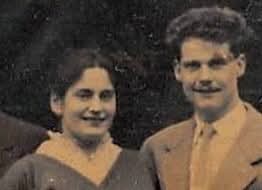
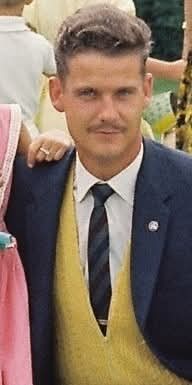
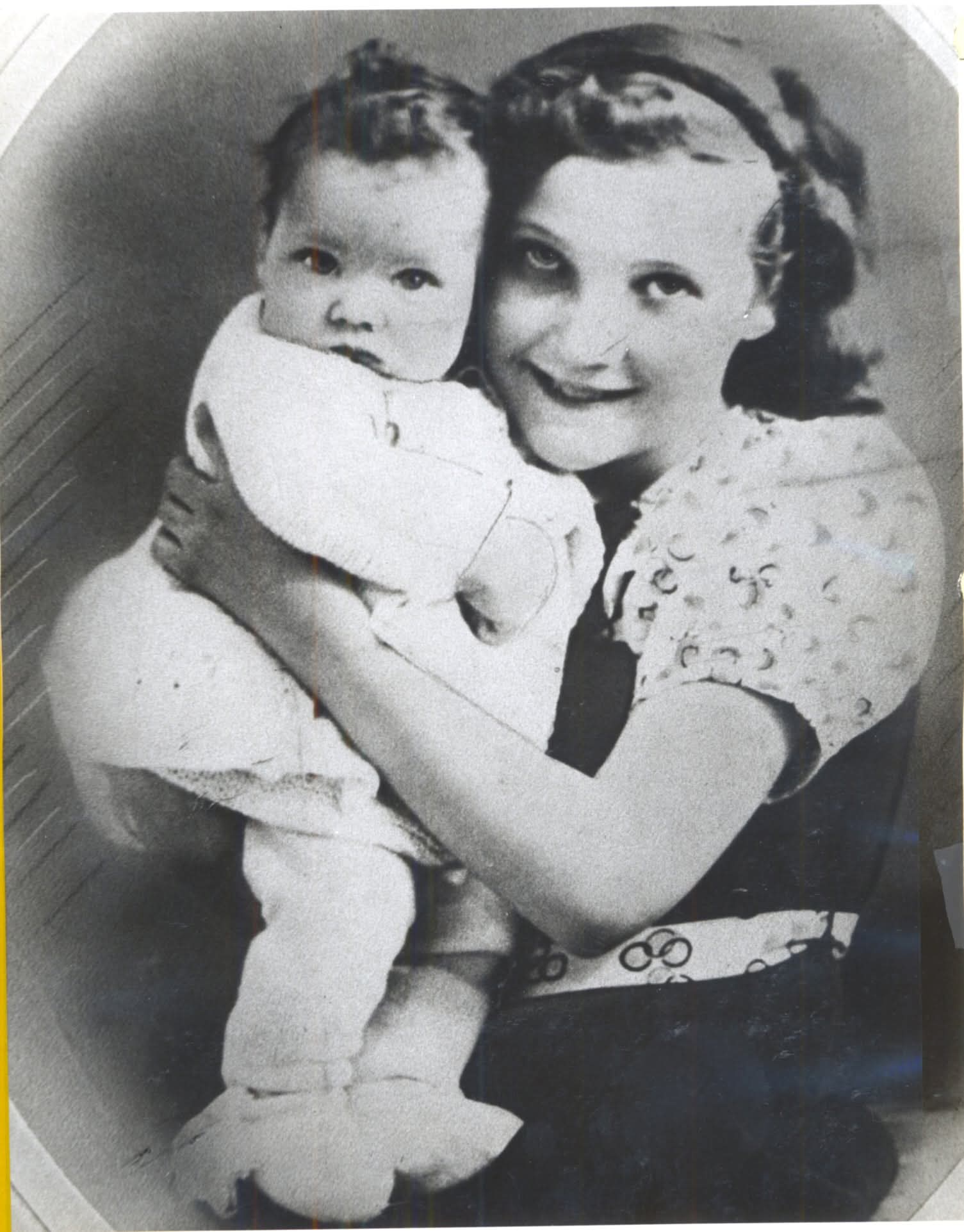
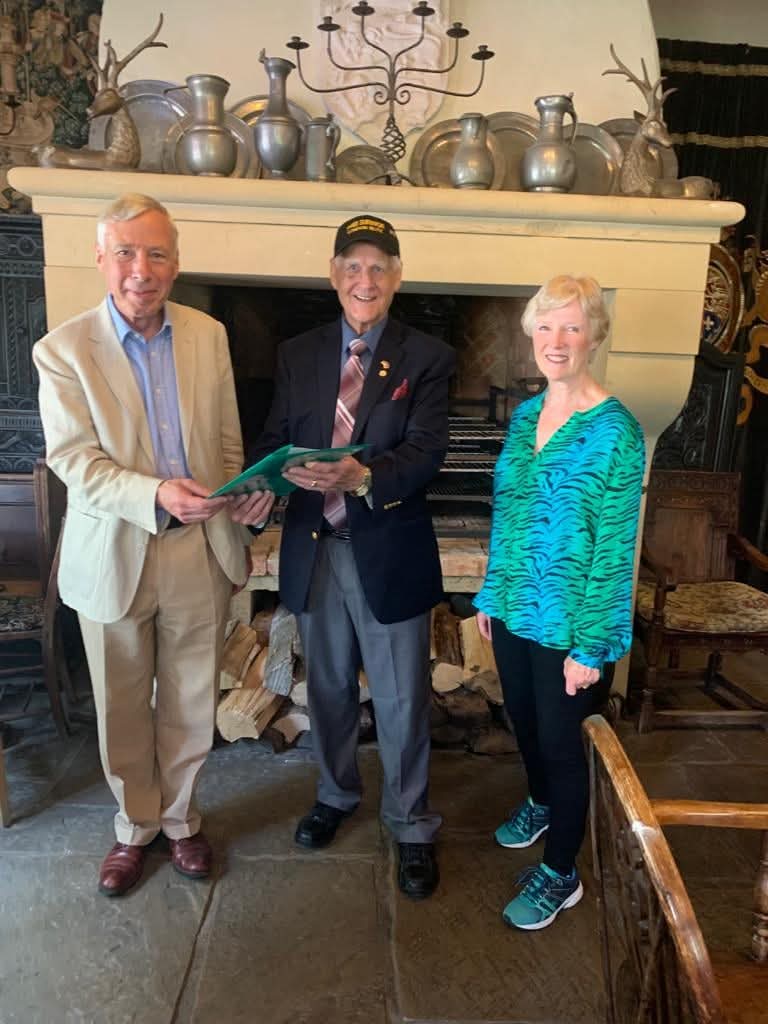
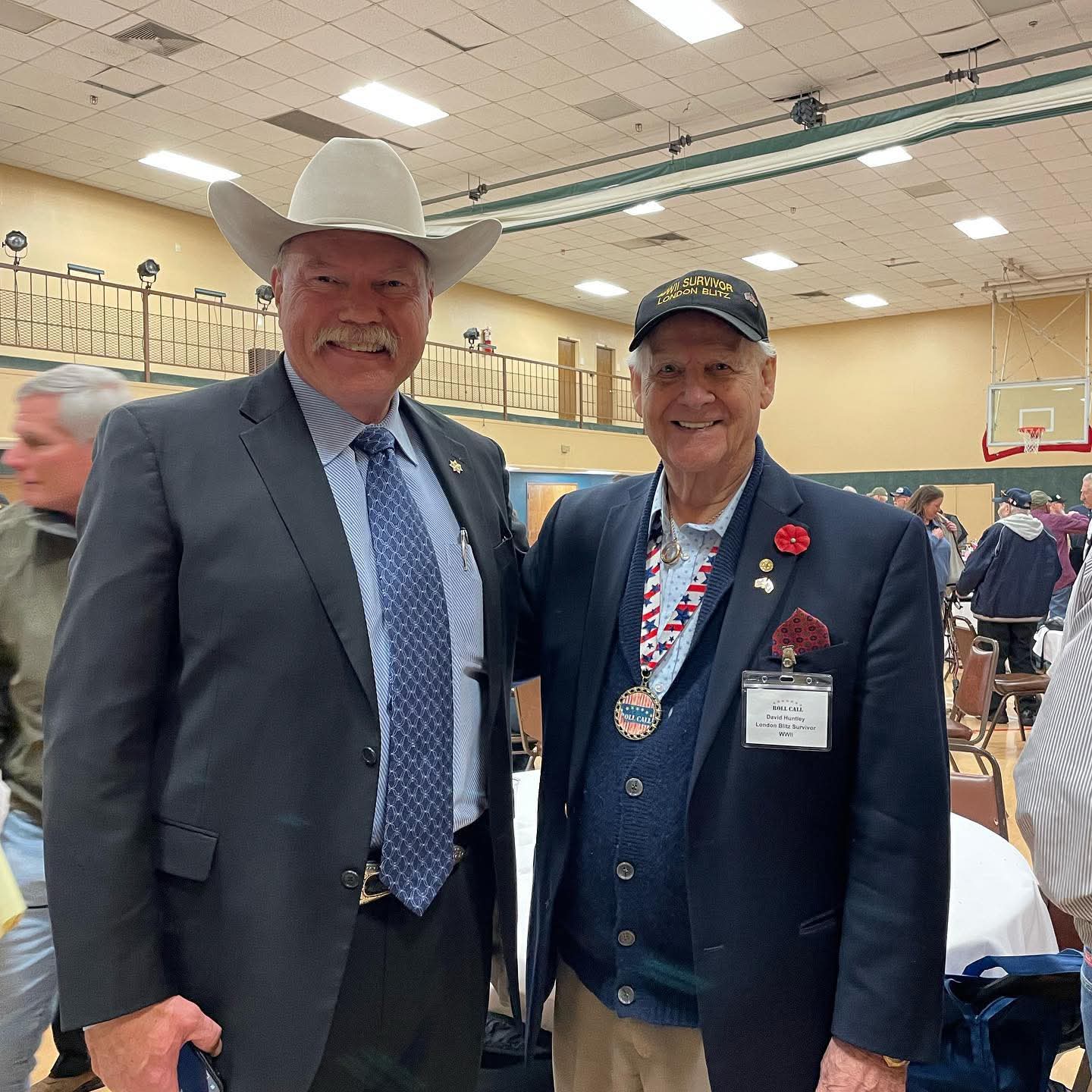
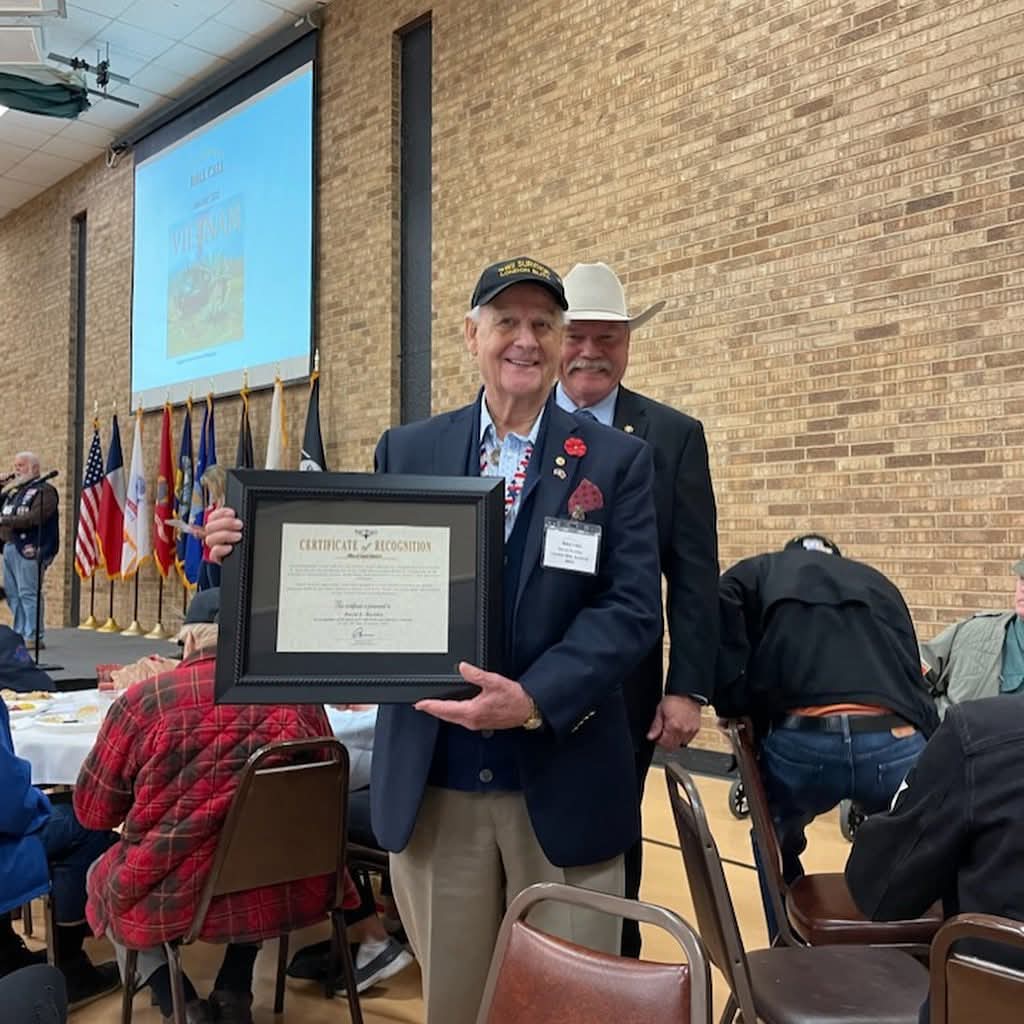
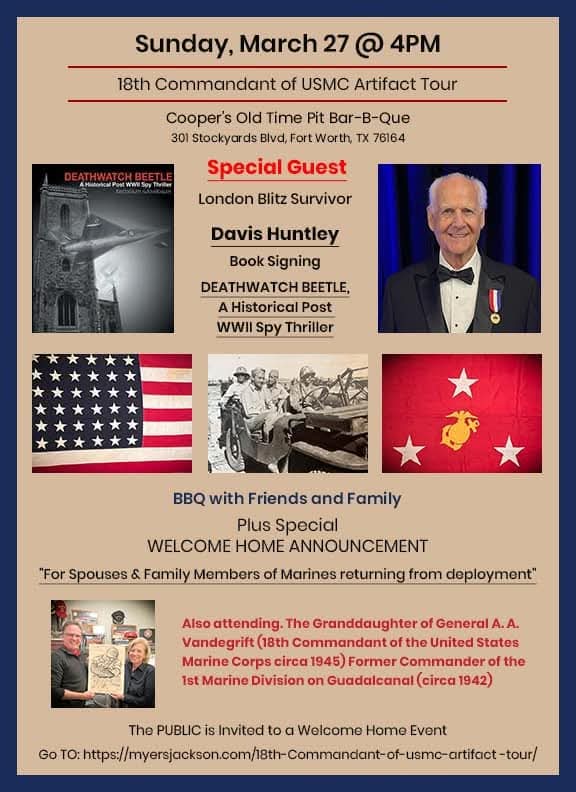
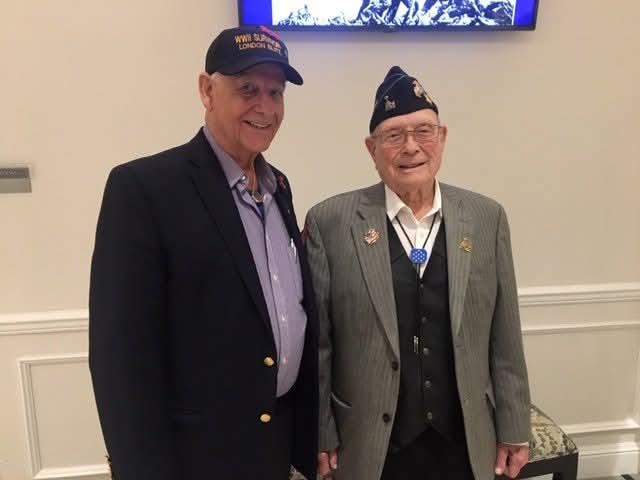
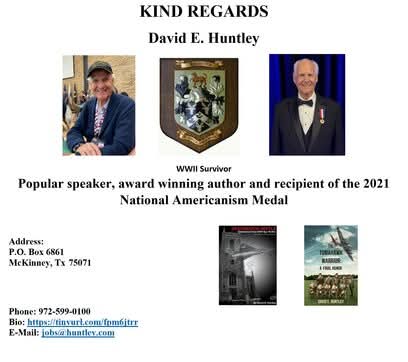


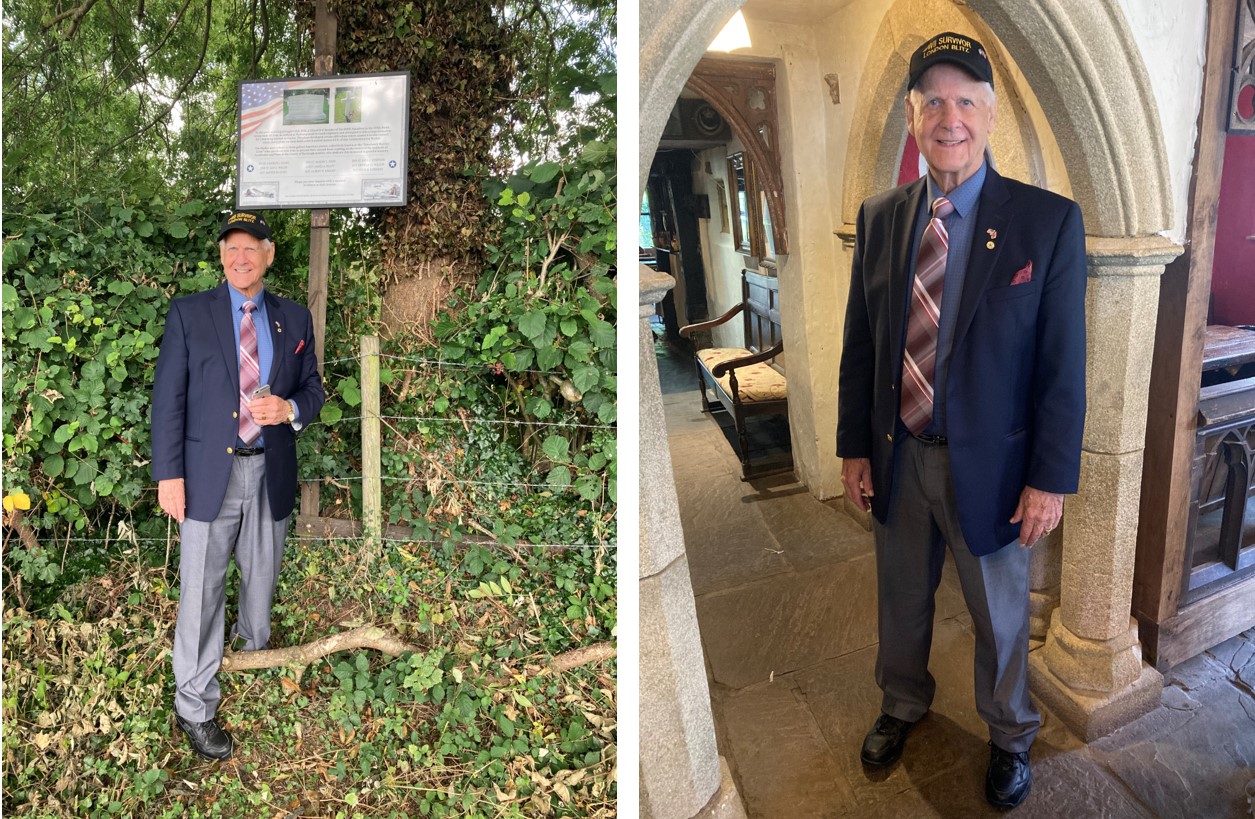
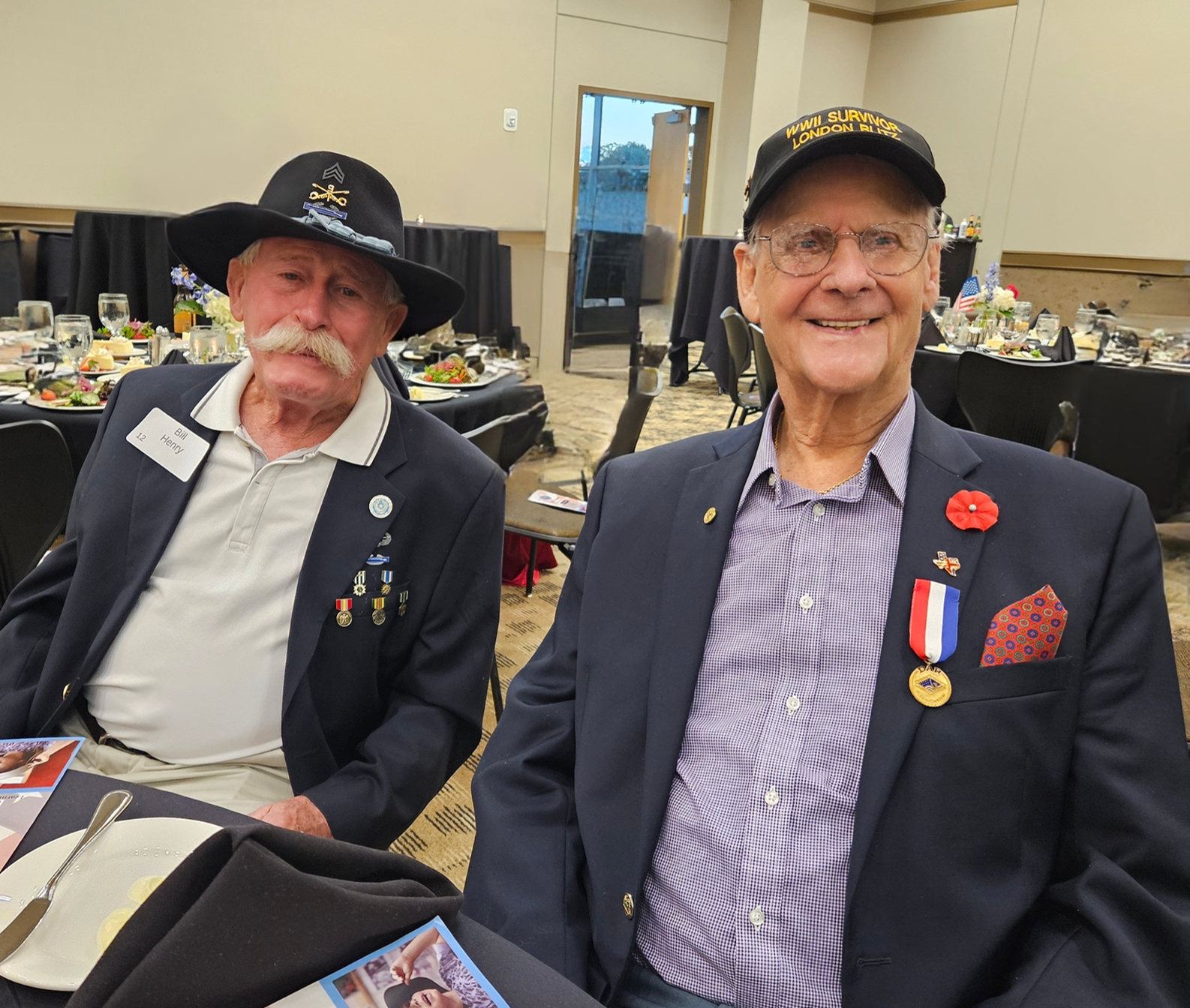

“David E. Huntley’s current book is now an official historical document of WWII held by the JFK Library in Boston, as well as, the Imperial War Museum Research Library Room in London for the benefit of future scholars and historians.”
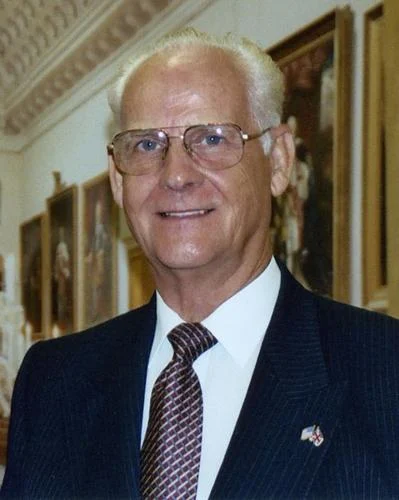
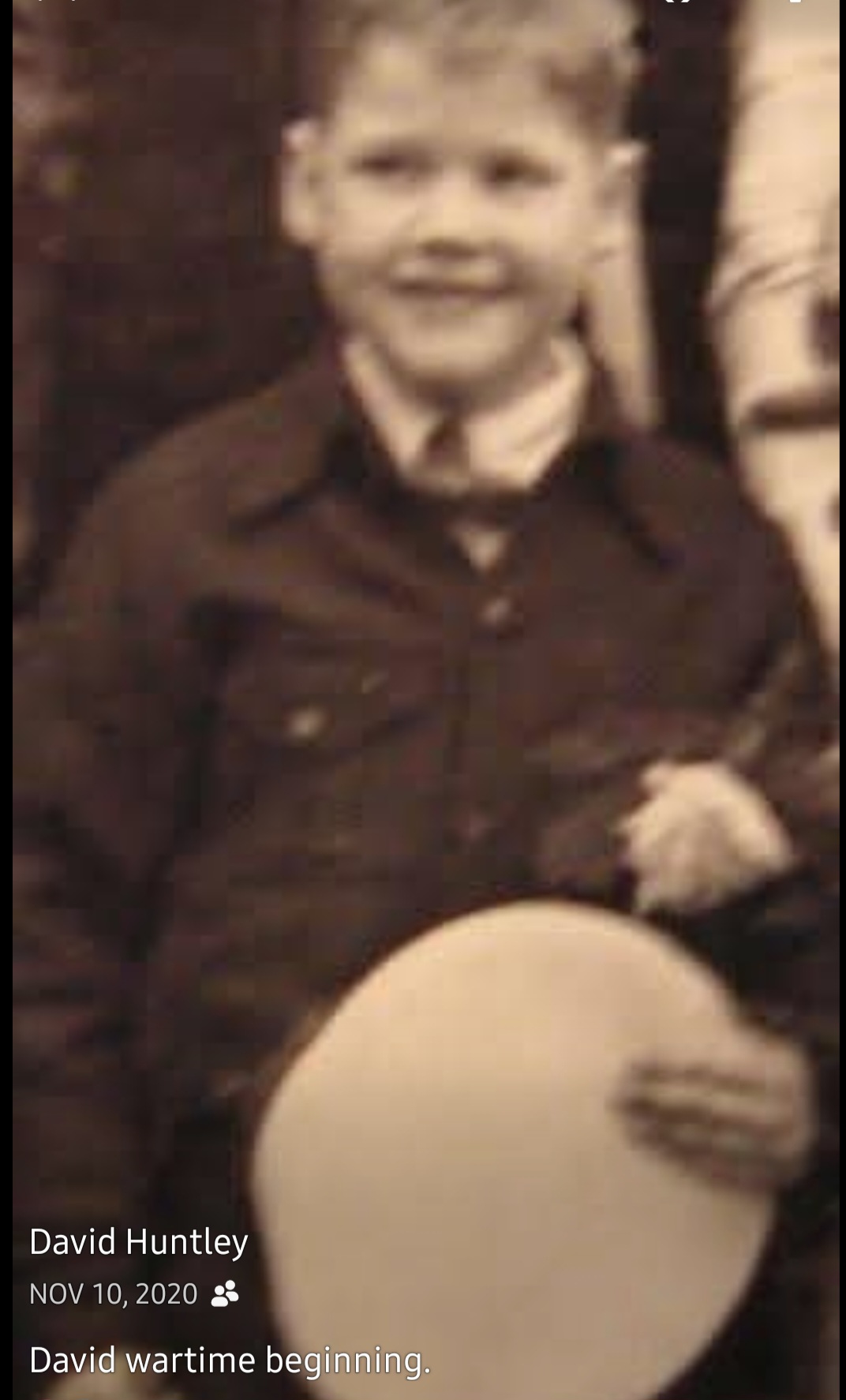
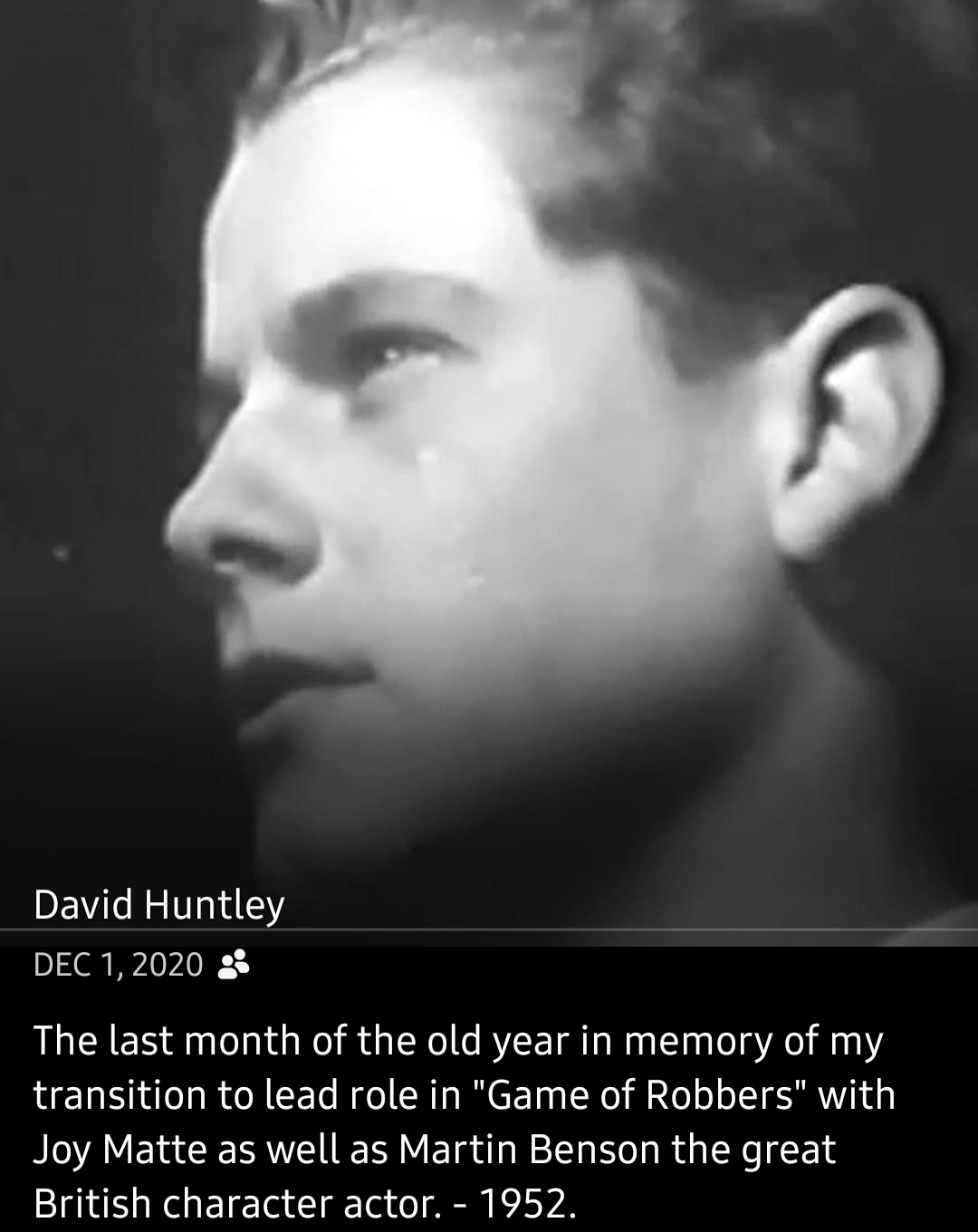
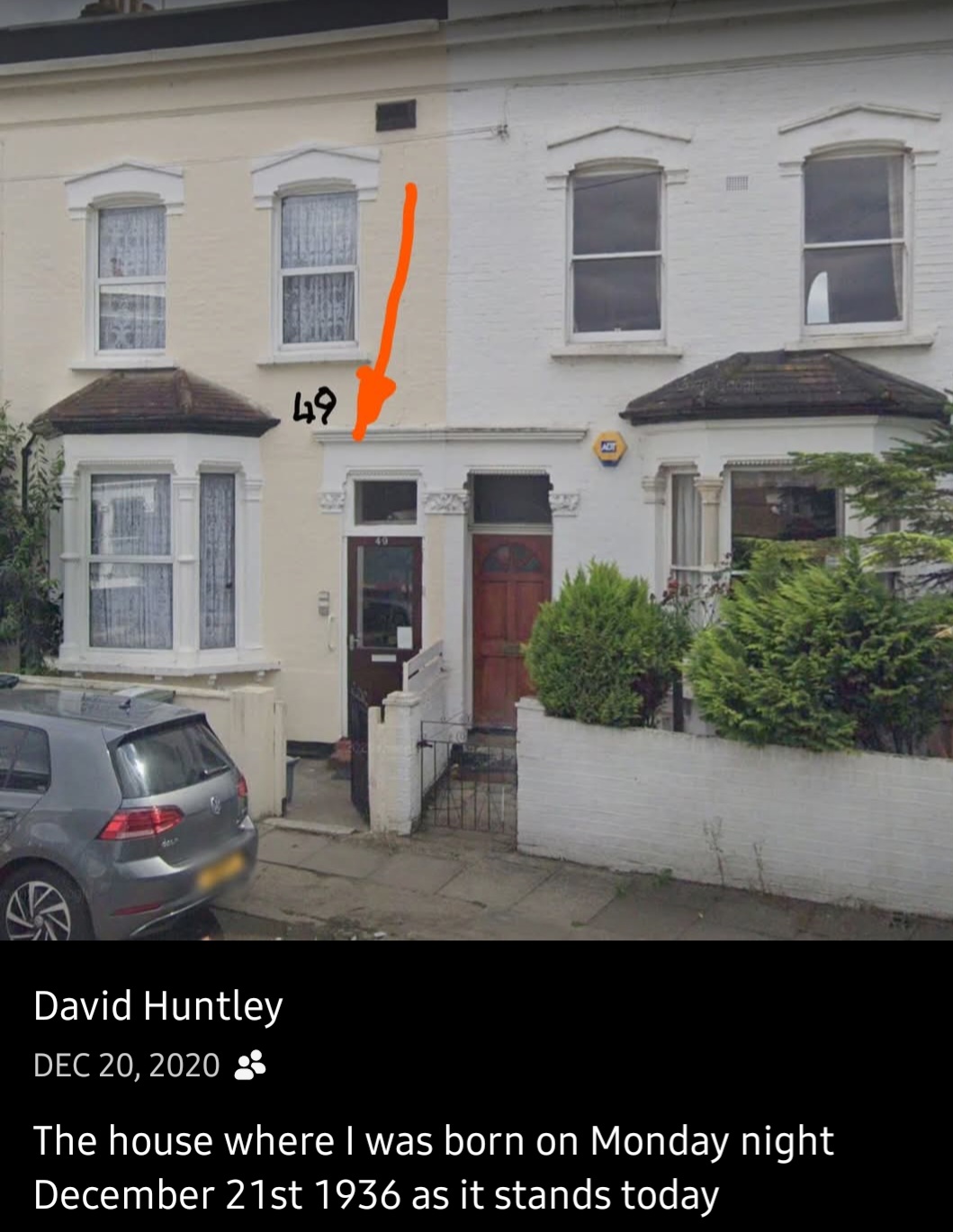
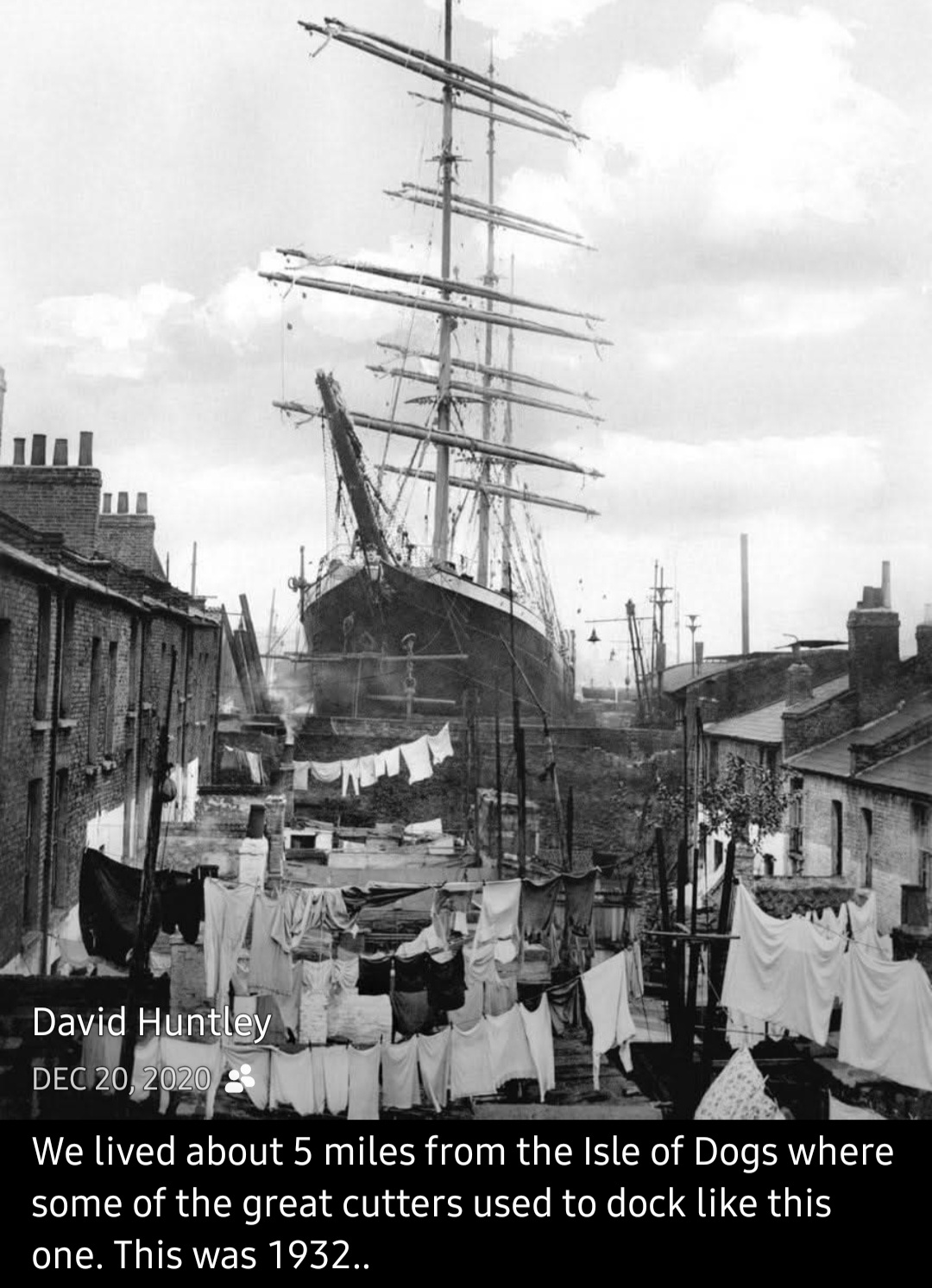
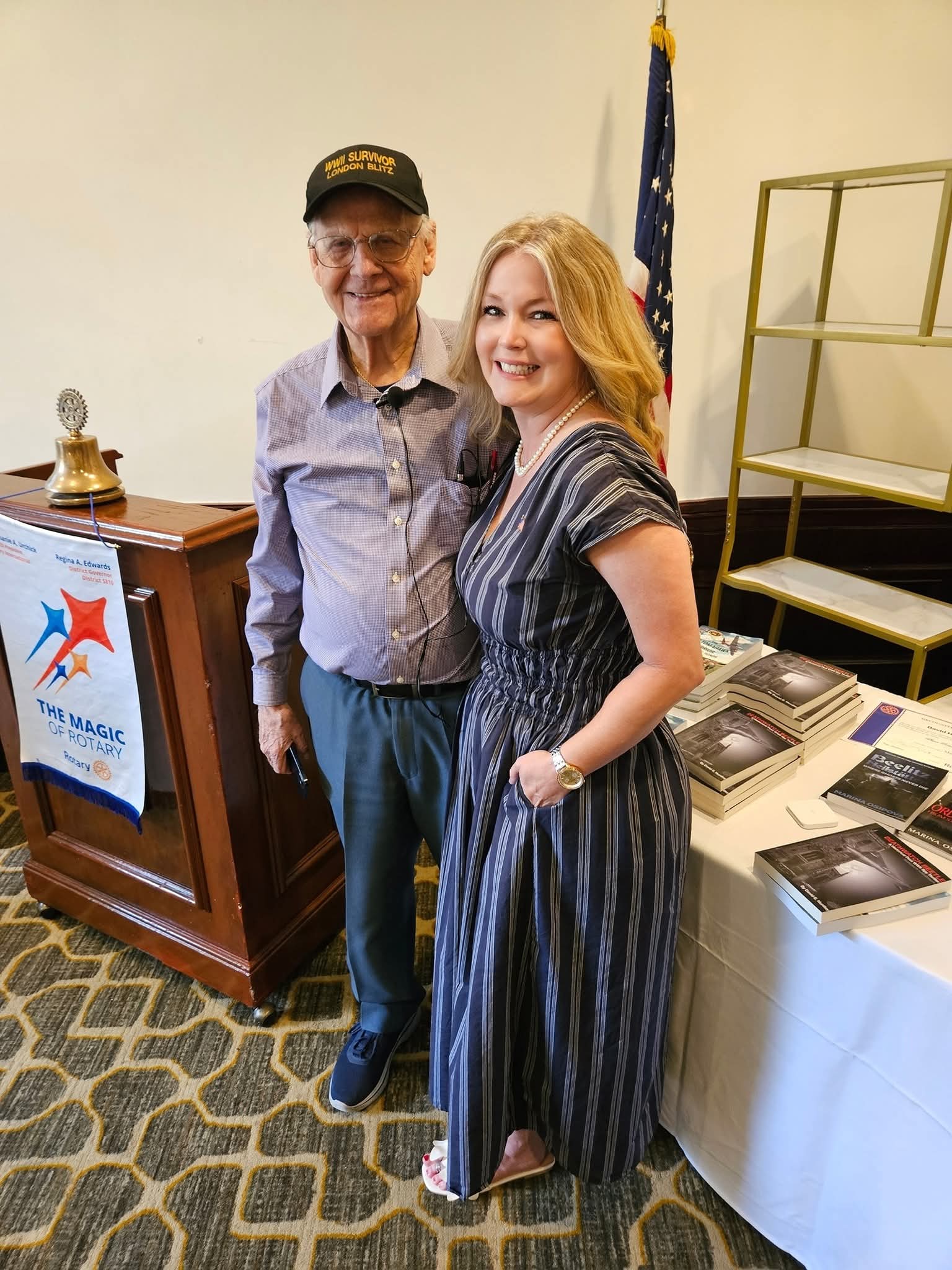
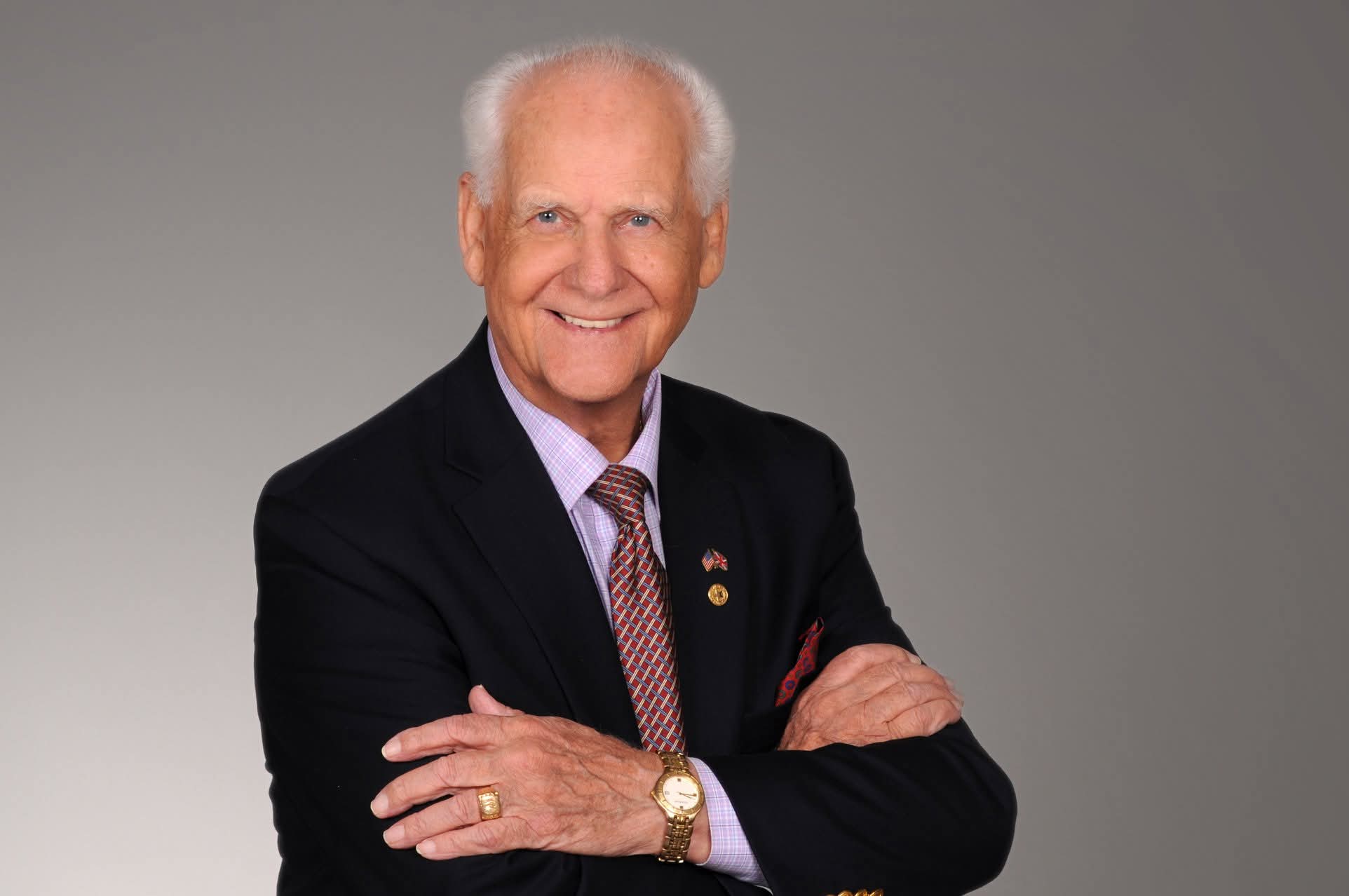
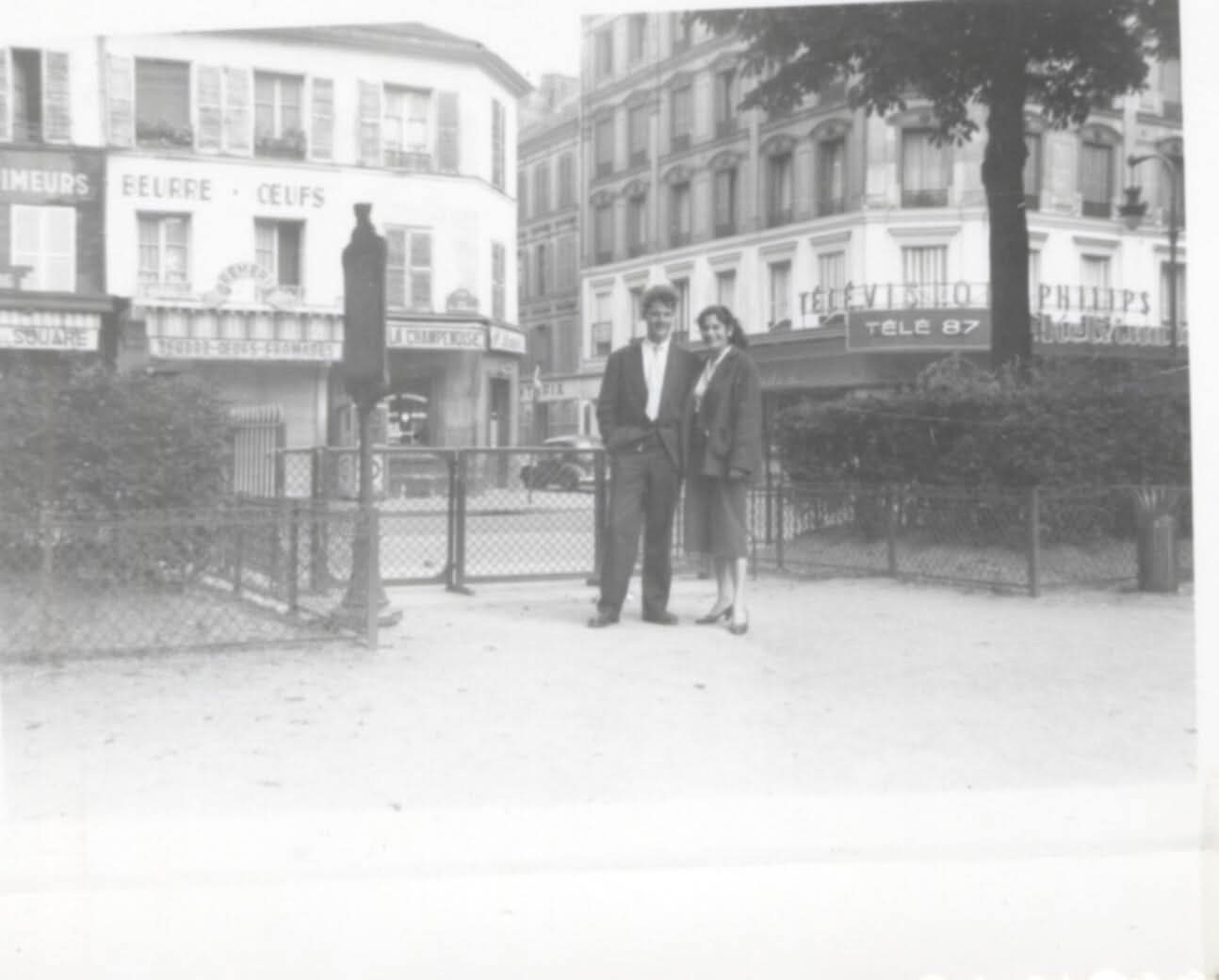
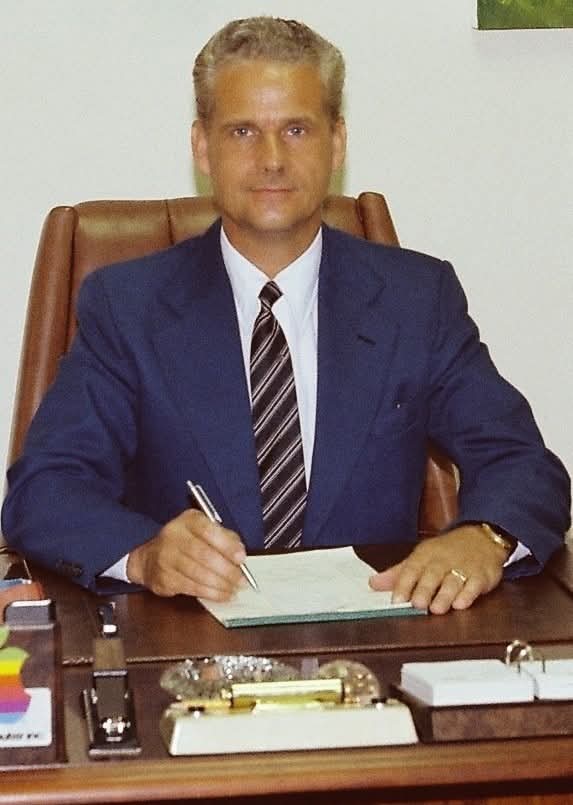
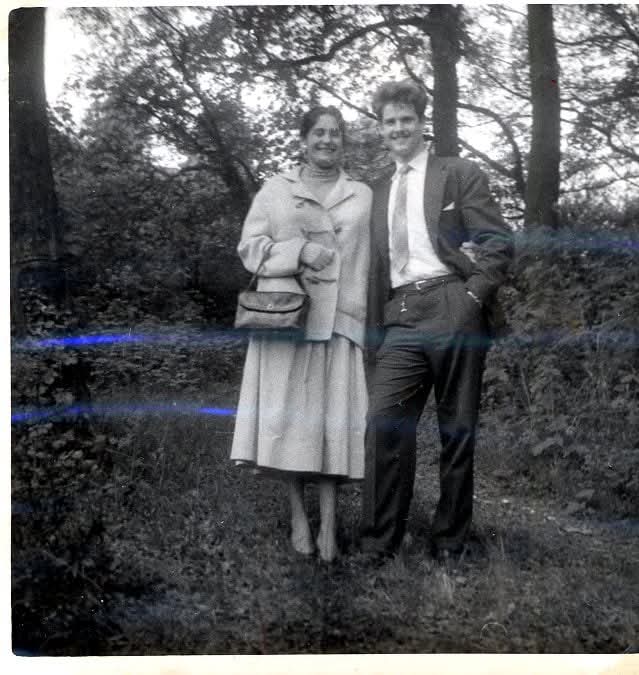
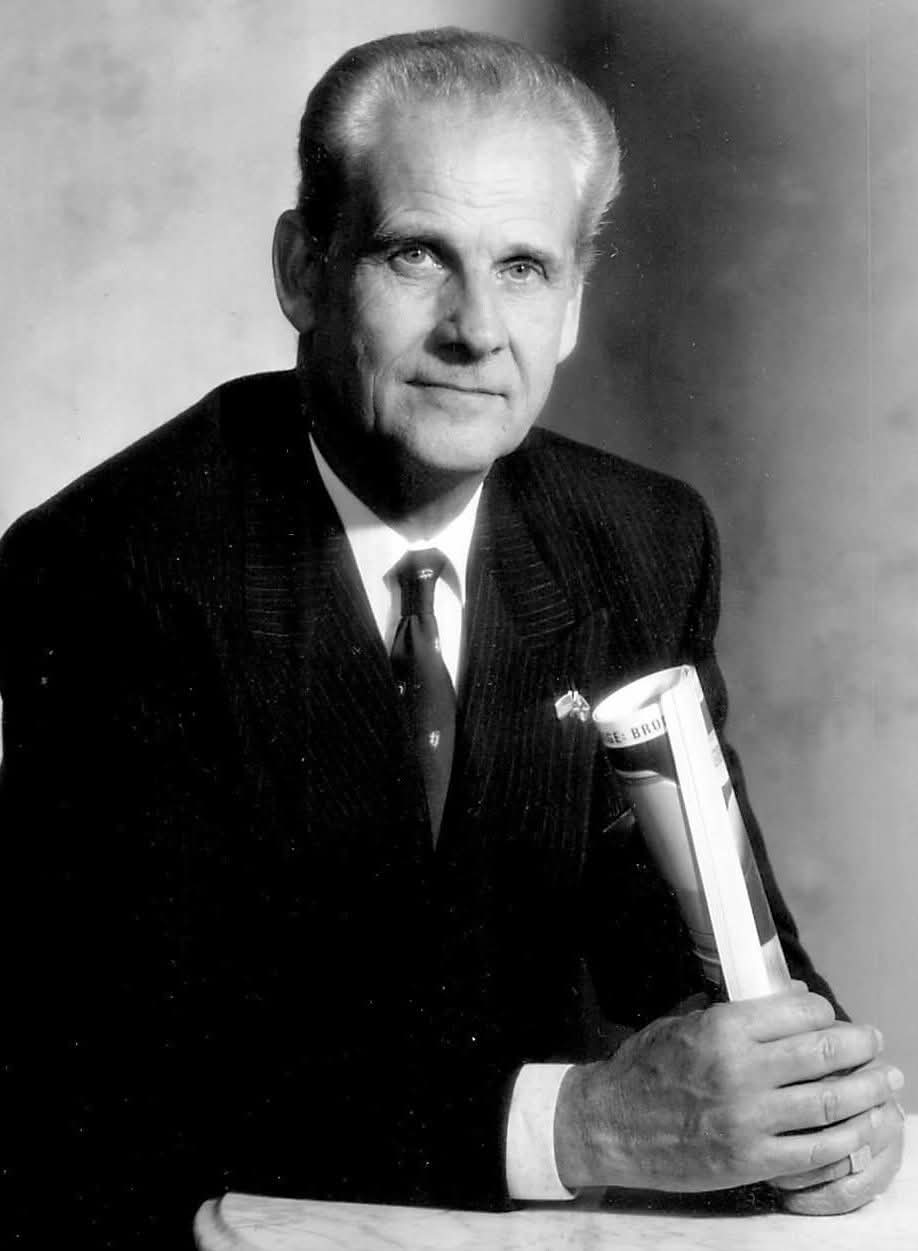
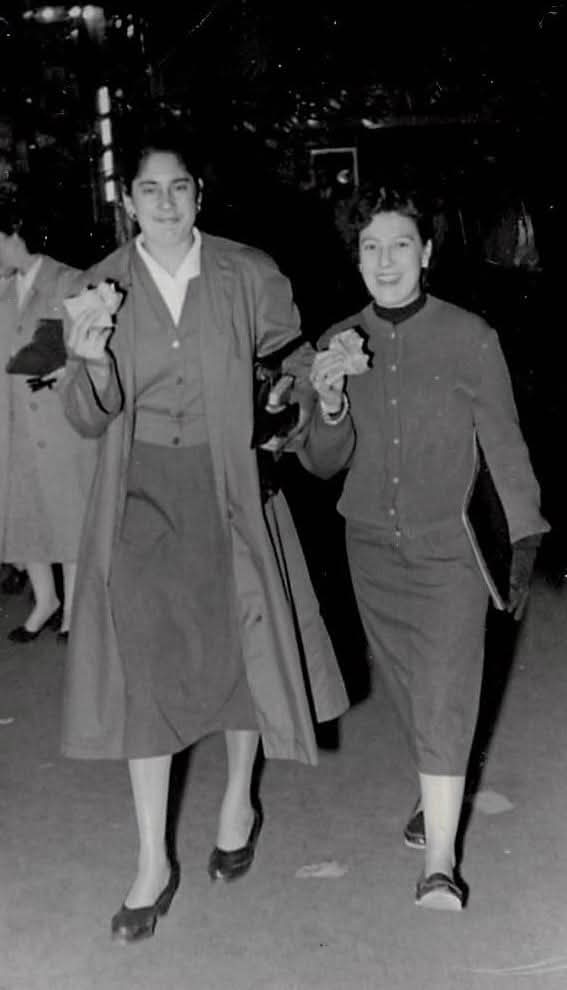
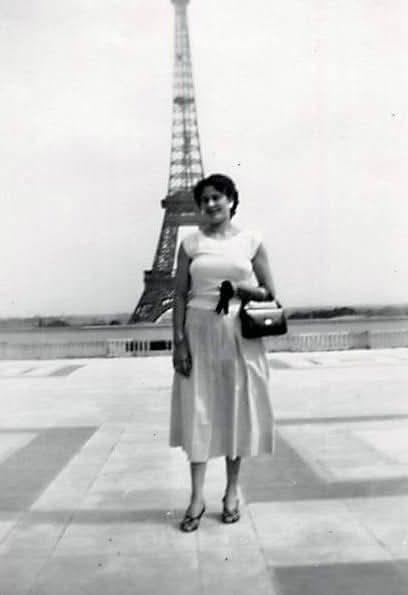
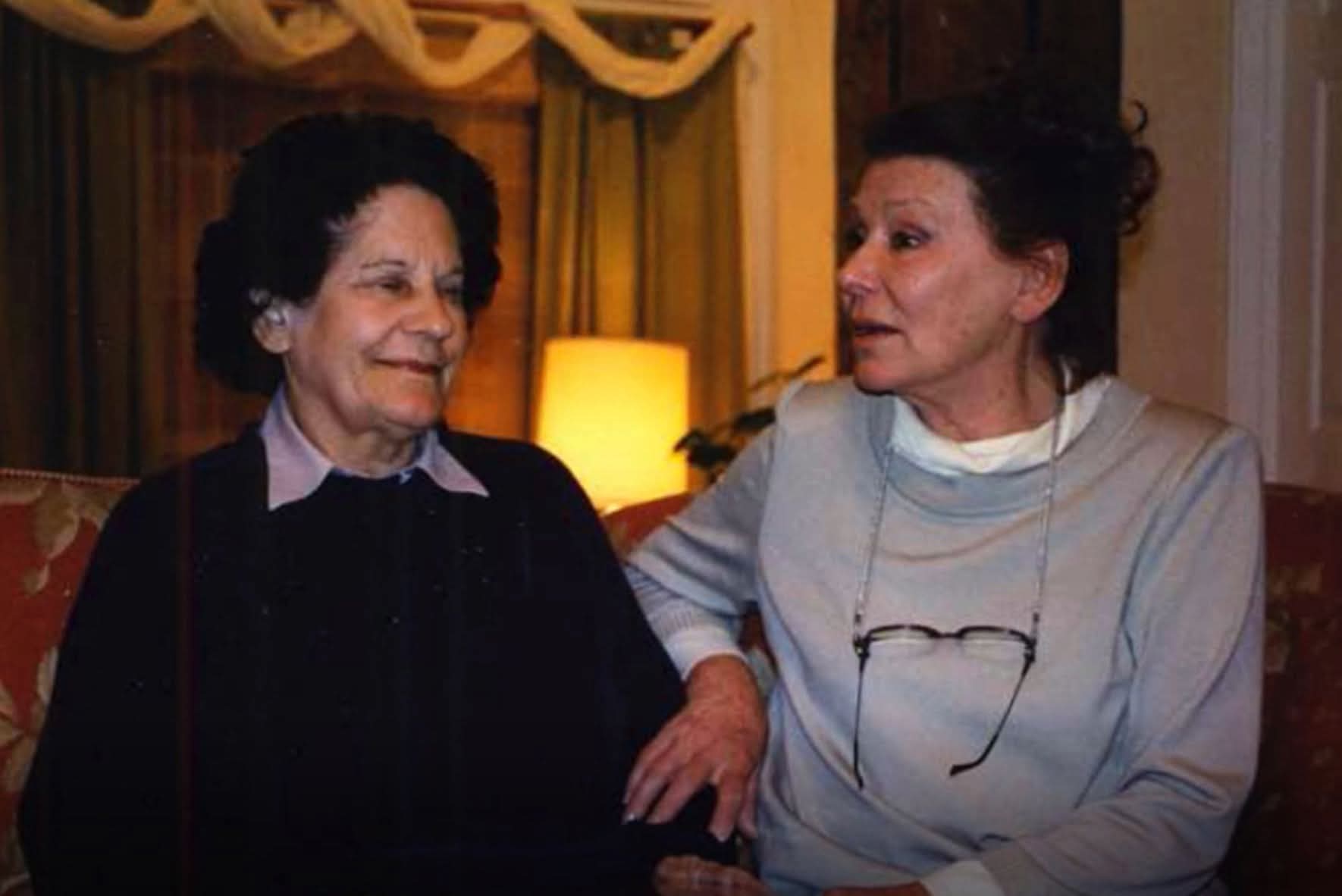
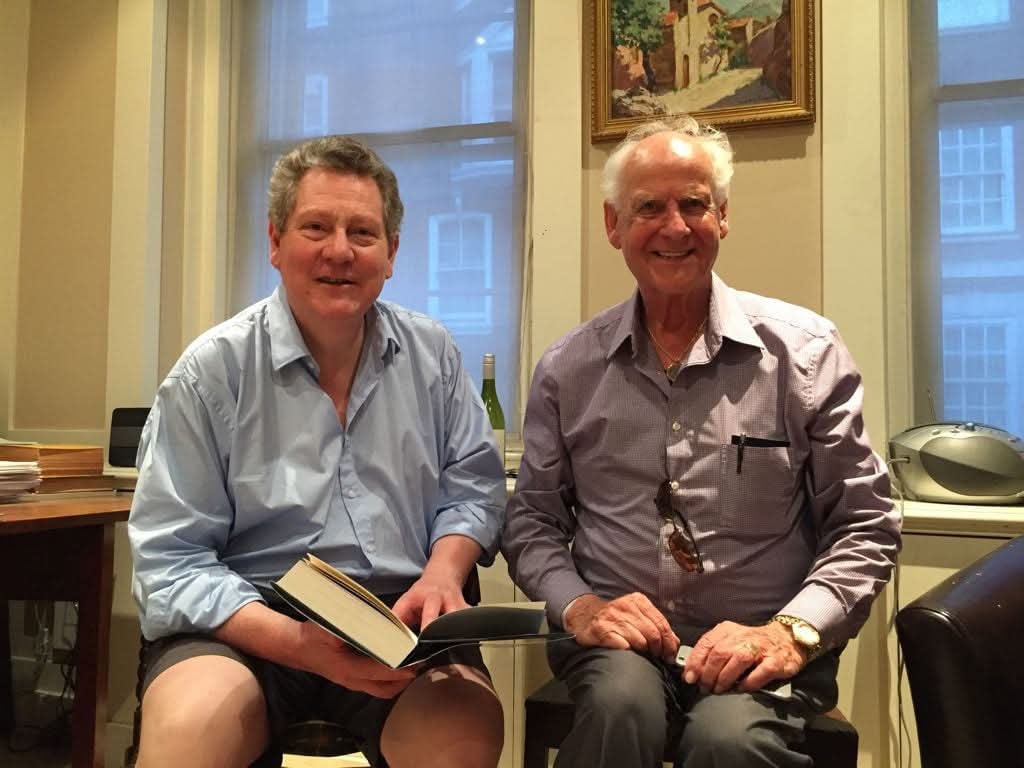
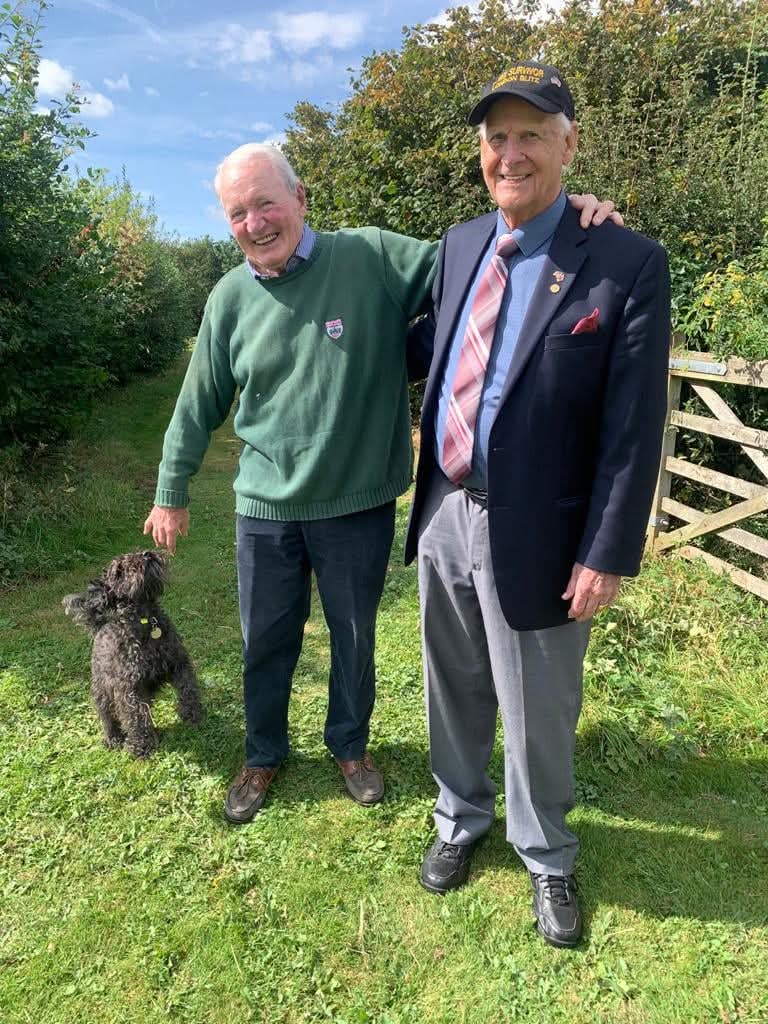
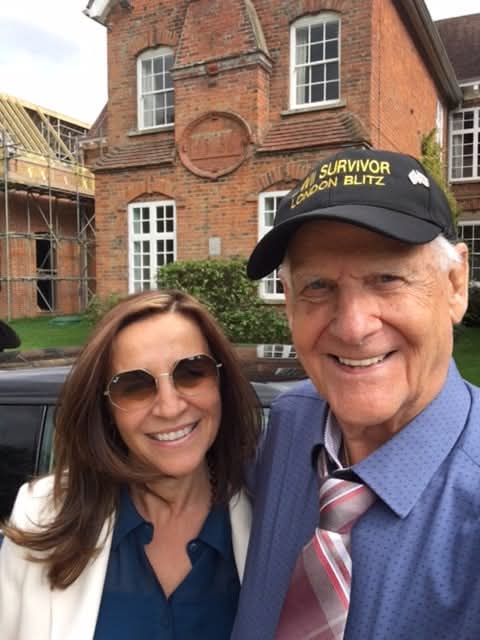
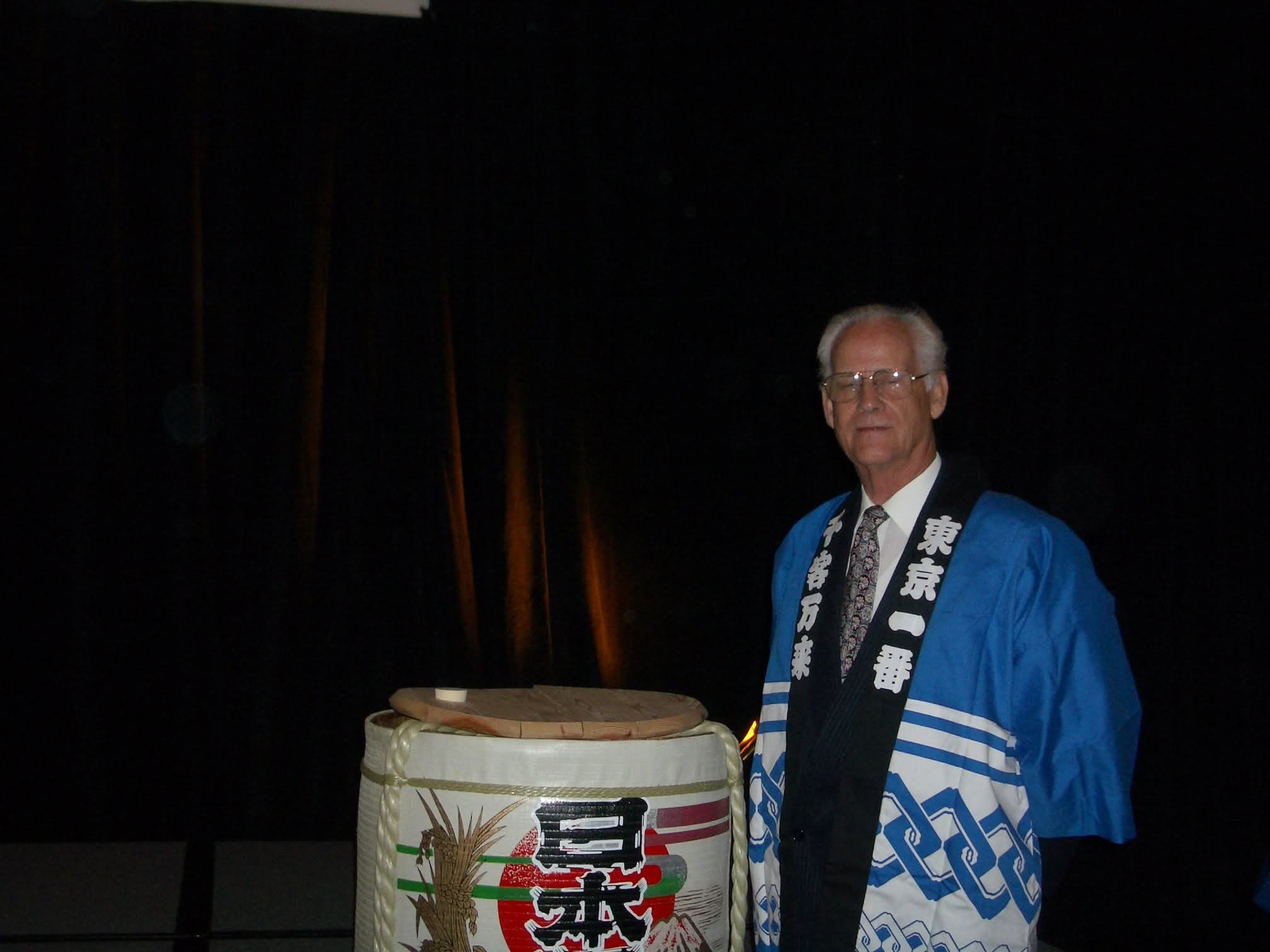
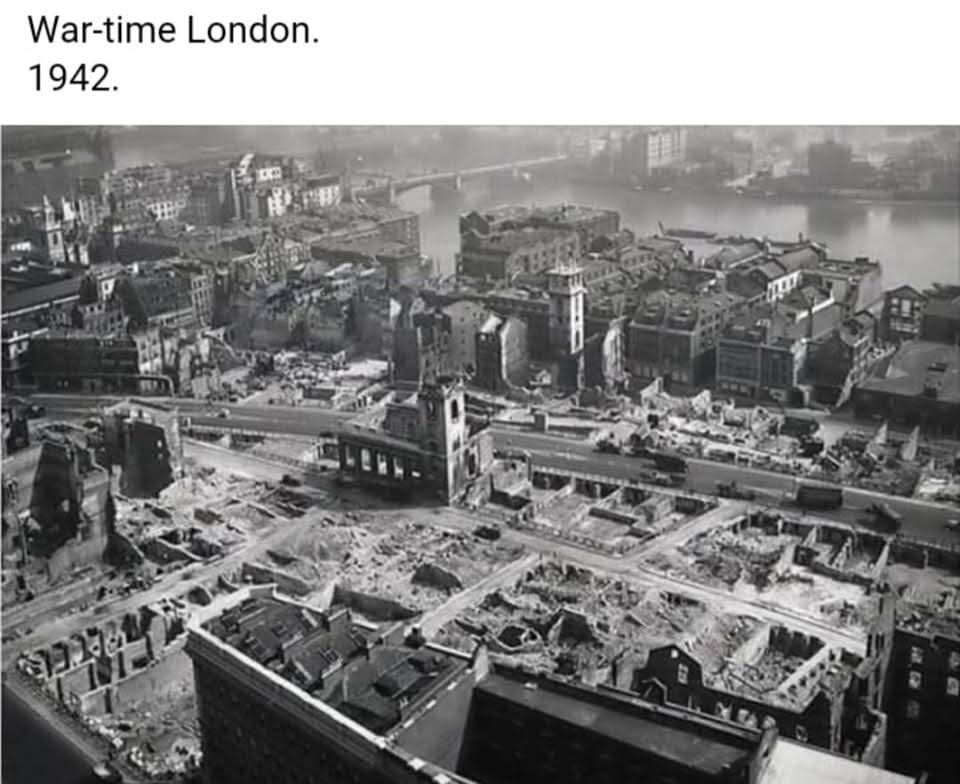
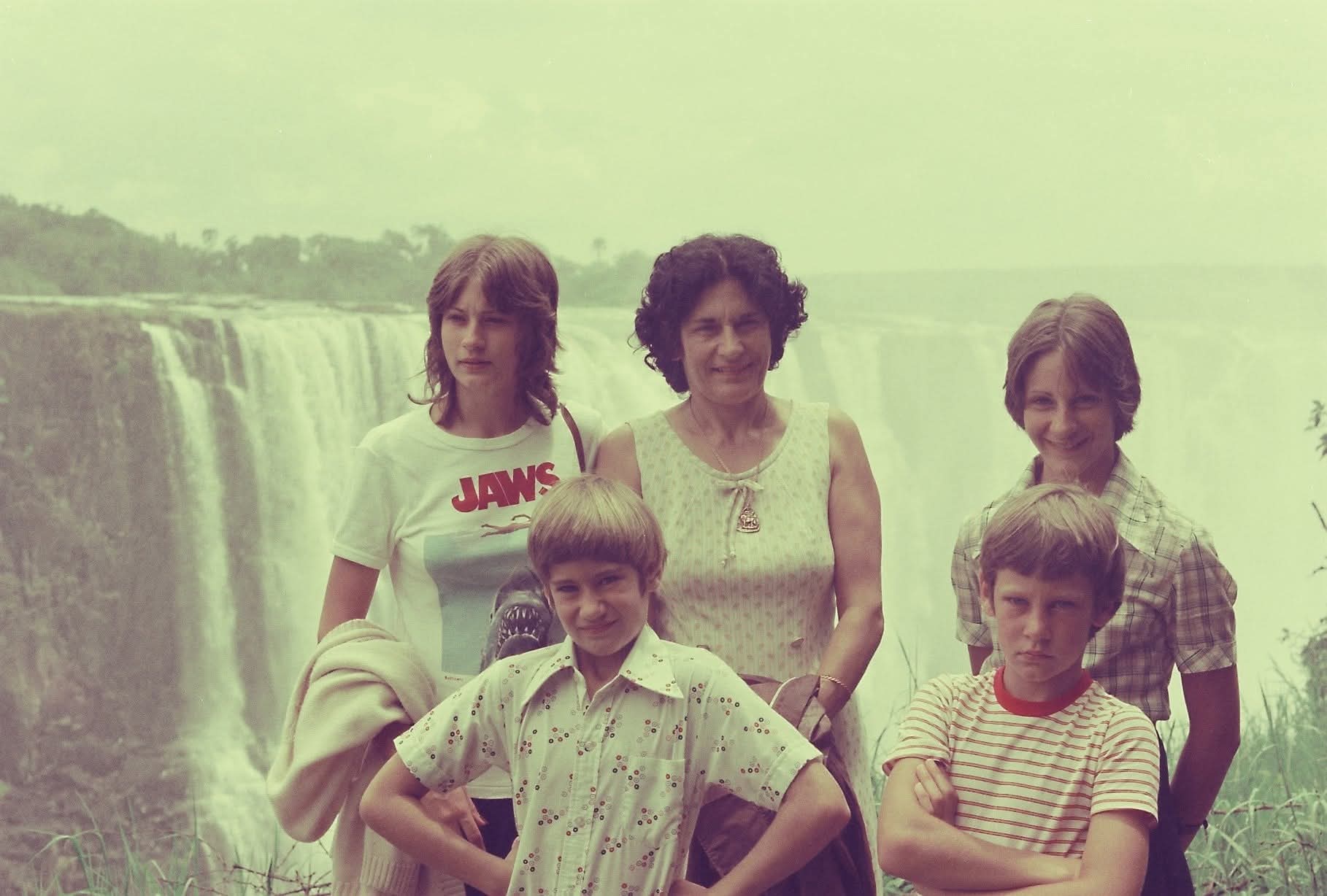
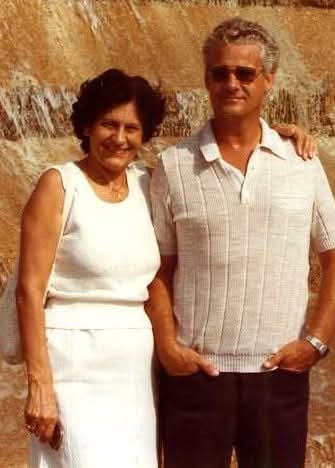
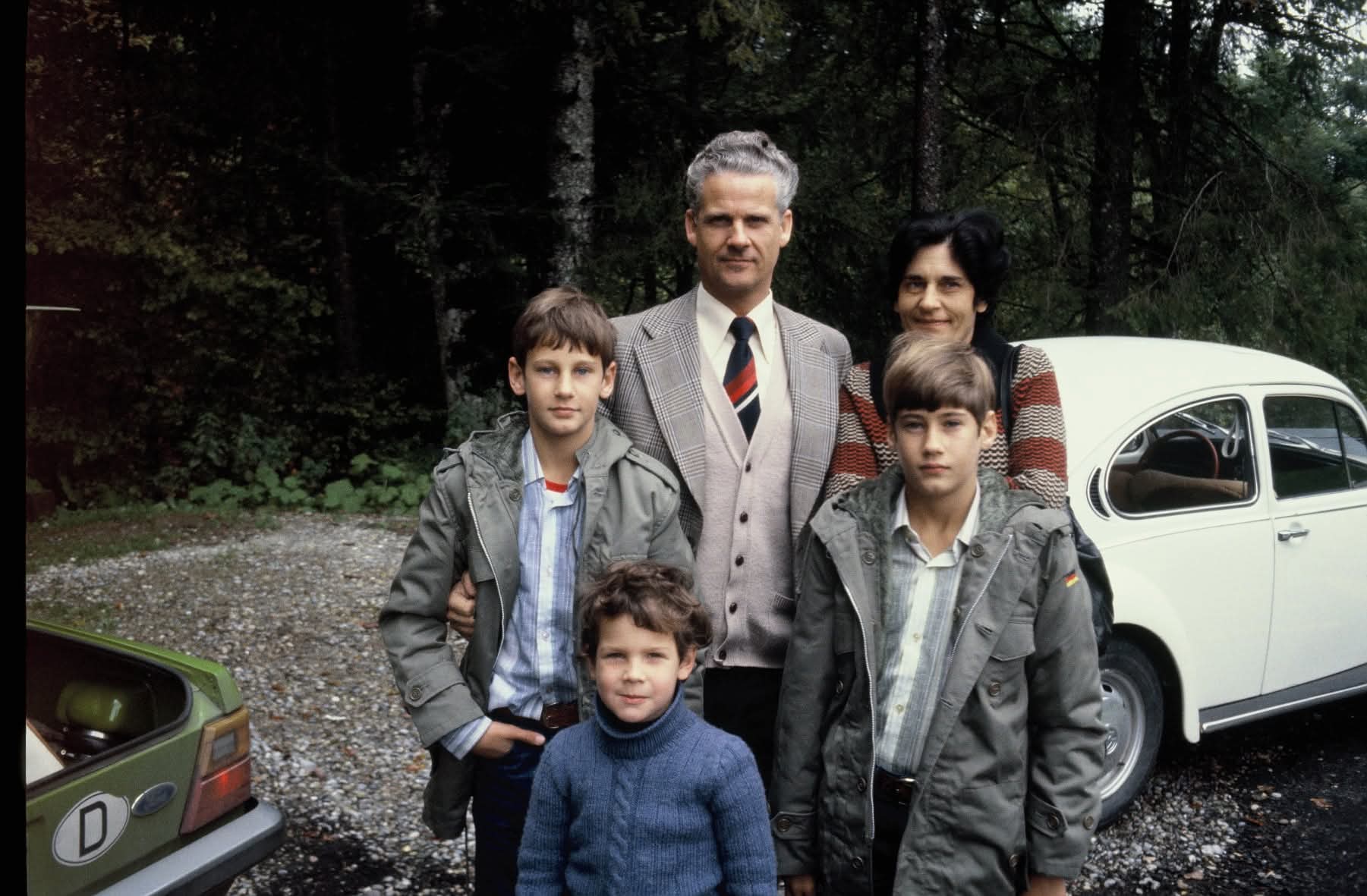
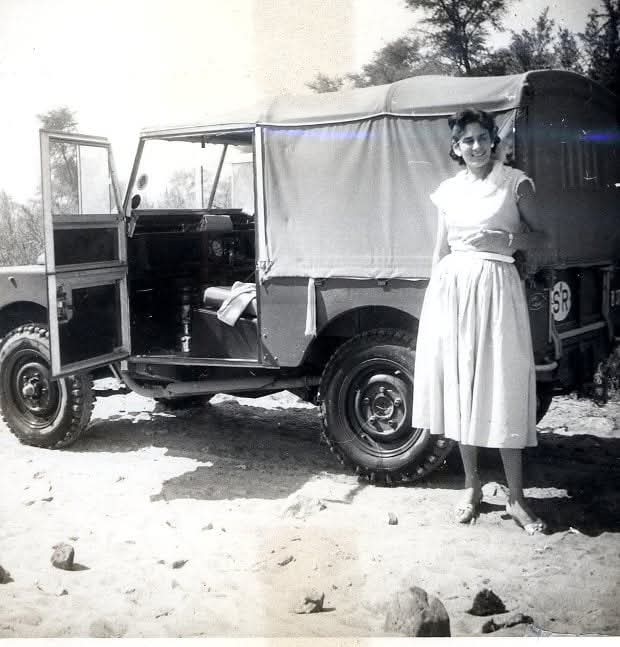
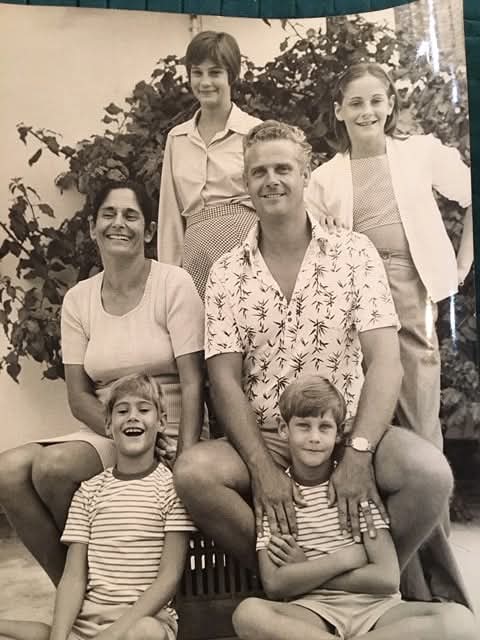
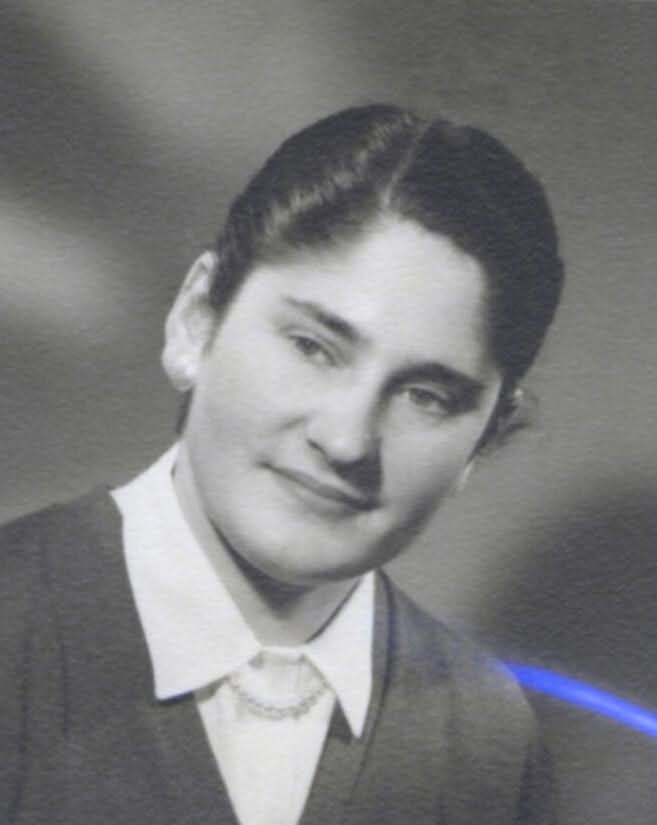
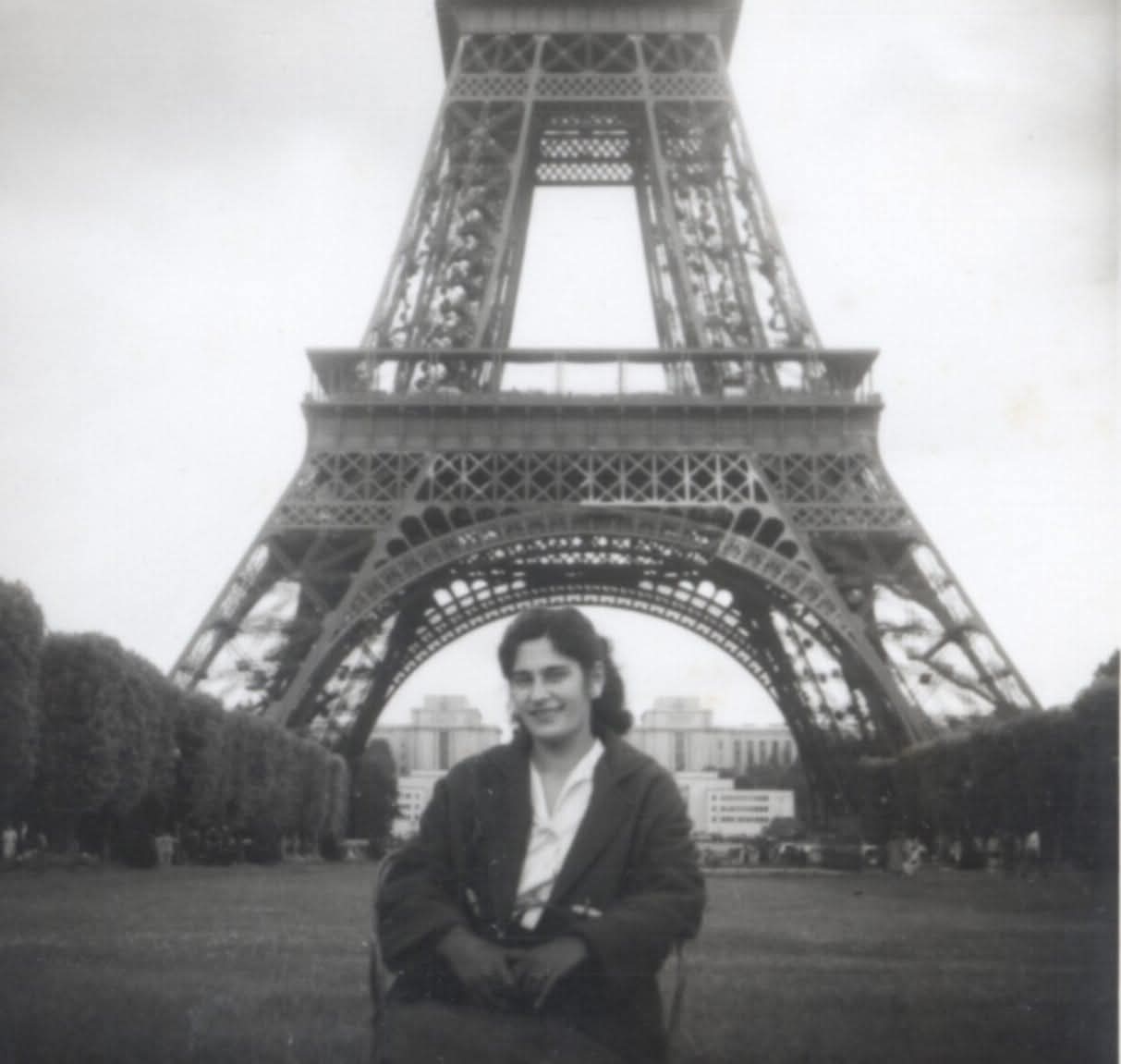
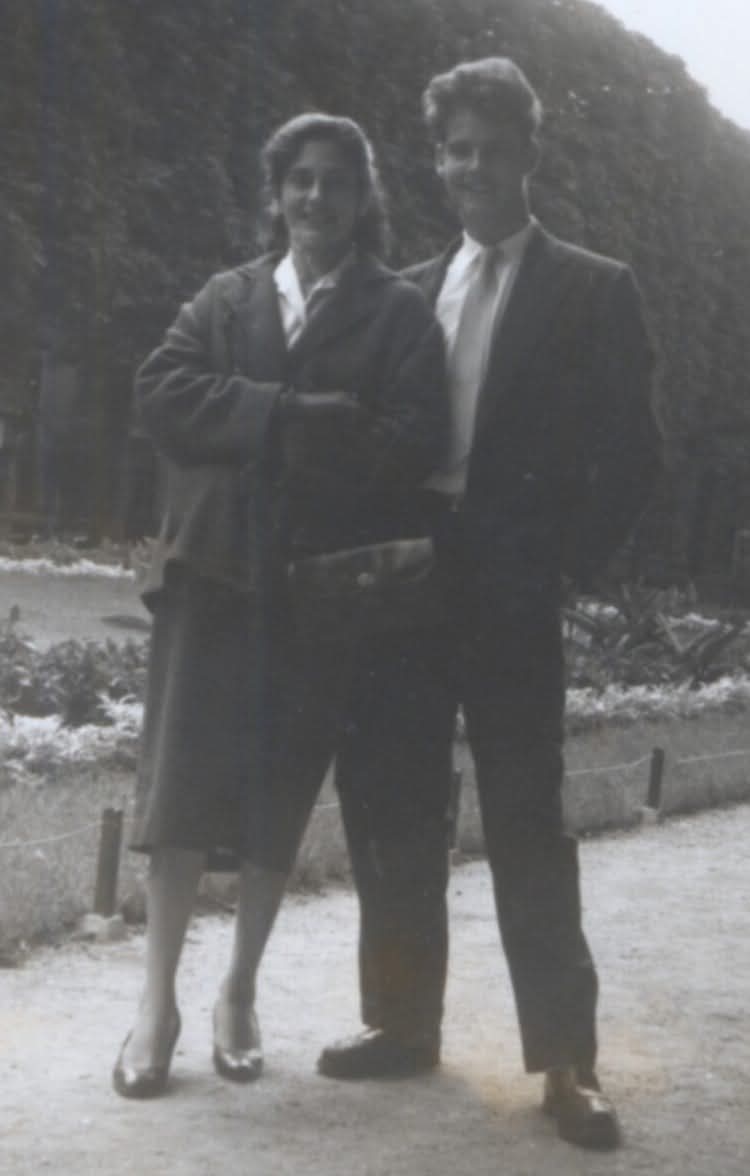
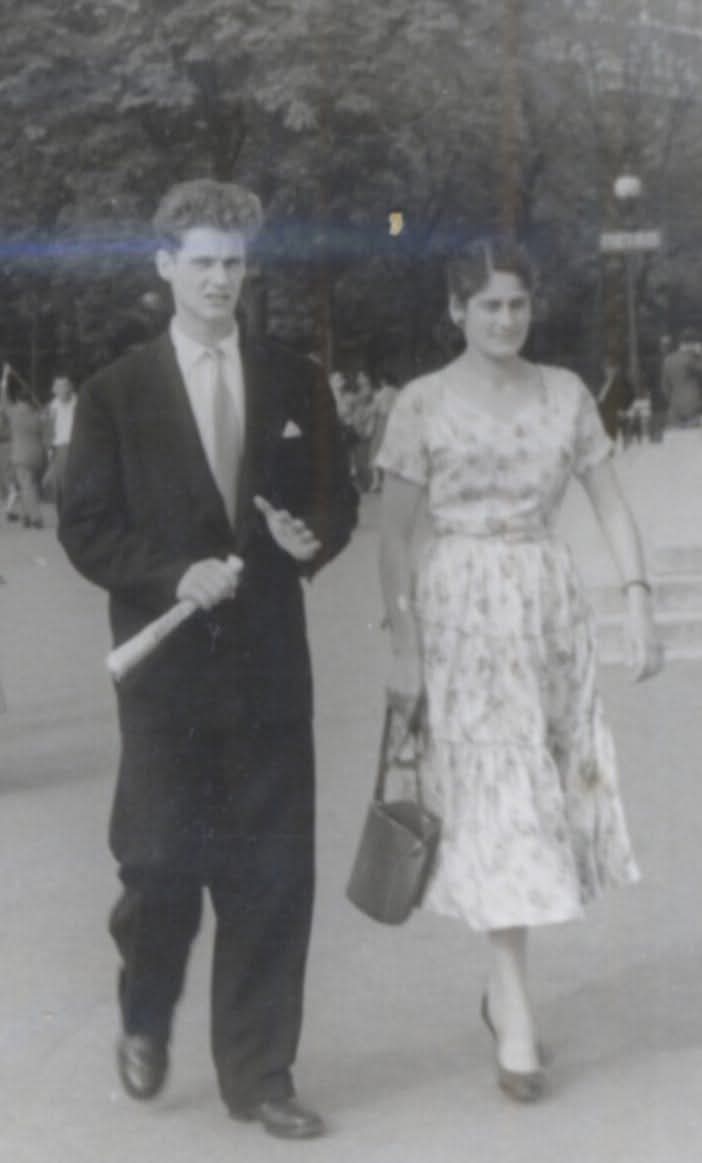
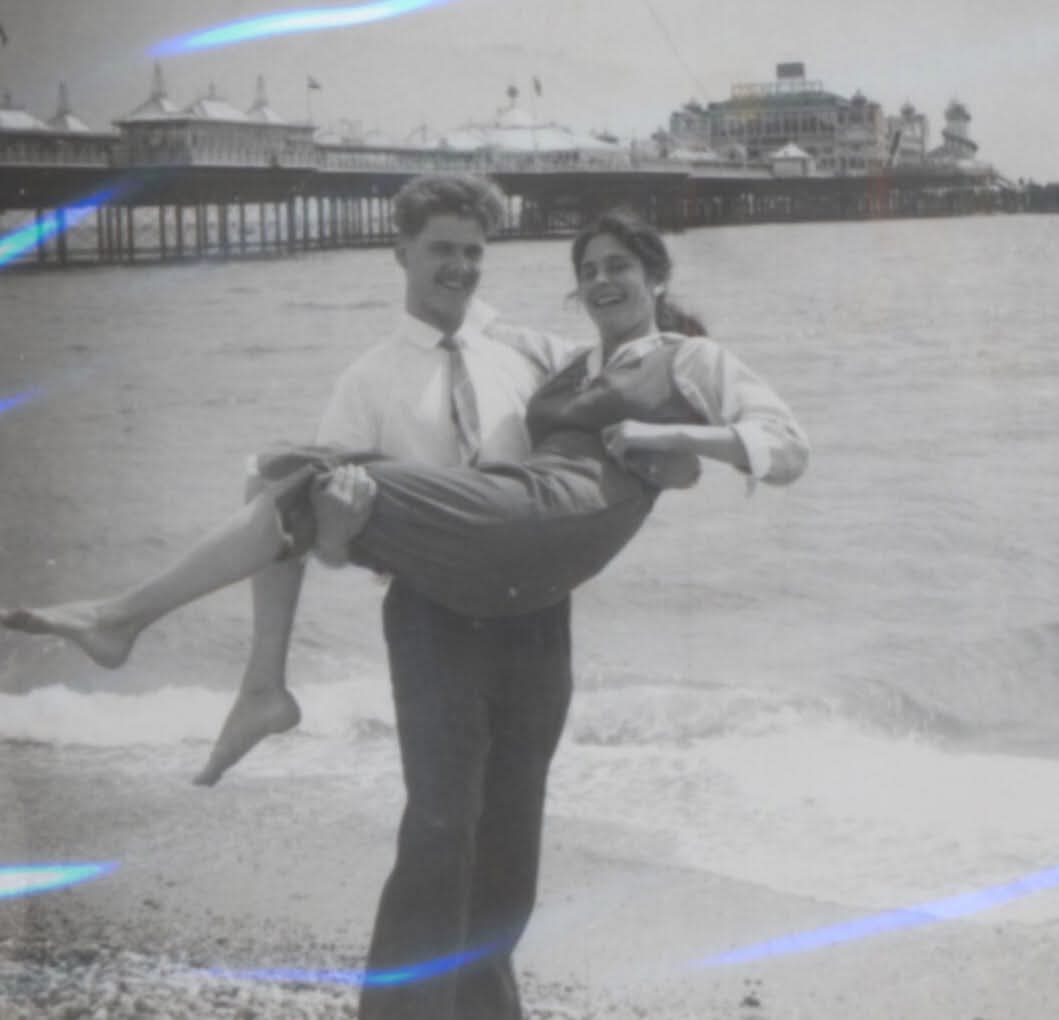
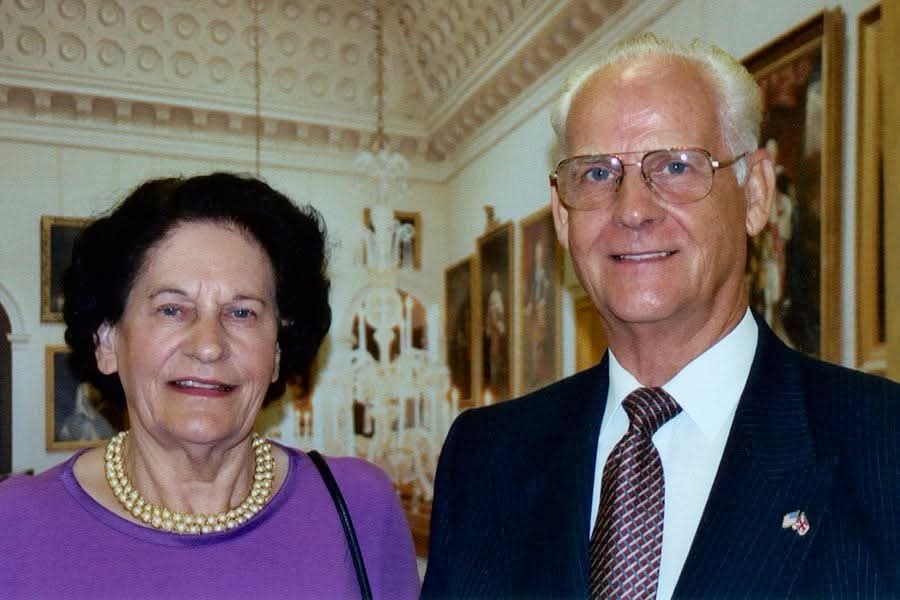
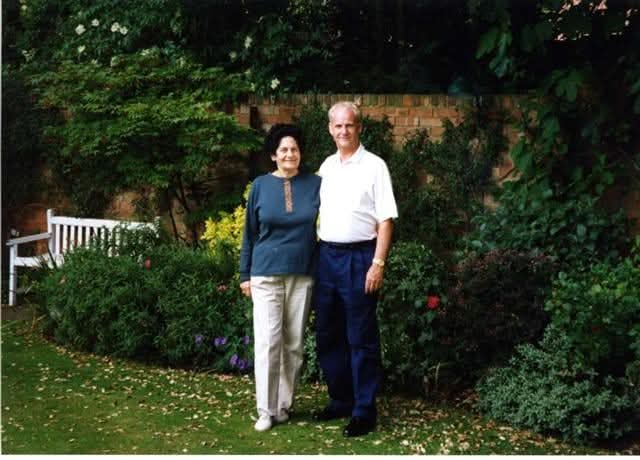
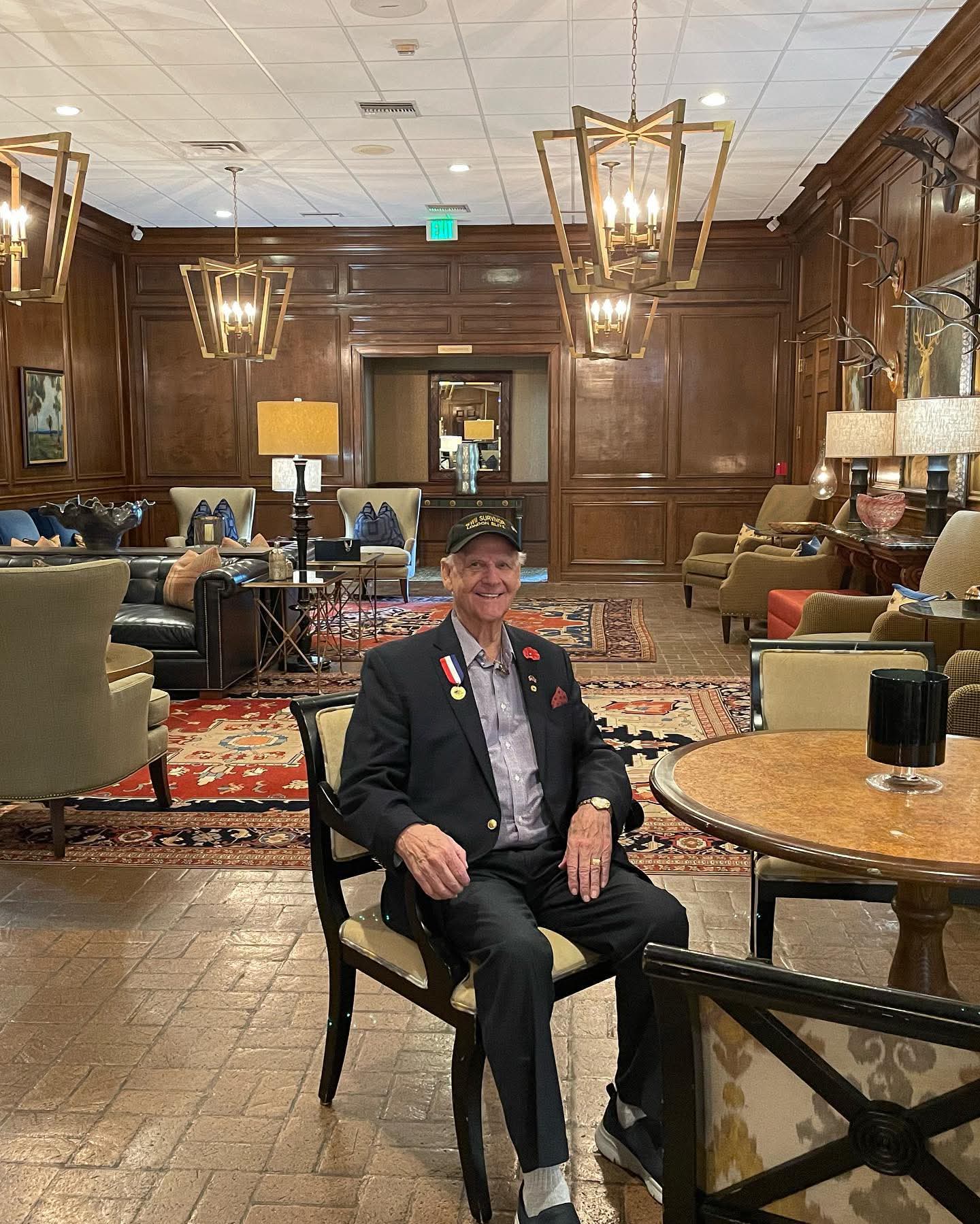
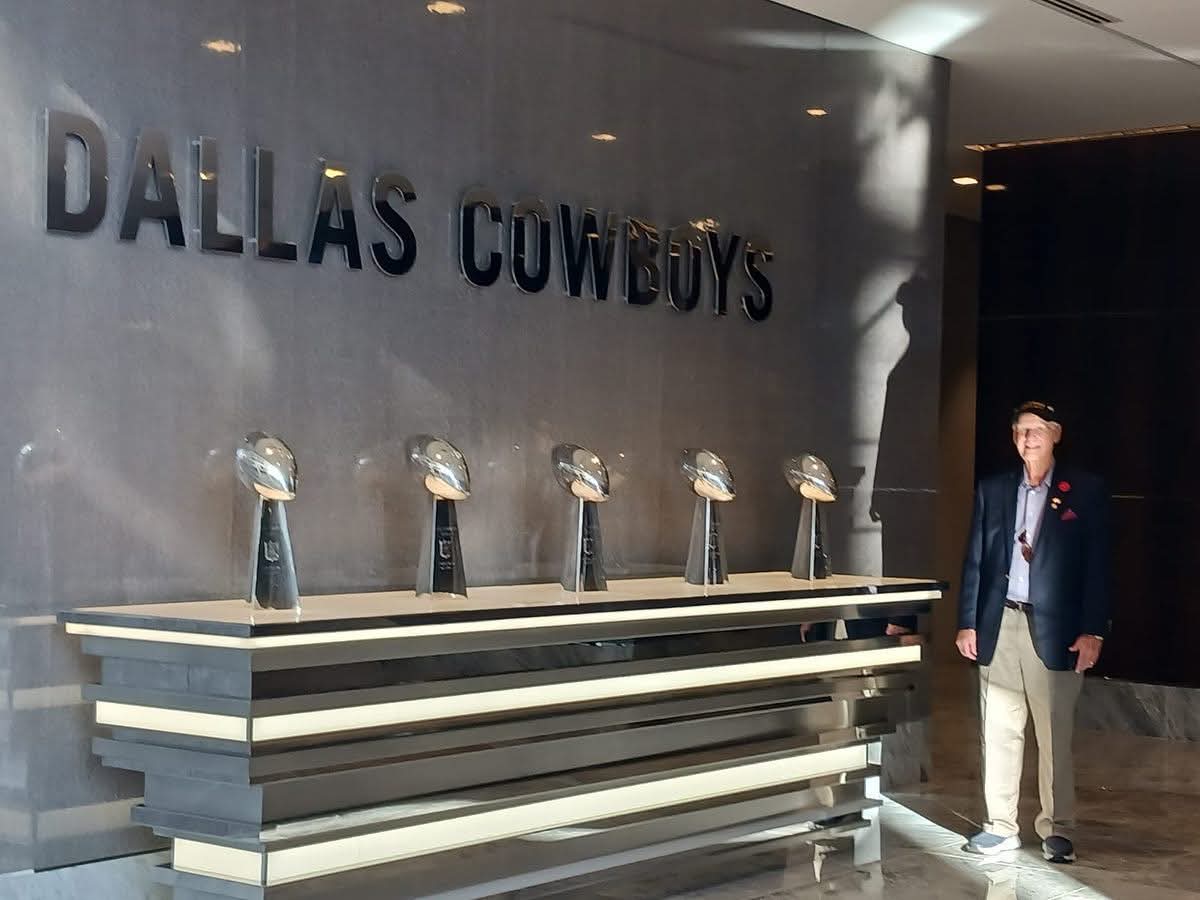
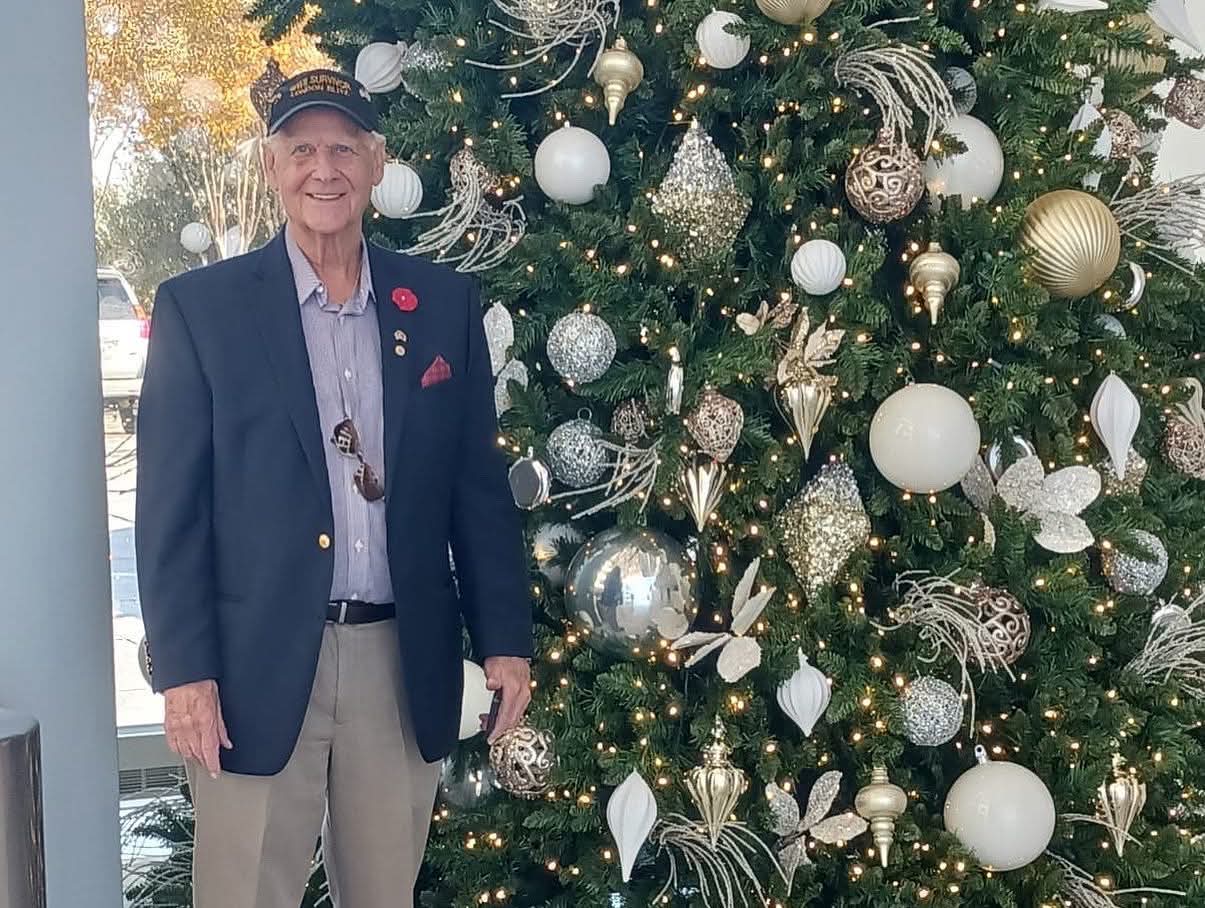
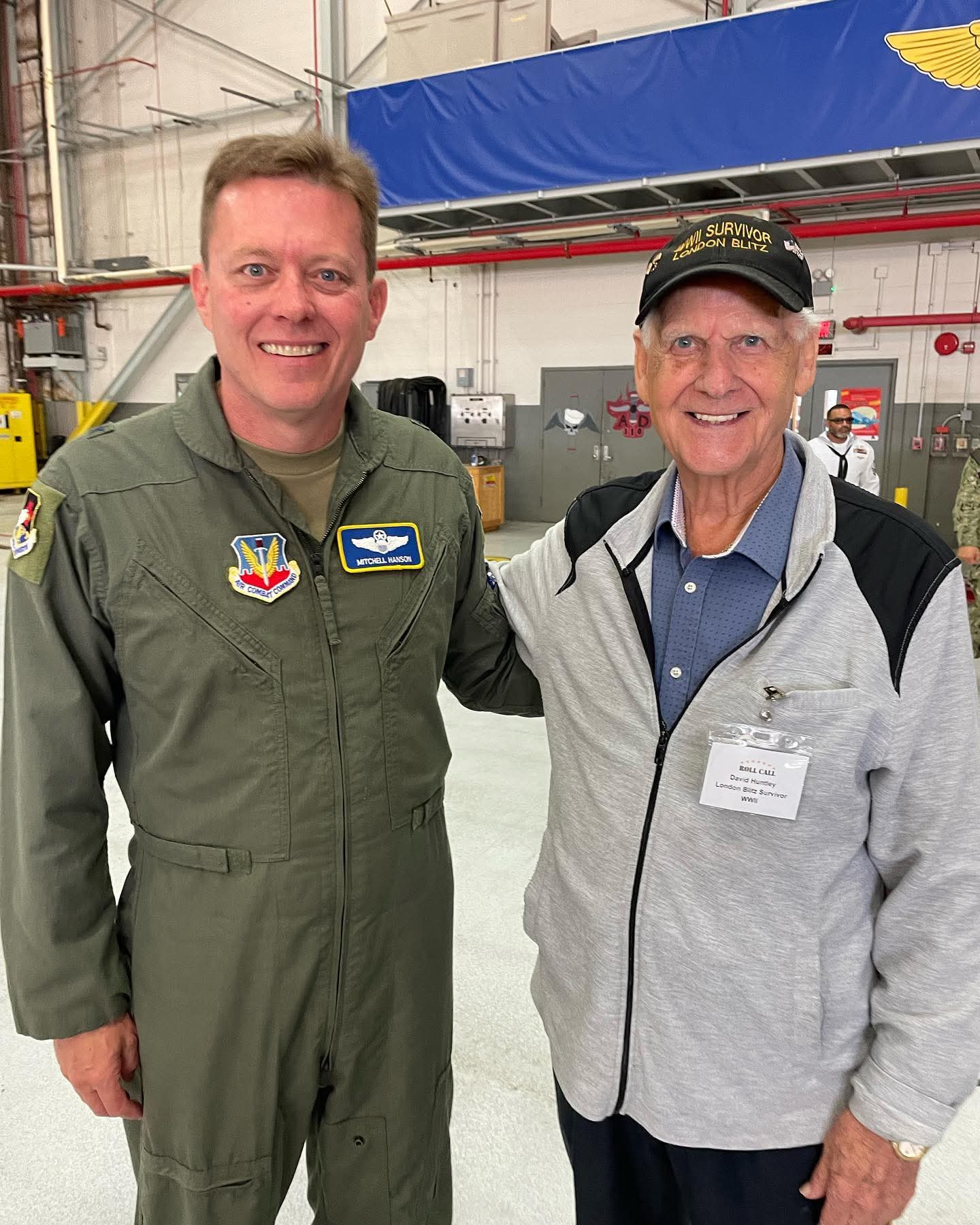
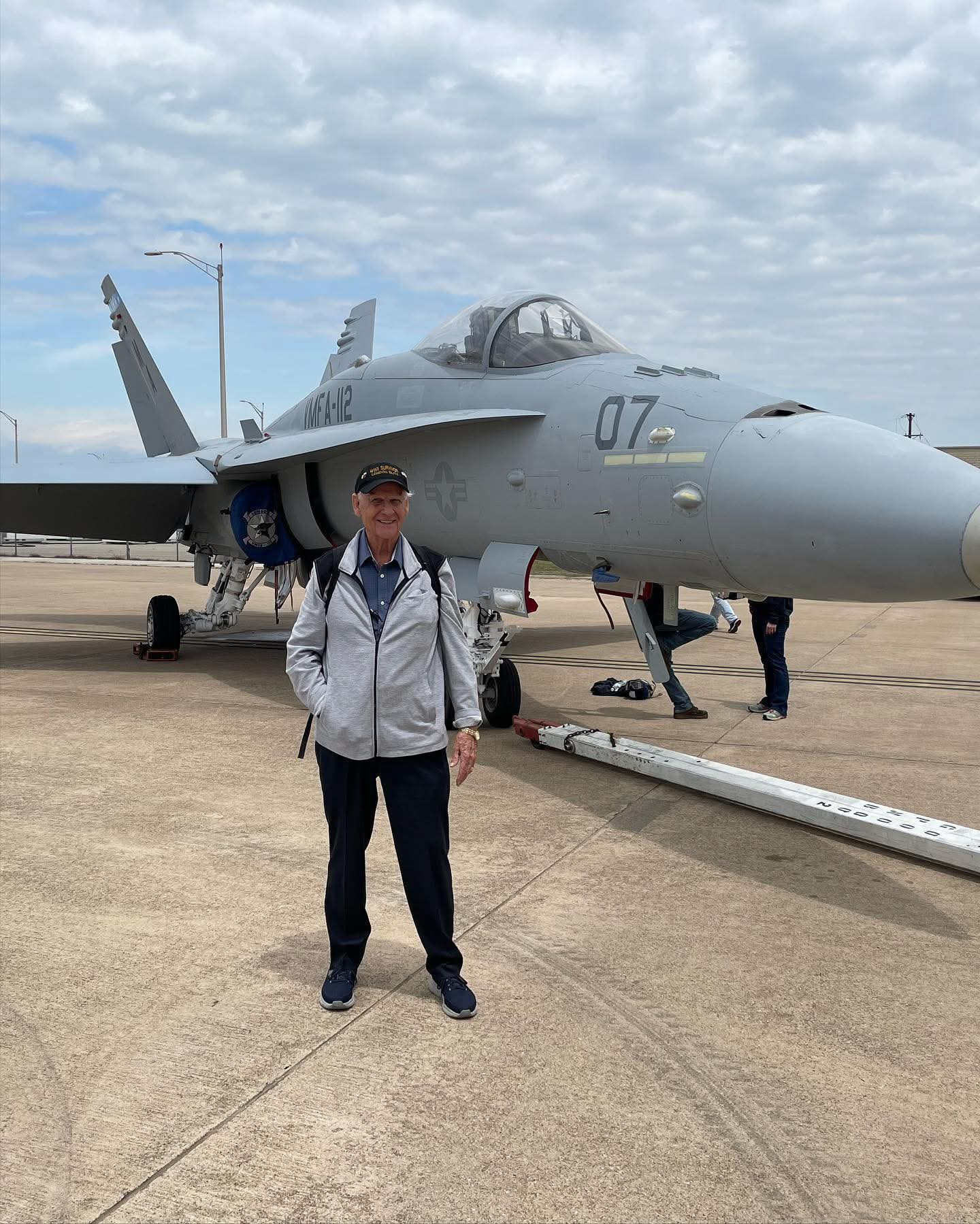
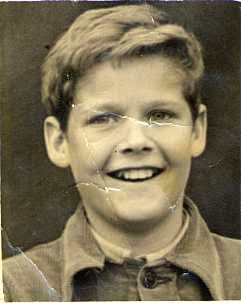
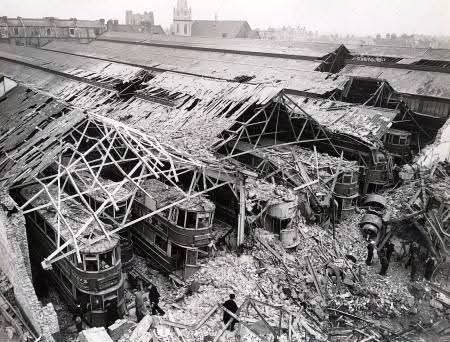
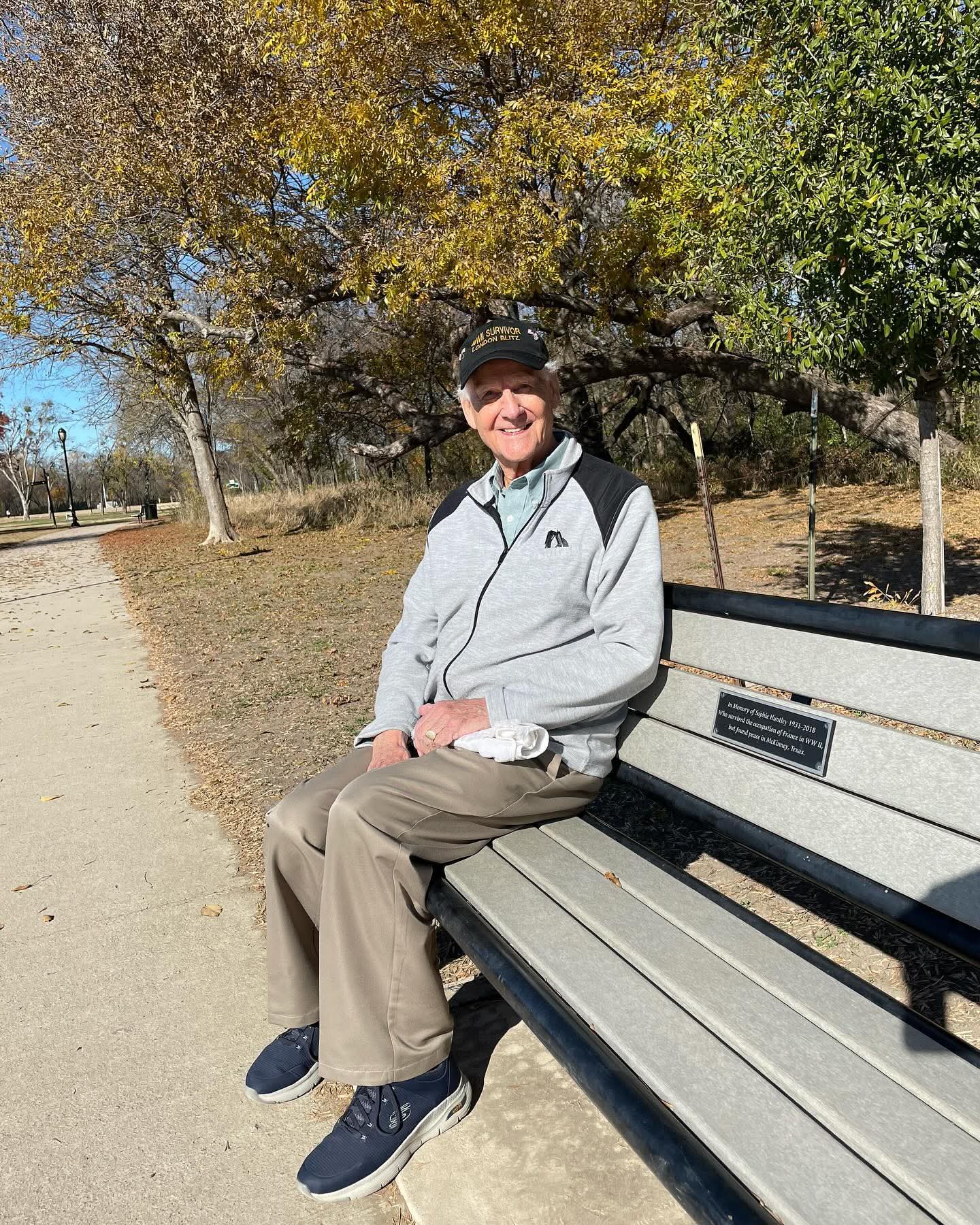
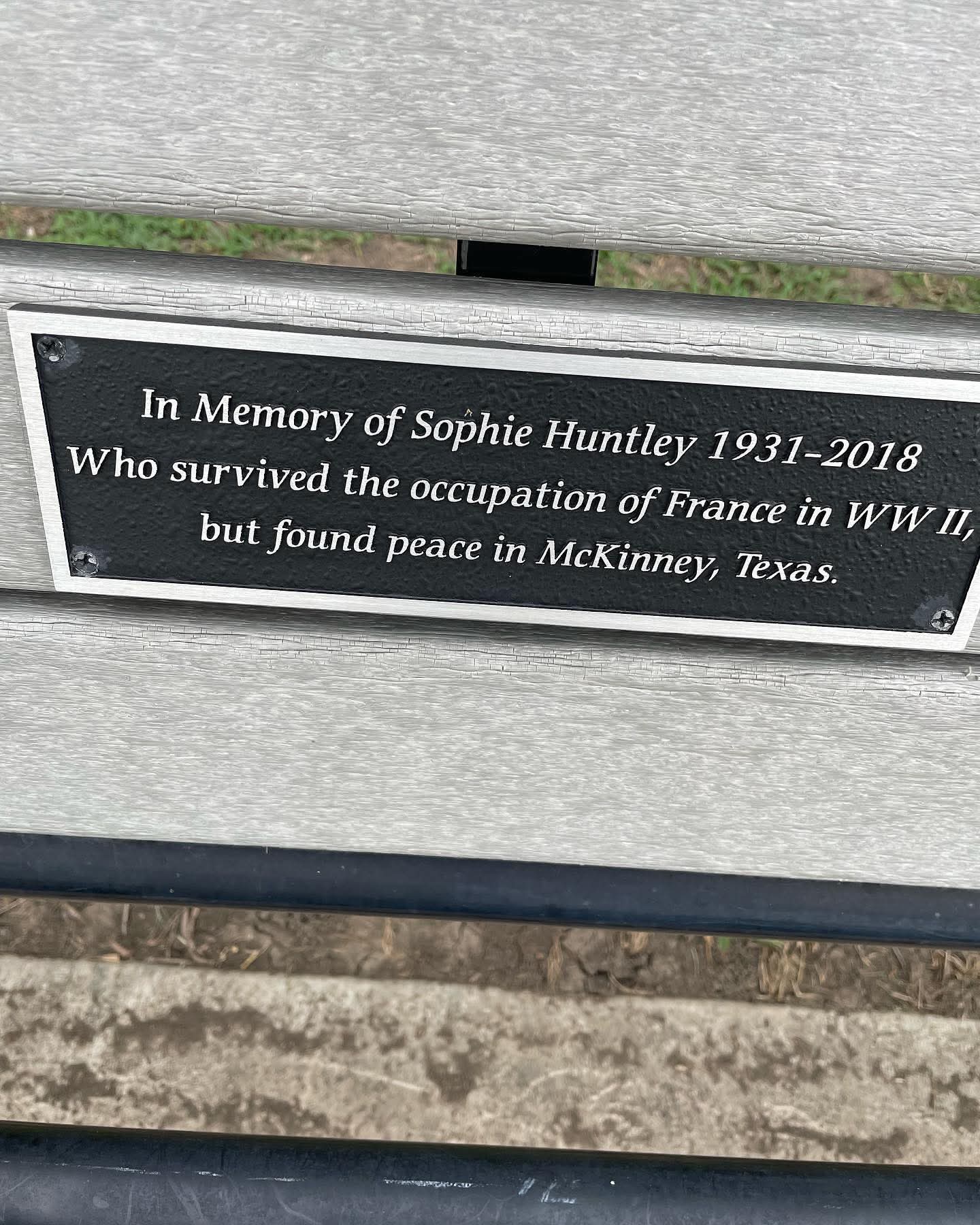
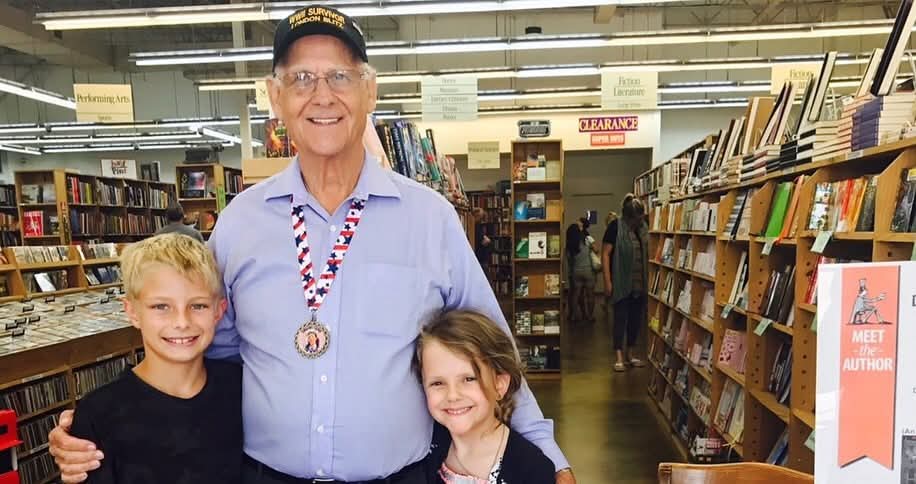
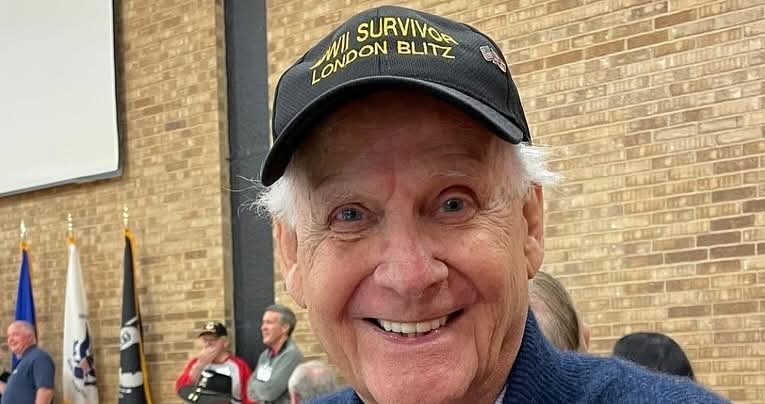
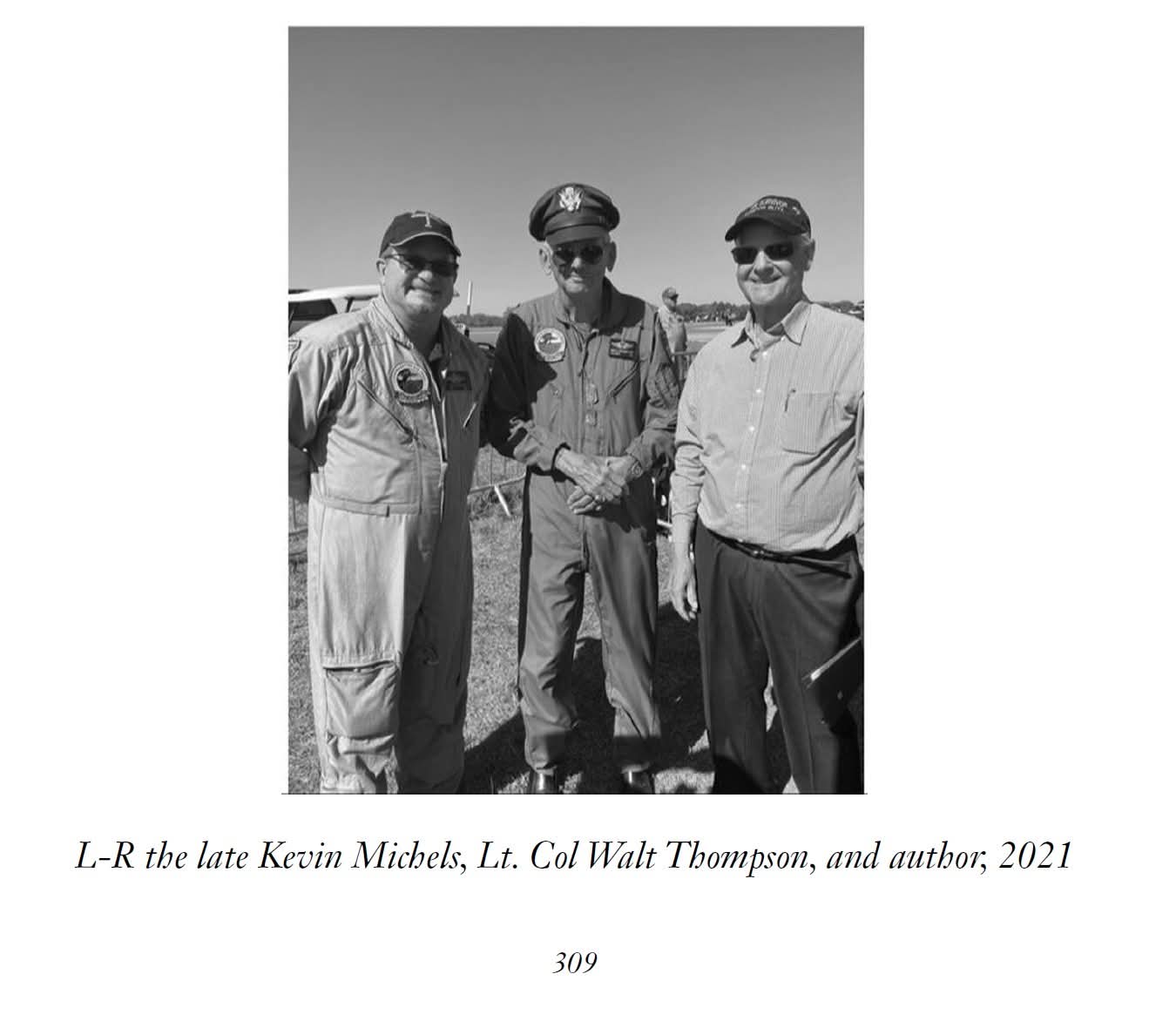
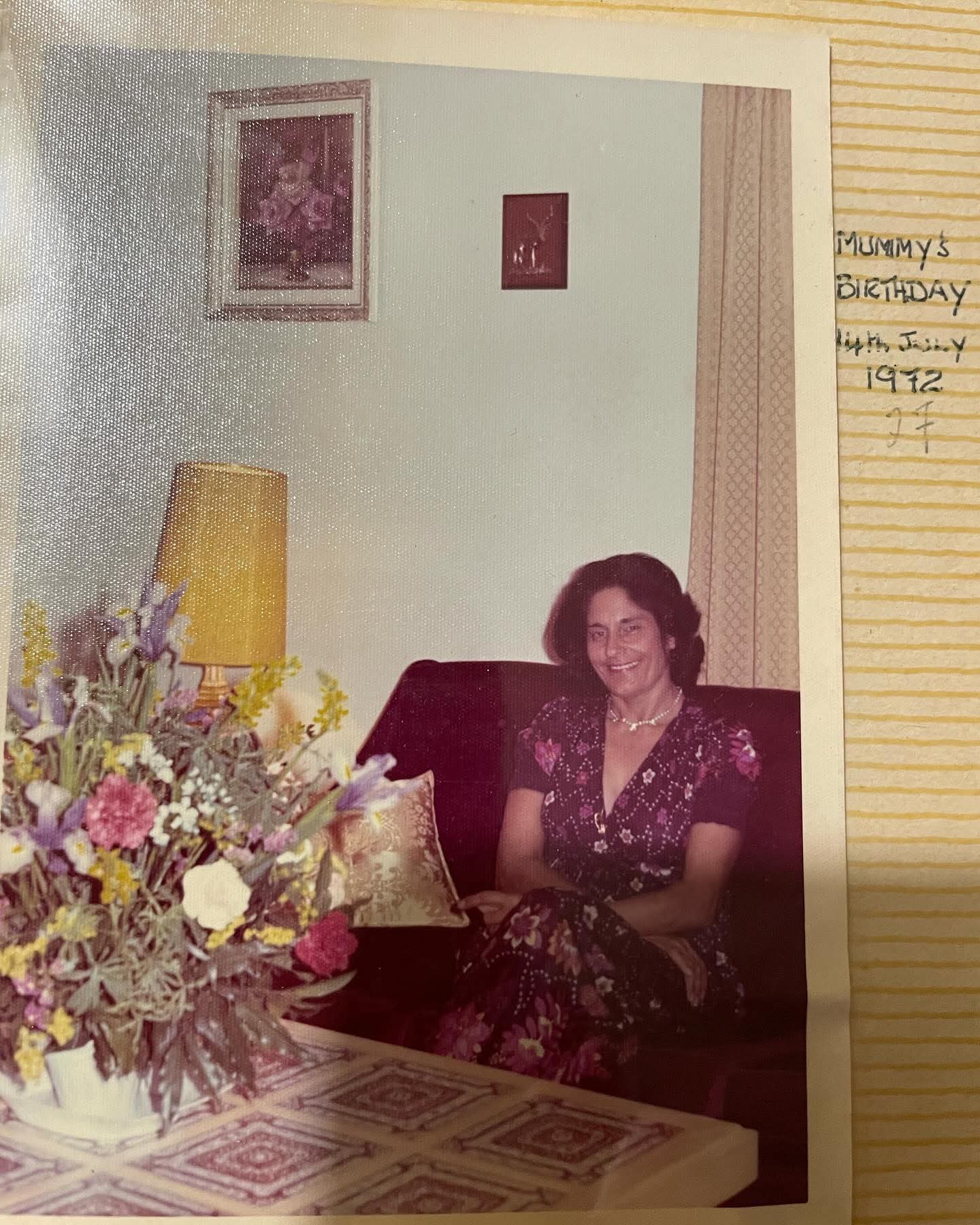
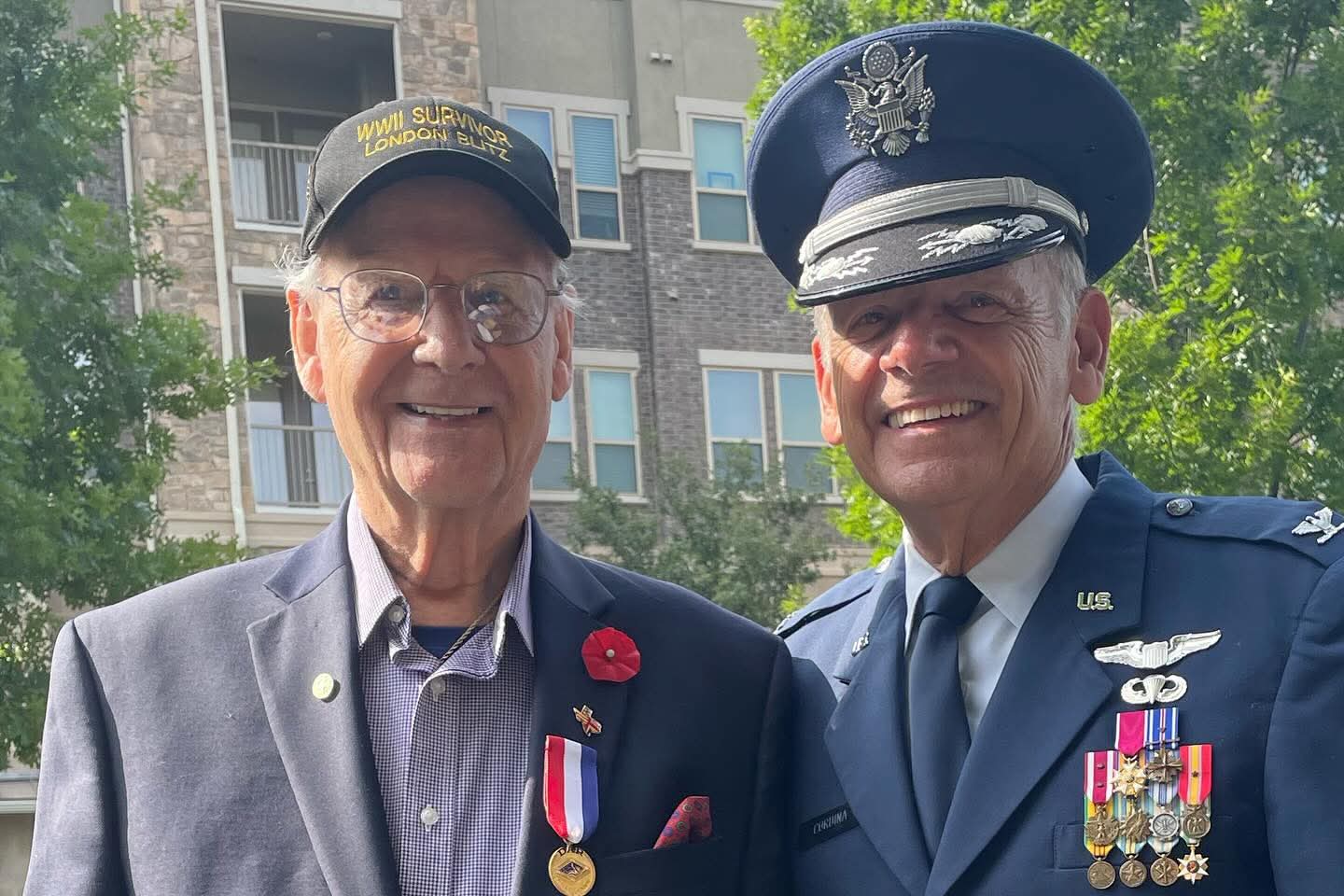
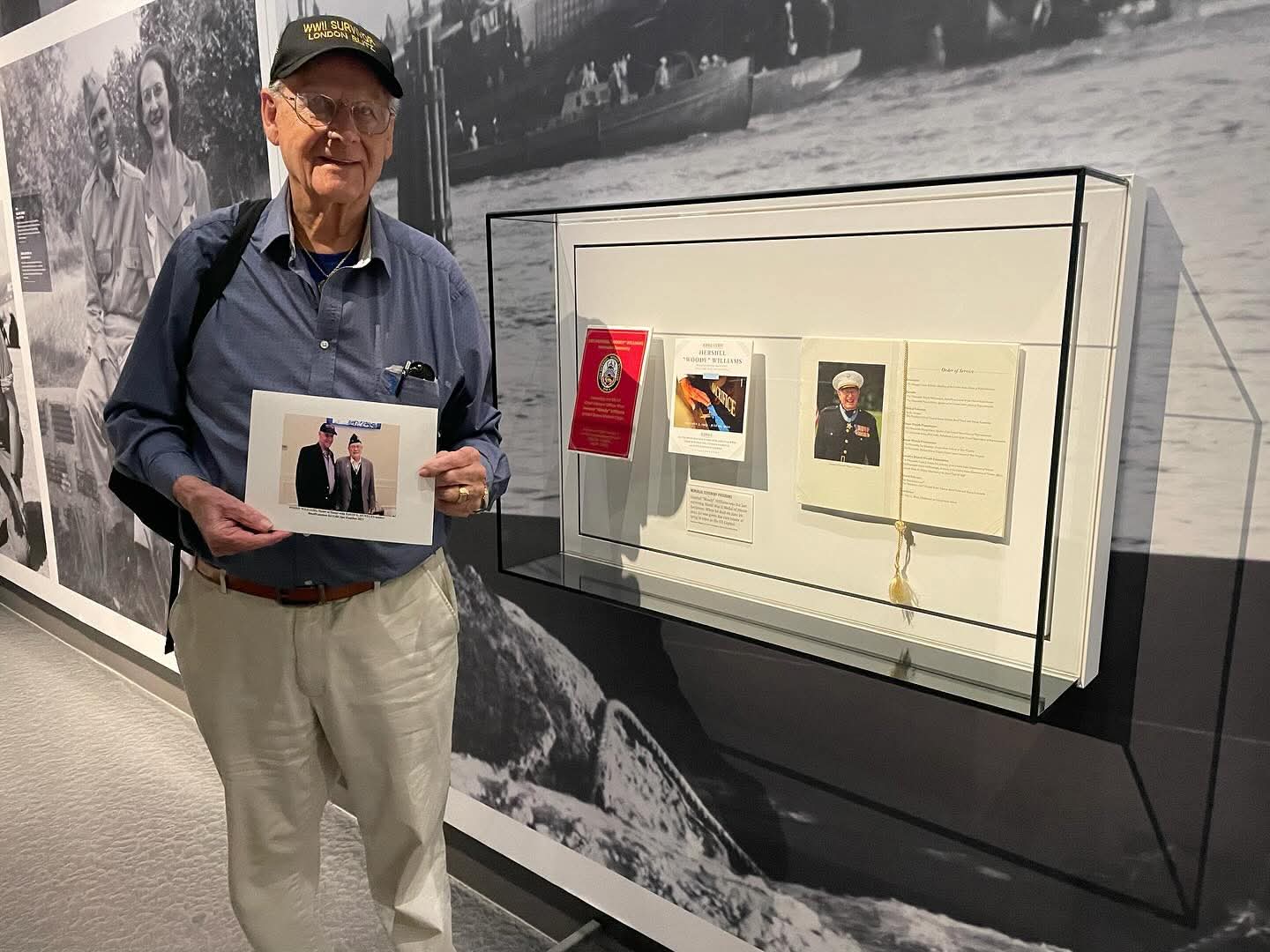
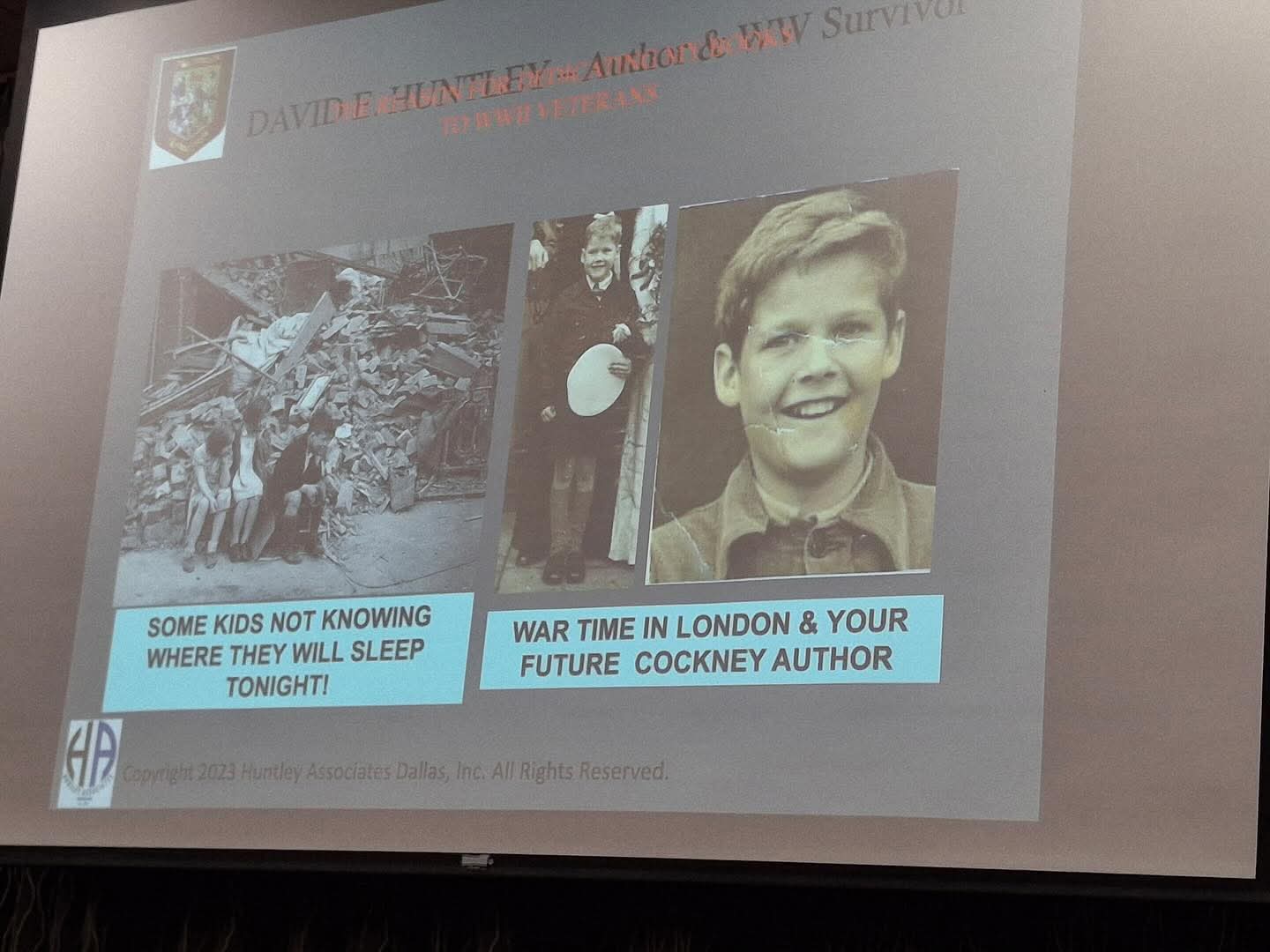
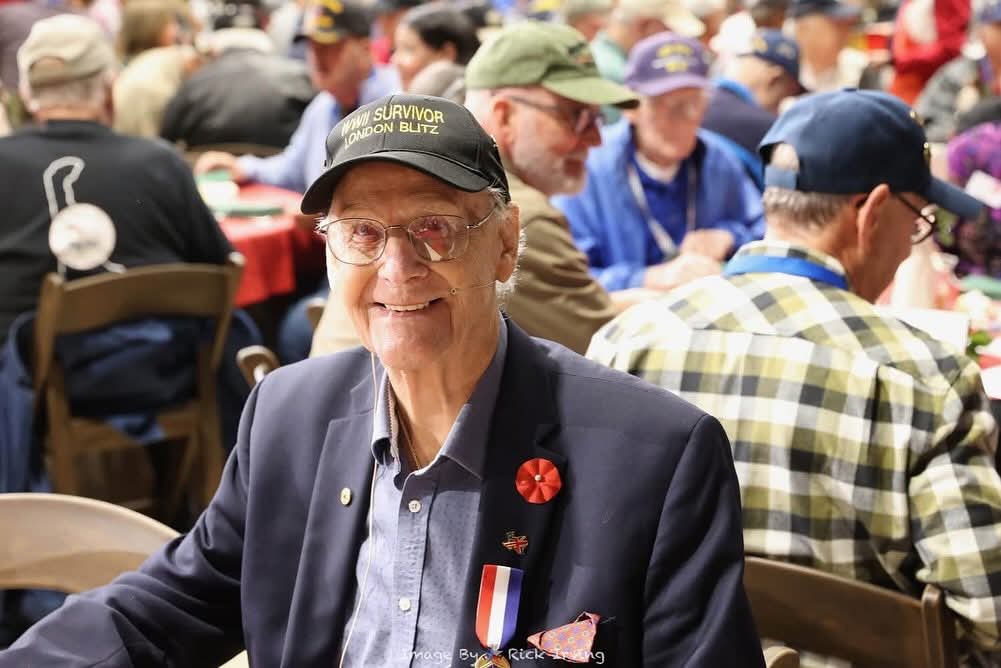
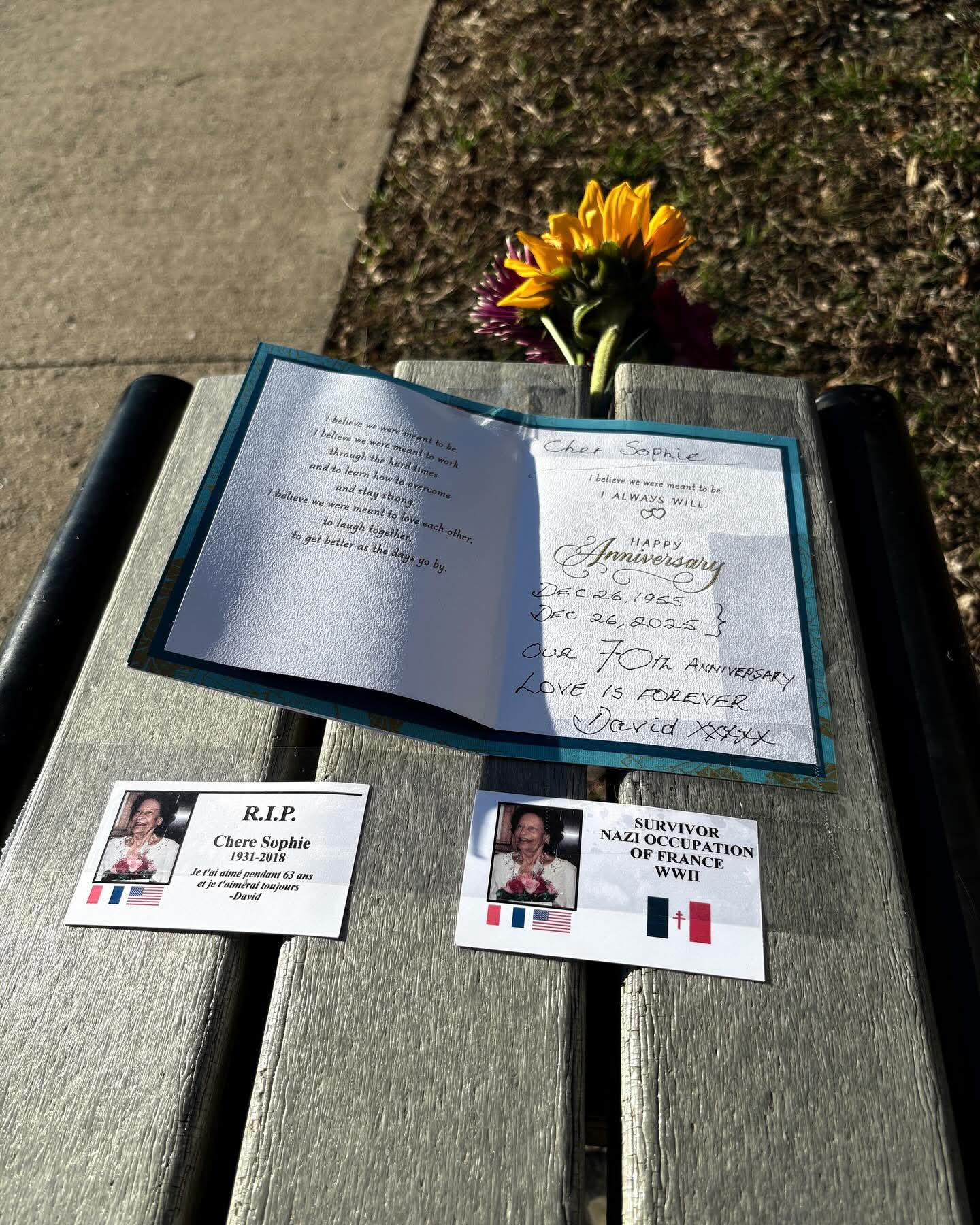
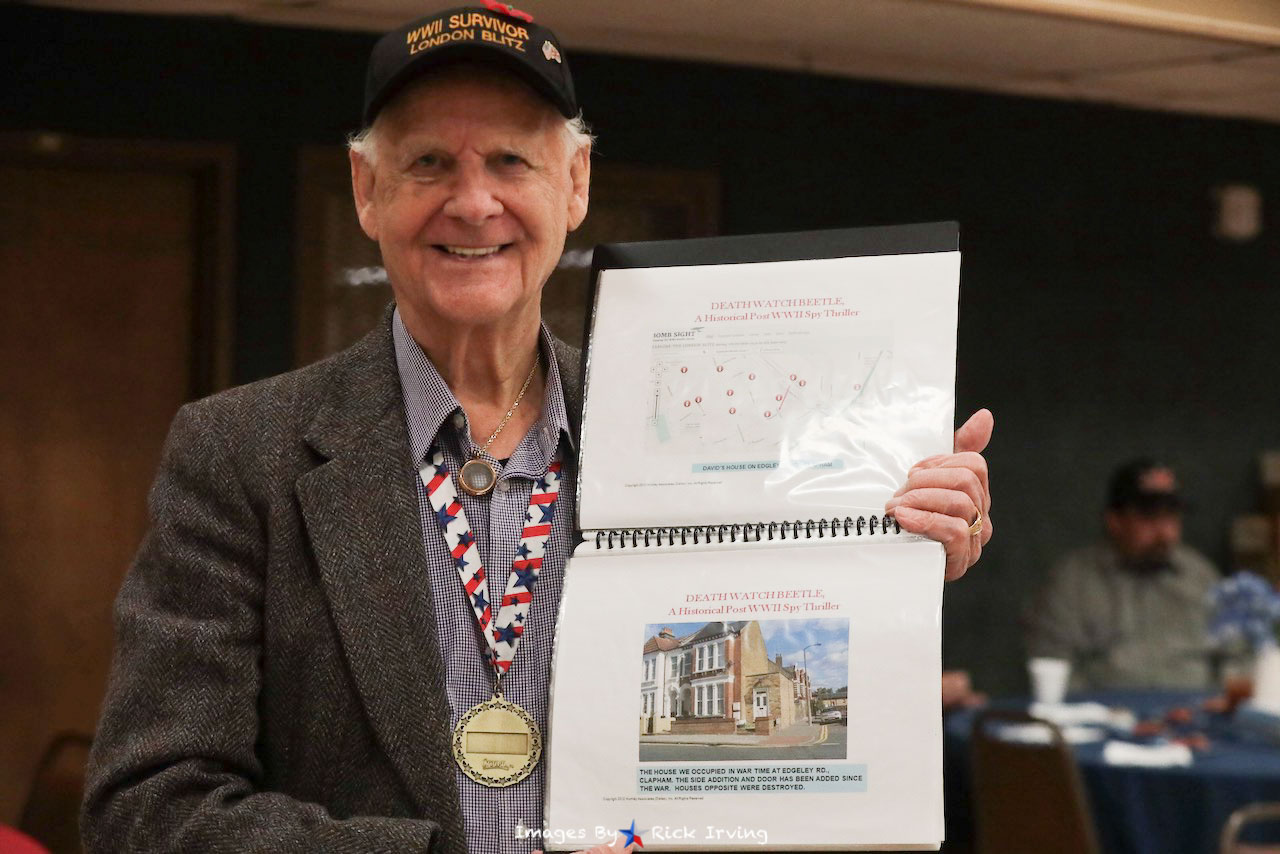
David E. Huntley is a semi-retired businessman and widower who was married to his late French born wife Sophie for 62 years and lives in Dallas Texas. David has 4 children and 7 grandchildren. David E Huntley was born in London , England and survived the London Blitz in World War II. His late wife Sophie lived under German occupation in France. As an engineer he worked in the UK aircraft industry before moving to Africa in the fifties.
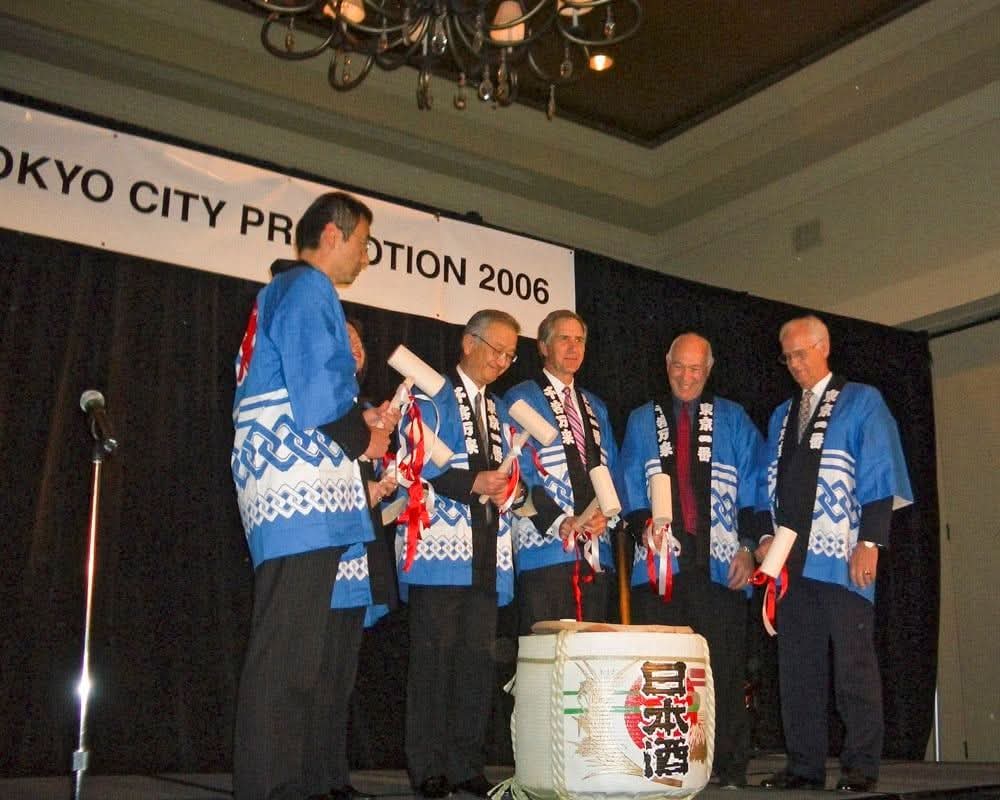
After starting and building two companies, Mr. Huntley sold his business interests in Africa, and in 1978 moved to the USA . He formed Huntley Associates (Dallas) Inc., in 1979 to conduct business as international corporate consultants. Those activities included a division that was engaged in executive recruiting and contract engineering for the hi-tech industry.
The consulting division provided local and overseas clients with global strategies in international markets and a specialized educational course, (Project J.A.P.A.N. ), for company executives and educational institutions, on how to negotiate and do business with the Japanese.
Huntley Associates (Dallas), Inc., were retained as consultants to one of Japan ‘s largest groups, Sumitomo Corporation for fourteen years in succession. They assisted the company’s local U.S. offices to negotiate distribution, joint ventures and licensing agreements with American companies whose products had export potential to the Japanese market.
He has been a guest speaker at various forums including a World Marketing Conference in Houston in 1984. He was a guest speaker at the University of Texas in Arlington that hosts the American Enterprise Institute, and a member of the Speakers Bureau for the Dallas World Cup ’94 Soccer effort.
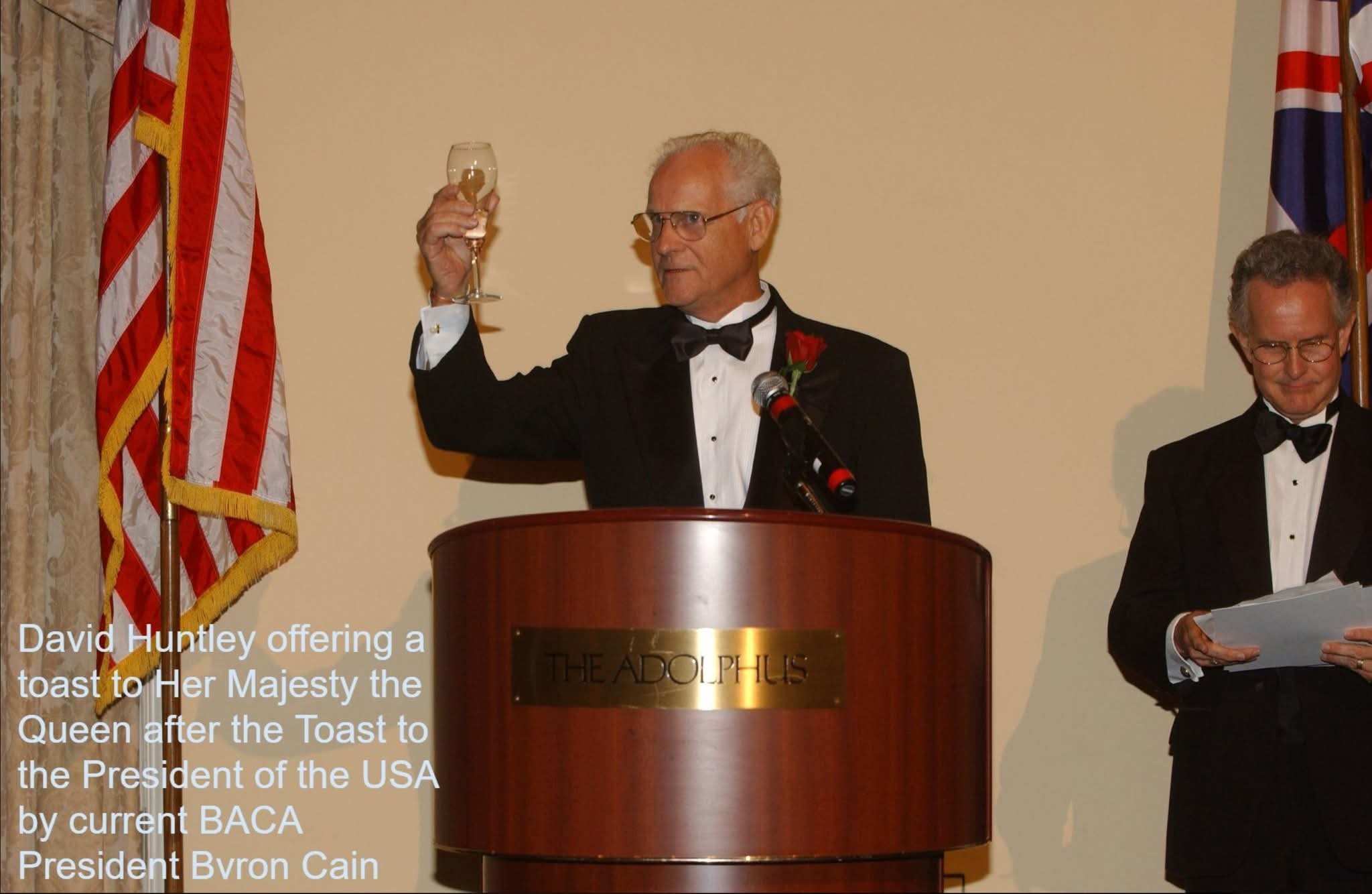
David Huntley was a co-founder and a member of the original steering committee of the British-American Commerce Association of North Texas, later renamed British-American Business Council. He retired from the Board of Directors in 2001 after serving for 17 years since inception in 1984, in various capacities including Chairman of the Executive Committee, and as a past President of the organization.
He was awarded an Honorary Life membership to the organization, and to its Board of Directors in recognition of his services for the promotion of British and American business interests in North Texas and the Dallas/Fort Worth region in particular.
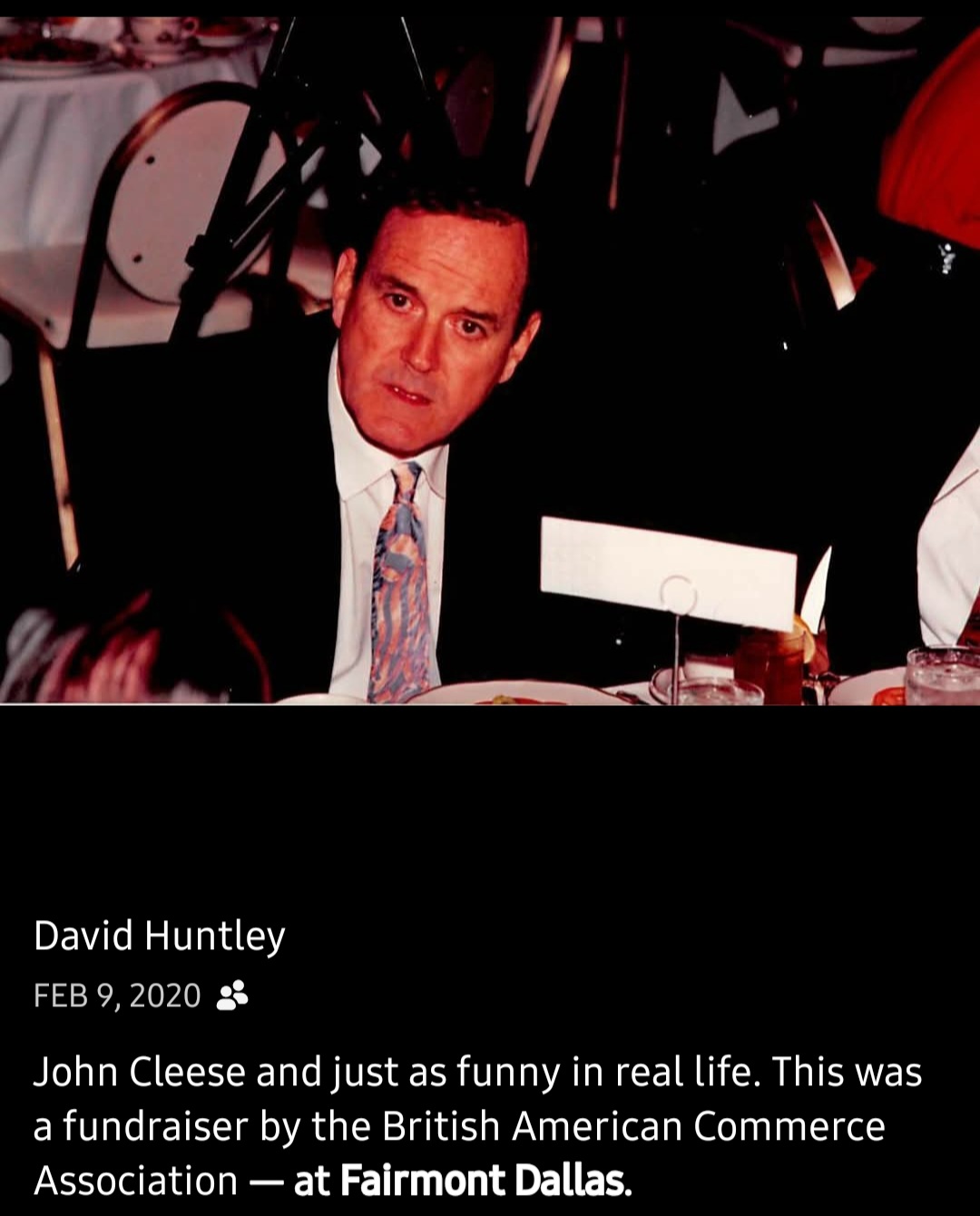
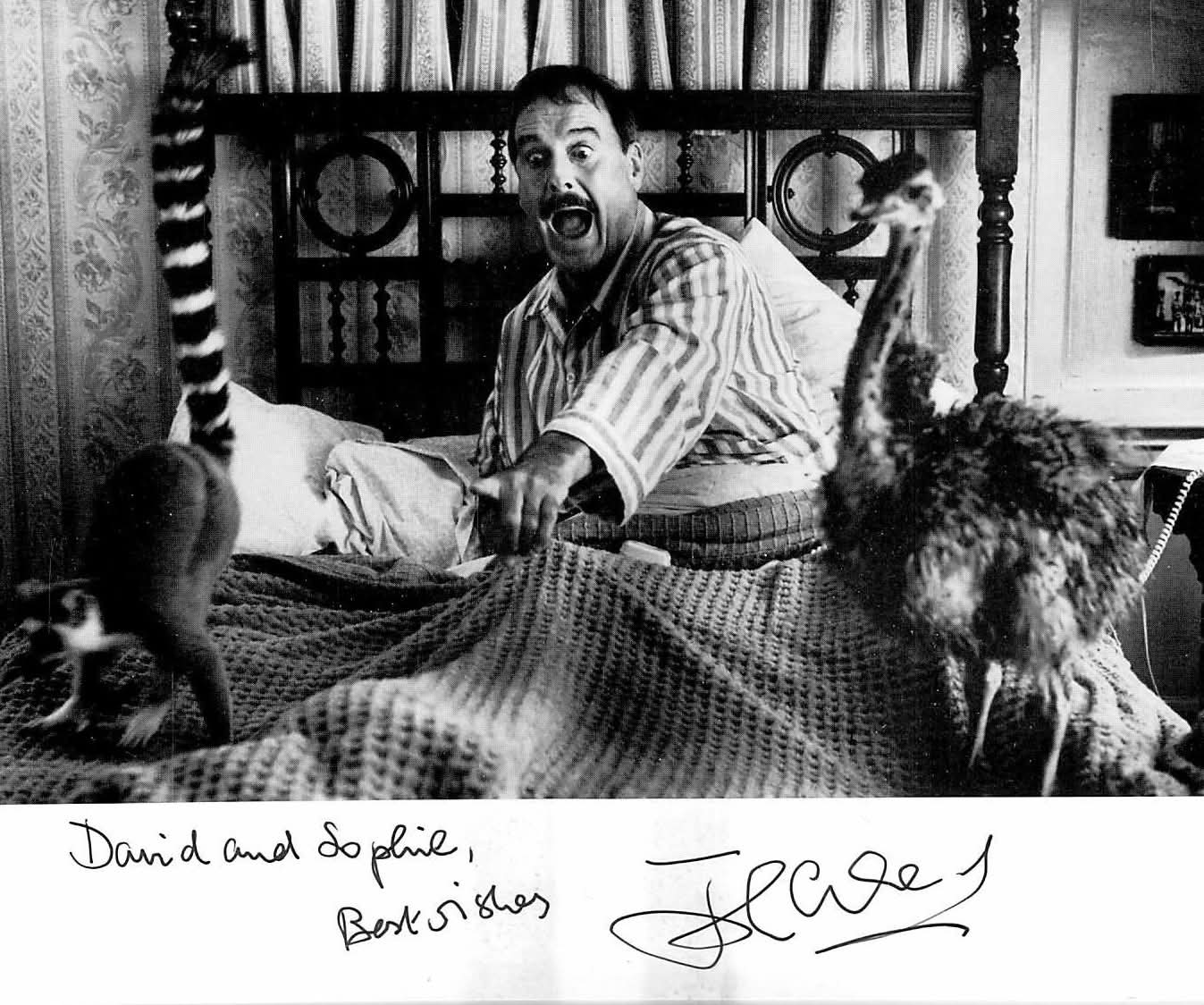
Mr. Huntley in his capacity as President of the British-American Commerce Association of North Texas in 1990, organized an event that brought Mr. John Cleese, the TV and film actor to Dallas .
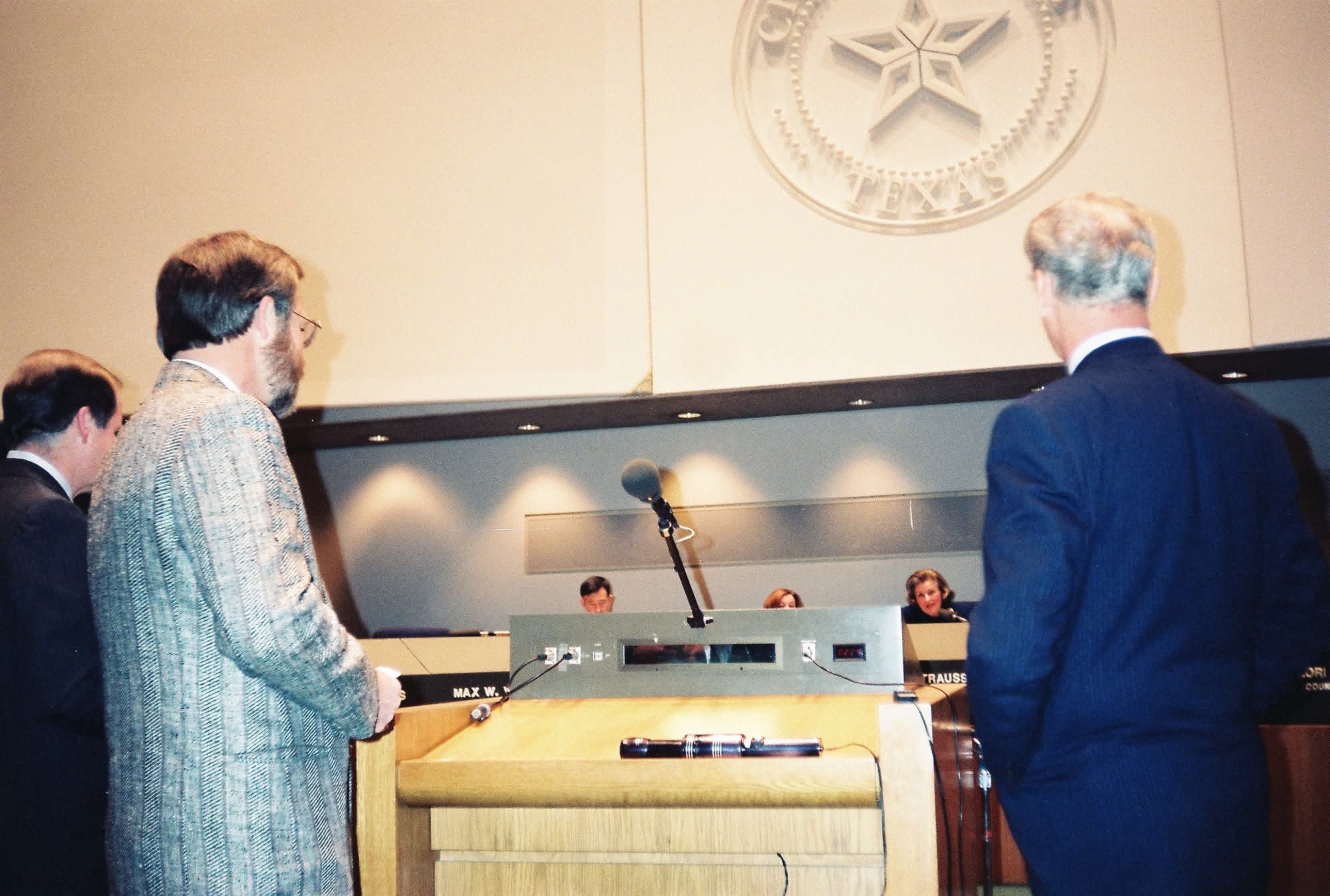
The monetary proceeds of this event were presented by Mr. Huntley to the Chairman of the World Cup Soccer Dallas ’94 Steering Committee, at City Hall in the presence of the then Mayor, the late Annette Strauss.
This seed money was the first raised by any business organization in Dallas and helped the city to bid and win as a major host site and main broadcast center for the 1994 World Cup Soccer.
In 1996 Mr. Huntley was chosen as an expert on Japanese/American trade negotiations to appear on a panel (Strategic Alliances) with Marjory Searing , U.S. Under-Secretary of State for Japan. The panel was part of the “Sun & Star” three months’ business and cultural exchange program in Texas sponsored by the Japanese government, the State of Texas and city governments.
He has also appeared on several occasions as a guest panelist on Public Television. He was a guest on the nationally syndicated McCuistion show, and invited to participate in a discussion on Japanese/American business issues. Other panelists on the show were senior executives of two major American corporations together with the Consul-General of Japan and a professor of Asian business at Southern Methodist University.
Huntley’s last appearance on the McCuistion Show was June 20th 2004 entitled, “Outsourcing: Lost Jobs or Positive Free Trade?” Fellow guest panelists included a Senior Economist from the Federal Reserve Bank, an Executive Council Member of the AFL-CIO from Washington D.C.
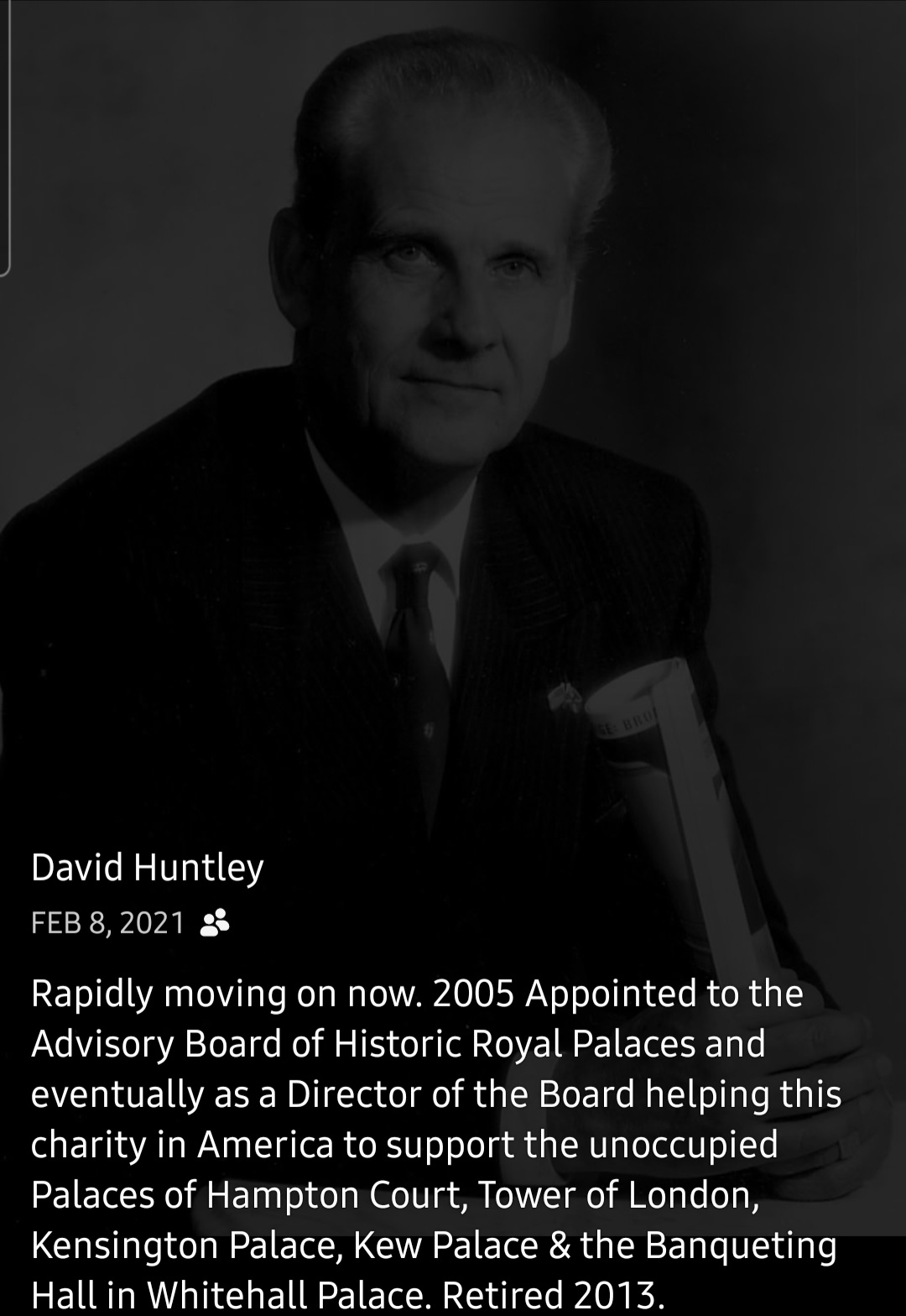
In 2005, Mr. Huntley was honored with an appointment to the American Advisory Board of The Historical Royal Palaces (HRP) of the United Kingdom.
He assisted the HRP in identifying American patrons willing to help the charity in its mission of the maintenance care, conservation and presentation to the public of the unoccupied royal palaces- HM Tower of London, Hampton Court Palace, Kensington Palace State Apartments, the Banqueting House at Whitehall and Kew Palace with Queen Charlotte’s Cottage.
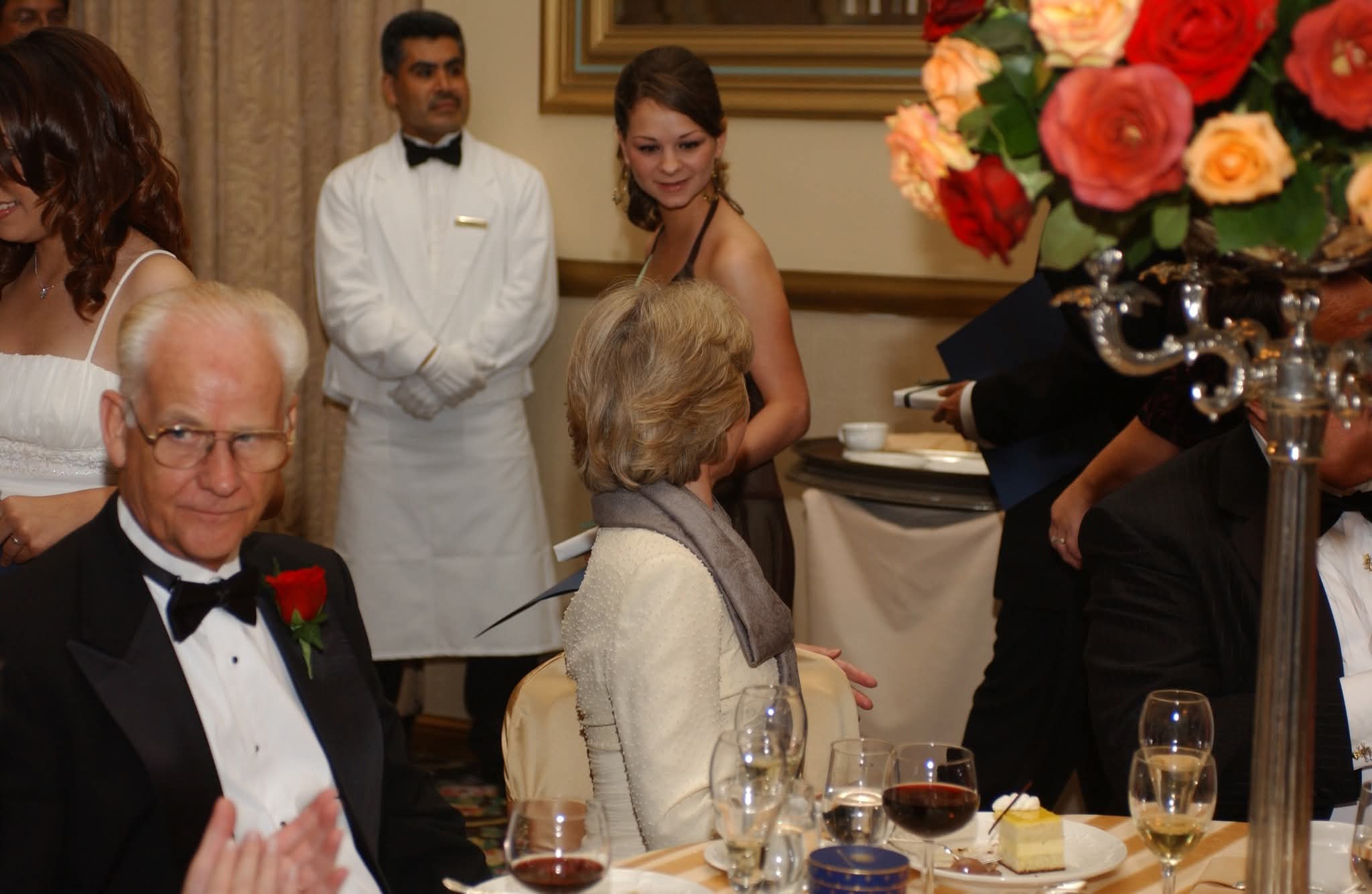
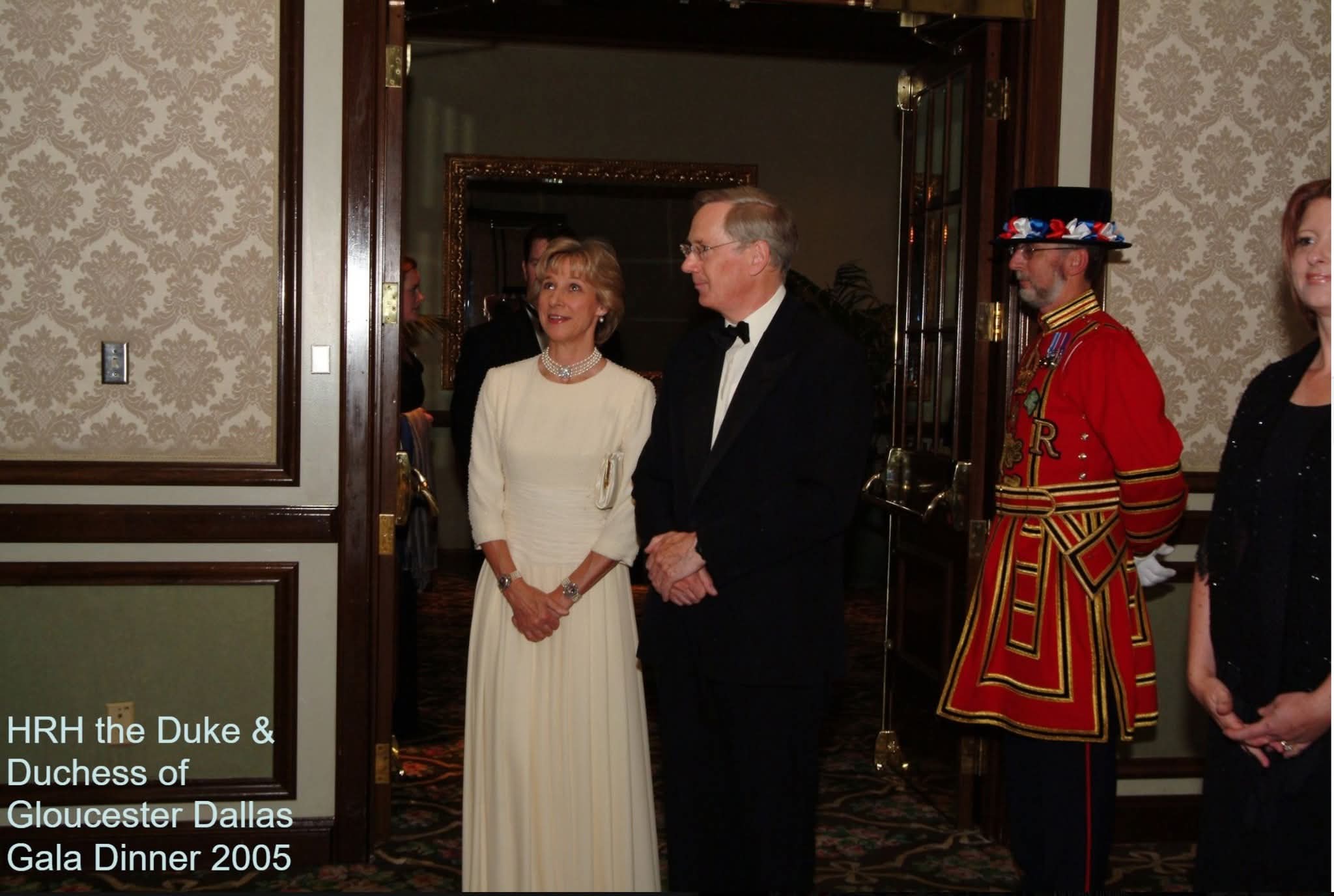
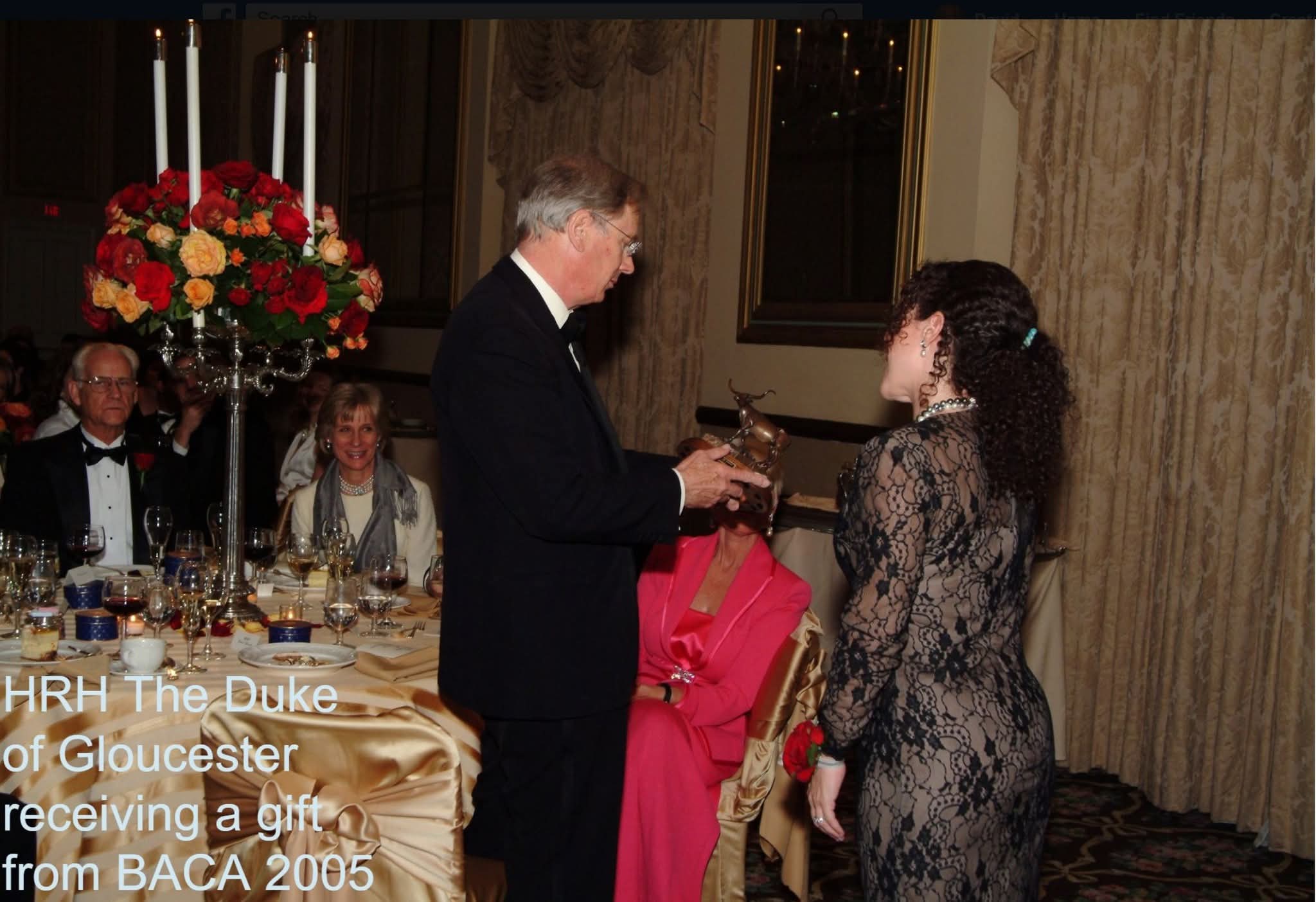
Mr. Huntley was instrumental in bringing the Duke and Duchess of Gloucester to Dallas for a Gala Dinner on behalf of Historic Royal Palaces.
In March 2010 he was appointed a Director of Historic Royal Palaces, Inc., and until his retirement in early 2013, he continued to raise awareness of the charity in the United States through lectures and fund raising.
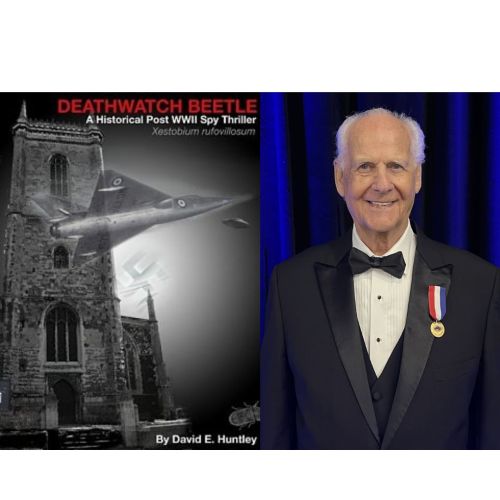
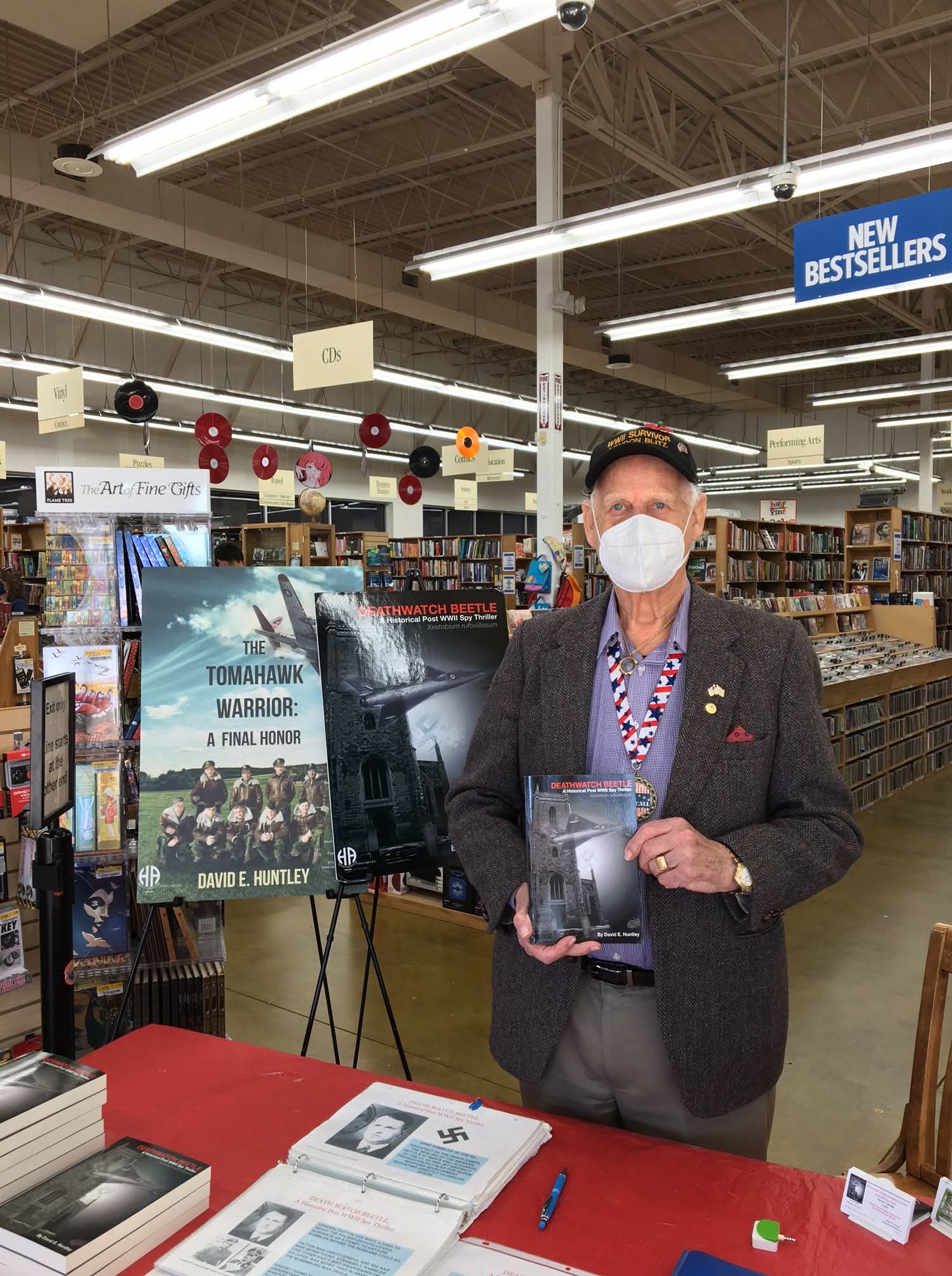
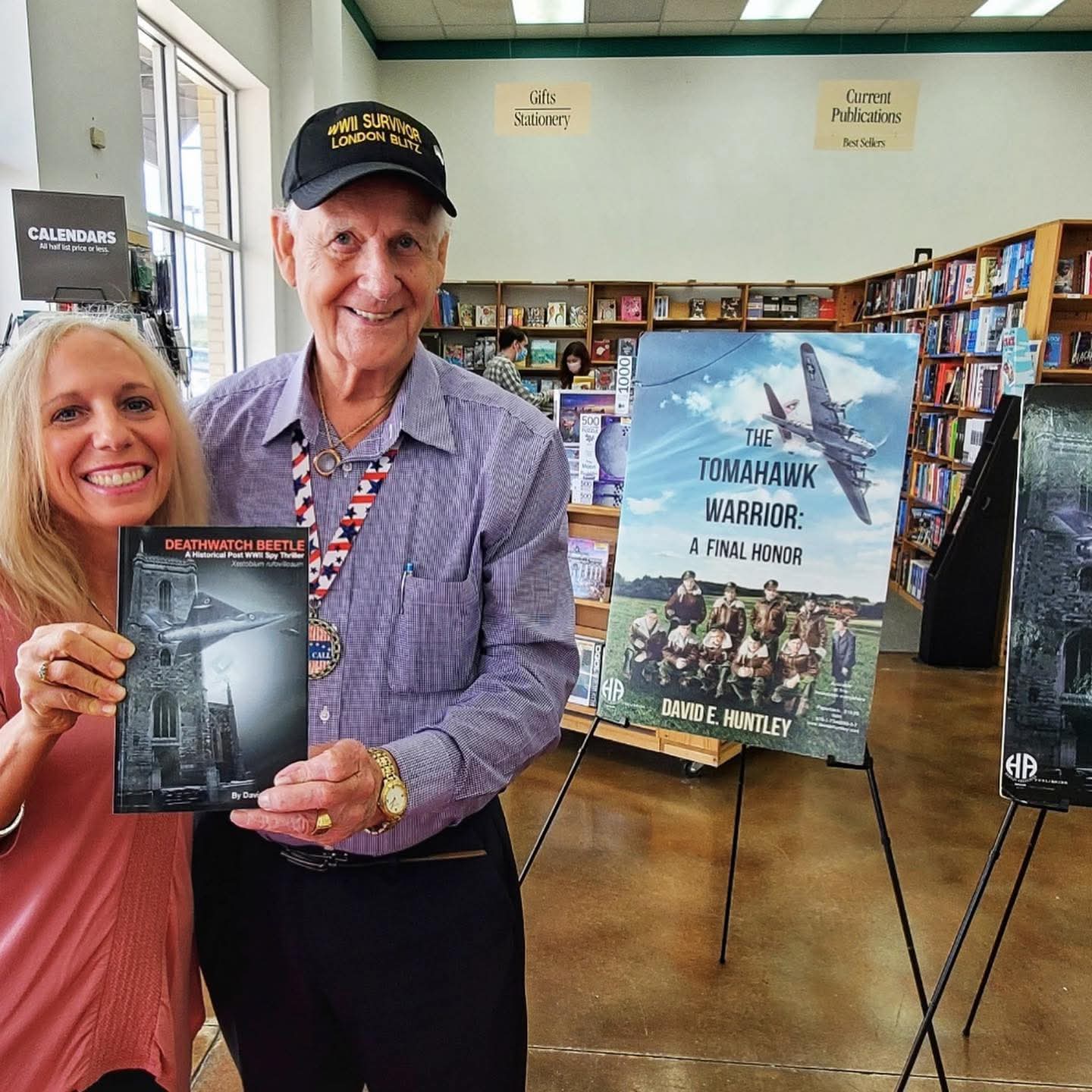
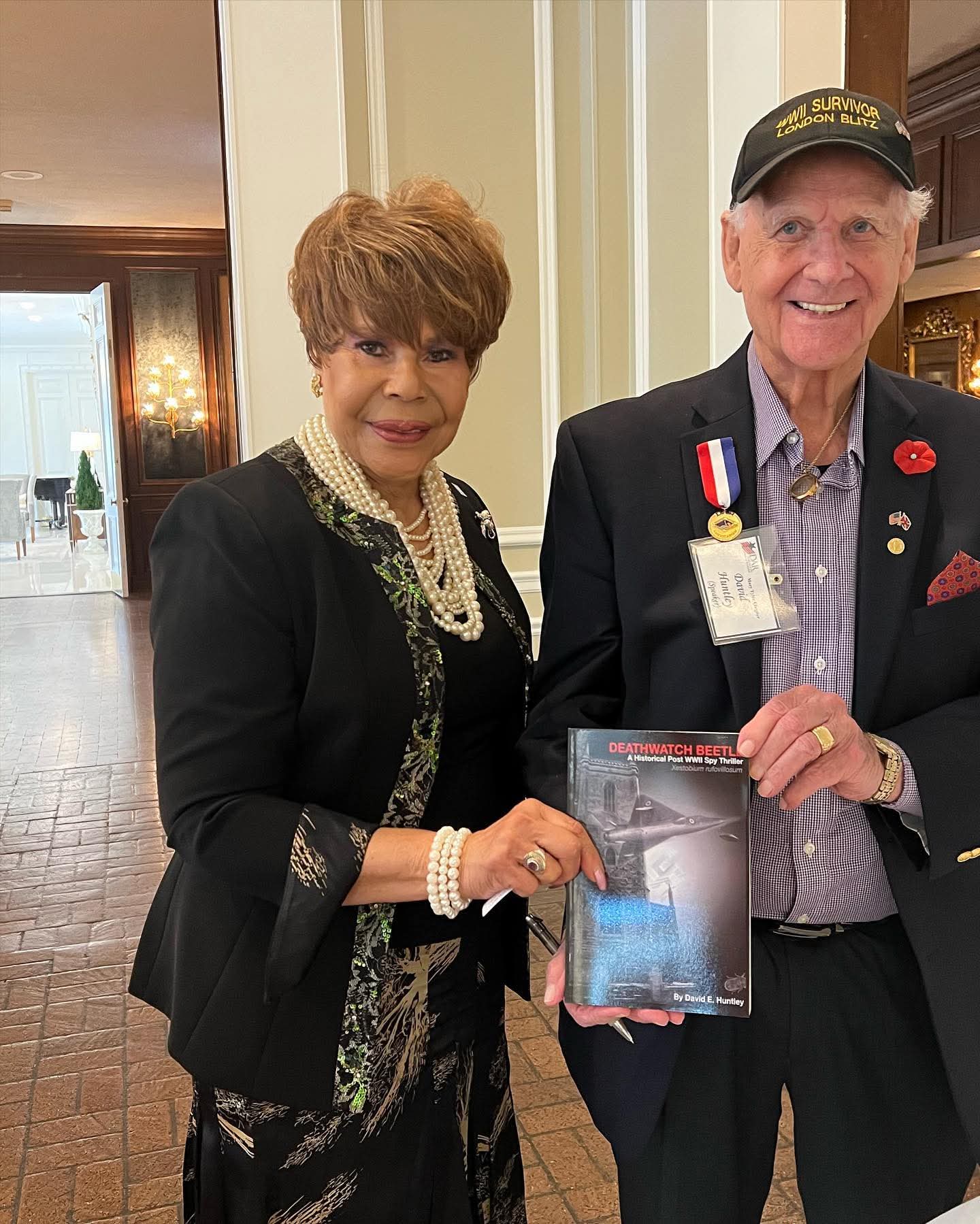
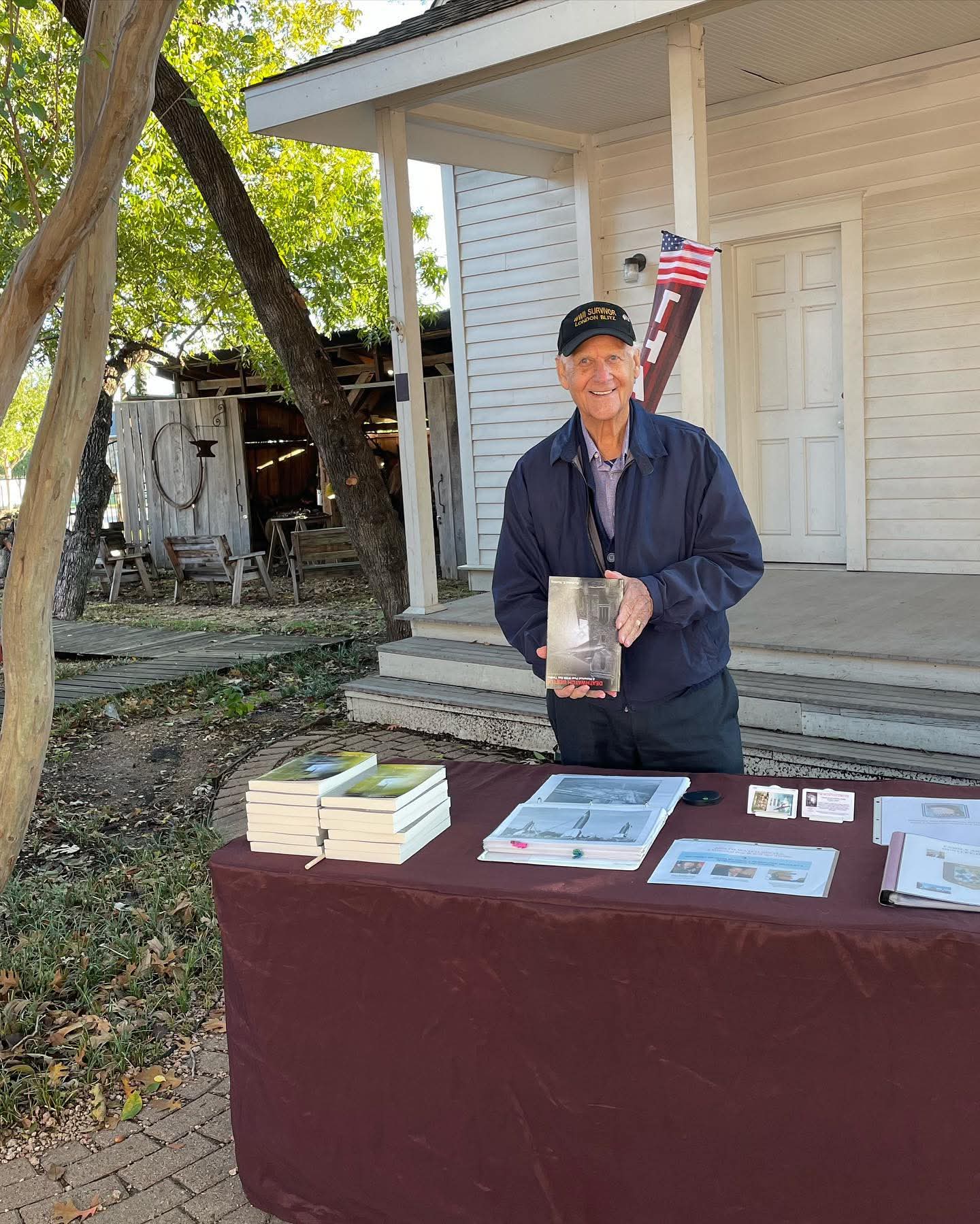
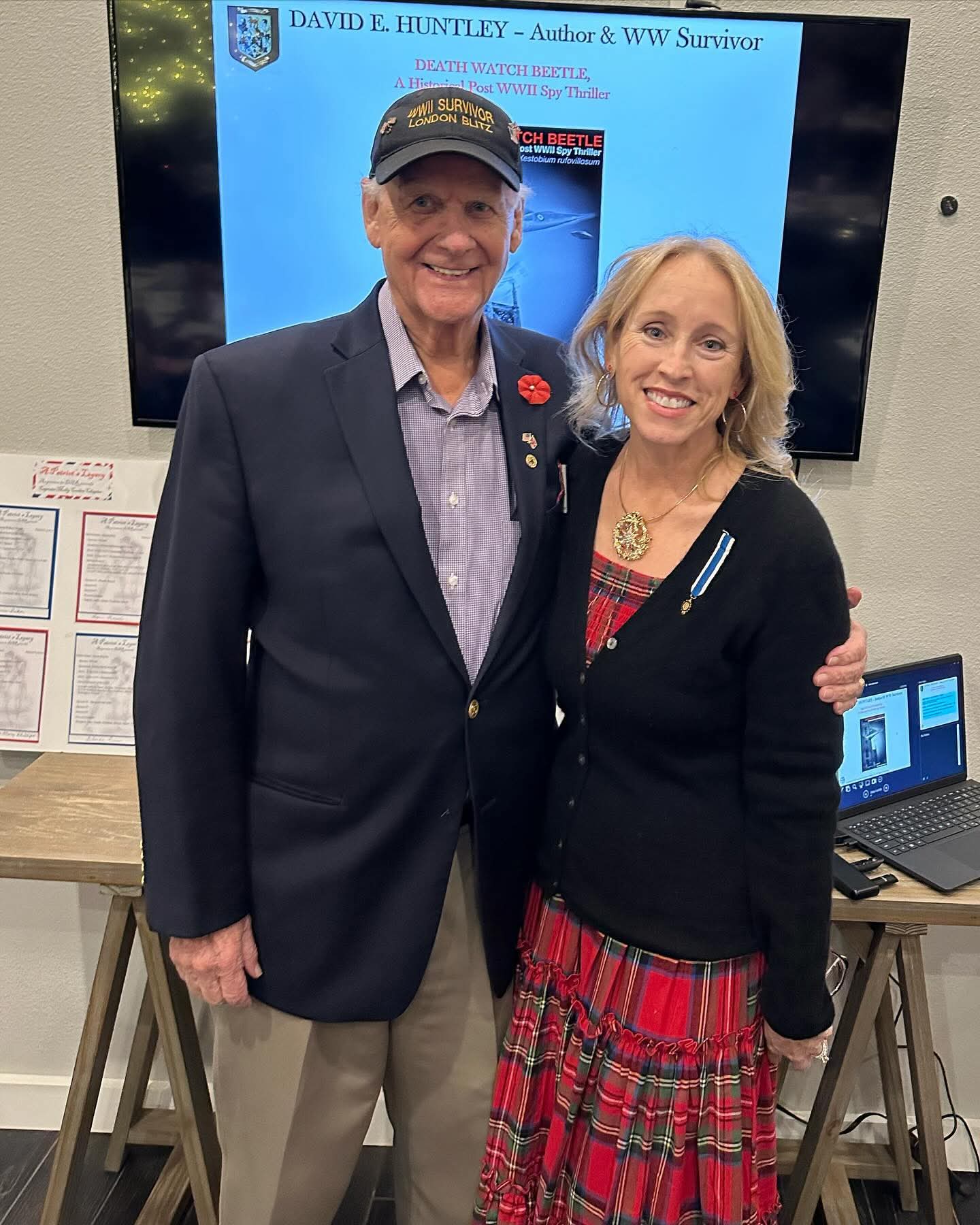
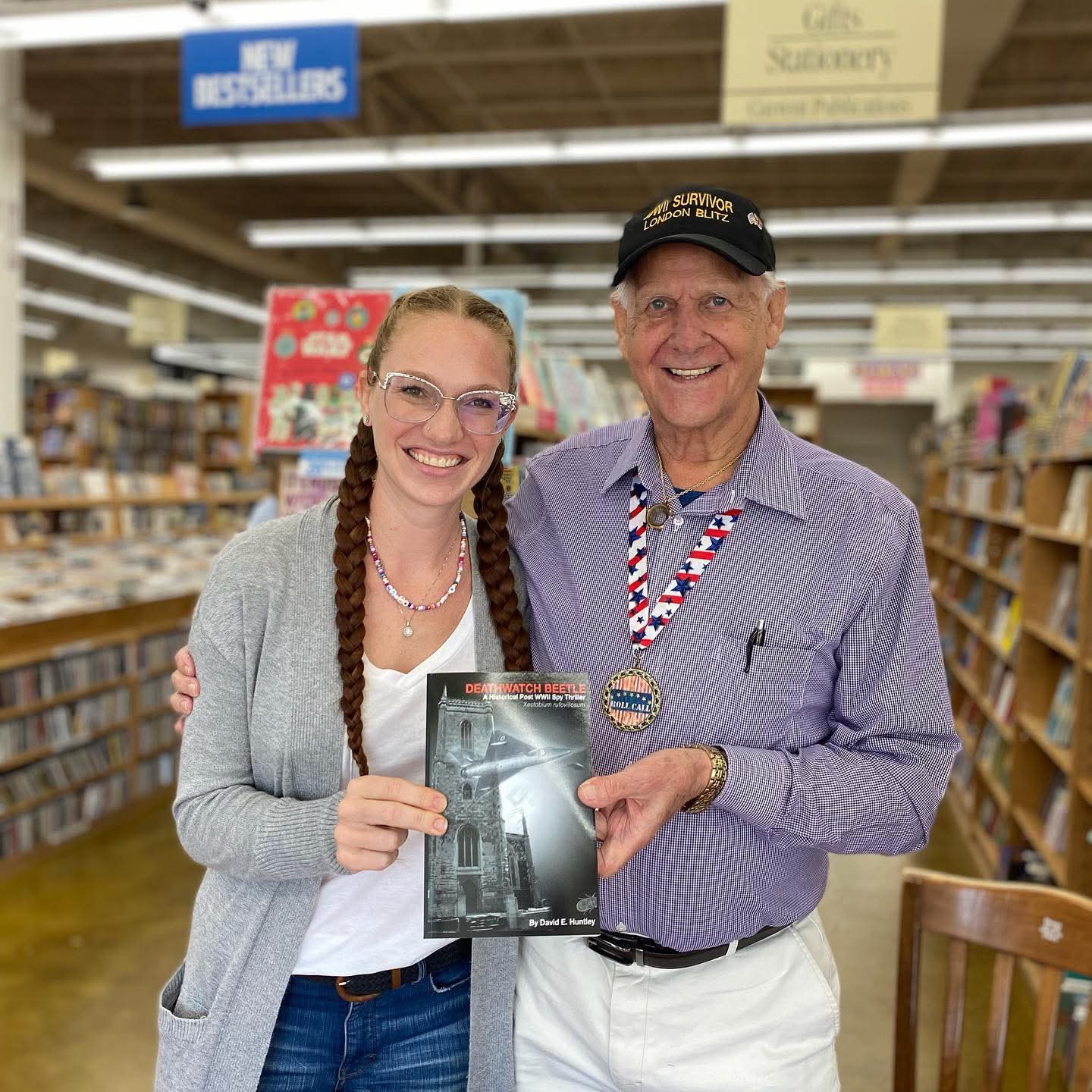
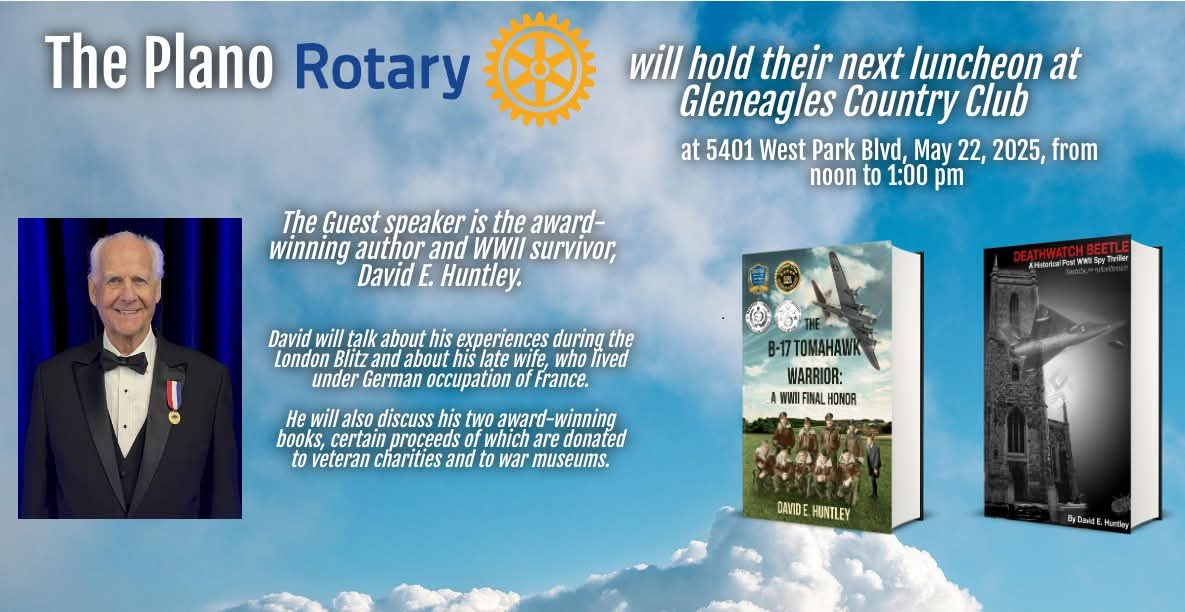
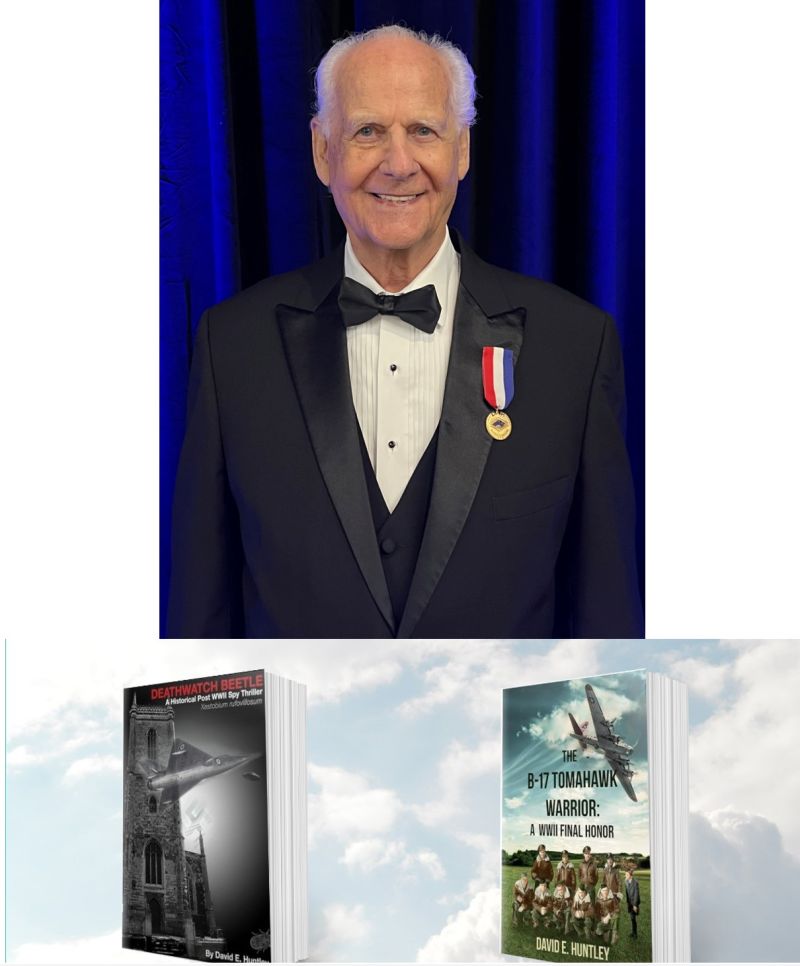
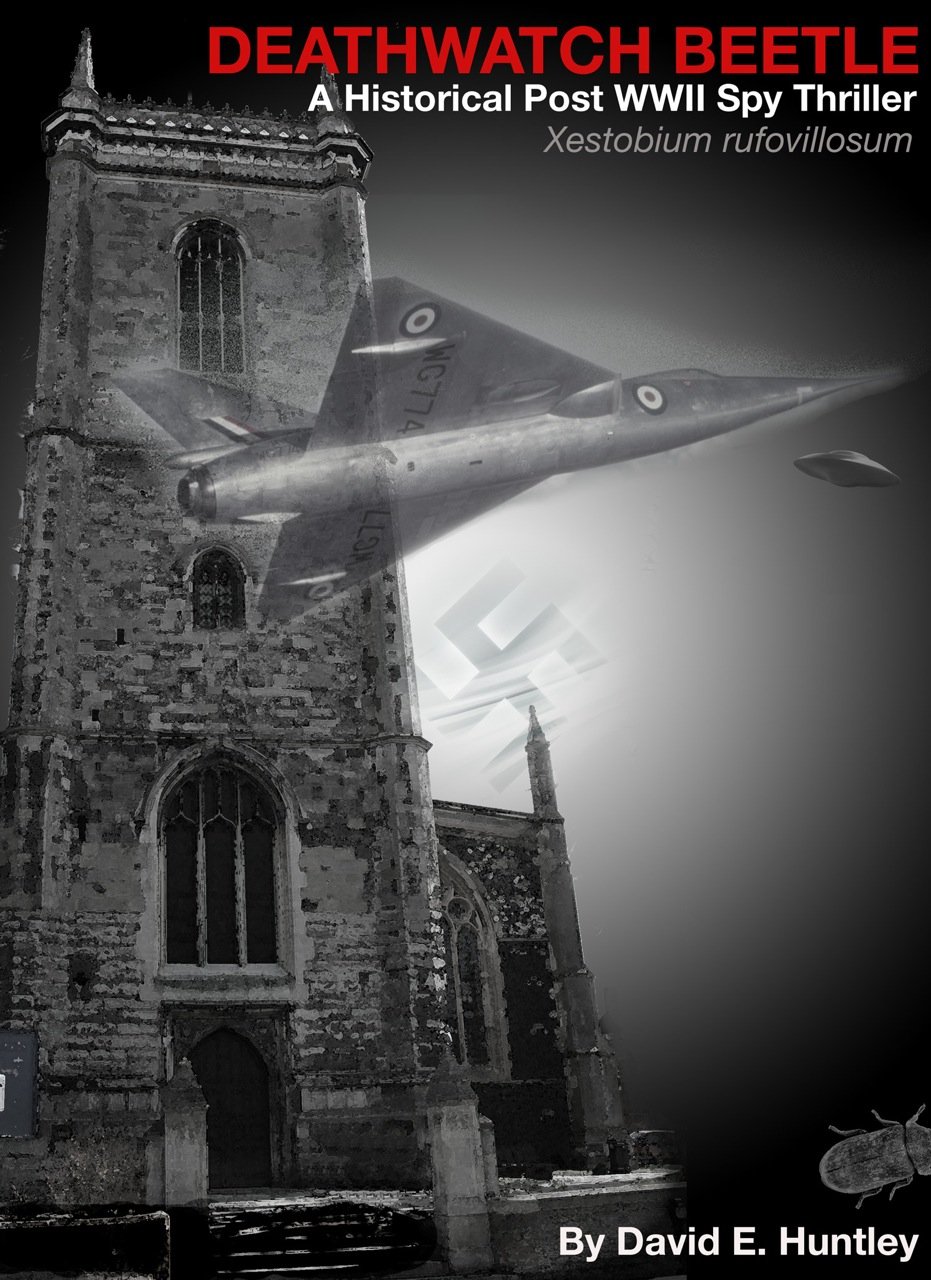
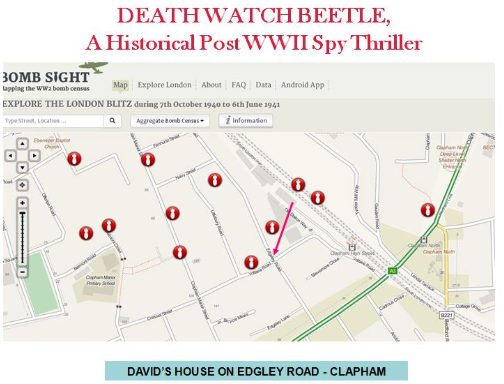
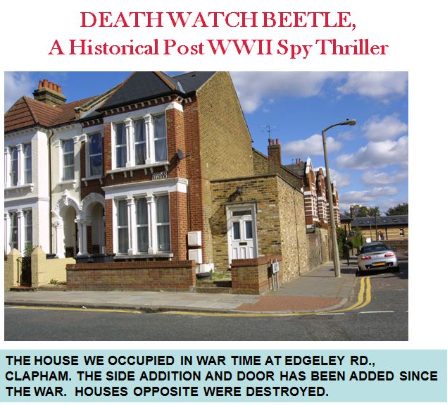
In 2013 Mr. Huntley wrote the best selling book, “Deathwatch Beetle: An Historical Post WWII Spy Thriller” which was endorsed by high level military & intelligence sources. The book was a Finalist in the 2015 Chaucer Book Awards. The Jewish War Veterans Group awarded Mr. Huntley a Certificate of Appreciation for the narrative in the book concerning the Nazis’ use of slave labor.
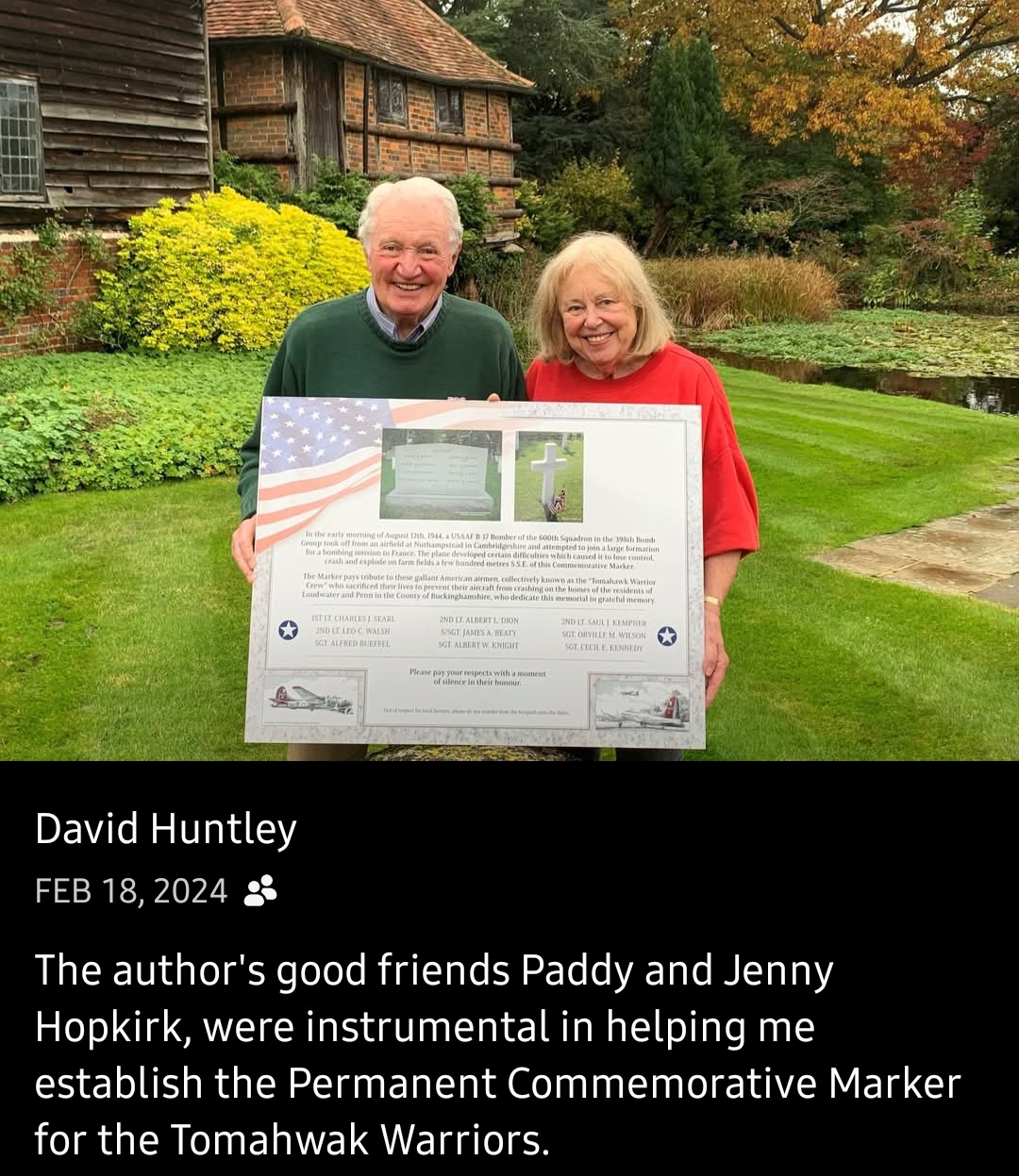
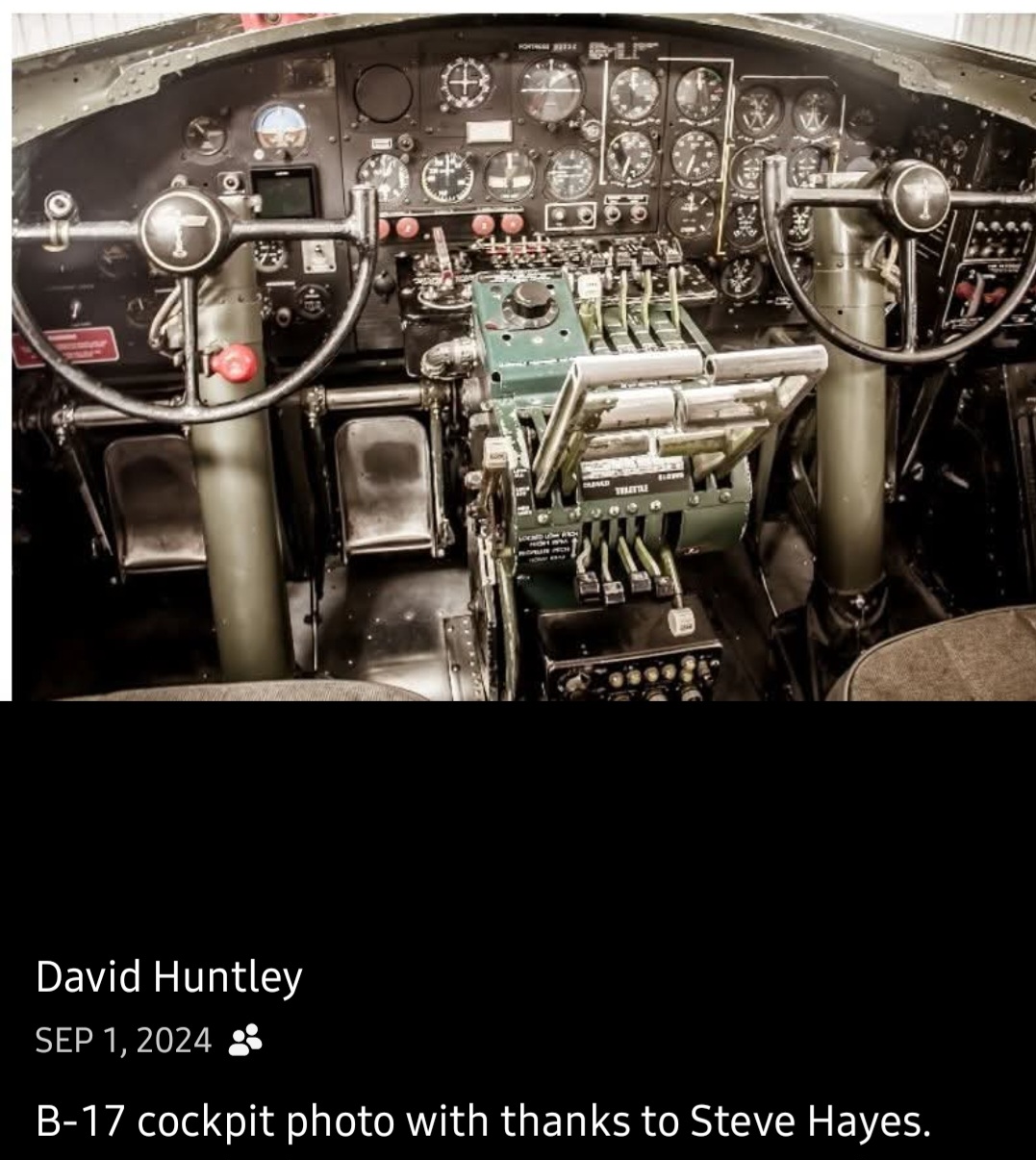
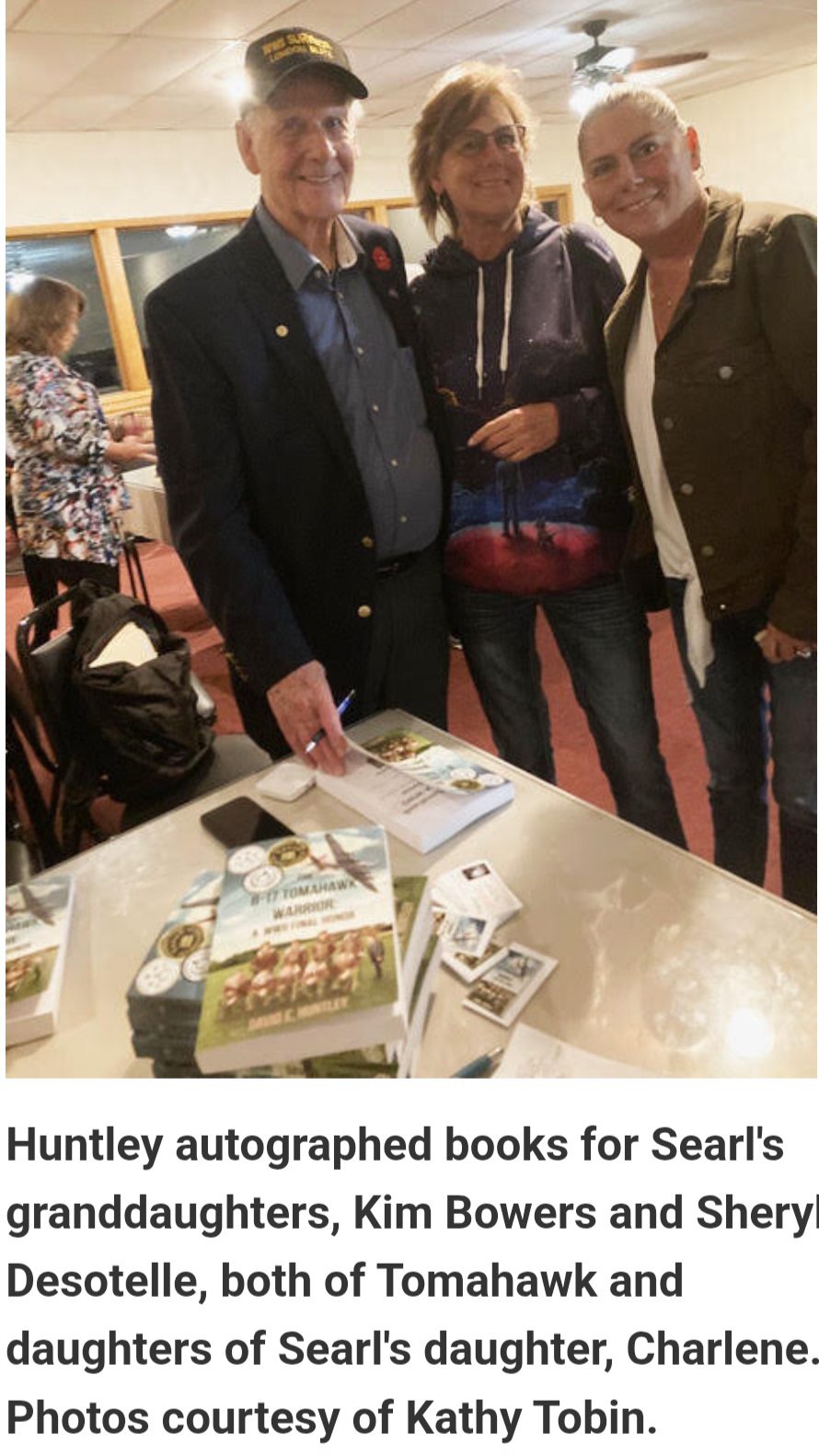
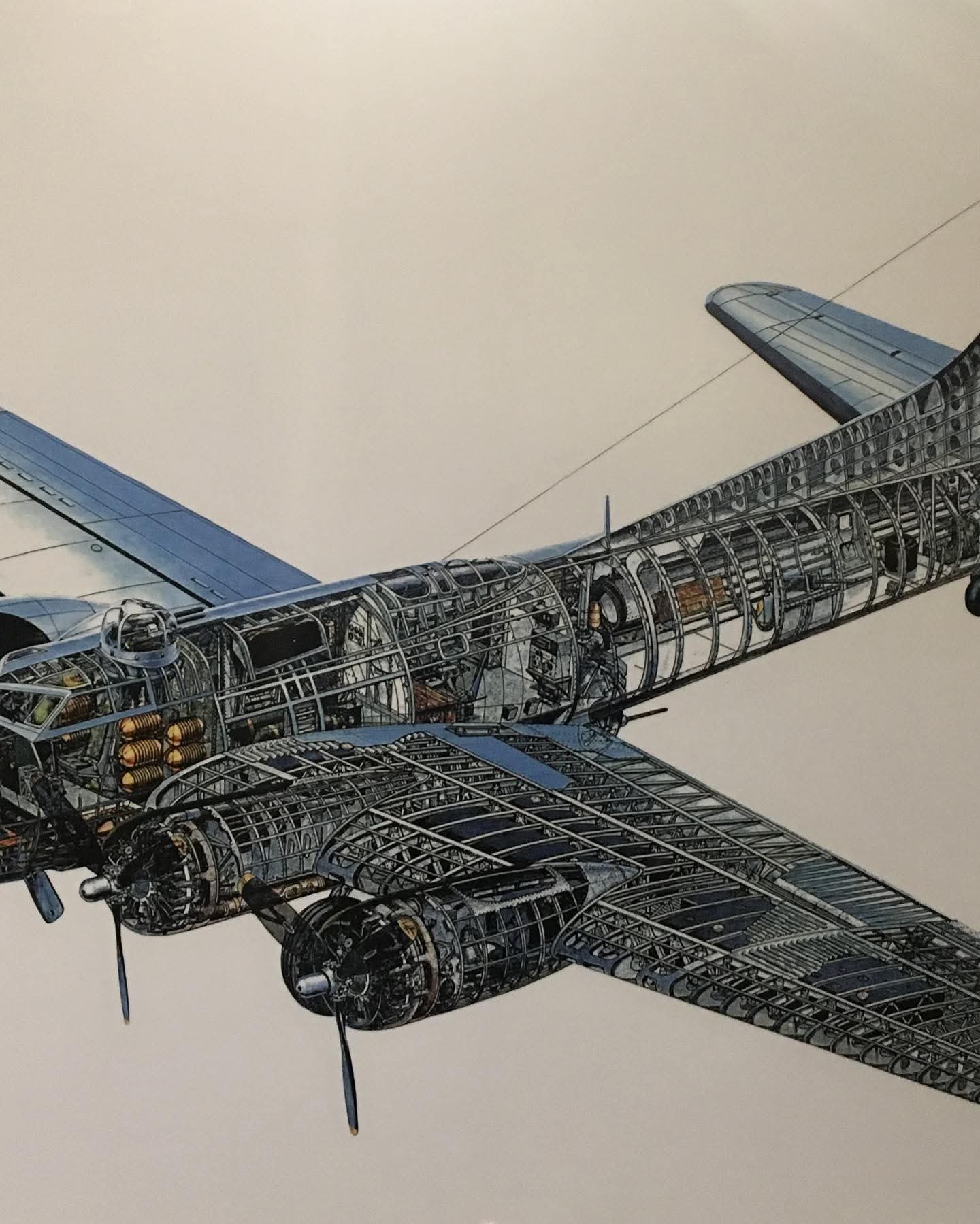
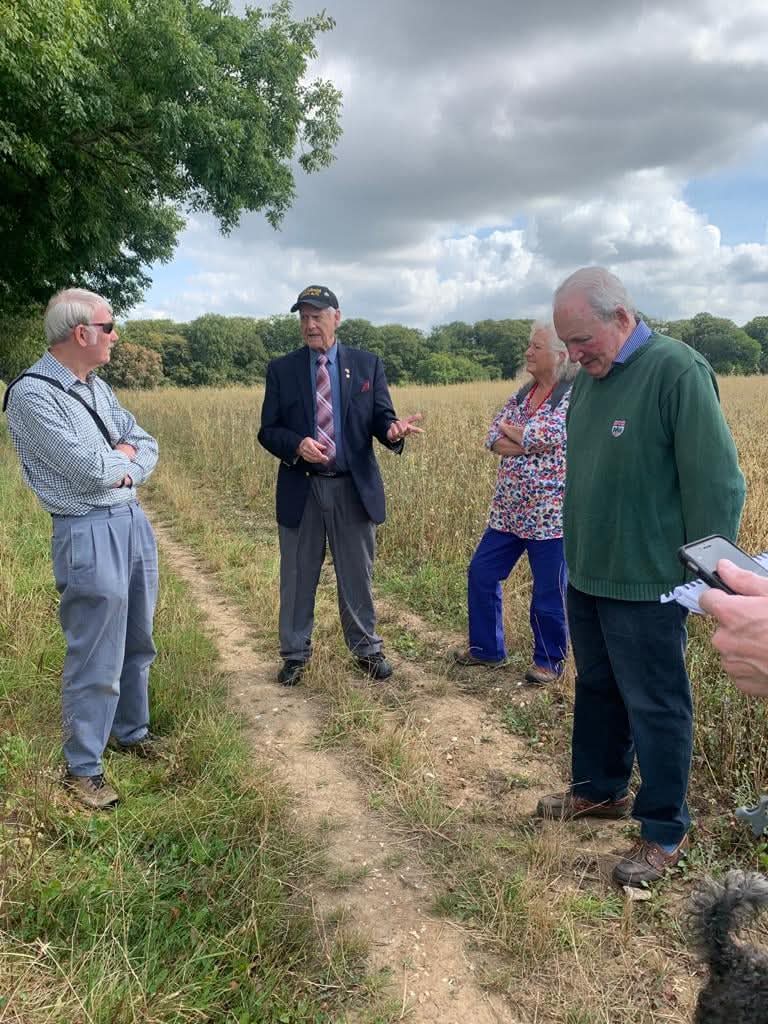
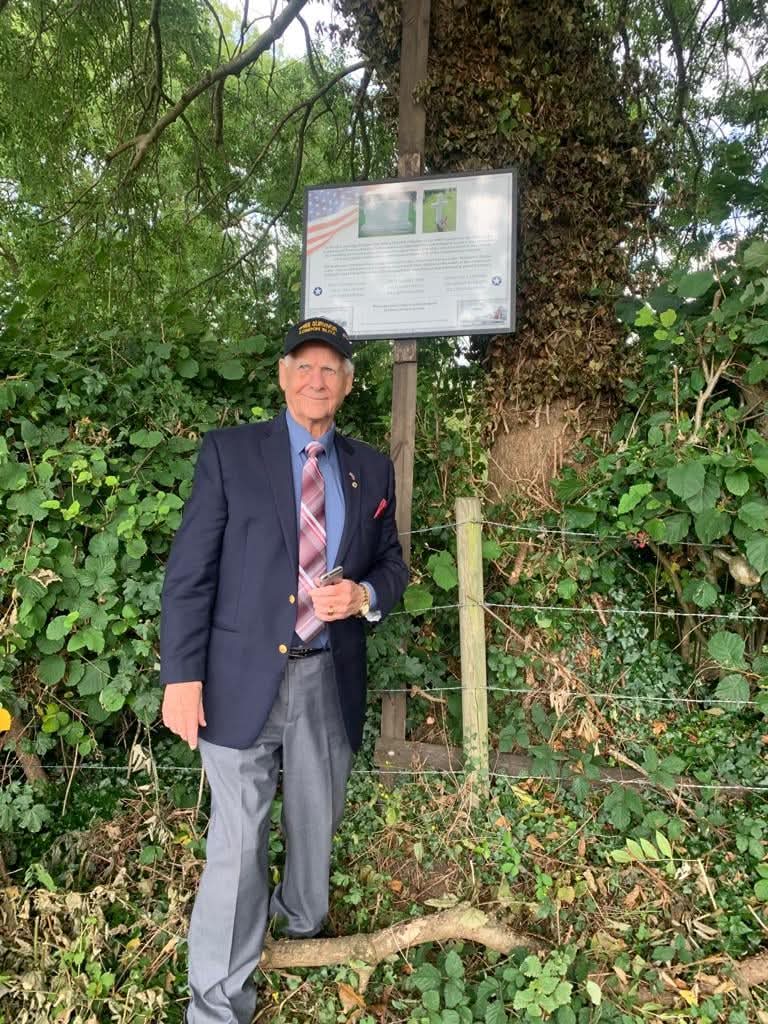
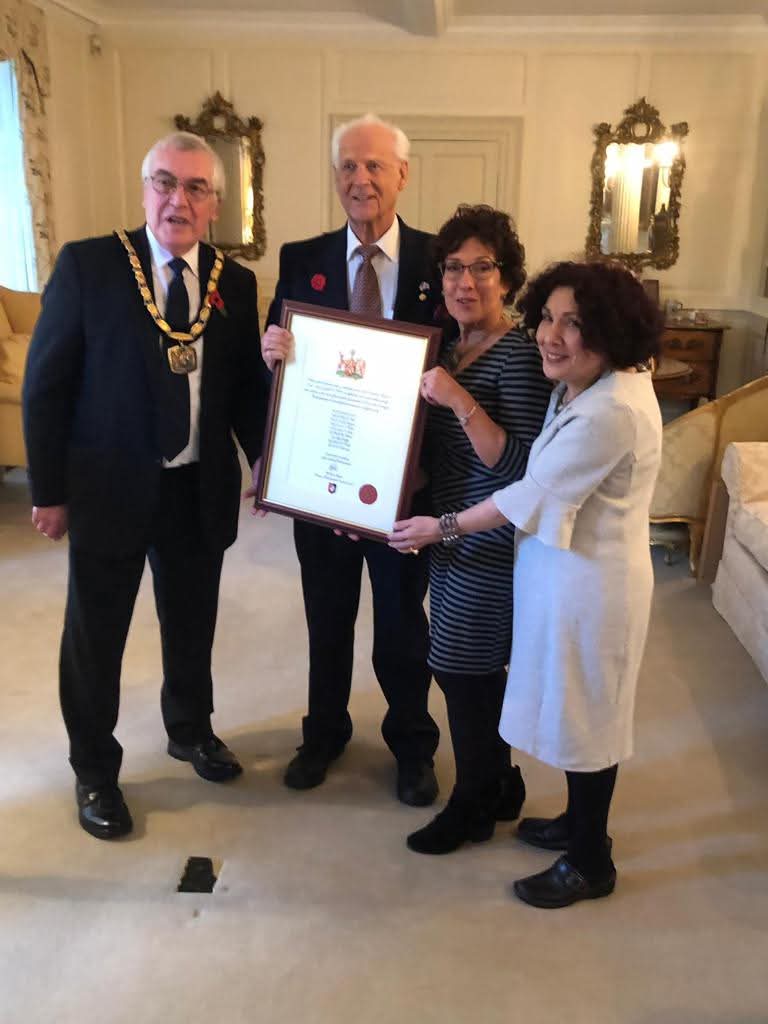
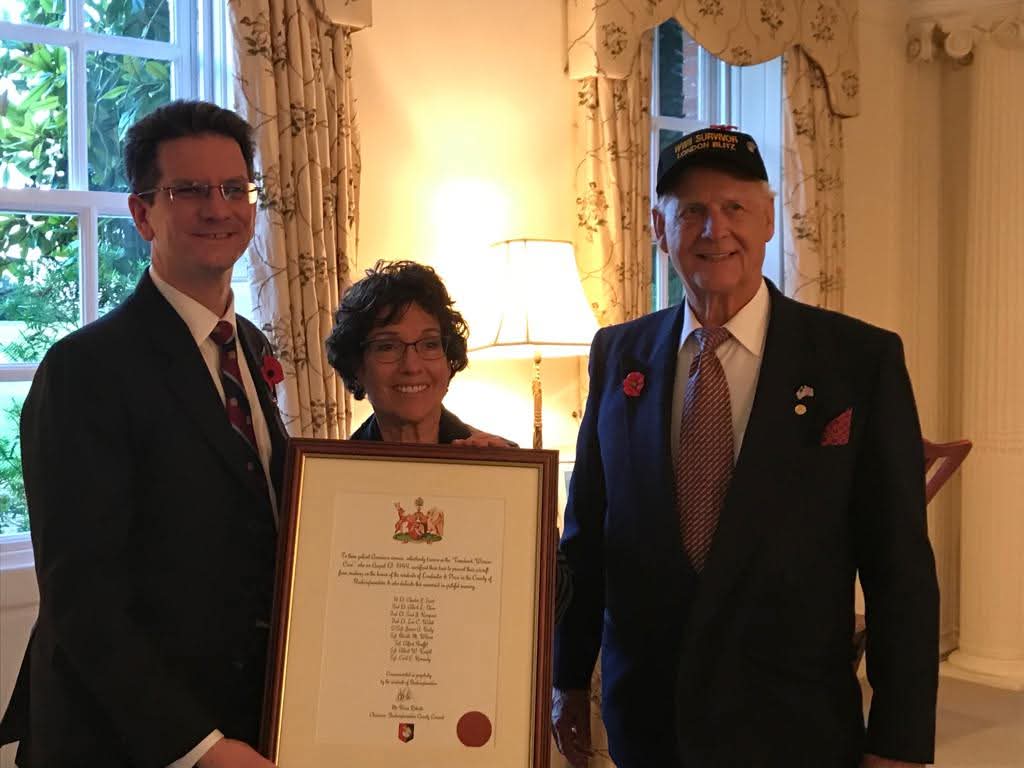
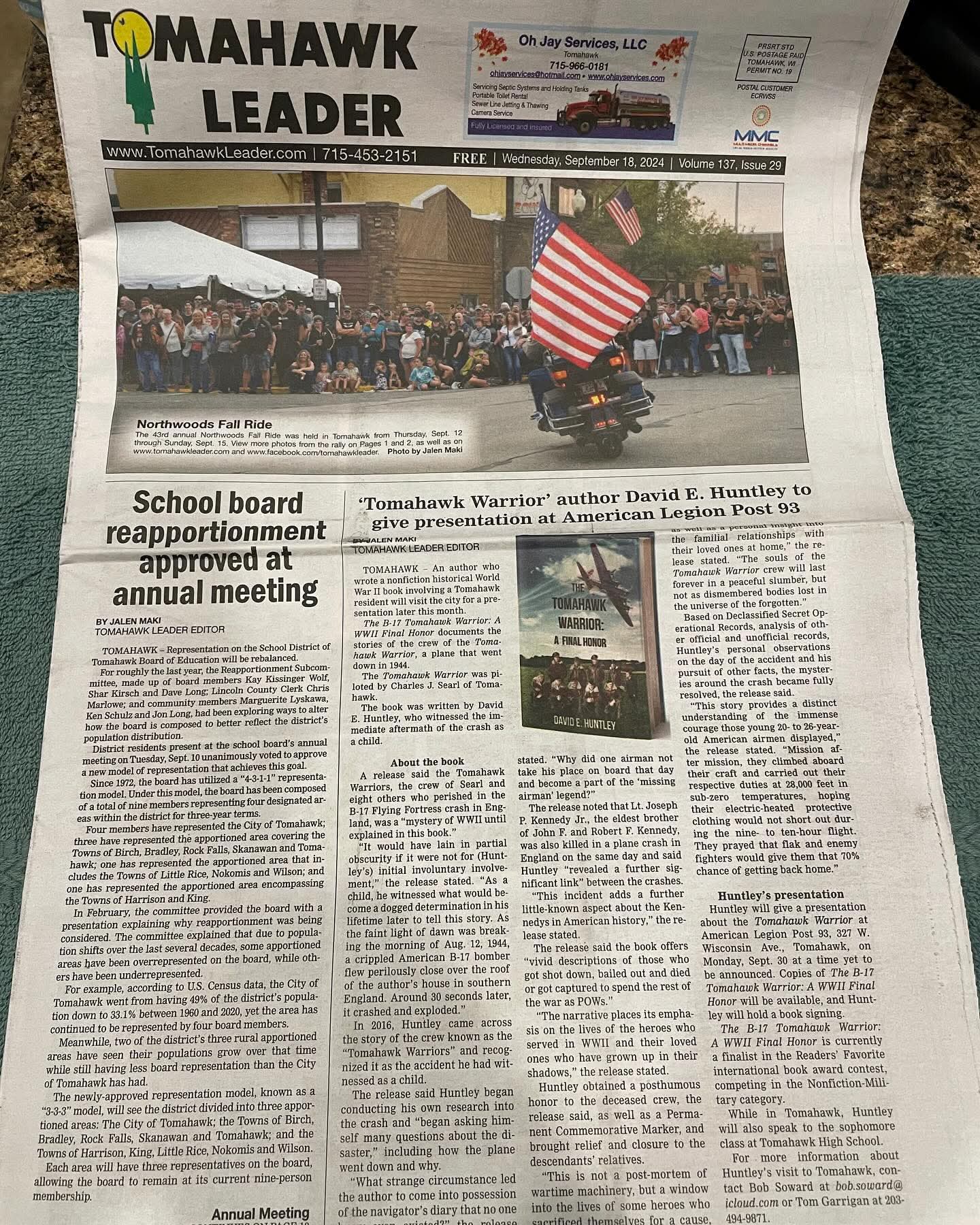
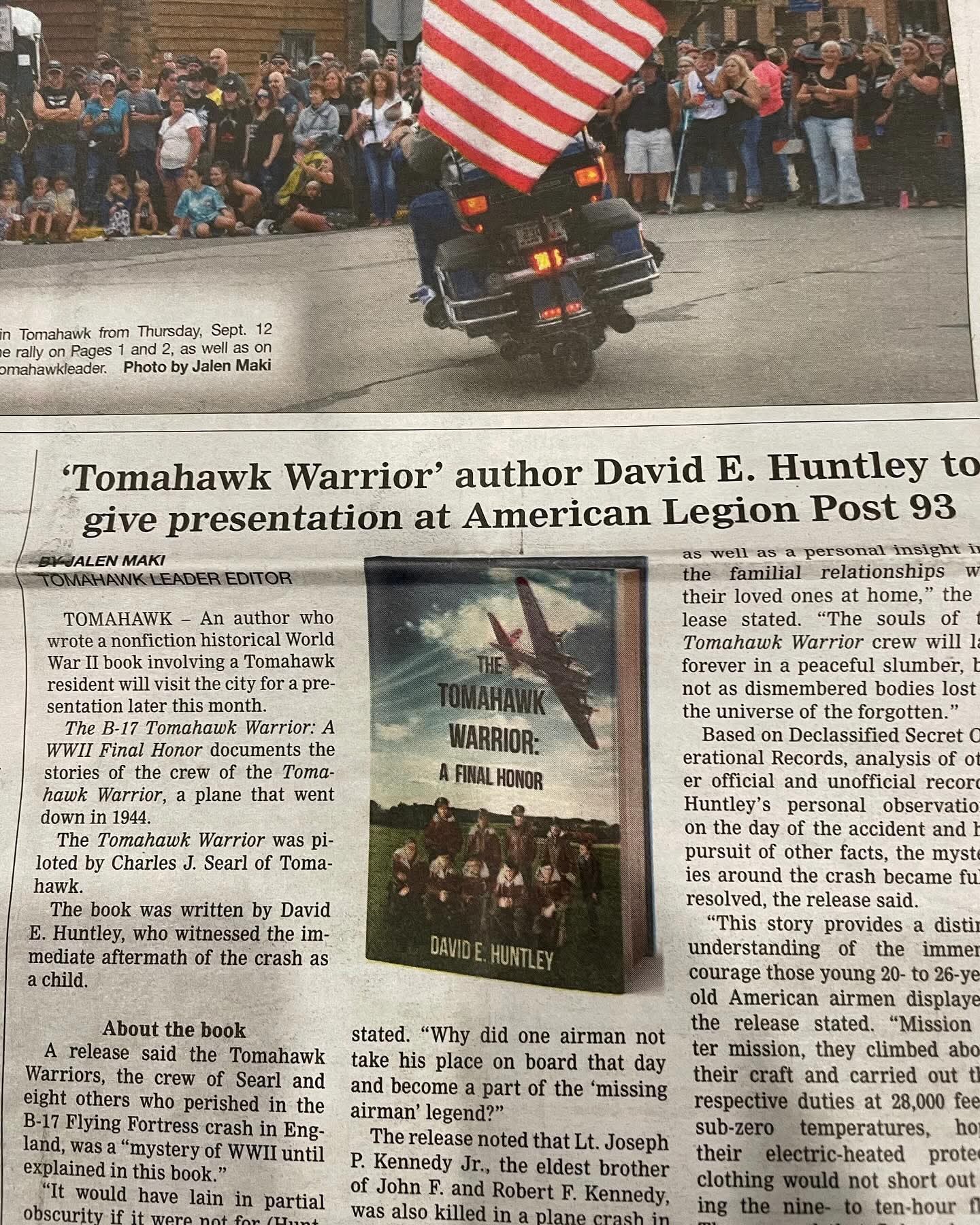
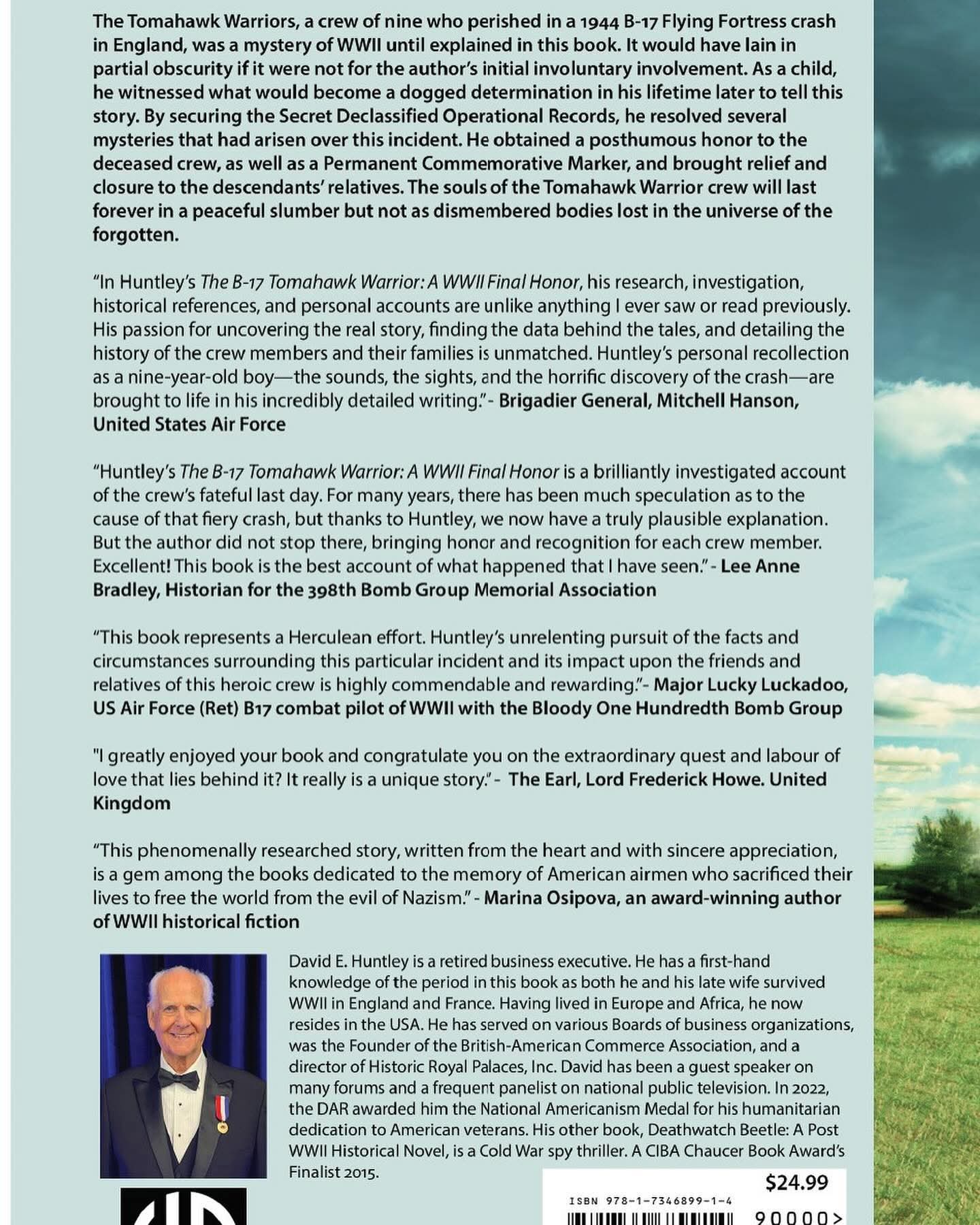
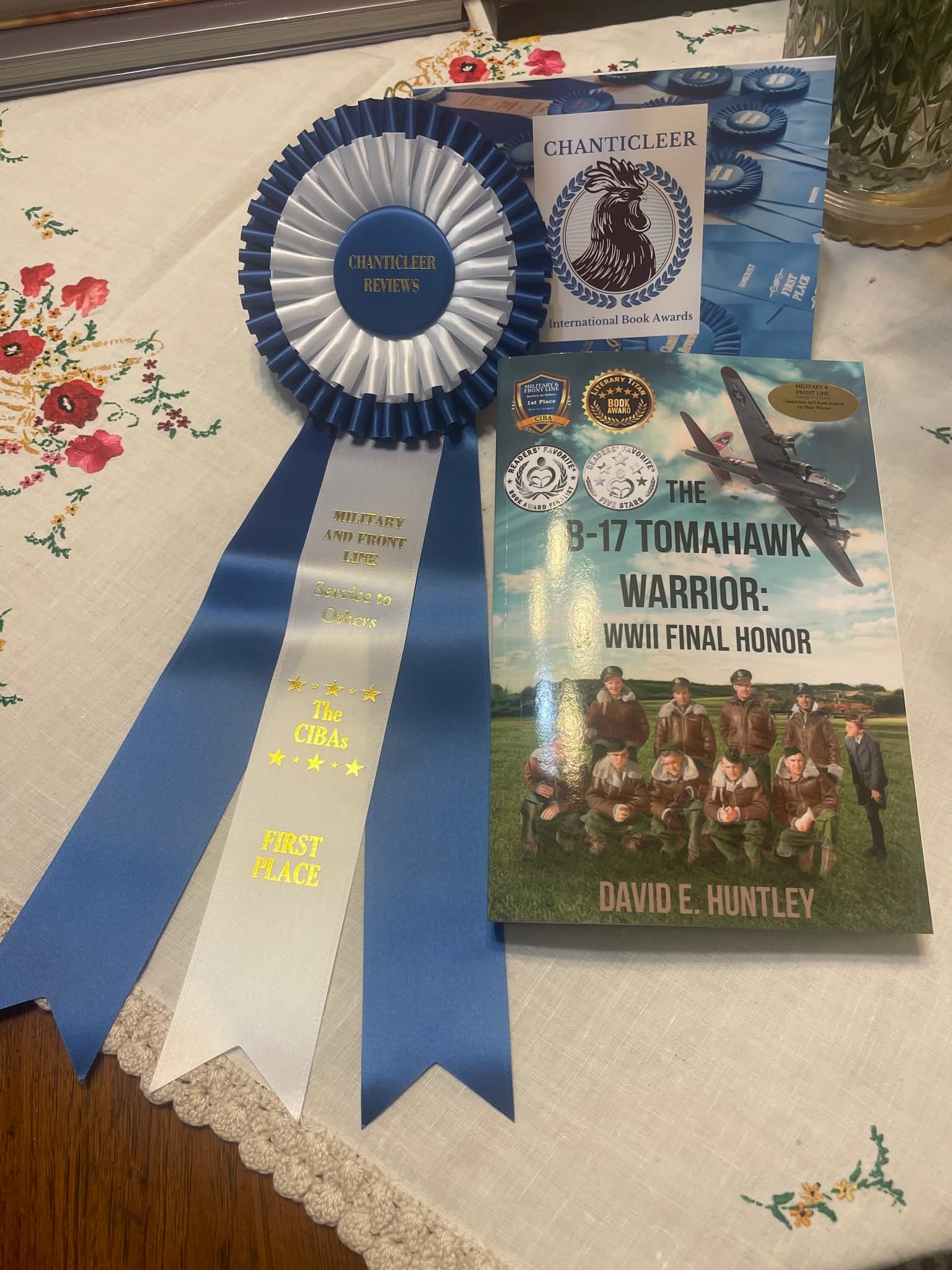
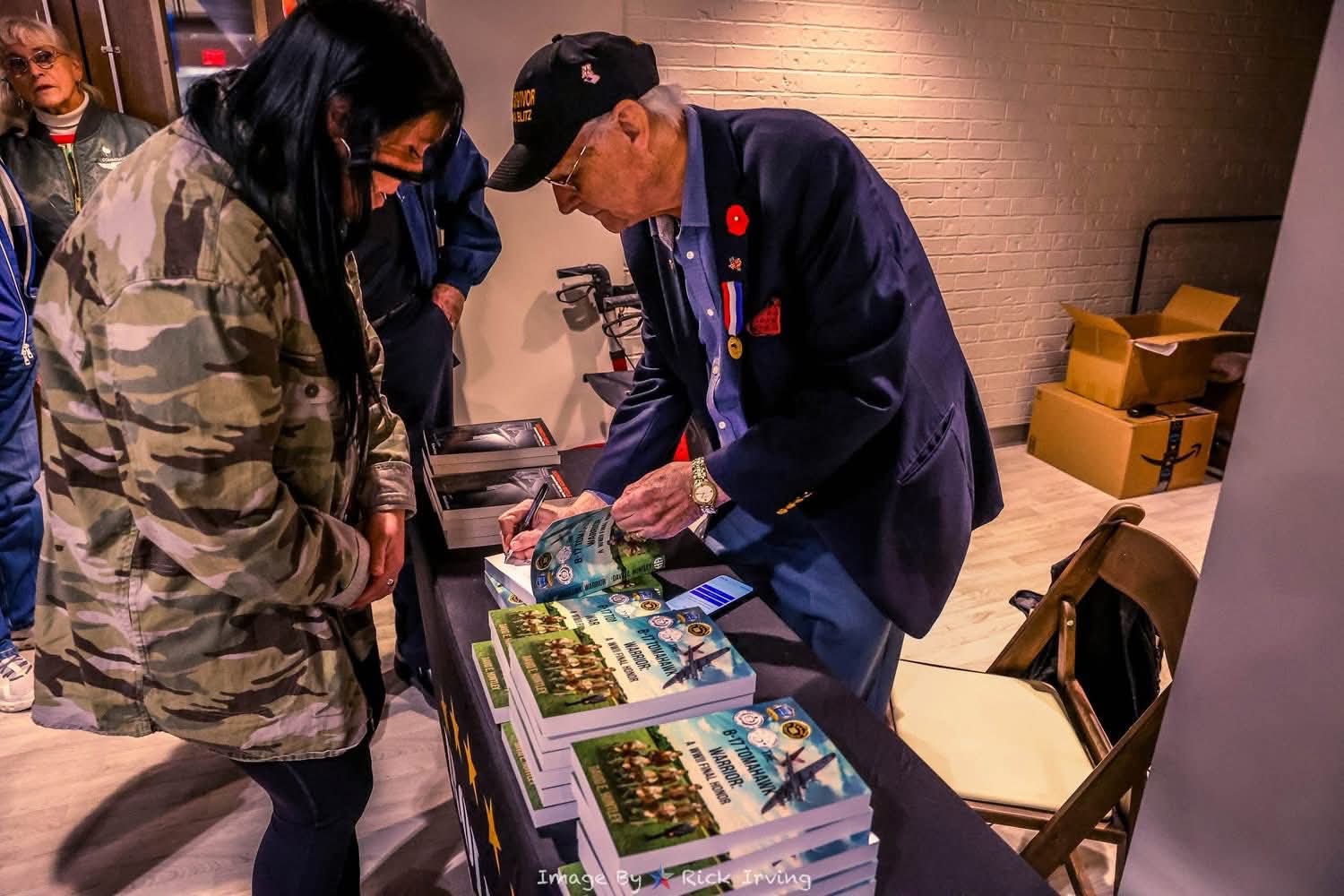
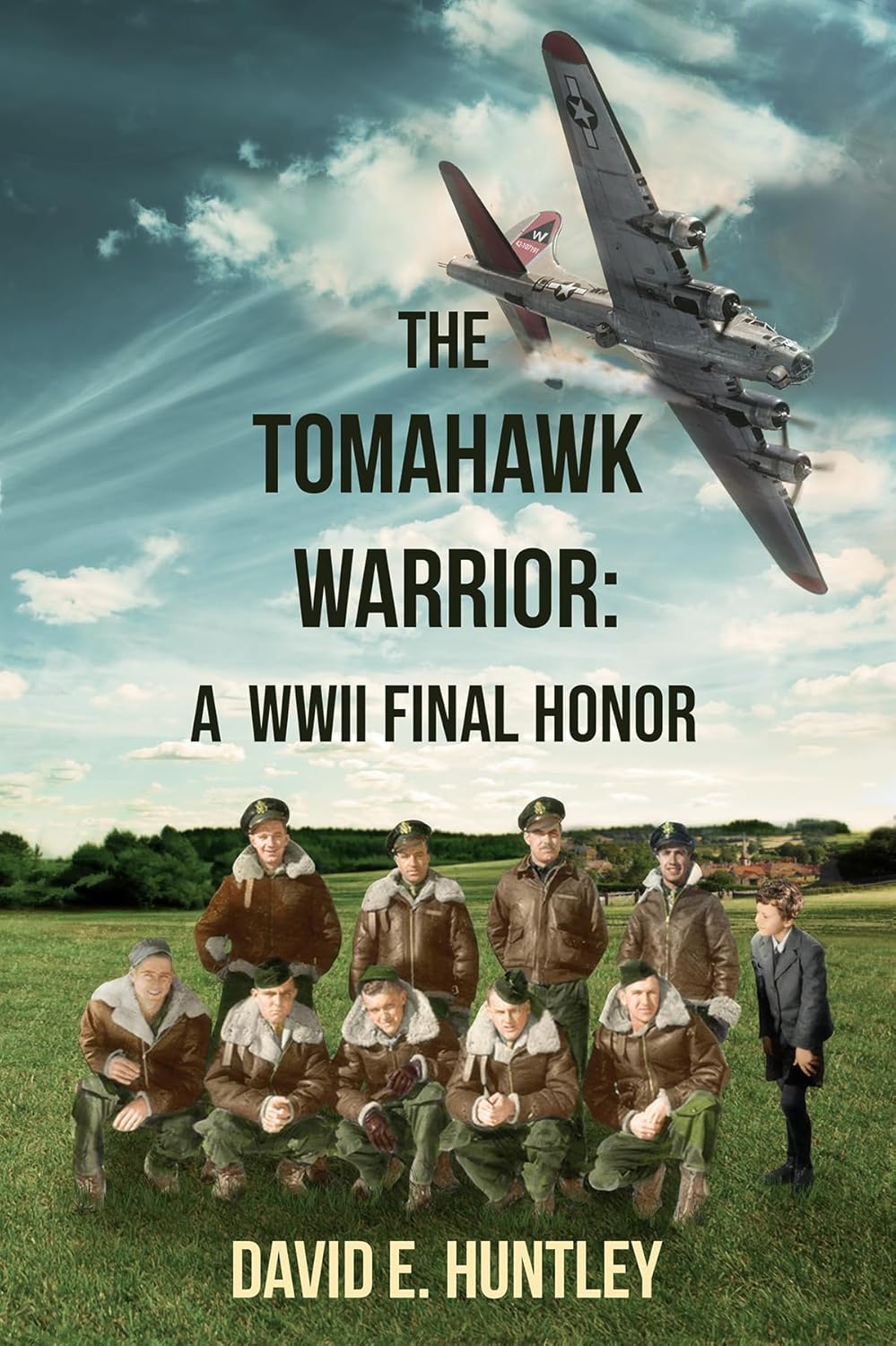
His latest book, (October 2023), The B-17 Tomahawk Warrior: A WWII Final Honor, is an award winning non-fiction story of an American Flying Fortress crash and explosion in England which Huntley witnessed in 1944. For over 70 years there were numerous mysteries and myths associated with this accident. After seven years of research, 2 continents of travel, and hundreds of interviews, the author resolved them while bringing British posthumous honors to the American crew.
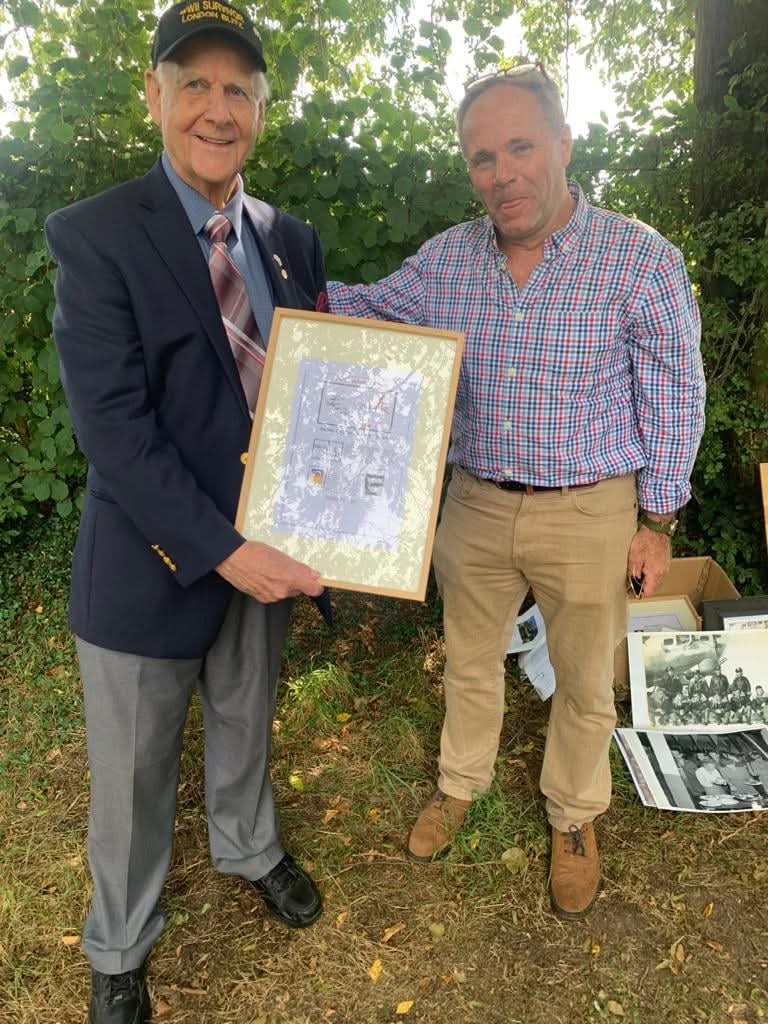
It is now established as a historic WWII document in the official Print Collections of the JFK Library in Boston and the Imperial War Museum Research Library Room in London. It is available for study by future scholars and historians.
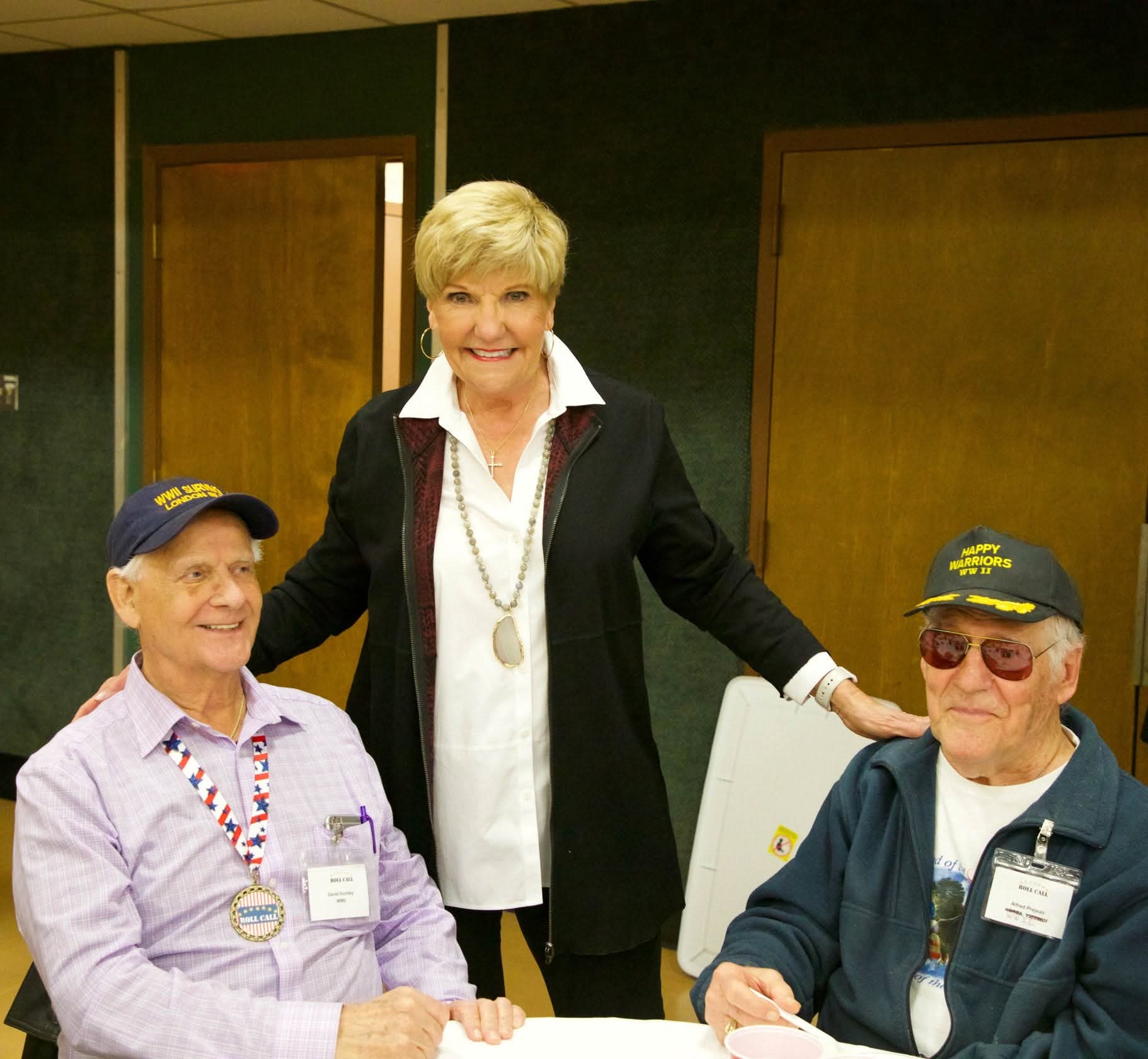
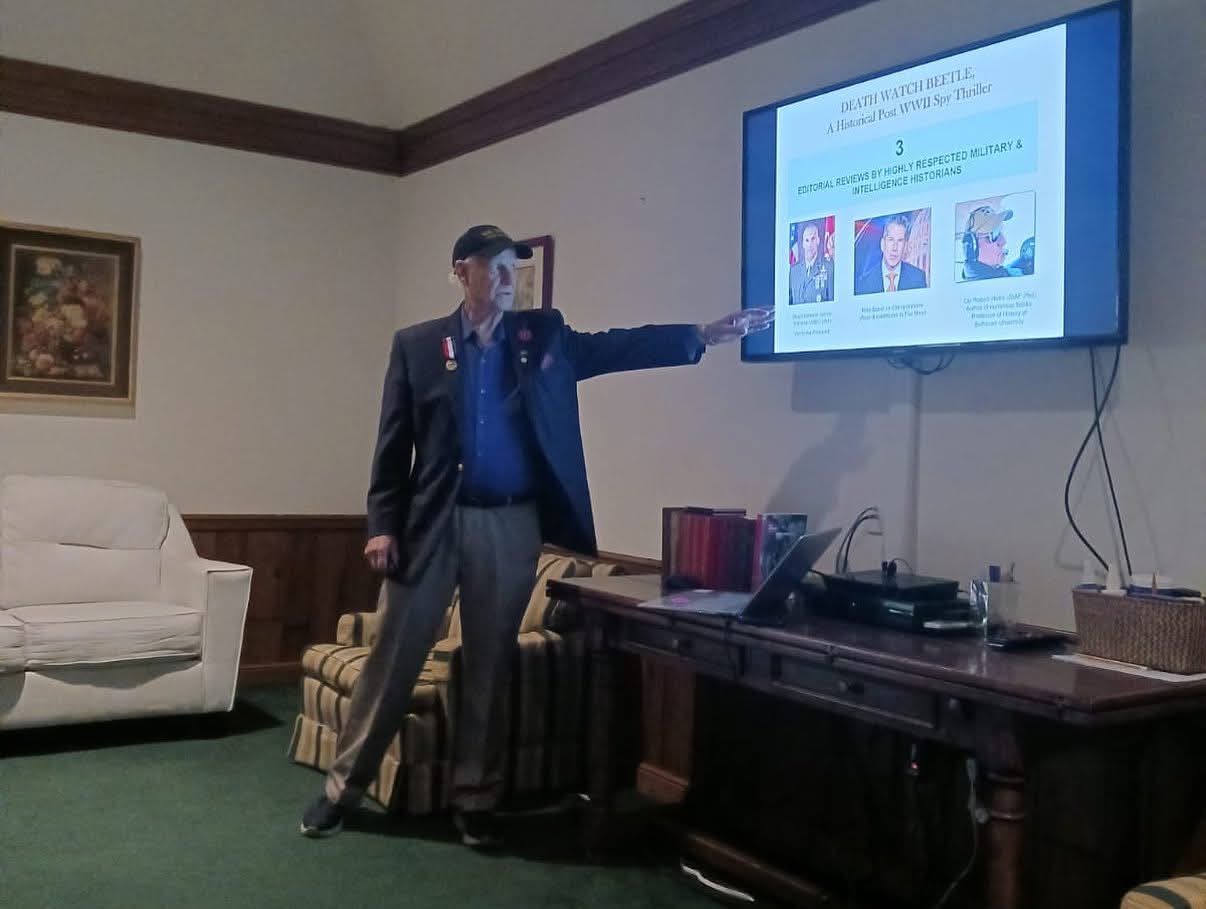
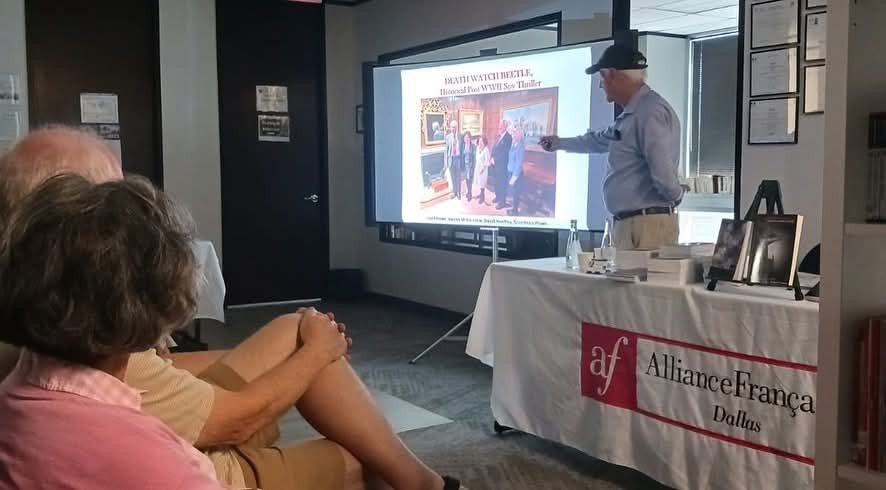
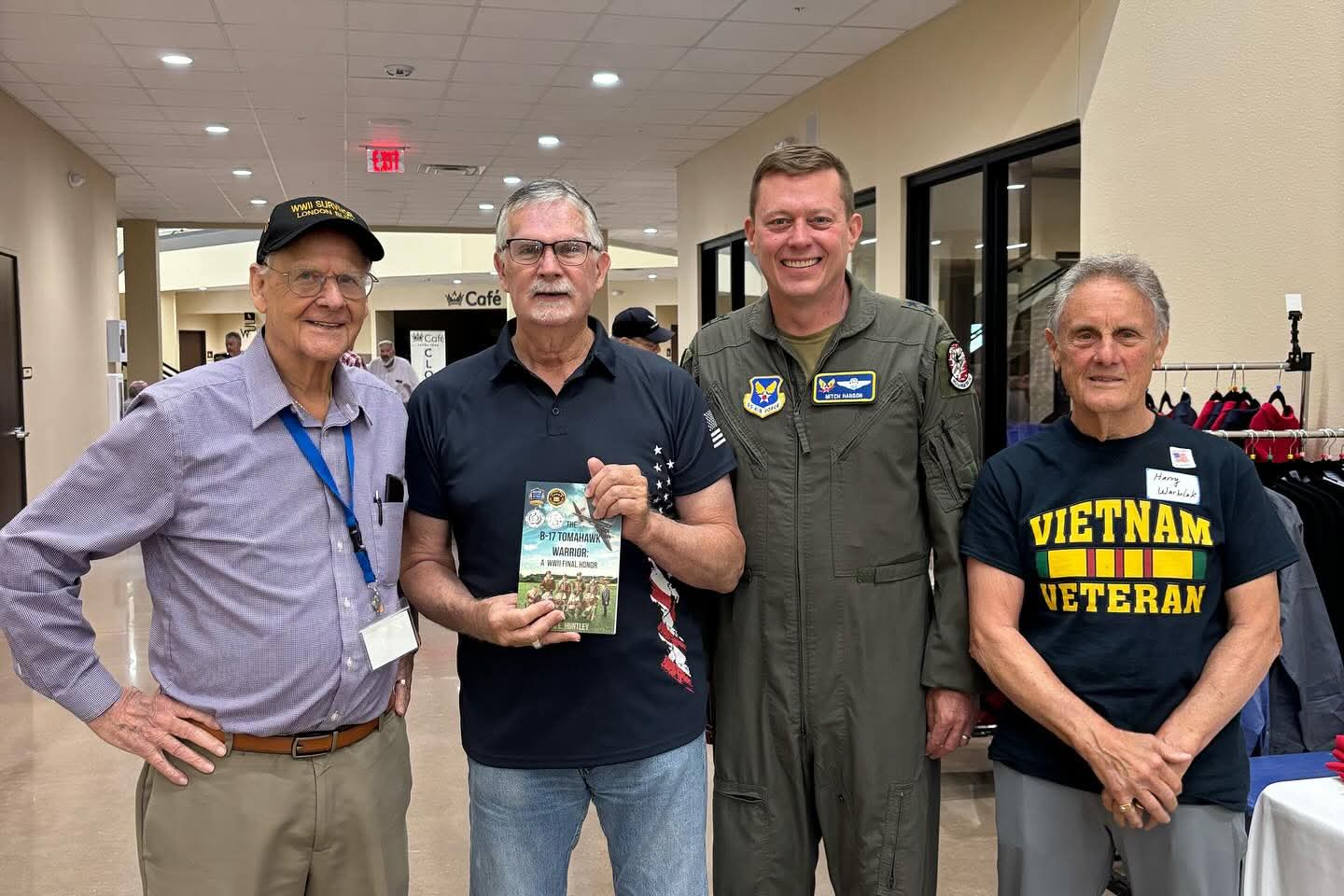
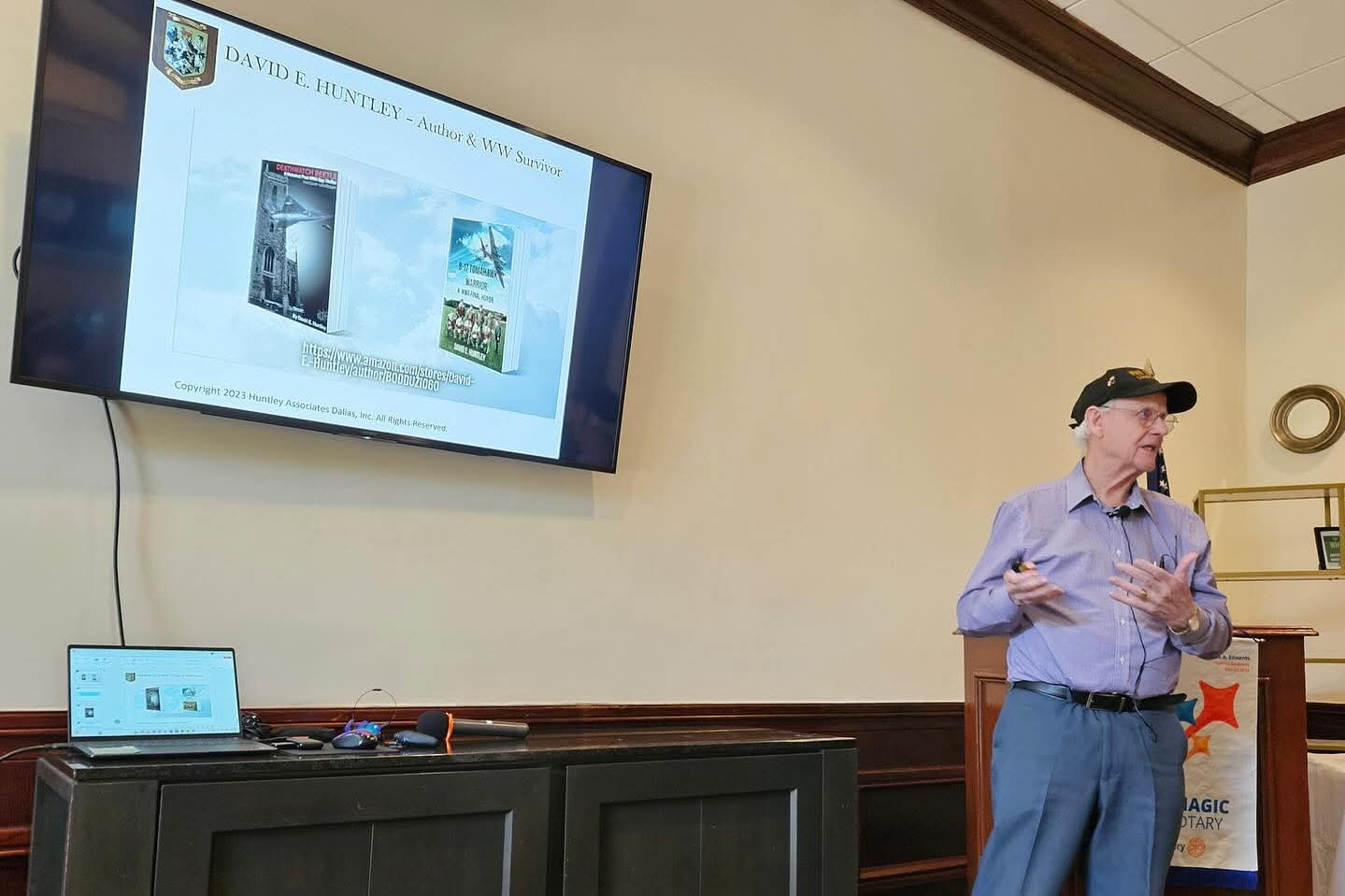
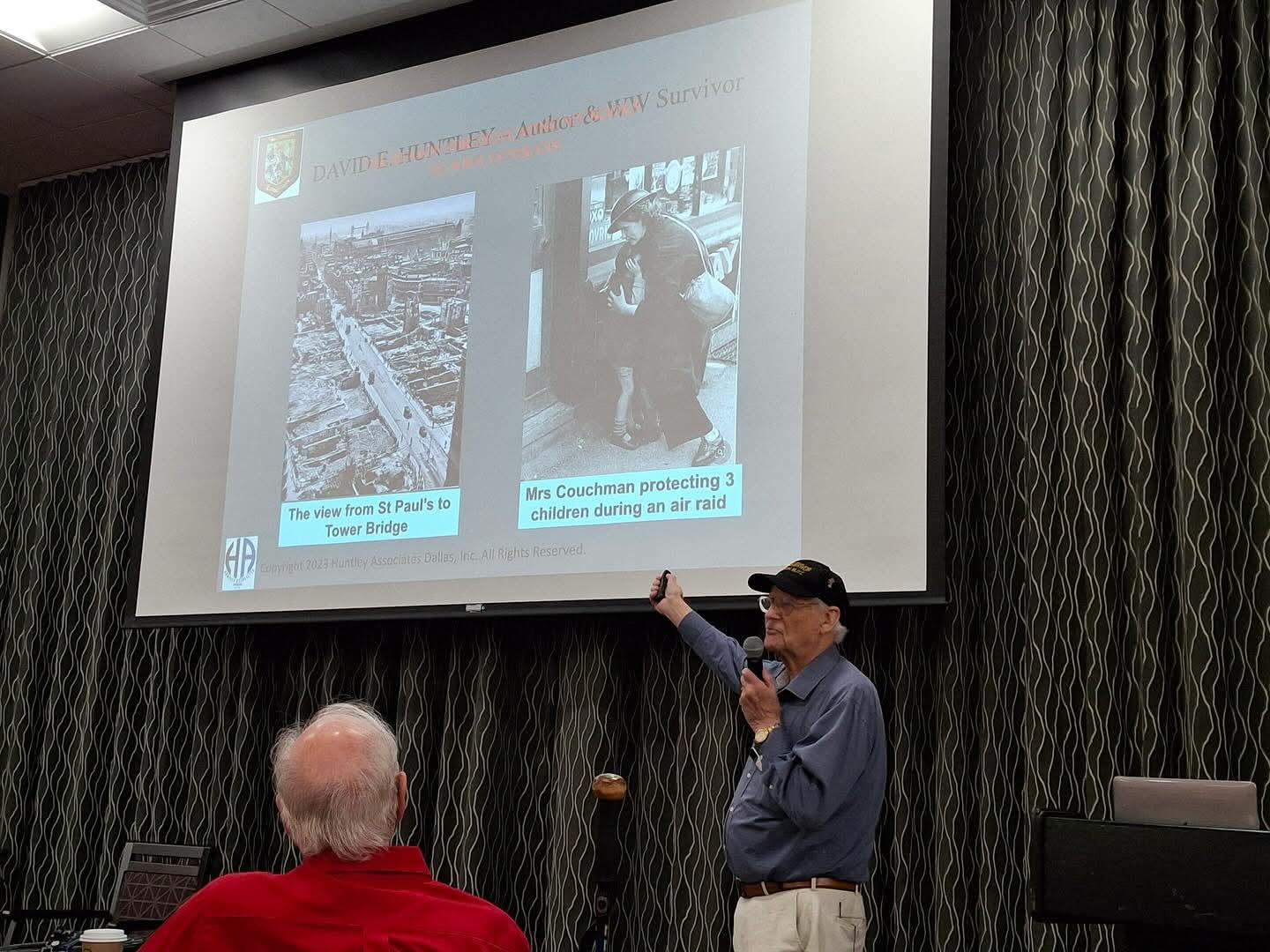
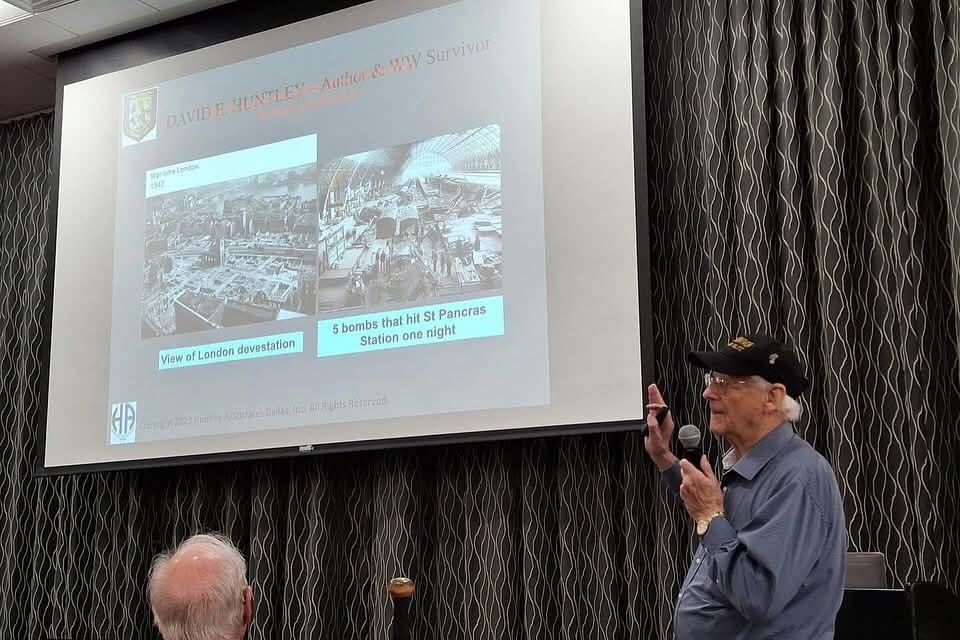
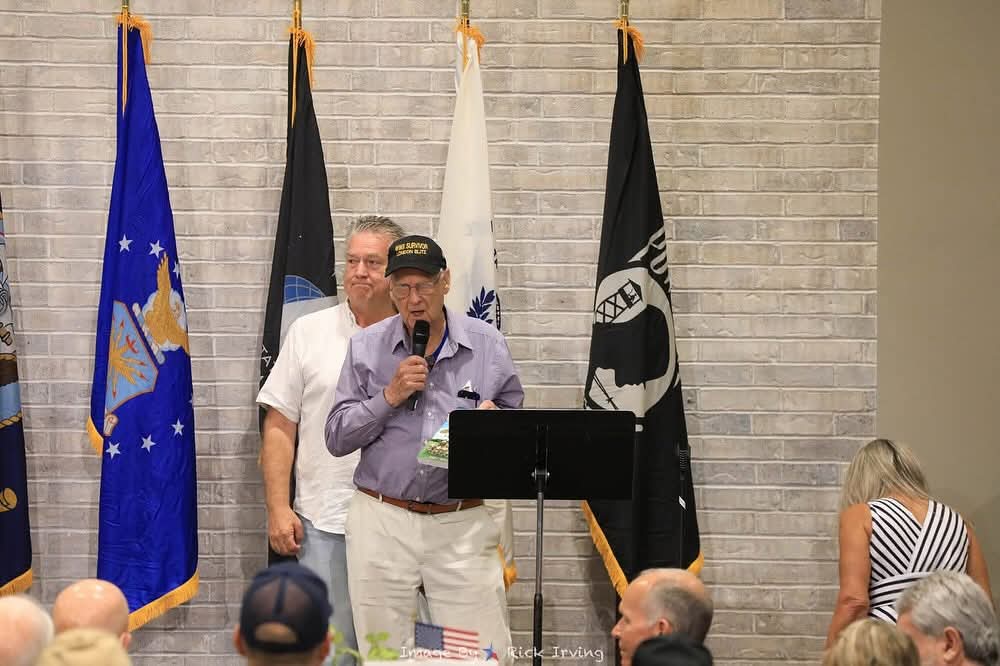
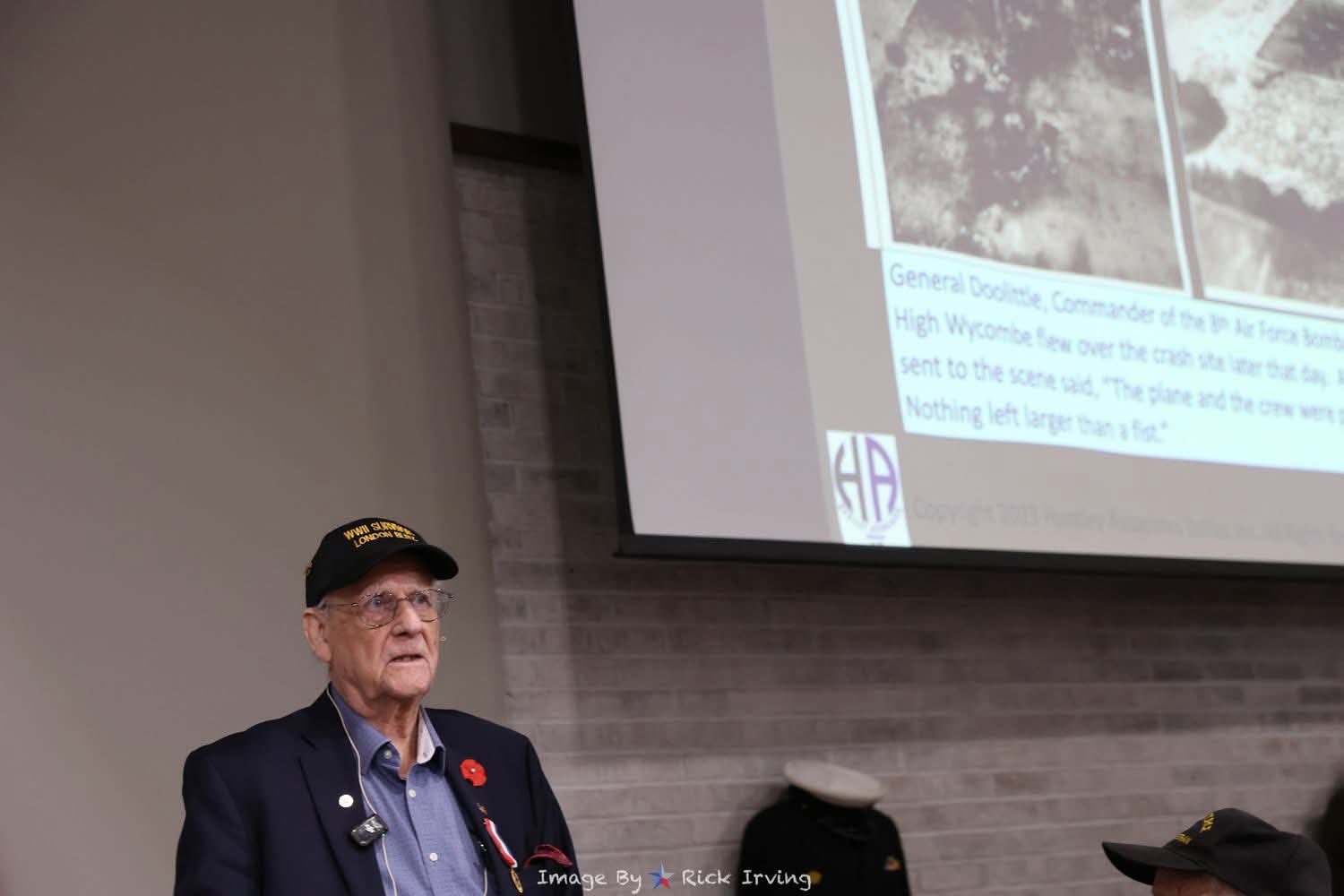
As an author, Mr. Huntley is a popular speaker about his and his late wife’s experiences in WWII.
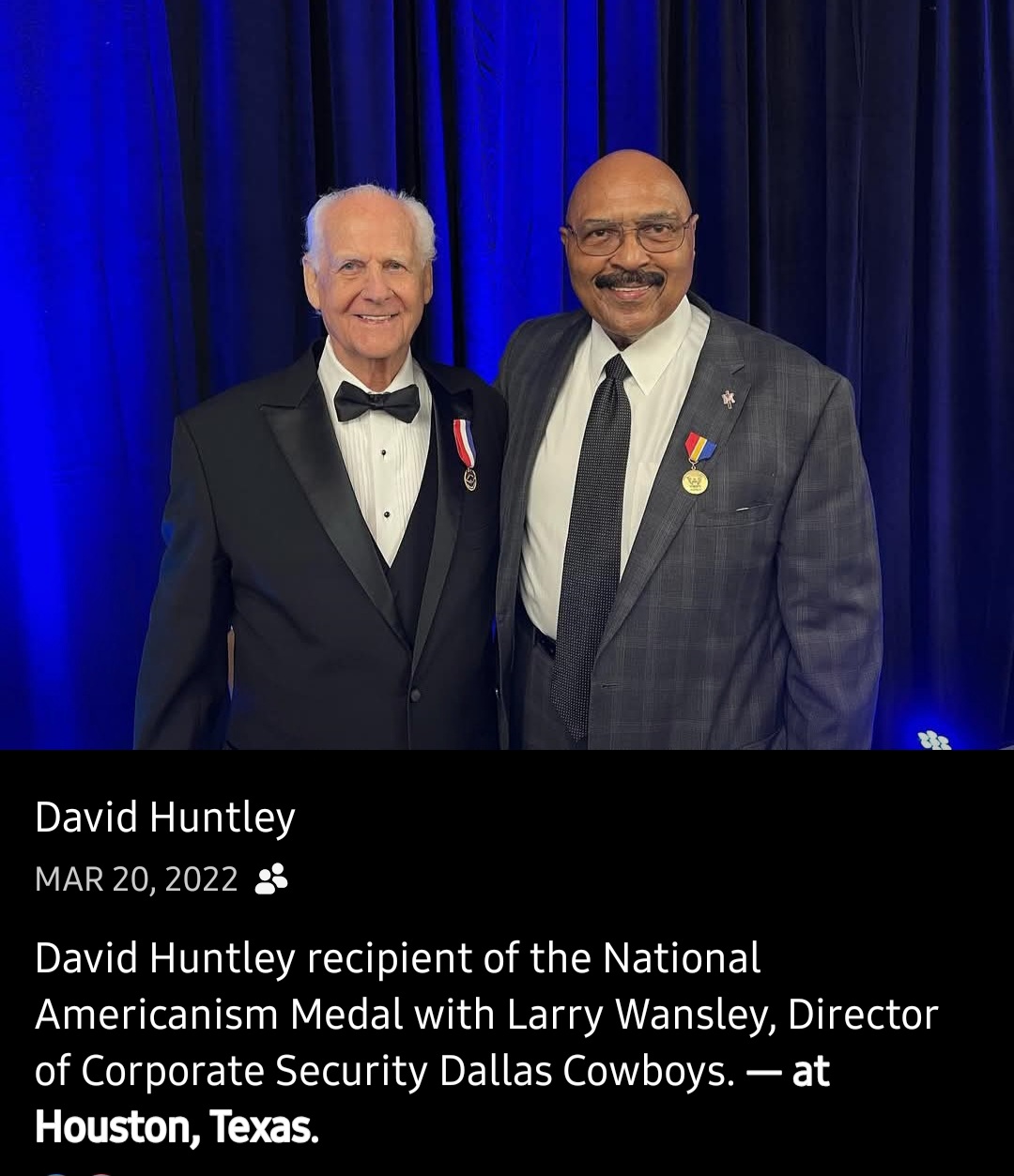
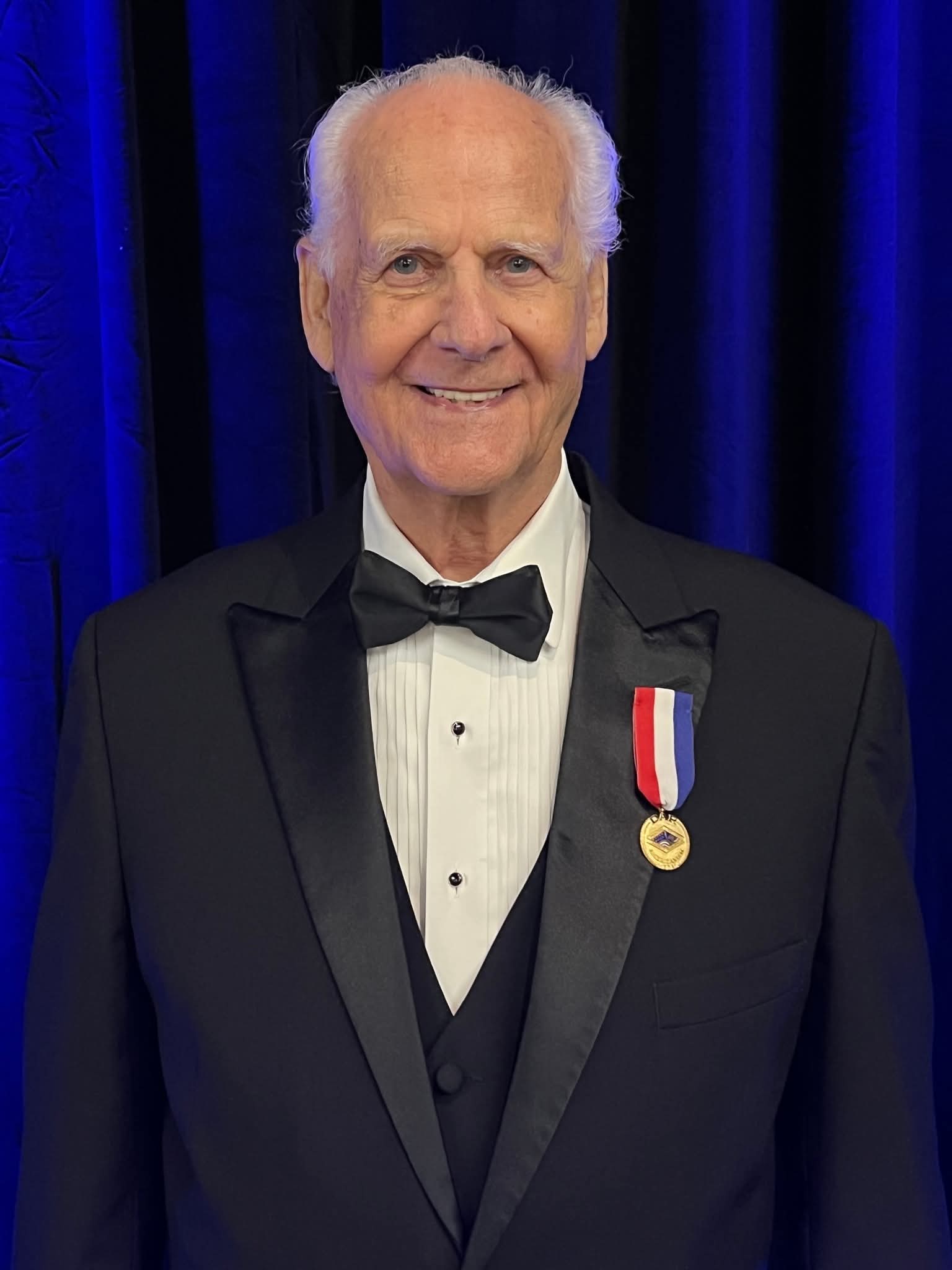
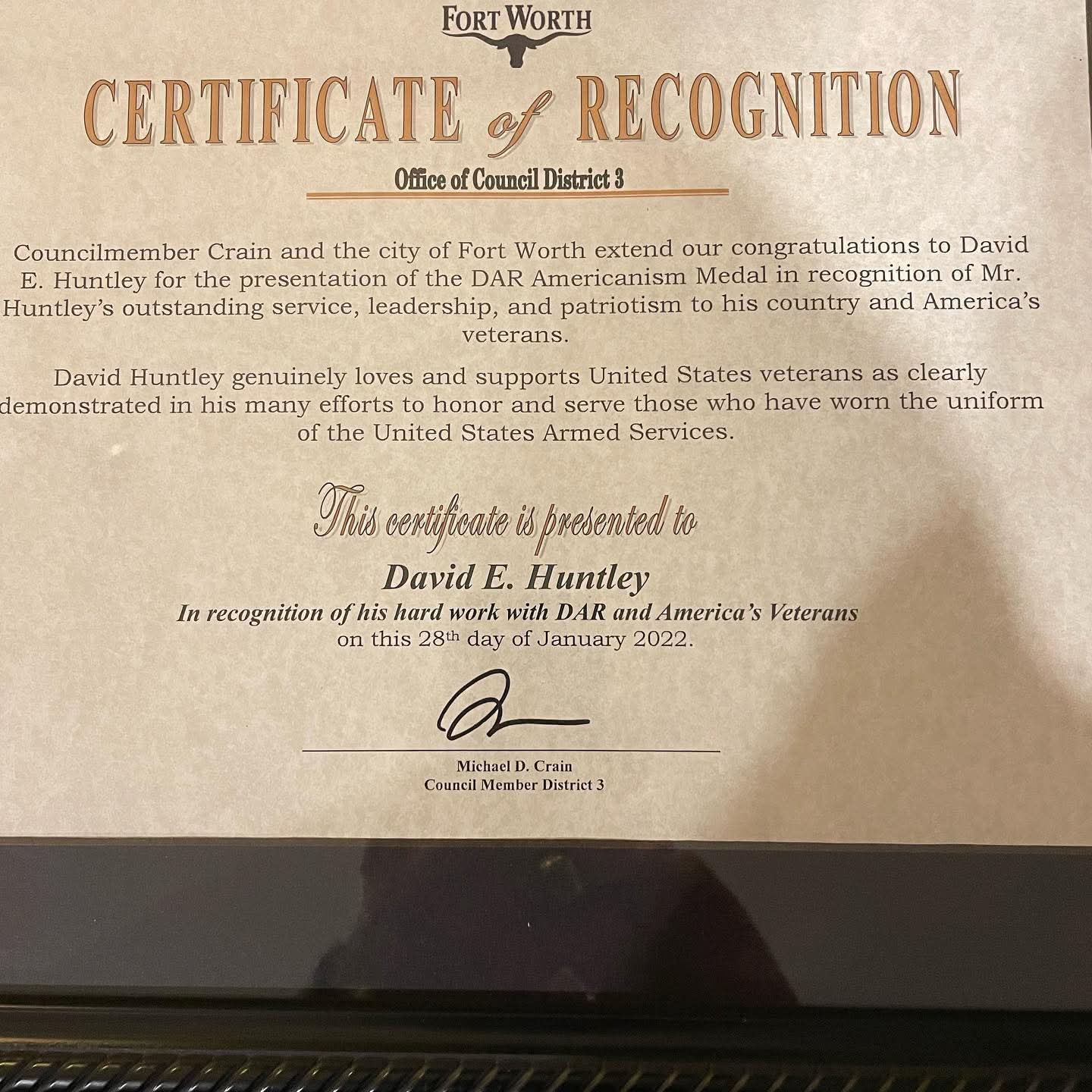
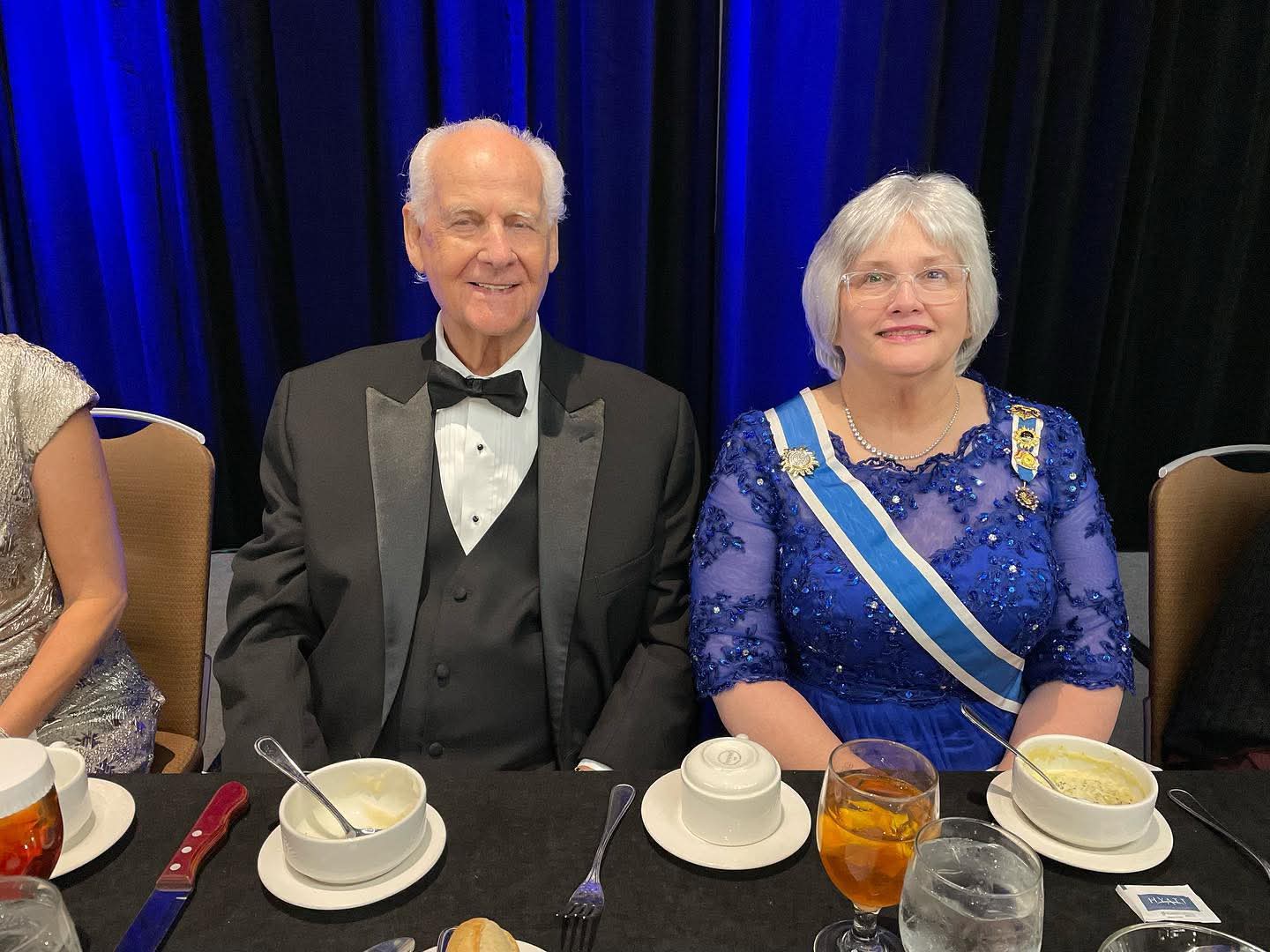
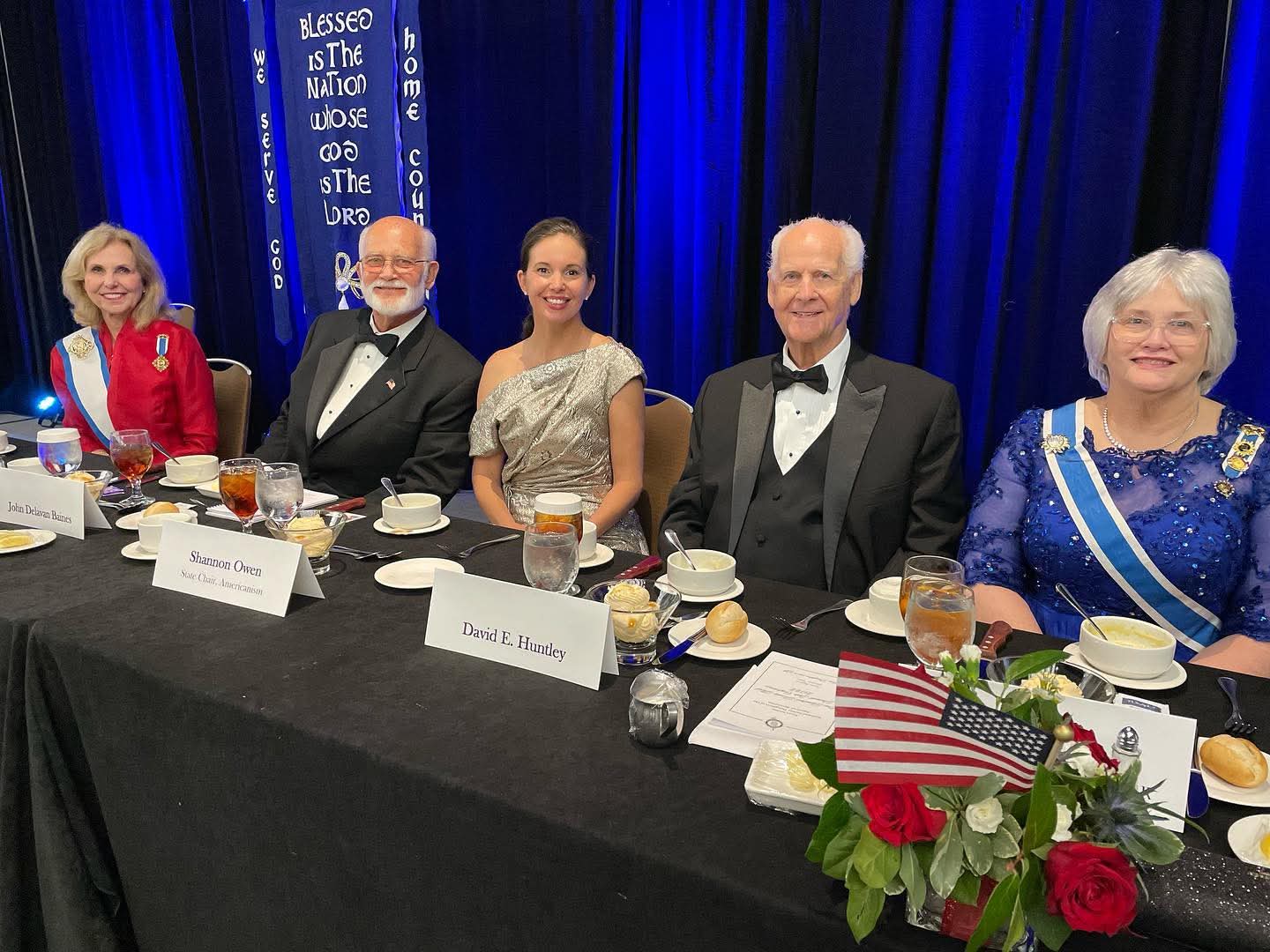
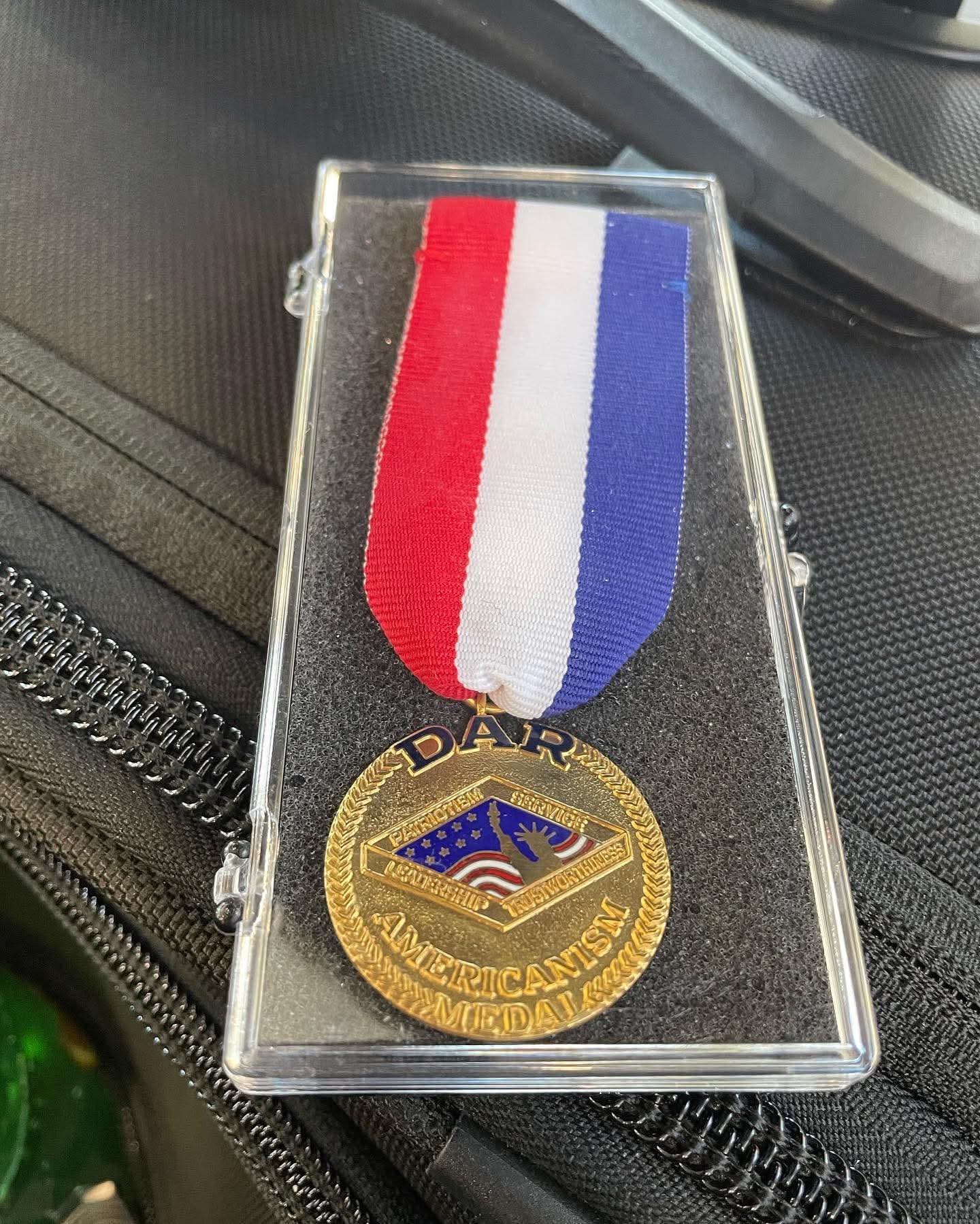
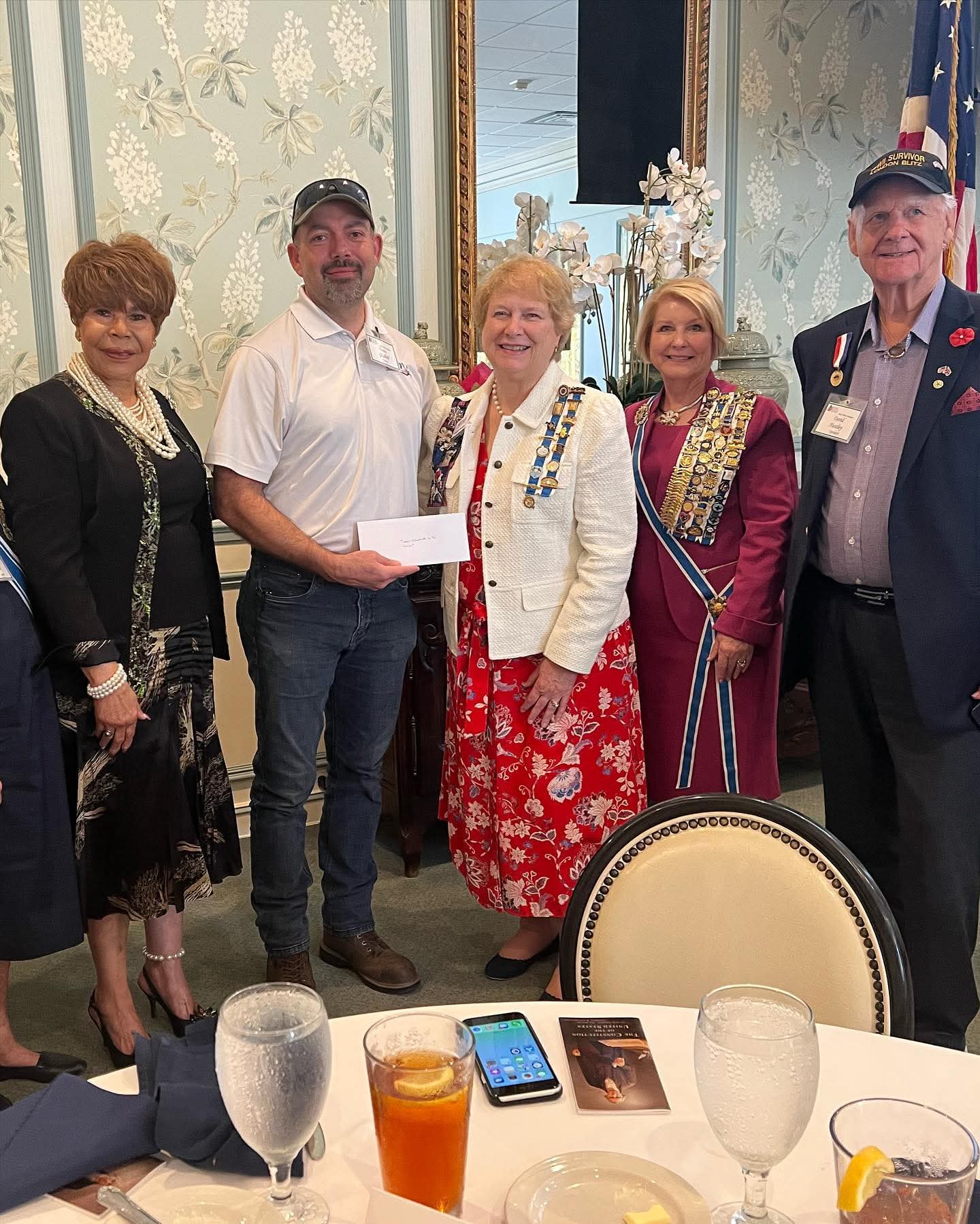
In March 2022 Mr. Huntley was honored at a State National Defense Banquet in Houston Texas with the Daughters of the American Revolution, Americanism Medal for 2021.
B‑17 Crash — August 12, 1944: This is the story of the Tomahawk Warrior crash that the author witnessed.
A NOTE TO MY CHILDREN & GRANDCHILDREN
It would probably surprise you if I said that a 40 second sliver of time and distance separates you all from what you are today, to nothing at all, to a non-existence, to not even be a thought in someone’s mind. A little dramatic perhaps but nevertheless, true.
Let me explain;
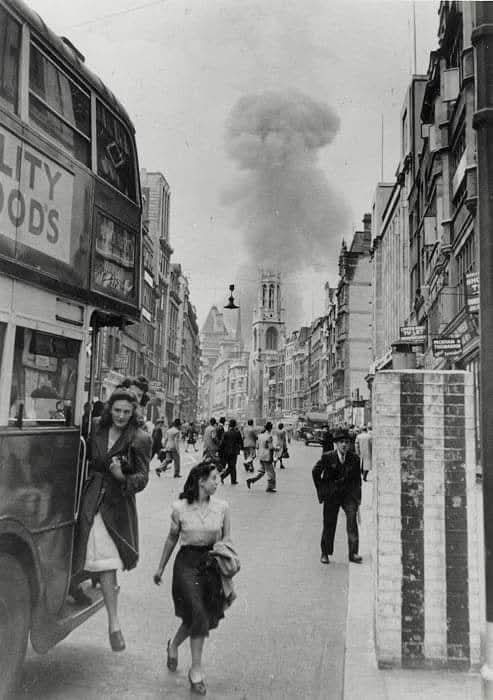
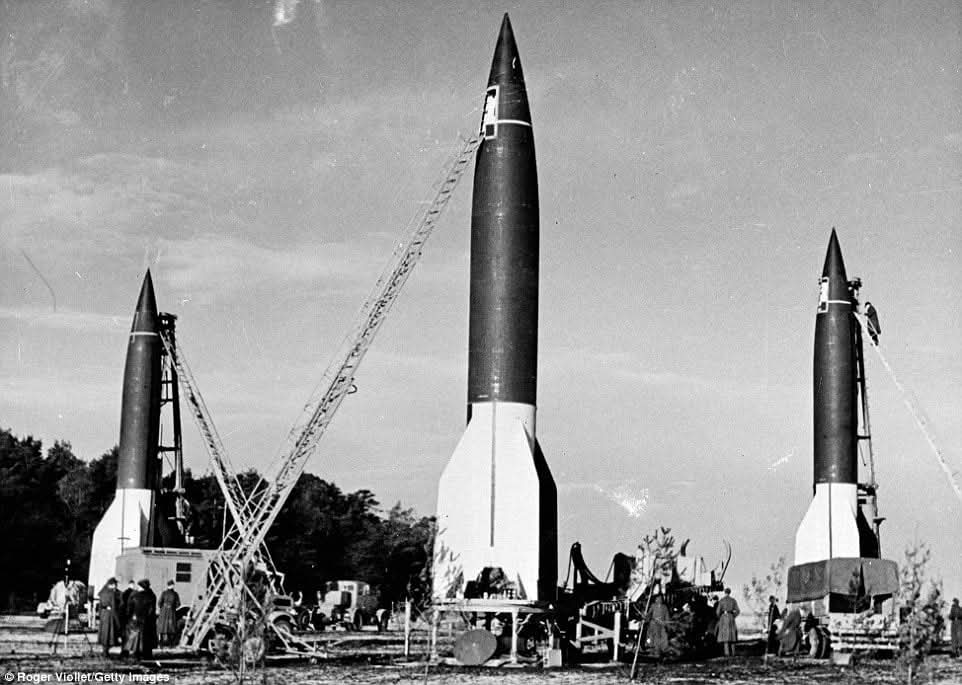
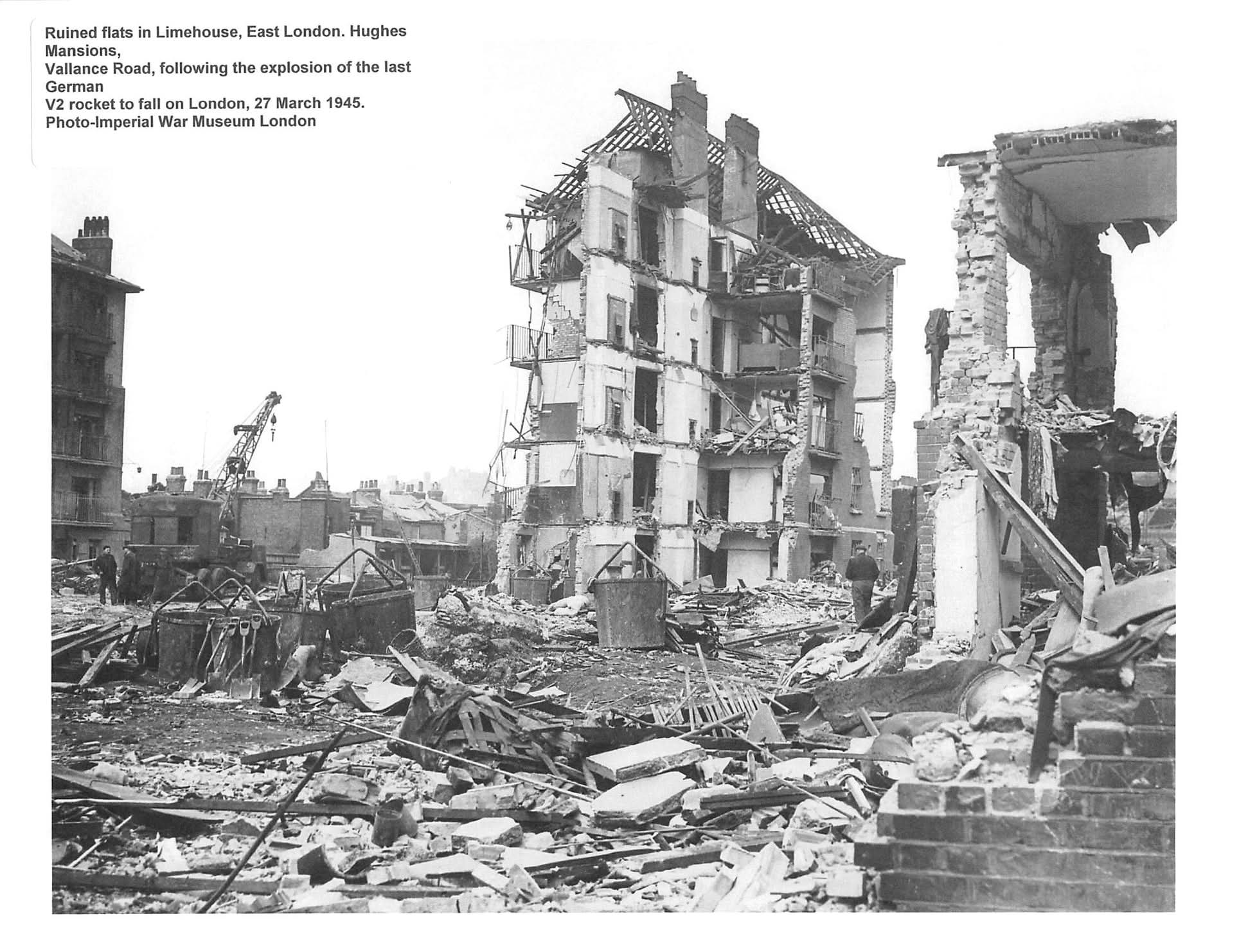
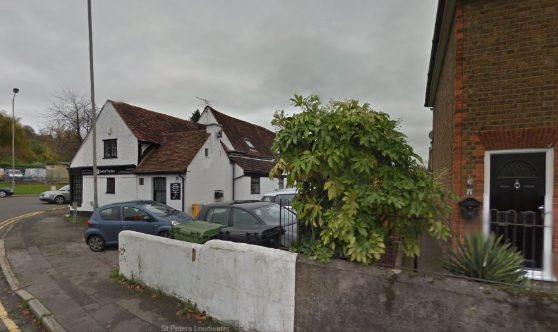
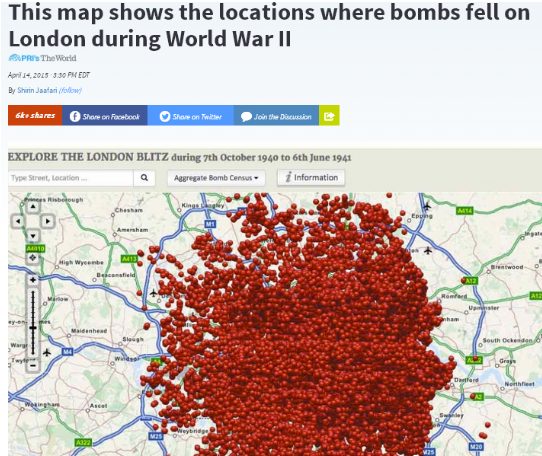
I have in the past mentioned to you that as a small boy I had just been through the blitz in London and later the V1 and finally the V2’s were starting to come in when we left the city and came to live temporarily at an aunt’s cottage in Loudwater near High Wycombe Buckinghamshire. Early one morning just as it was getting light, a plane roared overhead flying extremely low with its engines spluttering and in less than a minute a massive explosion rocked the building and the whole area. My brother Bob and step brother Tom said there was a plane crash, and we should all get up out of bed, and go to investigate.
We ran up the hill of Derehams Lane toward where the crash occurred and it was there I saw the remains of a plane virtually unrecognizable as a plane at all! There were people running around with galvanized metal tubs picking up bloody body parts, and I re-call parachute silk being used to cover bodies or remains . As an almost nine year old it made a deep impression upon me. My brothers were trying to shield me from the gruesome scene although I had seen plenty of wartime in London. I was asking how could the airmen have been using parachutes? Obviously the plane had been too low for the crew to bail out. I now have the answer to that question. The chutes were now shrouds!
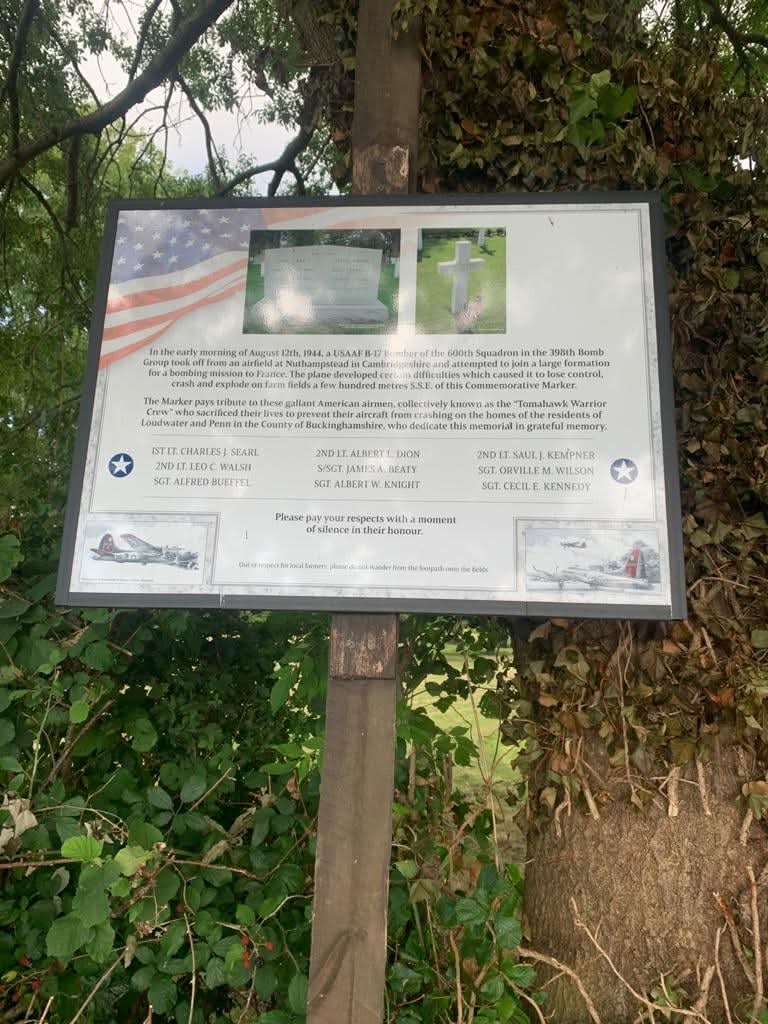
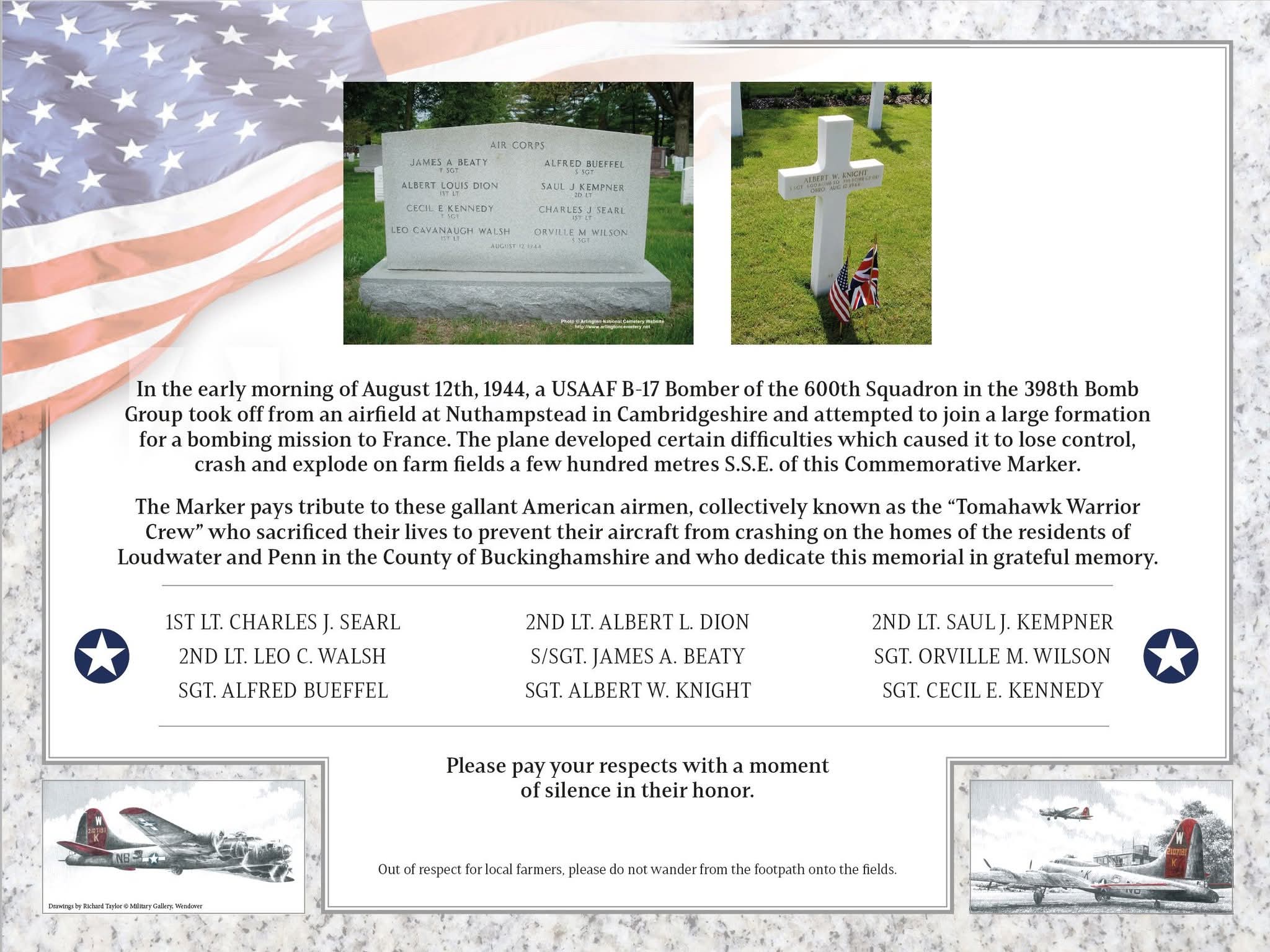
It was an amazing coincidence that exactly on the 12th of August 2016 I came across the written history of that crash that had occurred on the 12th of August, 1944 while researching for a different story of WWII. Although it’s 72 years later, it validates everything I saw that fateful morning. A B-17 bomber of the USAAF 398th Bomb Group nicknamed “Tomahawk Warrior” took off from Nuthampstead for their 25th bombing mission when 2 of the four engines caught fire.
This caused them to crash at Lude Farm in Penn just above Loudwater.
When you read the official account of the flight that I have attached below, you will learn that the pilot, Lt. Charles Searl, was making every effort to avoid crashing his plane in a populated area. He could not crash land in the large meadows nearby to our cottages because like many other large open spaces, they were covered in massive concrete pillars to prevent German invaders from using gliders to land troops.
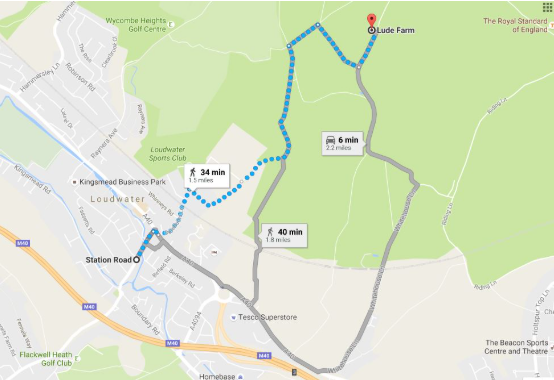
Lt. Searl saw the farmland and flew right over our cottage to get to it. Lude Farm is 1.5 miles from where we were staying and at the speed he was flying, probably around 150 miles per hour, it must have been approximately 40 seconds later he hit the ground. The effect of this plane load of bombs exploding on impact was of course far greater than any single bomb I had experienced in London. The noise and blast was felt for miles around. Had that plane not made it to the open farmland and had dropped on us in Loudwater, many people would have been killed, including ourselves.
So we should all be thankful that America came to the rescue of Europe in WWII and for our family in particular, we must remember Lt. Charles Searl and his crew who bravely diverted his plane that morning so that we could enjoy the fruits of freedom from an oppressive government had the Nazi’s prevailed.
I had written my book (see below) and dedicated it to WWII veterans long before I came across the record about this plane. Maybe it’s part of my quest to thank those who served in helping to save Europe from tyranny.
David E. Huntley
Author – Death Watch Beetle, A Historical Post WWII Spy Thriller.
August 15, 2016
Courtesy of the 398th Bomb Group Memorial Association
B-17 “Tomahawk Warrior”
A Tribute to the Charles J. Searl & Crew By Ronald M. Setter
Saturday, 12 August 1944 – a B-17 bomber named the Tomahawk Warrior and nine young men came into the history of Penn forever. Many years have gone by – some of the elders of Penn who remembered that day have passed away and a new generation born. They can only read of the sacrifice made by the Tomahawk Warrior and her crew.
The nine young men who flew that morning died long before their time on their 25th mission. Only a few more to fly and they would have been going home to loved ones and a full and happy life ahead.
This is their story…
The 398th Bomb Group was one of the last to arrive in England during March 1944.
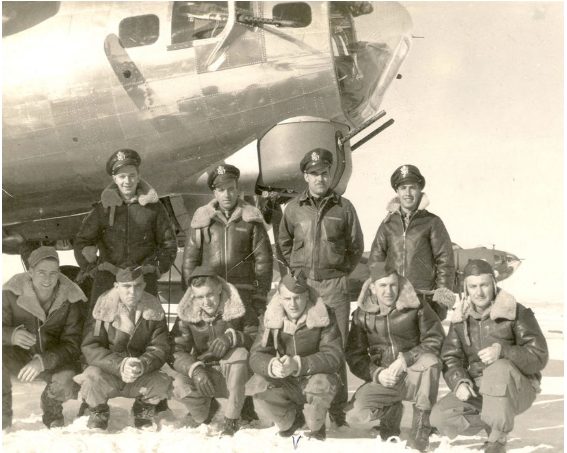
They flew their B-17’s from Newfoundland to England to the allotted aerodrome of Nuthampstead near Royston in Hertfordshire where the countryside was very similar to that which surrounds Penn. To one crew their B-17 was special to them and as was usual the Pilot, Charles Searl, named it the Tomahawk Warrior after the small town where he lived.
There was a crew of ten to fly her and a skilled ground crew to care for her. The first mission was to Berlin on the 19th of May. They returned safely and one can only feel that they were relieved and jubilant.
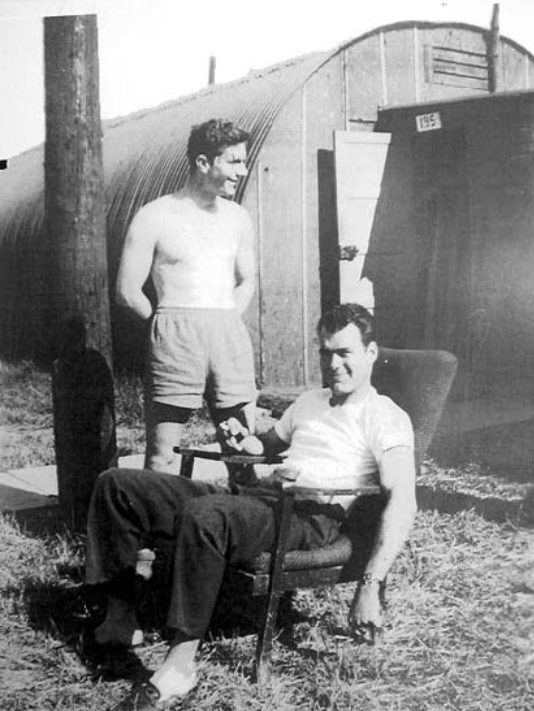
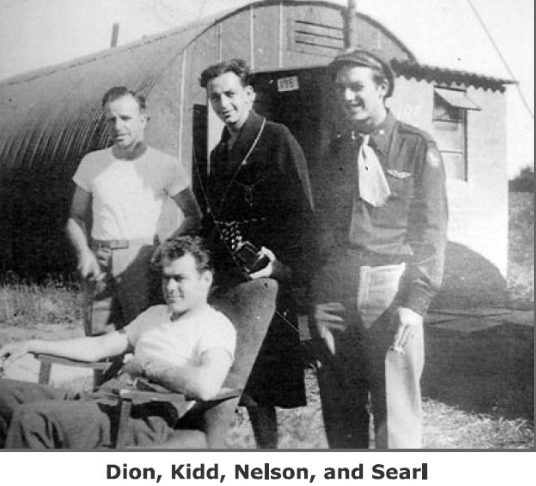
Charles Searl was married with a daughter of 18 months and he and his wife were expecting another addition to the family in July. He was 23 and had enlisted in the Air Force soon after Pearl Harbor.
As far as records show none of the other nine crew members were married and their ages ranged from 20 to 27. They had come from many states across the USA… Wisconsin, Massachusetts, Michigan, Washington, D.C., Arkansas, Virginia, Ohio and New York.
The Tomahawk Warrior flew many missions including a D-Day one to targets at Caen and Courseulles, France. Missions were interposed with leave which one supposes they spent in London. Their evenings would be spent at the local Inn just on the edge of the airfield and at Royston, the nearest small town. Entertainment would have been laid on at the base along with dances and there must have been invitations from the local population.
By June the Tomahawk Warrior had completed sixteen missions, all with the same crew. July recorded only five missions. During this month Charles Searl must have received news of the birth of a second daughter, sadly he was never to see.
From August 1st the Tomahawk Warrior, still with her original crew, flew missions to France and Germany and on the morning of the 12th were on their twenty-fifth to Europe, Versailles, France.
The day was dull and overcast with low cloud. Just before take-off, the tenth member of the crew stepped down from the flight. It has never been sure why. All that is known of him is his name and rank and after the Tomahawk Warrior crashed he was returned to America and so survived the war. No trace of him was ever found.
The crew of nine took off at 0618. Formation was hazardous with the bad weather as the plane climbed to reach height. By 0700 the Tomahawk Warrior was heading out Southeast and already in trouble. One engine was seen to be on fire, and as it turned over the town of High Wycombe to return to base, a second engine was seen also on fire. Below in the town was the HQ of the 8th Air Force and most likely monitoring the mission. It has always been accepted that the pilot was trying to find open ground to attempt a landing when he had no chance of reaching his base or even Bovingdon airfield which was only ten miles away to the North. He would have seen the populated area he was flying over and realized the devastation the plane would cause if it crashed there. It skimmed over the farmhouse of Lude Farm and crashed into open fields opposite.
Tomahawk Warrior and its crew of nine young men ended life in a massive explosion and fire. No one had bailed out of the stricken plane and no distress signal was ever traced. They stayed together, comrades now for all eternity. One of the crew was found in the lane and two at the edge of the fields. The rest were identified by their dog tags. A short entry in official records at their base read, ‘Takeoff 0618 hours, 0720 no return’. Such a short epitaph.
No investigation took place as to the reason for the crash. It was just one more casualty of war. General Doolittle, who was at the HQ in High Wycombe, visited the scene of the crash later in the day.
The field where the Tomahawk Warrior crashed is the same today as it was (fifty-seven years) ago. Beautiful, peaceful and the seasons come and go. It is an everlasting memorial to duty and sacrifice. They that died need no other.
The following are the names of those that died that morning:
- Pilot: Charles J. Searl, Wisconsin
- Co-Pilot: Albert L. Dion, Massachusetts
- Navigator: Saul J. Kempner, Michigan
- Bombardier: Leo C. Walsh, Washington, D.C.
- Radio/Gunner: Cecil E. Kennedy, Virginia
- Engineer and Top Turret Gunner: James A. Beaty, Arkansas
- Ball Turret Gunner: Alfred Bueffel, New York
- Right Waist Gunner: Albert W. Knight, Ohio
- Tail Gunner: Orville M. Wilson, Washington, D.C.
They were all buried in Cambridge Cemetery but after the war, in accordance with the wishes of their relatives, eight of them were re-interred in Arlington Cemetery, America. They sleep amongst the highly honored in America. The one who was left behind, Albert Knight, also with his parent’s wishes, is honored yearly by the Chiltern Aircraft Research Group on the anniversary of the crash with flowers and thoughts of the eight lying in their home country.
Each Armistice Day Penn Church remembers them in the service and reads their names out along with others who gave their lives from the village. Small American Flags are placed along the path by the church door, each with the name of the Tomahawk Warrior’s crew, and usually the Battle Hymn of the Republic is sung in honor. The Book of Remembrance in Penn Church has their names inscribed in glorious memory.
To all who read this tribute, remember… they gave their lives just as bravely and in sacrifice for peace, just as those who were lost on and over the battlefields of Europe.
The B-17 Tomahawk Warrior: A WWII Final Honor
The B-17 Tomahawk Warrior: A WWII Final Honor is a poignant exploration of a hidden WWII saga, where the crash of a B-17 Flying Fortress unravels the untold stories of its heroic crew. Why was this an important book for you to write?
As a young schoolboy watching auxiliary crews retrieving body parts of the deceased crew from the field where the Flying Fortress crashed and exploded, it remained as a vivid image in my mind for the rest of my life.
That I had seen horrific scenes during my time in the bombing and rocket attacks on London paled in comparison with this incident. The thought that this plane had almost crashed into my house before exploding about 30/40 seconds later in a nearby field made me think that some of those body parts could have been mine.
While it remained in the back of my mind for many years afterward, and I had mentioned it to my wife and children, I had no compunction to seek further information. However, while researching for another project, I accidentally came across the story of the plane online. It was after I posted information about this story on my Facebook page that strange connections were made. The connection with the pilot’s daughter who never knew her father, the navigator’s diary which came into my possession, and whose descendant relatives never knew he had written a diary.
All of this and many other strange coincidences occurred in which it seemed the souls of those nine airmen had waited for me to reach this stage of my life to cause me to want to honor them for their sacrifice. Thus, in my eighties, a book was born.
What research did you undertake to ensure you had everything you needed to write this book?
The research was intensive and never-ending. One can never really have everything one wants to write a book of this sort. There is always that ‘something more’ one feels one must have, but eventually, the story takes shape. I was fortunate in the sense that having many years of experience in my business of consulting, personnel search, and recruiting, I began tracing the relatives of four of the deceased airmen.
Additionally, I made use of the 1940 Census for one family. Using the Freedom of Information Act (FOIA) I obtained information about the 8th Air Force and 398th Bomb Group. Delving even deeper, I obtained the specific Secret Operational Records for the 600th Squadron to which the Tomahawk Warrior crew belonged.
The major difficulty of tracing relatives was the fact only one of the crew was married. Therefore, only that crew member had any surviving progeny.
Was there anything that you uncovered in your research that surprised you?
There were so many incidents of serendipity that clearly indicated to me we are all linked in this quantum universe. I feel strongly that I was led, not only by my tenacity to find out what happened to this crew but also by some unknown force. While meeting and interviewing relatives, I fully understood the emotional impact I was having on them. After all, I was the last living person on earth who had seen their loved ones and related to the ultimate sacrifice they made that morning.
Among the several corrections to history I made concerning this accident was the solving of the so-called, ‘Frank Snyder mystery.’ Snyder was the tail gunner for the Tomahawk Warrior but did not fly on its last fateful mission. There was never an official explanation. He returned to the USA and nobody ever heard from him again. A local historian said he traced Snyder and published his findings on the internet.
I disproved this theory by showing he had identified the wrong Frank Snyder and began my own independent investigation.
The result of my investigation was both shocking and very emotional for me. Without going into the details here but which are fully described in my book, it is obvious this man deserves full recognition for his service as a member of the TW crew. He suffered a violent and unexpected death in an auto-train accident 19 years after the TW crash. He is buried in a small cemetery in California, and I will spend as much time as possible persuading local veterans’ groups to lay an annual wreath on his grave. I will continue to reach out to surviving relatives and persuade authorities he should be buried with full military honors in Arlington National Cemetery with his fellow crew members. Snyder flew on every single mission with the Tomahawk Warrior crew except the last fateful one.
What is the next book you are working on, and when will it be available?
Prior to the Tomahawk Warrior, I had started my memoir, Alliance d’Amour: The Rise of Love and Devotion from the Ashes of WWII.
It would tell the story of my late wife Sophie and I, and our life over three continents and many countries. I had survived the Blitz in London and Sophie had lived under German occupation of France. We met after the war and were married for 62 years before Sophie went to heaven in 2018. I am not sure if at 87-years-old I still have the energy to complete this one.
Additional Quick Links
David E. Huntley Awarded a National Honor at State National Defense Banquet
Supplemental Information
Endurance in Britain’s Darkest Hour
Allies Who Stood With Britain
When London was under relentless attack during the Blitz, Britain did not stand alone. While British civilians endured the nightly terror and British forces defended the nation’s skies, several countries played vital roles in sustaining Britain’s survival and strengthening its fight against Nazi Germany.
United States
- Provided aircraft, food, weapons, fuel, and industrial materials through the Lend‑Lease Act
- American volunteer pilots flew with the RAF’s Eagle Squadrons
- Became Britain’s largest military ally after entering the war in 1941
Canada
- Sent pilots to fly in the RAF during the Blitz
- Supplied food, weapons, and industrial materials
- Fought alongside British forces throughout the war
Australia, New Zealand, South Africa
- Sent airmen, soldiers, and supplies
- Served in RAF Fighter Command and Bomber Command
- Joined major campaigns across Europe and North Africa
Poland
- Polish pilots became legendary within the RAF
- Number 303 Polish Fighter Squadron was one of the most effective units in the Battle of Britain
Czechoslovakia
- Czech pilots formed RAF squadrons and fought bravely during the Blitz
Belgium, France, Norway, Netherlands
- Contributed pilots and volunteers after their own countries fell to German occupation
Endurance in the Line of Fire
Britain’s strength during WWII rested not only on its military forces but also on the steadfast courage of its leaders and the quiet resilience of its civilians. King George VI and Queen Elizabeth remained in London throughout the Blitz, choosing to share the dangers faced by ordinary citizens even after Buckingham Palace suffered repeated bombings. Their presence in devastated neighborhoods offered comfort and dignity. They walked through the ruins of the East End, speaking with families who had lost their homes and livelihoods. They descended into Underground stations to visit mothers sheltering their children through long nights of air raids. They met firefighters, nurses, and air‑raid wardens who worked amid smoke and exhaustion. Queen Elizabeth’s remark that she was glad Buckingham Palace had been hit because it allowed her to look the East End in the face became one of the most enduring expressions of wartime solidarity.
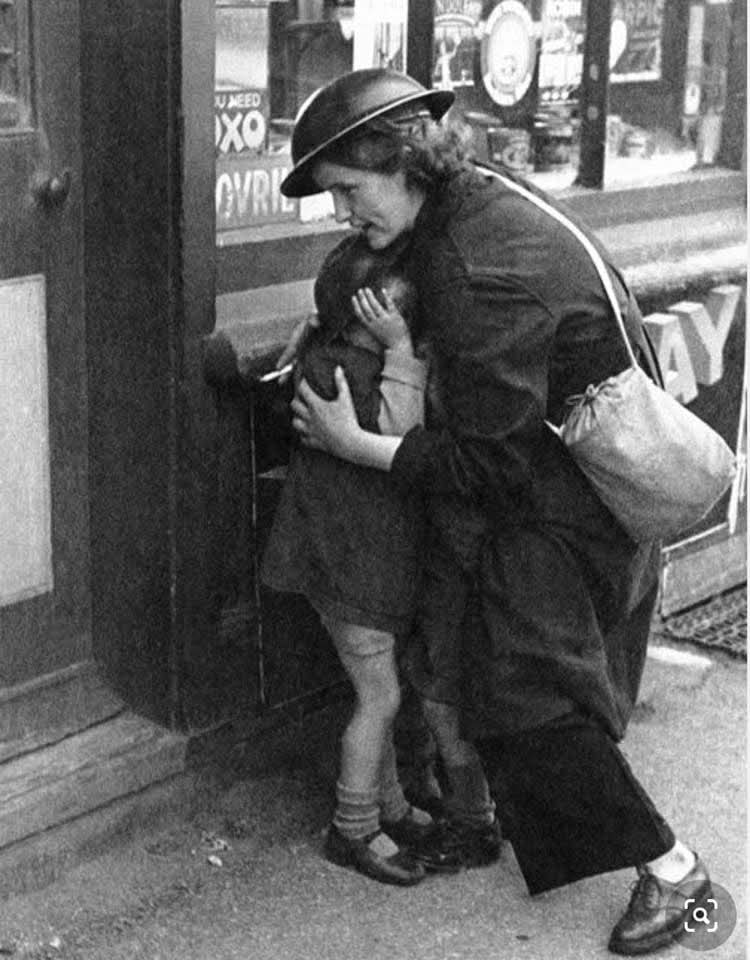
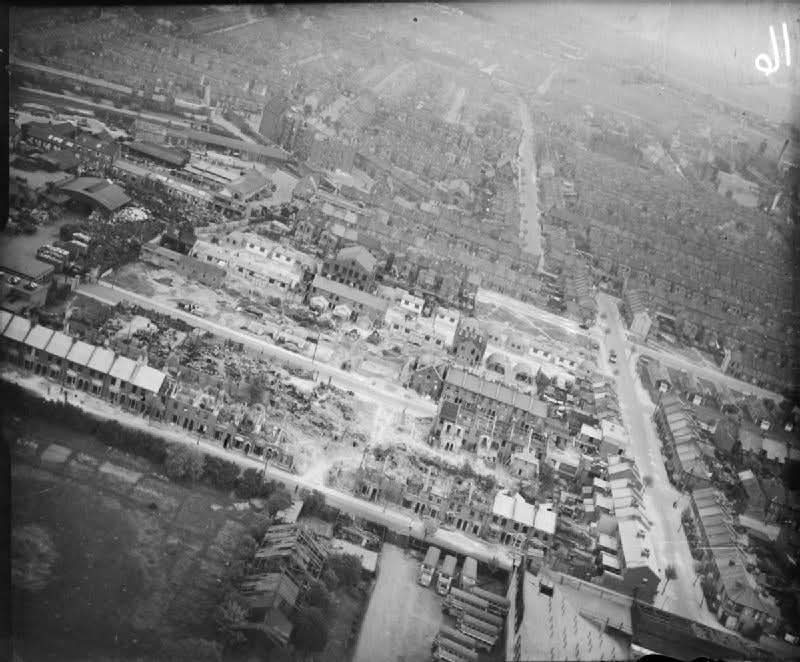
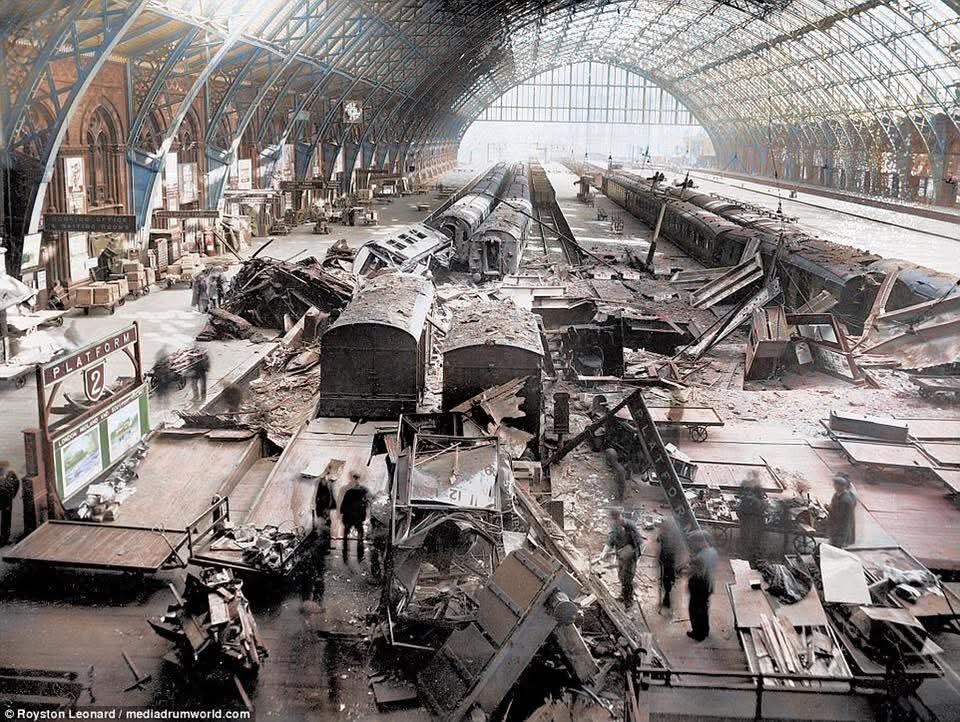
Their leadership created a sense of unity, yet beneath that unity lay a profound emotional toll carried by millions of civilians. The Blitz was a crucible of fear and endurance. Londoners lived with sudden sirens that shattered sleep, the thunder of bombs falling unpredictably, and the sight of familiar streets reduced to rubble. Fires lit the night sky. Blackouts plunged entire cities into darkness. Rationing shaped daily life with strict limits on food, clothing, and fuel. Families endured disrupted routines, economic strain, and the constant uncertainty of whether loved ones would survive the next raid.
Within this environment, depression became a quiet, pervasive presence. The era lacked the vocabulary to name it, yet its symptoms were unmistakable. People spoke of nerves, melancholy, or weariness, but these words only brushed the surface of deeper emotional wounds. Without a recognized name, depression moved silently through households, shaping the inner life of those who believed they simply had to carry on. Civilians described feeling emotionally numb, unable to find joy, overwhelmed by sadness, and detached from daily life. Survivor’s guilt weighed heavily on many who watched neighbors lose everything while their own homes remained standing. Grief accumulated as losses arrived faster than anyone could process them. Children suffered deeply, whether through evacuation to unfamiliar homes or through nights spent in shelters listening to the distant rumble of bombs. Their emotional scars often lasted a lifetime.
Depression grew not only from fear and loss but also from the grinding weight of hardship. Rationing created constant strain. Blackouts intensified isolation. The destruction of workplaces and schools eroded stability. Economic pressure burdened families already living in damaged homes or temporary shelters. These conditions created a slow, persistent emotional erosion that touched every household.
David Huntley’s Civilian Endurance
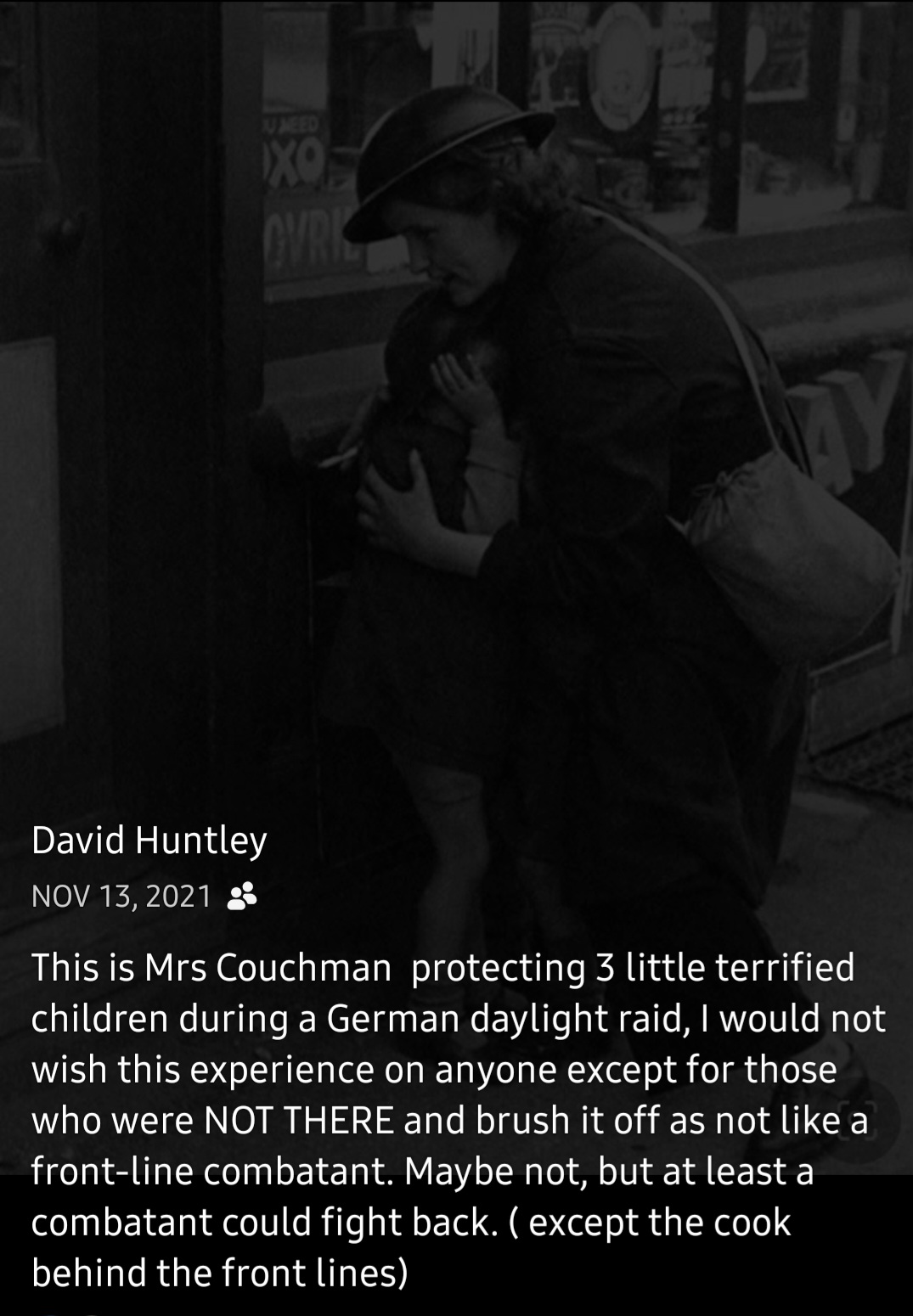
David Huntley’s experience belongs within this larger story. As a young Londoner living through the Blitz, his survival depended on vigilance, resilience, and an unyielding ability to adapt to danger that arrived without warning. Like millions of civilians, he lived each day under the shadow of sudden sirens and the knowledge that the next bomb could fall anywhere at any moment.
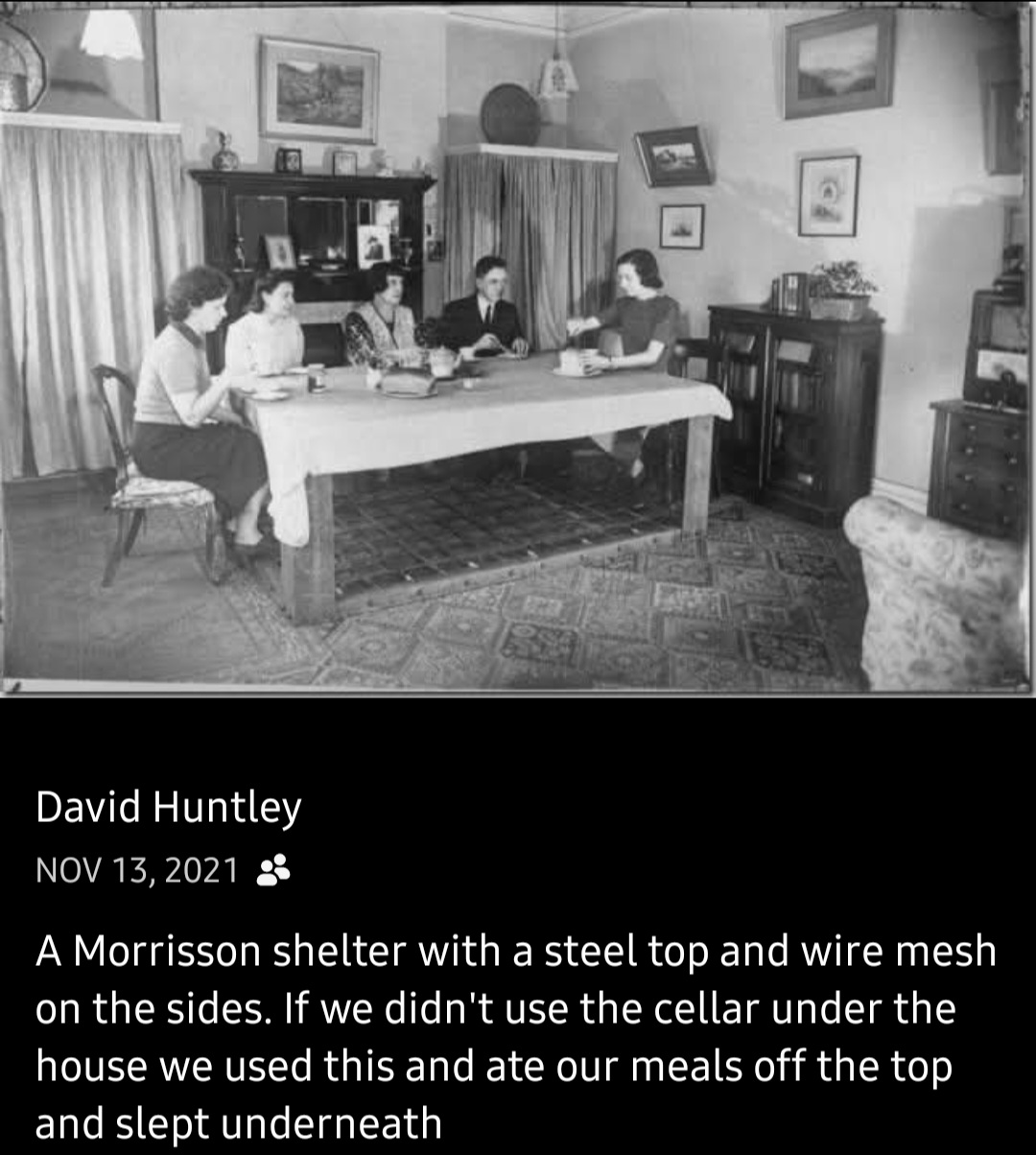
He endured air‑raid sirens that shattered the night, long hours in public shelters and Underground stations, fires that lit the sky, and streets reduced to rubble. He navigated strict rationing, mandatory blackouts, and the grinding uncertainty of wartime life. He faced disrupted routines, damaged homes, and fear for loved ones. These experiences shaped his inner world and remained with him long after the final raid ended.
The Blitz was not merely a military campaign. It was a test of civilian endurance and a measure of national spirit. More than 43,000 British civilians were killed, and over 1,000,000 homes were destroyed, yet the people of London refused to break. Community, faith, and shared sacrifice became the foundation of national resolve. Depression was part of that story, not as a sign of weakness but as evidence of the immense burden civilians carried. Their strength lay in rising each day to face a world marked by danger and loss.
In surviving the Blitz, David Huntley became part of an enduring legacy that helped carry Britain through its darkest hours. His story stands as a testament to the resilience of ordinary people whose courage shaped the nation’s survival.
Sophie’s Story: Life Under German Occupation in France
While David endured the nightly terror of the Blitz in London, his wife Sophie faced a different but equally relentless struggle—life under German occupation in France. Her survival required quiet courage, resourcefulness, and the ability to navigate a world where every choice carried risk.
When German forces swept across France in 1940, ordinary civilians like Sophie found their daily lives transformed overnight. The occupation brought not only military control but a suffocating atmosphere of fear, scarcity, and suspicion. Sophie lived through:
- German patrols on every street, their boots echoing through towns that once felt safe.
- Mandatory identity papers, demanded at checkpoints where a single mistake could bring arrest.
- Curfews that silenced entire communities, forcing families indoors long before nightfall.
- Severe rationing, where bread, meat, sugar, and even soap became scarce luxuries.
- Confiscation of radios and bicycles, severing communication and mobility.
- Censorship and propaganda, where newspapers printed only what the occupiers allowed.
- The ever‑present threat of denunciation, as fear fractured trust between neighbors.
Sophie learned to live with the tension of uncertainty—never knowing who might be listening, watching, or reporting. She witnessed families disappear in the night, shops shuttered without explanation, and the quiet grief of mothers who received no word of missing sons.
Yet amid the oppression, Sophie also saw the flickers of resistance that kept hope alive. A hidden loaf of bread. A coded message passed in a market. A whispered warning shared at great personal risk. These small acts of defiance became the heartbeat of survival.
Through it all, Sophie carried herself with quiet strength. She rationed food with ingenuity, protected her family with unwavering resolve, and maintained dignity in a world designed to strip it away. Her courage was not loud or celebrated—it was lived in the shadows, in the choices she made each day to endure without surrendering her humanity.
Her story reflects the experience of millions of French civilians who lived under occupation: a war fought not with weapons, but with endurance, restraint, and moral courage.
Sophie’s resilience stands as a powerful counterpart to David’s survival of the Blitz. Where he faced fire from the sky, she faced the weight of an occupying force. Where he endured destruction, she endured control. Where he survived the roar of bombs, she survived the silence of fear.
Together, their lives form a single, remarkable testament to the strength of ordinary people confronted with extraordinary trials. Their stories—one shaped by falling bombs, the other by the shadow of occupation—embody the resilience of a generation that held fast through the darkest years of the World War II.
Patriotism Across a Generation
Patriotism during WWII did not appear suddenly. It was shaped by what came before, tested by the war itself, and carried forward into the years of rebuilding. In Britain and France, patriotism took different forms, yet both nations revealed the strength of ordinary people who held fast through extraordinary trials.
Before the War
In Britain, patriotism rested on tradition, civic duty, and the memory of sacrifice from WWI. Communities honored veterans, gathered for national ceremonies, and upheld a quiet belief that every citizen had a responsibility to protect the nation if danger returned. The monarchy symbolized stability, and public life reinforced the idea that unity was essential to national strength.
In France, patriotism was rooted in pride in the republic, cultural heritage, and the victory of WWI. Schools, town halls, and community gatherings reinforced democratic values. Veterans were honored as guardians of national resilience. Loyalty to the republic and confidence in French identity shaped a patriotism grounded in liberty and civic participation.
During the War
When WWII began, patriotism in Britain became a lived experience. Civilians accepted rationing, blackouts, and constant danger because they believed endurance protected their nation. King George VI and Queen Elizabeth remained in London throughout the Blitz, even after Buckingham Palace was bombed 9 times. Their presence strengthened morale and created unity. Communities supported one another in shelters, opened homes to evacuee children, and volunteered for civil defense. Patriotism was expressed through resilience, sacrifice, and the determination to stand firm under fire.
In France, patriotism took a quieter and more perilous form. Under occupation, civilians lived with fear and uncertainty, never knowing who might be listening or watching. Families disappeared in the night. Shops closed without explanation. Mothers grieved sons who never returned. Yet amid oppression, small acts of resistance kept hope alive. A hidden loaf of bread. A coded message passed in a market. A whispered warning shared at great personal risk. These acts became the heartbeat of survival. Organized resistance grew through sabotage, underground newspapers, intelligence networks, and the sheltering of Allied airmen. Patriotism was expressed through restraint, endurance, and moral courage.
After the War
When the fighting ended, patriotism in Britain centered on rebuilding. Communities repaired homes, restored cities, and supported families who had lost loved ones. The shared suffering of the Blitz created a lasting sense of unity. Veterans and civilians were honored for their courage. Patriotism became tied to remembrance, reconstruction, and the quiet dignity of those who had carried the nation through its darkest hours.
In France, patriotism after liberation focused on restoring the republic and honoring those who resisted occupation. Communities rebuilt towns damaged by war and mourned those who had been deported or killed. The Resistance became a symbol of national pride, representing the moral strength of ordinary people who refused to surrender their dignity. Patriotism was expressed through memorials, ceremonies, and renewed commitment to democratic values.
A Unified Legacy
Across both nations, patriotism before, during, and after WWII reveals a single truth. Patriotism is not defined by speeches or symbols. It is defined by the choices ordinary people make when their world is threatened. Britain showed patriotism through endurance under fire. France showed patriotism through courage under occupation. Together, their stories form a testament to the strength of civilians who held fast through the most difficult years of the twentieth century.
Legacy
David Huntley’s legacy begins in the fire and fear of World War II, where he survived the London Blitz as a young civilian. He endured nights of falling bombs, shattered streets, and the uncertainty of whether his home — or his family — would survive until morning. Those early experiences forged in him a resilience that would shape every chapter of his life. He learned the value of courage, the fragility of peace, and the strength found in simply enduring.
But David’s legacy is not defined by what he survived — it is defined by what he chose to do with that survival.
He grew into a man of purpose, compassion, and remarkable clarity. The war gave him a story, but he gave that story meaning. As an author, he preserved the truth of what civilians endured, ensuring that the voices of ordinary people living through extraordinary times would never be lost. This includes the valiant and selfless individuals who served in World War II, such as the Tomahawk Warriors, a nine-member crew who tragically lost their lives in a 1944 B-17 Flying Fortress crash in England. His writing became a bridge between generations, a reminder of the cost of war and the resilience of the human spirit.
Sophie’s was marked by the same war‑torn world. She, too, survived the hardships, fear, and instability of WWII. Her memories—different in detail but identical in weight—gave her a profound understanding of loss, courage, and the fragile gift of safety.
David and Sophie were both WWII civilian war survivors, and this shared history became the quiet foundation of their unbreakable bond.
Their connection was more than love; it was recognition. They understood each other’s scars, each other’s silences, and the strength it took to build a life after surviving a world at war. Their love was steady, enduring, and deeply rooted in gratitude—for life, for freedom, and for each other.
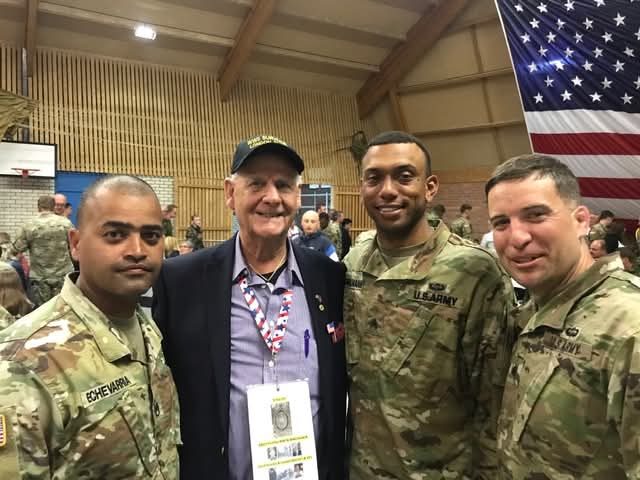
Having witnessed war as a child, he carried a lifelong respect for those who faced it as adults. He understood the emotional and physical burdens they carried, and he became a steadfast advocate — offering encouragement, presence, and gratitude to the men and women who served. His support was not symbolic; it was heartfelt, grounded in empathy, and rooted in his own understanding of war’s lasting impact.
Through every chapter they stood by each other — partners with purpose, each other’s confidante, and the steady presence who helped each other transform painful memories into meaningful work.
Their shared survival gave them a shared mission: to honor history, to uplift others, and to build a life defined not by fear, but by love.
Together, David and Sophie built a family grounded in resilience, faith, and compassion. Their home was a place where stories were preserved, gratitude was lived daily, and the lessons of the past were passed gently to the next generation. —not as tales of fear, but as reminders of courage, endurance, and the importance of standing with others in times of hardship.
And at the center of his world was Sophie, the love of his life. Their bond was deep, steady, and unmistakable—built on shared resilience, shared values, and a shared understanding of what it meant to endure hardship and still choose joy. Sophie was his partner, his confidante, and his greatest source of strength. Their love shaped the rhythm of his days and the warmth of his home. To David, Sophie was not simply his wife; she was his heart’s anchor, the person who made every chapter of his life richer, steadier, and more meaningful.
As a successful businessman, David earned a reputation for sound judgment, reliability, and leadership grounded in integrity. He approached every professional responsibility with the same discipline that had carried him through wartime hardship. Colleagues trusted him, employees respected him, and clients valued his fairness and consistency.
His business success was not defined solely by financial accomplishment, but by the stability, opportunity, and example he provided to those around him. He built relationships, strengthened organizations, and left every workplace better than he found it.
In his community, David was a steady, compassionate presence.
He shared his story not for recognition, but to teach, to connect, and to help others find strength in their own journeys. His life became a testament to resilience, to the power of storytelling, and to the belief that even the darkest experiences can be transformed into light for others.
As a speaker, David built a reputation for clarity, authenticity, and emotional resonance. Schools, civic groups, and veteran organizations sought him out because he spoke with both authority and humility. His presentations were consistently well‑received, and he became known as someone who could hold an audience not through theatrics, but through truth. His success as a speaker was measured not only in invitations, but in the way people remembered his words long after he finished leaving lessons of the past that must not be forgotten.
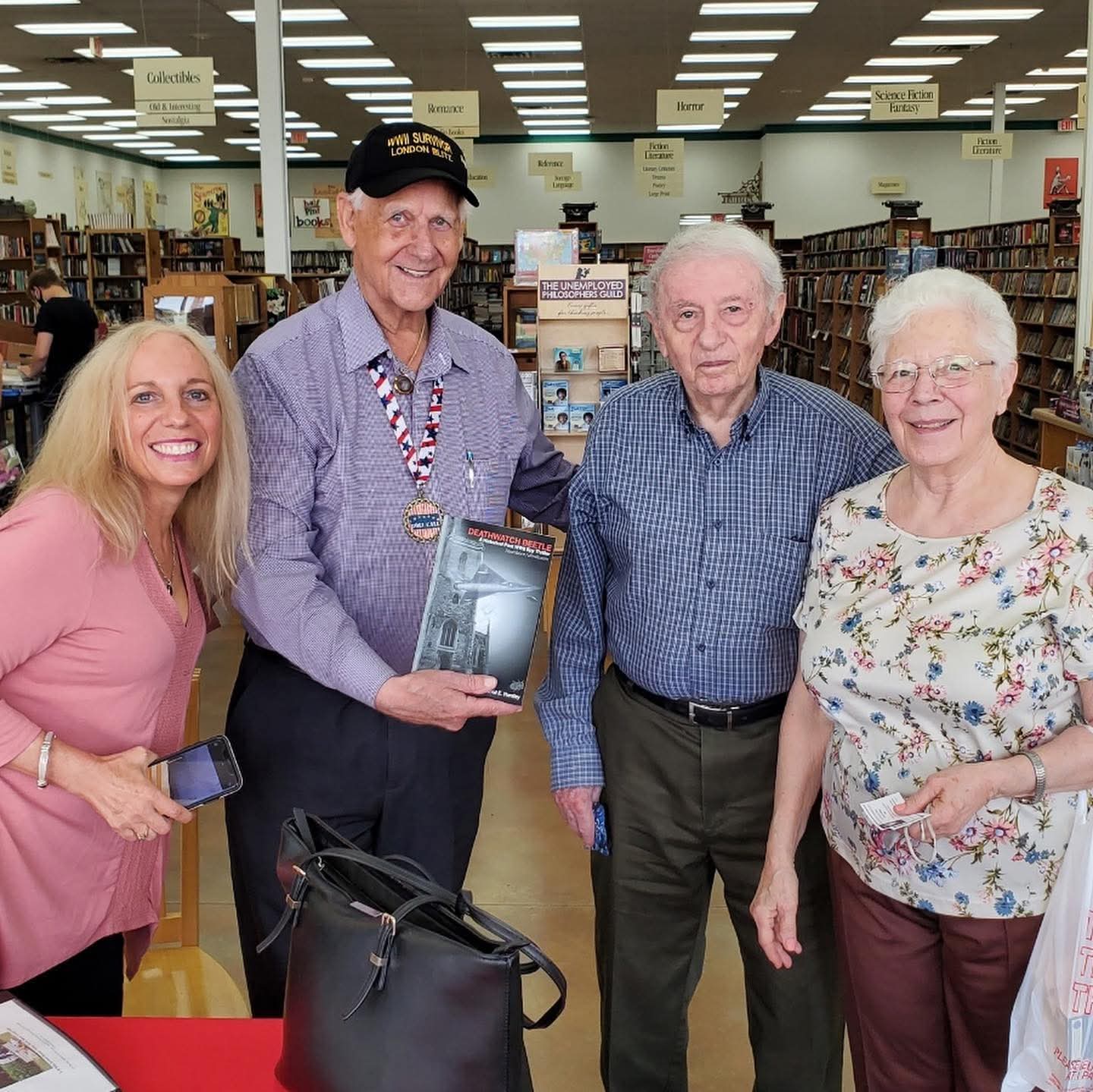
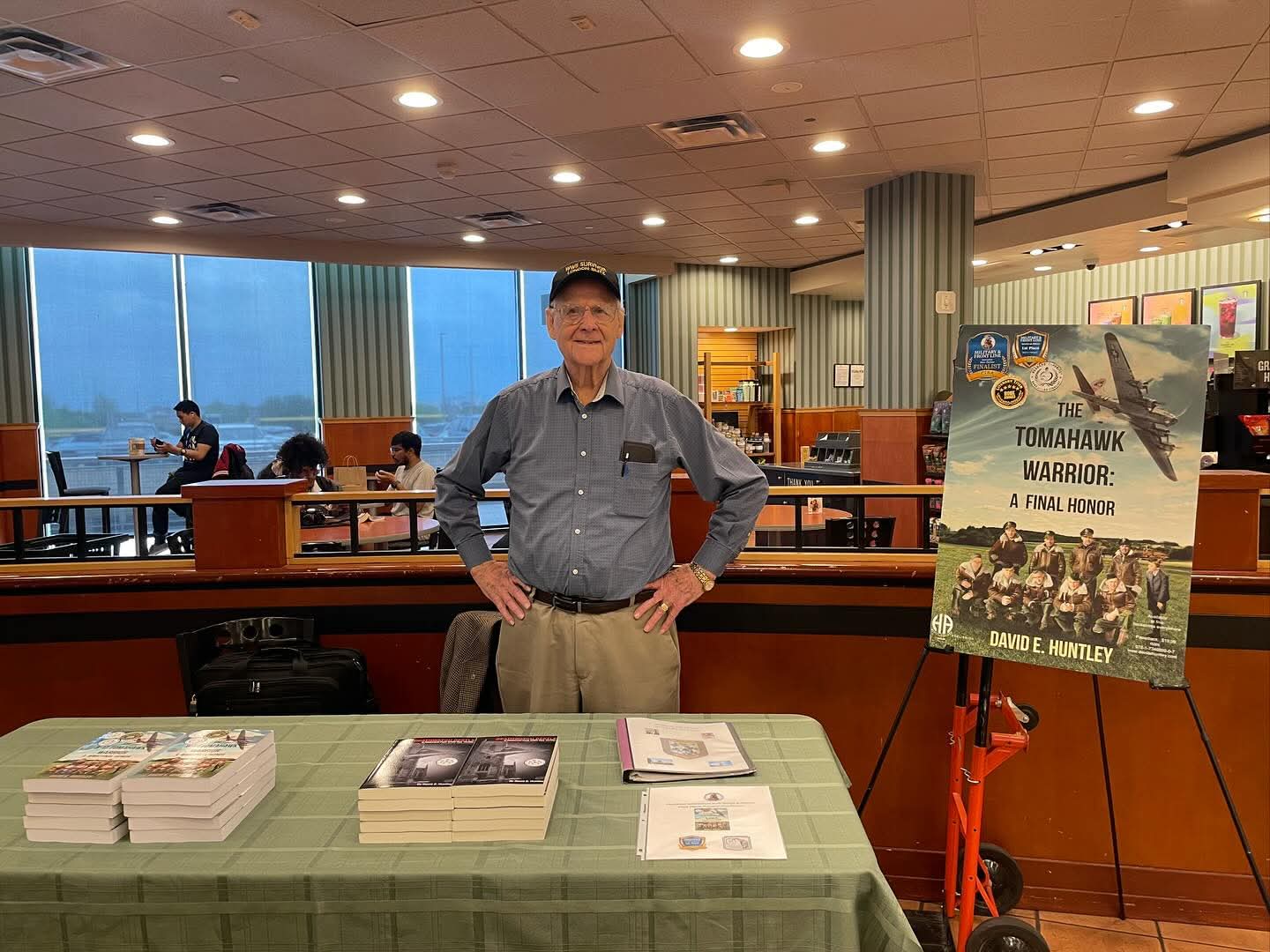
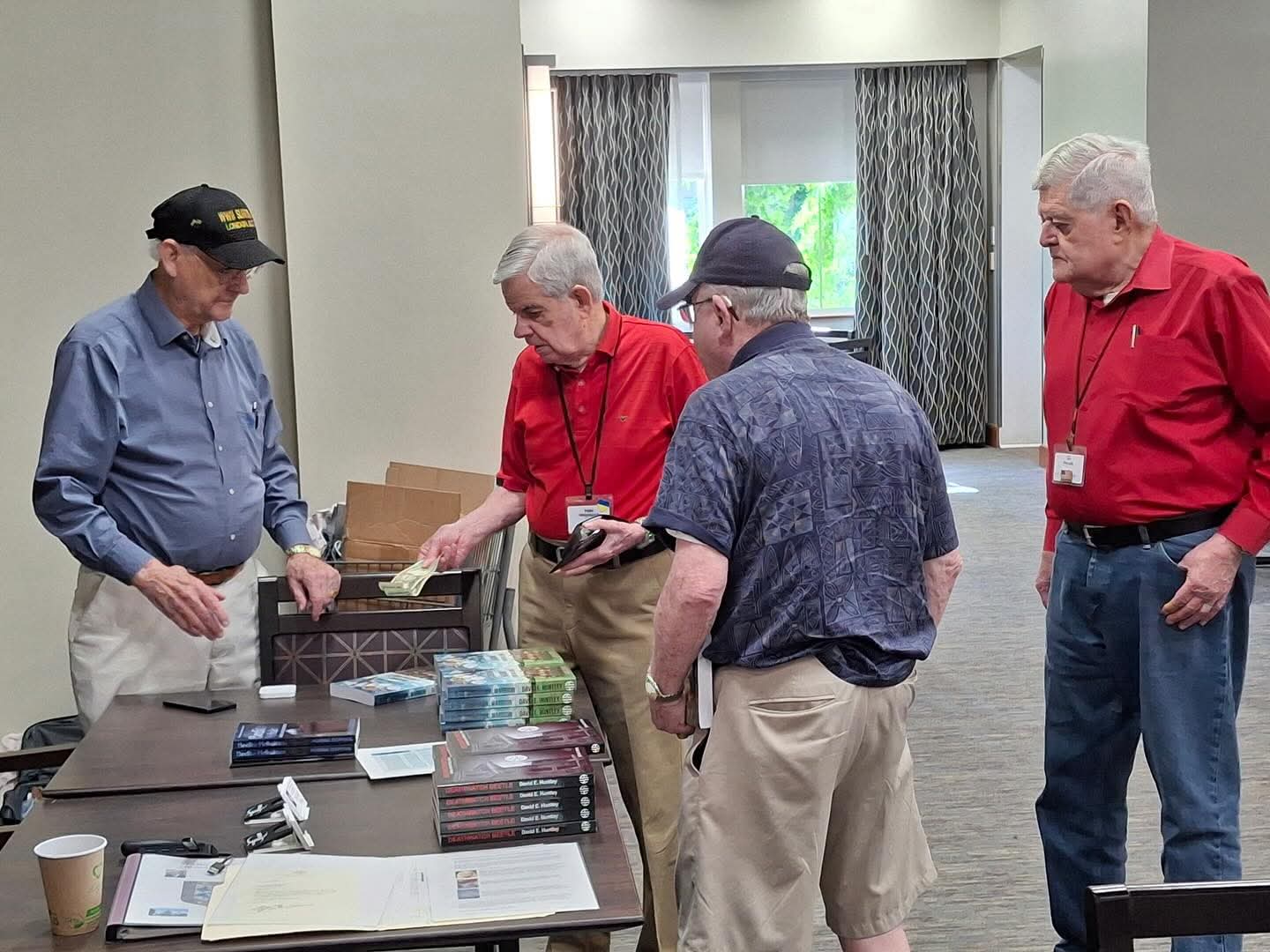
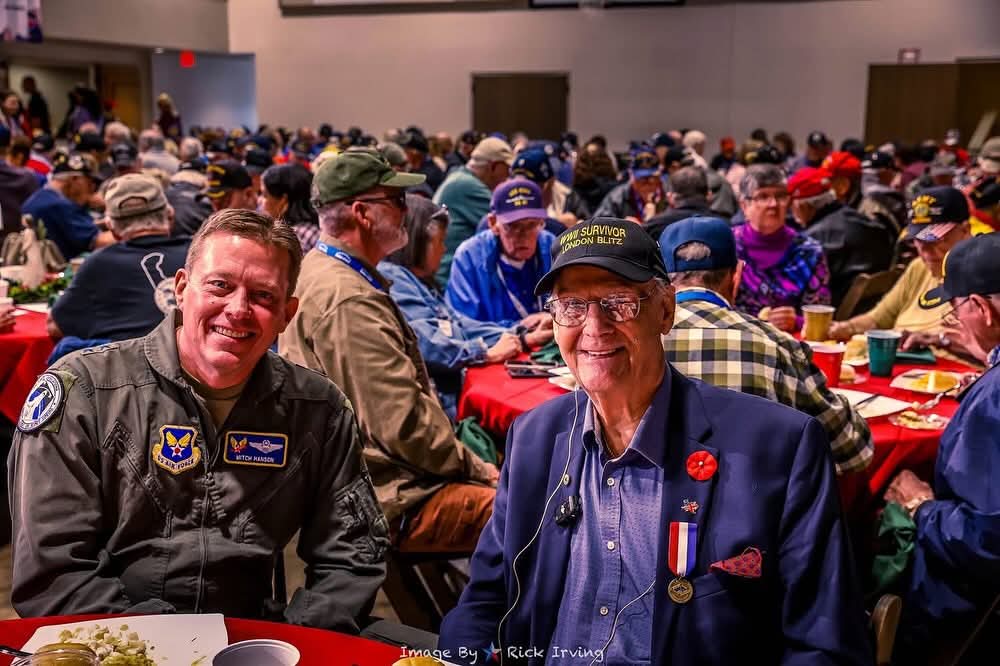
As a renowned, award‑winning author, David became a trusted voice in preserving the civilian experience of World War II. His writing resonated deeply with readers because it was grounded in truth, compassion, and lived memory. His works earned recognition not only for their historical value but for their emotional depth, giving voice to the millions who endured the war from the home front. His books reached far beyond his own community, and his success led to numerous book signings, where readers lined up to meet him, share their own family stories, and thank him for preserving a part of history that often goes untold. These events became more than promotional appearances—they became gatherings of remembrance, connection, and shared humanity.
David also found success in his community roles, where he became a steady, reliable presence. Whether supporting veterans, participating in local initiatives, or mentoring younger generations, he approached every responsibility with professionalism and heart. His ability to connect with people—rooted in empathy and lived experience—made him a natural leader and a respected figure in every circle he entered.
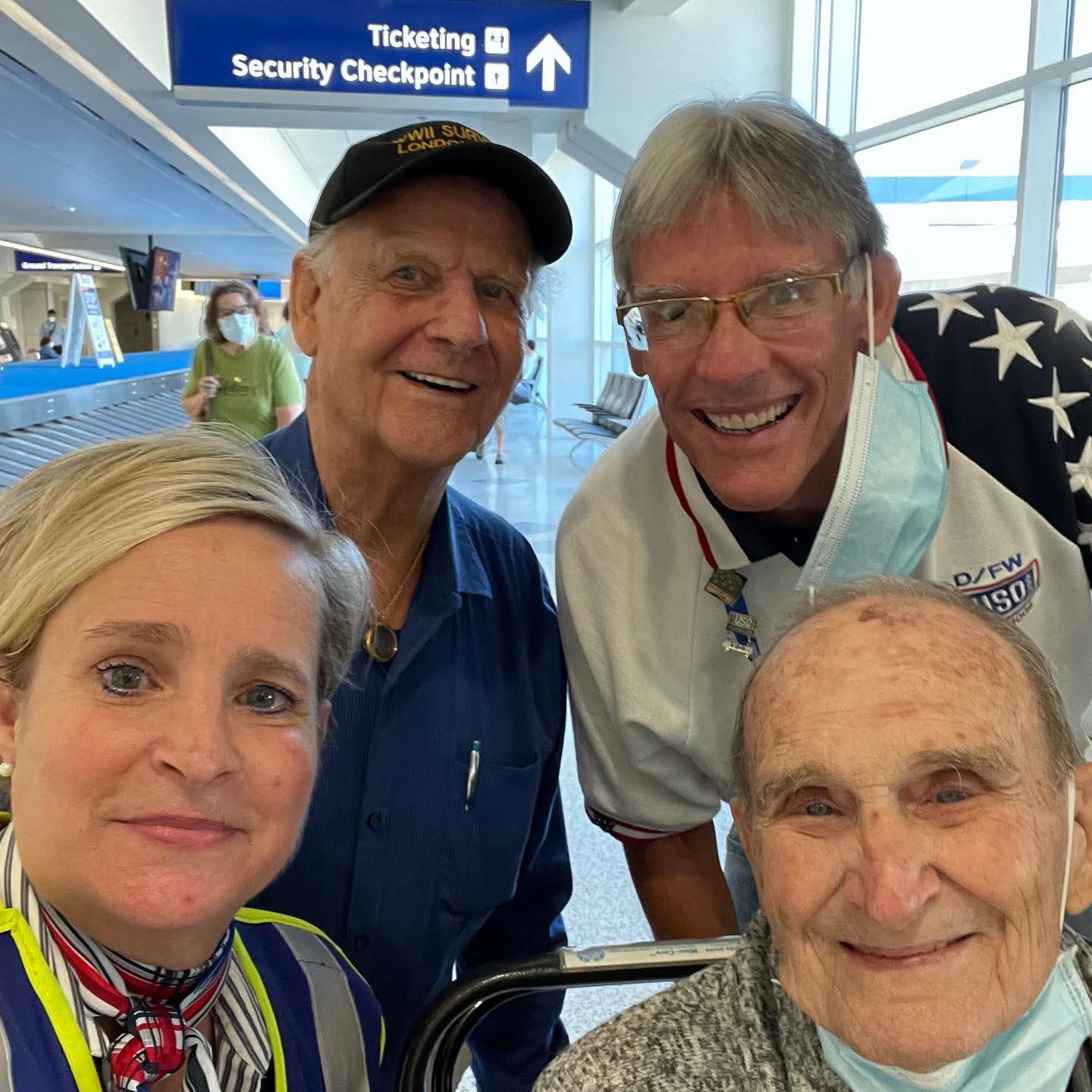
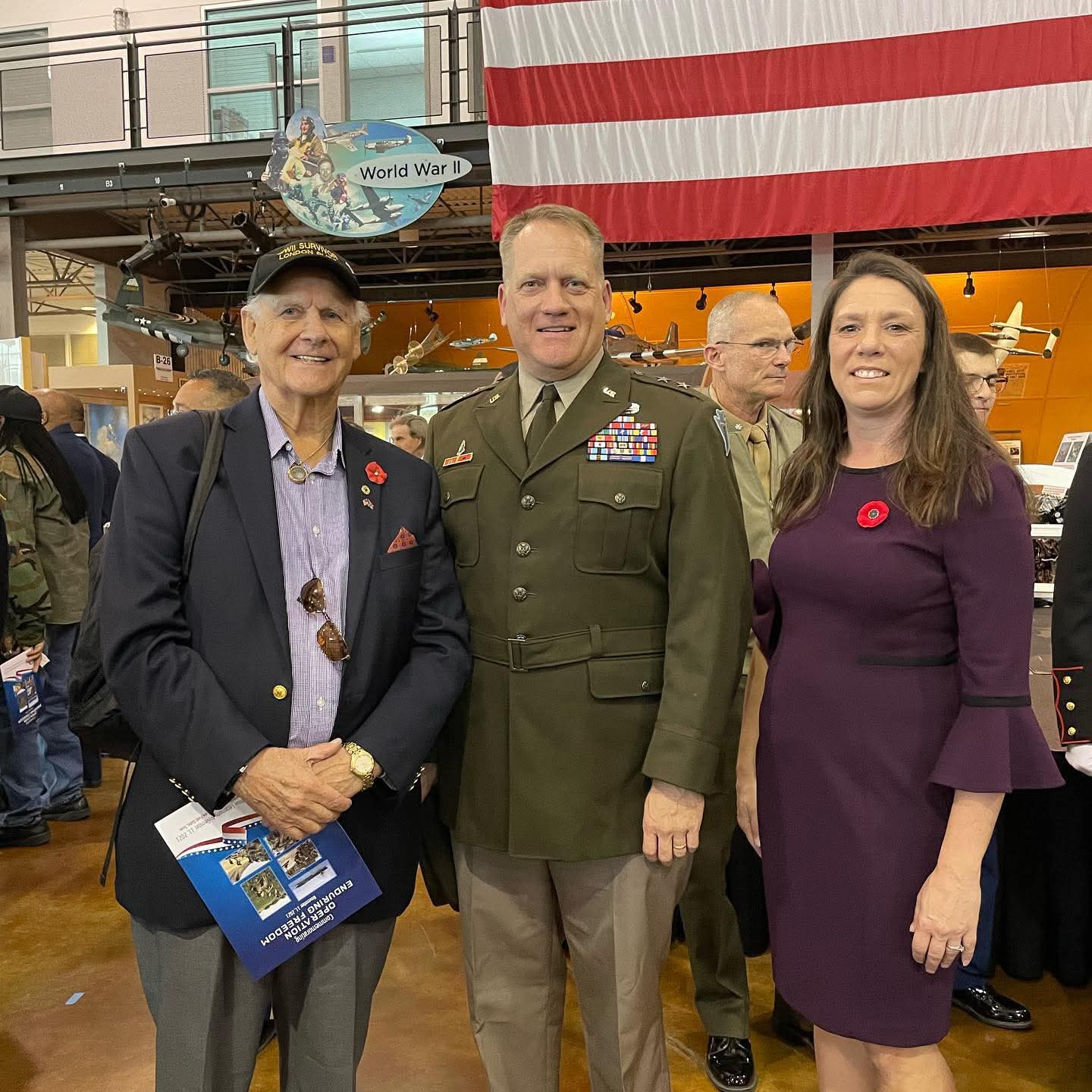
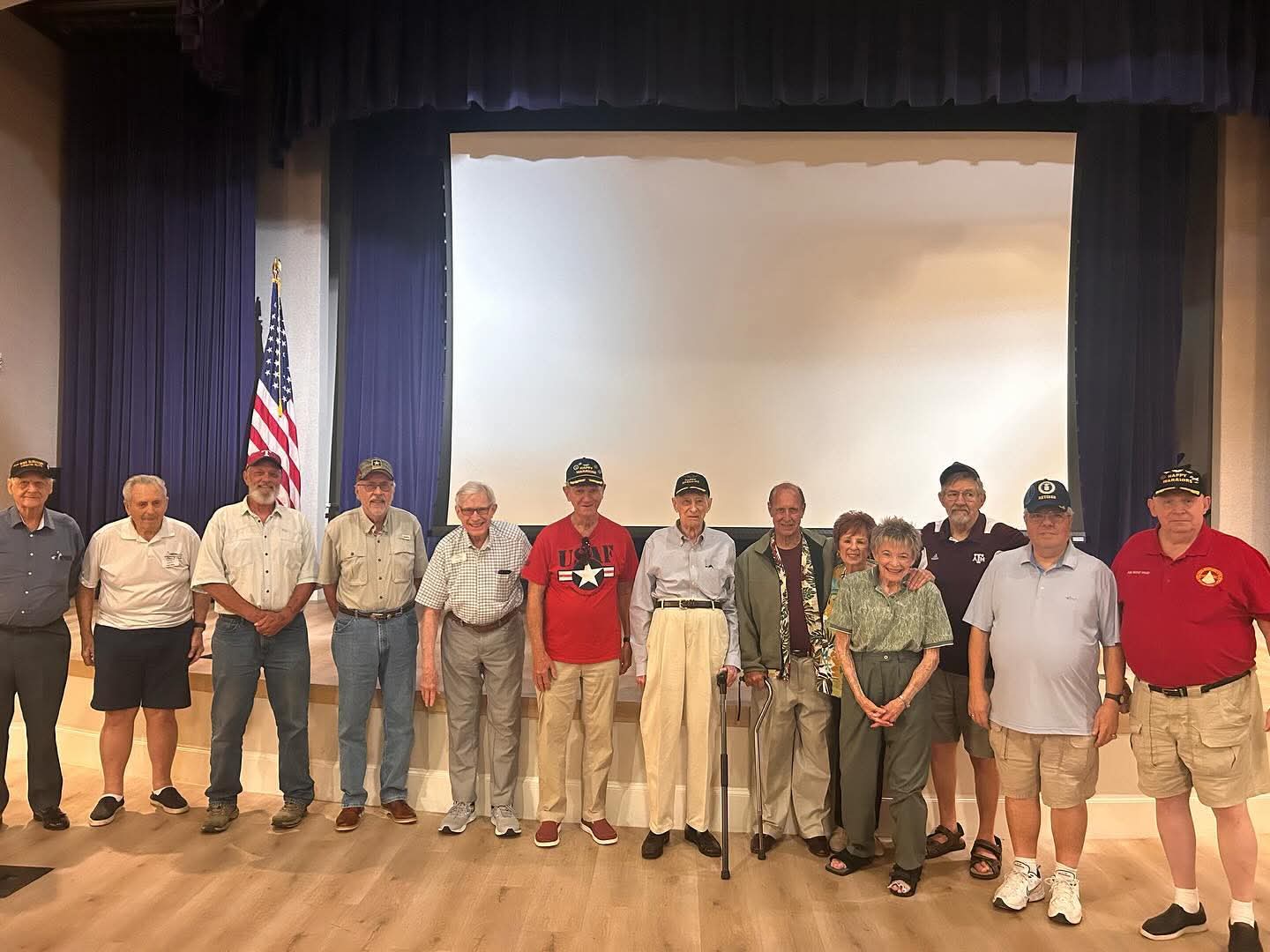
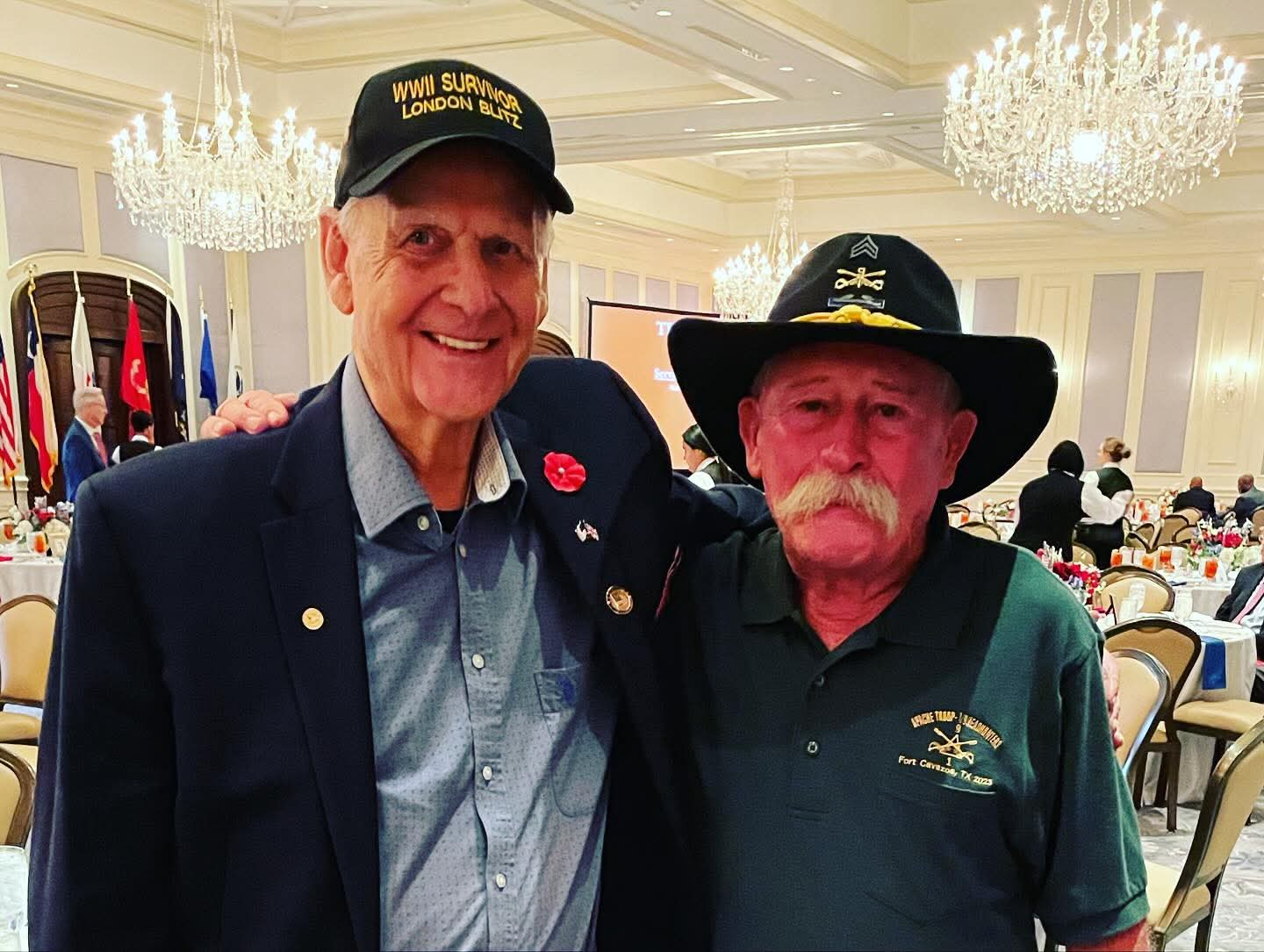
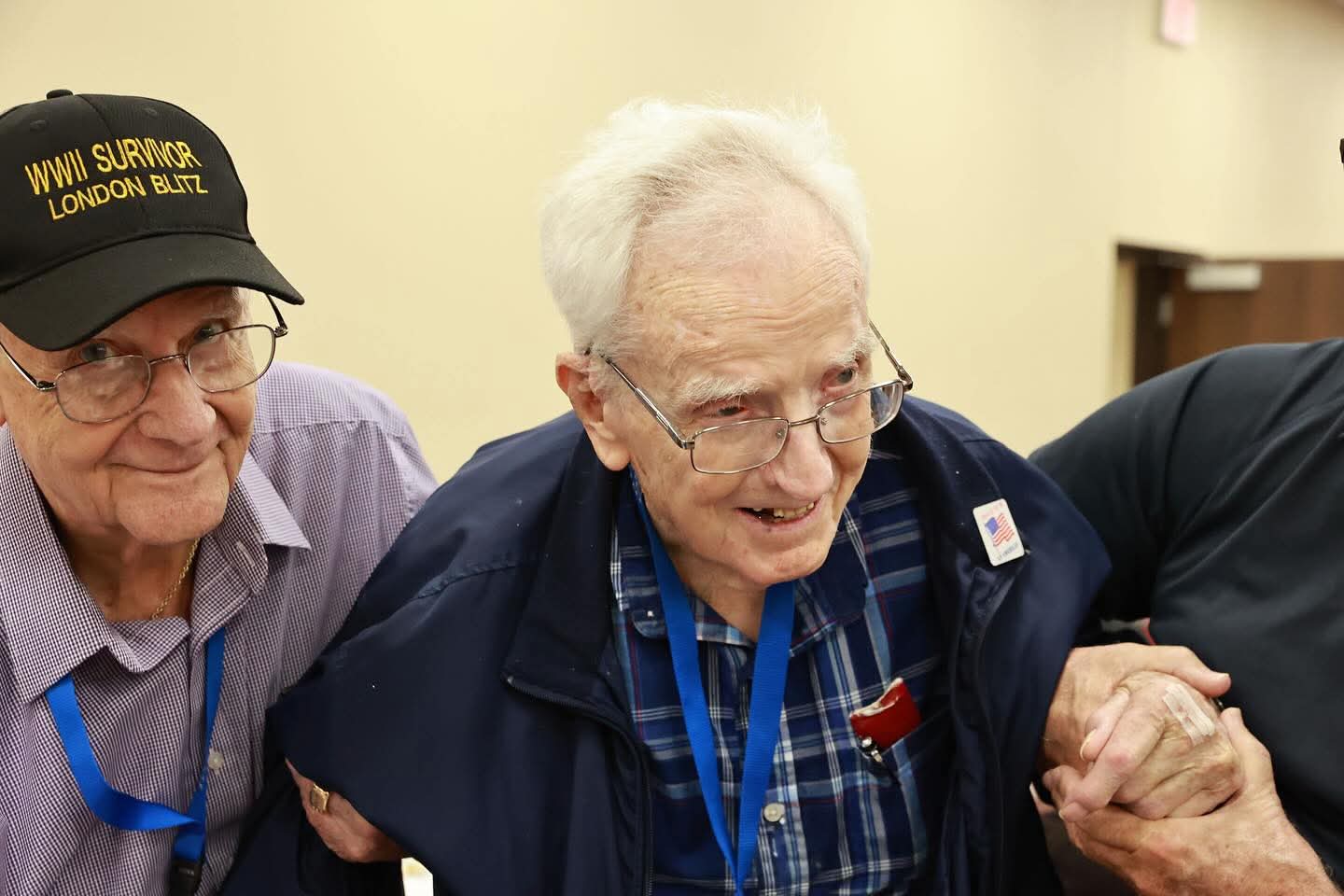
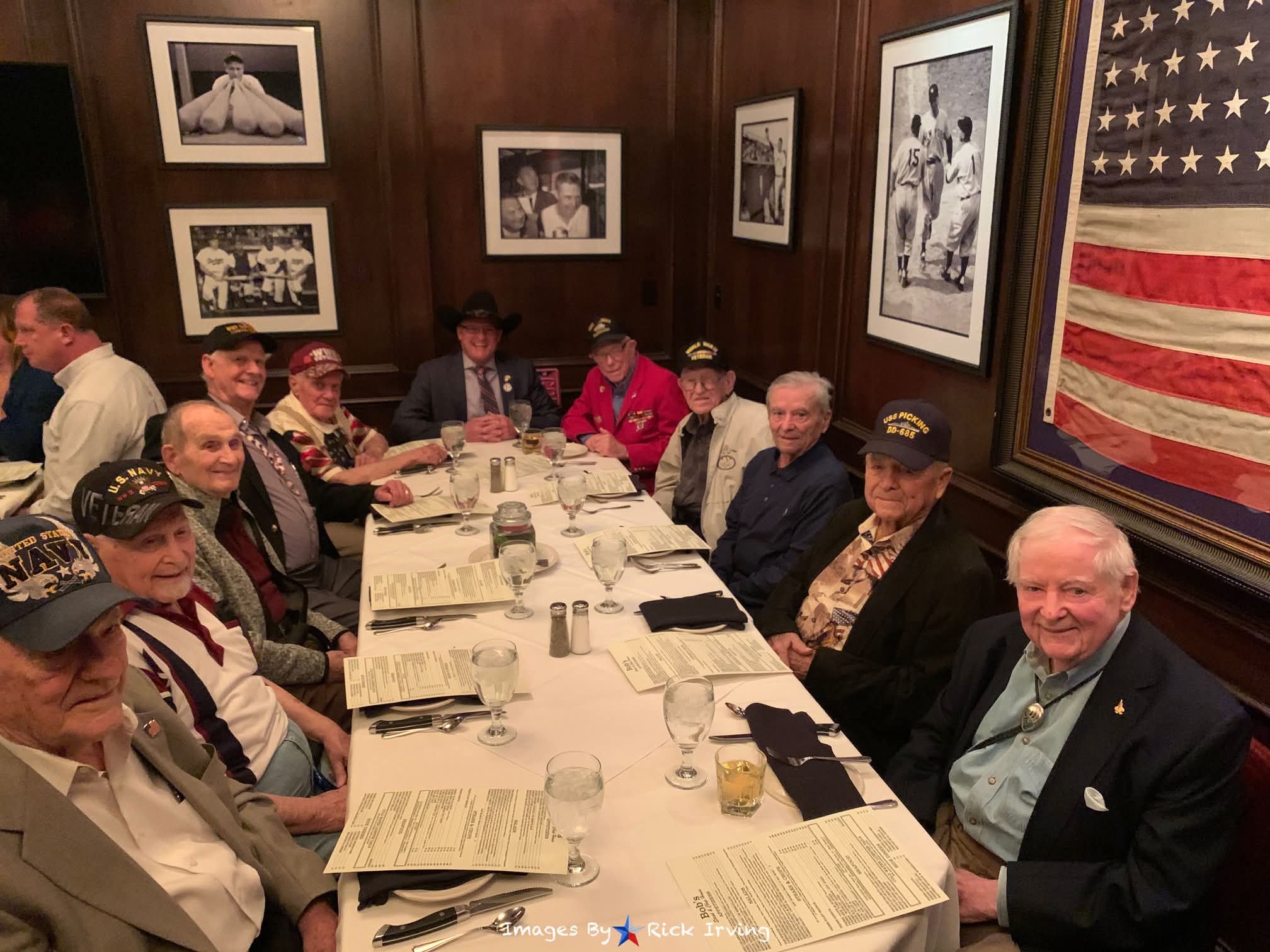
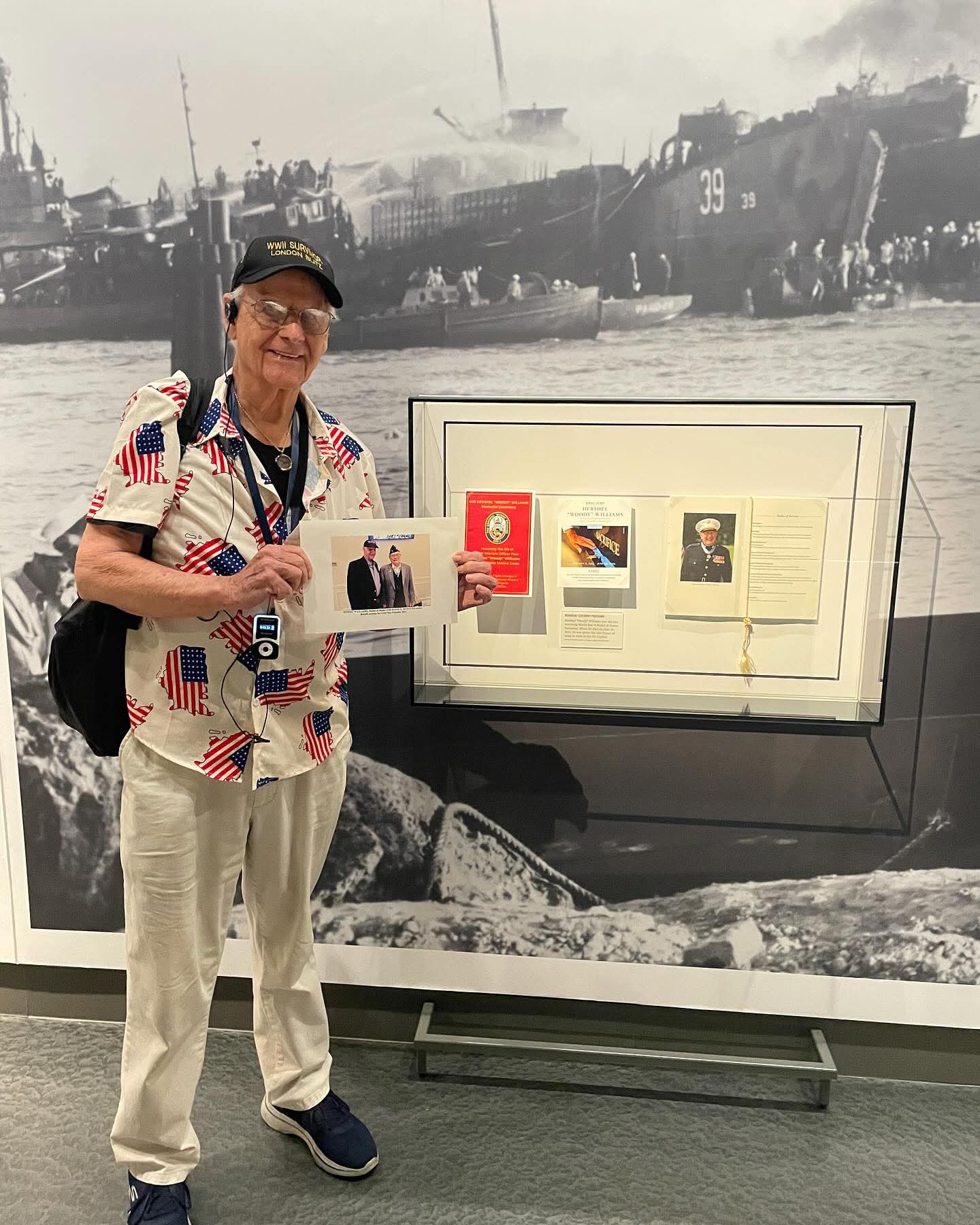
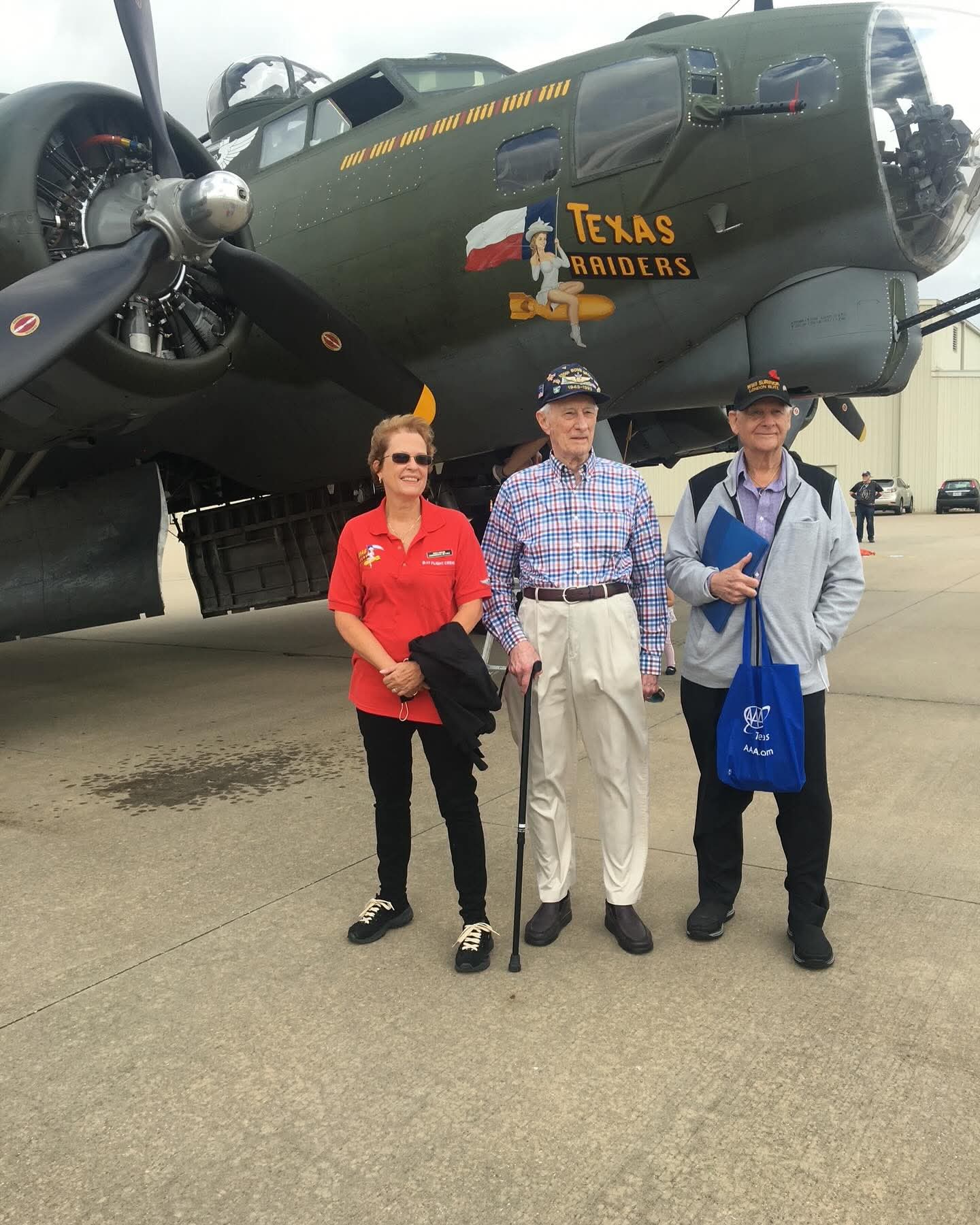
A defining part of David’s character was his unwavering support for all veterans. He understood the weight they carried—visible and invisible—and he made it his mission to honor them, uplift them, and ensure their stories were never forgotten. He offered encouragement, understanding, and a listening ear to veterans of every generation. His advocacy was not limited to ceremonies or speeches; it lived in the quiet moments, the heartfelt conversations, and the way he made every veteran feel seen, valued, and respected. His compassion bridged generations, reminding communities that freedom has a cost and that those who served deserve gratitude, dignity, and care.
His legacy extends even further through his unwavering support for veterans.
For his family, David leaves a legacy of wisdom, humility, and enduring strength.
He showed that survival can lead to purpose, that hardship can shape compassion, and that one person’s voice can preserve history for generations to come.
David was a devoted husband and a proud father. He found his greatest joy in family life, celebrating milestones, keeping traditions alive, and offering steady support through both triumphs and trials. His lessons—spoken and lived—continue to guide his children and grandchildren, and his presence remains woven into the everyday moments they share.
David Huntley’s legacy is remembered not only through his accomplishments, but through the heart, tenacity, and compassion he carried into every season of his life. Those who knew him speak first of his kindness, his humility, and the quiet strength that came from surviving the London Blitz and choosing, every day afterward, to live with purpose rather than fear. His life was a testament to resilience, compassion, and the belief that stories—especially the hard ones—must be told so others may learn, heal, and remember.
He was a man of remarkable tenacity—the kind of determination that does not shout, but endures. Whether rebuilding his life after wartime devastation, pursuing new careers, or preserving history through his writing, David met every challenge with steady resolve. He never quit, never complained, and never allowed hardship to define him. Instead, he transformed adversity into wisdom and purpose, inspiring everyone who crossed his path.
And woven through all of this was his humor and unmistakable wit. David had a gift for delivering sharp, clever observations that could lighten even the heaviest moment. His wit was never harsh—it was warm, quick, and rooted in kindness. He could make people laugh in the middle of difficult conversations, and he had a way of offering truth wrapped in a smile. His humor made him approachable; his wit made him unforgettable. Together, they became part of the comfort he offered to others
David Huntley’s legacy is heartfelt because he lived with heart, and it is enduring because he lived with tenacity. His story continues to inspire because it reminds us that courage is not only found in surviving the darkest nights, but in choosing to bring light to others afterward—especially to those who served.
This is the legacy of David Huntley:
A survivor who carried history. An author who preserved truth. A speaker who educated and inspired. A man who stood shoulder‑to‑shoulder with veterans.
A life shaped by courage. A voice shaped by conviction. A heart shaped by love.
It is the story of two hearts bound by an unbreakable devotion— a partnership built on resilience, faith, and purpose. A family strengthened by wisdom, steadiness, and the quiet power of a man who lived what he believed.
His legacy endures in the stories he saved, the people he touched, the truths he refused to let fade, and the love he carried faithfully to the end.
A life remembered with honor. A name carried forward with gratitude. A legacy that will not be forgotten.