

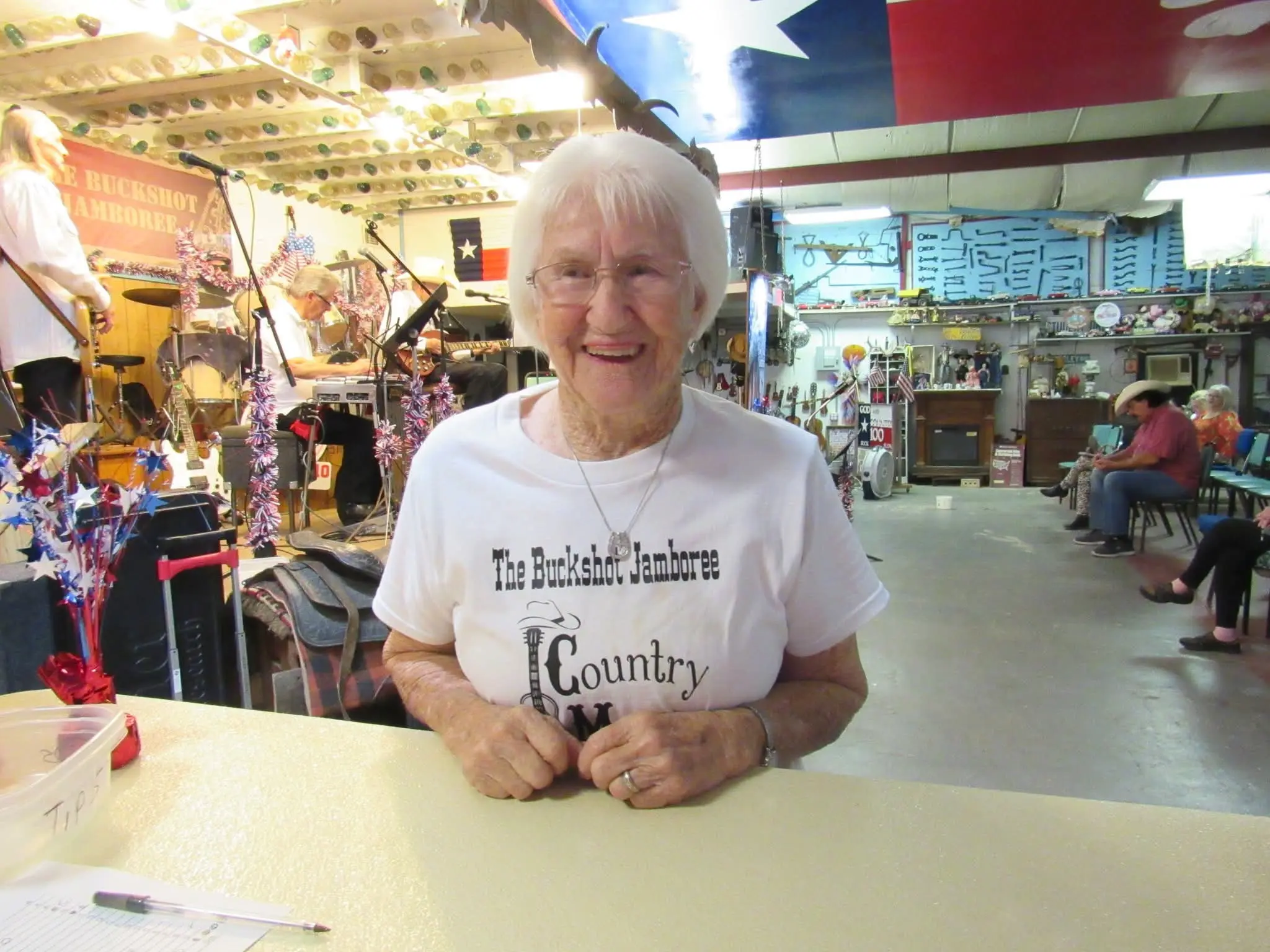
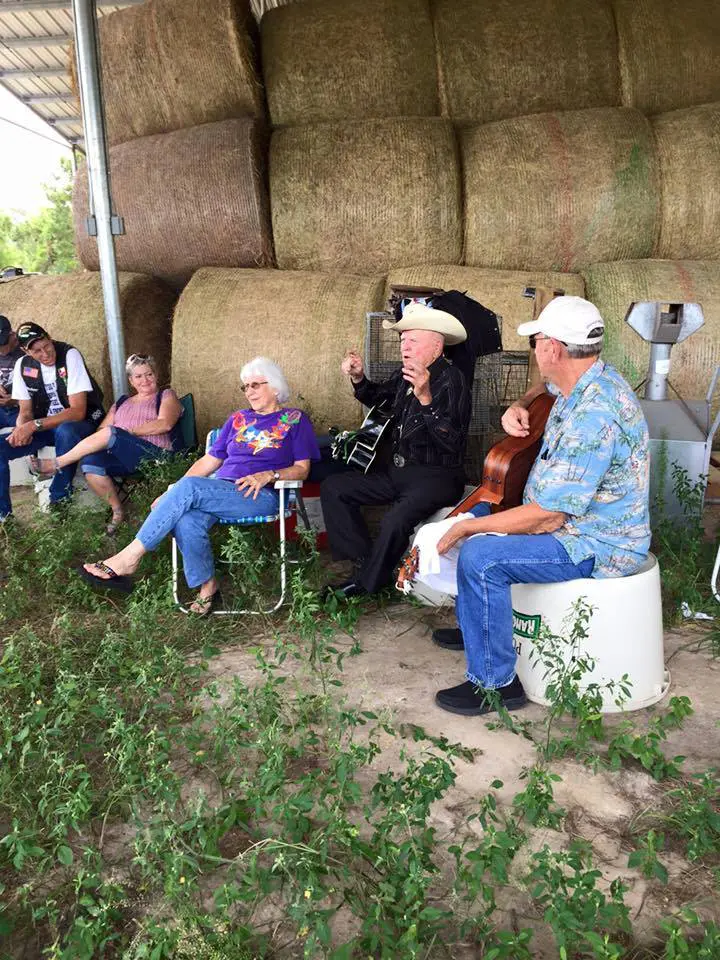
![shirley] (1)](https://pub-81cf9cdeeb2f42af886586df45c2740b.r2.dev/2026/05/shirley-1-1.jpg.webp)
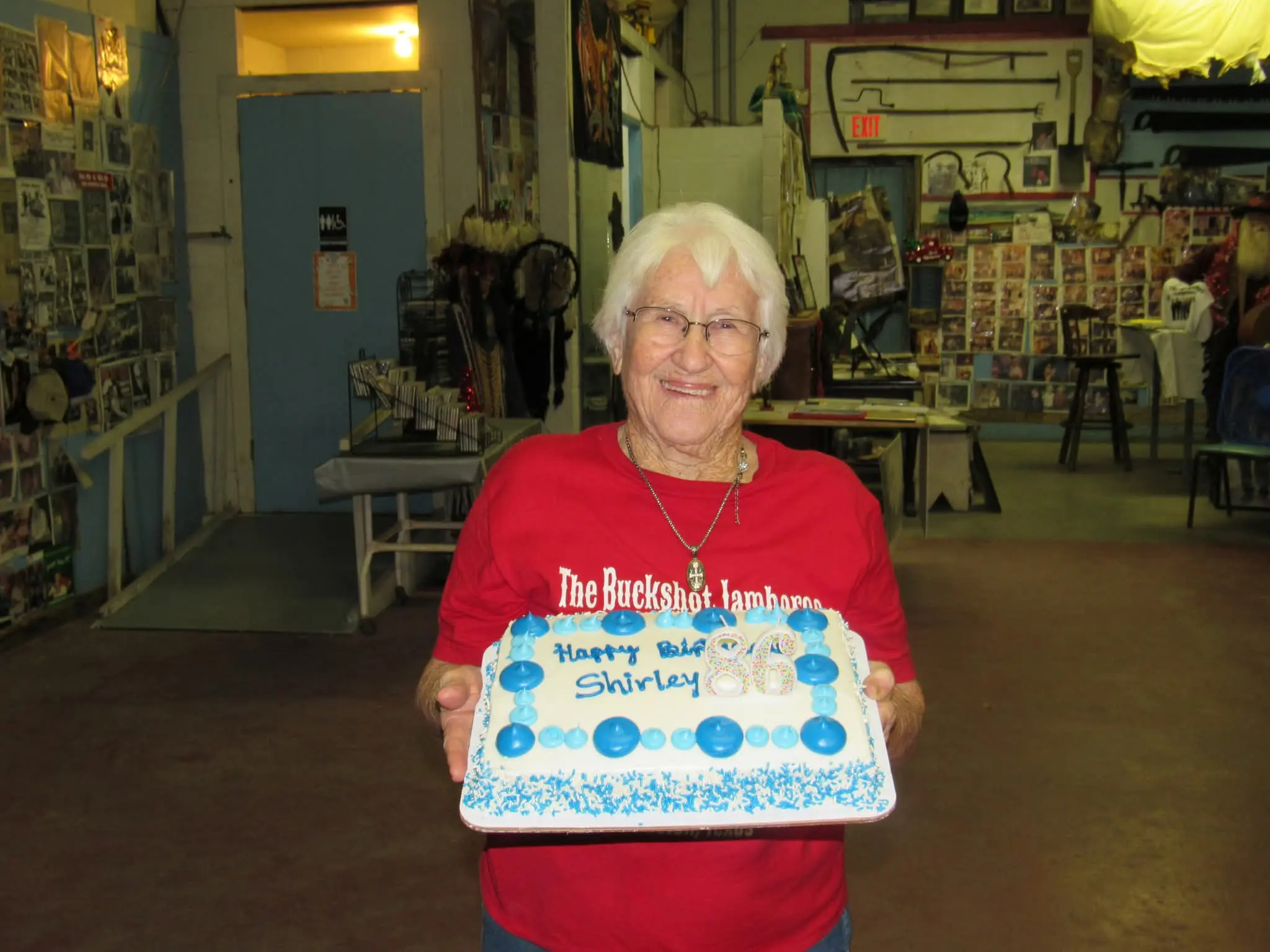
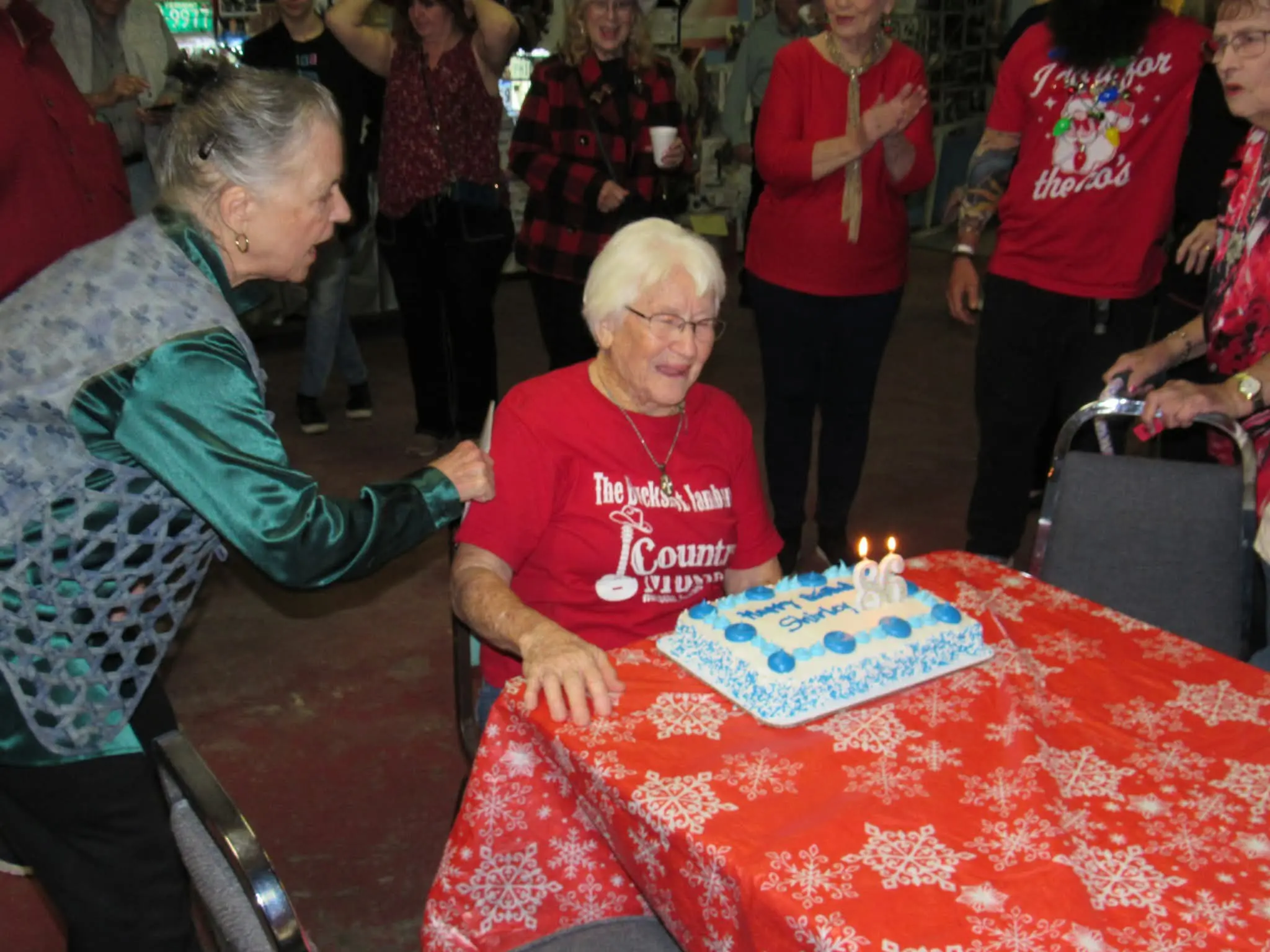
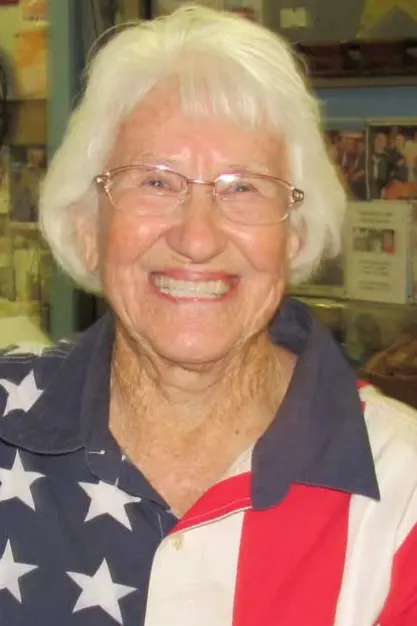
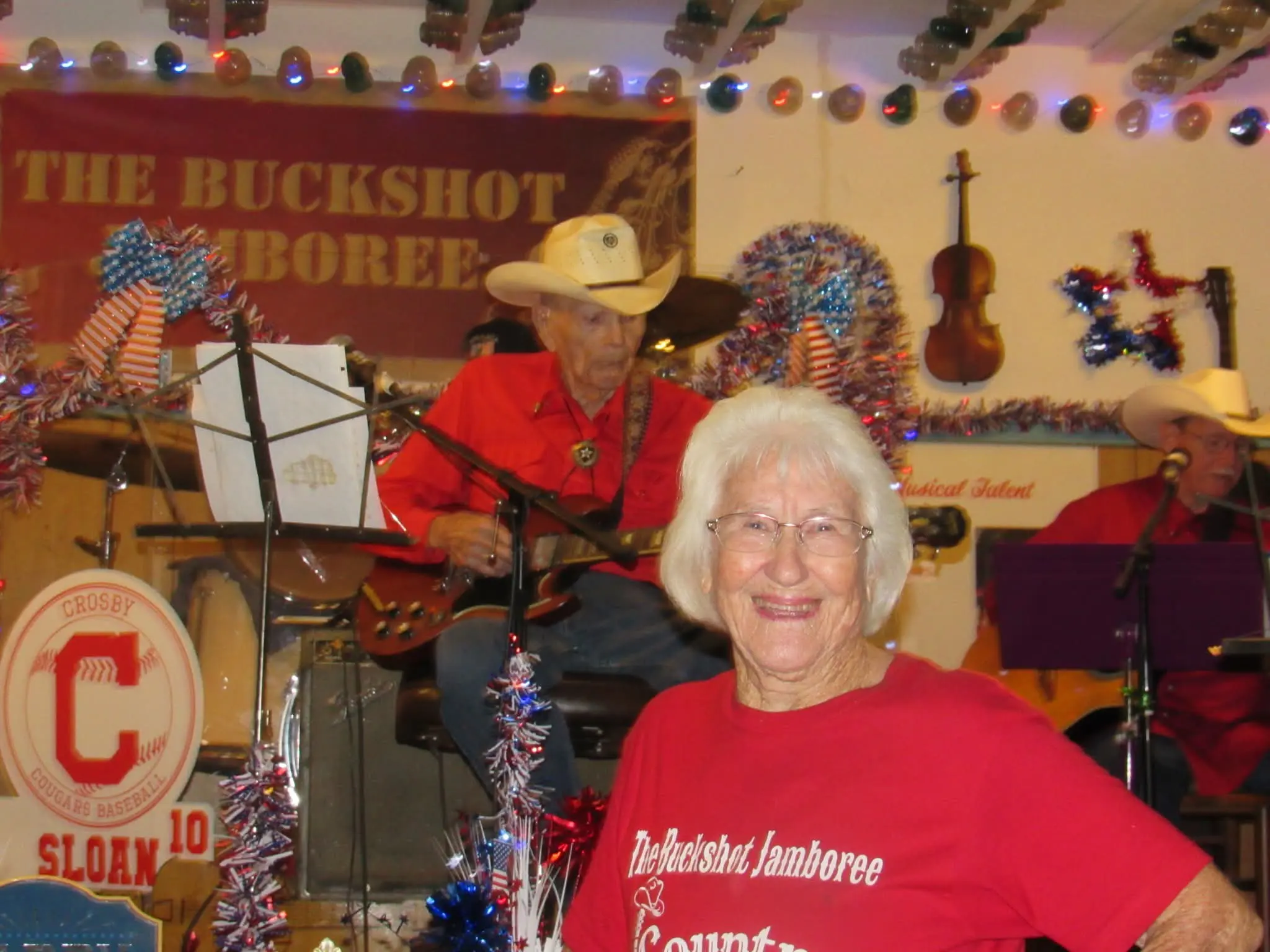
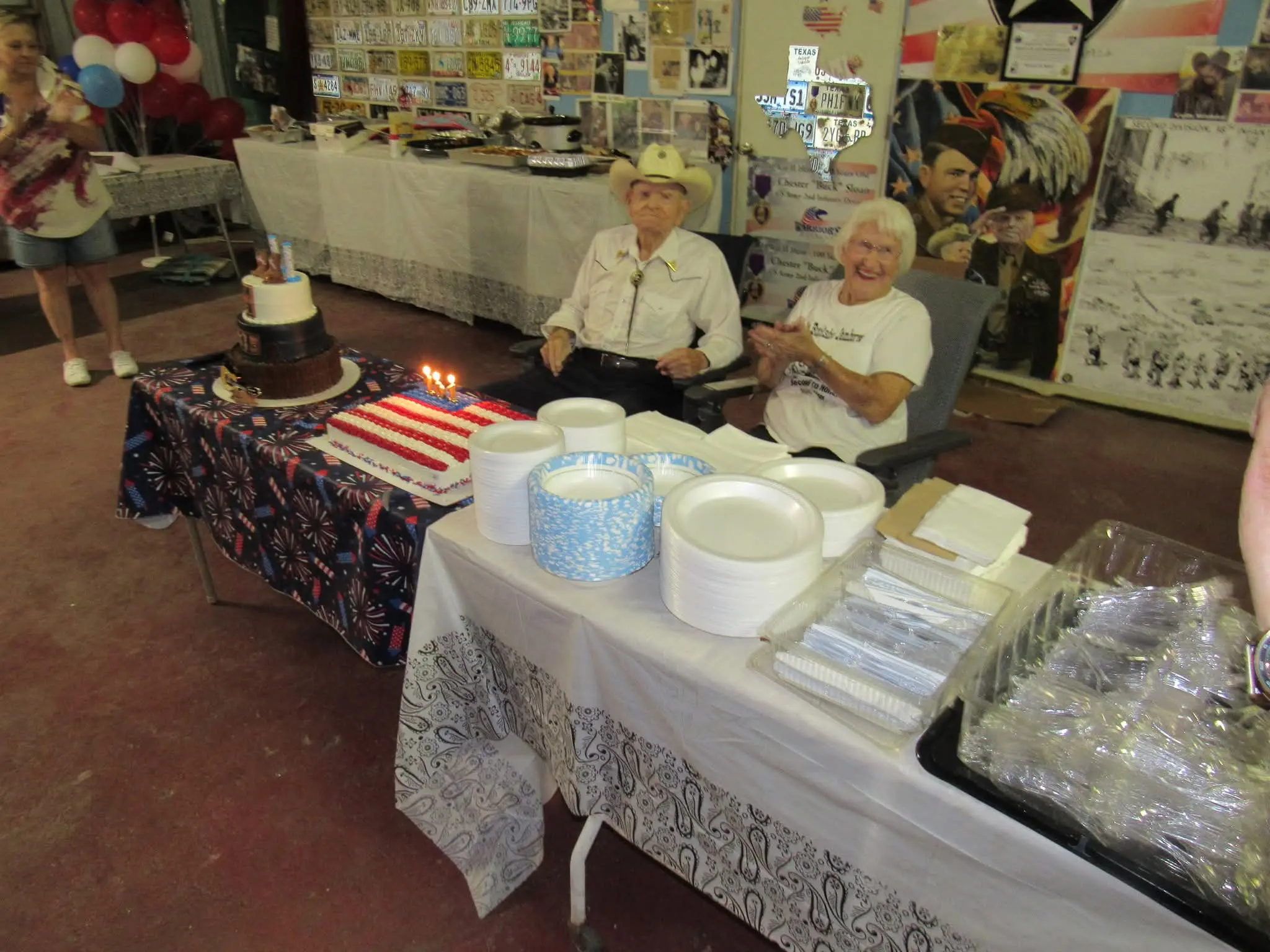
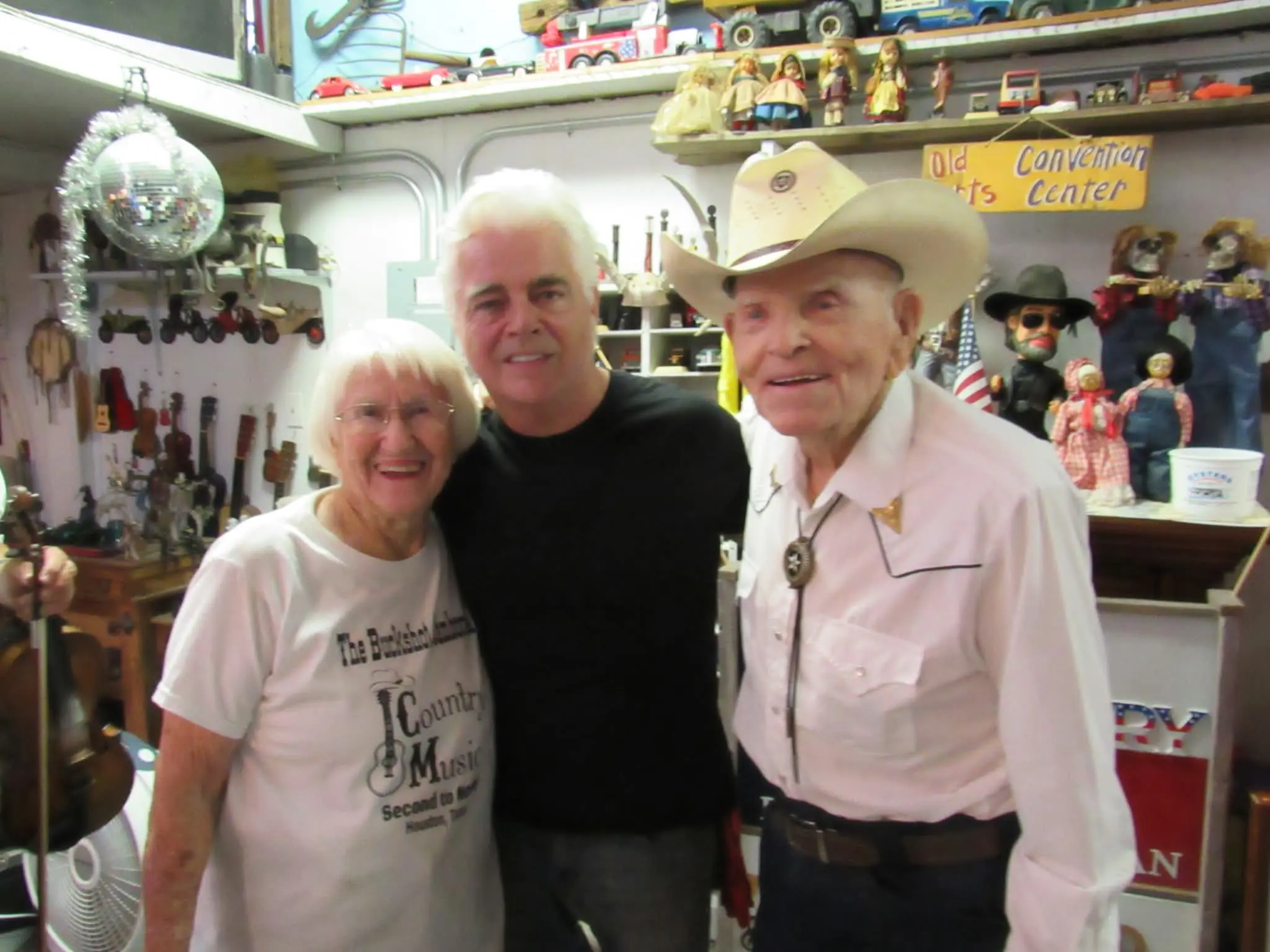
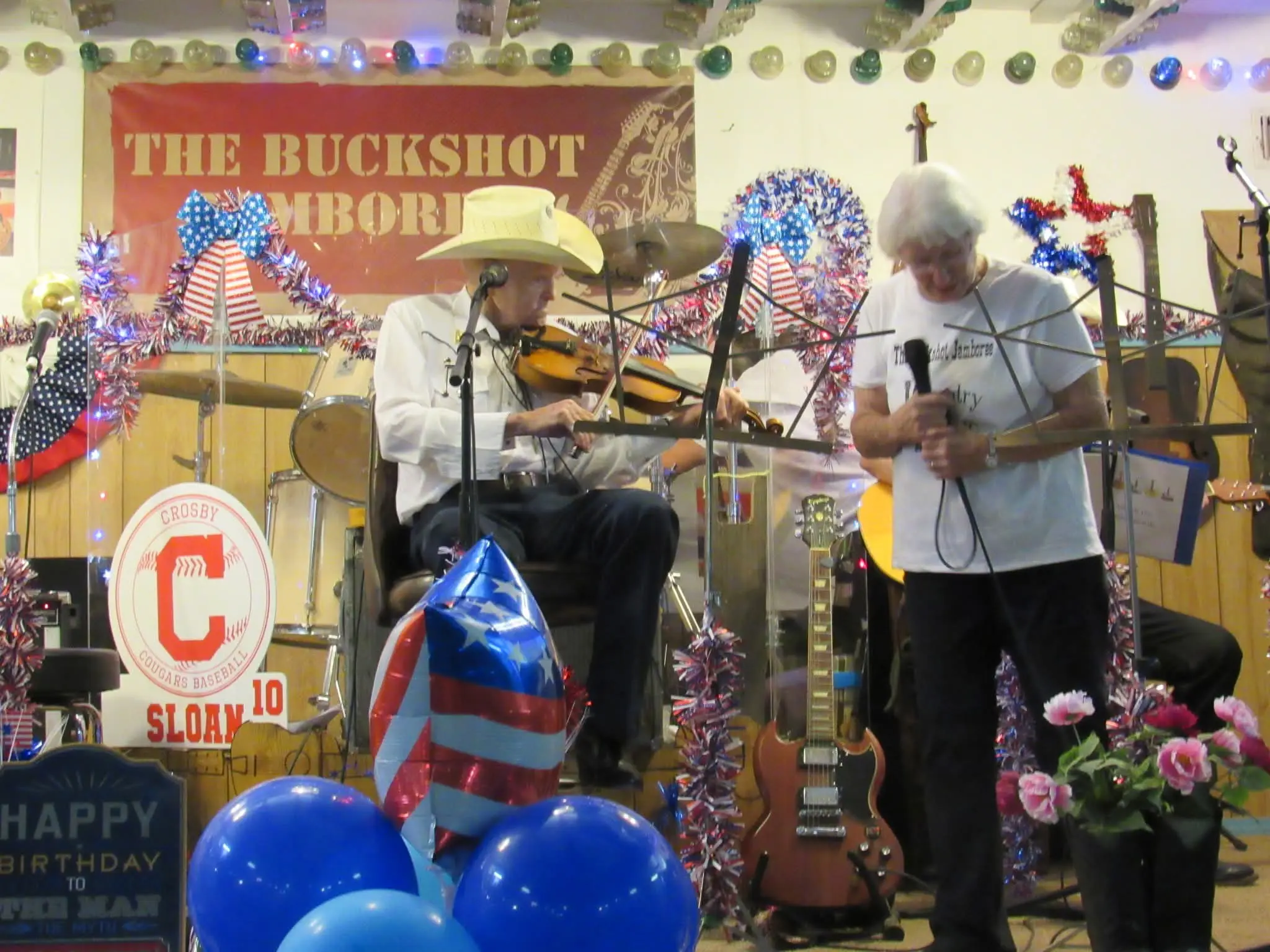
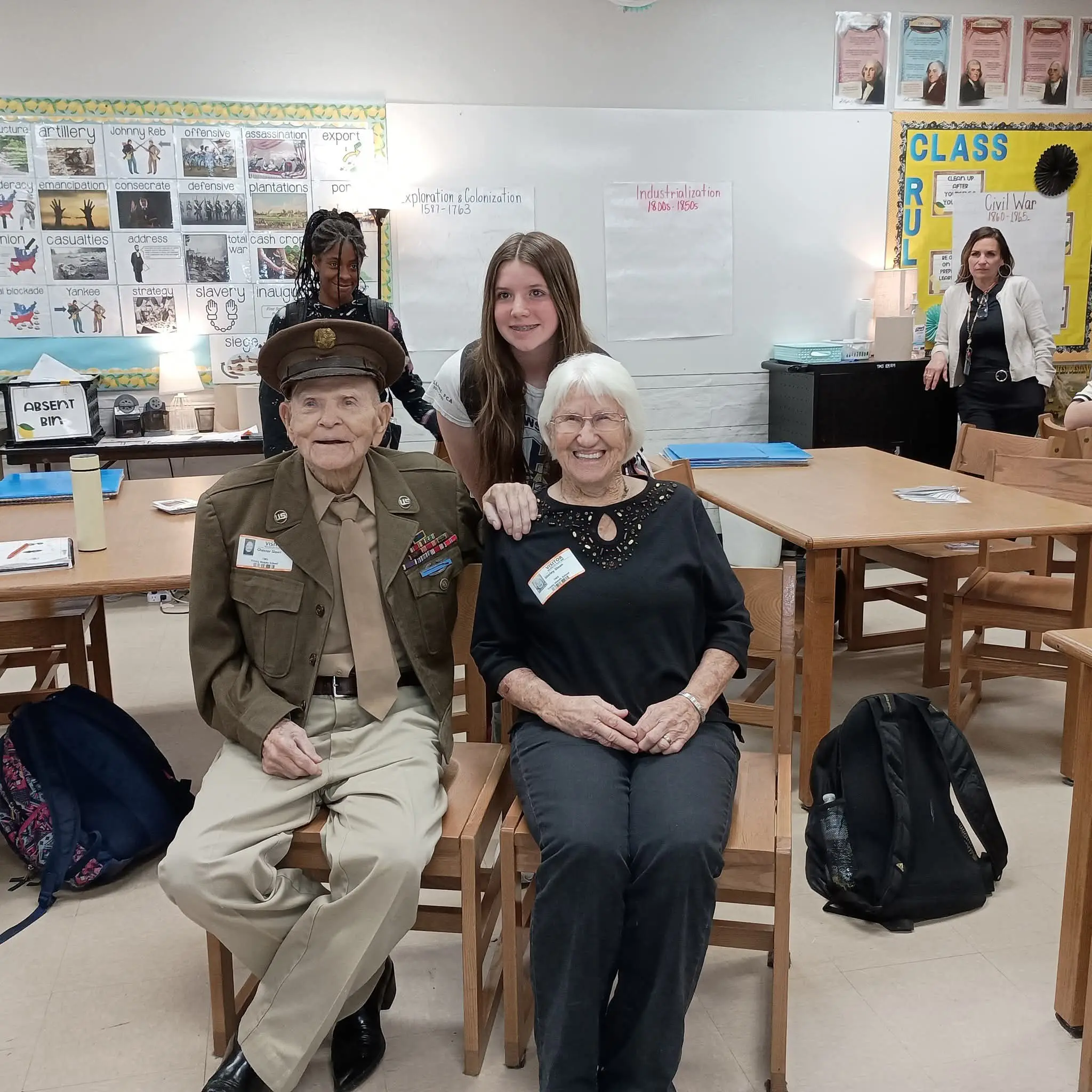
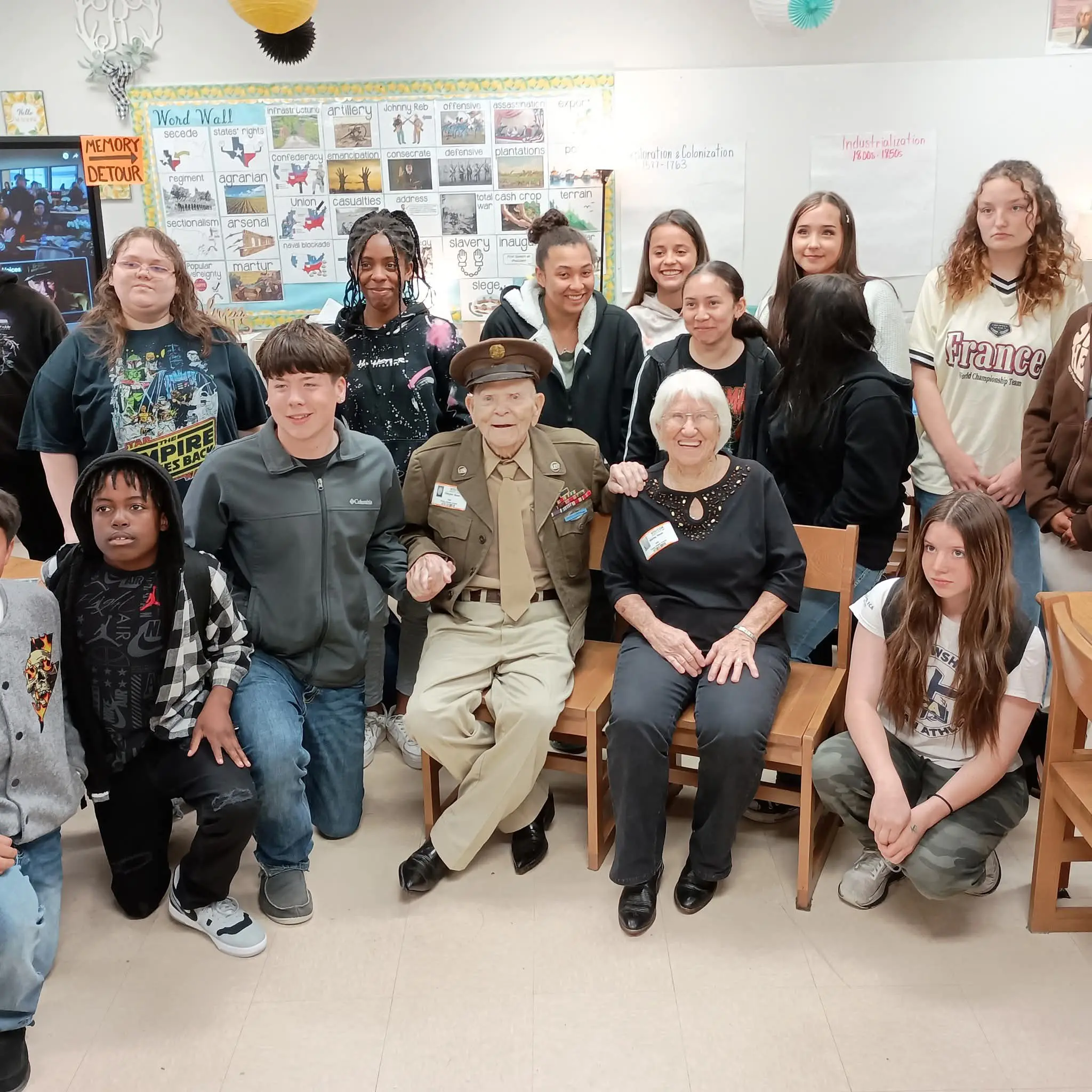
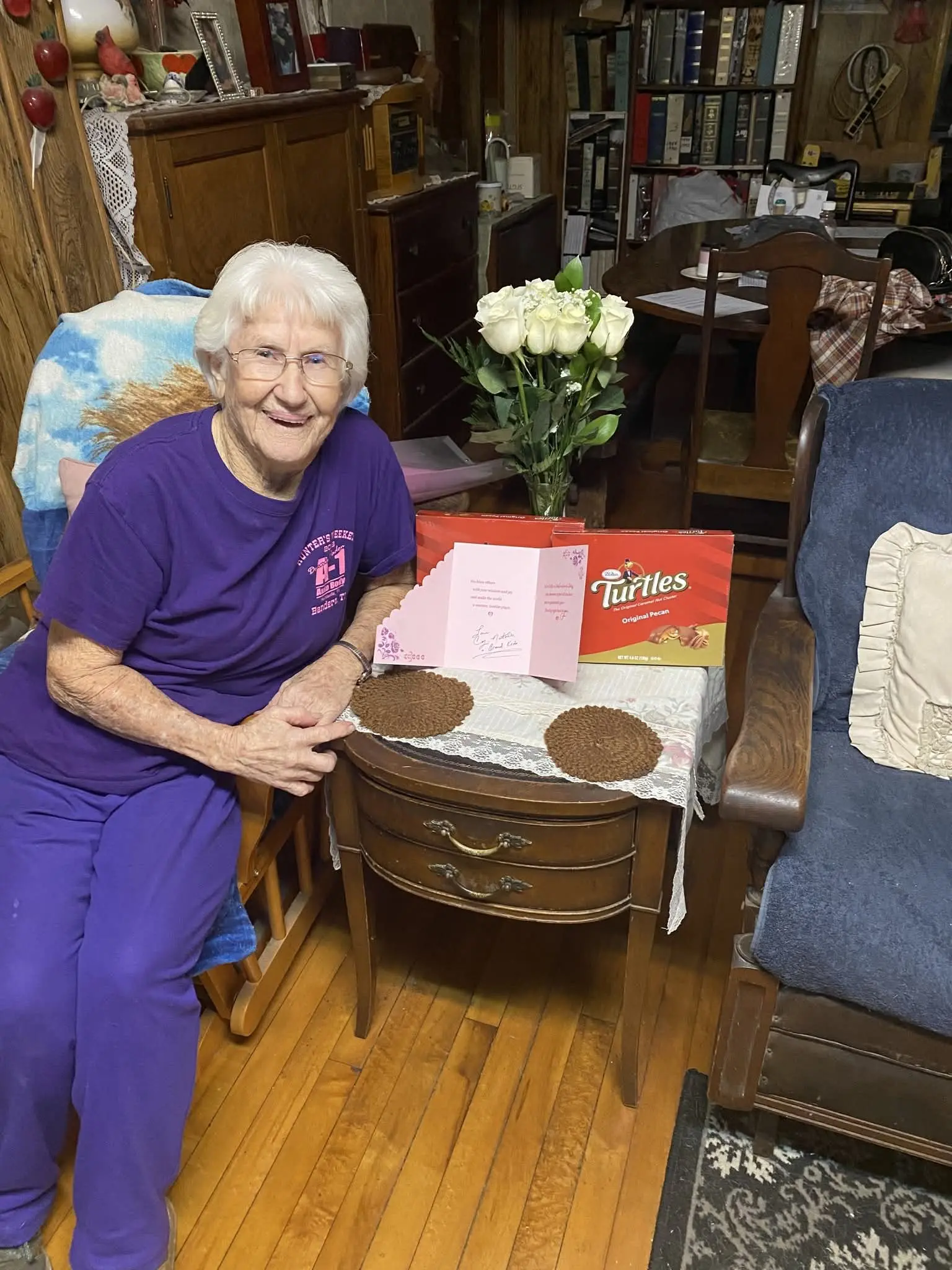
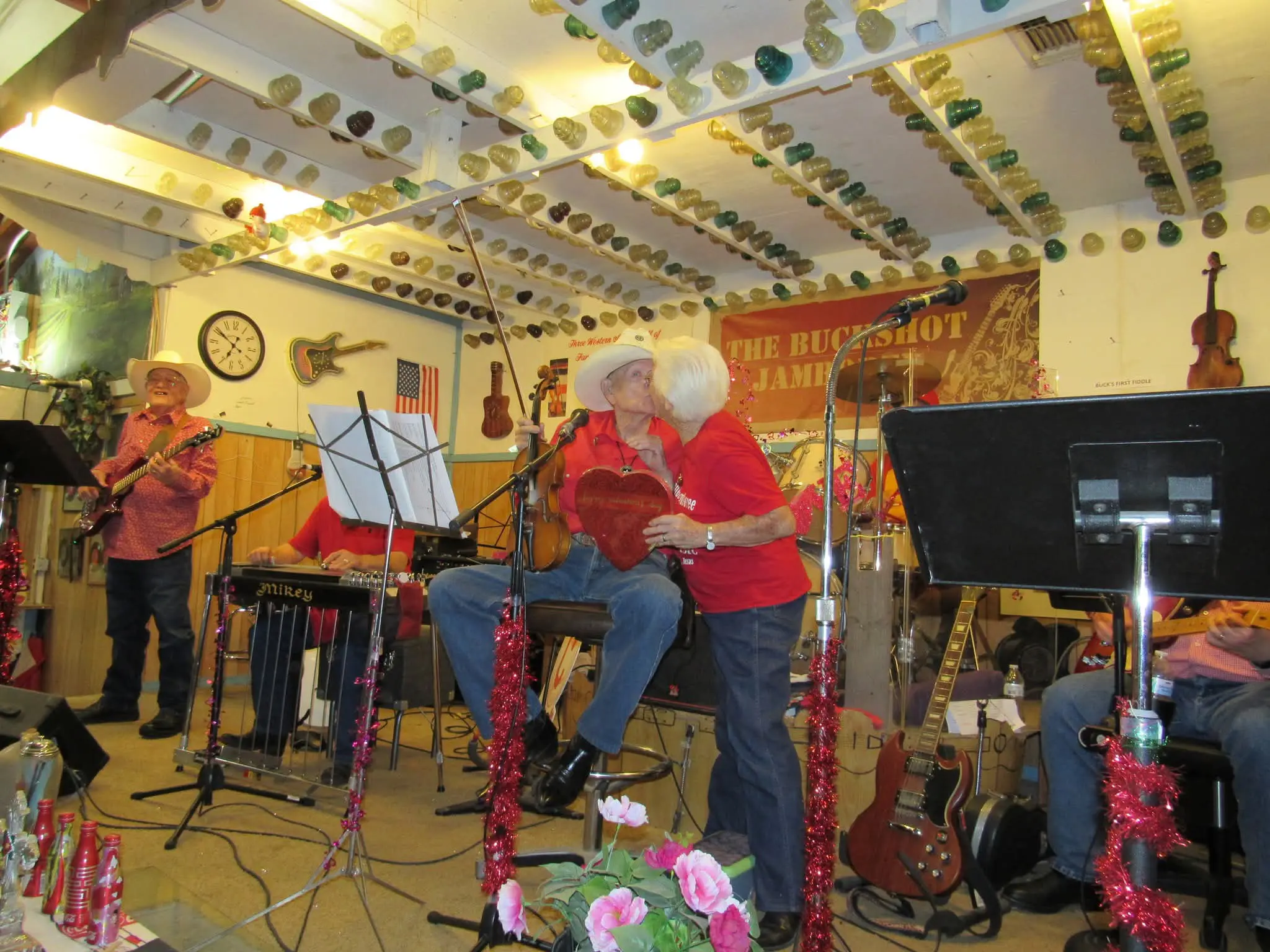
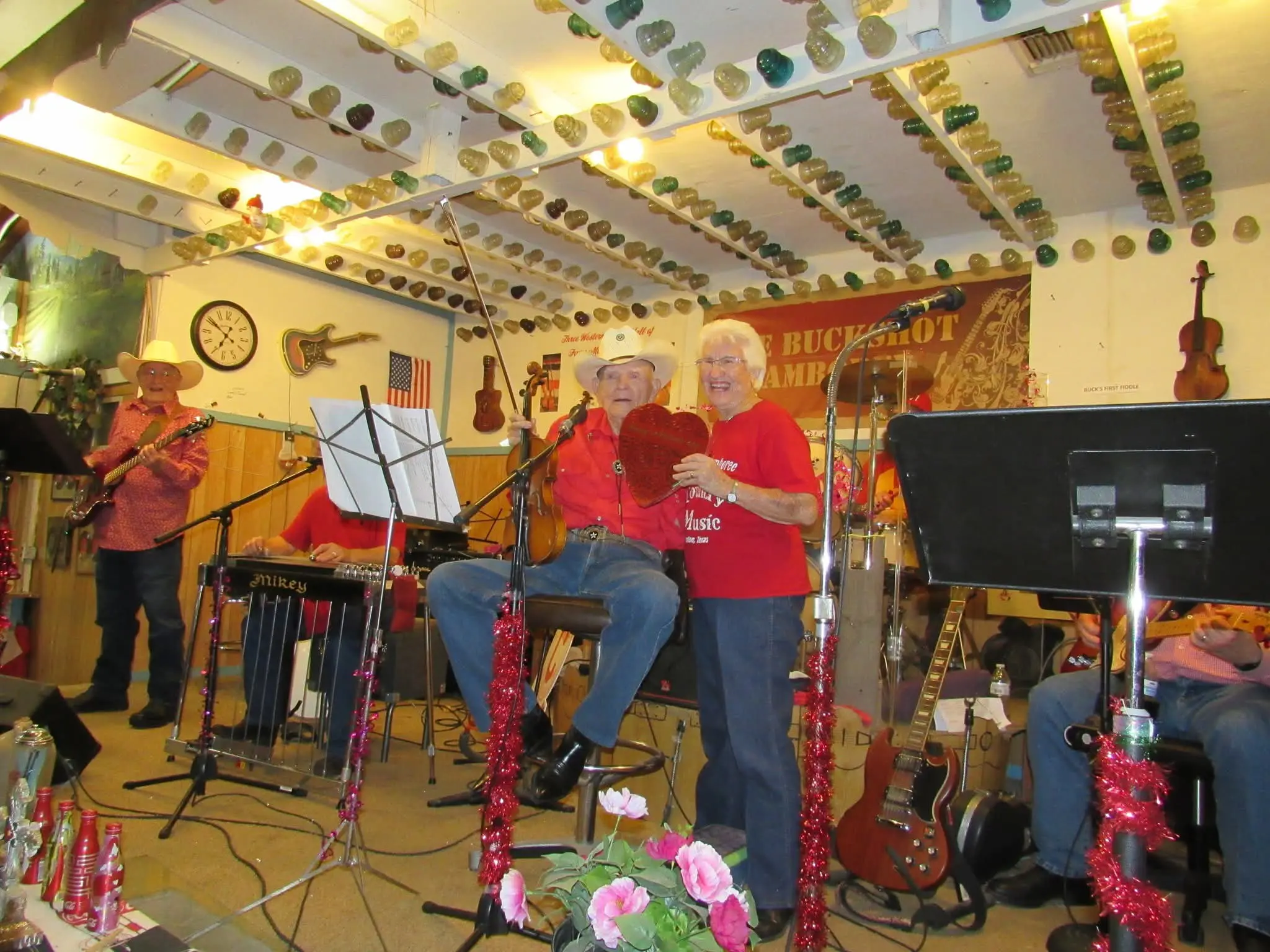
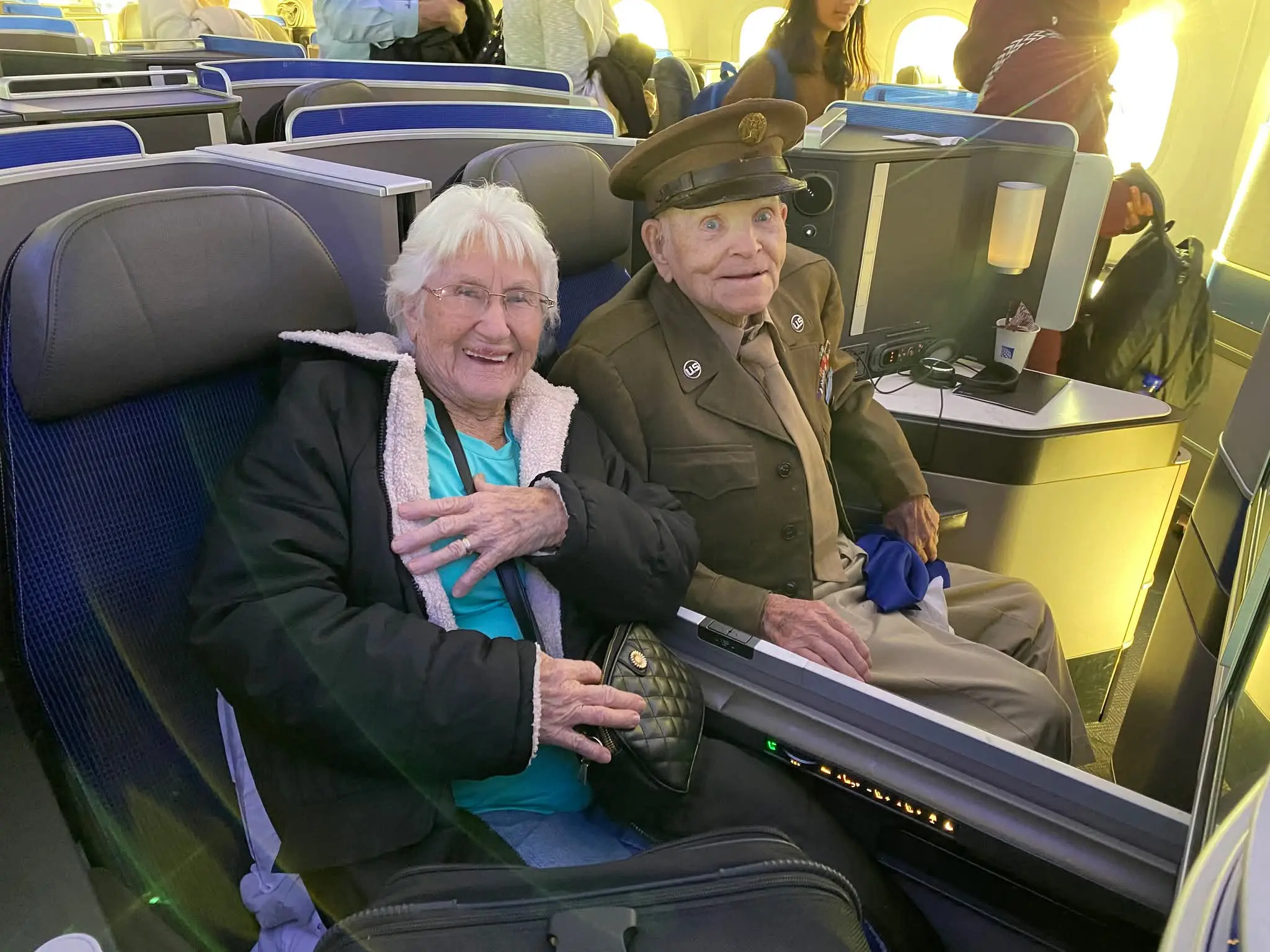
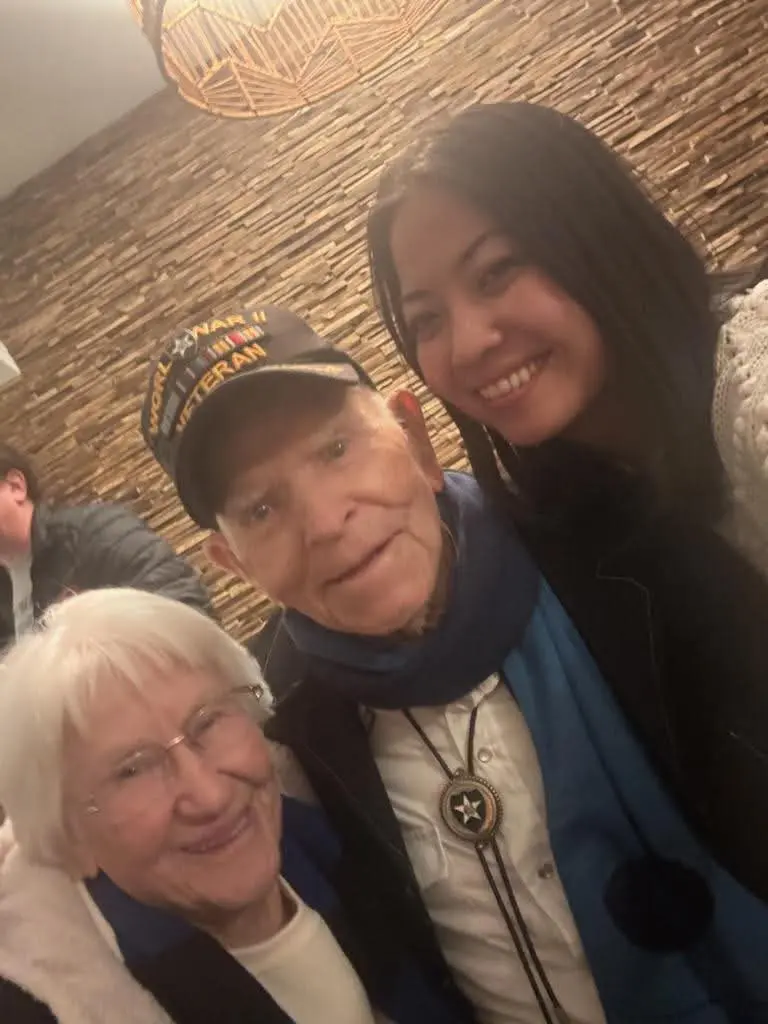
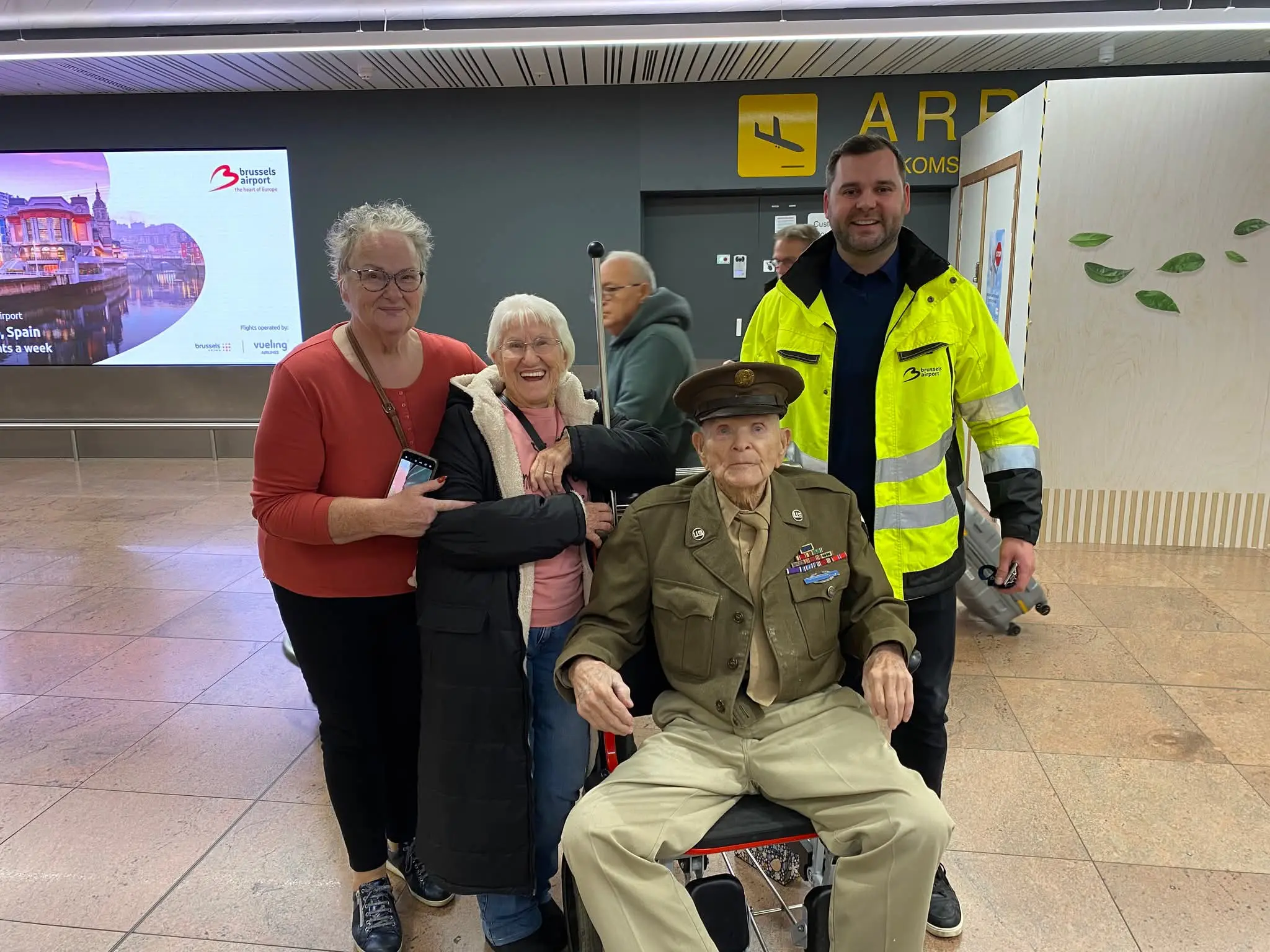
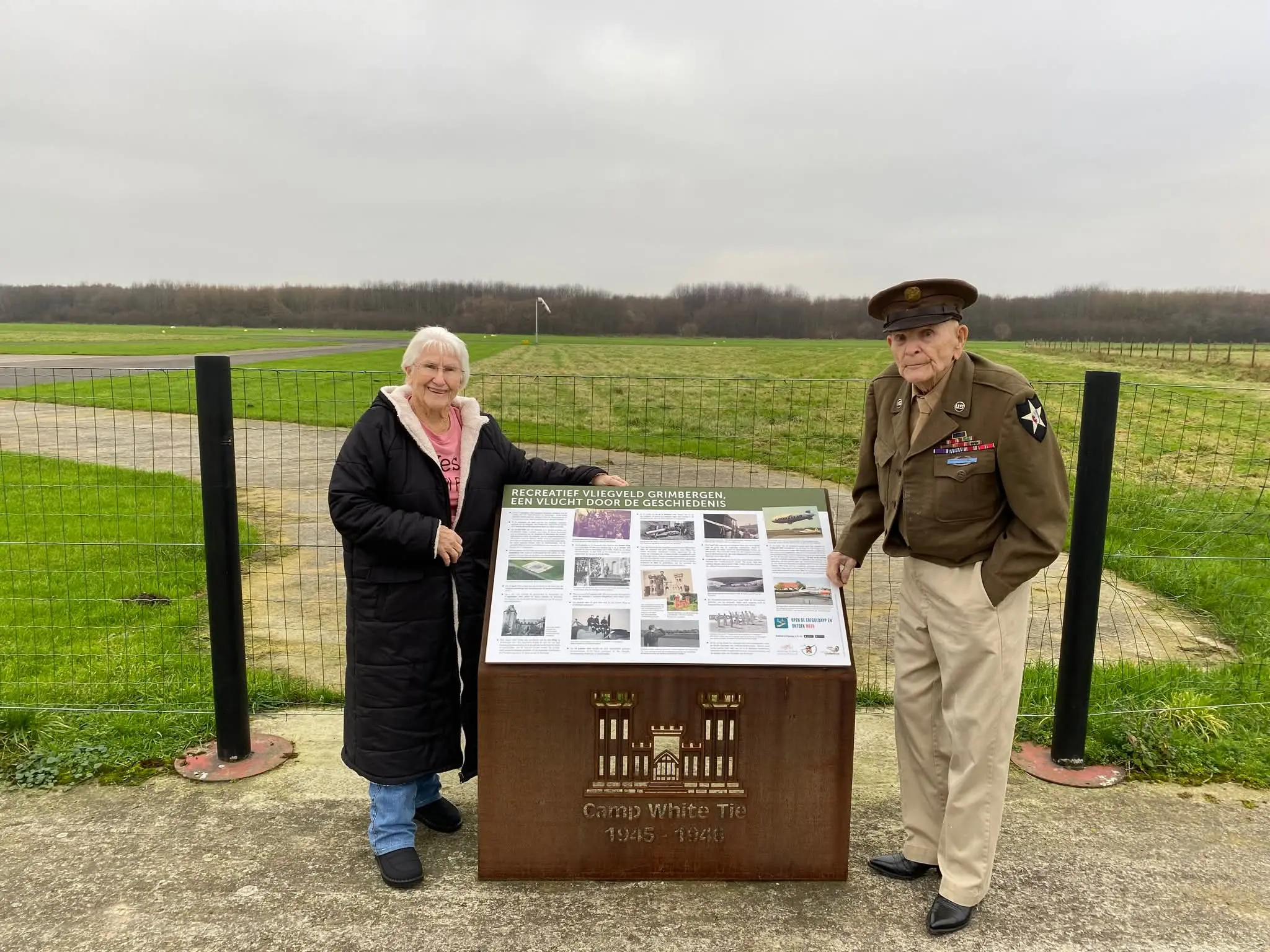
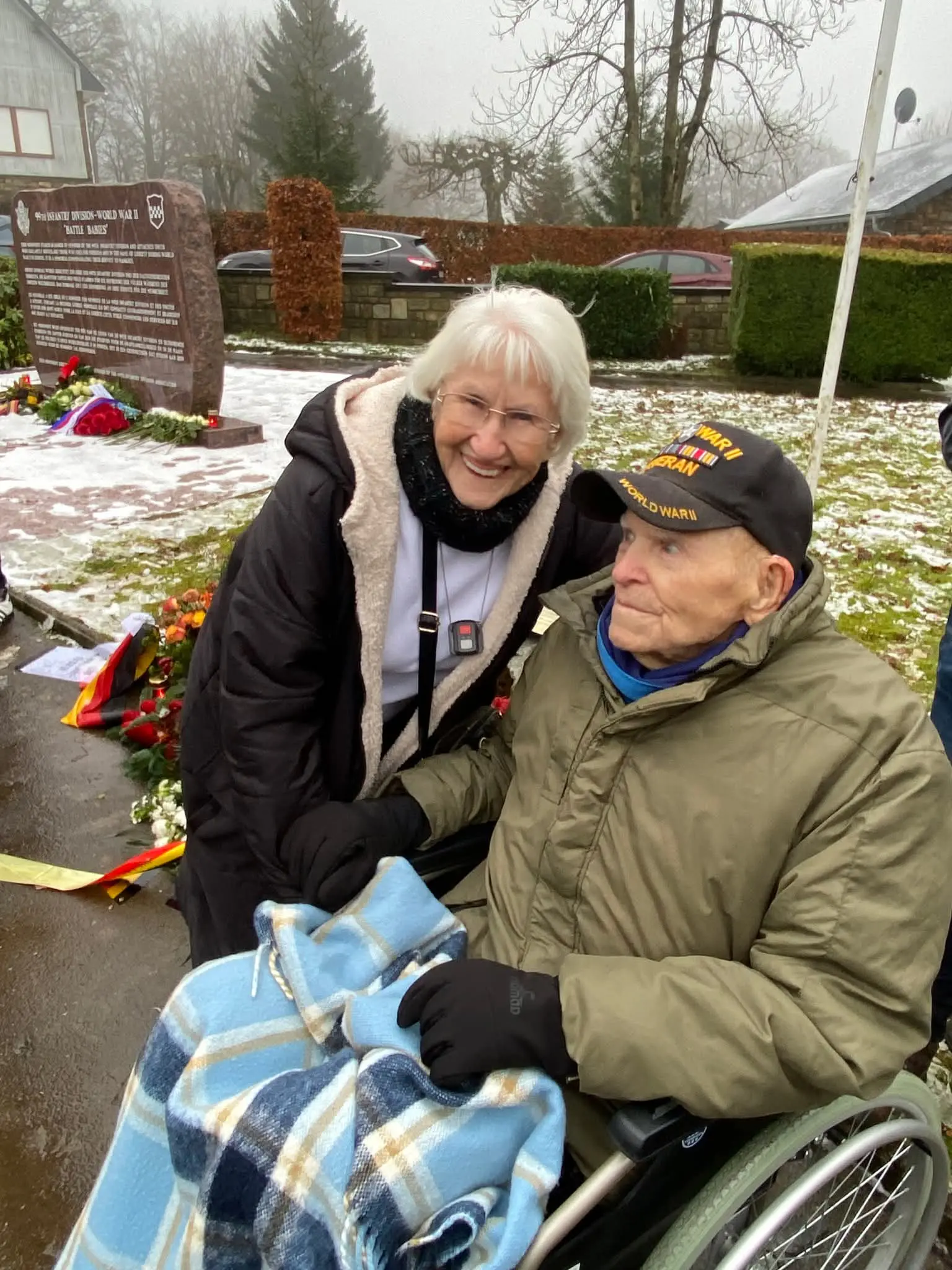
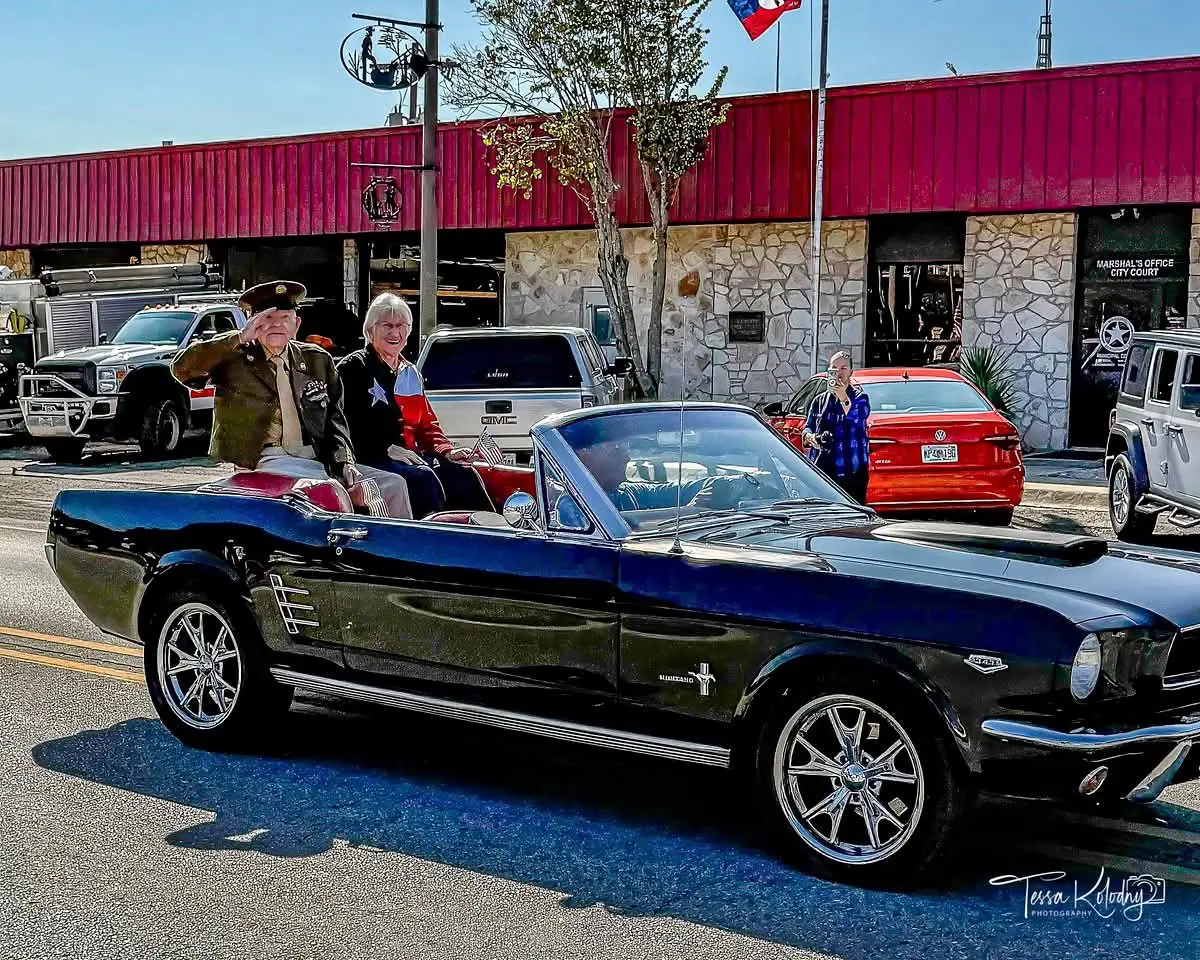
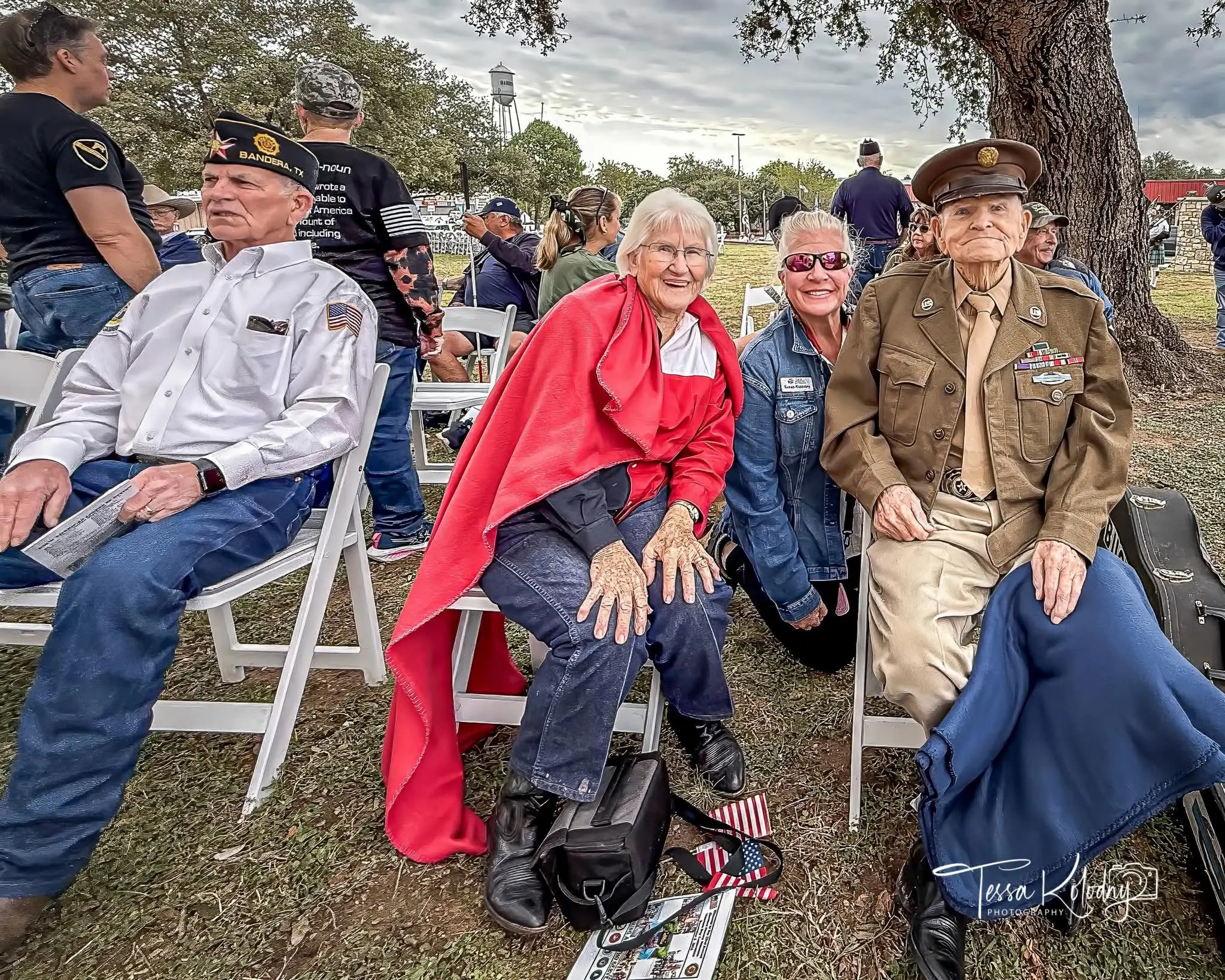
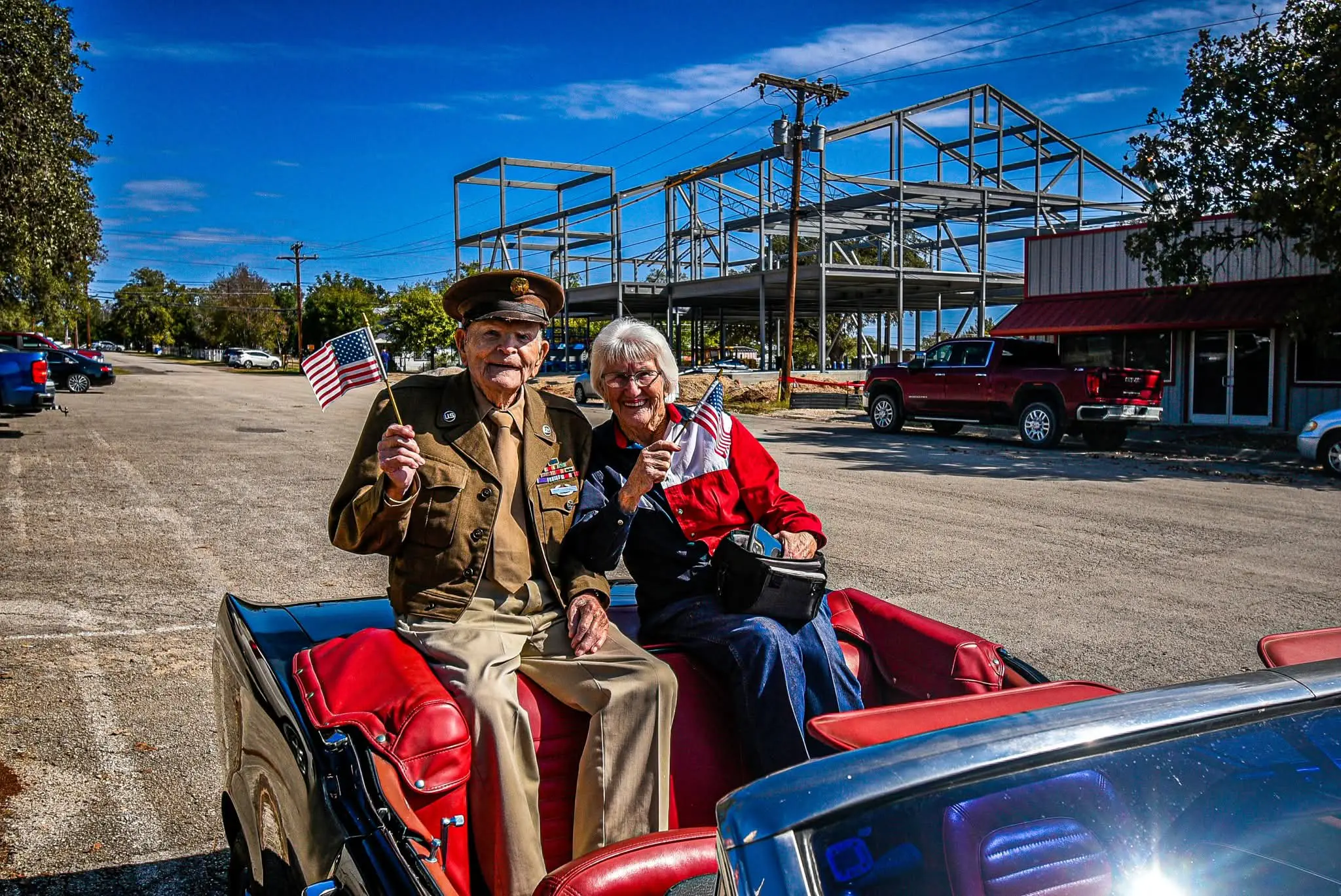
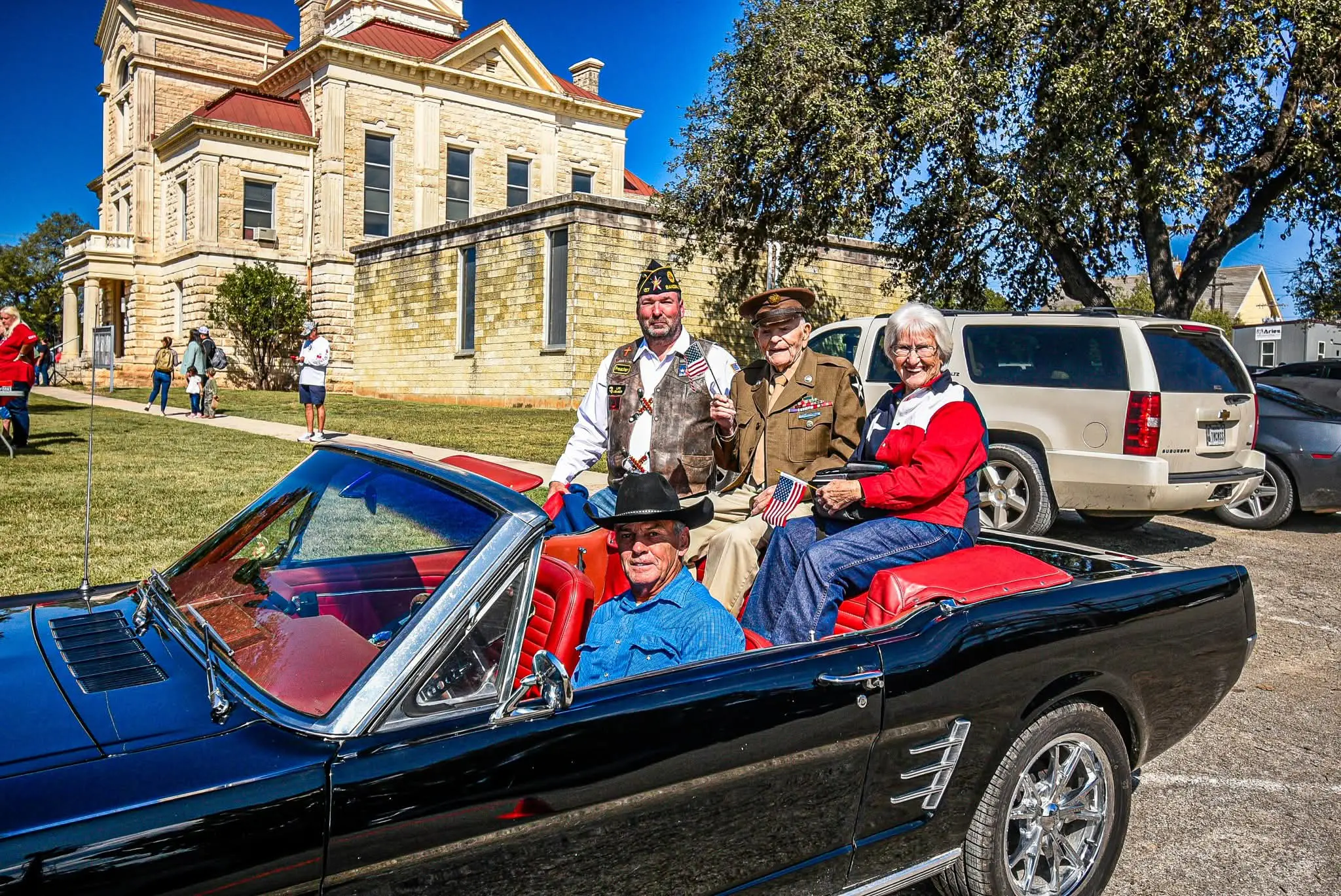
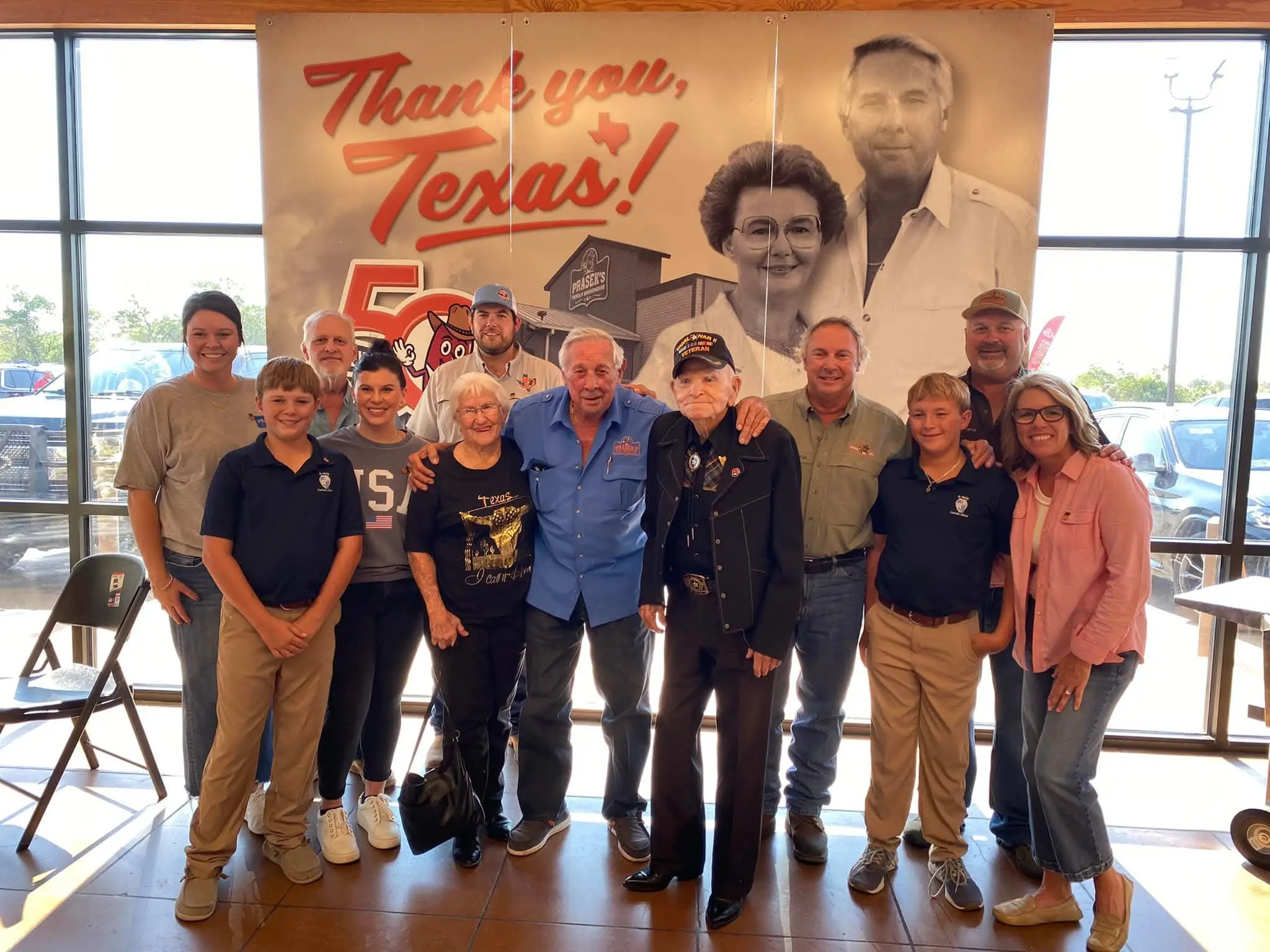
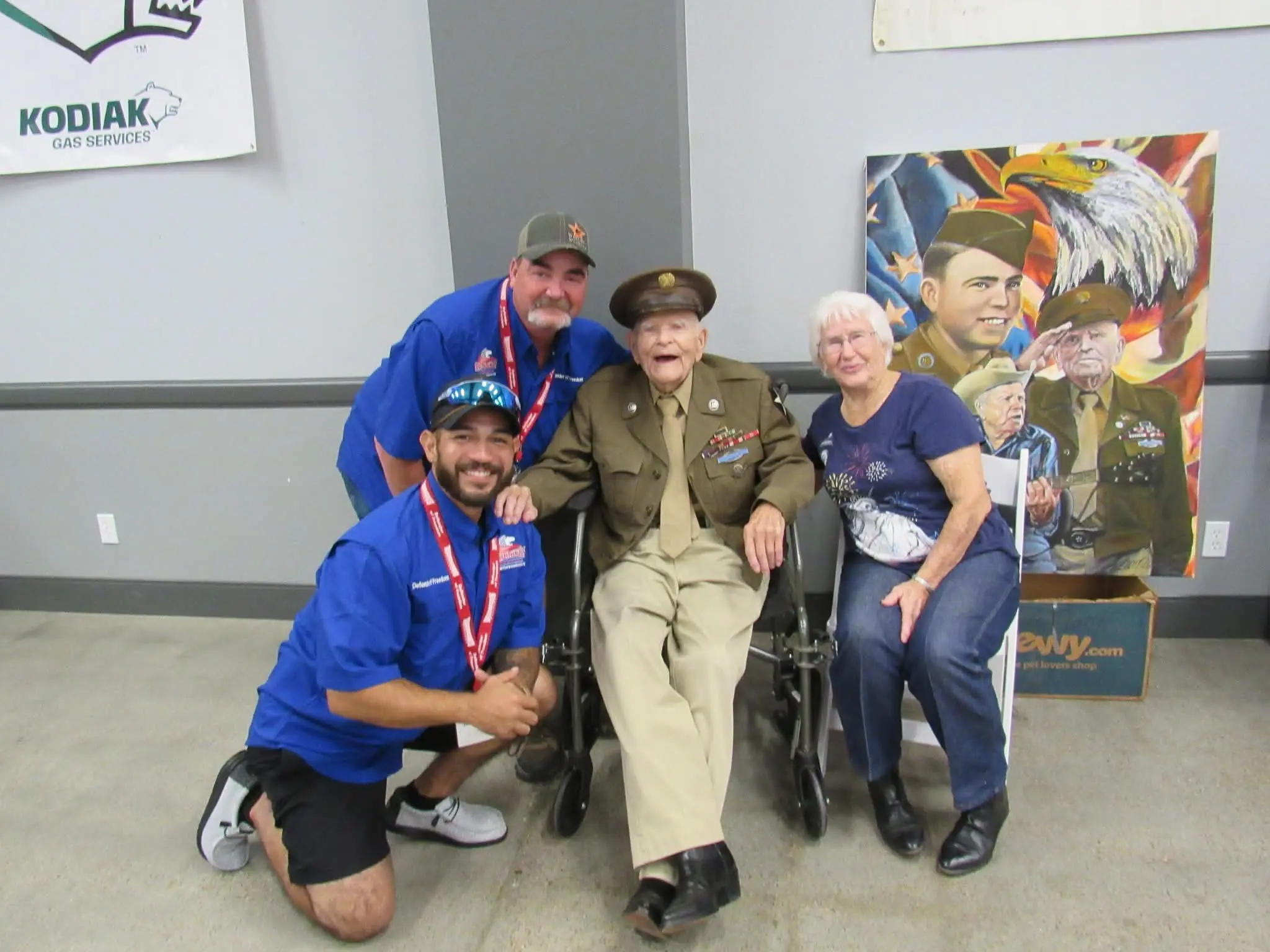
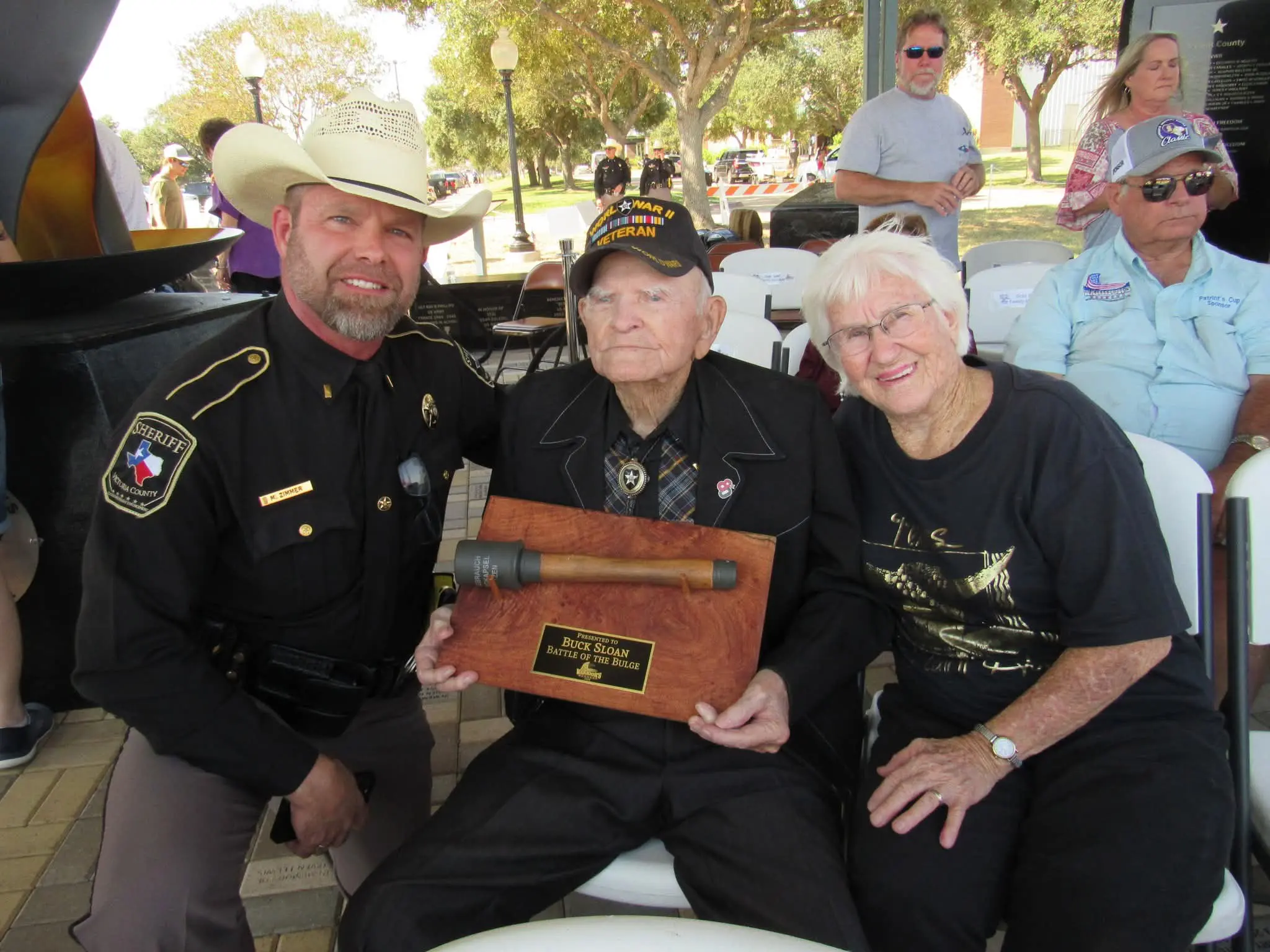
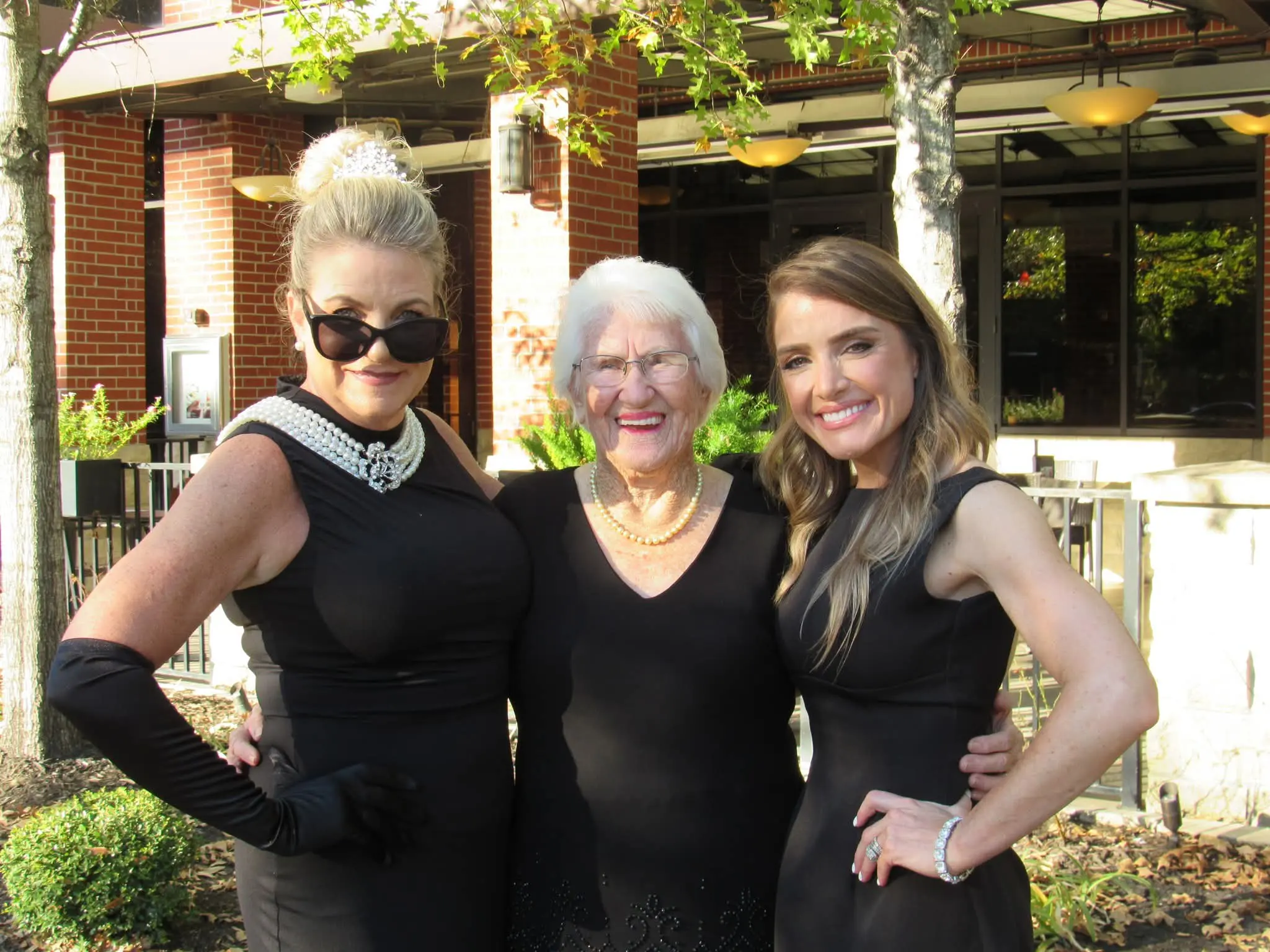
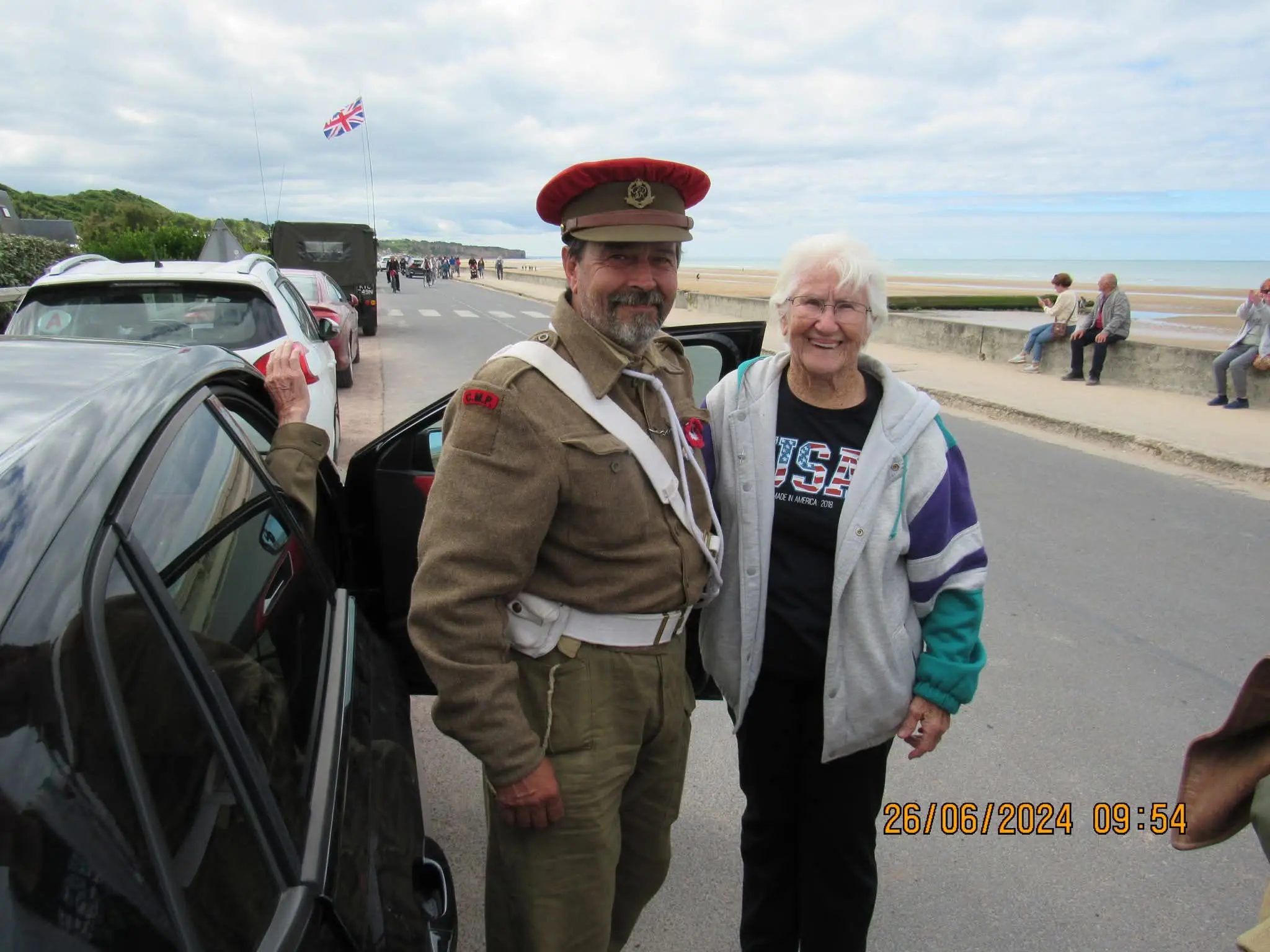
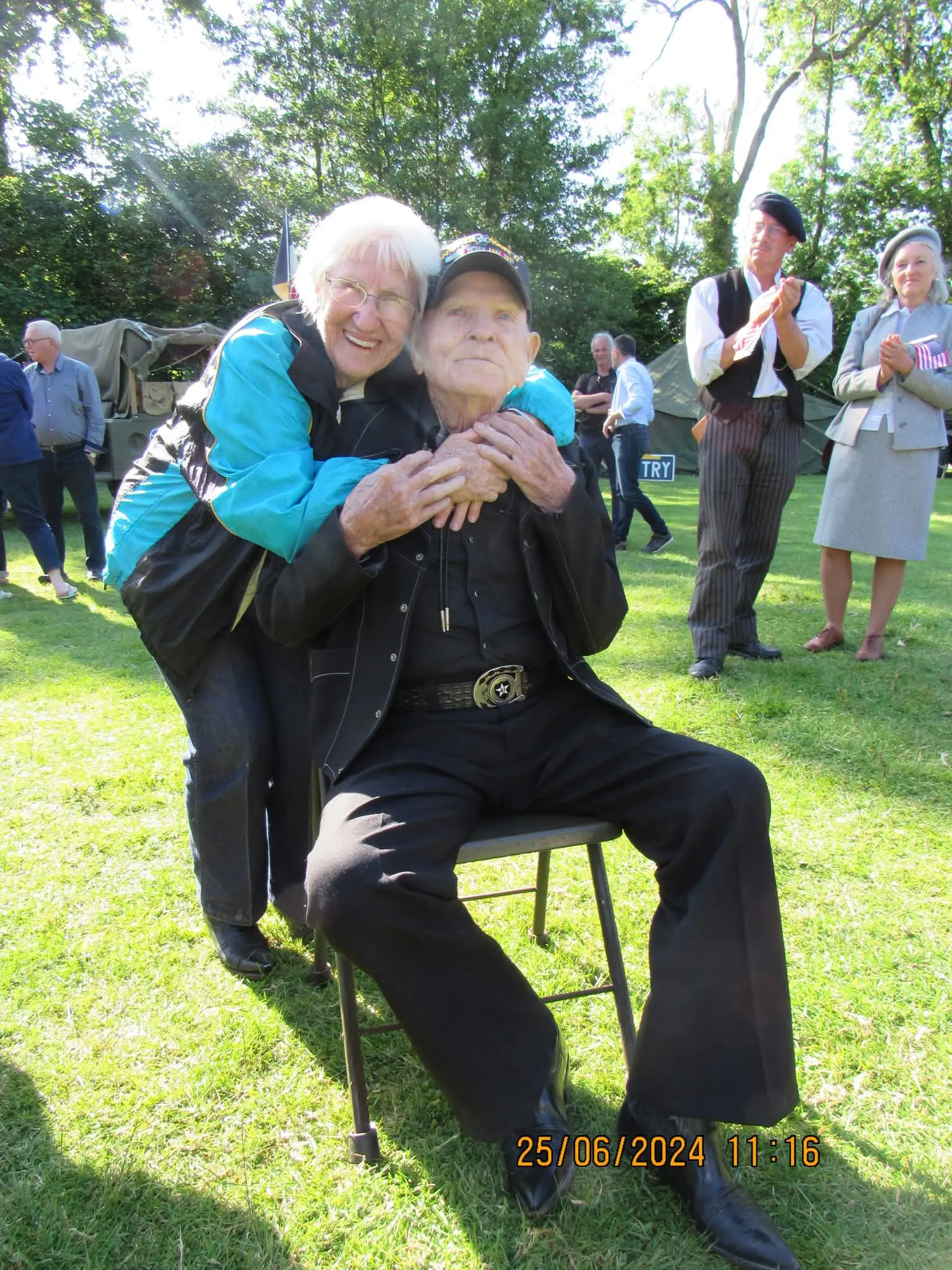
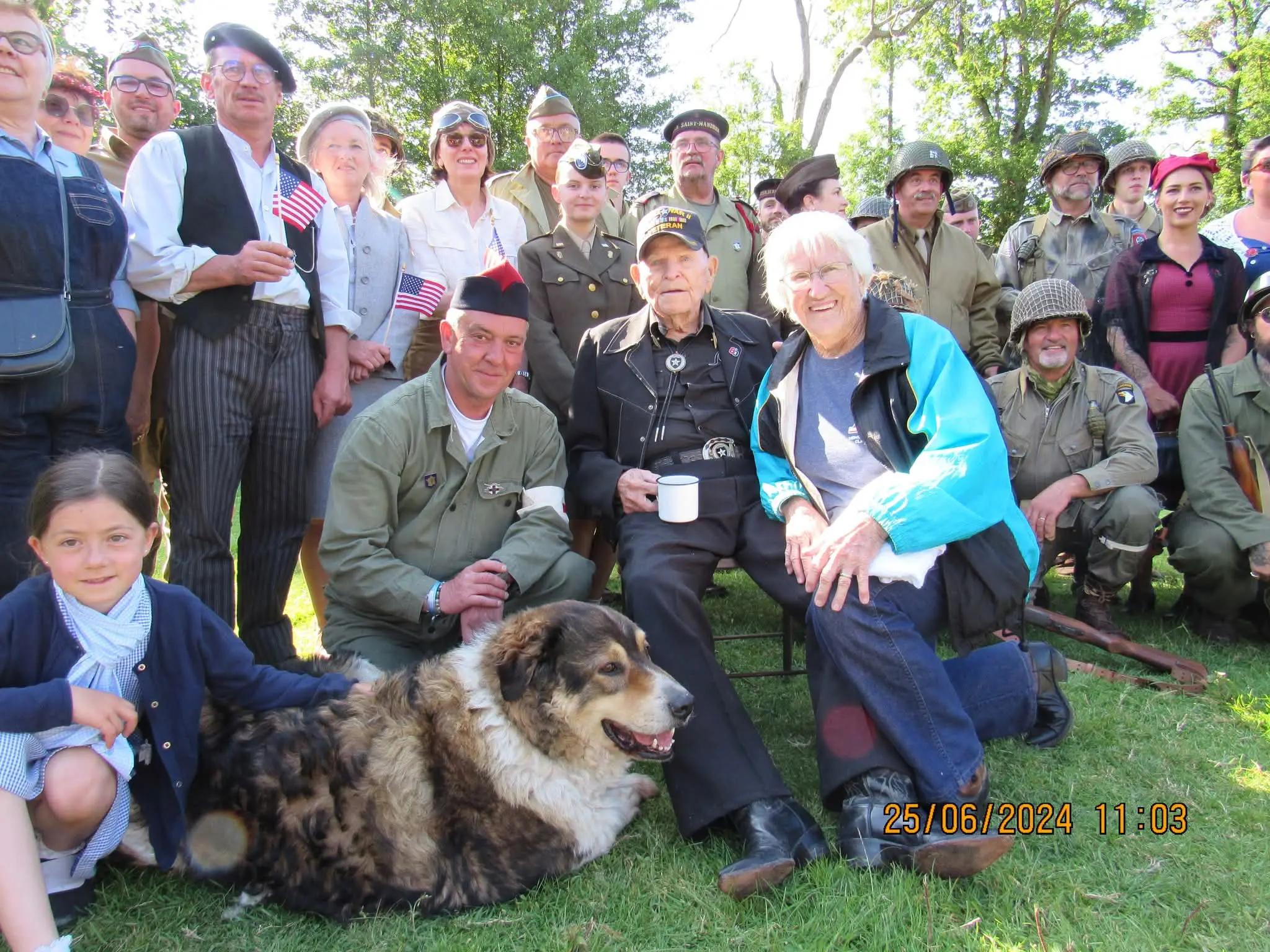
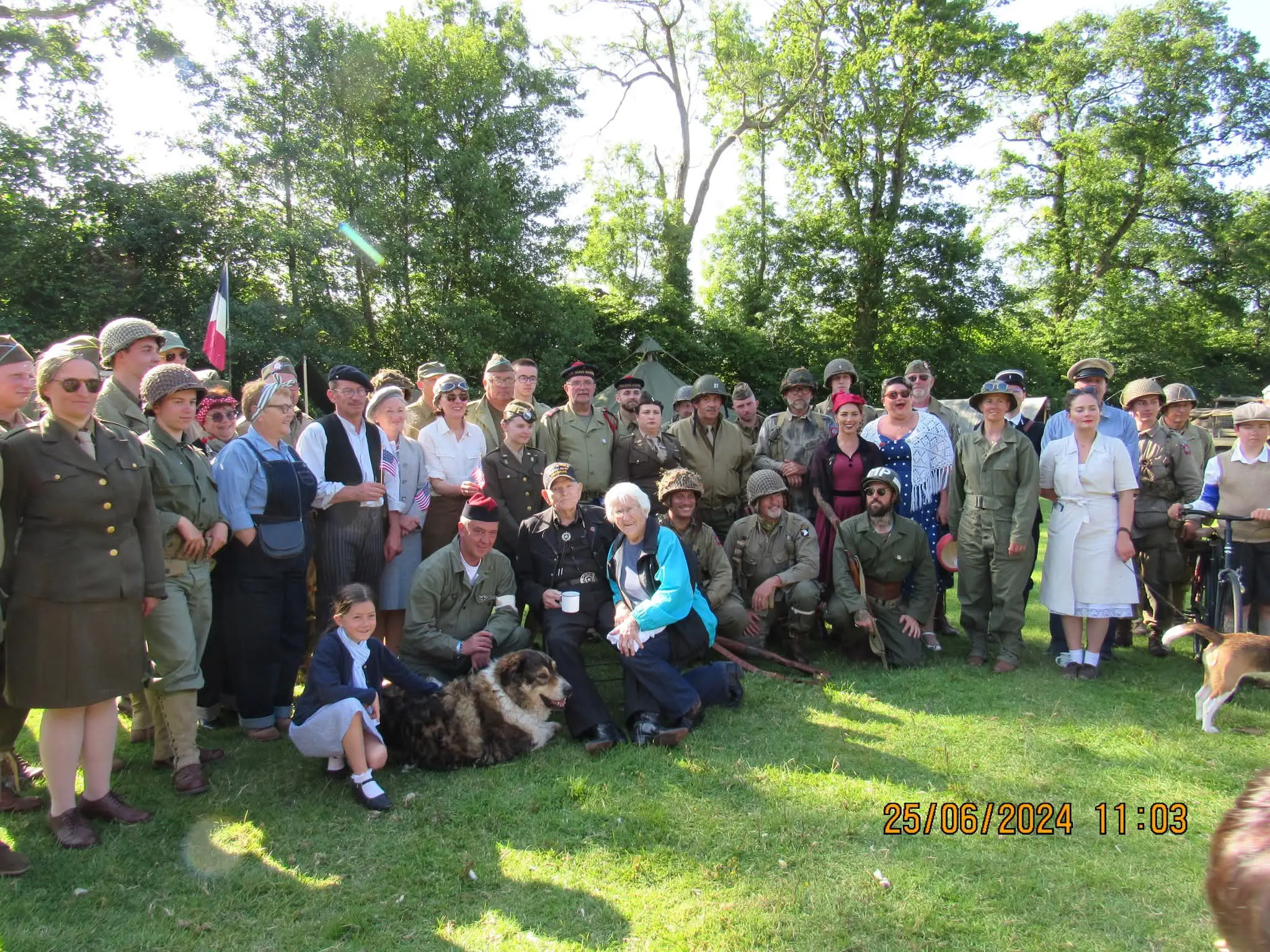
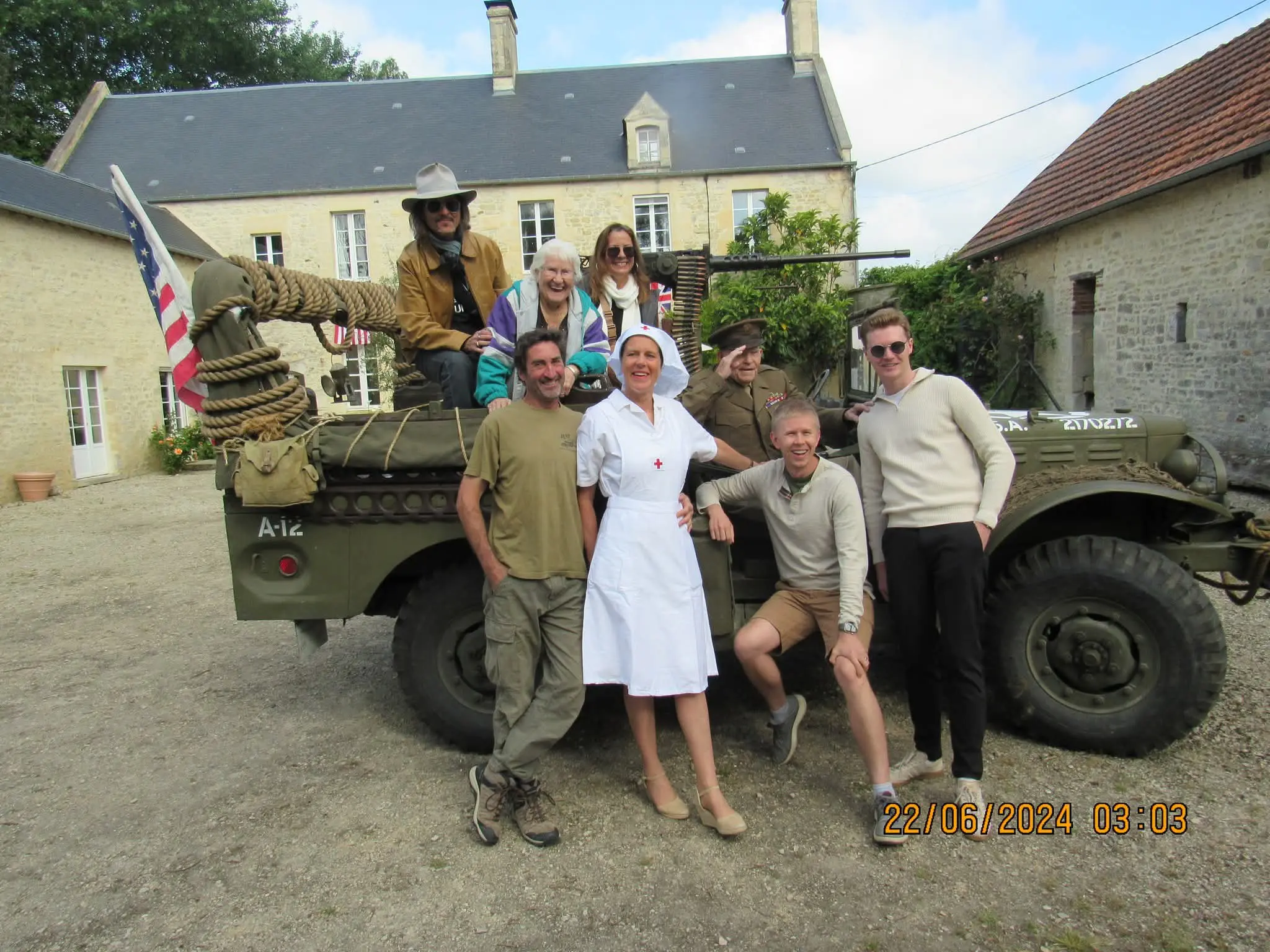
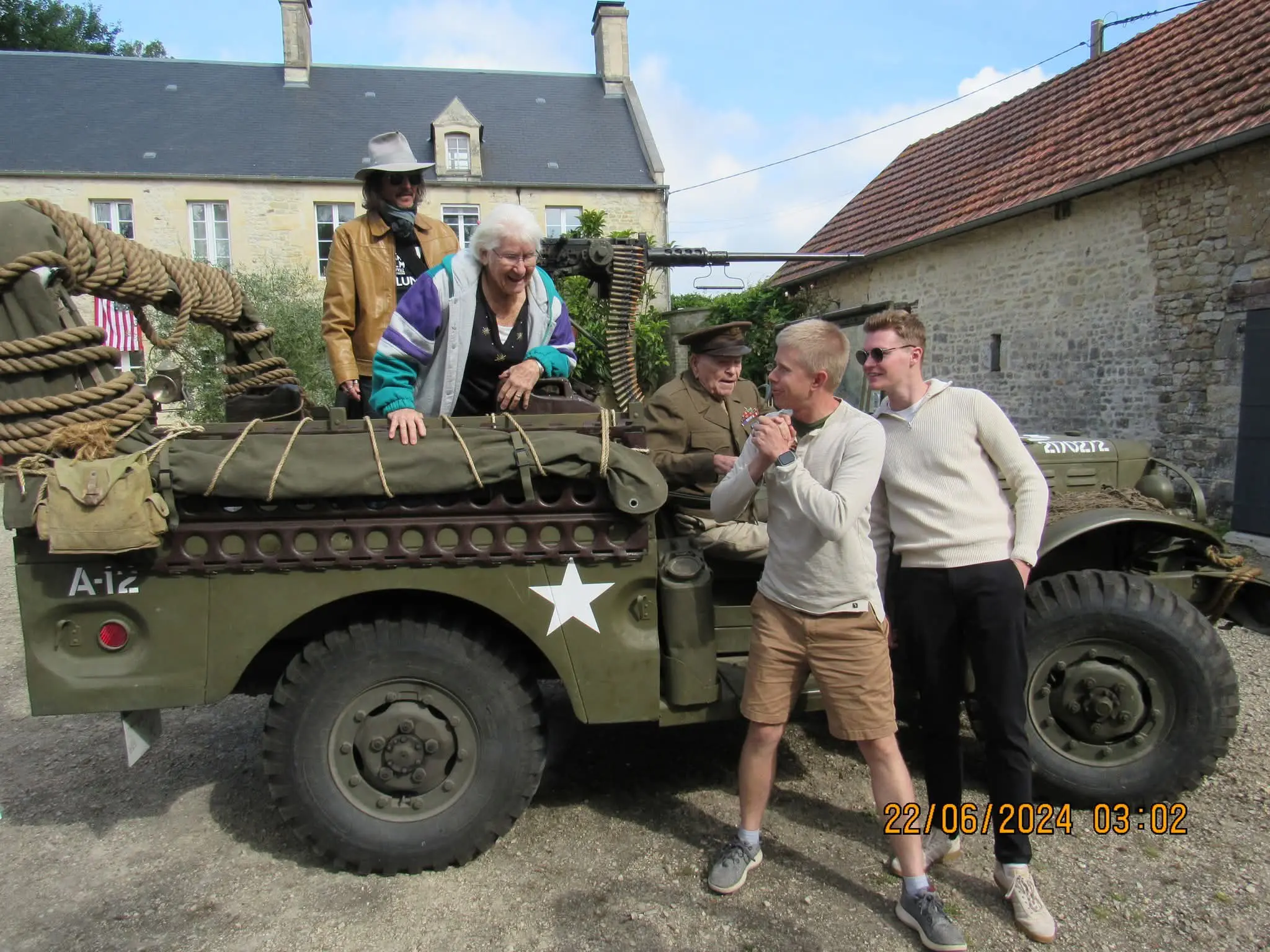
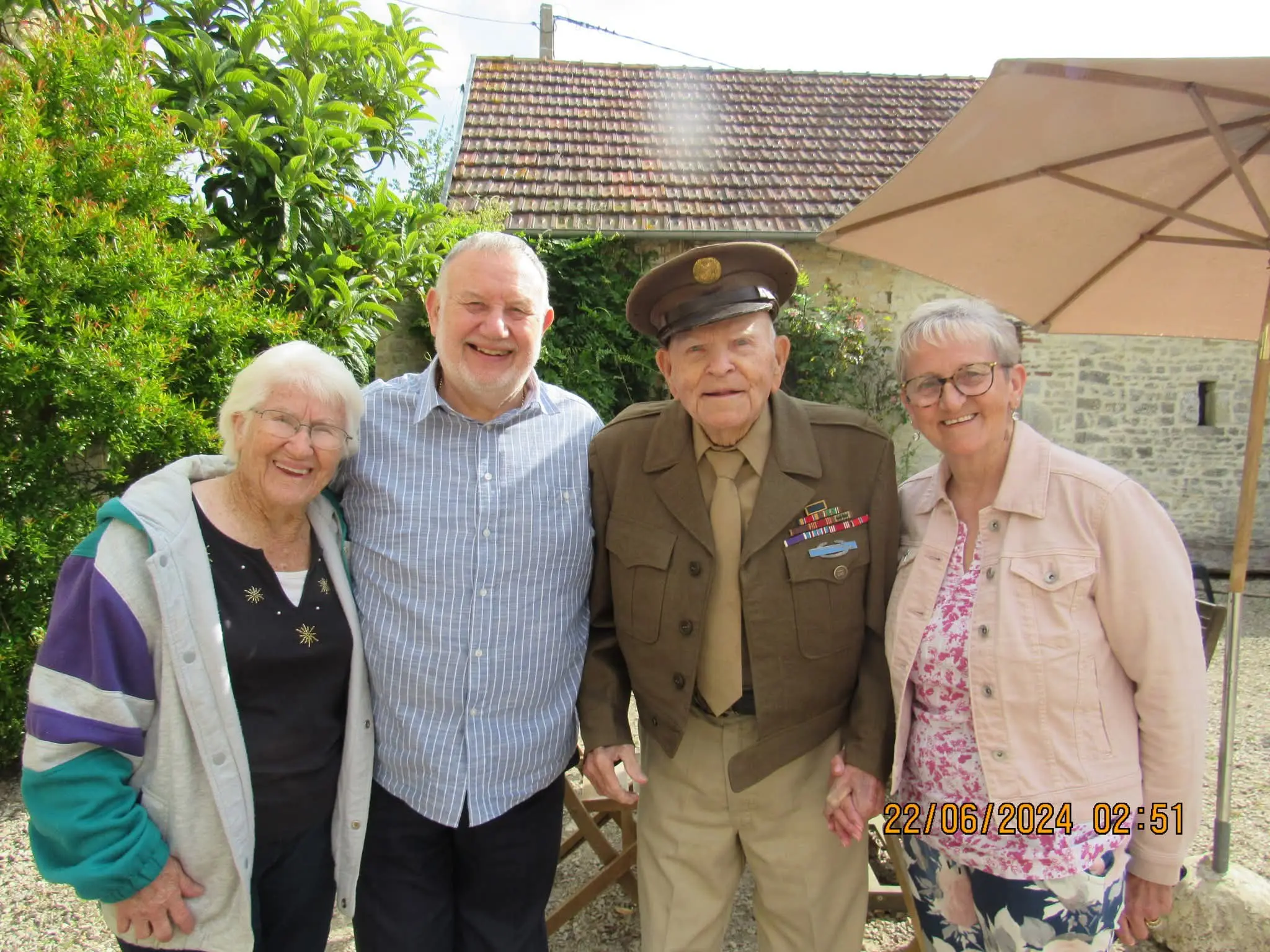
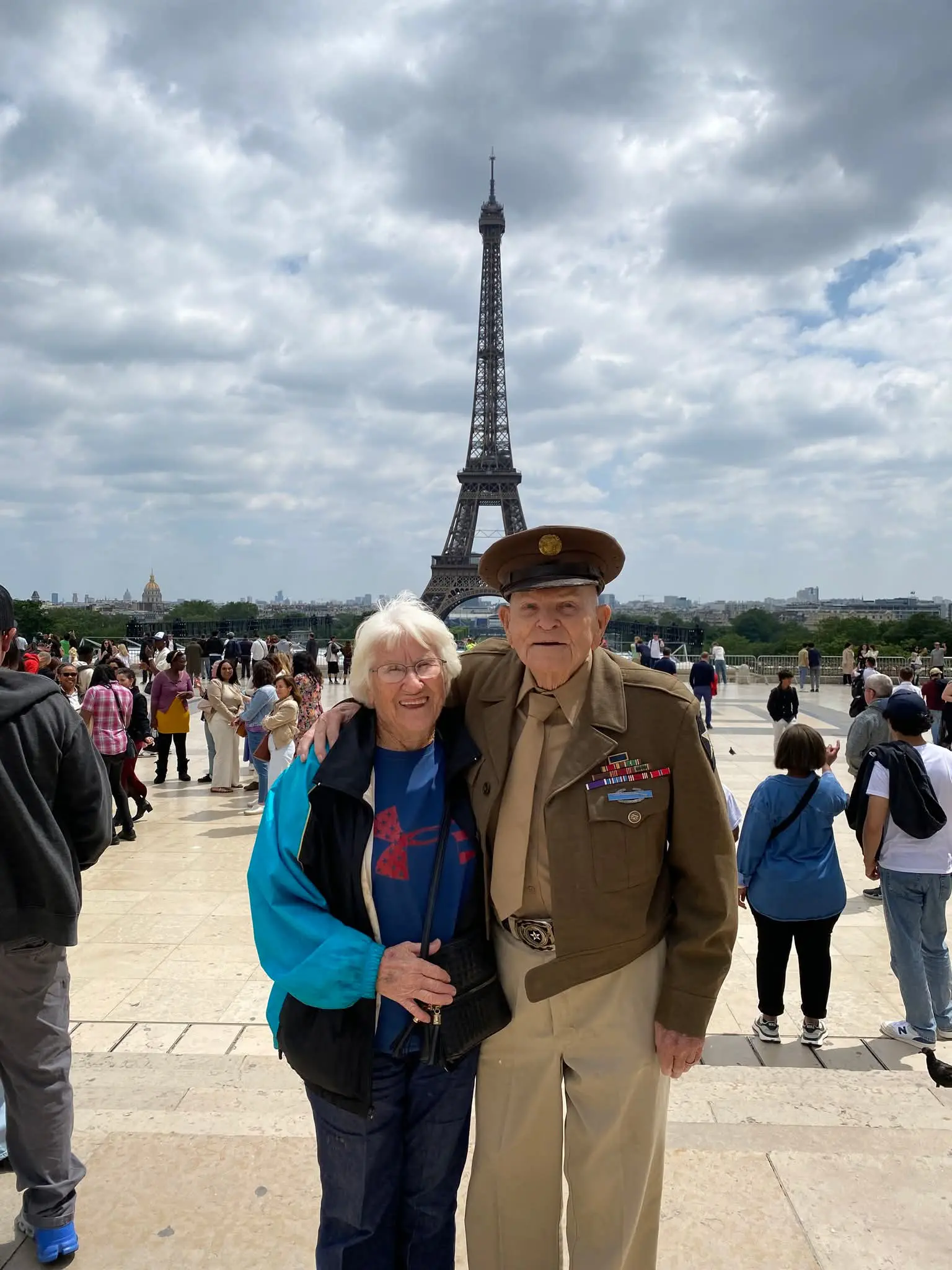
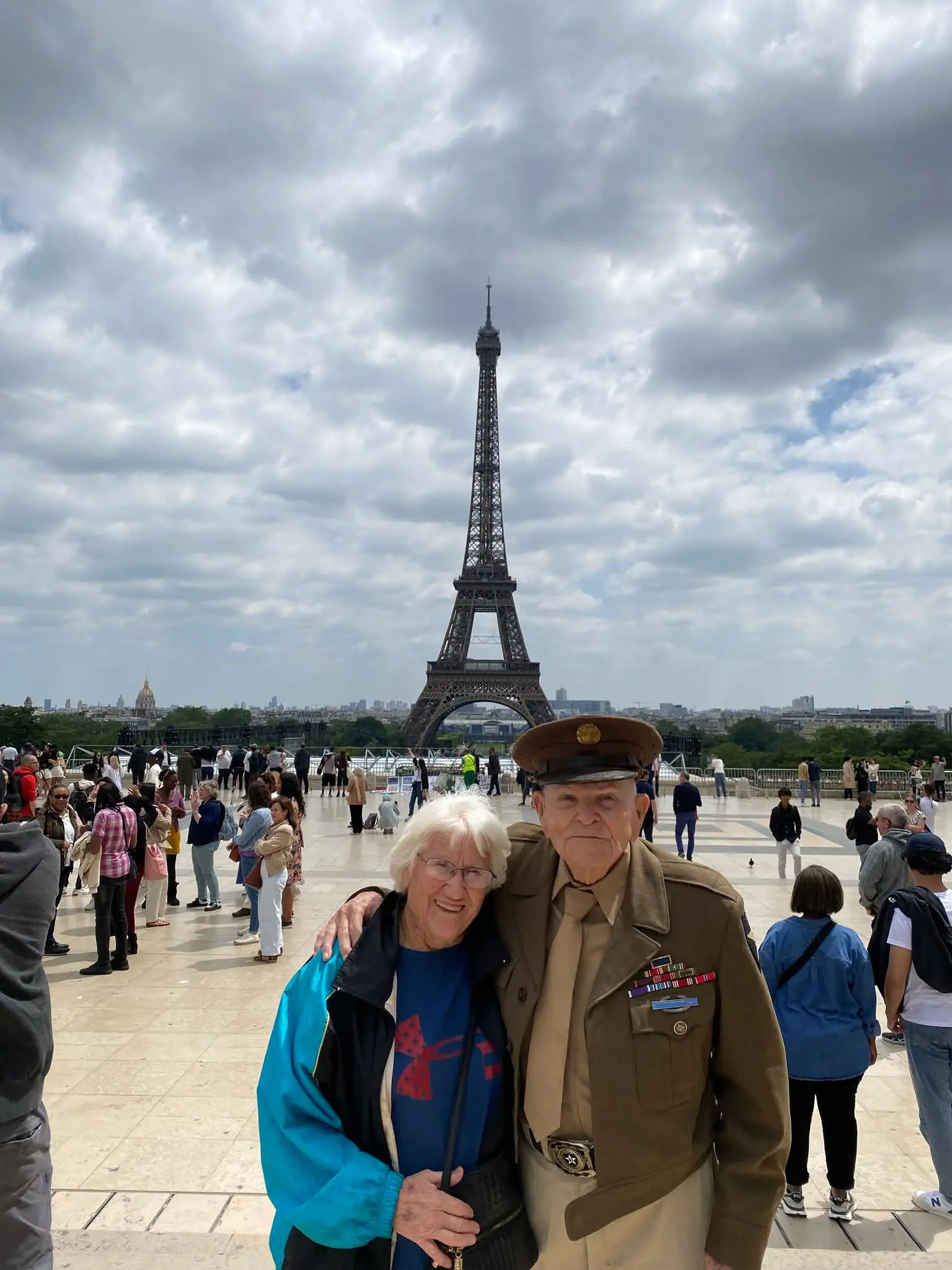
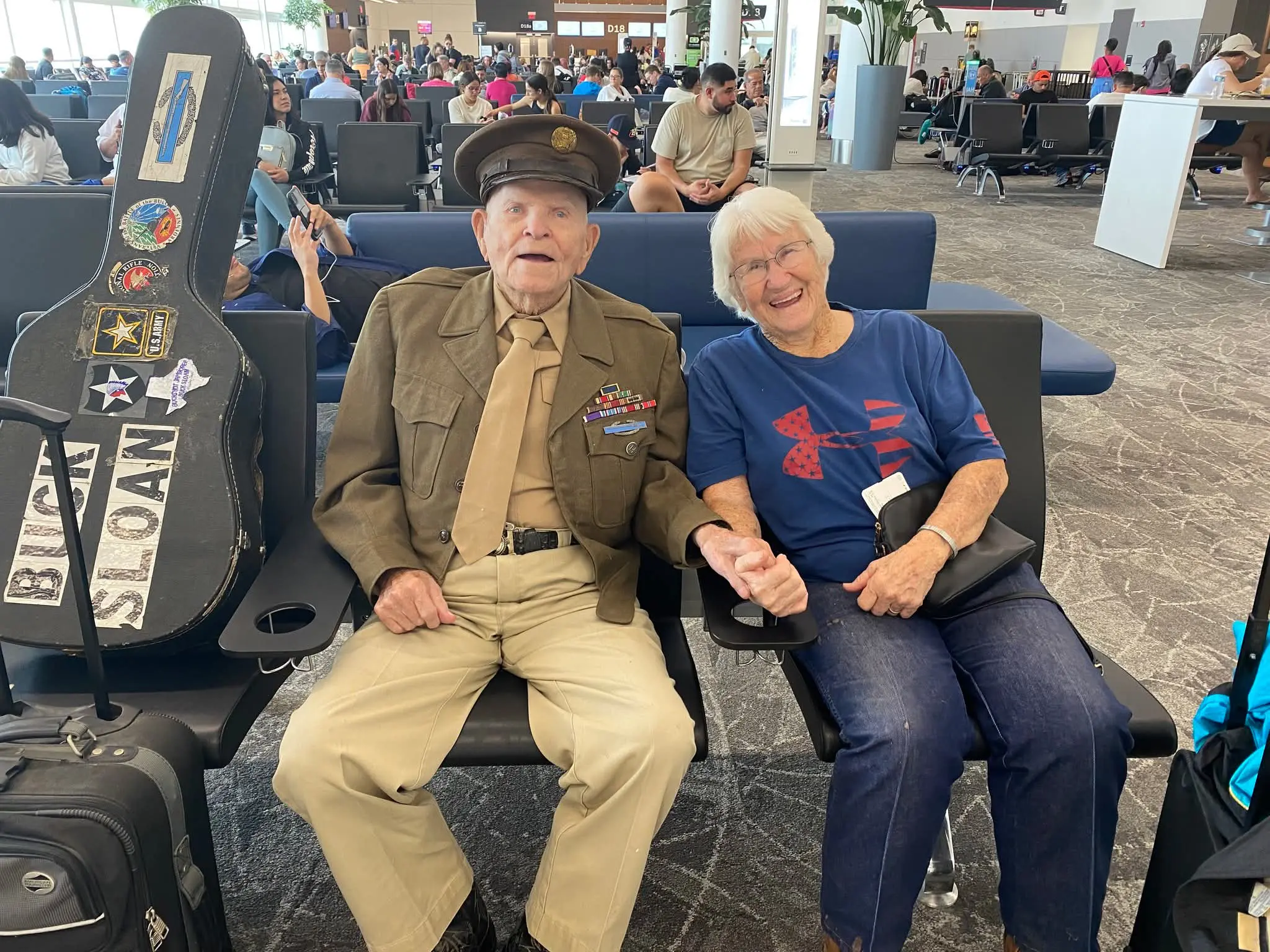
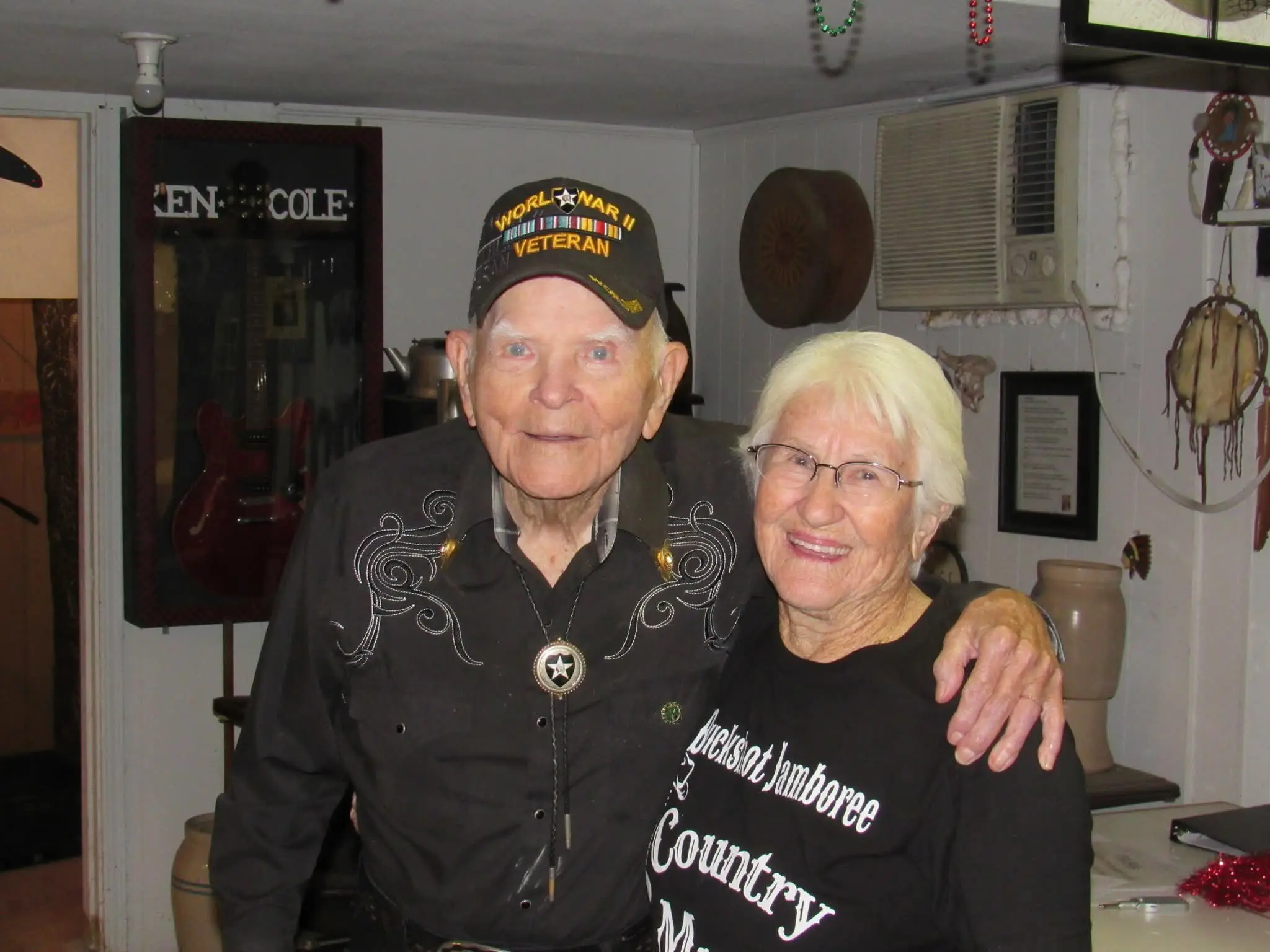
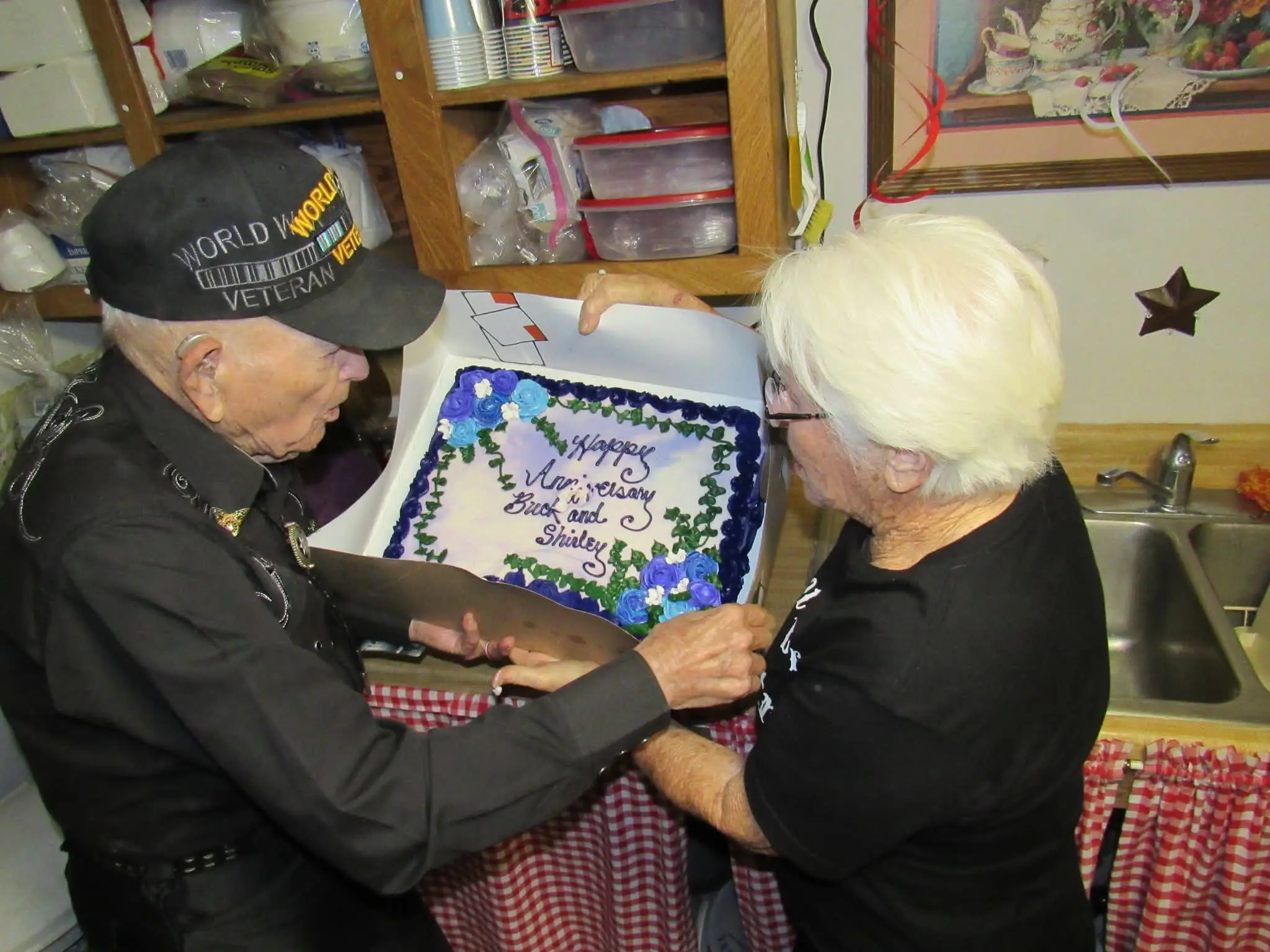
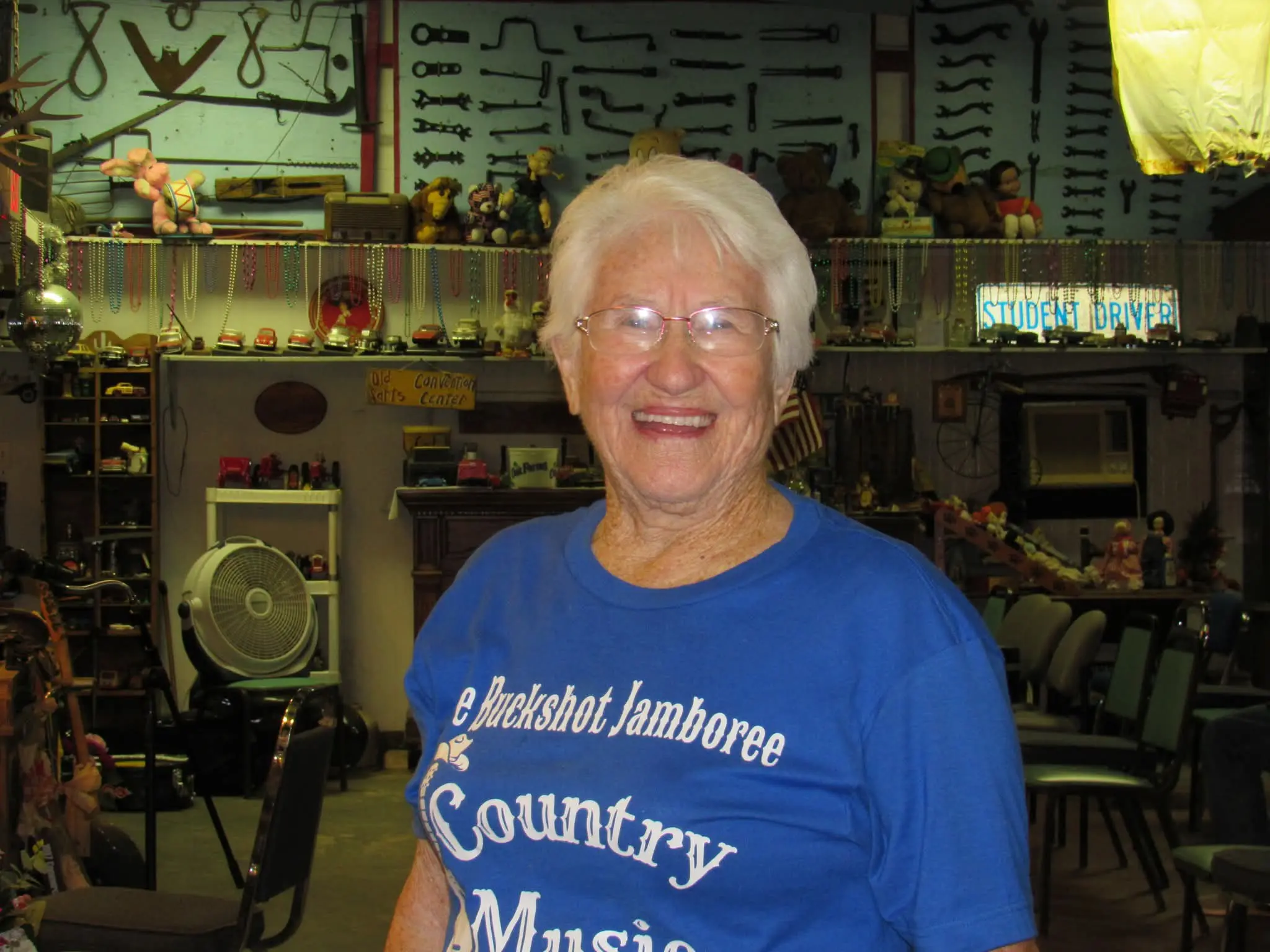
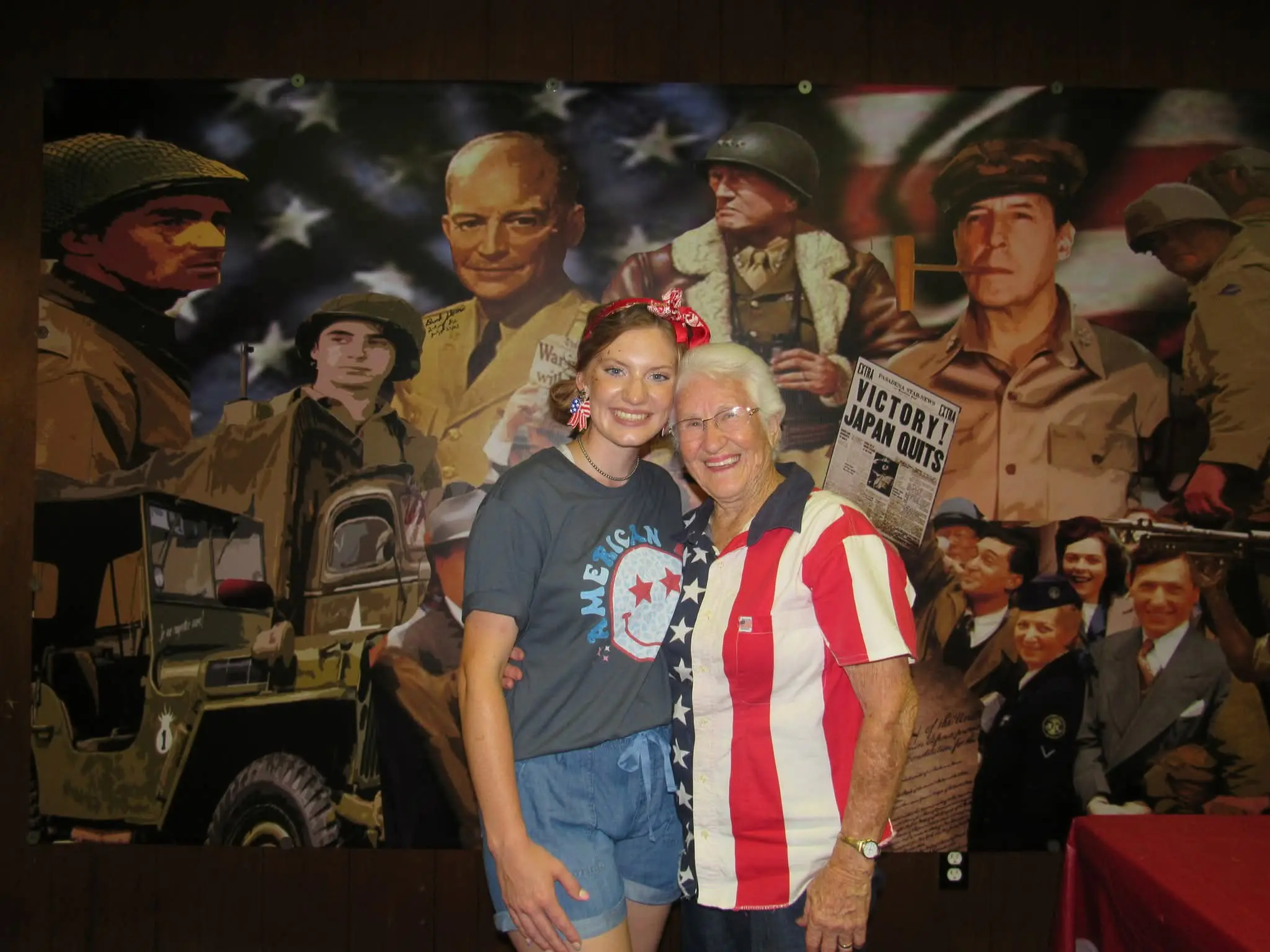
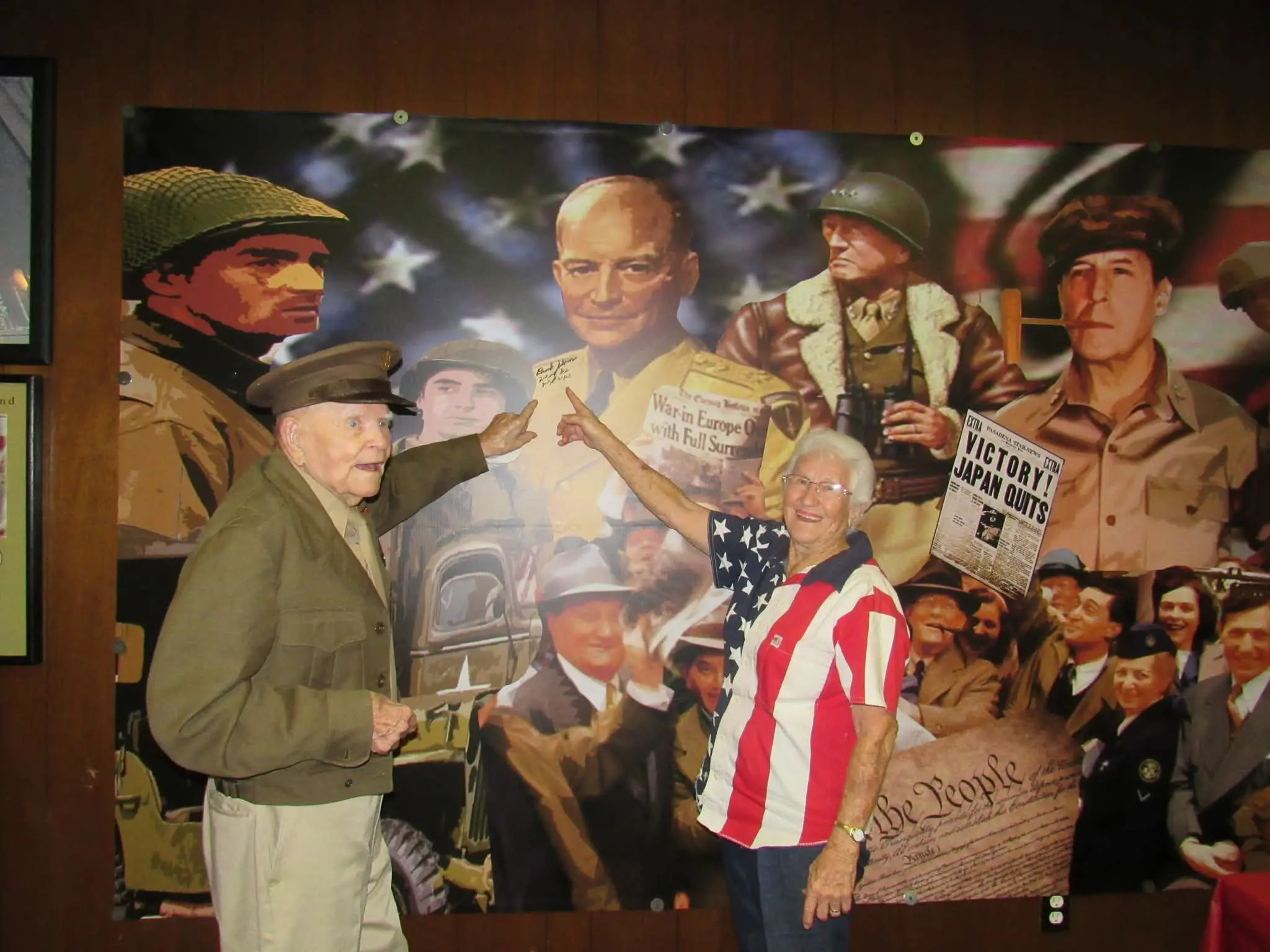
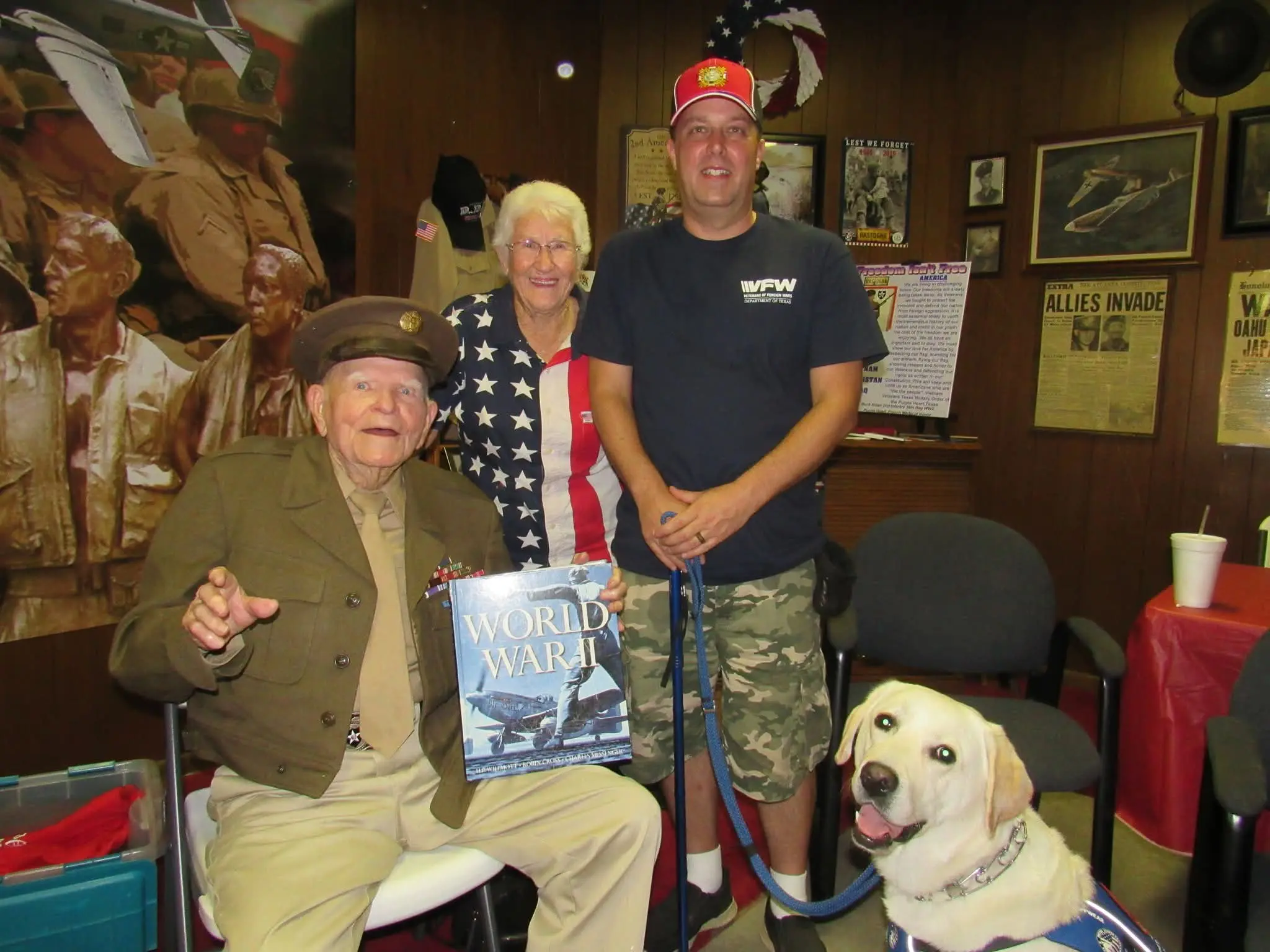
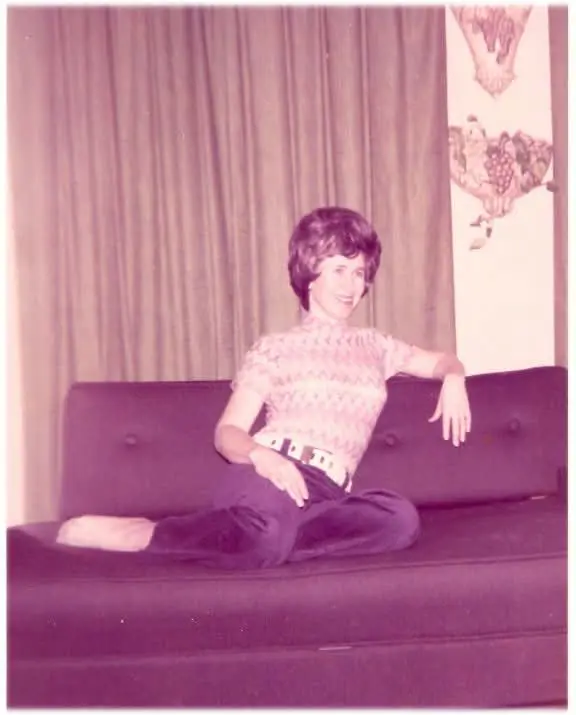
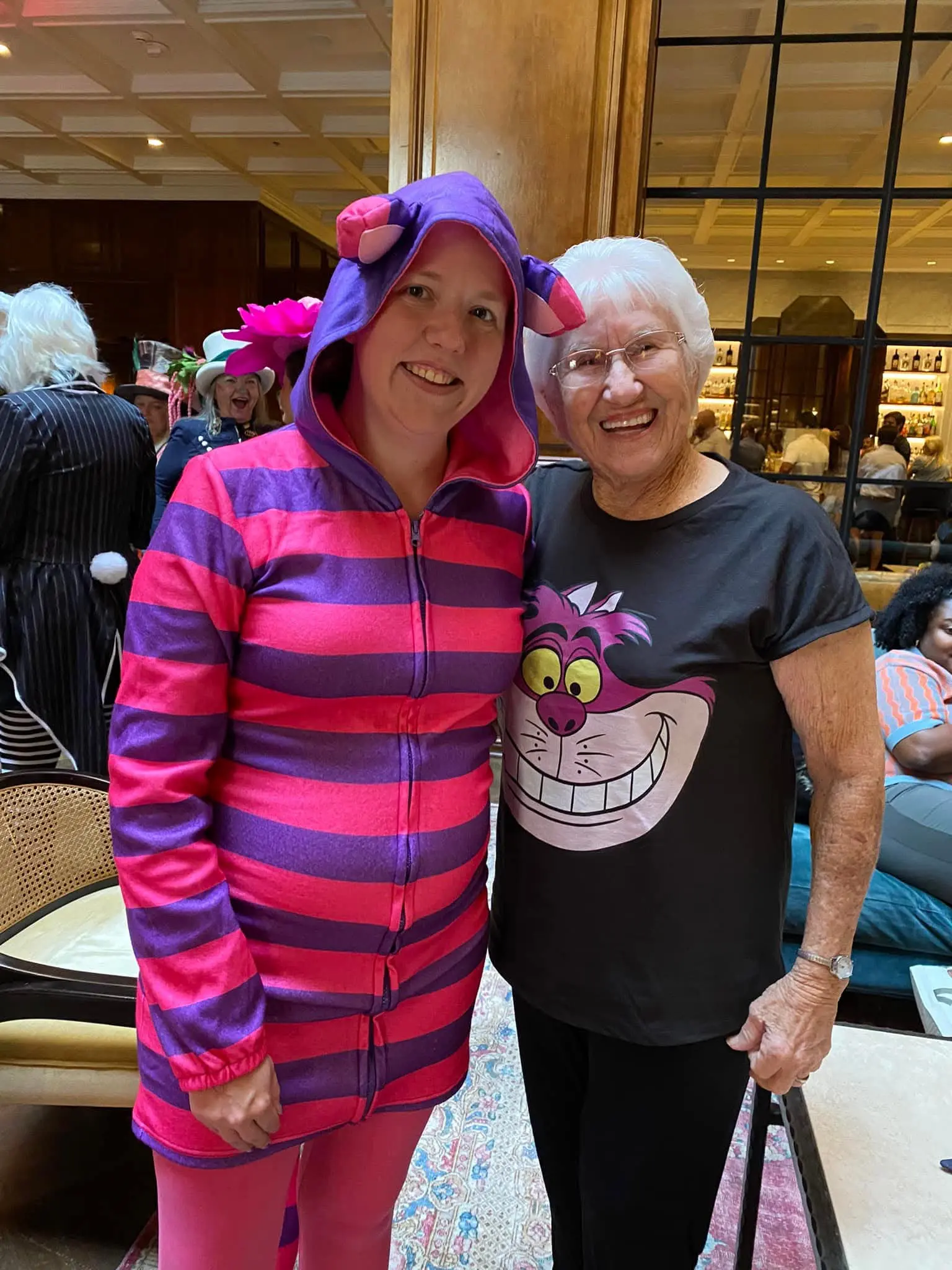

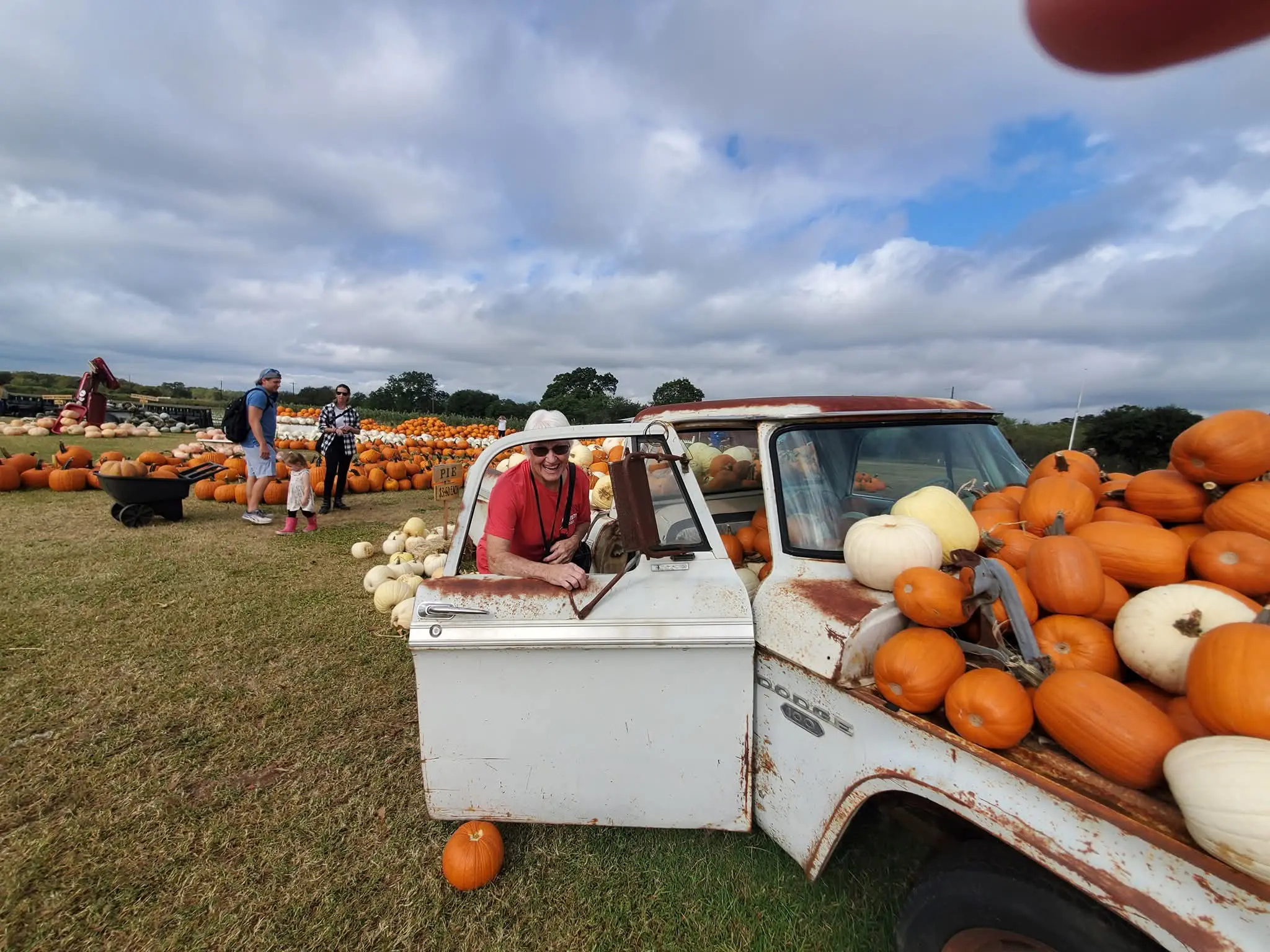
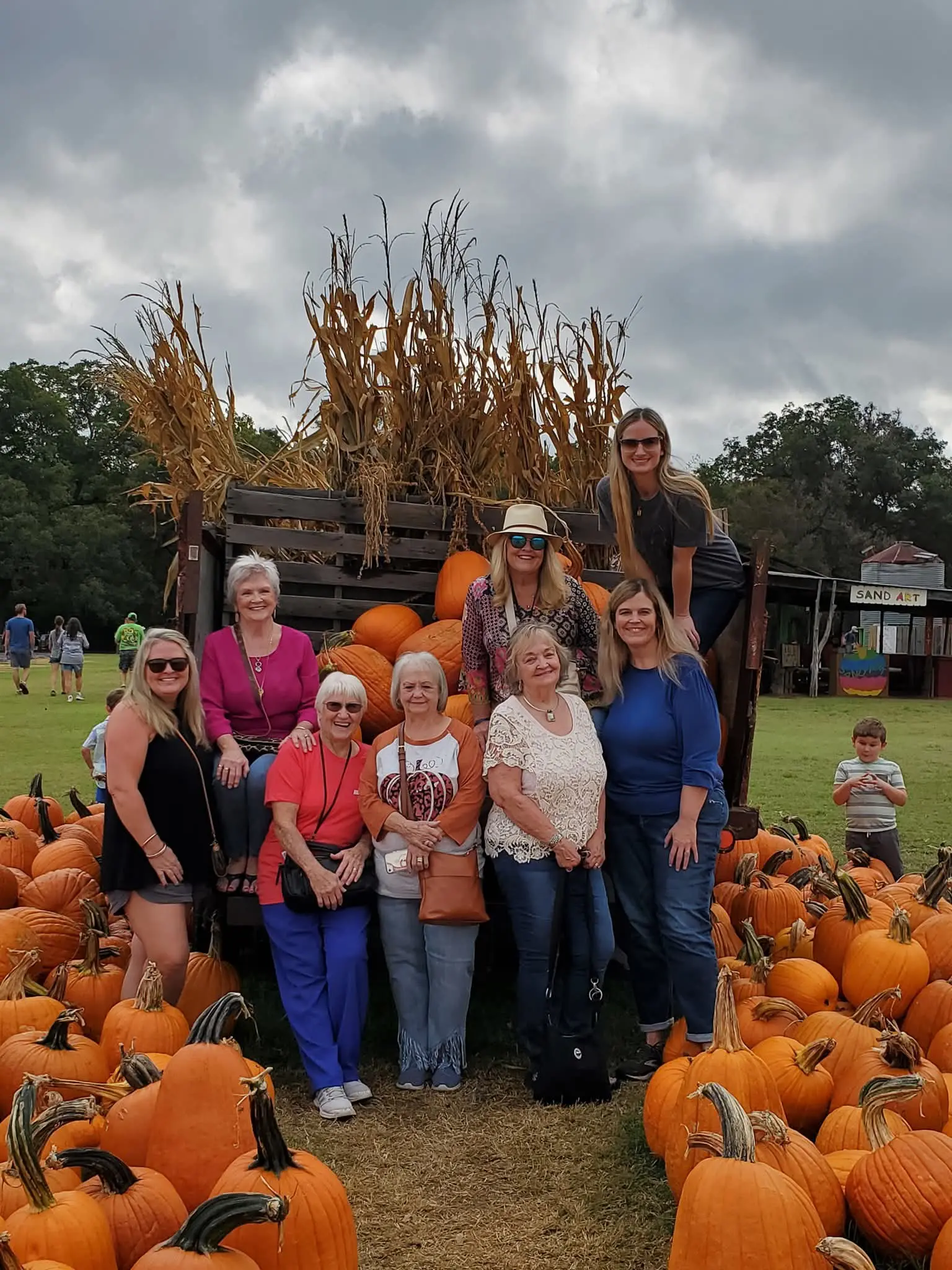
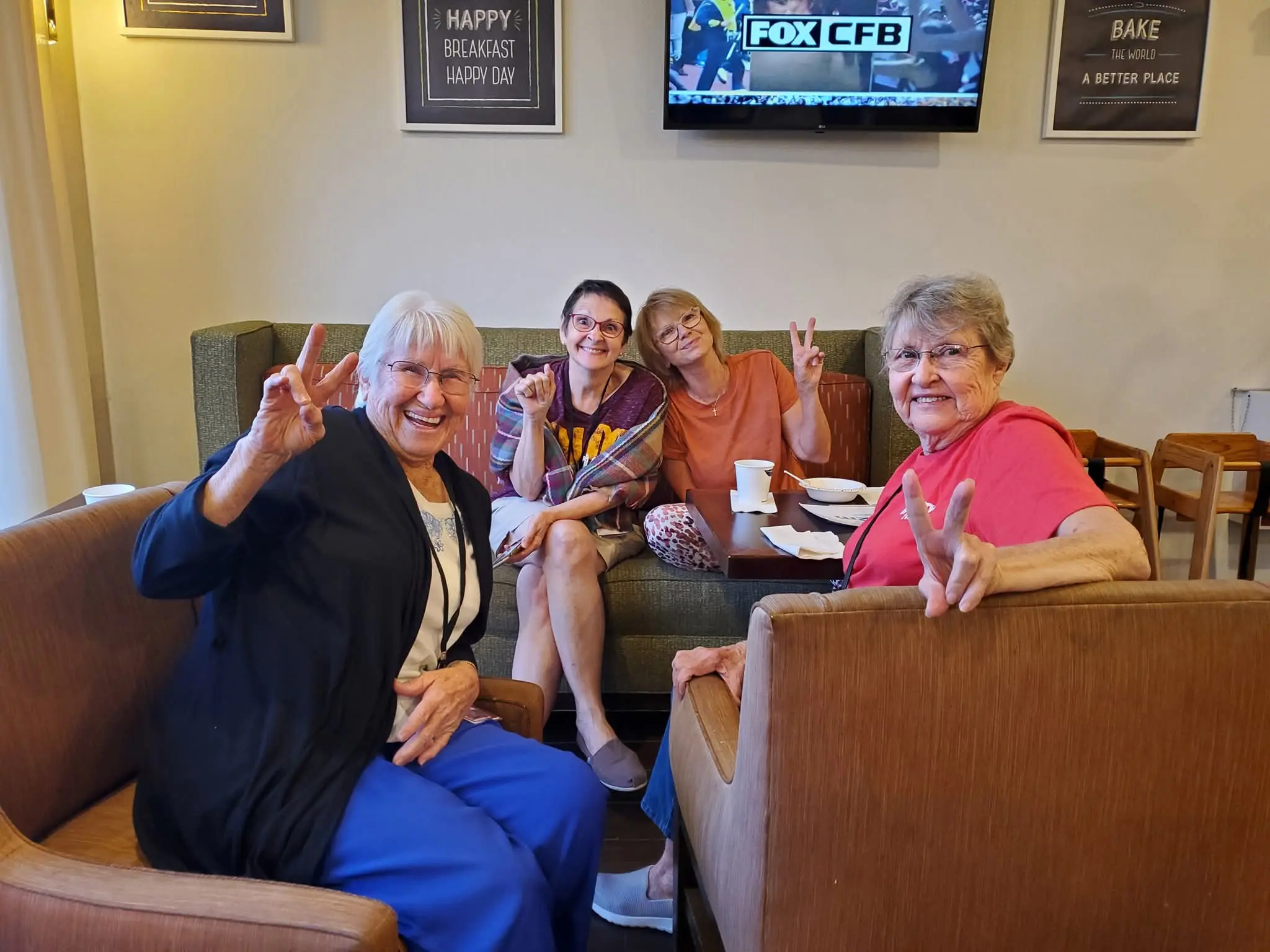
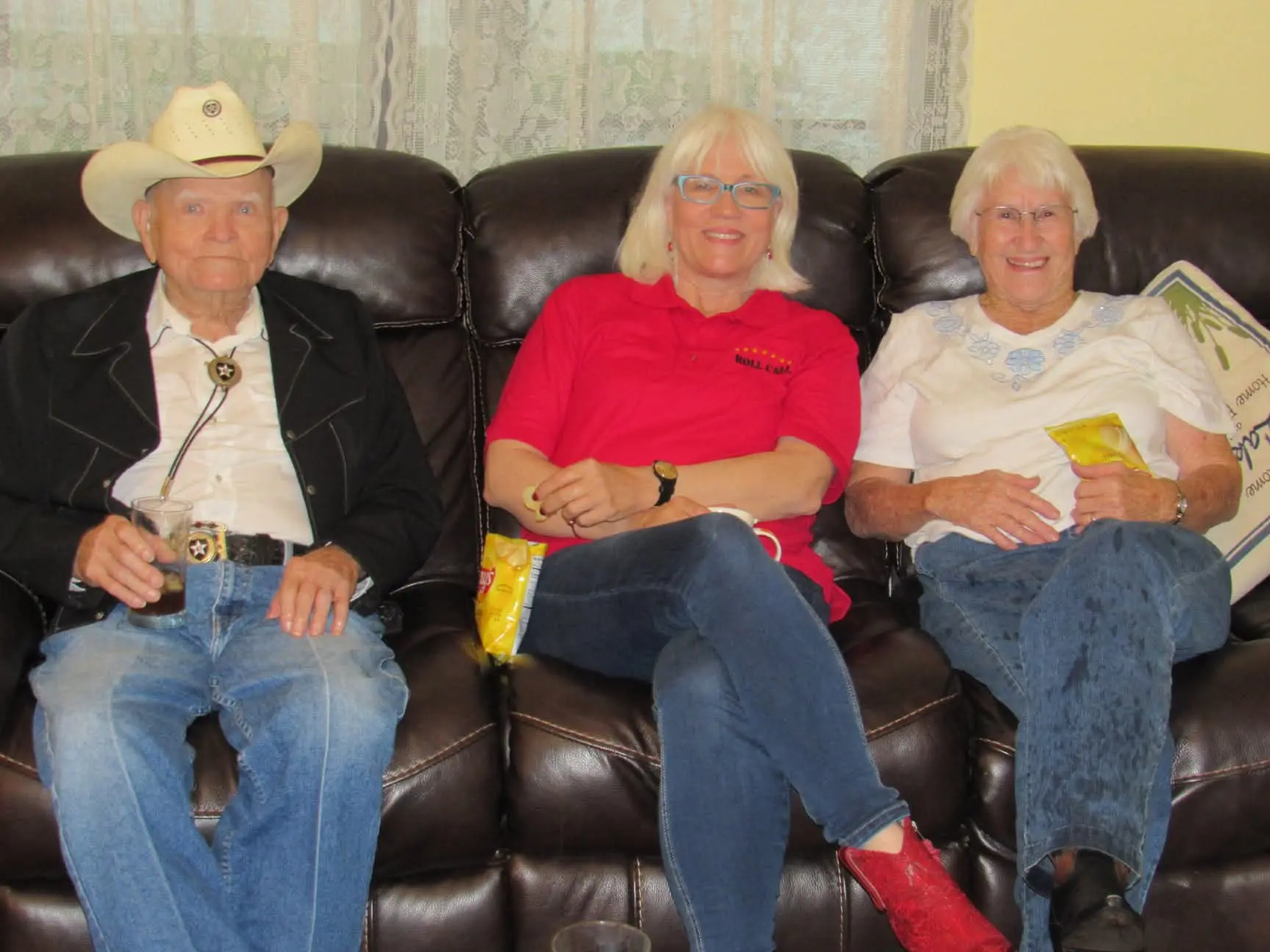
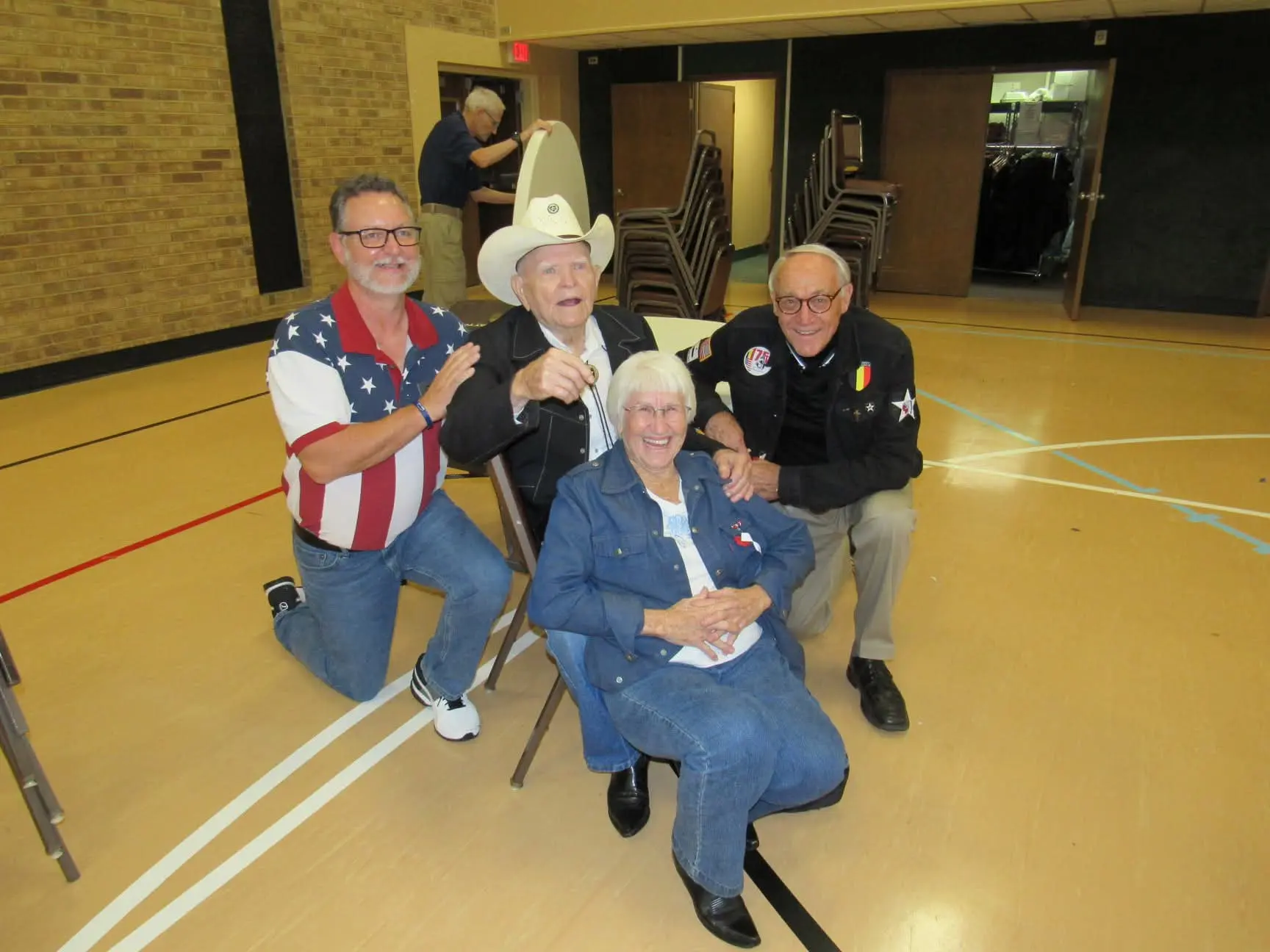
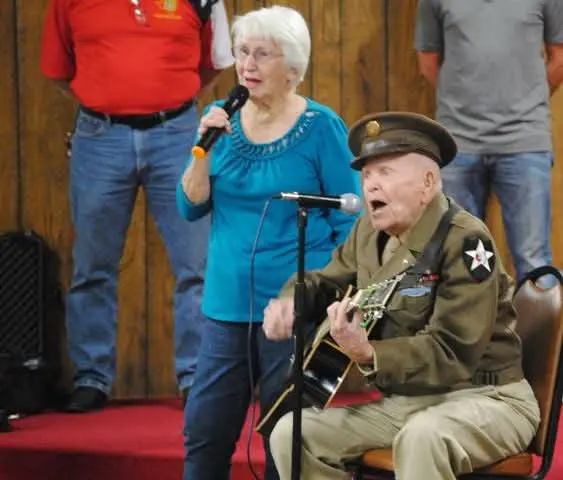
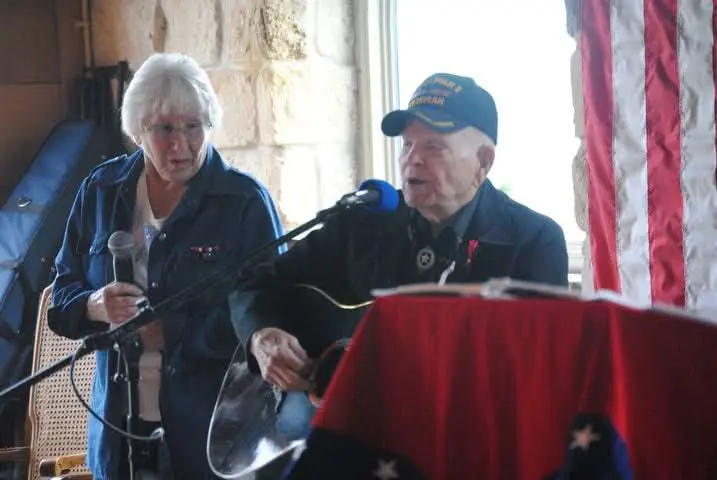
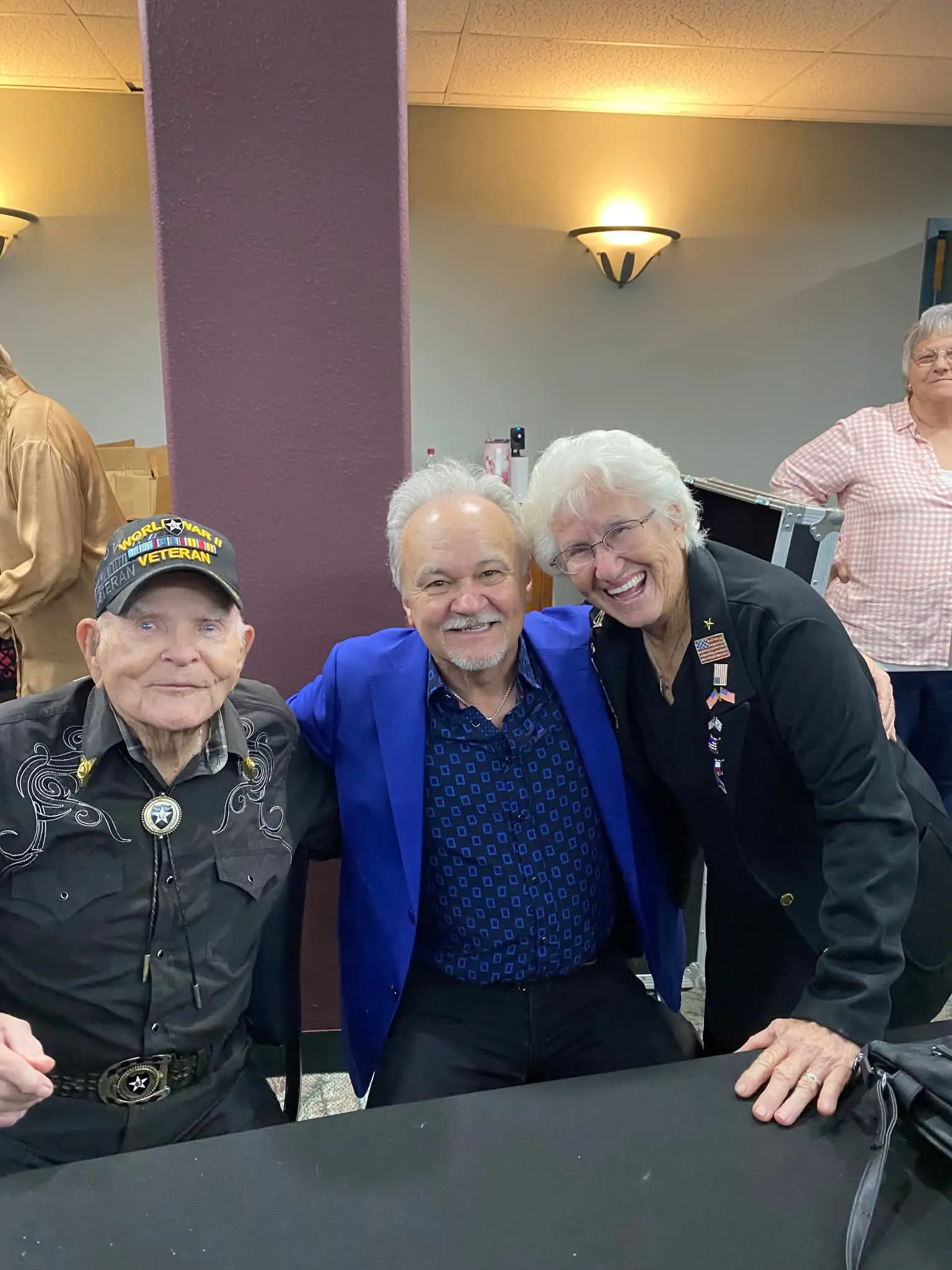
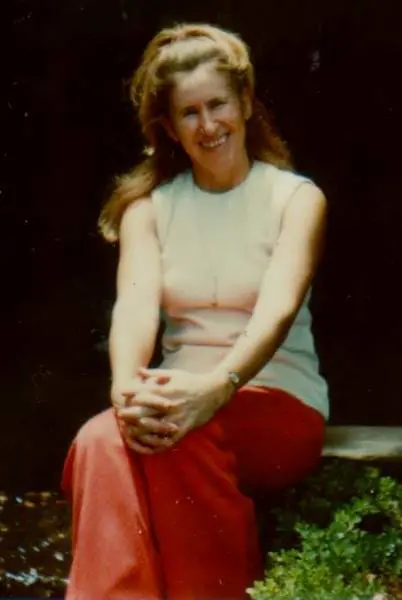
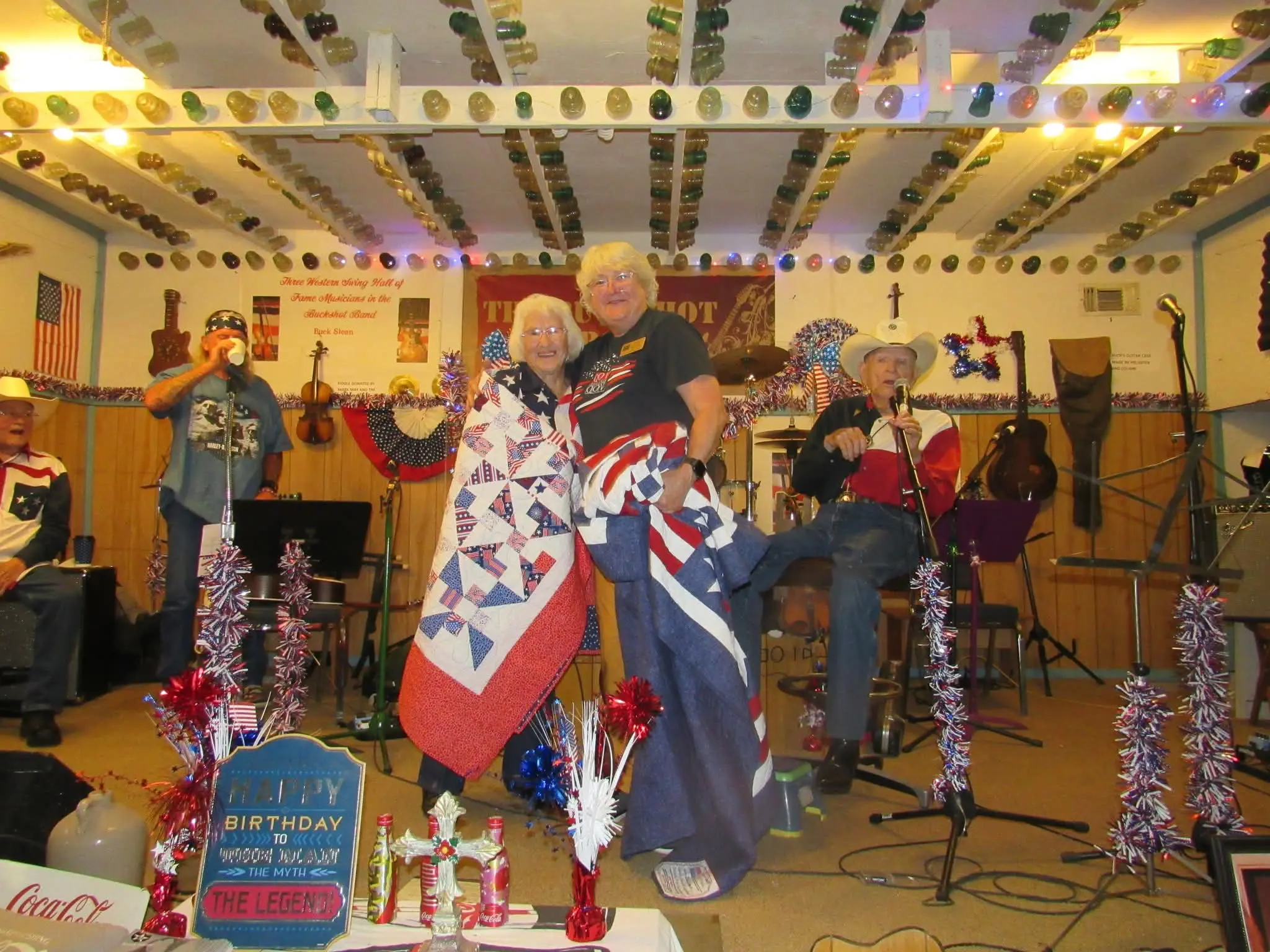
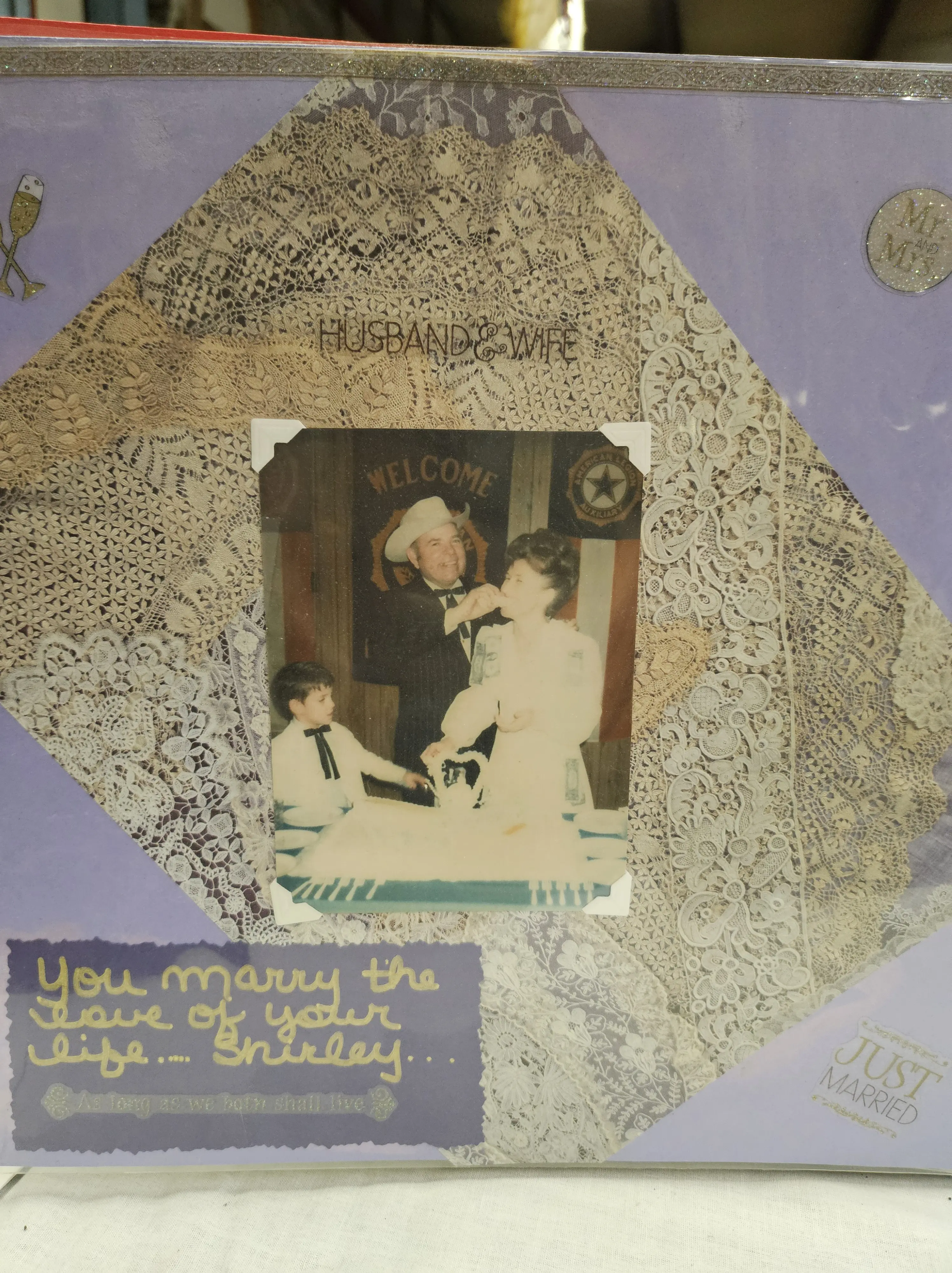
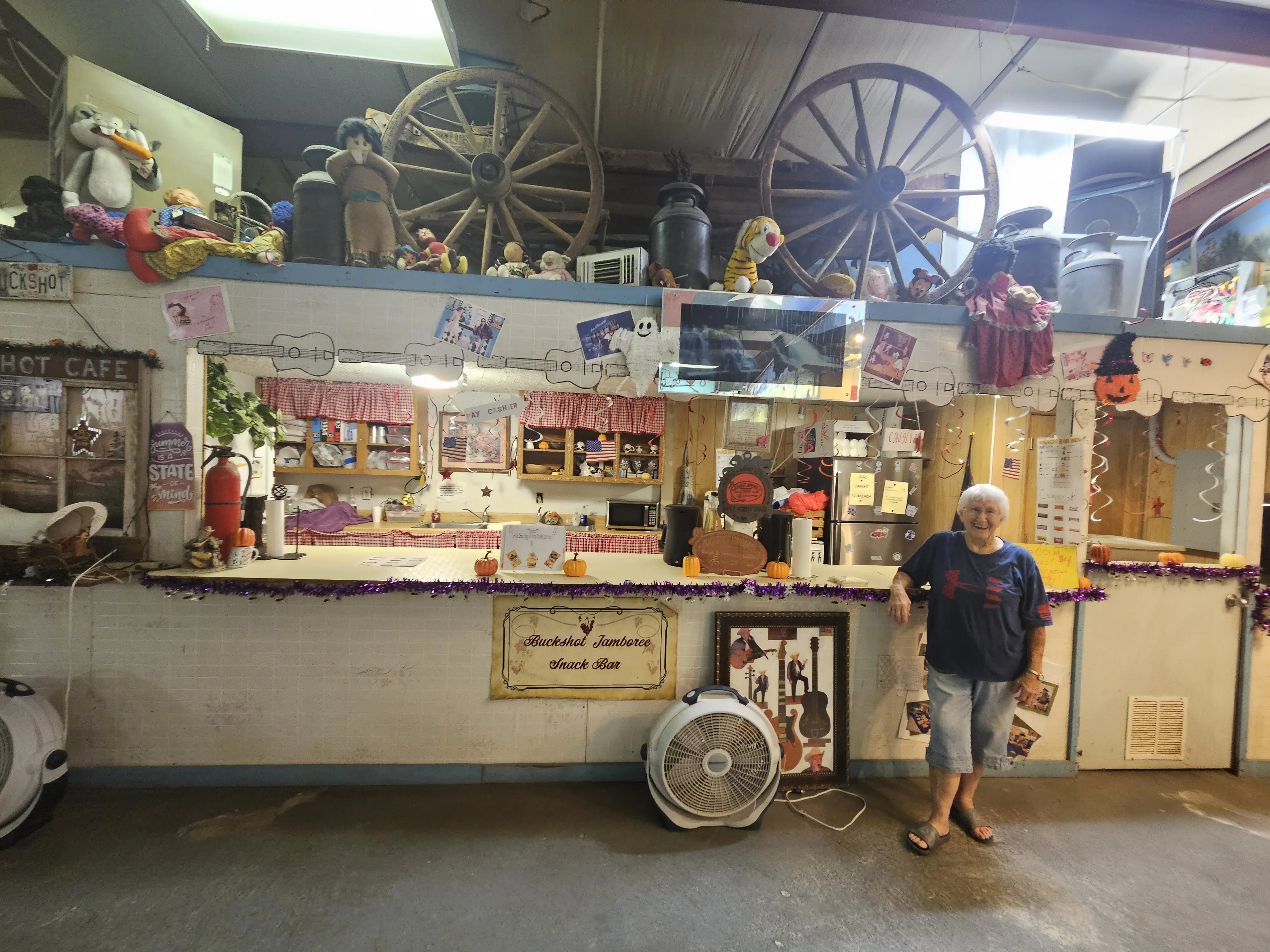
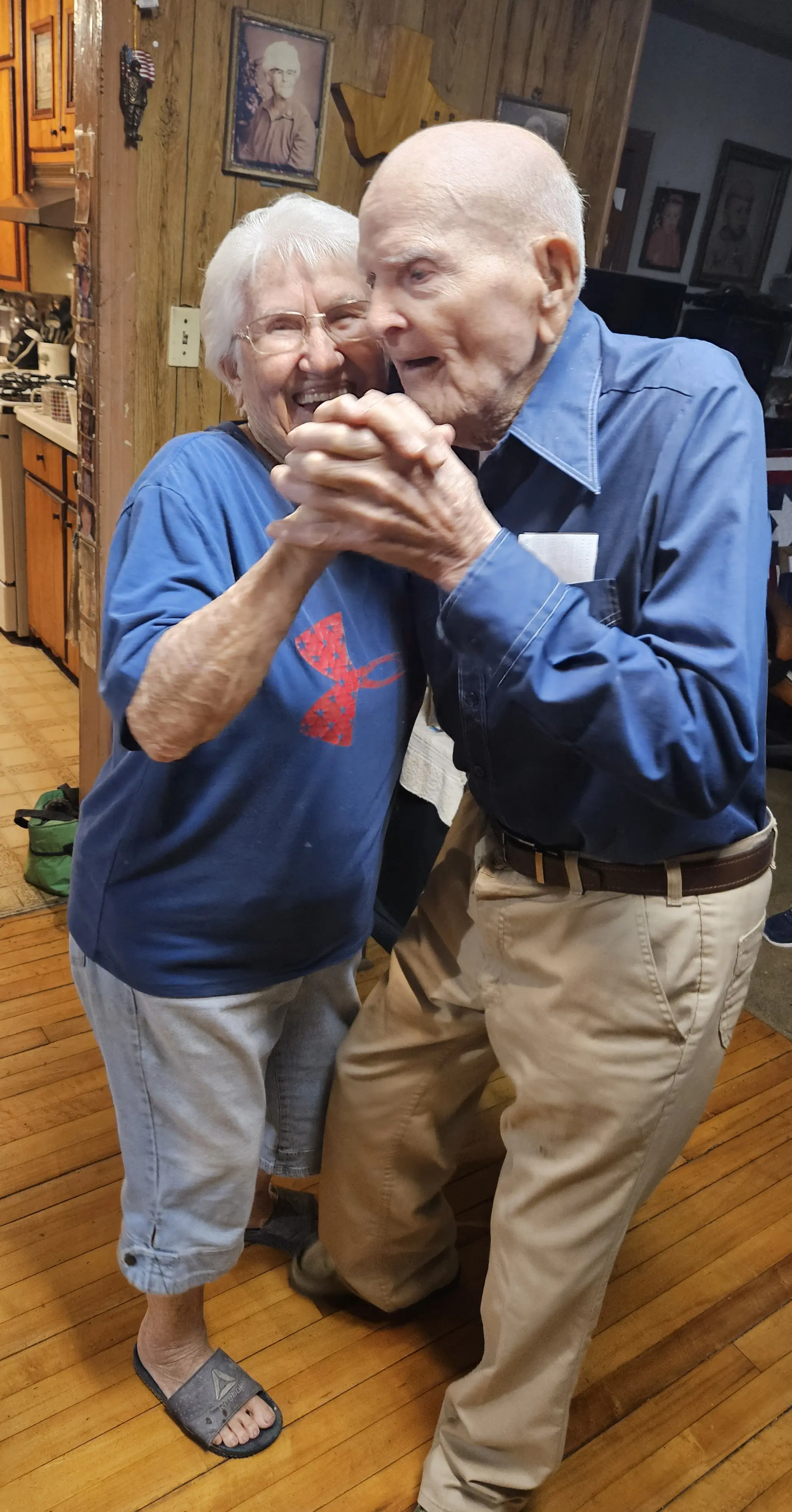
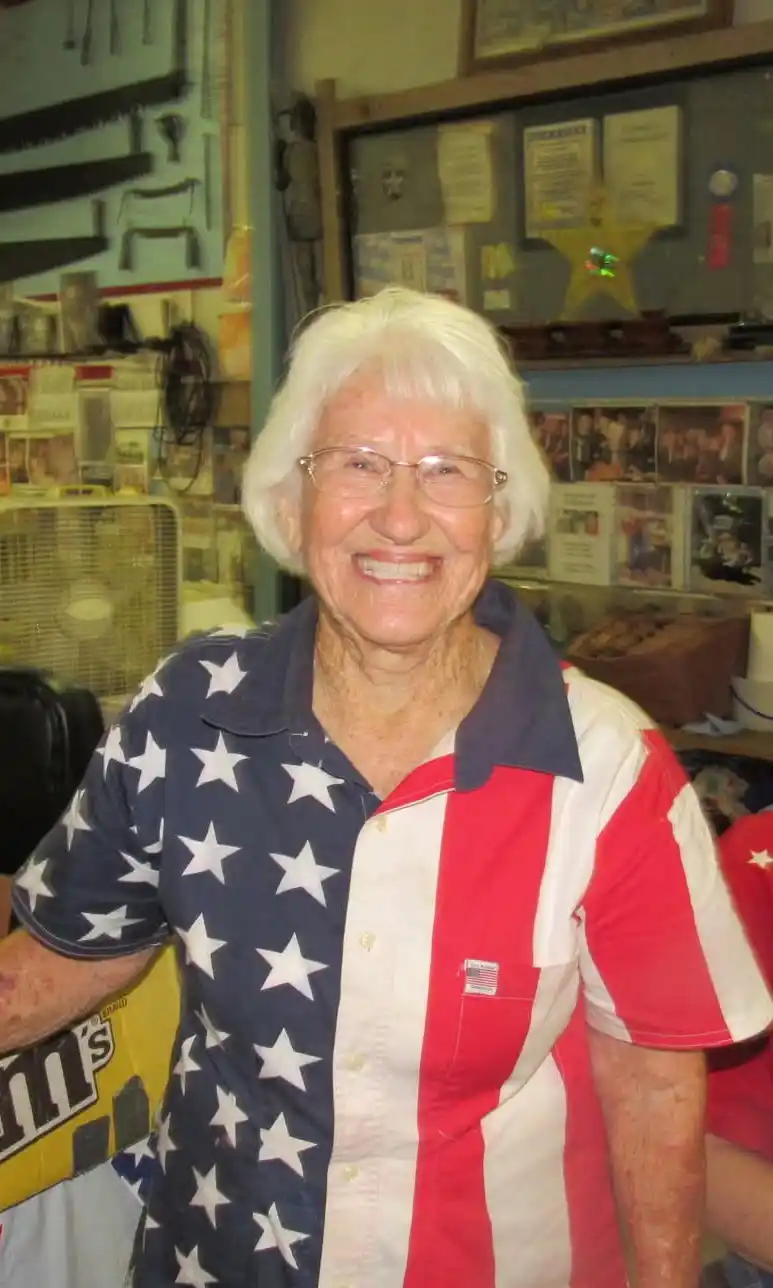
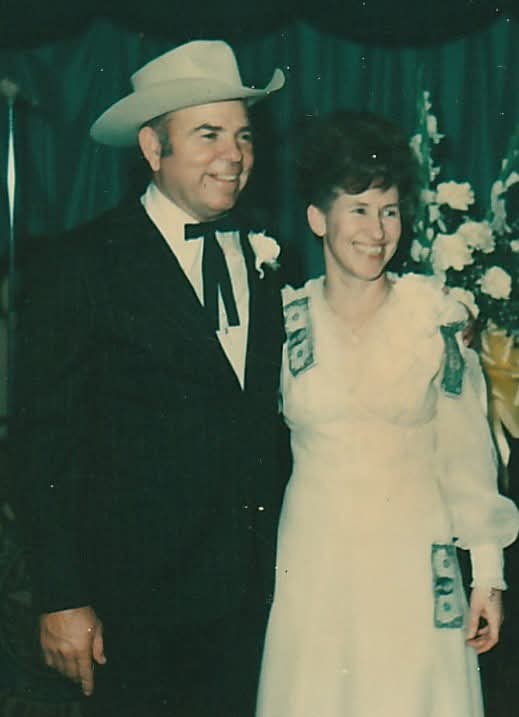
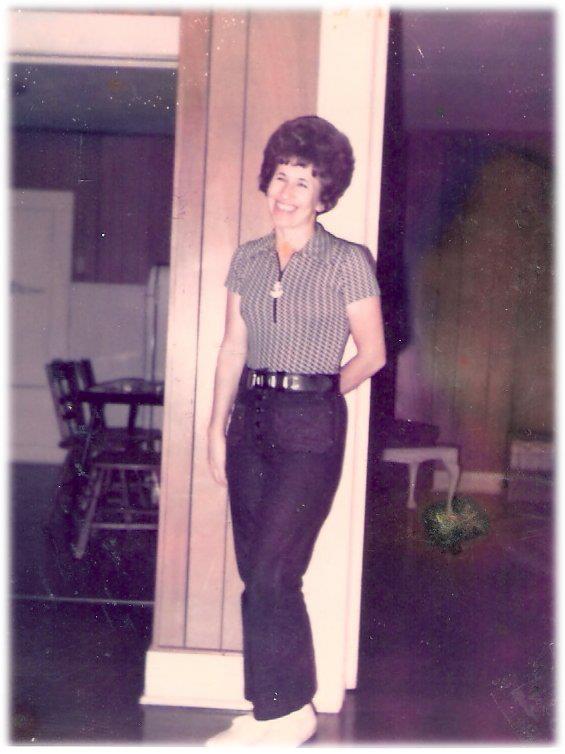
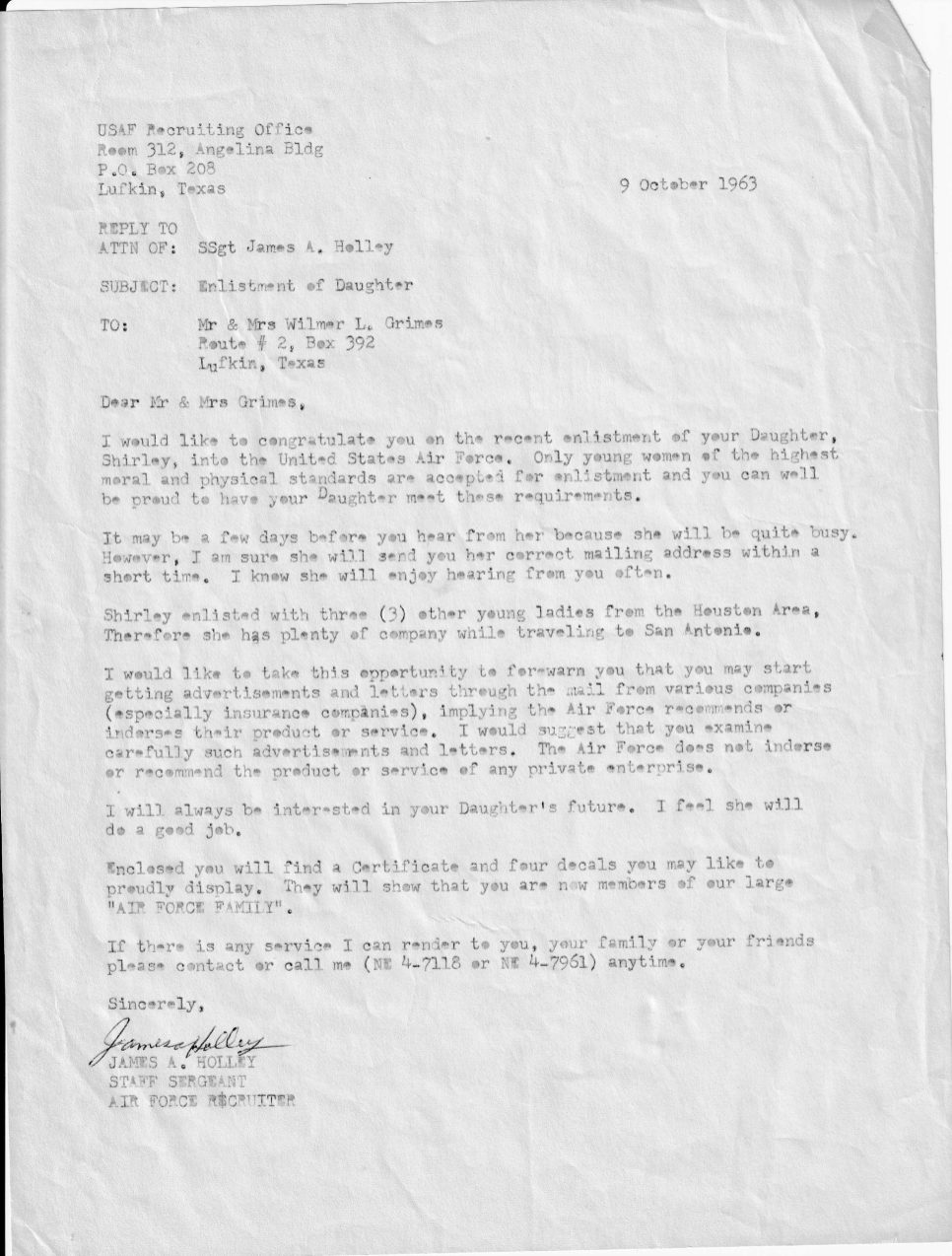
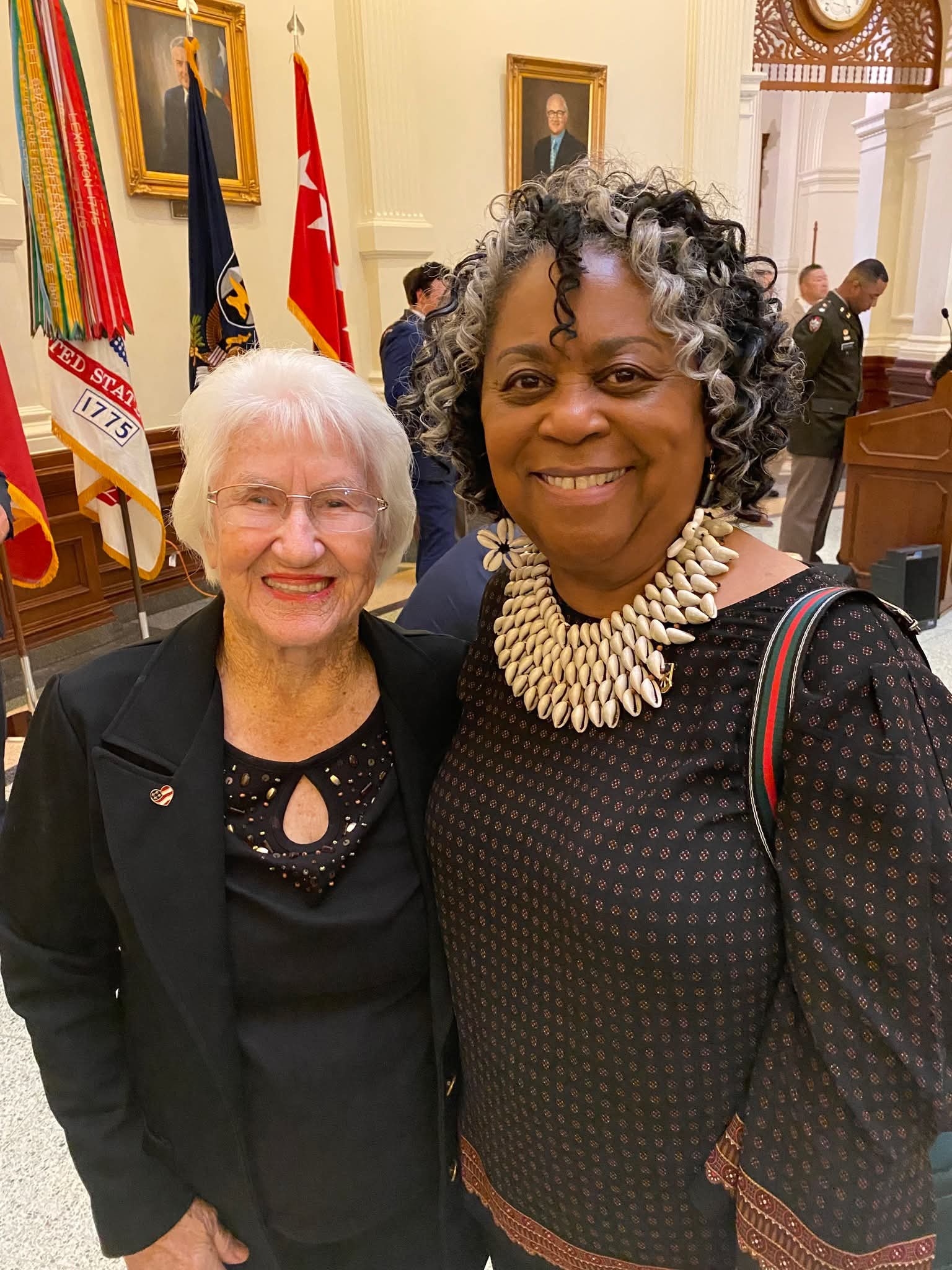
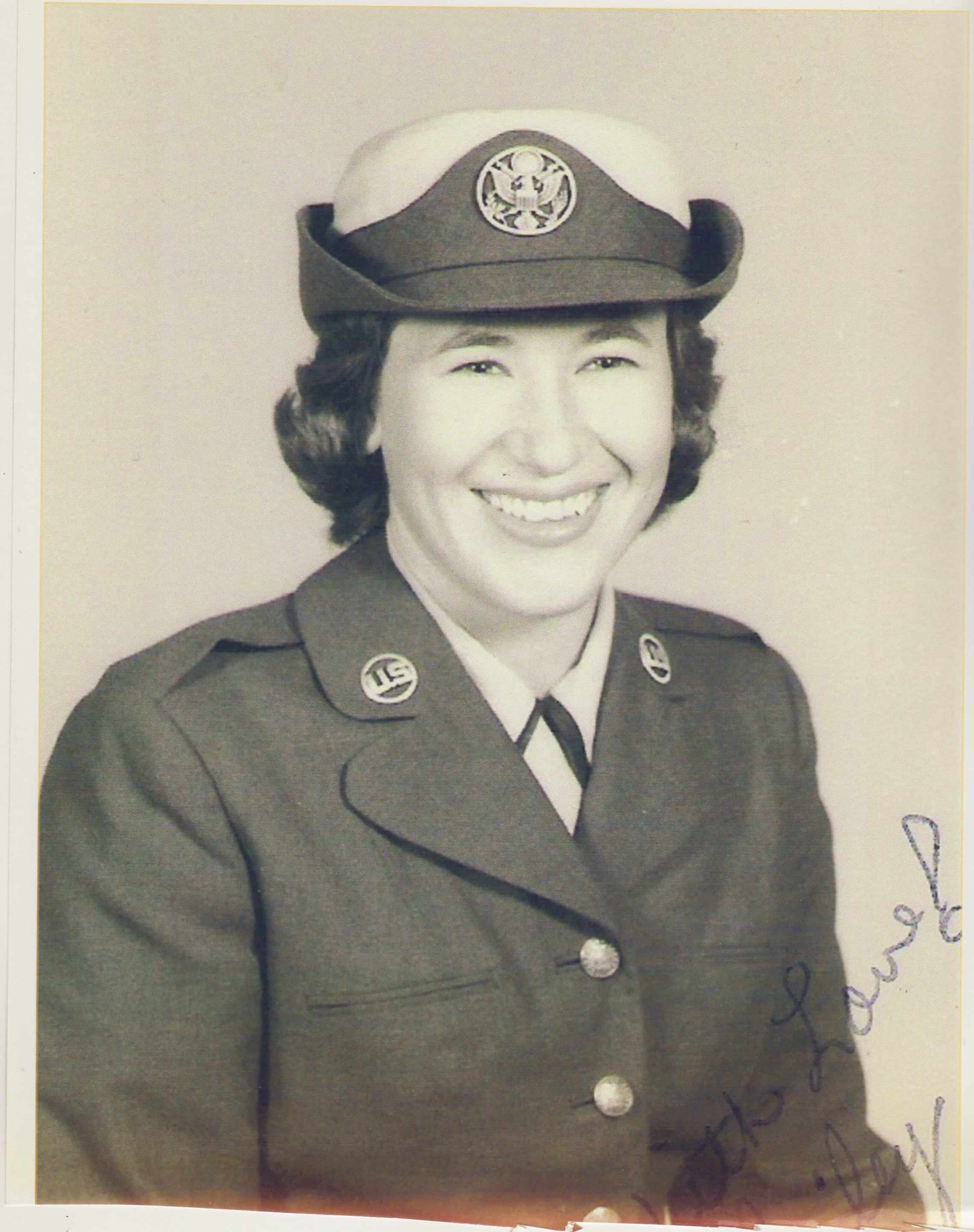
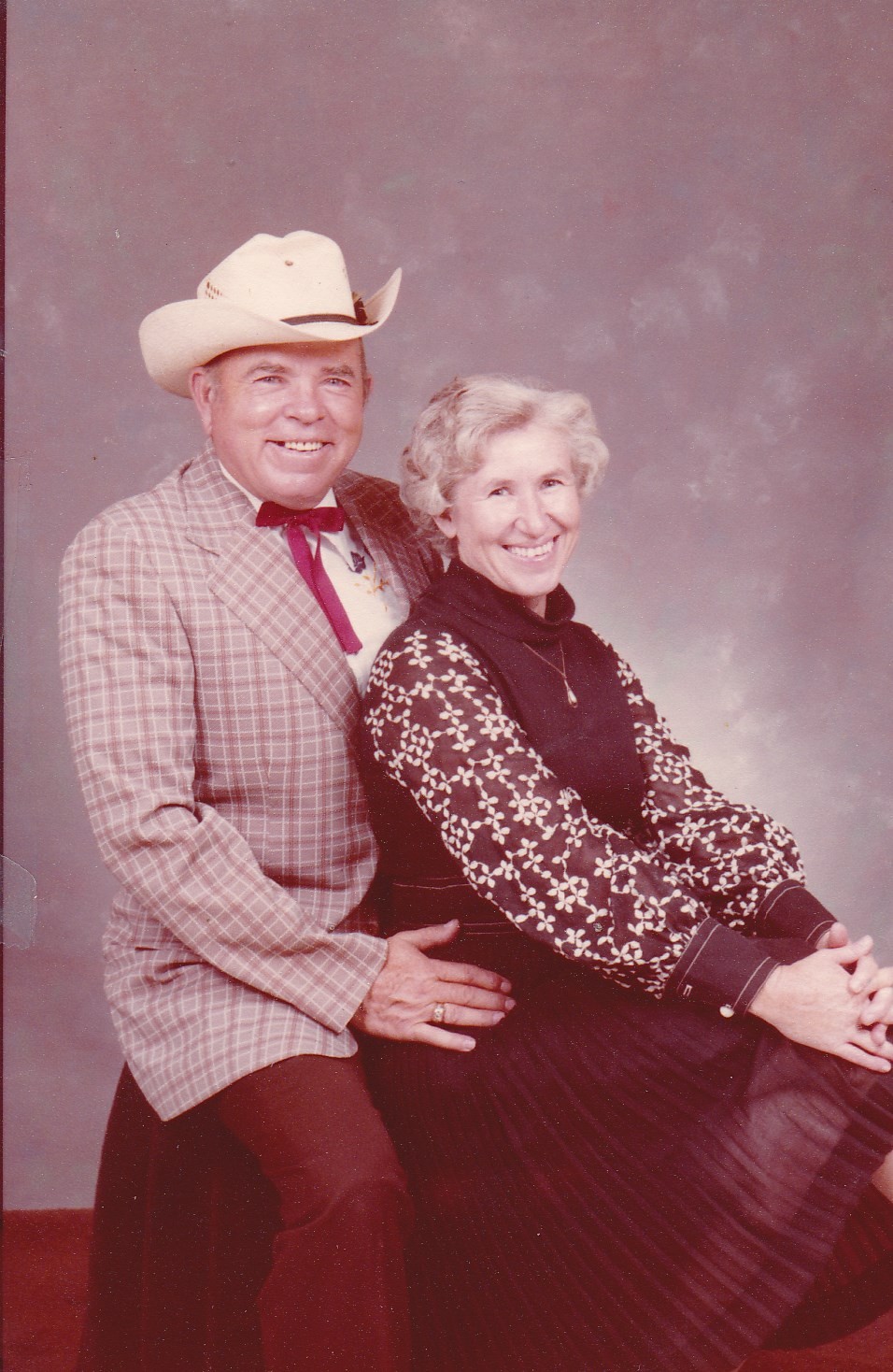
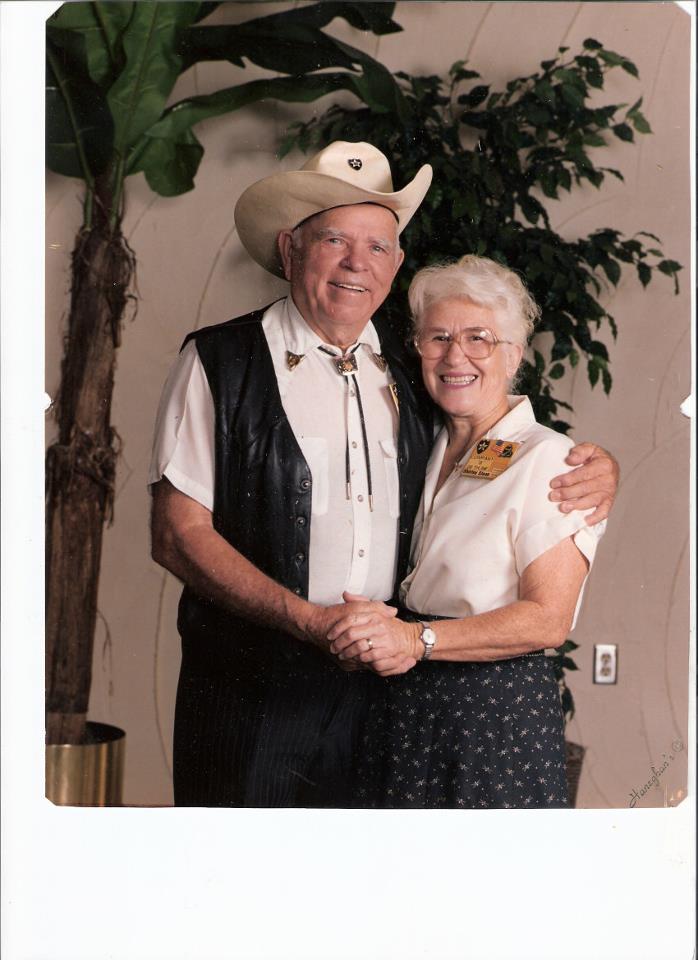
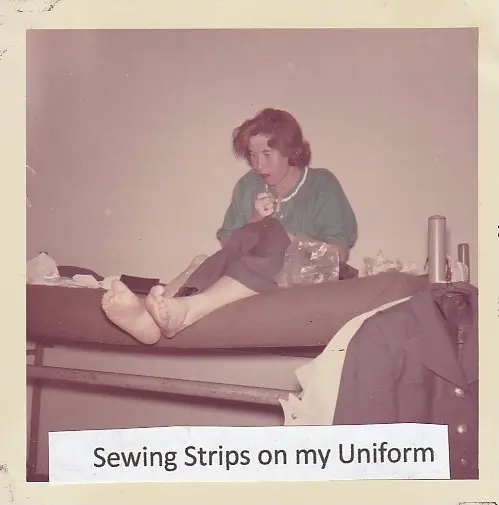
Shirley LaVonne Grimes, born Shirley LaVonne Young, later carried the names McMullen and Sloan, the last of which she has held with pride for forty nine years. In October of 1963 she entered the United States Air Force with a simple hope to see the world and found herself shaped by the discipline, humor, and camaraderie of service. She completed basic training at Lackland Air Force Base in San Antonio, where she first learned the rhythms of military life. She served as a KP pusher and quickly became known for her spirited leadership, including the day she directed a young airman to mop the ceiling above the coffee pot, prompting his good natured promise to tell his mother what she had made him do.
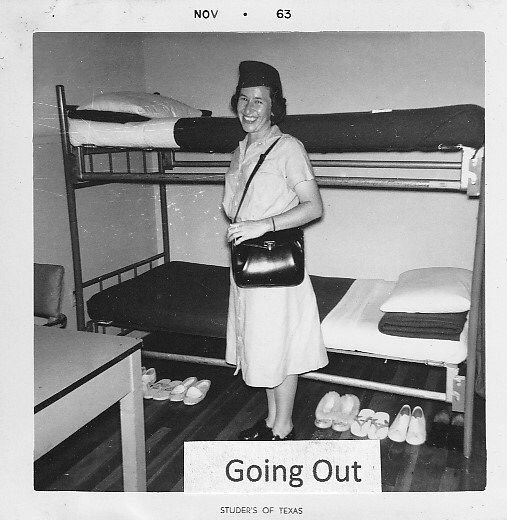
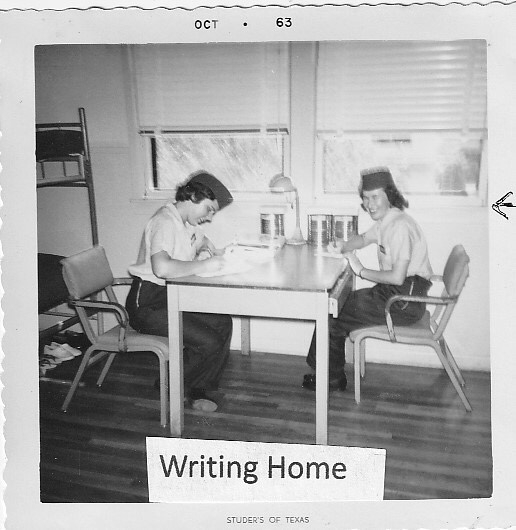
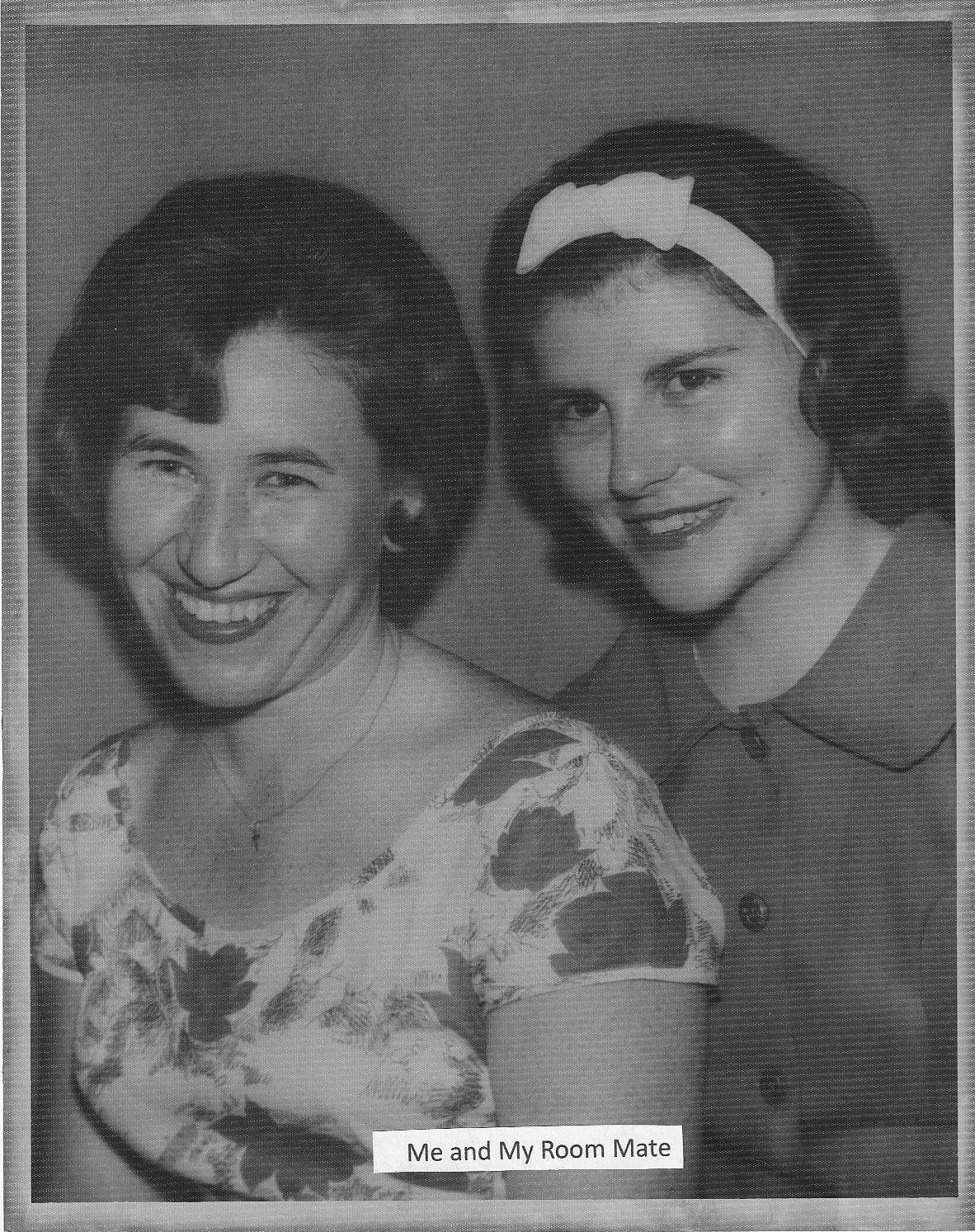
Her abilities were quickly recognized, and she was assigned to permanent party as a cook. She prepared salads with care and efficiency before being moved into the office, where she served for the remainder of her enlistment. During her service she advanced each time she was eligible and left the Air Force as an Airman Third Class. She often recalled that life on base felt much like any job off base, except for the moments when she saluted the Brass and the shared understanding that every day carried the weight of duty. In basic training she lived four to a room, and in permanent party she shared a room with one other airman, forming friendships that stayed with her long after her service ended.
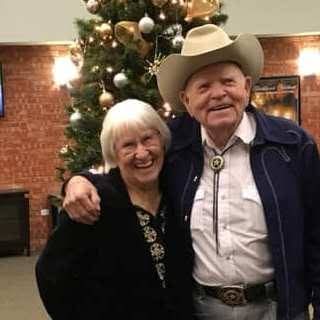
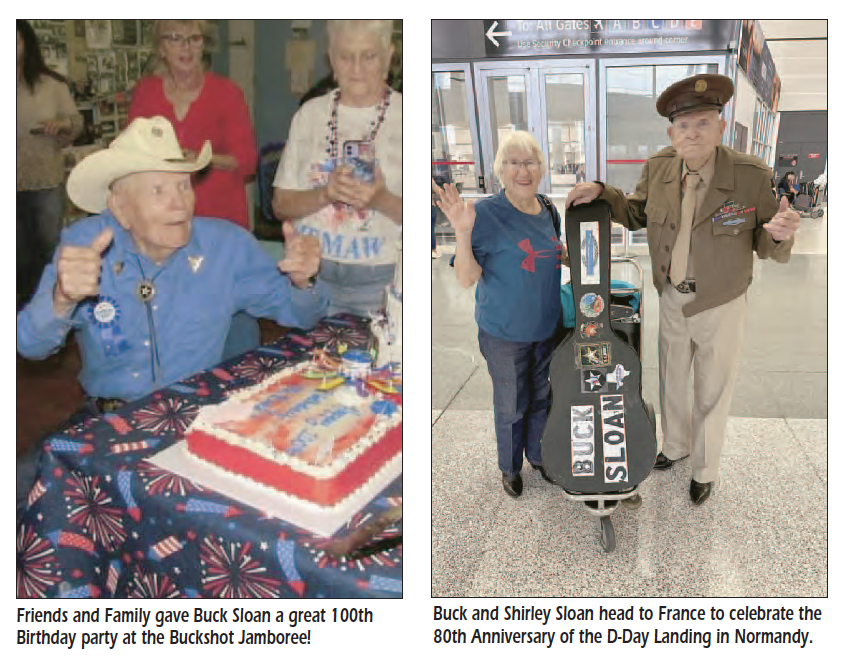
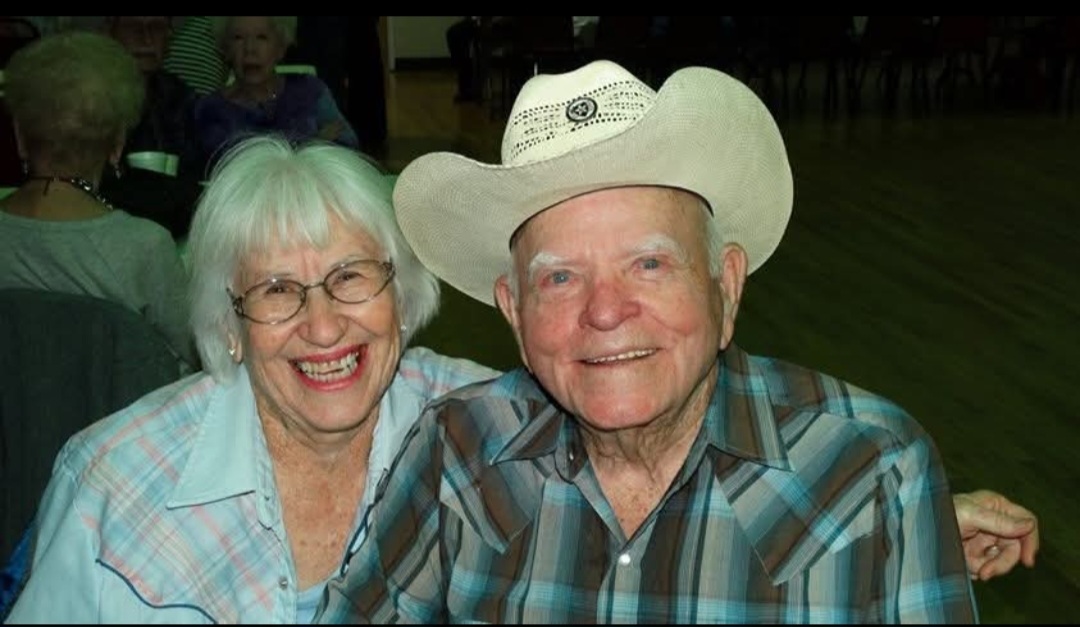
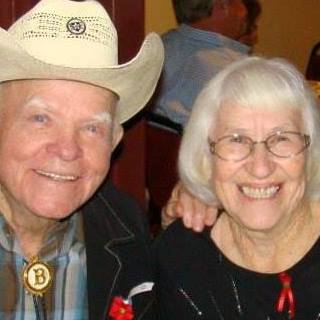
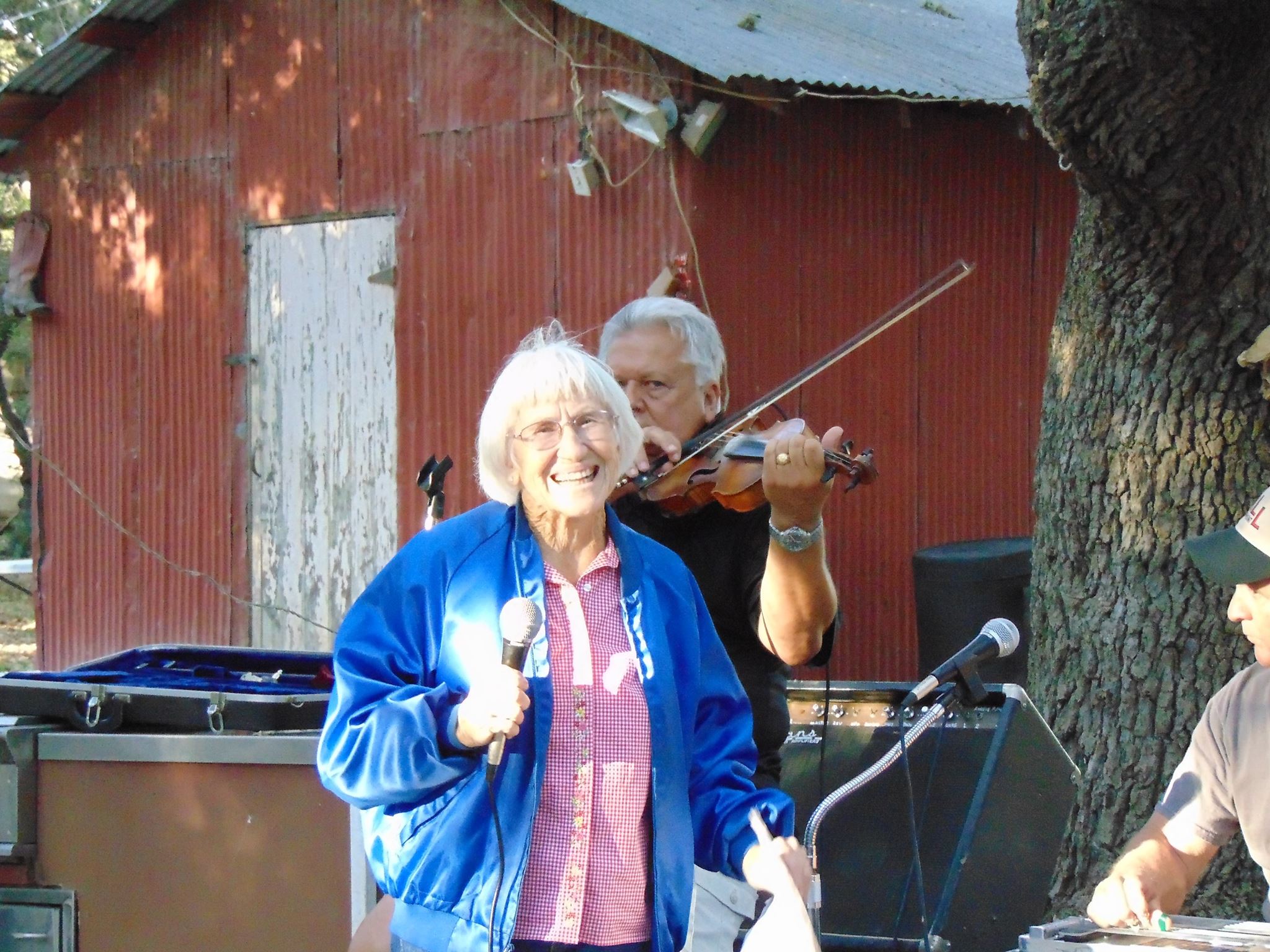
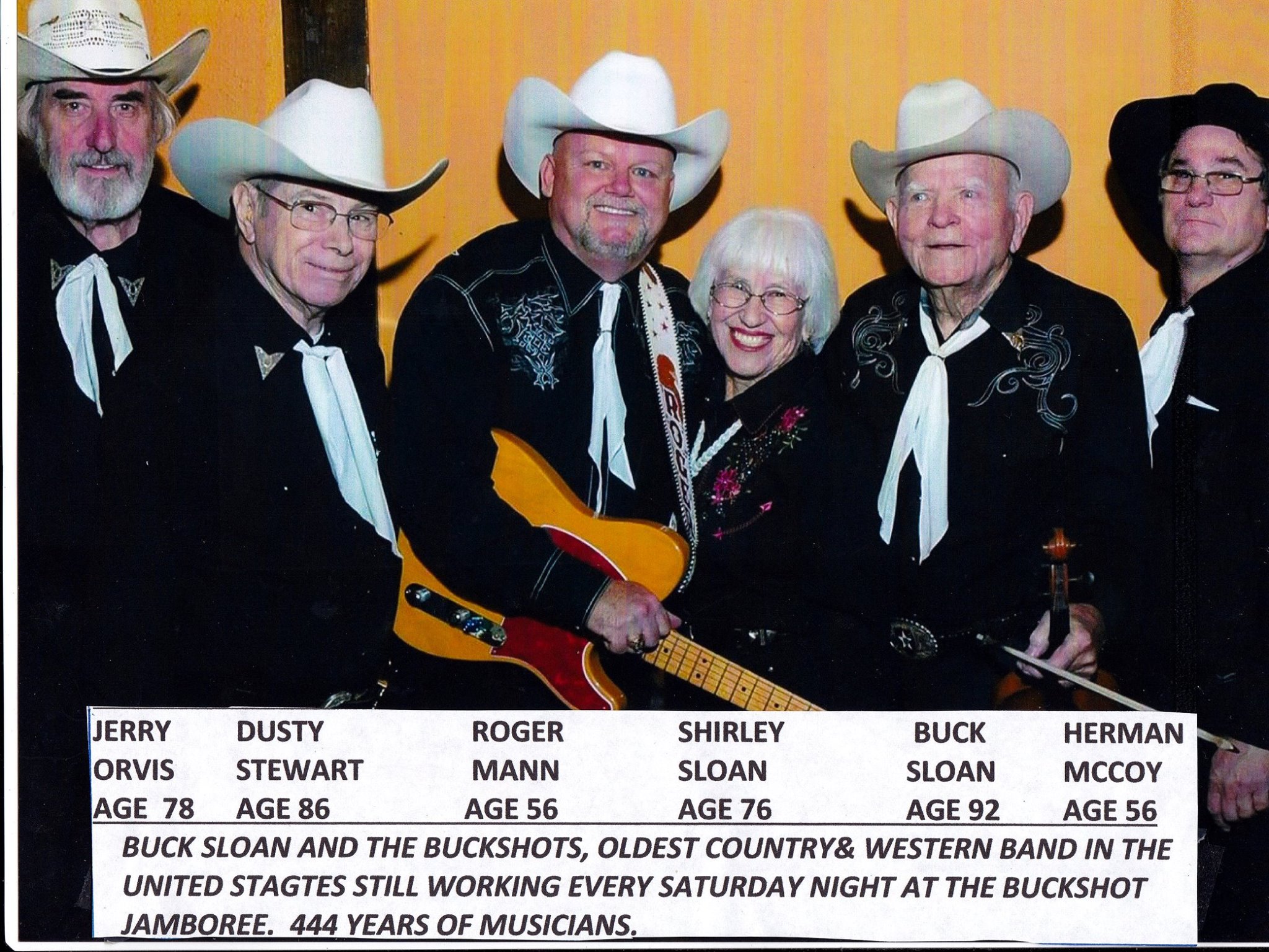
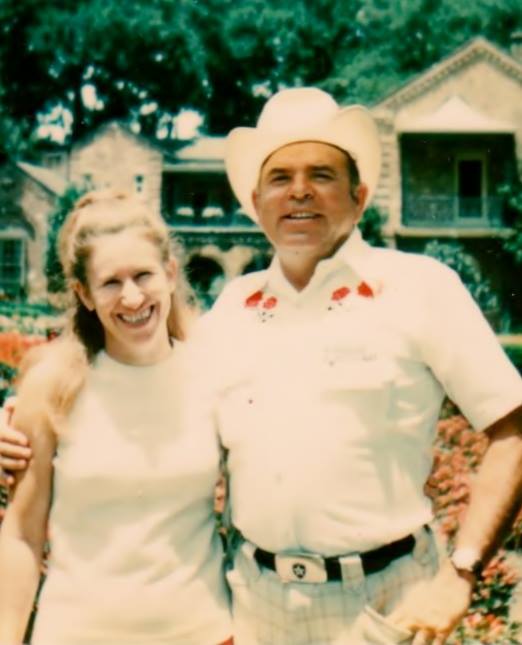
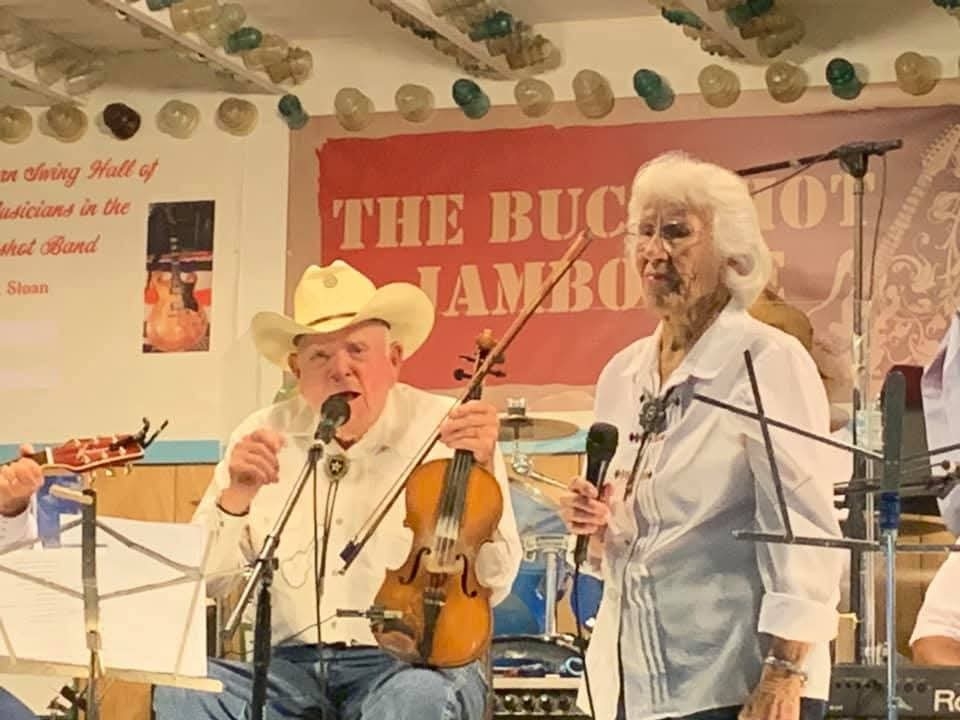
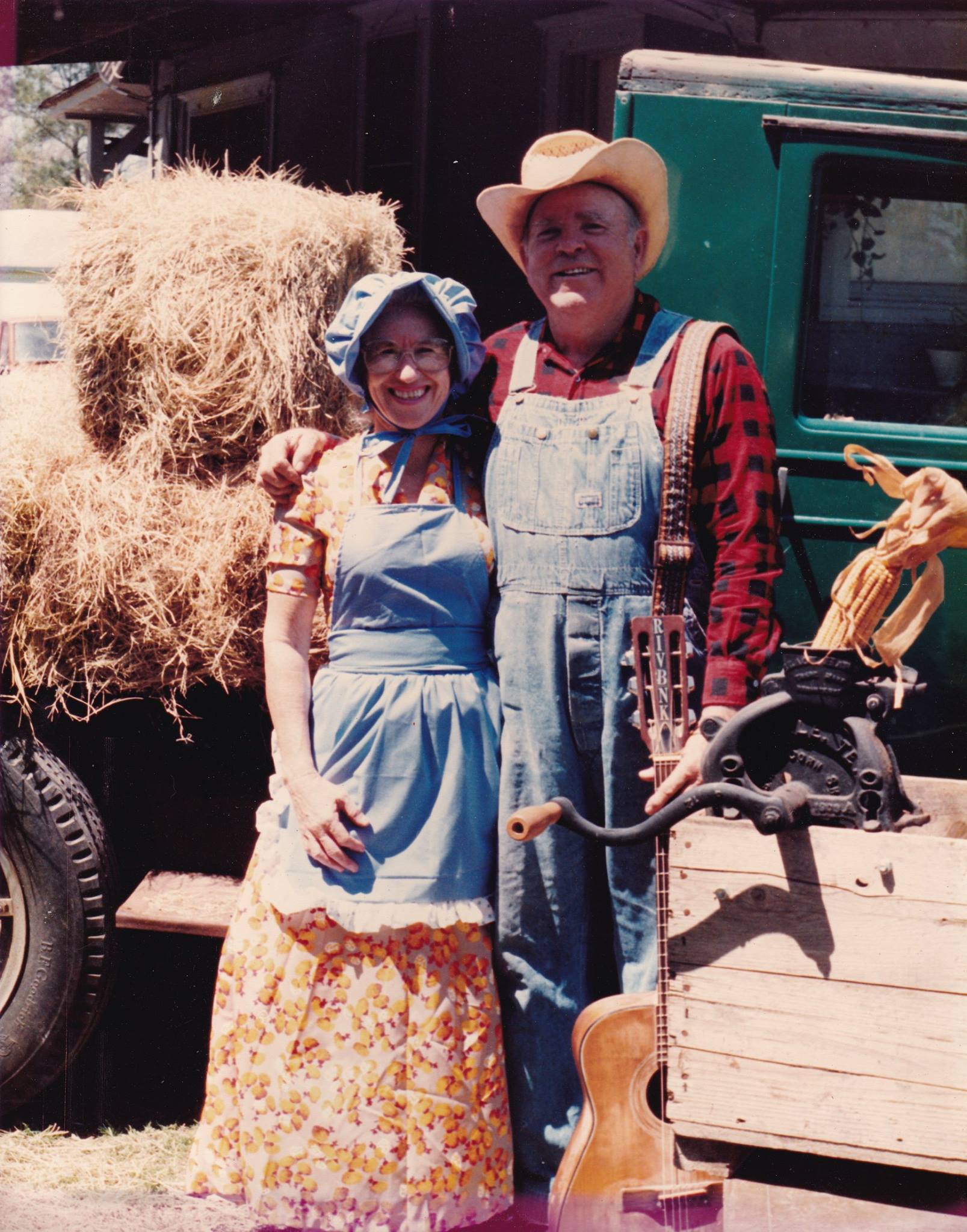
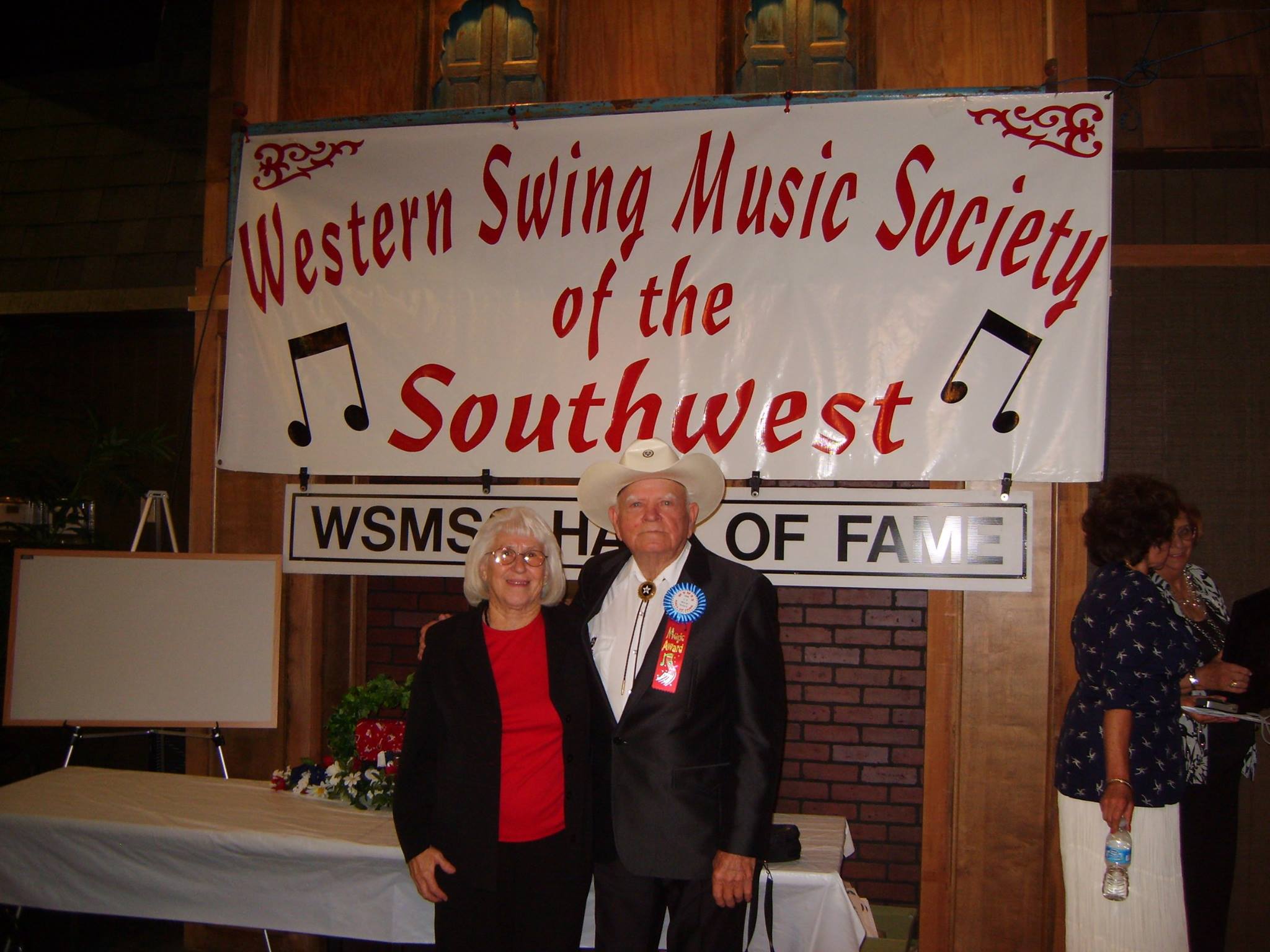
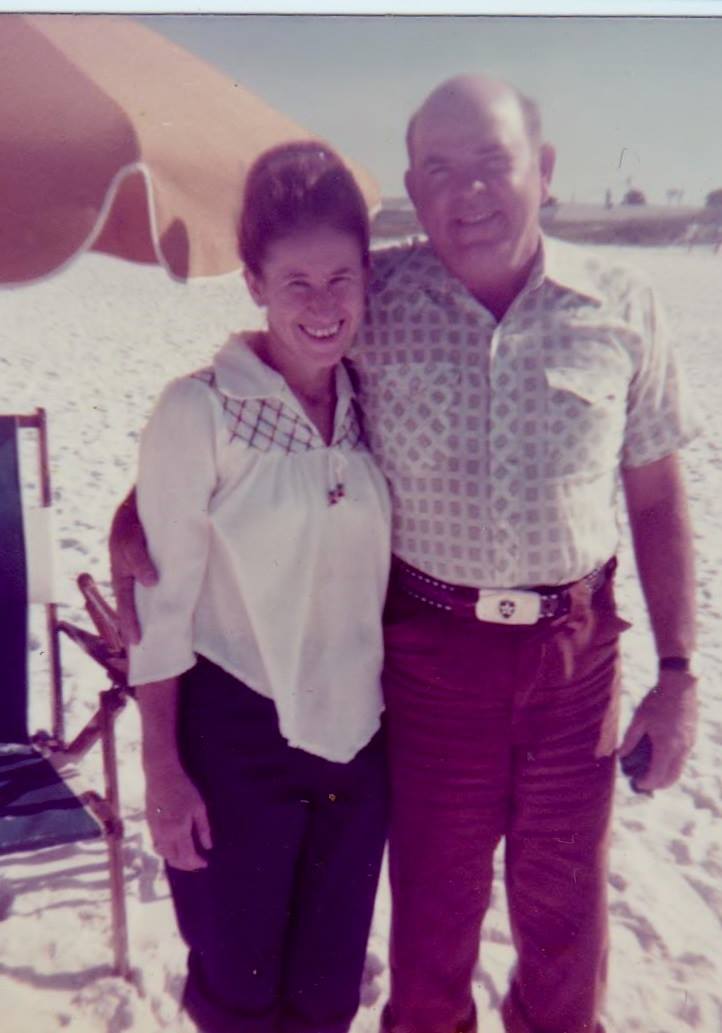
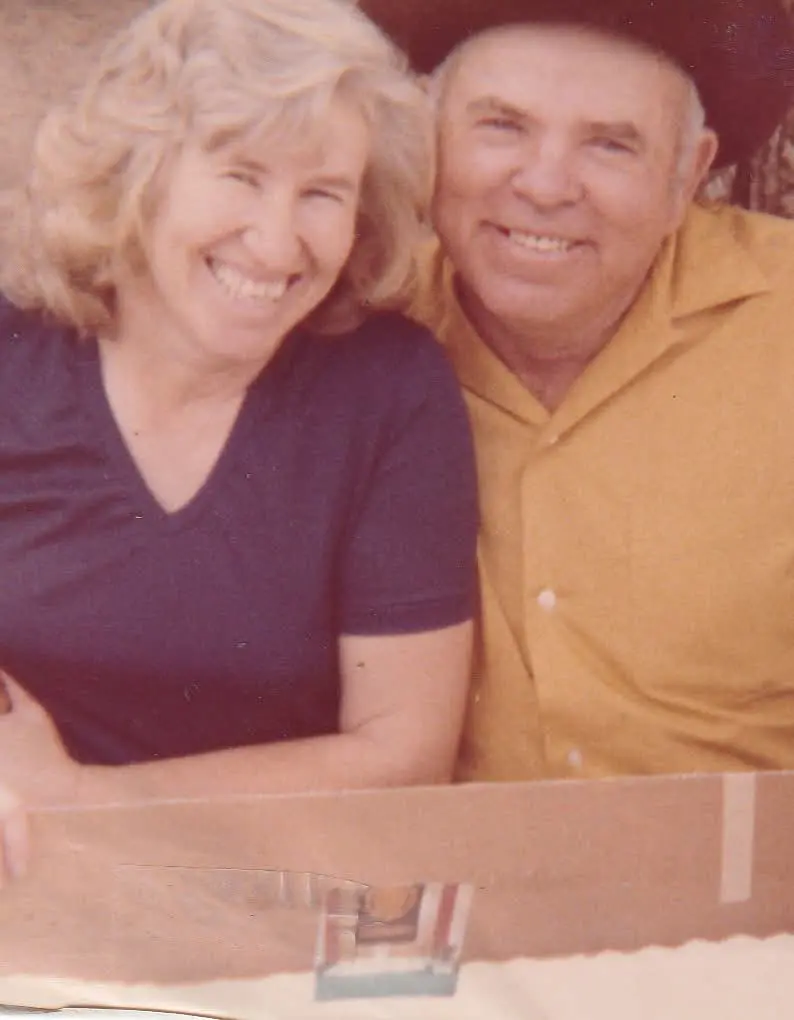
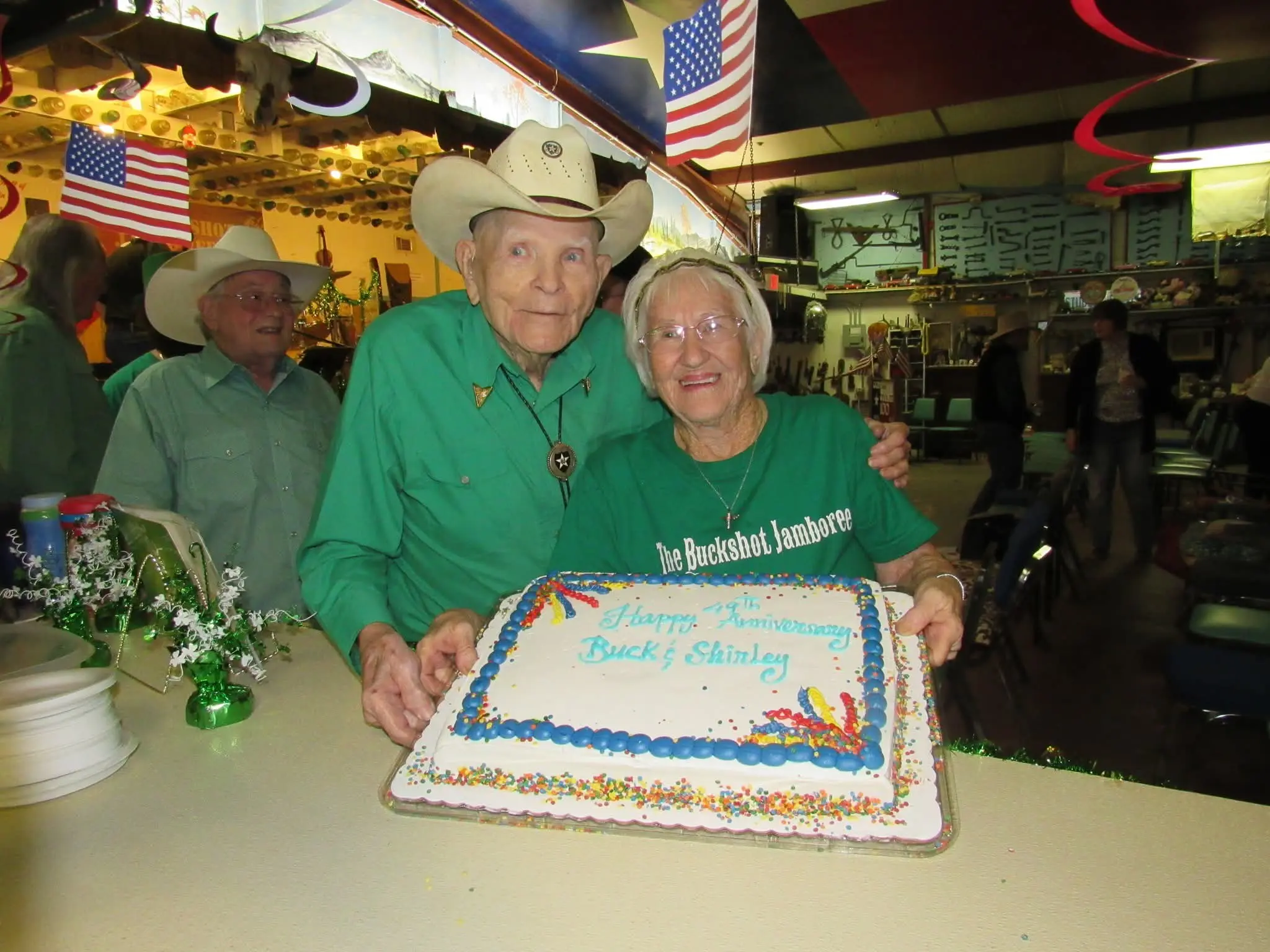
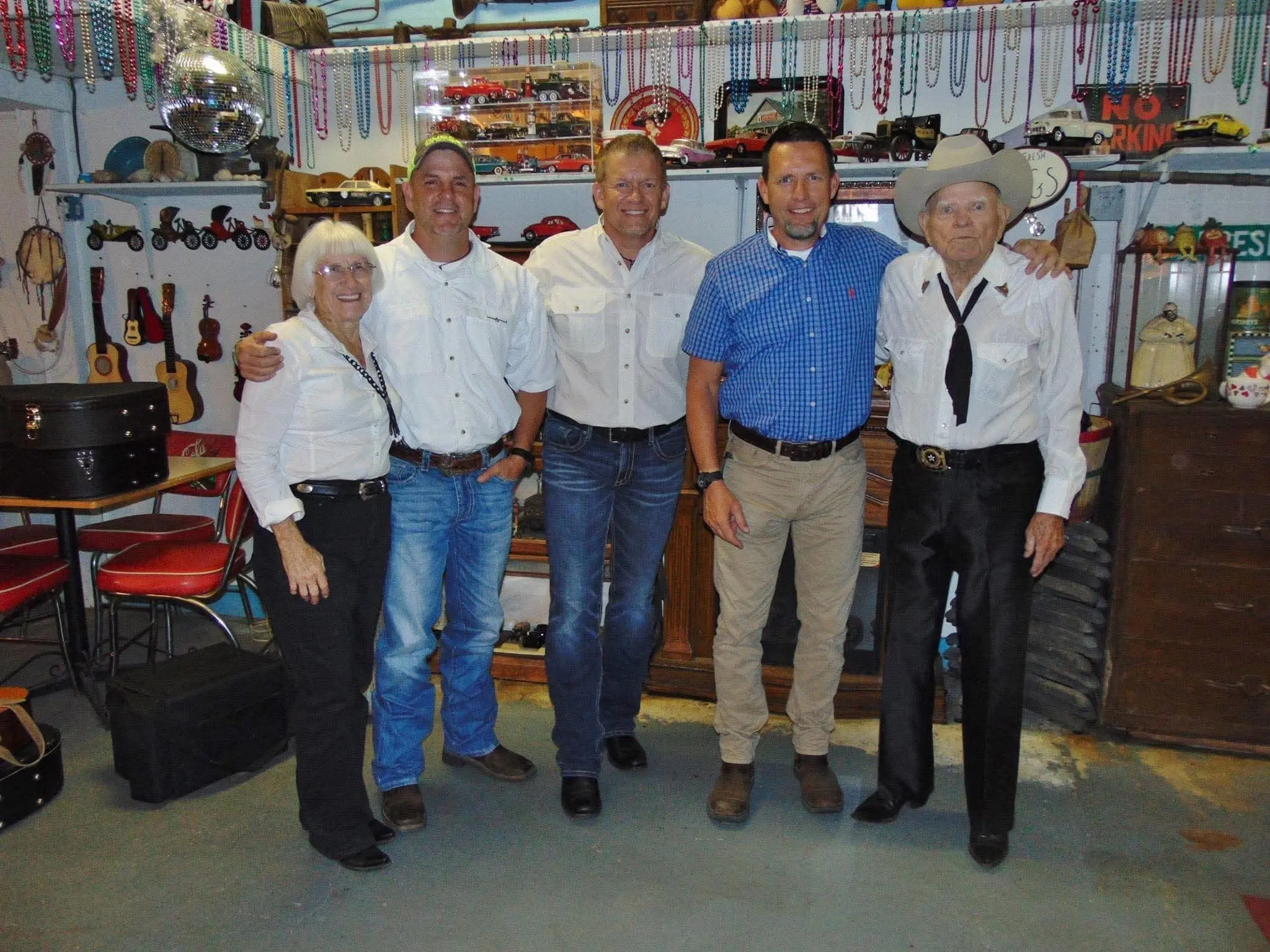
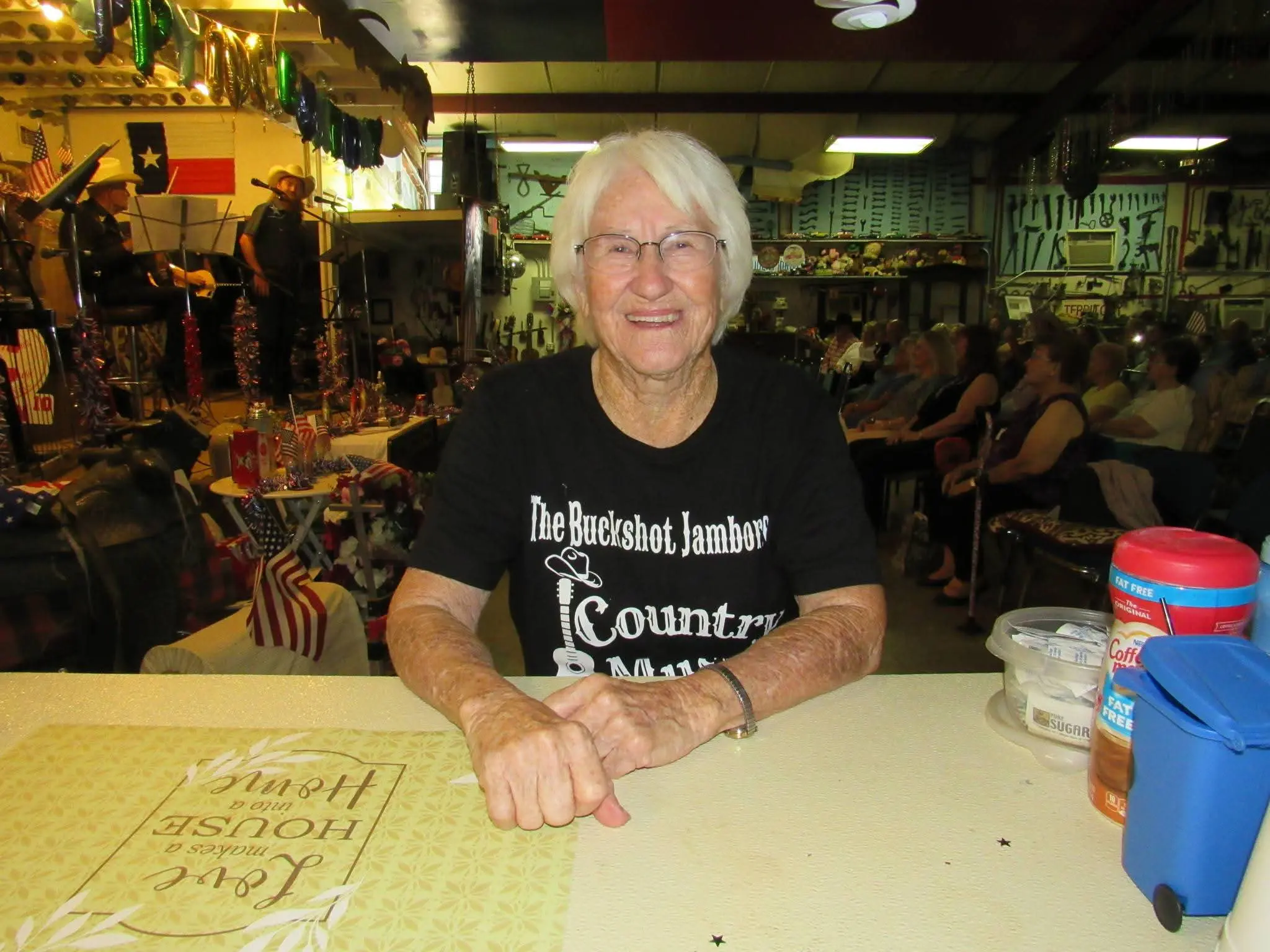
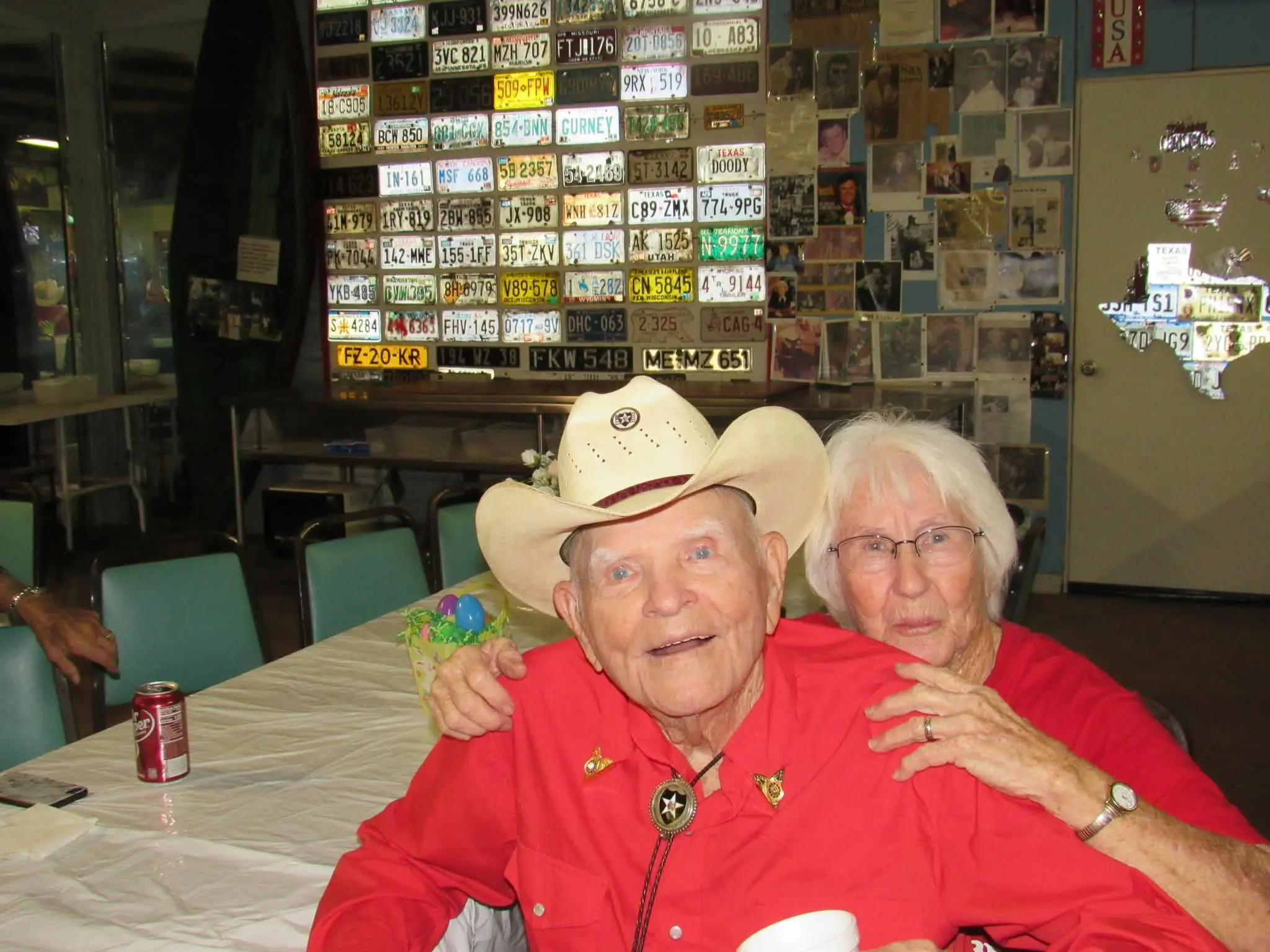
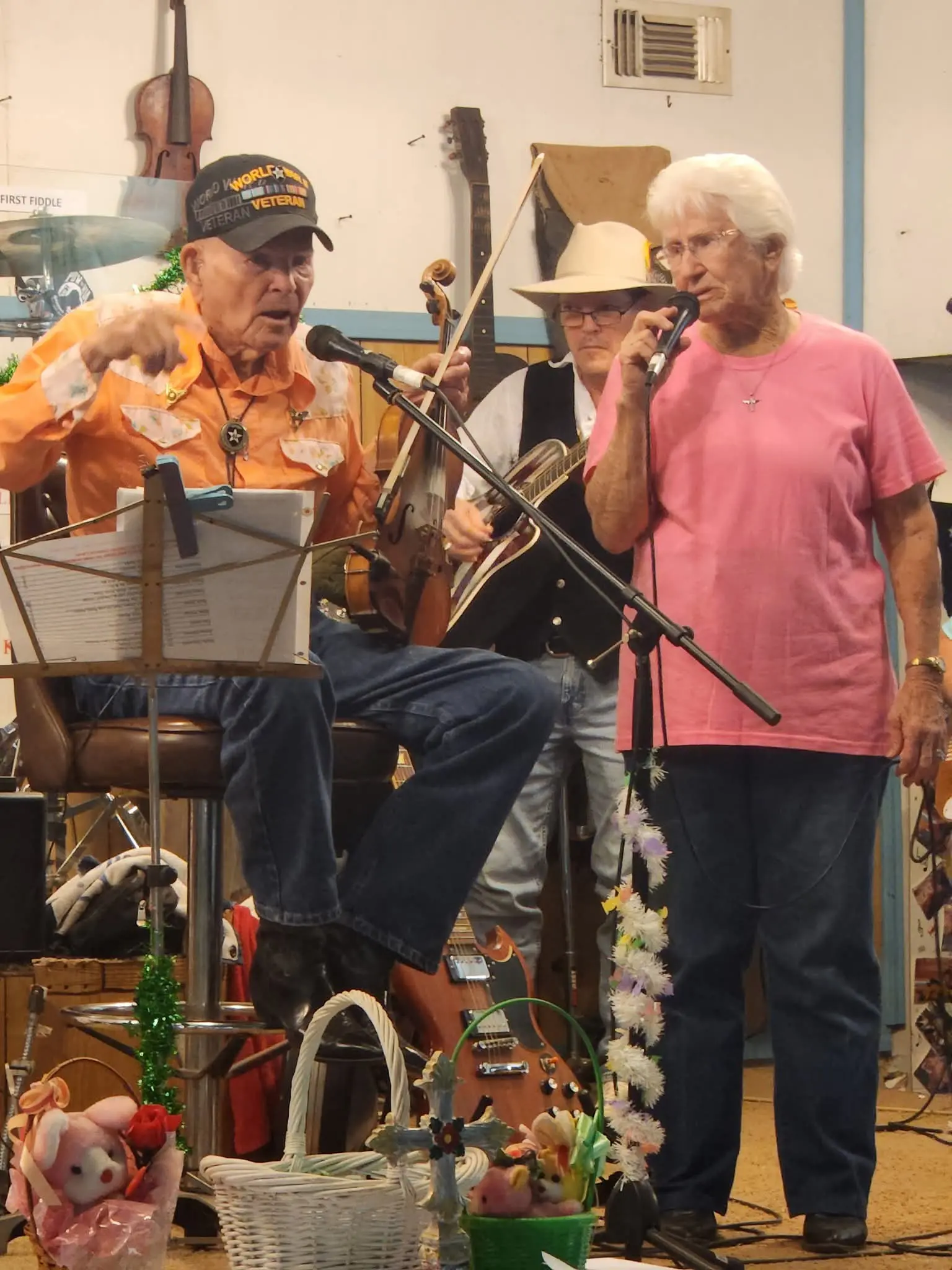
In March of 1976 she married her husband Buck, beginning a partnership that would become one of the defining joys of her life. Together they created the Buckshot Jamboree in Houston, Texas in 2007, a gathering place built on music, fellowship, and community spirit. Eighteen years later the Buckshot Jamboree continues to bring people together, a living testament to the love and dedication that Shirley and Buck poured into it.
Her life reflects service, resilience, humor, and devotion to family and community. Through her Air Force years and her decades with Buck, she has carried a steady grace that continues to inspire those who know her.
Supplemental Information
San Antonio and Women’s Air Force Training in the Early 1960’s
In the early nineteen sixties, San Antonio was one of the most important military cities in the United States. Its identity as Military City USA was firmly established through the presence of Lackland Air Force Base, Kelly Air Force Base, and Randolph Air Force Base. These installations formed a large military corridor that shaped the city’s economy, transportation routes, and daily life. Thousands of recruits arrived at Lackland each year for basic training, and the constant movement of trainees, instructors, and technical students created a visible military presence throughout the city.
San Antonio’s climate was historically hot and humid for much of the year. Summers were long, with high temperatures that affected outdoor drill, marching, and physical training. Winters were mild, and the city experienced extended periods of warm weather. These conditions were well documented in Air Force training reports and were a defining feature of the recruit experience.
The city was undergoing significant postwar growth. The River Walk existed but had not yet undergone the major expansions that would come later in the decade. It consisted of walkways, small shops, and early commercial development along the San Antonio River. Downtown San Antonio served as the primary commercial center, with department stores, theaters, and restaurants that were frequented by service members during approved passes. The Alamo was already a major historical landmark and tourist destination, visited by recruits and families who came to San Antonio for graduations.
San Antonio’s cultural landscape was shaped by a strong Mexican American heritage. This influence was visible in the city’s food, music, festivals, and neighborhoods. Historical records from the period show that military personnel often interacted with local businesses that catered to service members, and the city’s economy benefited from the presence of the surrounding bases.
Women who entered the Air Force during this period trained within the Women’s Air Force, a distinct component of the service that existed from 1948 to 1960. WAF training was conducted at Lackland Air Force Base in separate dormitories and classrooms, and female trainees followed policies written specifically for women. Their basic training was structured and demanding, but it differed from the training given to men. Women were not prepared for combat, and their instruction reflected the support roles they were expected to fill.
Historical WAF training manuals from the early 1960’s emphasized military discipline, drill and ceremony, physical fitness with standards tailored to women, Air Force customs and courtesies, administrative and support skills, and professional conduct and appearance. Training Instructors were strict and expected precision, bearing, and reliability. The culture of WAF training was disciplined but less aggressive than the male side, reflecting the non‑combat nature of women’s assignments.
Weapons training was minimal or entirely absent for most female trainees during this period. Air Force policy did not expect women to deploy to combat zones, and their career fields were limited to administrative, medical, logistical, food service, and other support roles. Because women were not placed in operational specialties requiring weapons proficiency, weapons qualification was not part of their basic training. This separation is documented in Air Force regulations and WAF training doctrine from the era.
Women were not drafted, and their numbers were significantly smaller than those of men. Historical enlistment records show that women entered the Air Force voluntarily, often motivated by patriotism, independence, or the desire for career opportunities within a male‑dominated institution. Their service was intentional and self‑directed, yet they entered a system that treated them differently from their male counterparts. Their training prepared them for essential support roles that sustained base operations and contributed to the daily functioning of the Air Force.
Many women in this era completed dual‑track training in Food Service and Clerical and Administrative Support. This combination required precision in military food preparation, strict adherence to sanitation and safety standards, efficiency in high‑volume dining facilities, mastery of Air Force administrative procedures, and accurate handling of personnel files, correspondence, and official documents. Women who completed this dual preparation were highly valued because they could be assigned across multiple units and fill critical gaps wherever needed. Their adaptability and competence made them versatile assets from the beginning, capable of supporting both the operational and administrative needs of the mission.
San Antonio provided the historical backdrop for this experience. It was a city where military life, cultural heritage, and national service intersected. For many young women, it was their first time away from home, and the combination of structured training at Lackland and the vibrant environment of San Antonio shaped the early years of their service in the United States Air Force.
A Base Under Wartime Pressure
During the Vietnam era (roughly 1964 to 1975), Lackland was training record numbers of recruits. The draft, combined with voluntary enlistments, meant thousands of young men arrived every week. Dorms were packed, training schedules were accelerated, and instructors were pushed to their limits.
The Air Force needed Airmen fast—security forces, medics, aircraft maintainers, radio operators, and support personnel—and Lackland was the gateway for all of them. The base often ran 24/7 operations, with trainees moving through the pipeline at a pace designed to meet wartime demand.
Training Was Tougher, Louder, and More Intense
Basic Military Training at Lackland during the Vietnam era was a far more punishing and unforgiving experience than what modern Airmen encounter today. The Air Force was feeding a wartime pipeline, and the pressure to produce disciplined, combat‑ready personnel shaped every aspect of training. Days began before sunrise and often stretched late into the evening, filled with relentless drill, physical conditioning, weapons instruction, and inspections that demanded absolute precision. Training Instructors were known for their aggressive discipline, using loud, forceful correction and physical consequences to enforce standards. Their approach reflected the urgency of the era: mistakes in training could translate to danger in Southeast Asia.
Weapons training was more extensive and emphasized heavily. Trainees spent long hours learning the M‑16 rifle, practicing disassembly, cleaning, marksmanship, and field handling. The constant repetition reinforced the reality that many of them would soon be carrying that weapon in a combat zone. The psychological weight of this knowledge hung over the training environment. Young men—many barely out of high school—understood that their performance at Lackland could determine how well they survived once deployed. Letters from home, news reports, and stories from returning veterans made the war feel close, and every graduation brought the possibility of orders to Vietnam within weeks. The intensity of training wasn’t just physical; it was emotional, shaping a generation of Airmen who entered the service under the shadow of war.
Weapons training was more extensive and emphasized heavily. Trainees spent long hours learning the M‑16 rifle, practicing disassembly, cleaning, marksmanship, and field handling. The constant repetition reinforced the reality that many of them would soon be carrying that weapon in a combat zone. The psychological weight of this knowledge hung over the training environment. Young men—many barely out of high school—understood that their performance at Lackland could determine how well they survived once deployed. Letters from home, news reports, and stories from returning veterans made the war feel close, and every graduation brought the possibility of orders to Vietnam within weeks. The intensity of training wasn’t just physical; it was emotional, shaping a generation of Airmen who entered the service under the shadow of war.
A Different Kind of Military Culture
The Air Force culture of the Vietnam era was more rigid, formal, and authoritarian than the modern service. At Lackland, trainees marched everywhere in large formations, moving as a single disciplined unit under the watchful eyes of their instructors. Training Instructors—often referred to as Drill Sergeants in that era—were figures of fear as much as respect. Their authority was absolute, and their expectations were uncompromising. A misstep in formation, a loose thread on a uniform, or a poorly made bed could result in immediate, physical corrective action. The environment was designed to break down individuality and build unquestioning obedience, reflecting the military philosophy of the time.
Uniform standards were enforced with near‑obsessive precision. Boots had to shine like mirrors, fatigues had to be perfectly pressed, and every detail of personal appearance was scrutinized. Inspections were not just evaluations—they were tests of discipline, resilience, and the ability to perform under pressure. The culture emphasized toughness, conformity, and readiness for hardship. There was little room for the motivational, mentorship‑focused approach seen in today’s Air Force training.
Graduation during the Vietnam era was a stark contrast to the celebratory events held today. There were no Airman’s Runs, no coin ceremonies, and no family‑friendly festivities. Ceremonies were brief, formal, and somber, reflecting the gravity of the times. Many graduates left Lackland knowing they would soon be in a combat zone, and the mood often carried a quiet seriousness rather than excitement. Families attended when they could, but the focus was on preparing Airmen for wartime service, not on celebration. The culture of the base mirrored the nation’s wartime mindset—disciplined, urgent, and shaped by the realities of conflict.
The Sound of War in the Background
Even though Lackland Air Force Base was not a combat installation, the Vietnam War was an ever‑present force that shaped the mood, tempo, and daily life of everyone on base. Trainees woke each morning to the distant rumble of aircraft from nearby Kelly Field, which operated around the clock to support logistics missions bound for Southeast Asia. The constant movement of C‑130s, C‑141s, and other transport aircraft created a backdrop of engine noise that reminded every young Airman‑in‑training that the Air Force was deeply engaged in a faraway conflict. Casualty reports circulated regularly, posted on bulletin boards or mentioned quietly among instructors, and trainees often scanned them with a mix of dread and curiosity, wondering whether someone they knew might appear on the list.
Many Training Instructors had firsthand combat experience, and they carried that intensity into the training environment. Their voices, their expectations, and even their mannerisms reflected the urgency of wartime service. They spoke bluntly about the dangers of Vietnam, about friends they had lost, and about the realities awaiting graduates who would soon be deployed. Trainees wrote letters home describing their fears, their hopes, and the uncertainty of what lay ahead. The war seeped into conversations in the barracks, especially as news coverage grew more graphic and public opinion more divided. Anti‑war protests across the United States sometimes echoed into the base, creating tension between trainees who supported the war effort and those who questioned it. San Antonio itself, with its heavy military presence, felt the war deeply. Returning veterans, medical evacuations, and the constant flow of personnel through the city made the conflict feel close, even though it was thousands of miles away.
Wilford Hall and the Human Cost
Wilford Hall Medical Center, then a full‑scale hospital, stood as a stark reminder of the human cost of the Vietnam War. It treated wounded Airmen evacuated from Southeast Asia, many of whom arrived with severe injuries that reflected the brutal realities of combat. Burn victims, trauma cases, and those suffering from psychological wounds were brought through its doors, and their presence cast a somber shadow over the base. Trainees sometimes saw patients being transported or heard stories from medical staff, and these encounters made the war feel painfully real. The hospital also played a role in caring for prisoners of war returning home in the early 1970s, providing medical and psychological support as they began the long process of recovery. For young Airmen in training, Wilford Hall was a powerful symbol — a place where the consequences of war were visible, immediate, and impossible to ignore.
International Presence
Even during the height of the Vietnam War, Lackland remained a global crossroads through the Defense Language Institute English Language Center. Foreign military students from allied nations arrived to learn English, preparing for technical training or aviation programs elsewhere in the United States. These students brought with them the perspectives, uniforms, and traditions of their home countries, creating a unique cultural blend on base. Many came from nations involved in Cold War conflicts or regional tensions, and their presence underscored the global nature of the era’s military landscape. Trainees at Lackland often saw these international students marching, studying, or interacting with instructors, a reminder that the Air Force’s mission extended far beyond Vietnam. Even in wartime, Lackland served as a place where cultures met, alliances were strengthened, and military cooperation took shape.
Emotional Atmosphere
The emotional atmosphere at Lackland during the Vietnam era was complex, heavy, and often contradictory. Patriotism was strong—many trainees arrived with a sense of duty, believing deeply in serving their country during a time of conflict. But that patriotism existed alongside a very real undercurrent of fear. Young men, many barely out of high school, understood that their training was not theoretical. They were preparing for a war that dominated the news, the conversations in the barracks, and the thoughts that kept them awake at night. The possibility of deployment to Southeast Asia was not abstract; it was immediate, and it shaped every moment of their experience.
Determination was another defining emotion. Trainees pushed themselves hard, knowing that their performance could one day save their lives or the lives of their fellow Airmen. The intensity of training forged a sense of brotherhood that was deeper than what many modern Airmen experience. Bonds formed quickly and powerfully because everyone knew they might face danger together. Shared hardship—long marches, punishing inspections, grueling PT sessions—created a unity that transcended background, personality, or hometown. In the barracks at night, conversations often turned to fears, hopes, and the unknown future. Some trainees coped by focusing on the mission; others struggled quietly with anxiety.
Uncertainty hung over everything. The war’s progress was unpredictable, and news from Vietnam was read obsessively. Newspapers, radio broadcasts, and letters from friends already deployed carried stories of ambushes, casualties, and the harsh realities of jungle warfare. Every casualty report posted on base was a reminder that the names could someday include someone they knew—or themselves. Letters home became treasured lifelines, offering comfort, normalcy, and a connection to a world far removed from the discipline and tension of basic training. The emotional landscape of Lackland during this era was a mixture of courage and vulnerability, pride and apprehension, all woven together by the shared experience of preparing for war.
Women at Lackland During the Vietnam Era: A Distinct Sphere of Service
Women who entered Lackland Air Force Base during the Vietnam era stepped into a military world that ran beside the men’s but followed its own carefully defined path. Their training reflected the social climate of the early 1970s and the narrow range of roles the Air Force permitted women to hold. They arrived by choice, not by draft, and their presence was small compared to the enormous numbers of young men moving through the base. Many brought with them a strong sense of duty or a desire to build a future in a field where women were still newcomers. From their first moments on base, it was clear that their experience would be shaped by policies written specifically for them.
Female trainees were grouped into Women’s Air Force flights and lived in quarters set aside exclusively for women. Their daily routines followed regulations that governed everything from how they marched to how they wore their uniforms. The Air Force expected them to master discipline, drill, and military customs, but their training carried a different tone than the men’s. It was orderly, exacting, and serious, yet it lacked the combat‑driven intensity that dominated the male side of Lackland. Women were prepared to serve, but not to fight.
Weapons instruction was absent from their curriculum. Air Force policy barred women from combat assignments, and their career paths led toward administrative offices, medical wards, supply rooms, communications centers, and food service operations. Their training focused on the skills required to keep bases functioning smoothly — accuracy, organization, efficiency, and unwavering attention to detail. This separation shaped the rhythm of their days and reinforced the boundaries placed around female service.
Life on base made the divide unmistakable. Women marched past male squadrons without joining them, ate in dining halls reserved for their units, and followed curfews designed to maintain order in a co‑ed environment. Their instructors — often seasoned WAF members — carried the responsibility of preparing new airwomen while working within a system that limited female advancement. Within these confines, women learned to excel, proving their capability in every assignment the Air Force entrusted to them.
Despite the constraints, female trainees built a strong internal community. They formed friendships that steadied them through the demands of training and the uncertainties of serving during wartime. Their work supported missions across the Air Force: processing personnel records, caring for injured airmen, managing supply chains, and keeping dining facilities running with precision. Their contributions were vital to the daily functioning of the service, even if the era did not yet acknowledge how much more they were capable of.
Many women of Shirley’s generation completed dual preparation in Food Service and Clerical and Administrative Support. This combination required them to master the mechanics of large‑scale military dining operations — sanitation, timing, and efficiency — while also learning the intricacies of Air Force paperwork, personnel systems, and official correspondence. Their versatility made them indispensable, able to shift between kitchens, offices, and unit support roles with ease. They became the steady hands behind the scenes, ensuring that the Air Force’s infrastructure held firm.
Women at Lackland during the Vietnam era lived within boundaries they did not draw, yet they carried themselves with determination and quiet strength. Their training was not a mirror of the men’s, nor was it meant to be. It was its own world — structured, limited, and demanding in different ways. Their service helped lay the groundwork for the broader integration that would come later, and their presence marked an early chapter in the long story of women claiming their place in the United States Air Force.
Daily Routines for WAF Trainees
Women in the Air Force followed a structured daily schedule at Lackland Air Force Base. Their routine closely mirrored male basic training in discipline and timing, but differed in content because women were not trained for combat roles.
A typical day included early wake‑up, room inspections, formation, and morning physical training. Physical fitness standards were tailored to women and did not include combat endurance requirements. After breakfast in the dining facility, trainees attended classes on military customs, courtesies, Air Force history, and administrative procedures. Drill and ceremony occupied a significant portion of the day, with marching practice, formation movements, and instruction in military bearing.
Afternoons were spent in additional classes, uniform preparation, and practical instruction related to support specialties. Evenings included study time, personal preparation, and dormitory maintenance. Lights‑out was enforced, and trainees were expected to maintain strict discipline throughout the day. The routine was demanding, but it reflected the Air Force’s expectation that women uphold professionalism and precision in all aspects of service.
What WAF Uniforms Looked Like
Women in the Air Force wore uniforms distinct from those issued to male trainees. Historical photographs and Air Force uniform regulations from the era document the following features.
The basic training uniform consisted of a light blue blouse, a darker blue skirt, and a flight cap. Women also wore a blue jacket during cooler weather. Shoes were black and polished, and stockings were required as part of the uniform standard. Hair was regulated to ensure a neat and professional appearance, and makeup was permitted within strict guidelines.
The uniform emphasized professionalism and appearance, reflecting the Air Force’s expectation that women present themselves with precision and discipline. The style differed from male uniforms, which included trousers, boots, and field gear associated with combat readiness.
Specific Career Fields Women Held During the Vietnam Era
Women in the Air Force were restricted by policy to non‑combat specialties. Historical Air Force records list the following career fields commonly held by women during the early nineteen sixties and throughout the Vietnam era.
Administrative support Clerical and personnel records Food service Medical and nursing specialties Communications and telephone operations Supply and logistics support Education and training support Public affairs and information management Weather observation Finance and accounting Recreation and morale services
Women did not serve in combat aircrew, security police, or other operational specialties requiring weapons qualification or deployment to combat zones. Their roles were essential to base operations and contributed significantly to the daily functioning of the Air Force.
Personal Stories from Female Airmen of the Era
Historical interviews, oral histories, and WAF archival collections reveal common themes in the experiences of women who served during the early nineteen sixties.
Many women described basic training as their first time away from home. They remembered the heat of San Antonio, the strictness of Training Instructors, and the pride they felt when they learned to march in formation. Women often spoke of the friendships formed in the dormitories and the sense of accomplishment that came with mastering military customs and courtesies.
Several recalled the differences between male and female training, noting that they were held to high standards of discipline and appearance but were not trained for combat. Many described feeling both respected and limited, proud of their service yet aware of the restrictions placed on women’s roles.
Women frequently mentioned the importance of their administrative and support duties. They understood that their work kept bases functioning and contributed to the readiness of airmen who served in operational roles. Their stories reflect dedication, professionalism, and a strong sense of purpose.
How Gender Integration Changed Lackland After 1976
In nineteen seventy six, the Women’s Air Force was formally dissolved, and women were integrated into the regular Air Force. This change significantly altered training at Lackland Air Force Base.
Women began training alongside men in coeducational flights. Uniforms were standardized, and women adopted the same basic training structure as male trainees. Physical fitness standards were revised, and women received weapons training as part of integrated instruction. Career fields opened to women gradually, and restrictions on assignments began to change.
Integration brought new expectations and opportunities. Women entered operational specialties previously closed to them, and their presence expanded across the Air Force. Lackland became a fully integrated training environment, reflecting broader changes in military policy and national attitudes toward gender equality in service.
Completed Training in Food Service and Administrative Operations
Training in both Food Service and Clerical and Administrative Support prepared her for two demanding specialties within the United States Air Force. This dual foundation required discipline, adaptability, and a steady work ethic. She mastered the precision of military food preparation, the sanitation protocols that governed every dining facility, and the operational standards that ensured airmen received reliable meals during high‑tempo periods. She also learned the administrative systems that kept Air Force units functioning with accuracy and order. This combination of technical and clerical proficiency made her a versatile and mission‑ready asset from the beginning of her service.
Her training developed key capabilities that supported her later assignments. She gained skill in military food service, including precision cooking, portion control, and menu execution. She learned strict sanitation and safety compliance, meeting the health and facility standards required in every inspection. She became efficient in high‑volume operations, able to work quickly and consistently in large, fast‑paced dining environments. Her administrative instruction prepared her to manage personnel records, correspondence, and orderly room procedures with accuracy. She developed strong attention to detail in documentation and regulatory requirements and demonstrated cross‑functional adaptability, shifting between kitchen operations and office duties whenever the mission required.
Service Entry: Cook / Food Service Specialist
Shirley LaVonne Grimes served in the United States Air Force as a Cook and Food Service Specialist, a role essential to the daily functioning and morale of every airman on base. She worked long hours in hot, fast‑paced kitchens where precision, discipline, and teamwork were required at all times. Her meals supported airmen through demanding schedules and the stresses of military life, offering comfort and a sense of home to those serving far from their families. In the Air Force, food service is a stabilizing force, and Shirley’s contribution carried both practical importance and human significance.
Her responsibilities included preparing meals for large numbers of airmen during peak operations, maintaining spotless kitchen environments that met strict inspection standards, and supporting morale by providing consistent and comforting meals. She worked extended shifts when mission requirements increased and helped ensure nutritional readiness for airmen facing long hours and high stress. Her service reflected reliability, professionalism, and a steady commitment to the well‑being of those around her.
Served in Clerical and Administrative Support Roles
Alongside her food service duties, she also served in clerical and administrative positions, the quiet and steady backbone of Air Force organizational life. These roles required accuracy, confidentiality, and a calm presence that kept daily operations running smoothly. She maintained personnel records, processed correspondence, supported orderly room functions, and ensured that every document behind every airman was complete and correct. Her reliability allowed supervisors and NCOs to remain focused on mission requirements, knowing that the administrative foundation of the unit was in capable hands.
Her administrative work placed her at the center of unit readiness. She handled personnel files with care, ensuring that promotions, assignments, and evaluations were documented without error. She routed official correspondence for signature and maintained the flow of information that kept leadership informed. She supported orderly room operations, managed daily workflow, and tracked deadlines essential to the functioning of the unit. During high‑tempo periods she provided continuity and stability, keeping the office organized while others were pulled into mission demands. Her attention to detail and steady professionalism strengthened the efficiency of the entire unit.
Her administrative contributions included maintaining personnel files with accuracy and confidentiality, processing official correspondence and routing documents for signature, supporting orderly room operations and daily office workflow, tracking deadlines and reports essential to unit readiness, and providing dependable administrative continuity during high‑tempo periods.
Contributed to Unit Readiness and Morale
Shirley’s dual service roles placed her at the very heart of unit readiness. She nourished airmen physically through her work in the dining facility and supported them administratively through her clerical duties. Her reliability, compassion, and professionalism strengthened morale and helped maintain the stability every unit depended on. Her service demonstrated that mission success is built not only on aircraft and operations, but on the people who sustain the force day after day.
Her work strengthened the daily rhythm of Air Force life in ways that touched every airman around her. She provided consistent, high‑quality meals that kept airmen fueled for demanding missions and long hours, offering a sense of stability during periods when schedules shifted quickly and operational pressure was high. Her presence in the dining facility created comfort for those serving far from home, giving them a familiar place to gather, rest, and regain energy before returning to their duties.
Her administrative support carried equal importance. She ensured that personnel records were accurate, that correspondence moved through the proper channels, and that every document required for readiness was handled with care. This accuracy allowed airmen to focus fully on their responsibilities without worrying about paperwork delays or errors. She supported leadership by maintaining smooth office operations and dependable workflow, keeping the orderly room functioning even during high‑tempo periods when demands increased and time was limited.
Her steady professionalism strengthened unit cohesion. Airmen knew they could rely on her, whether they needed a well‑prepared meal, a corrected document, or a calm presence during busy days. Her ability to excel in both operational and administrative roles enhanced mission stability and contributed to the overall effectiveness of the unit.
Her contributions included providing consistent meals that sustained airmen through demanding missions, creating comfort for those serving far from home, ensuring accuracy in administrative records, supporting leadership through organized office operations, strengthening unit cohesion through reliability and kindness, and reinforcing mission stability by serving effectively in multiple roles.
Expanded Dual‑Track Training and Versatility
Her initial training prepared her for two demanding specialties within the United States Air Force: Food Service and Clerical and Administrative Support. This dual preparation required precision in military food operations, strict adherence to sanitation and safety standards, and the ability to work efficiently in high‑volume dining facilities. It also required mastery of Air Force administrative procedures and accurate handling of personnel files, correspondence, and official documents.
This combination of training created airmen who could support both the operational and administrative needs of a unit. Women who completed this dual track were highly valued because they could be assigned across multiple sections, filling critical gaps wherever needed. They brought stability to dining facilities, continuity to orderly rooms, and reliability to any area that required disciplined attention.
Her adaptability and competence made her a versatile asset from the very beginning. She could move from the kitchen to the office without hesitation, meeting expectations in both environments with professionalism and care. This flexibility strengthened her unit and ensured that essential tasks were completed with accuracy, consistency, and a steady commitment to the mission.
The Historical Context of Her Service
Her service took place during a period when women in the United States Air Force were still carving out space within environments traditionally dominated by men. The Women’s Air Force existed as a distinct component, and women were restricted to non‑combat specialties. Support roles were often understaffed, and the Air Force relied heavily on women who demonstrated versatility across multiple duties. Food service and administrative specialists were essential during periods of rapid expansion and high operational tempo, and their work contributed directly to the modernization of Air Force support systems. Understanding this era adds depth to her story and highlights the significance of her contributions.
The End of the War
As U.S. involvement in Vietnam began to wind down in the early 1970s, the atmosphere at Lackland slowly shifted. Training numbers decreased as the draft ended and the demand for new Airmen diminished. The base, once overflowing with recruits, became quieter, and the frantic wartime pace eased. The tone of training softened slightly—not in terms of discipline, but in the emotional intensity that had defined the earlier years. With fewer trainees facing imminent deployment, the sense of urgency that had permeated every aspect of basic training began to fade.
The Air Force also began modernizing its curriculum. Training methods evolved, reflecting lessons learned from the war and the changing nature of military service. There was a gradual shift toward more technical instruction, more emphasis on education, and a broader understanding of the Air Force’s role beyond direct combat support. The culture began to move away from the rigid, authoritarian style of the 1960s toward a more structured but less fear‑driven approach. Lackland was preparing for a post‑Vietnam identity—one that would eventually lead to the modern Air Force training environment focused on professionalism, mentorship, and technical excellence.
Yet the legacy of the Vietnam era remained deeply embedded in the base’s history. The intensity of those years, the sacrifices made by trainees and instructors, and the emotional weight of preparing young men for war left a lasting imprint. Stories from that time continued to be told, shaping the traditions and values passed down to future generations of Airmen. The Vietnam era at Lackland was a period defined by urgency, hardship, and profound emotional depth, and its impact is still felt in the culture of the Air Force today.
Buckshot Jamboree: The Heart, the Culture, and the Legacy
Buckshot Jamboree began in Houston in two thousand seven as a community‑centered country music gathering created by Buck and Shirley Sloan. It emerged during a time when many small Texas venues were closing or shifting toward commercial entertainment, leaving fewer places for local musicians to perform. Buck and Shirley recognized the need for a space where traditional country music, fellowship, and family‑friendly entertainment could thrive. Their vision was rooted in the long Texas tradition of community music halls, where neighbors gathered not for spectacle but for connection. They wanted a place where musicians could share their gifts, families could sit together, and the community could experience the warmth of live music without barriers. This purpose shaped every part of the Jamboree’s identity and guided its growth from the beginning.
The musical character of Buckshot Jamboree honored the sound that shaped Texas for generations. It reflected the traditions of honky‑tonk, western swing, gospel‑influenced country, and the storytelling style that defined mid‑century performers. The Jamboree offered a stage for musicians who valued authenticity over commercial trends. Many performers were local artists who had spent years playing in small venues, churches, and community events. Others were younger musicians learning the craft and gaining confidence through live performance. The band often included seasoned instrumentalists who understood the roots of Texas country music. Their sound carried the warmth of steel guitars, fiddles, acoustic rhythm, and vocal harmonies that felt familiar to anyone raised in the region. The musical environment was collaborative rather than competitive, grounded in respect for tradition and shaped by the belief that music should bring people together.
Buckshot Jamboree became more than a music show. It became a gathering place. Families attended regularly, often sitting in the same seats week after week. Children grew up watching the performers and sometimes joined the stage themselves as they got older. Couples came to dance, friends came to visit, and older residents came to enjoy the comfort of familiar songs. The atmosphere was shaped by hospitality. People were greeted warmly at the door. Conversations filled the room before the show began. Volunteers helped with seating, refreshments, and equipment. The Jamboree became a place where newcomers felt welcome and long‑time attendees felt at home. It offered stability during a period when many community traditions were fading, and it preserved the sense of belonging that had defined Texas gatherings for generations.
The cultural significance of Buckshot Jamboree becomes clearer when placed within the broader lineage of Texas jamboree traditions. These traditions grew from frontier gatherings where music, storytelling, and shared meals helped isolated communities maintain connection. Families traveled long distances to attend barn dances, church socials, and community suppers. Music was central to these gatherings, and the spirit of fellowship shaped the earliest forms of Texas musical culture. As the state grew, these gatherings evolved into more organized musical events. Rural towns hosted Saturday night dances, community halls offered live performances, and traveling musicians brought new songs to isolated regions. Jamborees preserved the communal spirit of these early gatherings while adapting to changing times.
Texas country music developed as a blend of western swing, honky‑tonk, gospel influences, and the storytelling traditions of the American South. Jamborees became the natural home for this music because they offered a stage where authenticity mattered more than commercial polish. Musicians could perform songs rooted in lived experience, and audiences responded to the sincerity of the music. Buckshot Jamboree carried this tradition forward. It preserved the sound of steel guitars, fiddles, and acoustic rhythm that defined mid‑century country music. It offered continuity during periods when commercial radio shifted toward modern styles. It kept traditional country music alive by giving it a home where it could be performed, heard, and passed down.
Buck and Shirley’s presence shaped the tone of the Jamboree. Buck guided the musical flow with experience, confidence, and a deep love for country music. He understood how to encourage performers, how to keep the audience engaged, and how to maintain the rhythm of a live show. Shirley guided the human flow with warmth, organization, and a steady kindness that made the Jamboree feel like family. She greeted guests, supported performers, and ensured that the environment remained welcoming and orderly. Together, they created a balance of structure and spontaneity. Buck carried the music. Shirley carried the people. Their partnership became the heart of the Jamboree and gave it the identity that sustained it year after year.
By 2025, Buckshot Jamboree had been running for 18 years. Its longevity reflected the strength of the community it served and the dedication of the people who sustained it. Many attendees considered it a second home. Musicians credited it with giving them confidence, experience, and a supportive audience. Families passed the tradition down through generations, and the Jamboree became a place where memories were made and shared. The legacy of Buckshot Jamboree is measured not only in years but in the lives it touched. It strengthened community bonds, preserved musical heritage, and offered a place where people could gather in joy and fellowship.
Buck and Shirley created something that outlived trends, outlasted challenges, and continued to inspire long after its founding. Their work demonstrated how a simple idea, carried out with love and consistency, can become a lasting part of a community’s identity. Their legacy remains visible in the musicians who found their voice on the Jamboree stage, in the families who built traditions around its gatherings, and in the cultural memory of Houston’s country music community. Buckshot Jamboree stands as a testament to the power of service, hospitality, and devotion to tradition. It reflects the lives of two people who believed that music could bring people together and who proved that belief true for nearly two decades.
Legacy
Shirley Sloan’s legacy is one of devotion, resilience, and unwavering service — to her country, to her family, and to the community she helped shape. During the Vietnam era, she served in essential support roles as both a cook and an administrative professional, providing nourishment, order, and stability to the soldiers who depended on her. Her work, often quiet and behind the scenes, was vital to the daily functioning of the military and to the well‑being of those far from home.
As a cook, Shirley offered more than meals. She provided comfort, warmth, and a sense of home during a time when many service members carried the weight of uncertainty. Through long hours and demanding conditions, she prepared food that lifted spirits and restored strength. Her care reminded soldiers that someone was looking out for them, even in the hardest moments.
In her administrative duties, Shirley brought structure to the constant movement of military life. She handled records, communication, and daily operations with precision and dedication. Every document she touched represented a soldier, a family, and a story. Her accuracy ensured missions stayed on track and that vital information reached the right hands.
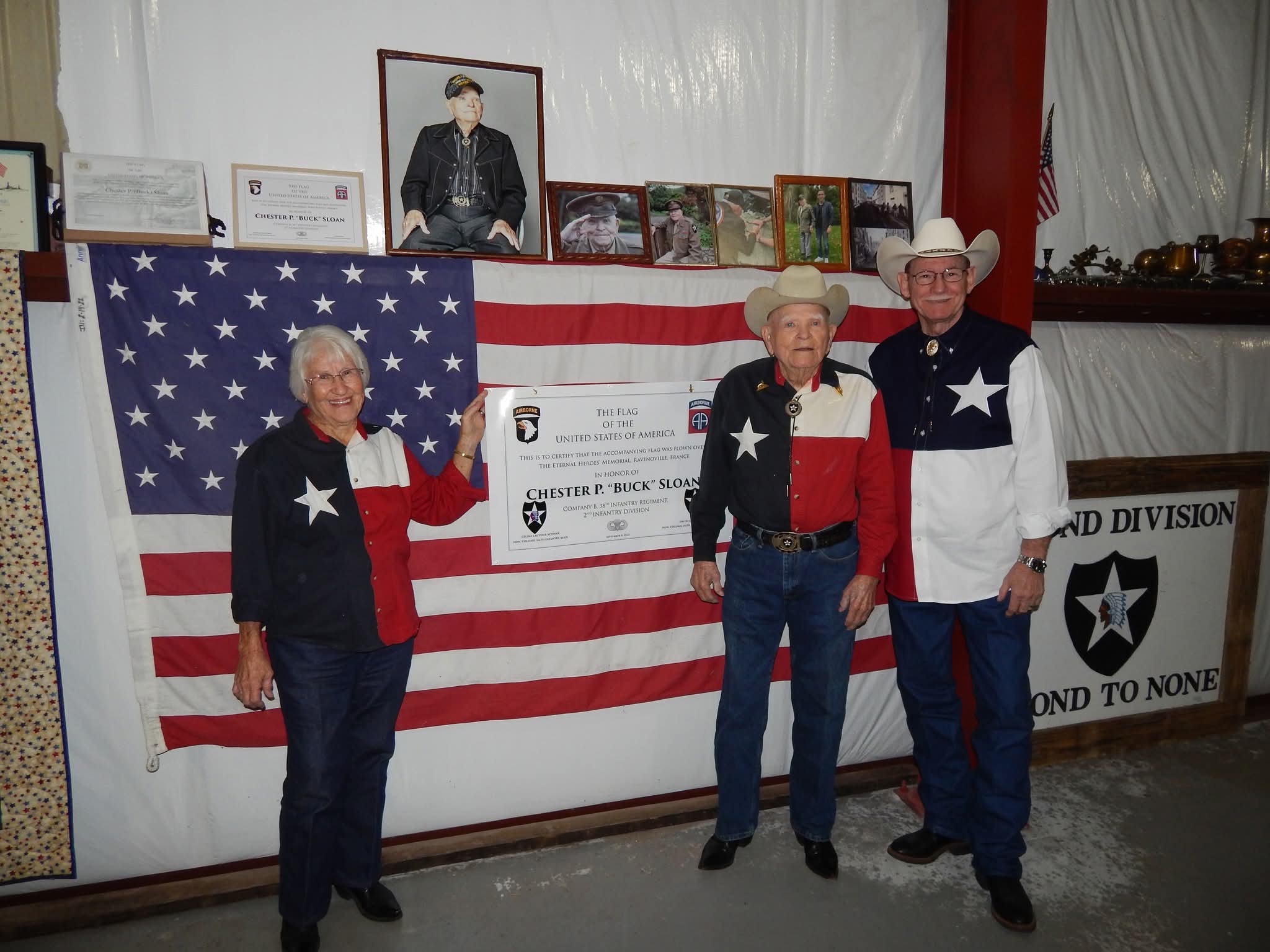
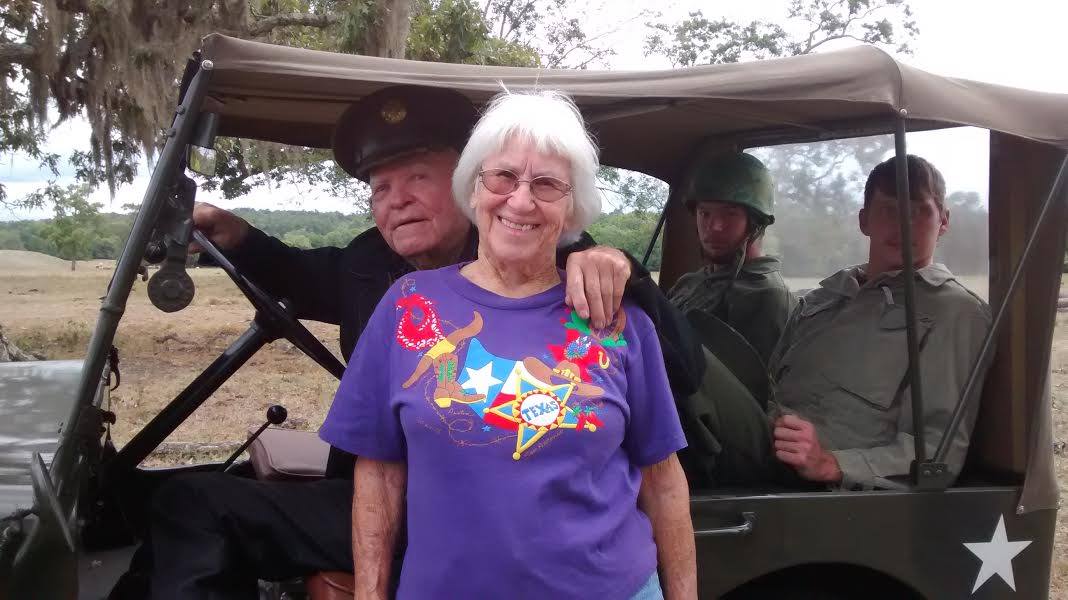
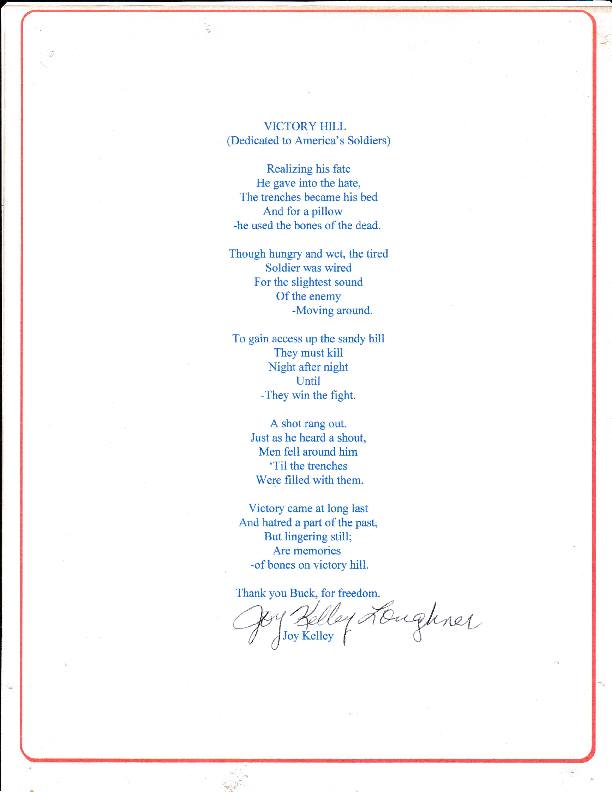
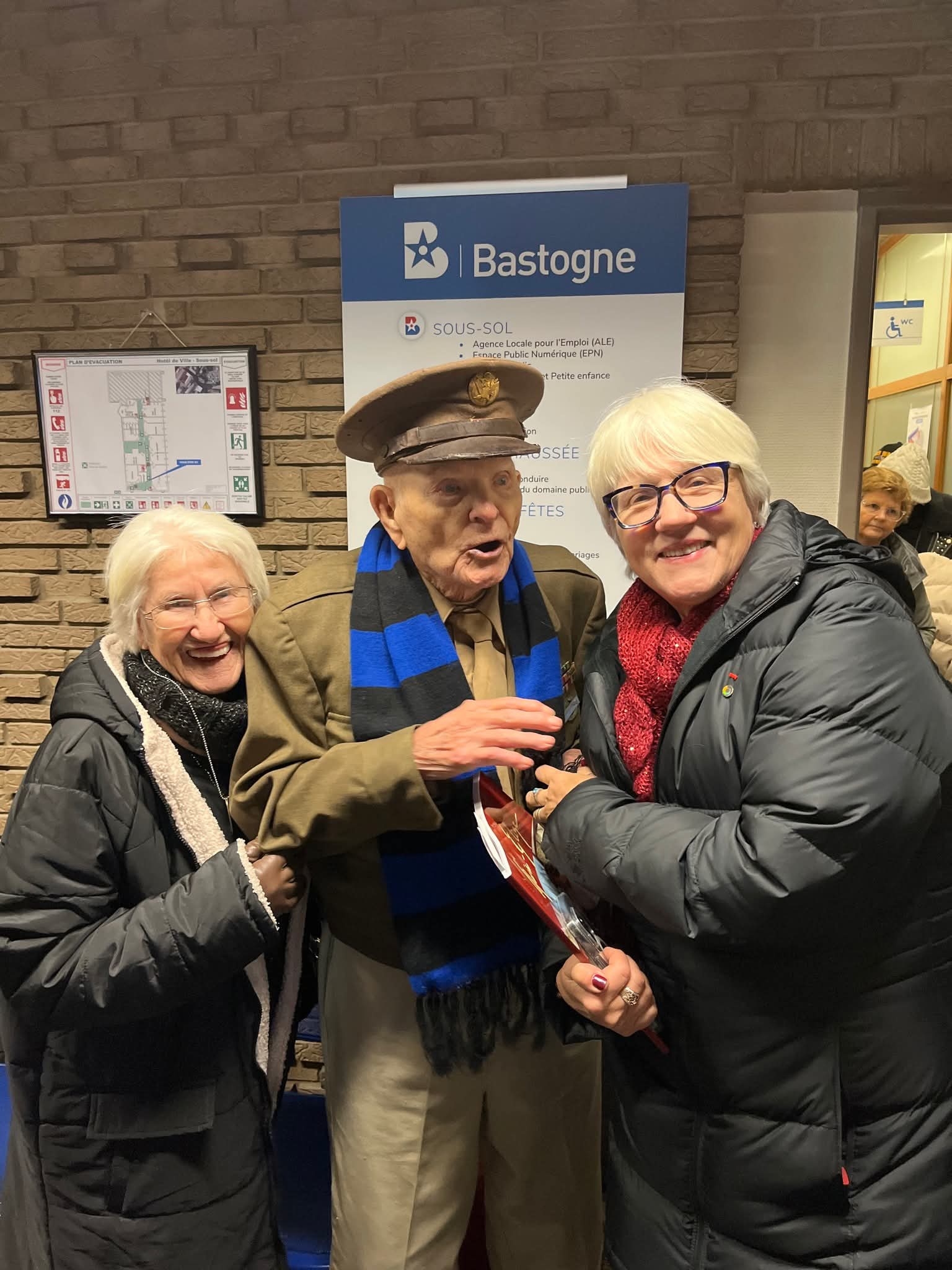
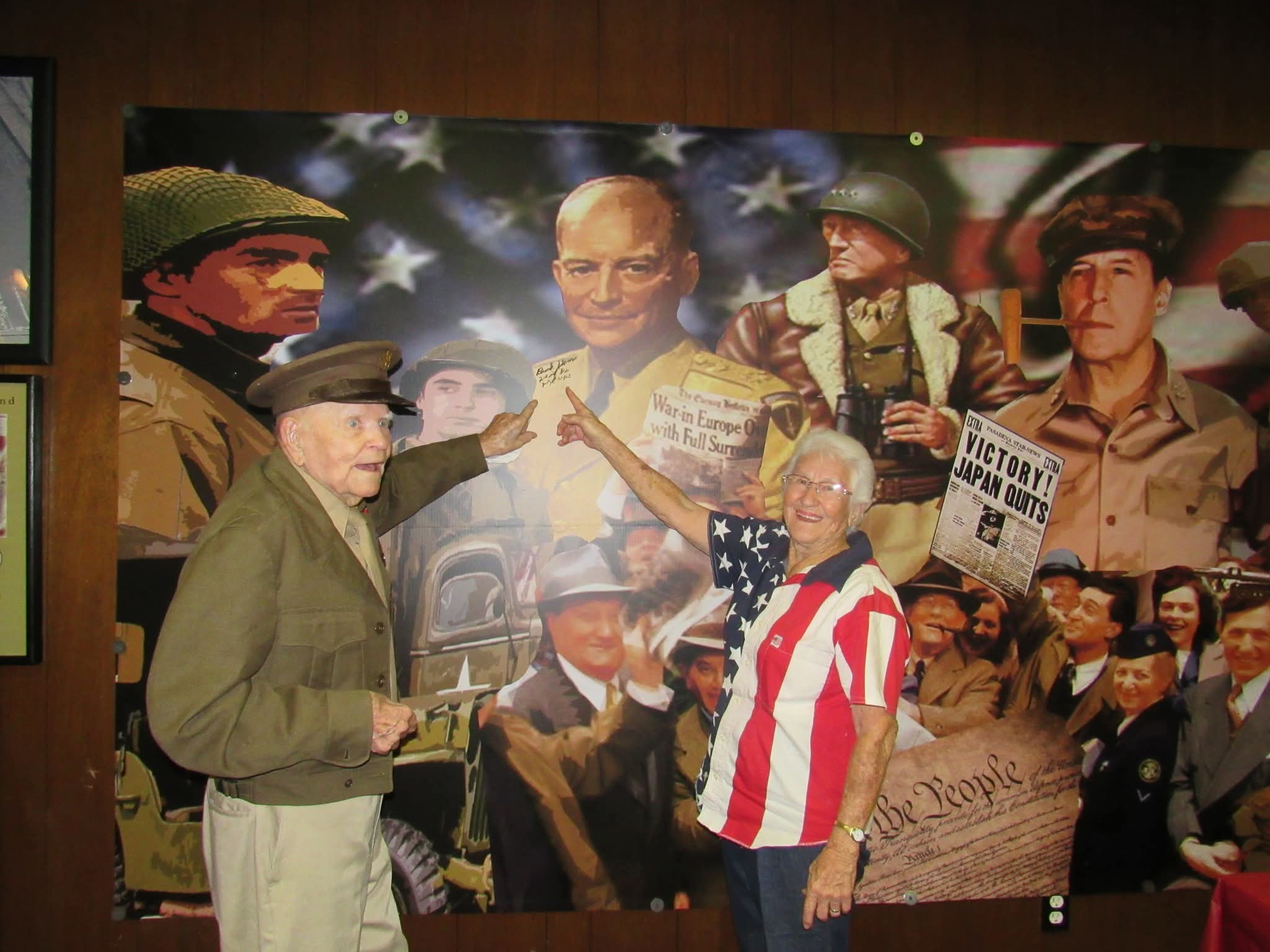
Shirley’s life became deeply intertwined with service when she married her husband, Buck Sloan — a World War II combat infantryman wounded in the fierce fighting around Bastogne during the Battle of the Bulge. Their partnership was built on shared strength, mutual respect, and a profound understanding of sacrifice. Together, they created a home grounded in loyalty, compassion, and the values forged through Buck’s wartime experiences and Shirley’s steadfast support.
After their years of service, Buck and Shirley built something extraordinary together: Buck’s Jamboree. It became a gathering place for veterans, families, musicians, and friends — a space where music healed, laughter returned, and community grew. Shirley was the heart of the operation. She sang alongside Buck, bringing warmth and joy to every performance, and she managed the Jamboree with the same precision and dedication she had shown in her military duties. Her leadership kept the doors open, the music flowing, and the community thriving.
Shirley’s compassion extended far beyond the stage. She supported veterans with empathy and understanding, offering a steady presence to those who carried the emotional weight of war. Her kindness became a source of comfort for many who struggled long after their service ended. In every role — soldier, wife, mother, singer, and community anchor — Shirley embodied grace, strength, and a servant’s heart.
Her legacy is one of quiet heroism — the kind found in kitchens, offices, and community halls where care, discipline, and devotion keep others standing. Shirley Sloan reminds us that service takes many forms, and that those who support, nourish, organize, and uplift others are every bit as essential as those on the front lines. Her life continues to inspire, and her legacy endures in the family she shaped, the veterans she comforted, and the music she helped bring to life at Buck’s Jamboree. She leaves behind a testament to the power of steady hands, a generous heart, and a life lived in service to others.