
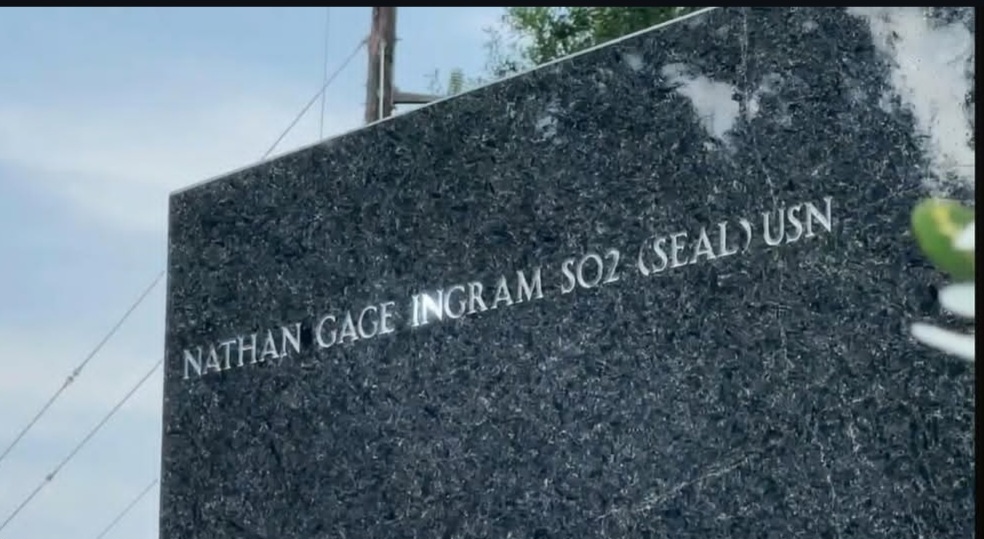
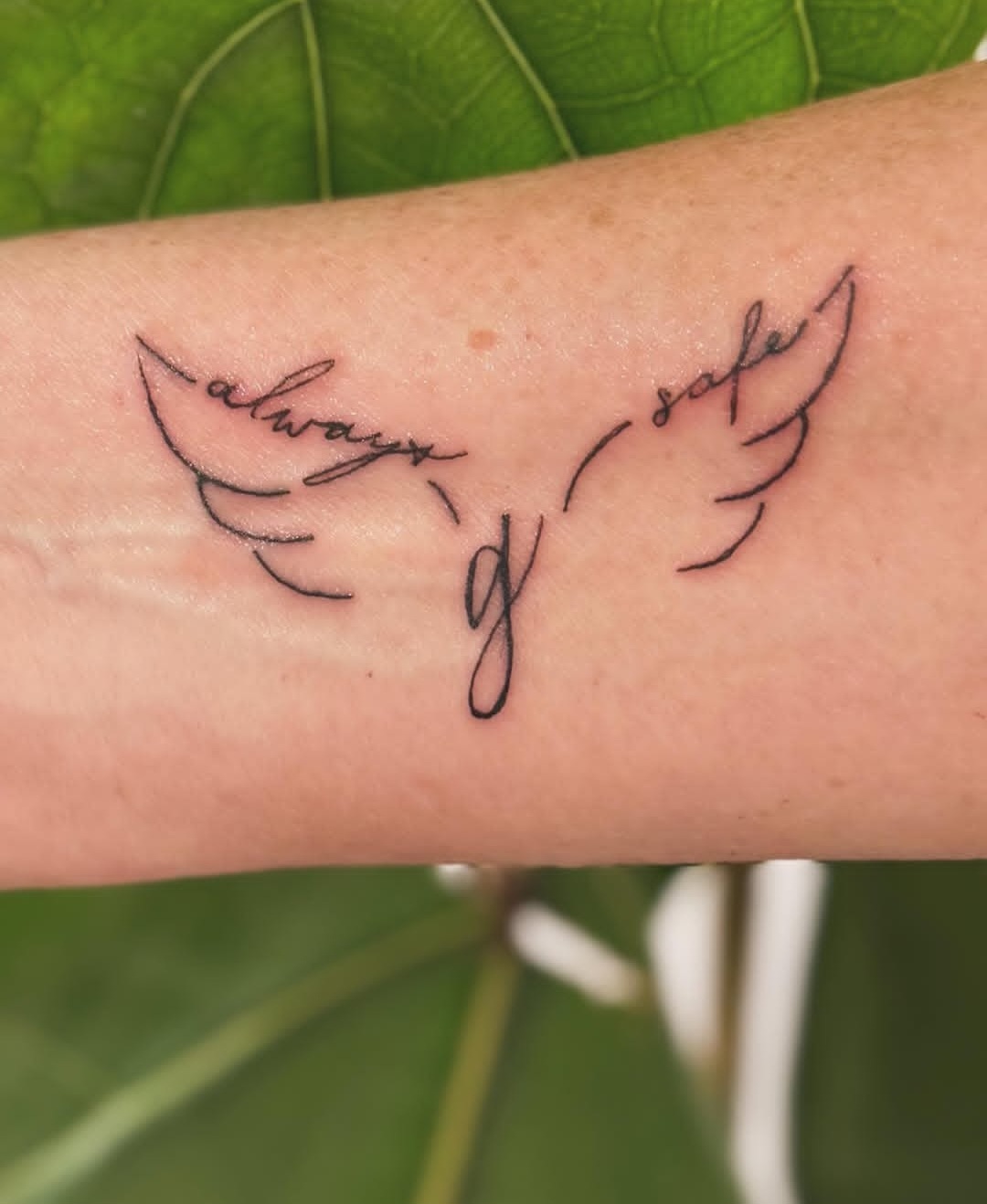
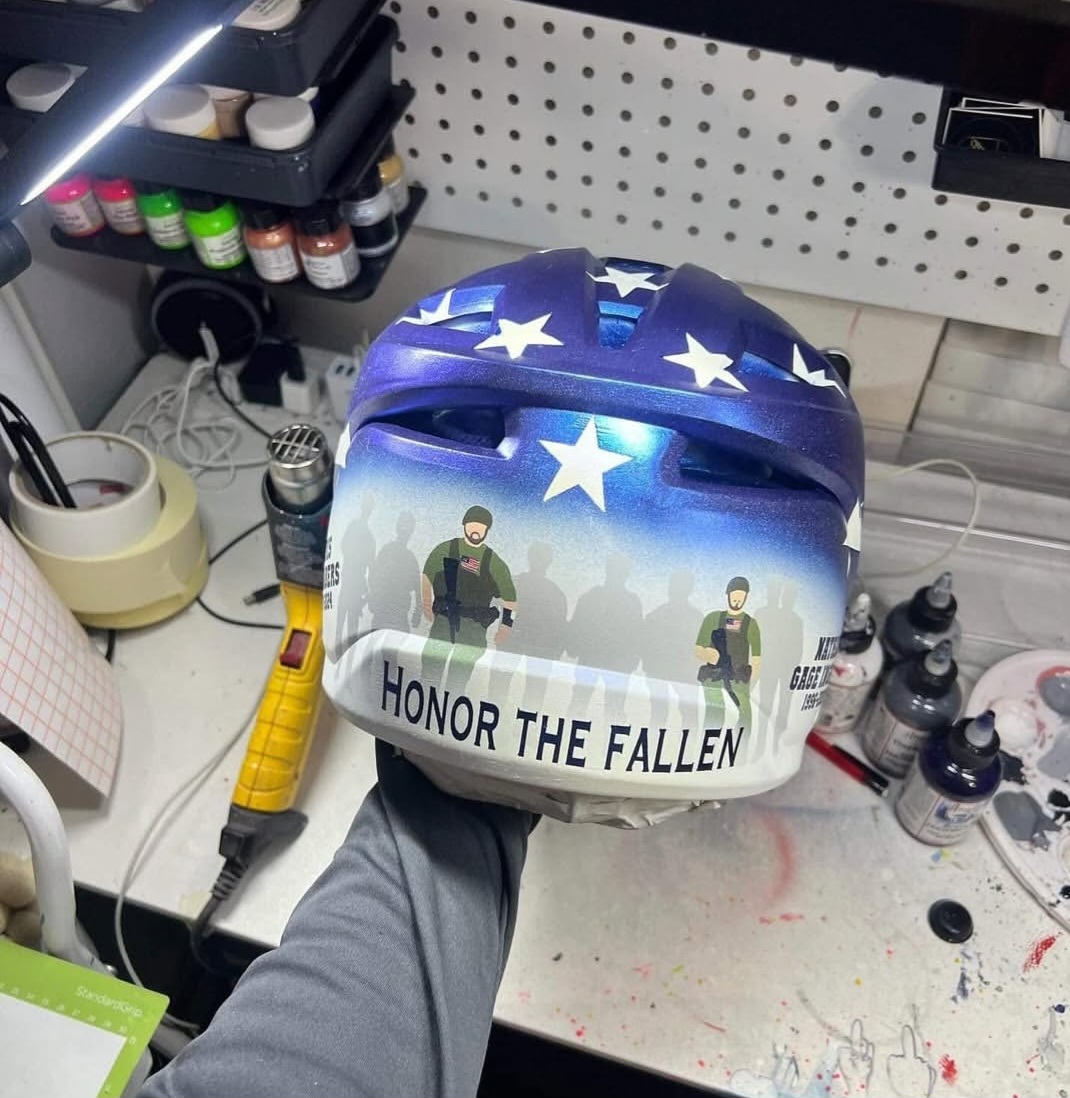
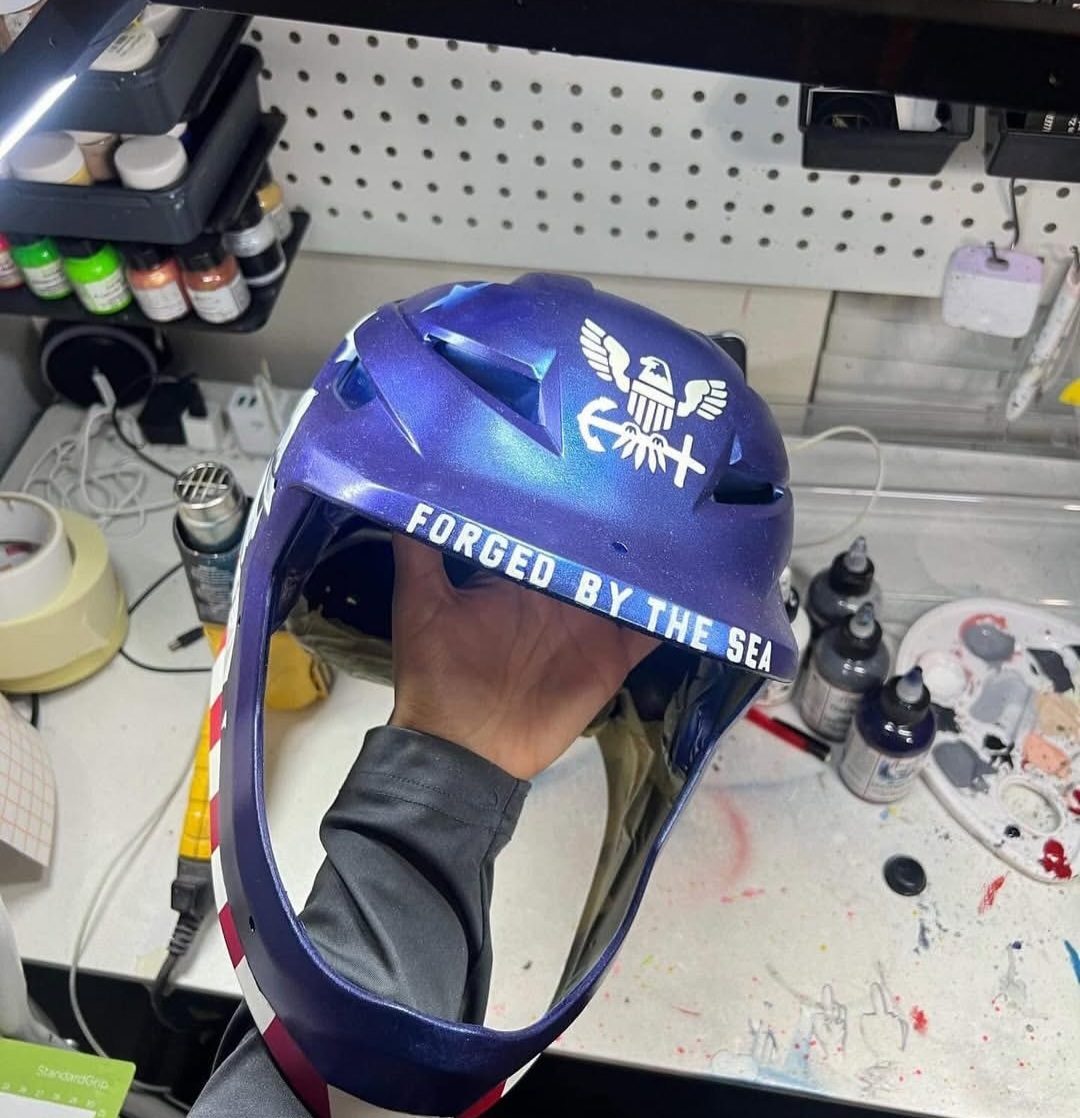
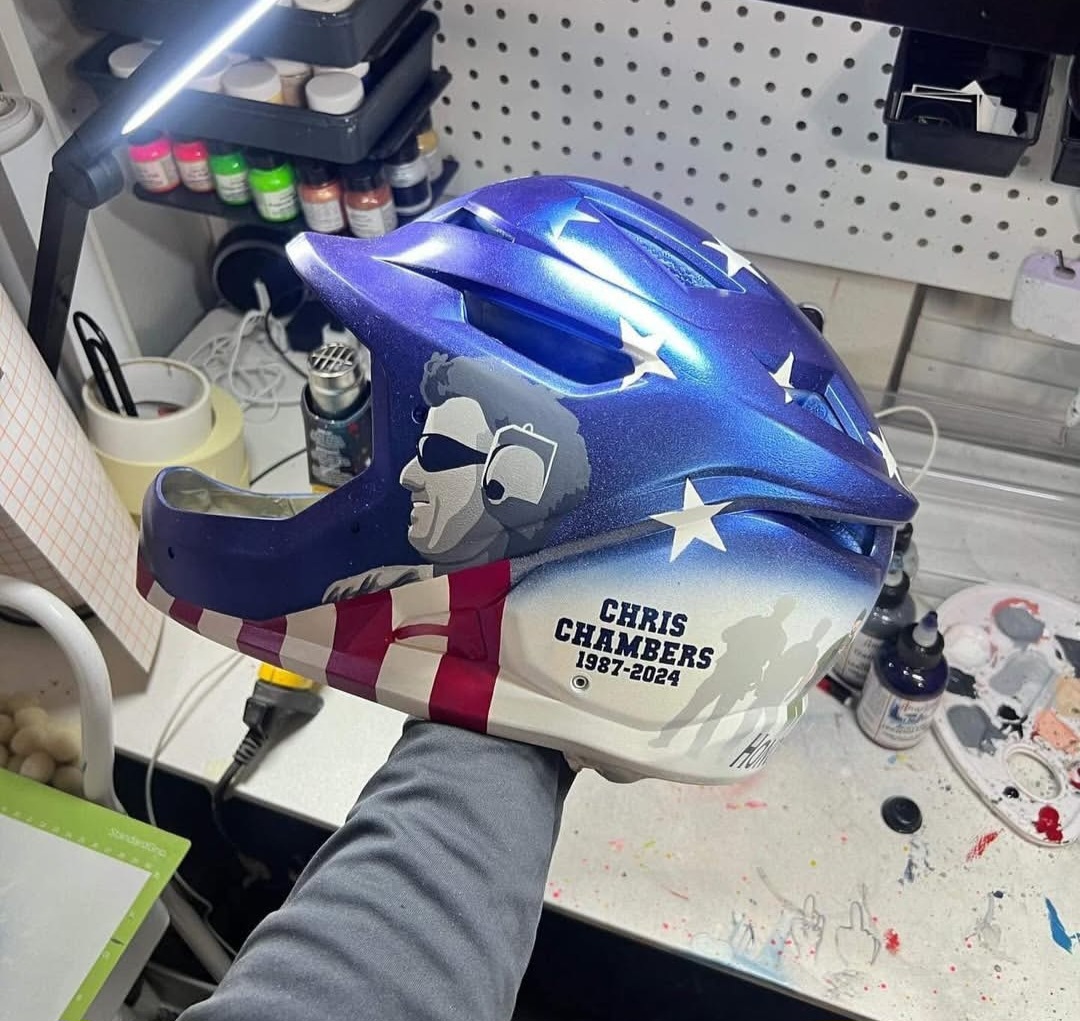
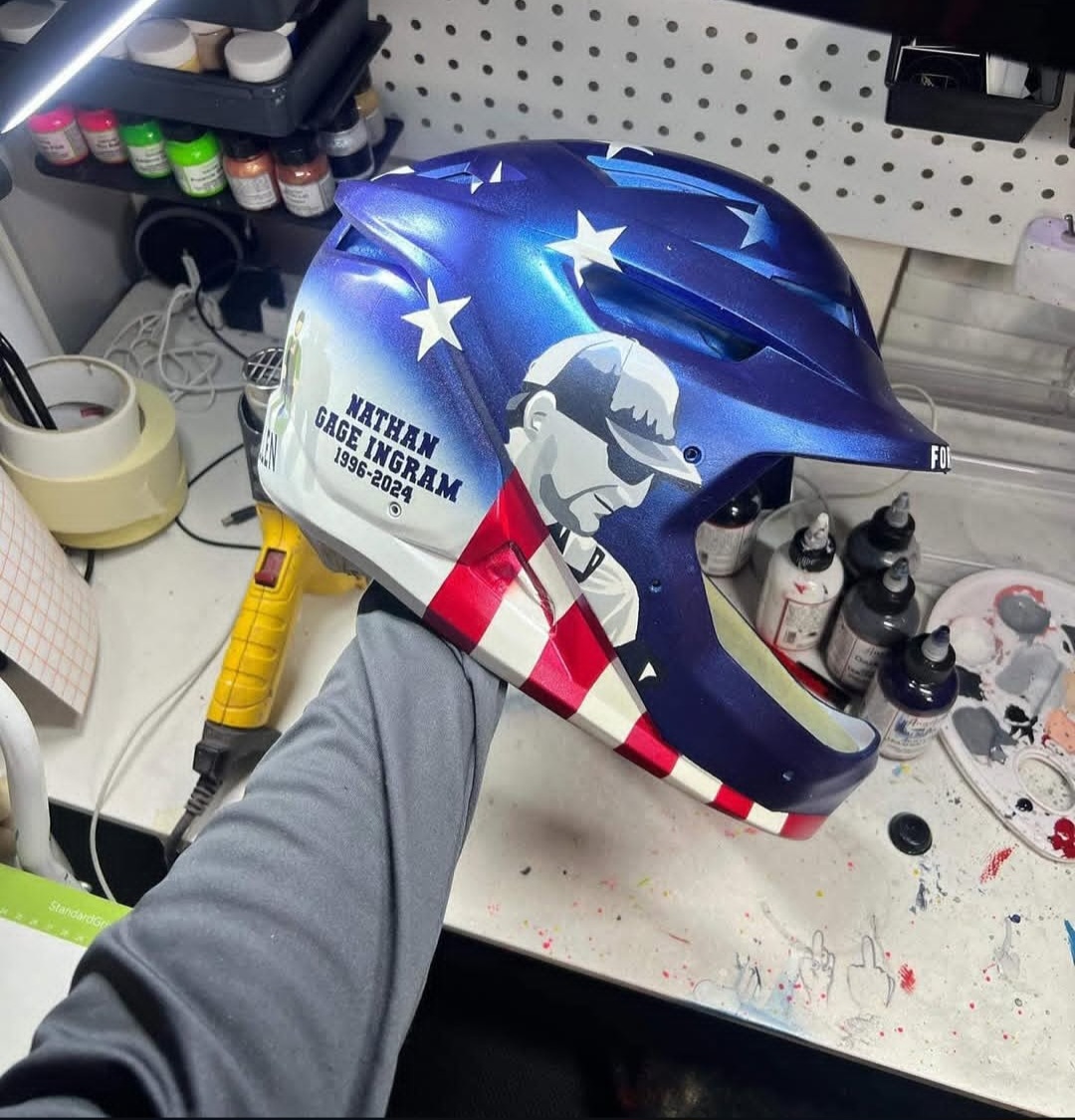

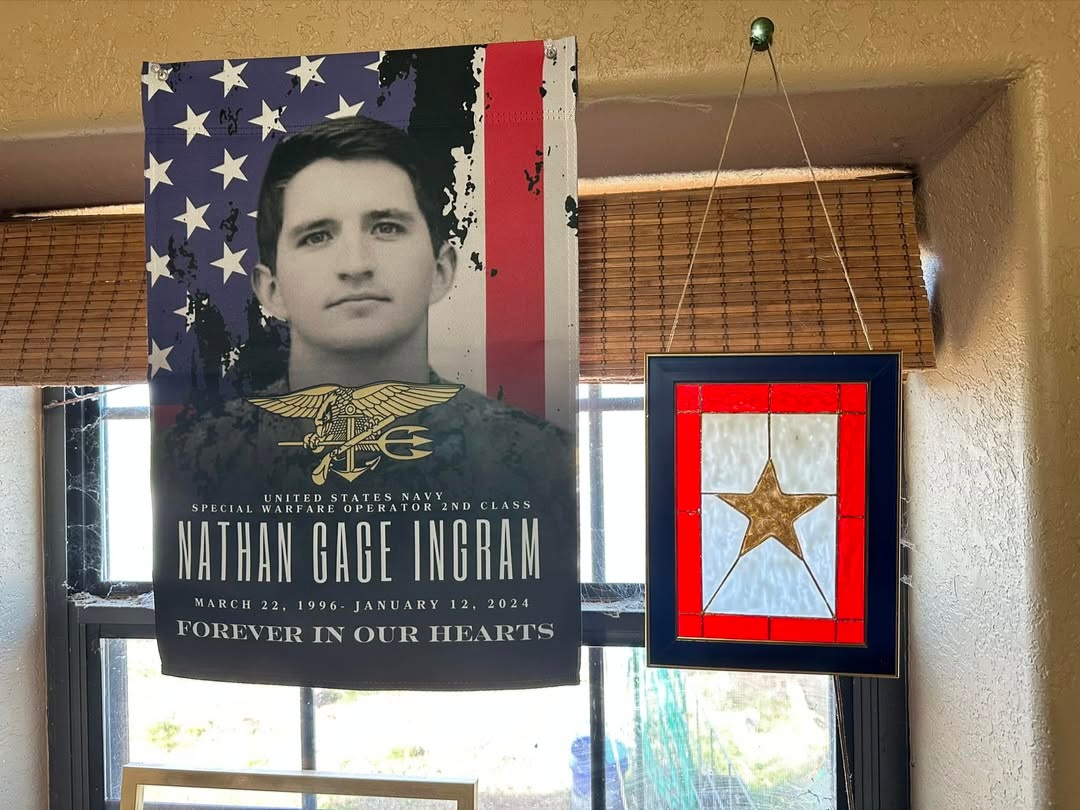

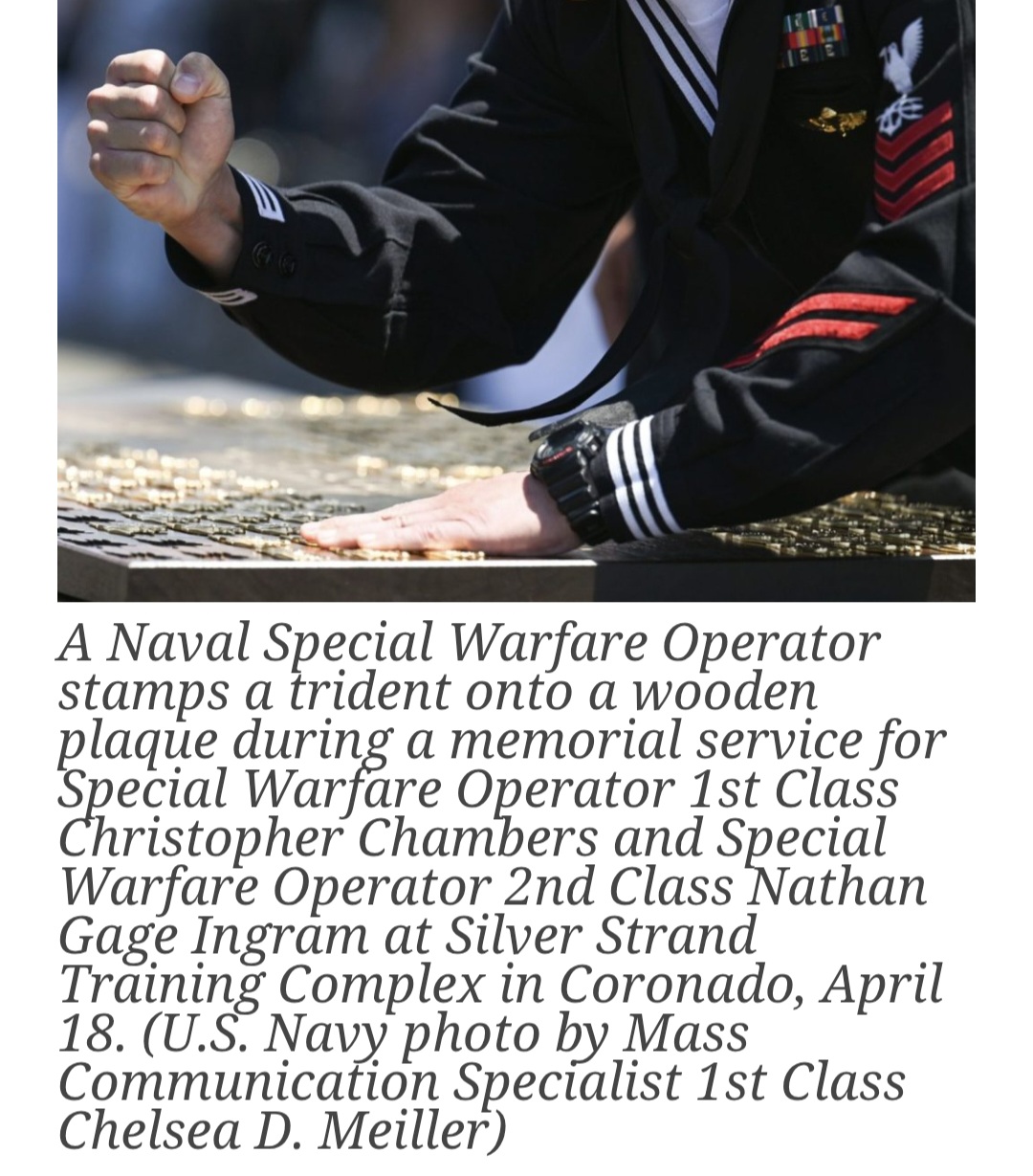
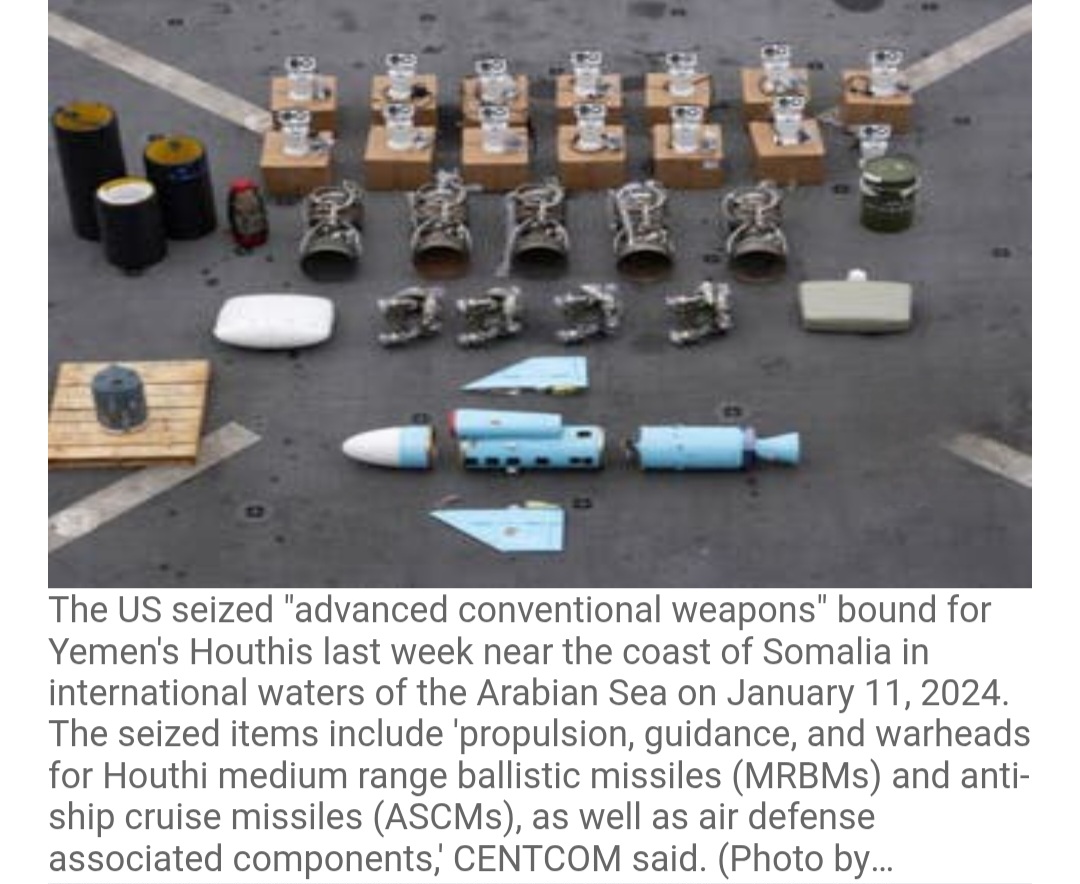
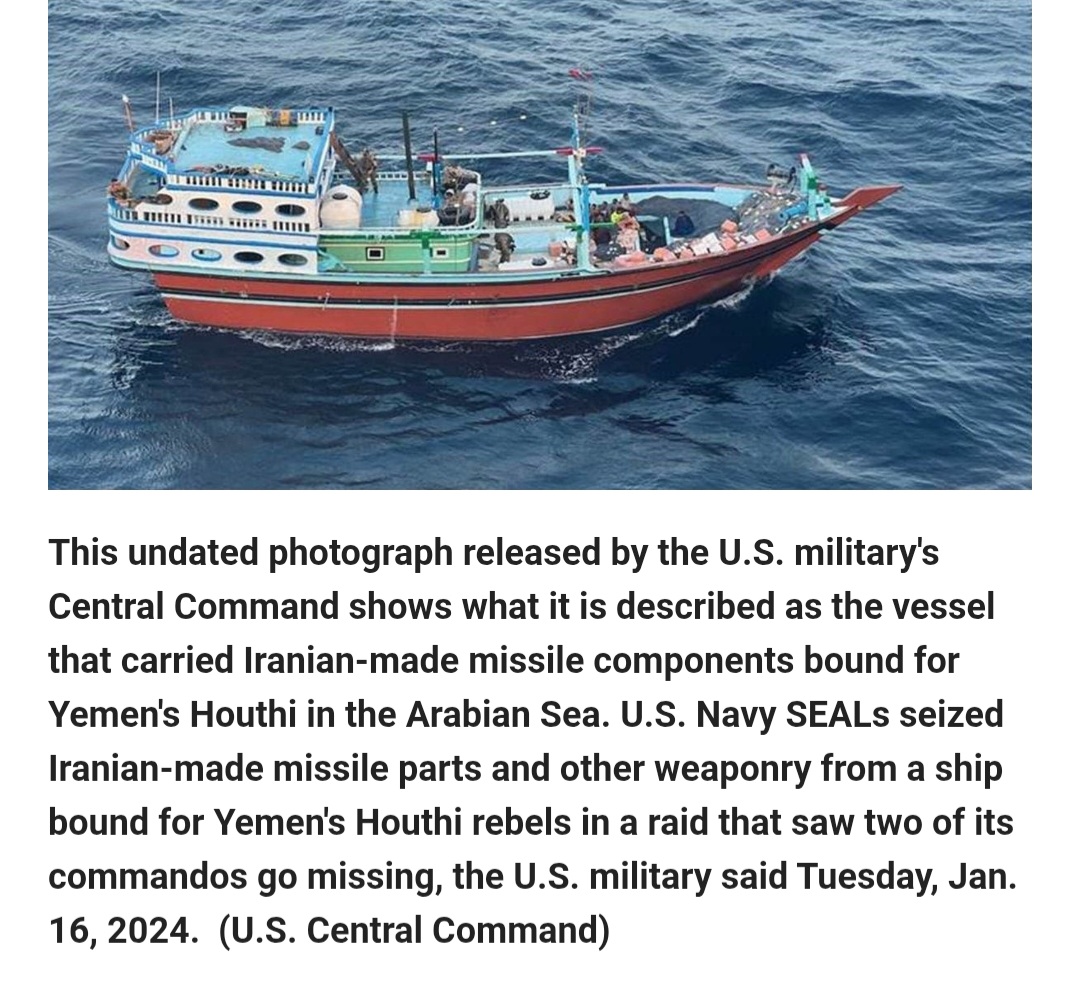
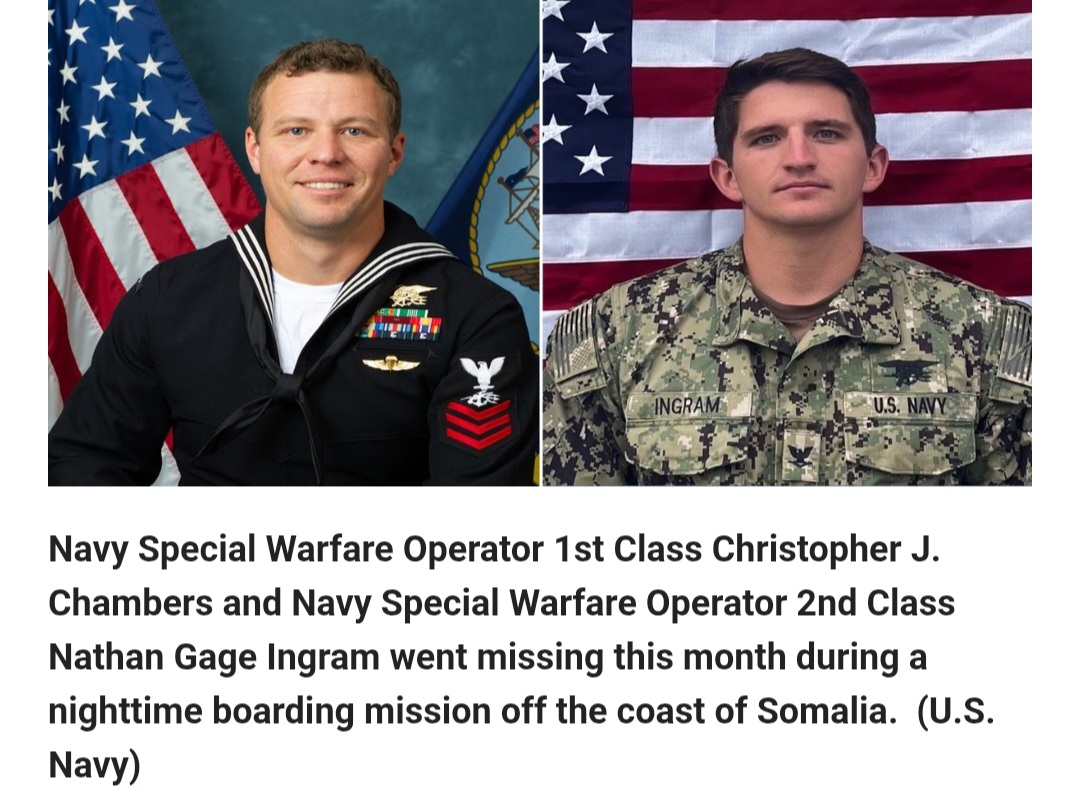



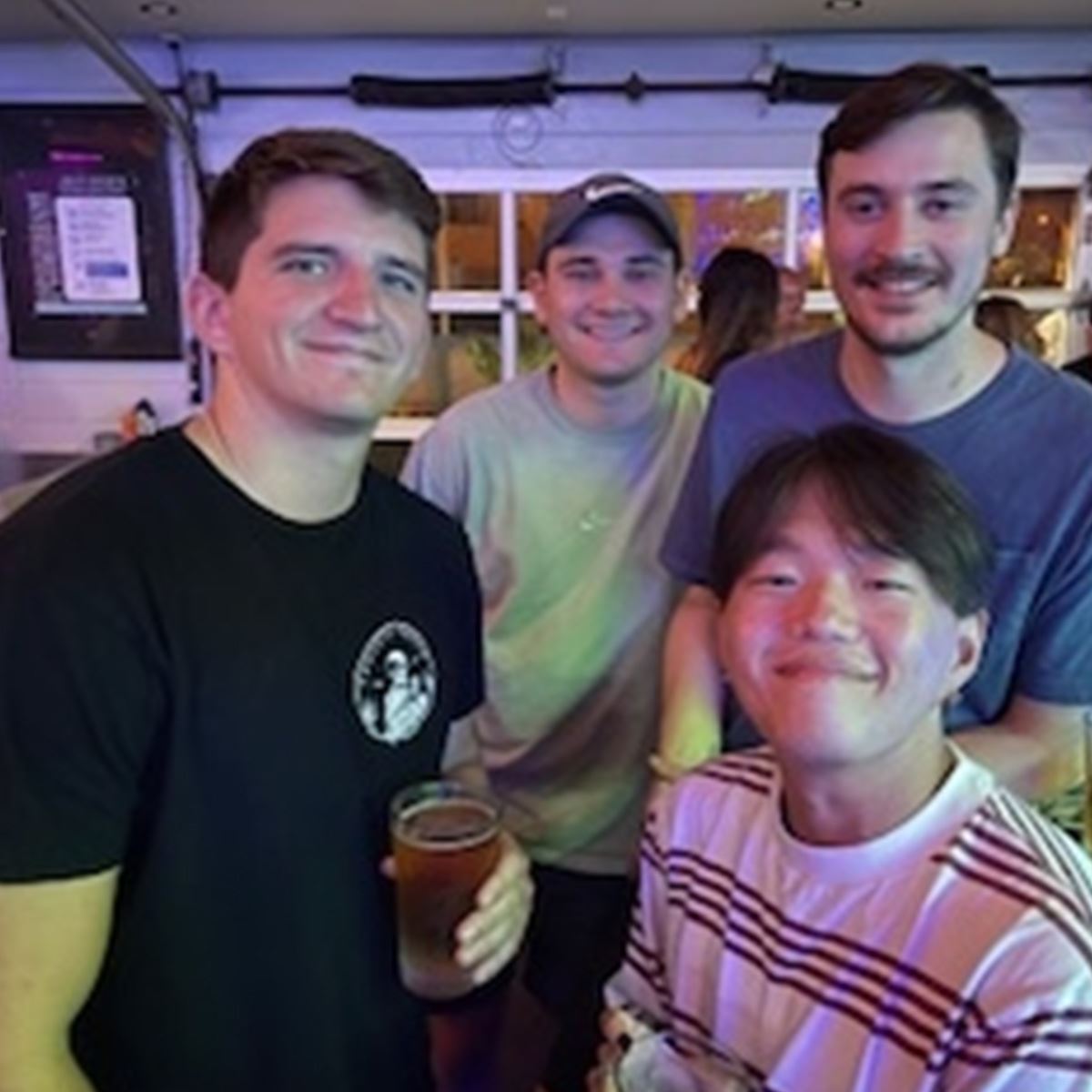
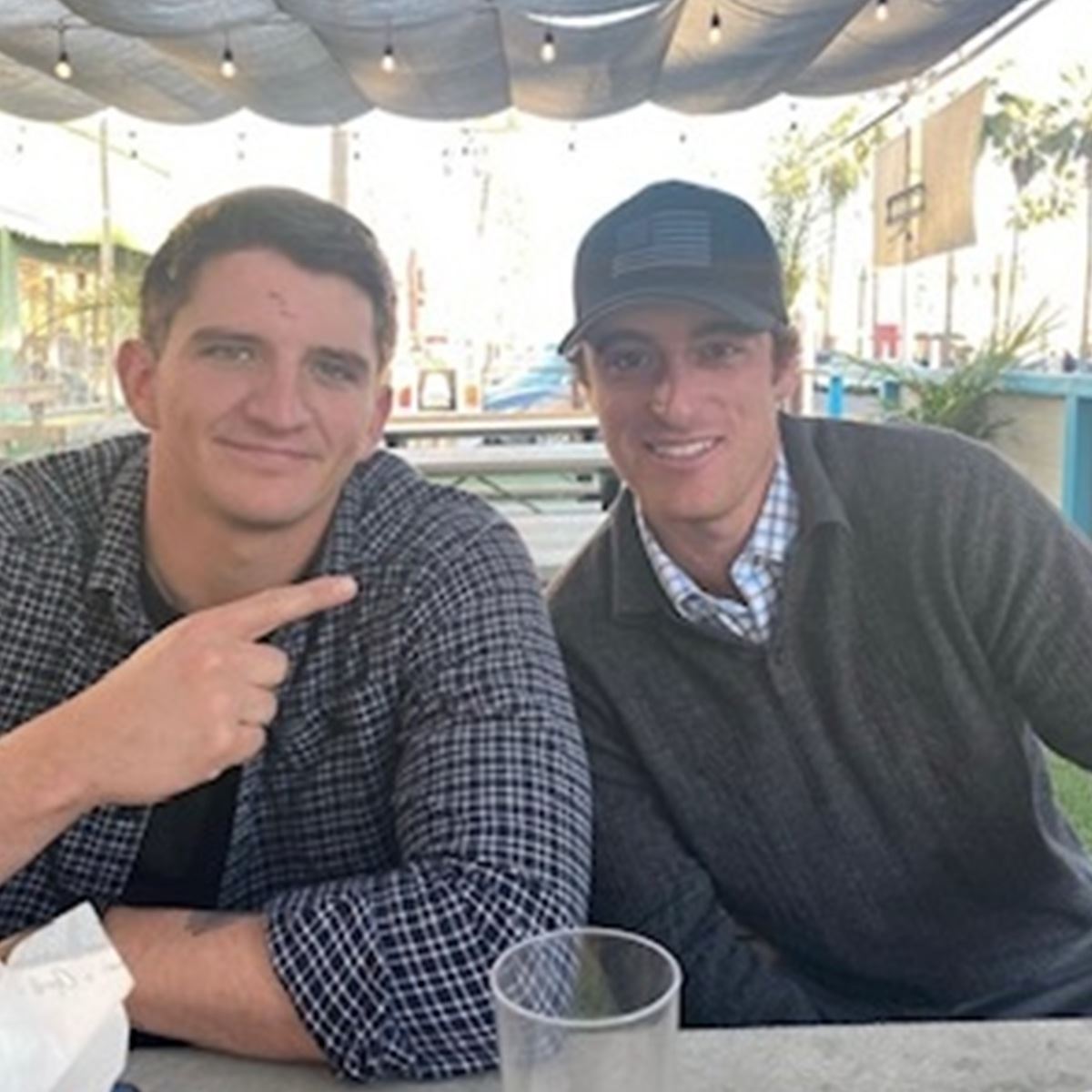
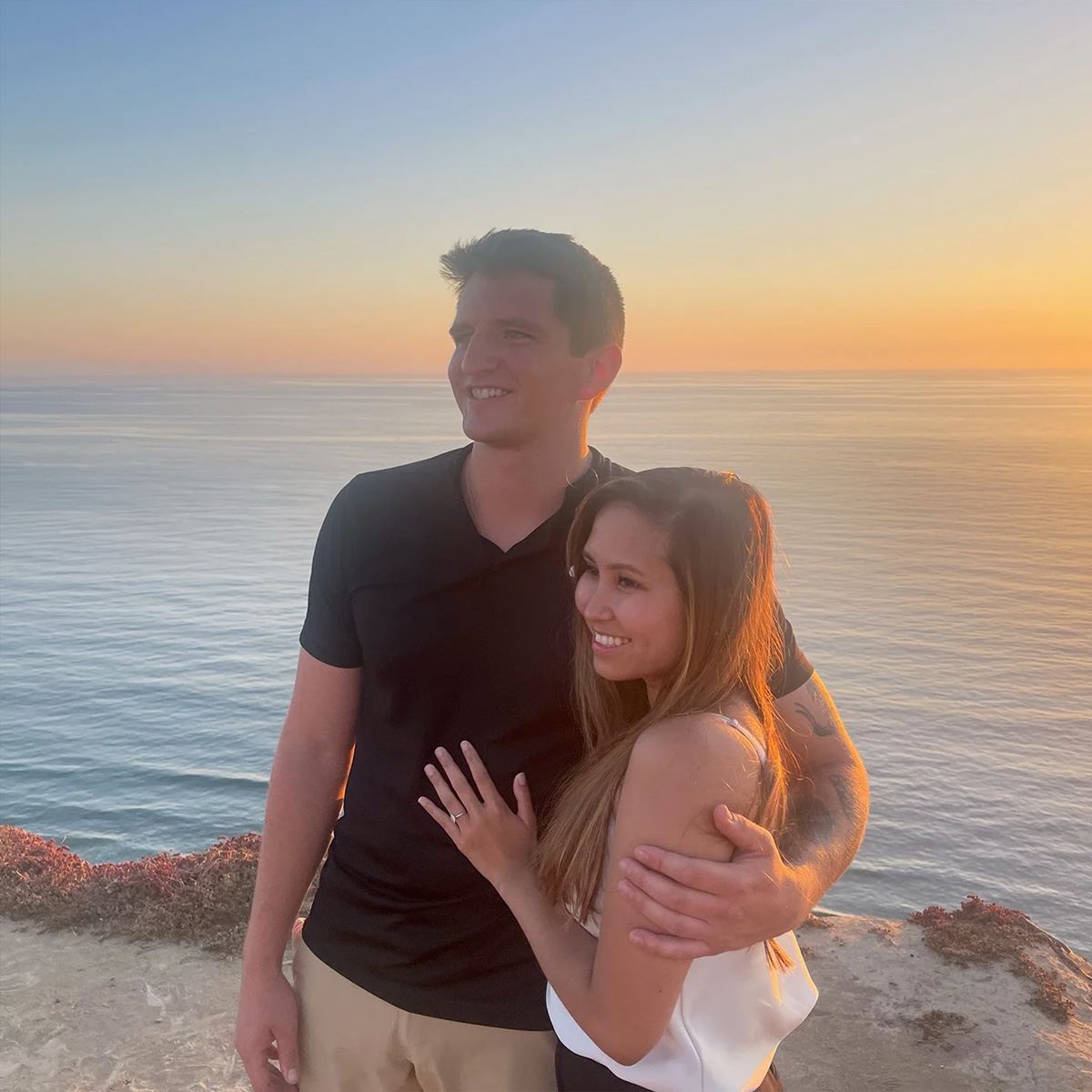
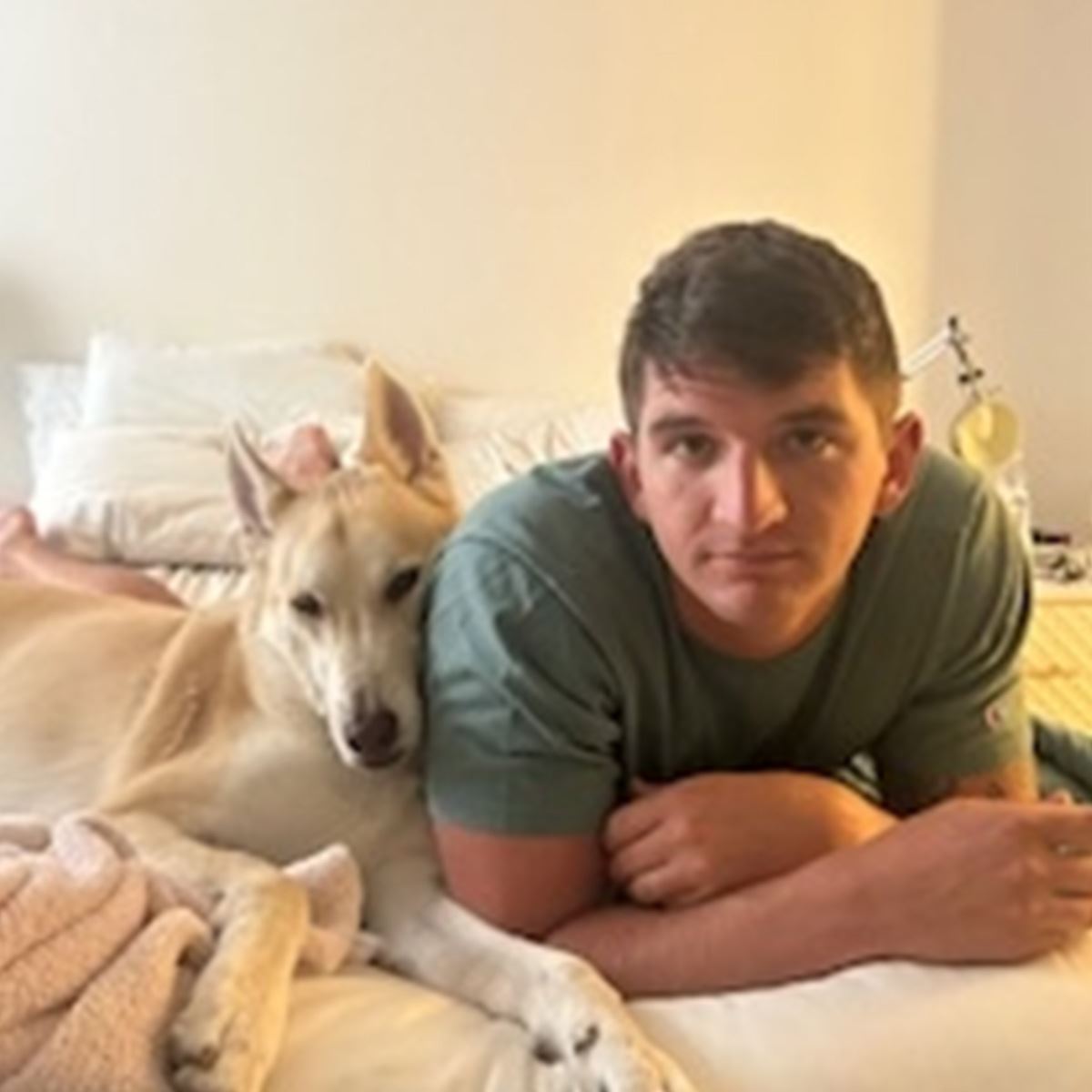

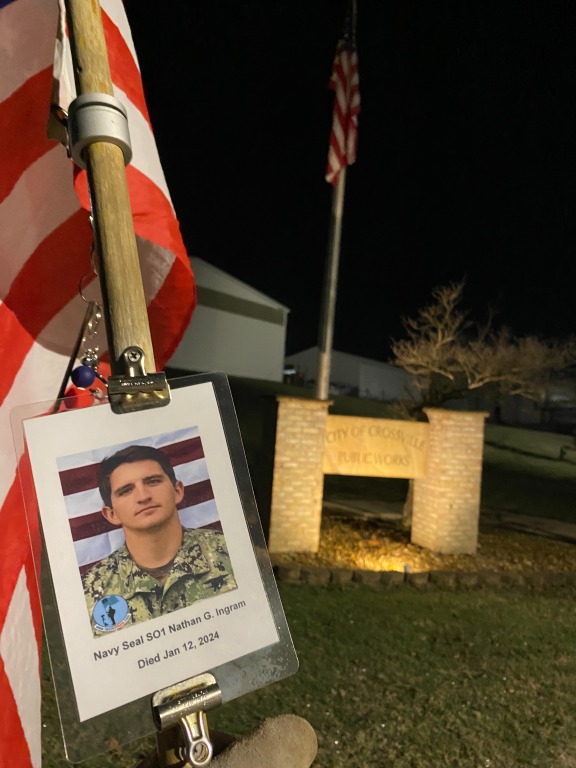
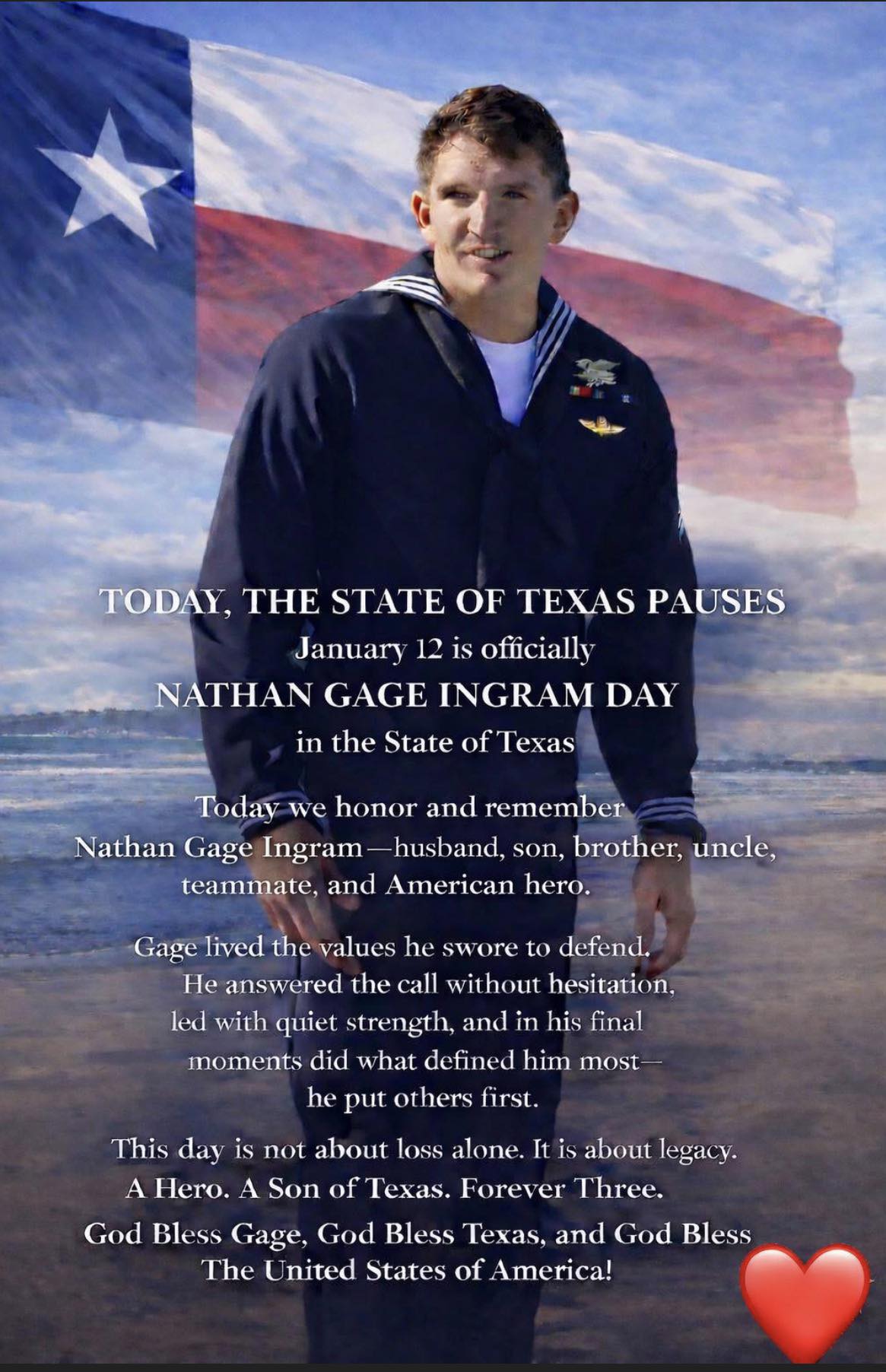
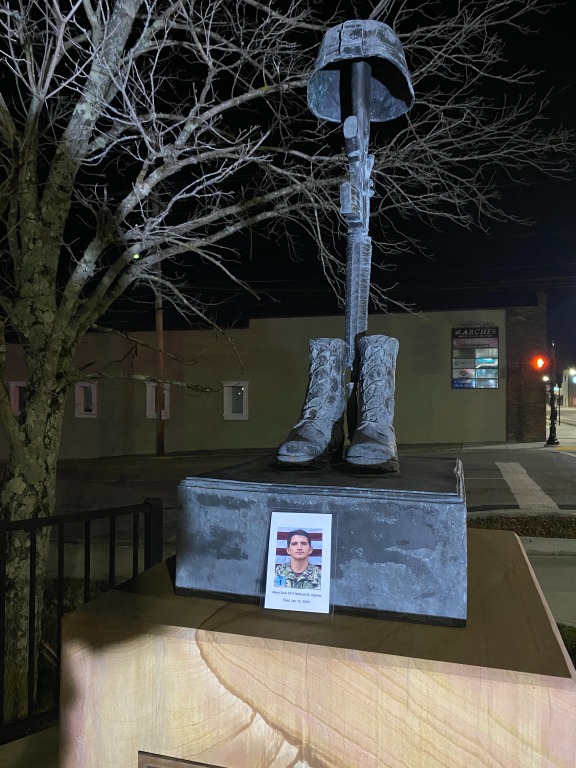
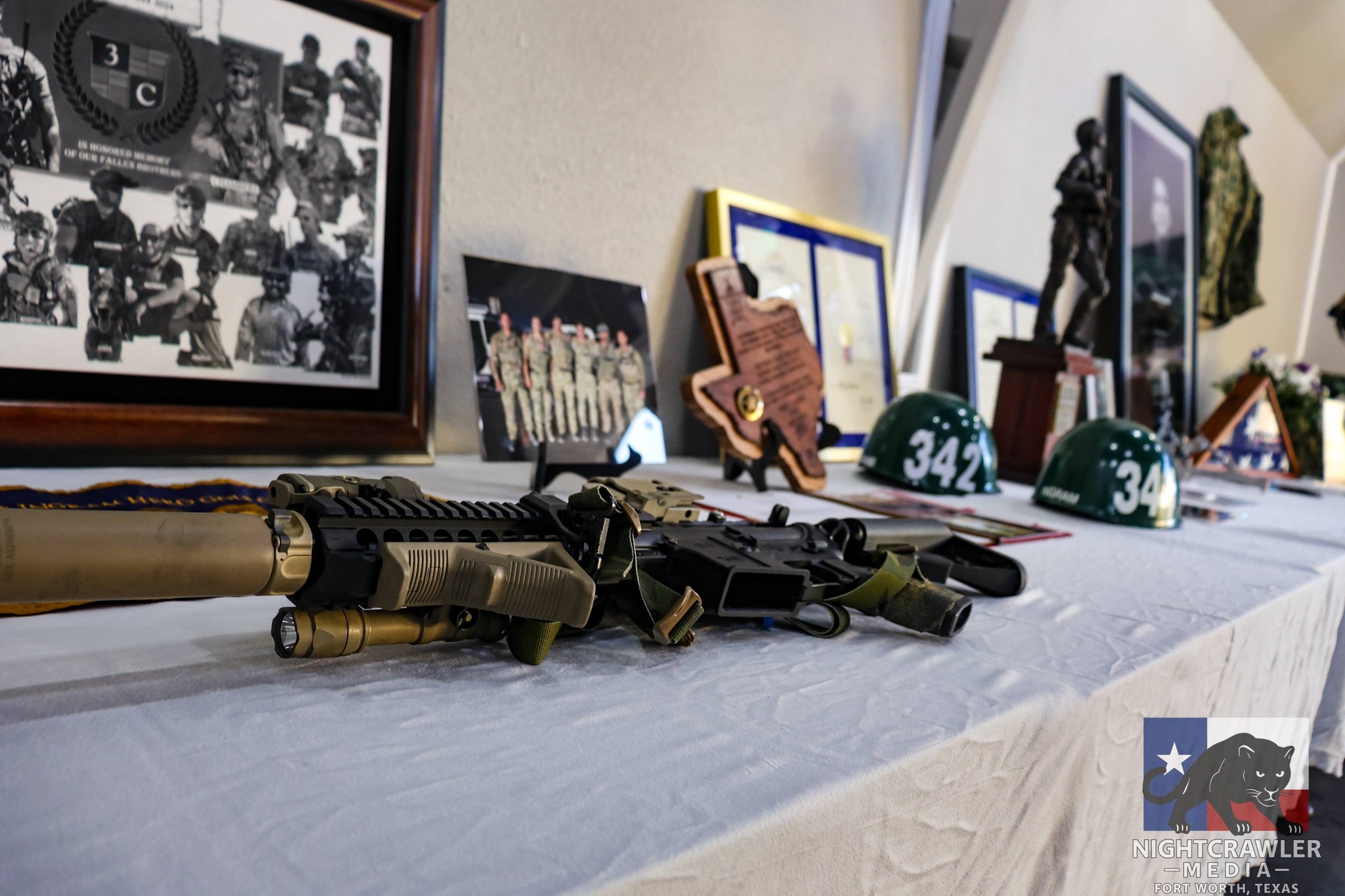
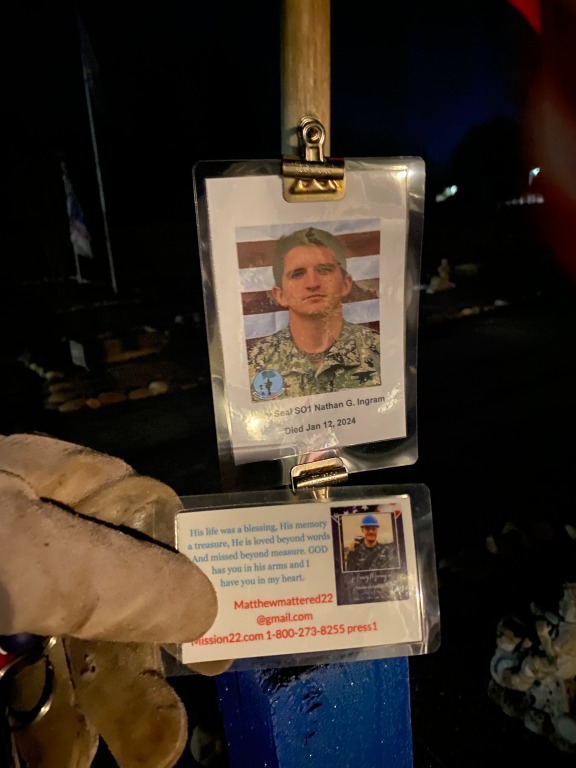
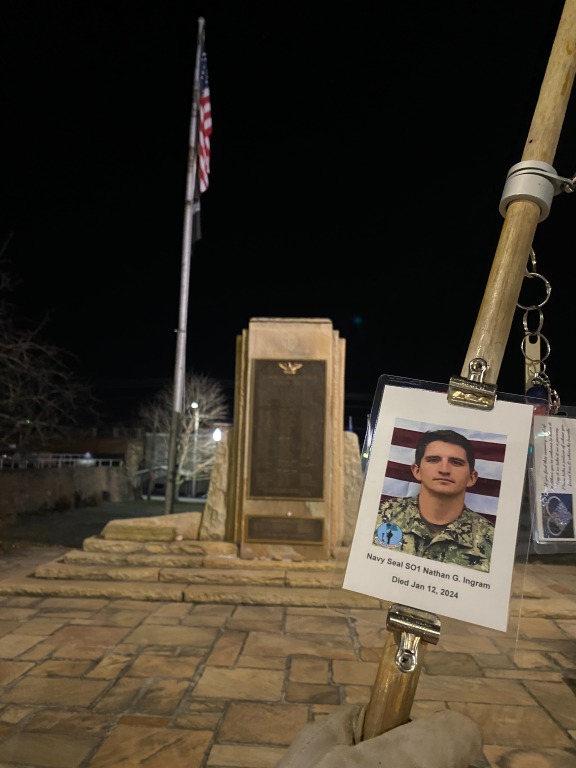
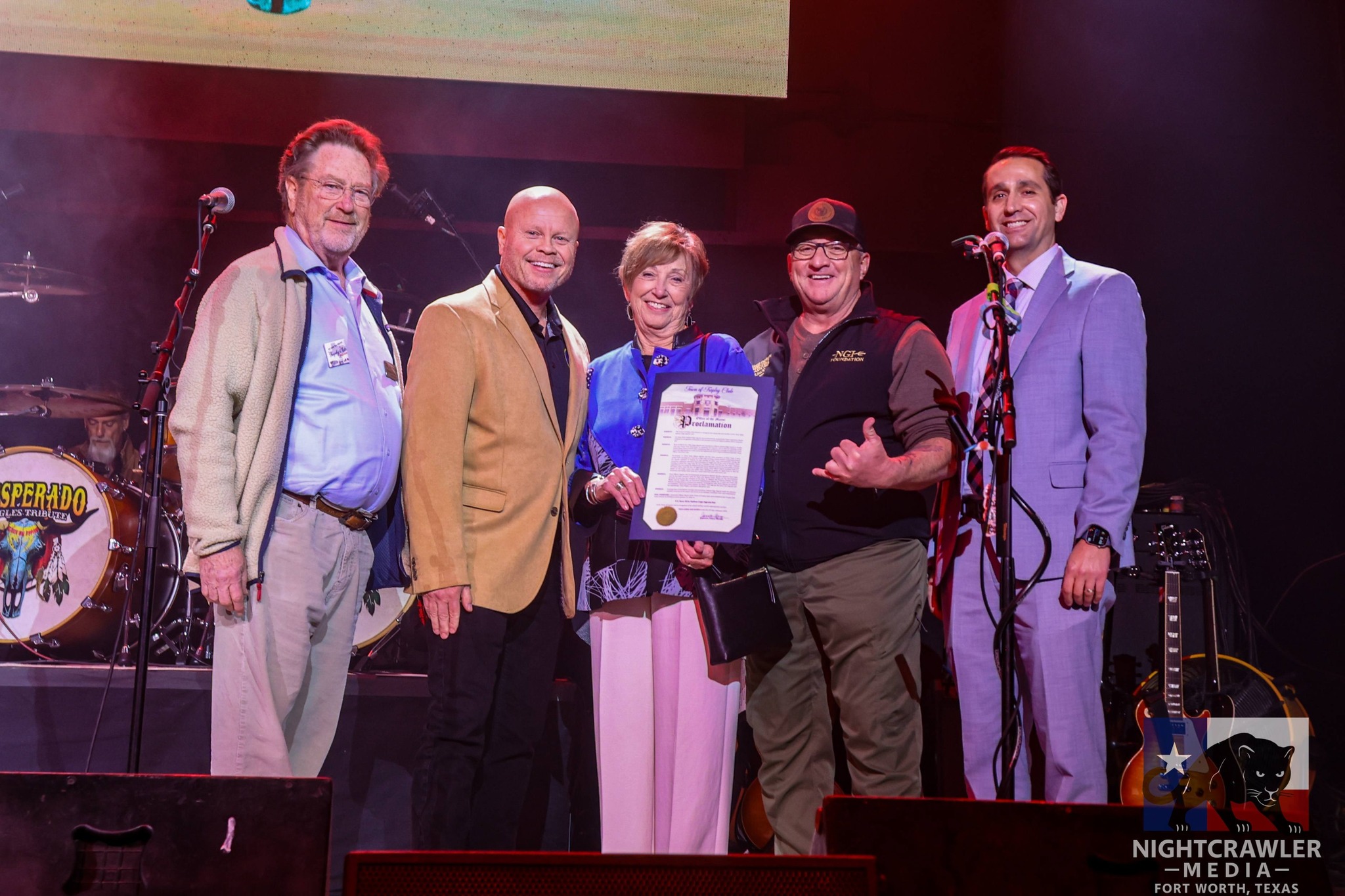
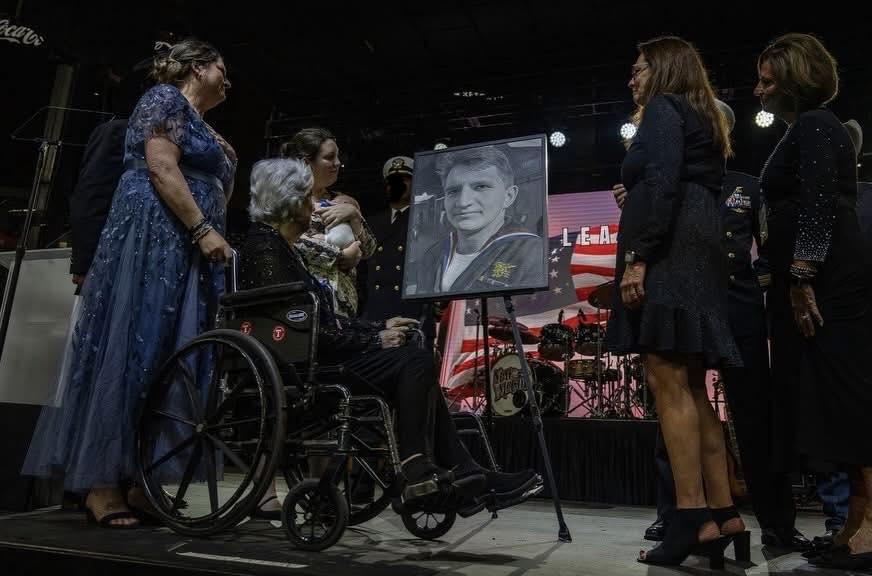


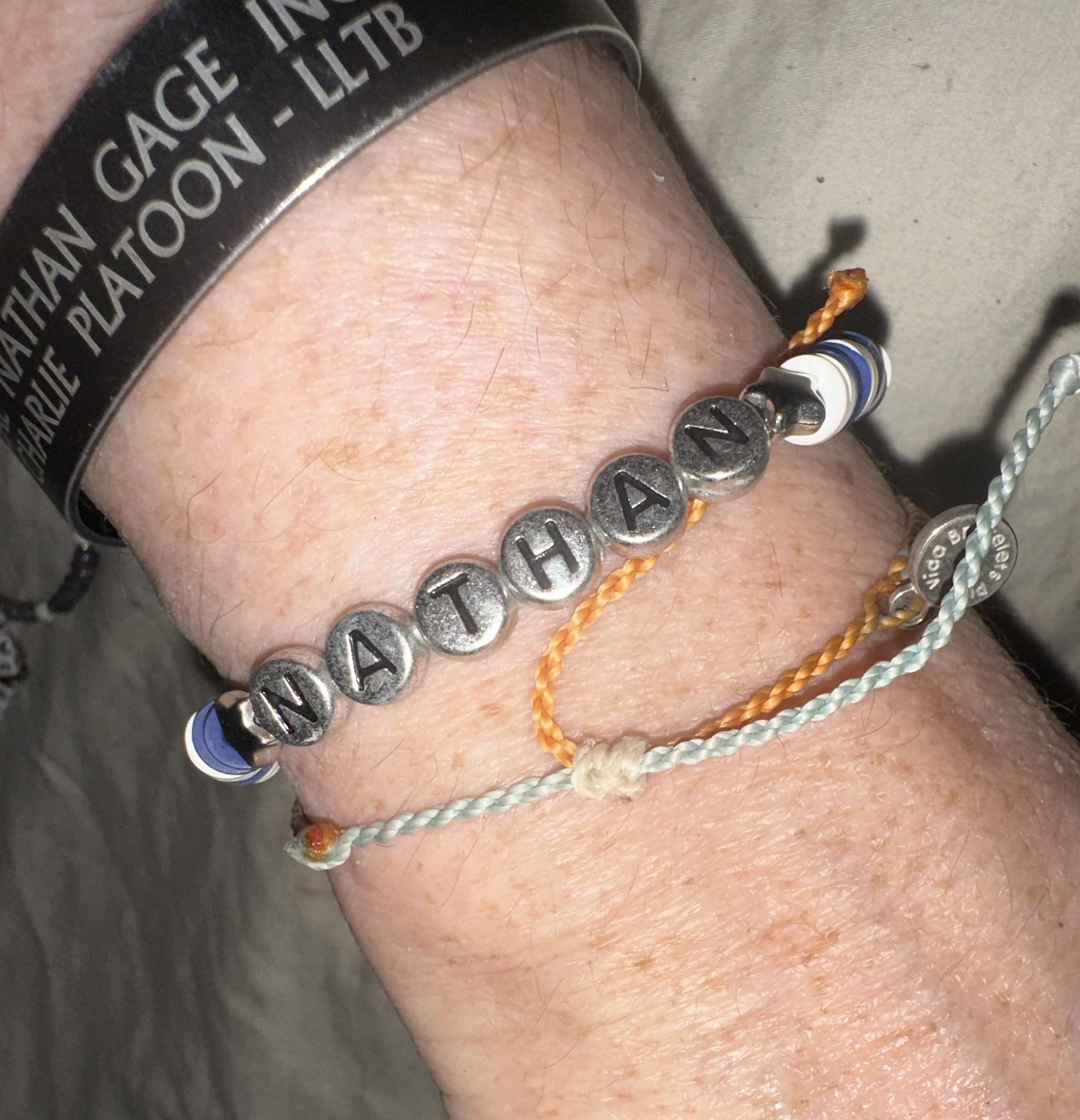
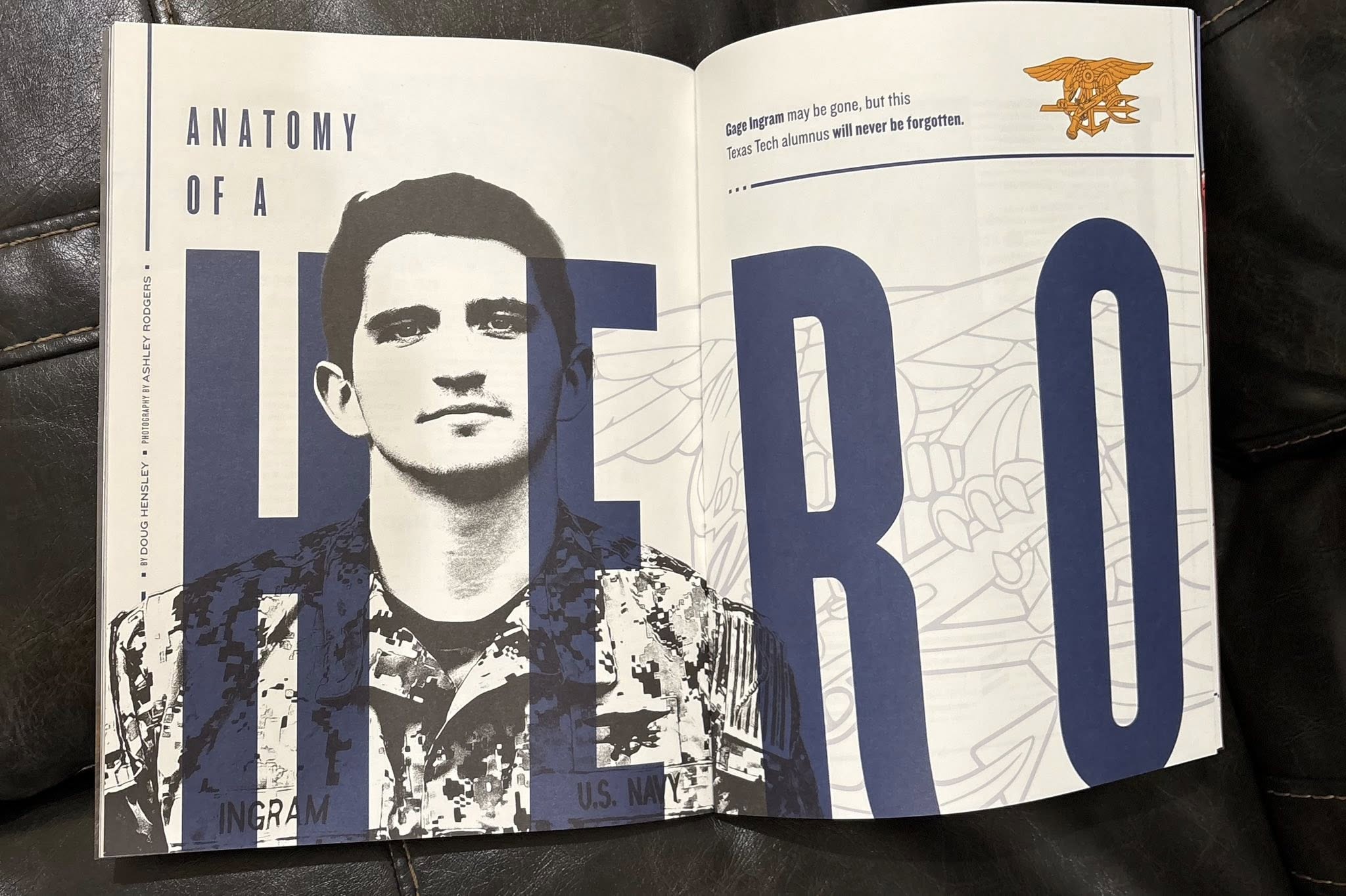
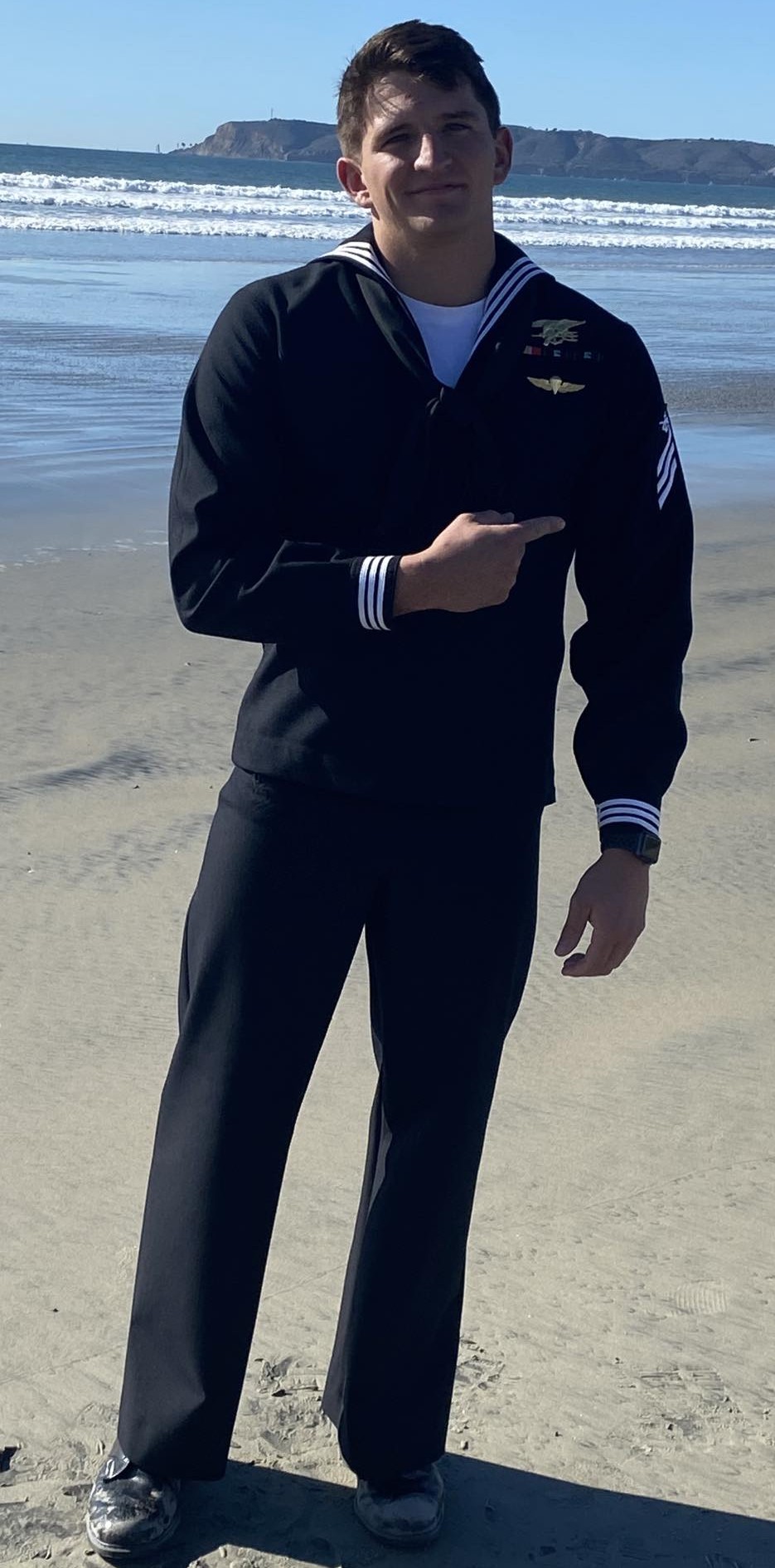

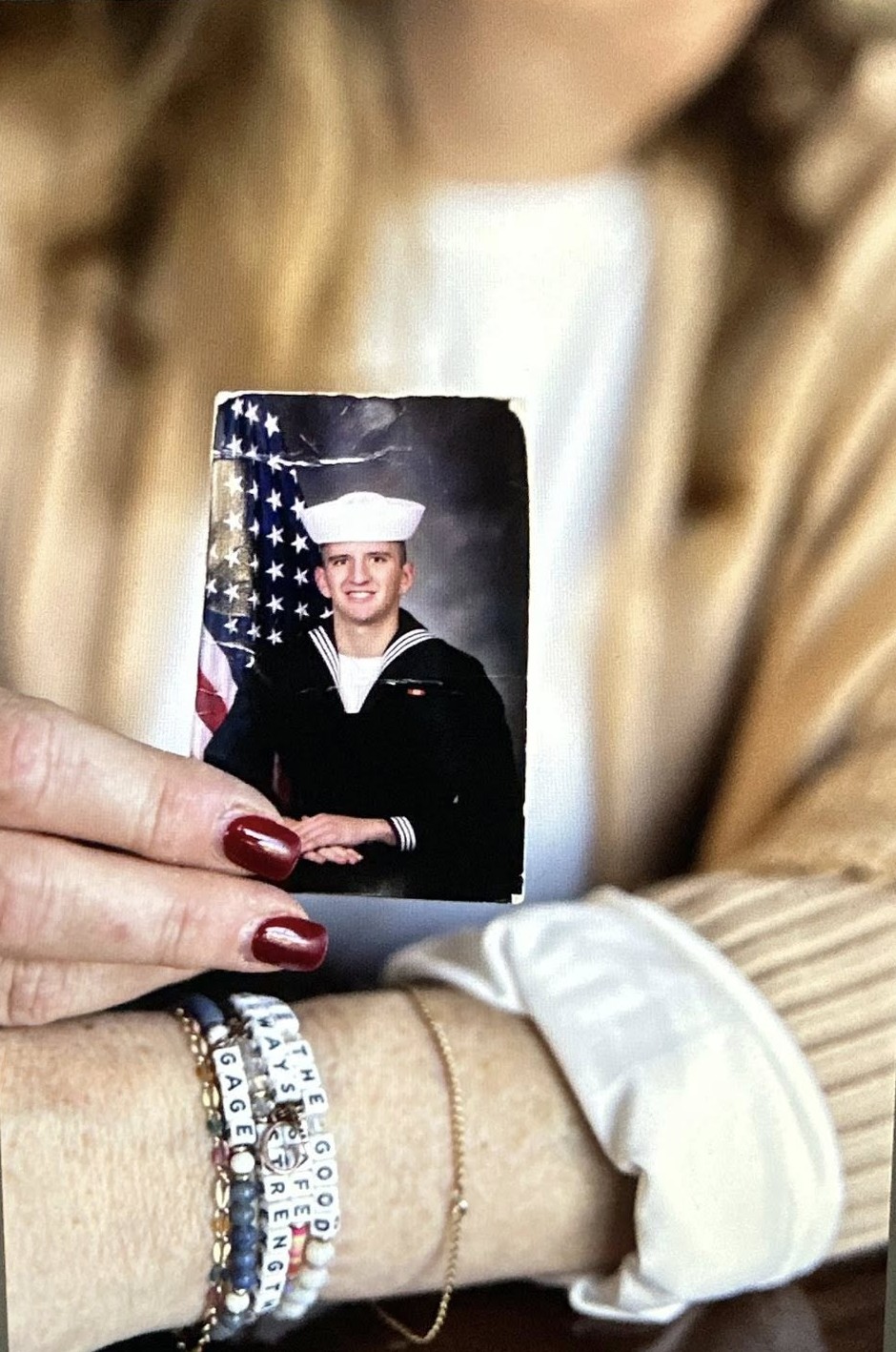
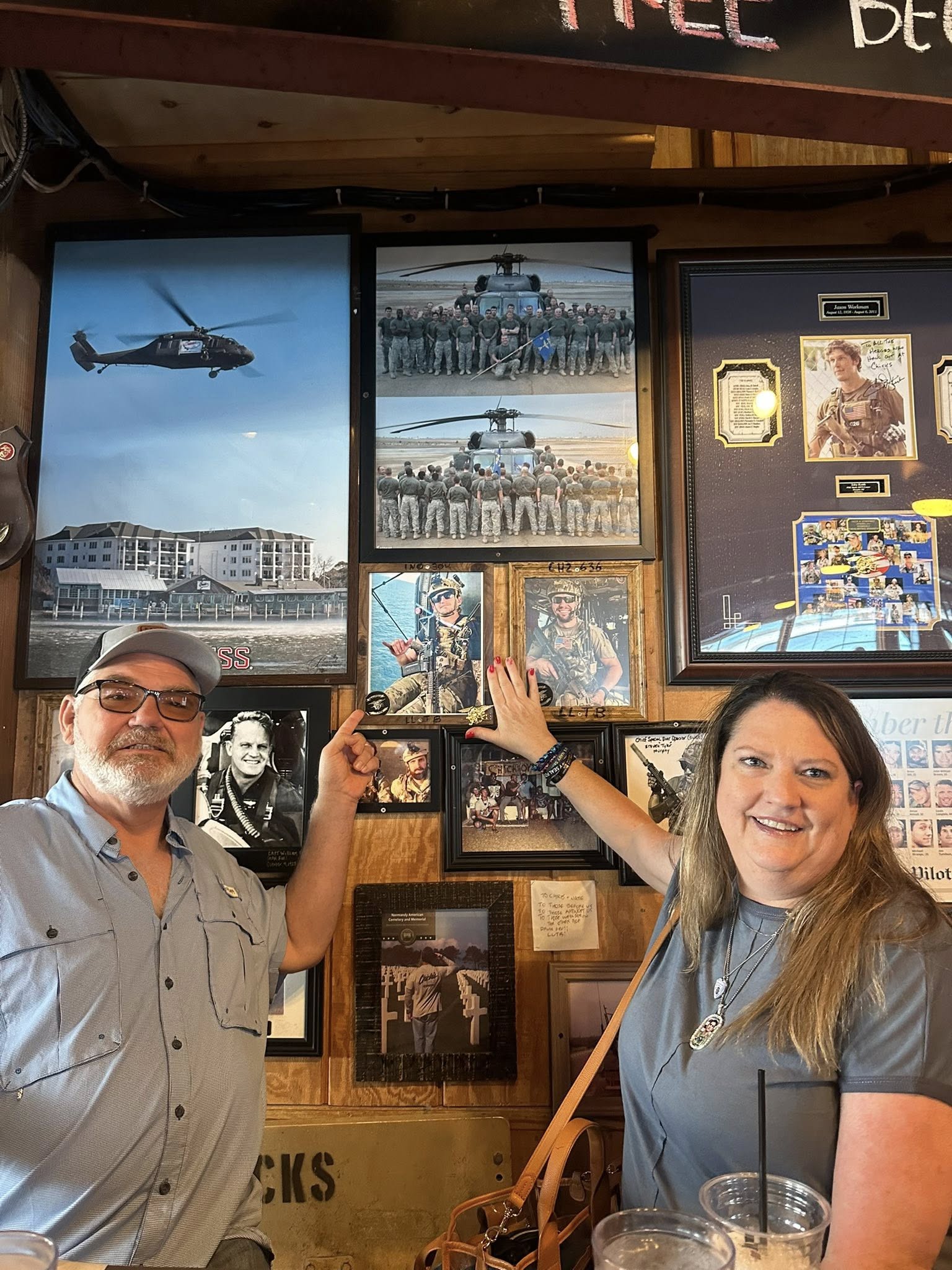
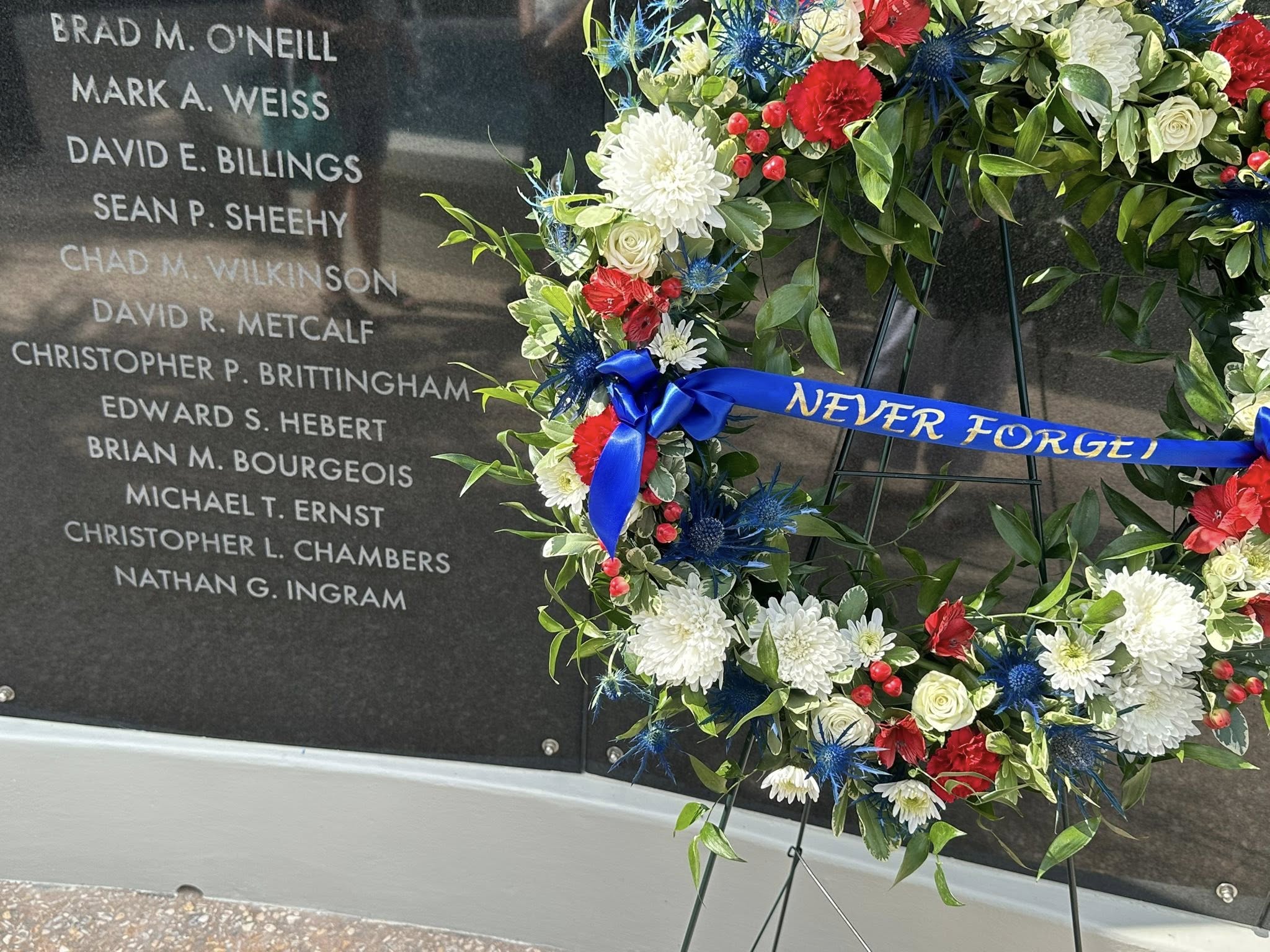
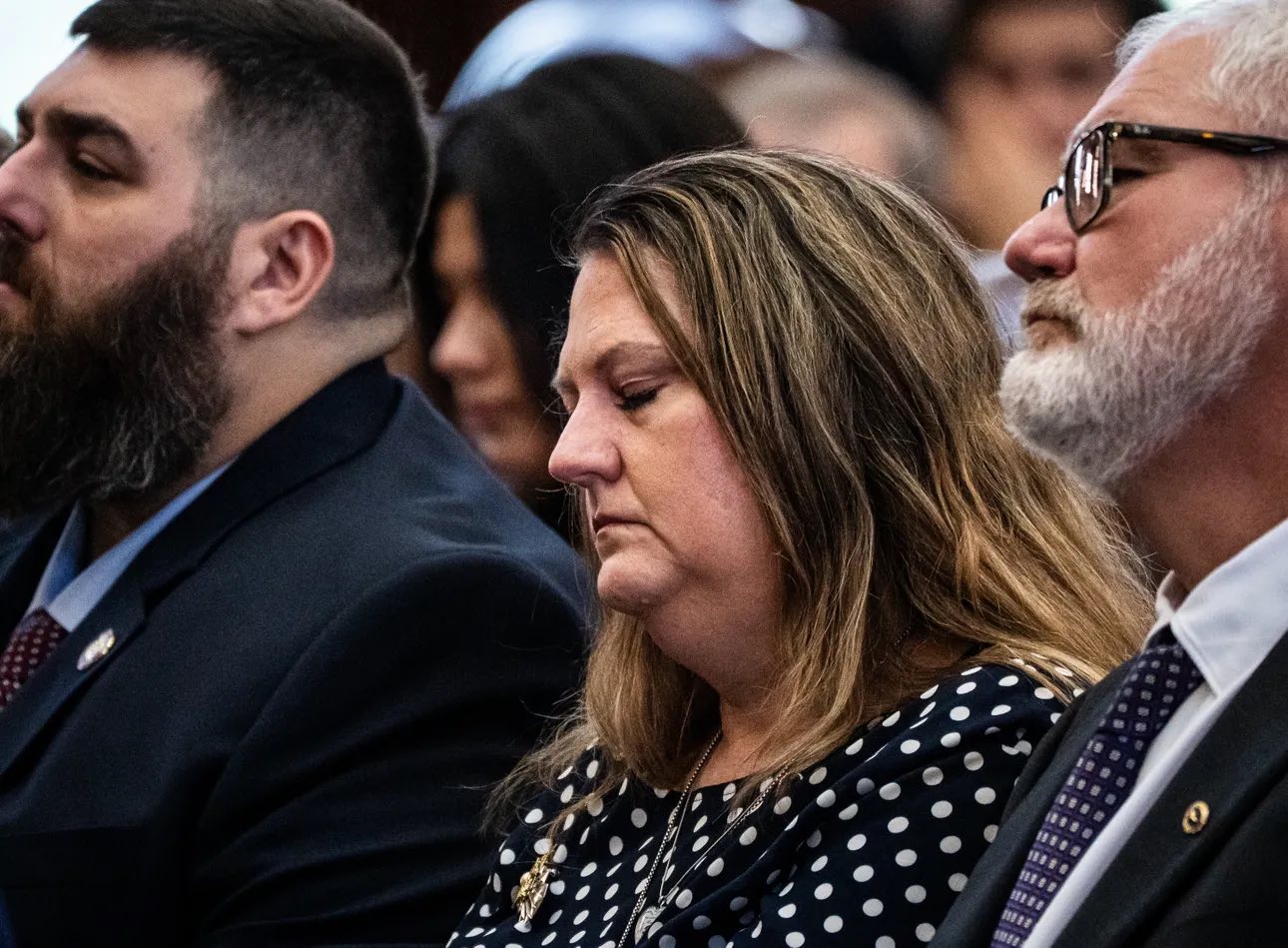
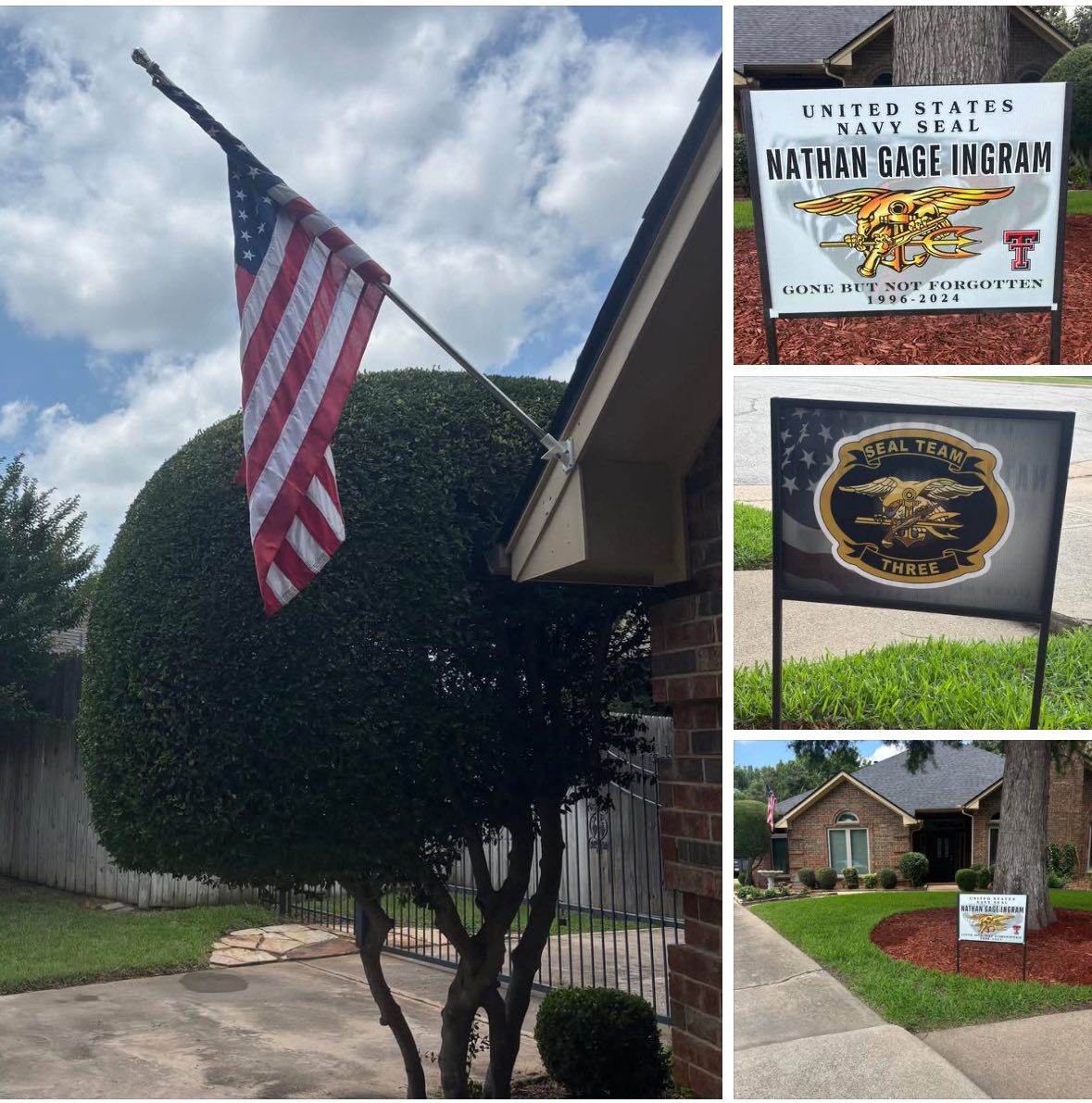
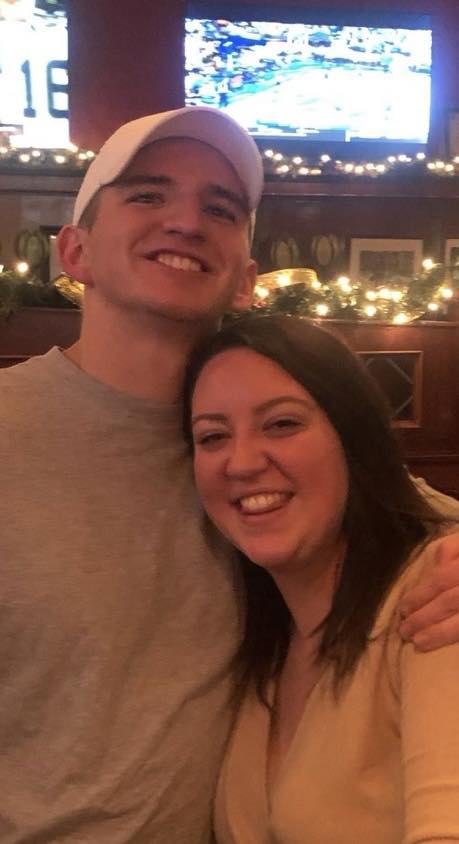
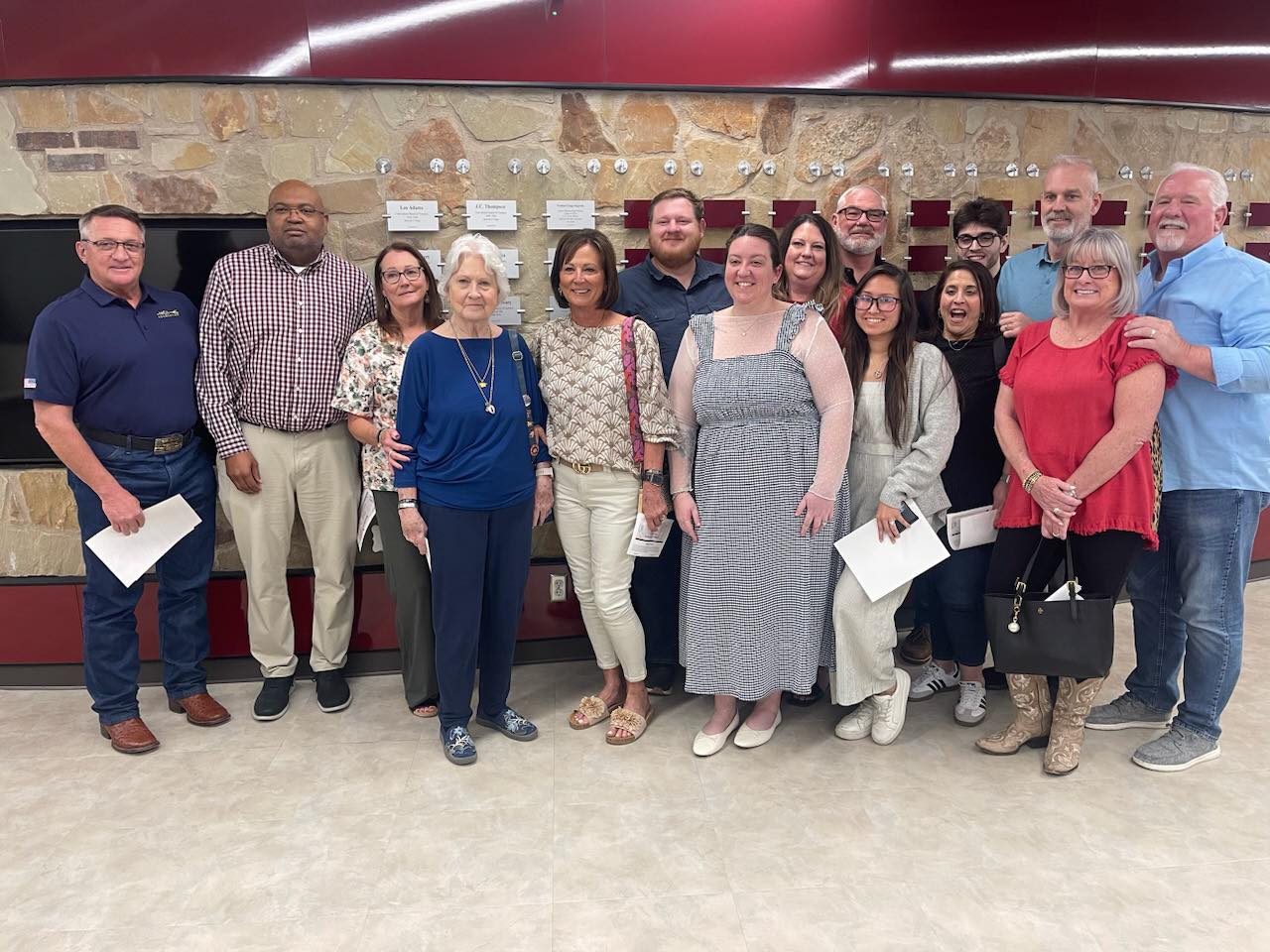
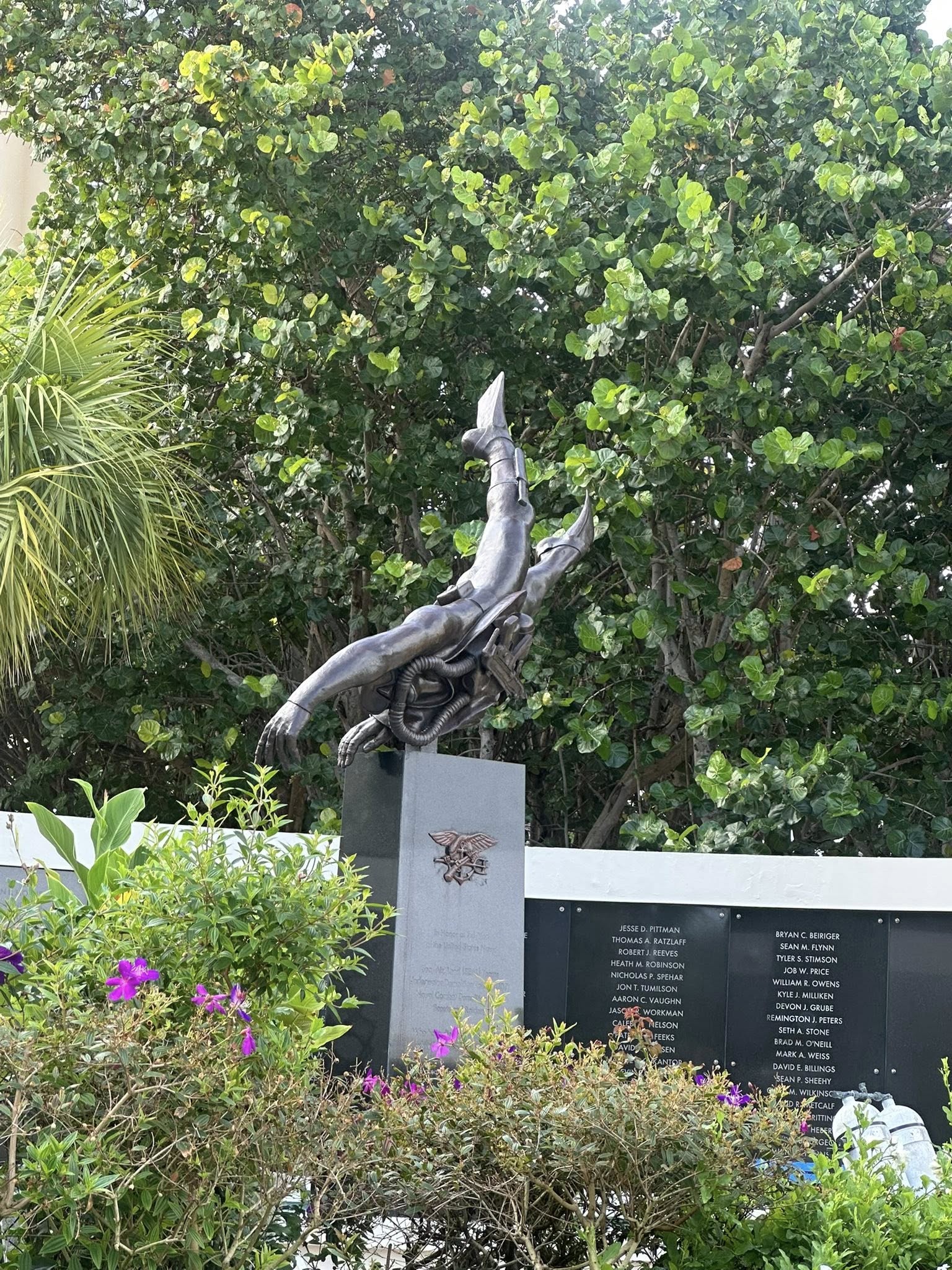
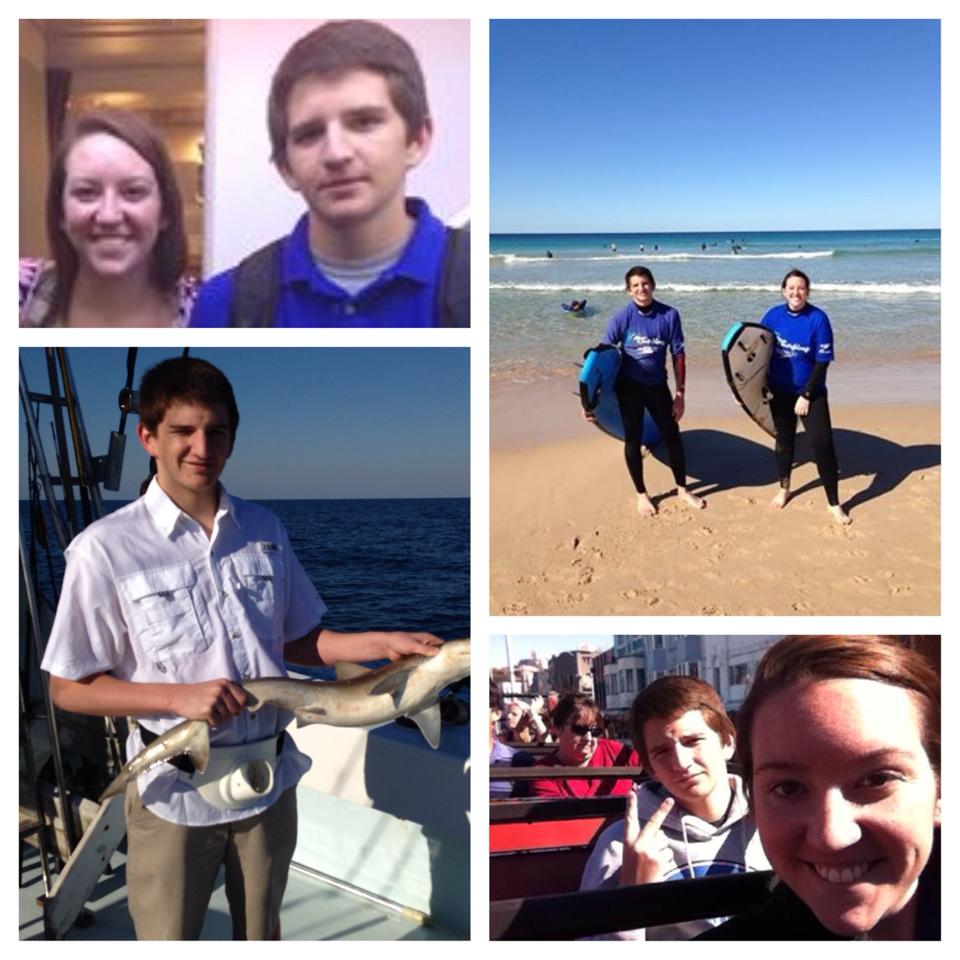
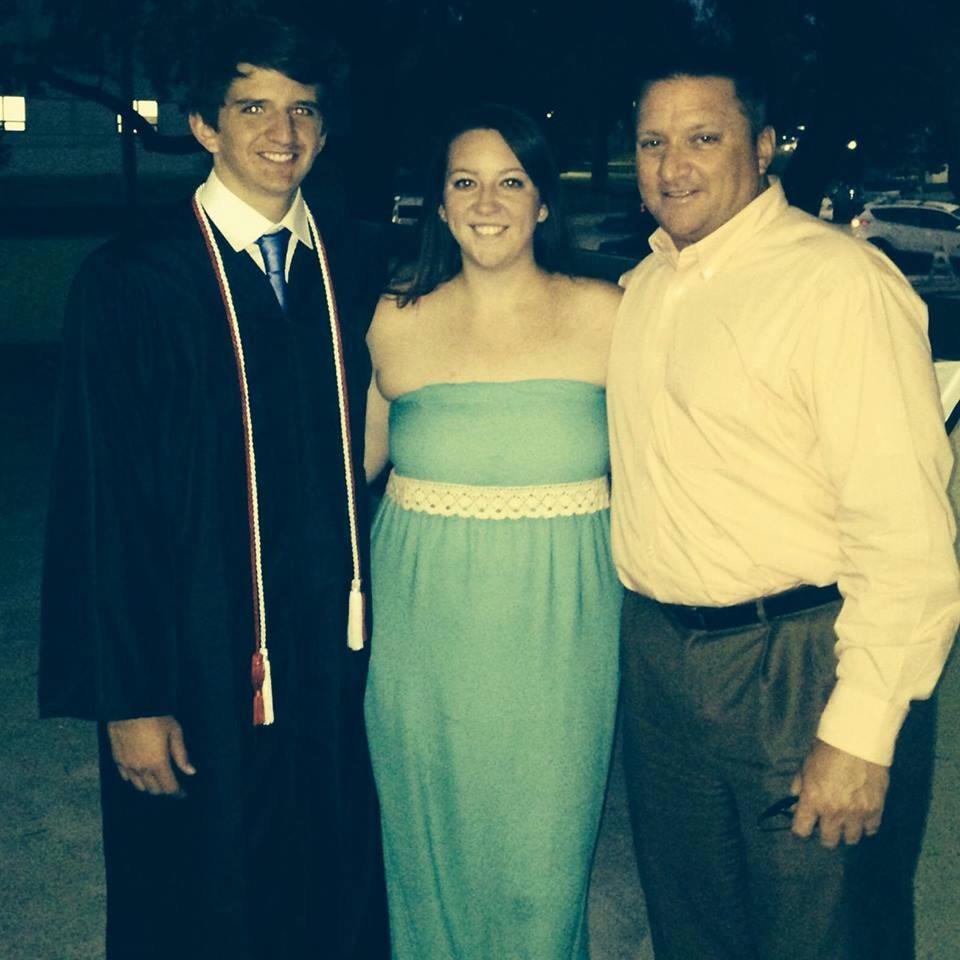

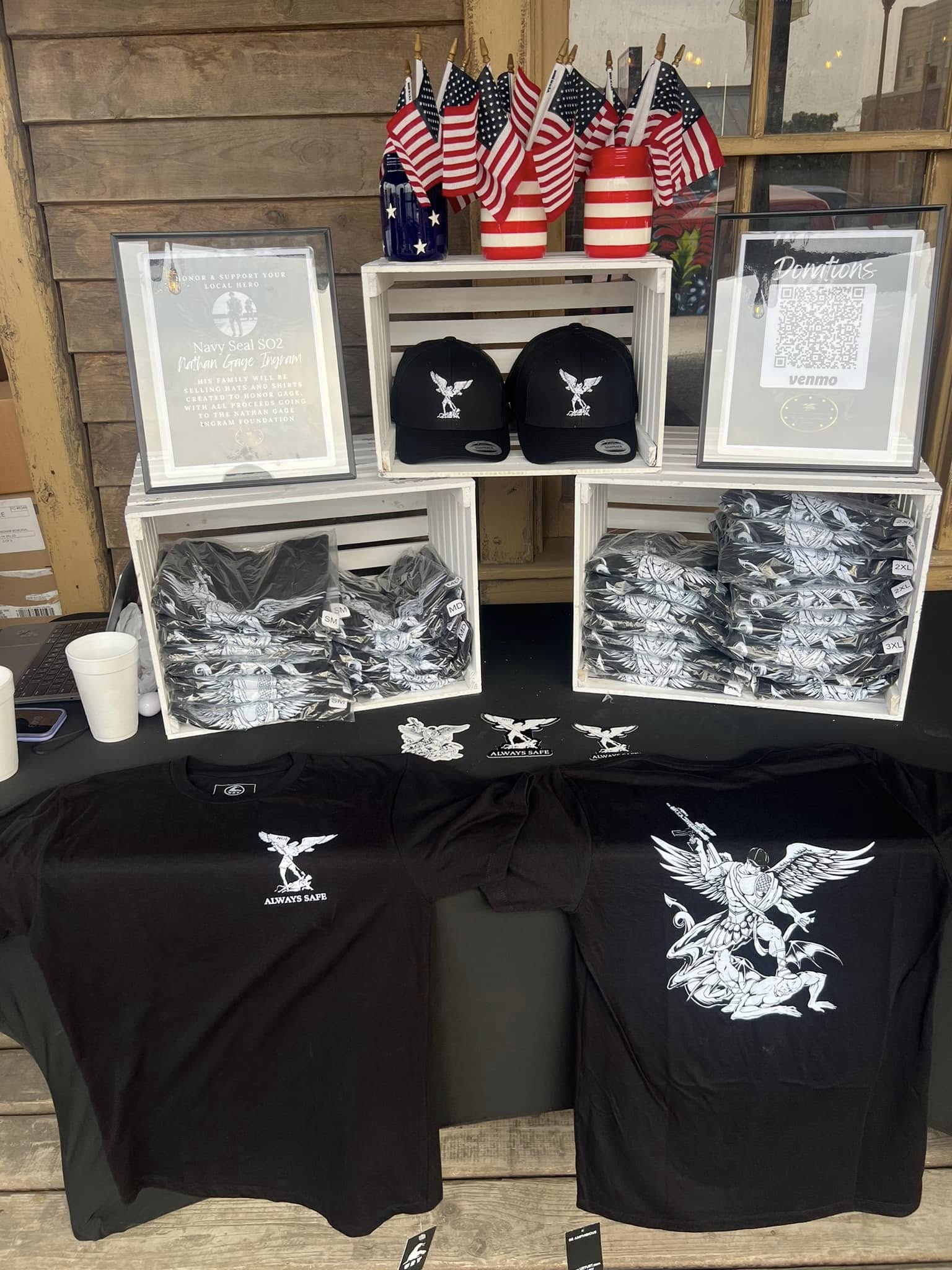
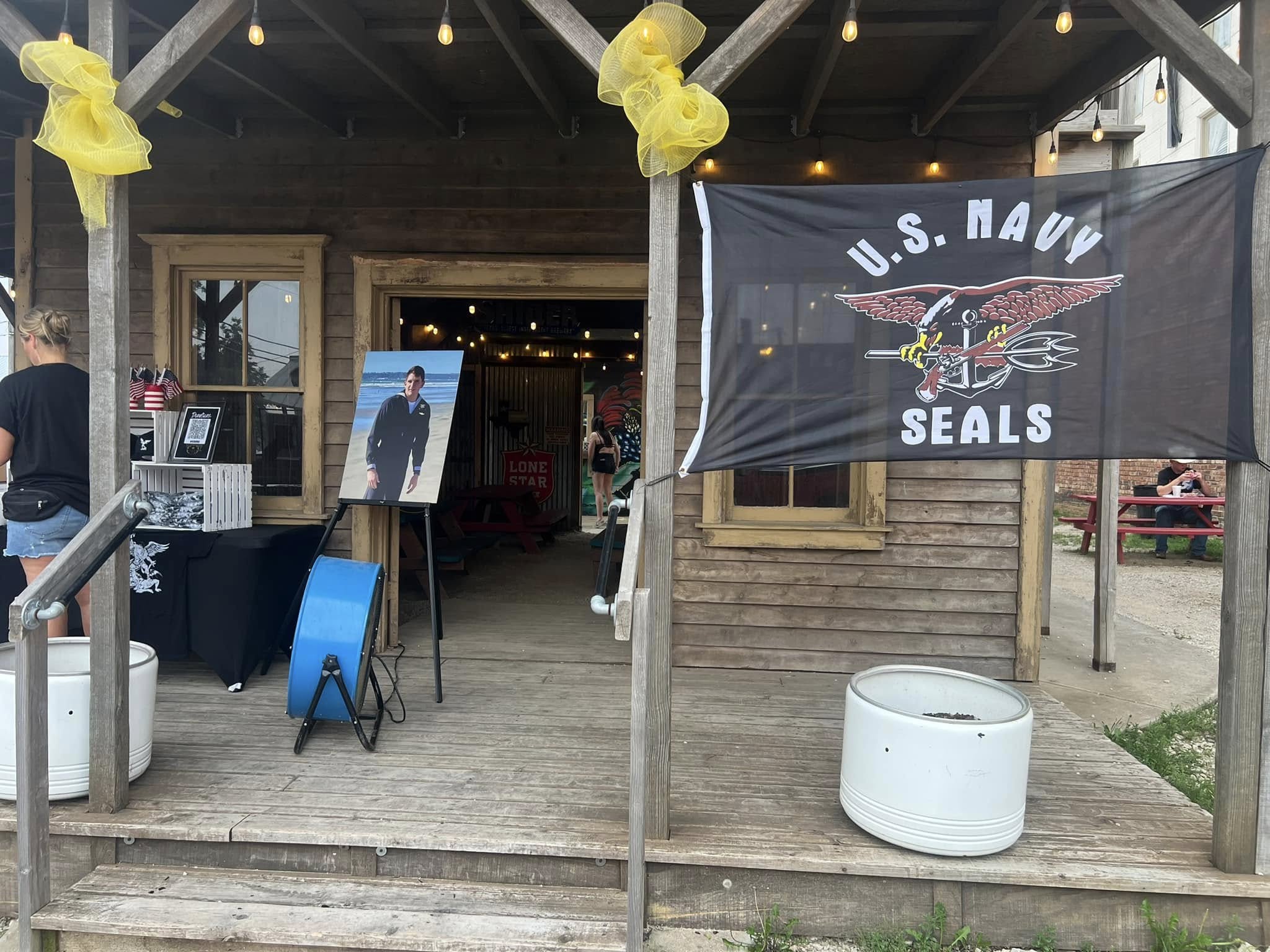


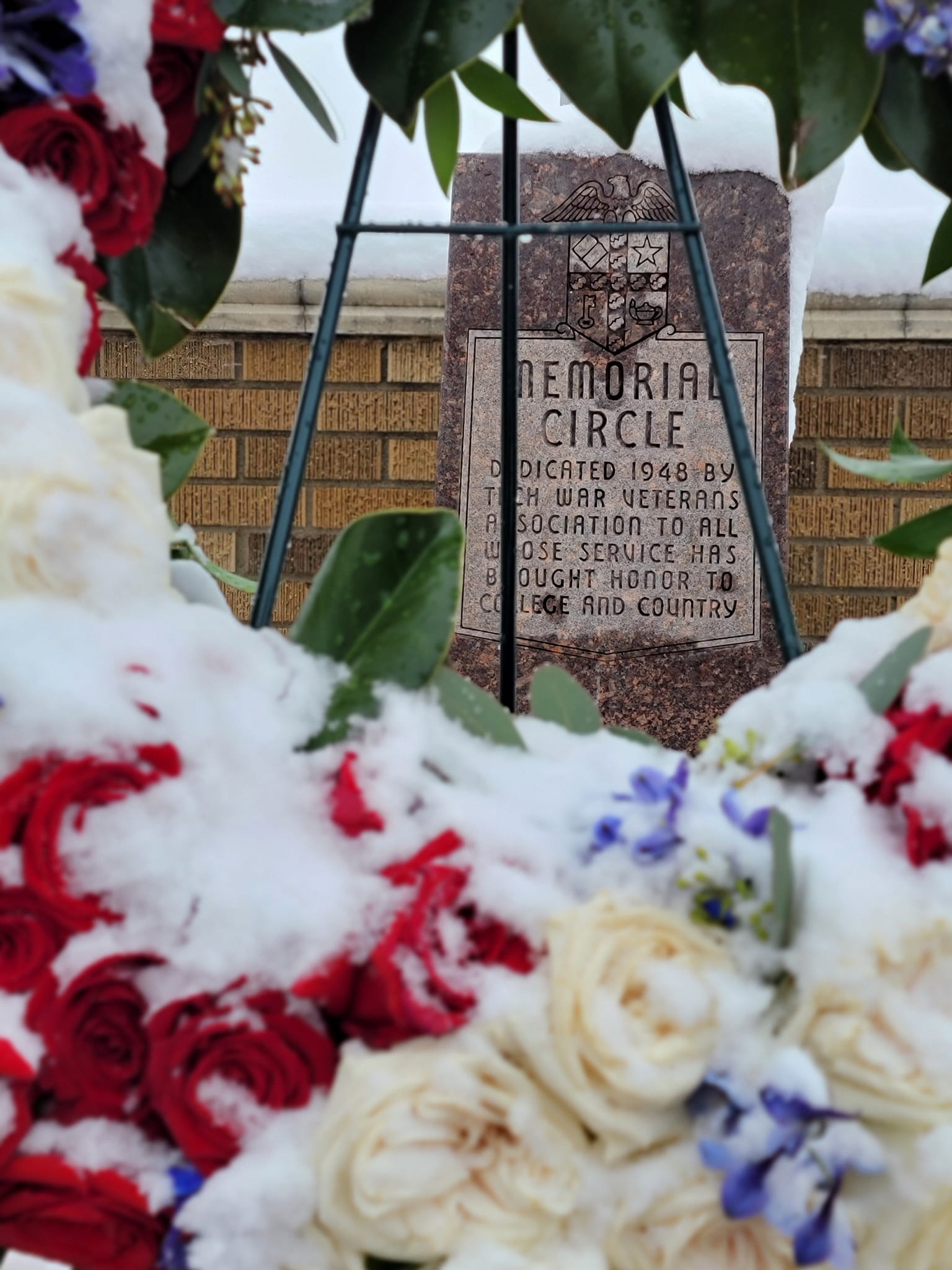
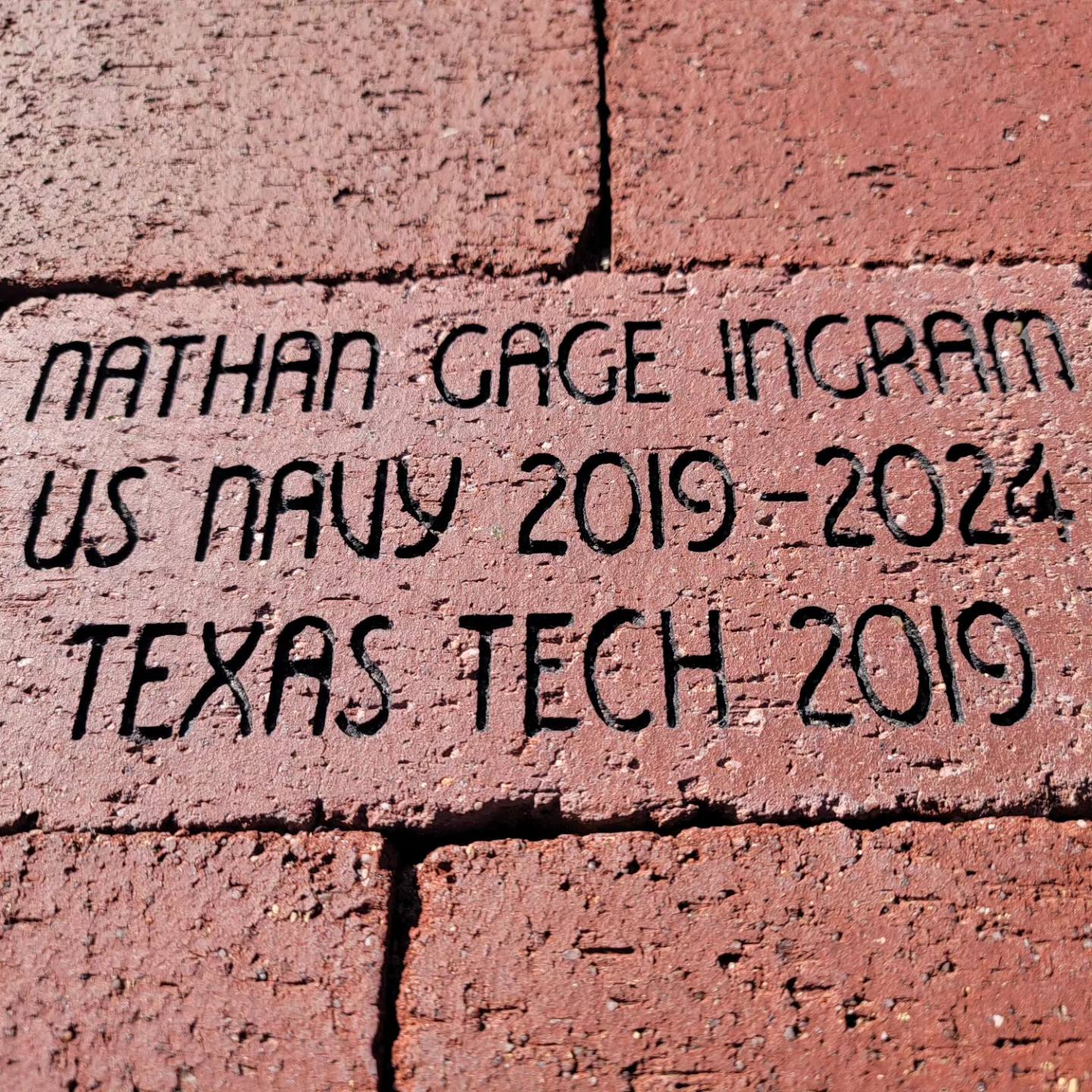
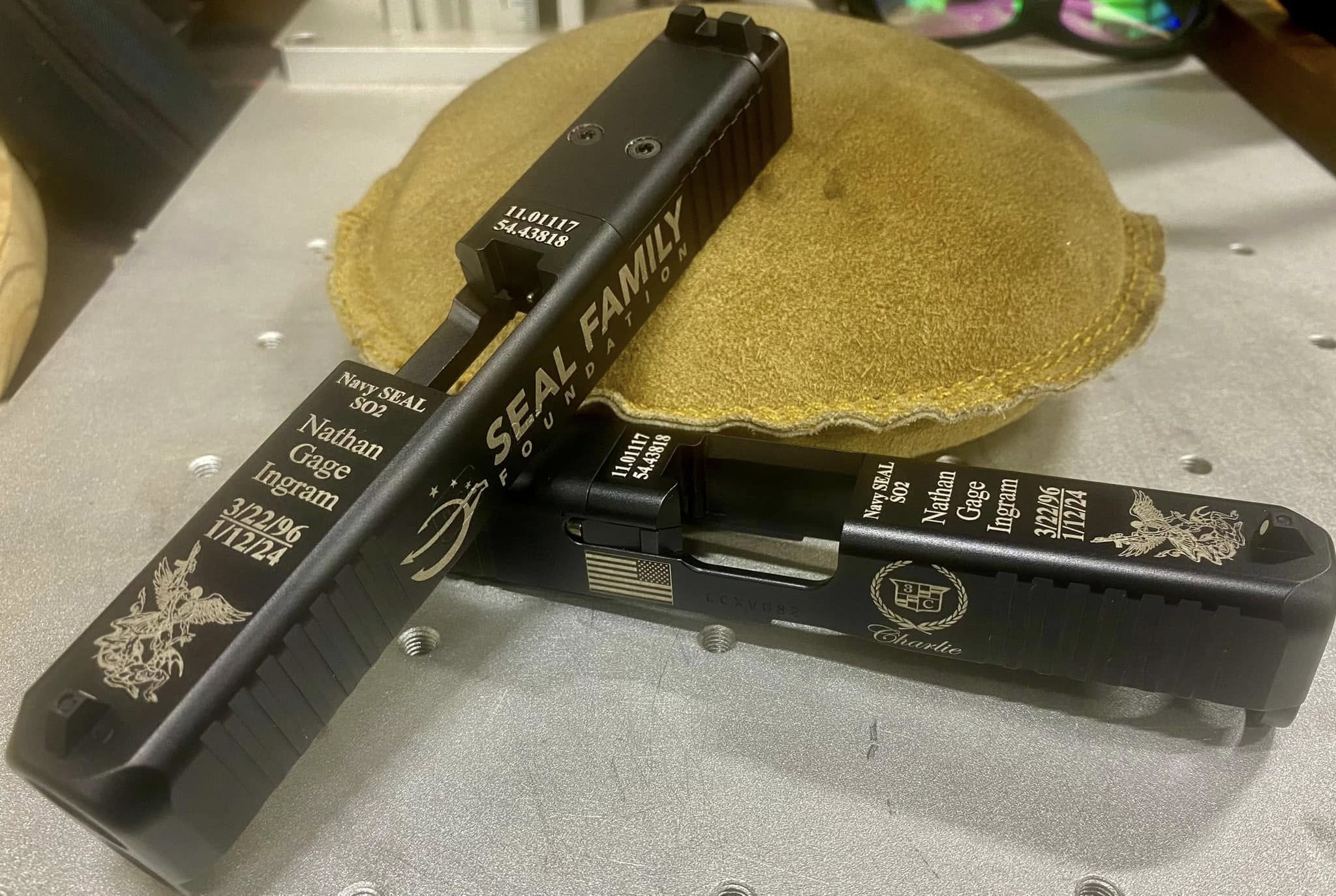
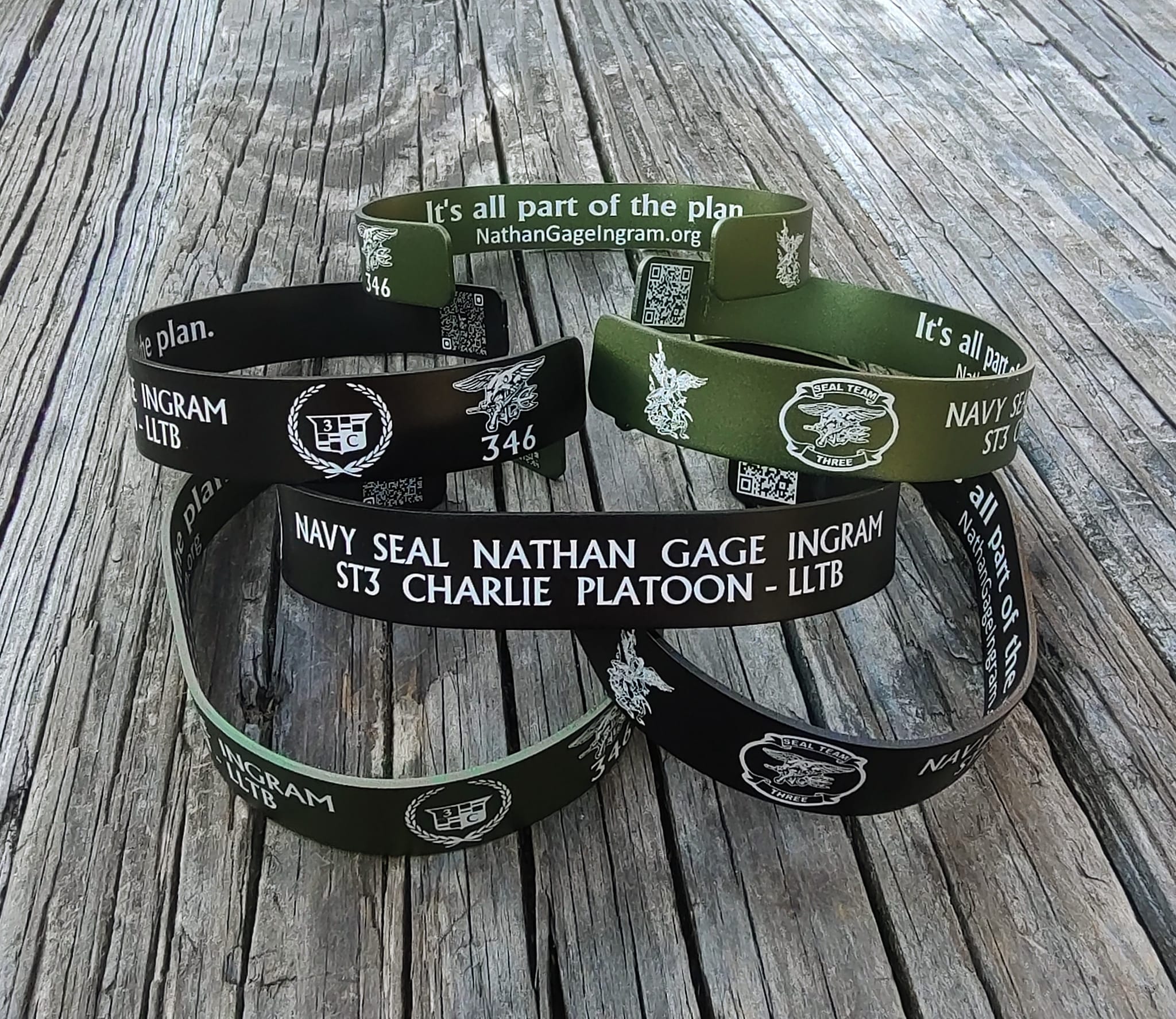
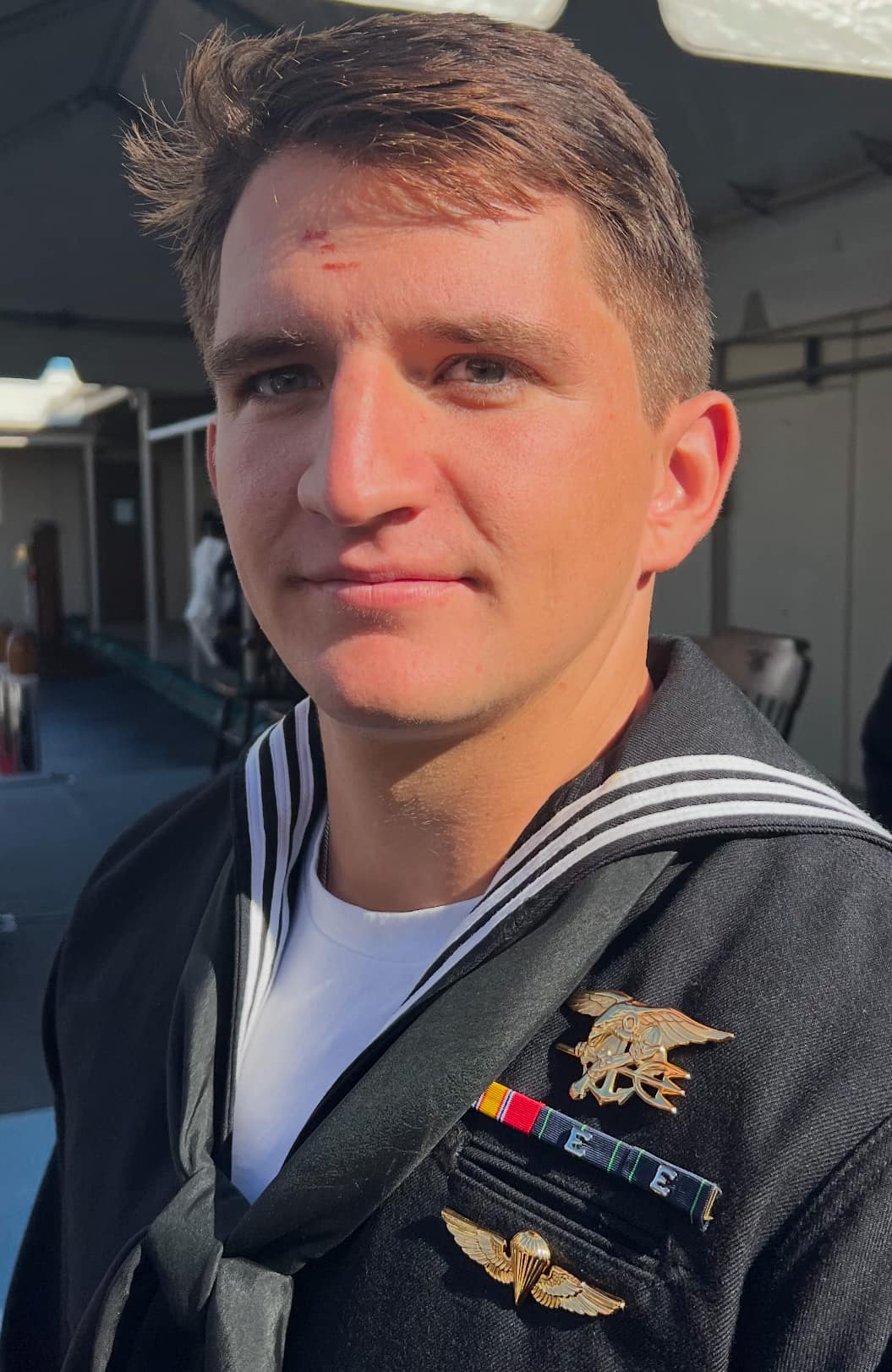
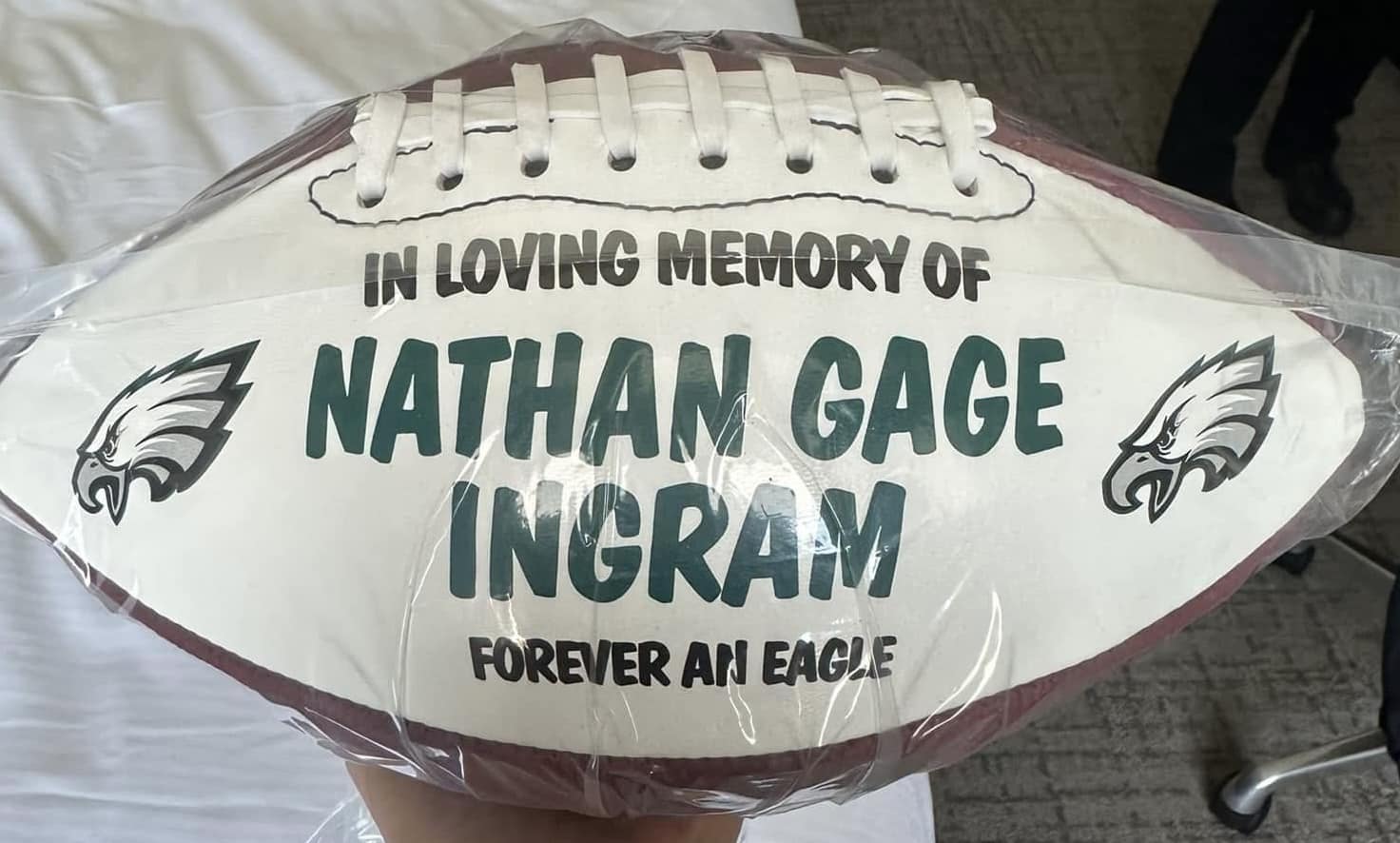
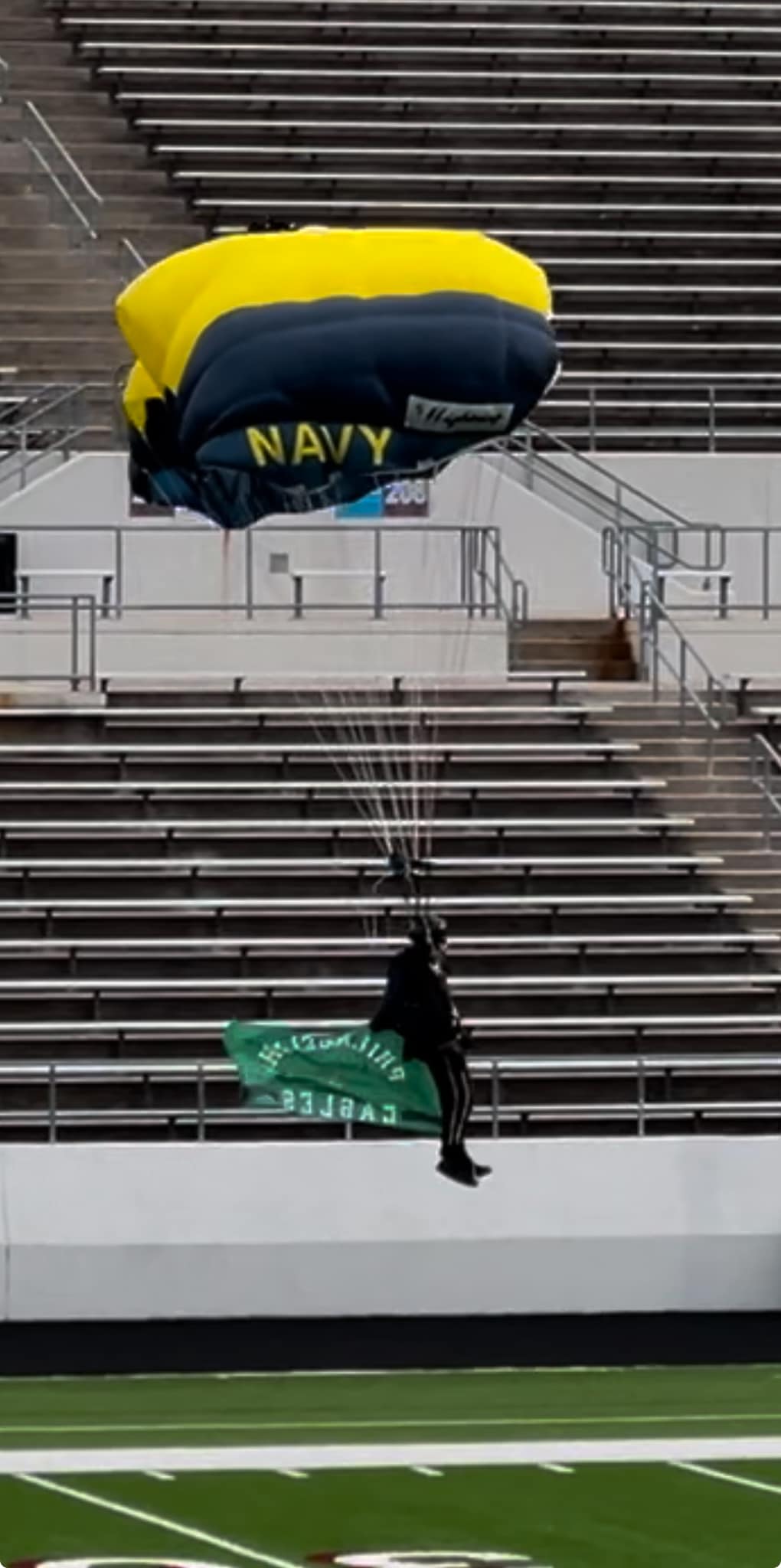
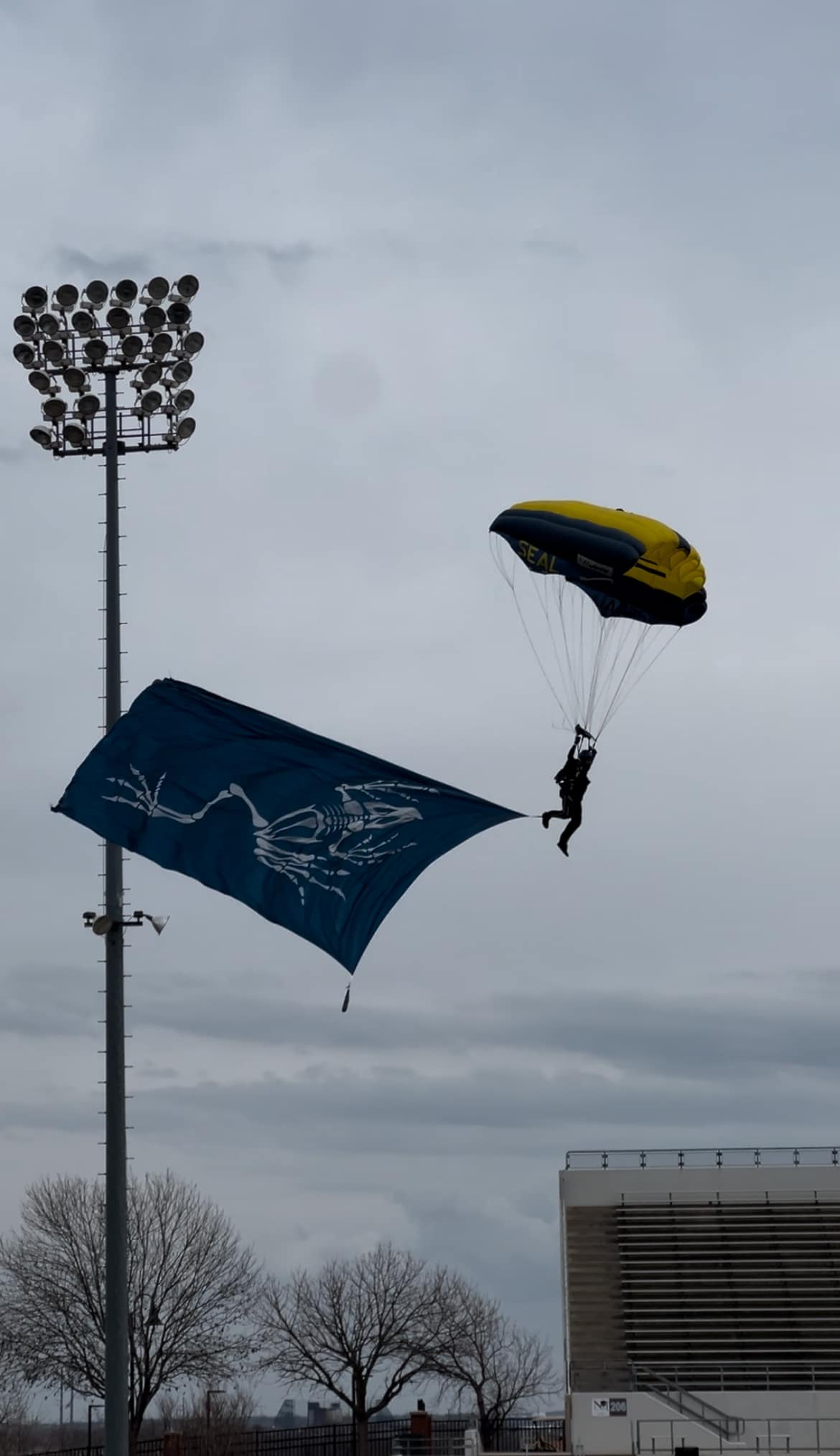
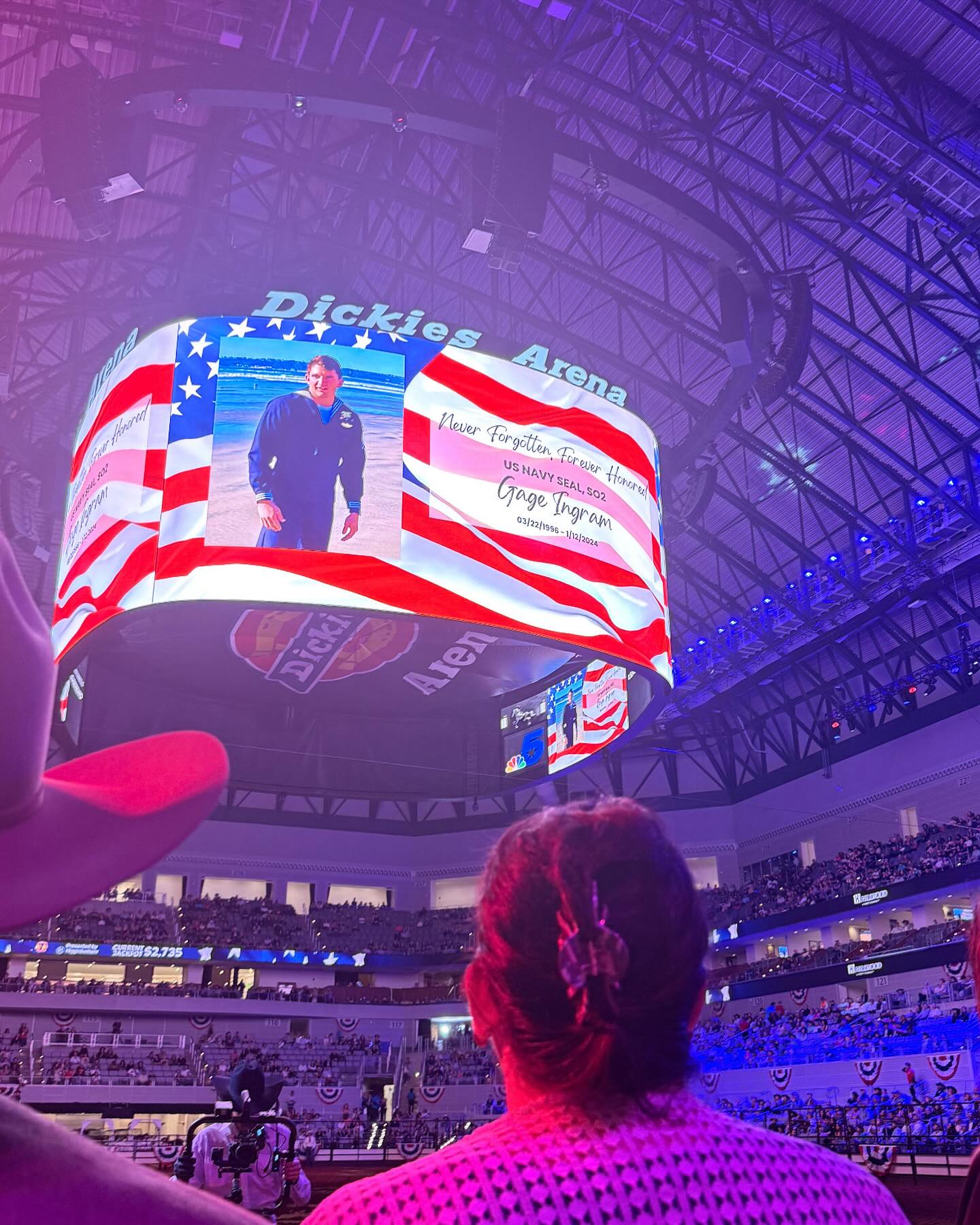

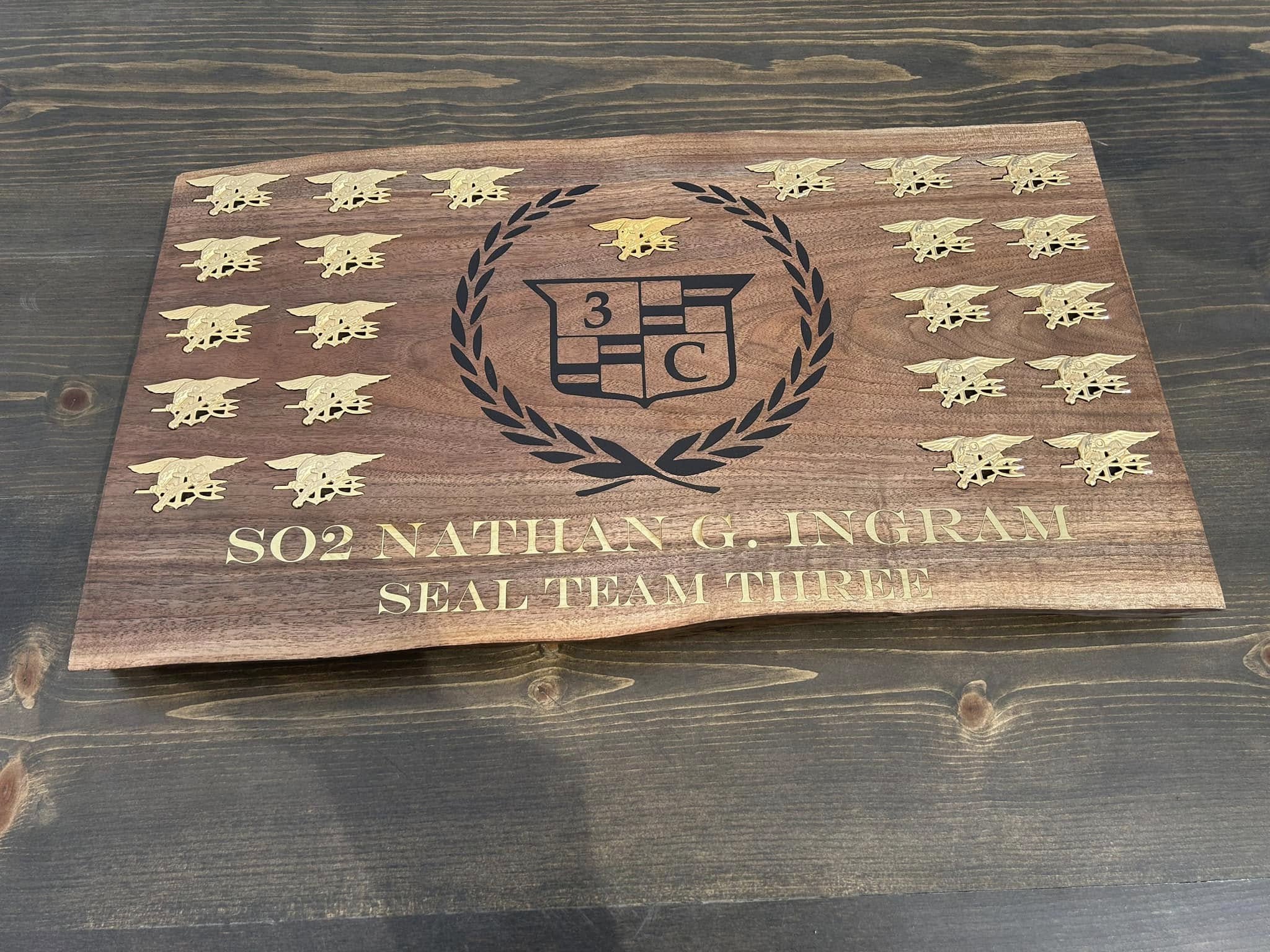
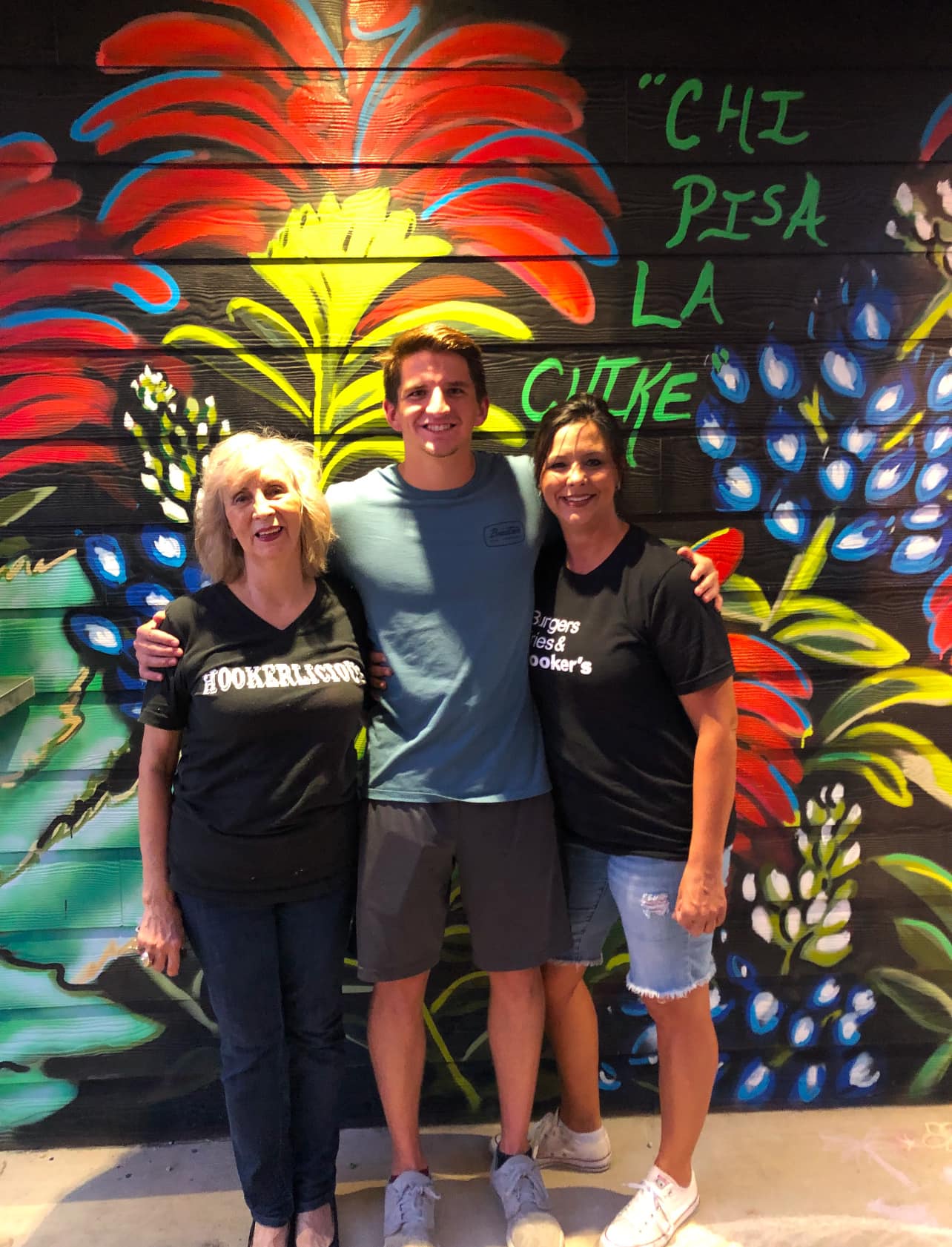
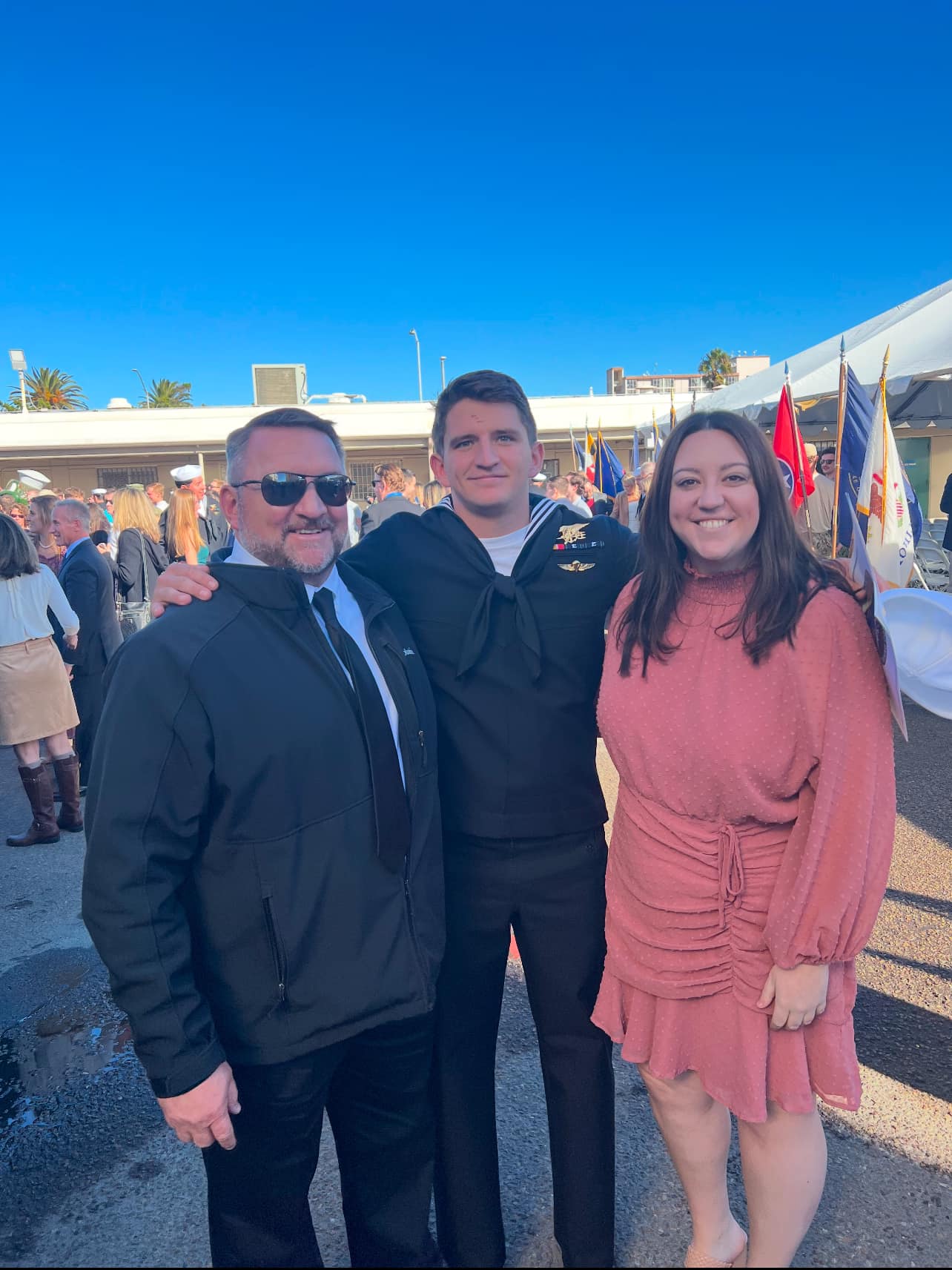
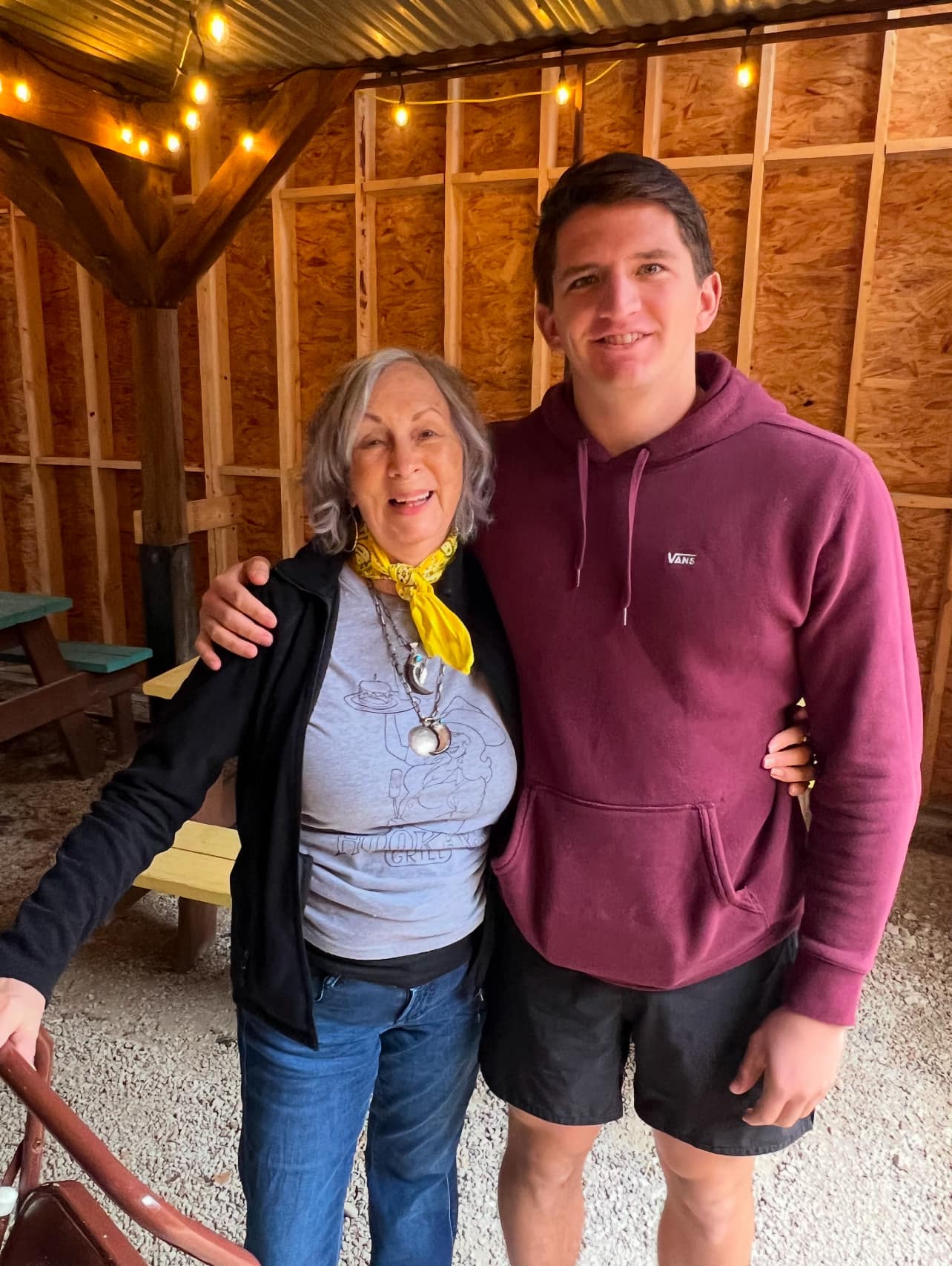
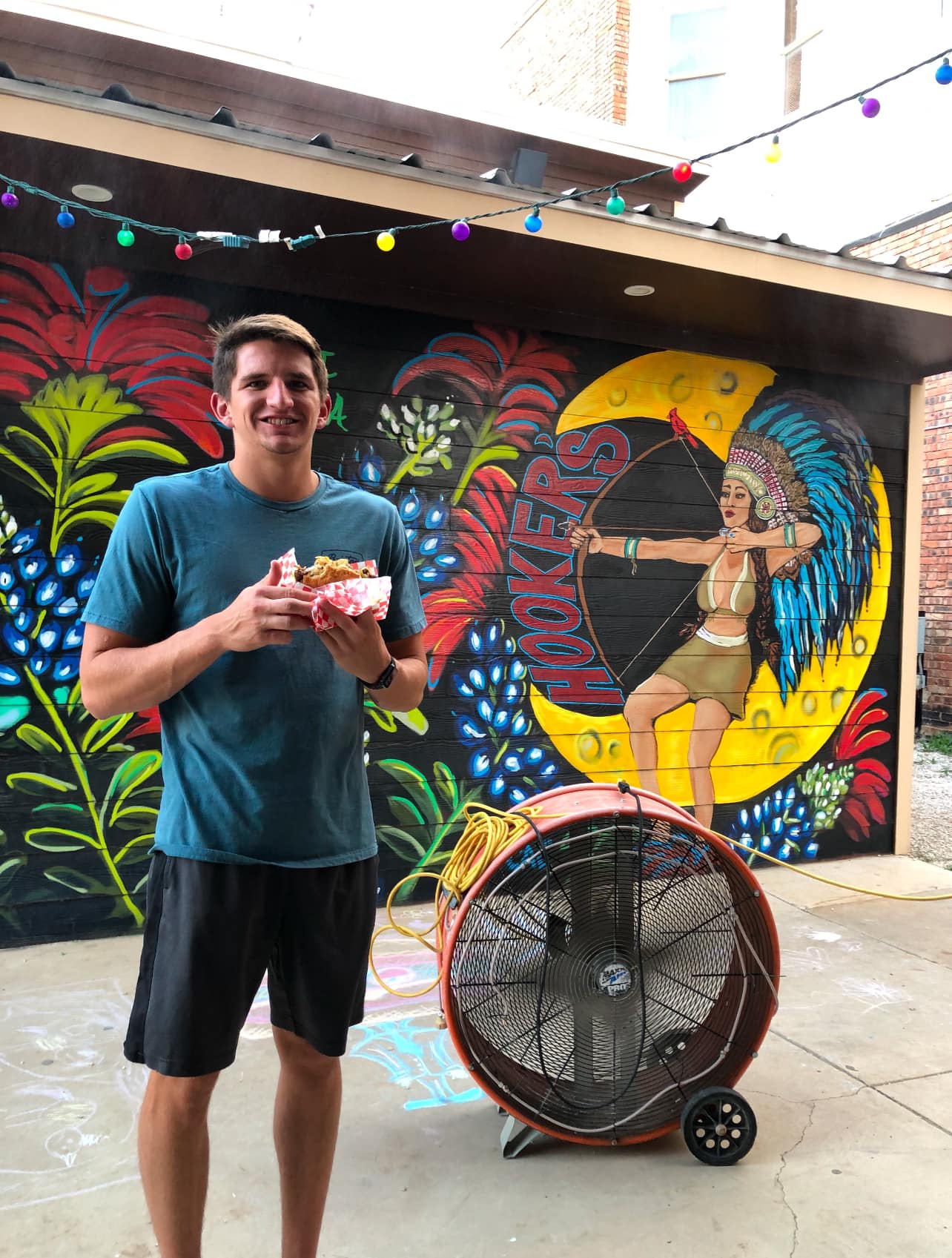
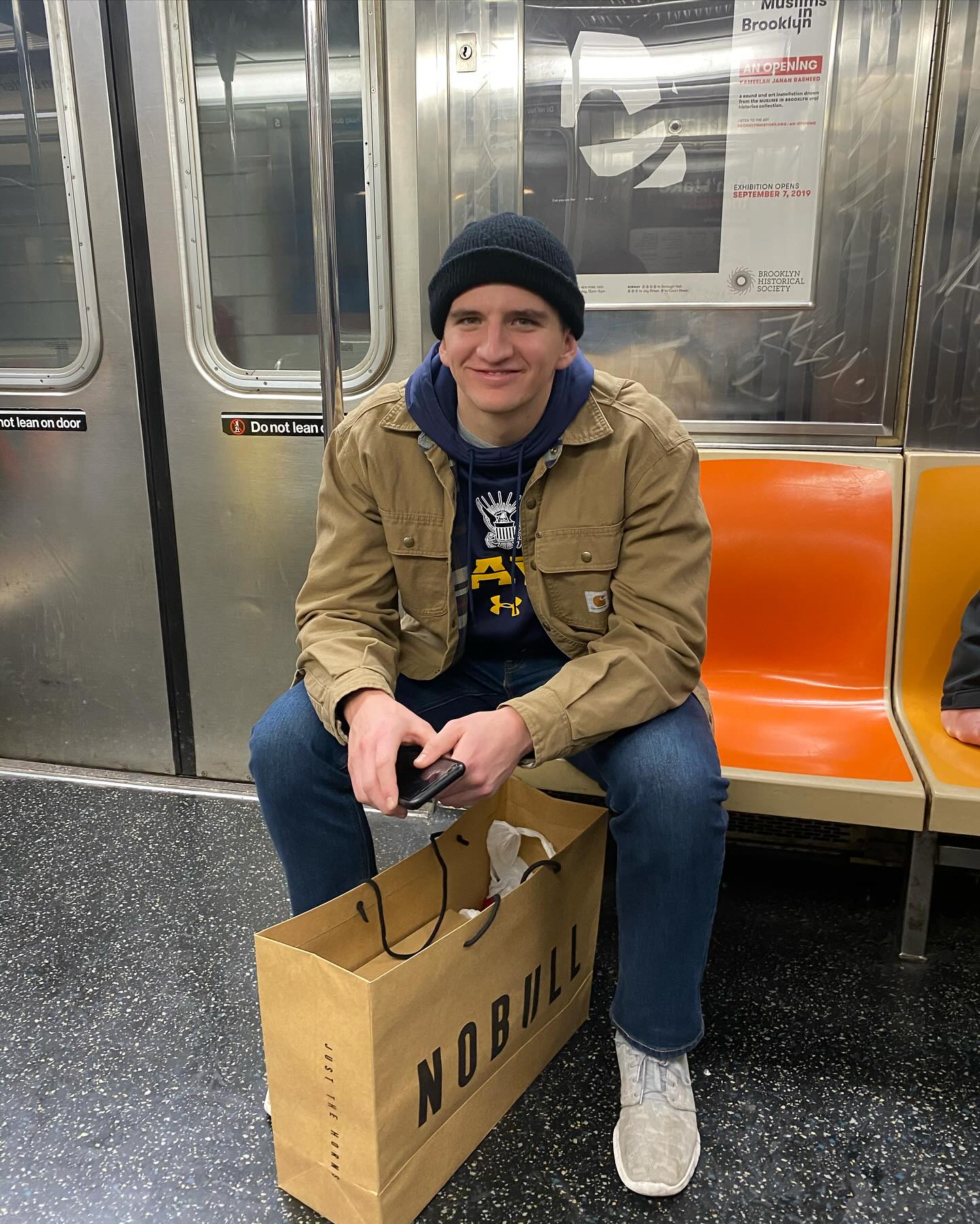
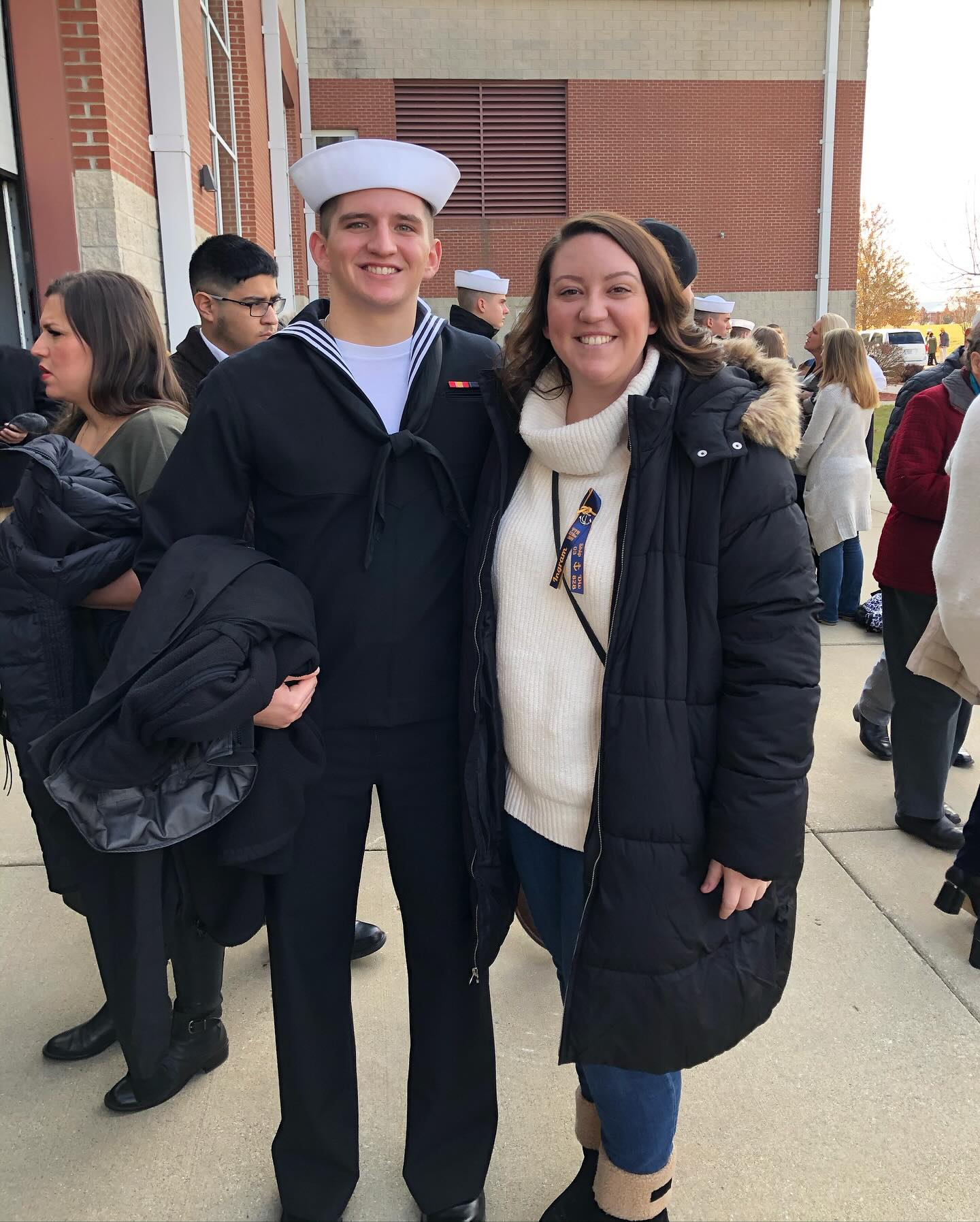
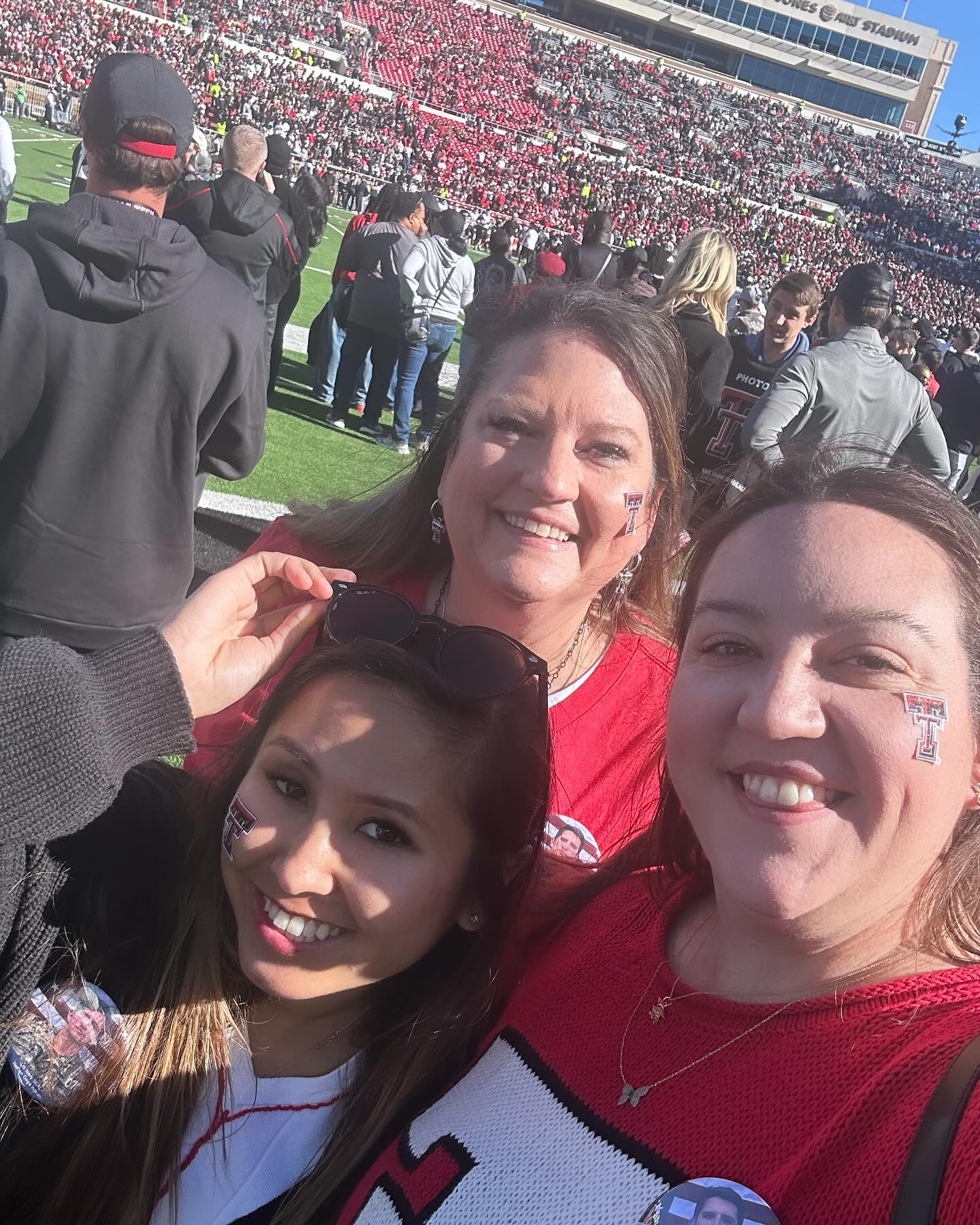
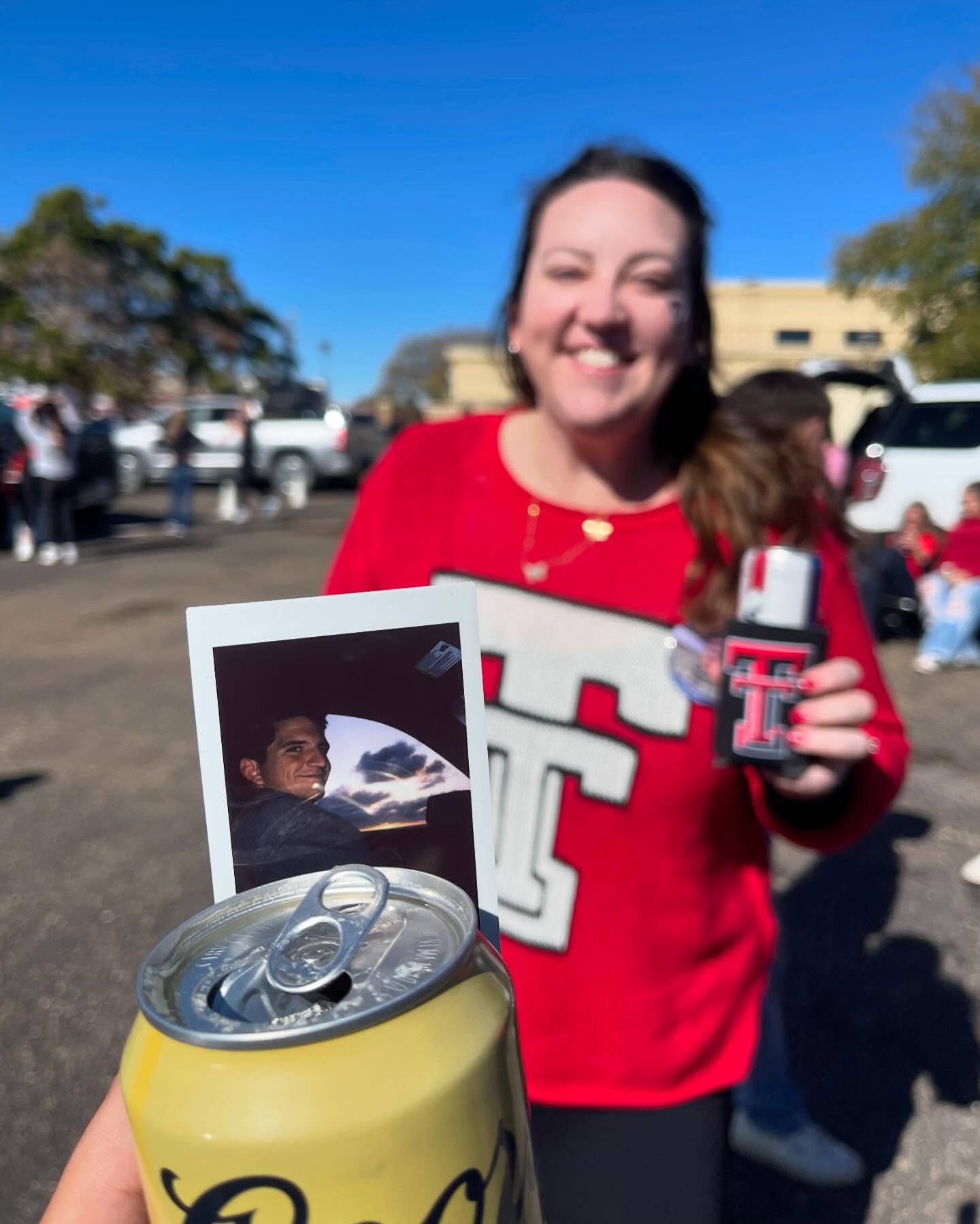
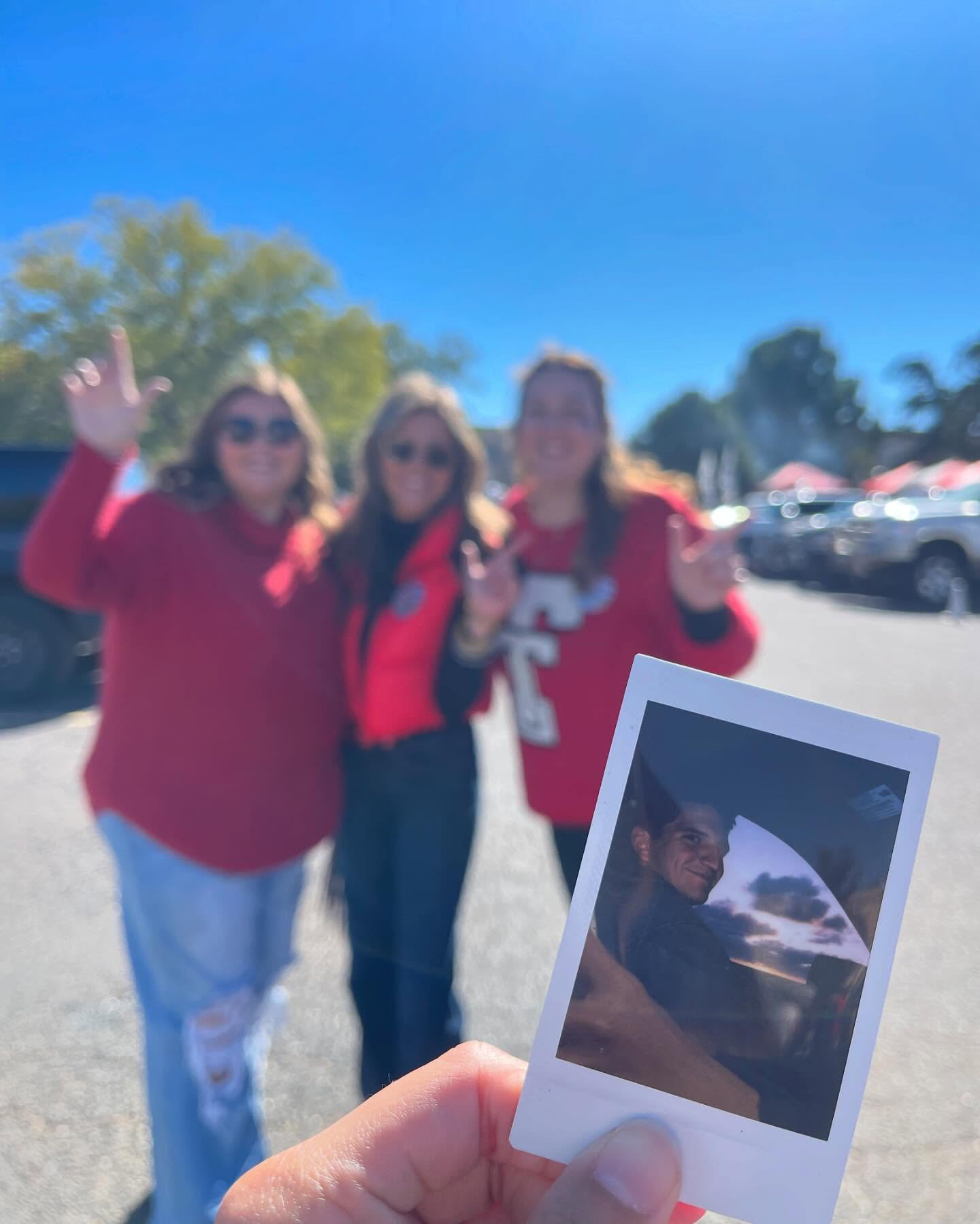
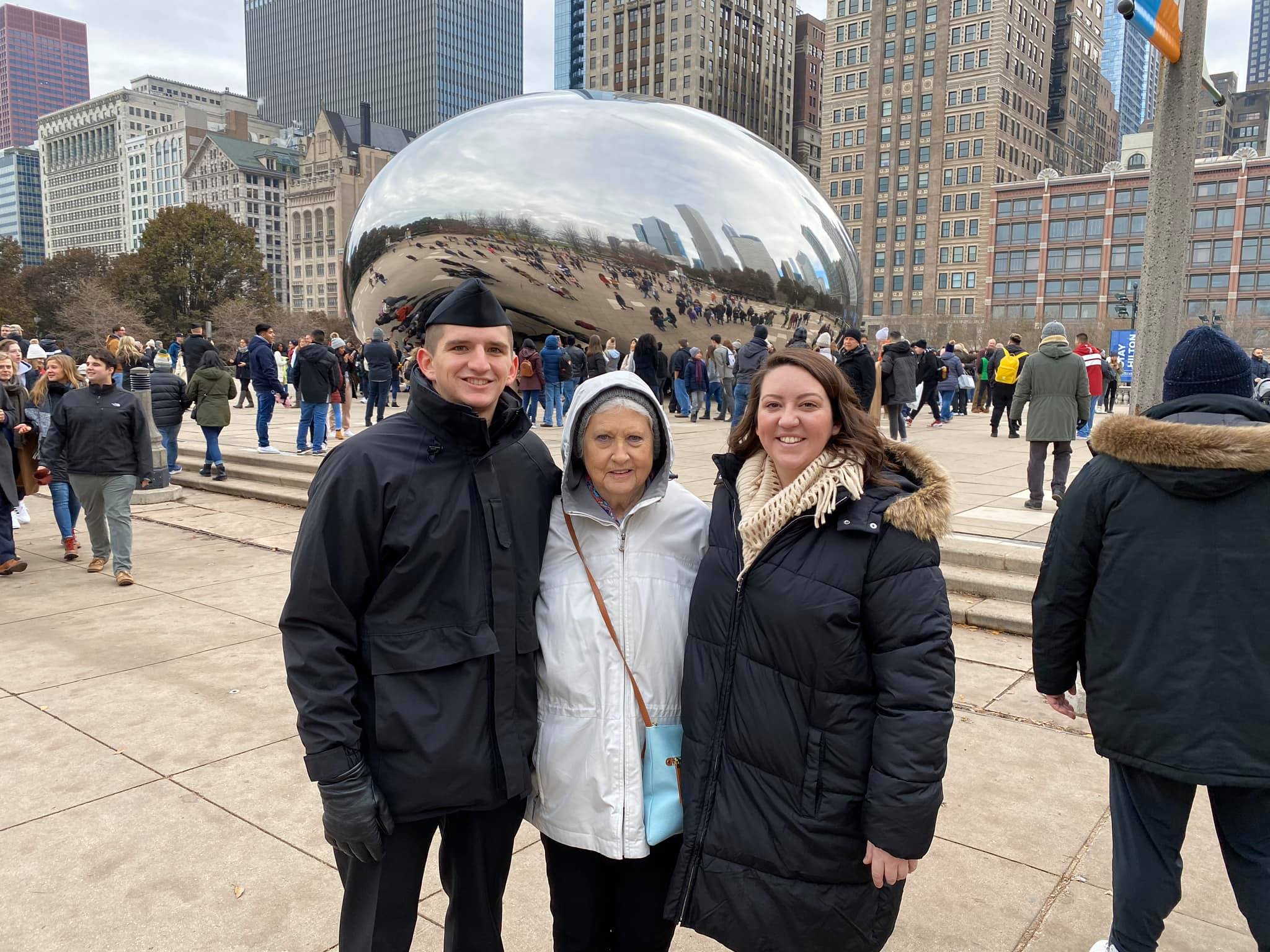


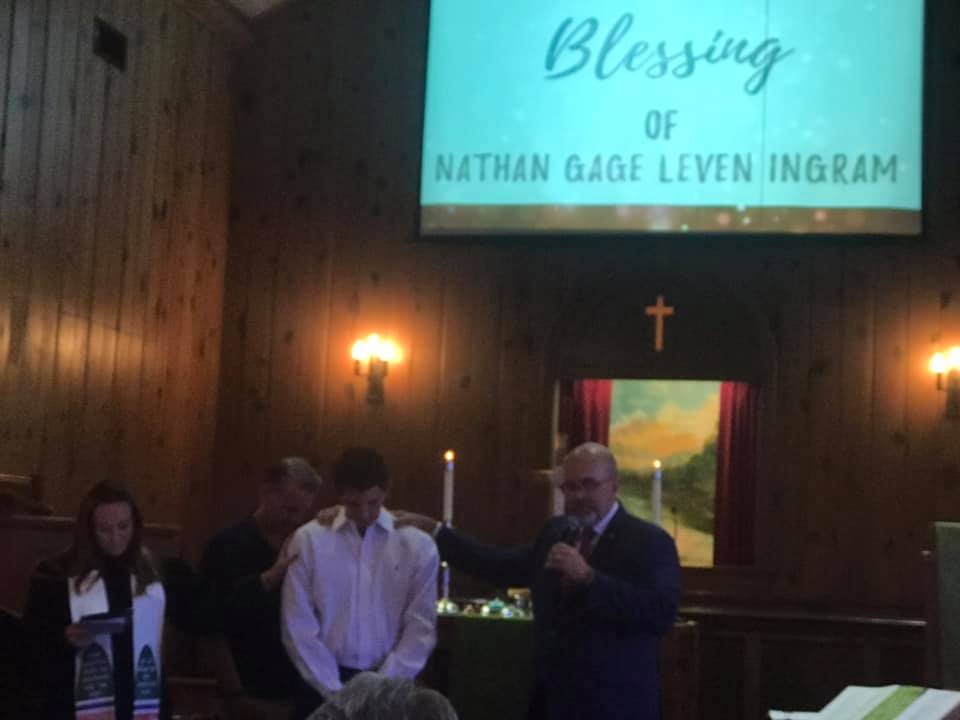
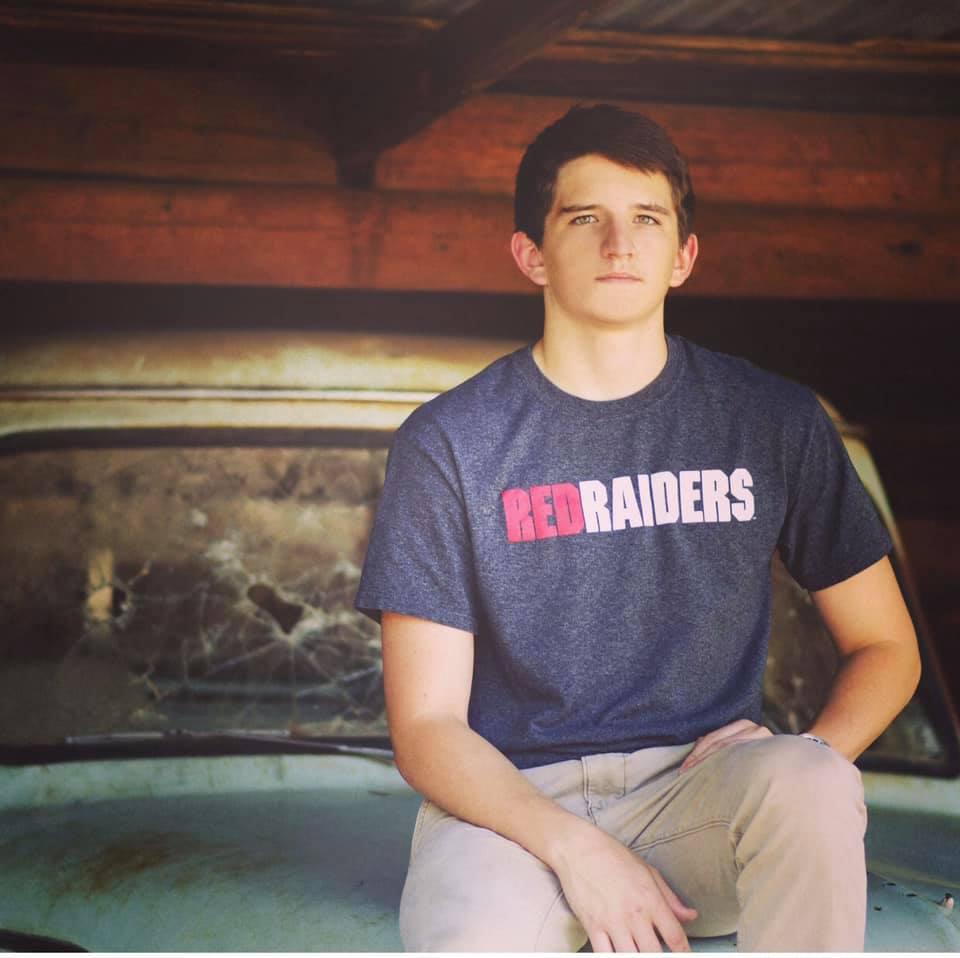
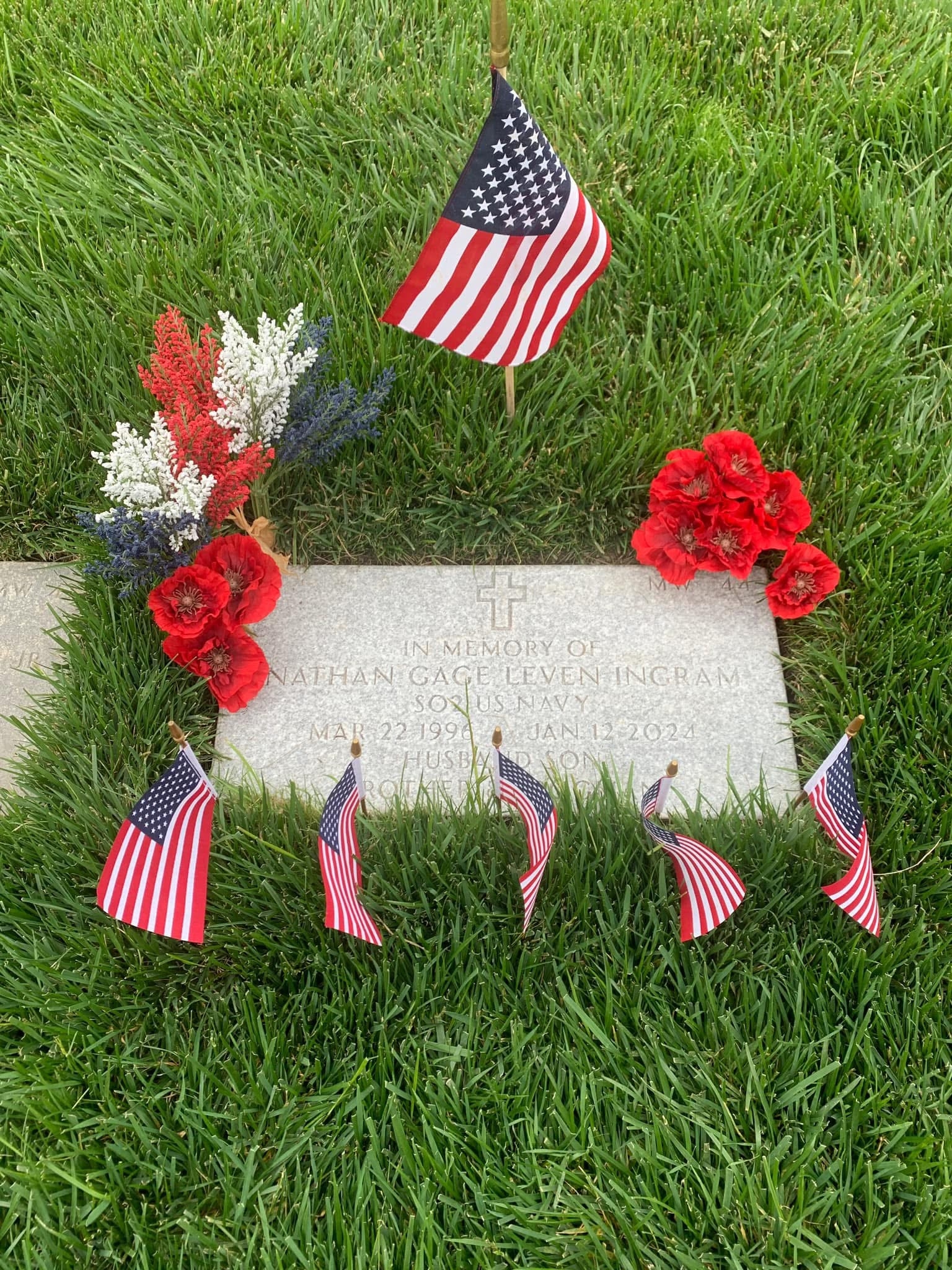
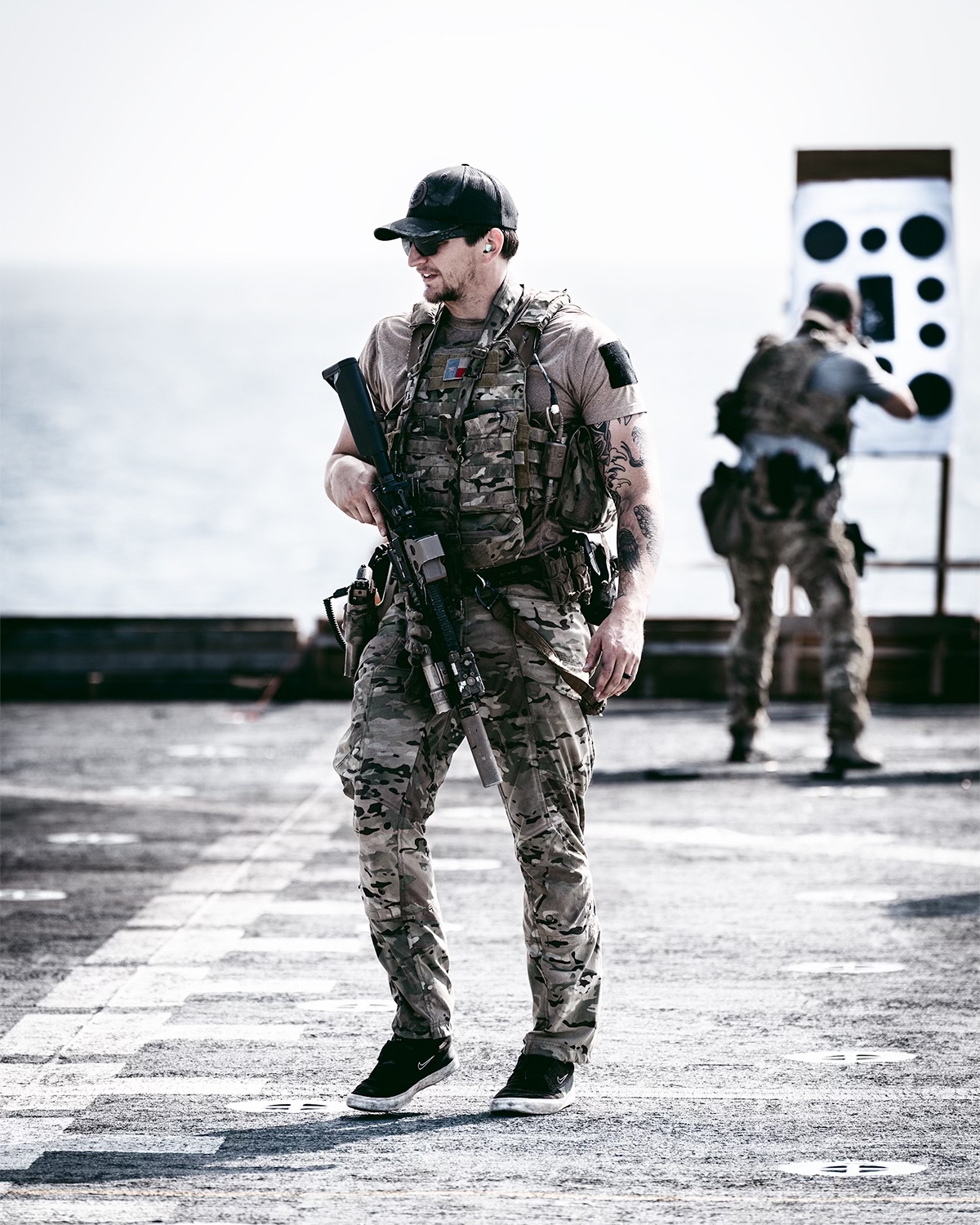
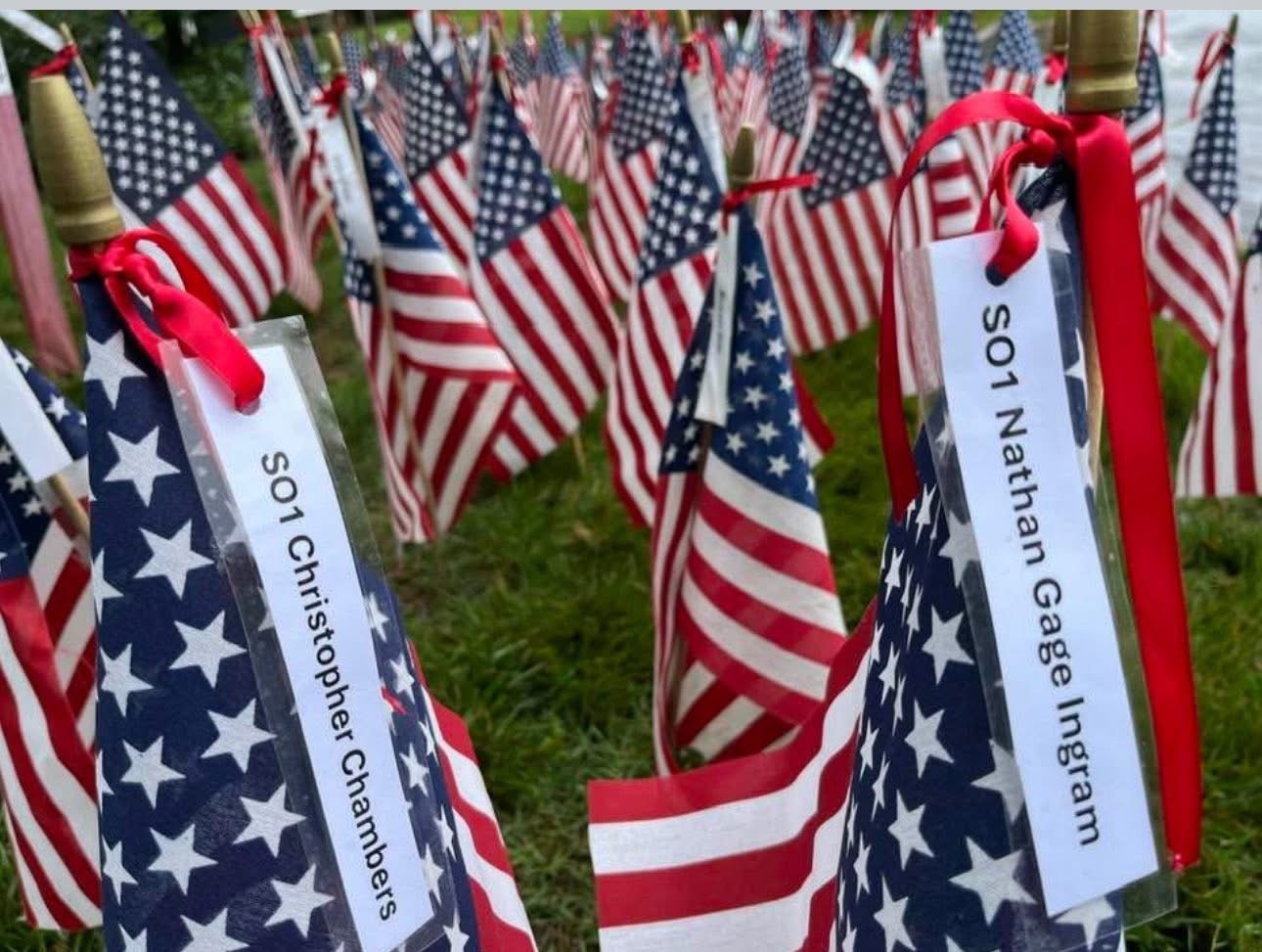
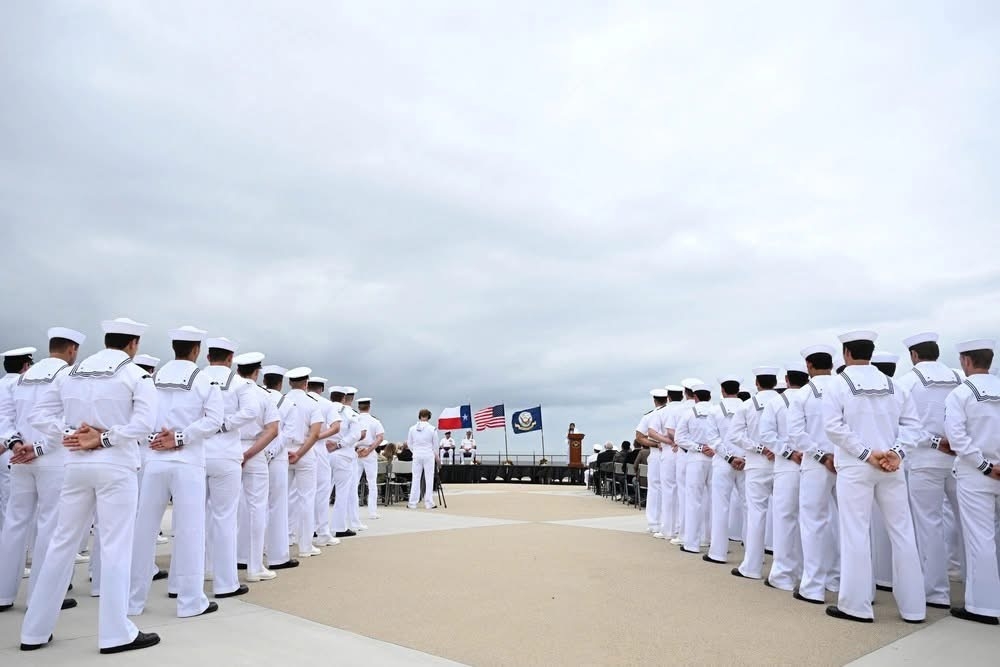
Nathan Gage Ingram
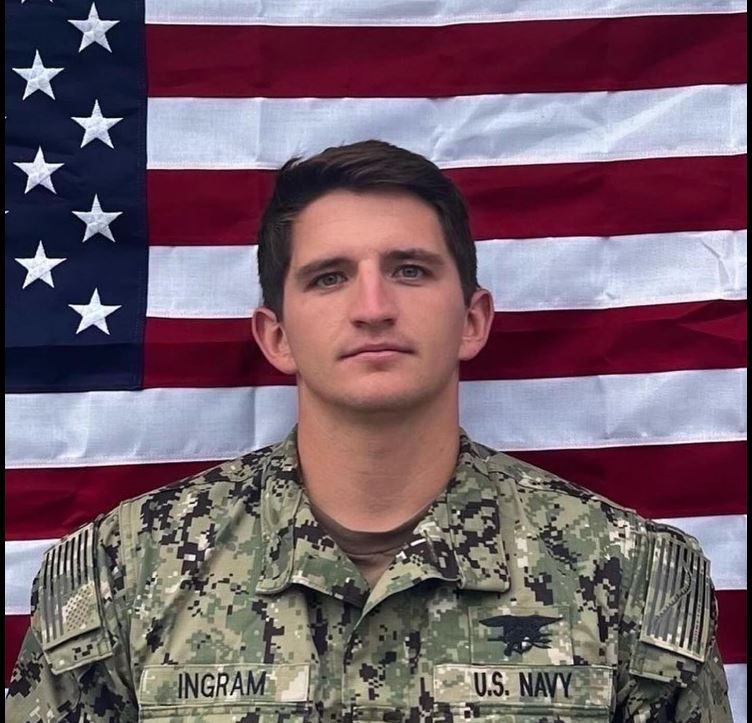
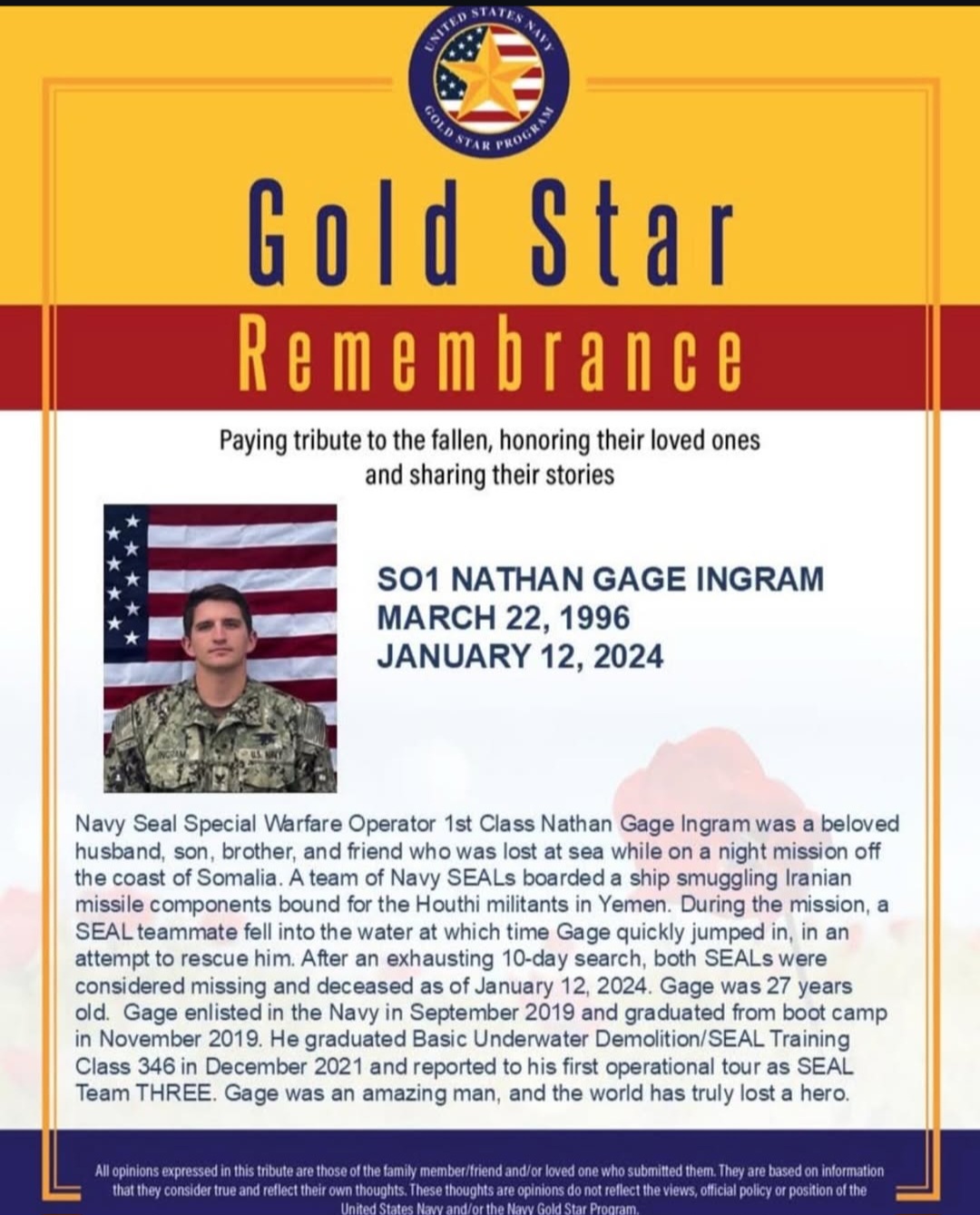
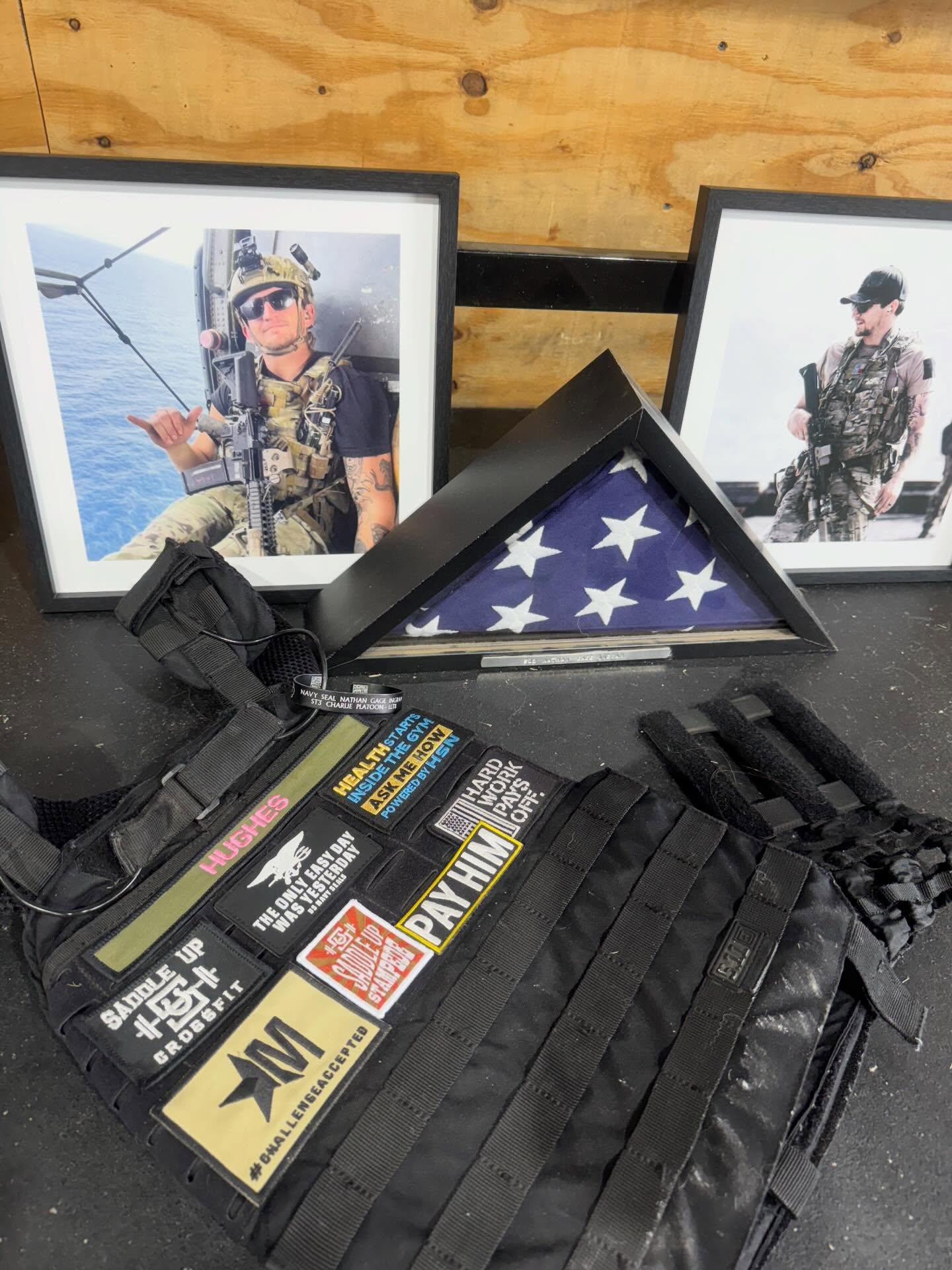
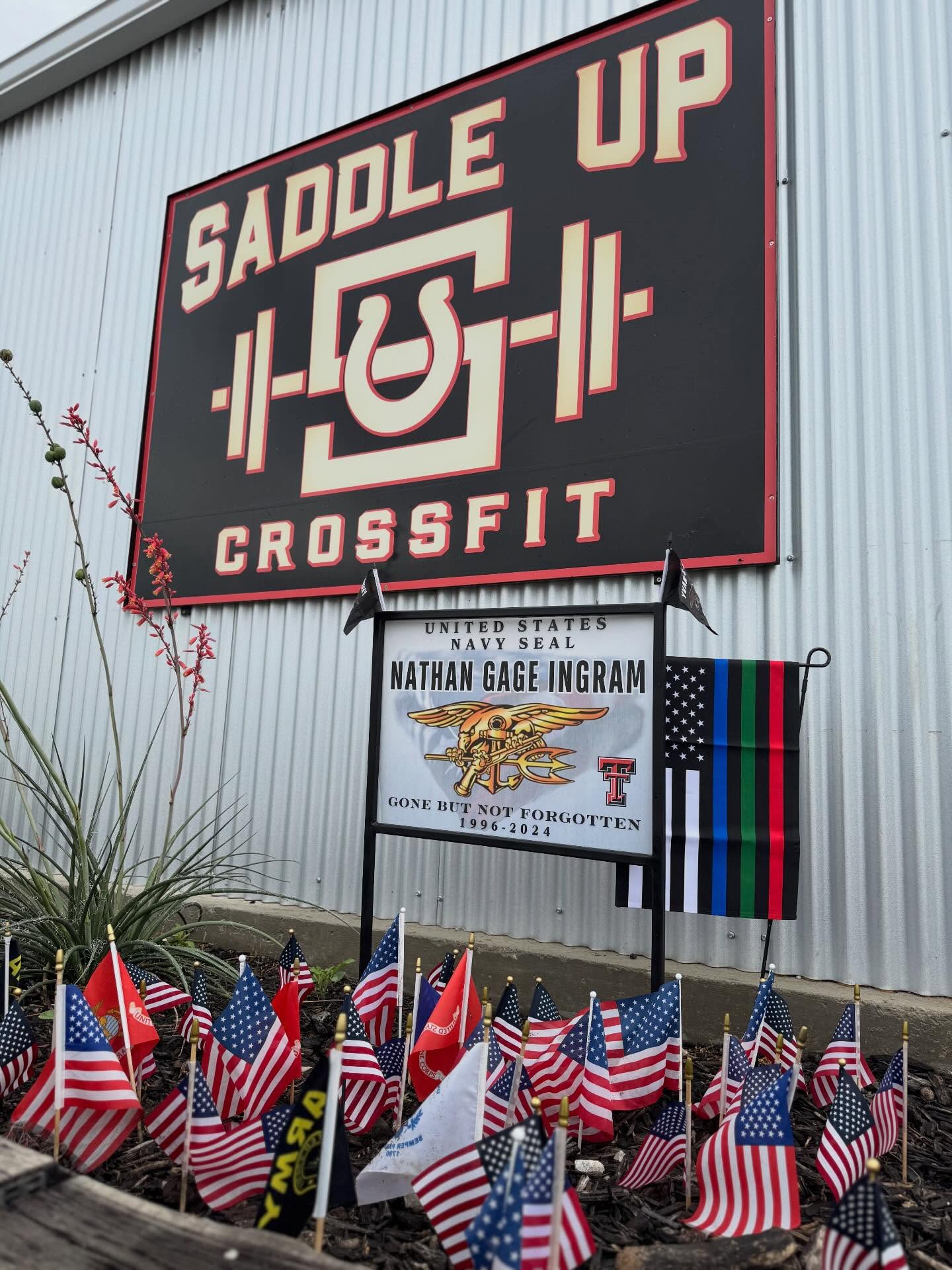
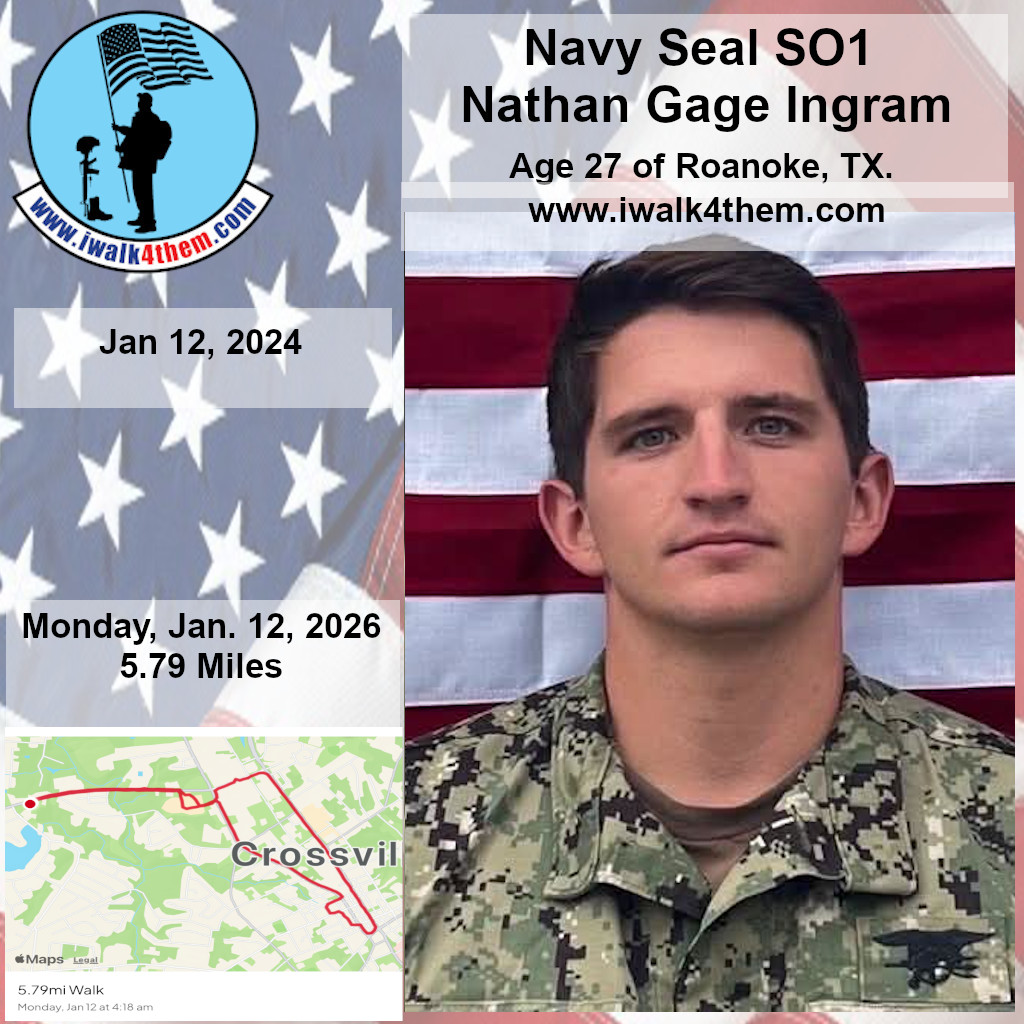
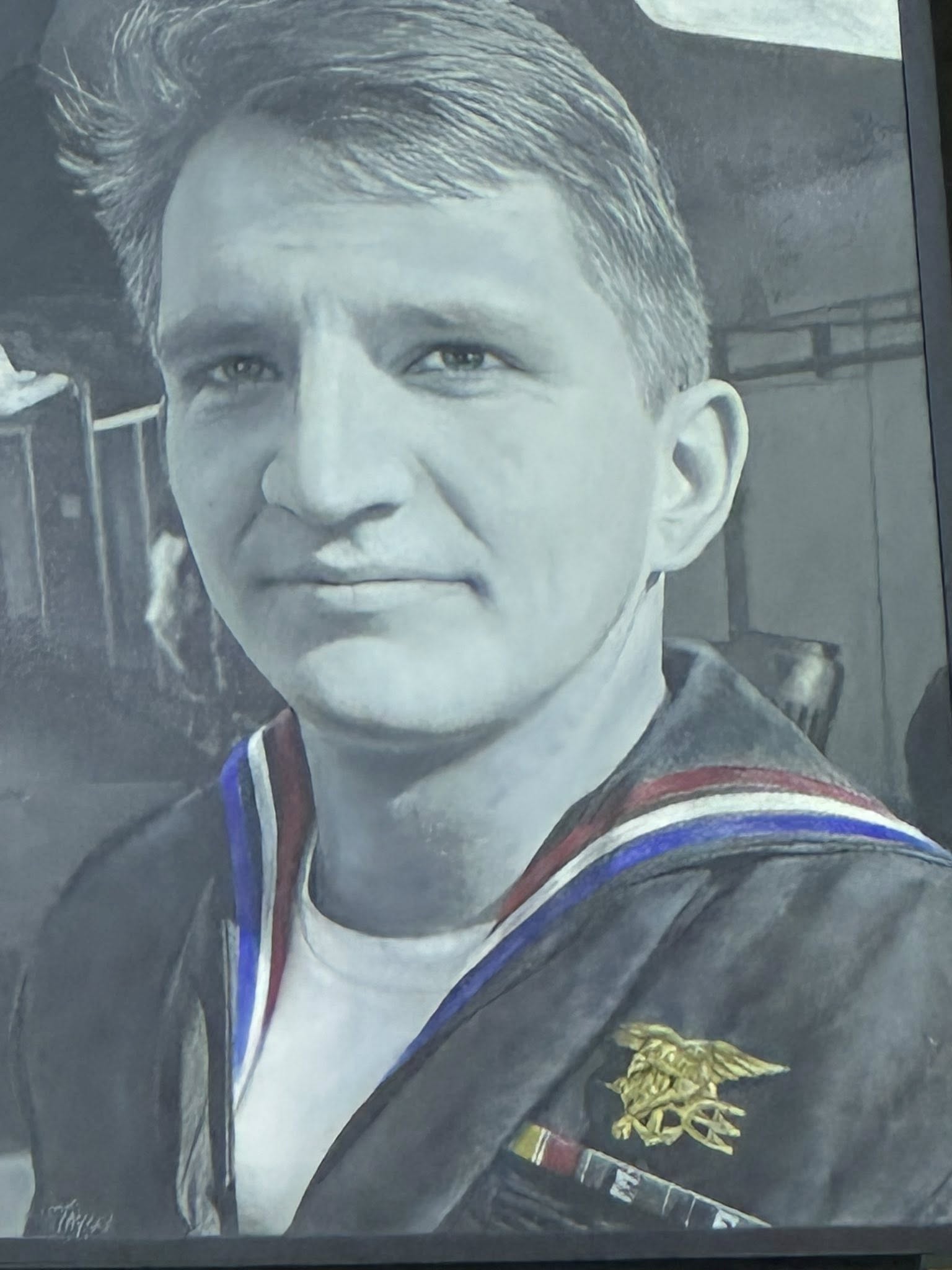
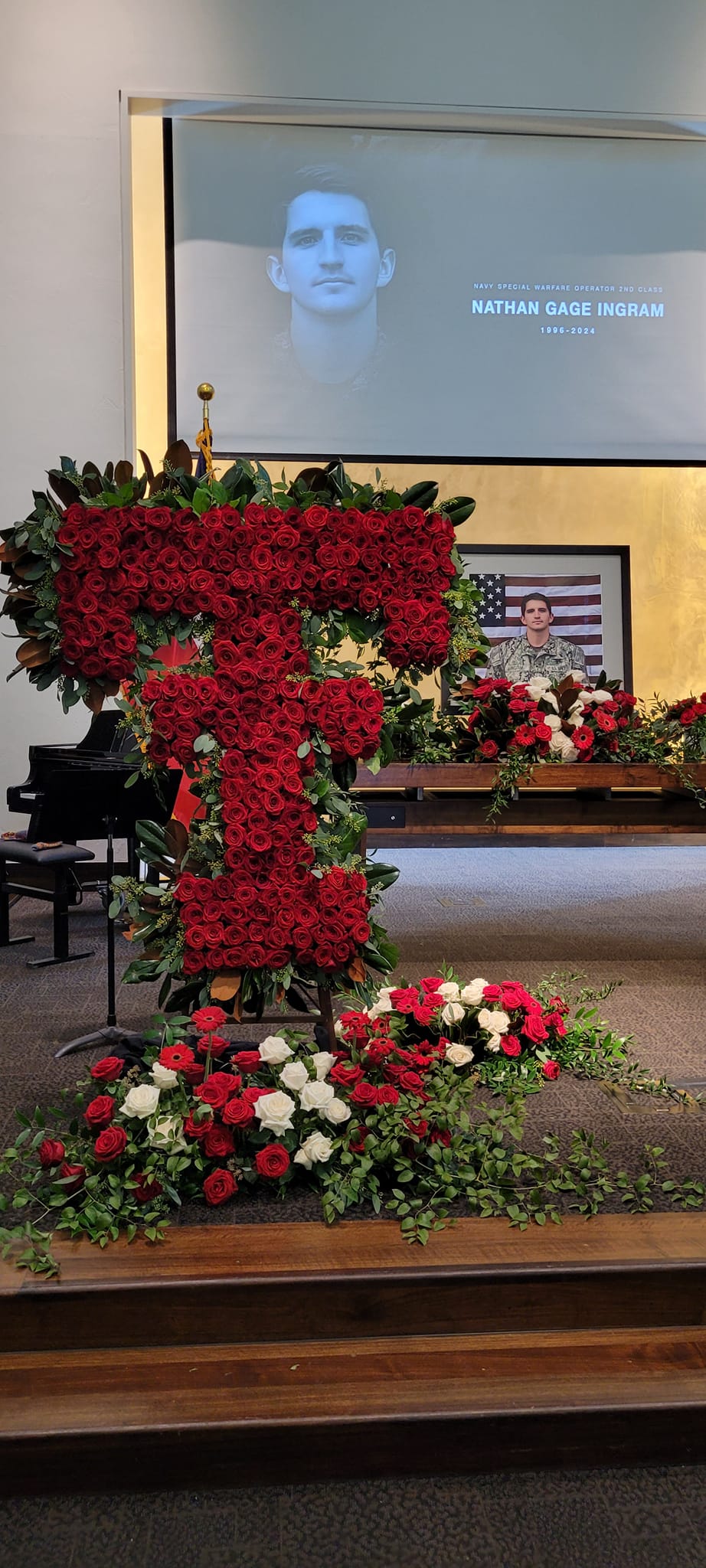
Navy SEAL Special Warfare Operator 1st Class March 22, 1996 – January 12, 2024
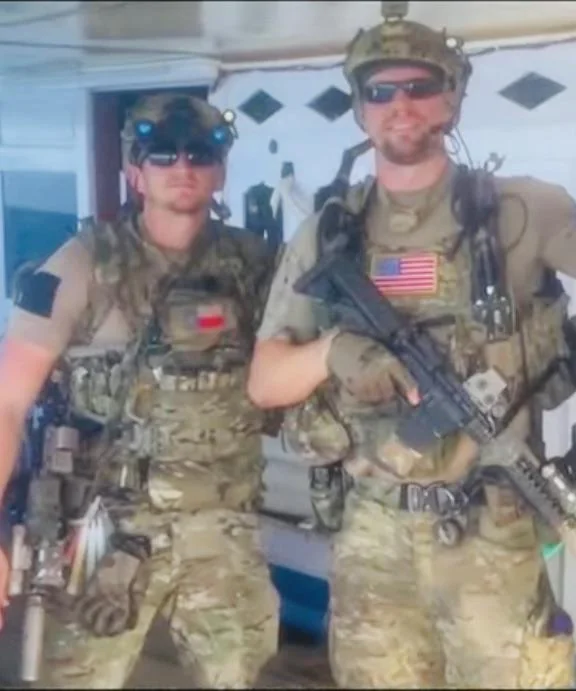
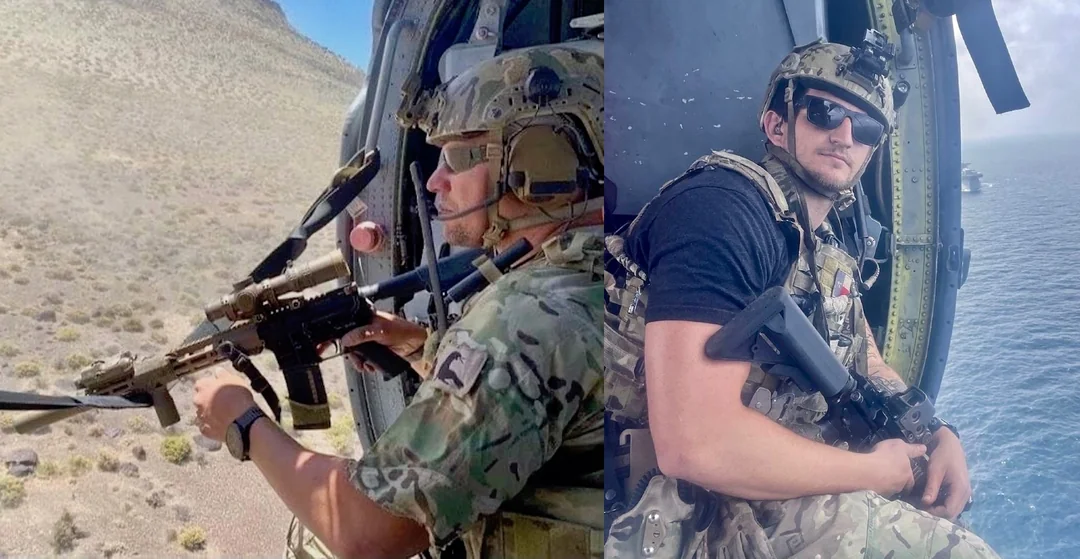
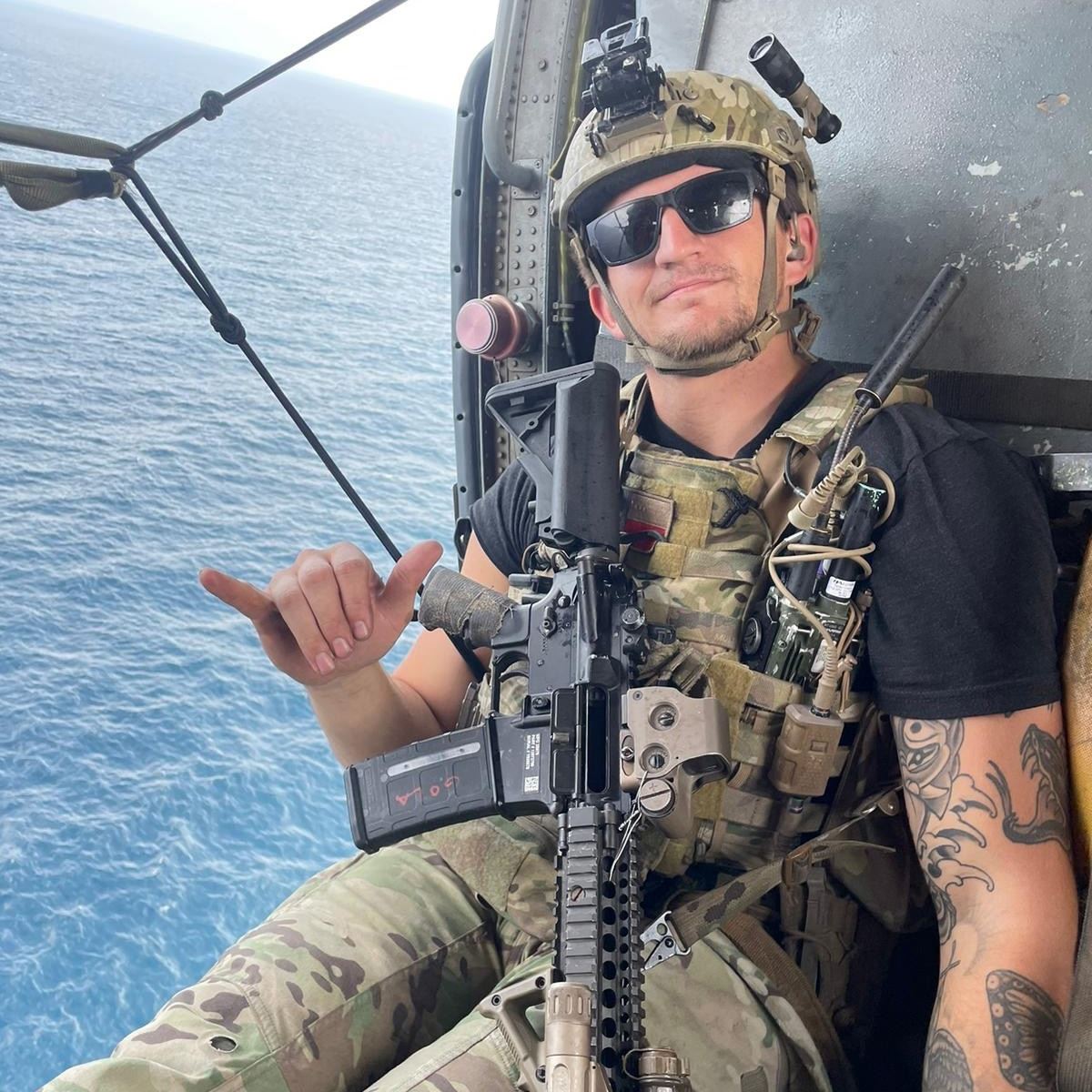
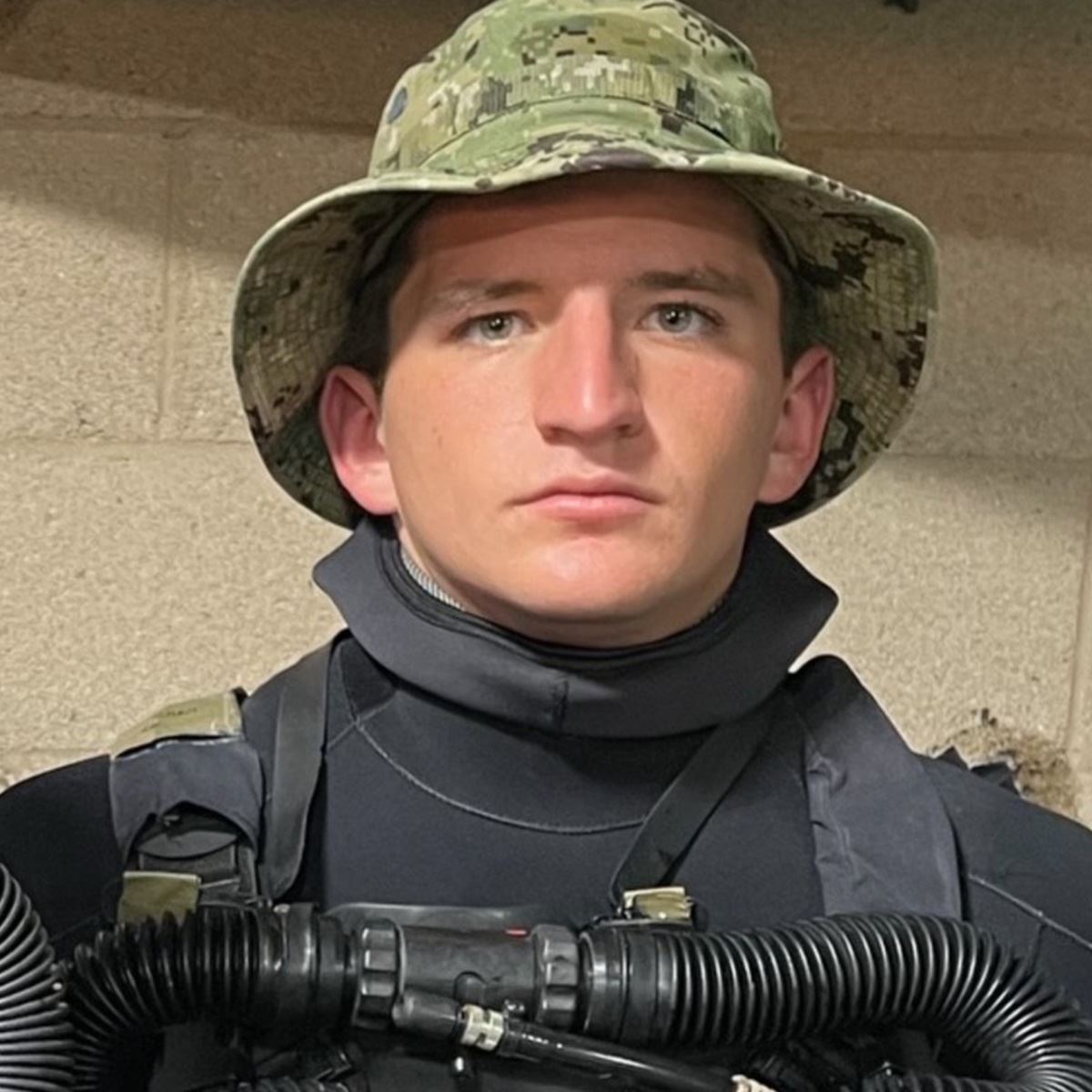
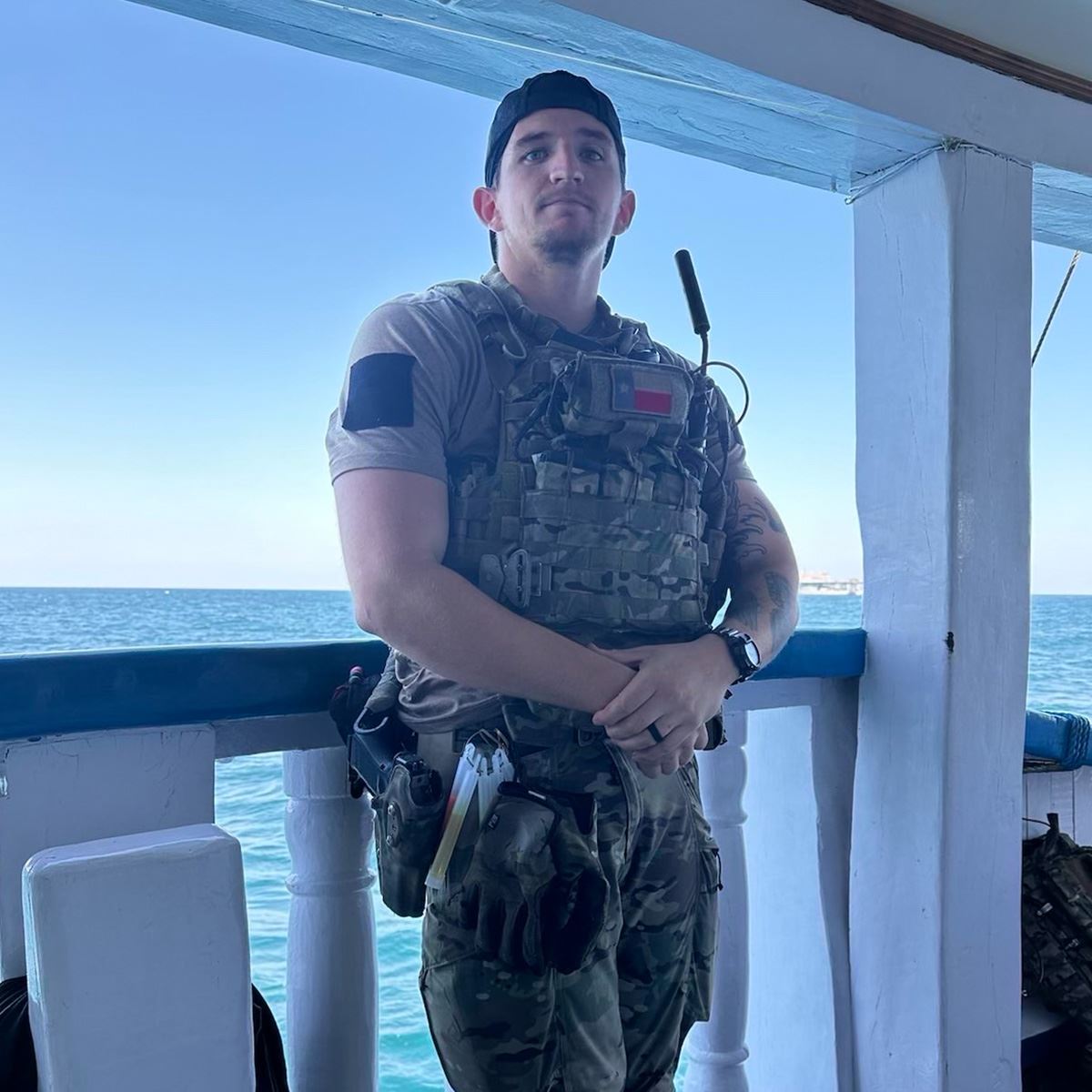
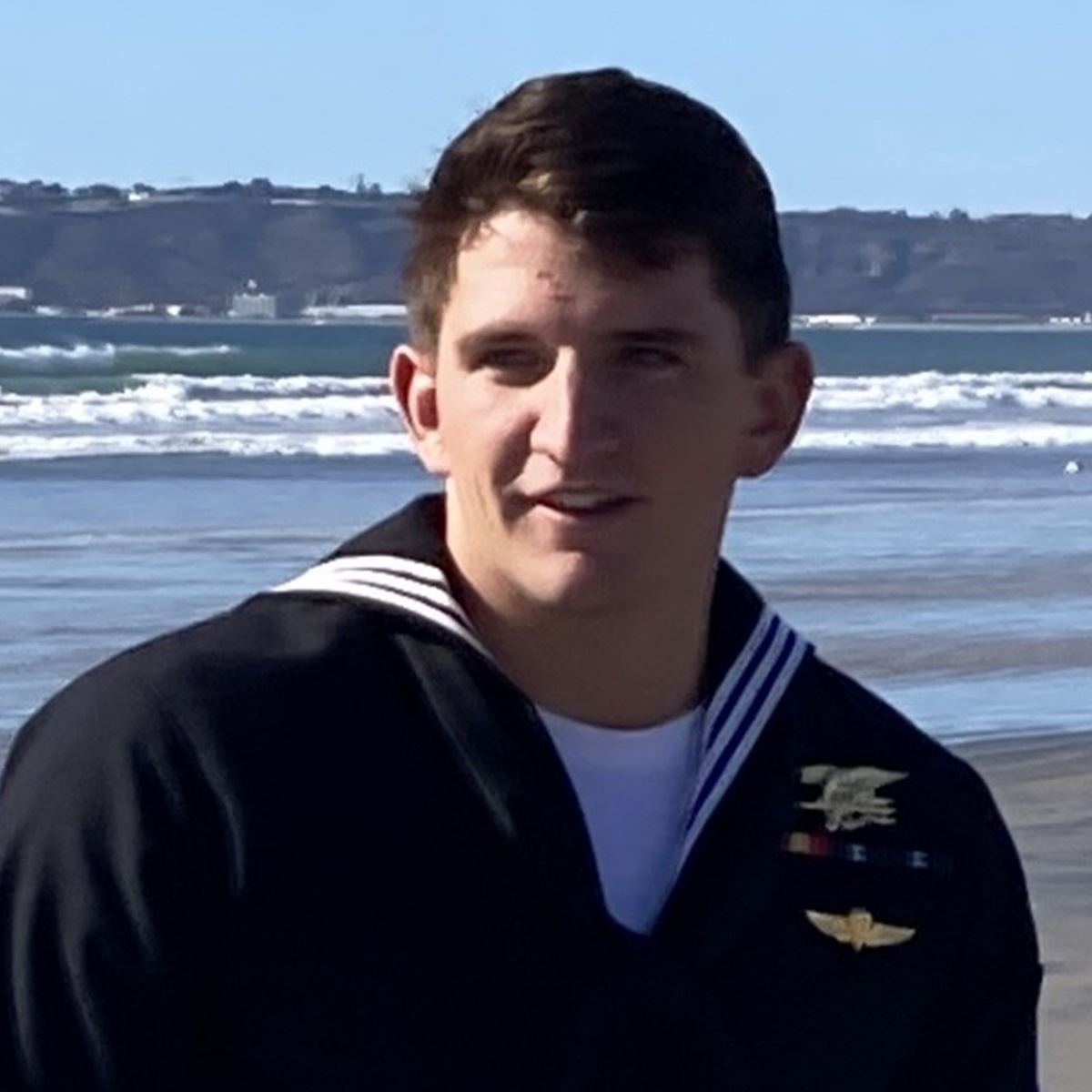
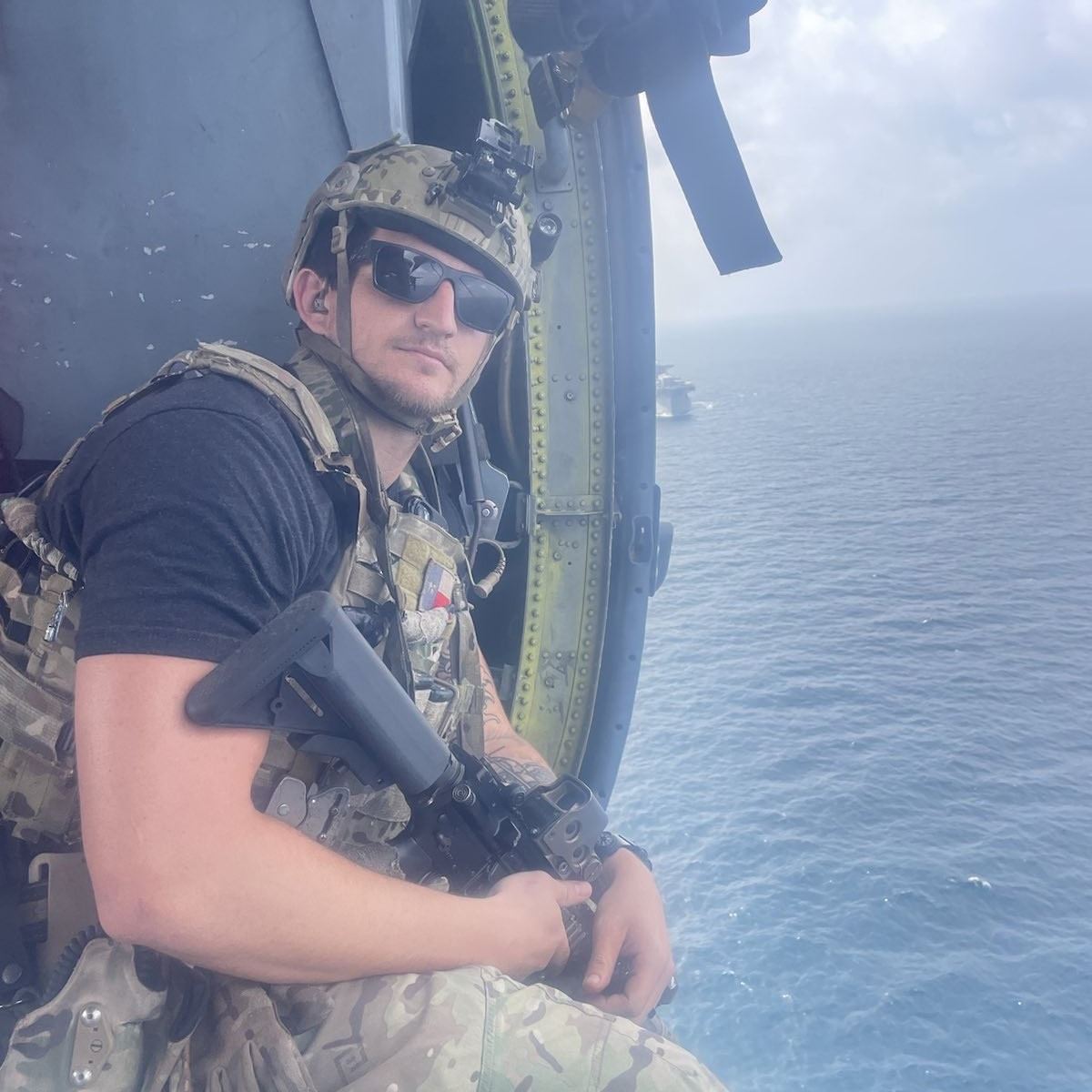
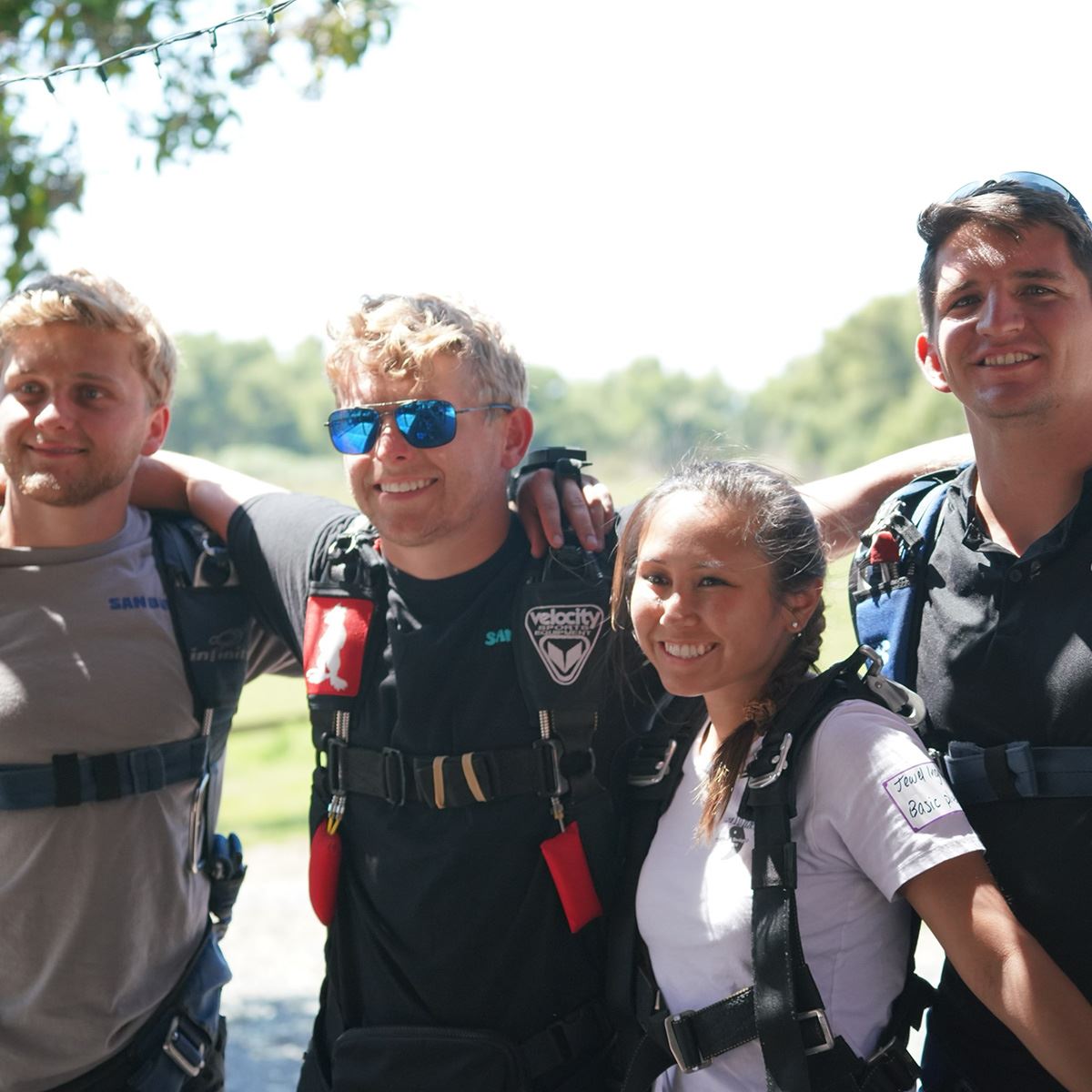
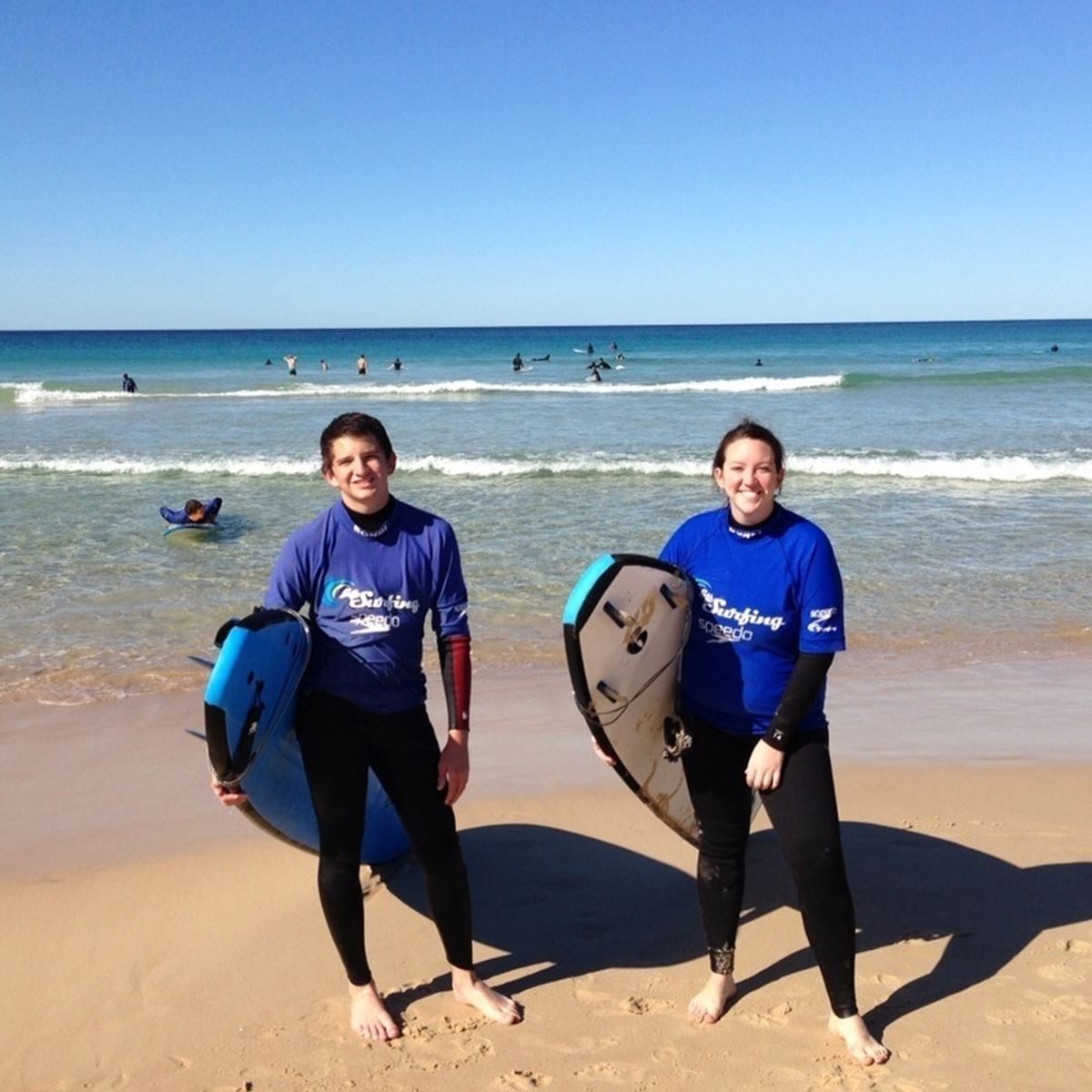
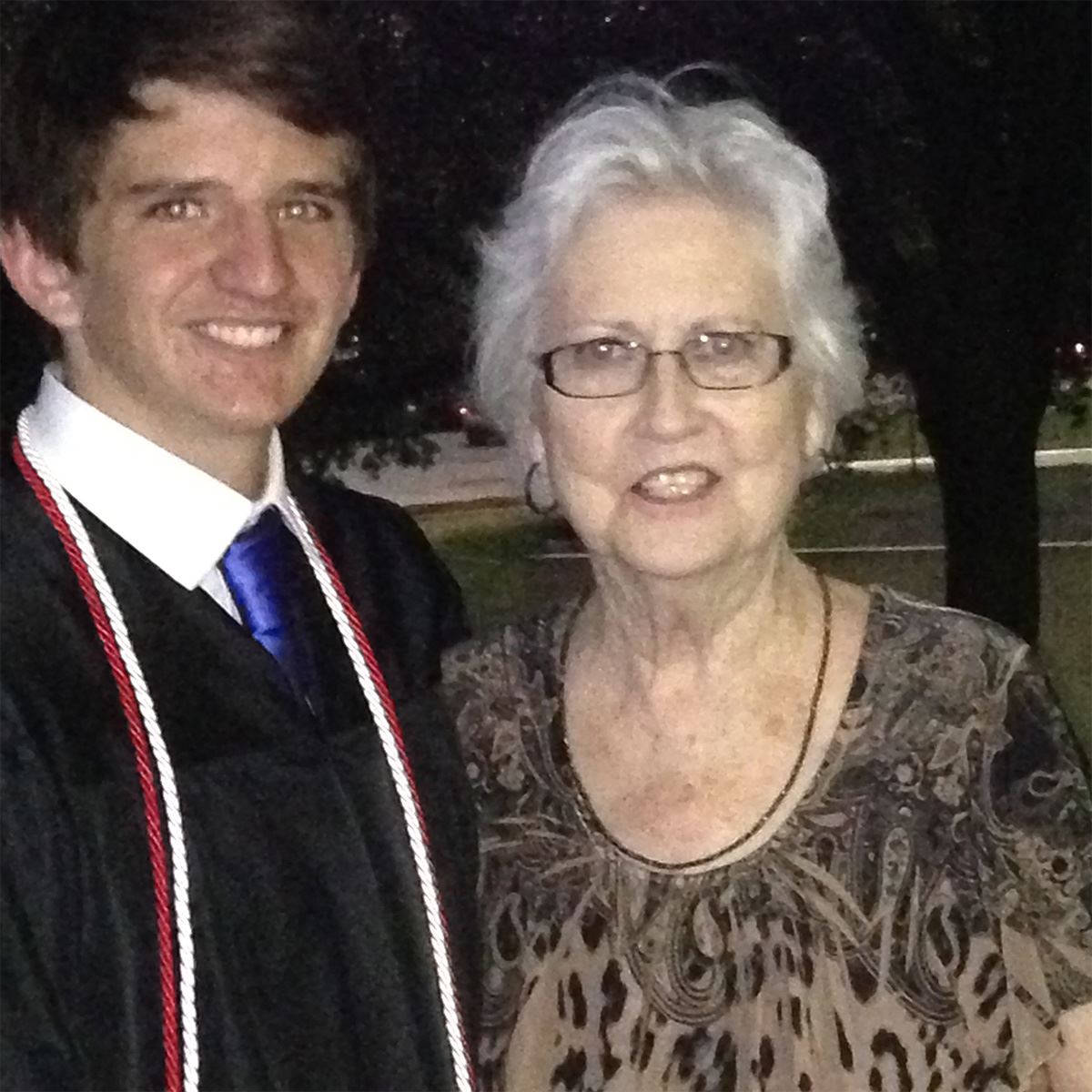
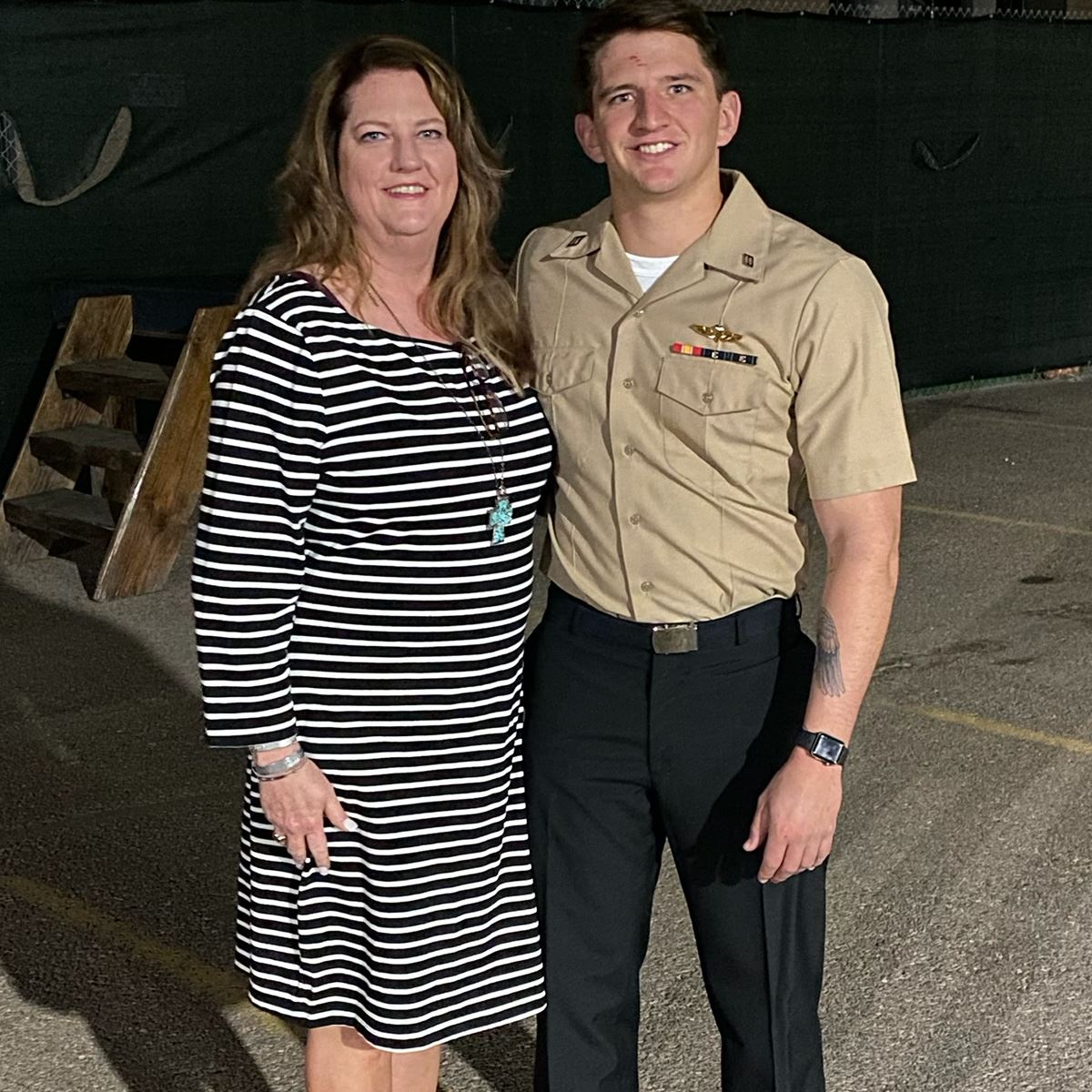
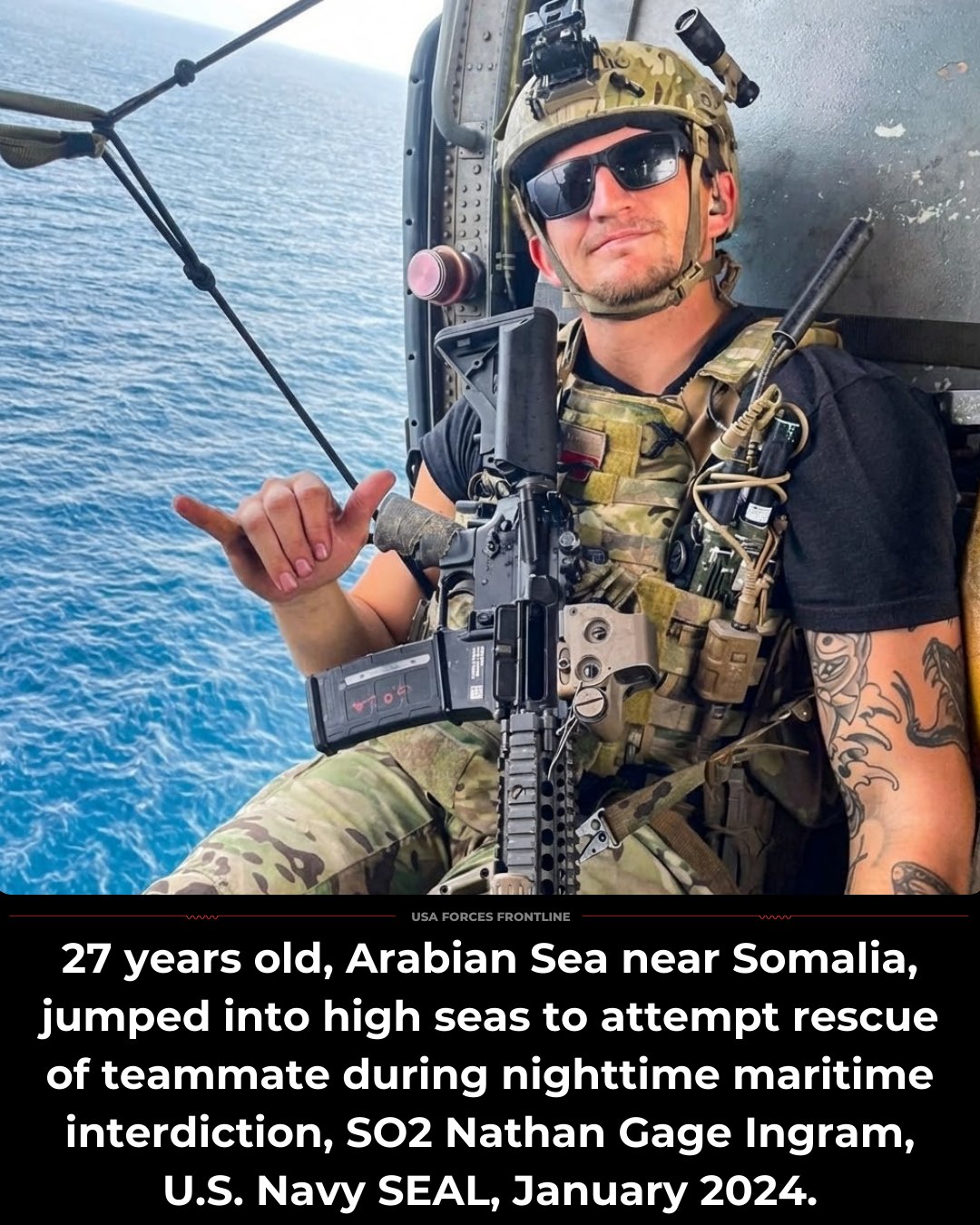
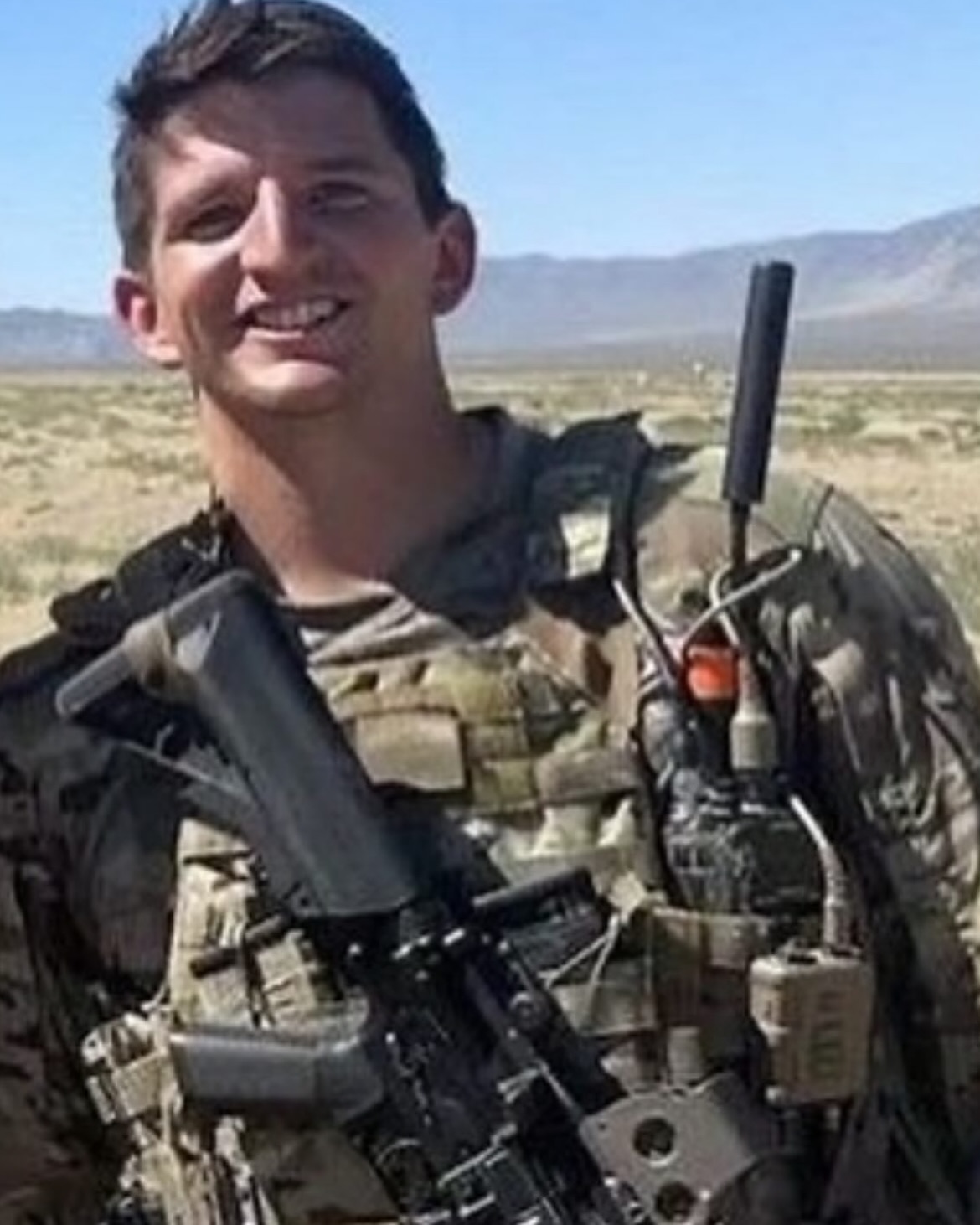
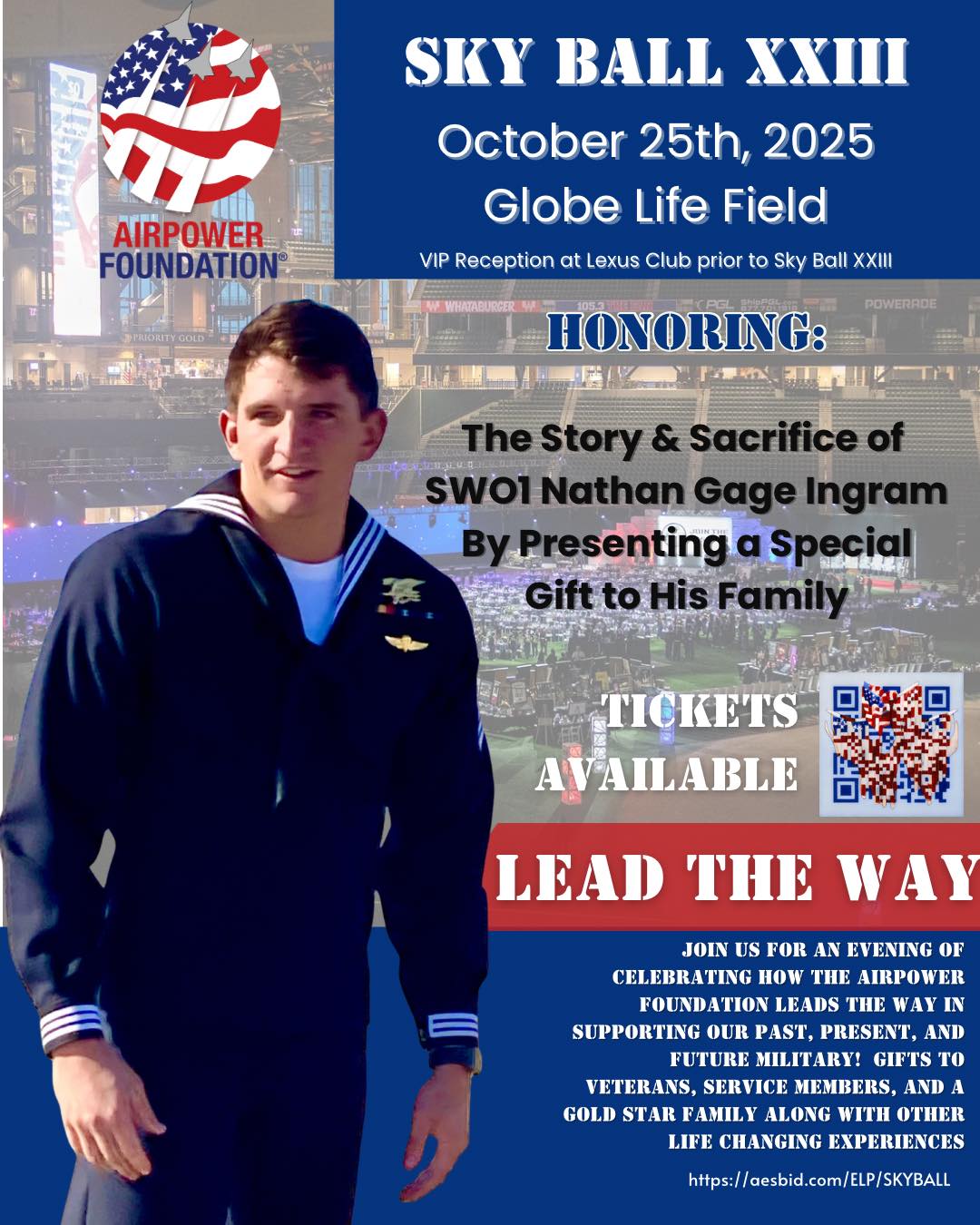
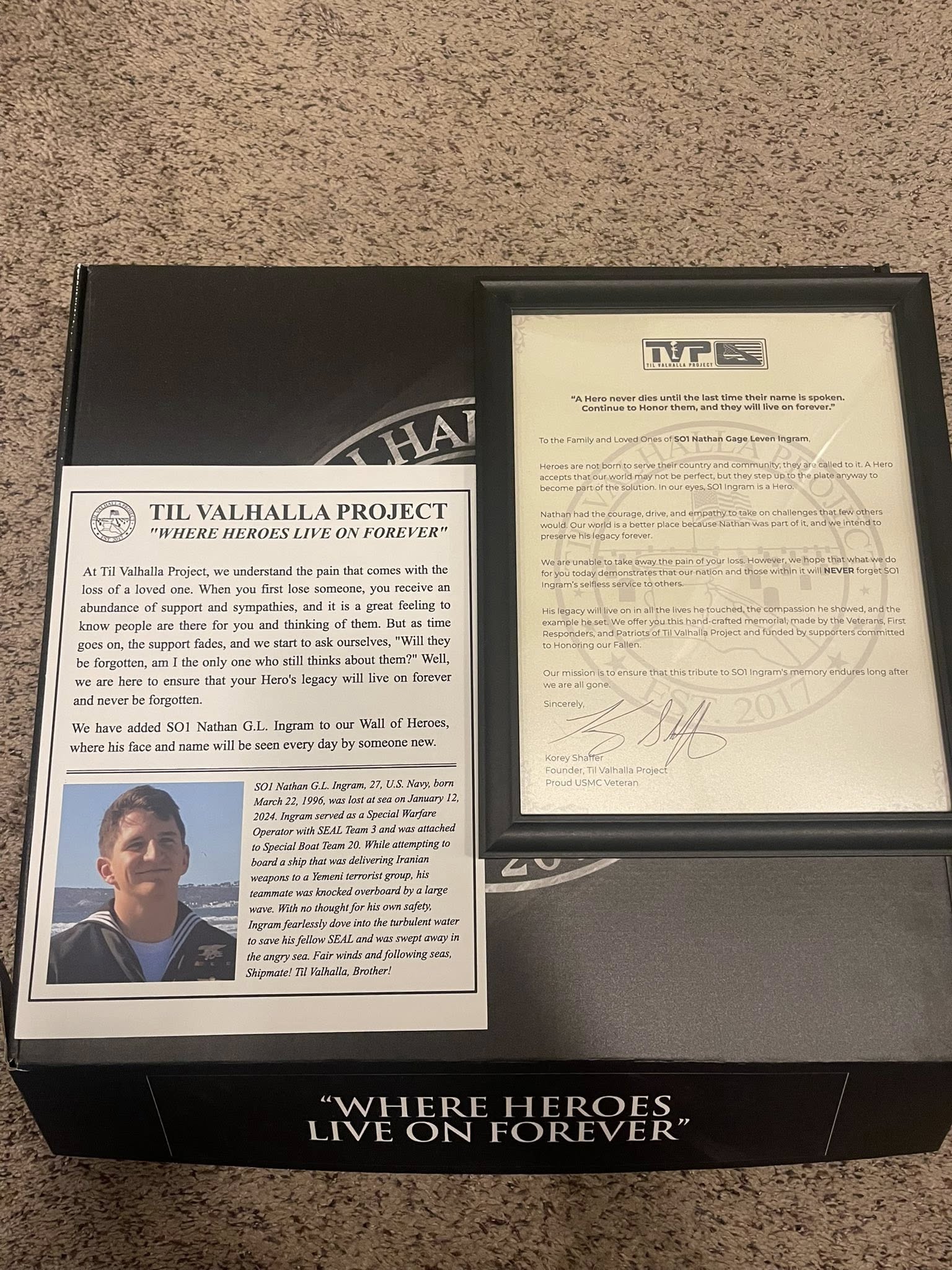
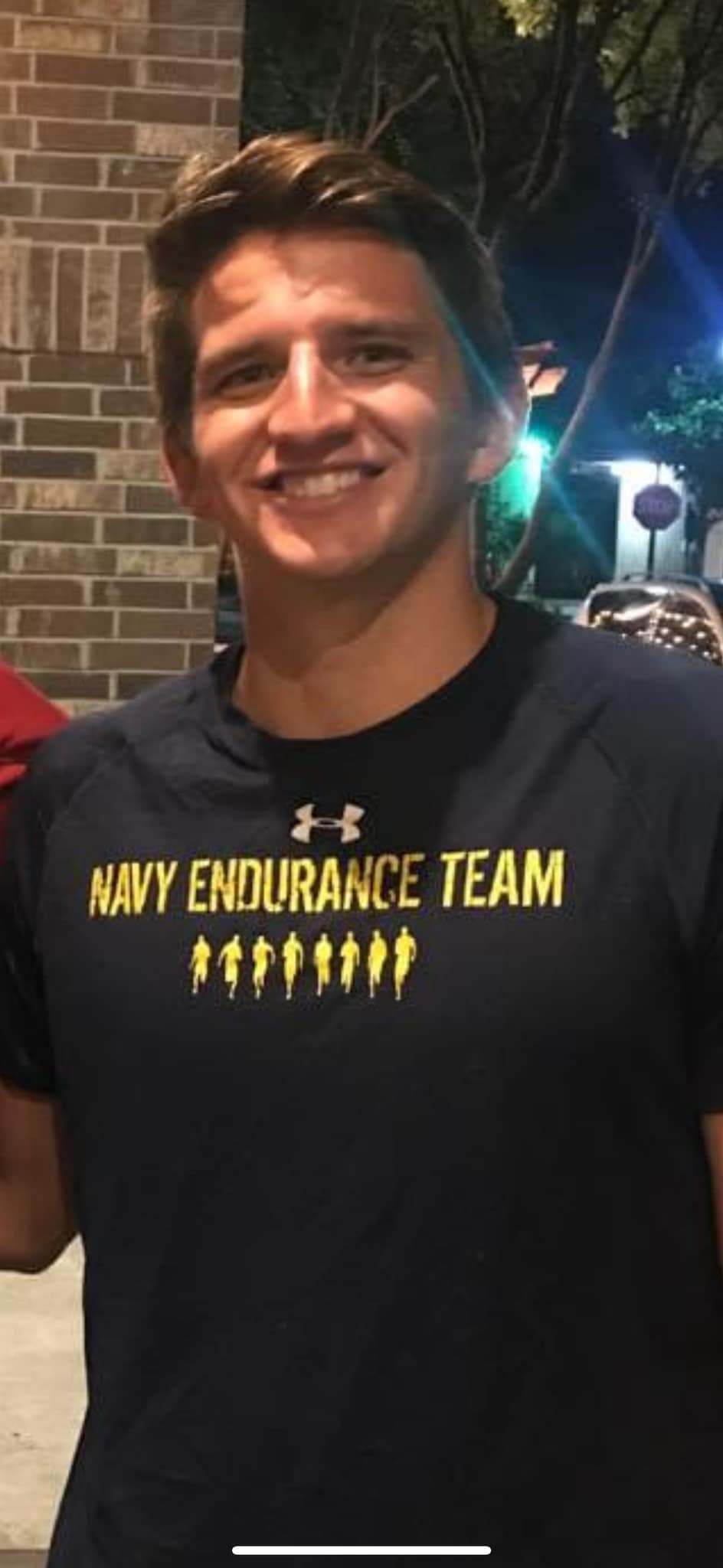
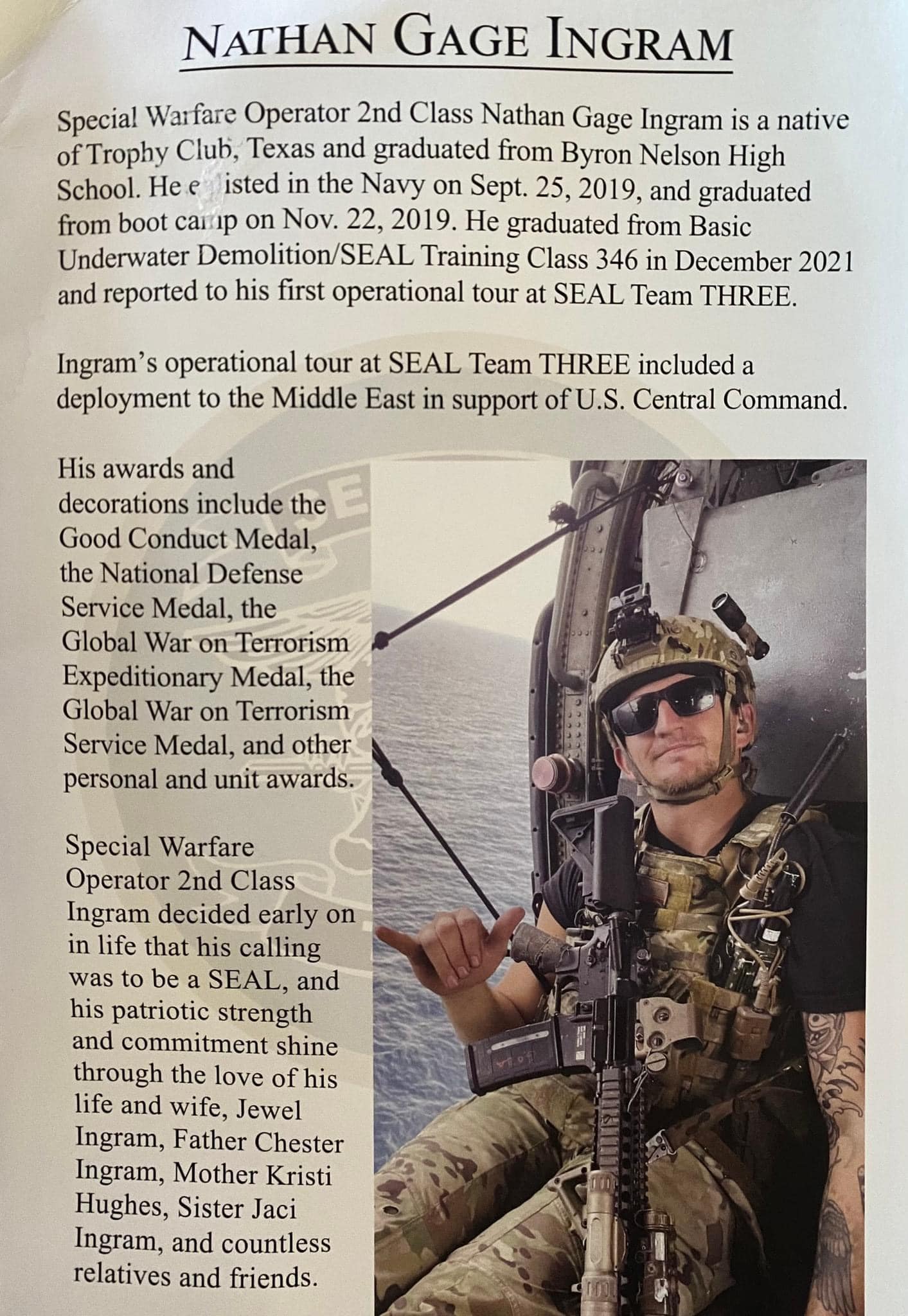
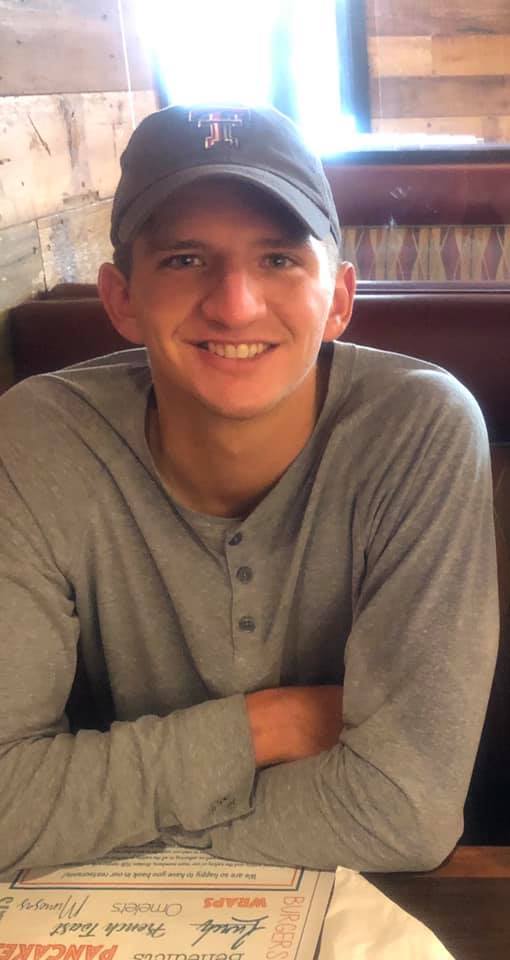
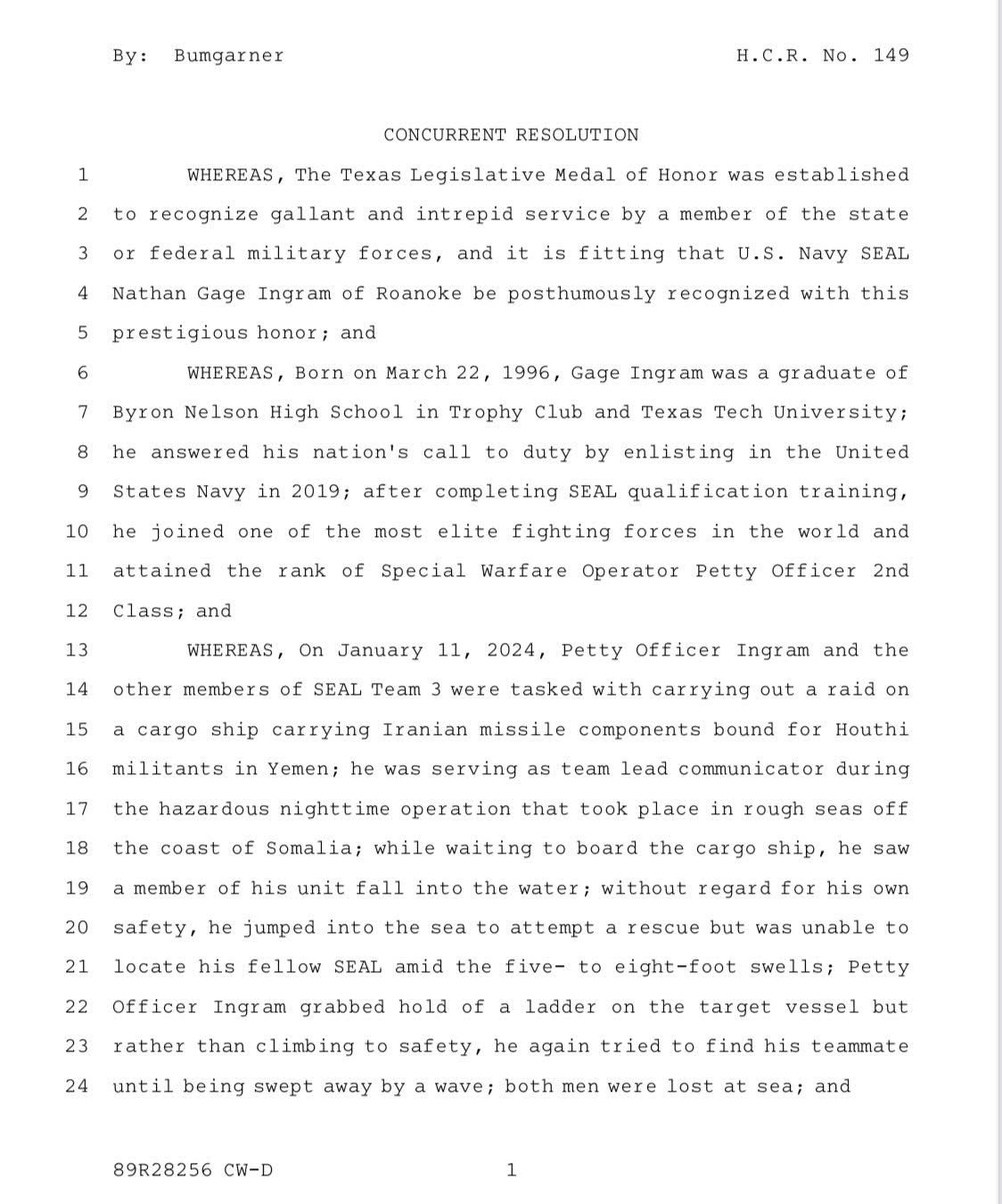
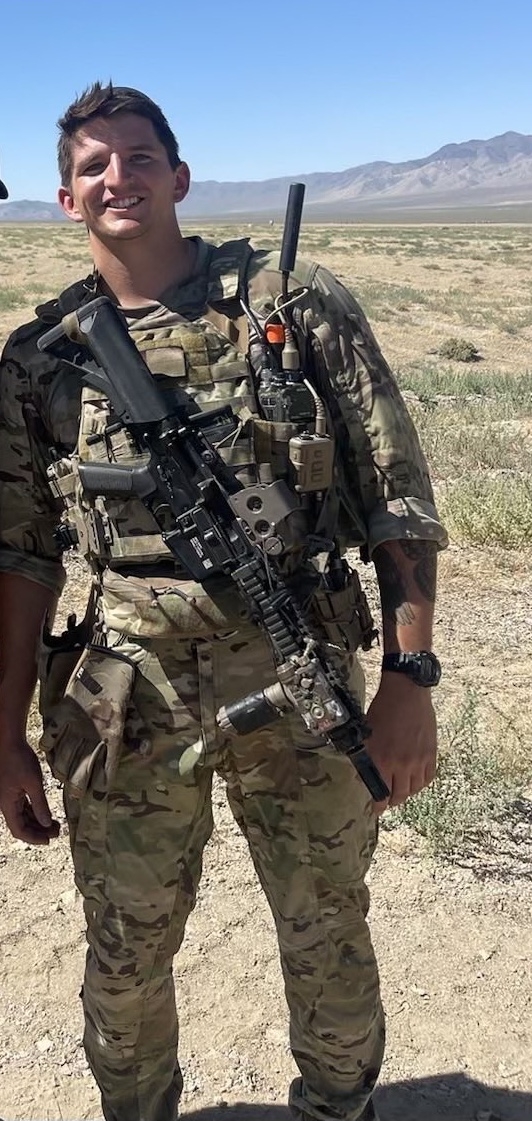
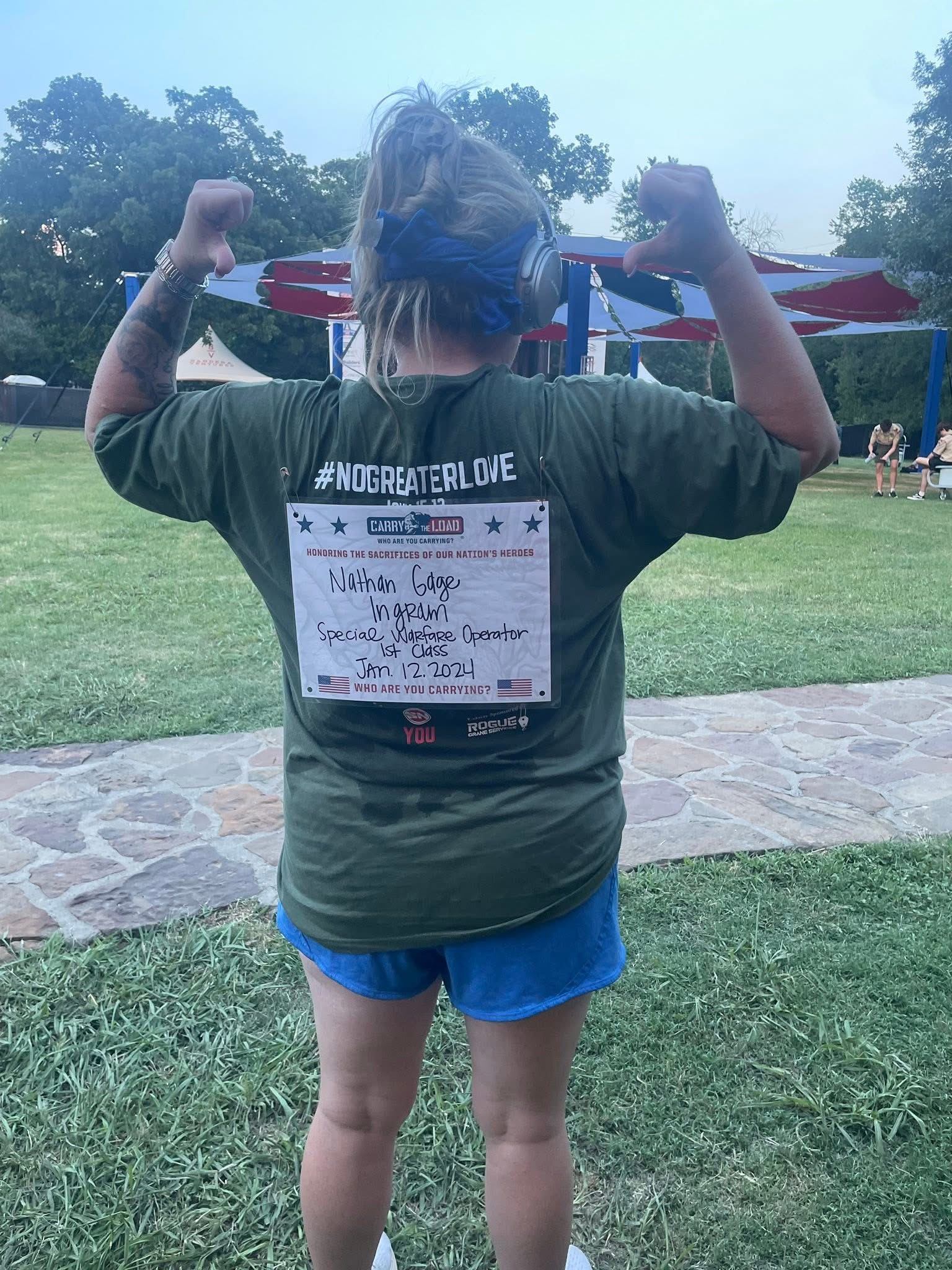
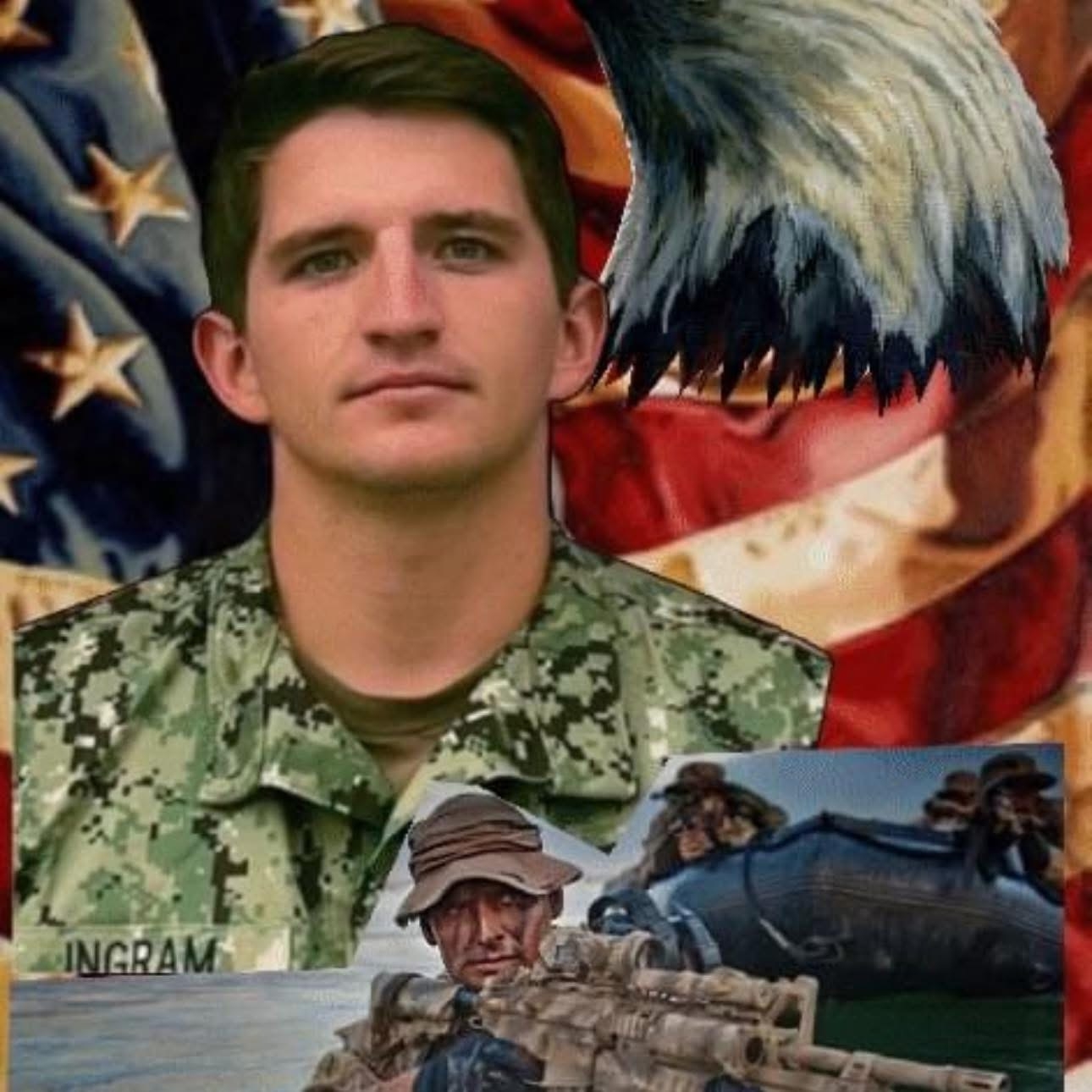
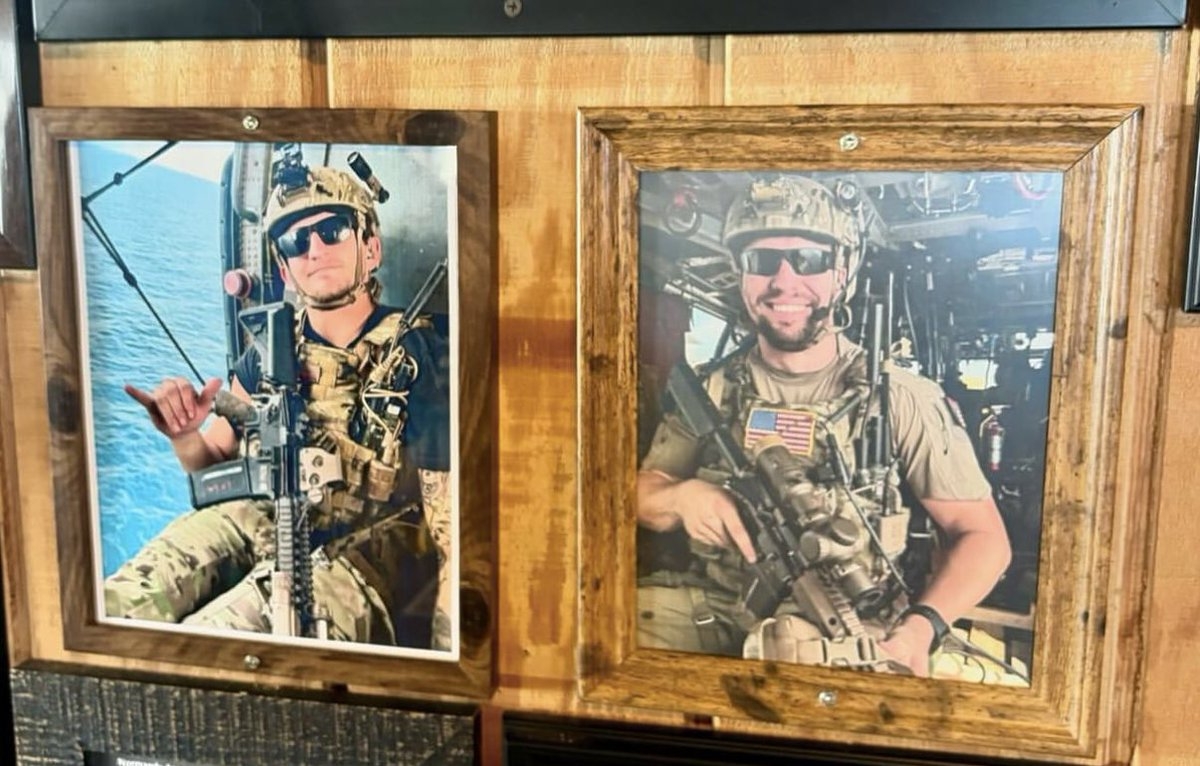
Navy SEAL Special Warfare Operator 1st Class Nathan Gage Ingram, age 27, was a beloved husband, son, brother, and friend who was lost at sea while on a night mission off the coast of Somalia.
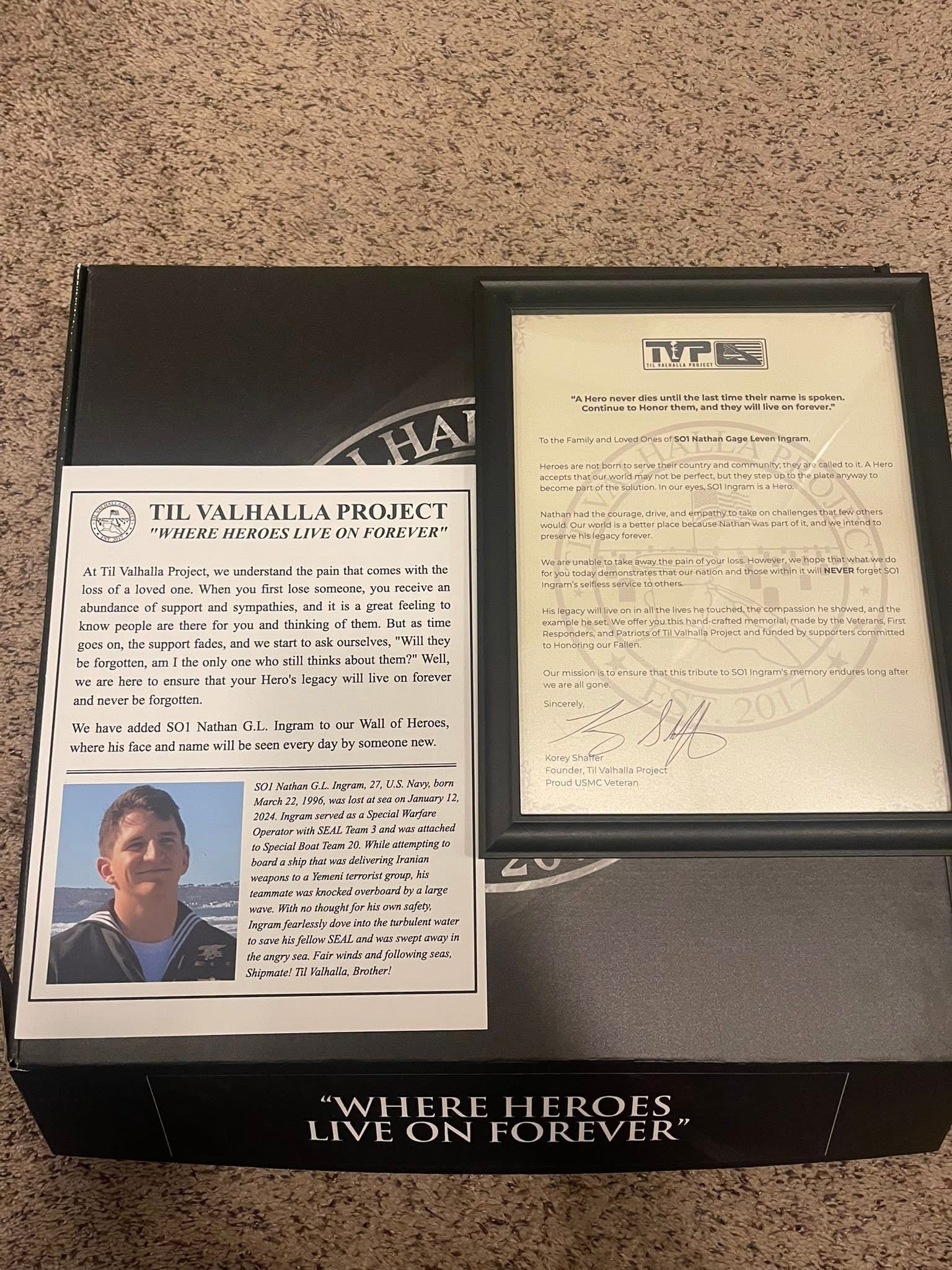
During the boarding of the target vessel, Ingram observed his teammate fall into the water between the target vessel and the friendly craft he was positioned on. As his craft maneuvered away so as not to injure the man overboard, Ingram, without hesitation or regard for his own safety, voluntarily entered the water in an attempt to save the life of his teammate, struggling to maintain points in five to eight foot swells.
Unable to locate his teammate, he grabbed hold of a ladder on the target vessel previously placed by the boarding team. Rather than climb to the safety of the target vessel, Ingram attempted again to locate and assist the team. Shortly after, he was swept off the ladder by a wave and visually lost by his teammates and overhead surveillance platforms. By his courageous, heroic action and selfless dedication to duty, Ingram reflected great credit upon himself and upheld the highest tradition of the United States naval services.
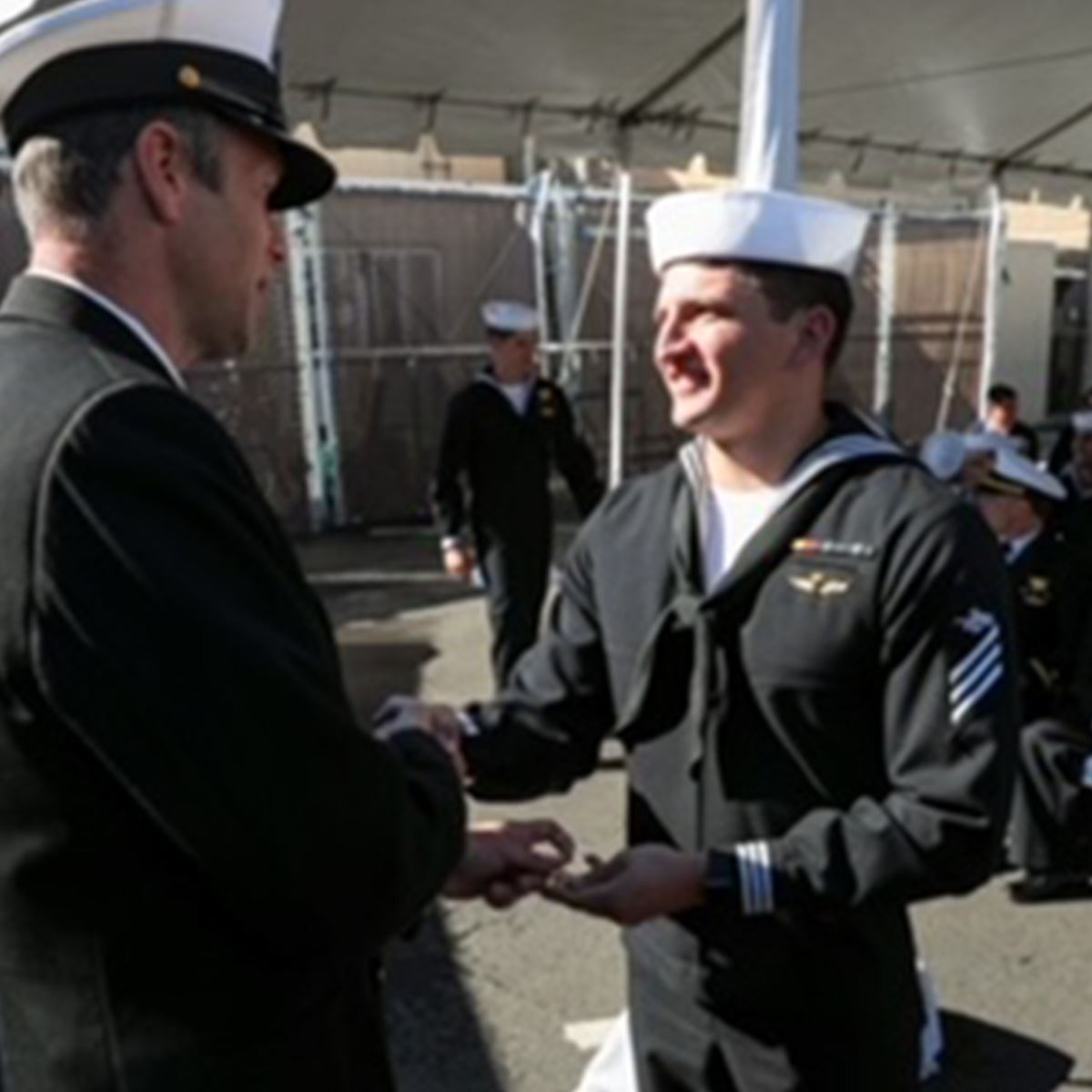
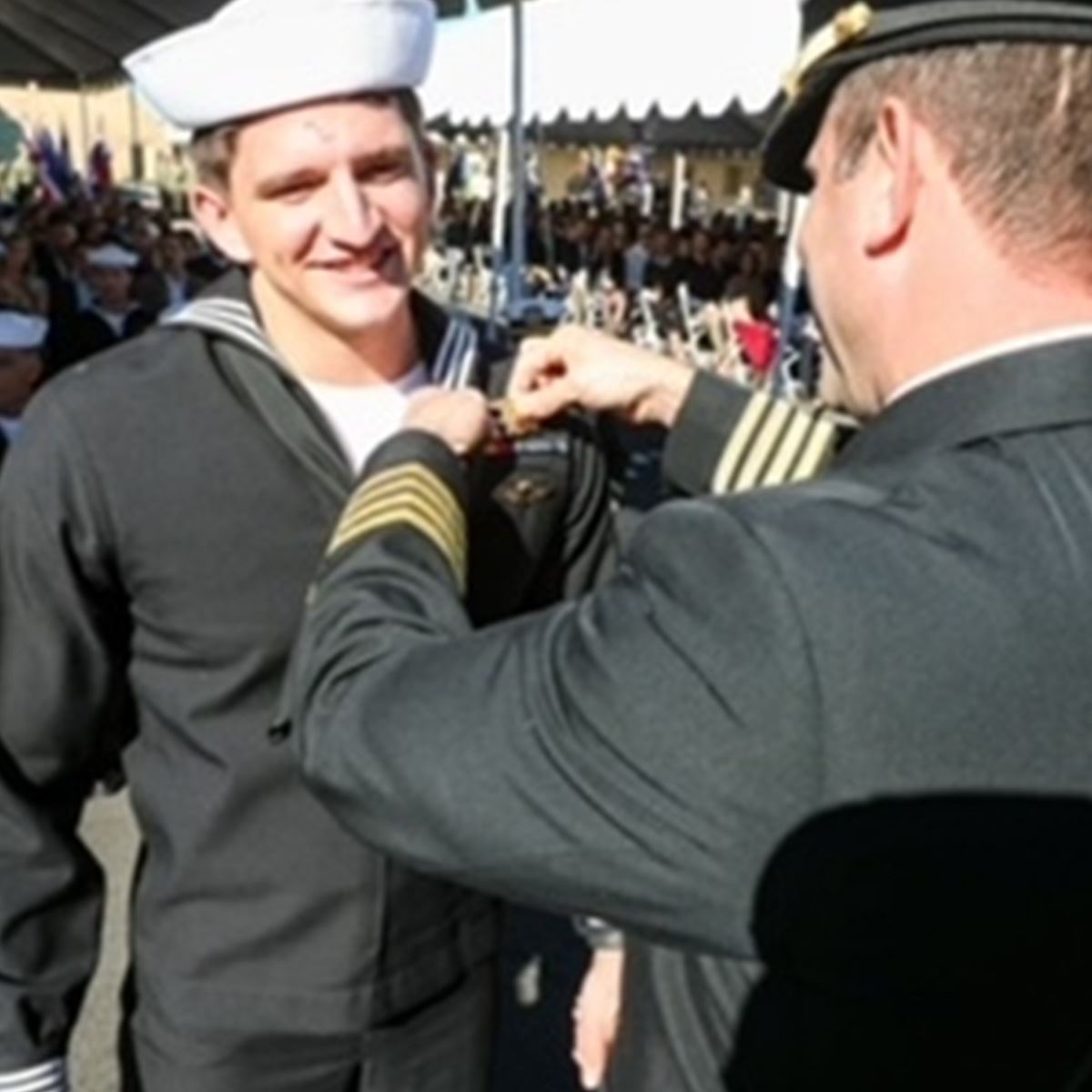
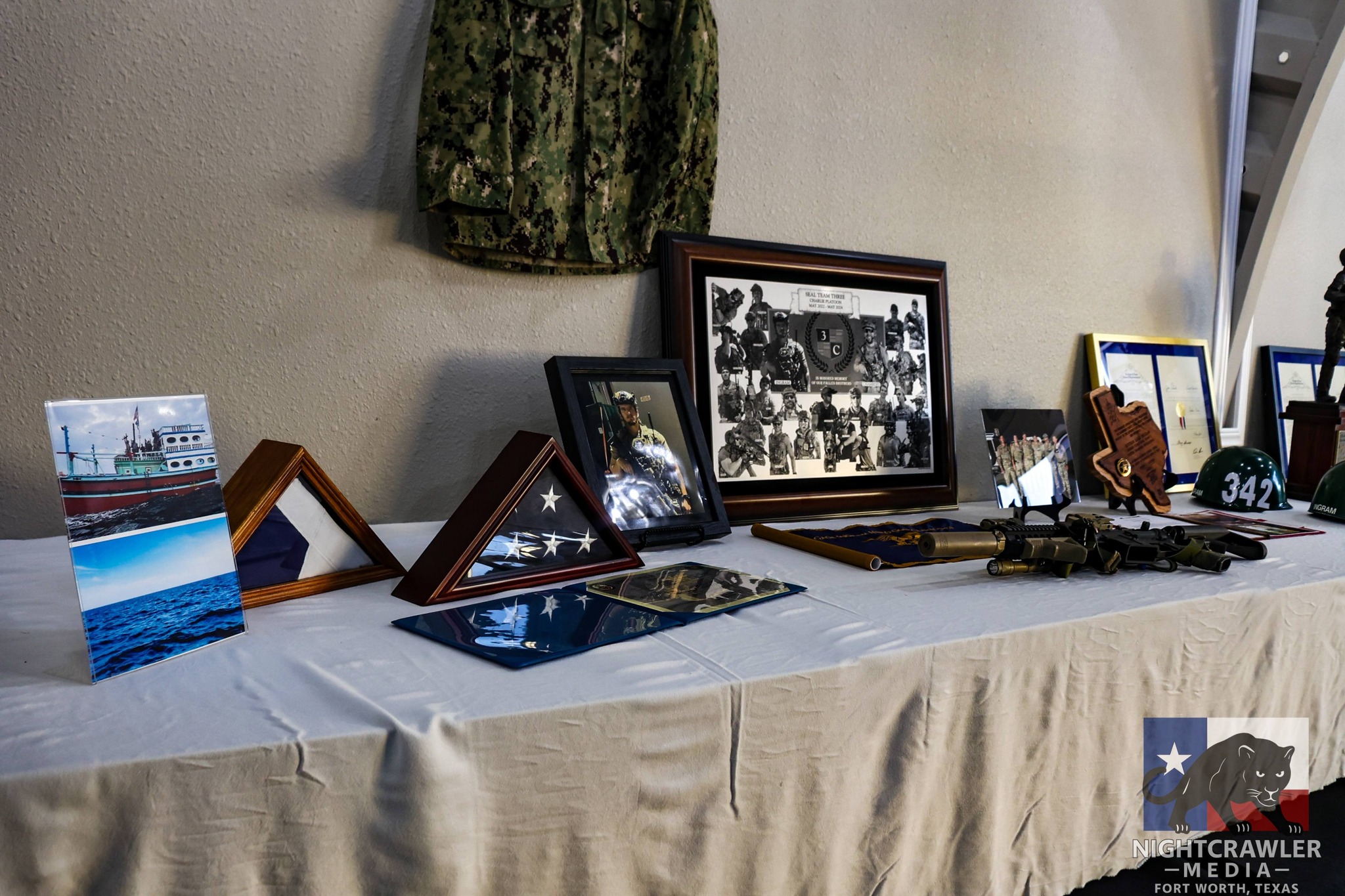
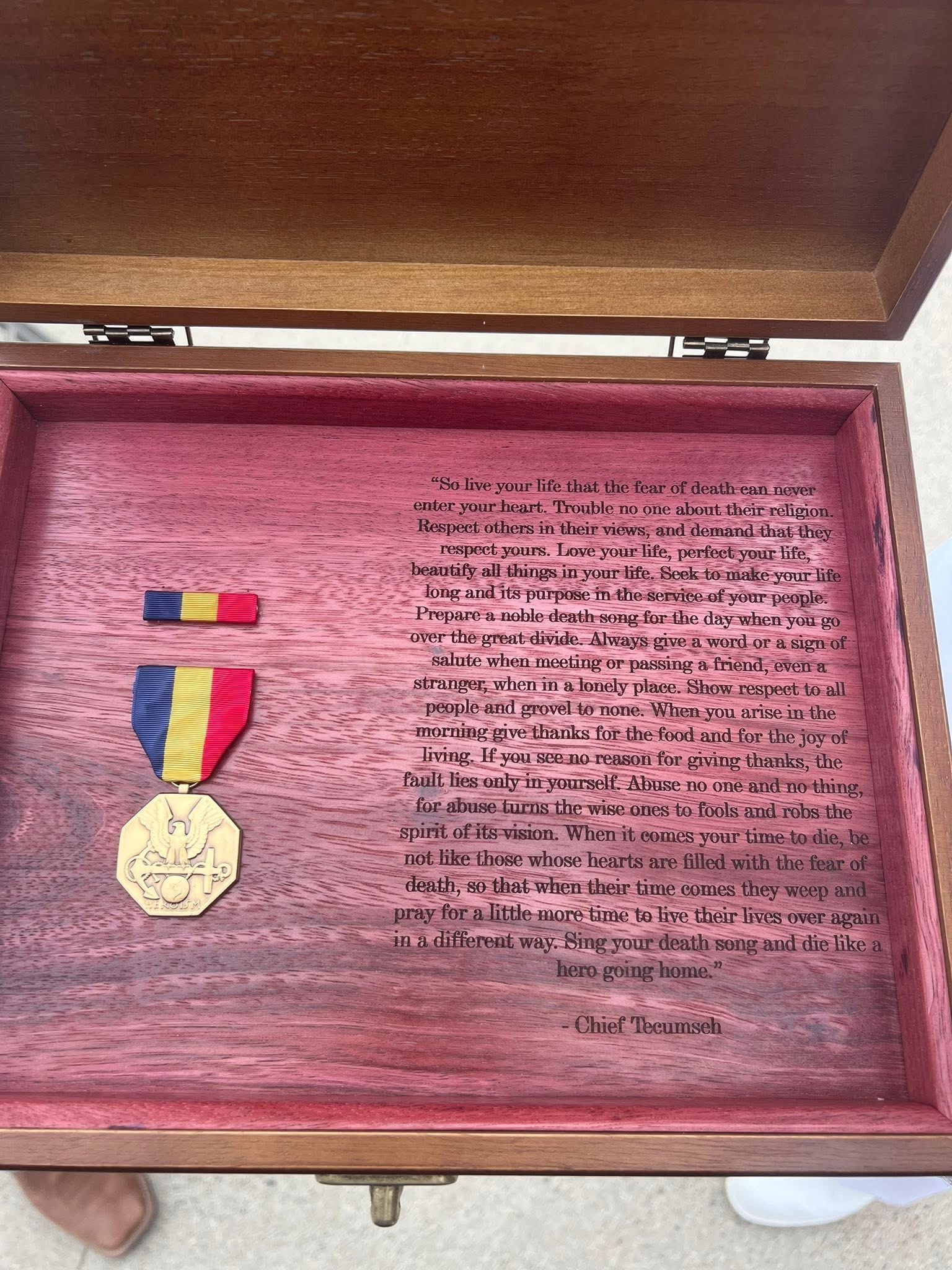
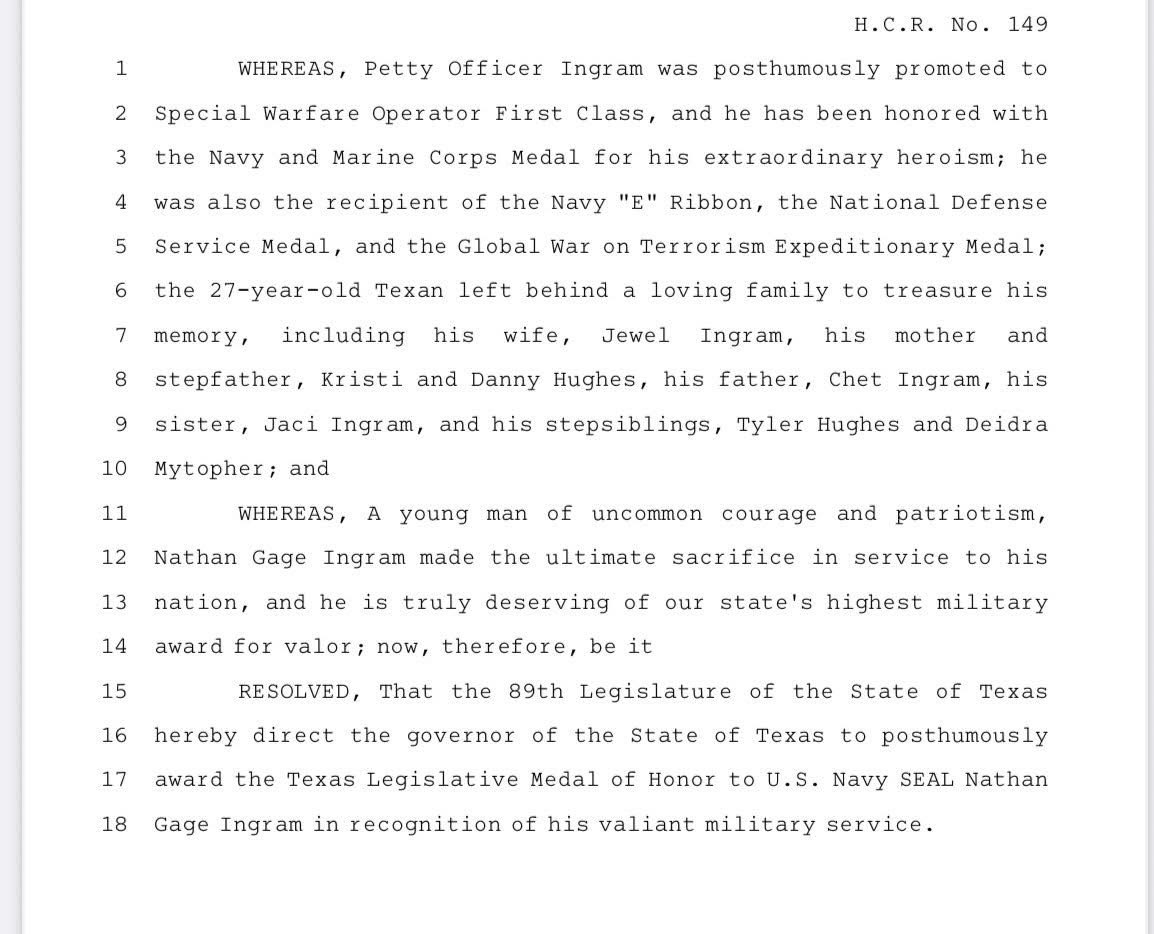
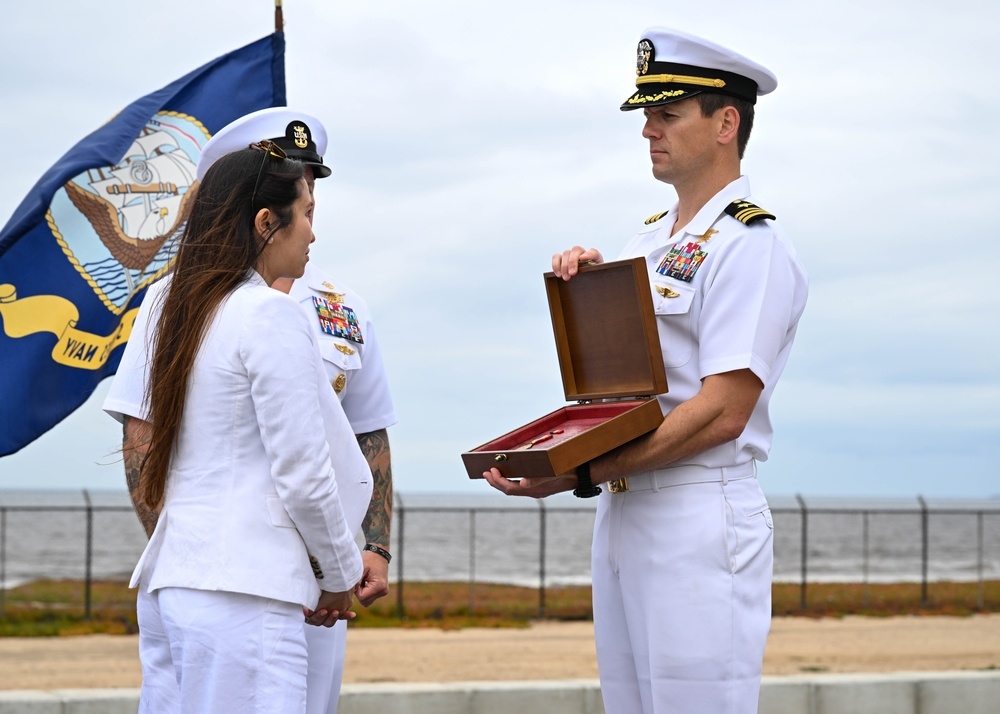
For his heroic act, Ingram was awarded the highest non‑combat heroism medal, the Navy and Marine Corps Medal. Ingram’s awards and decorations also include the Navy Unit Commendation Medal, the National Defense Service Medal, the Global War on Terrorism Expeditionary Medal, the Global War on Terrorism Service Medal, the Good Conduct Medal, and other personal and unit awards.
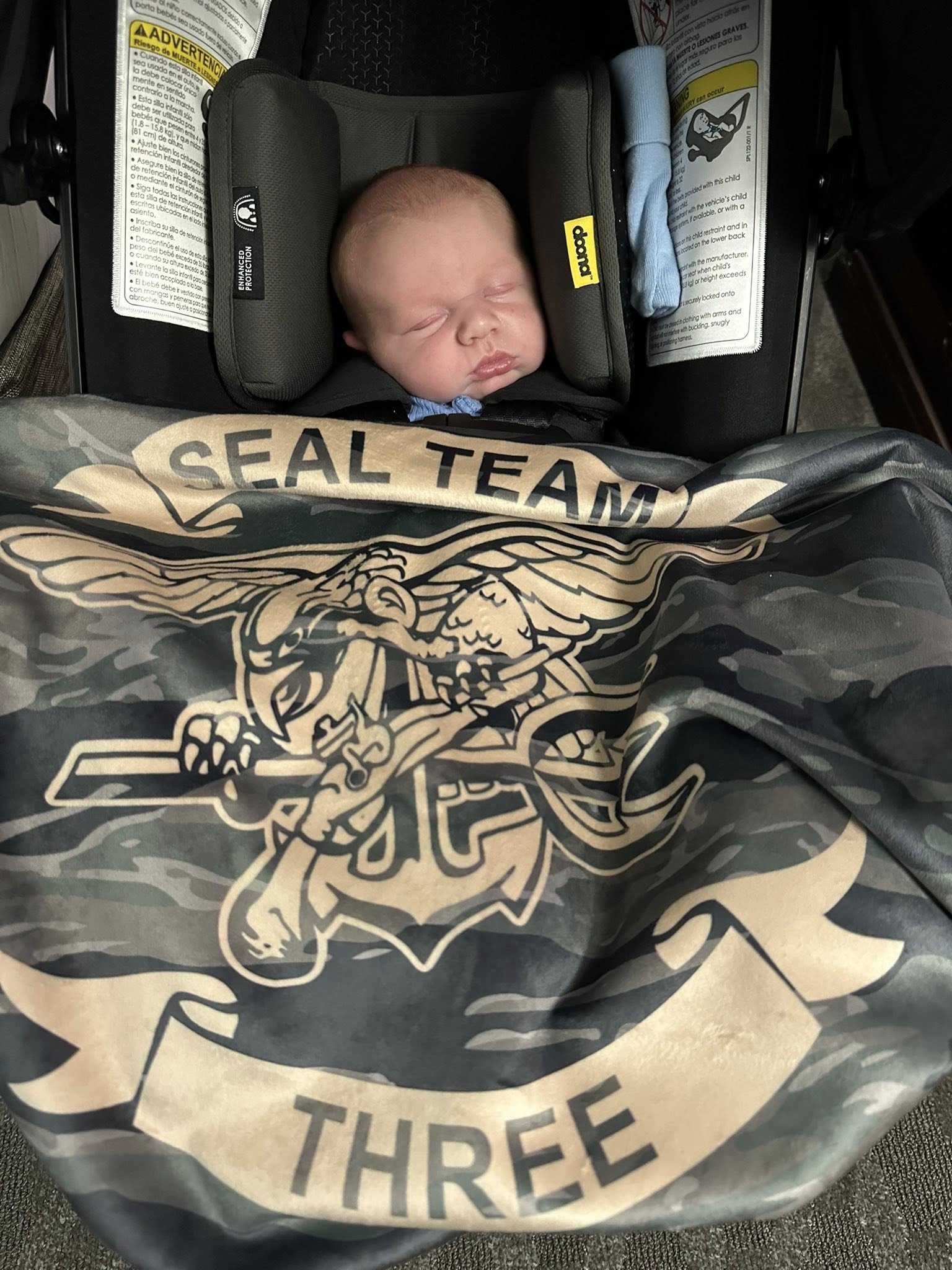
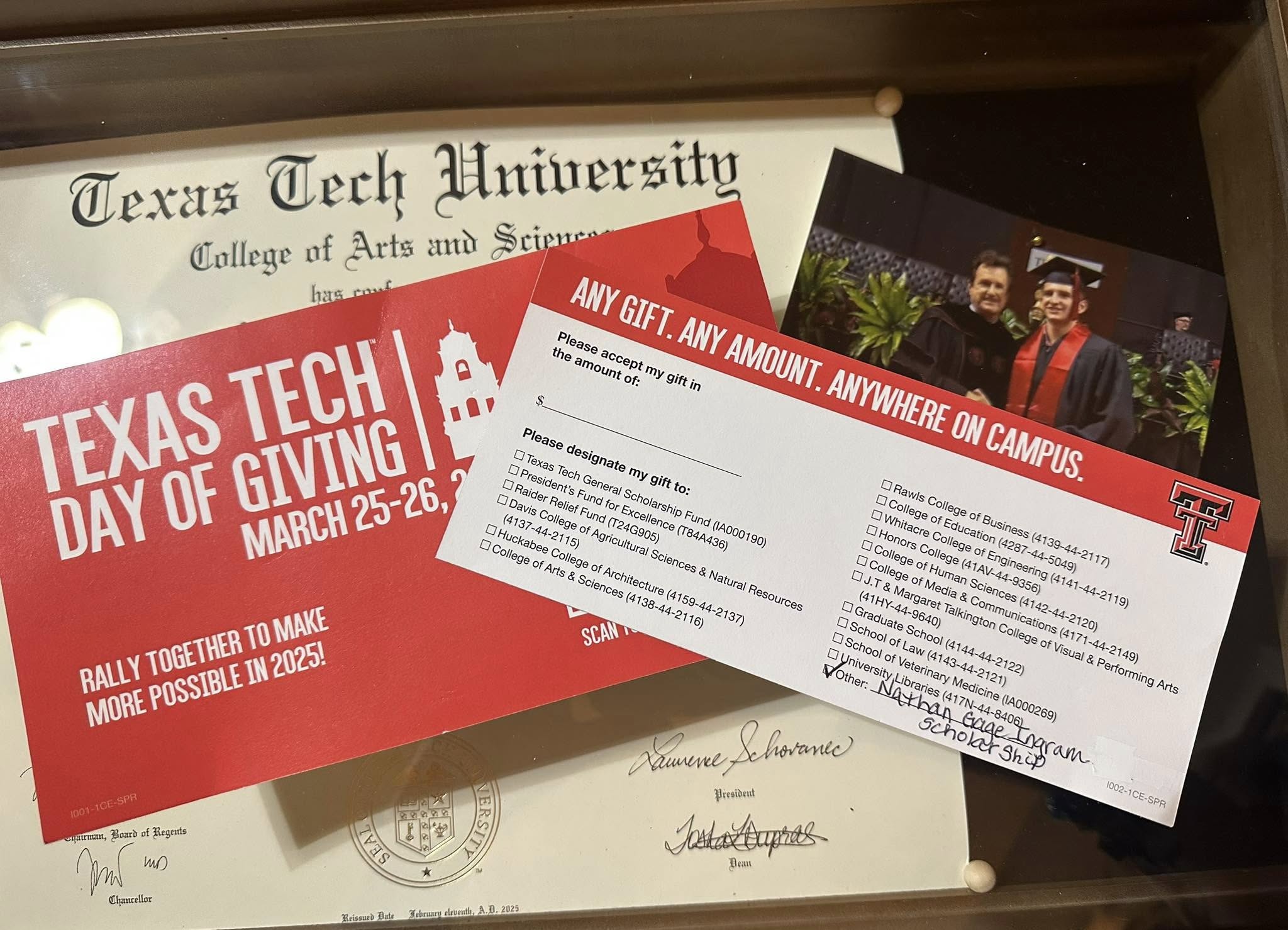
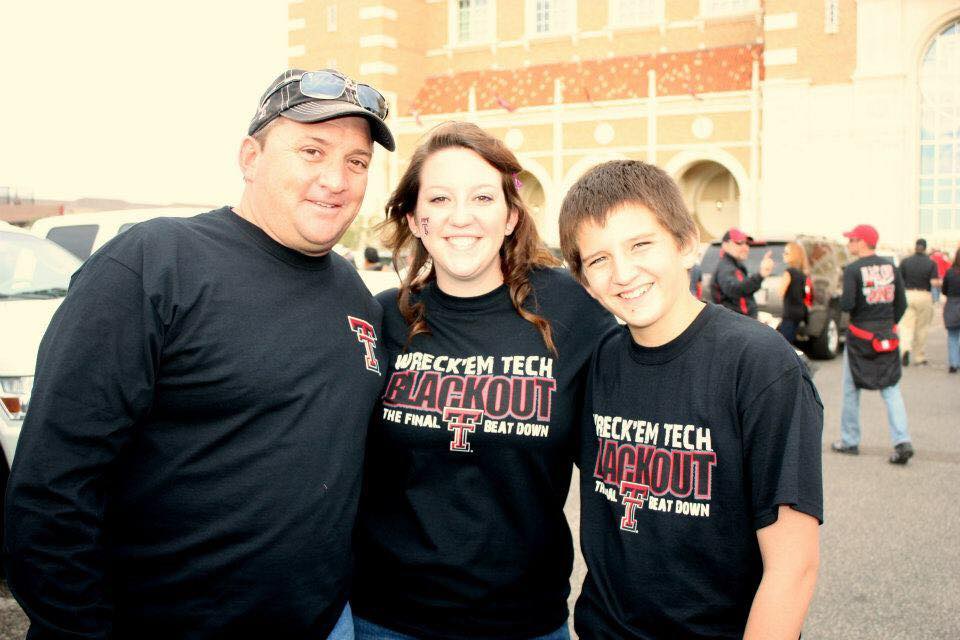
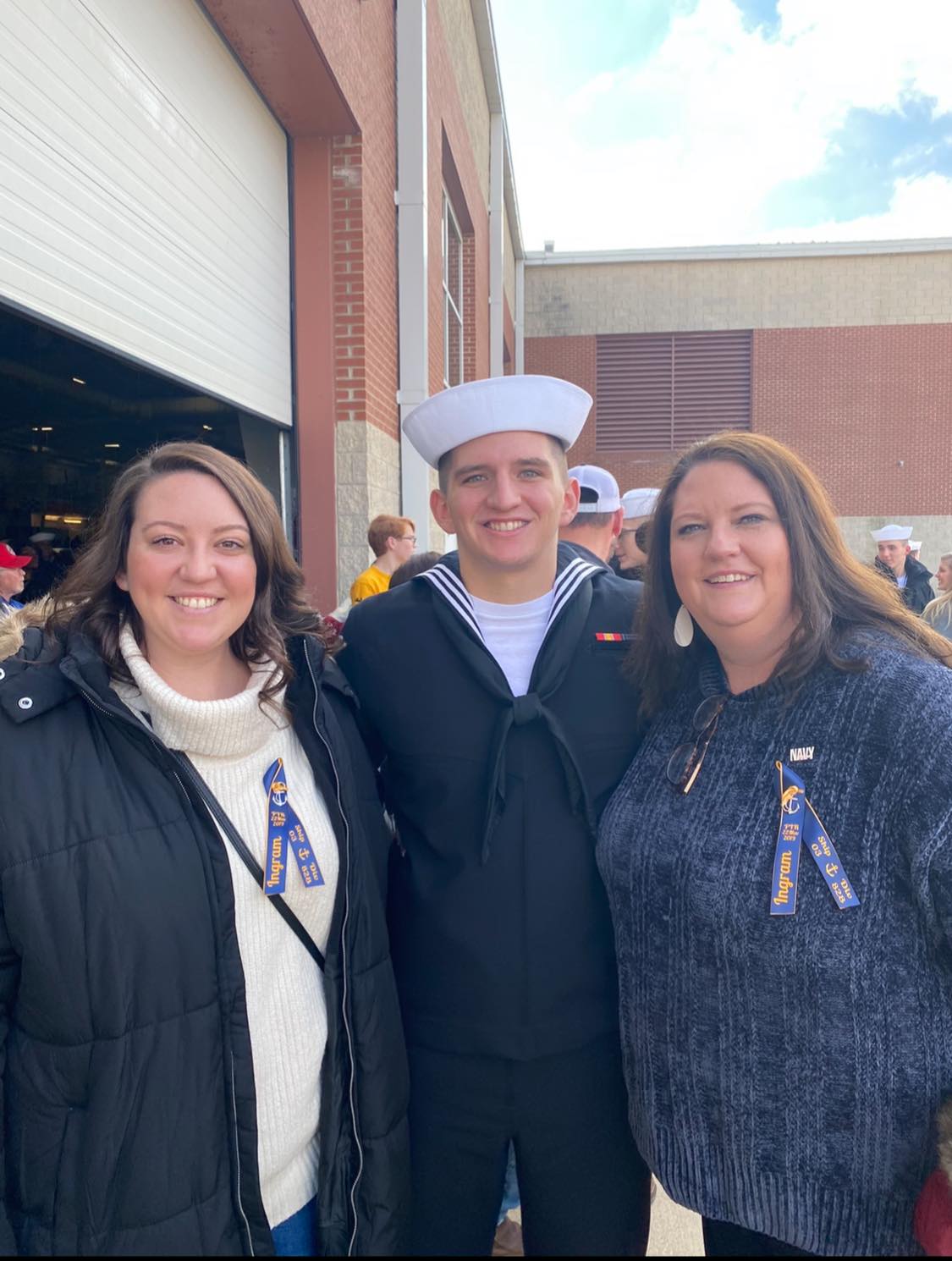
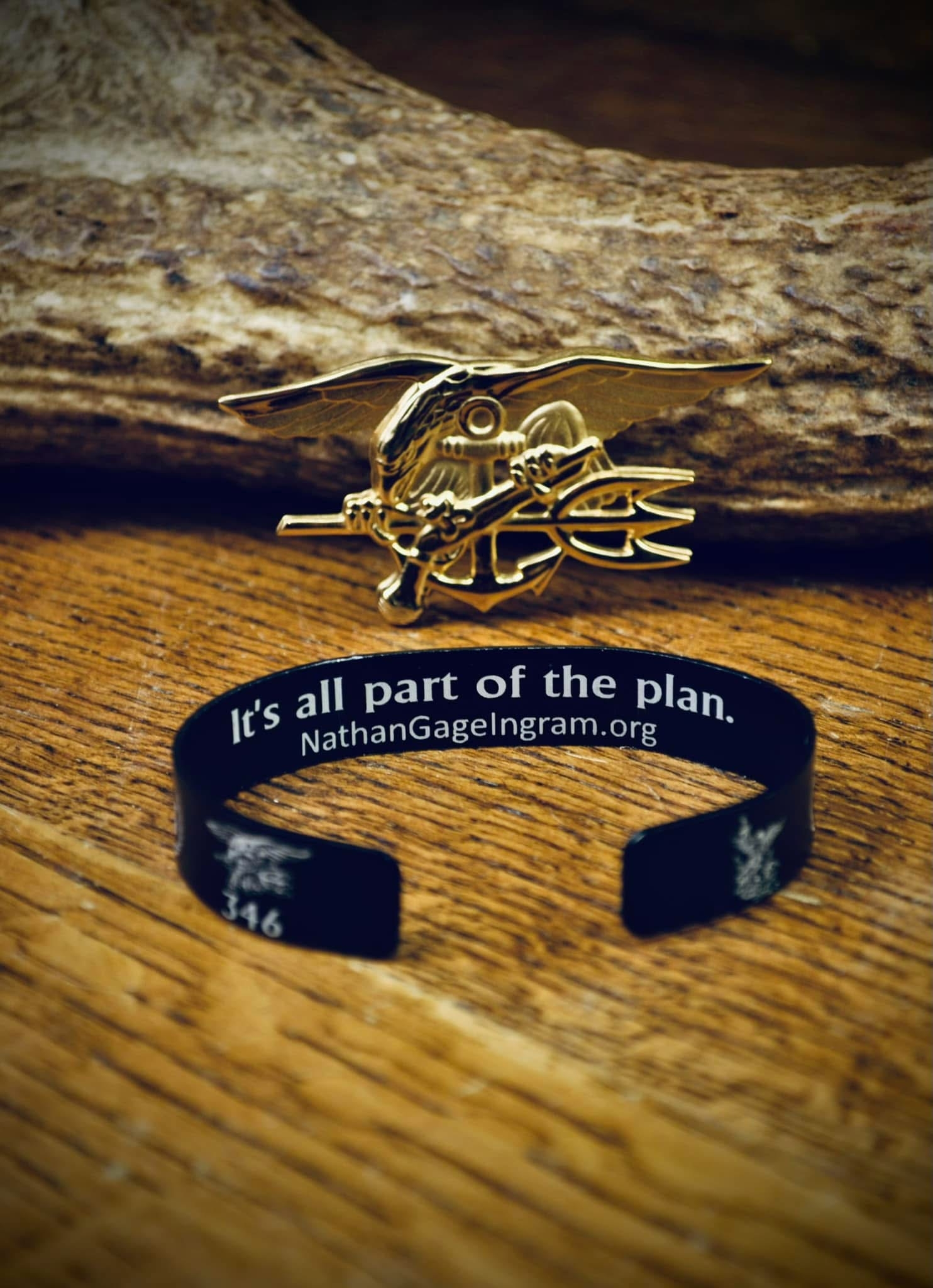
A graduate of Texas Tech University in Lubbock, Texas, Gage enlisted in the Navy on September 25, 2019, and graduated boot camp on November 22, 2019. He graduated Basic Underwater Demolition/SEAL Training Class 346 in December 2021 and reported to his first operational tour as SEAL Team THREE.
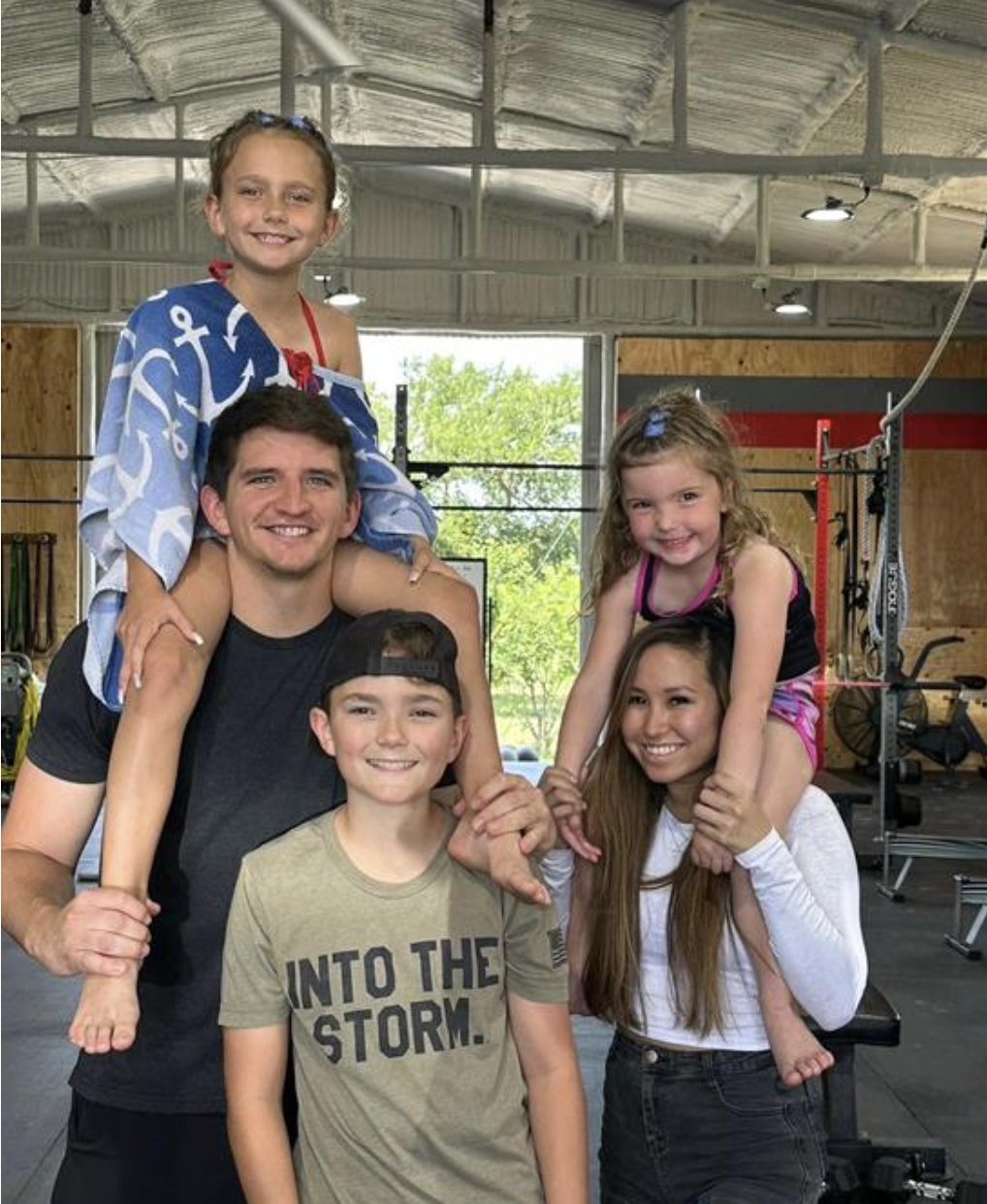
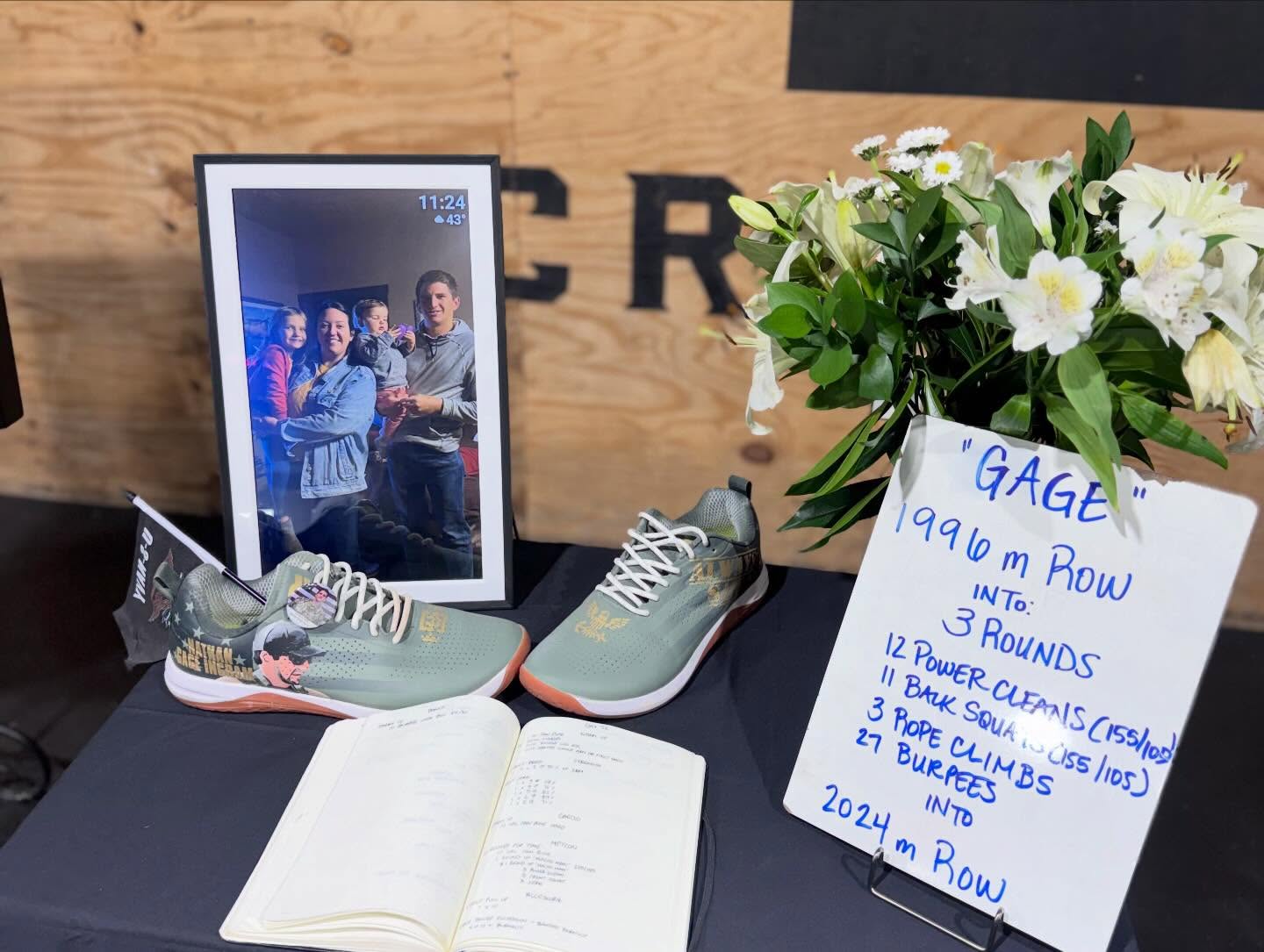
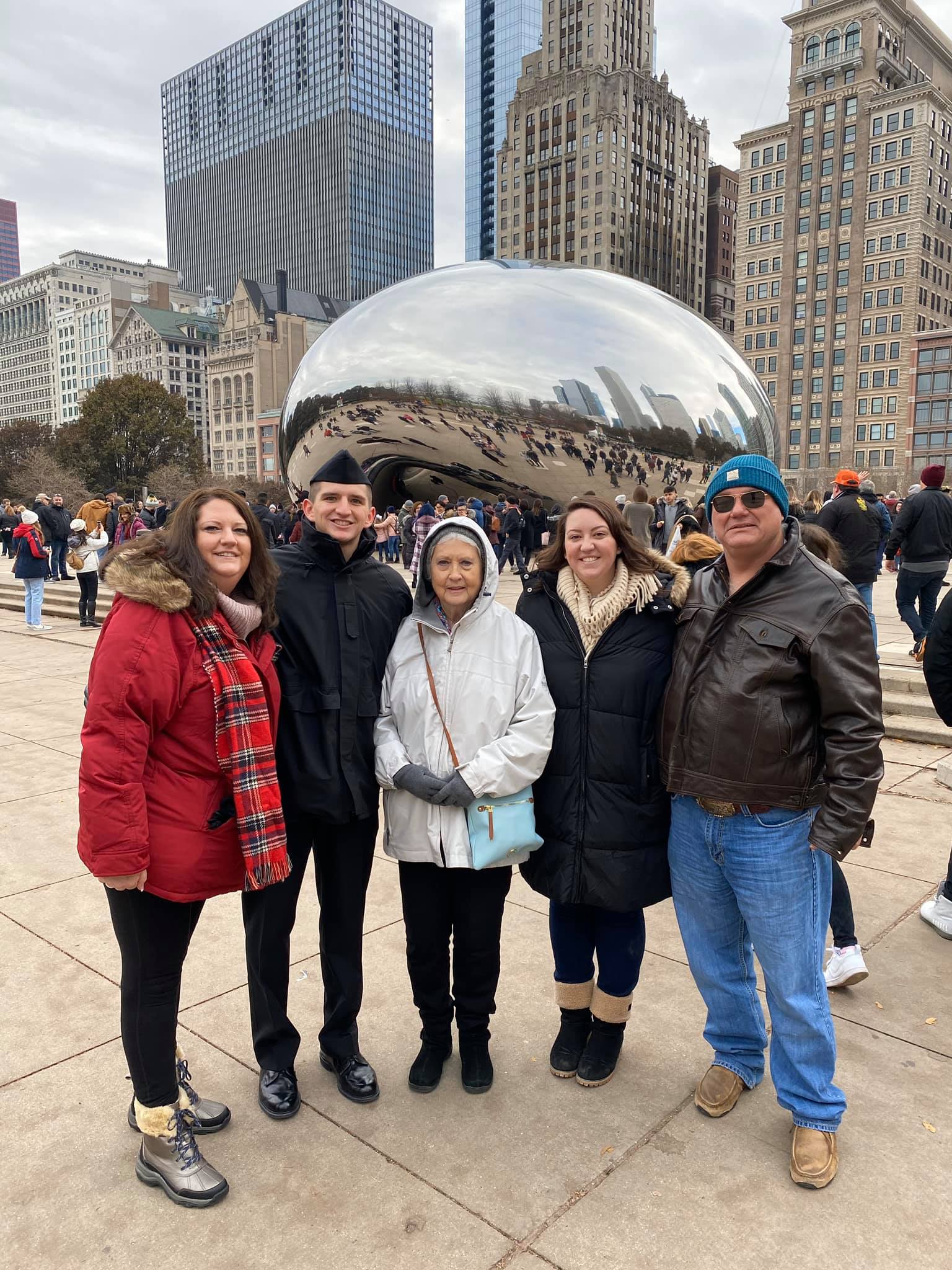
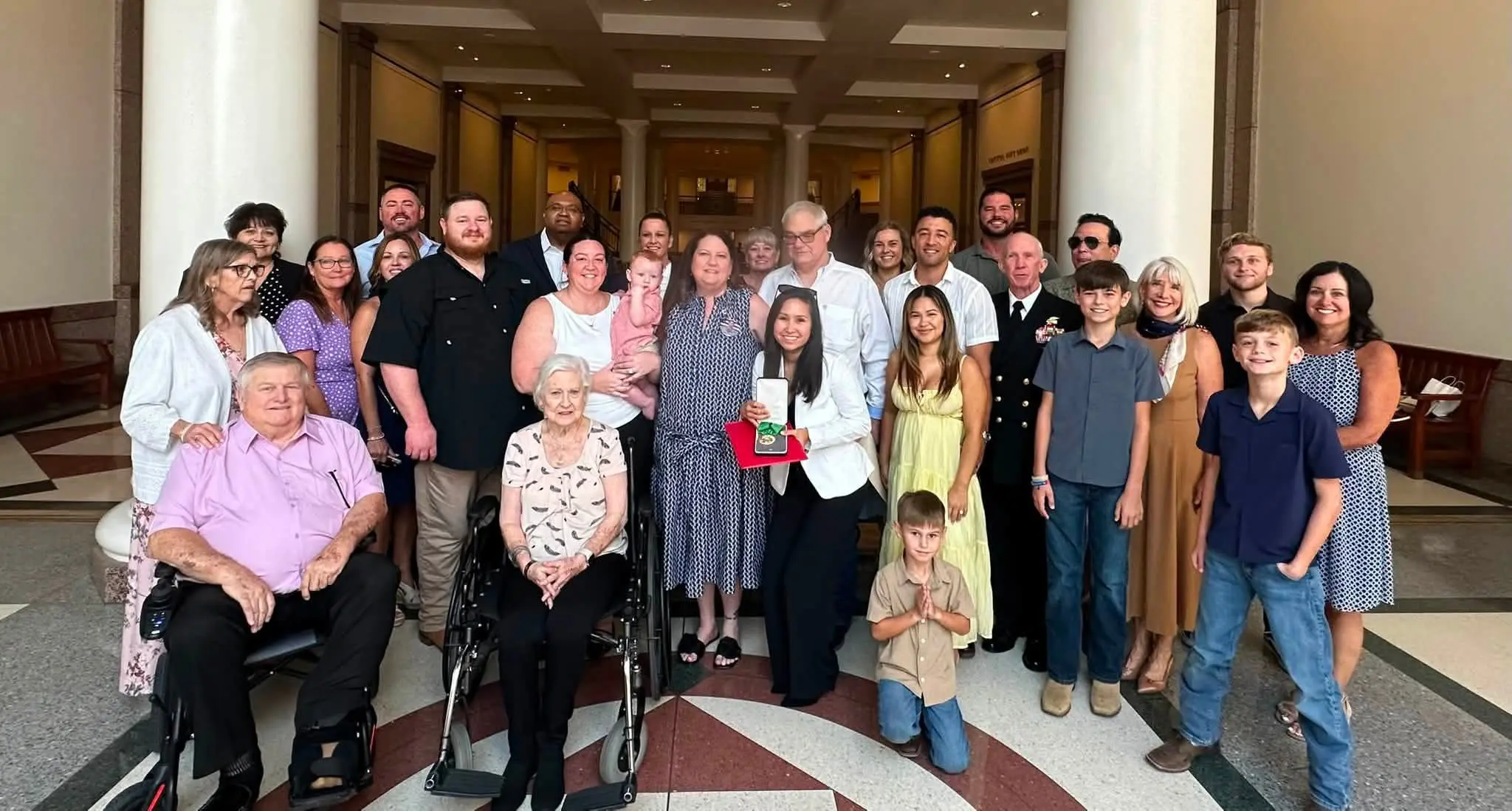
Gage decided early in his life that his calling was to be a SEAL. He thrived on the brotherhood of his platoon and led by example, mentoring many in his personal life. Gage was a rock for his family, friends, and brothers, always genuine, dependable, and respectable. His patriotic strength and commitment shine through his wife, Jewel Ingram; his mother and stepfather, Kristi and Danny Hughes; his father, Chet Ingram; his sister and her husband, Jaci Ingram and Ryan Staffileno; and countless relatives and friends.
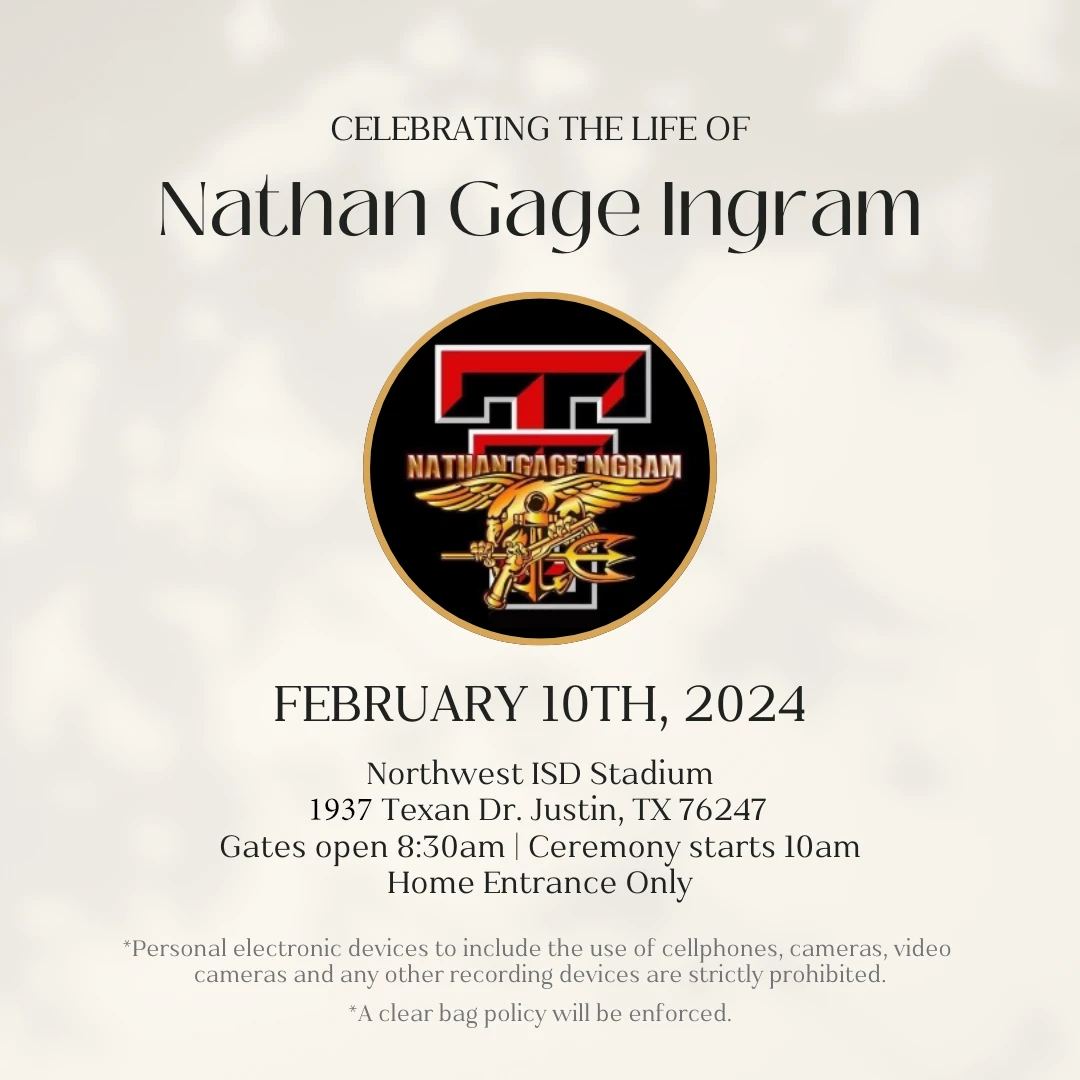
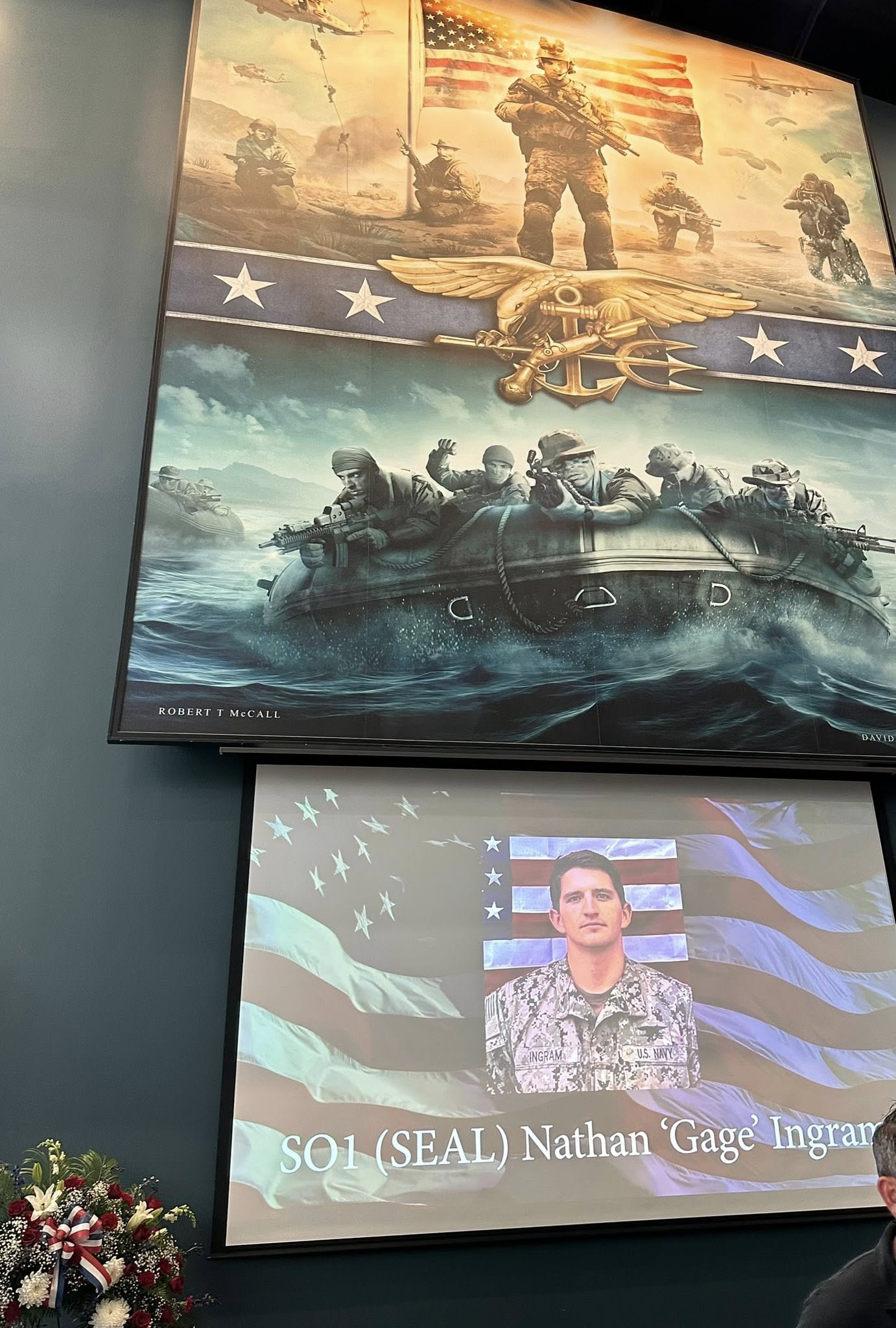
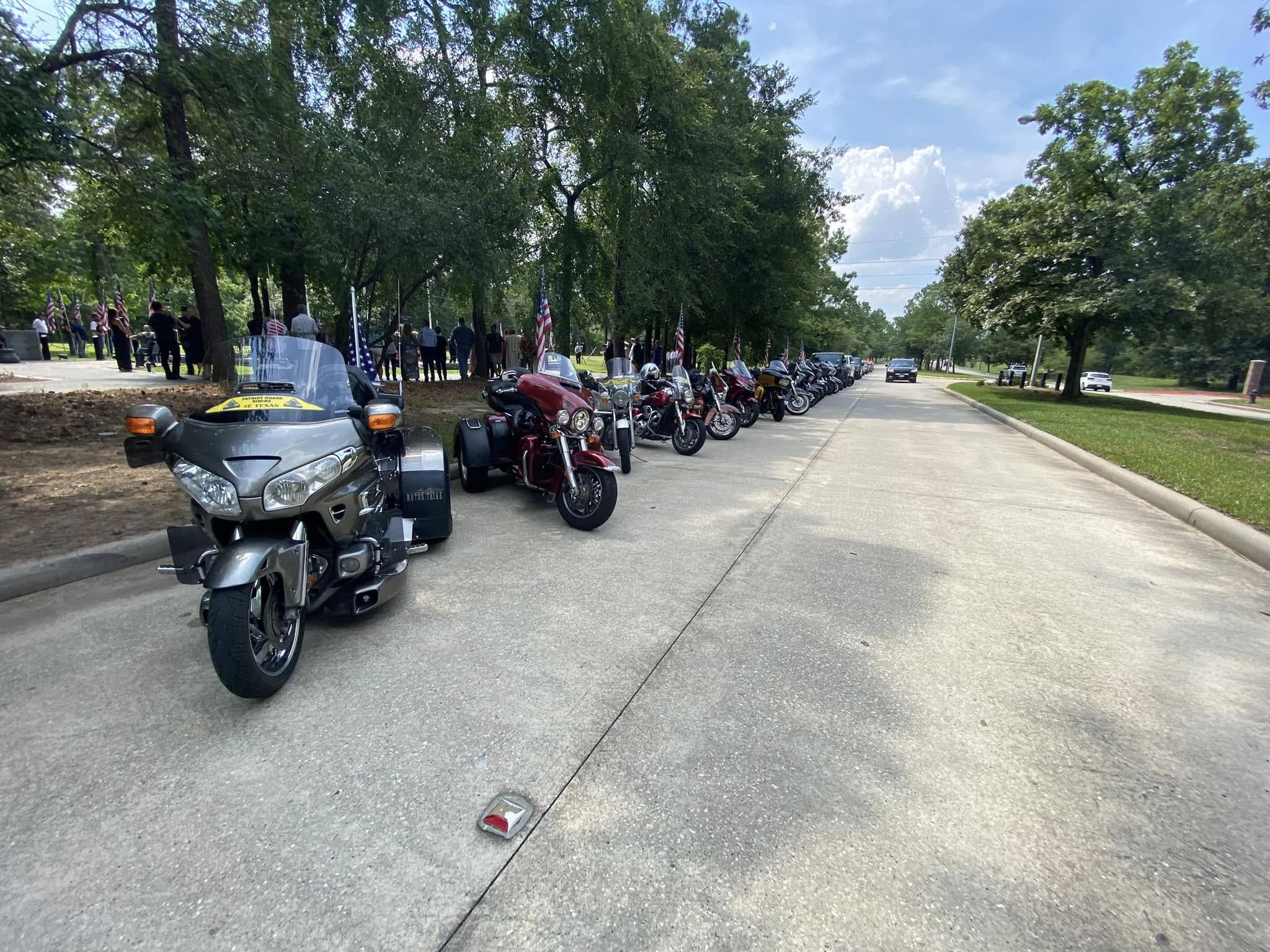
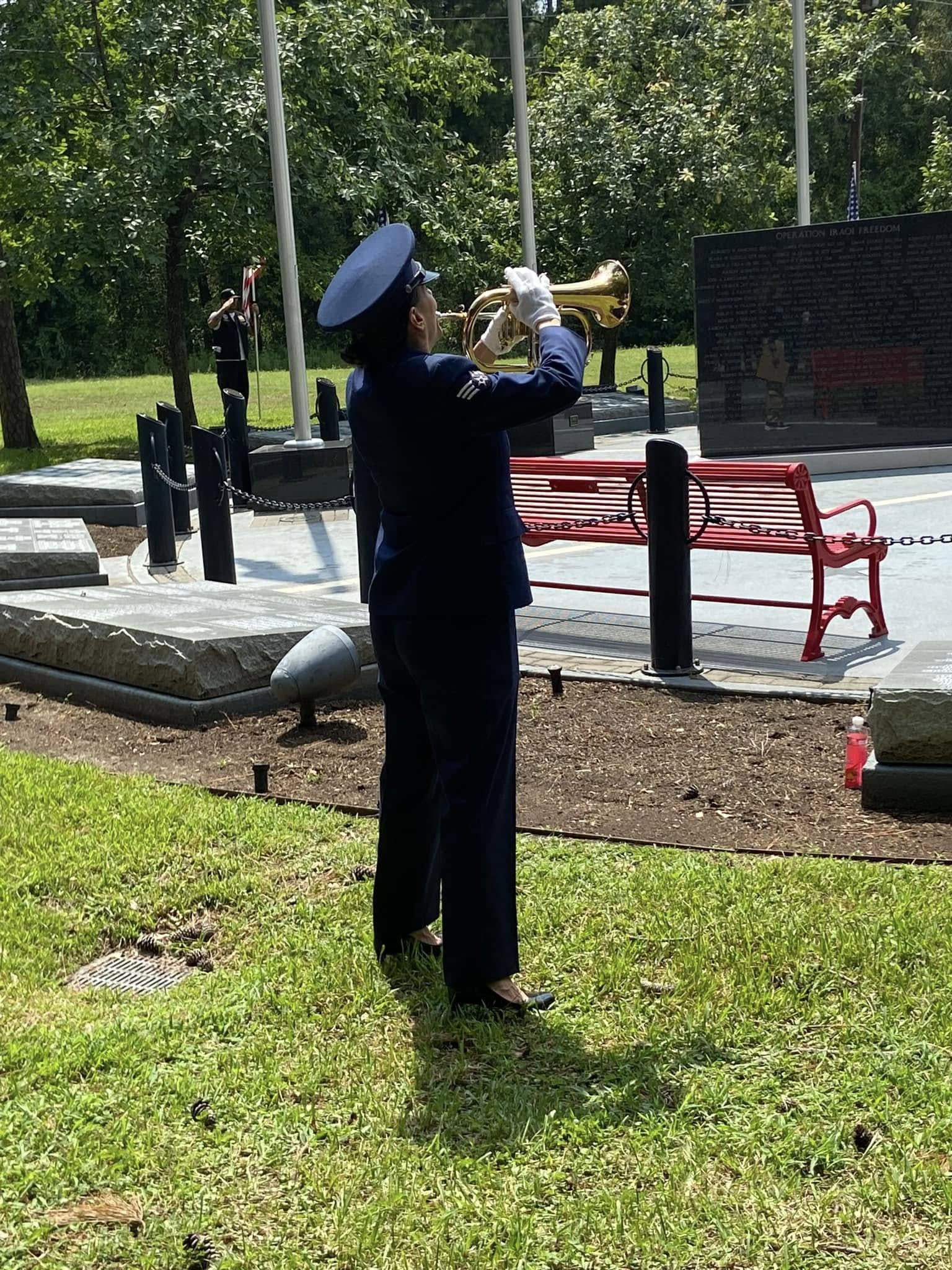
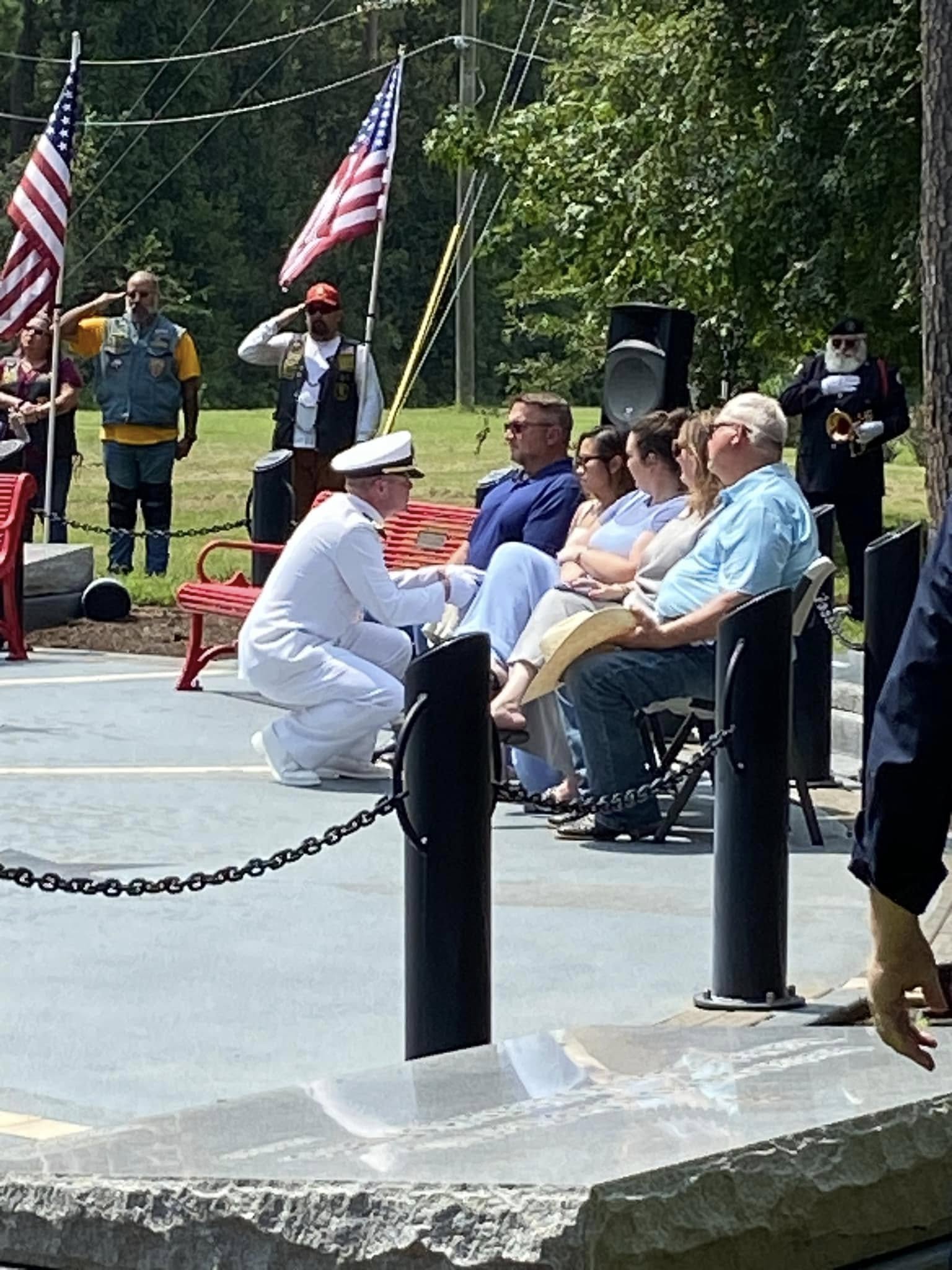
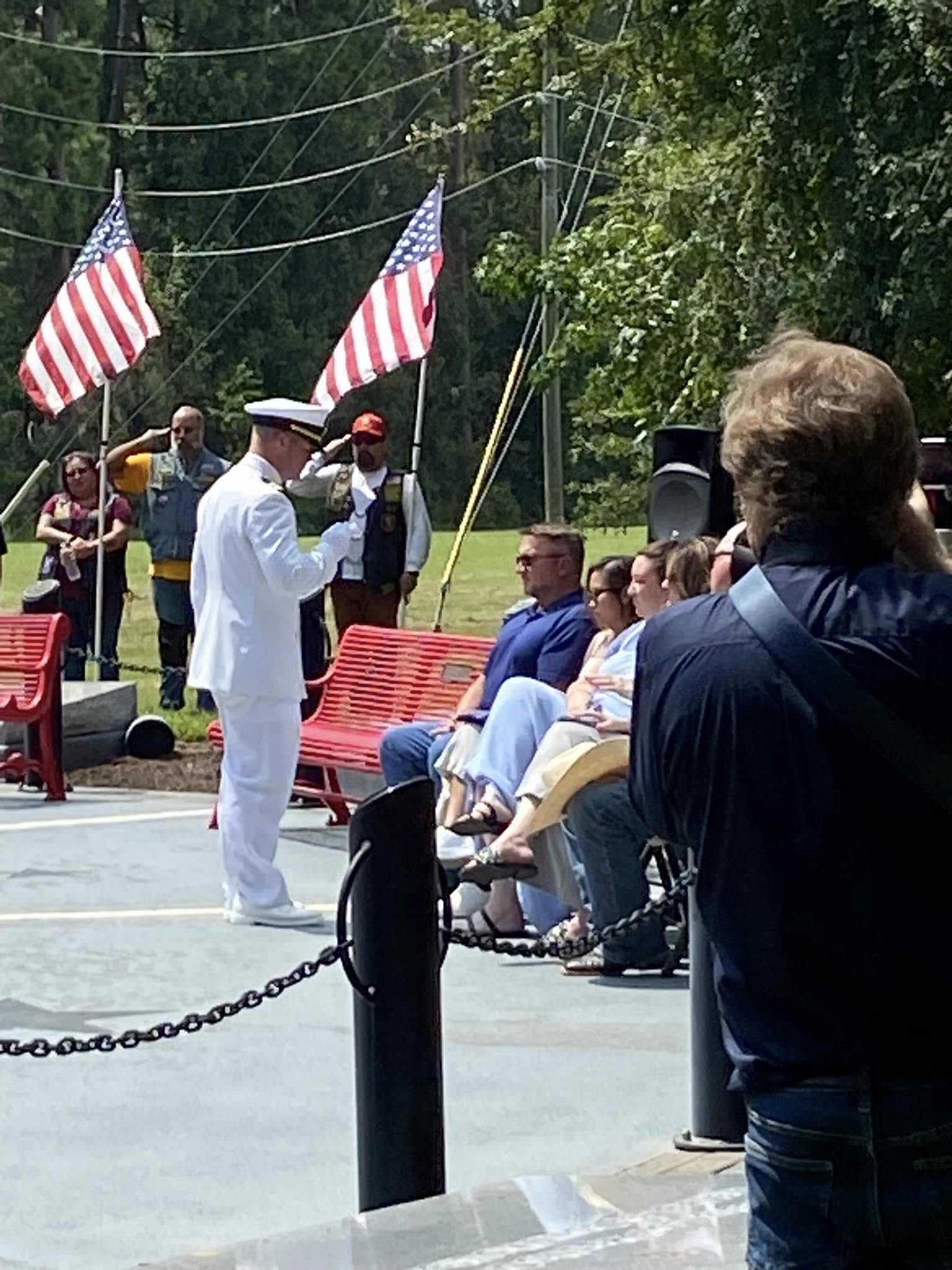
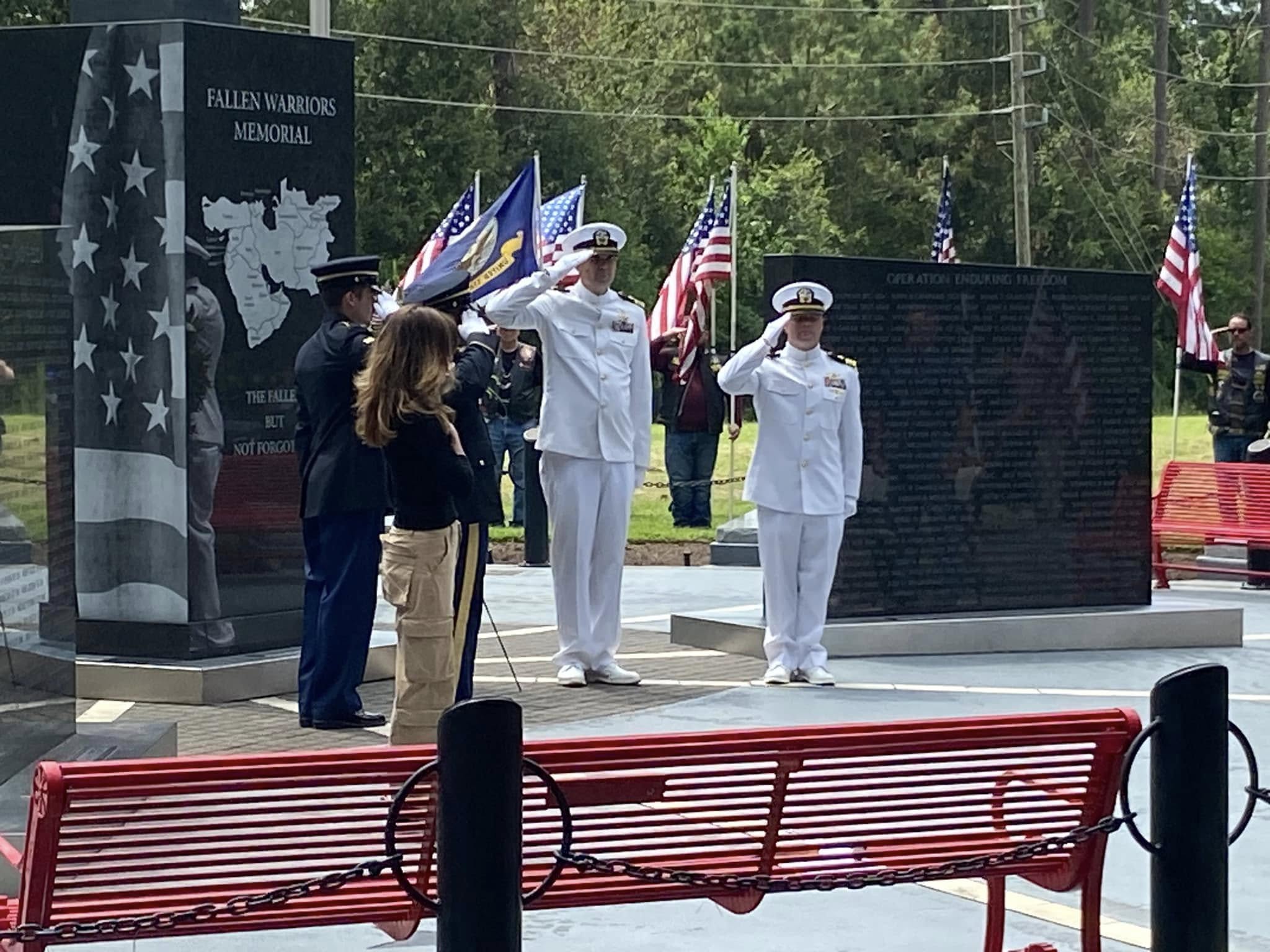
A private funeral service for the family was held on April 17, 2024, at Fort Rosecrans National Cemetery in San Diego, California.
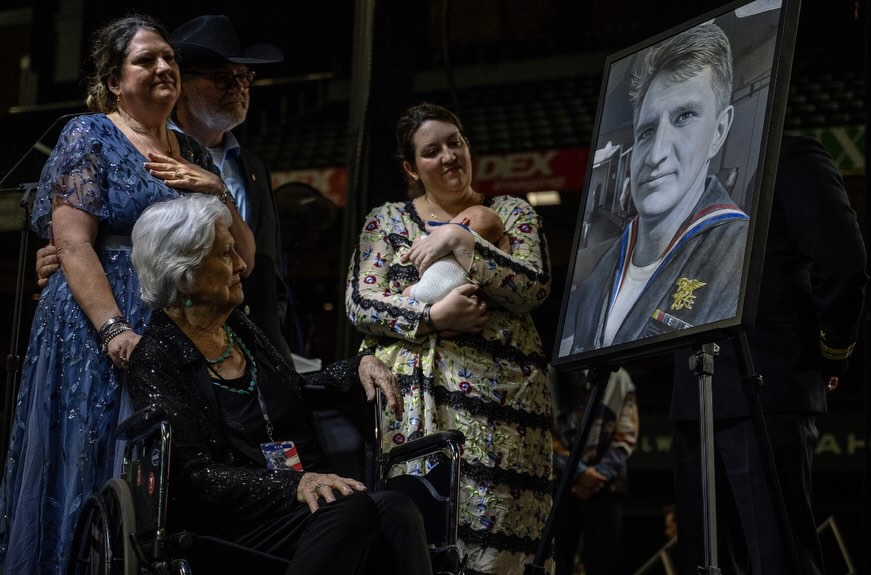
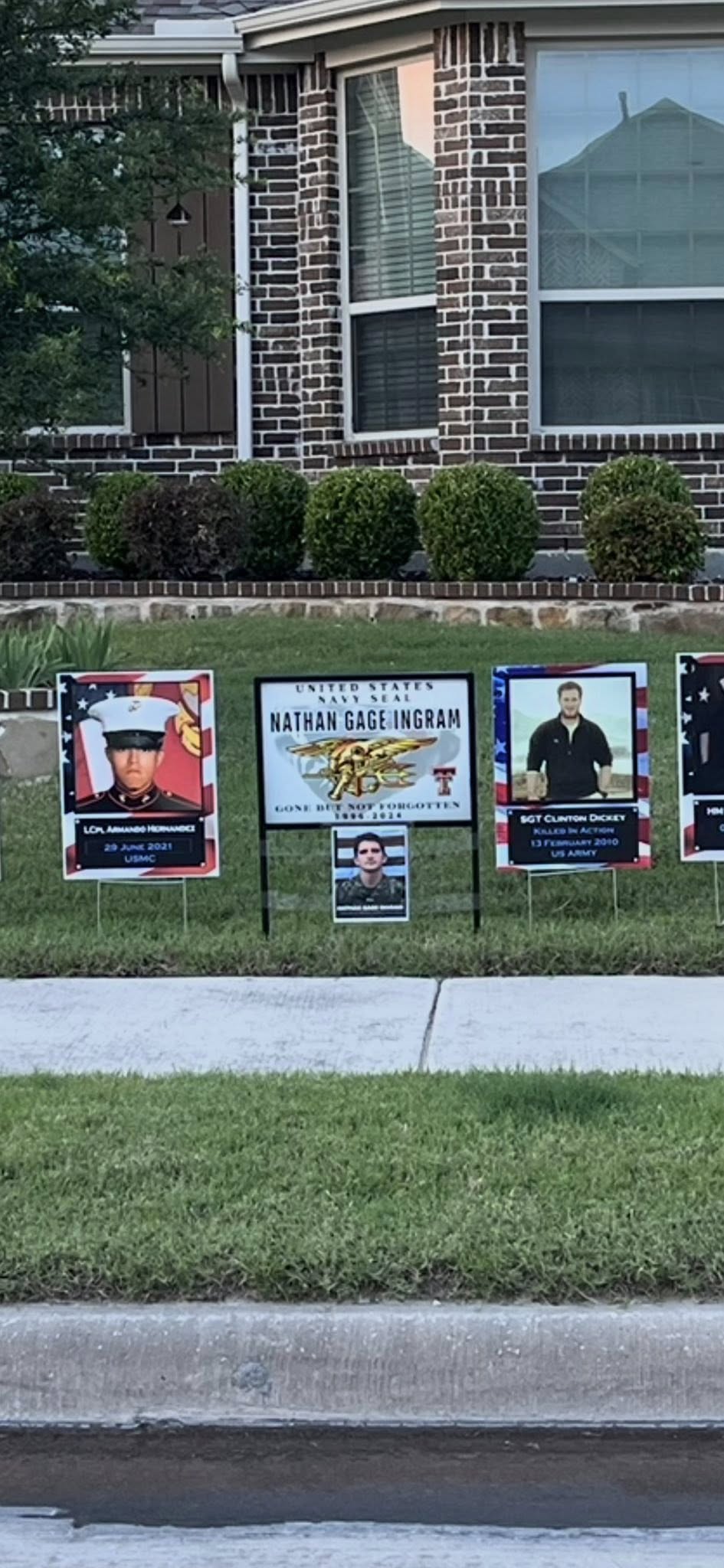
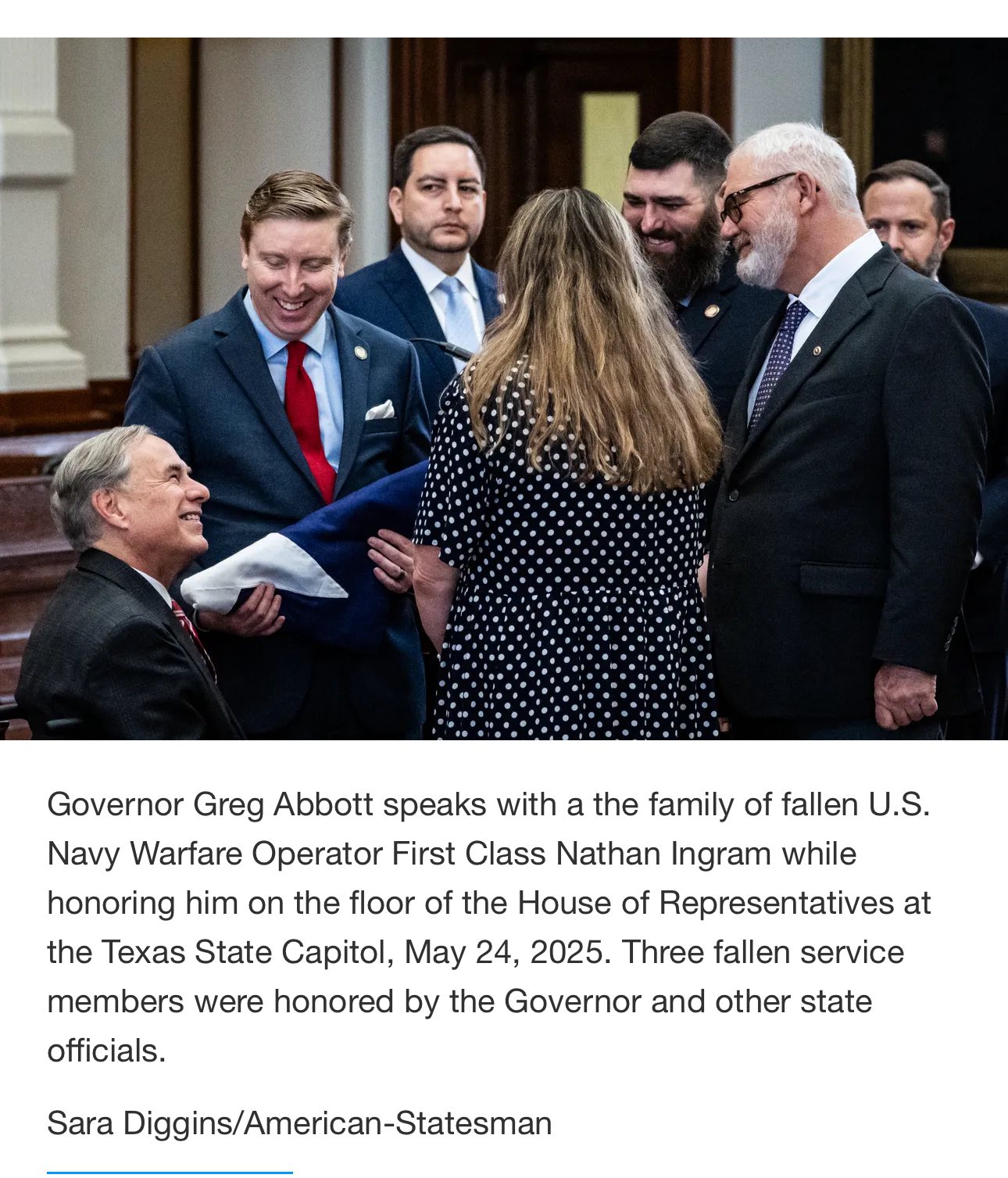
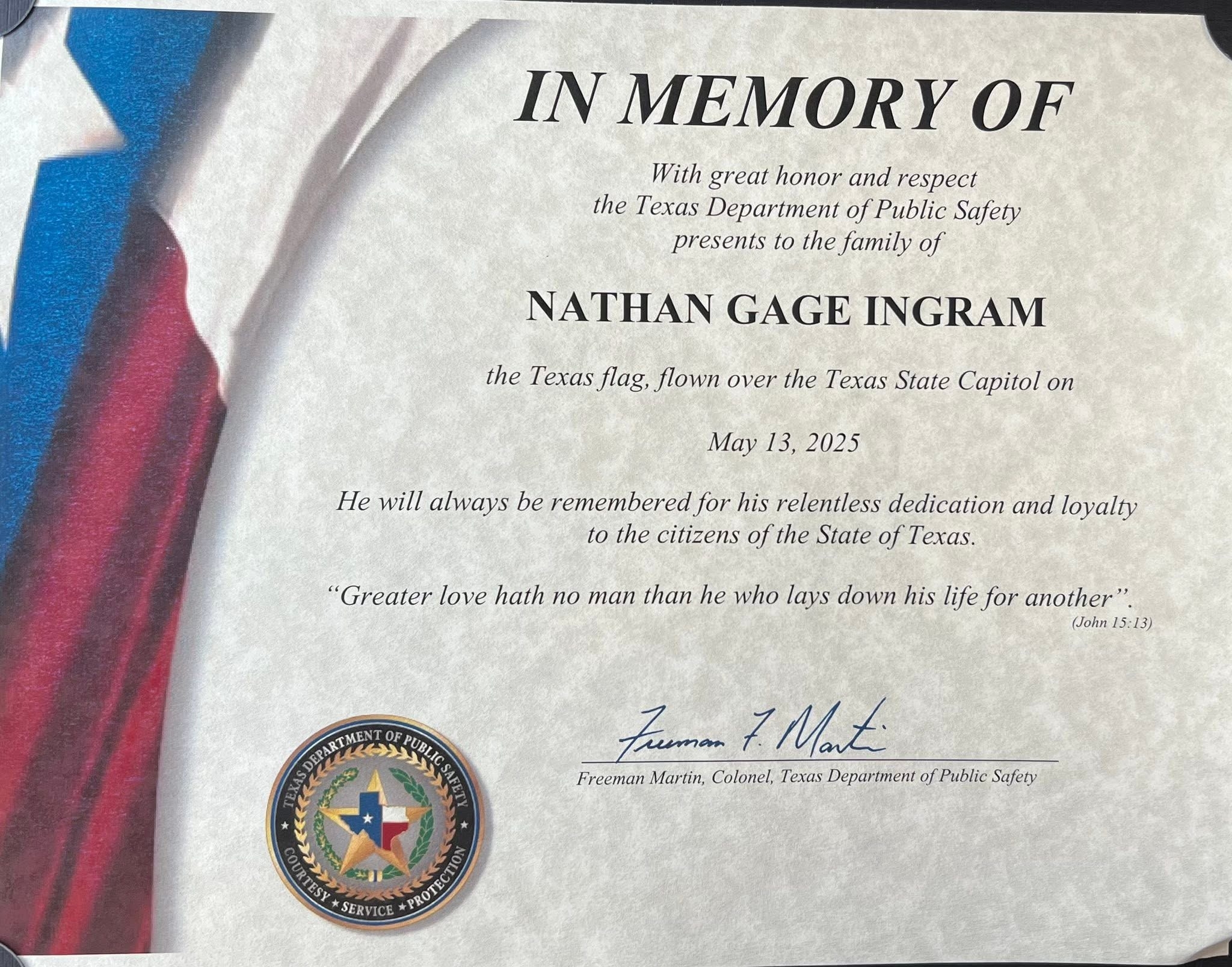
Texas Governor Greg Abbott honored U.S. Navy Special Operator Second Class Gage Ingram, a Navy SEAL and native Texan, who died serving his country. In January 2024, Governor Abbott ordered flags across Texas to fly at half‑staff in memory of Ingram. He and his wife, Cecilia, offered their condolences and joined those grieving the loss of this hero, stating that Texas will never forget his sacrifice.
Gage Ingram was one of two SEALs who died during a mission near Somalia in January 2024. The SEALs were attempting to board a vessel illegally transporting lethal aid to Houthi forces in Yemen. During the operation, one of the SEALs fell into the water, and Ingram jumped in to attempt a rescue but was also lost at sea.
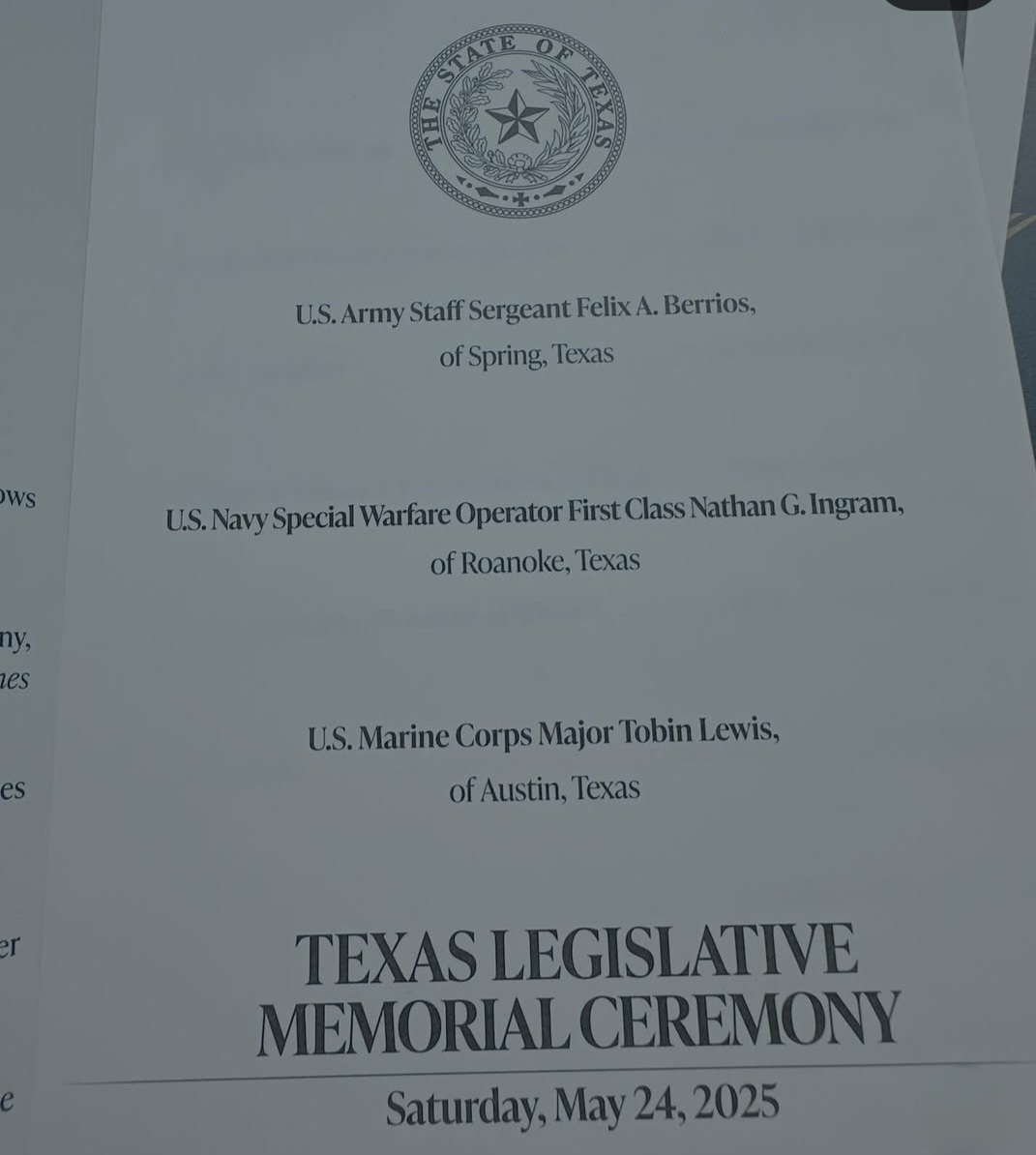
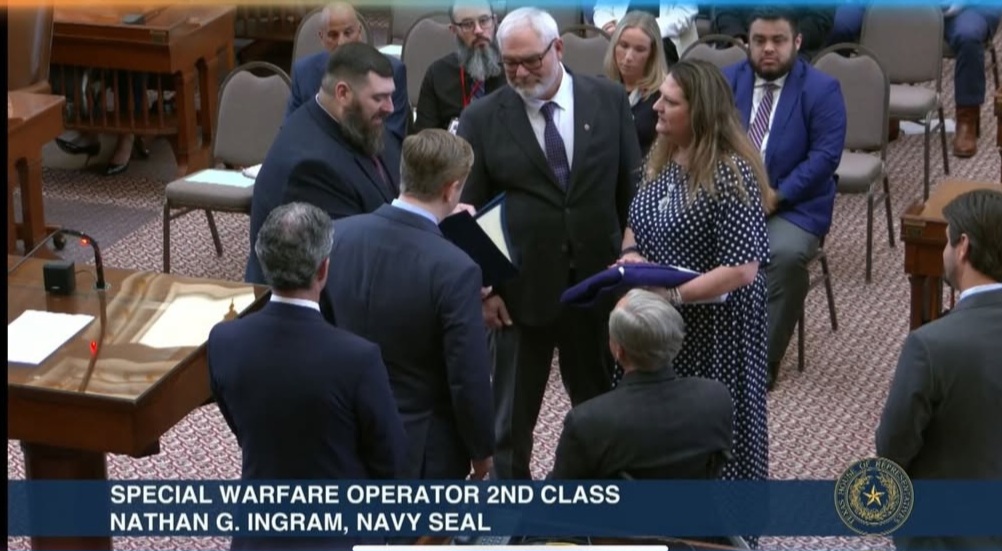
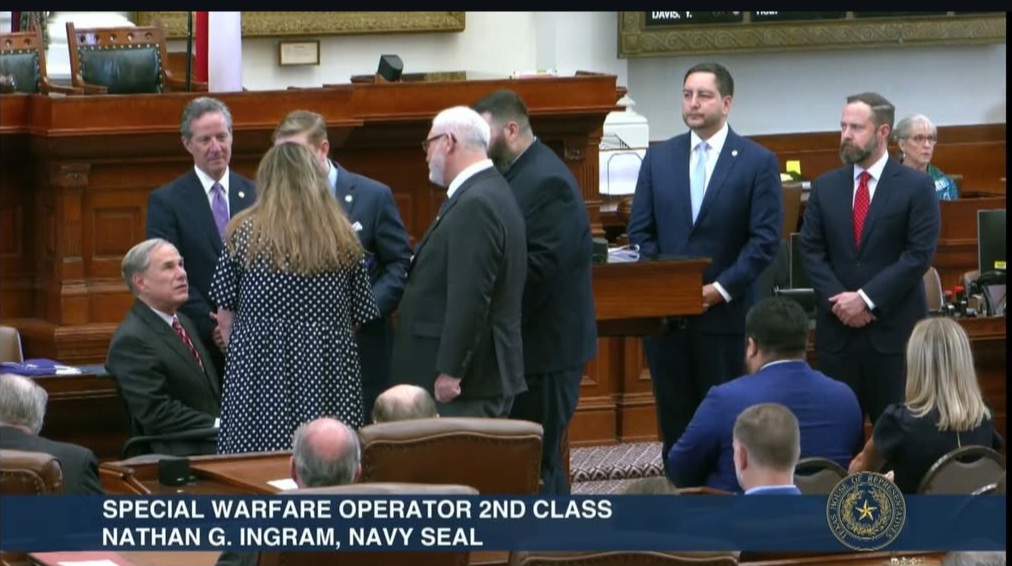
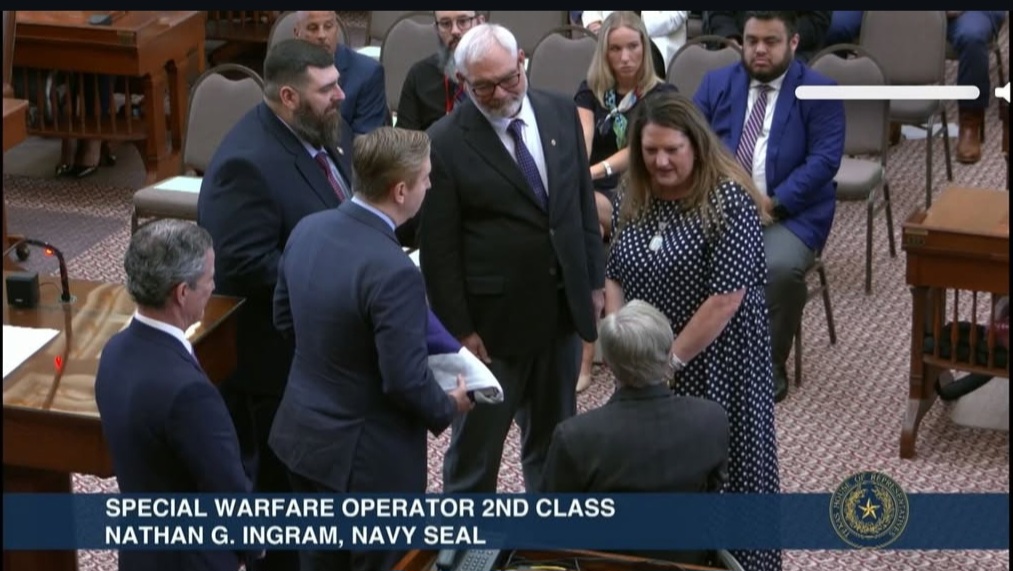
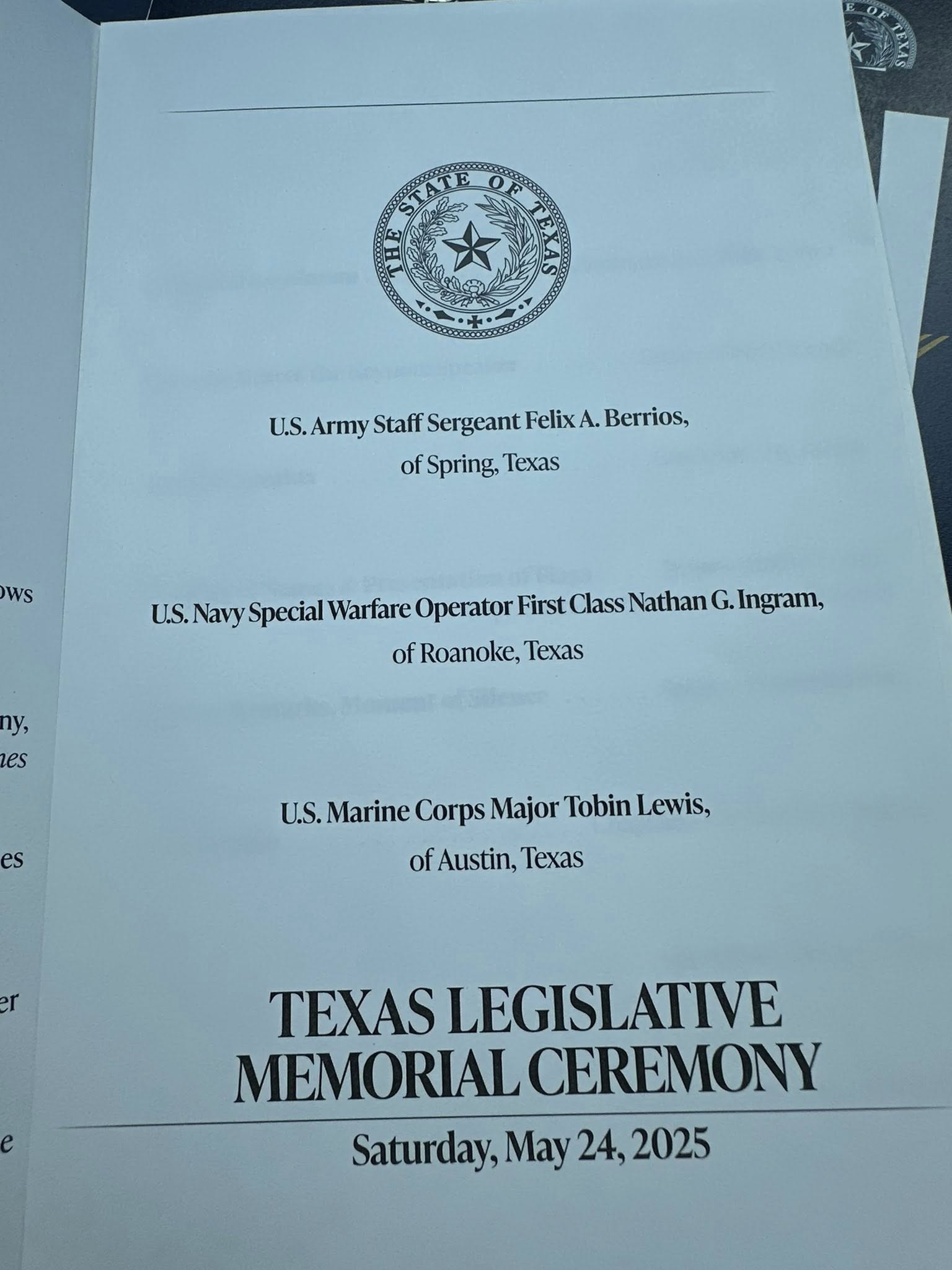
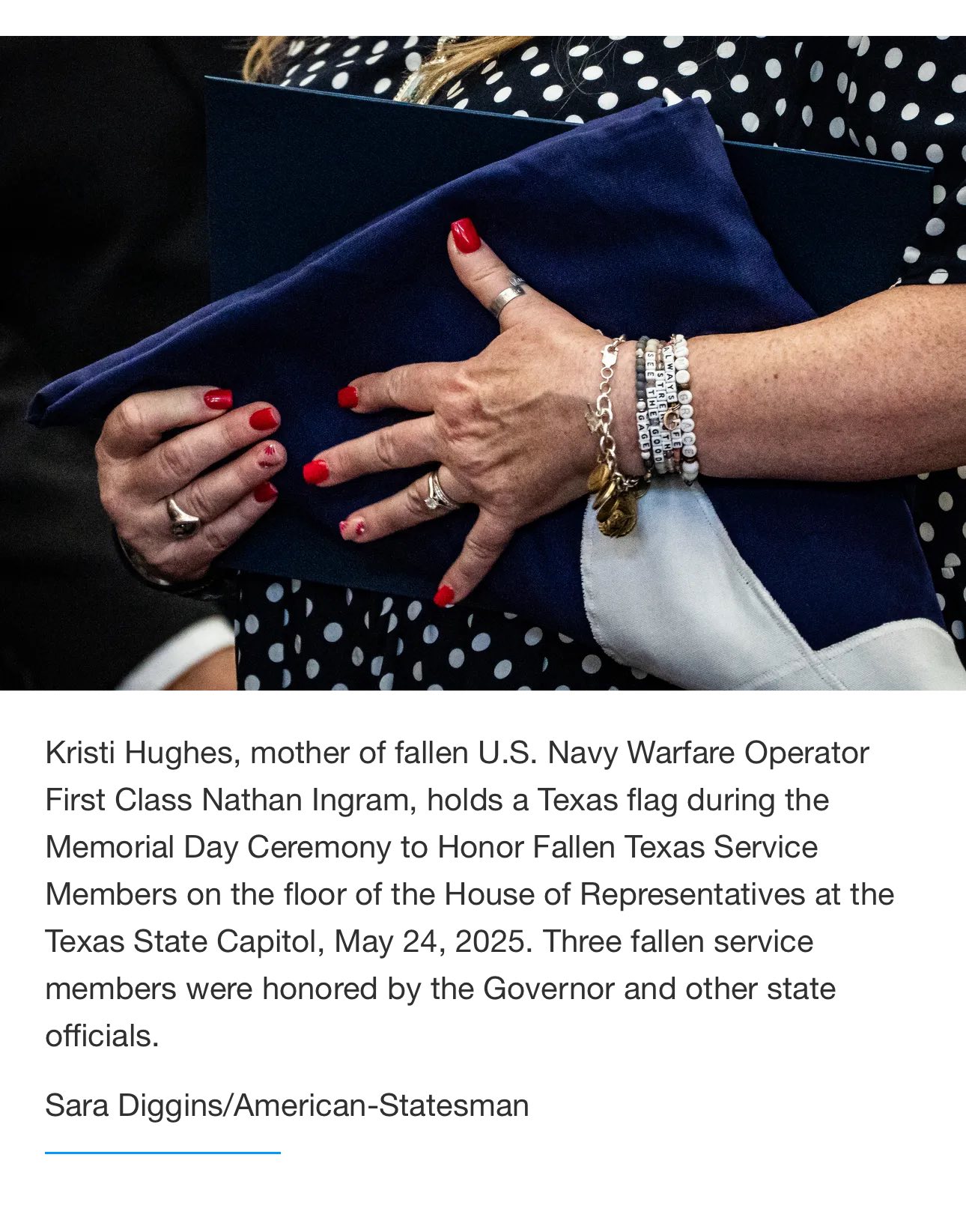
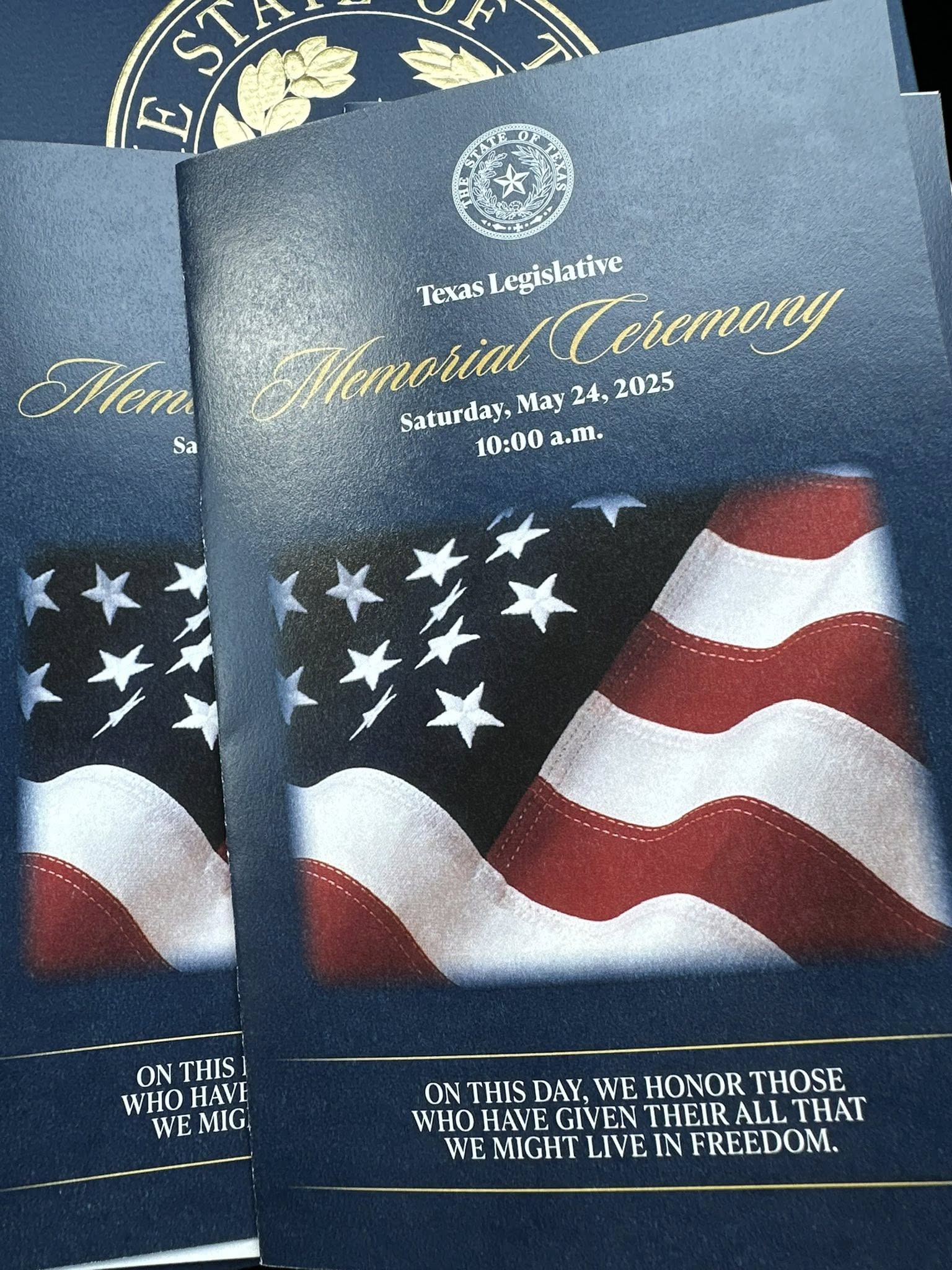
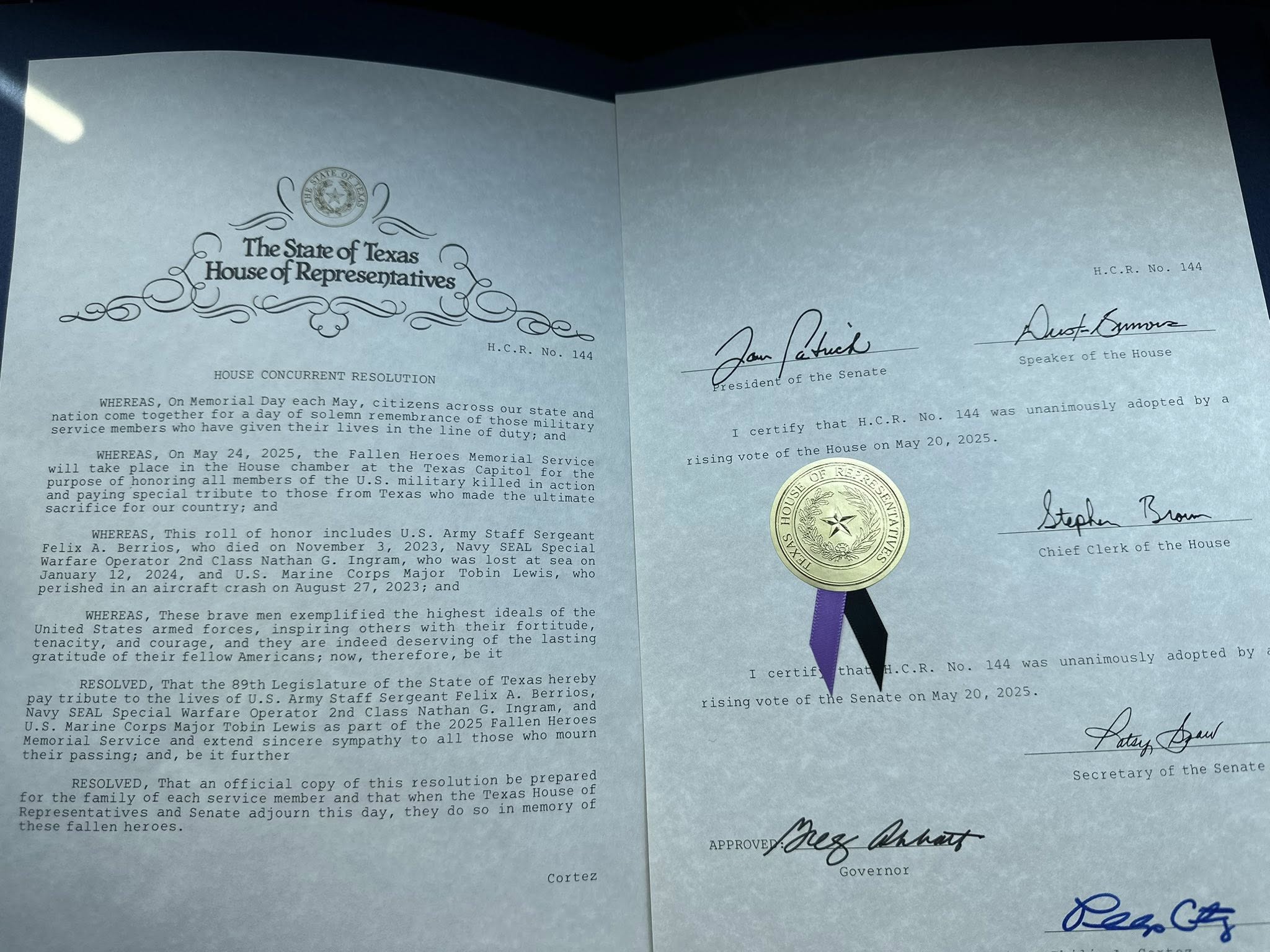
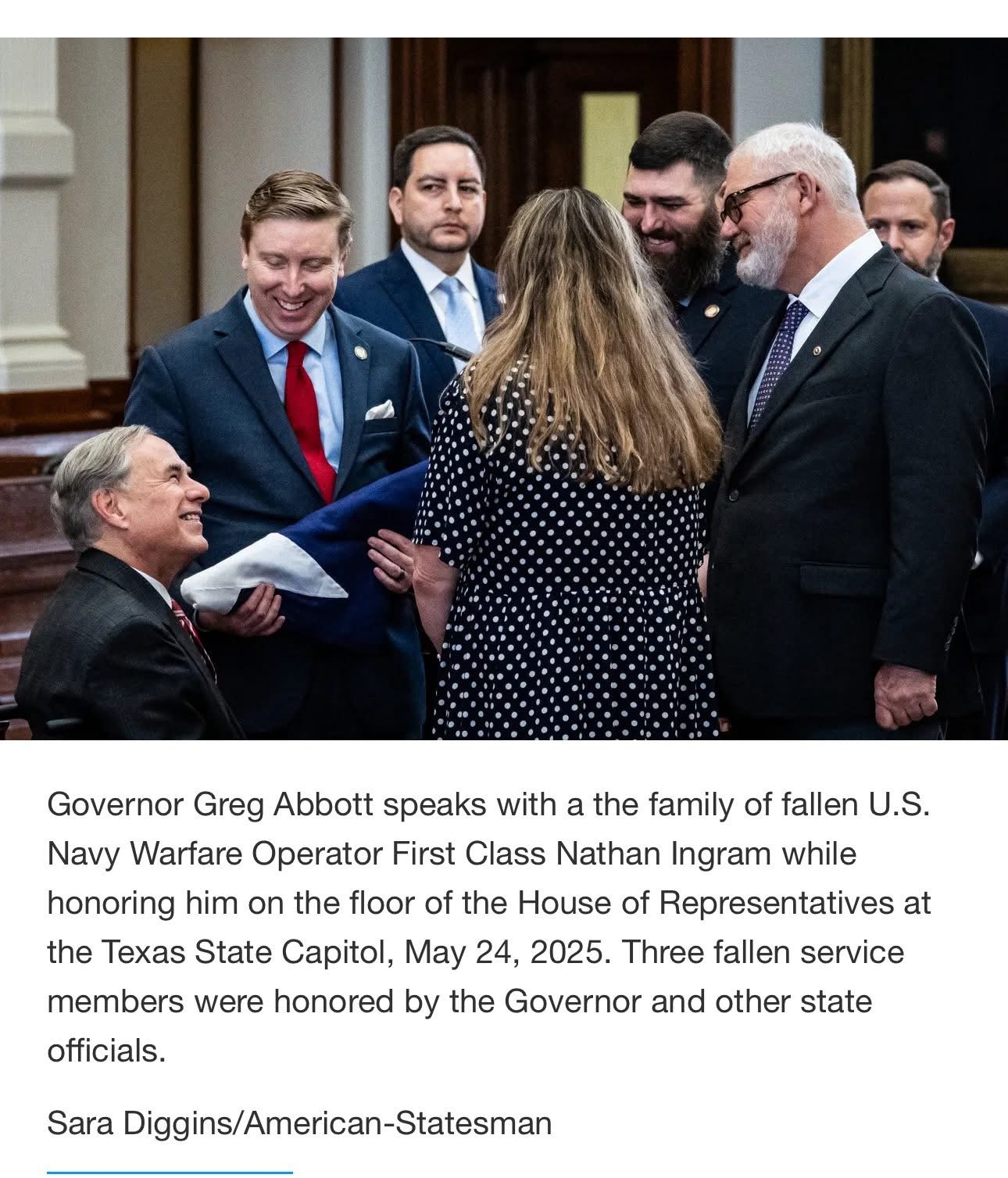
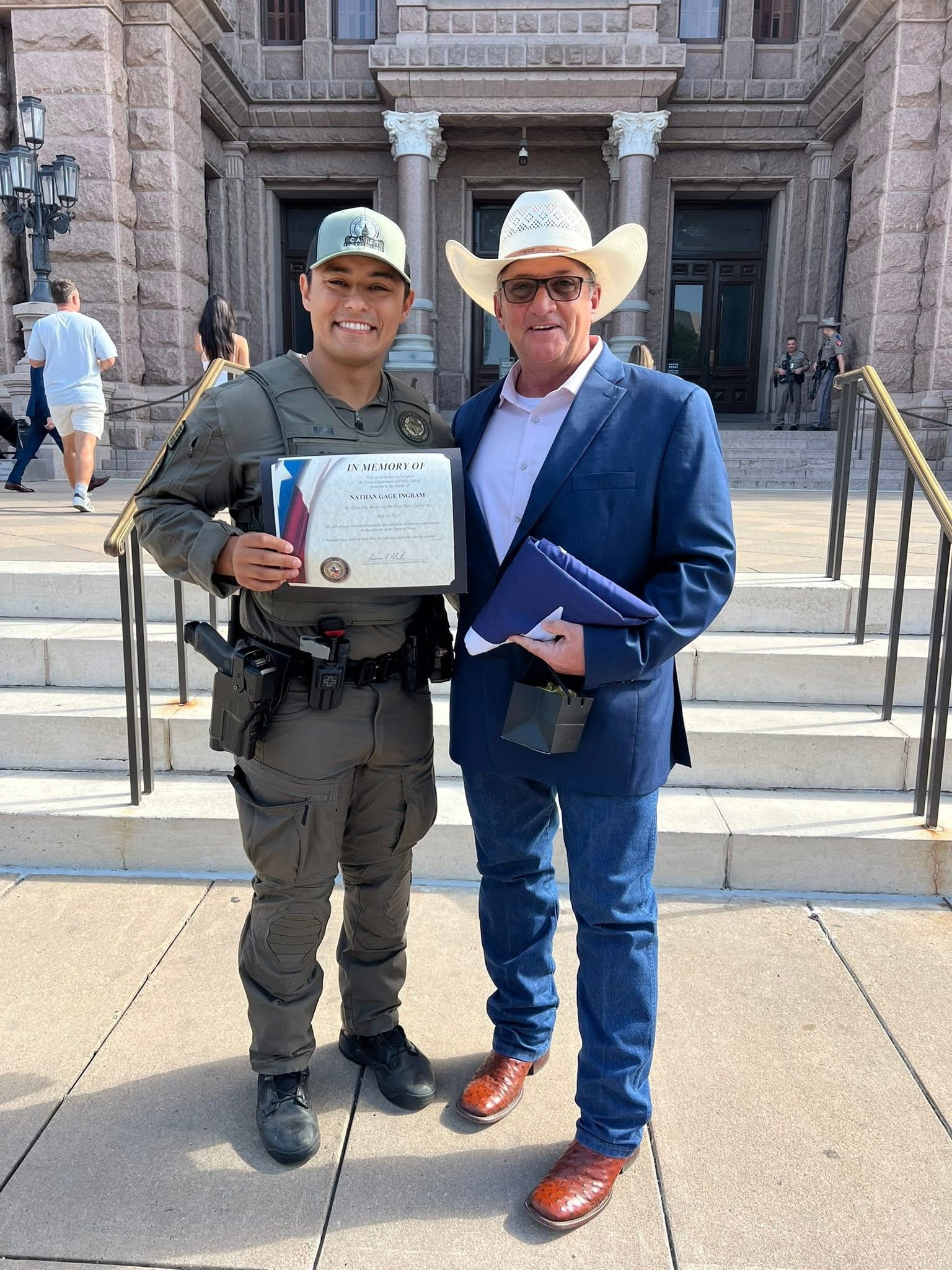
Ingram’s actions were highlighted during testimony before the Texas Legislature in May 2025. A Naval Special Warfare Commander described Ingram’s actions as embodying the courage, selflessness, and unwavering spirit of a true Texas hero who risked and ultimately sacrificed his life for his teammate. The Commander emphasized Ingram’s character as a dedicated SEAL operator, trusted teammate, and Texan.
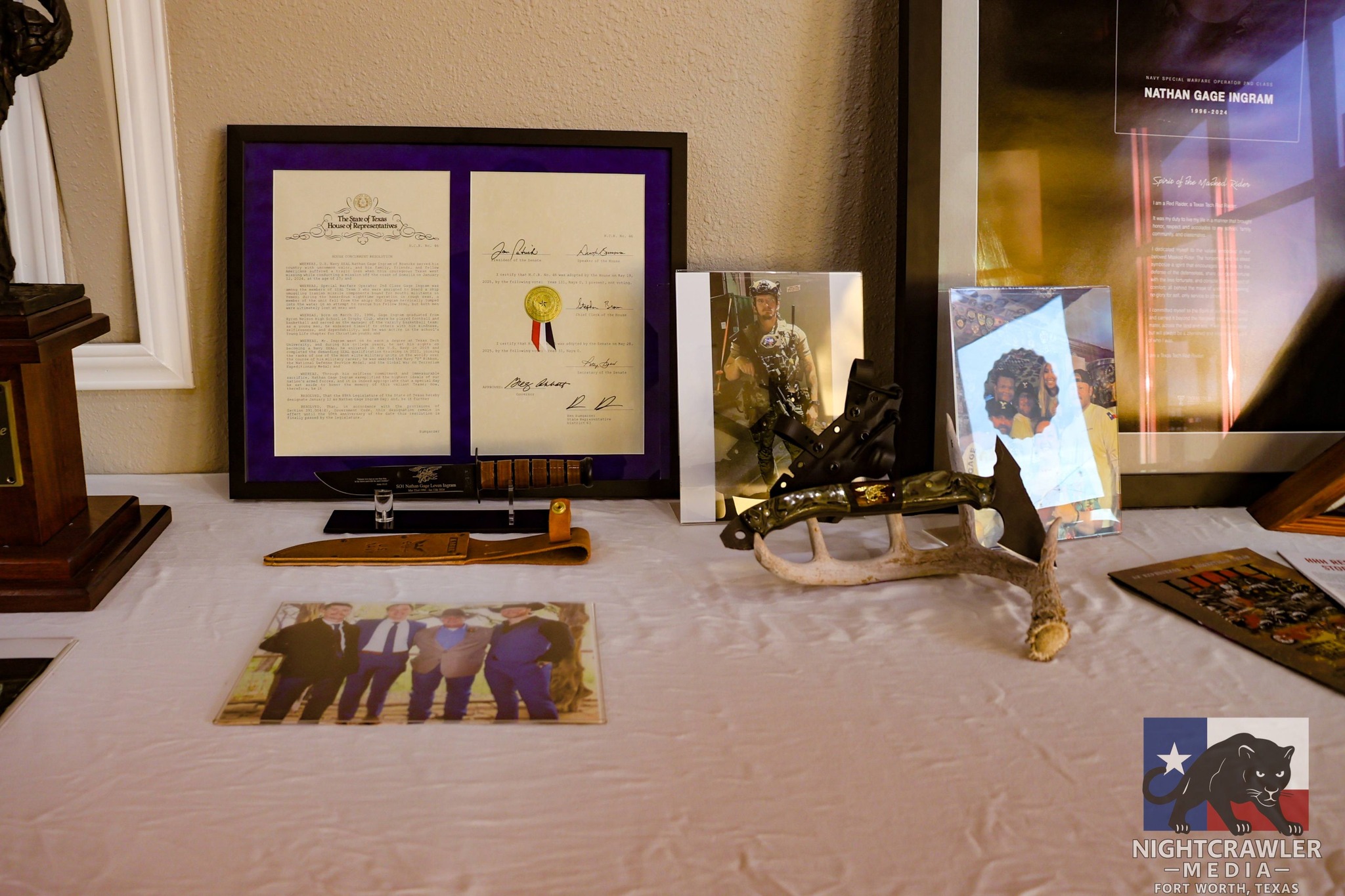
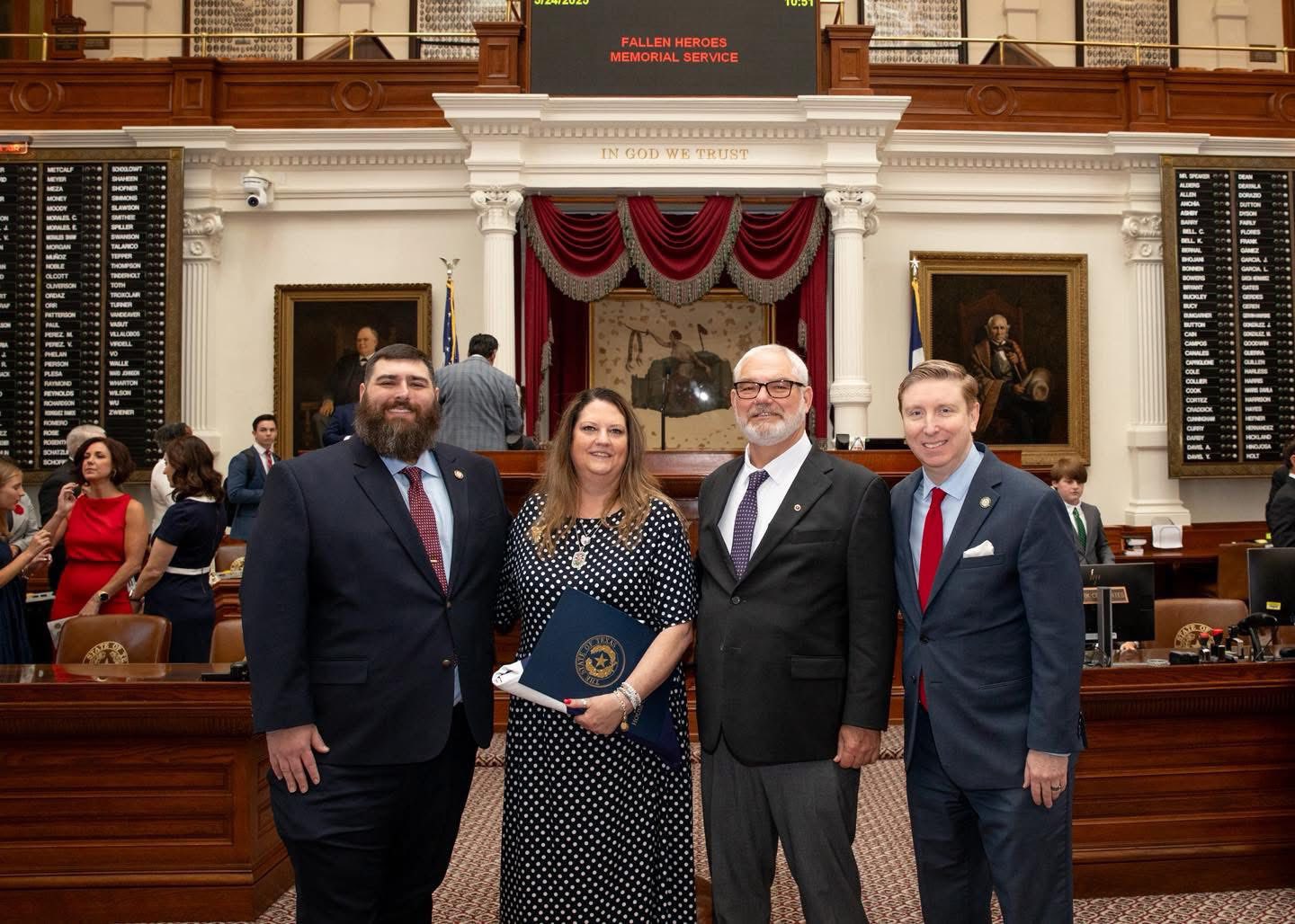
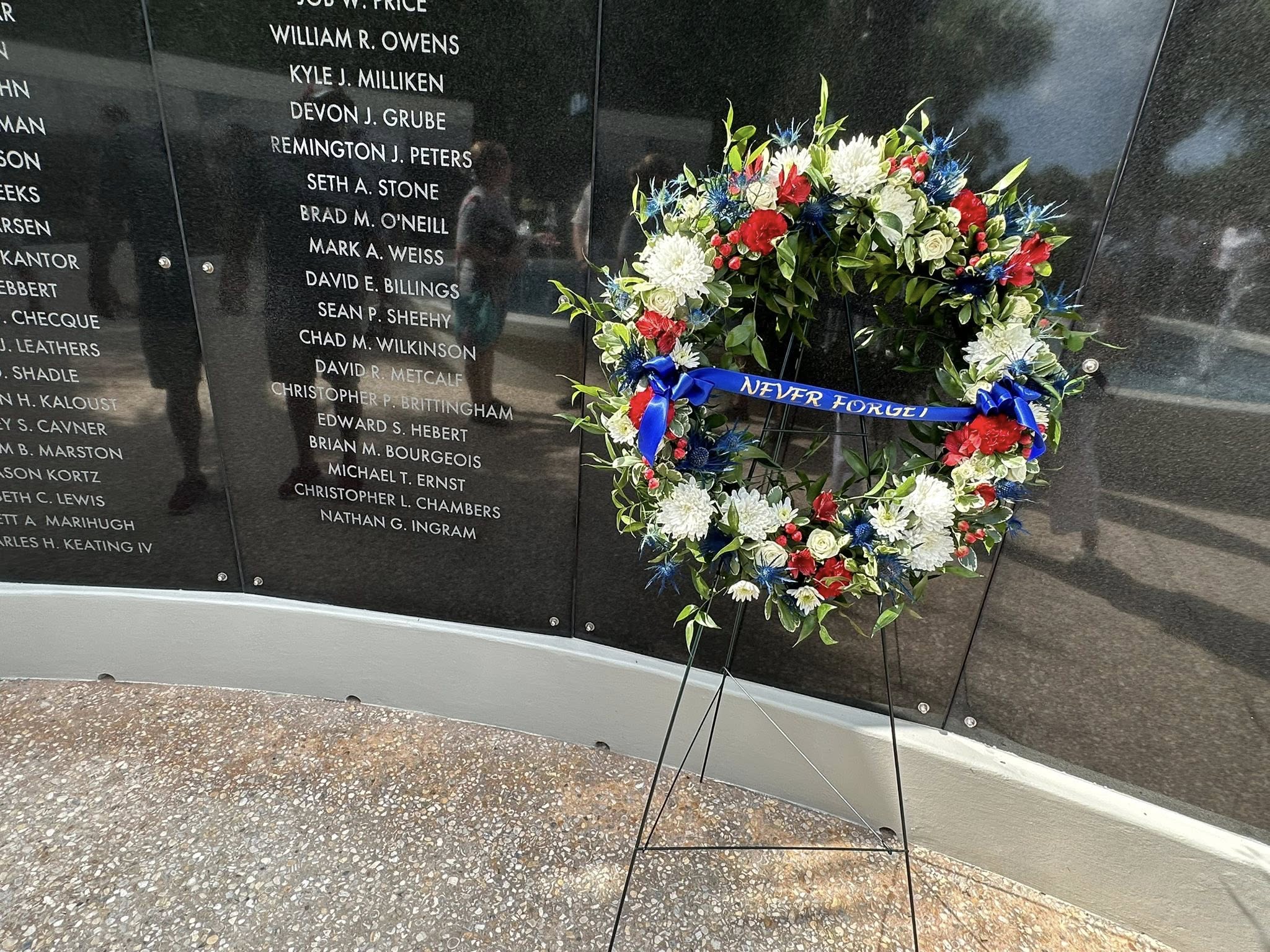
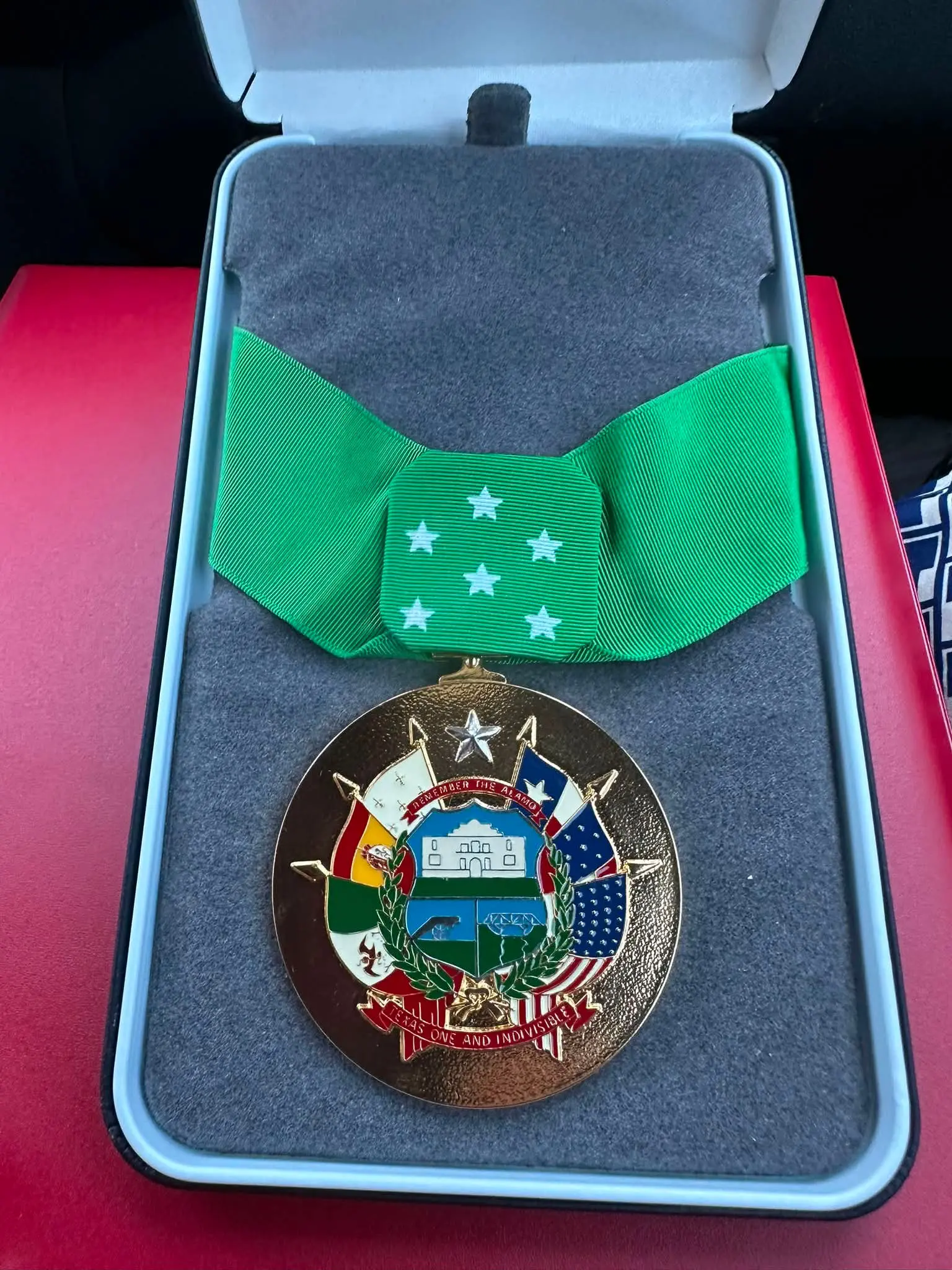
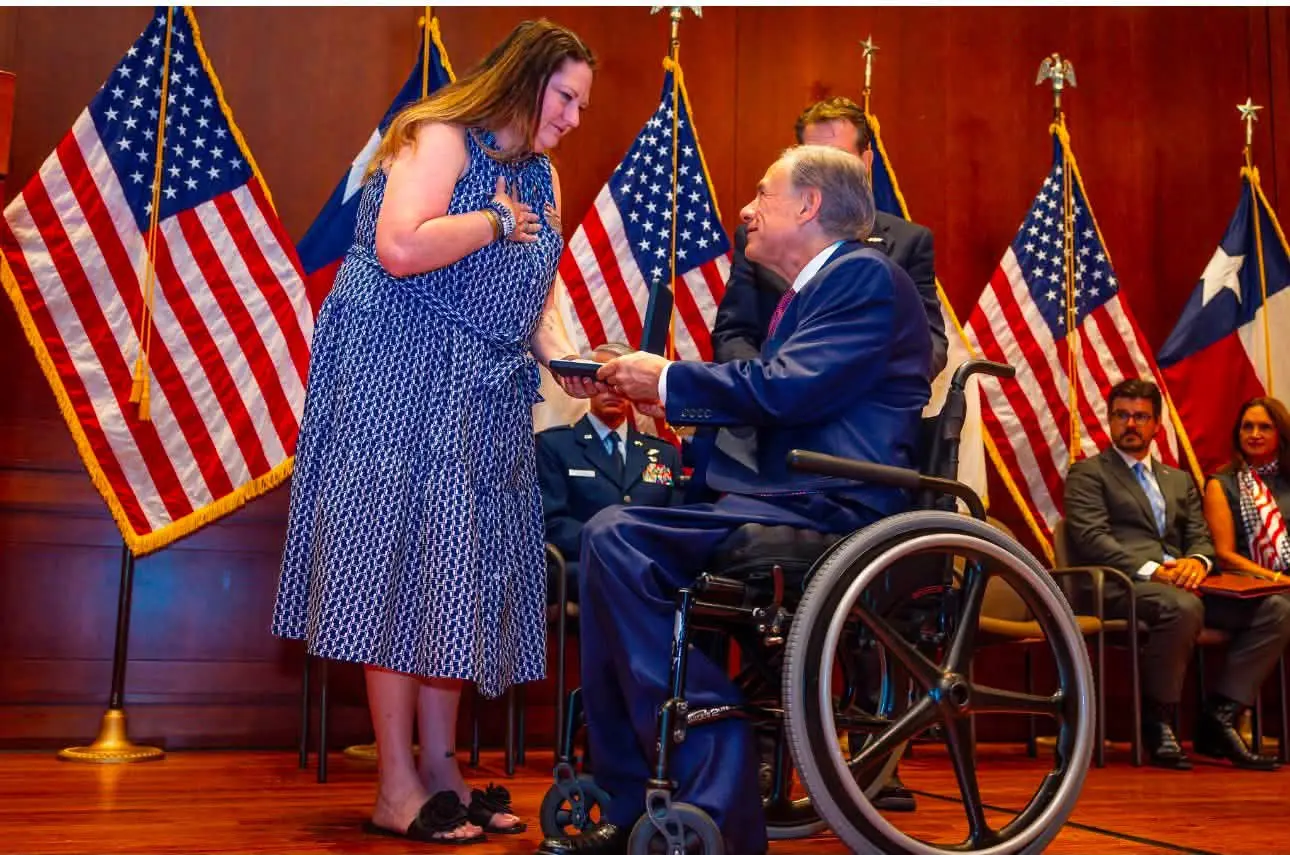
The Texas Legislature also recognized Gage Ingram’s valiant military service in a bill passed in June 2025.
The Light Nathan Leaves, the Torch His Family Continues to Carry
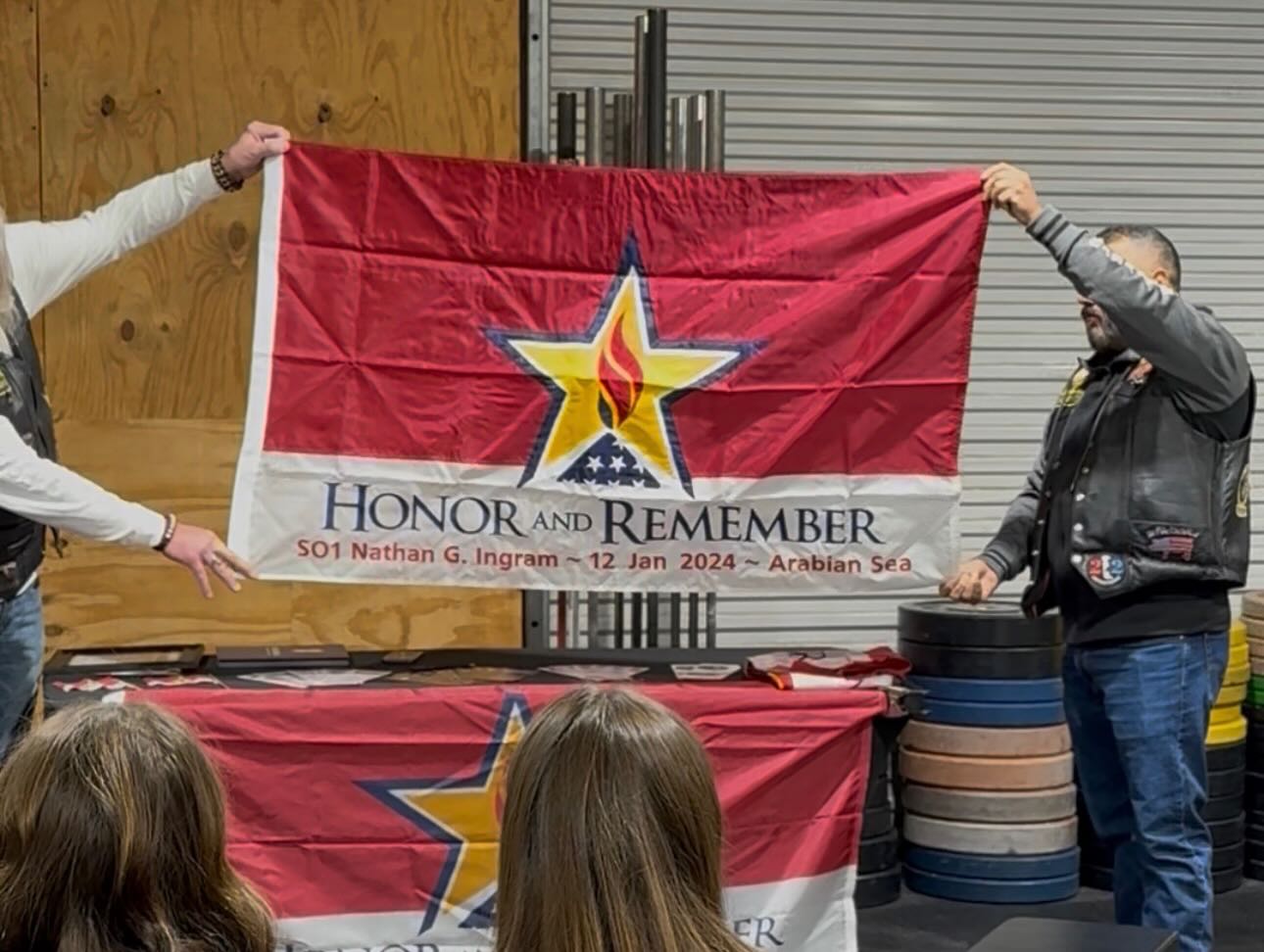
To understand why Nathan’s family is a Gold Star Family, one must understand the heart of the Gold Star itself. The Gold Star is one of the oldest and most sacred symbols in American military tradition. It began during World War I, when families hung service flags in their windows. A blue star meant a loved one was serving. When that loved one died in the line of duty, the blue star was replaced with gold. It became a symbol of honor, sacrifice, and the enduring love of a family whose world had been changed forever.
A Gold Star Family is a family whose loved one gave their life in service to the United States. It is a title that is solemn, sacred, and deeply respected. It acknowledges both the depth of their loss and the strength of their love. It recognizes that their sacrifice did not end with the fallen. It continues in the hearts of the family who supported them, prayed for them, and now carries their memory with courage and grace.
Nathan’s family carries that title because he lived with faith that guided him, with love that anchored him, and with a devotion to service that never wavered. He stepped forward when others stepped back. He chose a calling that demanded everything he had. He served with humility, discipline, and quiet strength, and he gave his life while protecting others. His sacrifice placed his family among those who bear the deepest measure of service, the families whose grief is matched only by the pride they hold for the man they loved.
To be a Gold Star Family is to carry a truth that is both heavy and holy. It means their home holds a story of courage. It means their hearts carry a grief that is both personal and national. It means their loved one’s name becomes part of the enduring fabric of American remembrance. It means the nation recognizes that their son, their husband, their brother, their friend gave everything he had for others.
Nathan leaves behind a family who continues to carry the torch that lights the way. They carry his faith, his strength, his devotion, and his love forward into every day. They honor him not only through remembrance, but through the way they live, the way they serve others, and the way they keep his light present in the world. Their title as a Gold Star Family reflects both the sacrifice Nathan made and the courage they now embody as they carry his legacy forward.
Nathan’s family will forever be known as a Gold Star Family because his life mattered, his service mattered, and his sacrifice stands among the most honored in our nation’s history. Their place is sacred. Their grief is honored. Their love for Nathan remains the living testament to the man he was and the legacy he leaves behind.
TOP CHARACTER STRENGTHS
BRAVERY – HONESTY – KINDNESS
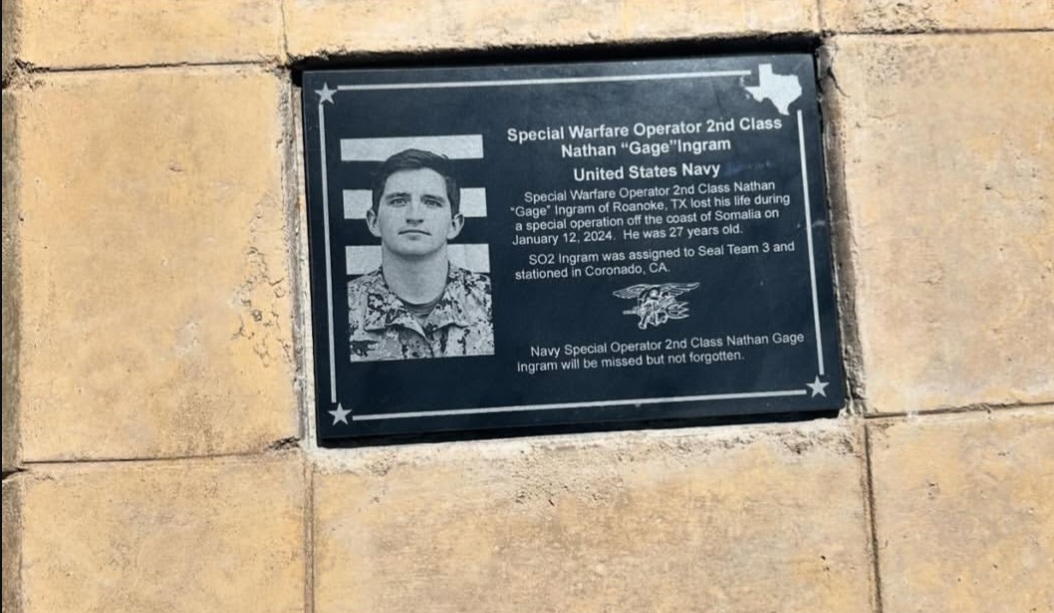
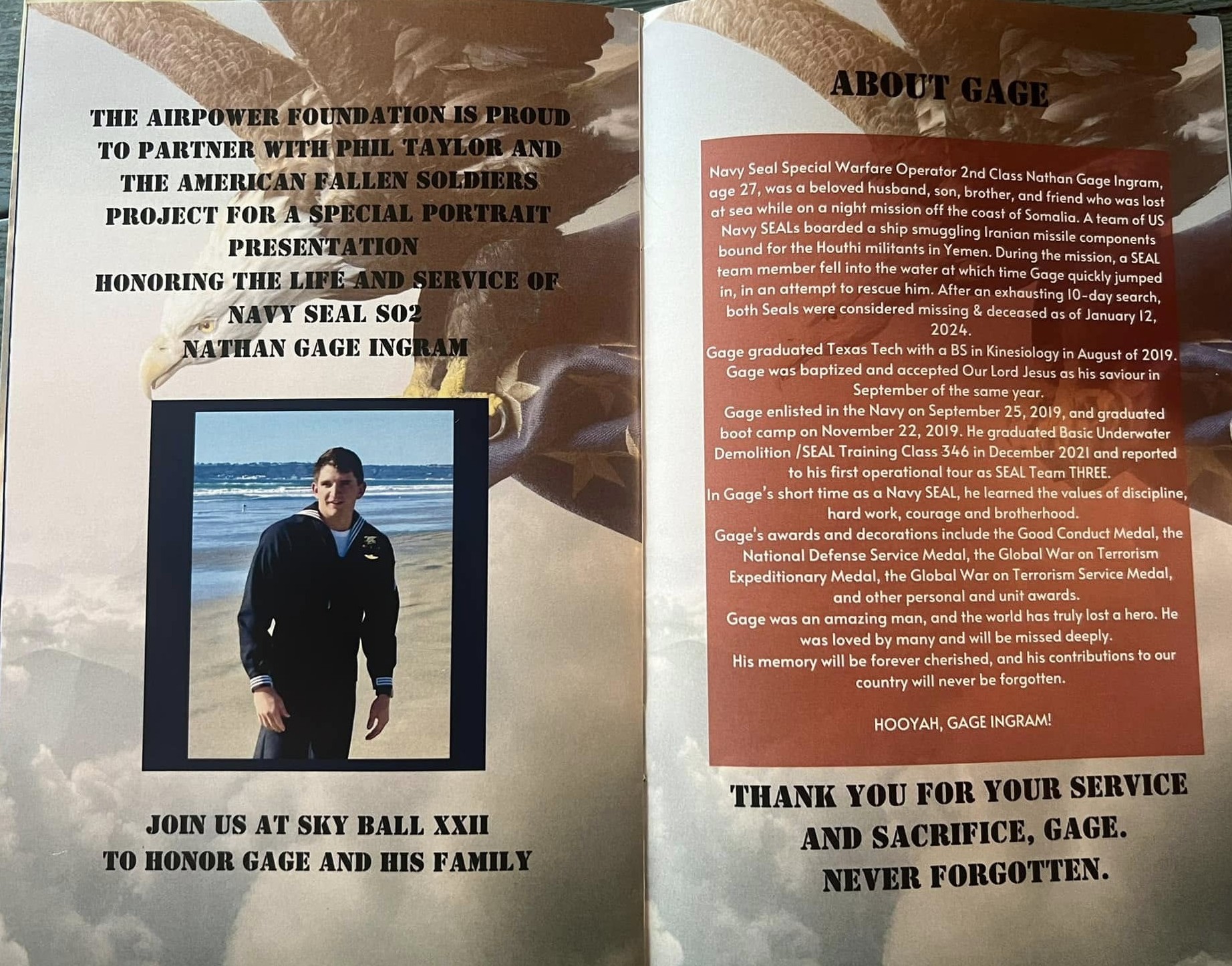
Navy Seal Special Warfare Operator 2nd Class Nathan Gage Ingram was a beloved husband, son, brother, and friend who was lost at sea while on a night mission off the coast of Somalia. A team of US Navy SEALs boarded a ship smuggling Iranian missile components bound for the Houthi militants in Yemen. During the mission, a SEAL teammate fell into the water at which time Gage quickly jumped in, in an attempt to rescue him. After an exhausting 10-day search, both SEALs were considered missing and deceased as of January 12, 2024. Gage was 27 years old.
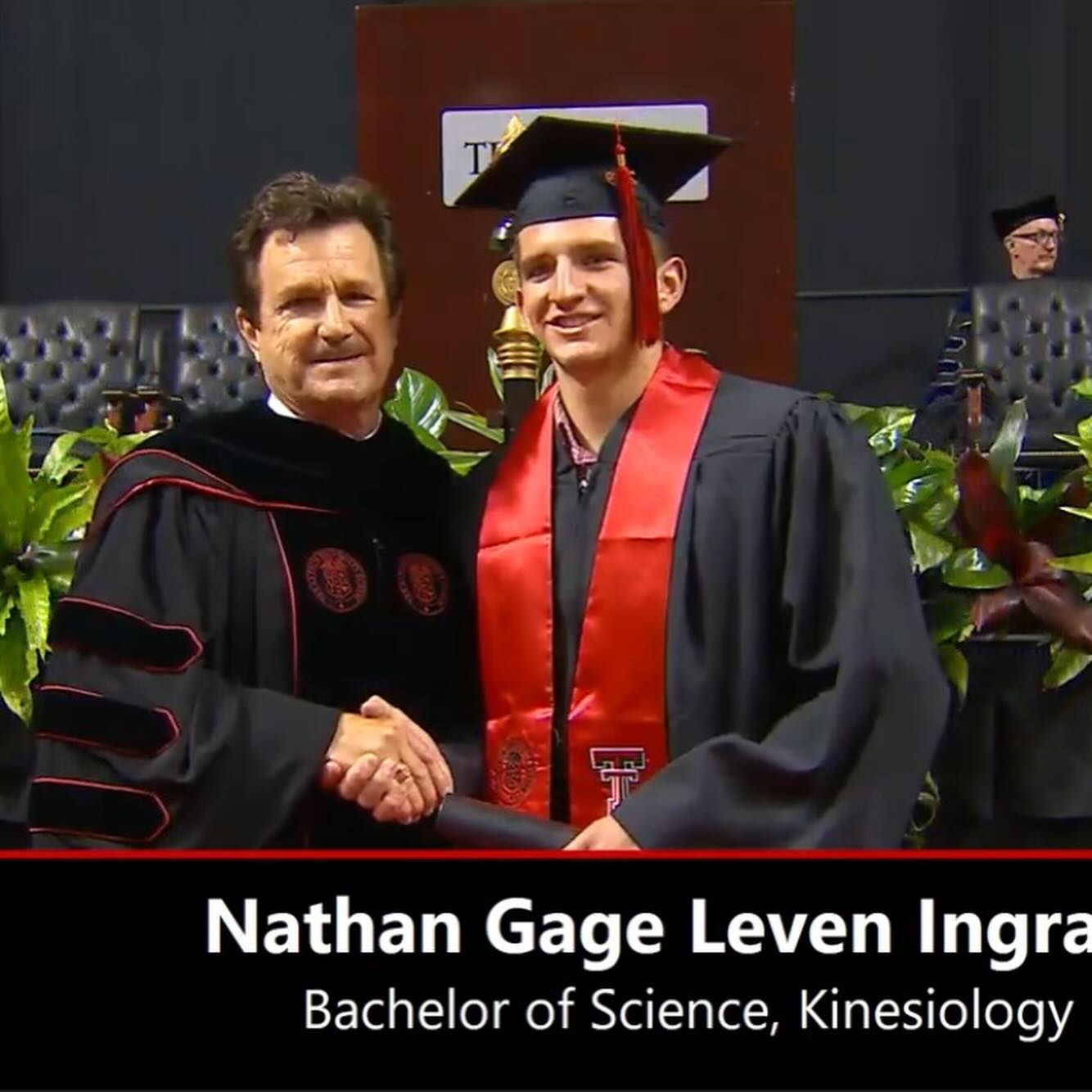
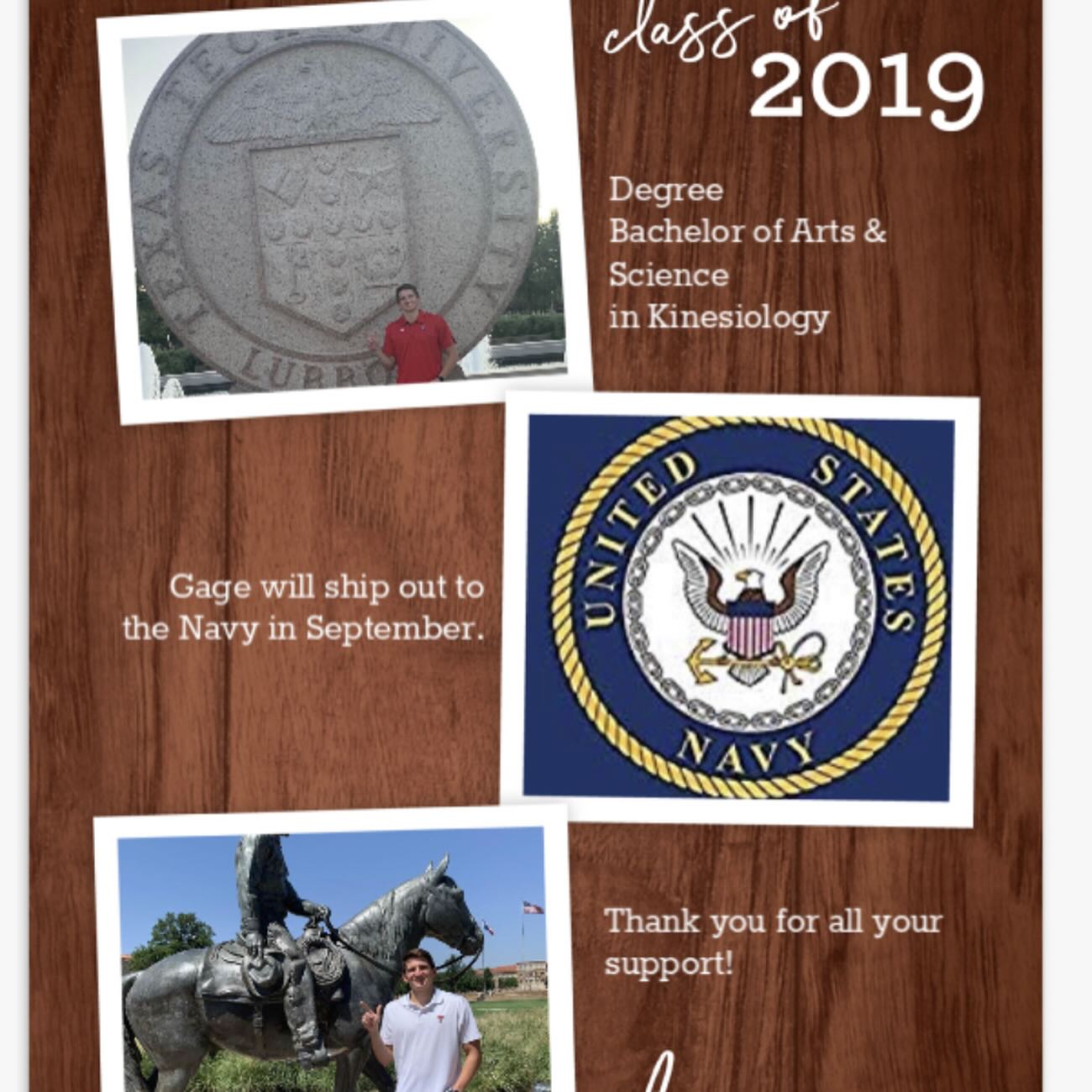
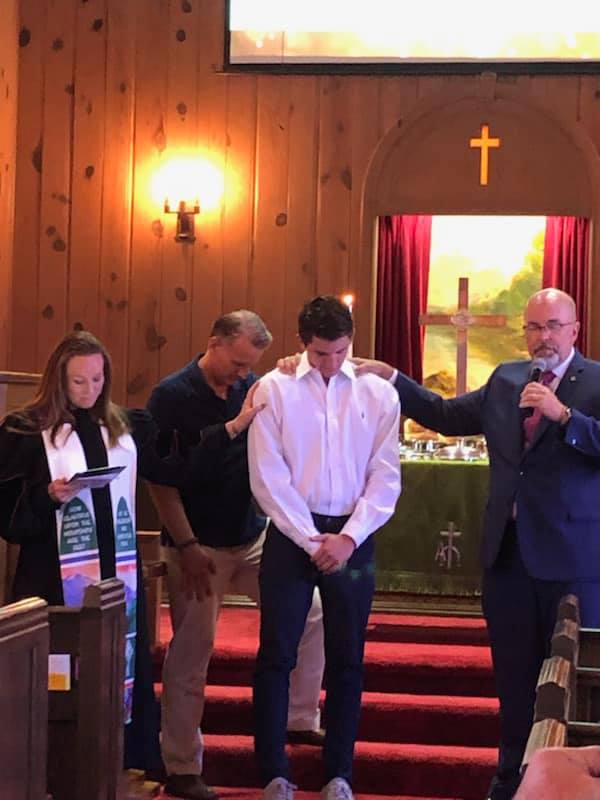
He graduated from Texas Tech with a BS in Kinesiology in August of 2019. He was baptized and accepted Our Lord Jesus as his savior in September of the same year.
Gage enlisted in the Navy on September 25, 2019, and graduated boot camp on November 22, 2019. He graduated Basic Underwater Demolition/SEAL Training Class 346 in December 2021 and reported to his first operational tour as SEAL Team THREE.
In Gage’s short time as a Navy SEAL, he learned the values of discipline, hard work, courage, and brotherhood. Gage’s awards and decorations include the Good Conduct Medal, the National Defense Service Medal, the Global War on Terrorism Expeditionary Medal, the Global War on Terrorism Service Medal, and other personal and unit awards. Gage has been a rock for his family, friends and brothers, always genuine, dependable, and respectable. His patriotic strength and commitment shine through his wife, Jewel Ingram, Mother Kristi Hughes, Father Chester Ingram, Stepfather Danny Hughes, Sister Jaci Ingram, and countless relatives and friends.
Gage was an amazing man, and the world has truly lost a hero. He was loved by many and will be missed deeply. His memory will be forever cherished, and his contributions to our country will never be forgotten.
Character Strength Story:
BRAVERY – During the night mission in January 2024, Gage’s team member’s foot slipped, and he went into the water and Gage immediately dove in after him, which was protocol and proof of the selflessness Gage had always shown through different areas in his life.
HONESTY – “Gage epitomized Naval Special Warfare’s core values: integrity, courage, and selflessness,” said Capt. Blake L. Chaney.
KINDNESS – “Gage was someone—if you met him, you would never forget him,” said one of the speakers during his memorial ceremony. “He had a way of making everyone he interacted with feel special.”
—Submitted by Kristi, Surviving Mother
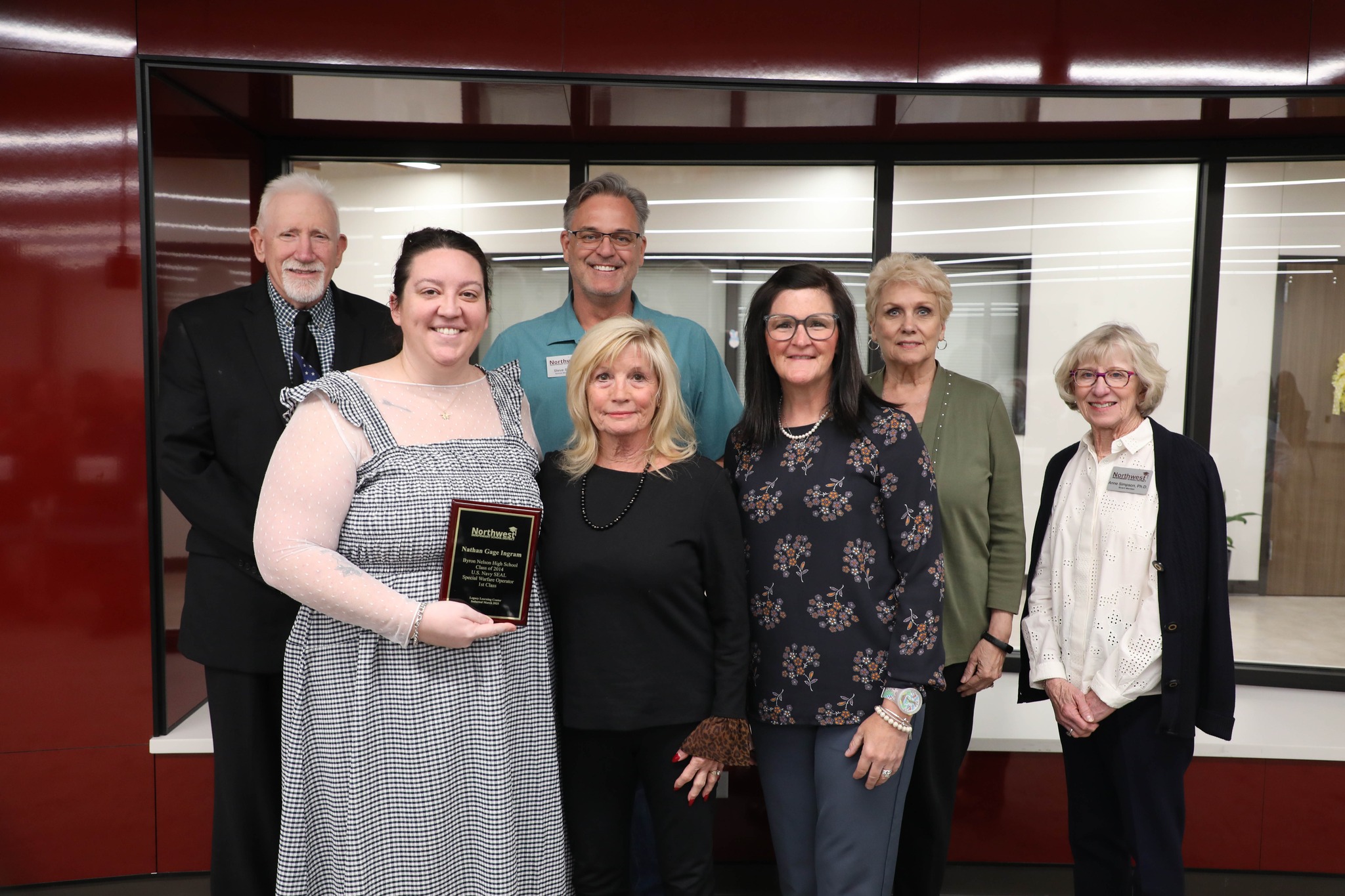
Teachers, friends remember Navy SEAL from North Texas for humor, strong character
By James Hartley
Updated January 25, 2024 5:36 PM- Star Telegram
Nathan Gage Ingram’s friends and teachers weren’t surprised when their former classmate and student from Roanoke enlisted in the military. Ingram, a Navy SEAL, died on Jan. 11 while boarding a ship smuggling Iranian missile components to Houthi militants in Yemen, according to the U.S. Navy. He was declared dead after a 10-day search.
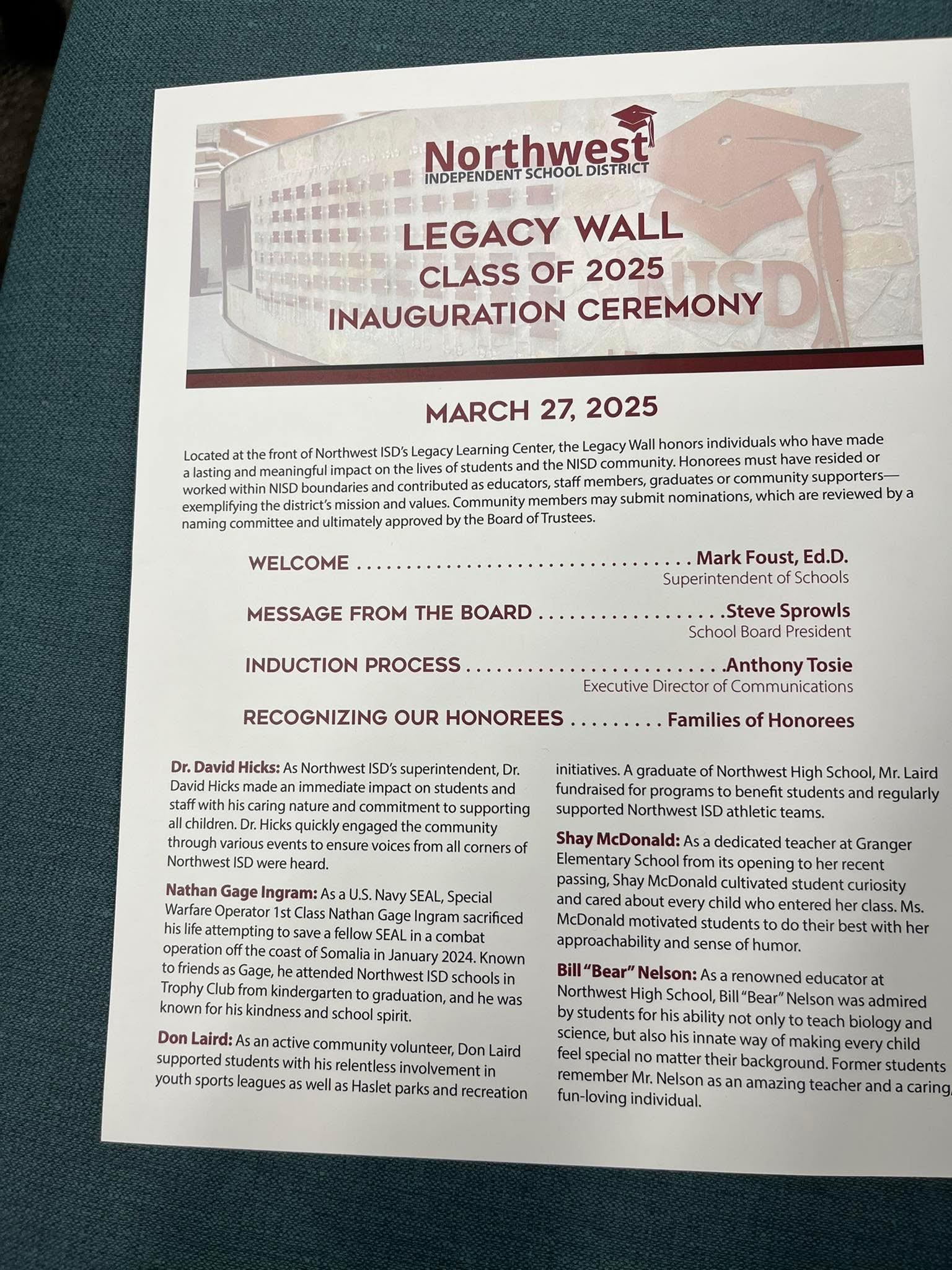
His teachers remembered him in a news release from the Northwest school district as someone with a unique sense of humor who was kind, sincere, hard-working and humble, always putting others first. Even his kindergarten teacher, Terri McNutt, said his attitude of helping others and showing them he cared meant she wasn’t surprised to find out he’d ended up in the military.
“I got back in touch with Gage’s mom on Facebook, and it didn’t surprise me at all to see he entered into the military,” McNutt said. “When I saw the photos she would post of him, I saw the same huge smile he had in kindergarten. At that age, it’s normal for students to get in arguments, but that never happened with him. He always had a tender heart and was easy for others to get along with because of his kindness.”
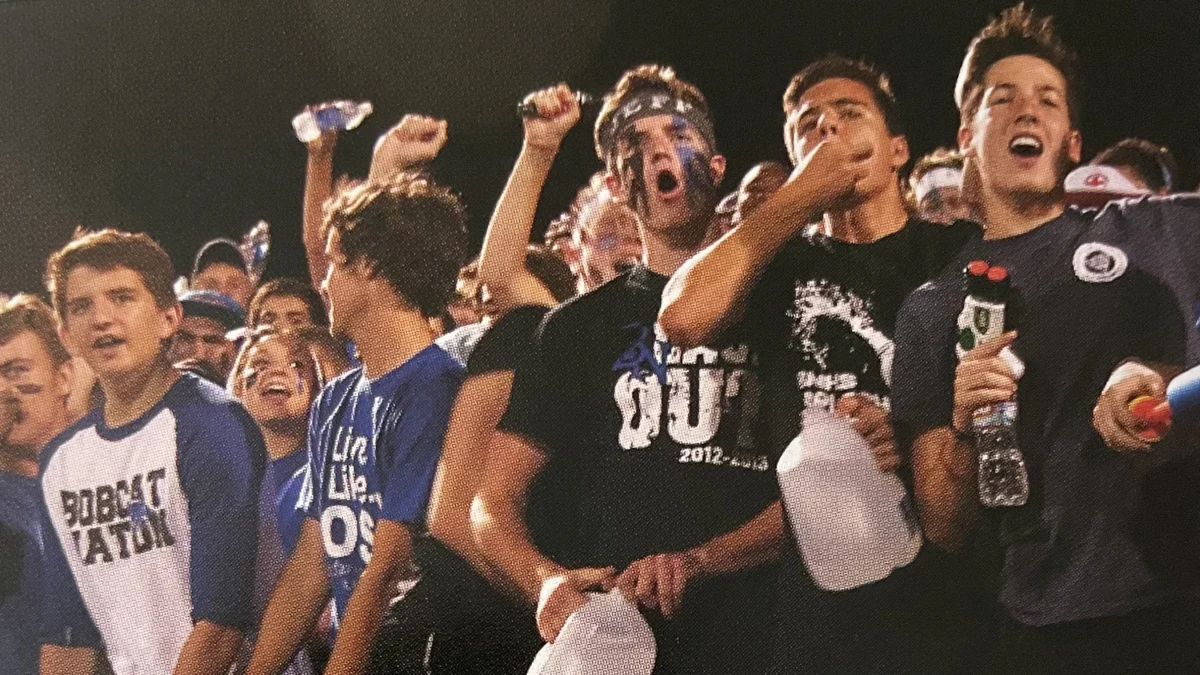
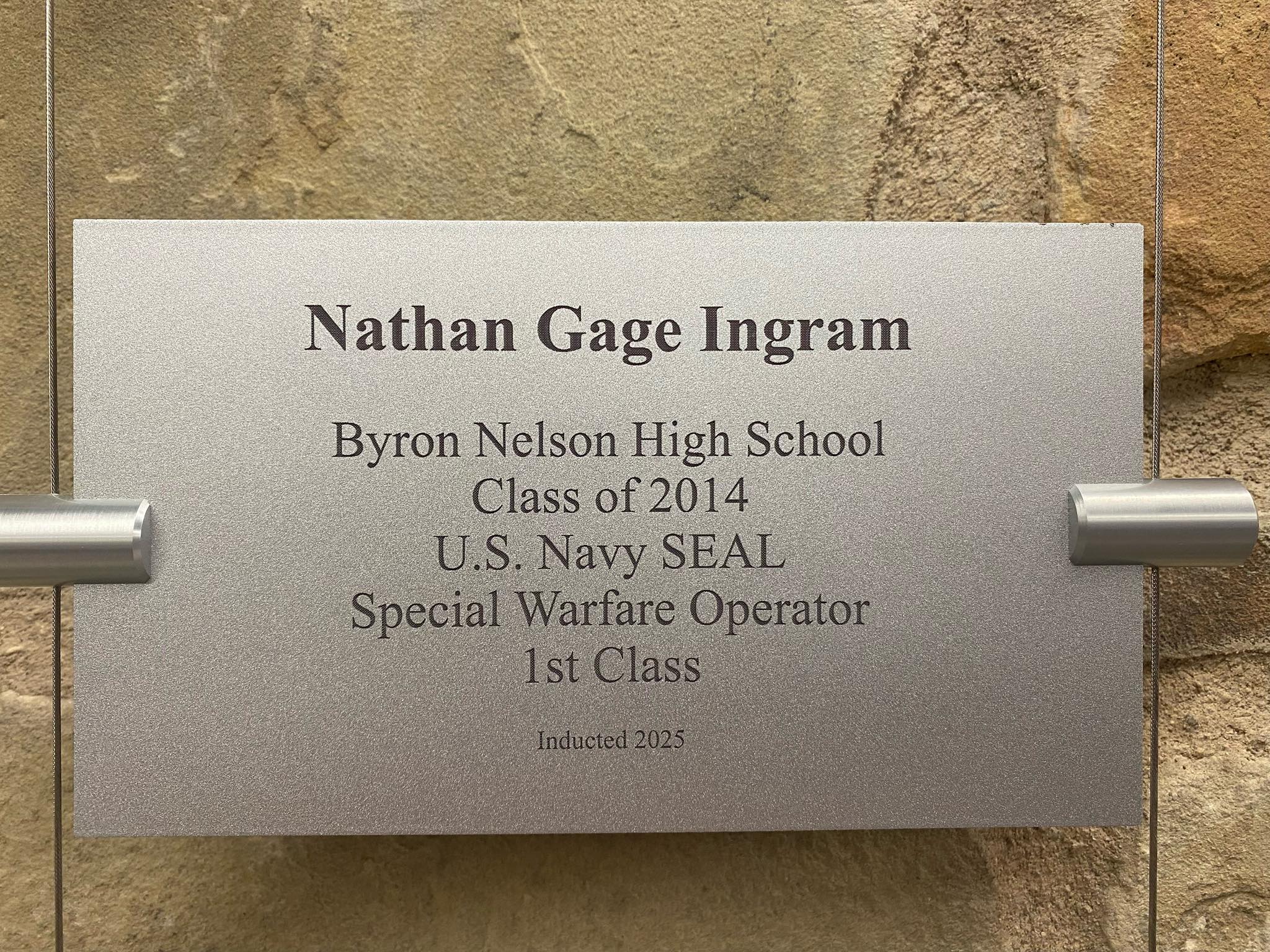
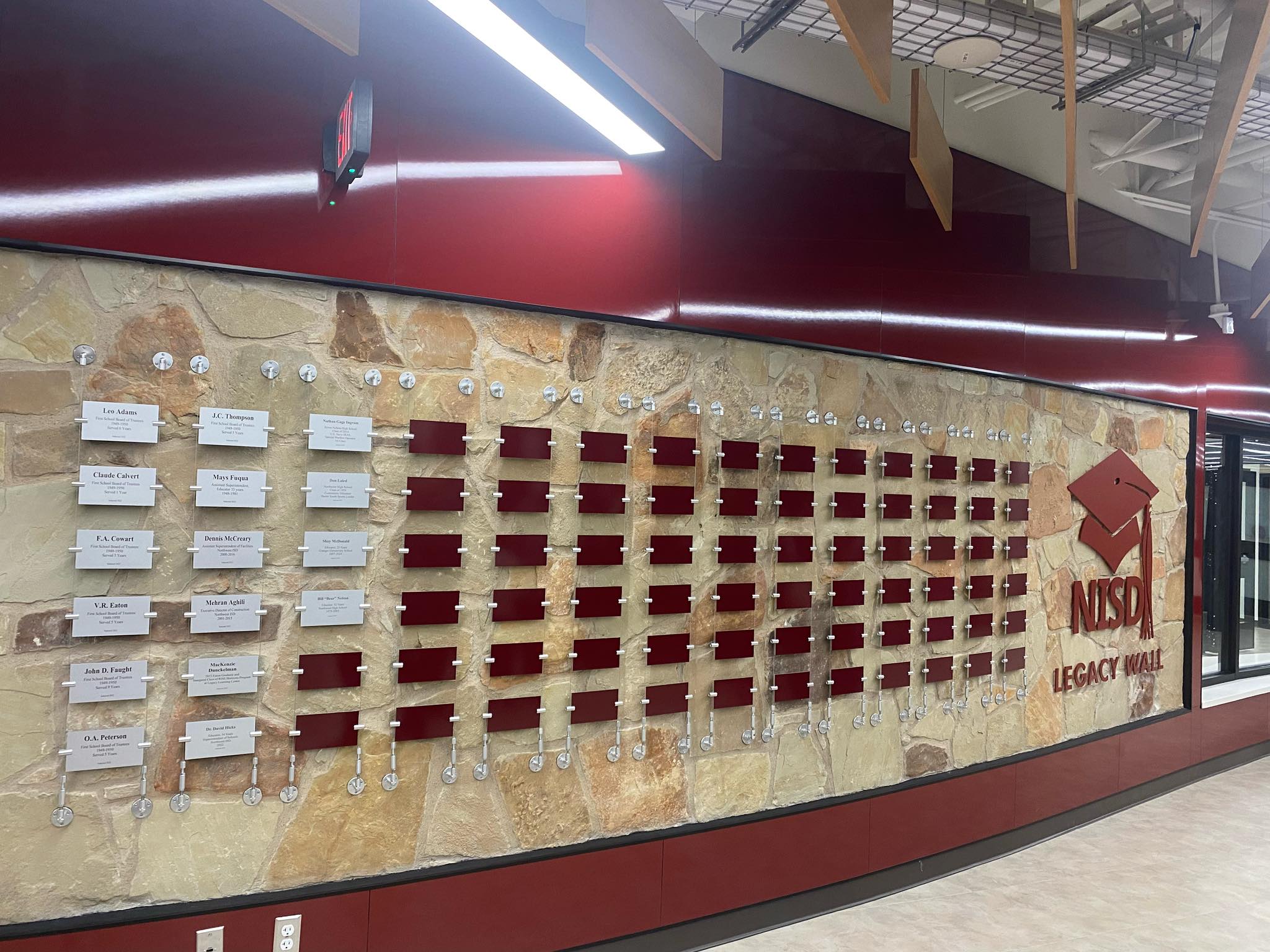
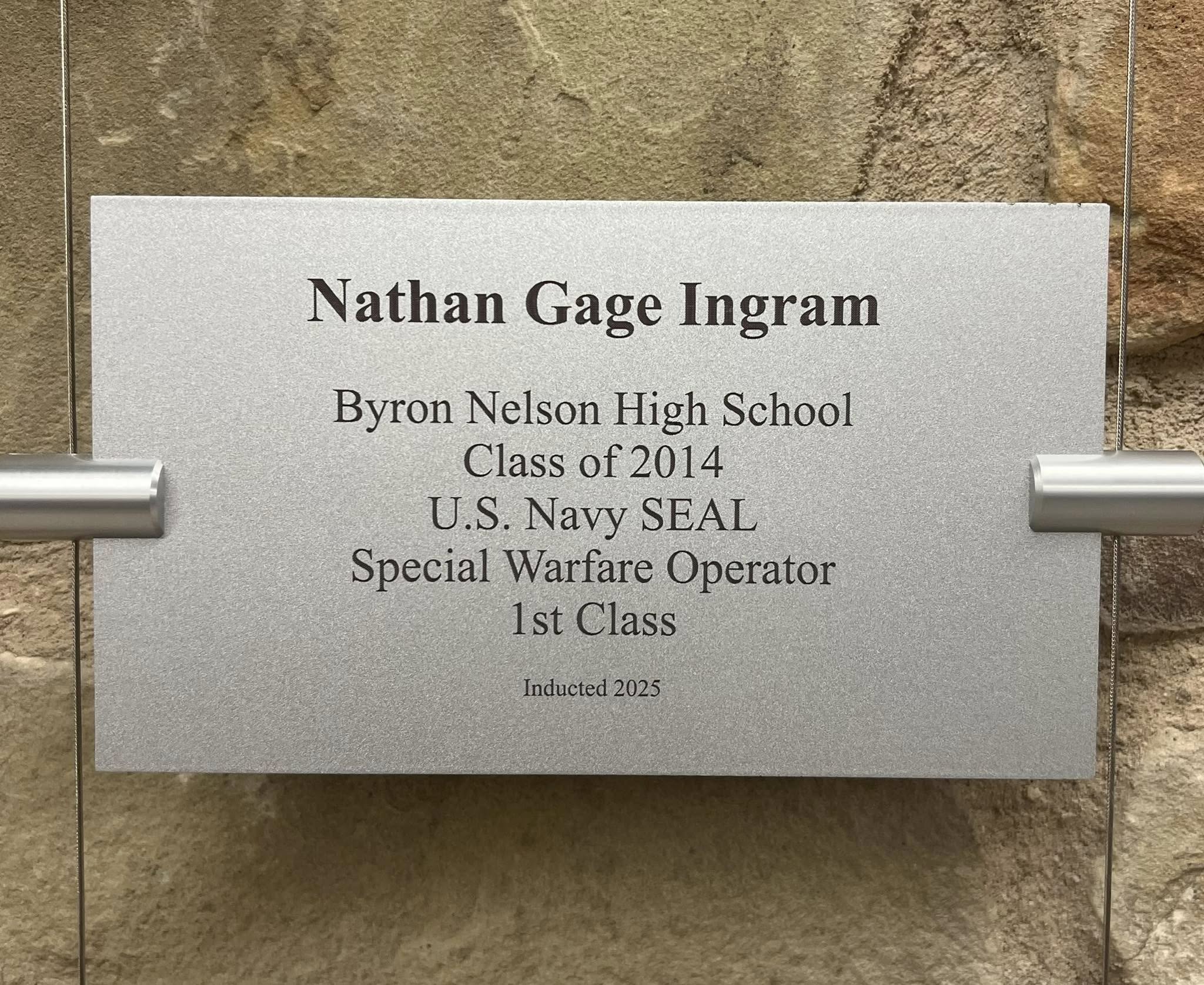
Ingram, 27, graduated from Byron Nelson High School in Trophy Club in 2014 He was known as someone who chased his dreams, his teachers and classmates said.
Ingram was smaller in stature growing up, but looking back his teachers said his personality was well suited to the military. He had a strong work ethic and took pride in his work. He played basketball and football in his freshman year of high school before working as the manager of the varsity basketball team for three years. Scott Curran, the team’s former coach and now the assistant athletic director for Northwest ISD, said Ingram’s selflessness will be something he always remembers about him. “Gage was the epitome of dependability,” Curran said. “We never had to ask him to do anything because he was always a step ahead.
Gage always thought about others before himself, and he took great pride in taking care of everyone in our program. He was simply just a great young man.” One of Ingram’s former science teachers, Michael Elder, said Ingram could find humor in unusual places. Like when he had to do a project for his senior science class and was going through “senioritis,” he chose the topic of procrastination.
“That meant he did nothing on his project until about five minutes before he was to present it,” Elder explained. “True to Gage style, he threw it together and presented it to the class. I remember all of us in the class laughing with him while he presented. I just always remember him having a great sense of humor. He was always so respectful, and he was a great student and great friend to those around him.” Parker Ransleben, a lifelong friend of Ingram’s, said he counted himself lucky to be his friend. “Most of my fondest childhood memories include him,” Ransleben said.
“Whether it was watching him dribble circles around kids in soccer, watching ‘Power Rangers’ and ‘Walker Texas Ranger,’ or riding our bikes down the street in our underwear, Gage was there. Even though our later school years had us involved in different sports and friend groups, what I appreciated most was how easy it was to be friends with Gage.
We’d be able to meet up at family parties or during the holidays and easily pick up where we left off. He genuinely cared about those around him, was a reliable friend to those who knew him, and consistently put other’s needs ahead of his own. He will be missed.”
Ingram went to Texas Tech University, where he continued to work on improving his physical abilities, according to the Northwest school district release. He didn’t decide until college that he wanted to join the Navy and become a SEAL. He graduated from SEAL qualification training in 2021. Doren Thali, a former elementary school teacher and longtime friend of Ingram’s family, said Ingram had a strong moral compass.
“When you think of Gage going into the Navy SEALs, you think of the courage, which he absolutely had, but what set him apart was his kindness – that’s what I will always remember about him,” she said. “I never had Gage as his classroom teacher, but I had his sister, Jaci, and always saw him around school. Despite it being 20 years later and not having him as a student, that’s how much of an impact his kindness made on me.
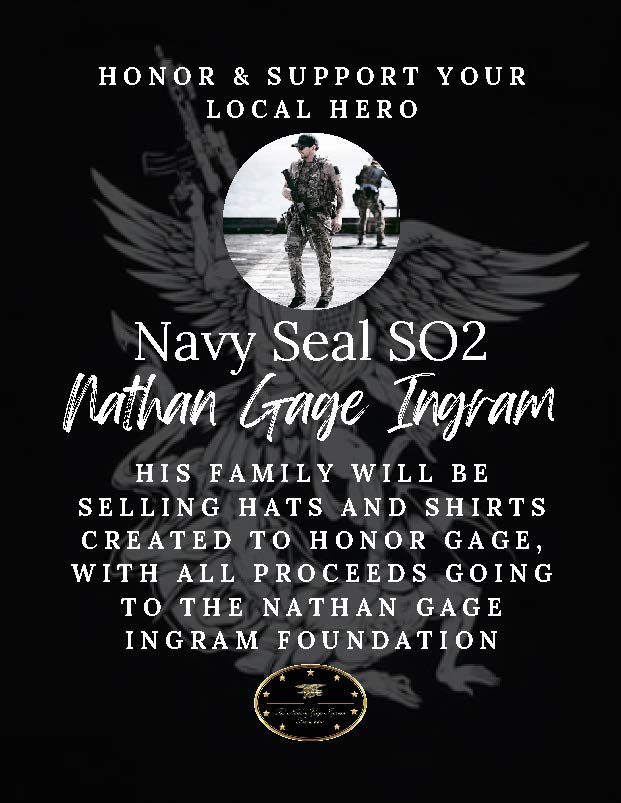
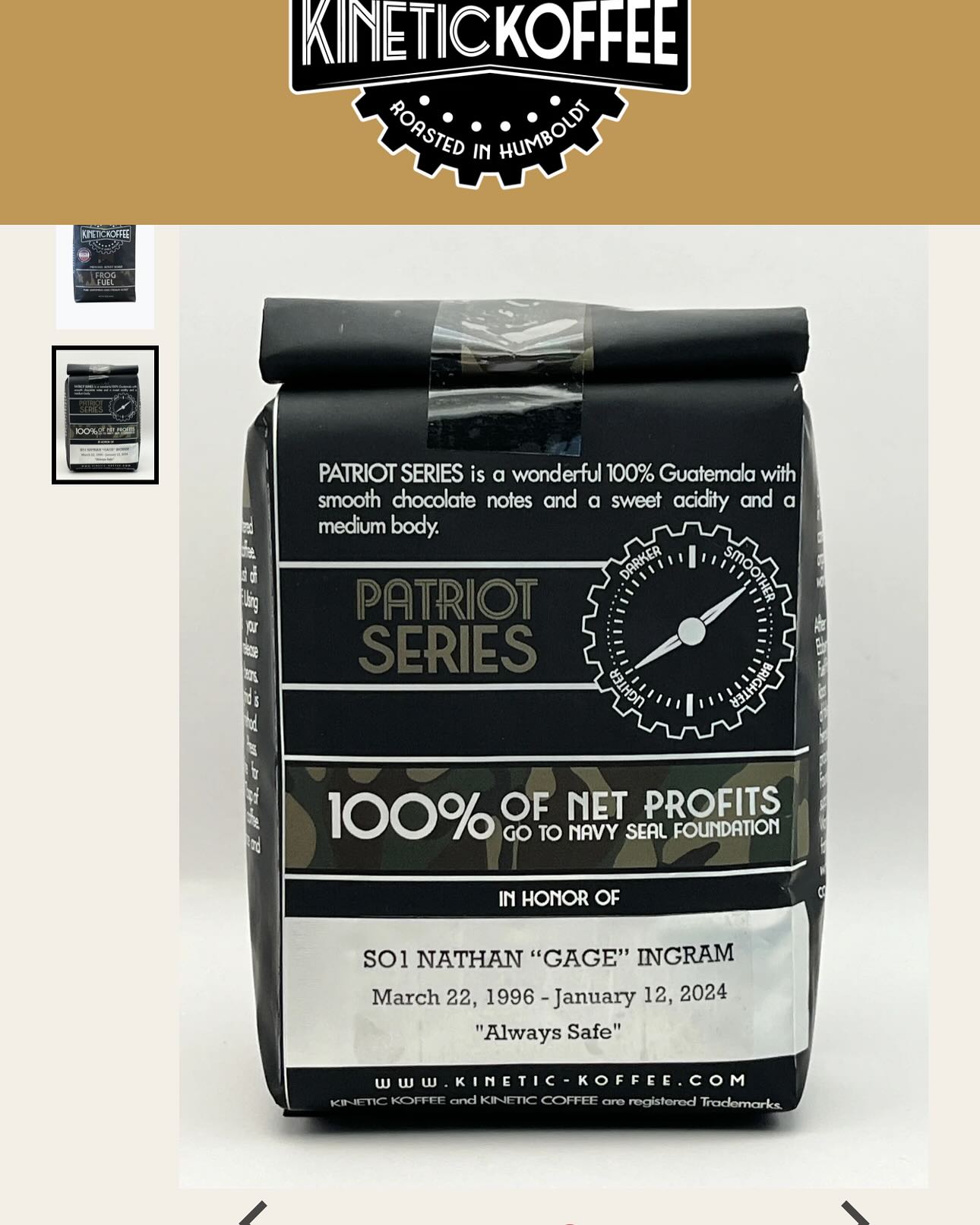
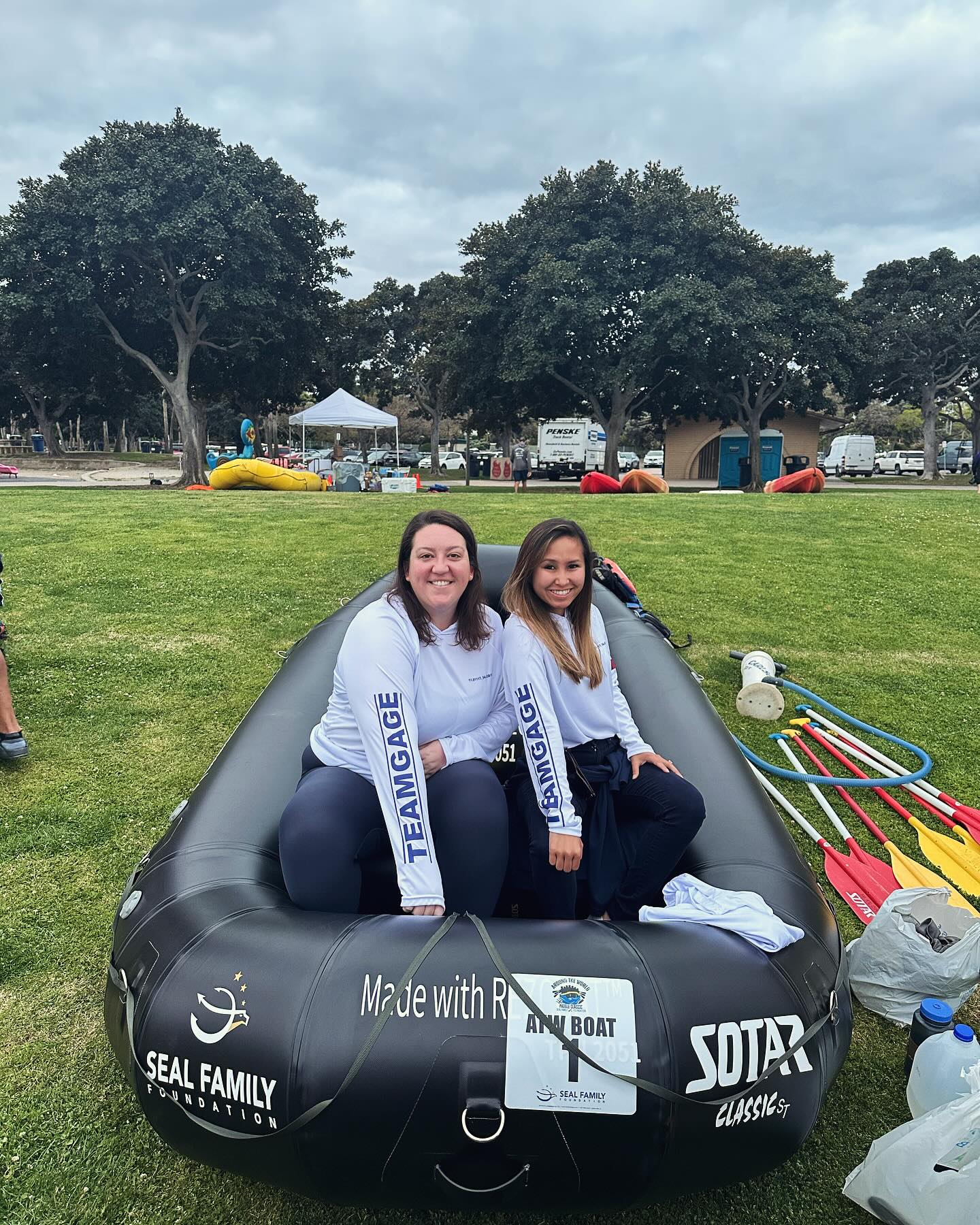
Even as an elementary-aged student, his maturity and kindness were always apparent. Following him through the years and seeing that boy become a man who remained a sweet person, that’s what I’ll always be most proud of.” The family is accepting help from the community through the Navy SEAL Foundation and SEAL Family Foundation. Donations made to either organization benefit current, veteran and fallen Navy SEALs and their families.
Naval Special Warfare Commander Testifies Before Texas Legislature, Highlighting Heroism of Fallen Navy SEAL Nathan Gage Ingram
by Courtesy of Naval Special Warfare Command
13 May 2025
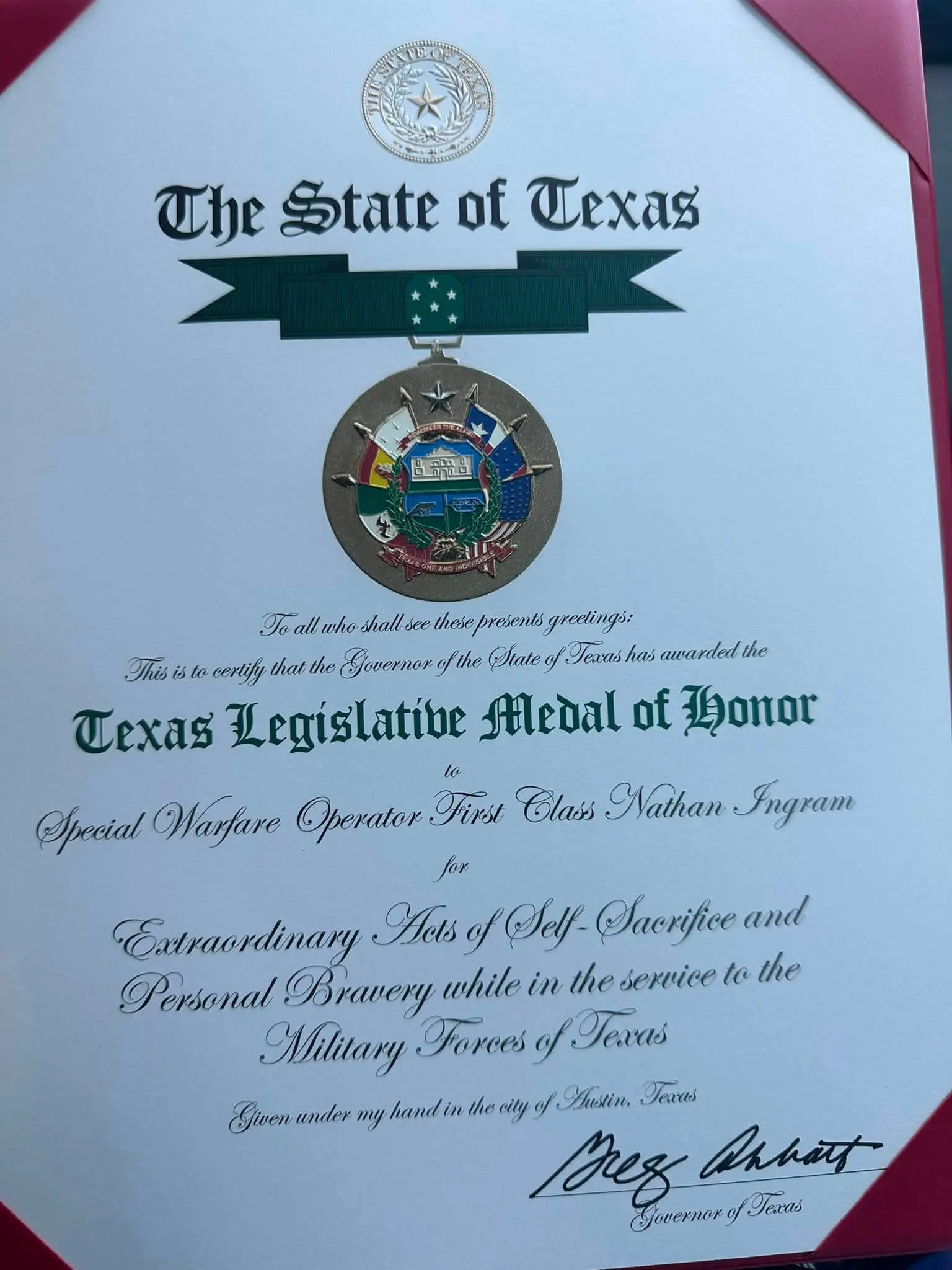
AUSTIN, Texas — May 13, 2025 – Rear Adm. Jamie Sands, commander of Naval Special Warfare Command, testified before the Texas State Legislature today at the Texas State Capitol, advocating for the posthumous award of the Texas Legislative Medal of Honor to Special Warfare Operator 1st Class Nathan Gage Ingram.
Naval Special Warfare Command is honored to announce the panel has voted to bestow this recognition upon Petty Officer Ingram.
Rear Adm. Sands, accompanied by Force Master Chief Walter Dittmar, detailed the circumstances surrounding Ingram’s death Jan. 11, 2024, during a critical mission off the coast of Somalia. The operation aimed to intercept a vessel transporting anti-ship cruise missiles and ballistic missile components intended for Houthi terrorists threatening global shipping lanes.
“The stakes were exceptionally high,” Sands explained to the panel. “This operation wasn’t simply about seizing weapons; it was about denying a terrorist organization the means to inflict harm to U.S. and Allied forces.”
During a dangerous nighttime boarding operation complicated by rough seas, Ingram’s leading petty officer fell into the ocean. Without hesitation, Ingram leapt into the water to attempt a rescue, ultimately sacrificing his own life in the process.
“The actions of Petty Officer Ingram embody the courage, selflessness, and unwavering spirit of a true Texas hero,” Sands said. “He risked, and ultimately sacrificed, his own life for his teammate.”
Sands further emphasized Ingram’s character, noting, “It is my privilege, and duty, to speak not just of Gage’s accomplishments, but of the man he was – a dedicated SEAL operator, a trusted teammate, and a son of Texas. He represented the very best of all of us.”
The testimony also highlighted Ingram’s upbringing in Texas and his dedication to rigorous training, earning a degree in kinesiology from Texas Tech while simultaneously preparing for the demands of becoming a Navy SEAL.
“Gage was first and foremost a warrior,” Sands added. “He was a man of character, raised here in Texas, and shaped by a lifelong pursuit of challenge and a deep-seated commitment to others.”
The Texas Legislative Medal of Honor is the highest civilian honor the State of Texas can bestow, recognizing exceptional bravery and self-sacrifice. State Representative Benjamin Bumgarner, who represents District 63, nominated Ingram for this prestigious award. Sands and Dittmar indicated they were honored to support Bumgarner’s request to speak before the Texas Legislature and provide insight into Ingram’s selflessness and heroic actions.
Supplemental Information
Forged by Water and War: The Eighty‑Year History of the Navy SEALs
The Navy SEALs did not appear suddenly in American military history. They emerged slowly, shaped by necessity, refined by conflict, and strengthened by generations of men who carried courage into the most unforgiving environments on earth. Their lineage stretches back more than eighty years, beginning long before the word SEAL existed, long before modern special operations, and long before the missions that define them today.
World War II: The First Warriors of the Deep
The story begins in 1943, when the United States faced a new kind of warfare. Amphibious landings in Europe and the Pacific required men who could move through water with stealth, destroy obstacles, and prepare beaches for massive assaults. The Navy created the Underwater Demolition Teams, known as UDTs, to meet this need.
These men swam miles in open water, often under enemy fire, armed only with fins, masks, knives, and explosives. They mapped beaches, cleared mines, and destroyed barriers at Normandy, Saipan, Guam, Peleliu, and Okinawa. Their missions demanded physical endurance, mental resilience, and a willingness to face danger with nothing but training and resolve.
They were the first to understand that the ocean could be both a battlefield and a barrier. Their courage became the foundation of Naval Special Warfare.
Korea: The Mission Grows More Complex
During the Korean War, the UDTs expanded their capabilities. They infiltrated enemy ports, cleared mines from harbors, conducted reconnaissance along hostile coastlines, and executed covert raids. Their missions became more specialized, more clandestine, and more aligned with the emerging world of special operations.
They proved that elite maritime warriors were essential to modern conflict.
The Cold War and President Kennedy: The Birth of the SEALs
By the early 1960s, the world had changed. The Cold War demanded forces capable of unconventional warfare, counterinsurgency, and covert reconnaissance. President John F. Kennedy recognized this need and directed the Navy to create units capable of operating across sea, air, and land.
On January 1, 1962, the Navy formally established:
- SEAL Team ONE on the West Coast
- SEAL Team TWO on the East Coast
Their mission was broad and unprecedented. They would master maritime operations, airborne insertion, land warfare, intelligence gathering, and unconventional tactics. They would become the nation’s maritime special operations force.
This was the moment the name “SEAL” entered history.
Vietnam: The Crucible That Forged the Modern SEAL Identity
Vietnam became the proving ground that shaped the SEAL ethos. Operating in river deltas, jungles, and coastal villages, SEALs conducted reconnaissance, ambushes, direct action raids, and high‑risk intelligence missions. They moved silently through waterways, struck with precision, and disappeared before the enemy could respond.
Their effectiveness earned them a reputation for adaptability, courage, and relentless discipline. The brotherhood deepened. The ethos strengthened. The identity solidified.
Post‑Vietnam: Expansion Into a Global Force
Through the 1970s and 1980s, the SEALs expanded their capabilities dramatically. They mastered:
- HALO and HAHO parachuting
- Combat diving and closed‑circuit rebreathers
- Desert warfare
- Cold‑weather operations
- Counterterrorism
- Hostage rescue
- Intelligence preparation
- Joint operations with allied forces
Their mission profile grew far beyond maritime operations, preparing them for the global challenges of the modern era.
1983: The Formation of SEAL Team 3
SEAL Team 3 was established during this period of rapid growth. Its early missions focused on Cold War reconnaissance, counterterrorism, and operations in Central and South America. Over time, Team 3 became one of the most respected and battle‑tested units in Naval Special Warfare, serving in:
- The Gulf War
- Afghanistan
- Iraq
- The Horn of Africa
- Arabian Sea interdiction missions
This is the team Nathan joined. This is the lineage he stepped into.
Modern Era: The Global Reach of Naval Special Warfare
Today’s SEALs operate across every domain. They conduct:
- Maritime interdiction
- Counterterrorism
- Hostage rescue
- Intelligence gathering
- Direct action
- Joint operations with allied forces
- High‑risk missions in politically sensitive environments
Their training pipeline is one of the most demanding in the world. Their operational reach spans the globe. Their ethos remains unchanged: humility, discipline, courage, and devotion to the men beside them.
SEAL Team 3: History, Ethos, and Operational Focus
SEAL Team 3’s story begins in the cold Pacific surf where the Underwater Demolition Teams learned to move through breakers with explosives strapped to their chests. These men felt coral scrape their palms as they cleared beach obstacles under enemy fire, and they learned to trust the rhythm of the ocean as much as their own endurance. That physical reality shaped the earliest SEALs created in 1962 when President John F. Kennedy called for a maritime force capable of thriving in environments where light, terrain, and circumstance were never predictable. The sensory truth of those origins remained embedded in the culture that SEAL Team 3 inherited when it was formally commissioned in 1983.
As the team matured, its operators carried that legacy into the humid weight of Central and South American jungles. Reconnaissance patrols pushed through vegetation so dense it swallowed sound and left the smell of wet earth clinging to every piece of equipment. The air was heavy, the canopy pressed low, and every movement required patience and precision. These early missions shaped the team’s identity as a unit capable of operating far from conventional support, guided by instinct, discipline, and the quiet confidence that comes from hardship endured together.
The Gulf War hardened SEAL Team 3’s reputation. Operators moved across moonlit coastlines coated with oil‑fire residue, the air thick enough to taste, conducting reconnaissance and sabotage missions that influenced the opening phases of the conflict. They felt the grit of sand against their gear, heard the distant rumble of armored columns, and worked in an environment where every sound carried meaning. These missions demanded absolute focus and reinforced the team’s standing as a premier force capable of shaping outcomes before larger operations began.
After 9/11, SEAL Team 3’s truth unfolded across Afghanistan and Iraq. Operators climbed the dust‑laden ridgelines of Kunar, feeling gravel shift under their boots, and moved through the narrow concrete alleys of Fallujah where the smell of diesel, cordite, and sun‑baked stone marked every step. In these places, the heat pressed against the lungs, the nights dropped into sudden cold, and the weight of the mission was felt in every breath. Across the Horn of Africa and the Arabian Peninsula, they navigated coastal shallows, desert ridgelines, and crowded port cities shaped by adversaries including violent extremist organizations responsible for severe harm and human rights violations. The sensory truth of these deployments became part of the team’s collective memory.
Through each era, SEAL Team 3’s ethos remained steady. It was built on discipline, resilience, unity, and the quiet weight of remembrance carried for those who did not return. Its mottos were not slogans but lived experience, where the only easy day truly felt like yesterday and where the strength of the team eclipsed the individual. Camaraderie was not a concept but a necessity, forged in environments where trust meant survival and where shared hardship created bonds deeper than words could express.
Today, under Naval Special Warfare Group 1, SEAL Team 3 continues to refine its mastery of unconventional warfare, direct action, special reconnaissance, and maritime infiltration. Training now spans volcanic Hawaiian terrain, cold Pacific waters, and varied littoral environments so that every landscape becomes part of the operator’s instinct. The team prepares for missions shaped by emerging technologies, shifting geopolitical landscapes, and the need to operate across climates far removed from the deserts and mountains of the post‑9/11 era. Across four decades, its identity has remained anchored in the same enduring principle that shaped its earliest predecessors. The mission is carried forward by those willing to meet hardship with quiet resolve and to honor the legacy of those whose service ended far from home.
Structure and Organization
SEAL Team 3’s structure reflects decades of refinement shaped by real operational demands rather than administrative theory. Under Naval Special Warfare Group 1 at Naval Amphibious Base Coronado, the team’s organization begins with platoons of sixteen operators led by a lieutenant whose leadership is forged not in classrooms but in surf, sand, and live‑fire ranges. Within each platoon, squads and smaller elements allow the team to break apart and reassemble according to terrain, intelligence, and mission urgency. This flexibility is not abstract. It is seen when operators move from briefing rooms filled with maps and satellite imagery to environments where communication is reduced to hand signals, whispered cues, and instinct shaped by repetition. Specialized support units strengthen the team’s reach, including combat service support personnel who manage logistics in austere locations where resupply may depend on weather, tide, or the narrow window of a nighttime insertion. Special boat squadrons add another layer of capability, crewed by sailors who understand the feel of coastal currents, the silence required during a black‑water approach, and the responsibility of extracting operators who may be carrying sensitive intelligence or wounded teammates. This structure creates a force capable of shifting from maritime infiltration to urban reconnaissance to desert interdiction without losing cohesion, precision, or the ability to act decisively under pressure.
Ethos and Team Dynamics
The ethos of SEAL Team 3 is shaped by relentless training, adaptability, and a bond of camaraderie that is strengthened through hardship rather than ceremony. Every operator learns early that the mission and the team stand above self, a truth reinforced through shared experience in environments where trust determines survival. Training cycles push men through cold surf that numbs the hands, long ruck marches where silence becomes a form of communication, and complex live‑fire scenarios that demand clarity of thought under physical strain. These experiences create a rhythm of mutual reliance, where each operator understands the strengths and vulnerabilities of the others and moves with an awareness shaped by countless repetitions. The team’s identity is sustained through rituals of remembrance, where the names and stories of fallen teammates are spoken with quiet respect, ensuring that their legacy remains present in every new generation. Learning becomes a continuous process, with successes analyzed for refinement and failures studied with honesty so that future missions carry the benefit of hard‑earned wisdom. This culture forms a living lineage, one that honors those who came before while preparing those who will carry the mission forward, creating a truth that is felt not only in training grounds and operational theaters but in the quiet moments when the weight of service settles on the shoulders of those who remain.
SEAL Team 3 Overview
SEAL Team 3 stands as one of the eight active‑duty SEAL teams within Naval Special Warfare Command, operating under Naval Special Warfare Group One at Naval Amphibious Base Coronado. Its identity has been shaped by decades of deployments across the Middle East, where operators learned to move through desert heat that pressed against the lungs and urban environments where narrow alleys carried the echo of distant gunfire. Although the team’s primary geographic focus remains the Middle East, its training and structure allow for global deployment, whether to coastal shallows, mountainous terrain, or dense urban centers. Each SEAL team contains a headquarters element and eight operational platoons, and within SEAL Team 3 these platoons form the core tactical engine of the unit. A platoon typically consists of sixteen personnel, two officers and fourteen enlisted SEALs, a formation that allows leadership to remain close to the mission and responsive to changing conditions. The platoon divides naturally into two eight‑man squads, which can be further broken into four‑man fire teams or two‑man swim pairs, a structure shaped by missions where silence, terrain, and timing determine success. This organization is not theoretical. It is lived in briefing rooms filled with maps and satellite imagery and in operational environments where communication is reduced to hand signals, whispered cues, and instinct shaped by repetition. The truth of this structure is felt when operators move from the controlled light of a planning space into the harsh brightness of a desert morning or the confined darkness of a nighttime maritime approach.
The Role of the SO1
Within this structure, the SO1 serves as a critical mid‑level enlisted leader whose responsibilities are shaped by both experience and trust earned through hardship. An SO1 may lead a fire team, manage a departmental specialty such as communications, breaching, or intelligence, or serve as an assistant leading petty officer within the platoon. These roles require mastery of multiple warfighting skill sets, from close‑quarters combat to maritime infiltration to the technical demands of modern intelligence systems. The SO1 often becomes the operator others look to when conditions shift unexpectedly, whether during a nighttime approach through cold surf or a movement through a sun‑baked urban corridor where every shadow carries weight. Beyond technical proficiency, the SO1 provides mentorship to junior operators, teaching them how to read terrain, manage equipment under strain, and maintain composure when the environment becomes unpredictable. This mentorship is not delivered through formal instruction but through shared experience, quiet correction, and the lived truth of missions where the smallest detail can determine the outcome. In this way, the SO1 becomes a bridge between the platoon’s officers and its enlisted operators, carrying forward the lineage of those who shaped the team before and preparing those who will carry the mission into the next generation. The sensory truth of this role is felt in the moments when an SO1 steadies a younger operator’s hand before a breaching charge or offers a quiet word of guidance before a movement into a hostile street where the air itself seems to hold tension.
Core Responsibilities
The core responsibilities of a Special Warfare Operator First Class have been shaped by more than six decades of evolving conflict, beginning with the earliest SEAL predecessors who learned to navigate surf zones under enemy fire and continuing through modern deployments in environments that test every dimension of human endurance. An SO1 carries forward that lineage by preparing for and executing special operations across maritime, urban, desert, jungle, arctic, and mountain terrain, each demanding a different sensory truth. In maritime operations, the SO1 feels the cold weight of a rebreather settle against the chest, the quiet hum of a dive computer in the darkness, and the pull of currents that can shift without warning. In desert environments, the air presses against the lungs, the horizon shimmers with heat that distorts distance, and fine dust settles into every crease of equipment.
Urban operations bring a different reality, where narrow corridors amplify sound, the smell of diesel and concrete hangs in the air, and every doorway carries tension shaped by experience. Jungle terrain introduces humidity that clings to gear, vegetation that swallows sound, and a canopy that forces operators to rely on instinct rather than sight. Arctic missions demand discipline in cold that punishes hesitation, where breath freezes on gear and movement becomes a negotiation with ice and wind. Mountain operations require strength and patience, with steep ridgelines that test balance and thin air that challenges endurance.
Across all of these landscapes, the SO1 is expected to be an expert in special operations tactics, technical knowledge, mission planning, and small‑unit leadership. Their duties encompass operational risk management, tactical and strategic thinking, and the application of specialized skills in communications, air control, diving, parachuting, small boat operations, ground mobility, weapons, breaching, trauma care, intelligence, logistics, and CBRNE defense. These responsibilities are lived in moments when an SO1 adjusts a radio frequency in a cramped hide site, steadies a younger operator’s hand before a breaching charge, or administers trauma care while the sound of distant movement grows closer. The SO1 becomes the quiet center of competence within a platoon, carrying forward the lineage of those who shaped the team before and preparing those who will carry the mission into the next generation.
Duties of SO1 Nathan Gage Ingram, U.S. Navy SEAL
As a Special Warfare Operator First Class with SEAL Team 3, Petty Officer Nathan Gage Ingram carried responsibilities shaped by decades of Naval Special Warfare history and the lived realities of modern conflict. His duties spanned the full spectrum of special operations, from maritime infiltration to urban reconnaissance, and were grounded in the sensory truth of environments that tested every dimension of human endurance. As an SO1, he was expected to master the tactical, technical, and leadership demands of his rate, preparing for missions that moved from cold Pacific surf to the dust‑laden streets of Middle Eastern cities where the smell of diesel and sun‑baked concrete marked every step. His focus on communications placed him at the center of operational cohesion, responsible for maintaining secure links between elements during movements through darkness, over ridgelines, and across hostile terrain where a single broken transmission could alter the course of an operation. This role required expertise in radios, satellite systems, encryption, and the quiet discipline of troubleshooting equipment under pressure, whether in a cramped hide site or during a nighttime approach when every sound carried weight. Beyond communications, his duties included weapons proficiency, breaching, trauma care, intelligence gathering, air control, diving, parachuting, small boat operations, ground mobility, and CBRNE defense, each skill shaped by repetition, mentorship, and the lineage of operators who came before him. The truth of his service lived in moments when he steadied a younger teammate’s hand before a breaching charge, adjusted a frequency while the wind carried distant noise across a valley, or offered quiet guidance before a movement into a hostile street. In these ways, Petty Officer Ingram embodied the quiet competence, resilience, and unity that define SEAL Team 3, carrying forward a legacy built through hardship, discipline, and the unwavering commitment to those who serve beside him.
Primary Duties — Lead Communicator (Final Mission Role)
As the lead communicator on his final mission, Petty Officer Nathan Gage Ingram carried a responsibility shaped by the entire history of Naval Special Warfare, from the earliest SEALs who learned to operate far from conventional support to the modern teams who rely on a single voice to keep them connected. His role was the lifeline of the element, the quiet center through which clarity, coordination, and survival flowed. He maintained secure, uninterrupted communications between the SEAL Team, command nodes, and all supporting units, preserving the thread that held the mission together even when terrain, weather, or enemy activity threatened to sever it. He managed encrypted radios, satellite systems, and tactical data networks with the discipline of a communicator who understands that a single broken transmission can change the fate of an operation. In moments shaped by urgency, he provided real‑time situational awareness, relaying mission updates, route changes, intelligence feeds, and emergency transmissions while the environment pressed in with its own sensory truth. He adjusted frequencies in darkness, shielded equipment from dust carried by desert wind, and listened for the faint return of distant signals that confirmed the team was still connected. The communicator is the one who ensures the team’s voice does not fall silent, and in this role Petty Officer Ingram carried a weight that only those who have lived it can fully understand.
Navy SEAL Operator — General Duties
As a fully qualified Navy SEAL, Petty Officer Ingram carried responsibilities shaped by the long arc of Naval Special Warfare history, beginning with the men who first crawled through surf zones under enemy fire and continuing through modern conflicts that demanded precision, endurance, and quiet resolve. Direct action operations placed him in hostile streets where the smell of diesel and sun‑baked concrete marked every step, conducting high‑risk raids against enemy targets and supporting counterterrorism missions shaped by adversaries responsible for severe harm and human rights violations. Ship boardings brought him onto the side of moving vessels under low visibility, where cold spray struck his gear and timing determined survival. Hostage‑rescue support required calm under pressure, integrating with joint and interagency teams during moments when every second carried weight.
Maritime operations demanded mastery of underwater infiltration using combat diving and closed‑circuit systems, where the world narrowed to the quiet hum of a dive computer and the steady rhythm of controlled breathing. Combat swimming carried him through dark harbors and coastal shallows where the water held the scent of fuel and salt, and small‑boat operations required precision during insertion and extraction when the night sky blended with the horizon. These missions reflected the lineage of the Underwater Demolition Teams whose sensory reality shaped the earliest SEALs.
Special reconnaissance placed him deep behind enemy lines, often under extended concealment where silence became a form of communication and patience determined success. He gathered intelligence on high‑value targets, listened for distant movement carried by wind, and learned to read subtle changes in an environment that could signal danger. Weapons and tactics demanded mastery of rifles, pistols, machine guns, breaching tools, and explosives, each requiring discipline shaped by repetition. Close‑quarters combat placed him in confined spaces where every sound echoed and every movement had consequence, and sniper duties, when assigned, required breath control, patience, and stillness in positions where the environment itself tested endurance.
Physical and technical readiness formed the foundation of his service, maintained through training cycles that pushed him through cold surf, long ruck marches, and complex live‑fire scenarios. His expertise spanned parachuting, combat diving, survival, evasion, secure communications, breaching, and close‑quarters combat, and he served as a subject‑matter expert in advanced specialties such as sniper operations, breaching, JTAC coordination, or combat medicine. He oversaw the maintenance and readiness of specialized gear and weapons systems, ensuring that every piece of equipment performed flawlessly when lives depended on it. The truth of his service lived in moments when he checked a radio frequency in darkness, inspected a breaching charge before a mission, or adjusted a younger operator’s gear with quiet assurance before movement into a hostile environment. Through all of these duties, Petty Officer Ingram carried forward the lineage of those who shaped Naval Special Warfare before him, honoring their legacy through competence, discipline, and the unwavering commitment to those who served beside him.
Team Responsibilities and Operational Leadership
As a Special Warfare Operator First Class, Petty Officer Nathan Gage Ingram carried leadership responsibilities shaped by the long lineage of Naval Special Warfare, where senior enlisted operators have always been the quiet backbone of platoon cohesion. His role required him to mentor junior SEALs, guiding SO2s and SO3s through the realities of training and deployment with a steady presence shaped by experience. This mentorship was not delivered through formal instruction but through shared hardship, quiet correction, and the lived truth of missions where the smallest detail could determine the outcome. He helped plan missions in briefing rooms filled with maps, satellite imagery, and the low murmur of operators reviewing routes and contingencies, ensuring that every man understood the terrain, the timing, and the purpose behind each movement. He maintained gear, weapons, and communications equipment with the discipline of someone who knows that a single malfunction can alter the fate of an operation. These responsibilities extended into team logistics and readiness, where he ensured that equipment was accounted for, supplies were prepared, and every operator stepped into the mission with confidence in the tools they carried.
Leadership in Training and Combat
In both training and combat, Petty Officer Ingram led SEAL fire teams and smaller elements, guiding movements through environments that tested endurance, judgment, and unity. He executed and supervised direct‑action missions, special reconnaissance, counterterrorism operations, and maritime interdiction tasks, each shaped by the sensory truth of the terrain. In desert heat, he felt the air press against the lungs and watched dust settle into every crease of equipment. In urban corridors, he moved through narrow alleys where echoes carried meaning and every doorway held tension. In maritime operations, he approached vessels under low visibility, feeling cold spray strike his gear as timing and silence determined success. His leadership ensured that tactical plans were understood, rehearsed, and executed with precision, whether during nighttime approaches, long movements through hostile terrain, or rapid shifts in mission parameters. He modeled the quiet professionalism expected of Naval Special Warfare senior enlisted, demonstrating calm under pressure, clarity in decision‑making, and the ability to steady younger operators when the environment became unpredictable.
Mentorship and the SEAL Ethos
Petty Officer Ingram’s leadership extended beyond tactics and equipment. He trained and mentored junior operators in discipline, judgment, and the professional standards that define the SEAL ethos. He evaluated performance with honesty shaped by experience, helping younger teammates understand not only what they needed to improve but why those improvements mattered. His guidance carried the weight of lineage, connecting new operators to the traditions of those who came before. He modeled the quiet professionalism that has defined Naval Special Warfare since its earliest days, where leadership is measured not by volume but by steadiness, competence, and the willingness to shoulder responsibility without seeking recognition. Through these responsibilities, he helped shape the next generation of SEALs, ensuring that the values, skills, and discipline of the community remained strong and enduring.
Mission Types: SEAL Team 3 in the Arabian Sea and Beyond
SEAL Team 3’s mission profile in the Arabian Sea and adjacent regions reflects decades of Naval Special Warfare experience in waters shaped by smuggling routes, covert maritime traffic, and the presence of violent extremist organizations responsible for severe harm and human rights violations. Maritime interdiction operations placed operators on the open water at night, approaching vessels suspected of carrying weapons, narcotics, or personnel through sea states that could shift from calm to punishing without warning. The sensory truth of these missions lived in the feel of salt spray striking gear, the low hum of engines vibrating through the hull, and the tension of climbing a ladder onto a moving ship where timing and silence determined survival. Direct action missions brought SEALs into coastal villages, desert compounds, and urban corridors where the smell of diesel, salt, and sun‑baked concrete marked every step. These raids targeted enemy leadership, infrastructure, and weapons caches, often under conditions where the environment itself seemed to hold its breath. Special reconnaissance required long periods of concealment on shorelines, ridgelines, or aboard vessels, gathering intelligence on enemy movements and maritime traffic while listening to the distant hum of engines carried across the water. Counterterrorism operations demanded coordination with U.S. and allied forces, often under time‑sensitive conditions where clarity and precision determined success. Unconventional warfare placed SEALs alongside partner forces in denied environments, teaching skills, sharing intelligence, and strengthening resistance networks. Hostage rescue and personnel recovery required rapid response, calm under pressure, and the ability to move through darkness with absolute confidence in every teammate. These mission types formed the operational backbone of SEAL Team 3’s presence in the region, shaped by the sensory truth of salt air, engine vibration, and the constant awareness that the sea itself could become either a barrier or a pathway.
Special Operations Craft and Small Boats
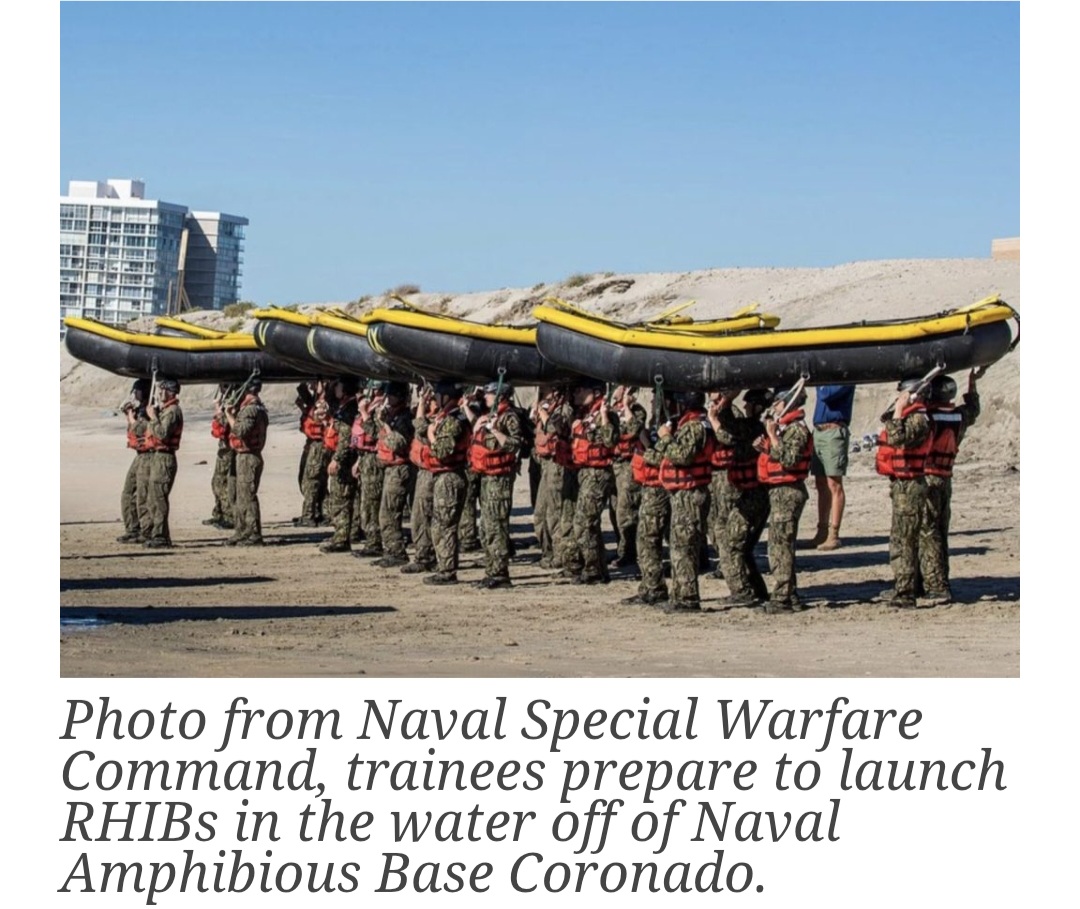
SEAL Team 3 relied on a diverse fleet of small craft to execute missions across the Arabian Sea, each vessel carrying its own history and sensory reality. The Combatant Craft Assault, operated by Special Warfare Combatant‑Craft Crewmen, provided high‑speed insertion and extraction in contested waters, its engines producing a low, powerful vibration that operators learned to recognize even in darkness. These boats cut through heavy seas with precision, their armored hulls and mounted weapons offering protection during movements where the horizon blended with the night sky. The Special Operations Craft–Riverine brought SEALs into shallow coastal areas and river networks, its shallow draft allowing access to environments where larger vessels could not maneuver. Operators felt the shift in water beneath the hull, heard the muted thrum of engines designed for stealth, and relied on advanced navigation systems to move through narrow channels. Rigid inflatable boats and combat rubber raiding craft provided stealthy approaches for beach landings and ship boardings, their lightweight frames allowing SEALs to move silently across the water. Zodiacs and F470s offered portability and rapid deployment from ships, submarines, or aircraft, becoming the workhorses of missions where speed and silence mattered more than armor. Each craft carried GPS navigation, secure communications, forward‑looking infrared sensors, and multiple weapon mounts, allowing SEALs to approach targets covertly and respond to threats with overwhelming force. The sensory truth of these boats lived in the feel of cold spray against gear, the hum of electronics in the dark, and the steady rhythm of engines that carried operators toward missions where the sea itself became both ally and adversary.
Insertion and Extraction Methods
Insertion and extraction techniques used by SEAL Team 3 in the Arabian Sea draw from a lineage that began with the earliest Underwater Demolition Teams of World War II, whose missions demanded silent approaches, maritime infiltration, and the ability to move unseen across hostile coastlines. Boat‑to‑ship boarding evolved from those early lessons, becoming a refined method in which operators approached target vessels at speed under darkness, feeling the hull of their own craft rise and fall beneath them as they closed distance with a ship that moved unpredictably in the waves. Boarding ladders, caving tools, and grappling equipment became extensions of the operator’s body, allowing them to climb onto steel surfaces slick with spray, barnacles, or oil. Helicopter fast‑roping brought a different sensory truth, with the thrum of rotor blades vibrating through the air and the rush of wind pressing against gear as operators descended onto decks or narrow landing zones. Parachute insertions demanded calm in the cold silence of high altitude, followed by the sudden rush of air as the chute opened and the dark surface of the sea rose to meet them. Submarine lock‑outs carried their own weight, with operators exiting submerged vessels through Dry Deck Shelters, feeling the pressure of the water close around them as they moved toward shorelines or target ships using SEAL Delivery Vehicles or combat swimming. Each method was chosen based on distance, sea state, enemy defenses, and the need for stealth or speed, and each carried a sensory reality that shaped the operator’s memory of the mission.
Intelligence Preparation and Targeting
Intelligence preparation for maritime operations in the Arabian Sea reflects decades of evolution in surveillance and reconnaissance. Early SEALs relied on human observation, nautical charts, and limited aerial photography. Modern operators benefit from persistent surveillance provided by ISR platforms such as the V‑BAT unmanned aircraft system and the Global Hawk, whose long‑endurance flights offer continuous observation of maritime routes, coastal compounds, and suspected smuggling corridors. These systems track vessels across open water, monitor movement along shorelines, and relay critical data to mission planners who study patterns, assess threats, and refine objectives. Operators review this intelligence in briefing rooms filled with maps, satellite imagery, and the quiet hum of equipment, absorbing details that will shape their movements once they step into the sensory truth of the mission environment. The integration of ISR assets allows SEAL Team 3 to approach targets with knowledge shaped by hours or days of observation, ensuring that every movement carries purpose and precision.
Mission Rehearsal and Briefing
Mission rehearsal has always been central to Naval Special Warfare. From the earliest demolition swimmers who practiced beach reconnaissance under live fire to modern SEALs who rehearse ship boardings in controlled but realistic conditions, the emphasis on repetition and realism remains unchanged. Before execution, SEALs conduct detailed rehearsals designed to replicate the stress, unpredictability, and physical demands of real operations. These rehearsals take place in training facilities, aboard ships, and in coastal environments where operators practice boarding techniques, fast‑roping, breaching, and movement through confined spaces. The emphasis on realism ensures that every man understands not only the plan but the feel of the mission, from the weight of gear soaked with saltwater to the rhythm of climbing a ladder onto a moving vessel. Briefings bring the team together in focused silence as leaders review routes, contingencies, intelligence updates, and communication protocols. The combination of rehearsal and briefing creates a shared mental map of the mission, allowing operators to adapt to rapidly changing conditions and unforeseen challenges with confidence shaped by preparation.
Physical and Sensory Environment: Nighttime Maritime Interdiction
Nighttime maritime interdiction in the Arabian Sea carries a sensory reality that operators remember long after the mission ends. Darkness presses against the edges of night vision goggles, reducing the world to shades of green and black where shapes shift with the movement of the sea. Visibility remains limited even with infrared lasers and optics, especially when heavy seas or weather obscure the horizon. Motion and instability define the approach, with both the SEAL craft and the target vessel rolling, pitching, and heaving in the waves. The gap between the two becomes a hazardous space where timing and balance determine safety, and where a misstep can send an operator into the black water below. Noise and vibration fill the environment, with engines roaring, waves slapping against hulls, gear clattering, and shouted commands blending into a cacophony that masks critical sounds. Cold and wet conditions add another layer of difficulty, with operators soaked by spray or rain and chilled by wind that cuts through wet clothing. Physical contact with ladders, ropes, and hulls encrusted with barnacles tests grip strength and balance, requiring operators to climb, pull, and maneuver themselves and their gear while maintaining security and situational awareness. One former SEAL captured the truth of the experience when he said, “Everything is slippery, it is dark, everything is moving, it is cold so you cannot feel anything. And a misstep at any moment could send a SEAL into the black ocean below.” This environment demands discipline, strength, and calm under pressure, shaping the memory of every operator who boards a vessel under these conditions.
Sensory Overload and Psychological Stress
The sensory overload faced by SEALs during nighttime maritime interdiction is not a dramatic flourish. It is a historical constant that has defined Naval Special Warfare since its earliest days, when World War II demolition swimmers crawled through surf zones under enemy fire and learned that darkness, cold, and motion could become adversaries as dangerous as any human threat. Modern SEALs inherit that same reality each time they approach a vessel at night, stepping into an environment where every sense is pushed to its limit and where the sea itself becomes a shifting, unpredictable battlefield. Darkness presses against the edges of night vision goggles, reducing the world to narrow fields of view where shapes distort and distances blur. The sea moves beneath them with a rhythm that is never steady, lifting and dropping both the SEAL craft and the target vessel in ways that can widen or close the gap between them without warning. Noise becomes a constant presence, with engines roaring, waves slapping against hulls, gear clattering, and shouted commands blending into a soundscape that can mask critical cues such as a teammate’s call for help or the subtle shift of a ladder under strain. Cold water and wind cut through wet clothing, numbing fingers and slowing reaction time, while spray and rain obscure vision and make every surface slick. Physical contact with ladders, ropes, and hulls encrusted with barnacles tests grip strength and balance, requiring operators to climb, pull, and maneuver themselves and their gear while maintaining security and situational awareness.
The psychological stress of this environment is shaped by the knowledge that a single mistake can have fatal consequences. A slip on a ladder, a misjudged step between vessels, or a misconfigured flotation device can send an operator into the black water below, where darkness, cold, and motion combine to create immediate danger. SEALs must rely on muscle memory shaped by countless repetitions, teamwork forged through shared hardship, and mental toughness developed through training that pushes them beyond physical limits. They carry the awareness that enemy resistance may emerge at any moment, whether through small‑arms fire, evasive maneuvers, or attempts to repel boarders. This knowledge sharpens focus and heightens tension, creating a psychological environment where calm must be maintained despite the chaos pressing in from every direction. One former SEAL captured the truth of this experience when he said, “Everything is slippery, it is dark, everything is moving, it is cold so you cannot feel anything. And a misstep at any moment could send a SEAL into the black ocean below.” This reality forms part of the lineage of Naval Special Warfare, a testament to the discipline, resilience, and unity required to operate in the most demanding maritime environments.
Daily Routines and Life Aboard Deployment Platforms
Life on the USS Lewis B. Puller
Life aboard the Expeditionary Sea Base USS Lewis B. Puller reflects the modern evolution of Naval Special Warfare deployment platforms, where operational readiness is prioritized above comfort and where SEALs live in close proximity to the missions they will execute. The ESB provides berthing for hundreds of personnel, but the sleeping quarters remain tight, shared spaces where bunks are stacked and privacy is limited. The ship’s design favors mission support, with large sections dedicated to equipment staging, boat maintenance, and command‑and‑control operations. SEALs move through narrow passageways carrying gear that smells of salt, oil, and metal, passing compartments filled with tools, spare parts, and the hum of machinery. Communal dining becomes a brief moment of routine, with operators eating quickly before returning to training, planning, or equipment checks. The environment is austere, shaped by steel walls, fluorescent lighting, and the constant vibration of engines that remind every man he is living aboard a vessel built for work, not comfort.
Daily routines aboard the Puller revolve around preparation. Physical training begins early, often on the flight deck or in makeshift gym spaces where operators lift weights, run circuits, and push themselves through workouts designed to maintain strength, endurance, and flexibility. Weapons maintenance follows, with SEALs cleaning rifles, checking optics, and inspecting suppressors while the smell of solvent and gun oil fills the air. Mission planning takes place in briefing rooms where maps, satellite imagery, and intelligence updates are reviewed with quiet concentration. Rehearsals occur on the deck, in small boats, or in training compartments designed to simulate ship interiors. Every day carries the rhythm of readiness, shaped by the knowledge that a mission may be ordered at any time.
Equipment checks become a ritual of survival. Operators inspect flotation devices, body armor, weapons, communications gear, and medical kits with meticulous care. Pre‑mission buddy checks reinforce the truth that one man’s oversight can endanger the entire team. The investigation into the January 2024 incident underscored the importance of proper flotation configuration, reminding SEALs that even experienced operators must respect the unforgiving nature of the maritime environment. Rest and recovery are limited, with sleep often irregular and interrupted by watches, alerts, or preparations for night operations. Living in close quarters adds psychological strain, requiring resilience, patience, and the ability to maintain focus despite fatigue. The Puller becomes both home and staging ground, a place where SEALs live in the shadow of the missions they will soon execute.
Equipment and Weapons: Tools of Maritime Interdiction
Personal Weapons and Loadouts
The weapons carried by SEAL Team 3 operators during maritime interdiction missions reflect decades of refinement in special operations armament. The M4A1 carbine remains the primary rifle, valued for its reliability, accuracy, and modularity. Its sound, weight, and recoil become familiar to operators who train with it daily. The MK18 CQBR, with its compact barrel, is favored for ship boarding and close‑quarters engagements, allowing SEALs to maneuver through tight corridors and narrow stairwells. Specialized rifles such as the MK16 SCAR‑L and MK17 SCAR‑H offer versatility and stopping power, with interchangeable barrels that adapt to mission requirements. Machine guns like the M249 and M240 provide suppressive fire when needed, while the M2 .50 caliber machine gun mounted on boats delivers overwhelming force against hostile vessels or fortified positions. Handguns such as the Sig Sauer P226, Glock 19, and HK45C serve as reliable sidearms, chosen for their performance in wet, unstable environments. Shotguns like the Benelli M4 Super 90 support breaching and close‑quarters combat, while sniper rifles including the MK11, MK13, and TAC‑338 provide precision fire from distances where patience and stillness become essential.
Night vision, optics, and accessories transform the operator’s ability to fight in darkness. Devices such as the GPNVG‑18 offer a wide field of view, allowing SEALs to move through night environments with enhanced situational awareness. Optics like the EOTech EXPS3 and Aimpoint Micro T‑2 enable rapid target acquisition, while advanced scopes support long‑range engagements. Infrared lasers and illuminators such as the PEQ‑15 allow for silent, covert aiming. Suppressors reduce muzzle flash and sound signature, preserving stealth during nighttime operations. Weapon lights provide positive identification in confined or low‑visibility spaces, ensuring that operators can distinguish threats from non‑combatants.
Personal Protective Equipment and Survival Gear
Personal protective equipment carried by SEALs during maritime interdiction missions reflects lessons learned through decades of operations in unforgiving environments. Body armor and plate carriers are designed to provide ballistic protection while allowing mobility and integration with flotation systems. Flotation devices, including inflatable wings and foam inserts, are essential for survival if an operator falls into the water. The proper configuration of these devices is critical, a truth underscored by the fatal incident in January 2024, which revealed how even small errors in setup can have catastrophic consequences. Wet and dry suits protect against hypothermia during prolonged exposure, with neoprene or sealed layers that trap warmth while allowing movement. Helmets equipped with integrated communications systems enable coordination and situational awareness, carrying the weight of radios, lights, and mounts for night vision devices. Medical kits carried by each operator contain trauma supplies designed for immediate care, while designated medics carry advanced equipment capable of stabilizing injuries until evacuation.
Every piece of gear carries a sensory reality. Body armor feels heavy and rigid against the chest. Flotation devices press against ribs and shoulders. Wet suits cling to skin and retain the smell of saltwater. Helmets vibrate with the hum of communications. Medical kits rattle softly with movement. These tools become part of the operator’s identity, shaping the way he moves, breathes, and fights in environments where the sea, the darkness, and the enemy all impose their own demands.
Sea State, Weather, and Environmental Hazards
The environmental hazards faced by SEALs in the Arabian Sea are not abstract risks. They are physical realities that shape every movement, every breath, and every decision during maritime interdiction missions. Rough seas with six‑ to eight‑foot swells create a living battlefield where the ocean rises and falls with a force that can throw a man off balance even before he reaches the target vessel. Operators feel the deck of their own craft shift beneath their boots, the bow lifting sharply before dropping into a trough that sends spray across their faces and blinds their vision. The target vessel moves with its own rhythm, sometimes rising toward them, sometimes falling away, creating a gap that widens or closes without warning. This unpredictable motion becomes a hazard that tests balance, grip strength, and timing, turning the space between the two vessels into a zone where a single misstep can send an operator into the black water below.
Hypothermia remains a constant threat even in seas that appear warm by temperature alone. Wind strips heat from wet clothing, spray chills exposed skin, and prolonged exposure dulls judgment and slows reaction time. Operators feel their fingers stiffen, their breath tighten, and their awareness narrow as cold presses against their bodies. Heavy gear adds another layer of danger. Weapons, body armor, communications equipment, and flotation devices create weight that can entangle or drag an operator down if he falls into the water. Even properly configured flotation systems require time to activate, and improper configuration can result in rapid sinking, a truth tragically demonstrated in the January 2024 incident. Physical exhaustion builds through long transits in small boats, extended periods of swimming or climbing, and the cumulative effects of sleep deprivation and heavy loads. Enemy action remains an ever‑present danger, with boarding teams facing resistance from armed crew members, booby traps, or hostile vessels. The threat of small‑arms fire, rocket‑propelled grenades, or improvised explosive devices adds another layer of risk to an already unforgiving environment.
Training and Procedural Risks
Training and procedural risks amplify the dangers of maritime operations. Equipment configuration remains one of the most critical factors in operator survival. The investigation into the January 2024 drownings revealed deficiencies in training, policies, and procedures related to flotation devices, highlighting how conflicting guidance and limited hands‑on instruction contributed to improper configuration and deployment of life‑saving equipment. Operators must attach flotation systems with precision, ensuring that straps, buckles, and inflation mechanisms are aligned correctly. A single misaligned buckle or incorrectly routed strap can prevent flotation from activating, turning a survivable fall into a fatal one.
Buddy checks and pre‑mission inspections become rituals of survival. Operators move through dimly lit compartments aboard the ship, checking each other’s gear with hands that feel for tension, alignment, and proper placement. They inspect flotation devices, weapons, communications equipment, and medical kits, knowing that fatigue or haste can cause even experienced operators to overlook small details. Man‑overboard procedures demand rapid response, but the reality of rough seas, darkness, and enemy resistance can delay or complicate rescue efforts. The sound of a man hitting the water may be lost in the roar of engines or the slap of waves, and locating him in darkness becomes a race against time, cold, and the weight of gear pulling him downward.
Rigorous Preparation
The preparation required to face these hazards is rooted in the most demanding training pipeline in the U.S. military. Basic Underwater Demolition/SEAL training, SEAL Qualification Training, and advanced operational courses forge operators who can endure cold, fatigue, and fear while maintaining clarity of thought and precision of movement. Physical conditioning develops aerobic endurance, strength, and stamina needed for long swims, heavy loads, and extended operations. Operators feel their muscles burn during long runs, their lungs strain during underwater drills, and their bodies ache from repeated exposure to cold water. Technical skills such as fast‑roping, ship boarding, underwater navigation, and small boat operations are practiced repeatedly until they become instinctive. Operators learn to climb ladders with wet hands, move across slippery decks, and transition from water to steel surfaces with fluid motion.
Medical and rescue procedures are taught with the understanding that every operator may need to save a teammate’s life in conditions where visibility is limited, noise is overwhelming, and the sea itself is working against them. They practice casualty evacuation in dark water, rescue carries on unstable decks, and the use of flotation devices for injured personnel. These skills become part of the operator’s identity, shaping the way he moves, breathes, and fights in environments where the ocean does not forgive mistakes.
Procedural Reforms After the 2024 Incident
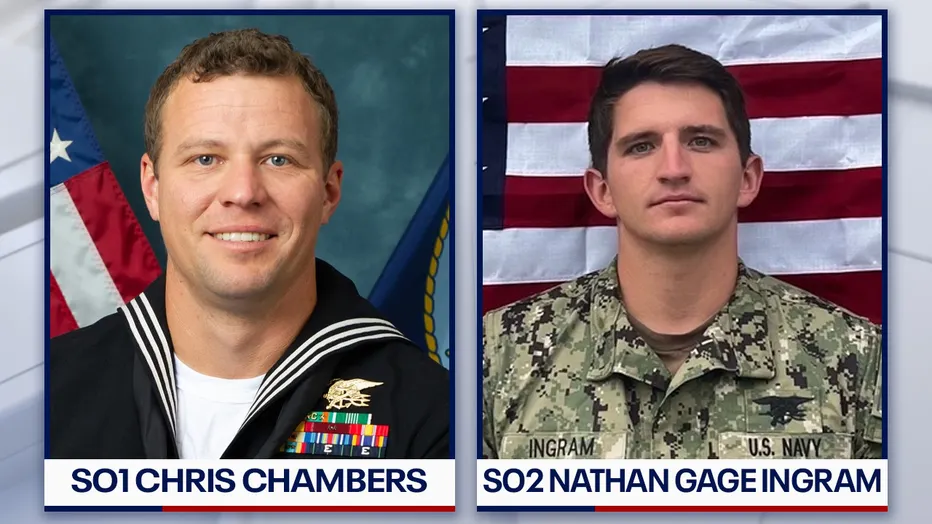
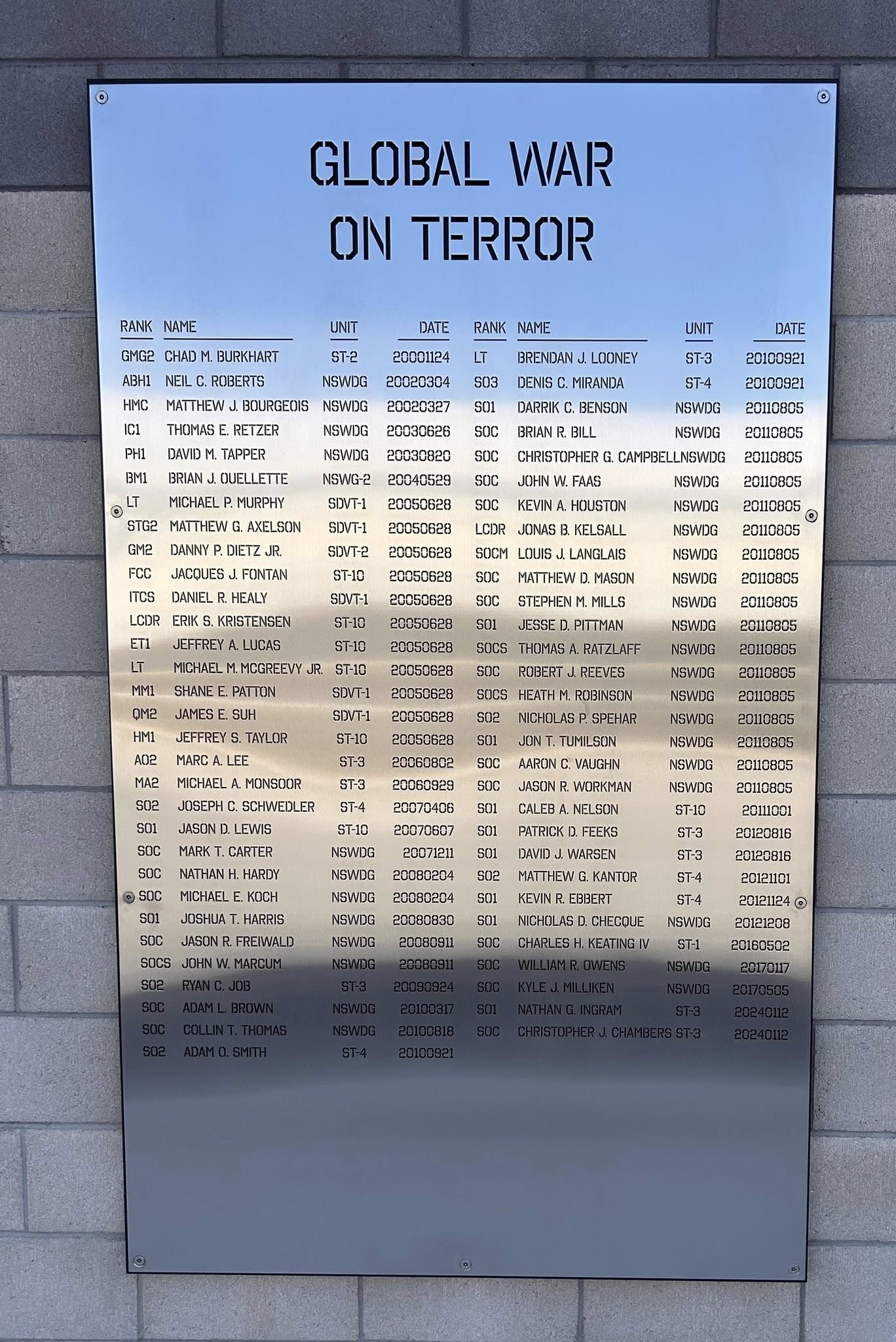
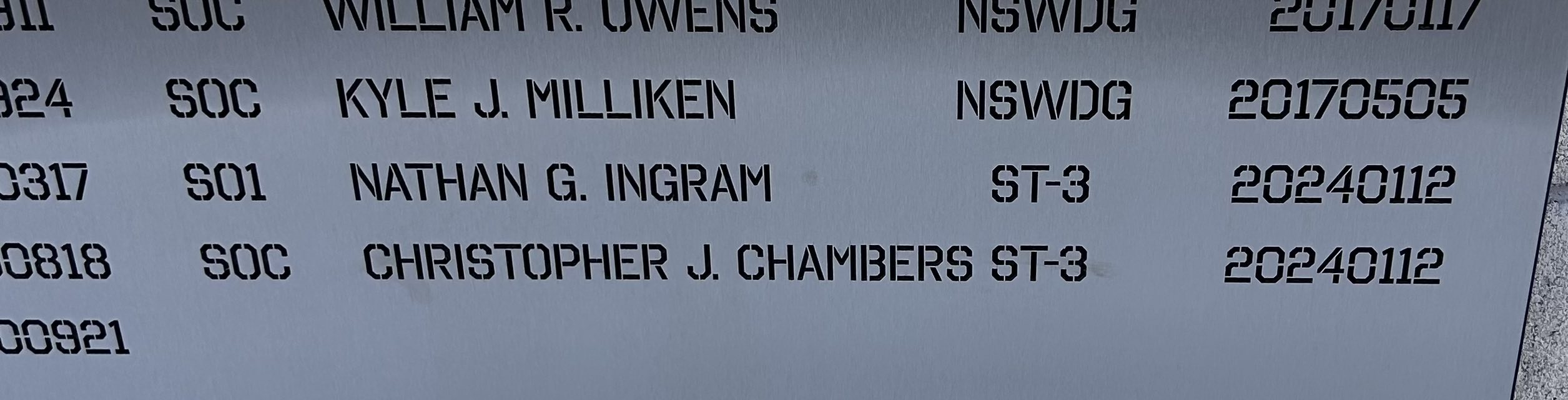
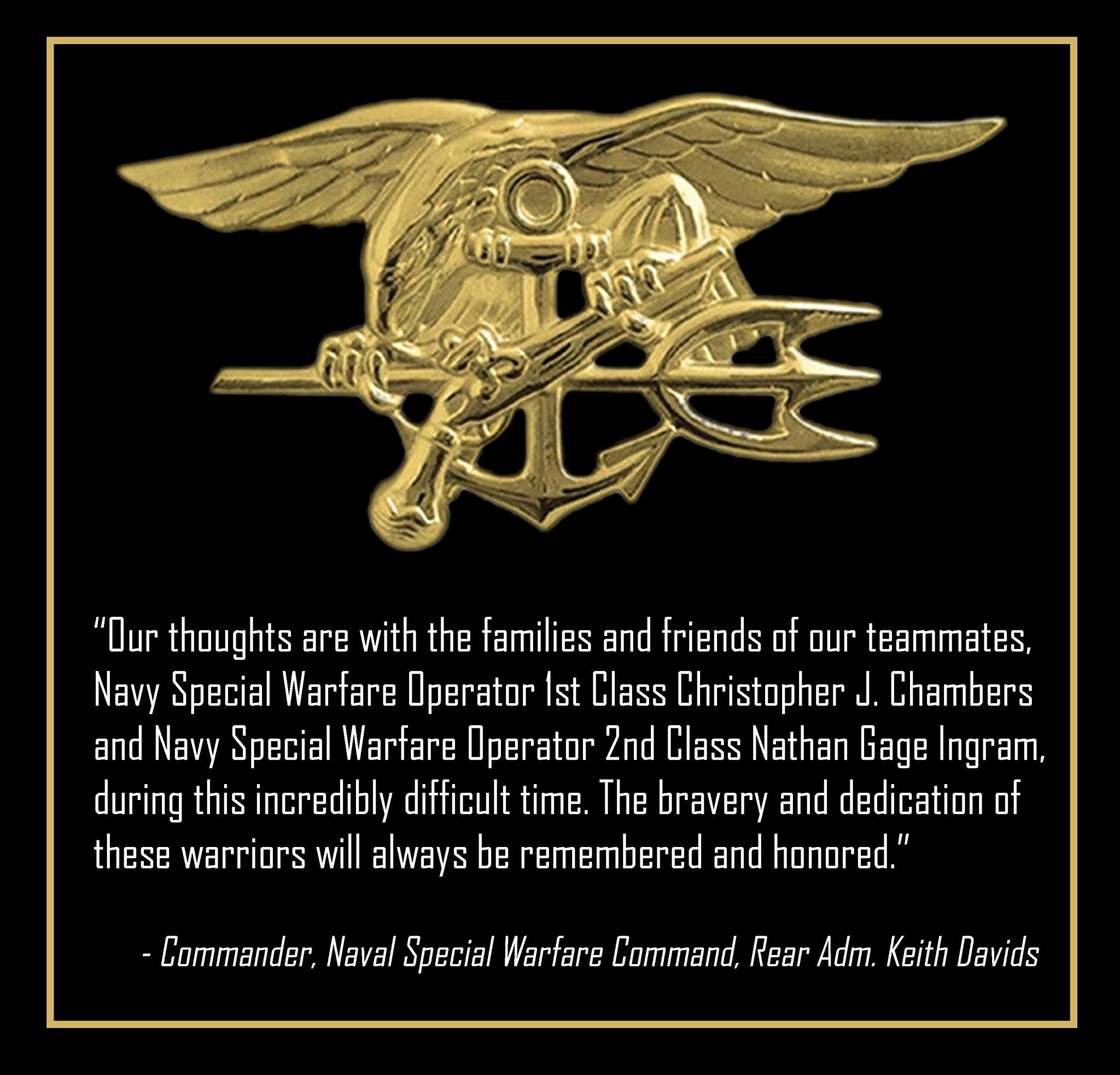
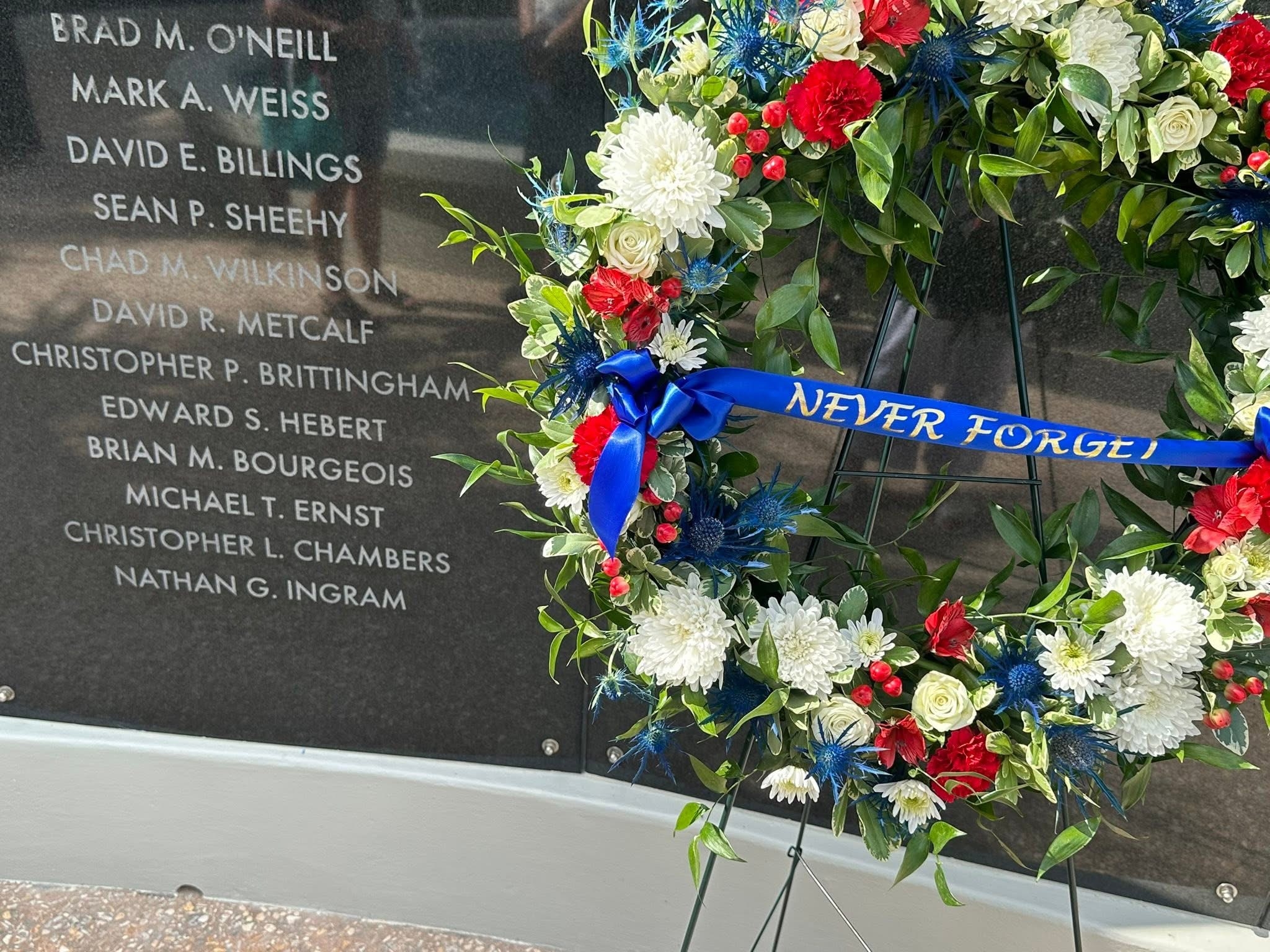
The deaths of SO1 Nathan Gage Ingram and SO1 Christopher J. Chambers in January 2024 forced Naval Special Warfare to confront the unforgiving nature of maritime operations and the vulnerabilities that can emerge even among the most elite operators. The investigation revealed that the sea does not forgive mistakes, and that equipment designed to save lives can become dangerous when improperly configured. In response, the community undertook a series of reforms intended to ensure that no operator would face the same risks without the strongest possible safeguards.
Enhanced training on flotation devices became one of the most immediate changes. Operators now receive hands‑on instruction that goes far beyond classroom explanation, learning to configure, test, and deploy flotation systems in controlled environments that replicate the sensory truth of real missions. They practice attaching straps with wet hands, adjusting buckles while wearing gloves, and activating flotation systems in cold water where breath tightens and movement slows. This training acknowledges that the ocean imposes stress that cannot be simulated through diagrams or verbal guidance alone. Operators must feel the weight of their gear, the pressure of water against their bodies, and the urgency of a malfunction to understand how critical proper configuration truly is.
Standardized pre‑mission checks were implemented across the force, transforming buddy inspections into formalized procedures that leave no room for assumption or oversight. These checks occur in dimly lit compartments aboard ships, where operators move through each other’s gear with deliberate care, feeling for tension in straps, confirming alignment of flotation components, and verifying the placement of safety equipment. The ritual carries a sensory reality shaped by the hum of machinery, the smell of salt and oil, and the quiet concentration of teammates who understand that their lives depend on one another’s attention to detail. These checks are no longer informal habits but required steps that must be completed and documented before any maritime interdiction mission.
Procedural reviews extended beyond flotation devices to include man‑overboard responses, gear maintenance protocols, and safety processes. The community examined how operators are recovered in rough seas, how quickly rescue craft can maneuver in darkness, and how communication flows during emergencies when noise, motion, and chaos threaten to overwhelm. These reviews led to refinements in rescue timing, signaling methods, and coordination between SEALs and supporting units. Gear maintenance protocols were strengthened to ensure that flotation systems, harnesses, and emergency equipment are inspected with the same rigor applied to weapons and communications gear. Safety processes were rewritten to reflect the truth that maritime operations demand constant vigilance, even from experienced operators.
Naval Special Warfare also began exploring fail‑safe equipment designed to provide layered protection against drowning. New buoyancy technologies, automatic inflation mechanisms, and redundant flotation systems are being evaluated to ensure that operators have multiple lines of defense if one system fails. These innovations reflect a recognition that the ocean’s unpredictability requires equipment capable of responding instantly and reliably, even when an operator is disoriented, injured, or weighed down by gear.
These reforms were not created in abstraction. They were shaped by the memory of two operators who fell into the water during a mission and did not return. They were shaped by the truth that even elite warriors remain vulnerable to the sea’s power, and that every safeguard must be strengthened to honor those who were lost. Through these changes, Naval Special Warfare carries forward the legacy of SO1 Ingram and SO1 Chambers, ensuring that future operators step into the maritime environment with greater protection, deeper training, and the knowledge that their community learned from tragedy and acted with resolve.
Medical Support, Casualty Evacuation, and Search‑and‑Rescue
Medical support for SEAL Team 3 during maritime operations reflects decades of hard‑earned lessons from conflicts where distance, darkness, and the sea itself complicate every attempt to save a life. SEAL teams deploy with medics trained to provide advanced trauma care in environments where noise, motion, and limited visibility challenge even the most skilled hands. These medics carry knowledge shaped by battlefield medicine from Vietnam, Iraq, Afghanistan, and countless maritime missions, allowing them to stabilize injuries while waves strike the hull, engines vibrate beneath their feet, and the smell of saltwater mixes with blood and antiseptic. Aboard the USS Lewis B. Puller, Role 2 medical facilities provide damage control resuscitation and stabilization, offering a controlled environment where casualties can be held until evacuation to higher‑level care is possible. Helicopter and boat evacuation remain essential, with casualties transported to hospital ships, shore facilities, or coalition medical assets depending on proximity and threat conditions. The sensory truth of evacuation is shaped by rotor wash, engine noise, and the urgency of moving a wounded teammate through narrow passageways while the ship shifts beneath them.
Search‑and‑rescue operations demand immediate response, shaped by the understanding that time becomes the enemy the moment a man enters the water. Aerial search assets such as helicopters and drones sweep the sea with infrared sensors and spotlights, cutting through darkness to locate personnel whose silhouettes may be barely visible against the waves. Boat‑based recovery teams operated by Special Warfare Combatant‑Craft Crewmen move with speed and precision, navigating challenging sea states and limited visibility while scanning the water for signs of movement. The extended search for SO1 Ingram and SO1 Chambers lasted eleven days and covered nearly forty‑nine thousand square nautical miles, reflecting the scale of effort required when the sea takes two operators into its depths. The sensory reality of such a search is shaped by long hours, shifting weather, and the quiet hope that drives rescuers to continue scanning the horizon even when fatigue presses against their bodies.
Endurance and Strength Requirements
The physical demands placed on SEAL operators reflect a lineage of training shaped by generations of maritime warriors. Aerobic endurance becomes essential for long swims, foot patrols, and extended boat transits, requiring operators to maintain steady breathing and controlled movement even when fatigue builds. Lower limb strength supports the ability to carry heavy loads over uneven terrain, climb ladders, and ascend ship hulls slick with spray. Upper body and grip strength allow operators to climb, fast‑rope, and handle weapons and equipment in wet, slippery conditions where every movement requires deliberate control. Core and back strength provide stability during dynamic movements, heavy lifting, and the constant motion of maritime environments. These physical requirements are not theoretical. They are lived through long nights, cold water, heavy gear, and missions where rest is limited and resources are stretched thin.
Mission segments that demand the most physical exertion include lifting, dragging, carrying, climbing, walking, hiking, skiing, swimming, diving, and jumping. Operators must perform these tasks under extreme environmental conditions, often with minimal rest and limited resources. The sensory truth of these movements is shaped by burning muscles, tightening breath, and the weight of gear pressing against shoulders and hips. Every climb, swim, or carry becomes a test of endurance shaped by training that pushes operators beyond their perceived limits.
Psychological and Team Dynamics
Teamwork forms the foundation of Naval Special Warfare, carrying a truth that has remained unchanged since the earliest demolition swimmers learned to rely on one another in surf zones filled with danger. SEAL operations occur in small units where trust becomes the most critical ability, followed closely by stamina and problem‑solving. Each operator carries responsibility not only for his own safety but for the safety and success of the team. This trust is built through shared hardship, realistic training, and the knowledge that every man must perform his role with precision. The sensory reality of teamwork is shaped by quiet communication, coordinated movement, and the unspoken understanding that each operator’s actions affect the entire mission.
Mental toughness and resilience are cultivated through exposure to stress, uncertainty, and chaos. SEALs learn to remain calm, focused, and decisive in life‑threatening situations, adapting to rapidly changing conditions with clarity shaped by training and experience. This resilience is not simply a matter of willpower. It is forged through cold water, heavy loads, long nights, and missions where fatigue presses against the mind as much as the body. Operators learn to manage fear, maintain composure, and make decisions under pressure, carrying forward a culture that values learning from failure and growing through adversity. The psychological truth of SEAL operations is shaped by moments where silence becomes a form of communication, where calm must be maintained despite chaos, and where unity becomes the force that carries the team through danger.
Coping with Loss and Adversity
Loss is woven into the history of Naval Special Warfare. From the earliest demolition swimmers who vanished in the surf at Normandy to the SEALs lost in Vietnam’s river deltas, Afghanistan’s mountains, and the Arabian Sea’s black water, the community has carried grief as part of its lineage. Modern operators inherit that truth the moment they earn their Trident. They know that the sea, the darkness, and the enemy all impose risks that cannot be fully controlled. When a teammate is lost, the impact is immediate and visceral. It settles into the spaces where operators train, plan, and sleep. It lingers in the quiet moments between missions. It becomes part of the air aboard the ship, part of the silence in the team room, part of the memory carried forward by every man who remains.
The sensory reality of loss is unmistakable. It is felt in the empty bunk that no one touches. It is seen in the gear that remains exactly where it was left. It is heard in the quiet conversations that replace the usual banter. It is carried in the heaviness that settles over the team during meals, briefings, and training. Operators feel the absence physically, as though a part of the team’s structure has been removed. The brotherhood that once felt unbreakable now carries a fracture that cannot be ignored. Yet within that fracture lies the strength that defines the community.
Rituals of remembrance become essential. SEALs speak the names of the fallen with reverence, honoring their service and acknowledging the lineage they now join. Memorials aboard ships and at Naval Special Warfare commands create spaces where operators can gather, reflect, and grieve. These rituals are not formalities. They are acts of preservation, ensuring that the memory of the fallen remains alive within the team. The sound of a name spoken aloud becomes a promise that the man will not be forgotten. The sight of a photograph on a memorial wall becomes a reminder of the legacy he leaves behind.
After‑action reviews become another form of coping. They are conducted with solemn honesty, shaped by the culture of extreme ownership that defines Naval Special Warfare. Operators gather to examine every detail of the mission, reviewing decisions, equipment, communication, and environmental factors with clarity and humility. These reviews are not driven by blame. They are driven by duty. The community understands that learning from tragedy is a responsibility owed to the fallen. The sensory truth of these reviews is shaped by quiet voices, focused attention, and the weight of knowing that every lesson learned may save a life in the future. The commitment to continuous improvement becomes a way of honoring those who were lost, ensuring that their sacrifice strengthens the community.
Brotherhood becomes the anchor that steadies SEALs through adversity. The small‑unit nature of their missions creates bonds that are deeper than simple camaraderie. These bonds are forged through shared hardship, cold water, heavy gear, long nights, and missions where trust becomes the most critical element of survival. When a teammate is lost, the remaining operators feel the absence not only as a professional void but as a personal wound. They support one another through grief, offering strength, presence, and understanding shaped by shared experience. The sensory truth of this support is felt in quiet conversations, in the steadying hand on a shoulder, and in the unspoken understanding that every man carries the weight of loss differently.
Mental resilience becomes essential in the aftermath of tragedy. SEALs are trained to adapt to uncertainty and chaos, but coping with loss requires a different kind of strength. They learn to process grief while maintaining readiness, to honor the fallen while preparing for future missions, and to carry forward the lessons learned with clarity and purpose. This resilience is shaped by a culture that values learning from failure, growing through adversity, and supporting one another through hardship. The ability to remain calm, focused, and decisive in life‑threatening situations is a hallmark of SEAL operators, but the ability to endure loss with dignity and unity is what sustains the community across generations.
Through remembrance, reflection, and resolve, Naval Special Warfare carries forward the legacy of those who have fallen. Their names become part of the community’s history. Their stories become lessons for future operators. Their memory becomes a source of strength for those who continue the mission. This is the expanded truth of coping with loss and adversity within SEAL Team 3 and across the entire SEAL community. It is a truth shaped by grief, bonded by brotherhood, and carried forward with unwavering commitment.
Vivid Sensory Descriptions: The Reality of Nighttime Boarding
The Approach
As the combatant craft closes on the target dhow, the night becomes a living presence around the SEALs. Humidity hangs in the air like a heavy curtain, clinging to skin and gear, carrying the scent of saltwater, diesel fuel, and the faint metallic tang of weapons that have been cleaned and checked repeatedly throughout the day. The boat’s engines roar beneath them, a deep vibration that travels through the deck and into their boots, settling into their bones with a steady rhythm that feels both familiar and foreboding. Operators sit wedged shoulder to shoulder, packed tightly in the narrow confines of the craft, their gear pressing into their bodies with the weight of armor, weapons, flotation devices, and communications equipment. Every movement is deliberate, shaped by the knowledge that space is limited and balance is essential.
Spray from the waves strikes exposed skin with sharp intensity, leaving a cool sting that mixes with the warmth of sweat. The wind carries the smell of anticipation, a blend of adrenaline, focus, and the quiet tension that settles over the team as they draw closer to the target. The horizon is a dark line barely visible against the sky, and the dhow appears as a faint silhouette that grows clearer with each passing second. Night vision goggles reduce the world to shades of green and black, where shapes distort and distances blur, forcing operators to rely on instinct and muscle memory shaped by countless rehearsals.
The sea moves beneath them with a rhythm that is never predictable. Swells lift the bow sharply before dropping it into troughs that send spray across the deck and force operators to tighten their grip on the craft’s rails. The motion becomes part of the approach, a shifting battlefield where timing and balance determine safety. The operators feel the boat surge forward, hear the engines strain against the weight of the sea, and sense the moment when the craft enters the final stretch toward the target vessel.
The dhow itself carries its own sensory truth. Its hull reflects faint light from the moon, revealing patches of rust, chipped paint, and the uneven texture of barnacles clinging to its surface. The smell of its diesel engine drifts across the water, mixing with the scent of fish, salt, and the faint odor of cargo that has been stored aboard for days. The operators study its silhouette, noting the height of the rails, the angle of the deck, and the placement of ladders or ropes that may become critical during boarding.
As the distance closes, the team shifts from anticipation to action. Hands tighten around weapons. Eyes scan the deck for movement. Breathing slows into controlled rhythm. The boat’s vibration intensifies as the engines push through the final approach, and the operators feel the moment when the craft commits fully to the boarding run. The sea, the night, and the mission converge into a single sensory experience that defines the truth of maritime interdiction.
This is the approach. It is the moment when training becomes reality, when silence becomes communication, and when every operator steps into the lineage of those who have boarded vessels under darkness across generations of Naval Special Warfare.
The Boarding
The moment of boarding is a collision of motion, sound, and instinct. As the combatant craft reaches the dhow, the sea becomes a force that cannot be ignored. Swells lift the boat sharply, then drop it with a heavy thud that reverberates through the deck and into the operators’ legs. The gap between the two hulls opens and closes with unpredictable violence, sometimes wide enough to reveal the dark water below, sometimes narrowing to a space so tight that the craft seems to press against the dhow’s side. Every operator feels the danger in that shifting gap, knowing that a mistimed step could send him into the ocean or crush him between steel surfaces.
A caving ladder is thrown over the dhow’s rail, its rungs slick with seawater and coated with the faint slime of salt and barnacles. The ladder clatters against the hull, sending vibrations through the metal that the operators feel in their hands as they grasp it. They move quickly, climbing with gloved hands that slip on wet surfaces, boots searching for purchase on rungs that shift with the motion of the sea. The climb is not graceful. It is a fight against gravity, water, and instability, shaped by muscle memory and the urgency of the mission.
Noise becomes overwhelming. The engines of the combatant craft roar beneath them, vibrating through their bodies. Shouted commands cut through the darkness, carried by wind and urgency. Waves slap against both hulls with a rhythmic violence that echoes across the water. Weapons clatter against ladders, rails, and gear as operators climb, move, and adjust their loadouts. The combined sound becomes a chaotic symphony that presses against the ears and makes communication rely on gestures, instinct, and trust.
The air is thick with tension, shaped by the sensory overload of the moment. The cold bite of the wind cuts through wet clothing, chilling exposed skin and tightening breath. Barnacle‑encrusted hulls scrape against gloves and sleeves, leaving rough edges that catch fabric and skin. The acrid smell of gun oil mixes with sweat, saltwater, and the diesel exhaust drifting from the dhow’s engine. Operators taste salt on their lips, feel it crusting on their gear, and sense it settling into every crease of their equipment.
Visibility narrows to the green glow of night vision goggles. The world becomes a palette of shifting shadows and distorted shapes, where depth perception is unreliable and movement must be judged by instinct rather than clarity. Shadows dance at the edge of perception, making every silhouette a potential threat. The deck above is a blur of shapes and angles, illuminated only by faint ambient light and the ghostly glow of infrared lasers that mark targets unseen by the naked eye.
As the first operator reaches the top of the ladder, he feels the dhow’s deck beneath his boots—slick, uneven, and vibrating with the engine’s pulse. He moves forward with controlled urgency, weapon raised, senses sharpened by the knowledge that the next seconds may determine the success of the mission. The rest of the team follows, climbing, stepping, and flowing onto the deck with practiced precision. The boarding becomes a moment where training, instinct, and unity converge, shaped by the sensory truth of the sea, the night, and the mission.
This is the boarding. It is the moment when danger becomes tangible, when every sense is heightened, and when SEALs step into the lineage of those who have climbed onto hostile vessels under darkness across generations of Naval Special Warfare.
The Hazard, the Aftermath, and the Restoration of the Team
A misstep during a nighttime boarding becomes a moment where the sea reveals its full and unforgiving power. When a SEAL’s boot slips on a wet rung or his gloved hand loses purchase on the slick metal of the ladder, the fall into the black water below is instantaneous. The ocean does not wait. It rises to meet him with a force that shocks the body, swallowing him in a single motion. Cold closes around his chest like a tightening fist, stealing breath and numbing muscles before he can even think to react. The weight of body armor, weapons, radios, and flotation devices becomes a downward pull that feels almost sentient, dragging him beneath the surface with a heaviness that makes the water feel thicker than air, heavier than gravity, and far more determined.
Saltwater floods the mouth and nose, burning the throat and stinging the eyes. The world becomes a spinning blur of darkness and motion, where the surface and the depths trade places without warning. Up and down lose meaning. The only truth is the instinct to fight for breath. The shock of immersion clouds judgment, slowing the mind even as adrenaline surges. If flotation devices are properly configured, they activate with a sharp hiss, releasing compressed gas that forces buoyancy into the vest. The sudden lift is violent, pushing the operator upward through the cold with a jolt that feels both lifesaving and disorienting. Even then, the struggle to stay afloat is desperate. Waves crash overhead, pushing him beneath the surface again and again. Each impact feels like a blow, each swallow of saltwater a reminder that the sea is not a passive environment but an adversary.
The noise of the boats fades into a distant roar, replaced by the muffled thunder of water and the pounding of his own heartbeat. The team responds instantly, but the chaos of the boarding makes rescue difficult. Operators shout commands that vanish into wind and spray. SWCC boat crews maneuver through swells that lift and drop their craft unpredictably, engines straining against the weight of the sea. Every second becomes a race against cold, weight, and the ocean’s relentless pull. The operator fights to keep his head above water, arms heavy, legs burning, lungs tight. The sea presses against him with a force that feels ancient and indifferent.
When he is finally pulled from the water or when the team completes the climb without incident, the mission continues with unbroken urgency. There is no pause, no moment to breathe, no time to acknowledge the danger that has just passed. Operators move onto the dhow’s deck with controlled intensity, securing the crew, searching for weapons, and establishing control of the vessel. The adrenaline that carried them through the boarding begins to fade, replaced by exhaustion that settles into muscles and joints with heavy insistence. Bruises form beneath body armor where metal struck bone during the climb. Hands ache from gripping wet ladders. Shoulders burn from the weight of gear carried through motion and instability. The body feels heavier now, slower, more aware of every impact absorbed during the boarding.
The sensory overload lingers long after the immediate danger has passed. Ears ring from the roar of engines and shouted commands. Eyes sting from saltwater that dried on lashes and skin. The persistent chill of wet gear seeps into the body, tightening muscles and slowing movement. Clothing clings to skin, heavy with seawater and sweat. The smell of diesel, salt, and gun oil hangs in the air, settling into every crease of equipment and every breath drawn aboard the vessel. The deck beneath their boots feels uneven and slick, vibrating with the pulse of the engine. Shadows shift in the green glow of night vision goggles, creating a world where every movement must be judged carefully.
Operators move through the dhow’s interior with deliberate precision, clearing compartments, checking cargo, and maintaining security. The confined spaces smell of fish, fuel, sweat, and stale air trapped beneath wooden beams. Humidity presses against skin and gear, making every breath feel thicker. The mission’s intensity remains, but the physical toll becomes increasingly apparent. Breathing grows heavier. Movements slow. Muscles tremble from exertion. The mind remains sharp, but the body begins to acknowledge the cost of the last hour.
The confrontation, when it comes, is tense and controlled. Crew members are found in cramped quarters, eyes wide with fear or confusion, hands raised or trembling. Operators secure them with practiced efficiency, guiding them toward designated areas with firm, steady movements. The emotional truth of these moments is complex. The operators carry the weight of danger, fatigue, and responsibility. The crew carries the fear of uncertainty, caught in the middle of a mission they did not expect. The air feels heavier in these moments, thick with tension and the unspoken understanding that the next seconds determine the safety of everyone aboard.
With the interior cleared and the crew secured, the vessel enters a phase of controlled stability. Operators establish positions on deck, maintaining security while the dhow’s cargo is assessed. The night remains heavy around them, the sea still moving beneath the hull, but the immediate danger has passed. The sensory overload lingers. Ears ring from the roar of engines and shouted commands. Eyes burn from saltwater that dried on lashes and skin. The persistent chill of wet gear seeps into the body, tightening muscles and slowing movement. Clothing clings to skin, heavy with seawater and sweat. The smell of diesel, salt, and gun oil settles into every crease of equipment.
The return transit begins with a shift in emotion. The combatant craft approaches once more, rising and falling in the swells with the same unpredictable rhythm that defined the boarding. Operators descend ladders with careful movements, muscles stiff from exertion and gear heavier now that fatigue has set in. The boat’s deck feels familiar beneath their boots, vibrating with the steady hum of engines that promise a return to the ESB. The wind feels colder. The spray stings more sharply. The night seems darker now that the adrenaline has faded. Operators sit shoulder to shoulder once again, breathing heavy and controlled. Some close their eyes briefly, letting the motion of the boat lull their senses. Others stare into the darkness, replaying moments of the mission with clarity sharpened by fatigue.
When the ESB comes into view, its lights glowing faintly against the horizon, the team feels a shift in emotion. Relief mixes with pride. Fatigue blends with focus. The mission is not over until they step back onto the deck, but the sight of the ship carries a truth that every operator understands. They have endured the sea, the night, and the mission. They have stepped once again into the lineage of SEALs who have boarded hostile vessels under darkness across generations.
The debrief begins almost immediately. Operators gather in a compartment lit by fluorescent lights that feel harsh after hours spent in darkness. The room smells of sweat, saltwater, and the faint chemical scent of gun oil still clinging to gear. Helmets are set aside. Weapons are cleared and placed on tables. Wet clothing drips onto the deck, forming small puddles that reflect the overhead lights. The team stands or sits in a loose semicircle, faces drawn with fatigue, eyes still sharp with the residue of adrenaline. Every detail of the mission is examined. Every movement, decision, and environmental factor is reviewed with honesty and humility. The sensory truth of the debrief is shaped by the sound of water dripping from gear, the soft scrape of a chair against the deck, and the quiet intensity of men who understand that learning from the mission is as important as executing it.
Medical checks follow. Operators move to the Role 2 facility, where the air feels cooler and carries the clean scent of antiseptic. Medics examine bruises, cuts, and strained muscles. Hands press gently against ribs that absorbed impacts during the climb. Eyes are checked for irritation from saltwater. Ears are examined for damage from engine noise. The sensory truth of medical care is shaped by the touch of gloved hands, the cold metal of instruments, and the quiet reassurance of medics who understand the physical toll of maritime operations. The emotional truth is quieter here. Operators sit still for the first time in hours, letting their bodies acknowledge the fatigue they had pushed aside during the mission.
Gear recovery begins next. Operators move to the equipment spaces, where the smell of oil, metal, and seawater fills the air. Weapons are cleaned with deliberate care, the sound of brushes and cloths creating a steady rhythm. Flotation devices are inspected, dried, and reset. Wet suits are hung to drip. Boots are emptied of water and grit. Radios are checked for damage. The sensory truth of gear recovery is tactile. Hands move across metal, fabric, and plastic. Water drips steadily from equipment. The hum of machinery fills the background. The emotional truth is one of quiet discipline. The mission is not complete until every piece of gear is restored, checked, and ready for the next call.
Only after the debrief, the medical checks, and the gear recovery do operators return to berthing. The passageways feel warmer now, carrying the scent of coffee, cleaning supplies, and the faint aroma of food from the galley. The berthing compartment is dimly lit, quiet, and filled with the soft hum of ventilation. Bunks feel impossibly inviting. Clothing clings to skin, heavy with seawater and sweat, but the moment an operator lies down, the body releases tension held since the hazards of the boarding hours earlier. Muscles ache. Ears ring. Eyes burn. The sensory truth of exhaustion settles in fully.
The emotional truth arrives last. It comes in the quiet moments when the lights are low, when the ship hums steadily beneath them, and when the memory of the mission plays through the mind with clarity sharpened by fatigue. Pride mixes with humility. Relief blends with reflection. The lineage of those who boarded hostile vessels under darkness feels close, as though their presence lingers in the quiet spaces of the ship. The mission becomes part of the operator’s history, carried forward with the same resolve and unity that define Naval Special Warfare.
Investigations and Lessons Learned: The January 2024 Incident
Findings of the Investigation
The official Navy investigation into the deaths of Chief Special Warfare Operator Christopher J. Chambers and Special Warfare Operator First Class Nathan Gage Ingram revealed a chain of contributing factors that unfolded with devastating speed. The report concluded that the drownings were preventable, shaped by failures in training, equipment configuration, and procedural execution, all intensified by the unforgiving conditions of nighttime maritime boarding.
Equipment Weight
Both operators entered the water wearing full combat loadouts that included body armor, weapons, ammunition, radios, and mission‑specific gear. The investigation determined that the combined weight of this equipment exceeded the buoyancy capacity of their Tactical Flotation Support Systems. Even if activated, the flotation devices were insufficient to keep them at the surface under the burden of their gear. Rear Adm. Michael DeVore noted that neither operator’s physical capability nor emergency flotation systems could overcome the downward pull of their equipment.
Training Deficiencies
The report identified deficiencies, gaps, and inconsistencies in training related to flotation systems. Operators received conflicting guidance on when and how to use emergency flotation devices and supplemental buoyancy materials. Hands‑on training was inadequate, leaving operators without a clear understanding of how their flotation systems performed under real operational loads. This lack of clarity contributed directly to improper configuration and deployment during the mission.
Procedural Gaps
Pre‑mission buddy checks failed to identify errors in equipment setup. Although man‑overboard procedures were initiated promptly, they were insufficient to effect a rescue in the prevailing conditions. Chambers surfaced intermittently for only 26 seconds, and Ingram for 32 seconds, before both were pulled beneath the waves. The report emphasizes that the entire incident unfolded in just 47 seconds, leaving almost no time for corrective action once the fall occurred.
Environmental Factors
The sea state was assessed as near or at the threshold for safe boarding operations. While not the primary cause of the mishap, the conditions were a significant contributing factor. The boarding environment was shaped by deep, turbulent water, unpredictable vessel motion, and limited nighttime visibility. These conditions magnified every error, turning a single slip into a fatal cascade.
Reforms and Recommendations
In the wake of the January 2024 tragedy, Naval Special Warfare Command undertook a comprehensive review of its maritime operations, training standards, and safety protocols. The deaths of Chief Special Warfare Operator Chambers and Special Warfare Operator First Class Ingram forced the community to confront the unforgiving nature of the sea and the vulnerabilities that can emerge even among the most elite operators. The reforms that followed were shaped by urgency, humility, and a renewed commitment to protecting every member of the force.
Enhanced Training
Training with flotation devices was transformed from a procedural requirement into a hands‑on, immersive discipline. Operators now practice configuring, testing, and deploying flotation systems under realistic conditions that replicate the sensory truth of maritime operations. They train in full gear, feeling the weight of armor, radios, and weapons as they enter the water. They experience the shock of cold, the drag of equipment, and the urgency of malfunction drills. This practical approach ensures that every operator understands not only how flotation systems work, but how they behave under stress, under load, and under the unpredictable motion of the sea.
Standardized Procedures
Pre‑mission equipment checks were elevated to force‑wide standards that leave no room for assumption or oversight. Buddy inspections became formalized rituals, conducted with deliberate care in the dim light of ship compartments or the glow of red lamps aboard small craft. Operators move through each other’s gear with disciplined precision, confirming the alignment of flotation components, the tension of straps, and the placement of emergency equipment. These checks are no longer informal habits. They are required steps that must be completed and documented before any maritime interdiction mission.
Equipment Upgrades
Naval Special Warfare began evaluating new buoyancy technologies designed to provide layered protection against drowning. Engineers and operators collaborated to test automatic inflation mechanisms, redundant flotation systems, and advanced materials capable of supporting heavier combat loads. These innovations reflect a recognition that the ocean’s unpredictability demands equipment capable of responding instantly and reliably, even when an operator is disoriented, injured, or weighed down by gear. The goal is not to replace skill or judgment, but to create fail‑safe systems that stand between an operator and the sea’s unforgiving pull.
Cultural Reinforcement
The tragedy prompted a renewed focus on the cultural foundations of Naval Special Warfare. Extreme ownership, learning from failure, and continuous improvement became more than guiding principles. They became daily practices. Leaders emphasized humility, accountability, and the willingness to confront uncomfortable truths. After‑action reviews grew more candid. Training scenarios incorporated lessons from the incident. The community acknowledged that even elite warriors remain vulnerable to the sea’s power, and that vigilance must be constant, deliberate, and uncompromising.
These reforms were shaped by the memory of two operators who fell into the water during a mission and did not return. They were shaped by the truth that tragedy can unfold in seconds, and that every safeguard must be strengthened to honor those who were lost. Through these changes, Naval Special Warfare carries forward the legacy of Chambers and Ingram, ensuring that future operators step into the maritime environment with deeper training, stronger protection, and a community committed to learning from the past.
The Enduring Significance of SO1 Nathan Gage Ingram and SO1 Christopher J. Chambers
The significance of Nathan Gage Ingram and Christopher J. Chambers reaches far beyond the final moments of their January 2024 mission. Their lives, their service, and their sacrifice embody the highest ideals of Naval Special Warfare. They stand as enduring symbols of courage, discipline, humility, and the unbreakable bond of brotherhood that defines SEAL Team 3. Their legacy is carried not only in memory, but in action, in reform, and in the strengthened vigilance of every operator who follows in their path.
Nathan Gage Ingram represented the rising strength of the next generation of SEALs. He was known for his steadiness under pressure, his disciplined preparation, and his ability to bring calm into moments shaped by uncertainty and danger. He possessed the physical endurance demanded by maritime interdiction operations, where the sea itself becomes an adversary and every movement requires complete awareness. His psychological resilience allowed him to remain focused in environments defined by darkness, noise, and instability. Ingram’s significance lies in the trust he earned, the example he set, and the quiet professionalism he carried into every mission. His presence strengthened his team. His humility reflected the culture of service that defines Naval Special Warfare. His legacy endures in the operators who now train with deeper understanding, greater caution, and renewed respect for the unforgiving nature of the sea.
Christopher J. Chambers represented the seasoned wisdom of experience. As a senior operator, he carried the responsibility of leadership with seriousness and humility. He understood that leadership in Naval Special Warfare is measured not by words, but by preparation, accountability, and the willingness to shoulder burdens that others cannot. Chambers mentored younger operators, reinforced discipline, and ensured that his team entered every mission with clarity and confidence. His significance lies in the countless moments where he corrected errors, strengthened procedures, and guided teammates through the complexities of maritime operations. His legacy endures in the reforms that followed his passing, reforms shaped directly by the lessons revealed in the investigation. His influence continues in the culture of extreme ownership that grew stronger after his loss, in the humility with which leaders now confront risk, and in the renewed vigilance that defines every boarding operation.
Together, Ingram and Chambers represent the dual pillars of Naval Special Warfare. One carried the rising strength of youth. The other carried the steady weight of experience. Their partnership on that mission reflected the truth of SEAL culture: that every operator, regardless of rank, depends completely on the competence, vigilance, and unity of those beside him. Their loss forced the community to confront the vulnerabilities that can emerge even among elite warriors. The investigation revealed truths that demanded change, and Naval Special Warfare responded with force‑wide reforms that strengthened flotation training, standardized pre‑mission checks, evaluated new buoyancy technologies, and reinforced the cultural foundations of accountability and continuous improvement.
These reforms carry the imprint of both men. Every operator who now enters the water with improved flotation systems does so because of the lessons learned from their final mission. Every buddy check conducted with renewed seriousness reflects the truth revealed by their sacrifice. Every training scenario that incorporates realistic maritime hazards carries forward the memory of the seconds that shaped their fate. Their legacy is not confined to medals or commendations. It lives in the lives safeguarded by the reforms enacted in their honor, in the operators who now return safely from missions that once carried hidden dangers, and in the community that refuses to let their sacrifice fade into silence.
The story of SEAL Team 3 in the Arabian Sea is inseparable from the story of these two men. It is a story of courage, resilience, and unity. It is a story of operators who step into darkness with discipline and trust, knowing that the sea is unforgiving but believing completely in one another. Ingram and Chambers stand as enduring symbols of that trust, that unity, and that resolve. Their significance is carried forward in the operational memory of the team, in the strengthened culture of accountability, and in the unwavering commitment of those who continue the work they began.
Their legacy is the truth that sacrifice must lead to learning, that tragedy must lead to change, and that the lives of operators must be protected with every tool, every lesson, and every ounce of vigilance the community can muster. Their significance is enduring, profound, and woven into the very fabric of Naval Special Warfare.
USA Forces Frontline
In January 2024, the war did not announce itself with explosions on land or aircraft overhead. It moved quietly across the Arabian Sea, through moonless nights, rolling decks, and missions designed to stop violence long before it reached a shoreline. This was the frontline of America’s maritime special operations, a place where danger lived not in the flash of gunfire but in the silent spaces between vessels, in the unpredictable rhythm of the sea, and in the narrow margin where human endurance met environmental force.
This was not combat as most people imagine it. This was balance, timing, and trust measured in inches, seconds, and instinct. It was the kind of mission where the ocean itself became an adversary, where the movement of two vessels could create hazards that unfolded faster than breath, and where every operator depended completely on the vigilance and competence of those beside him. The frontline here was not a trench or a battlefield. It was a ladder slick with seawater, a rail shifting under moonless skies, a deck rising and falling beneath boots weighed down by gear. It was a place where the difference between life and loss could be decided in less than a minute.
One of the men standing on that moving line was Special Warfare Operator First Class Nathan Gage Ingram. He carried the strength of the next generation of SEALs, shaped by discipline, humility, and the quiet resolve that defines Naval Special Warfare. He stepped into the maritime environment with the steadiness of a man who understood its dangers intimately. He knew the weight of his gear, the pull of the sea, and the trust placed in him by the teammates who moved beside him in darkness. His presence on that frontline reflected the truth of modern warfare: that some of the most critical battles are fought far from public view, in places where silence carries more weight than sound and where danger arrives without warning.
Standing with him was Chief Special Warfare Operator Christopher J. Chambers, a senior leader whose experience shaped the younger men who looked to him for guidance. Chambers carried the responsibility of mentorship, preparation, and accountability. He understood that leadership in Naval Special Warfare is measured not by rank alone, but by the willingness to shoulder burdens that others cannot. His presence on that frontline reflected the lineage of seasoned operators who have guided teams through decades of maritime conflict, ensuring that every mission is executed with clarity, discipline, and unity.
Together, Ingram and Chambers stood on the quiet edge of America’s defense, performing a mission designed to prevent violence before it reached civilians, allies, or coastal cities. Their work was part of a long tradition of SEAL operations that unfold far from public attention, in waters where danger is constant and where the margin for error is unforgiving. Their significance lies not only in the mission they executed, but in the truth that their actions protected lives, upheld national security, and carried forward the legacy of those who have served in Naval Special Warfare since its earliest days.
Their loss in January 2024 revealed the hidden dangers of this frontline. It forced the community to confront the vulnerabilities that can emerge even among elite warriors. The investigation that followed uncovered truths that demanded change, and the reforms enacted in their honor now safeguard operators who step into the same dangerous waters. Their legacy endures in the strengthened training, the improved equipment, the renewed vigilance, and the cultural reinforcement that grew from the lessons of their final mission.
This is the frontline of USA forces. It is quiet, disciplined, and shaped by men who stand between danger and the nation they serve. It is a place where courage is measured not by spectacle, but by endurance, preparation, and the willingness to face the sea’s unforgiving power. Nathan Gage Ingram and Christopher J. Chambers stood on that frontline with honor, and their significance endures in every operator who now moves through the Arabian Sea with deeper training, stronger safeguards, and the legacy of two men who gave everything in service to their team and their country.
THE KIND OF MISSION THAT LEAVES NO ROOM FOR MISTAKES
U.S. Navy SEAL maritime interdiction operations are among the most unforgiving missions in modern warfare.
They happen at night.
On moving vessels.
Often in rough seas.
The enemy may never be seen—but the danger is constant.
Boarding teams move from rigid hull boats onto ships of unknown stability, unknown layout, unknown resistance. One slip can mean being crushed between hulls, pulled under prop wash, or lost to open water before anyone can react.
The sea does not care how elite you are.
That night, SO1 Nathan Gage Ingram was partnered with Christopher Chambers.
Partnerships like this aren’t casual. They’re built over years—through training evolutions, deployments, exhaustion, and moments when you learn exactly how the man beside you reacts when things go wrong.
That trust matters most when there is no time to talk.
THE MOMENT THAT CHANGED EVERYTHING
As the team boarded a vessel suspected of smuggling Iranian-made weapons bound for Houthi forces, the conditions were already stacked against them.
High seas. Darkness. Limited visibility.
Then it happened.
Christopher Chambers fell into the water. There was no warning. No dramatic buildup.
No time to shout orders.
Just a body disappearing into black water.
And in that instant Nathan Gage Ingram did not hesitate. He did not weigh probability.
He did not pause to calculate survival odds. He did not wait for commands.
He jumped.
WHY HE JUMPED
To understand that decision, you have to understand the Teams.
SEALs are trained to manage risk—but they are also shaped by something deeper than tactics.
They are taught, over and over again, that the man next to you is your responsibility.
That responsibility doesn’t end at the rail.
It doesn’t stop when conditions turn lethal.
It doesn’t disappear when logic says the odds are bad.
Because in the Teams, no one is left behind is not a slogan. It is a reflex.
Nathan Gage Ingram did not jump because it was safe.
He jumped because someone he trusted was in the water.
THE SEA DOES NOT NEGOTIATE
The rescue effort began immediately. Search patterns. Recovery attempts. Every resource brought to bear.
But the sea was merciless.
Waves erased distance. Darkness swallowed movement. Time worked against everyone.
Despite rapid action, both men were lost.
Nathan Gage Ingram was 27 years old.
There was no exchange of gunfire. No final radio call. No chance to fight back.
Just a decision made in a fraction of a second — and paid for completely.
WHAT HIS ACTION MEANT
Ingram did not die engaging an enemy.
He died doing something older than warfare itself: refusing to abandon someone in danger.
That matters.
Because in a profession built on precision and planning, his final act was purely human.
No tactics. No orders. No calculation.
Just loyalty.
THE QUIET LEGACY
Most people will never hear his name.
There will be no movie. No detailed after-action report released to the public. No dramatic footage.
But inside the Teams, his decision is understood instantly—without explanation.
Every operator knows exactly why he jumped.
And every operator knows that, given the same moment, they hope they would do the same.
REMEMBERING NATHAN GAGE INGRAM
SO1 Nathan Gage Ingram did not change the course of a campaign.
He changed the meaning of a moment.
He proved—without speeches, without recognition—that the bond between teammates can outweigh fear, logic, and self-preservation.
Some acts of heroism are tactical. Others are strategic. And some are simply human.
On a dark night in the Arabian Sea, Nathan Gage Ingram saw his partner disappear into the water— and chose him.
He stepped into the dark, because leaving him there was never an option.
“We have to lose one of us to learn and do better. It’s the only way we improve.”
— Jewel Ingram (Wife)
Legacy
Special Warfare Operator First Class Nathan Gage Ingram (SO1/E‑6) stood among the Navy’s elite, an operator defined not only by skill and discipline, but by the quiet, steady goodness that shaped every part of his life. He served with mastery, lived with humility, and loved with a depth that anchored him through every challenge. His life was a testament to faith, family, character, and the unwavering devotion of a man who understood his purpose and lived it fully.
Nathan’s story began in Trophy Club, Texas, where he grew into a young man marked by quiet determination and a deep sense of purpose. Even as a boy, he carried a calm strength, a gentleness of spirit, and a belief that life was meant to be lived with intention. Those qualities never left him. They matured with him, guided him, and ultimately shaped the warrior he became.
Faith was the foundation of Nathan’s character. It was not loud or performative. It was steady, sincere, and lived through action. His relationship with God shaped the way he treated people, the way he approached hardship, and the way he understood service. He lived his faith through kindness, humility, integrity, and a willingness to put others before himself. Those who knew him felt it in the way he listened, the way he encouraged, and the way he carried himself with quiet grace. His faith was not something he spoke about often. It was something he embodied.
Nathan was a devoted son, brother, husband, and friend. His family was his anchor, his motivation, and his greatest pride. At the center of his adult life was his wife, his partner in every sense of the word. Their marriage was built on faith, loyalty, and a love that steadied him through the long nights of training, the uncertainty of deployments, and the weight of responsibility he carried as a SEAL. She was his home, his peace, and the person he fought hardest to return to. Their love was the quiet strength behind every mission he undertook.
Nathan’s mother shaped him early, instilling in him the moral strength and compassion that became the hallmark of his life. His sister, father, extended family, and closest friends strengthened that foundation, surrounding him with loyalty, encouragement, and unconditional love. They formed the circle that grounded him, the people he honored through the way he lived: with humility, courage, discipline, and a heart firmly rooted in faith. Nathan’s character was shaped first and foremost by the people who loved him.
A graduate of Byron Nelson High School, Nathan was known for his discipline, kindness, and natural leadership. He continued his education at Texas Tech University, earning a degree in Kinesiology, a field that reflected his passion for physical excellence and human performance. Whether in the classroom, the gym, or among friends, Nathan led by example. He pushed himself to be better every day and inspired others to do the same.
In September 2019, Nathan chose a path few have the courage to take. He enlisted in the United States Navy with the goal of becoming a Navy SEAL. He sought not recognition, but purpose. The chance to protect others and serve his country at the highest level. He endured the unforgiving crucible of SEAL training, where only the most resilient, disciplined, and determined men endure. Nathan did more than endure. He excelled. He earned the title of Naval Special Warfare Operator First Class, and in 2021, he joined Navy SEAL Team 3, one of the most respected and battle‑tested teams in Naval Special Warfare.
SEAL Team 3 became his second family, a brotherhood bound by sacrifice, trust, and the unspoken promise to stand together in the darkest moments. Nathan served with calm professionalism and a quiet strength that earned the respect of every teammate. His days were filled with rigorous physical conditioning, advanced weapons and tactics, maritime and airborne operations, intelligence preparation, small‑unit leadership, and constant readiness for deployment. He carried himself with the steady confidence of a man who understood both the weight of his duty and the privilege of serving beside men he considered brothers.
In January 2024, Nathan deployed with SEAL Team 3 to the Arabian Sea, where they conducted high‑risk maritime interdiction operations to stop the flow of Iranian‑supplied weapons used to threaten American forces and innocent civilians. On the night of January 11, 2024, during a nighttime boarding mission in heavy seas and complete darkness, Nathan acted with the same courage and selflessness that defined his life. In the chaos of the operation, he and a teammate were swept into the water, a loss felt deeply across the Naval Special Warfare community and the nation he served.
Nathan’s legacy is not defined by the way he died, but by the way he lived. He lived with faith that guided him, with love that anchored him, with discipline forged through education and training, with courage that never wavered, with loyalty to SEAL Team 3, and with service to his country. His devotion to his wife, his mother, his sister, his father, his extended family, and his closest friends formed the center of his life, the place where his character was shaped and strengthened. He embodied the SEAL ethos, “I serve with honor on and off the battlefield,” not as a motto but as a daily truth reflected in every choice he made and every life he touched.
Nathan Gage Ingram will forever be remembered as a man of faith, a devoted husband, son, brother, and friend, a scholar and athlete, a teammate and warrior who gave everything in service to others. His life stands as a testament to courage, character, and the enduring power of a heart committed to God, family, and country. His legacy lives on in the people he loved, in the teammates who carry his memory forward, and in the quiet strength he leaves behind. It endures in the lessons learned from his example, in the reforms shaped by his final mission, and in every act of service performed by those who follow in his path. Nathan’s spirit remains steady and present, a lasting reminder of the kind of man who lifts others, protects others, and lives with a purpose rooted in faith and love.