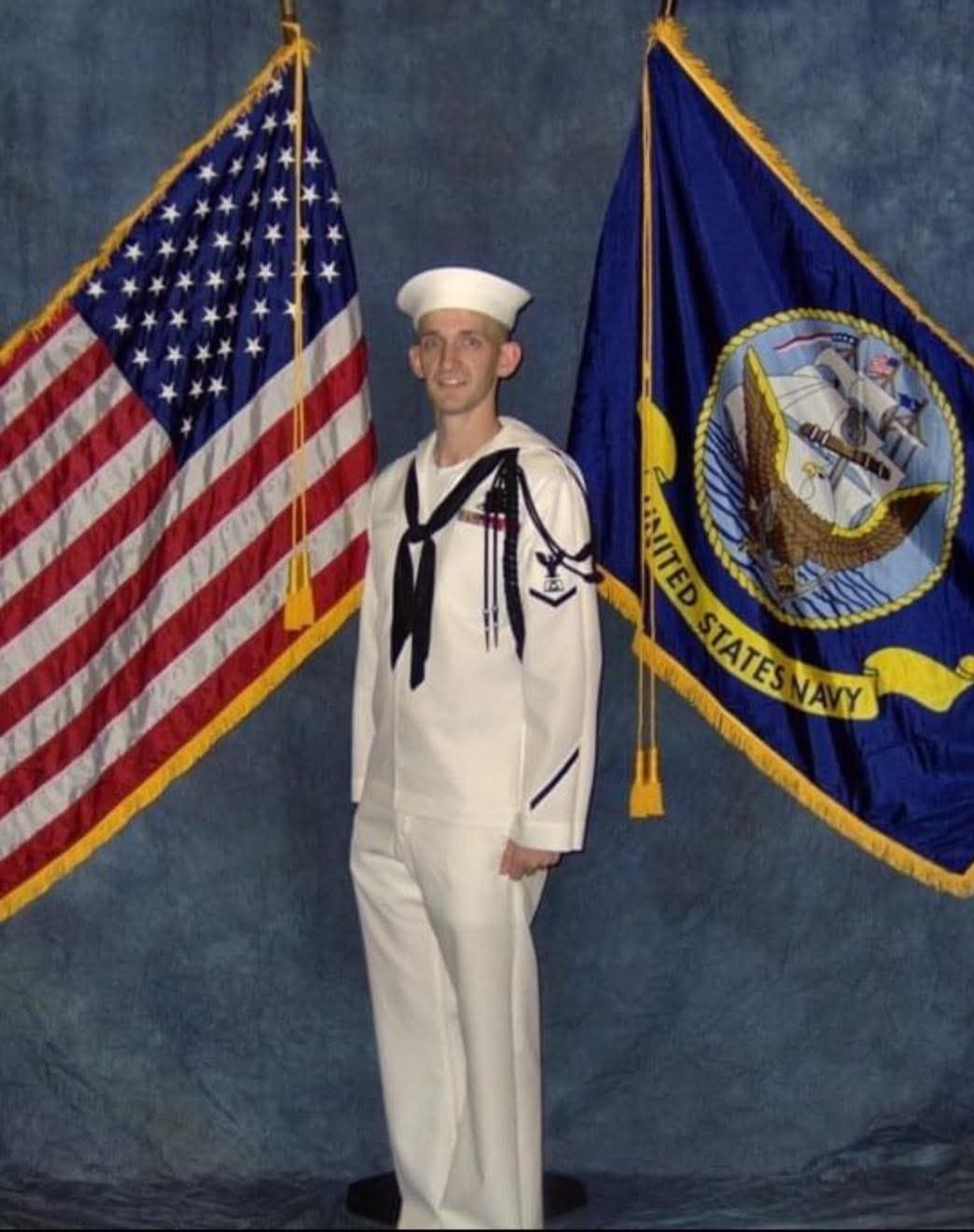
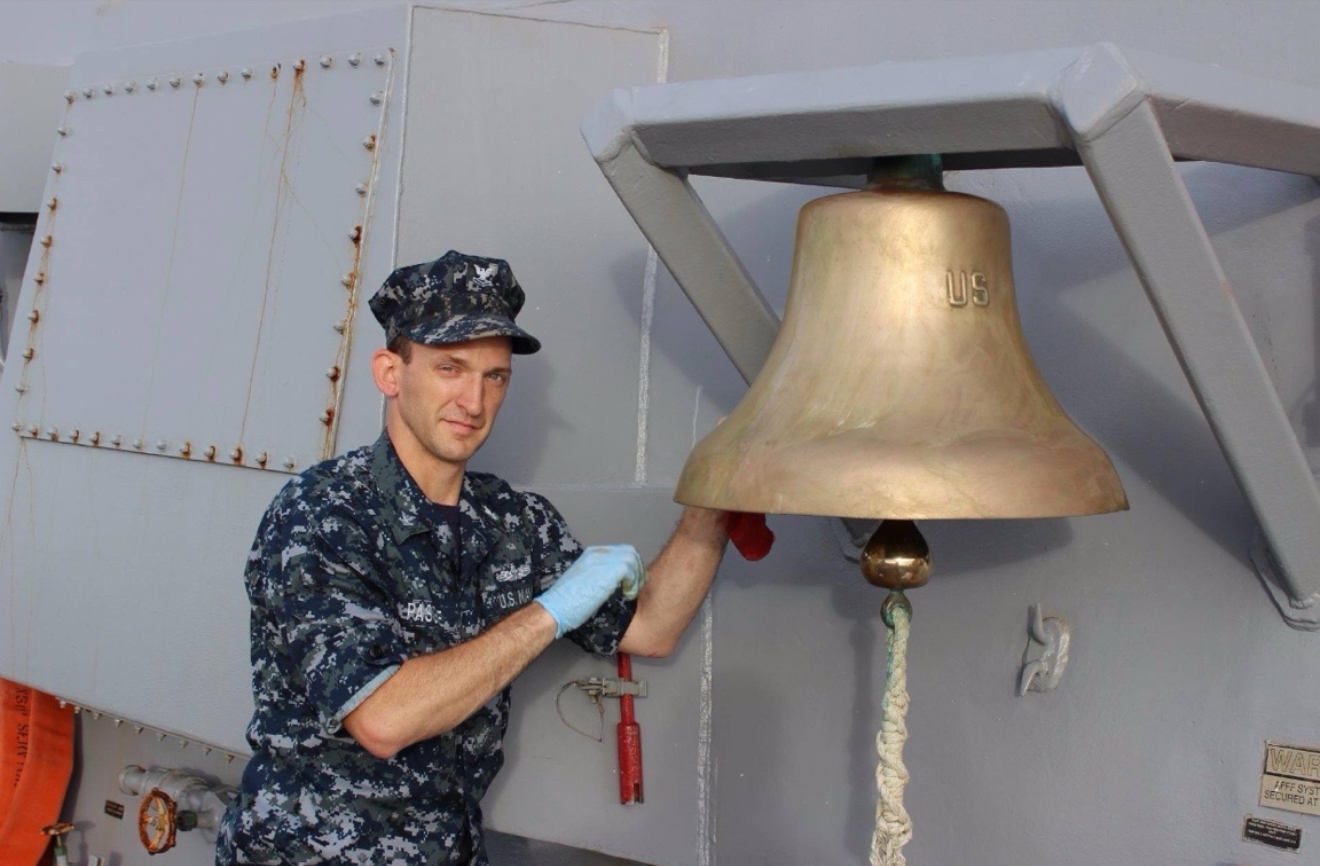
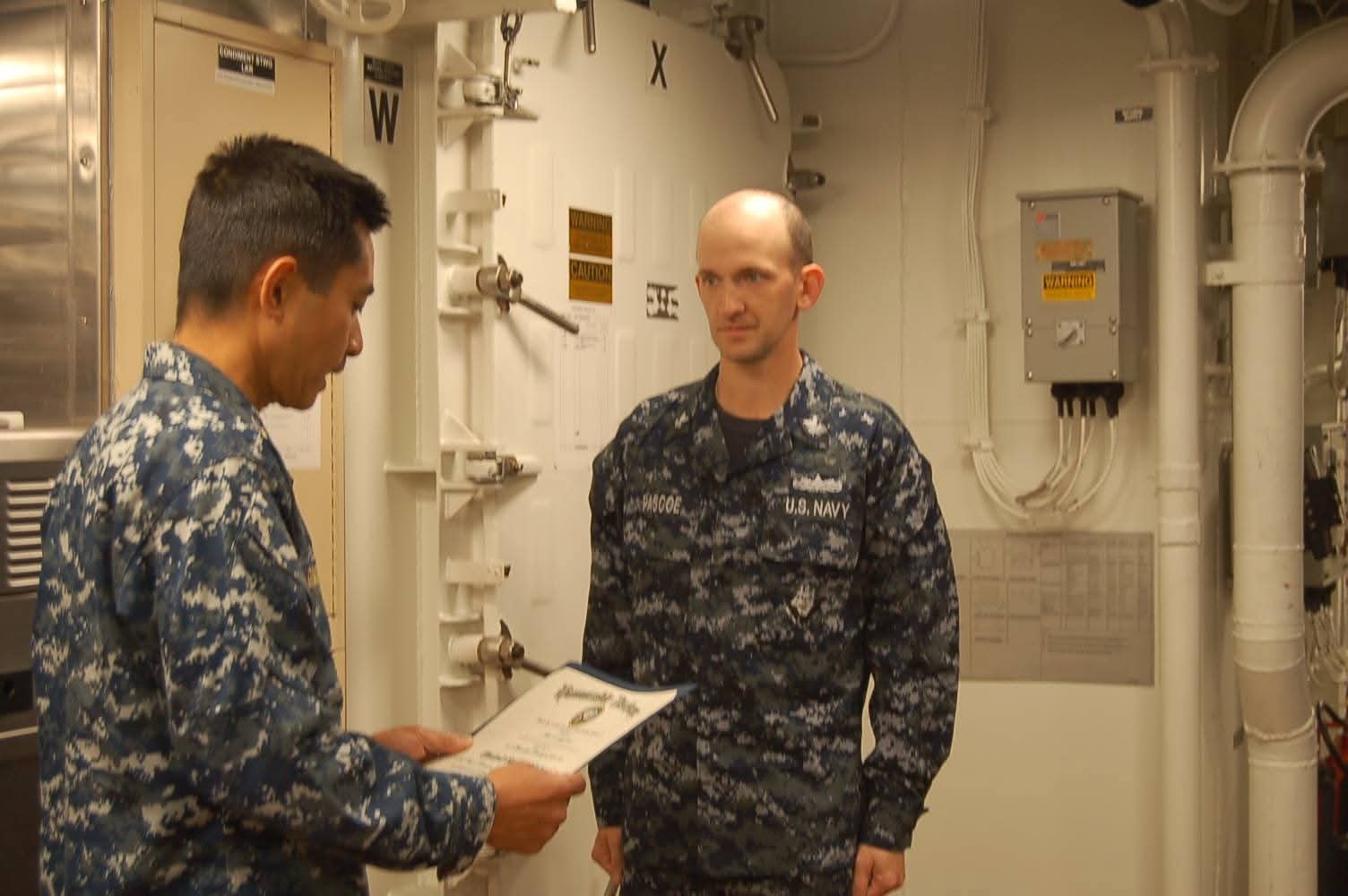
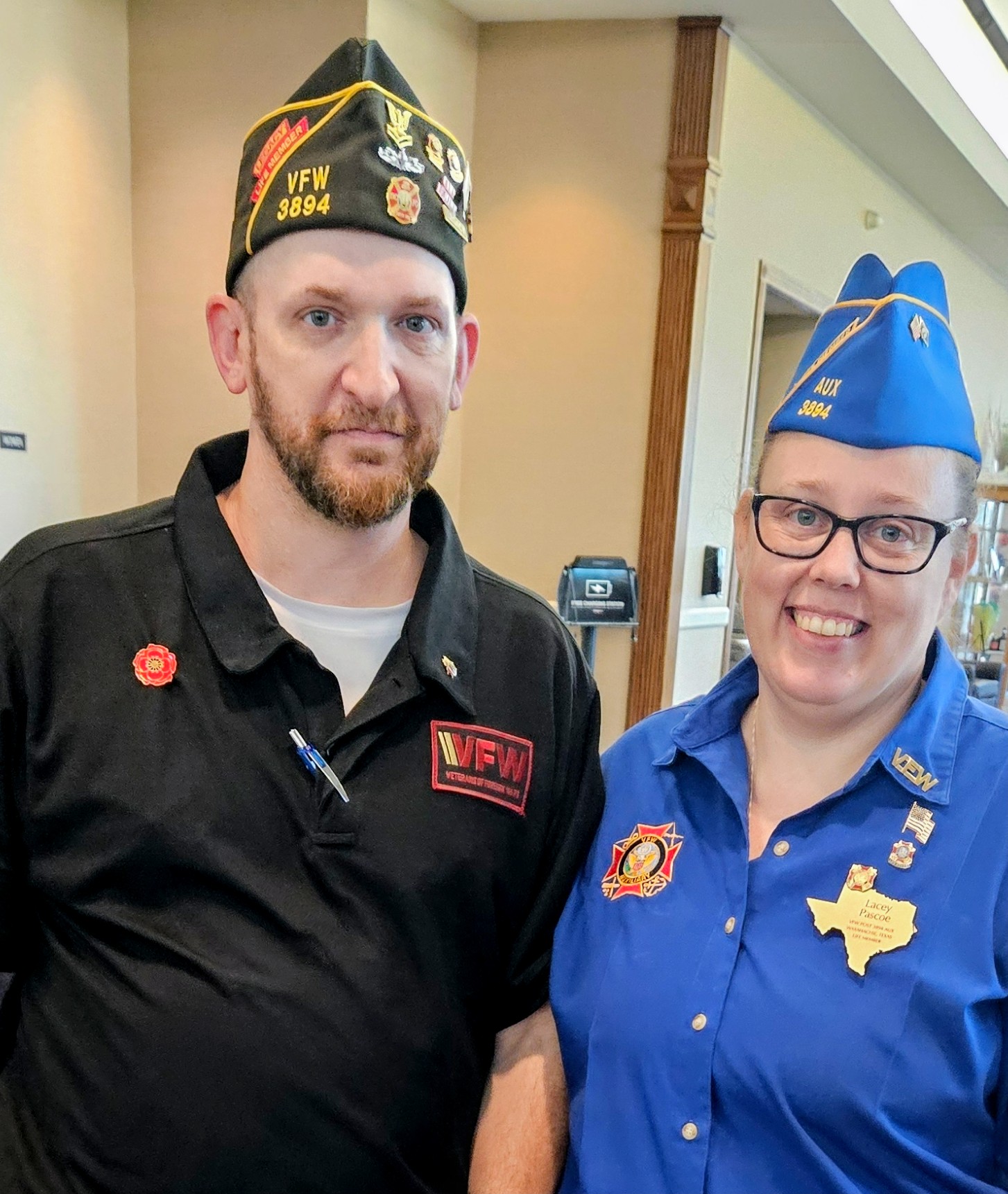
On December 16, 2002, he began his journey in the United States Navy, marking the start of a career defined by dedication, courage, and service to his country. He entered boot camp at Great Lakes, Illinois, where he underwent rigorous training to prepare for the challenges ahead. Following boot camp, he attended A School at Lackland Air Force Base in San Antonio, Texas, gaining the specialized skills required for his role.
Upon graduating, he received his first assignment aboard the USS Theodore Roosevelt (CVN-71), stationed in Norfolk, Virginia. While serving aboard the Roosevelt, he demonstrated outstanding performance and professionalism, earning him a promotion to Third Class Petty Officer.
On September 1, 2003, he deployed in support of Operation Enduring Freedom and Operation Iraqi Freedom, contributing to vital missions in the Middle East. His time aboard the Theodore Roosevelt from 2003 to 2007 was marked by dedication and resilience, playing a critical role in supporting air operations and ensuring the carrier’s readiness during a pivotal time in history.
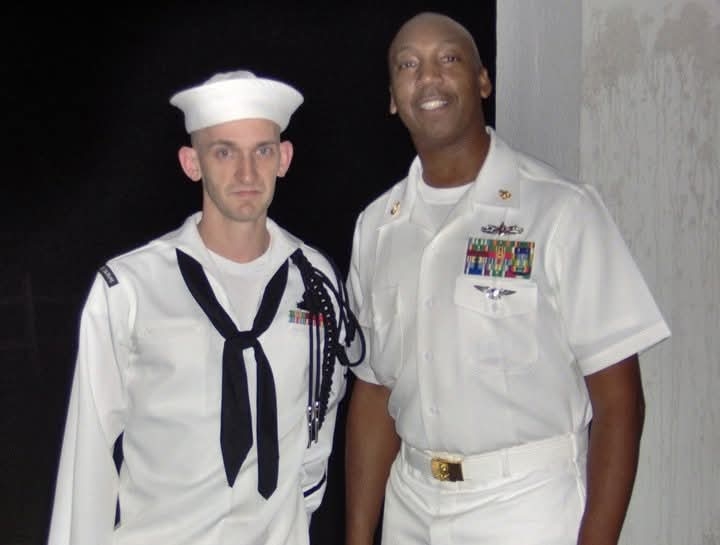
In 2007, he transitioned to a new role at Camp Lejeune Naval Hospital in Jacksonville, North Carolina, where he served from 2007 to 2010. During this period, he achieved another significant milestone by earning the rank of Second Class Petty Officer, a testament to his hard work, leadership, and proficiency in his duties. Additionally, he became part of the honor guard, performing numerous funerals to honor fallen service members.
His participation in these solemn ceremonies exemplified his deep respect for the sacrifices of his comrades and his dedication to upholding the traditions of the Navy with dignity and reverence.
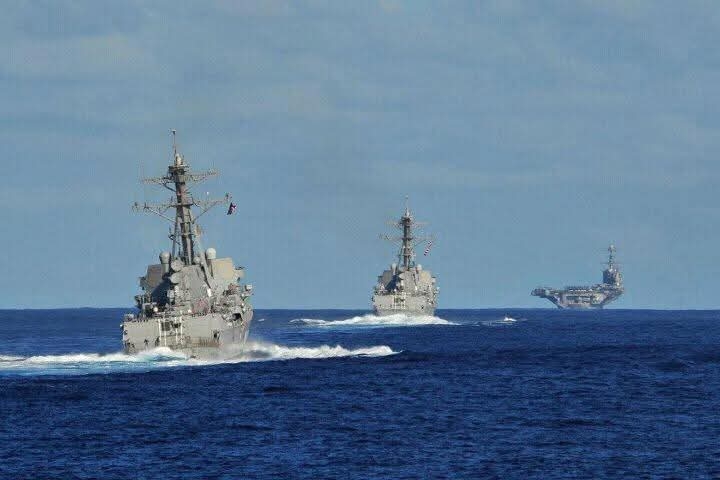
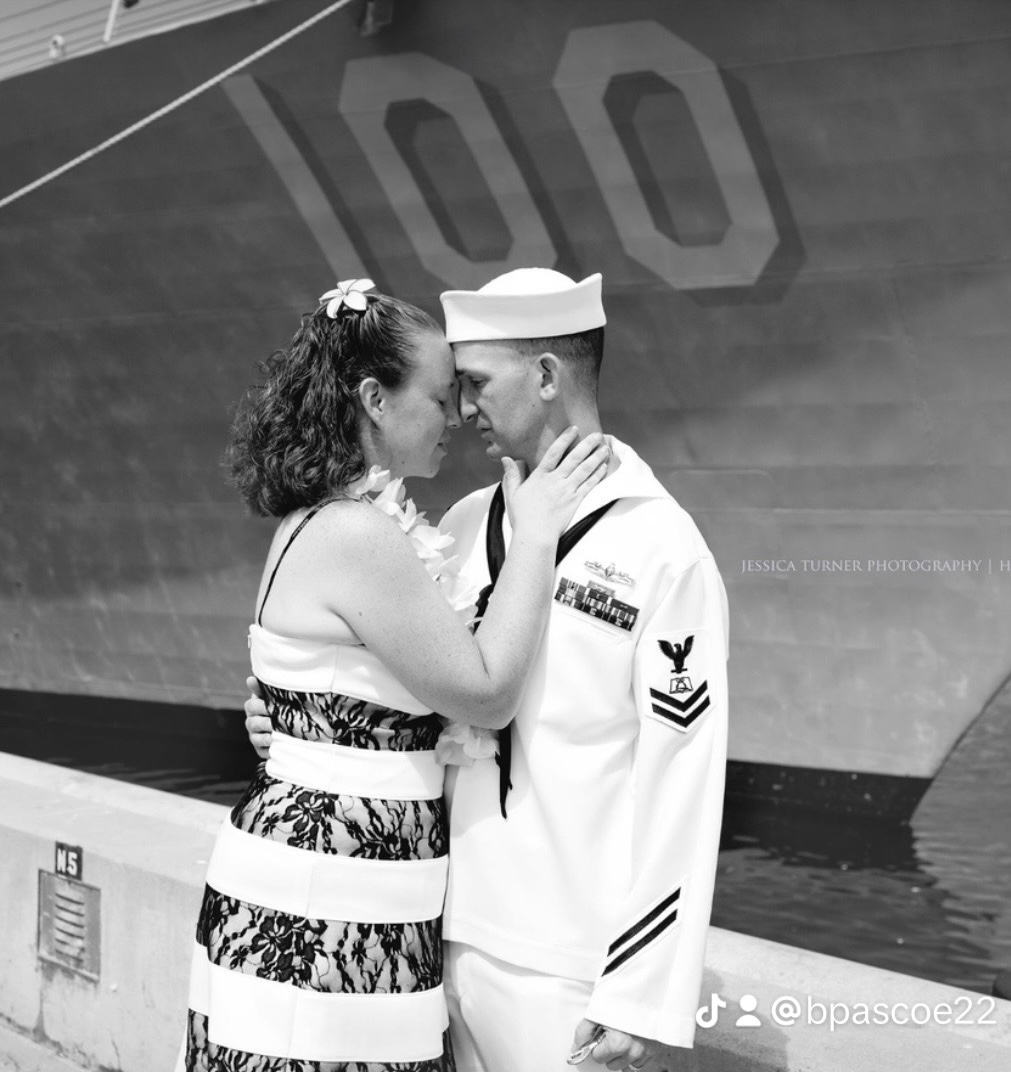
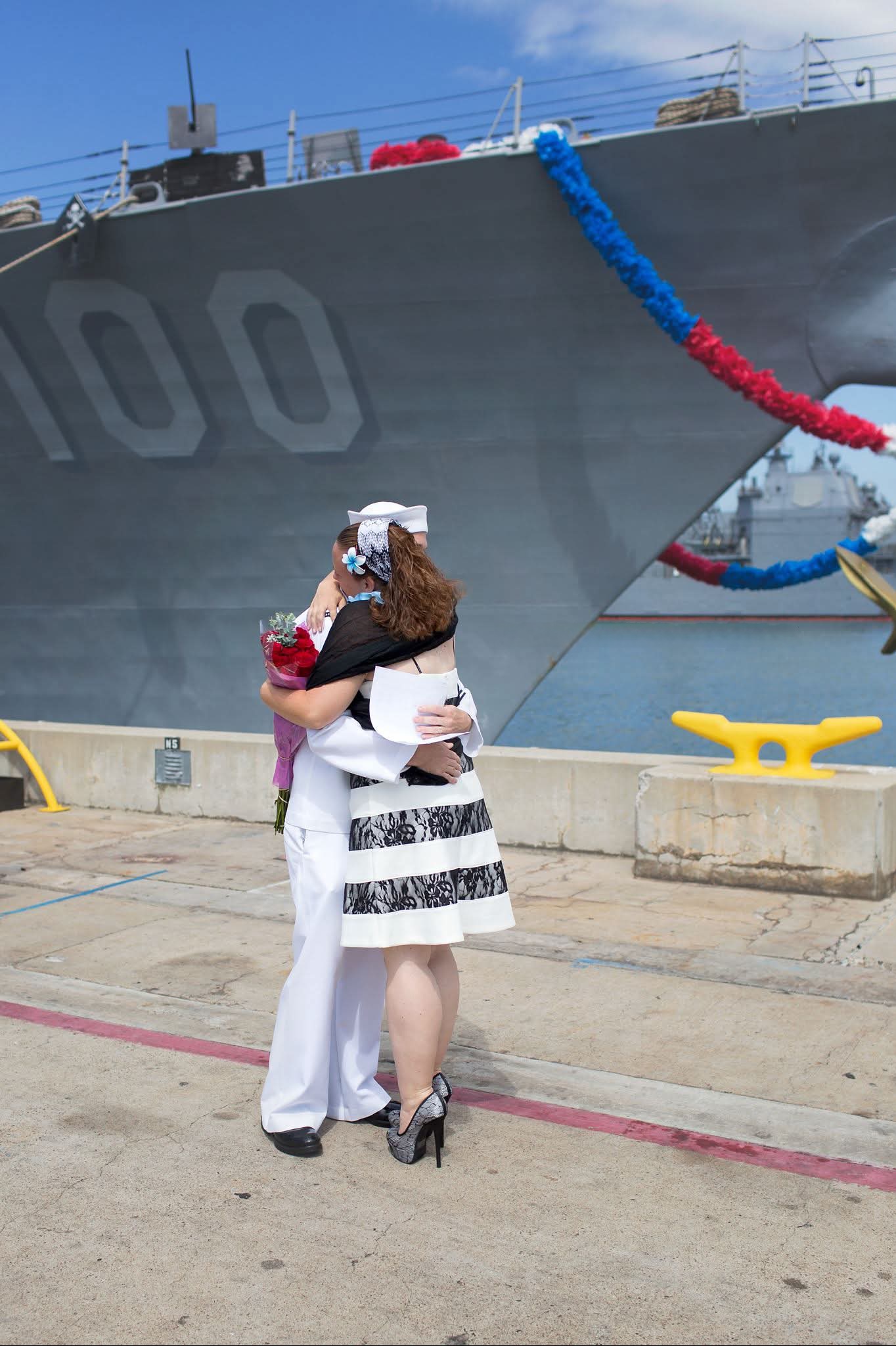
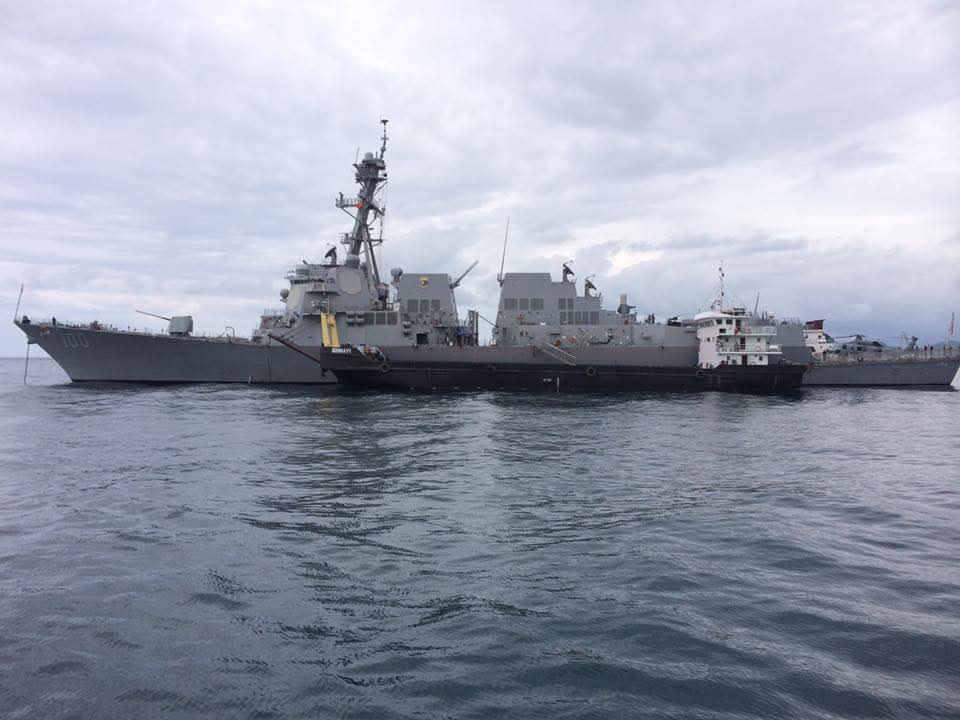
After reenlisting, he returned to the fleet and joined the USS KIDD (DDG-100), an Arleigh Burke-class guided missile destroyer. His first deployment aboard the KIDD in November 2011 was focused on counter-piracy and maritime security operations, ensuring the safety of international shipping lanes and deterring illicit activities at sea.
During this deployment, he played an active role as part of the detaining team during a rescue mission involving the Iranian-flagged fishing dhow Al Molai. Responding to a distress call, he and the Visit, Board, Search, and Seizure (VBSS) team boarded the vessel, confronting and detaining 15 Somali pirates who had been holding the 13-member Iranian crew hostage for over a month.
This heroic operation not only freed the hostages but also showcased the Navy’s dedication to international security and humanitarian efforts. His contribution to the mission demonstrated exceptional bravery and teamwork in a challenging and high-stakes environment.
During his second deployment aboard the KIDD in March 2014, he participated in the search for Malaysia Airlines Flight MH370, conducting extensive search operations in cooperation with international forces. This mission underscored the Navy’s ability to respond swiftly and effectively to global emergencies. His service aboard the KIDD continued until 2015, during which he also supported Operation New Dawn, contributing to the efforts of transitioning security operations in Iraq.
These deployments reflected his adaptability, courage, and unwavering commitment to the Navy’s global mission.
In 2015, he received orders to Coronado Air Base in California, where he completed the final chapter of his distinguished naval career. This assignment allowed him to share his wealth of experience and contribute to the Navy’s mission in a new capacity.
On December 16, 2016, exactly 14 years after his enlistment, he concluded his naval career, leaving behind a legacy of dedicated service, honor, and sacrifice.
Culinary Specialist (CS)
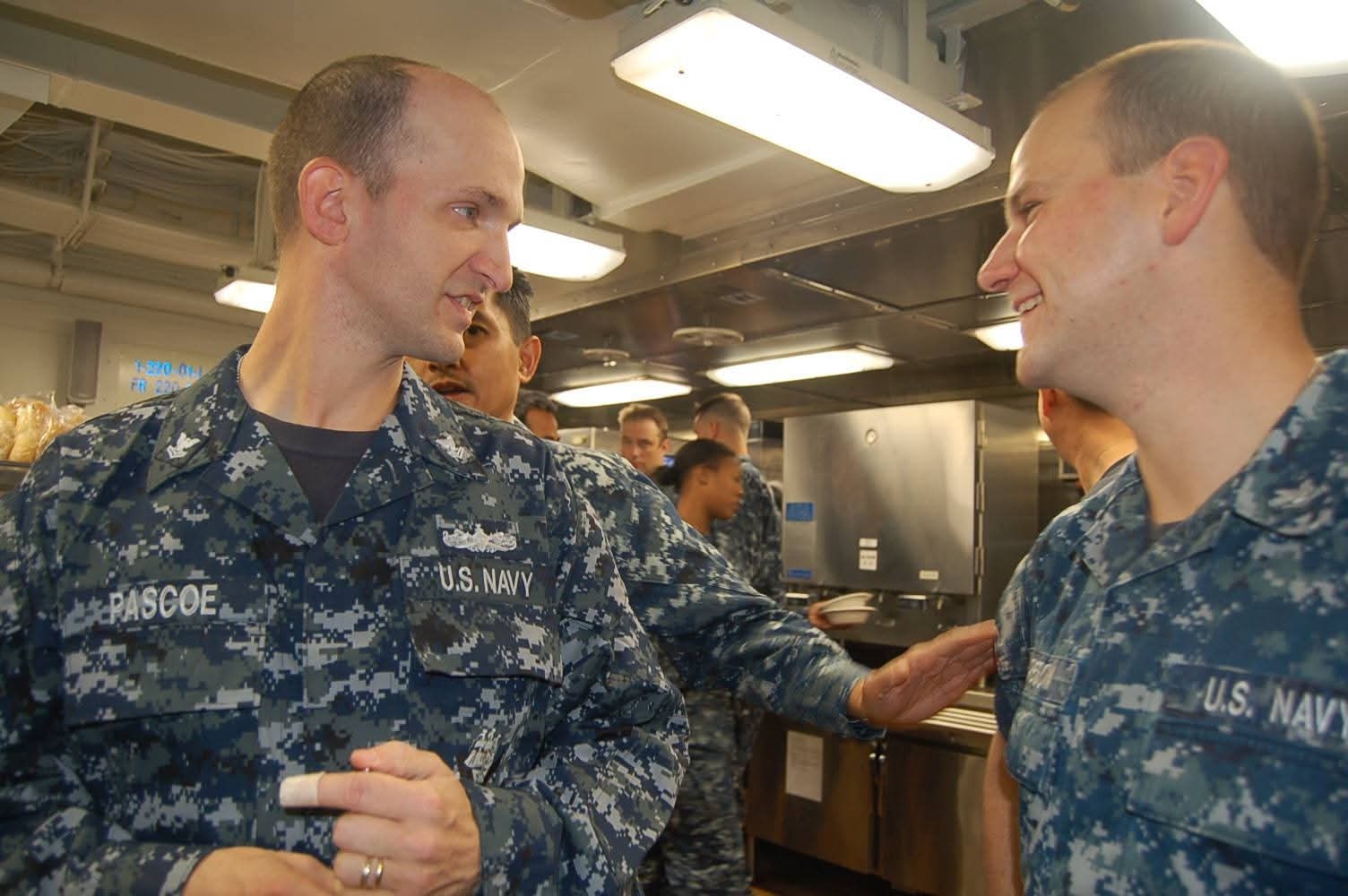
Culinary Specialists are responsible for feeding the fleet — a mission that directly affects morale, readiness, and daily operations aboard every Navy ship and shore installation.
Authoritative sources emphasize that CSs do far more than cook; they manage full hospitality and logistics operations.
Core Duties
- Plan menus and prepare meals for crews ranging from dozens to thousands
- Operate and manage shipboard galleys, mess decks, and living quarters
- Maintain food‑service sanitation, safety, and equipment
- Order, receive, store, and inventory provisions
- Maintain financial and subsistence records
- Support command events, VIP meals, and high‑level hospitality
- Serve in specialized billets such as Admiral’s Mess, Captain’s Mess, or White House Mess
Role of a CS on a Surface Ship
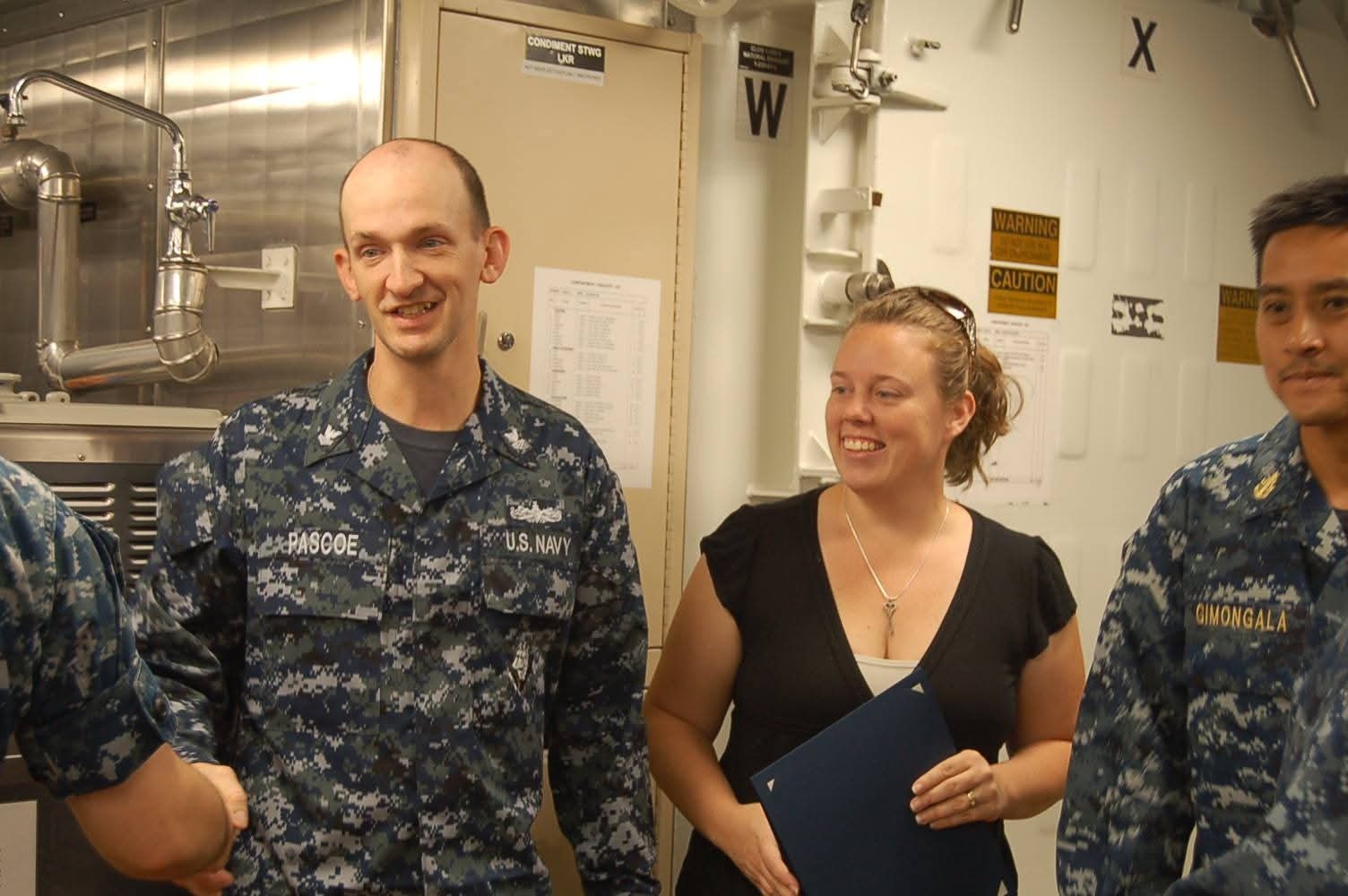
As a Surface Warfare–qualified Culinary Specialist, Brian Pascoe would have been part of the operational heartbeat of the ship.
Daily Impact
- Feeding the crew during long watches, deployments, and high‑tempo operations
- Supporting damage control, firefighting, and general shipboard duties
- Maintaining morale — the mess decks are widely known as “the heart of the ship”
- Ensuring food safety and nutrition standards that keep sailors healthy and mission‑ready
Leadership Responsibilities (E‑5)
As a Petty Officer Second Class, he would typically:
- Supervise junior CS personnel
- Lead a galley or mess‑deck work center
- Oversee inventory, ordering, and financial accountability
- Train new sailors in culinary and sanitation standards
- Coordinate with Supply Officers and Medical for inspections and quality control
Historical Context of the CS Rating
The Culinary Specialist rating has deep roots in Navy history.
- Originated from the Steward (SD) and Commissaryman (CS) ratings
- Renamed Mess Management Specialist (MS) in 1975
- Officially became Culinary Specialist (CS) on 15 January 2004
This evolution reflects the Navy’s shift toward professionalized culinary, hospitality, and logistics operations.
Enlisted Surface Warfare Specialist (ESWS) Qualification
Earning the ESWS pin is one of the most respected achievements for enlisted sailors in the Surface Fleet.
What ESWS Signifies
- Mastery of shipboard systems: engineering, combat systems, navigation, communications
- Completion of a rigorous PQS (Personnel Qualification Standards) program
- Hands‑on proficiency in damage control, firefighting, and ship survivability
- Successful oral boards before senior enlisted leadership
- Recognition as a fully integrated, technically competent member of the ship’s warfighting team
This qualification marks Petty Officer Pascoe as a sailor who went beyond his rating to understand the entire ship and its mission.
Petty Officer Second Class Brian Pascoe served in the United States Navy as a Culinary Specialist, a rating essential to the health, morale, and operational readiness of the fleet. Rising to the rank of E‑5, he supervised galley operations, managed provisions and financial records, and ensured the daily nourishment of sailors at sea and ashore.
His achievement of the Enlisted Surface Warfare Specialist (ESWS) qualification demonstrates his mastery of shipboard systems, damage control, and warfighting readiness — marking him as a fully integrated and highly capable member of the Surface Warfare community.
Legacy
Petty Officer Brian Pascoe built a legacy defined by service, discipline, and a deep commitment to the sailors he served beside. As a Culinary Specialist and Surface Warfare–qualified Petty Officer, he played a vital role in sustaining the morale, readiness, and daily strength of his shipmates.
His work went far beyond preparing meals—he created stability in the demanding rhythm of Navy life, ensuring that every sailor had the fuel, comfort, and sense of home needed to carry out the mission.
Brian approached his duties with professionalism and pride, understanding that even the most essential behind‑the‑scenes roles are the backbone of a successful command. His reliability, attention to detail, and steady presence earned the respect of those who served with him. He was the kind of sailor others could count on—consistent, capable, and committed to doing things the right way.
Beyond his technical skill, Brian’s legacy is rooted in the way he treated people. He was a shipmate who listened, encouraged, and supported others through the challenges of Navy life. His humor, his work ethic, and his ability to bring people together left a lasting impact on every crew he served with.
Brian Pascoe’s service reflects the quiet strength that defines the United States Navy. His dedication, his loyalty, and his commitment to his fellow sailors form a legacy that continues to inspire. He stands as a reminder that every role in the Navy carries purpose—and that those who serve with heart and integrity leave an imprint that endures long after their time in uniform.
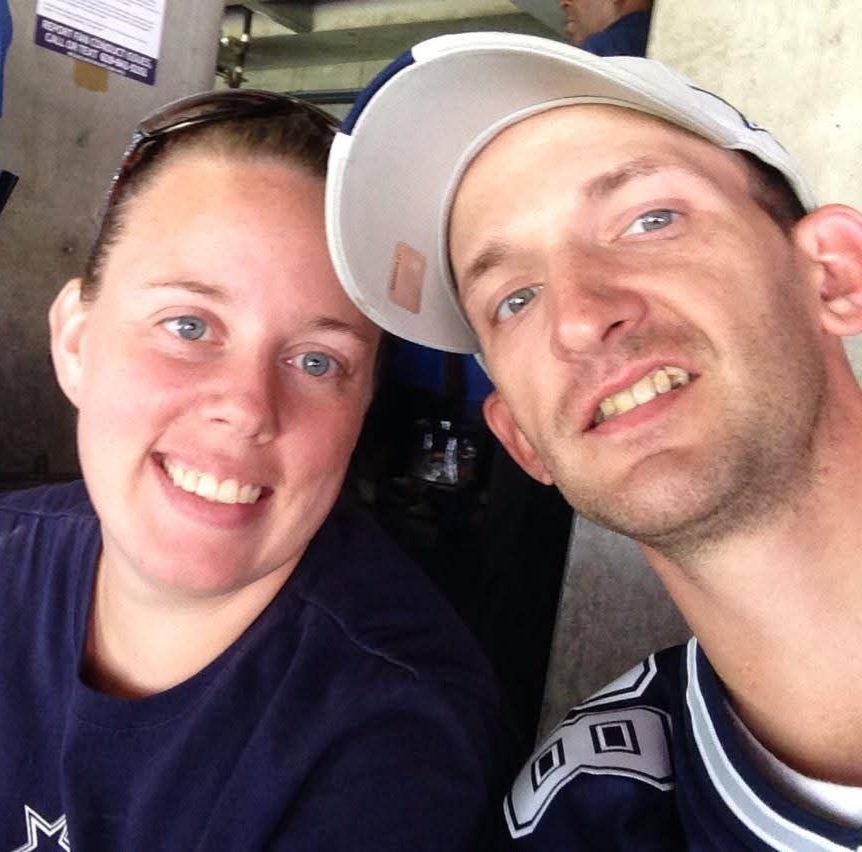
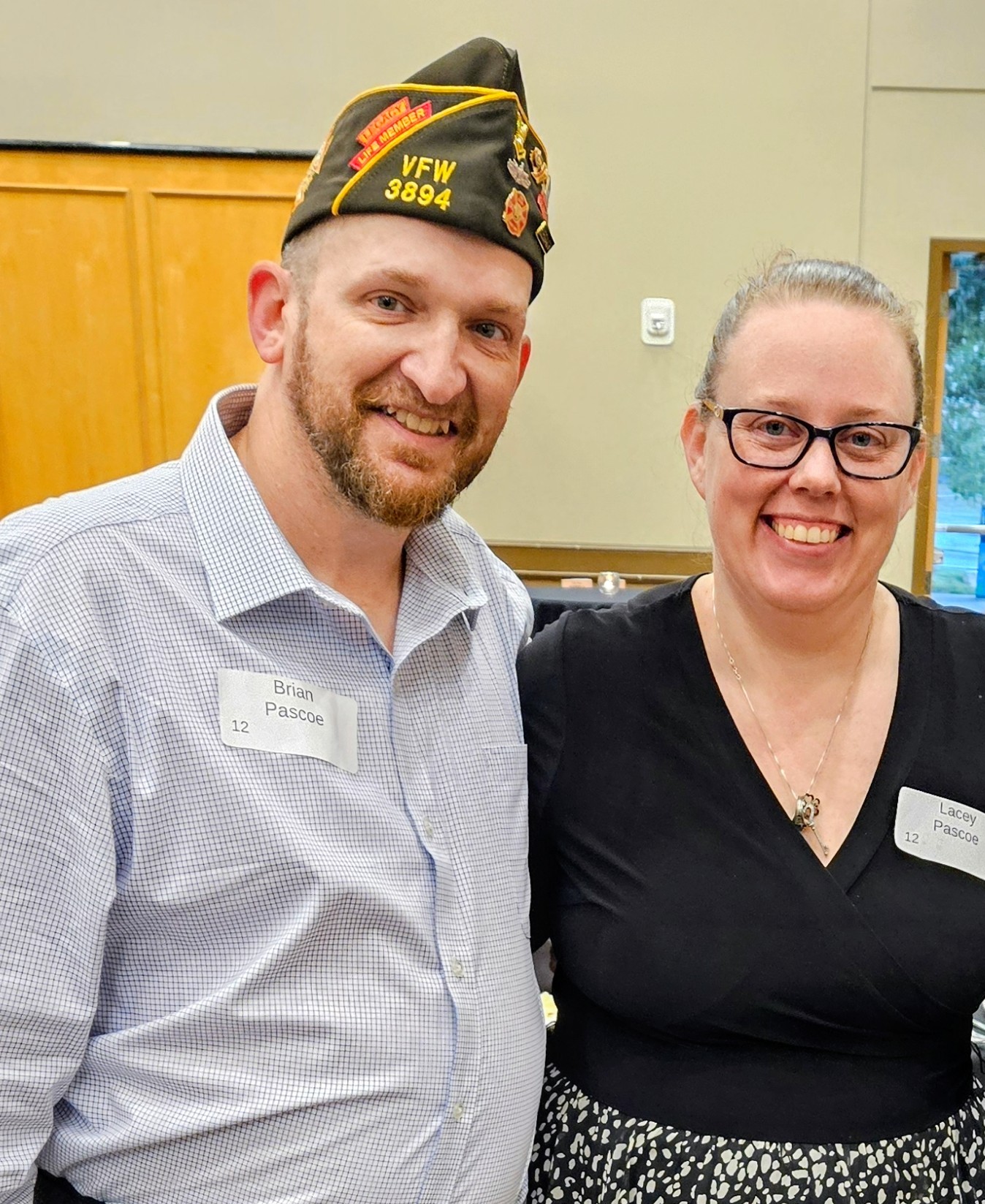
Through every deployment and every challenge, his family remained his anchor. Brian’s love for his wife was the foundation of his strength. She carried the weight of long separations, unpredictable schedules, and the emotional strain of military life with grace and resilience. Her support grounded him, and her belief in him fueled his dedication to serve with excellence.
Brian was also a devoted father to his sons, who were the pride of his life. Even when the Navy took him far from home, he stayed connected to them in every way he could—
Beyond his service, Brian’s greatest devotion was to his family, who stood at the center of his life. Their love, encouragement, and resilience carried him through every challenge of Navy life.
They were his anchor—his source of strength during deployments, his motivation during long hours, and his joy in every homecoming. Brian’s commitment to his family was as steadfast as his commitment to the Navy, and he carried them with him in every chapter of his service.
He served with heart, uplifted those around him, and honored both his uniform and his family with every step of his journey. His impact endures in the Sailors he supported, the lives he strengthened, and the family who remains forever proud of the man he was—both at sea and at home.