
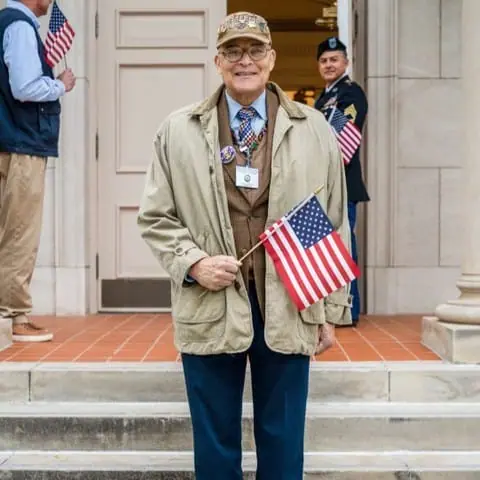
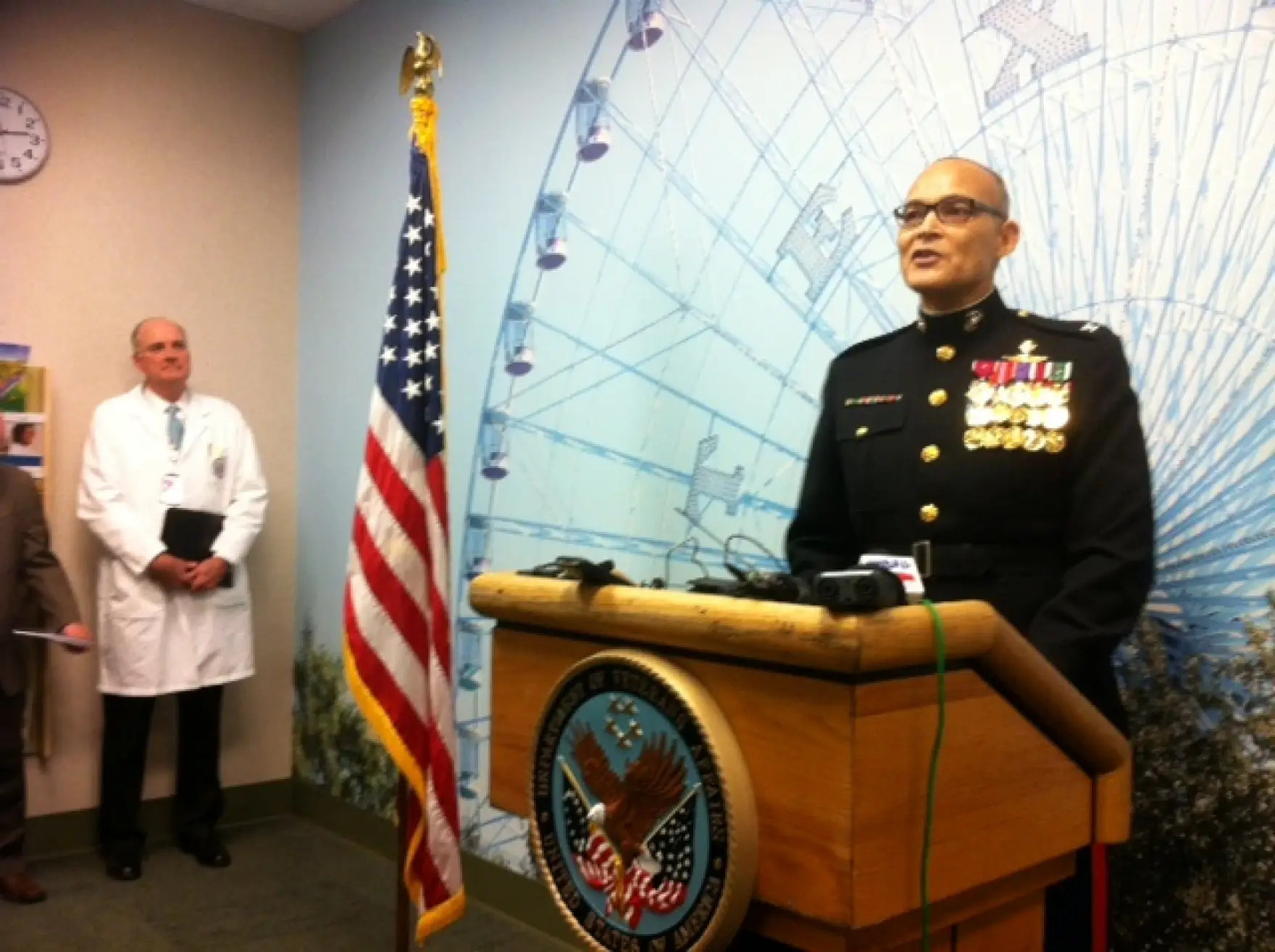
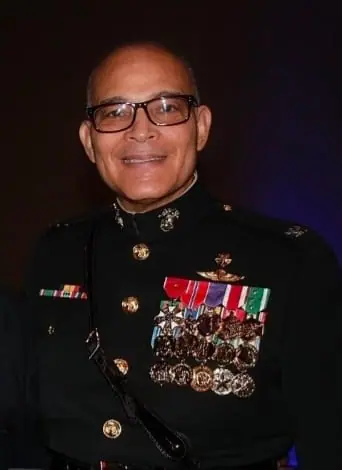
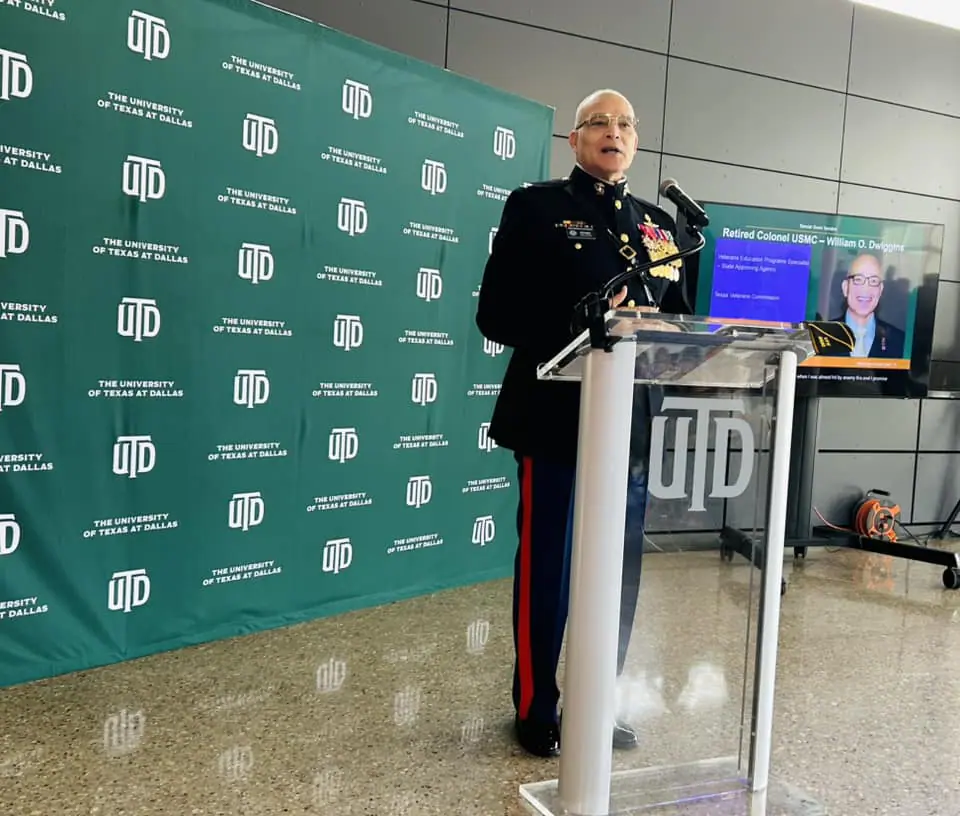
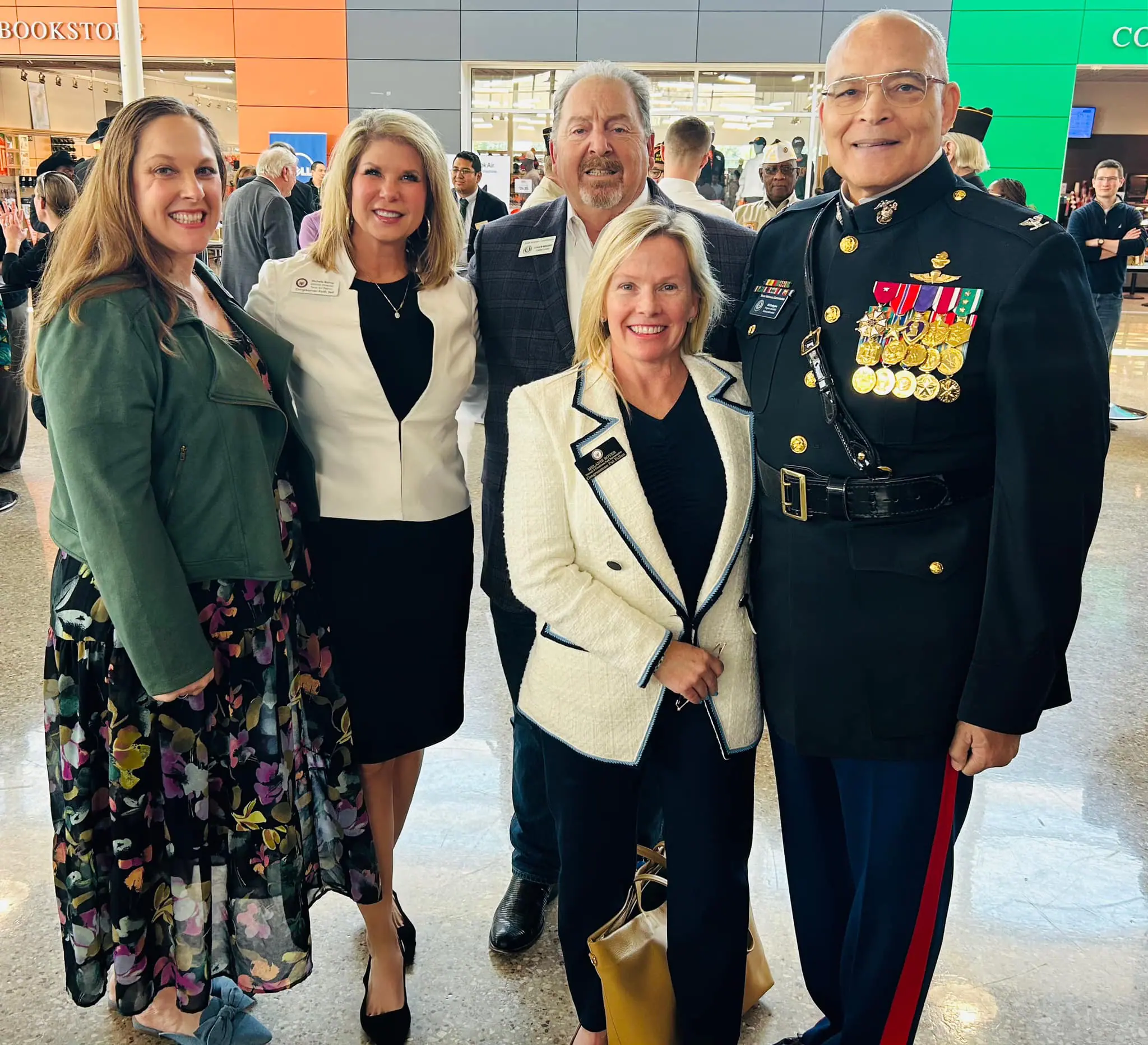
William O. Dwiggins (Bill) Colonel USMC (Ret) Veterans Education Programs Specialist – State Approving Agency Texas Veterans Commission
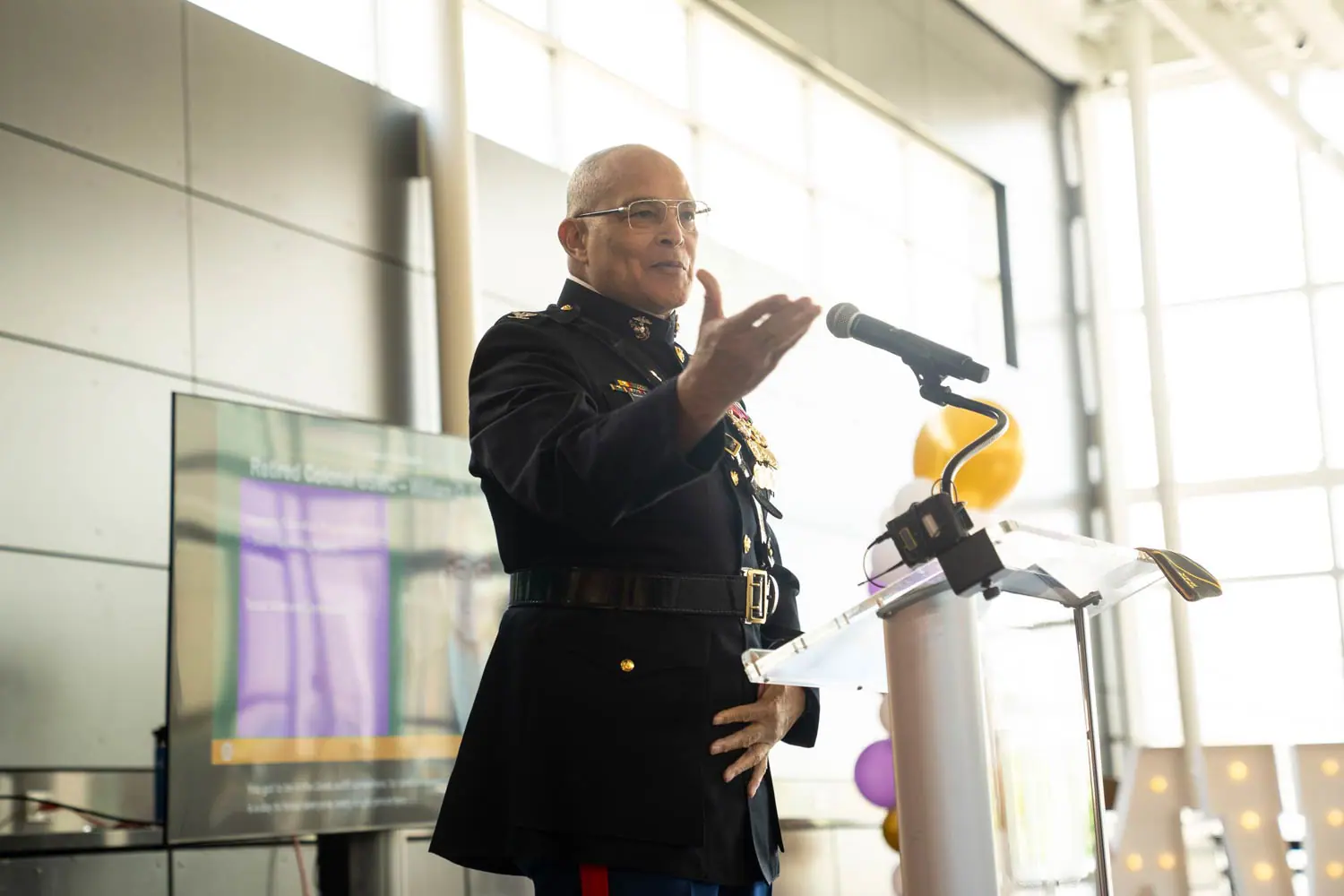
Bill Dwiggins currently serves as a Veterans Education Program Specialist – State Approving Agency for the Texas Veterans Commission (TVC) Education, serving over 400,000 veterans and military connected.
His primary duties include and are not limited to. Protecting the Quality & Integrity of the GI Bill programs and in turn protecting veterans, military, and family members by. Ensuring approved education and training programs meet the requirements of federal and state laws and regulations. Evaluating the quality of education and training programs and performing compliance surveys, supervising already approved programs, responding to complaints, acting as liaison, providing technical assistance, performing outreach activities – are all based in the Federal regulations.
Additionally, liaise with Institutions of Higher Learning/Education (IHL/E) and certification programs create a positive, welcoming, and supportive environment for veteran students, military-connected and their families in compliance with the 83rd Texas Legislature recommendations. Performing a variety of program developments and advisory services associated with determining and delivering specialized training for veterans, and the military connects students with internal/external partners.
Creating and coordinating processes and programs which help veterans and their families enrolled in academic and training programs at schools and training establishments in their communities. Supervisor customer services coordination, liaison, public affairs with veterans’ advocacy with the community, educational, professional groups, state, and national veterans’ service organizations to coordinate, improve, promote, and stimulate interest in programs and services available to veterans and their families who are attending post-secondary education.
Promote the establishment of student veteran organizations and other similar veterans support organizations on IHL/E campuses. Coordinate and support programs specifically directed to ease the reintegration of combat veterans, military connected and their families into their communities and an academic environment. Promotes the Texas Veterans Commission education programs and cooperative relationships with institutions of higher learning/education, veterans, and community-based organizations, and as appropriate, employers, state, and local government policy officials.
Review and provide advice to management regarding veterans’ education benefits and state legislative, policy and regulatory requirements associated with assigned learning needs and training requirements and initiatives. Serve in an advisory capacity and provide technical assistance to Institutions of Higher Learning Education to enhance the veterans’ education, employment services and resolve related education benefits, employment, and training issues.
Bill served 32 years in the United States Marine Corps (Ret.). Prior to his current role, Mr. Dwiggins served as the State Director of Veterans Employment and Training Services, State of Louisiana.
His numerous military assignments from 1978 – 2009, include international assignments, several positions as Deputy Director, Commander, Chief of Staff, Joint Assignments, Logistics Officer, Inspector General, Marine Officer Instructor University of Texas and others.
His military career included worldwide combat tours, special-warfare assignments, capital reconstruction projects, international development/ relations, public policy/ administration, stabilization, and conflict resolution to support the U. S. Government’s efforts. He has years of senior decision-making experience in operations, security, organizational management development and education. Logistics planning and execution, sales, marketing, personnel, and administration management. Training, human resources management, and financial management.
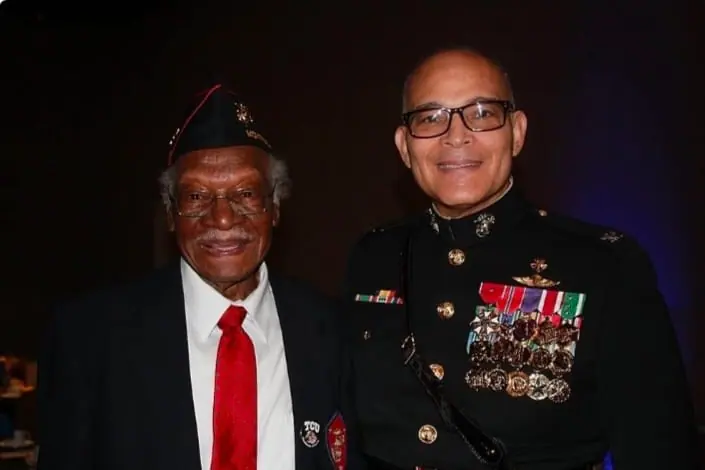
His education includes a Bachelor of FA with honors from Wichita State University, M.S. with honors from Grand Canyon University, Society for Human Resource Management – Senior Certified Professional and Talent Optimization Leader. Advance military senior level education and is a member of the National Honors, Presidential and SALUTE Veterans Honor Society. A Tuskegee Airmen Legacy, his father was the Flight Surgeon for the fame Negro Americans Aviators of WWII.
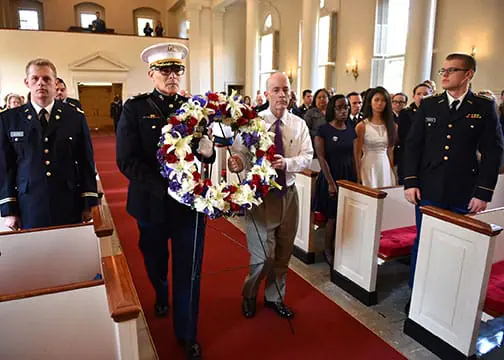
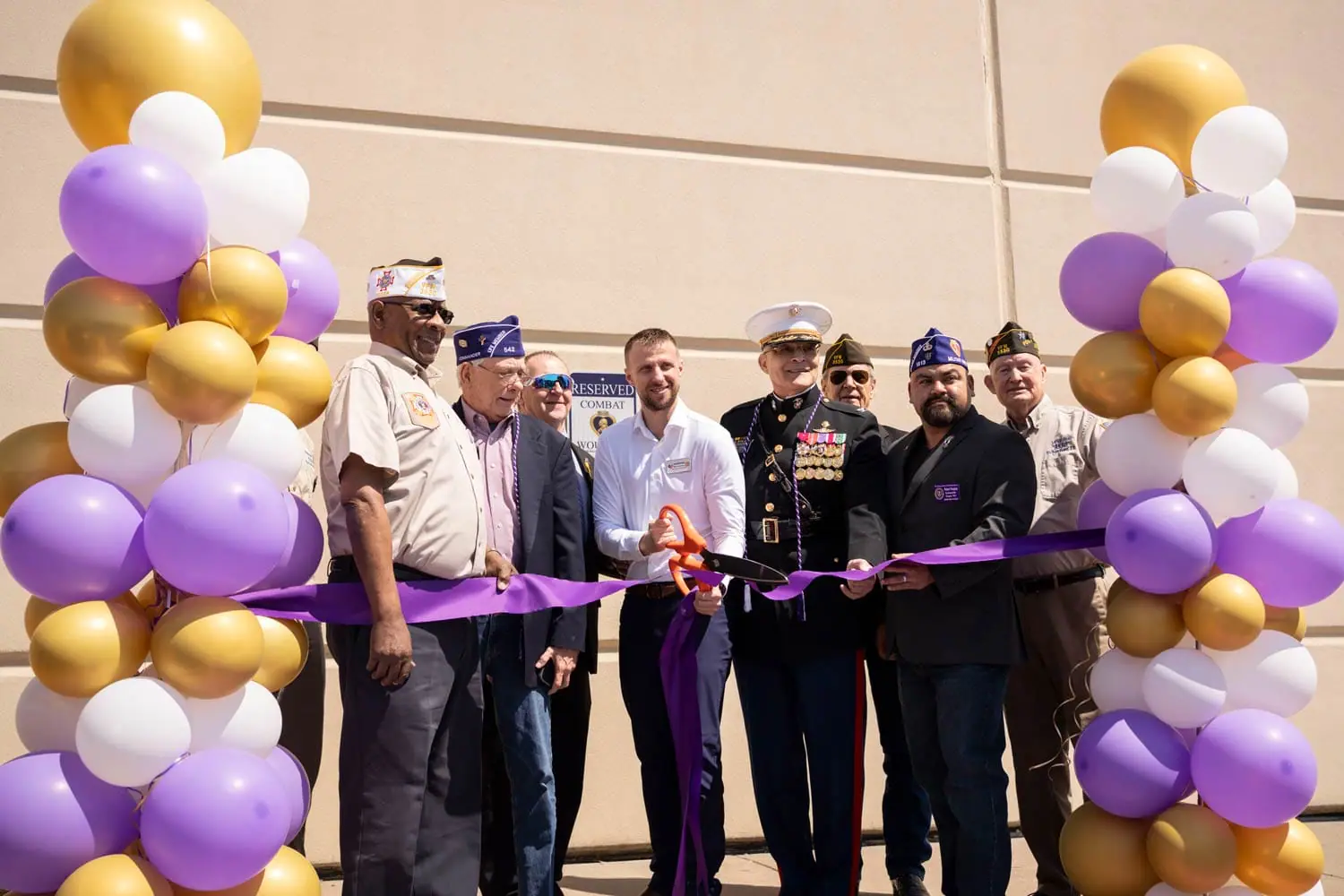
He has been awarded Congressman Sam Johnson’s, Congressional Veteran Commendation. Is the Past Chapter Commander of the North Texas, Military Order of the World Wars (MOWW) # 234; Vice Post Commander of the American Legion # 581; Life Member of the Tuskegee Airmen, Inc. (TAI) Claude R. Platte, DFW Chapter; Vice Commander of the North Texas, Military Officers Association of America (MOAA); Co-Chair Leader of the Fourth National startup of the DFW My VA Community (2015); Veterans of Foreign Wars (VFW); Life Member, Military Order of the Purple Heart (4); Wounded Warriors and DFW – Metro-Plex Marines.
EXTRA: He has years of senior decision-making experience in operations, security, organization & management development, education, logistics planning and execution, sales, marketing, personnel and administration management, training, human resources, resource management and financial management. His international travels and life experiences are enhanced by education.
A Product Goods, retail Sales Manager, award-winning sales professional. A Mustang, honor graduate of Marine Corps Command and Staff College, Amphibious Warfare School, Planning & Reconnaissance, Basic & honors Advance Infantry Officers School (Army), Amphibious Logistics, Federal Inspection/ Investigation Training, National Veterans Institute, Denver.
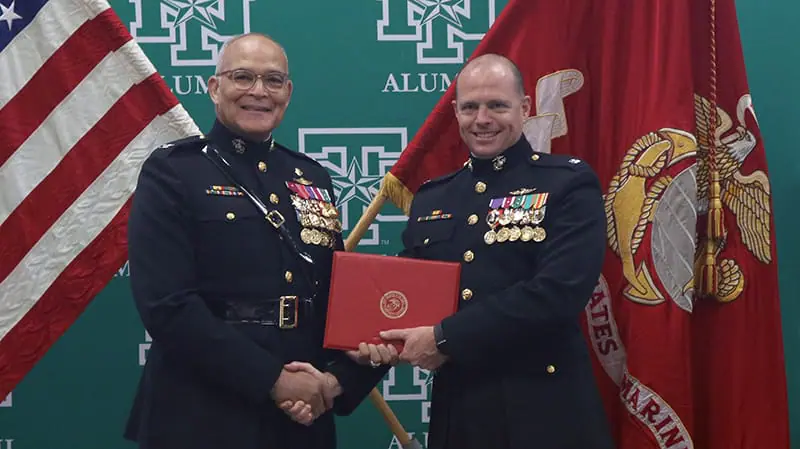
Highly decorated including 2 Legion of Merit awards, Bronze Star, 4-Purple Hearts, 4 Naval Commendation Medals, 2 Navy Achievement Medals (Combat Valor), Army Achievement, 2-National Defense, 3-Combat Campaign Medals, Ranger Tab, Gold Parachute Wings, Combat SCUBA and more.
The Heart of His Legacy
Colonel William O. Dwiggins lived a life in which faith and service were inseparable, each strengthening and illuminating the other. His convictions were not private comforts but the engine of a public life: devotion to the Lord shaped his courage in adversity, humility informed his leadership, and compassion guided every act of service. He moved through duty with a quiet steadiness that made moral clarity look effortless and moral courage habitual.
His service was an outward expression of inward conviction. In every role he embraced, honor was rooted in truth, courage was deepened by faith, and compassion reflected the heart of Christ. He led with a humility that invited trust and a resolve that inspired confidence; his decisions bore the imprint of integrity, and his actions were consistently aligned with principle.
This combined legacy of faith and service endures because it was lived, not proclaimed. It is visible in the lives he touched, the institutions he strengthened, and the family and community that continue to carry forward his example. Colonel Dwiggins’s life stands as a testament to purpose, integrity, and grace—an enduring model of what it means to serve with conviction and to let faith shape every measure of leadership.
A Scriptural Tribute to the Life and Service of Colonel William O. Dwiggins
“But they that wait upon the Lord shall renew their strength; they shall mount up with wings as eagles; they shall run, and not be weary; and they shall walk, and not faint.” Isaiah 40:31
This Scripture reflects the rhythm of Colonel William O. Dwiggins’ life. It speaks to the endurance of a warrior, the steadiness of a leader, and the quiet, unwavering faith of a servant of God. Through combat, command, and decades of service to veterans, Bill drew his strength not from circumstance but from the Lord who sustained him. In every trial and in every triumph, he trusted the One who renews strength and lifts His people on eagle’s wings.
“Trust in the Lord with all your heart, and lean not on your own understanding; in all your ways acknowledge Him, and He shall direct your paths.” Proverbs 3:5–6
These verses reflect the humility and grounded wisdom that shaped Bill’s life. His leadership was never driven by ambition but by obedience. His decisions were marked by discernment, compassion, and a deep confidence in God’s direction. From Marine to senior leader to tireless advocate for veterans, Bill’s path was not self made. It was God guided. And he walked it with a heart fully yielded to the Lord.
“Be strong and courageous, for the Lord your God is with you wherever you go.” Joshua 1:9
This Scripture mirrors the courage Bill carried into combat and the calm resolve he brought into every mission. His strength was not bravado. It was faith. His courage was not the absence of fear. It was the presence of God. Whether on the battlefield, in the halls of leadership, or in service to those who served, Bill lived with the assurance that the Lord was with him always.
Supplemental Information
Strengthening Communities Through Leadership and Service
Colonel William O. Dwiggins believes that service does not end with retirement; it simply changes form. His influence across communities nationwide is rooted in a conviction that leadership is most powerful when it is lived quietly, consistently, and in partnership with others. He carries into civic life the same discipline, integrity, and humility that marked his military career, helping communities solve problems, support veterans, and cultivate the next generation of leaders.
His work has strengthened communities by building durable partnerships among civic leaders, veteran organizations, and educational institutions. He has supported reintegration programs that ease the transition for combat veterans returning home, ensuring they are met with understanding, resources, and a path toward stability. He has raised public awareness of veterans’ needs, benefits, and opportunities, giving families and service members clear guidance in moments when clarity matters most.
He has taken on leadership roles in organizations that directly support families, veterans, and local initiatives, offering steady counsel and a servant’s heart. He mentors young leaders, encouraging public service, integrity, and civic responsibility. His presence in community spaces is quiet, humble, and deeply respected. He leads not by title, but by example, demonstrating that true leadership is measured not in recognition, but in the lives strengthened by one’s service.
A Legacy of Civic Stewardship
Colonel William O. Dwiggins’s community leadership is defined by quiet strength, disciplined service, and a commitment to building structures that endure. His work reflects a belief that communities are strengthened not by isolated efforts but by partnerships, shared responsibility, and the steady presence of leaders who show up with purpose.
He has forged collaborations among civic leaders, veteran groups, and educational institutions, aligning resources so that communities can respond more effectively to local needs. These partnerships have created durable networks of support, allowing organizations to amplify their impact and serve families, veterans, and students with greater clarity and coordination.
He has championed veteran reintegration and advocacy, supporting programs that help returning service members reconnect with family, work, and community. His efforts have raised awareness of benefits, services, and resources, ensuring that veterans are not left to navigate the transition alone. Through this work, he has helped communities understand the realities of military service and the importance of sustained support.
He has invested deeply in leadership development and mentorship, guiding young leaders toward public service and modeling integrity, accountability, and compassion. His counsel encourages emerging leaders to approach civic responsibility with humility and purpose, shaping a generation that understands leadership as service rather than status.
Colonel Dwiggins’s contributions demonstrate that effective leadership strengthens communities not through grand gestures but through sustained commitment. He listens, connects people, builds trust, and turns conviction into practical, lasting support. His influence endures because it is lived—steadily, faithfully, and always in service to others.
Advocating for Veterans and Protecting Their Benefits
Colonel William O. Dwiggins’s advocacy for veterans reflects a lifetime of disciplined service carried into the civic arena. His work with the Texas Veterans Commission and earlier with Veterans Employment and Training Services produced tangible, lasting protections for veterans across Texas and Louisiana. He combined policy expertise with rigorous oversight, ensuring that benefits intended to honor military service delivered real opportunity and security for those who earned them.
His approach balanced enforcement with education. He held institutions accountable when veterans were misled or underserved, yet he also worked directly with those same institutions to strengthen their practices, improve compliance, and build systems that genuinely supported veterans. Through this steady, principled leadership, he helped safeguard educational benefits, employment programs, and training pathways that shape veterans’ futures long after their military service ends.
Colonel Dwiggins’s work demonstrates that protecting veterans requires more than policy. It requires conviction, clarity, and a servant’s heart. He showed up, listened, and acted with purpose, turning his deep respect for military service into practical, lasting support for the men and women who carried the nation’s burdens.
Major Contributions
Colonel William O. Dwiggins’s work in veteran advocacy reflects disciplined oversight, principled leadership, and a deep commitment to safeguarding the benefits earned through military service. His efforts strengthened the systems that support veterans across Texas and Louisiana, ensuring that education, employment, and training programs deliver genuine opportunity rather than empty promises.
He safeguarded GI Bill® benefits by preserving program integrity for more than four hundred thousand veterans and military‑connected students. Through rigorous enforcement and careful review, he prevented misuse and upheld the standards that protect the nation’s most significant educational benefit for service members.
He raised educational quality by ensuring that schools and training programs met federal and state requirements. His work helped veterans receive accredited, career‑relevant instruction that leads to meaningful employment and long‑term stability. He protected veterans from fraud by investigating complaints and pursuing enforcement actions that shielded them from predatory or low‑quality providers. His oversight brought clarity, accountability, and fairness to systems that often overwhelm those transitioning from military to civilian life.
He built institutional capacity by providing technical assistance to colleges and training providers, helping them create veteran‑ready campuses and strengthen student supports. He expanded employment pathways by promoting training and job opportunities for transitioning service members and by strengthening connections between employers and veteran talent.
Colonel Dwiggins’s work reached far beyond advocacy in name. It produced stronger oversight, clearer accountability, and practical supports that enable veterans to access their earned education benefits, secure meaningful employment, and rebuild civilian lives with dignity. Through his leadership, veterans were not only honored in words. They were protected, supported, and empowered in practice. He ensured that those who served our nation received the integrity, opportunity, and respect they deserved.
Shaping the Futures of Military Students
Colonel William O. Dwiggins’s influence on military students stands among the most consequential elements of his legacy. He worked to ensure that educational programs serving veterans and military‑connected learners were legitimate, high quality, and genuinely beneficial. His oversight protected students’ time, money, and future prospects by holding institutions to standards that honor the sacrifices of those who served. He helped campuses develop veteran support centers and student‑veteran organizations, advising colleges on practical steps to create welcoming, veteran‑ready environments that respect the unique experiences of military learners.
As a Marine Officer Instructor at the University of Texas, he shaped young Marines and ROTC students with the same discipline, integrity, and civic responsibility that defined his own service. He mentored them in leadership and character, modeling the steadiness expected of military officers. He counseled administrators on how to serve military‑connected students with dignity and understanding, from academic accommodations to career services, and he promoted programs that link classroom achievement with real‑world career readiness.
Through these efforts, Colonel Dwiggins opened doors for thousands of military students, helping them translate service into education, leadership, and stable civilian careers. His work strengthened institutions, empowered students, and created pathways that benefit service members, their families, and the communities they join. His influence endures in the lives of those who found direction, confidence, and opportunity because he chose to invest in their future.
The Elite Legacy of the Tuskegee Airmen
As the son of the Flight Surgeon who cared for the Tuskegee Airmen, Colonel William O. Dwiggins carries a heritage of extraordinary historical and moral significance. He has taken that inheritance and shaped it into a living mission, ensuring the Airmen’s story remains vivid, accurate, and deeply felt by new generations. What he received as family history, he now offers as national memory, preserving a legacy that helped transform both the United States military and the nation itself.
He preserves this heritage through public witness and sustained engagement. He speaks widely about the Airmen’s contributions, keeping their courage, excellence, and barrier‑breaking achievements at the forefront of public understanding. Through active participation in Tuskegee Airmen, Inc., he helps maintain organizational continuity, supporting reunions, commemorations, and efforts that pass firsthand testimony to younger audiences. He brings the story into classrooms, veteran gatherings, and community forums, translating history into lessons about service, sacrifice, and the long arc of progress.
The Tuskegee Airmen represent one of the most remarkable chapters in American military history. They were the first Black military aviators in the United States Army Air Forces, trained at Tuskegee Army Air Field beginning in 1941. Their heritage is rooted in excellence achieved under adversity. At a time when segregation shaped military policy, these aviators and their support personnel proved their capability through discipline, skill, and valor. Their combat record in Europe and North Africa was exceptional, and their performance directly influenced President Truman’s 1948 Executive Order 9981, which desegregated the United States Armed Forces. Their legacy is not symbolic. It is historic fact that their achievements helped reshape the nation’s understanding of equality, military readiness, and citizenship.
These men were remarkable in ways that are documented and undeniable. They flew more than fifteen thousand combat sorties. They protected bomber crews with a level of discipline that earned them the trust of commanders who had once doubted them. Their units received multiple Distinguished Unit Citations, and individual Airmen earned Silver Stars, Distinguished Flying Crosses, Purple Hearts, and Air Medals. They overcame systemic discrimination, limited resources, and constant scrutiny, yet produced a combat record that rivaled or exceeded many white units of the era. Their excellence was measured not only in missions flown but in the barriers they broke, the dignity they maintained, and the standard of performance they set for the nation. Their achievements demonstrated that opportunity, when paired with rigorous training and high expectations, produces excellence. They became living proof that patriotism and professional competence are not limited by race.
This legacy includes not only the pilots but the entire Tuskegee Airmen team: mechanics, navigators, instructors, administrators, and medical officers. Among these, the Flight Surgeon held a role of critical importance. A Flight Surgeon was a commissioned medical officer trained in aviation medicine. His responsibilities included evaluating pilots’ physical and mental fitness, treating injuries, managing fatigue, monitoring oxygen use, preventing hypoxia, and ensuring aviators could withstand the physiological demands of high‑altitude flight. He understood the stresses of combat aviation and protected the health and readiness of the men entrusted to his care. For the Tuskegee Airmen, he was a stabilizing presence in an environment shaped by both combat and discrimination, sustaining their strength, resilience, and morale.
Honoring his father’s service is central to Bill’s work. He remembers the men his father cared for not as distant figures but as living examples whose sacrifices shaped opportunity for those who followed. In carrying their story forward, he becomes a bridge between past and present, connecting today’s service members and civilians with heroes who helped redefine courage and citizenship. He ensures that the Airmen’s achievements are understood not only as historical fact but as a continuing call to character and excellence.
Through his stewardship, the Tuskegee Airmen’s legacy continues to reach classrooms, community forums, veteran gatherings, and national commemorations. Their story endures because he carries it forward with the same devotion his father once carried for the men themselves. The Tuskegee Airmen are remembered because their story is preserved. They are honored because their example is shared. And through voices like Colonel Dwiggins’s, their legacy continues to illuminate the path of excellence, resilience, and service for all who follow.
The Measure of Courage
Courage Under Fire Sacrifice in Service Honor Earned in Combat
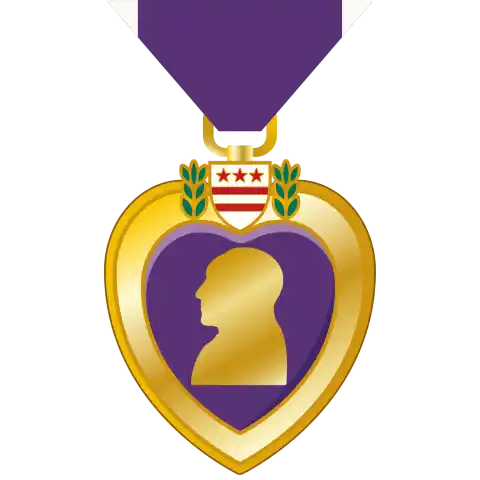
The Purple Heart stands among the most sacred decorations in the United States military, awarded only to those wounded by enemy action while defending the nation. It is a symbol of personal cost paid in the line of duty, a quiet medal that speaks with profound clarity about courage, sacrifice, and fidelity to comrades.
Colonel William O. Bill Dwiggins, United States Marine Corps, received multiple Purple Hearts. Each one marks a distinct moment in combat when he was wounded while carrying out his mission. These decorations are not trophies of valor. They are records of service rendered under fire, moments when he placed mission and Marines above his own safety, choosing duty over self and leadership over comfort.
His Purple Hearts reflect more than injury. They reflect character. They testify to courage in the face of danger, a resolve to remain with his unit when others needed leadership most, and a steadfast devotion to his Marines that compelled him to return to duty despite personal risk. They mark a pattern of sacrifice offered without fanfare, acts done not for recognition but because duty demanded them.
Few service members bear this distinction multiple times. That rarity underscores the depth of Colonel Dwiggins’s commitment. He was a warrior who repeatedly entered harm’s way not for glory but for duty, honor, and country. His decorations stand as a testament to a life lived at the intersection of conviction and action, where principles are proven by what one is willing to endure for others.
In remembering Colonel Dwiggins, we honor a man whose wounds tell a story of selfless leadership and unshakable loyalty. His Purple Hearts remain enduring proof that true courage is measured not by medals but by the lives protected and the promises kept.
“Greater love hath no man than this, that a man lay down his life for his friends.” John 15:13
Proven in the Crucible of Combat
Colonel William O. Dwiggins’s combat record is more than a ledger of awards. It is the lived testimony of a leader who met danger with steady resolve and who stood at the front of the fight when the stakes were highest. Among his decorations is the Navy and Marine Corps Achievement Medal with Combat V, an honor reserved for those whose actions in the presence of the enemy demonstrate conspicuous valor and decisive leadership under fire. That distinction, earned in the crucible of combat, marks moments when courage and judgment converged to protect Marines and accomplish the mission.
His combat honors, awarded alongside Purple Hearts and a Bronze Star, are further illuminated by elite qualifications such as the Ranger Tab, Gold Parachutist Wings, and Combat SCUBA. Together they portray a Marine who operated at the front lines of the Corps’ most demanding missions, a warrior trained for complexity, tested by adversity, and proven in action. These achievements reflect not only skill but a willingness to shoulder the hardest burdens and to meet danger with disciplined calm.
Colonel Dwiggins’s valor was never a single headline moment. It was a pattern of conduct, repeated choices to accept risk for the sake of others, calm decision making under pressure, and leadership that inspired confidence in those who followed him. He returned to duty after wounds, stood with his Marines in the worst of times, and carried the weight of command with humility rather than fanfare. His courage was steady, quiet, and unwavering, expressed not in words but in the actions that kept Marines alive and missions on course.
His service record also reflects extraordinary breadth of responsibility. Commander, Deputy Director, Chief of Staff, Inspector General, Marine Officer Instructor. Each role required discipline, strategic judgment, and steady moral authority. In every capacity he brought forward the same principles forged in combat: duty before self, fidelity to subordinates, and an insistence that leadership be measured by service rather than rank. His influence extended beyond the battlefield into the institutions that shape Marines, strengthening standards, sharpening readiness, and guiding the next generation with clarity and conviction.
Retirement did not diminish his example. It clarified it. Sacrifice became a way of life rather than a momentary act. Colonel Dwiggins’s legacy is one of courage tempered by humility, faith anchored in action, and devotion that extended beyond the battlefield to strengthen every life he touched. His service strengthened the Nation. His sacrifice strengthened the people he led. His character continues to strengthen communities and individuals who follow his example.
Legacy
Colonel William O. Bill Dwiggins has lived a life defined by service, an identity formed early and sustained through decades of sacrifice and leadership. Born into a family intimately connected to one of America’s most consequential military stories, he carries the proud heritage of the Tuskegee Airmen. His father served as the Flight Surgeon for those pioneering aviators whose courage and excellence broke barriers and reshaped history. That legacy of discipline, patriotism, and resilience became the bedrock of Bill’s own extraordinary journey.
For thirty two years Colonel Dwiggins served in the United States Marine Corps, rising from enlisted Marine to senior officer through determination, intellect, and an unwavering devotion to duty. His career spanned combat tours, international development and reconstruction missions, and complex joint operations that demanded both courage and clarity. He held a wide range of commands and staff positions including Commander, Deputy Director, Chief of Staff, Inspector General, Logistics Officer, and Marine Officer Instructor at the University of Texas. In every role he led with steadiness, humility, and the quiet confidence of a man who understood the weight of responsibility.
His service was marked by sacrifice and valor. He is highly decorated, recipient of the Legion of Merit twice, the Bronze Star, four Purple Hearts, and numerous commendations. He earned elite qualifications including the Ranger Tab, Gold Parachutist Wings, and Combat SCUBA. Each decoration tells a part of the story, not of self promotion, but of repeated willingness to accept risk for the sake of mission and Marines.
His multiple Purple Hearts testify to separate moments in combat when he was wounded by enemy action, evidence of courage under fire, steadfast devotion to his Marines, and a readiness to return to duty despite personal cost. His Navy and Marine Corps Achievement Medal with Combat V recognizes conspicuous heroism in the presence of the enemy, decisive leadership under hostile fire, courage that inspired others, and calm, disciplined judgment when it mattered most.
After retiring from active duty, he continued to serve in civilian leadership. As State Director of Veterans Employment and Training Services in Louisiana and now as a Veterans Education Program Specialist with the Texas Veterans Commission, he has dedicated himself to protecting the integrity of GI Bill programs and ensuring veterans and military connected students receive the opportunities they earned. His work affects more than four hundred thousand veterans and students across Texas, shaping futures through education, advocacy, and steadfast support.
His influence extends into classrooms, campuses, community organizations, and legislative halls. He forges partnerships, strengthens veteran programs, and helps institutions create environments where veterans feel seen, supported, and valued. His leadership changes lives quietly and steadily, guided by the same discipline and devotion that marked his years in uniform.
At the center of his life is family. As a husband he built a home defined by loyalty, faith, and partnership. Together with his wife he cultivated a family culture of resilience, mutual respect, and the conviction that service to others is both a duty and an honor. Their home was a place where values were lived, where integrity, compassion, and perseverance were taught by example.
His strength has always come from more than heritage or uniform. It comes from a deep, lived faith in the Lord. That faith shaped his character, grounded his decisions, and sustained him through the hardships of combat, leadership, and transition. It is not performative but practical, evident in the humility with which he leads, the compassion he shows, and the integrity that guides every choice. Faith has been the quiet compass of his life long before he donned the uniform and long after he set it aside. It provided courage when the path was difficult and peace when the burden was heavy. In every season he has lived his faith through action, serving others with humility, leading with integrity, and loving with steadfast devotion.
His faith is woven through every chapter of his life, evident in the discipline with which he served, the humility with which he led, the compassion he extended to veterans and families, the steadiness he brought to every mission, and the gratitude with which he honored those he served alongside. That faith shaped how he treated people, with dignity, fairness, and respect. As a servant leader in the veteran community, it continues to guide him toward advocacy, compassion, and tireless service.
Behind every deployment, every promotion, and every sacrifice stood a family who loved him fiercely. He carries his family in everything he does. Their support was not merely emotional; it was foundational. They prayed for him, waited for him, encouraged him, and believed in him through every season of his journey. His wife was his partner in the fullest sense, sharing the burdens of military life, offering quiet strength through long separations, and building a home grounded in faith, loyalty, and love. Together they forged a family culture of resilience, mutual respect, and the conviction that serving others is both a duty and an honor.
To his family he was more than the man in uniform. They knew the gentle heart beneath the rank, the dry humor, the humility, and the devotion. They saw the father who listened, the husband who cherished, the man of prayer, and the leader who loved deeply and without fanfare. That family continues to reflect the principles he has lived, service, humility, strength of character, and a deep commitment to community. His influence is visible in the lives of those closest to him and in the generations who follow the path he helped shape. His legacy is not only what he accomplished but whom he loved and how he loved them, steadfast, sacrificial, and true.
Colonel William O. Bill Dwiggins’s legacy is more than military valor and public service. It is a life in which faith was lived outwardly through steady action, unshakable character, and a relentless devotion to others. His convictions were not private comforts but the engine of a public life. Faith shaped his decisions, informed his courage, and gave purpose to every act of service.
One of the most defining and beautiful aspects of his life is the company he kept. Bill’s loyalty runs deep. He is the friend who shows up, the listener who makes room for another’s burden, the steady presence who stands beside you when life is heavy. Those bonds were forged in briefing rooms, in long nights overseas, and in the quiet rhythms of home. Over decades colleagues became confidants and comrades became family. People turned to him for counsel, for prayer, for encouragement, and for the simple comfort of his presence. In every community he entered he left behind not just associates but friends who felt strengthened, supported, and uplifted by knowing him.
Colonel Dwiggins is a man strengthened by the Lord, a leader guided by purpose, and a servant whose life reflects grace, humility, and devotion. His legacy is rooted in faith, enduring, steadfast, and true. It is measured not only by accomplishments or the breadth of community ties, but by the way he loved, deeply, faithfully, and without reservation. What he built, family, friendship, service, continues to shape lives and inspire others to answer the call to serve with the same quiet courage and compassionate heart.