![chris_]](https://pub-81cf9cdeeb2f42af886586df45c2740b.r2.dev/2026/03/chris_.jpeg)
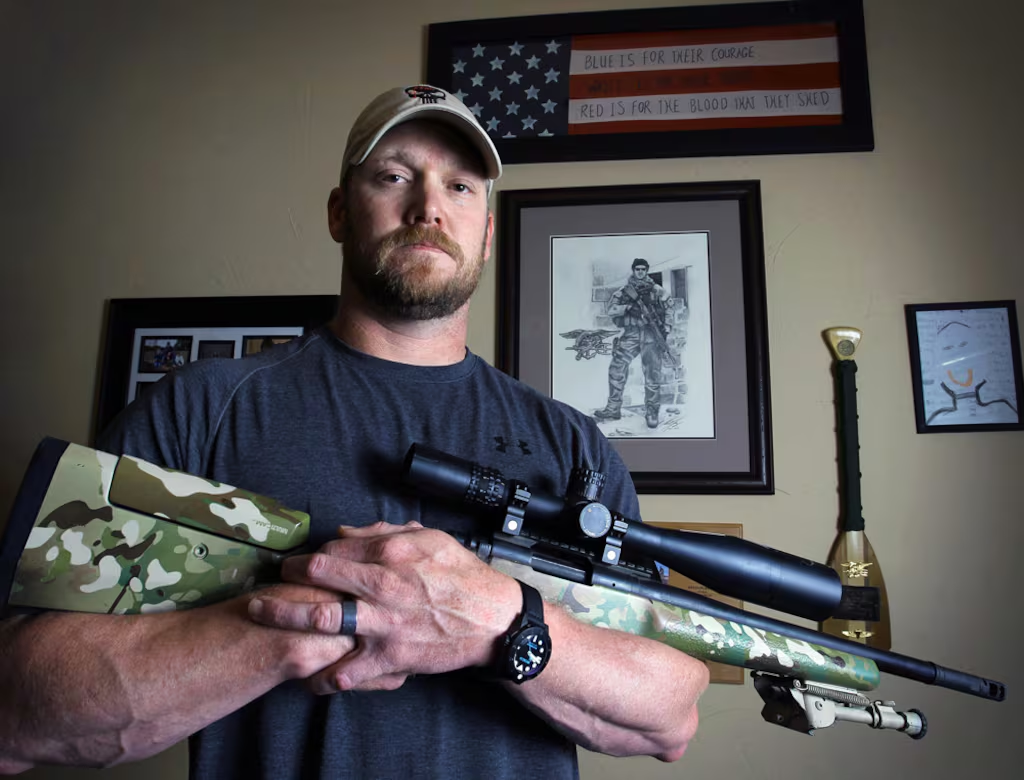
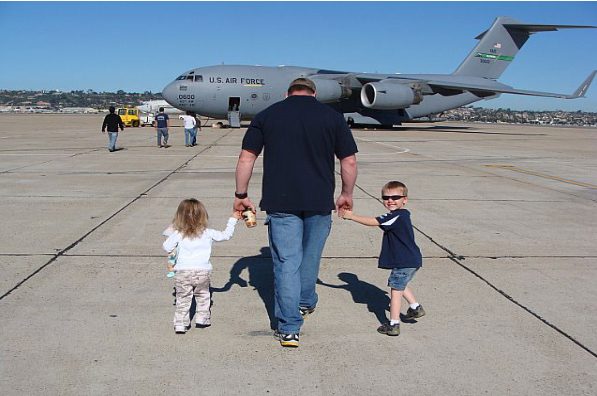
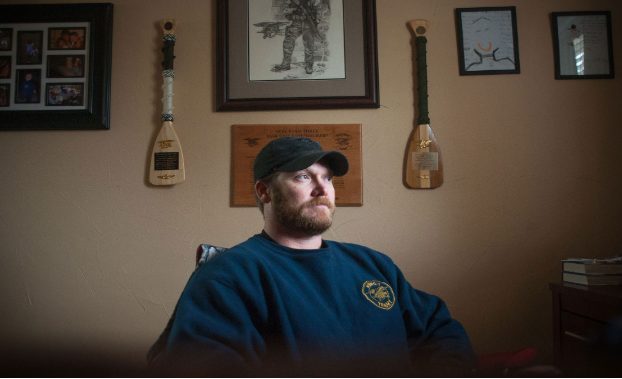
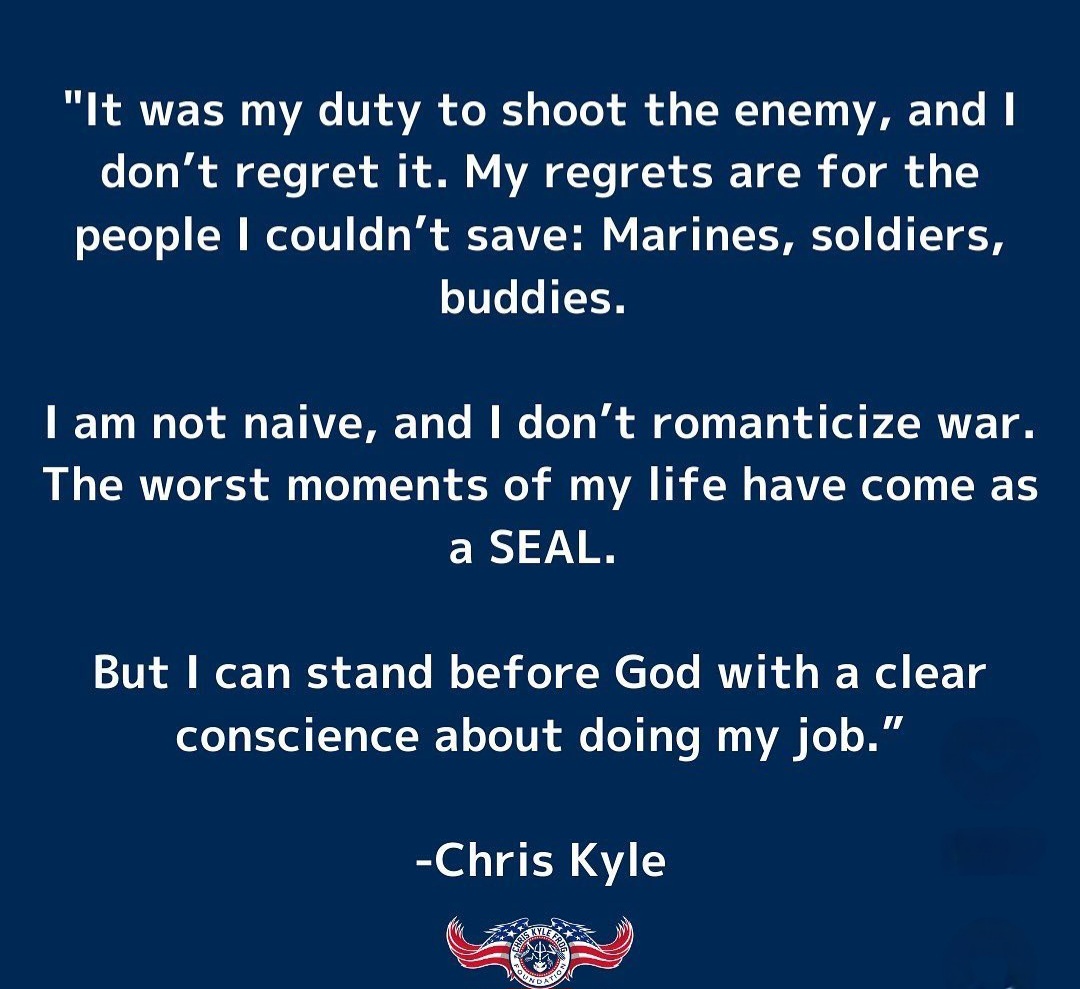
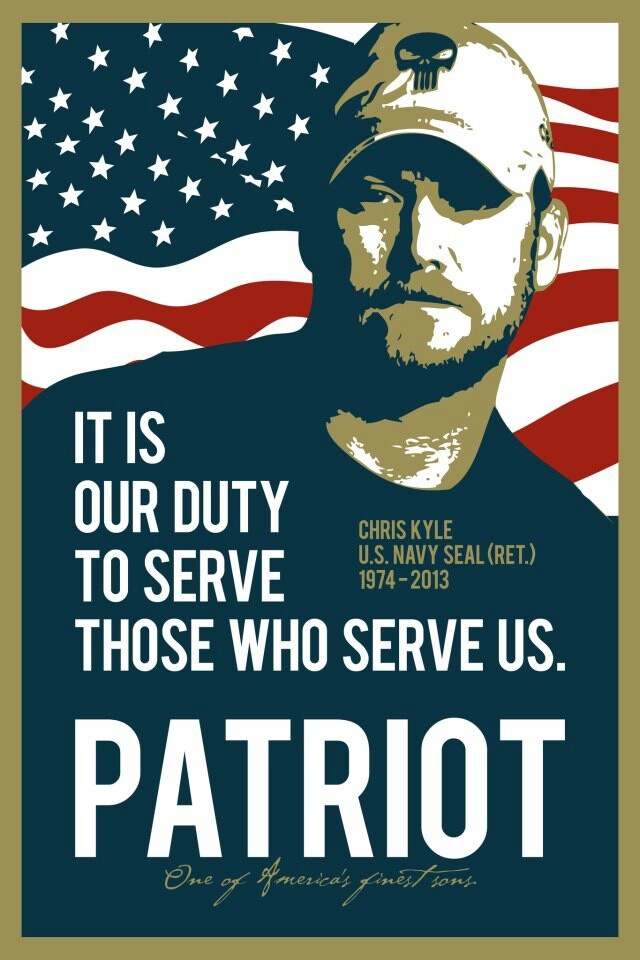
“I’d rather be known for the number of lives I saved rather than the lives I’ve taken.”
– Chris Kyle
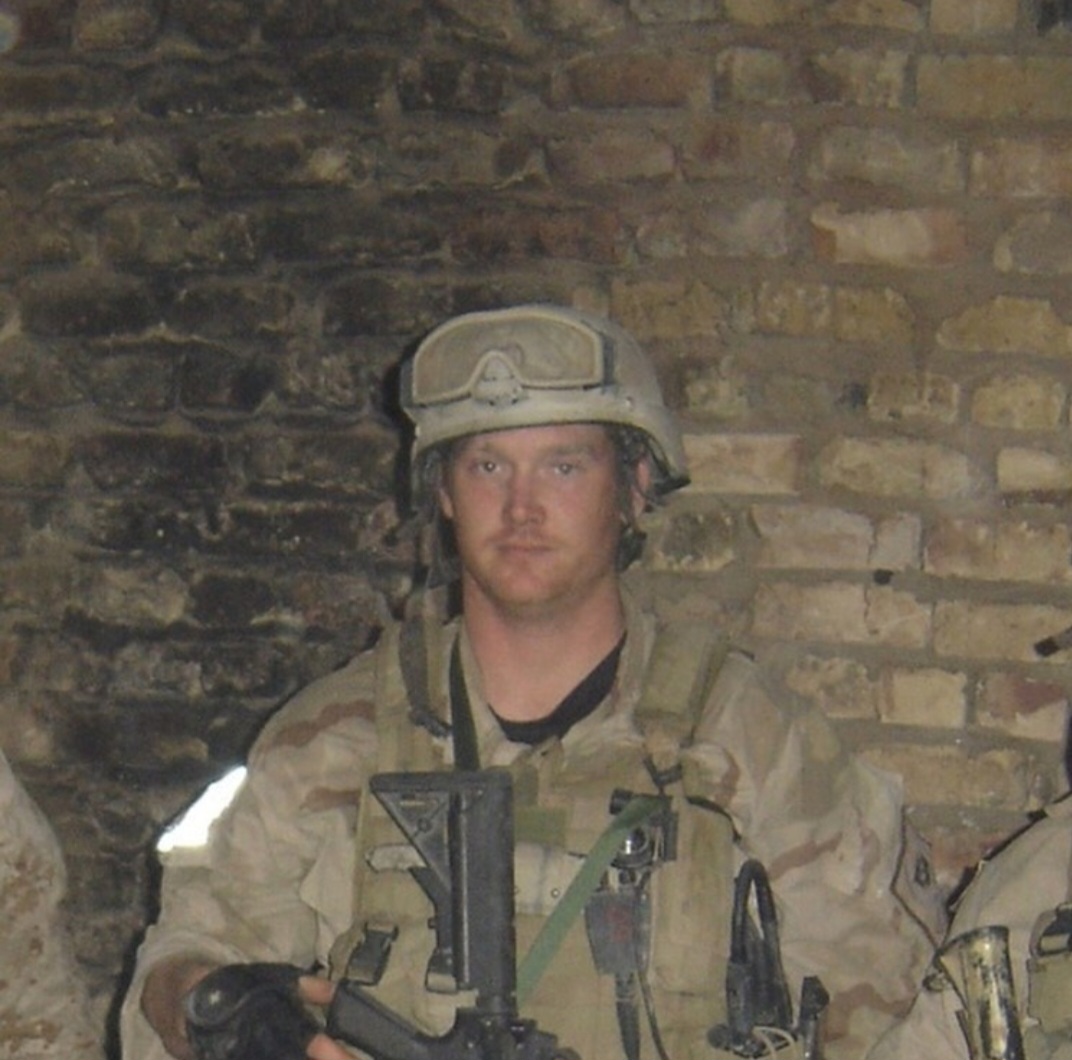
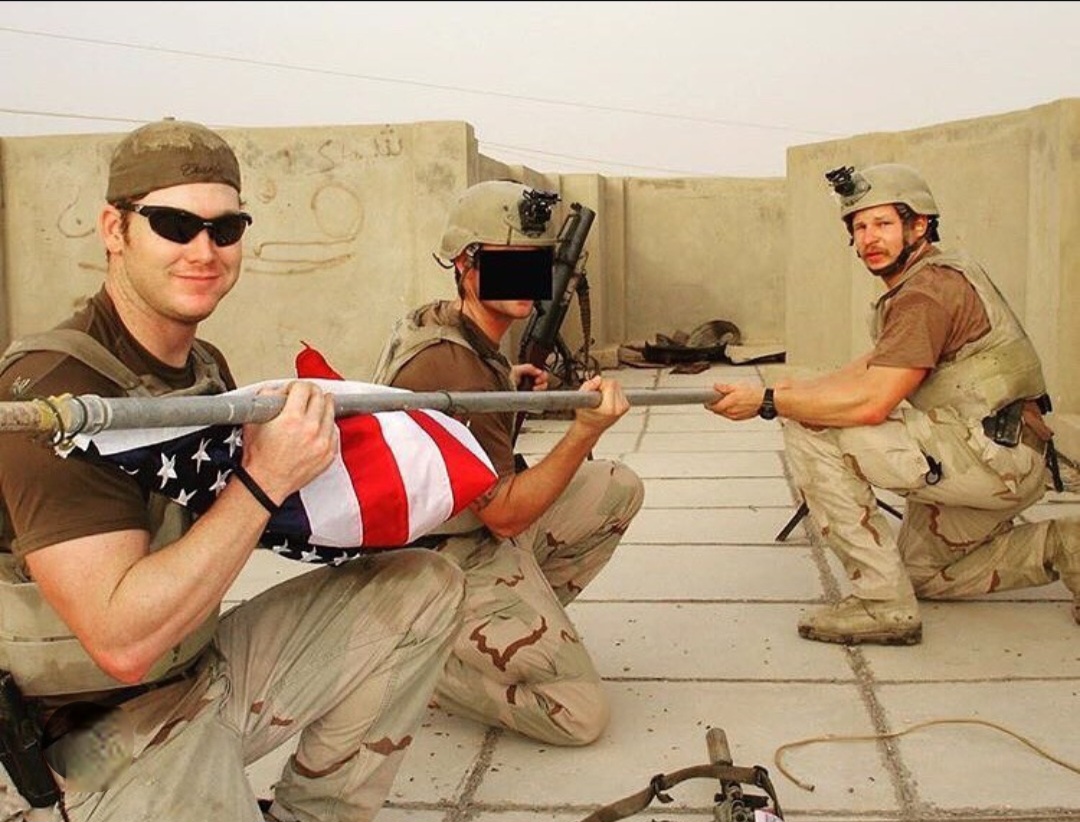
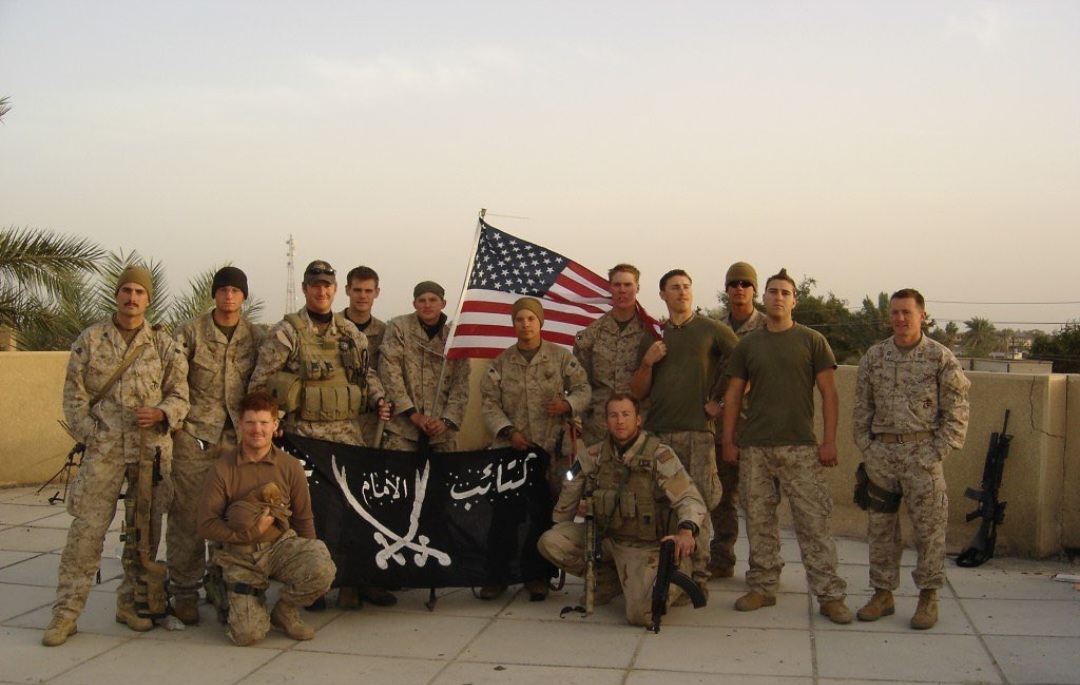
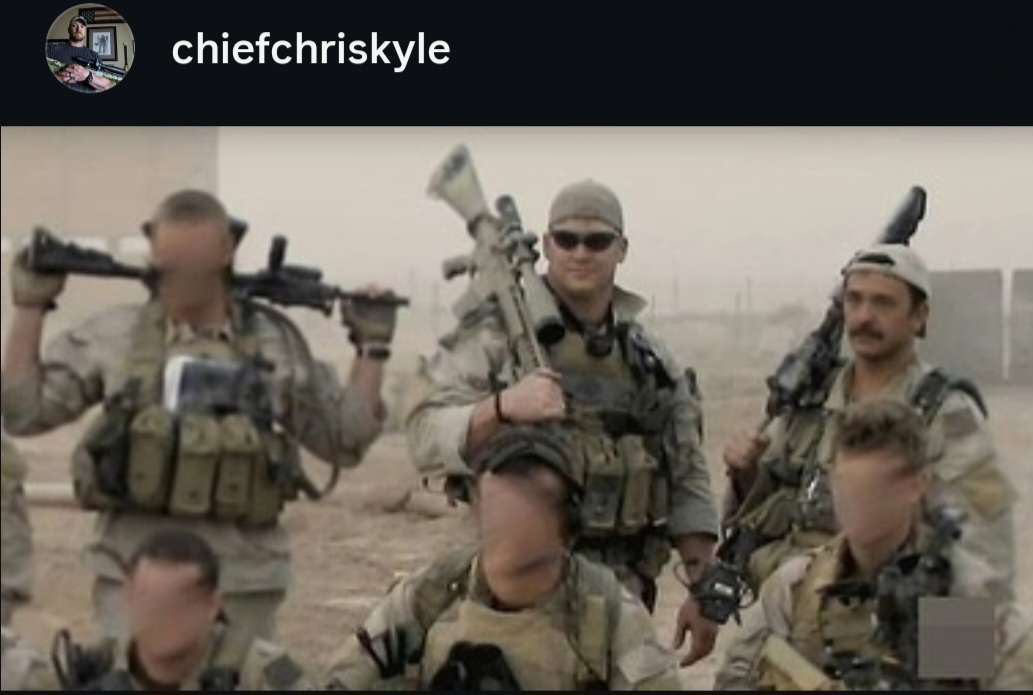
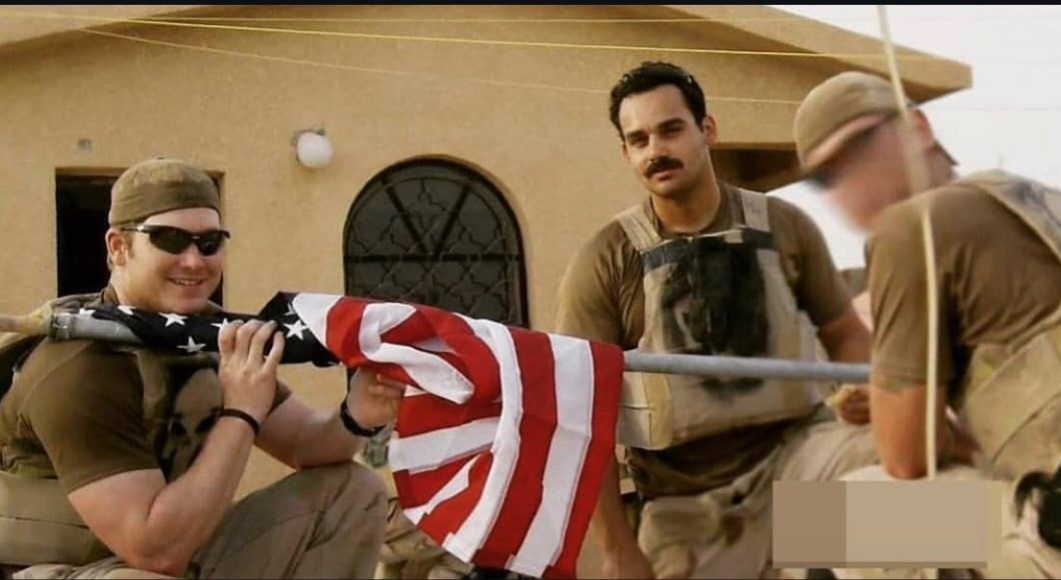
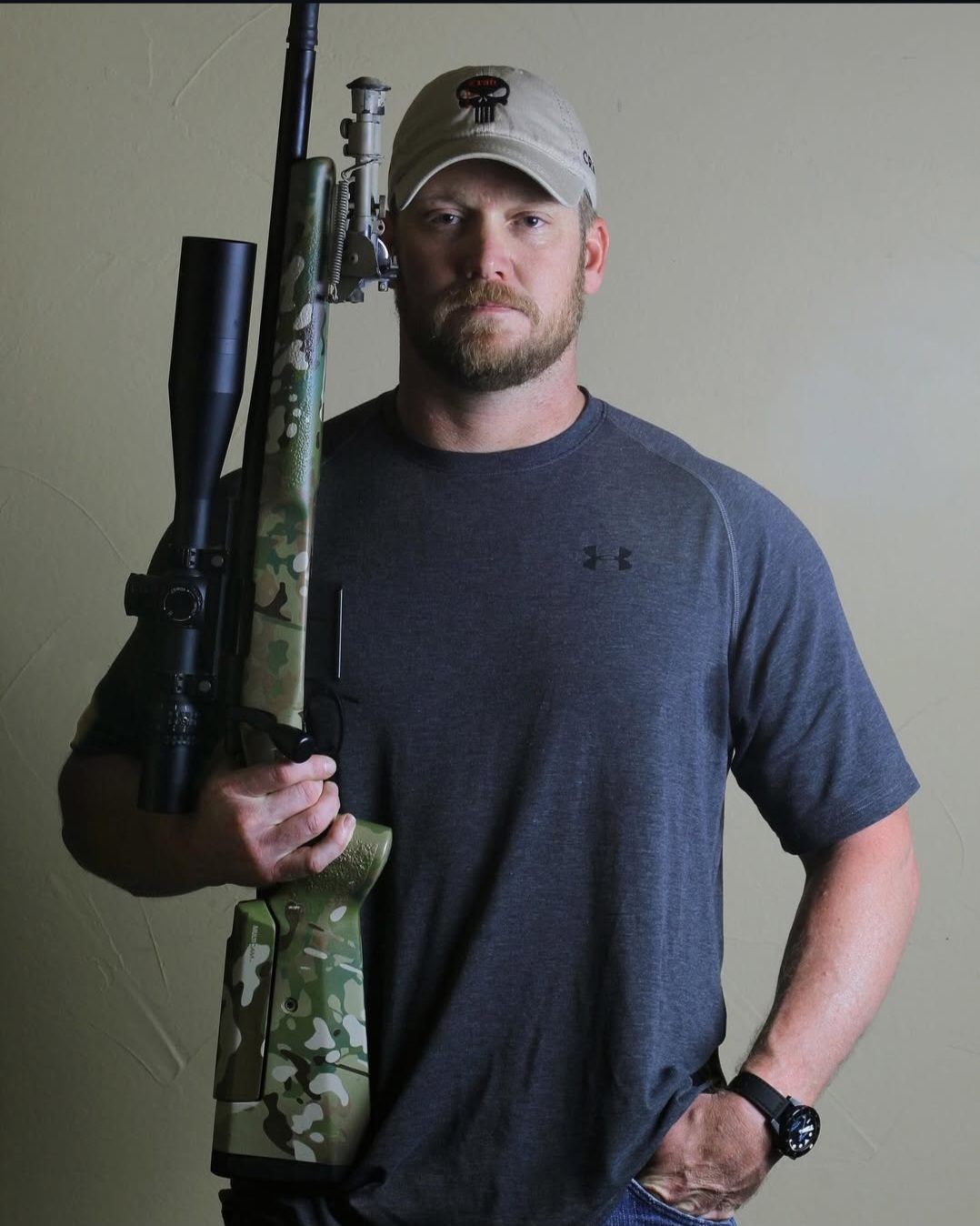
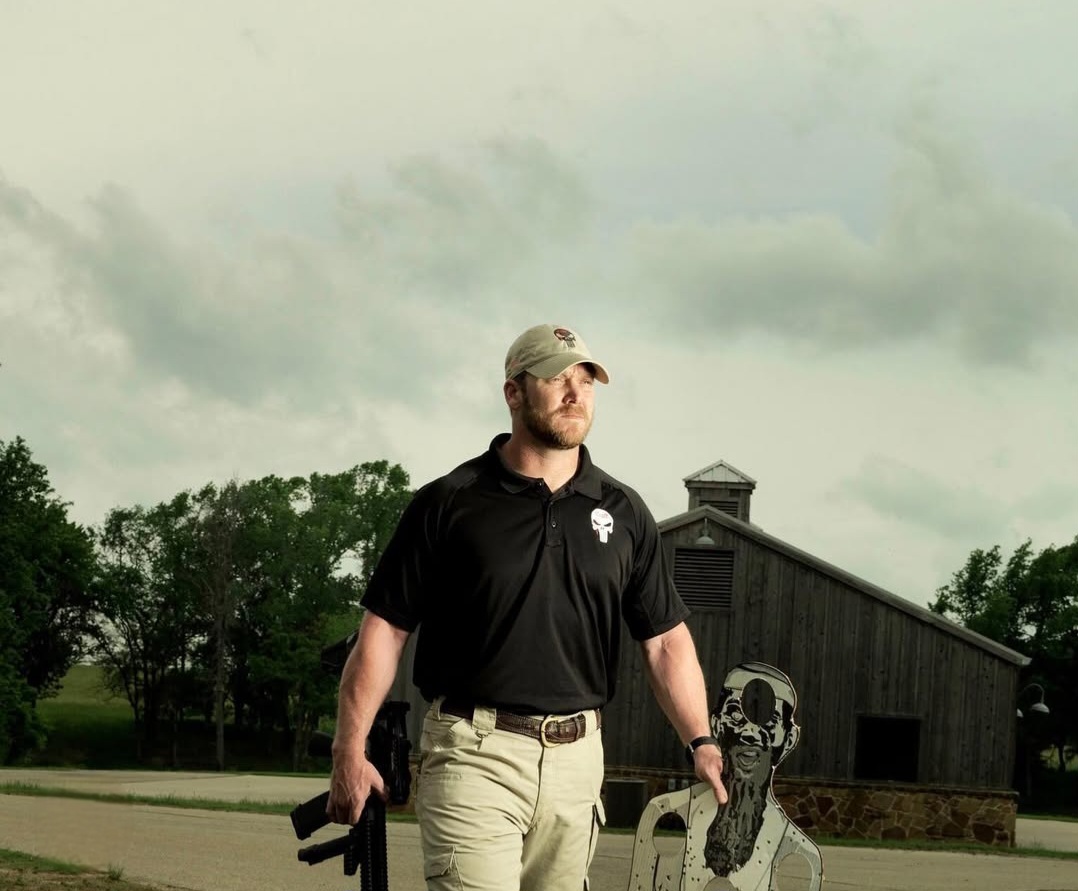
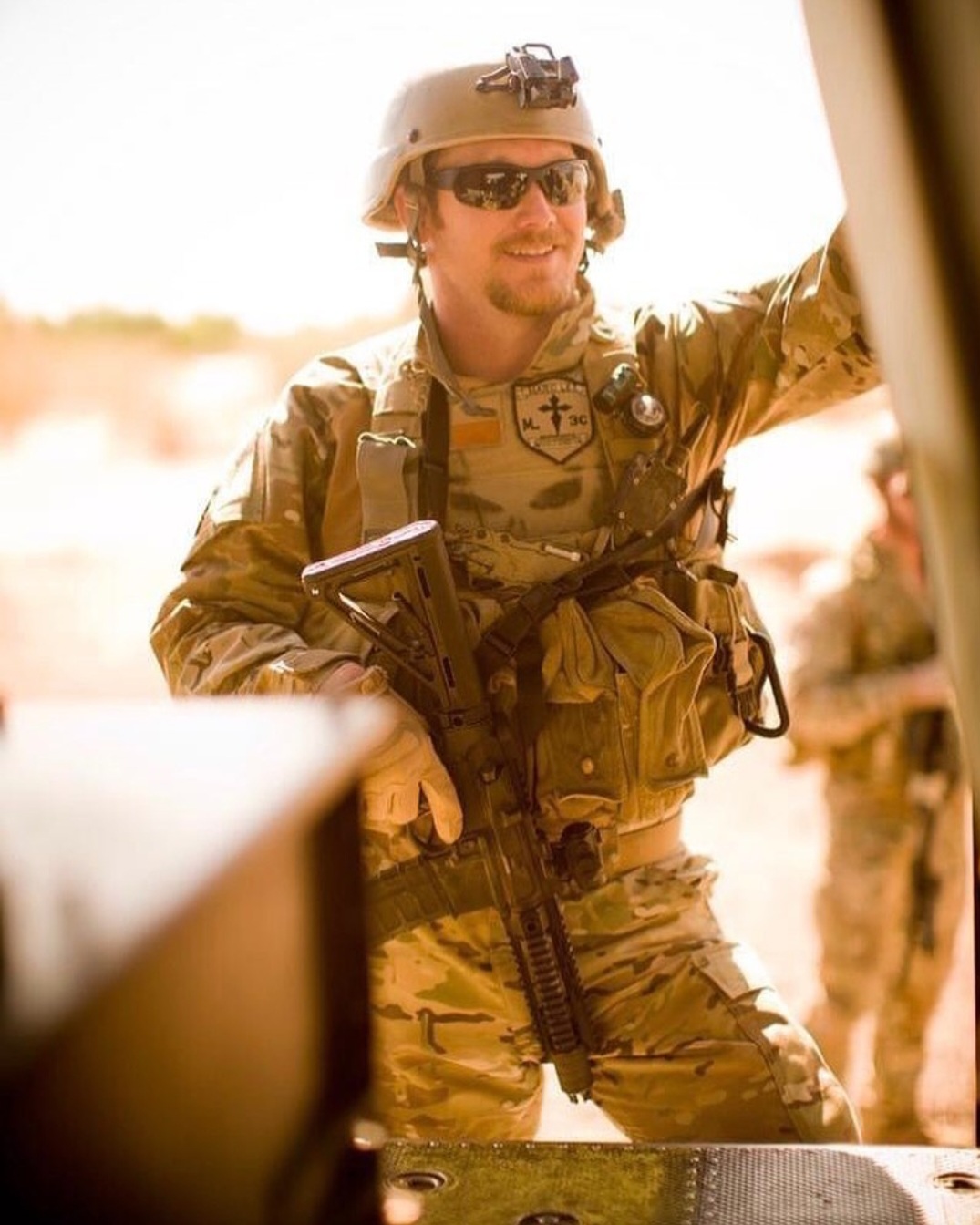
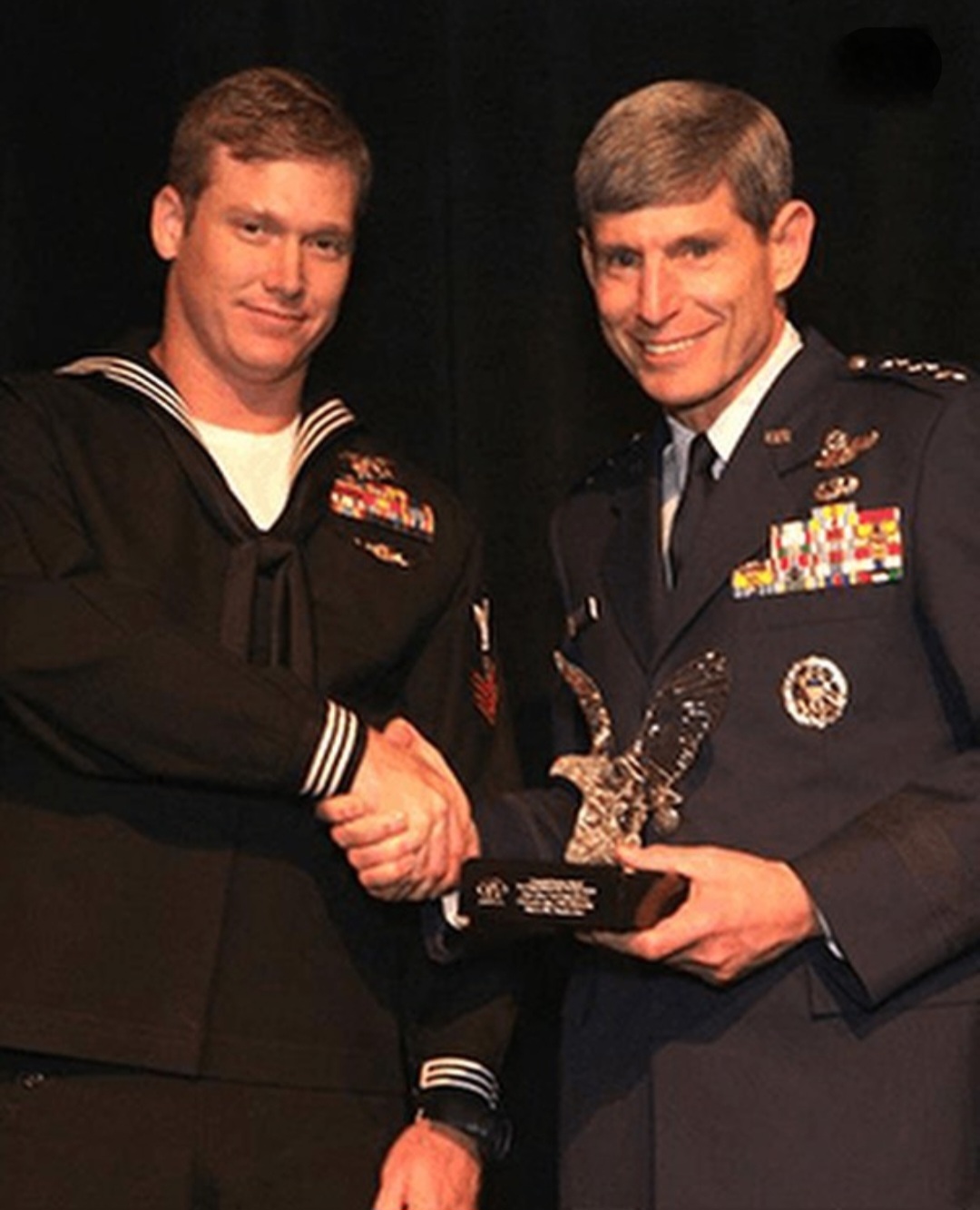
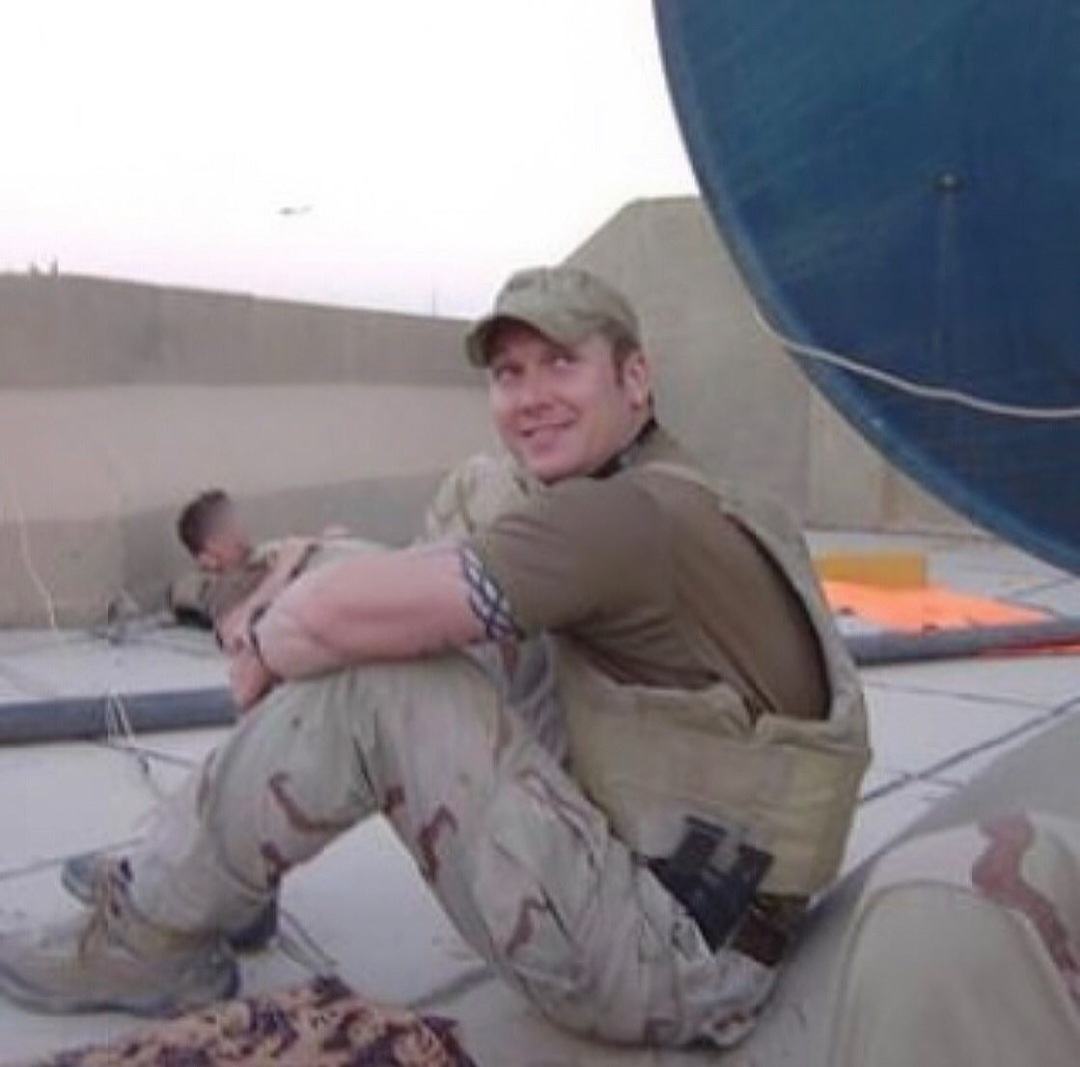
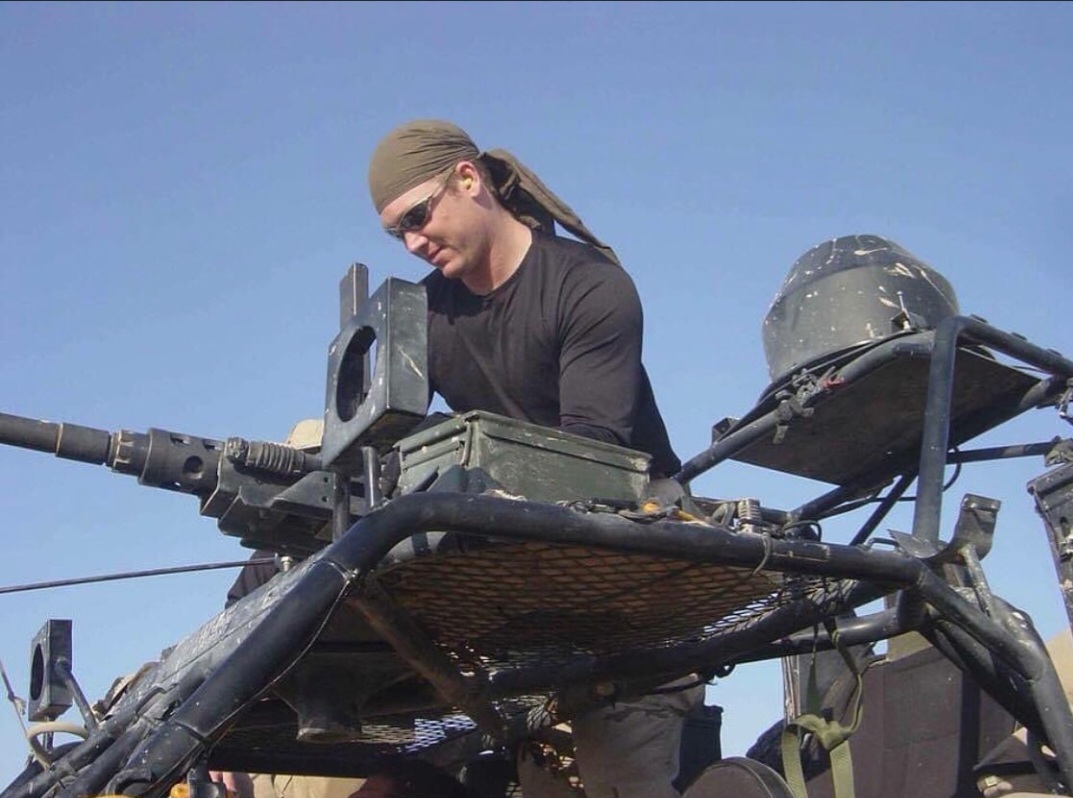
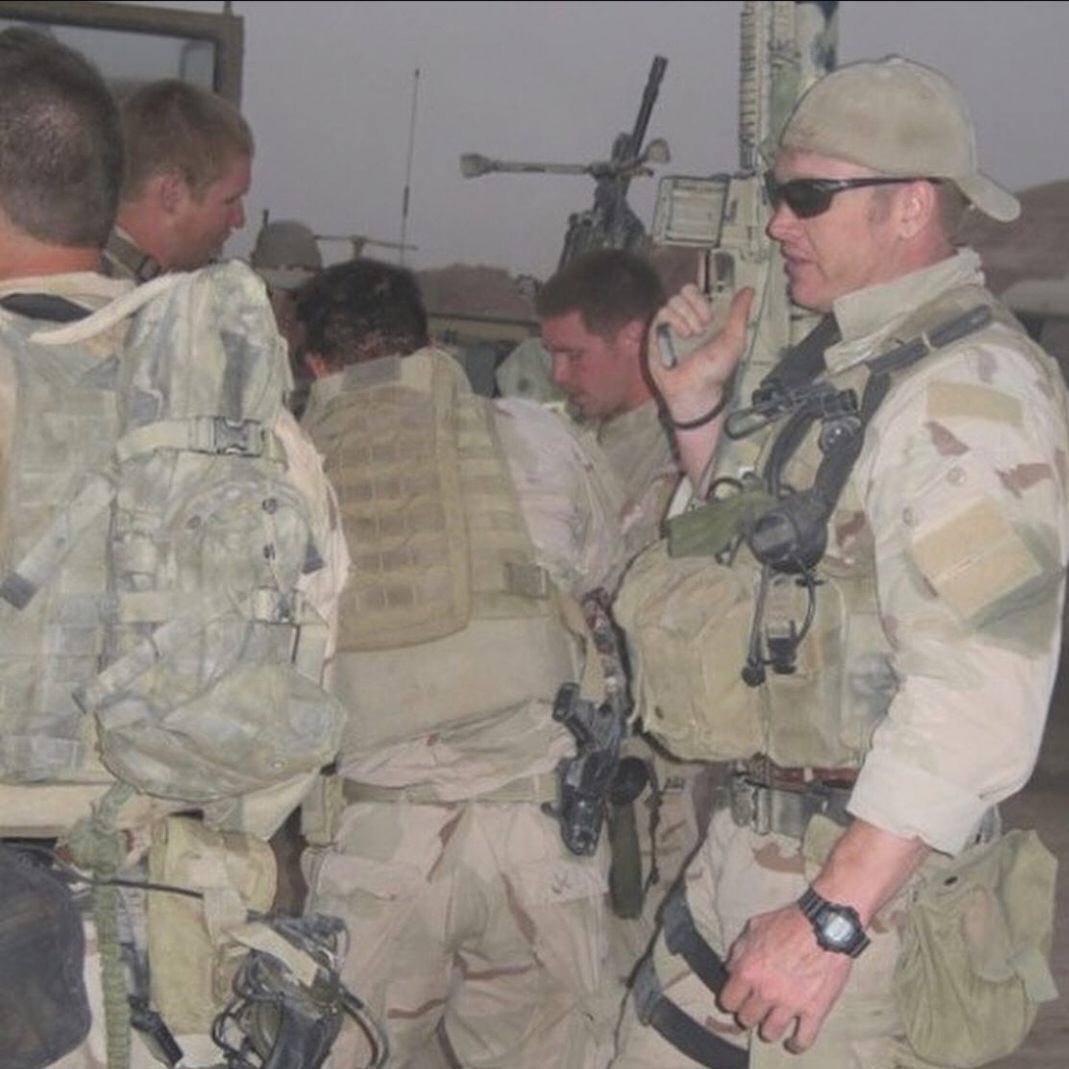
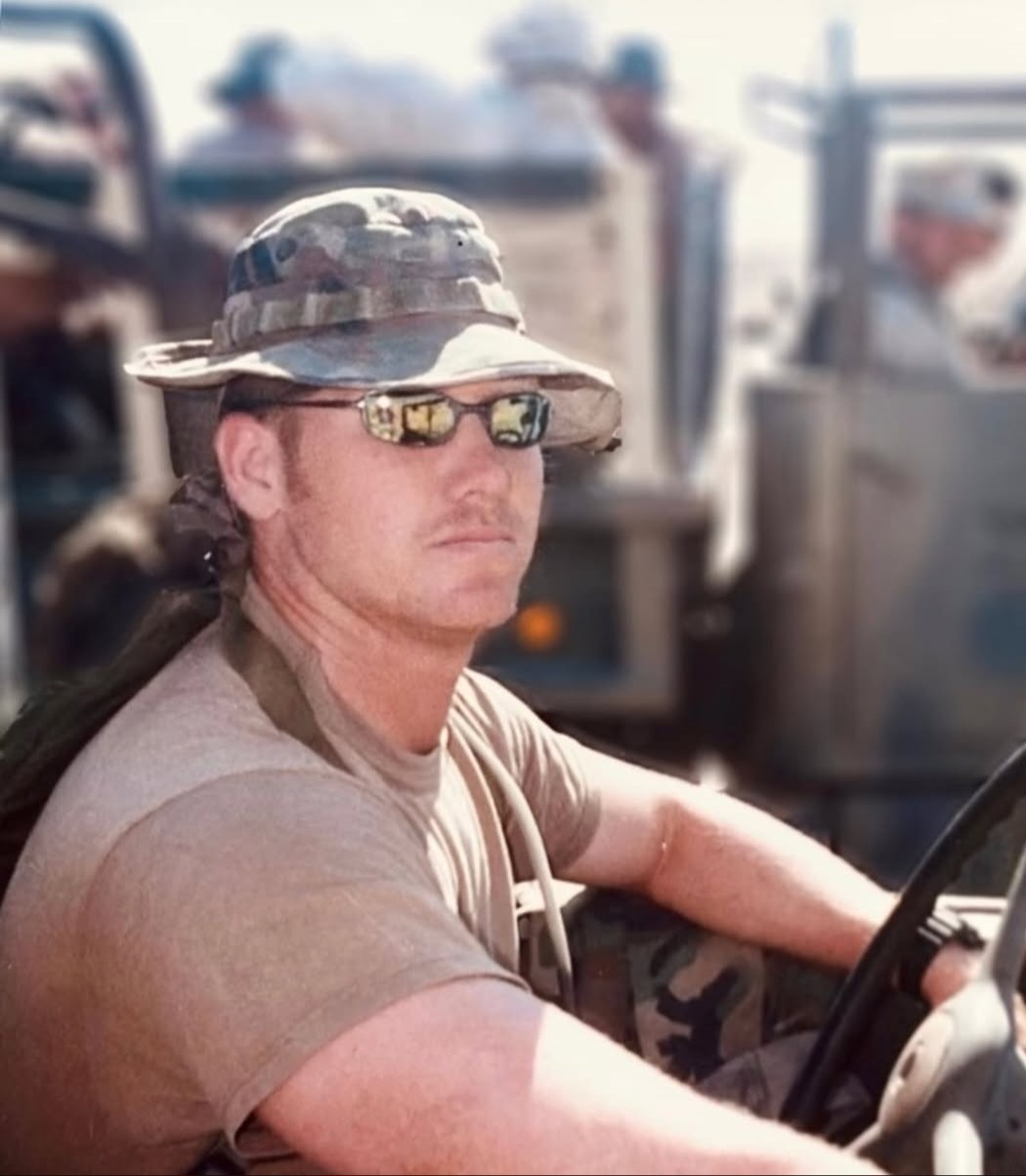
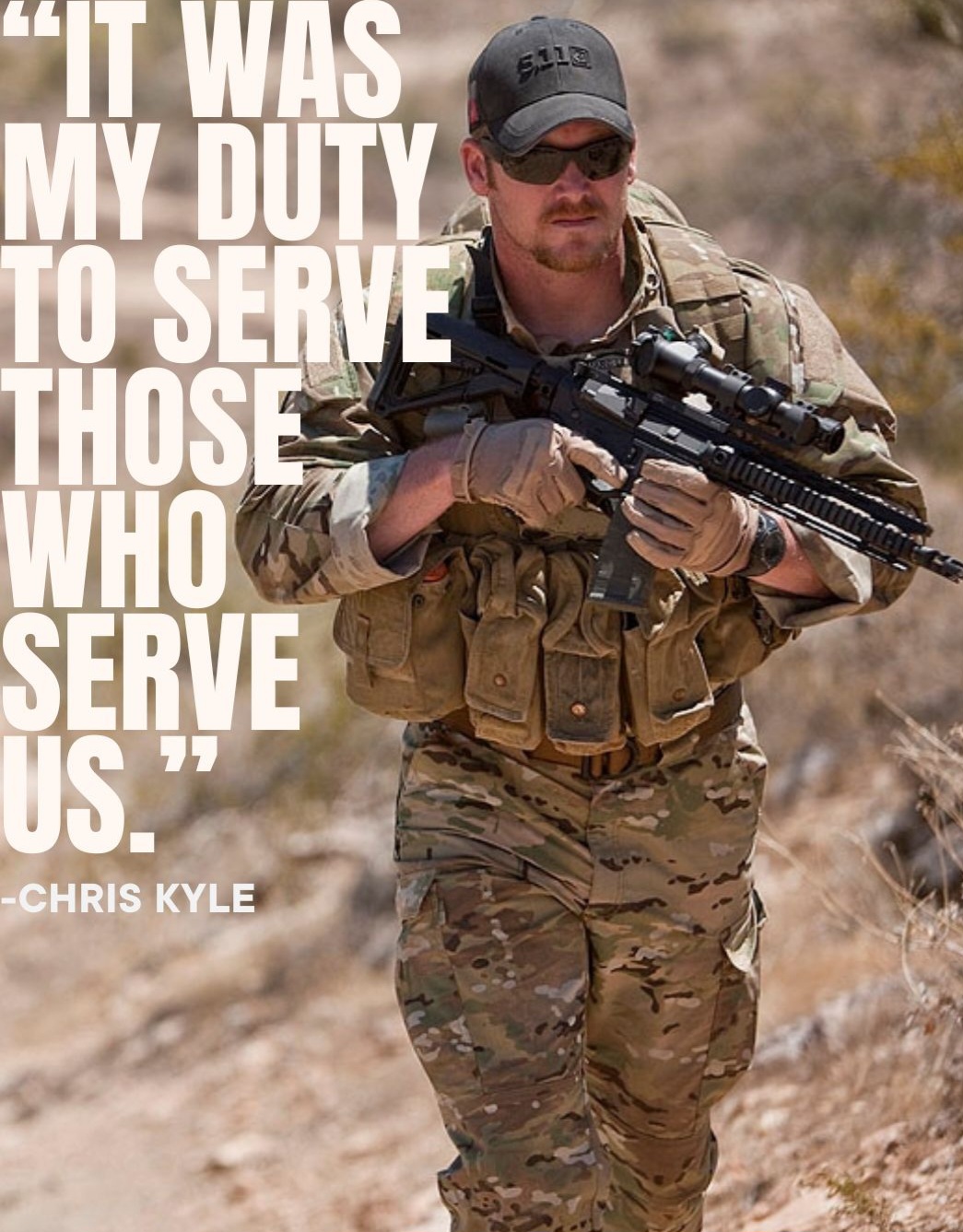
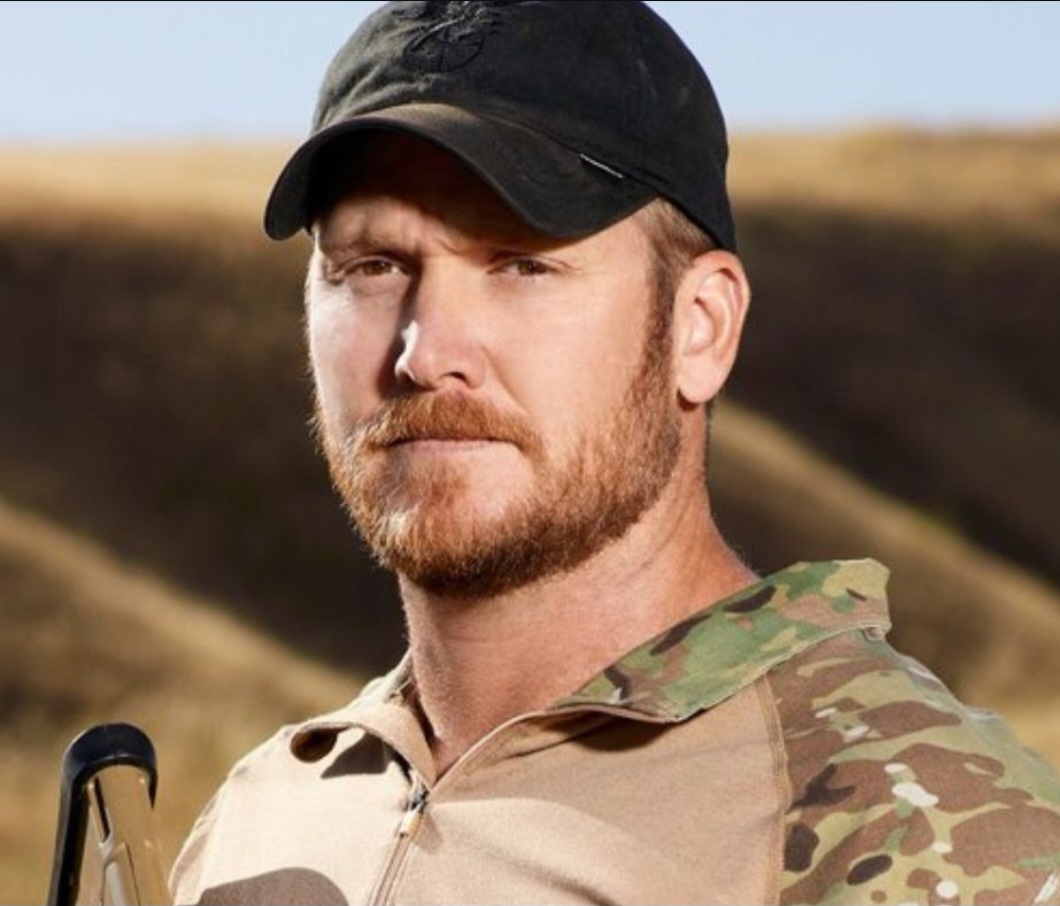
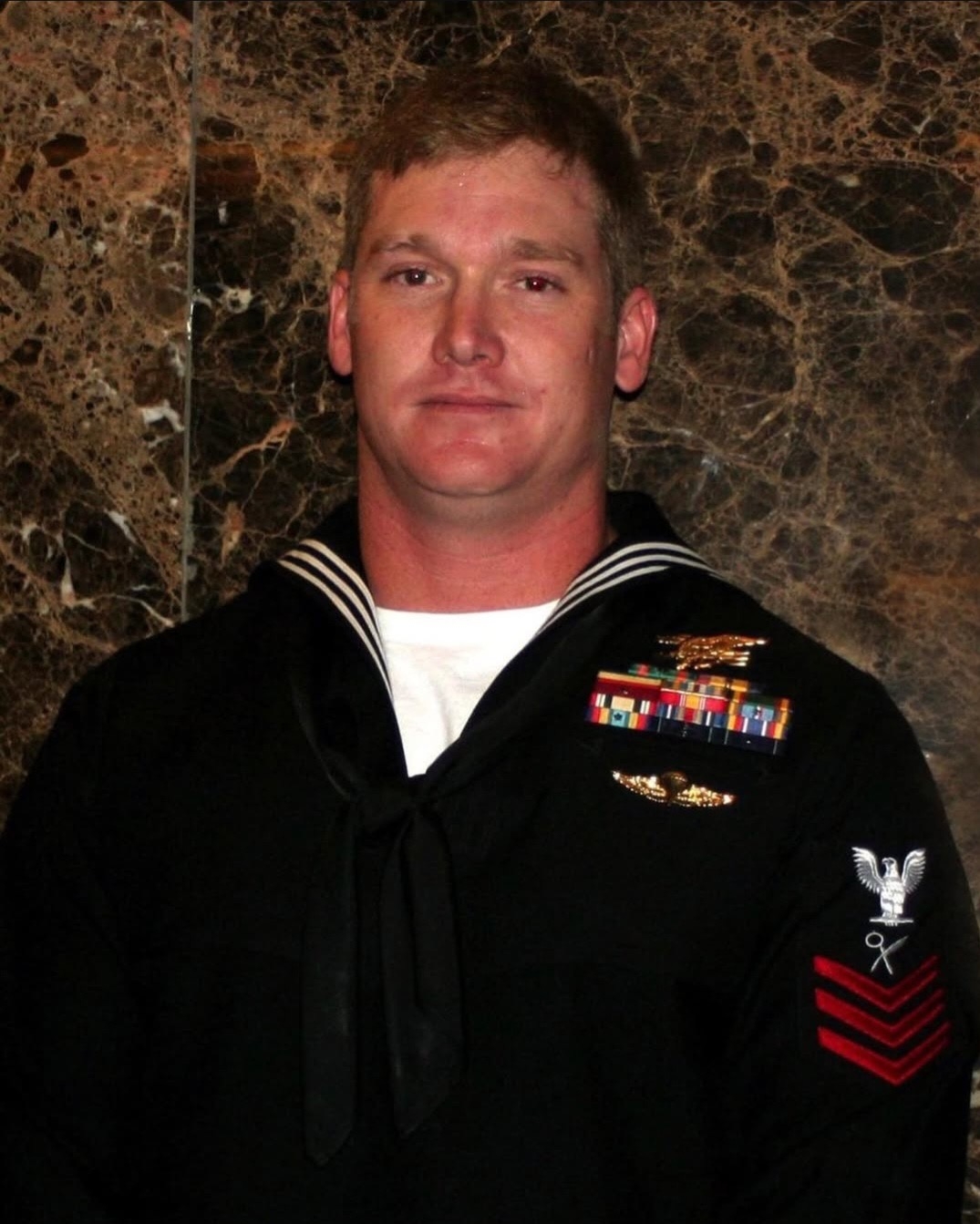
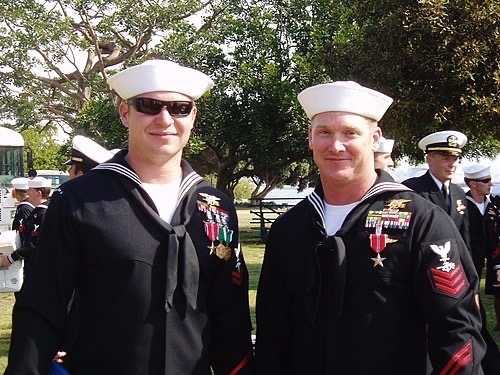
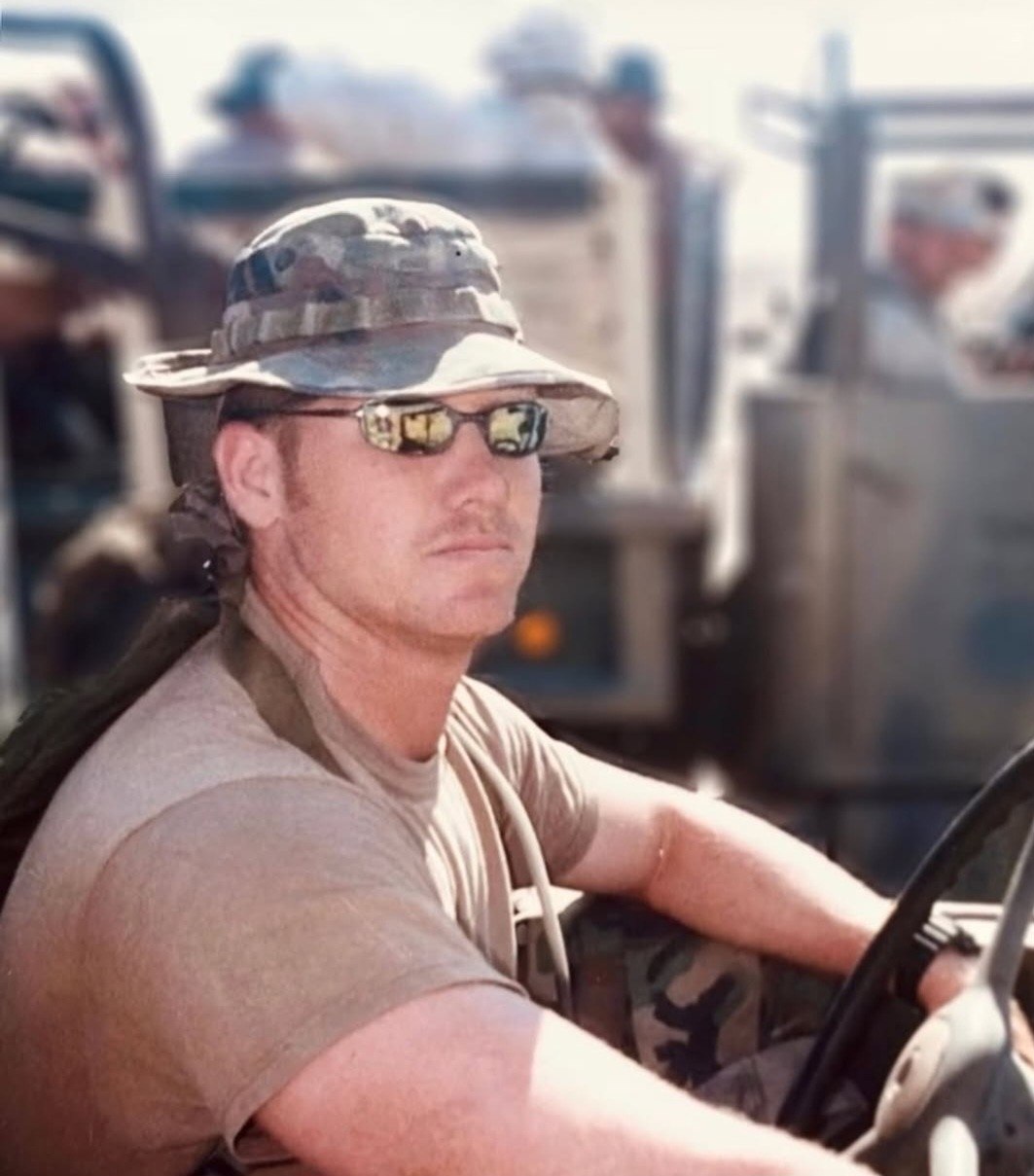
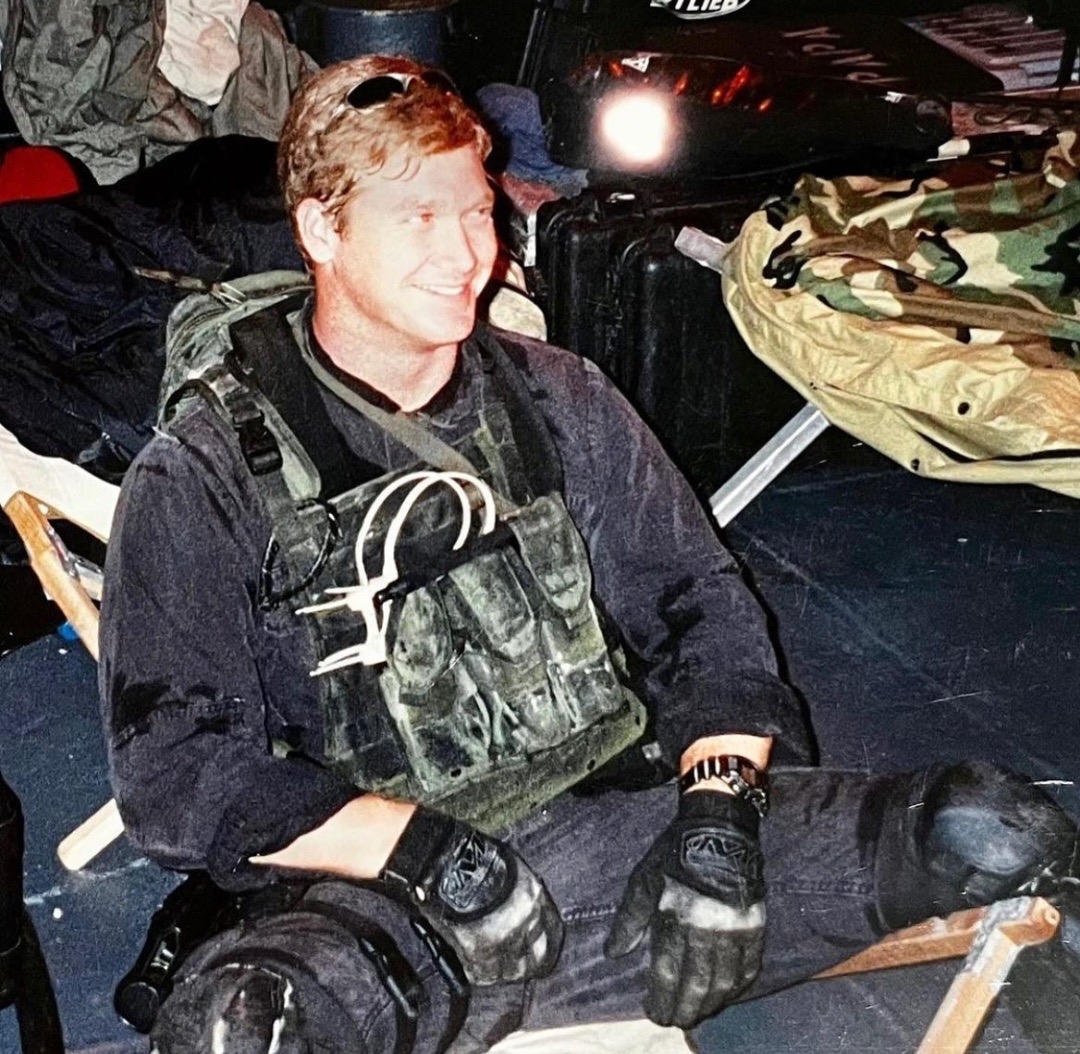
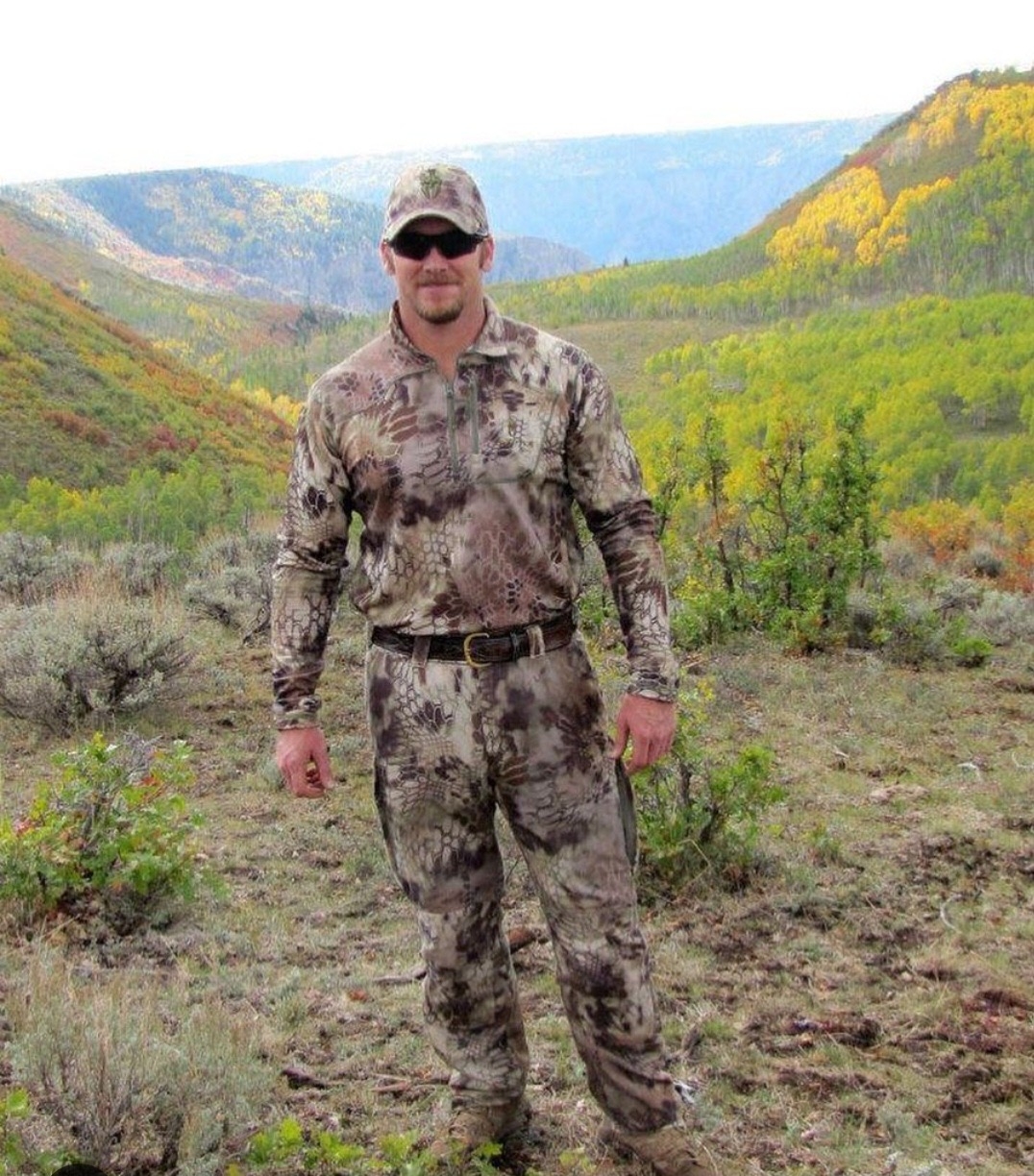
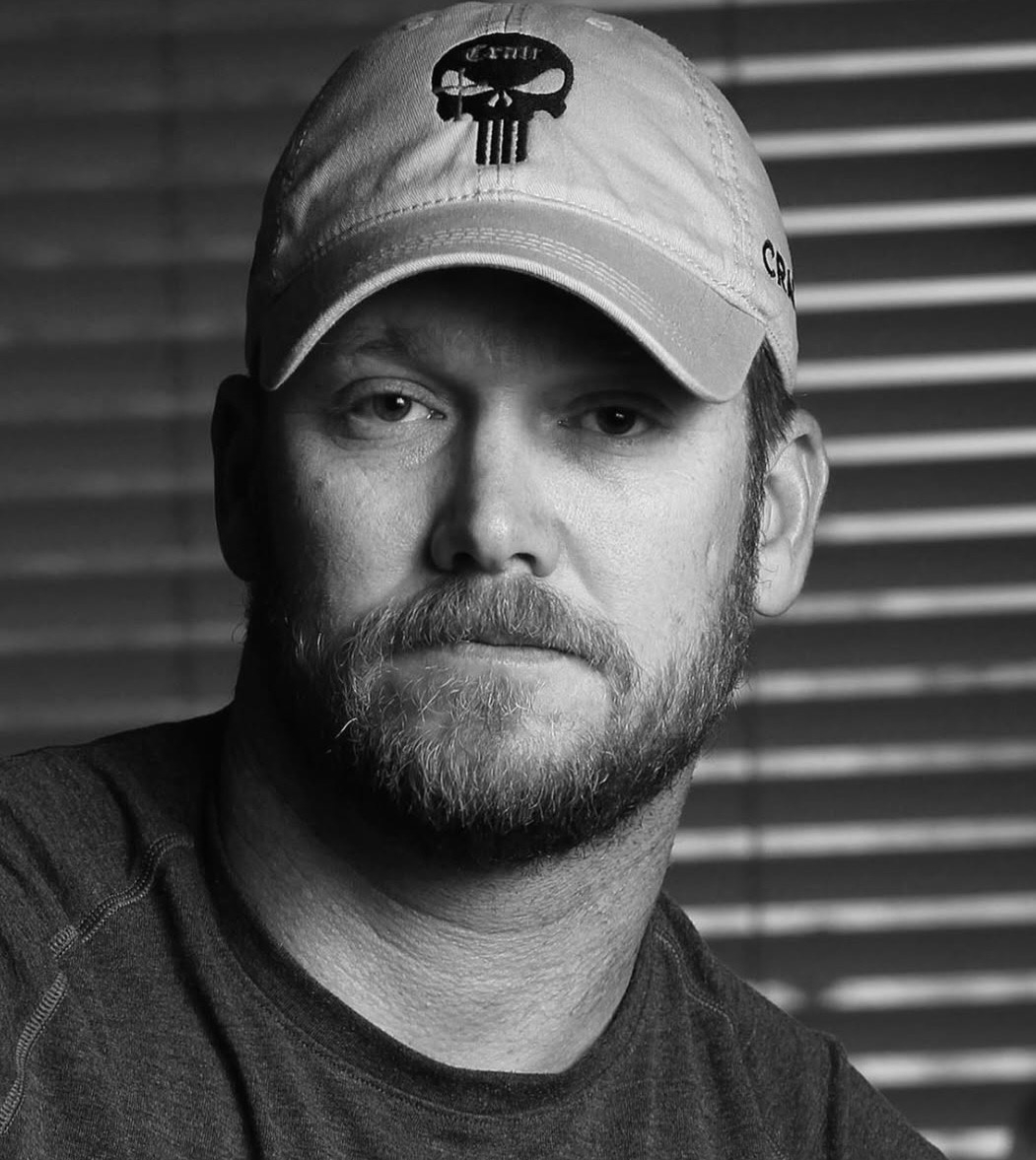
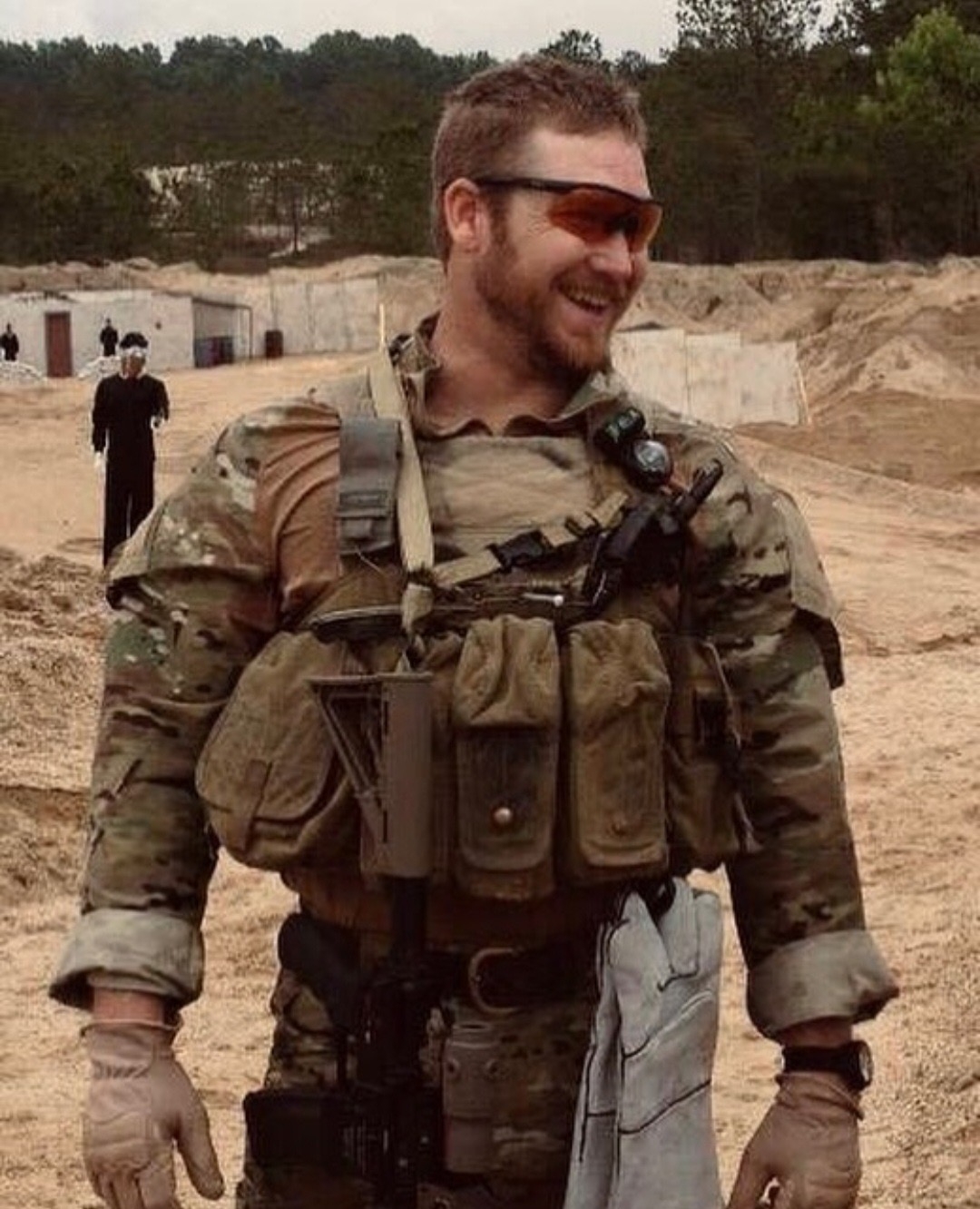
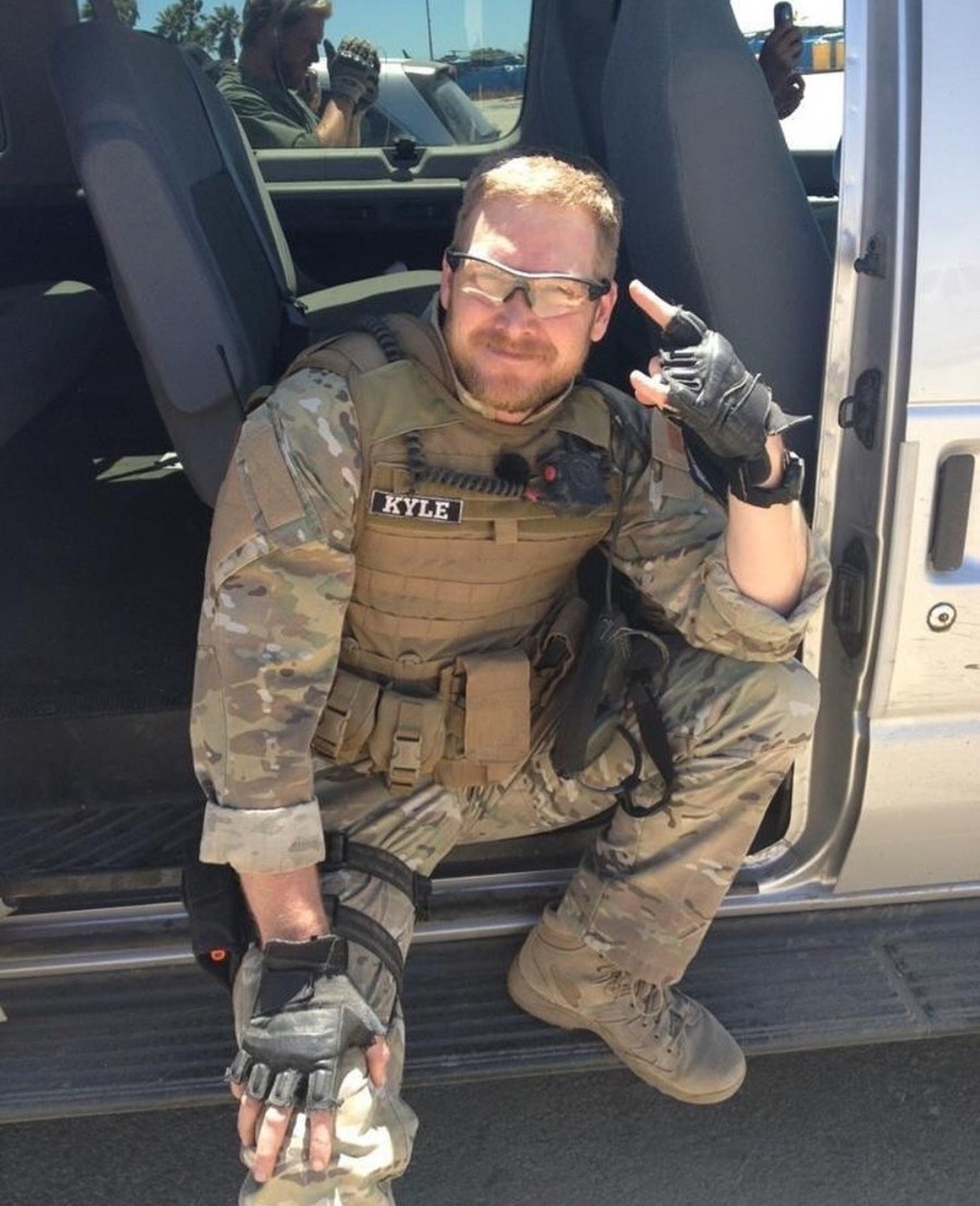
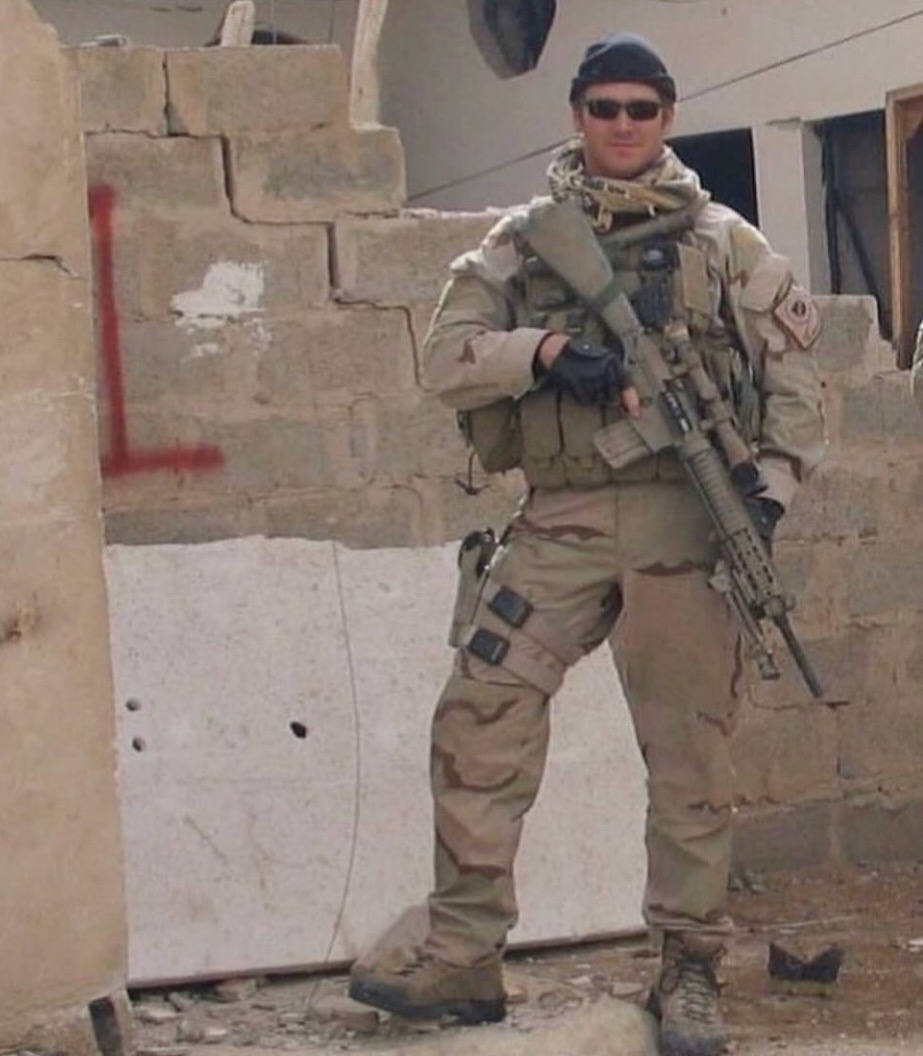
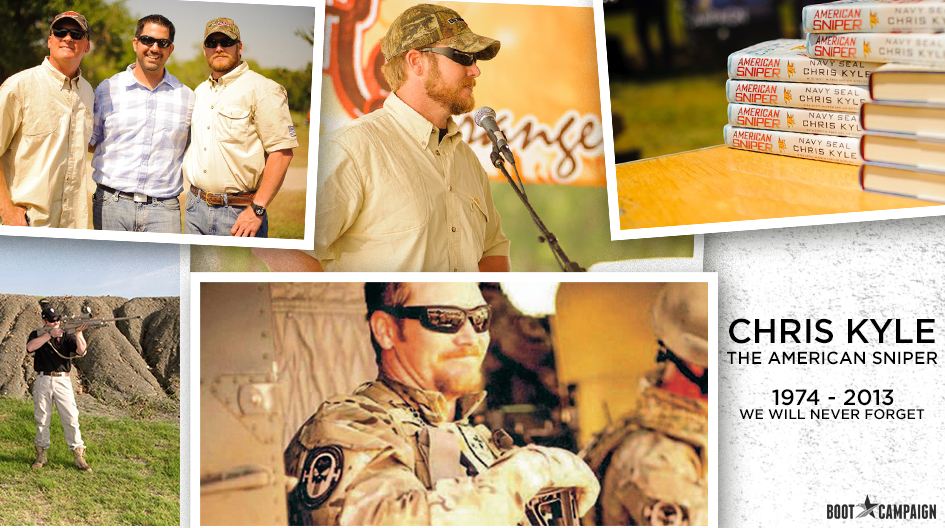
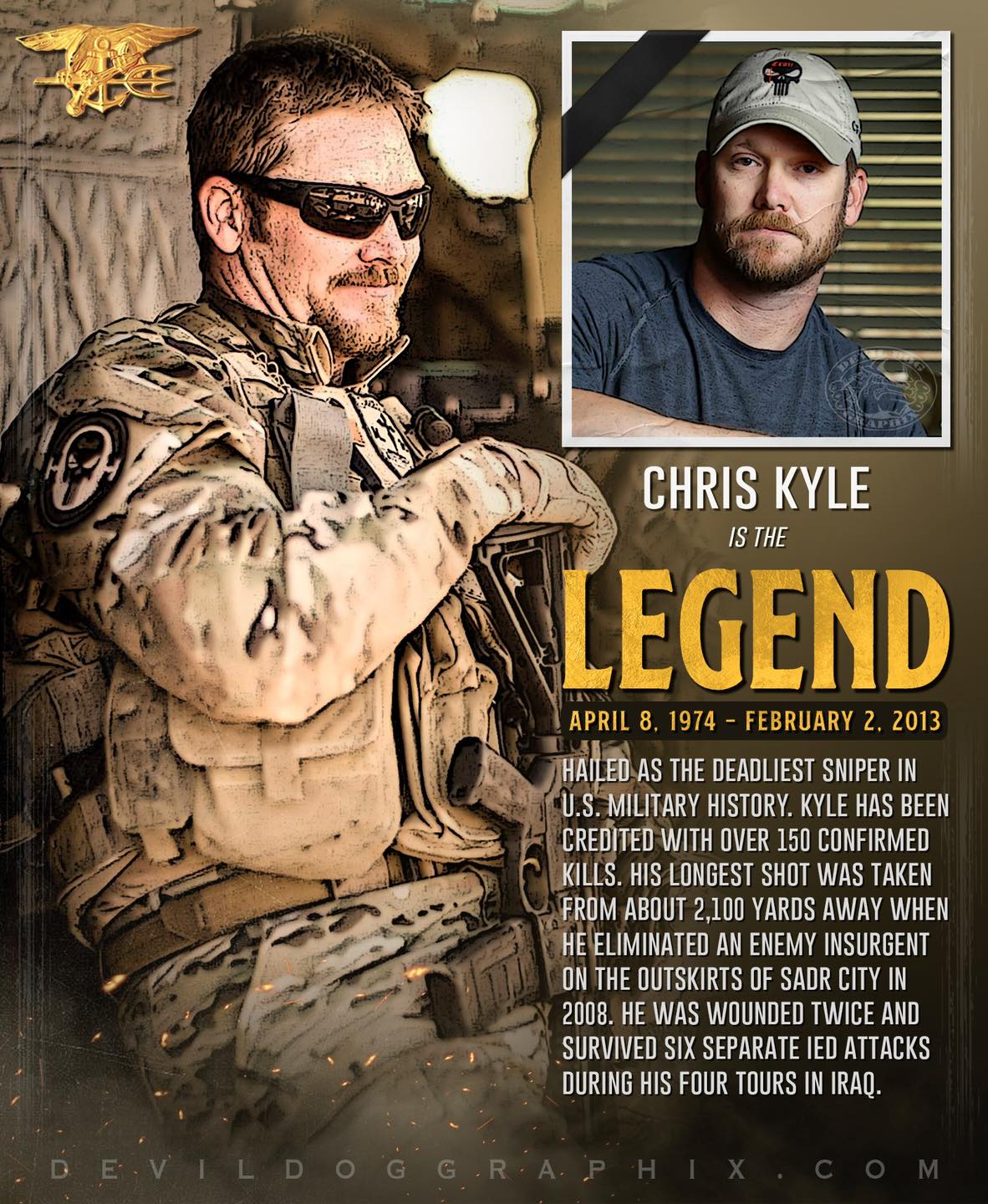
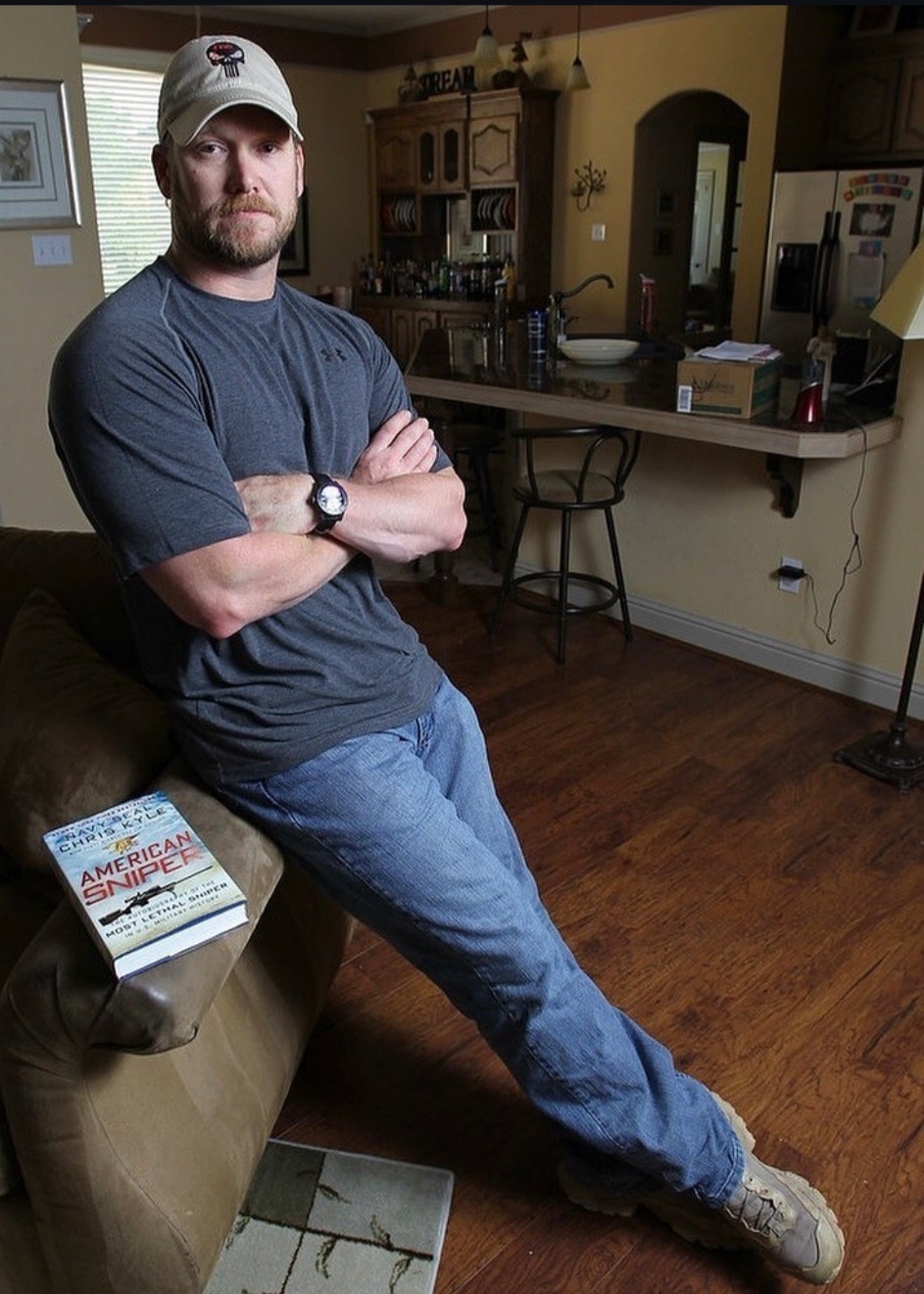
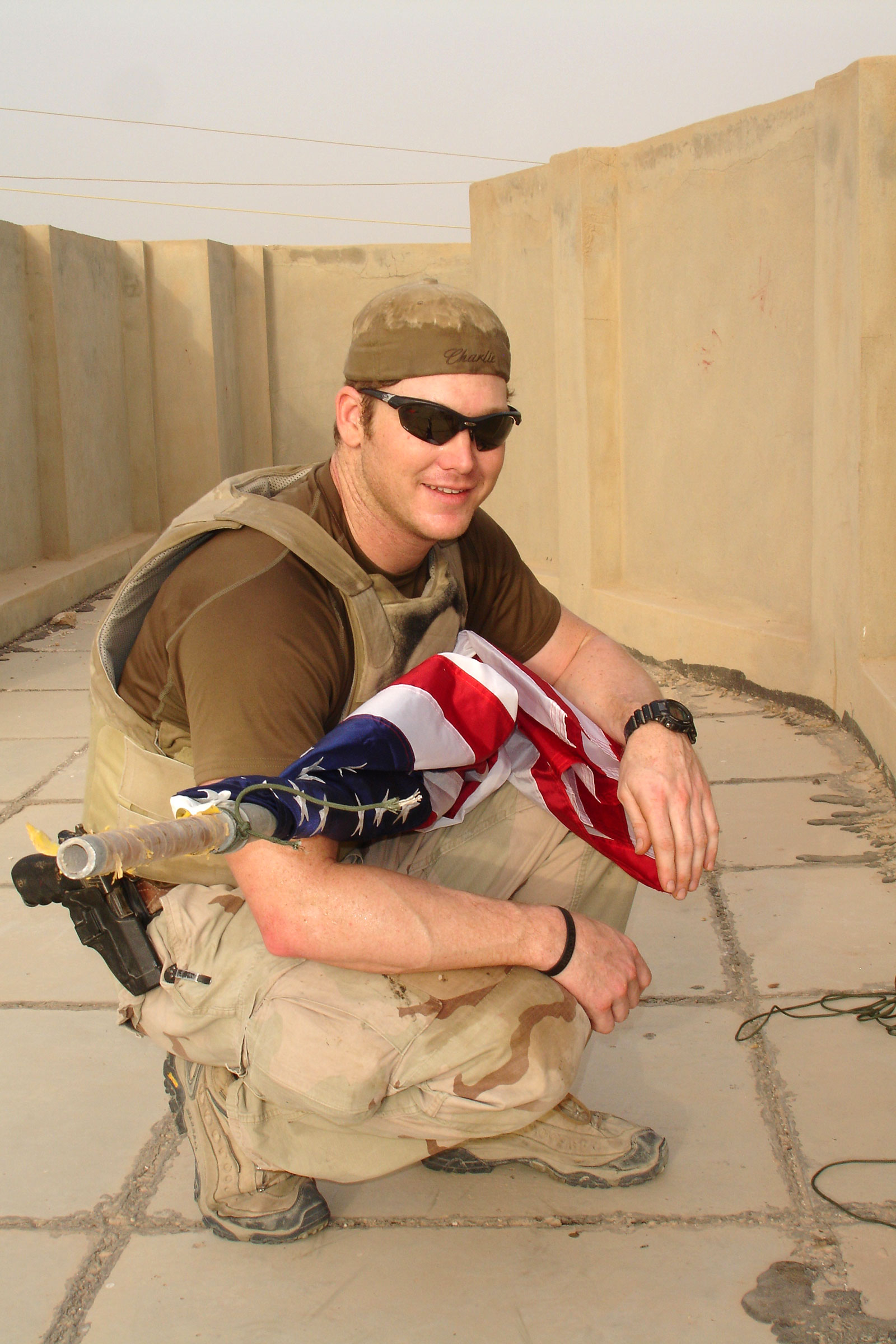
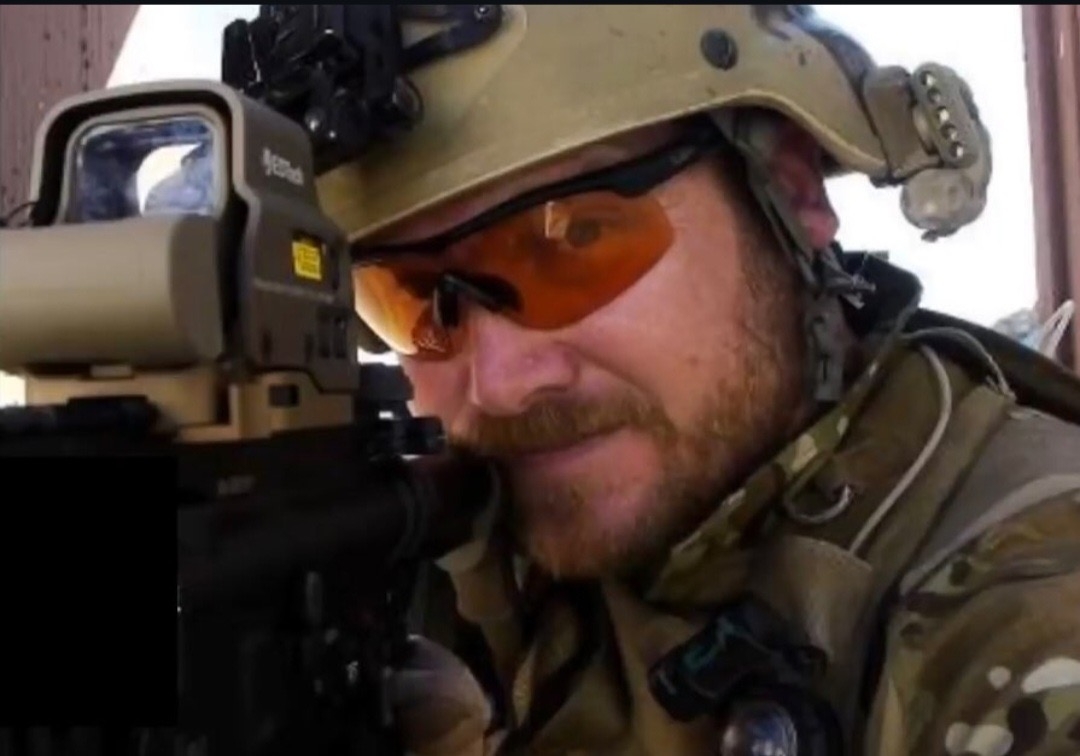
Chris Kyle served four tours in the Iraq War and was awarded several commendations for acts of heroism and meritorious service in combat. He served his country as a US Navy Seal sniper. and had 160 confirmed kills. For his service he was awarded a Silver Star, three Bronze Star Medals with “V’ devices for valor, 2 x Navy and Marine Corps Achievement Medal with “V” device, as well as numerous other unit personal awards.
The most lethal sniper in American history was the son of a church deacon and a Sunday-school teacher. Growing up in Texas, Kyle hunted with his father and brother. After two years of college and working as a ranch hand, the 24-year-old Kyle quit school and joined the elite Navy SEALs—although he hated water. “If I see a puddle, “I will walk around it.”
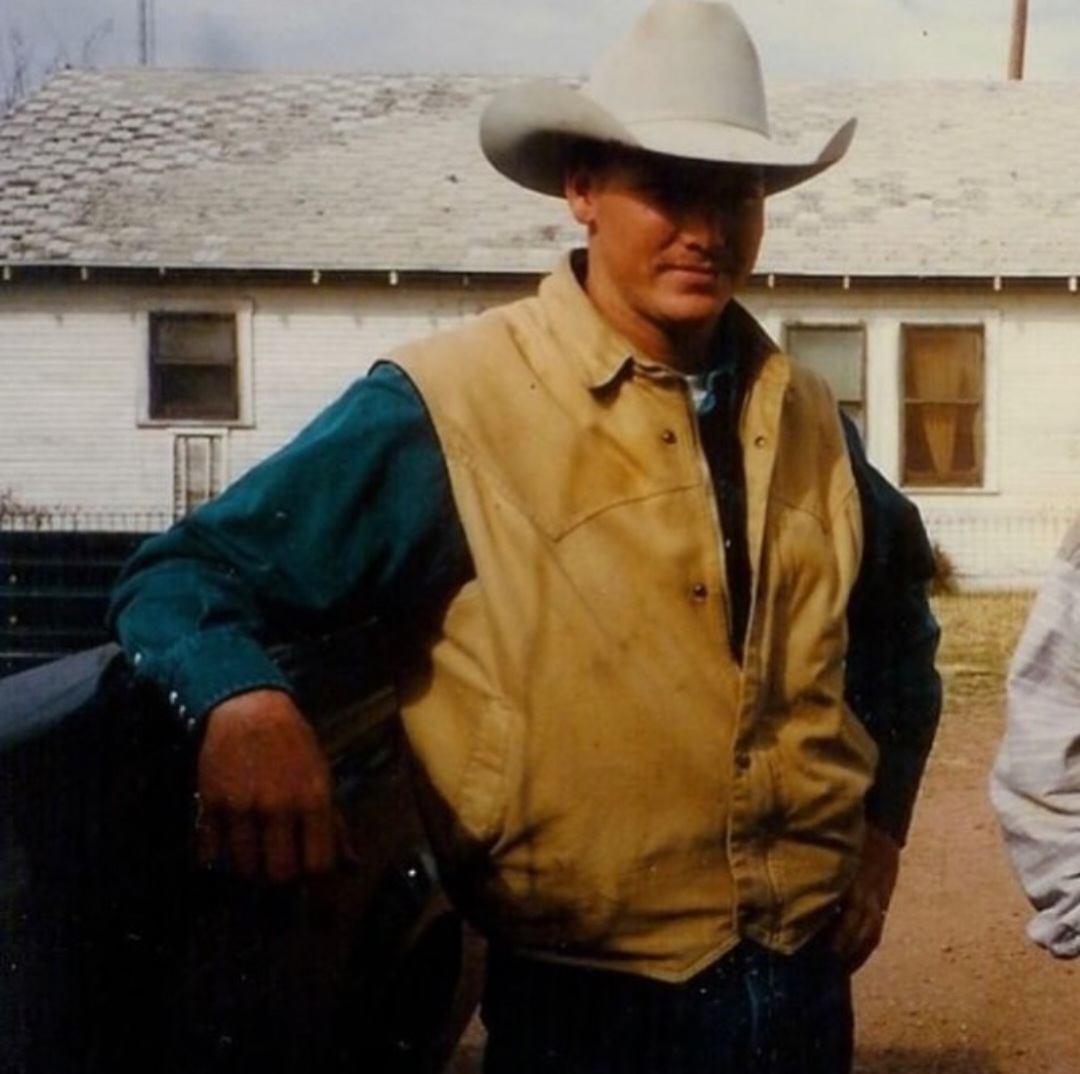
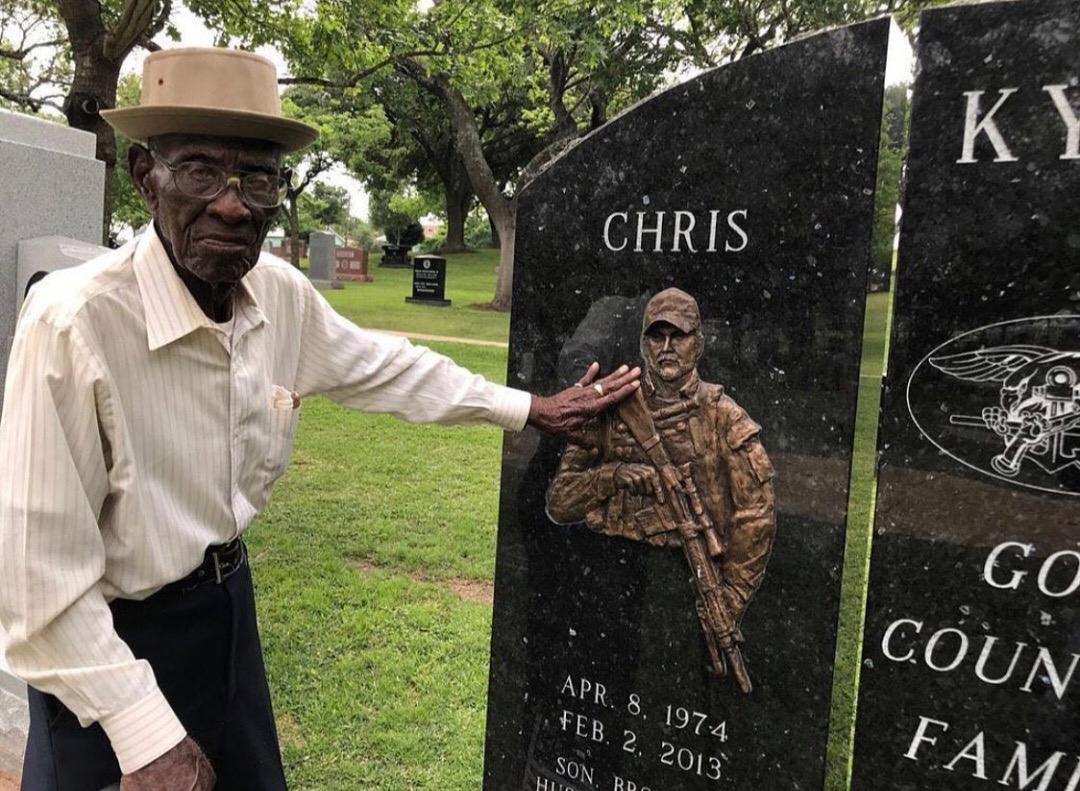
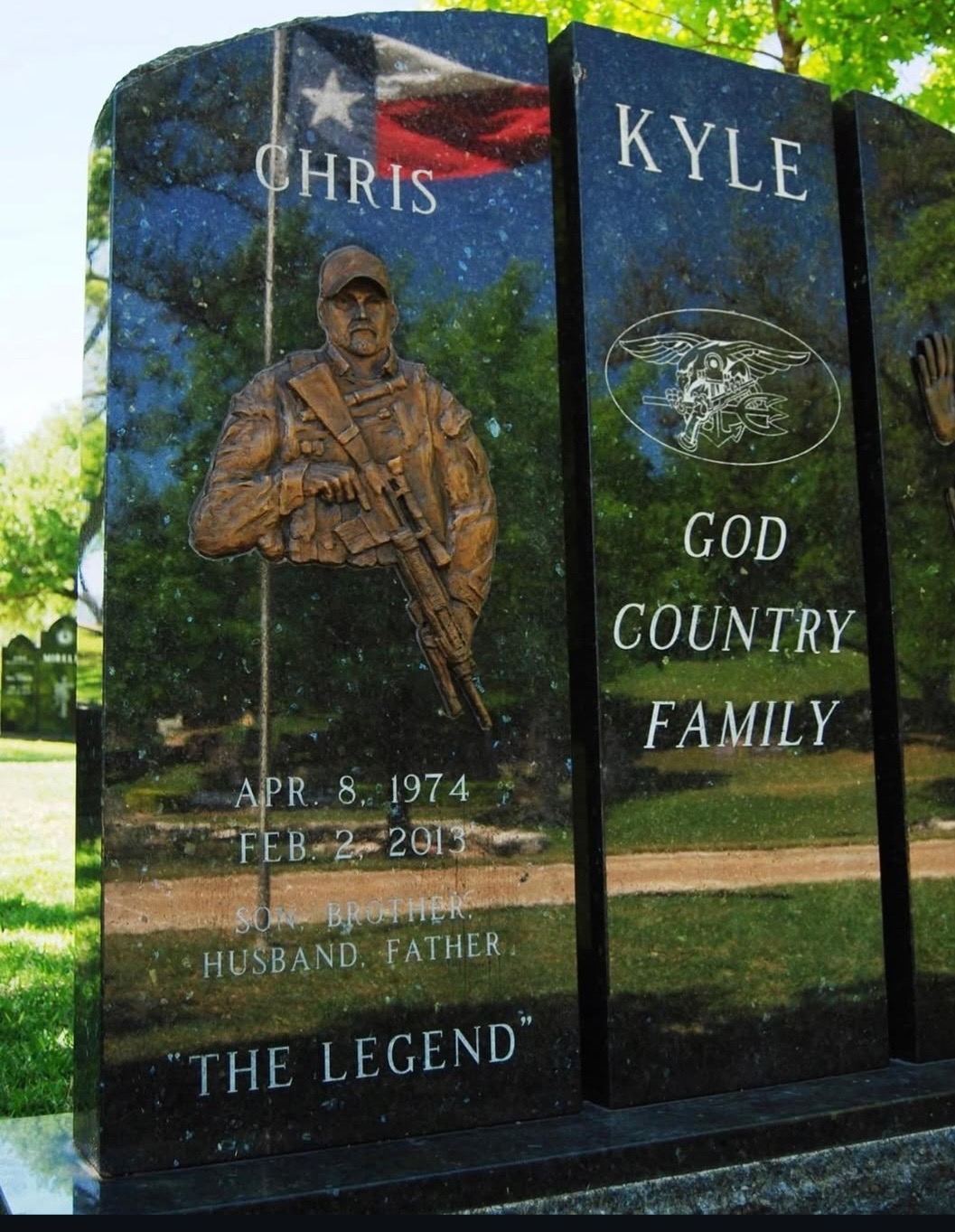
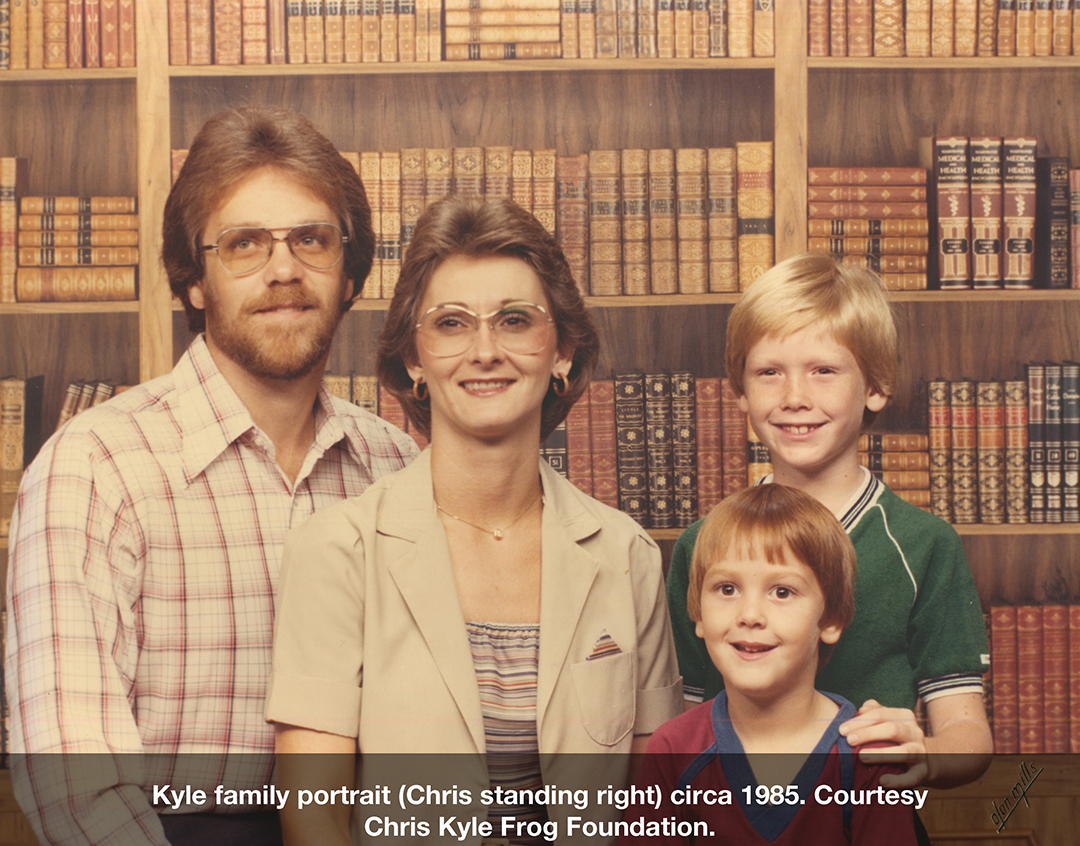
Chris was born on April 8th, 1974, in Odessa, Texas, the elder of two boys born to Deborah Lynn and Wayne Kenneth Kyle, a Sunday School teacher and deacon. His father bought Kyle his first rifle at the age of eight, a bolt-action .30-06 Springfield rifle, and later a shotgun, which he used to hunt deer, pheasant, and quail.
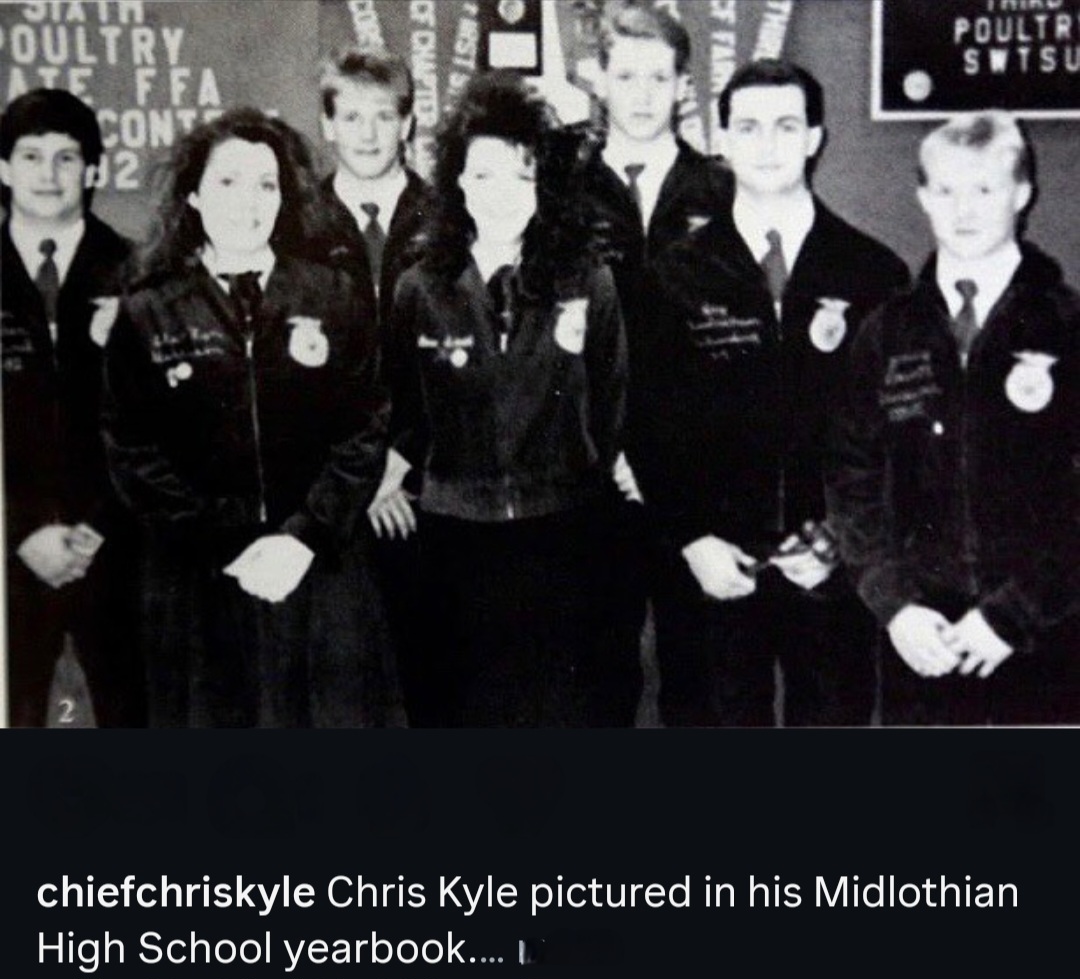
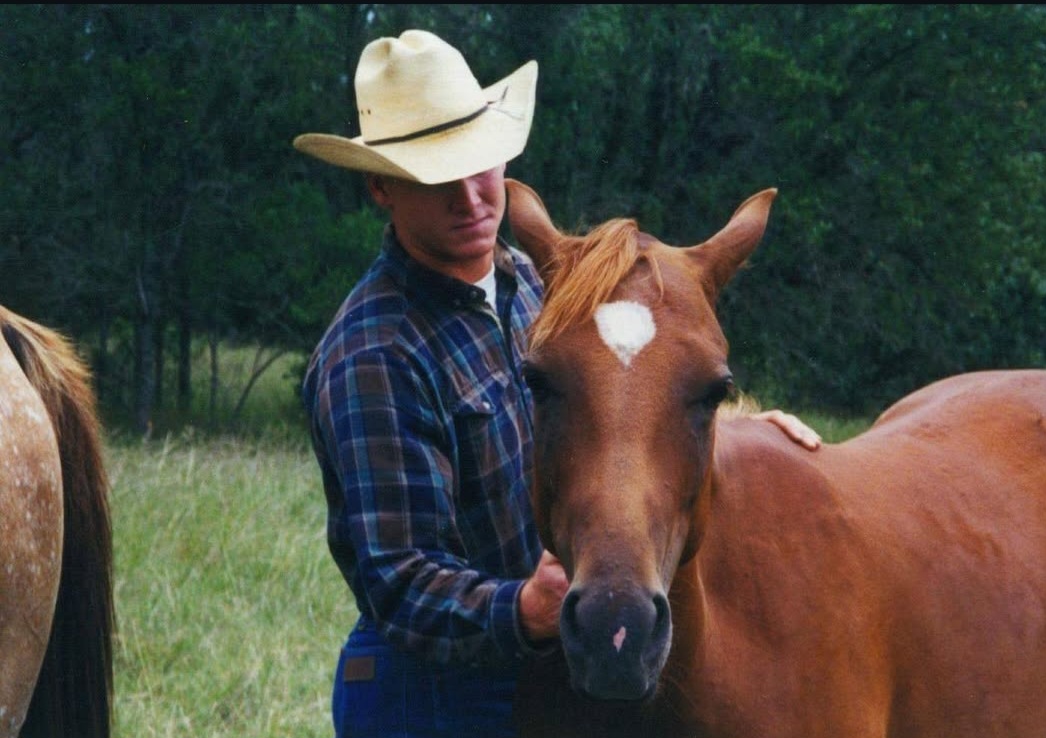
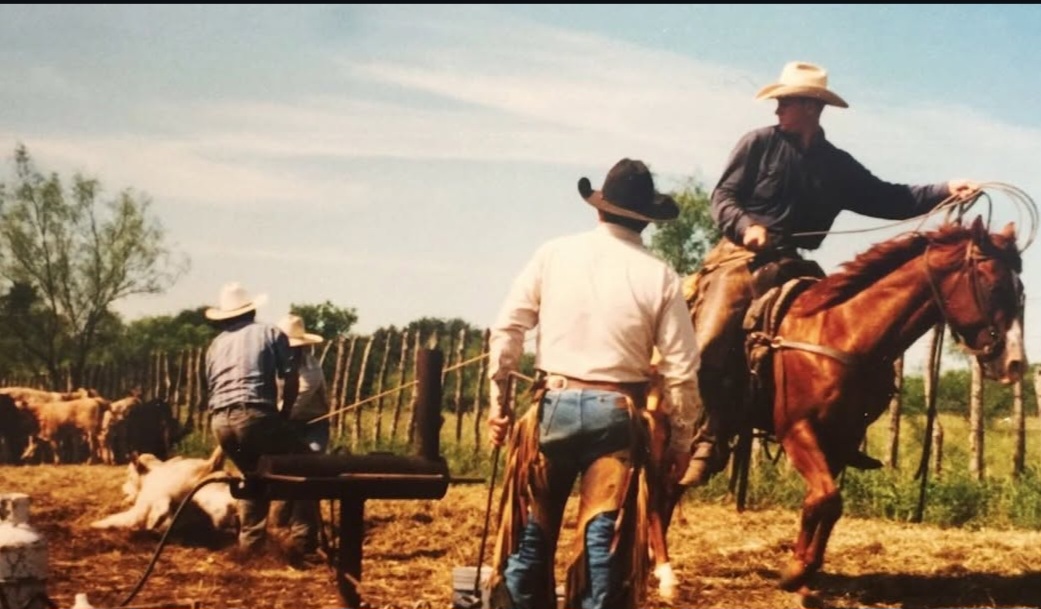
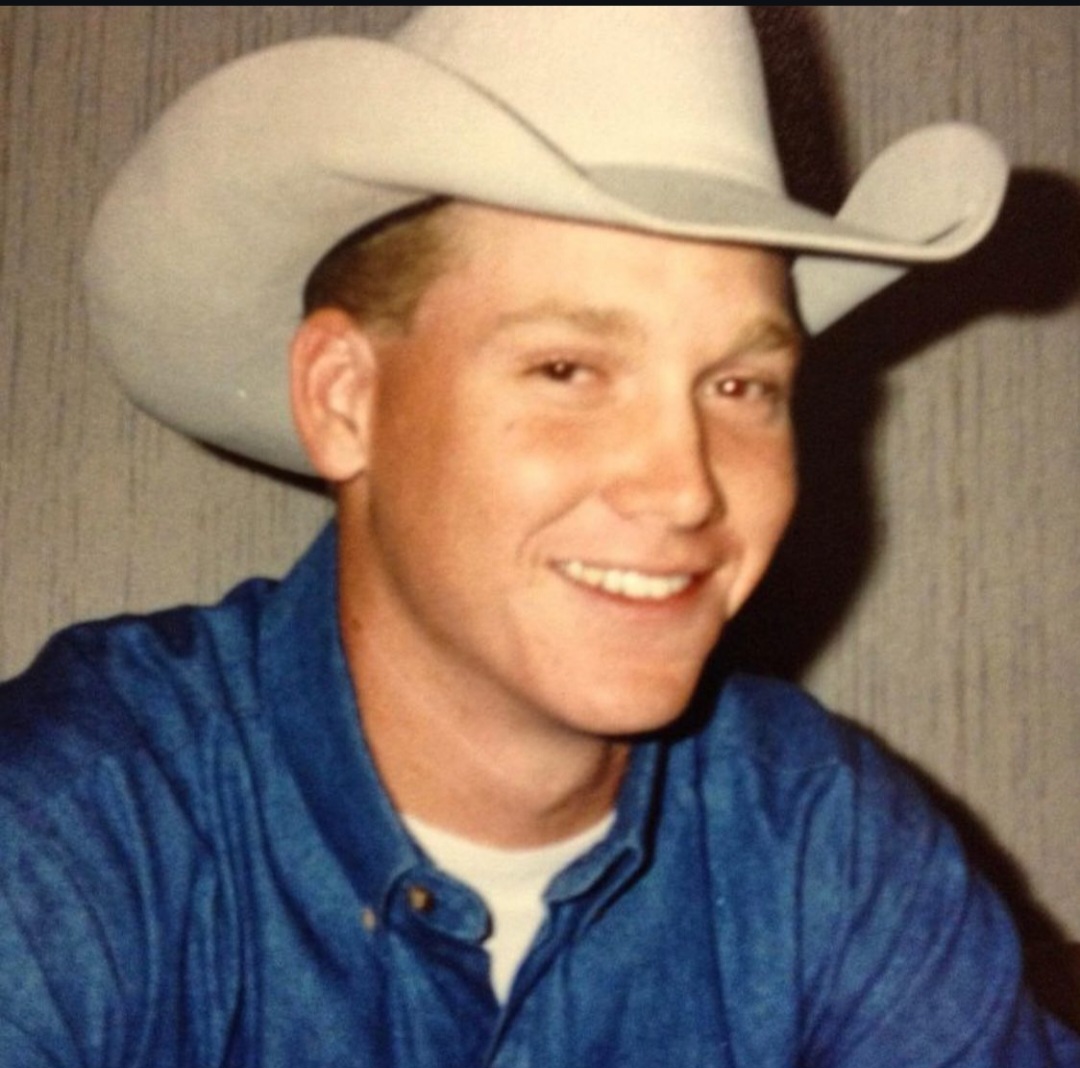
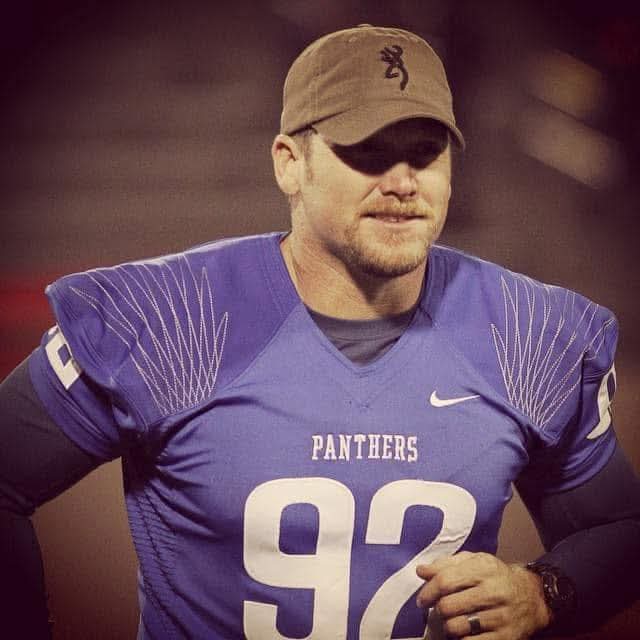
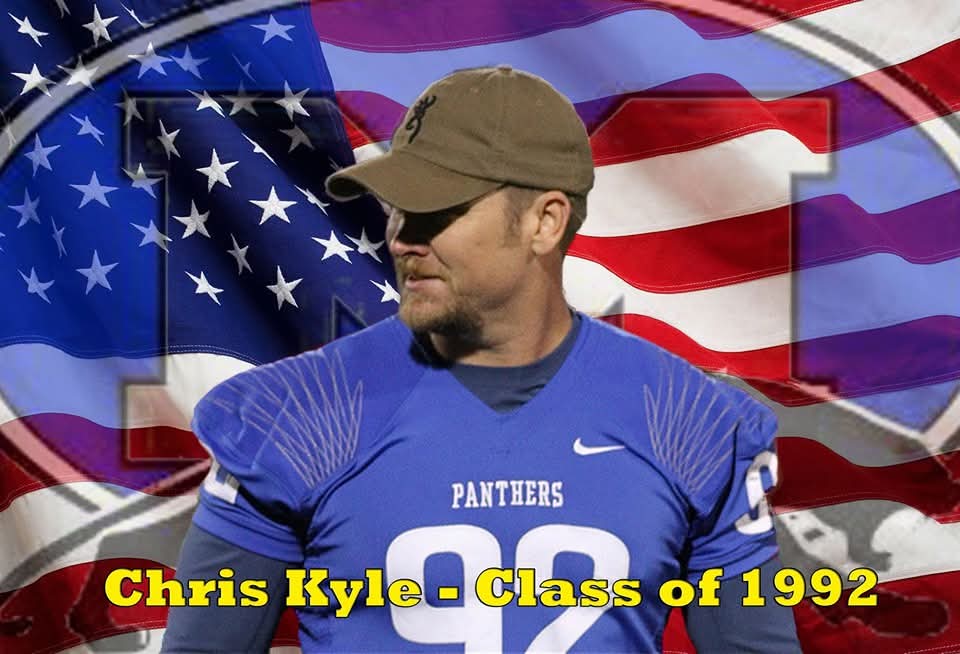
Kyle attended high school in Midlothian, Texas and after graduating in 1992, became a professional bull rider and ranch hand. Unfortunately a severe arm injury ended his professional rodeo career. He attended Tarleton State University for two years studying Ranch and Ranch Management.
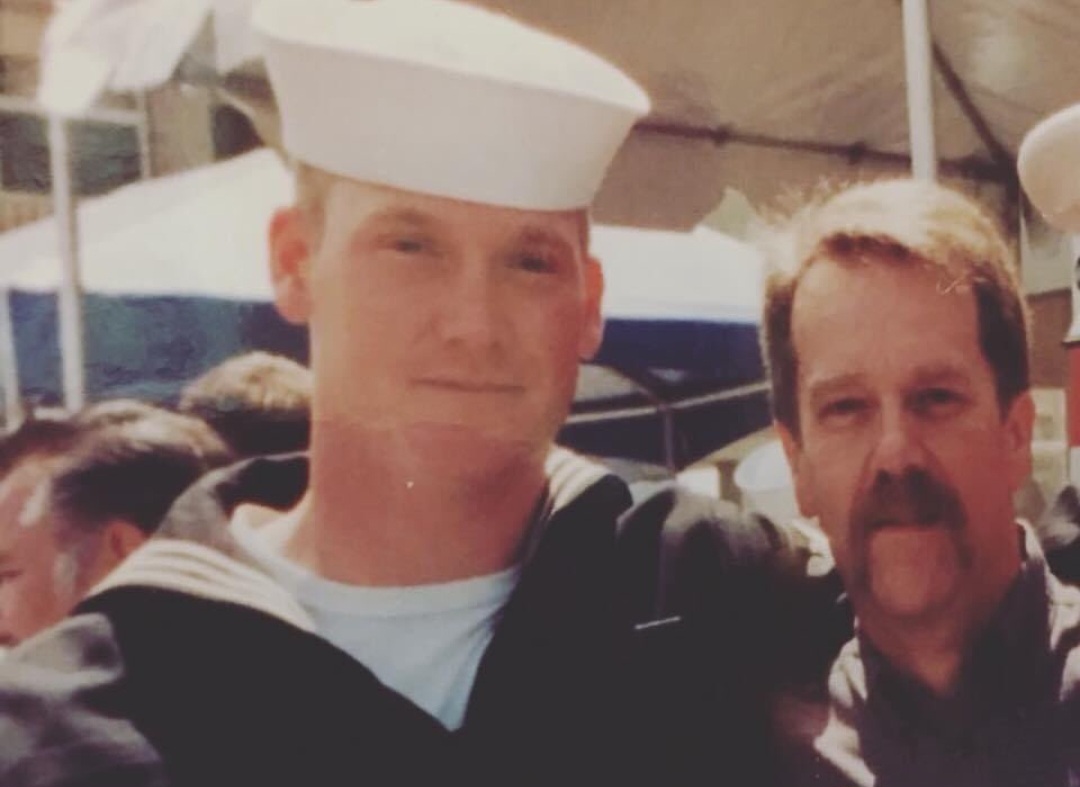
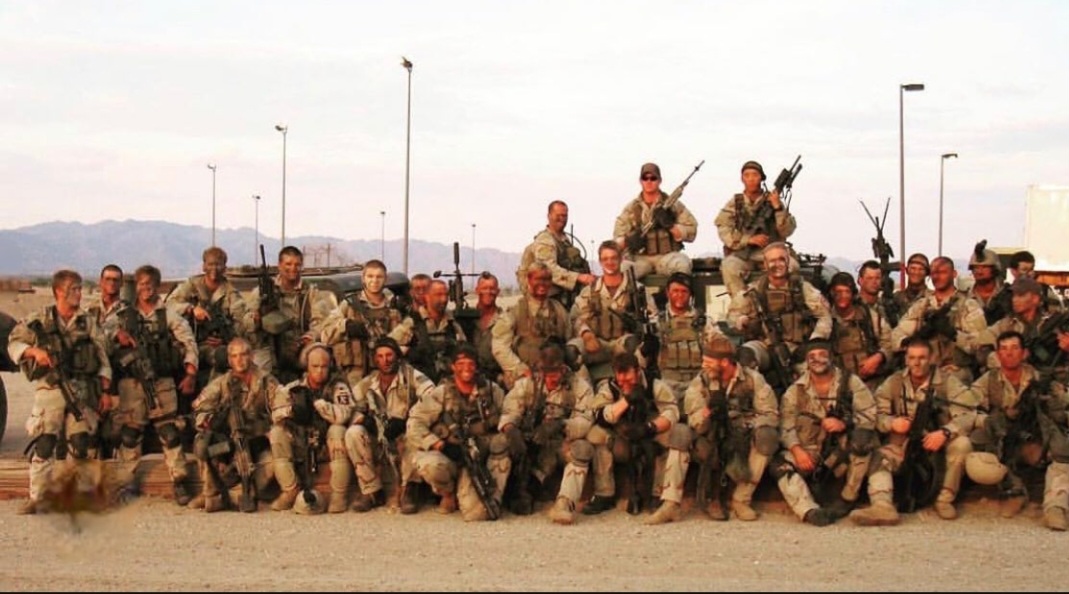
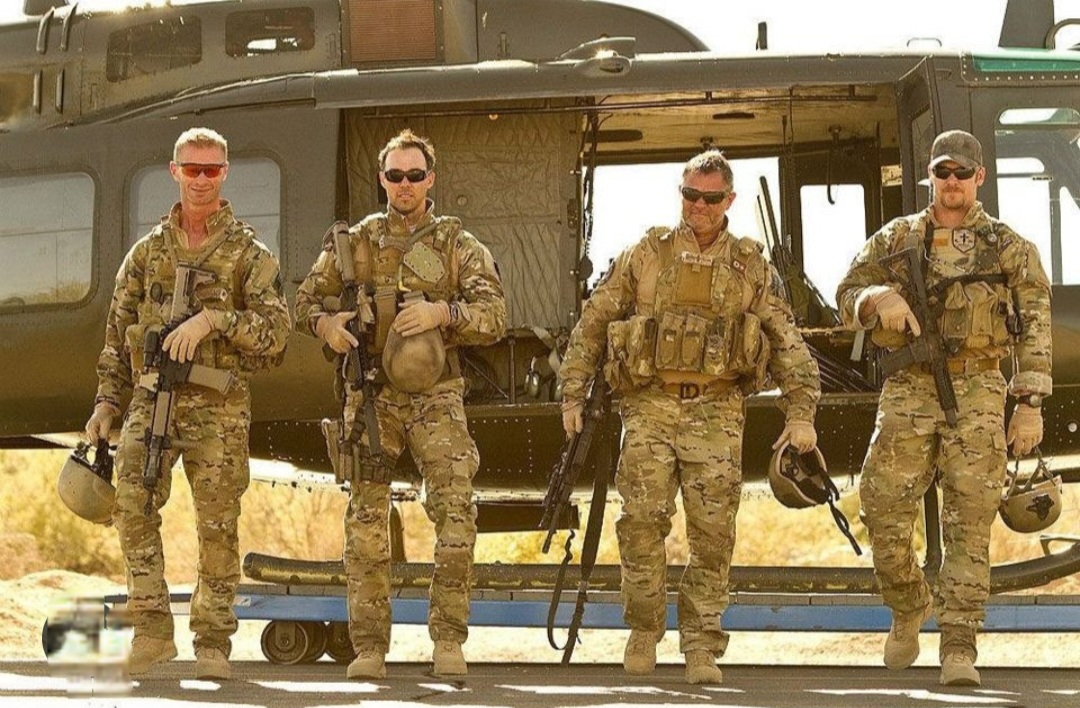
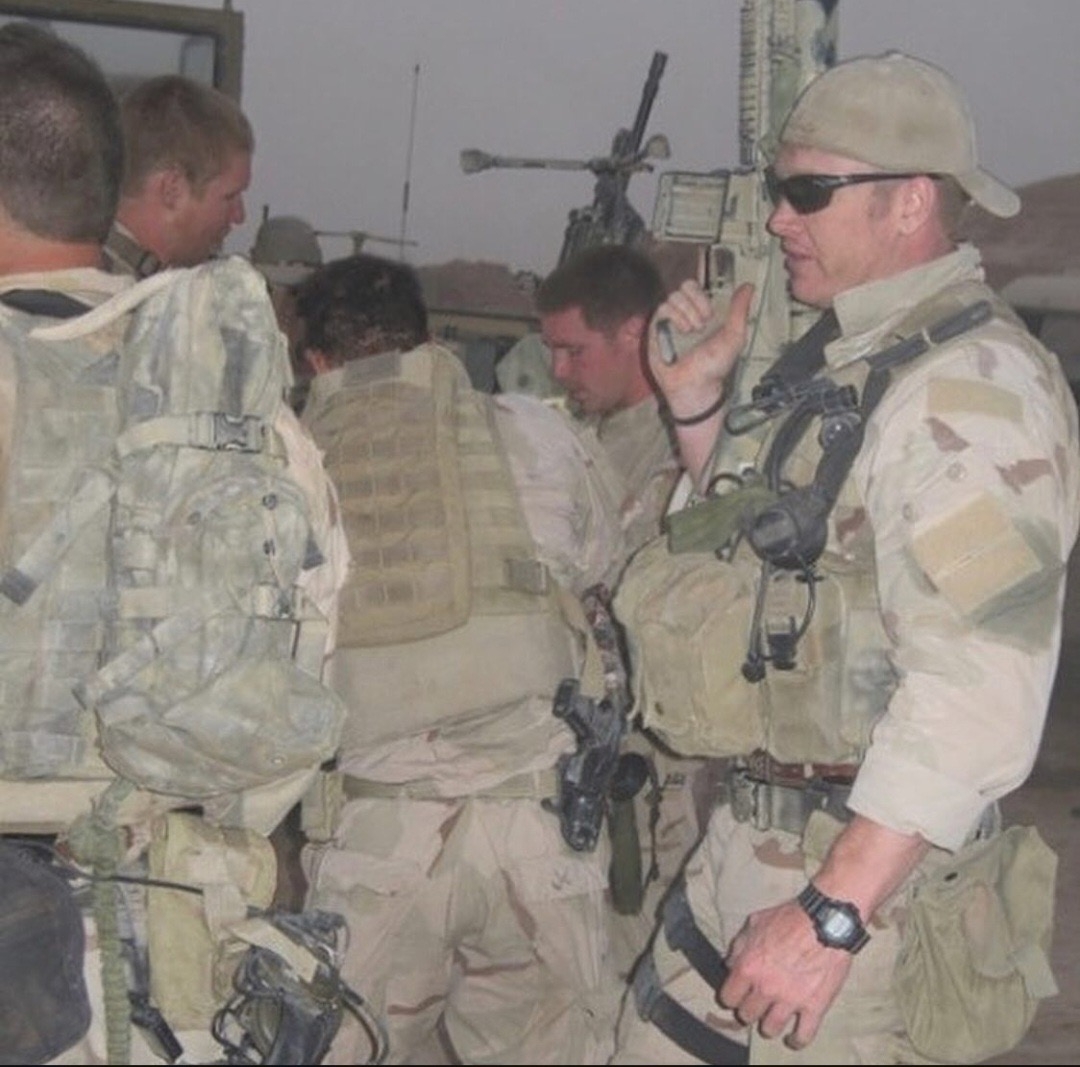
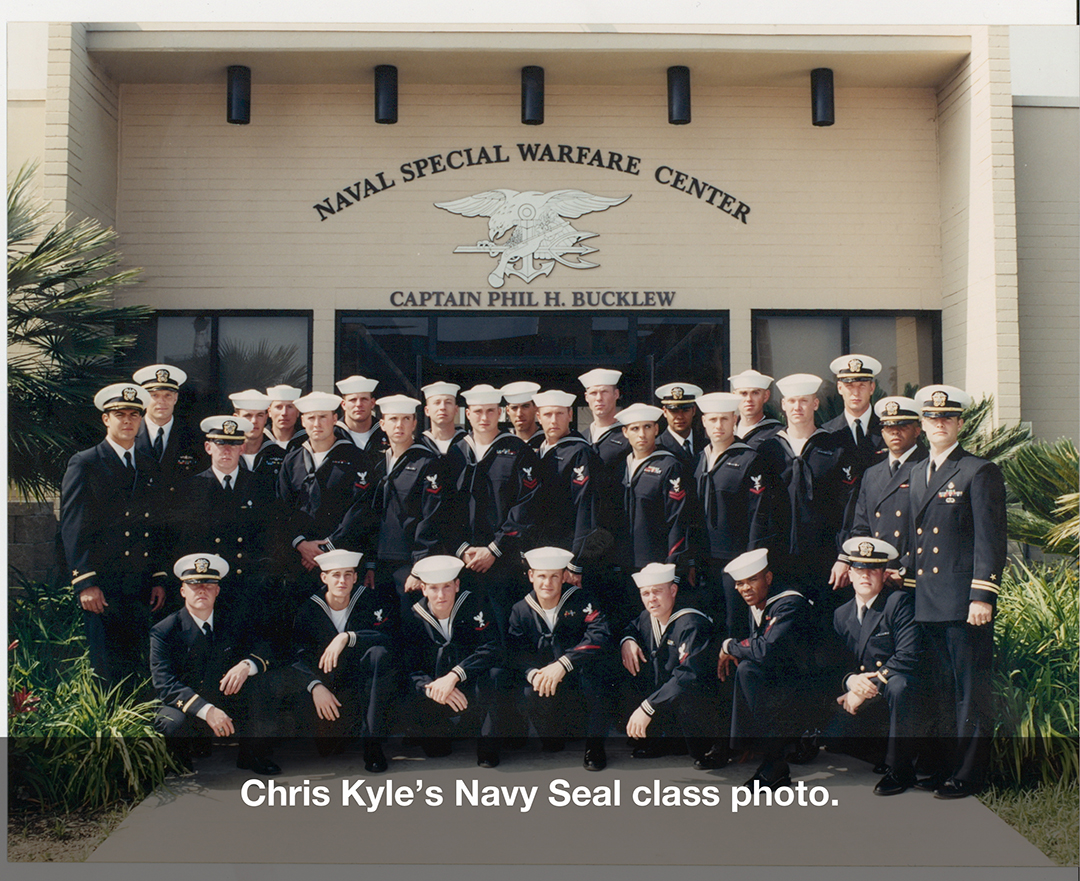
He enlisted in the US Navy on August 5, 1998 and began basic training on February 10, 1999. He graduated from basic training at Naval Station Great Lakes, Il in April 1999. He received an invitation to the 24 week Basic Underwater Demolition/Sea, Air, Land (Seal)training at NAB Coronado, CA. Kyle graduated with Class in March 2001, followed by SEAL Qualification Training (SQT) at NAB Coronado, CA from May to August 2001. Assigned to SEAL Team-3, sniper element, Platoon “Charlie” within the Naval Special Warfare Command, and with four tours of duty, Kyle served in many major battles in Iraq.
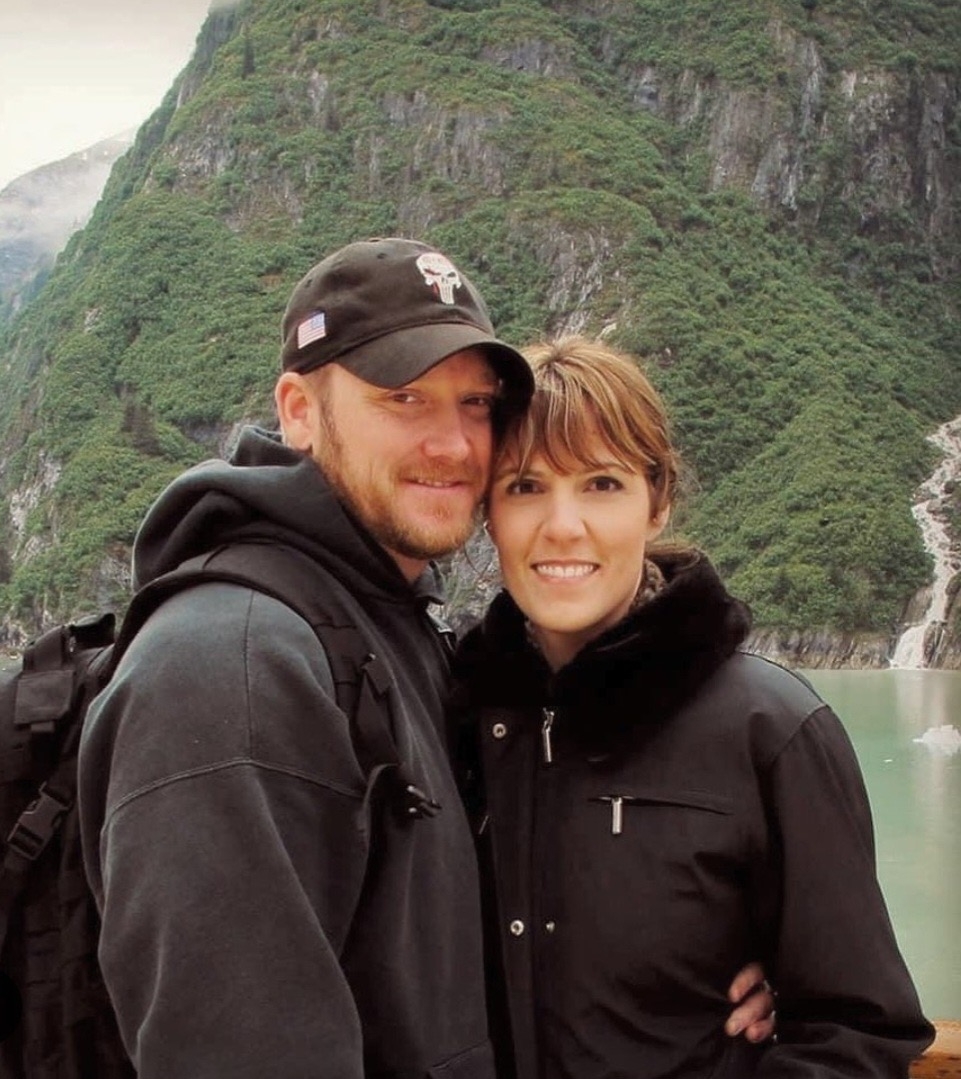
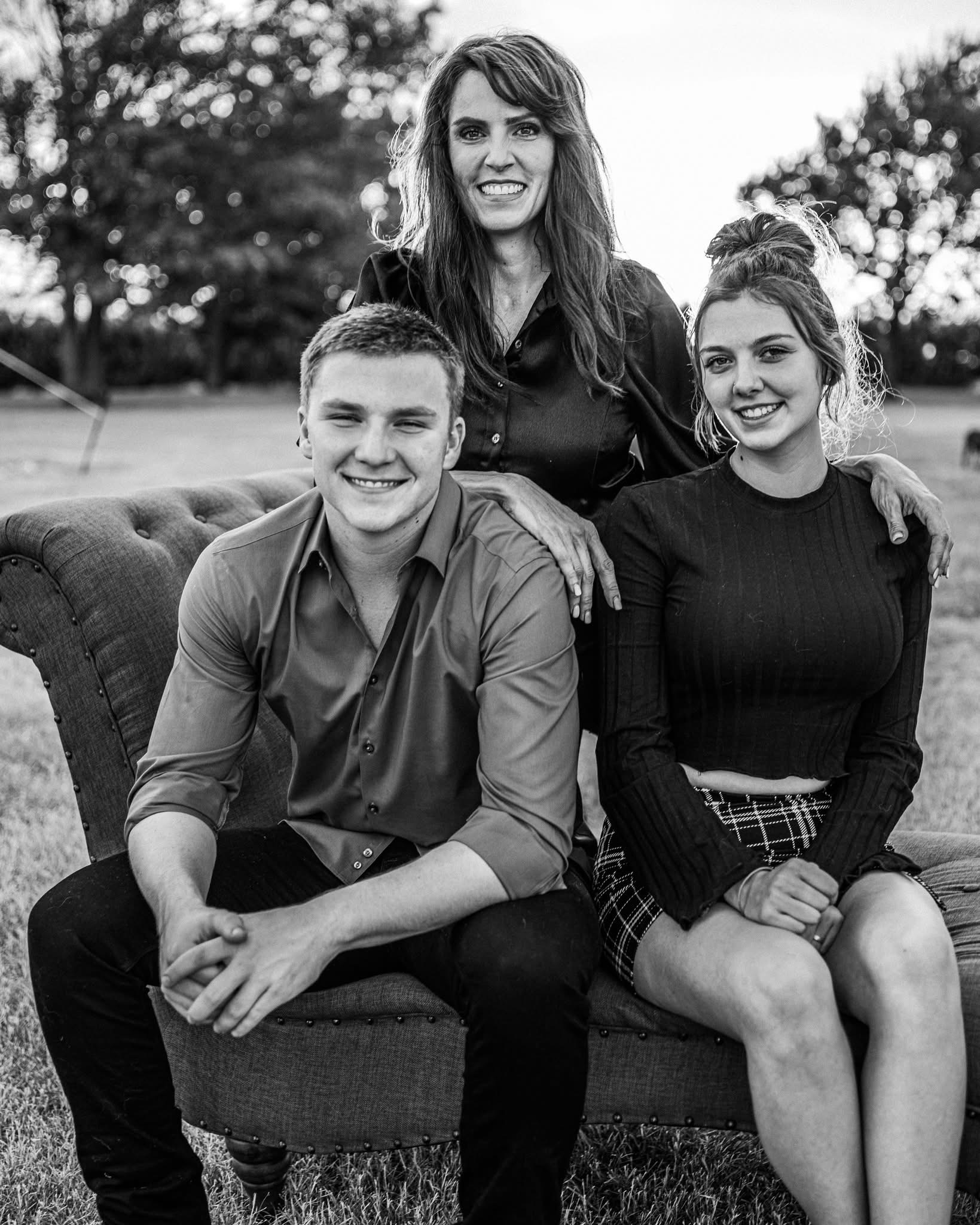
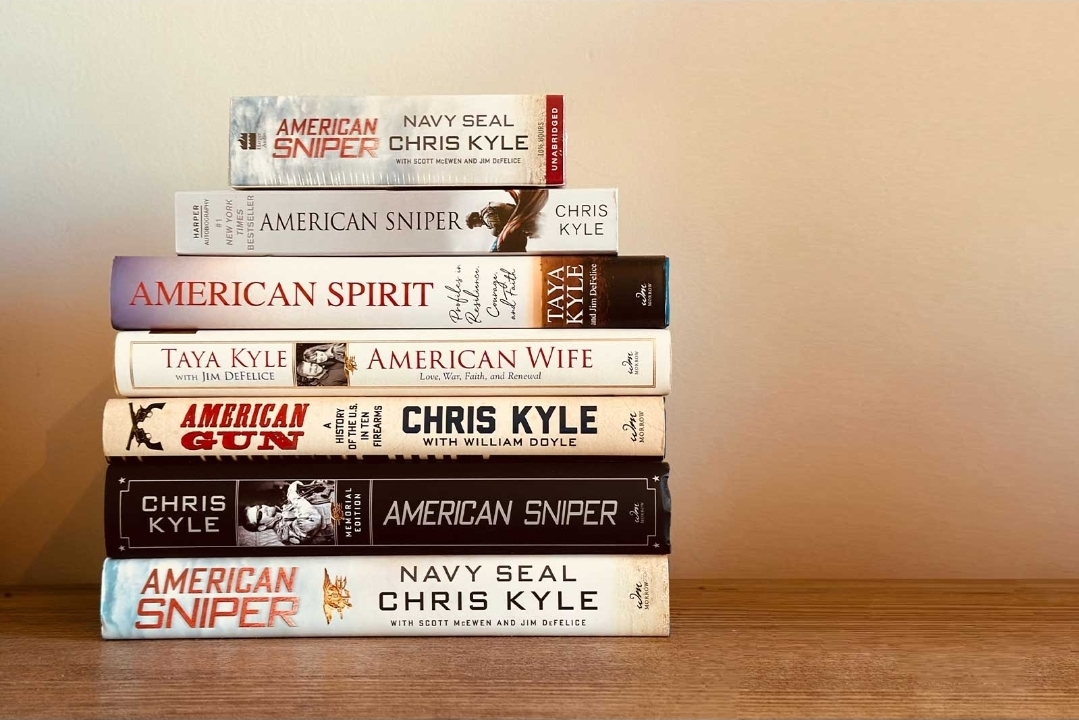
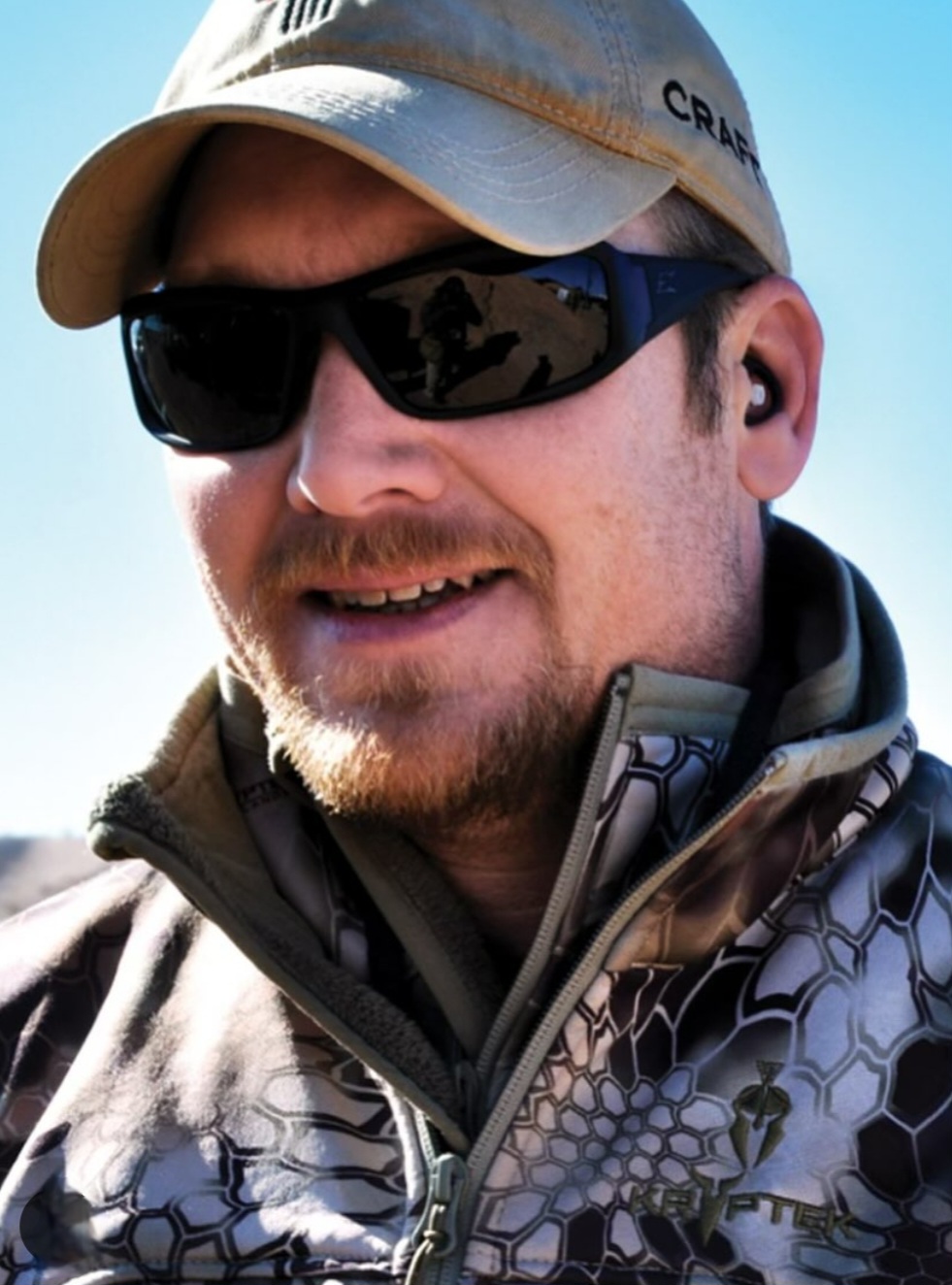
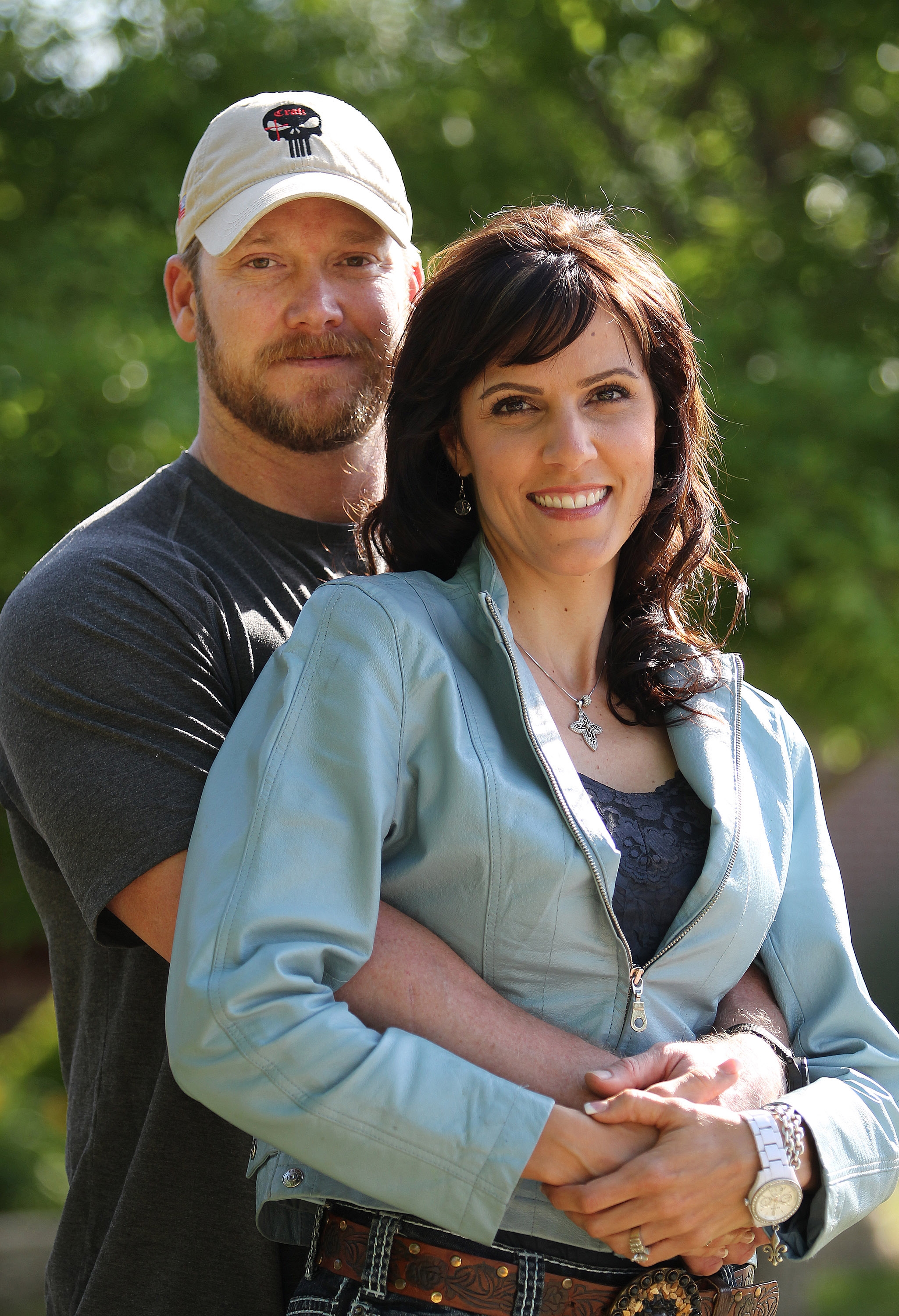
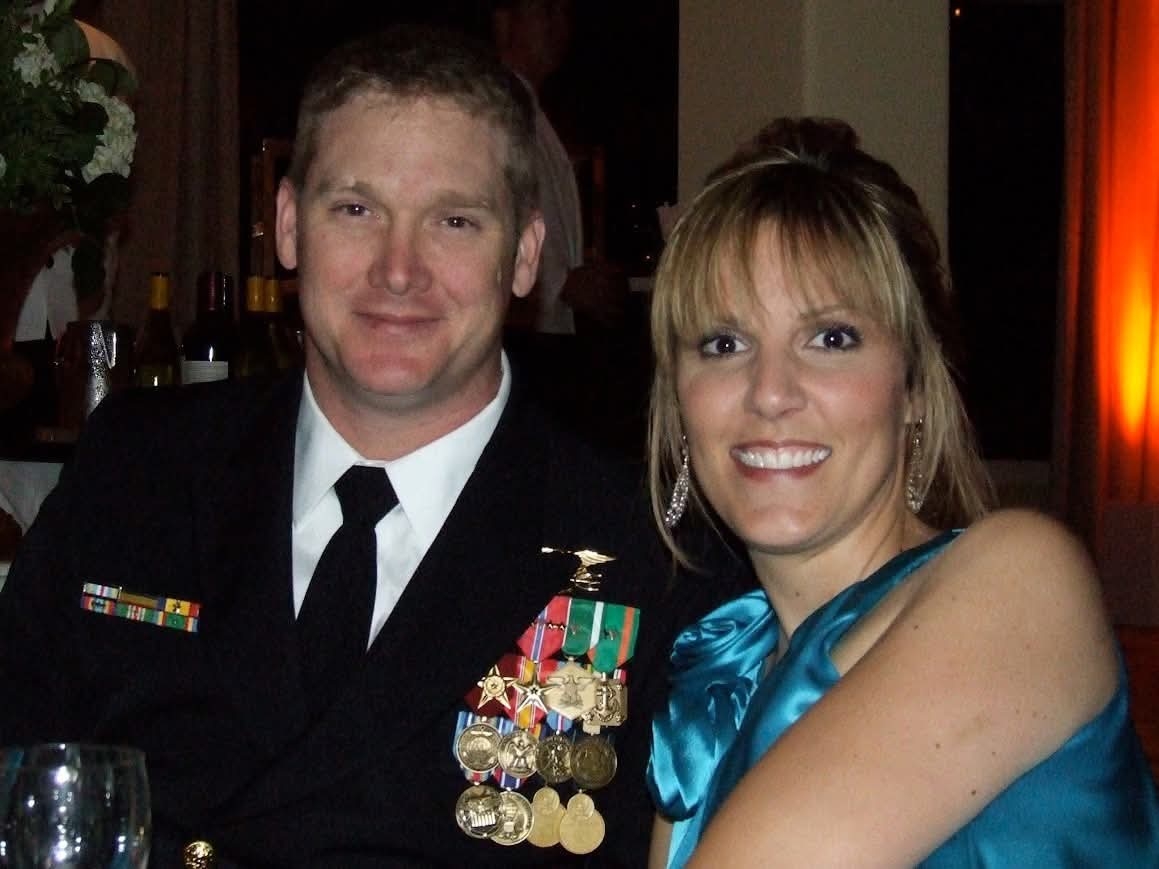
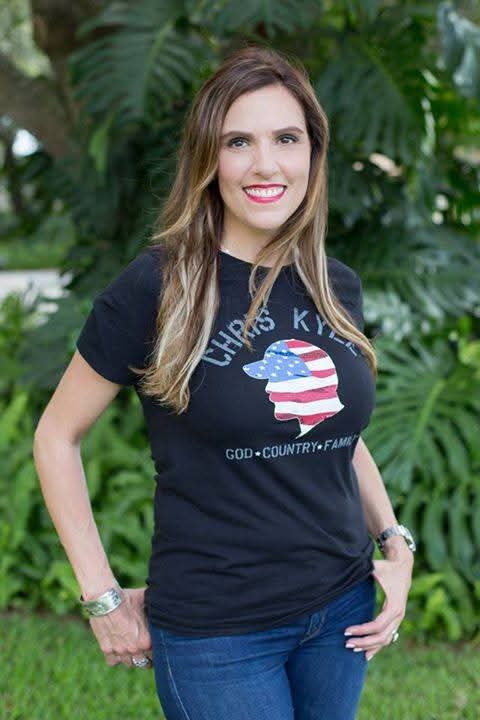
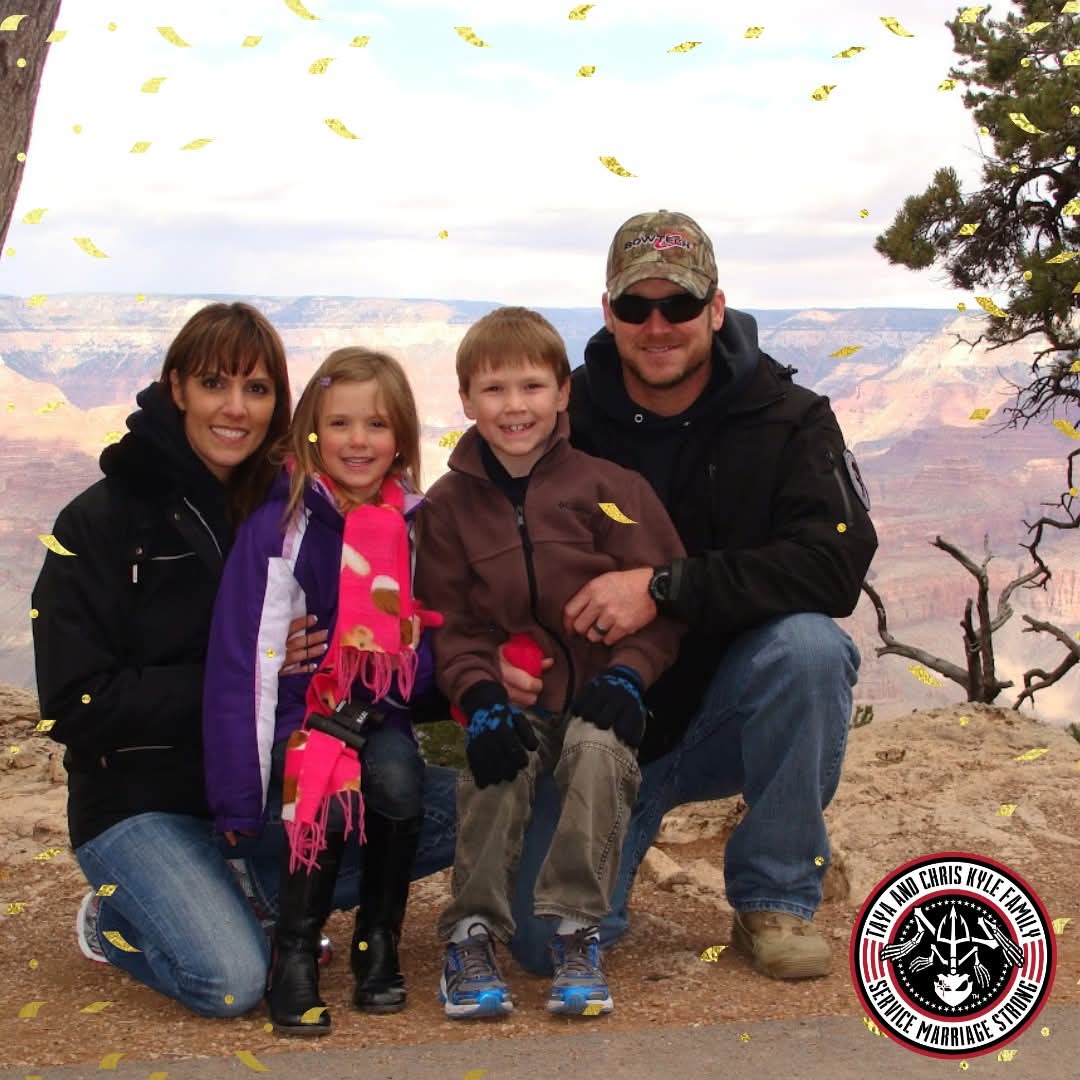
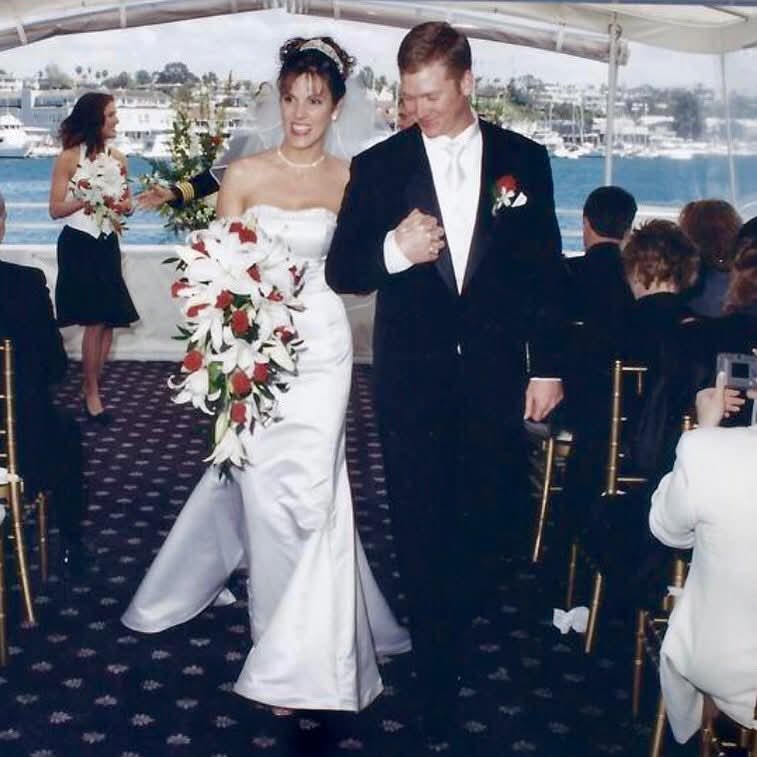
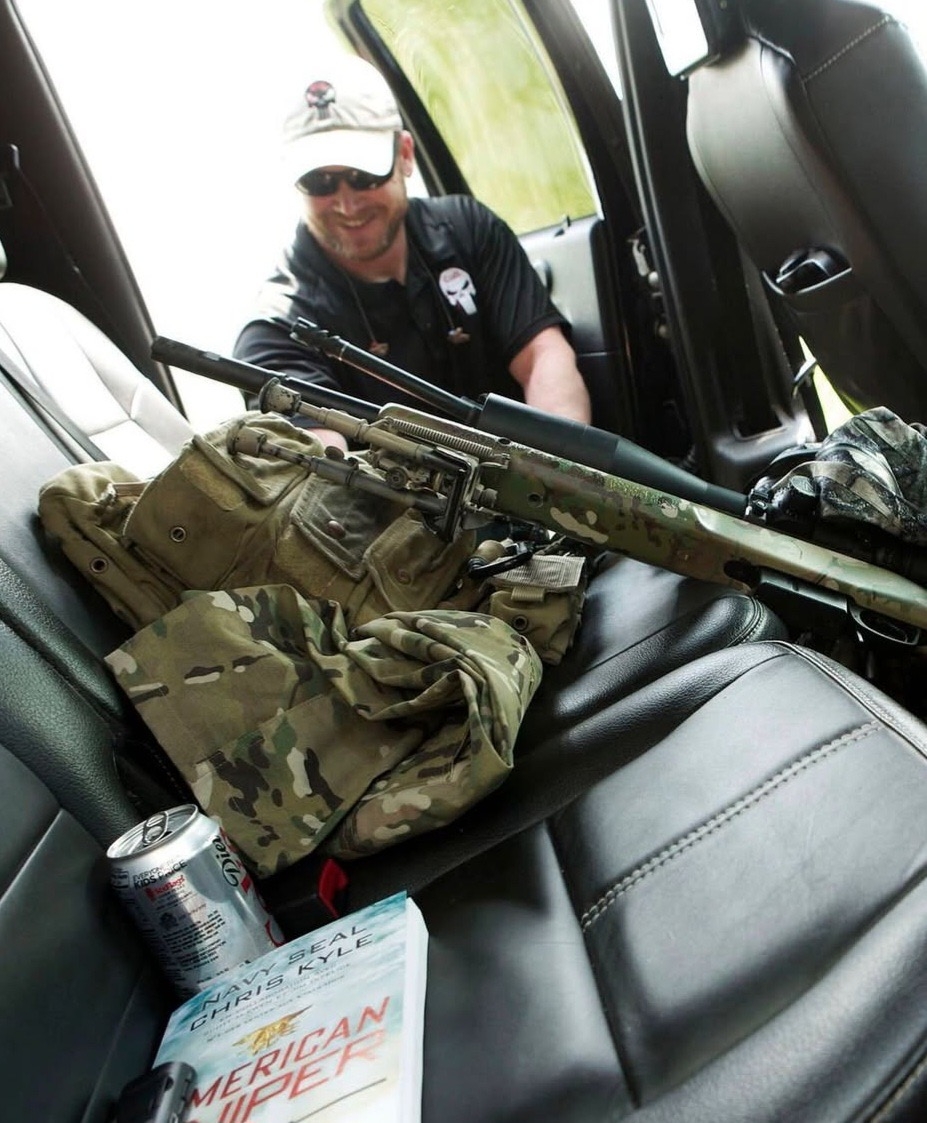
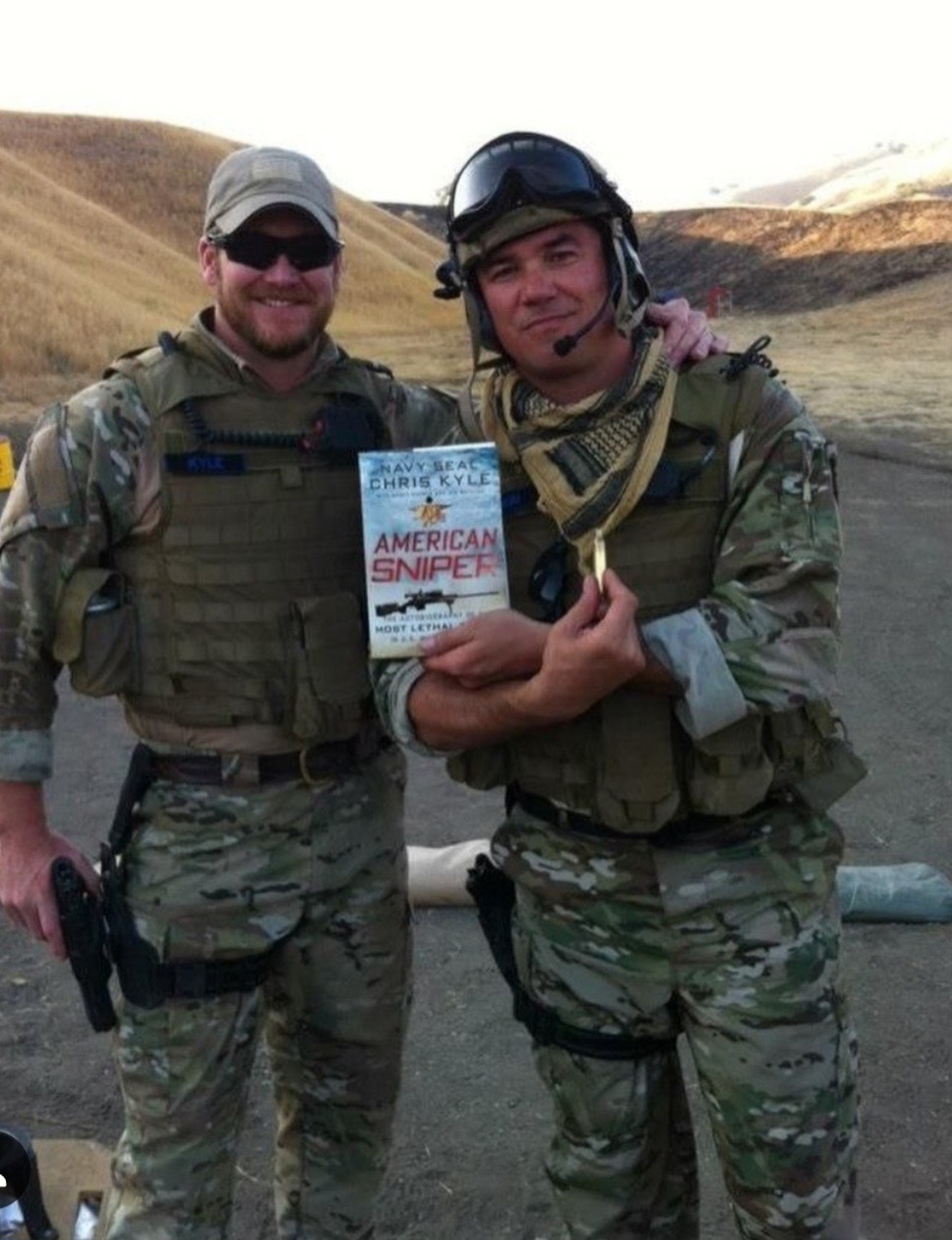
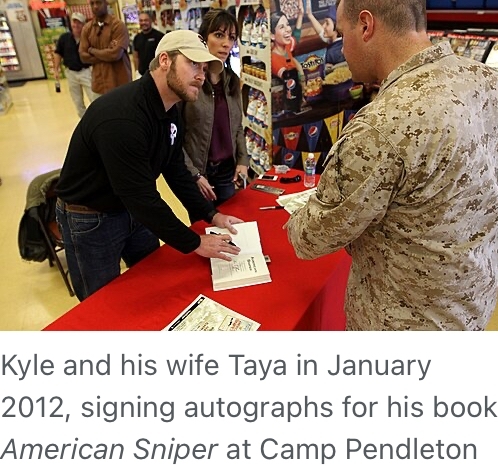
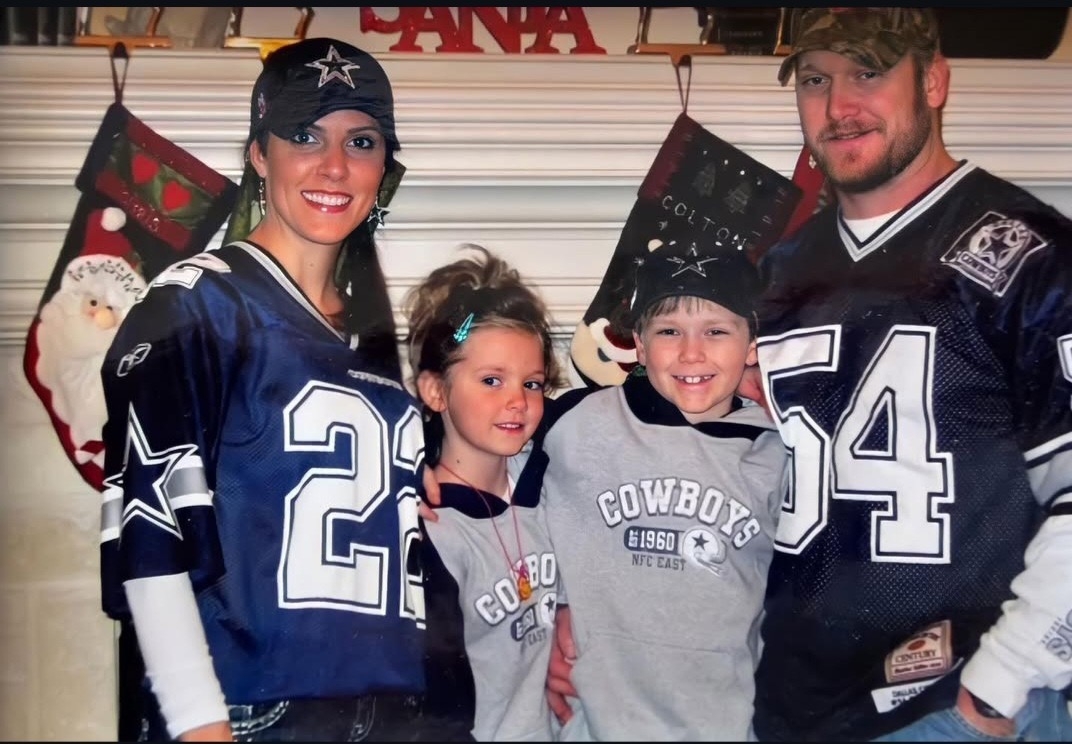
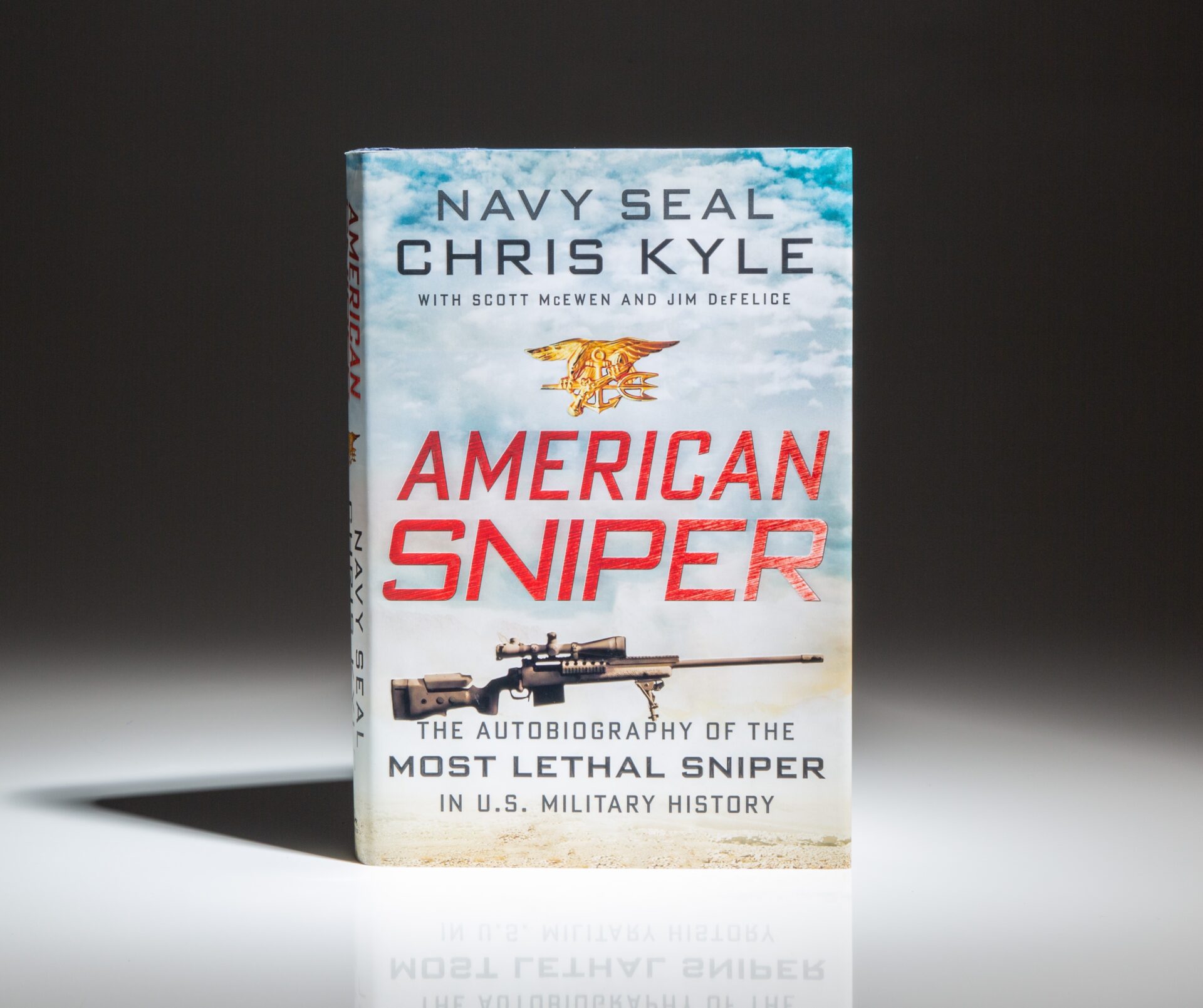
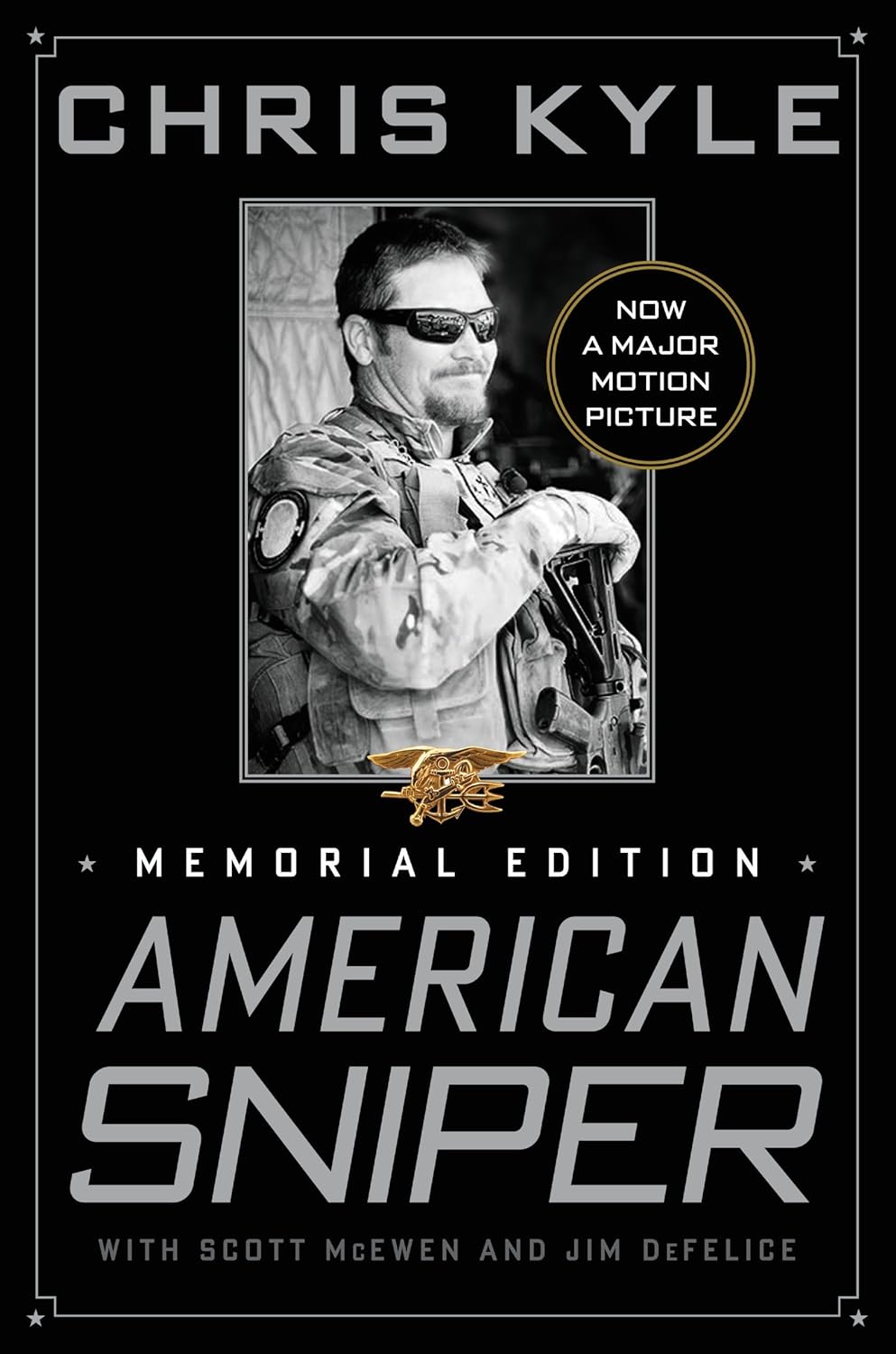
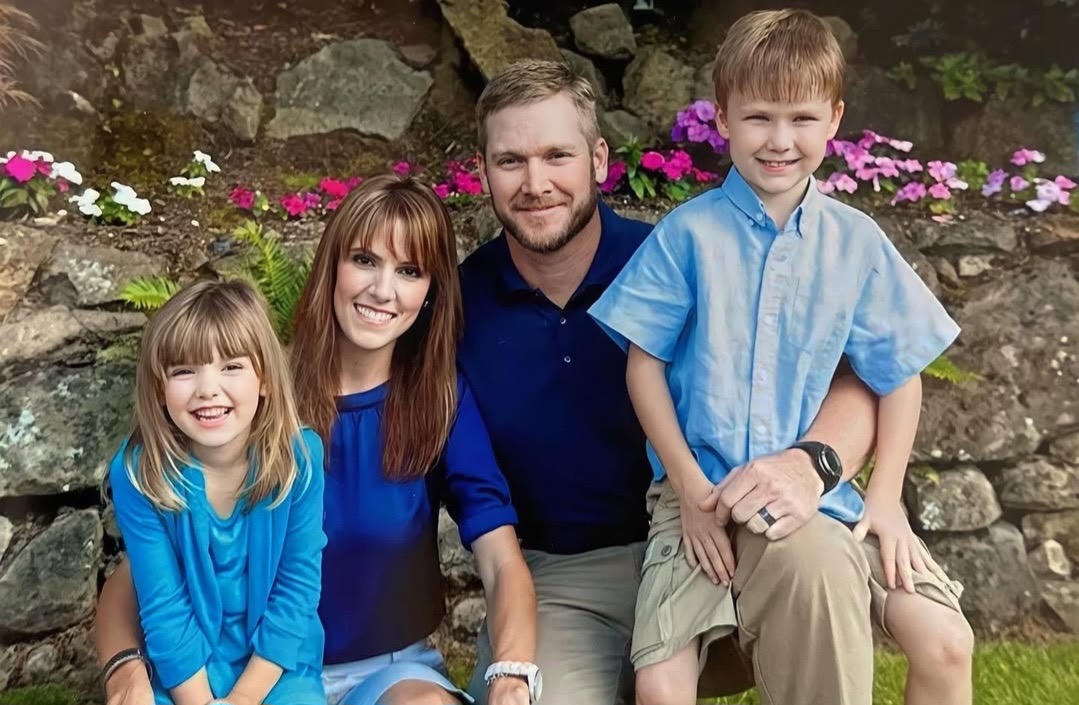
Chris left the US Navy in 2009, and moved to Midlothian, Texas, with his wife, Taya, and two children. He was president of Craft International, a tactical training company for the US military and law enforcement communities. In 2012, HarperCollins released Kyle’s autobiography American Sniper. Kyle had initially hesitated to write the book but was persuaded to go ahead because other books about SEALS were being written.
In his book wrote bluntly of his experiences. Concerning the battle for Ramada he wrote, “Force moved that battle. We killed the bad guys and brought the leaders to the peace table. That is how the world works.” In interviews Kyle stated he had no regrets about his work as a sharpshooter, saying “I had to do it to protect the Marines.”
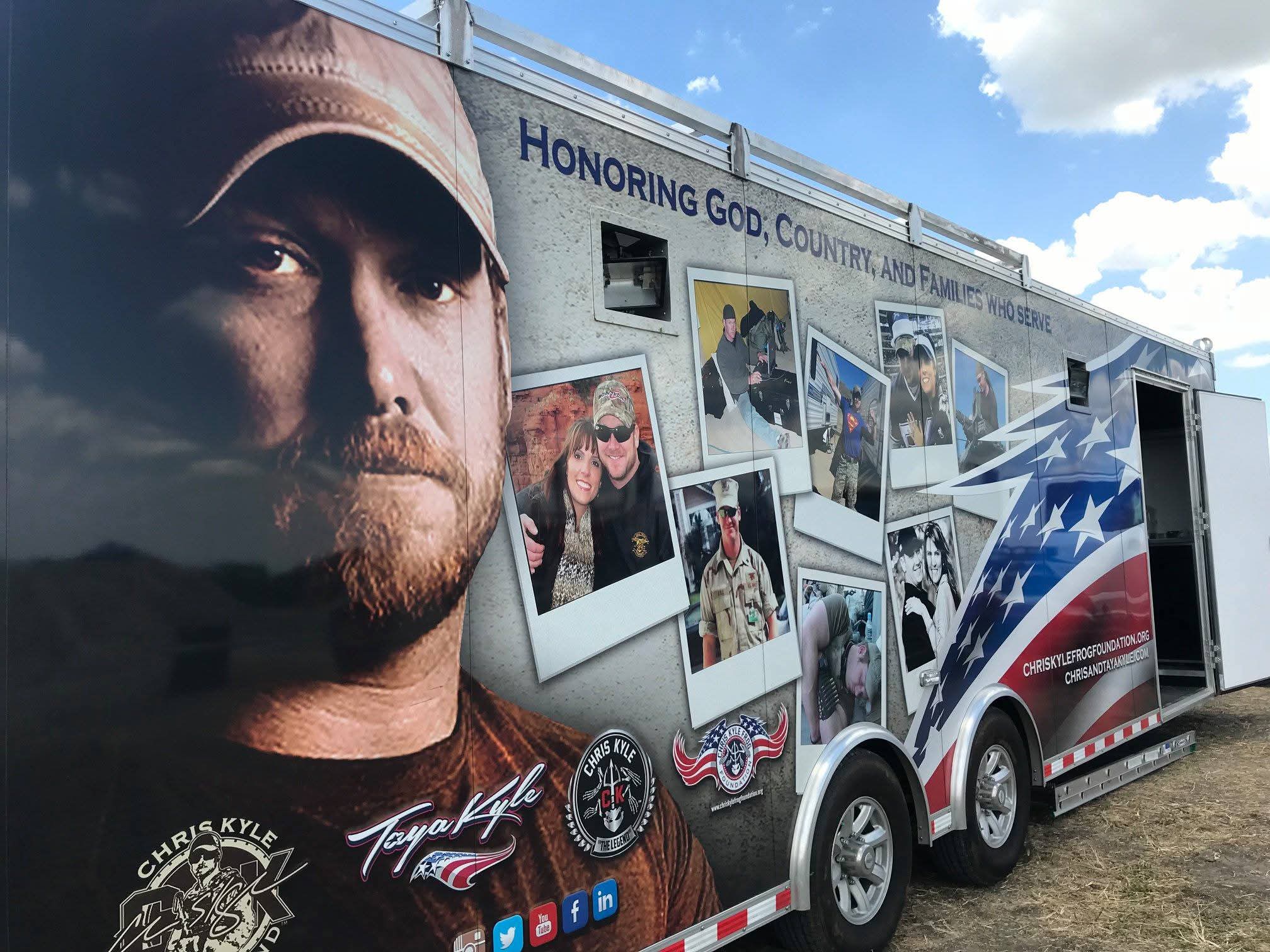
He also paired with FITCO Cares Foundation, a nonprofit organization that created the Heroes Project to provide free-in home fitness equipment, individualized programs, personal training, and life coaching to in need veterans with disabilities, Gold Star families, and those with PTSD.
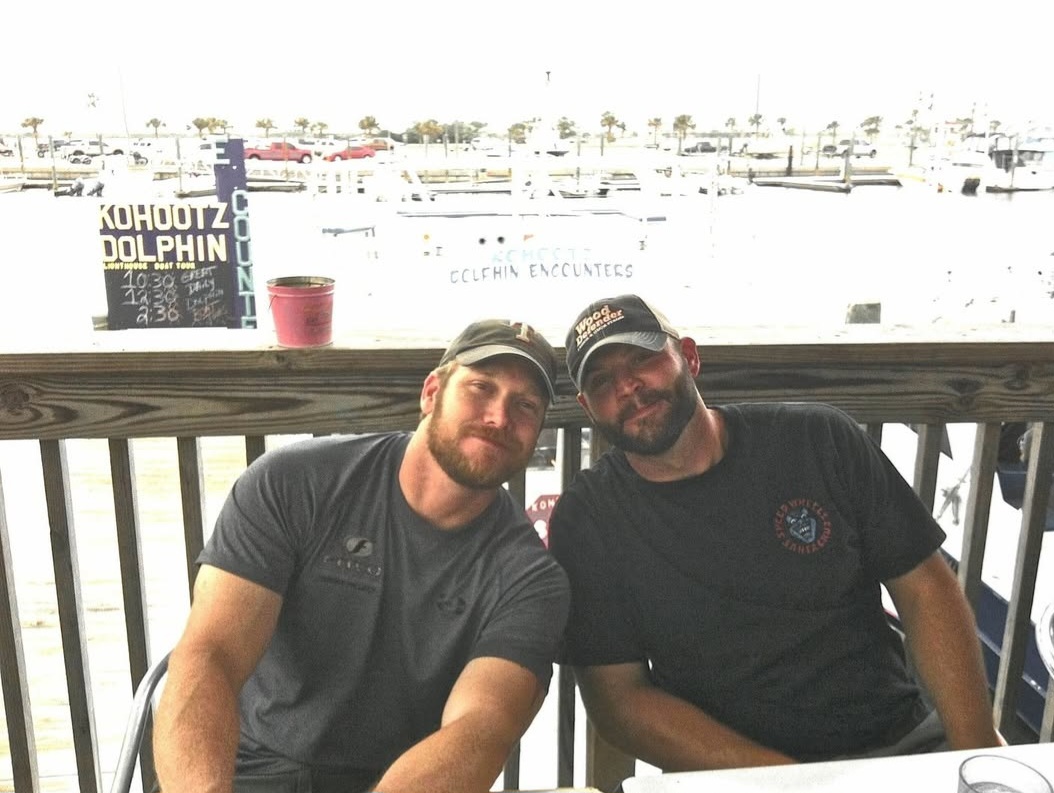
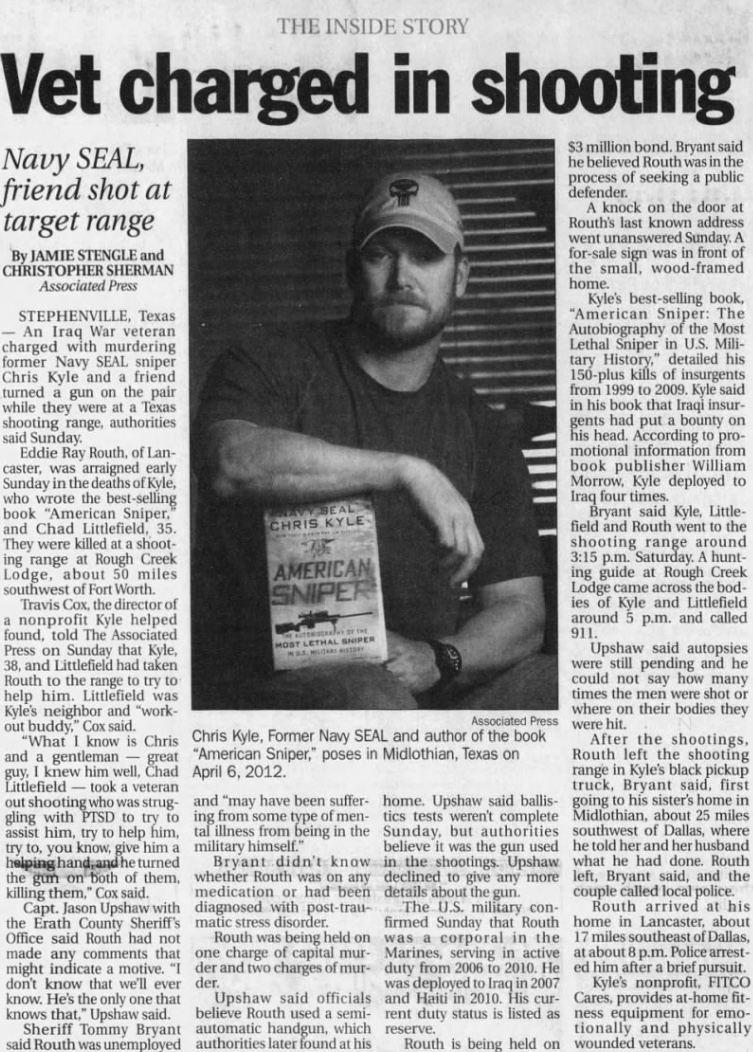
On February 2, 2013, Kyle and his friend, Chad Littlefield, 35, were shot and killed by Eddie Ray Routh at the Rough Creek Ranch Lodge and Resort shooting range in Erath County, Texas. Both Kyle and Littlefield were armed with .45 caliber 1911 style pistols when they were killed but neither gun had been unholstered or fired, and the safety catches were still on.
Routh was a US Marine veteran from Lancaster, Texas who had been in and out of mental hospitals for at least two years and had been diagnosed with schizophrenia. His family also said he had PTSD from his time in the military.
Routh was captured by local prison after a short chase and was arraigned the same day on two counts of capital murder. On February 24, 2015, Routh was found guilty of murdering Kyle and Littlefield, The jury returned the verdict after less than three hours of deliberations. Routh was sentenced to life in prison without parole.
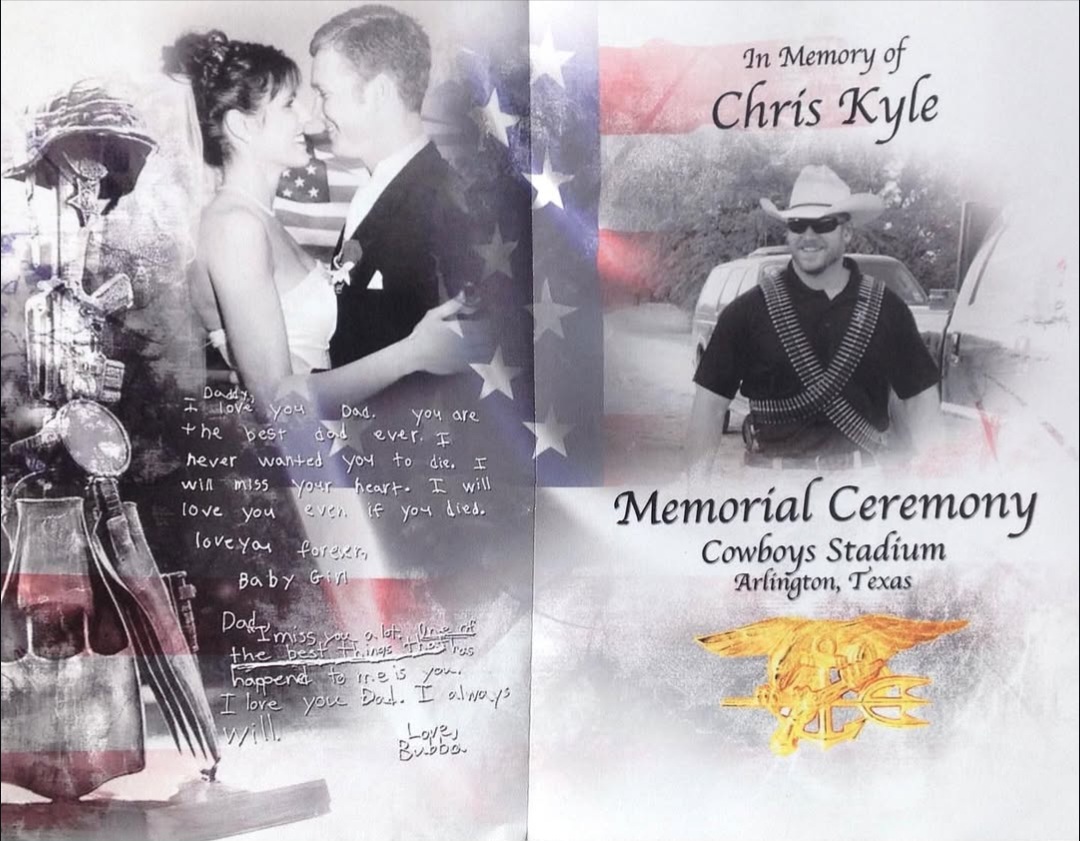
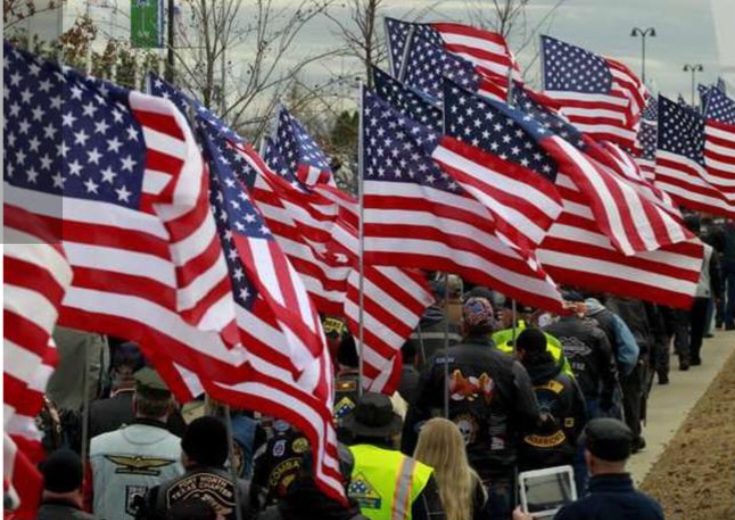
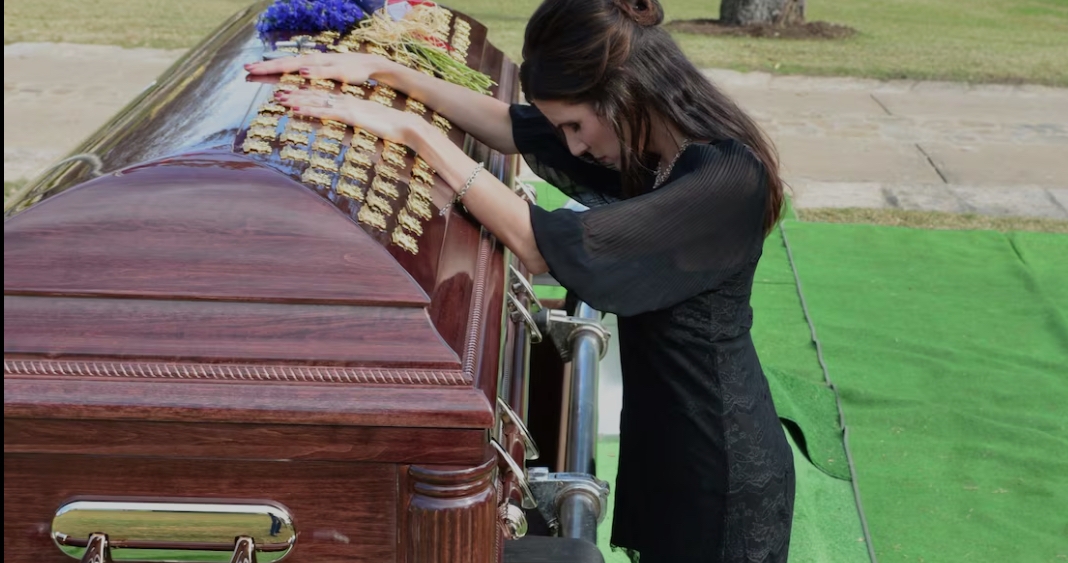
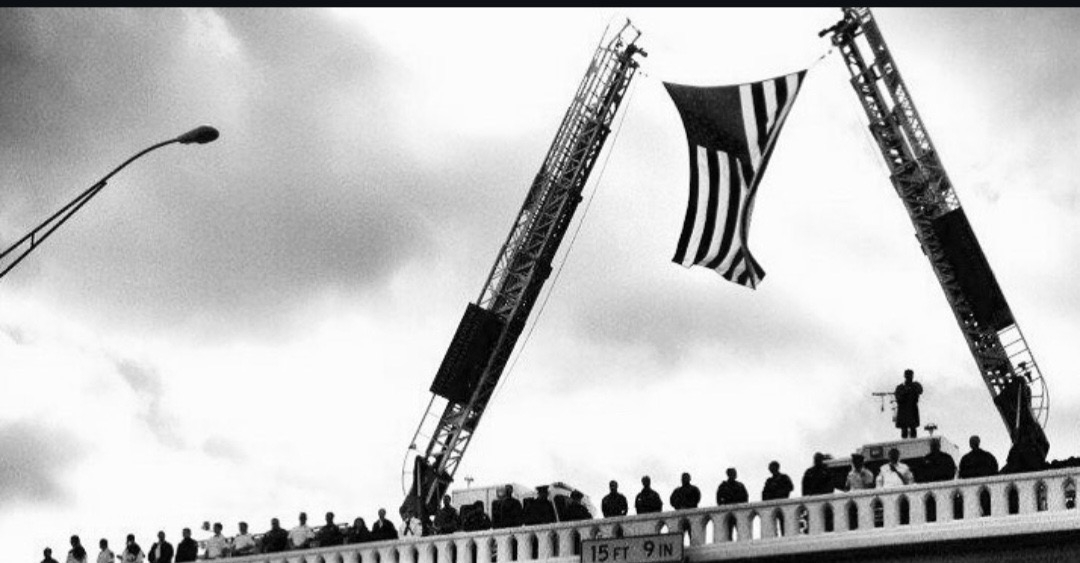
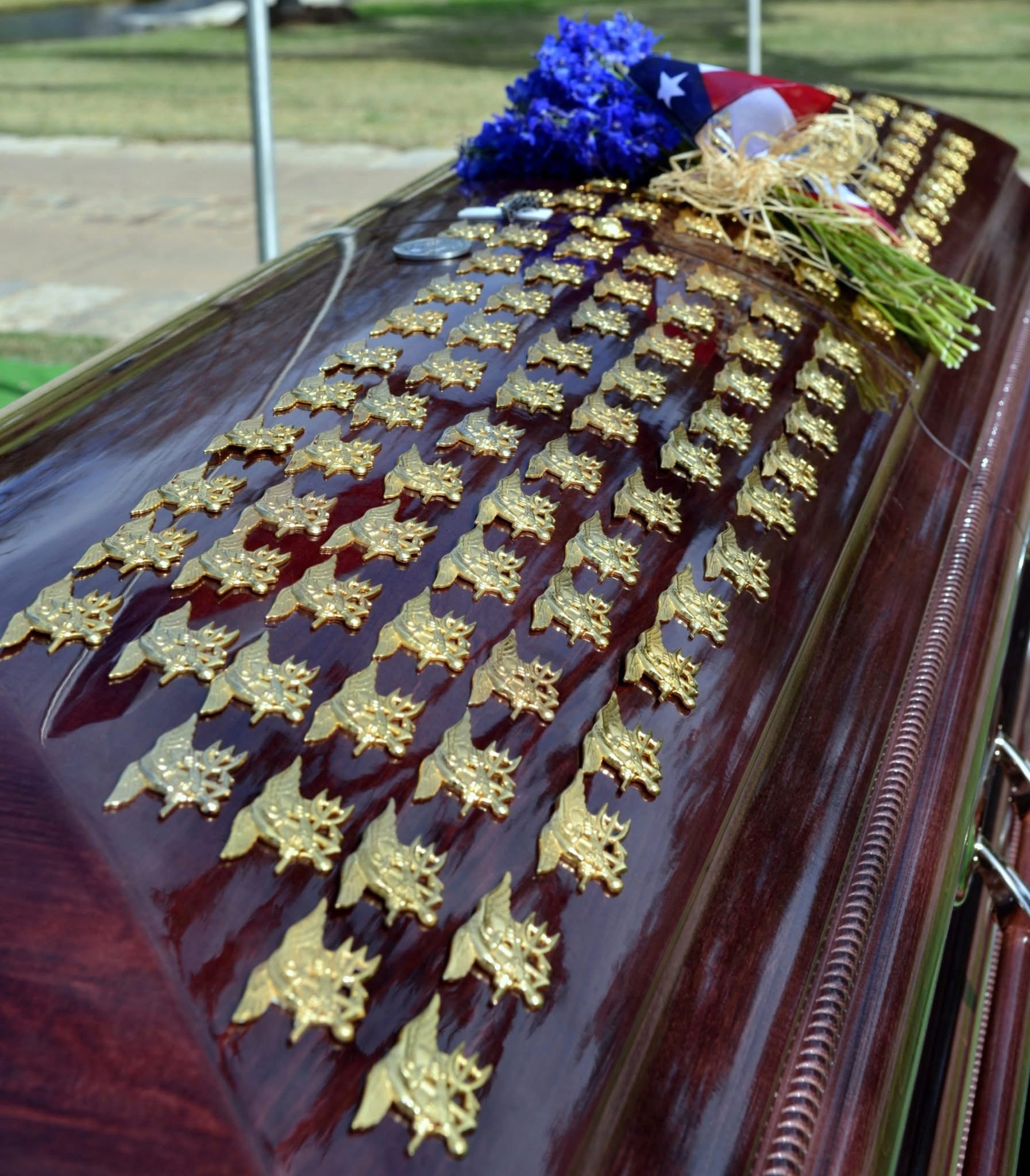
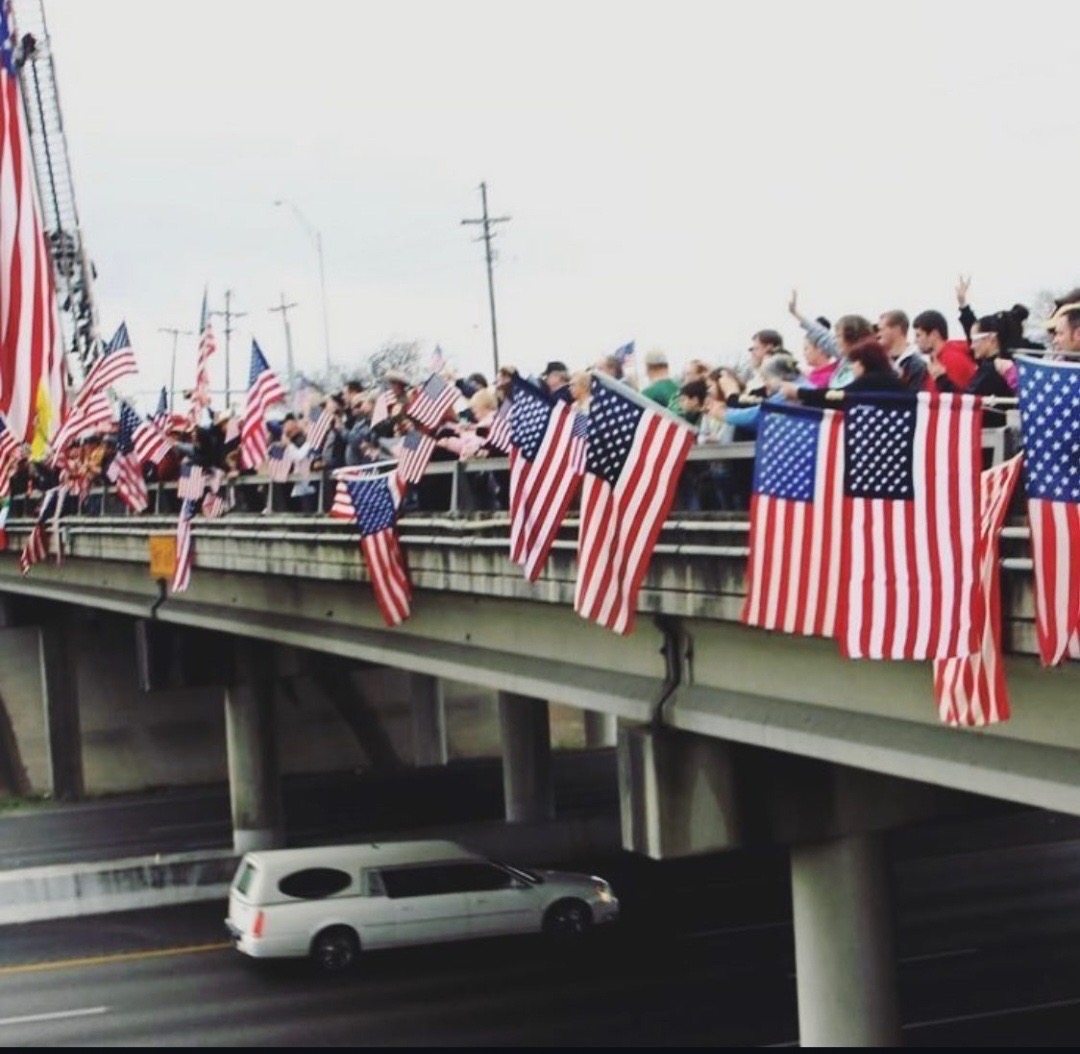
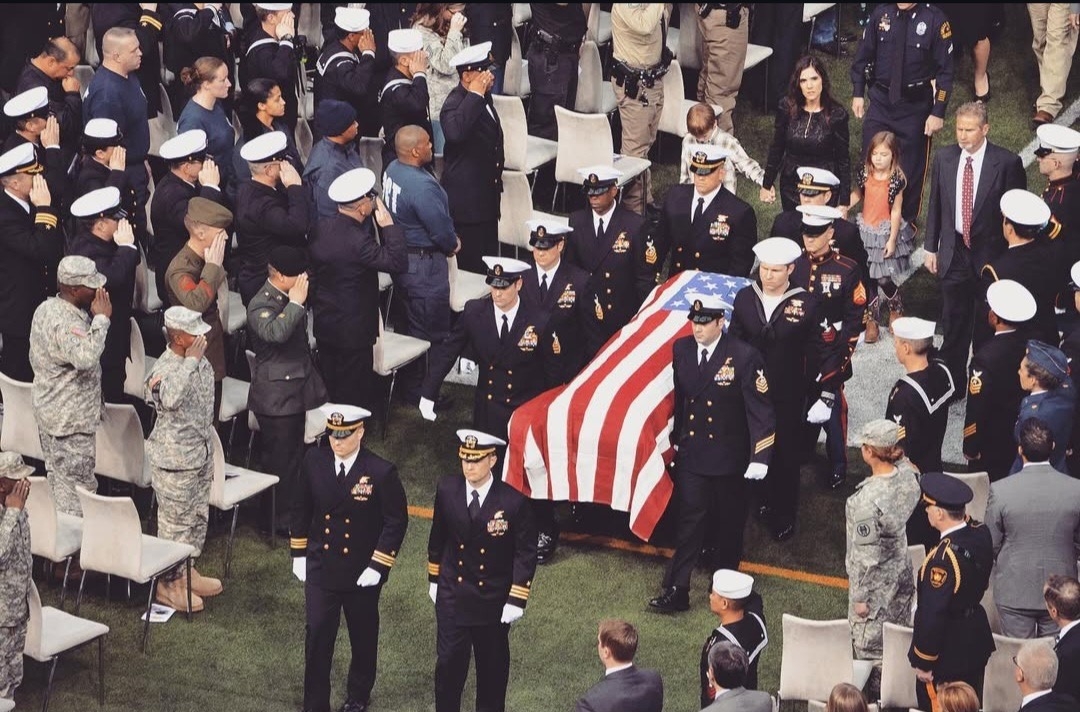
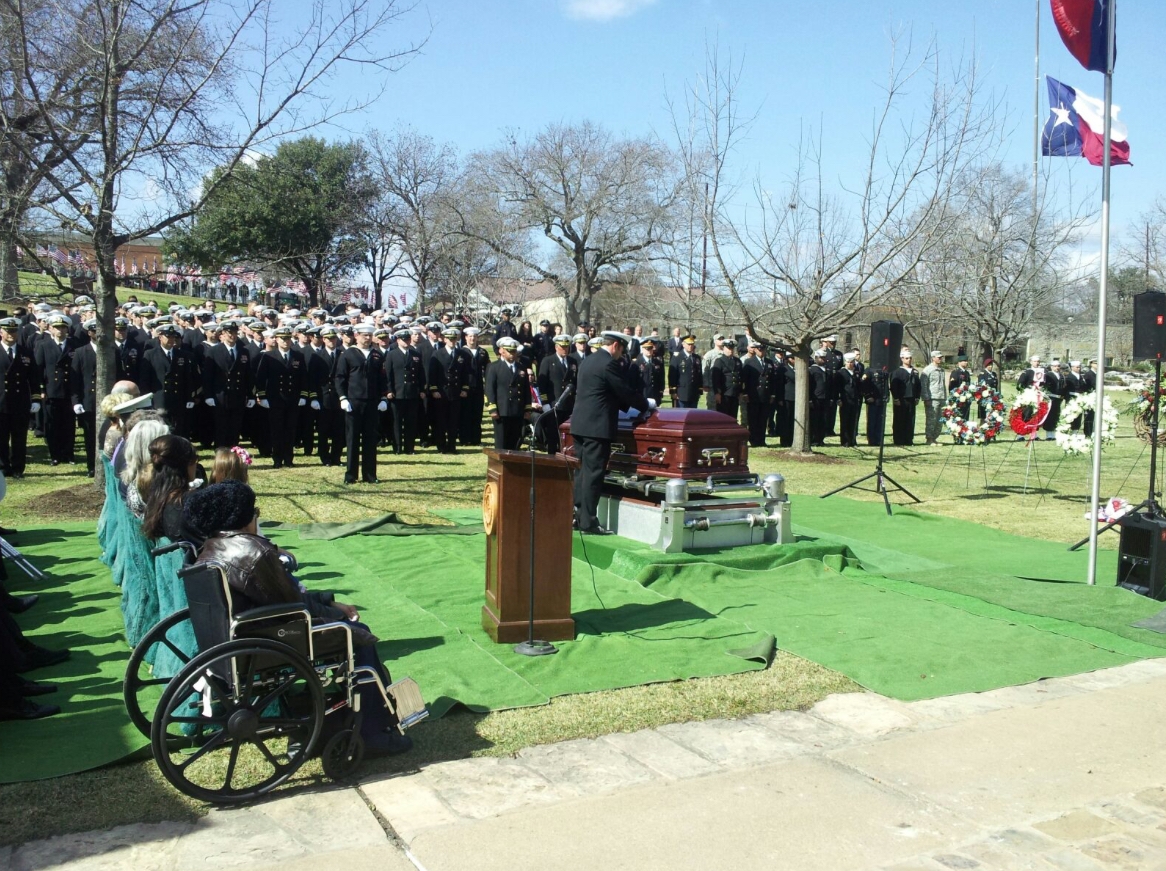
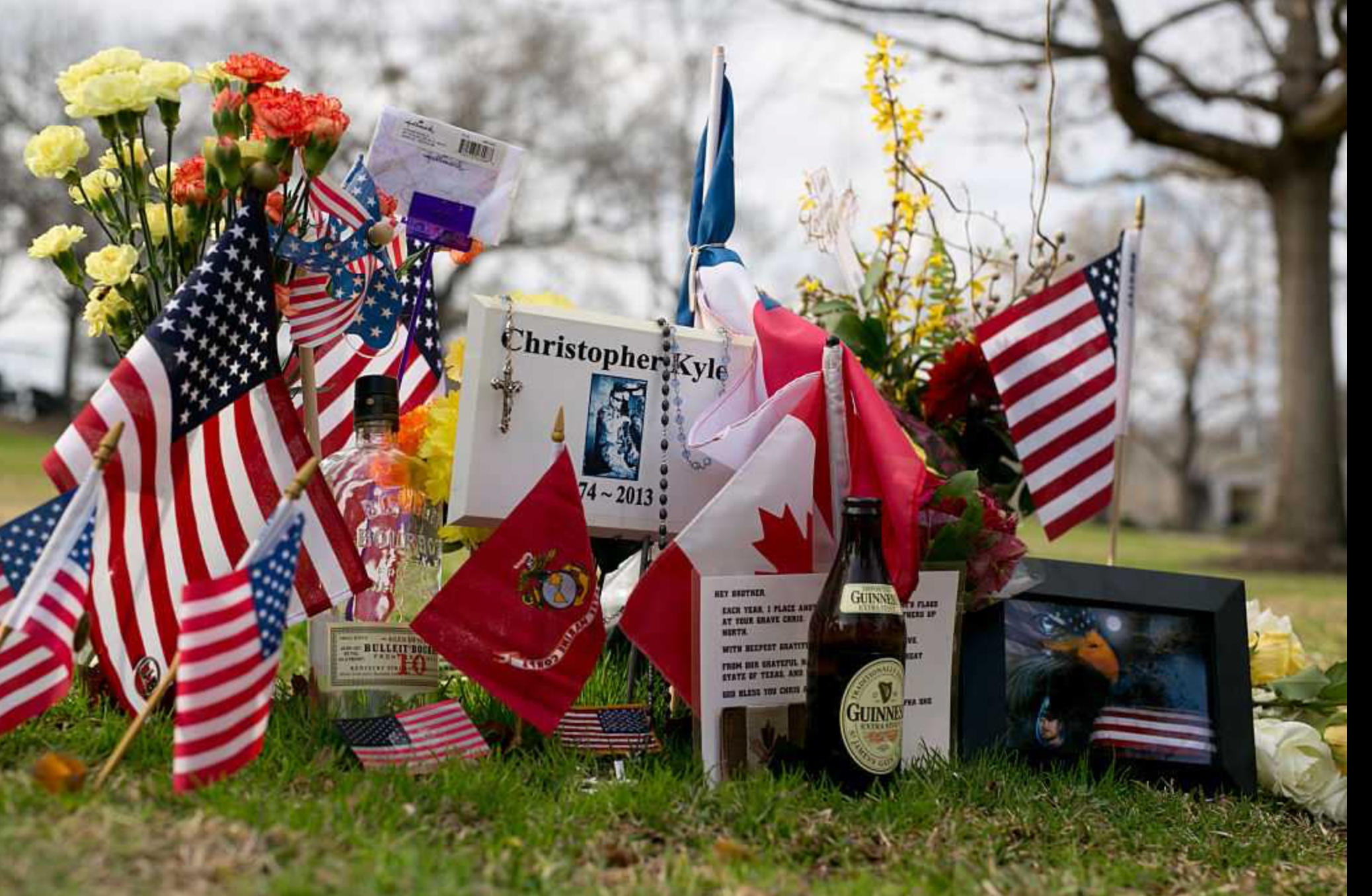
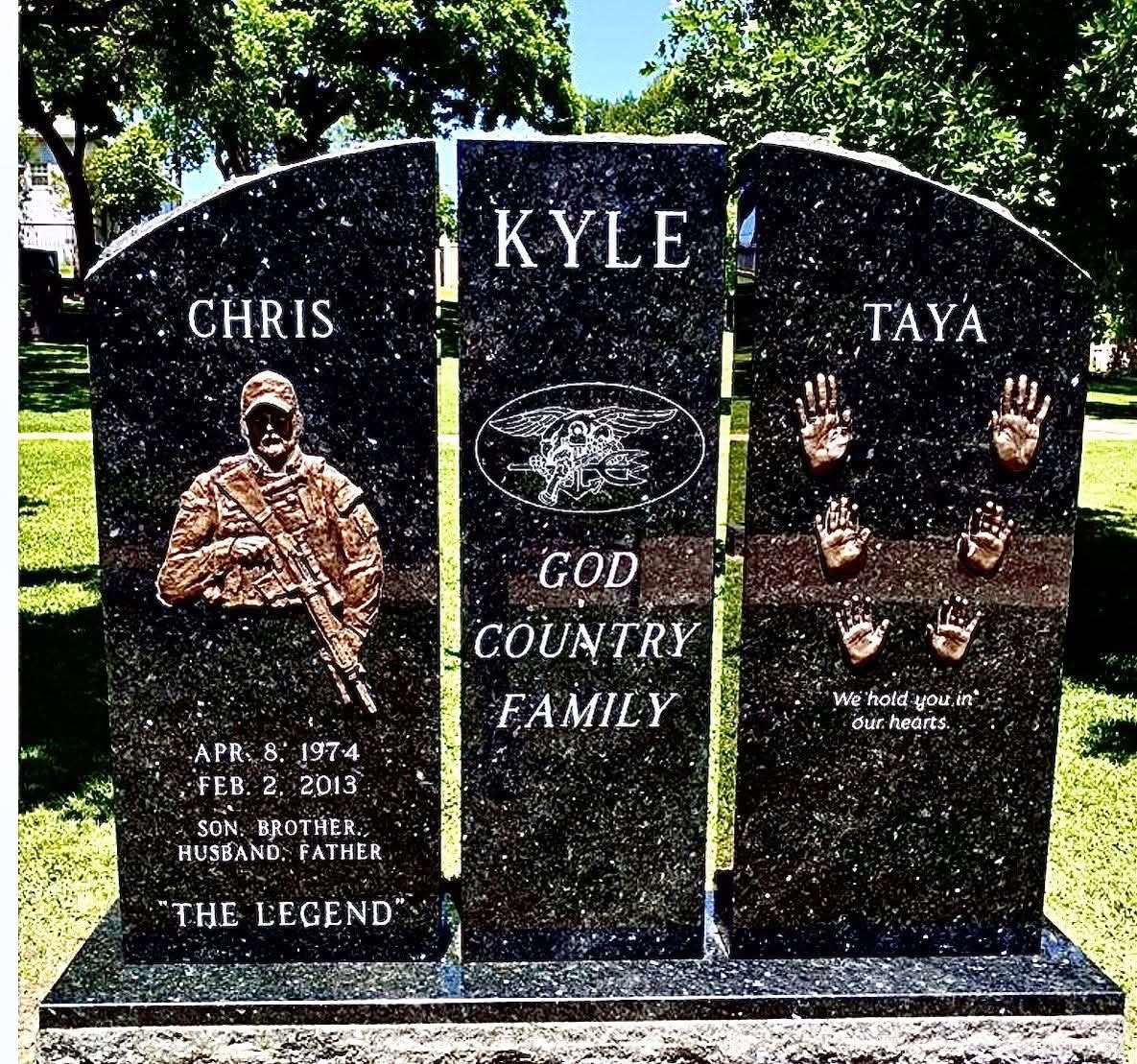
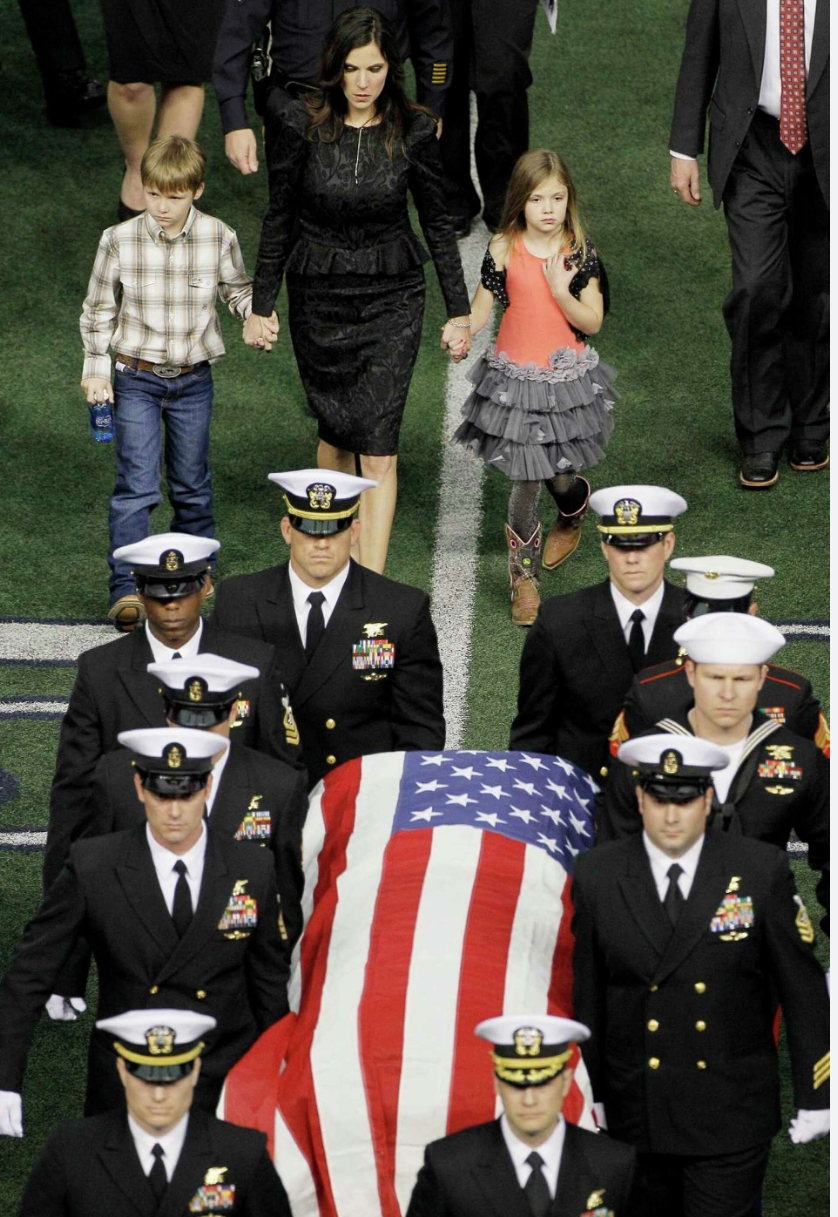
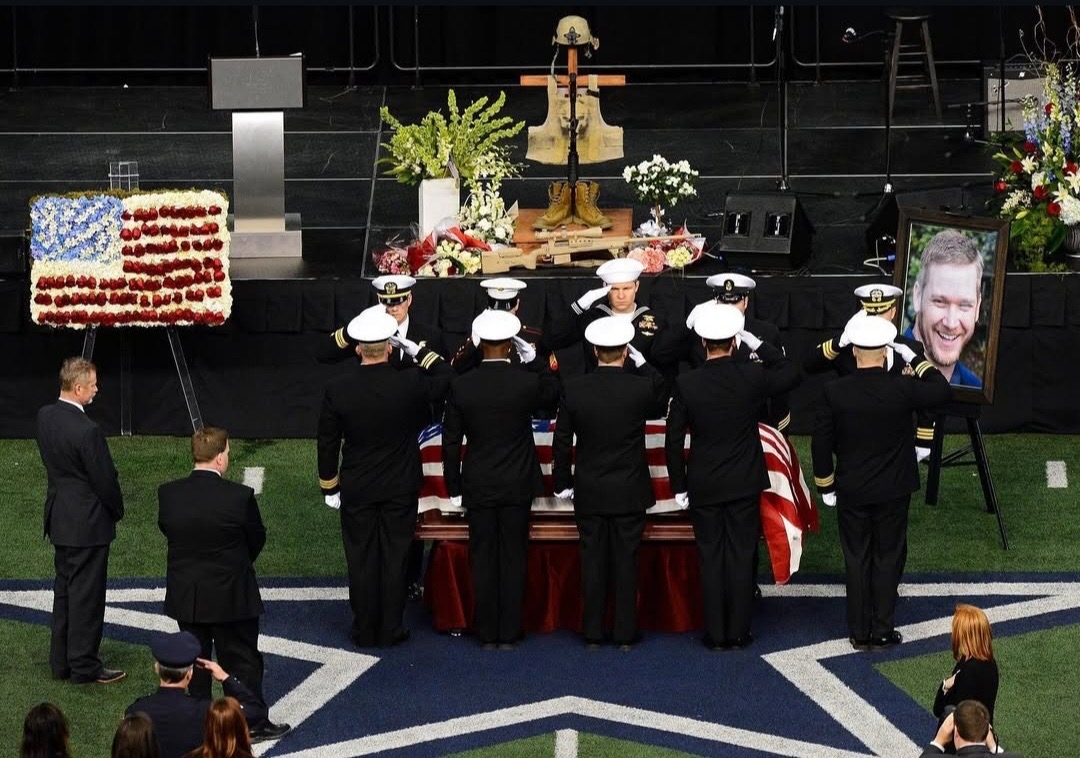
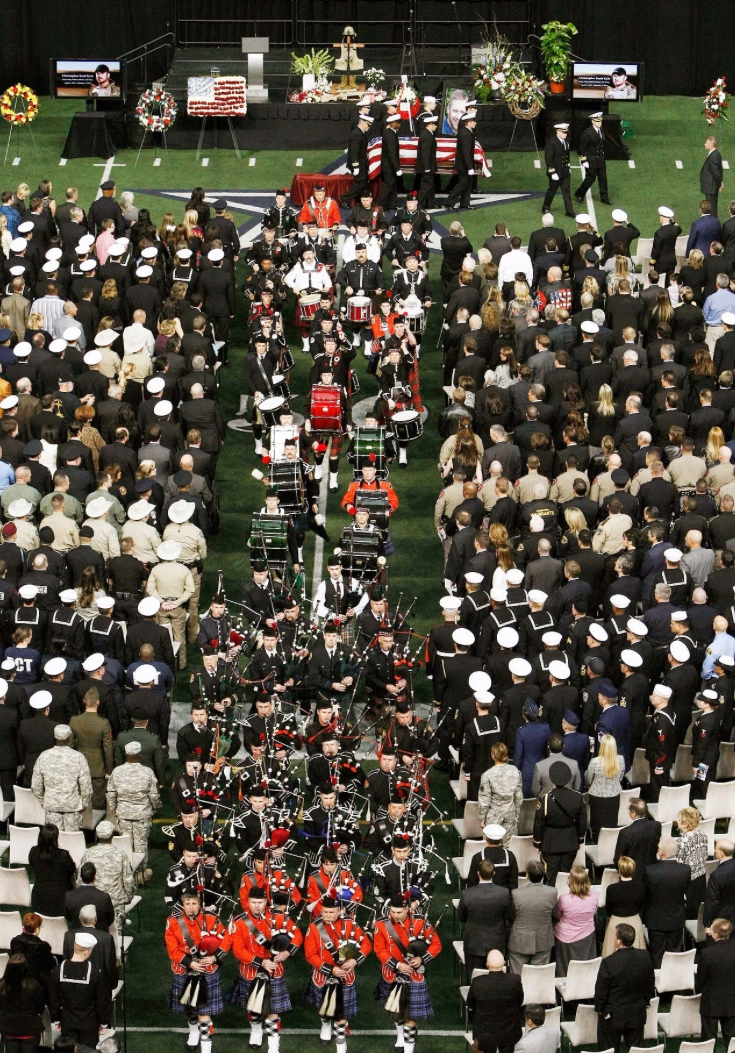
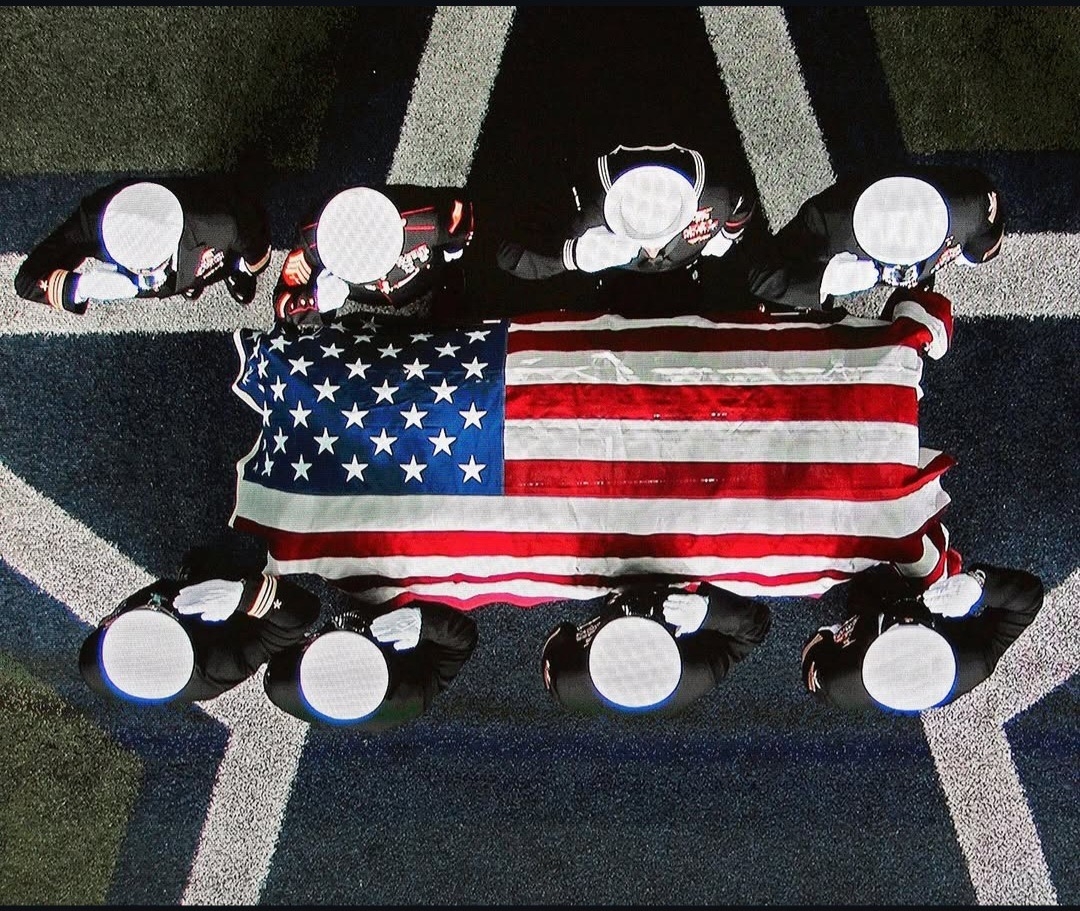
A memorial service was held for Kyle at Cowboys Stadium in Arlington, Texas. on February 11, and he was buried on February, 2013 at the Texas State Cemetery in Austin. Hundreds of people, many waving American Flags, lined I-35 to view the passing procession and to pay final respects to Kyle. In August 2013, Texas Governor Rick Perry signed Senate Bill 162, also known as the “Chris Kyle Bill” to recognize military training in issuing occupational licenses.
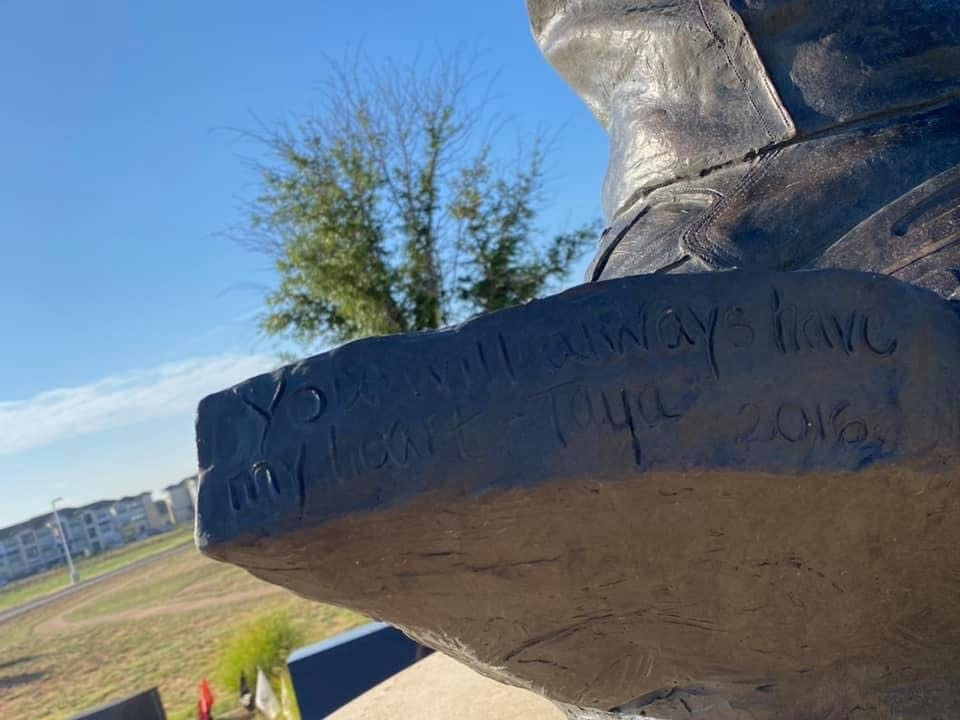
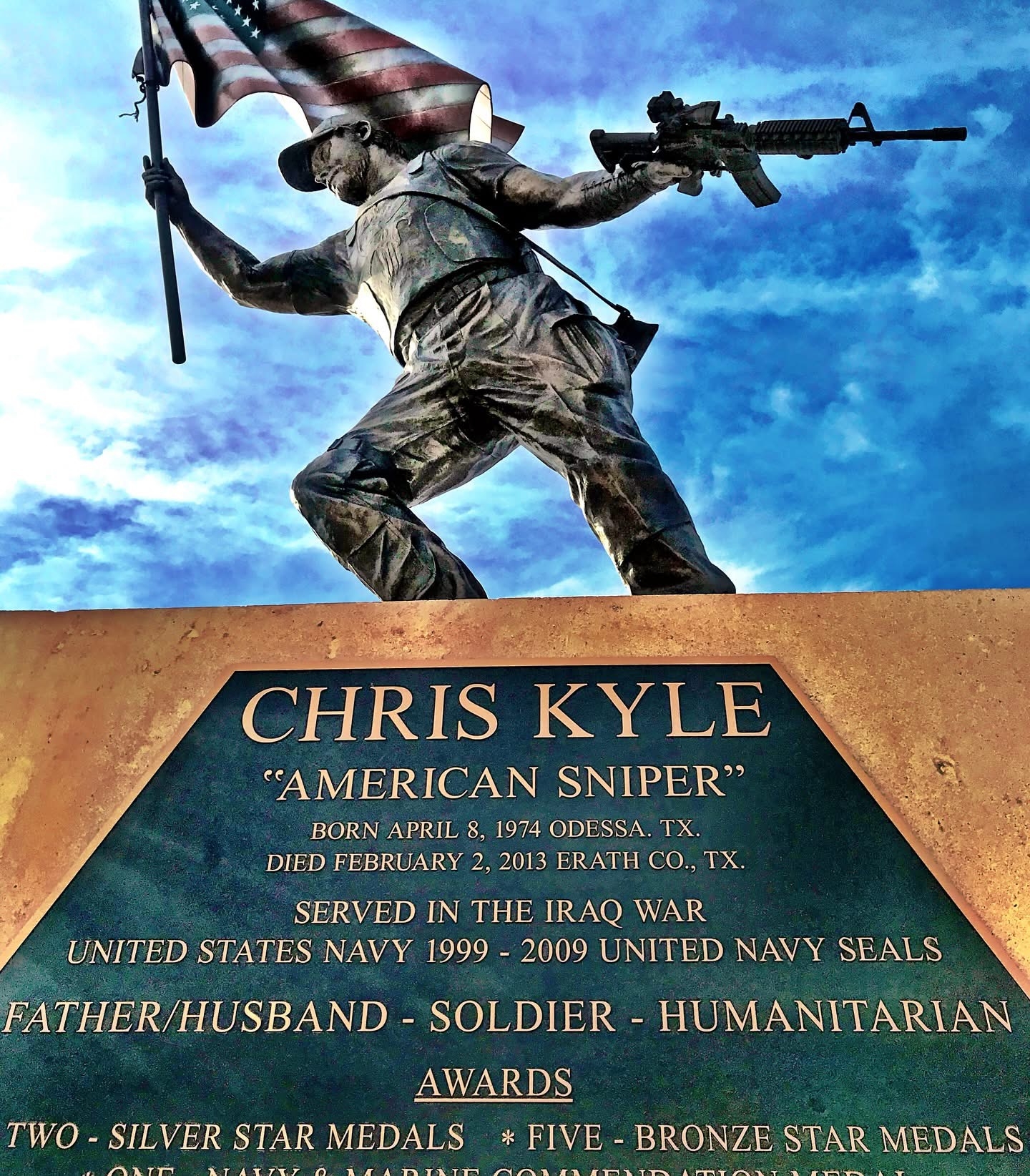
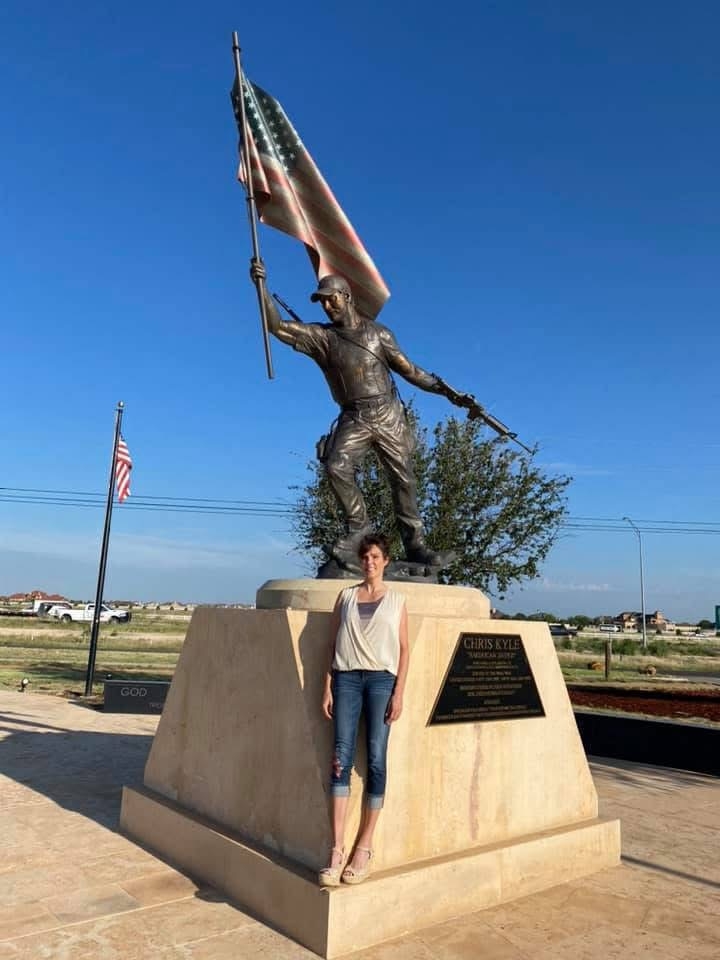
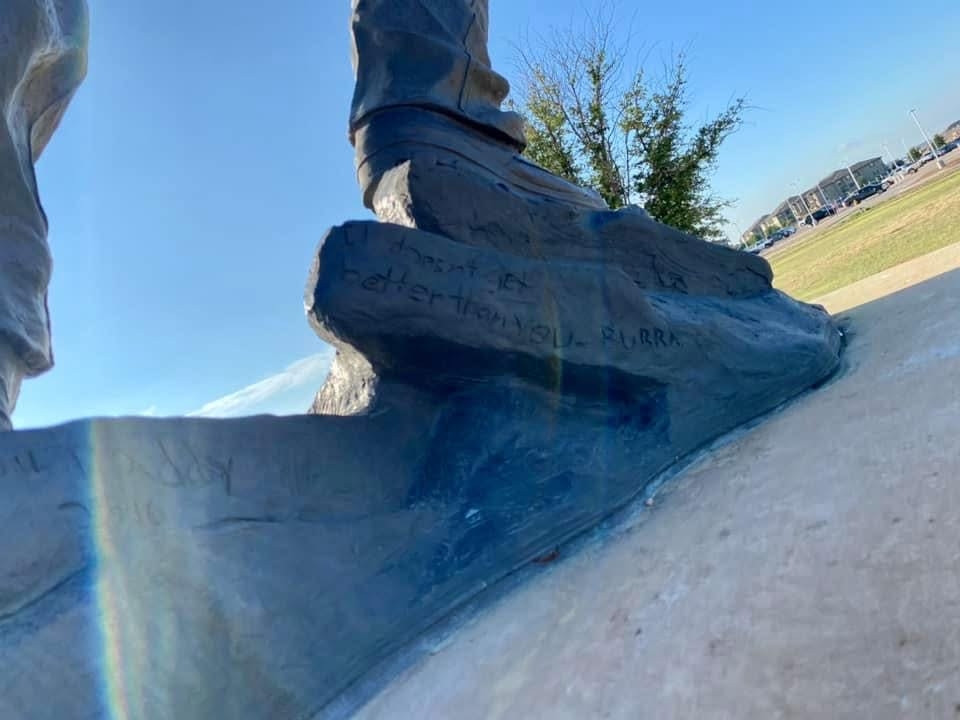
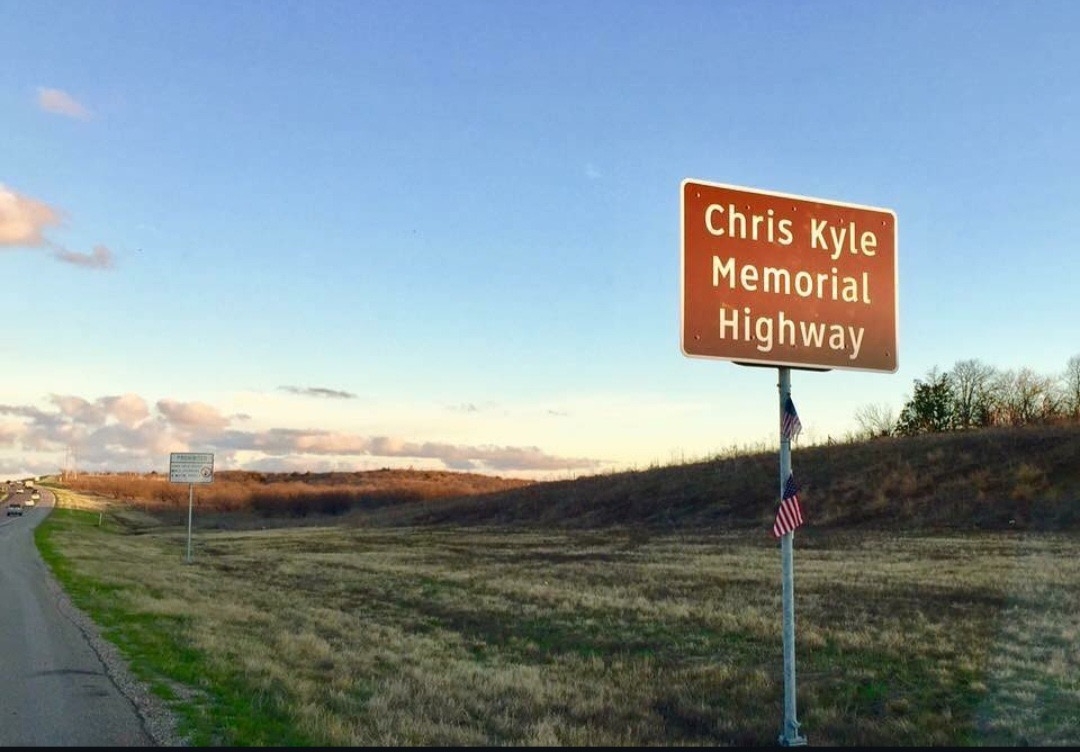
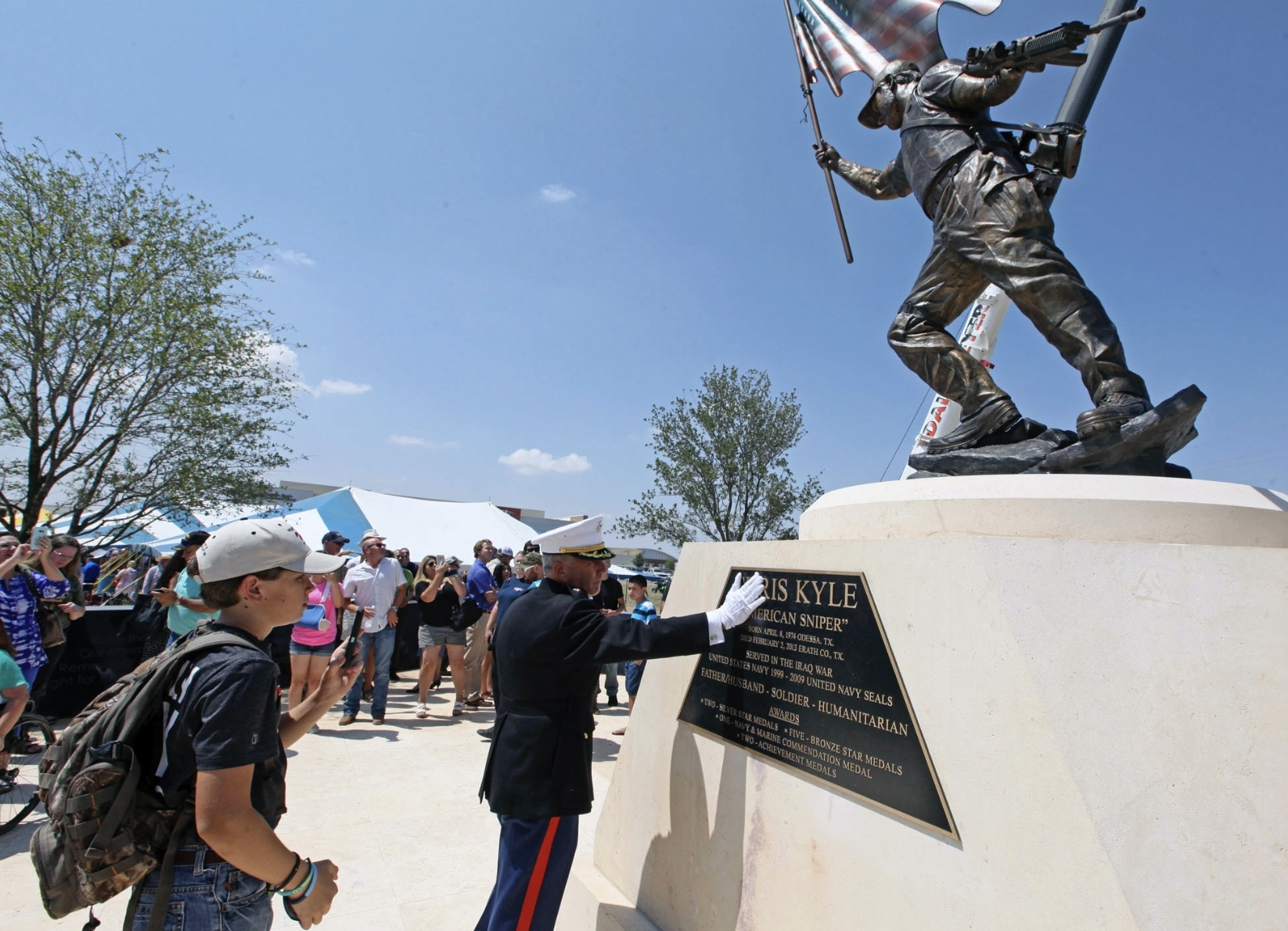
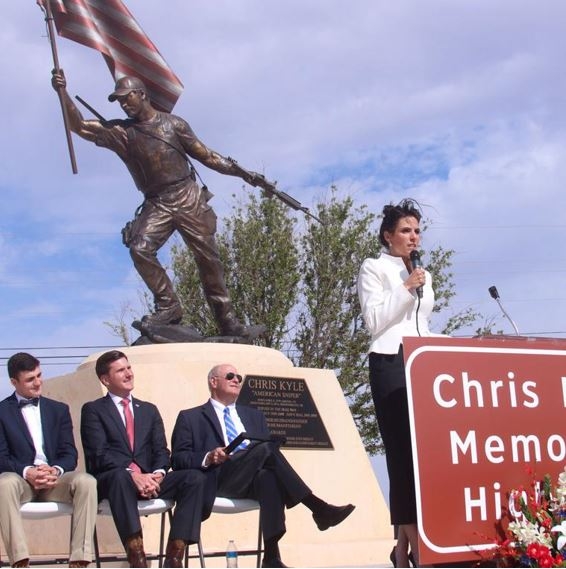
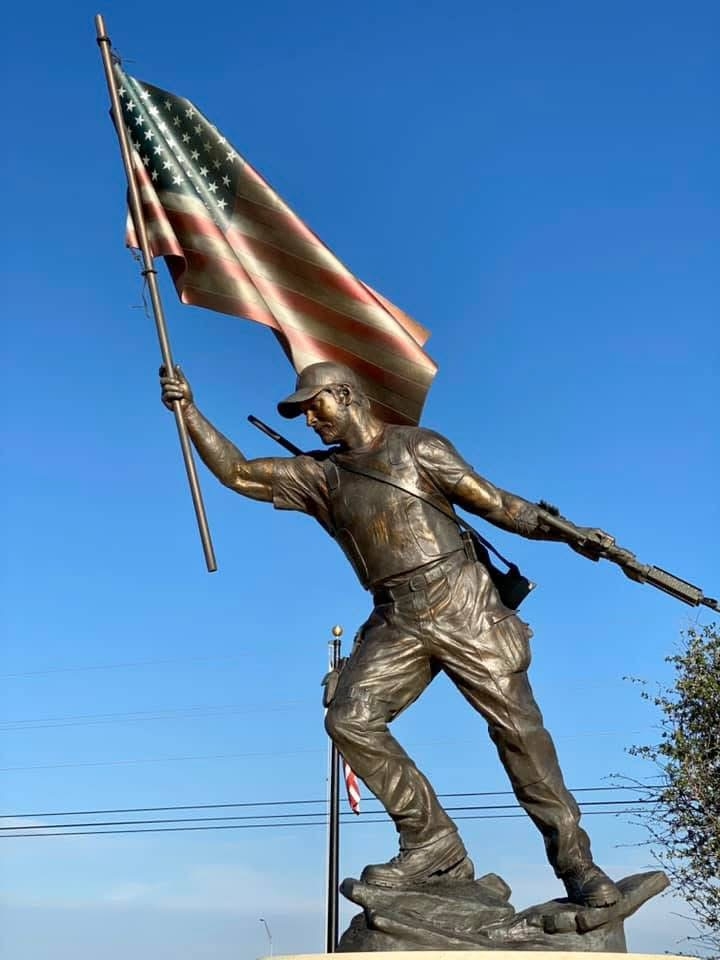
Sculptor Greg Marra created a memorial statue of Kyle for presentation to his wife Taya. The Chris Kyle Memorial Highway Bill was signed into law by Governor Greg Abbott on June 3, 2015. The Law became official September 1, 2015 and on February 15, 2016, signs for the 11 mile stretch of Hwy 287 through Midlothian, Texas, were unveiled.
A privately funded memorial for Kyle was unveiled on July 28, 2016 in Odessa, Texas. It includes a plaza and a bronze statue.
Chris’ Silver Star Citation reads:
For conspicuous gallantry and intrepidity in action against the enemy while serving as Lead Sniper while assigned to Naval Special Warfare Task Unit-RAMADI in direct support of Operation IRAQI FREEDOM from 24 April to 27 August 2006.
Petty Officer Kyle’s heroic actions, professionalism and incredible sniper skills had tremendous impact in the success of U.S. and Iraqi Forces in routing the insurgency and seizing key areas of the City of Ar Ramadi, the epicenter of Al Qaeda and insurgent activity in Iraq. During 32 sniper overwatch missions, he personally accounted for 91 confirmed enemy fighters killed and dozens more probably killed or wounded.
Petty Officer Kyle’s efforts were integral to the success of four U.S. Army and Marine Corps Battalion Task Force operations, establishing U.S. and Iraqi Army combat outposts in previously insurgent-held areas. His engagements directly prevented casualties to U.S. and Iraqi Forces on more than 30 occasions, including enemy rocket-propelled grenade and mortar teams eliminated, five enemy snipers with scoped weapons eliminated, and dozens of insurgent fighters destroyed while actively engaging U.S. and Iraqi forces with small arms.
By his bold leadership, courageous actions, and total dedication to duty, Petty Officer Kyle reflected great credit upon himself and upheld the highest traditions of the United States Naval Service.
The Legend of Chris Kyle
By Michael J. Mooney | March 18, 2013|12:00 am
D Magazine
The deadliest sniper in U.S. history performed near miracles on the battlefield. Then he had to come home.
There’s a story about Chris Kyle: on a cold January morning in 2010, he pulled into a gas station somewhere along Highway 67, south of Dallas. He was driving his supercharged black Ford F350 outfitted with black rims and oversize knobby mudding tires.
Kyle had replaced the Ford logo on the grill with a small chrome skull, similar to the Punisher emblem from the Marvel Comics series, and added a riot-ready aftermarket grill guard bearing the words ROAD ARMOR. He had just left the Navy and moved back to Texas.
Two guys approached him with pistols and demanded his money and the keys to his truck. With his hands in the air, he sized up which man seemed most confident with his gun.
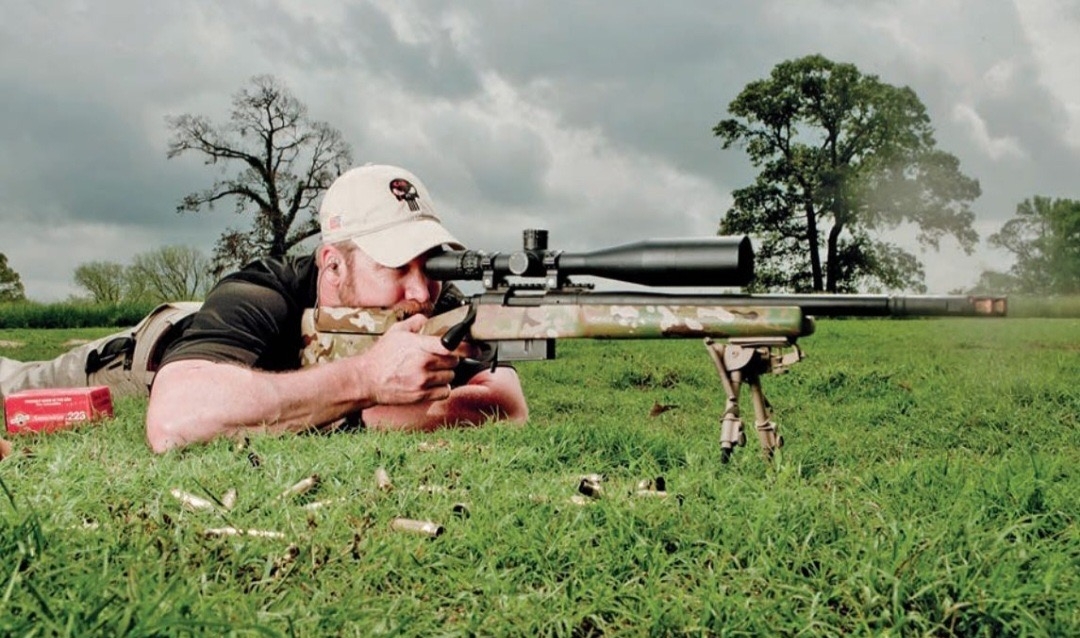
Kyle knew what confidence with a gun looked like. He was the deadliest sniper in American history. He had at least 160 confirmed kills by the Pentagon’s count, but by his own count—and the accounts of his Navy SEAL teammates—the number was closer to twice that. In his four tours of duty in Iraq, Kyle earned two Silver Stars and five Bronze Stars with Valor. He survived six IED attacks, three gunshot wounds, two helicopter crashes, and more surgeries than he could remember.
He was known among his SEAL brethren as The Legend and to his enemies as al-Shaitan, “the devil.”
He told the robbers that he just needed to reach back into the truck to get the keys. He turned around and reached under his winter coat instead, into his waistband. With his right hand, he grabbed his Colt 1911. He fired two shots under his left armpit, hitting the first man twice in the chest. Then he turned slightly and fired two more times, hitting the second man twice in the chest.
Both men fell dead.
Kyle leaned on his truck and waited for the police.
When they arrived, they detained him while they ran his driver’s license. But instead of his name, address, and date of birth, what came up was a phone number at the Department of Defense.
At the other end of the line was someone who explained that the police were in the presence of one of the most skilled fighters in U.S. military history. When they reviewed the surveillance footage, the officers found the incident had happened just as Kyle had described it. They were very understanding, and they didn’t want to drag a just-home, highly decorated veteran into a messy legal situation.
Kyle wasn’t unnerved or bothered. Quite the opposite. He’d been feeling depressed since he left the service, struggling to adjust to civilian life. This was an exciting reminder of the action he missed.
That night, talking on the phone to his wife, Taya, who was in the process of moving with their kids from California, he was a good husband. He asked how her day was. The way some people tell it, he got caught up in their conversation, and only right before they hung up did he remember his big news of the day: “Oh, yeah, I shot two guys trying to steal my truck today.”
A brief description of the incident appeared in fellow SEAL Marcus Luttrell’s 2012 book Service: a Navy SEAL at War— but not Kyle’s own best-seller, American Sniper—and there are mentions of it in various forums deep in the corners of the internet. Before Kyle’s murder at the hands of a fellow veteran in February, I asked him about that story during an interview in his office last year, as part of what was supposed to be an extended, in-depth magazine story about his service and how hard he worked to adjust back to this world—to become the great husband and father and Christian he’d always wanted to be. He didn’t want to get into specifics about the gas station shooting, but I left that day believing it had happened.
“By the official count, Chris Kyle racked up 160 confirmed kills as a Navy sniper. He pegged the actual number as twice that.”
The offices of Craft International, the defense contractor where Chris Kyle was president until his death, were immaculate. You needed one of the broad-chested security guards from downstairs as an escort just to get to that floor of the building. Sitting under thick glass in the lobby, there was an exceptionally rare, original English translation of Galileo’s Dialogue (circa 1661). A conference room held a safe full of gigantic guns—guns illegal to own without a Department of Defense contract.
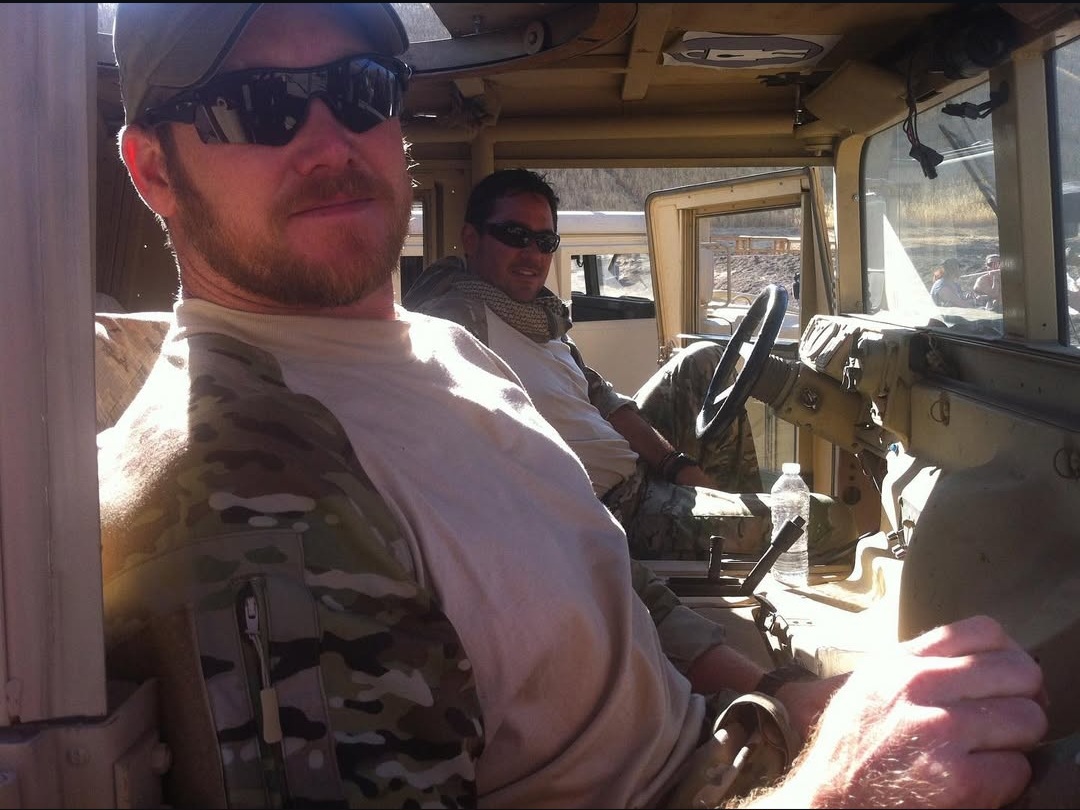
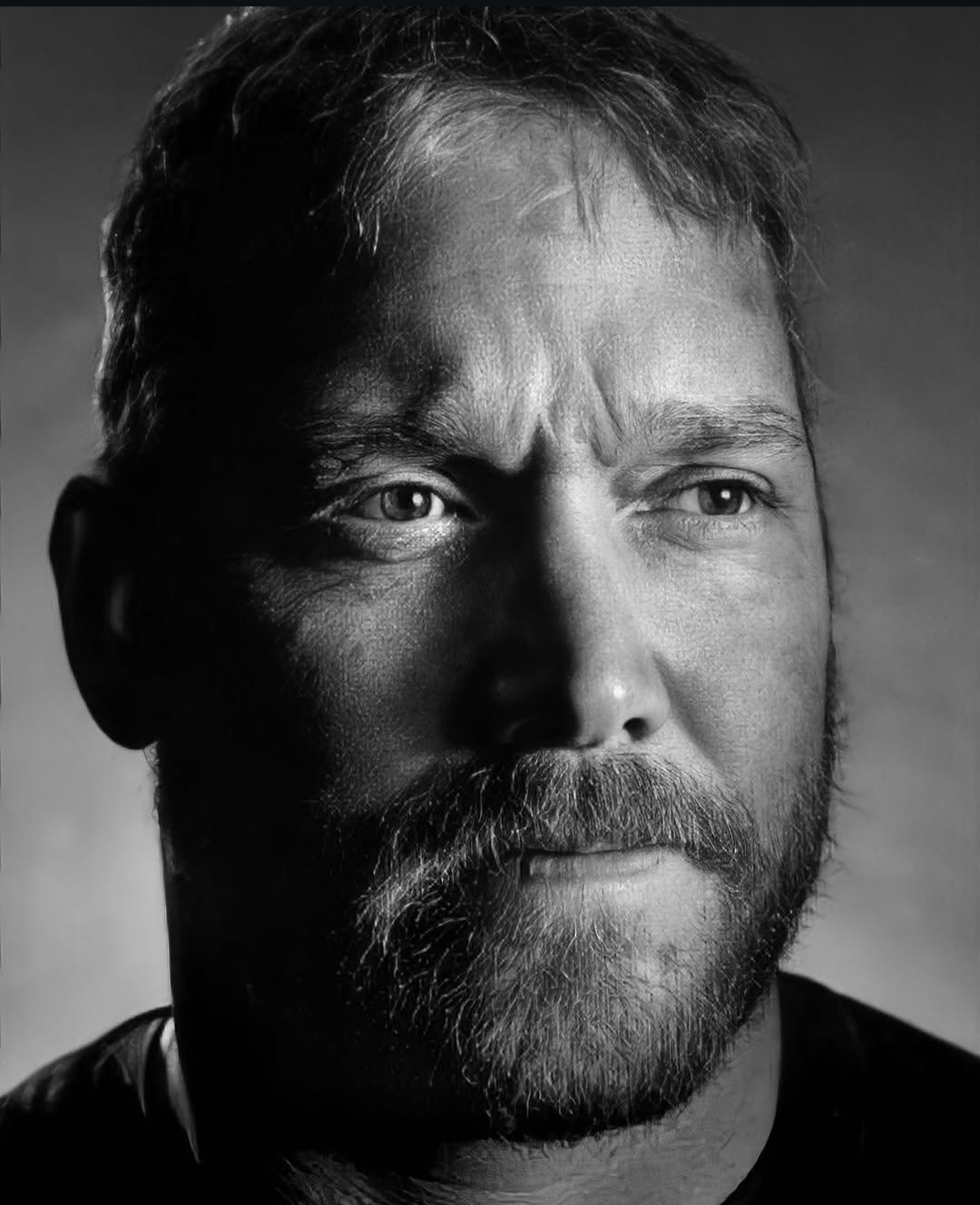
At 38, Kyle was a large man, 6-foot-2, 230 pounds, and the muscles in his neck and shoulders and forearms made him seem even bigger, like a scruffy-bearded giant. When he greeted me with a direct look in the eye and a firm handshake, his huge bear paw enveloped my hand.
That day he had on boots, jeans, a black t-shirt, and a baseball cap. It’s the same thing he wore most days he came to the office, or when he watched his daughter’s ballet recitals, or during television interviews with Conan O’Brien or Bill O’Reilly.
This was one of the rare chances when he’d have a few hours to talk. Over the next three days, he would be teaching a sniper course to the Dallas SWAT teams and he had three book signings, one at a hospital in Tyler (for a terminal cancer patient whose doctor reached out to him), one at Ray’s Sporting Goods in Dallas, and one at the VA in Fort Worth.
He’d also have to fly down to Austin for a shooting event Craft was putting on for Speaker of the House John Boehner and several other congressmen.
“We are not doing this for free,” he said, anticipating a question. “We accept Republicans and Democrats alike, as long as the money is good.”
A few weeks later, he would have to cancel a weekend meeting because he was invited to hang out with George W. Bush. “Sorry,” he said, when asked if anyone else might be able to join. “Not even my wife’s allowed to come.”
He loved the Dallas Cowboys and the University of Texas Longhorns. He loved going to the Alamo, looking at historic artifacts. The license plate on his truck had a picture of the flag used during the Texas Revolution, with a cannon, a star, and the words COME AND TAKE IT. Being in the military forced him to move a lot, and neither of his children was born in Texas.
But for each birth, he had family send a box of dirt from home—so the first ground his kids’ feet touched would be Texas soil.
He was outspoken on a lot of issues. He believed strongly in the Second Amendment, politely decrying the “incredible stupidity” of gun control laws anytime he was asked. He said he was hesitant to see the movie Zero Dark Thirty because he’d heard that it was a lot of propaganda for the Obama administration. Once, he posted to his tens of thousands of Facebook fans: “If you don’t like what I have to say or post, you forget one thing, I don’t give a shit what you think. LOL.”
He didn’t worry about sounding politically incorrect. The Craft International company slogan, emblazoned around the Punisher skull on the logo: “Despite what your momma told you, violence does solve problems.”
His views were nuanced, though. “If you hate the war, that’s fine,” he told me. “But you should still support the troops. They don’t get to pick where they’re deployed. They just gave the American people a blank check for anything up to and including the value of their lives, and the least everyone else can do is be thankful. Buy them dinner. Mow their yard. Bake them cookies.”
“The best way to describe Chris,” his wife, Taya, says, “is extremely multifaceted.”
He was a brutal warrior but a gentle father and husband. He was a patient instructor, and he was a persistent, sophomoric jokester. If he had access to your Facebook account, he might announce to all your friends and family that you’re gay and finally coming out of the closet. If he wanted to make you squirm, he might get hold of your phone and scroll through your photos threatening to see if you kept naked pictures of your girlfriend.
Kyle liked when people thought of him as a dumb hillbilly, but he had a remarkable ability to retain information, whether it was a mission briefing, the details of a business meeting, or his encyclopedic knowledge of his own hero, Vietnam-era Marine sniper Carlos Hathcock.
While on the sniper rifle, Kyle had to do complicated math, accounting for wind speed, the spin of a bullet, and the curvature and rotation of the Earth—and he had to do it quickly, under the most intense pressure imaginable. Those were the moments when he thrived.
The most common question he was asked was easy to answer. He said he never regretted any of his kills, which weren’t all men.
“I regret the people I couldn’t kill before they got to my boys,” he said. That’s how he referred to the men and women he served with, across the branches: “my boys.”
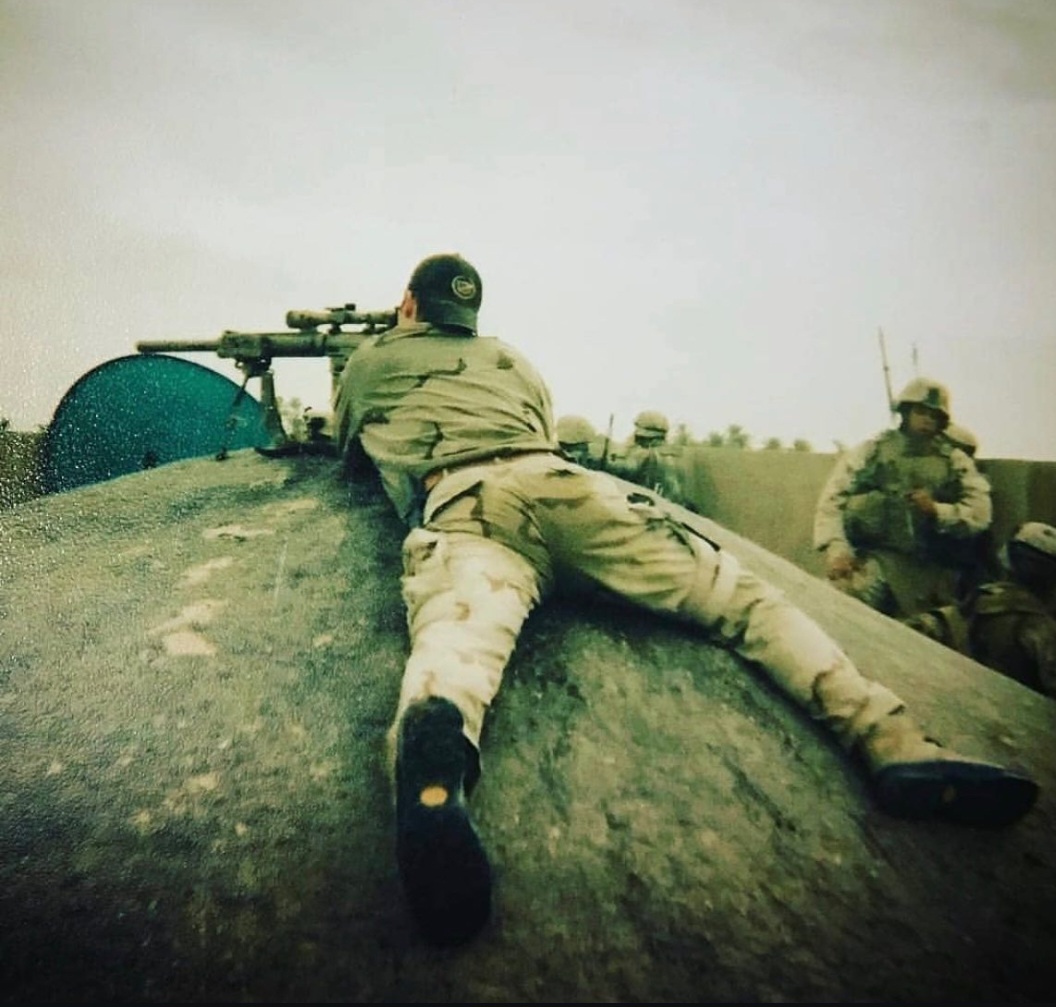
He said he didn’t enjoy killing, but he did like protecting Americans and allies and civilians. He was the angel of death, sprawled flat atop a roof, his University of Texas Longhorns ball cap turned backward as he picked off enemy targets one by one before they could hurt his boys. He was the guardian, assigned to watch over open-air street markets and elections, the places that might make good marks for insurgent terrorists.
“You don’t think of the people you kill as people,” he said. “They’re just targets. You can’t think of them as people with families and jobs. They rule by putting terror in the hearts of innocent people.
The things they would do—beheadings, dragging Americans through the streets alive, the things they would do to little boys and women just to keep them terrified and quiet—” He paused for a moment and slowed down. “That part is easy. I definitely don’t have any regrets about that.”
He said he didn’t feel like a hero. “I’m just a regular guy,” he said. “I just did a job. I was in some badass situations, but it wasn’t just me. My teammates made it possible.” He wasn’t the best sniper in the SEALs teams, he said. “I’m probably middle of the pack. I was just in the right spots at the right times.”
The way he saw it, the most difficult thing he ever did was getting out of the Navy.
“I left knowing the guy who replaced me,” he said. “If he dies, or if he messes up and other people die, that’s on me. You really feel like you’re letting down these guys you’ve gone through hell with.”
“Kyle said he didn’t feel like a hero. “I’m just a regular guy,” he said.
The hardest part? “Missing my boys. Missing being around them in the action. That’s your whole life, every day for years. I hate to say it, but when you’re back and you’re just walking around a mall or something, you feel like a pussy.” It nagged at him. “You hear someone whining about something at a stoplight, and it’s like, ‘Man, three weeks ago I was getting shot at, and you’re complaining about—I don’t even care what.’ ”
There was also the struggle to readjust to his family life. “When I got out, I realized I barely knew my kids,” he said. “I barely knew my wife. In the three years before I got out, I spent a total of six months at home. It’s hard to go from God, Country, Family to God, Family, Country.”
But three years after he left the SEALs, he had a job he liked. He could do (mildly) badass things: shoot big guns, detonate an occasional string of explosives, be around a lot of other former special-operations types. His marriage was finally back in a good place. He had a book on the best-seller list. And he had the chance to help veterans through a number of charities.
“A lot of these guys just miss being around their boys, too,” he said. “They need guys who speak their speak. They don’t need to be treated like they’re special.”
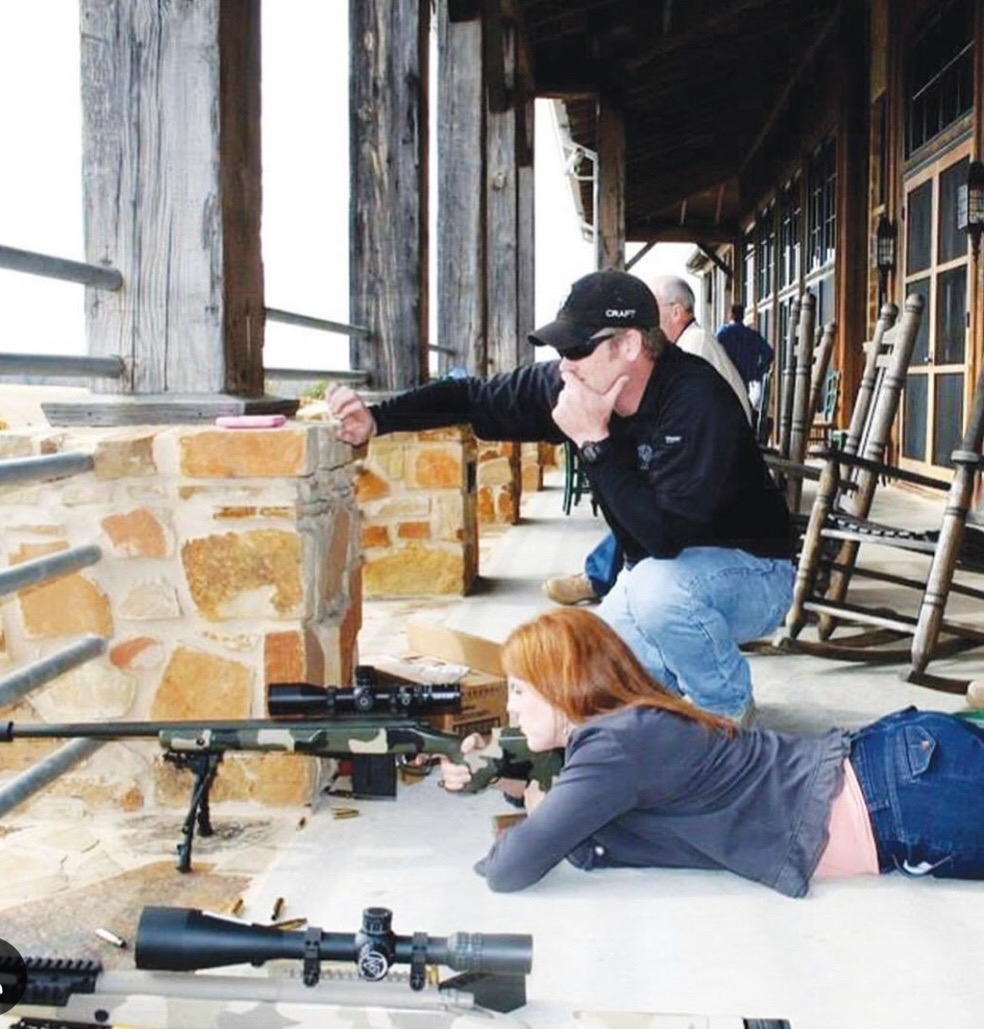
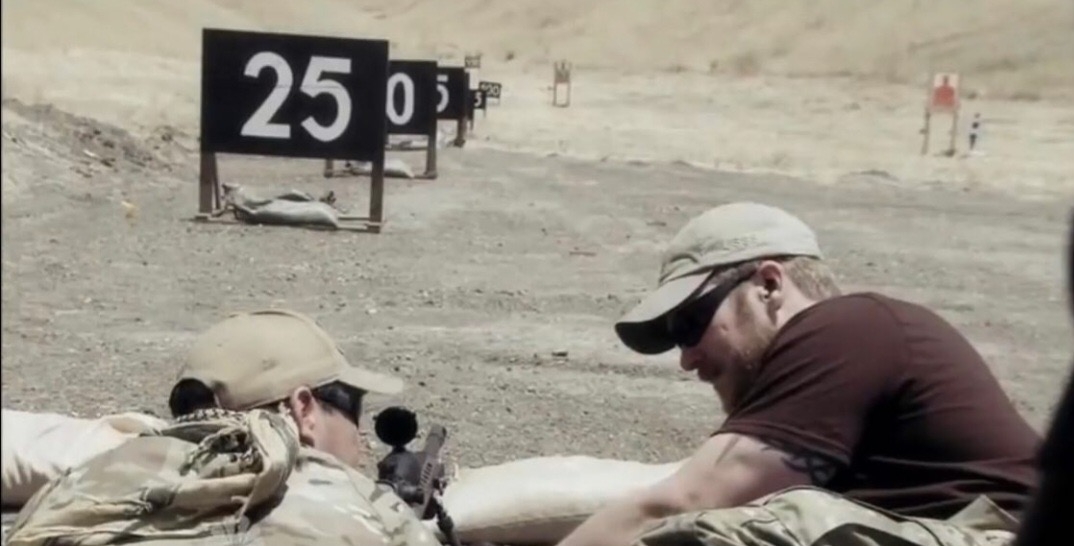
He’d often take vets out to the gun range. Being around people who understood what they’d been through, being able to relax and shoot off some rounds, it was a little like group therapy.
With his family, and with training people, helping people, he had found a new purpose. Chris Kyle could do anything if he had a purpose. He’d been like that since he was a little boy.
He was the son of a church deacon and a Sunday school teacher. His father’s job at Southwestern Bell had the family moving a lot, so he was born in Odessa, but he told people he grew up “all over Texas.”
About the same time he was learning to read, he learned to love guns. He liked to hunt with his father and brother. For his birthday parties, he wanted to have BB gun wars. He perched on the roof of his parents’ house waiting for his friends to dart across the yard. He wasn’t a great shot back then, but at least one friend is still walking around with one of Kyle’s BBs in his hand.
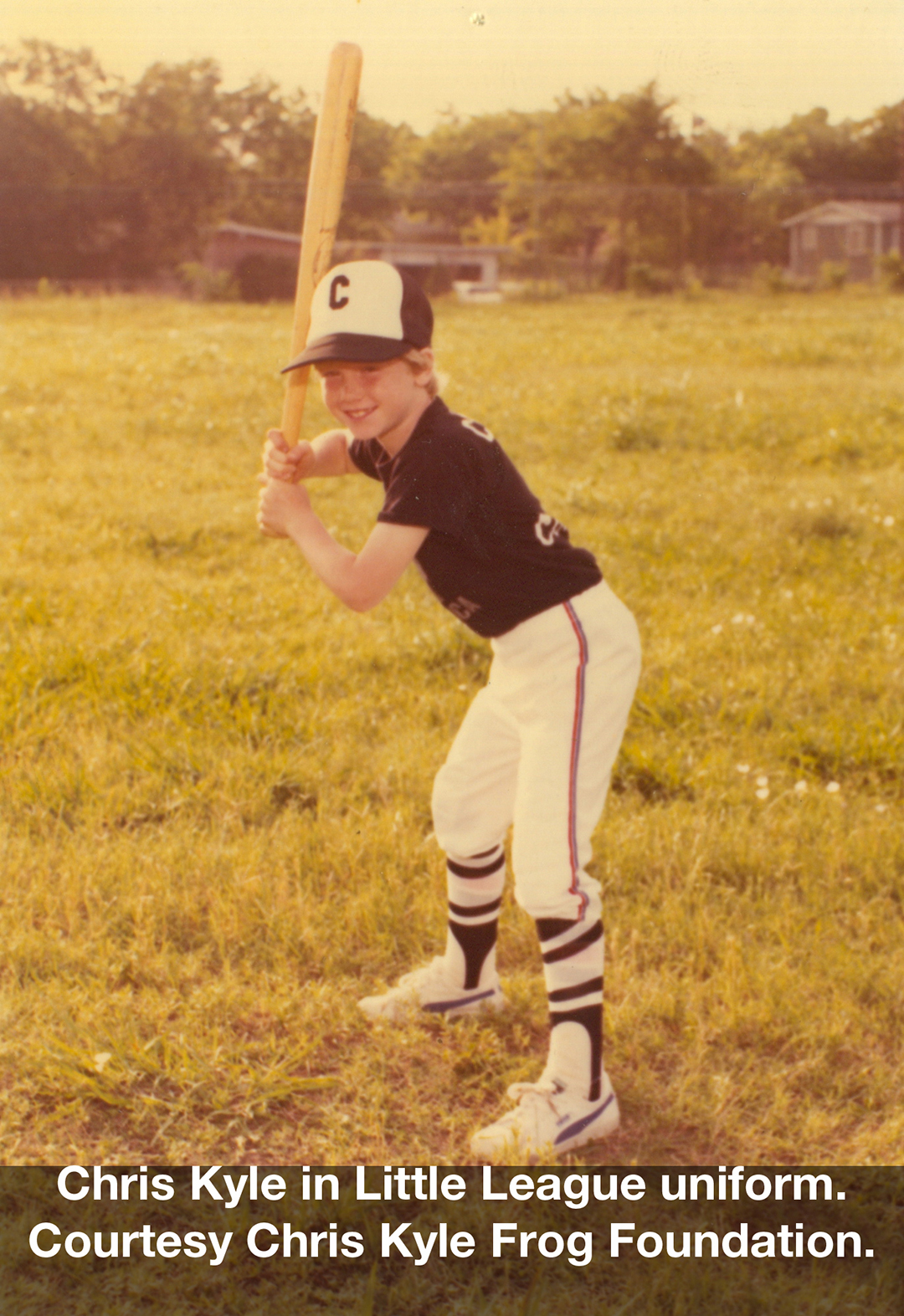
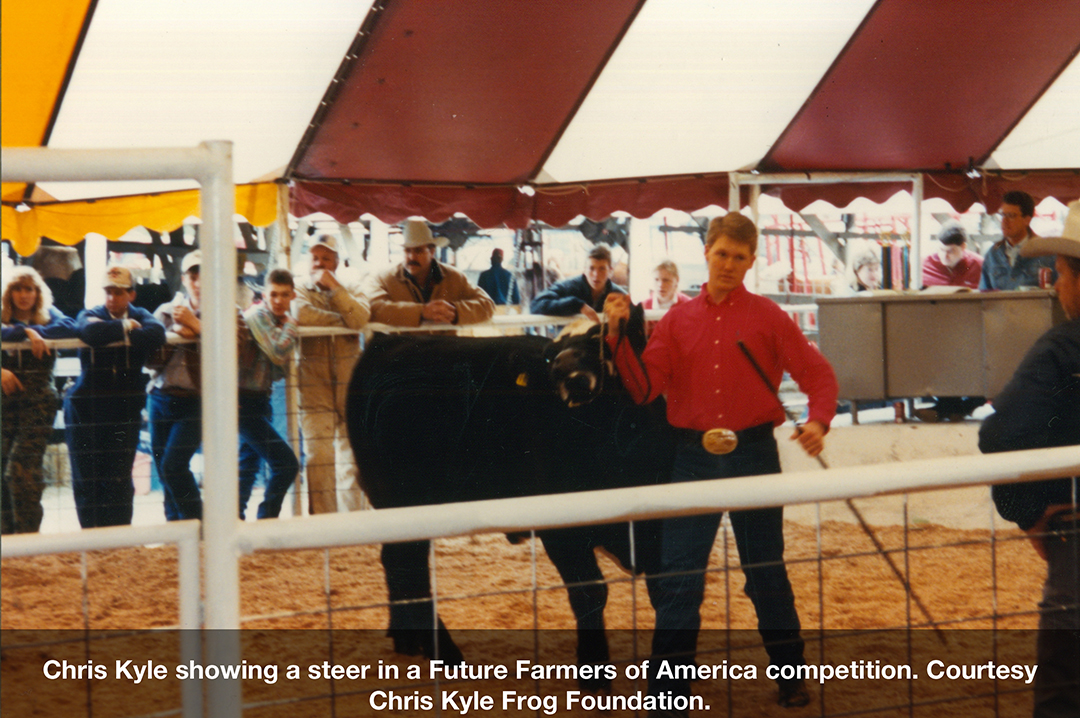
In high school in Midlothian, he played football and baseball. He showed cows through the FFA. He and his buddies cruised for girls in nearby Waxahachie. He also liked to fight. His father warned him never to start a fight. Kyle said he lived by that code “most of the time.”
He found that if he was sticking up for his friends, or for kids who couldn’t defend themselves, he got to fight and he got to be the good guy at the same time. Once he felt like he was standing up for something right, he would never back down.
Bryan Rury was a close friend of Kyle’s in high school. Rury was much smaller than his friend, but it seemed they were always standing next to each other. “I think Chris liked looking like a giant,” Rury says.
One time, there was a new kid in school who was trying to make a name for himself by picking on Rury. Kyle came into class one day to find Rury quiet, upset. “He asked me what was wrong, and I wouldn’t tell him,” Rury says. “But he figured it out on his own pretty fast.”
Kyle went over to the new kid’s desk and, in his not-so-subtle, Chris Kyle way, told him he better leave his friend alone. Or else. The kid stood up from his desk, and they went at it. Kyle almost never started the fight, his friends say, but he always ended it.
“As they were taking him off to the principal office, I just remember him flashing me that giant smile of his,” Rury says.
After high school, he went to Tarleton State for two years, mostly to postpone the responsibilities of adulthood. He spent more time drinking than studying, and soon he decided he’d rather be working on a ranch full-time. But he knew his future was in the military—in the Marines, he thought, until a Navy recruiter told him about all the cool things he could potentially do as a SEAL—and he figured he shouldn’t waste any more time.
Kyle breezed through the Navy’s basic training. He only made it through BUD/S (Basic Underwater Demolition/SEAL) training by way of sheer resolve. He told stories about lying there on the beach, his arms linked with his friends’, their heads hovering above the frigid rising tide.
He knew if he got up and rang the bell—if he quit—he could get hot coffee and a doughnut. The uncontrollable shivering—they called it “jackhammering”—lasted for hours, but he never wanted to stop. He joked that he was just lazy, that if the bell had only been a little closer, maybe his entire life would have been different. But the truth is, nothing could have kept him from his dream.
“He had more willpower than anyone I’ve ever met,” Taya says. “If he cared about something, he just wouldn’t ever quit. You can’t fail at something if you just never quit.”
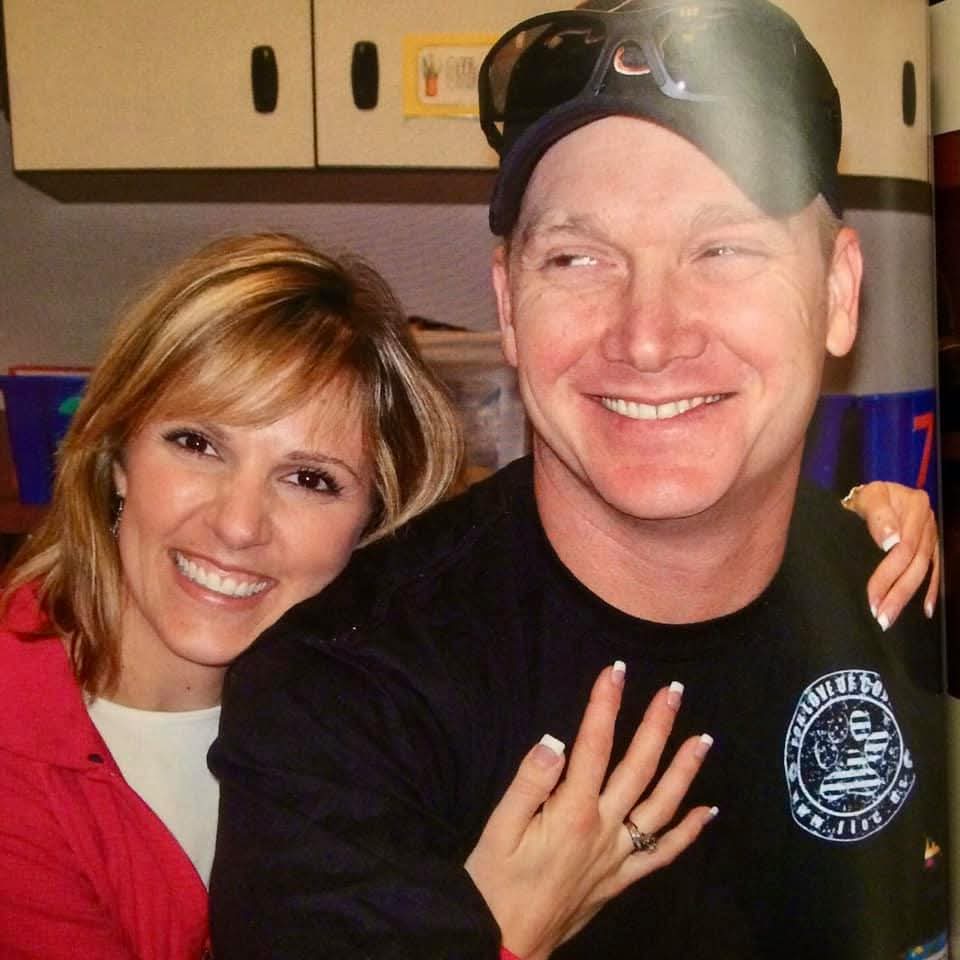
Taya met Kyle in a bar in San Diego, just after he finished BUD/S. When she asked what he did—she suspected from the muscles and the swagger that he was in the military—he told her he drove an ice cream truck. She figured he’d be arrogant but was surprised to find him idealistic instead. But she was still skeptical. Taya’s sister had divorced a guy who was trying to become a SEAL, and she’d specifically said she could never marry someone like that.
But Kyle turned out to be quite sensitive. He was able to read her better than anyone she’d known. Even when she thought she was keeping something hidden behind a goo that kept them from needing to talk about their emotions or constantly reassess their relationship. They got married shortly before he shipped out to Iraq for the first timed facade, he could always see through it.
That kept them from needing to talk about their emotions or constantly reassess their relationship. They got married shortly before he shipped out to Iraq for the first time.
It takes years to earn enough trust to be a SEAL sniper. Even after sniper school, Kyle had to prove himself again and again in the field, in the pressure of battle. He served other missions before Afghanistan and Iraq, in places he couldn’t discuss because the operations were classified.
As he would eventually describe in American Sniper, his first kill on the sniper rifle came in late March 2003, in Nasiriya, Iraq. It wasn’t long after the initial invasion, and his platoon—“Charlie” of SEAL Team 3—had taken a building earlier that day so they could provide overwatch for a unit of Marines thundering down the road. He was holding a bolt-action .300 Winchester Magnum that belonged to his platoon chief. He saw a woman about 50 yards away.
As the Marines got closer, the woman pulled a grenade. Hollywood might have you believe that snipers aim for the head—“one shot, one kill”—but effective snipers aim for the middle of the chest, for center mass.
Marines thundering down the road. He was holding a bolt-action .300 Winchester Magnum that belonged to his platoon chief. He saw a woman about 50 yards away. As the Marines got closer, the woman pulled a grenade. Hollywood might have you believe that snipers aim for the head—“one shot,
Kyle pulled the trigger twice.
“The public is soft,” he used to say. “They have no idea.” Because of that softness, he had to have that story, and others, cleared by the Department of Defense before he could include them in his book.
He wanted outsiders to know exactly what kind of evil the troops have had to deal with. But he understood why the Pentagon wouldn’t want to give America’s enemies any new propaganda. He knew the public didn’t want to hear about the brutal realities of war.
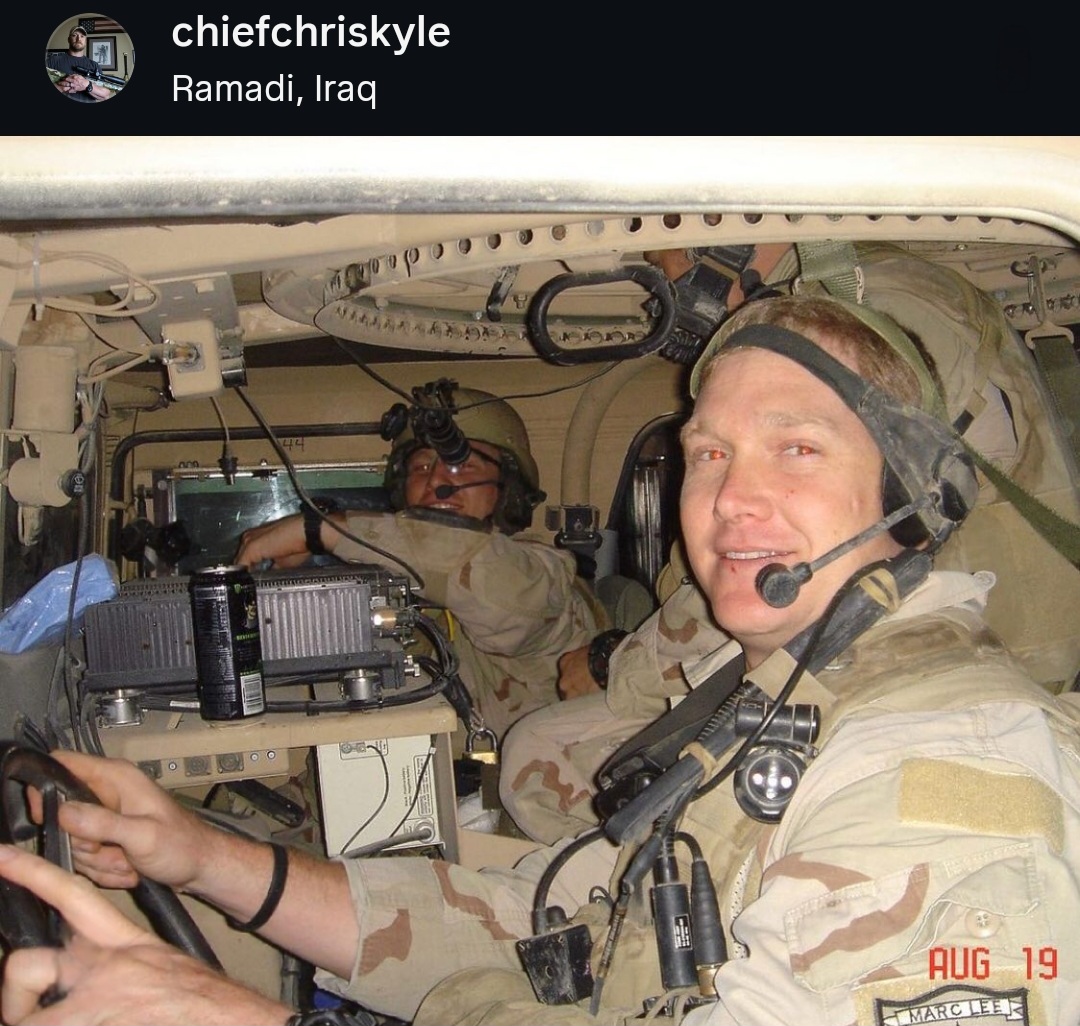
Kyle served four tours of duty in Iraq, participating in every major campaign of the war. He was on the ground for the initial invasion in 2003. He was in Fallujah in 2004. He went back, to Ramadi in 2006, and then again, to Baghdad in 2008, where he was called in to secure the Green Zone by going into Sadr City.
Most of his platoon was in the Pacific theater before the 2004 deployment. Kyle was sent early to assist Marines clearing insurgents in Fallujah. Tales of his success in combat trickled back to his team.
He was originally supposed to watch over the American forces perched at a safe distance, but he thought he could provide more protection if he was on the street, going house to house with his boys. During one firefight, it was reported that Kyle ran through a hail of bullets to pull a wounded Marine to safety. His teammates, hearing these stories, started sarcastically referring to him as The Legend.
Those stories of bravery in battle proliferated on his third deployment. A younger SEAL was with Kyle at the top of a building in Ramadi when they came under heavy fire. The younger SEAL, who is still active in the teams and can’t be named, dropped to the ground and hid behind an interior wall. When he finally looked up, he saw Kyle standing there, glued to his weapon, covering his field of fire, calling out enemy positions as he engaged.
Kyle said the combat was the worst on his last deployment, to Sadr City in 2008. The enemy was better armed than before. Now it seemed like every time there was an attack, there were rocket-propelled grenades and fights that went on for days. This was also the deployment that produced Kyle’s longest confirmed kill.
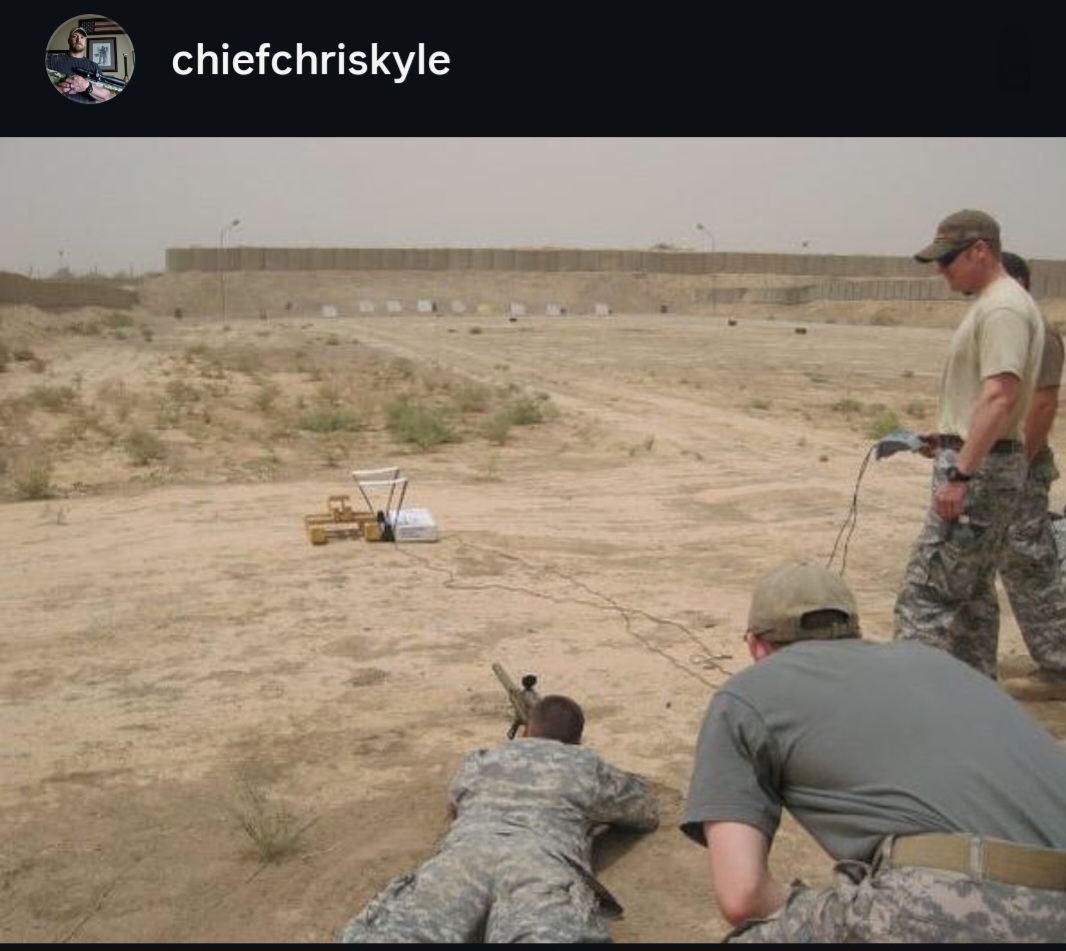
He was on the second floor of a house on the edge of a village. With the scope of his .338 Lapua, he started scanning out farther into the distance, to the edge of the next village, a mile away. He saw a figure on the roof of a one-story building. The figure didn’t seem to be doing much, and at the moment he didn’t appear to have a weapon. But later that day, as an Army convoy approached, Kyle checked again and saw the man holding what looked like an RPG. At that distance, Kyle could only estimate his calculations.
He pulled the trigger and watched through his scope as the Iraqi, 2,100 yards away, fell off the roof. It was the world’s eighth-longest confirmed kill shot by a sniper. Later, Kyle called it a “really, really lucky shot.”
Chris Kyle didn’t fit the stereotype of the sullen, lone wolf sniper. In many ways, he was far from the model serviceman. While he always kept his weapons clean, the same was not true of his living space. The way some SEALs tell it, after one deployment, his room was in such a disgusting condition that it took two days to clean. There were six months worth of spent sunflower seed shells he had spit around the bed.
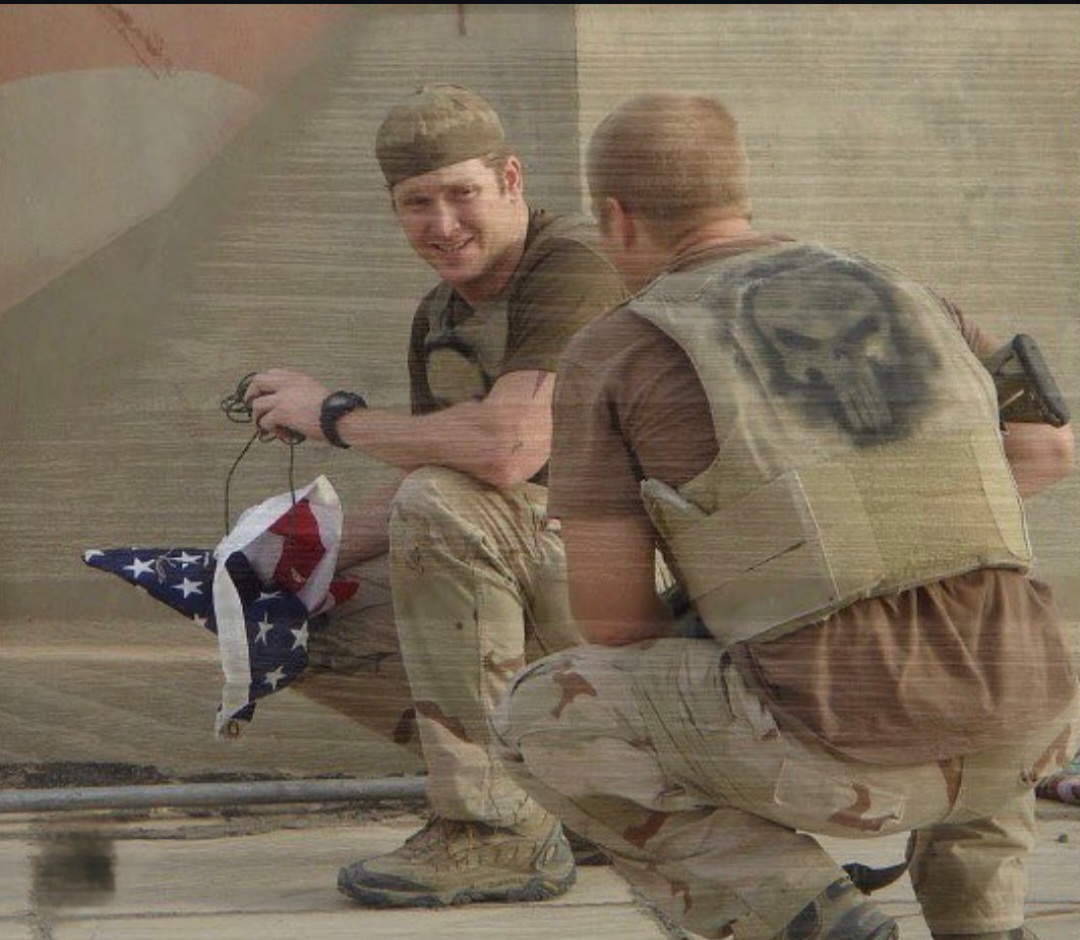
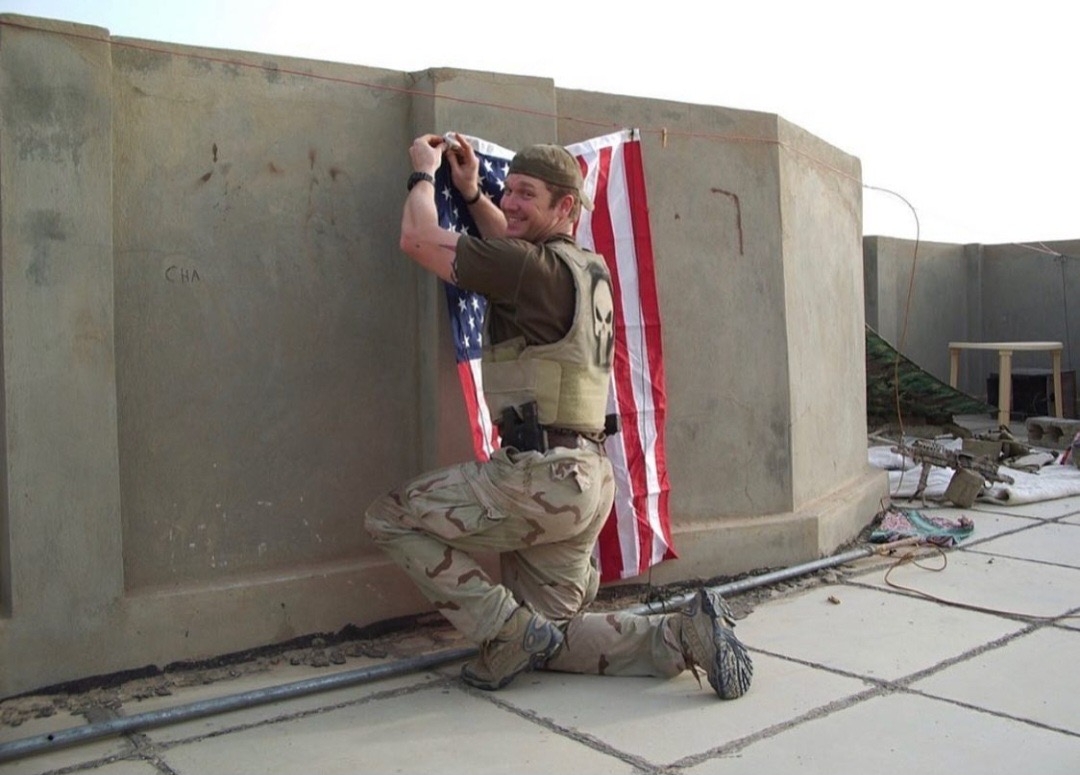
He was seldom seen in anything remotely resembling a military uniform. His teammates remember him painting the Punisher skull on his body armor, helmets, and even his guns. He also cut the sleeves off his shirts. He wore civilian hunting shoes instead of combat boots. Eschewing the protection of Kevlar headgear, he wore his old Longhorns baseball cap. He told people he wore that hat so that the enemy knew Texas was represented, that “Texans shoot straight.”
Kyle heard people call snipers cowards. He would point out that snipers, especially in urban warfare, decrease the number of civilian casualties. Plus, he said, “I will reach out and get you however I can if you’re threatening American lives.”
He terrorized his enemies in true folk hero fashion. In 2006, intelligence officers reported there was a $20,000 bounty on his head. Later it went up to $80,000. He joked that he was afraid to go home at one point. “I was worried my wife might turn me in,” he said.
Taya has been asked often over the years how she reconciles the two Chris Kyles: the trained killer and the loving husband and father—the man who rolled around on the floor with his kids and planned vacations to historical sites and called from wherever he could. (Once he thought his phone was off and she ended up overhearing a firefight.) She always worried about him, but understanding how he could do what he did was never hard.
“Chris was out there fighting for his brothers because he loved them,” she says. “He wanted to protect them and make sure they all got to go home to their families.”
He never cared to talk much about the number of confirmed kills he had. It’s likely considerably higher than what the Pentagon has released, but certain records could remain classified for decades. Besides, while the number garners a lot of attention, it doesn’t tell Kyle’s story. He told people he wished he could somehow calculate the number of people he had saved. “That’s the number I’d care about,” he said. “I’d put that everywhere.”
While seeing his enemies die never gave him much pause, losing his friends devastated him. When fellow Team 3 Charlie platoon member Marc Lee died in August of 2006—the first SEAL to die in the Iraq war—Kyle was inconsolable. All of Lee’s teammates prepared remarks for a memorial service in Ramadi.
Kyle wrote out a speech, but when it came time to give it, he couldn’t talk. Every time he tried, he broke down, sobbing.
“He came up and hugged me afterwards,” an active SEAL says. “He apologized. He said, ‘I’m sorry. I wanted to, but I just couldn’t do it.’ ”
It was at a similar event later that year— a wake for fallen SEAL Michael Monsoor, who was posthumously awarded the Medal of Honor for throwing himself on a grenade to save the lives of fellow SEALs—when Kyle had his now-infamous confrontation with former Minnesota governor Jesse Ventura.
They were in a bar popular among SEALs in Coronado, California. Kyle said that Ventura, a former SEAL himself, was in town for an unrelated event and stopped by the wake. According to Kyle, Ventura disrespected the troops, saying something to the effect of, “You guys deserve to lose a few.” That was enough. Kyle punched him and left the bar. Ventura denied the entire incident and later filed a lawsuit against Kyle. But two other former SEALs, friends of Kyle’s, told me they were there that night, and it happened just the way Kyle said it did.
By 2009, the life was taking its toll on Taya. She told him that, because he was gone so much, she would see him just as often if she lived somewhere else. He took that as an ultimatum.
As Kyle pointed out in his book and in interviews, the divorce rate among Navy SEALs is over 90 percent. He knew he wouldn’t be able to do both. So he left his promising career, the dream job for which he felt exceptionally well-suited, the purpose that had kept him so motivated for 10 years.
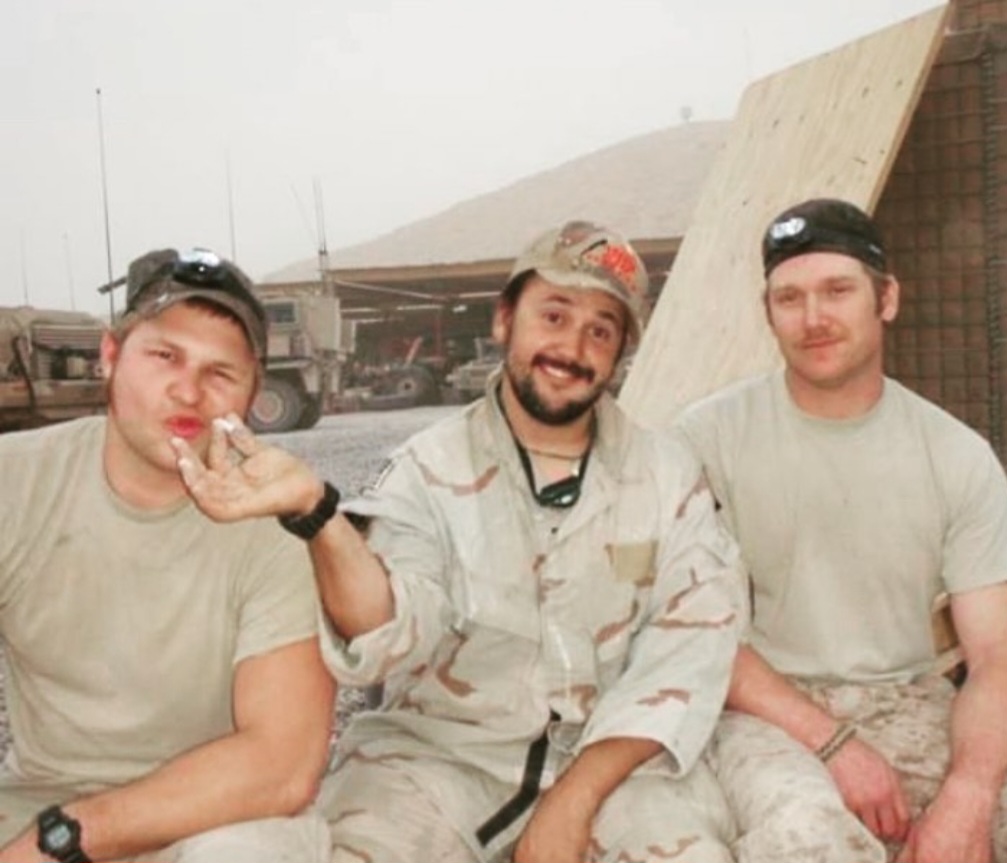
“When I first got out, I had a lot of resentment,” he said. “I felt like she knew who I was when she met me. She knew I was a warrior. That was all I’d ever wanted to do.” He started drinking a lot. He stopped working out. He didn’t want to leave the house or make his usual jokes. He missed the rush of combat, the way being at war sets your priorities straight. He missed knowing that what he was doing mattered. More than anything, though, he missed his brothers in the SEALs. He wrote to them and called them. He told people it felt like a daze.
But when he wrote to his closest friends, he talked about the one benefit of being out of the Navy. In all those years at war, he’d had almost no time with his two children. And in his time out, he discovered there was something he liked even more than being a cowboy or valiant sniper.
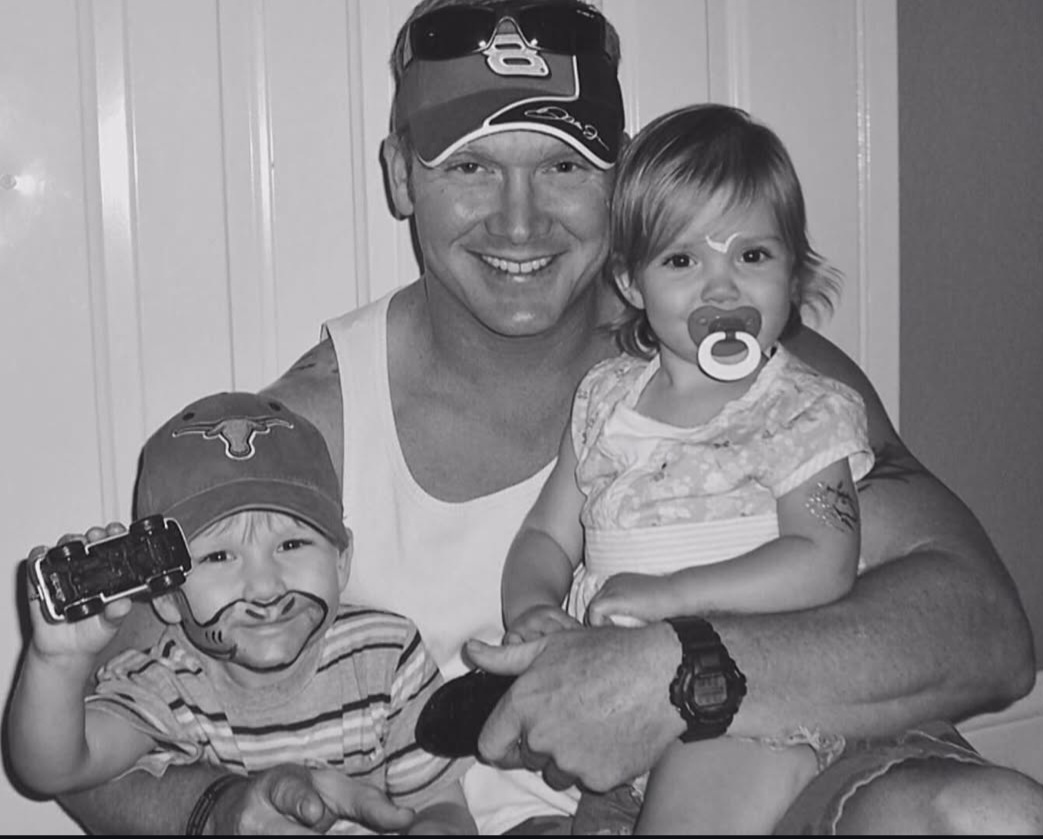
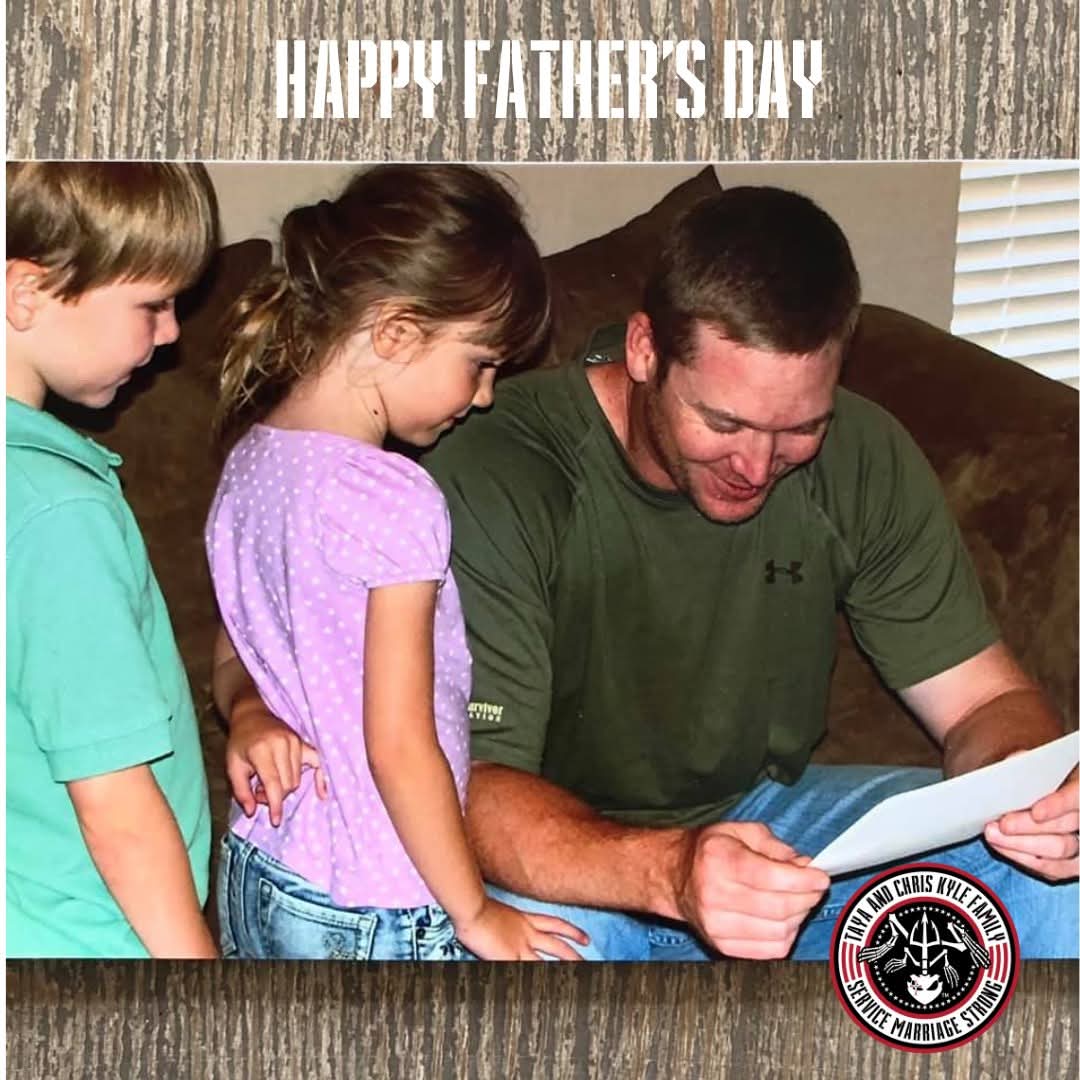
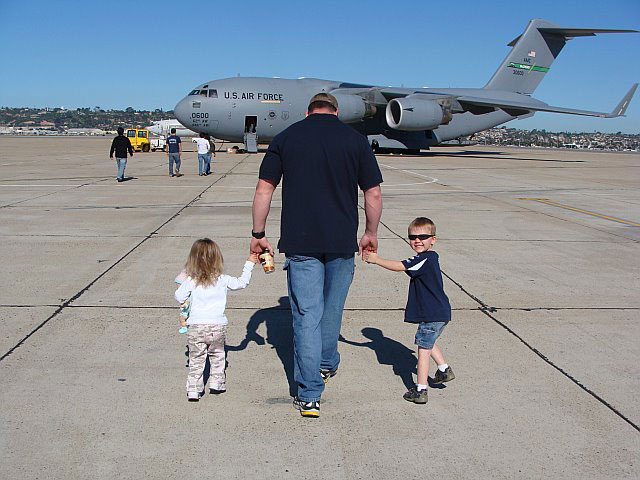
“He loved being a dad,” Taya says. She noticed he could be rough and playful with their son and sweet and gentle with their daughter. “A lot of fathers play with their kids, but he was always on the floor with them, rolling around, making everyone giggle.”
Kyle began to feel better. He got sick of feeling sorry for himself. He didn’t want a divorce. He started working out again— “getting my mind right,” he called it.
When he met other vets who were feeling down, he told them they should try working out more, too. But many of them, especially the wounded men with missing limbs or prominent burns, explained that people stared too much. Gyms made them uncomfortable. That’s how he got the idea to put gym equipment in the homes of veterans.
When he approached FITCO, the company that provides exercise machines for facilities all over the country, and asked for any used equipment, they said no. They donated new equipment instead and helped fund a nonprofit dedicated to Kyle’s mission.
“With helping people,” Taya says, “Chris found his new purpose.”
She watched him use the same willpower that had carried him through SEAL training and all those impossible missions, but now he was trying to become a better man. He started coaching his son’s tee-ball team and taking his daughter to dance practice. He’d always liked hunting, but he hated fishing.
Still, when he learned that his son liked to fish, he dedicated himself to becoming a great fisherman, so they could bond the way he did with his own dad.
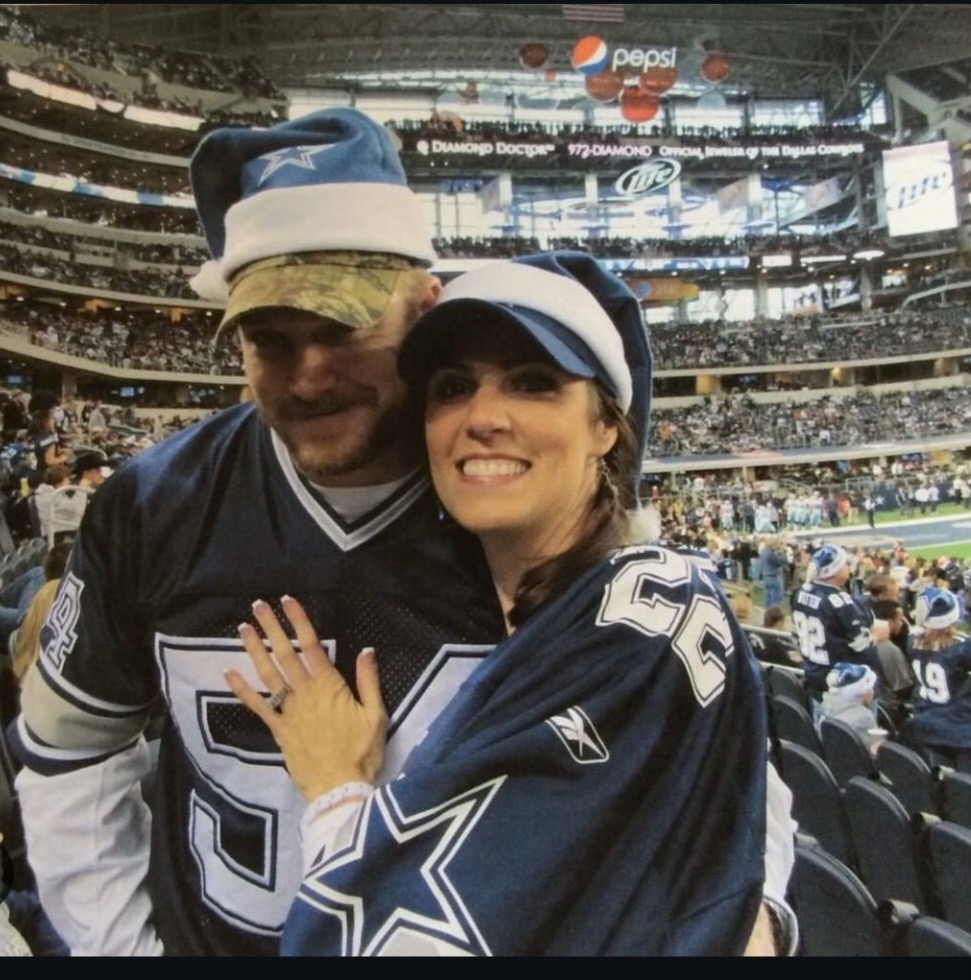
Kyle took the family to football games at Cowboys Stadium. He took them to church. Unless he was hanging out of a helicopter with a gun doing overwatch, he hated heights. But when his kids wanted to go, he took them to Six Flags to ride the roller coasters and to the State Fair for the Ferris wheel. His black truck became a familiar sight driving around Midlothian.
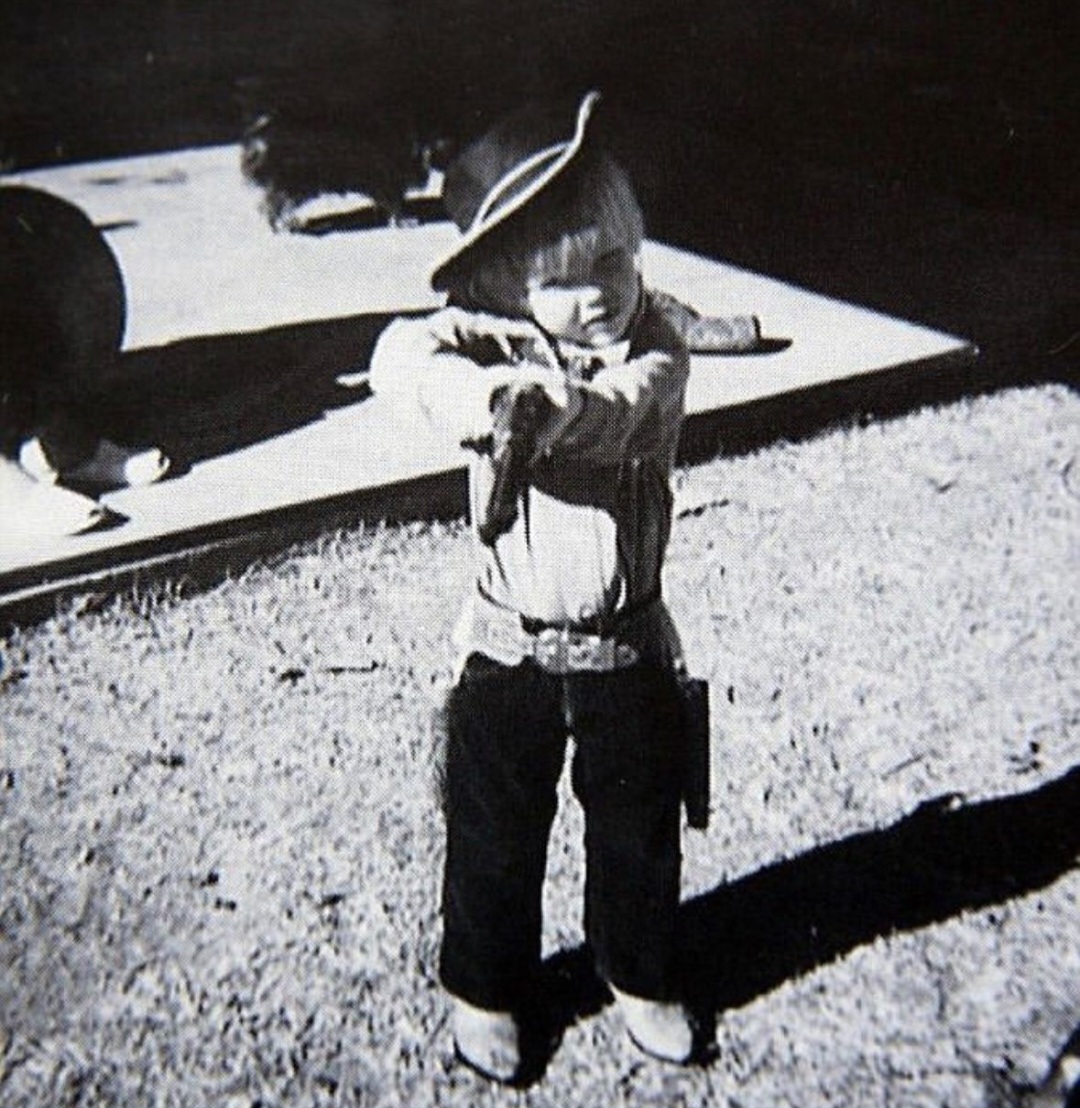
He started collecting replicas of Old West guns, like the ones the cowboys used in movies when he was a boy. Taya would find him practicing his quick draw and gun twirling skills. Sometimes they would sit on the couch, watching TV, and he would twirl an unloaded six-shooter around his finger. If she saw someone on the screen that she didn’t like, she would jokingly ask, “Can you shoot that guy?”
He’d point the pistol at the TV and pretend to fire.
“Got him, babe.”
J. Kyle Bass is a hedge fund manager in Dallas, the founder of Hayman Capital Management. He was featured prominently in the Michael Lewis book, Boomerang: Travels in the New Third World, which documented both his keen financial mind and his fantastically opulent lifestyle.
A few years ago, Bass was feeling overweight and out of shape. A former college athlete, he wanted something intense, so he found a Navy SEAL reserve commander in California, a man who gets prospective SEALs prepared for BUD/S, and asked if they could tailor a short program for him. Bass found that he really liked hanging out with the future and active SEALs. He said if they knew any SEALs coming back to Texas, he’d love to meet them.
That’s how Bass met Chris Kyle. Bass was building a new house at the time, and he offered to fly in Kyle and pay him for some security consulting.
“I was just trying to come up with anything to help the guy out,” Bass says. “I was looking for ways to try and help him make this transition back into the real world.”
Bass invited Kyle to live at his house with him while Taya finished selling their place in San Diego. He introduced Kyle to as many “big money” people as he could. And the wealthy men were enthralled by Chris Kyle. They loved being around the legend. They loved hearing his stories and invited him to go hunting on their ranches. Bass would hold an economic summit every year at his ranch in East Texas. He would kick off the festivities by introducing his sniper friends.
“I’d have Chris and other SEALs come out and do exhibition shoots,” Bass says. “They would take 600-yard shots at binary explosives, so when they hit them it’s this giant explosion that shakes the ground.” He smiles as he tells the story. “For all the people that manage money all over the world and on Wall Street to come to Texas and see a Navy SEAL sniper shoot a bomb, it’s about as cool as it gets.”
Bass and some business associates also helped start Craft International. They put the Craft offices on the same floor as Hayman, so the finance folks and the defense contractors often crossed paths. Despite working in a plush office building in downtown Dallas, Kyle didn’t change much. Even if he saw an important meeting, it wouldn’t stop him from grinning and flipping off an entire room of people.
The idea was to market Kyle’s skills. He could help train troops (a lot of military training is done by third-party contractors), and police officers, and wealthy businessmen who would pay top dollar for hands-on instruction from an elite warrior like Chris Kyle. He could take people out to Rough Creek Lodge in Glen Rose, a luxury resort with an extended shooting range. It’s the same place he would take buddies and wounded vets when they were feeling down and needed to unwind.
Kyle insisted that he never had any intention of writing of a book. He was told there were already other writers working on it, and he figured if it was going to happen anyway, he might as well participate. He wanted to give credit where he felt it was due.
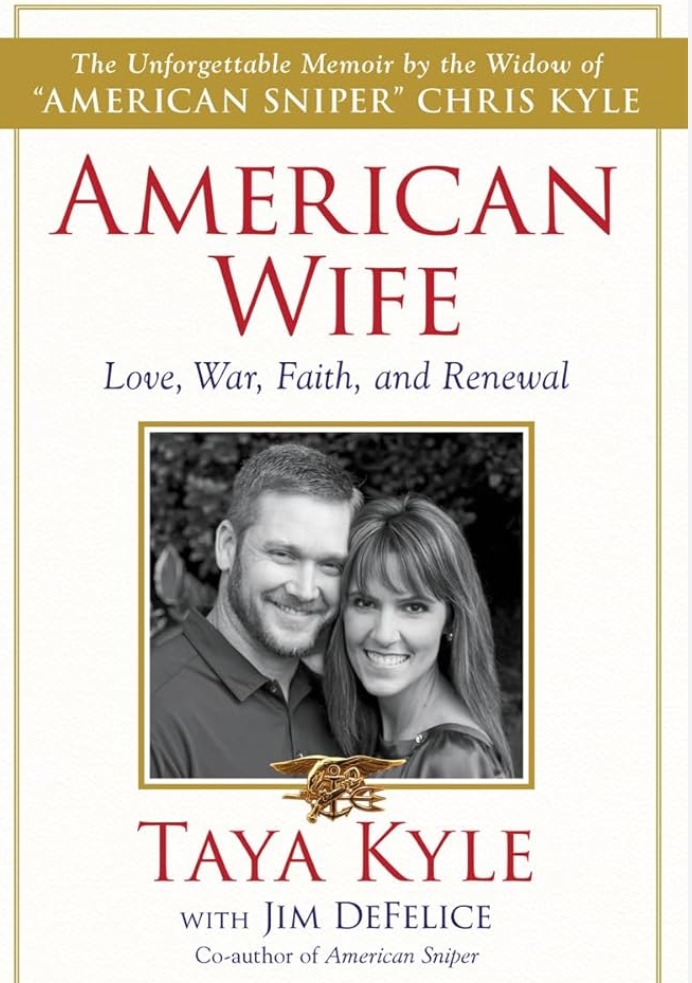
He and Taya were flown to New York in the middle of winter, to meet writer Jim DeFelice and begin pouring out their story. The interviews were exhausting.
“In 2006, intelligence officers reported there officers reported there was a $20,000 bounty on his head. Later it went up to $80,000.”
“He was not naturally loquacious,” DeFelice says. “Nor did he particularly like to talk about himself. When we first started working together, telling me what happened in the war put an enormous strain on him. He was reliving battles in great detail for the first time since he’d gotten out of the service. He could have been killed in any number of the situations he’d been in. That’s a reality that can be difficult to comprehend at the time, and even harder to understand later on.”
Kyle did find time at one point for a snowball fight with DeFelice’s 13-year-old son. The war hero claimed he’d had plenty of experience in snow, but on this day, the boy got the better of him. Kyle came running in and grabbed a beer. “Okay, kid,” Kyle told him. “Now you can say you beat a Navy SEAL in a snowball fight.”
Kyle decided not to take a dime from American Sniper. As it became a best-seller, his share amounted to more than $1.5 million. He gave two-thirds to the families of fallen teammates and the rest to a charity that helped wounded veterans. It was something he and Taya discussed a lot.
“I would ask him, ‘How much is enough? Where does your family fit in?’ ” she says.
“But I understood.”
When the book came out, everyone wanted to interview him. He was on late-night talk shows, cable news, and radio. He did a number of reality TV shows related to shooting. (He rarely took much money from the appearances.) He always went on with a ball cap on his head and a wad of tobacco in his mouth.
He had 1,200 people at his first public book signing. It was similar in every town. He preferred to stand for the length of the book signings. “If y’all are standing, I can stand,” he said. He would wait until he signed every book he was asked to, even if it took hours. It often did, because he wanted to take a moment to talk with each person. He tried to personalize each book. He’d pose for photos, one after another.
As he became more famous, more people wanted to spend time with him. More politicians wanted to go shooting with him. At one point, he was at a range with Governor Rick Perry. Perry was about to shoot the sniper rifle and asked Kyle if he had an extra pad to put on the cement before he lay down. Kyle replied with a mock-serious tone.
“You know, Governor,” he said, “Ann Richards was out here not too far back, and she didn’t need a pad at all.”
A good friend once introduced him to the movie star Natalie Portman. He asked her what she did for a living. And, as the story goes, she liked him even more after that.
Then there is this story: Kyle had been invited to a luxury suite at a UT football game and decided to take a heartbroken buddy of his, a Dallas police officer who had recently caught his girlfriend making out with another guy. They were in the suite for a few hours, talking, drinking, when a former UT football star happened to walk in. At some point, Kyle realized that this former star was also the guy who had kissed his friend’s girlfriend.
Kyle’s friend knew what was coming. He begged him not to, but it was in vain.
“It’s man law,” Kyle said.
He had a party trick he liked to perform, a sleeper hold that would render a man unconscious in seconds. Kyle called it a “hug.” People would dare him to do it to them, saying they wouldn’t go down.
Sure enough, Kyle approached the former star and gave him a “hug” right there in the suite. As women were shrieking and wondering if the former UT great was dead, Kyle kept the hold for just a little longer than normal, causing the man to lose control of his bowels as he passed out.
It wasn’t just his friends he took care of. People wrote to him from all over the world, asking for favors or for his time, especially after he started appearing on TV. He did his best to accommodate every request he could, even when Taya was worried he was spreading himself too thin.
“He was so trusting,” she says. “He didn’t let himself worry about much.”
Jodi Rough, a teacher’s aide at an elementary school close to Kyle’s home, had a son, a former Marine, who needed help. She reached out to Kyle because she knew his history of caring for veterans. Kyle told people he and his friend, Chad Littlefield, were going to take the kid out to blow off some steam.
Littlefield was a quiet buddy Kyle had come to count on over the last few years. They worked out and went hunting together. He had come over a few nights earlier to have Kyle adjust the scope of his rifle. Kyle invited Littlefield to come with him to Rough Creek. They were going to take Jodi Routh’s son shooting. Littlefield had accompanied Kyle on similar trips dozens of times.
They were in Kyle’s big black truck when they showed up in the Dallas suburb of Lancaster, at the home Eddie Ray Routh shared with his parents. He was a stringy, scraggly 25-year-old. He’d spent four years in the Marines but in the last few months had twice been hospitalized for mental illness. His family worried that he was suicidal. They hoped time with a war hero, a legend like Chris Kyle, might help.
It was a little after lunch on Saturday, February 2, when they picked up Routh and headed west on Highway 67. They got to Rough Creek Lodge around 3:15 pm. They turned up a snaking, 3-mile road toward the lodge and let a Rough Creek employee know they were heading to the range, another mile and a half down a rocky, unpaved road.
This was a place Kyle loved. He had given many lessons here over the last three years. He’d spend hours working with anyone who showed an interest in shooting. This is where he would take his boys when they needed to get away. In the right light, the dry, blanched hills and cliffs looked a little like the places they’d been in Iraq. When a group went out there, away from the rest of the world, they could relax and enjoy the camaraderie so many of them missed.
We may never know exactly what happened next. They weren’t there long, police suspect, before Routh turned his semiautomatic pistol on Kyle and Littlefield. He took Kyle’s truck, left Rough Creek, and headed east on 67. Later he would tell his sister that he “traded his soul for a new truck.” A hunting guide from the lodge spotted two bodies covered in blood, both shot multiple times.
Routh drove to a friend’s house in Alvarado and called his sister. He drove to her house where, his sister told police, he was “out of his mind.” He told her he’d murdered two people, that he’d shot them “before they could kill him.” He said “people were sucking his soul” and that he could “smell the pigs.” She told him he needed to turn himself in.
From there, Routh drove home to Lancaster, where the police were waiting for him. When they tried to talk him out of the truck, he sped off. With the massive grill guard, he ripped through the front of a squad car. They chased Routh through Lancaster and into Dallas. He was headed north on I-35 when the motor of Kyle’s truck finally burned out, near Wheatland Road. Routh was arrested and charged with two counts of murder.
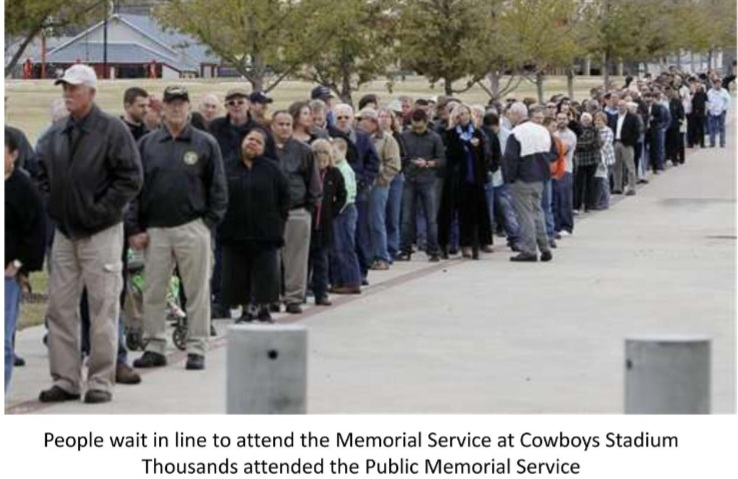
Chris Kyle’s memorial was held at Cowboys Stadium to accommodate the 7,000 people who wanted to pay their respects. Before the doors even opened that morning, there was a line wrapped halfway around the stadium, people standing patiently in the cold, damp air.
Plenty of people attending knew Kyle. But most didn’t. Some had read his book or seen him on television. Some had only heard of him after his death. Men missed work and took their boys out of school because they thought it was important. Families traveled from three states away.
Most people wore black. Many wore dress uniforms. His SEAL team was there, as were other SEALs and special-operations fighters from multiple generations. There were police officers and sheriff’s deputies and Texas Rangers. Veterans of World War II, some in wheelchairs, nodded to each other quietly as they made their way into the stadium. Some men had served in Korea, some in Vietnam, some in the first Gulf War. There were many servicemen who never served during a war and many people who had never served at all, but they all felt compelled to come.
Celebrities came, including Jerry Jones and Troy Aikman and Sarah Palin. Hundreds of motorcycle riders lined the outside of the field. Bagpipe players and drummers came from all over the state. A military choir stood at the ready the entire time.
A stage was set up in the middle of the football field. On the stage was a podium, some speakers, and a few microphone stands. At the front of the stage, amid a mound of flowers, were Kyle’s gun, his boots, his body armor, and his helmet.
Photos from Kyle’s life scrolled by on the gigantic screen overhead: a boy, getting a shotgun for Christmas. A young cowboy, riding a horse. A SEAL, clean-shaven and bright-eyed. In combat, scanning for targets. In the desert, flying a Texas flag. With his platoon, a fearsome image of American might. At home, hugging Taya, kissing the foot of his baby girl, holding the hand of his little boy.
His casket was draped with the American flag and placed on the giant star at the 50-yard line.
Randy Travis played “Whisper My Name,” and “Amazing Grace.” Joe Nichols played “The Impossible.” Kyle’s friend Scott Brown played a song called “Valor.” The public heard stories about what Kyle was like as a little boy. What he was like in training. What he was like at war. What he was like as a friend and business partner. Some people talked about the times they saw him cry. Fellow SEALs told stories about his resolve, his humor, his bravery. There were tales of his compassion, his intelligence, his dedication to God.
“Though we feel sadness and loss,” one of his former commanders said, “know this: legends never die. Chris Kyle is not gone. Chris Kyle is everywhere. He is the fabric of the freedom that blessed the people of this great nation. He is forever embodied in the strength and tenacity of the SEAL teams, where his courageous path will be followed and his memory is enshrined as SEALs continue to ruthlessly hunt down and destroy America’s enemies.”
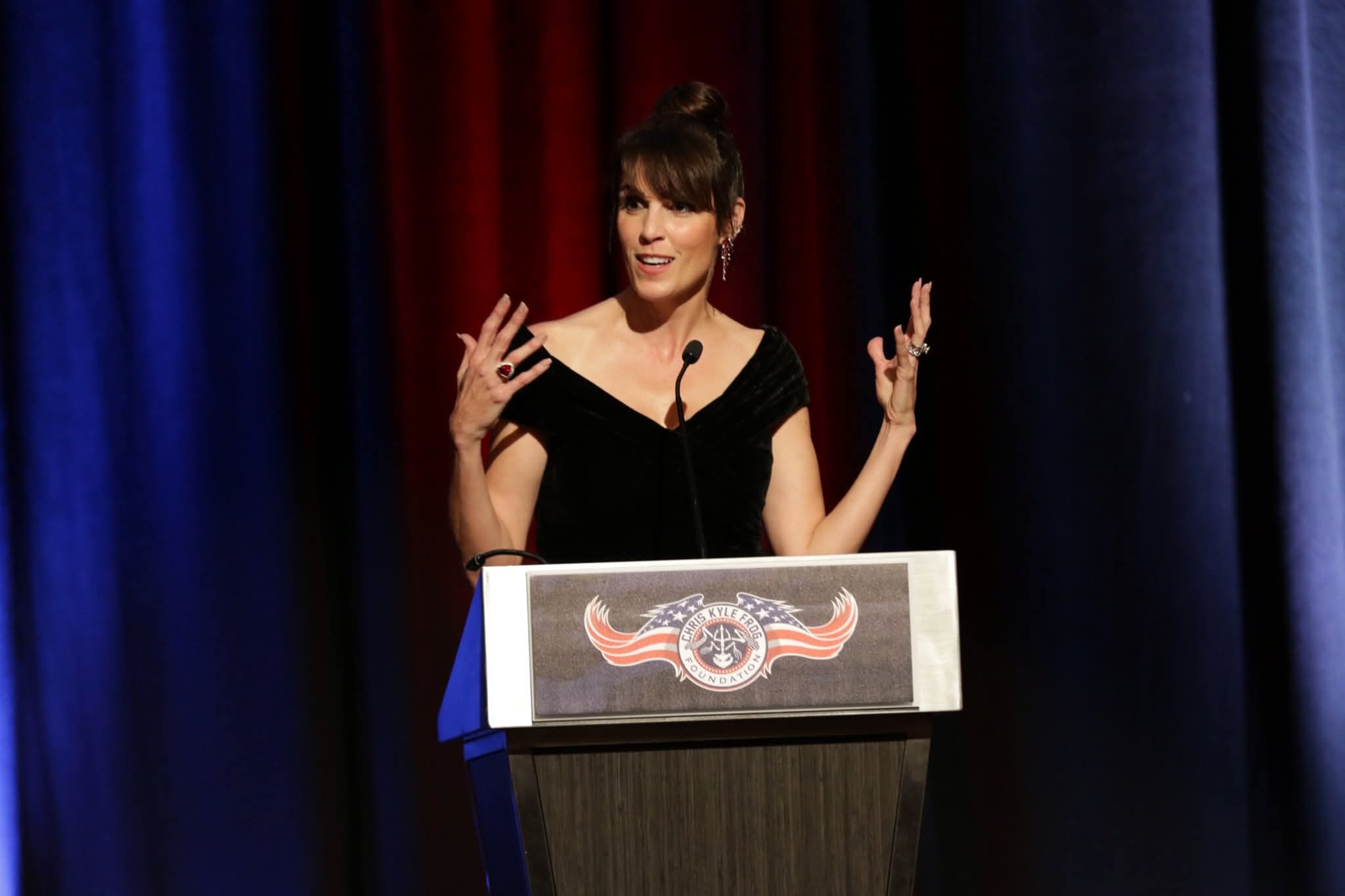
Taya stood strong, surrounded by her husband’s SEAL brothers, and told the world about their love.
“God knew it would take the toughest and softest-hearted man on earth to get a hardheaded, cynical, hard-loving woman like me to see what God needed me to see, and he chose you for the job,” she said, her cracking voice filling the stadium. “He chose well.”
When the ceremony ended, uniformed pallbearers carried out the casket to the sounds of mournful bagpipes. Taya walked behind them with her children, hand in hand. The next day, the casket was driven to Austin.
There was a procession nearly 200 miles long—almost certainly the longest in American history. People lined the road in every town, waving flags and saluting. American flags were draped over every single bridge on I-35 between the Kyle home in Midlothian and the state capital.
People will tell stories about Chris Kyle for generations to come. Tales of his feats in battle, and of his antics and noble deeds, will probably swell. In a hundred years, people won’t know which stories are completely true and which were embellished over time. And, in the end, it may not matter too much, because people believe in legends for all their own reasons.
Since her husband’s death, Taya has been overwhelmed by the number of veterans who want to tell her that Chris Kyle saved their lives. A man with a 2-year-old girl wept recently as he explained that his daughter would not have been born had it not been for Chris Kyle rescuing him in Iraq.
Years from now, men will still be telling stories about the moments when they were seconds or inches from death, when they thought it was all over—only to have a Chris Kyle bullet fly from the heavens and take out their enemies. They’ll tell their grandchildren to thank Chris Kyle in their prayers.
Because his legend is so large, because he personally protected so many people, there will surely be men who think they were saved by Kyle but owe their lives to a different sniper or to another serviceman. Of course, there will be no way to know for sure. Kyle credited his SEAL brothers any chance he could, but he also knew that he was an American hero, and he knew the complications that came with it.
During the interview in which he discussed the gas station incident, he didn’t say where it happened. Most versions of the story have him in Cleburne, not far from Fort Worth. The Cleburne police chief says that if such an incident did happen, it wasn’t in his town. Every other chief of police along Highway 67 says the same thing. Public information requests produced no police reports, no coroner reports, nothing from the Texas Rangers or the Department of Public Safety. I stopped at every gas station along 67, Business 67 in Cleburne, and 10 miles in either direction.
Nobody had heard of anything like that happening.
A lot of people will believe that, because there are no public documents or witnesses to corroborate his story, Kyle must have been lying. But why would he lie? He was already one of the most decorated veterans of the Iraq war. Tales of his heroism on the battlefield were already lore in every branch of the armed forces.
People who never met Kyle will think there must have been too much pressure on him, a war hero who thought he might seem purposeless if he wasn’t killing bad guys. Conspiracy theorists will wonder if maybe every part of his life story—his incredible kills, his heroic tales of bravery in the face of death—was concocted by the propaganda wing of the Pentagon.
And, of course, other people—probably most people—will believe the story, because it was about Chris Kyle. He was one of the few men in the entire world capable of such a feat. He was one of the only people who might have had the connections to make something like that disappear—he did work regularly with the CIA.
People will believe it because Chris Kyle was incredible, the most celebrated war hero of our time, a true American hero in every sense of the word. They’ll believe this story because there are already so many verified stories of his lethal abilities and astonishing valor, stories of him hanging out with presidents, and ribbing governors, and knocking out former football stars and billionaires and cocky frat boys.
They’ll believe it because Chris Kyle is already a legend, and sometimes we need to believe in legends.
Read more of the story in Mooney’s eBook: “The Life and Legend of Chris Kyle: American Sniper, Navy Seal.”
Supplemental Information
The Sniper’s Vigil: Precision, Duty, and the Reality of SEAL Warfare
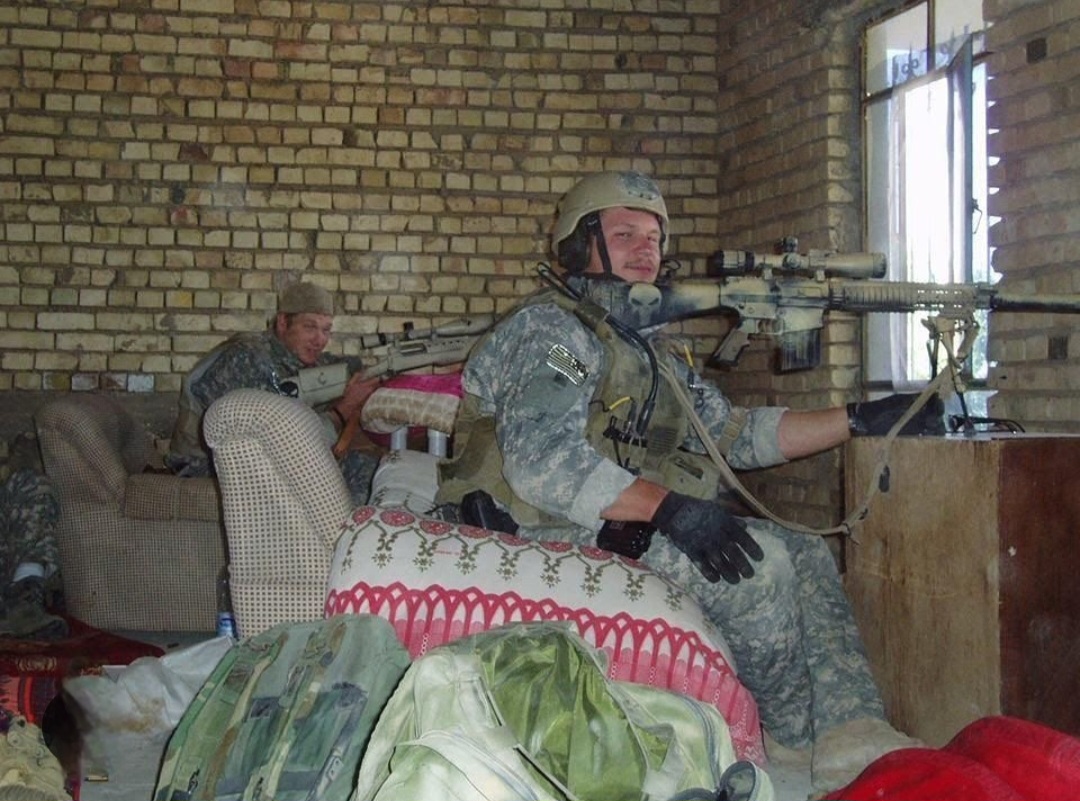
Following his extensive SEAL training, including the Navy’s sniper course described as one of the toughest mental programs anywhere on the planet, Chris Kyle was assigned to SEAL Team 3 as part of the sniper element in Charlie Platoon, later known as Cadillac, within the Naval Special Warfare Command. His four tours in Operation Iraqi Freedom placed him in the heart of the Iraq War’s most violent battles, where the precision of a sniper became a lifeline for American forces fighting through dense urban terrain, narrow alleyways, and streets scarred by insurgent ambushes.
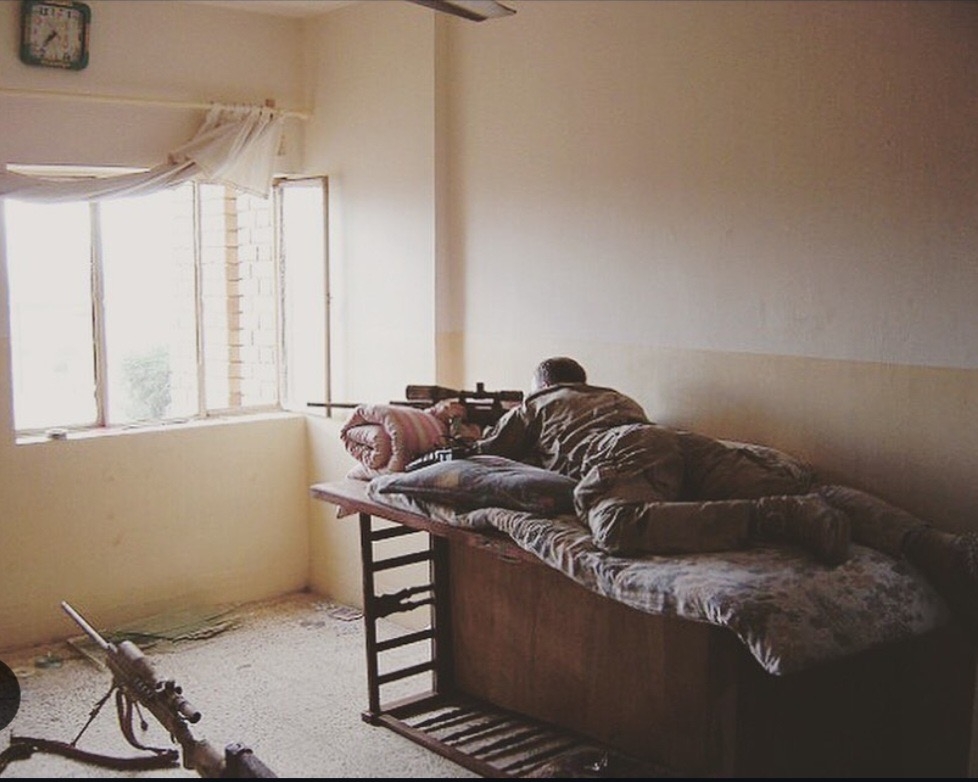
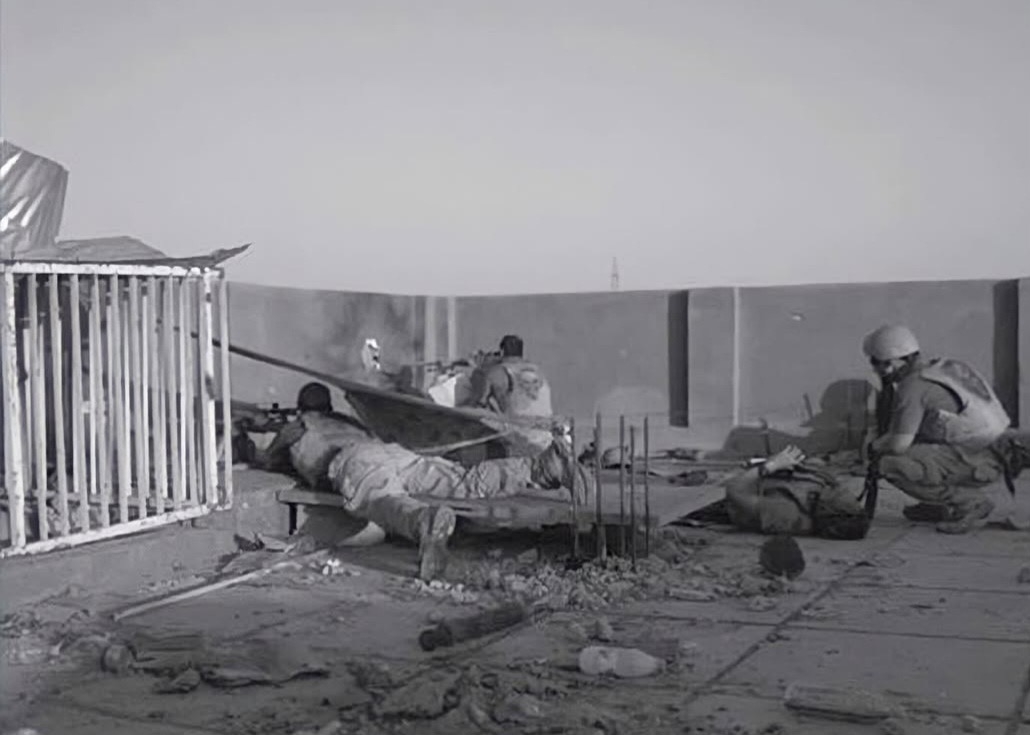
Sniper duty demanded more than marksmanship. It required patience measured in hours, stillness held through heat that shimmered off rooftops, and the ability to read a battlefield through sound, shadow, and movement. Kyle operated from rooftops coated in dust, from windows shattered by previous firefights, and from positions where the smell of burning trash and diesel hung in the air. Every mission carried the weight of knowing that one missed detail could cost American lives.
His first long‑range kill occurred during the initial invasion. A woman approached a group of Marines carrying a hand grenade while cradling a toddler. The scene unfolded in seconds, yet Kyle had to absorb every detail. The angle of her arm, the glint of metal, the distance between her and the Marines. As ordered, he fired before she could attack. He later explained that she had already chosen death and intended to take Marines and nearby civilians with her. He reflected that she did not care about the children on the street, the families in the houses, or even the child in her arms. His shot prevented a tragedy that would have claimed many lives.
Kyle’s effectiveness during the battle for Ramadi became so well known among insurgent fighters that they gave him the name Shaitan Ar Ramadi, the Devil of Ramadi. They placed a bounty on his head that began at twenty one thousand dollars and later rose to eighty thousand. Signs were posted describing the tattoo of a cross on his arm as a way to identify him. In a later interview with Conan O’Brien, Kyle clarified that the bounty applied to any sniper killed, not solely to him, yet the name reflected the fear his presence created among enemy fighters who targeted American troops.
Outside Sadr City in 2008, Kyle made what he called a straight up luck shot from his McMillan Tac 338 sniper rifle, killing an insurgent preparing to fire a rocket propelled grenade at a United States Army convoy. The shot, taken from approximately two thousand one hundred yards, required him to account for wind, distance, and the slight shimmer of heat rising from the ground. It became his longest confirmed kill and demonstrated the extraordinary distances at which snipers sometimes operated to protect American forces.
Among the Marines and Soldiers he safeguarded, Kyle became known by the sobriquet Legend. The name began in jest among fellow SEALs after his sabbatical to train other snipers in Fallujah, yet it grew into a reflection of the trust placed in him by those who depended on his overwatch. To the men on the ground, he was not a myth or a symbol. He was the unseen guardian who watched over them when danger closed in, the steady presence whose precision saved lives in the chaos of war.
Task Unit Ramadi: SEAL Operations at the Epicenter of the Iraq Insurgency
Naval Special Warfare Task Unit Ramadi
Naval Special Warfare Task Unit Ramadi was one of the most consequential SEAL elements deployed during the Iraq War. Operating under SEAL Team 3, the task unit entered Al Anbar Province at a moment when Ramadi had become the epicenter of the insurgency. By 2006, the city was widely regarded as the most dangerous place in Iraq, a battleground where Al Qaeda in Iraq exerted near total control and where American and coalition forces faced daily ambushes, sniper fire, and improvised explosive devices. Securing Ramadi was essential to stabilizing the Sunni heartland and shifting the momentum of the war.
Task Unit Ramadi was built for this crucible. It consisted of two SEAL platoons:
Charlie Platoon, later known as “Cadillac,” the platoon in which Chris Kyle served Delta Platoon, operating in parallel with Charlie across the city’s most contested districts
The task unit was commanded by Jocko Willink, whose leadership emphasized discipline, decentralized command, and seamless integration with conventional forces. Platoon leadership included Leif Babin, who helped shape the tactical approach that allowed SEALs to operate effectively in dense urban terrain.
What made Task Unit Ramadi historically significant was not only its composition but its partnerships. The unit worked shoulder to shoulder with:
United States Marines, who fought the hardest urban battles in Ramadi’s central districts United States Army units, notably the 1st Battalion, 506th Infantry Regiment, whose soldiers reclaimed neighborhoods block by block Iraqi Army forces, newly trained units striving to establish legitimacy and protect their communities Local tribal fighters, men who would later form the backbone of the Anbar Awakening, a movement that turned Sunni tribes against Al Qaeda in Iraq and reshaped the trajectory of the war
Together, these forces formed a coalition that blended special operations precision with conventional strength and local knowledge. SEAL snipers provided overwatch during patrols, clearing operations, and street‑to‑street fighting. Their presence often meant the difference between life and death, identifying threats before they could strike and neutralizing insurgents who targeted American troops and Iraqi civilians.
Task Unit Ramadi’s operations became part of the larger historical turning point in Al Anbar Province. Their work helped create the conditions that allowed tribal leaders to reject extremist control and align with American forces. This shift, known as the Anbar Awakening, became one of the most significant strategic developments of the Iraq War.
In the broader history of modern warfare, Task Unit Ramadi stands as a testament to how small, highly trained units can influence the outcome of a major conflict. Their discipline, precision, and willingness to fight alongside Marines, Soldiers, Iraqi partners, and local tribes helped reclaim one of the most dangerous cities in Iraq and contributed to a transformation that changed the course of the war.
The Edge of the Fight: Valor, Overwatch, and the Lifesaving Role of Chris Kyle
Chris Kyle served at the sharpest edge of the fight. Within Charlie Platoon, he operated as the lead sniper, the man responsible for seeing danger before anyone else could. His work demanded long hours of stillness in the heat, the grit of Ramadi’s dust settling into every crease of his uniform, and the constant strain of watching streets where silence never meant safety. As point man on numerous missions, he stepped into the unknown with each movement, feeling the weight of the city’s tension in the air, sensing danger in the way shadows shifted along walls or how a door hung slightly ajar. He absorbed the battlefield through sight, sound, and instinct, the first exposed to whatever waited beyond the next corner.
During major clearing operations, Kyle became the essential overwatch presence that allowed Marines and Soldiers to advance. He lay behind broken concrete, on rooftops littered with debris, or inside rooms where shattered glass crunched beneath his boots. The smell of burning trash mixed with diesel fumes drifted through the air. The distant crack of gunfire echoed through alleyways. The metallic taste of adrenaline settled in his mouth as he scanned for the slightest movement that could signal an ambush. His rifle became an extension of his senses, a tool that transformed observation into protection.
In Ramadi, one of the most violent cities of the Iraq War, Kyle’s actions unfolded in an environment defined by constant threat. Insurgents used the city’s architecture as a weapon, hiding behind walls pocked with bullet holes, slipping through narrow alleys, and blending into crowds that moved through markets filled with dust and noise. Every rooftop offered both opportunity and danger. Every window could conceal a rifle. Sniper overwatch became the lifeline that allowed American forces to push into neighborhoods where danger lived in every direction.
His work directly contributed to saving Marines and Soldiers during brutal close‑quarters combat. He provided the unseen shield that let infantry units move forward, securing streets where insurgents had once held control. His precision helped reclaim neighborhoods long dominated by extremist fighters and supported the broader stabilization of Ramadi, a city whose future depended on breaking the grip of violence. The men on the ground often never saw him, yet they felt his presence in the confidence to advance, knowing someone was watching over them with unwavering focus.
This deployment is where Kyle earned Bronze Star Medals with the V device for valor in combat, along with additional commendations recognizing his effectiveness, leadership, and lifesaving actions. These awards reflected not only his skill but the extraordinary risks he accepted on behalf of those he protected.
Kyle’s role was never defined by numbers. It was defined by the men who made it home because he was there, steady and unseen, absorbing the battlefield through dust, heat, and danger, and turning that sensory awareness into the protection that saved lives. His legacy endures in the Marines and Soldiers who survived because a sniper watched the city with a calm, disciplined presence and a heart committed to bringing them home.
Mission Profile
Task Unit Ramadi’s operations were built around:
- Sniper overwatch
- Urban clearing operations
- Counter‑IED support
- Protecting Marine and Army units during movement
- Securing key intersections and buildings
- Supporting the “Clear, Hold, Build” strategy
Chris Kyle’s sniper teams were often placed:
- On rooftops
- In abandoned buildings
- In overwatch positions during major pushes
His job was to protect U.S. forces by eliminating insurgents before they could attack.
Sniper Weapons Used by Kyle
In the field, Kyle used the following weapons in the situations shown:
- For patrol: Semi-automatic 7.62 NATO Mk 11 sniper rifle
- For urban patrol: 5.56 NATO Mk 12 Designated Marksman Rifle modified with the lower receiver off a M-4 to get a collapsible stock and allow full auto
- In overwatch: .300 Winchester Magnum M24 sniper rifle with MacMillan stocks and customized barrels. That was later replaced with a .300 Winchester Magnum Accuracy International.
Why was Ramadi So Significant?
Ramadi was the turning point of the Iraq War’s western front.
Task Unit Ramadi’s work helped:
- Break insurgent control
- Enable the Anbar Awakening
- Reduce attacks on U.S. forces
- Restore local governance
Kyle’s actions were part of a much larger, coordinated effort — but his overwatch work became one of the most recognized elements of that campaign.
Iraq War, Operation Iraqi Freedom (2003 to 2010) Operation Iraqi Freedom unfolded within the larger framework of the Global War on Terror, a period in which the United States confronted threats that emerged after the attacks of September 11. The invasion of Iraq began in March 2003 when a United States led coalition crossed the Kuwaiti border and advanced toward Baghdad. The objective was clear, to dismantle the regime of Saddam Hussein, a government known for decades of repression, mass graves, chemical attacks, and regional destabilization. Within weeks, the regime collapsed, ending one of the most authoritarian governments in the Middle East.
The fall of Baghdad did not end the conflict. What followed was a prolonged and complex struggle to stabilize a nation fractured by sectarian divisions, tribal rivalries, and the sudden vacuum left by the collapse of state institutions. American forces remained in Iraq to support the newly formed democratic government, protect civilians, and confront insurgent groups that sought to undermine the fragile political order. The war evolved into a series of intense urban campaigns, counterinsurgency operations, and efforts to rebuild local security forces capable of defending their own communities.
Sniper Operations in Iraq Within this environment, United States Navy SEAL sniper teams became indispensable. From 2003 to 2009, their work shaped the modern battlefield. Snipers provided overwatch during patrols, raids, and street‑to‑street fighting, identifying threats before they could strike and neutralizing enemy fighters who targeted American troops and Iraqi civilians. Their presence offered a measure of security in cities where danger could emerge from any rooftop, alleyway, or window.
Chris Kyle served at the heart of the war’s most consequential battles. In Fallujah, he supported Marines fighting through dense urban terrain where insurgents fortified homes, mosques, and industrial buildings. The city became a symbol of the ferocity of the insurgency and the determination of American forces to reclaim it. In Ramadi, Kyle operated in one of the most lethal environments of the conflict, a city where insurgent control had to be broken block by block and where sniper overwatch often meant the difference between life and death. In Baghdad, he provided protection during operations aimed at stabilizing the capital and safeguarding both American forces and Iraqi citizens.
His service came at extraordinary personal risk. Across four combat deployments, Chris Kyle survived two gunshot wounds and six separate improvised explosive device detonations. His record of confirmed kills, the highest in United States military history, reflected not only his marksmanship but the relentless danger faced by American forces in Iraq. His actions protected Marines, Soldiers, and fellow SEALs during some of the most violent years of the conflict, and his work became part of the broader history of how American units adapted to an enemy that blended into the civilian population and used the urban landscape as a weapon.
Sniper operations in Iraq were not merely tactical contributions. They were strategic tools that shaped the tempo of battle, disrupted insurgent networks, and safeguarded American lives. The precision, patience, and discipline required of snipers became essential in a war where every street carried risk and every mission demanded vigilance. Chris Kyle’s service stands within that larger historical arc, a testament to the role snipers played in one of the most complex conflicts of the twenty‑first century.
A New Mission at Home: Service, Purpose, and the Continuing Impact of Chris Kyle
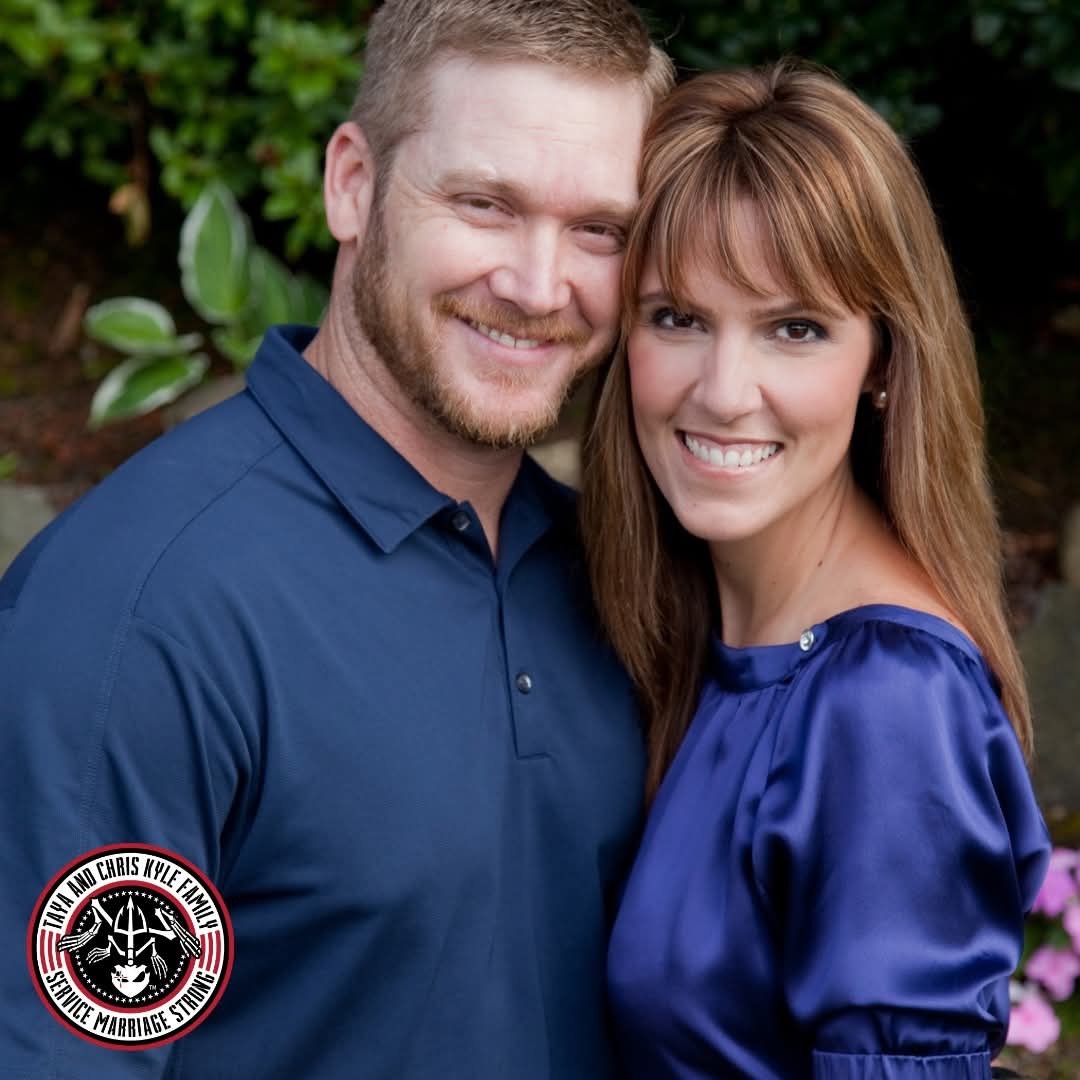
After leaving the United States Navy in 2009, Chris Kyle returned home to Midlothian, Texas, where he and his wife, Taya, began building a new chapter of life with their two children. He stepped into civilian service with the same commitment that had defined his military years, becoming president of Craft International, a tactical training company dedicated to preparing military units and law enforcement professionals for the realities of modern combat. His work reflected both his expertise and his desire to continue protecting others by strengthening those who served.
In 2012, HarperCollins released American Sniper, Kyle’s autobiography. He initially hesitated to write the book, believing that the stories of SEALs belonged to the teams rather than to any one individual. He moved forward only after learning that other books about SEAL operations were already in development and felt it was important that the truth be told by someone who had lived it. The book spoke bluntly and honestly about his experiences. Reflecting on the battle for Ramadi, he wrote, “Force moved that battle. We killed the bad guys and brought the leaders to the peace table. That is how the world works.” In interviews, Kyle expressed no regret about his work as a sharpshooter, explaining simply, “I had to do it to protect the Marines.”
The risks he accepted were immense. Across four combat deployments in Iraq, Chris Kyle was shot twice and survived six separate IED explosions. His service record became part of American military history, but he never allowed the attention to overshadow the purpose behind his actions.
American Sniper became a national success, spending thirty‑seven weeks on The New York Times bestseller list and bringing Kyle widespread recognition. Although some media outlets questioned certain anecdotes, the core of his narrative was widely accepted. Michael J. Mooney, author of a biography of Kyle, wrote that “tales of his heroism on the battlefield were already lore in every branch of the armed forces.” The book amplified a story that service members already knew well, the story of a man whose skill and courage had saved lives.
Chris continued serving veterans in tangible ways. He partnered with the FITCO Cares Foundation to create the Heroes Project, an initiative that provided free in‑home fitness equipment, personalized training programs, and life‑coaching for veterans with disabilities, Gold Star families, and those struggling with post‑traumatic stress. His goal was simple, to help men and women reclaim strength, confidence, and hope.
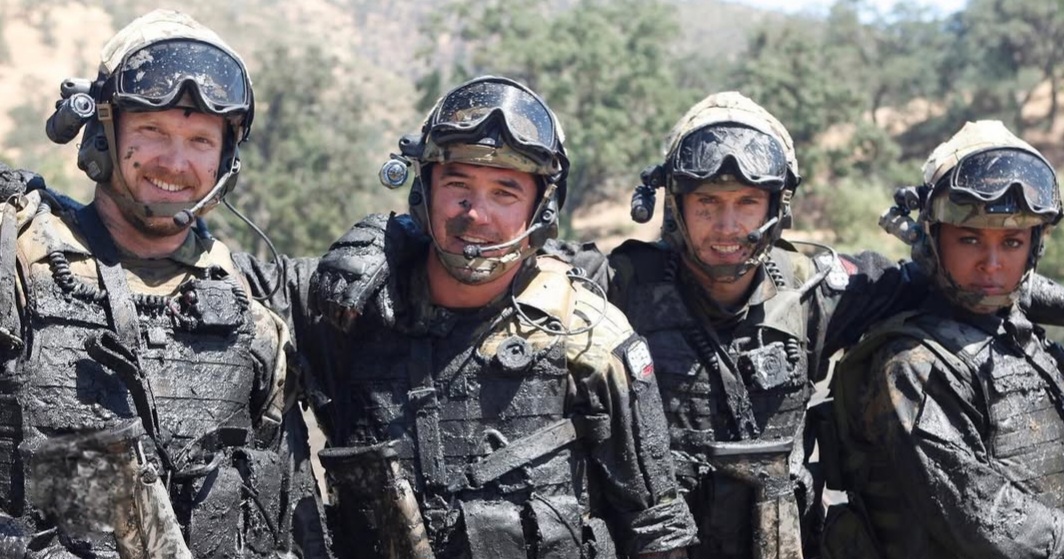
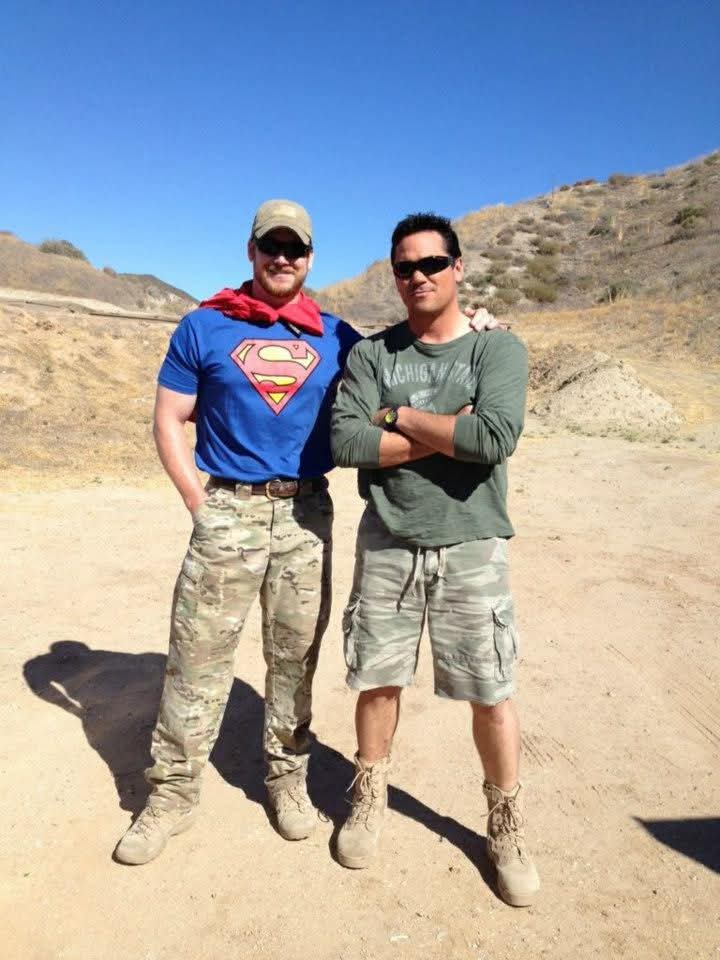
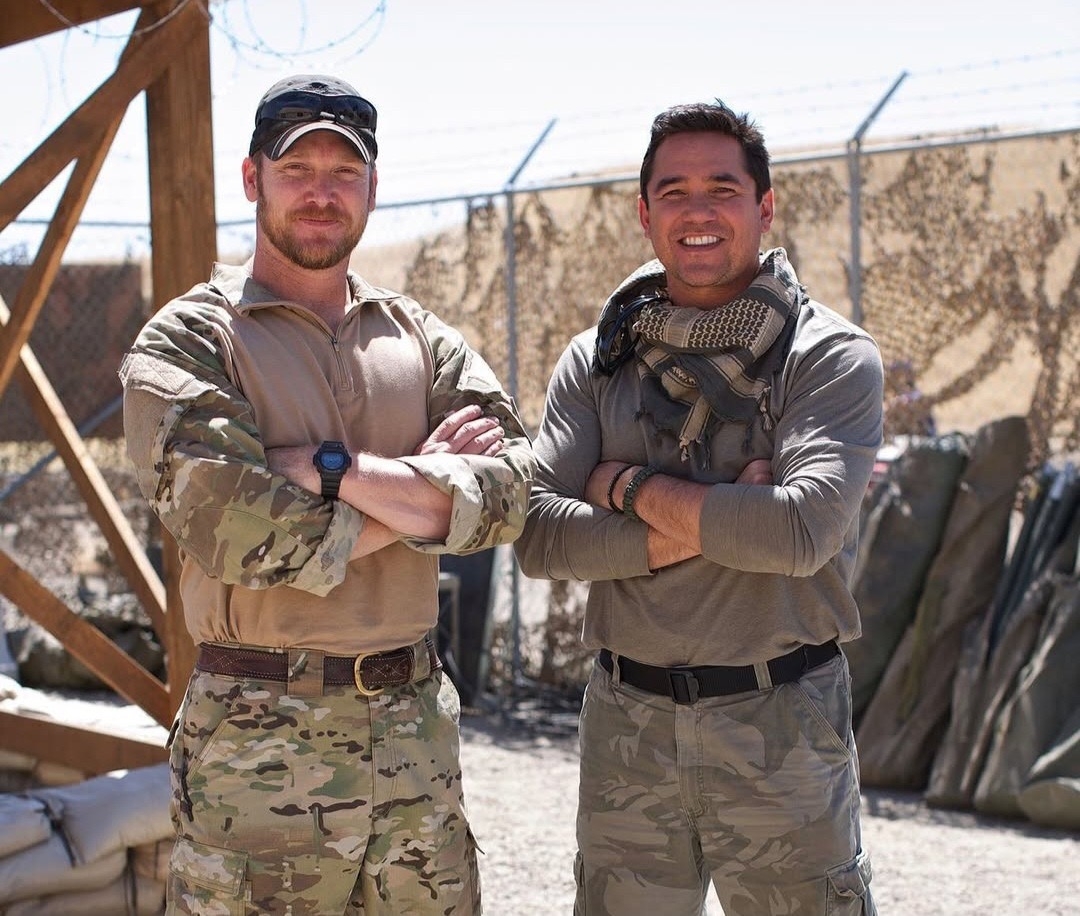
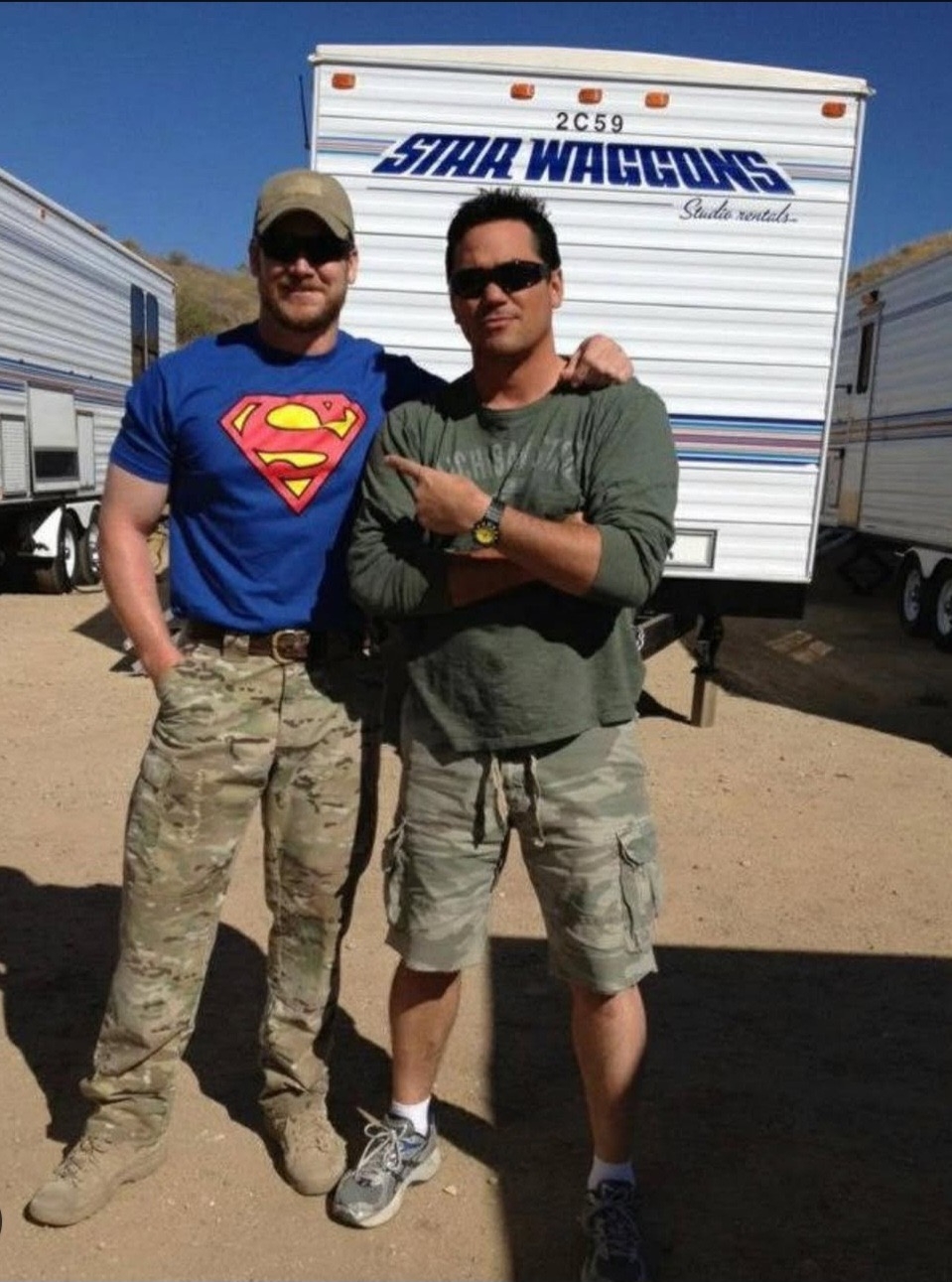
On 13 August 2012, Kyle appeared on the reality television program Stars Earn Stripes, where celebrities trained with special operations and law enforcement professionals. He was paired with actor Dean Cain, offering viewers a glimpse into the discipline and skill required of America’s elite warriors.
Through all of this work, Chris and Taya brought national attention to the challenges of post‑traumatic stress and the need for holistic support that extended beyond traditional methods. They championed therapies, services, and community‑based approaches that recognized the full human experience of returning from war. Their efforts helped reshape how the nation understood the invisible wounds carried by veterans and the families who stand beside them.
Honors and Legacy (Refined & Enhanced)
In August 2013, Texas Governor Rick Perry signed Senate Bill 162 — later known as the “Chris Kyle Bill” — legislation designed to streamline occupational licensing for veterans by recognizing their military training and experience. The bipartisan measure, co-sponsored by Representative Dan Flynn of Van and Senator Leticia Van de Putte of San Antonio, was signed into law with Kyle’s widow, Taya Kyle, in attendance. The bill stands as a practical, enduring tribute to Kyle’s commitment to those who served.
Sculptor Greg Marra later created a memorial statue of Chris Kyle, presented to Taya as a symbol of national gratitude. Support for the statue’s production came from grassroots fundraising efforts, particularly among members of the Tea Party movement, reflecting the broad public admiration Kyle inspired across communities.
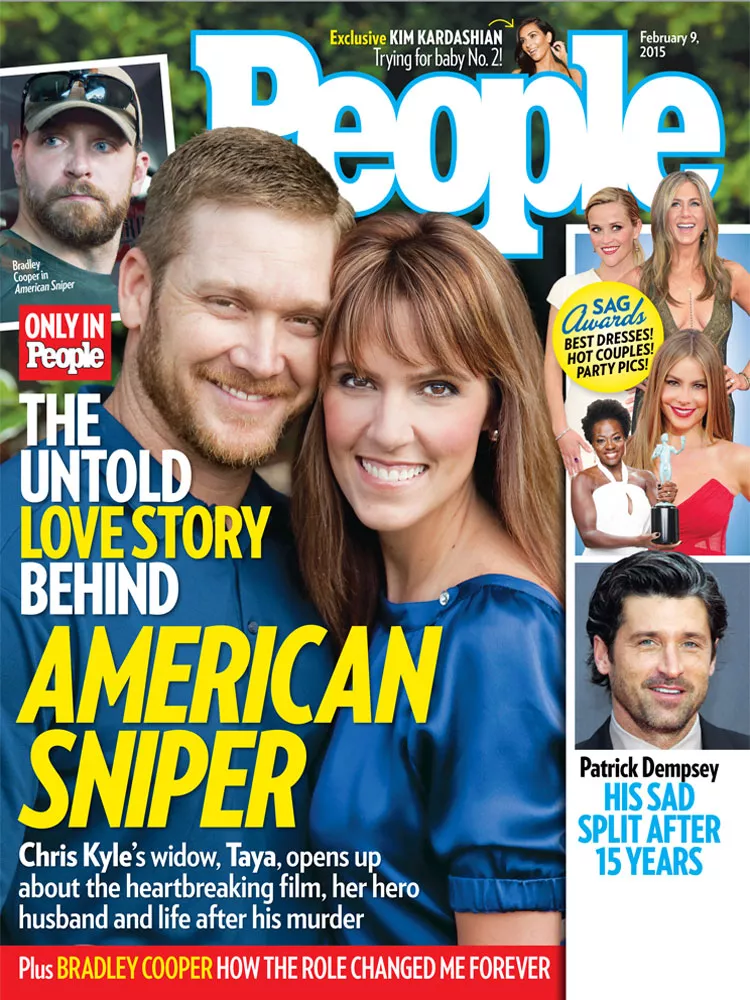
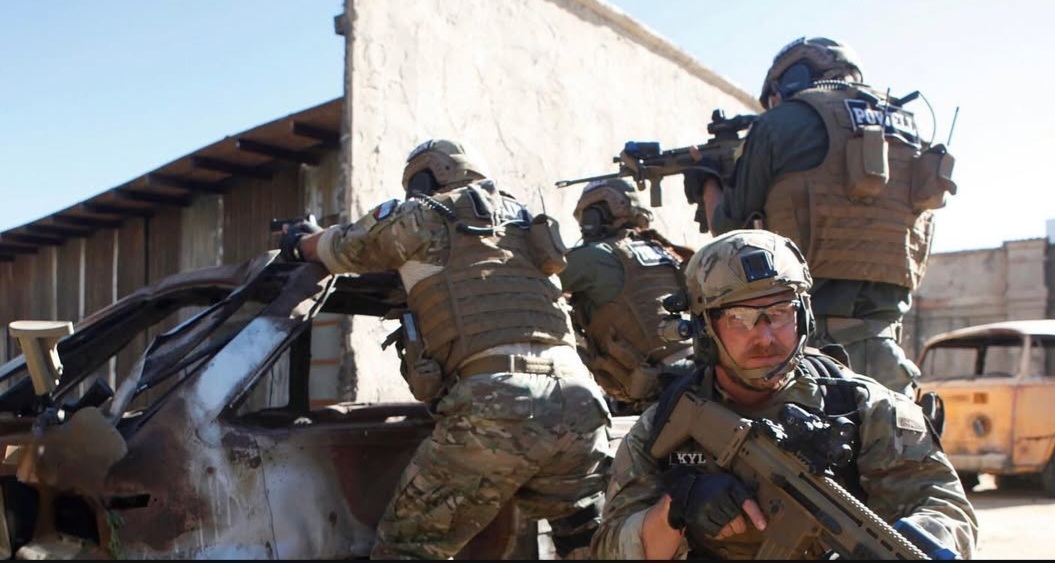
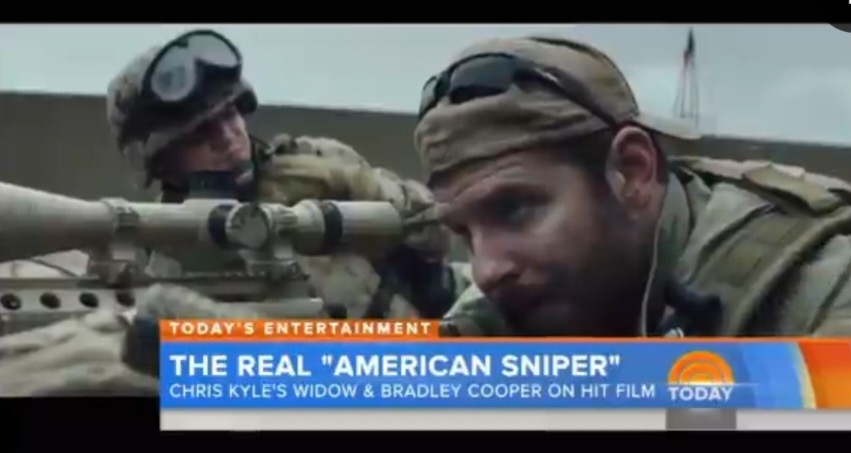
Kyle’s story reached a global audience through Clint Eastwood’s 2014 film American Sniper, adapted from Kyle’s bestselling autobiography. Actor Bradley Cooper portrayed Kyle with a performance that earned an Academy Award nomination for Best Actor. The film itself received six Oscar nominations, including Best Picture, and won the Academy Award for Best Sound Editing — further cementing Kyle’s place in American cultural memory.
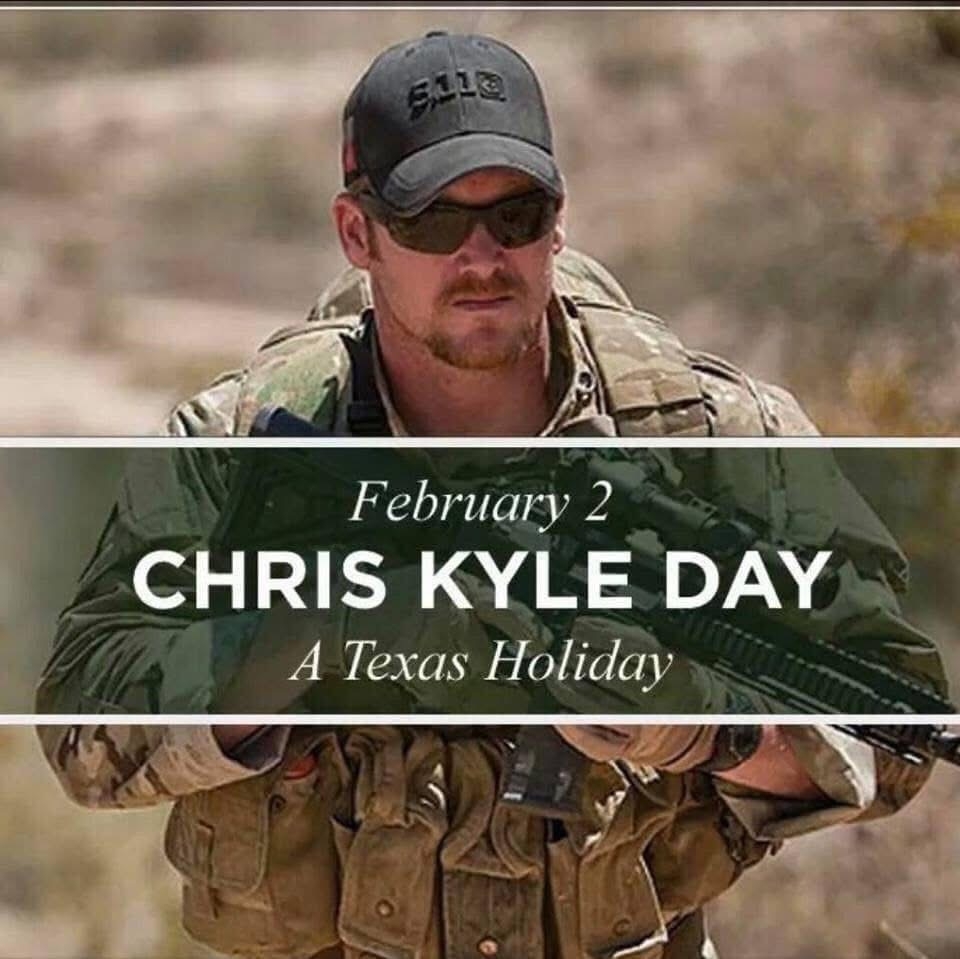
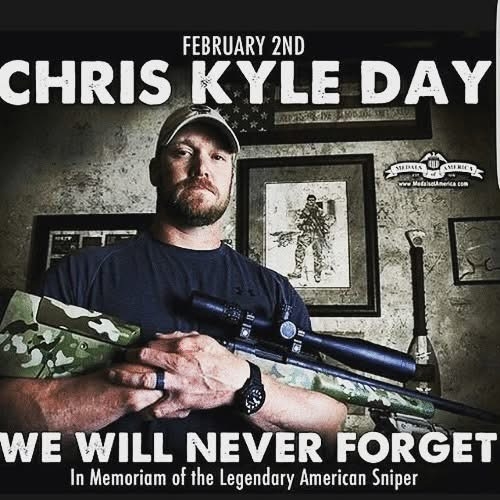
On February 2, 2015 — exactly two years after Kyle’s death — Texas Governor Greg Abbott formally declared the date “Chris Kyle Day” across the state. Each year, Texans pause to honor his service, sacrifice, and the profound impact he left on military families and veterans’ communities.
Legacy:In Midlothian, across Texas, and throughout the nation, Chris Kyle’s name endures as a testament to service, resilience, and steadfast devotion to fellow warriors. His life continues to be honored through legislation, memorials, film, and an annual day of remembrance that upholds the values he lived and the commitments he never abandoned.
The Measure of a Man: Patriotism, Service, and the Legacy of Chris Kyle
Patriotism and the National Anthem Chris Kyle spoke of patriotism not as an abstract idea but as something lived, felt, and carried. His words reflect a man whose identity was shaped by service and sacrifice, and whose reverence for the national anthem came from experience rather than symbolism.
“I’ve lived the literal meaning of ‘land of the free’ and ‘home of the brave.’ That’s not a slogan to me — I feel it in my heart, in my chest. Even at a ball game, when someone talks during the anthem or won’t take off his hat, it hits me wrong. And I’m not the type to stay quiet about it.” — Chris Kyle, American Sniper
Why He Fought Kyle’s understanding of service was grounded in loyalty to his fellow servicemembers and to the nation that sent him into harm’s way. His words reveal a clarity of purpose shaped by the realities of combat.
“I didn’t risk my life to bring democracy to Iraq. I risked my life for my buddies — to protect my friends and my fellow countrymen. I went to war for my country, not Iraq. My country sent me there so that the fight wouldn’t reach our shores.” — Chris Kyle, American Sniper
How He Wanted to Be Remembered His legacy, as he defined it, rested on conviction and service to veterans — a desire to stand for something larger than himself.
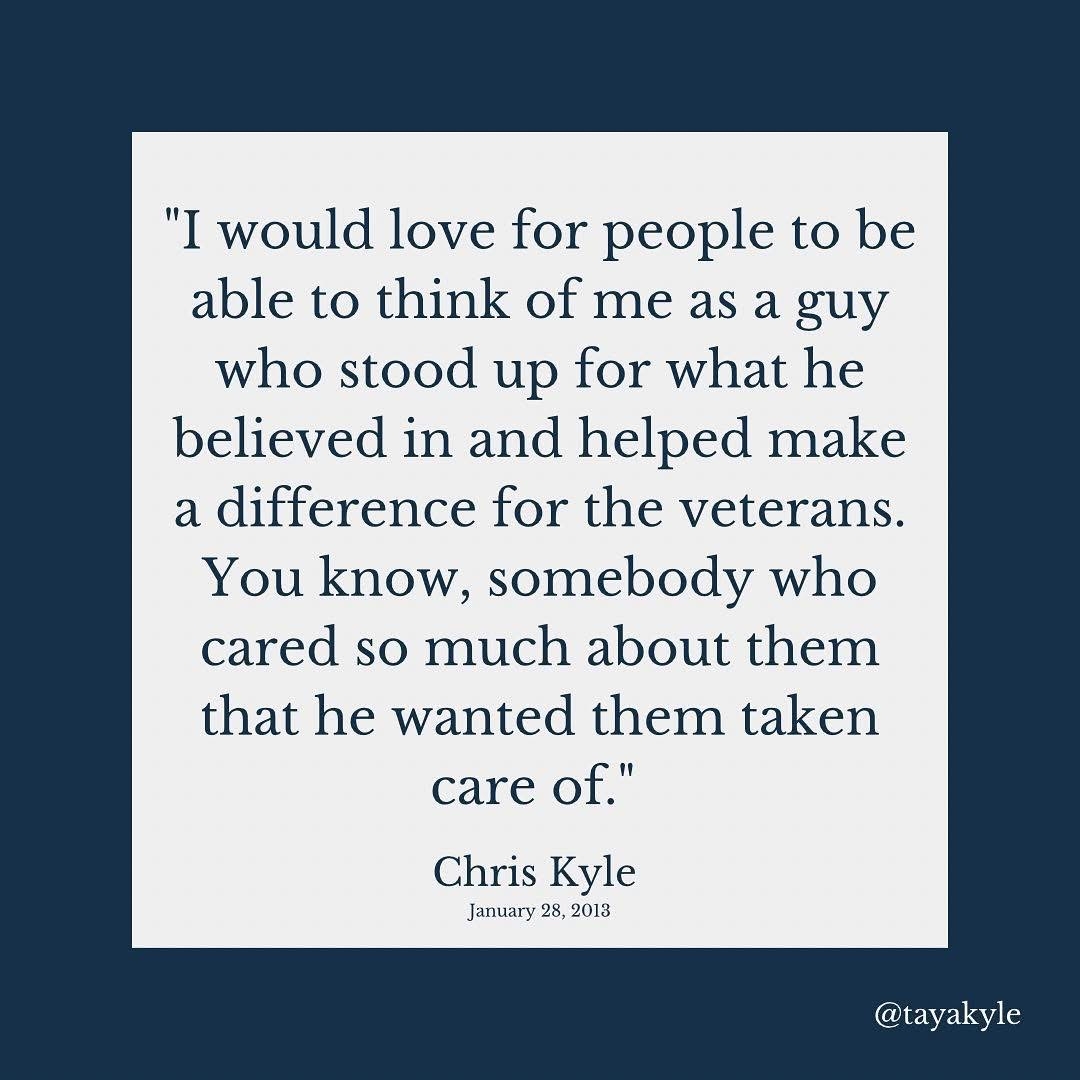
“I’d like people to remember me as a man who stood up for what he believed in — someone who made a difference for veterans.” — Chris Kyle, American Sniper
His Childhood Dreams Kyle’s early life shaped the man he became. His words reflect a childhood steeped in patriotism, hard work, and the open spaces of the American West.
“When I was growing up, I had only two dreams: to be a cowboy and to serve in the military. I was raised patriotic, raised on horseback, and both of those things shaped who I became.” — Chris Kyle, American Sniper
Sacrifice Beyond the Battlefield Kyle understood that service demanded more than courage in combat. It required awareness of the strain placed on families and the commitment needed to preserve them.
“You’re not just risking your own life out there. There are sacrifices happening at home, too. You can serve and still have a strong marriage — but you have to be aware of the strain and take steps to protect it.” — Chris Kyle
Life’s Real Trajectory His reflections on life reveal a grounded realism — an understanding that purpose and direction require effort, resilience, and honesty.
“Real life doesn’t move in a perfect straight line. There’s no guaranteed ‘happily ever after.’ You have to work at where you’re going.” — Chris Kyle
His Faith Kyle’s faith was personal and foundational, expressed with the same directness that marked his views on service and sacrifice.
“I believe that accepting Jesus as my Savior will be my salvation.” — Chris Kyle, American Sniper
Legacy
Chief Petty Officer Chris Kyle leaves behind a legacy defined by courage, loyalty, and an unwavering devotion to protecting others. As a United States Navy SEAL sniper, he completed four combat deployments to Iraq and became one of the most effective and respected marksmen in American military history. Yet Chris never viewed his role through the lens of fame, numbers, or notoriety. His purpose remained simple and steadfast, to safeguard his teammates, defend the innocent, and bring American service members home alive.
He carried the immense responsibility of a sniper with humility and discipline, meeting danger with a calm presence that saved countless lives. To the Marines, Soldiers, and SEALs he protected, he was not a legend. He was their guardian, the steady hand watching over them when danger closed in and the quiet reassurance that someone was always looking out for them.
But Chris Kyle’s legacy extends far beyond the battlefield.
His story begins with a simple truth. He was a man who believed in service, service to God, to family, to country, and to every brother who stood beside him. Born with a deep sense of duty and a heart anchored in faith, Chris grew into the kind of American who did not merely speak of patriotism. He lived it with conviction and sincerity.
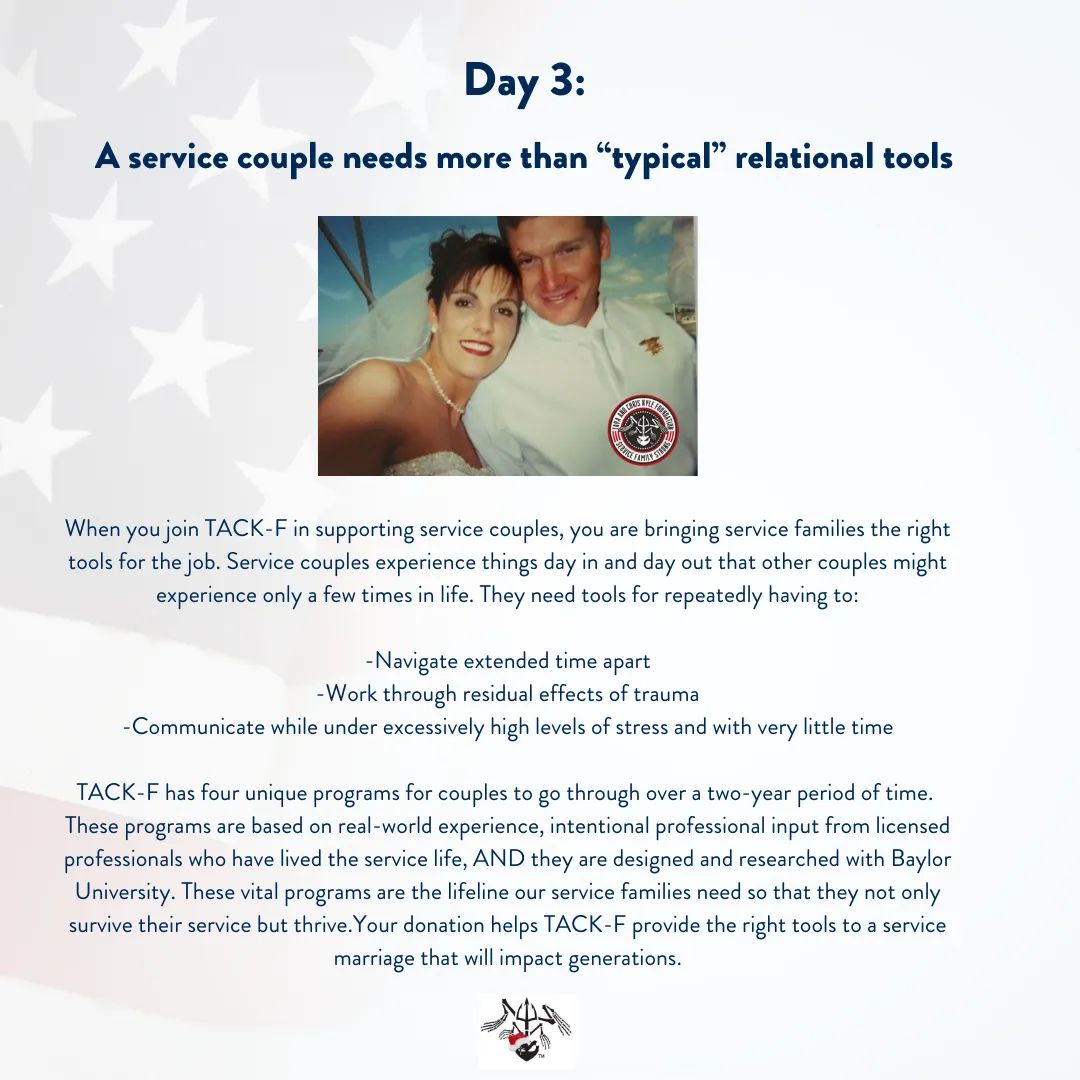
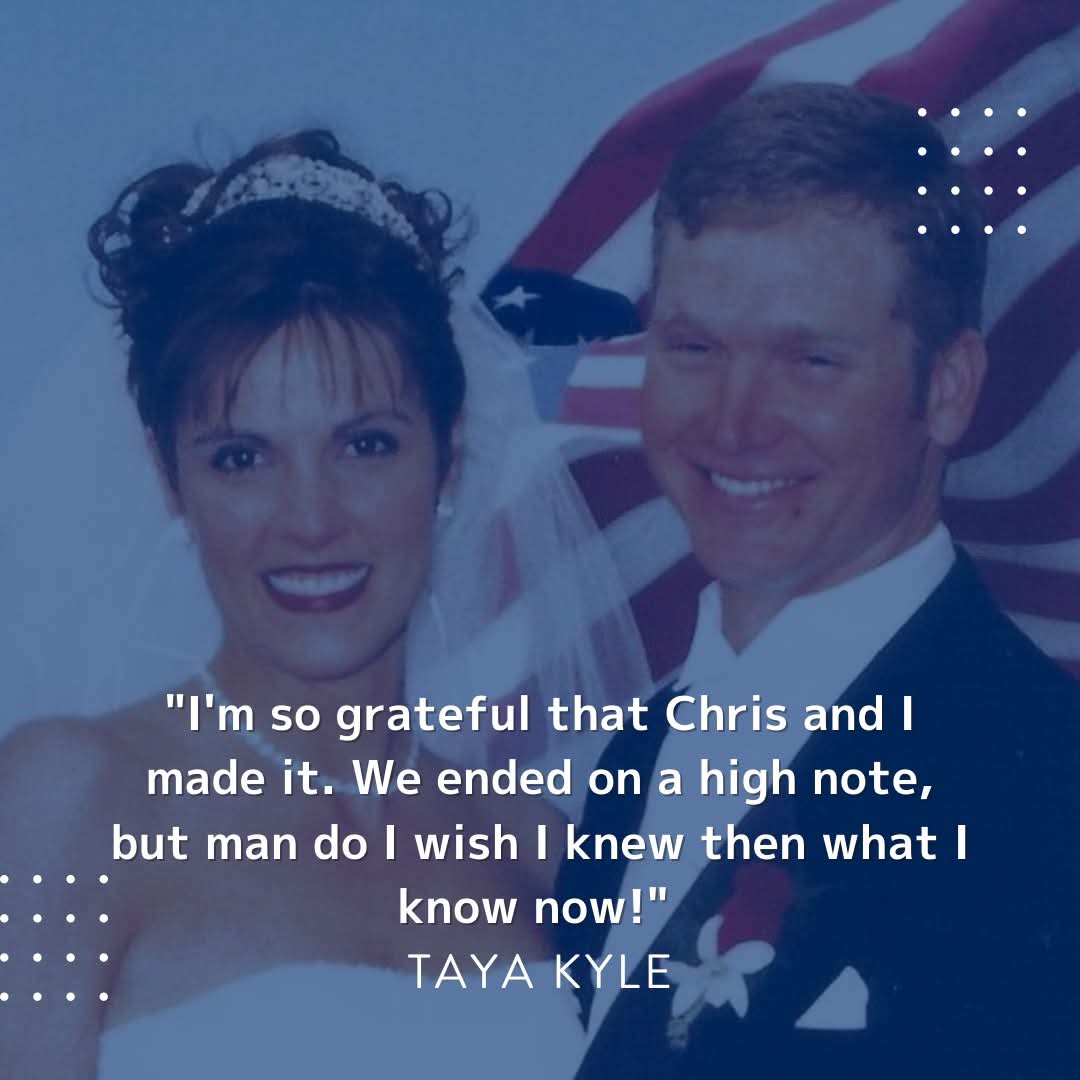
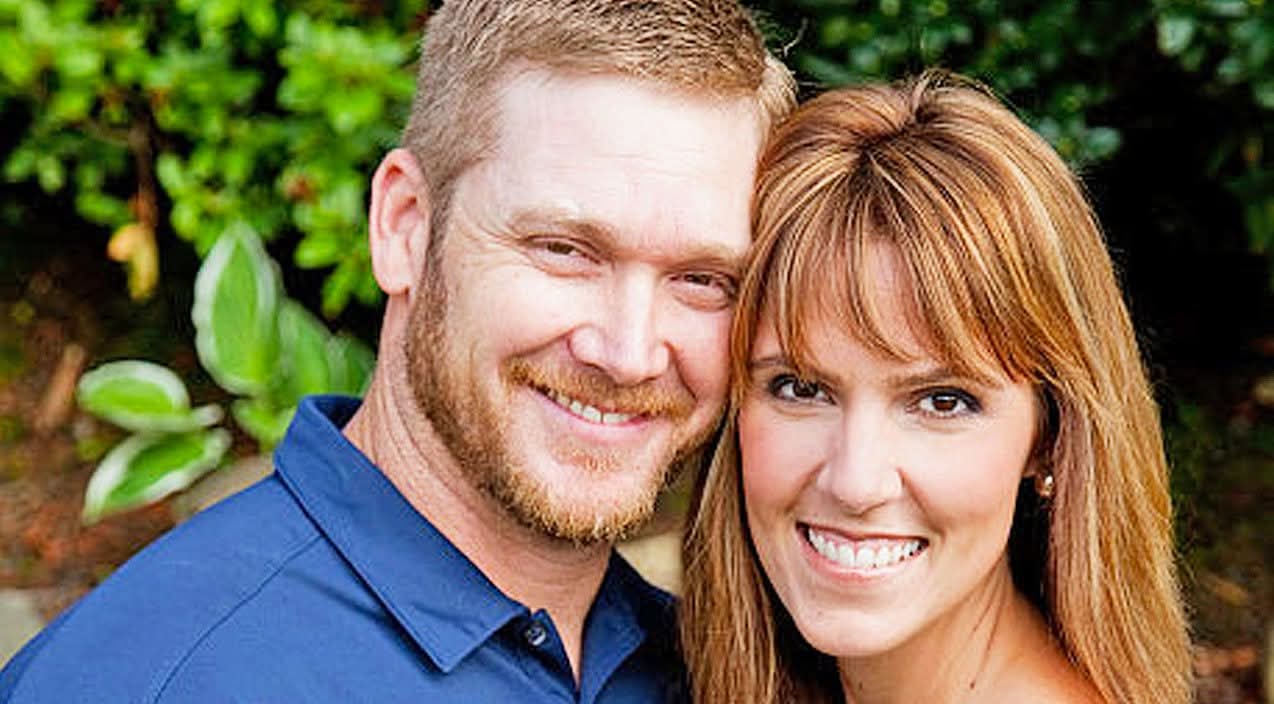
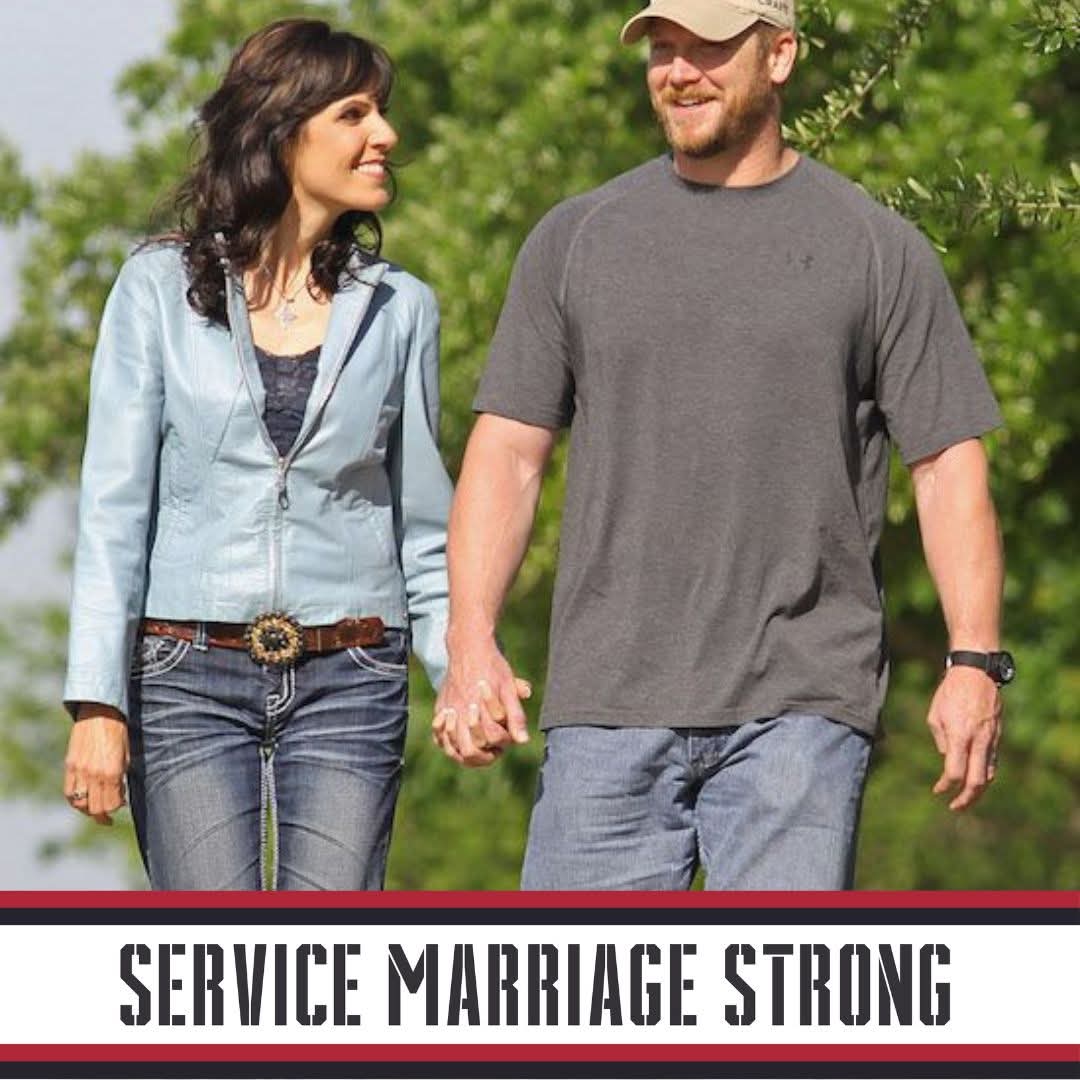
Yet his greatest pride was never found in combat. It was found in his family. With Taya by his side, he built a life rooted in love, faith, and devotion. Their marriage endured the strain of war, the distance of deployments, and the challenges of reintegration. Together they emerged stronger, united in purpose and grounded in God. Their bond became a testament to resilience, commitment, and the quiet strength that sustains a family through hardship.
Chris refused to walk away from the community he loved. He and Taya co founded the Chris and Taya Kyle Foundation, dedicated to strengthening military and first responder families. Their mission was clear, to help others find the connection, resilience, and healing that had carried them through their own journey. Chris poured his heart into this work because he believed that service did not end when the uniform came off. It simply took on a new form, one rooted in compassion and shared experience.
He also created Full Range of Gear, a clothing and equipment line built for warriors, veterans, and patriotic Americans. Designed with authenticity and purpose, it reflected Chris’s belief that those who serve deserve gear crafted by someone who truly understands their needs. It was another way he continued to support the community he cherished.
Through every chapter of his life, Chris Kyle remained a man of faith, conviction, and integrity, a man who lived his values without compromise. His legacy endures in the teammates he protected, the veterans he uplifted, the families he strengthened, the foundation he built with Taya, the gear he created for warriors, and above all, the children he loved with his whole heart.
And now his legacy reaches even further. It lives in the future grandchildren and great grandchildren who will one day hear his name spoken with reverence and pride. They will grow up learning that their grandfather was a man who stood firm when others faltered, who carried the weight of responsibility with grace, and who believed that service to others was the highest calling. They will inherit the quiet strength that guided him, the faith that sustained him, and the devotion to family that shaped every decision he made. His life will become a compass for generations he never met but always hoped to inspire.
His story reminds them, and reminds us all, that true heroism is not found in fame or recognition. It is found in service, sacrifice, and love, for family, for teammates, and for country.
This is the beginning of his legacy story, powerful, enduring, and worthy of remembrance.
Additional Quick Links
American Sniper | Chris Kyle: The Man Behind The Legend | Warner Bros. Entertainment
Official Trailer: American Sniper