

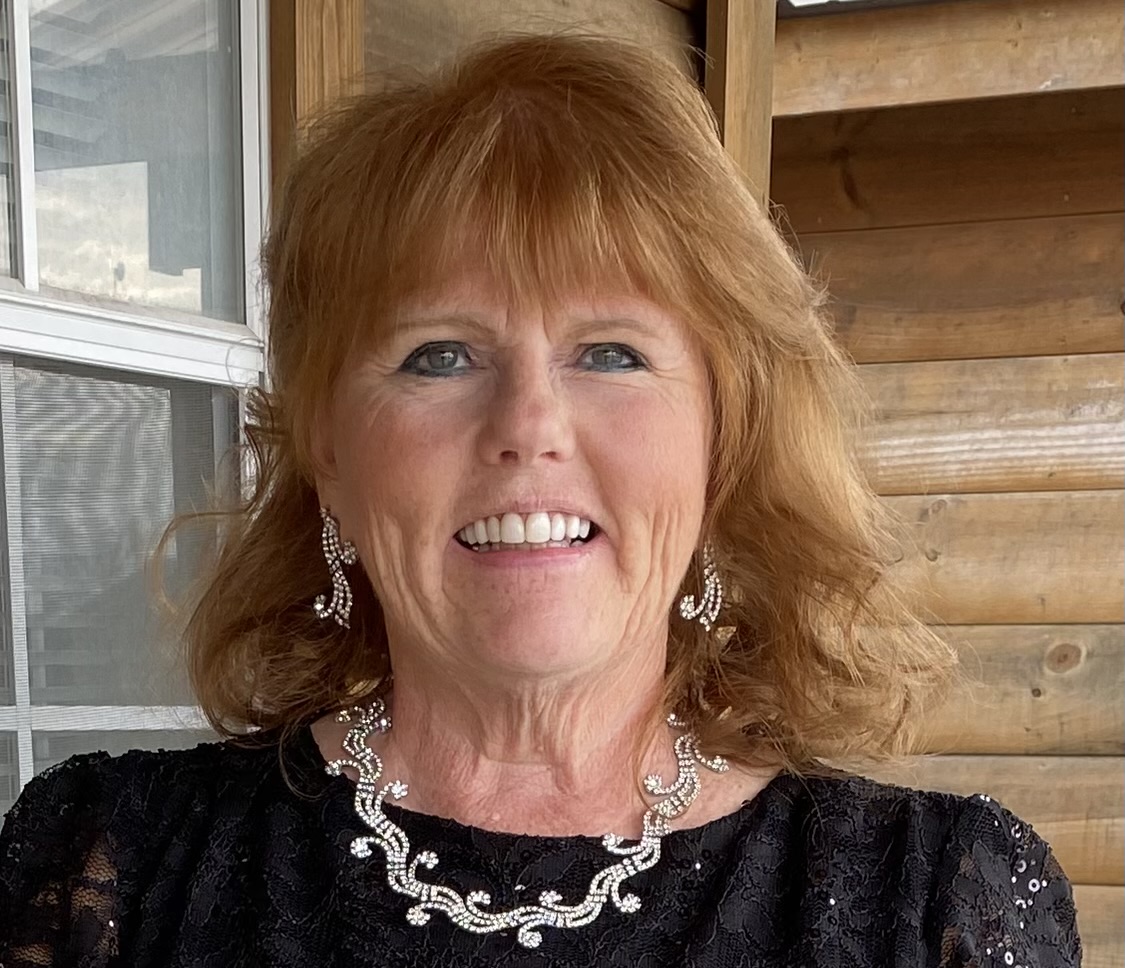


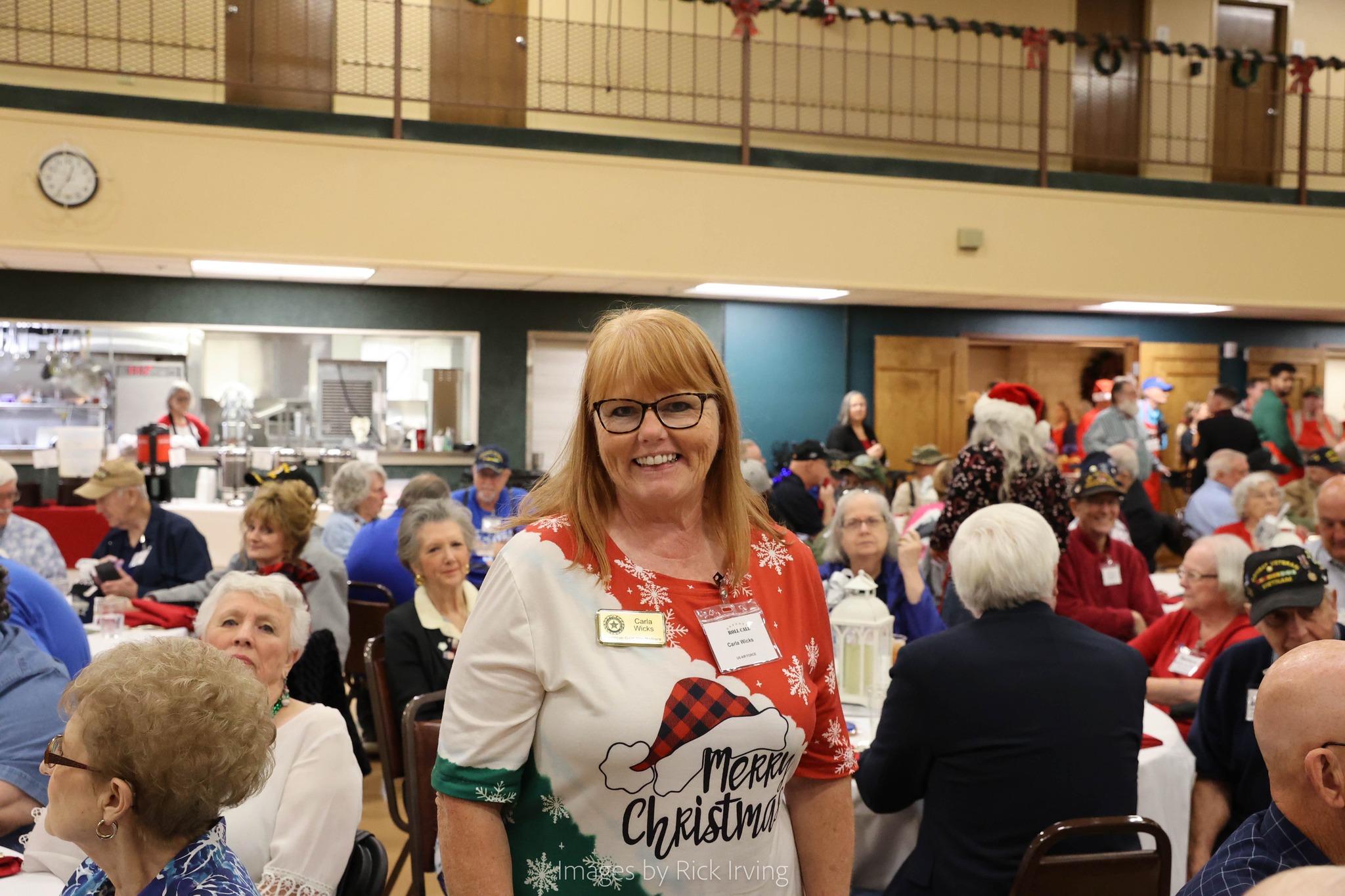
“Writing is my heart, watching theatre is a joy and being able to merge the two is indeed a blessing I intend to bring to each and every review.” ~ Carla Wicks
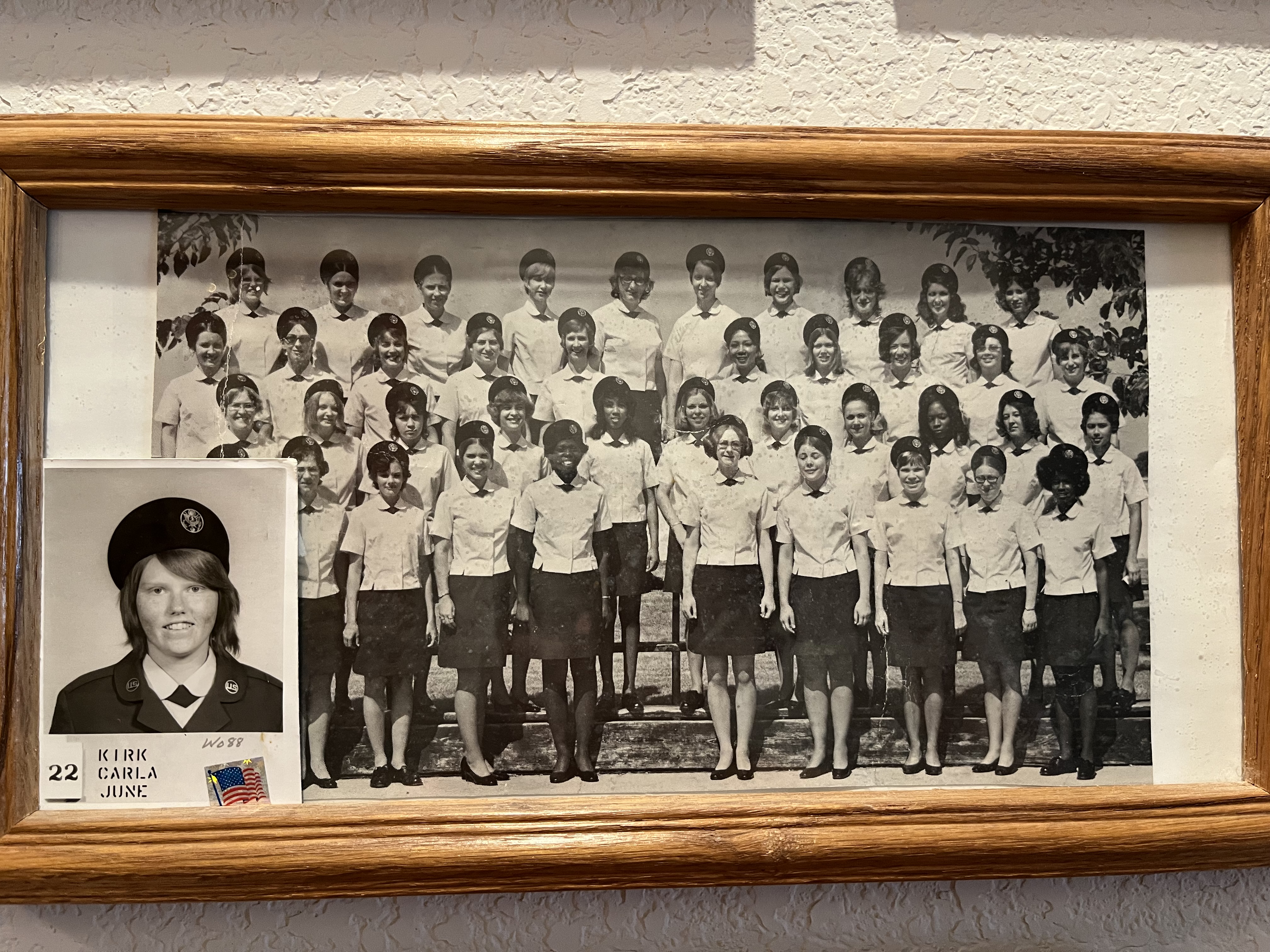
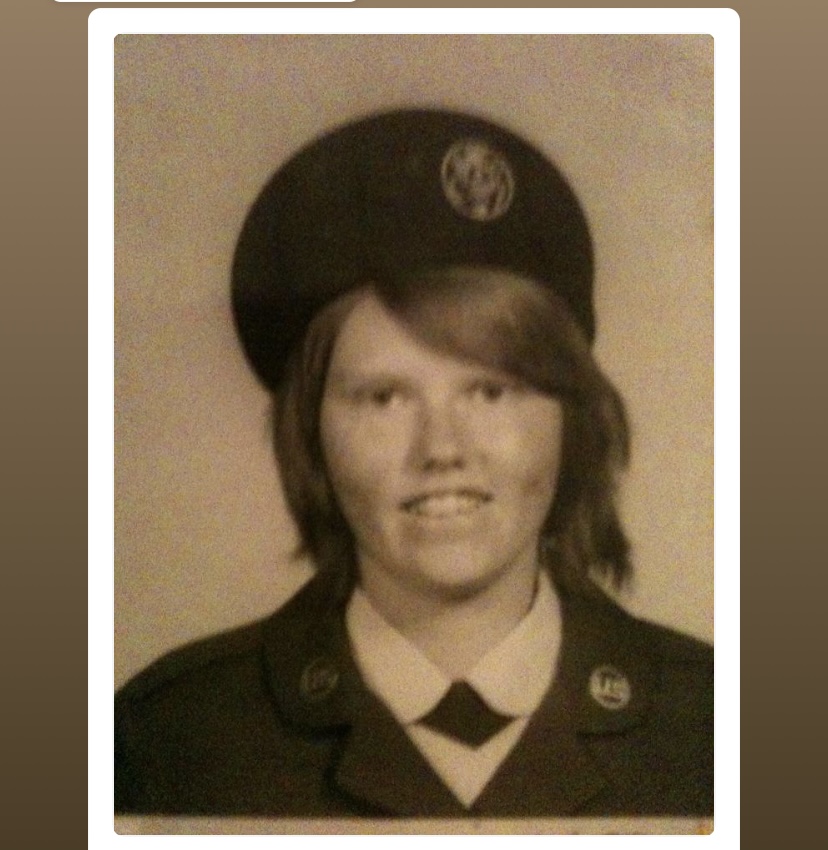
Carla Wicks is a Vietnam‑era Veteran of the United States Air Force, where she served both stateside and at her final duty station on Andersen Air Force Base in Guam. Less than a year out of high school, she found herself in a foreign country with very few American women around her. Although the Vietnam War was winding down, the island still carried reminders of conflict — its dense jungle caves were known to shelter enemy soldiers who had remained hidden for years, some still armed. For her safety, Carla was instructed never to go sightseeing or hiking alone. The isolation was real, and at times deeply unsettling.
When she discovered she was pregnant and returned to the United States, she hoped for understanding. Instead, she was met with cruel comments, the loss of friendships, and the disdain that so many service members connected to Vietnam faced at the time. Those returning from the war or supporting it from afar were not welcomed home. The rejection was painful and personal, adding another layer of hardship to an already difficult season of her life.
Following her military service, Carla built a distinguished 40‑year career in dentistry, including 34 years as a Registered Dental Hygienist — a profession she continues today with excellence, compassion, and a deep commitment to patient care.
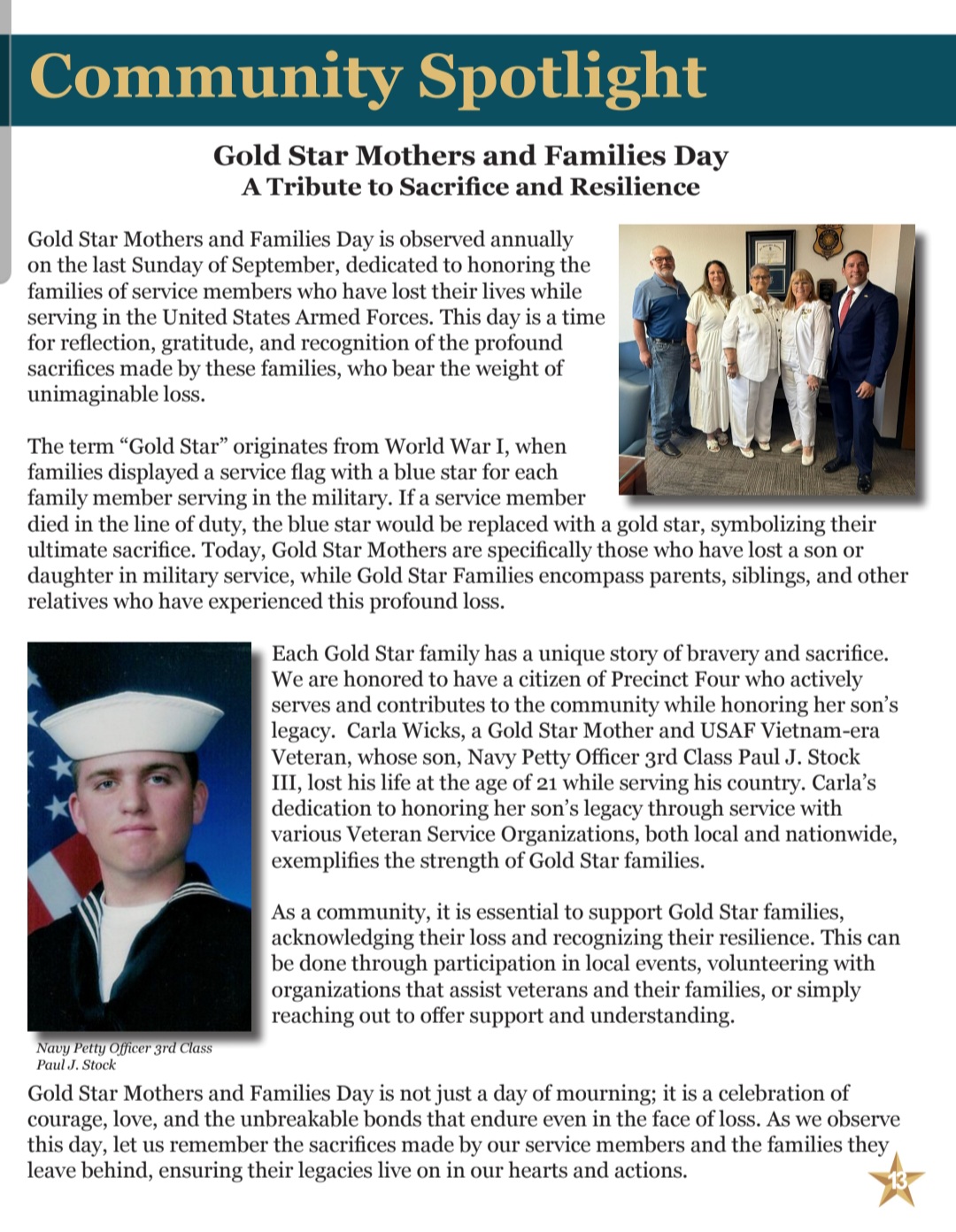
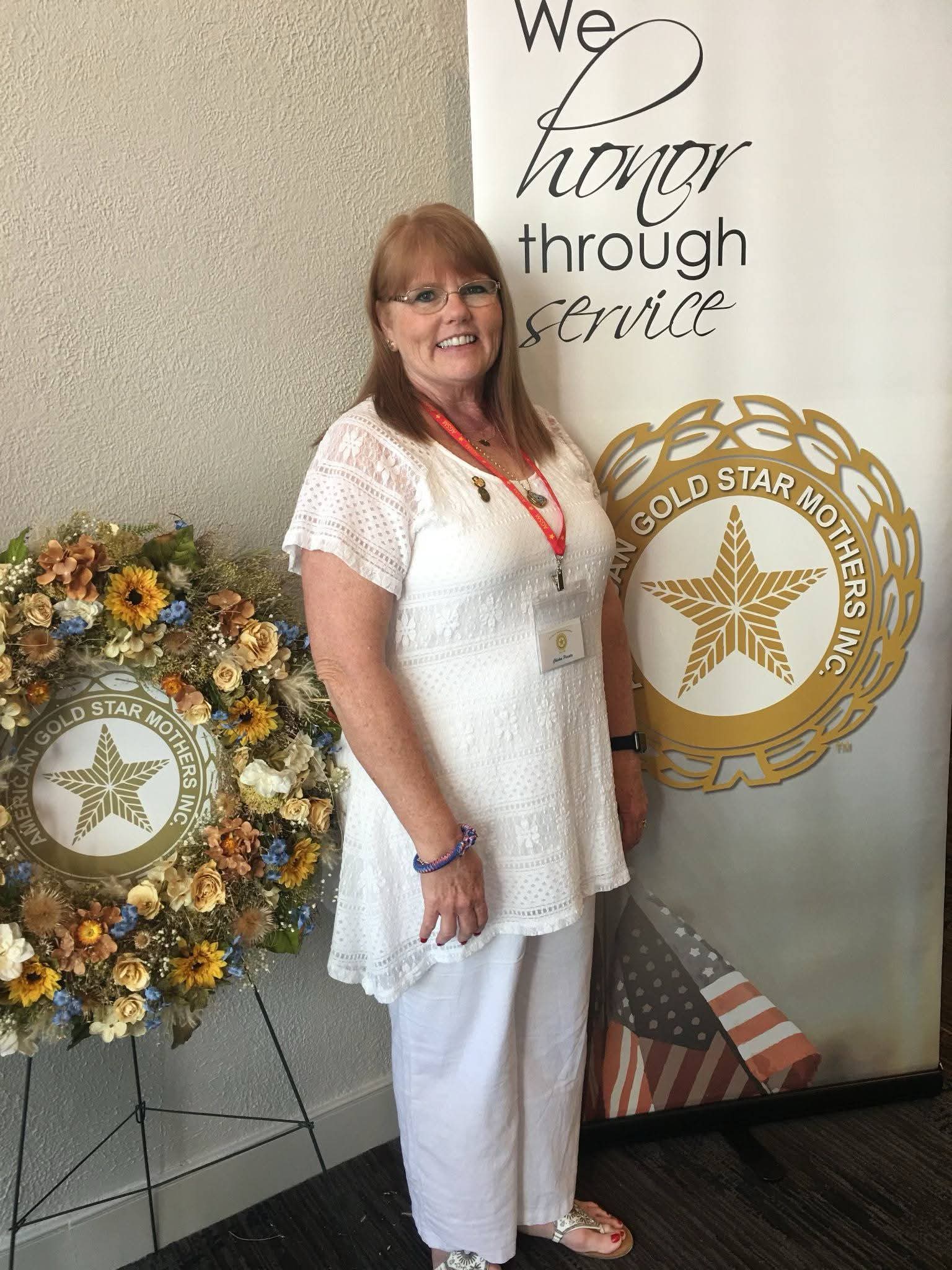
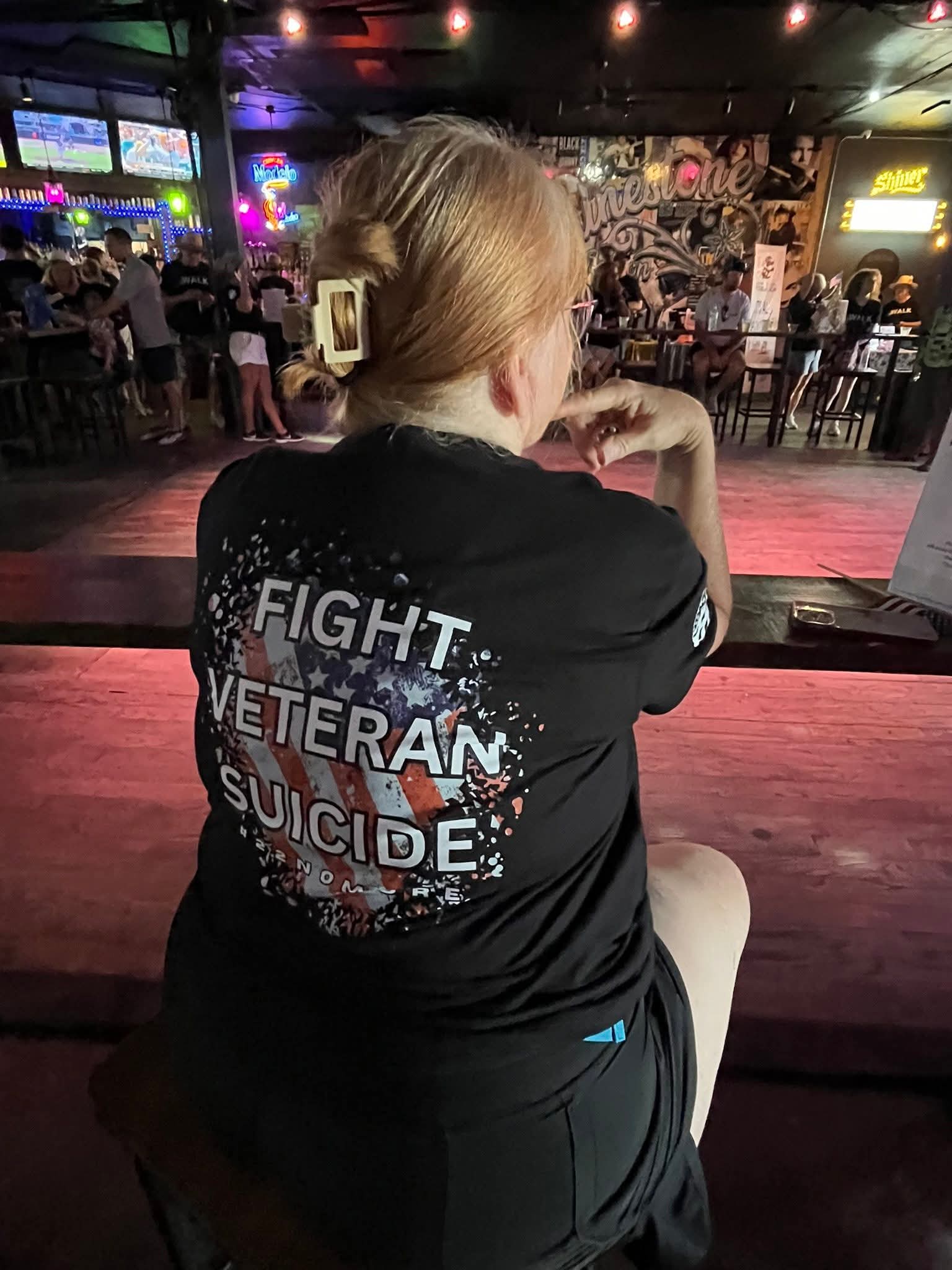
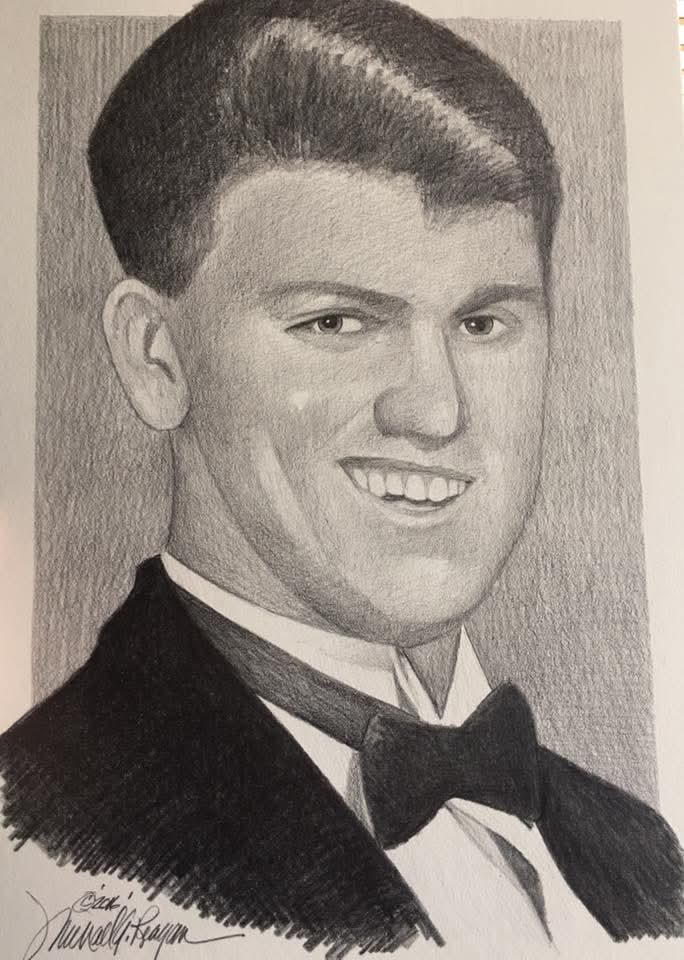
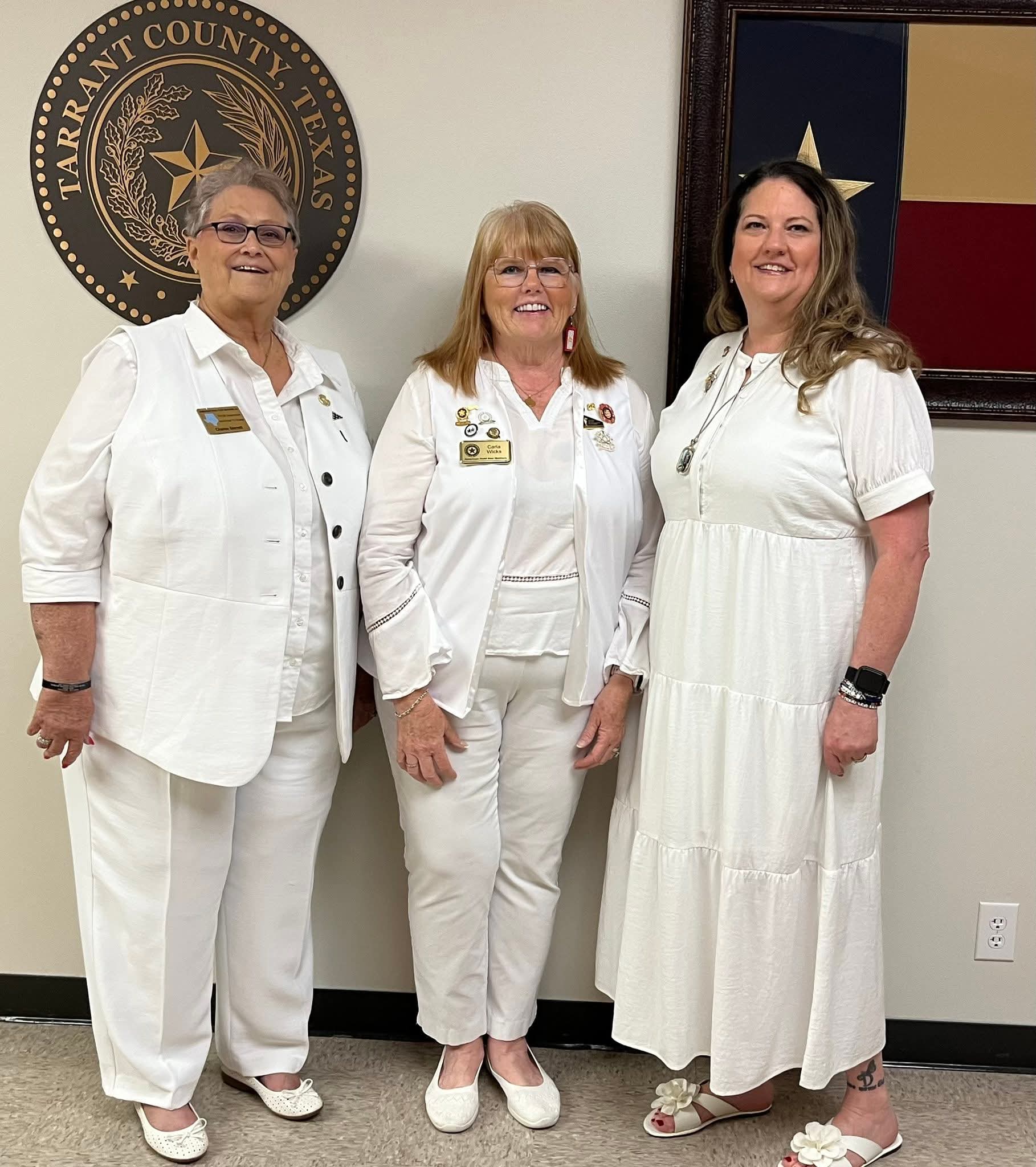
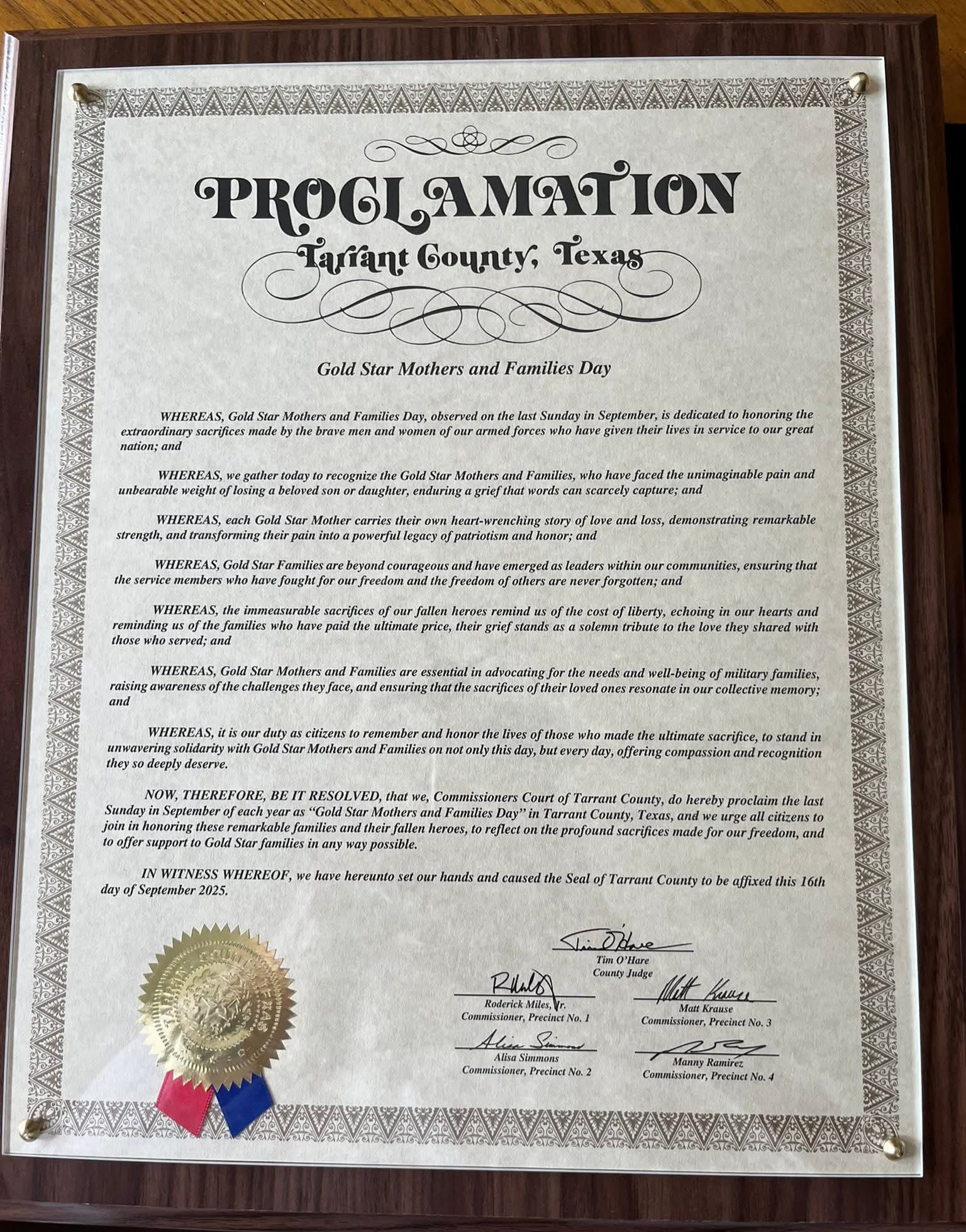
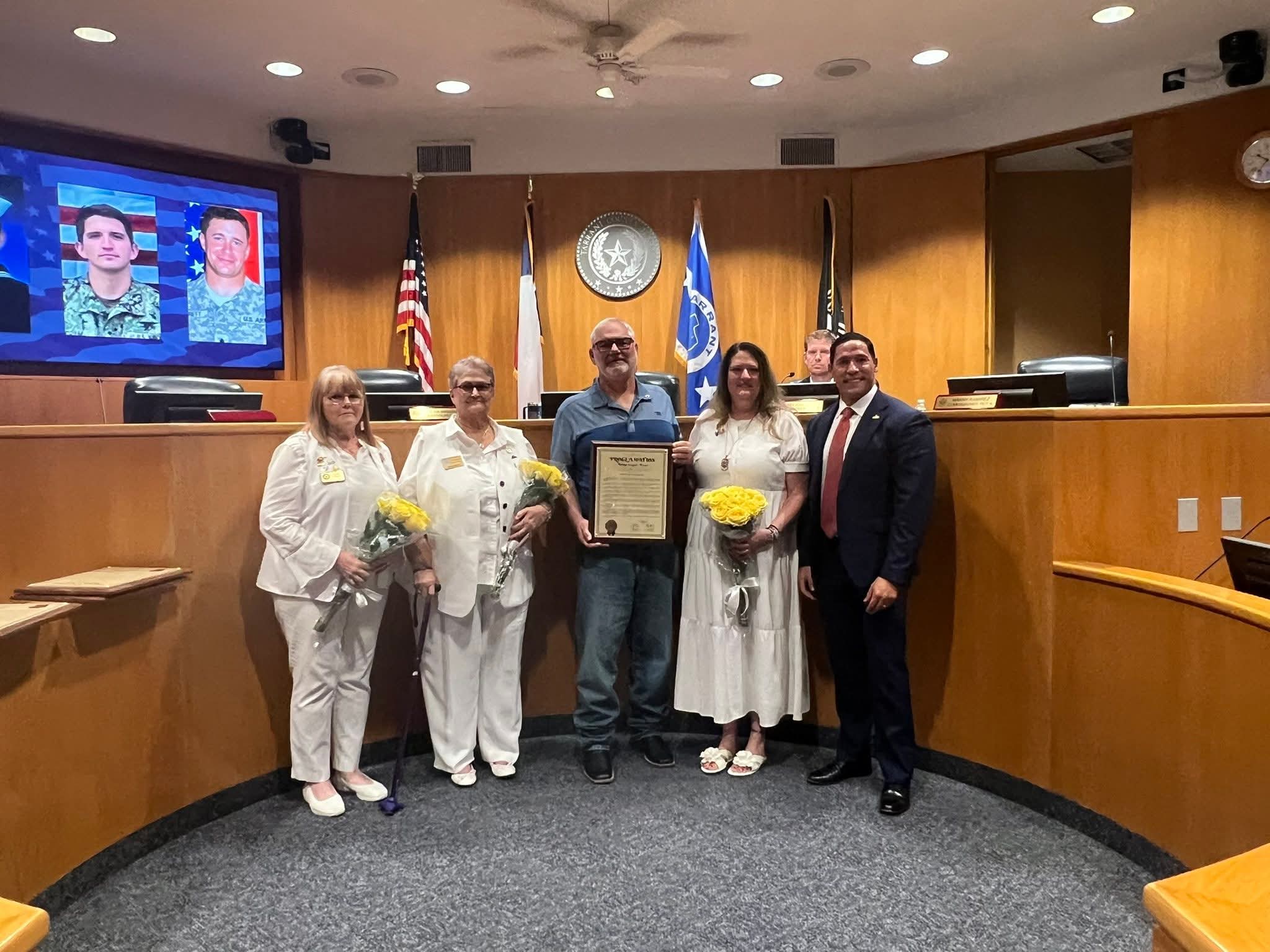
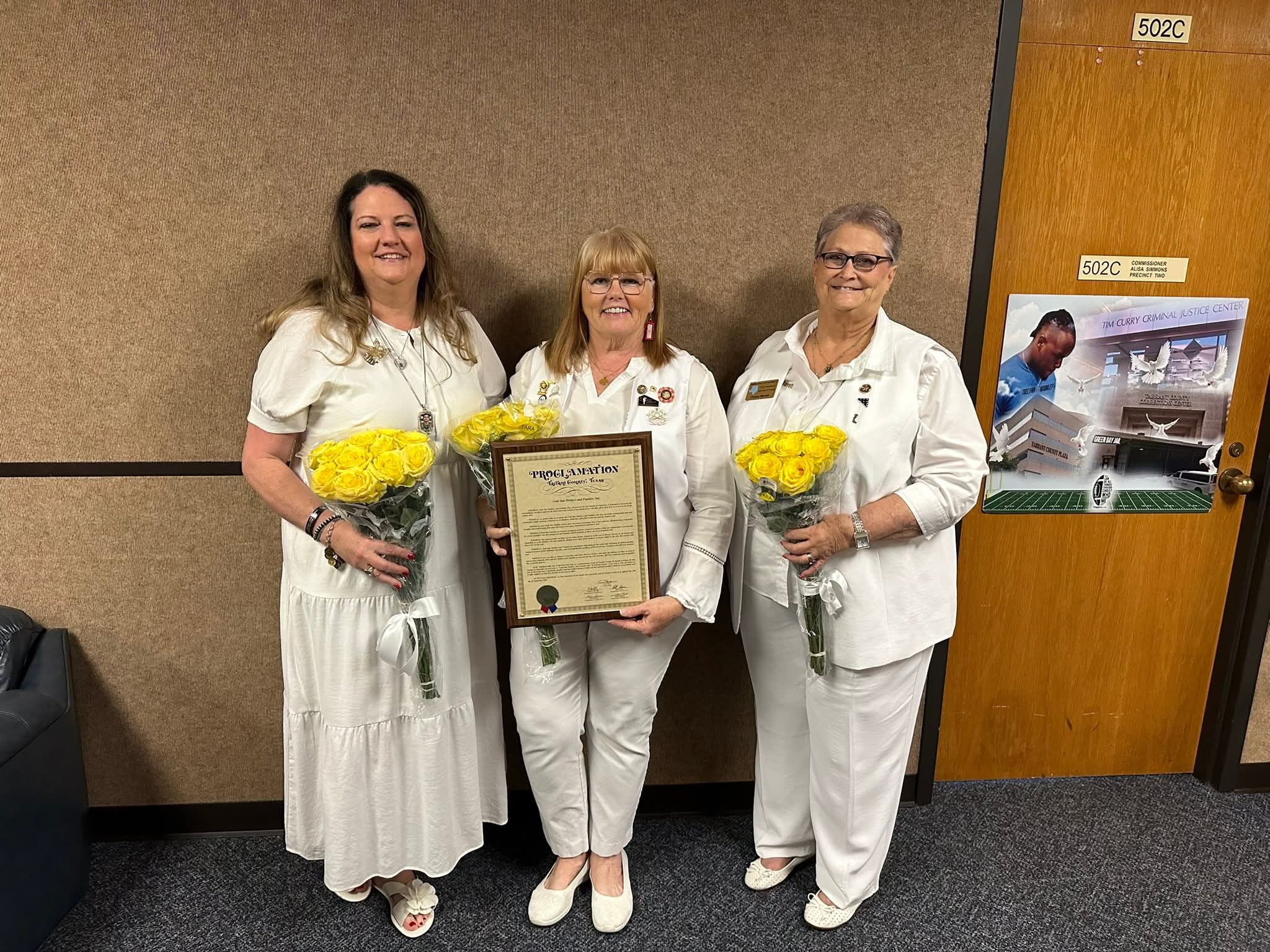
Carla is also a Gold Star Mother. In 1996, she lost her oldest son, Paul J. Stock III, U.S. Navy. Since 2017, she has been an active member of American Gold Star Mothers, Inc., serving at the local, state, and national levels. She currently serves as the AGSM National VAVS Representative and as Secretary/Treasurer for the AGSM North/West Texas Chapter.
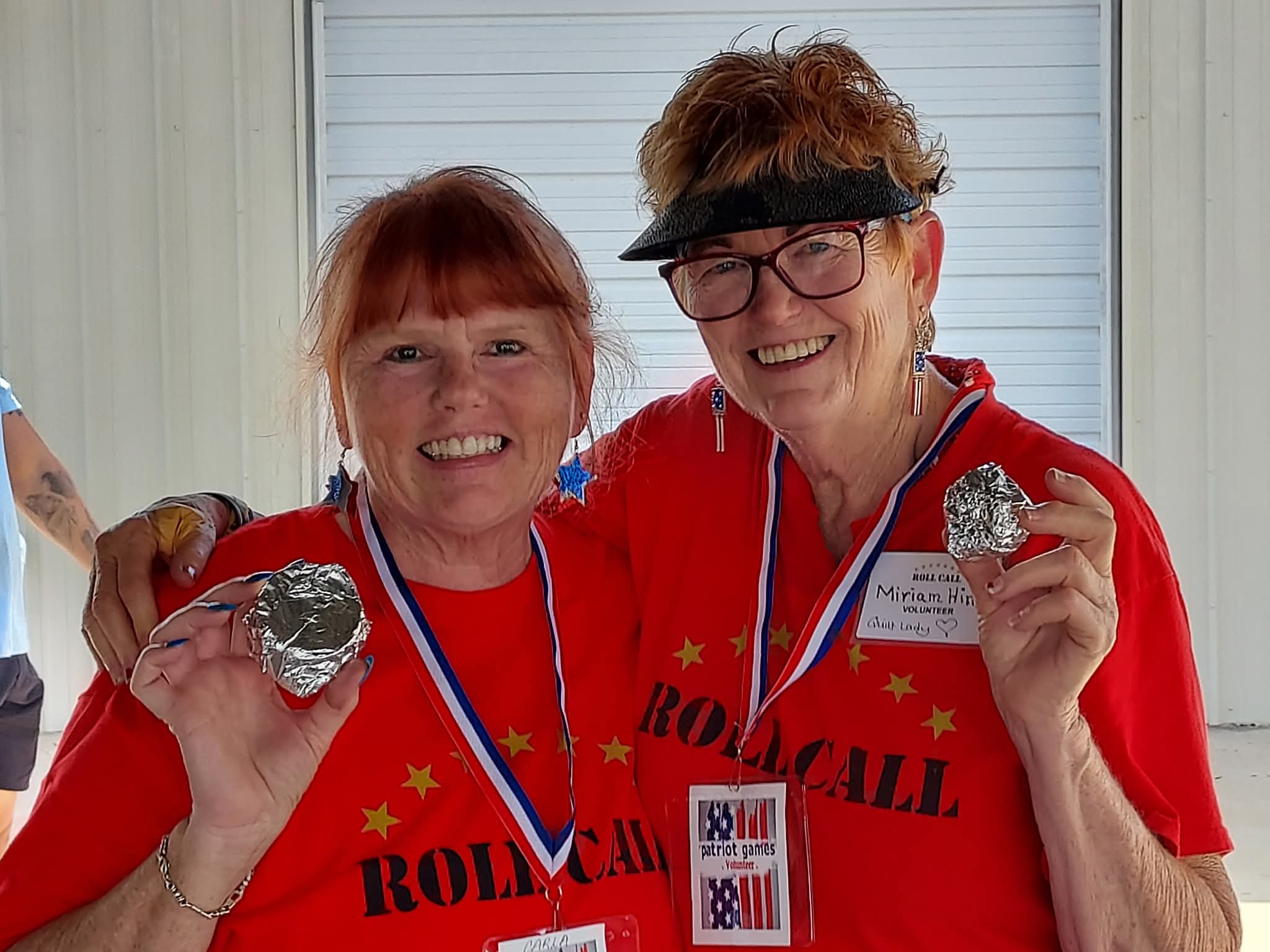
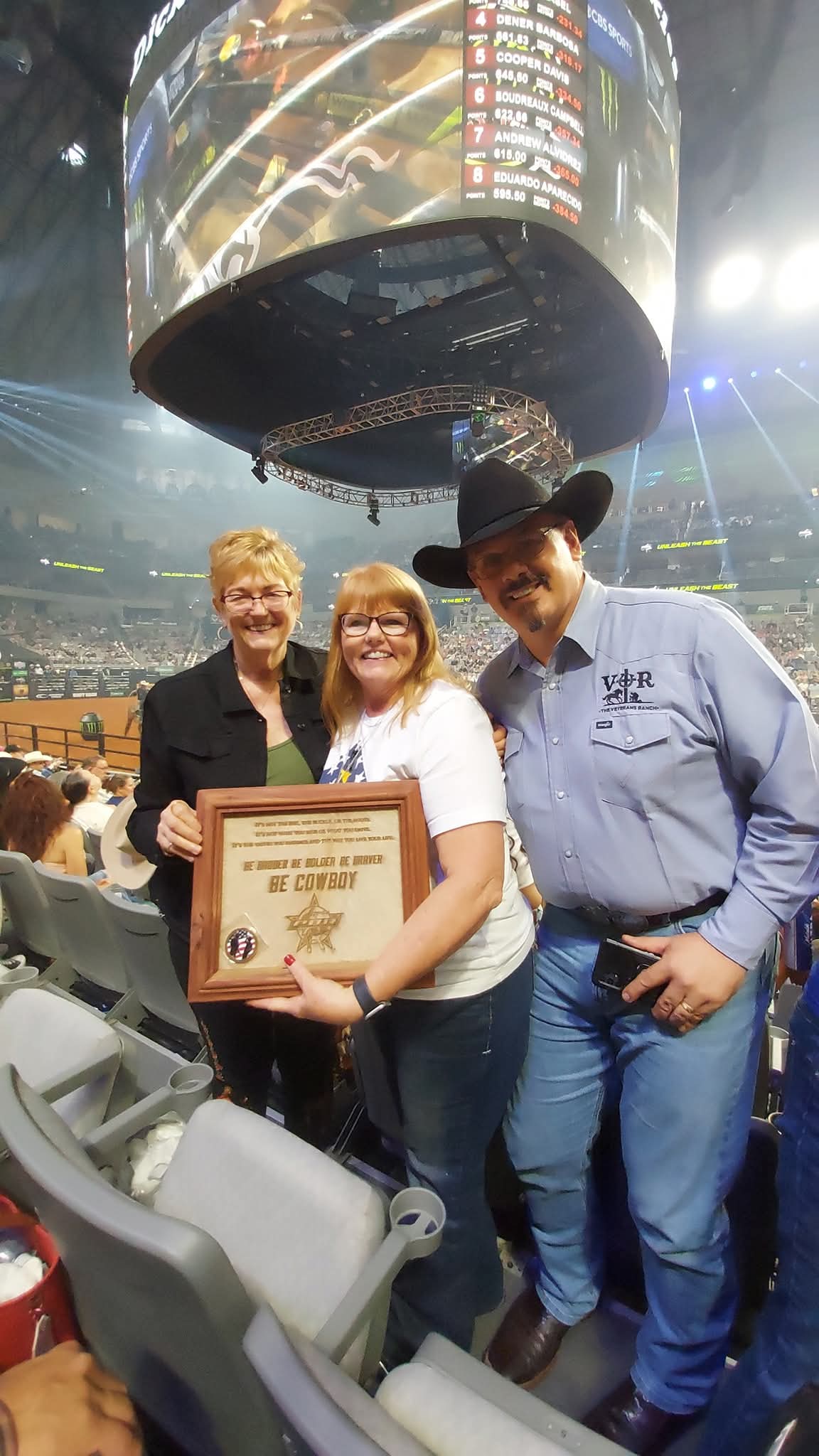
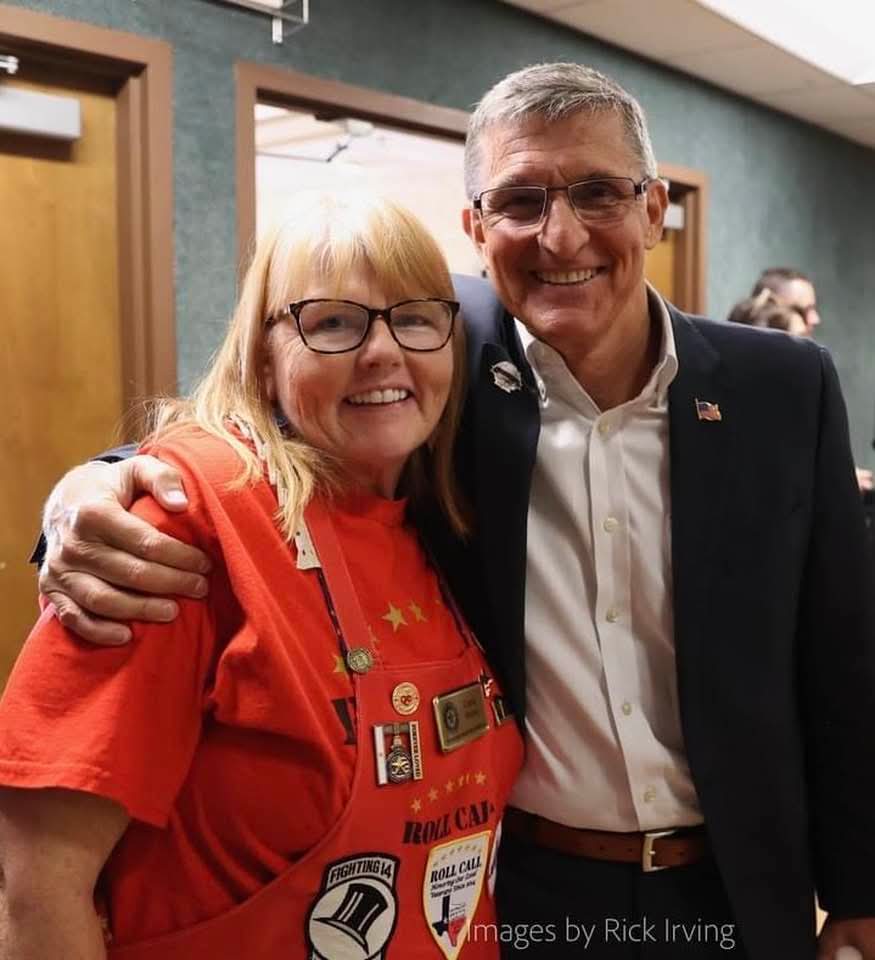
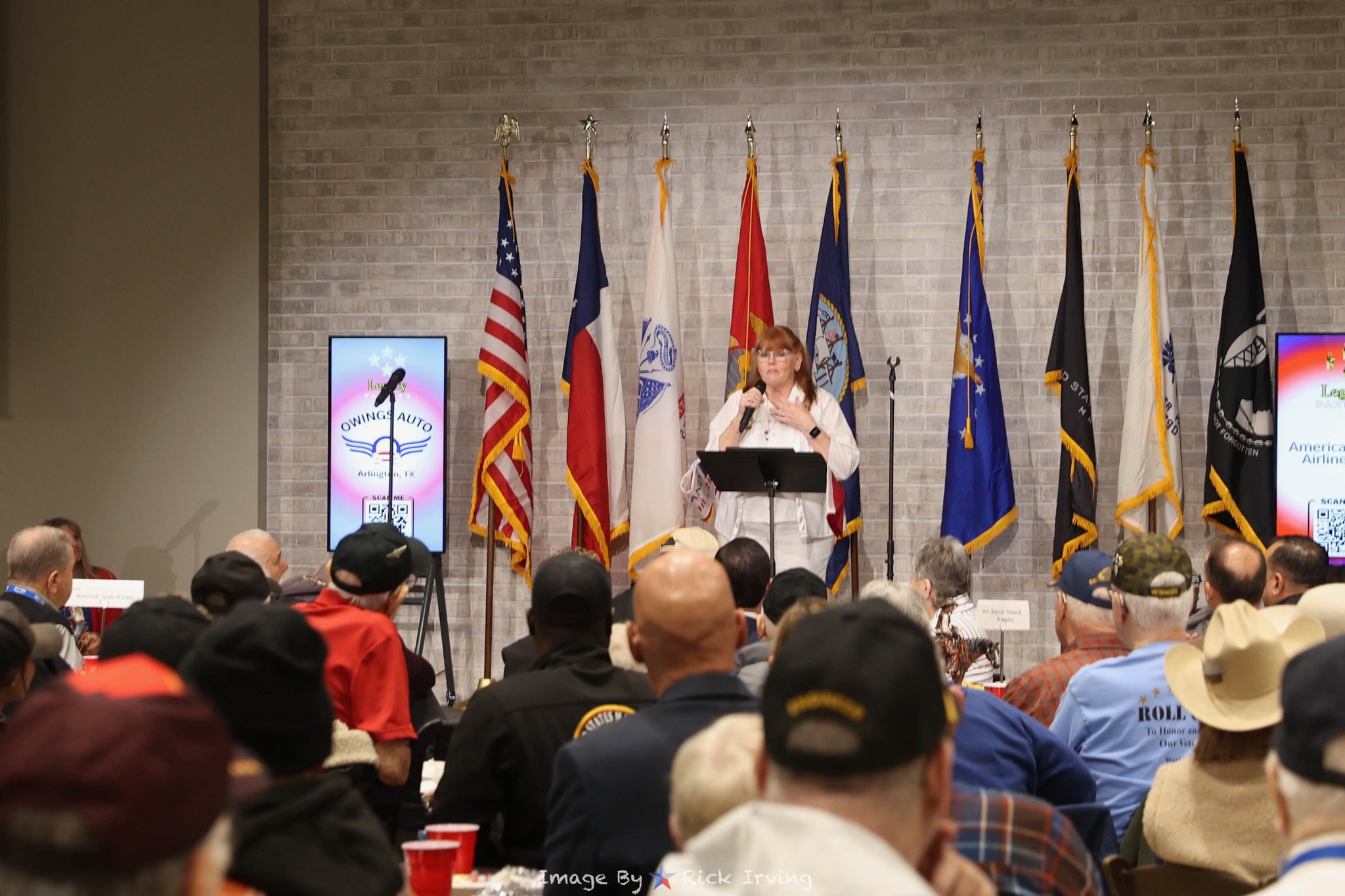
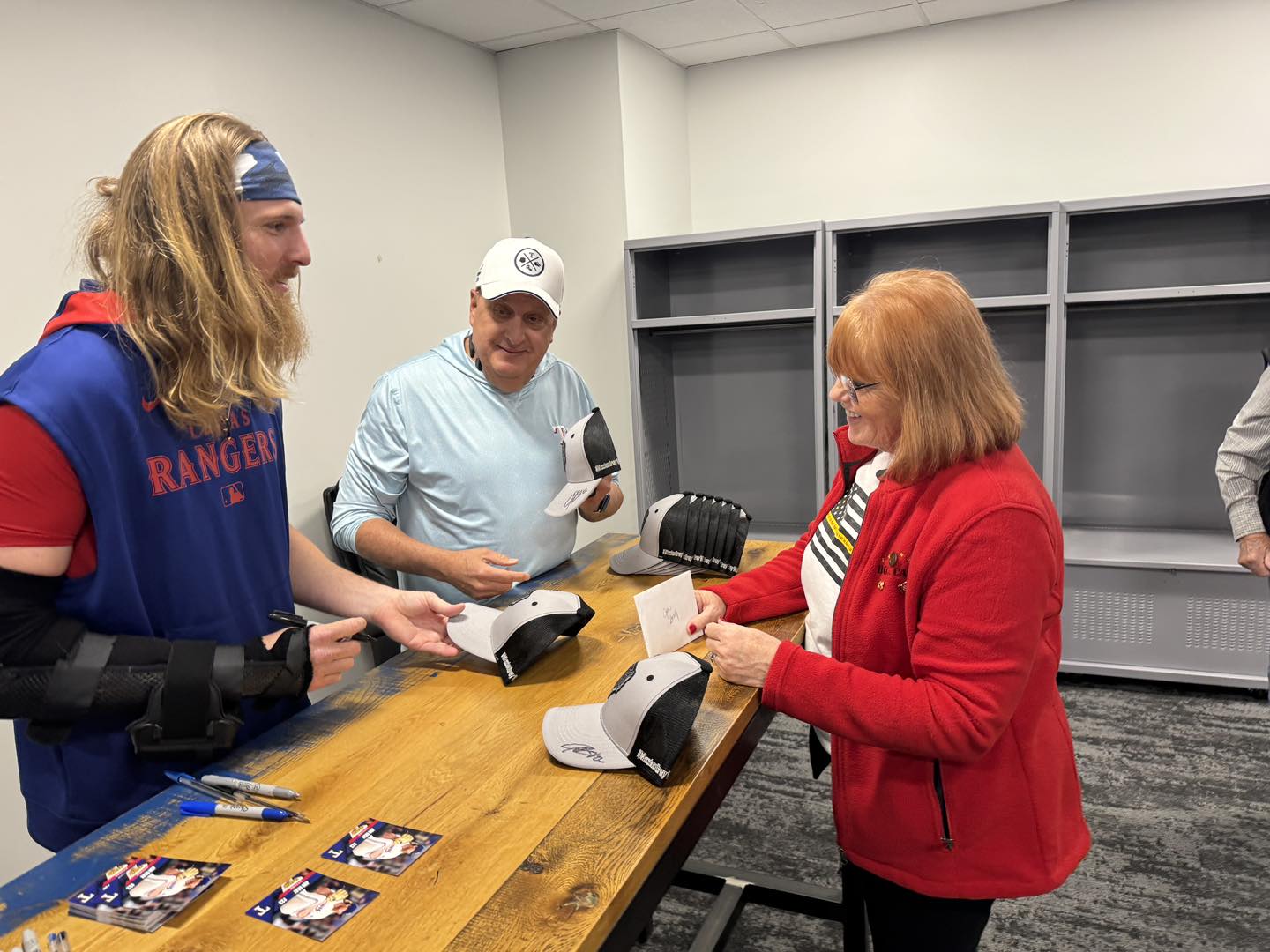
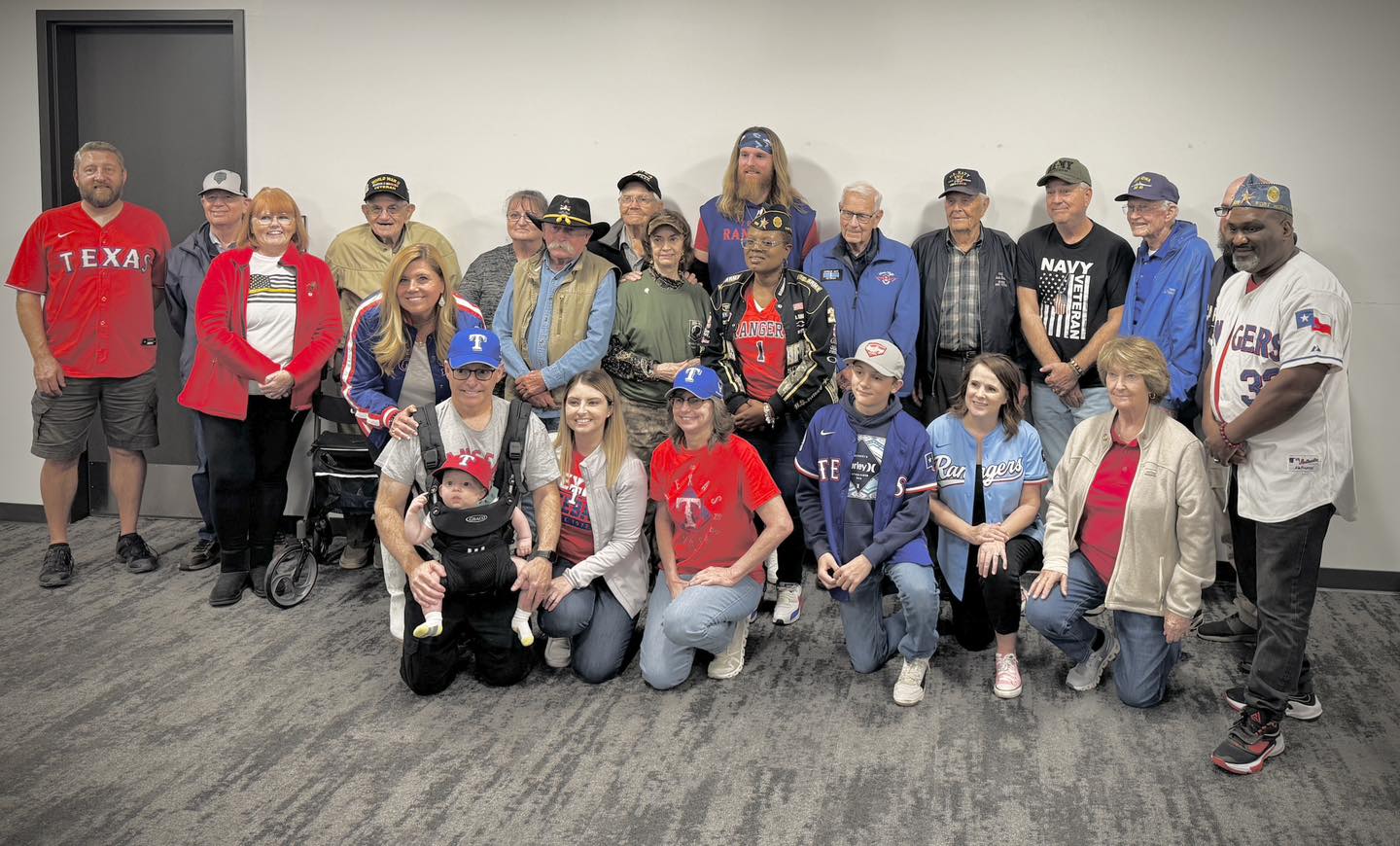
Her volunteer work reflects a life devoted to honoring veterans and strengthening military families. She serves with the Fort Worth VA Clinic in Chaplain Services and with Roll Call of North Texas, where she founded the Female Veteran Meet‑Up during their monthly luncheon that draws more than 500 veterans. She escorts WWII and Korean War veterans to special events and has served as the “Missing Man Table” presenter for the Air Power Foundation’s annual Sky Ball Gala.
Each year, Carla supports the Holidays and Heroes outreach, assembling Thanksgiving food boxes with the Tarrant Area Food Bank for troops at NAS/JRB Fort Worth and assisting with the Christmas gift extravaganza held in an aircraft hangar on base.
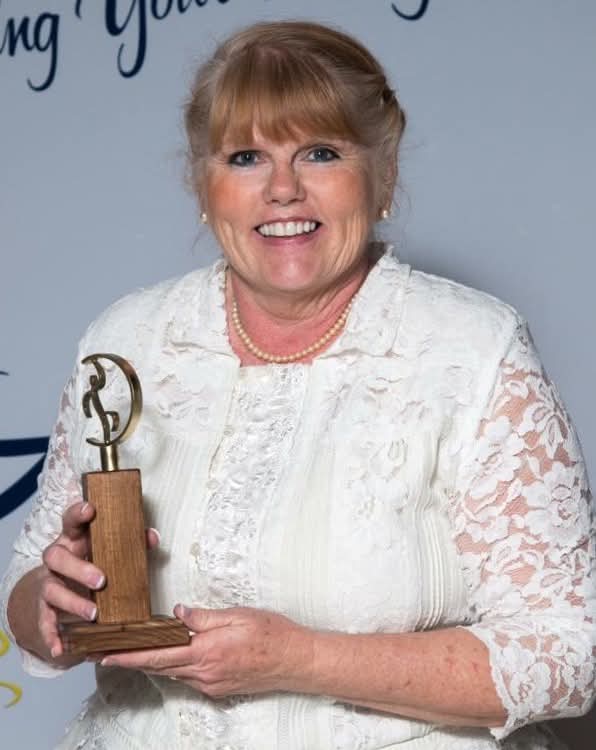
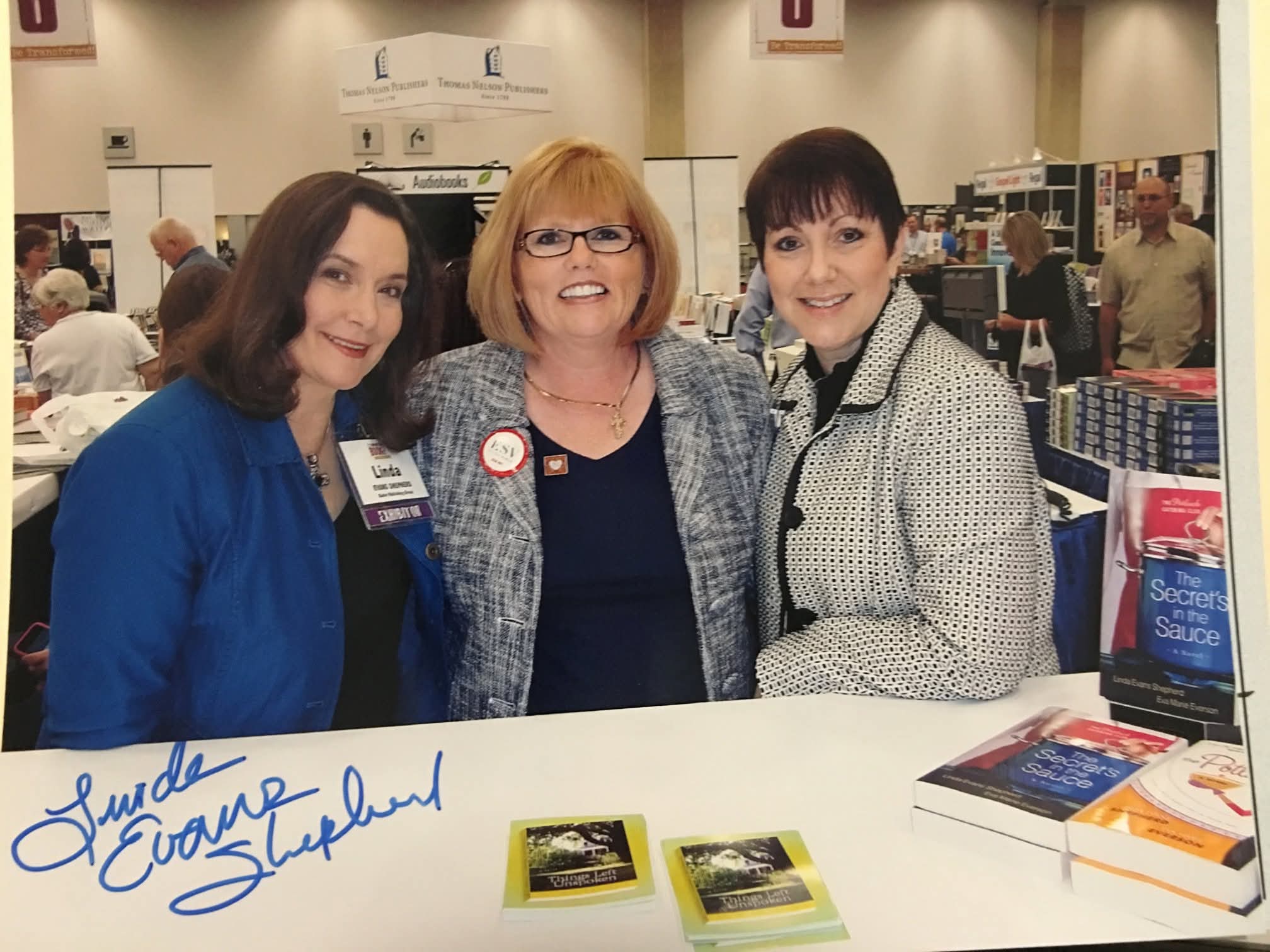
Carla has been actively writing for more than thirty years. Her published work includes professional dental articles, blogs, anthologies, a stage play collaboration, and several books — including her novel Summer at Eagle Crest Drive, her award‑winning devotional That Still Small Whisper, and her Bible study What HE Said. She enjoys writing and leading small‑group Bible studies, where her faith and teaching gift shine.
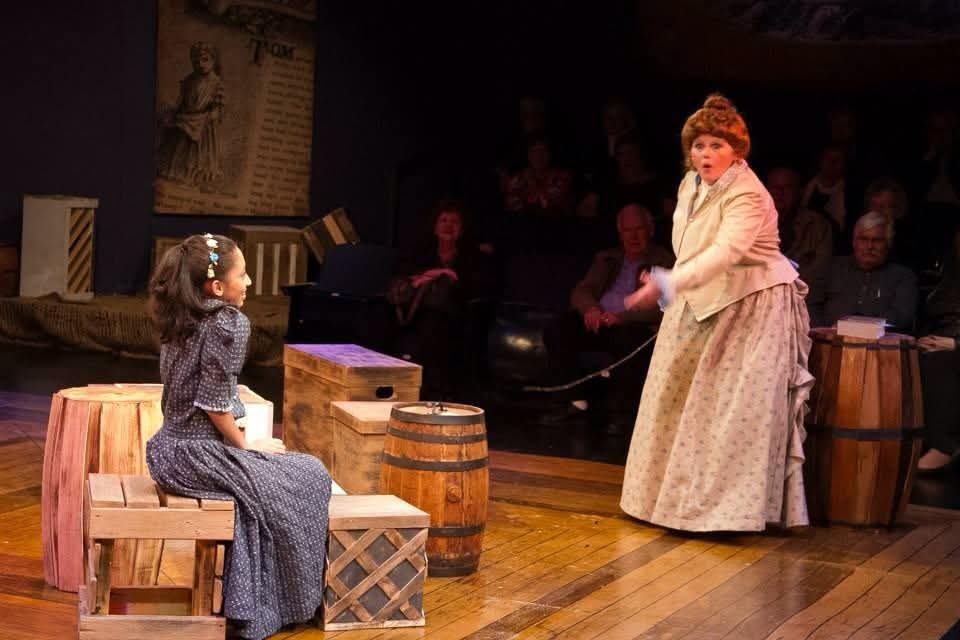
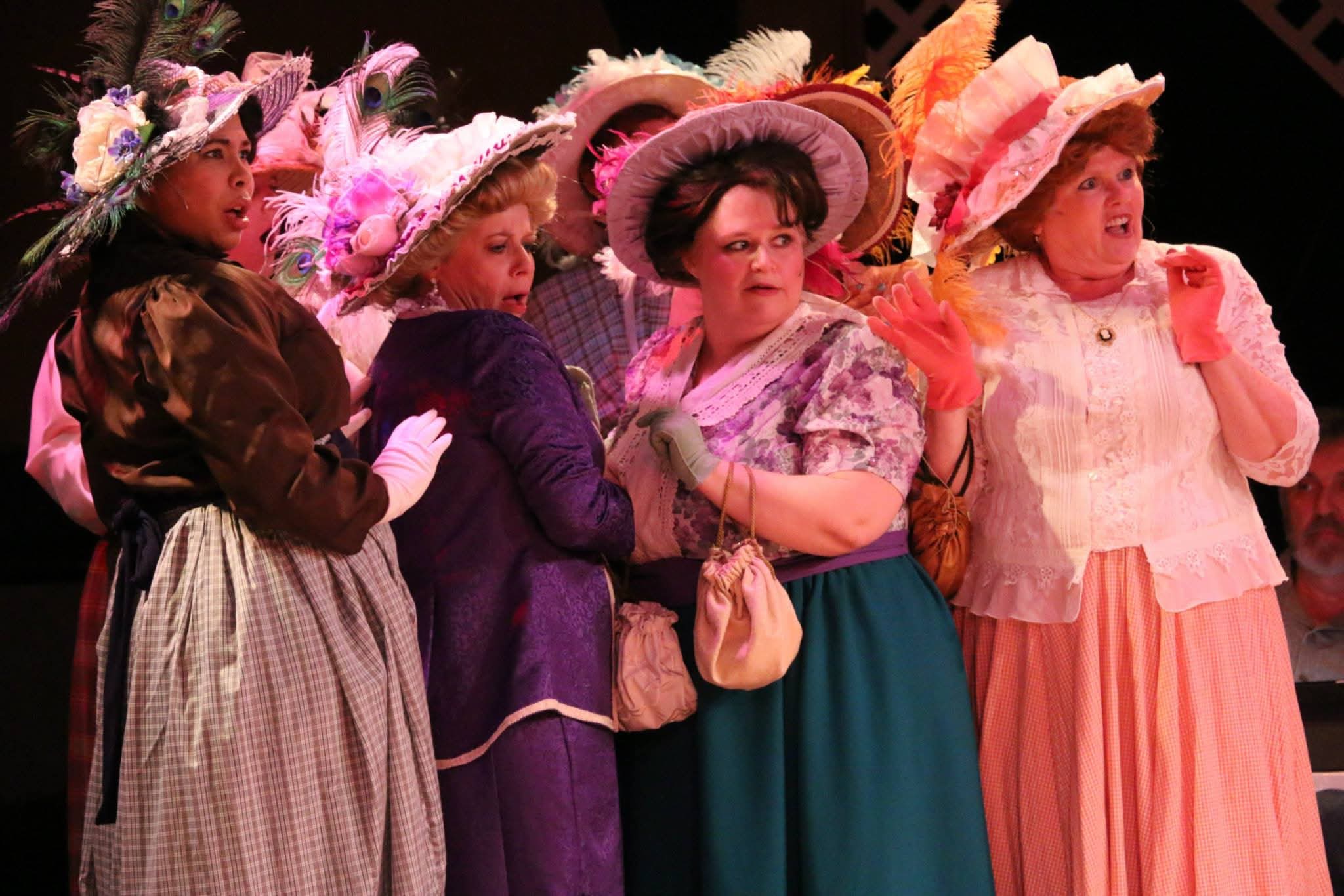
Her creative life extends to community theater, where she has participated in more than 21 productions as an actress, director, and stage manager. She is also a certified Stephen Minister, offering one‑on‑one care to those in need, and has served in worship choirs and as a Lay Leader for the Walk to Emmaus three‑day retreat.
Professionally, Carla continues to work as a Registered Dental Hygienist while also serving as a seamstress for The Buckle and running her own sewing business, Sew What. She is part of the Advanced Writers and Speakers Association (AWSA), onboarding new members and assisting with administrative tasks.
By Spring 2026, Carla will be a certified Oxygen Advantage trainer, opening her own practice to help individuals improve their health through proper breathing techniques. She is also completing certification with SAFE Project to become a Military Wellness Workshop Trainer, equipping veterans and those who support them to navigate the transition from military to civilian life. Her long‑term goal is to collaborate with Dr. Joel Bennett to develop a wellness program specifically for the Gold Star community.
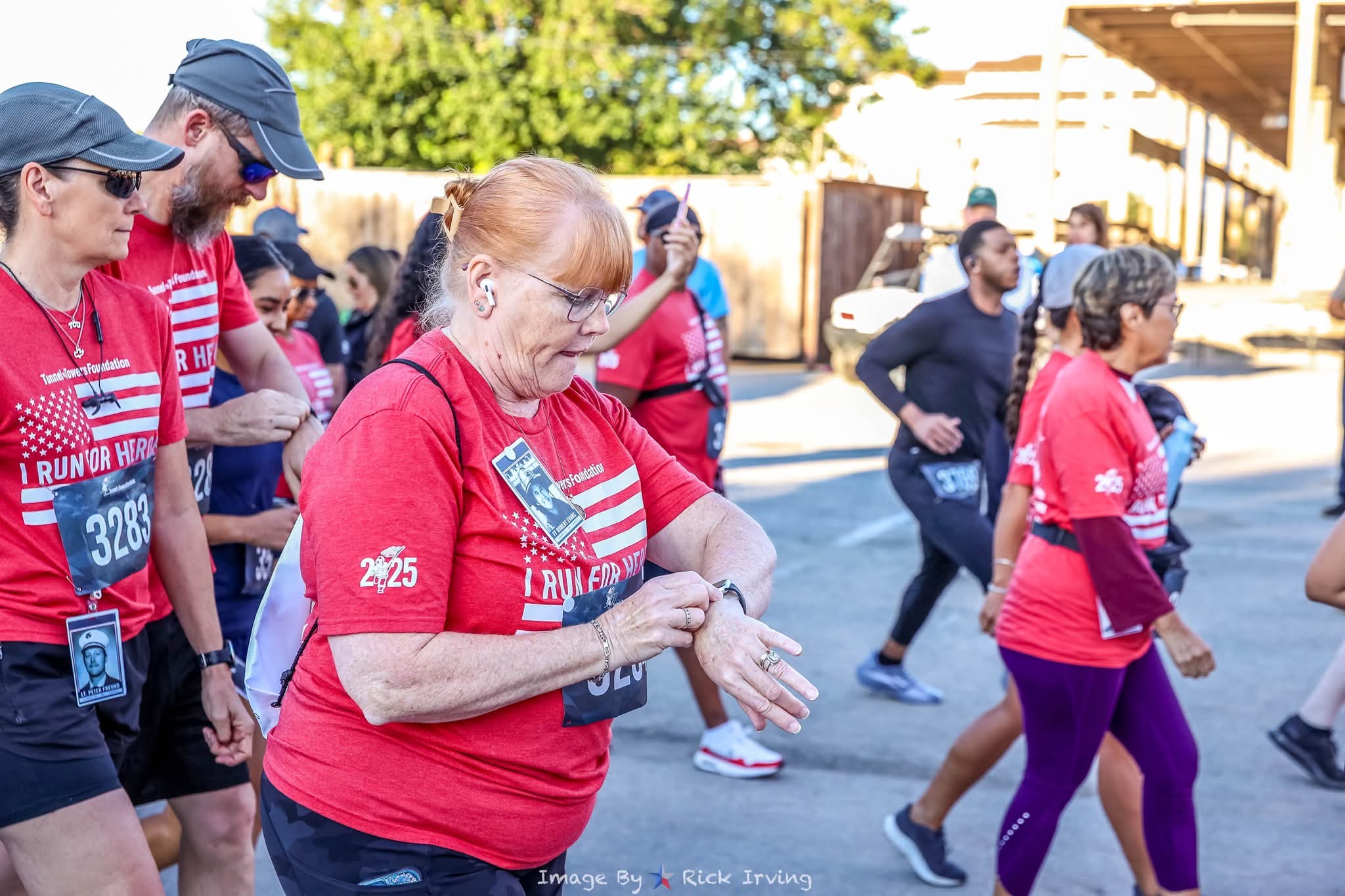
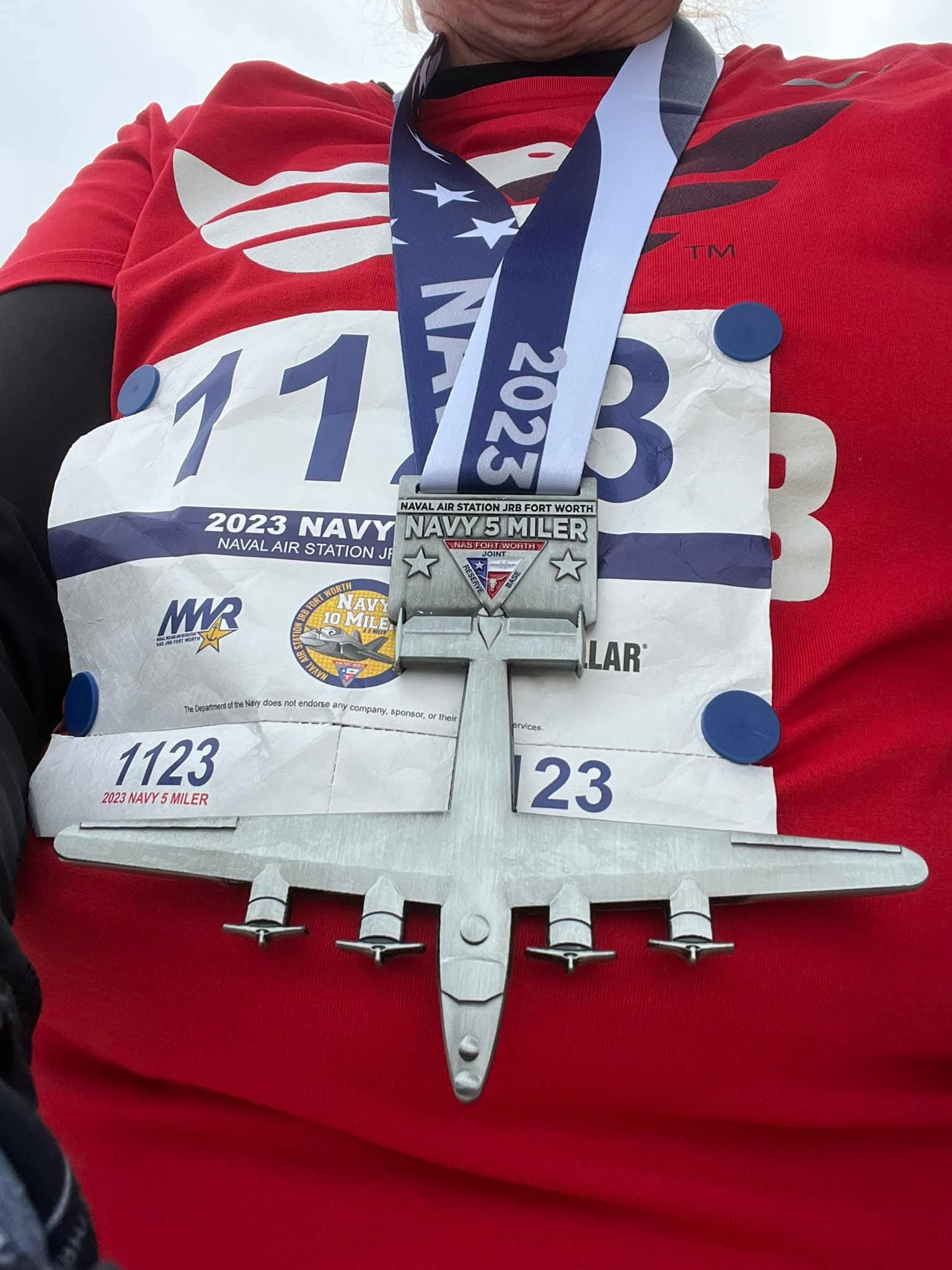
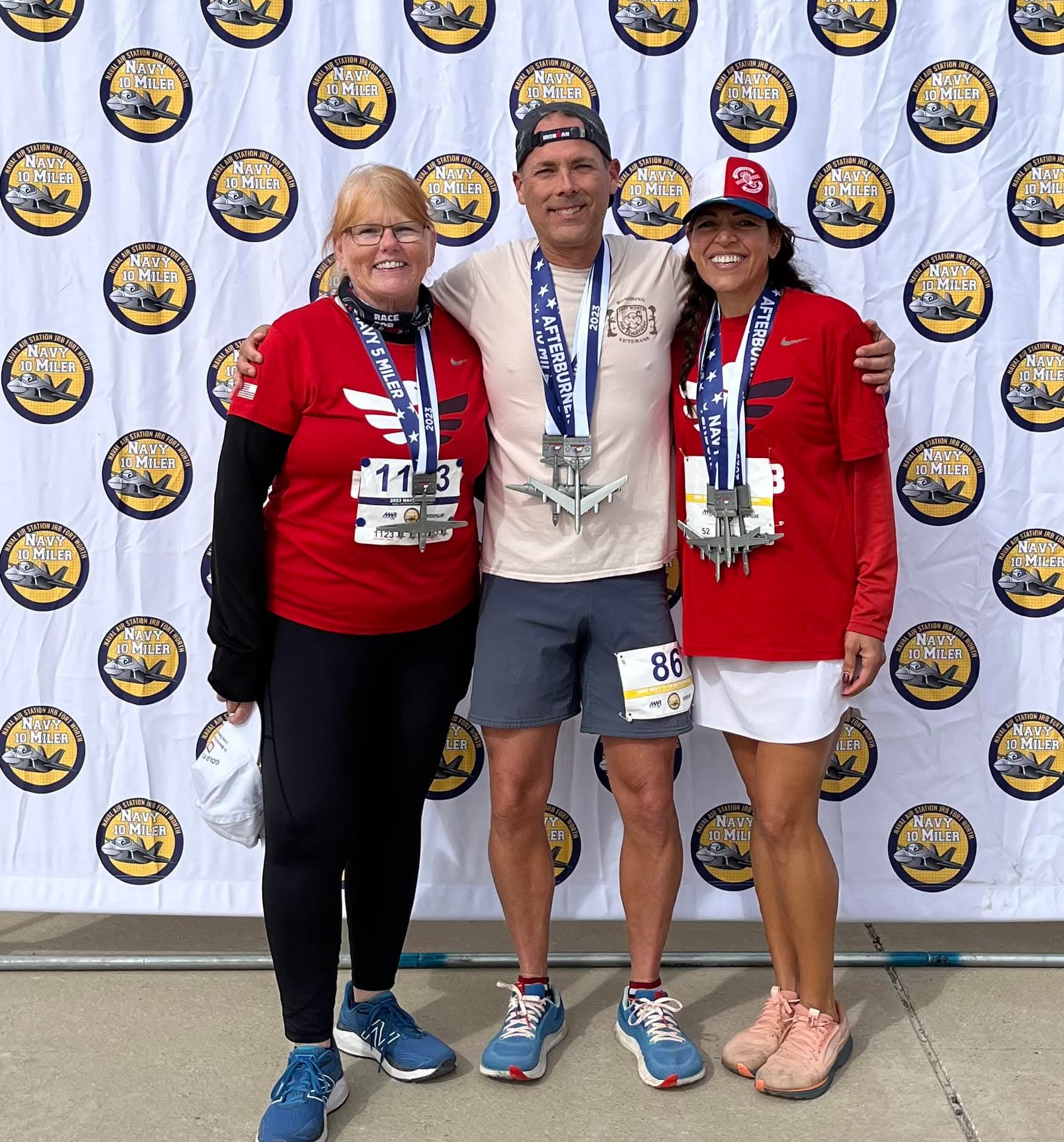
Carla is passionate about fitness and participates in as many 5K–5‑mile races as she can, including the annual Tunnel to Towers 5K in October and the NAS/JRB 5‑miler in May.
Her love for administrative work, organization, and attention to detail has strengthened every role she has held — and continues to shape the roles she will hold in the future.
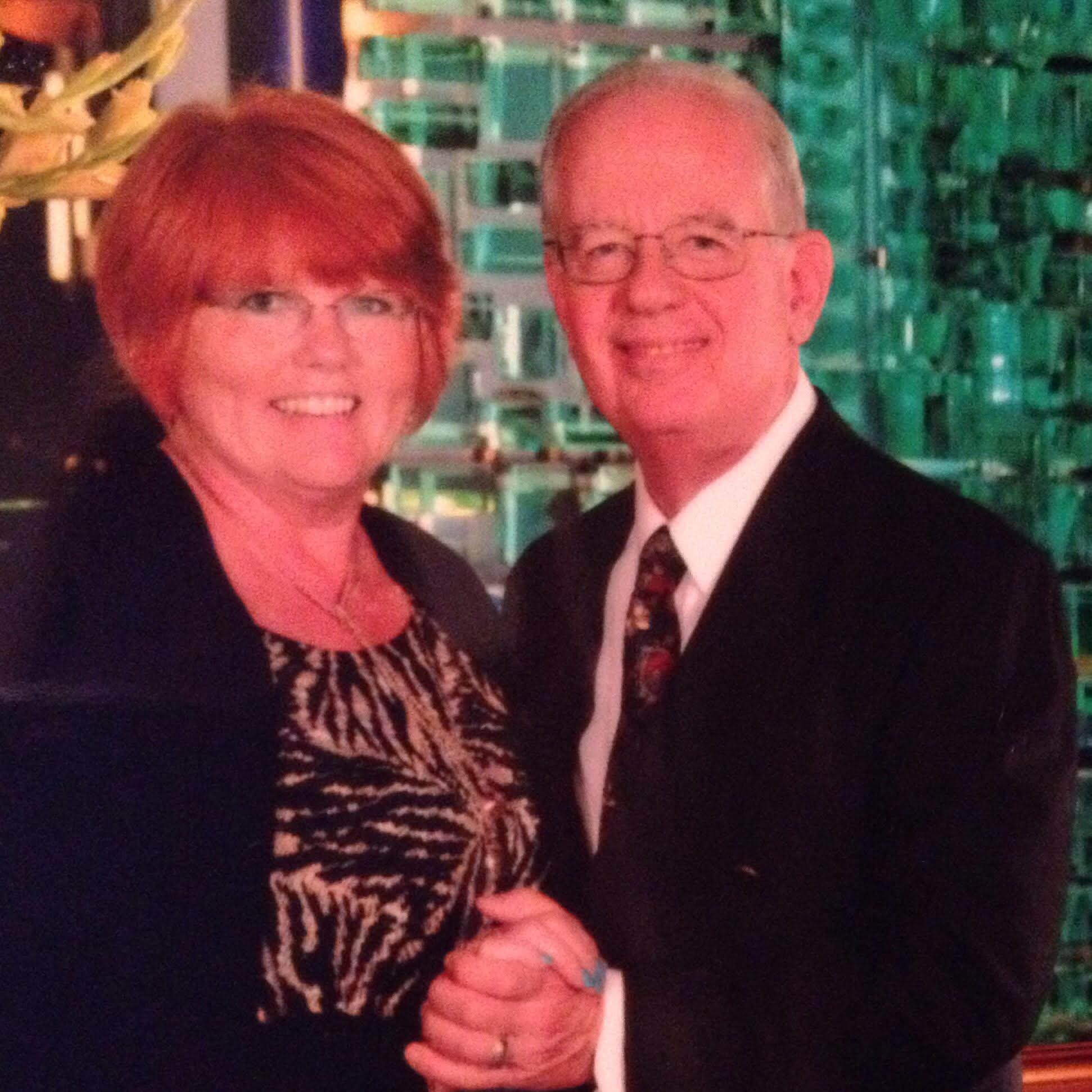
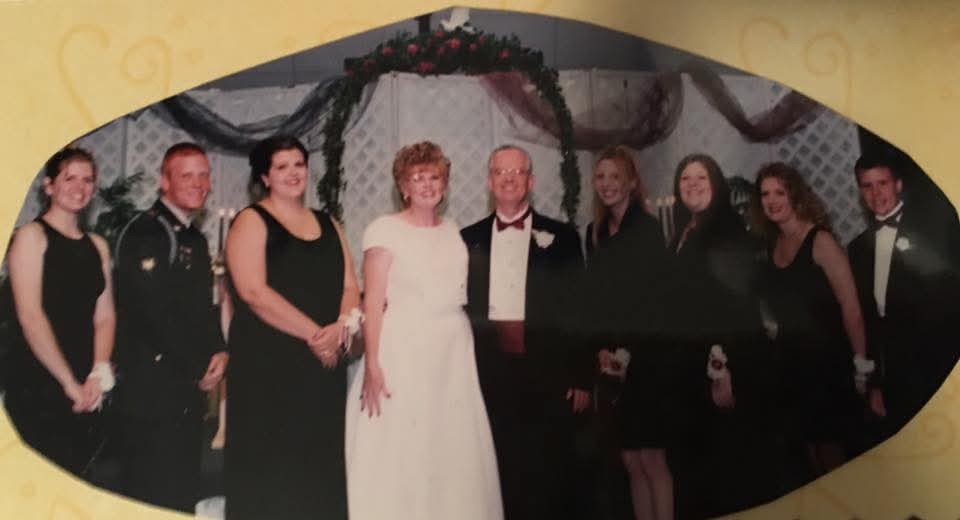
Carla is married to Ken and has called Fort Worth, Texas home for more than 27 years. She is the mother of four biological children, four stepchildren, one adopted granddaughter, thirteen grandchildren, and one great‑granddaughter — a family she cherishes deeply.
Background
- National VAVS Chair – Gold Star Mothers/Families (after the loss of her son, Paul J. “PJ” Stock III, U.S. Navy)
- Speaker at retreats, conferences, and podcasts
- Biblical education spanning 46+ years
- Community theater and sewing
Supplemental Information
A Journey Shaped by Faith and Resilience
While stationed at Andersen Air Force Base on the northern end of Guam, Carla experienced a profound sense of isolation. Less than a year out of high school, she found herself in a foreign country with very few American women around her. Although the Vietnam War was winding down, soldiers still hid in the island’s caves, and for her safety she was instructed never to go sightseeing or hiking alone. It was a lonely, disorienting season — one that demanded resilience far beyond her years.
When Carla discovered she was pregnant and returned to the United States, she was met not with support but with cruelty, the loss of friendships, and the harsh judgment that so many service members connected to Vietnam faced at the time. Those returning from the war or its support operations were not welcomed home, and she carried the weight of that rejection alongside the challenges of young motherhood.
Carla has been a Christian for more than half her life, and her passion for God’s Word has shaped every chapter of her journey. She coupled her faith with a deep commitment to prayer, choosing openness and vulnerability as the path toward healing. Her biblical education spans forty‑six years and includes correspondence courses, Bible studies she has both written and led, conventions, retreats, conferences, and Pastoral and Stephen Ministry training.
She has devoted herself to lifelong learning expanding her knowledge, maturing in her faith, and encouraging others to do the same. Through every hardship and every blessing, Carla has remained steadfast in her belief that God speaks into everyday life and that even the most painful experiences can be transformed into purpose.
Women on Guam During the Vietnam Era
Carla Wicks’ service as an Administrative Specialist (AFSC 70230) at Andersen Air Force Base occurred within a precisely documented operational, environmental, and administrative framework. Guam’s terrain, described in U.S. Geological Survey reports as dense tropical forest, steep volcanic ridges, and limestone cliffs, created conditions that were both visually striking and operationally restrictive. The island’s cave systems remained historically significant due to the documented discovery of Japanese holdouts decades after World War II, including Sergeant Shoichi Yokoi in January 1972. His emergence from the Talofofo jungle reinforced existing military guidance advising personnel to avoid remote areas without authorization. Women serving under Women in the Air Force regulations were explicitly instructed not to travel alone off‑base and were required to follow movement rules involving approved transportation, curfews, and accountability procedures, all documented in Air Force Regulation 35‑11.
Women on Andersen AFB represented a very small minority. Air Force personnel statistics confirm that women comprised approximately two percent of the Air Force in the mid‑1960s and approximately three percent by the early 1970s. Overseas assignments for WAF personnel required command approval, resulting in limited numbers of women on Guam—typically single‑digit to low double‑digit totals. WAF oral histories preserved by the Air Force Historical Research Agency document that women were frequently the only female in their duty section and describe heightened awareness of surroundings due to this minority status. These accounts note that walking alone, even on base, was discouraged under WAF safety protocols, and off‑base travel required group movement or escort authorization.
Daily life for women on Guam was shaped by WAF housing regulations documented in Air Force Regulation 35‑12. Women lived in designated female barracks or female‑only sections of larger dormitory buildings. These facilities included shared rooms or dormitory‑style bays, communal latrines and showers, central day rooms, and laundry areas. Access was controlled, and male visitors were restricted to approved common areas. Daily routines involved dining facilities operating on fixed schedules, a base exchange supplying uniforms and personal goods, medical clinics providing routine care, and recreational facilities such as a theater, chapel, gymnasium, and bowling alley. Women adhered to uniform and grooming standards documented in WAF administrative manuals and followed movement rules requiring sign‑in and sign‑out procedures, mandatory curfews, and the use of authorized transportation.
Carla’s administrative duties were performed within one of the most active operational environments of the Vietnam War. Strategic Air Command records confirm continuous B‑52 Stratofortress operations beginning in 1965 under Operation Arc Light, supported by KC‑135 Stratotankers providing mid‑air refueling. During Operation Linebacker II in December 1972, Andersen launched more than seven hundred B‑52 sorties in eleven days, the largest concentration of heavy bomber missions in Air Force history. The base operated around the clock, with aircraft launches, maintenance, fueling, logistics, and administrative processing occurring continuously.
Administrative Specialists (AFSC 70230), including Carla, performed duties documented in Air Force Specialty Catalogs: typing official correspondence and orders, maintaining personnel and administrative records, processing forms and files, managing accountability documents, and supporting squadron‑level and base‑level administrative operations. These functions ensured accurate documentation, personnel readiness, and information flow—requirements essential for sustained high‑tempo operations at Andersen. WAF oral histories and AFHRA interviews confirm that administrative personnel frequently handled high volumes of paperwork associated with personnel movements, mission documentation, and command correspondence.
Air Force Personnel Research Laboratory studies and WAF oral histories document that women’s work was highly visible due to their minority status. Women reported that mistakes drew more attention because they were often the only female in their duty section. WAF regulations required strict adherence to standards of conduct, appearance, and performance, and documented accounts describe the pressure associated with meeting these expectations in high‑tempo operational environments. Oral histories also note limited availability of female mentors or leaders, as the small number of women on Guam meant few opportunities for peer support within WAF ranks.
Strategic Air Command histories describe the emotional strain associated with sustained bomber operations, and documented oral histories from support personnel including women—record the weight of maintaining mission continuity during periods of intense activity. These accounts describe exposure to the stress experienced by aircrews and support staff, including fatigue, frustration, and the operational impact of wartime demands. Women documented learning to manage isolation, responsibility, and the requirements of service within the constraints of WAF regulations and the operational environment of Andersen AFB.
Andersen Air Force Base Environmental and Operational Realities During the Vietnam Era
During the Vietnam era, Andersen Air Force Base operated as one of the most industrially complex and strategically vital installations in the United States Air Force. Its environmental footprint and operational tempo formed a single, interdependent system built to sustain continuous heavy‑bomber missions across Southeast Asia. Every component of the base, from its fuel farms to its munitions complexes, existed to support the relentless rhythm of B‑52 and KC‑135 operations that defined Andersen’s role in the war.
Environmental Realities
Air Force civil engineering records and Strategic Air Command logistics documents describe Andersen as a vast industrial environment engineered for high‑volume, long‑range air operations. The base was divided into specialized zones, each designed to meet the demands of heavy‑bomber readiness. These zones were not symbolic divisions; they were functional ecosystems that shaped daily life for every person stationed on the installation.
Fuel Infrastructure
Andersen stored and distributed JP‑4 jet fuel in quantities unmatched by most Air Force bases of the era. Its fuel system included above‑ground tanks, underground reservoirs, hydrant pits connected to extensive pipeline networks, and tanker trucks that moved continuously across the flightline. These facilities created defined fuel‑handling areas where JP‑4 vapors, residues, and spills were part of the industrial environment. The scale of fuel movement reflected the mission tempo. Every launch, every recovery, every refueling cycle depended on this infrastructure functioning without interruption.
Munitions Complexes
The base maintained multiple munitions storage areas built to house general‑purpose bombs, cluster munitions, and defensive ordnance. These complexes were located in remote, controlled sectors of the installation, separated from administrative and residential zones. Hardened bunkers, earth‑covered magazines, and secured transport routes formed a network designed to support the high sortie rates demanded by Arc Light and later Linebacker operations. The movement of munitions was constant, precise, and governed by strict safety protocols.
Maintenance and Industrial Chemicals
Aircraft maintenance facilities used a wide range of industrial chemicals essential to sustaining B‑52 and KC‑135 operations. These included hydraulic fluids, lubricants, degreasers, corrosion‑control compounds, and aircraft cleaning solvents. Civil engineering and environmental records confirm the presence of trichloroethylene, methyl ethyl ketone, paint strippers, and other industrial solvents used for parts cleaning and corrosion management. These materials were confined to maintenance hangars, industrial shops, and designated chemical‑handling zones.
Petroleum Products and Power Generation
Beyond JP‑4, Andersen relied on motor oils, greases, diesel fuel, heating fuel, and lubricants for vehicles, generators, and support equipment. Motor pools and power‑generation facilities formed additional industrial zones where petroleum products were stored, transported, and used daily. These operations supported everything from flightline vehicles to base‑wide electrical systems.
Environmental Zoning
Base maps from the era show Andersen divided into distinct environmental zones. Industrial zones housed fuel farms, munitions complexes, maintenance hangars, solvent shops, motor pools, and power‑generation facilities. Operational zones included the flightline, runways, aircraft parking areas, and launch facilities. Residential and administrative zones contained barracks, headquarters buildings, personnel offices, dining facilities, and recreation areas. These zones were physically separated, with controlled access points and movement restrictions documented in Air Force regulations.
Operational Realities
Strategic Air Command histories document Andersen as one of the busiest Air Force installations in the world during the Vietnam era. Its operational tempo was continuous, demanding, and historically unprecedented.
Operation Arc Light
Beginning in 1965, Andersen supported sustained B‑52 bombing missions over Southeast Asia. This required nonstop aircraft launches, mid‑air refueling by KC‑135 tankers, continuous maintenance, high‑volume logistics, and uninterrupted administrative processing. Every section of the base contributed to the mission. Every shift mattered. Every hour carried operational weight.
Operation Linebacker II
In December 1972, Andersen launched more than seven hundred B‑52 sorties in eleven days. This remains the largest concentration of heavy‑bomber missions in Air Force history. The base operated at maximum capacity, with round‑the‑clock fueling, loading, maintenance, and command coordination.
Twenty‑Four‑Hour Activity
Andersen never slept. Engines ran day and night. Maintenance crews worked in rotating shifts. Fueling operations continued without pause. Munitions teams loaded aircraft with precision. Logistics personnel moved supplies across the installation. Command sections coordinated missions through every hour of the day. The base functioned as a single, integrated system designed to sustain continuous strategic operations.
What Service Members Faced When Returning Home During the Vietnam Era
A Homecoming Unlike Any Other War
Vietnam‑era service members returned to a nation that was profoundly divided. Unlike World War II, where returning troops were welcomed with parades, public celebration, and a unified sense of gratitude, Vietnam‑era veterans often came home quietly, without ceremony, and into an atmosphere charged with anger, confusion, and political unrest. Their homecoming reflected the turmoil of the era, and it shaped the treatment they received. Carla’s experience was not an isolated moment of misunderstanding but part of a documented national pattern that affected thousands of veterans across the country.
Hostility Toward Returning Veterans
Vulgarity and Verbal Abuse
Historical accounts, veteran testimonies, and sociological studies confirm that many returning service members were met with hostility rather than appreciation. Veterans reported vulgar insults shouted in public, profanity directed at them simply for wearing the uniform, slurs accusing them of wrongdoing, and comments blaming them personally for the war. Some were cursed at in airports, bus stations, and even in their own hometowns. Women faced an additional layer of gender‑based vulgarity that questioned their character and morality solely because they had served overseas.
Hostility from Anti‑War Protestors
While not all protestors targeted veterans, many service members encountered hostile crowds at airports, signs and chants condemning soldiers, accusations that they were part of the problem, and confrontations that turned aggressive. Some veterans described being surrounded, shouted at, or told they were unwelcome in public spaces. This hostility was not directed at who they were as individuals but at what the uniform represented in a nation struggling with its own divisions.
Social Rejection and Loss of Community
Returning veterans frequently described friends distancing themselves, family members avoiding conversations about service, communities refusing to acknowledge their sacrifice, and a general sense of being unwelcome in places they once belonged. Many learned to hide their service to avoid conflict or judgment. Women faced an additional layer of rejection. Their service was often misunderstood, minimized, or dismissed entirely, leaving them without recognition or support.
Carla’s loss of friendships and the cold reception she encountered were historically common experiences. Her homecoming reflected the broader reality faced by Vietnam‑era veterans, especially women, whose service was honorable but whose return was met with silence, misunderstanding, and a nation unprepared to receive them.
Gender‑Specific Treatment Toward Women Veterans – The Historical Reality Carla Faced
Women who returned home from Vietnam‑era service stepped into a cultural landscape that did not yet understand them. Their uniforms carried honor, but the nation often responded with disbelief, suspicion, and hostility. Many civilians did not know women served overseas at all, and this lack of awareness created an environment where their service was questioned rather than respected.
Women veterans frequently encountered disbelief that they had served. Some people insisted that women could not have been stationed overseas, could not have worked in operational environments, and could not have held responsibilities beyond clerical tasks. This disbelief often turned into accusations that their service was improper. Instead of being recognized as military professionals, they were confronted with comments that suggested their presence overseas was inappropriate or morally suspect.
Historical accounts document that women were subjected to vulgar comments questioning their morality. These remarks were not rooted in truth but in stereotypes and misconceptions about women in uniform. Many women were told that their service did not count, even though they had performed essential duties, upheld military standards, and supported high‑tempo operations that kept the mission moving. Their contributions were minimized, dismissed, or ignored entirely.
Assumptions about misconduct were common. Women were judged not by their actions but by the prejudices of the era. Their professionalism was overshadowed by rumors, and their dedication was overshadowed by cultural discomfort with women serving in military roles far from home. This treatment created isolation, emotional strain, and a sense of invisibility that many women carried long after their service ended.
Carla’s experience reflects this exact historical reality. When she returned home, she encountered disbelief, vulgarity, and hostility. People questioned her service, made crude remarks, and treated her with suspicion rather than gratitude. She faced the same gender‑specific judgment that thousands of women veterans endured during the Vietnam era. Her service was honorable, but the reception she received was shaped by a nation still struggling to understand the role of women in uniform.
Carla’s resilience in the face of this treatment is part of what makes her story so powerful. She endured the hostility of her era, rose above it, and later transformed her grief as a Gold Star Mother into a life of service, remembrance, and advocacy. Her journey stands as a testament to the strength of women who served during a time when their contributions were overlooked, misunderstood, or dismissed. It also honors the truth that their service mattered, their sacrifices mattered, and their stories deserve to be told with dignity.
Isolation, Silence, and Reintegration – The Reality Women Veterans Faced
When women veterans returned home during the Vietnam era, they entered a society that did not yet understand their service. Their uniforms carried honor, but the nation often responded with confusion, discomfort, or outright dismissal. Many women found themselves standing alone in spaces where they expected recognition, only to discover that their service was invisible to the very communities they had served.
Women frequently reported being ignored at veteran events. They attended gatherings meant to honor military service, yet found themselves overlooked, unacknowledged, or treated as though they did not belong. Conversations about the war often excluded them entirely. Men spoke about their experiences, civilians asked questions, but women were pushed to the margins, their contributions erased by stereotypes that insisted they could not have served in meaningful roles.
Some women were told directly that they were not real veterans. The words carried a sting that lingered long after they were spoken. These comments were rooted in misunderstanding, not truth, but they created a profound sense of invisibility. Women who had endured isolation overseas now faced a different kind of isolation at home, one shaped by silence rather than distance. They felt unseen in their own communities, as though their service had taken place in a world that no one believed existed.
Carla’s isolation upon returning home was part of this broader national pattern. She stepped into a society that did not recognize her service, did not understand her experience, and did not offer the welcome she deserved. The silence she encountered was not accidental; it was woven into the cultural fabric of the era.
Reintegration brought additional challenges. Many employers hesitated to hire Vietnam‑era veterans, influenced by fear of psychological trauma, political bias, and stereotypes fueled by media coverage. Veterans were often viewed through the lens of the war rather than through the lens of their skills, discipline, and professionalism. Women faced even greater barriers. Gender discrimination shaped hiring decisions, and assumptions about their capabilities overshadowed their military training and experience.
Employers questioned whether women could handle responsibility, whether they were emotionally stable, or whether their service had been legitimate. Some dismissed their military roles entirely, believing that women had only performed clerical tasks, even when they had held critical operational positions. These misconceptions made reintegration difficult, leaving many women without the opportunities they had earned through their service.
Carla faced these realities directly. She returned home to isolation, silence, and misunderstanding. She encountered barriers that had nothing to do with her abilities and everything to do with the era’s discomfort with women in uniform. Her experience reflects the documented history of thousands of servicewomen who carried the weight of their service without the recognition that should have accompanied it.
Yet Carla’s resilience endured. She rose above the isolation. She overcame the silence. She transformed the challenges of reintegration into a life of advocacy, remembrance, and service. Her journey honors the truth of what women veterans faced and stands as a testament to the strength required to carry dignity through a world that did not always offer it.
Lack of Institutional Support for Vietnam‑Era Veterans
Vietnam‑era veterans returned to a nation unprepared to receive them. Historical records from the Department of Defense, the Veterans Administration, congressional hearings, and sociological studies confirm that institutional support for returning service members was limited, inconsistent, and often inadequate. This absence of structured assistance shaped the emotional, social, and psychological landscape of their homecoming and intensified the burden carried by those who had already endured the strain of service in a divided era.
No Welcome‑Home Programs
Unlike the triumphant return of World War II service members, who were greeted with parades, ceremonies, and coordinated reintegration efforts, Vietnam‑era veterans came home quietly and alone. There were no national welcome‑home events, no organized reintegration programs, and no community‑based recognition. Federal documentation and veteran testimony show that most returned individually rather than in units, often stepping off commercial flights without ceremony, acknowledgment, or even a simple expression of gratitude. Their homecoming was not a celebration but a solitary crossing back into civilian life.
Limited Mental‑Health Support
During the Vietnam era, the Veterans Administration had no formal diagnostic category for post‑traumatic stress disorder. PTSD would not be recognized until 1980. Without this framework, mental‑health services were limited, trauma‑related symptoms were misunderstood, and veterans had few resources for psychological support. VA hospitals were not equipped to address the scale or nature of Vietnam‑related mental‑health needs. Many veterans carried invisible wounds with no place to turn for understanding or care.
Minimal Reintegration Assistance
Federal reports from the 1970s document that Vietnam‑era veterans received limited job placement assistance, minimal educational guidance beyond the GI Bill, no structured transition programs, and no standardized counseling or reintegration training. Earlier generations benefited from robust postwar programs, including the extensive World War II GI Bill infrastructure. Vietnam‑era veterans did not receive comparable support. They were expected to rebuild their lives without the tools, guidance, or institutional scaffolding that had once been considered essential for returning troops.
A Veterans Administration Overwhelmed by Demand
The VA during the Vietnam era faced understaffing, underfunding, long wait times, limited hospital capacity, and an insufficient number of mental‑health professionals. Congressional hearings from the mid‑1970s confirm that the VA struggled to meet the needs of millions of returning veterans. Many reported difficulty accessing care, delays in claims processing, and inconsistent treatment availability. The system was overwhelmed, and veterans bore the consequences of its limitations.
Impact on Returning Veterans
This lack of institutional support intensified the effects of public hostility, social rejection, employment discrimination, psychological strain, and reintegration challenges. Veterans who had already faced vulgarity, disbelief, and misunderstanding from civilians now encountered a system unable to help them recover or rebuild their lives. The absence of structured support left many feeling isolated, unseen, and burdened by experiences they had no place to share. For women veterans, including Carla Wicks, these gaps were even more pronounced, compounding the silence and misunderstanding that shaped their return.
Women Veterans Faced Additional Barriers
Women veterans, including those who served on Guam, faced all of the challenges experienced by their male counterparts, yet they also carried additional gender‑specific burdens documented in Air Force WAF regulations and VA reports. Their service was honorable, essential, and professional, but the nation’s understanding of women in uniform lagged far behind their contributions.
Women often returned home to limited recognition of their service. Many civilians did not know women had served overseas at all, and this lack of awareness created an environment where their roles were minimized or dismissed. Some women were told they were not real veterans, despite having fulfilled every requirement of military duty. Their uniforms did not shield them from disbelief, and their professionalism was overshadowed by stereotypes that questioned their presence in operational environments.
Employment discrimination added another layer of difficulty. Women veterans faced assumptions about their capabilities, misunderstandings about their military roles, and barriers rooted in gender bias. These obstacles made reintegration more challenging and often left women feeling unseen in both civilian workplaces and veteran communities.
Medical and psychological support for women veterans was also limited. VA facilities were not yet equipped to provide women‑specific services, and mental‑health programs were still developing their understanding of trauma related to military service. Women who sought care frequently encountered gaps in treatment, long wait times, or a lack of providers trained to address their unique needs.
These documented realities shaped the homecoming experience for women like Carla Wicks, whose service was honorable but whose return was met with misunderstanding, silence, and institutional gaps that left many without the support they needed. Her journey reflects the broader truth that women veterans carried not only the weight of their service, but also the burden of being overlooked in a nation still learning how to honor them.
Women Veterans and Their Overall Well‑Being
Women who served during the Vietnam era carried a complex burden that shaped every dimension of their well‑being long after their military service ended. Their roles were essential, demanding, and often performed in environments that tested their endurance, yet the nation they returned to did not fully understand the scope of their contributions. This lack of recognition created an emotional and psychological landscape marked by invisibility, misunderstanding, and the quiet ache of being unacknowledged.
Their overall well‑being was influenced first by the disbelief they encountered. Many civilians did not know women had served overseas, and this absence of awareness meant that their experiences were often met with confusion rather than respect. Women found themselves explaining their service, defending their roles, and confronting assumptions that minimized their contributions. This disbelief created a sense of emotional isolation, as if their service existed in a space that others could not see.
Hostility toward Vietnam‑era veterans added another layer of strain. Women endured the same public anger directed at returning service members, yet the hostility they faced often carried a personal edge. Gender‑based insults questioned their character, their morality, and even their right to have served. These encounters left emotional marks that shaped their sense of identity and belonging. The uniform they had worn with pride became a source of vulnerability rather than recognition.
Institutional gaps deepened the impact on their well‑being. Women returned to a Veterans Administration that lacked women‑specific medical care, lacked psychological services tailored to their needs, and lacked formal diagnostic categories for trauma related to military service. Without structured reintegration programs, without trauma‑informed mental‑health support, and without communities prepared to welcome them home, women veterans were left to navigate their experiences alone. Their physical health, emotional stability, and long‑term psychological resilience were shaped by systems that did not yet know how to care for them.
Social reintegration presented its own challenges. Women often found that friends did not understand their service, families avoided conversations about their experiences, and communities did not acknowledge their sacrifice. Many learned to hide their military identity to avoid judgment or disbelief. This silence created a lingering emotional weight, a sense of carrying memories without a place to share them.
Yet despite these hardships, women veterans demonstrated remarkable resilience. Their well‑being was shaped not only by the challenges they faced but by the strength with which they responded. They built support networks with one another, found healing through faith and storytelling, and created spaces where their experiences could finally be seen and honored. Their courage became the foundation of their recovery, and their determination ensured that future generations of women veterans would not walk the same path alone.
For women like Carla Wicks, overall well‑being was not defined by the obstacles she faced but by the grace with which she rose above them. Her journey reflects the broader truth that women veterans carried both the weight of their service and the burden of being unseen, yet they transformed that weight into resilience, compassion, and purpose. Their well‑being is a testament to strength that endures, healing that unfolds over time, and the quiet power of women who served their country with honor.
Healing, Growth, and Continuing Her Calling
Carla’s life reflects a path shaped by service, loss, resilience, and a calling that has endured through every season. She has walked through valleys that tested her strength, valleys marked by grief, hardship, and moments when the weight of memory felt almost too heavy to carry. Yet each valley became a place of transformation. Each one revealed new depths of courage and new dimensions of faith. Through these experiences, she learned not only how to survive, but how to rise.
Her healing has been intentional. Her growth has been steady. Her commitment to therapeutic work has deepened her understanding of trauma and restoration, allowing her to navigate her own valleys with wisdom and to guide others through theirs with compassion. This journey has strengthened her resilience and given her the ability to speak with clarity about the realities of loss and the hope that can follow. It has shaped her ministry, her writing, and her service, allowing her to stand with authenticity and authority in spaces where grief and healing meet.
Carla’s calling continues because it is woven into her identity. She serves because service is part of her nature. She leads because leadership is part of her purpose. She offers hope because hope is what she fought to reclaim in the valleys that once threatened to silence her. Her life stands as a testament to endurance, to faith, and to the quiet strength that emerges when a person chooses healing over despair and purpose over pain.
In every chapter, Carla carries forward the legacy of her son, the honor of her service, and the values of the communities she represents. Her journey does not end here. It continues in every life she touches, every story she preserves, and every act of compassion she offers. Her calling remains alive, steady, and deeply rooted in the truth that even in the deepest valleys, healing is possible and purpose endures.
History of American Gold Star Mothers, Inc.
The story of American Gold Star Mothers, Inc. begins during the First World War, when American families sought a way to honor loved ones serving overseas. They hung service flags in their windows, each blue star representing a family member in uniform. When a service member died, the blue star was replaced with a gold one. By 1918, President Woodrow Wilson formally recognized the gold star as the national symbol of military sacrifice, giving families a dignified way to express grief and patriotism at the same time.
In the years following the war, thousands of American mothers carried the weight of losing sons and daughters who never returned home. Among them was Grace Darling Seibold, whose son, George, was killed in aerial combat over France. In her grief, Grace began volunteering in veterans’ hospitals, believing that serving others could help her endure the loss of her child. She soon connected with other bereaved mothers who shared her experience, and together they formed a community built on remembrance, service, and mutual support.
In 1928, these women formally established American Gold Star Mothers, Inc. Their mission was solemn and clear: to honor the memory of their fallen children, to serve veterans and active‑duty personnel, to promote patriotism, and to provide fellowship for mothers united by loss. The organization was intentionally non‑political and non‑sectarian, open to any mother whose son or daughter died while serving honorably in the Armed Forces of the United States.
The significance of their work was quickly recognized. In June 1936, the United States Congress granted American Gold Star Mothers a federal charter, acknowledging the organization’s national importance and its role in preserving the legacy of military sacrifice. That same year, the last Sunday in September was designated Gold Star Mother’s Day, a national day of recognition that continues to this day.
As World War II unfolded, the number of Gold Star families grew dramatically. American Gold Star Mothers expanded their service, volunteering in military hospitals, supporting wounded service members, participating in war‑bond drives, and attending memorial ceremonies across the country. Their presence became a familiar and deeply respected part of the nation’s wartime fabric.
In the decades that followed — through Korea, Vietnam, the Cold War, and modern conflicts — American Gold Star Mothers continued their mission. They stood at military funerals, laid wreaths at national cemeteries, visited veterans in hospitals, and supported families navigating the immediate aftermath of loss. Their service extended beyond grief; it became a living tribute to the fallen and a source of strength for the living.
Membership in American Gold Star Mothers has always remained rooted in a single requirement: a mother must have lost a son or daughter who died while serving honorably in the U.S. Armed Forces, whether in combat, training, or any duty status. Membership is voluntary and free, offered as a place of fellowship, remembrance, and purpose. Associate membership is available to family members who support the mission but do not meet the criteria for full membership.
Today, American Gold Star Mothers remains a symbol of national remembrance. Its members continue to volunteer in VA hospitals, participate in patriotic ceremonies, support veterans’ programs, and preserve the traditions of the Gold Star legacy. Their history is woven into the story of the United States itself — a testament to the cost of war, the endurance of family sacrifice, and the quiet strength of mothers who carry loss with dignity.
From the service flags of World War I to the memorials of the present day, American Gold Star Mothers, Inc. stands as a living reminder that behind every fallen service member is a family whose sacrifice is forever part of the nation’s story.
The National Symbols, Roles, and Traditions of American Gold Star Families
The Gold Star tradition extends far beyond the service flag. Over the past century, the United States has created formal symbols, ceremonial roles, and national practices that honor families whose loved ones died while serving in the Armed Forces. American Gold Star Mothers, Inc. stands at the center of this tradition, supported by federal law, national monuments, and remembrance customs that have shaped how the nation recognizes military sacrifice.
The most solemn of these symbols is the Gold Star Lapel Button, authorized by Congress in Public Law 80‑306 (1947). Issued by the Department of Defense, it is given to mothers, fathers, spouses, children, and siblings of service members who died in combat or certain hazardous duty statuses. The emblem—a gold star on a purple background surrounded by gold laurel leaves—is one of the highest forms of recognition the U.S. government provides to military families. It is not tied to organizational membership; it is a federal symbol of loss and honor.
A second emblem, the Next of Kin Lapel Button, was authorized in 1973 for families whose loved ones died while serving but not in combat. This includes training accidents, illness, peacetime duty deaths, and non‑combat operational losses. It features a gold star on a gold background encircled by oak leaves. Both buttons are nationally recognized, but only the combat‑related button is directly connected to the original Gold Star tradition that began during World War I.
The Gold Star tradition was further protected during World War II through the Service Flag Act of 1942, which formally regulated the design, display, and use of service flags. This legislation ensured uniformity across the nation and allowed families, schools, churches, and community organizations to display service flags honoring local service members. The Act preserved the symbolism that had emerged organically during World War I and ensured its continuity for future generations.
American Gold Star Mothers have long held ceremonial roles in the nation’s most sacred military spaces. Their wreath‑laying ceremonies at Arlington National Cemetery, Gettysburg National Cemetery, Punchbowl in Hawaii, Fort Sam Houston, and Quantico are considered part of the official national remembrance tradition. They were among the earliest civilian groups invited to participate in ceremonies at the Tomb of the Unknown Soldier, where their presence symbolizes the universal nature of sacrifice, the anonymity of loss, and the shared grief carried by families across generations.
Their connection to remembrance extends beyond American soil. Gold Star Mothers historically collaborated with the American Battle Monuments Commission (ABMC) to visit overseas cemeteries, participate in memorial dedications, and represent American families at foreign battle sites. In the 1930s, federally supported pilgrimages allowed mothers of World War I fallen to travel to cemeteries in France, Belgium, Italy, England, and Pacific island burial grounds. These journeys became a profound part of the nation’s commitment to honoring the dead.
Gold Star Mothers also played a role in shaping wartime communication practices. During World War II, Korea, and Vietnam, they were included in War Department casualty notification protocols, official condolence correspondence, ceremonial flag presentations, and community memorial boards. Their involvement helped standardize how the nation communicates military loss and honors the fallen.
Their influence appears in national monuments as well. Gold Star Mothers contributed to or were represented in the National World War II Memorial, the Korean War Veterans Memorial, the Vietnam Veterans Memorial, the Women in Military Service for America Memorial, and numerous state‑level Gold Star monuments. Their organizational archives have been used to design inscriptions, interpretive panels, and historical displays.
Although non‑political, Gold Star Mothers have historically provided input on veterans’ hospital volunteer programs, bereavement support protocols, family‑support initiatives, and memorial‑service standards. Their feedback helped shape early VA community‑service frameworks and continues to inform veterans’ support programs today.
The organization also maintains educational outreach programs that teach students about military service, preserve service flag traditions, support ROTC and JROTC events, and provide historical materials to museums and schools. As the oldest Gold Star organization, they are considered a primary source for Gold Star history and symbolism.
Together, these symbols, ceremonies, laws, and traditions form the national framework of remembrance that surrounds American Gold Star Mothers. They reflect a century of honoring families whose sacrifice is woven into the nation’s story—ensuring that the memory of the fallen endures, and that the mothers who carry that loss are recognized with dignity, gratitude, and solemn respect.
American Gold Star Mothers – Carla Wicks
Carla Wicks stands within one of the most solemn traditions in American military history, a tradition born from the gold star that families placed on service flags during the First World War. That symbol, formally recognized by President Woodrow Wilson in 1918, became the nation’s way of honoring those who died in uniform and the families who carried their loss. In 1928, mothers who had lost children in World War I formed American Gold Star Mothers, Inc., a congressionally chartered organization dedicated to remembrance, service, and the quiet strength of women who endure the deepest sacrifice a mother can know.
Carla entered this lineage in 1996 with the loss of her son, Paul J. “PJ” Stock III, a United States Navy Aviation Structural Mechanic. His death placed the gold star upon her life, connecting her to a century of mothers who transformed grief into purpose. Carla chose that path with courage. She stepped forward not only as a mother in mourning but as an advocate determined to ensure that her son’s legacy, and the legacy of all fallen service members, would never fade.
Her service deepened rather than ended. Through public speaking, community outreach, and veteran advocacy, Carla offers strength to families who walk the same difficult road. She stands before audiences with a voice shaped by remembrance and hope, giving comfort to those who feel alone in their loss and reminding the nation that every fallen service member leaves behind a family whose love endures.
Carla’s work reflects the enduring values of American Gold Star Mothers. She embodies service through her dedication to veterans and military families. She preserves remembrance by carrying PJ’s story into every space where sacrifice is honored. She demonstrates resilience by transforming sorrow into action. She expresses love through every effort to support those who grieve. Her life is a living testament to the bond between a mother’s heart and her child’s sacrifice.
In Carla Wicks, the century‑long legacy of American Gold Star Mothers continues with clarity and grace. She stands as a reminder that behind every gold star is a mother who carries her child’s memory forward, ensuring that the nation never forgets the cost of freedom or the families who bear it.
A Mother’s Enduring Tribute
Carla honors Paul’s memory through her steadfast support of veterans, her advocacy for military families, and her willingness to speak openly about service, sacrifice, and the journey of a Gold Star Mother. She remains deeply involved in community remembrance events, ensuring that fallen heroes are recognized with the reverence they deserve. In every effort, she upholds the legacy of her son’s commitment to country, carrying forward the values he lived by.
Their stories are forever linked, a sailor’s faithful service and a mother’s enduring love bound together in remembrance and resilience. Carla’s voice continues to rise from the valleys she has walked through, shaped by loss yet strengthened by faith. Her devotion to honoring Paul’s life has become a calling that reaches far beyond her own grief. It touches veterans who seek understanding, families who carry their own sorrow, and communities who strive to remember the cost of freedom.
In carrying Paul’s legacy forward, Carla ensures that his service remains alive in every act of compassion she offers, every story she preserves, and every moment she stands in support of those who serve. Their bond endures, not only in memory but in purpose, a testament to love that continues to guide her path and inspire all who witness her journey.
Their stories are forever linked — a sailor’s faithful service and a mother’s enduring love, bound together in remembrance and resilience.
Christian Author • Speaker
Carla Wicks is a Christian author whose writing is rooted in faith, prayer, resilience, and the transforming power of personal testimony. Her work weaves together more than four decades of biblical study with the lived experiences that have shaped her — as a veteran, a mother, and a woman who has walked through profound loss and emerged with a message of hope.
Her writing explores themes of deepening personal faith, cultivating a life of prayer, healing through vulnerability, and discovering purpose in seasons of hardship. She speaks directly to women, families, and those navigating grief, offering encouragement grounded in Scripture and strengthened by her own journey.
Carla’s background reflects a life of service and ministry. After the loss of her son, Paul J. “PJ” Stock III, U.S. Navy, she served as National VAVS Chair for Gold Star Mothers/Families, advocating for veterans and their loved ones. She has shared her story at retreats, conferences, and on podcasts, drawing from more than 46 years of biblical education. Her creative life also includes community theater and sewing, expressions of joy that continue to shape her voice.
Carla writes with openness and honesty, guided by a deep desire to help others find God’s presence in their own valleys. Her message is simple and steadfast: God speaks into everyday life, and even the hardest experiences can be redeemed for purpose.
Legacy
Carla Wicks’ legacy lives in the quiet strength she carries and in the love that continues to guide her steps. She has walked through seasons marked by service, sacrifice, and the deepest valleys of grief, yet she has emerged with a heart still willing to give, still willing to lift others, still willing to honor the memory of her son with every breath of purpose she offers the world. Her life reflects a devotion that does not fade, a faith that does not waver, and a resilience shaped by the journey she has endured.
She has become a voice for those who grieve, a companion for those who serve, and a steady presence for families who carry the weight of loss. Through her writing, her ministry, and her advocacy, she has shown that healing is possible, that hope can rise again, and that love can endure even when life has been forever changed. Her legacy is carried not only in her words but in the lives she has touched, the families she has comforted, and the veterans she has honored.
At the center of her life stands her husband, Ken, whose steadfast support has been her anchor through every joy and every sorrow. Together, they have built a life rooted in faith, loyalty, and service, a life that reflects the values they hold dear and the love that sustains them. Their home in Fort Worth has become a place of remembrance, compassion, and quiet strength.
Carla’s family is her heart. She is the proud mother of four biological children, four stepchildren, and one adopted granddaughter, each one held close to her spirit. Her family continues to grow, now including thirteen grandchildren and one great‑granddaughter, all of whom carry forward her compassion, her courage, and her unwavering devotion. They are the living legacy of her love, the reflection of her faith, and the continuation of the story she has written through her life.
Her legacy endures in every act of kindness she offers, in every story she preserves, and in every moment she chooses to honor her son by lifting others. It is a legacy of love that remains steady, a legacy of service that continues to grow, and a legacy of faith that will be carried forward long after her voice has quieted. Carla’s life stands as a testament to the truth that even in the deepest valleys, purpose can rise, hope can return, and love can endure.
This is her legacy.