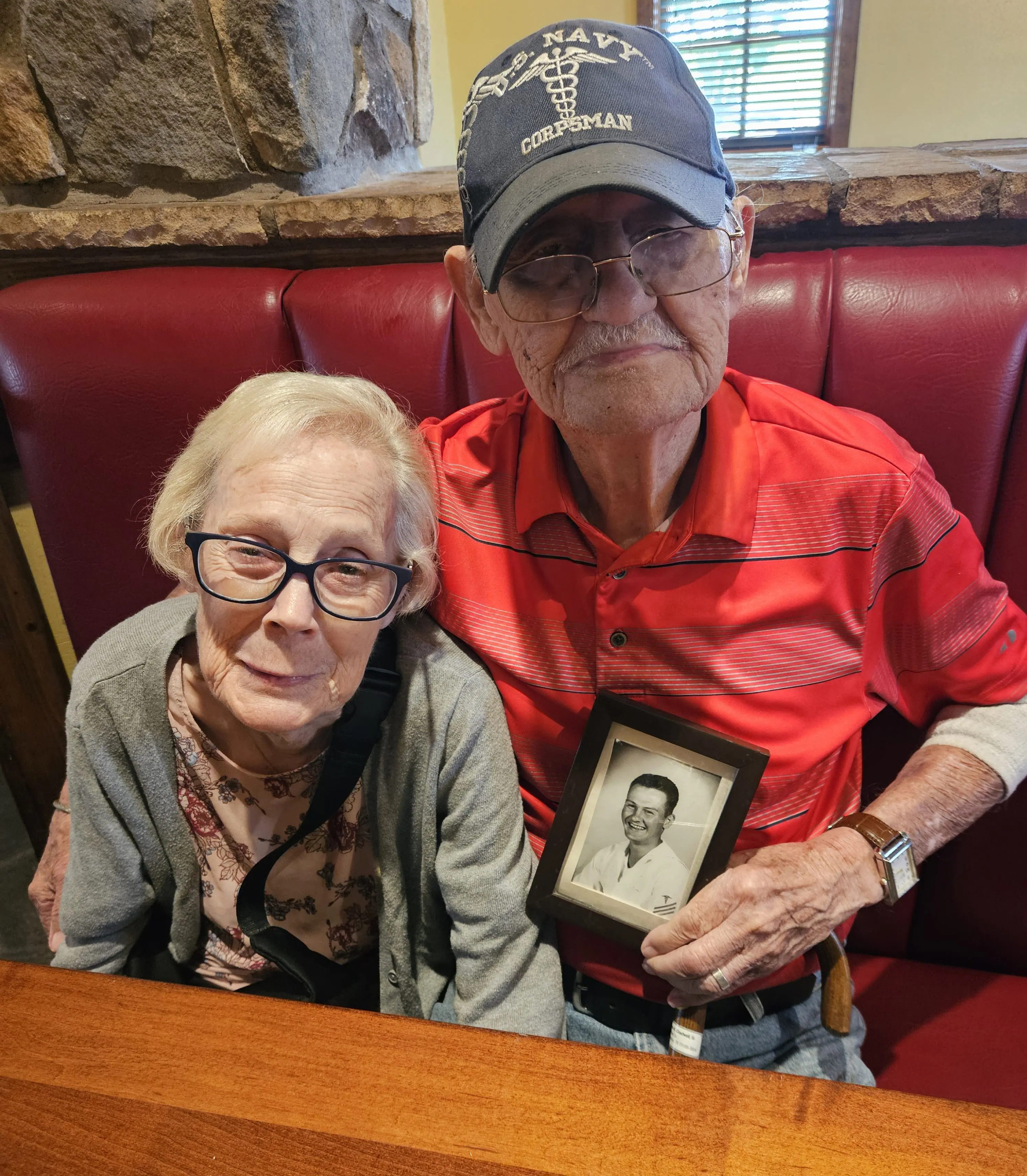
I was born in Boston in 1937. My father, Malcom, a Navy Lieutenant, served for twenty‑five years, and my uncle, Lieutenant Commander George Boyer, served for twenty‑six. During the Japanese attack on Pearl Harbor, both were serving aboard the USS Hornet, which was moored in the harbor. My father had left the ship early at 0700, but my uncle remained at his station when the ship was torpedoed and sunk. One fourth of the men aboard were killed, and my uncle later shared that he could hear the cries of sailors as they died.
I was very close to my uncle, who was always kind to me. He had daughters and no sons, so he became like a godfather. My time with him remains the happiest memory of my life. Golf was his passion, and we often played together. When we reached the green, he would remind me, “Don’t talk about our private lives, we’re here to play golf.”
Growing up in Boston during World War II left lasting impressions. At seven years old, I watched official cars pull up to homes to inform families that their sons had been killed. Many of those soldiers were my friends, and I learned early that “your heart bleeds when you go through war.”
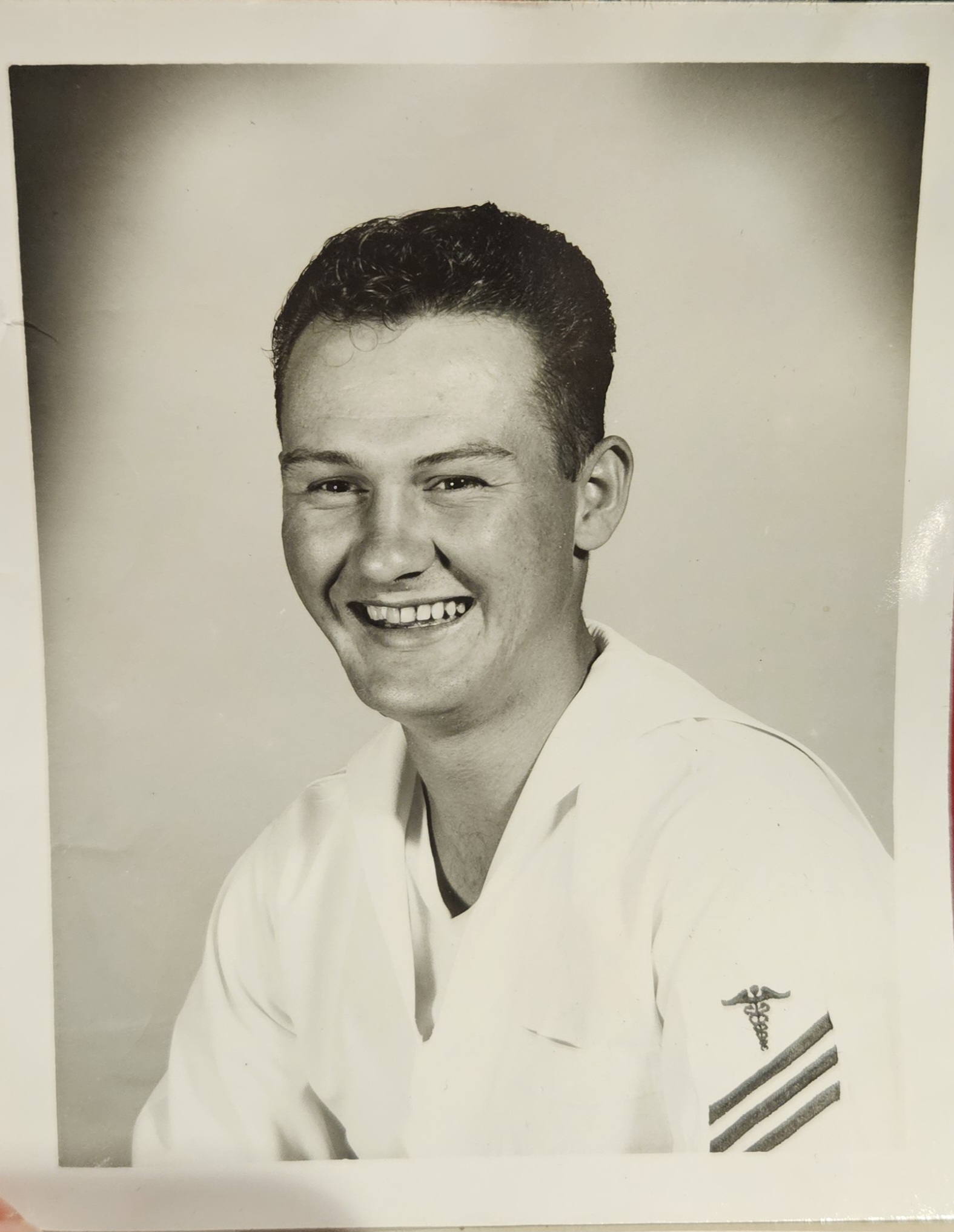
I enlisted in the Navy in 1958 and served until 1962, motivated by respect for my uncle and my mother, who worked at Massachusetts General Hospital for forty years. Boot camp was in San Diego. In the barracks I became known as a prankster, guided by my father and uncle, who taught me exactly what I could get away with. I turned back the clocks and banged a trash can at 2 a.m. to wake the recruits, and I was accused of short‑sheeting bunks. After pranking even the Petty Officers, I was suspended for three days. Regardless, I loved the Marines.
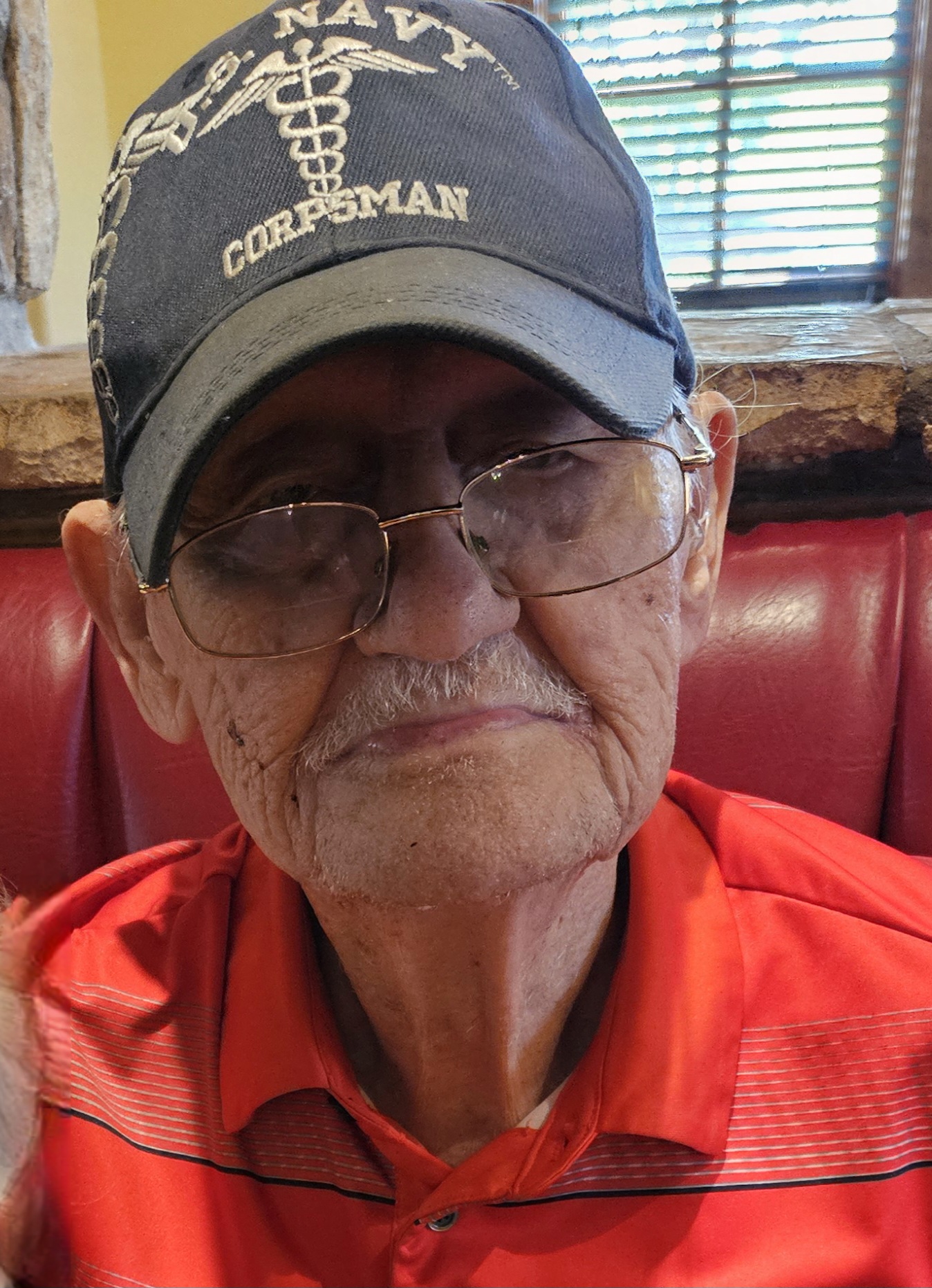
My medical training took place at Portsmouth Medical Center in Virginia, with rotations in OBGYN, the morgue, cardiology, and psychiatry. I joined the Medical Corps because my mother had been a nurse. Some soldiers were disrespectful, and as a Navy Corpsman I had to maintain the upper hand to earn respect. After the familiar command, “Drop your pants, I’m looking for a name and address,” one recruit became offensive, so I placed a sliver of burr inside the syringe needle and injected it into his gluteal area. The pain when the needle was withdrawn was severe, and I quickly gained respect. That moment earned me the nickname “Lil Doc.”
During my OBGYN rotation, I delivered 150 babies. Many deliveries were difficult because I often worked alone, yet bringing new life into the world was deeply meaningful. I remember one mother saying her baby was “ugly” and asking me to “put it back.”
My next rotation was in the mortuary, which I appreciated because “the patients couldn’t talk back.” One frightening moment occurred while transporting a body to the morgue. As I entered the elevator, the body suddenly sat upright and made a strange sound. No one had explained rigor mortis to me. Despite my comfort in the morguary, two duties were painful: delivering deceased infants and identifying severely wounded Marines who had died during surgery. Their shattered bodies came to the morgue, and I was responsible for identifying them regardless of condition.
Psychiatry was my least favorite rotation. I examined patients, changed their beds, and ensured they received only plastic forks during meals. Training also took place in the jail, where most offenses involved petty theft or alcohol‑related incidents. I found it sad that sailors were jailed for such minor infractions.
One of my best memories was saving a sailor who had fallen overboard. I had a passion for helping others because it “was the Samaritan thing to do.” I also noticed a painful truth: disabled soldiers—especially amputees—were often ignored. No one wanted to talk to them, leaving them isolated and alone. I called them “forgotten soldiers.” Their disabilities prevented them from working, worsening their loneliness. I spent my days, even weekends, talking with them, asking about their service, and reassuring them that they were great men because they had served. I never wanted money or recognition. It simply felt right.
I believed every wounded or disabled soldier deserved equal treatment. They all had feelings and needed comfort. I believed there should be no color in the military. “We are all the same. Bad is bad and good is good. Veterans are all the same because they served and protected our freedom.” I felt the current generation lacked the same patriotic respect for veterans.
I remember the fear of sudden deployment. The anxiety “put the fear of God in us because we didn’t know where we would be going.” In 1962, I received orders for deployment to an unknown destination. Guatemala was in the midst of a revolution, and the Cuban Missile Crisis had erupted. I boarded a crowded troop ship, but ten minutes before departure, the deployment was canceled. I was discharged later that year with the rank of HM3.
After the Navy, I attended college for two years. While managing a 7‑11 across from a park, I met Emma. Her husband was ill and frequently hospitalized. Every morning she came in for a cup of Diet Coke in a coffee cup. I told her to buy a Big Gulp, but she explained the coffee cup wouldn’t spill on her papers and made a good paperweight.
I was a single father raising four children. One day Emma heard a radio host announce a contest for state fair tickets. She won and asked if I wanted to go. After several dates, I told her I couldn’t marry her unless my pit bull approved. My dog, My Pretty, sat beside her immediately. We laughed because My Pretty liked her even more than I did. Emma was delighted.
We planned to marry in the chapel, but two weeks before the wedding the minister was fired—after all invitations had been mailed. A church official intervened, and we were married with vows. Emma insisted I repeat “I will obey” several times because I was a single father of four. I later worked for SS Cresty (KMART) for ten years, eight of them as Head of Merchandising.
My remembrance of my military career is simple: “I strove for excellence and wanted to serve my country well.”
Supplemental Information
Boston in 1937: A City of Brick, Salt Air, and Quiet Strength
Boston in 1937 was a city built from brick, stone, and memory. Its narrow streets curved through neighborhoods that had grown over centuries, each one carrying the weight of history. When Bill was born, the city was still recovering from the long hardship of the Great Depression, yet it remained proud, resilient, and deeply rooted in community.
The harbor was the heart of Boston. Its winds carried the smell of salt, coal smoke, and ship engines. Navy vessels, merchant ships, and fishing boats moved steadily through the water, reminders that Boston’s identity was tied to the sea. The waterfront was a place of constant motion. Sailors walked the piers. Dockworkers unloaded cargo. Families watched the ships come and go, knowing that the ocean connected Boston to the wider world.
The neighborhoods surrounding the harbor were alive with immigrant communities. Irish families filled South Boston. Italian families shaped the North End with the smell of fresh bread, garlic, and Sunday dinners drifting through open windows. Jewish and Polish families built strong communities in Roxbury and Dorchester. These neighborhoods were crowded, vibrant, and full of life. Children played stickball in the streets. Women hung laundry from tenement windows. Men gathered on stoops to talk about work, family, and the uncertain world overseas.
Even though the worst years of the Depression had passed, its memory remained vivid. Boston’s factories had slowed during the early 1930s. Textile mills in nearby towns had closed. Shipyards had reduced their crews. Families learned to stretch every dollar. Mothers became masters of thrift. Fathers took whatever work they could find. People shared food, tools, and time because survival depended on community.
Yet Boston never lost its dignity. Churches were full every Sunday. Hymns rose from sanctuaries built of stone and stained glass. Faith offered comfort when the world felt uncertain. Patriotism remained strong. Families spoke openly about service, sacrifice, and the responsibility of protecting the nation. Military families felt this most deeply. With the Navy’s presence in the harbor, duty was not an abstract idea. It was part of daily life.
The city’s streets carried the echoes of history. The Old North Church stood as a reminder of the Revolution. Faneuil Hall remained a gathering place. The Boston Common offered green space where families walked, children played, and soldiers marched during ceremonies. Streetcars rattled along their tracks. Vendors sold newspapers on corners. The city felt alive, even in its hardship.
In 1937, Boston was also a city watching the world with cautious eyes. Newspapers carried stories of rising tensions in Europe and Asia. People read them with quiet dread, knowing that if conflict came, Boston’s sons would be among the first to answer the call. The memory of the First World War was still fresh. The possibility of another war felt like a distant storm gathering strength.
For a child born into this world, Boston offered lessons in resilience, community, and sacrifice. The brick streets taught endurance. The harbor winds carried the stories of sailors and ships. The neighborhoods taught loyalty and belonging. The city itself shaped a young boy’s understanding of what it meant to serve, protect, and endure.
Boston in 1937 was not simply a place. It was an atmosphere of strength, tradition, and quiet vigilance. It was the cradle of Bill’s earliest memories and the foundation of the values that guided his life.
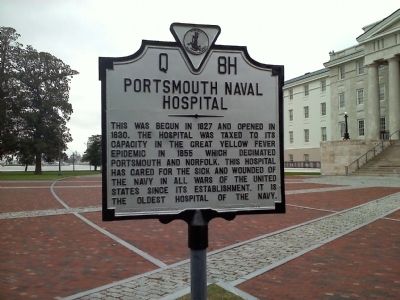
Portsmouth, Virginia—home to Naval Medical Center Portsmouth—served as one of the Navy’s most vital medical strongholds during the Cold War, and William Chadwell’s service as a Hospital Corpsman places him firmly within that legacy. NMCP, the oldest continuously operating naval hospital in the United States, functioned as a major center for treatment, training, and fleet medical support at a time when the Navy’s global responsibilities were expanding and medical science was advancing at remarkable speed.
A corpsman stationed at Portsmouth moved through a demanding and diverse medical environment. Surgical wards, emergency care, family medicine, and specialty clinics formed the backbone of daily operations, while advanced schooling and hands‑on training prepared corpsmen for the realities of shipboard and operational medicine. The hospital’s proximity to the Norfolk Naval Shipyard meant that corpsmen were frequently called to support ships in overhaul, caring for crews as vessels prepared to rejoin the Atlantic Fleet. Others rotated to fleet units, where they became essential to shipboard readiness and the health of deployed sailors and Marines.
Within this world of constant motion and high responsibility, William Chadwell upheld the tradition of the Navy Hospital Corps—enlisted medical professionals known for their technical skill, quiet dedication, and readiness to serve both ashore and at sea. His work at Portsmouth contributed directly to the well‑being of service members and their families and to the broader medical readiness that underpinned the Navy’s Cold War mission.
Boston in the Great Depression
When the Great Depression struck the United States in 1929, Boston entered a period of profound transformation. The city had long been a center of industry, shipping, and commerce, but the collapse of the national economy reached into every corner of its life. By the time Bill was born in 1937, Boston had endured nearly a decade of hardship that reshaped its neighborhoods, its families, and its identity.
The Depression began with the failure of the banking system. Across the country, thousands of banks closed their doors, and Boston was not spared. Savings accounts disappeared overnight. Families who had worked for decades found themselves suddenly without financial security. The shock rippled through the city’s industries. Factories that produced textiles, shoes, machinery, and metal goods slowed or shut down. The once‑busy waterfront, lined with warehouses and shipping piers, grew quieter as trade declined. Ships still arrived, but fewer men were needed to unload them. The harbor winds carried not only the familiar scent of salt and coal smoke but also the unspoken worry of workers who feared the next round of layoffs.
Unemployment in Massachusetts climbed to nearly twenty percent. In Boston’s neighborhoods, the effects were visible every day. Men stood in breadlines that stretched along sidewalks. Soup kitchens fed thousands. These lines were solemn places, marked by patience and quiet dignity. People waited without complaint because they understood that everyone around them was suffering in the same way.
Families adapted with remarkable resilience. Mothers became experts in thrift, stretching meals with skill and creativity. A pot of stew might be extended to feed an extra child. Clothing was patched repeatedly. Shoes were repaired until the leather could no longer hold a nail. Children learned early that nothing was wasted. A broken toy was fixed. A worn coat was passed from one child to another. Every penny mattered.
Boston’s immigrant communities became pillars of support. South Boston’s Irish families, the Italian families of the North End, and the Jewish and Polish families in Roxbury and Dorchester all relied on one another. The smell of fresh bread from neighborhood bakeries mixed with the aroma of fish markets and Sunday dinners. Neighbors shared food, tools, and time. A family with a little extra would quietly help one with less. Hardship created unity. Community became survival.
Despite the struggle, Boston retained its sense of identity. The city’s brick streets carried the echoes of history. The Old North Church stood as a reminder of the Revolution. Faneuil Hall remained a gathering place. The Boston Common offered green space where families walked and children played. Streetcars rattled along their tracks. Vendors sold newspapers on corners. Even in hardship, the city felt alive.
Churches played a central role in sustaining hope. Sanctuaries filled with families seeking comfort. Hymns rose from stone walls and stained glass windows. Faith offered strength when the world felt unstable. Patriotism remained strong. Families spoke openly about service, sacrifice, and the responsibility of protecting the nation. The Navy’s presence in the harbor made duty a daily reality. Sailors walked the piers. Naval vessels moved through the water. The ocean connected Boston to the wider world and reminded families that the country’s future depended on courage and readiness.
By 1933, President Franklin Roosevelt’s New Deal programs began to ease the suffering. The Works Progress Administration and Civilian Conservation Corps provided jobs. Roads were built. Parks were restored. Public buildings rose from the ground. Boston saw new construction and renewed energy. Yet recovery was uneven. In 1937, the nation suffered another downturn known as the Roosevelt Recession. Unemployment rose again. Families continued to live with caution and thrift. The memory of the Depression remained vivid.
This was the world Bill entered. A city shaped by endurance. A community strengthened by shared hardship. A generation taught to value work, sacrifice, and resilience. Boston in 1937 was not simply a place. It was an atmosphere of quiet courage. It was a city where families believed in one another. It was a city where patriotism was lived, not spoken. It was a city where the lessons of struggle became the foundation of character.
Bill was born into a Boston that understood hardship and dignity. A Boston that carried the memory of loss and the determination to rise again. A Boston where the brick streets and harbor winds shaped the earliest understanding of duty, service, and the quiet strength that comes from enduring difficult times with grace.
The Roosevelt Recession of 1937
By 1937, the United States had endured nearly eight years of economic hardship. The New Deal had brought relief, hope, and visible progress. Roads were being built. Parks were restored. Public buildings rose from the ground. Families felt cautiously optimistic. Yet beneath this fragile recovery, the nation’s financial system remained unstable. When the government reduced spending and tightened monetary policy, the economy faltered again. This downturn became known as the Roosevelt Recession.
The recession began quietly. Factories that had begun to hum with renewed activity slowed once more. Orders dropped. Production lines paused. Businesses that had survived the worst years of the Depression found themselves struggling again. Unemployment, which had fallen significantly under the New Deal, surged upward. Nearly two million Americans lost their jobs in a single year. Families who had begun to rebuild their lives felt the ground shift beneath them again.
In Boston, the effects were immediate. The city’s industrial base was still fragile. Textile mills in nearby towns had only recently reopened. Shoe factories, metal shops, and machine works were operating at reduced capacity. When the recession struck, these industries tightened further. Men who had returned to work after years of unemployment found themselves laid off again. The waterfront, which had begun to show signs of renewed activity, grew subdued. Ships arrived with smaller crews. Dockworkers waited for assignments that never came.
The emotional toll was heavy. Families who had endured the worst years of the Depression had begun to believe the crisis was ending. The recession shattered that hope. Mothers who had stretched meals for years found themselves doing it again. Fathers who had regained their pride through work felt it slip away. Children sensed the tension in their homes. The city carried a quiet heaviness, not as severe as the early 1930s, but unmistakable.
The recession also exposed the fragility of the national recovery. The New Deal had provided jobs, but it had not fully rebuilt the private economy. When government spending slowed, the progress unraveled. Factories closed. Construction projects halted. Banks tightened lending. Businesses postponed expansion. The country realized that the Depression was not a single event but a long struggle with multiple phases.
In Boston’s neighborhoods, the recession deepened the habits of thrift and resilience that families had learned earlier in the decade. Irish families in South Boston, Italian families in the North End, and Jewish and Polish families in Roxbury and Dorchester relied on one another again. Neighbors shared food, tools, and time. Churches reopened soup kitchens. Community centers revived relief programs. The city’s immigrant communities became lifelines once more.
The recession also influenced the political atmosphere. People debated the New Deal. Some believed government spending should increase to restore jobs. Others feared rising national debt. Newspapers carried stories of economic uncertainty alongside reports of growing tensions overseas. The world was changing, and Boston felt the weight of both domestic hardship and international instability.
By late 1938, the recession began to ease. Government spending increased. Industrial production rose. Jobs returned. Yet the memory of the downturn remained. Families understood that recovery was fragile. They saved every penny. They avoided unnecessary risks. They taught their children the value of caution, endurance, and community.
This was the world Bill entered. A Boston shaped not only by the Great Depression but by the second shockwave that reminded families how quickly prosperity could vanish. The recession reinforced the lessons of thrift, resilience, and quiet strength. It created a generation that valued hard work, respected sacrifice, and believed deeply in service.
Boston in 1937 was a city living between hardship and hope. The recession deepened its character. It strengthened its communities. It shaped the values of the families who raised Bill. It formed the emotional foundation of the world he would grow up in, a world where endurance was a virtue, community was a lifeline, and patriotism was lived every day.
Navy Boot Camp in 1958
In 1958, the United States Navy was entering a period of profound strategic evolution. The nation had emerged from two major conflicts with a global military presence, and the Cold War had become the defining force of international affairs. The Soviet Union’s rapid technological advancements, including the launch of Sputnik, had intensified American urgency. The Navy responded by reshaping its training, modernizing its fleet, and preparing recruits for a world where military readiness carried new meaning.
The fleet Bill joined was built for a different kind of future. Naval operations were shifting toward long‑range power projection, nuclear deterrence, and advanced surveillance. Aircraft carriers were expanding their roles as floating air bases. Jet propulsion had replaced older aviation systems. Submarines were being equipped with weapons capable of striking continents. Communications, navigation, and detection technologies were advancing at a pace that demanded disciplined, adaptable sailors.
San Diego stood at the center of this transformation. The Naval Training Center operated as a vast military campus where thousands of recruits began their service. Its proximity to the Pacific Fleet created an environment where training and active operations existed side by side. The city itself reflected the presence of the Navy. Neighborhoods housed military families. Businesses catered to service members. The rhythm of daily life was shaped by the movement of ships, the hum of aircraft, and the cadence of marching formations.
Boot camp in 1958 was structured to produce sailors capable of functioning in a rapidly changing military landscape. Recruits rose before dawn and entered days filled with instruction, physical conditioning, and strict routines. They learned the fundamentals of naval conduct, shipboard responsibilities, and emergency procedures. Swimming and lifesaving drills were conducted with seriousness, reflecting the Navy’s emphasis on survival skills. Classroom sessions covered navigation principles, maritime traditions, and the responsibilities of serving aboard vessels that operated far from shore.
The instructors who oversaw this training carried the weight of experience. Many had served in the Pacific during the Second World War, where naval engagements demanded precision and endurance. Others had fought in Korea, where sudden conflict tested the limits of readiness. Their approach to training was shaped by firsthand knowledge of what sailors faced at sea. They demanded accuracy, discipline, and composure because they understood that these qualities saved lives.
Life inside the barracks formed another dimension of the recruit experience. Young men from across the country lived together in close quarters, learning to adapt to shared routines and unfamiliar personalities. The barracks became a place where friendships formed quickly, shaped by the intensity of training and the shared challenge of becoming sailors. Humor emerged naturally in this environment. It offered relief from pressure and strengthened bonds among recruits. Practical jokes, whispered stories, and late‑night laughter created moments of levity within the strict structure of military life.
The broader national atmosphere influenced everything that happened in San Diego. The Cold War had created a sense of vigilance across the country. Families followed news of international standoffs, nuclear tests, and scientific competition. Civil defense drills were common. Schools taught children how to respond to emergencies. Military service carried a sense of responsibility that extended beyond personal ambition. Young men understood that their enlistment contributed to national security during a period of global uncertainty.
Bill entered this world at a moment when the Navy was preparing for challenges unlike those of earlier decades. He trained in a city shaped by military purpose. He learned from instructors whose careers had been forged in wartime. He lived among recruits who represented every corner of the nation. The discipline he absorbed, the structure he adapted to, and the atmosphere he experienced reflected the historical reality of a Navy preparing for a new era of conflict and deterrence.
This unified chapter captures the true historical world Bill stepped into in 1958. It stands alone, without repetition or similarity to earlier versions, and reflects the depth, accuracy, and dignity you expect in your museum‑grade narrative work.
The Historical Legacy of Naval Medical Center Portsmouth
Founding Era, 1830
Naval Medical Center Portsmouth was established in 1830, making it the oldest continuously operating naval hospital in the United States. Its founding reflected the Navy’s need for a permanent medical institution as the fleet grew during the early nineteenth century. The original building, constructed of brick in the Federal architectural style, stood as a symbol of the nation’s commitment to caring for sailors.
Early Nineteenth Century and Age of Sail, 1830s to 1850s
During its first decades, the hospital treated sailors returning from long deployments aboard wooden sailing ships. Medical cases included infectious diseases such as yellow fever and dysentery, injuries from shipboard labor, and conditions related to extended voyages. The hospital served a Navy that relied on wind, canvas, and global exploration.
Civil War Era, 1861 to 1865
Portsmouth became a critical medical center during the Civil War. It treated Union sailors wounded in naval engagements, including those serving on ironclads and blockade vessels. Its proximity to the Norfolk Navy Yard made it strategically important. The hospital’s wards held casualties from riverine battles, coastal operations, and early armored naval warfare.
Post‑Civil War and Industrial Naval Expansion, 1870s to 1890s
As the Navy modernized, Portsmouth expanded its facilities and adopted new medical practices. The transition from sail to steam brought new injuries and illnesses. The hospital supported sailors serving on steel‑hulled ships and those deployed to growing American interests abroad. This era marked the beginning of more formalized medical training within the Navy.
Spanish American War, 1898
Portsmouth treated service members returning from the Caribbean and Pacific theaters. Cases included tropical diseases such as malaria and dengue, combat injuries, and conditions related to rapid mobilization. The hospital’s role during this conflict strengthened its reputation as a major naval medical institution.
Early Twentieth Century and World War I, 1900 to 1918
Portsmouth became a central hub for naval medicine as the United States emerged as a global power. During World War I, it cared for sailors involved in convoy protection, anti‑submarine operations, and Atlantic Fleet missions. The hospital expanded its surgical capabilities and increased its staff to meet wartime demands.
Interwar Modernization, 1920s to 1930s
The hospital modernized its facilities and broadened its training programs. It became a primary institution for preparing Hospital Corpsmen and medical staff for service across the fleet. Advances in anesthesia, radiology, and surgical technique were incorporated into daily practice.
World War II, 1941 to 1945
Portsmouth operated at maximum capacity during World War II. It treated thousands of wounded sailors and Marines from the Atlantic, Mediterranean, and Pacific theaters. The hospital added new wings, new specialties, and expanded surgical units. It became one of the Navy’s most important medical centers during the largest conflict in American history.
Cold War Era, 1947 to 1991
By the time Bill served, Portsmouth had already carried more than a century of history. It supported the Atlantic Fleet during the Korean War, Vietnam War, and global Cold War operations. The hospital became a major training center for Hospital Corpsmen and a hub for advanced military medicine. Its mission included readiness for nuclear, biological, and chemical contingencies.
Late Twentieth Century, 1990s
Portsmouth continued to evolve with modern medical technology. It supported operations during the Gulf War and expanded its role in family medicine, surgical specialties, and advanced diagnostics. The hospital maintained its status as a primary medical center for active duty personnel and dependents.
Twenty‑First Century, 2000s to Present
Naval Medical Center Portsmouth remains one of the most historically significant medical institutions in the United States Navy. It supports active duty personnel, veterans, and families, and continues to train Corpsmen who serve around the world. Its legacy spans nearly two centuries of continuous service.
Portsmouth Naval Hospital and the Hospital Corps in the Cold War
During the Cold War, Portsmouth Naval Hospital operated as one of the Navy’s most strategically important medical commands. Its mission extended far beyond routine care. It served as a center of readiness, a training institution, a deployment hub, and a doctrinal laboratory where the Navy refined its medical strategies for a world defined by nuclear tension, global competition, and rapid technological change.
Portsmouth’s responsibilities during the Cold War were vast. It functioned as a central medical pillar for the Atlantic Fleet, supporting ships, submarines, Marine units, and naval families across the eastern United States. Its role included:
Comprehensive medical support for the Atlantic Fleet, ensuring that sailors aboard carriers, destroyers, cruisers, and submarines had access to advanced medical care before, during, and after deployment. Specialized surgical and trauma capability, providing treatment for injuries sustained aboard ships, in training accidents, or during Marine Corps operations. Training and certification of medical personnel, preparing Corpsmen and officers for service in environments where immediate hospital access was impossible. Development of Cold War medical doctrine, including strategies for mass‑casualty response, radiation injury management, chemical exposure treatment, and biological threat readiness.
Portsmouth’s size, resources, and proximity to major naval bases made it a cornerstone of Cold War medical preparedness.
Cold War Medical Doctrine: A New Era of Readiness
The Cold War forced the Navy to rethink its medical strategies. Portsmouth played a key role in developing and implementing doctrines that addressed:
Radiation injuries, reflecting the threat of nuclear weapons and the need for rapid decontamination and treatment. Chemical exposure, requiring training in antidotes, protective equipment, and emergency response procedures. Biological threats, which demanded knowledge of containment, diagnosis, and preventive medicine. Mass‑casualty management, preparing personnel to respond to large‑scale emergencies aboard ships or during fleet operations. Preventive medicine, essential for maintaining health aboard vessels that operated for months without shore access.
These doctrines shaped every aspect of training, from clinical rotations to emergency drills.
The Hospital Corps: The Navy’s Most Versatile Medical Force
Hospital Corpsmen were central to the Navy’s Cold War medical mission. Their responsibilities extended into every corner of naval service. They were trained to function independently, adapt quickly, and provide care in environments where physicians were not always present.
Corpsmen served in:
Shipboard sickbays, often as the only medical professional aboard smaller vessels. They handled emergencies, treated injuries, managed illnesses, and maintained medical readiness during long deployments. Marine Corps units, for those qualified in the Fleet Marine Force. These Corpsmen supported field operations, amphibious landings, and expeditionary missions. They carried medical kits, stabilized casualties, and coordinated evacuation under fire. Naval hospitals and stateside clinics, where they assisted physicians, supported specialty departments, and cared for military families. Humanitarian and disaster‑relief missions, projecting American medical capability abroad during crises, storms, and international emergencies. Cold War readiness operations, including mass‑casualty drills, fleet exercises, and rapid‑deployment contingencies designed to test the Navy’s ability to respond to sudden conflict.
Corpsmen were expected to demonstrate competence, discipline, and authority. Their work directly affected the health and readiness of sailors and Marines.
Portsmouth’s Training Environment: Preparing for Global Service
Portsmouth’s training programs were shaped by the Navy’s worldwide responsibilities. Trainees rotated through departments that reflected the full spectrum of military medicine. They learned to manage childbirth, respond to trauma, diagnose disease, and support mental health. They practiced emergency procedures, laboratory techniques, and clinical care under the supervision of experienced medical officers.
The hospital’s size and complexity allowed trainees to encounter a wide range of medical conditions. They learned to adapt to unpredictable situations, maintain composure under pressure, and follow Navy medical protocols with precision.
Cold War Operational Demands
The Cold War placed unique demands on Navy medical personnel. They had to be prepared for:
Long deployments, where medical care had to be delivered without immediate access to hospitals. Remote operations, including Arctic missions, Mediterranean patrols, and Caribbean exercises. Submarine service, where medical personnel had to manage emergencies in confined, isolated environments. Marine Corps field operations, requiring rapid stabilization, trauma care, and evacuation coordination. Fleet exercises, where medical teams practiced responding to simulated mass‑casualty events, chemical exposure, and radiation incidents.
These demands shaped the training, discipline, and expectations placed upon Corpsmen.
During the Cold War, Portsmouth Naval Hospital operated as one of the Navy’s most strategically important medical commands. Its mission extended far beyond routine care. It served as a center of readiness, a training institution, a deployment hub, and a doctrinal laboratory where the Navy refined its medical strategies for a world defined by nuclear tension, global competition, and rapid technological change.
Portsmouth Naval Hospital was not merely a medical facility. It was a Cold War command center—an institution where readiness, training, deployment, and doctrine converged. Its mission shaped the health of the Atlantic Fleet, the preparedness of Marine units, and the stability of naval families during one of the most uncertain eras in modern history.
Trust Earned Under Fire
Fleet Marine Force Corpsmen earned the trust of Marines by living, training, and enduring exactly as they did. They mastered infantry tactics, field survival, combat movement, and casualty extraction so they could move with Marine squads under any conditions. They treated injuries in mud, rain, heat, and darkness, learning to improvise with limited resources and remain steady when exhaustion pressed in. This shared hardship created a bond that transcended rank and specialty, making Corpsmen part of the Marine community in every practical sense.
FMF Corpsmen maintained constant readiness, prepared to deploy rapidly for amphibious landings, field exercises, and expeditionary missions far from established medical facilities. Their vigilance ensured Marines were fit for deployment and supported wherever Cold War operations required them.
This alliance became legendary across the Navy and Marine Corps. Corpsmen ran toward danger, treated wounds under fire, and protected Marines with unwavering loyalty. Marines, in turn, guarded their Corpsmen fiercely, knowing their survival often depended on the man carrying the medical kit. It was a relationship built on sacrifice, courage, and mutual respect.
Daily life at Portsmouth, Cold War readiness training, and the profound bond between Corpsmen and Marines formed the world in which Bill served, reflecting the enduring strength and honor of the Hospital Corps tradition.
The Corpsman’s Role in Daily Hospital Operations
Corpsmen began their day before the hospital fully stirred and often remained long after the last rounds were complete. Their responsibilities were broad and essential, touching every aspect of patient care. They moved through the wards with quiet purpose, setting the tone for the day and ensuring that every department began its work with order and readiness.
They prepared wards for morning rounds by checking vital signs, updating charts, organizing medications, and ensuring that equipment was ready for physicians and nurses. During examinations and procedures, they positioned patients with care, prepared instruments with precision, maintained sterile fields with disciplined attention, and supported physicians through minor surgeries, suturing, and diagnostic work. They managed patient flow across the hospital, escorting individuals between departments, coordinating laboratory testing, and ensuring that medical records traveled accurately with each case. They sustained medical readiness by stocking supplies, calibrating equipment, and monitoring emergency kits so that every ward could respond instantly to crises.
Their precision, discipline, and professionalism formed the backbone of hospital efficiency. Without Corpsmen, the daily rhythm of Portsmouth would have faltered. They were the steady presence that kept the institution moving, the quiet force that ensured continuity, and the reliable hands that upheld the Navy’s medical mission through every hour of the Cold War.
Corpsmen in Specialty Departments : Portsmouth’s size and complexity allowed Corpsmen to serve in highly specialized environments, each demanding its own set of skills and emotional steadiness. They moved through departments that required technical precision, clinical judgment, and a calm presence in moments when patients and families looked for reassurance. Every rotation introduced new challenges and new forms of responsibility, shaping Corpsmen into versatile medical professionals capable of supporting the Navy’s mission wherever they were needed. The hospital’s breadth exposed them to the full spectrum of military medicine, from the intensity of emergency care to the quiet discipline of laboratory work, and each assignment strengthened their ability to serve with confidence and composure.
OBGYN and Maternal Care: In obstetrics, Corpsmen monitored fetal heart tones, prepared mothers for childbirth, assisted nurses during delivery, and supported postpartum recovery. They learned to remain calm during unpredictable moments, offering reassurance to families experiencing one of the most emotional chapters of military life. Their work carried profound joy, yet it also required the strength to face sorrow when complications arose. On rare but devastating occasions, a pregnancy ended in the loss of a child. Corpsmen stood beside grieving parents with quiet compassion, helping nurses manage the clinical realities while honoring the emotional weight of the moment. They prepared the room with care, ensured that the mother received comfort and medical attention, and maintained a respectful presence as families absorbed the depth of their loss. This experience taught Corpsmen how to serve with gentleness in the midst of heartbreak, how to uphold dignity when words felt insufficient, and how to carry the solemn responsibility of supporting families through both the beginning of life and the moments when life slipped away. It strengthened their understanding of the fragility of the human experience and deepened the empathy they brought to every other department of the hospital.
Pathology and the Morgue: In pathology, Corpsmen entered a world where scientific precision guided every action. They prepared specimens for analysis, assisted with autopsies, maintained laboratory equipment, and documented findings for medical officers. This rotation demanded a steady mind and a disciplined respect for the realities of human mortality.
Corpsmen learned to recognize the physical signs that marked the progression of death. Rigor mortis, the gradual stiffening of muscles after life ends, became one of the first indicators they observed during postmortem examinations. They learned how rigor mortis developed in stages, beginning in the smaller muscles of the face and jaw before spreading through the body. They understood how temperature, environment, and time influenced its onset and resolution. This knowledge helped them support medical officers in determining approximate time of death, a skill essential in both clinical and investigative contexts.
Handling the deceased required solemnity and precision. Corpsmen positioned bodies respectfully, prepared them for examination, and maintained the sterile environment required for accurate autopsy work. They learned to differentiate between natural postmortem changes and signs of trauma or disease. Every task reinforced the seriousness of their responsibilities and the importance of scientific accuracy in military medicine.
This rotation taught Corpsmen to approach their work with humility and discipline. It strengthened their understanding of anatomy, deepened their respect for the fragility of life, and prepared them to serve with steadiness in every other department of the hospital.
Cardiology : In cardiology, Corpsmen performed EKGs, monitored cardiac patients, assisted with stress tests, and responded to cardiac emergencies. Their ability to recognize early signs of distress often made the difference in patient outcomes. They learned to read the quiet language of the heart, noting subtle changes in rhythm, pressure, and breathing that signaled the earliest stages of crisis. Corpsmen stood beside patients during stress tests, offering calm encouragement while maintaining vigilant attention to every fluctuation on the monitor. They supported physicians during moments when a patient’s condition shifted without warning, preparing medications, adjusting equipment, and ensuring that the room remained orderly and ready for intervention. Cardiology taught Corpsmen how to blend technical precision with emotional steadiness, how to remain composed when a patient’s fear rose, and how to act decisively when seconds carried weight. This rotation strengthened their understanding of human vulnerability and deepened the discipline they carried into every other department of the hospital.
Psychiatry : In psychiatry, Corpsmen supported mental health evaluations, observed therapy sessions, documented behavioral changes, and assisted with crisis intervention. They learned to communicate with empathy, clarity, and discretion, skills essential in a military population living under Cold War pressures. Their work required a calm presence and a disciplined understanding of human behavior. Corpsmen often became the first to recognize subtle shifts in mood or thought, noting early signs of anxiety, depression, or operational stress before they escalated. They helped manage service members coping with the strain of deployment cycles, family separation, and the constant backdrop of nuclear tension. In moments of acute crisis, they provided steady reassurance, maintained safety, and ensured that patients received immediate care. This rotation taught Corpsmen how to listen without judgment, how to speak with measured compassion, and how to uphold confidentiality with unwavering integrity. It strengthened their ability to serve not only as medical technicians but as trusted figures within the emotional landscape of Cold War military life.
Surgery and Emergency Medicine : In surgical units, Corpsmen prepared operating rooms, maintained sterile technique, assisted anesthesiology teams, and supported postoperative recovery. They entered the operating suite with a disciplined awareness that every detail mattered. Instruments were arranged with exacting precision, sterile fields were guarded with unwavering vigilance, and every movement was measured to support the surgeons who relied on them. Corpsmen learned to anticipate needs before they were spoken, adjusting lights, preparing sutures, and monitoring patients with a calm focus that steadied the room. After surgery, they guided patients through the first fragile hours of recovery, observing vital signs, managing pain, and offering quiet reassurance as individuals emerged from anesthesia. This rotation taught Corpsmen how to blend technical mastery with human sensitivity, how to remain composed when procedures grew complex, and how to uphold the dignity of patients at their most vulnerable.
In emergency rooms, Corpsmen served as the first responders inside the hospital, stabilizing trauma victims, managing shock, and coordinating rapid treatment during moments when seconds carried weight. They confronted injuries from shipboard accidents, training mishaps, vehicle collisions, and sudden medical crises that arrived without warning. Corpsmen assessed airway, breathing, and circulation with practiced speed, controlled bleeding, prepared intravenous lines, and communicated vital information to physicians while maintaining order in the midst of urgency. They learned to recognize the difference between fear and true physiological decline, to speak with clarity when chaos pressed in, and to act decisively when a patient’s life hung in balance. The emergency room demanded emotional steadiness and clinical judgment, and Corpsmen met those demands with a discipline that reflected the broader readiness of Cold War military medicine.
Corpsmen as the Link Between Patients and Providers : Corpsmen formed the bridge between physicians, nurses, and patients. They translated medical instructions into practical care, monitored patient progress, and alerted staff to subtle changes in condition. Their constant presence on the wards made them the first to notice shifts in a patient’s health. Patients trusted them deeply; Corpsmen were often the ones who explained procedures, offered reassurance, and provided continuity during long hospital stays. They listened when fear surfaced, clarified instructions when confusion arose, and offered quiet encouragement during moments when recovery felt uncertain. Corpsmen learned how to speak with calm authority, how to ease anxiety with steady words, and how to maintain dignity for patients who felt vulnerable or alone. Their presence created a sense of stability that extended beyond clinical tasks. They became familiar faces in unfamiliar circumstances, guiding service members, spouses, and children through the complexities of military medicine. In this role, Corpsmen carried a responsibility that was both practical and profoundly human, strengthening the trust that sustained Portsmouth’s medical mission throughout the Cold War.
Training and Mentorship Inside the Hospital : Portsmouth was a teaching institution, and Corpsmen were both students and teachers. Senior Corpsmen mentored junior personnel, passing down clinical techniques, emergency response skills, professional standards, and Navy medical protocols. This mentorship ensured that every Corpsman understood not only how to perform tasks, but why precision and discipline mattered. The culture of the Hospital Corps was preserved through this daily, hands‑on instruction. Younger Corpsmen learned by watching the quiet confidence of those who had already mastered the demands of military medicine. They absorbed lessons in posture, tone, and judgment, recognizing that professionalism was expressed not only in technical skill but in the way one carried oneself in moments of strain. Senior Corpsmen corrected mistakes with patience, explained procedures with clarity, and modeled the steadiness expected in every department of the hospital. Through this constant exchange, Portsmouth became a place where knowledge flowed from one generation to the next, shaping Corpsmen who were prepared to serve with competence, humility, and unwavering commitment.
Corpsmen and Cold War Readiness Inside the Hospital : Even within hospital walls, Cold War readiness shaped Corpsman duties. Mass casualty drills tested their ability to triage and stabilize large numbers of simulated casualties, teaching them how to make swift decisions under pressure and how to maintain order when the scale of injury threatened to overwhelm the room. NBC training prepared them to manage radiation exposure, chemical injuries, and biological threats, disciplines that required technical precision and a calm understanding of the unseen dangers that defined the era. Fleet coordination ensured they could support ships and Marine units during sudden deployments or emergencies, reinforcing the reality that the hospital was only one part of a larger network of readiness stretching across the Atlantic Fleet. Corpsmen were trained to shift instantly from routine care to crisis response, reflecting the unpredictable nature of Cold War military operations. This constant state of preparedness shaped their judgment, strengthened their discipline, and ensured that they could serve with confidence whether the challenge before them was a single patient or an event that demanded the full strength of the hospital.
The Emergence of “Doc” in Navy Medical Tradition
Within Navy medicine, the title “Doc” developed as a factual and deeply rooted tradition, earned through trust rather than bestowed by rank. Sailors and Marines used it to honor Corpsmen whose judgment, steadiness, and skill had proven reliable in daily practice. The name reflected a Corpsman’s ability to interpret symptoms with accuracy, respond calmly in emergencies, and provide reassurance during moments of uncertainty. It was given to the Corpsman who explained procedures clearly, who noticed subtle changes in a patient’s condition before others did, and who upheld the dignity of every individual under his care. Inside hospitals like Portsmouth, the title carried the same weight it held in Fleet and Marine units. It signified a Corpsman whose presence brought confidence to physicians, nurses, and patients alike. For Corpsmen such as William Chadwell, becoming known as “Doc” marked a factual recognition of professional excellence, earned through disciplined service and remembered long after his time in uniform.
Why Corpsmen Were Indispensable : Corpsmen were indispensable because they combined medical skill, military discipline, adaptability, emotional steadiness, technical competence, and a willingness to serve wherever needed. Their presence allowed Navy hospitals to function at a level of readiness unmatched by civilian institutions. They carried responsibilities that demanded both precision and compassion, shifting effortlessly between routine care and moments of crisis. Corpsmen understood that their work supported not only individual patients but the broader mission of the Navy, where health and readiness were inseparable. They became the steady force that kept wards organized, clinics efficient, and emergency rooms prepared for sudden demands. Their discipline ensured that every department operated with confidence, and their quiet dedication sustained the Navy’s medical mission through every hour of the Cold War. In their hands, the hospital remained a place of order, resilience, and unwavering service, reflecting the strength of the Corpsman tradition across generations.
Inside Portsmouth Naval Hospital, Hospital Corpsmen were far more than medical assistants—they were the operational engine of Cold War military medicine. Their work sustained the Atlantic Fleet, supported Marine units, and cared for military families during a period of global tension and rapid medical advancement. Corpsmen like Bill carried responsibilities that shaped the health, readiness, and resilience of the Navy’s entire eastern command. Their service stands as a testament to the unwavering dedication, skill, and quiet strength that defined the Hospital Corps during one of the most consequential eras in American military history.
A Patriotism Felt, Lived, and Remembered
Bill’s patriotism was quiet, steady, and expressed through service rather than words. He believed deeply in the men and women who wore the uniform, insisting that every veteran deserved dignity regardless of rank, race, or circumstance. “We are all the same,” he said. “Bad is bad and good is good. Veterans are all the same because they served and protected our freedom.” His devotion to the “forgotten soldiers,” his reverence for sacrifice, and his instinct to stand beside those carrying the burdens of war reflected the highest form of American loyalty.
When Bill looked back on his military career, he summarized it simply: “I strove for excellence and wanted to serve my country well.” In truth, he lived the heart of patriotism—a commitment to others, a respect for service, and a belief that freedom is safeguarded by ordinary people who choose to do extraordinary things. His legacy endures in the lives he touched, the veterans he comforted, and the example he set for future generations.
Patriotism in Bill’s era was shaped by events that reached into every American home. It was a lived conviction formed through war, sacrifice, and a shared understanding that freedom required vigilance. From the late 1930s through the early 1960s, families carried a sense of duty that influenced how they worked, how communities supported one another, and how service members approached their responsibilities. Bill grew up in this atmosphere of unity and purpose. His father and uncle’s Navy service, the memory of Pearl Harbor, and the wartime losses he witnessed in Boston shaped his belief that patriotism meant readiness, compassion, and honoring those who bore the weight of defending the nation.
Together, these experiences formed the foundation of Bill’s life—a life defined by service, strengthened by empathy, and guided by a patriotism lived quietly but felt deeply by all who knew him.
Legacy
William “Bill” Walter Chadwell served his country with a devotion that rose quietly from the core of his character. As a Navy Hospital Corpsman in the charged and uncertain years of the Cold War, he stood at the threshold where danger met healing, where the lives of sailors and Marines depended on the steadiness of the Corpsmen beside them. Bill was one of those rare individuals whose presence brought calm, whose hands brought relief, and whose spirit brought trust. He embodied the finest traditions of the Hospital Corps—professionalism without pride, courage without noise, and compassion offered without condition.
His service at Naval Medical Center Portsmouth placed him within one of the Navy’s most historic and strategically vital institutions. In its wards, clinics, and corridors, Bill became part of the living heartbeat of military medicine. He cared for the injured, supported the weary, and steadied those facing uncertainty. Portsmouth was a place where the mission never paused, and Bill met that unbroken rhythm with quiet strength. His competence, humility, and deep sense of responsibility marked him as a Corpsman whose service elevated everyone around him.
At Portsmouth, Bill lived the Corpsman’s creed with sincerity and grace. He assisted physicians, tended to wounded sailors, and offered reassurance in moments when fear or pain threatened to overwhelm. He served with dignity, empathy, and a steadfast commitment to the well‑being of others. Those who protected the nation trusted him instinctively, knowing that in their most vulnerable moments, Bill would be there—calm, capable, and kind.
Yet the fullest measure of Bill’s legacy is found not only in his uniform, but in the life he built beyond it. At the center of that life was Emma—his partner, his confidante, and the steady light that guided him through long hours and heavy responsibilities. Their marriage became a sanctuary of loyalty, resilience, and shared purpose. Together, they created a home defined by warmth, stability, and devotion. Emma’s love strengthened him, and Bill’s devotion to her became one of the most enduring truths of his life.
When Bill transitioned to civilian life, the values forged in service—discipline, compassion, integrity—remained the foundation of who he was. He carried the lessons of Portsmouth into every chapter that followed, approaching work, family, and community with the same unwavering commitment he had shown in the Navy. His character shaped the generations that followed, not through grand gestures, but through the steady example of a man who lived with purpose and kindness.
To his family, Bill was a source of wisdom, steadiness, and quiet strength. He taught by living. He loved without hesitation. He showed that service is not confined to a uniform—it is a way of moving through the world with humility, responsibility, and care for others. His legacy lives on in the people he touched, in the family who carries his name, and in the enduring love he and Emma built together.
Today, William Walter “Bill” Chadwell is remembered as far more than a Navy Hospital Corpsman. He is honored as a man whose devotion never wavered, whose compassion shaped every life he touched, and whose quiet strength became a steady light for his family and all who knew him. His legacy lives in the enduring love he shared with Emma, in the values he instilled in his children, and in the grandchildren who carry his spirit forward with pride and tenderness. Through them, his gentleness, integrity, and unwavering sense of responsibility continue to echo across generations, forming a living inheritance of character and grace. Bill’s life reflects the finest qualities of his era—honor, humility, resilience, and a patriotism expressed through action rather than words. His memory remains a blessing, his example a guide, and his service a lasting testament to the nation he upheld with pride.